The Original Anti-Hero
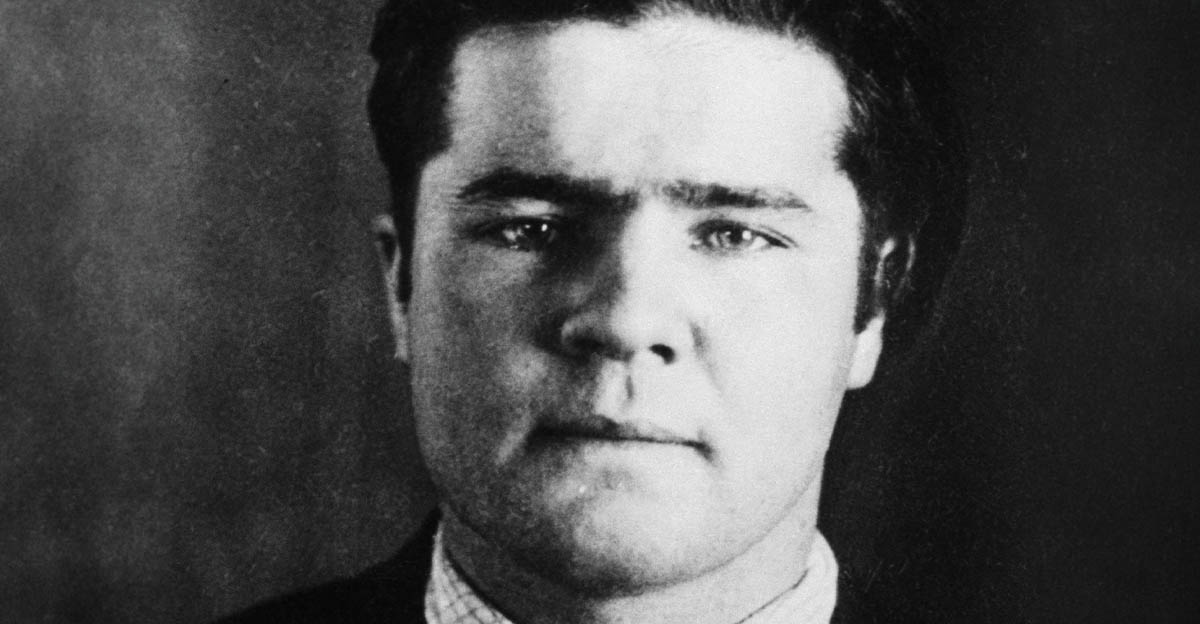
Pretty Boy Floyd was a bank robber and petty outlaw, but he was also the right man at the right moment: active during the Great Depression era of the 1930s, his story captivated regular Americans, who viewed him as a modern-day Robin Hood figure that refused to accept the depraved conditions forced on the working class. It was perhaps for this very reason that he was so relentlessly pursued by the most powerful authorities in the land.
1. He Was A Child Of The South
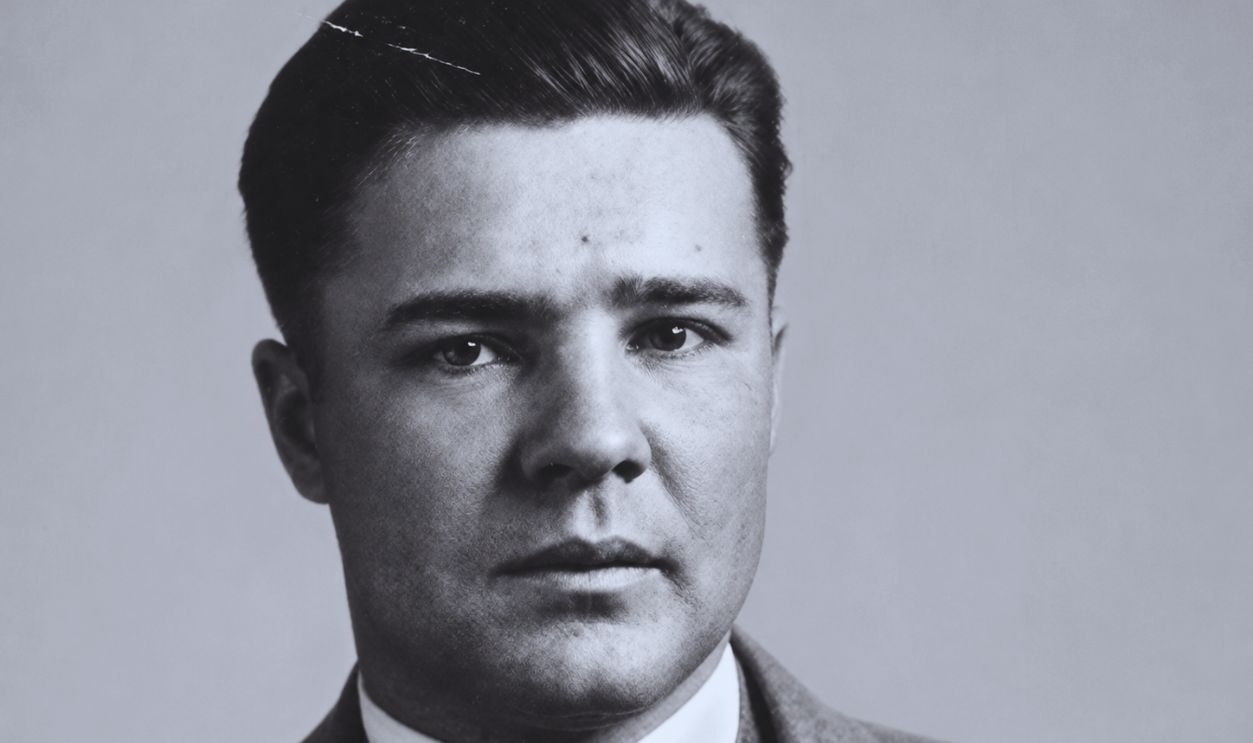
Charles Arthur Floyd was born on February 3, 1904, in Adairsville, Georgia. His parents were Walter Lee and Mamie Helene Floyd, and though not much is known about Charles’ childhood, it was likely precarious. When he was just seven years old, the family upped and moved to Akins, Oklahoma, where the budding young outlaw would spend the rest of his childhood. He had barely left that childhood when he had his first brush with the law.
 FBI, Wikimedia Commons (Modified)
2. He Got Apprehended
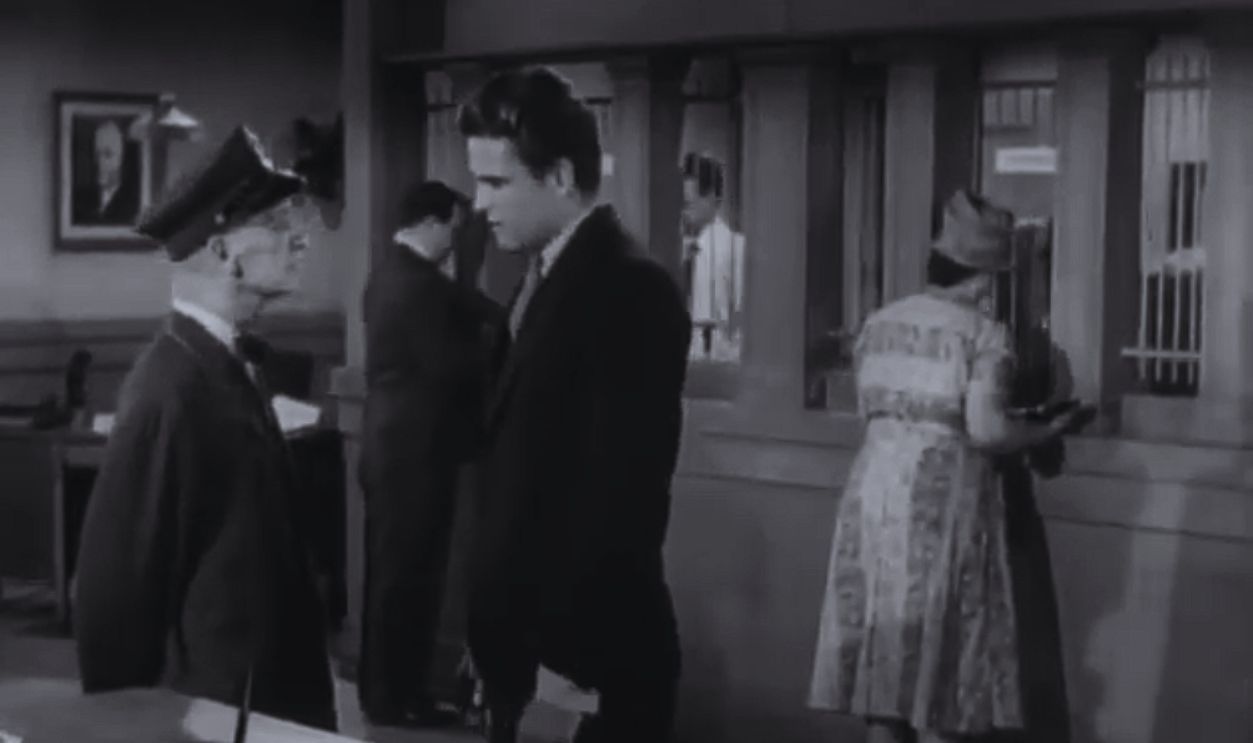
At the age of just 18, authorities apprehended Floyd after they caught him stealing from a post office. The amount he took was paltry, just $3.50 (adjusted for inflation, it was the equivalent of nearly $70 as of 2025). And while he received a mere slap on the wrist that time, Floyd would not keep his nose clean for long.
 Screenshot from Pretty Boy Floyd, Allied Artists Pictures (1960)
3. He Flaunted His Winnings
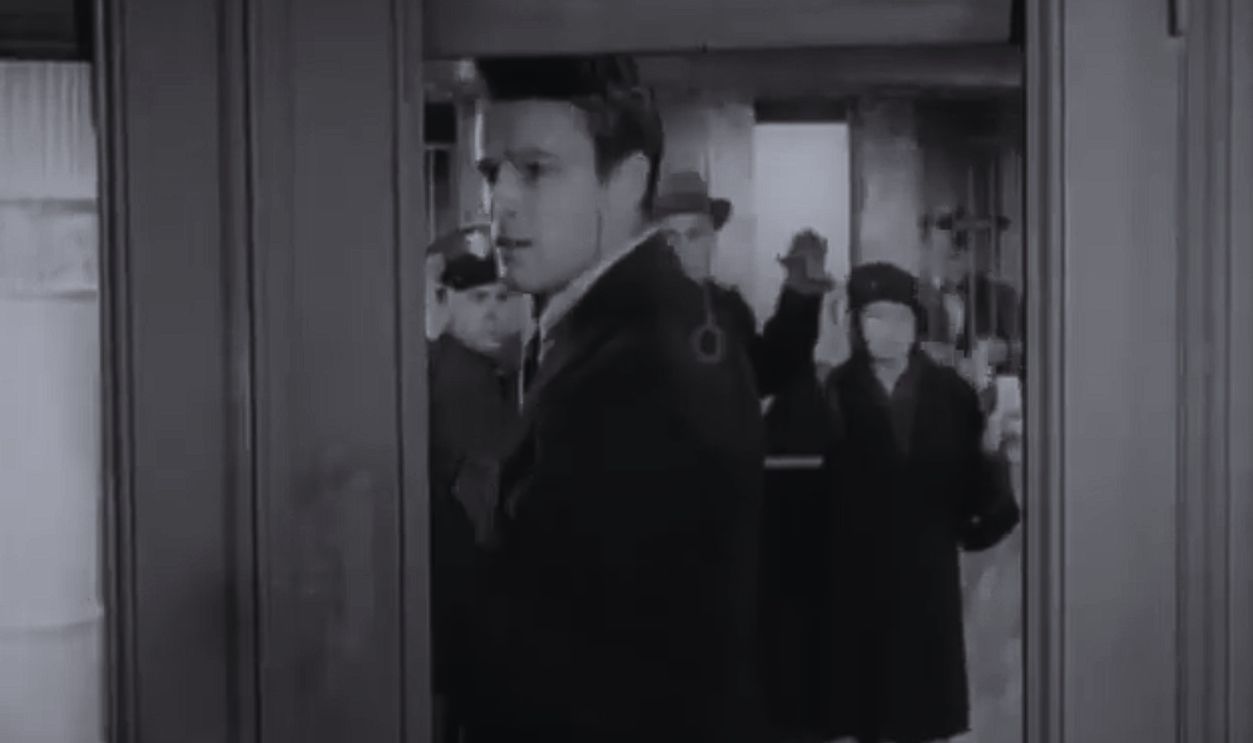
Three years later, on September 16, 1925, Floyd would be involved in a heist with a much higher payout. At the offices, warehouse, and bakery of the Kroger grocery store chain in St Louis, three men robbed the payroll office of $12,000.
A few days later, Floyd and an accomplice showed up in Sallisaw, Oklahoma, driving a flashy new Studebaker. The suspicious Police Chief pulled them over, whereupon he found evidence that connected them to the Kroger heist. Floyd would not get off so lightly this time.
 Screenshot from Pretty Boy Floyd, Allied Artists Pictures (1960)
4. He Got Thrown In The Slammer
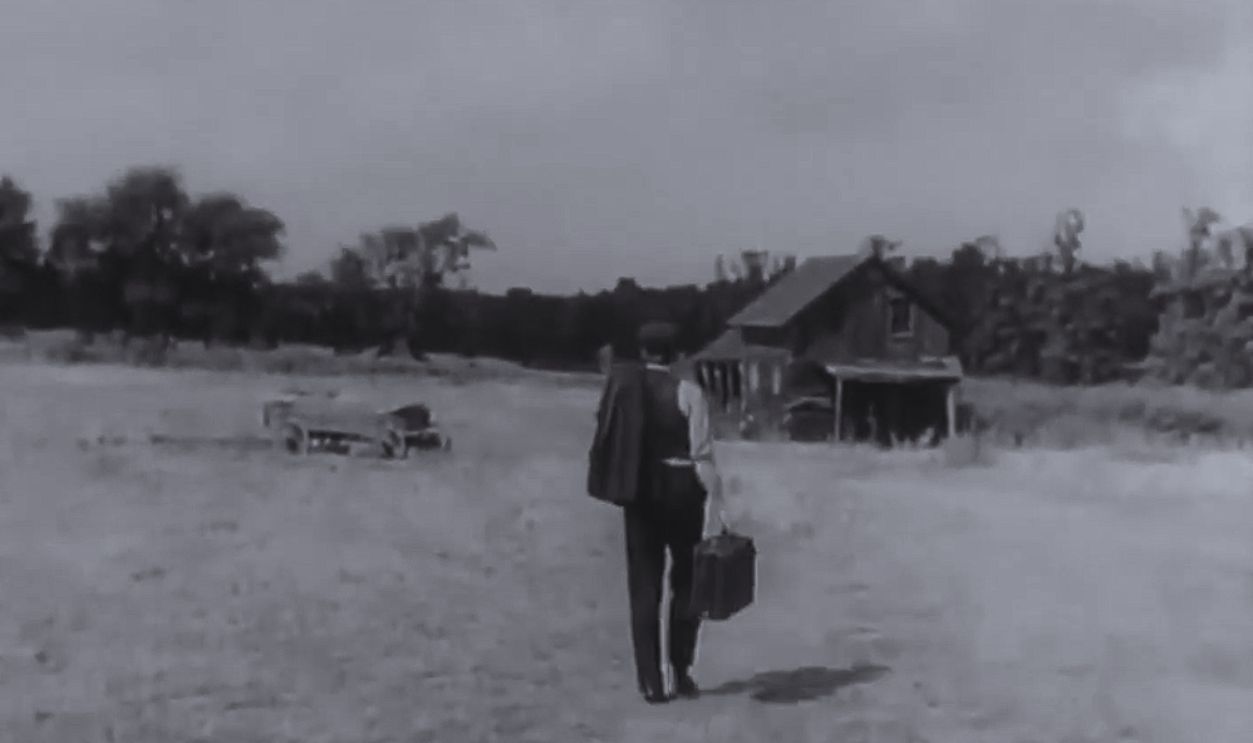
Caught red-handed, the authorities quickly tried and sentenced Floyd. It was an open and shut case, and the young outlaw received five years in the big house. After serving three and a half years, they granted him parole, likely because of good behavior, and he walked out a free man. But ever the opportunist, Floyd would only double down on his outlaw ways.
 Screenshot from Pretty Boy Floyd, 20th Century Fox Television (1960)
5. He Became A Gangster
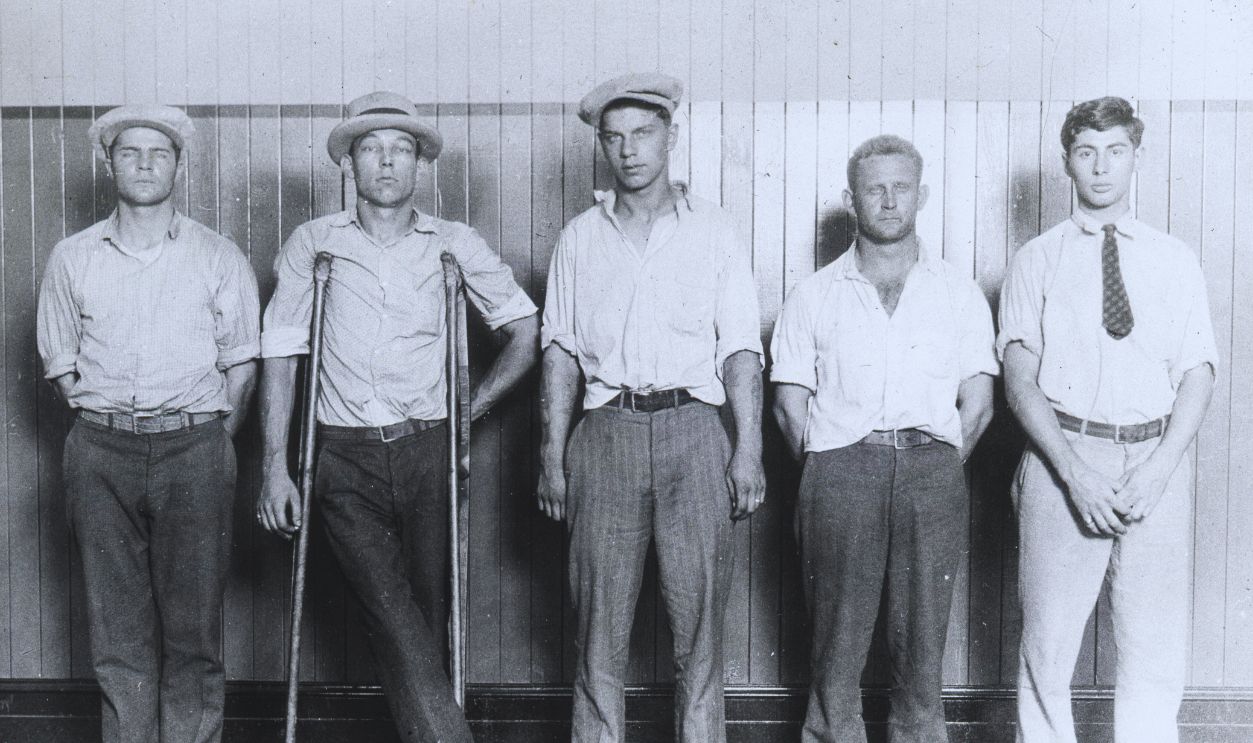
After his parole, Floyd moved to Kansas City which, at the time, was a hub of Prohibition-era organized crime. Floyd enthusiastically entered the Kansas City underworld, forming partnerships with many of its most prominent figures. It was here where he developed his most famous penchant.
 Unknown Author, Wikimedia Commons
6. He Discovered A Talent
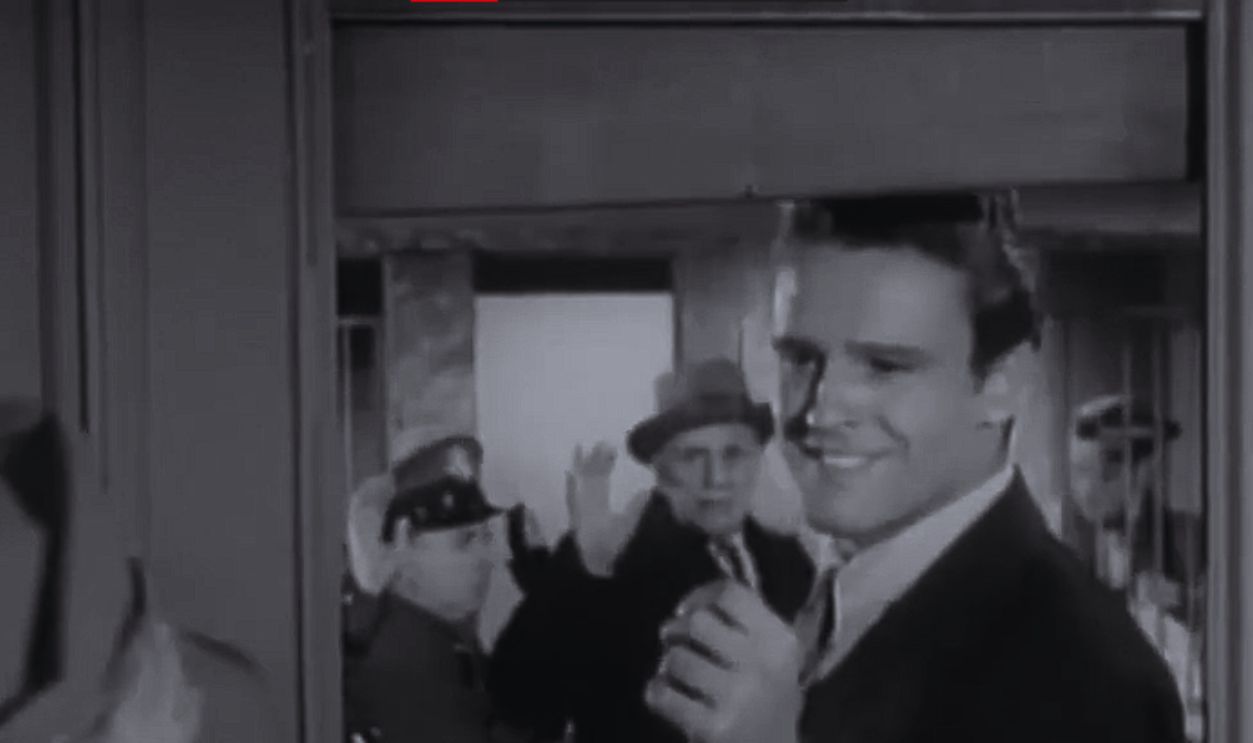
Over the next several years, Floyd was involved in several bank robberies around Kansas City, and he fell hopelessly in love with heists. Perhaps it was the rewards he reaped that hooked him; perhaps it was his supreme talent for it. It was likely a combination of the two. Regardless, it became Floyd’s primary modus operandi going forward. During this time, he gained his other signature feature too.
 Screenshot from Pretty Boy Floyd, 20th Century Fox Television (1960)
7. He Got His Nickname
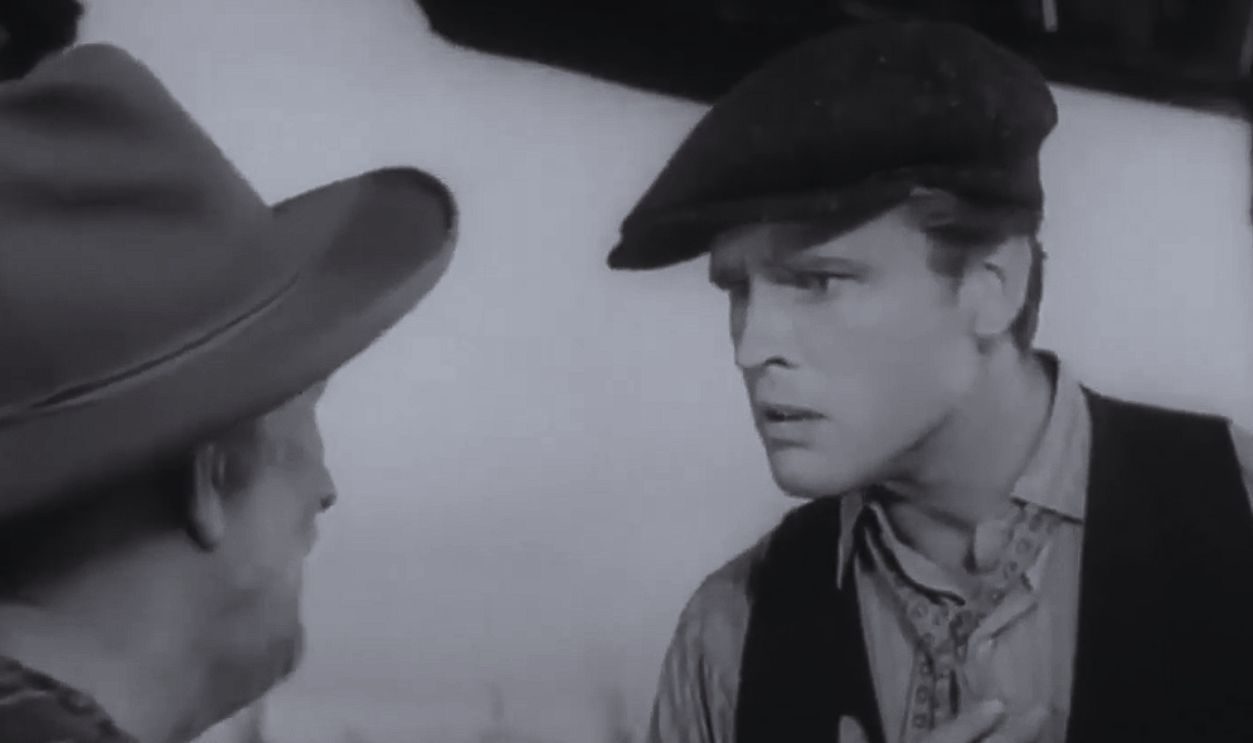
During the course of his involvement in bank robberies and organized gangs, Floyd attained his lifelong moniker and nickname: “Pretty Boy” Floyd. It was the name that millions of newsreaders would come to love over the next decade. But its origins are a matter of dispute.
 Screenshot from Pretty Boy Floyd, 20th Century Fox Television (1960)
8. He Dressed The Part
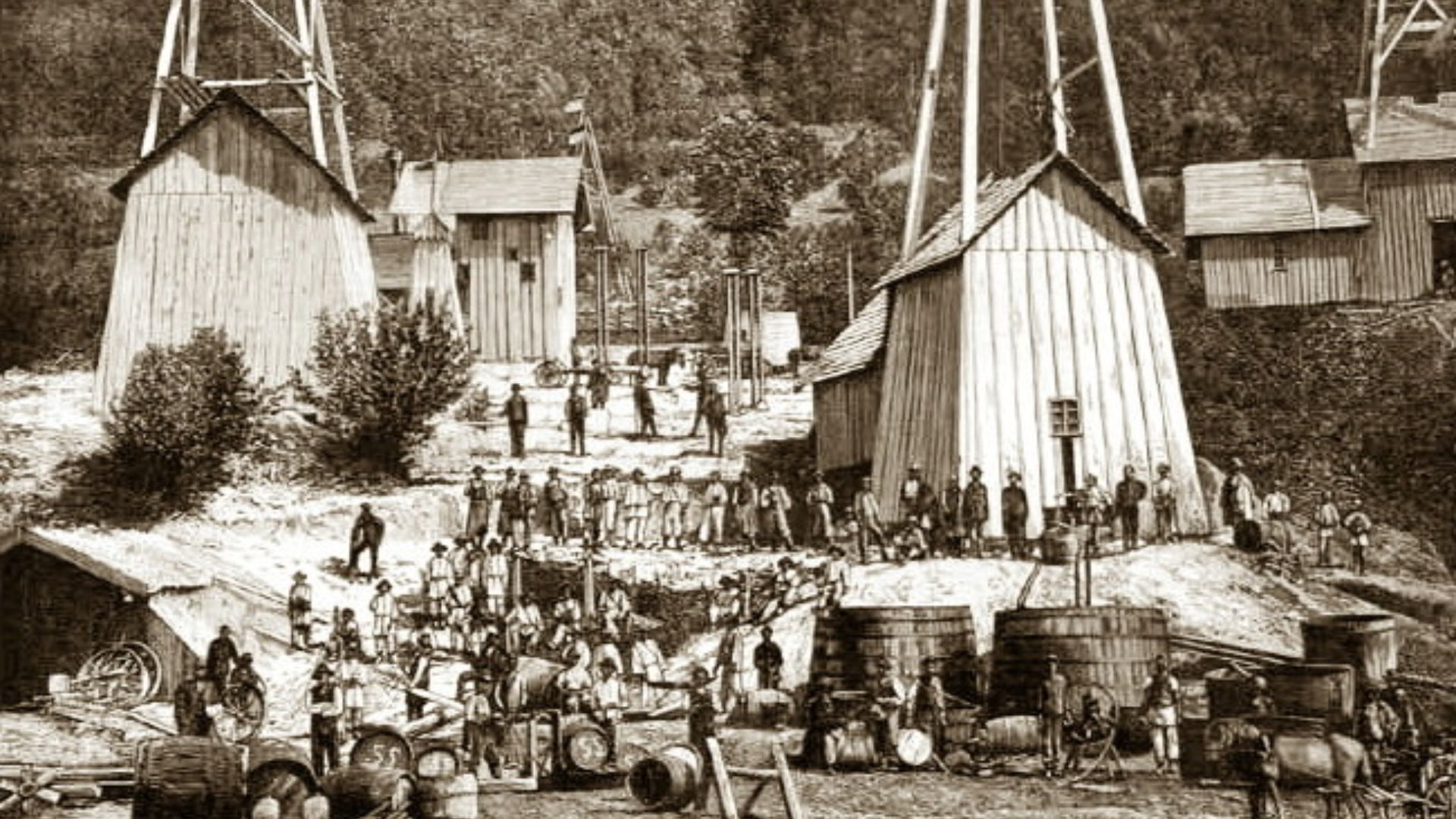
One account placed the origin of Floyd’s nickname in the oil fields. According to this story, Floyd had a job working on one of these fields for a while. However, unlike his jump-suited colleagues, the ambitious young man would wear a white button-up dress shirt and slacks to work, earning him the nickname “Pretty Boy” from his coworkers. Another story, however, attributes the name much earlier.
 The original uploader was Silar at English Wikipedia., Wikimedia Commons
9. He Was A Looker
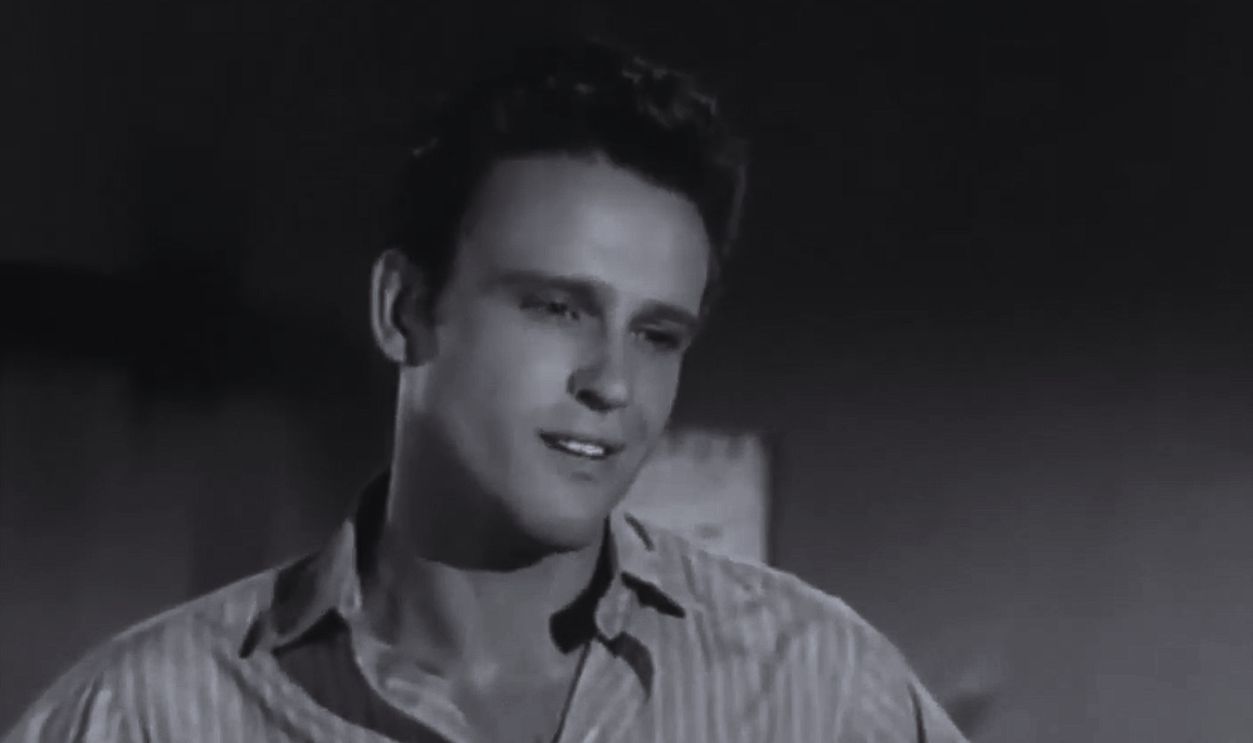
An alternate account of the origin of Floyd’s nickname asserts it came from his first big heist, that of the Kroger payroll heist in 1925. One witness allegedly described a perpetrator as having a “pretty face”, or more specifically, by some accounts, “a pretty boy with apple cheeks”. Most believe this handsome man to be Floyd, and the description to be the origin of his nickname. Regardless of how he ended up with it, Floyd wasn’t happy.
 Screenshot from Pretty Boy Floyd, 20th Century Fox Television (1960)
10. He Hated His Moniker
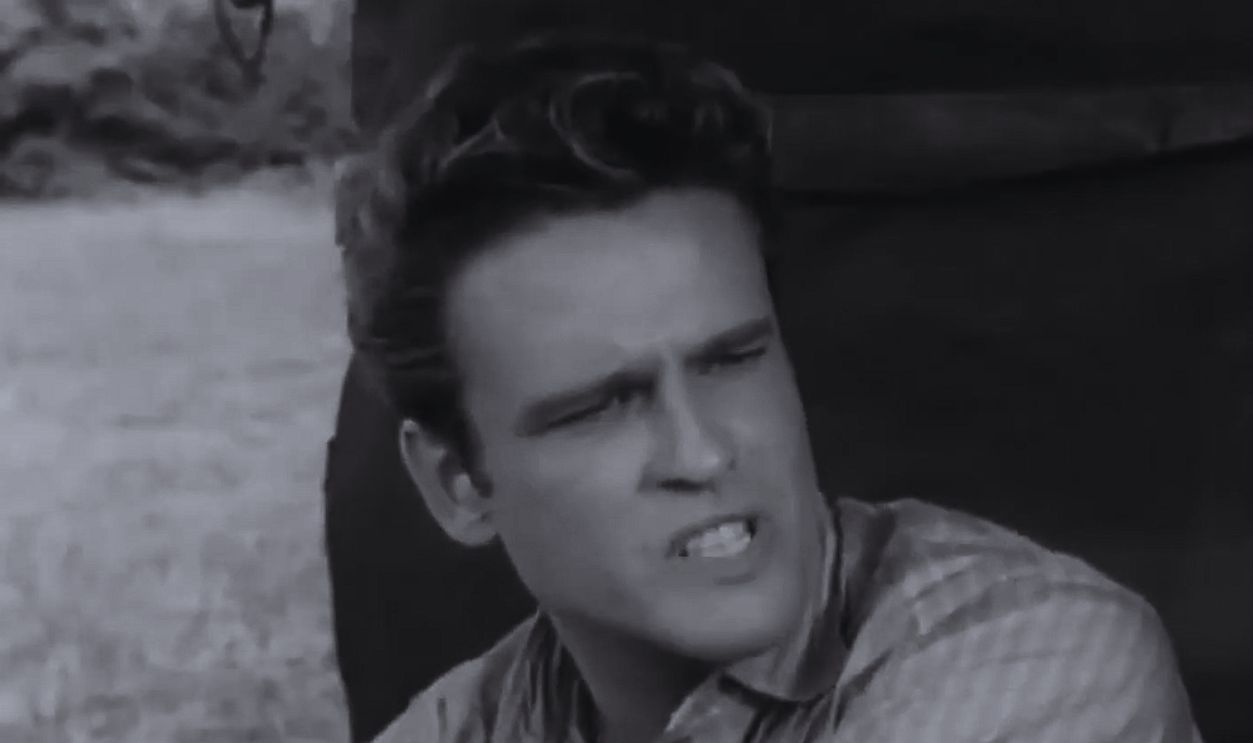
“Pretty Boy” does not exactly paint a picture of a tough outlaw and accomplished bank robber, and that was the image Floyd wanted to convey. The outlaw reportedly despised the nickname he received and avoided using it whenever possible. His later ubiquity with the moniker in the media must have really rubbed him. Luckily for him, his birth name was the one that showed up in his growing number of case files.
 Screenshot from Pretty Boy Floyd, 20th Century Fox Television (1960)
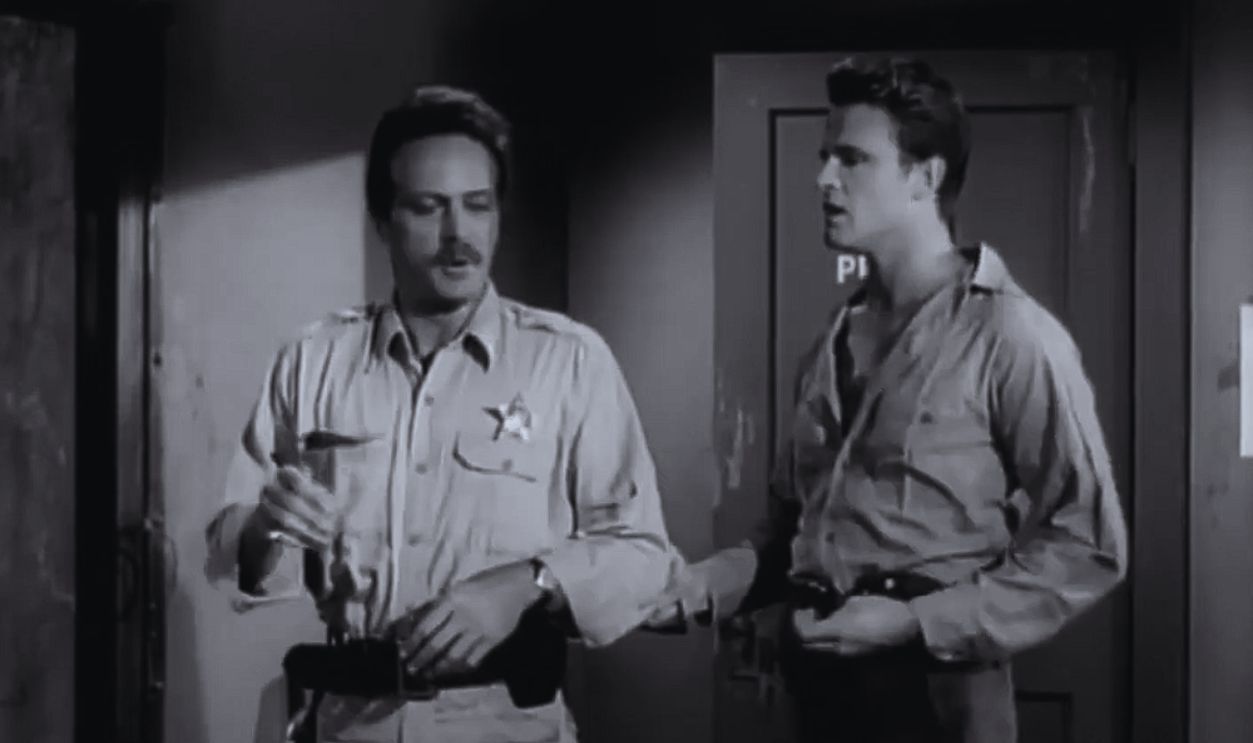
11. He Had A Record
By 1929, Pretty Boy was a person of interest in numerous law enforcement cases. That year, he racked up a number of arrests: the first was on March 9, as part of a Kansas City investigation; on May 7, they brought in him for vagrancy and on suspicion of highway robbery. He wouldn’t spend long in the slammer, but he wouldn’t stay free long either.
 Screenshot from Pretty Boy Floyd, 20th Century Fox Television (1960)
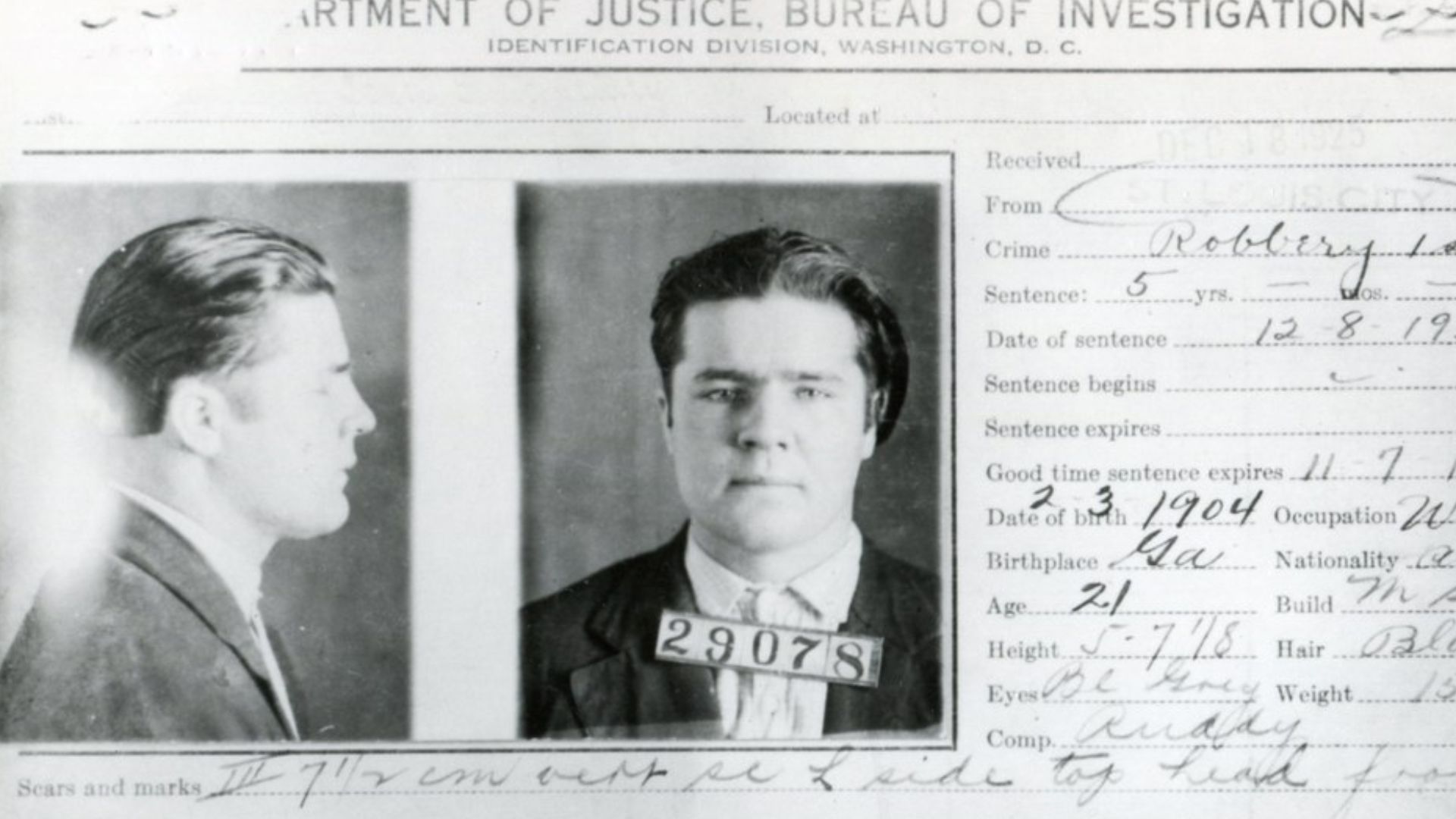
12. He Got Another Sentence
Floyd got released the day after his May 7 arrest, but picked up again just two days later, this time in Pueblo, Colorado. The authorities there had little on him but managed to charge him with vagrancy, for which he received a $50 fine and a 60-day sentence. The trouble with authorities would only get worse from there, however.
 1928 LAw enforecment 1934 Law enforcement 1934 FBI, Wikimedia Commons
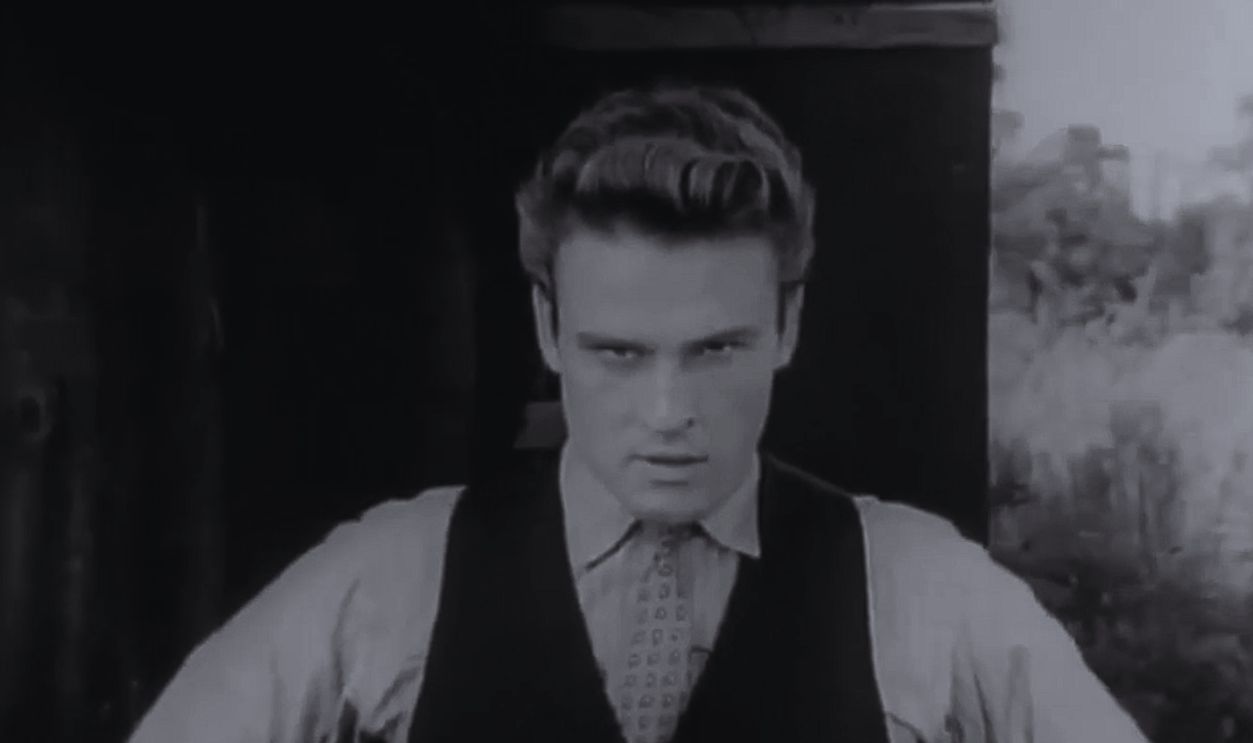
13. He Received A Serious Accusation
The following year, on March 8, Floyd got apprehended yet again—but this time, the charge was much more serious. Picked up in Akron, Ohio, while he was using the alias Frank Mitchell, the outlaw got accused of the slaying of an Akron law officer, who had lost his life during a run-in earlier that evening. Somehow, Floyd managed to wriggle out of a charge yet again. But his luck would not last.
 Screenshot from Pretty Boy Floyd, 20th Century Fox Television (1960)
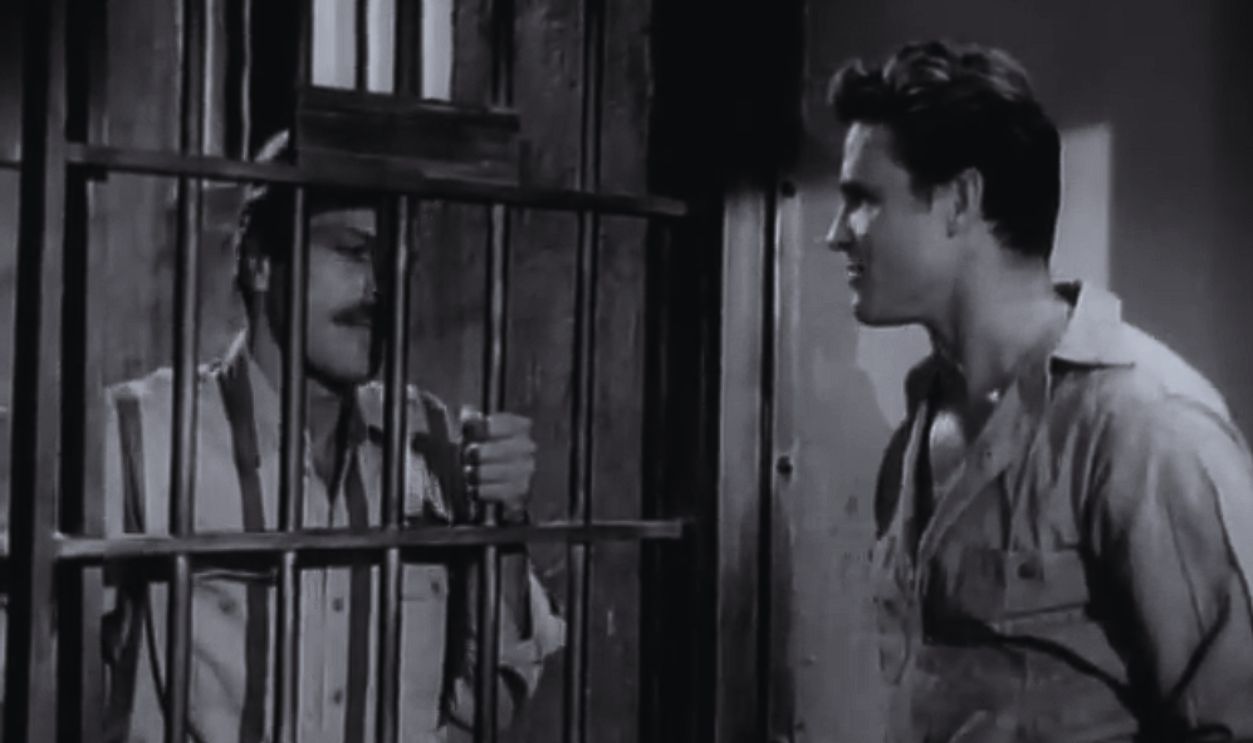
14. He Faced Jail Time
On May 20, 1930, Floyd got apprehended and this time, finally, the evidence was enough to stick. Picked up in Toledo, Ohio, a jury convicted the outlaw of a bank heist in Sylvania, Ohio, and the sentence was harsh. Pretty Boy was facing 12 to 15 years in Ohio State penitentiary, his biggest punishment yet. But he wouldn’t go down that easily.
 Screenshot from Pretty Boy Floyd, Allied Artists Pictures (1960)
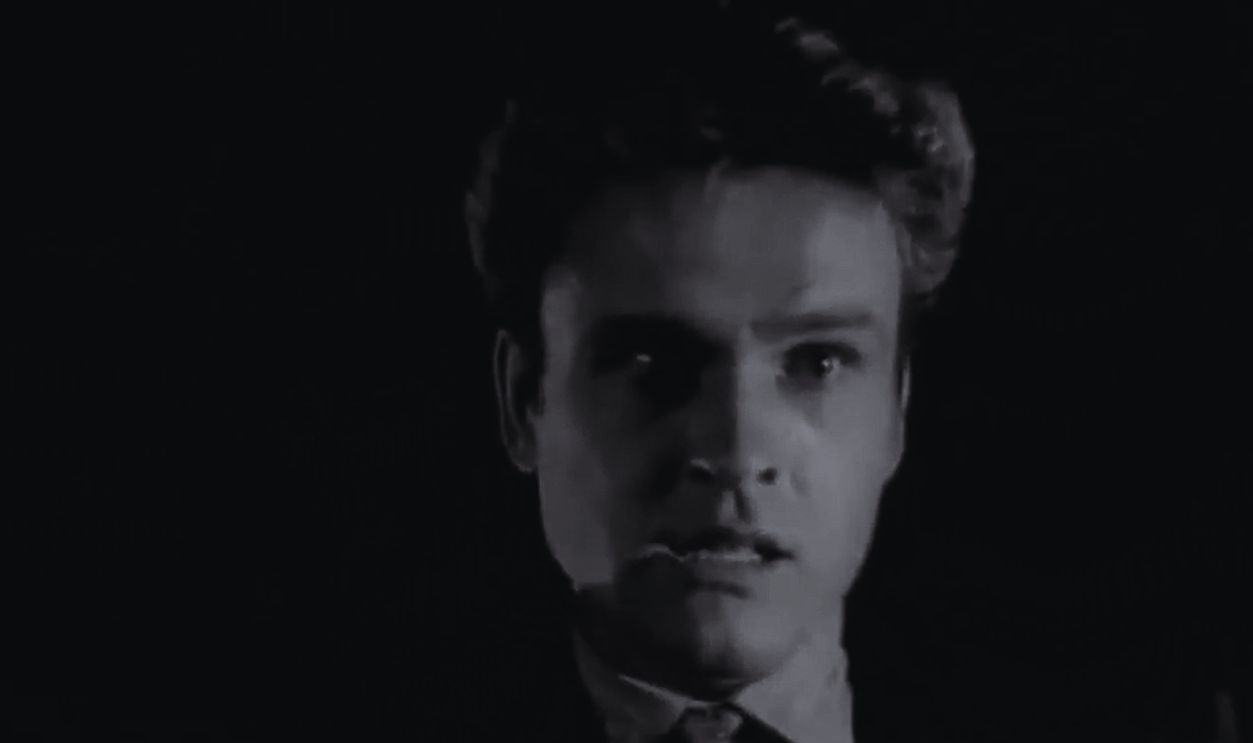
15. He Went On The Run
The Ohio authorities never got to see their work come to fruition: miraculously, Floyd managed to escape before they could transport him to the penitentiary to serve his time. With the heat very much on in Ohio, Floyd opted to return to where he knew he had people: Kansas City. He didn’t stay out of trouble, of course.
 Screenshot from Pretty Boy Floyd, 20th Century Fox Television (1960)
16. He Caused Trouble
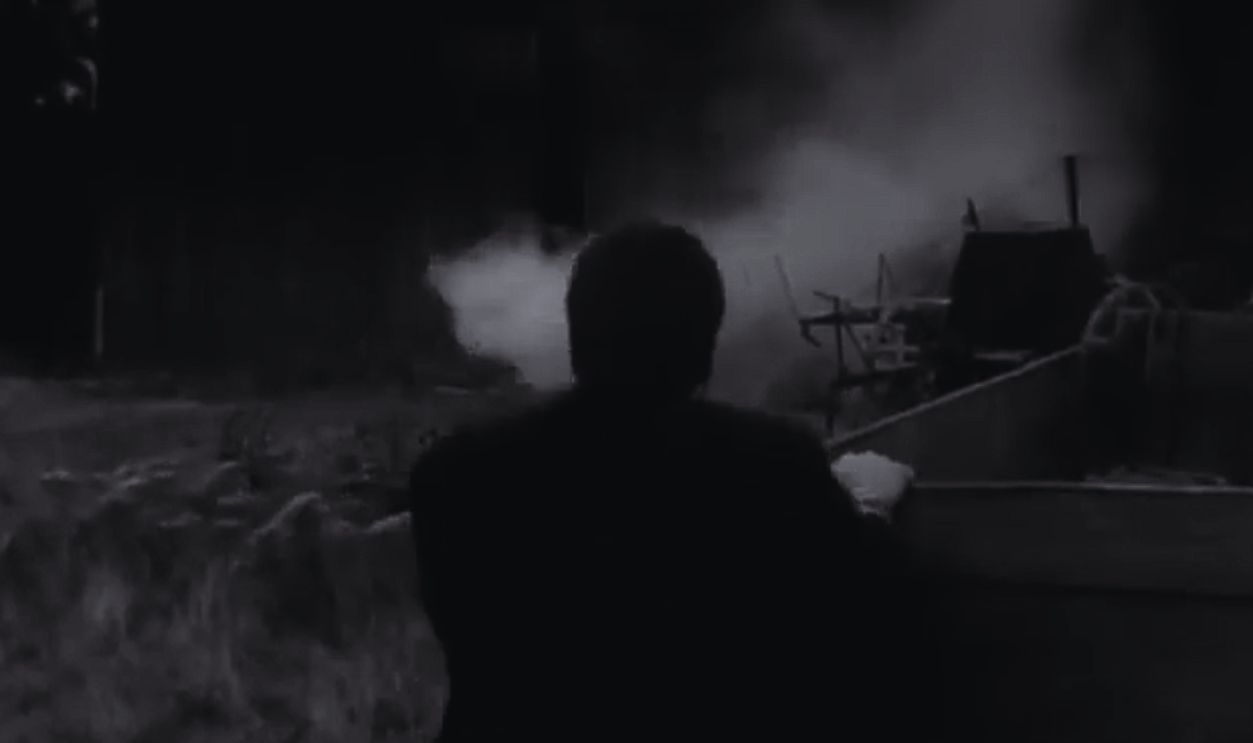
With the onset of the Great Depression, unsavory gang activity increased in Kansas City, and Pretty Boy Floyd was almost certainly involved. On March 25, 1931, authorities discovered the bodies of brothers and rum-runners Wally and Boll Ash in a burning car, and Floyd was a prime suspect. If he did indeed do it, the brothers were just the first in a spree.
 Screenshot from Pretty Boy Floyd, Allied Artists Pictures (1960)
17. He Took Down Authorities
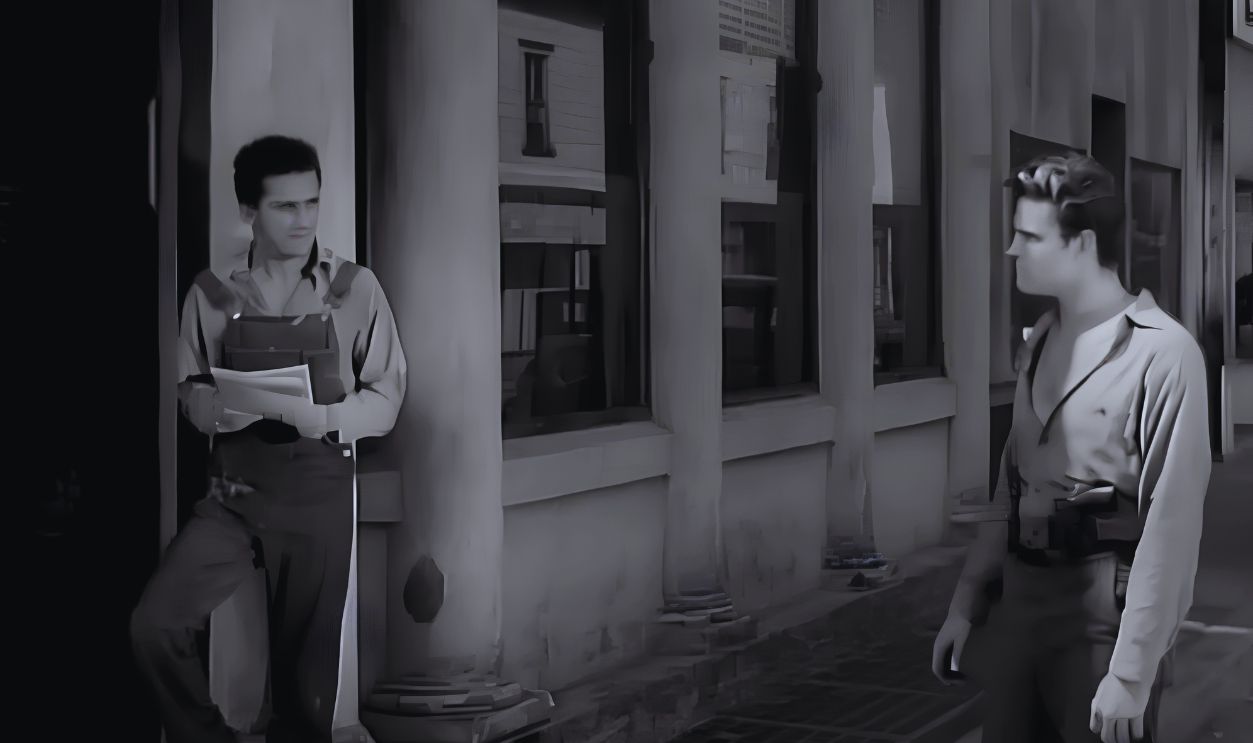
Floyd did not limit his body count to just rival gang members; he and/or members of his gang likely took out more than a few officers of the law. On April 23, Patrolman RH Castner got whacked by the Pretty Boy Floyd Gang; the Pretty Boy himself was personally responsible for the slaying of federal agent Curtis C Burke. Such dramatics inevitably attracted many eyes.
 Screenshot from Pretty Boy Floyd, Allied Artists Pictures (1960)
18. He Made The Papers
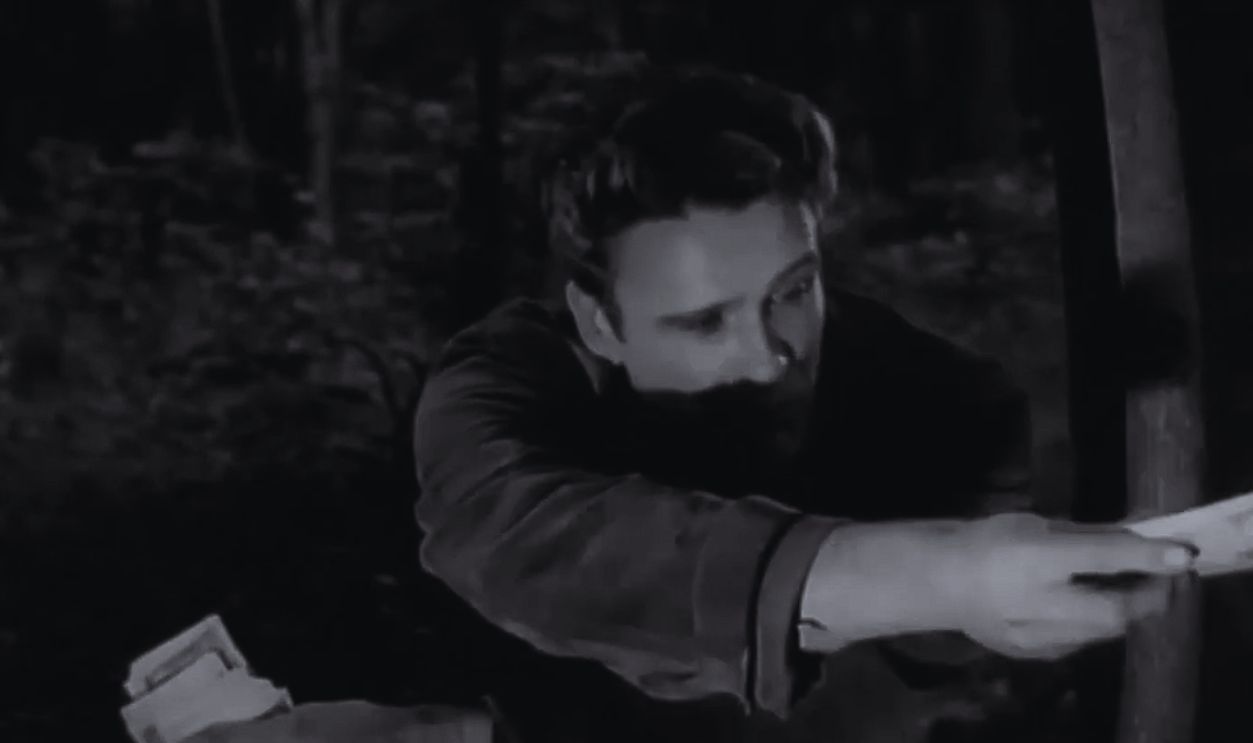
Floyd was a charming, handsome, and talented bank robber, and naturally, the news media found that irresistible. Throughout the early 1930s, his exploits received widespread press coverage across the country, and particularly in the Western and Central states where he operated. The public reaction was probably a surprise to the authorities.
 Screenshot from Pretty Boy Floyd, 20th Century Fox Television (1960)
19. He Got A Positive Reception
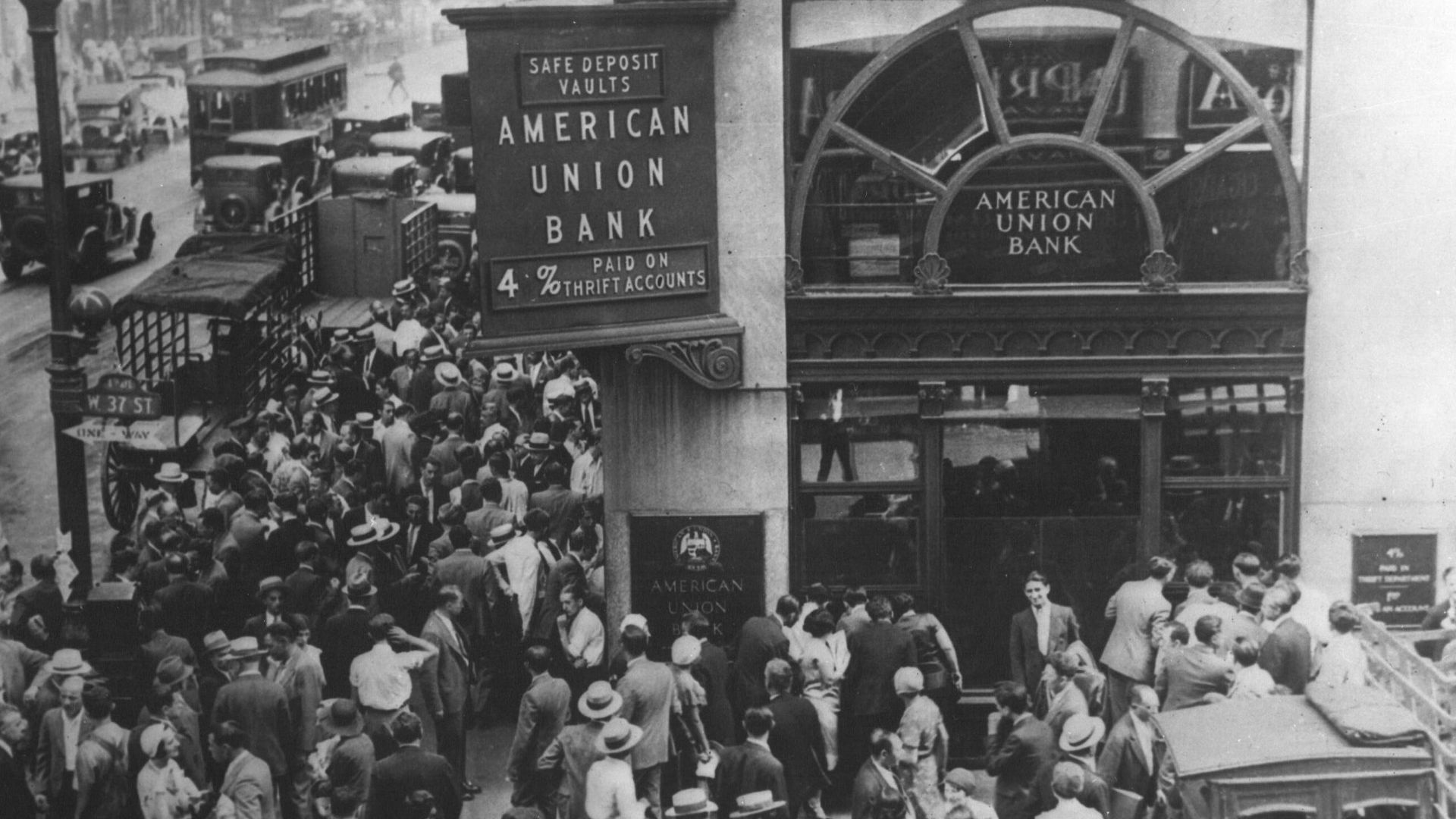
Floyd’s activity during the Great Depression came at just the right time for the public. Many banks during this era enforced predatory policies on interest payments. When Floyd robbed these banks, however, he allegedly burned mortgage documents that would result in many people being freed from their debts. This gained him mythic status among the everyman.
 Wikideas1 Wikideas1 (talk) (Uploads), Wikimedia Commons
20. He Was The People’s Champ
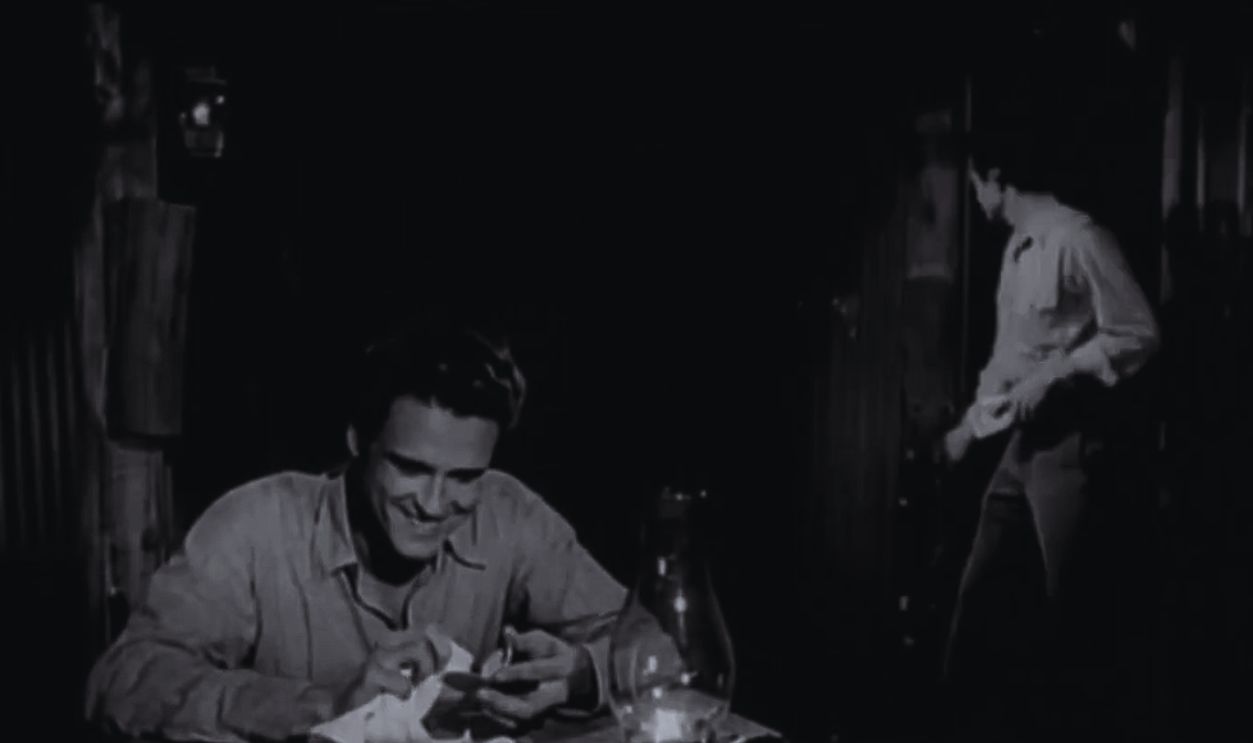
Floyd’s reputation as an outlaw-hero translated to real life advantages. As the heat on him increased more and more, and his status as a notorious fugitive grew, many locals in Oklahoma would offer him protection from the authorities as a sign of their gratitude. His story probably reminds you of another folk hero…
 Screenshot from Pretty Boy Floyd, 20th Century Fox Television (1960)
21. He Received High Praise
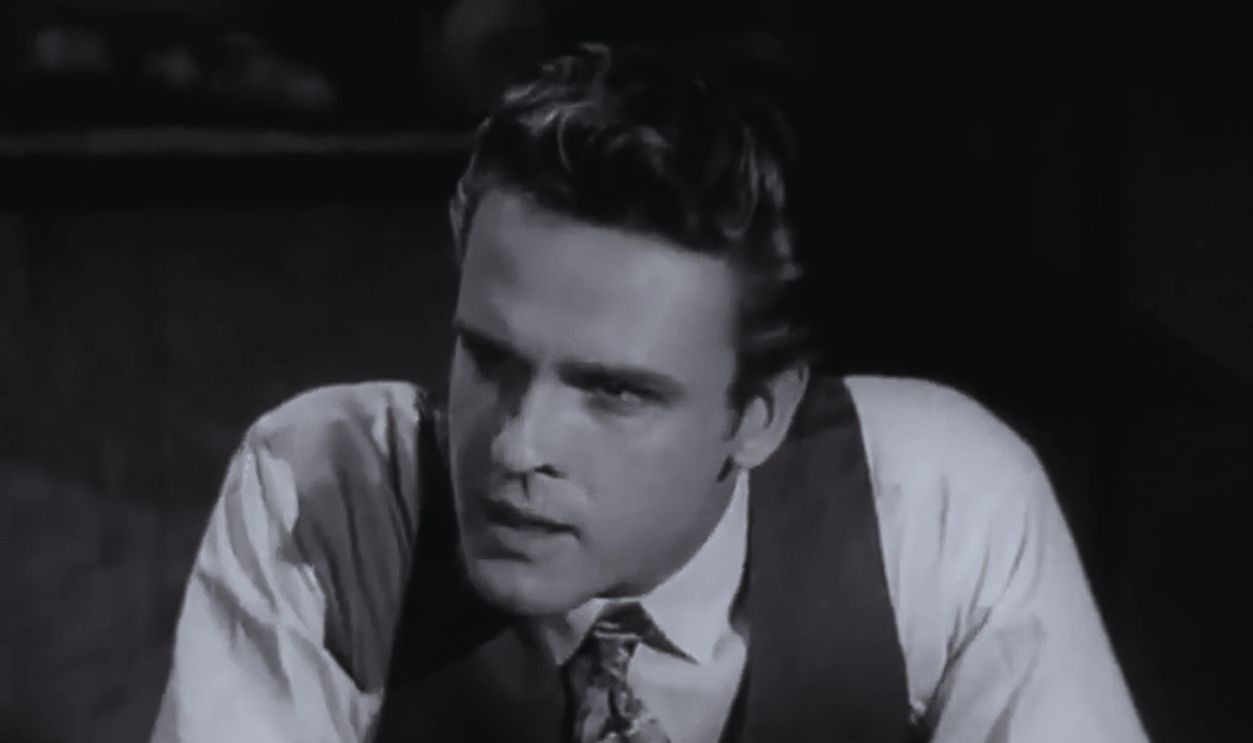
Pretty Boy Floyd may have hated his most widely printed nickname, but he was likely much fonder of his colloquial one. Because of his roguish habit of freeing debt-ridden citizens from the shackles of predatory financial institutions, the people of Oklahoma dubbed him the “Robin Hood of Cookson Hills”. And while the media tried to paint a monster, the real Floyd was much more complex.
 Screenshot from Pretty Boy Floyd, 20th Century Fox Television (1960)
22. He Was Human
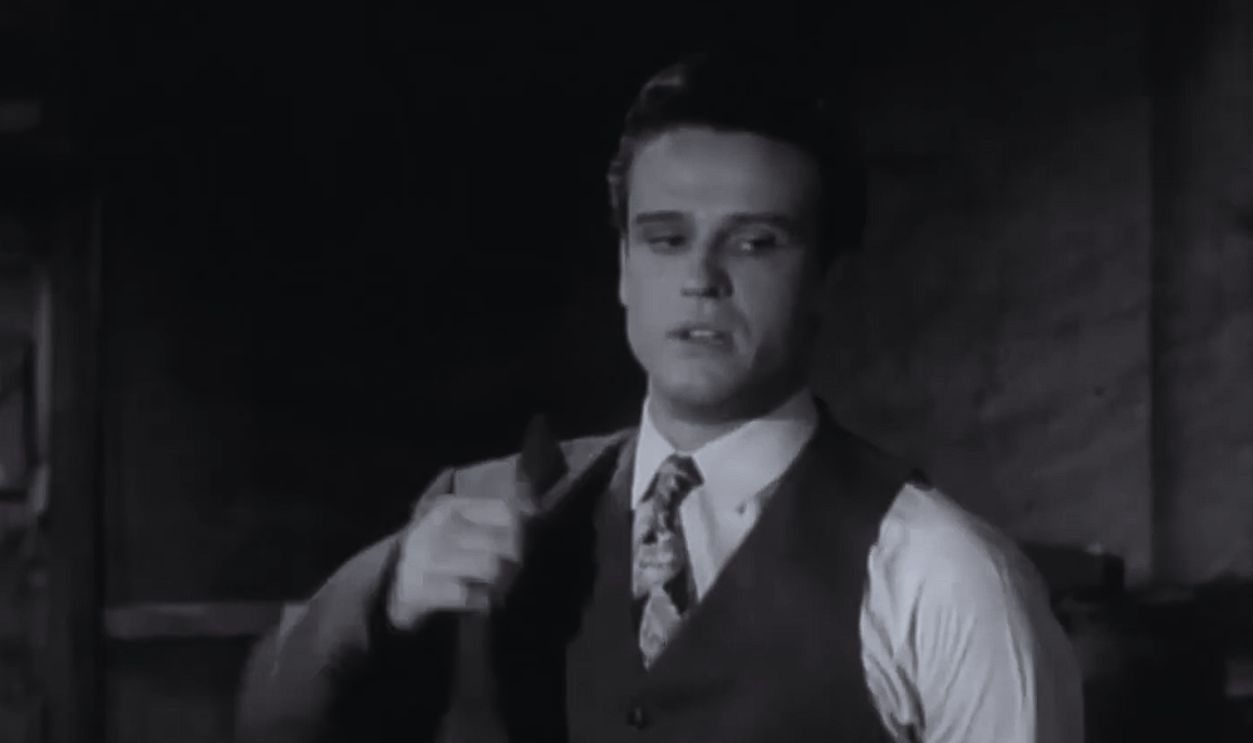
It is easy to paint a black and white portrait of Floyd as either a hardened and immoral outlaw or a charming anti-hero, but as with every human in history, the truth lurks somewhere in the middle. In reality, while Floyd was not especially intelligent or polished, he had a cool demeanor, was cunningly shrewd, and supremely talented with a firearm. Those who knew him personally insisted he was generous and honest, too. There are a few stories to back this claim up.
 Screenshot from Pretty Boy Floyd, 20th Century Fox Television (1960)
23. He Was A Good Guy
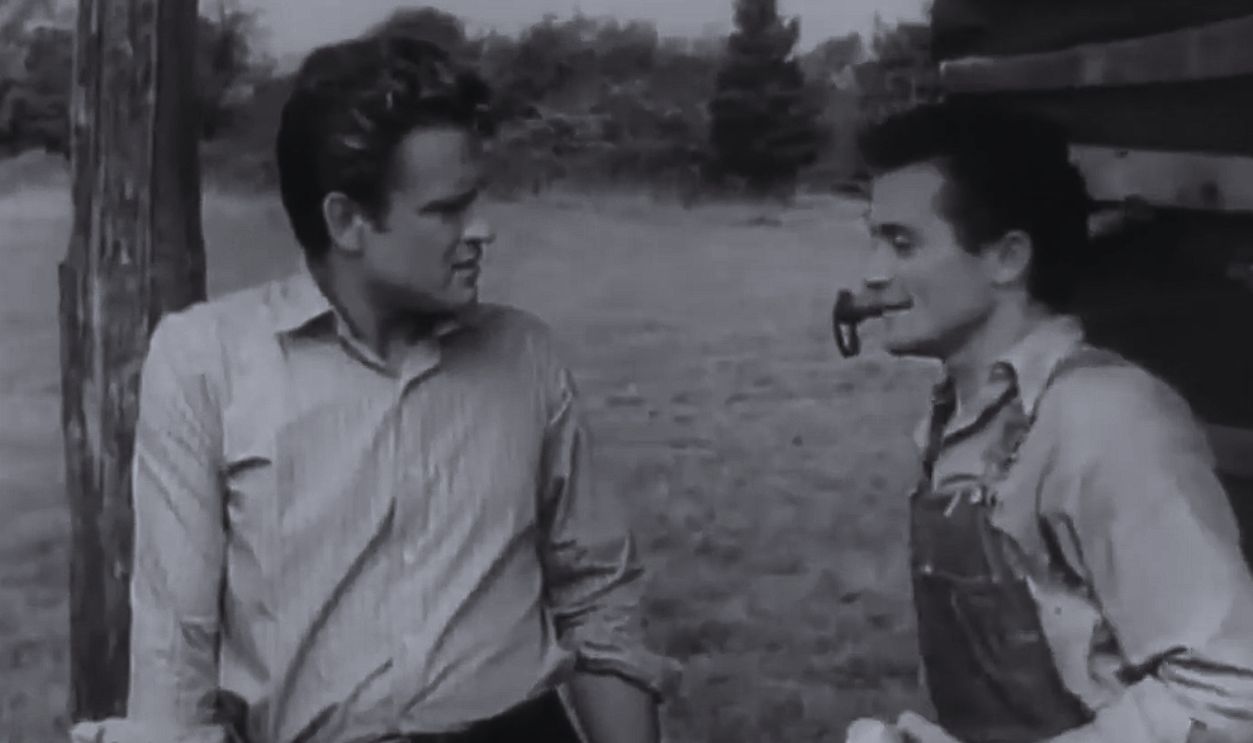
There are accounts of Floyd’s activities that complicate the image of him as a ruthless outlaw. A regular member of their congregation, the outlaw reportedly left a large donation at an Oklahoma church (a visit for which no one reported him).
Further, he would regularly drop in to country dances and tip the musicians handsomely, and every Memorial Day, despite the risk of capture, he would visit his father’s grave. But authorities, of course, were blind to this side of him, and when tragedy struck Kansas City, Floyd was the first one in their crosshairs.
 Screenshot from Pretty Boy Floyd, 20th Century Fox Television (1960)
24. He Got Accused
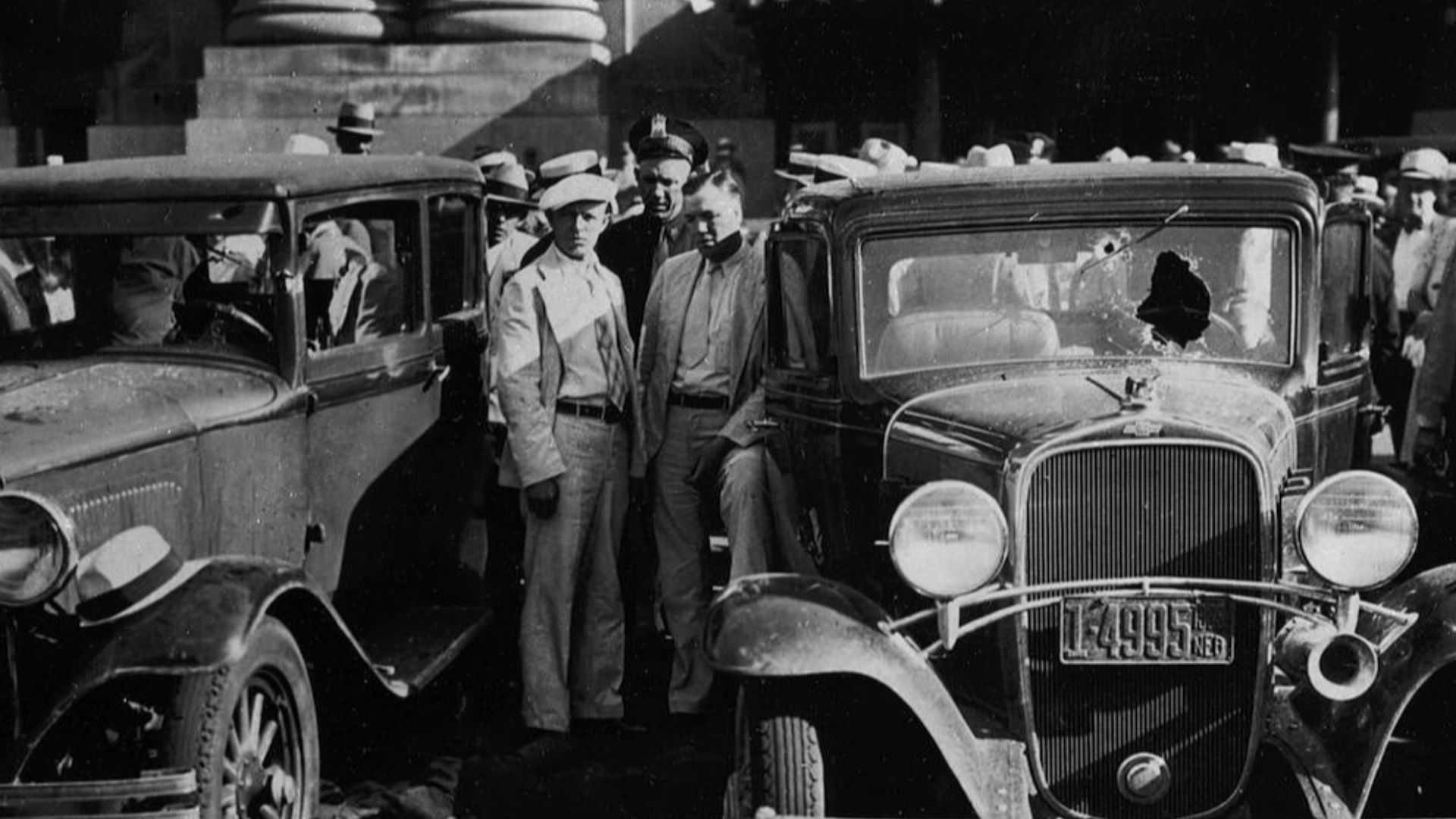
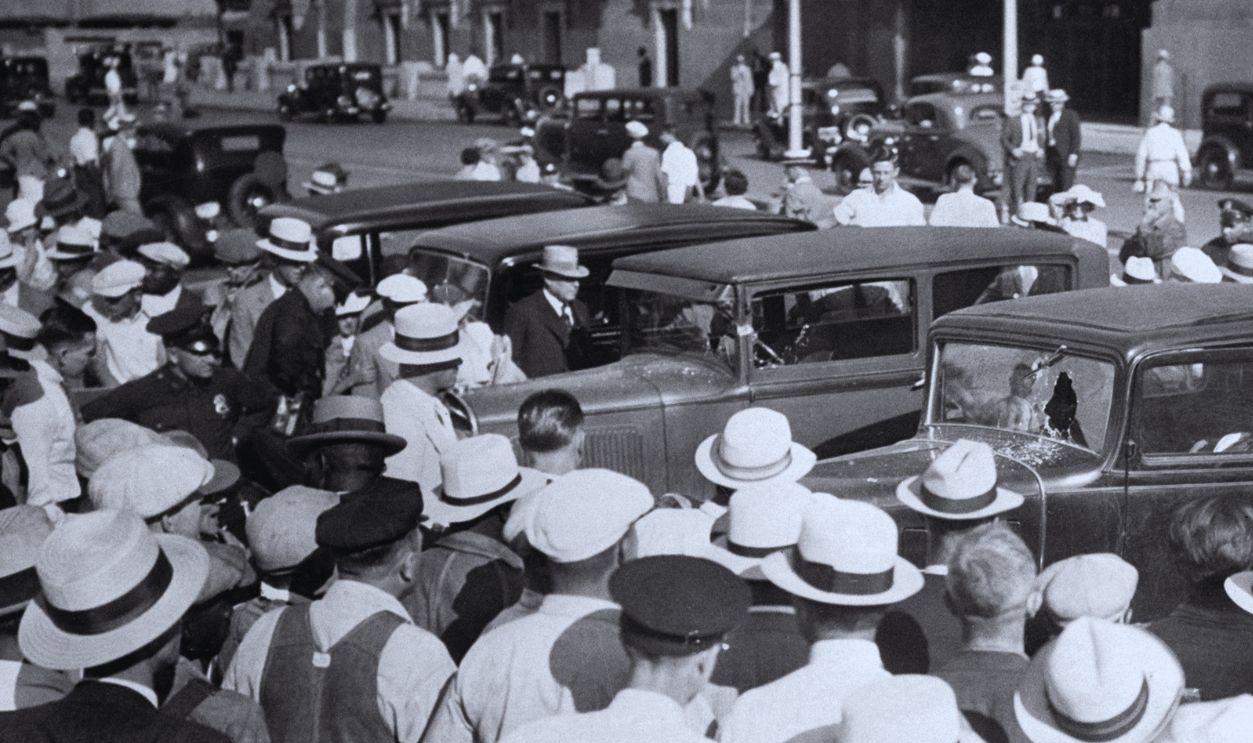
On June 17, 1933, a massive gunfight broke out in Kansas City between law enforcement and several members of a gang. The incident resulted in the loss of the lives of four law enforcement officers and came to be known as the “Kansas City massacre”. Because of his reputation among the five-0 in the city, Floyd became a prime suspect and attracted the attention of the highest authority in the land.
25. He Was Used As Justification
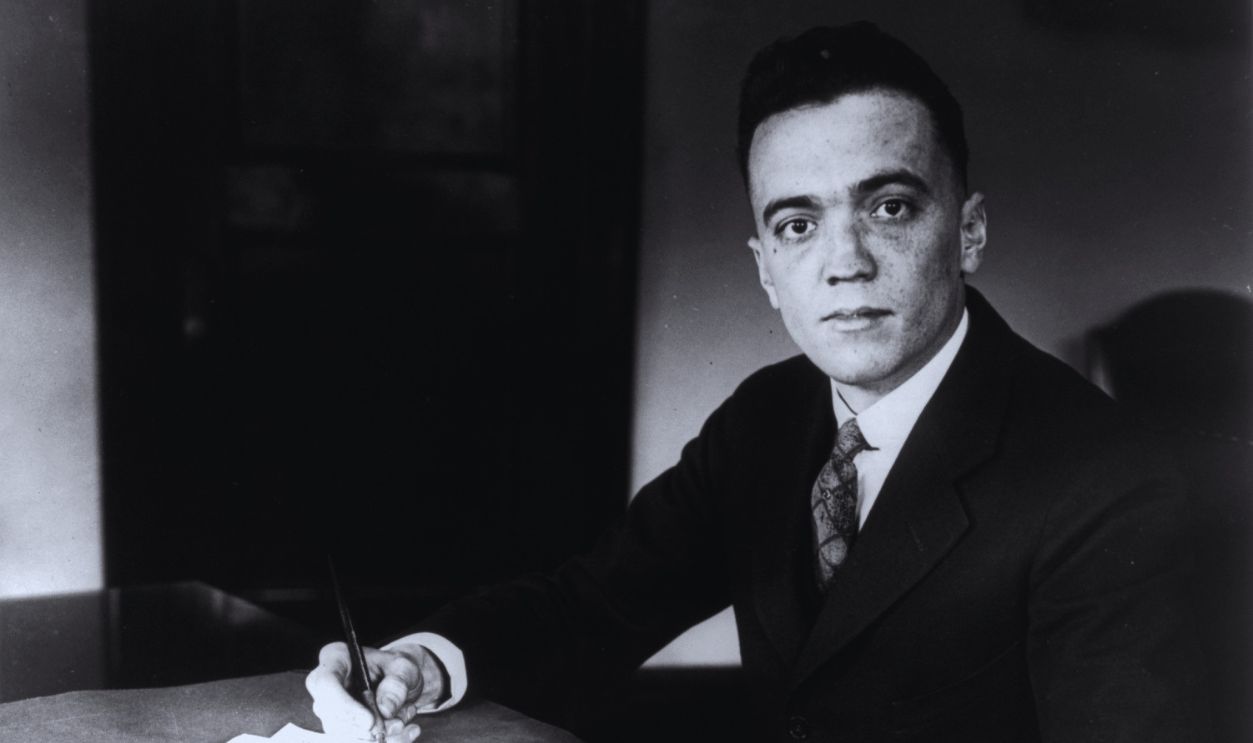
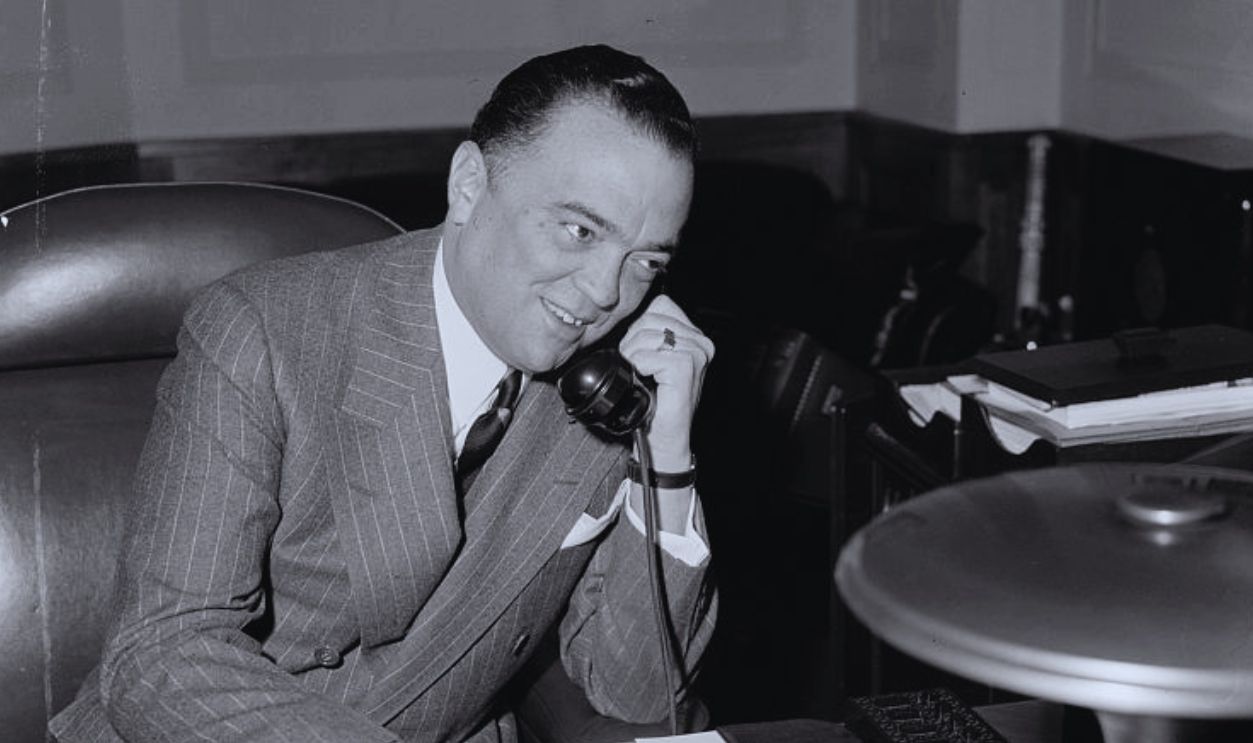
The head of the Bureau of Investigation (BOI, later FBI), none other than J Edgar Hoover, leveraged the Kansas City incident to his great benefit. Hoover had quickly climbed the ranks of American law enforcement and was consolidating his power and that of his organization; he would use the incident to justify the allocation of vast resources to the Bureau to empower himself and pursue Floyd and his accomplices. There was one big problem for Floyd: he probably didn’t do it.
 Underwood & Underwood, Wikimedia Commons
26. He Got Falsely Accused
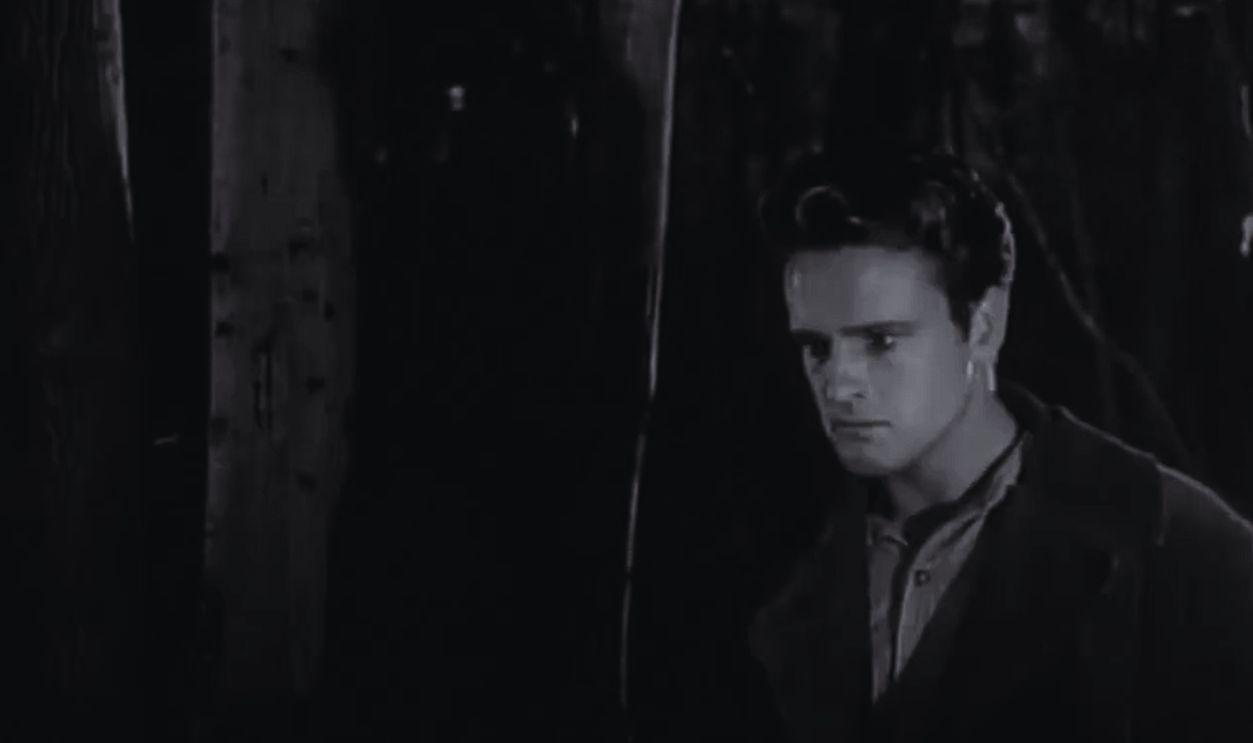
Historians are divided as to whether Floyd was actually involved in the incident, but the evidence against him isn’t great. Eyewitness identifications have been contested, and many of the most vehement claims came from rival gang members who may have had an interest in pinning it on their enemy. One glaring inconsistency stands out above the rest.
 Screenshot from Pretty Boy Floyd, 20th Century Fox Television (1960)
27. He Was Unscathed
In recounting the events, eyewitnesses claim the gunman alleged to be Pretty Boy Floyd was wounded by a shot in the shoulder. When examined after his passing, however, Floyd’s body showed no sign of such an injury. Indeed, the man himself contested the accusation.
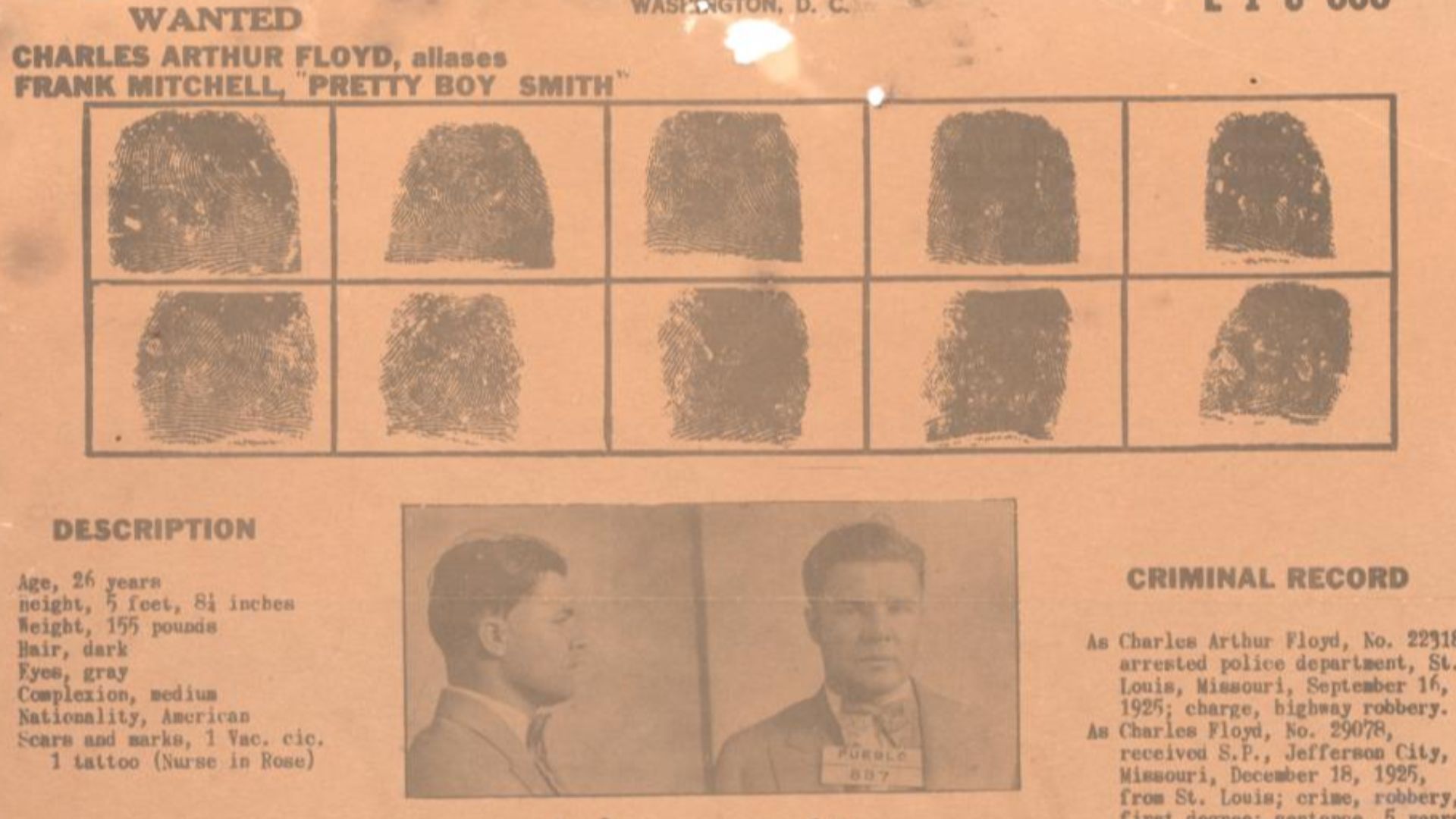 1928 LAw enforecment 1934 Law enforcement 1934 FBI, Wikimedia Commons
28. His Family Claimed Innocence
In interviews in the intervening years, Floyd’s family alleged that, while the outlaw took credit for many of the things authorities accused him of, he always vehemently denied his involvement in the Kansas City incident. There would be no good reason for his family to posthumously lie about this, nor for him to lie to them. But the attempts at exoneration did not come solely from beyond the grave.
29. He Wrote The Authorities
On June 30, 1933, the Kansas City copshop received a postcard from Springfield, Missouri. The message read: “Dear Sirs - I - Charles Floyd - want it made known that I did not participate in the massacre of officers at Kansas City. Charles Floyd”. Authorities believed the note to be genuine, but it did not stop the big man with a big grudge.
 Screenshot from Pretty Boy Floyd, Allied Artists Pictures (1960)
30. He Received A Vendetta
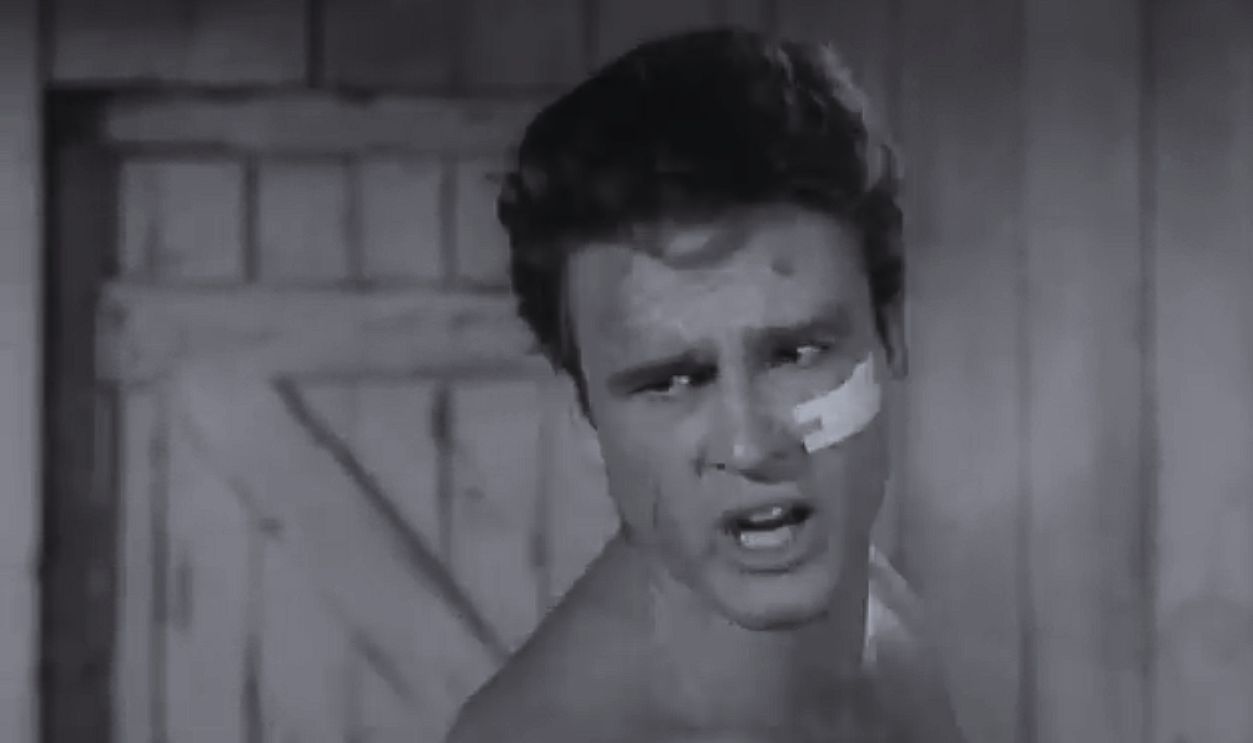
Known for flouting evidence in favor of his personal convictions, J Edgar Hoover pressed on with the pursuit of Floyd, naming him “Public Enemy No. 1”. Hoover was a psychotic personification of American capitalistic power, and his insistence on Floyd’s guilt was almost certainly because of the outlaw’s anti-establishment bona fides among the working class. The BOI Director put his best men on the case.
 Harris & Ewing, photographer, Wikimedia Commons
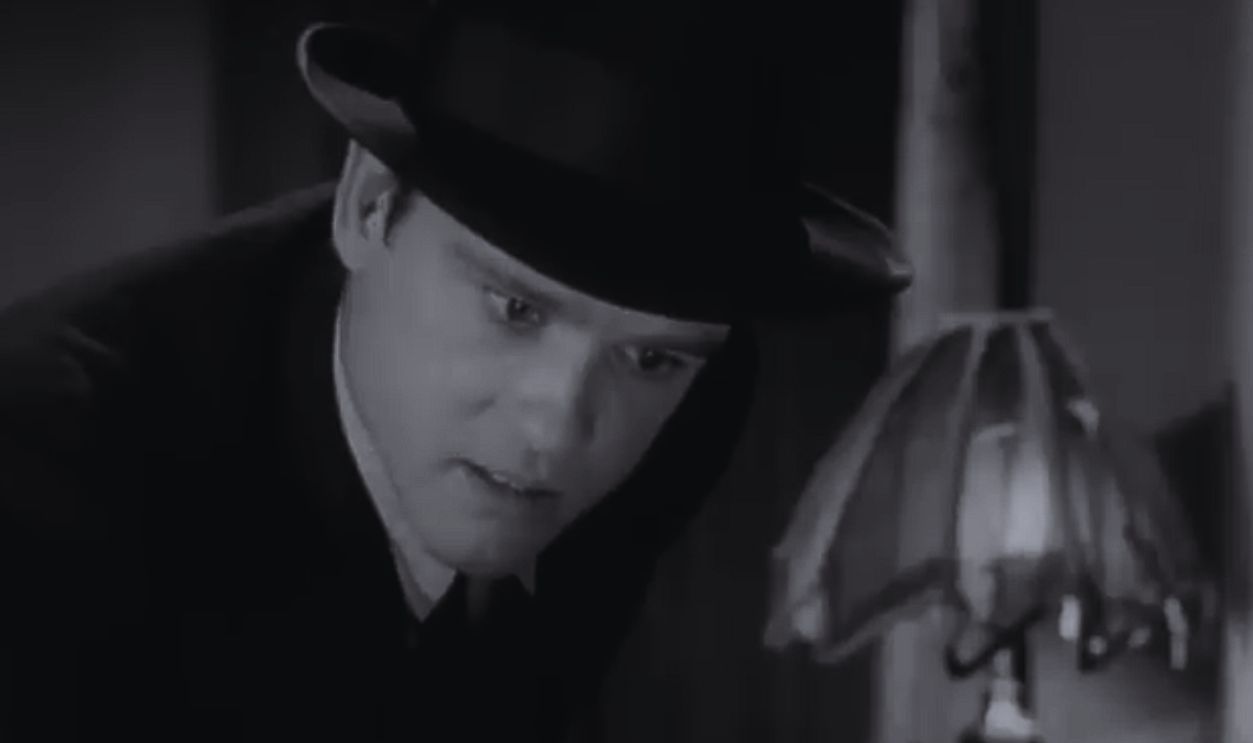
31. He Was Under Hot Pursuit
Hoover did not spare any expense in his vendetta against Floyd. A huge squad, comprising local officers and Bureau agents, got assembled with the sole purpose of pursuing the outlaw, led by top BOI agent Melvin Purvis and under the direct supervision of Inspector Samuel P Cowley. With such skilled and respected agents on his trail, it wasn’t long before the Bureau zeroed in on Floyd.
 Screenshot from Pretty Boy Floyd, Allied Artists Pictures (1960)
32. He Took A Ride
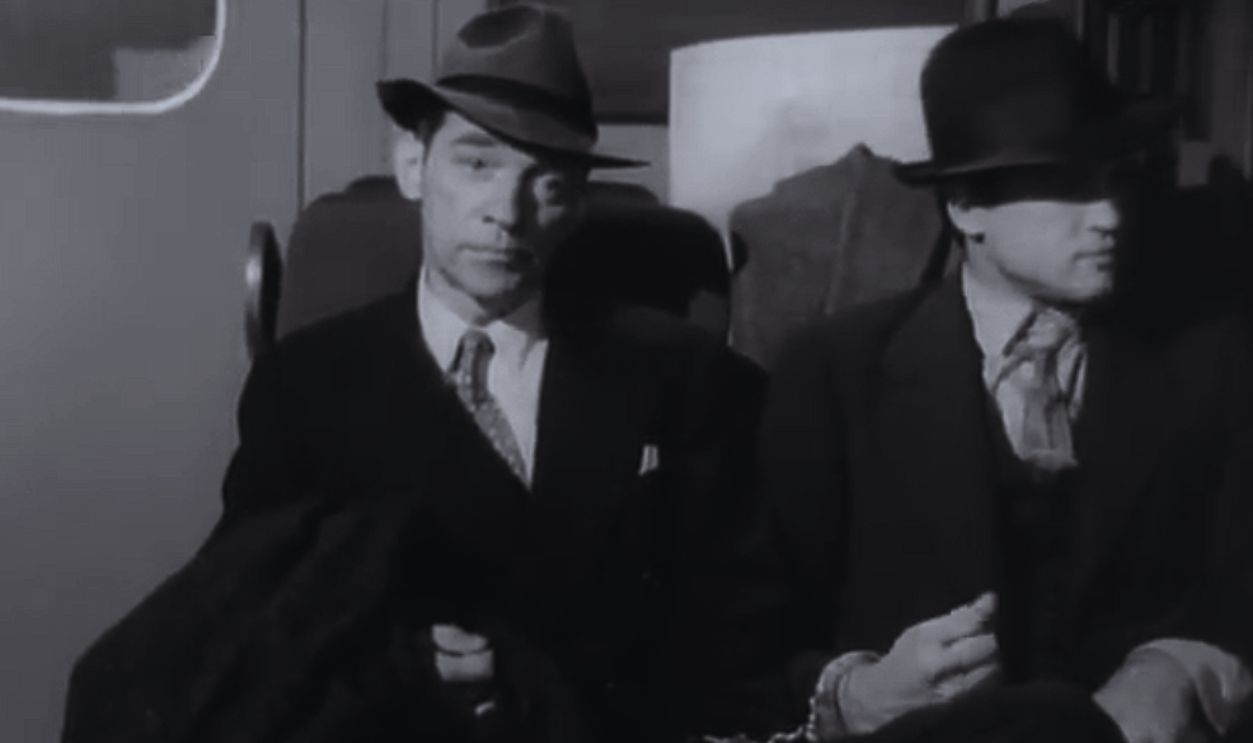
The series of events leading up to Floyd’s final confrontation with the authorities began on October 18, 1934. He and his partner, Adam Richetti, had been in Buffalo, New York on a job and were heading back to Ohio. Weather conditions were perilous, however, and the following morning, at around 3 am, amidst heavy fog, their car slid into a telephone pole on a back road. The boys found themselves in a sticky situation, but they weren’t alone.
 Screenshot from Pretty Boy Floyd, Allied Artists Pictures (1960)
33. He Sent For Help
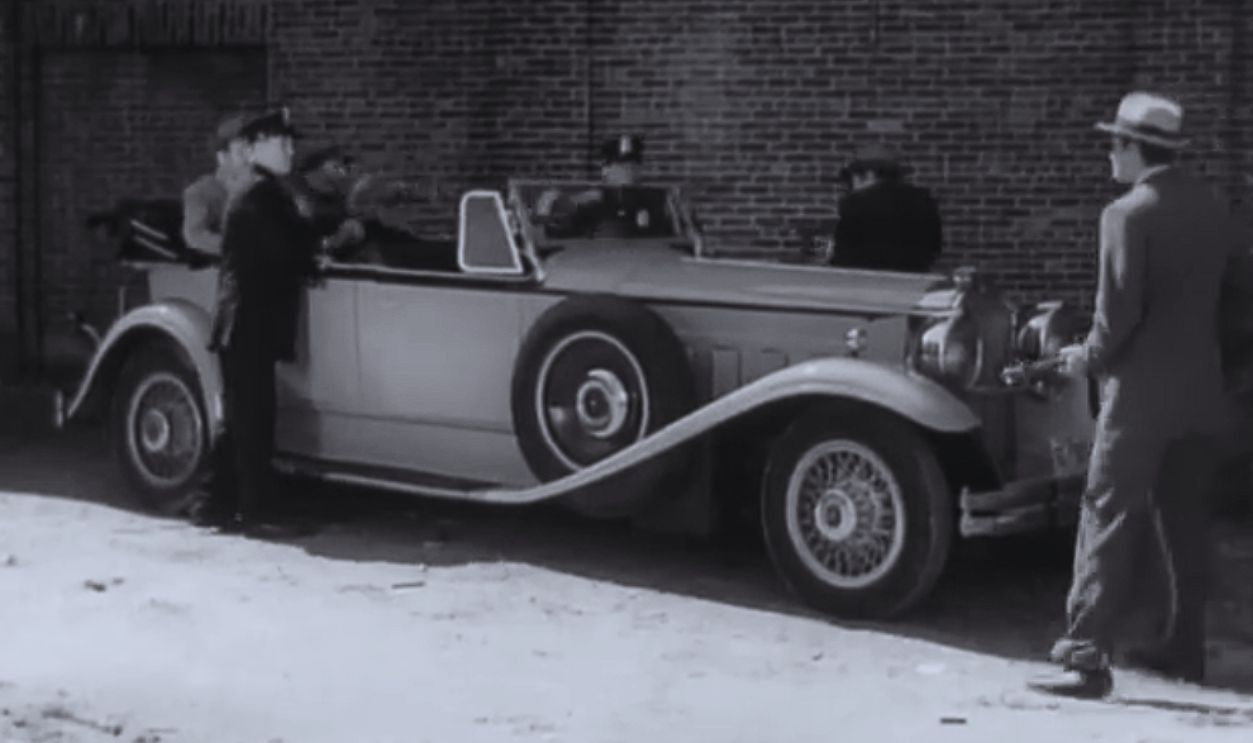
With Floyd and Richetti were two female companions and, luckily, no one was injured in the accident. The vehicle was busted, however, and someone needed to go and get help. The two wanted crooks knew there was too much heat on them, and they couldn’t risk being recognized—so they sent the gals to get a tow truck. The ladies set off into the night, but the lads were still pretty exposed.
 Screenshot from Pretty Boy Floyd, Allied Artists Pictures (1960)
34. He Got Spotted
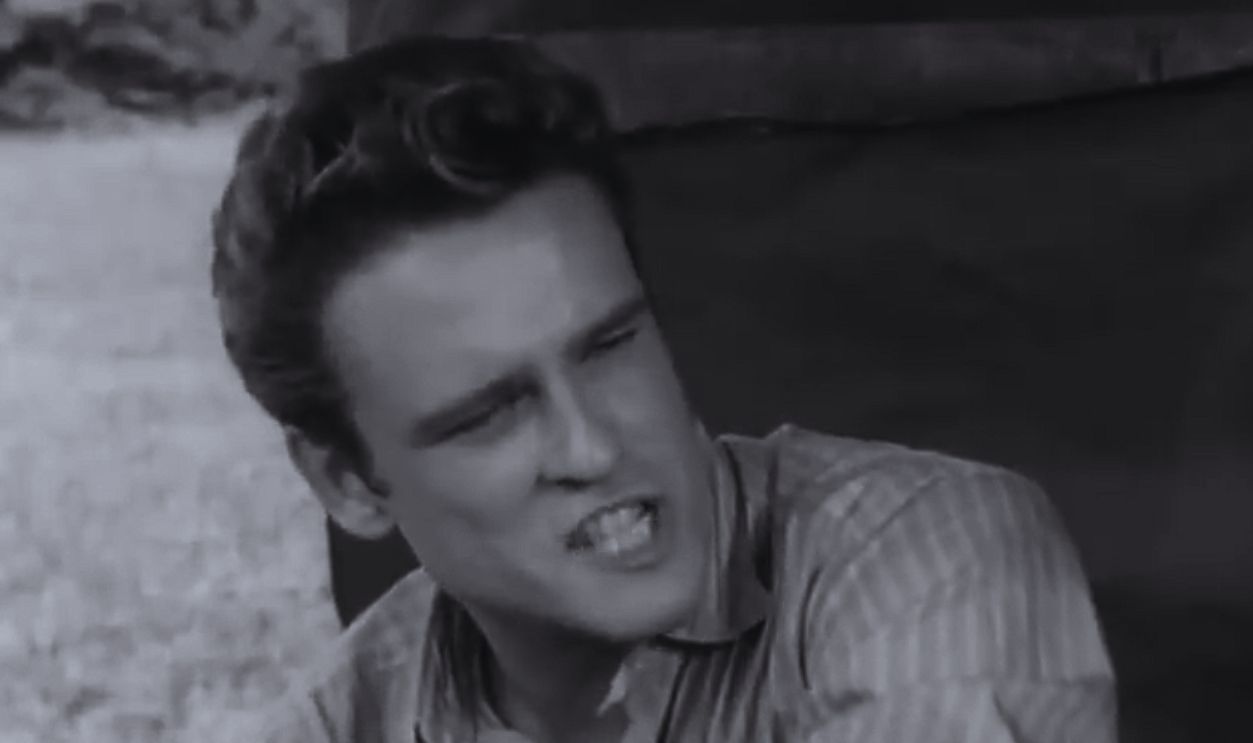
Floyd and Richetti could do nothing but wait by the roadside for the ladies’ return, and, at one point, apparently decided to get some rest. Just after dawn on October 19, a motorist drove by the site of the crash and spotted two men in suits lying by the roadside. Thinking it suspicious, the motorist reported it to the police chief of Wellsville, Ohio, John H Fultz. Fultz and two other officers went to investigate, and Floyd was none the wiser.
 Screenshot from Pretty Boy Floyd, Allied Artists Pictures (1960)
35. He Got Abandoned
The lawmen made their way to the scene of the crash, and as they approached, Richetti spotted them. Fearing for his life and freedom, he immediately fled into the woods, leaving Floyd behind to engage with the officers. And Floyd did engage, in the way he knew best: he drew his weapon and fired, beginning a gunfight that would result in wounds for Fultz and an accompanying officer. But while Floyd got some good shots in, he knew the pigs hopelessly outnumbered him.
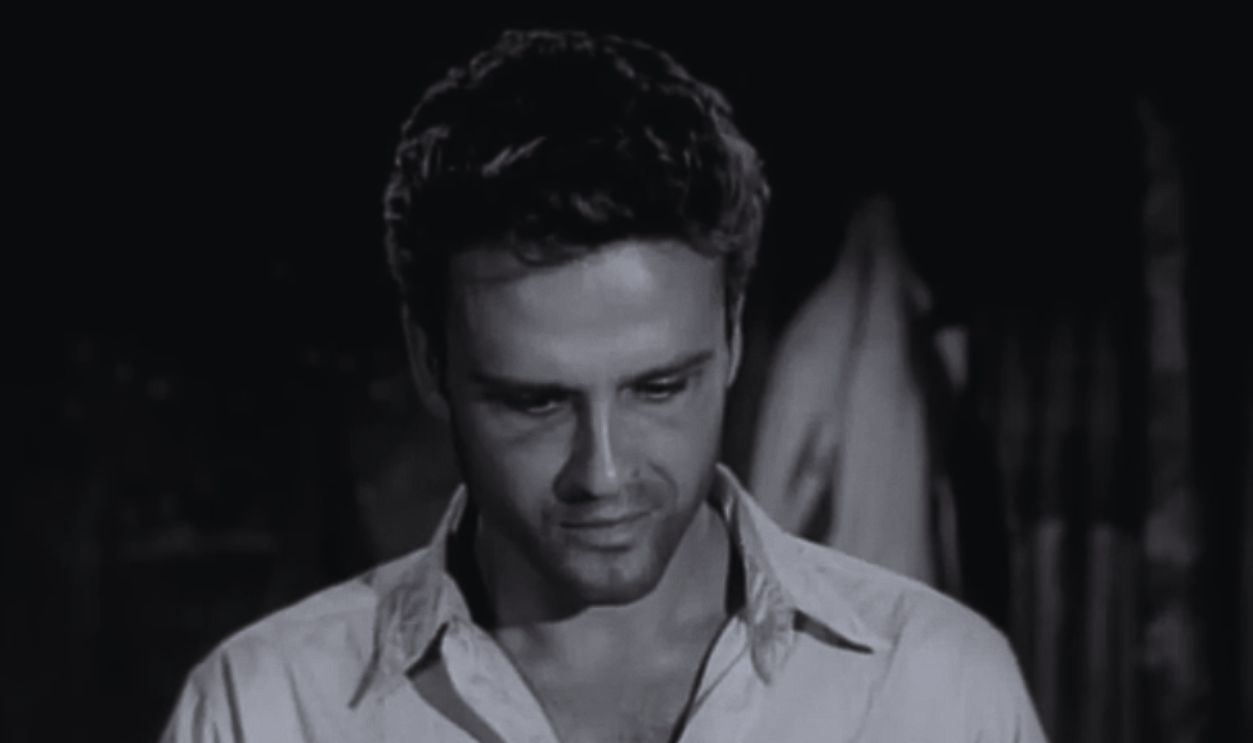 Screenshot from Pretty Boy Floyd, Allied Artists Pictures (1960)
36. He High-Tailed It
Despite his bravery (or, perhaps, madness?), Floyd was not naïve enough to lose all survival instincts, and he soon followed in his partner’s footsteps, fleeing into the woods. The authorities quickly lost track of him, and opted to enlist the help of another officer, a former WWI marksman. Resuming the pursuit, they soon apprehended Richetti. But Floyd seemed to have gotten away.
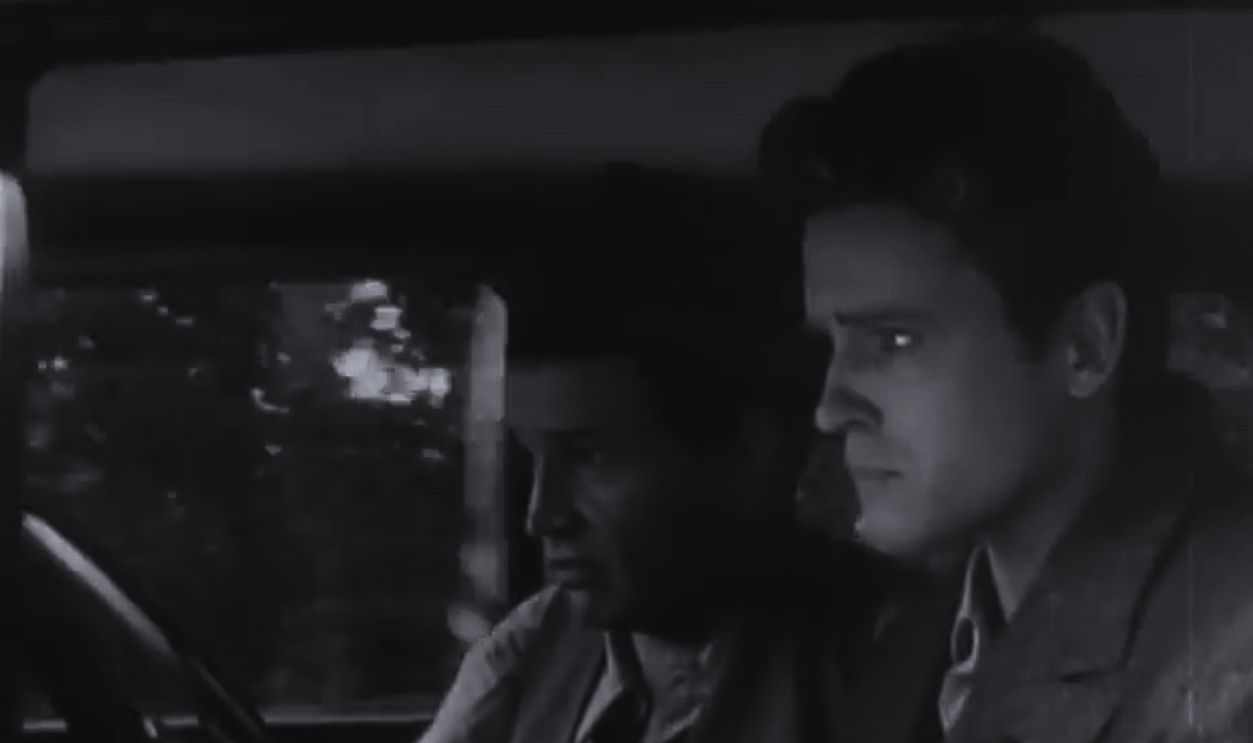 Screenshot from Pretty Boy Floyd, Allied Artists Pictures (1960)
37. He Got Hungry
Despite the mobilization of local authorities and BOI agents to the area, Floyd evaded capture for the next three days. The search for him was thorough, however, so he had to stay out of densely populated areas. His skills could only take him so far, though, and on October 22, the outlaw needed to eat. He hitched a ride to East Liverpool, Ohio, where he finally got food at a pool hall owned by a friend. That meal would be his last.
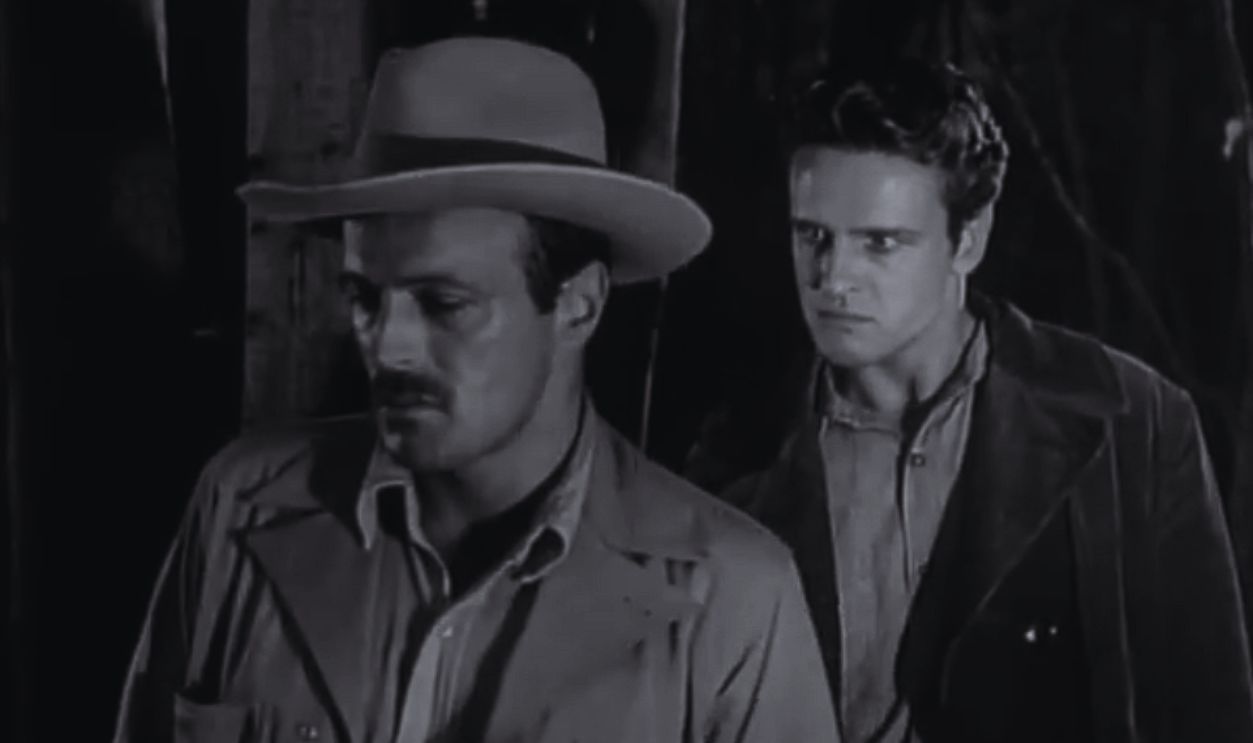 Screenshot from Pretty Boy Floyd, Allied Artists Pictures (1960)
38. He Got Confronted
Not long after leaving the pool hall, a group of lawmen spotted and confronted Floyd. He attempted to flee on foot, but this proved a futile effort. There are countless conflicting accounts of what happened next (and, as explained below, this may have been by design), but what is undisputed is that firearms went off and that, whatever happened, it spelled the end for Pretty Boy Floyd.
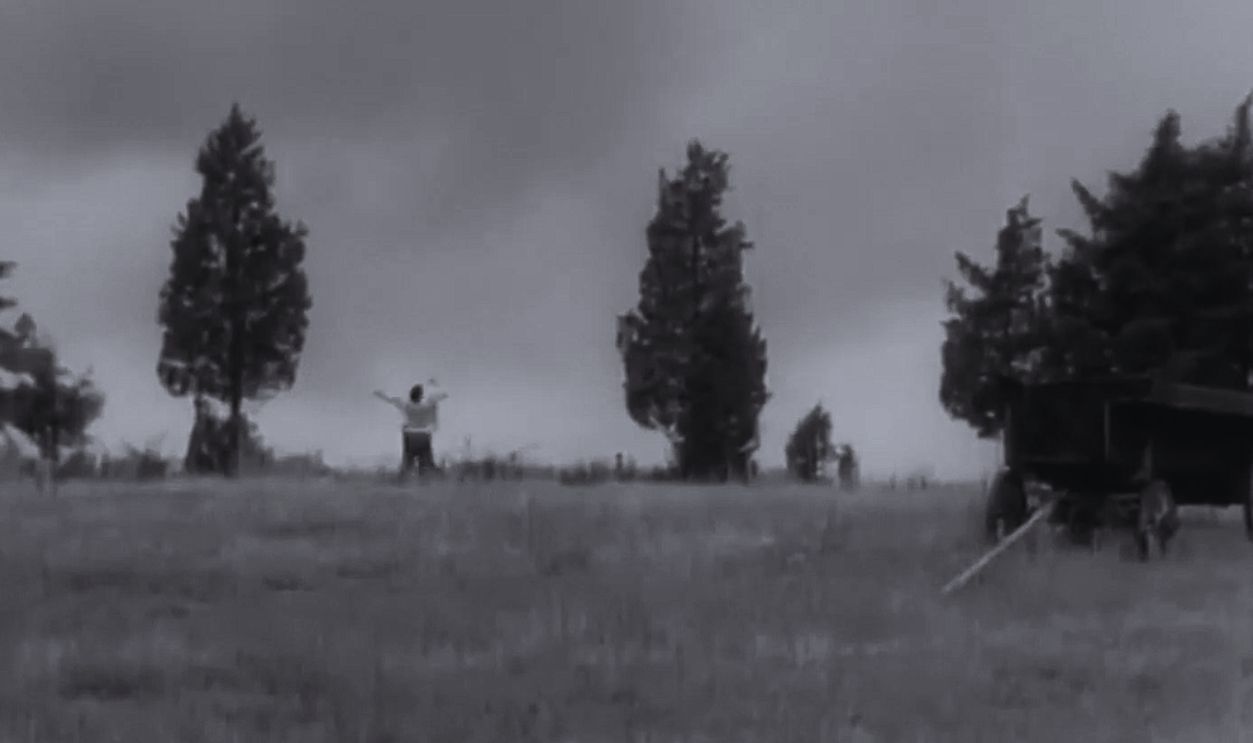 Screenshot from Pretty Boy Floyd, 20th Century Fox Television (1960)
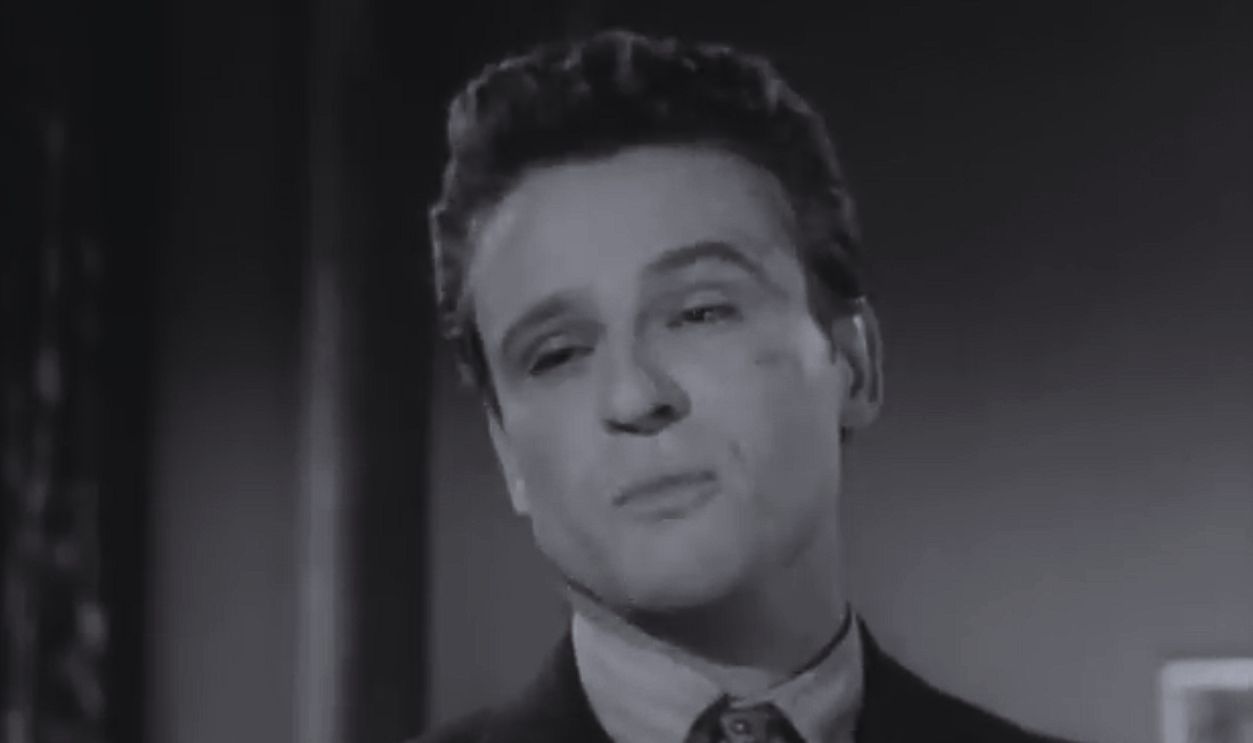
39. He Fell In A Field
Most accounts agree officers shot Floyd in a cornfield in East Liverpool, Ohio, on October 22, 1934, and he did not survive the hit. He was 30 years old. It is unclear for how long he lived after sustaining the injury, but it was reportedly long enough for one last proclamation of innocence.
 Screenshot from Pretty Boy Floyd, Allied Artists Pictures (1960)
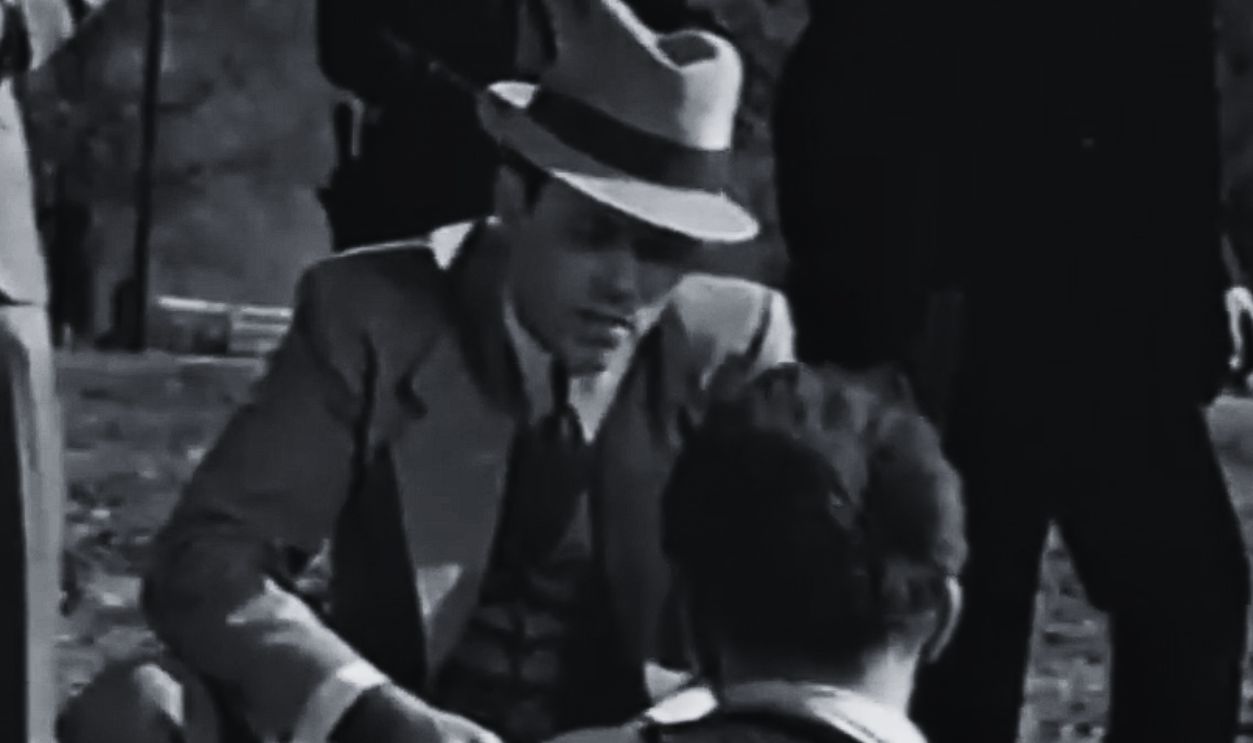
40. He Denied Til The Very End
Some reports have claimed that Floyd, with his last breath, took the opportunity to clear his name in one regard: he insisted, to the agents that fatally wounded him, that he was not involved in the Kansas City incident. That story is just one of many around the issue of Floyd’s demise, and the details—or lack thereof—paint a suspicious picture.
 Screenshot from The Story of Pretty Boy Floyd, Columbia Pictures Television (1974)
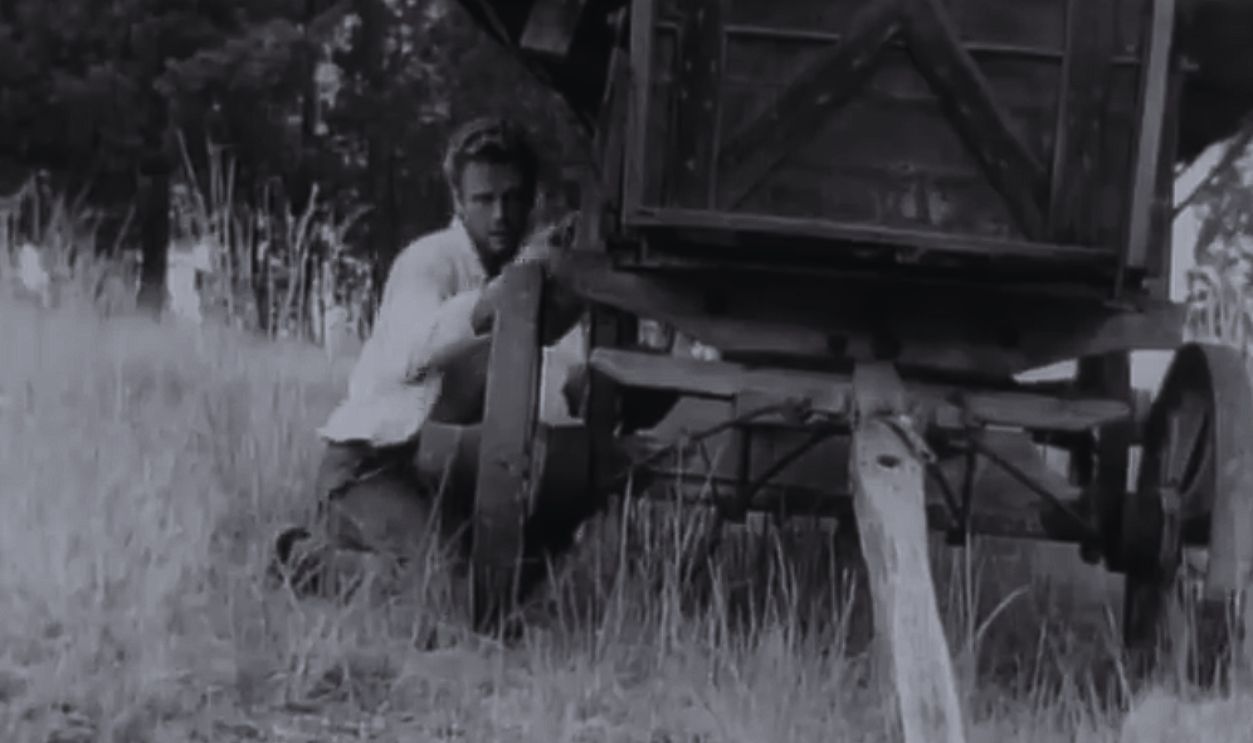
41. He Was Victim Of A Conspiracy
45 years after his felling, Floyd’s story briefly reignited when retired East Liverpool captain Chester Smith described new details of the incident in an interview with Time. Smith claimed he had shot and wounded Floyd, though not fatally. When BOI agents arrived at the scene led by Purvis, they attempted to talk to the outlaw, but he merely cursed them out.
Shockingly, according to Smith, Purvis then ordered his agents open fire point-blank on the helpless bank robber, after which the Bureau undertook a massive cover-up to hide the truth of Floyd’s demise. It would be a dry run for the FBI's modus operandi going forward.
 Screenshot from Pretty Boy Floyd, Allied Artists Pictures (1960)
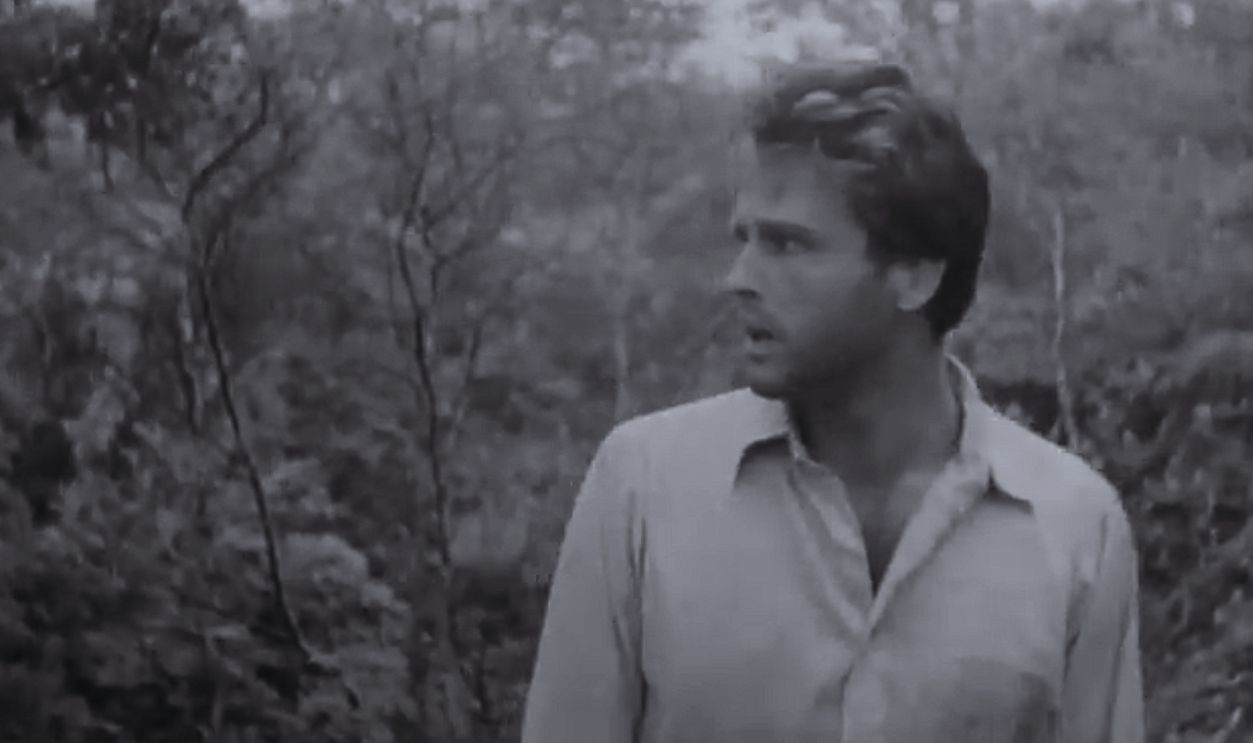
42. He Defined An Institution
The BOI’s relentless pursual and slaying of Pretty Boy Floyd became something of a flagship case for the agency, earning it increasingly higher budgets and cementing the modern image of the FBI in the minds of the American people. Led by Hoover, perhaps Floyd was lucky not to live to see the monstrous secret police organization that the director would turn it into. But while the outlaw’s soul was at rest, his body was preparing for its close-up.
 Screenshot from Pretty Boy Floyd, Allied Artists Pictures (1960)
43. His Body Got Treated
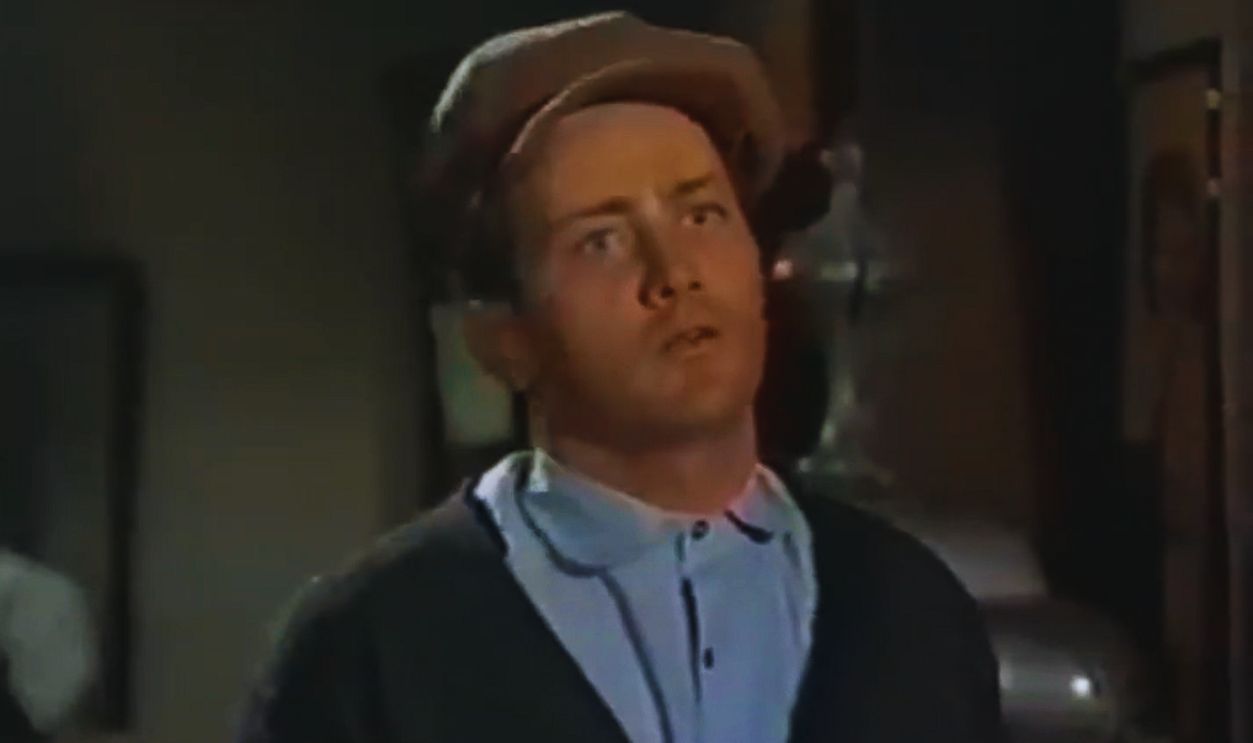
The BOI opted to have Floyd’s body embalmed and put briefly on view at the Sturgis Funeral Home in East Liverpool. The agency, perhaps at the behest of the petty Hoover, probably wanted to gloat about their victory over the man who dared to challenge the power of finance capital, however, and made a very public example of the working-class hero.
 Screenshot from The Story of Pretty Boy Floyd, Columbia Pictures Television (1974)
44. He Got Put On Display
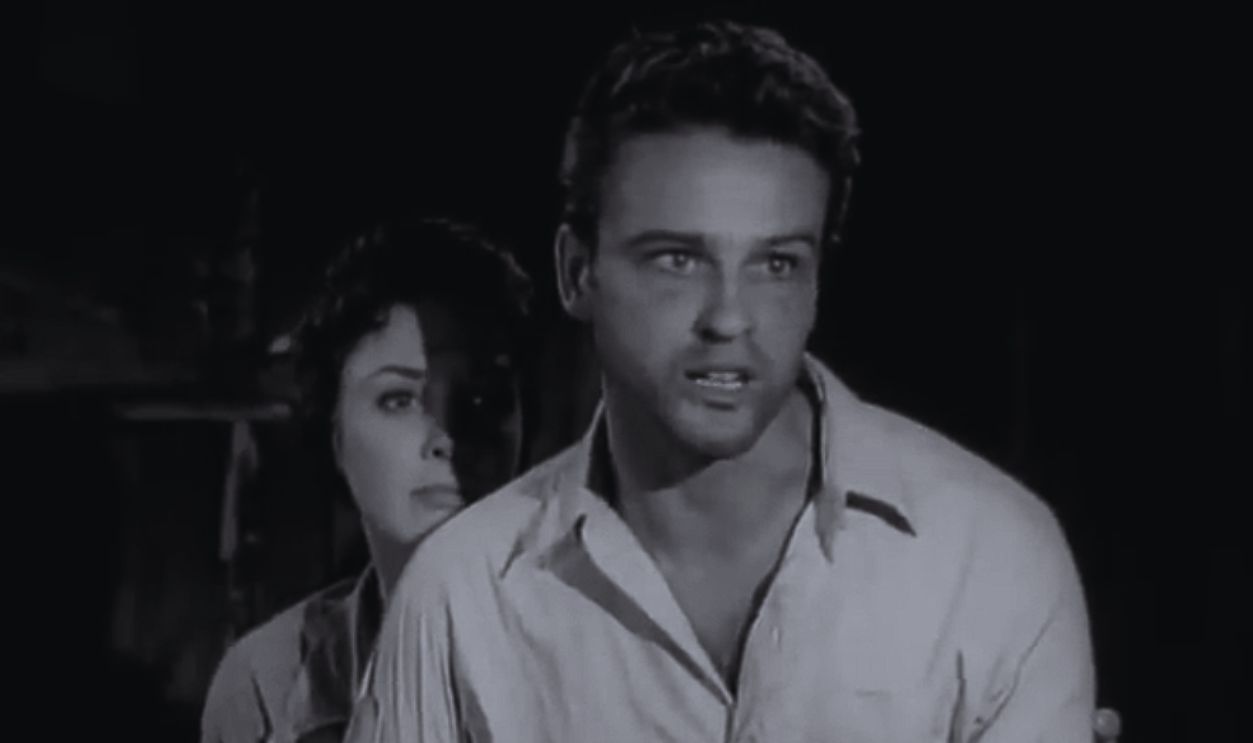
The feds next sent Floyd’s body to Sallisaw, Oklahoma, where bizarrely, they opted to display the embalmed outlaw for public viewing. But if the intention was to fire a warning shot, so to speak, at any other would-be mortgage defilers, the response from the masses was an inspiring clapback.
 Screenshot from Pretty Boy Floyd, Allied Artists Pictures (1960)
45. He Had Mass Support
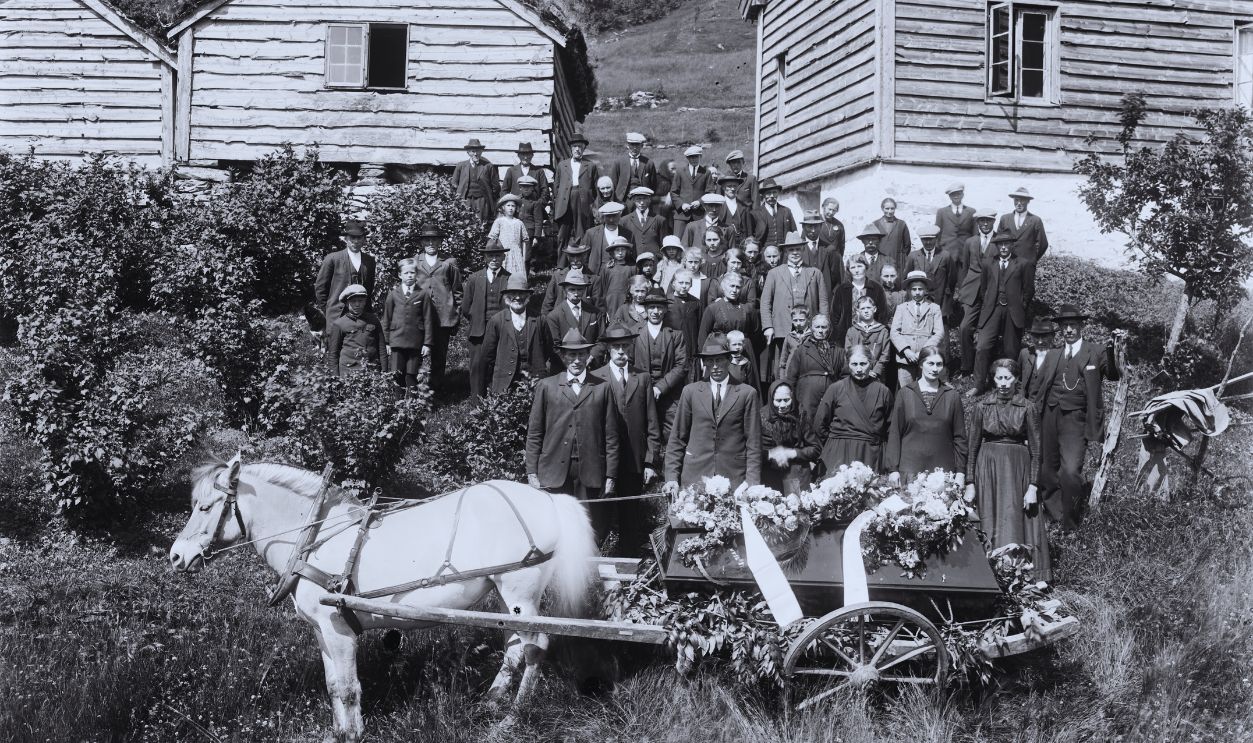
Amazingly, an estimated 20-40,000 people showed up to Floyd’s funeral to pay their respects to the fallen Robin Hood of Cookson Hills. To this day, the service remains the largest funeral in Oklahoma’s history. Forever a child of the Sooner State, Floyd’s remains got buried in his hometown of Akins. The outlaw was gone, but his legend would persist.
 Fylkesarkivet i Sogn og Fjordane, Wikimedia Commons
46. He’s Sympathetic
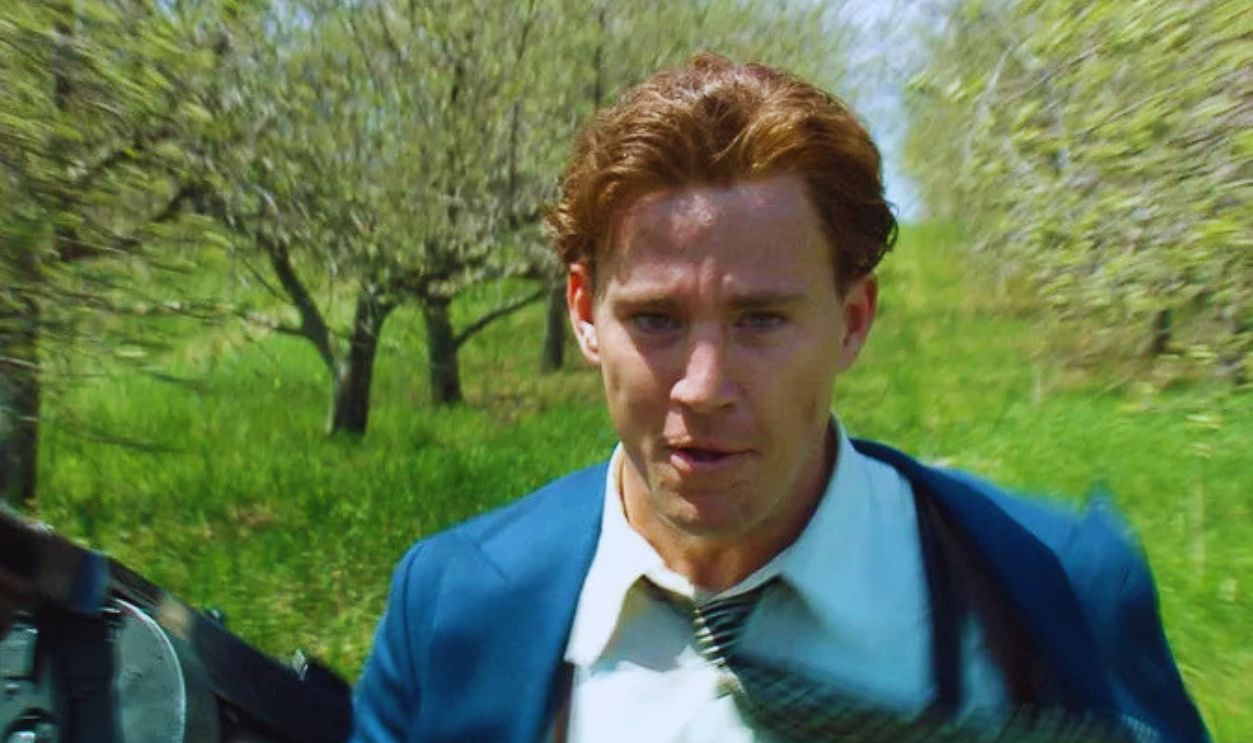
Floyd has remained a familiar figure in American pop culture since his demise. While some view him as notorious, many more feel he is a tragic figure, a victim, like so many others, of the Great Depression in the United States and the conditions forced on the working class by the failures of the capitalist system. This reputation has resulted in some great art.
 Screenshot from Public Enemies, Universal Pictures (2009)
47. He Got A Song
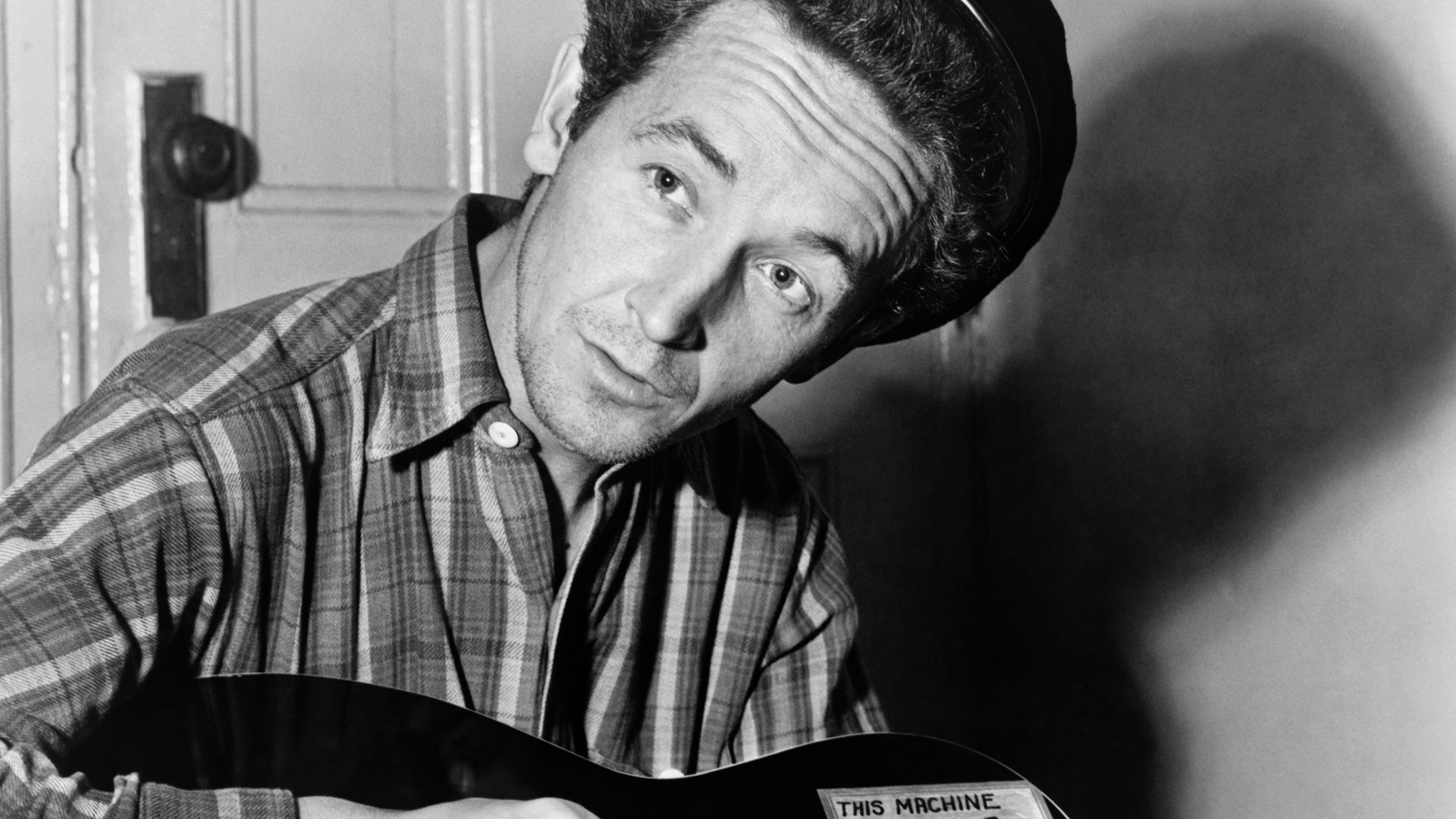
In 1939, folk icon Woody Guthrie wrote a protest song about Floyd’s life. The lyrics recount his generosity to the poor and rightly equivocates the bank heists of outlaws to the predatory (but state-sanctioned) acts of foreclosing bankers. Pretty Boy’s portrayals didn’t stop there.
 Al Aumuller/New York World-Telegram and the Sun (uploaded by User:Urban), Wikimedia Commons
48. He’s A Pop Cultural Icon
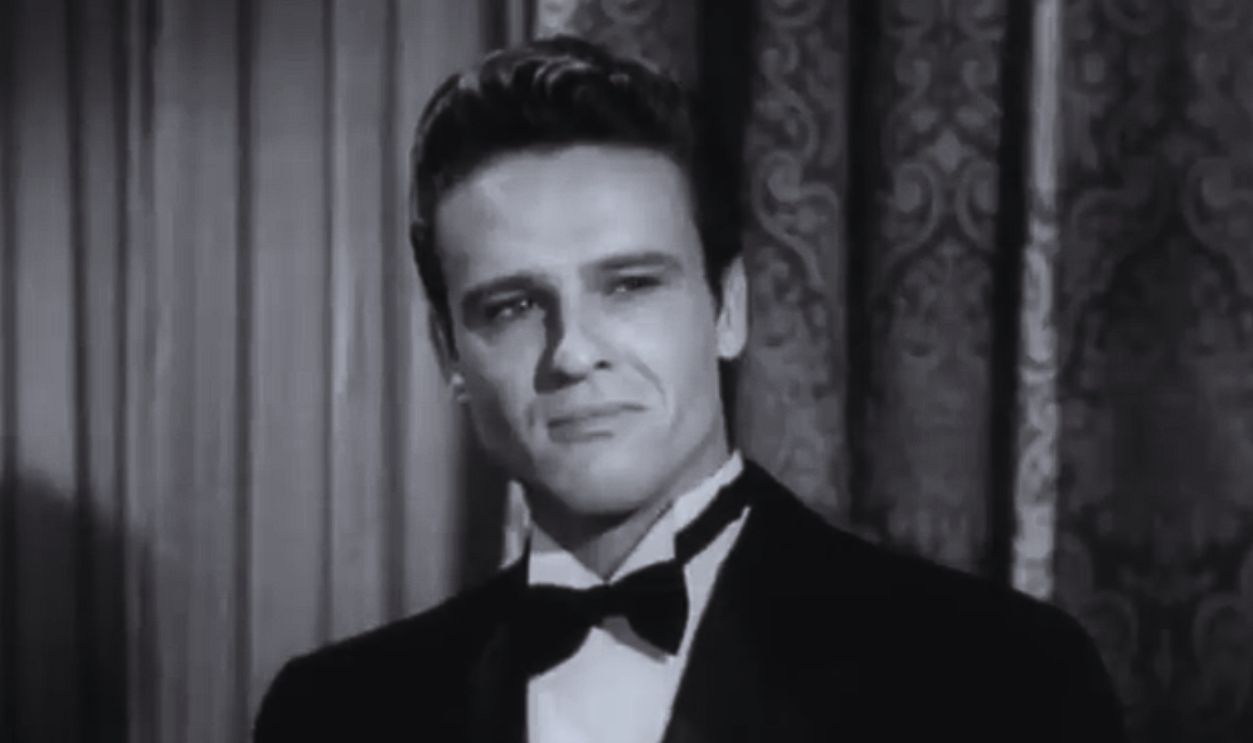
Along with Guthrie’s song, Floyd has been mentioned or portrayed in all manner of media since his life ended. These include hip hop songs, comic books, films, TV shows, and literature. One literary tribute stands out among the rest.
 Screenshot from Pretty Boy Floyd, Allied Artists Pictures (1960)
49. He Appears In A Classic
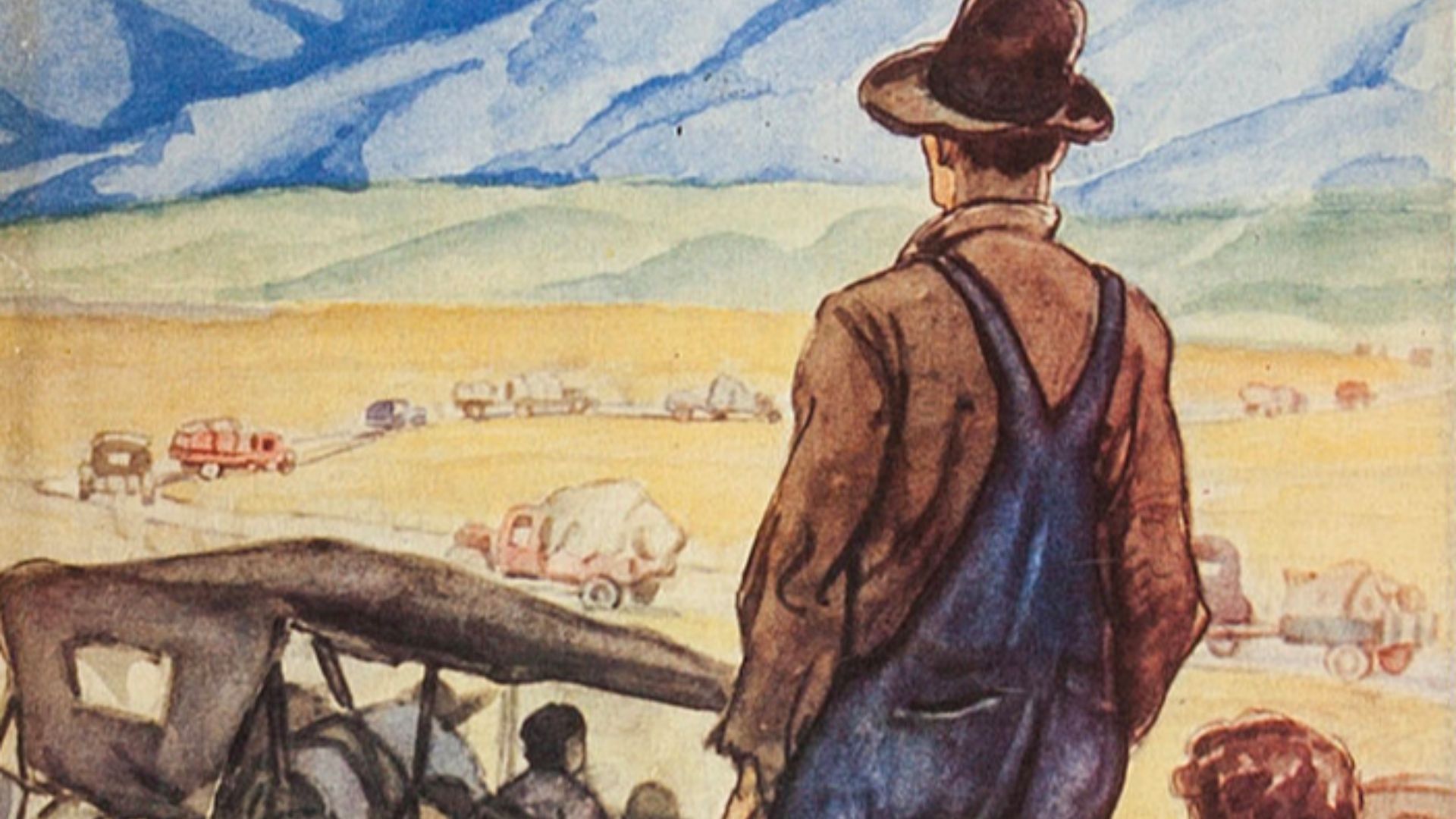
Floyd received an unexpected eulogy in a staple of American literature, John Steinbeck’s classic 1939 novel The Grapes of Wrath. In it, the character of Ma Joad gives a touching but nuanced tribute to the outlaw, and Steinbeck, through the character’s words, paints Floyd as a young man driven to a tragic fate by social injustice. Indeed, this common view of Floyd makes him a pioneering archetype.
 Jacket design by Elmer Hader., Wikimedia Commons
50. He Was A First
Because of his glowing reputation but questionable morality, many consider Floyd to be among the first real-life anti-heroes. The anti-hero archetype would only increase in popularity in American pop culture over the coming decades, and we can be pretty certain that Pretty Boy Floyd would like that legacy much more than his enduring nickname.
![Gettyimages - 50611644, George Birdwell [Misc.];Charles Floyd [Misc.] Closeup of wanted poster w. small mug shot photo of murderous bank robber Charles Pretty Boy Floyd, next to info about Floyd & his accomplice, George Birdwell, as well as instructions on whom to contact if you know the whereabouts of the men](https://www.factinate.com/storage/app/media/factinate/2026/2/17/32.jpg)
You May Also Like:
Outlawed Facts About Belle Starr, The Bandit Queen
Gutsy Facts About Bonnie & Clyde, Lovers To The End