He Was The Real Thing
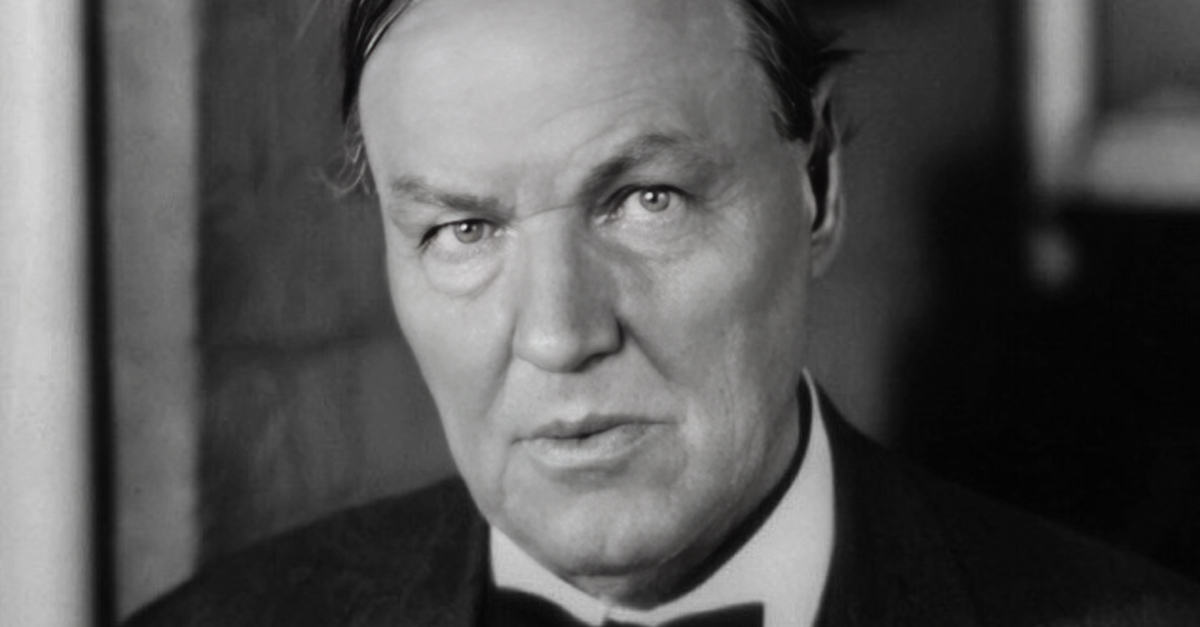
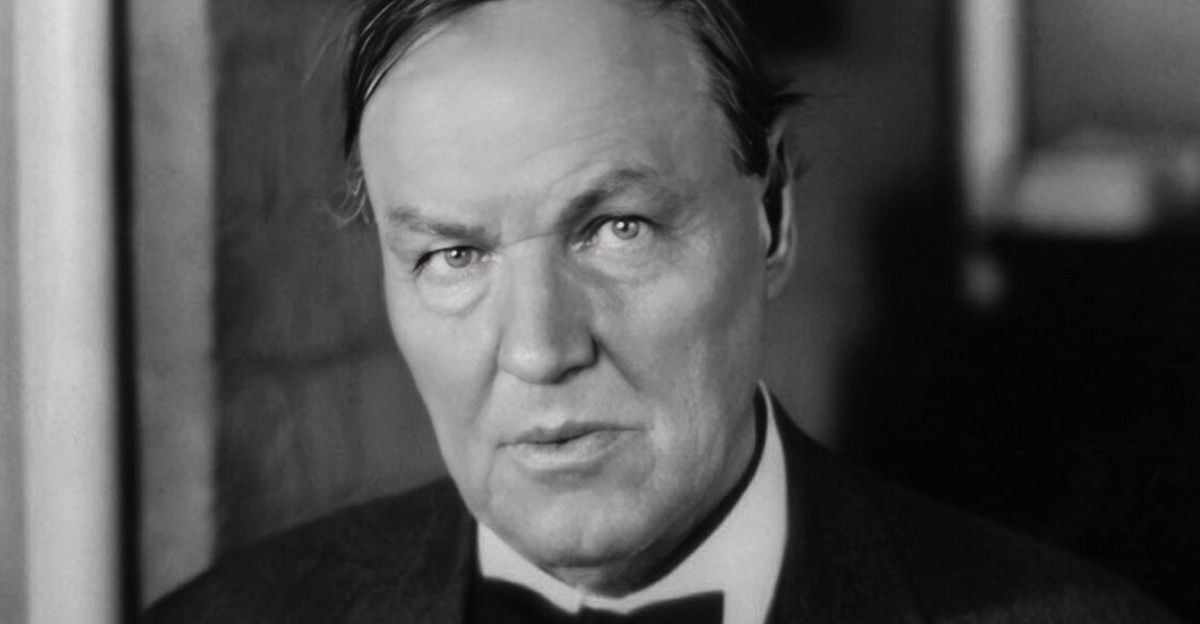
Old movie fans will recognize the stock character of the small-town lawyer, who dollops out equal amounts of wisdom and goodwill. Well, Clarence Darrow might have been the prototype of this familiar trope, but his speeches were way too long for any motion picture. Darrow made a name for himself as the long-winded champion of underdogs. Then, in one stunning moment, he found himself facing a judge for his own misdeeds.
 United States Library of Congress, Wikimedia Commons
1. His Parents Fought The Good Fight
Clarence Darrow was born on April 18, 1857, in Farmdale, Ohio. Mom was Emily Darrow and she fought for women’s rights and getting women the vote. Dad was Amirus Darrow, and he fought against slavery. Dad was also seen as a free thinker, especially when it came to religion.
With parents like these, it was going to be tough for Darrow to make a name for himself.
![Title: Clarence Darrow at Cosmos Club, [Washington, D.C.], 3/14/25
Abstract/medium: 1 negative : glass ; 5 x 7 in. or smaller](https://www.factinate.com/storage/app/media/factinate/2026/8/11/178642555509ccf3fc020a4aaa553cd91143b22fc0c01199ff.jpg) National Photo Company Collection, Wikimedia Commons
National Photo Company Collection, Wikimedia Commons
2. He Didn’t Finish College
While Darrow enrolled in both Allegheny College and the University of Michigan Law School, he didn't graduate from either. You see, in 1873, there was an economic panic in North America and Europe. Times were tough, and Darrow didn’t want to make things even tougher by draining his family’s finances while at school.
But Darrow wasn't about to give up on the law yet.
 Bain News Service, publisher, Wikimedia Commons
3. He Didn’t Like School
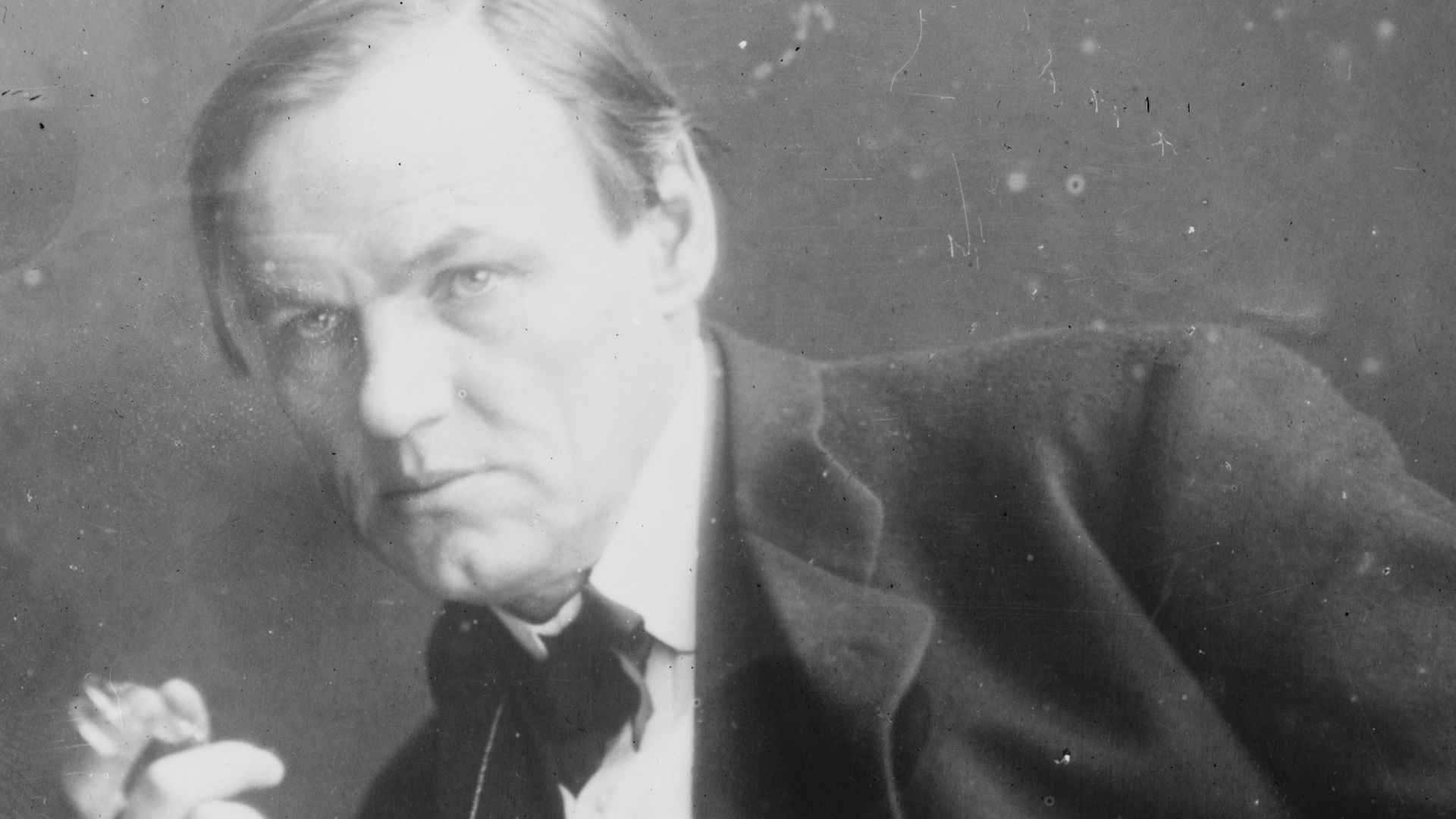
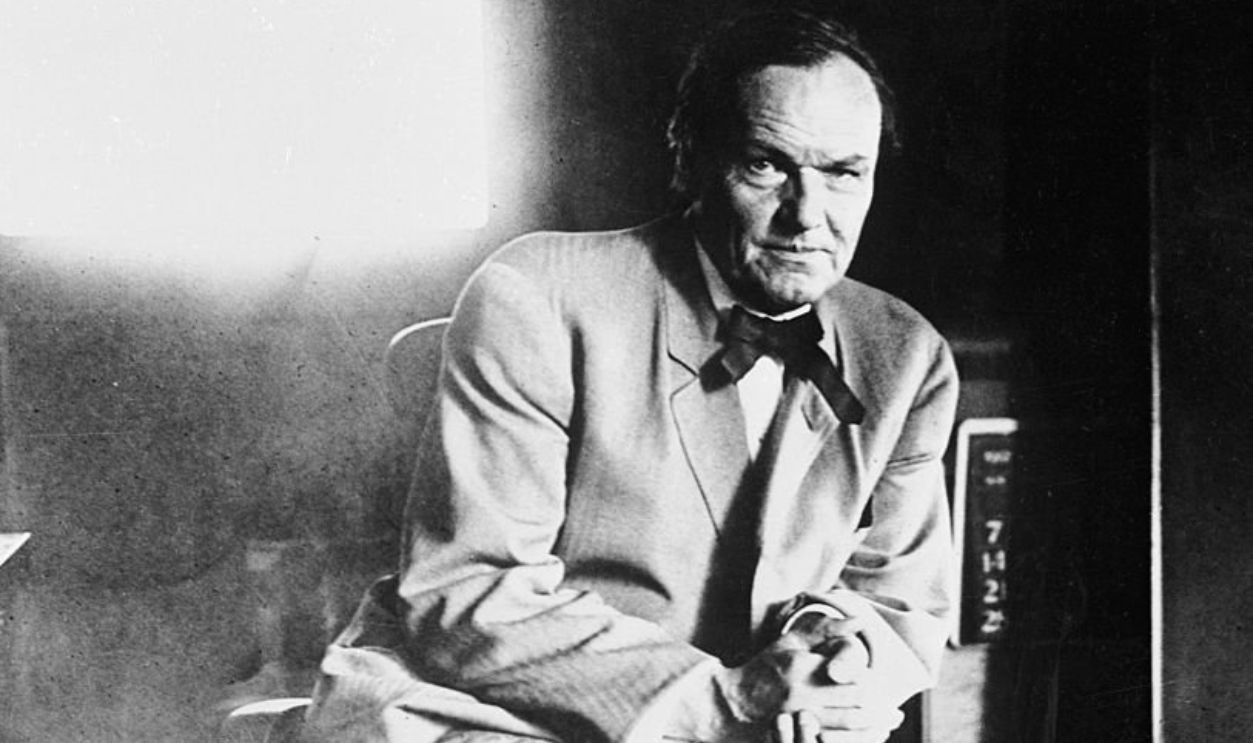
Clarence Darrow got it into his head that he could teach himself about law. He did this for three years until his family insisted that he go to an actual law school. He went to Ann Arbor and stunned his family by quitting after just one year. He still wasn’t on board with law school, so he just self-studied until he felt he was ready to take the bar exam.
This seemed like a recipe for disaster.

History's most fascinating stories and darkest secrets, delivered to your inbox daily.
4. He Won His First Case
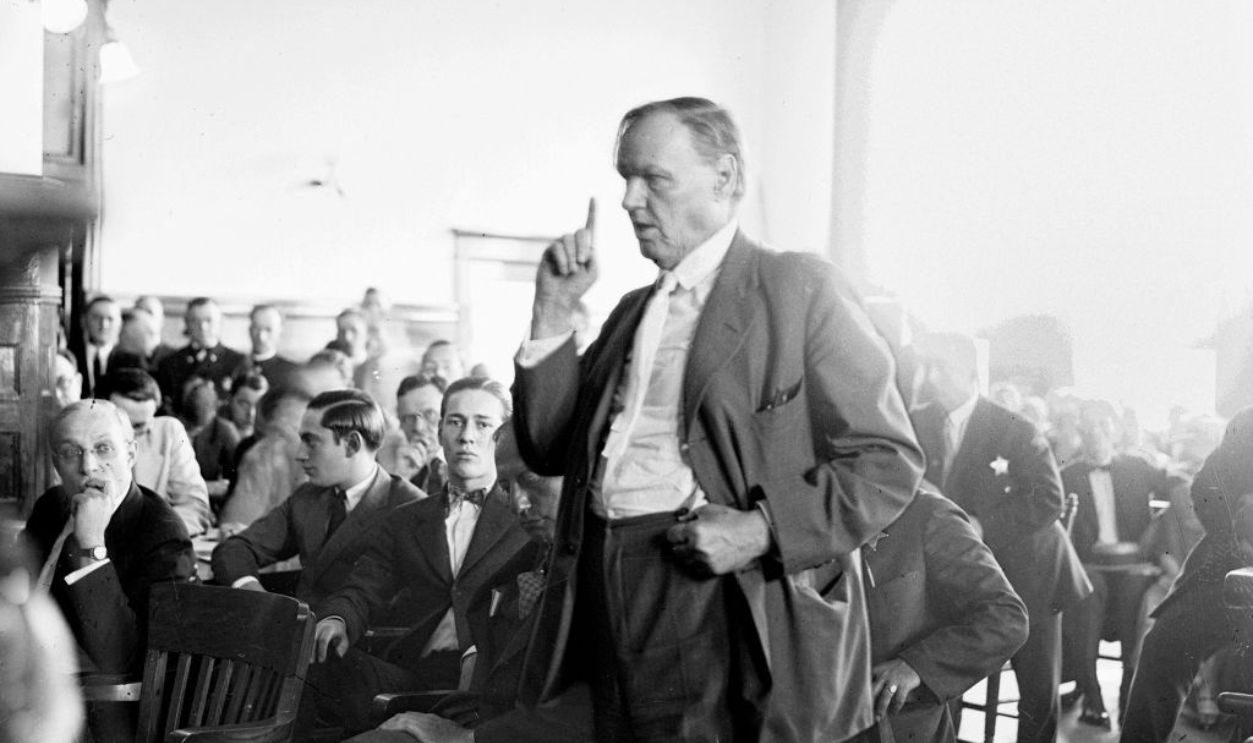
In 1878, Darrow surprised everyone and passed the Ohio bar exam on his first attempt. The following year, he was living in the tiny town of Harvard, Illinois, and got his first case. This was a winner for Darrow, and it prompted him to move to Andover, Ohio, and open up his own law office. Here, Darrow mostly dealt with small complaints, which were typical of the countryside.
Darrow knew he had to go somewhere bigger.
 Chicago History Museum, Getty Images
5. He Found A Wife
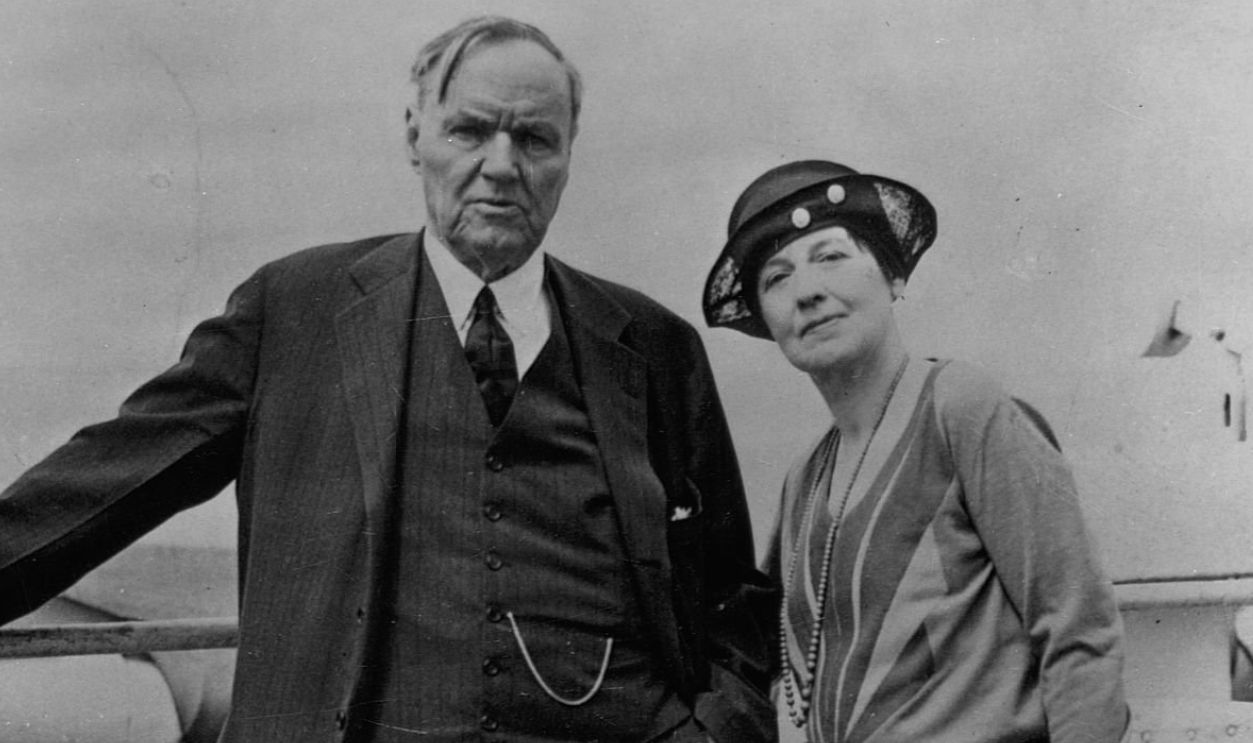
Well, he didn’t go much bigger. Darrow’s next home was in Ashtabula, Ohio: population 5,000. But this move did see Darrow taking part in politics and serving on the town council. It also helped him find a wife. In 1880, he married Jessie Ohl. The two had a son and were soon making a move that would change their lives.
 Library of Congress, Getty Images
6. He Was A Speaker
Clarence Darrow, his wife Jessie, and their son Paul made the move to the big city. They chose Chicago, and at first it seemed like a terrible mistake. He didn’t have much work in the Windy City, but he managed to make a name for himself. He became known not for practicing law, but for public speaking. This worked, and he finally got himself a job at the city’s law department.
But this was not going to last.
7. He Had A Conflict Of Interest
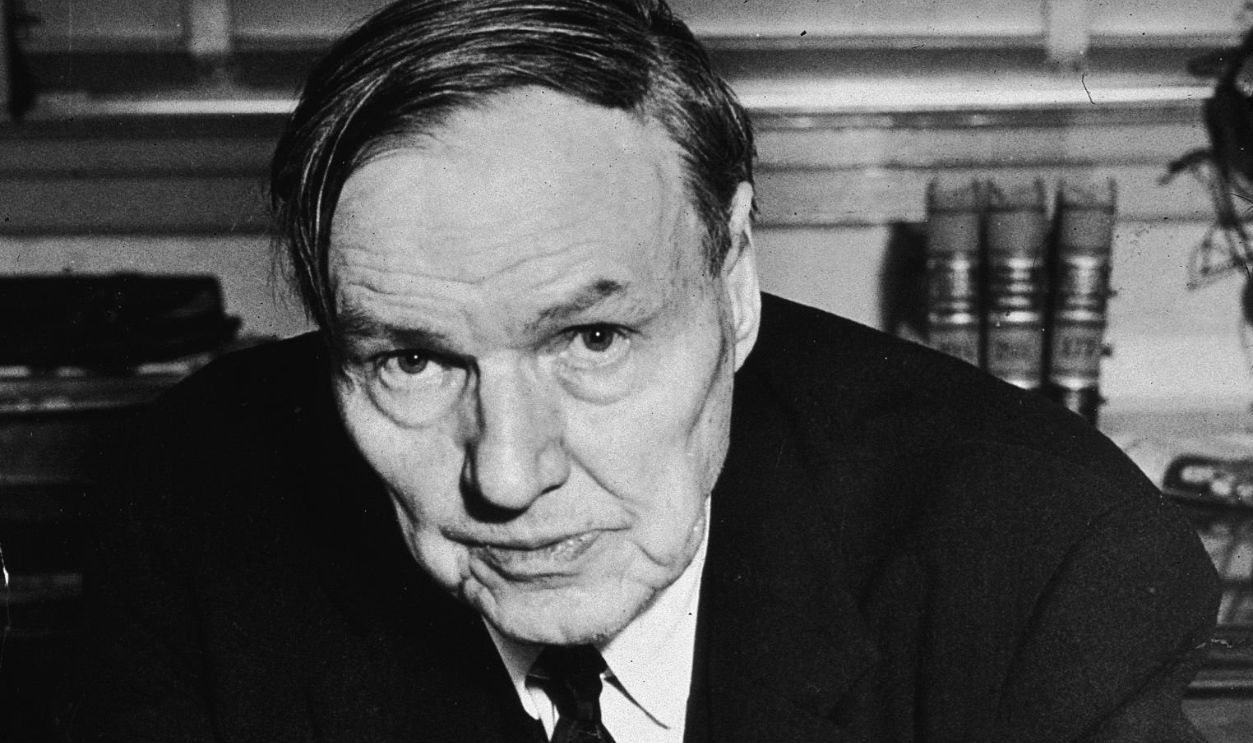
After just two years with the Chicago law department, Darrow got a big break. The Chicago and North-Western Railway Company needed a lawyer, and he jumped ship and signed on. But there was soon trouble. The head of the American Railway Union needed a lawyer, and he turned to Darrow.
Darrow had a problem. He couldn’t take a client from the railway union when he worked for a railway company.
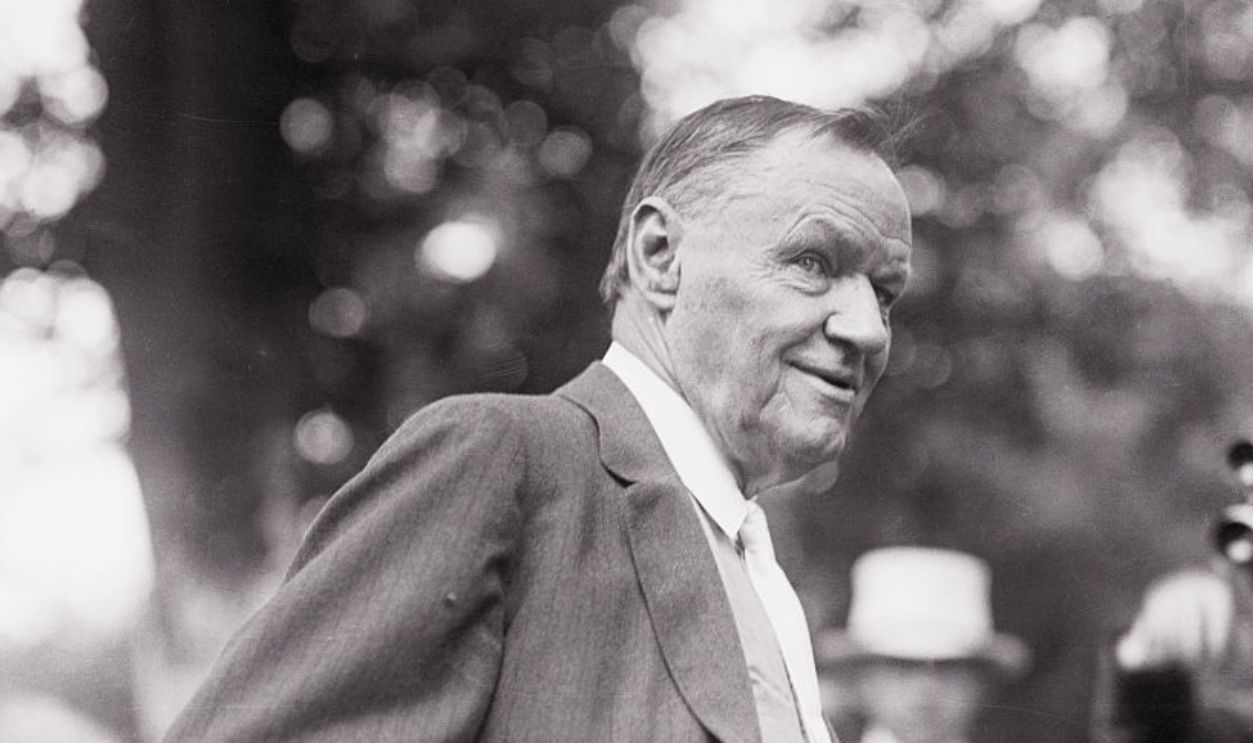
8. He Chose The Underdog
Clarence Darrow chose to represent the union head, and this began Darrow’s reputation as a man who would valiantly help the underdog. So, Darrow represented Eugene V Debs, who was in court as one of the leaders of the Pullman Strike. He got Debs off in the first trial but failed in the second. Debs ended up serving a six-month sentence.
But a much more complex case was up next.
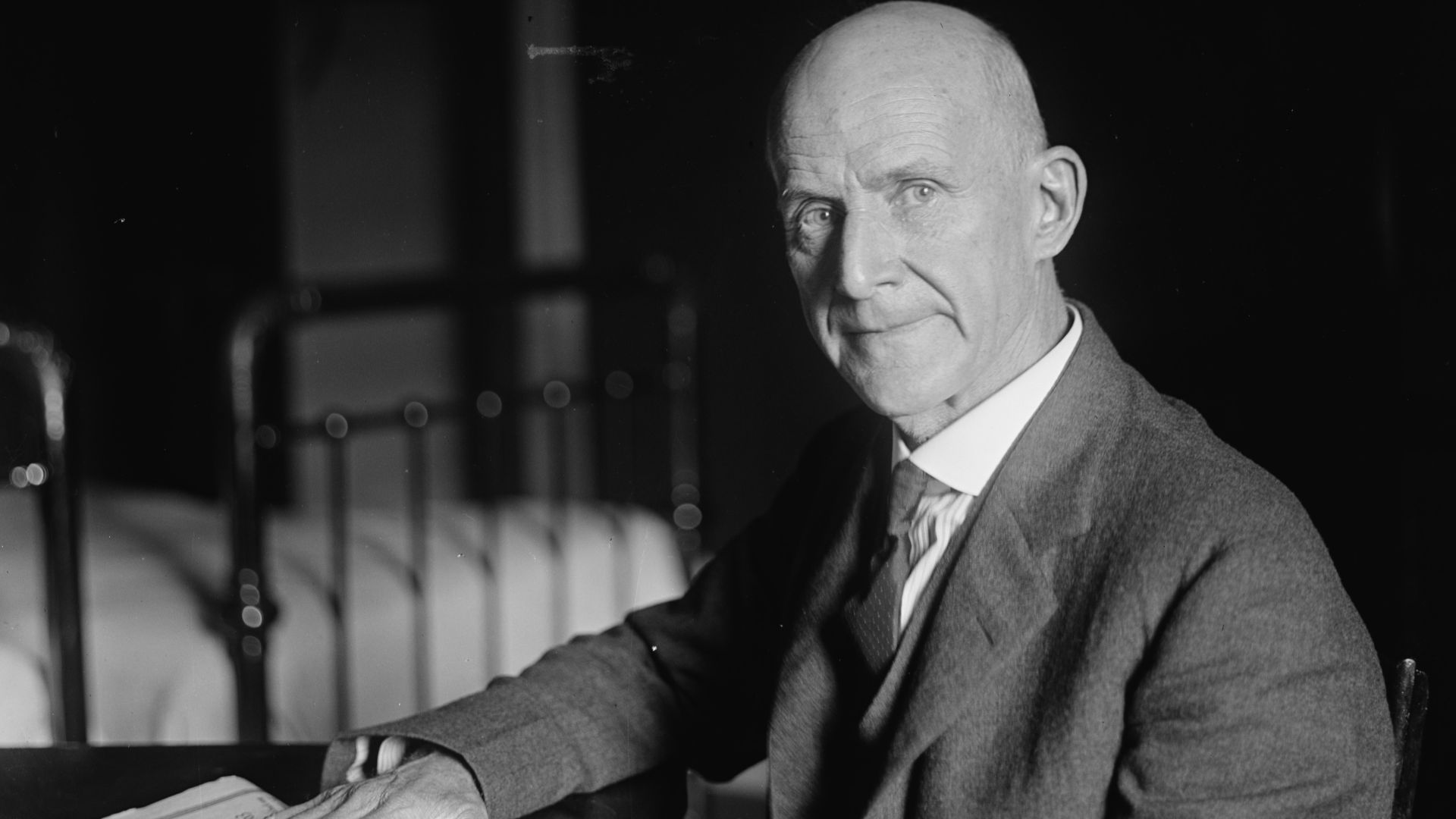 George Grantham Bain, Wikimedia Commons
9. He Was Headed For The Gallows
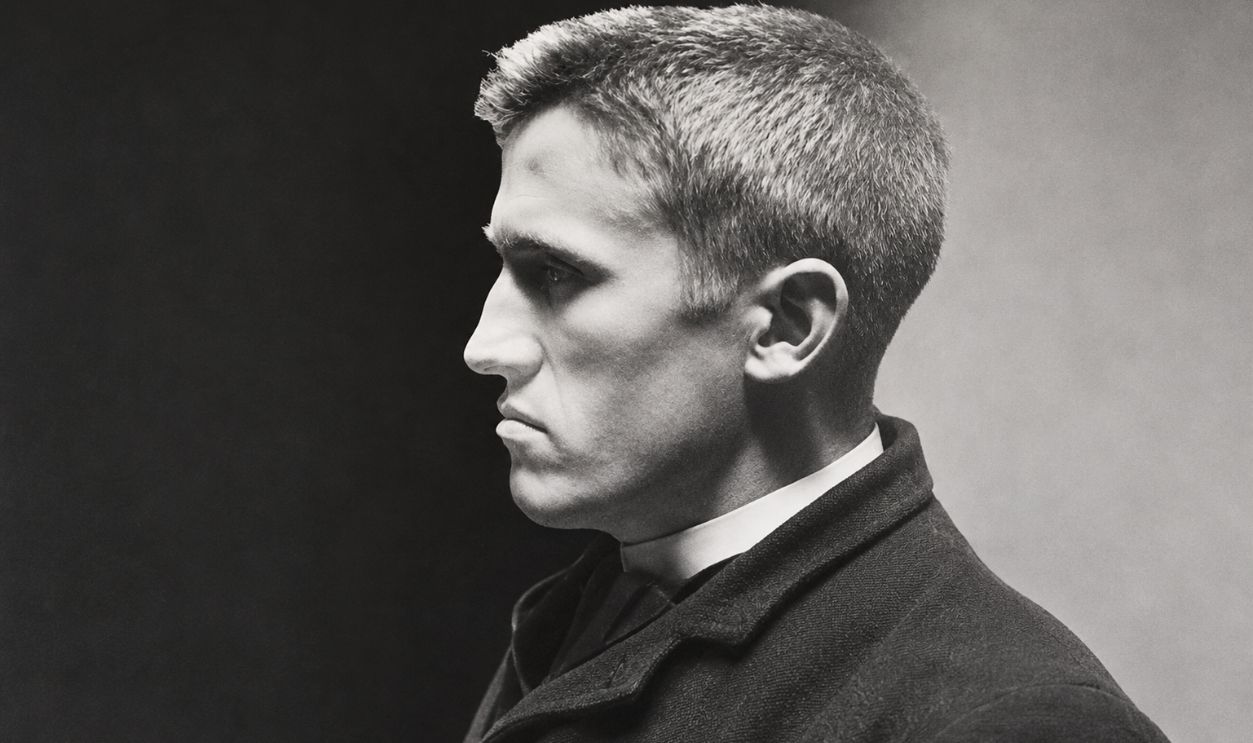
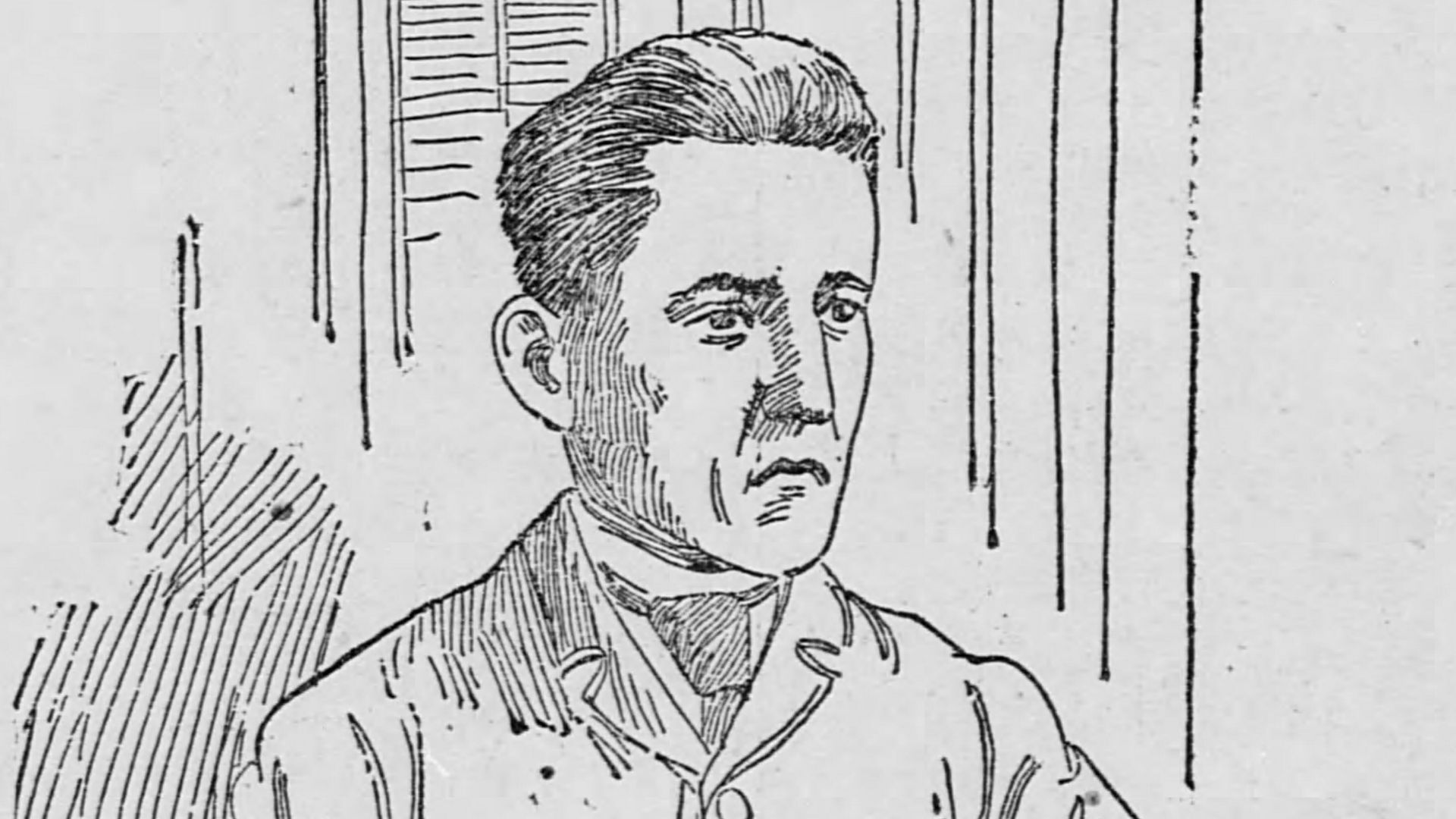
On October 28, 1893, Patrick Eugene Prendergast entered the home of the Chicago mayor and opened fire. The mayor, Carter Harrison III, did not survive, and Prendergast was soon behind bars. Prendergast's attorneys failed to get their client off with an insanity defense, and their client was soon facing the noose.
That’s when Darrow stepped in.
History's most fascinating stories and darkest secrets, delivered to your inbox daily.
10. He Couldn’t Help
Clarence Darrow did not sign on to the Prendergast case to free him. He just wanted to avoid a hanging. Darrow and his associates believed that Prendergast’s mental state at the time of the incident made him unfit for capital punishment. Darrow and his team could not convince the judge, and Prendergast faced the noose on July 13, 1894.
Darrow had failed, but he was now very certain what he wanted to fight for.
 Unknown authorUnknown author, Wikimedia Commons
11. He Ended His Marriage
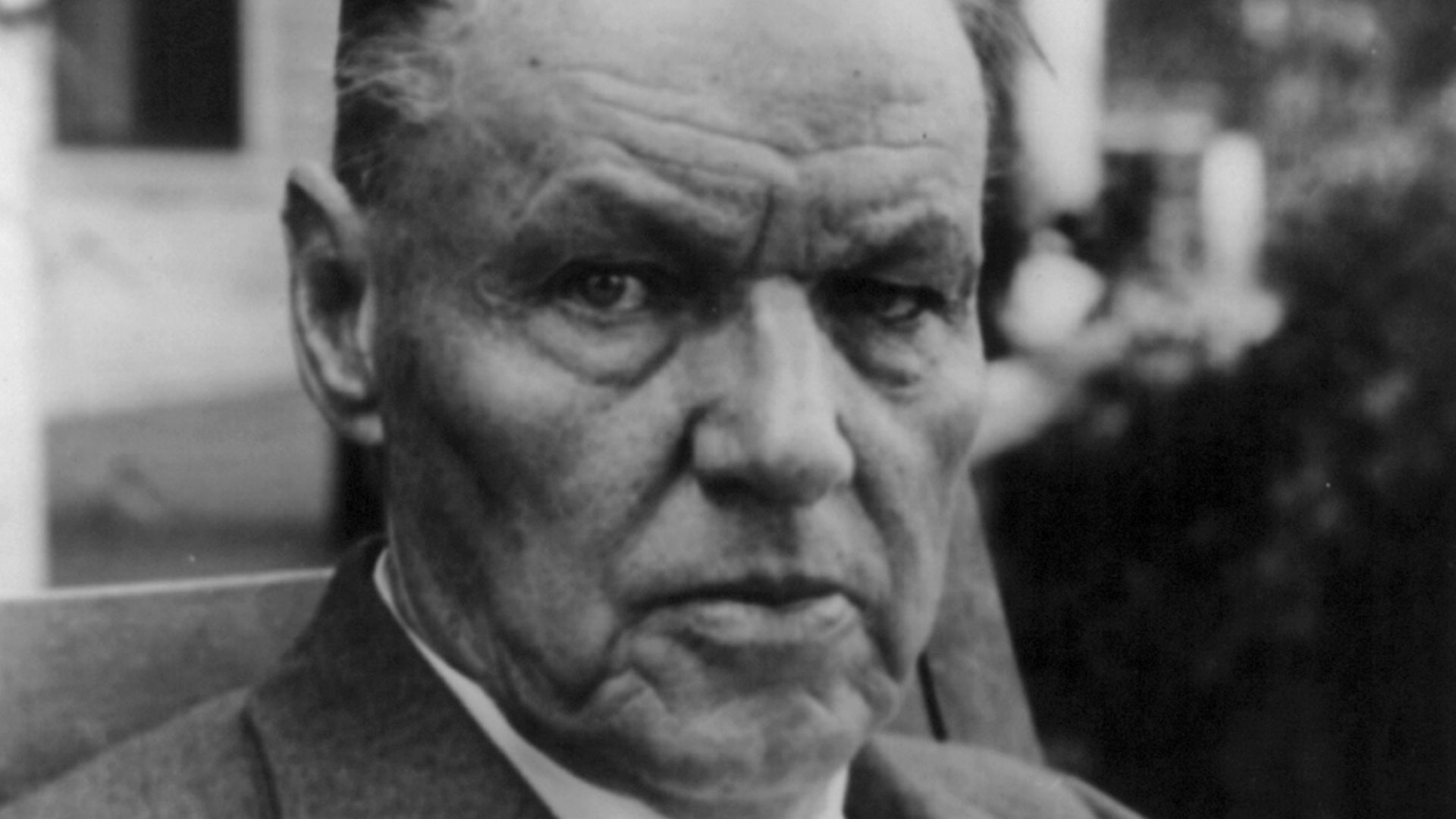
In 1897, Darrow decided to end his marriage. Divorces were not common back then, so Darrow had to consider what this would do to his career. They decided the best tactic would be for him to make the petition for divorce, and the reason he gave was that Jessie had “absented herself" from her husband. This wasn’t true, but the divorce went through anyway.
Darrow would soon regret his decision.
 Underwood & Underwood, Wikimedia Commons
12. He Made A Mistake
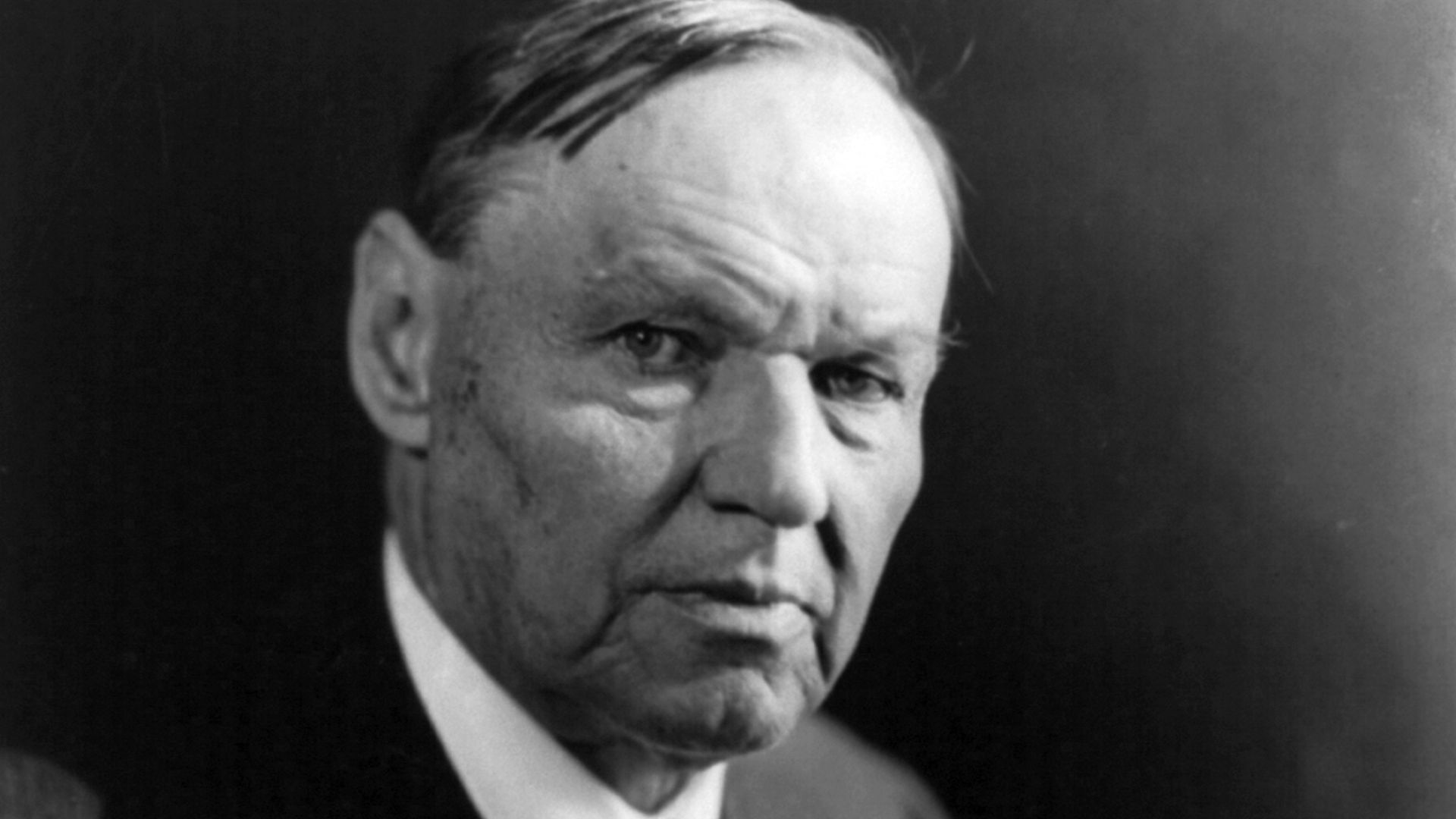
In the divorce, Jessie Darrow received the house and a monthly allowance of $150. A year after the divorce, Darrow came to Jessie with tears in his eyes, saying they had made a mistake. It was too late, and to make sure Darrow understood that, Jessie later married a judge—one whom Darrow had faced in court on more than one occasion.
Darrow dealt with his sadness in the arms of a younger woman.
 Underwood & Underwood, Wikimedia Commons
13. He Met A Woman
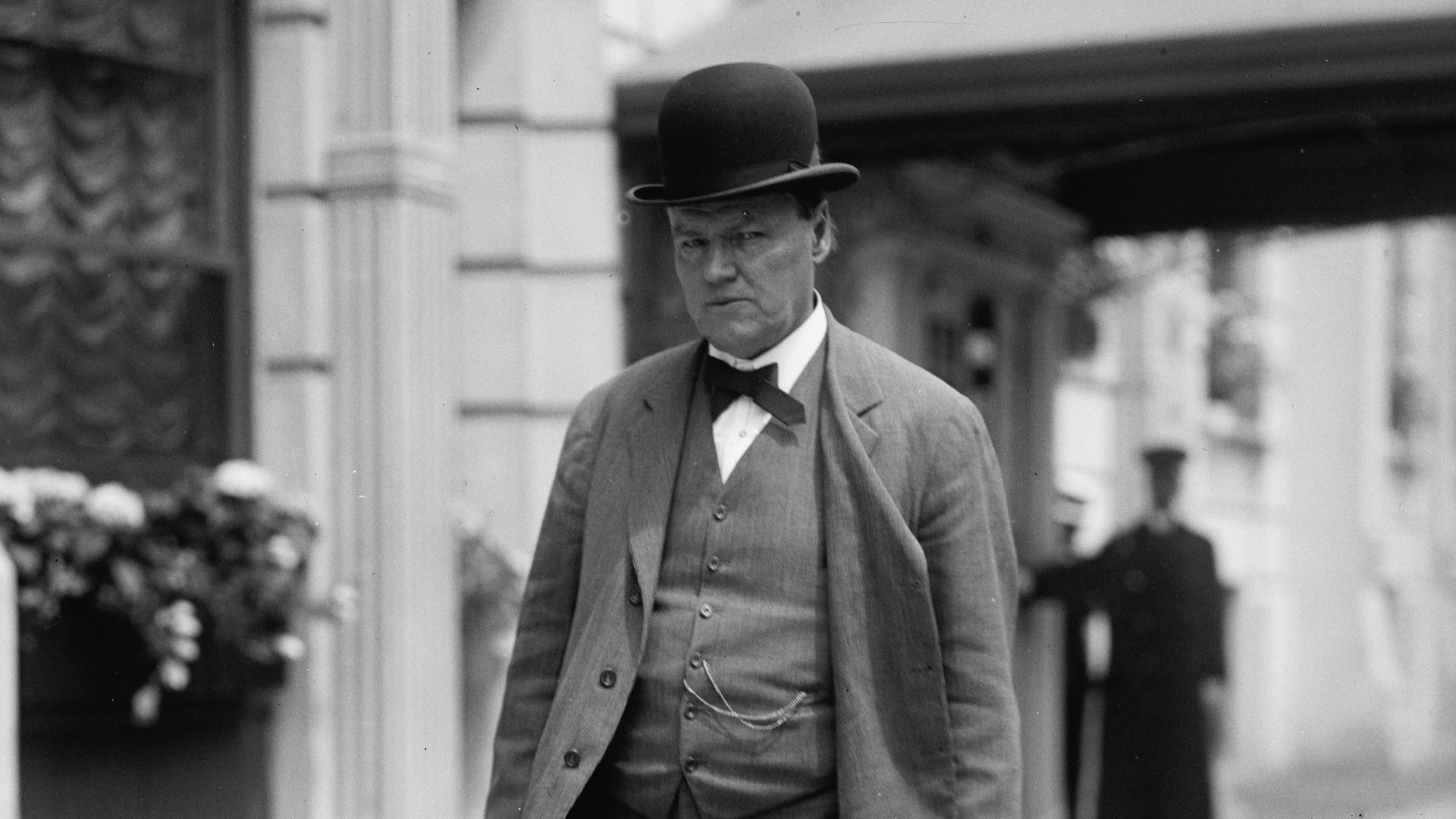
In 1899, Claence Darrow met journalist Ruby Hammerstrom through a mutual friend. While Darrow was in his early 40s, Hammerstrom was just 26 years old. But it certainly was true love. When Darrow went on a two-week trip to Quebec, Canada, he wrote that he would “give the whole world to have my darling sweet heart with me”.
Darrow was in love, and he had to do something about it.
 Harris & Ewing, photographer, Wikimedia Commons
14. He Tied The Knot
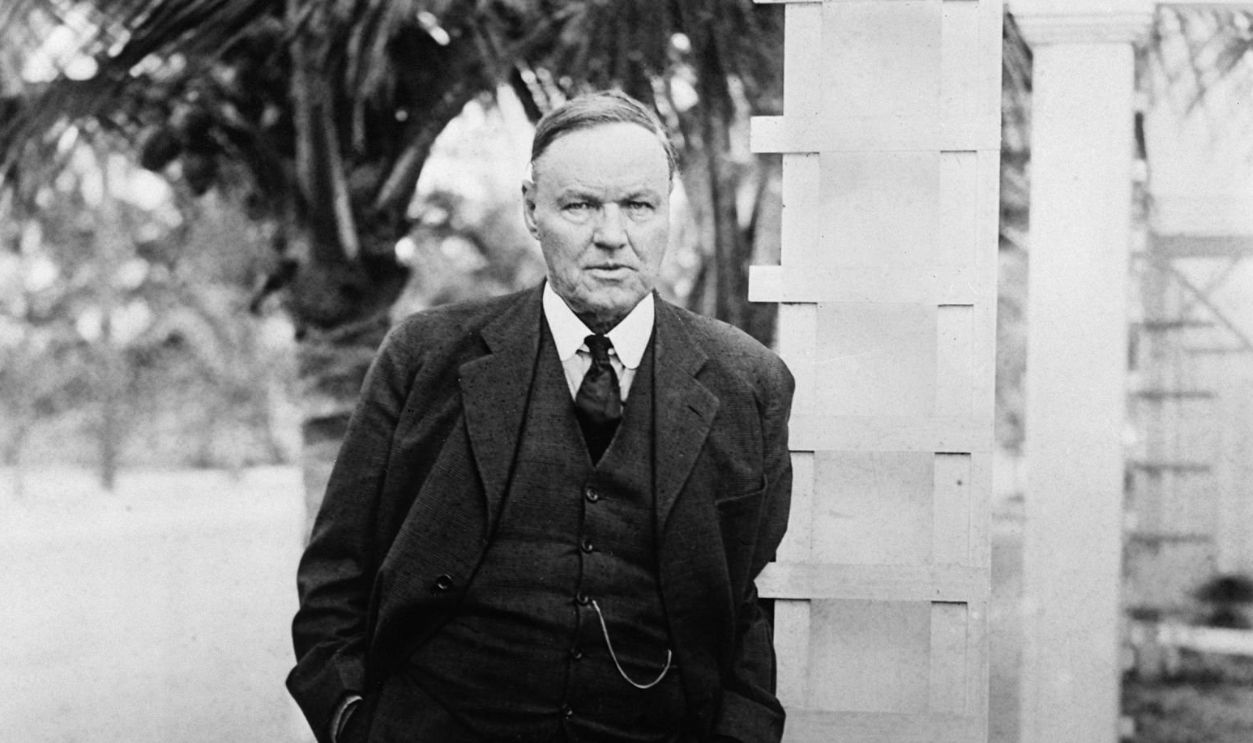
In July 1903, Darrow and Hammerstrom walked down the aisle and became husband and wife. That same year, he seriously considered running for the mayor of Chicago, but instead focused on his firm: Darrow, Masters and Wilson. While with this firm, Darrow faced one of his biggest and most infamous labor cases.
The case of Frank Steunenberg combined two of Darrow’s passions: labor politics and manslaughter.
15. It was A Case Tailor-Made For Him
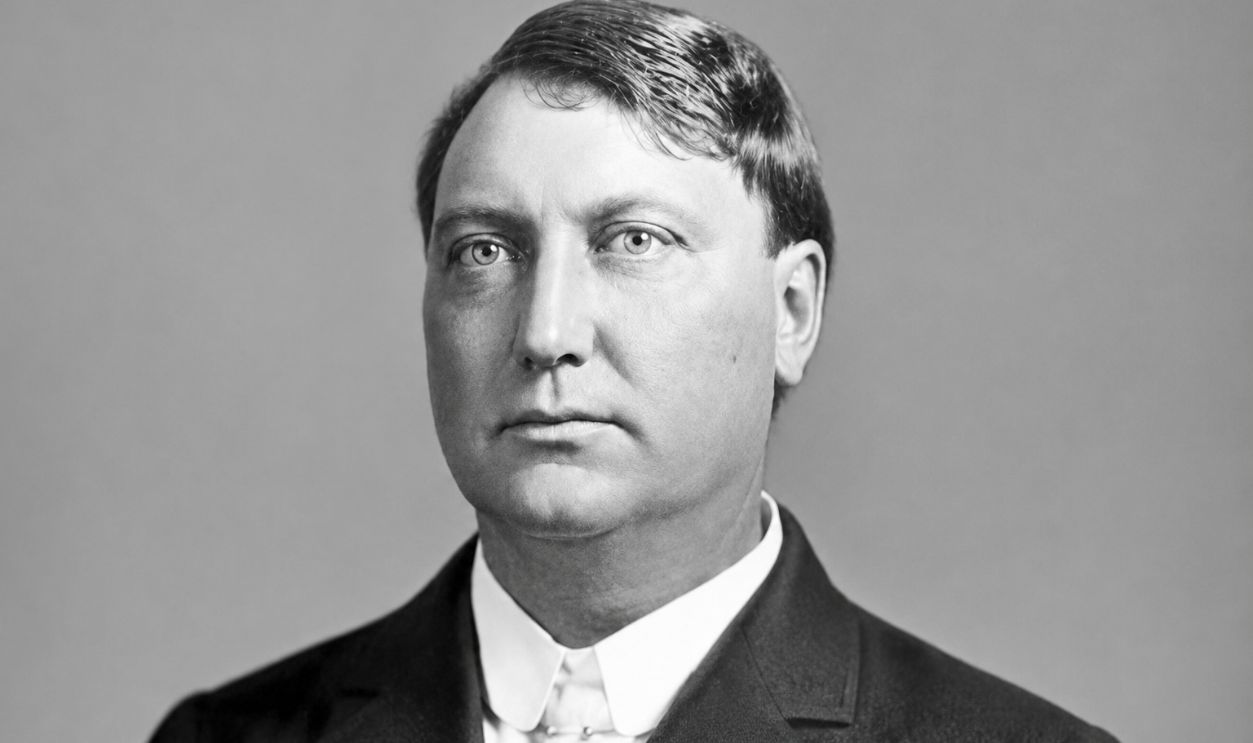
On December 30, 1905, Frank Steunenberg left his house in Caldwell, Idaho, and there was a sudden and very loud blast. As it turned out, someone had set an explosive device at a side gate. Steunenberg, who had been the Governor of Idaho and an enemy of labor unions, lost his life that day. When accusations targeted union leaders from the Western Federation of Miners, Darrow stepped in.
History's most fascinating stories and darkest secrets, delivered to your inbox daily.
16. He Helped Them Walk
What came out in the Steunenberg trial was that a man named Harry Orchard had set the explosive device that ended Steunenberg’s life. But what was important was that Orchard said that the men who had hired him to do it were all leaders of the Western Federation of Miners. With Darrow’s expert help, all three members of the union walked away with no sentence. Without Darrow’s defense, Orchard spent the rest of his life behind bars.
While this trial was explosive, his next would be positively nuclear.
17. It Was An Explosive Case
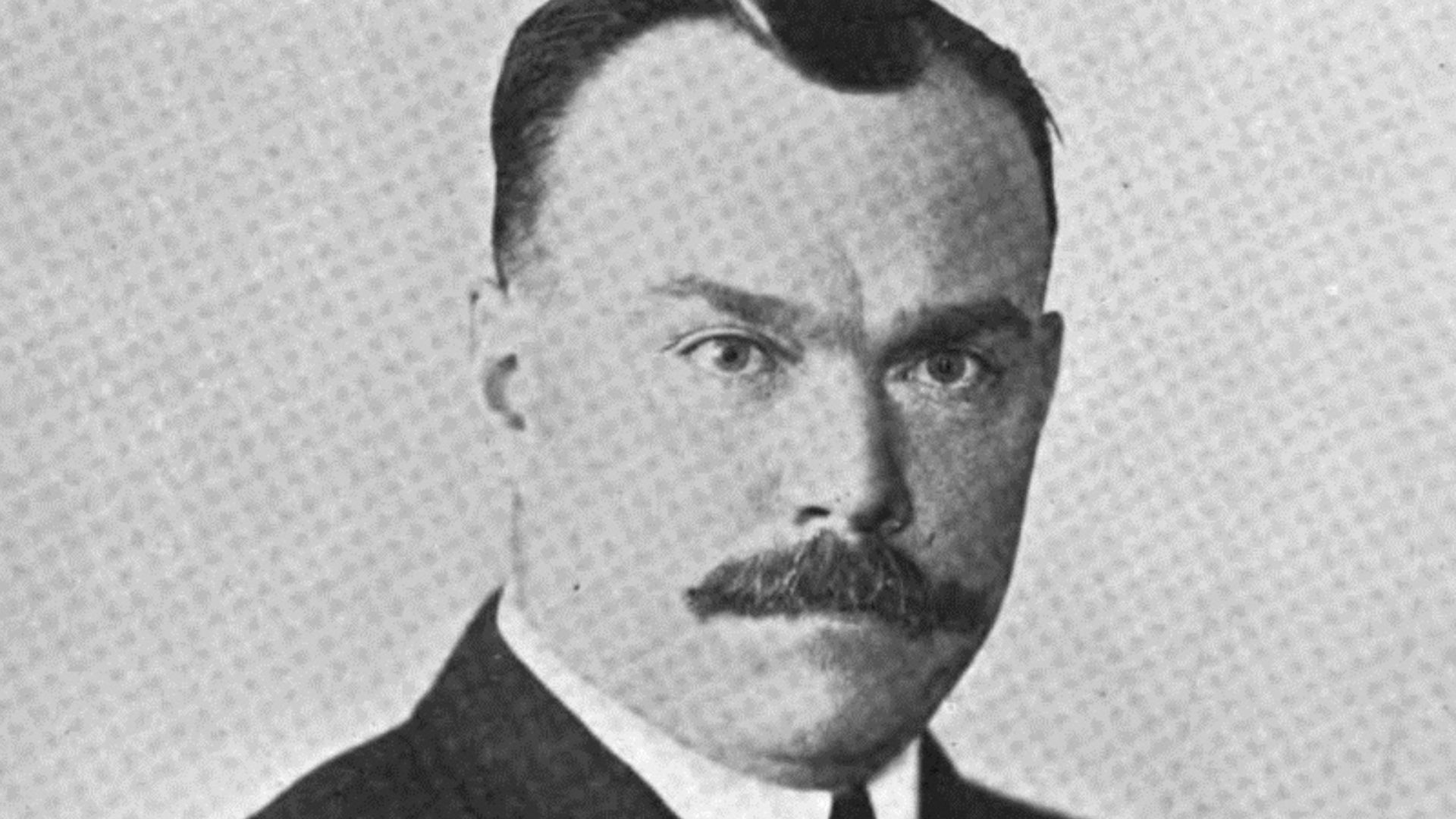
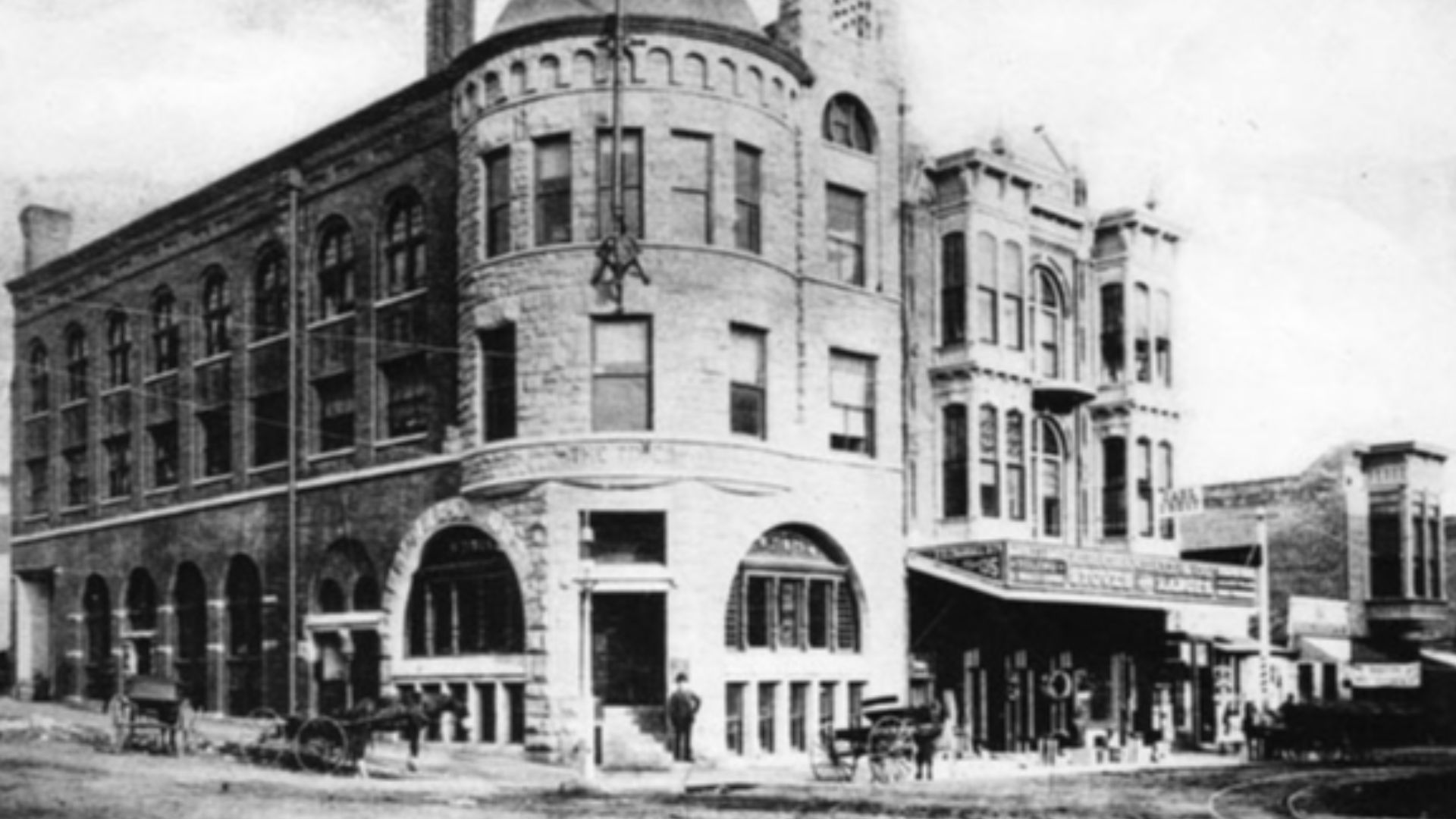
On October 1, 1910, an explosion in an alley in Los Angeles started a horrible inferno. The fatal fire ended the lives of 21 people. The fact that the explosion was near the Los Angeles Times building made one thing clear. This was part of a campaign by unions to silence the newspaper for its anti-union stance.
It also meant that Darrow would come to the rescue of the accused.
 Unknown authorUnknown author, Wikimedia Commons
18. He Had A Hard Decision To Make
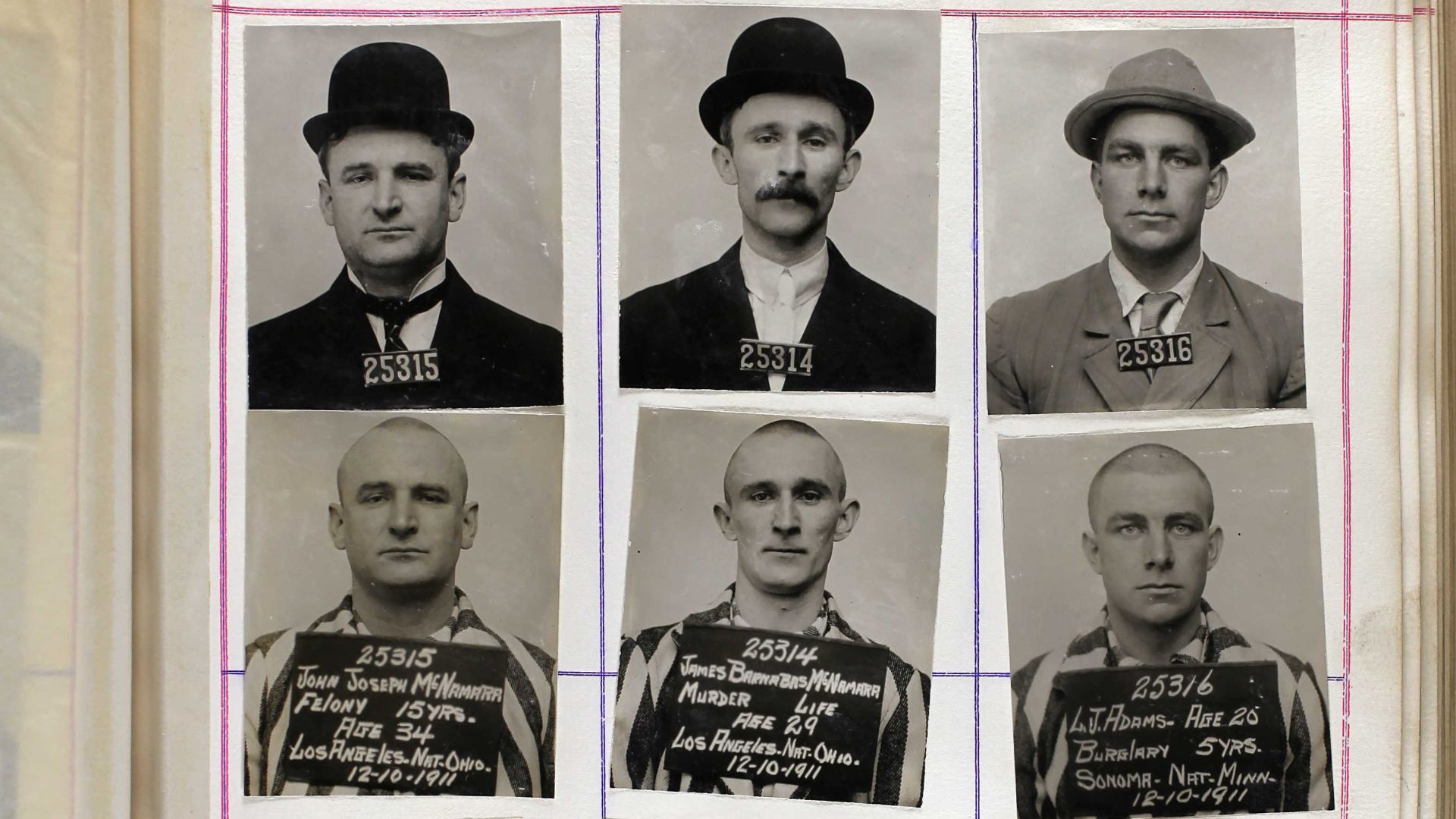
Brothers JJ and JB McNamara stood accused of causing the fatal inferno, which was the result of a bitter battle between unions and union busters. The union president came to Clarence Darrow, as he was now the hero of the unions. But Darrow had a problem. He thought the McNamara brothers were probably guilty.
He had to decide if he could defend two men whom he believed had committed a terrible deed.
 California Department of Corrections, Wikimedia Commons
19. He Wanted To Save Their Lives
Darrow reluctantly took the case of the McNamara brothers. Because he knew they were likely guilty, Darrow began to consider a plea bargain. His reason was to help the brothers escape the gallows. Darrow would do anything to save the lives of these two brothers. It’s possible he went a little too far.
20. He Risked His Reputation
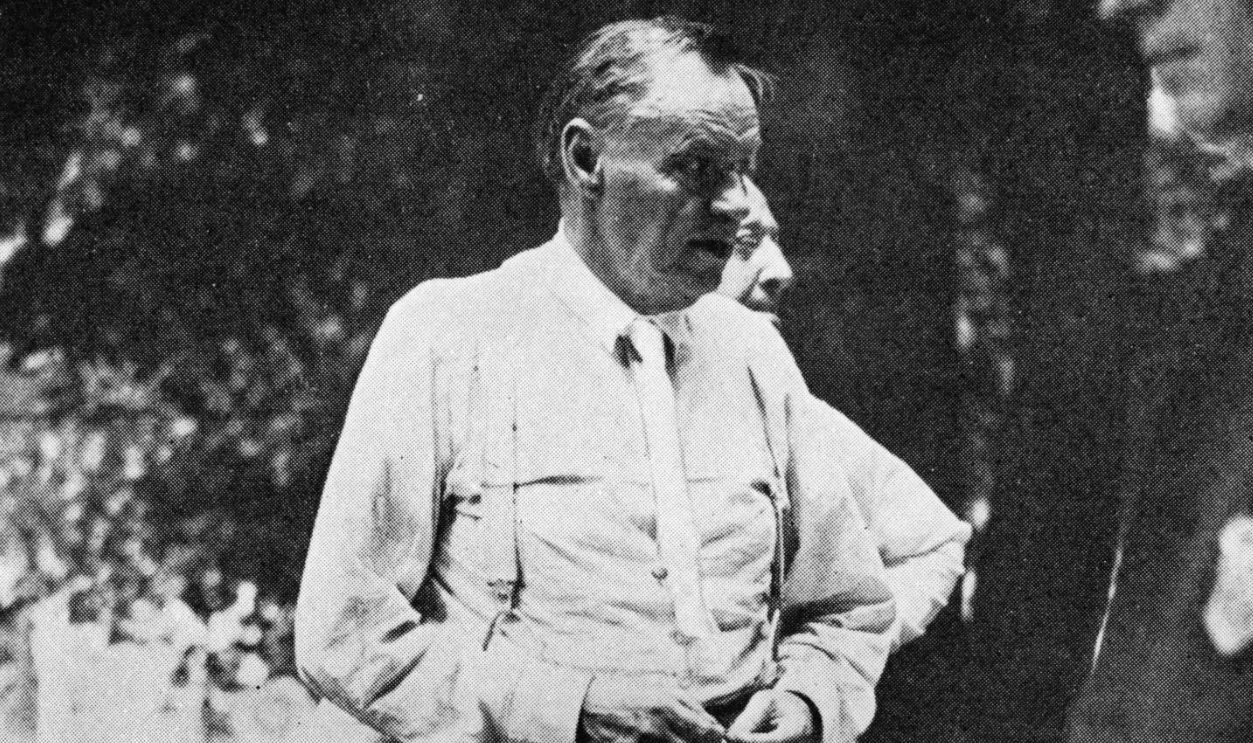
During the trial of the McNamara brothers, one juror made a stunning revelation. He told authorities that Darrow and the defense team had offered him money to change his vote. Officers detained Darrow’s employee Bert Franklin and charged him with attempted bribery of jurors.
Darrow's reputation was now at risk, and so were the lives of the McNamara brothers.
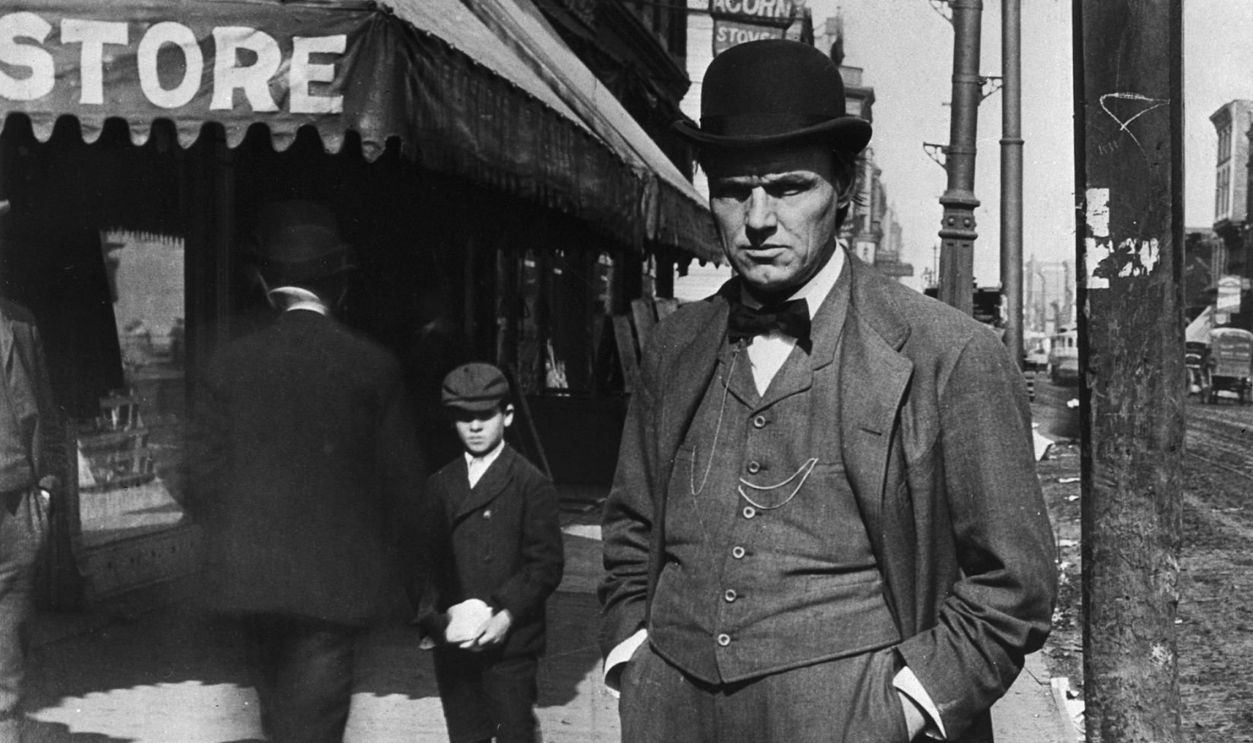
21. He Was No Hero
The plea deal that Clarence Darrow was working on for the McNamara brothers was now in serious jeopardy. To make it work, the brothers agreed to plead guilty in court. JJ McNamara ended up with a sentence of 15 years. His brother JB, who had set the explosives in the alley, spent the remainder of his life behind bars. The labor movement did not see Darrow as a hero in this case.
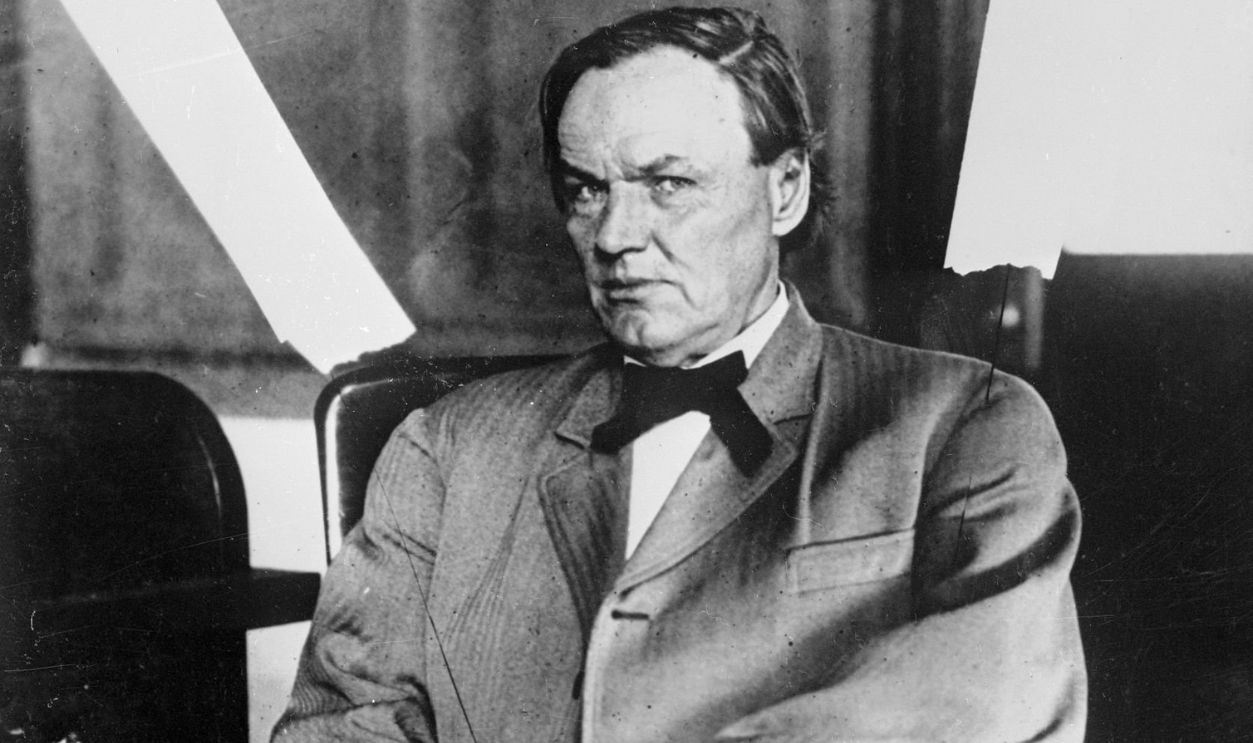
And Darrow still had to face a judge over his alleged jury tampering.
History's most fascinating stories and darkest secrets, delivered to your inbox daily.
22. He Was In An Uncomfortable Position
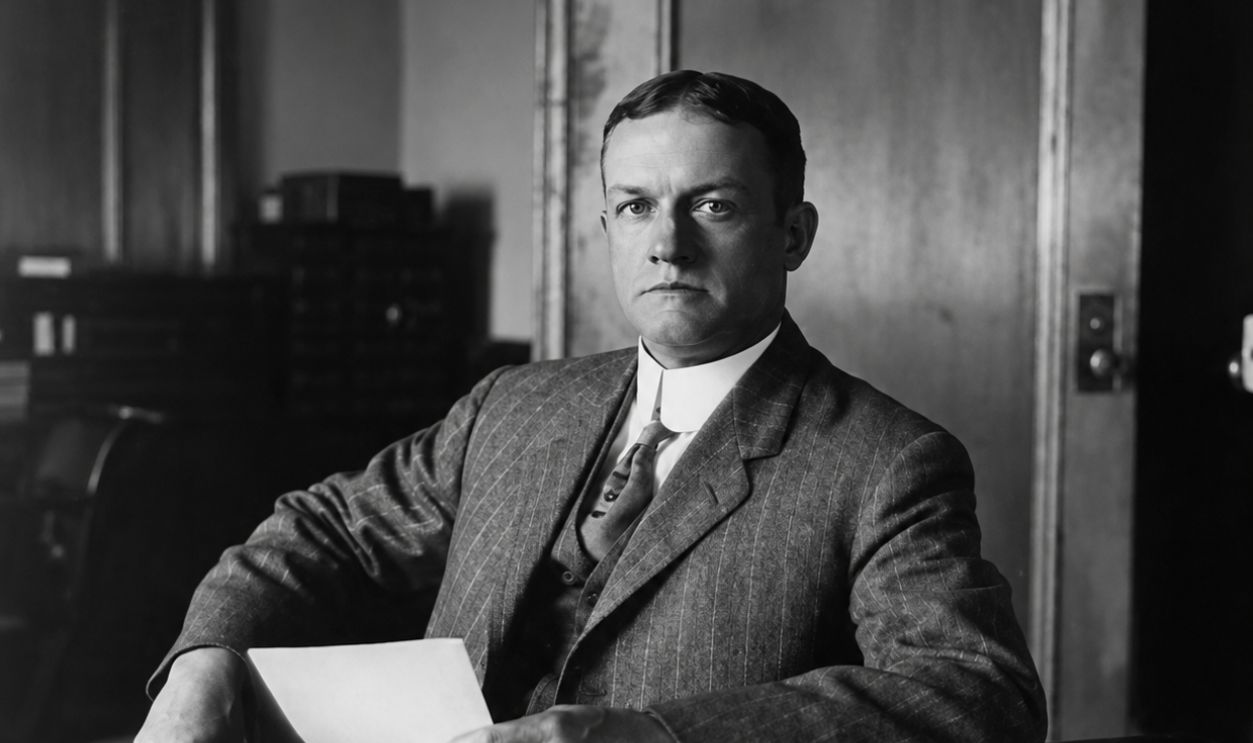
Darrow was certainly comfortable in a courtroom, but now he was joining the ranks of the accused. Prosecutors were ready to charge him with paying off jurors, and Darrow hired Earl Rogers—who was the prototype for the character of Perry Mason—to defend him. During the trial, the worst thing happened. Rogers became ill and could not continue with the case.
Darrow was suddenly stuck without representation.
 Miscellaneous Items in High Demand, PPOC, Library of Congress, Wikimedia Commons, Enhanced
23. It Was Right Out Of A Movie
The good news was that one of the best lawyers was available to replace Rogers. It was Darrow himself. In something right out of a Hollywood movie, Darrow replaced his own lawyer and began defending himself. Darrow did such a great job that the jury could not agree if he was guilty or not. This would normally lead to a retrial.
But Darrow seemed intent on avoiding this.
24. He Struck A Deal
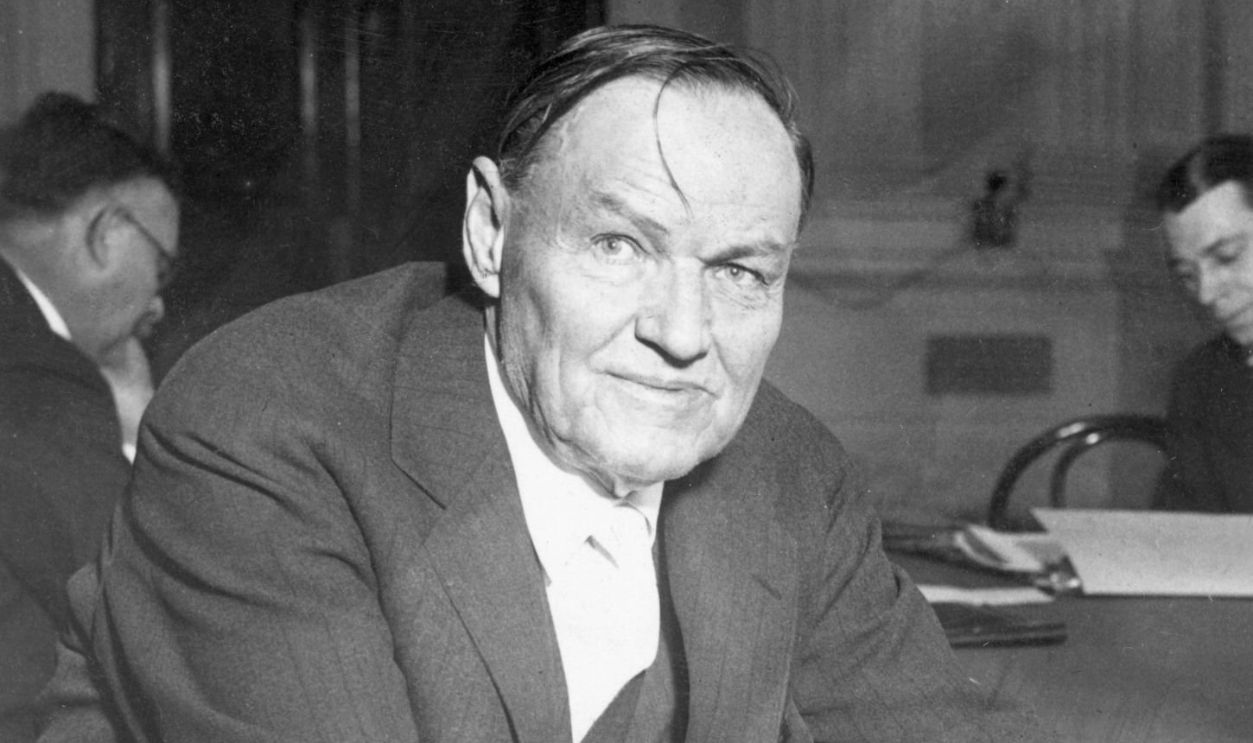
To avoid a retrial, Darrow promised never to practice law in California again. Of course, the mystery was still unsolved. Had Darrow actually tried to pay off a juror? Darrow’s lawyer, Earl Rogers, had a daughter. She later wrote that she knew that her “father's private conversations with Darrow included an admission of guilt to his lawyer”.
Darrow was a free man, but his reputation had taken a stunning hit.
25. He Made Them Cry
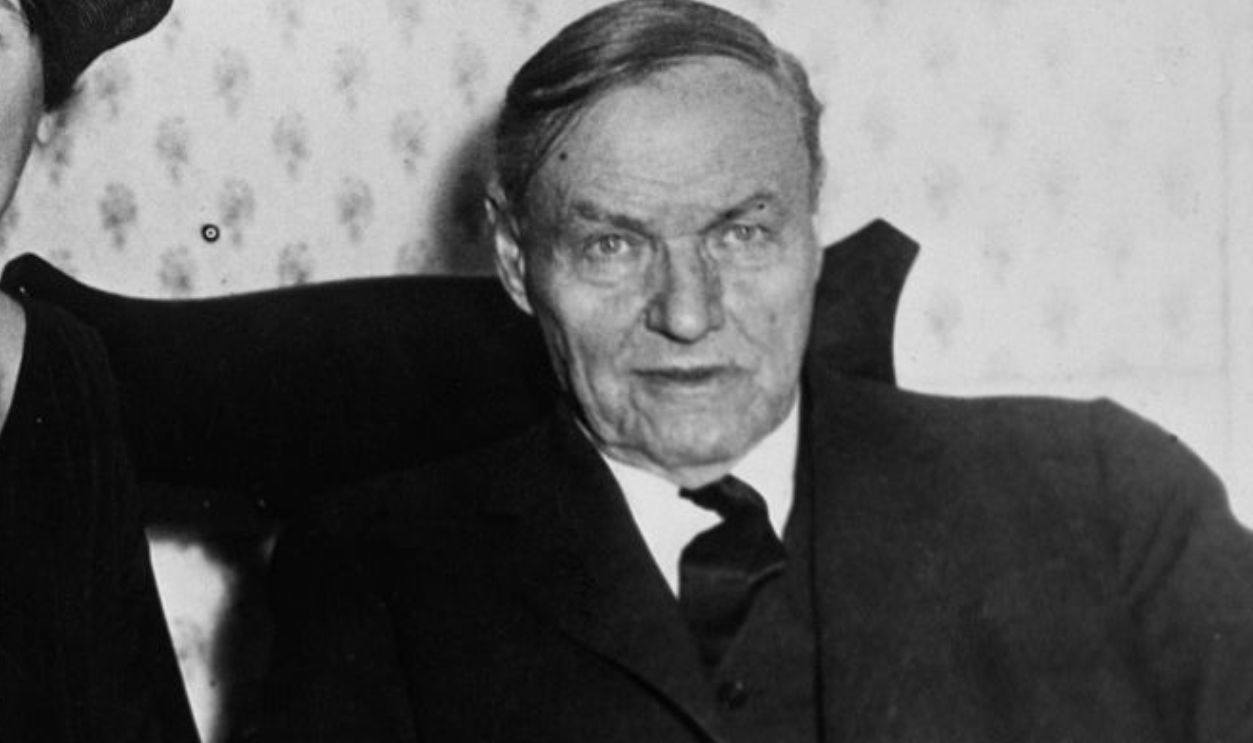
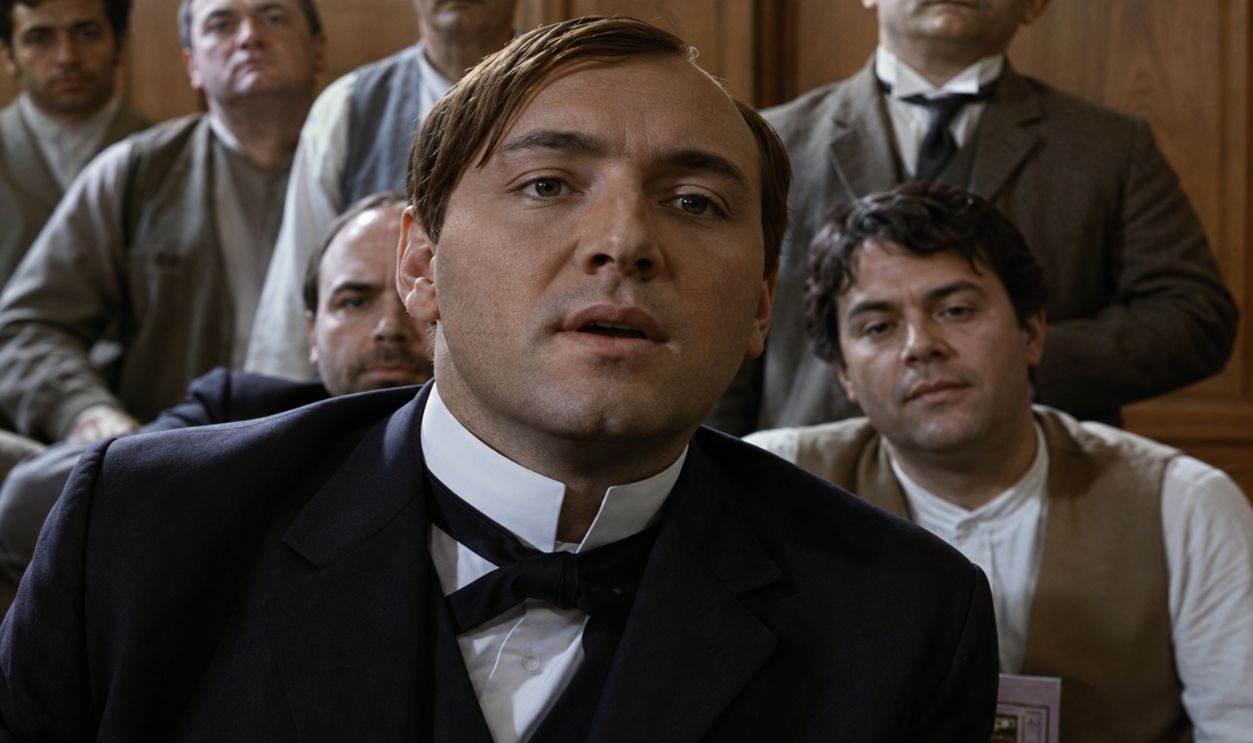
With the McNamara case ending in controversy, Clarence Darrow lost what had become his bread and butter: defending union cases. He turned his focus to his other passion, which was helping the accused avoid capital punishment. His eloquent speeches on these cases often brought jurors—and in some cases judges—to tears.
But he’d need more than tears to save his next clients.
 Screenshot from Darrow, Arrow Film Distributors (1991), Enhanced
26. It Was A Bizarre Case
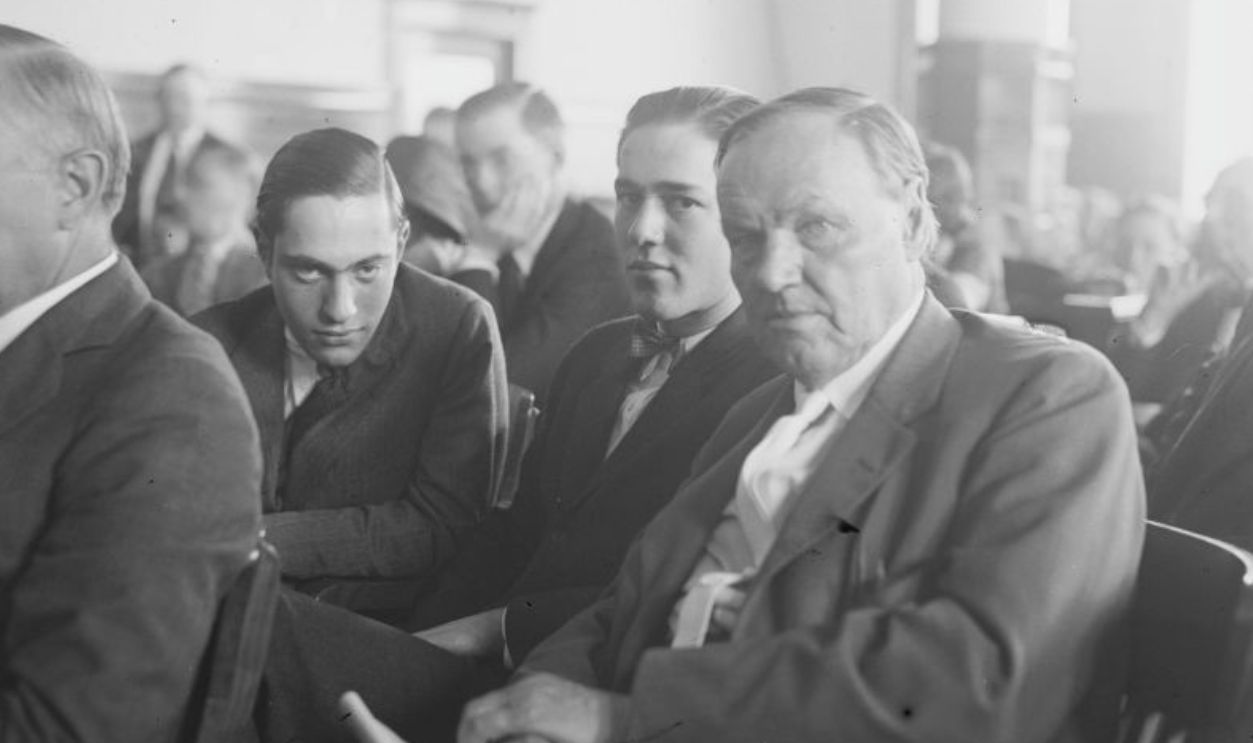
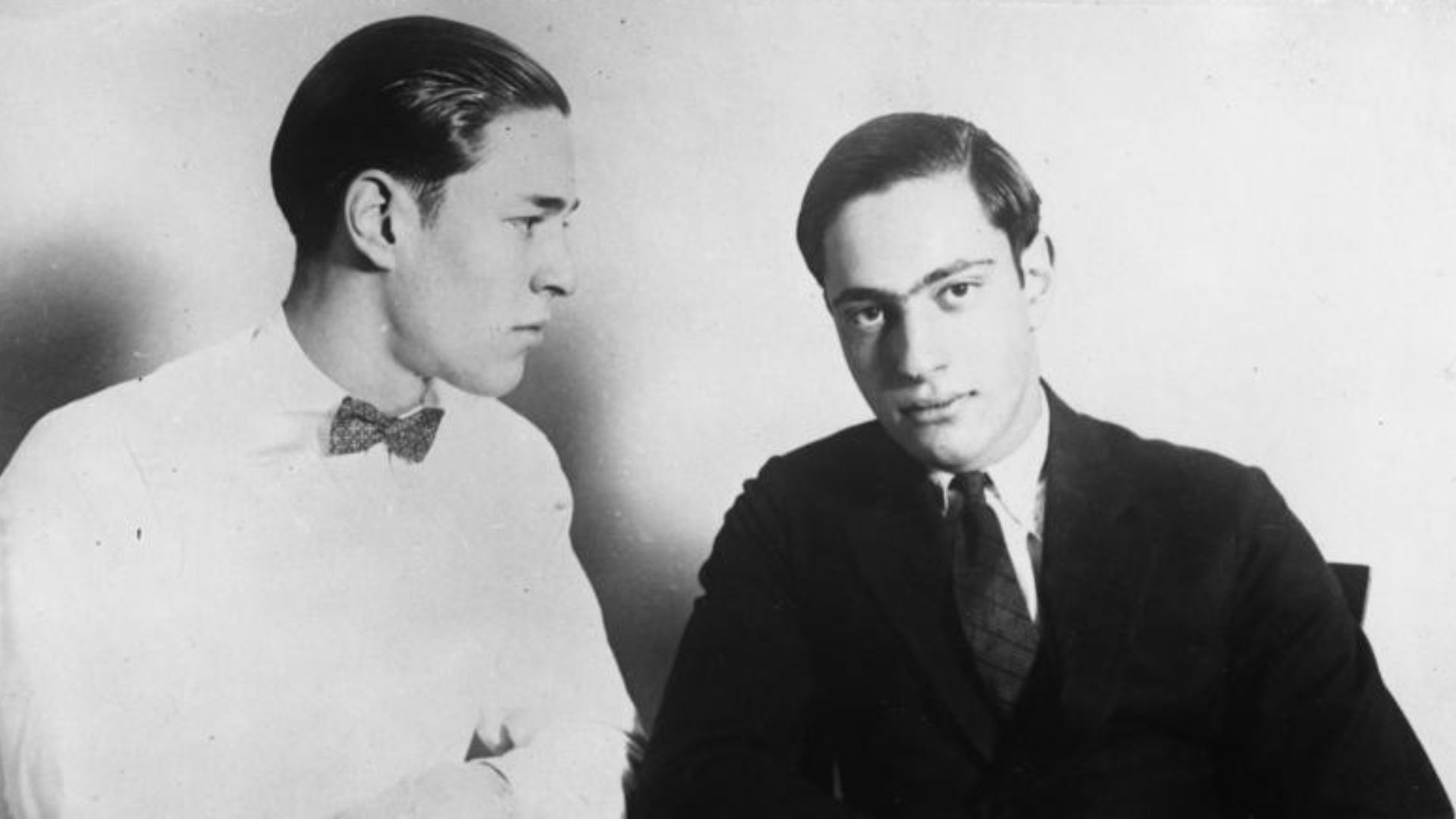
When Jacob Franks’ 14-year-old son Bobby went missing, it seemed like a typical abduction for ransom scenario. But this was not the case at all. People soon learned that teenagers Nathan Leopold and Richard Loeb carried out the abduction, and the promise of ransom never motivated them. Franks did not survive the ordeal, and this incident now had capital punishment written all over it.
When Darrow joined the case, people started calling it the trial of the century.
 Chicago History Museum, Getty Images
27. They Were Monsters
People soon learned that Leopold and Loeb committed their macabre deed for one reason only: They wanted to prove they could do it without getting caught. Both men were from wealthy families and were well-educated. Public opinion could not have been worse for these two.
Darrow had his work cut out for him.
 Unknown authorUnknown author, Wikimedia Commons
History's most fascinating stories and darkest secrets, delivered to your inbox daily.
28. He Shocked Everyone
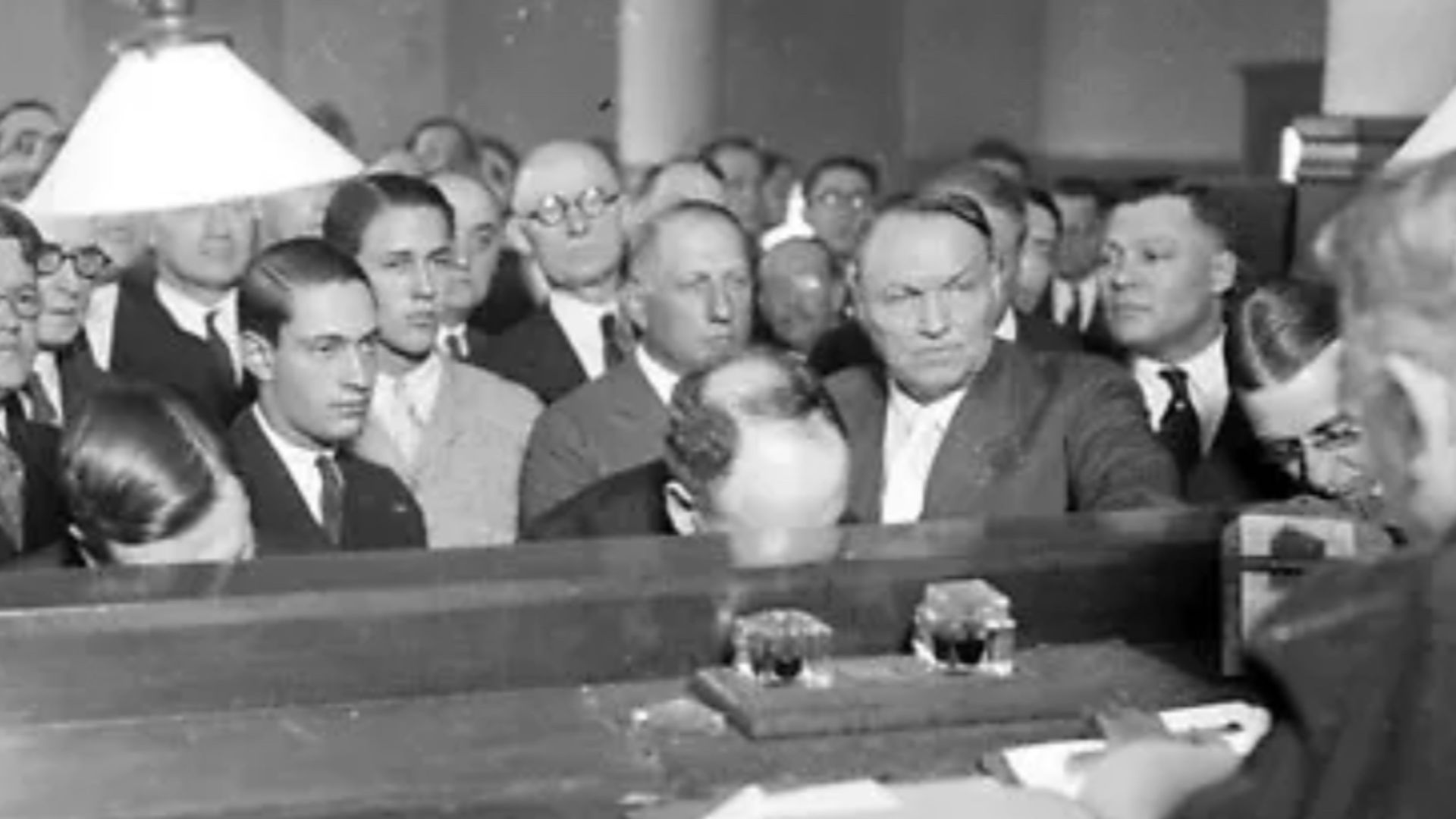
Both Leopold and Loeb had confessed, so what everyone expected was for Clarence Darrow to go with an insanity defense. He shocked everyone by going for a guilty plea. In Darrow’s mind, a life sentence for each boy was the best-case scenario. He thought that a guilty plea was their best defense. Of course, Darrow wasn’t sure it would work.
And then there was a courtroom revelation that changed everything.
29. There Was A Shock In The Courtroom
Darrow was trying to find anything that could count as a mitigating circumstance for Leopold and Loeb. He even tried saying that being rich had led them to the heinous act. Then, in the middle of the trial, a letter came out. The letter made it clear that the two accused men were more than friends—they were lovers. Cue the courtroom gasp.
This changed the way Darrow saw the case.
30. He Changed His Tack
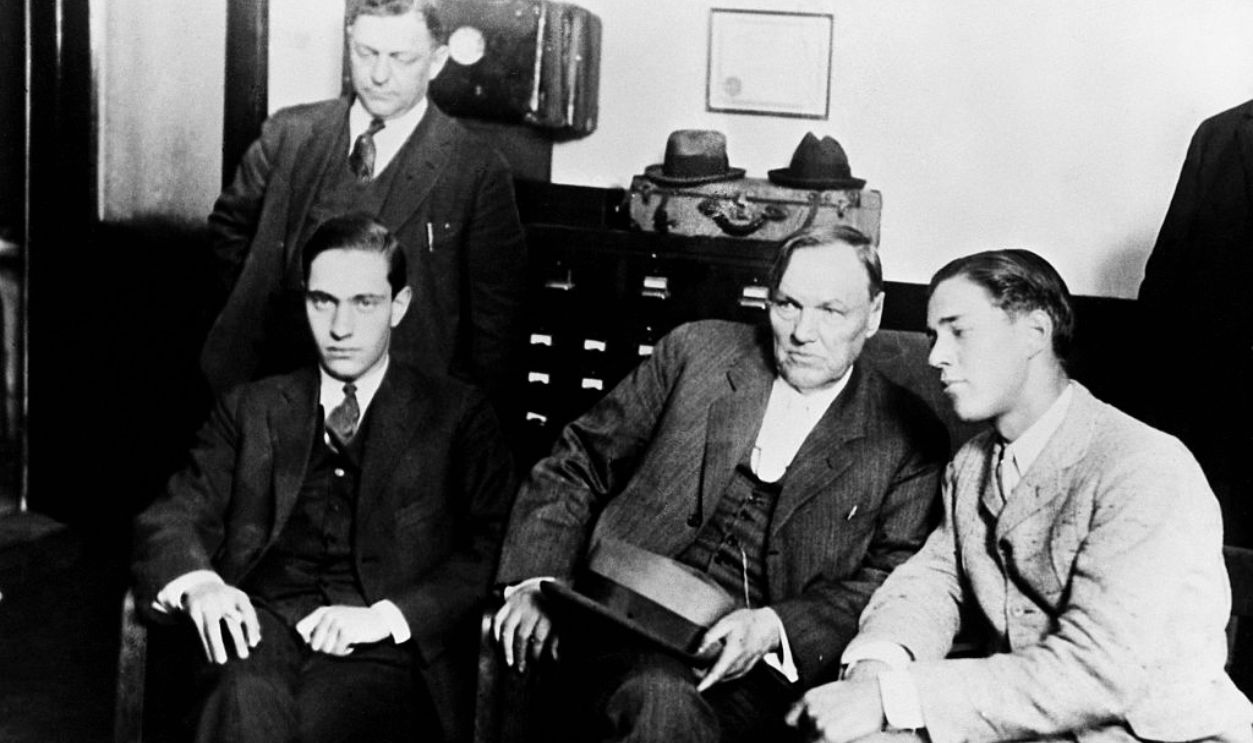
Now remember, this was back in the 1920s, and being gay was not common and, in fact, even criminalized in the US at the time. Darrow was now very clear that his clients were insane and not responsible for their act. He brought in “expert witnesses” to list the abnormalities of Leopold and Loeb. Soon it was time for the end of the hearing.
Darrow had something ready that the jury could not have seen coming.
31. He Gave A Long Speech
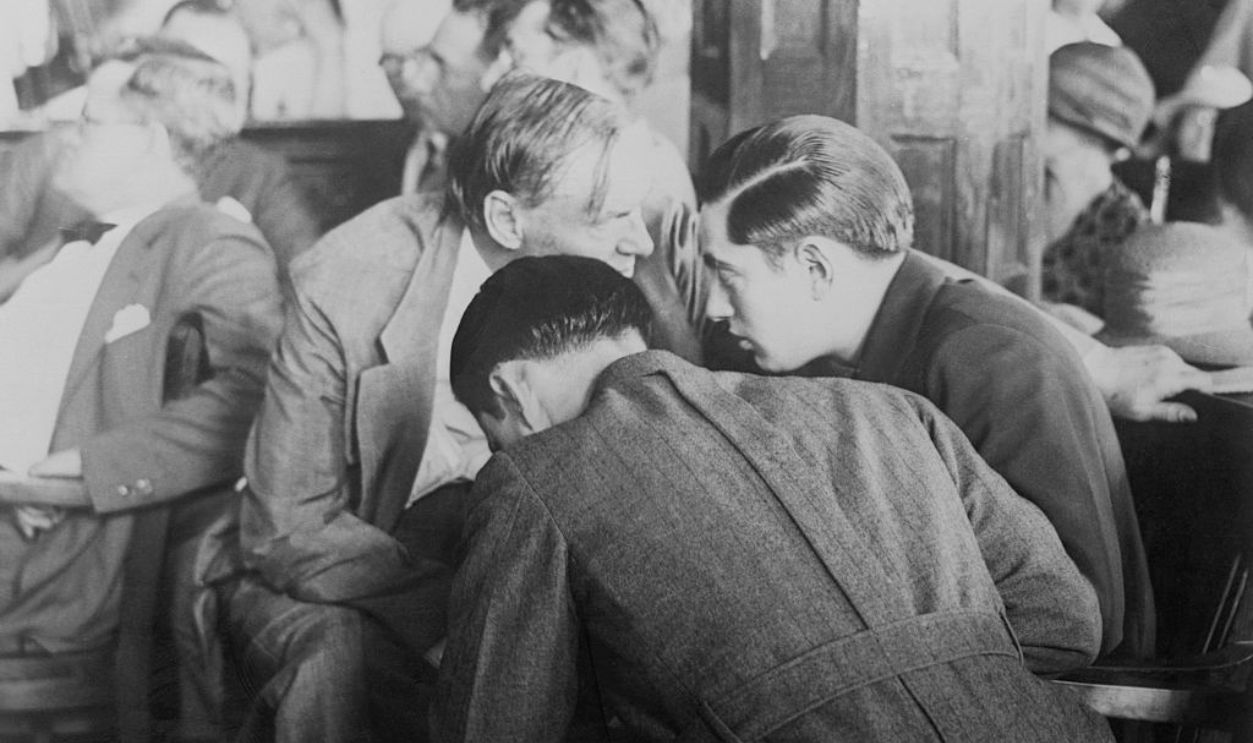
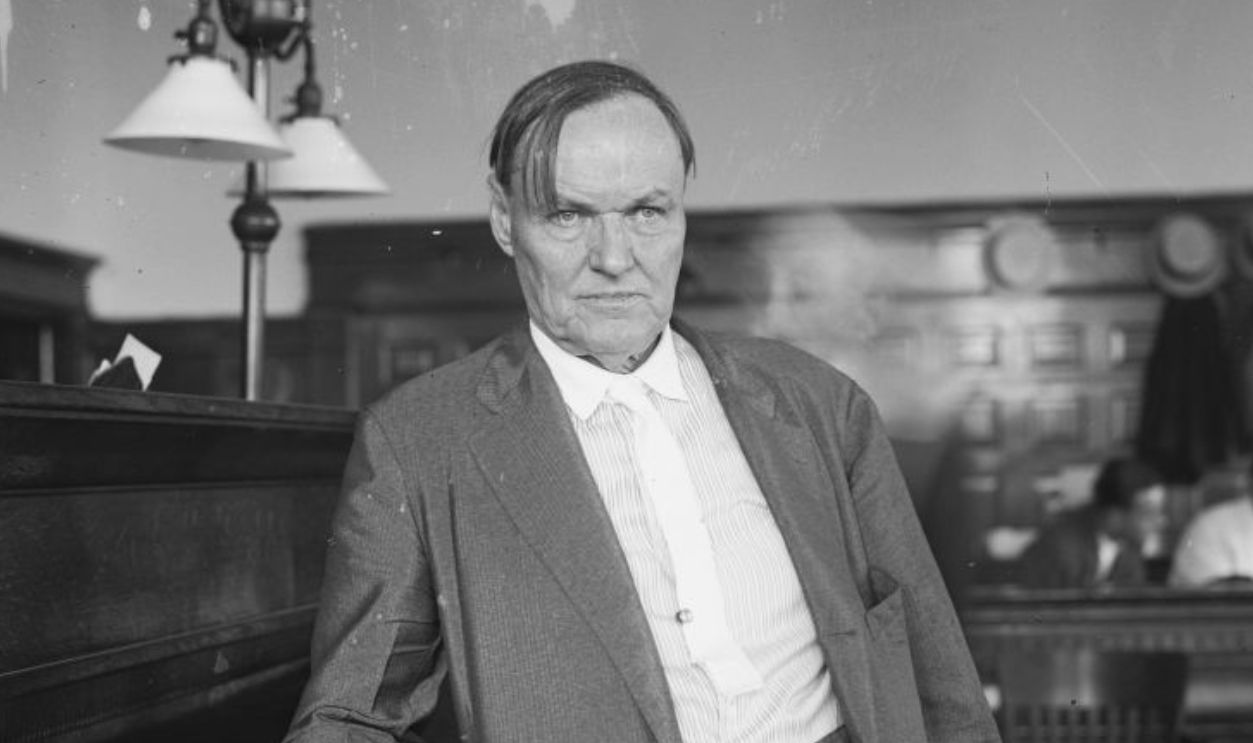
Clarence Darrow was ready to make his final speech and make sure that neither Leopold nor Loeb ended up receiving capital punishment. His speech became known as his “masterful plea” and it lasted a staggering eight hours. In it, he referred to WWI and how life became cheap to Americans, and he blamed that for the boy’s heinous behavior. In the end, both of the accused received life sentences plus 99 years. This was what Darrow had hoped for.
What Darrow hadn’t anticipated was an outcry from the public.
 Chicago History Museum, Getty Images
32. He Was Over Paid
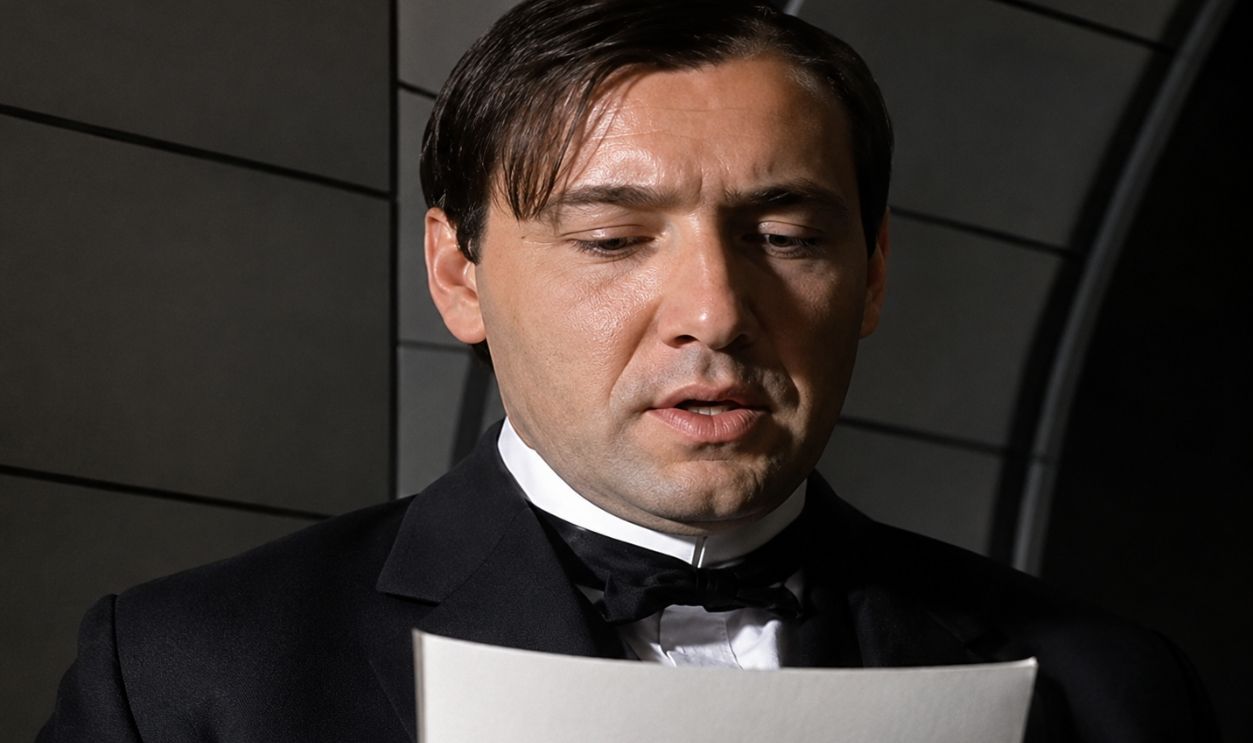
While he was fighting for the lives of Leopold and Loeb, some newspapers claimed that Darrow was earning a cool million for his efforts. Average Americans were upset and horrified at Darrow’s greed. Darrow needed to cool the bad publicity and got the accused families to issue a statement that this was not the case. In the end, Darrow only got $30,000 for saving the boys’ lives.
Next, Darrow would take religion on the stand.
 Screenshot from Darrow, Arrow Film Distributors (1991), Enhanced
33. He Fought For Science
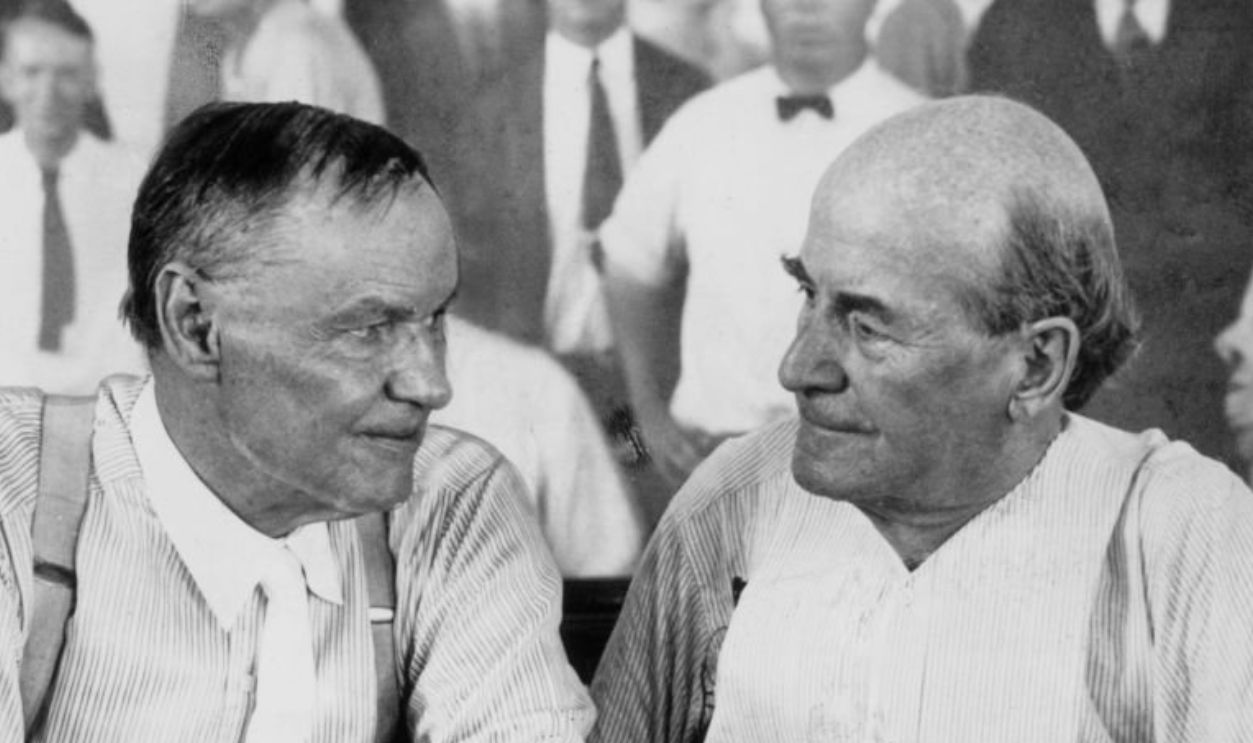
In 1925, teacher John T Scopes was facing a strange trial. He was simply teaching what he was supposed to be teaching and got into trouble. You see, the textbook he had to use explained evolution, but the state made teaching evolution against the law. When anti-evolutionist and former Secretary of State William Jennings Bryan joined the case, Clarence Darrow saw a chance for a good old-fashioned debate.
But things were not what they seemed.
History's most fascinating stories and darkest secrets, delivered to your inbox daily.
34. It Was A Theatrical Trial
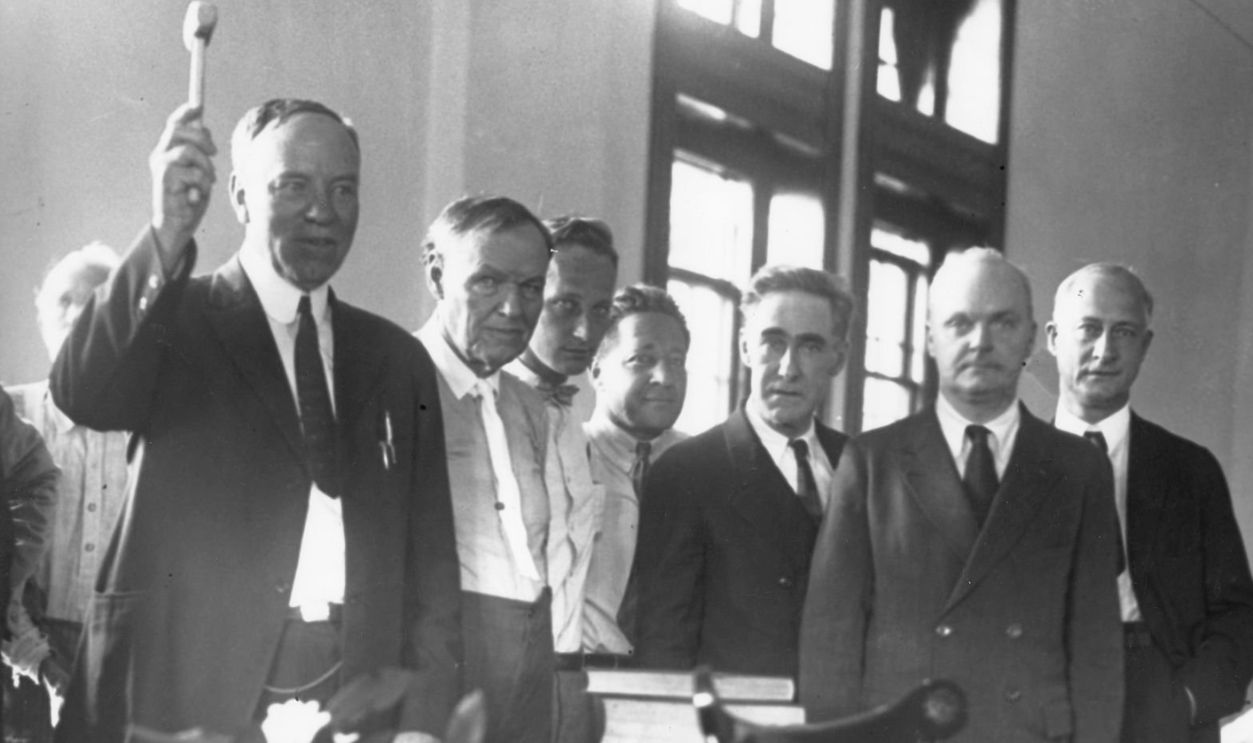
As it turned out, this trial was a sham and was only a scheme to bring attention to Dayton, Tennessee. Worse still, Scopes didn't even remember if he had in fact taught evolution at a school. Darrow didn’t care and enjoyed the theatrics of a trial not about a teacher breaking the rules, but about science in general.
To up the drama, Darrow did something unheard of.
35. He Brought His Opponent To The Stand
Bryan was working for the prosecution, but Darrow surprisingly called him to the stand. Darrow wanted Bryan to be an expert witness about the Bible. It didn’t take long for Darrow’s clever questioning to make the public turn away from Bryan’s way of seeing the case. After spending a lot of the jury's time arguing about evolution, the judge threw it all out.
It was now up to the jury.
![Title: W.J. [William Jennings] Bryan
Abstract/medium: 1 negative : glass ; 5 x 7 in. or smaller.](https://www.factinate.com/storage/app/media/factinate/2026/8/11/1786431380d066823b6d3462d88cd45d7c65d89262dd042de0.jpg) Bain News Service, publisher, Wikimedia Commons
Bain News Service, publisher, Wikimedia Commons
36. He Sent Him To His Grave
In the end, Scopes’ paid his $100 fine and then appealed it. But the real drama was with Darrow and Bryan. The two men had fought bitterly in the courtroom, and it had a macabre outcome. Just five days after the trial, Bryan surprisingly passed from apoplexy— now known hemorrhagic stroke. However, ironically, back then apoplexy was seen as having a connection to anger…which indirectly pointed toward Darrow.
Darrow didn’t have time to wonder if he had played a part in Bryan’s passing. He had a family to save.
37. They Needed His Help
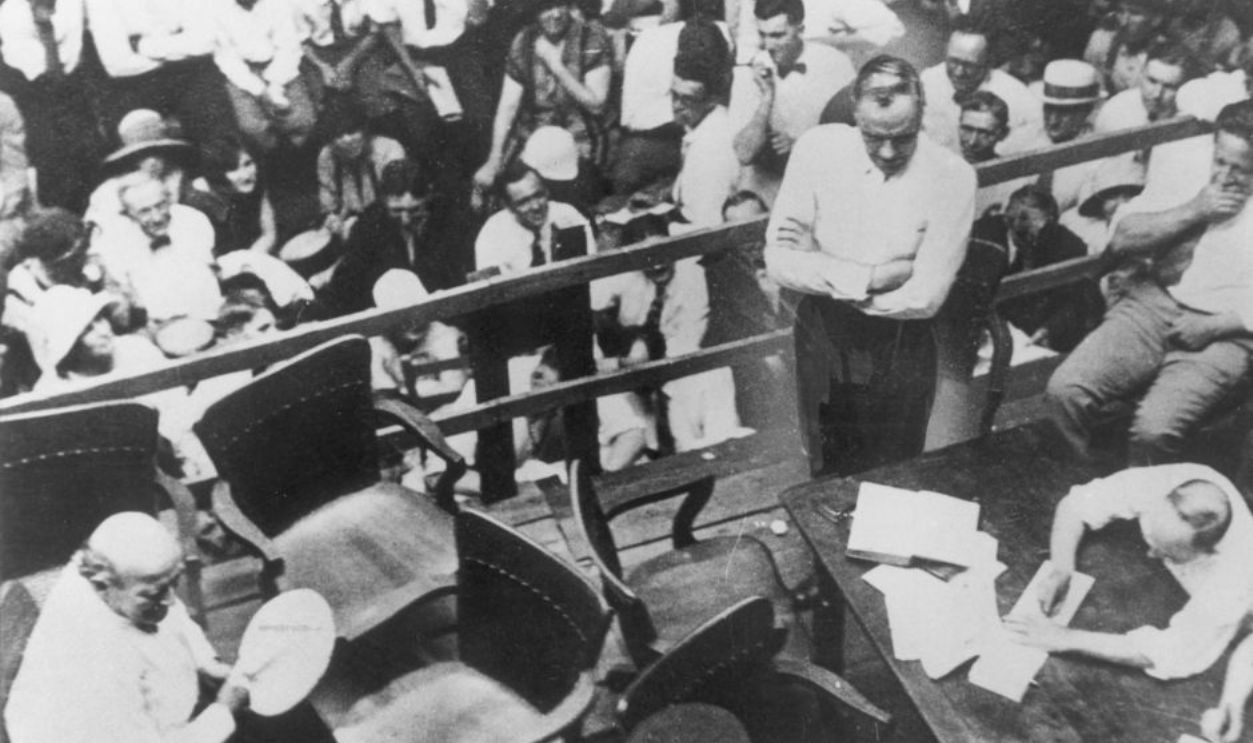
On September 9, 1925, a mob gathered around a family home in Detroit, Michigan. They wanted the family out of the neighborhood. The issue was that it was a white neighborhood and the family in the house was Black. When shots rang out, and one of the mob members outside was fatally wounded, Darrow stepped up to defend the Black family.
This was going to be a trial that would stun America.
 Screenshot from Darrow, Arrow Film Distributors (1991), Enhanced
38. He Changed The World
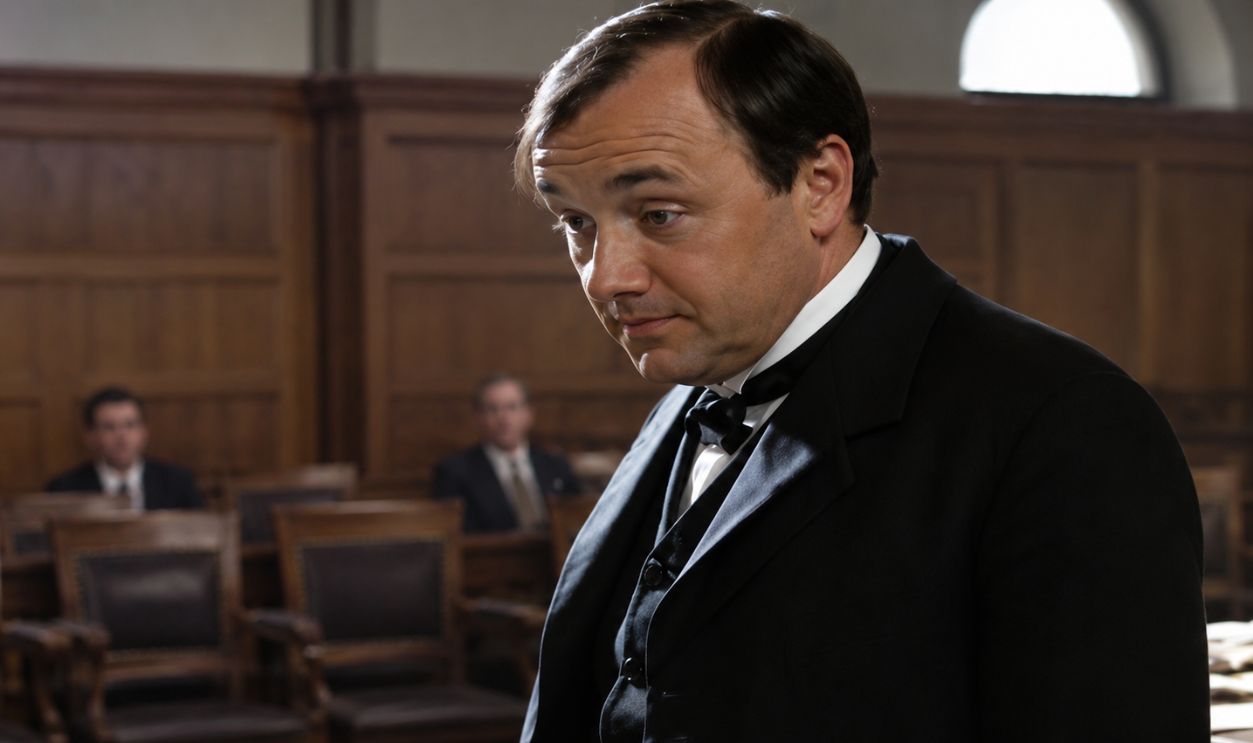
While there had been 11 people in that house that day, it was Ossian Sweet, a doctor, and three of his family members who were on trial. Clarence Darrow had another speech ready, and it lasted for seven long hours. It was vital for the civil rights movement, and it landed Darrow in the book Speeches that Changed the World. It was also vital for Ossian and his family members. They all walked away with their freedom.
Darrow’s next case would see him defending someone very different.
 Screenshot from Darrow, Arrow Film Distributors (1991), Enhanced
39. There Was A Case in Hawaii
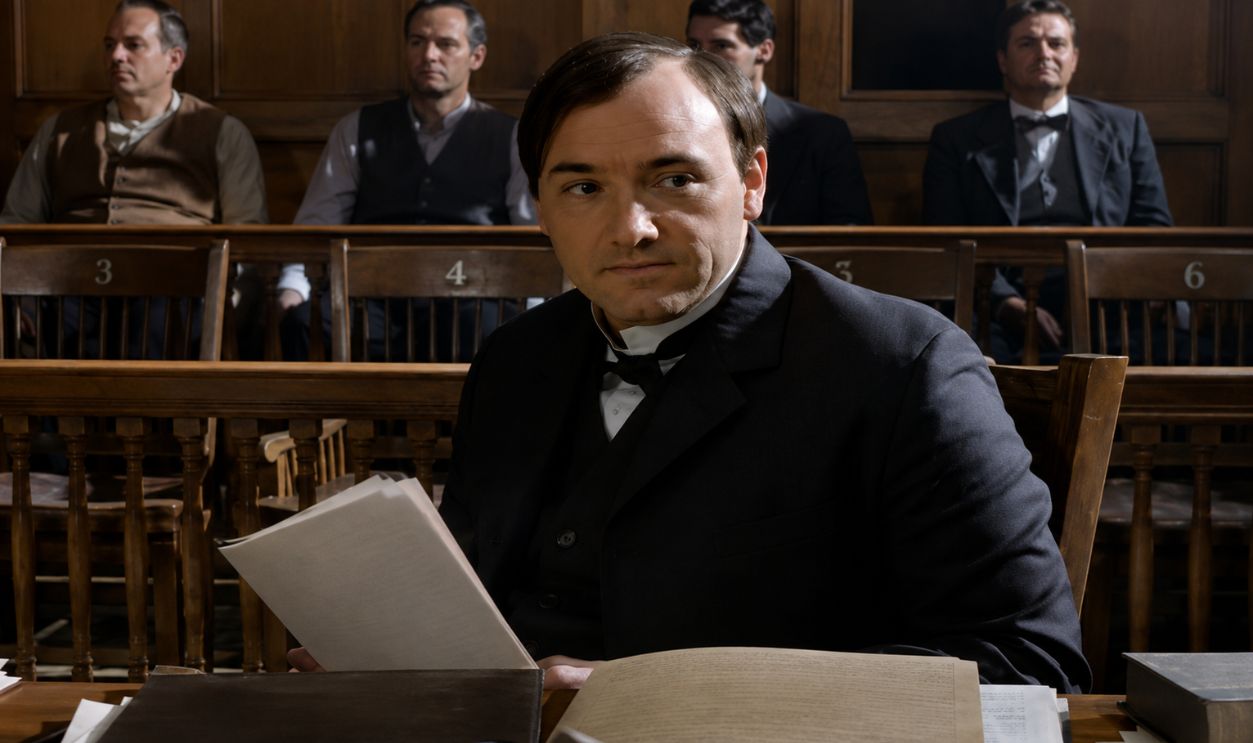
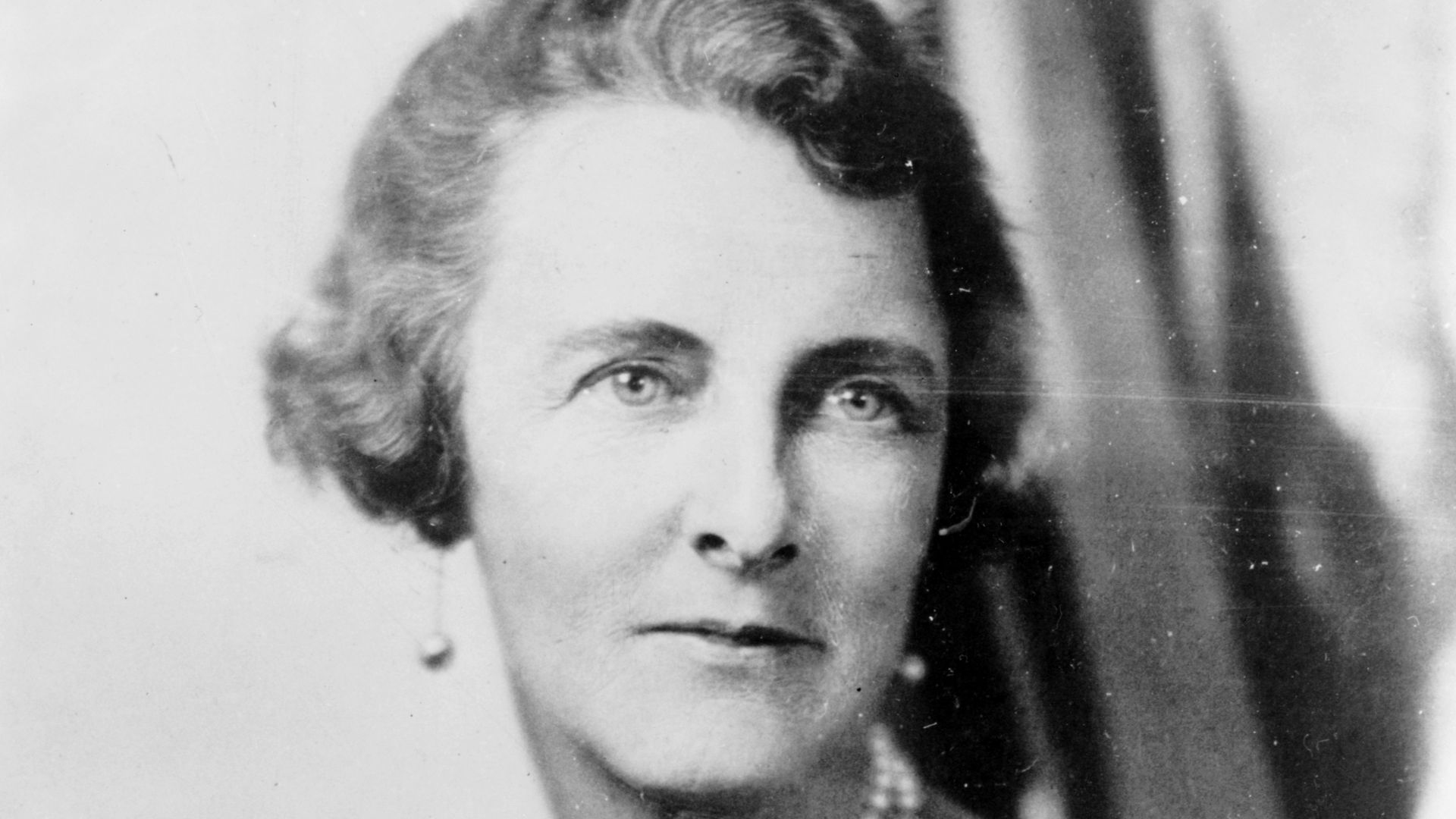
In 1932, an interesting case came across Darrow’s desk. A socialist named Grace Fortescue, who lived in Hawaii, had taken the law into her own hands. You see, a man had forcefully violated Fortescue’s daughter, and a trial had not found the suspect in the case guilty. There was going to be a retrial, but Fortescue couldn't wait. She gathered together a small team and decided to force Joseph Kahahawai Jr to confess.
What happened next brought Darrow to the case.
 Harris & Ewing, Wikimedia Commons
History's most fascinating stories and darkest secrets, delivered to your inbox daily.
40. It Wasn’t His Usual Type Of Case
Sadly, Fortescue and her helpers went too far, and Kahahawai didn’t survive the ordeal. Because Kahahawai was Hawaiian and Fortescue was white, this case was another charged event. But this time, Clarence Darrow wouldn’t be defending the underdog; he would be on the side of the wealthy Fortescue.
It didn’t sound like the sort of case Darrow would take, but he did, and he had his reasons.
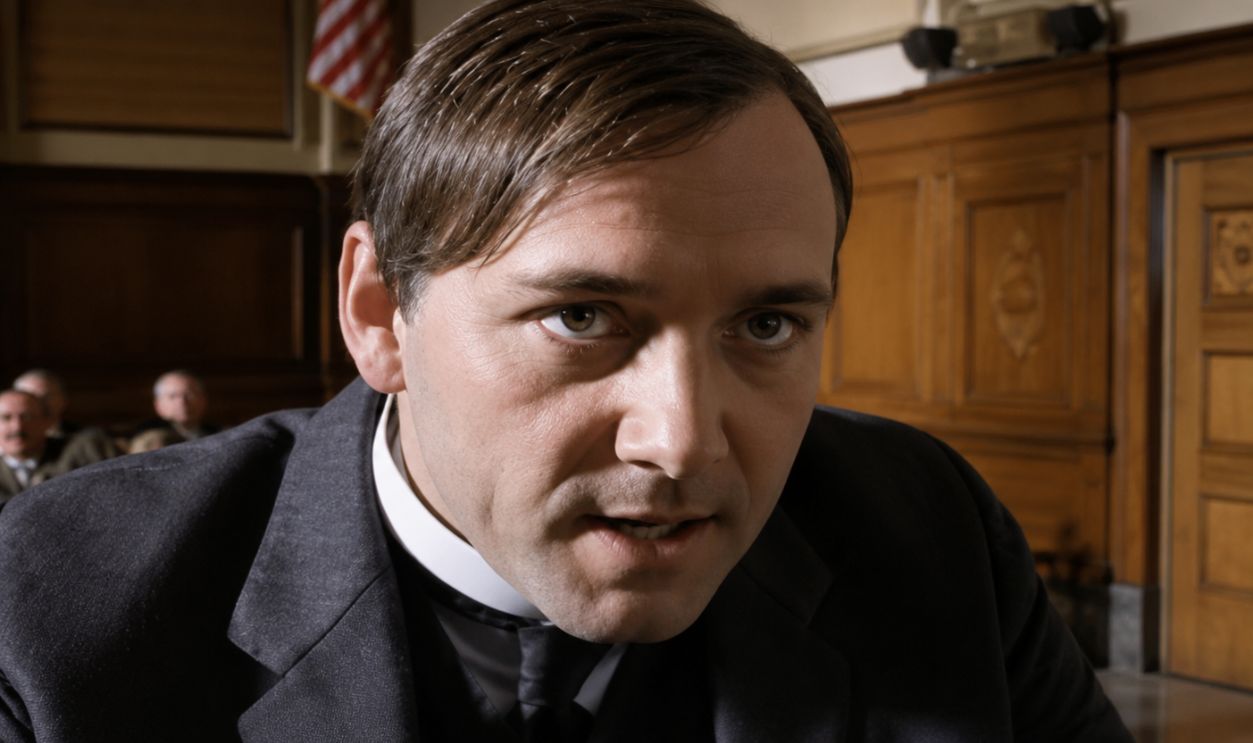 Screenshot from Darrow, Arrow Film Distributors (1991), Enhanced
41. He Went South
At this time, Darrow was 68 and feeling the need for retirement. But the Depression had wiped out his finances, and he simply needed money. The offer to defend Fortescue was too good to give up, and Darrow made his way to Hawaii. He was going to be at the center of another outrageous trial.
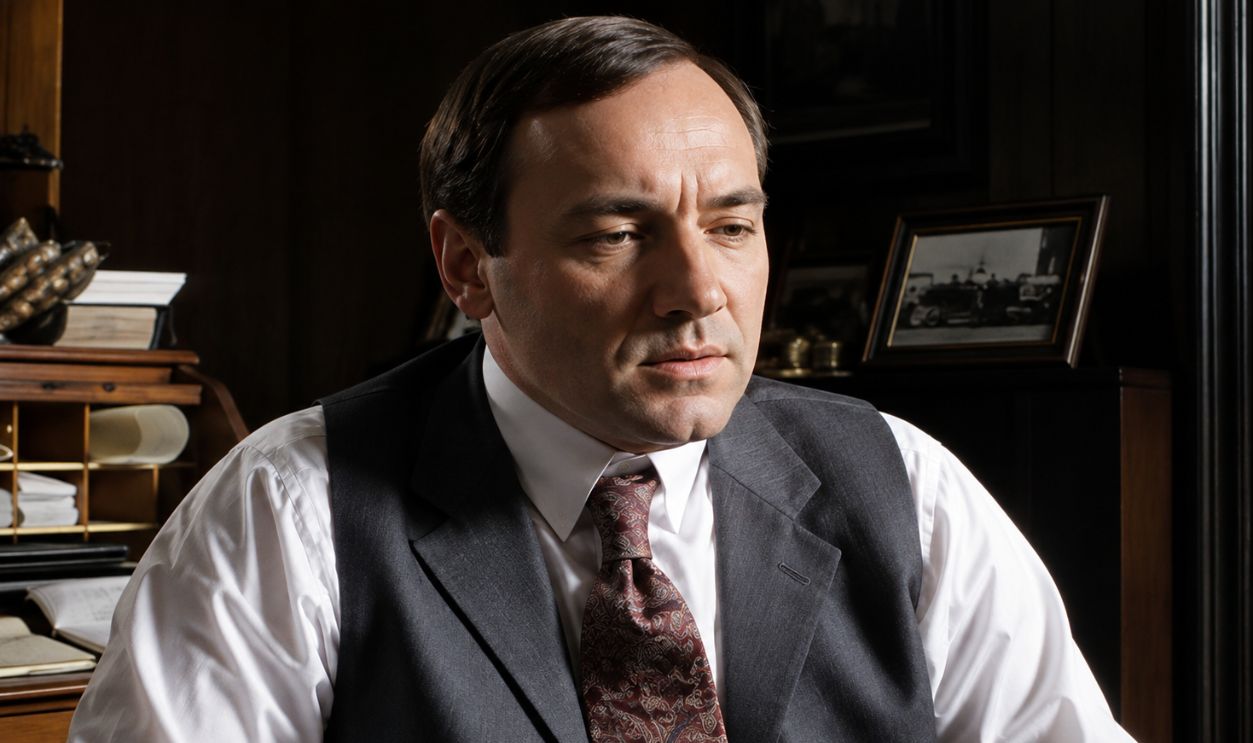 Screenshot from Darrow, Arrow Film Distributors (1991), Enhanced
42. He Had A Plan
Since officers had caught Fortescue and her abettors with the body of Kahahwai, there was little doubt about her guilt. Once again, Clarence Darrow was working on making sure the sentence for his client was not too lengthy. Darrow’s tactic was to frame the macabre incident as a necessary stage in the family’s effort to preserve their honor.
Most Americans thought that this was the right way to look at it. But they were forgetting one simple fact.
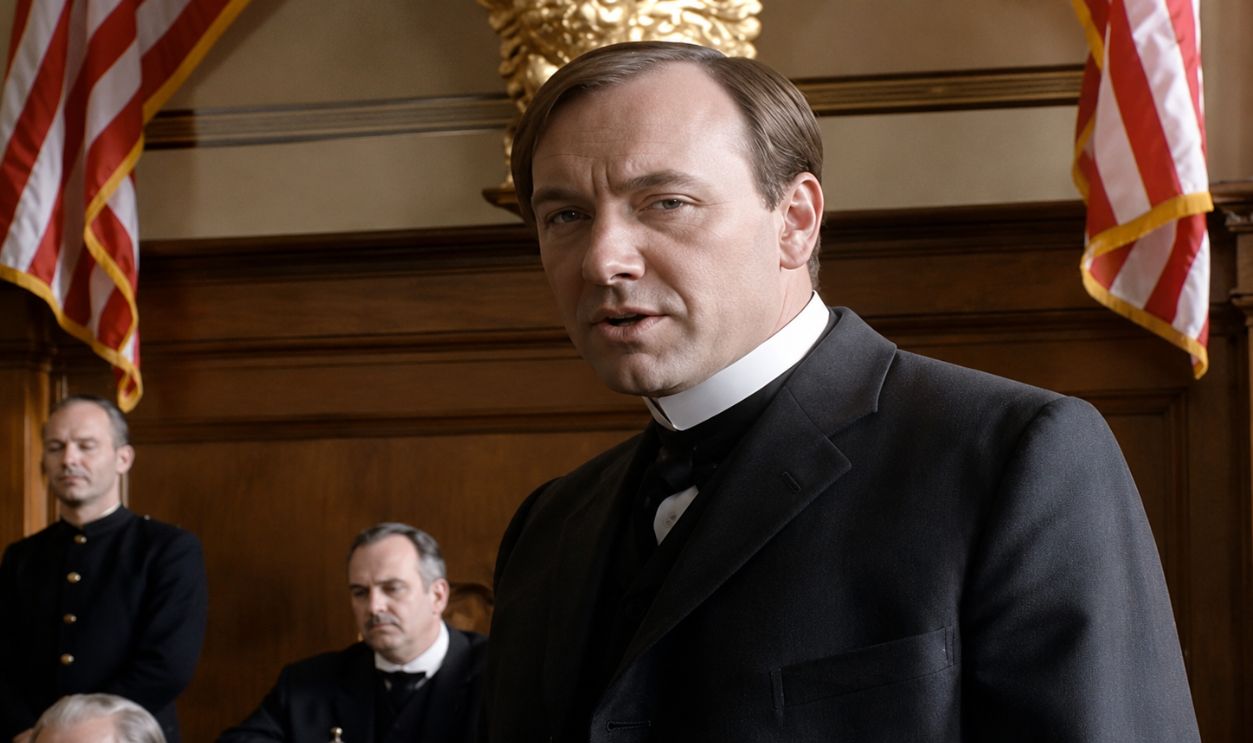 Screenshot from Darrow, Arrow Film Distributors (1991), Enhanced
43. He Knew What He Had To Do
The thing was, no one was sure that Kahahawai was guilty of the original assault. In fact, there was evidence that Kahahawai could not have been where it occurred because he was in a car accident in another part of the island. Darrow didn’t seem to consider this at all. He knew what his job was: to keep Fortescue from ending up behind bars.
Well, he did his job and then some.
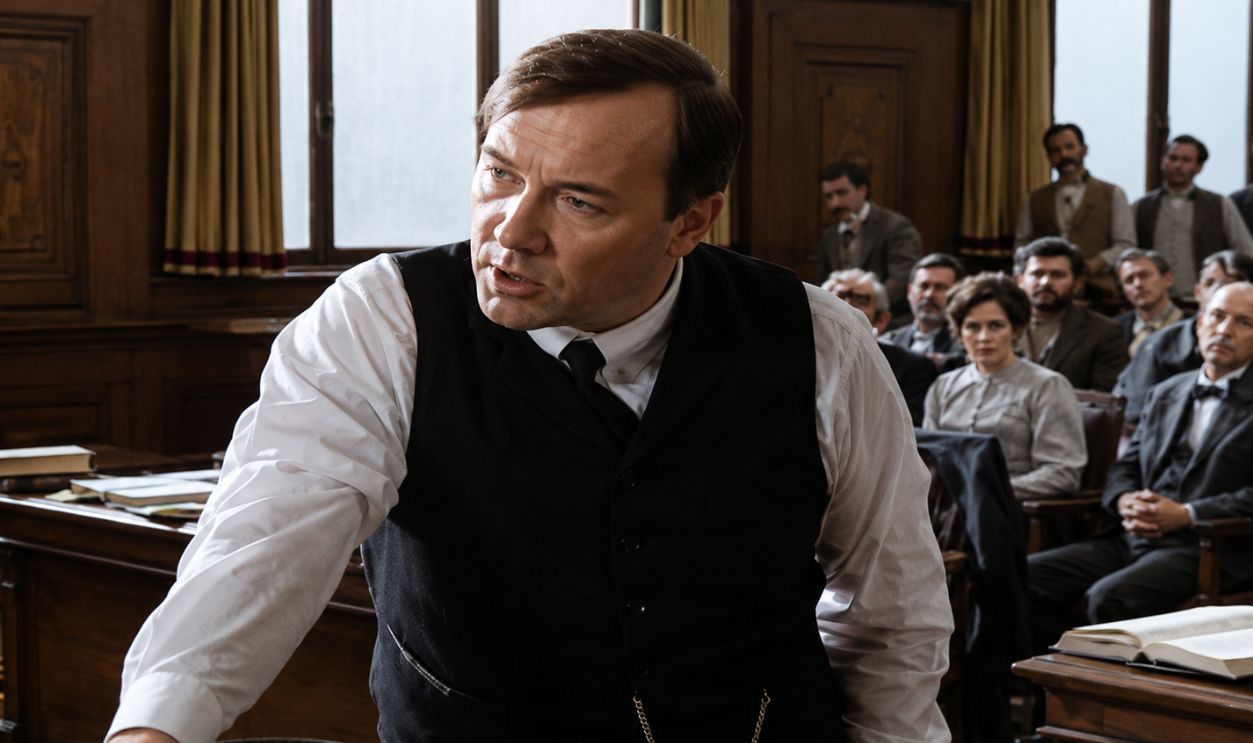 Screenshot from Darrow, Arrow Film Distributors (1991), Enhanced
44. He Was A Celebrity
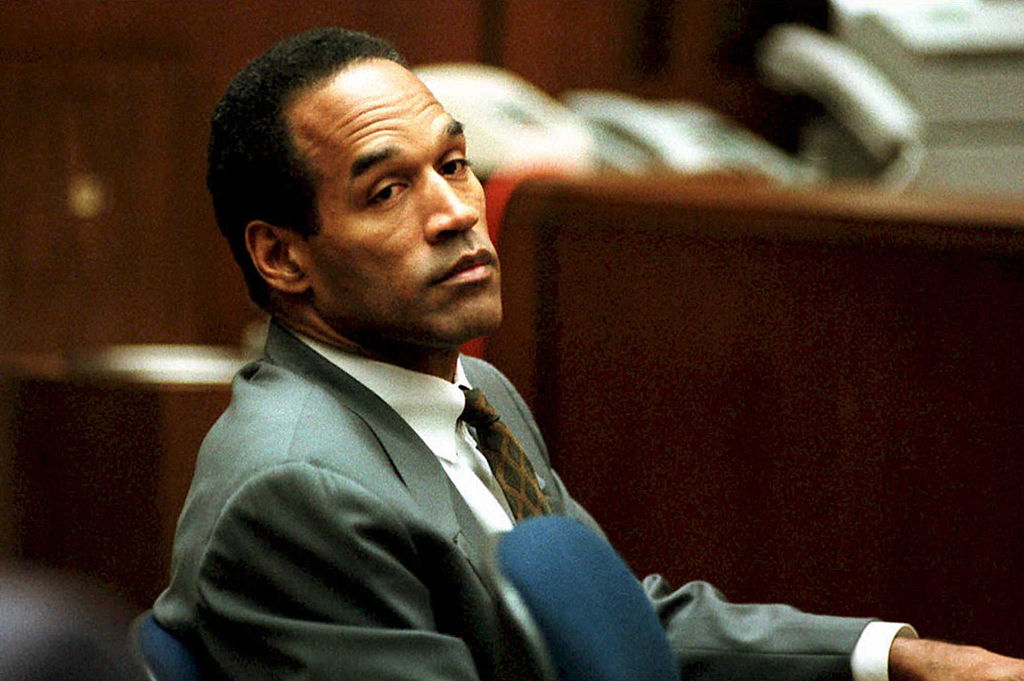
Much like the 1995 OJ Simpson case, Americans were on edge to find out which way this case would go. In Hawaii, they feared a race riot and considered imposing martial law. Darrow, in true form, had prepared a four and a half hour speech for his closing arguments. He was now so well-known that they broadcast his oration across America.
In just 48 hours, the jury came back with a verdict.
45. He Had Succeeded
Clarnece Darrow had done his job well. The verdict came back with the lesser charge of manslaughter, and a recommendation that the judge be lenient on Fortescue and her accomplices. In Hawaii, courts normally imposed ten years of hard labor as punishment. It was tense in Hawaii, as white citizens were angry, and it seemed that they would take to the streets in protest.
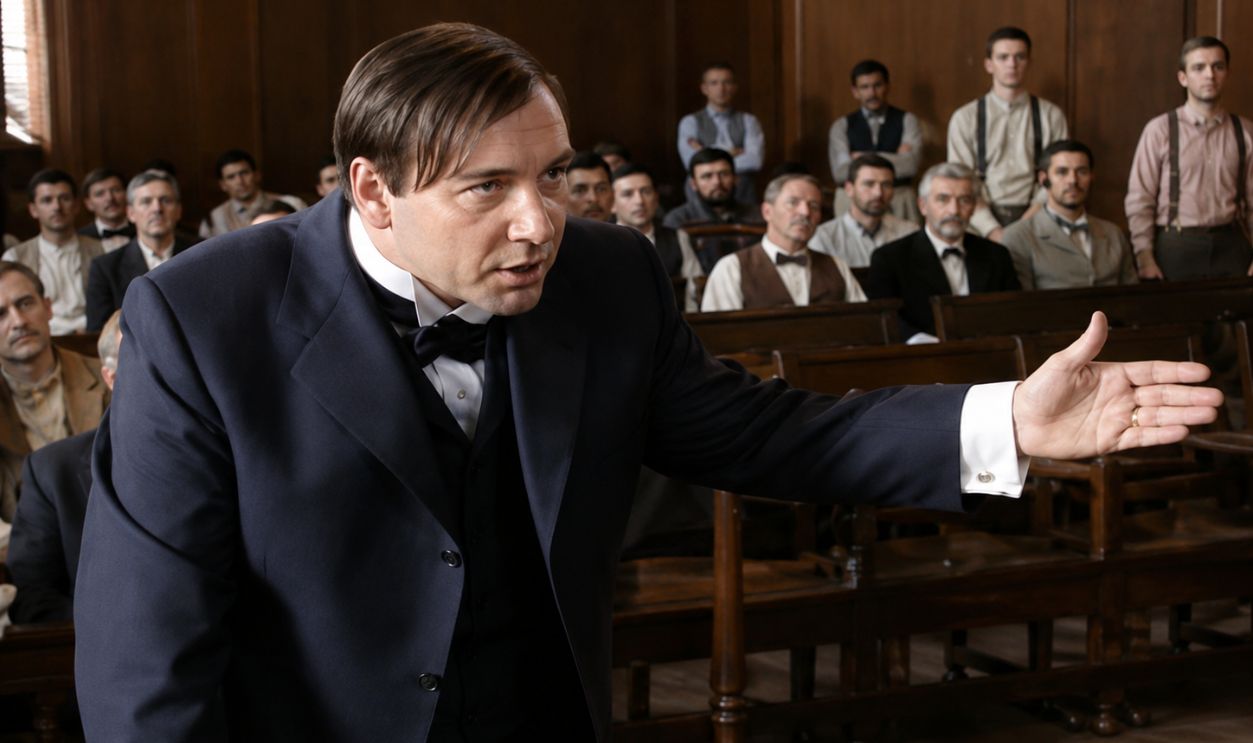 Screenshot from Darrow, Arrow Film Distributors (1991), Enhanced
History's most fascinating stories and darkest secrets, delivered to your inbox daily.
46. He Quickly Left
To avoid a riot, the Navy put pressure on the Governor of Hawaii to reduce the sentences of not just Fortescue but also her accomplices. They each served just one hour, and it wasn't behind bars but in the Governor's office. Darrow quickly left the island, which was descending into a chaos that he had helped create.
This was Darrow’s final major trial, but he was still planning for the future.
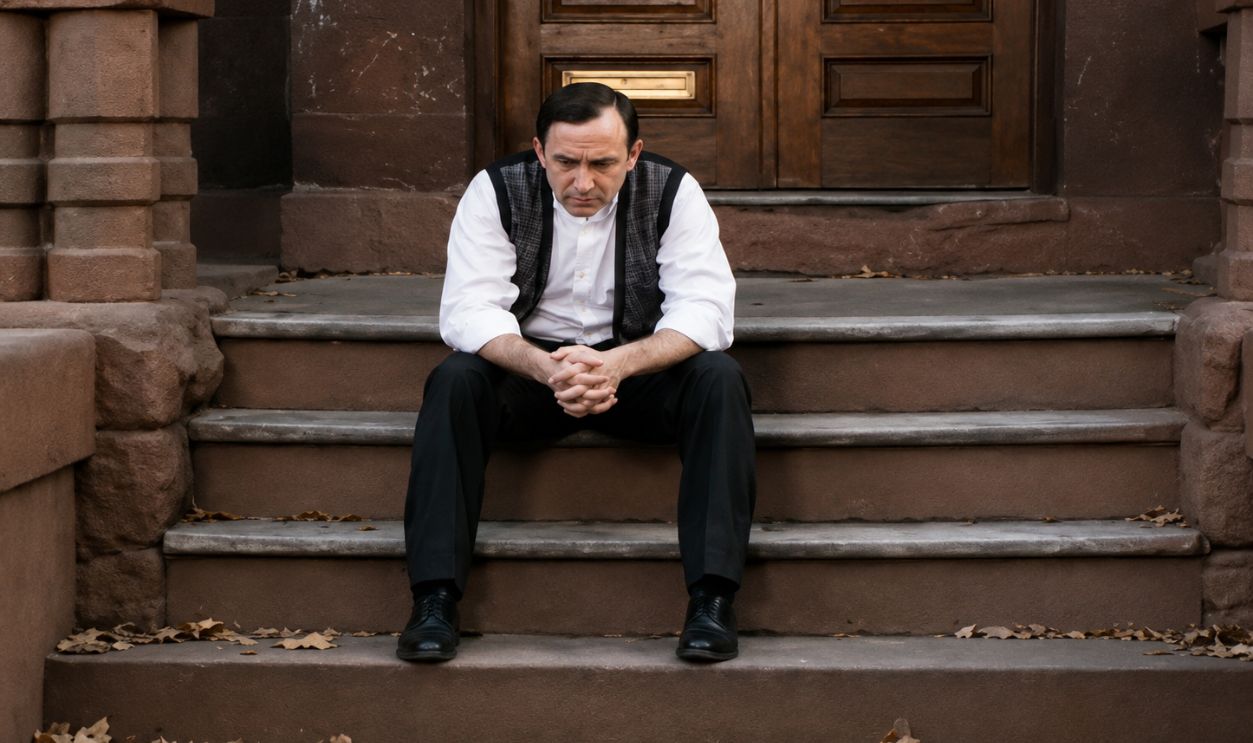 Screenshot from Darrow, Arrow Film Distributors (1991), Enhanced
47. He Planned For the Afterlife
In March 1938, Clarence Darrow knew that he was not long for this world. The story goes that he made plans in case there was an afterlife. He said if there was an afterlife, he would appear on a bridge in Chicago on the exact date of his last day alive. This plan seems strange for a man who did not believe in an afterlife.
As it turned out, Darrow was playing a macabre joke.
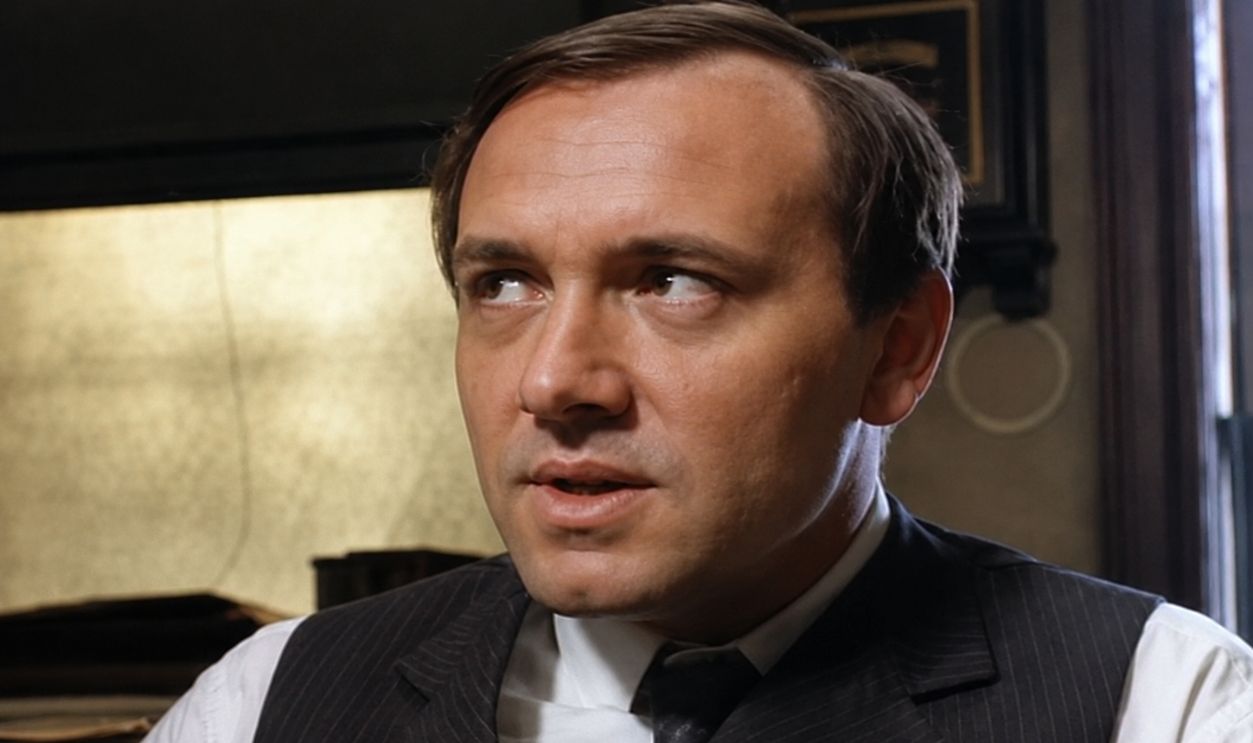 Screenshot from Darrow, Arrow Film Distributors (1991), Enhanced
48. He Didn’t Return
Apparently, Darrow only promised to go to the bridge in the afterlife to prevent so-called mediums from pretending to talk to him from beyond the grave. He passed on March 13, 1938, and no one has claimed to see him on the bridge. It’s not surprising, as Darrow had very little belief in things like god and the afterlife.
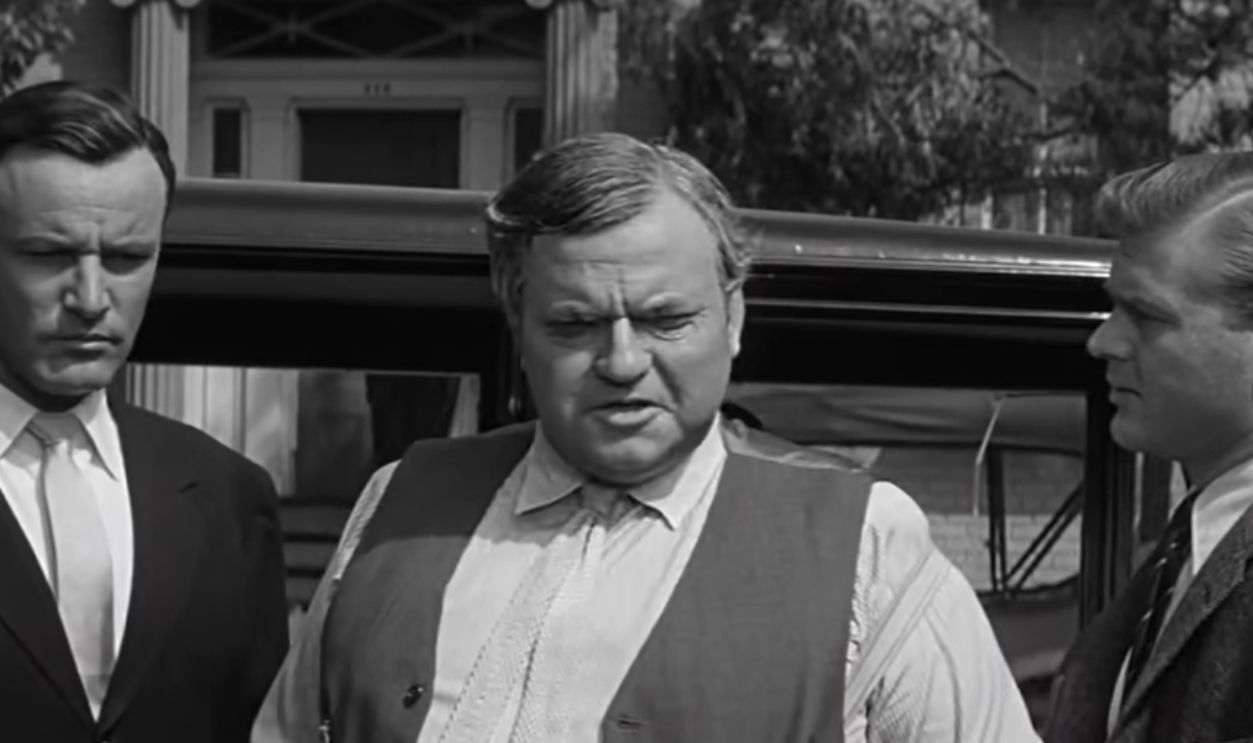 Screenshot from Compulsion, 20th Century-Fox (1959)
49. He Questioned Religion
In 1929, Clarence Darrow went against public opinion and made a speech declaring that he was an agnostic. He even said that he “questioned the doctrines of Christianity and the Bible”. In 1931, he went head-to-head with English writer GK Chesterton on the topic “Will the World Return to Religion?”. Unlike his court appearances, he lost this debate by a mile.
While Darrow didn't believe in things like god or the afterlife, he does have a way of living forever.
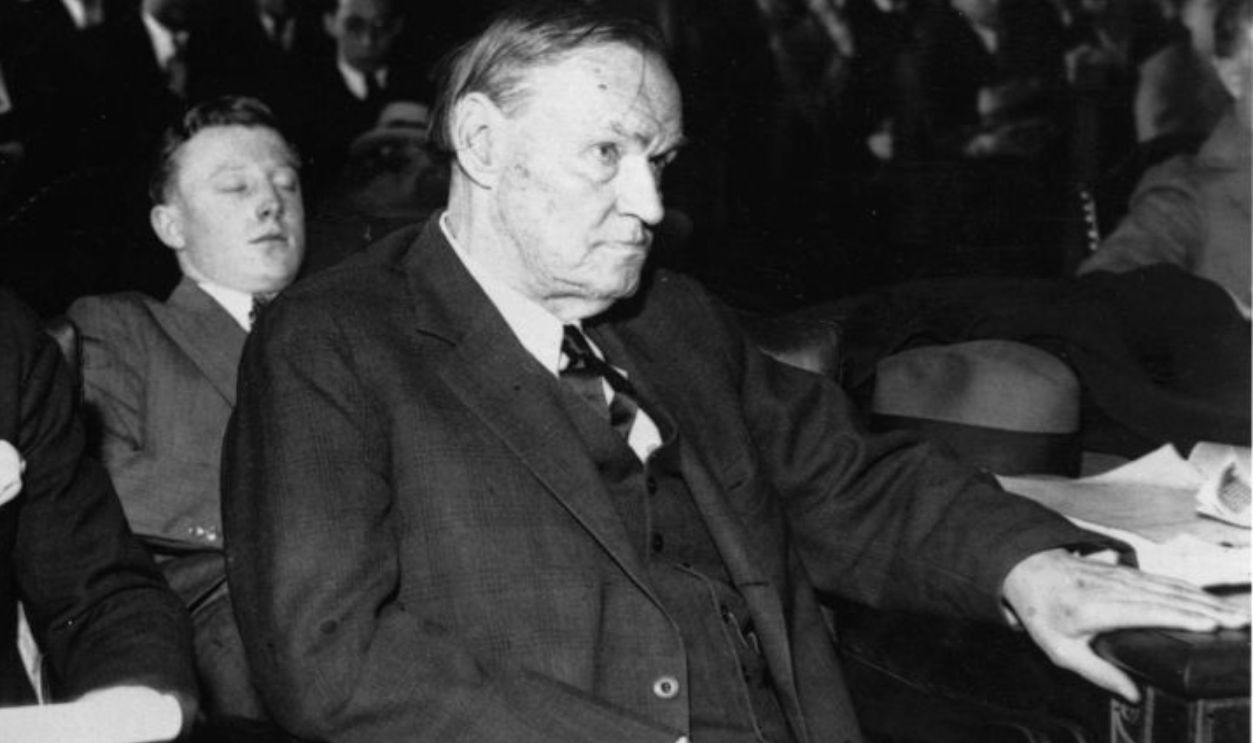
50. He Has An Afterlife
While Clarence Darrow may be gone forever, he lives on in popular culture. Darrow, or some version of him, has appeared in plays, movies, and on TV. Orson Welles played a version of Darrow in 1959’s Compulsion. Kevin Spacey played him in a 1991 episode of American Playhouse. Some believe that Spencer Tracy was the actor who best portrayed a fictionalized version of Darrow in 1960. He received an Academy Award nomination for taking on the role in Inherit the Wind.
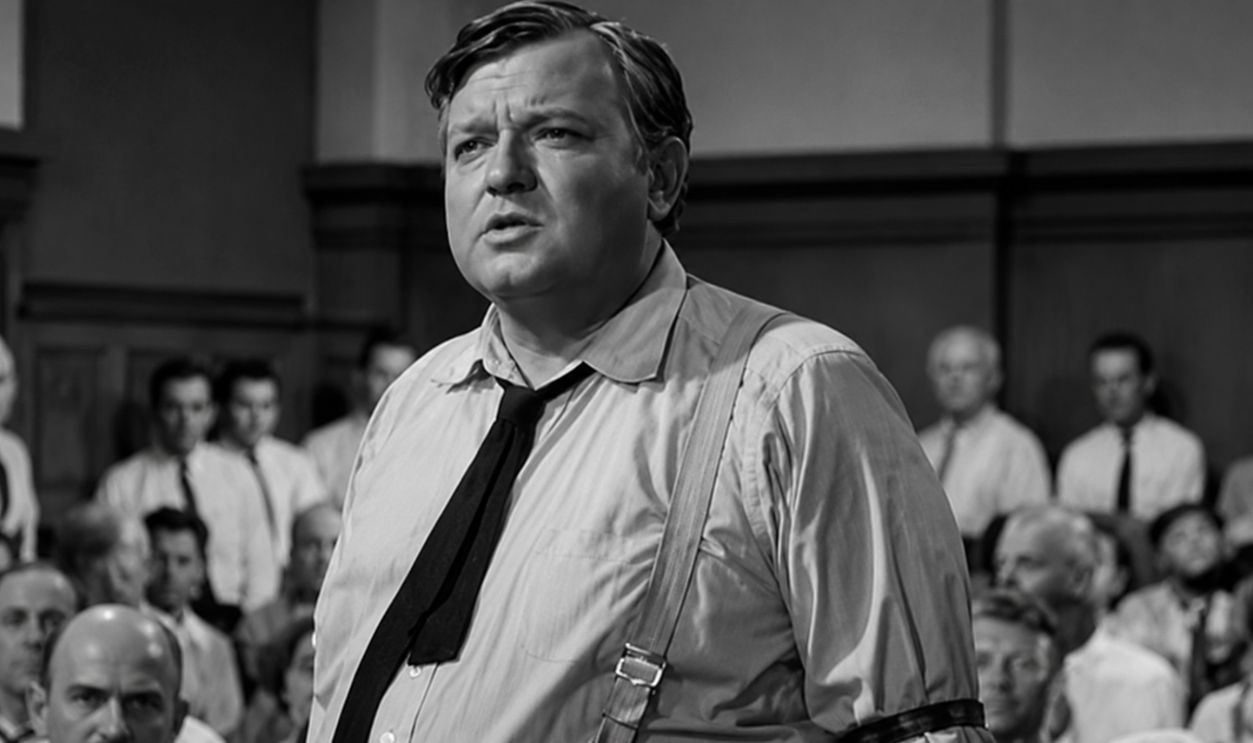 Screenshot from Compulsion, 20th Century-Fox (1959)
You May Also Like:
Wild Facts About Charles Lindbergh, The First Celebrity Aviator
The Twinkie Defense: The Absurd Legal Defense Used (Somewhat Successfully) To Get Away With Murder
Extravagant Facts About Gloria Vanderbilt, The All-American Heiress
Sources: 1, 2, 3, 4, 5, 6, 7, 8, 9, 10, 11, 12, 13, 14, 15, 16, 17, 18, 19