Born Under A Powerful Star
King Edward III did something that few of his fellow monarchs managed to do before: rule without opposition. Born under mysterious circumstances, Edward rose to power in dark times at a remarkably young age. However, for all of his experience, it couldn’t save Edward from the fate that awaited him at the end of the road. Not every prophecy promises glory.
1. He Was Doomed From Birth
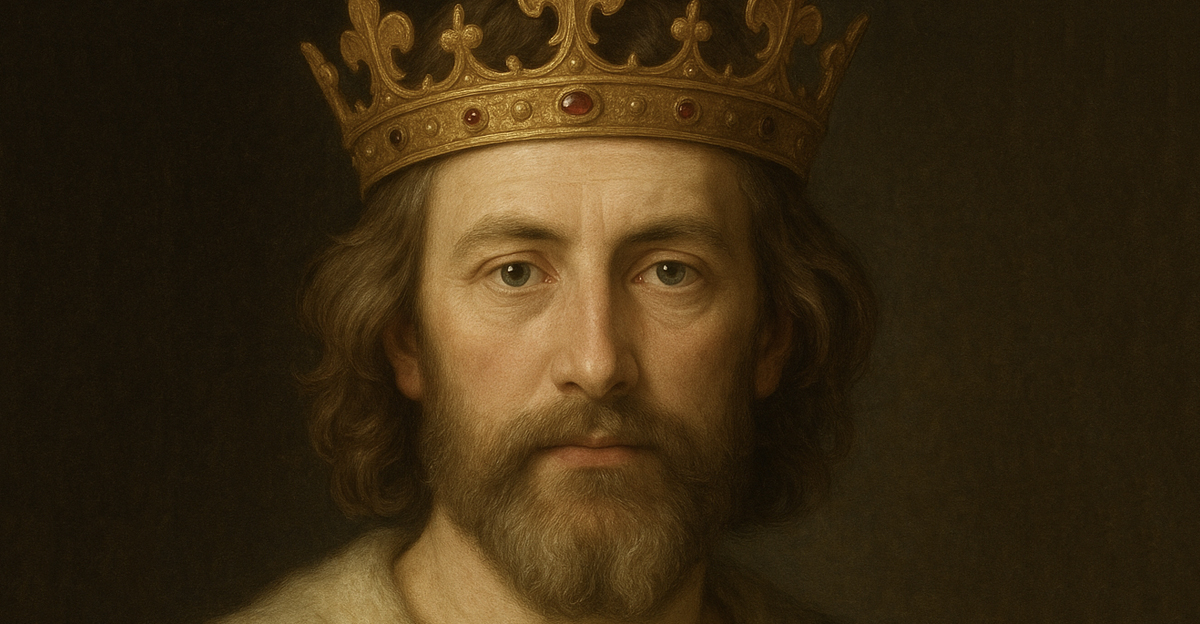
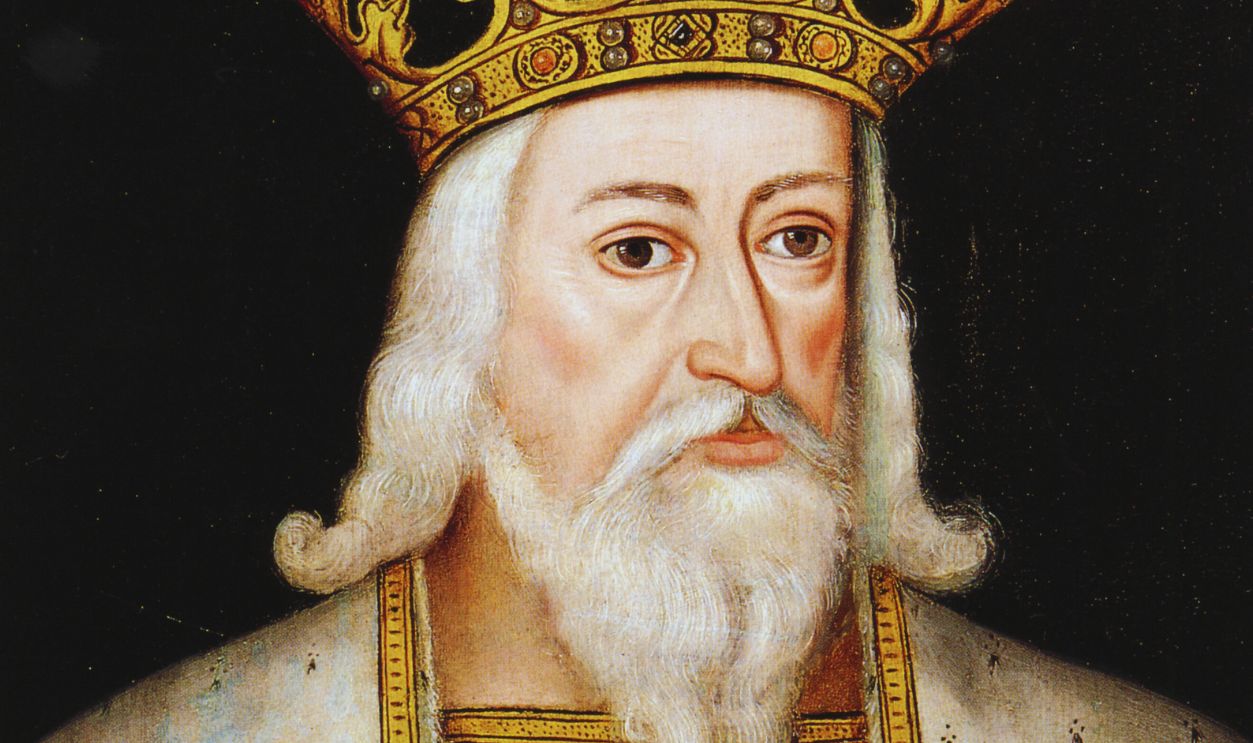
In November 1312, England was broken. The current king, Edward II, had created disarray throughout the kingdom. He’d alienated the nobles and commoners alike. Only one thing could help him save face in the country: the birth of his son and heir, Edward III. Along with the birth of young Edward came something that breathed new life into England, and doomed the newborn prince.
 Unknown Author, Wikimedia Commons
2. His Birth Was Legendary
Edward’s birth came with great fanfare and expectations. Edward was not only the newborn prince, heir to the English throne, but he was also prophesied to be the nation's hero. At the time of Edward’s birth, they finally put an ancient prophecy into writing, and that prophecy proclaimed Edward to be the king England had been waiting for.
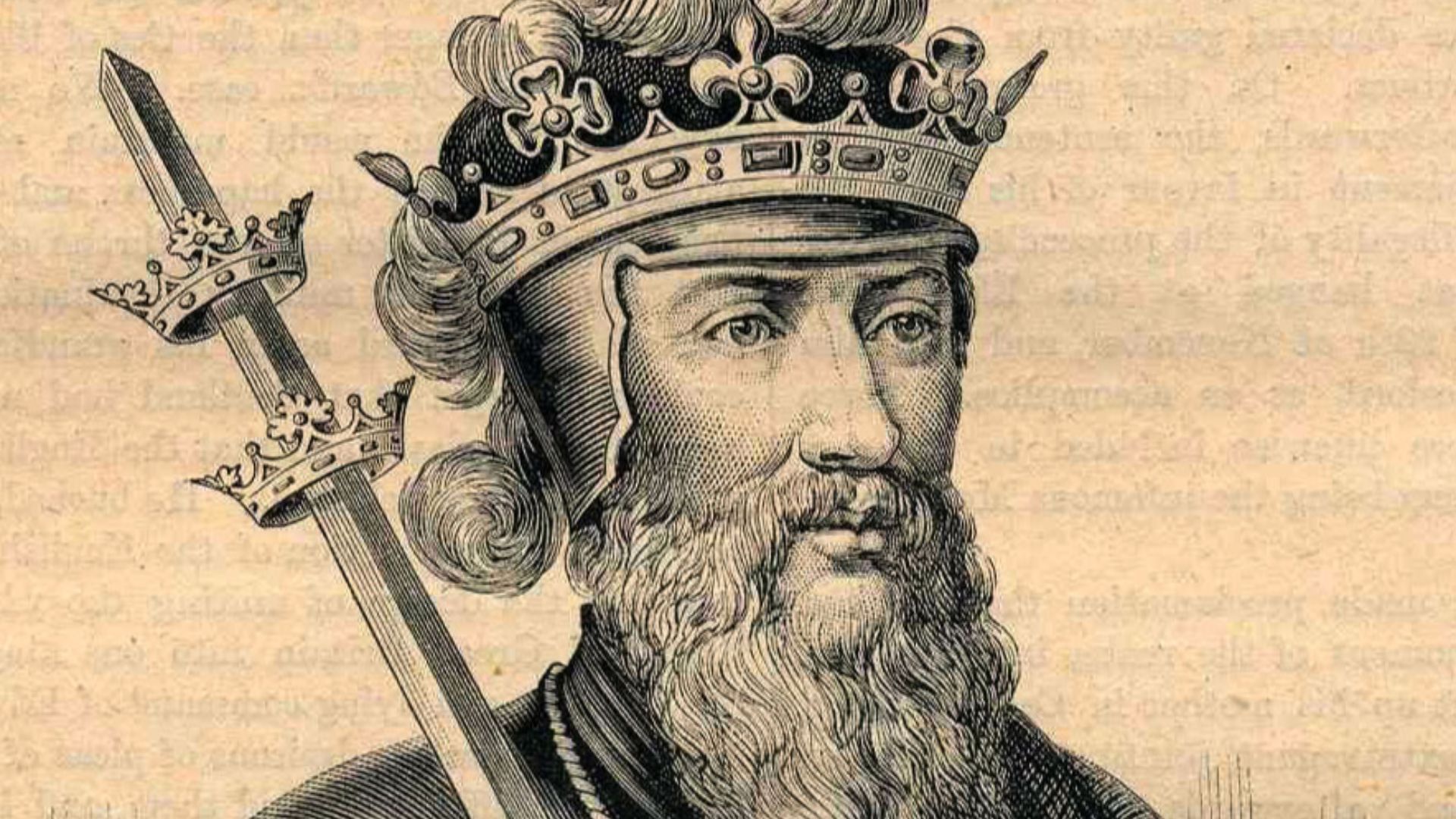 Cassell and Co., Wikimedia Commons
3. His Destiny Damned Him
It’s been said that generations passed the prophecy down from King Arthur’s trusted companion, Merlin. In it, the text linked six kings, three before Edward and two after, to animals. Edward III was a boar, destined to conquer England’s enemies, finally raising them to long-deserved glory. As he grew, Edward took this prophecy to heart; however, Edward’s destiny never promised a happy ending for him.
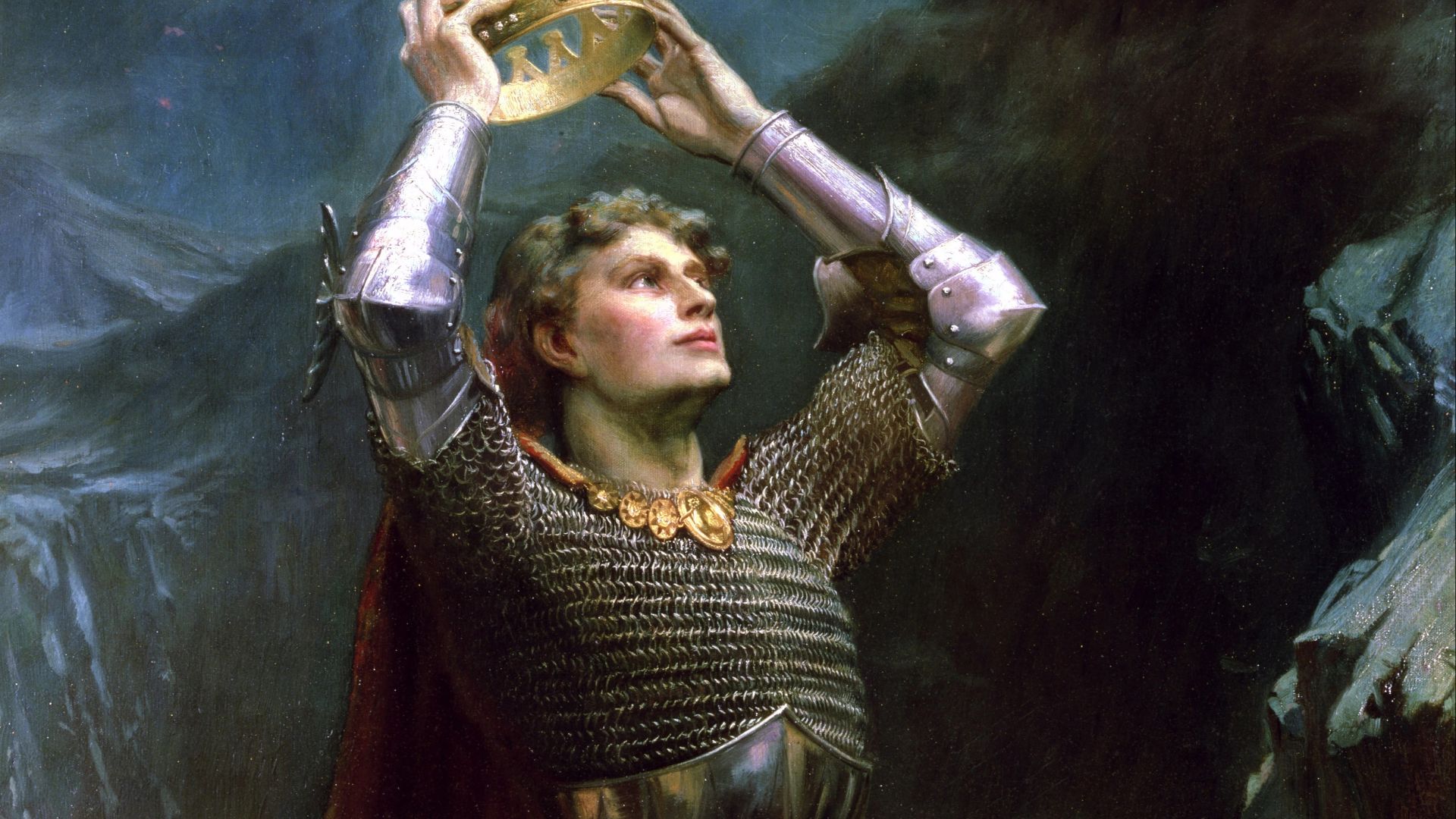 Charles Ernest Butler, Wikimedia Commons
4. His Father Caused Him Pain
Strife found Edward early in life. His father had run England into the ground, alienating not just his people but his own family. Historians agree “very few, not even his half-brothers or his son, seemed to care about the wretched man”. However, Edward II’s gravest mistake was in alienating his wife.
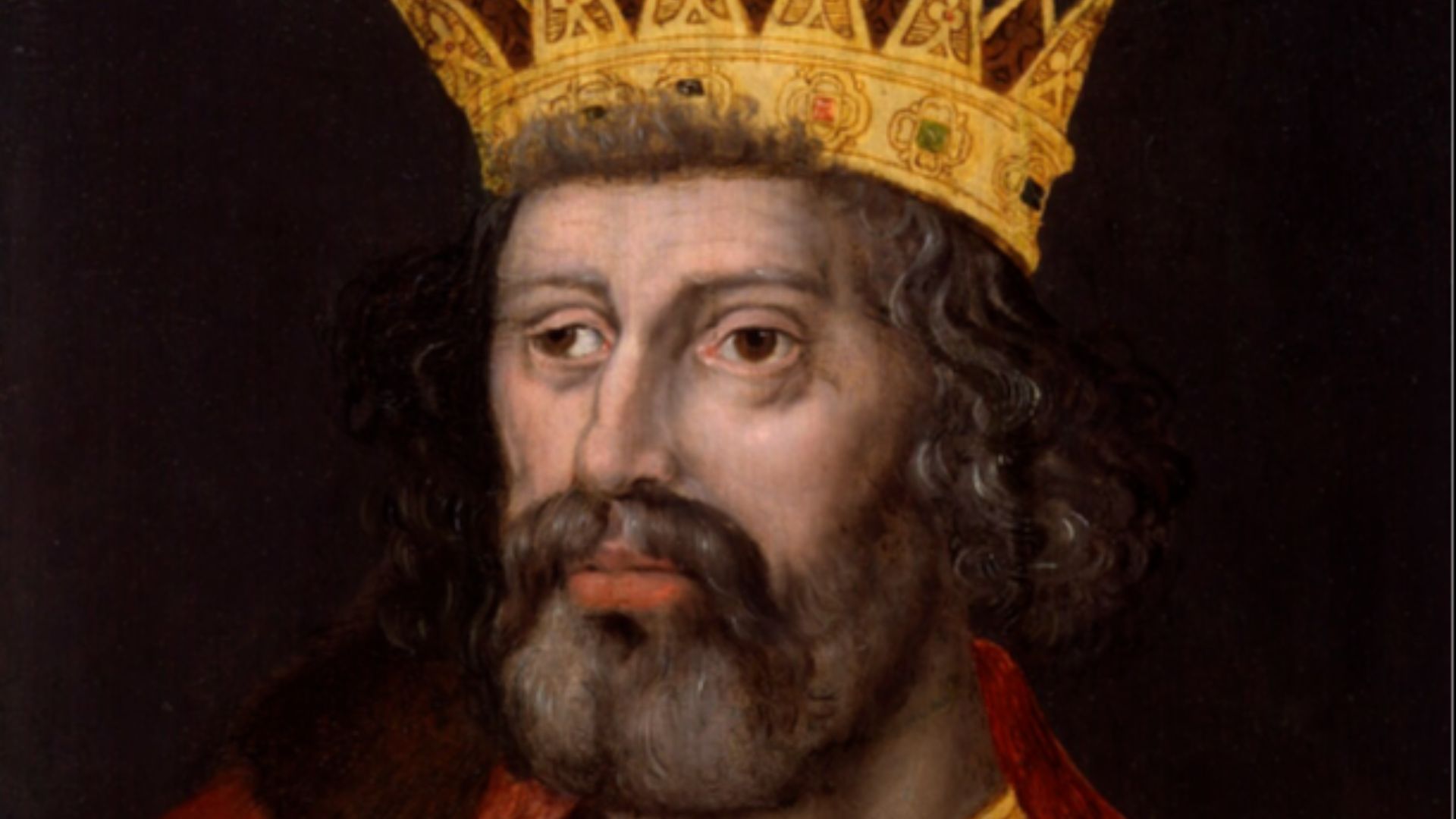 National Portrait Gallery, Wikimedia Commons
5. His Mother Accompanied Him Abroad
The balance of power within the royal household during Edward’s youth was fragile. When Edward’s father humiliated his mother, Queen Isabella, in 1324, by stripping her of her power and influence within England, he should’ve known that he was signing his own warrant—and changing his son’s life along with it.
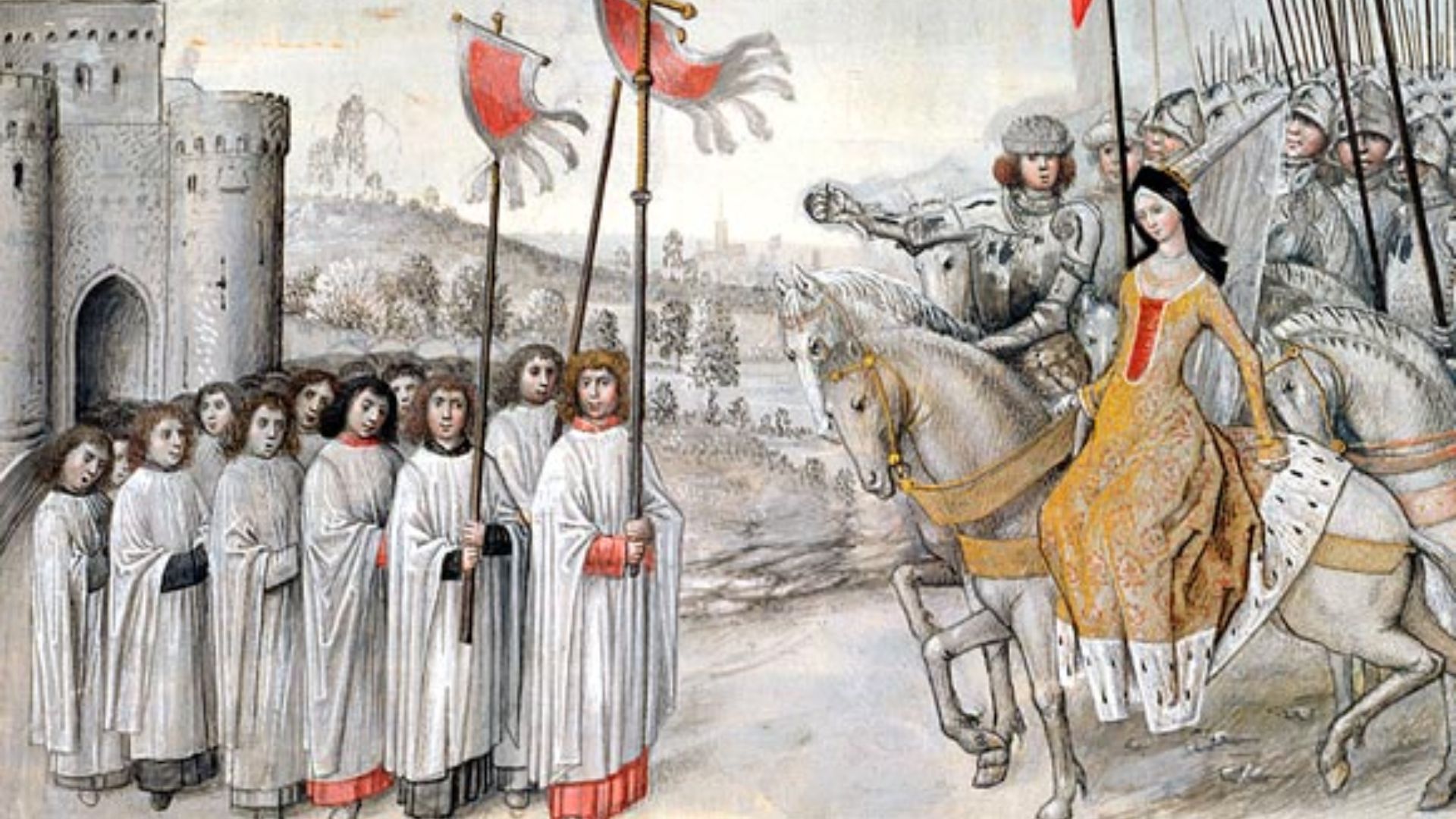 The original uploader was Nauka at Bulgarian Wikipedia., Wikimedia Commons
6. His Future Depended On His Parents
Unfortunately for Edward’s father, he proved to be a truly oblivious man. Despite publicly declaring his wife an enemy a few short years earlier, he thought it wise to send Isabella, along with Edward, only 13, to France to negotiate with her brother, King Charles IV, over England’s French domains. Isabella took the first opportunity to betray him.
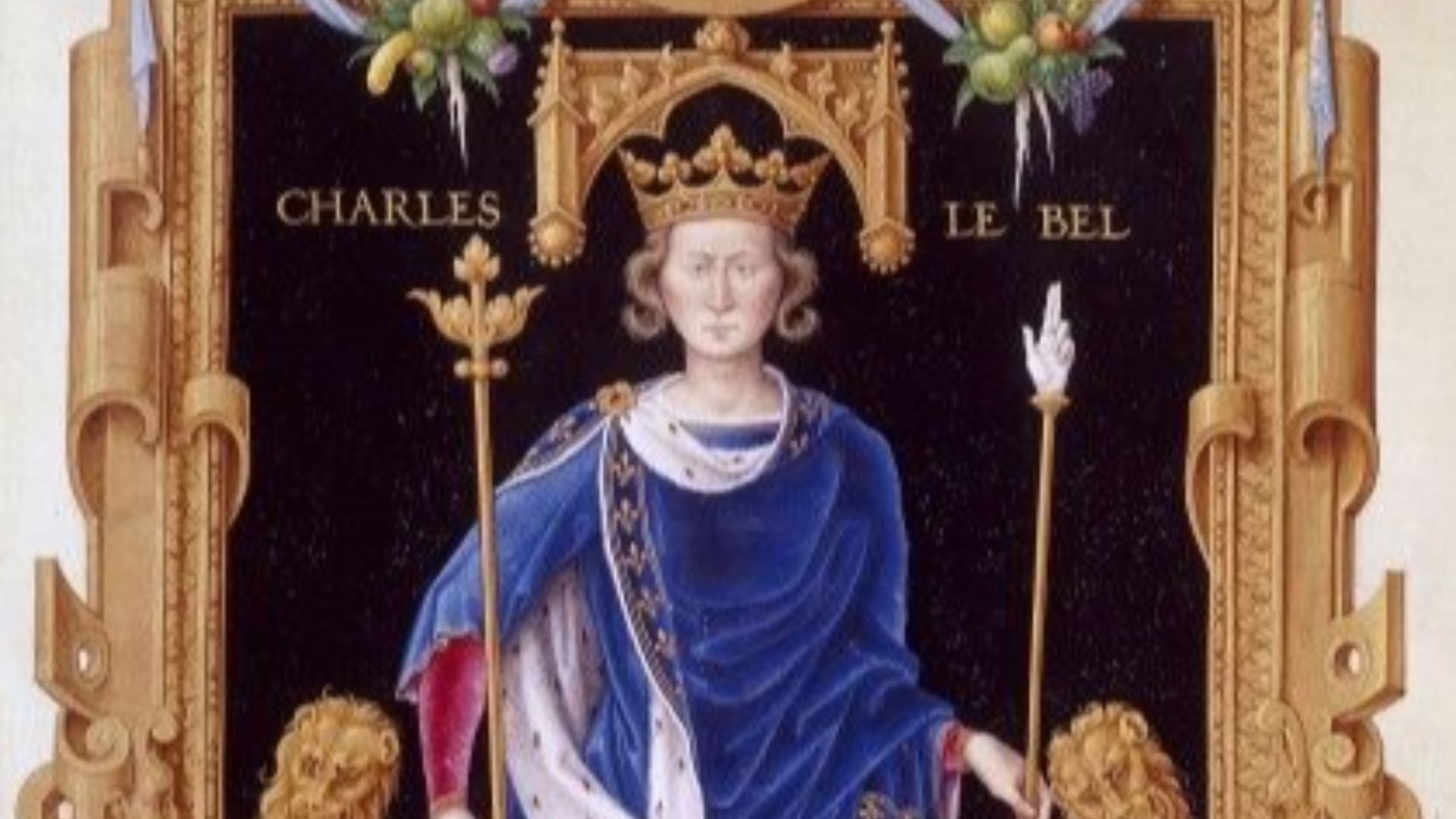 Jean du Tillet, Wikimedia Commons
7. He Was His Mother’s Pawn
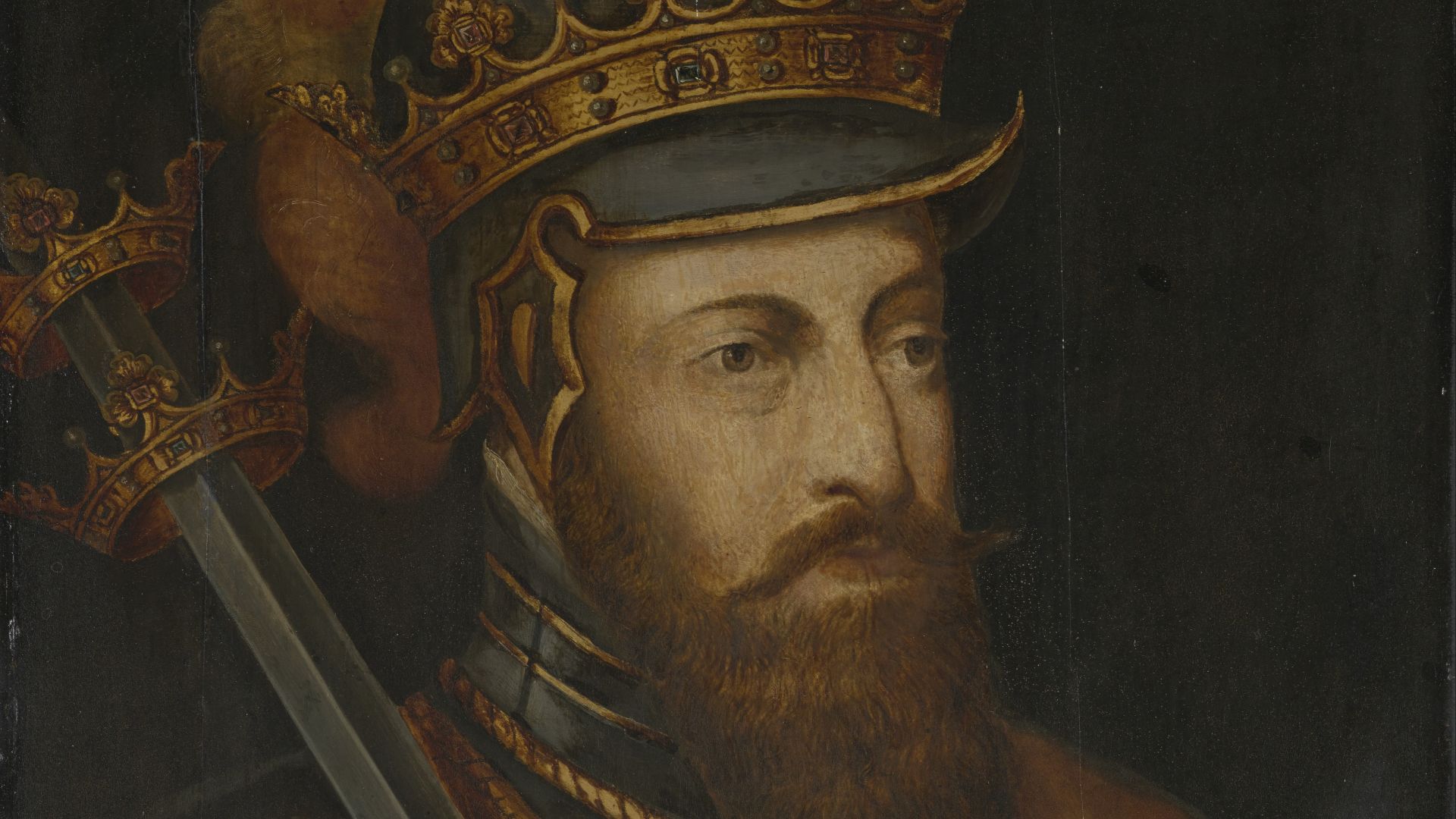
Edward’s parents viewed him as a pawn in their games. In France, Isabella became freed from the gaze of her husband, allowing her to find a new ally who already had reason to hate Edward II. Roger Mortimer had rebelled against Edward II once, being sent to France as punishment. He and Isabella both were looking for revenge, and they had the perfect move already waiting for them: Edward III.
8. His Mother Needed Him
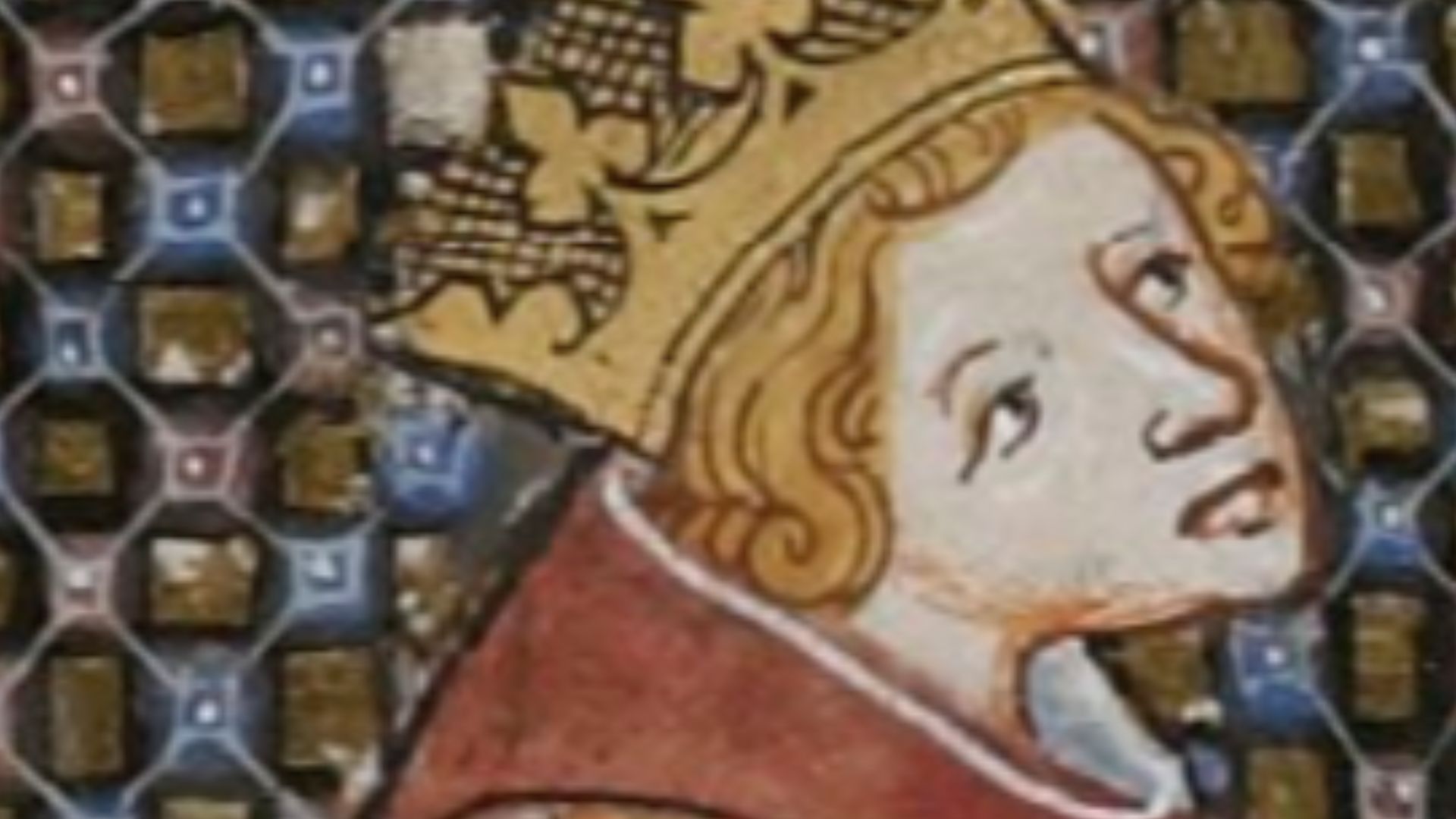
The plan was simple: dispose of Edward II and place Isabella’s son, Edward III, on the throne. However, they needed more manpower. Thank goodness Isabella had her son with her in France, as Edward continued to prove useful. What better way to convince someone to support your uprising than by selling your son, the future king, to the most useful daughter that you can find?
 AnonymousUnknown author, Wikimedia Commons

History's most fascinating stories and darkest secrets, delivered to your inbox daily.
9. He Found A Good Match
William I, Count of Hainault (modern-day Belgium and portions of France), provided Isabella with the perfect opportunity to gain the support that she needed. His daughter, Philippa, was only a few years younger than Edward, allowing Isabella to use her son as a bargaining chip. Their marriage was perfect, except for one teeny, tiny problem: Edward III and Philippa shared blood.
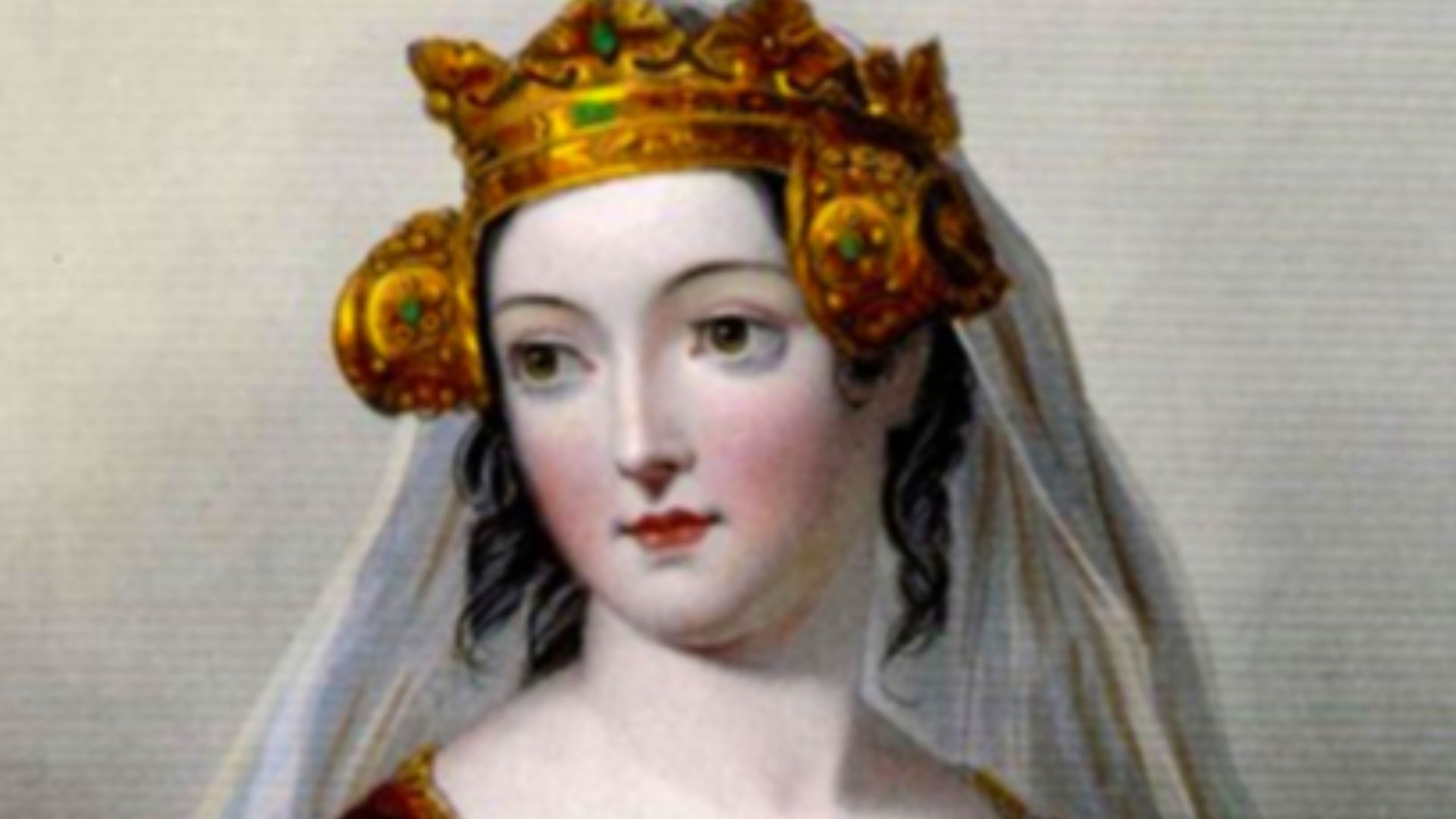 engraved by W. H. Mote (1803-1871) after an illustration by J.W. Wright, Wikimedia Commons
10. He’s Bride Shared His Blood
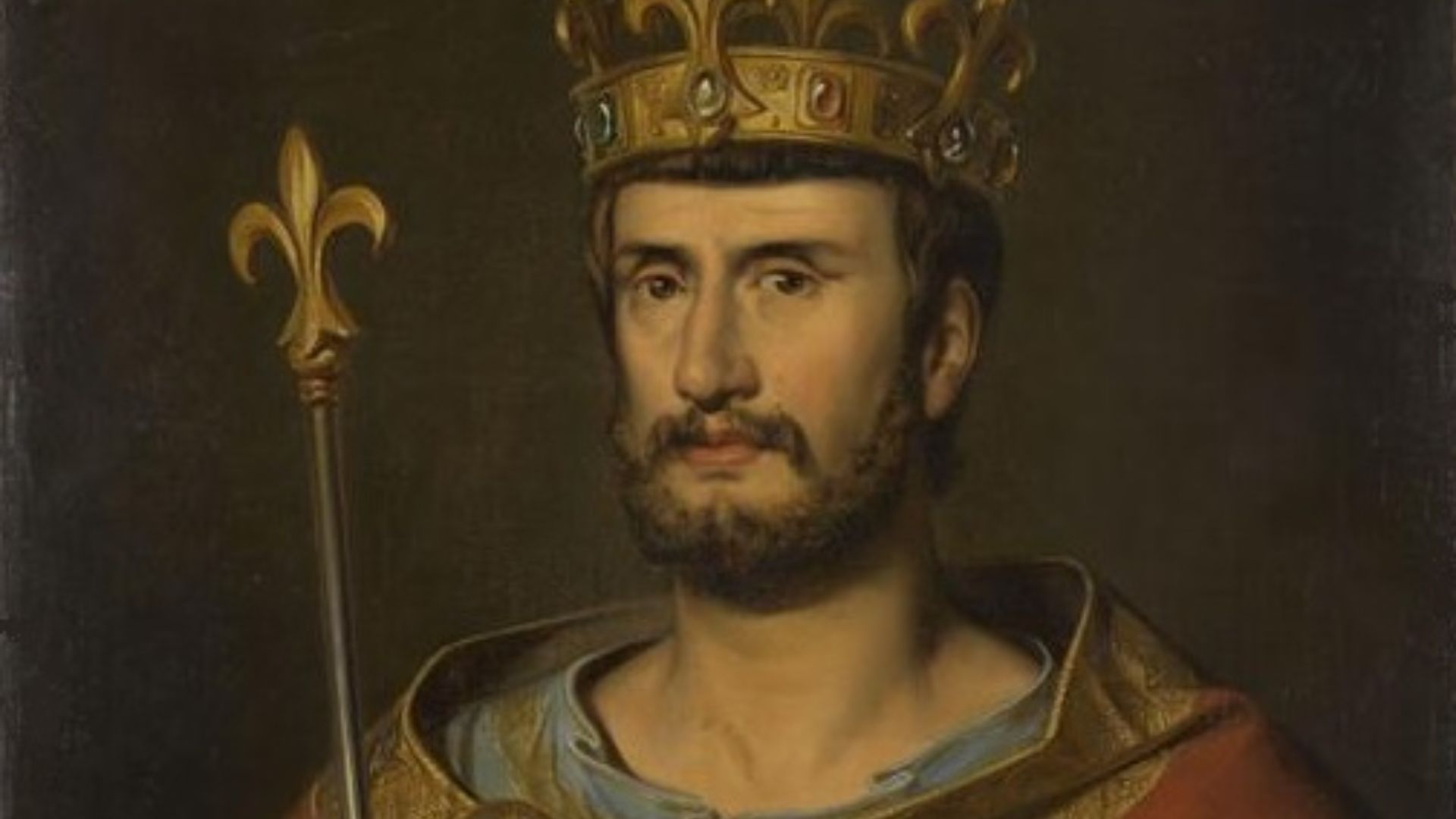
Both Edward and Philippa’s grandparents shared a father, Philip of France, making them second cousins. Despite history being famous for marrying cousins without concern, this proved a problem for the young couple, and an even bigger problem for Queen Isabella, who needed her son’s marriage to ruin her husband’s life. Only one man could get the royal family out of their predicament.
 Gillot Saint-Evre, Wikimedia Commons
11. He Received Papal Blessings
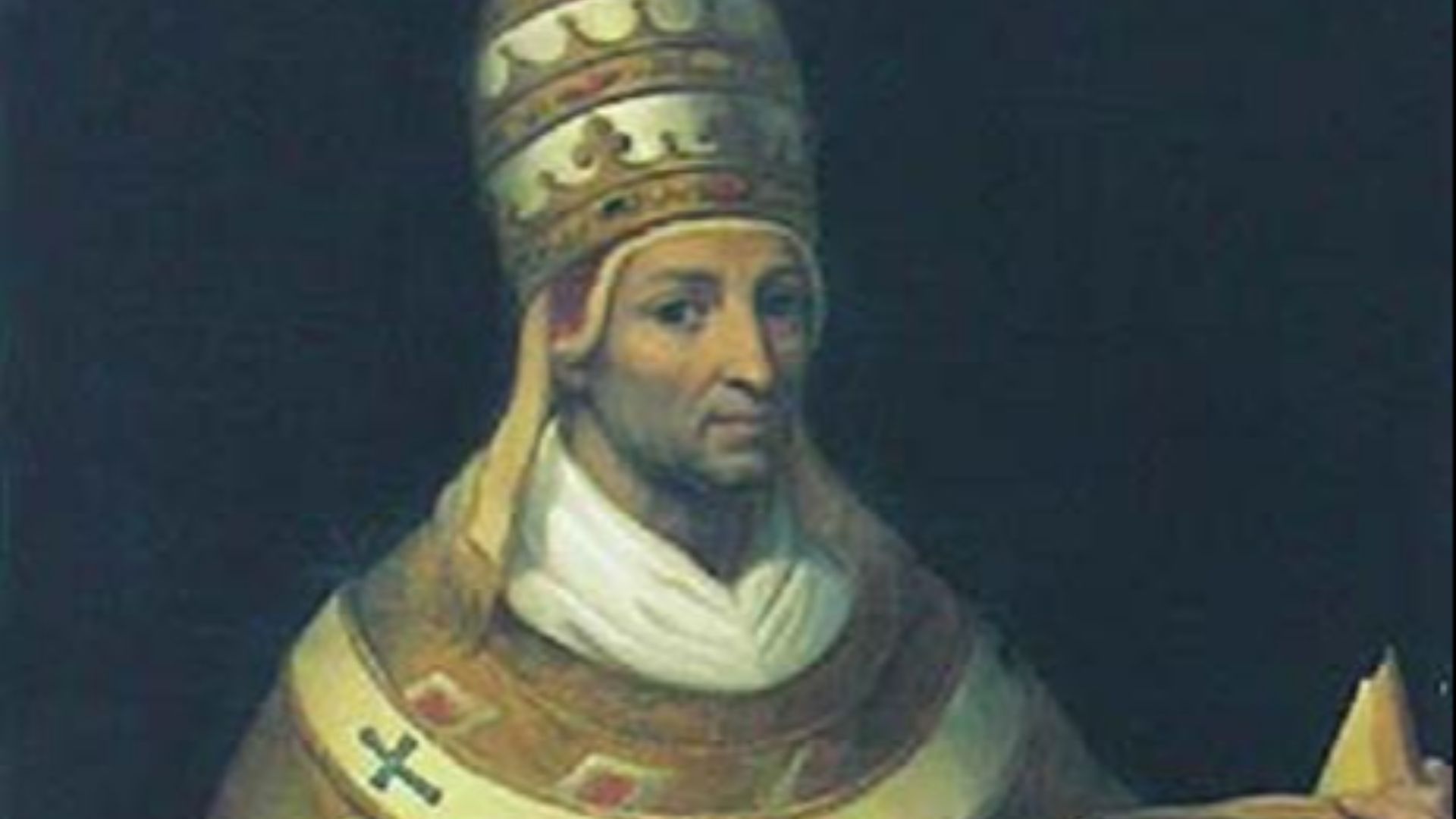
Thankfully for Edward, Isabella, and Mortimer, this problem proved easy enough to fix. Once they received word from Pope John XXII that they could disregard any laws about intermarriage, the engagement was on, and so was Isabella’s revolution. Isabella and Mortimer marched into England on Edward III’s behalf, and Edward II never stood a chance.
 Henri Auguste Cesar Serrur, Wikimedia Commons
12. His Father Folded Easily
It’s a repeated refrain throughout history (and this article): no one liked Edward II. The moment that Isabella and Mortimer marched into England, all of Edward’s men left him. They saw no reason to defend a king they never liked. After all of their negating, they forced Edward II to abdicate with relative ease. Edward III was king. However, now he had a new problem.
13. He Was A Child King
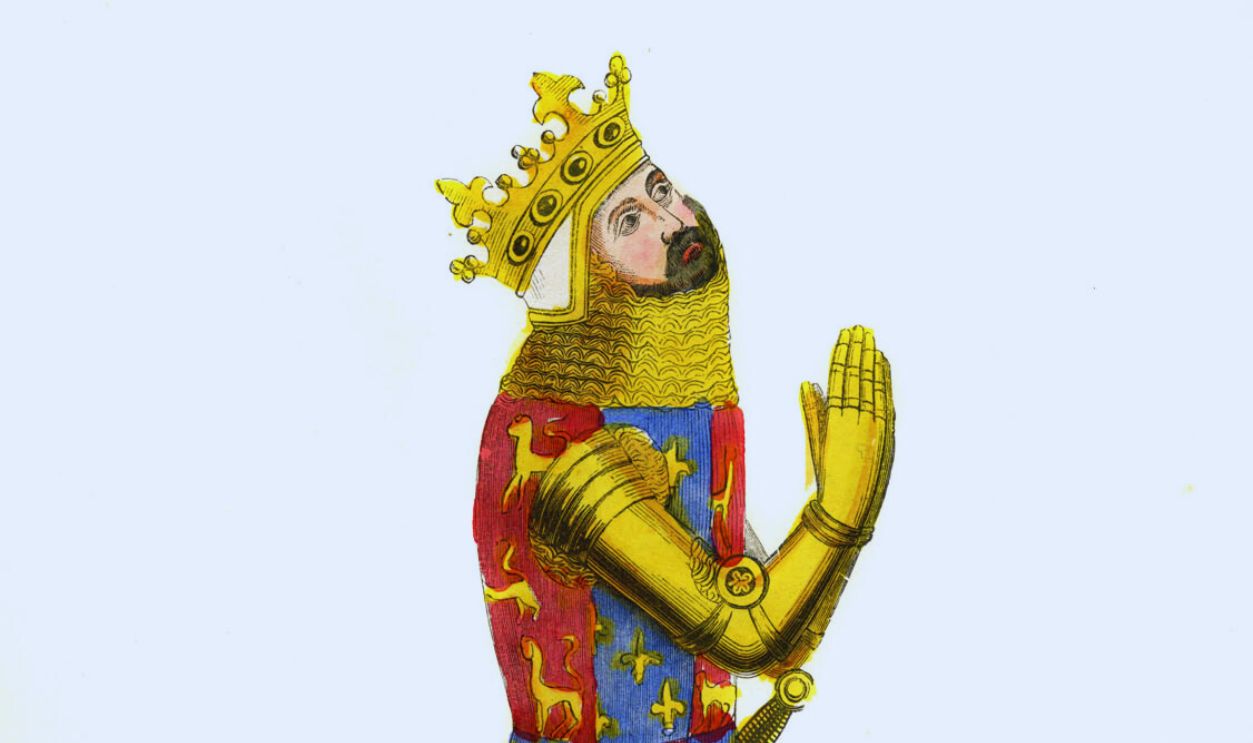
Edward was now king. However, he was also only 14, and therefore, he was king in name alone. Instead, it was Roger Mortimer who controlled the government, using his influence to increase his wealth and power. Edward’s mother, Isabella, proved to be no help, enthralled by Mortimer. Mortimer wasn’t going to give up his power on his own—someone needed to make him.
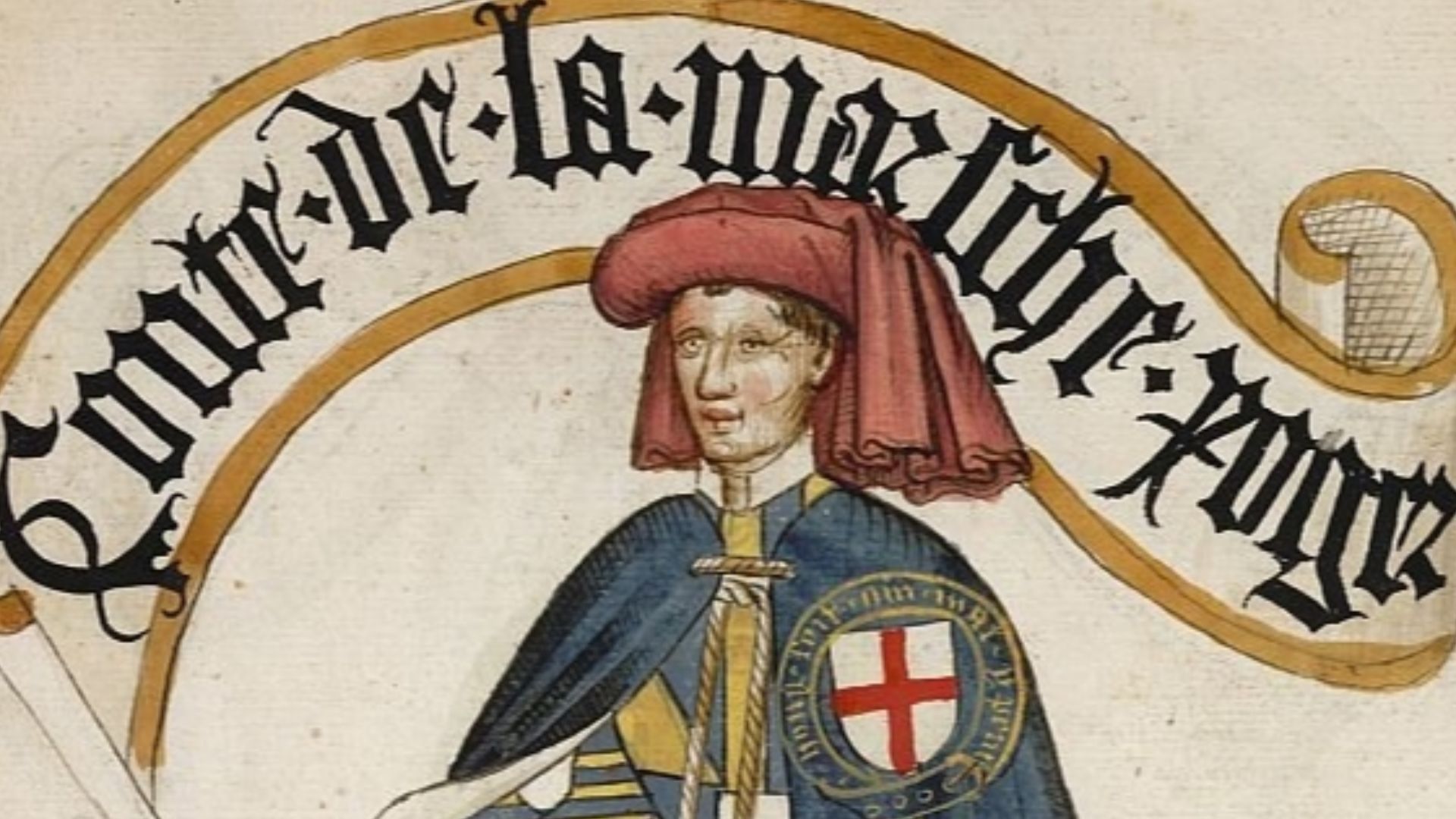 Photo British Library; painted by or for William Bruges, Wikimedia Commons
14. His Father Posed A Problem
Meanwhile, no one knew what to do with Edward’s father. A deposed king proved a risk to Mortimer’s regime. Seven months after taking the crown from his father, members of the court informed Edward that his father had passed in the middle of the night. While no one can prove it, some believe that Mortimer may have arranged for the loss. If this was true then danger lurked around every corner.
15. He Needed To Take Charge
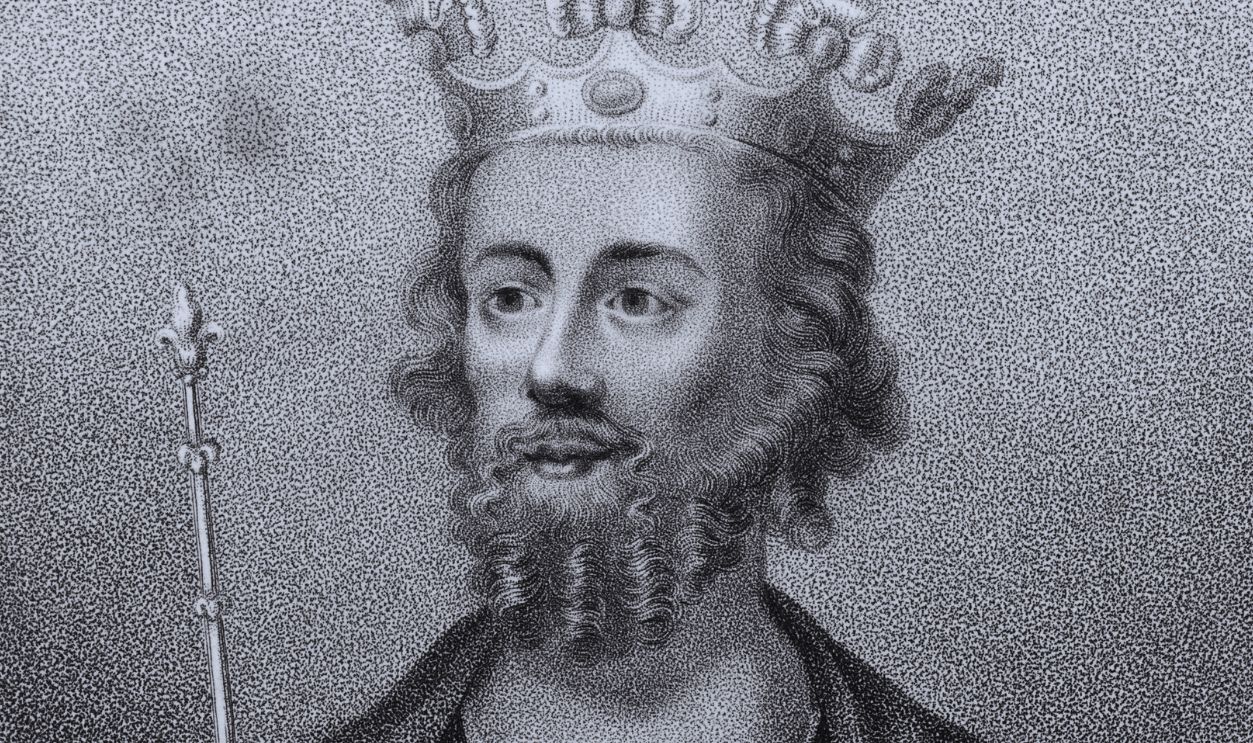
Initially, Edward remained in the background as Mortimer took control. Eventually, Edward couldn’t ignore what was in front of him. He and Philippa married in January 1328, and Philippa gave him his first son, Edward of Woodstock, in June 1330. With an heir, the tension between Edward and Mortimer grew. Edward surely saw the writing on the wall: It was him or Mortimer.
 HISTORY OF ENGLAND by SAMUEL R. GARDINER, Wikimedia Commons
16. He Saw The Writing On The Wall
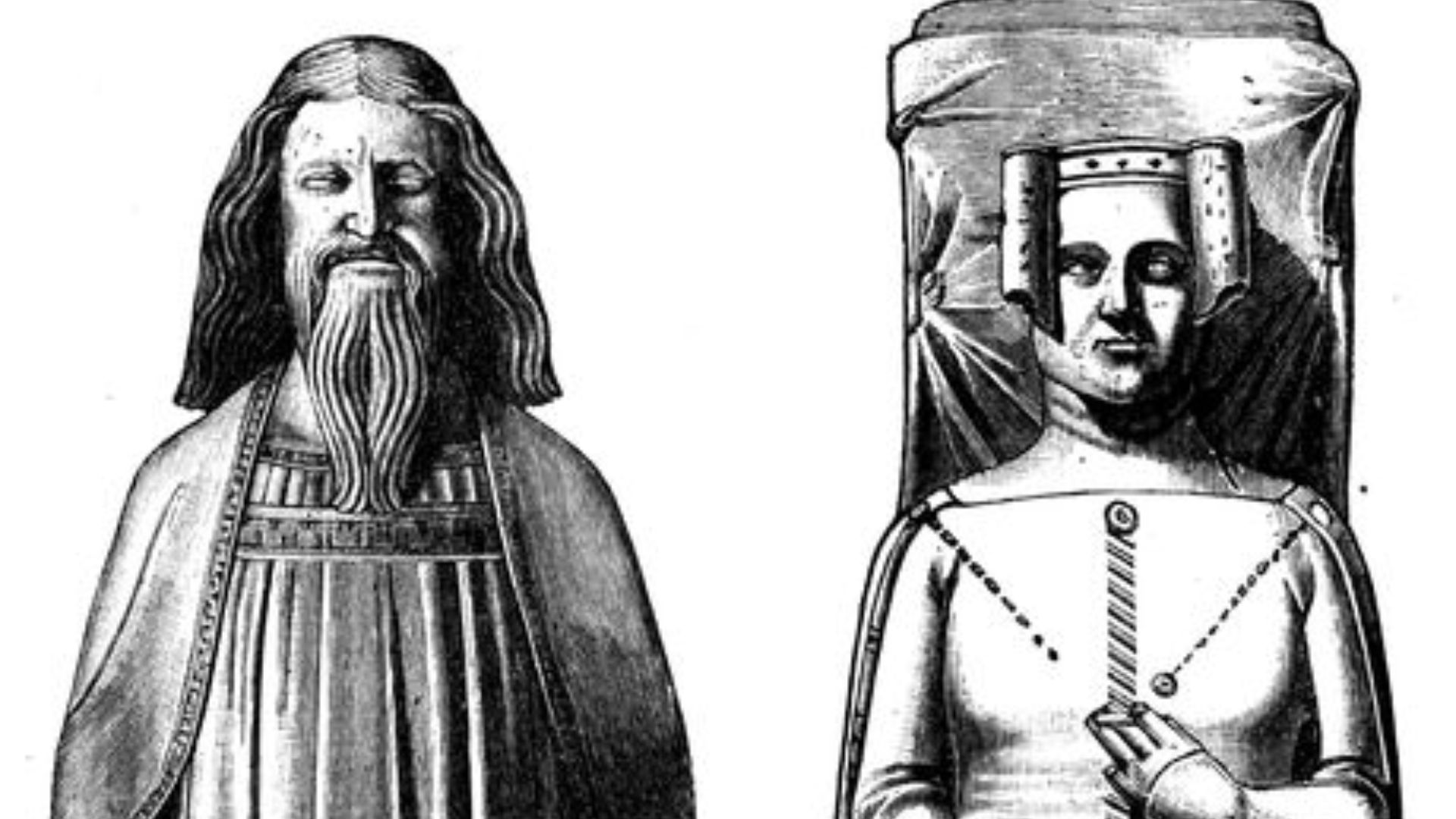
The execution of Edward’s uncle, ordered by Mortimer, proved the final straw. Edward, now a king, a father, and a few weeks shy of his 18th birthday, understood that it was time to handle the Mortimer situation once and for all. However, Mortimer had entrenched himself within the monarchy. The only way Edward could succeed was to take him by surprise.
 UniversalImagesGroup, Getty Images
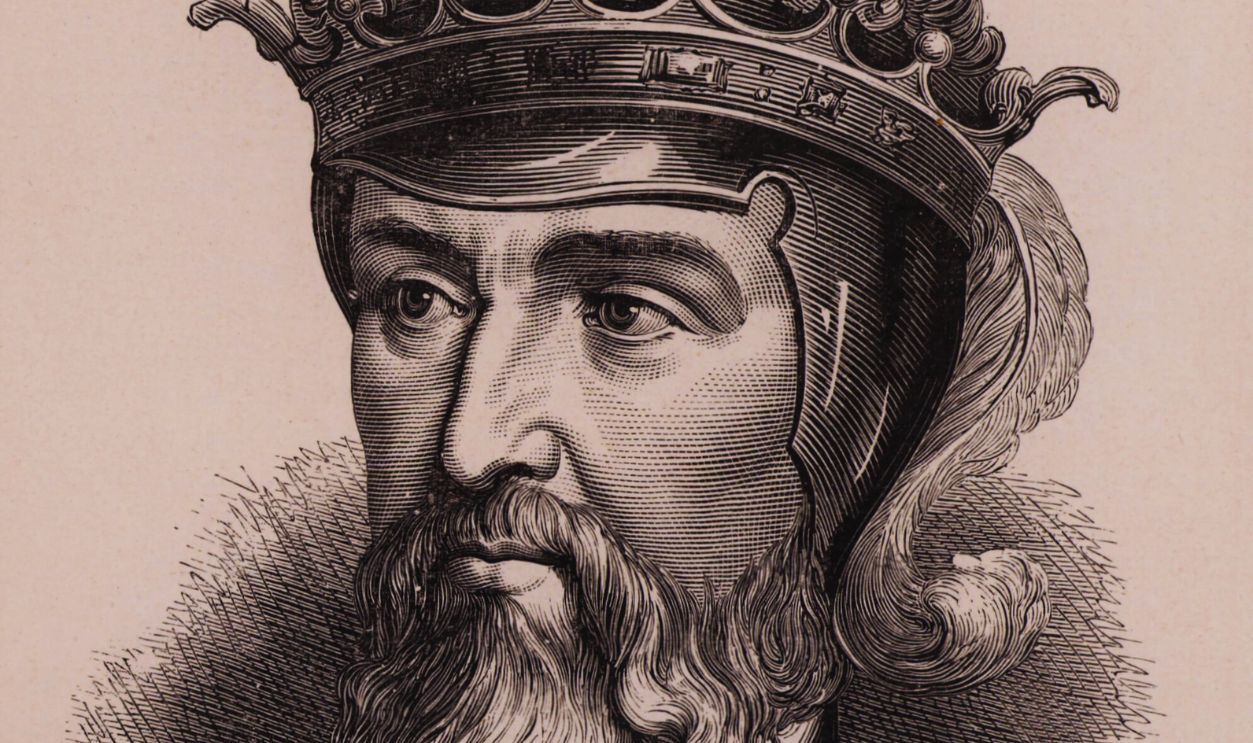
17. He Made A Plan
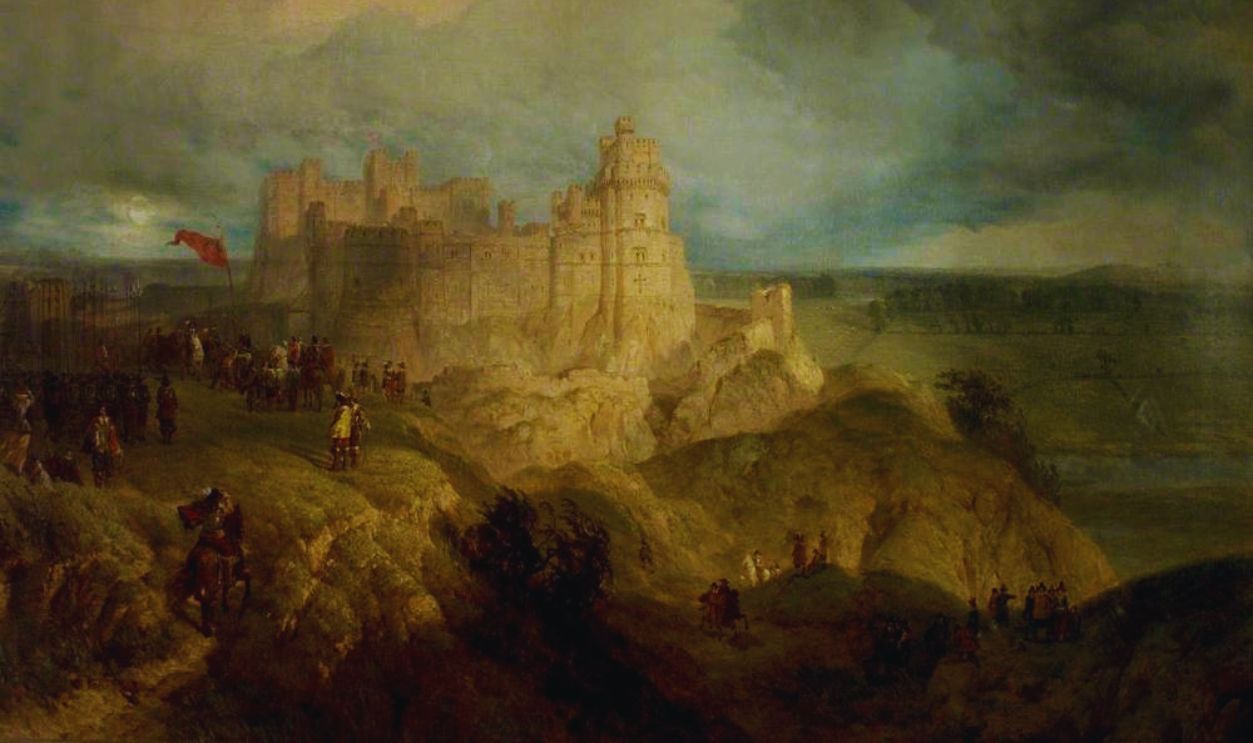
Mortimer likely never realized the danger that he was under when he called parliament to him in Nottingham in October 1330. He believed Edward was still a young, impressionable boy, not a man of action. Unfortunately, Nottingham Castle had secrets—secrets that Edward knew how to exploit.
 Painting by British Artist, Henry Dawson, Wikimedia Commons
18. He Took His Enemies By Surprise
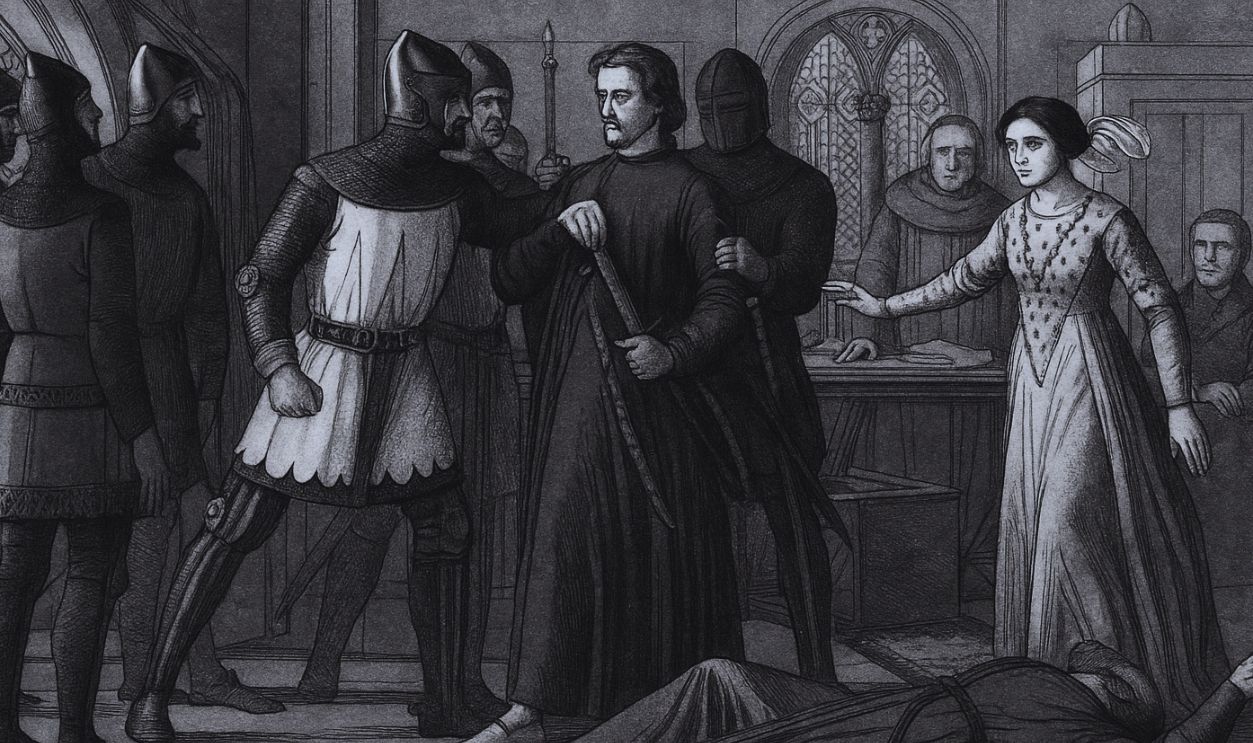
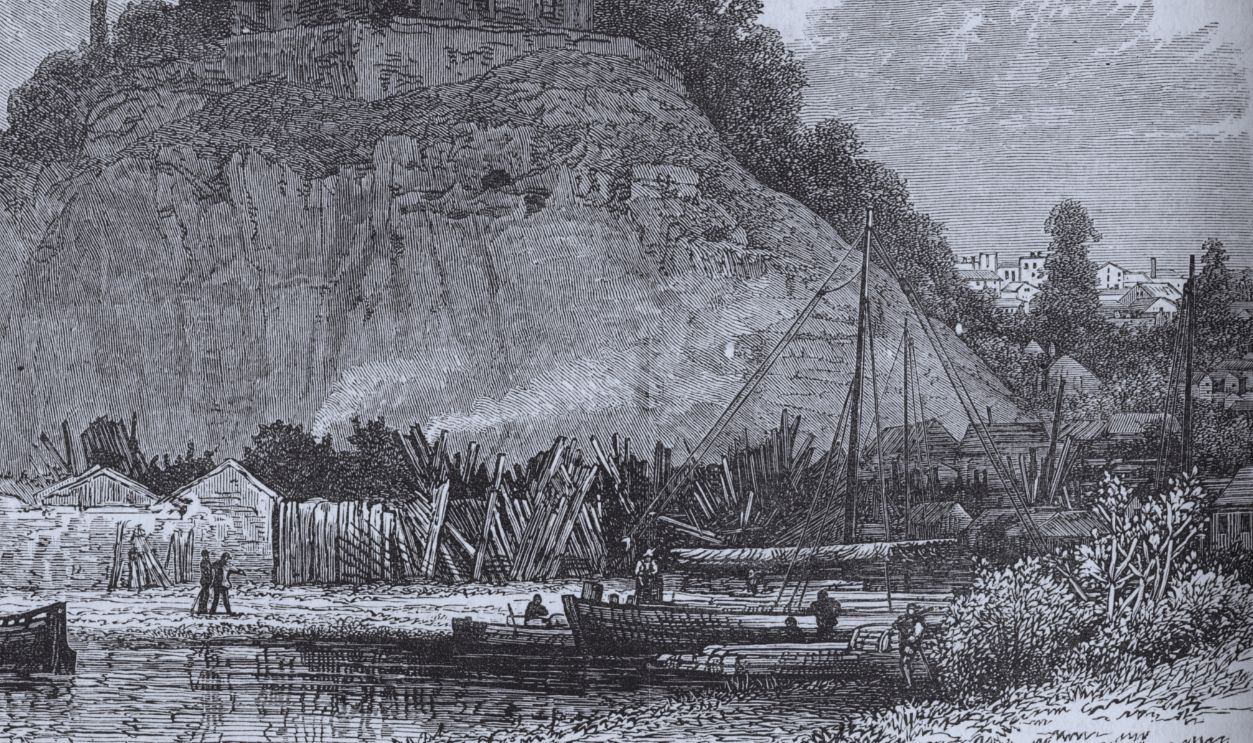
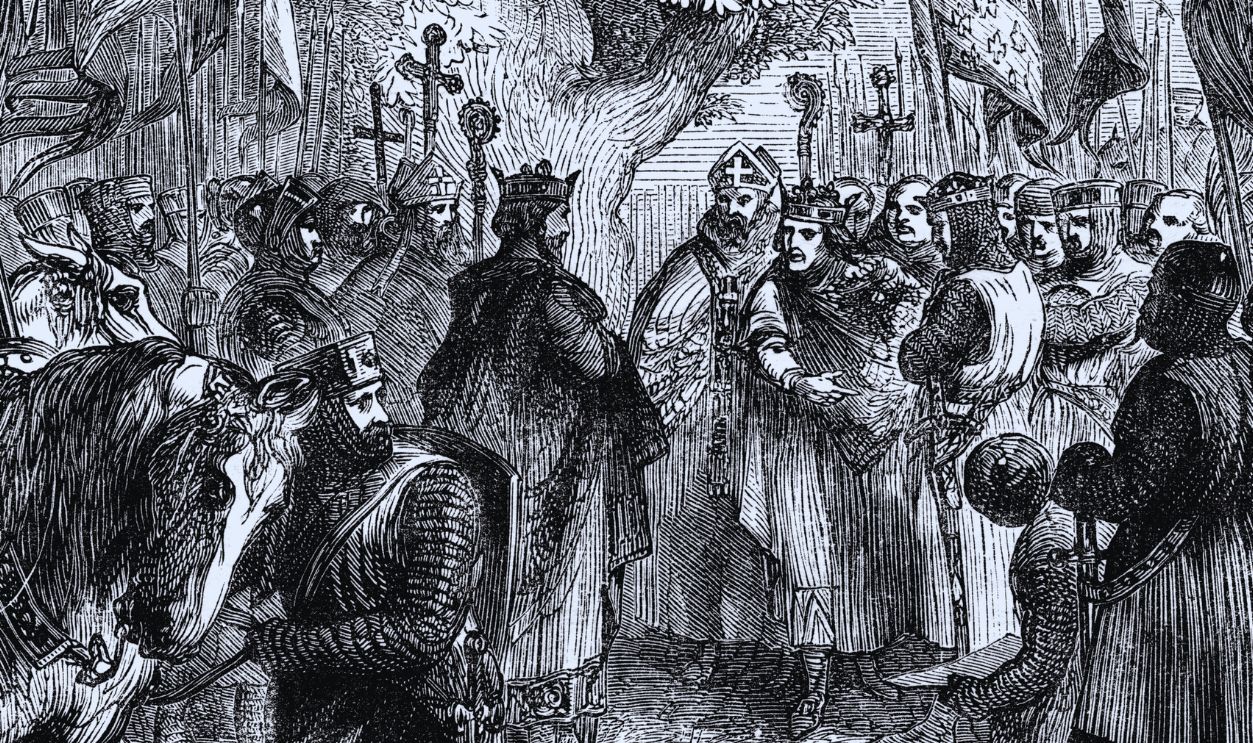
Medieval castles are famous for their hidden twists and turns. Nottingham Castle was no different. Edward utilized an underground tunnel to access the castle and take Mortimer by surprise. Now captured, Edward charged Mortimer with various offenses, including assuming royal power. Edward’s revenge should’ve been swift. However, he had one problem—his mother.
 James William Edmund Doyle, Wikimedia Commons
19. His Mother Begged For Mercy
Isabella was genuinely fond of Mortimer. That softness within her resulted in her pleading with her son to show Mortimer mercy. She begged Edward, “Fair son, pity the gentle Mortimer”. However, Edward couldn’t show Mortimer pity or mercy. He needed to make a point, lest the populace think anyone could overpower him again.
20. He Showed No Mercy
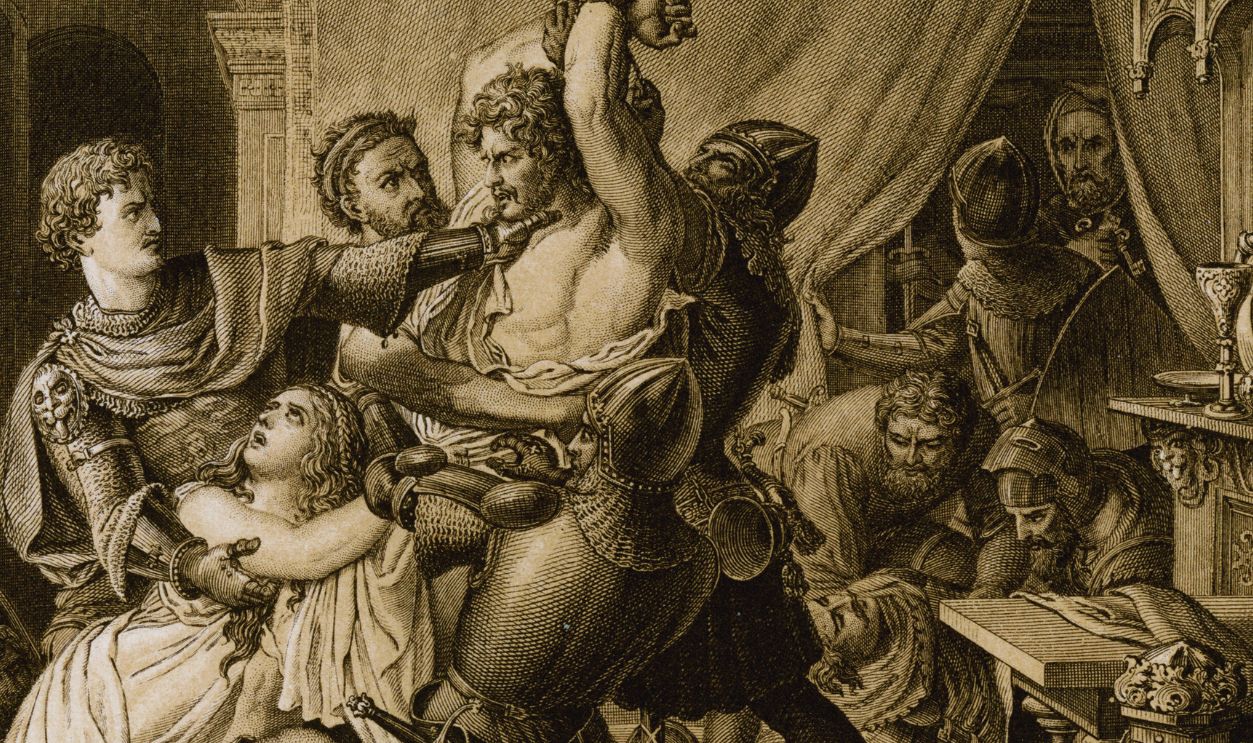
Edward administered swift and fatal justice. Mortimer had no trial. Edward condemned him, sending him to his hanging on November 1330. However, Mortimer’s death wasn’t enough for Edward. To ensure no one got any ideas of overpowering him again, Mortimer’s body was left on the gallows for two days and nights. Edward had the crown. Unfortunately, now he needed to rule.
21. He Had A Royal Problem
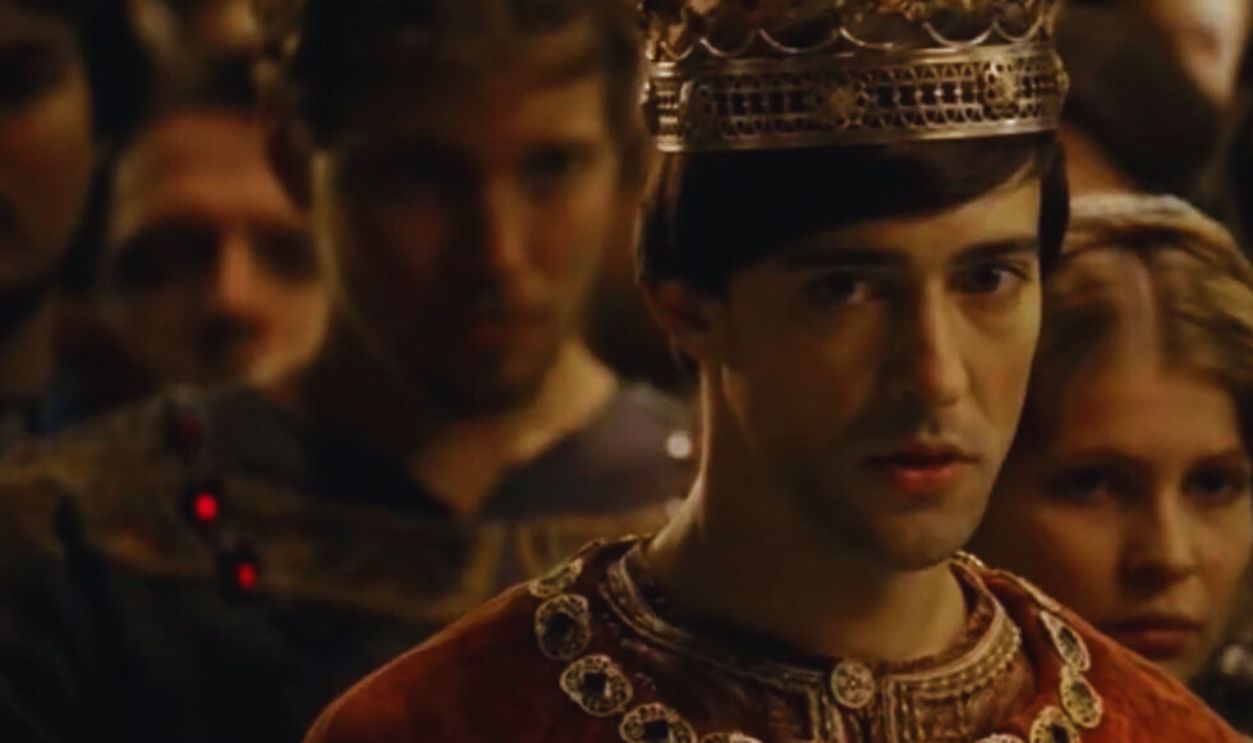
Edward’s parents had royally screwed him over (pun intended). If there was a nobleman that his father hadn’t alienated and turned against the crown, then Mortimer and Isabella had gotten that covered for him. If he learned anything from his parents, it was that a King needed their nobles to hold onto power. Therefore, Edward needed to do something about this problem and fast.
 Tandem Communications, World Without End (2012)
22. He Gave His Friends Handouts
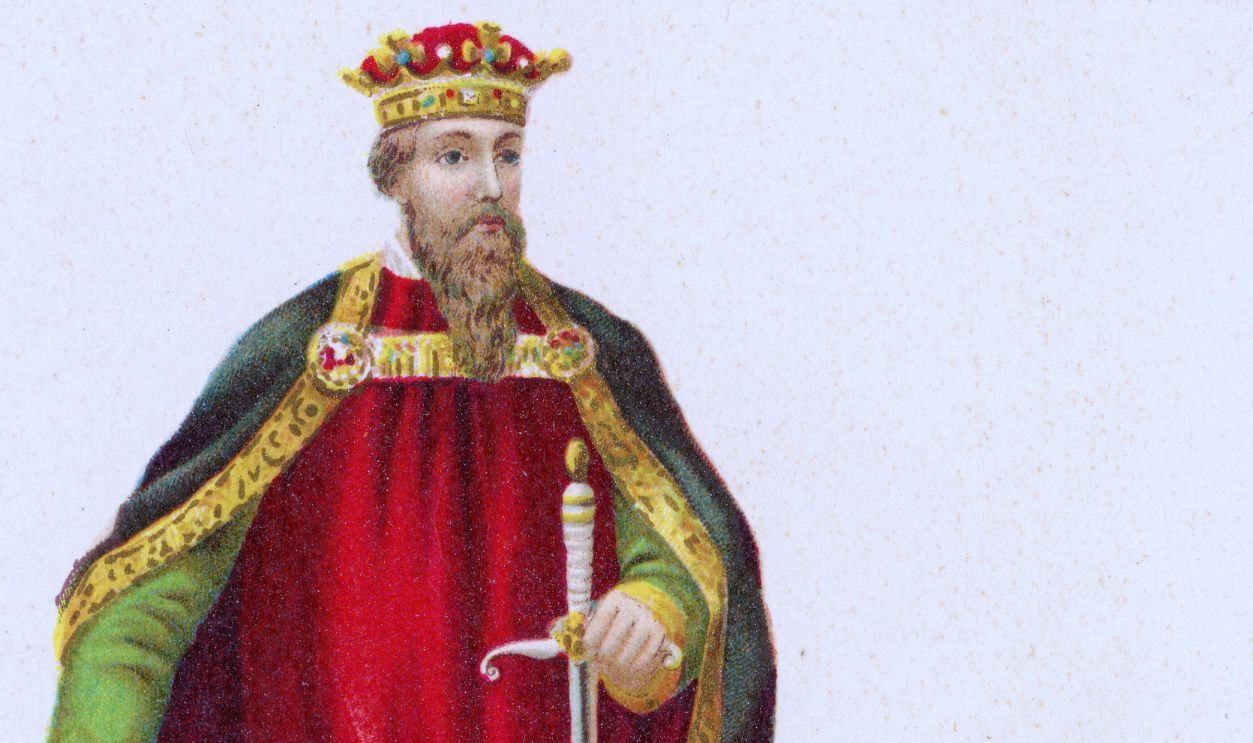
While Edward managed to pacify the existing aristocracy, none of them proved truly loyal; rather, they were tolerant of Edward. Therefore, Edward did what anyone with almost unlimited power would. He simply made new nobility, elevating men who’d already proven their loyalty to him. Edward couldn’t have done this sooner, as an old enemy had come back, knocking on England’s door once more.
 Transcendental Graphics, Getty Images
23. He Needed To Do Something About France
Since the Norman conquest over 250 years earlier, England and France had been locked in a constant battle over English-owned French territory. It had been the Duchy of Aquitaine that allowed Isabella to begin her uprising, and yet again, it was the Duchy of Aquitaine that prompted Edward’s rebellion, soaking both countries in blood for a hundred years.
 Tandem Communications, World Without End (2012)
24. He Refused To Be A Pushover
Understandably, the French kings always got a little testy about England controlling land within their country. In 1337, Philip VI of France decided the time had come to do something about this. Mistakenly taking Edward for a weak and controllable king, Philip took back Aquitaine and the county of Ponthieu. Unfortunately, Philip couldn’t have been more wrong about Edward.
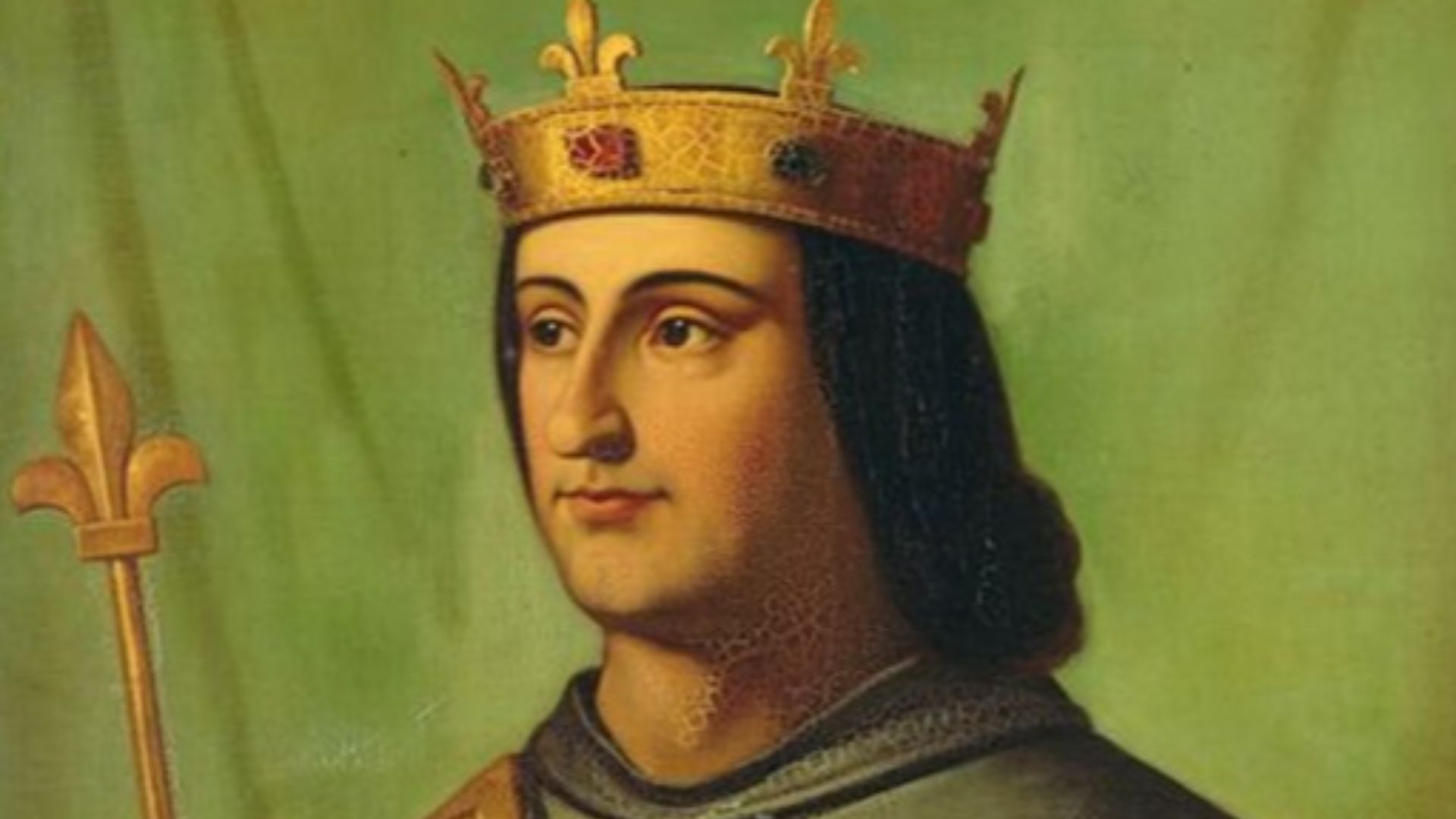 Joseph-Nicolas Robert-Fleury, Wikimedia Commons
25. He Claimed What Was His
Remember, Edward’s mother had been a princess of France. Her father had been King Philip IV, and her brother King Charles IV. When Charles passed in 1328, he left behind no sons. Therefore, his closest male relative was none other than King Edward III of England. At the time, Edward said nothing when France gave the crown to Charles’s cousin, Philip, instead. However, now that Philip had made problems for him…
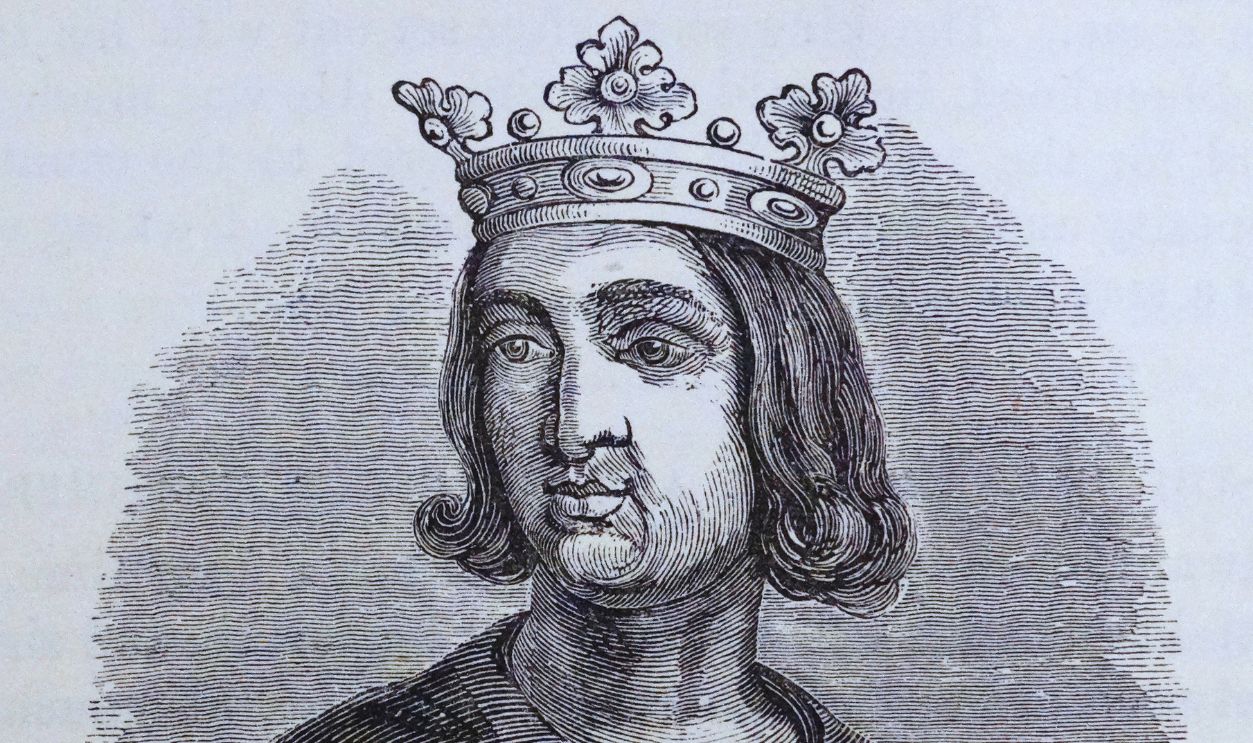 Universal History Archive, Getty Images
26. He Upset The Balance Of Power
As soon as Philip took Edward’s land within France, Edward pulled out his trump card. He laid claim to France’s throne. France and Philip, understandably, had something to say about this. They weren’t going to simply hand over their country to England. With two strong forces facing off against each other, conflict was inevitable. However, no one could imagine just how long the battle would rage.
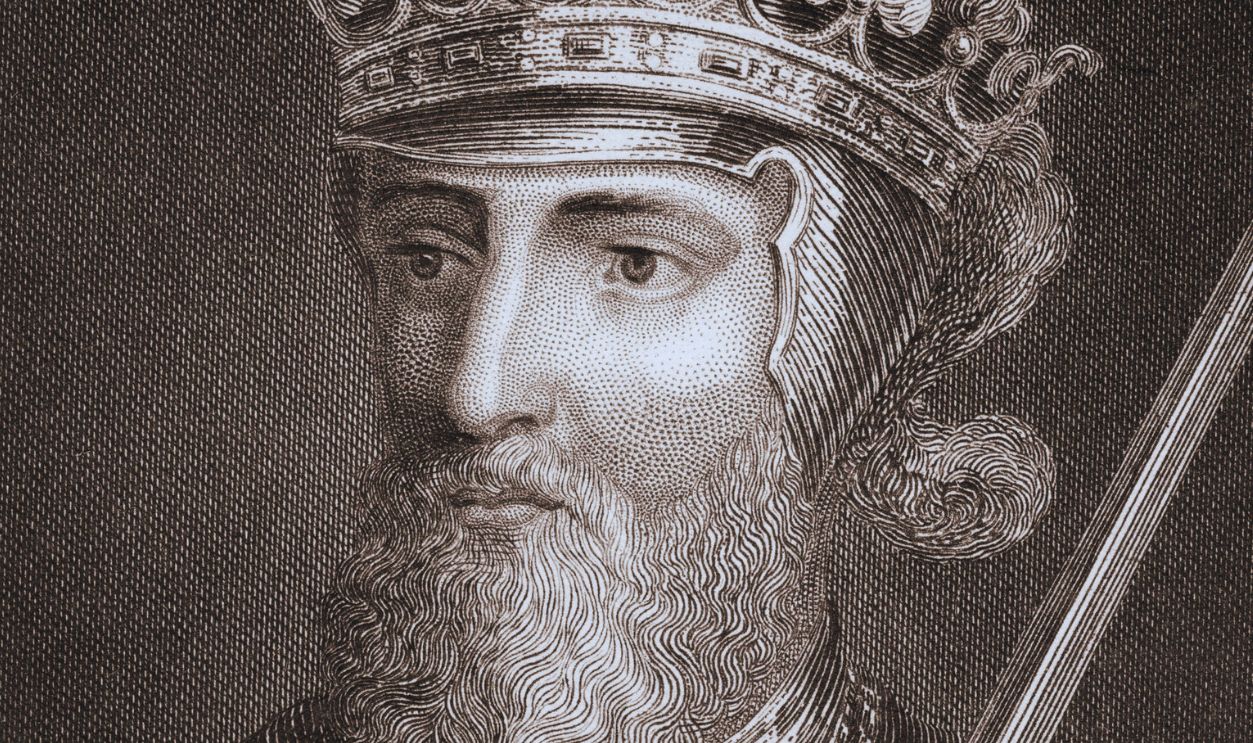 Universal History Archive, Getty Images
27. He Took Charge
With his claim, Edward launched the Hundred Years’ War, not that he realized it at the time. Initially, success remained in Edward’s grasp, likely leading him to assume the matter would soon resolve. Despite having an inferior navy, Edward’s forces managed to overcome the French ships, marking their control of the English Channel in blood.
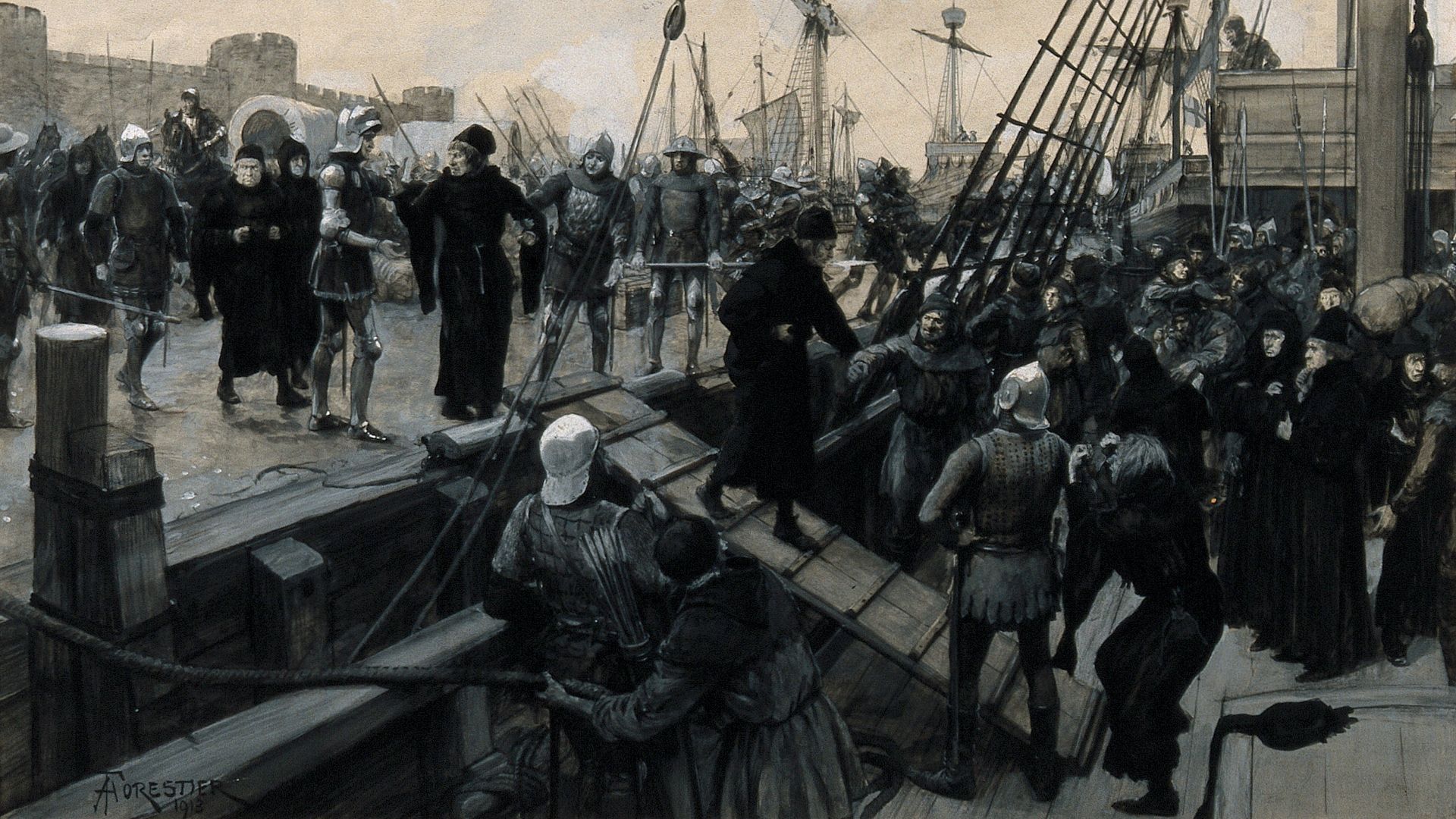
28. He Showed His Power
The French had been ravaging the English coast for several years, and someone had to pay the price for the suffering that the French had caused the English. Captured French Captain, Nicolas Béhuchet, provided the English with the perfect opportunity. Instead of ransoming him, Edward had his men execute Béhuchet, hanging his body from his own ship’s mast. Edward's victory was undoubtedly grisly.
Too bad he had a problem at home that stopped him from advancing further into France.
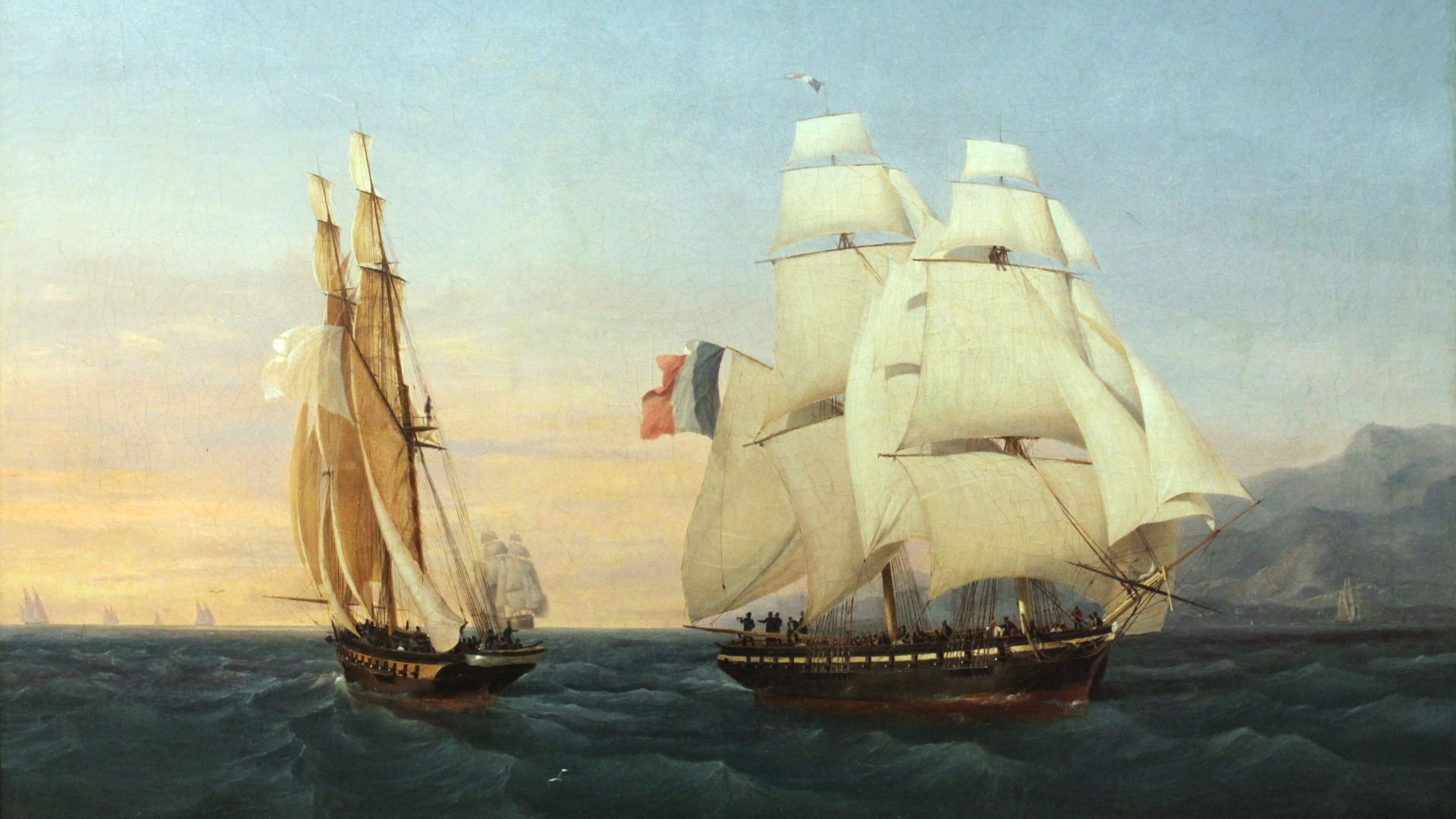 Ambroise Louis Garneray, Wikimedia Commons
29. He Needed Money
England was broke. War was expensive, and Edward continued to rack up more and more debt. Returning to England, Edward intended to solve the problem as any king would: just tax his people. Unfortunately, his nobles had other ideas. The standoff between Edward and his nobles was relatively brief. Yet, he still couldn’t return to his fight.
 Universal History Archive, Getty Images
30. His Country Was Infected
As soon as Edward solved his money problems, another problem arose: plague. Yet again, Edward saw significant success in France, and yet again, problems at home called him back. As the “Black Death” ravaged England, it forced Edward home to deal with the sudden loss of men across the country. However, France never remained out of Edward’s mind.
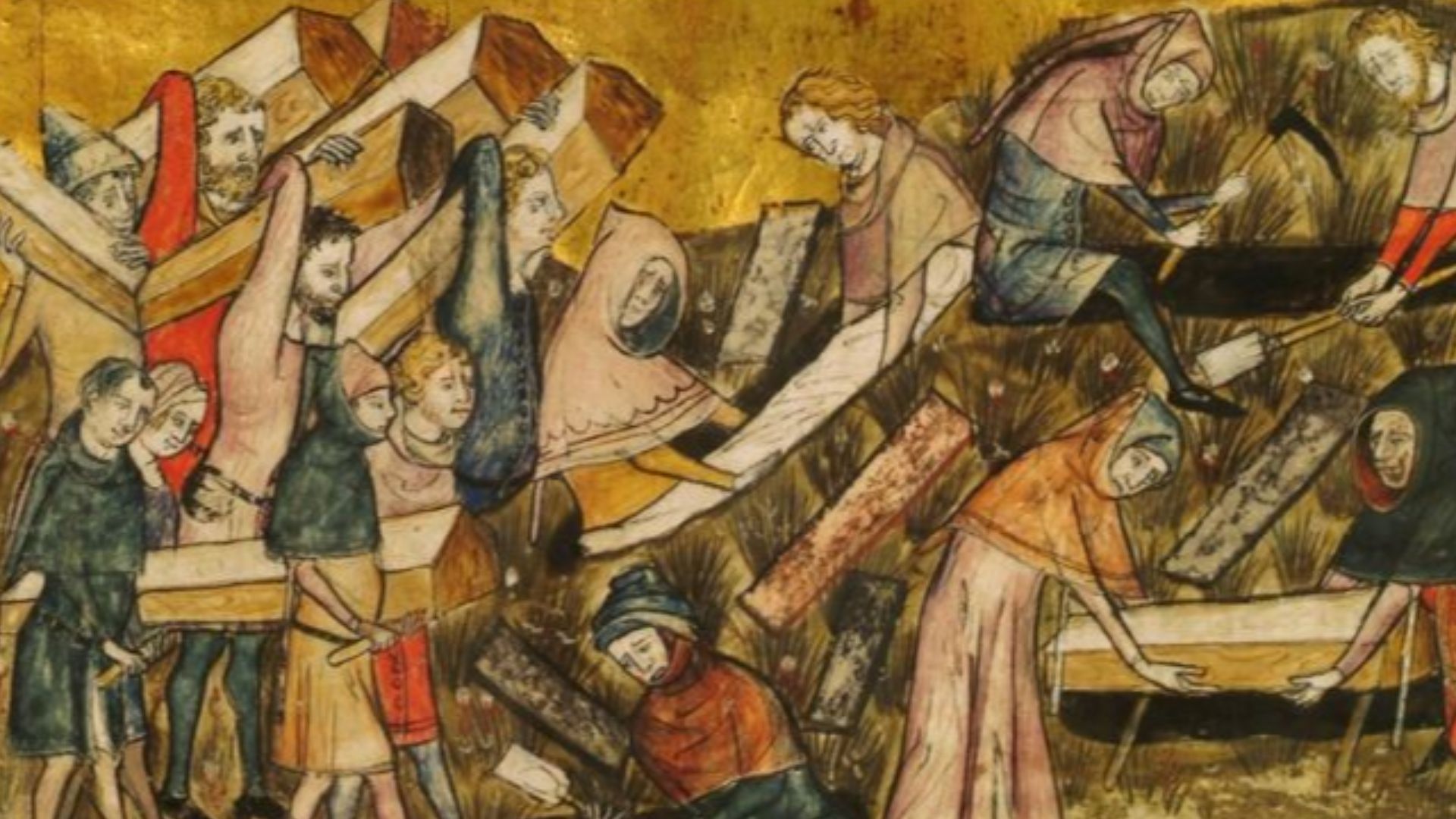 Pierart dou Tielt (fl. 1340-1360), Wikimedia Commons
31. He Kept His Eye On The Prize
While the plague slowed Edward down, it didn’t stop him. By the mid-1350s, the pestilence had been contained, and Edward returned to France, ravaging the land as much as plague had ravaged the world. Edward took back significant land, captured the French King and his son, and held the French Government in a vice. It looked like Edward finally had France in his grasp—or did he?
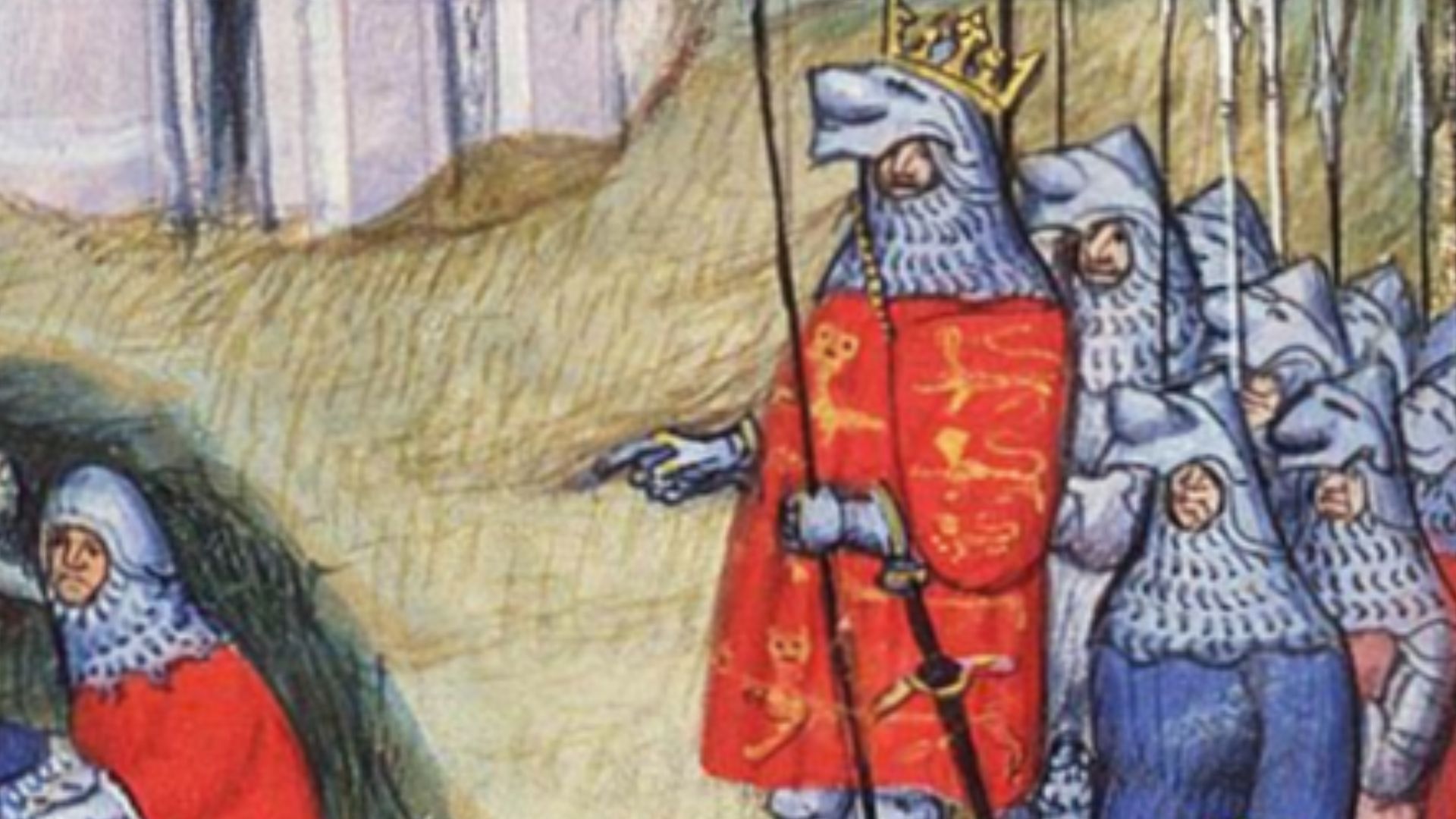 Virgil Master (illuminator), Wikimedia Commons
32. He Could’ve Had It All
Some historians feel Edward initially never intended to take the French throne. Yet by this point, it seemed very likely Edward could’ve taken it. However, Edward’s final push for the throne fell by the wayside. In the end, he settled. He left the French their throne, so long as they left him his original French lands. Edward was a hero. Unfortunately, this would be Edward’s last taste of glory for the rest of his life.
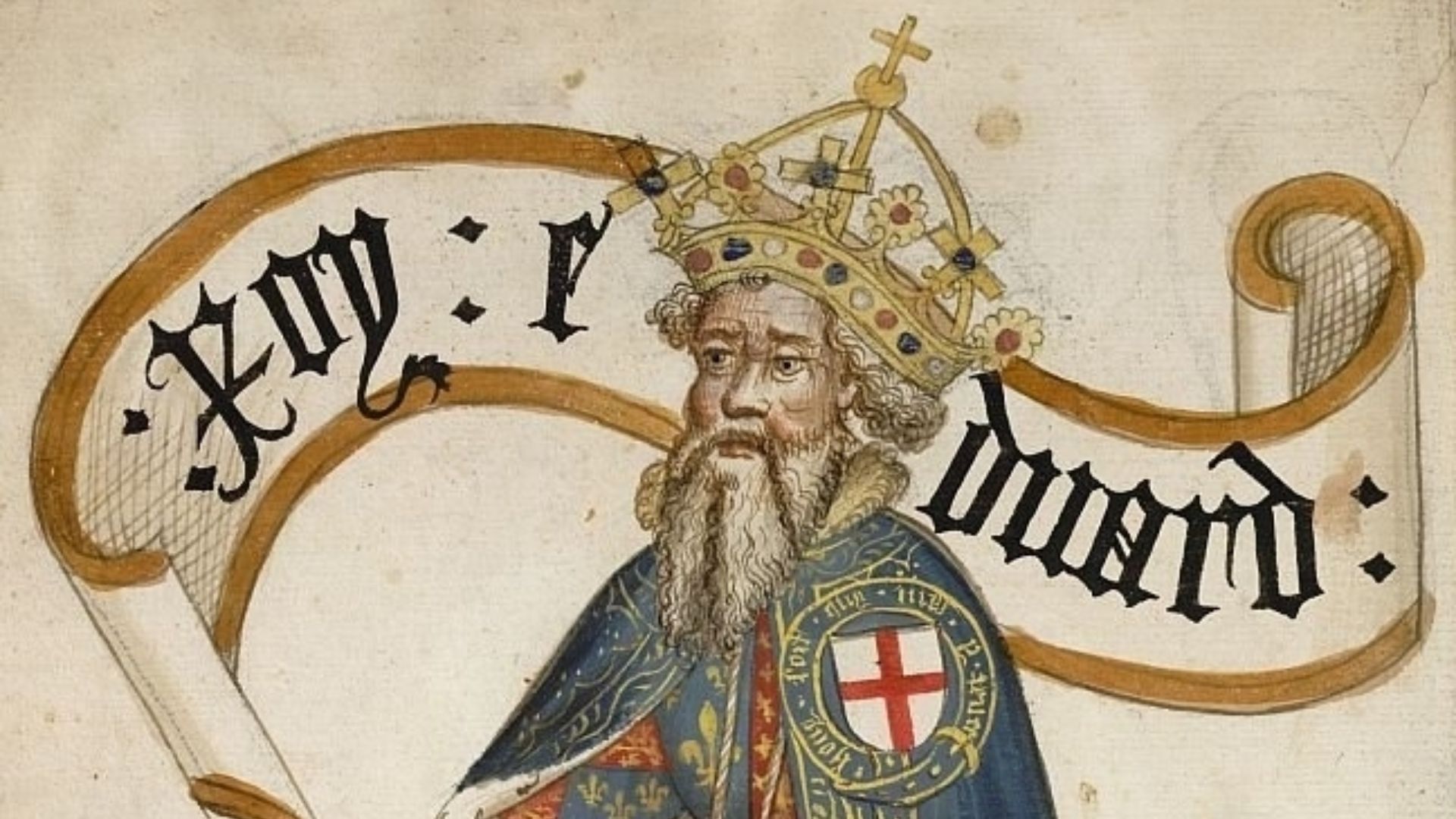 William Bruges, Wikimedia Commons
33. He Was Loyal To His Wife
Mistresses are par for the course in a royal marriage. When someone arranges your marriage, one can only expect some eyes to start to stray. However, Edward proved to be the exception to the rule. For most of their marriage, evidence suggests Edward remained loyal to Philippa. That is, until one woman changed everything.
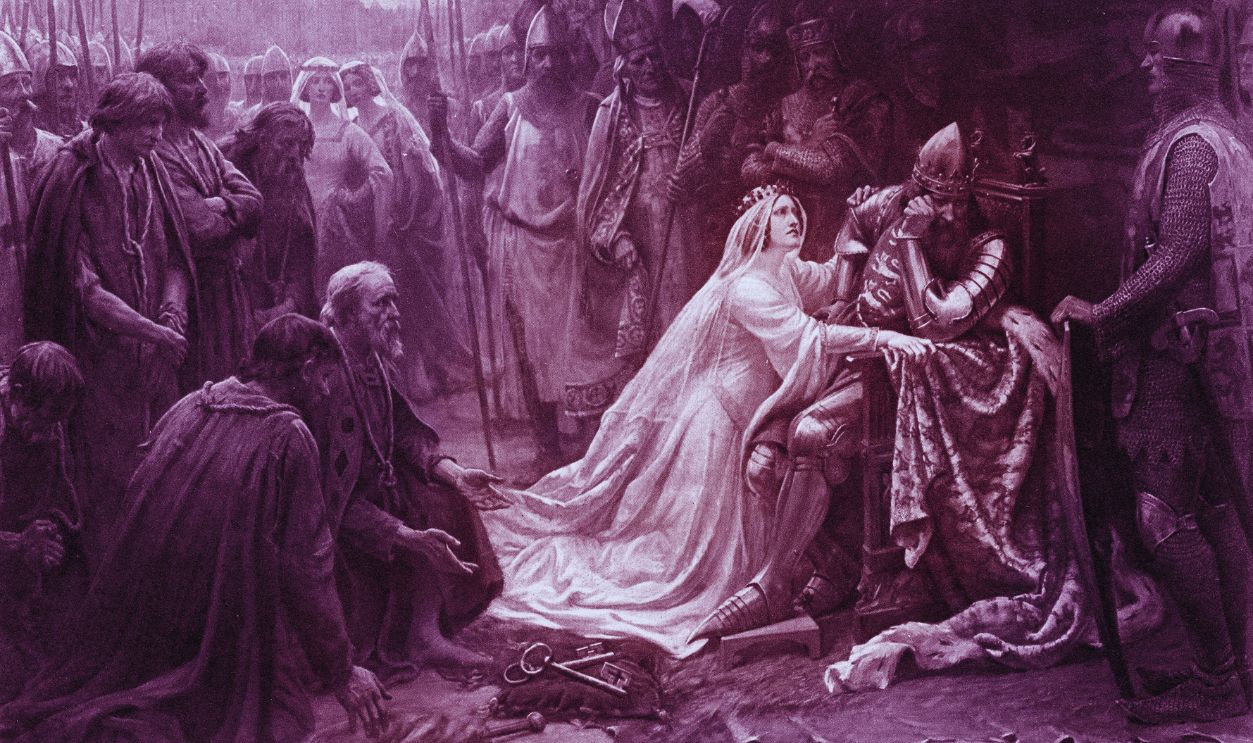
34. He Let A Woman Have Everything
Alice Perrers is a woman of mystery. With no birth records remaining, her ancestry remains a point of contention among historians. Some argue she was of low birth, while others claim that it was merely contemporary slander. However, records can prove that she entered Queen Philippa’s household sometime before 1359. Her quick and savvy political mind soured Edward’s image forever.
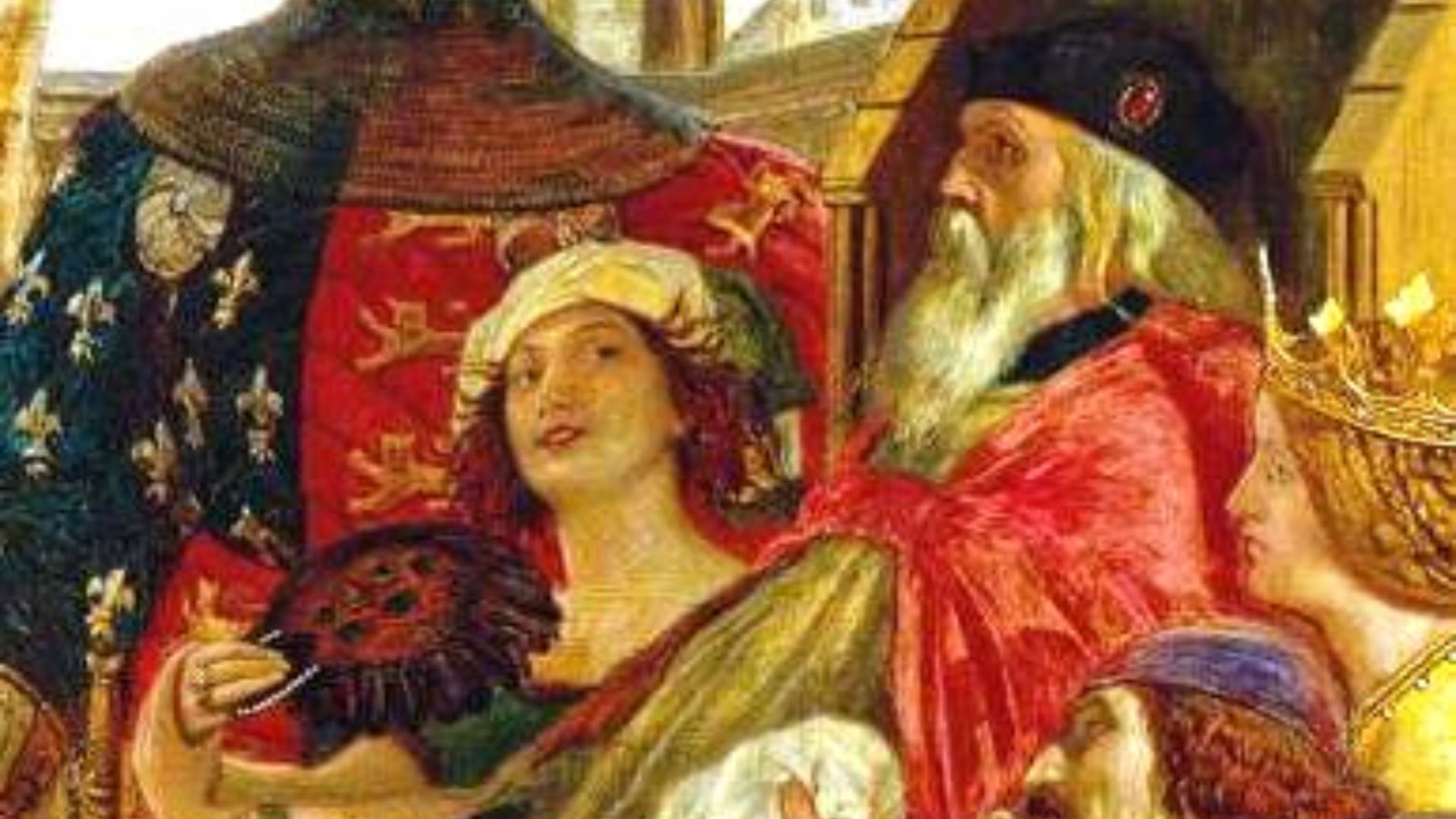 Ford Madox Brown, Wikimedia Commons
35. He Had An Eye For Younger Women
In 1366, Edward was 55 years old. His wife, Philippa, was also in her late 40s or early 50s, and by most records already in rapid decline. Alice Perrers was 18 years old—the perfect age for a declining Edward to take up with. In the first three years of their relationship, they certainly were productive.
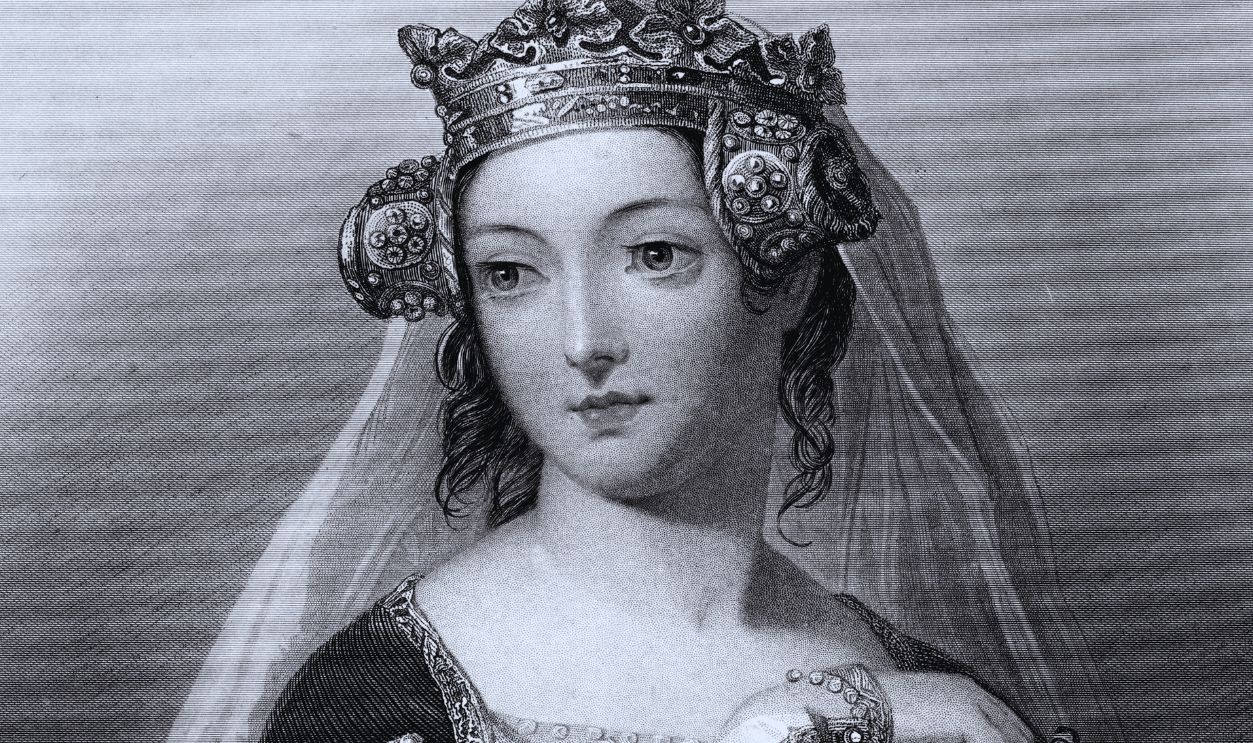
36. He Couldn’t Control Himself
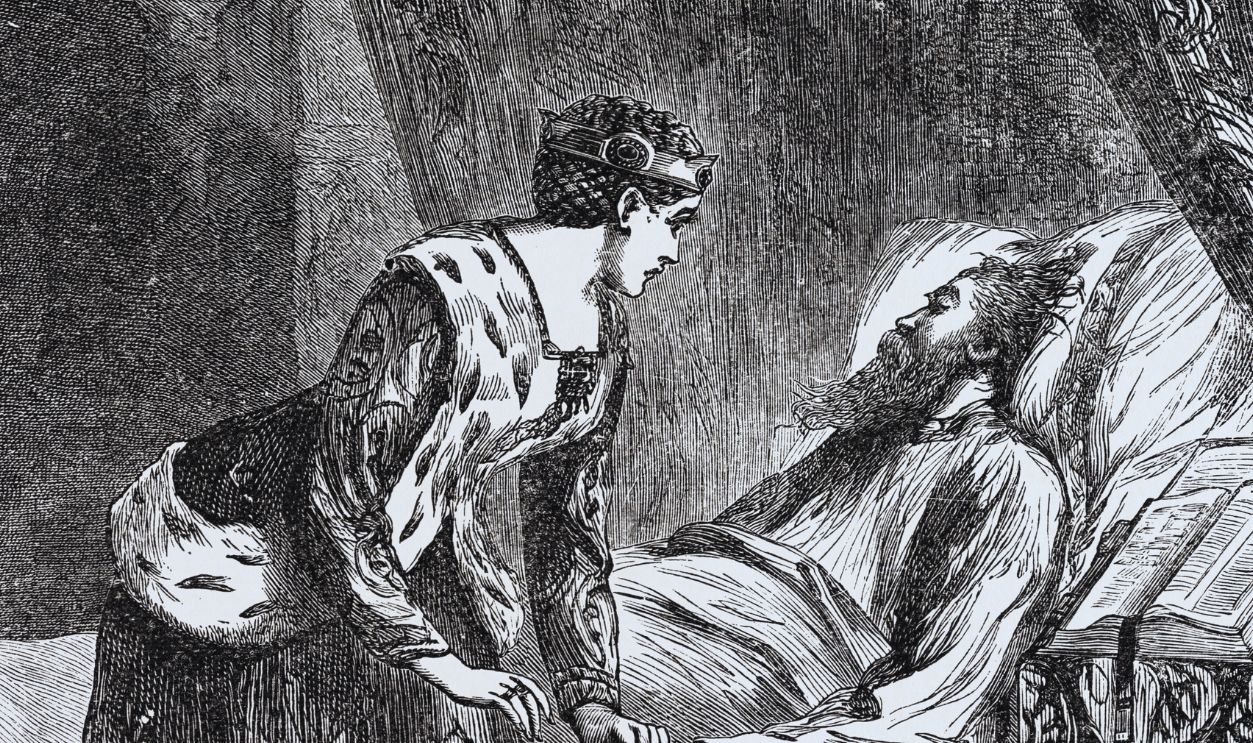
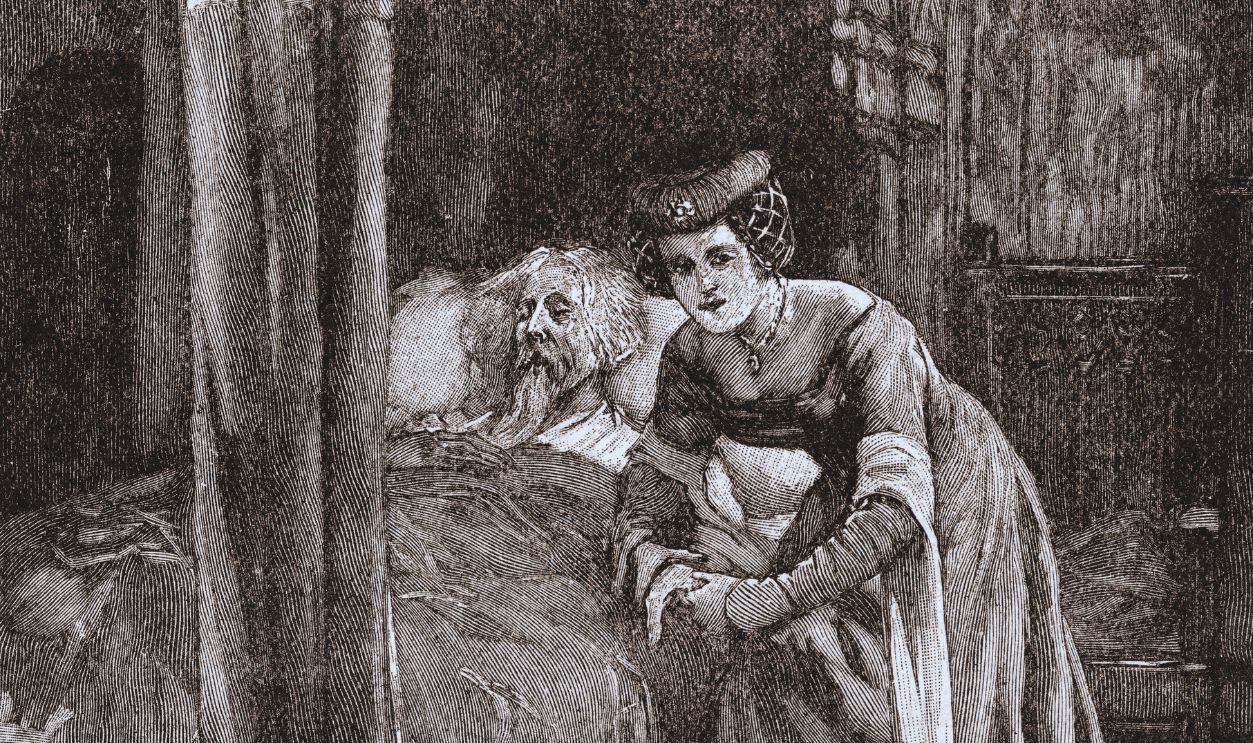
From 1366 to 1369, records show Alice to have birthed three babies, all illegitimate children of Edward. No more births followed after 1369, but that year saw great personal tragedy for Edward. Queen Philippa succumbed to illness, leaving Edward shattered. In his heartbroken state, he needed a shoulder to cry upon. Thank goodness, Alice Perrers was right there.
 Universal History Archive, Getty Images
37. He Made Her The Center Of His World
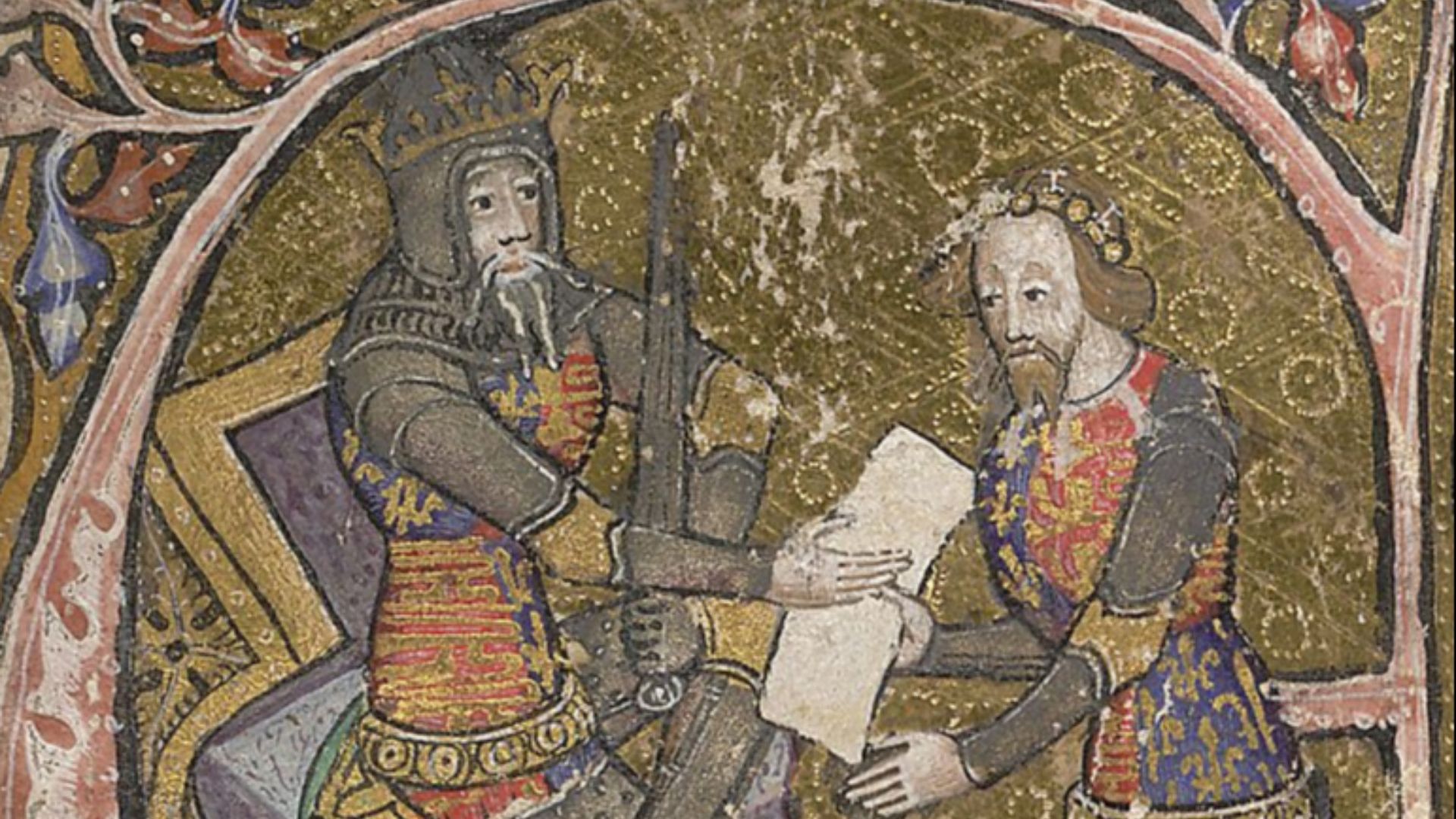
Once Philippa had left him, Edward turned all of his attention towards Alice. He showered her in gifts, including manor houses spanning 25 countries, and thousands of pounds worth of jewels, many of which had once belonged to Queen Philippa. The men closest to the King watched in horror as the King continued to bestow this “low woman” with queenly virtues. They needed to do something, quick.
 Unknown authorUnknown author, Wikimedia Commons
38. He Was Out Of Control
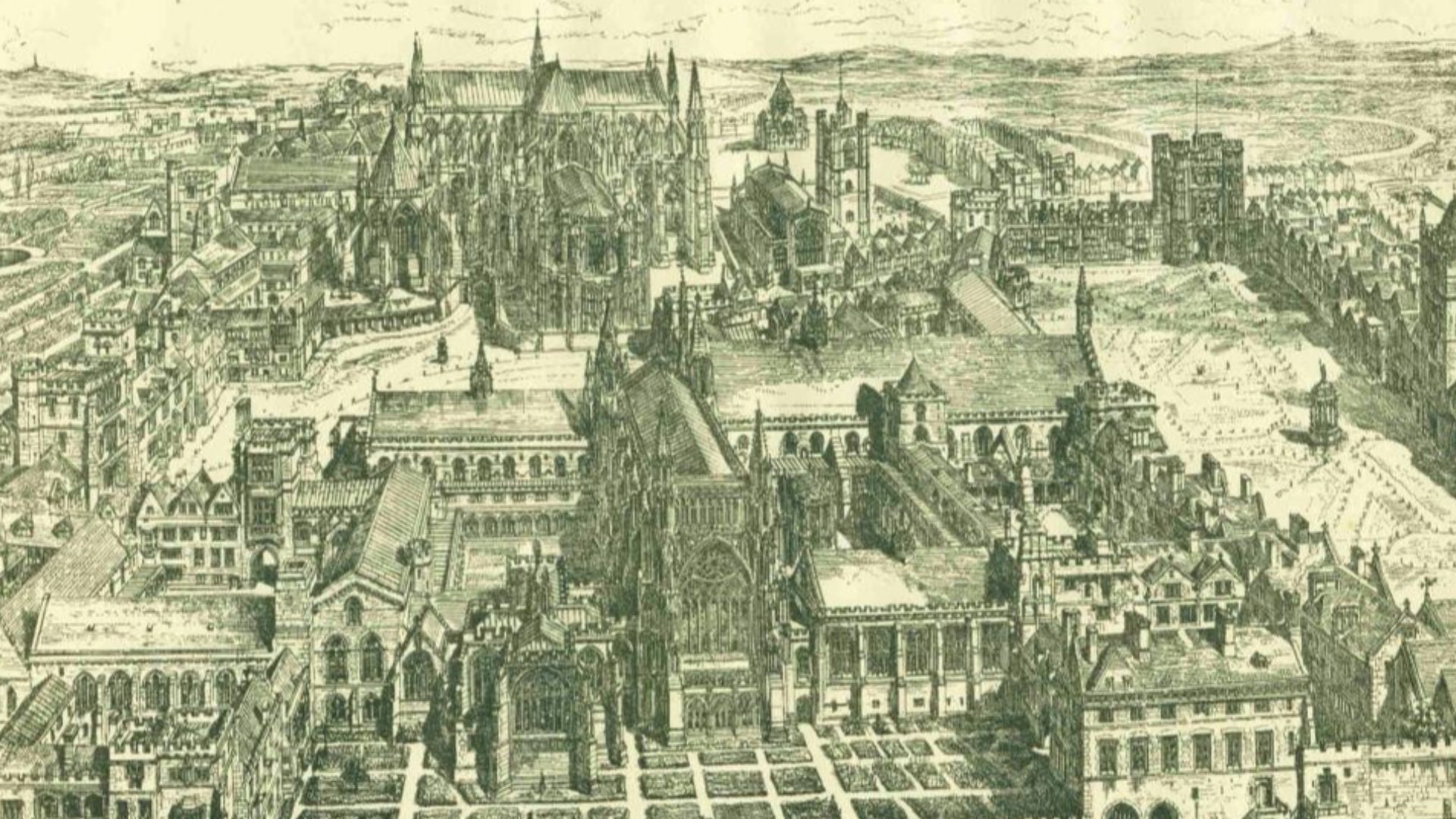
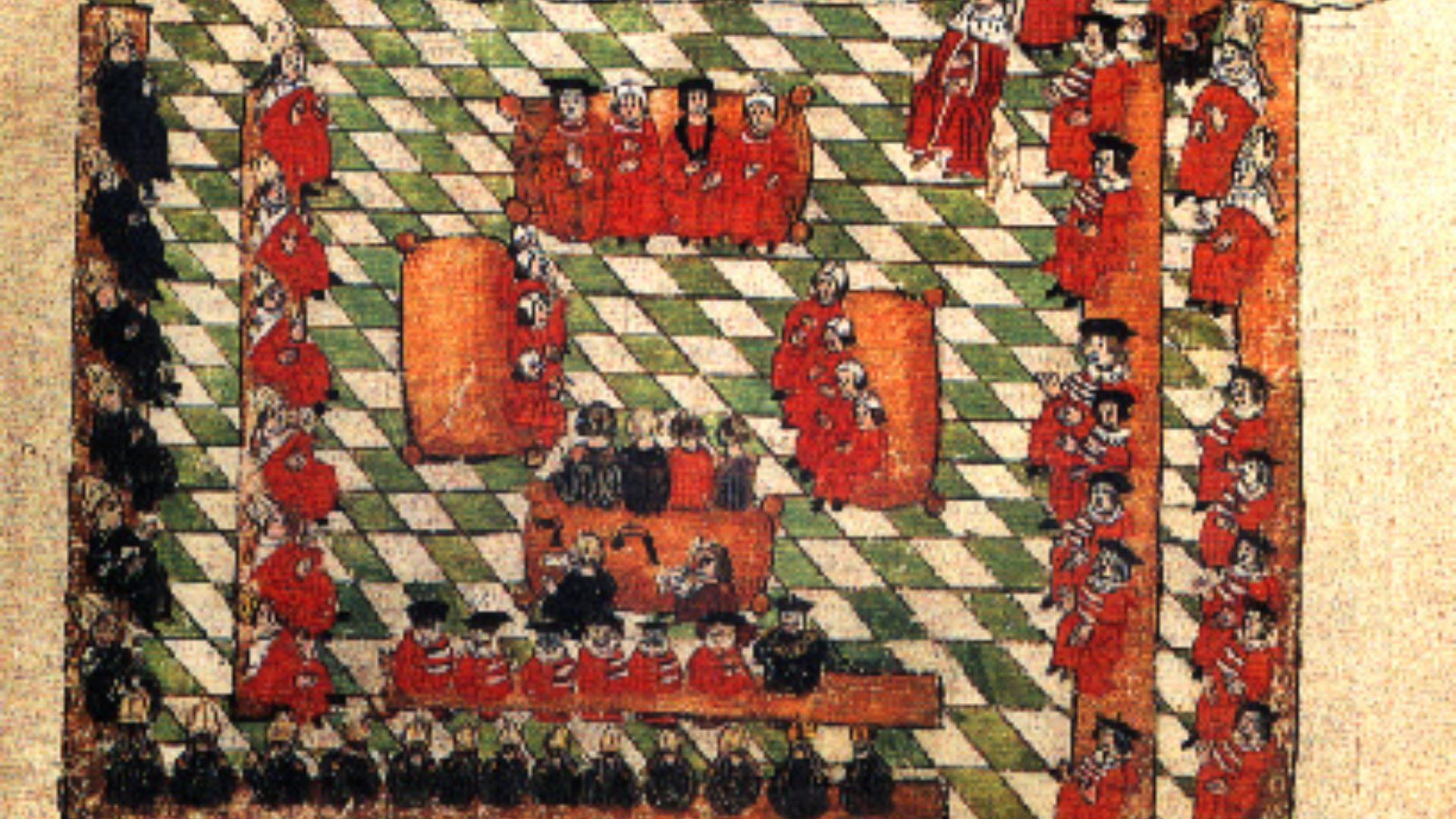
Edward had one of the longest reigns in English history, totaling 55 years. The problem with this is that Edward lived long enough to see everything that he built come crumbling down around him. His mental state declined as he aged, something Parliament felt Alice took advantage of. That’s one of the many reasons that Parliament gathered in 1376 to finally put a stop to Edward’s carelessness.
39. He Needed To Be Contained
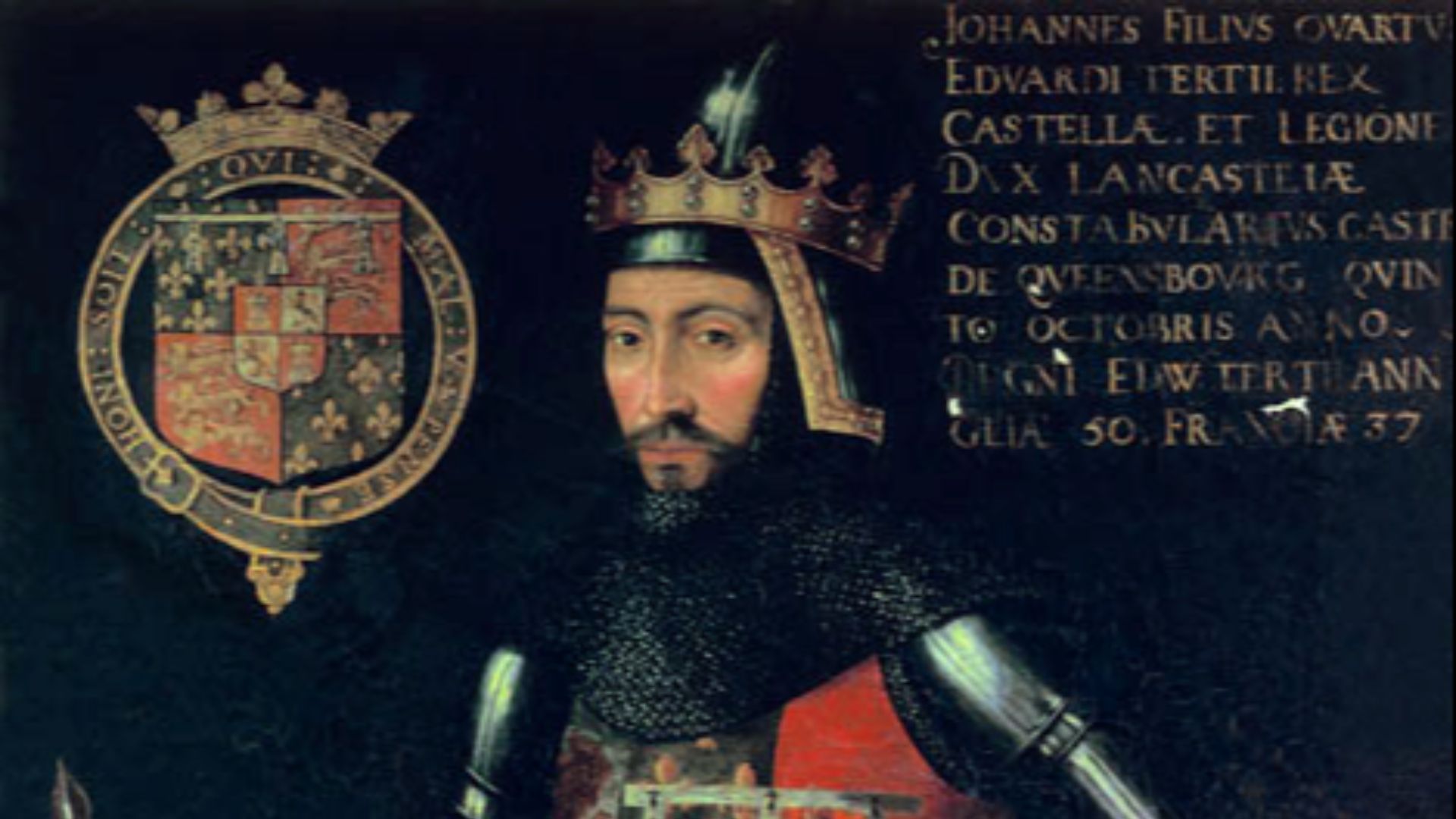
Officially, the “Good Parliament” had been held to discuss taxes. However, once they were gathered, they took the opportunity to air out all of their problems. With both Edward and his eldest son weakened by illness, his son, John of Gaunt, was in charge—and sadly, John stood at the helm as during this unfortunate period of political decline.
 Lucas Cornelisz de Kock (1495–1552), Wikimedia Commons
40. He Lost His Love
Several of the King’s closest advisors lost their positions during the Good Parliament. However, the biggest wound to the ailing King came through the direct attack on his beloved Alice. The nobility saw Alice as a scheming interloper, taking advantage of their fragile, elderly king. As such, they made a move against her.
41. He Couldn’t Save Alice
Accused of various offenses, including stealing from the royal treasury, the Good Parliament succeeded in banishing Alice from the royal household. Edward had no power or energy left to fight. Therefore, Alice was sent away. However, the banishment did not last for long. She returned within the year. Not that it mattered. Edward’s end was already on the horizon. However, as we'll see, Alice didn't waste a change to betray her king one last time.
 Universal History Archive, Getty Images
42. He Created A Legacy
A king’s legacy depends greatly on his ability to create a stable dynasty. Edward understood this. During his 41 years of marriage to Philippa, the couple managed to produce 10 surviving children, including five sons who lived into adulthood. This enabled Edward to ensure his line would live on. However, it caused unexpected problems as well.
43. He Earned His Family’s Respect
To Edward’s credit, he did something that few kings before or after him managed to succeed at doing. Despite having five healthy sons who lived into adulthood, he managed to rule without his family falling apart. None of his sons began to feud with each other during his lifetime. What happened after his lifetime was another matter entirely.
 Alan Strayler, Wikimedia Commons
44. He Spent The End In Decline
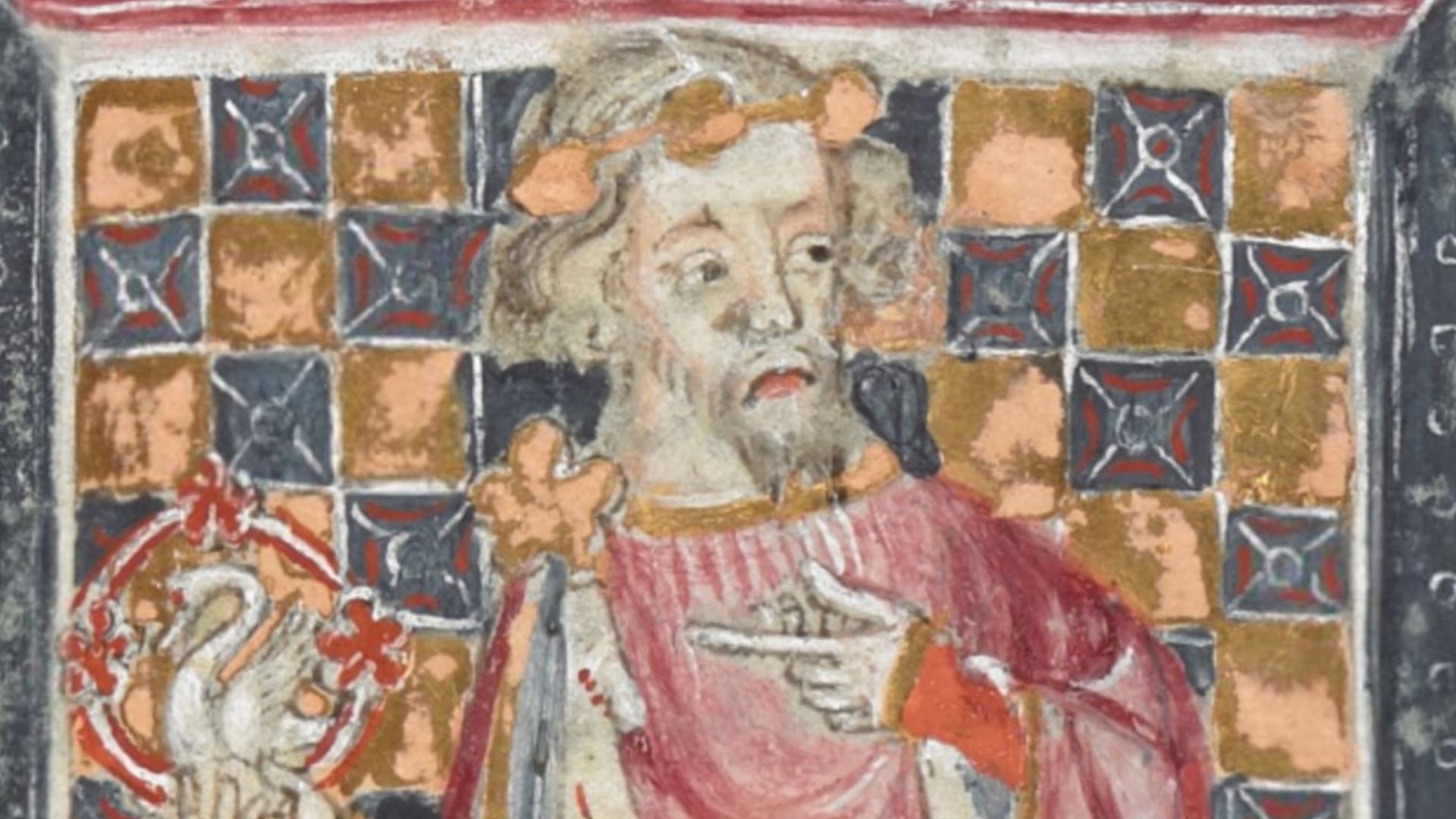
Despite the glory of his early life, Edward spent his final years in decline and disgrace. His failing health ensured that his sons, not himself, provided the firm hand that guided government in his final years. In the end, Edward passed quietly after suffering a stroke in June 1377. Enter: Alice.
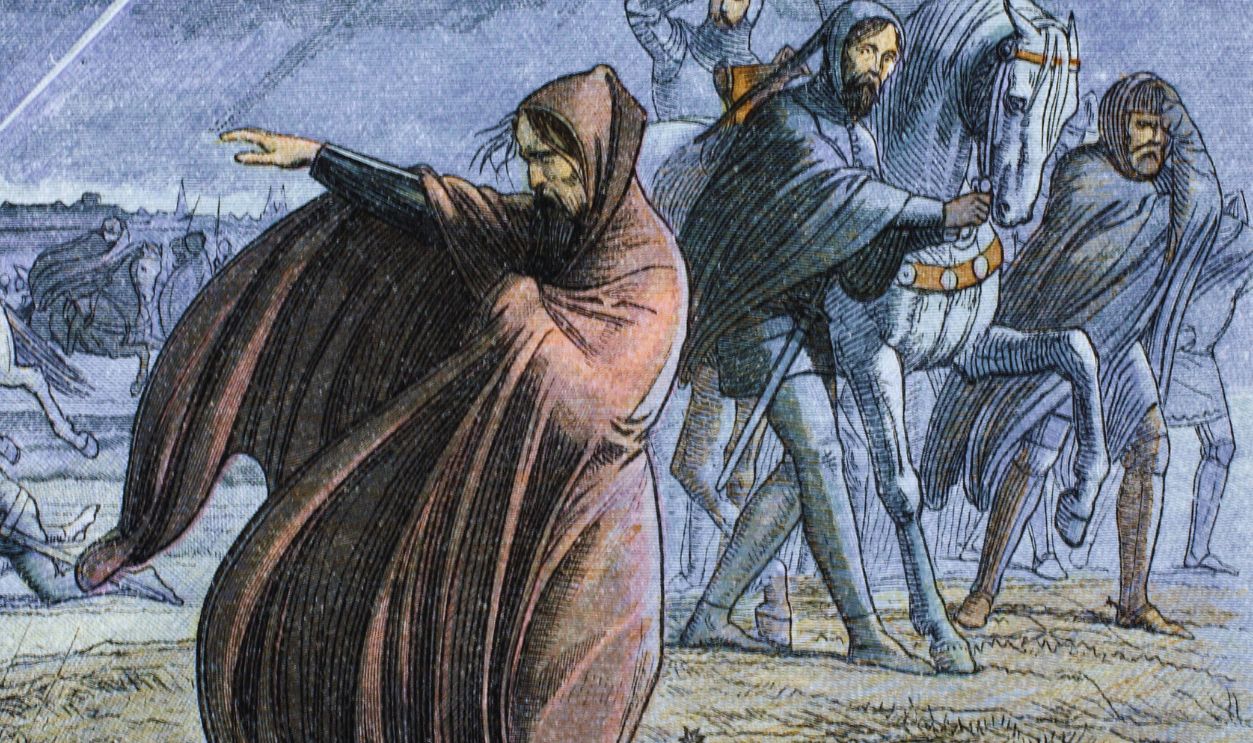
45. His Mistress Stole His Rings
Somehow, Edward's mistress, Alice, managed to make the history books for one more jaw-dropping reason. Sources claim that she went so far as to snatch the rings from Edward's lifeless hands—her greed knowing no bounds.
Clearly, in death, Edward had no more agency. However, he did make one final decision before he left the world—and it changed the course of history forever.

46. He Left His Mark On England
Up until a year before Edward’s passing, all expected his eldest son, Edward of Woodstock, to become King. Unfortunately, the Black Prince, as contemporaries called him, predeceased his father, leaving Edward with too many children, just as many grandchildren, and complete uncertainty about where they’d turn next.
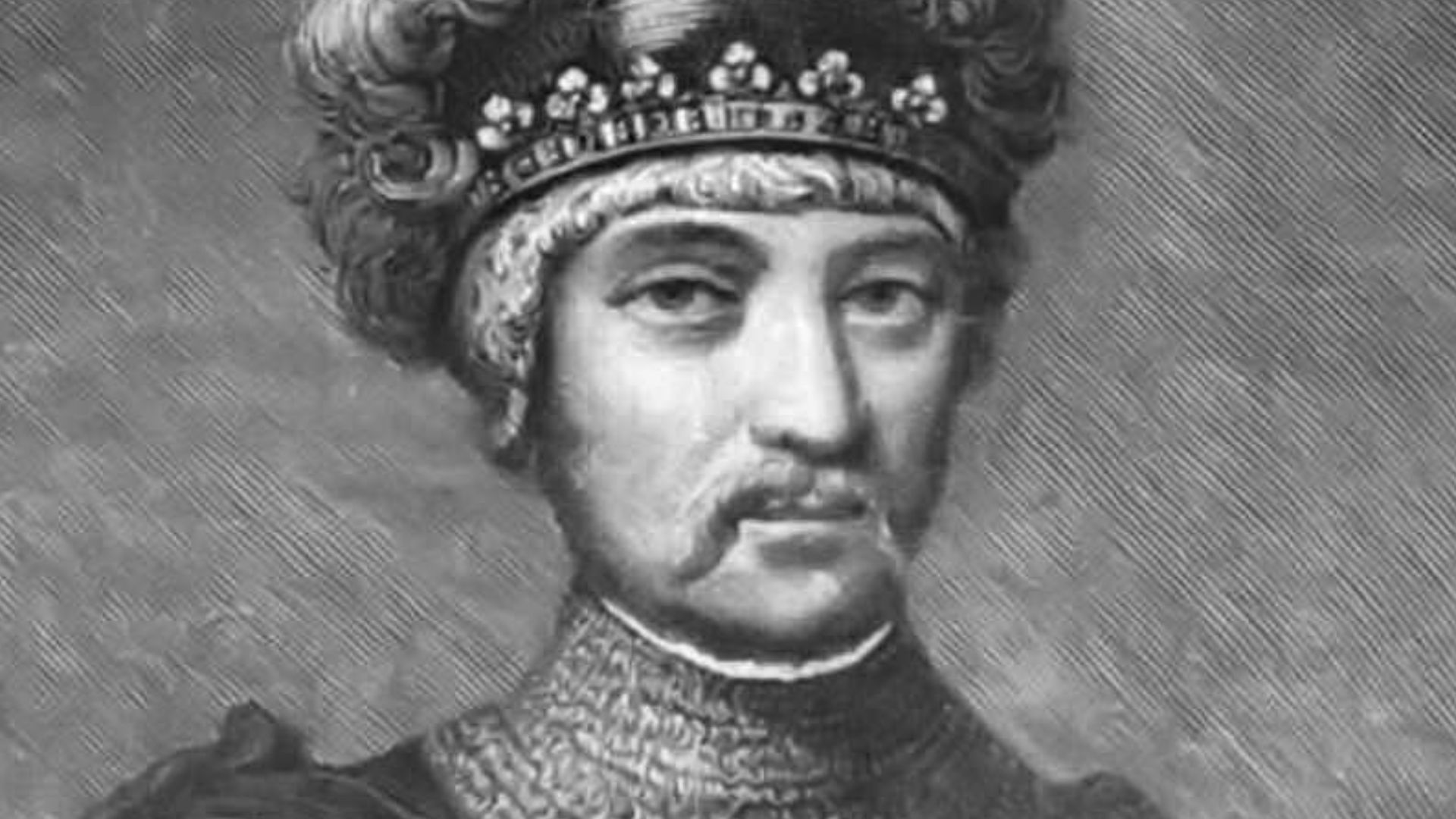
47. He Neglected His Family
In an attempt to curb the chaos, Edward signed legal documents outlining the official line of succession following his passing. In these documents, the Black Prince’s son, Richard II, succeeded his grandfather. After this, the line went to his third son, John of Gaunt, Duke of Lancaster, completely ignoring a whole branch of his descendants.
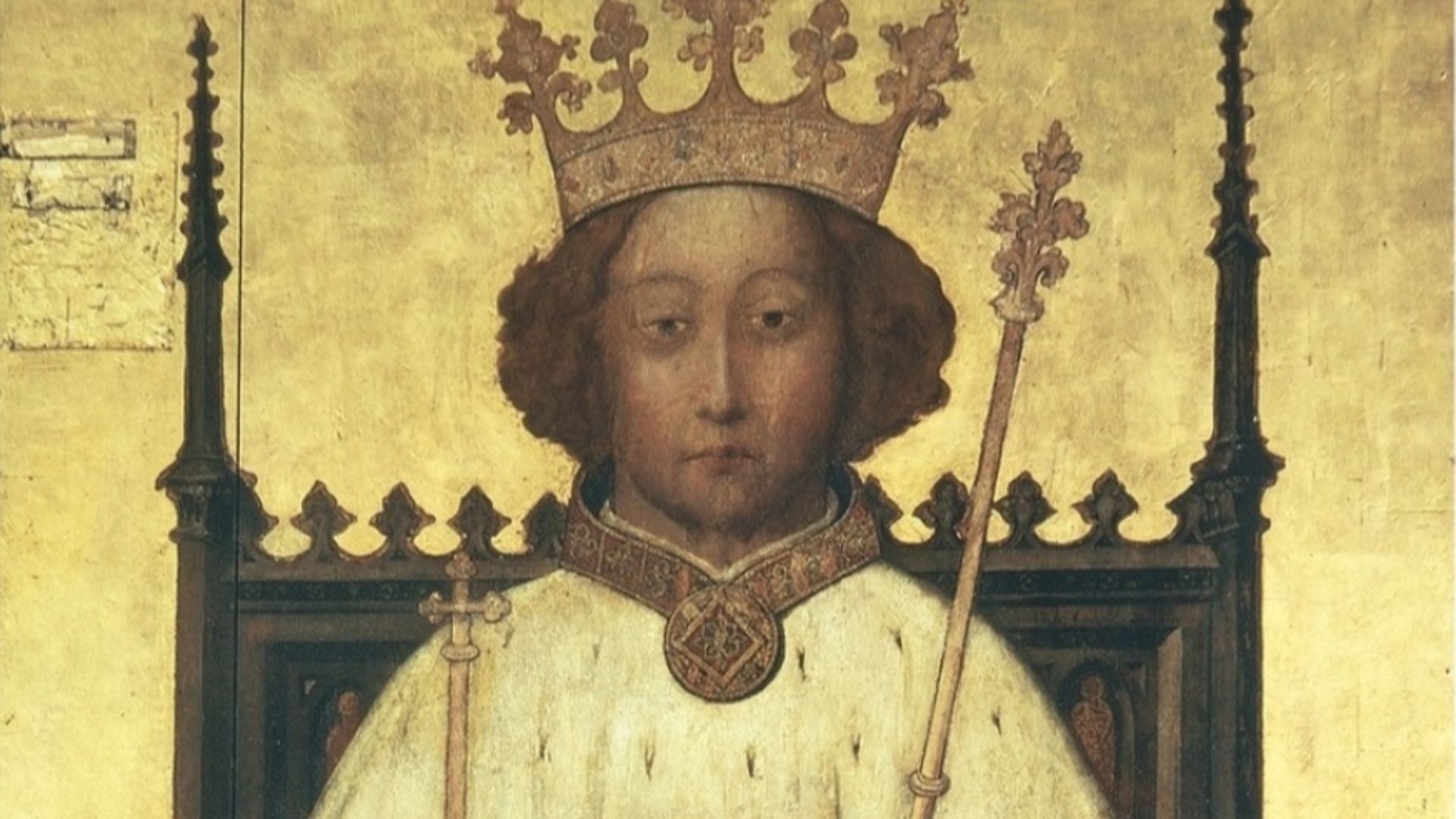 anonymous / Possibly Andre Beauneveu, Wikimedia Commons
48. He Created A New Conflict
Edward I had set a precedent nearly 100 years earlier that indicated a woman could inherit the crown. However, when drafting his line of succession, Edward III disregarded this, passing over his granddaughter via his second son, Lionel of Antwerp. Edward thought he was making matters clear. He couldn’t imagine that he may have set the stage for another conflict, almost another 100 years in the future.
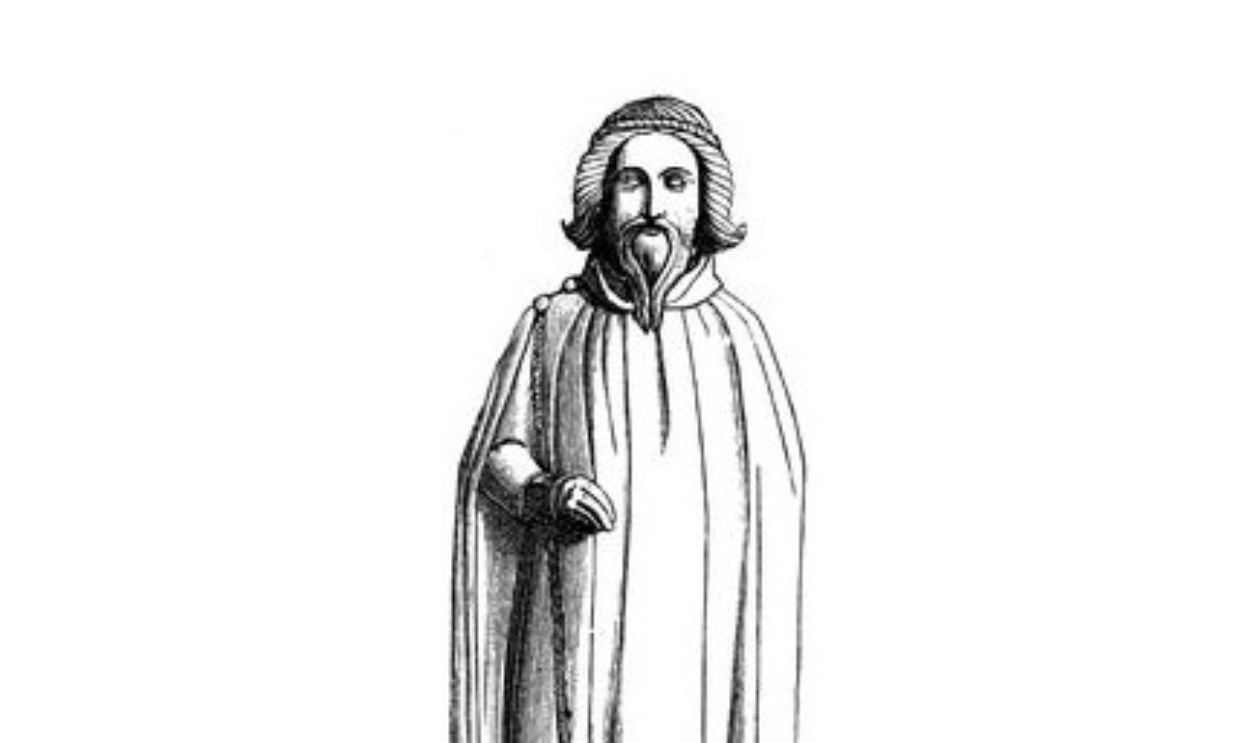 HISTORY OF ENGLAND by SAMUEL R. GARDINER (1829-1902), Wikimedia Commons
49. His Actions Set Everything In Motion
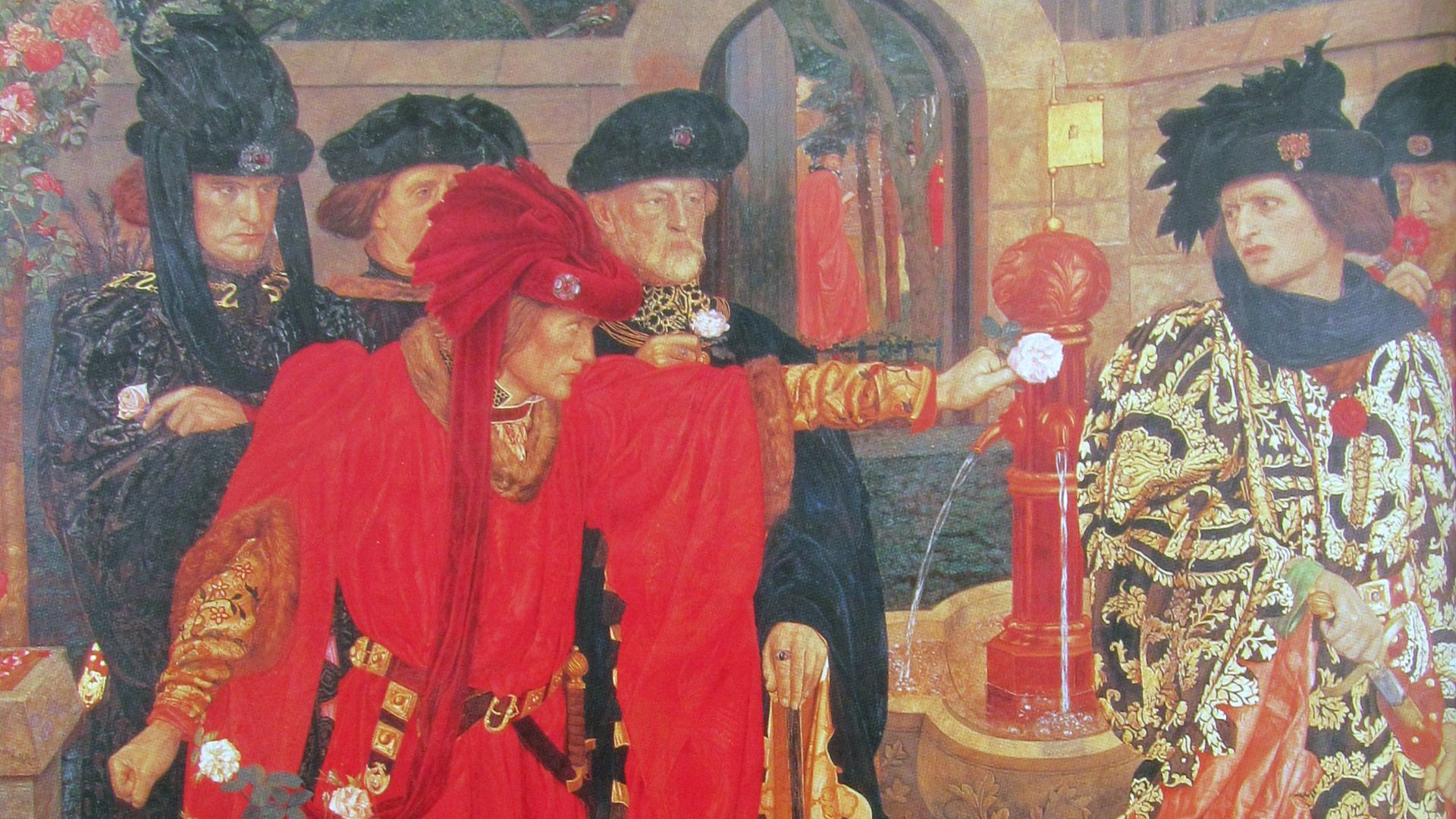
Through his line of succession, Edward ensured that the House of Lancaster became the ruling dynasty. Whereas favoring his descendants through his granddaughter, Philippa, would’ve led to the rise of the House of York. Unbeknownst to Edward, many often argue that his actions are the source of the famed War of the Roses between the two houses. He also birthed England, literally.
 Henry Payne, Wikimedia Commons
50. He’s Impossible To Avoid
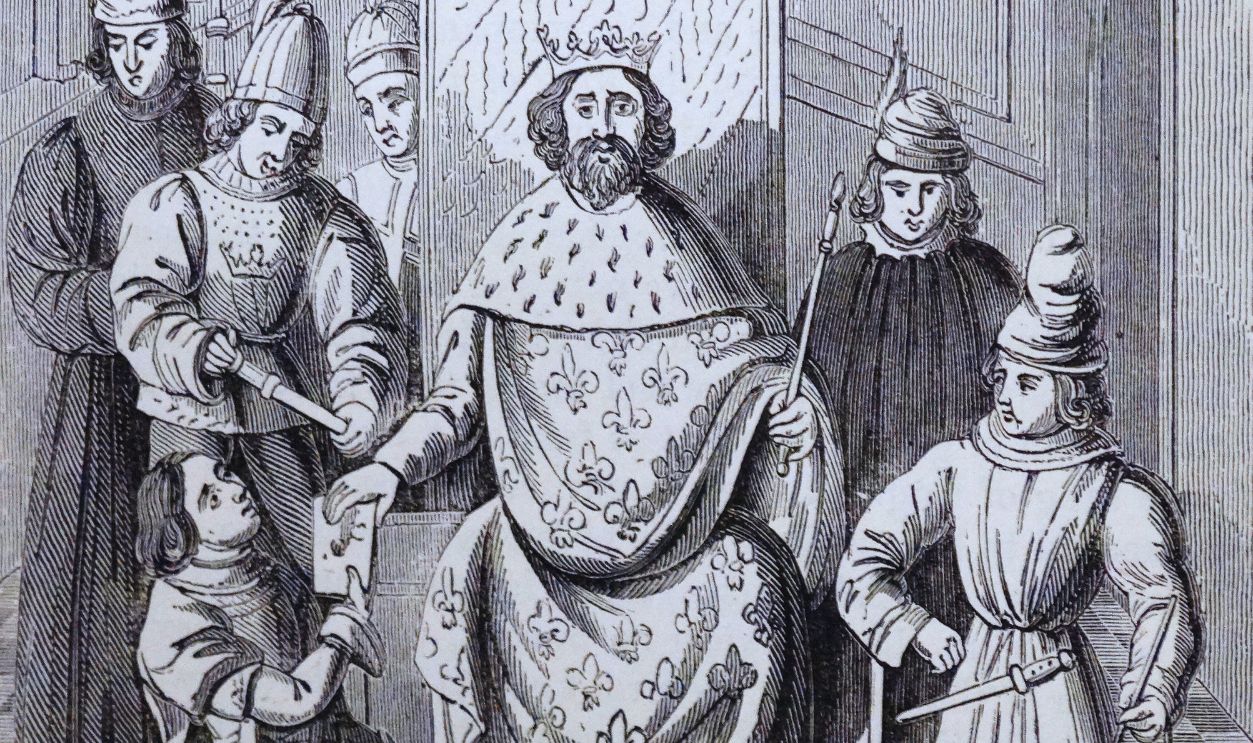
Edward’s children produced so many heirs that it’s impossible to throw a stone within England and not hit someone who likely shares some blood with Edward III. A geneticist proposed that Edward had over 300 great-great-grandchildren, which led to over 20,000 descendants by 1600. This number only grew as time went on.
51. His Memory Is Everywhere
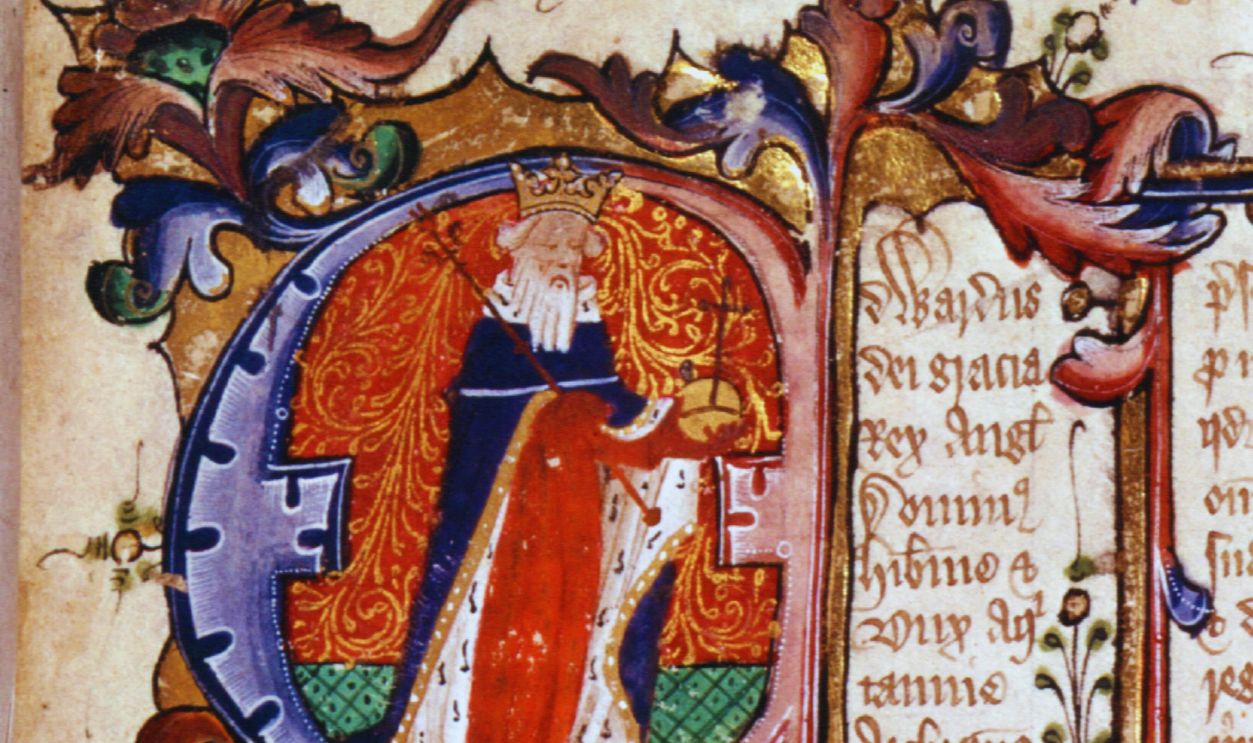
Today, it is believed that it is “virtually impossible” not to share ancestry with Edward III if your background is primarily British. Much of what Edward created in his lifetime has since fallen apart. Despite the prophecy of his birth, he’s faded into history, just another one of many. However, in this small way, Edward continues to live on, just a little bit, in every person who shares his DNA.
You May Also Like:
The Woman Who Went Up Against Queen Elizabeth—And Won
The Cautionary Tale Of History’s Tyrant King