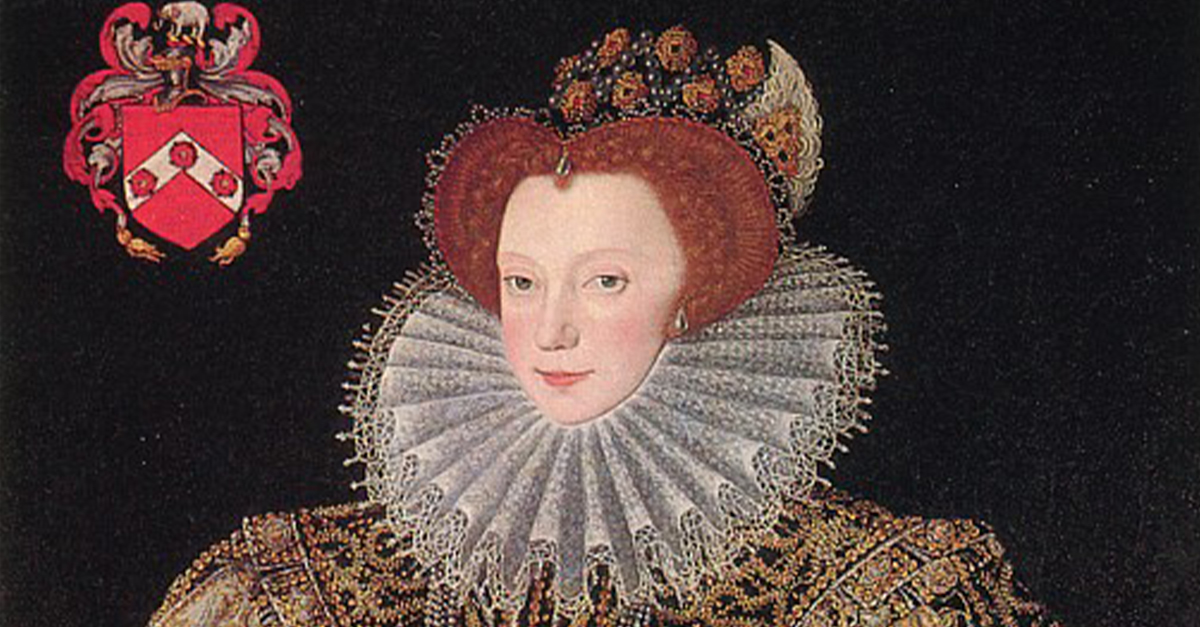
The Wild Life Of Lettice Knollys
A woman in power is always a threat, but that went double in Elizabethan England. So when beautiful, wealthy, and educated Lettice Knollys managed to snag the hand of Queen Elizabeth’s favorite courtier—and rumored lover—Robert Dudley, the Queen took her down an infamous peg. Knollys’s tragic life did the rest.
1. Her Family Were Connected
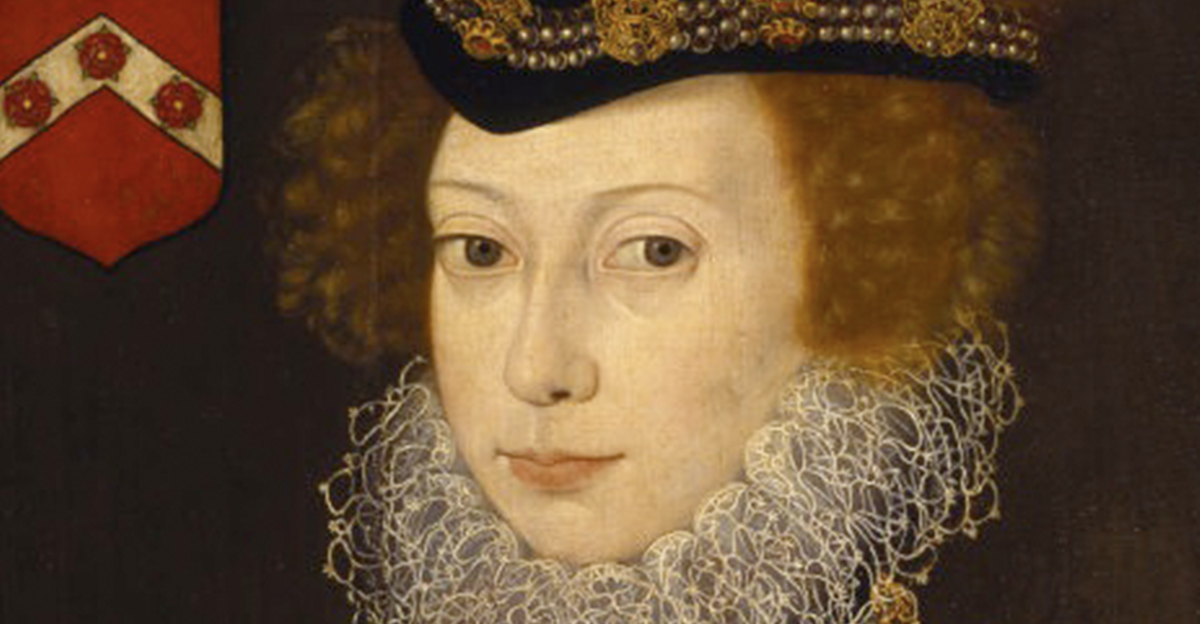
Born in 1543 in Oxfordshire, England, Lettice Knollys was born about as close as you can get to royalty without actually being royalty. Her mother was the first cousin of the future Queen Elizabeth I, and her father was both a Member of Parliament and the Master of the Horse for King Henry VIII’s son Prince Edward.
As it turned out, those connections would save the family’s lives.
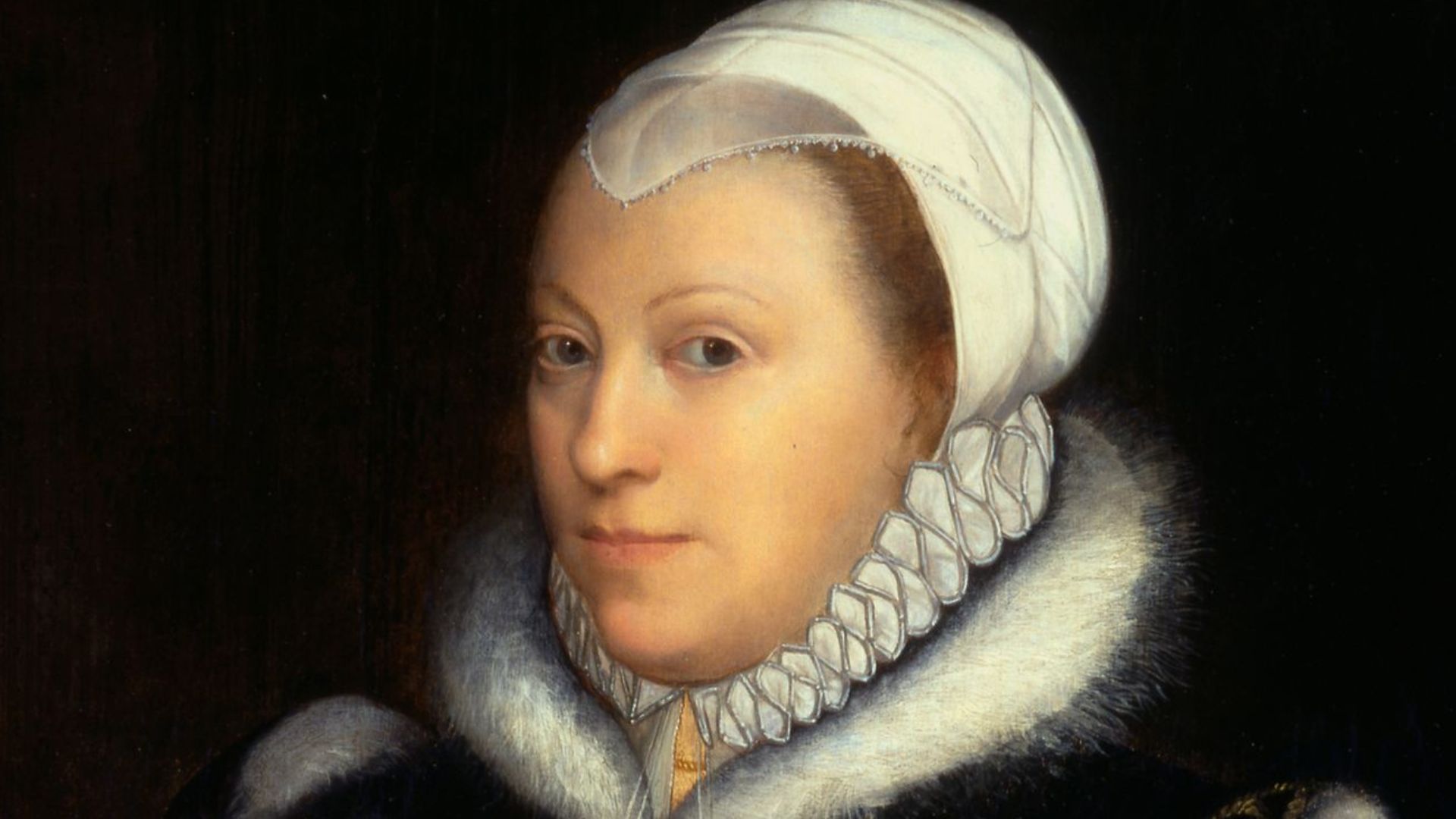 Steven van der Meulen, Wikimedia Commons
2. Queen Elizabeth Saved Her
Lettice and her family were Protestants like Elizabeth, so when Elizabeth’s Catholic older sister Queen Mary I took the throne, they had to flee for safety—after all, Mary was infamously called “Bloody Mary” for burning Protestant heretics at the stake. During this time, Lettice may have even stayed in Elizabeth's household, and gotten ever closer to the future queen.
When Elizabeth actually became the monarch, she made their friendship official.
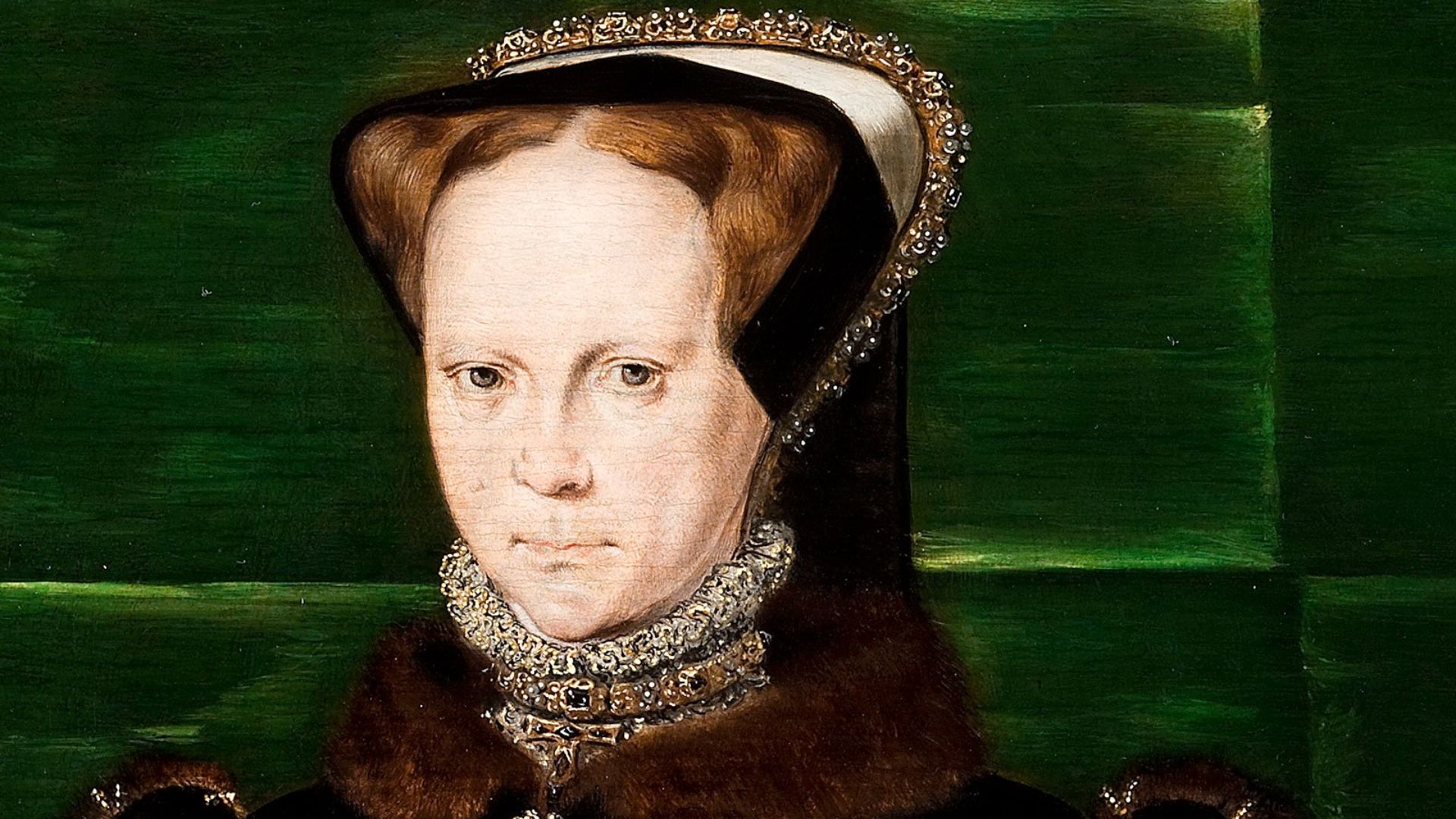 Hans Eworth, Wikimedia Commons
3. The Queen Favored Her
Just two months after Elizabeth succeeded her sister on the throne, the whole Knollys family came back to court, and Lettice got an enormous promotion. As a show of her trust and support, Elizabeth made Lettice’s mother the Lady of the Bedchamber, while Lettice herself became the Maid of the Privy Chamber.
They were positions of great power, and Lettice certainly used it to her advantage.
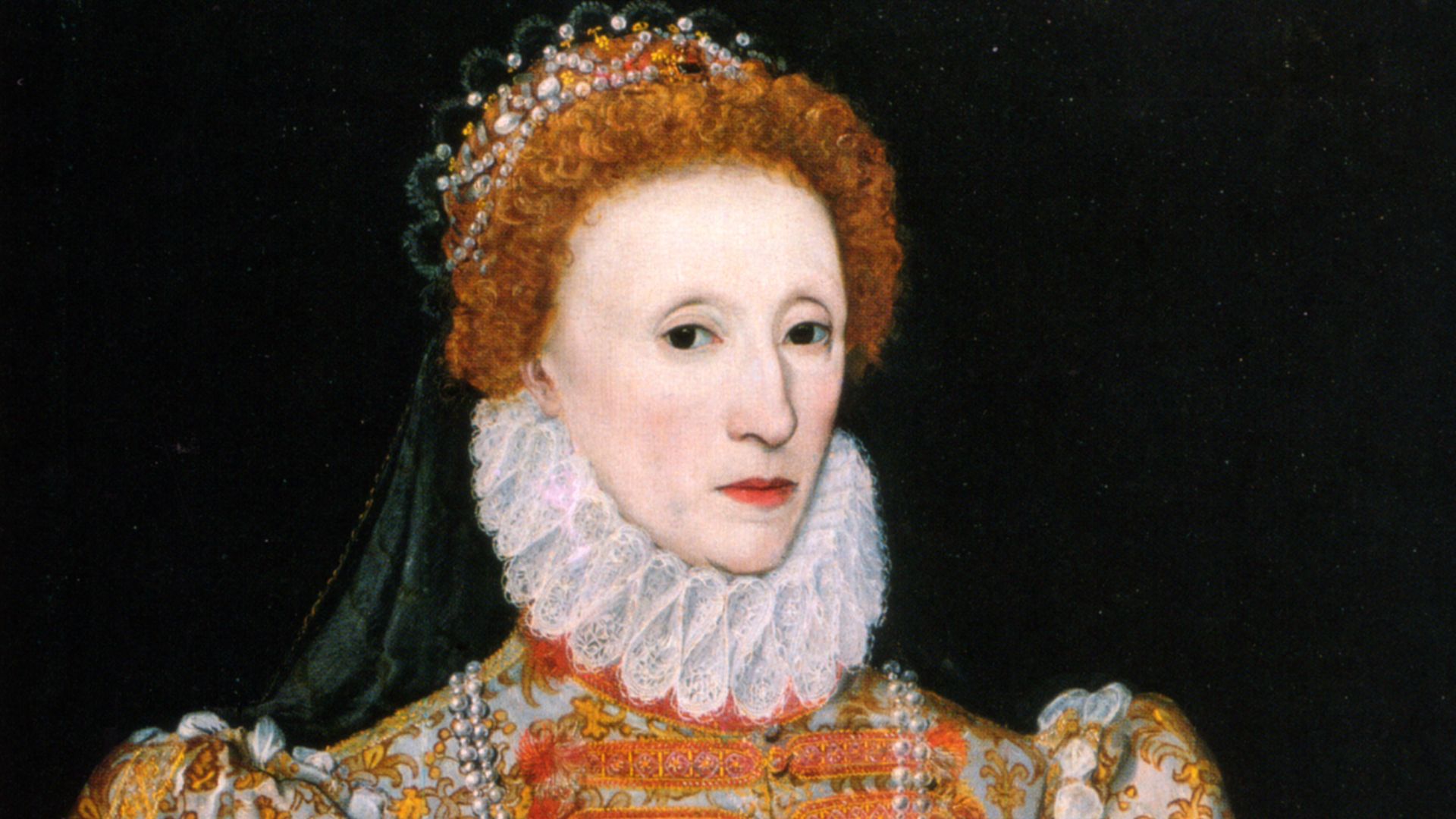 Unidentified painter, Wikimedia Commons
4. She Had A Successful Marriage
In 1560, when Lettice was around 17 years old, she married Walter Devereux, who would eventually become the Earl of Essex. For the first years of their marriage, everything seemed to go right: They had four children who survived into adulthood, and Lettice, who was considered “one of the best looking ladies of the court,” spent ample time with Queen Elizabeth as one of her favorites.
But this only meant she had further to fall.
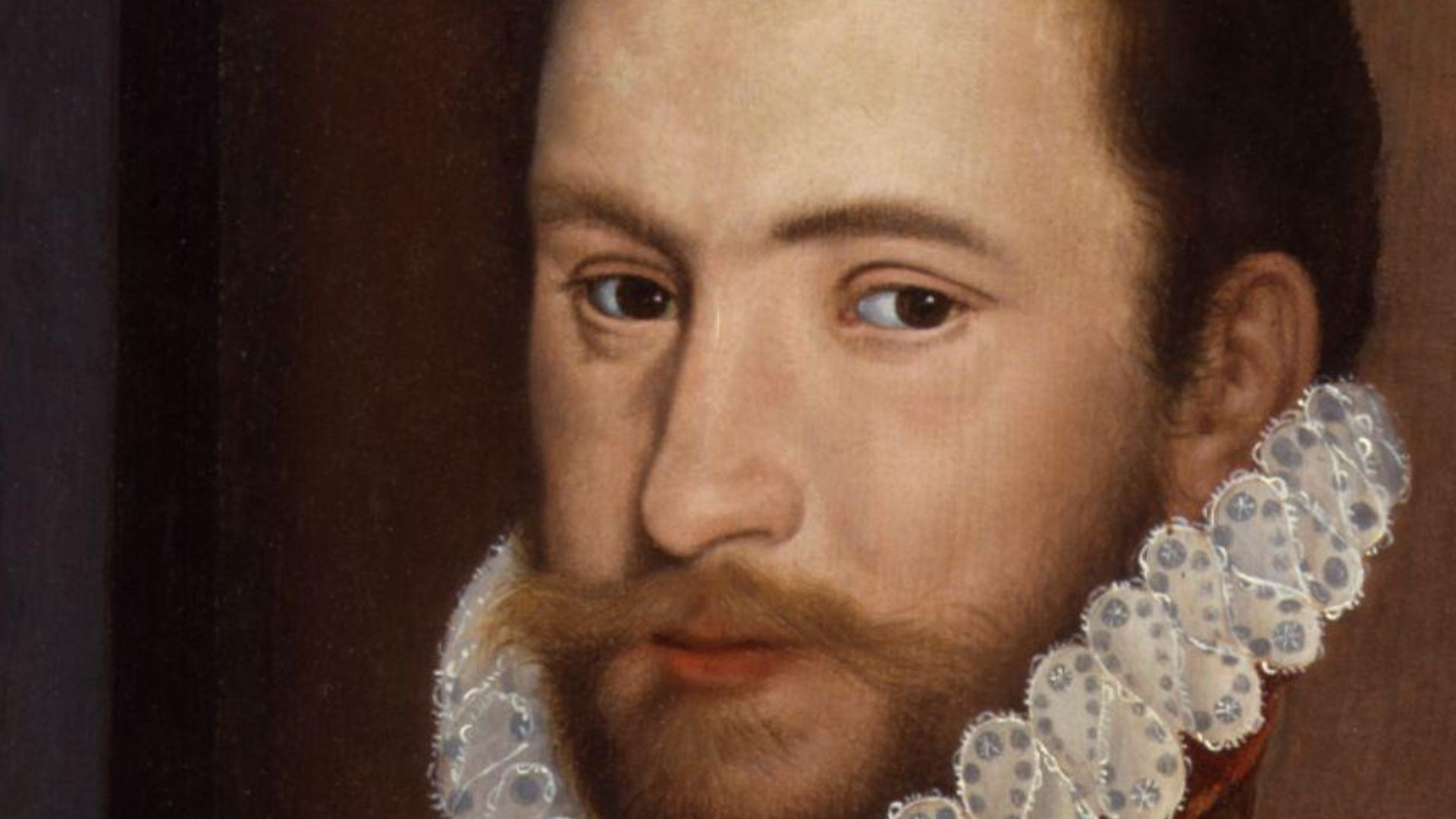 Unknown artistUnknown artist, Wikimedia Commons
5. She Was A Flirt
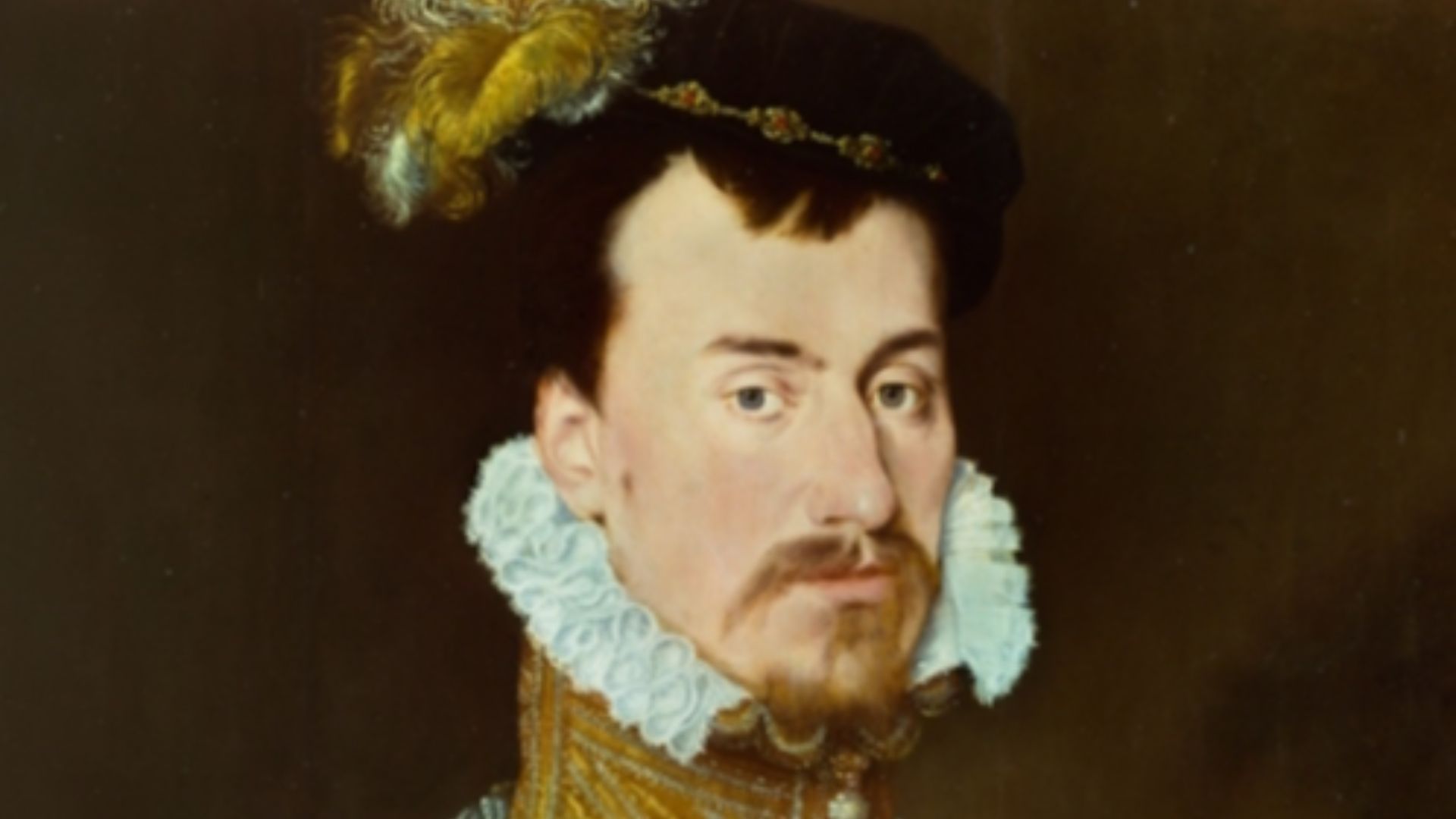
In 1565, Lettice made an infamous faux-pas. While still married to Walter Devereux, she came across Robert Dudley, Earl of Leicester, a handsome courtier and Queen Elizabeth’s rumored lover. Although Dudley and Knollys had known each other for years, this time sparks flew, and they flirted in public. While this may seem harmless, the consequences weren’t.
 Attributed to Steven van der Meulen, Wikimedia Commons
6. She Picked The Wrong Man
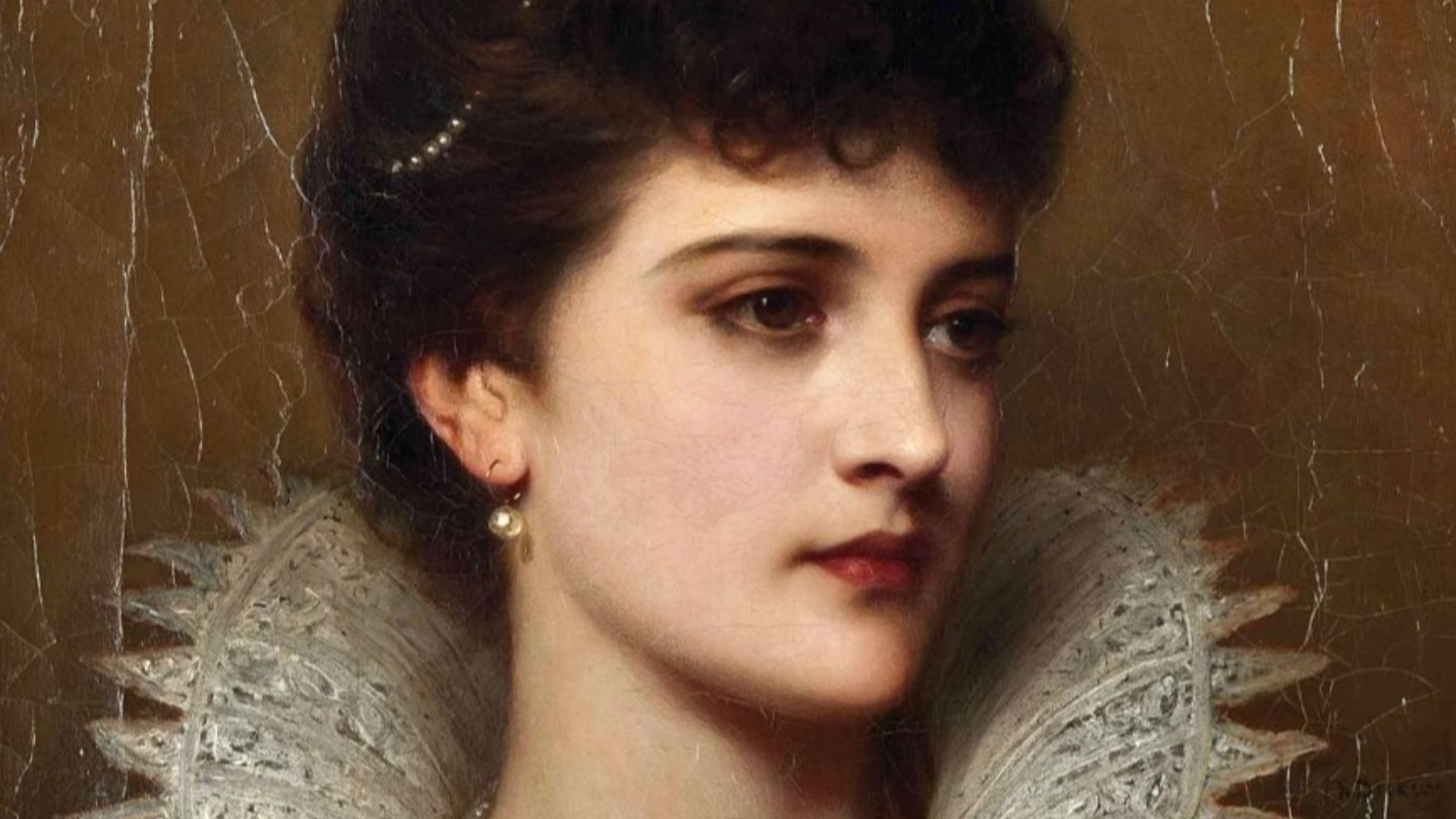
In truth, Robert Dudley was about as available to Lettice as toxic waste. For one, he had a murder scandal hanging over his head. His first wife Amy Robsart had perished from a fall down the stairs just five years earlier, and although her demise was likely accidental, rumors swirled that he had done it so he could marry Queen Elizabeth at long last.
For another, this very scandal actually prevented him from doing just that, and now he and Elizabeth had a tormented, star-crossed kind of relationship. Not something you wanted to get in the middle of…as Lettice soon found out.
 Thomas Francis Dicksee (1819-1895), Wikimedia Commons
7. She Enraged The Queen
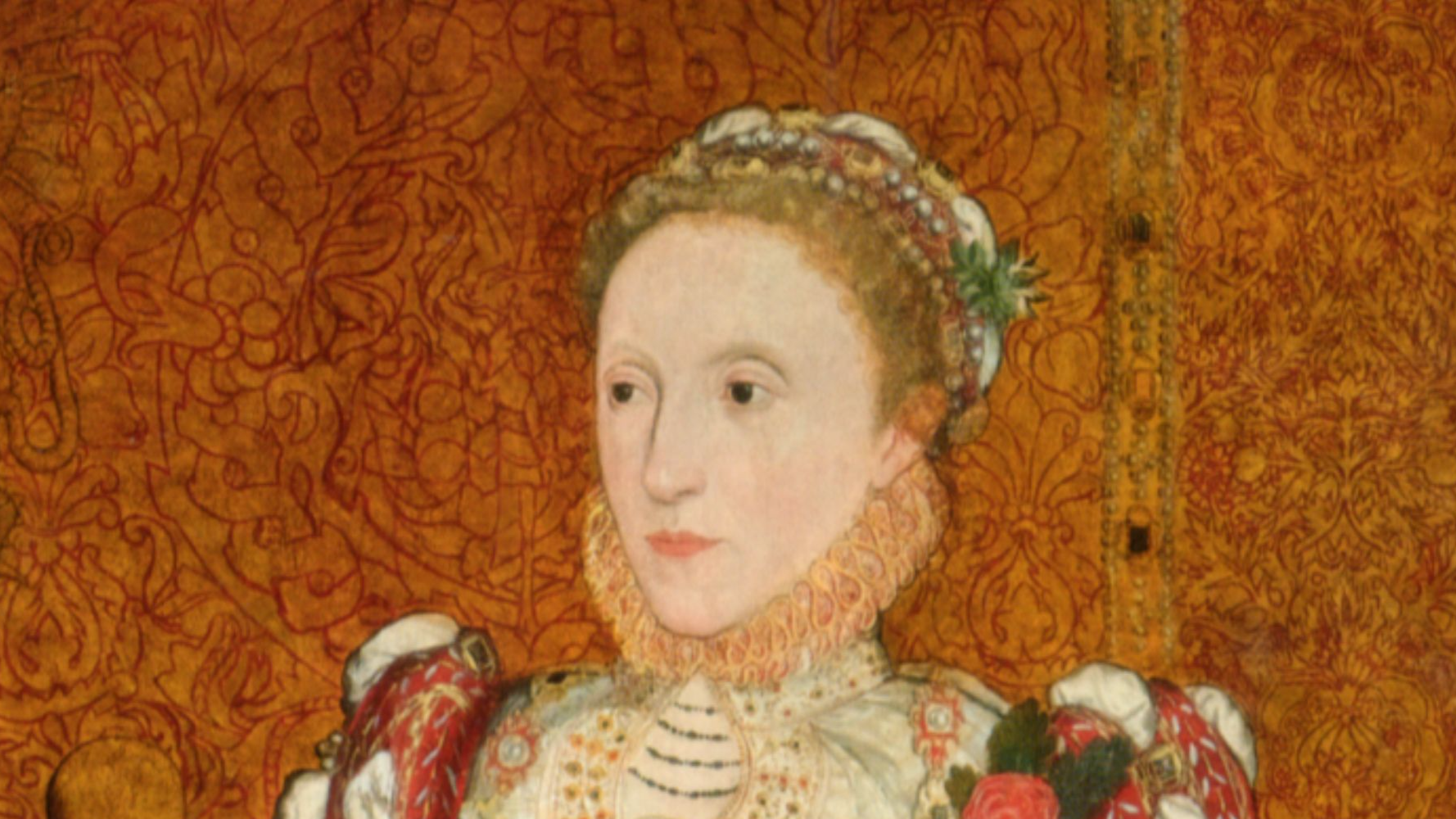
Because of this tinder-box of a romantic history, Lettice’s casual dalliance with Robert Dudley was immediately reported to Queen Elizabeth, who nearly imploded. Even just the thought of her friend Lettice practicing any seduction on Dudley threw Elizabeth into a fit of jealousy—nevermind that Lettice was still married to Walter Devereux, and actually pregnant with her first son at the time.
Then again, Elizabeth was right to worry. In fact, she probably should have worried more.
 Formerly attributed to Steven van der Meulen / Attributed to George Gower, Wikimedia Commons
8. She Got Scandalously Close To Another Man
Things between Lettice and Robert Dudley seemed to cool off for a handful of years, but in 1573 they flared up again—and under the most scandalous circumstances. Lettice’s husband Walter, now the Earl of Essex, had to travel to Ireland for a protracted period of time, and suddenly Lettice and Dudley began spending a lot of time together, with Dudley sending her gifts and Lettice visiting him for hunting treks. These didn’t seem like innocent meetings, either.
 Nicholas Hilliard, Wikimedia Commons

History's most fascinating stories and darkest secrets, delivered to your inbox daily.
9. She Started A Feud
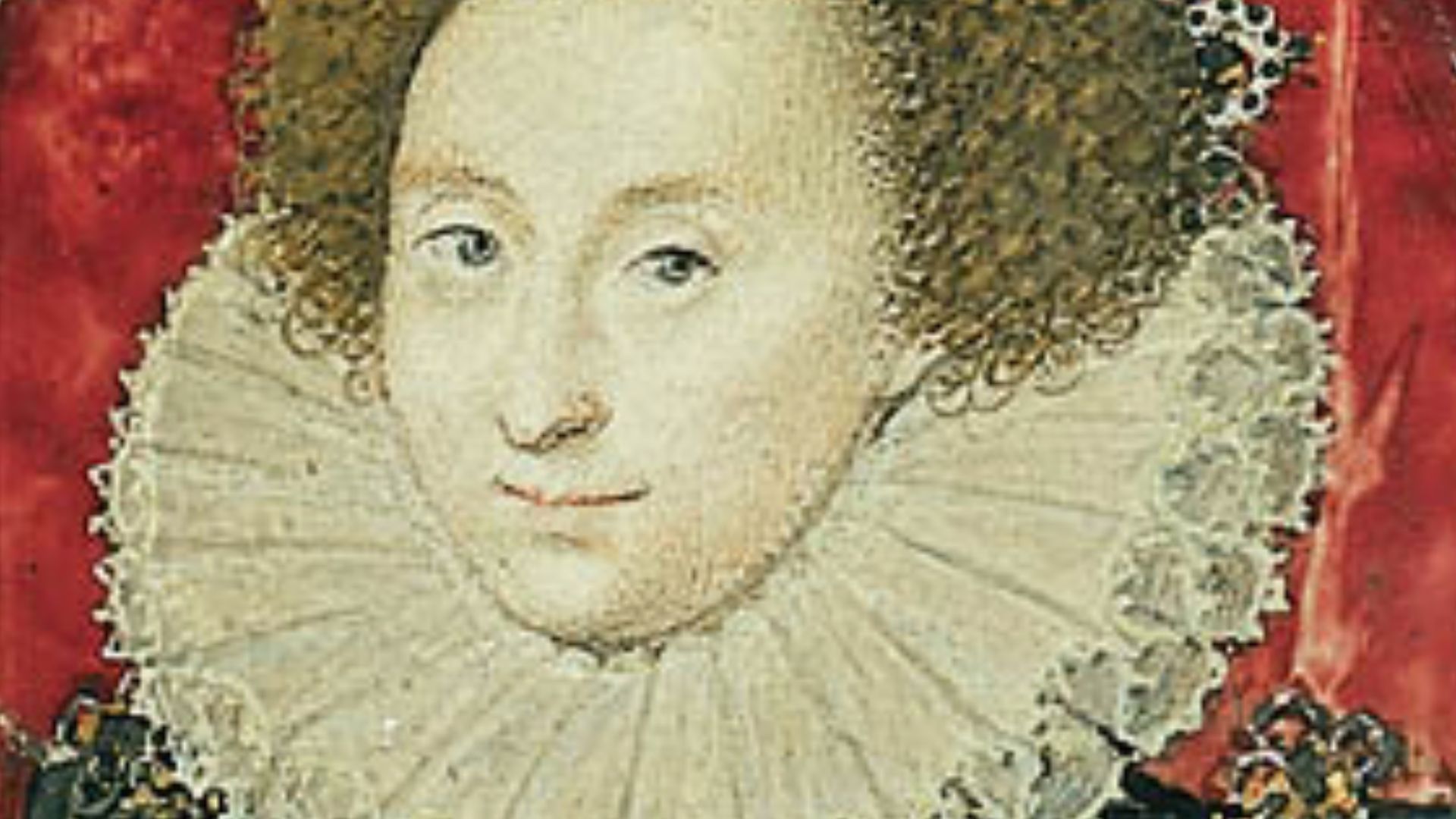
We can’t know for sure, but some believe that Lettice and Dudley became lovers during this period, and there were (in all probability, false) rumors that she managed to give birth to two of Dudley’s children during this time.
Her husband was certainly aware of the atmosphere: When Walter Devereux finally came back from Ireland after two long years, there was reportedly “great enmity between the Earl of Leicester and the Earl of Essex". The next event only increased the drama.
 Nicholas Hilliard, Wikimedia Commons
10. She Got Horrible, Convenient News
In the summer of 1576, Lettice’s husband was once more called away to Ireland—but instead of more free rein to flirt with Dudley, Lettice got a plot twist. That September, Walter passed of dysentery, putting the rumor mill into overdrive about the possibility he was poisoned. Walter did, after all, complain of the “frailness of women” in his final breaths.
Both Dudley and Lettice now had scandalously dead spouses. They didn’t let it stop them.
 UniversalImagesGroup, Getty Images
11. She Had A Secret Wedding
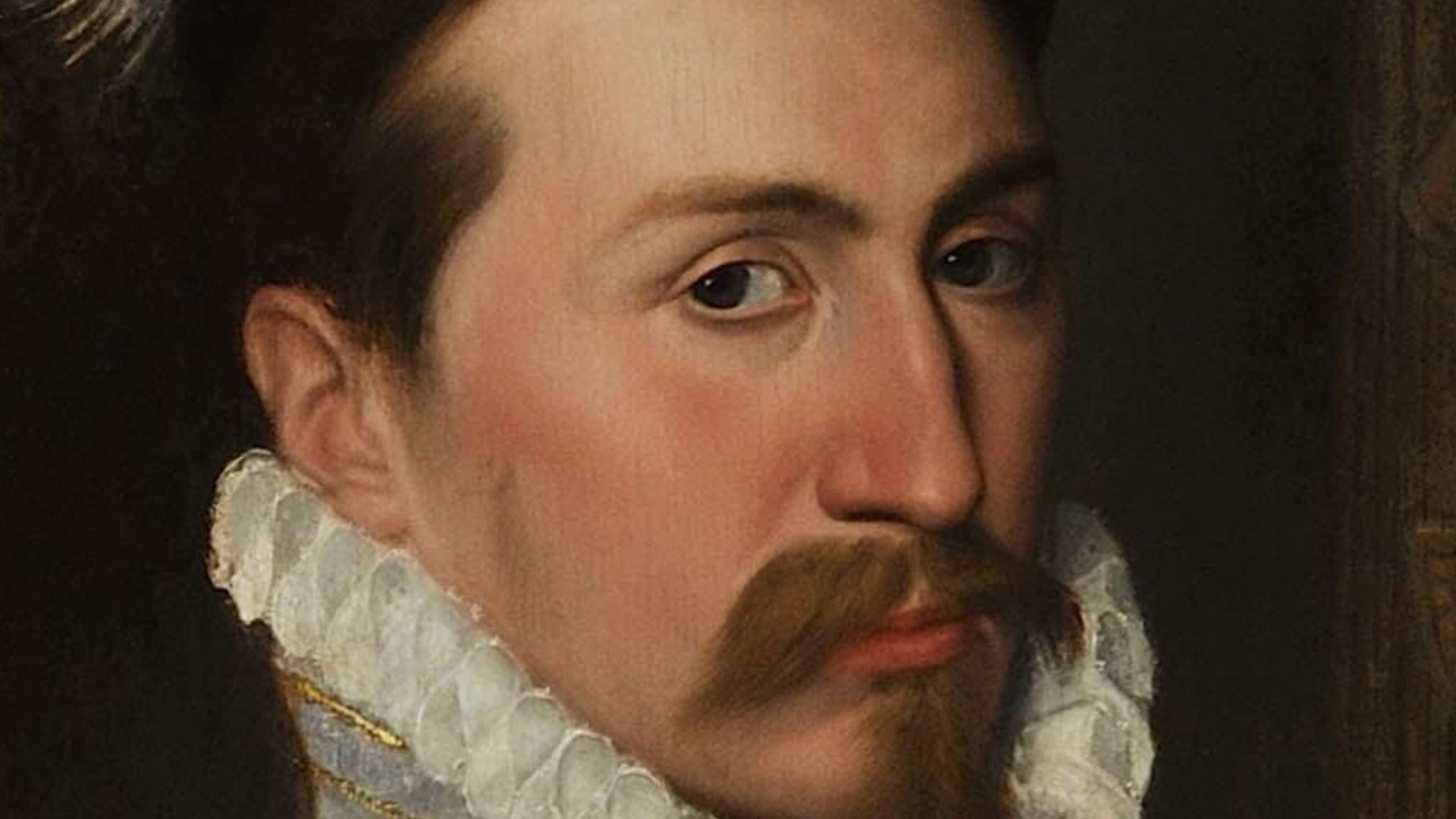
On September 21, 1578, Lettice made the most controversial decision of her life. At 35 years old, she married the 46-year-old Robert Dudley in the utmost secrecy. The ceremony happened at 7:00 in the morning, with only six people present, lest the news get out to Queen Elizabeth that her favorite had married at last—and to a woman she called her friend.
It wasn’t the only secret Lettice may have been keeping that day.
 Formerly attributed to Steven van der Meulen, Wikimedia Commons
12. It May Have Been A Shotgun Ceremony
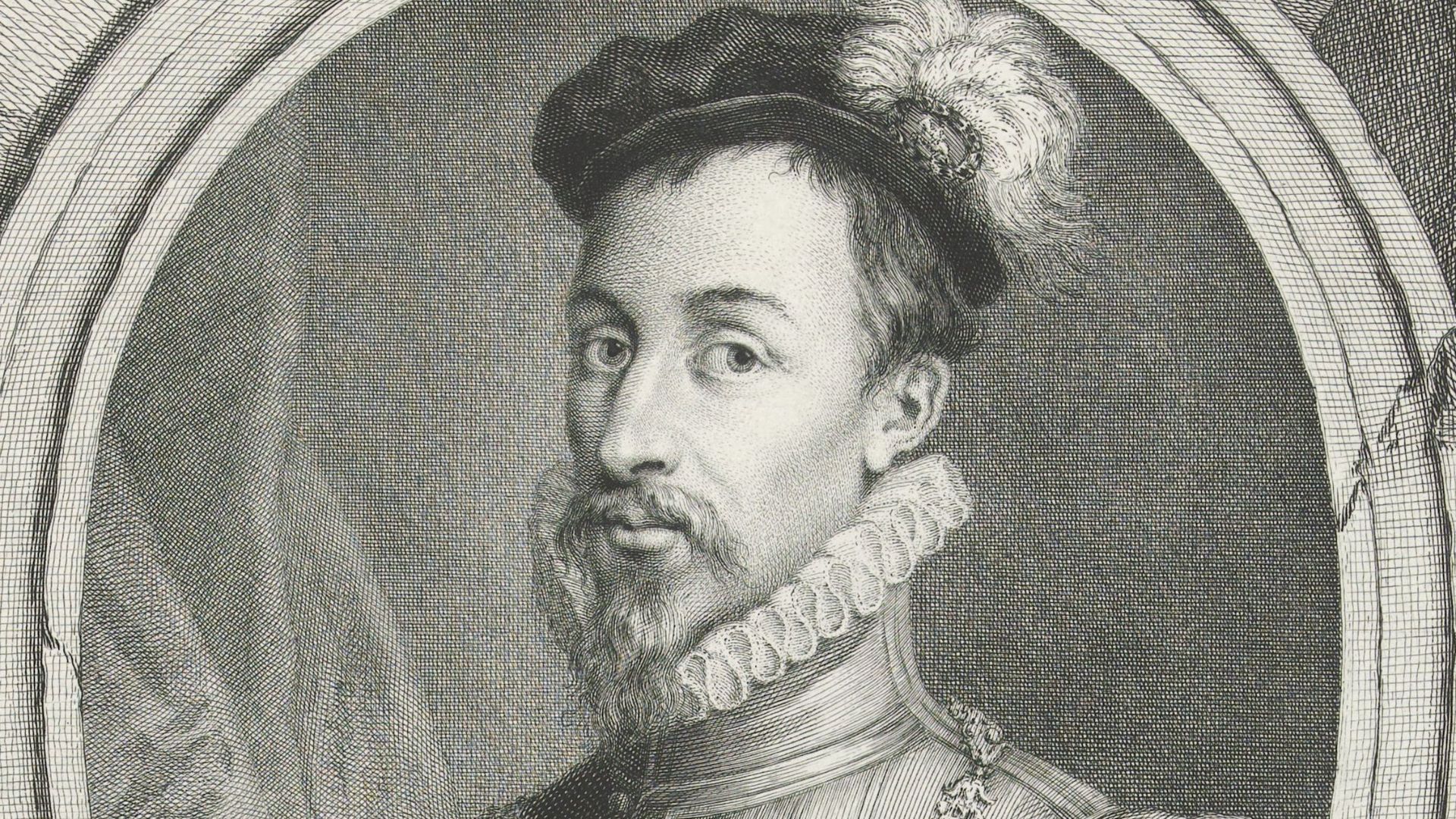
Lettice reportedly wore a “loose gown” during the ceremony—that is, a morning dress—but this one fashion choice spurred decades of historical theories. Some believe Lettice may have actually been pregnant at the time of her marriage, although she and Dudley had been planning the nuptials for a year, had timed it to coincide with the end of the official period of mourning for her first husband, and no baby was forthcoming.
In the end, Lettice had much bigger things to worry about than pregnancy.
 Rijksmuseum, Wikimedia Commons
13. The Queen Banished Her
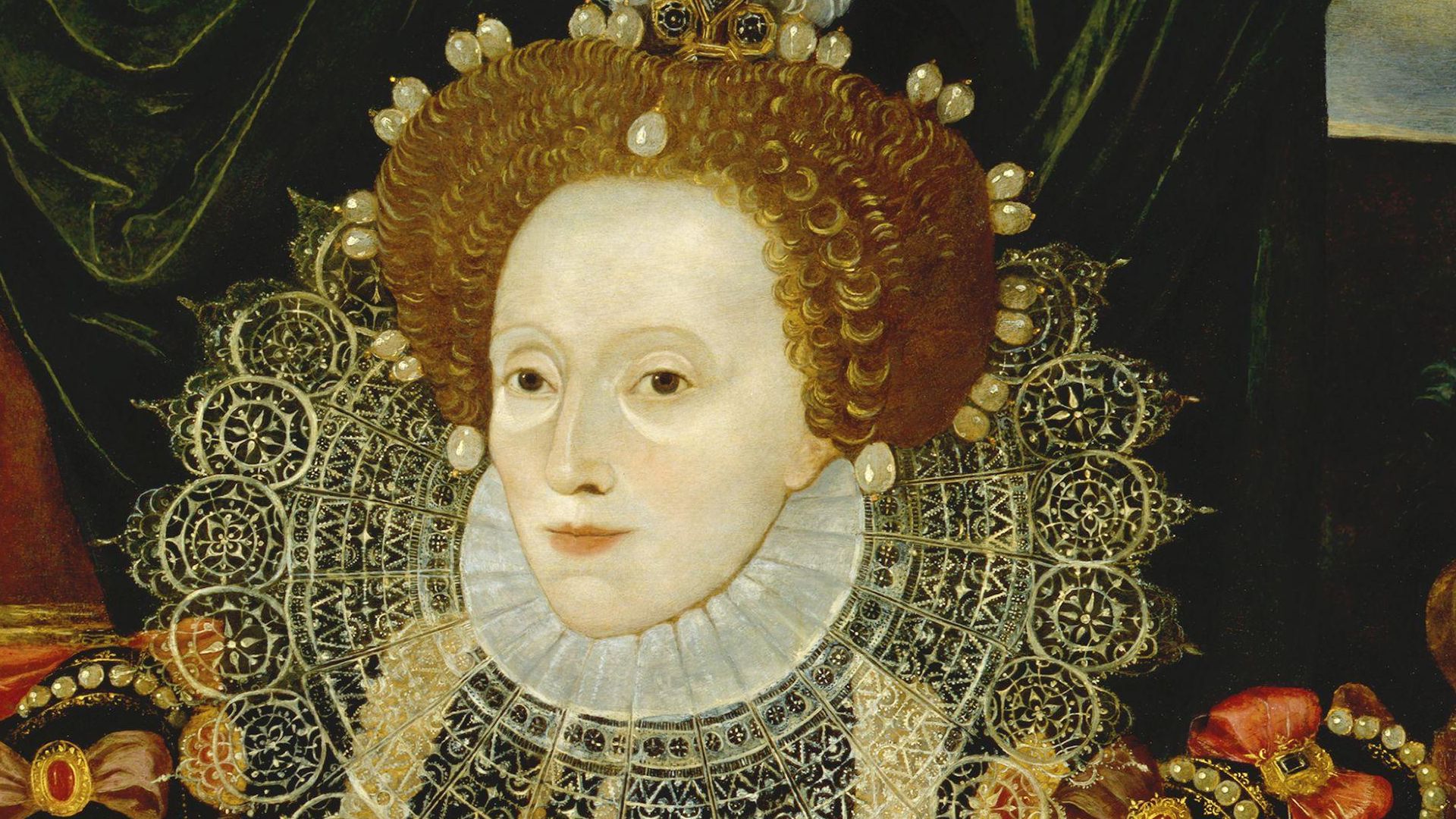
Although both Lettice and Dudley sought to keep their union a secret from Queen Elizabeth, word got out anyway, and nine months later Dudley’s enemies at court had tattled to the Queen. Elizabeth’s reaction was blood-curdling. She went through a furious outburst, and then banished Lettice from her court as long as she lived.
If Lettice thought it was a passing grudge, she didn’t know Queen Elizabeth.
 Formerly attributed to George Gower, Wikimedia Commons
14. Her Social Life Was Over
In banishing Lettice, Queen Elizabeth was also hugely limiting her former friend’s social life, as Lettice was now relegated to country estates and out-of-the-way places where the Queen wasn’t. More than that, the permanently jealous Elizabeth kept a close eye on Lettice’s movements, and even summer visits by the married couple to Dudley’s estates could throw the Queen into a rage. It would get much worse than that.
 Jdforrester, Wikimedia Commons
15. She Prepared For A Baby
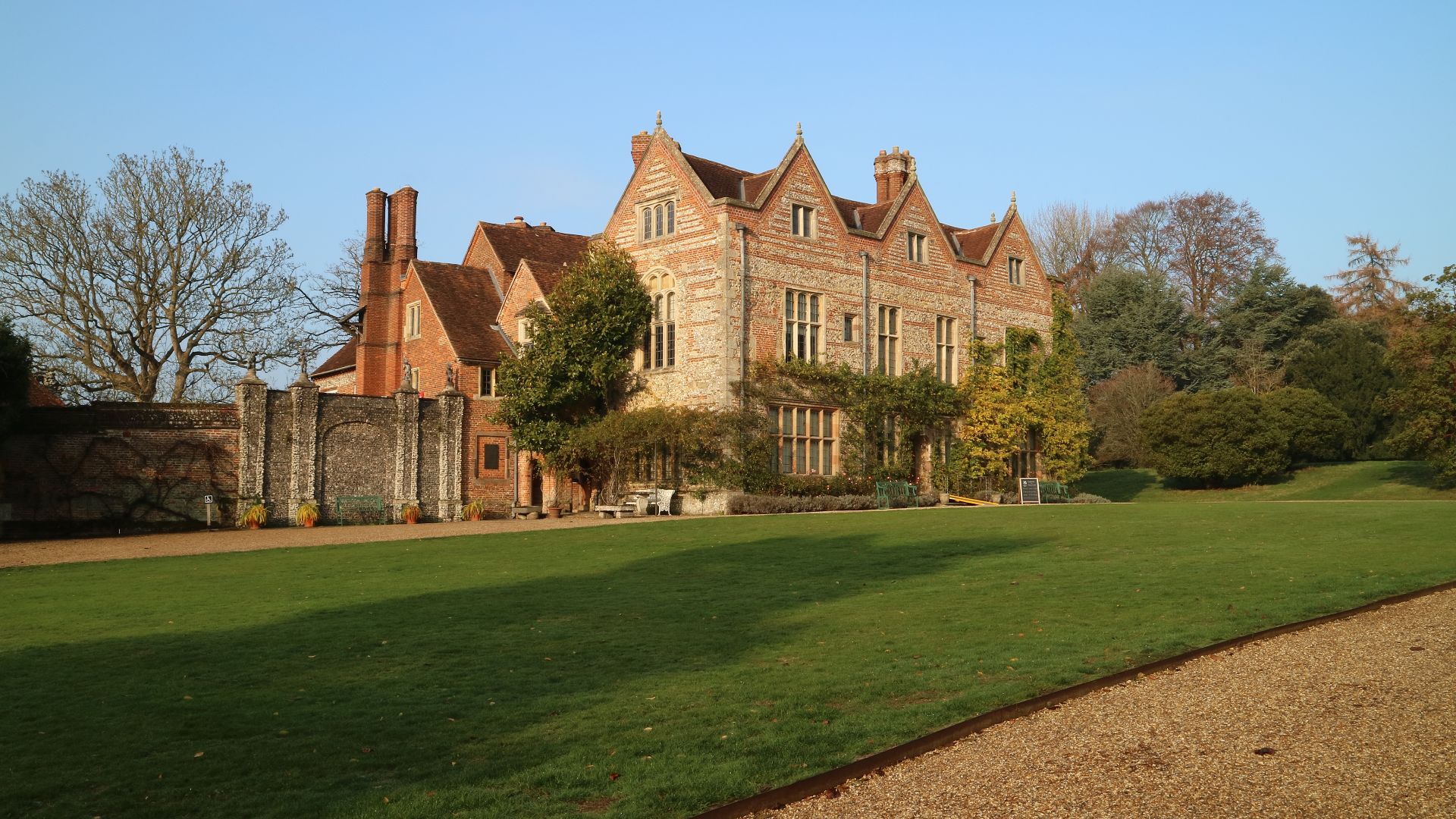
For the next months, Lettice lay consummately low (though it’s not as if she had a choice), and spent most of her time in her family home in Oxfordshire. Still, this was a far cry from giving up Dudley: Less than two years into her marriage, she appeared to be pregnant, and there were reports in February 1580 that she was expecting the birth of a child. Instead, disappointment crept in.
 Prosthetic Head, Wikimedia Commons
16. She Lost The Pregnancy
If Elizabeth heard of Lettice’s pregnancy, she was likely overjoyed at the next bit of news. Although we don’t know what exactly happened to the baby or to Lettice in these months, no baby materialized. This lack of information also means we can only imagine Lettice’s pain, not to mention the stress the Queen’s displeasure must have put on her during this period.
But Elizabeth was Henry VIII’s daughter, and she wasn’t one to let up.
 Unknown authorUnknown author, Wikimedia Commons
17. The Queen Had A Long Memory
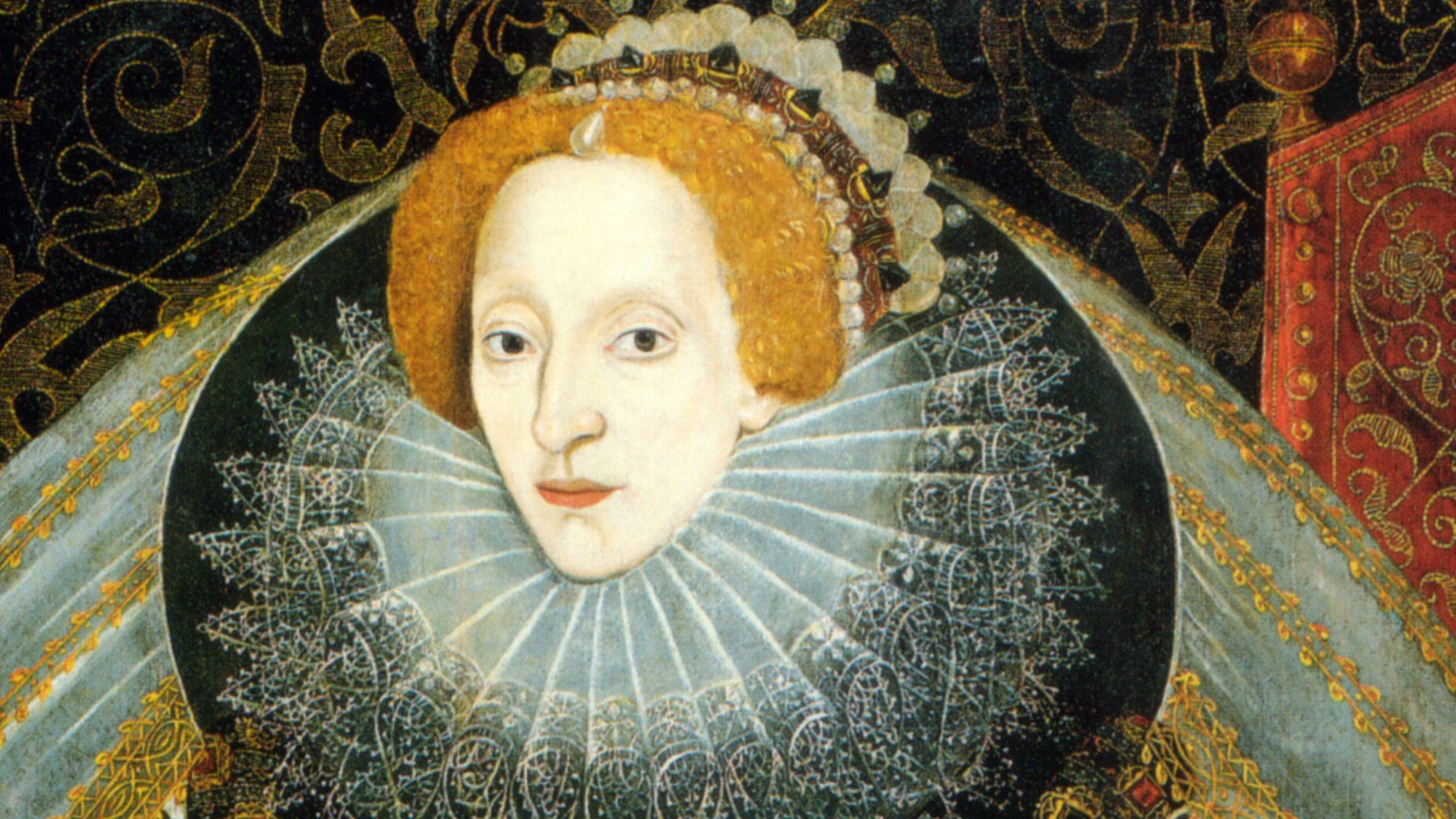
For Elizabeth, hating Lettice was a principle, not an emotion, especially after all the favors the Queen had given her Maid of the Privy Chamber. As a result, Elizabeth found constant ways to stay mad about Lettice and Dudley; in 1583, five years after the marriage, she exploded over learning the simple, predictable fact that Lettice had officially moved into Dudley’s house.
Then she really sharpened her claws.
 Marcus Gheeraerts the Younger, Wikimedia Commons
18. She Got Called Names
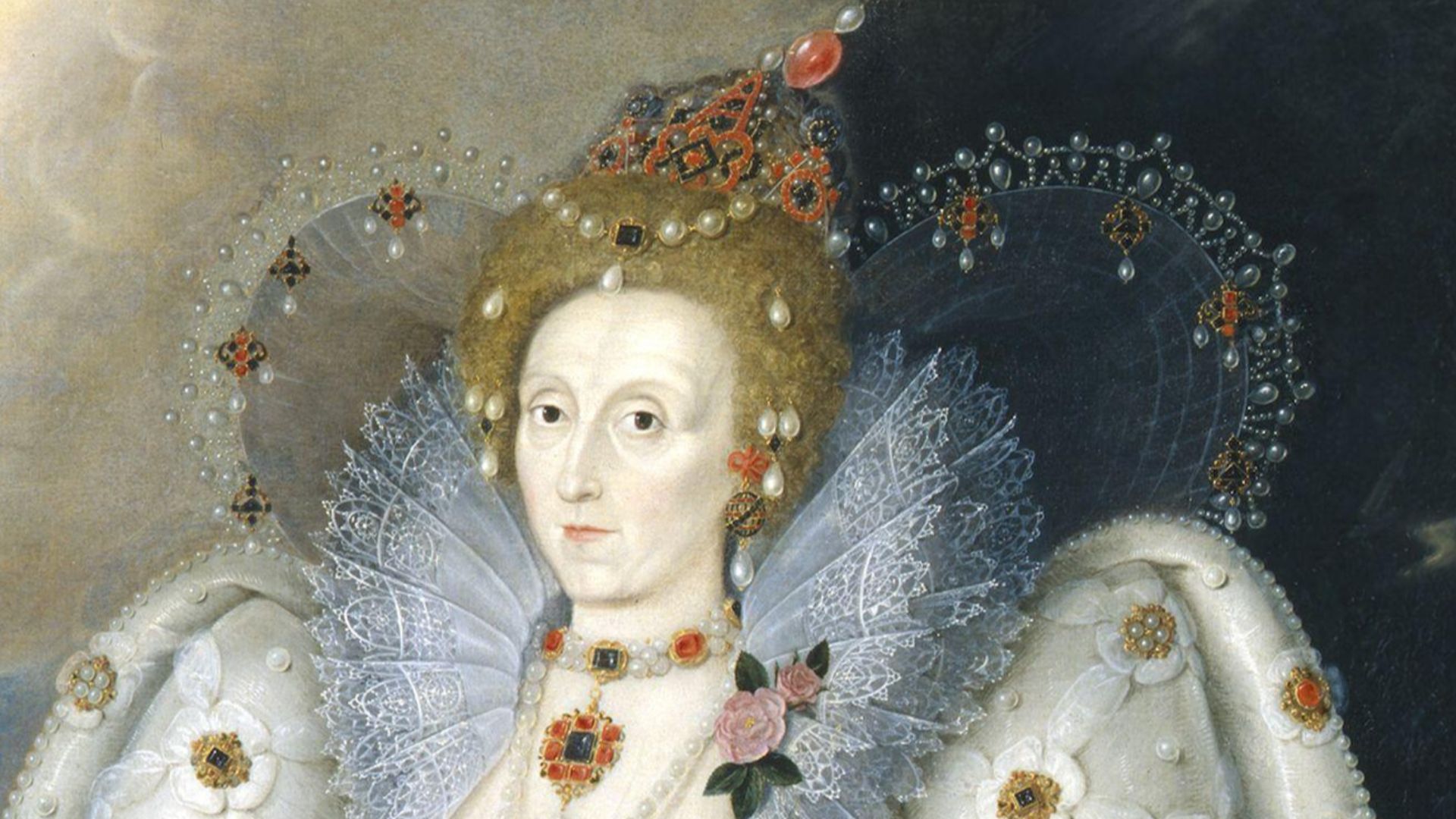
Queen Elizabeth didn’t confine her anger at Lettice to her close confidants. Also in 1583, Elizabeth opened her burn book and let visiting ambassadors know that Lettice Knollys was a “she-wolf”. More than that, even the smallest, most offhand mention of Lettice at court would put her into a public snit.
Elizabeth did, however, save some special vitriol for Lettice’s husband.
 Attributed to Nicholas Hilliard, Wikimedia Commons
19. Her Husband Suffered Too
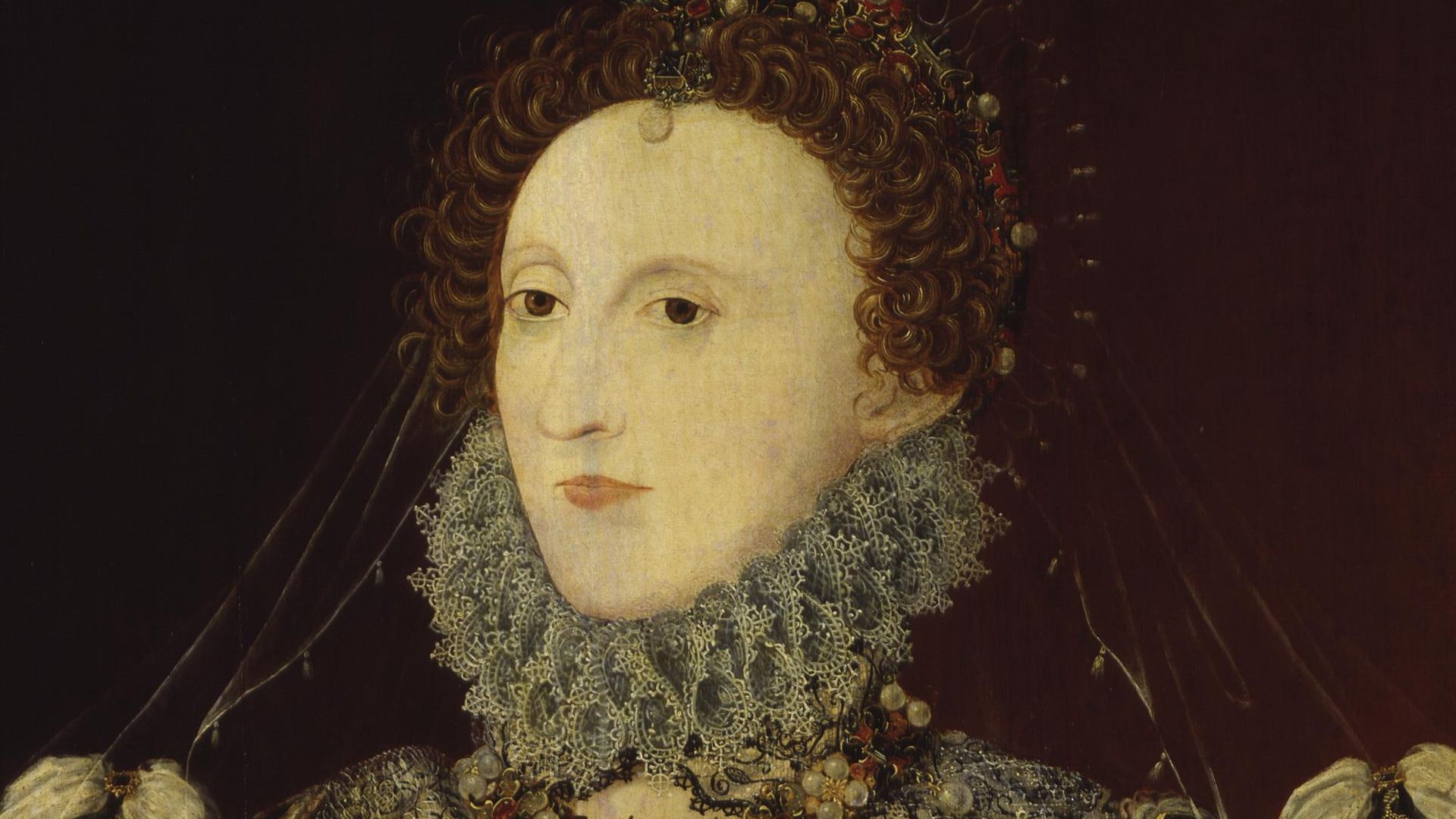
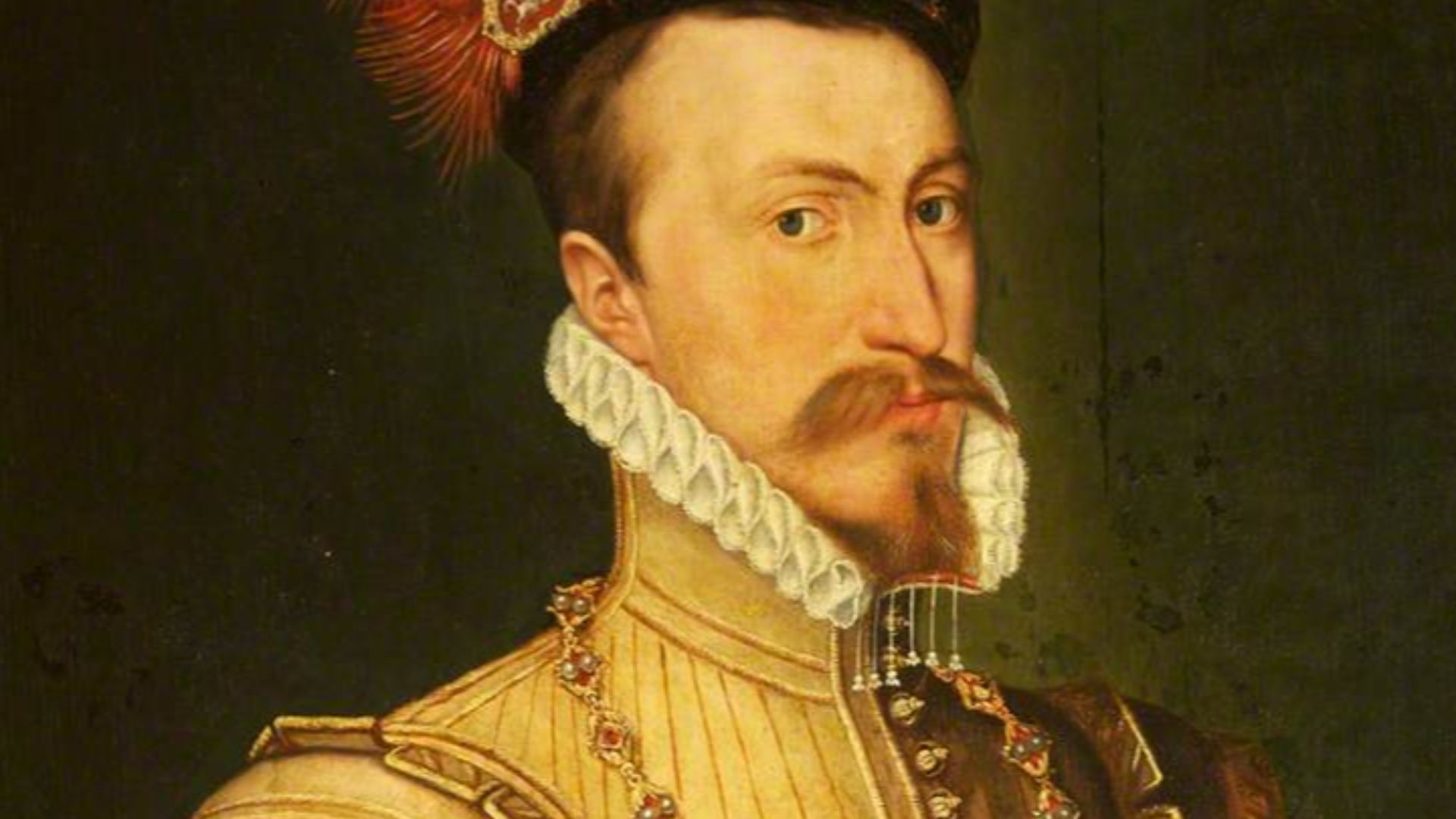
While Lettice was a “she-wolf,” Elizabeth did also blame Dudley for being “a traitor,” and Dudley reported enduring “great disgraces delivered from her Majesty’s mouth” when he was in Elizabeth’s presence. Even seven years after the wedding, Dudley complained how she “doth take every occasion by my marriage to withdraw any good from me”.
But in the end, Lettice suffered far more than all that.
20. She Was Persona Non Grata
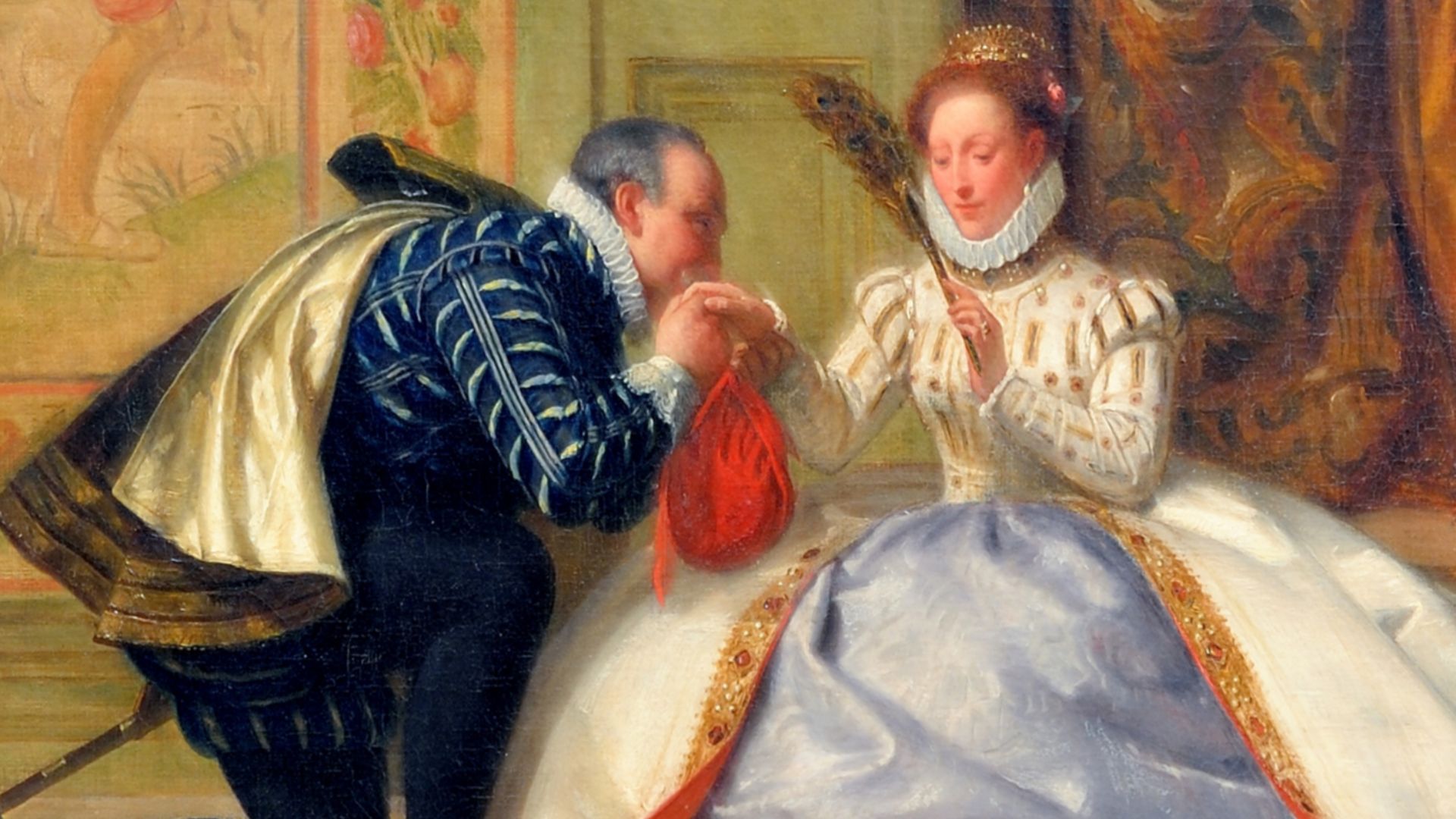
Even with all her sharp words, Elizabeth was still openly fond of Dudley when she was in the mood, and they carried on a relatively close relationship in the years afterward. Indeed, Elizabeth continued to exert a proprietary power over Dudley however she could. For Lettice, though, it was as if their long friendship had never even happened.
Elizabeth also found new ways to turn the screw on her old friend.
 William Frederick Yeames, Wikimedia Commons
21. Her Son Became The New Favorite
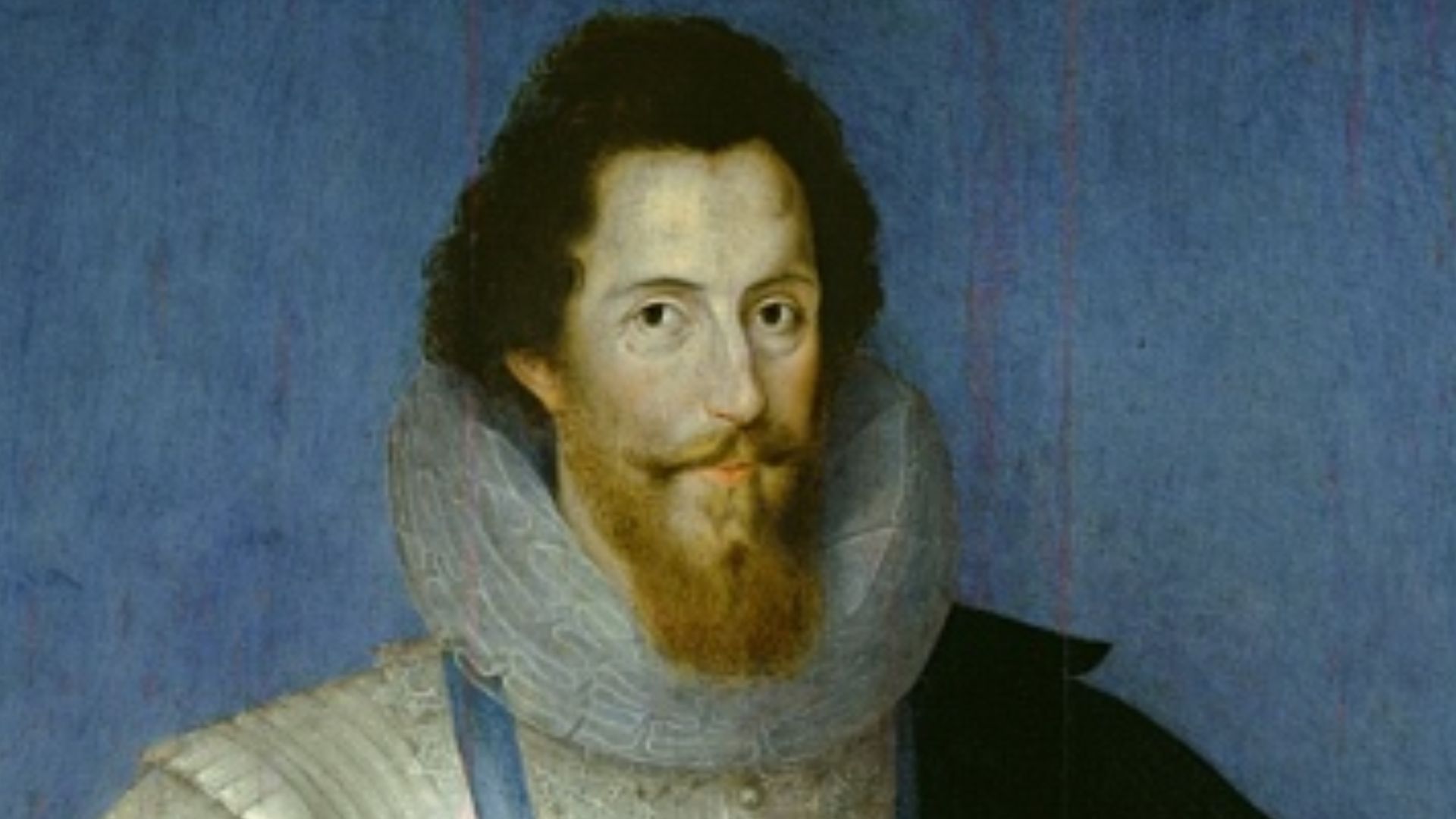
With Dudley married, there was now a vacancy for a royal favorite. Elizabeth’s choice was the perfect revenge. Incredibly, Elizabeth chose Lettice’s eldest son, Robert Devereux, as her new pet. She made him Master of the Horse, gave him a monopoly on sweet wines, and turned him into a Knight of the Garter—all while his poor mother Lettice mouldered away in fusty estates.
But, for a time at least, nothing could touch Lettice’s happiness.
 Studio of Marcus Gheeraerts, the Younger, Wikimedia Commons
22. She Had An Heir
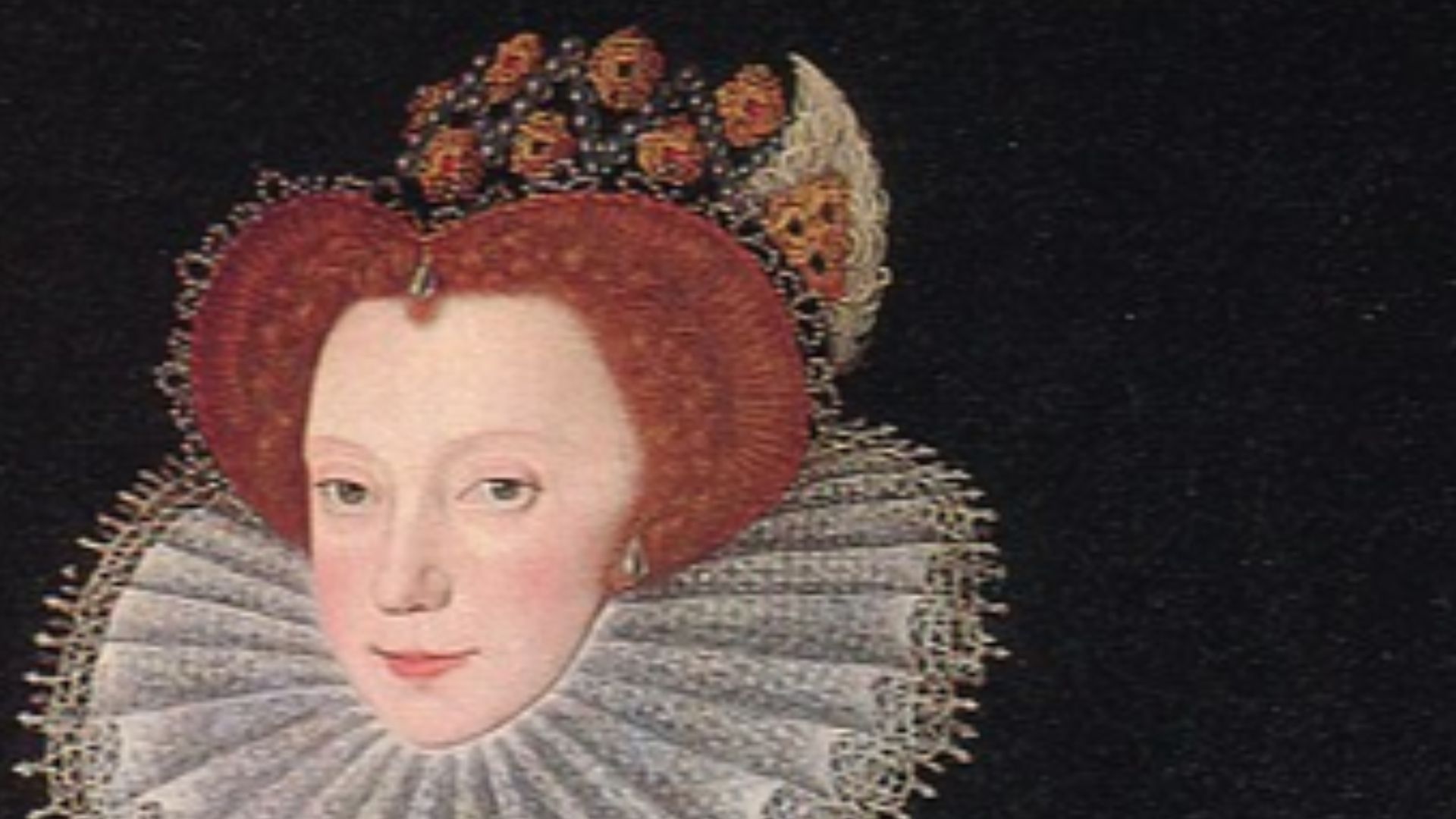
As with her first marriage, the early days of Lettice’s union with Dudley were idyllic. In June of 1581, she gave birth to a son, little Lord Denbigh. As Robert Dudley had no previous children, save an illegitimate son from a long-term affair, Lord Denbigh was feted and petted with all the pomp and circumstance due to his station as a sole heir.
A son wasn’t the only way the marriage flourished.
 Attributed to George Gower, Wikimedia Commons
23. She Was In Love
By all accounts, Robert Dudley was deeply in love with his new wife. Visitors at the time indicated how Lettice had “much influence over him” and that Dudley introduced her “only to those whom he wishes to show a particular mark of attention”—though that may have also been to protect her as much as possible from Elizabeth’s wrath.
He tried to help his wife in other ways, too.
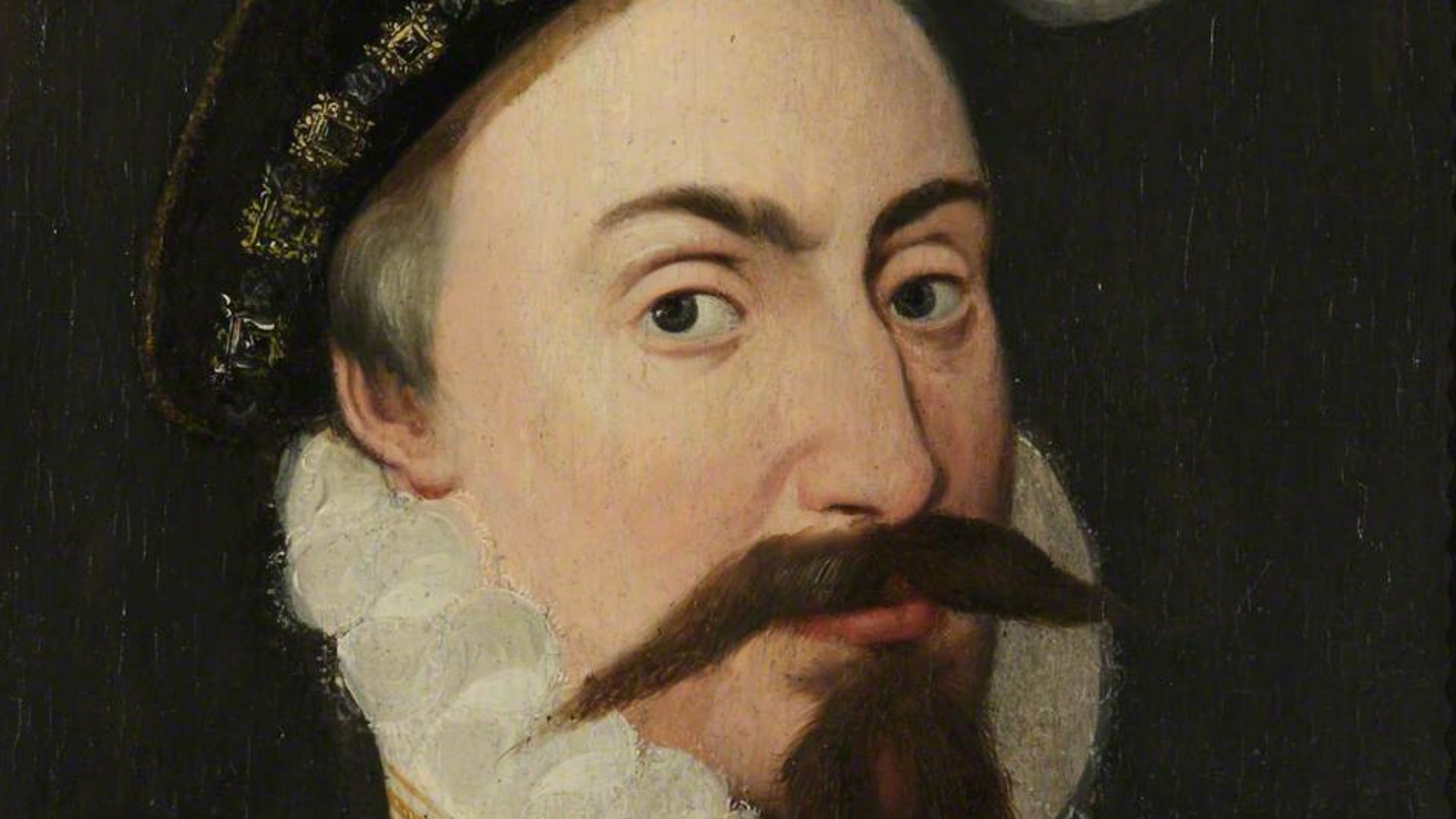
24. Her Husband Tried To Help Her
Dudley’s love for Lettice also extended into constant efforts to get Lettice back in Elizabeth’s favor—a tricky proposition when even the mere mention of Lettice could send her spiraling. To mitigate this, Dudley often recruited friends to act as his ambassadors. Unfortunately, at least while Dudley lived, it all came to nothing.
Another dark spot was to come.
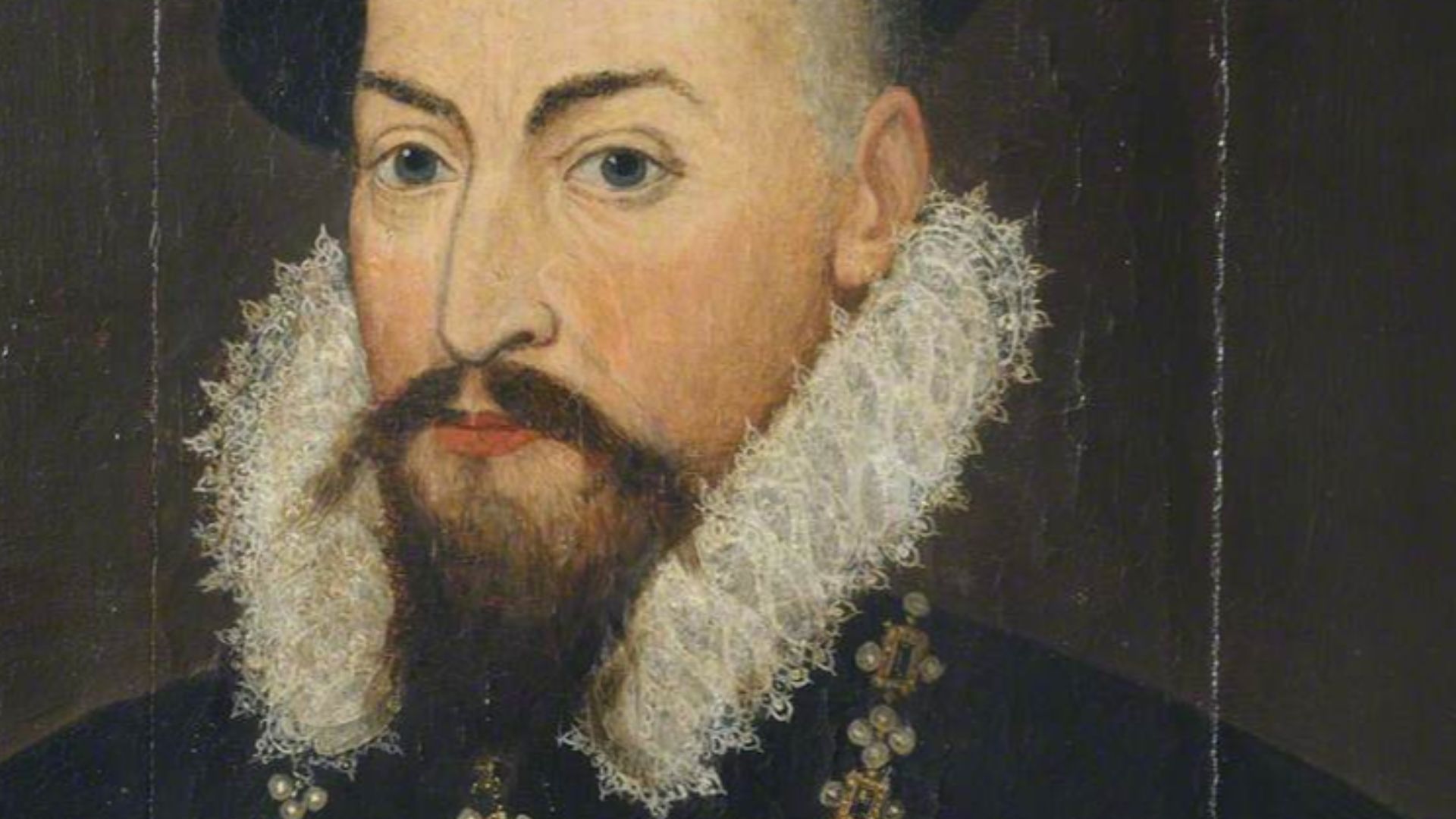
25. Another Pregnancy Went Nowhere
In 1582, Lettice found herself pregnant again, and in September of the same year the pregnancy was far enough along that the French ambassador was reporting on it. Except it only led to another quiet disaster: Just as with her 1580 pregnancy, no baby ever came, though the details are lost to history.
The next tragedy hit Lettice and Dudley even harder.
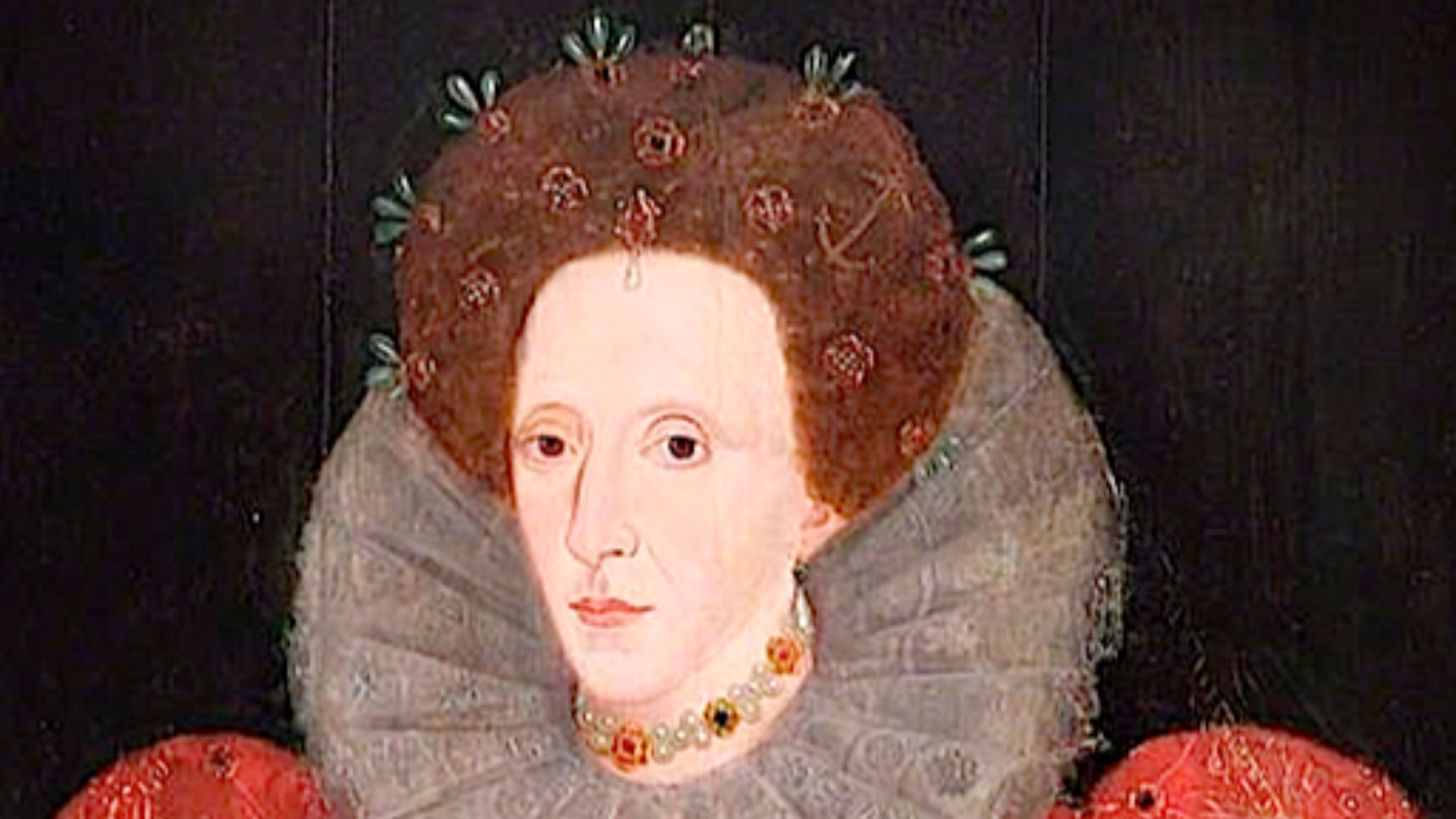 After Lucas de Heere, Wikimedia Commons
26. She Lost Her Baby
In 1584, Lettice endured a crushing blow. Her little boy Lord Denbigh perished suddenly that July at just three years old, taking all the hopes of a Dudley dynasty with him. Lettice, now in her 40s, was unlikely to bear any further children, and she took the loss hard. Dudley even excused himself from his court duties for a time in order to “comfort my sorrowful wife”.
Little did Lettice know, it was only the first in a series of misfortunes.
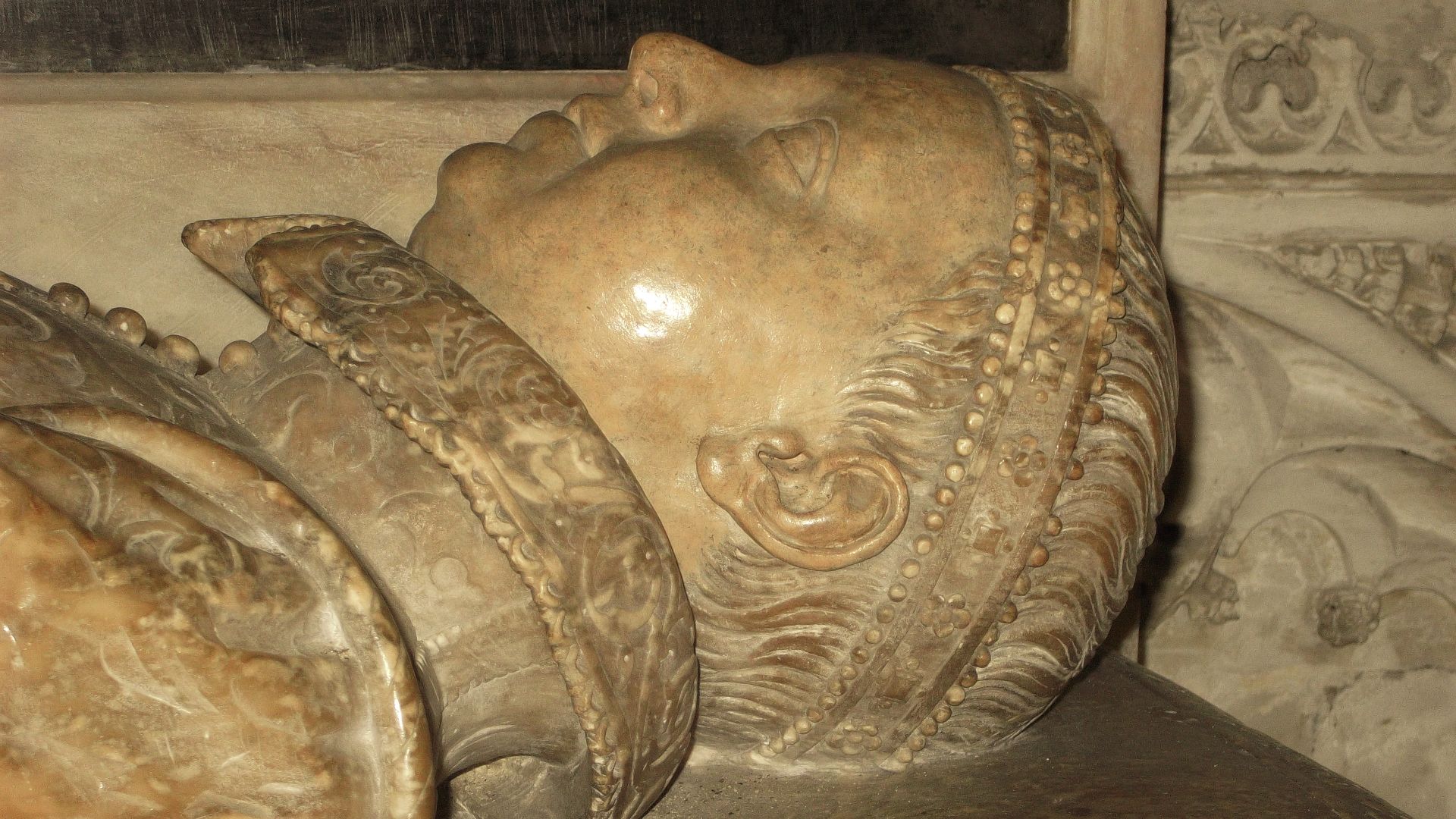
27. Her Husband Left Her
Starting in 1585, just after the loss of their son, Dudley began spending large periods of time in the Netherlands and away from Lettice, to her great sadness. However, since he was there as a representative of Her Majesty to help quell unrest, Lettice could hardly complain.
Yet Queen Elizabeth—who actually wasn’t all that keen on Dudley's efforts in the Netherlands either—still found a way to get mad at Lettice.
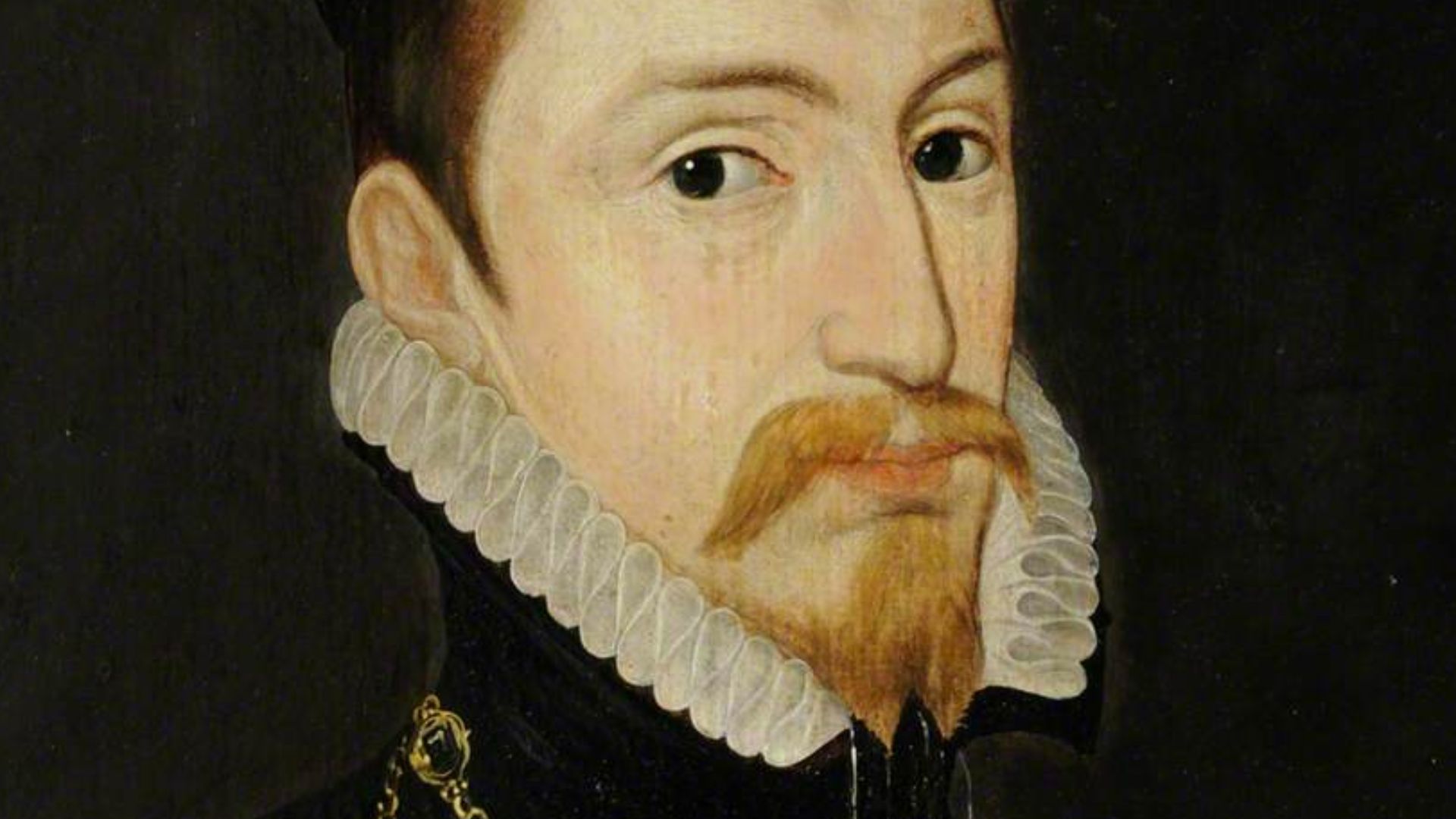
28. The Queen Kept Them Apart
Lettice had no plans to meet Dudley over in the Netherlands…but that wasn’t the story Queen Elizabeth heard. She became incensed when she “found out” that Lettice was going to head over "with such a train of ladies, and gentlewomen, and such rich coaches, litters, and side-saddles, as Her Majesty had none”.
In other words, Elizabeth was convinced Lettice was going to try to upstage her, and once more blew a gasket over the “plot”. It all nearly broke Lettice.
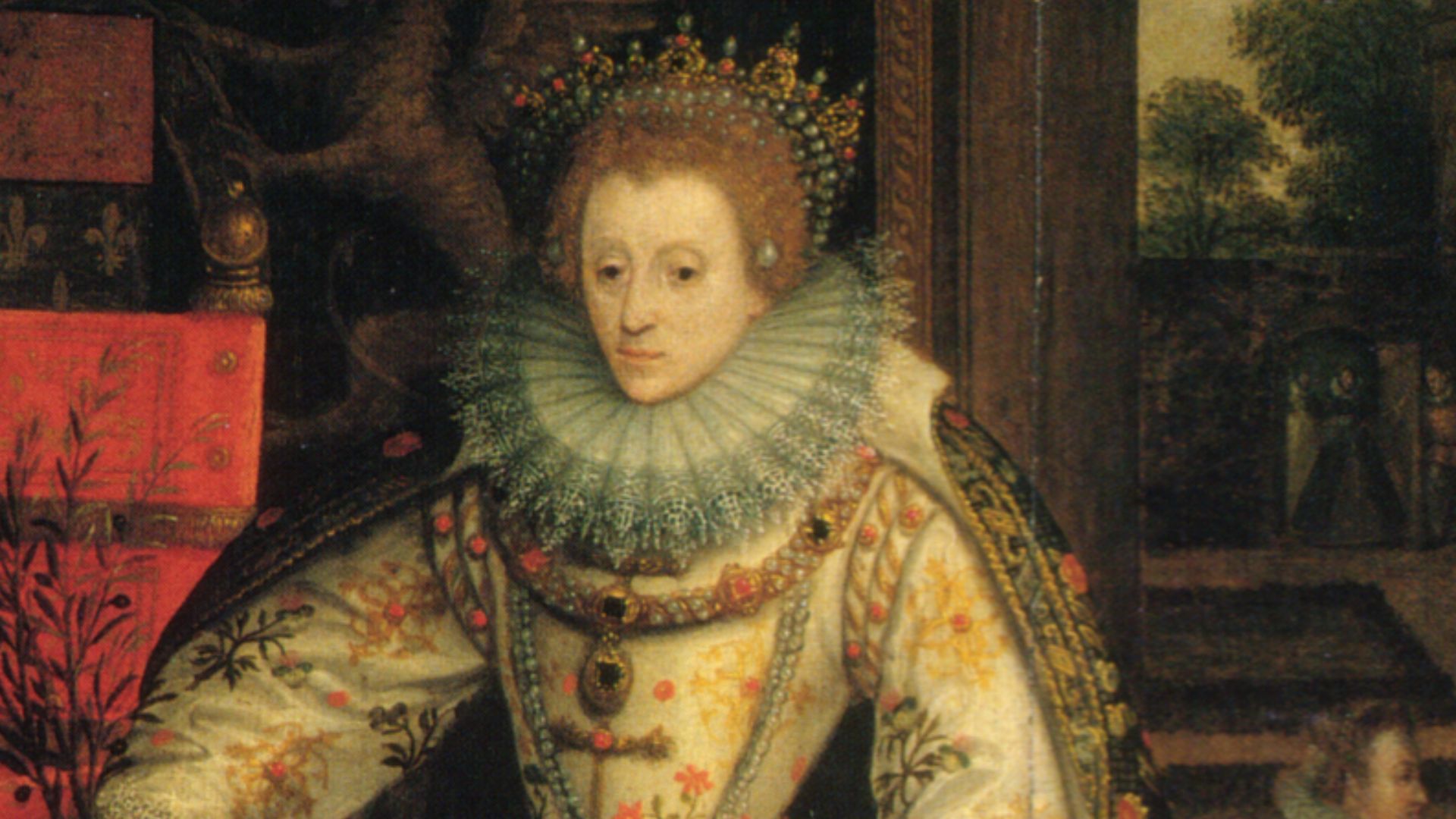 Marcus Gheeraerts the Elder, Wikimedia Commons
29. The Pressure Got To Her
Lettice had endured almost a decade of her former friend’s displeasure, not to mention the loss of at least three children in this same time period. Although Dudley’s friends and family smoothed down the Queen’s anger and assured her these “train of ladies” rumors were false and that Lettice wasn’t going anywhere, the drama still reached Lettice—and frayed her further at the edges.
As one family friend put it when he visited Lettice during this time, "I found her greatly troubled with tempestuous news she received from court”. Yet it was nothing compared to what she’d soon endure.
30. Her Husband Quit His Job
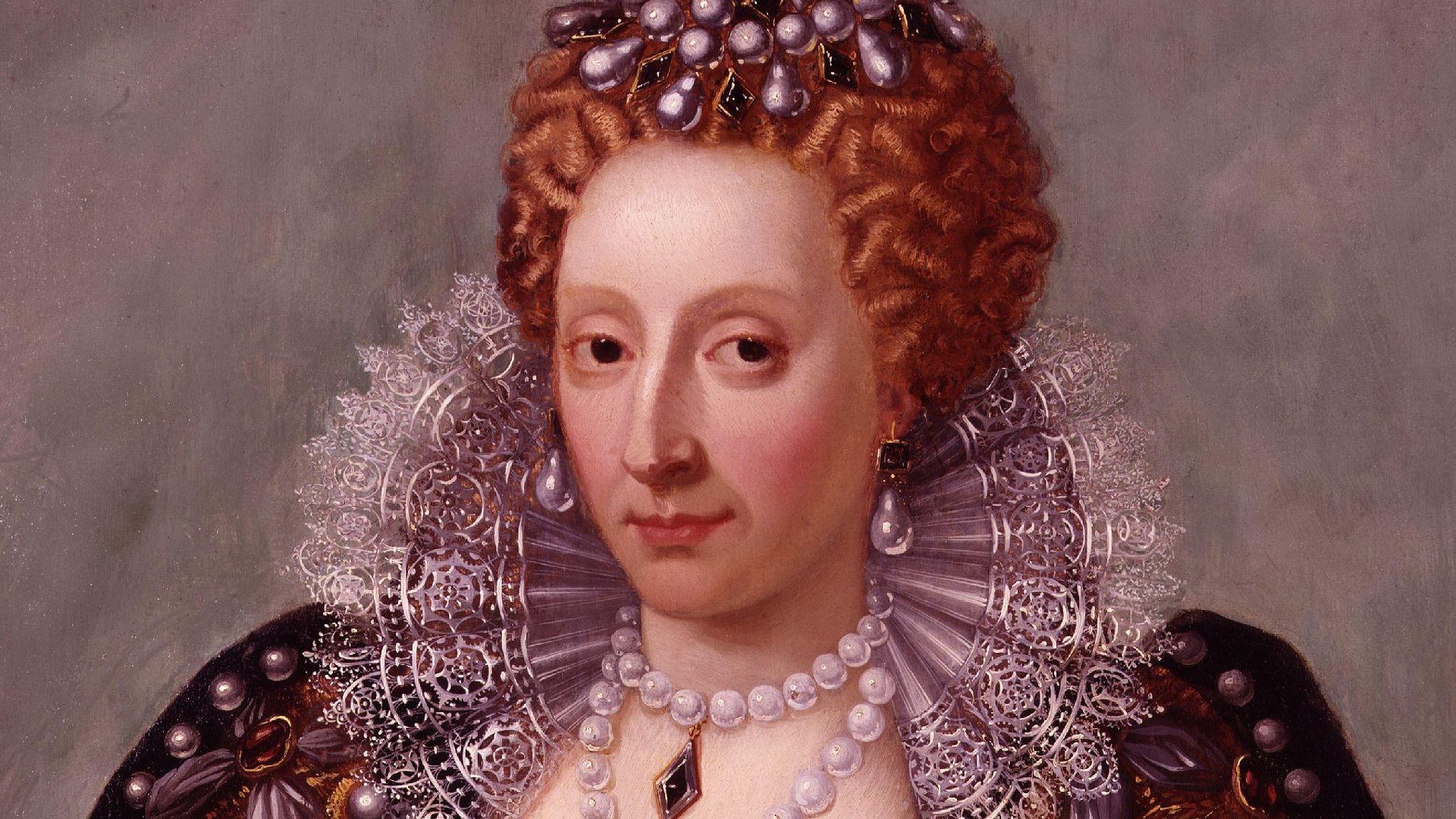
As it happened, Dudley’s intercessions in the Netherlands’ political drama were mostly failures, and not worth the time he was spending away from home. After more visits back and forth, and more heartbreak from Lettice about his absences, he finally resigned from his post entirely in December 1587. But they had precious little time left.
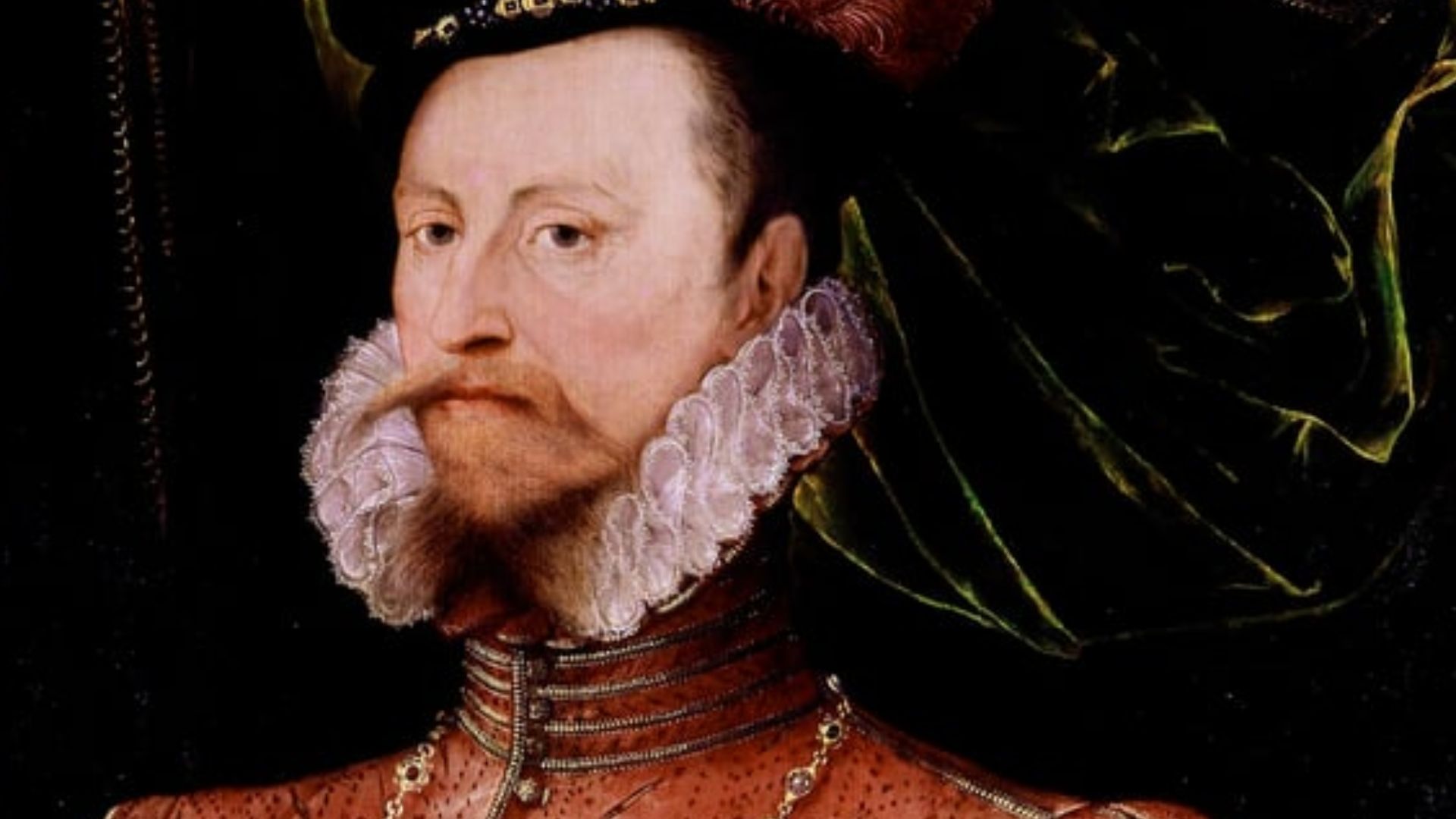 UnknownUnknown , Anglo-Netherlandish School, Unknown Artist, Wikimedia Commons
31. She Watched Her Husband Perish
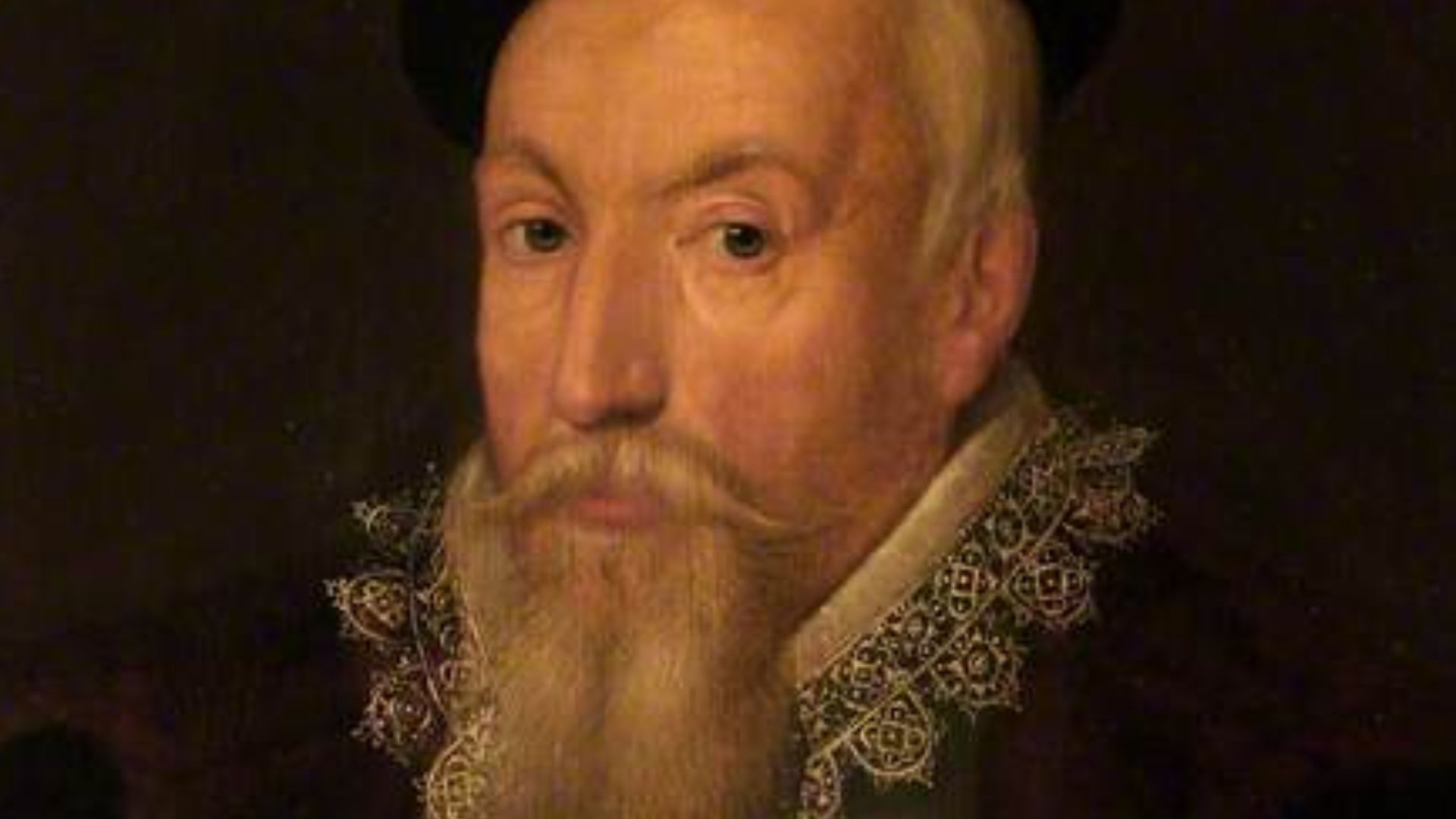
In the end, Lettice got nine more months with her husband, and not a day more. In September of 1588, while he and Lettice were together, Dudley perished suddenly and unexpectedly from a vicious illness, possibly either malaria or stomach cancer.
Heartbroken now more than ever, Lettice was left to pick up the pieces—and there were many pieces.
32. She Lost A Huge Amount Of Money
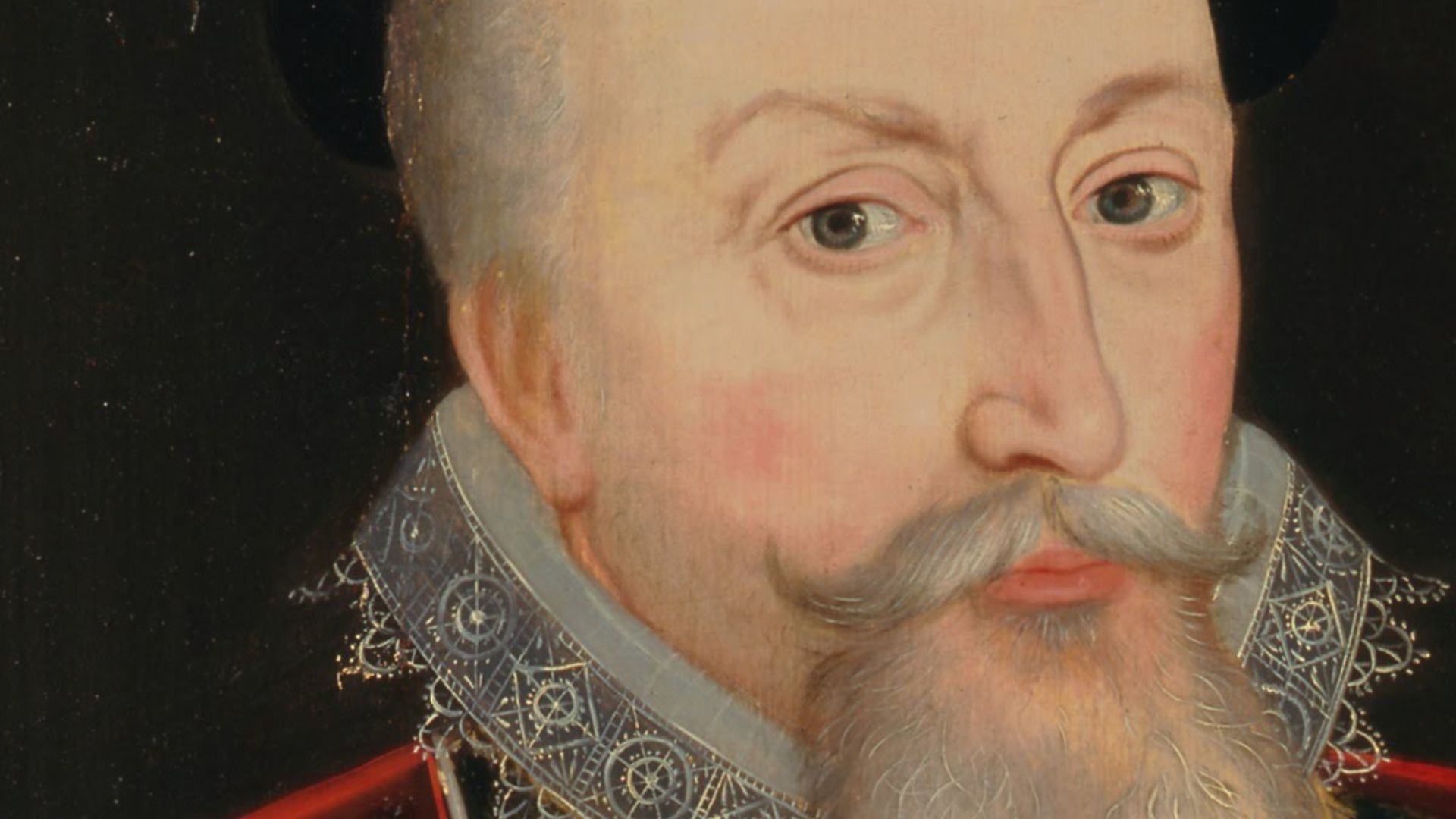
Queen Elizabeth responded to the news about Dudley by locking herself in her room for days, but Lettice had no such luxury. While Lettice was now ostensibly a wealthy widow, Dudley’s massive estates had also come with equally massive debts, and Lettice found her wealth greatly reduced after a series of lengthy legal battles and discussions.
Her consolation during this time was, in typical Lettice fashion, utterly scandalous.
 Unknown artist – Artist, Wikimedia Commons
33. She Had A Rebound Marriage
Lettice Knollys was a woman who knew her desires and went after them, and rot to whatever anyone else had to say about it. Still, her next move shocked even those closest to her: Just six months after Dudley’s passing, and nowhere near the end of the official period of mourning, she married another man, Sir Christopher Blount.
And really, the timing of their wedding was just the tip of the iceberg.
34. She Liked A Much Younger Man
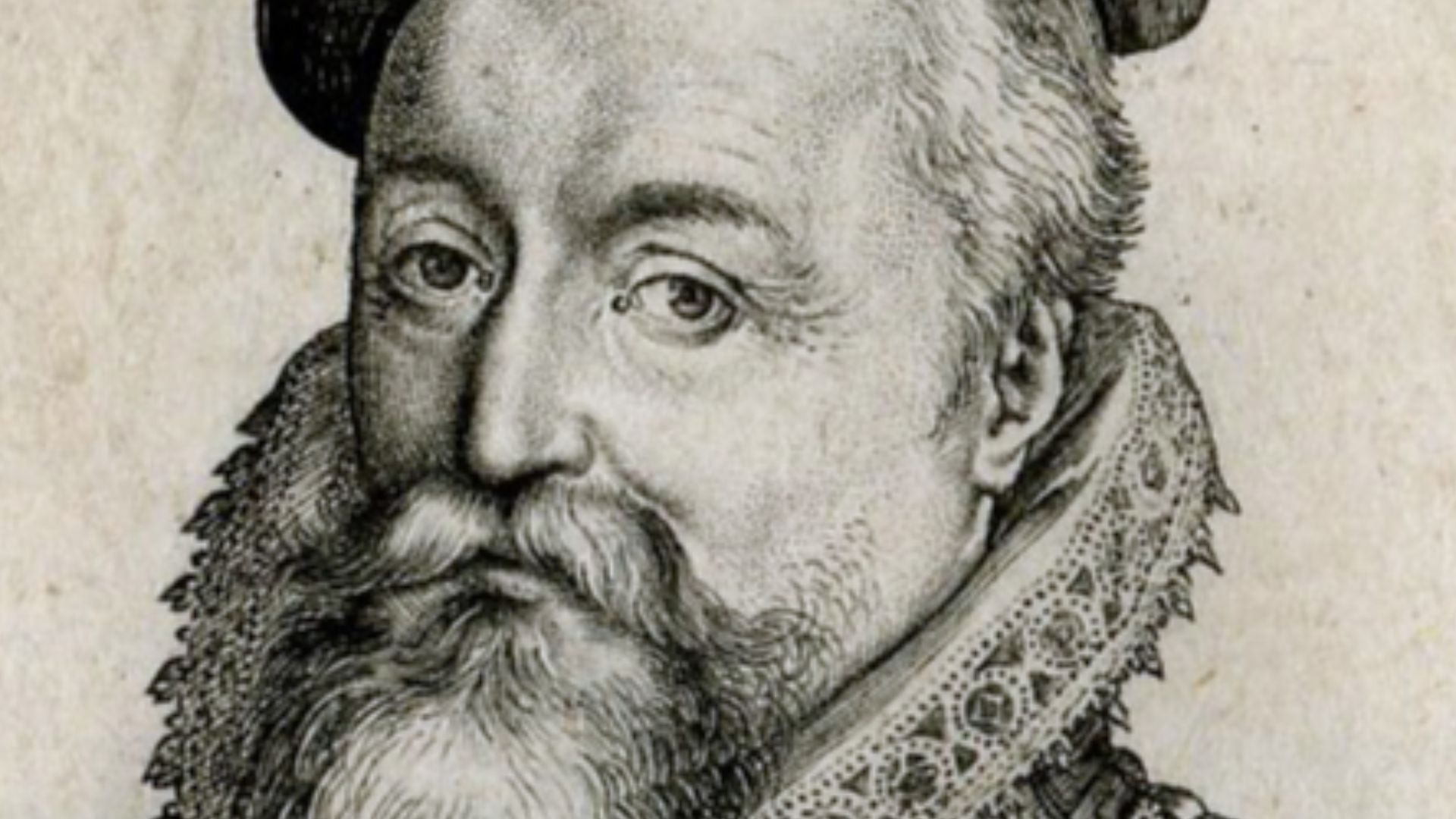
Christopher Blount had very little to recommend him to the 45-year-old Lettice. He was poor, he was Catholic, and he was a full 12 years her junior. More than that, he’d actually been a close confidant of Robert Dudley, leading some to whisper—especially given Lettice’s track record—that they had begun an affair before Dudley’s passing.
Even Lettice’s own son called it an “unhappy choice”. It would prove to be disastrous, but not just yet.
 Hendrik Goltzius, Wikimedia Commons
35. She Was Vulnerable
Despite the shaky beginnings of her third marriage, Lettice stood by her choice. She claimed that as a widow, she was in need of protection—and she might have been, especially since she still had the Queen of England as an enemy. She had affection for Christopher Blount, and he was as good a man as any to give that protection to her. Indeed, the first bit of their union was “genuinely happy”.
Lettice would have to hold on to that feeling, because a hurricane of turmoil was on the way.
 Nicholas Hilliard, Wikimedia Commons
36. She Buried Another Son
In 1591, Lettice got a taste of the tragedy to come. That year, her second oldest son Walter Devereux perished while on military duty in France. At the time, Walter had been fighting alongside his older brother Robert Devereux, the new Earl of Essex, who had gotten lucky and survived. The news sent Lettice into over–protective mode.

37. Her Eldest Was All She Had
With one son gone and only Robert left, Lettice began to get anxious about her eldest boy’s safety. After all, Robert was notoriously moody and depressive, even if he was still firmly one of Queen Elizabeth’s favorites. Lettice wrote to him frequently, trying to boost his mood and give him support…but she also tried to use him to get back into the Queen’s favor.
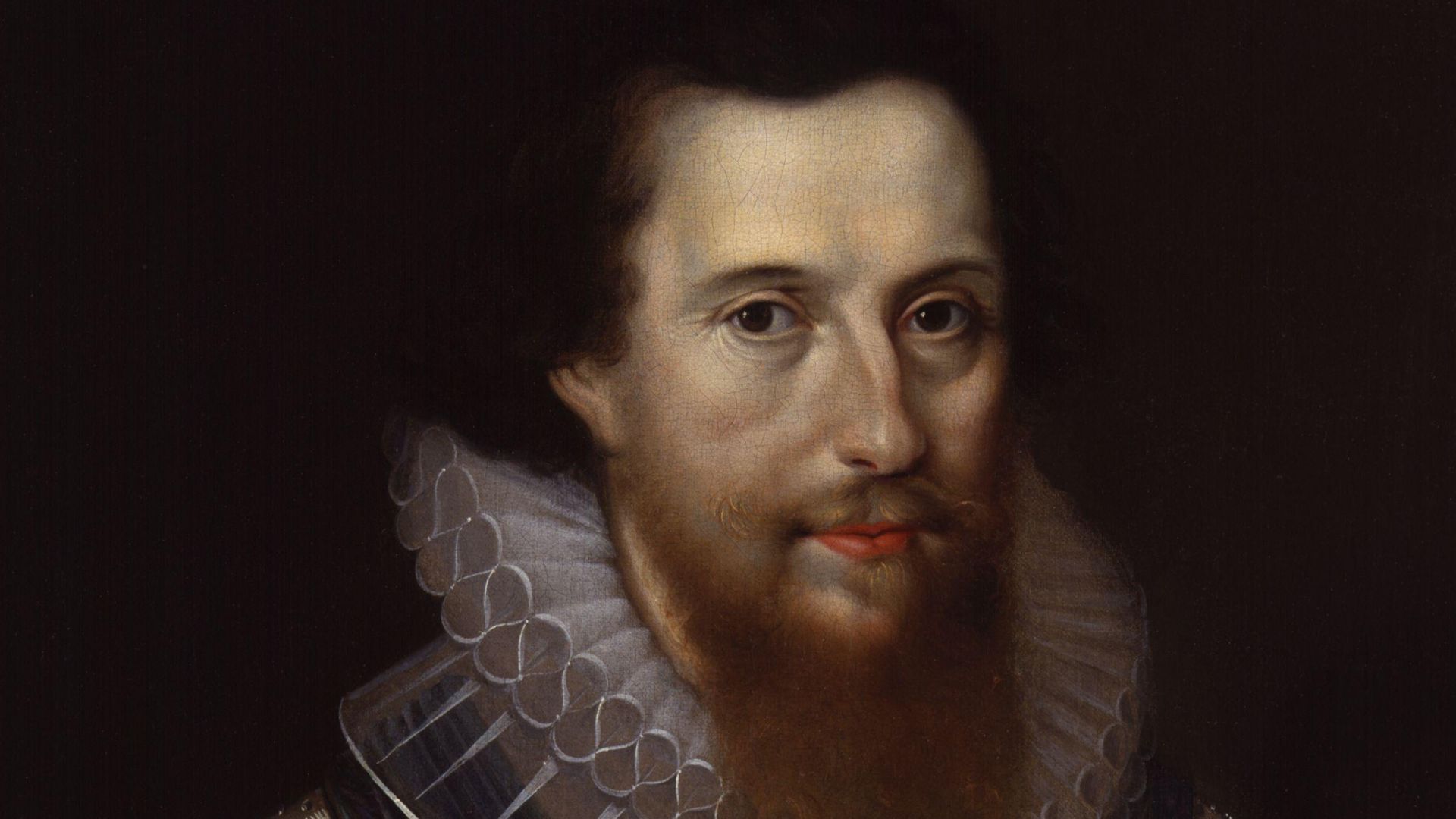 Marcus Gheeraerts the Younger, Wikimedia Commons
38. She Was Desperate For A Reconciliation
In late 1597, Lettice got news she never thought she’d hear: Queen Elizabeth was apparently “very well prepared to hearken to terms of pacification” with her. She wrote immediately to her son Robert, asking him if he thought it would be worth it to go to Elizabeth’s court. He apparently responded in the affirmative, and she traveled to his house in London to await an audience with the Queen.
The long-awaited meeting was entirely depressing.
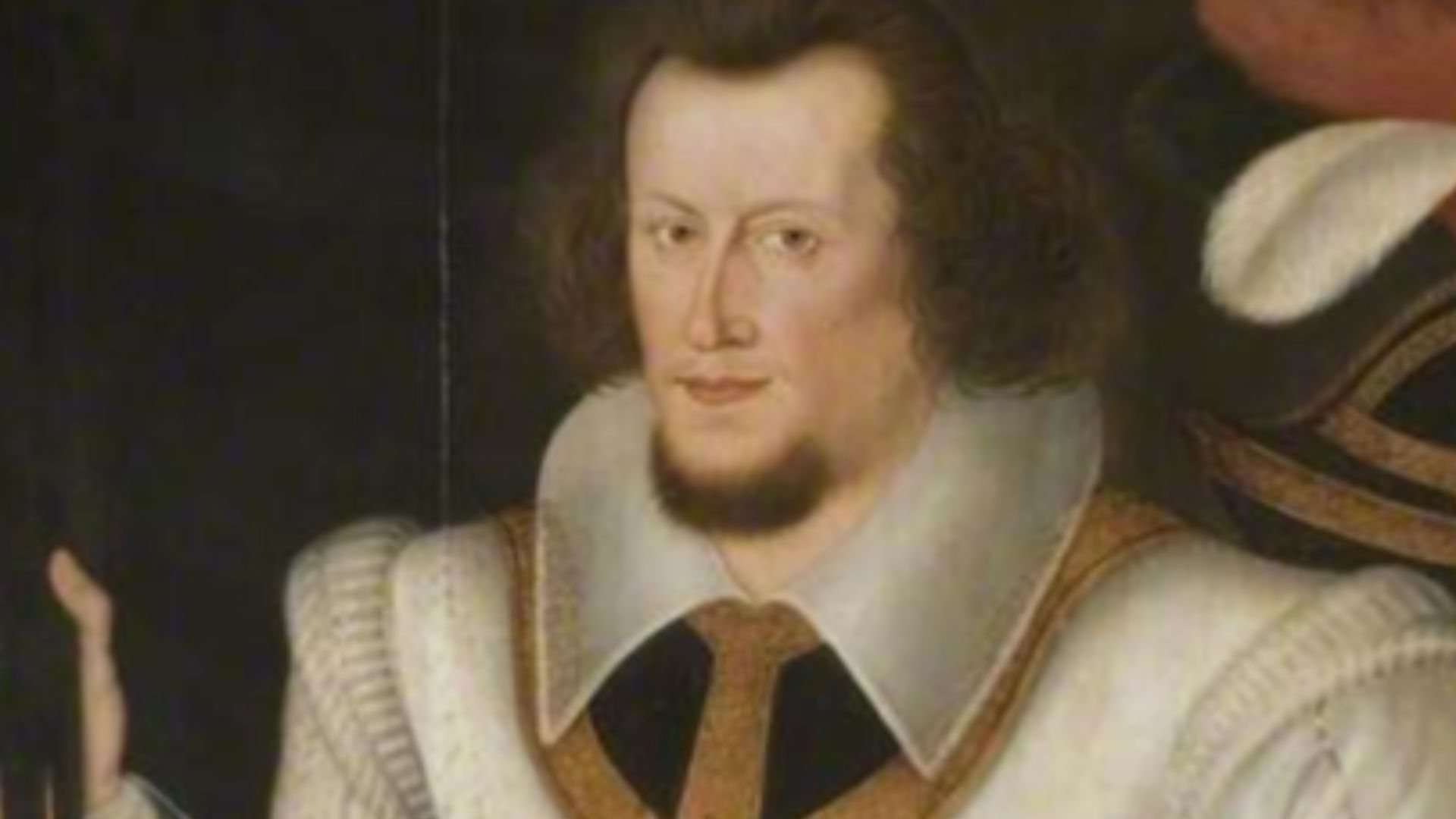 School of Marcus Gheeraerts the Younger, Wikimedia Commons
39. She Had A Heartbreaking Meeting
After all the angst and torment between Lettice Knollys and Queen Elizabeth, the true end of their friendship came not with a bang but a whimper. Lettice did eventually get her audience with the Queen, and the pair kissed each other in apparent friendship—but it changed nothing. Lettice was not back in favor, and had to remain on the outskirts of society.
If she’d won a stronger influence over Elizabeth, maybe she could’ve stopped the coming storm.
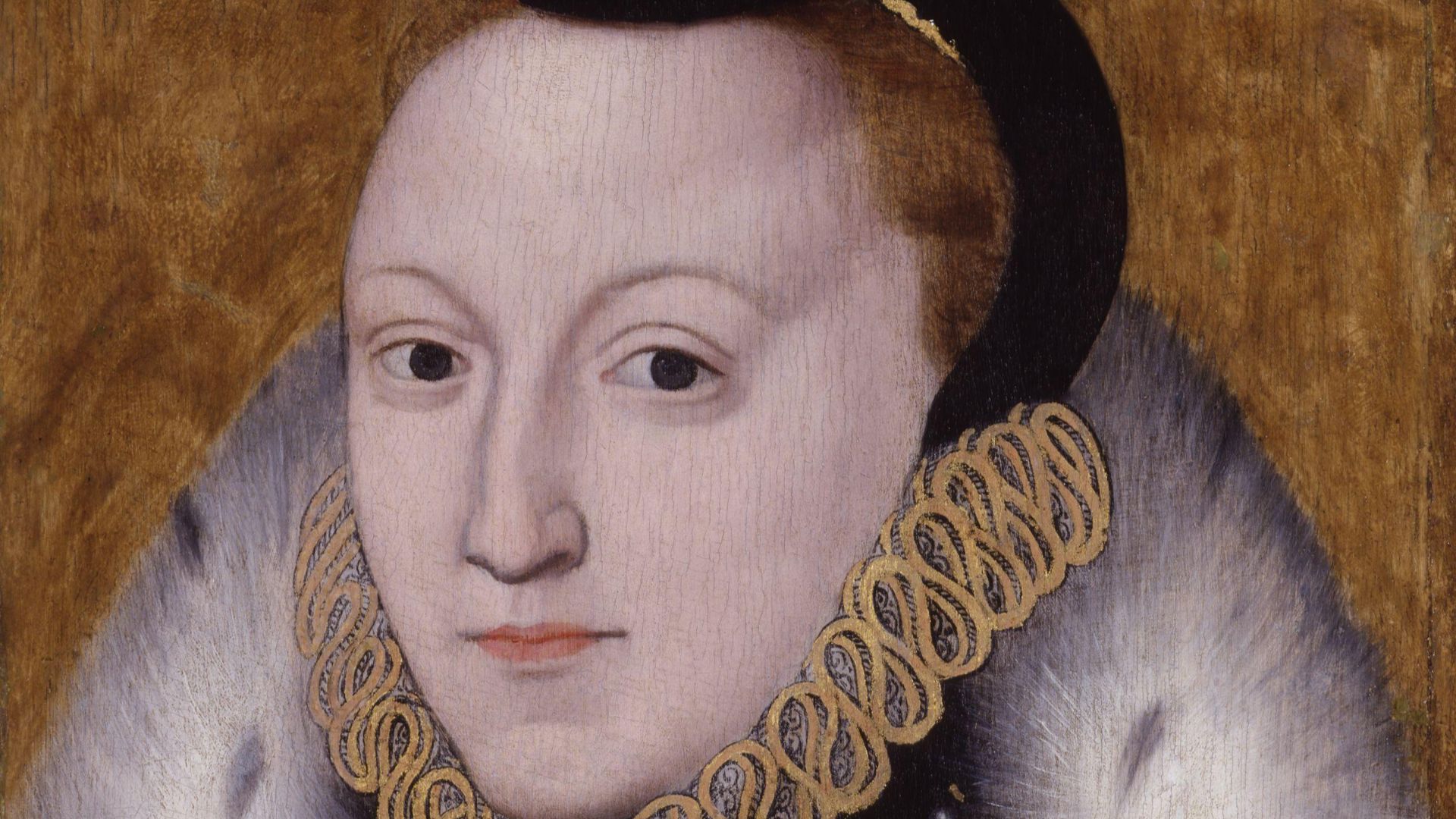
40. Her Son Made A Fool Of Himself
In 1599, Lettice’s brash, ambitious son Robert convinced Queen Elizabeth to send him to Ireland as Lord Lieutenant so that he could continue fighting the Nine Years’ War there. Lettice watched in horror as it all fell apart. Robert was an embarrassingly bad commander: He wasted money, handed knighthoods out to his men like candy, and even entered a truce many back home thought was humiliating.
Eventually, Elizabeth snapped that if she wanted to abandon Ireland, she could’ve done it without the inconvenience of sending him there. But worse was to come.
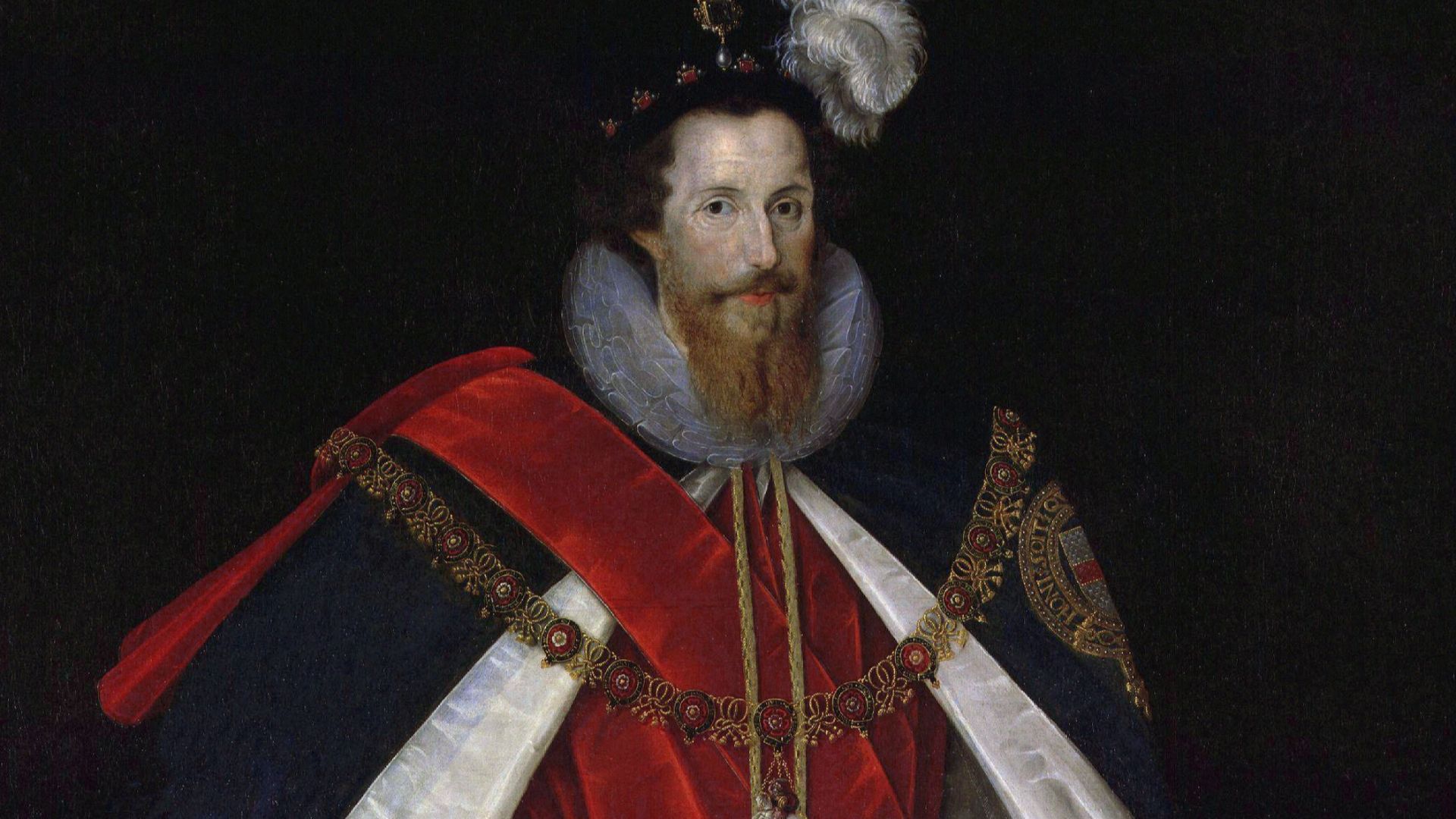 Marcus Gheeraerts the Younger, Wikimedia Commons
41. More Shame Came To Her Family
In September of 1599, Lettice’s son ran back to England—but it was not a happy homecoming. The Queen had explicitly forbidden him to come back, and Robert didn’t help matters when he appeared unannounced at the monarch’s bedchamber to talk, all before the image-conscious queen even had her wig or gown on.
Queen Elizabeth had more patience for Robert than she did for his mother, but this patience finally ran out.
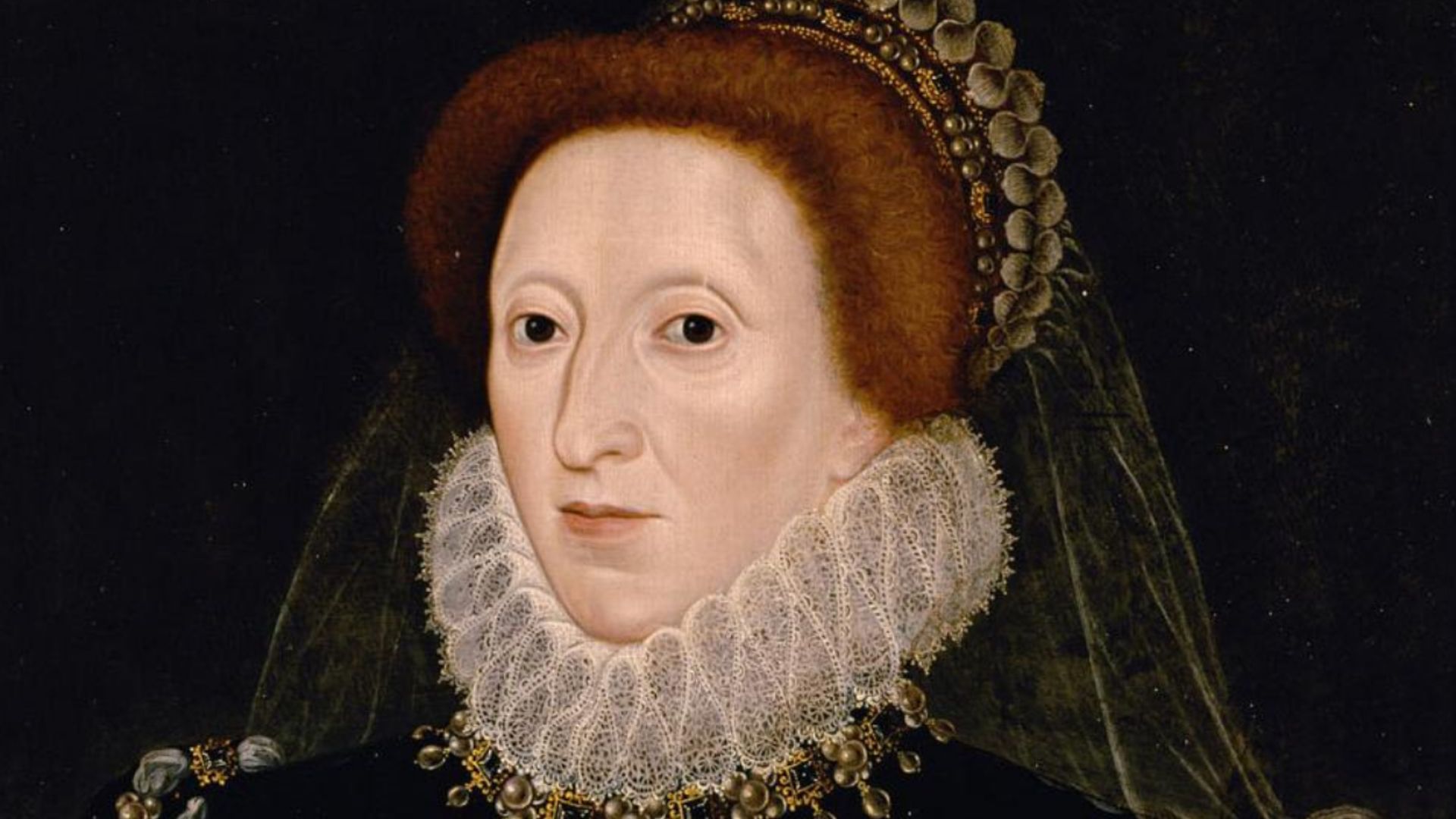 Possibly Nicholas Hilliard, Wikimedia Commons
42. The Queen Snubbed Her One More Time
Commenting that “an unruly beast must be stopped of his provender,” Elizabeth confined Robert to York House to await a trial for desertion. Terrified for her son, Lettice went into overdrive, using any last shred of nostalgia the Queen had for her to beg mercy for her son. She even sent the Queen a gown as a present, but this only led to humiliation: In the ultimate power move, Elizabeth neither refused the gift nor accepted it.
But Lettice didn’t give up.
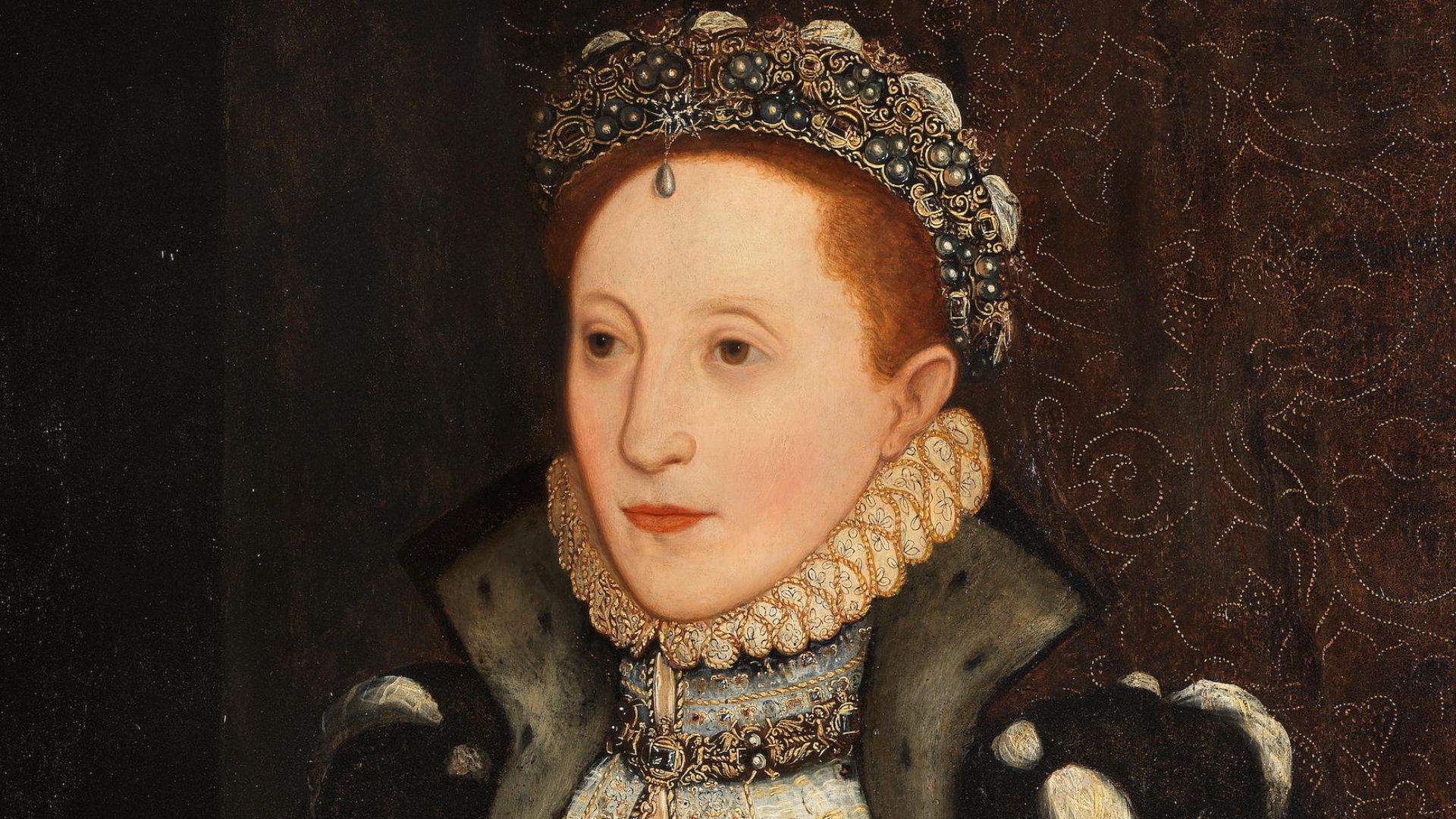 Workshop of Steven van der Meulen, Wikimedia Commons
43. She Never Gave Up On Him
Lettice did everything she could to see Robert during his confinement. According to one report, Lettice and some friends even took up residence in a house that overlooked the garden at York House, and then waited for Robert to take walks. When Lettice spotted him, mother and son “saluted each other out of a window”.
So when the verdict in his trial finally came, Lettice’s heart stopped.
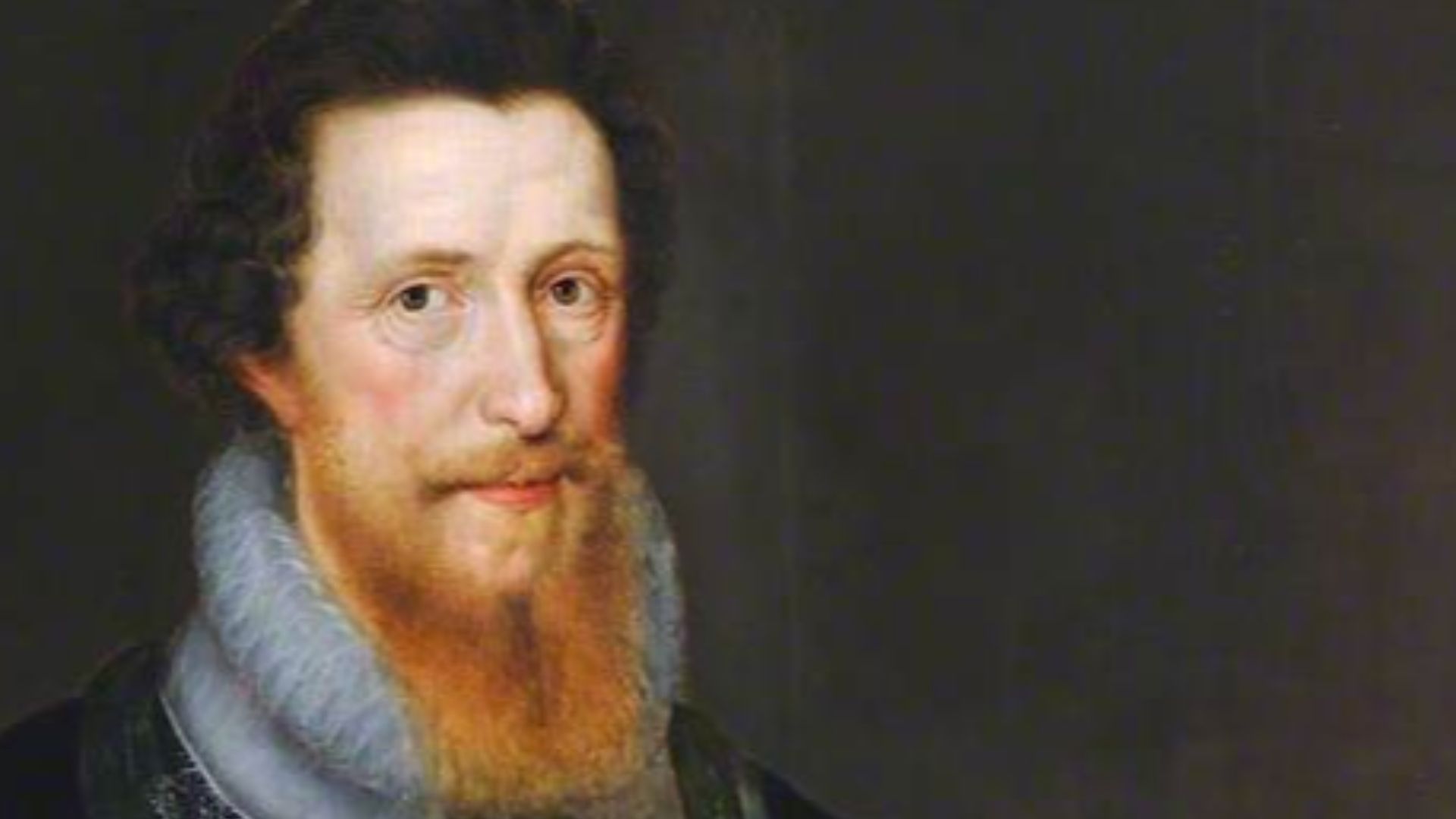 Marcus Gheeraerts the Younger, Wikimedia Commons
44. Her Son Got Punished
In June of 1600, a commission of 18 men heard Robert Devereux’s case and ultimately convicted him of abandoning his post in Ireland. The punishment was harsh: They stripped the Earl of his public office, and he was to stay in confinement at York House until the authorities decided otherwise.
Nonetheless, Lettice must have been grateful that Robert got to keep his head. She just wouldn’t be grateful for long.
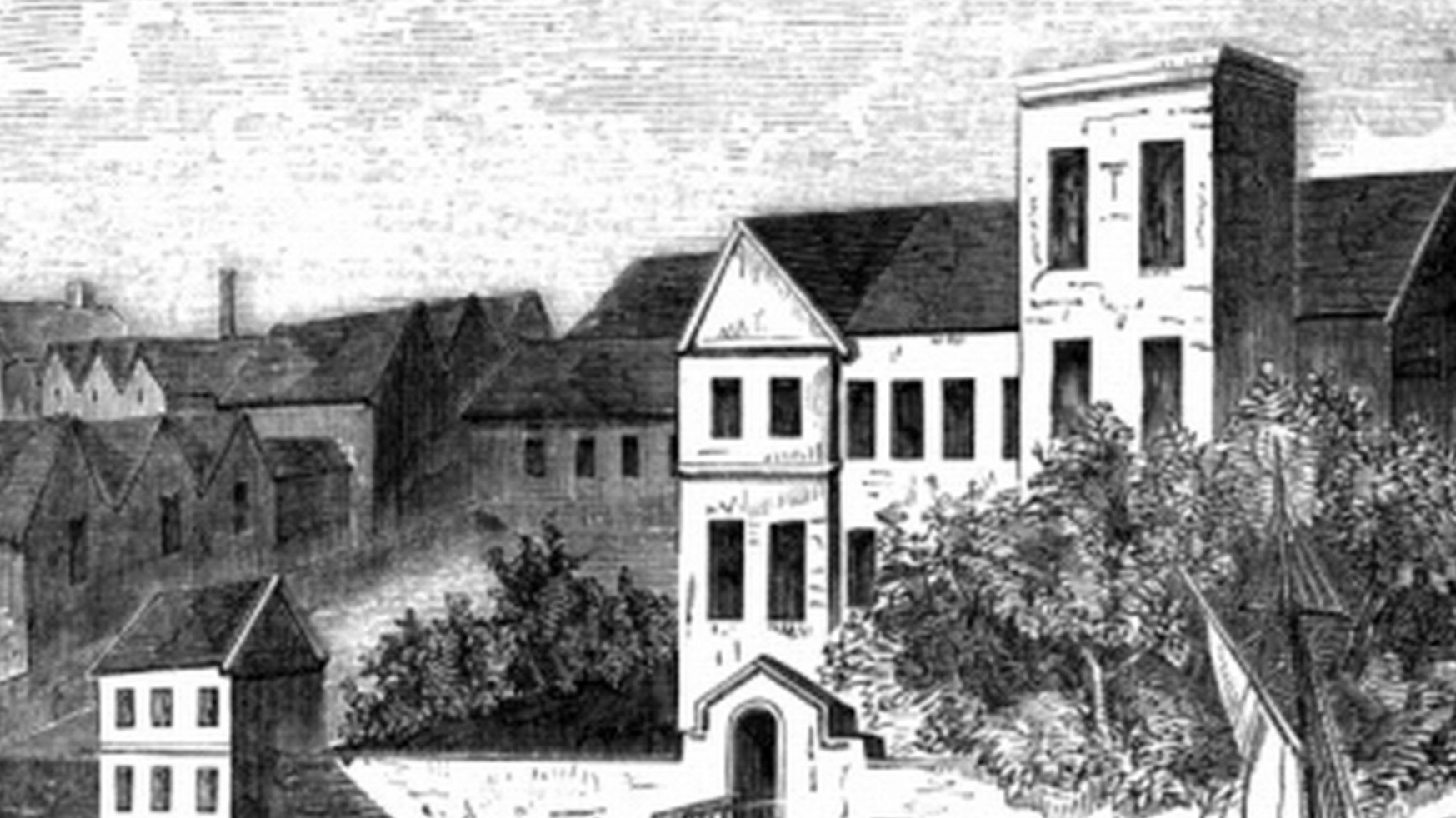 John Cassell, Wikimedia Commons
45. Her Heir Rebelled
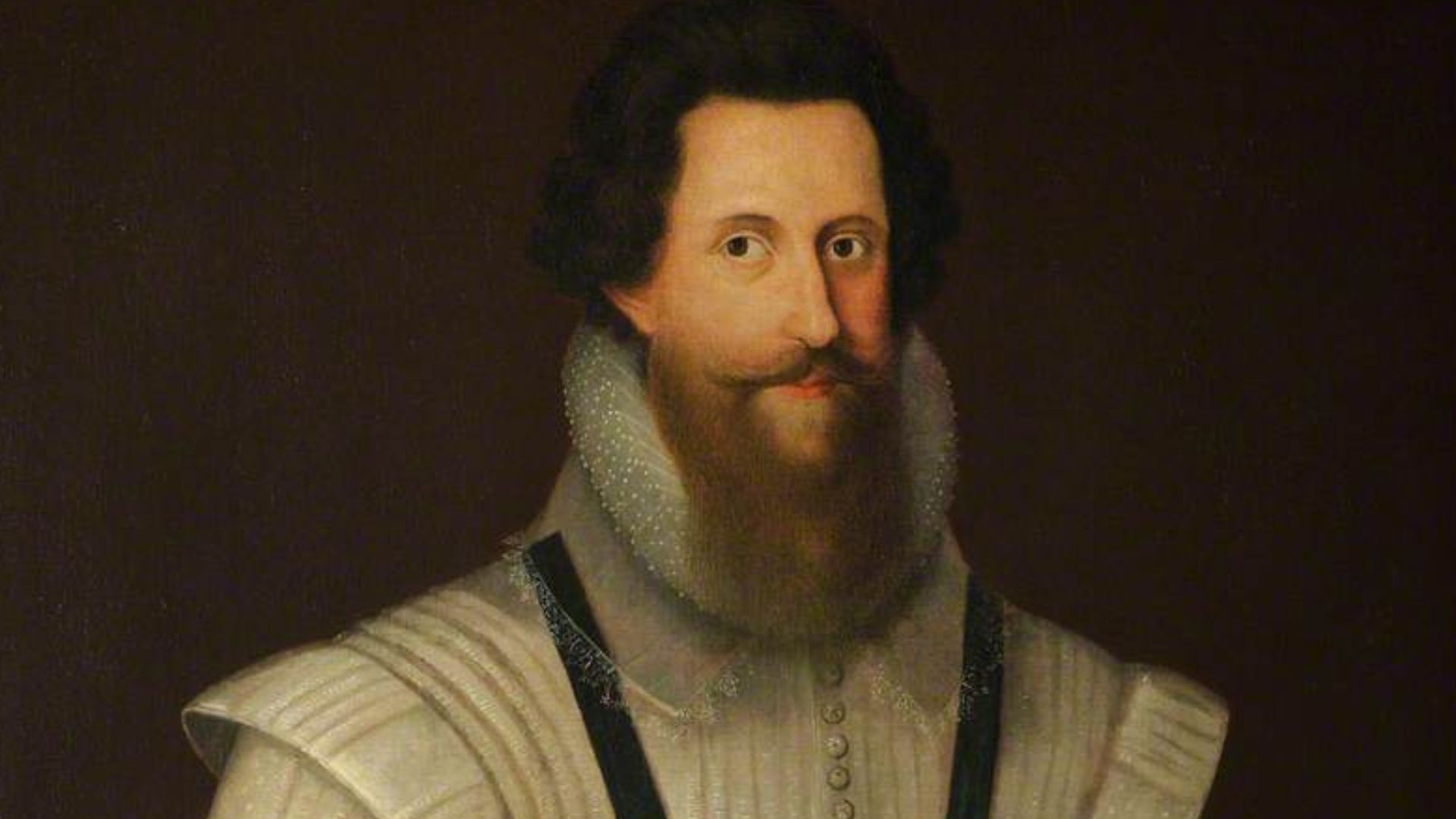
In August of 1600, Robert regained his freedom, but he’d forever lost the sweet wine income Elizabeth had given him when he was still her favorite. Strapped for cash, Lettice’s son took a dark turn. In a matter of months, he went “from sorrow and repentance to rage and rebellion”.
Too angry to think straight, Robert began fortifying his home—and gathering followers for a rebellion.
 Marcus Gheeraerts the Younger, Wikimedia Commons
46. Her Husband Joined In
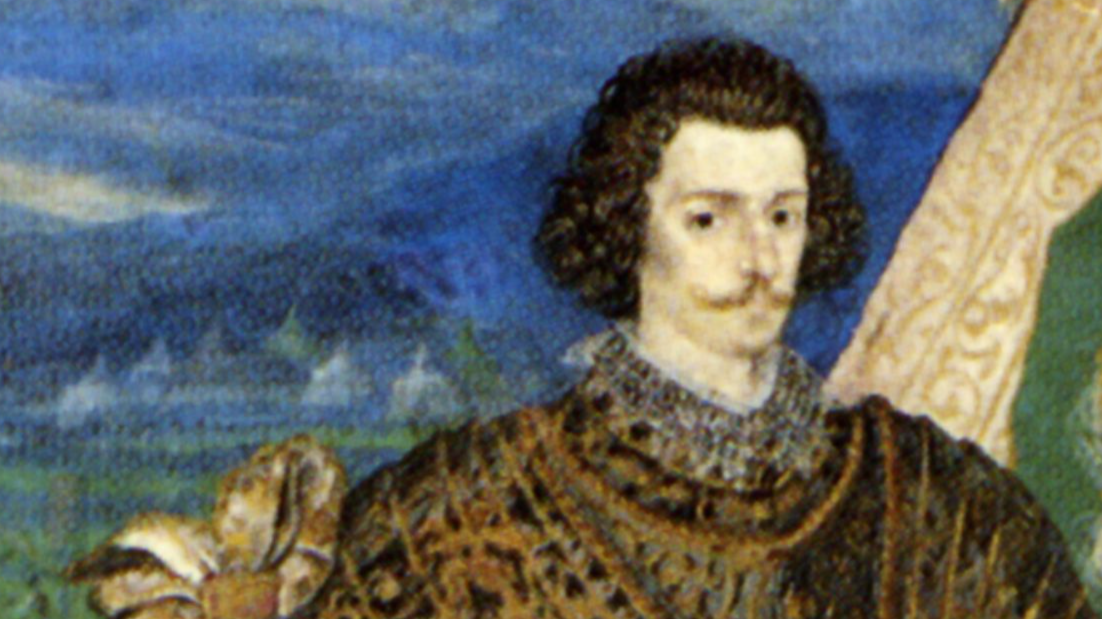
In early 1601, Robert and a group of malcontents marched into the city of London and tried to force their way into an audience with Queen Elizabeth. Lettice must have been beside herself, and not just because her son was in the middle of the fray: Her husband Christopher Blount had also decided to join his stepson in the uprising.
The outcome was pure Shakespearean tragedy.
 Attributed to Nicholas Hilliard / Workshop of Nicholas Hilliard, Wikimedia Commons
47. Her Family Was Treasonous
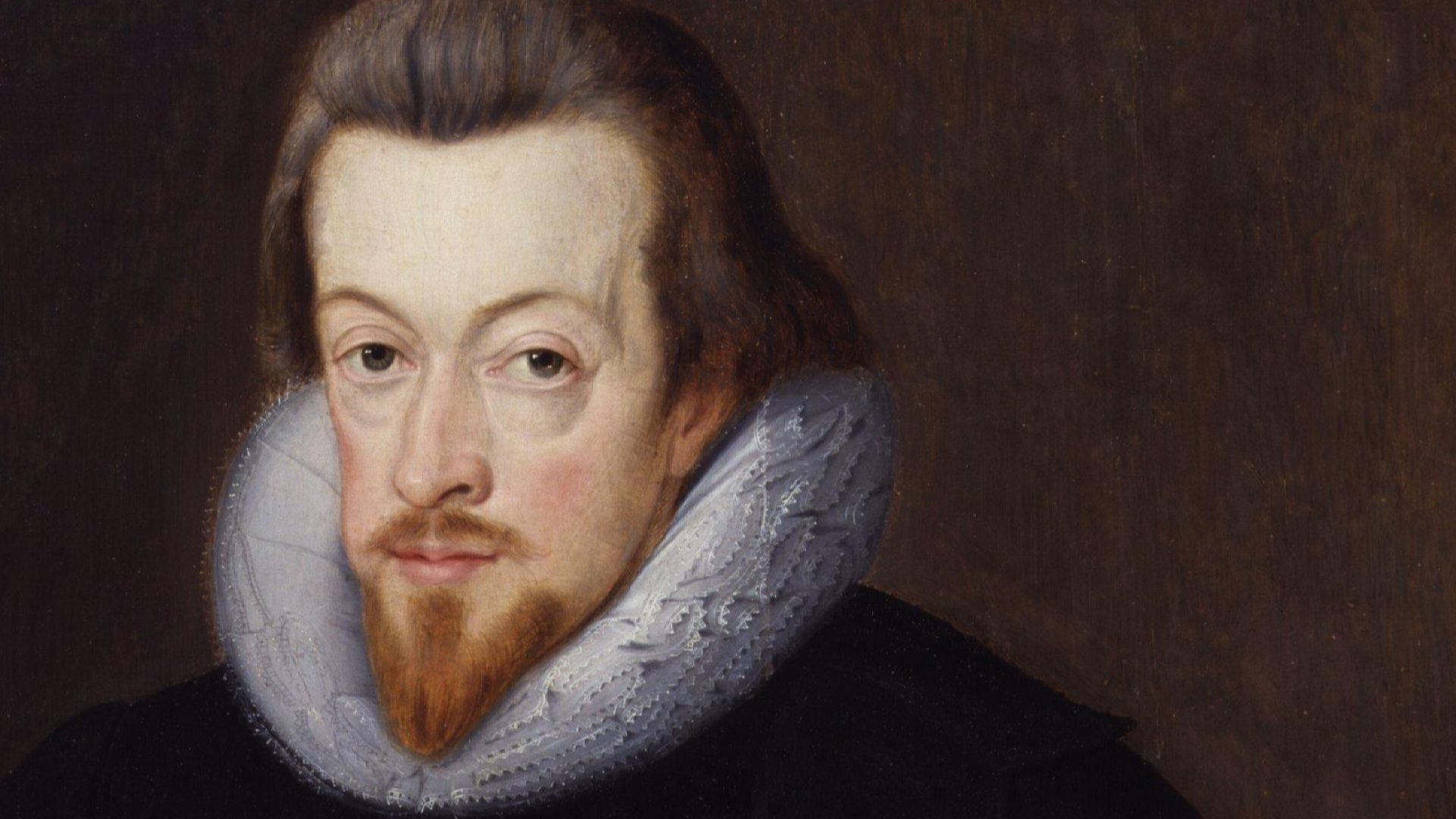
Robert and Christopher Blount had no chance at all against the Crown, and Queen Elizabeth’s secretary Robert Cecil immediately branded them as traitors. In the ensuing skirmish—which Robert’s group very roundly lost—Blount was badly injured in the cheek before the rebels surrendered themselves to the government. This time, there was no mercy.
 anonymous / After John de Critz, Wikimedia Commons
48. She Lost Them Both
On February 25, 1601, Lettice’s last surviving son was beheaded at the Tower Green section of the Tower of London. Three weeks later, on March 18, Lettice’s third husband was beheaded on Tower Hill, following his stepson into treasonous death.
Lettice, who had loved both her son—whom she’d called “Sweet Robin”—and her third husband—whom she’d called her “best friend”—was beyond comfort. And still, scandal came for her.
 [Duncan] from Nottingham, UK, Wikimedia Commons
49. She Got A Final Insult
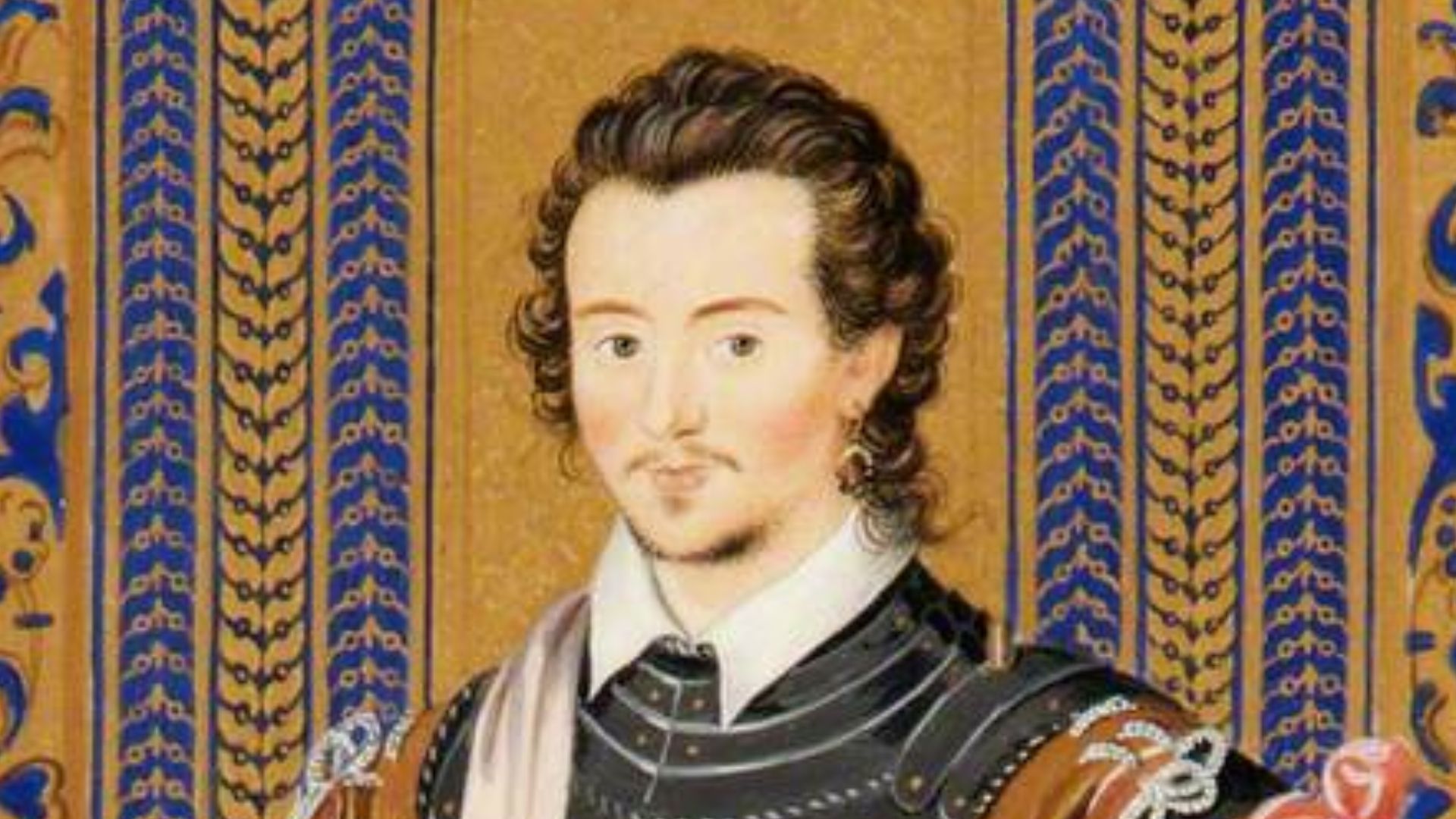
In 1603, a vengeful ghost appeared at Lettice’s door. Her second husband Robert Dudley’s illegitimate son began claiming that his father and mother had married, and that he was thus entitled to much of Lettice’s remaining wealth. To add insult to injury, this also implied that Lettice and Dudley had been in a bigamist union.
But by this time, Lettice had enough of tiptoeing around other people. In 1604, the 60-year-old woman filed a complaint against the young Dudley for defamation, incited a court case, and successfully defended her inheritance.
 Nicholas Hilliard, Wikimedia Commons
50. She Outlived Them All
In the end, Lettice Knollys outlived her greatest enemy and her greatest grudges. Queen Elizabeth passed in March of 1603, and Lettice’s family reputation was partly reinstated under Elizabeth’s successor King James I of England. Lettice even had time to enjoy it: She lived for three more decades after that, and was still walking a mile every day when she neared 90.
She passed peacefully in her chair on Christmas morning, 1634 at the age of 91. By that time, few could have imagined the life—and tragedy—she’d lived.
You May Also Like:
Queen Elizabeth I Was Secretly Vicious
Scandalous Facts About The Victorian Royal Family
Adventurous Facts About Sir Walter Raleigh, Queen Elizabeth's Most Notorious Spy