
The Struggle To Hold Onto Power
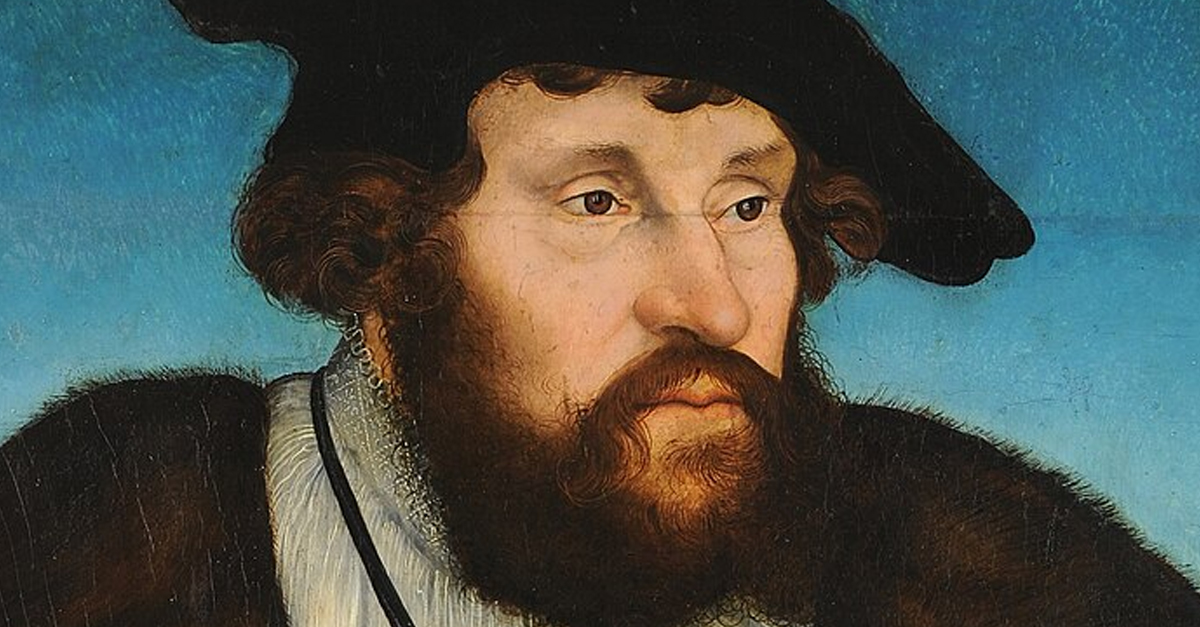
Intrigue. Scandal. Betrayal. The rise to power is easy; holding onto that power is another thing entirely. Christian II briefly ruled over three nations, first Denmark and Norway, and then Sweden. Unfortunately, Christian lacked the political sense to navigate the complicated waters of kingship.
Forgetting the importance of support, Christian’s actions constantly enraged local nobles—and in the end, he paid the ultimate price.
1. He Entered The Right Family
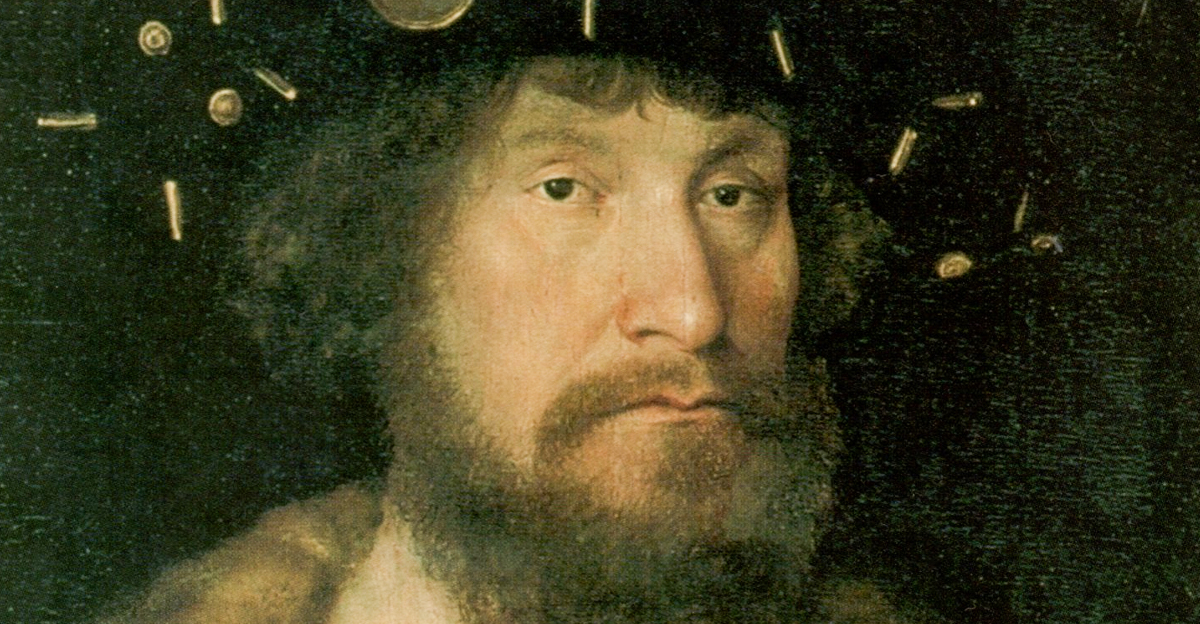
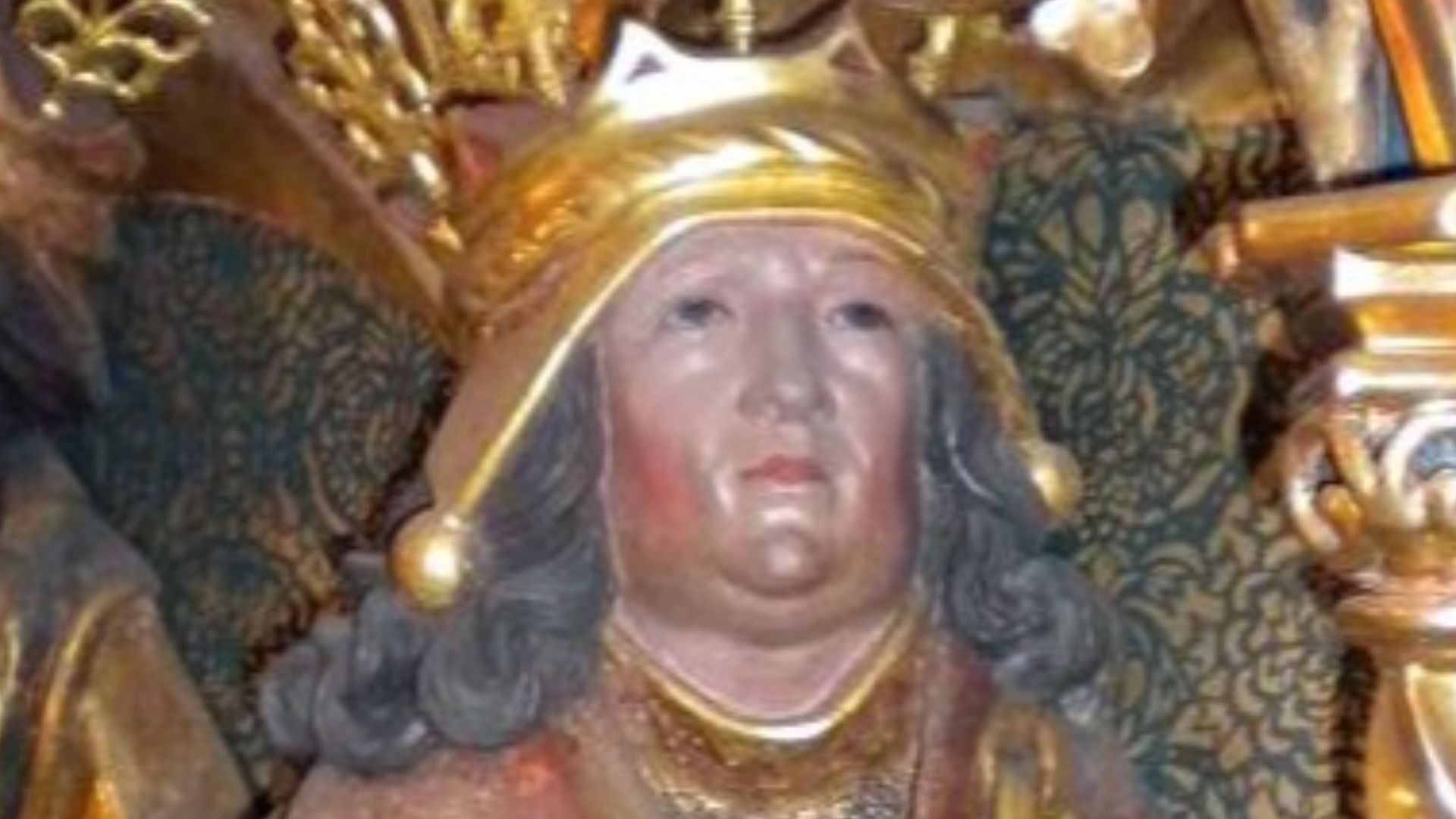
Often, the question of power is a matter of good birth, and for Christian II of Denmark, he had the good fortune to be born into the best of families. His father, John, ruled as King of Denmark and Norway through the Kalmar Union. Based on the terms agreed upon at the origin of the Kalmar Union, John (and his son) should’ve ruled over Sweden as well.
However, growing tensions had resulted in Sweden rebelling—not that Christian nor his father felt daunted by the challenge.
 Jacob Truedson Demitz for Ristesson, Wikimedia Commons
2. He Had Good Genes
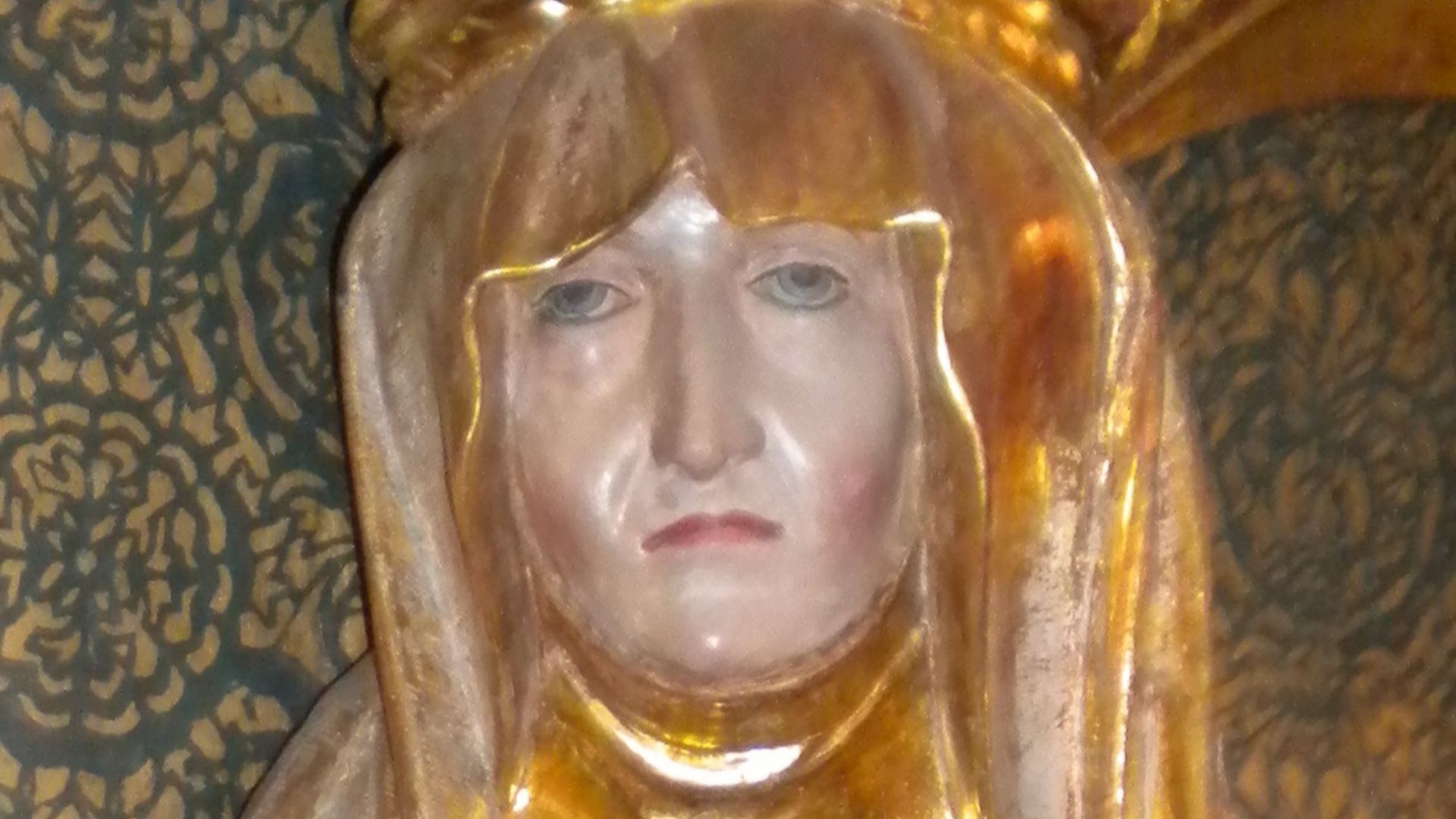
If the name of the game is all about who your relatives are, then Christian continued to draw aces. Through both his mother Christina of Saxon and his father, he descended from past rulers of Sweden. However, no matter how good your credentials are, there will always be people who want to take power for themselves.
During his reign, King John frequently found himself at odds with Sweden. Once he came of age, Christian helped take matters into his own hands.
 Jacob Truedson Demitz for Ristesson, Wikimedia Commons
3. He Saw An Opportunity
The problem with ruling based on an agreement is that, inevitably, someone starts to think that they can find a better arrangement for themselves. When Christian’s grandfather passed, his father succeeded to the King of Denmark with little to no problems and to the King of Norway with minimal resistance.
However, in Sweden, they appeared to feel that the Kalmar Union no longer suited them. Although on paper, John ruled Denmark, Norway, and Sweden (and Christian would inherit the same), it was actually the regent Sten Sture who ruled Sweden—that is, until he lost the favor of the nobility. That's when Christian, along with his father, saw an opportunity.
 Slarre~commonswiki, Wikimedia Commons
4. He Took Charge
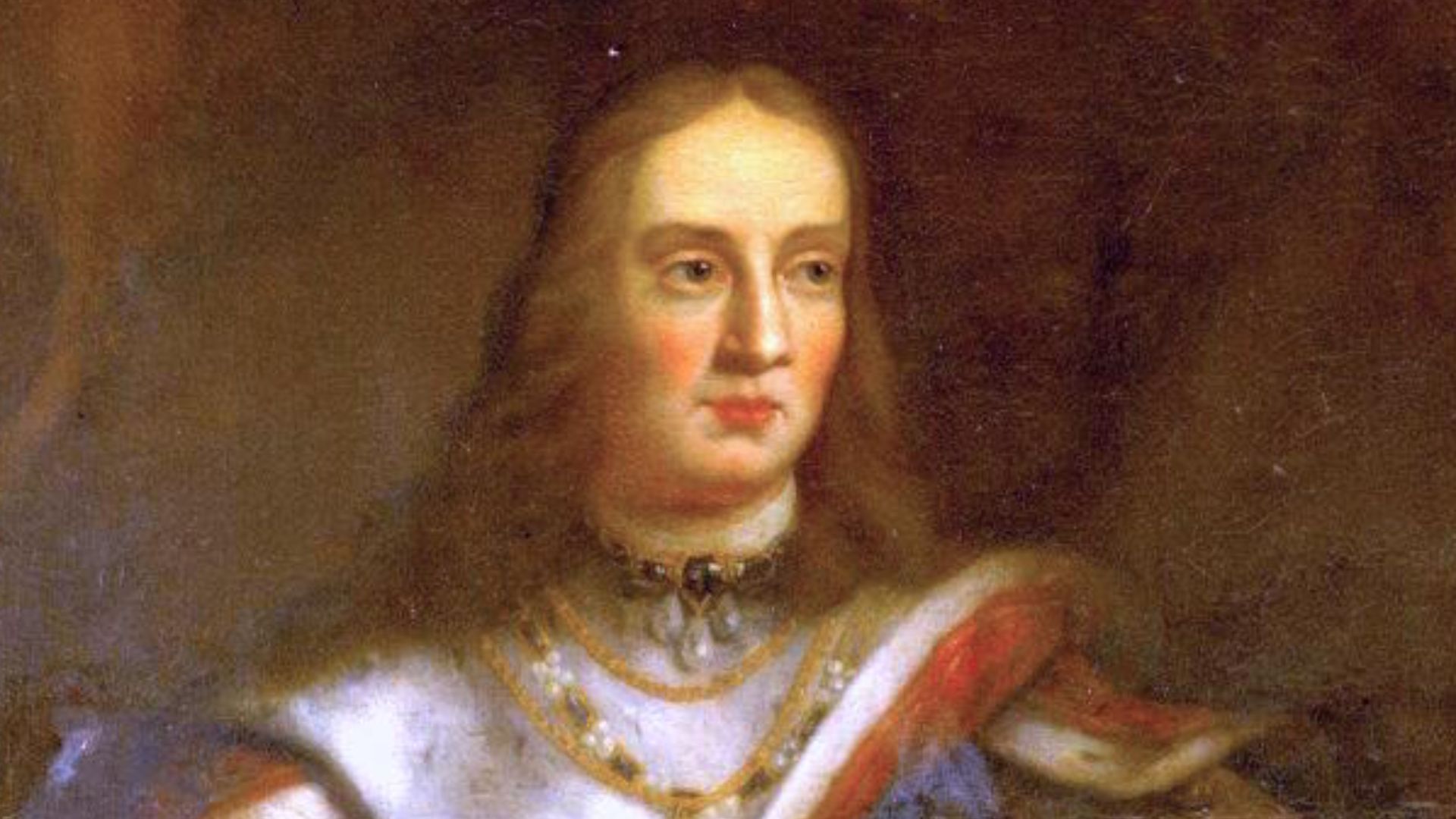
Sometimes, to secure the authority you’d already been given, you need to apply a little bit of force. In September 1497, Christian joined his father’s army as they marched into Sweden to handle the matter of Sten Sture once and for all. The Swedish army, made up of peasants, hardly stood a chance.
Christian and those with him plowed through them easily, and, finally, King John took the Swedish Crown. Sweden lost that battle; however, they had no intention of giving up the fight.
 Unknown authorUnknown author, Wikimedia Commons
5. His Enemies Plotted
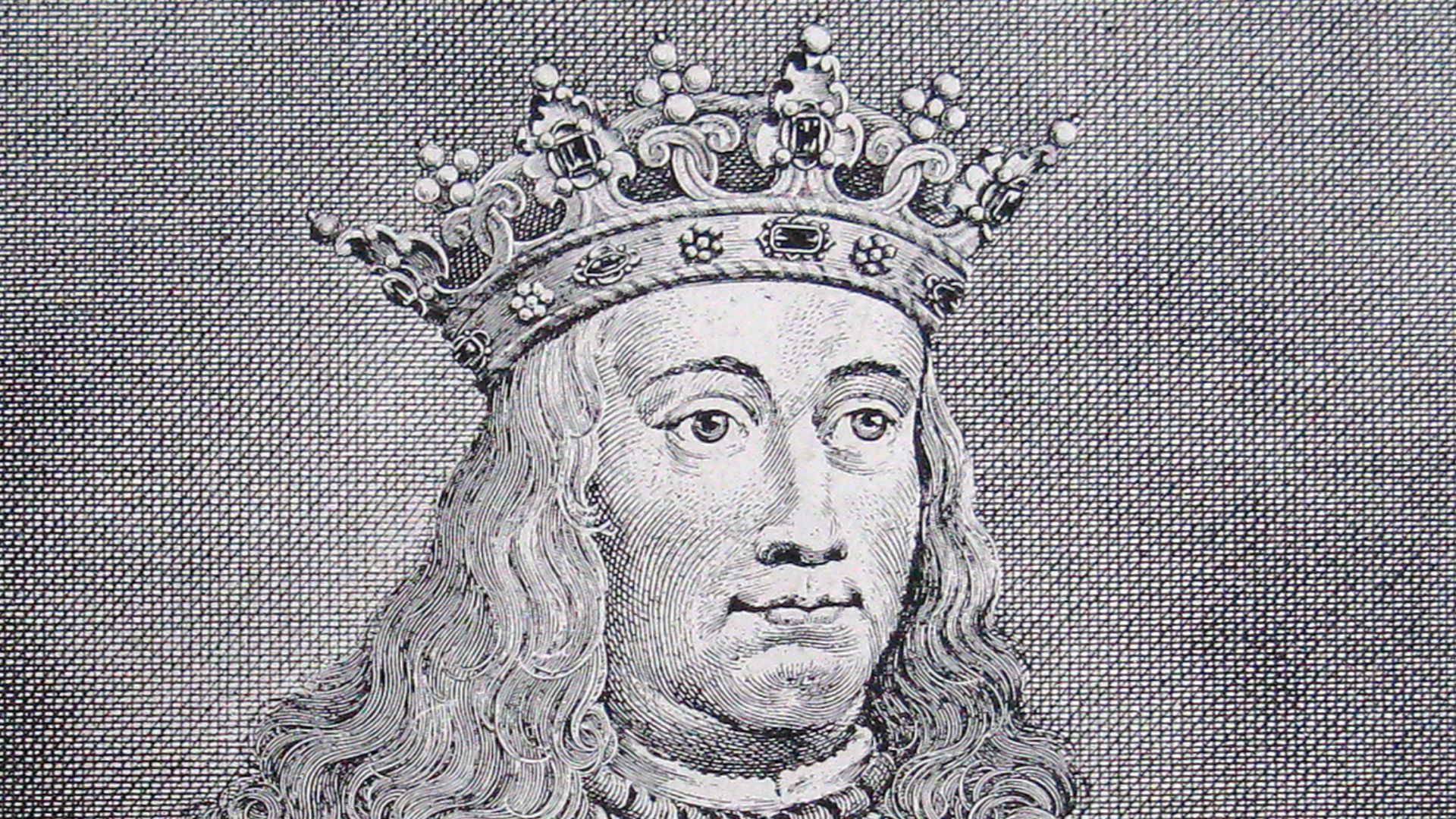
Peace, while desirable, proved to be a fragile thing. King John enjoyed a brief period of stability before his opponents came to a stunning realization—that there is strength in numbers, and that they may just be better off attempting to depose the king if they join together.
Sten Sture of Sweden and Knut Alvsson of Norway agreed to support each other in rebelling against King John, and their first point of attack was every man’s greatest weakness: his wife.
 F. Zachariae, (1852-1936), Wikimedia Commons
6. His Mother Took Charge
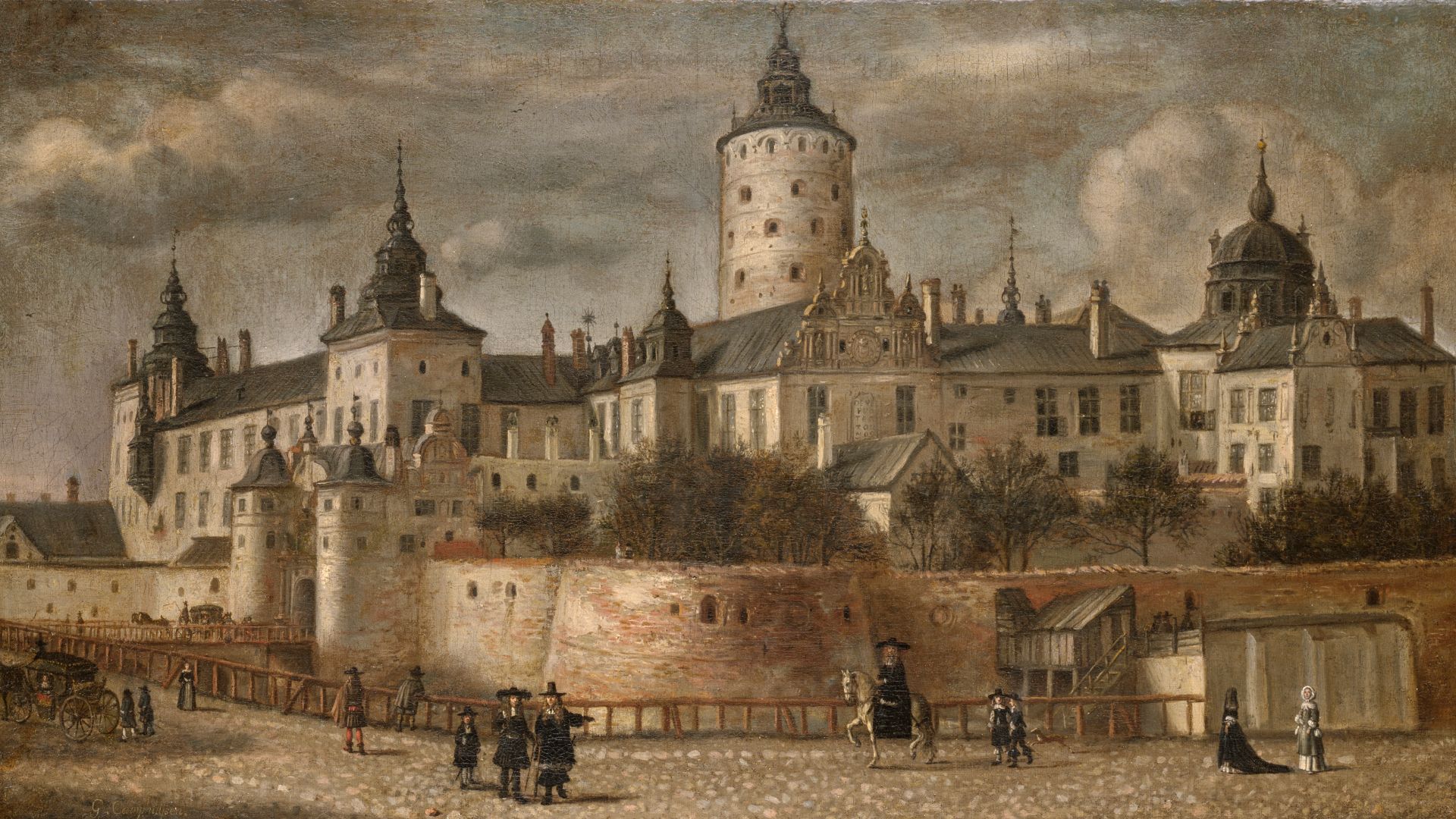
Sten Sture took his forces and went directly to Stockholm, where the fortress of Tre Kronor stood. His men landed in October 1501 and quickly set siege to the city. In a matter of days, nearly a quarter of the city lay in ashes and ruin. In the face of such destruction, the city surrendered. However, one battlement remained: Tre Kroner, the castle under the command of the King’s wife, Queen Christina.
Despite being left behind due to being too ill to travel, Christina held fast with her men as chaos unfurled around her.
 Govert Dircksz Camphuysen, Wikimedia Commons
7. He Was Sent Away
The siege of Tre Kronor knows few equals in both intensity and devastation. 1,000 men were left with Christina to defend the castle. Meanwhile, John struggled to reach his wife; unfortunately, he had problems of his own. By late November, they were facing the start of winter, and heavy ice buildup in the waters continued to stall any attempt to sail to Stockholm.
Moreover, John had already dispatched their son, Christian, to deal with the fires that were also burning along the Swedish-Norwegian border.
 Bjorn Christian Torrissen, Wikimedia Commons
8. He Handled The Situation
Remember, Sture hadn’t been alone in his rebellion. While Sture held Queen Christina captive in the heavily besieged Tre Kronor castle, Knut Alvsson launched an attack on Bohus Fortress along the Swedish-Norwegian border. While he failed to overpower Henrich Krummedige at Bohus, Alvsson succeeded in capturing two other fortresses within Norway.
Therefore, John sent Christian to lead the Danish forces to control the Norwegian situation, leaving Queen Christina trapped in Stockholm on her own.
 Idarvol de la Wikipedia francophone, Wikimedia Commons

History's most fascinating stories and darkest secrets, delivered to your inbox daily.
9. His Mother Was Caught
Matters in Norway went far better than the dire situation in Sweden. Christian and his forces not only ended the siege on Bohus before things became dire, but also regained control of the remaining two fortresses, defeating Alvsson entirely. Meanwhile, in Stockholm, Christina and what was left of her men were running out of options.
Trapped on their own and extremely low on food, it appeared that they had no choices left. Without help, the only thing they could do was raise the proverbial white flag.
 Christian Bickel, Wikimedia Commons
10. His Mother Needed Him
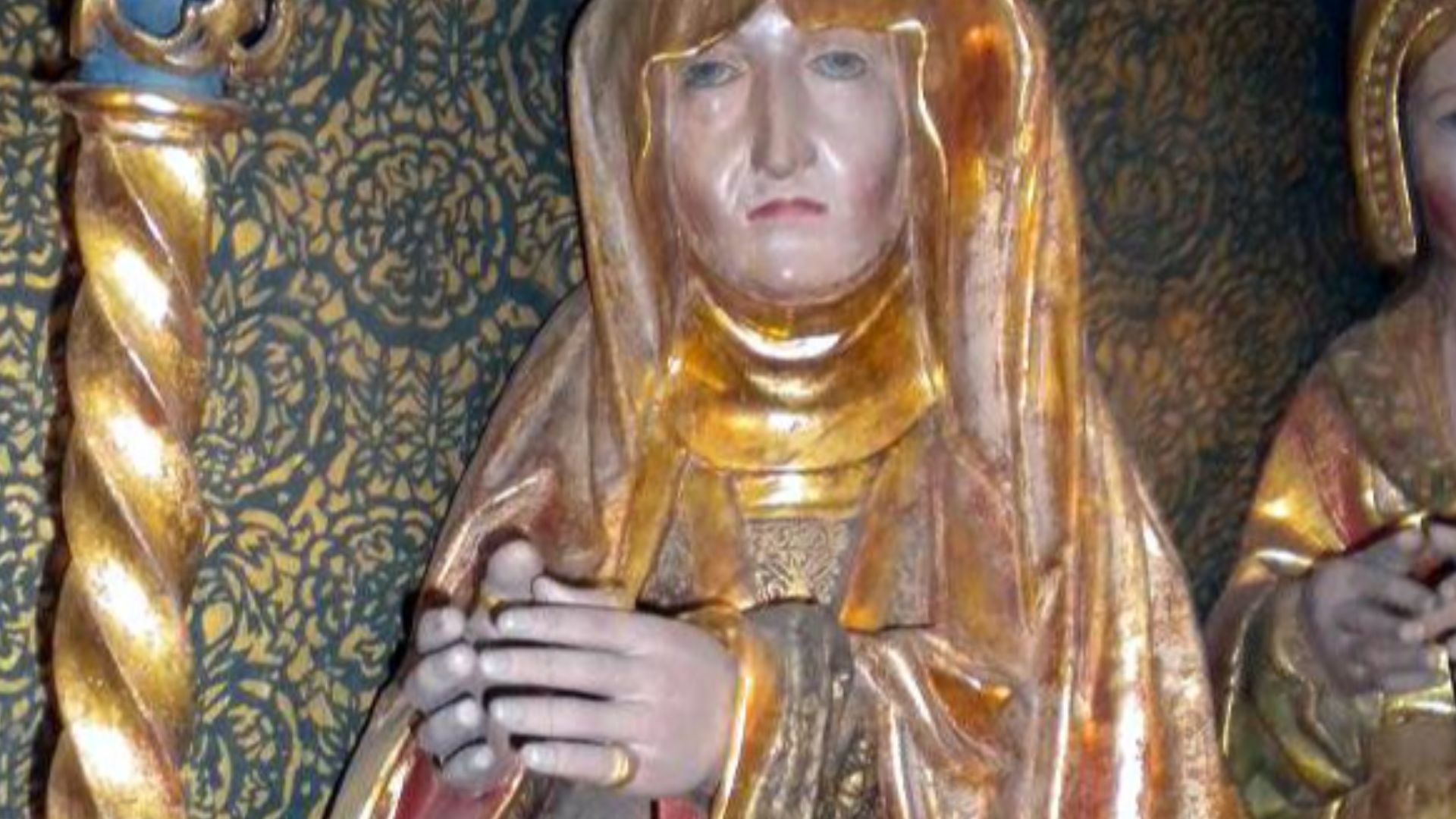
When the siege started, Queen Christina had 1,000 men with her. When their dire situation finally forced her to agree to a surrender in May, eight months of confinement, illness, fighting, and starvation had reduced those numbers to 70. Moreover, their terms of surrender gave no favors.
Every surviving knight became a prisoner of war, trapped until the king paid their ransom. Meanwhile, this trapped the queen until they could decide what to do with her. Christian needed to rescue his mother.
 Jacob Truedson Demitz for Ristesson, Wikimedia Commons
11. He Rescued His Mother
Officially, Sture and the Swedish army owed Christina a certain amount of respect due to her elevated status. The settlement of their surrender dictated that Sture was to keep Christina at a monastery in Stockholm until John could make arrangements to get her. However, when John sent a ship to collect Christina, Sture moved her to Vadstena Abbey instead.
Christina entered captivity in May 1502. Christian could not secure his mother until October 1503, over a year later. Perhaps this incident soured Christian to nobility in general, leading to his ultimate downfall once he had power of his own.
 User:Artifex, Wikimedia Commons
12. He Got Control
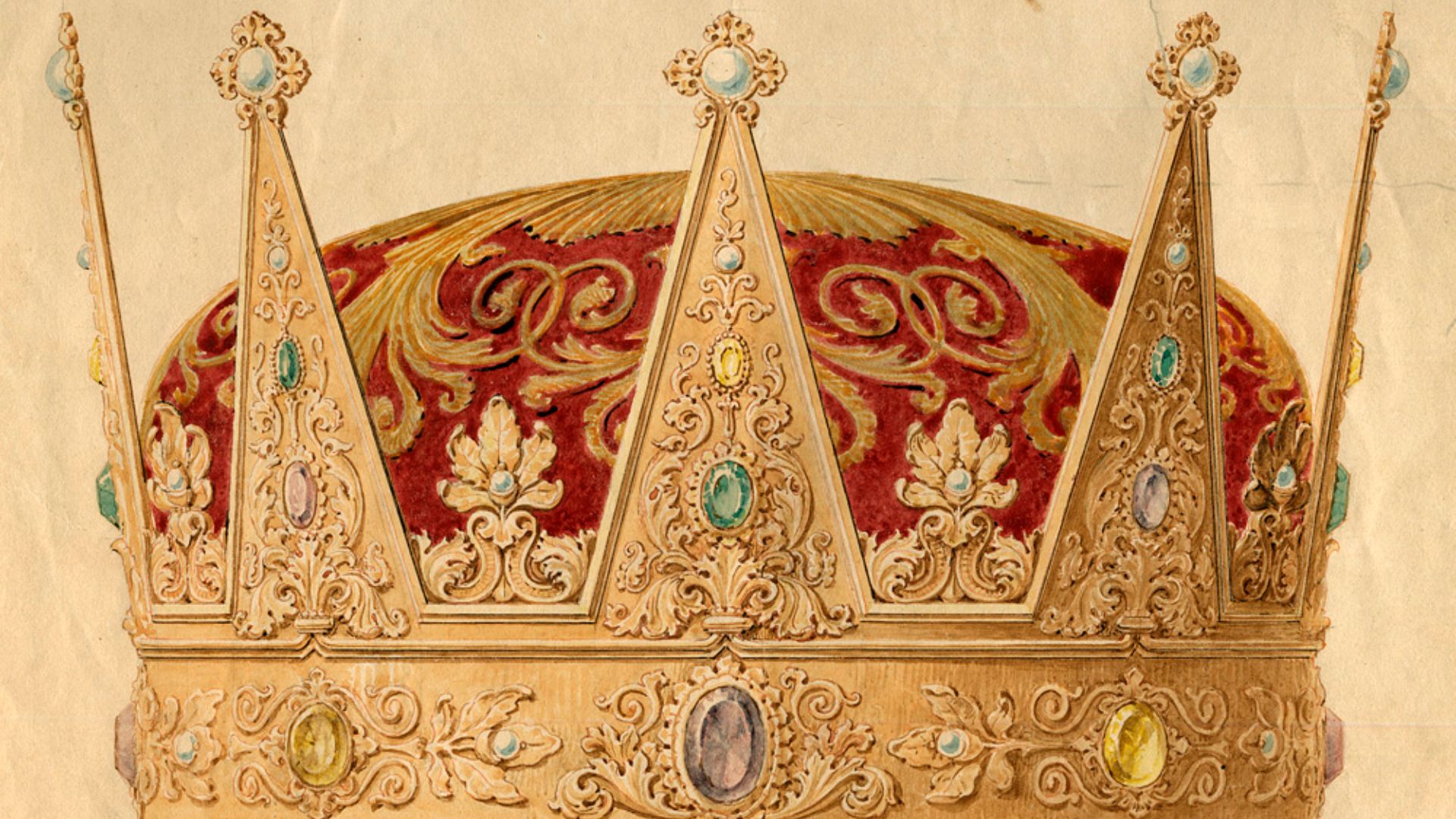
By 1506, Christian was 25 and had already participated in two major conflicts on behalf of his father. Therefore, John appeared to believe that his son was ready for a promotion. He named Christian as viceroy of Norway, essentially giving him control over the country while still answerable to his father.
It did not take long for Christian to begin to cause a problem with the nobility—a problem that haunted him for the rest of his life.
 Johannes Flintoe, Wikimedia Commons
13. He Caused Problems
Christian’s life may have been very different if he had learned one important lesson: He needed the support of the nobility if he intended to continue to hold on to his power. Unfortunately, even from an early age, Christian proved stubborn in this area. During his time as viceroy of Norway, Christian began trying to curb the authority of the nobility within the country, leading to consequences that would continue to follow him.
14. He Created Tension
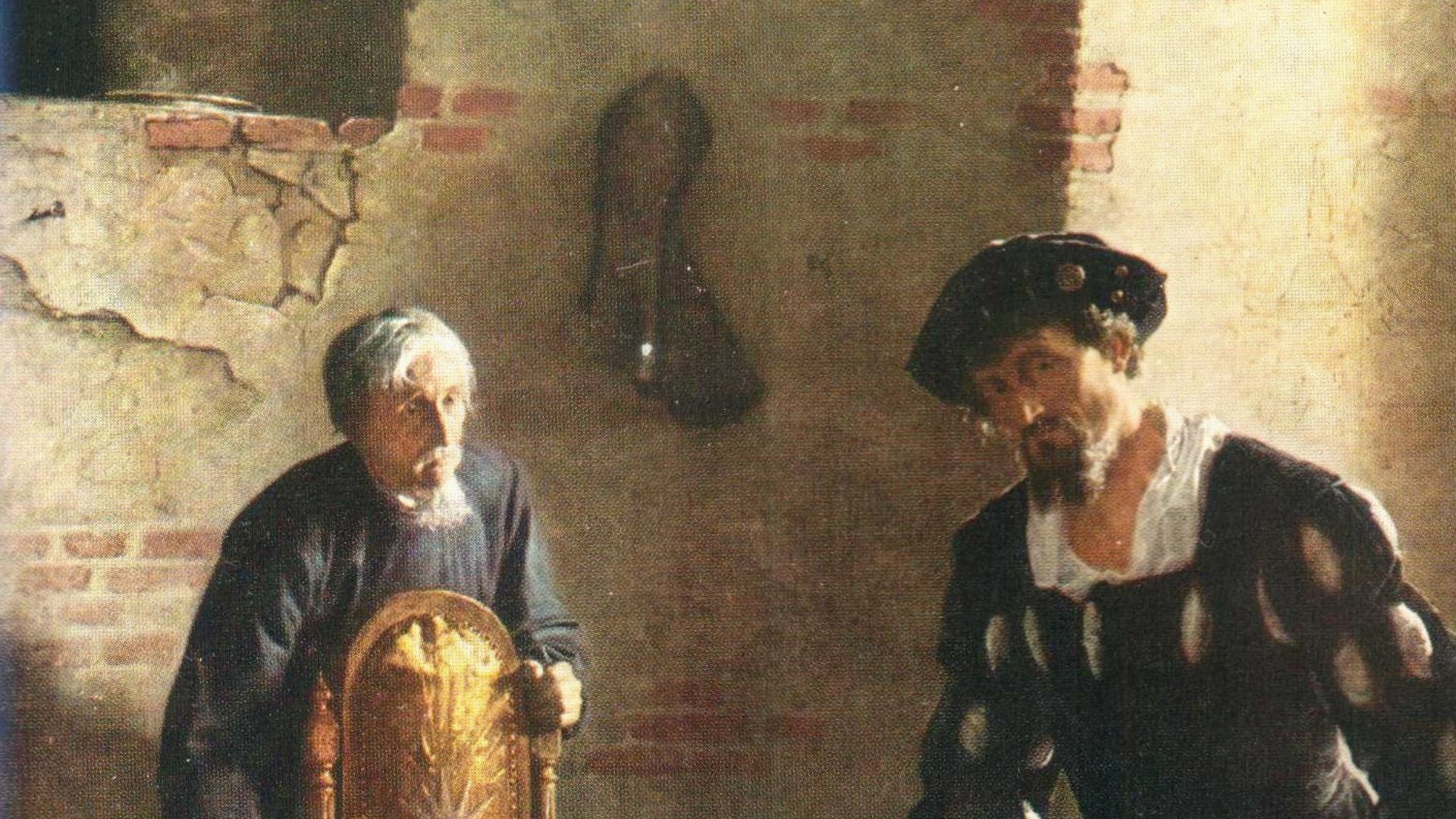
Christian’s time as viceroy of Norway appears fairly irrelevant except for one moment. During this time, Christian attempted to control and weaken the authority that the Norwegian nobility traditionally held through their version of a privy council. Understandably, this led to tension between Christian and the Norwegian nobles.
Essentially a noble himself (the noblest of the nobles), this attempt to curb their authority seems odd. However, things become clear when Christian’s mistress steps into the picture.
 Universal History Archive, Getty Images
15. He Met The Wrong Woman
Christian met what some might call the love of his life while in Bergen in either 1507 or 1509. Unfortunately, few know much about Dyveke Sigbritsdatter or her relationship with Christian, aside from the fact that it was intense enough for Christian to take Dyveke everywhere with him from this point on.
A monarch having a mistress is far from scandalous. However, Dyveke’s status as a commoner proved shocking, as did the authority and influence Christian gave not just her, but her mother.
 Vilhelm Rosenstand, Wikimedia Commons
16. He Needed A Wife
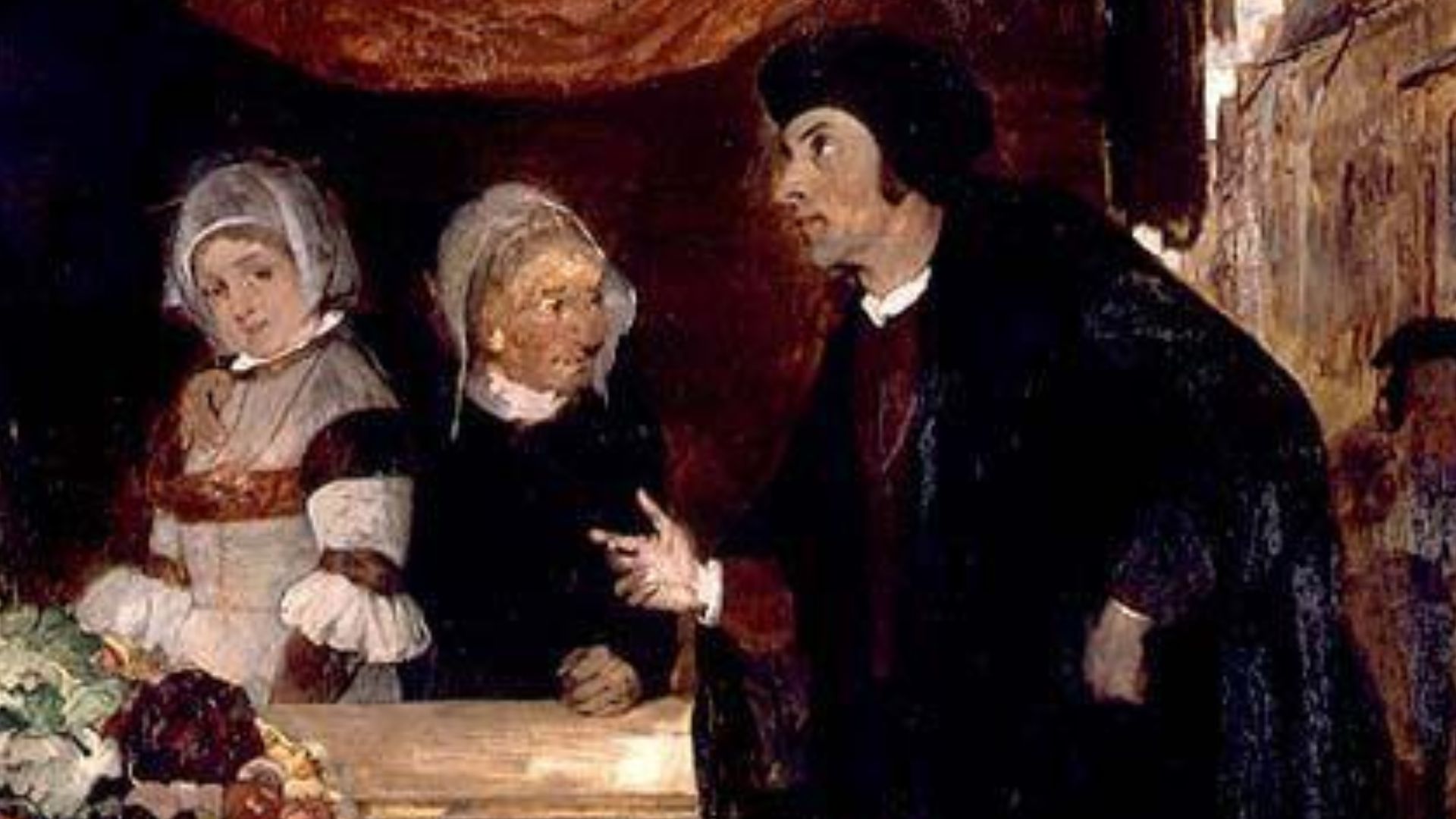
Christian moved not just Dyveke but her entire family with him when he ascended to the throne of Denmark and Norway in 1513. Not only did Christian include Dyveke and her mother in his household, but he elevated both of her uncles to significant positions, including the apothecary of the king.
While Christian appeared besotted enough with Dyveke to elevate her common family to a whole new level of authority, he seemed to have some sense of propriety—he couldn’t make a commoner a Queen. Therefore, the marriage market for the King of Denmark opened.
 Eilif Peterssen, Wikimedia Commons
17. He Married Up
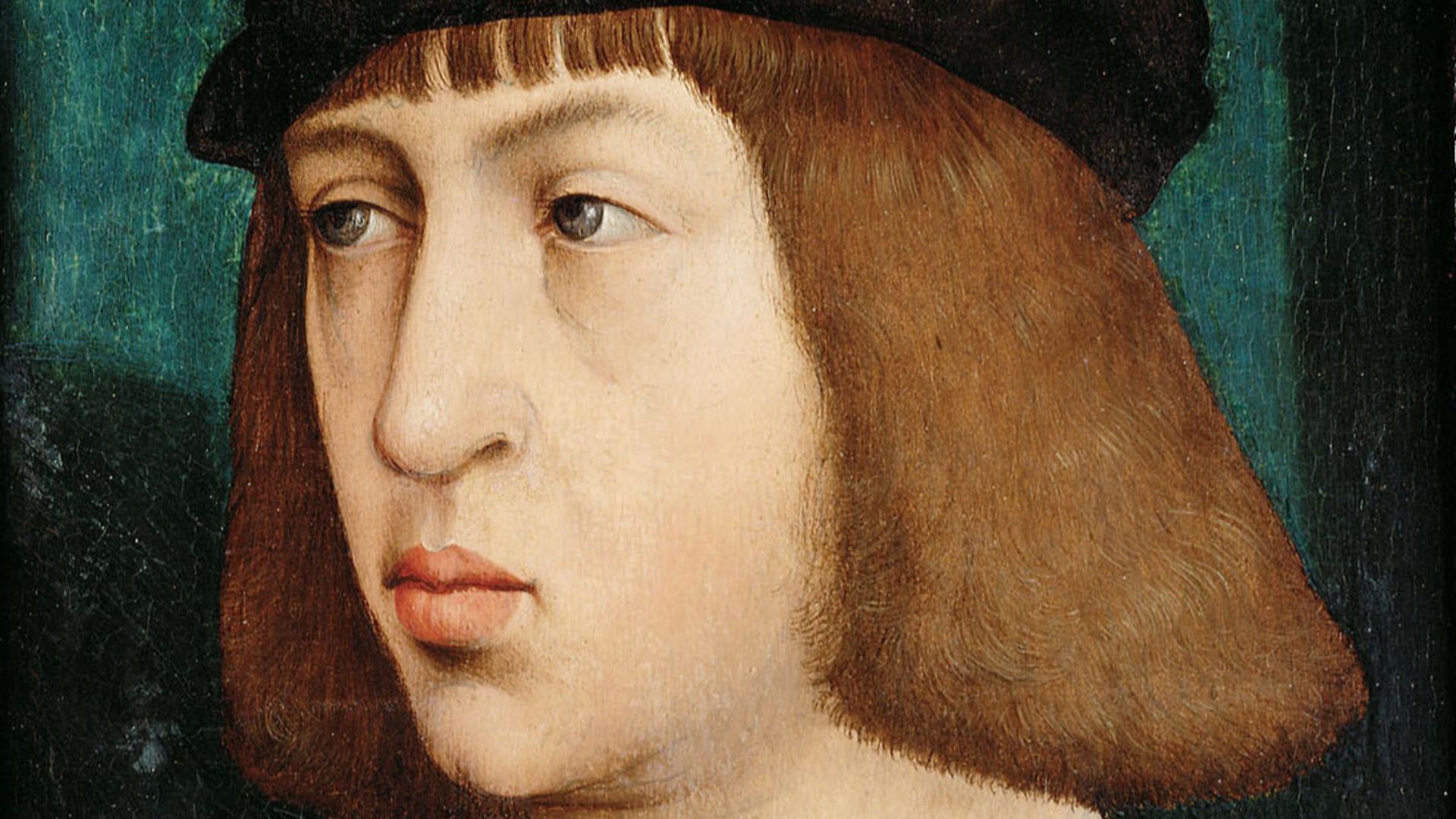
As King of Denmark and Norway, Christian required a bride who equalled his status as well as provided him with additional connections. He, therefore, turned his attention to the mighty Habsburg family and the many daughters of the late King of Castile, Philip the Beautiful.
Initially, Christian aimed to marry Philip’s eldest daughter, Eleanor. However, when the family made it clear that Eleanor wouldn’t be an option (feeling Christian was not prestigious enough for her), he made do with her younger sister Isabella—after all, what difference did one sister or another make when choosing a wife?
 Attributed to Juan de Flandes, Wikimedia Commons
18. He Caught Her Heart
By this point, Christian was 33 years old. His new bride, whom he married by proxy in July 1514, had just turned 13. Unlike some marriages of this time, Isabella was not shipped off immediately. Instead, she stayed in her home, the Netherlands. However, the story goes that the young girl fell for her husband from his picture alone.
Heartsick and eager to see the man in person, Isabella reportedly asked for someone to bring her to Denmark. However, she was in for a surprise when she got there—married or not, Christian had no intention of giving up Dyveke.
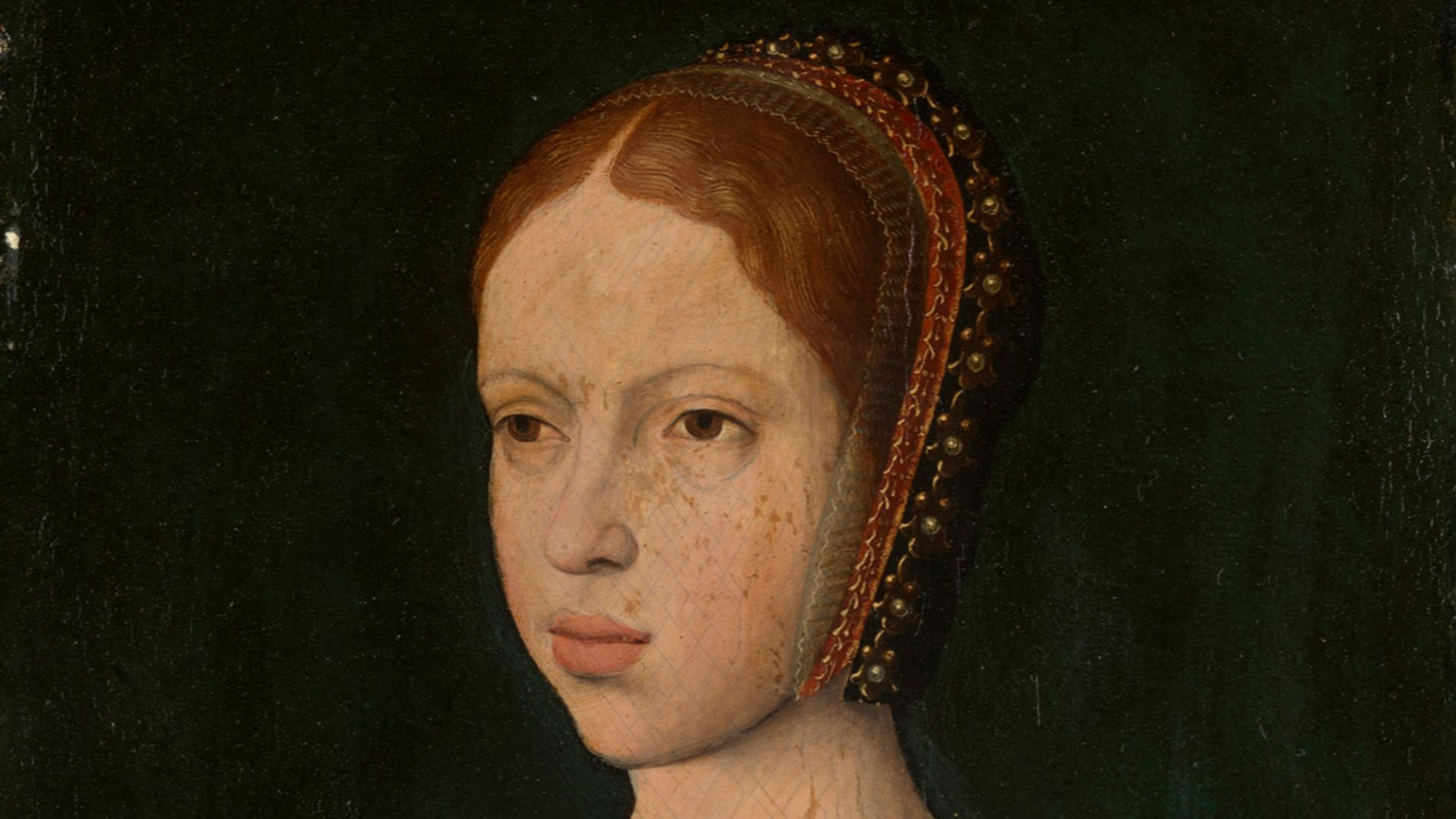 Unidentified painter, Wikimedia Commons
19. He Wouldn’t Choose
By the time Isabella made it to Denmark and ratified her marriage in person, she was 14. However, that did not appeal to Christian in the slightest. He needed a royal wife; therefore, he had found one. However, he continued to take both his pleasures and his advice from his mistress of nearly 10 years.
Unsurprisingly, Isabella’s powerful family took offense at his blatant disregard for her. More surprisingly, Christian didn’t care.
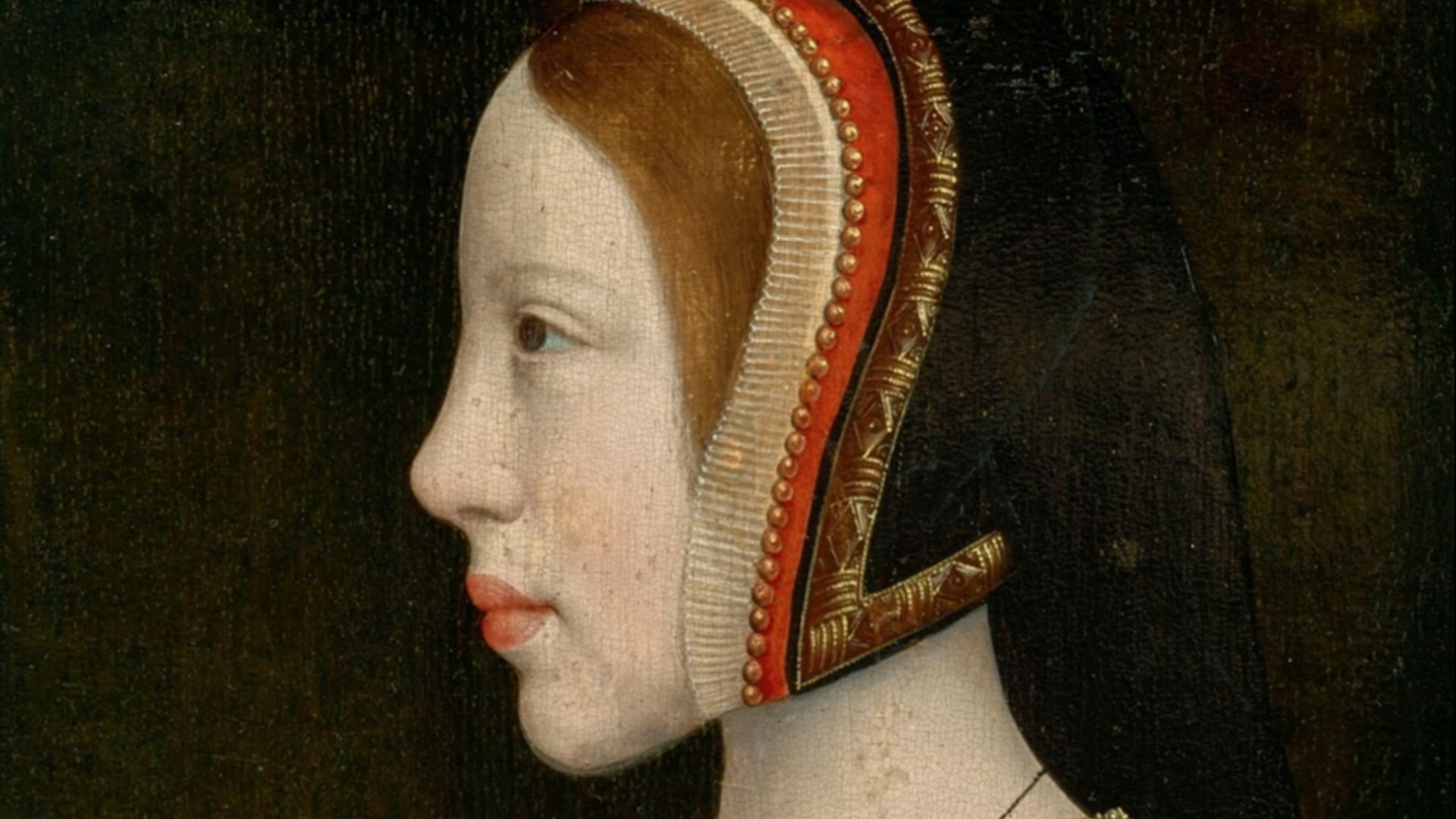 Possibly Master of the Legend of the Magdalene, Wikimedia Commons
20. He Angered His In-Laws
Christian may have married Isabella for her status and connections, but once he’d settled the marriage, he didn’t appear to have much concern for their authority. In particular, Isabella’s brother, Charles (future Holy Roman Emperor), and Isabella’s grandfather (the current Holy Roman Emperor) took great offense over Christian’s treatment of his sister.
In 1516, the Emperor attempted to throw his authority around, ordering Christian to cease disregarding Isabella and instead send Dyveke and her mother away. But Christian would not give in to these demands. It seems the situation was at a breaking point. Perhaps, someone needed to take matters into their own hands.
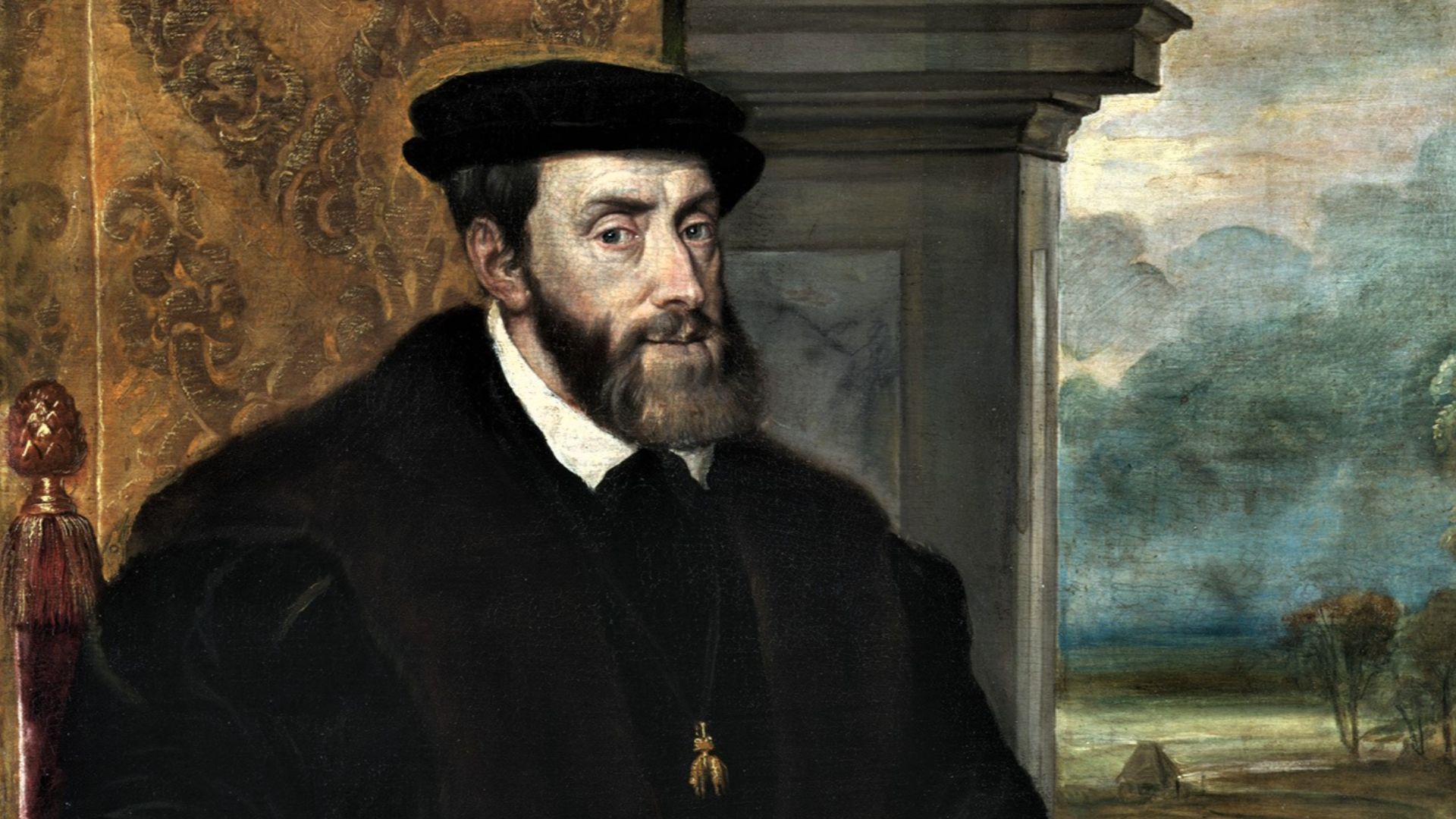
21. He Lost The One That Mattered
The marriage of Christian and Isabella may have looked very different if it weren’t for the events of 1517. That summer, Dyveke passed suddenly, sending Christian into a vengeful rampage. It’s suggested that Dyveke succumbed to poisoning via cherries. Some have suggested that Emperor Maximilian I (Isabella’s grandfather) arranged the incident, and others suggest it was an accident.
Unfortunately, all these theories came too late for the man who took the fall for the loss: Torben Oxe.
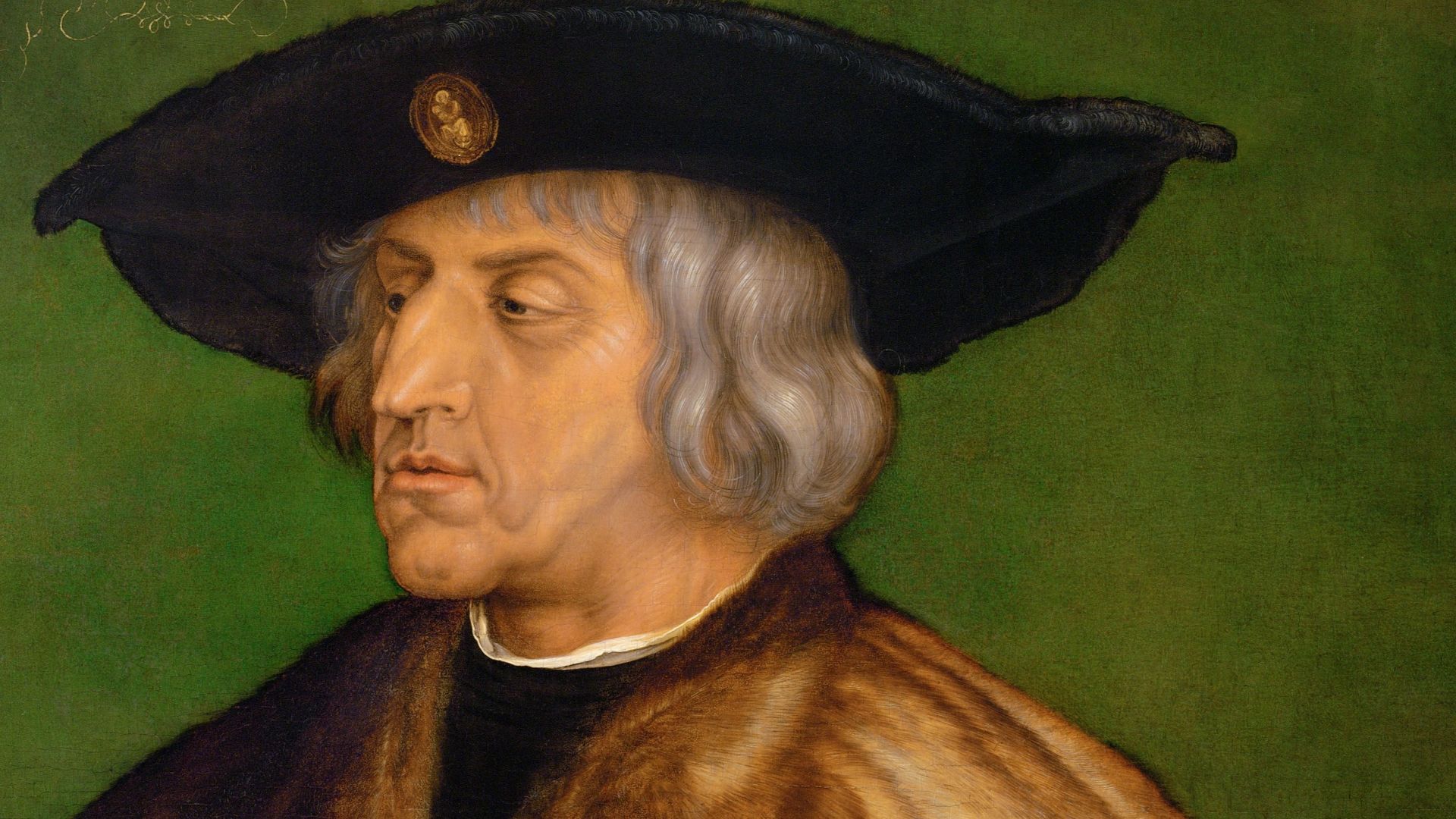 Albrecht Durer, Wikimedia Commons
22. He Took Revenge
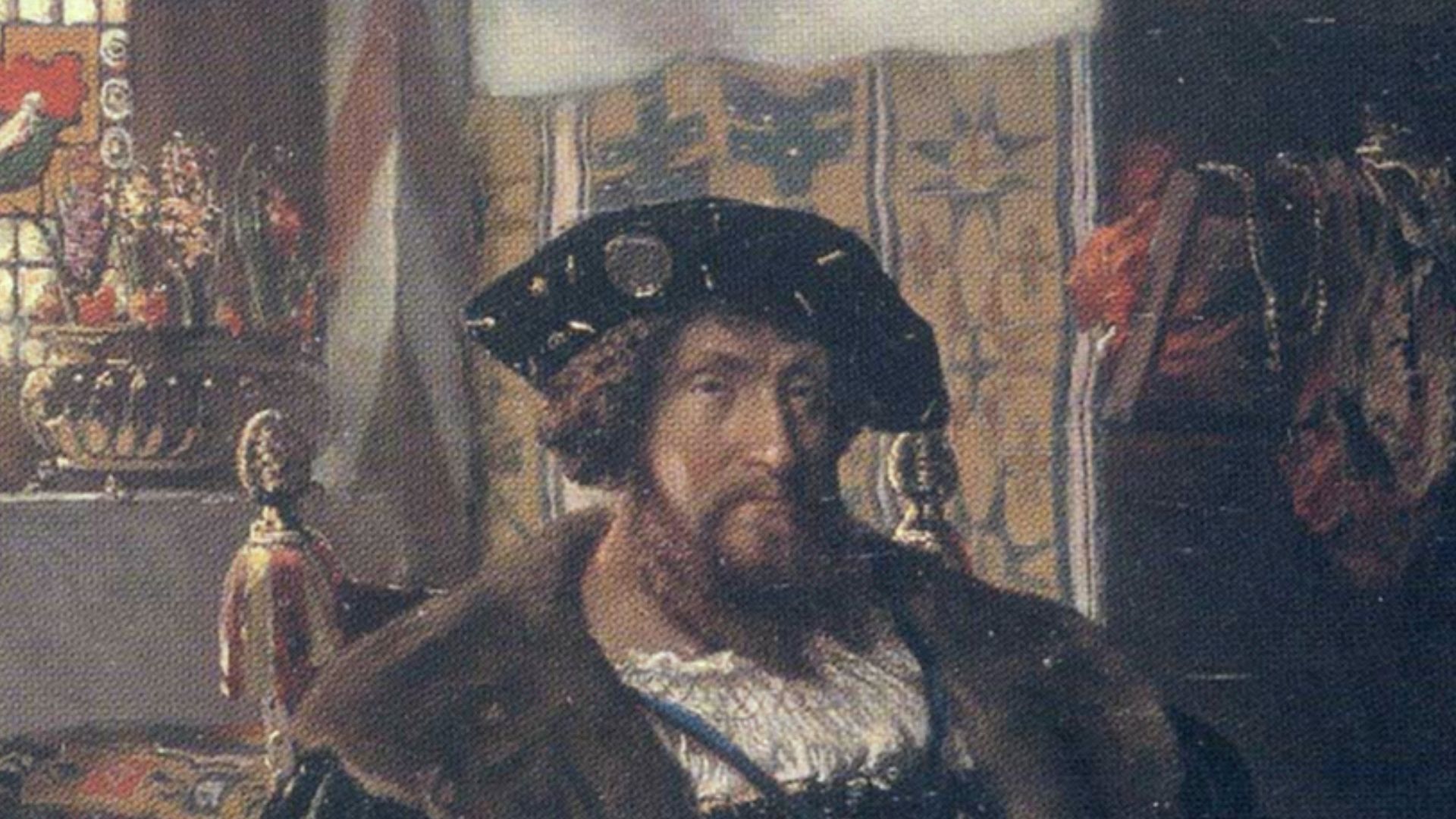
Why Torben Oxe wished the King’s mistress ill does not appear to be suggested anywhere, and in the end, the motive seemed not to matter. It came to Christian that Oxe ended his love’s life, and therefore Oxe would pay the price for it. As a noble, he was entitled to a trial by the Council of State, where they acquitted him of the supposed offense.
Unfortunately, that wasn’t good enough for King Christian. His love was gone; therefore, Oxe would pay whether he was guilty or not.
 Vilhelm Rosenstand, Wikimedia Commons
23. He Made Him Pay
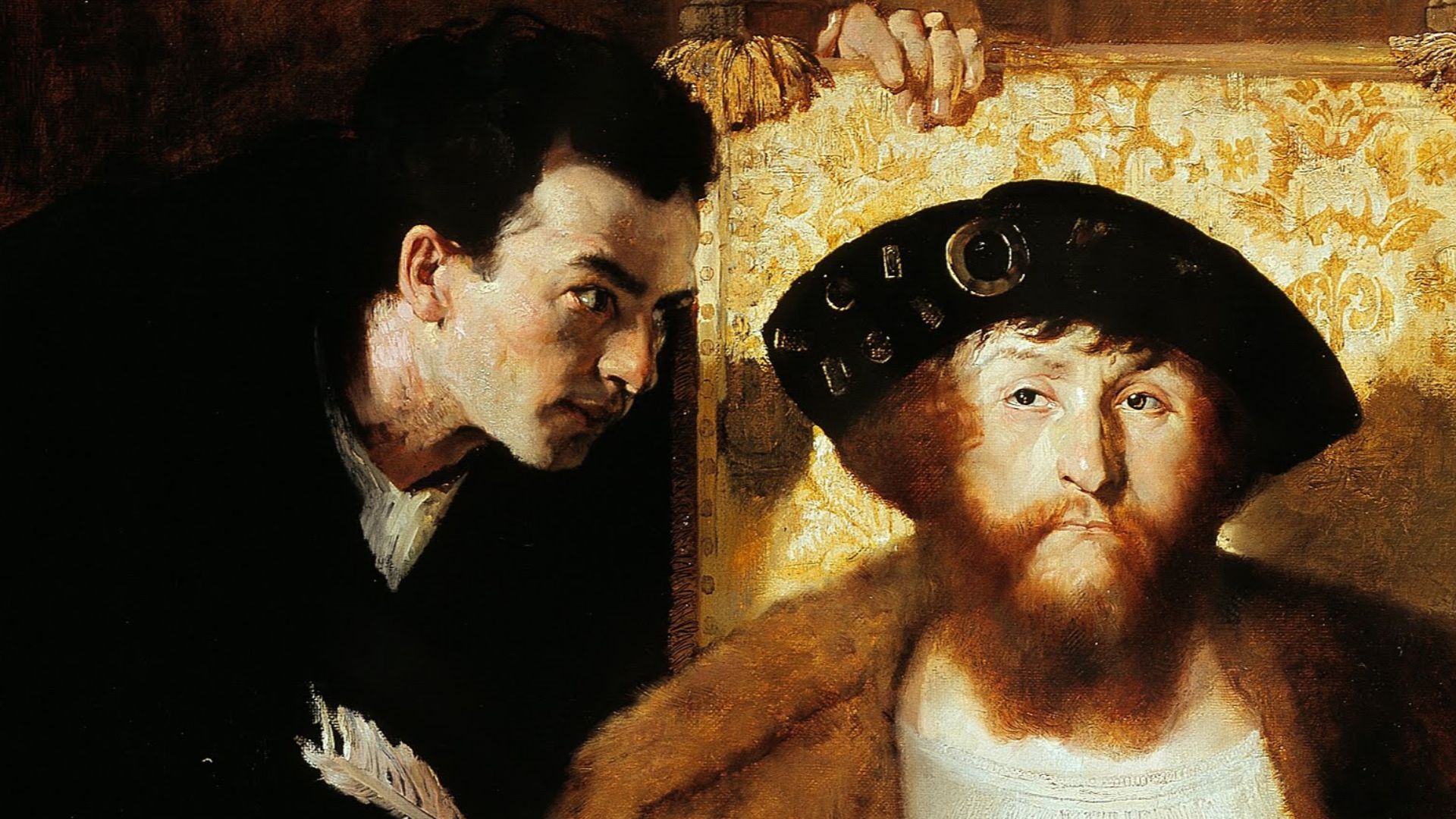
When Oxe’s trial by the Council of State did not go the way that Christian wished it to, he arranged for Oxe to be tried through another means. Oxe faced a small-town jury for an unclear offense that amounted to being accused of offending his liege lord, aka Christian II. Guided by the king, the jury gave Oxe a guilty verdict, and he lost his head shortly afterwards, giving Christian the revenge he sought.
However, it also incited a rage in the nobility that Christian no longer had the power to control.
 Eilif Peterssen, Wikimedia Commons
24. He Elevated The Wrong Woman
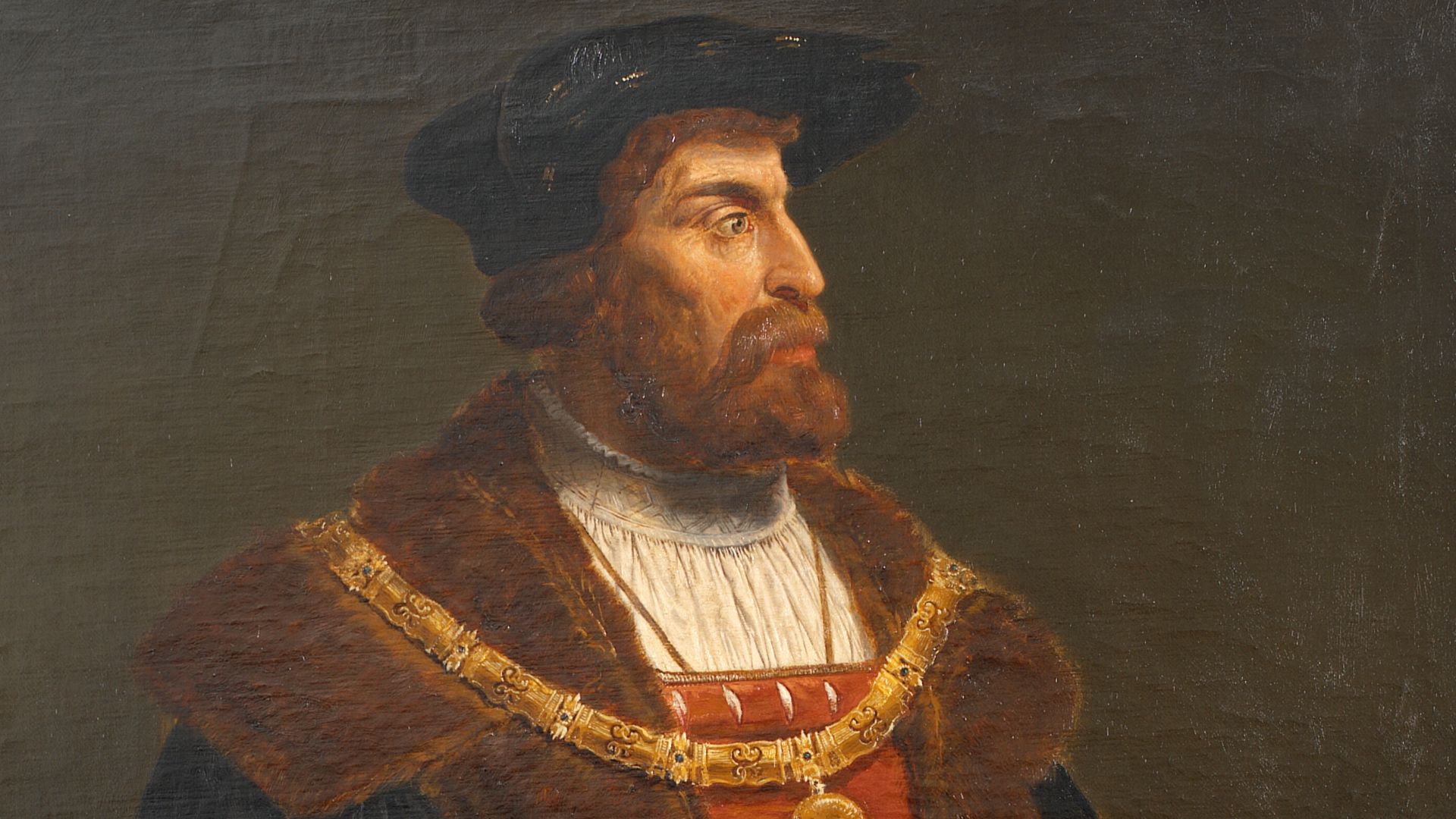
Rubbing salt in the wound, Christian scorned the remaining nobles by turning not to them for advice, but to the very woman who (perhaps indirectly) started the entire incident. From the loss of Dyveke onwards, Christian began turning more and more towards her mother, Sigbrit Willoms, as his chief advisor.
In 1517, Christian elevated her to the head of the Queen’s Household as well as royal governess to his and Isabella’s son. However, the real problems began two years later with an even more significant appointment.
 Poul Hagelstein, Wikimedia Commons
25. He Gave Her Power
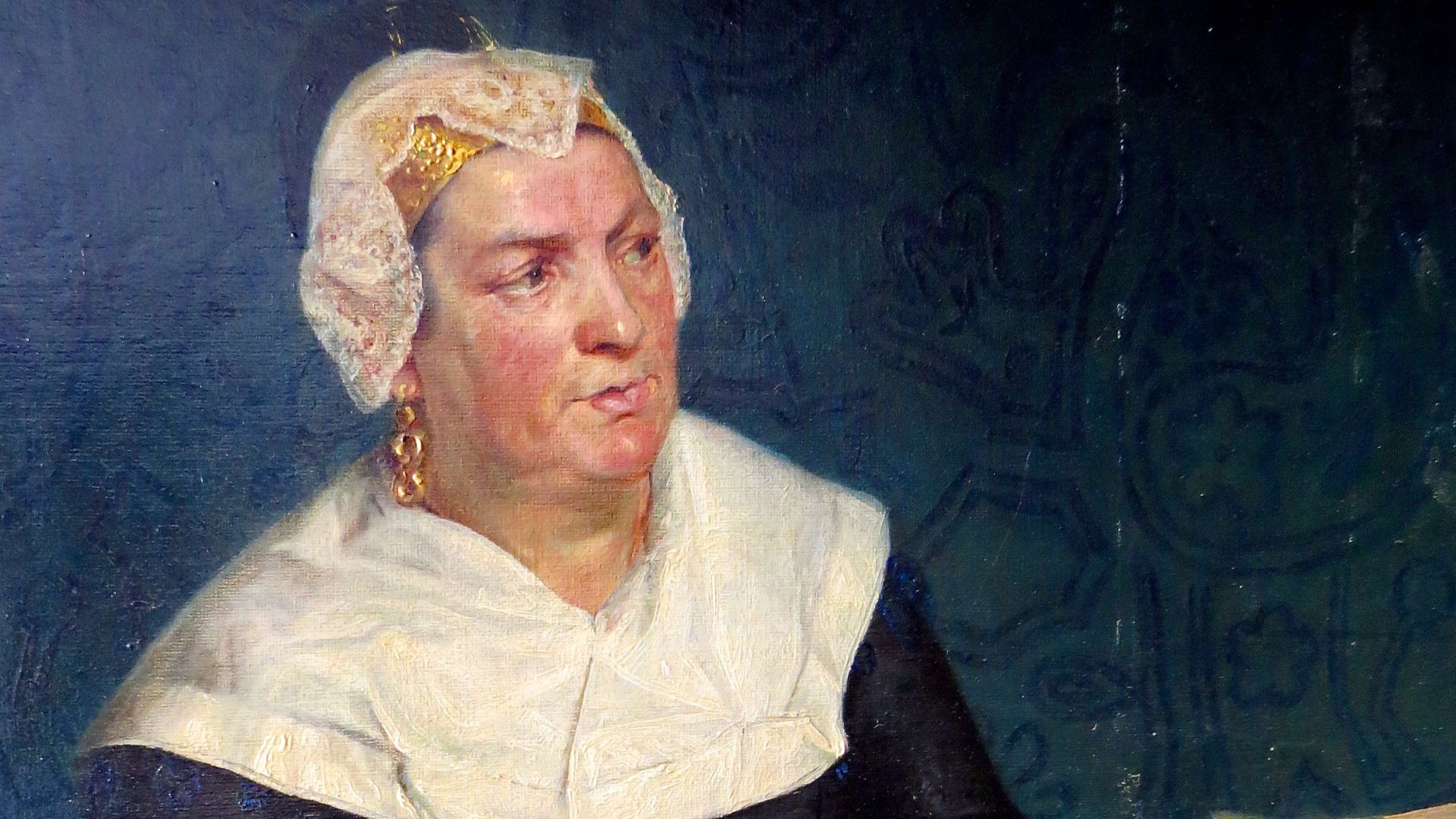
Perhaps the nobles could have overlooked Christian’s appointments if he’d kept Sigbrit’s authority within his household. However, in 1519, Christian effectively made her the royal treasurer and Minister of Finance, even if he wisely never gave her these titles. This gave her the most political power in Denmark, outside of Christian himself, and she quickly used it to manipulate society to better her own “bourgeois” class while diminishing the influence of the nobles.
With tensions rising at home, it seemed inevitable that Sweden also saw this as the prime opportunity to strike.
 Kristian Zahrtmann, Wikimedia Commons
26. He Had Problems With Sweden
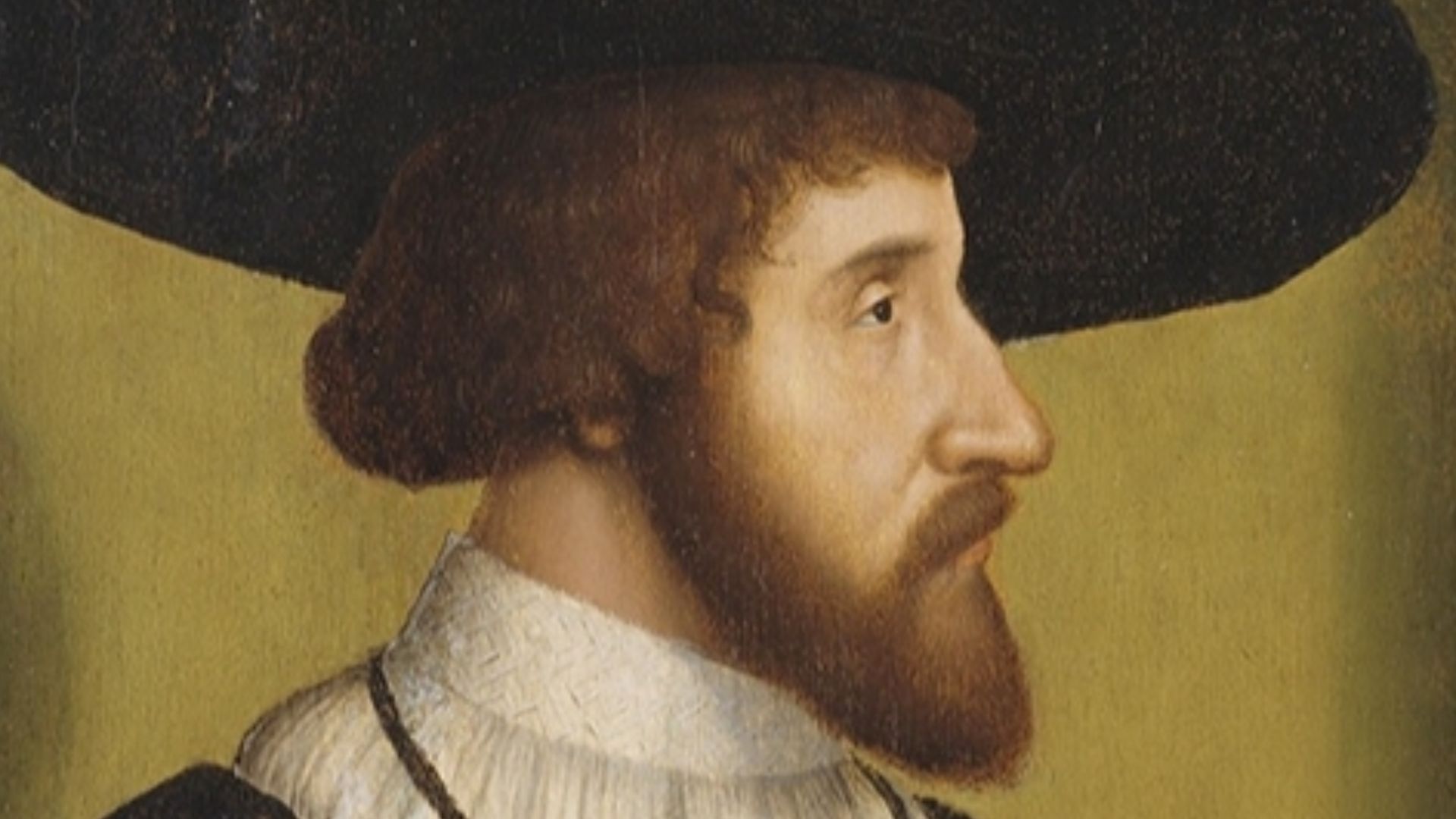
Christian dealt with rebellion from Sweden since the start of his reign. An earlier treaty brokered by Christian’s father delayed open rebellion; however, it proved only a matter of time before the tensions grew to a point at which nothing could contain them any longer.
Fearing the worst, Christian attempted to get ahead of the conflict, arming ships to send to Stockholm. Unfortunately, Christian didn’t move fast enough.
 Unidentified painter, Wikimedia Commons
27. He Found Another Sture
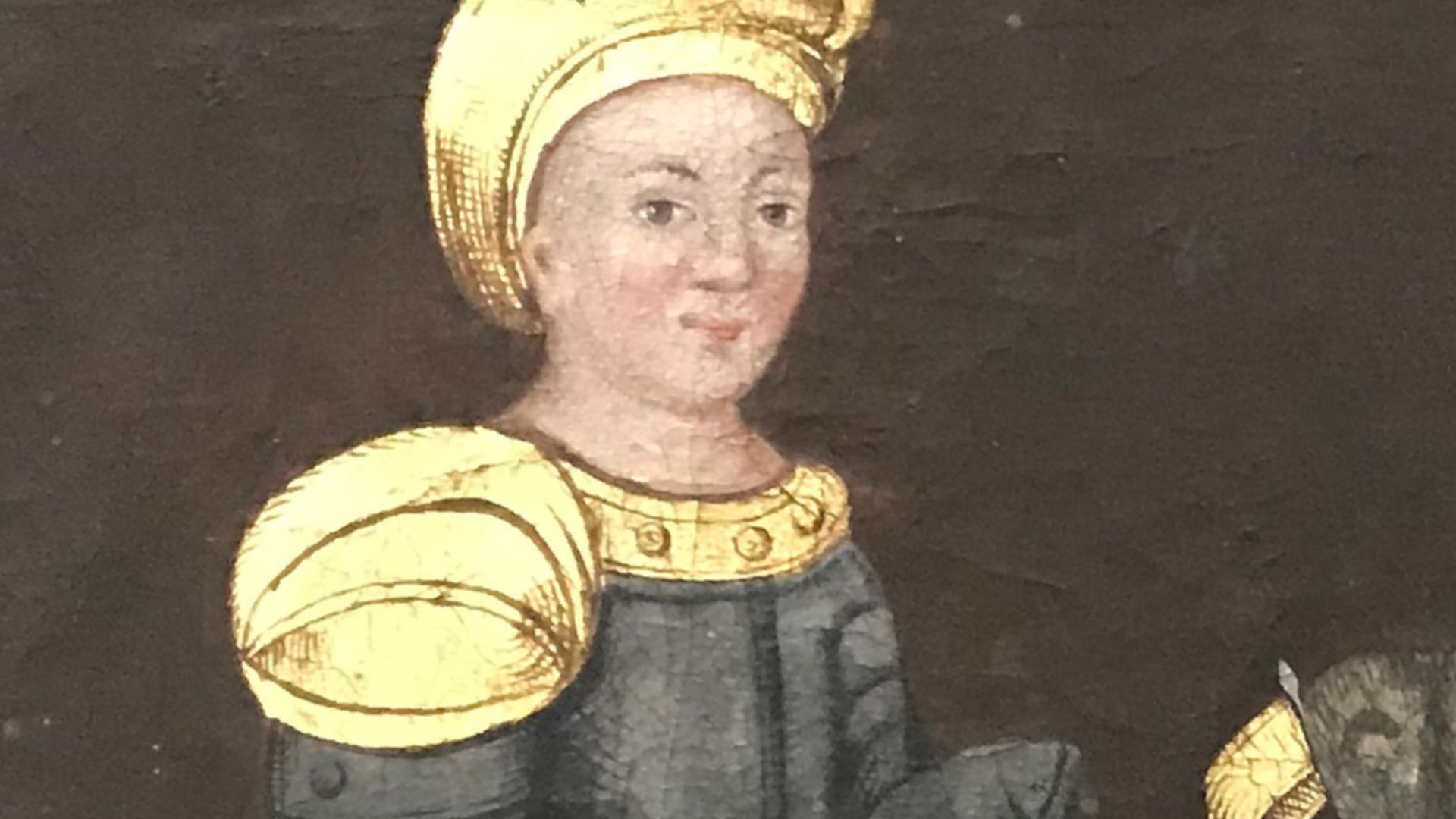
Once again, Christan found himself facing off against Sten Sture… though not that Sten Sture. This time, it was Sten Sture the Younger, a loose descendant of Sten Sture the Elder, who’d taken up both the name and the fight for Sweden. Unfortunately for Christian, his past experiences tussling with Sture the Elder did not prepare him for Sture the Younger—Sture continued to thwart Christian at every turn.
 Unknown authorUnknown author, Wikimedia Commons
28. He Fell Short
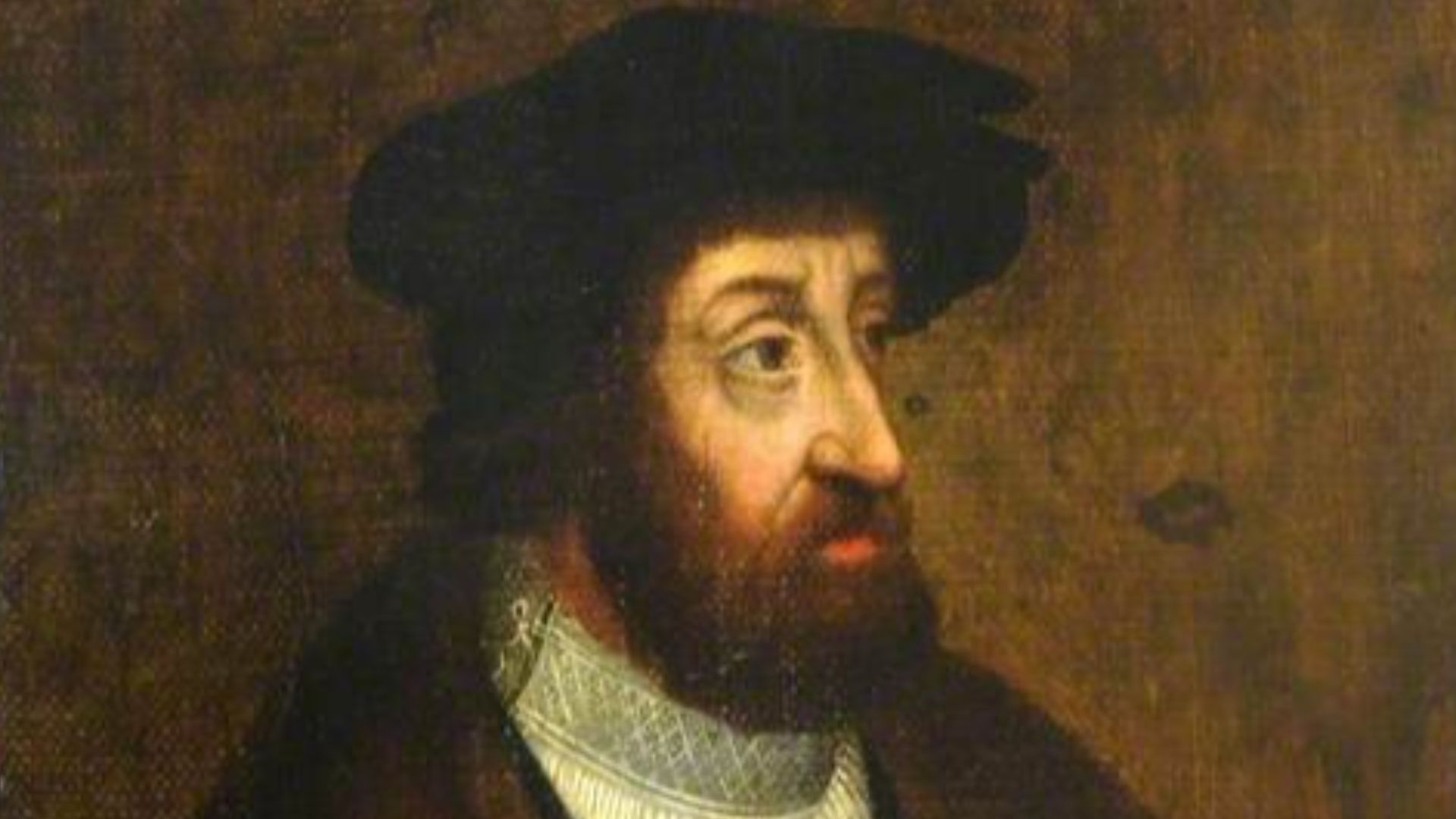
Despite repeated attempts at quelling the rebellion in Sweden, Christian continued to fall to Sture's side time and time again. However, Christian refused to admit defeat. In 1520, he sent another army to plow down Sture’s forces, dealing Sture a fatal hit in the process. Without their fearless leader, the Swedish forces lost their momentum.
Christian’s army moved into Stockholm, besieging the city, in a manner that should be intimately familiar to Christian.
 Lucas Cranach the Elder, Wikimedia Commons
29. His History Repeated
Much like a handful of years earlier, Stockholm found itself under the command of another Christina. Following the loss of Sture, his wife Christina Gyllenstierna took charge of the Swedish army. Like Christian’s mother a handful of years earlier, she found herself defending Stockholm from invading forces, and much like Christian’s mother, the pressure inevitably forced her to surrender.
Having successfully taken the city, Christian got his long-sought-after crown—and that’s when the heads started to roll.
 Unknown authorUnknown author, Wikimedia Commons
30. He Started Joyfully
Initially, Christian’s coronation marked a period of celebration. Three days of banqueting followed the initial coronation, filled with drink, laughs, and camaraderie between Danes and Swedes alike. It appeared that the years-long feud had finally been washed away, and they’d finally come together as one nation.
But sadly, Christian couldn’t let bygones be bygones; he needed his enemies to know who was in charge.
 Sven Rosborn, Wikimedia Commons
31. His Plan Set In Motion
Gustavus Trolle, the archbishop of Sweden, anointed Christian on November 4. On the eve of November 7, Christian summoned several prominent leaders within Sweden to a council within his palace. As the sun set on November 8, Christian sent his Danish men into the great hall, where they captured many of the Swedish nobles gathered there.
As the evening wore on, more and more of Christian’s guests found themselves taken away—but horrifyingly, this was only the beginning.
32. He Rounded Up His Enemies
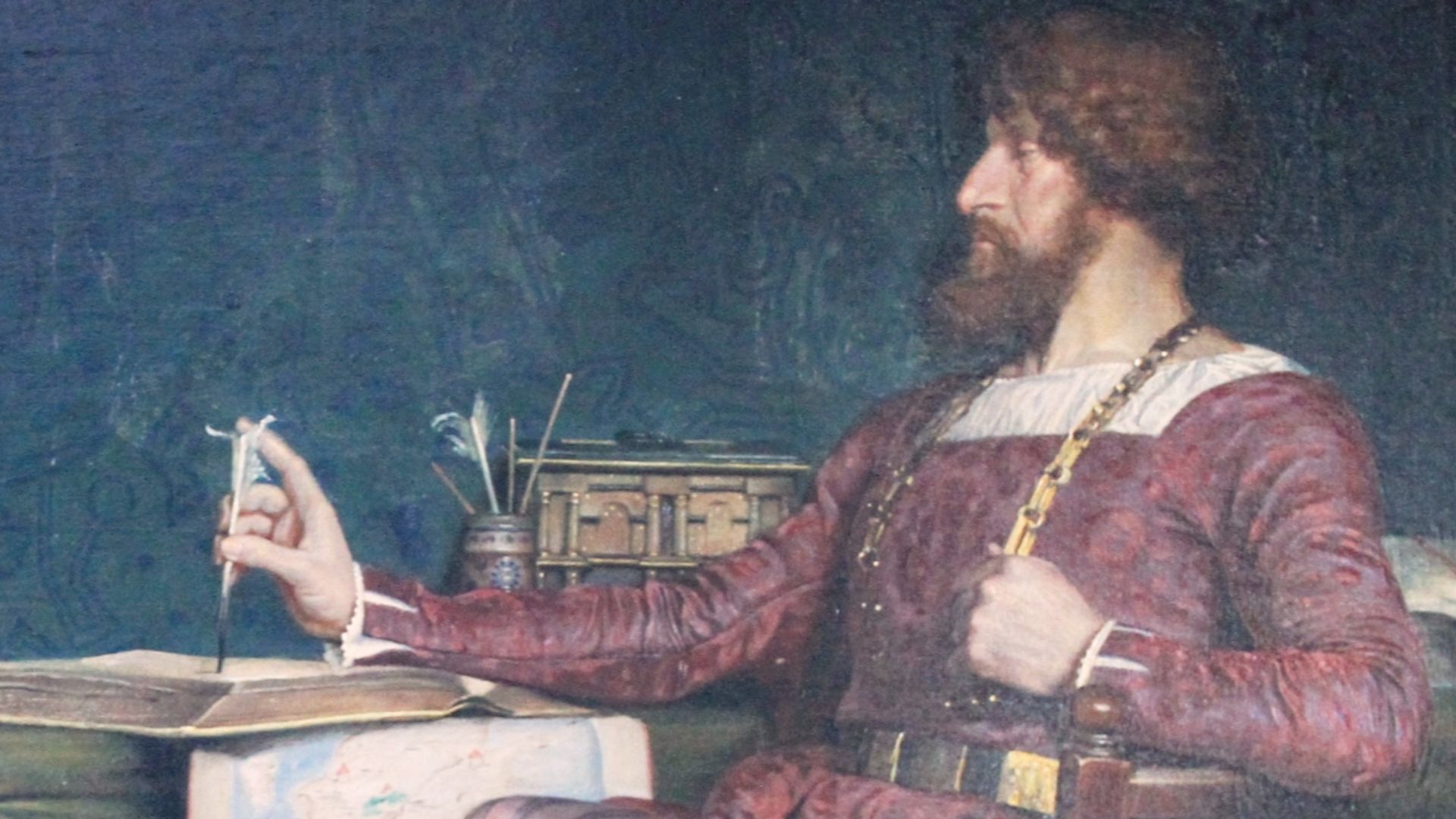
Christian and Trolle concluded that they couldn’t forget the uprising. As such, Trolle accused Sture of heresy against himself (as a representative of the King) and created a list of individuals who were guilty through association with Sture. These were the men that Trolle rounded up, and they were the men who faced trial the following day—a council that Gustavus Trolle headed.
 Domenicus Verwilt, Wikimedia Commons
33. He Didn’t Listen To Reason
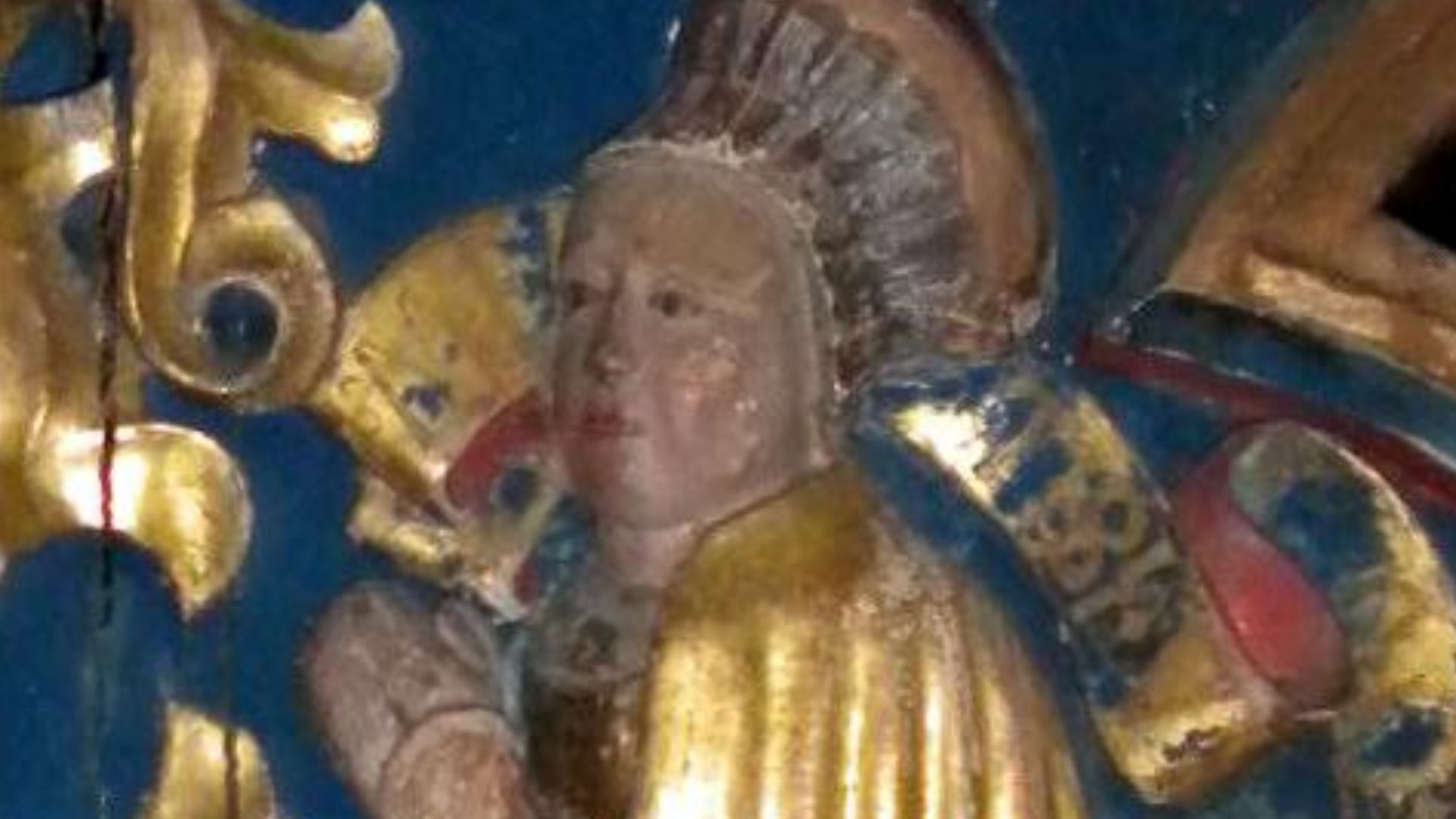
Sture’s wife, Christina, attempted to defend those loyal to her husband. She called upon the old laws, claiming that the nobles swore an oath to her husband and therefore had no choice but to follow him. However, Christian and Trolle refused to be swayed. They had one goal in mind: to punish anyone who opposed them.
Once the council had concluded their examination of the defendants, they came to one conclusion: They were all heretics and therefore, they could not live.
 Jacob Truedson Demitz, Wikimedia Commons
34. He Let Heads Roll
Having laid down their verdict, Christian and his representatives in Sweden spared no time. By noon, the bishops of Skara and Strangas had lost their heads. During the day, reportedly, 14 noblemen, three burgomasters, 14 town councillors, and approximately 20 citizens had lost their lives—and they were just getting started.
35. He Made His Point
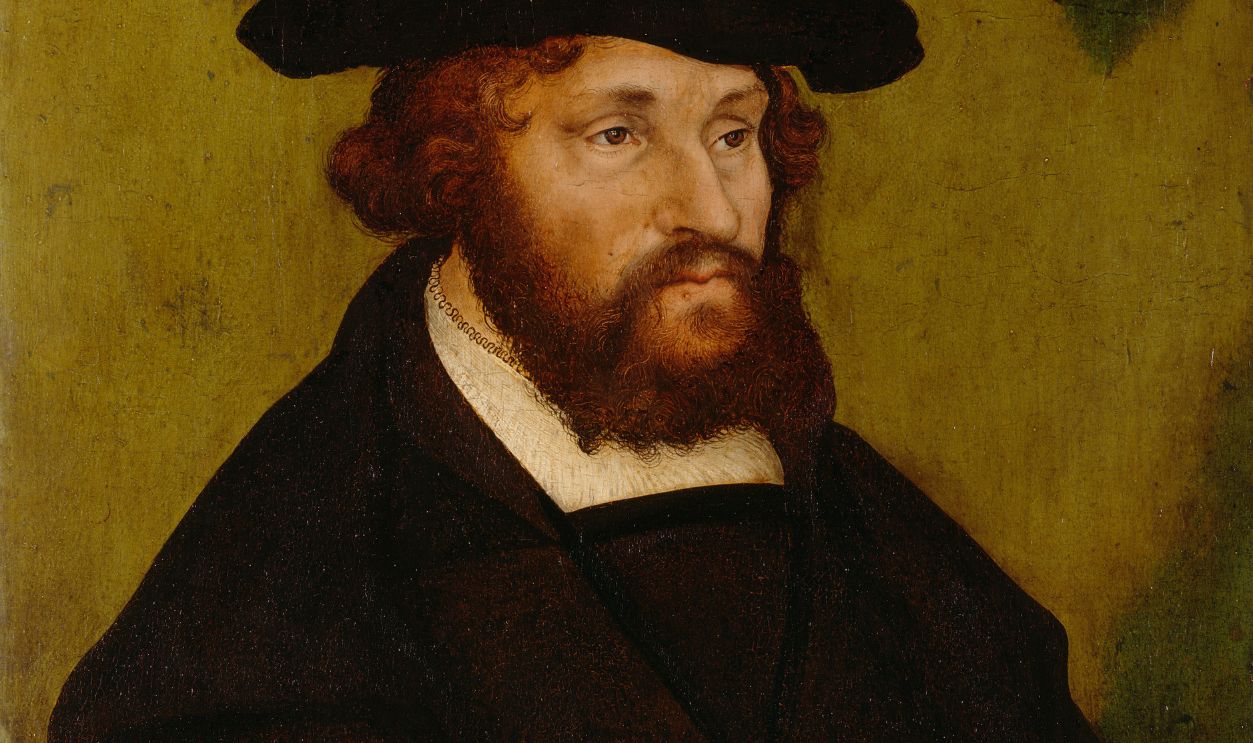
Christian spent two full days executing anyone who he believed supported Sture and therefore posed a potential future problem to him and his rule. According to Jorgen Homuth, the chief executioner, Christian had 82 people executed by the time he finished. But he didn't stop there.
Perhaps his most deranged move of all was when he supposedly dug up the bodies of Sture and his son, burning them to further his point—no one messed with Christian and got away with it.
 Unknown artistUnknown artist, Wikimedia Commons
36. He Became A Tyrant
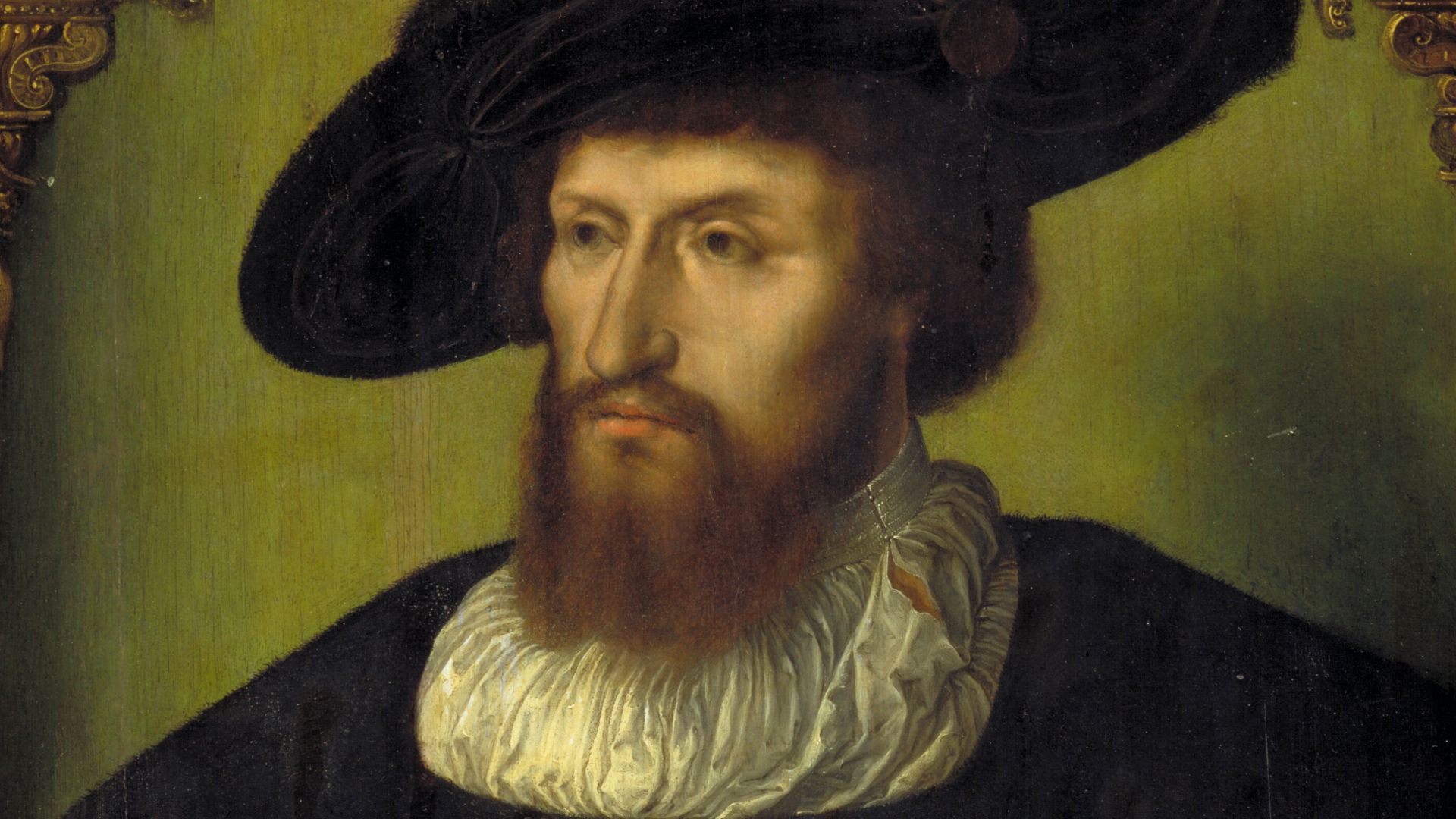
This excessive loss of life became known as the Stockholm Bloodbath. It also backfired on Christian entirely. Presumably, he’d intended to strike fear into the hearts of Sweden, therefore deterring them from considering rebelling against his rule in the future. However, it had the opposite effect.
Dubbing him Christian the Tyrant (a name he is still known by in Sweden today), Christian’s bloody actions served to galvanize Sweden against him, and they ultimately broke away from Denmark and the Kalmar Union entirely. Making matters worse, Christian held barely more popularity at home either.
 Michael Sittow, Wikimedia Commons
37. He Became A Reformer
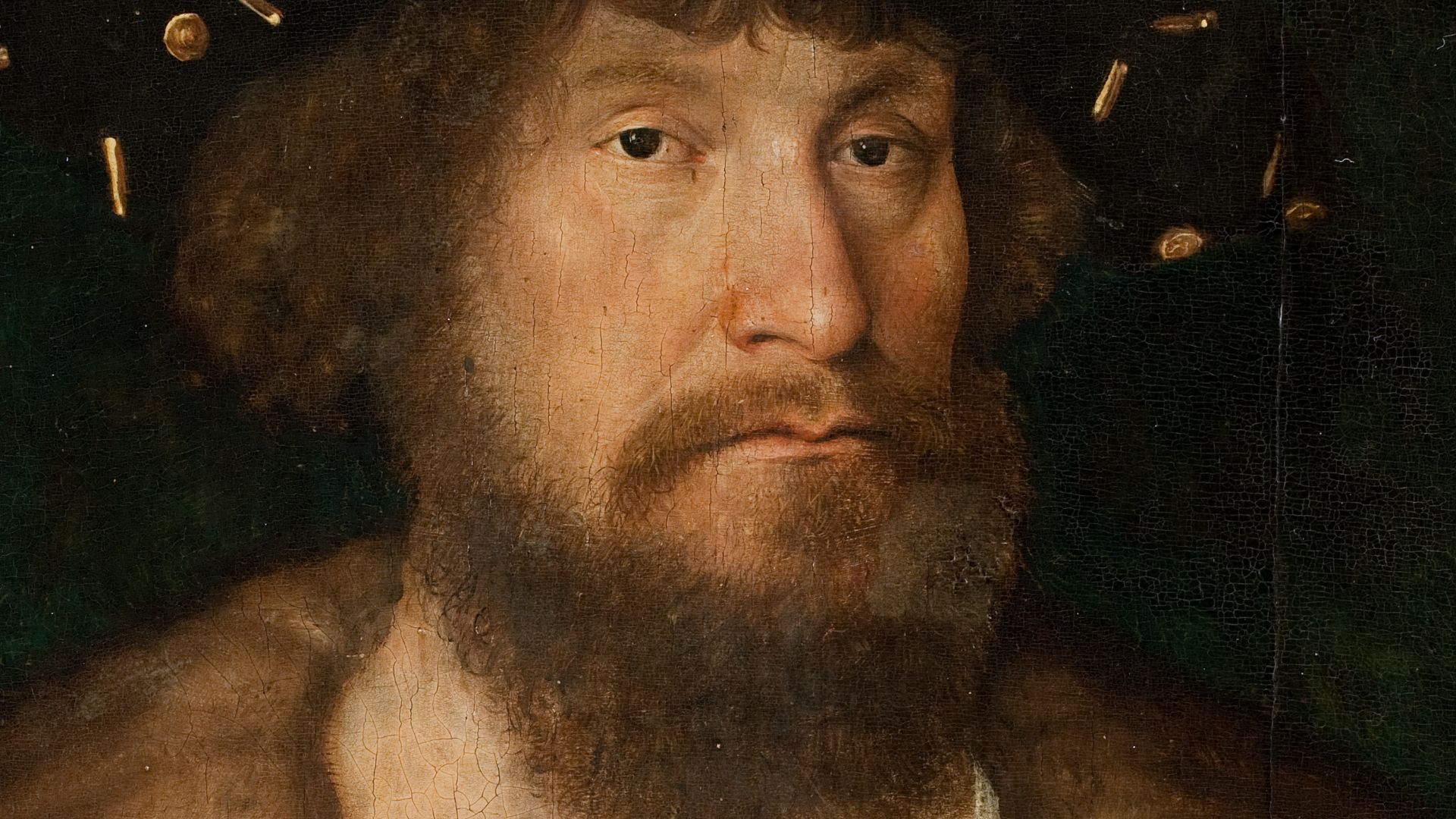
Following his revenge in Sweden, Christian launched a lengthy visit to his brother-in-law, Charles V, in the Netherlands. During this tour, he met and engaged with several Dutch and Flemish artists and intellectuals, all of whom filled his head with new, revolutionary ideas—ideas that Christian rushed home to implement, much to the horror and outrage of his people.
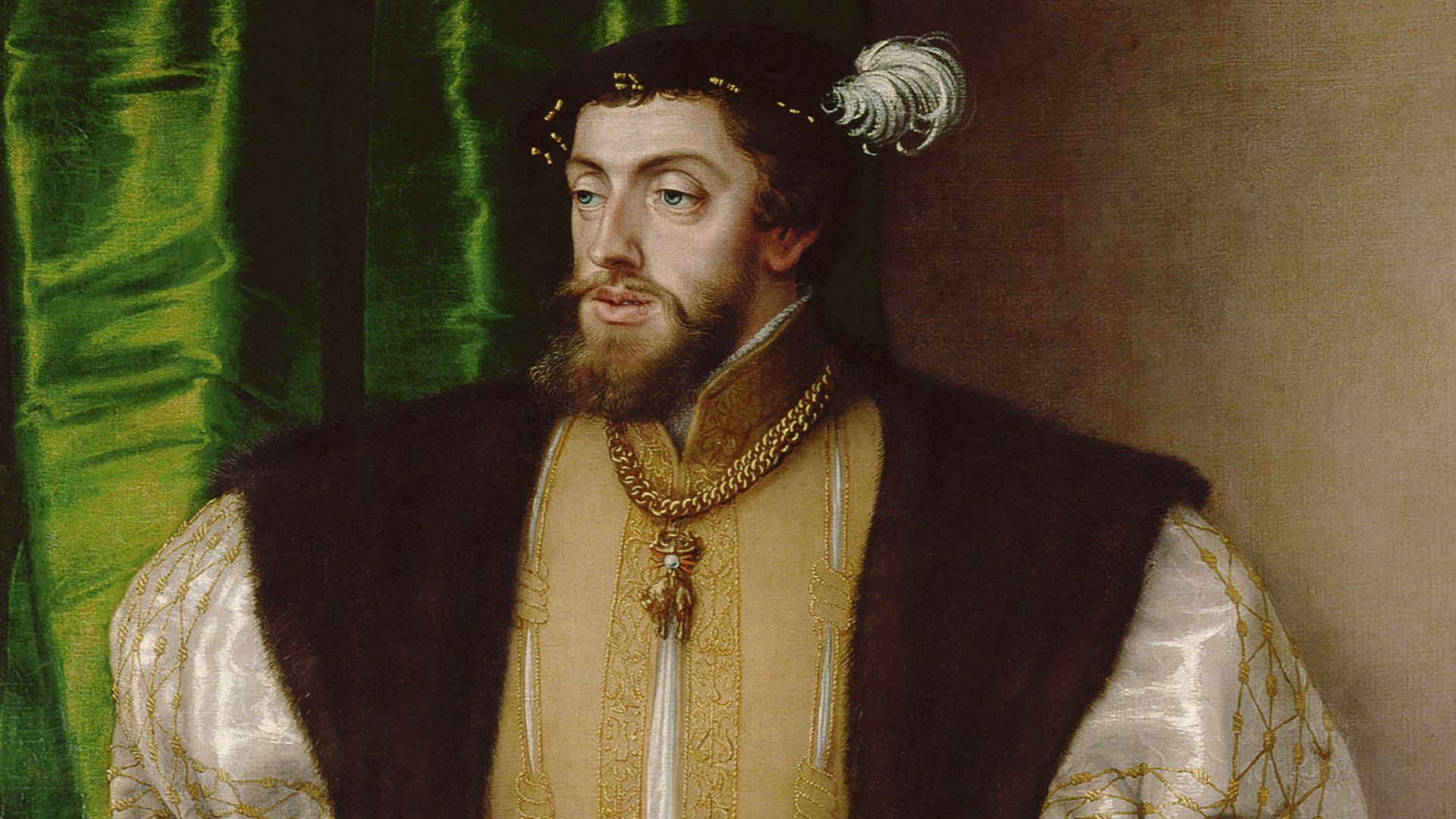 Jakob Seisenegger, Wikimedia Commons
38. He Upset The Nobles
Christian’s relationship with the nobility had long been fraught. Even in his youth, as viceroy of Norway, Christian attempted to enact new laws and changes that upset the fragile equilibrium of power. Unfortunately, Christian proved never to have learned his lesson, and upon returning from his trip, he immediately enacted two laws that significantly upset the status quo—and put Christian’s head on the chopping block.
 Lucas Cranach the Elder, Wikimedia Commons
39. His New Laws Sucked
Objectively, Christian’s two laws offered the potential for positive growth within his countries. However, they each suggested a transfer of power to the common people and a movement away from the nobility or the church. In giving the tradesmen, peasants, and even clergymen more autonomy than they previously had, Christian caused the nobility and the bishops to begin to fear for their existence—which meant they began to see Christian as a problem.
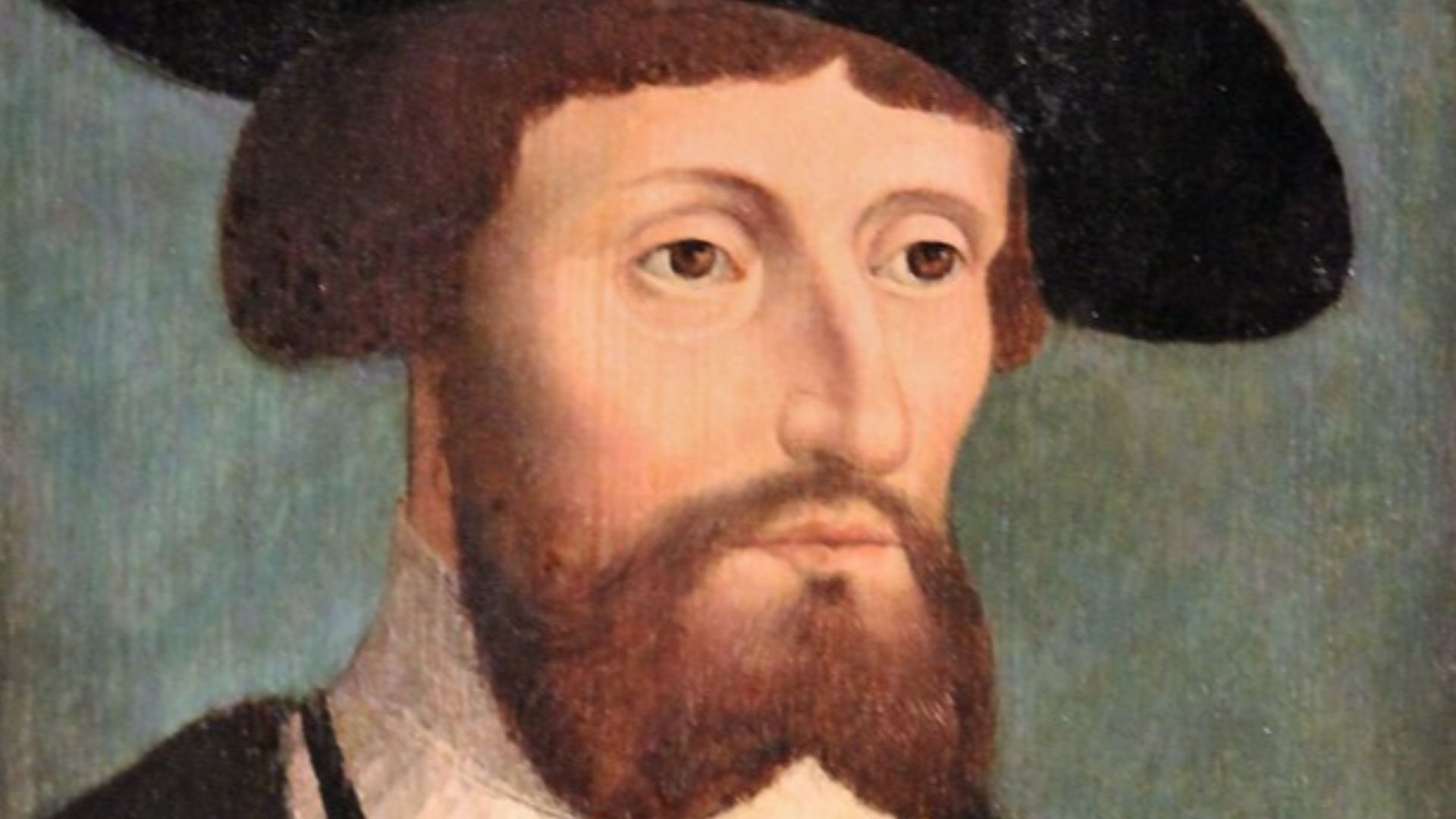 Pieter van Coninxloo, Wikimedia Commons
40. He Made Matters Worse
As if Christian hadn’t alienated enough people, he doubled down on his actions in 1522. Wishing to create a Danish-centered trading company that would rival the long-established medieval European trade routes of the Hanseatic League, Christian made a drastic decision.
He raised the sound tolls, resulting in the cities of Lubeck and Danzig aligning themselves with Sweden as it directed its aim at Denmark. Soon, Christian found himself amid open rebellion.
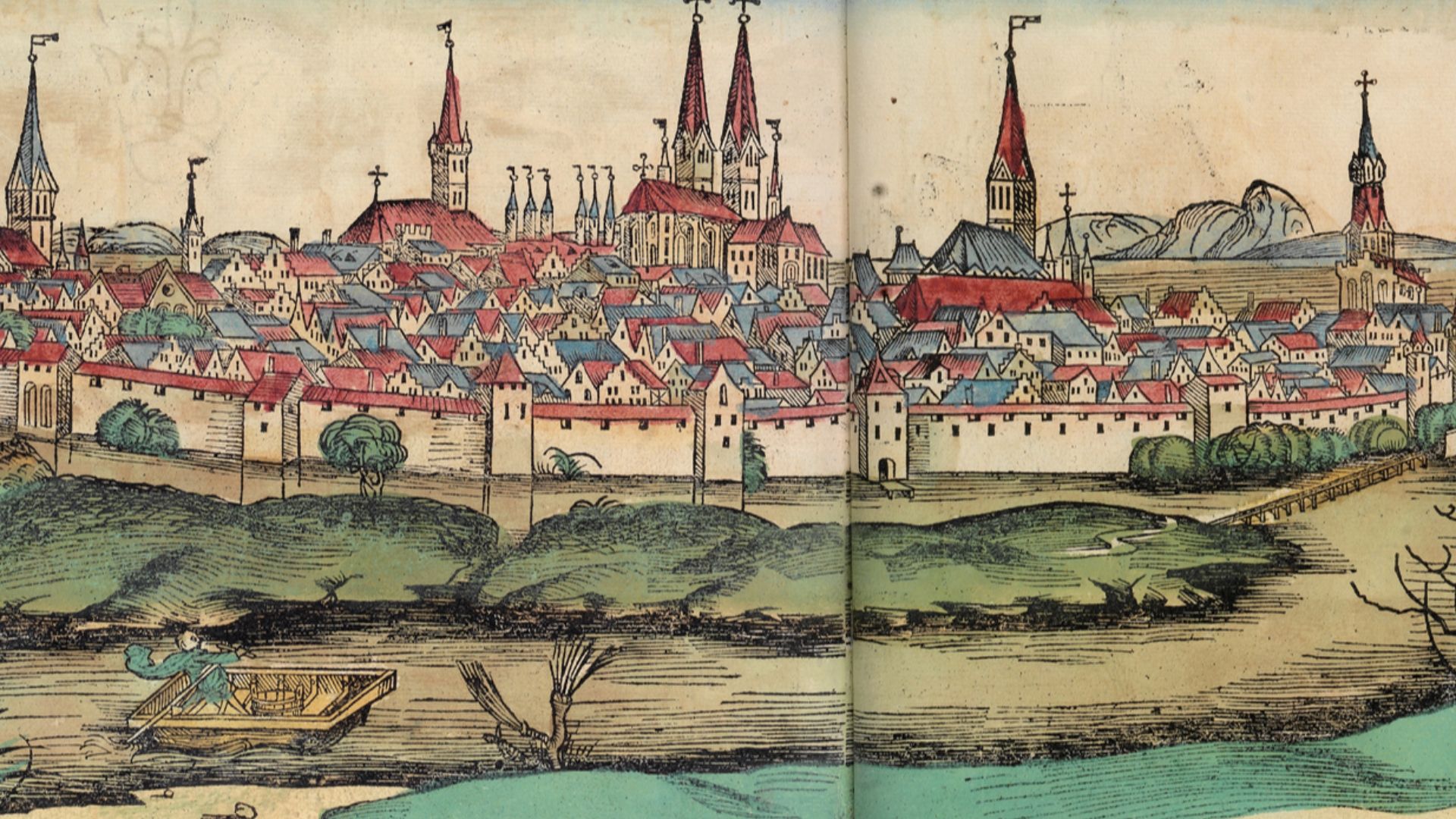 Michel Wolgemut, Wilhelm Pleydenwurff (Hartmann Schedel, editor), Wikimedia Commons
41. He Lost His People’s Faith
Perhaps if the threats had remained external, Christian could have held onto his titles. Unfortunately, his popularity rating within Denmark had tanked so far that the call was, quite literally, coming from inside the house. Jutland, the northern part of Denmark (as well as Germany), began the internal rebellion against Christian.
From there, open opposition to Christian and his rule spread through the nation like wildfire.

42. He Found A New Enemy
By January 1523, the nobles centered in Jutland found a replacement for Christian. They summoned Christian’s uncle, Duke Frederick of Holstein, to offer him the crown. With a new leader to center around, Frederick’s army pushed southward, controlling most of Denmark by the spring.
For all of his blustering and bravado, Frederick forced Christian into a corner that he couldn’t get out of. Christian had nothing left to do but run.
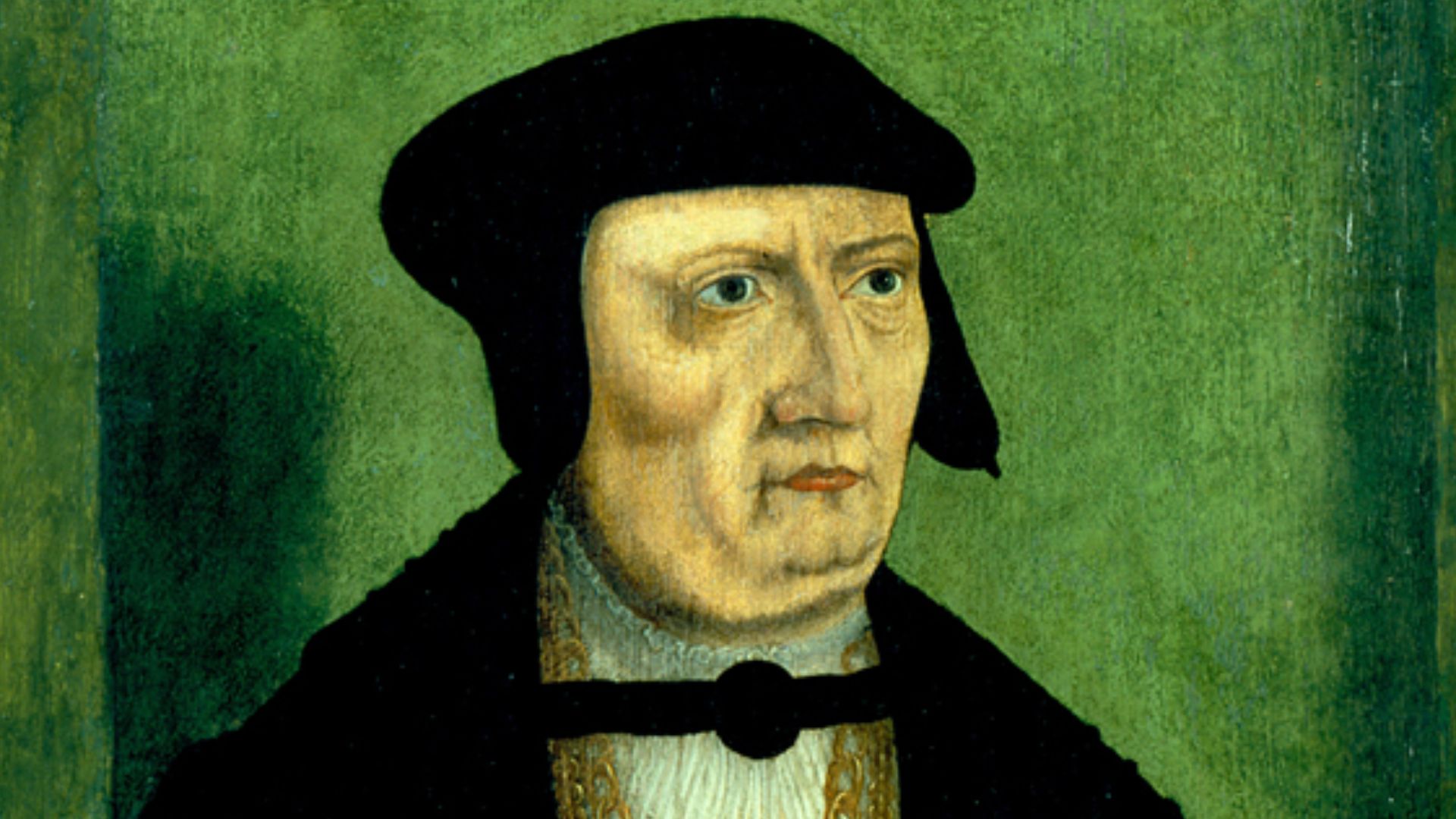 Attributed to Jacob Binck, Wikimedia Commons
43. He Had To Flee
Christian fled Denmark in April 1523, seeking shelter in the land of his in-laws by May. Despite the messy start to their marriage, Christian and Isabella had become a unit. Although Frederick offered Isabella sanctuary within Denmark, encouraging her to stay while Christian fled (in hopes of gaining support from her powerful family), Isabella refused, replying, “where my king is, there is my kingdom”.
Unfortunately, for all of her connections, Isabella did not have much time left to sway them to her favor.

44. He Lost His Partner
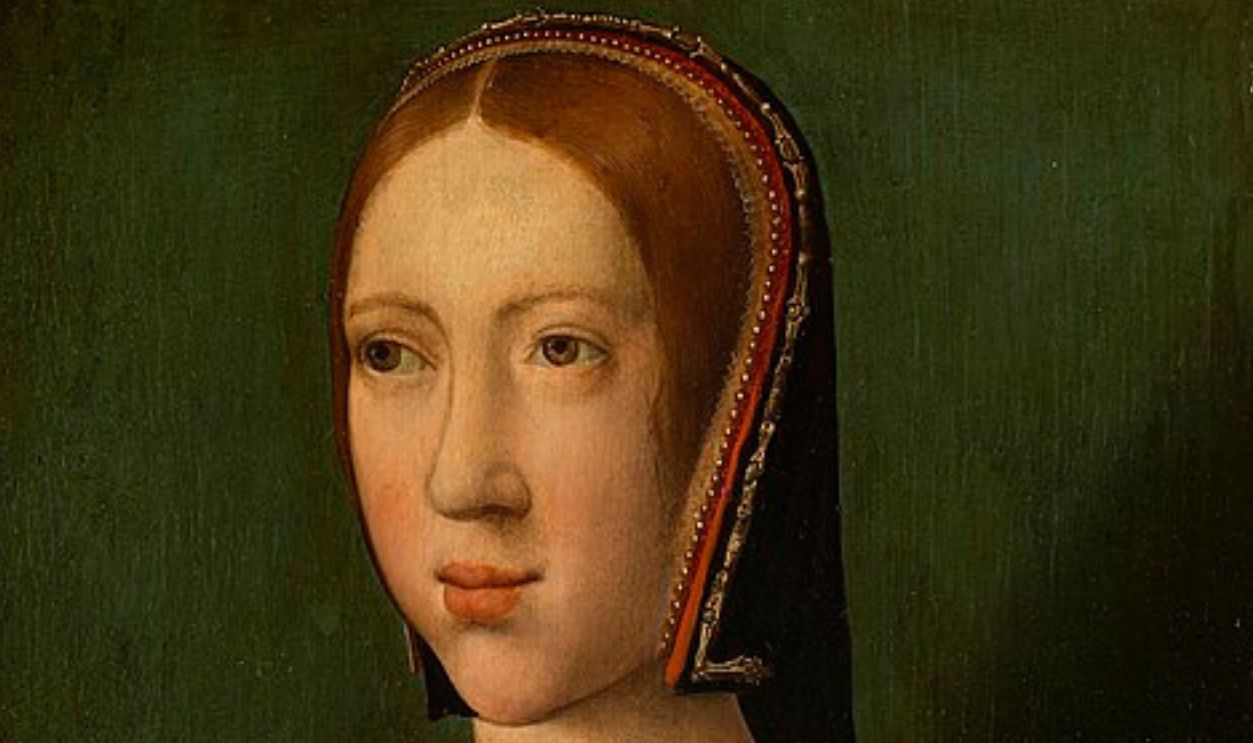
For the first two years of their exile, Christian and Isabella moved around, seeking out support for their eventual restoration within Denmark. Unfortunately, Isabella’s involvement would be short-lived. By spring 1525, Isabella became ill; although she continued to travel throughout the year, she never shook the infection.
She tragically succumbed to her illness in January 1526, leaving Christian to fight for his cause alone.
 Unidentified painter, Wikimedia Commons
45. He Lost Everything
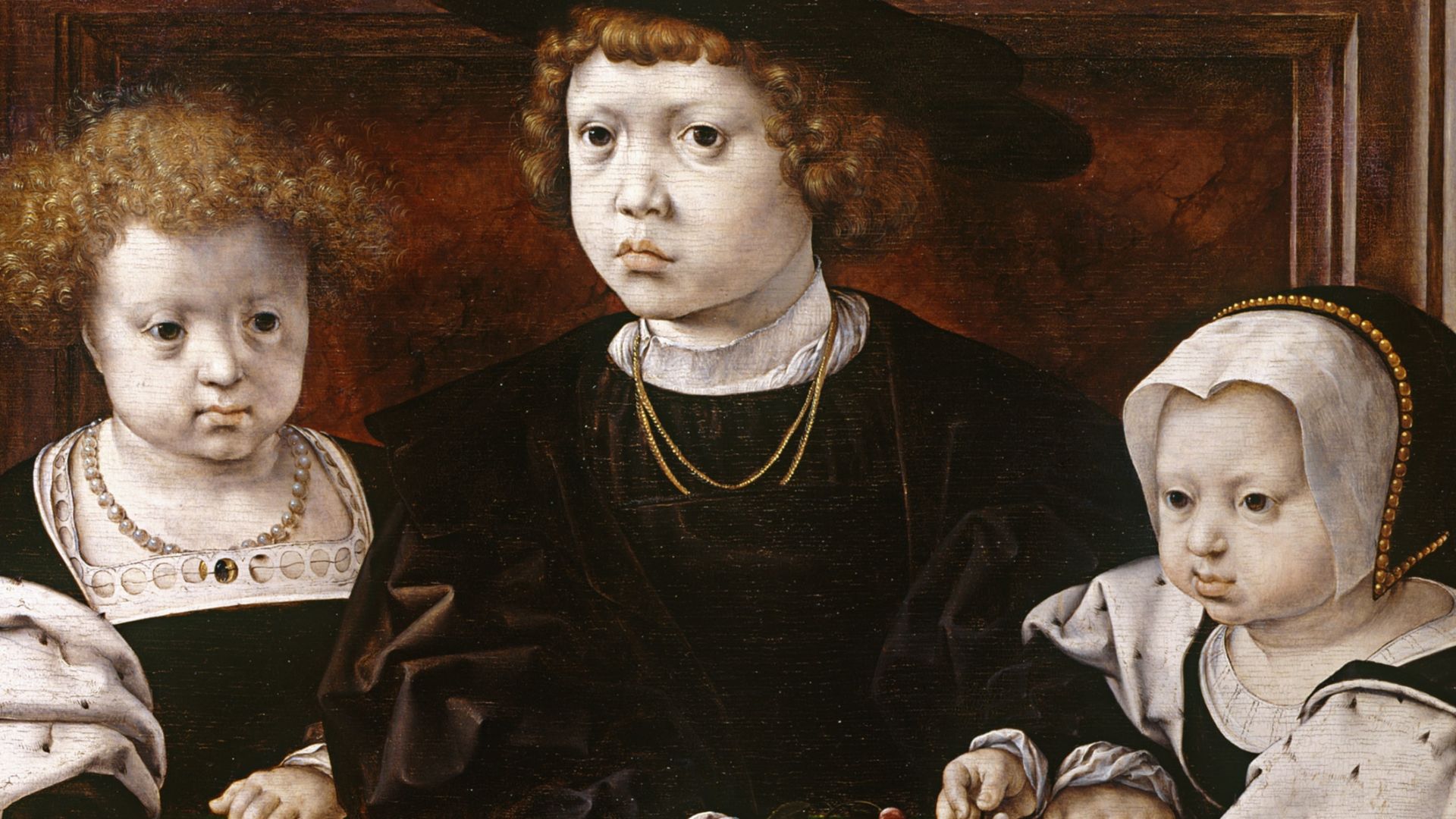
Although Isabella reportedly used her final moments to encourage her powerful aunt, Margaret of Austria, to support Christian in his cause for Denmark, this came to nothing. Instead, Isabella’s family took their children from Christian, fearing they’d become tainted by Christian’s scandal. However, Christian never gave up his cause—he’d get Denmark back if it ended him.
 Jan Gossaert, Wikimedia Commons
46. He Launched An Attack
Christian finally found enough support to make a direct attack upon Frederick. Landing in Oslo, Christian attempted to secure the castle, Akershus, for himself. Unfortunately, Christian no longer had the force that he once had; his siege upon the castle failed, and it forced Christian to fall upon the mercy of Frederik—his first and last mistake.
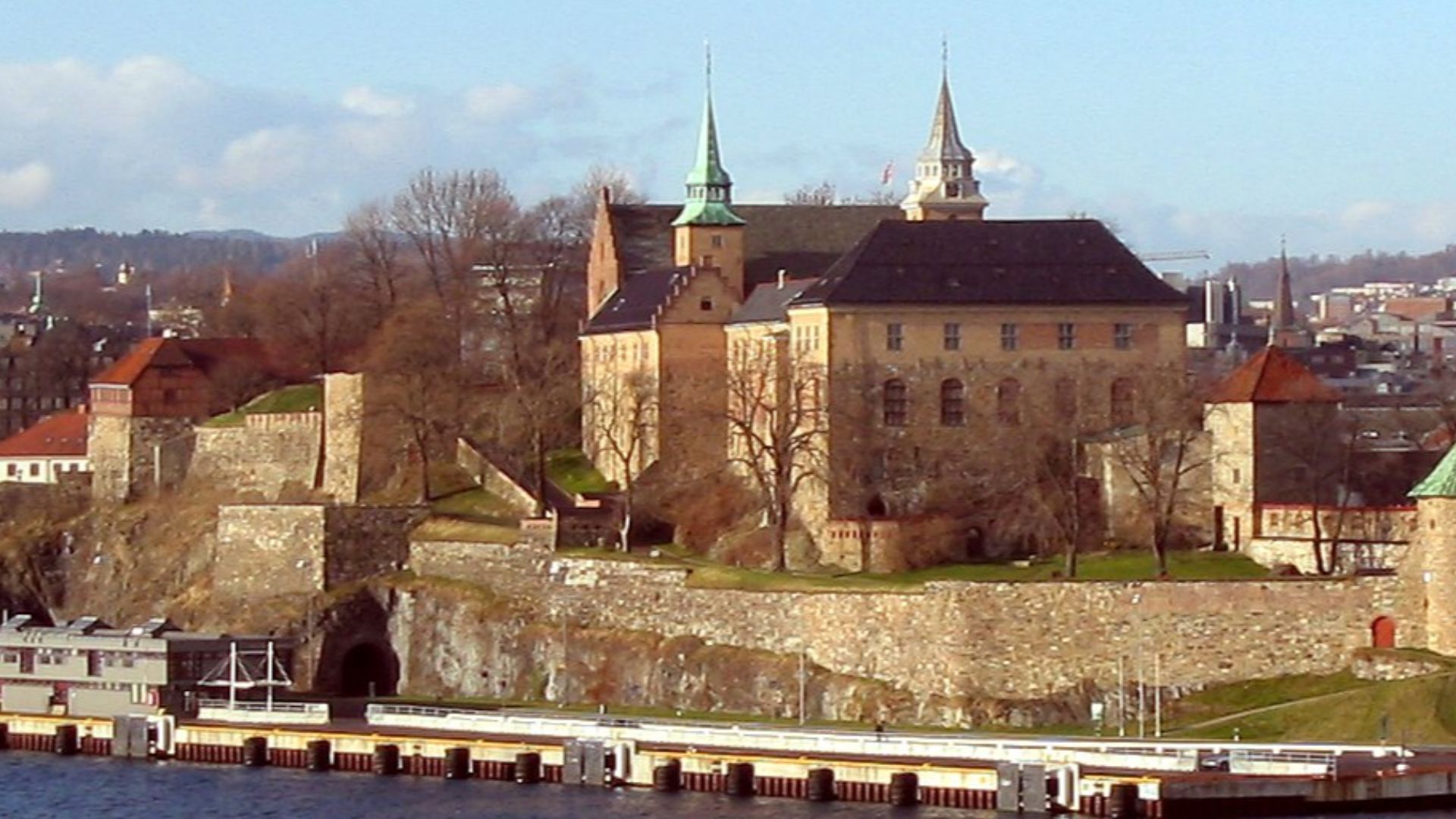 Photo © 2005 by Tomasz Sienicki [user: tsca, mail: tomasz.sienicki at gmail.com], Wikimedia Commons
47. He Failed
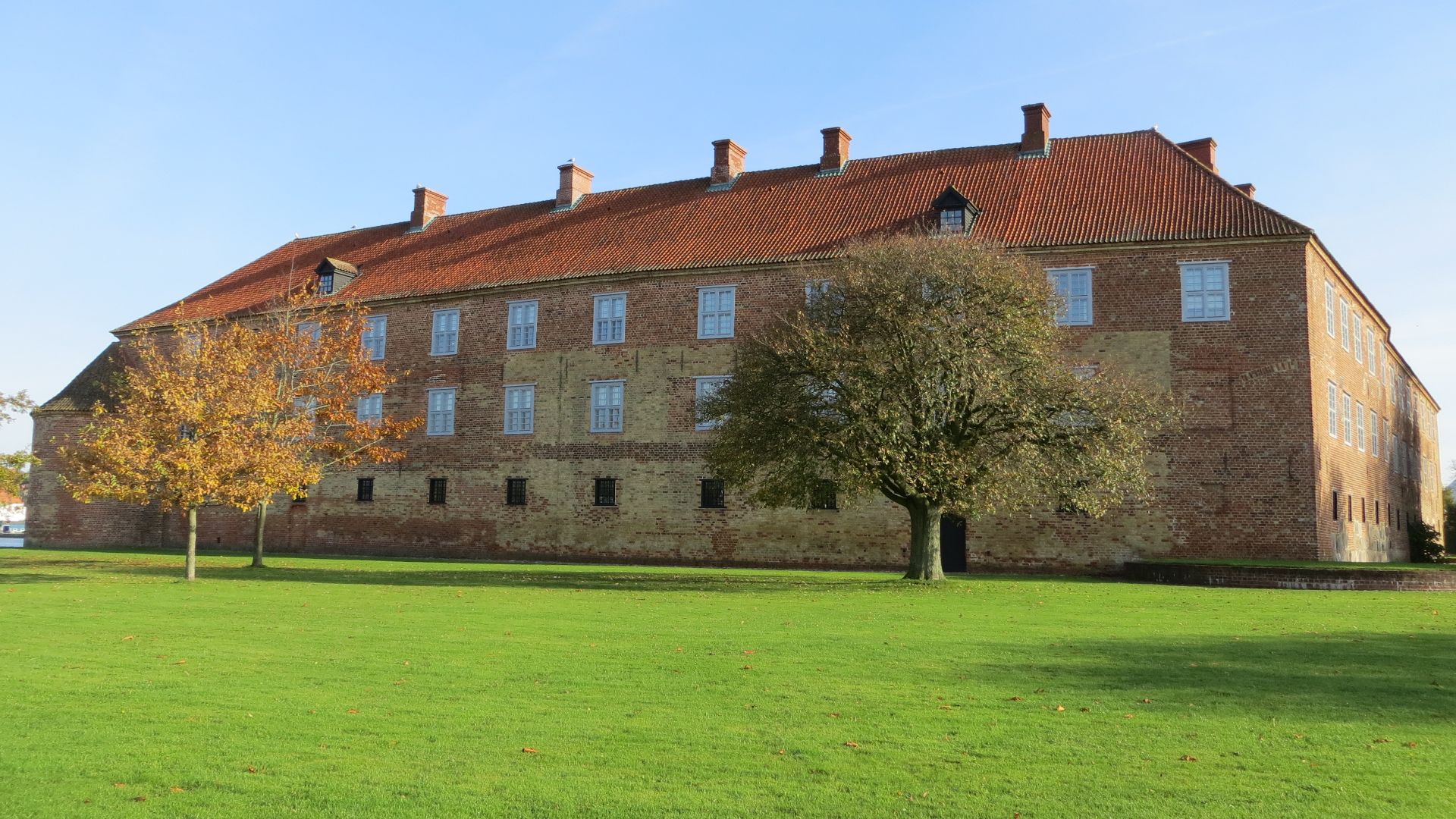
Despite promising Christian safe conduct after his failed attempt to capture Akershus Castle, Frederik captured Christian, keeping him under confinement for the next 27 years. Christian spent the first portion of his captivity in Sonderborg Castle before being moved to Kalundborg in 1549. He never saw the other side of these towns for the rest of his life.
48. He Became Trapped
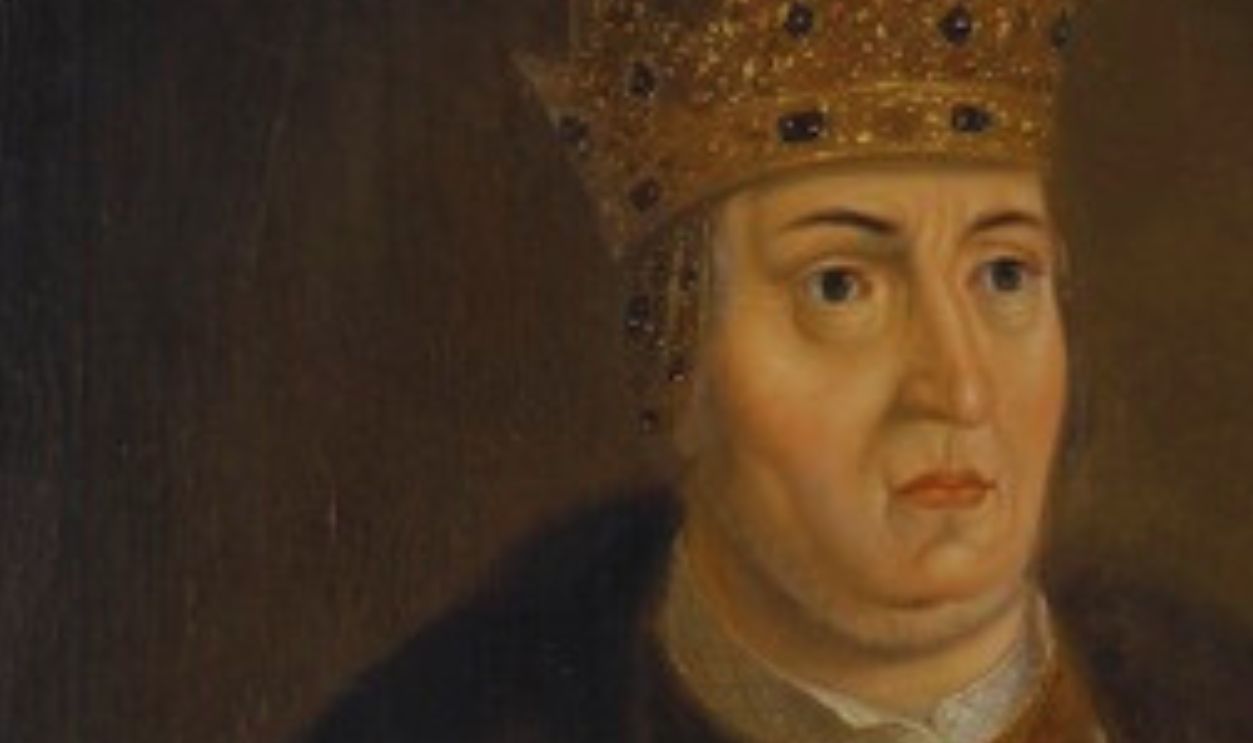
Some stories espouse tales of Christian wasting away the rest of his life in inhumane, tiny spaces, suffering until the end. However, these stories are pure exaggeration. As a former king, Christian spent his imprisonment treated as a nobleman, free to hunt and even host parties as long as he never strayed from the town he’d been confined to.
Christian likely resigned himself to this fate—and then Frederick passed.
 Nationalmuseum, Wikimedia Commons
49. He Almost Made It
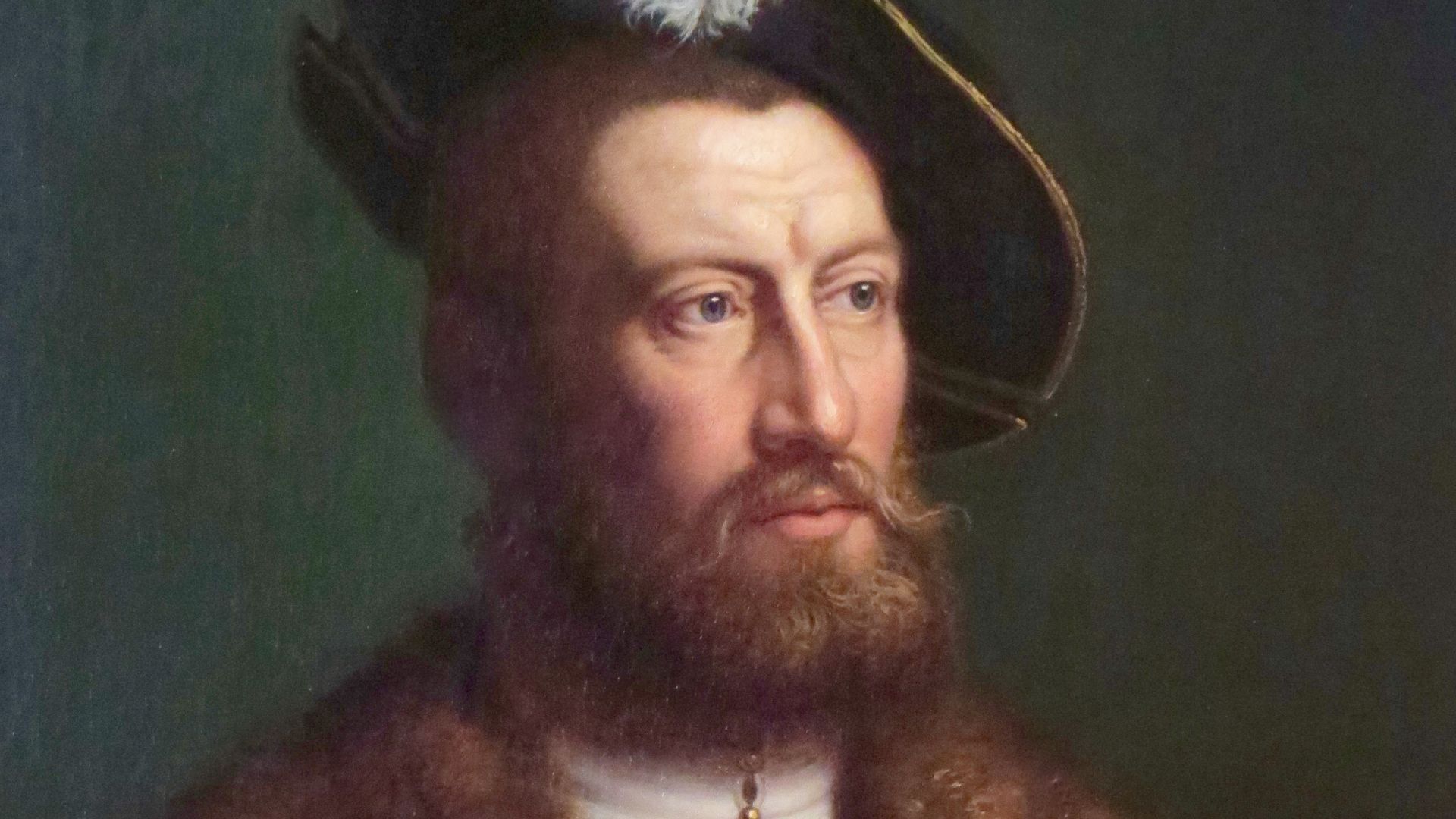
In 1533, three years into Christian’s confinement, he received a small glimmer of hope. Without a clear successor for Frederick, a coalition of supporters attempted to get Christian back upon the throne. Unfortunately, Frederick’s son, also named Christian, proved to have the greater strength. Christian III became King of Denmark, and Christian II remained confined to Kalundborg.
50. He Became A Legend
Christian III passed on January 1, 1559, at the age of 55. Before he could collect much hope, Christian II passed a few weeks later on January 25, 1559. The new king, Frederick II, gave him a royal funeral, and his legacy carries on. Today, Christian remains one of Denmark’s most spoken of kings.
Perhaps he had some good intentions, supporting the middle class, but his lack of political savviness proved his ultimate downfall, and few can ignore the horror that he left in his wake.
 Nicolai Abildgaard, Wikimedia Commons
You May Also Like:
The Richest Man In Ancient Rome Met A Terrible End










_-_Bildnis_Christians_II.,_K%C3%B6nig_von_D%C3%A4nemark_(MbK,_Leipzig).jpg%20)
_-_Isabella_of_Austria_(1501-26)_-_RCIN_403468_-_Royal_Collection.jpg%20)