Rubber Stamping Tyranny
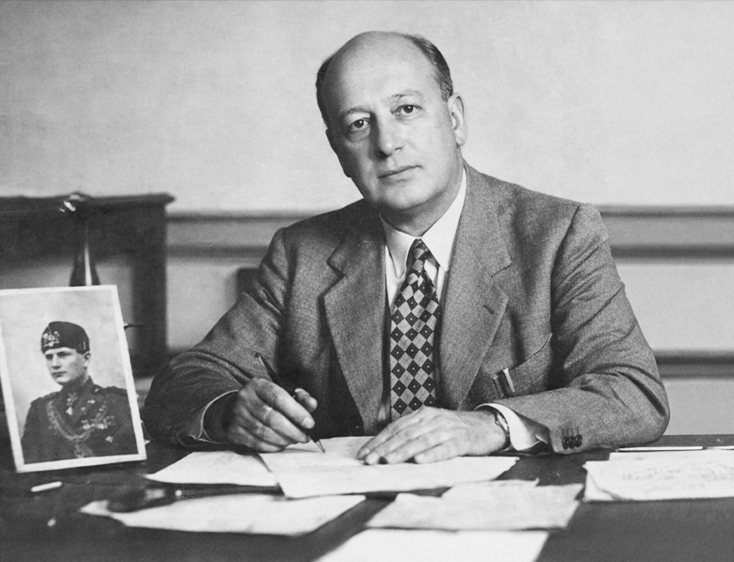
History’s great atrocities are often blamed on tyrants or violent mobs. Less attention is paid to the clerks, administrators, and middle managers who made all this mayhem possible. Again and again, injustice expanded not through chaos but through paperwork, procedures, and mindless obedience to authority, where cruelty was transformed into routine administrative work by someone just happy to have a job while looking the other way.
Athenian Democratic Exile By Vote
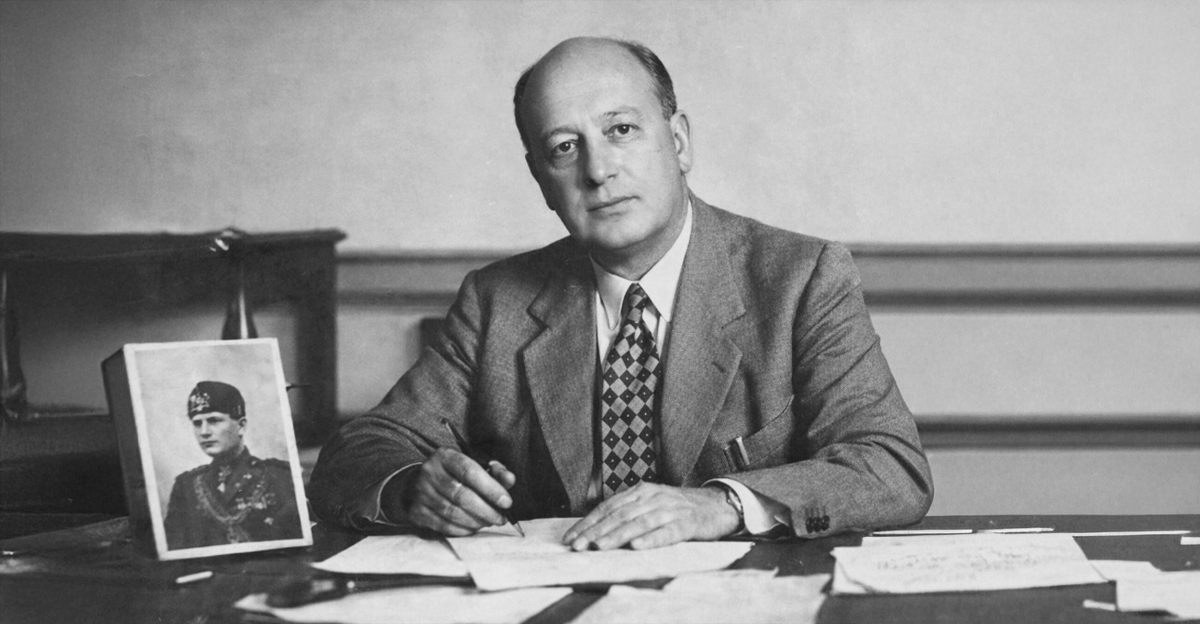
In ancient Athens, ostracism allowed citizens to exile their political rivals through a formal voting process. Bureaucratic procedures recorded names on pottery shards and enforced exile without trial. The system maintained this political punishment through its careful record keeping, demonstrating how early democratic bureaucracy could still enable the people at the top to carry out severe injustices.
 Philipp Foltz, Wikimedia Commons
Roman Census And Tax Oppression
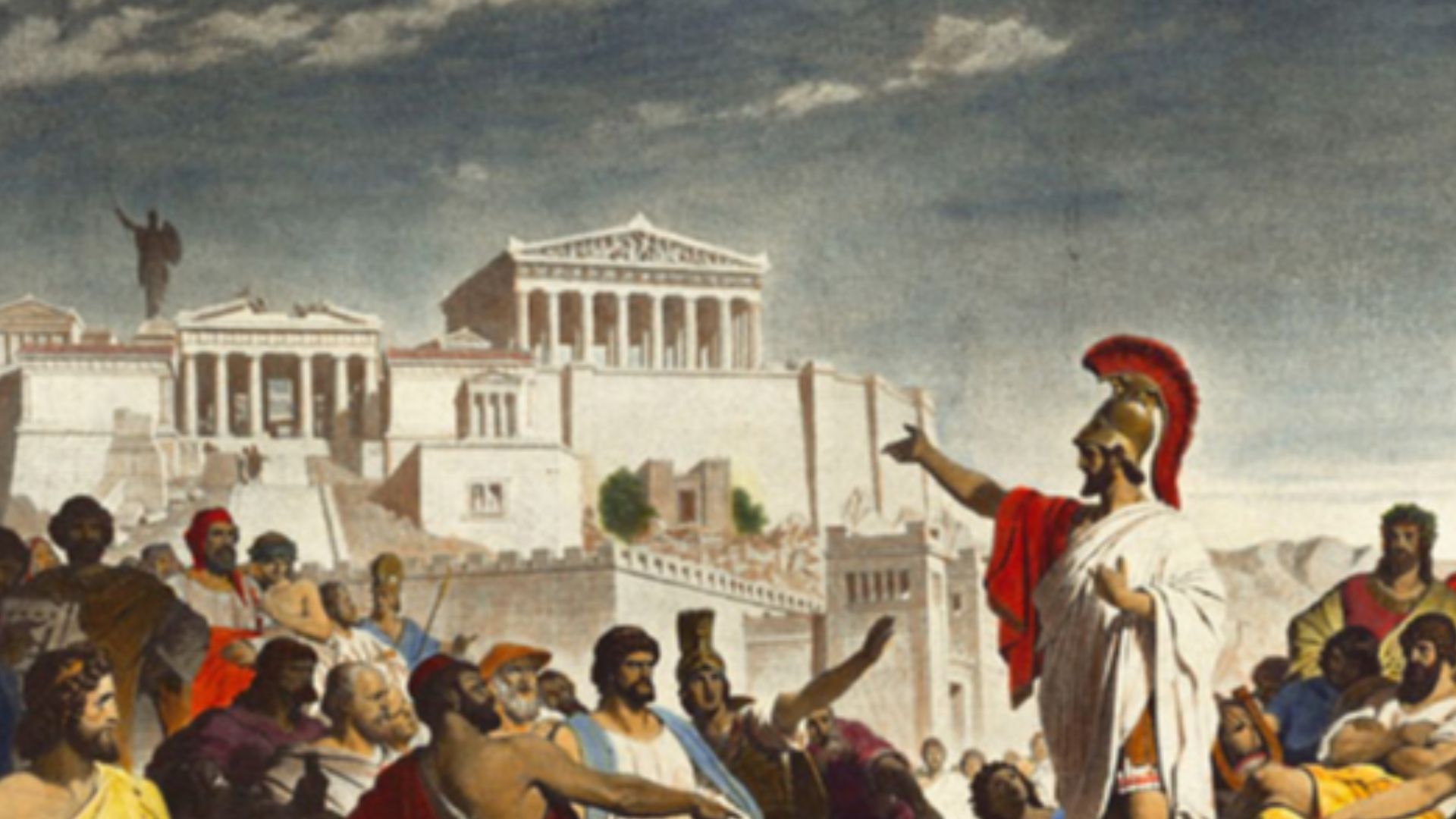
The Roman Empire used detailed censuses to manage taxation and conscription. While these systems were efficient, they also crushed local economies and enforced exploitation. Bureaucratic insistence on quotas and tribute placed imperial order over human welfare, leading directly to poverty, rebellion, and brutal military crackdowns across the empire’s many regions.
 Rijksmuseum, Wikimedia Commons
Medieval Serfdom Codified
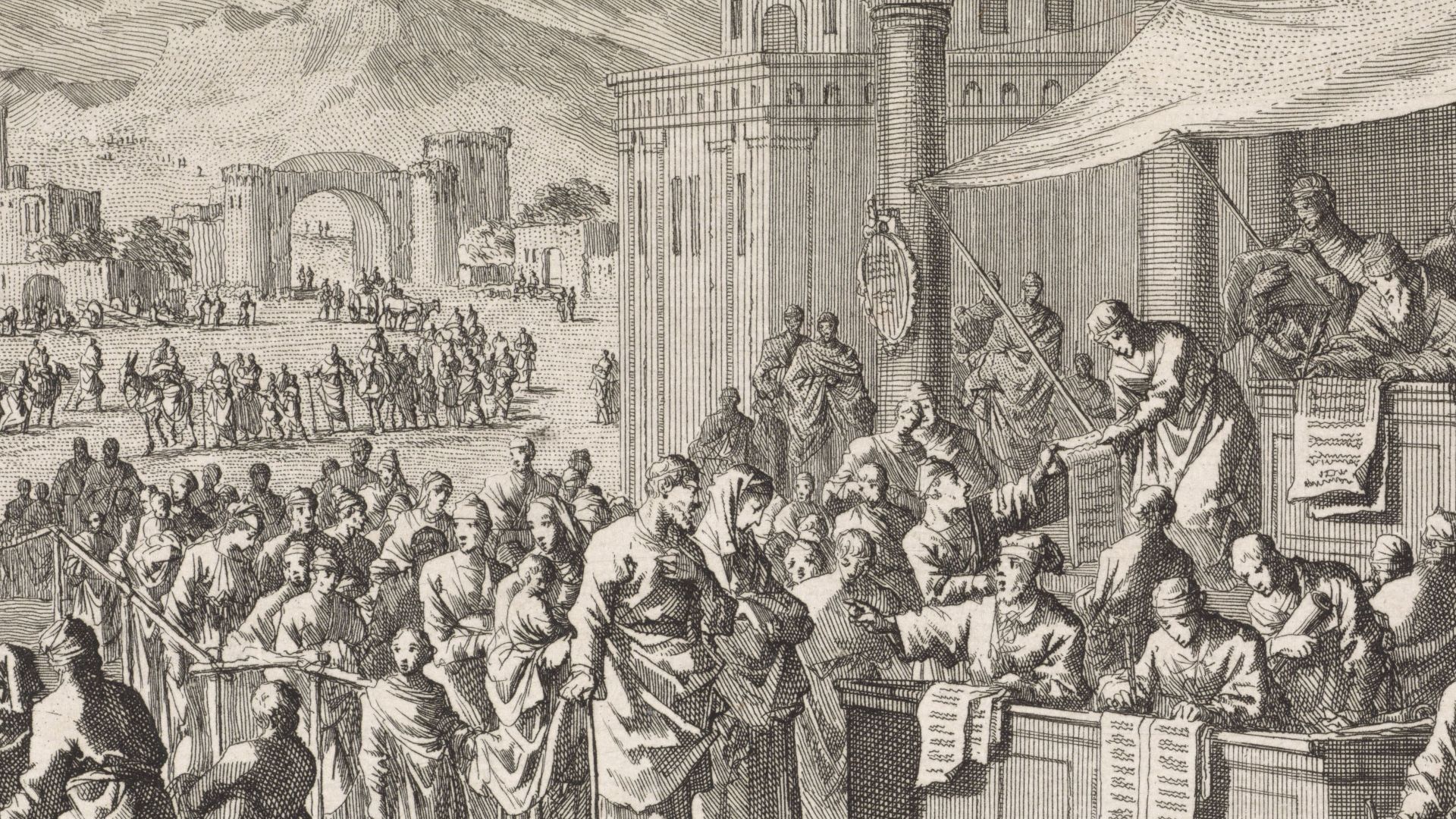
Feudal bureaucracies formally bound peasants to their land through legal charters and inheritance records. What started out as custom became institutionalized injustice. Lords enforced servitude using courts and registries, making generational poverty a legalized condition rather than a social problem to be reformed.
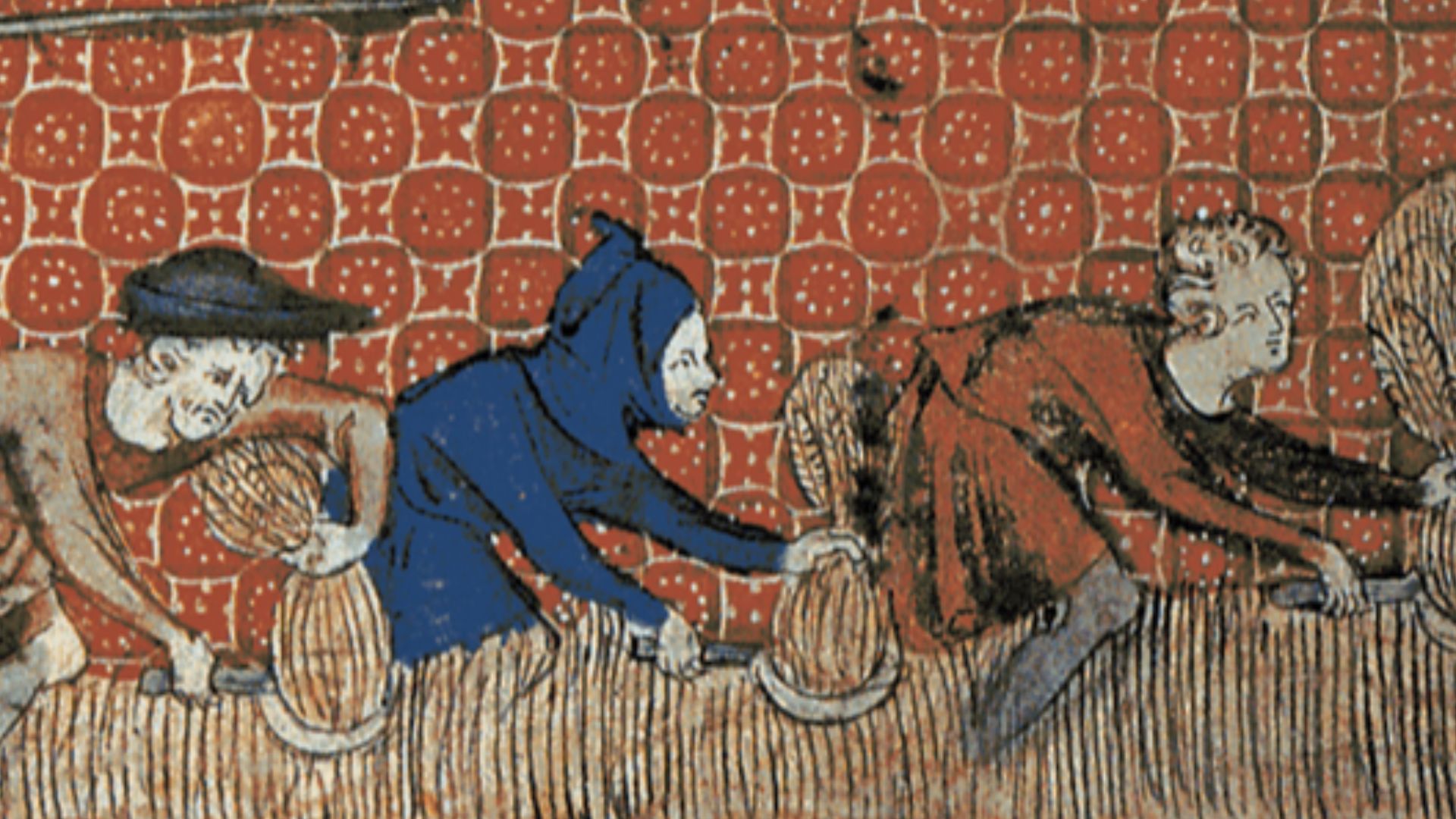 anonymous (Queen Mary Master), Wikimedia Commons

History's most fascinating stories and darkest secrets, delivered to your inbox daily.
Spanish Encomienda System
After Spain conquered the Americas in the 1500s, colonial administrators created the encomienda system to regulate the local labor force. Bureaucratic contracts assigned Indigenous populations to Spanish settlers. Clerks tracked quotas and productivity, transforming exploitation and mass death into legal obligations enforced by colonial offices.
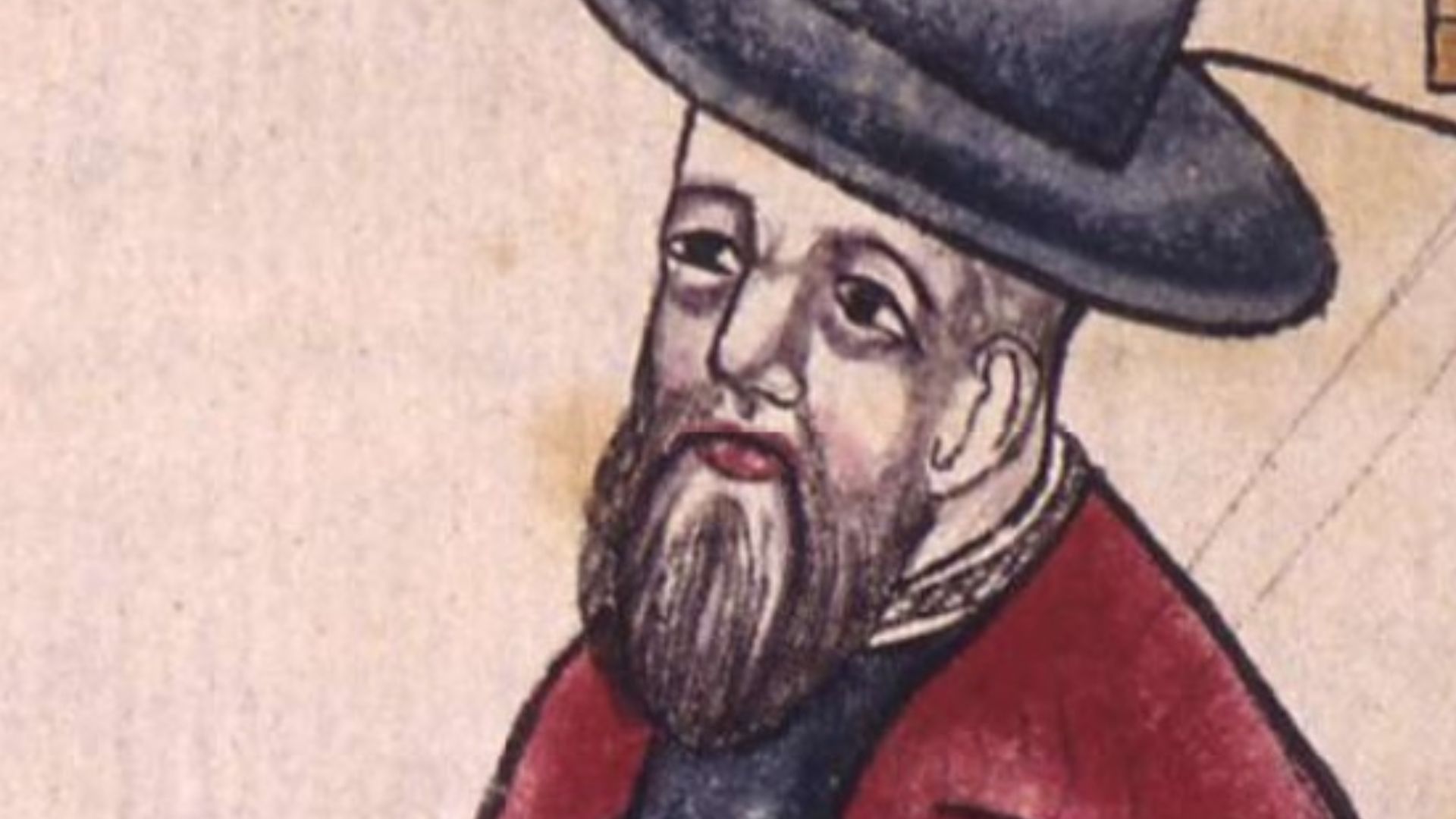 Codex Kingsborough, Wikimedia Commons
Transatlantic Slave Trade Documentation
The Atlantic slave trade depended on meticulous record keeping. Ships logged human cargo, insurance forms assessed the market value of enslaved people, and customs officials approved all the various transactions. Bureaucracy didn’t just accompany slavery. It optimized it, actively reducing human suffering to balance sheets and bean counting.
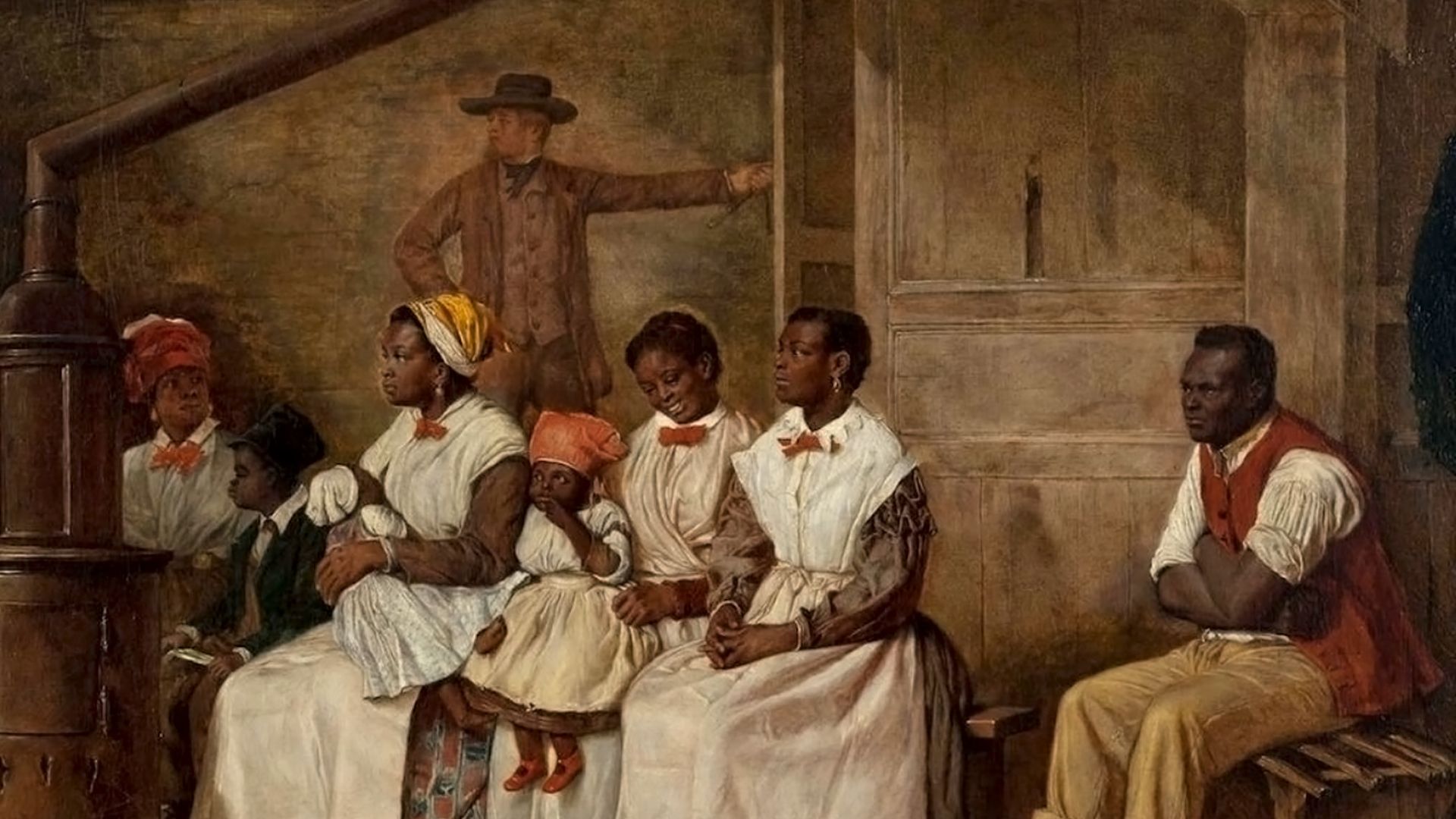
British East India Company Famine Policy
During major Indian famines, British East India Company bureaucrats prioritized market stability and paperwork over relief of the widespread hunger. Grain was exported abroad while millions of people starved. Officials followed policy manuals and budget rules, believing that any sort of intervention would disrupt the precious administrative order they had achieved.
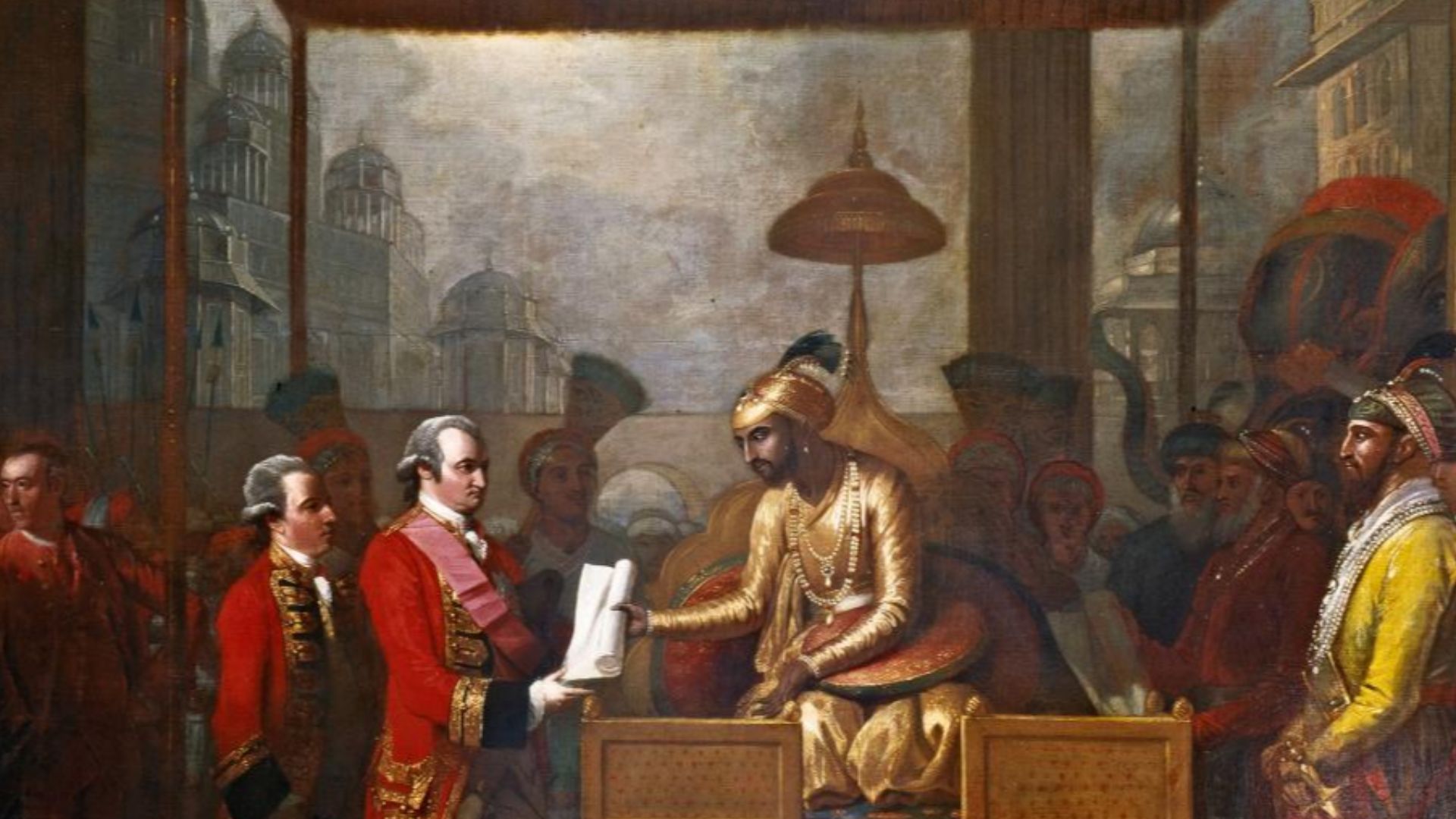 Benjamin West, Wikimedia Commons
The French Reign Of Terror Committees
The Reign of Terror that followed the French Revolution relied on committees, warrants, and standardized accusations. Executions followed rubber stamped approvals based on the arbitrary decision of a committee member rather than any battlefield necessity. Bureaucratic normalization of suspicion allowed mass executions to go on more efficiently.
 Louis-Leopold Boilly, Wikimedia Commons
Trail Of Tears Removal Orders
The forced removal of Native American nations like the Cherokee and others was managed through federal offices, contracts, and timetables. Clerks issued orders, allocated supplies, and logged death statistics. The suffering of thousands occurred not from disorder but from systematic adherence to policy.
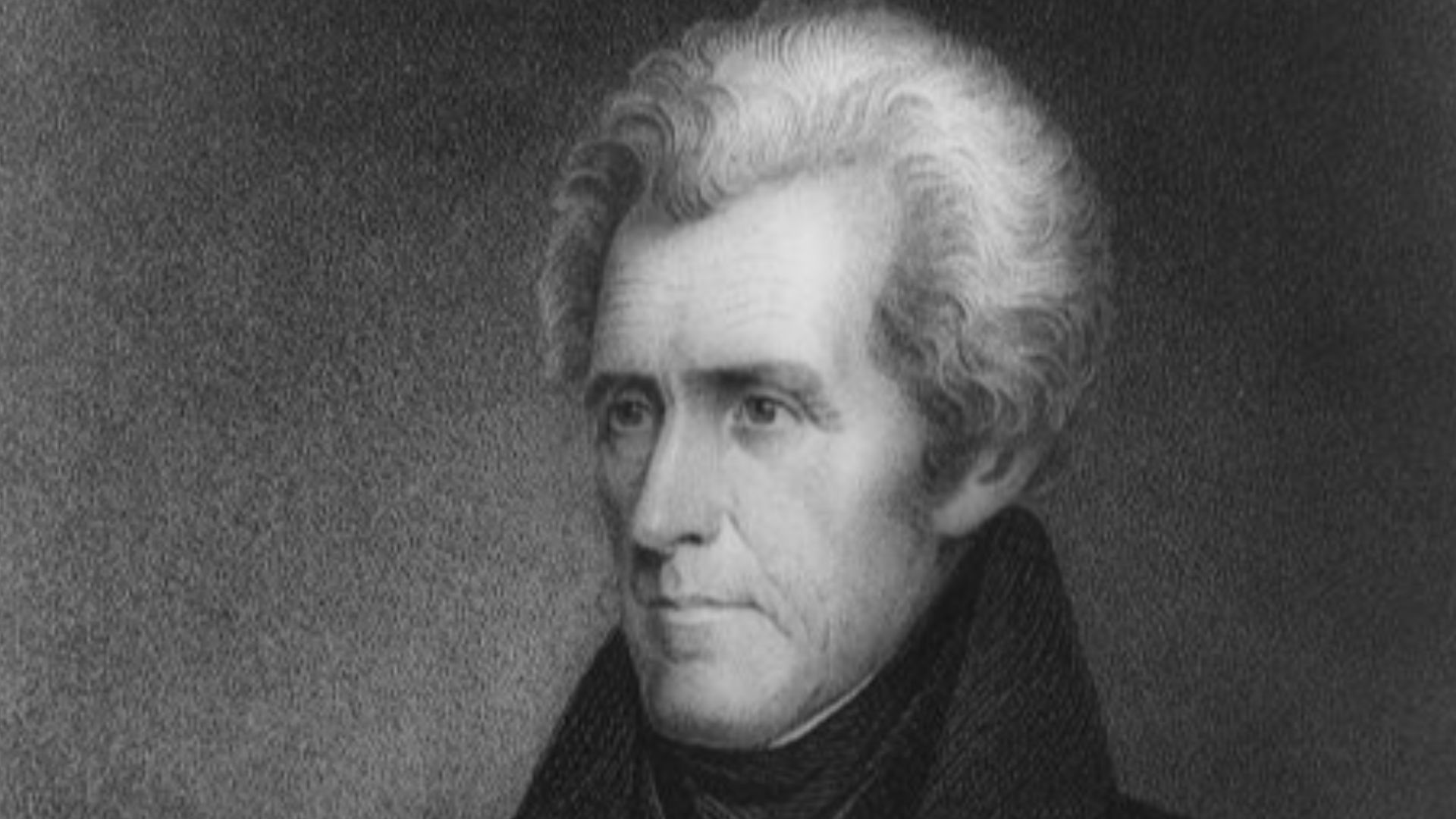 Longacre, James Barton, 1794-1869, graveur, Wikimedia Commons
Tsarist Passport Controls
Imperial Russia restricted movement by its people within the country’s own borders. The authorities accomplished this through the use of passport systems. Jewish populations were trapped within designated regions by paperwork barriers. Bureaucratic enforcement of movement rules institutionalized the discrimination while allowing officials to throw up their hands and claim neutrality.
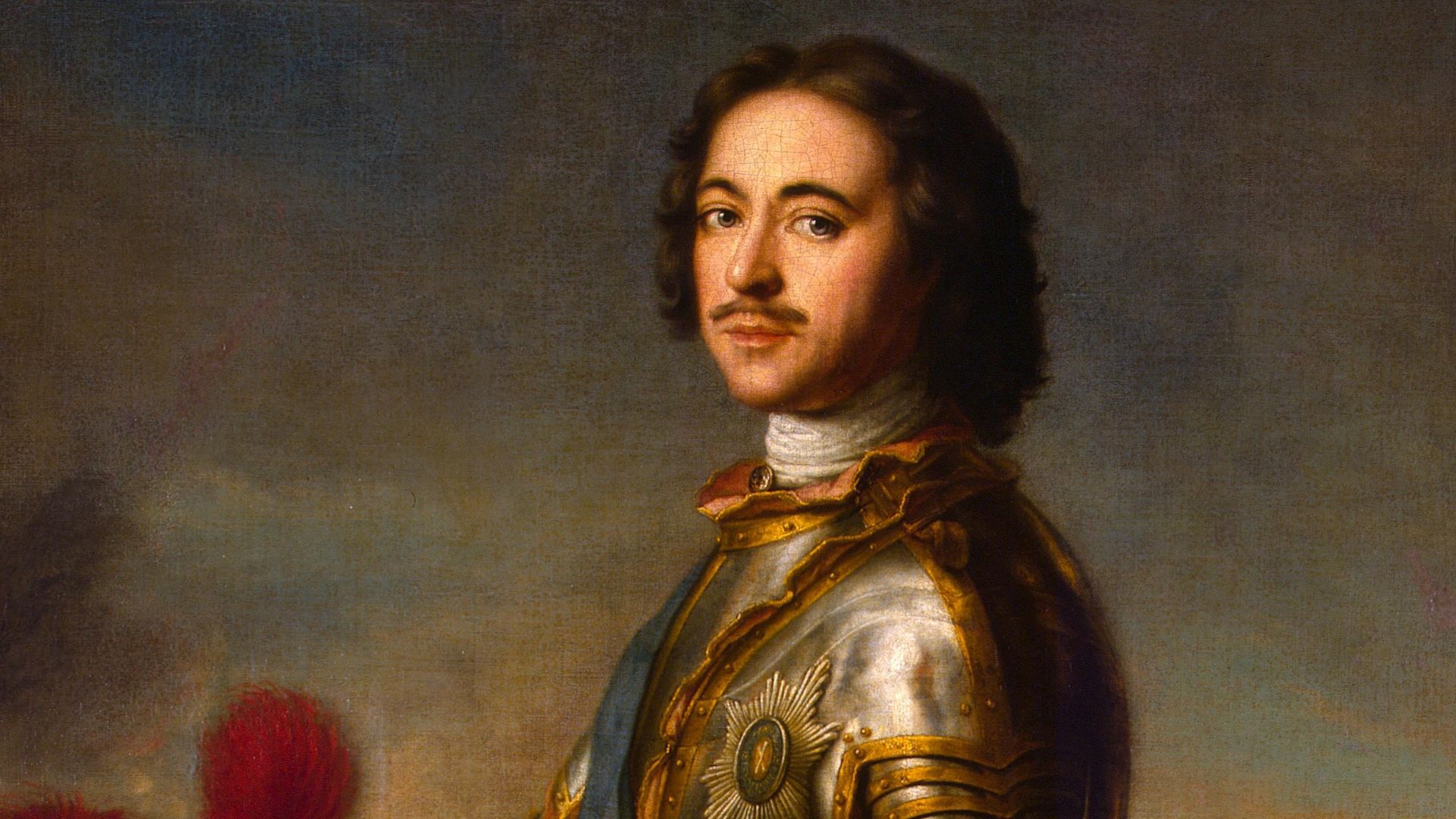 Attributed to Jean-Marc Nattier, Wikimedia Commons
History's most fascinating stories and darkest secrets, delivered to your inbox daily.
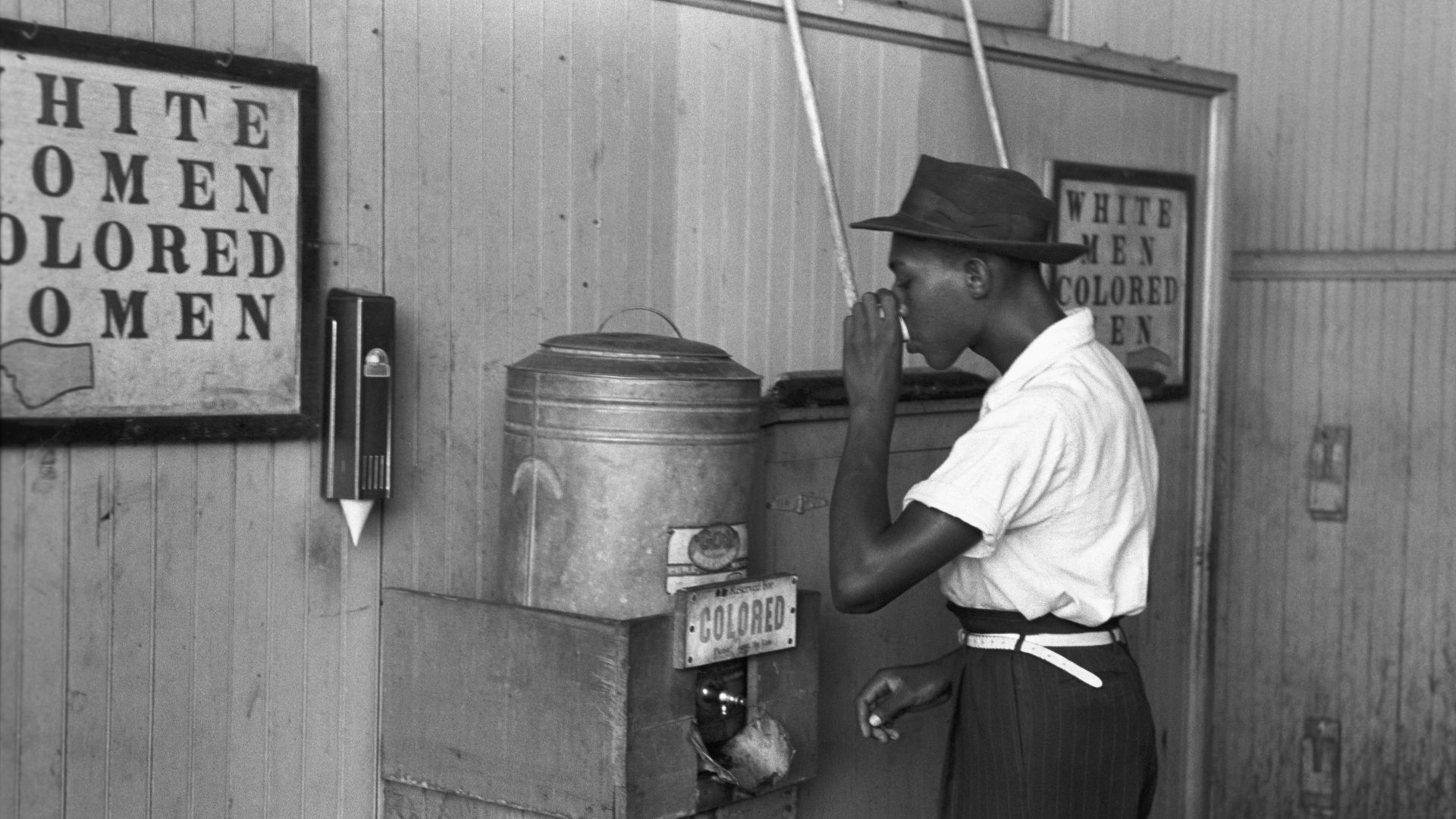
Jim Crow Segregation Administration
Racial segregation persisted in many southern states of the United States for a century after the US Civil War. The system relied on licensing offices, zoning boards, and registrars. Diligent bureaucrats enforced the separation of the races not through violent mobs but by denying permits, approving maps, and controlling voter access. This form of discrimination thrived because it was embedded into ordinary administrative processes.
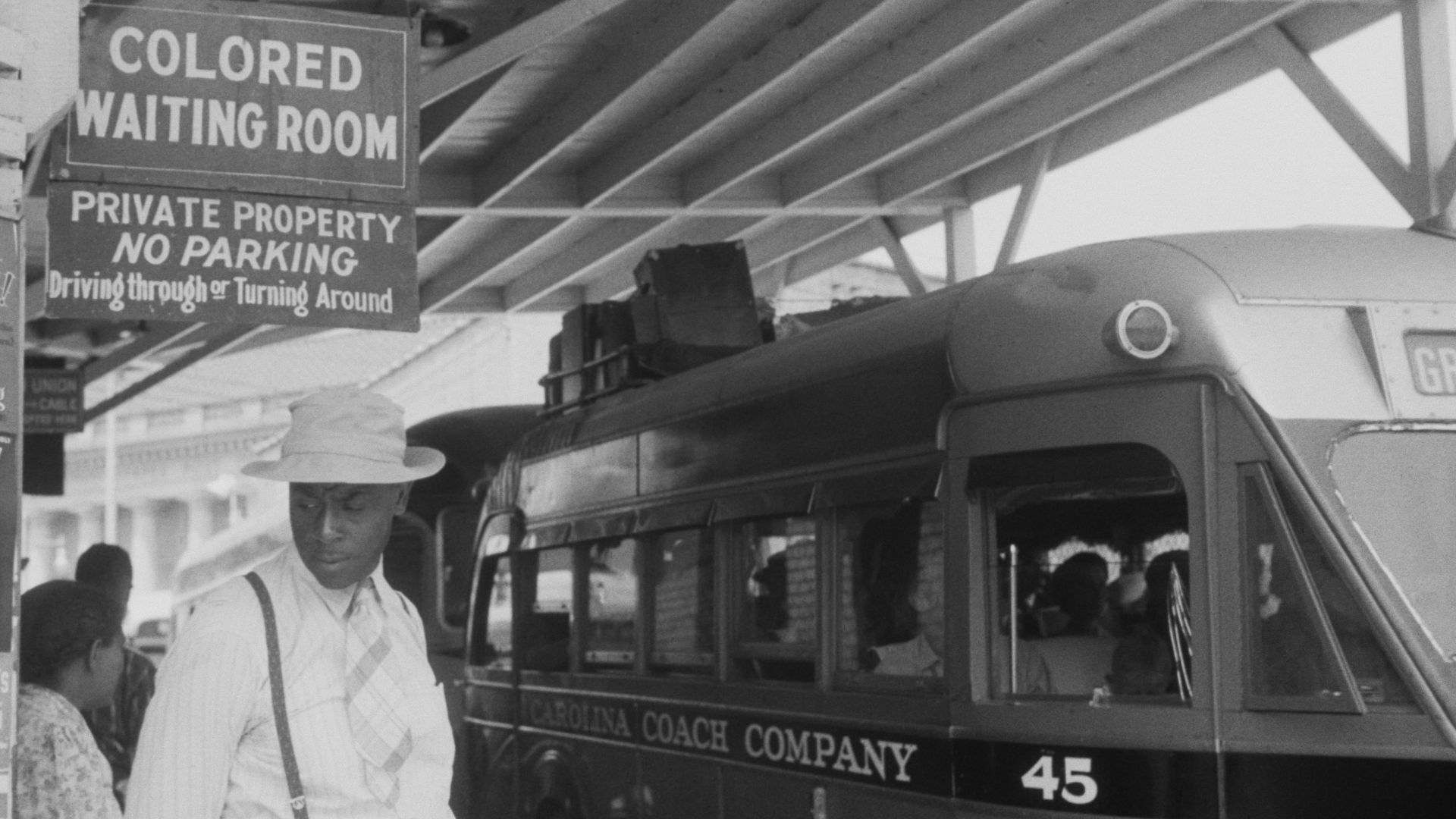 Jack Delano, Wikimedia Commons
Armenian Deportation Registries
During the Armenian genocide, the authorities in Ottoman Turkey compiled deportation lists and transport schedules. Bureaucracy framed a population’s destruction as a mere relocation. Officials burrowed away at their desks enabled this horrendous injustice to go on by organizing paperwork and enforcing deadlines.
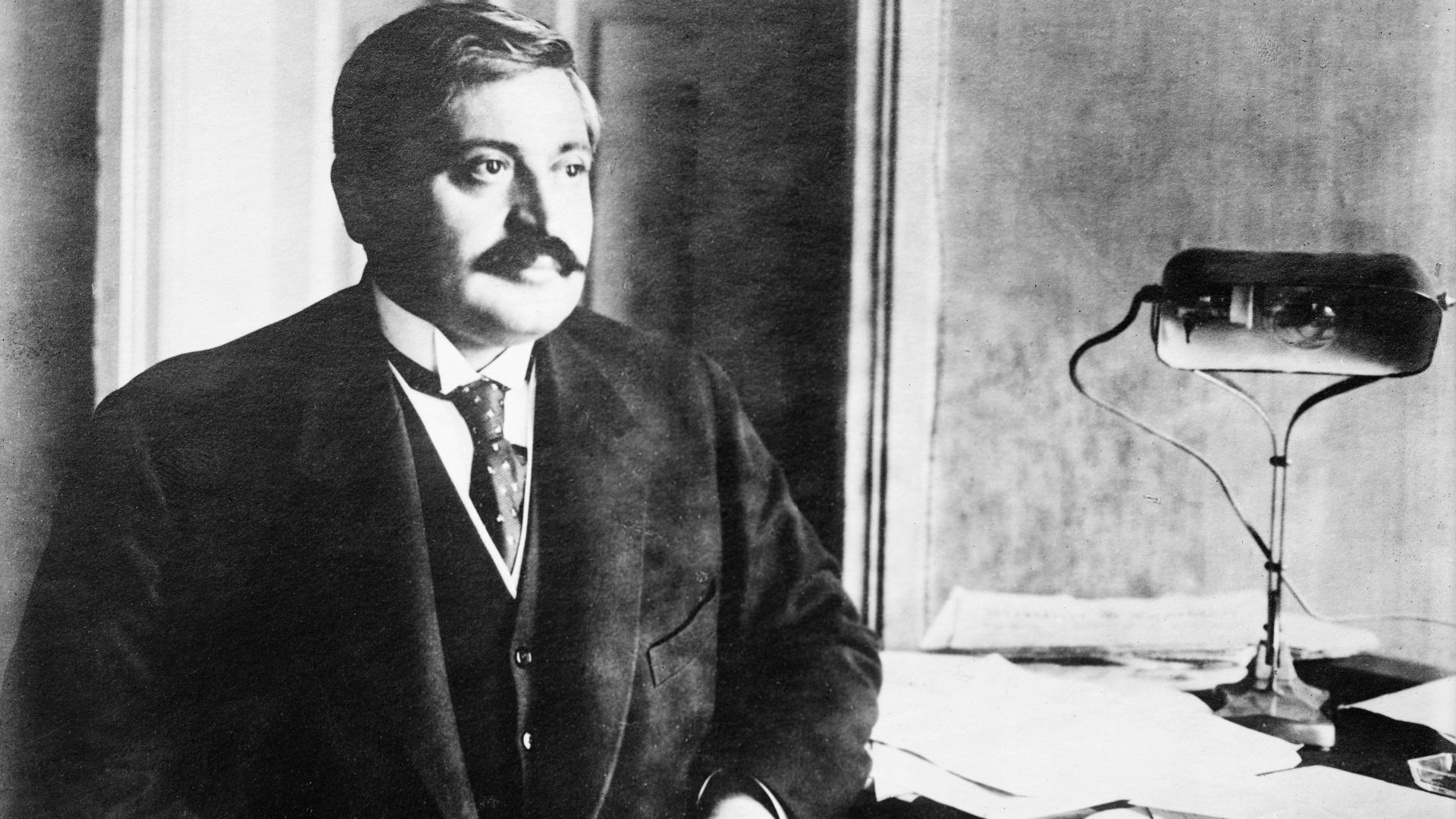 Neue Photographische Gesellschaft Berlin and Bain News Service, publisher, Wikimedia Commons
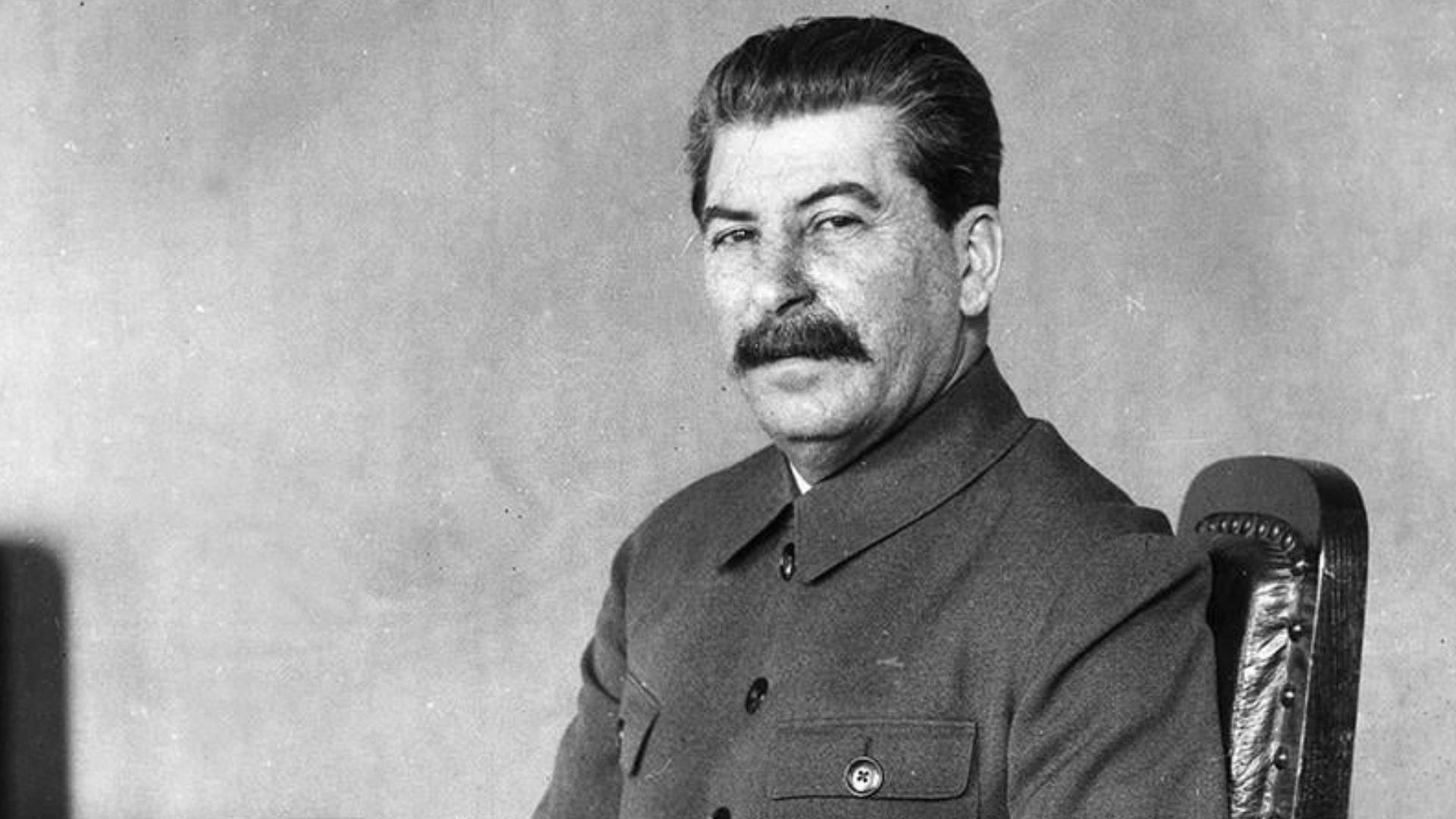
Soviet Forced Collectivization
Stalin’s forced collectivization of agriculture in the Soviet Union relied on quotas, reports, and requisition forms filled out by stuffed-shirt office workers who viewed humans as nothing more than numbers on a piece of paper. Local officials inflated harvest numbers to satisfy their superiors, which led to famine. Millions died because administrators feared bureaucratic punishment more than the human cost.
Third Reich: Census And ID Systems
The terrifying bureaucratic process of the Holocaust is probably history’s most infamous example. The Final Solution depended on a vast work force of paper-shufflers, population registers, identity cards, and transport logs. Bureaucrats identified victims, scheduled trains, and processed assets. The eradication of whole populations succeeded because genocide became a logistical task.
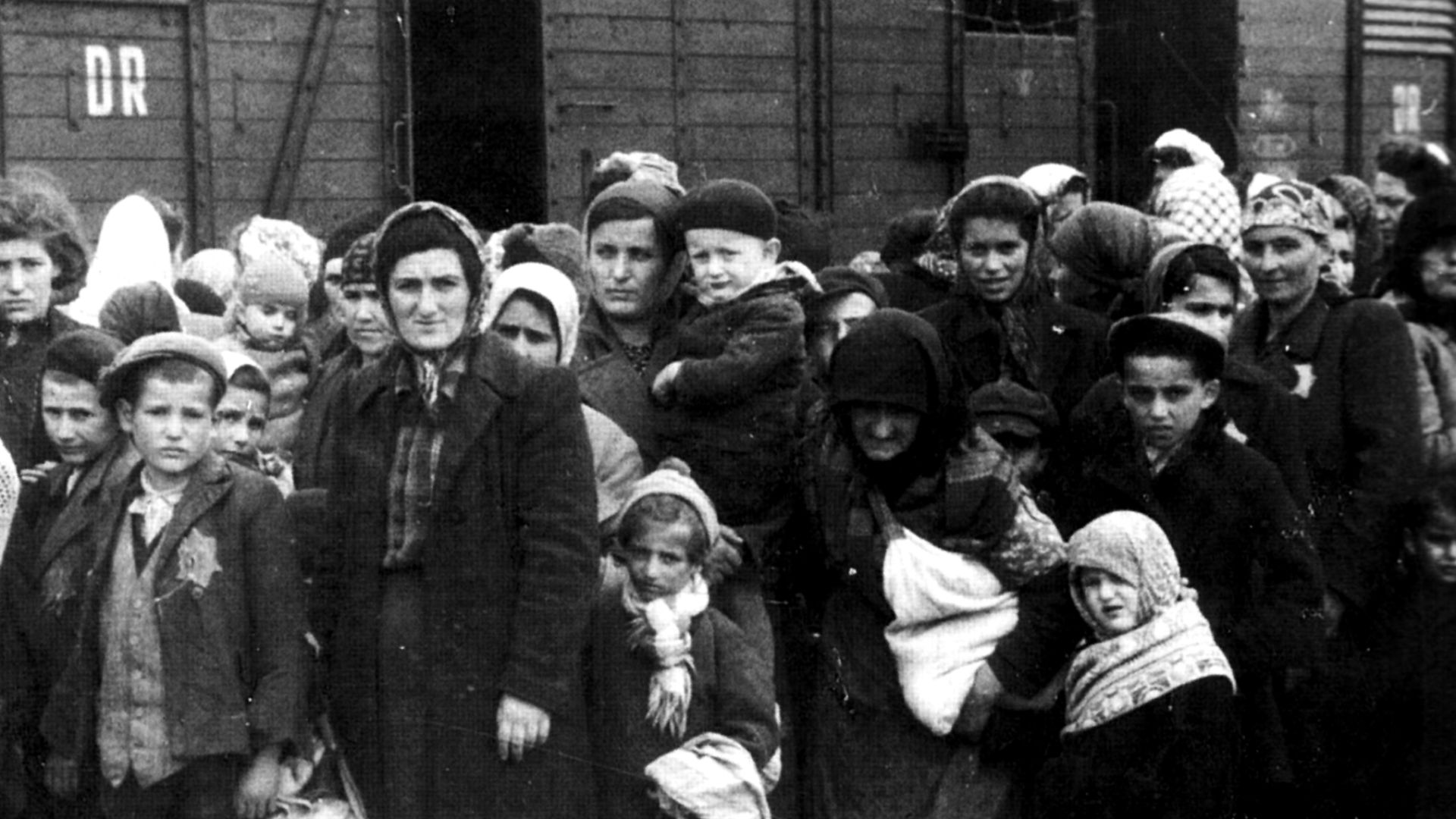 Ernst Hofmann or Bernhard Walte, Wikimedia Commons
Japanese-American Internment Records
U.S. internment of Americans of Japanese descent during WWII was organized through the massive body of government census data and property inventories. Officials cataloged families and their possessions before confiscating their property and removing them to the camps. Bureaucracy was the main driving force that enabled the internment, but it also gave those constitutional violations a paper trail with which the victims could pursue compensation later.
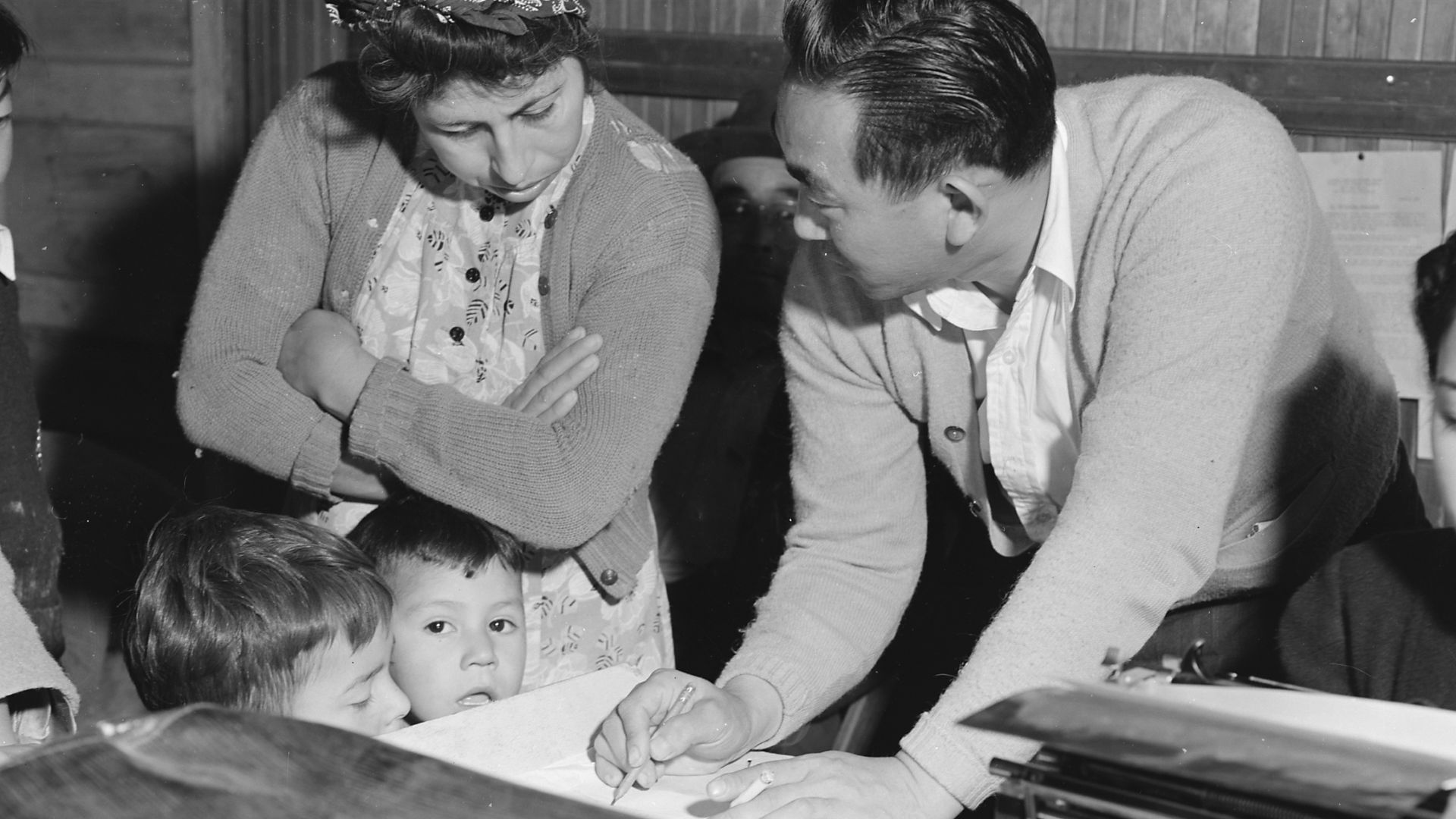 Dorothea Lange, Wikimedia Commons
Apartheid Classification Boards
South African apartheid depended heavily on racial classification boards that assigned identities to people based on their appearance and ancestry. Bureaucrats determined each individual’s legal rights through forms and hearings, dictating lives through administrative judgment.
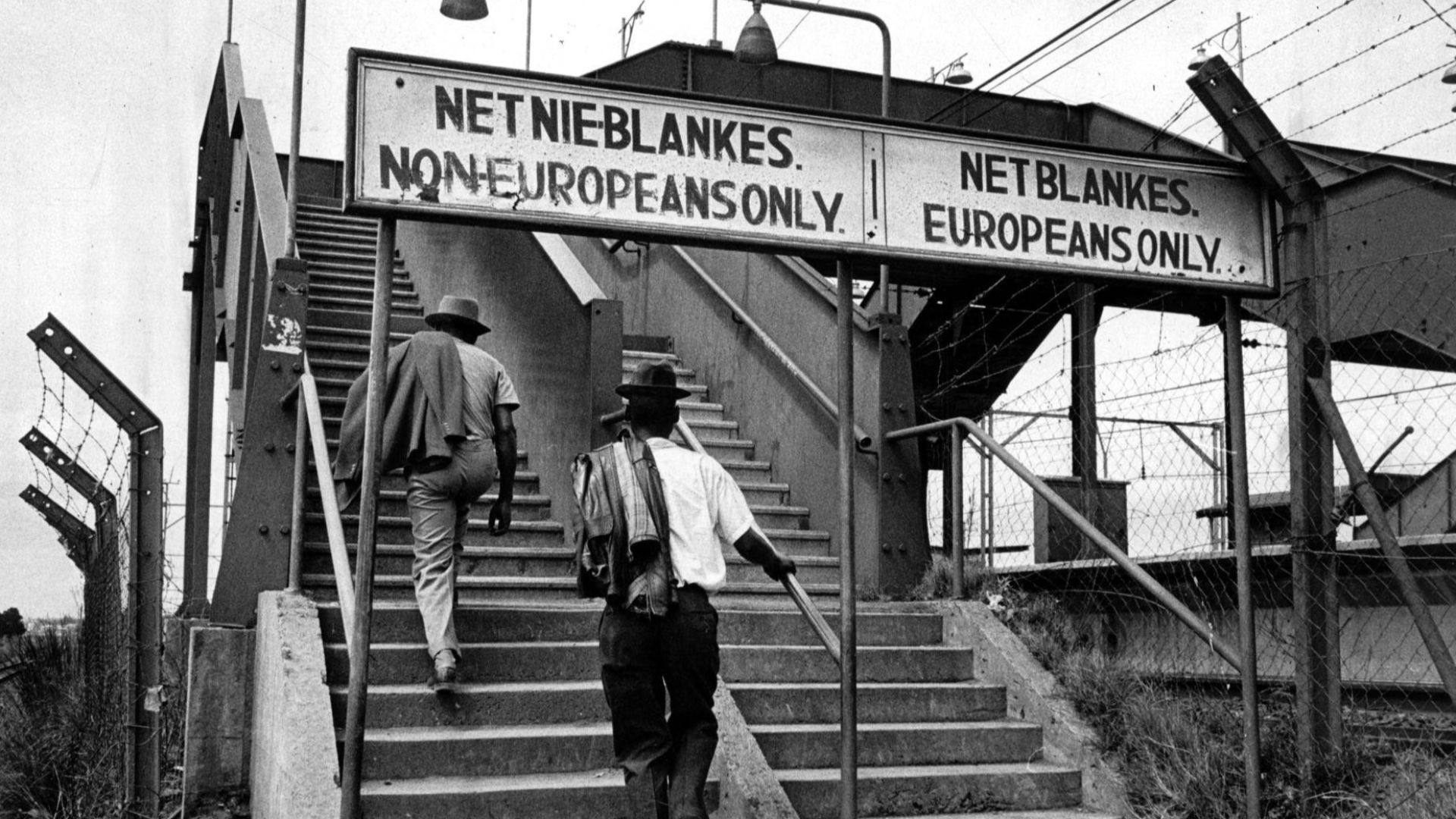 Ernest Cole, Wikimedia Commons
History's most fascinating stories and darkest secrets, delivered to your inbox daily.
Chinese Cultural Revolution Documentation
Despite chaos and widespread political fanaticism, the Cultural Revolution relied on denunciation files and political dossiers. Bureaucratic tracking was essential in tracking down dissidents and determining what punishment they would receive. Personal grievances were transformed into official persecution through efficient paperwork.
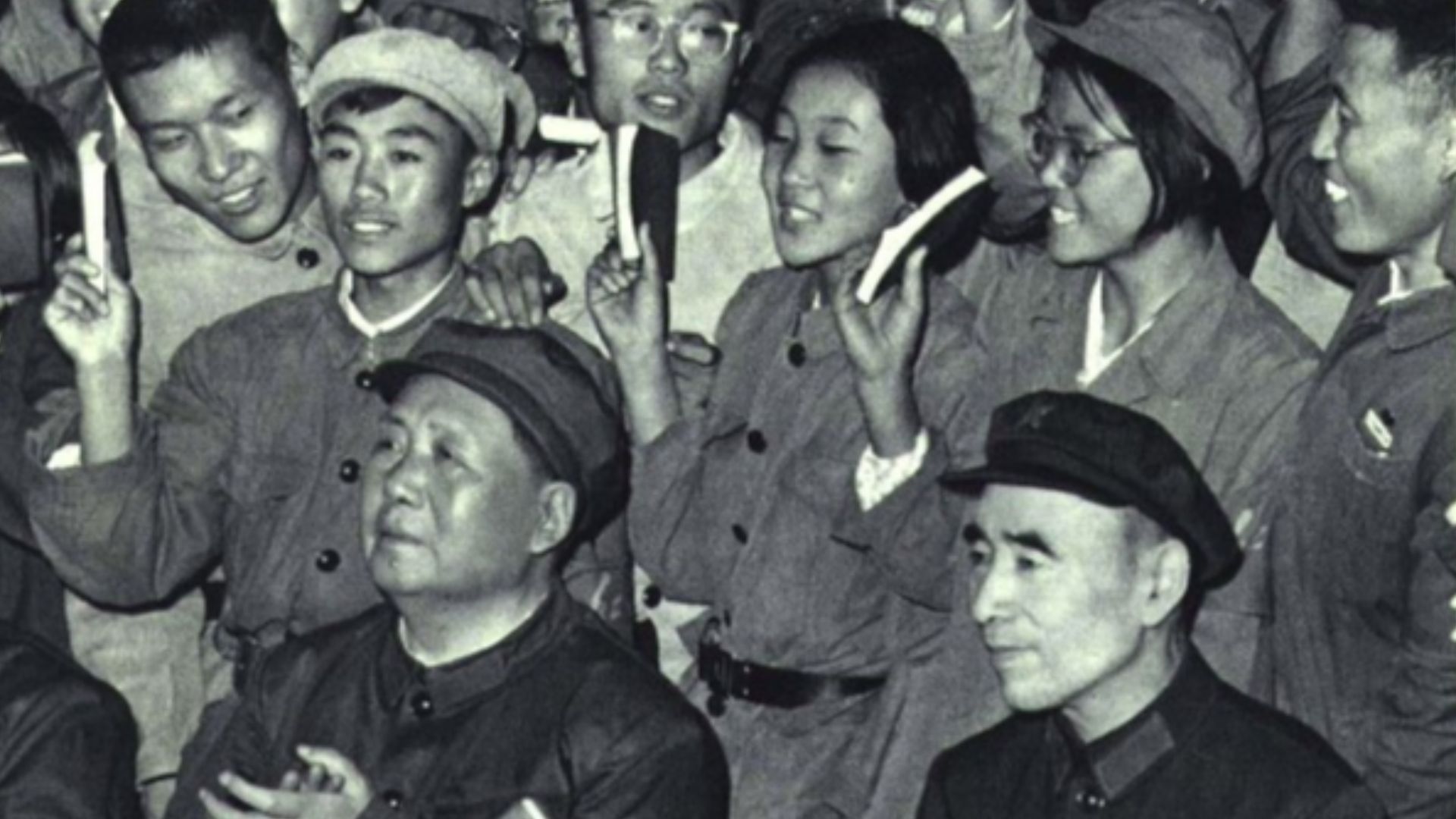 People's Pictorial, Wikimedia Commons
Argentine Disappearance Registries
During Argentina’s Dirty War in the 1970s, detainee records were falsified or erased by government clerks to carry out the forced disappearance of citizens opposed to the government. The military did the dirty work, then the office bureaucrats gave everything the veneer of legality by controlling documentation, denying families proof and helping the perpetrators avoid accountability.
 Giselle Bordoy WMAR, Wikimedia Commons
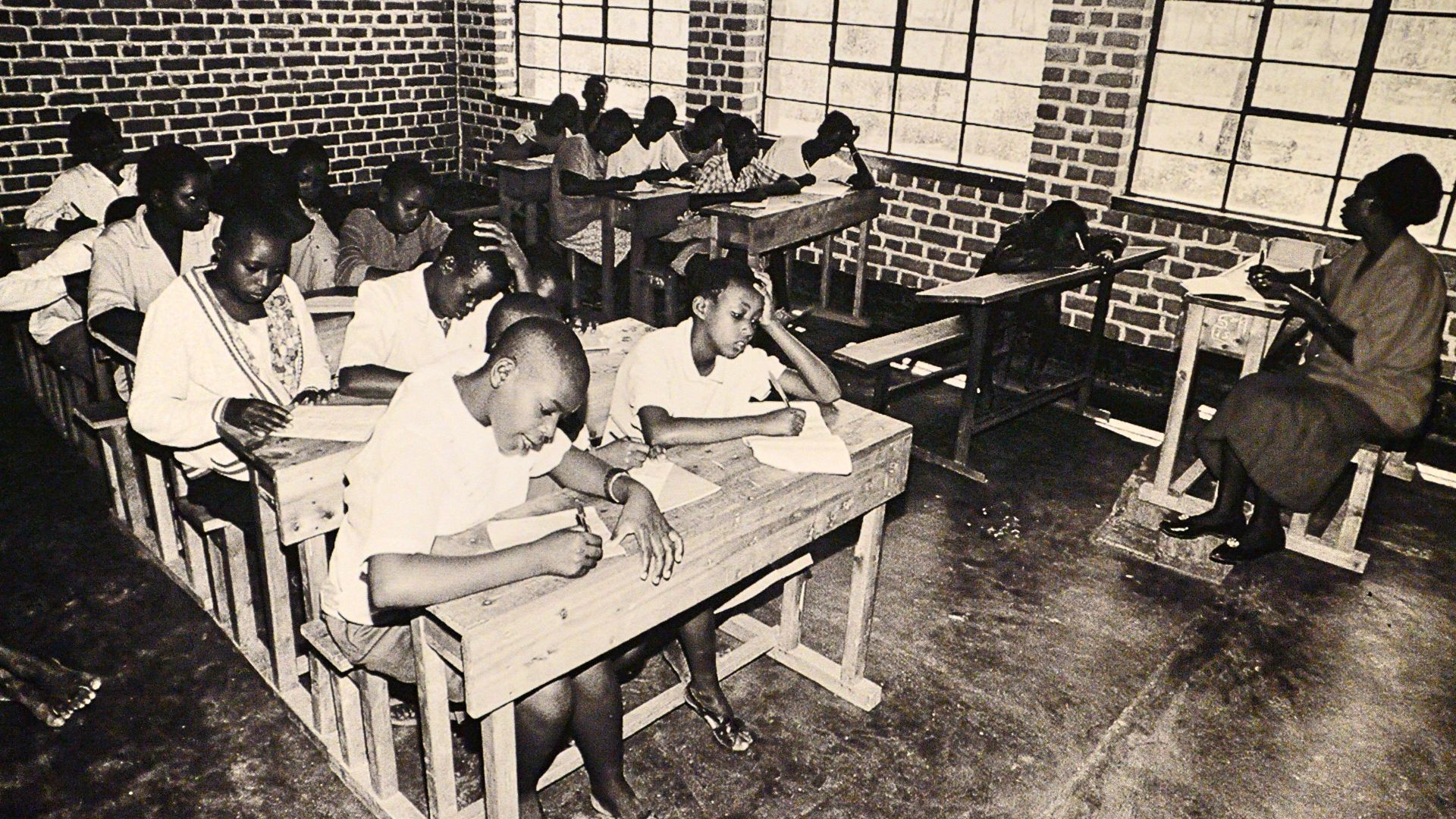
Rwandan Identity Card System
Rwanda’s genocide was made much easier by mandatory issuance of ethnic identity cards. Bureaucrats enforced social group classifications that later turned into death sentences, carried out on a mass scale. Administrative labeling made the final devastating outcome even more efficient.
UK Windrush Deportation Scandal
In 2018 it came to light that British immigration officials had destroyed the residency documentation of thousands of British subjects who had immigrated to the country from the Caribbean in the 50s and 60s. Bureaucratic rules then labeled lawful residents as illegal. Paperwork failures caused the wrongful detention and deportation of at least 83 people.
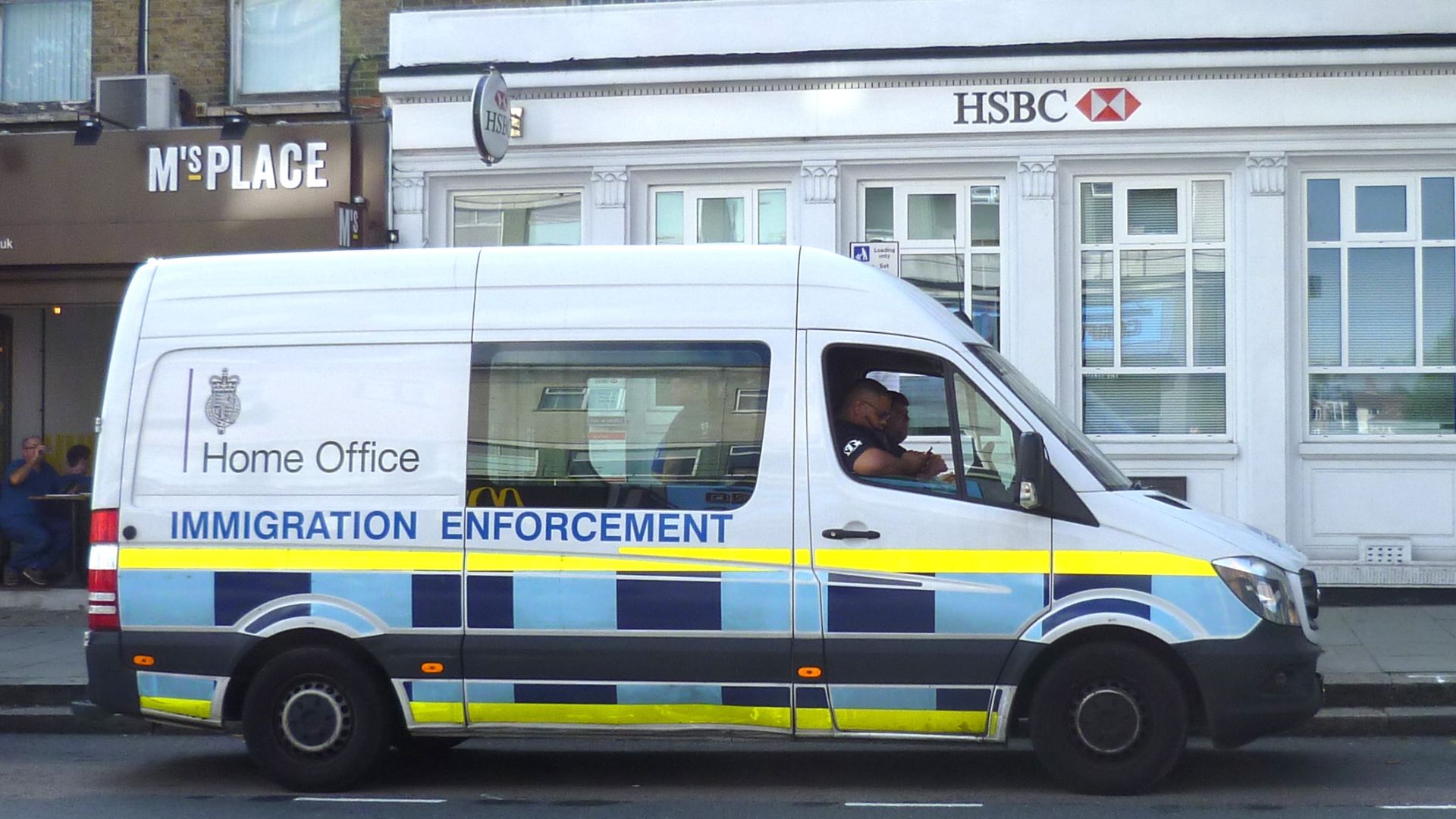 Philafrenzy, Wikimedia Commons
Forced Sterilization Through Administrative Health Boards
Eugenics programs used health boards to approve forced sterilizations in the early-to-mid 20th century. These programs targeted Indigenous people in Canada and mental patients in the United States. Doctors and clerks in these cases blindly followed procedures rather than ethics, turning the pseudoscience of eugenics into a permanent blight on the historical record.
 Unknown authorUnknown author, Wikimedia Commons
Algorithmic Welfare Denials
Automated systems increasingly approve or deny state benefits. Such systems are already in use in Serbia, India, and Denmark. Errors and rigid thresholds risk denying aid to vulnerable people. Bureaucracy merged with technology amplifies injustice by removing human oversight and discretion. Talk about bureaucracy run amok!
 Petar Milosevic, Wikimedia Commons
History's most fascinating stories and darkest secrets, delivered to your inbox daily.
When Paperwork Becomes Power
Across history, dictators, tyrants, and conquerors could only commit injustices because they had a loyal bureaucracy that implemented everything and gave it the official rubber stamp seal of approval. This allowed moral responsibility to evaporate into office procedures. Injustice flourished not because systems failed, but because they functioned efficiently.
 Russell Lee, Wikimedia CommonsYou May Also Like:
Disturbing Facts About Evil People Who Made History