The Forgotten Man Of Little Bighorn
When people talk about the Battle of the Little Bighorn, the names Custer and Sitting Bull usually dominate. But the role of the Seventh Cavalry’s Frederick Benteen may have been just as decisive. His decisions helped save one battalion from annihilation, even as another rode to its doom. For better or worse, Benteen’s actions are a crucial part of one the country’s most traumatic events.

Born Into A Fractured Nation
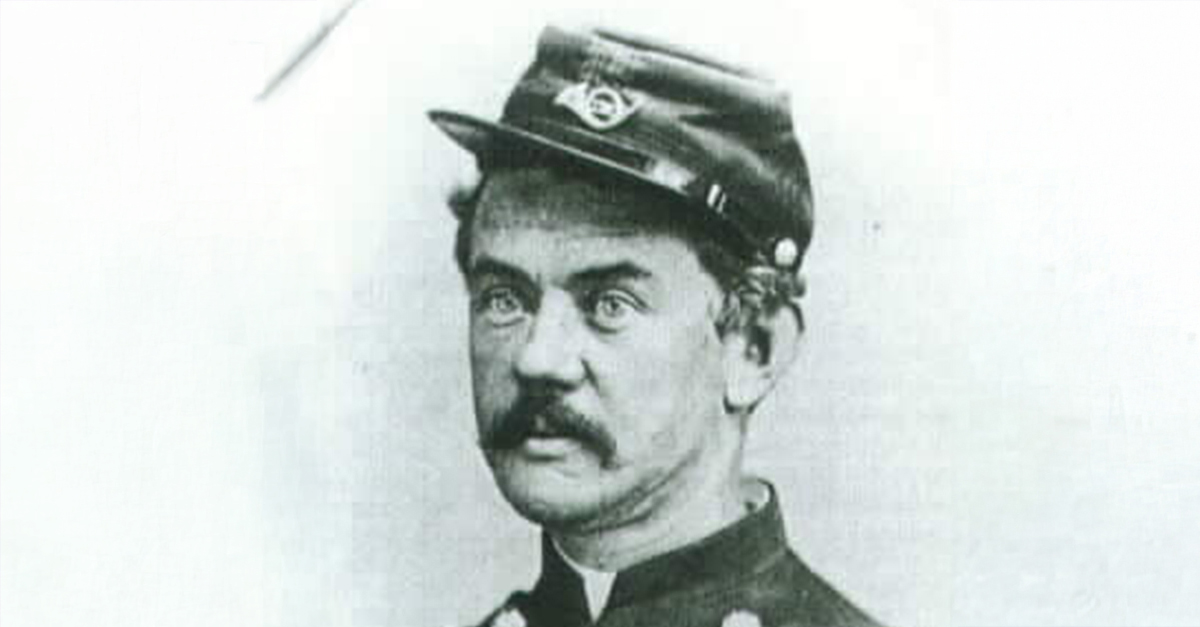
Frederick William Benteen was born in 1834 in Virginia and raised in St. Louis. Having grown up through a turbulent era, he joined the Union Army early in the Civil War. His intelligence, precision, and bravery earned recognition, but his sharp tongue and impatience with incompetence often caused him problems with his superiors.
 Currier & Ives, Wikimedia Commons
He Was In The Thick Of Things
During the Civil War, Benteen rose quickly from volunteer infantry drill supervisor in Missouri to regimental commander in the 10th Missouri Cavalry. He distinguished himself in cavalry engagements. One example of his bravery came when he was leading one of the largest mounted charges of the conflict at Mine Creek, where his overcoat was blown off in action.

A Soldier With Strong Opinions
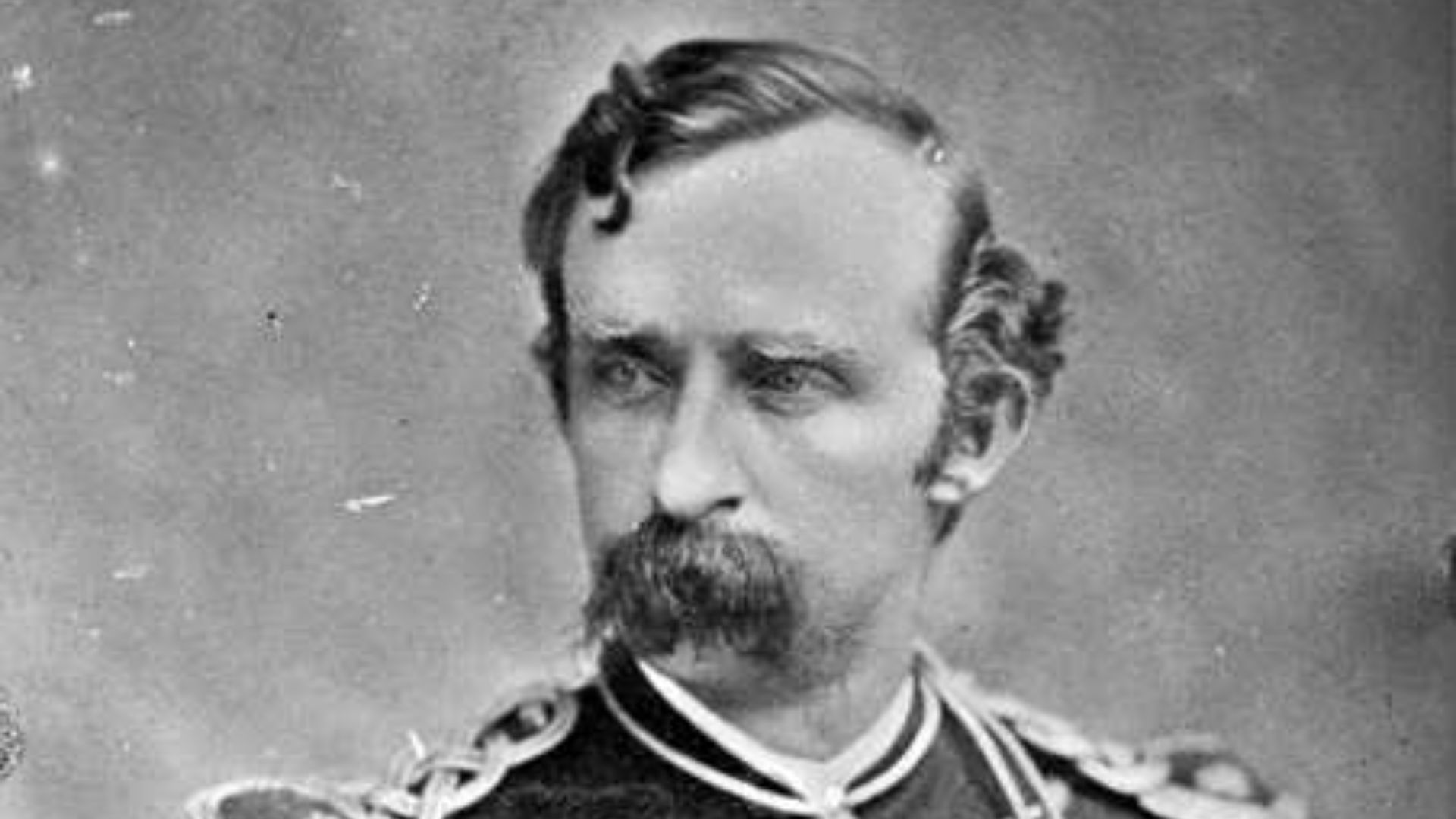
By the end of the Civil War, Benteen had a well-earned reputation as capable but combative officer. He wasn’t afraid to criticize flawed leadership, even publicly. This independent streak eventually made him one of the few officers willing to challenge George Armstrong Custer, the larger-than-life figure who dominated the 7th Cavalry.
 Photographer is Mathew Brady (died 1896) and his field staff, Wikimedia Commons
Meeting Custer: A Clash Of Temperaments
Benteen and Custer were opposites. Custer was flamboyant, impulsive, and hungered for glory; Benteen was analytical, sarcastic, and smoldered with resentment of Custer’s favoritism. Their professional tensions had already started years before Little Bighorn and only got worse as Custer promoted loyalists like Marcus Reno over men he saw as rivals.

The Seventh Cavalry And Rising Friction
While serving together in the Dakota Territory, Benteen became openly critical of Custer’s leadership. He resented Custer’s vanity, his public grandstanding, and his reliance on political connections. In turn, Custer viewed Benteen as insubordinate. By 1876, their contempt for each other was well-known among the regiment’s other officers.
 Jose Maria Mora, Wikimedia Commons
Campaign Orders
In May 1876, Custer’s 7th Cavalry set forth to find and subjugate an enormous gathering of Lakota Sioux and Northern Cheyenne along the Little Bighorn River in Montana. The cavalry’s command was split into several battalions. Benteen led one wing of about 125 men, and he was given orders to scout the bluffs to the south and west for the presence of any Sioux.
 Leonard J. DeFrancisci, Wikimedia Commons
“Be Quick. Bring Packs”
As Custer pushed on ahead, his messengers delivered a now-infamous order to Benteen: “Come on. Big village. Be quick. Bring packs.” This message, scrawled by Adjutant William Cooke, is to this day one of the most debated communications in American military history. It was clear that there were far more Lakota and Cheyenne warriors present than they'd anticipated. Should Benteen have rushed forward in the trail of Custer, or was caution the wiser choice?
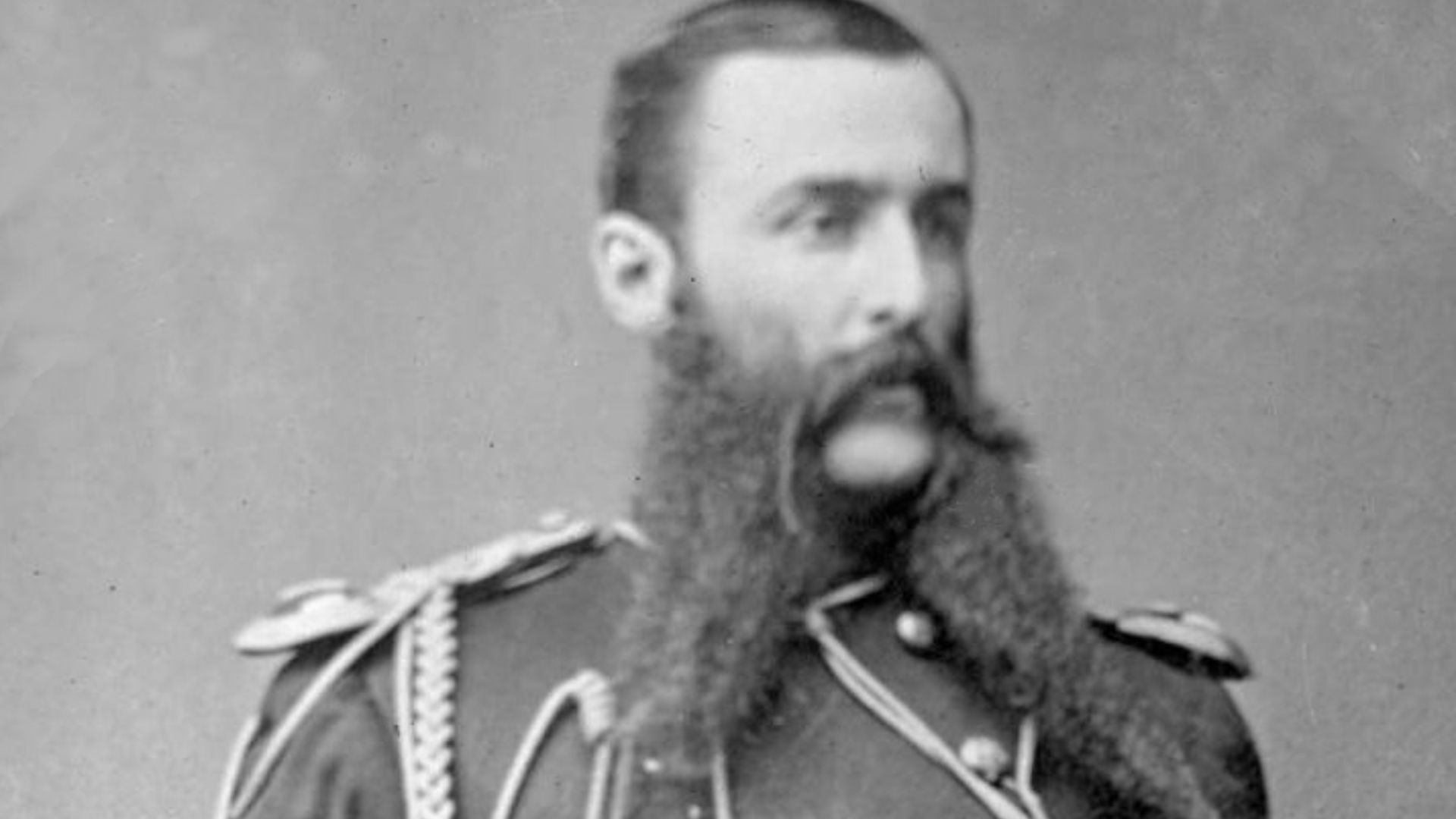 David Francis Barry, Wikimedia Commons
A Moment Of Decision
Benteen received the order but proceeded carefully. He had already been searching increasingly difficult terrain under conflicting instructions. When he unexpectedly rejoined Major Marcus Reno, whose troops were fleeing the river valley in chaos, Benteen made the fateful decision to stay and reinforce Reno’s position rather than continue galloping blindly toward Custer’s distant gunfire.
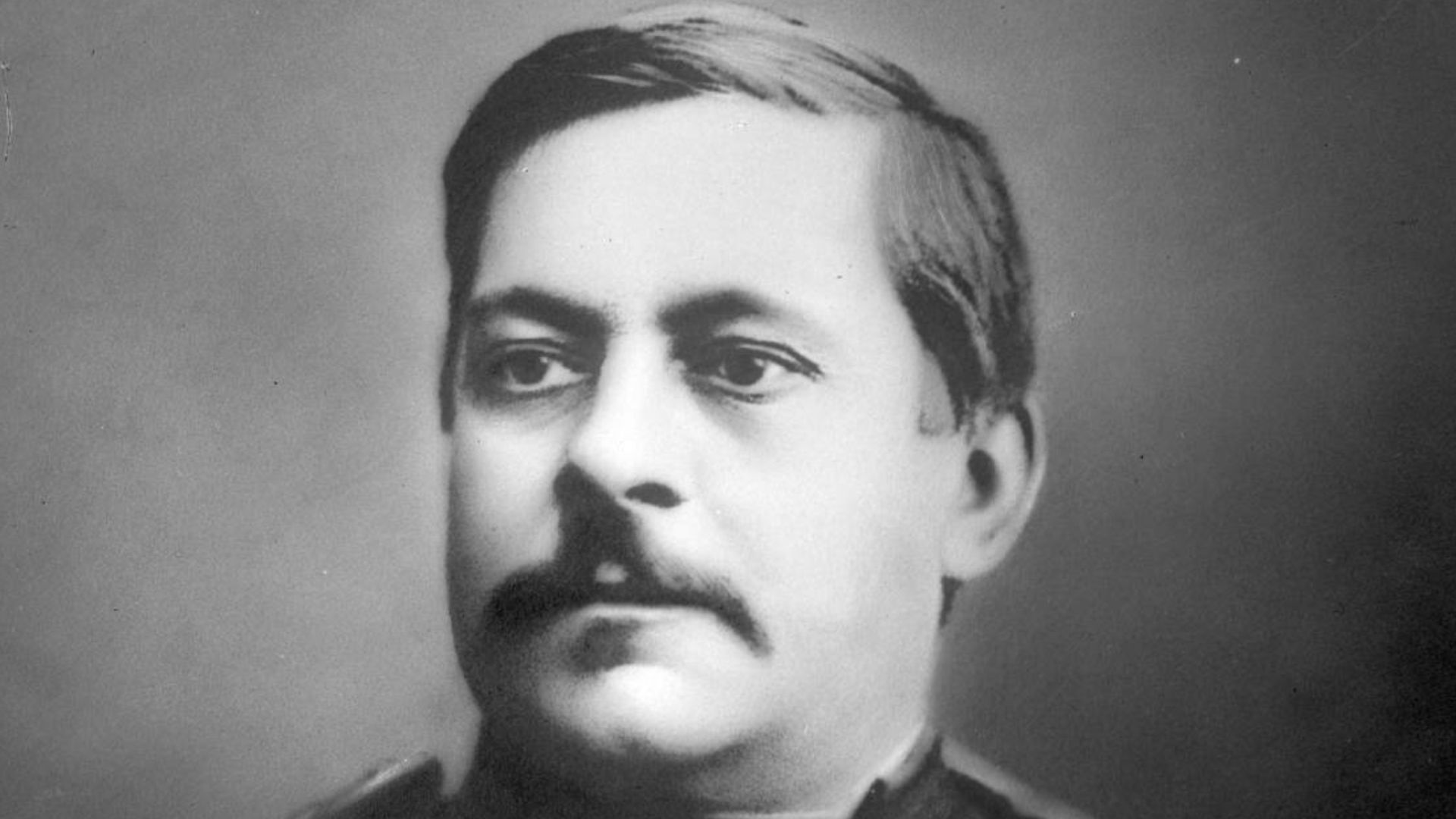 David Francis Barry, Wikimedia Commons

History's most fascinating stories and darkest secrets, delivered to your inbox daily.
Custer’s Command Wiped Out
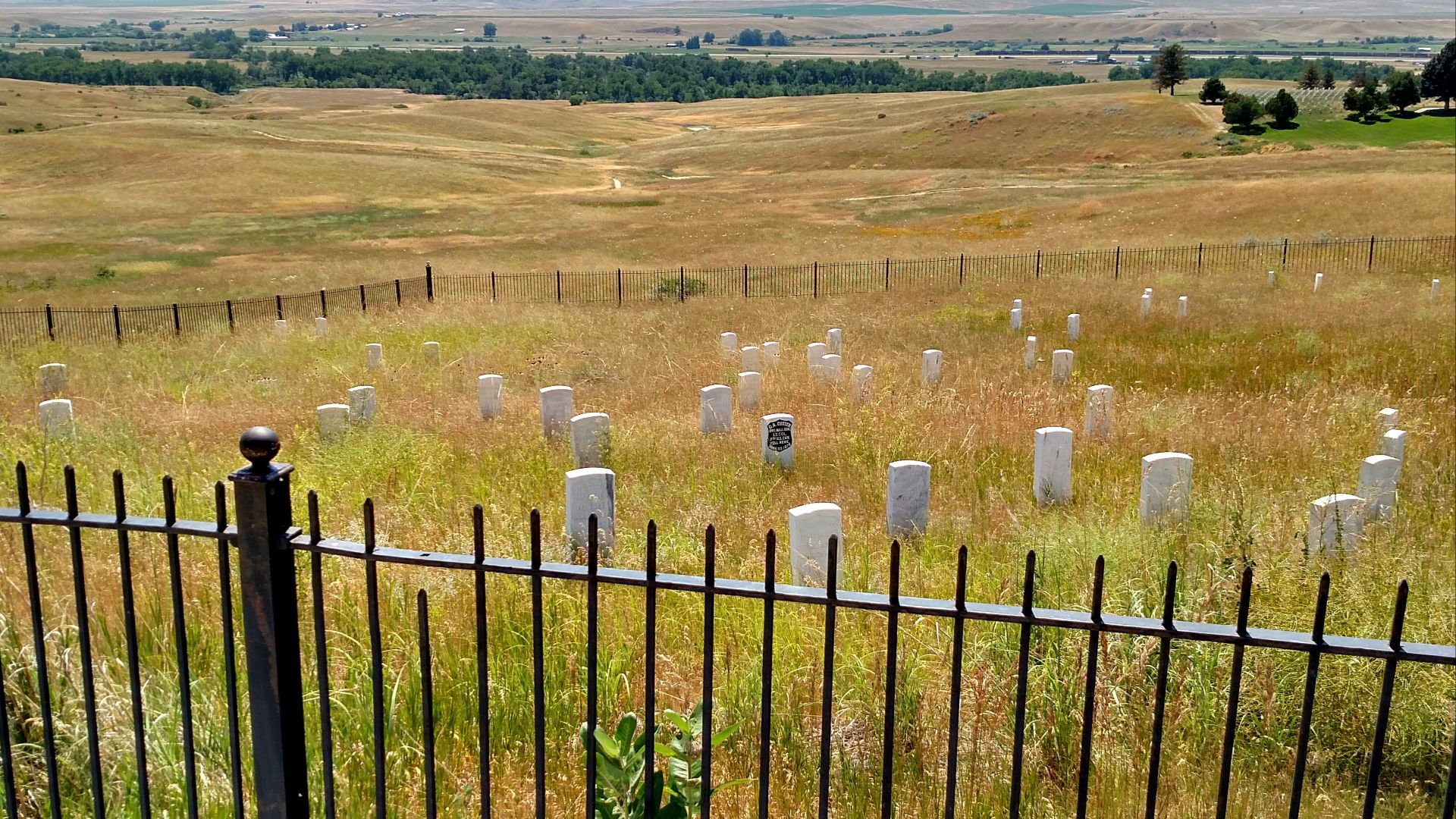
While Benteen’s men regrouped with Reno’s, Custer’s five companies were surrounded and wiped out by thousands of Lakota and Cheyenne warriors. By the time Benteen and Reno took up a cautious advance the next day, Custer and his entire force lay dead across the ridges north of the river.
Holding The Bluffs
For two days, Benteen helped organize a defensive perimeter on the bluffs above the Little Bighorn. Badly outnumbered, and under relentless attack, he maintained discipline, distributed ammunition, and kept wounded men alive. Benteen’s cool leadership kept Reno’s demoralized troops from total collapse; many historians credit Benteen with preventing a second massacre.
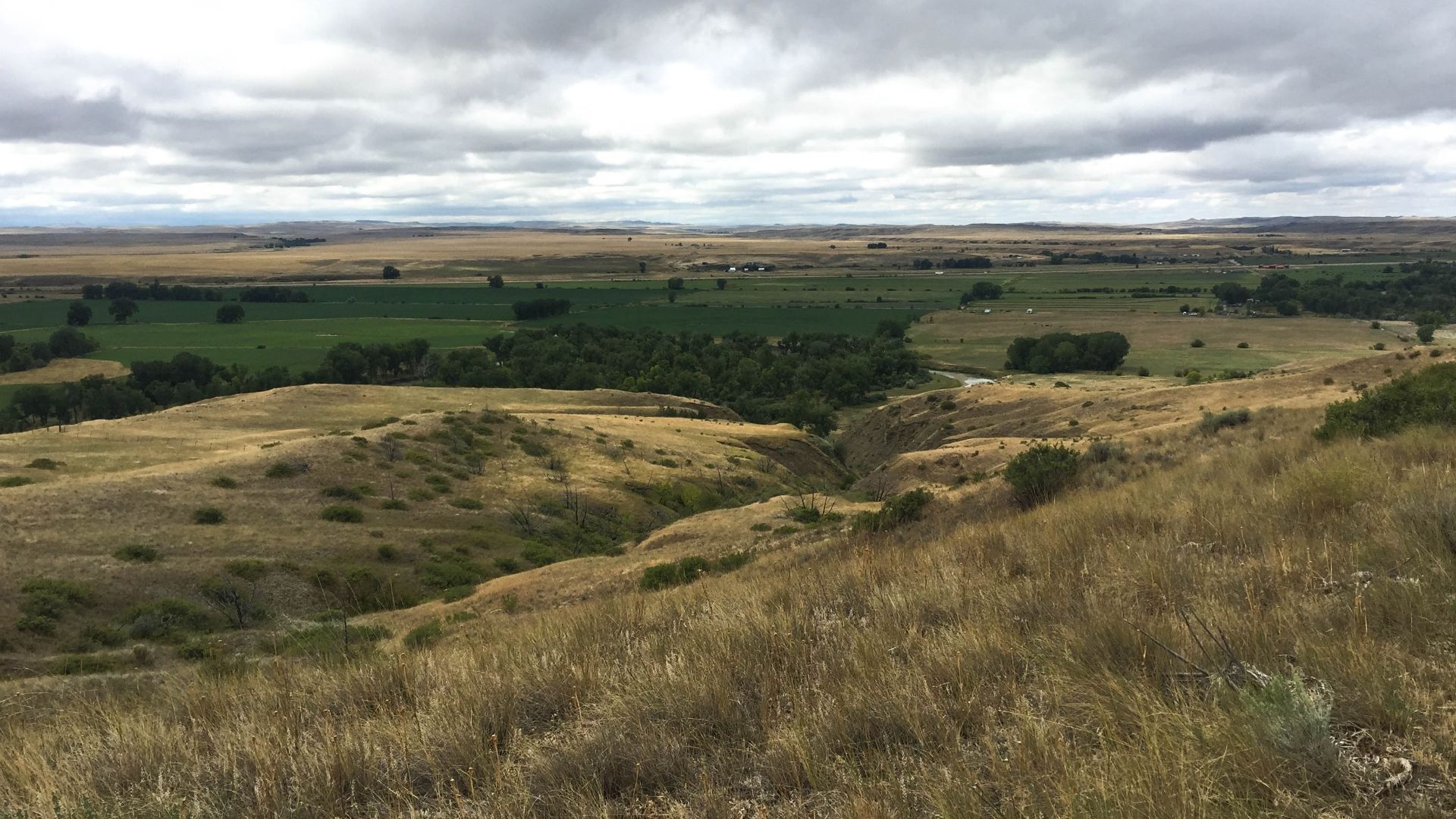 Victoria Stauffenberg, Wikimedia Commons
Survival And Shock
When reinforcements under General Terry finally arrived on June 27, the sight of Custer’s fallen command was shattering. Benteen, though exhausted, showed very little in the way of outward emotion. He had survived of course, but survival carried a heavy burden of its own. In the months and years that followed, the question of whether he should have done more became an obsession for the public.
 Brady-Handy Photograph Collection (Library of Congress), Wikimedia Commons
The Public Turns To Blame
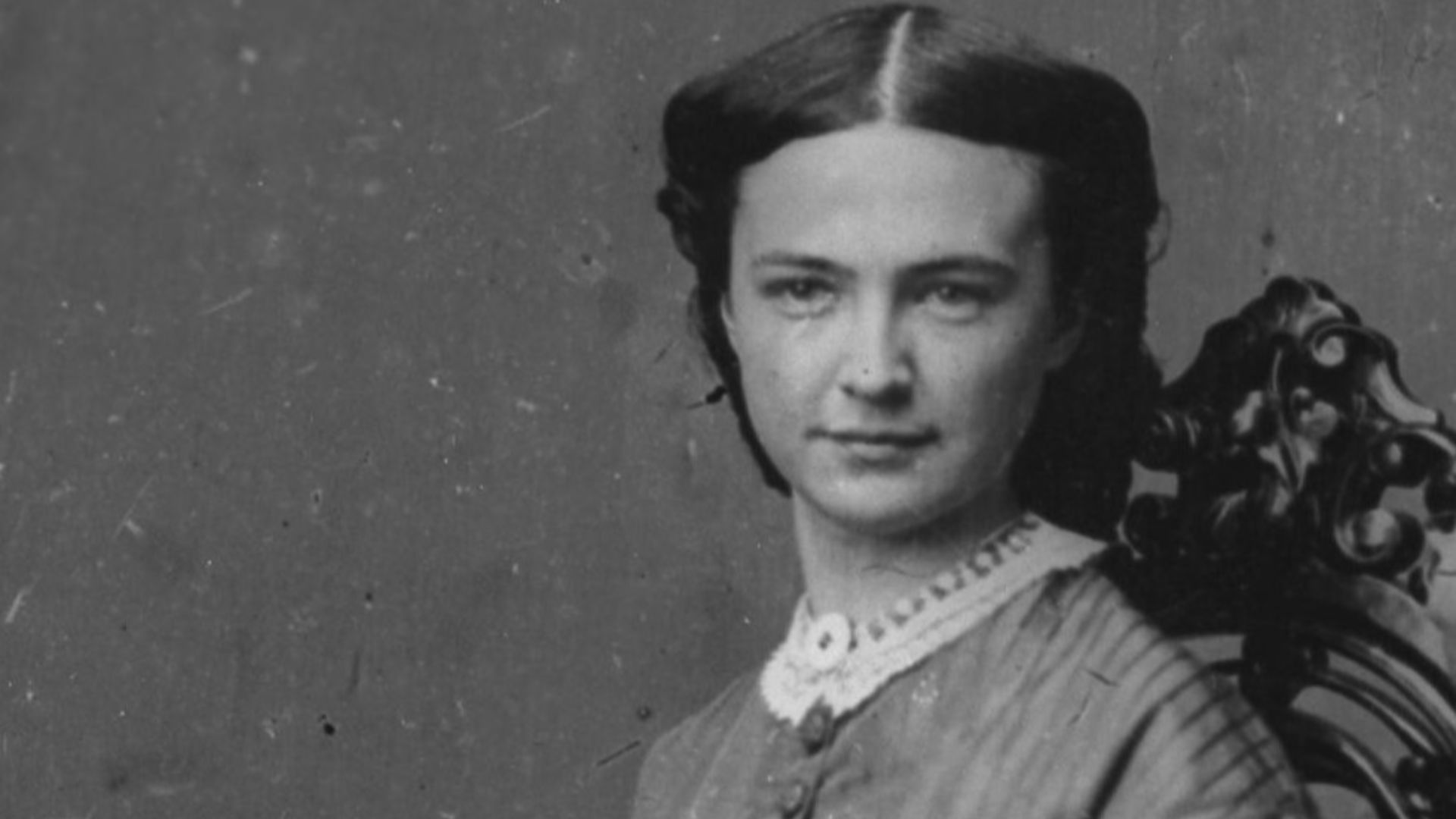
The arrival of news of Custer’s defeat on July 4, 1876, shocked the country. Newspaper headlines thundered with demands to know who had let Custer down. Custer’s widow, Elizabeth “Libbie” Custer, worked ceaselessly to protect her husband’s now-clouded reputation. Her campaign to portray Custer as a fallen hero left surviving officers like Benteen and Reno out in the cold, vilified as cautious, cowardly, or even treacherous.
 Mathew Benjamin Brady, Wikimedia Commons
The Reno Inquiry
In 1879, a formal inquiry put Marcus Reno’s conduct under scrutiny, with Benteen called as a key witness. Benteen gave his customary blunt and unapologetic account. He defended his decision to stay and fight alongside Reno. The inquiry cleared both men of the fatal accusation of cowardice. But it was clear that the American public, fueled by the popular Custer mythology, was in no mood to forgive their restraint.
 Unknown authorUnknown author, Wikimedia Commons
Benteen’s Perspective
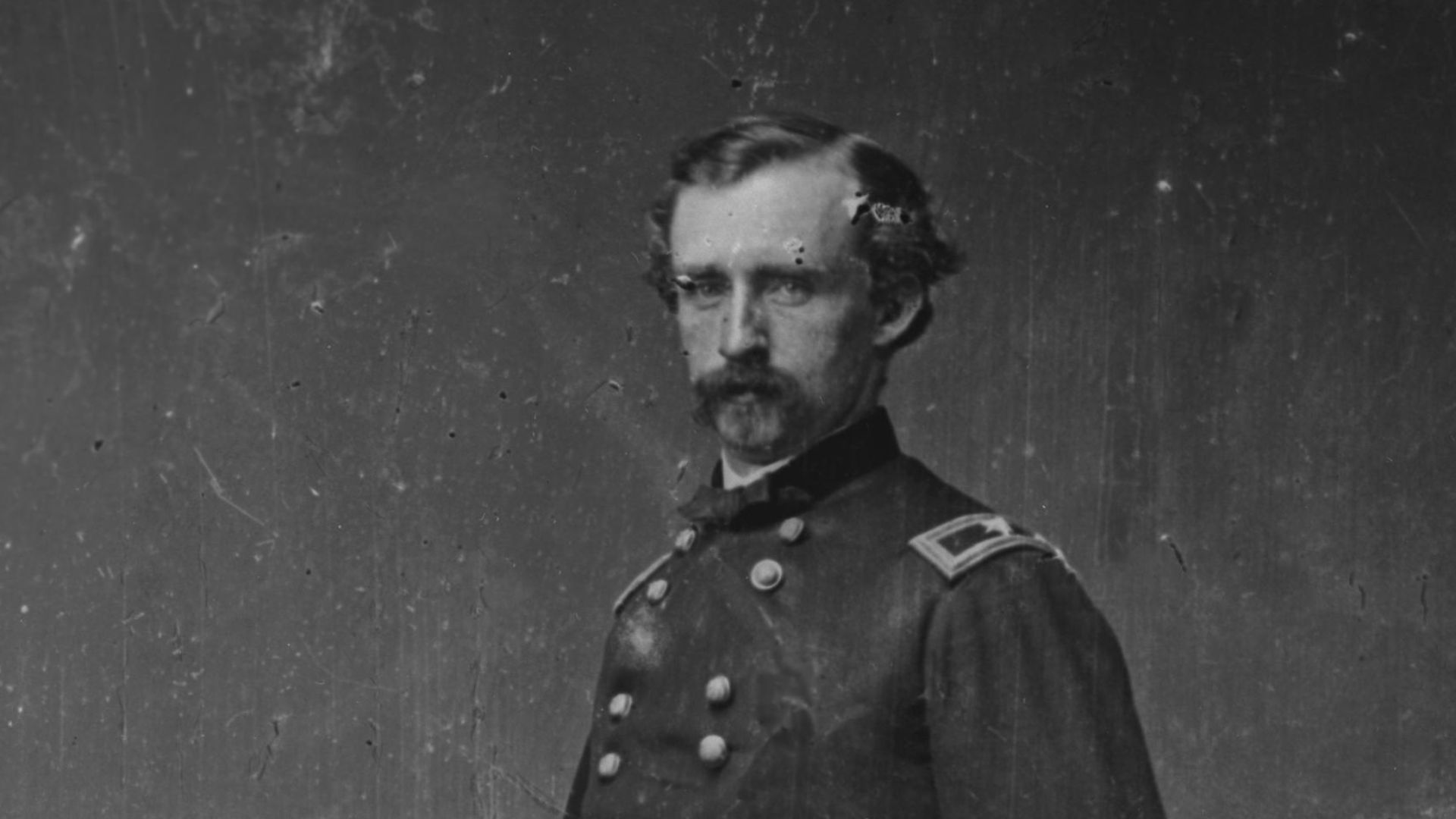
Benteen was never anything but forthright in his dislike of Custer. He once described his former commander as “a devil of a fellow, reckless beyond reason.” But he insisted to the end of his days that his decisions at Little Bighorn were guided by sound tactics, and not out of spite. “I obeyed the order to save lives,” he later wrote, “not to throw them away.”
 Mathew Benjamin Brady, Wikimedia Commons
A Man At Odds With Legend
While Custer’s story grew into a part of American myth and legend, Benteen’s became one of dealing with the uncomfortable truth. He was far too practical to be romanticized, too skeptical to fit neatly into the mythology of the “Last Stand.” To some, Benteen was a cold strategist; to others, he was a just a hard-headed old soldier who refused to die in the pursuit of personal glory.
 Brady-Handy Photograph Collection (Library of Congress), Wikimedia Commons
Benteen’s Tribunal And President Cleveland’s Clemency
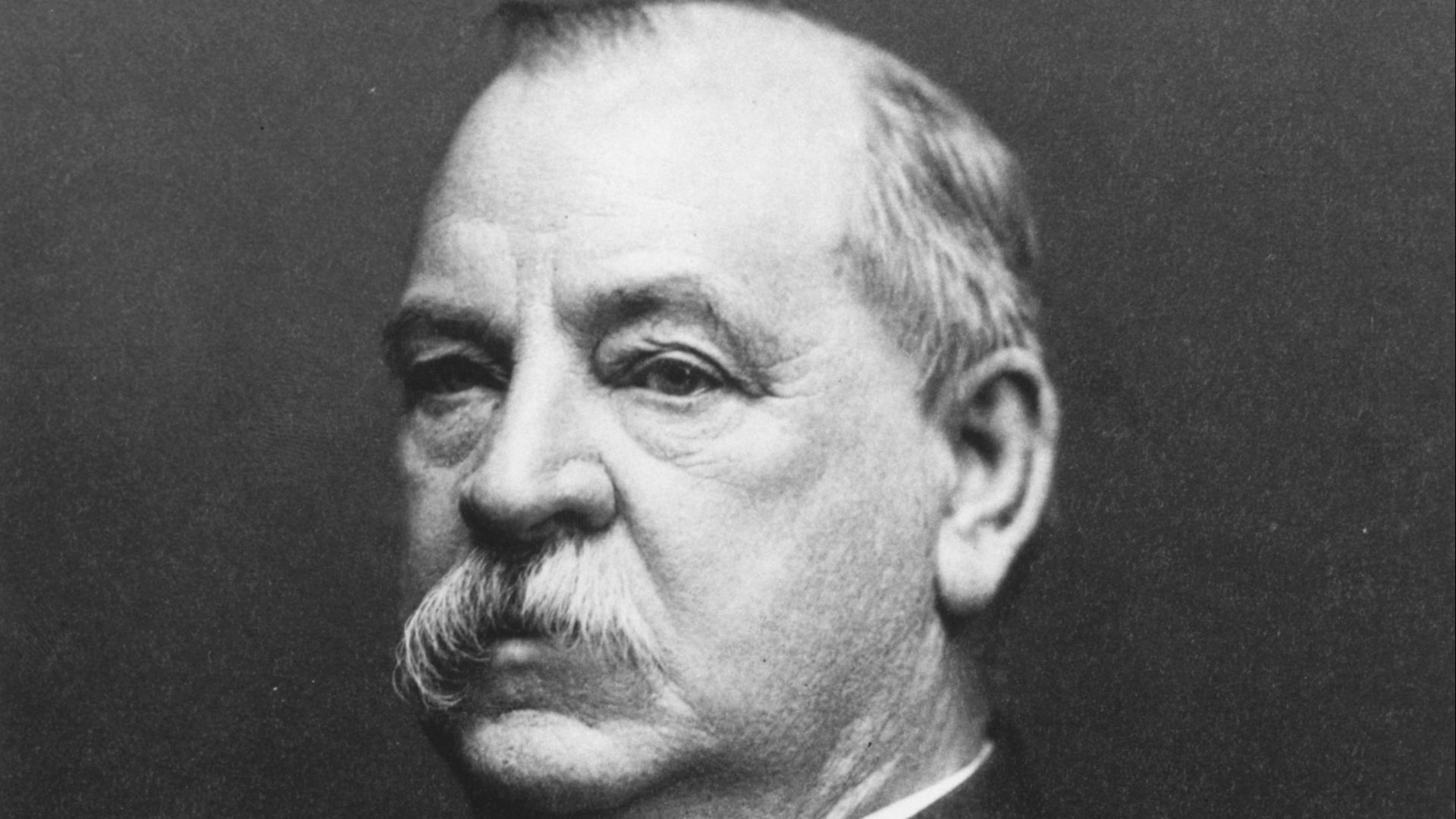
In 1887, years after the dust settled at Little Bighorn, Benteen faced a court-martial for being drunk while on duty. Convicted and dismissed from the army, his long service record and a well of public sympathy led President Grover Cleveland to intervene. Cleveland reduced Benteen’s punishment to a one-year suspension. This allowed the old soldier to retire honorably in 1888.
 Unknown authorUnknown author or not provided, Wikimedia Commons
Later Years And Decline
Benteen remained in the army but never fully escaped controversy. He suffered from failing health, alcoholism, and depression. Before his retirement he had been assigned to various posts in the American South, and he chose to live out the rest of his days in Atlanta, Georgia. Despite bitterness, he continued to correspond with fellow veterans while vigorously defending his own version of events.
 David Francis Barry, Wikimedia Commons
Final Days And Legacy
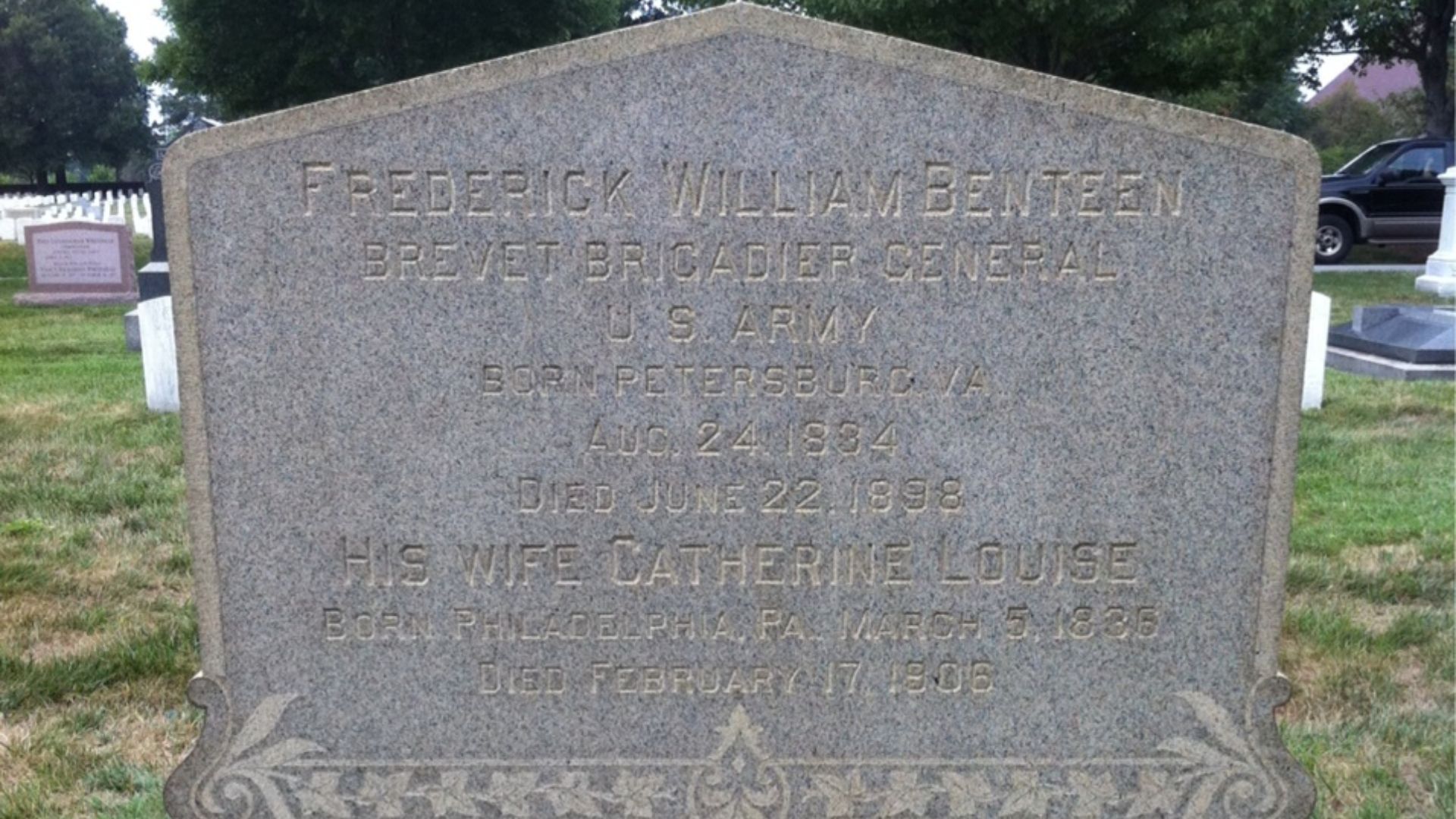
Frederick Benteen passed on in 1898 in Atlanta. His remains were later interred in Arlington National Cemetery. His obituary was brief, noting his service “under General Custer.” For decades, he was remembered by most as the officer who didn’t come fast enough. Only many decades later would historians start to view his caution as a form of professional response to reality rather than failure.
 Phillipedison1891, Wikimedia Commons
They Reconsidered His Actions
Today historians see Benteen in a more balanced light. Military scholars and Little Big Horn buffs argue that his decision to support Reno’s position probably saved dozens, if not hundreds, of men. The chaos of Custer’s command structure, and Custer’s own foolhardy decision to separate his men and dash ahead without support left Benteen with no good options. In the end, Benteen chose the one that preserved part of the Seventh Cavalry.
 Unknown authorUnknown author, Wikimedia Commons
The Feud That Never Died
Even long after he was gone, debates over Benteen’s motives continue. Was he deliberately slow following up because of his disdain for Custer, or was he merely acting with prudence under unclear orders? Each generation reinterprets the same dusty dispatch: “Come on. Big village. Be quick.” The ambiguity lives on.
 George L. Andrews, Wikimedia Commons
The Man Who Survived His Commander
Frederick Benteen didn’t go down fighting like Custer, but fought hard to survive. He lived long enough to face doubt, blame, and obscurity. But his restraint at Little Bighorn may have been the only reason part of the Seventh Cavalry survived at all. The words of Shakespeare from Henry IV, Part 1 may be appropriate for Benteen: sometimes discretion is the better part of valor.
 English: Unknown Photographer (Little Bighorn Battlefield National Monument), Wikimedia Commons
You May Also Like:
Remarkable Facts About Sitting Bull, The Hero Of Lakota Resistance
Underappreciated Facts About Coronado, The Failed Conquistador Of The American Southwest
Judge Roy Bean, The Wild West Lawman Who Lived By His Own Rules