The Man Who Disappeared
Few people enter history as dramatically as Barabbas. According to all four canonical Gospels, he was a prisoner released by Pontius Pilate while Jesus was condemned to crucifixion. Then something extraordinary happened: Barabbas disappeared from all written records. Scripture never tells us where he went, what he believed, or how his life ended.
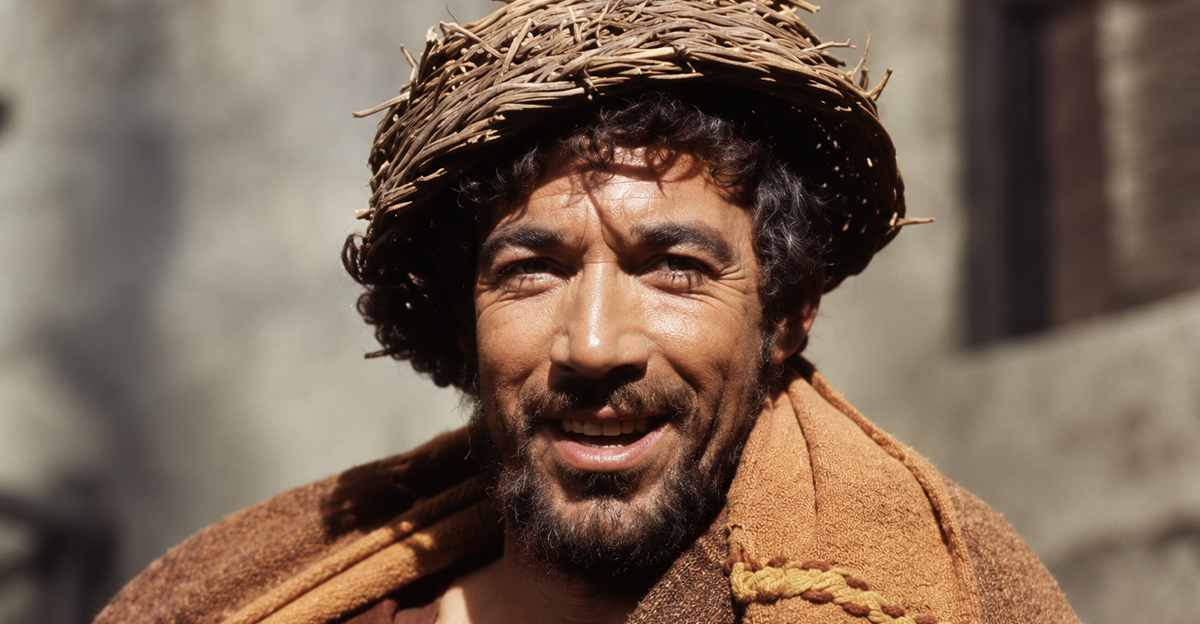 Screenshot of Anthony Quinn in 'Barabbas' (enhanced, 1961), Columbia Pictures
Rome Ruled Judea
The story unfolds in Roman-controlled Judea during the first century. Pontius Pilate governed the province when Jesus was brought before him. Jerusalem could become particularly tense around Passover, when enormous numbers of Jewish pilgrims gathered in a city already living under foreign occupation.
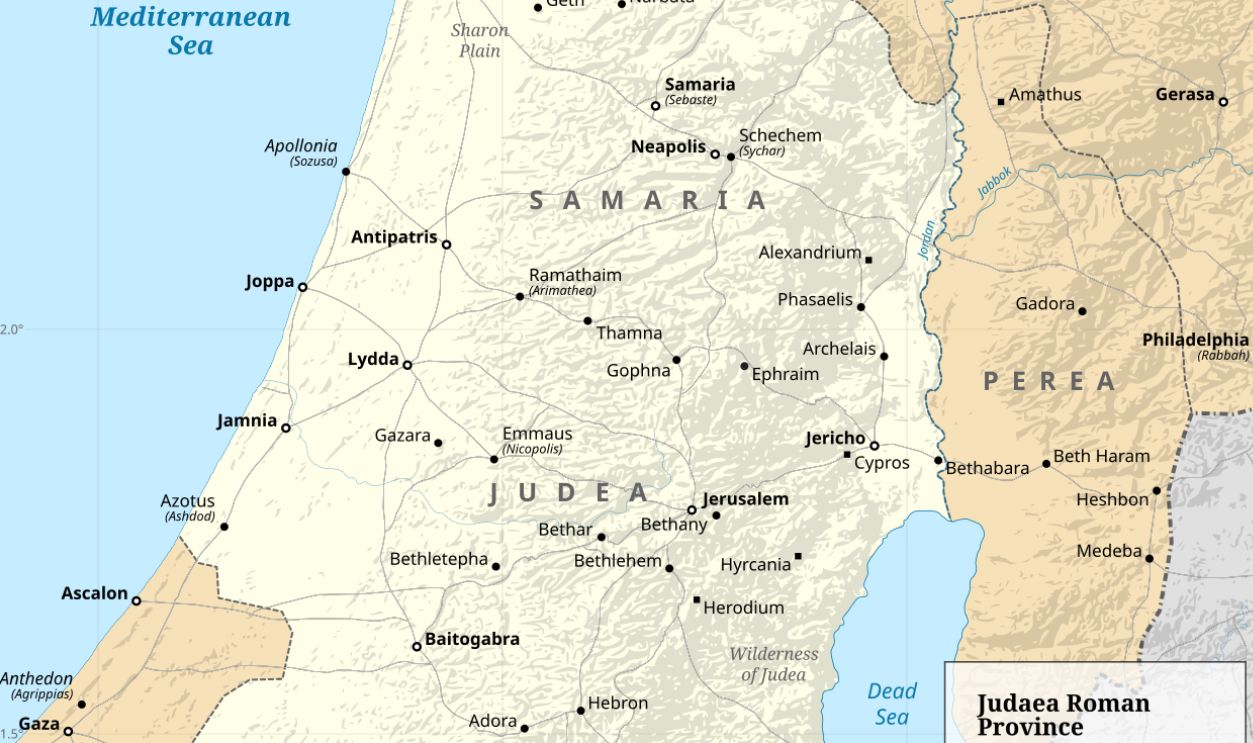
Barabbas Was A Prisoner
We know remarkably little about Barabbas before his famous appearance. Matthew describes him as a notorious prisoner. Mark and Luke connect him with an insurrection in which murder had occurred, while John calls him a robber. Whatever the precise circumstances, the Gospel writers present him as a serious offender.
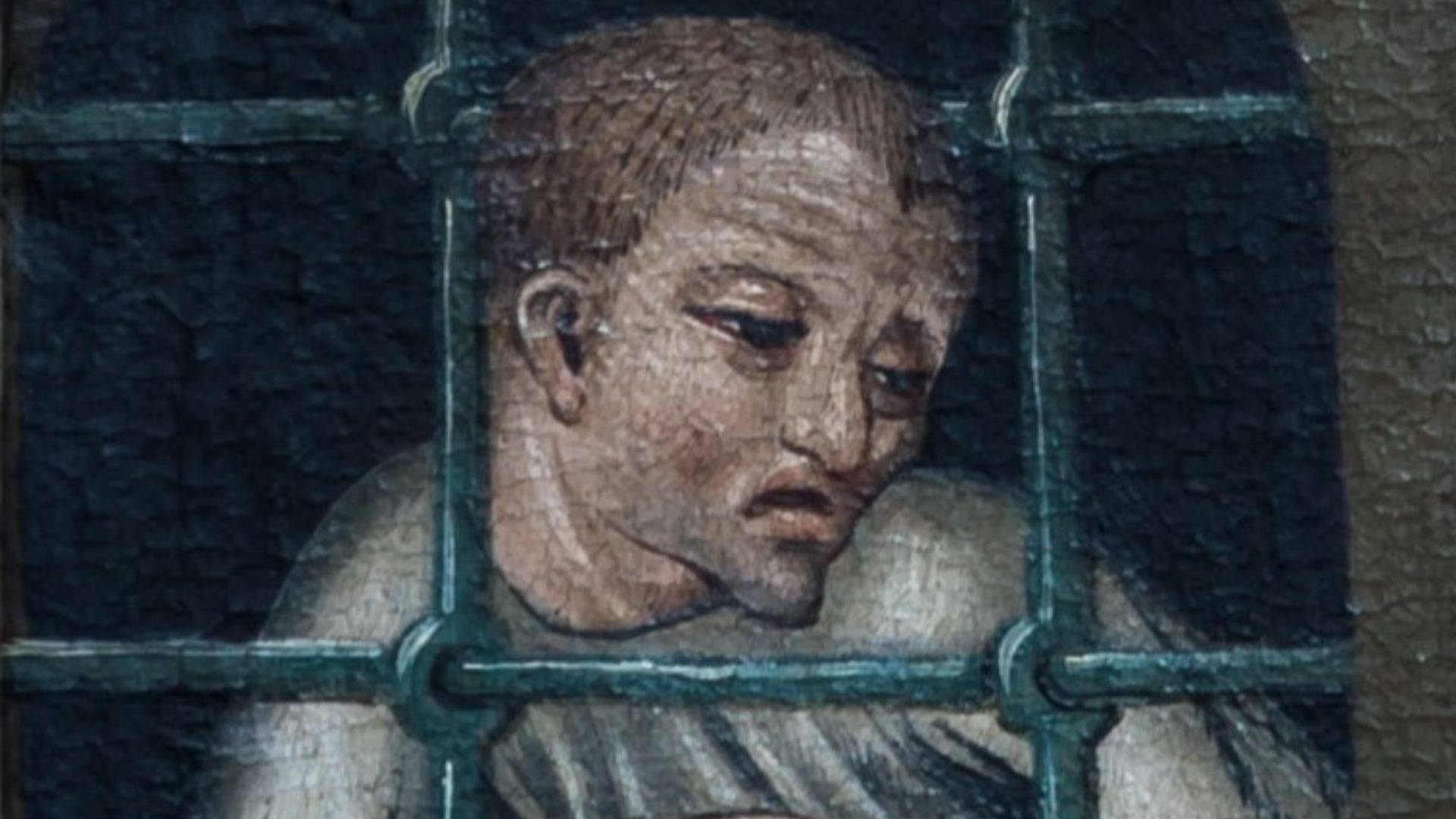 User:Uoaei1, Wikimedia Commons
Was He A Rebel?
Barabbas may therefore have been more than an ordinary thief or run-of-the-mill local troublemaker. The Greek terminology and references to insurrection have encouraged interpretations of him as a violent anti-Roman rebel or brigand. If so, some of the people of that time could have regarded men like Barabbas as resistance fighters rather than simple criminals.
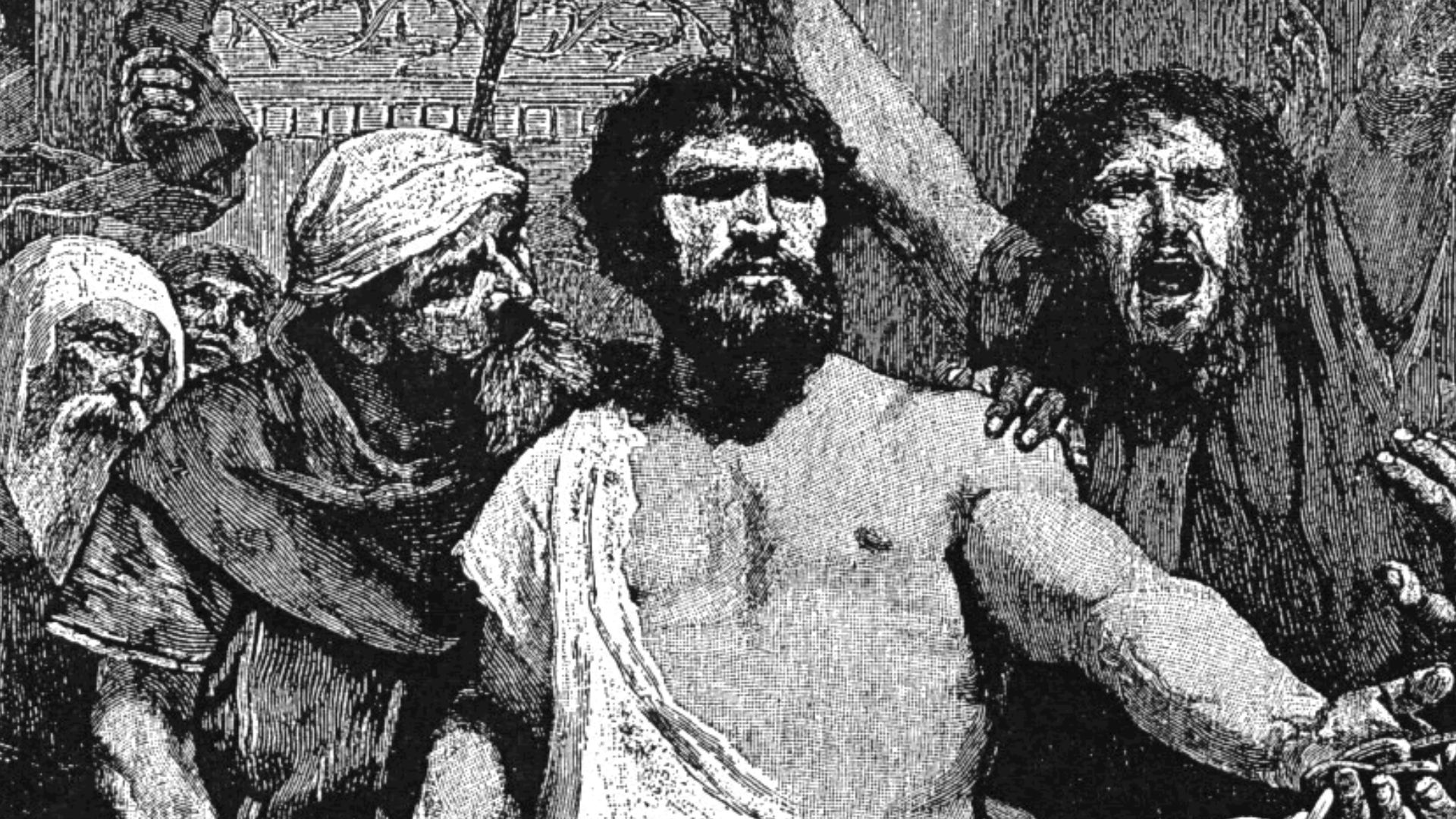 Jossifresco, Wikimedia Commons
His Name Is Strange
Even his name raises questions. Barabbas derives from the Aramaic "bar abba," commonly interpreted as "son of the father" or "son of Abba." That creates an extraordinary literary contrast: the prisoner called "son of the father" is placed beside Jesus, whom Christianity identifies as the Son of the Father.
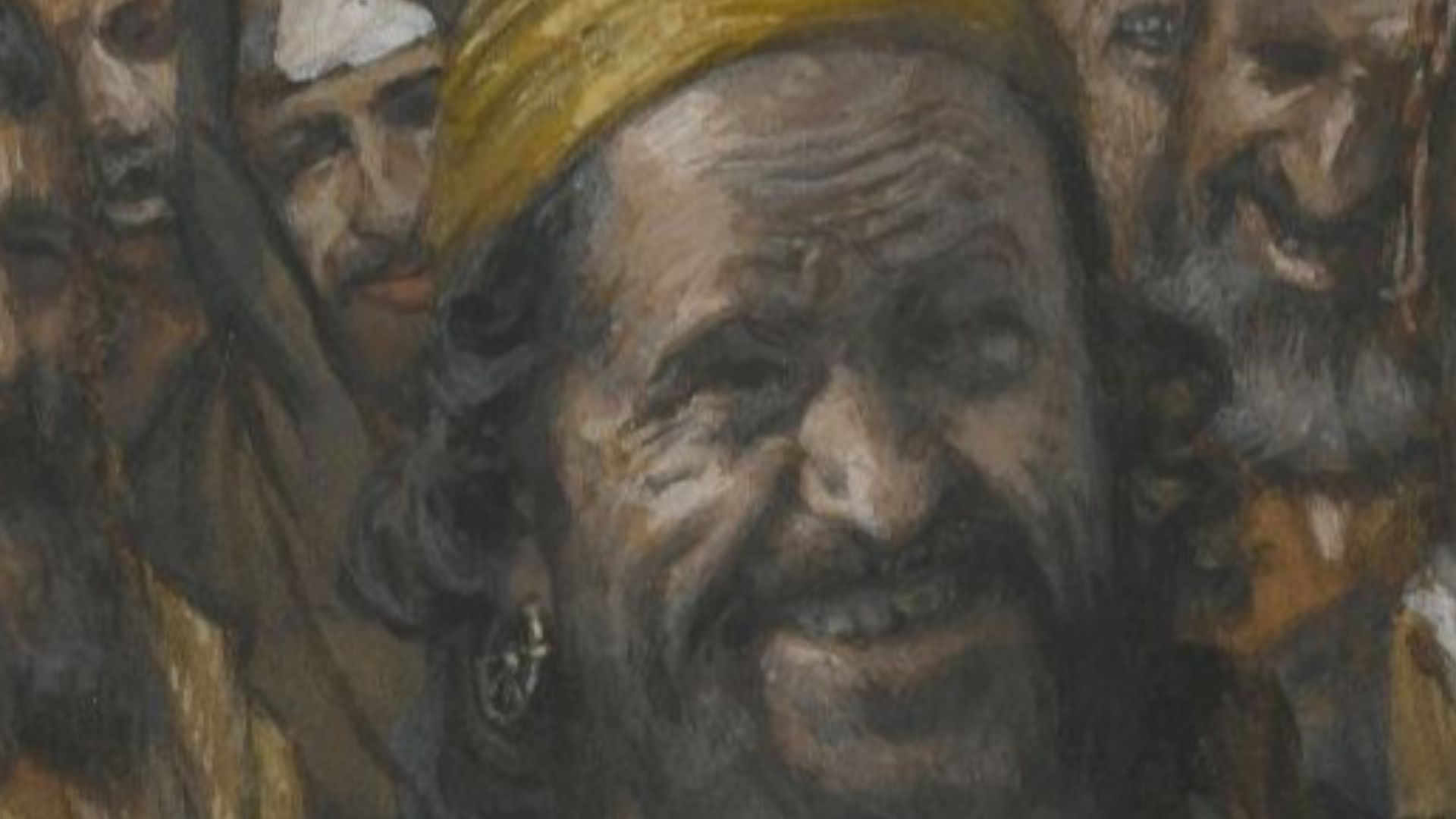 James Tissot, Wikimedia Commons
He May Have Been Jesus
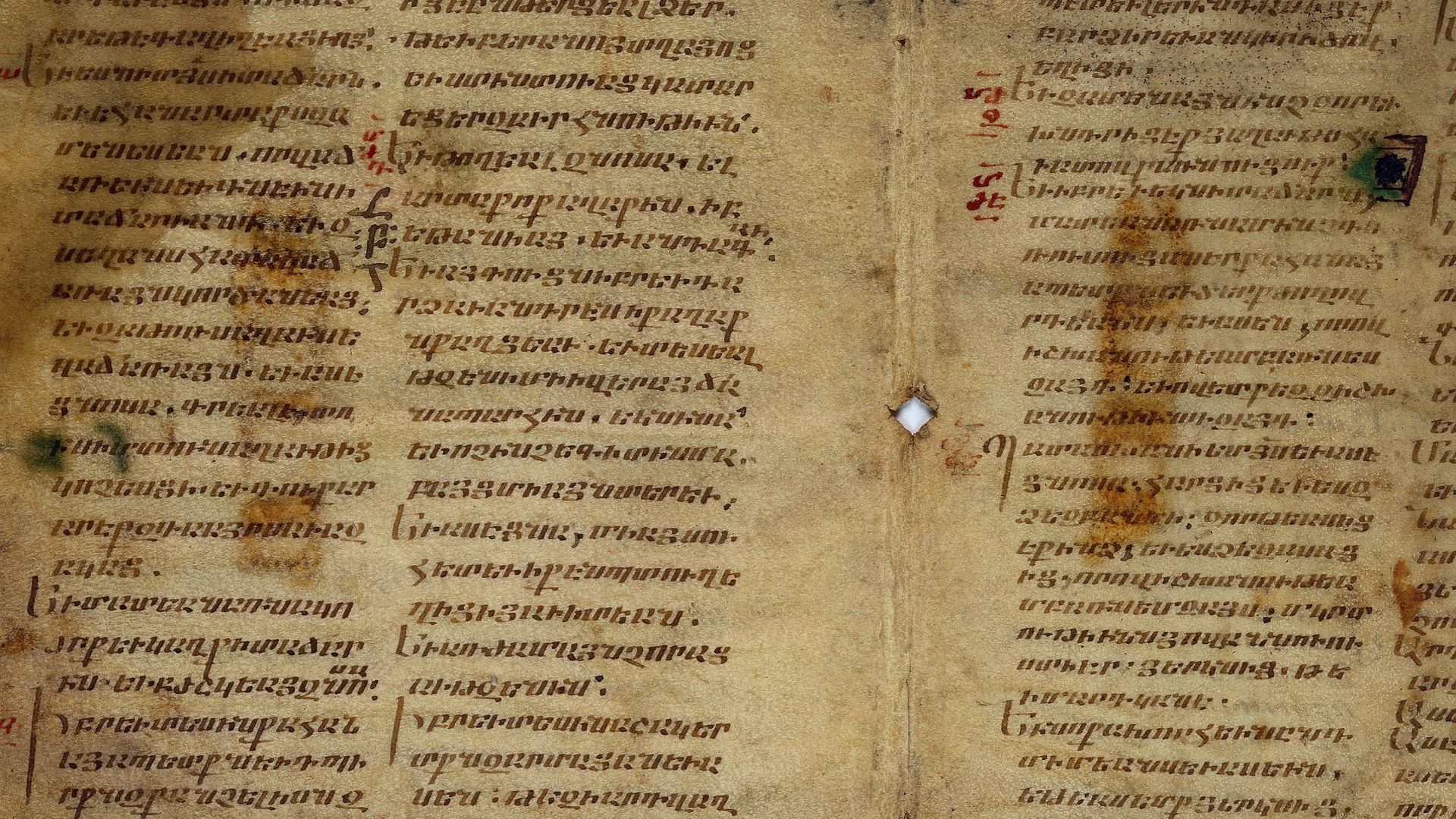
Some ancient manuscripts of Matthew make the parallel stranger still by calling the prisoner "Jesus Barabbas." Origen knew of manuscripts containing this reading, although he objected to associating the name Jesus with a criminal. Some modern textual scholars regard “Jesus Barabbas” as possibly the original reading, although the surviving manuscript evidence is limited and the question remains disputed.
Two Men Named Jesus
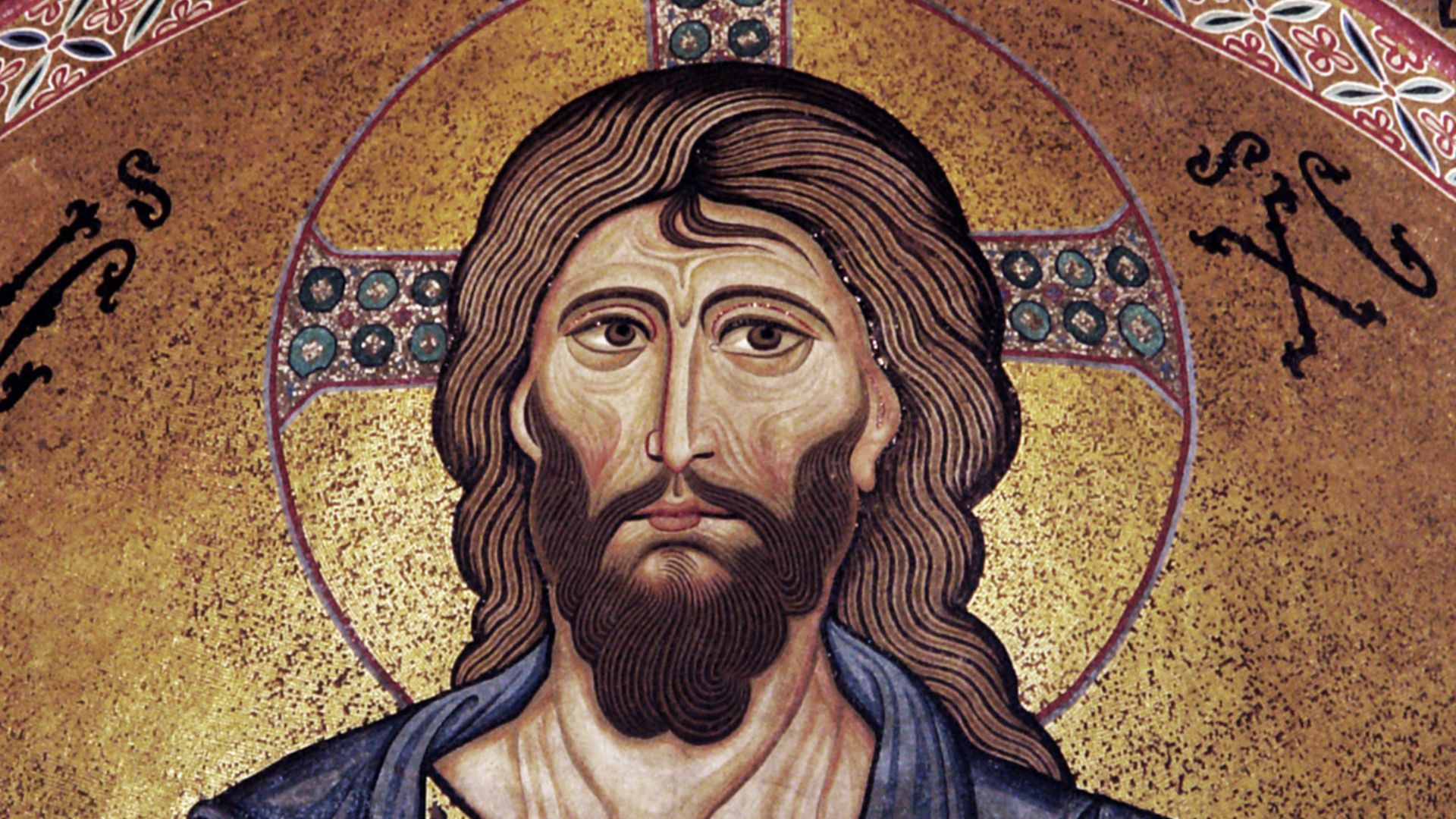
If that reading is authentic, Pilate's choice becomes almost startling: Jesus Barabbas or Jesus called the Messiah. One is associated with violent rebellion; the other with a radically different kingdom. Scholars disagree over whether this remarkable symmetry reflects history, literary construction, or some combination of both.
 Andreas Wahra, Wikimedia Commons
Pilate Offered A Choice
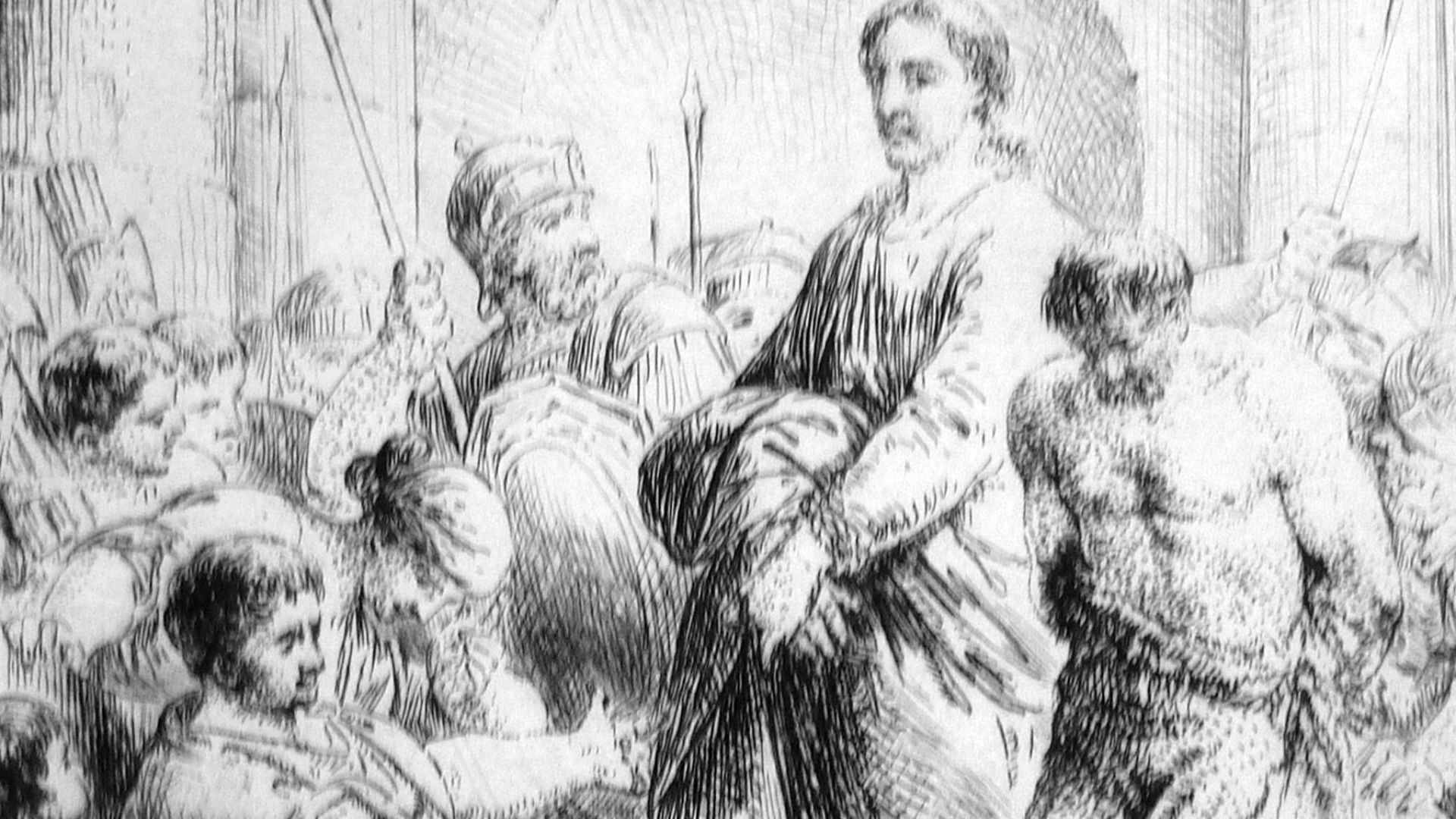
According to Matthew, Mark, and John, Pilate followed a custom of releasing a prisoner around Passover. Luke also recounts the choice of Barabbas, although its earliest text does not explicitly describe an annual release custom. Pilate offered the crowd a choice between Barabbas and Jesus. The crowd demanded Barabbas. Pilate released the prisoner and ultimately handed Jesus over to be crucified.
 Bernhard Rode, Wikimedia Commons
Four Gospels Include Him
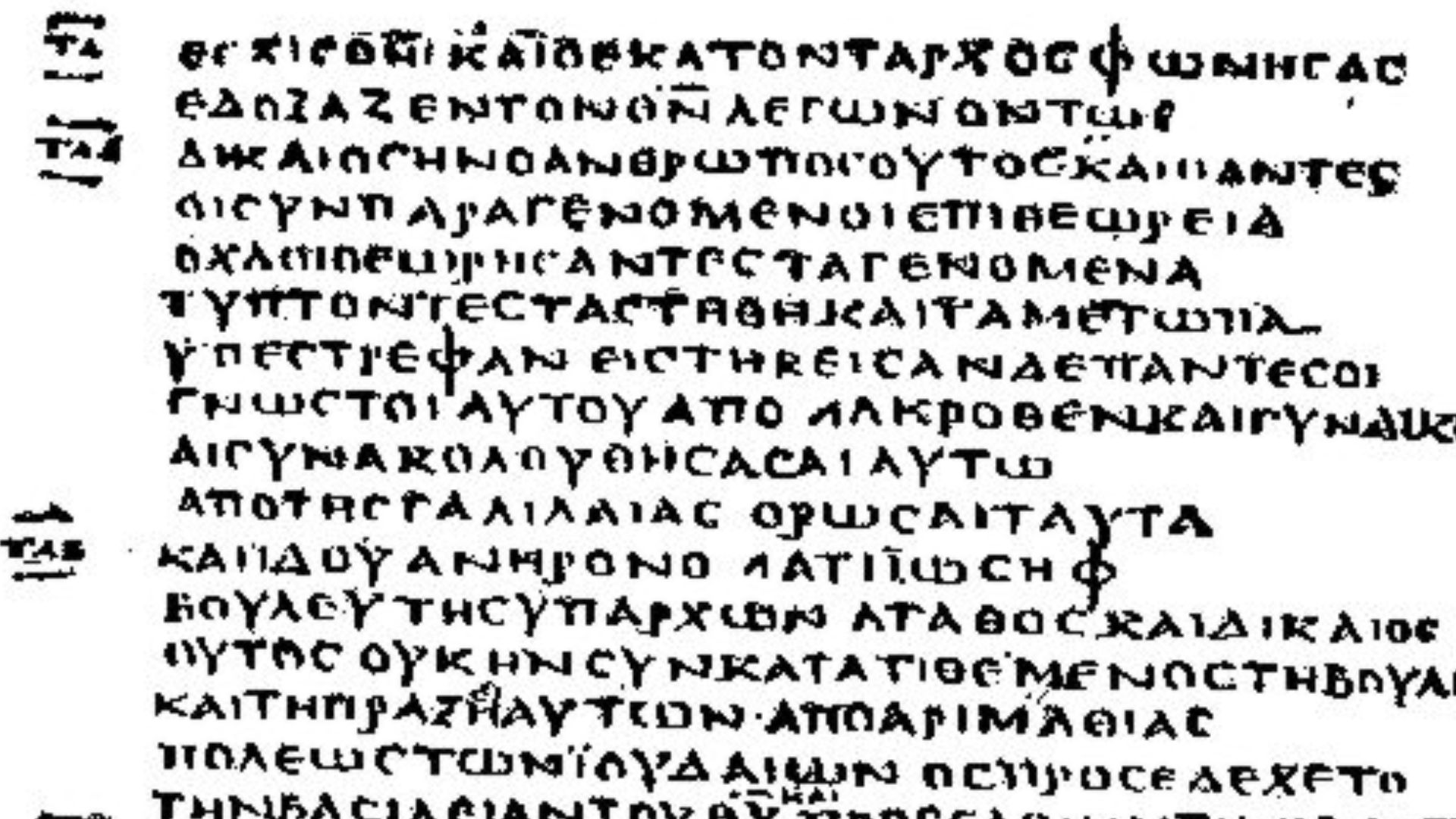
Barabbas isn't an obscure detail preserved by only one Gospel. He appears in Matthew 27, Mark 15, Luke 23, and John 18. Acts also refers to the choice of a murderer over Jesus. The accounts differ in the details, but the basic exchange remains strikingly consistent.
Then Barabbas Vanished
And that is where Barabbas's documented story ends. The New Testament records no reaction from him. It doesn't say whether he watched the crucifixion, fled Jerusalem, resumed rebellion, converted to Christianity, returned to crime, or lived quietly afterward. He simply walks out of the narrative.
Was He Even Real?
That silence leads to a more fundamental question: was Barabbas an actual historical person? There is no known contemporary Roman record independently identifying him. Unlike Pilate, whose existence is supported by archaeological and literary evidence outside Christianity, Barabbas survives essentially through the Gospel tradition.
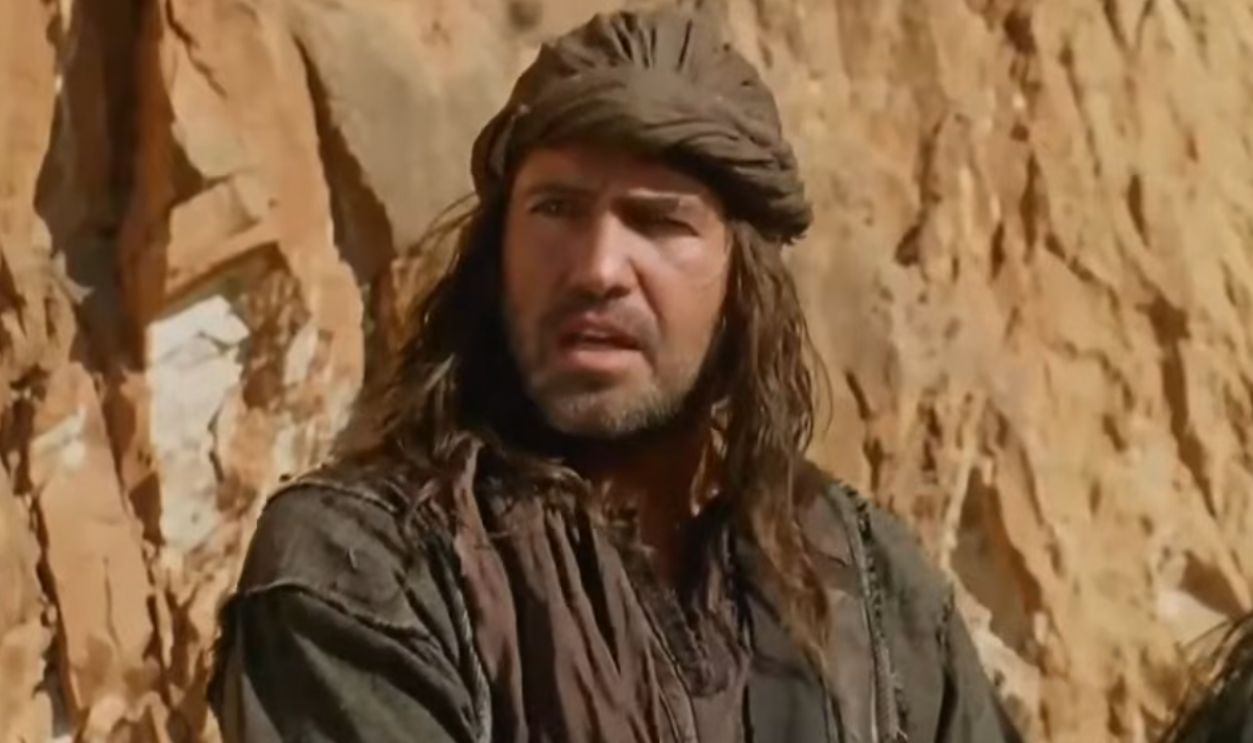 Screenshot from Barabbas, ReelzChannel (2012)
The Pardon Is Debated
A major historical problem involves the supposed Passover pardon. No independent source clearly establishes an annual Roman custom in Judea allowing a crowd to select a prisoner for release at Passover. That absence has caused some historians to question whether the episode occurred exactly as the Gospels describe it.
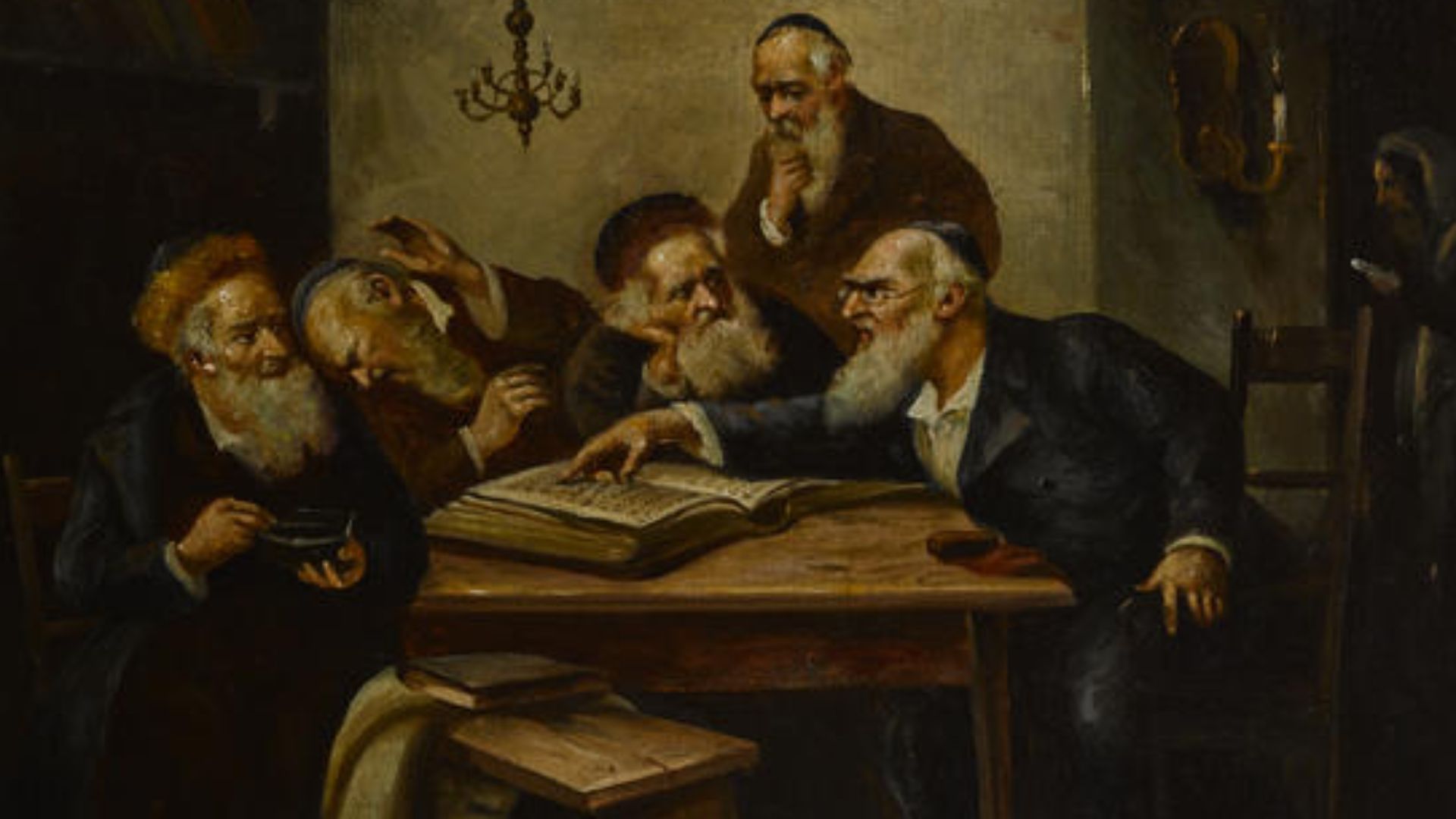 Bernard Trębacz (1869-1941), Wikimedia Commons
Pardons Did Happen
That doesn't automatically make the story impossible. Scholars defending its plausibility point to examples of rulers granting pardons and releasing prisoners in the ancient world. Roman provincial government could also be flexible and pragmatic. The unresolved question is whether Pilate actually practiced this particular Passover custom.
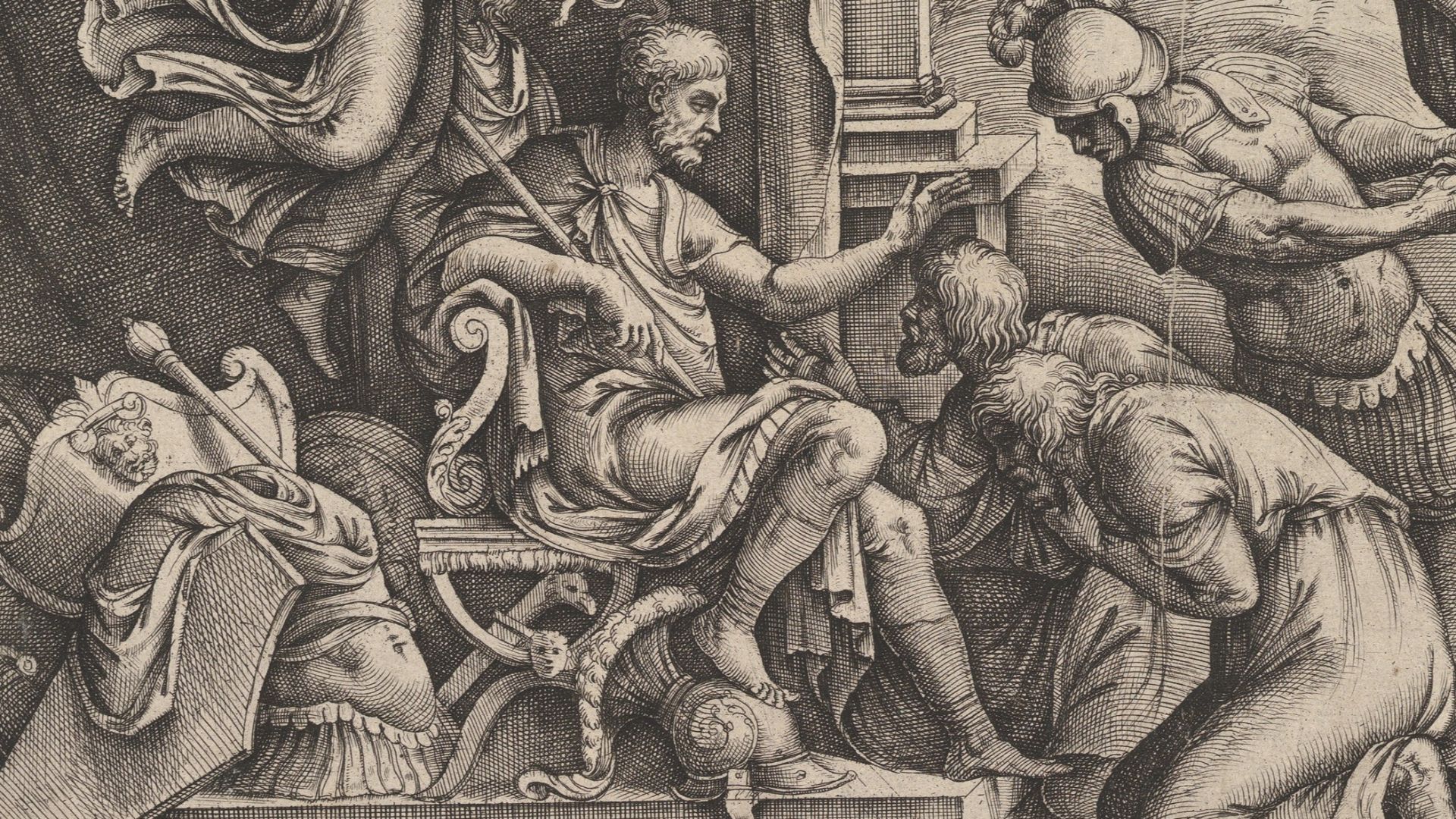 Battista Franco Veneziano / Giulio Romano, Wikimedia Commons
Pilate Makes It Harder
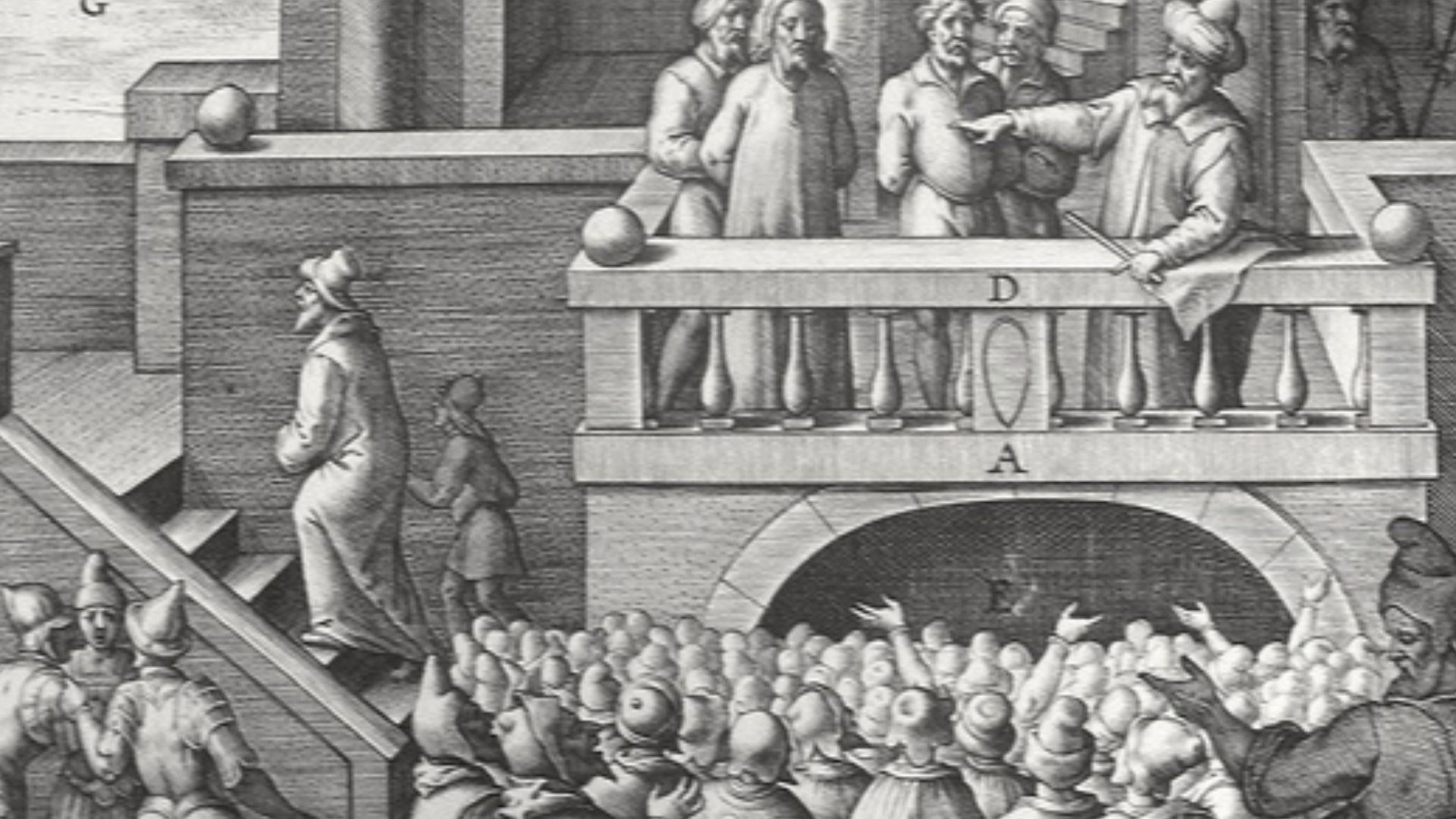
Pilate himself complicates the picture. Ancient accounts outside the New Testament portray him as capable of considerable brutality when confronting unrest. That makes some historians skeptical that he would release an alleged insurrectionist and murderer simply to accommodate a Jerusalem crowd. On the other hand, he may have wanted to placate the potentially volatile masses in Jerusalem while also being under pressure from his superiors back in Rome to maintain public order.
Scholars Are Still Divided
Because of all these complex factors, there is no scholarly consensus that every detail of the Barabbas episode is historical. Some researchers accept the essential account; others suspect theological or literary development. Raymond E. Brown considered it plausible that a prisoner called Barabbas was genuinely released around the time of Jesus's crucifixion, while suggesting that the tradition may subsequently have developed in its narrative details.
 Clementeste, Wikimedia Commons, Modified
A Radical Theory
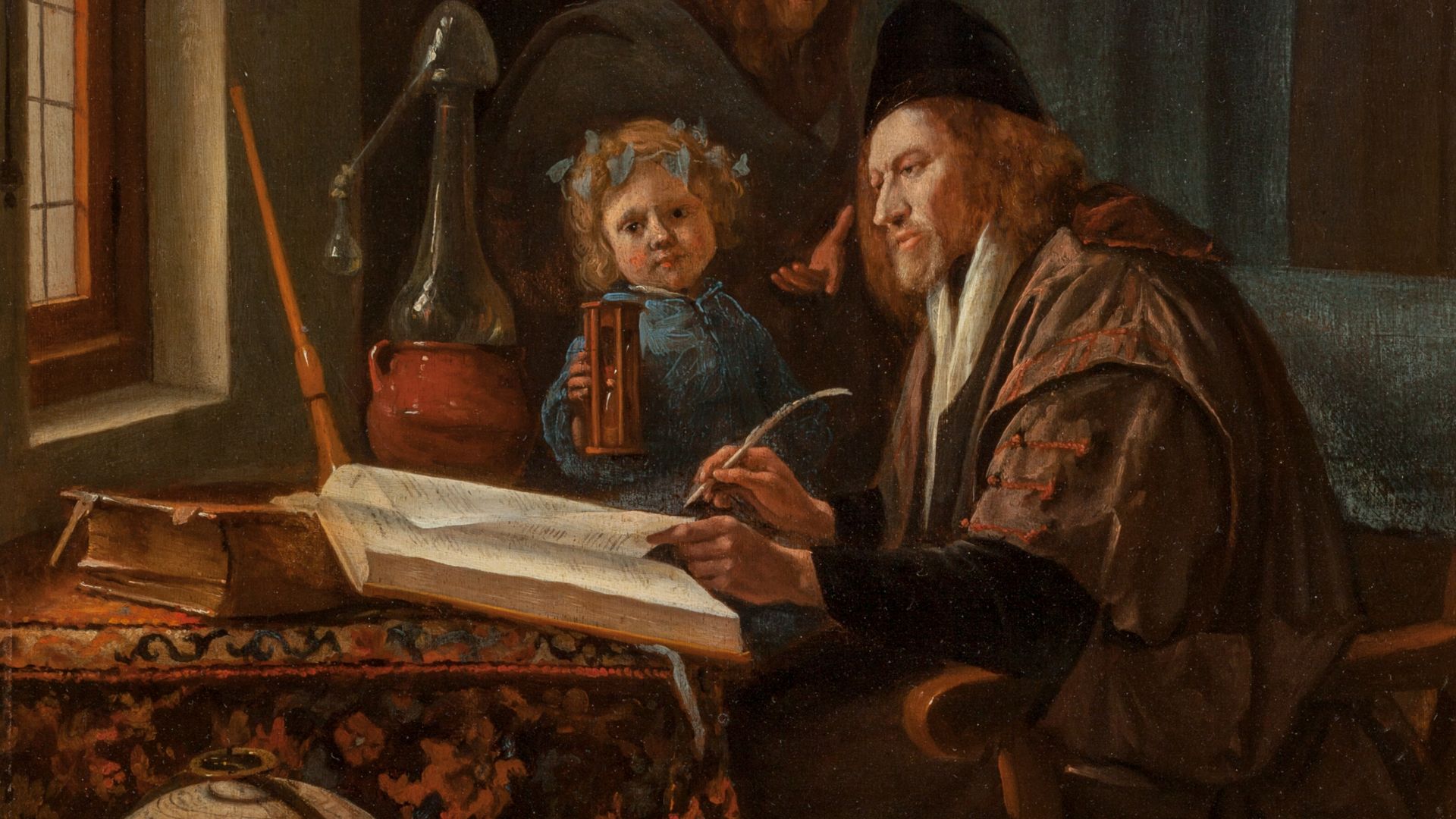
A far more speculative theory has suggested that Barabbas and Jesus may somehow derive from the same underlying figure or tradition. A handful of writers have explored versions of this idea, partly because some manuscripts call the prisoner “Jesus Barabbas.” Mainstream New Testament scholarship does not accept this identification, and the textual variant itself does not demonstrate that the two men were one person.
 Jan Steen (1625/26-1679), Wikimedia Commons
A Powerful Symbol
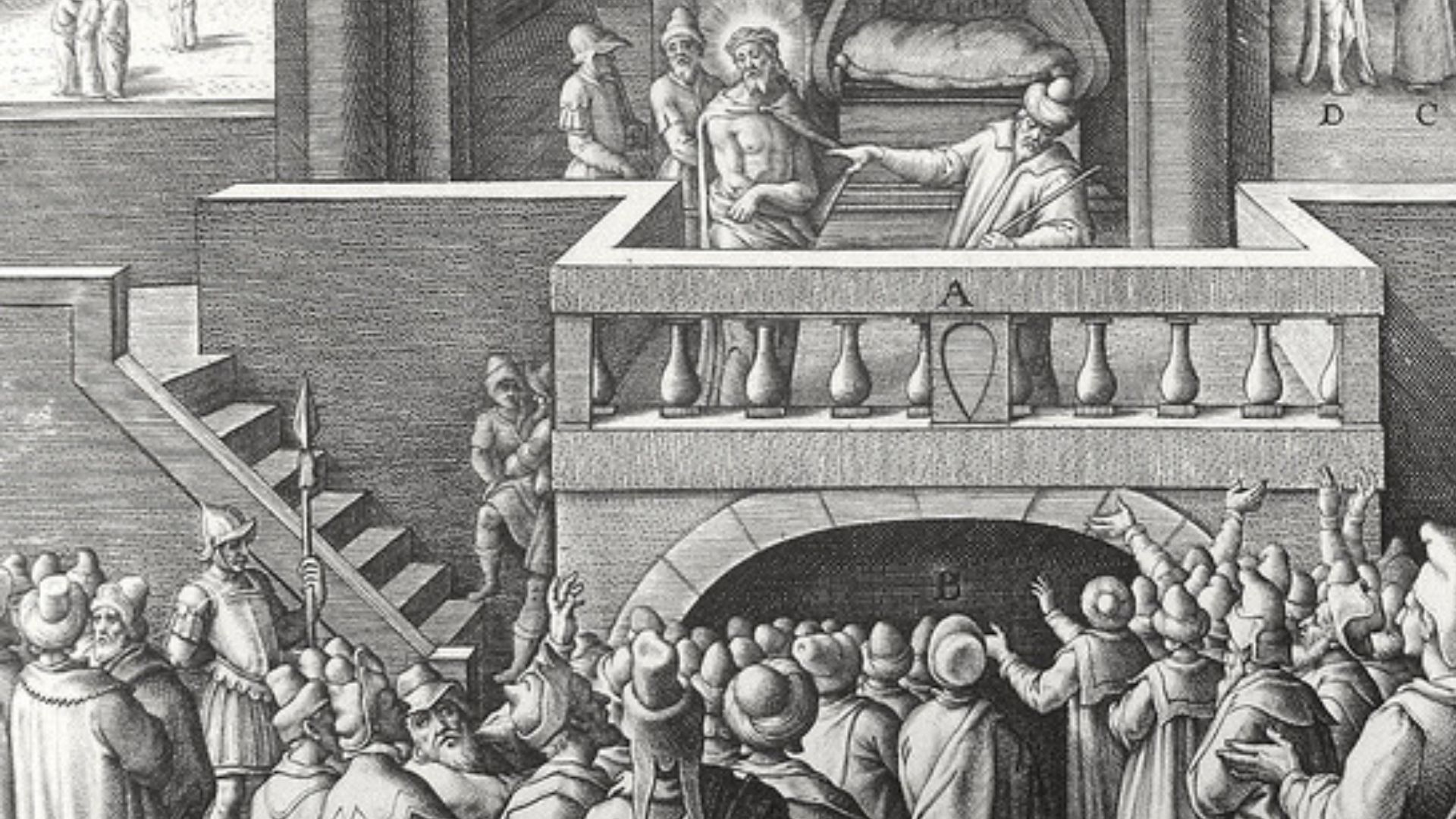
Whatever its historical origins, there is no doubt that Christianity found enormous theological significance in Barabbas. A guilty prisoner is freed while an innocent Jesus goes to execution. Barabbas therefore became an unusually literal illustration of substitution: someone condemned walks away because Jesus is condemned instead.
Legends Filled The Silence
The Bible's refusal to wrap everything up with a satisfying ending created irresistible possibilities for later storytellers. Did Barabbas repent after witnessing the consequences of his release? Did he become a Christian? Did he remain a violent rebel? Did Rome eventually execute him anyway? None of those endings can presently be established historically.
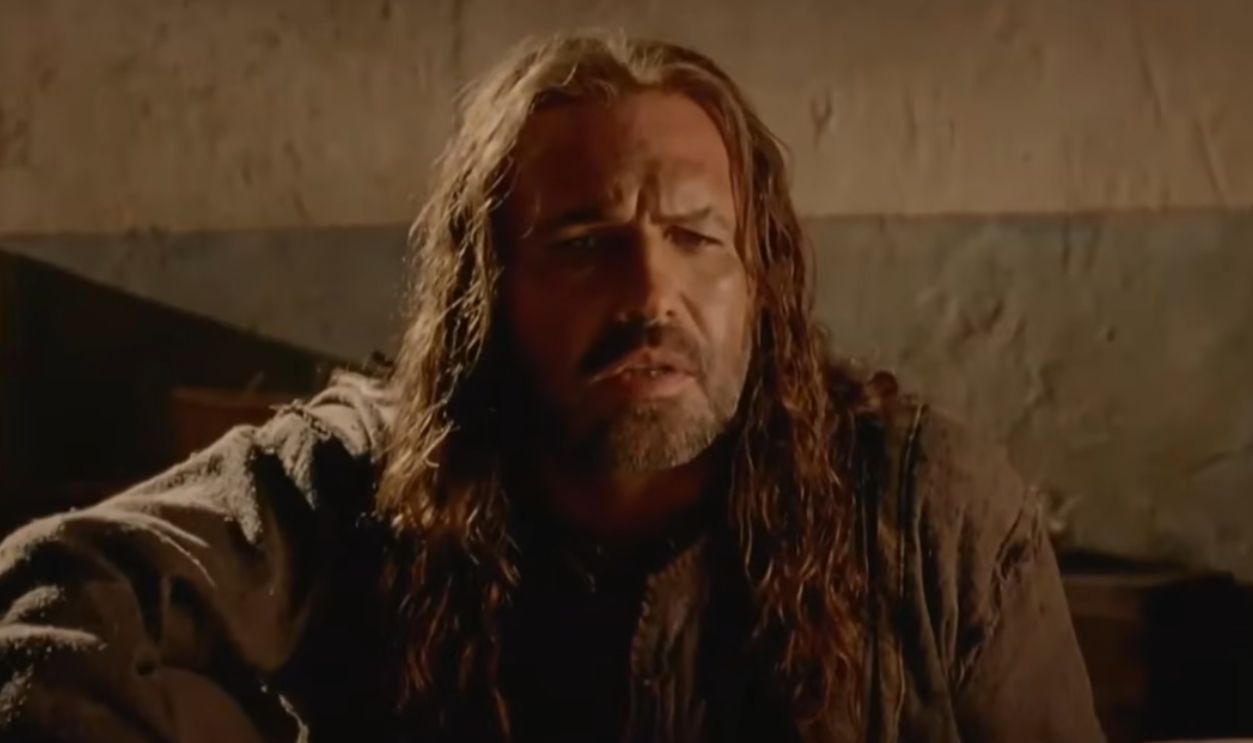 Screenshot from Barabbas, ReelzChannel (2012)
There Is No Known Grave
Nor has archaeology solved the mystery. There is currently no authenticated tomb, inscription, set of remains, or archaeological discovery that can confidently be connected with the biblical Barabbas. Claims about his eventual travels or burial therefore go far beyond the evidence presently available.
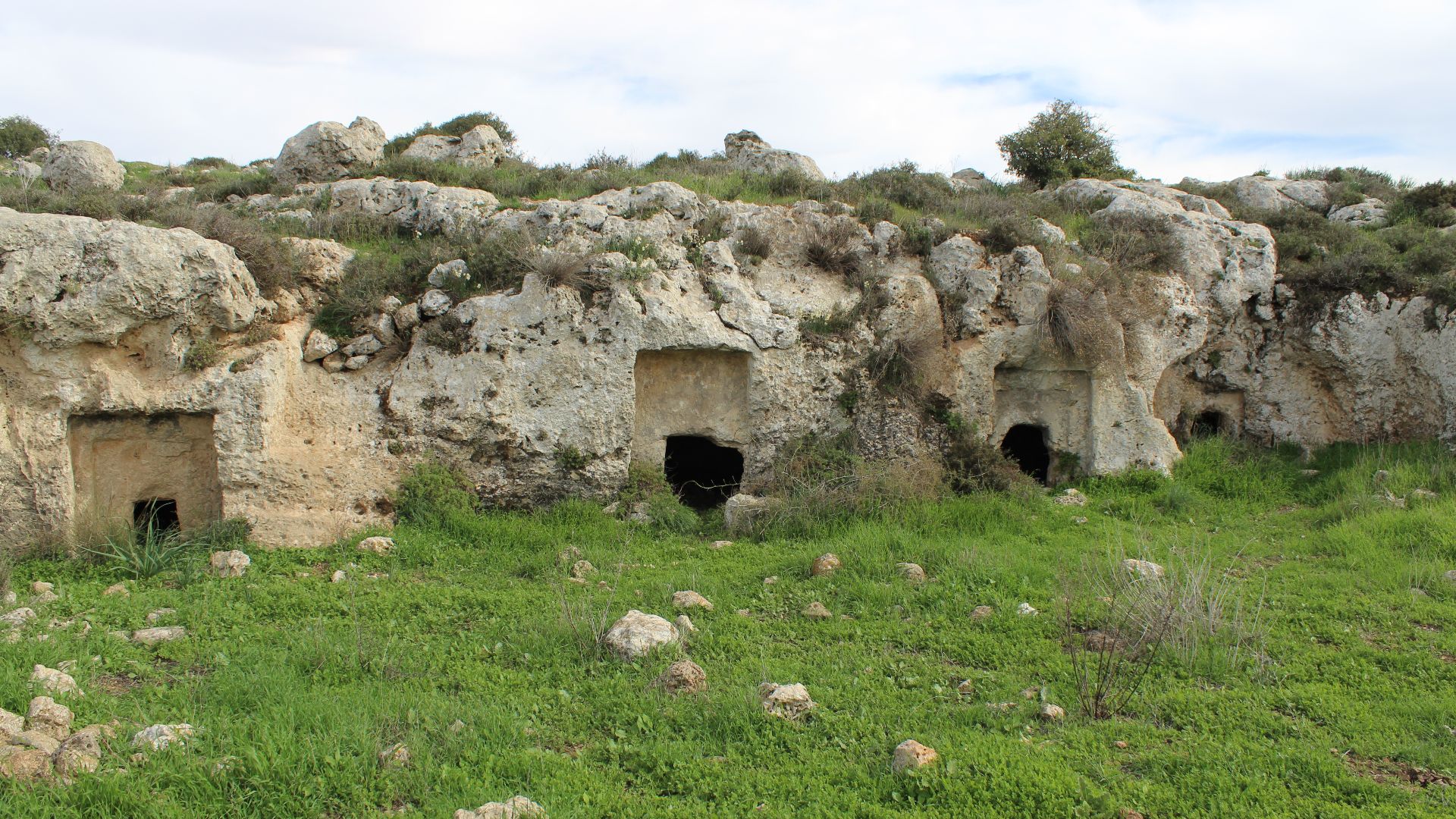
Lagerkvist Imagined An Answer
Swedish writer Pär Lagerkvist transformed that silence into his acclaimed 1950 novel Barabbas. His protagonist is haunted by the man who died while he went free, yet struggles with belief. Lagerkvist uses Barabbas not to reconstruct history but to explore faith, doubt, suffering, guilt, and humanity's search for God.
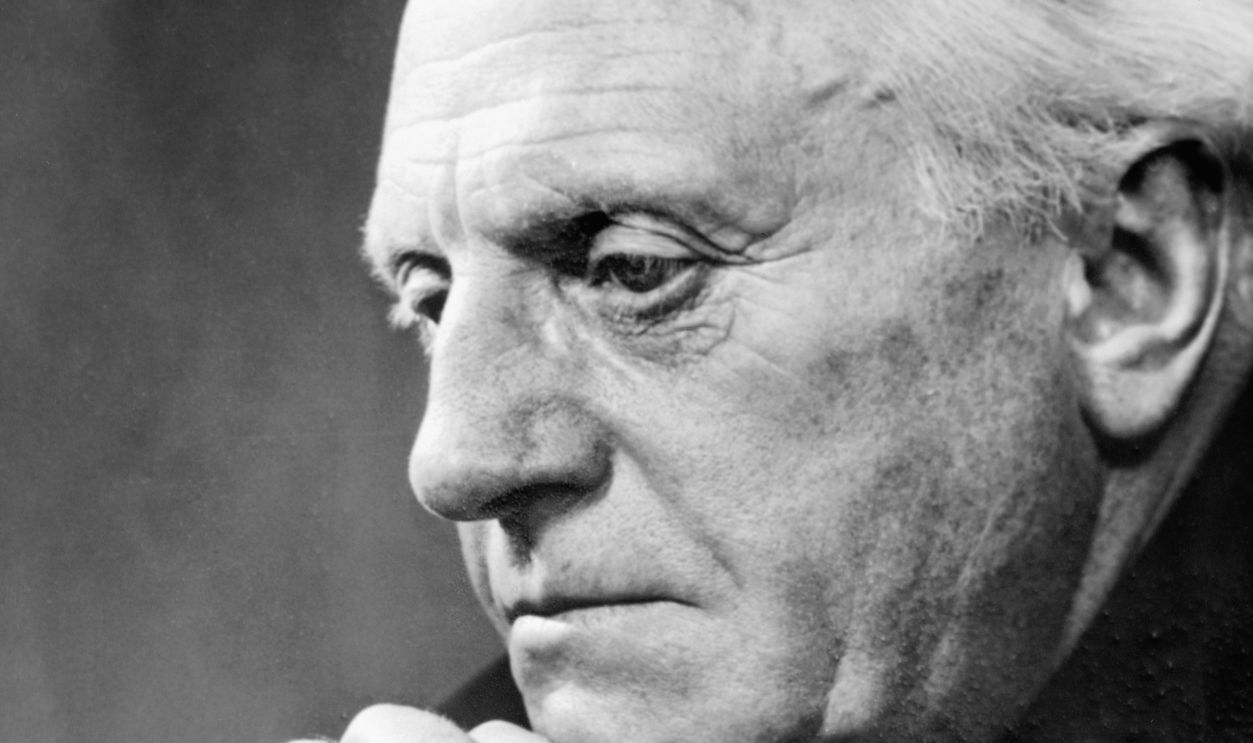
The Novel Became Famous
Barabbas became an international success and contributed to Lagerkvist's worldwide reputation around the time he received the 1951 Nobel Prize in Literature. The novel imagines Barabbas surviving for decades, enduring slavery and ultimately reaching Rome, where his strange connection with Christianity finally leads him toward his own crucifixion.
Sweden Filmed It First
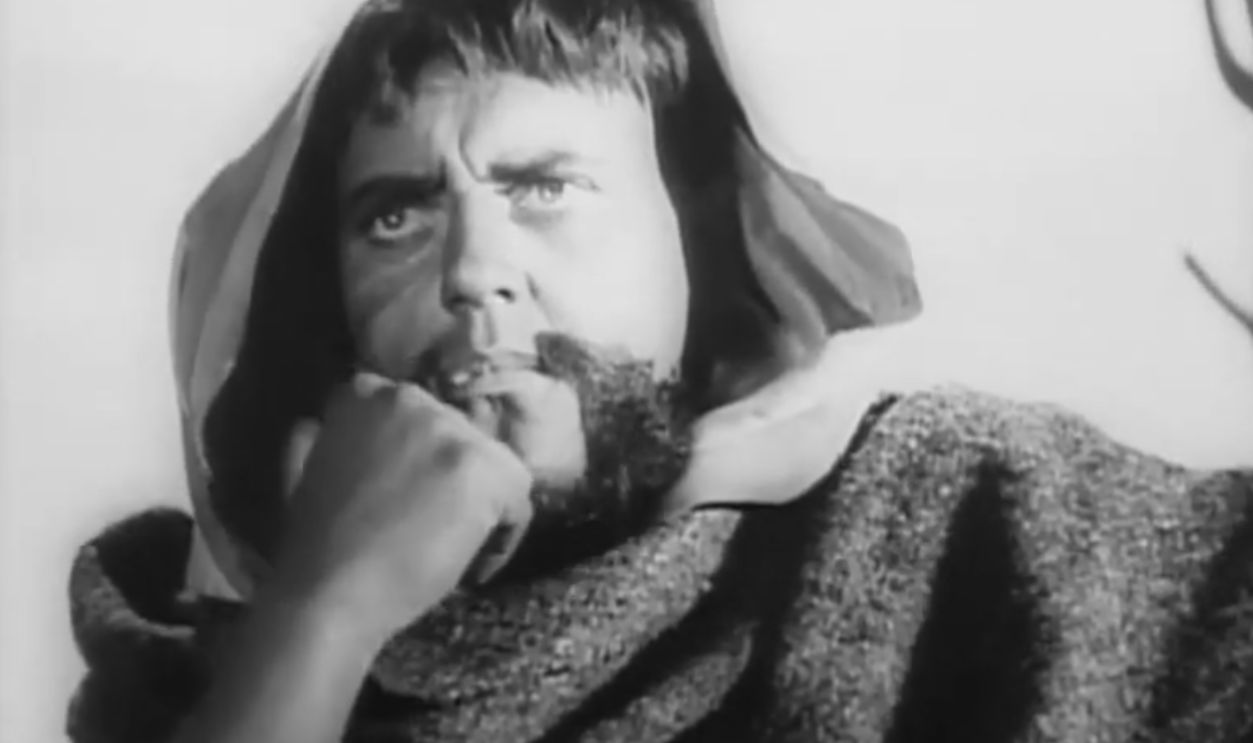
The novel reached cinemas with Barabbas (1953), an ambitious Swedish production directed by Alf Sjöberg. Ulf Palme played Barabbas, while the cinematography was shared by Göran Strindberg and future master cinematographer Sven Nykvist. The film competed at the 1953 Cannes Film Festival.
 Screenshot from Barabbas, Sandrews (1953)
Anthony Quinn Became Barabbas
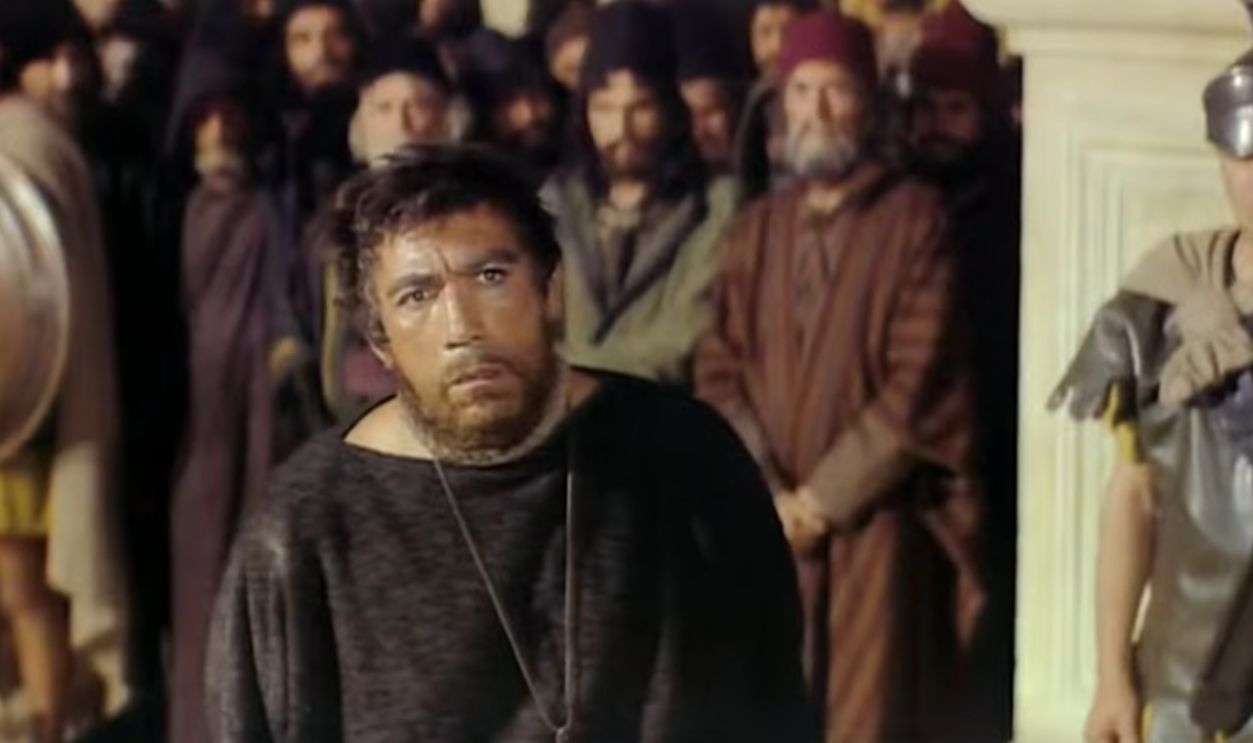
The best-known adaptation arrived with Richard Fleischer's epic Barabbas (1961). Anthony Quinn played the title character alongside Silvana Mangano, Arthur Kennedy, Katy Jurado, Vittorio Gassman, Ernest Borgnine, and Jack Palance. Dino De Laurentiis produced the lavish international production from Lagerkvist's novel.
 Screenshot from Barabbas, Columbia Pictures (1961)
They Filmed A Real Eclipse
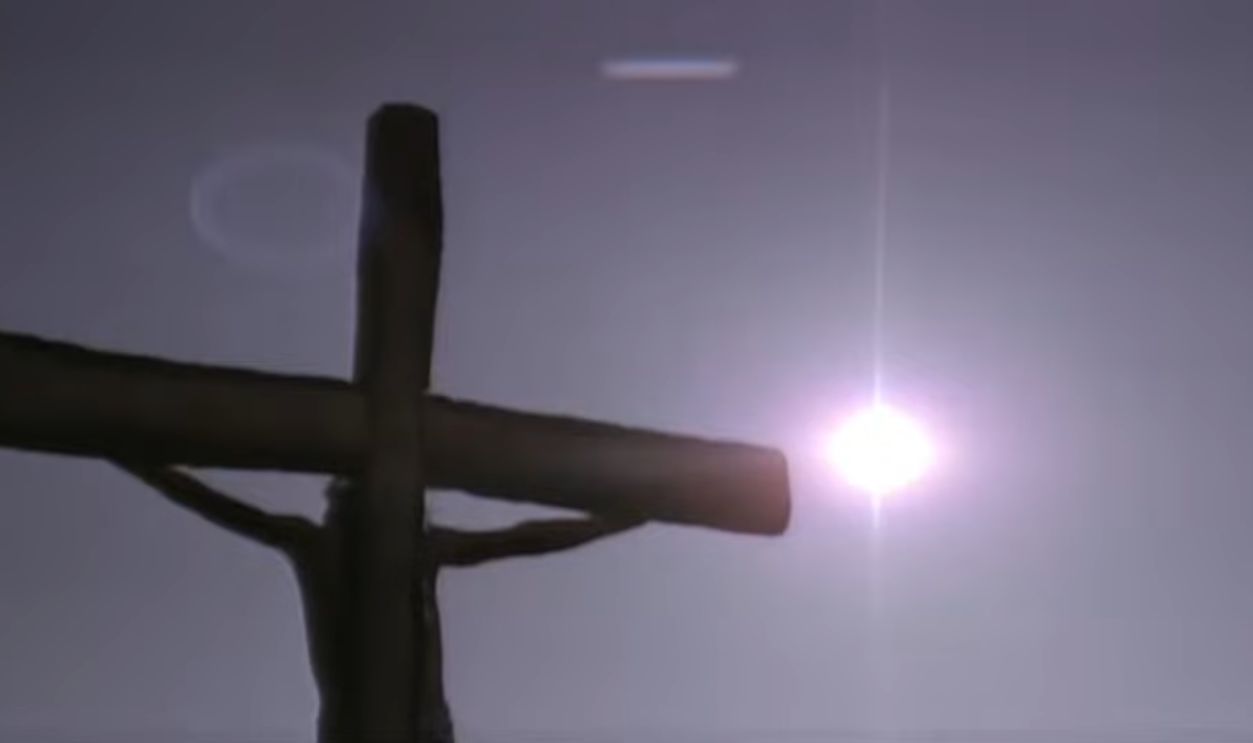
Fleischer achieved one remarkable effect without special effects. The crucifixion sequence in Barabbas (1961) was photographed during the total solar eclipse of February 15, 1961. The genuine darkening sky gave the sequence an eerie quality that would have been extraordinarily difficult for filmmakers of the period to reproduce artificially.
 Screenshot from Barabbas, Columbia Pictures (1961)
Hollywood Gave Him Adventures
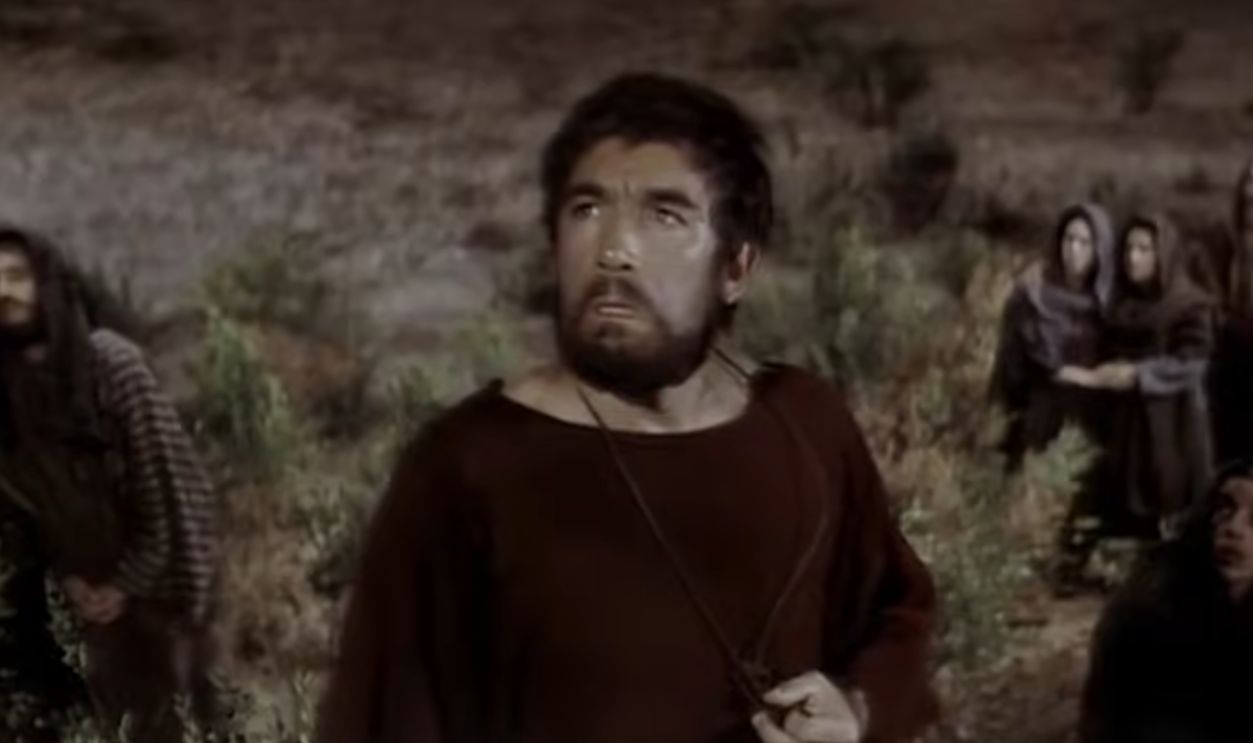
The movie necessarily invents the decades that Scripture leaves blank. Quinn's Barabbas witnesses the crucifixion, encounters early Christians, survives slavery in sulfur mines, becomes a gladiator and eventually reaches Rome. These episodes created a spectacular biblical cinematic epic, but they should not in any way be mistaken for a historical biography of Barabbas.
 Screenshot from Barabbas, Columbia Pictures (1961)
The Story Keeps Returning
Barabbas has continued appearing in Passion plays, novels, television productions, films, sermons, paintings, and theological discussions. A 2012 Italian-American television adaptation again drew upon Lagerkvist's novel. Each retelling confronts the same irresistible question the original narrative refuses to answer: what would freedom have meant to him afterward?
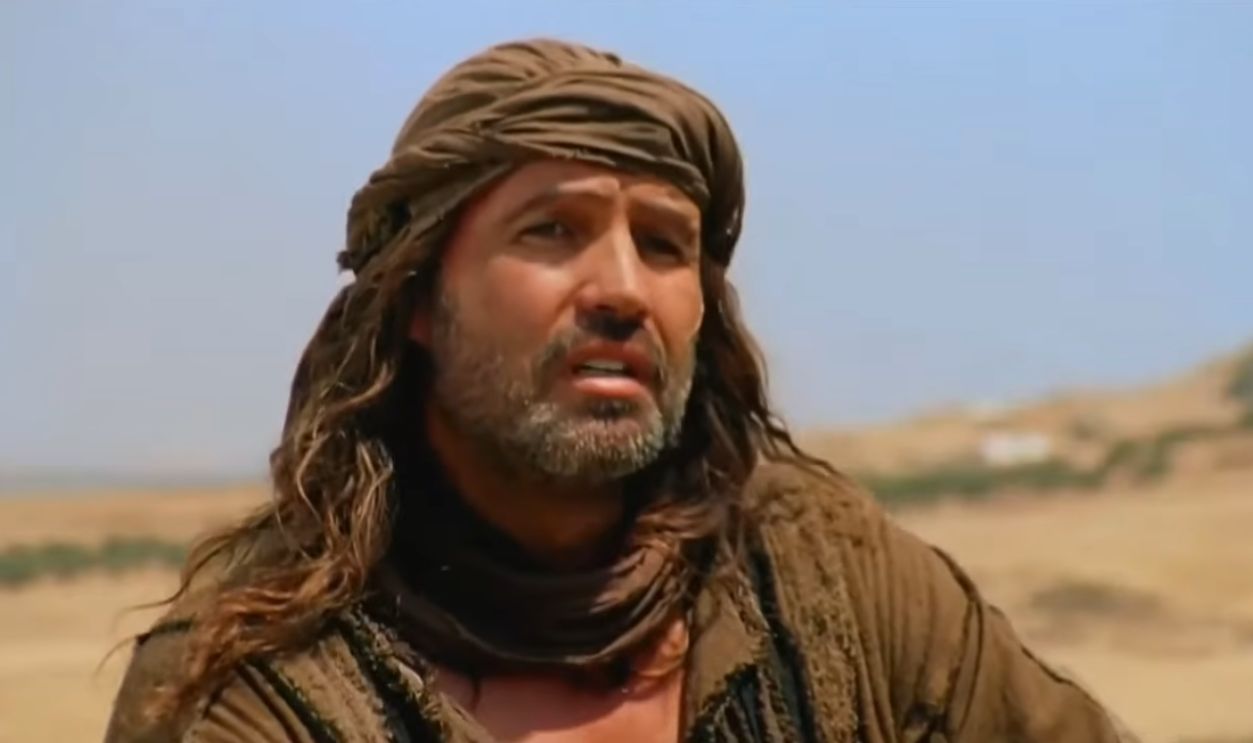 Screenshot from Barabbas, ReelzChannel (2012)
The Mystery Is The Ending
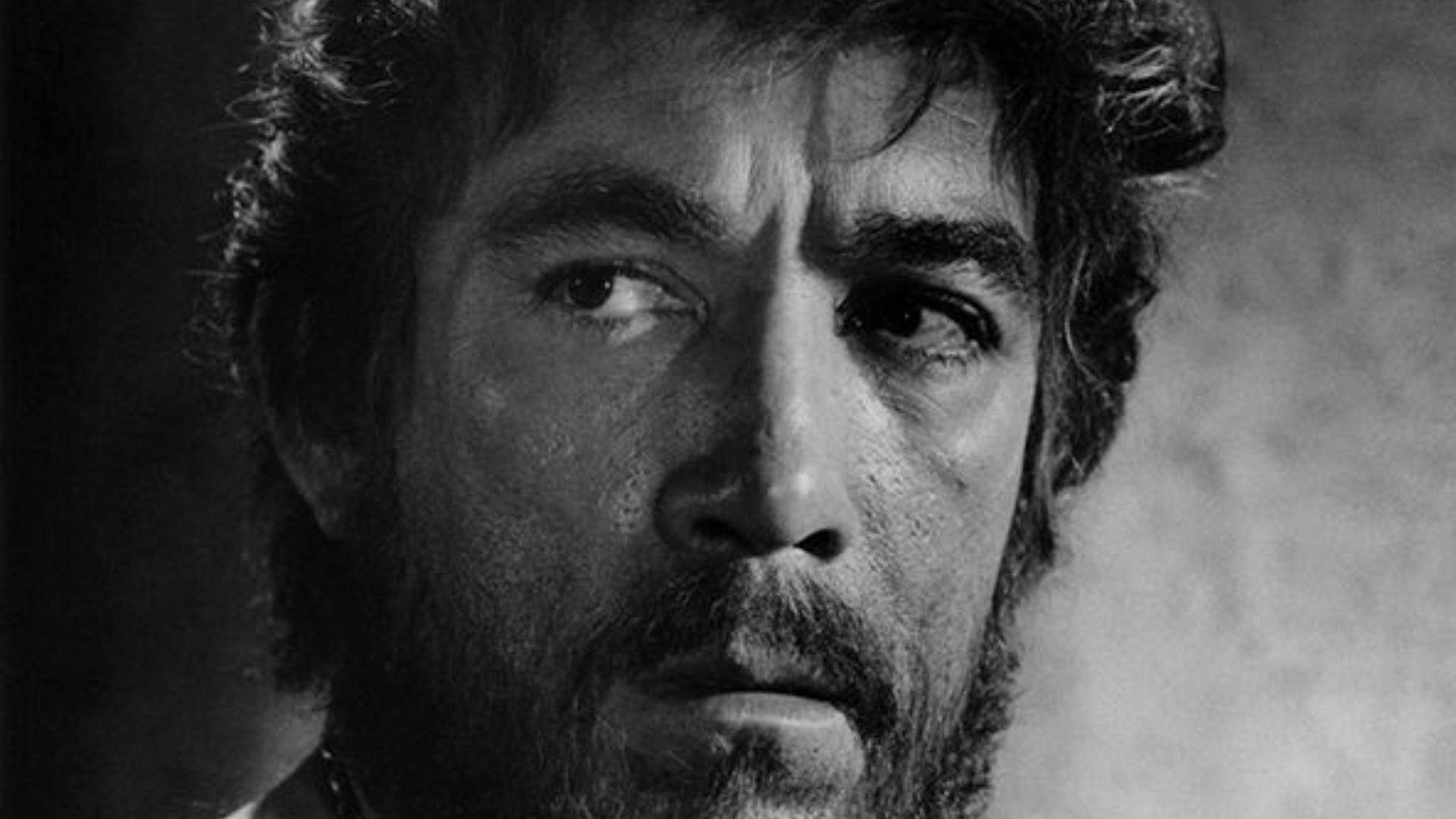
After nearly 2,000 years, we still can't say what happened when Barabbas walked away. Perhaps he resumed his old life. Maybe the Romans even arrested him again. Perhaps his release transformed him. Perhaps parts of his story are literary rather than biographical. History gives us no final scene, and that void in our knowledge is precisely why Barabbas remains fascinating.
 Unknown authorUnknown author, Wikimedia Commons
You May Also Like:
Pontius Pilate: The Reluctant Judge
John of Patmos, The Mysterious Author Of The Book Of Revelation