Before You Could Just Google It
Need a plumber? Looking for an old friend? Trying to find a restaurant? In the 1960s, the answer might be sitting beside the telephone in one enormous book. Old telephone directories now offer an unexpectedly detailed snapshot of everyday American life.
Do you remember searching through these?
Everyone's I Factinate Ltd.nformation Seemed To Be Right There
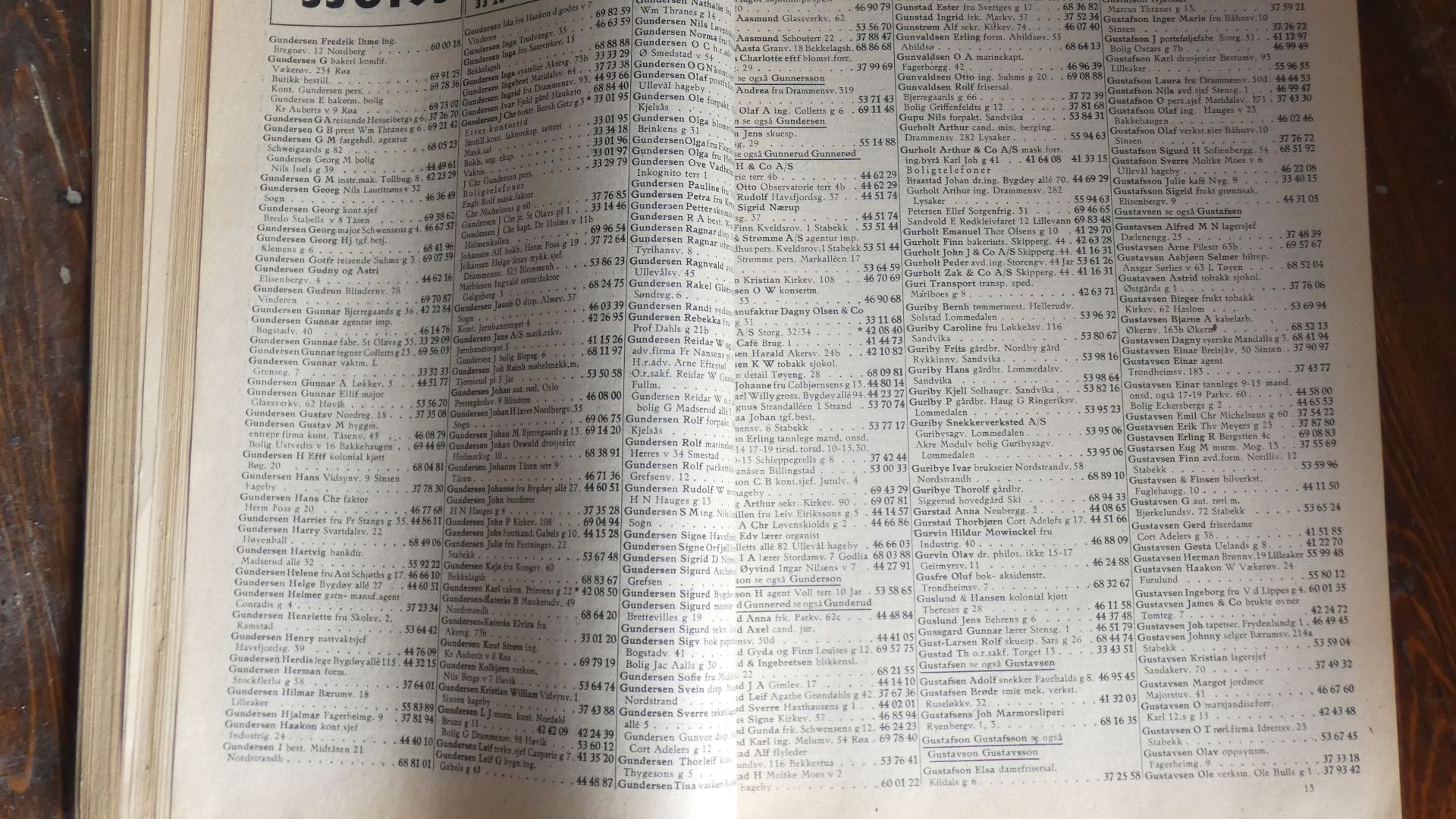
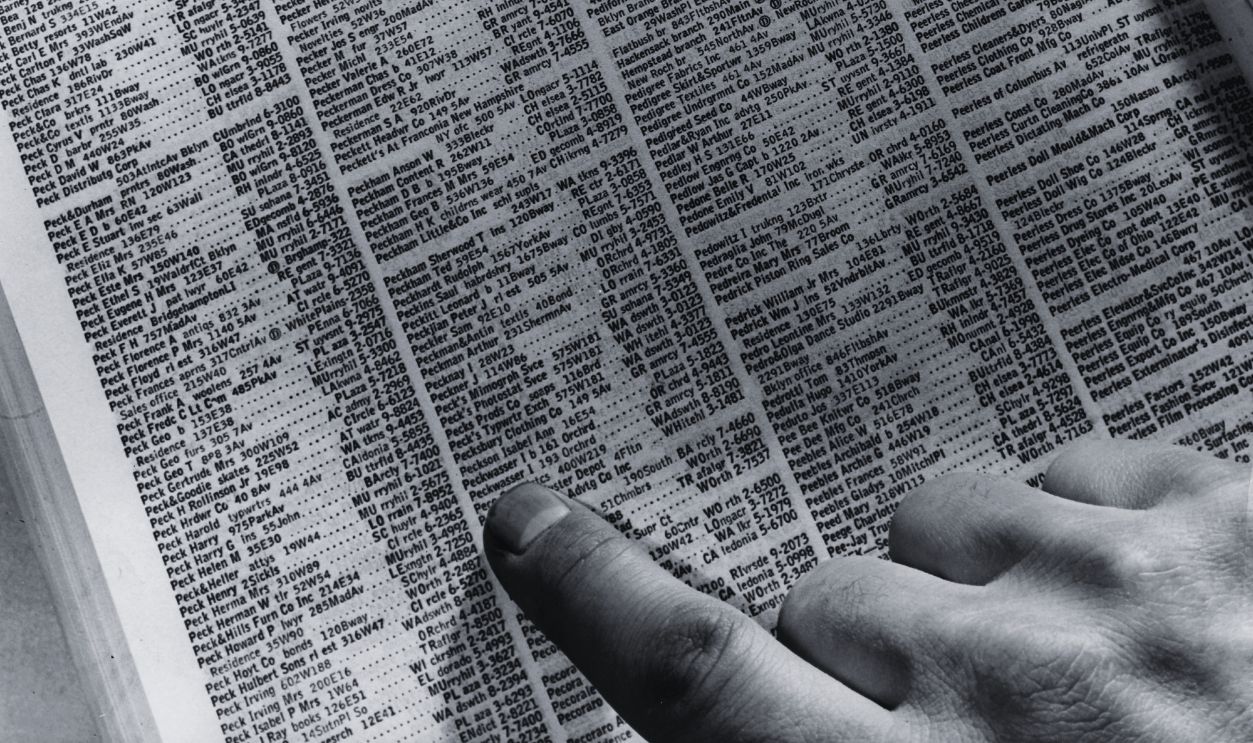
For listed subscribers, a typical residential entry could provide a person's name, street address, and telephone number. Finding someone didn't require social media or an internet search. You generally needed to know roughly where they lived and how to spell the subscriber's name.
You Actually Had To Know Their Last Name
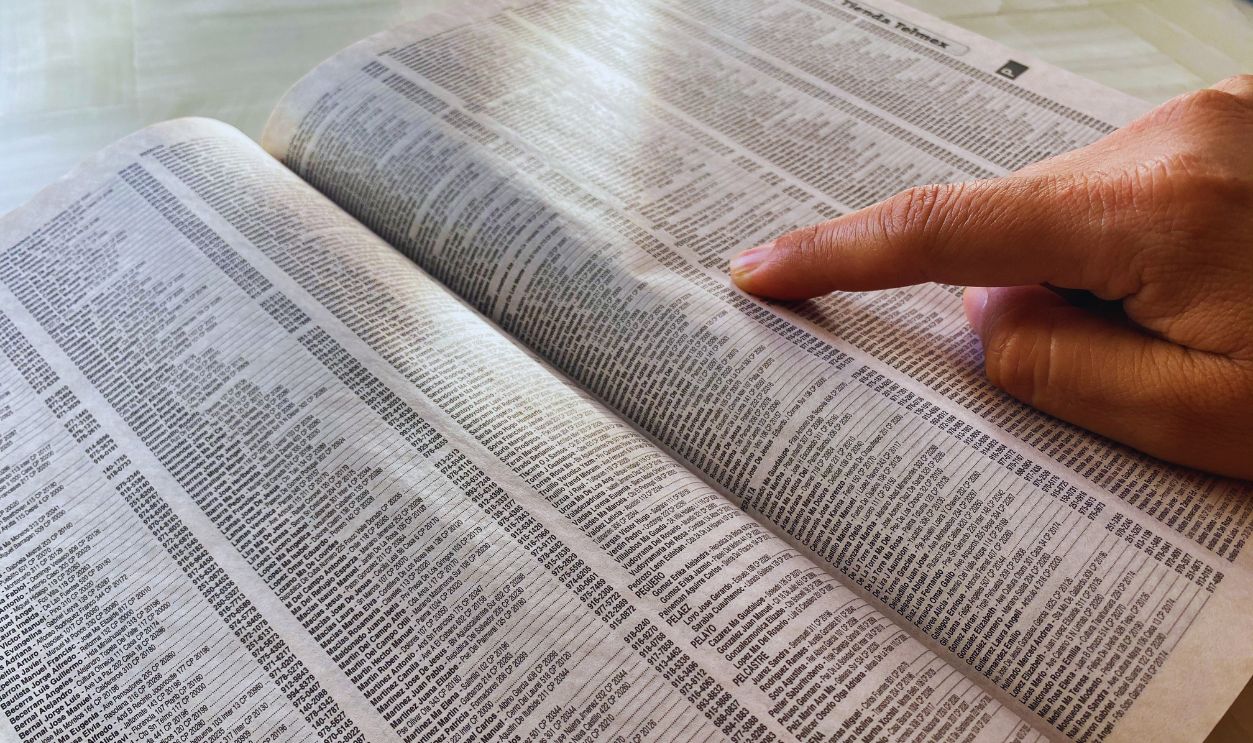
Standard White Pages listings were generally arranged alphabetically by surname. That made searching simple when you knew someone's name and much harder when you didn't. There was no search box, spelling suggestion, or handy button asking, "Did you mean...?"
 FERNANDO MACIAS ROMO, Shutterstock
Some Numbers Simply Weren't There
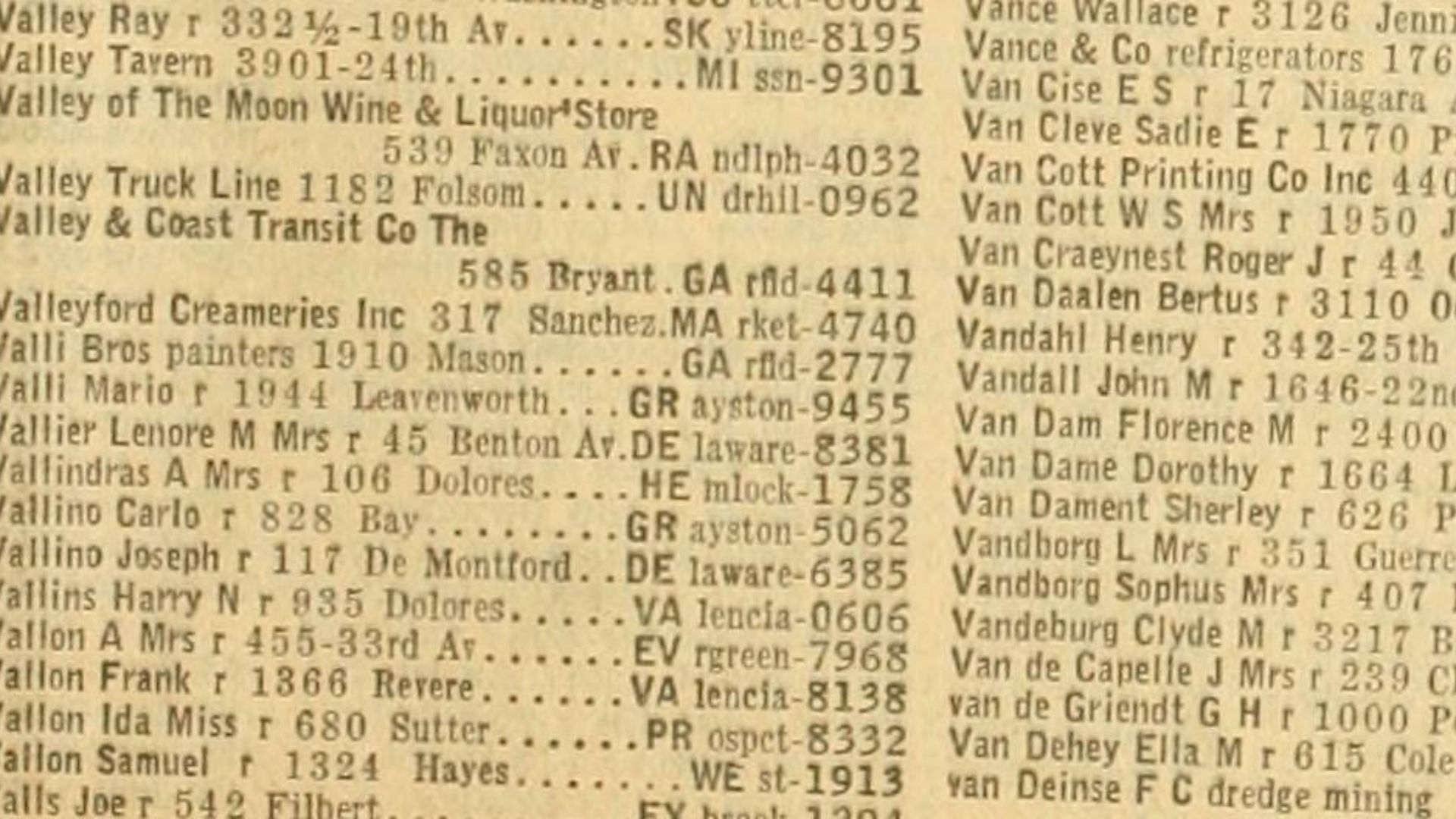
Not every telephone subscriber appeared in the directory. People could have unlisted numbers, keeping their telephone information out of the published book. Even in an era famous for publicly printed telephone listings, there were ways to keep your number less accessible.
 Internet Archive Book Images, Wikimedia Commons
The Address Was Almost As Useful As The Number
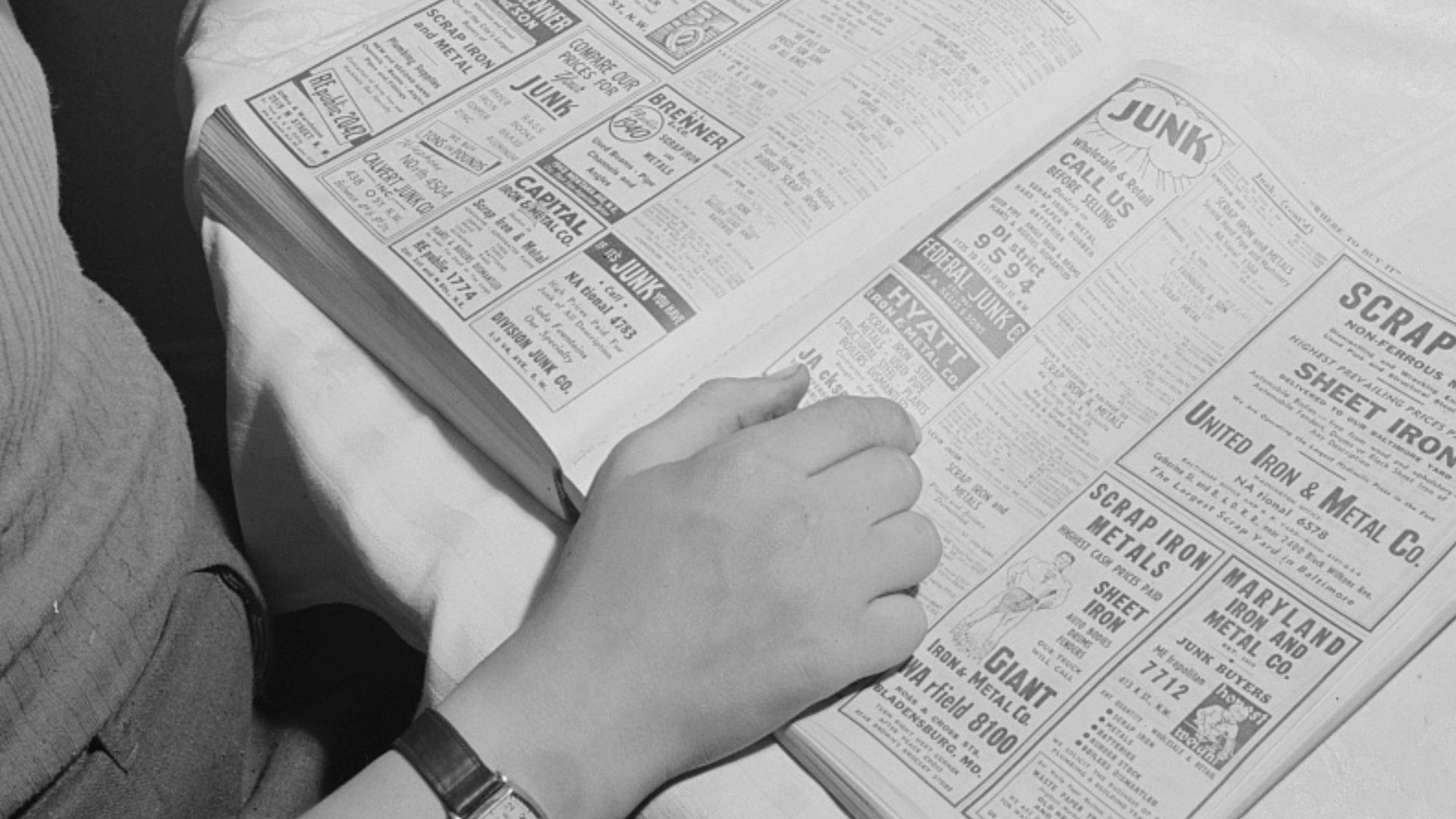
Residential listings commonly included street addresses alongside telephone numbers. That meant a phone book could help someone do more than place a call. An address could help distinguish between people with similar names or tell someone where to send a letter or invitation.
 Marjory Collins, Wikimedia Commons
One Household Didn't Mean Everyone Was Listed
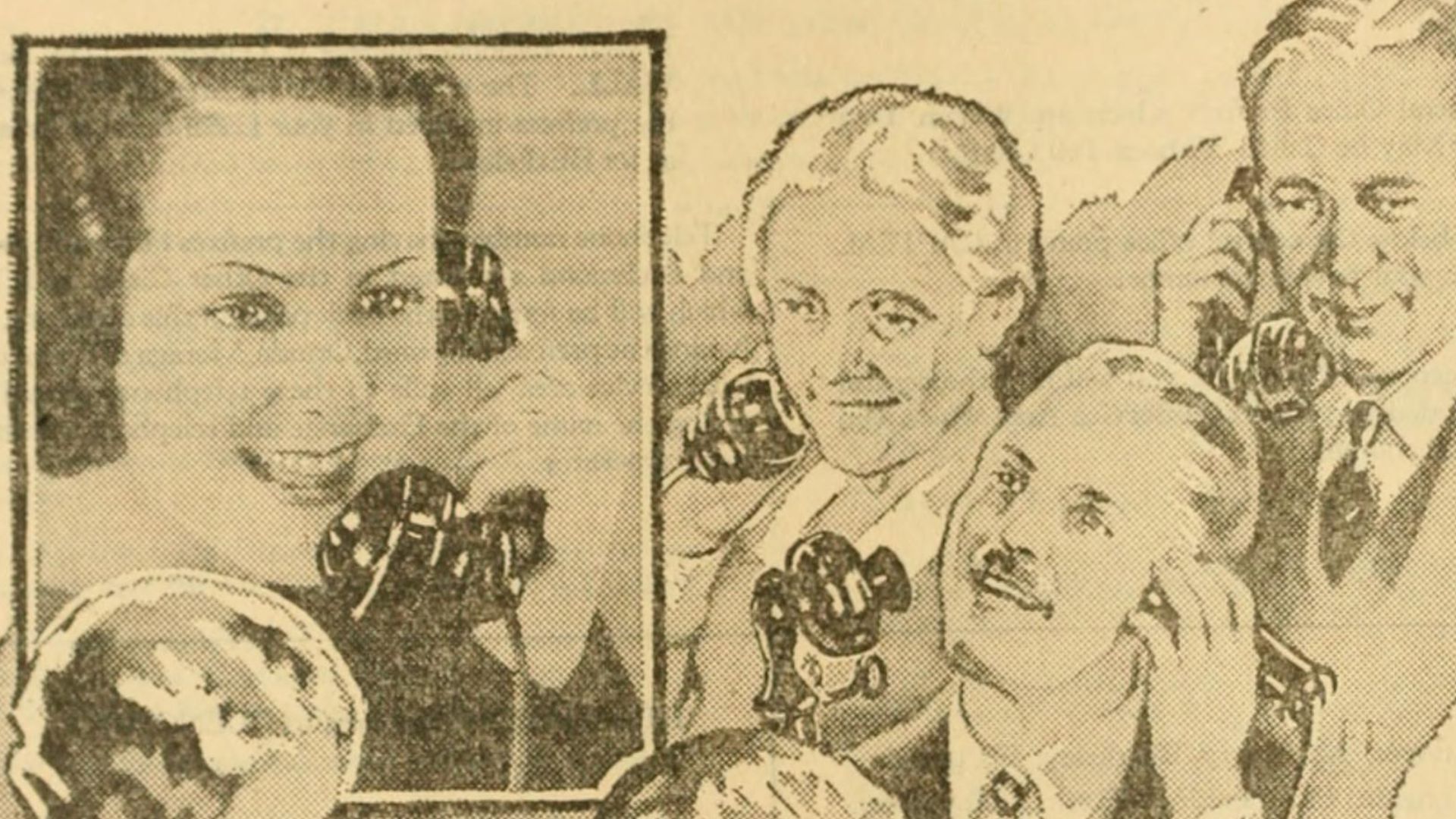
A telephone directory wasn't a census. It listed telephone subscribers rather than every person living at an address. Several family members could therefore share a telephone while the directory contained only one primary listing, making these books useful but incomplete historical records.
 Internet Archive Book Images, Wikimedia Commons
Names And Initials Could Make Searching Tricky
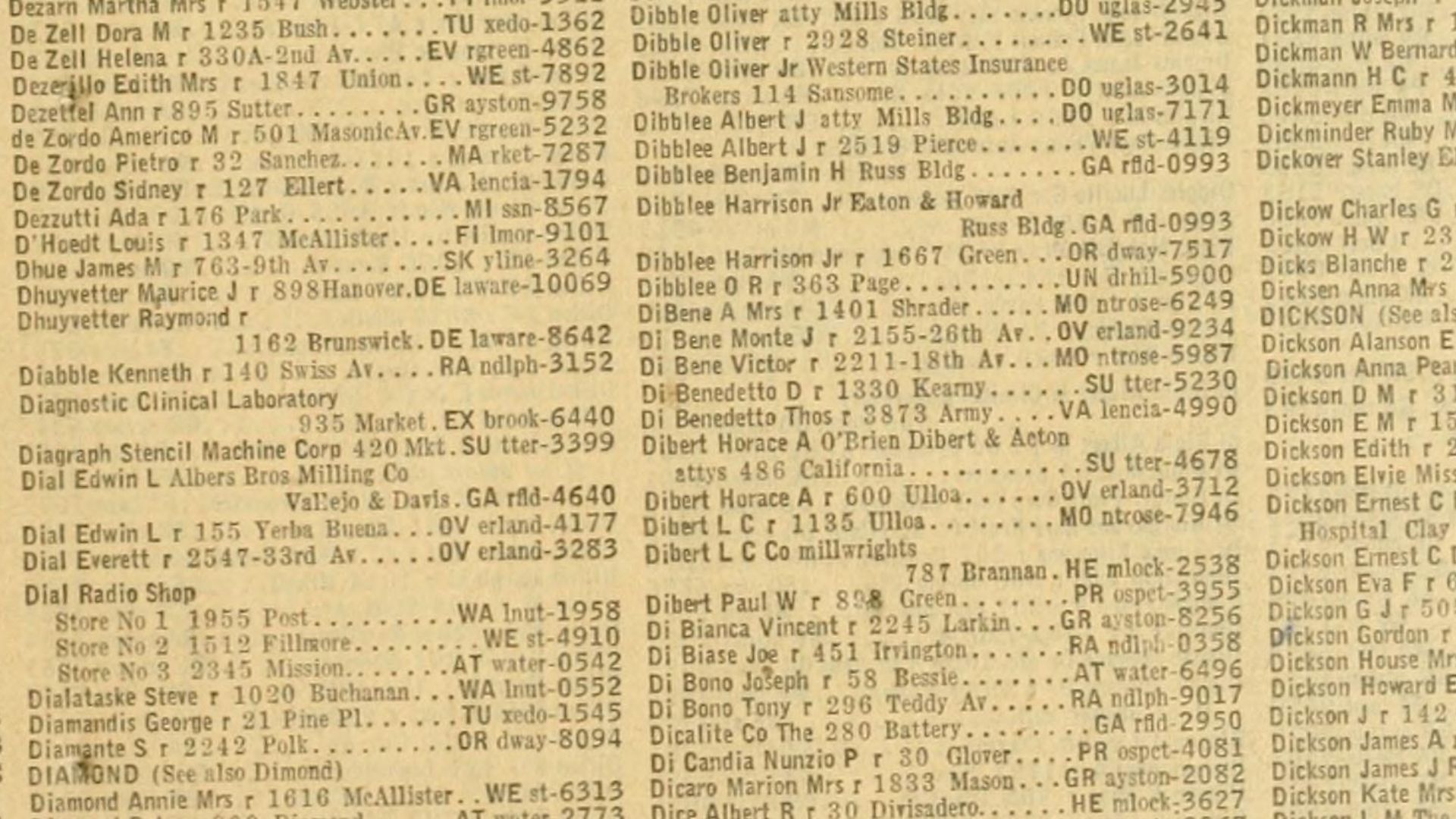
Old directories didn't always present names the way a modern online search would. Listings frequently used initials, abbreviations, and period-specific naming conventions. Researchers sometimes need additional information before they can be certain that an apparently matching listing belongs to the right person.

Telephone Numbers Looked Different
Many Americans still remember telephone numbers that incorporated memorable exchange names rather than today's entirely numeric style. Names such as KLondike or PEnnsylvania represented letters corresponding to numbers on the telephone dial, creating numbers that sounded very different from modern ones.
 Internet Archive Book Images, Wikimedia Commons
Exchange Names Could Become Familiar Locally
Telephone exchange names weren't simply decorative words. Their letters represented digits that callers actually dialed. In some communities, familiar exchange names became recognizable parts of local telephone culture, although their meaning and geographic usefulness varied considerably from place to place.
The 1960s Were Changing The Way Americans Dialed
The telephone system was changing rapidly during this period. All-Number Calling gradually replaced many named exchanges with entirely numeric telephone numbers, helping standardize a growing network. A 1960s directory can therefore capture America in the middle of this transition.

Area Codes Were Already Becoming Familiar
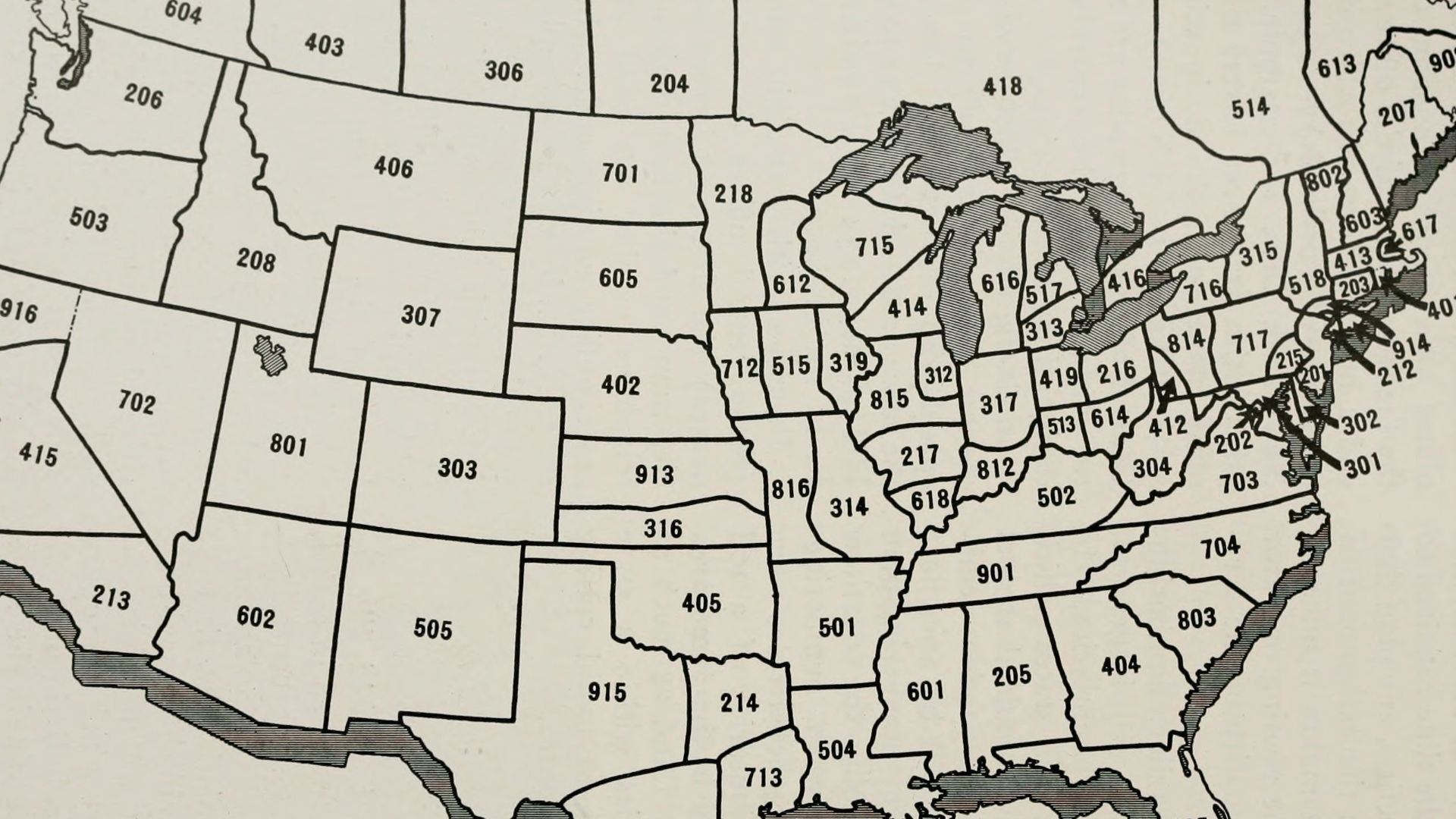
The North American Numbering Plan introduced area codes beginning in the late 1940s. By the 1960s, Americans making long-distance calls were increasingly encountering those three-digit codes. Telephone directories could provide instructions explaining how local and long-distance calls should be placed.
 Internet Archive Book Images, Wikimedia Commons
Long-Distance Calling Required More Thought
Calling someone across the country wasn't as casual as making a modern cellphone call. Long-distance service could involve additional charges and different dialing procedures. Telephone directories often included instructions designed to help subscribers navigate local, long-distance, and operator-assisted calling.

The Phone Book Was Also An Instruction Manual
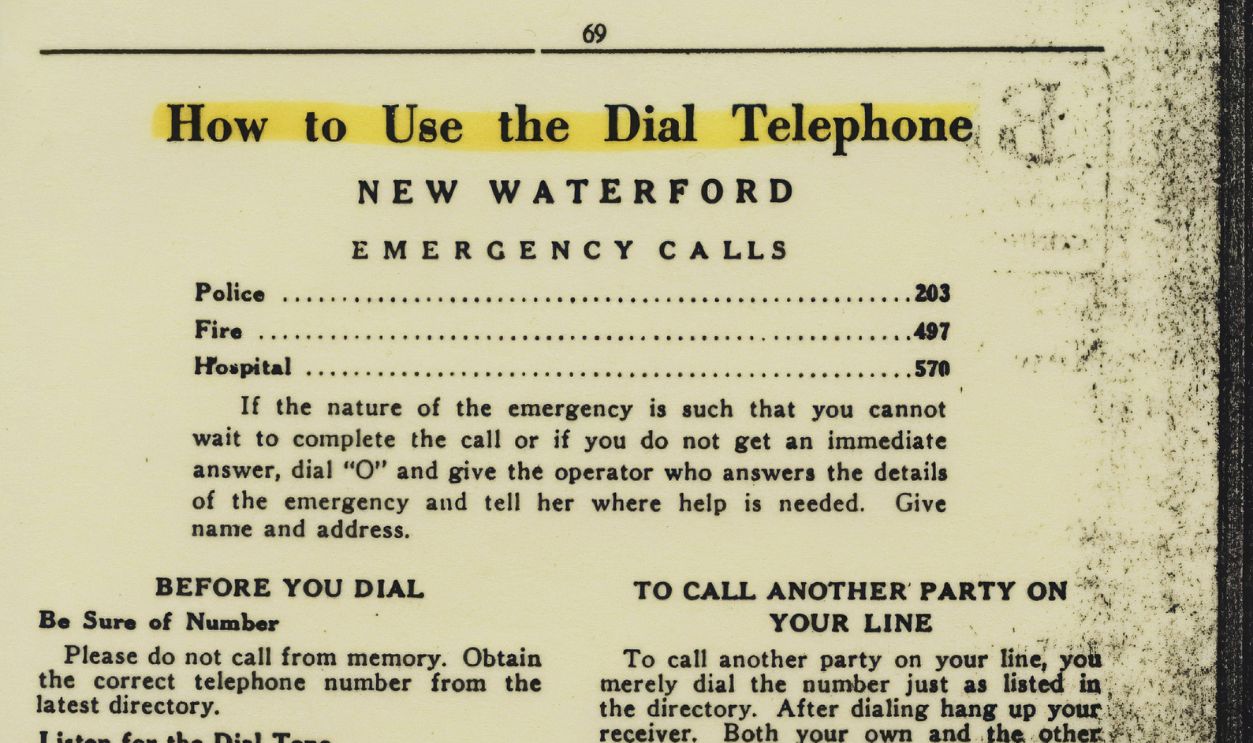
Those pages near the front weren't just filler. Telephone companies could include information about dialing, obtaining assistance, long-distance service, emergencies, and other telephone procedures. The directory helped subscribers understand how to use the communications network as well as whom they could call.
 Port Morien Digital Archive, Unsplash
You Couldn't Always Just Dial 911
The first U.S. 911 call was made in Haleyville, Alabama, in February 1968. Before 911 service reached a community, residents needed local telephone numbers to contact police, fire departments, or other emergency services. Nationwide adoption of 911 would take many more years.

The Yellow Pages Were The Search Tool
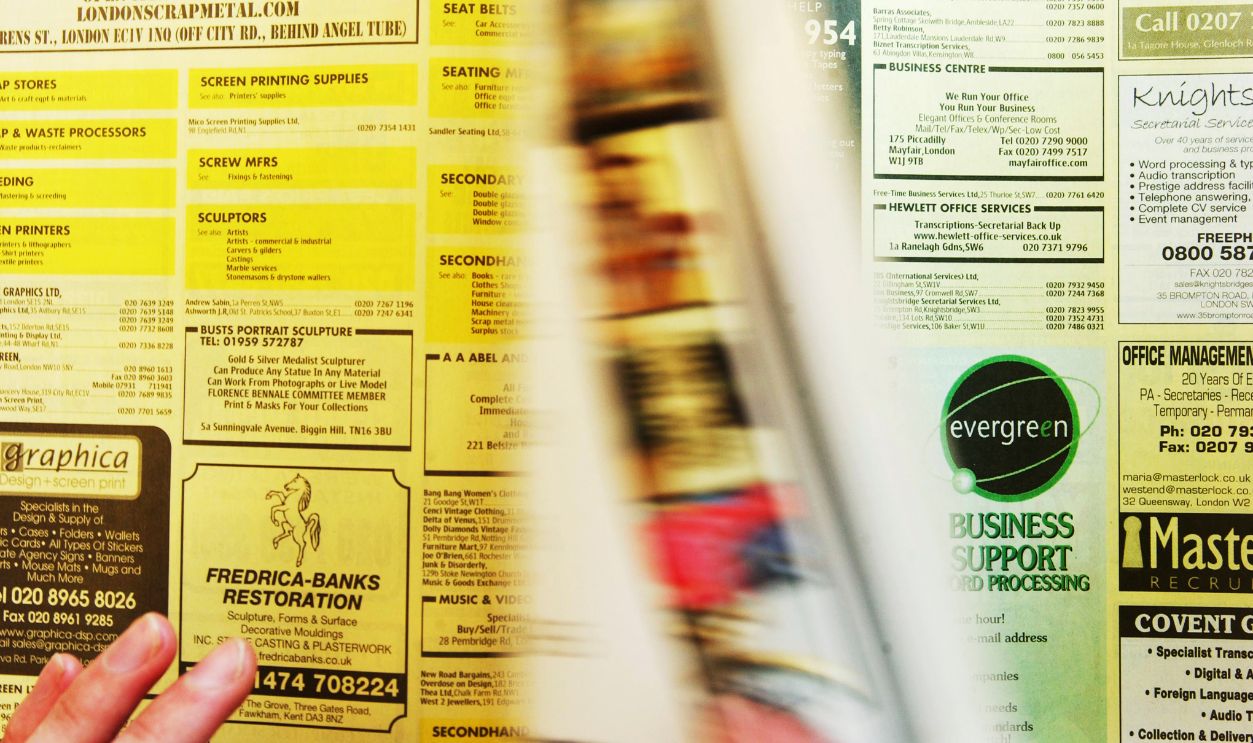
Need a roofer, florist, dentist, exterminator, or appliance repair business? Yellow Pages organized businesses by subject. Instead of typing a few words into a search engine, consumers flipped to the appropriate category and compared the businesses listed under that heading.
Businesses Fought For Your Attention
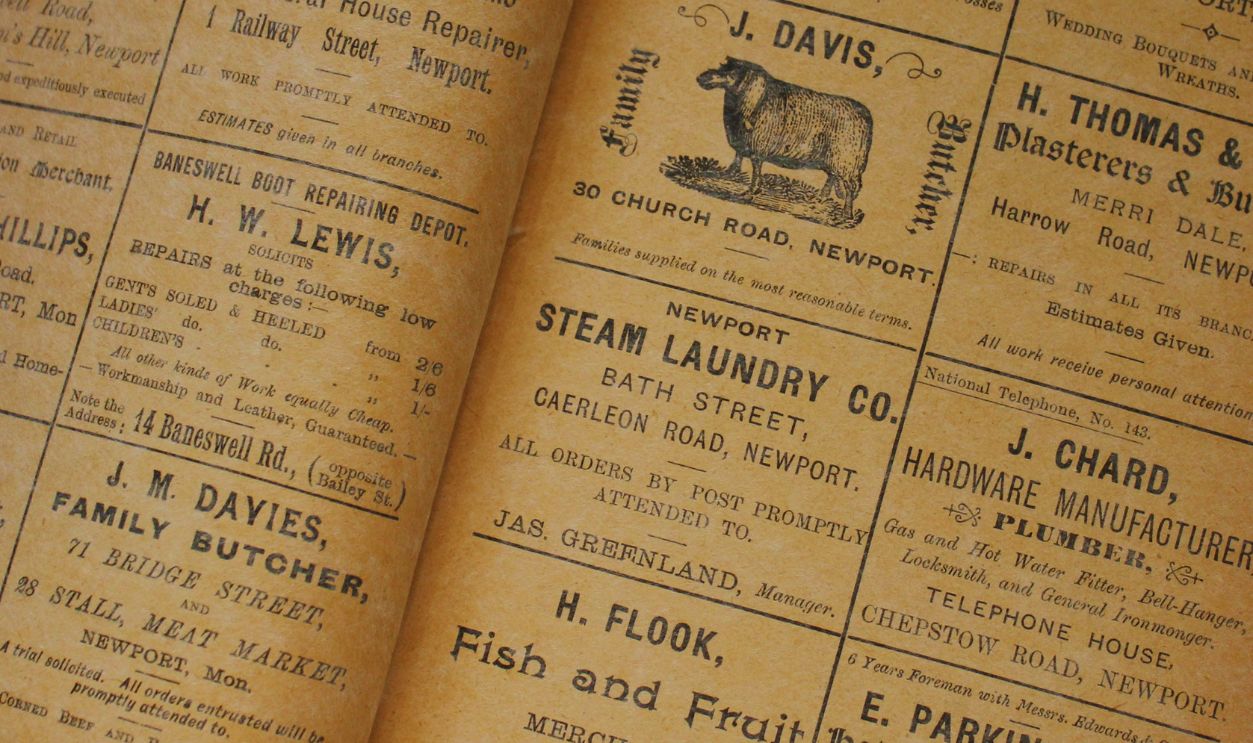
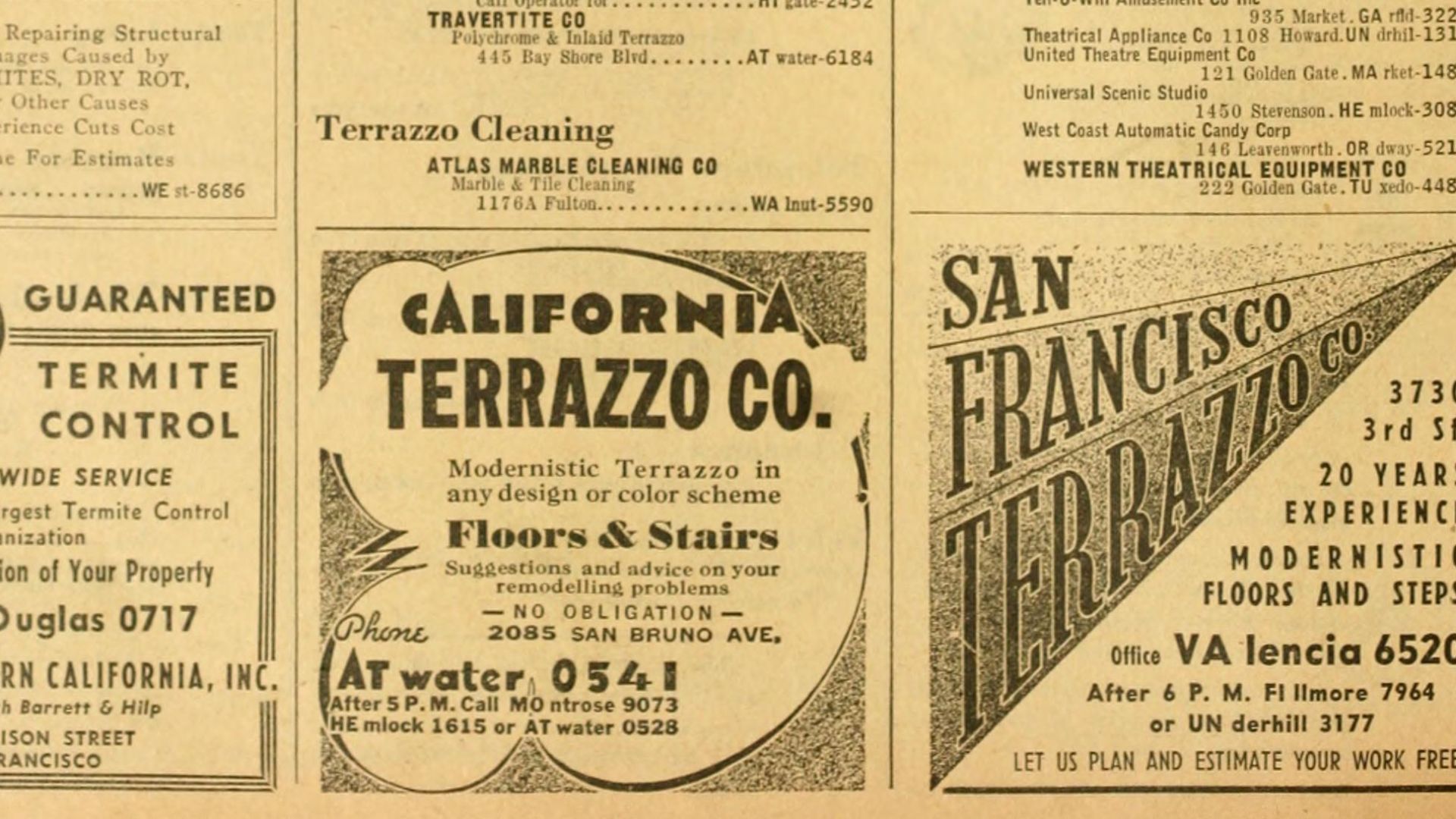
Simply appearing beneath a business category wasn't the only option. Companies could purchase advertisements designed to attract more attention than a basic listing. Illustrations, slogans, addresses, telephone numbers, and larger display ads turned the Yellow Pages into an important local advertising medium.
Businesses Could Pay For More Visibility
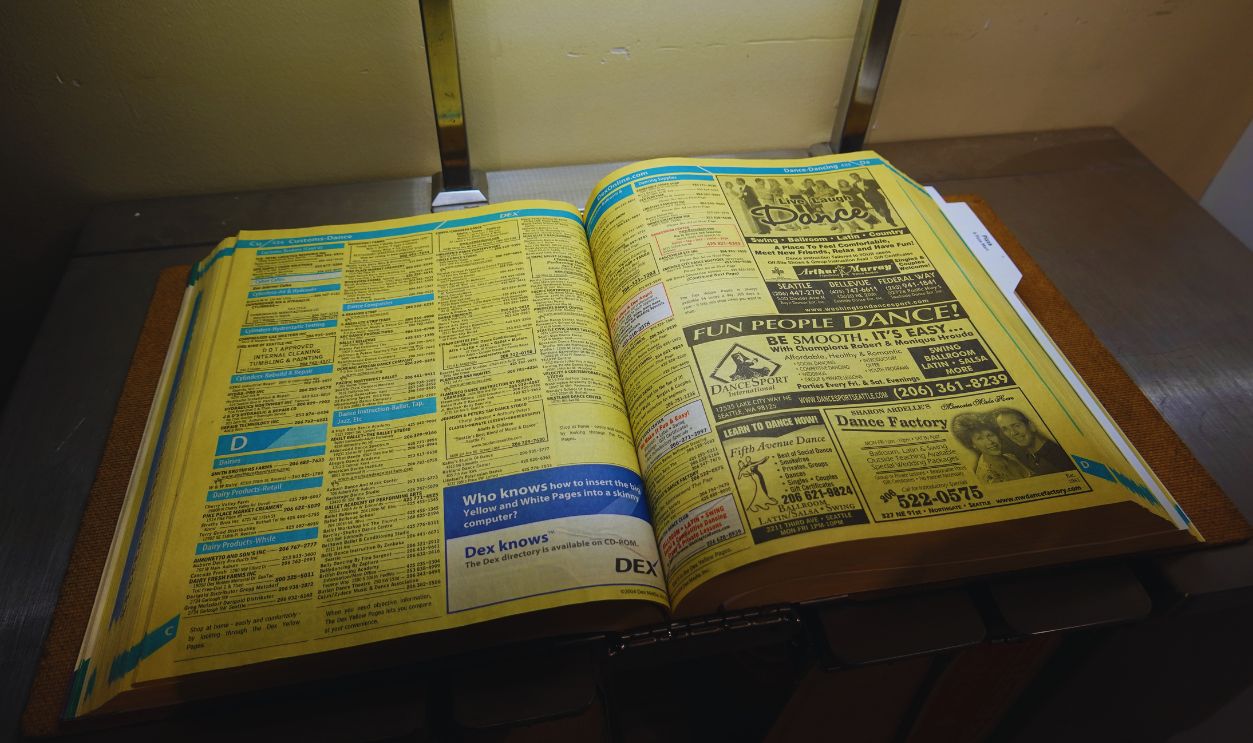
The Yellow Pages presented an early version of a problem businesses still face online: standing out among competitors. Companies could spend money on larger or more noticeable advertising, giving consumers something to see before deciding which business they wanted to call.
 Internet Archive Book Images, Wikimedia Commons
You Can See What A Town Needed
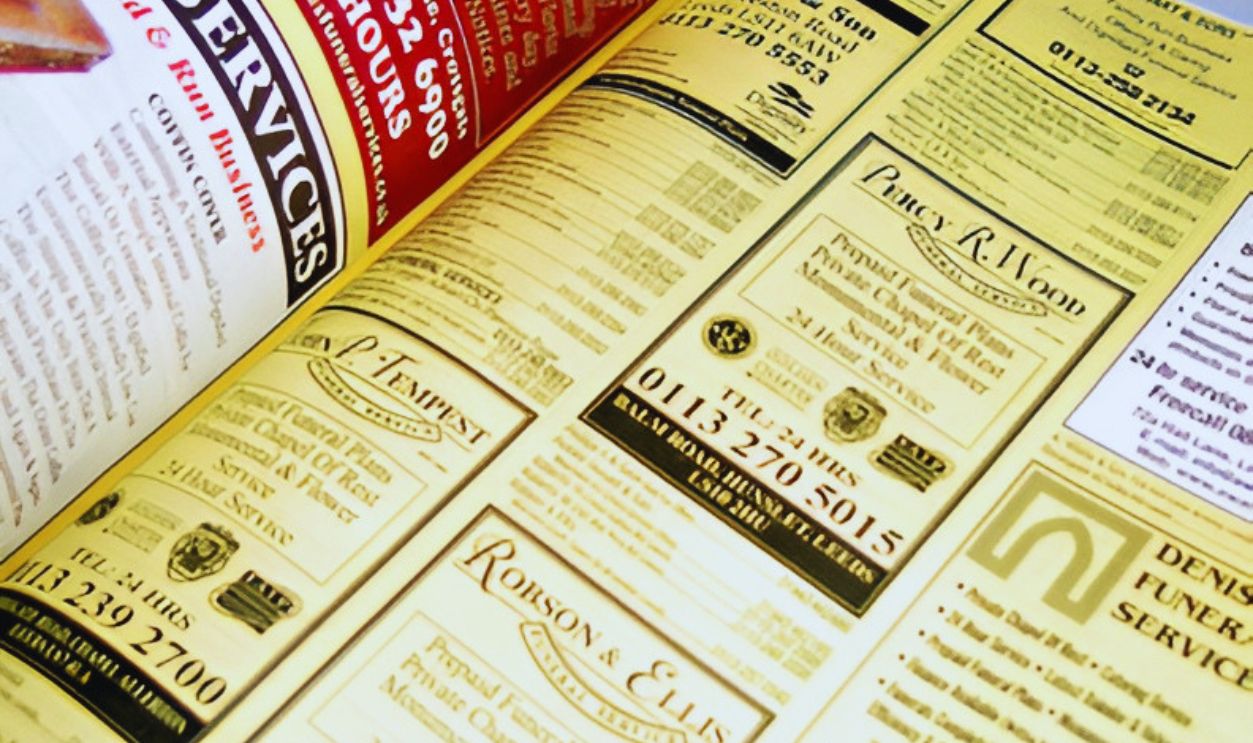
Flip through a 1960s Yellow Pages and the categories themselves become historical evidence. Auto repair shops, fuel dealers, television technicians, beauty shops, appliance services, restaurants, funeral homes, and other listings reveal the kinds of products and services available within individual communities.
Television Repair Was Serious Business
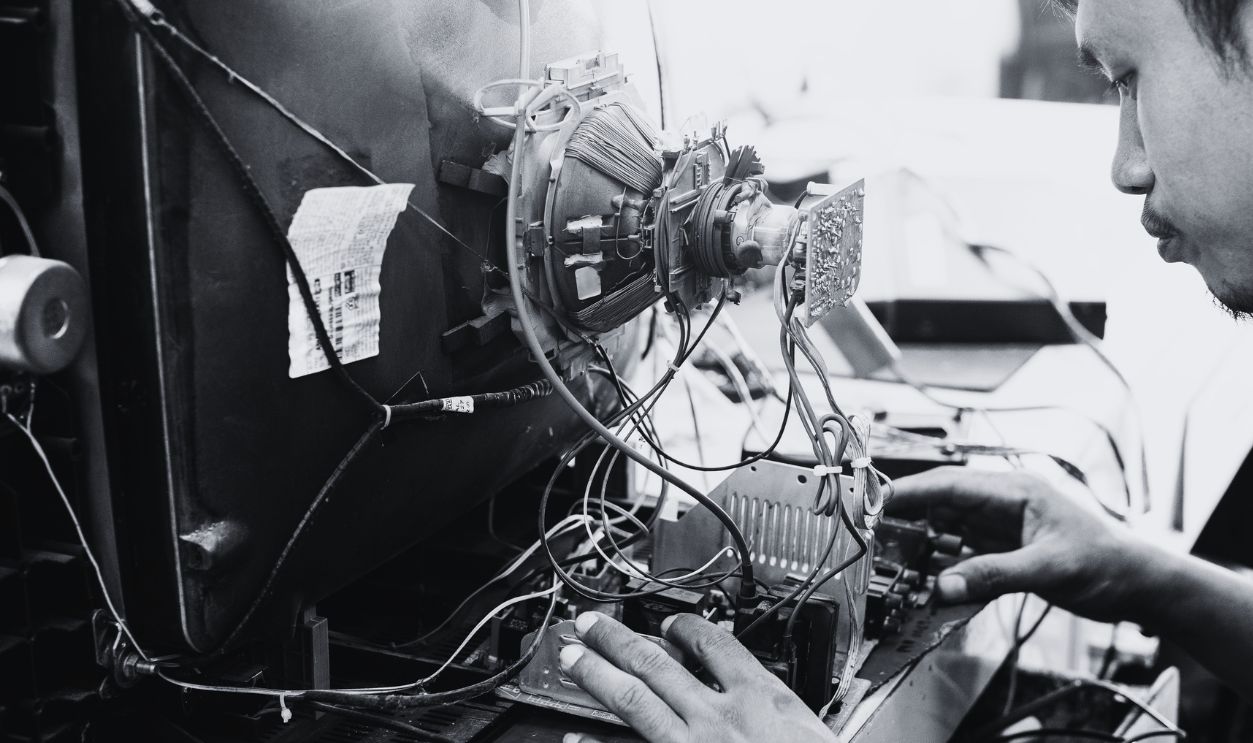
Television repair businesses were a familiar feature of mid-century directories. Sets were valuable household possessions containing components that technicians could diagnose and replace. Instead of automatically discarding a malfunctioning television, many families called a repair shop and tried to keep it working.
Appliance Repair Filled The Pages Too
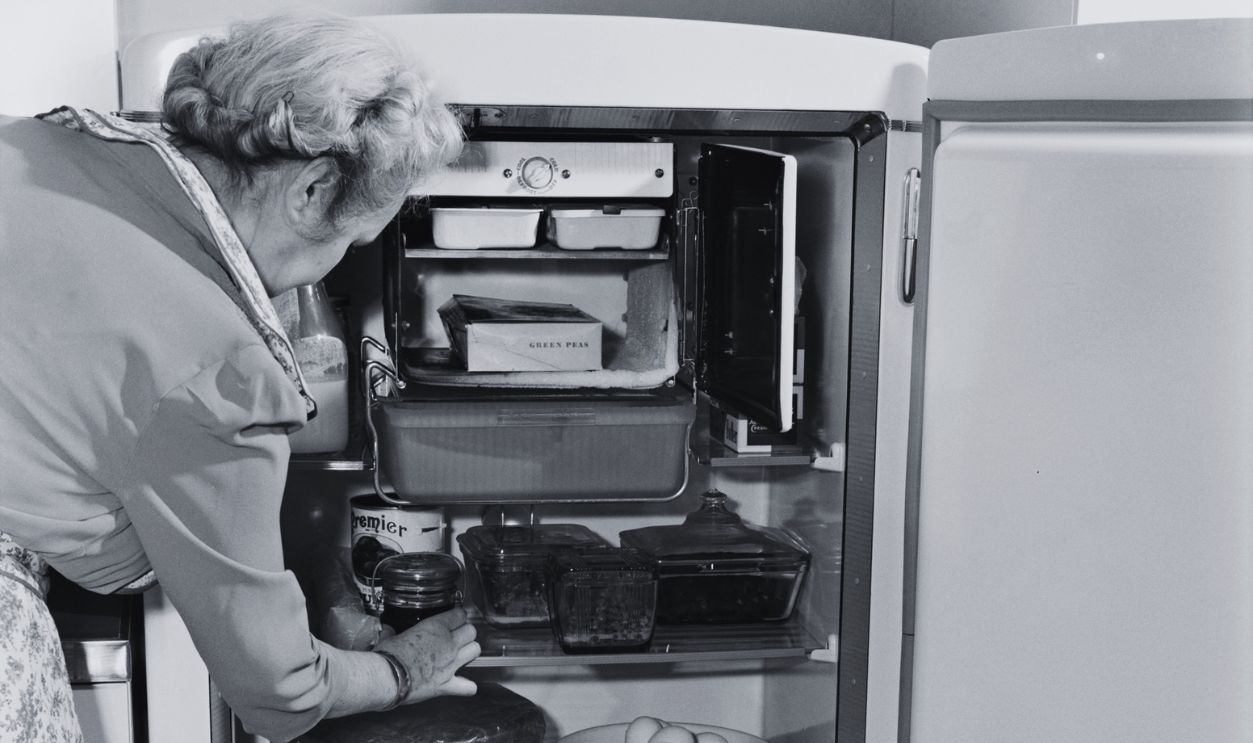
Refrigerators, washing machines, ranges, vacuum cleaners, and other household appliances created demand for repair services. Old directories preserve listings for businesses dedicated to keeping these possessions running, providing a glimpse of a repair economy that looks very different from today's.
 Everett Collection, Shutterstock
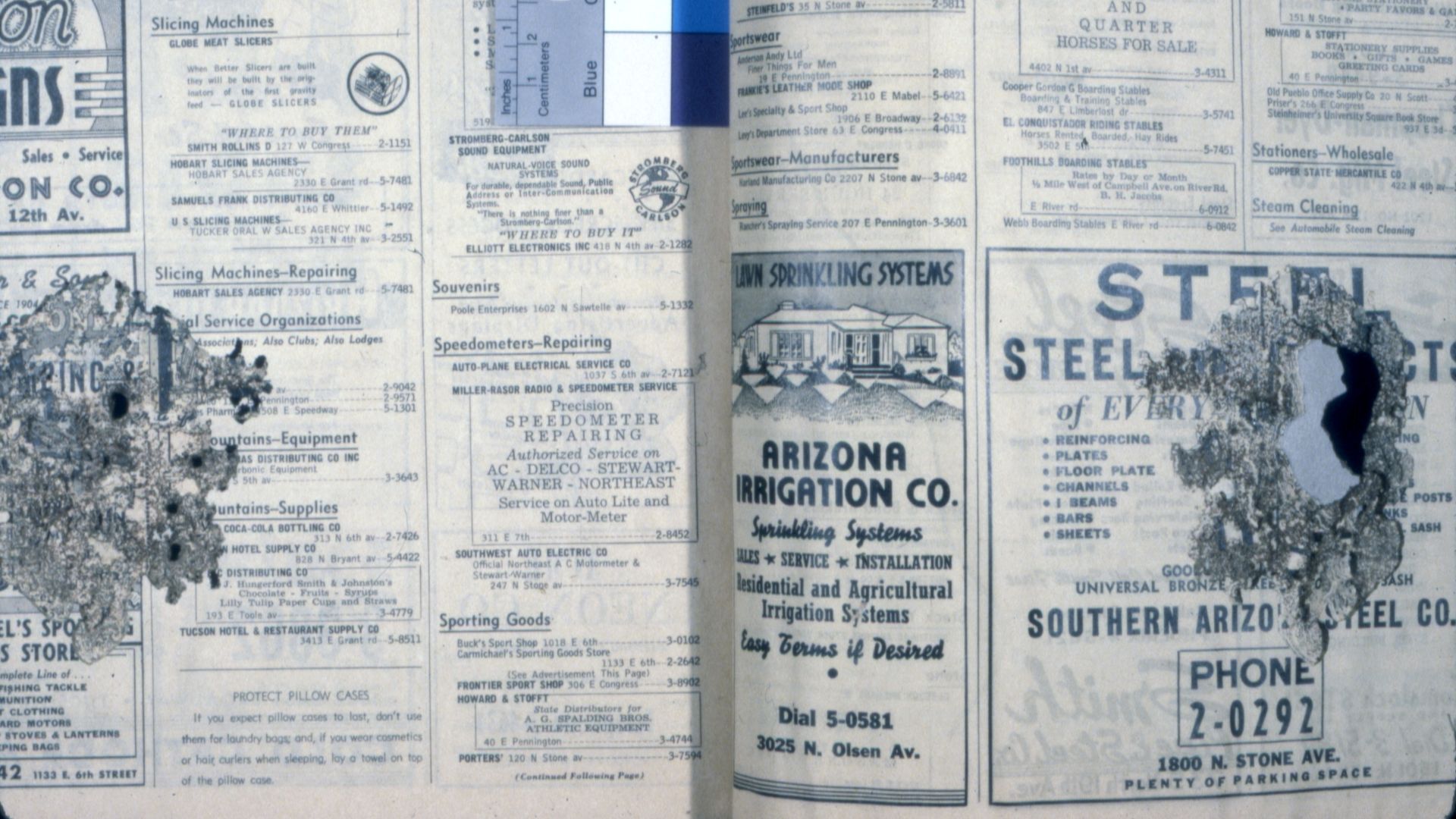
Local Businesses Filled The Pages
Telephone directories preserved countless listings for neighborhood plumbers, restaurants, funeral homes, repair businesses, retailers, and other independent operations. The exact mix varied by community, but old directories can provide a remarkably detailed picture of the businesses serving a particular place at a particular time.
 Heritage Preservation Department - MNHS, Wikimedia Commons
The Directory Shows What Didn't Exist Yet
You won't find categories for smartphone repair, internet providers, app developers, or today's computer services in a 1960s directory. Those absences are useful reminders of how much the consumer economy and the problems people paid businesses to solve have changed.
Doctors And Dentists Could Be Found In The Book
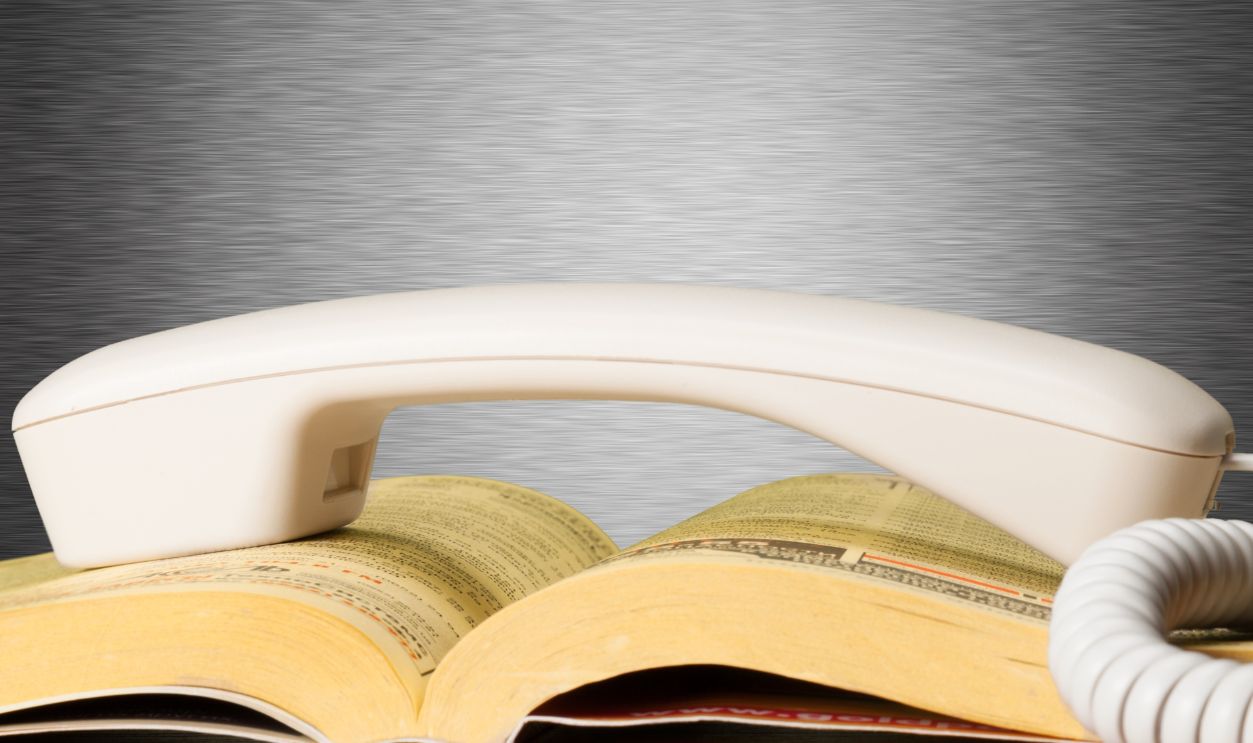
Medical professionals and healthcare businesses could maintain telephone listings, giving residents another way to locate nearby services. Directories could help people identify doctors, dentists, pharmacies, and hospitals without online appointment systems, interactive maps, or pages filled with customer ratings.

But There Were No Online Customer Reviews
A directory might show several plumbers or repair shops nearby, but it couldn't provide hundreds of instant customer reviews. Consumers could consider advertisements and listings, but recommendations from friends, relatives, neighbors, and previous personal experience remained valuable when choosing whom to call.

Restaurants Had A Much Simpler Listing
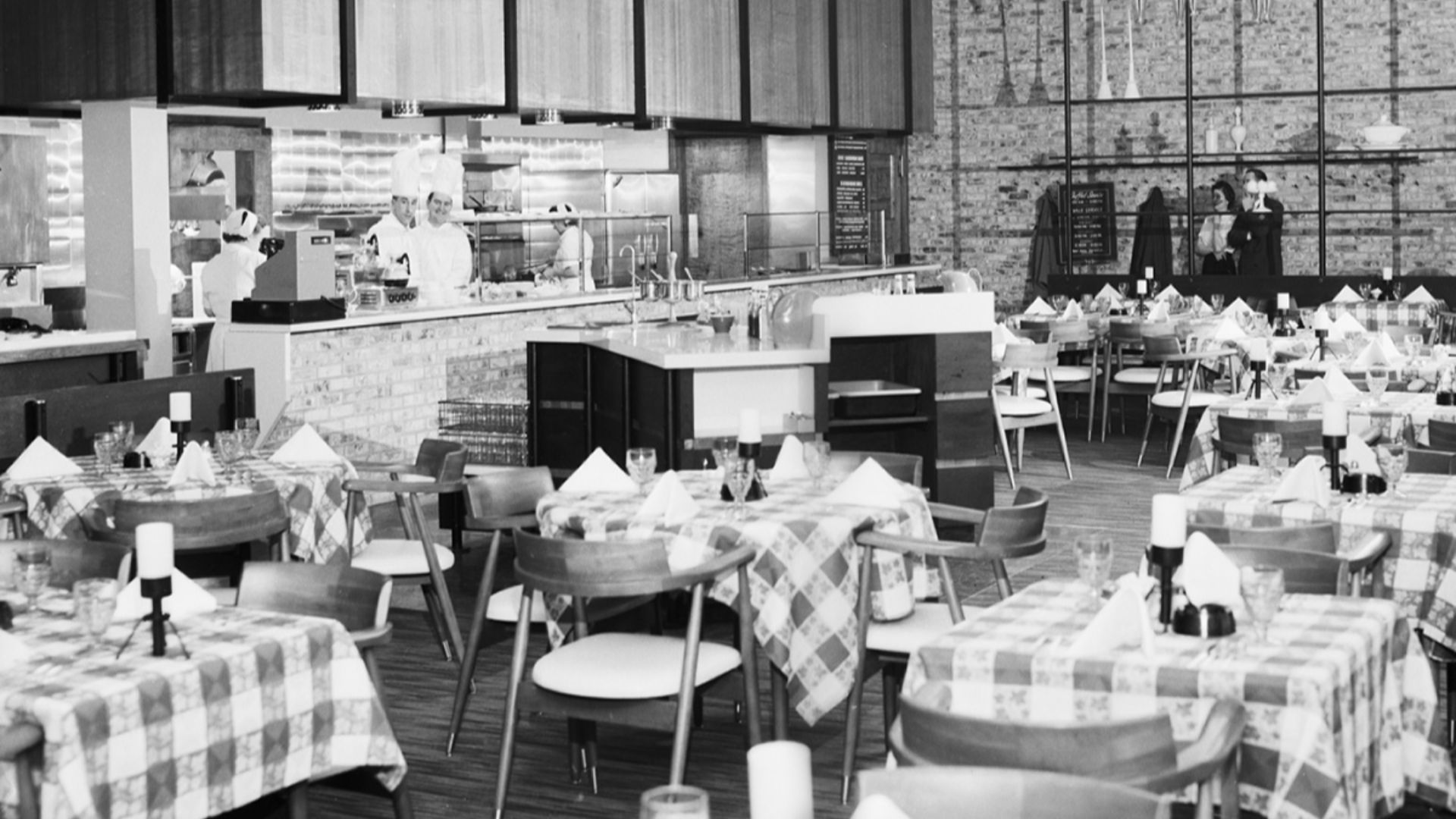
A restaurant's directory presence might provide its name, address, telephone number, and perhaps a display advertisement. Restaurants certainly advertised elsewhere too, but the telephone book gave customers a straightforward way to find the number and call for information or reservations.
 Seattle City Light, Wikimedia Commons
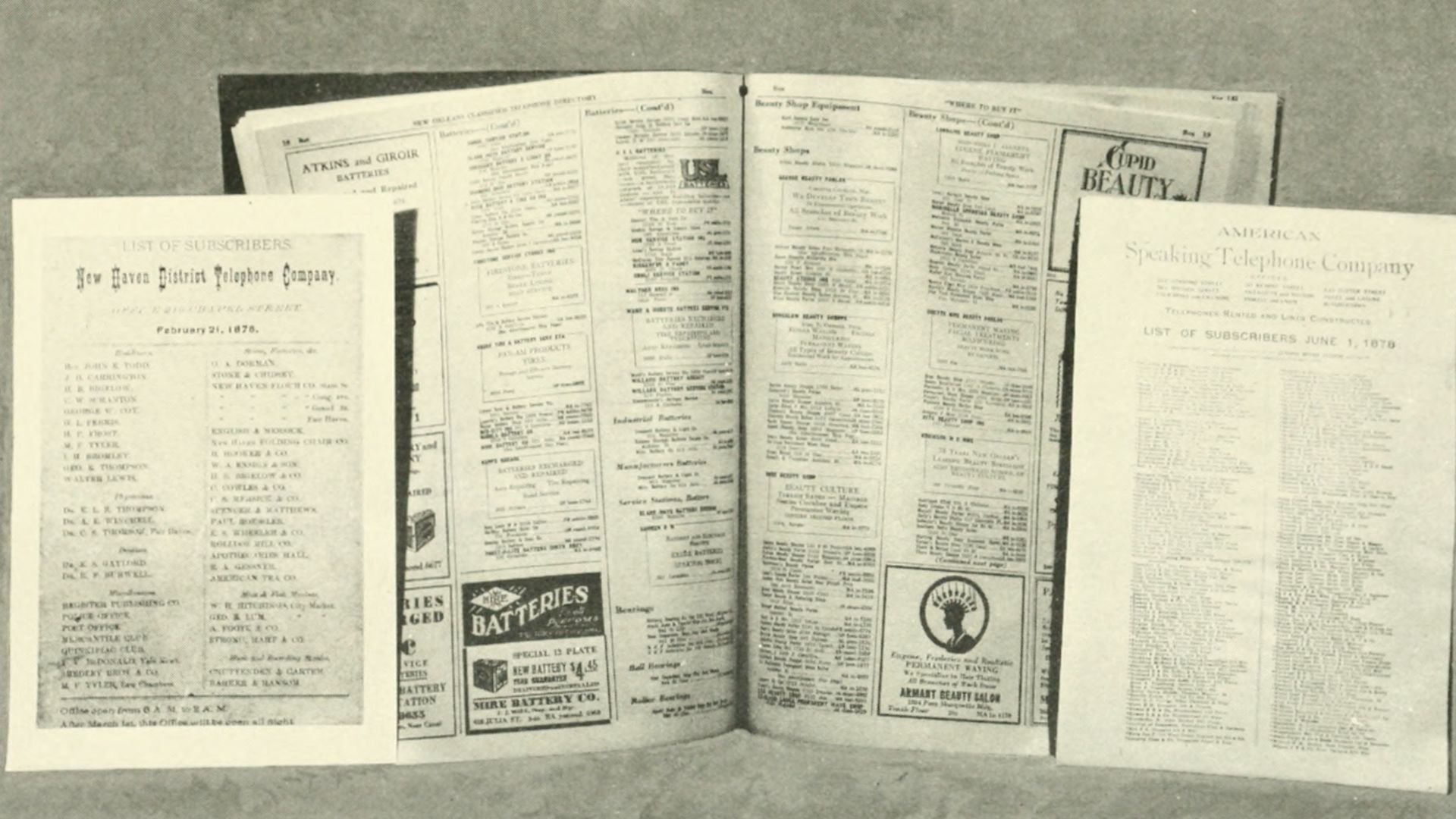
The Ads Can Preserve Prices And Promotions
Some directory advertisements contained prices, financing information, products, hours, slogans, or special offers. These details can make old Yellow Pages valuable historical evidence, showing not only which businesses existed but also how some of them tried to persuade local consumers to spend money.
 Internet Archive Book Images, Wikimedia Commons
A Telephone Exchange Could Provide A Local Clue
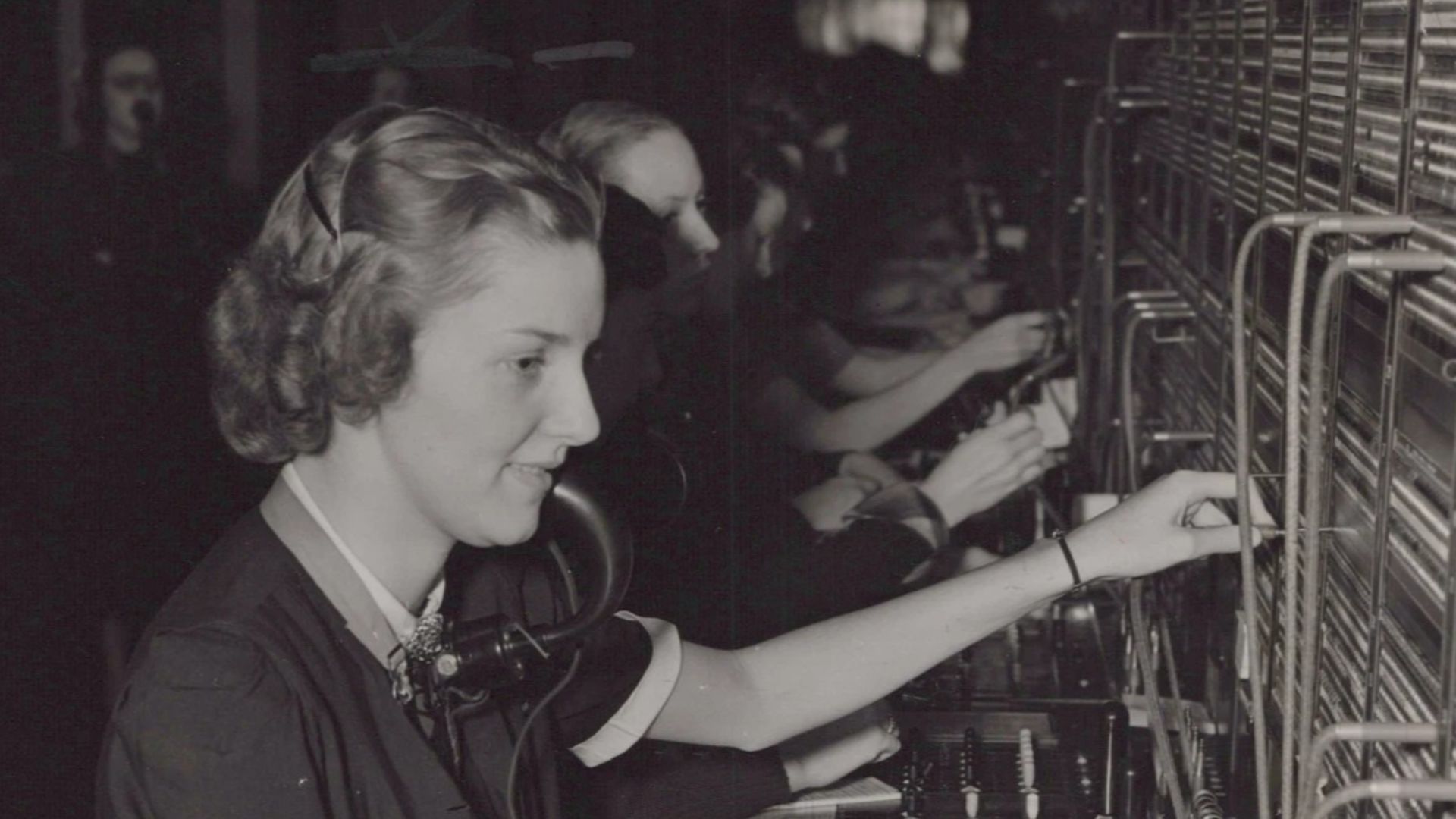
Telephone exchanges were connected to particular parts of the telephone network, so an exchange could sometimes provide a clue about geography. How useful that clue was depended on the city and telephone system, so the exchange wasn't a guaranteed shortcut to identifying someone's neighborhood.
 International News Photos, Wikimedia Commons
Reverse Directories Turned The Search Around
Separate reverse, street-address, or criss-cross directories organized information by location rather than surname. A person could begin with a street and house number and look for the associated listing. Some versions also offered information organized by telephone number.
 Internet Archive Book Images, Wikimedia Commons
Businesses And Researchers Used Reverse Directories
Address-based directories were useful to businesses, researchers, and others who needed information arranged geographically. Instead of knowing someone's name first, a user could start with a location. In that sense, these specialized books functioned a little like searchable databases printed on paper.

Old Directories Can Help Track A Family's Movements
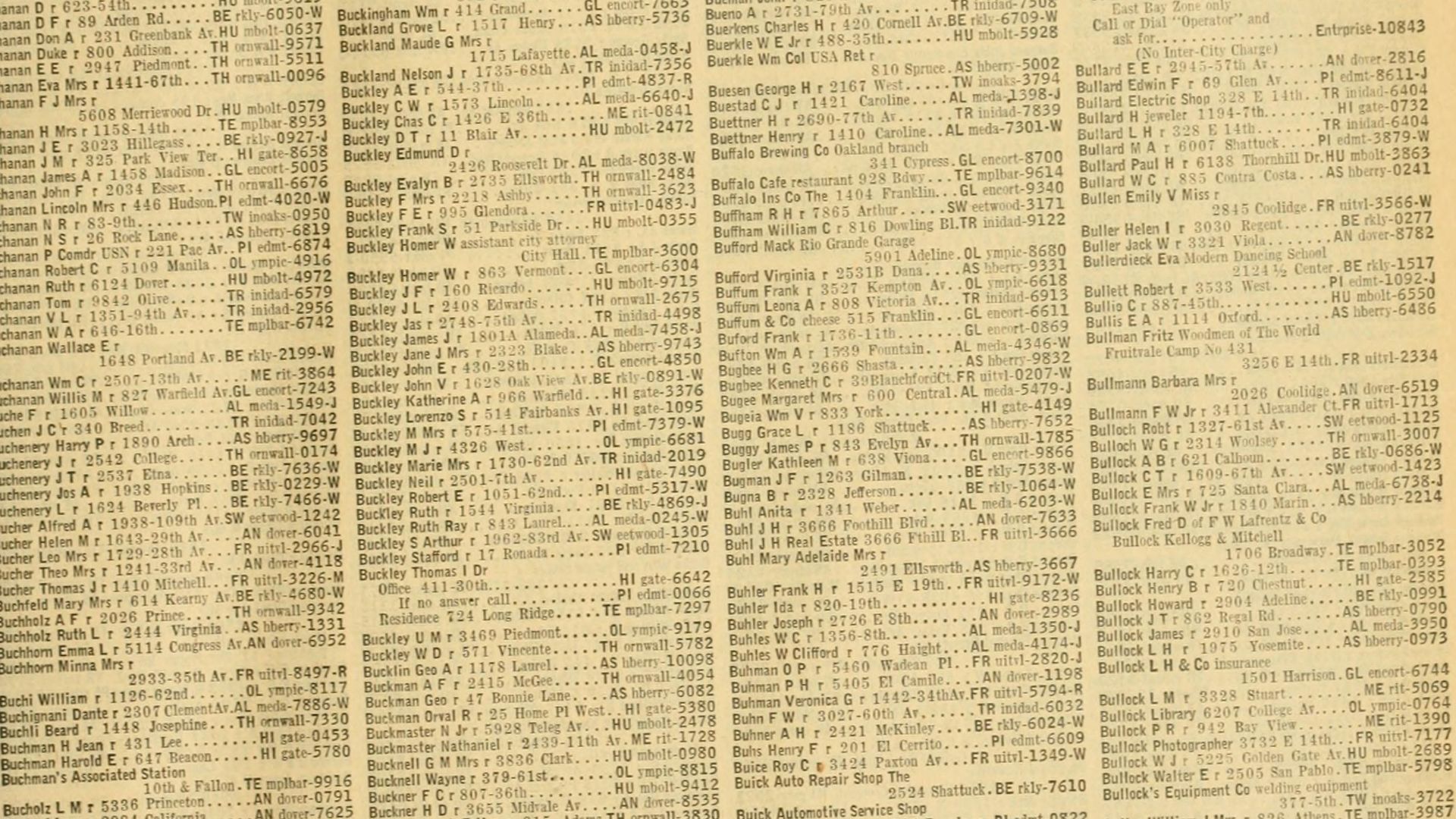
Because directories were issued regularly, researchers can compare editions to determine when a listed subscriber appeared at a different address or disappeared from the book. Genealogists still use directories to help fill gaps between federal censuses and point them toward additional records.
 Internet Archive Book Images, Wikimedia Commons
They Can Track Businesses Too
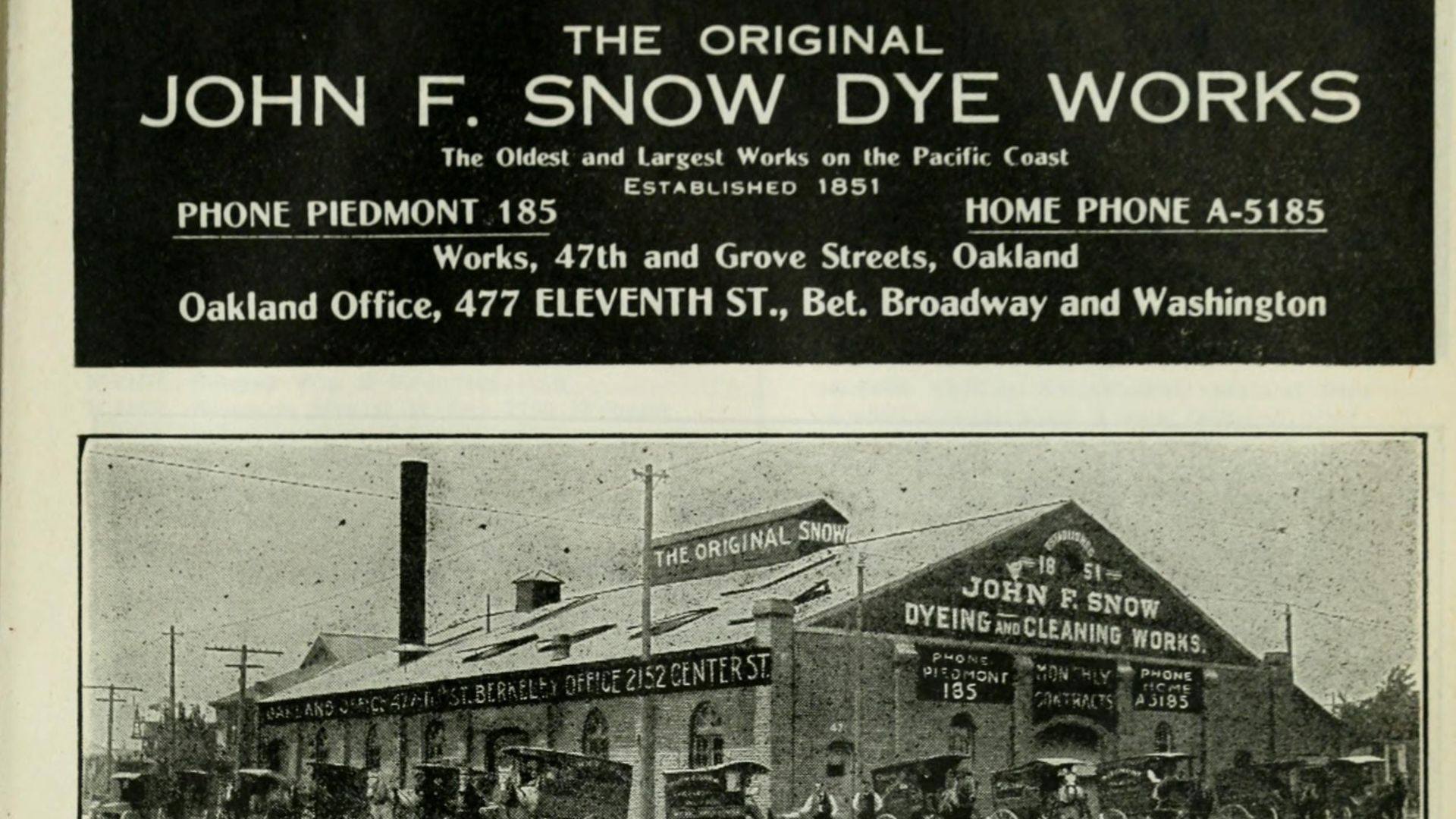
The same technique works with companies. A business might appear, change addresses, alter its advertisement, or disappear between editions. Comparing directories over time can therefore help historians reconstruct the commercial history of a street, neighborhood, or entire community.
 Internet Archive Book Images, Wikimedia Commons
They Reveal Changing Neighborhoods
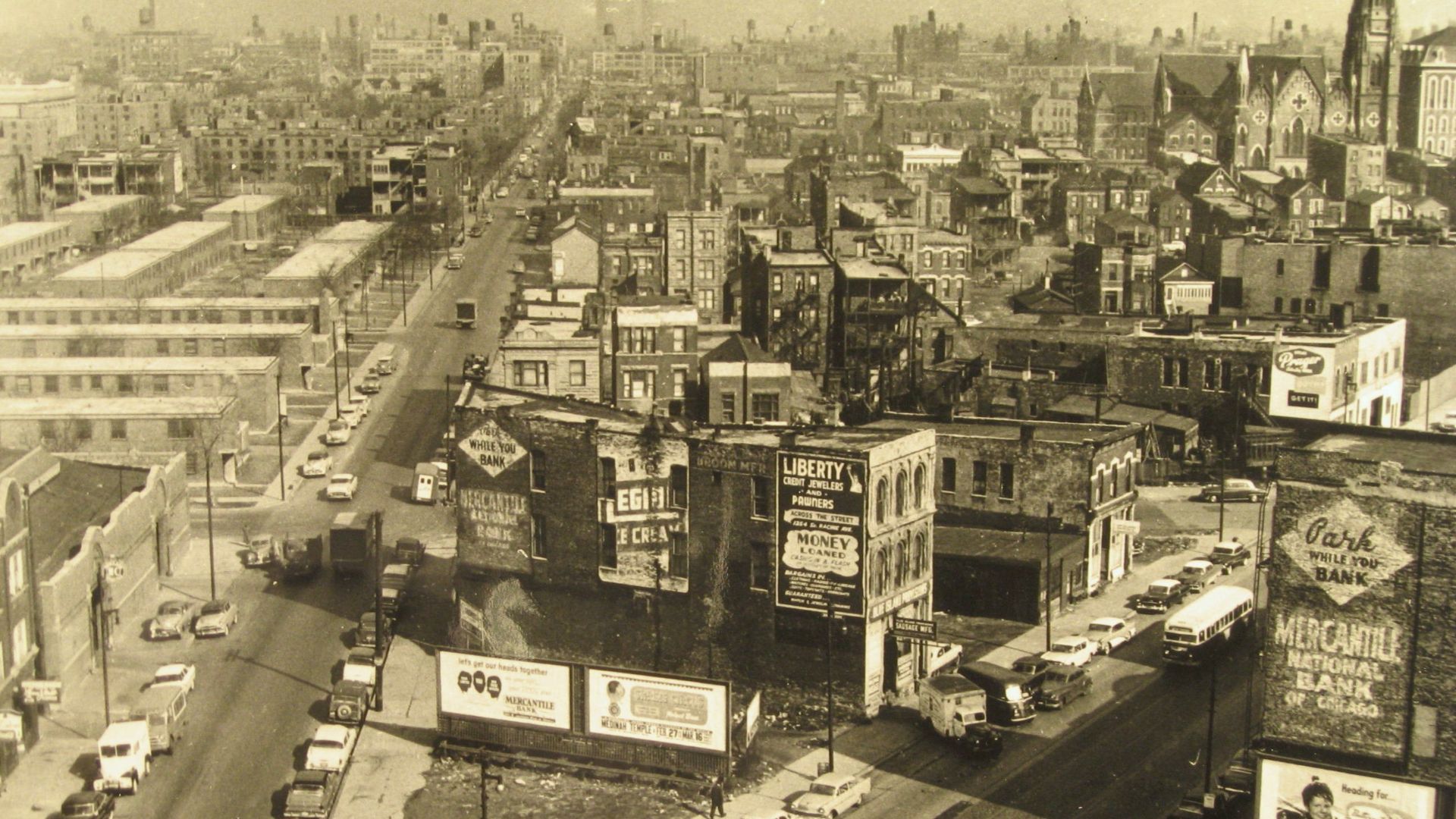
Regularly issued directories can document new addresses, telephone subscribers, businesses, and expanding coverage as communities change. Historians use directory collections for local and house history because comparing editions can reveal changes that might otherwise be difficult to reconstruct decades later.
 Devin Hunter, Wikimedia Commons
They Were Useful, But Never Perfect Records
Telephone books have important limitations. Unlisted subscribers don't appear, not every resident was necessarily the named subscriber, and listings could change between editions. Researchers therefore compare directories with censuses, newspapers, property records, and other evidence rather than treating them as complete population records.
Some Phone Books Became Enormous
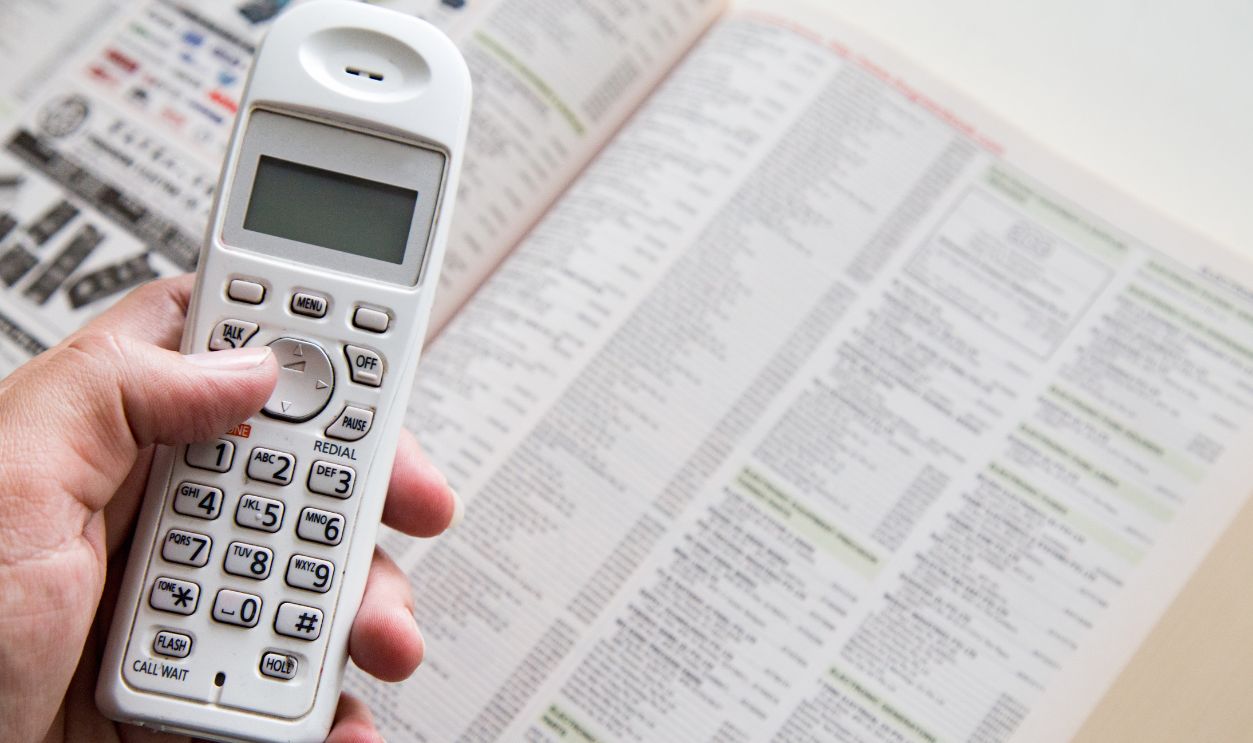
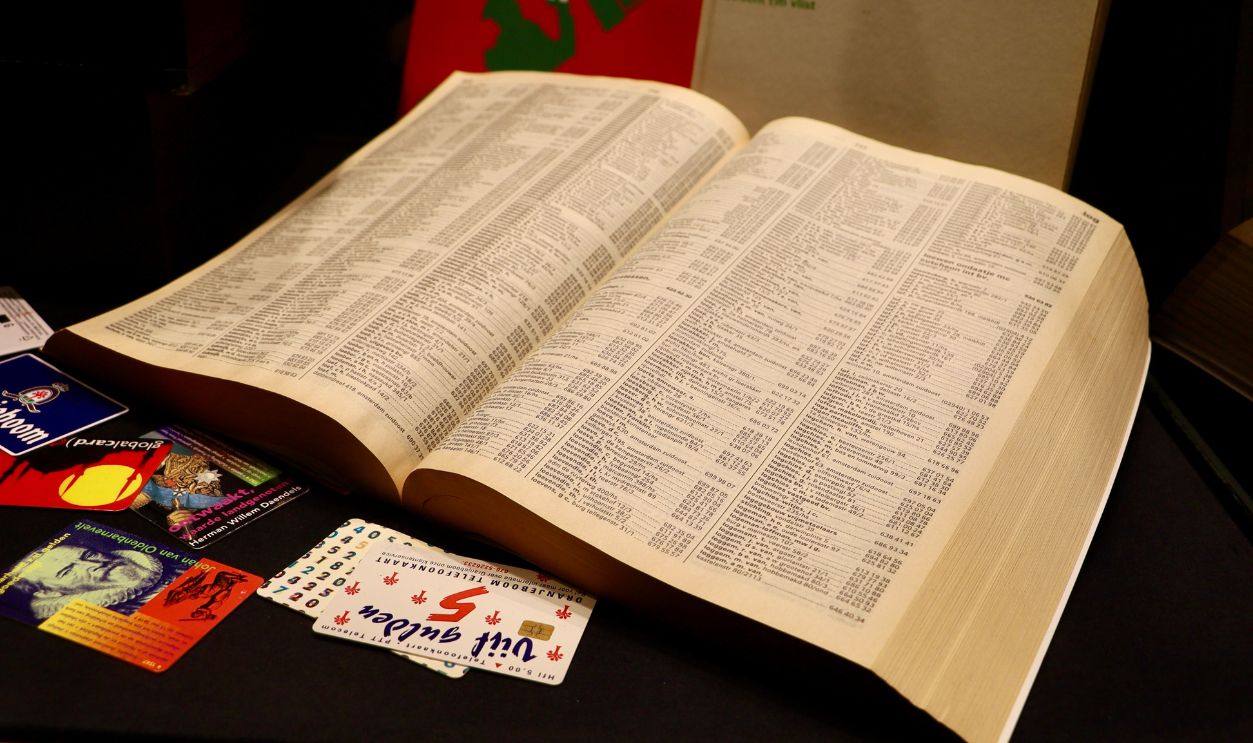
As telephone use and metropolitan populations grew, directories in large markets could become extremely substantial publications. Coverage and organization varied from place to place, but anyone who remembers wrestling with a thick metropolitan phone book knows just how much information could be packed into those pages.
Old Phone Books Are Now Digital History
There's a wonderful irony here. Books created for a world without digital search are now being digitized for online research. The Library of Congress has an extensive collection of historic U.S. telephone directories, including thousands of digitized microfilm reels and roughly 1.7 million scanned images.
We Used To Search Very Differently
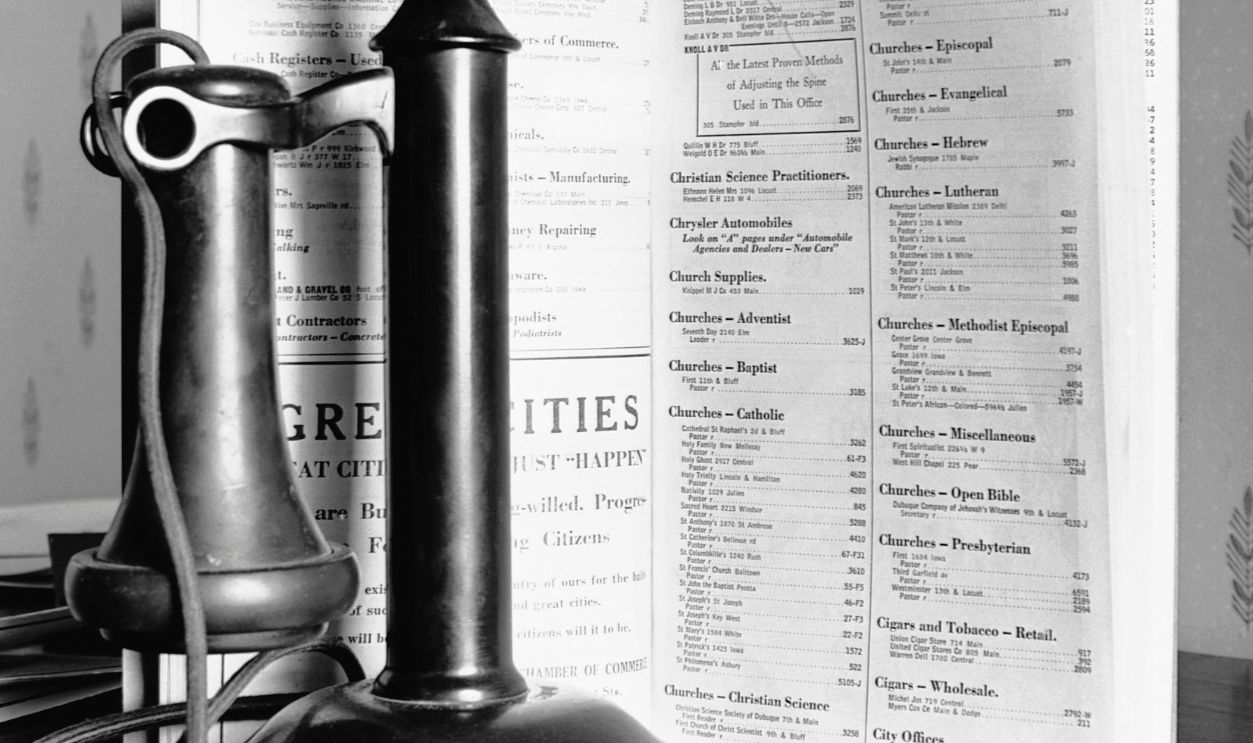
Finding information once meant knowing where to look. A name might send you to the White Pages, a plumber to the Yellow Pages, and an address to a specialized reverse directory. It was slower than typing into Google, but the system put an extraordinary amount of local information within reach.

The Phone Book Became A Time Capsule
Nobody flipping through a directory in 1965 expected historians to study it decades later. Yet its names, addresses, businesses, advertisements, telephone numbers, and service information preserve details of ordinary life that photographs often missed. The humble phone book recorded everyday America one listing at a time.
You May Also Like: American Tool Companies From The 50s And 60s That No Longer Exist