The Greatest Wrong Turn In History
Christopher Columbus sailed west in 1492, convinced he could reach the riches of Asia by crossing the Atlantic. Instead, he encountered lands that Europeans had largely forgotten or never known existed. It was one of history's most famous voyages, but there was an extraordinary irony at its heart: Columbus was spectacularly wrong about where he had arrived, and he spent the rest of his life struggling to reconcile reality with his expectations.
He Had An Ambitious Plan
By the late 15th century, European merchants were desperate for profitable routes to Asia. Spices, silk, and other luxury goods commanded enormous prices, and Portuguese navigators were exploring a route around Africa.
Columbus proposed something different. Rather than sailing east, he would travel west across the Atlantic. He believed this would provide a shorter route to the markets of China, Japan, and India. The idea of sailing west to reach Asia wasn't entirely new, but Columbus was convinced he could make it work.
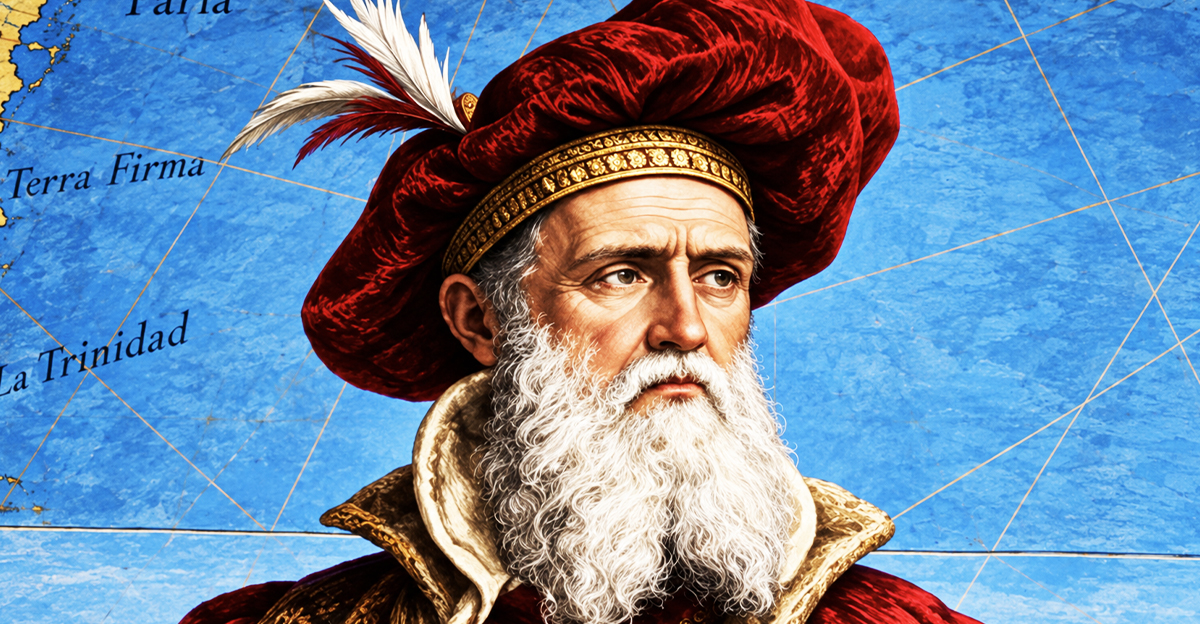
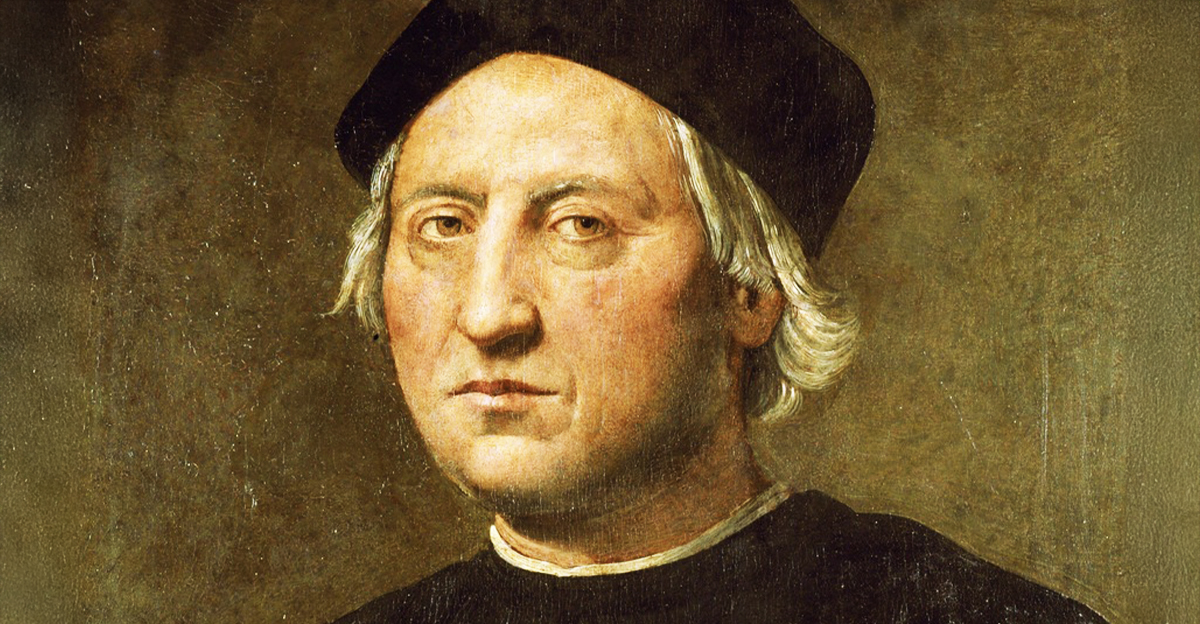 Ghirlandaio, Public Domain, Wikimedia Commons
He Got The Distance Wrong
Contrary to popular mythology, educated Europeans already knew the Earth was round. Columbus's mistake wasn't believing in a spherical planet. It was drastically underestimating its size and exaggerating how far Asia extended eastward.
Drawing on geographical authorities, including Pierre d'Ailly and Marco Polo, he calculated that Japan lay only a few thousand miles west of Europe.
In reality, the ocean separating Europe from Asia was vastly larger than Columbus imagined. Without the Americas in between, his expedition would have faced an almost impossibly long journey with its limited supplies.
He Struggled To Find Support
Columbus spent years attempting to persuade European monarchs to finance his expedition. Portuguese advisers were skeptical, partly because his geographical calculations appeared seriously flawed.
He eventually secured the backing of Spain's Ferdinand II and Isabella I in 1492, following the conquest of Granada.
The agreement promised Columbus extraordinary rewards, including titles and a share of profits from lands and trade routes he might discover. He wasn't simply seeking geographical knowledge. He hoped to become enormously wealthy and powerful.
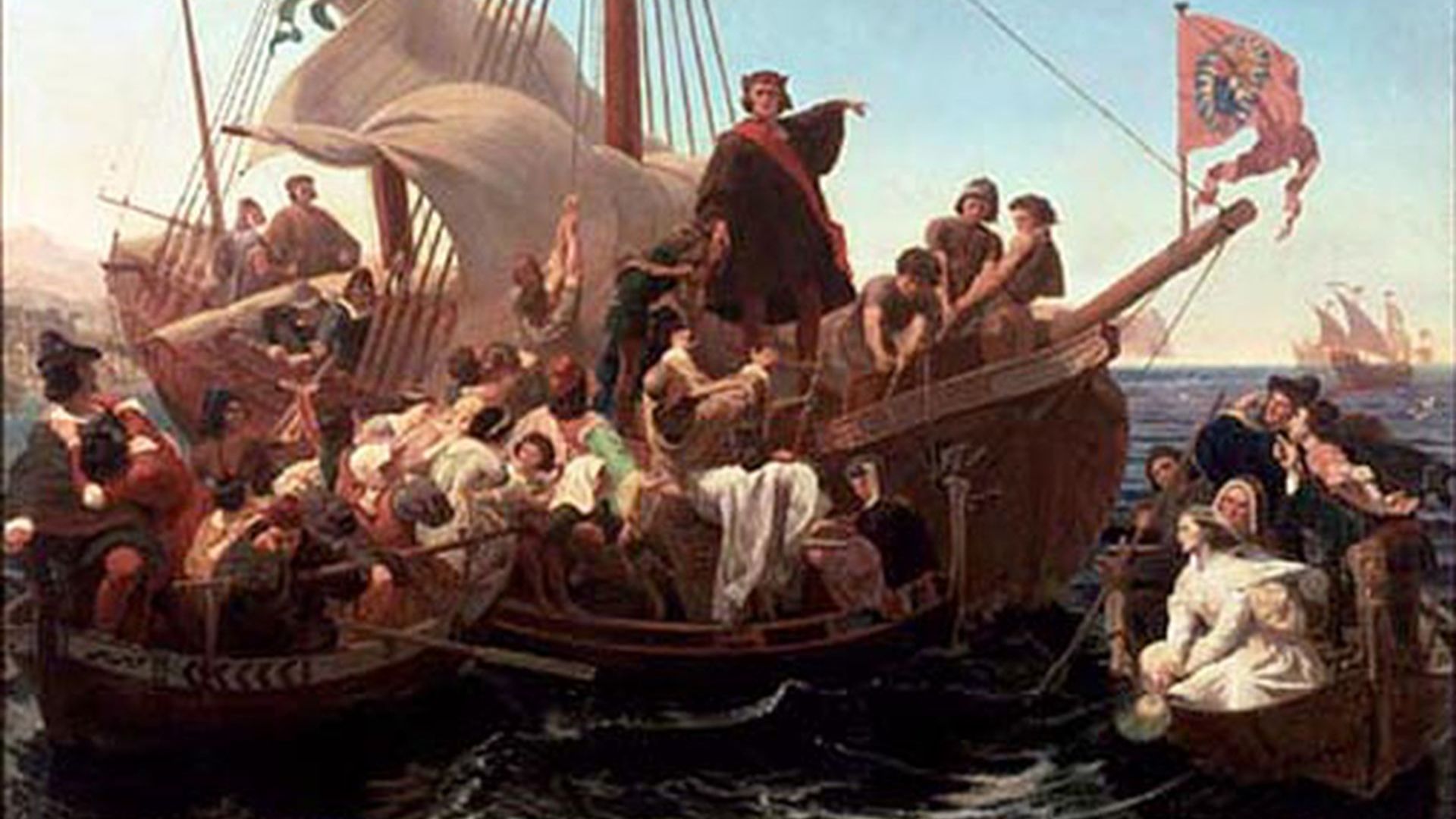 Emanuel Leutze, Wikimedia Commons
Three Ships Crossed The Atlantic
On August 3, 1492, Columbus departed from Palos, Spain, with three ships: the Santa María, Pinta, and Niña. After stopping in the Canary Islands, the expedition headed west into the Atlantic.
As the weeks passed without land appearing, anxiety spread among the crews. Columbus nevertheless continued, believing his destination was within reach.
Finally, on October 12, a lookout aboard the Pinta spotted land. The expedition had reached an island in the Bahamas, known to its Indigenous inhabitants as Guanahani. Columbus renamed it San Salvador.
He Thought He'd Found Japan
Columbus was convinced he had reached islands off the Asian mainland. He soon continued toward Cuba, which he initially associated with Japan, known to Europeans as Cipangu.
When he found no evidence of the wealthy cities described by Marco Polo, he didn't abandon his theory. Instead, he increasingly interpreted Cuba as part of mainland China.
The inhabitants, landscapes, and settlements bore little resemblance to what he expected. Yet Columbus repeatedly interpreted unfamiliar evidence in ways that supported his original geographical assumptions.
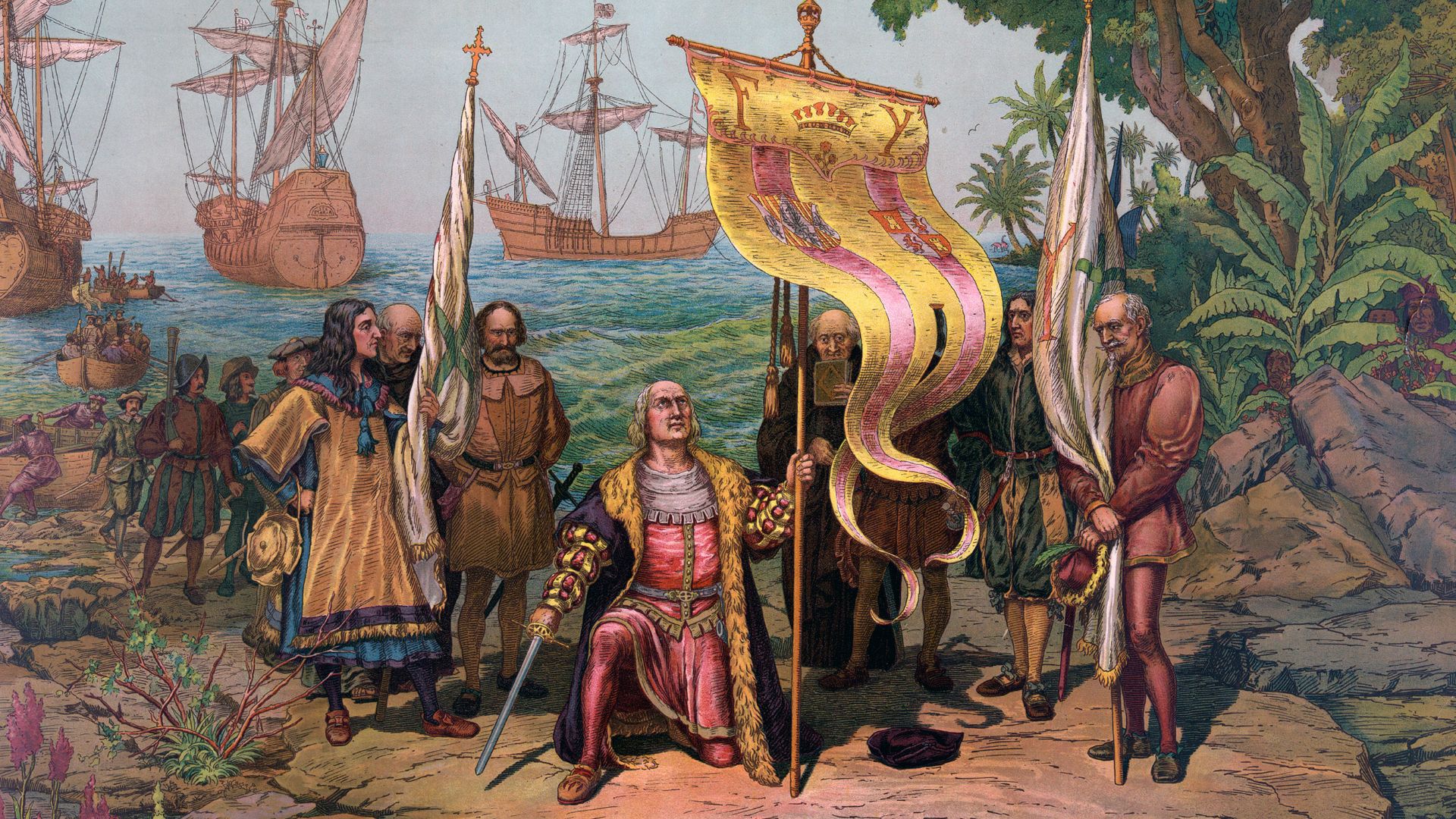 L. Prang & Co., Boston, Wikimedia Commons
He Gave Them A Name
Believing he had reached the Indies, Columbus called the Indigenous inhabitants Indios, a term that eventually entered English as "Indians."
The people he encountered belonged to established Caribbean societies, including the Taíno, with their own agricultural traditions, political systems, and trading networks.
Columbus claimed territory for the Spanish crown, despite these lands already being inhabited. His voyages initiated a devastating period of European colonization, enslavement, violence, and disease that transformed Indigenous societies throughout the Americas.
He Returned A Hero
When Columbus returned to Spain in March 1493, he brought accounts of extraordinary islands, unfamiliar plants, and potential riches. His reports generated tremendous excitement.
His published letter circulated widely across Europe, helping establish his reputation as a remarkable explorer. Ferdinand and Isabella subsequently supported further expeditions.
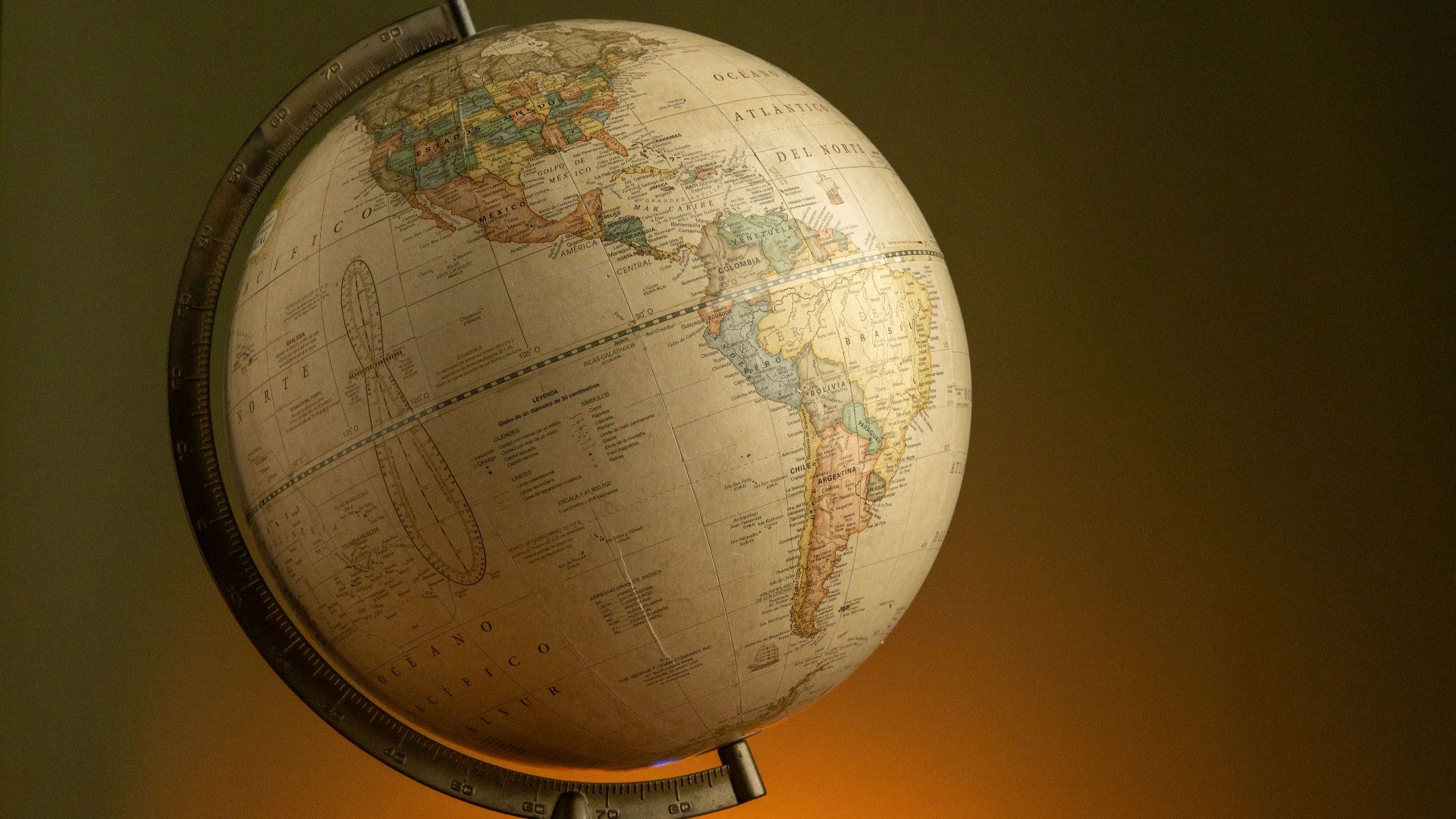
But Columbus hadn't discovered the lucrative Asian trading route he promised. Instead, he had encountered a vast geographical reality that he still struggled to comprehend.
The Evidence Kept Mounting
Columbus made three additional voyages across the Atlantic between 1493 and 1504. During his third expedition, he reached the coast of present-day Venezuela, encountering the South American mainland.
On his fourth voyage, he explored the Caribbean coast of Central America, desperately searching for a passage that would lead him toward the Indian Ocean.
Despite these experiences, Columbus continued interpreting his discoveries within an Asian geographical framework. Even the enormous landmasses and unfamiliar coastlines failed to fully convince him that a separate continent stood between Europe and Asia.
He Never Understood His Discovery
Columbus died in Valladolid, Spain, on May 20, 1506, still convinced that his voyages had brought him to lands associated with Asia.
Other explorers and cartographers were already beginning to recognize that the lands across the Atlantic represented something fundamentally different. The name America would appear on a European map in 1507, honoring the explorer Amerigo Vespucci.
Columbus had helped initiate sustained contact between Europe and the Americas, with consequences that reshaped the world. Yet the geographical truth behind his voyages largely escaped him.
The extraordinary irony is that Columbus became famous for reaching a place he never intended to visit, while failing to recognize what he had actually found.
You May Also Like:
Unearthed Facts About Christopher Columbus, America’s Explorer
Forget Columbus—This Man Was The First European To Reach North America