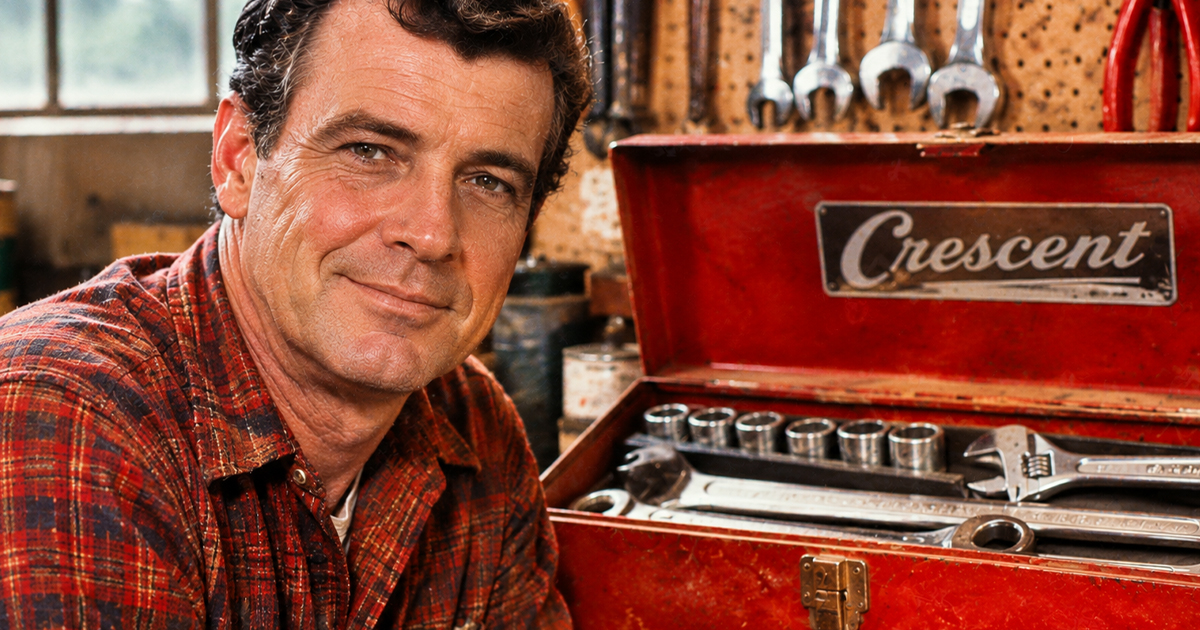
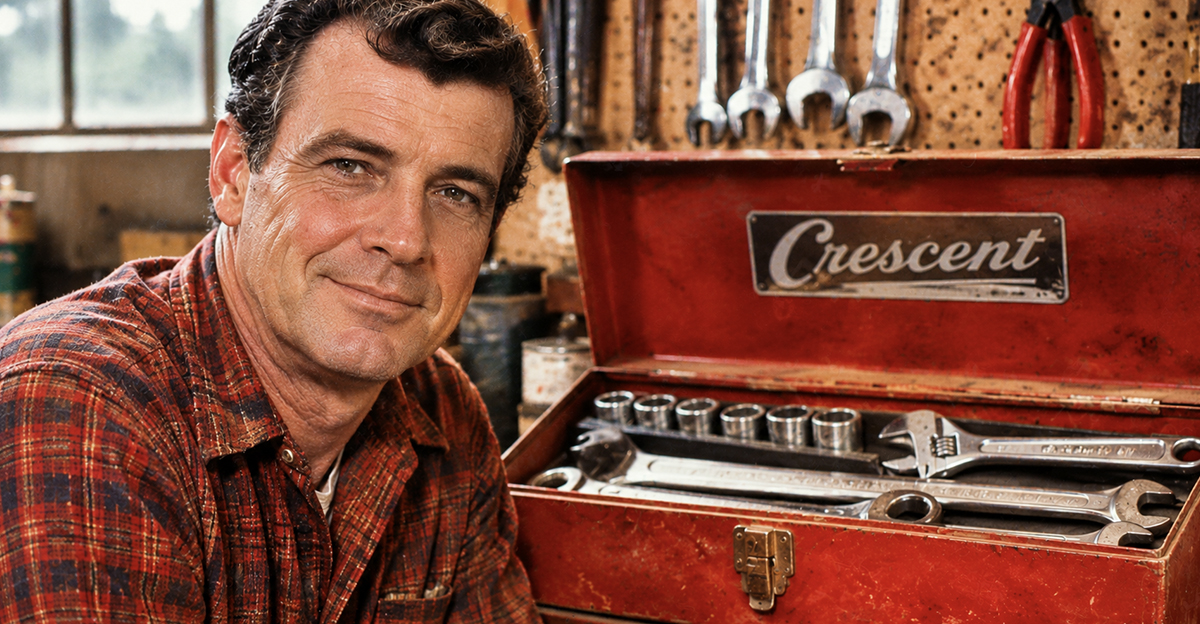
When The Name On The Wrench Meant Something
Open an old toolbox from the 1950s or 1960s and you'll probably find names that have vanished from hardware-store shelves. America once had dozens of independent tool manufacturers making everything from mechanic's wrenches to giant shop equipment. Some were bought, some merged, and some simply couldn't survive a changing industry.
The following 25 companies were still part of America's toolmaking world during the postwar era, but none survives today in quite the same form. How many do you remember?
#25. J.P. Danielson Company
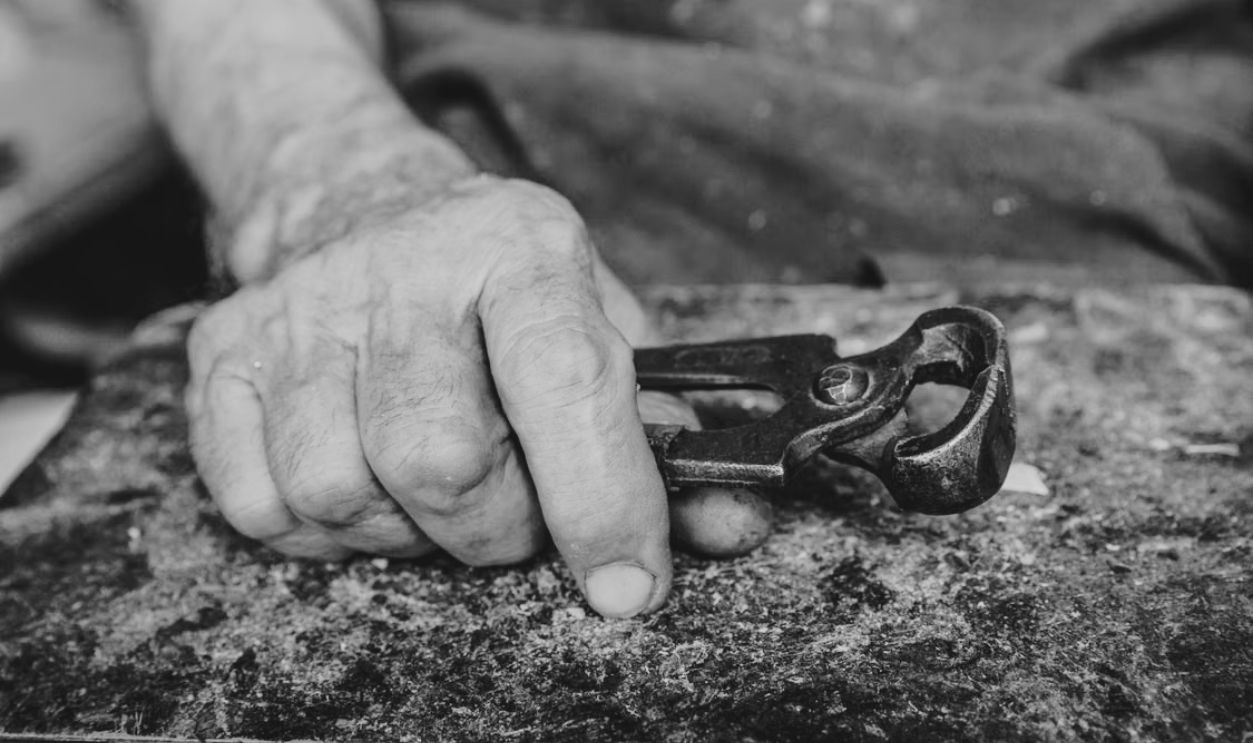
J.P. Danielson made pliers, adjustable wrenches, and other hand tools in Jamestown, New York. The company had roots stretching back to the early 1900s and was acquired by the organization that became Pendleton Tool Industries. Eventually, the independent Danielson company name disappeared into a much larger toolmaking operation.
#24. Penens Corporation
Penens produced mechanic's tools in Cleveland and became part of the expanding group of manufacturers controlled by Pendleton Tool Industries. During the 1950s and early 1960s, its products still came from a recognizable American manufacturer. Penens was renamed Fleet Tool Corporation in 1964, ending the old corporate name.
#23. Lectrolite Corporation
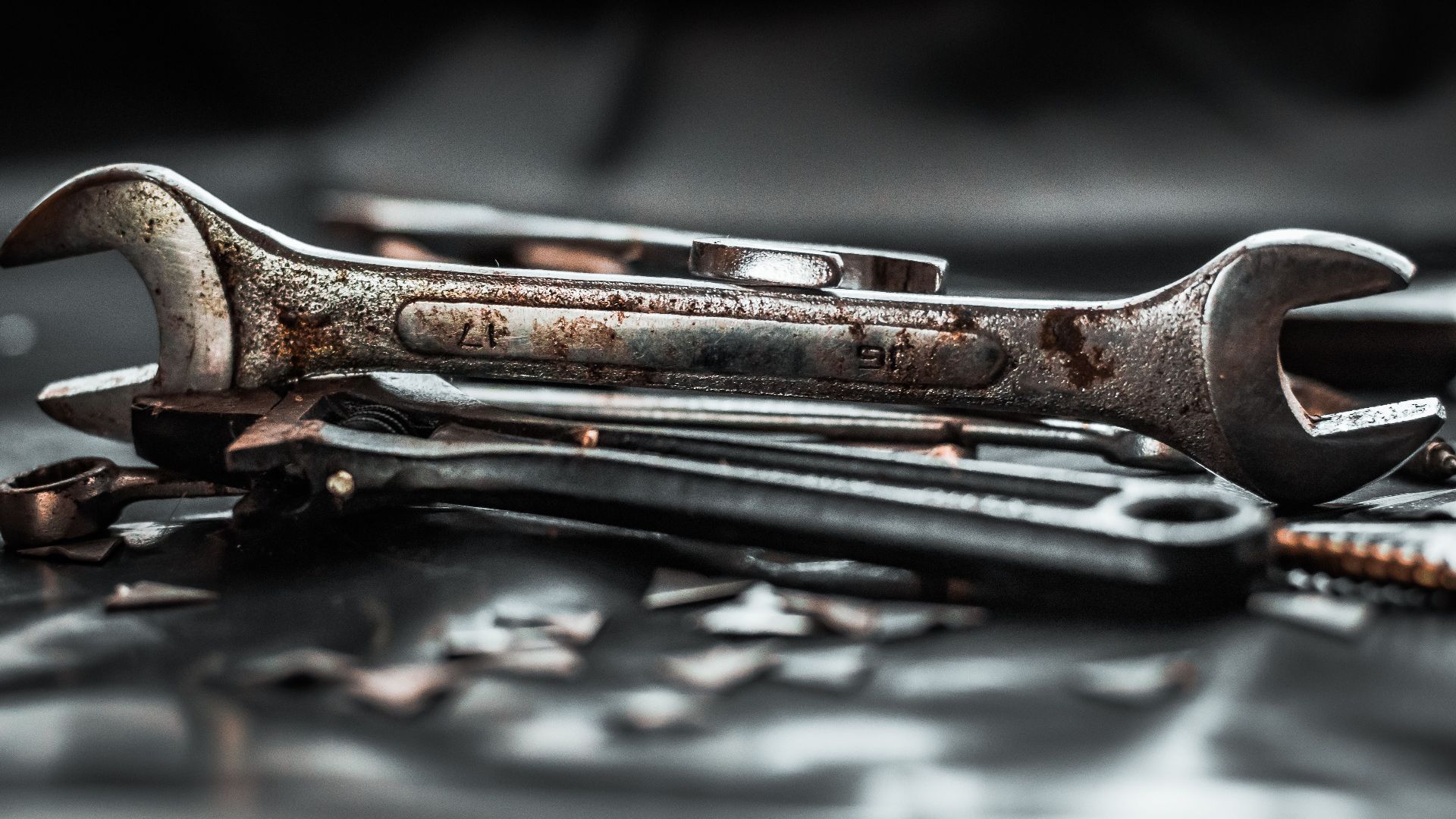
Lectrolite was a Defiance, Ohio, manufacturer best remembered for mechanic's hand tools, including sockets and wrenches. It became associated with S-K during the postwar period, and both companies were purchased by Symington-Wayne in 1964. Lectrolite eventually disappeared as an independent American toolmaker.
#22. Utica Drop Forge & Tool Corporation
Utica was a long-established New York toolmaker known especially for pliers, cutters, and related hand tools. The business went through ownership changes during the postwar decades, and manufacturing eventually moved away from Utica. The original independent company behind those familiar old tools disappeared.
#21. Bridgeport Hardware Manufacturing Corporation
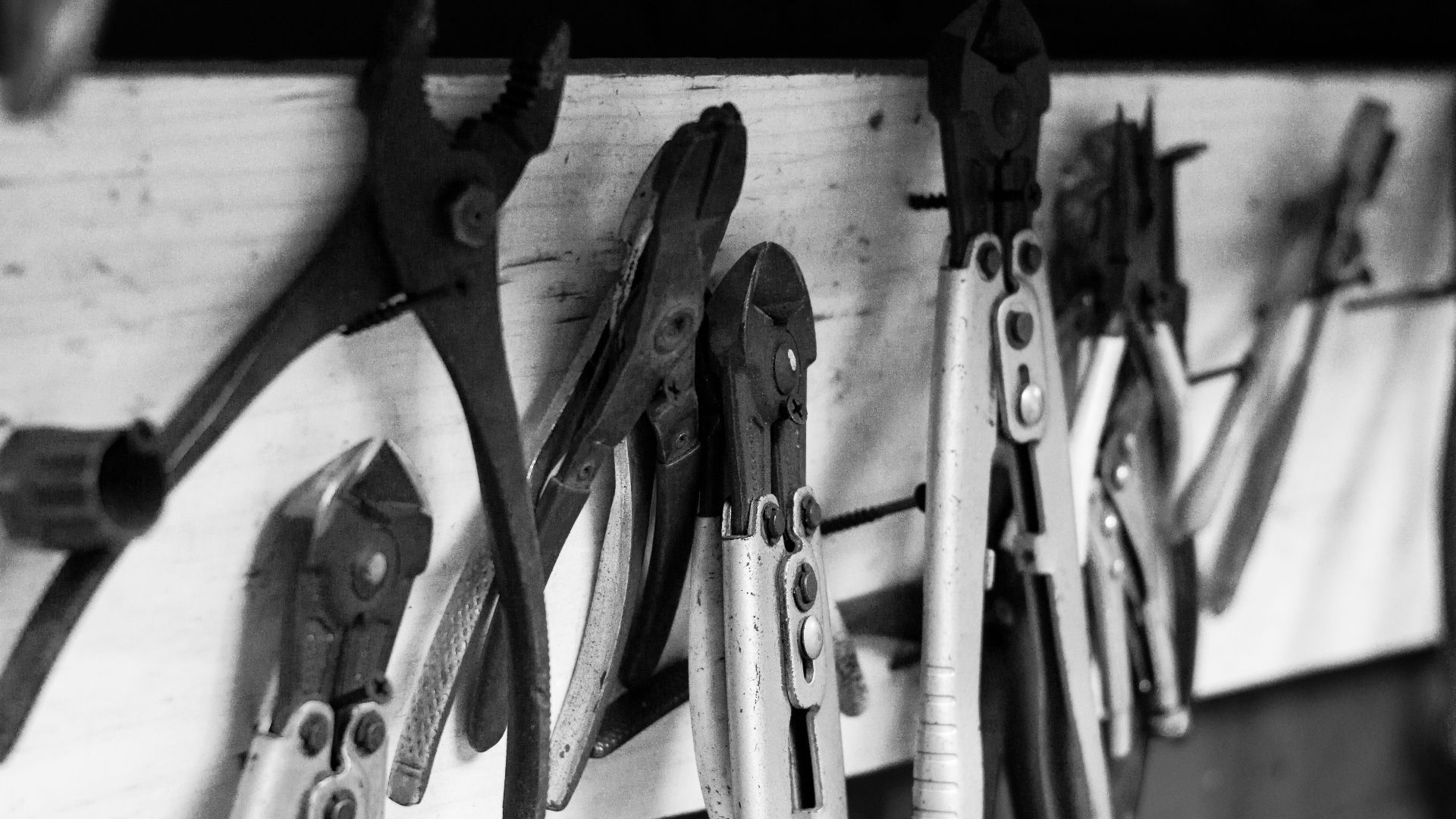
Bridgeport Hardware Manufacturing Corporation produced tools in Connecticut and became known for an enormous variety of small specialty tools. Its products could solve wonderfully specific problems around a workshop. By the postwar era, however, America's tool industry was consolidating, and Bridgeport eventually disappeared as an independent manufacturer.
#20. Fairmount Tool & Forging Company
Fairmount Tool & Forging of Cleveland produced wrenches and other forged hand tools that became familiar equipment in garages and industrial shops. Its tools even appeared in military applications. The company eventually lost its independent identity as America's hand-tool industry moved toward larger corporate groups.
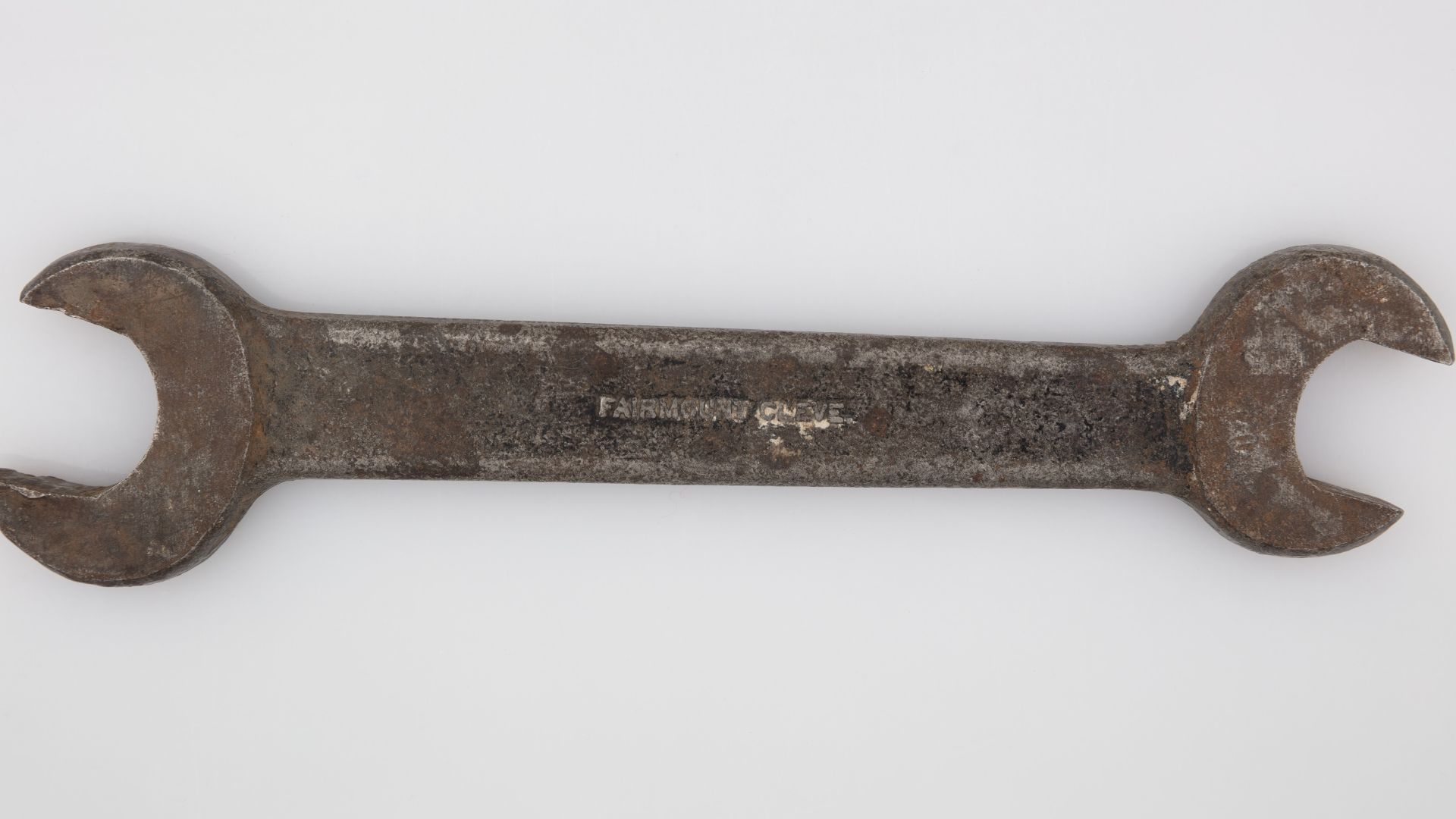 Fairmount Tool and Forging Company, Wikimedia Commons
#19. Forged Steel Products Company
Forged Steel Products was another American manufacturer behind mechanic's tools used during the postwar era. Like many smaller forging operations, it worked in a market increasingly dominated by larger manufacturers and corporate combinations. Today, the original company has largely faded from public memory.
#18. Cincinnati Tool Company
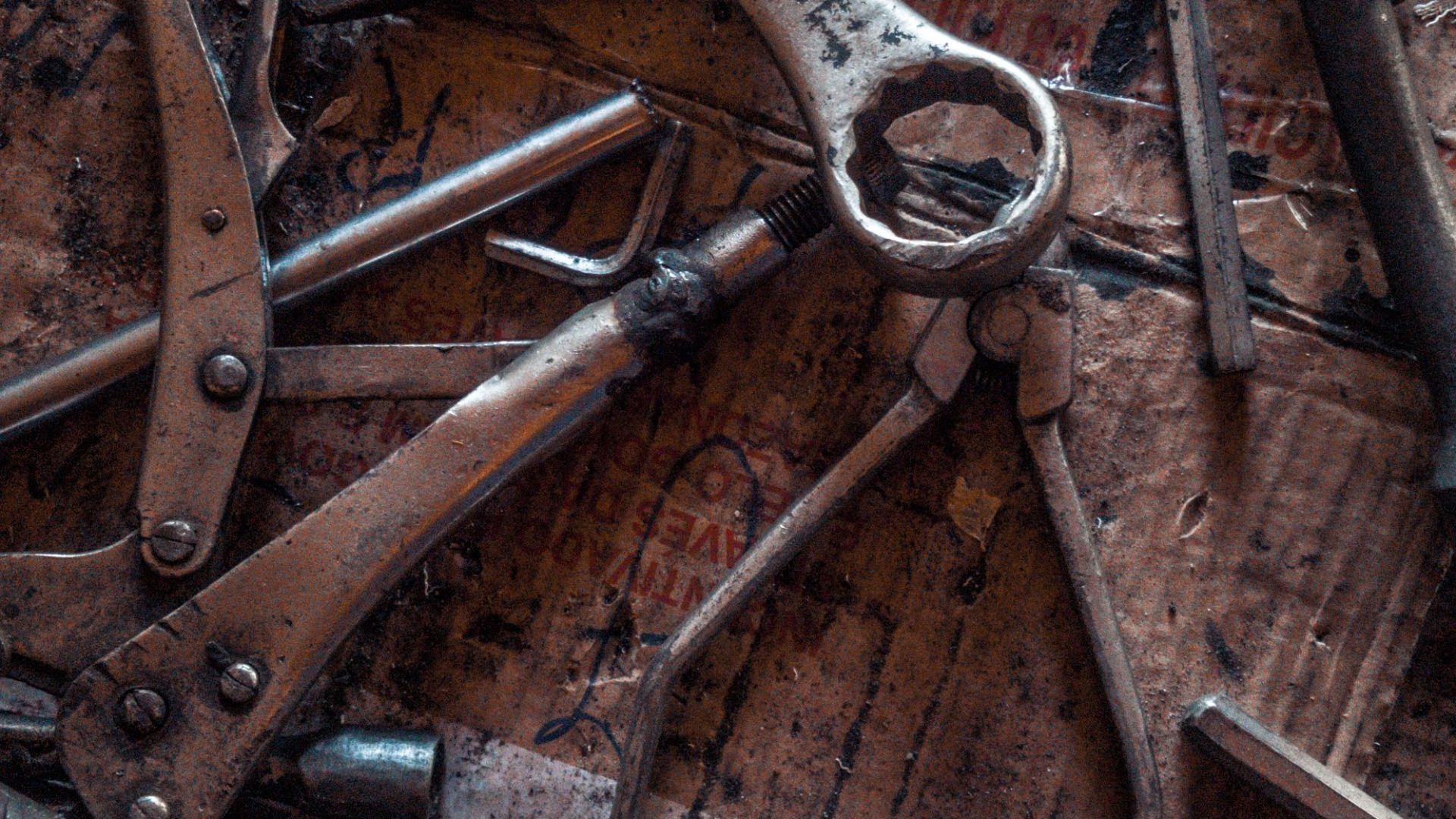
Cincinnati Tool Company was part of Ohio's enormous industrial manufacturing world, producing vises and other equipment for serious shop work. These weren't lightweight household gadgets. They were tools designed for workshops and factories. The old independent company eventually disappeared through the industry's continuing consolidation.
#17. Columbian Vise & Manufacturing Company
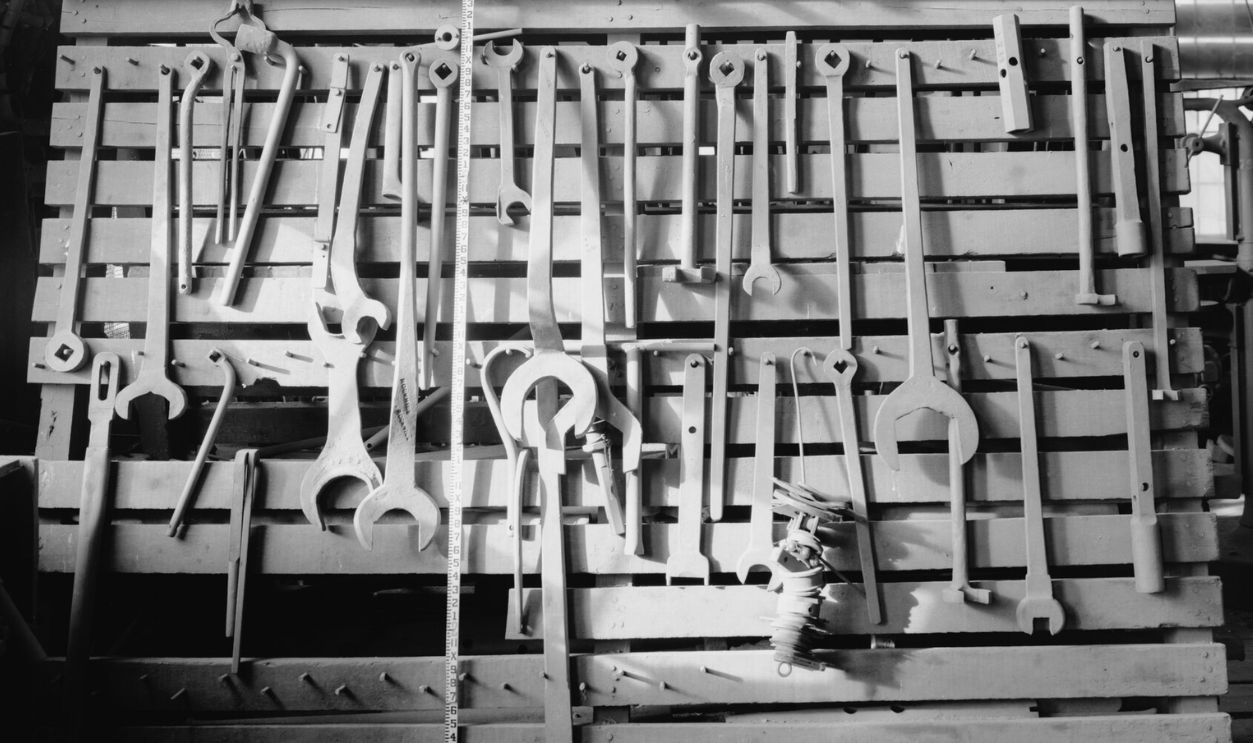
If an old American workbench had a massive vise bolted to it, Columbian was one name you might find cast into the metal. The company produced vises and related equipment for generations. Its corporate identity eventually disappeared even though vintage Columbian vises remain prized by tool collectors.
#16. Miller Manufacturing Company
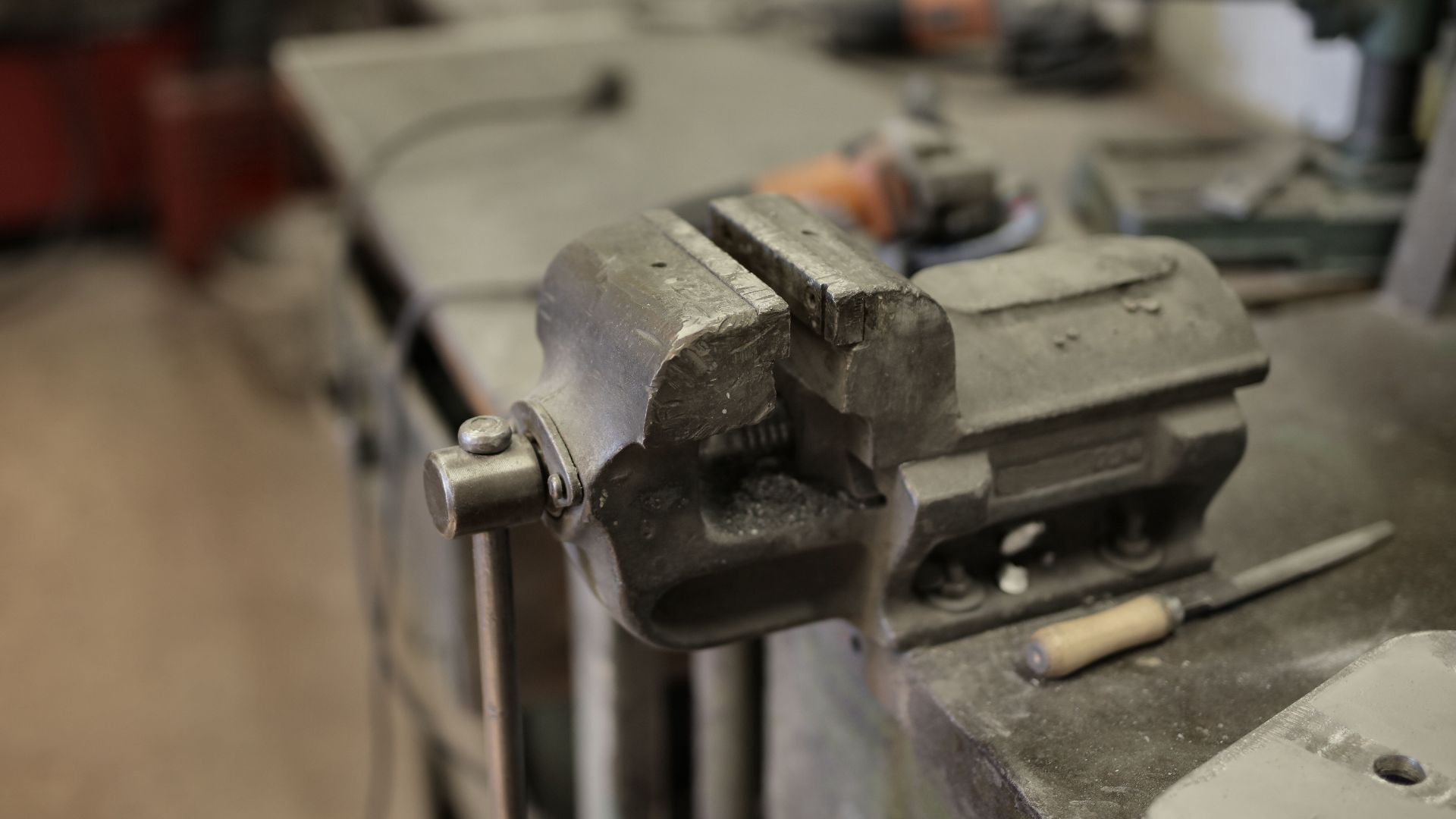
Miller Manufacturing specialized heavily in automotive service equipment and had supplied tools associated with major automobile manufacturers. By the 1950s it had expanded its position in the industry, even acquiring Bonney Forge & Tool Works. Corporate changes eventually erased Miller as the independent tool company it once was.
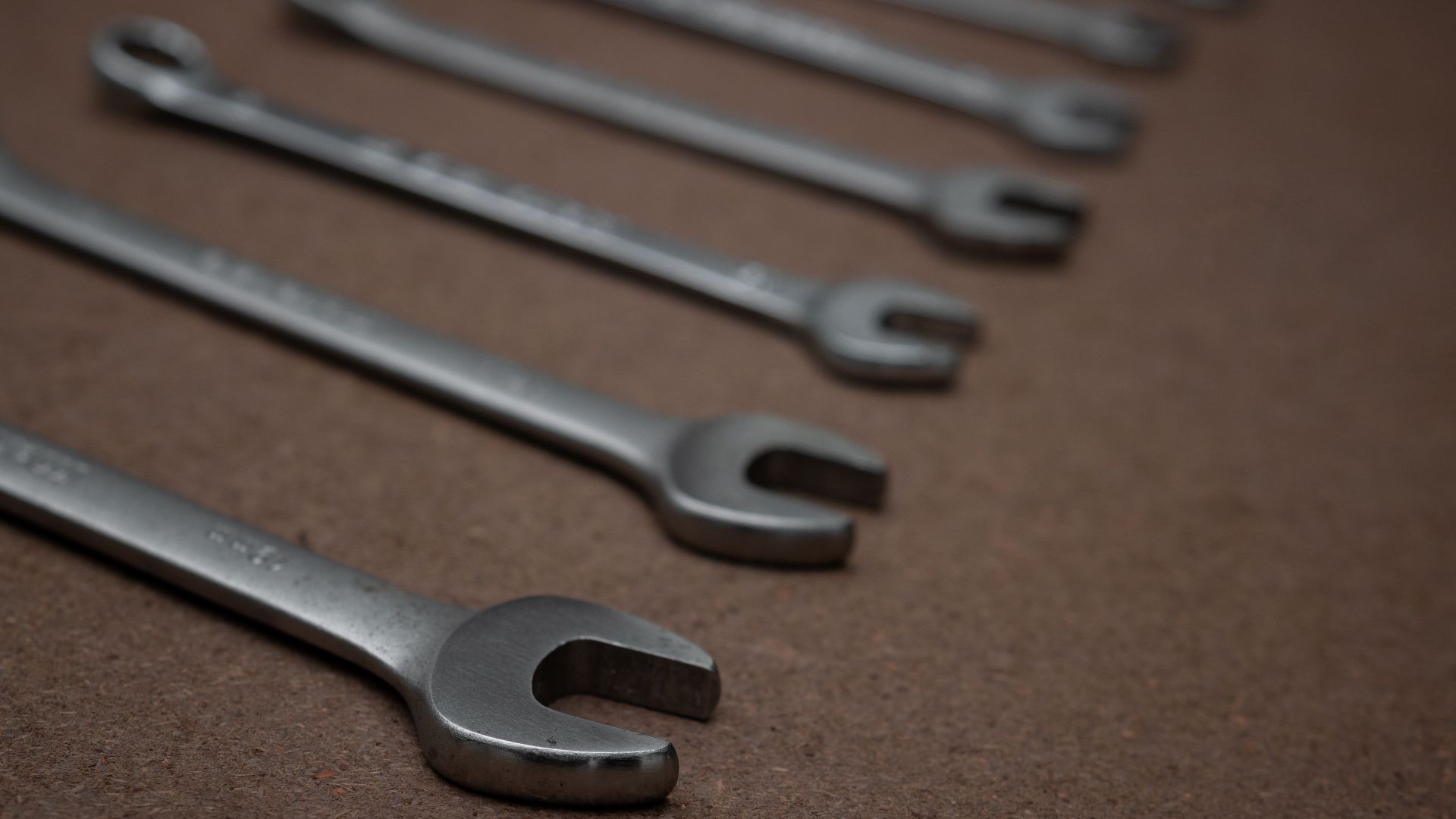
#15. Moore Drop Forging Company
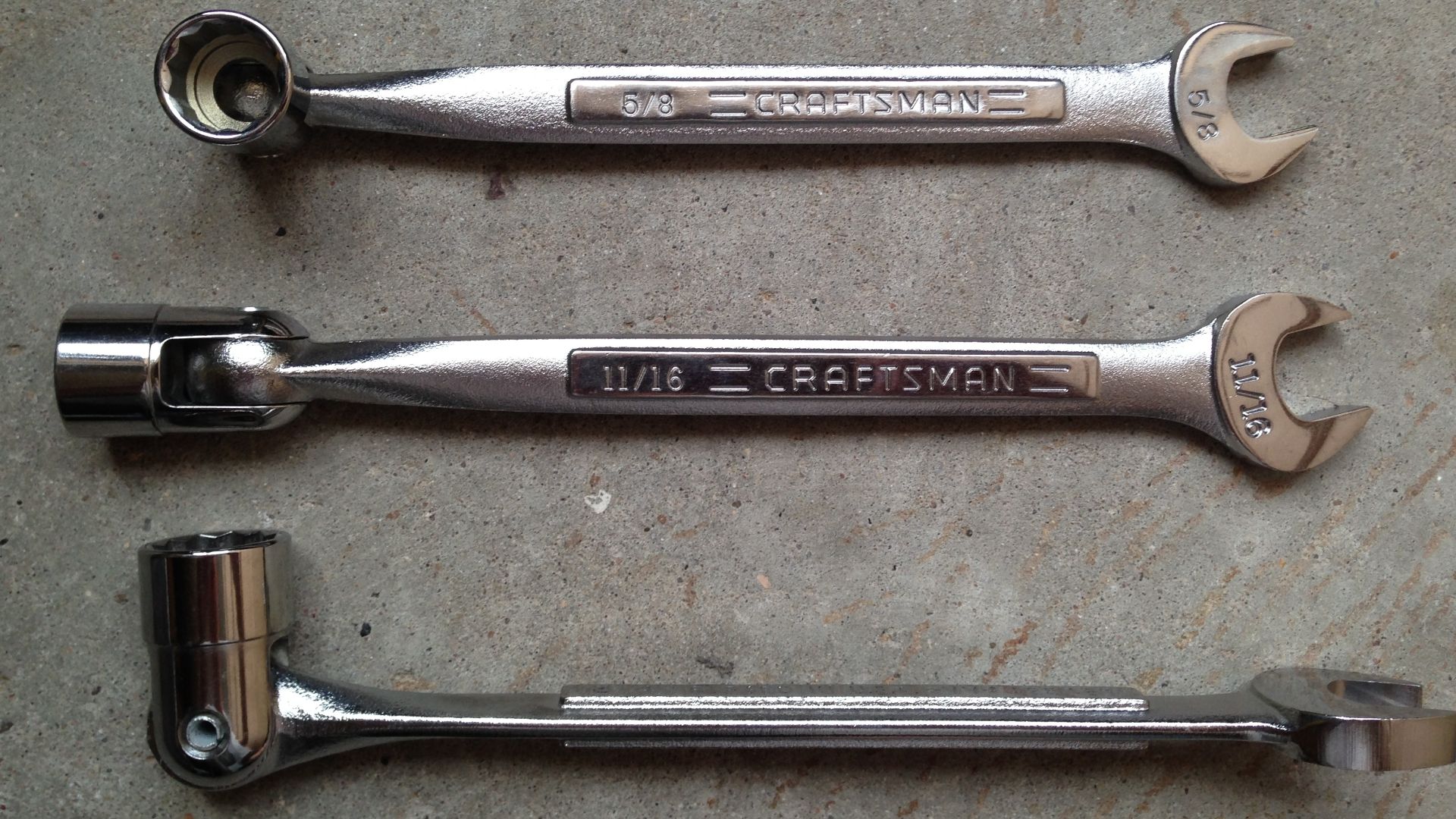
Moore Drop Forging became hugely important without necessarily becoming a household name. Beginning in 1938, it supplied tools to Sears and later became a major producer of Craftsman wrenches and socket tools. The company helped fill countless American toolboxes while its own name remained largely behind the scenes.
 J.C. Fields (Talk) (Uploads), Wikimedia Commons
#14. Barcalo Manufacturing Company
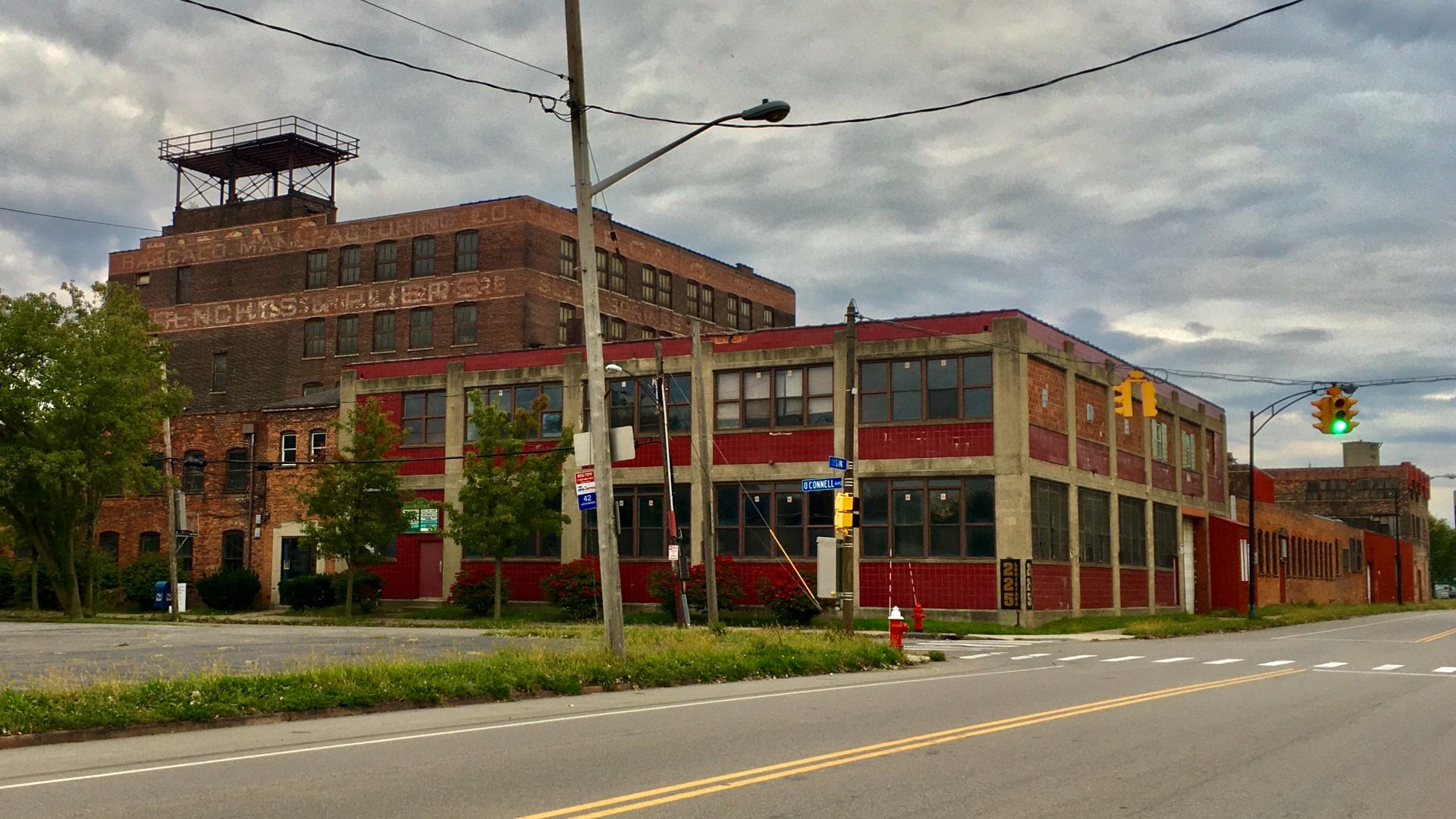
Buffalo-based Barcalo made wrenches, pliers, hammers, and other tools, although the company also became famous for furniture. Barcalo was still producing hand tools during the 1950s. In 1963, its tool division was sold to Crescent Tool, bringing its independent toolmaking chapter toward an end.
 Andre Carrotflower, Wikimedia Commons
#13. Billings & Spencer Company
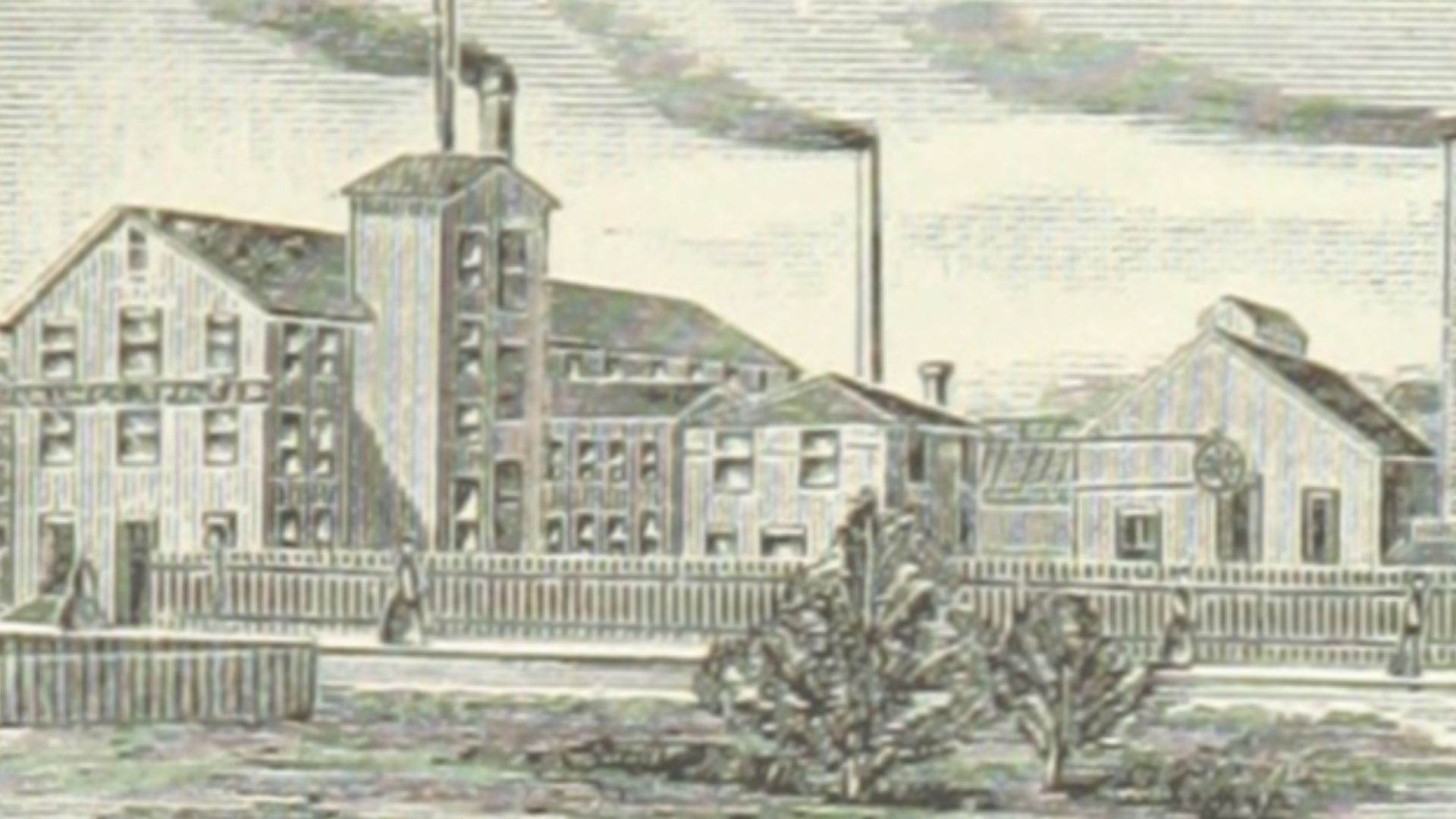
Billings & Spencer had once ranked among America's largest tool manufacturers and was also a major force in drop forging. Its tools remained in circulation during the postwar period, but the company was no longer the powerhouse it had once been. Its tool operations ultimately disappeared into industry consolidation.
 Metilsteiner, Wikimedia Commons
#12. P&C Hand Forged Tool Company
P&C produced professional mechanic's tools from its Milwaukee-area operations and remained active during the postwar decades. It eventually became part of the growing Proto/Pendleton organization. The P&C name survived on tools for years afterward, but the old independent company behind it was gone.
#11. Duro Metal Products Company
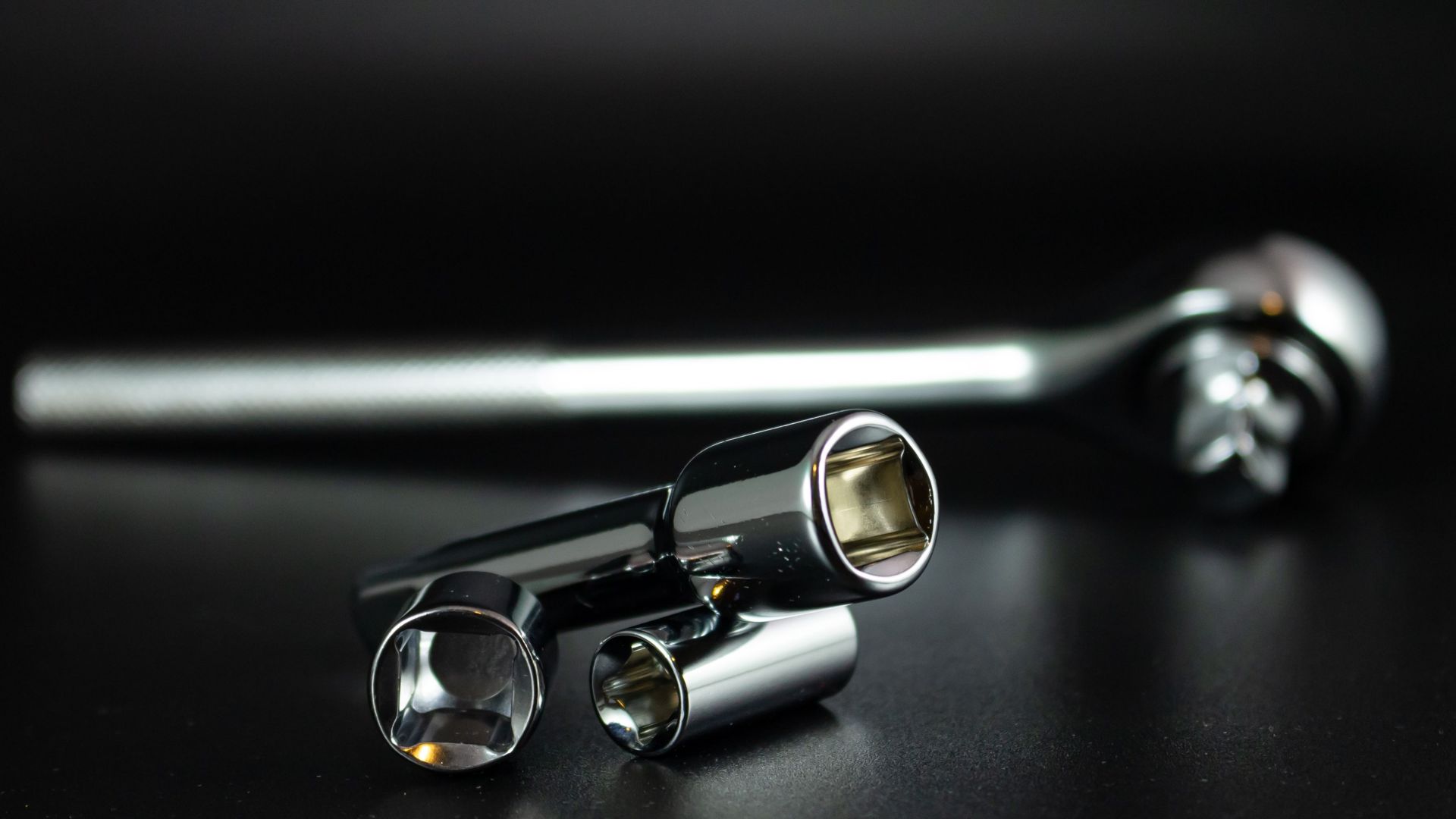
Chicago-based Duro Metal Products made everything from automotive hand tools to drill presses, band saws, and other shop equipment. Duro and its associated Indestro operation remained active for decades. Increasing competition and an aging factory eventually contributed to the company's dissolution around 1990.
#10. Armstrong Bros. Tool Company
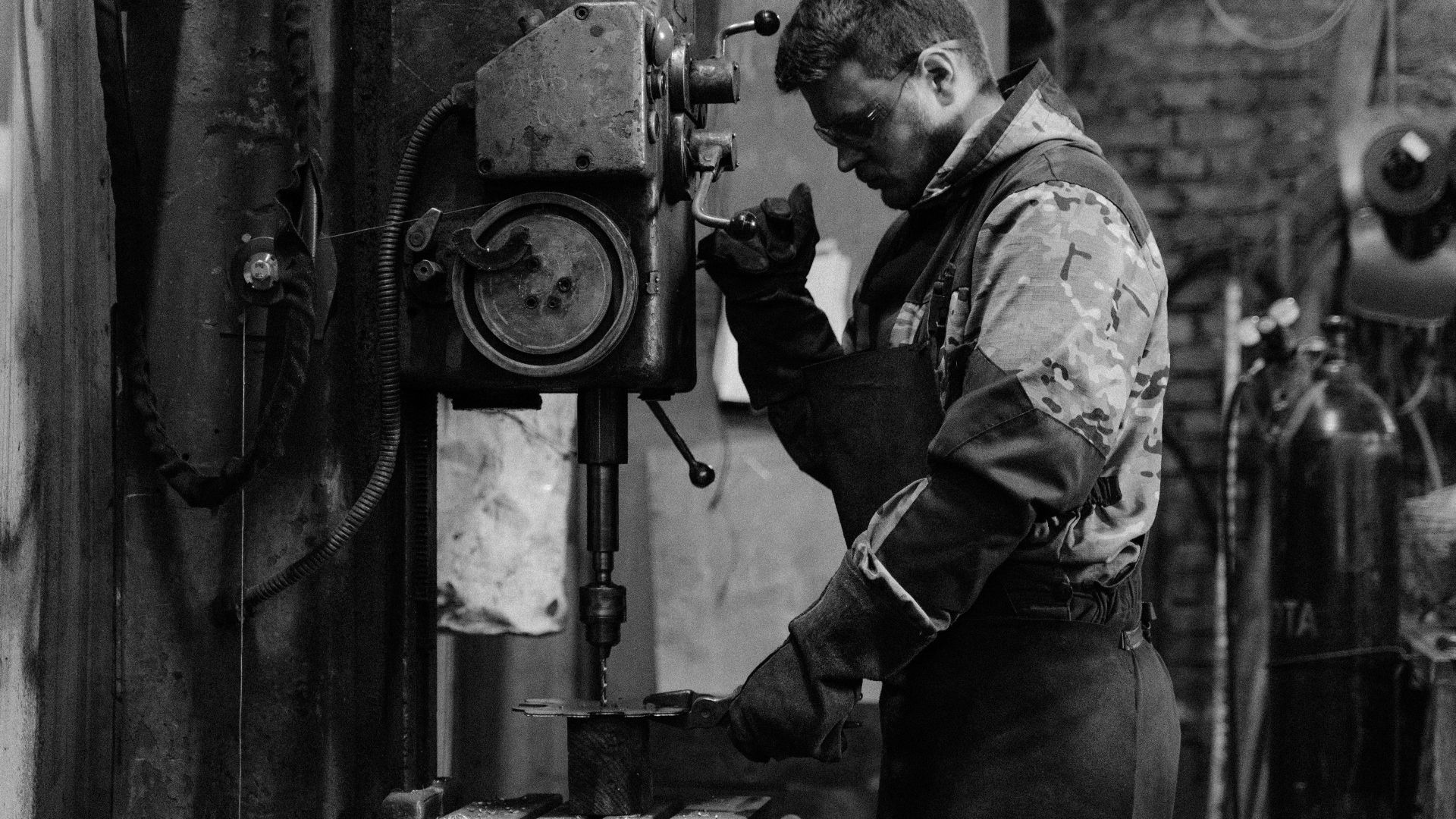
Armstrong was a Chicago industrial toolmaker with roots reaching back to the 19th century. Its heavy-duty wrenches, sockets, and other tools became familiar in professional environments. The company survived far beyond the 1960s, but eventually ceased manufacturing, ending another long-running American tool company.
#9. Herbrand Corporation
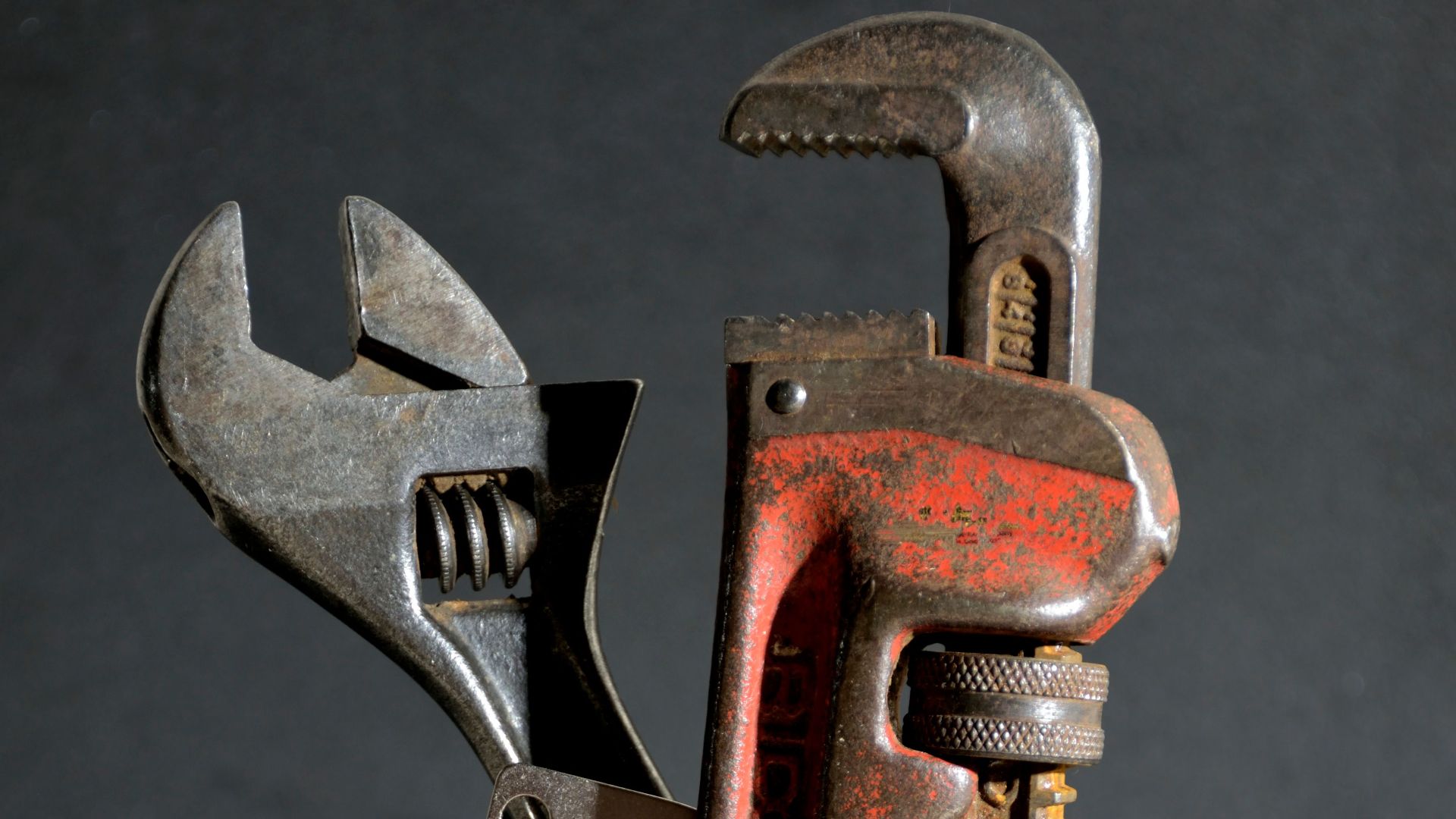
Herbrand was a respected maker of professional mechanic's tools, producing sockets, ratchets, wrenches, and specialty automotive equipment. During the 1950s, its name still carried weight in American garages. Later corporate ownership changes gradually absorbed the company and ended Herbrand's existence as an independent manufacturer.
#8. Walden-Worcester
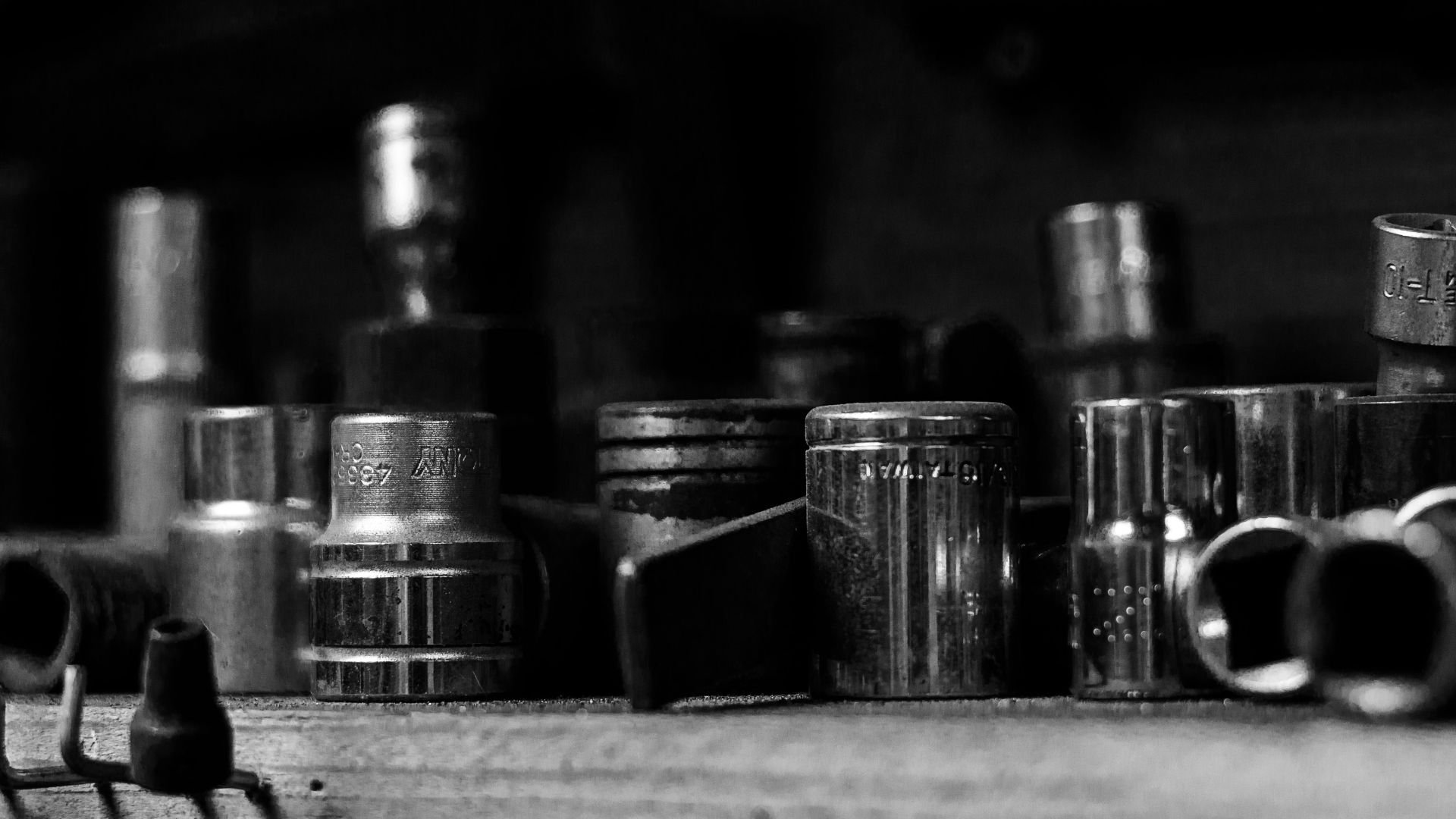
Walden-Worcester had been one of the pioneering names in American automotive tools, helping popularize interchangeable sockets and drive tools. Its equipment had once been common in garages and automobile dealerships. By the postwar decades, however, larger competitors and corporate consolidation were reshaping the industry around it.
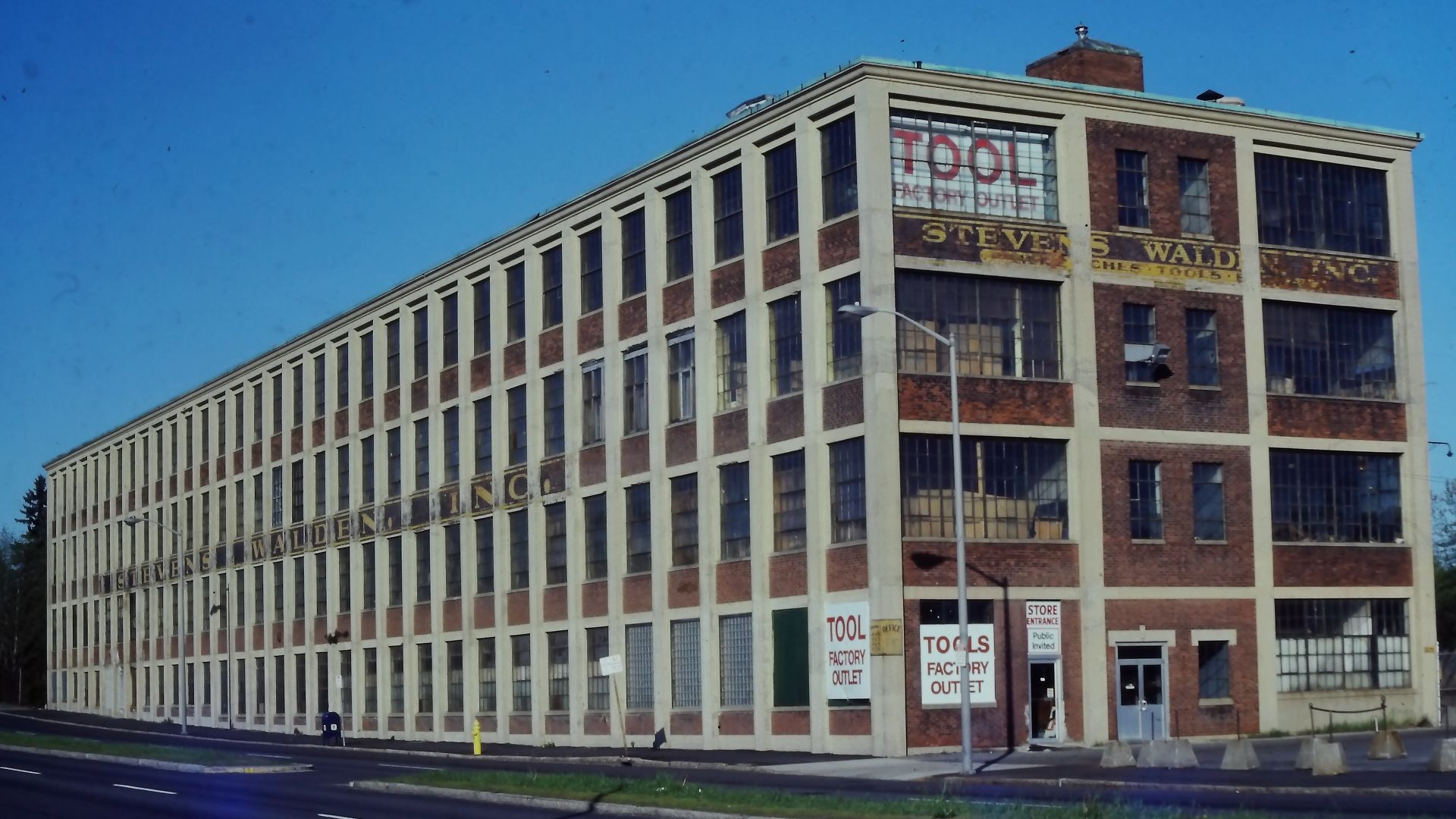 Bmzuckerman, Wikimedia Commons
#7. Blackhawk Manufacturing Company
Blackhawk was famous for automotive service equipment, socket tools, hydraulic jacks, and related products. But the company itself began changing direction during the postwar era. In 1961, Blackhawk Manufacturing changed its corporate name as the business expanded into other industrial technologies, ending the old company identity.
#6. New Britain Machine Company
Connecticut's New Britain Machine Company was a serious industrial manufacturer producing hand tools, machine tools, and other equipment. It continued operating independently throughout the 1950s and 1960s before merging with Litton Industries in 1972. The historic New Britain plant finally closed in 1990.
#5. Bonney Forge & Tool Works
Bonney had been making American tools since the 19th century and became especially important in professional wrenches and mechanic's tools. Miller Manufacturing acquired Bonney during the 1950s, beginning a series of ownership changes. The famous old hand-tool company eventually disappeared, although the Bonney name continued elsewhere.
#4. Plomb Tool Company
Plomb built high-quality mechanic's tools and became particularly important during World War II. Then came an unusual problem involving its name and trademark. Around 1950, the company shifted its tools to the Proto name, and in 1957 the corporation itself became Pendleton Tool Industries. Plomb Tool Company was history.
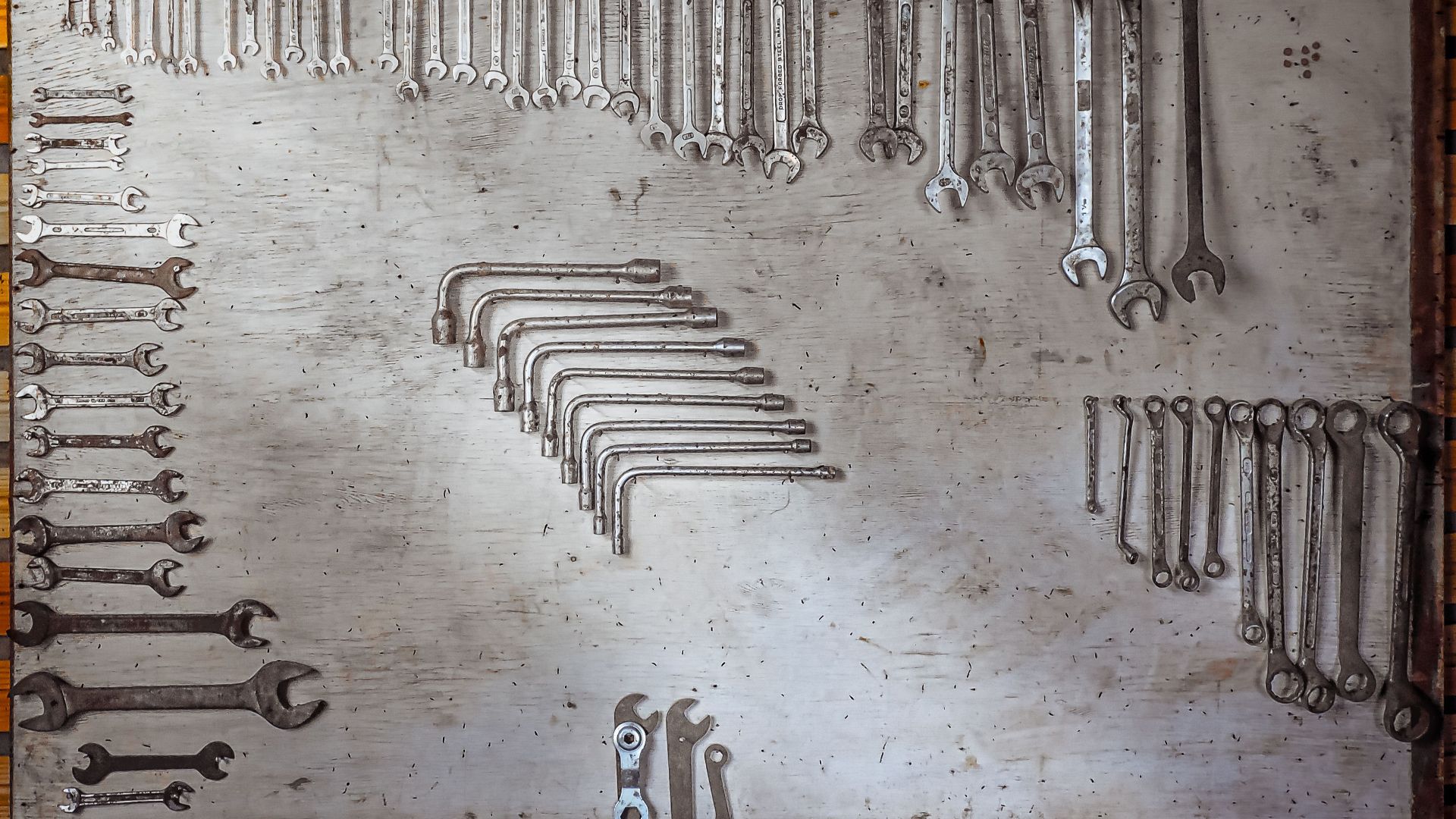
#3. Duro-Indestro's Indestro Manufacturing Corporation
Indestro Manufacturing became closely associated with Duro Metal Products and supplied affordable mechanic's tools to a huge American market. Its wrenches and socket sets were sold through major retailers and mail-order channels. The corporate operation was eventually folded into Duro rather than continuing as a separate manufacturer.
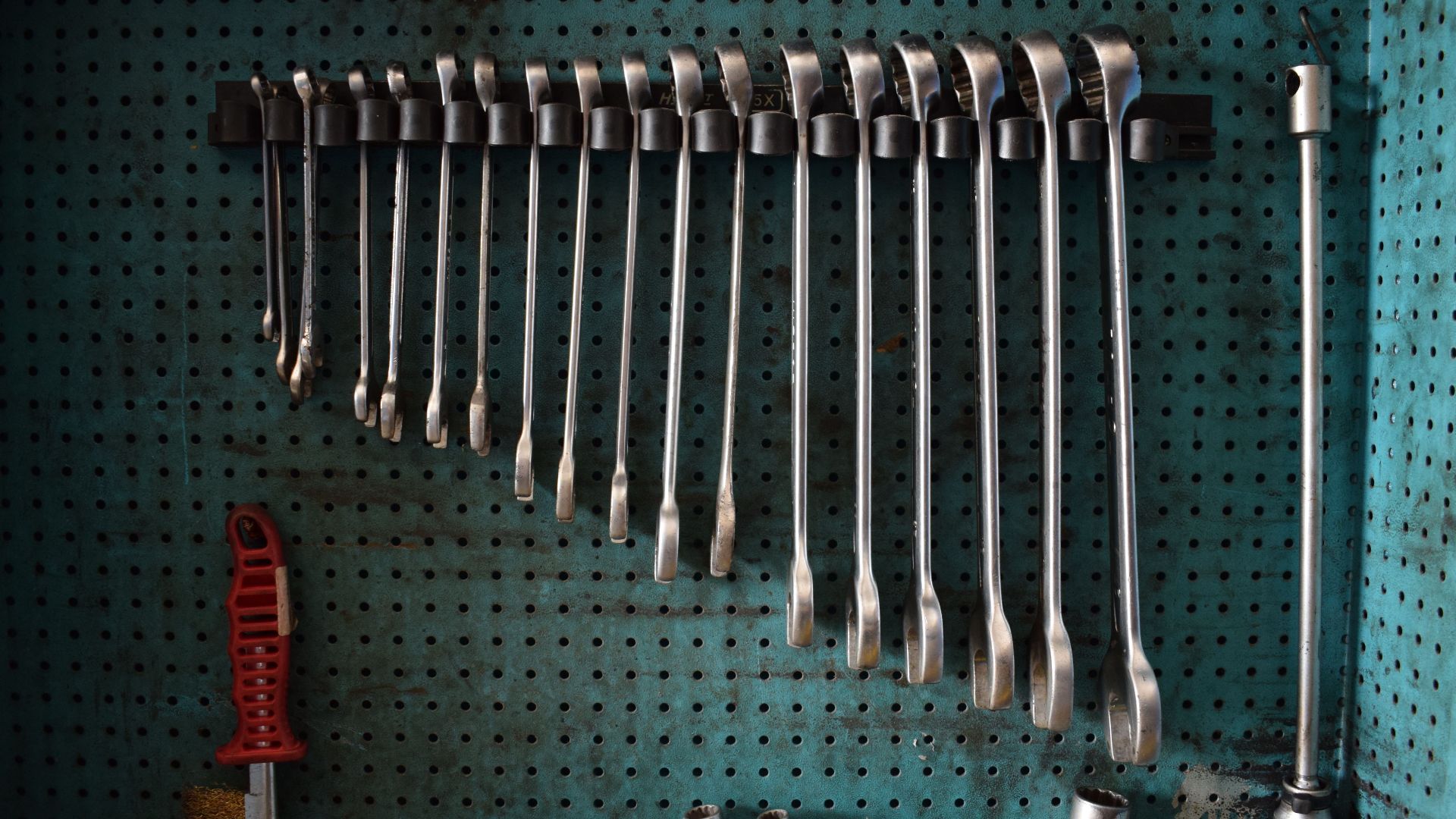
#2. Vlchek Tool Company
Vlchek was once a major Cleveland toolmaker whose products included wrenches, pliers, hammers, and automotive tools. Pendleton Tool Industries acquired the company in 1959. Ingersoll-Rand then acquired Pendleton in 1964, and the old Vlchek factory in Cleveland finally closed in 1969.
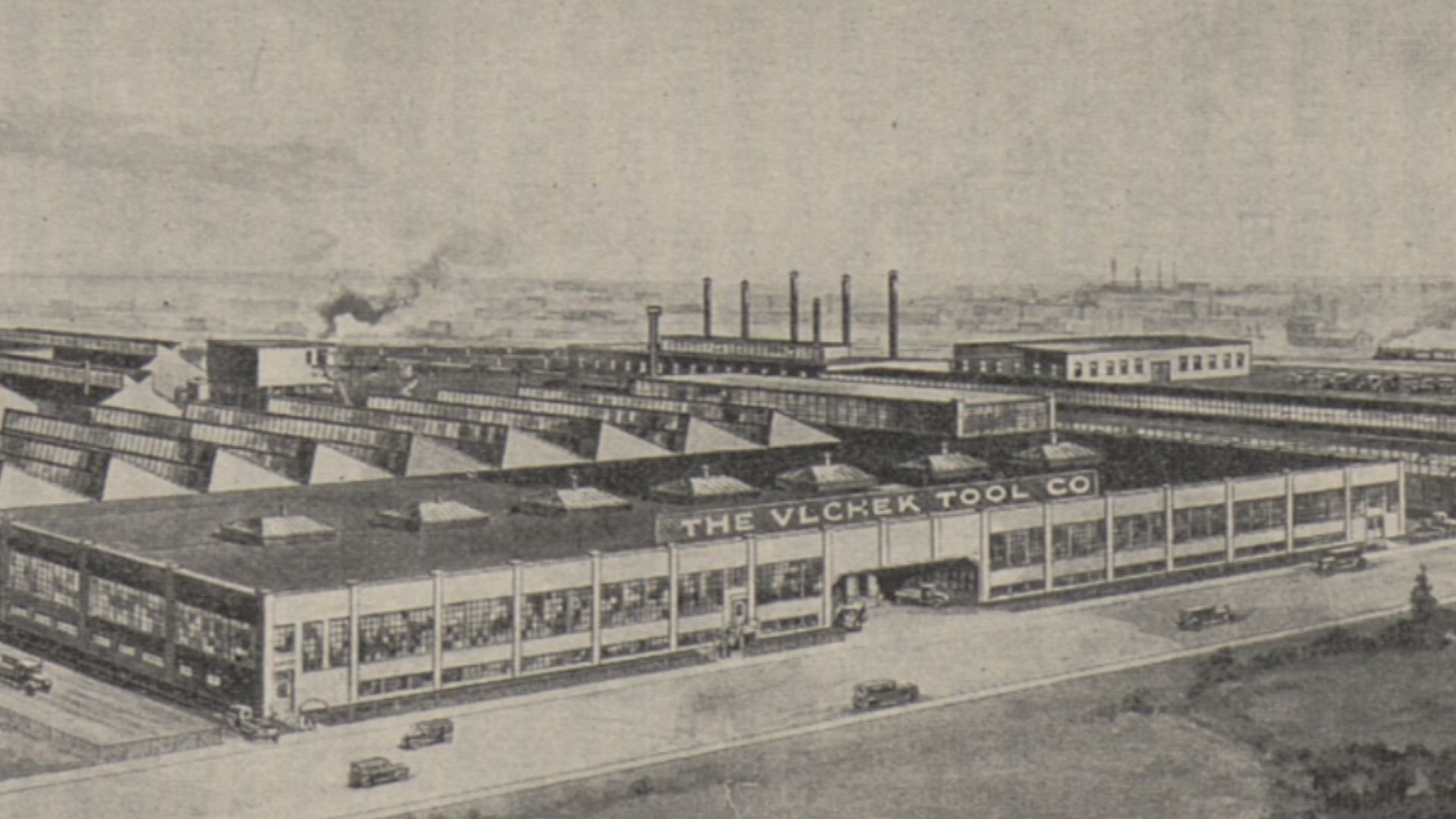 Unknown authorUnknown author, Wikimedia Commons
#1. Crescent Tool Company
Few vanished tool companies left a bigger linguistic legacy. Crescent Tool Company made the adjustable wrench so familiar that Americans still casually say "Crescent wrench." The Jamestown, New York, company celebrated its 50th anniversary in 1957 before becoming part of Crescent Niagara in 1960. The original independent Crescent Tool Company was gone, but its name never really left the toolbox.
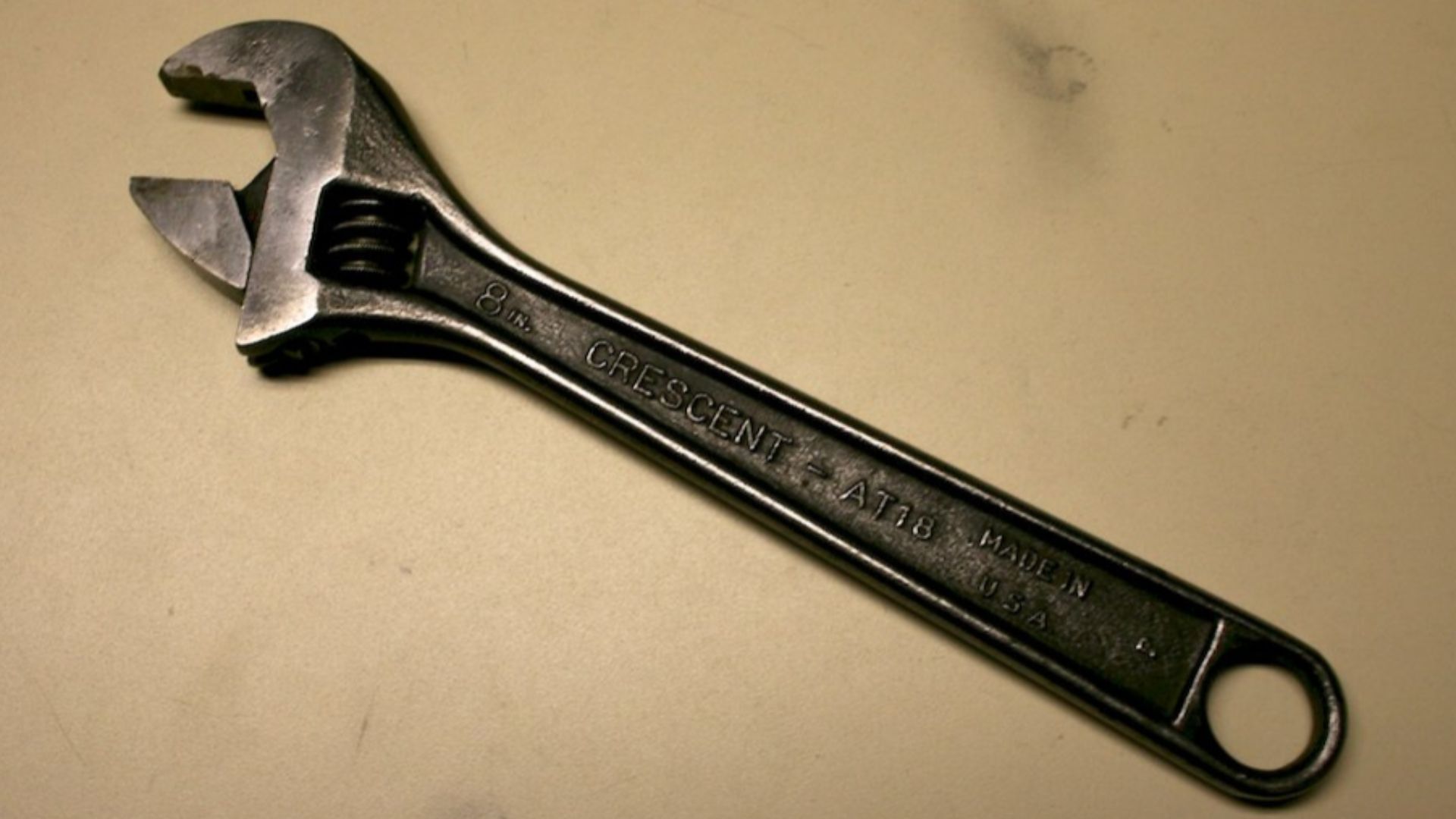 Andrew Plumb, Wikimedia Commons
The Tools Survived Longer Than The Companies
That's the strange thing about old American tools: the company can disappear while its products keep working for another half-century. Acquisitions, mergers, corporate reorganizations, factory closures, and changing competition erased many once-familiar manufacturers. Yet open an old garage toolbox today and you may still find their names stamped into steel, waiting for another job.
You May Also Like: How A&P Went From An American Household Name To One Of Retail's Biggest Collapses