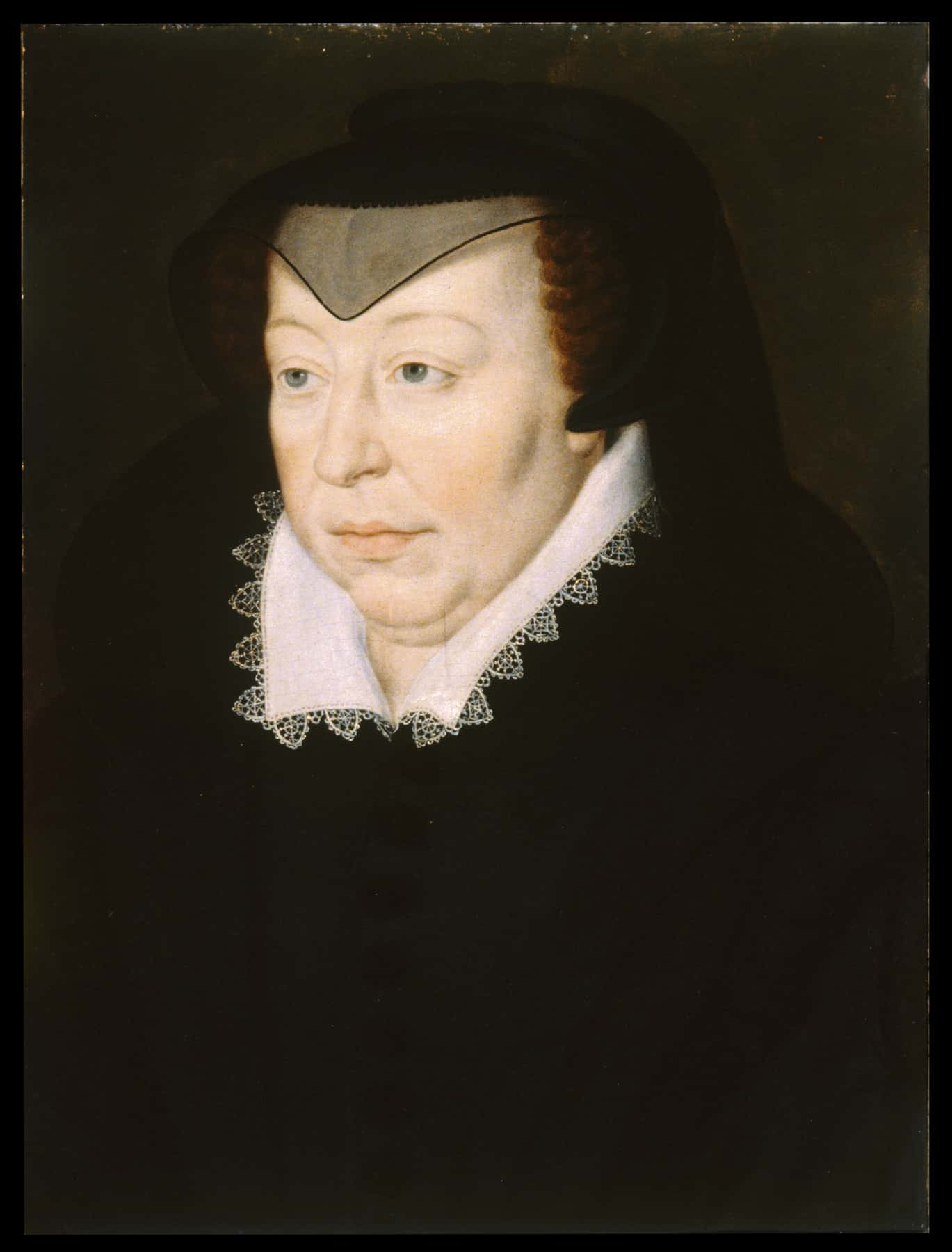

Old Walls Keep Secrets
Historic buildings rarely give up everything at once. Renovations have revealed forgotten rooms, buried treasures, lost artworks, personal letters, and objects that sat only inches from everyday life for centuries.
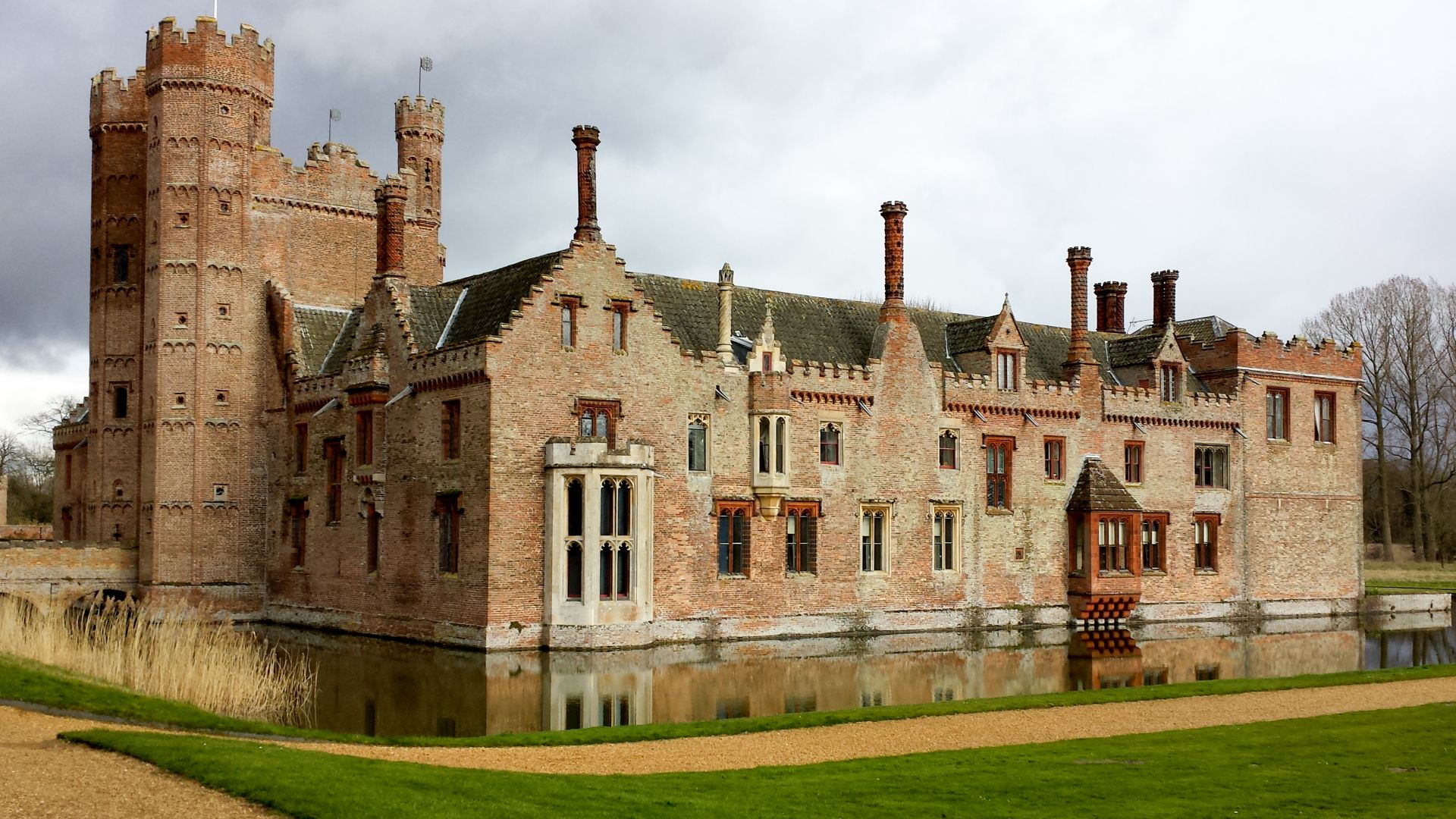
Oxburgh Hall Hid Thousands Of Objects
When workers lifted attic floorboards at England's Oxburgh Hall during a major roof restoration, archaeologist Matt Champion expected ordinary building debris. Instead, the spaces beneath the boards yielded more than 2,000 objects, some dating back to the 15th century. The cache included documents, textiles, fragments of books, and scraps from generations of life inside the Tudor mansion.
Even The Rats Had Built A Museum
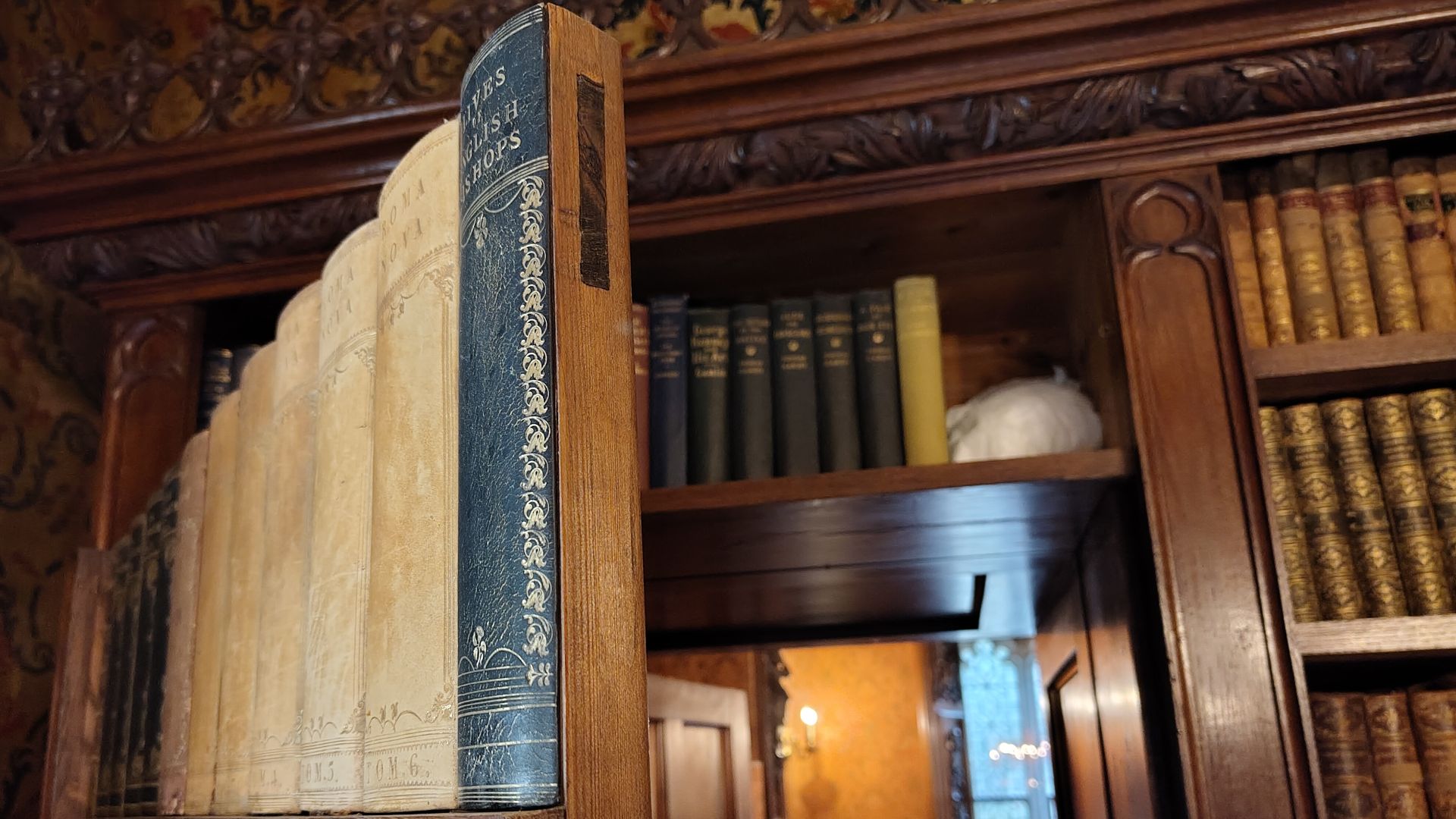
Two old rat nests at Oxburgh contained scraps of silk, velvet, wool, leather, and embroidered fabric that the animals had collected centuries earlier. Researchers also found fragments of handwritten music and part of a richly decorated medieval manuscript. One builder discovered a remarkably intact 1568 copy of Catholic martyr John Fisher's The Kynge's Psalmes tucked into an attic hole.
A Plain Bedroom Hid A Tudor Fantasy
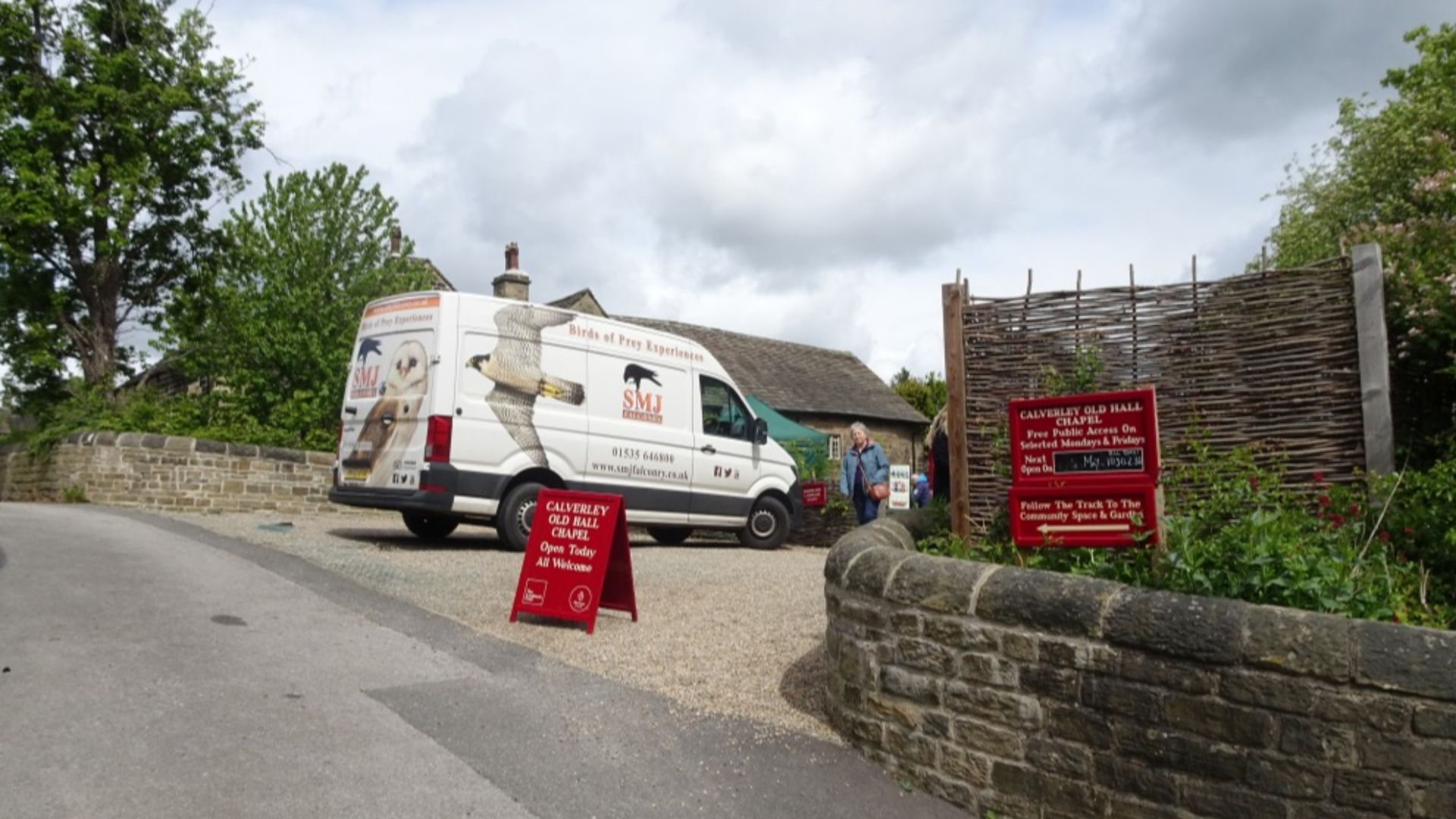
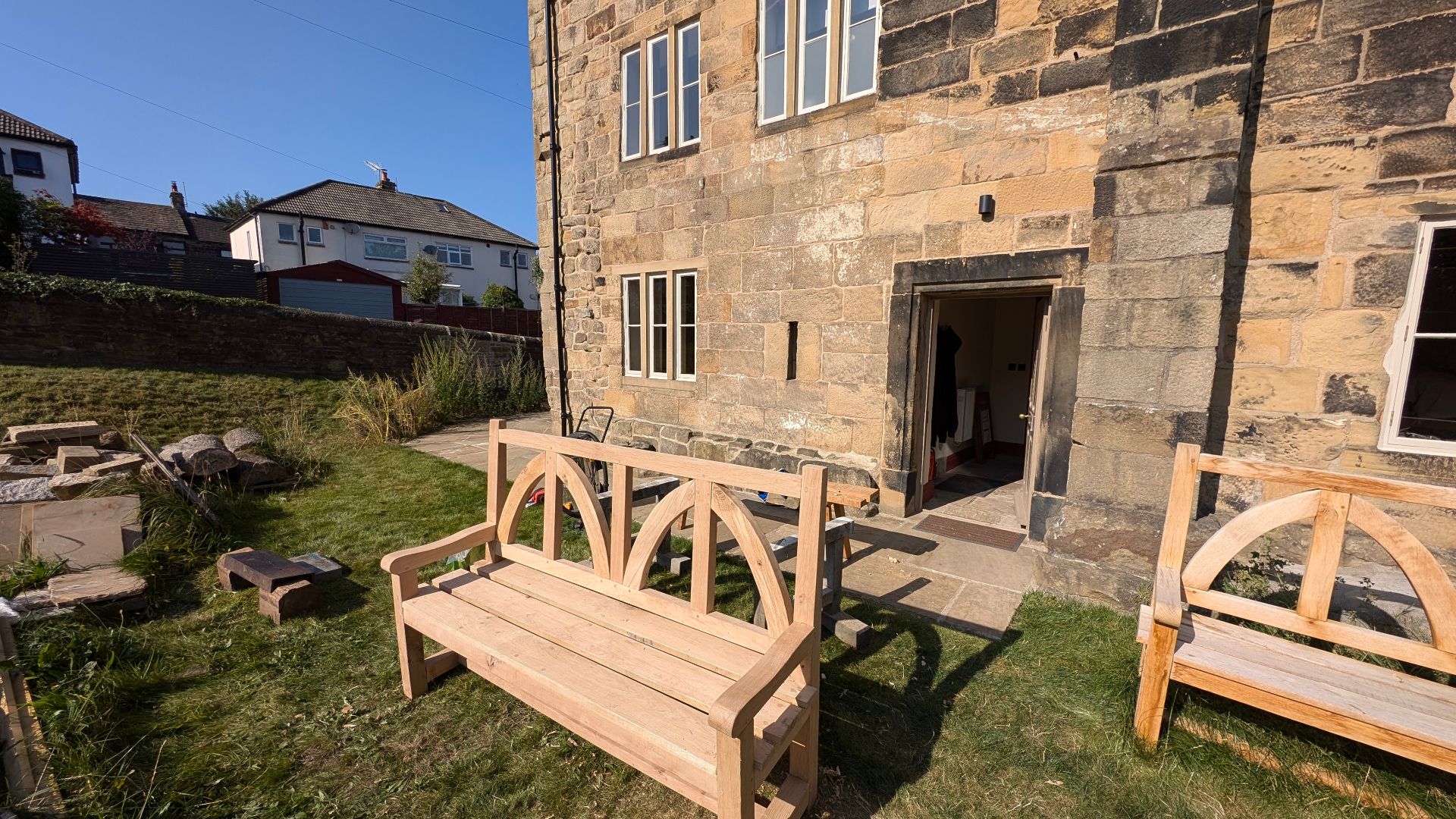
Restorers inspecting Calverley Old Hall in Yorkshire began removing plaster from what seemed like an unremarkable bedroom. Beneath it appeared traces of red, black, white, and ochre pigment. Further investigation revealed an extensive set of Tudor wall paintings that had effectively disappeared from memory.
Griffins Were Waiting Behind The Plaster
The decoration covered three walls with vines, classical motifs, strange figures, and roaring griffins. Timber dating and stylistic evidence place the work somewhere around the middle of the 16th century. Later walls and plaster had accidentally protected a sophisticated Renaissance interior that could easily have been destroyed by an ordinary renovation.
 Igor_Sivolob, Wikimedia Commons
Lindisfarne Castle Had Its Own Wallpaper
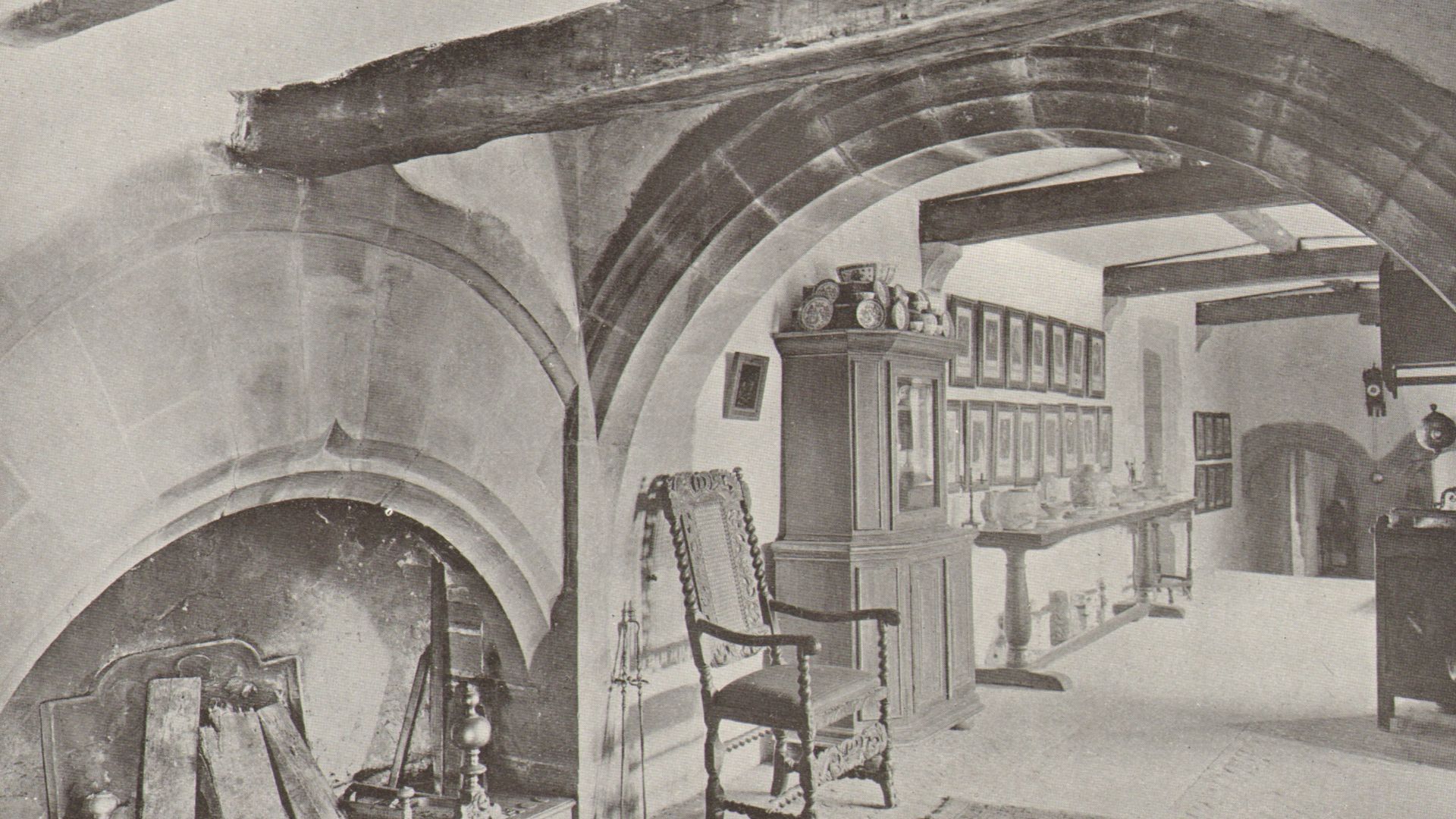
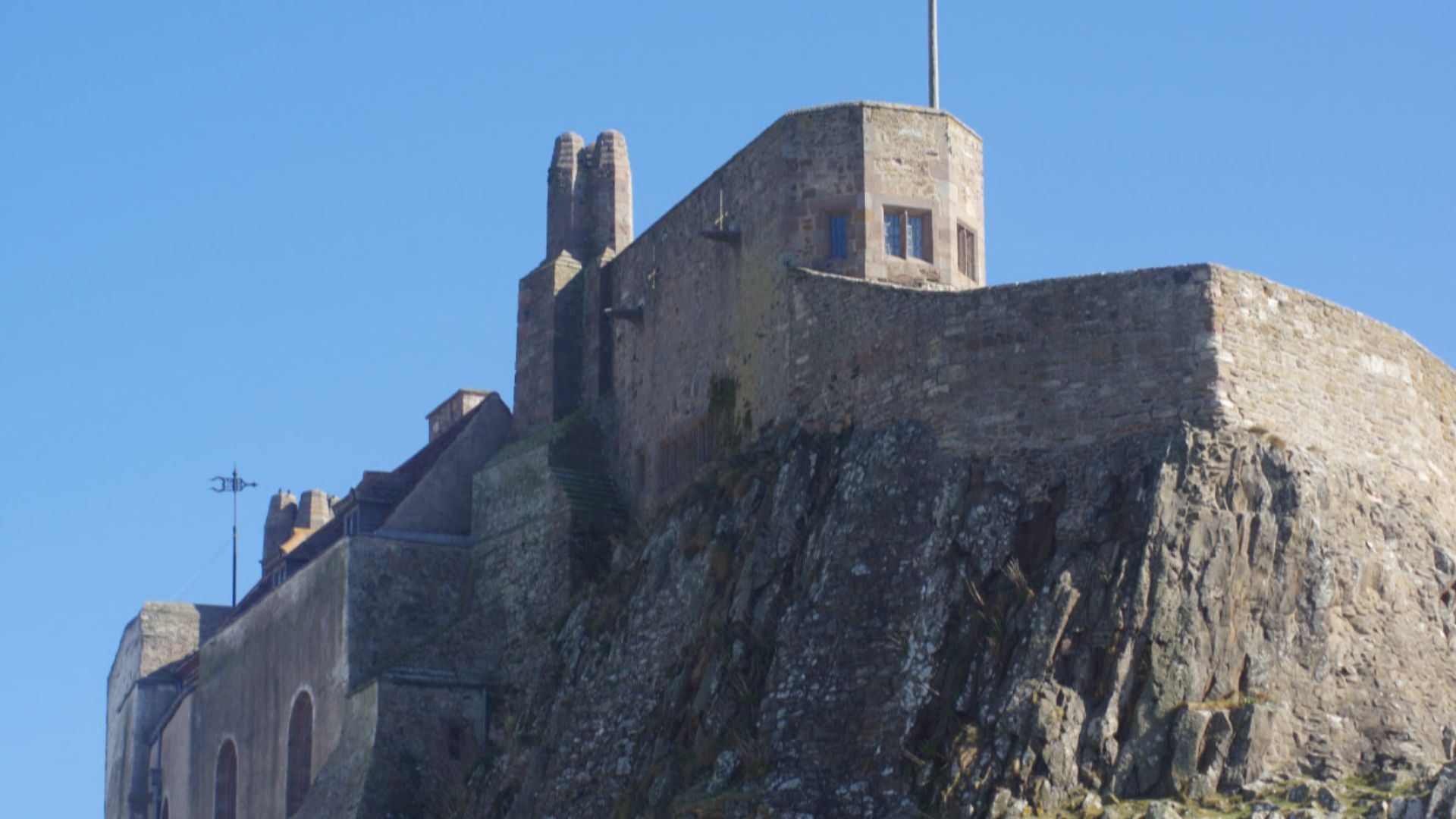
During restoration work at Lindisfarne Castle, conservators carefully stripped back layers of paint and plaster in the old kitchen. They uncovered decorative wall paintings roughly 350 years old. The designs used charcoal and red pigment and appear to have been created by professional craftsmen.
 Book author: Weaver, Lawrence, 1876-1930, Wikimedia Commons
The Military Fortress Was Surprisingly Decorative
The discovery changed how historians viewed life inside a building originally constructed as a fort. Similar decoration was also identified in a bedroom, suggesting the painted scheme may once have extended through much more of the castle. Beneath the austere military exterior, someone had apparently tried to make the place feel considerably more comfortable.
 Stephen McKay , Wikimedia Commons
A French Mansion Had Gold In Its Walls
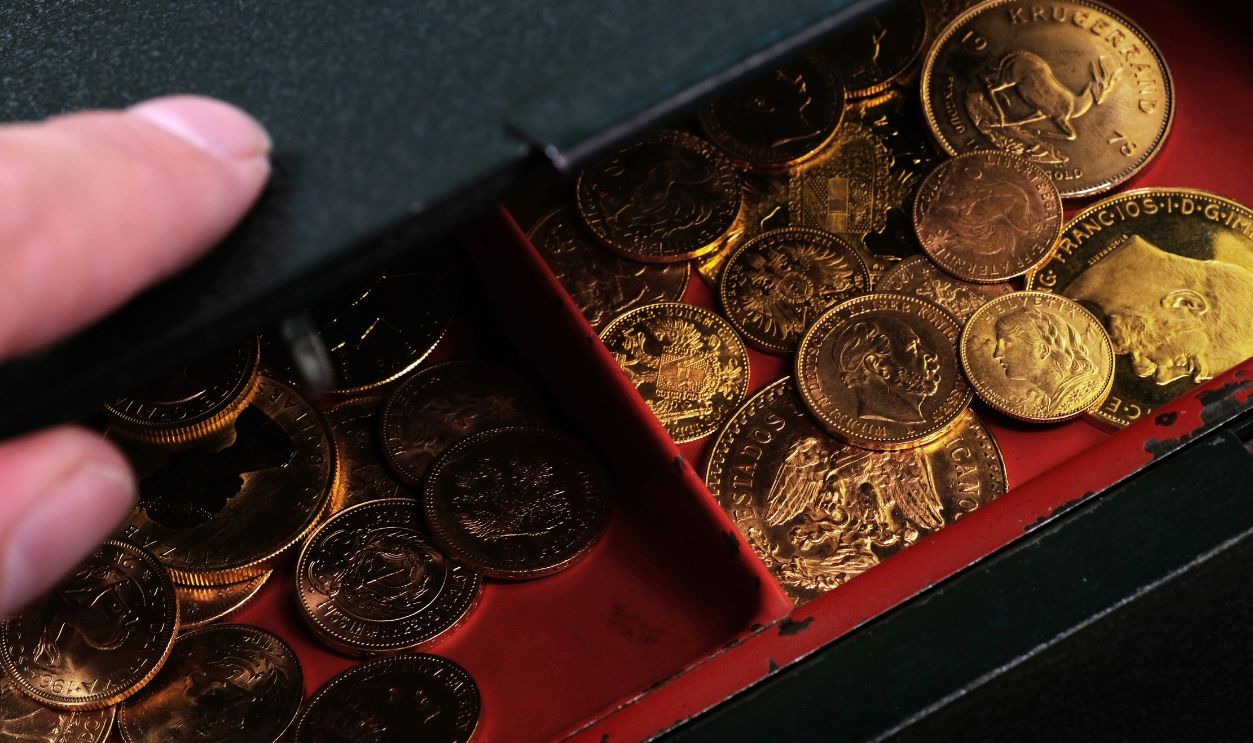
Three workers renovating a historic mansion in Brittany made an extraordinary discovery in 2019. Embedded inside a wall was a metal box filled with centuries-old gold coins. The discovery would have been remarkable enough on its own, but the building was not finished giving up treasure.
Then They Found Another Stash
When the workers returned after the weekend, they discovered a second group of coins wrapped inside a cloth pouch above a wooden beam. Altogether, the property yielded 239 gold coins minted during the reigns of Louis XIII and Louis XIV. Researchers believe the cache may have represented the savings of one of the mansion's wealthy former residents.
 David Adam Kess, Wikimedia Commons
A Hotel Floor Hid A Wartime Romance
Workers renovating the Esplanade Hotel in Scarborough, England, opened the floor of a small utility room in 2021. Beneath the boards were cigarette packets, chocolate wrappers, toothpaste packaging, a Vaseline tin, and other objects apparently left during World War II. Mixed among the debris were handwritten love letters.
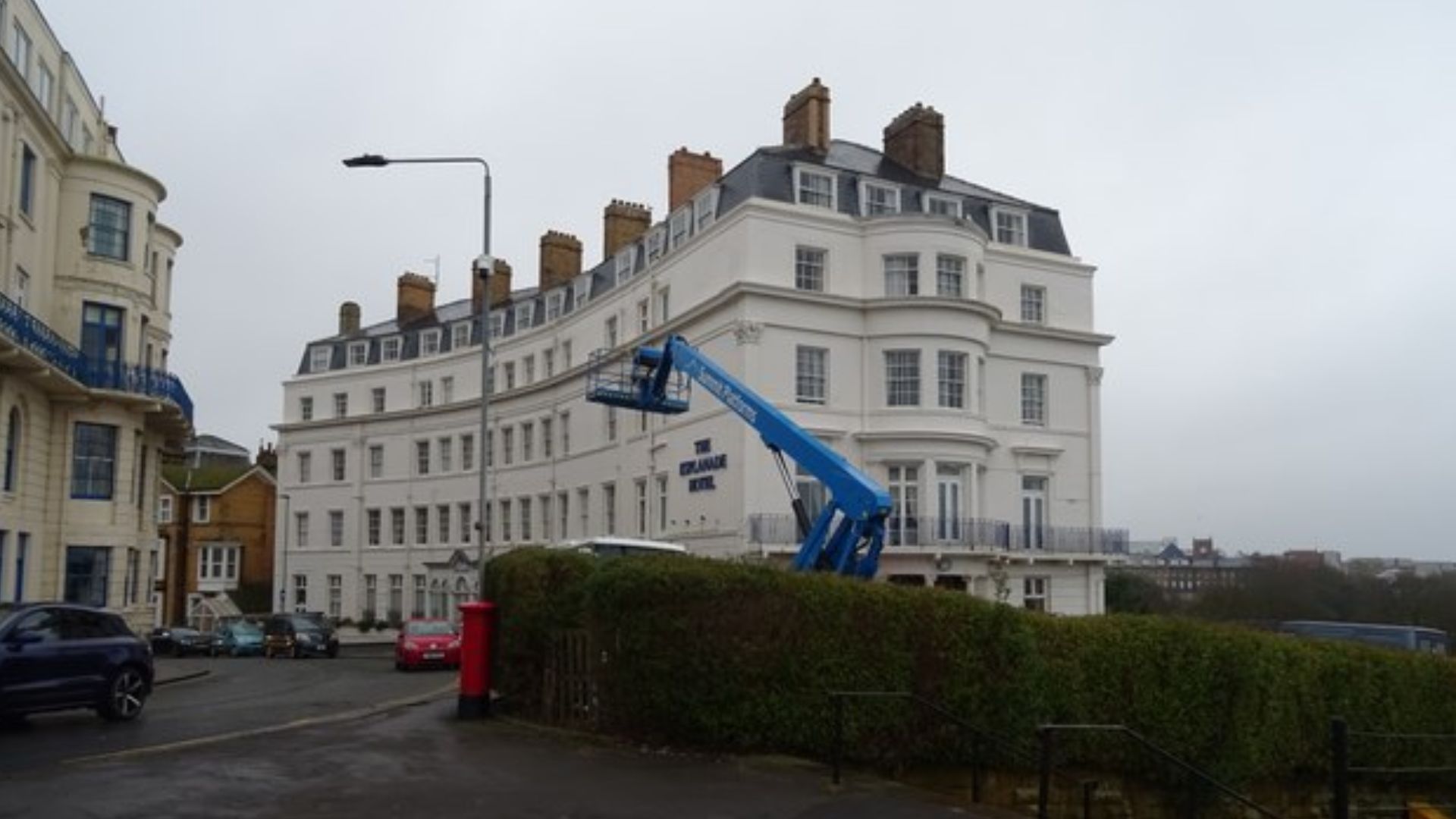
Mice Nearly Ate The Lovers' Identities
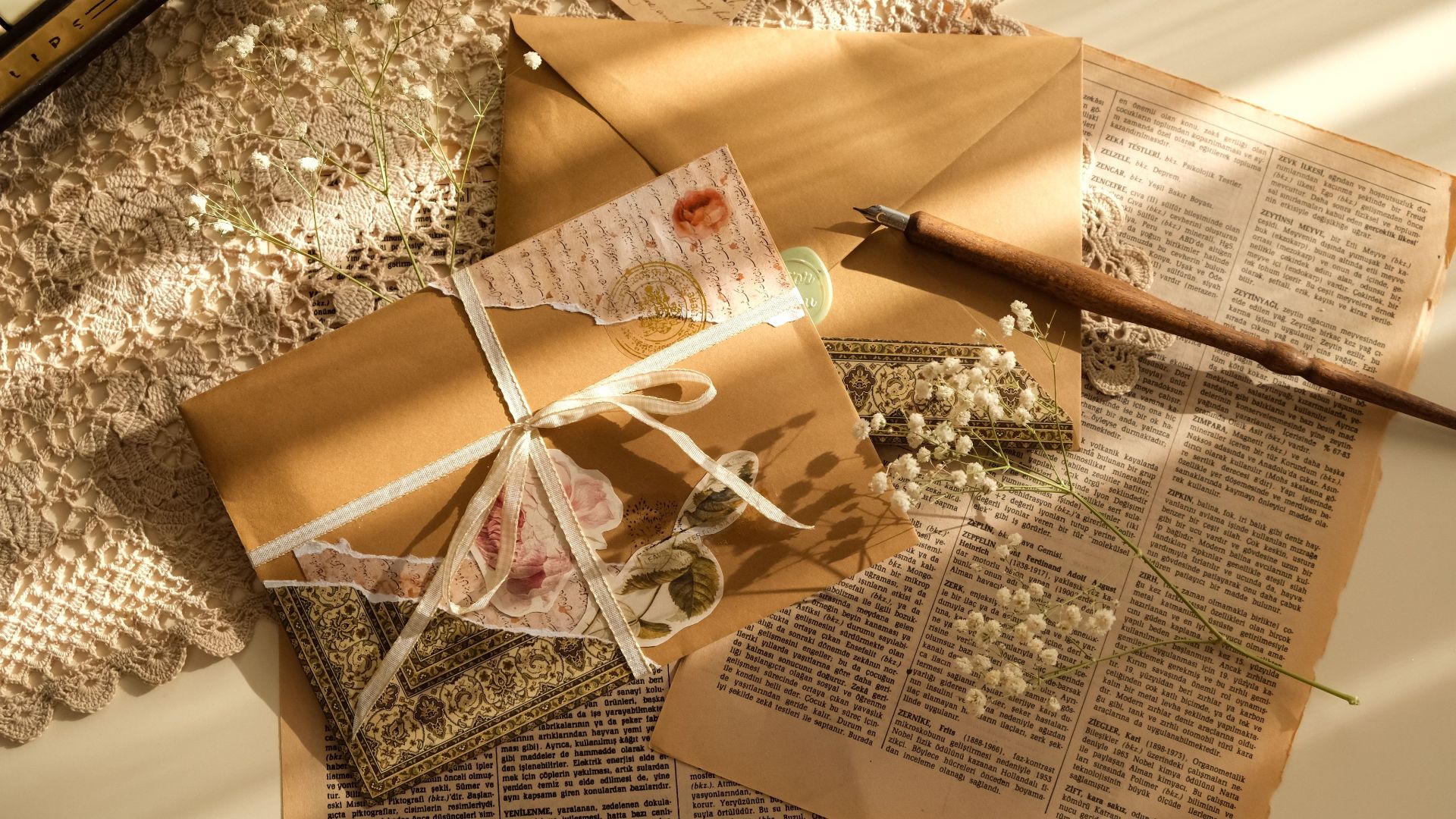
The correspondence appears to date from roughly 1941 to 1944, when military units were using the hotel. Researchers believe at least some of the letters may have been exchanged between a serviceman and a woman at home. One signature had been partly eaten by mice, making a simple wartime romance unexpectedly difficult to reconstruct.
James Castle Put His Art In The Walls
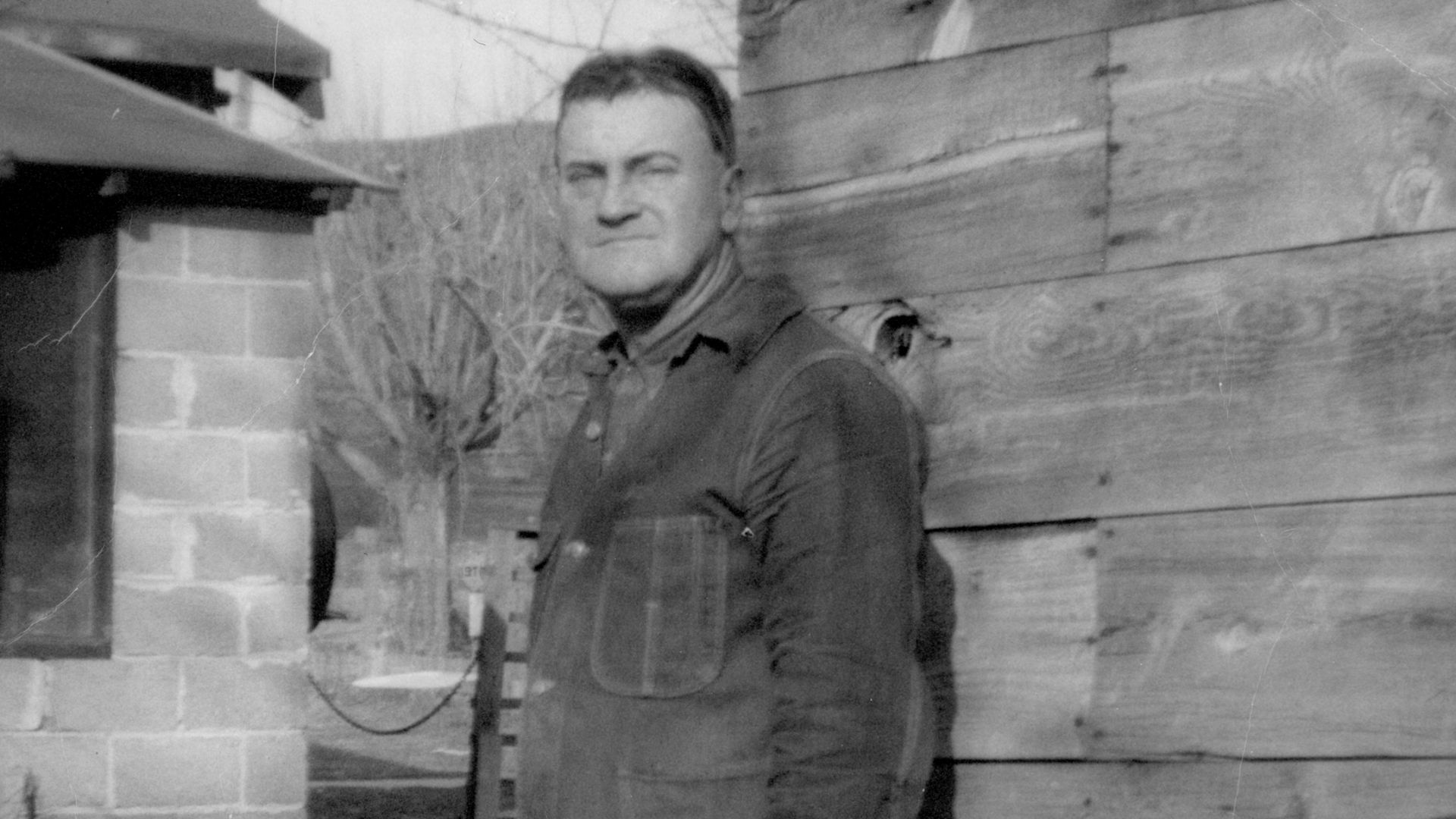
When Boise restored the former home of self-taught artist James Castle, workers suspected that something might be hidden behind newspaper and fabric insulation. Removing it revealed ten previously unseen artworks along with pencils, marbles, blank paper, and a tobacco bag. Another work surfaced inside a small book concealed in a bedroom wall.
The Ceiling Had Hidden Even More
The 2016 discoveries were not the first surprise inside Castle's former home. A previous owner had reportedly found around 150 of his works hidden in the ceiling after purchasing the property in the 1990s. Castle was known for storing his creations in barns, sheds, attics, walls, and other unlikely spaces around family property.
 Tiger-Mouse-Rat-Dog, Wikimedia Commons
Grant's Home Was Hiding Poisonous Paint
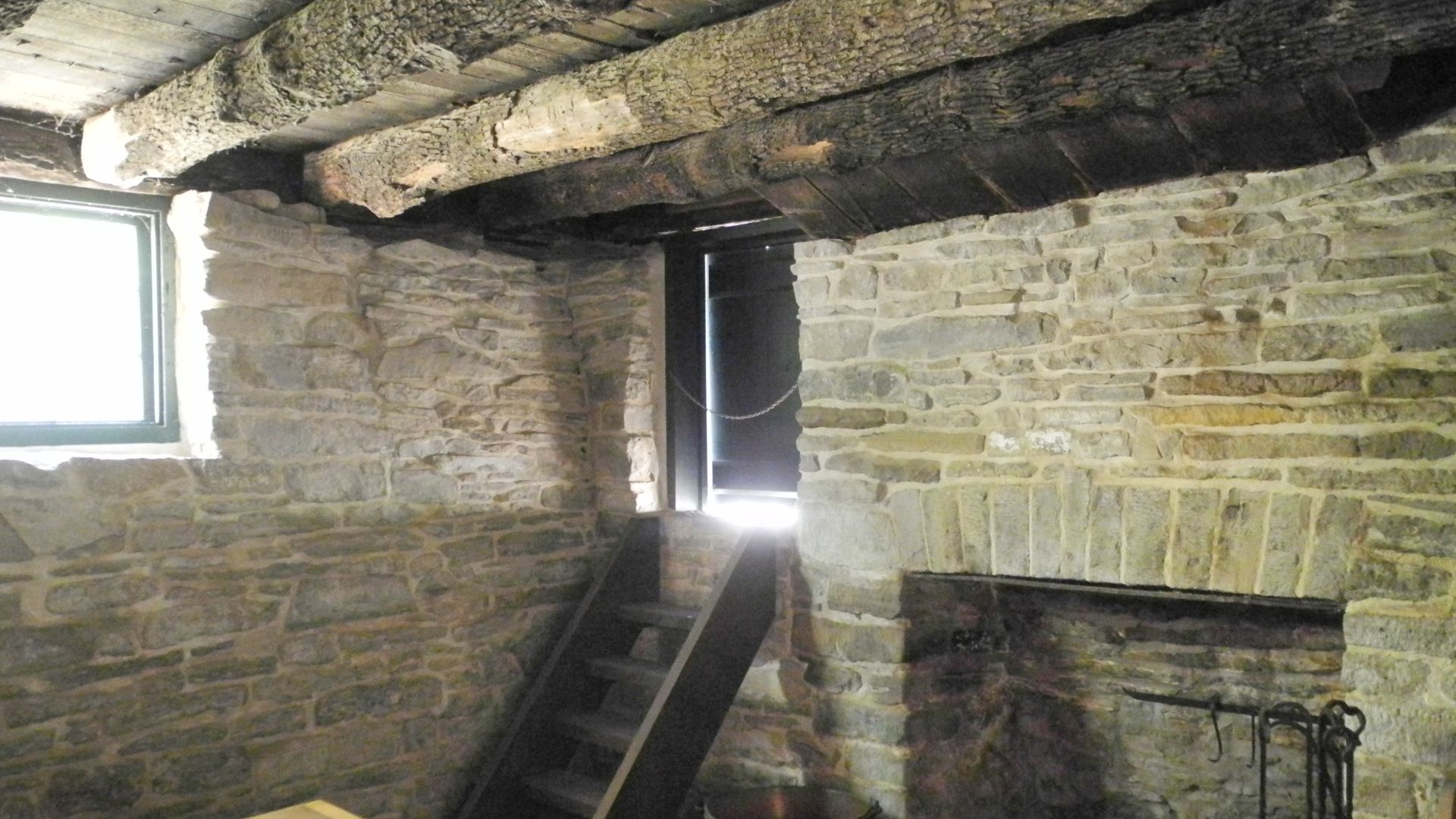
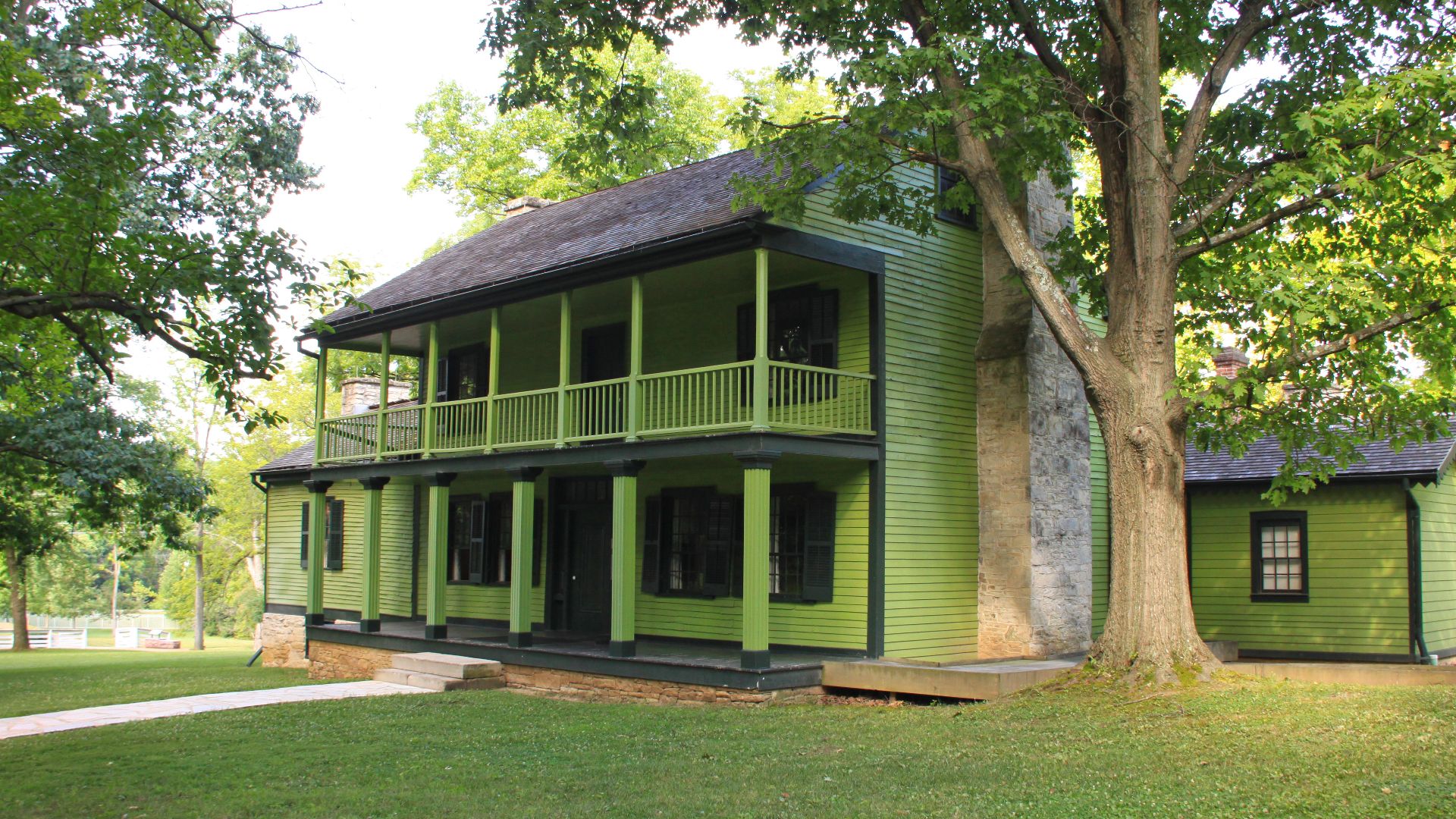
Restoration work during the 1990s uncovered original 1870s wall paint at White Haven, now part of Ulysses S. Grant National Historic Site. The brilliant shade was known as Paris Green. Its color came with a disturbing ingredient because the historic pigment contained arsenic.
Plaster Accidentally Saved It
Later owners had covered the original wall with plaster, sealing the green surface away for decades. That covering helped preserve an unusually direct piece of the house's 19th-century appearance. Restorers eventually reconstructed the room in a way that allowed the surviving historic paint to remain protected and visible.
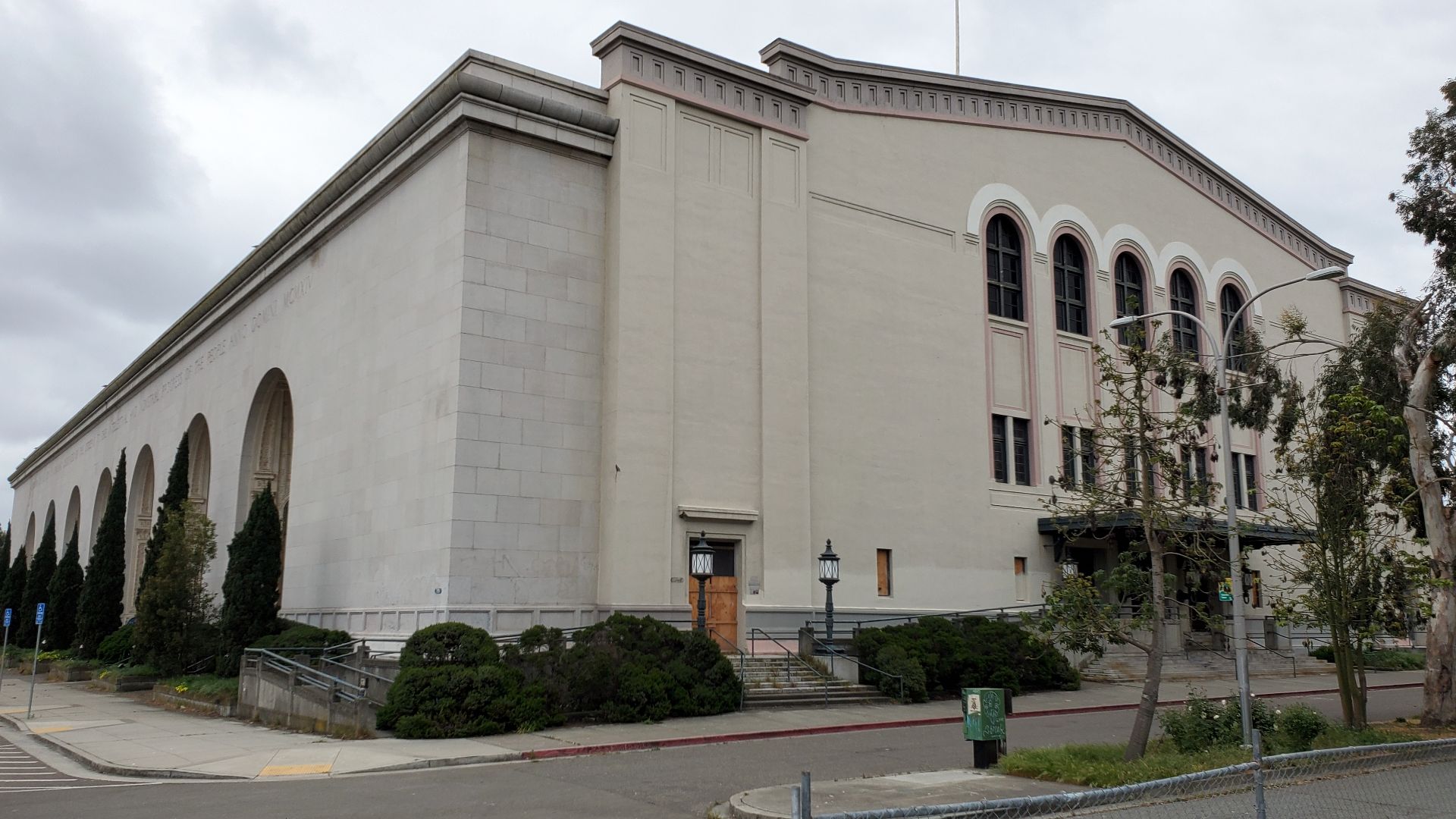
Workers Found A Body Inside An Auditorium Wall
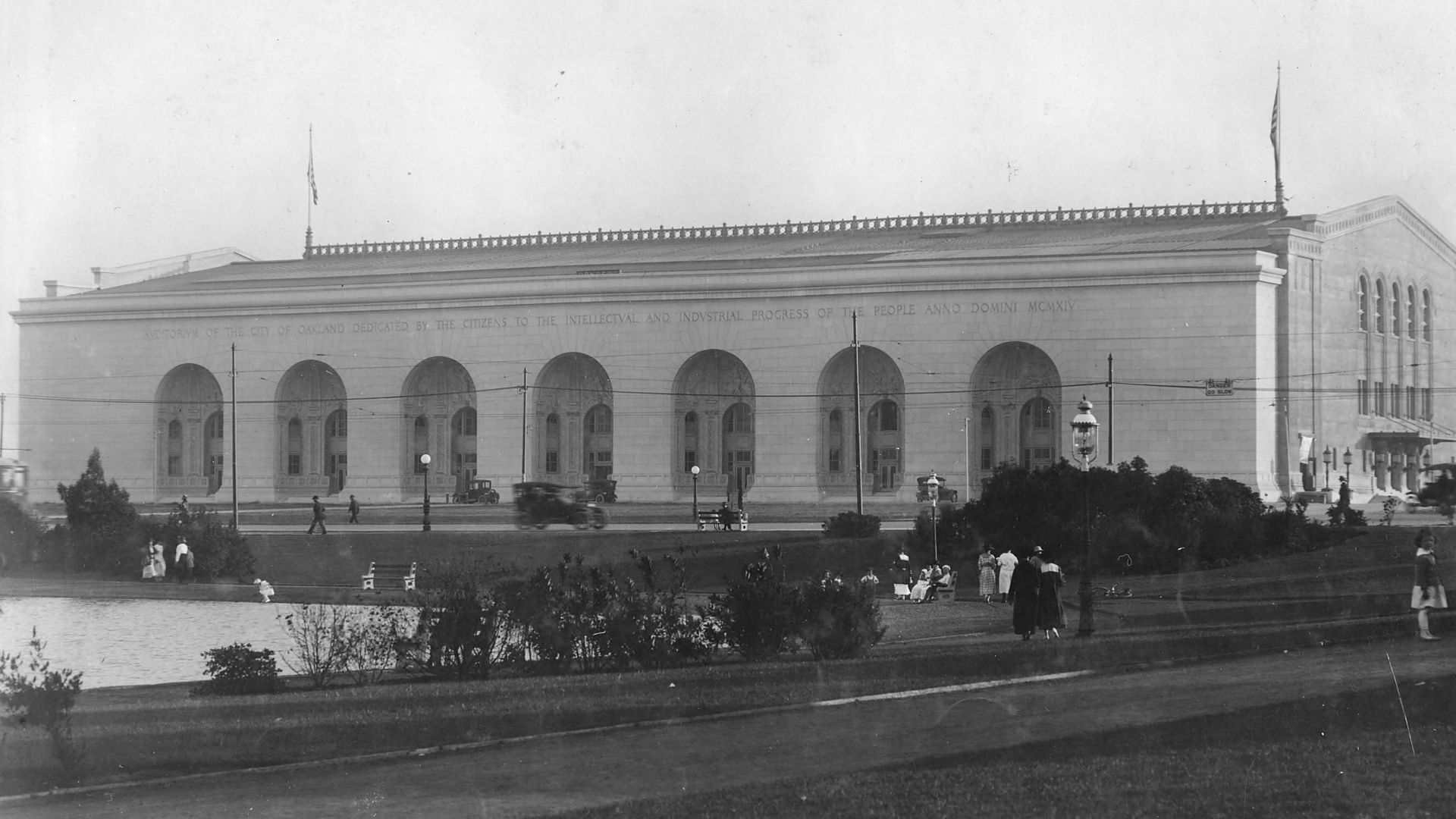
Renovation workers at Oakland's historic Henry J. Kaiser Convention Center made a much darker discovery in March 2022. Inside a narrow cavity between concrete pillars was the naturally mummified body of an adult man. The space was accessible only through an opening about 15 inches wide.
 Pi.1415926535, Wikimedia Commons
He May Have Fallen Into The Gap
Police found no obvious indication that the unidentified man had been bound or killed violently. Investigators believed evidence near the top of the cavity suggested he may have entered or died higher inside the space before his remains gradually moved downward. The building had opened in 1914, but officials estimated that the body itself had probably been inside the wall for only several years.
 Cheney Photo Advertising Co., Wikimedia Commons
The Smithsonian Castle Had A Secret Chamber
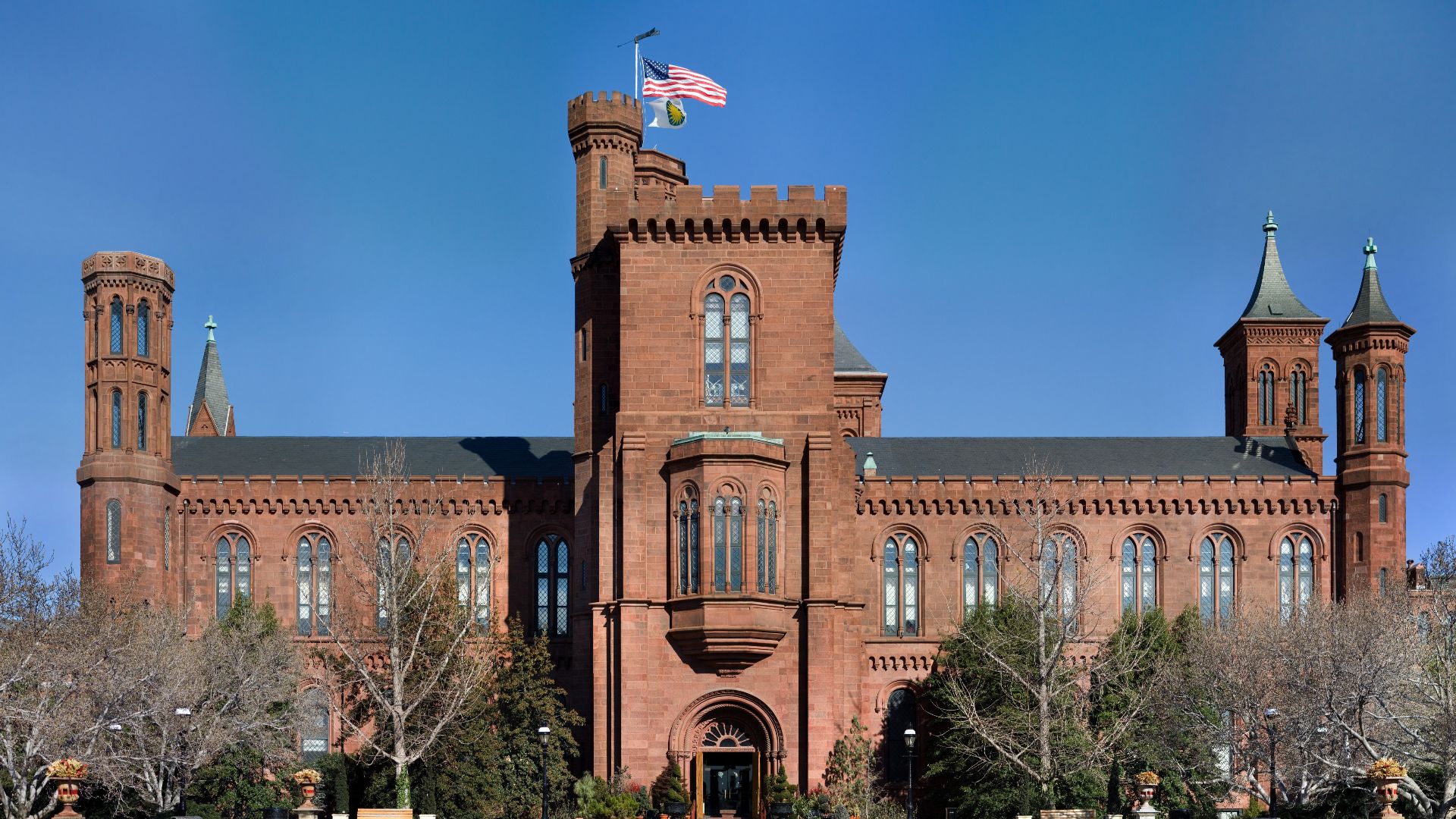
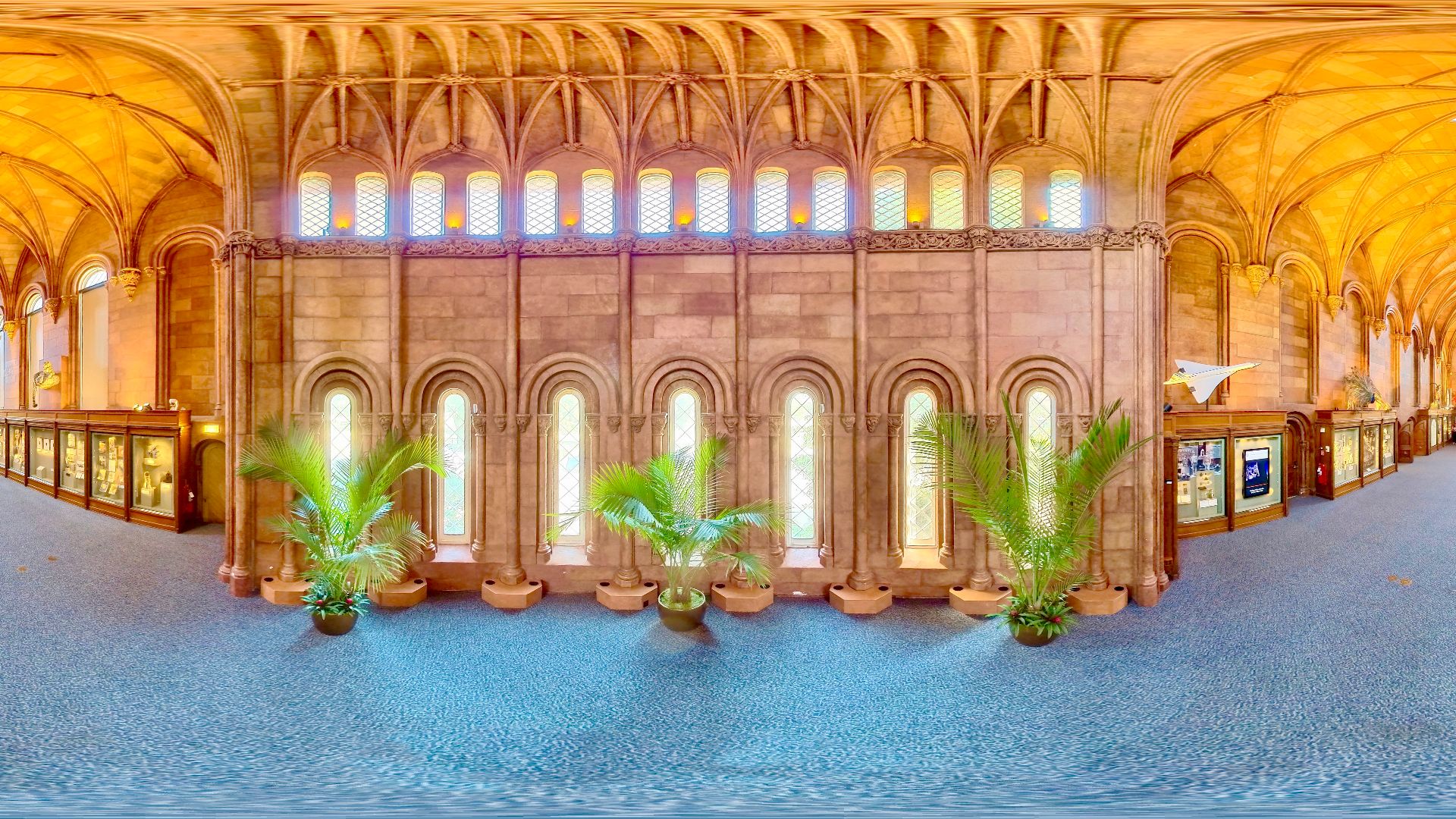
Crews renovating the Smithsonian Castle in Washington, D.C., discovered the entrance to an unknown brick chamber in 2024. The circular structure measured roughly nine feet across and extended about 30 feet underground. It had apparently remained sealed for more than a century.
 User:Noclip, Wikimedia Commons
The Secret Room Was Actually A Giant Tank
The mystery chamber was not a vault or forgotten archive. It was an 1847 cistern constructed to collect rainwater around the Smithsonian site. Finding it still offered an unexpected glimpse of the infrastructure that supported Washington long before modern utility systems.
An Intern Opened The Right Attic Folder
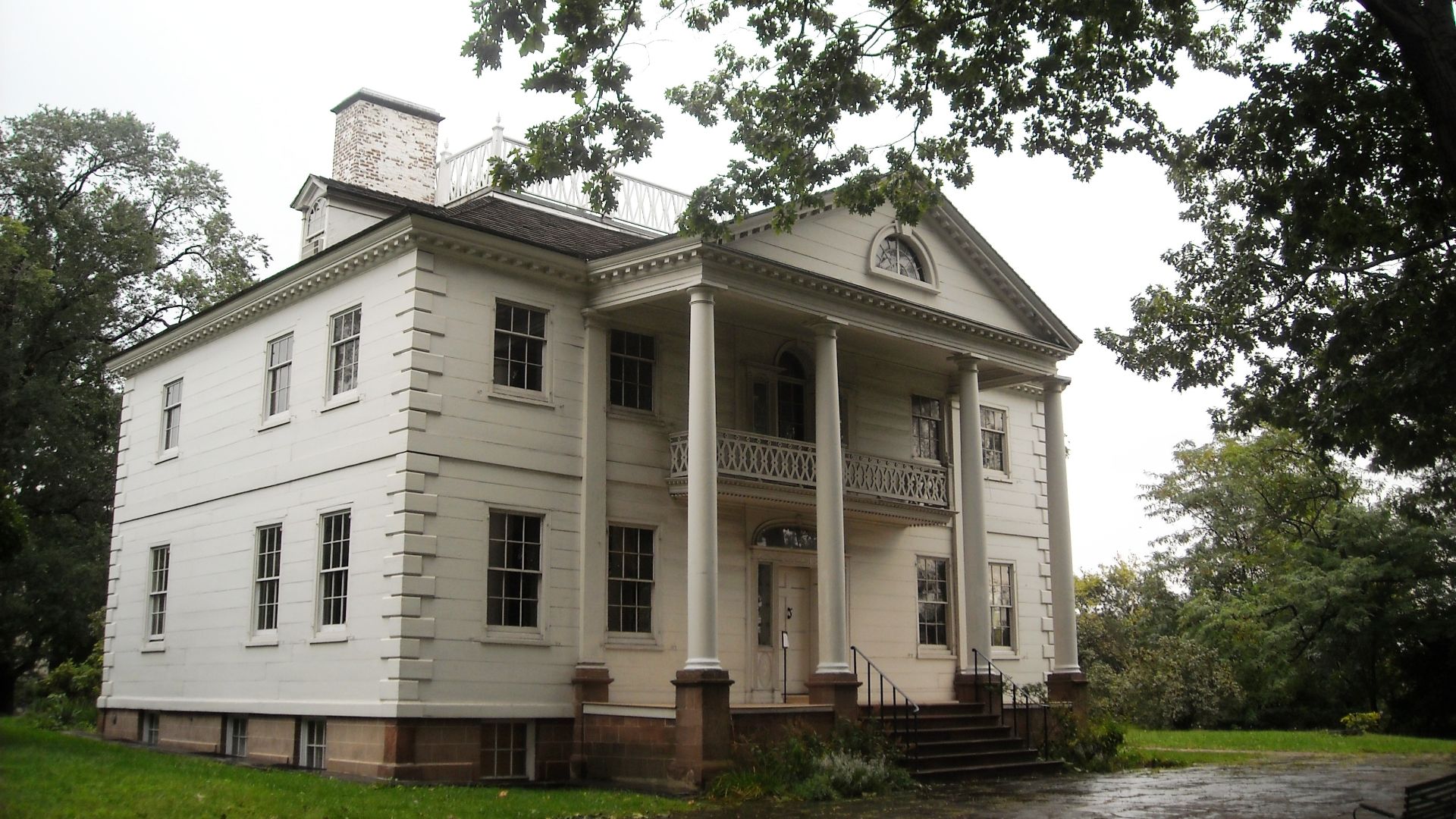
In 2013, intern Emilie Gruchow was cataloging papers in the sweltering attic of Manhattan's Morris-Jumel Mansion. Among records belonging to an 18th-century doctor, she noticed fragments of another handwritten document. A familiar phrase made her realize that the papers might be far more important than their storage location suggested.
 Elisa Rolle, Wikimedia Commons
The Forgotten Pages Were Worth A Fortune
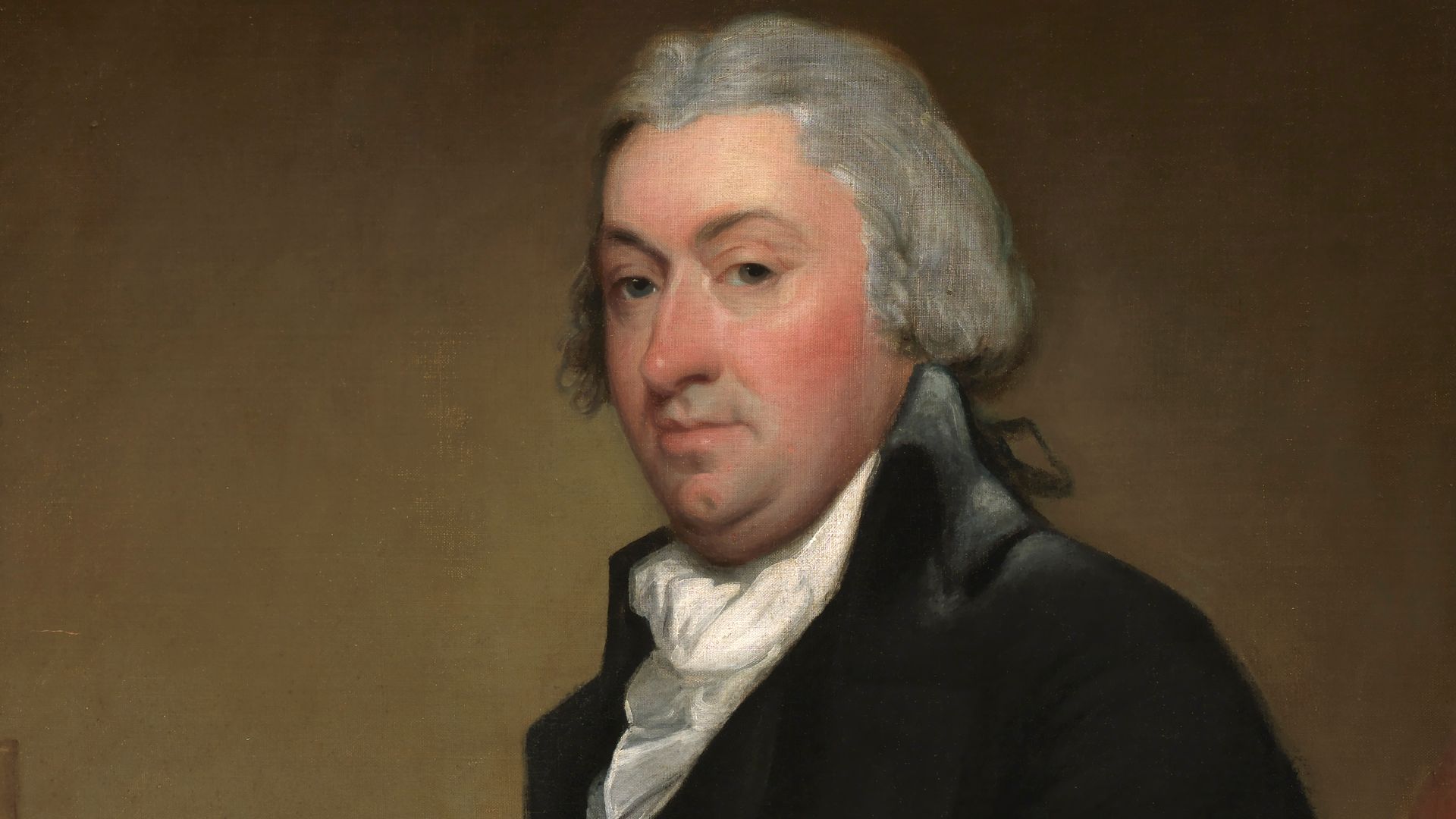
The manuscript turned out to be a draft of the Second Continental Congress's 1775 appeal To the Inhabitants of Great Britain. Scholars determined that Robert R. Livingston had written most of it, with edits by Richard Henry Lee. The document later sold at auction for $912,500, dramatically increasing the small museum's financial resources.
 Attributed to Gilbert Stuart, Wikimedia Commons
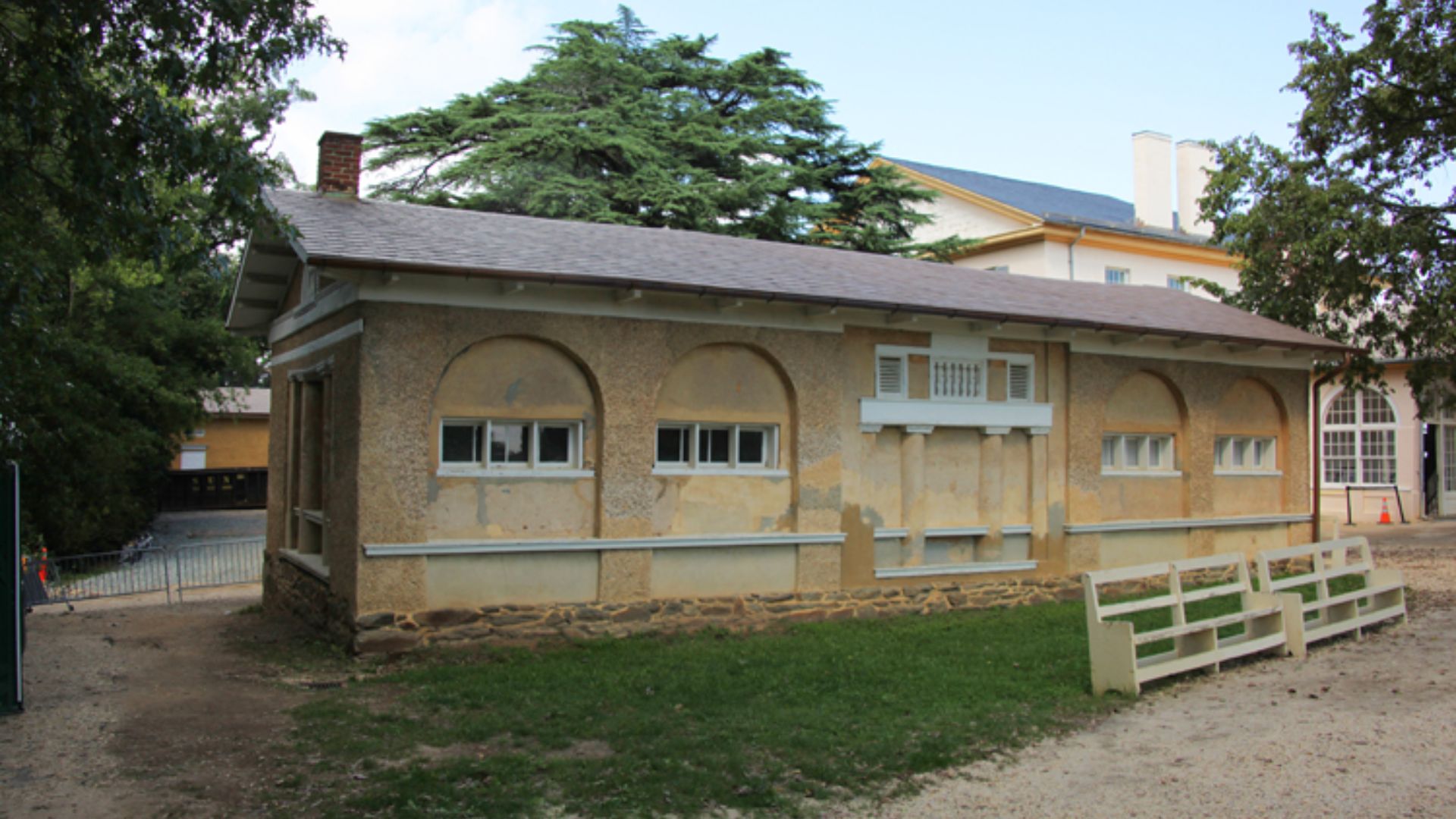
Arlington's Slave Quarters Hid A Shrine
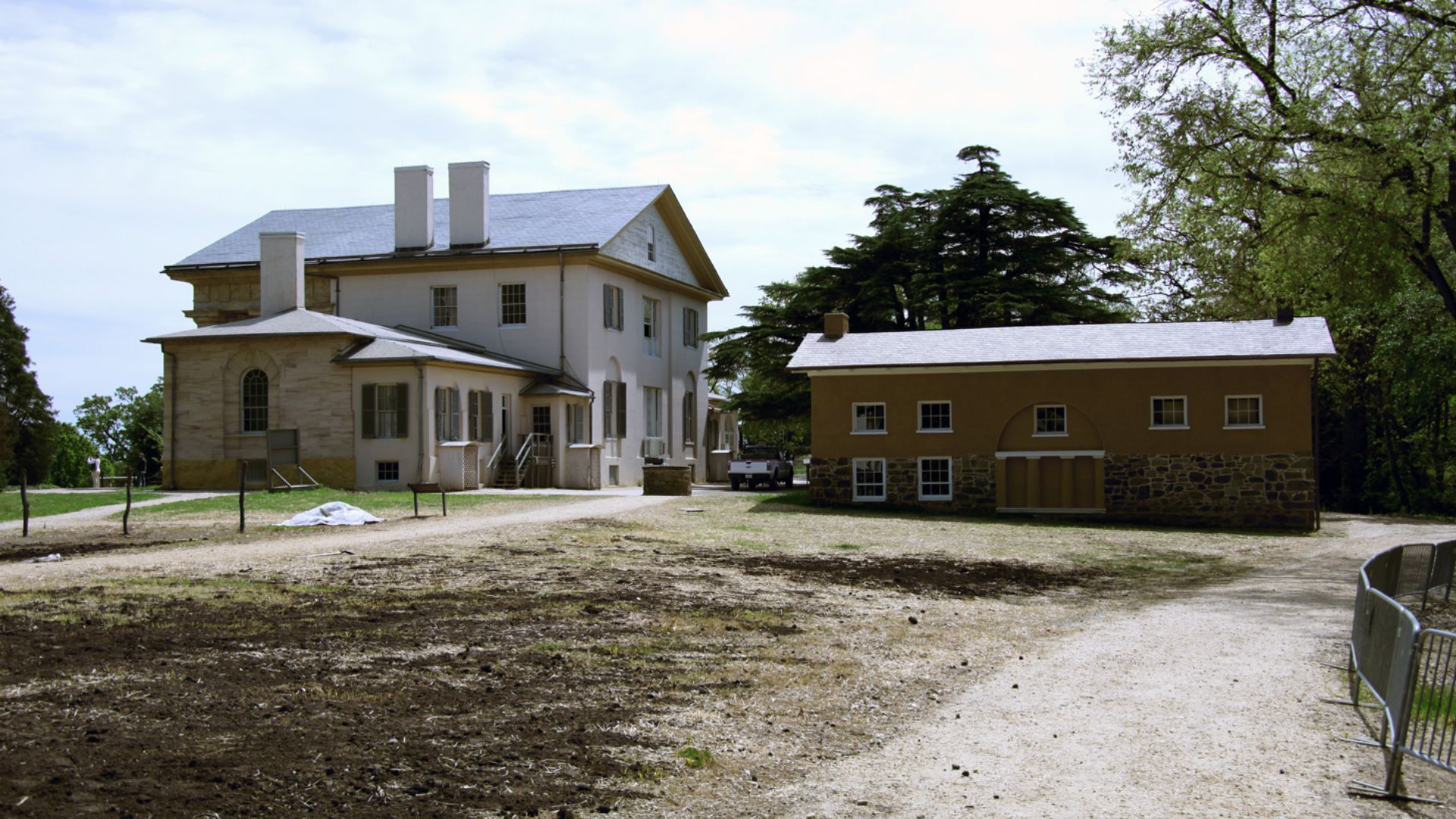
Archaeological work beneath the floor of the South Slave Quarters at Arlington House uncovered a small storage pit near a fireplace. Inside were four intact glass bottles associated with the enslaved family of Selina and Thornton Gray. Their careful arrangement convinced archaeologists that the pit may have served a spiritual rather than merely practical purpose.
 Tim Evanson, Wikimedia Commons
Every Bottle Pointed Toward Freedom
The bottles were positioned side by side with their openings pointing north. National Park Service researchers interpret the arrangement as possible evidence of African-derived spiritual traditions and Hoodoo rootwork practices. The concealed objects may have functioned as a protective shrine during a period of extraordinary uncertainty for the enslaved family.
 Tim Evanson, Wikimedia Commons
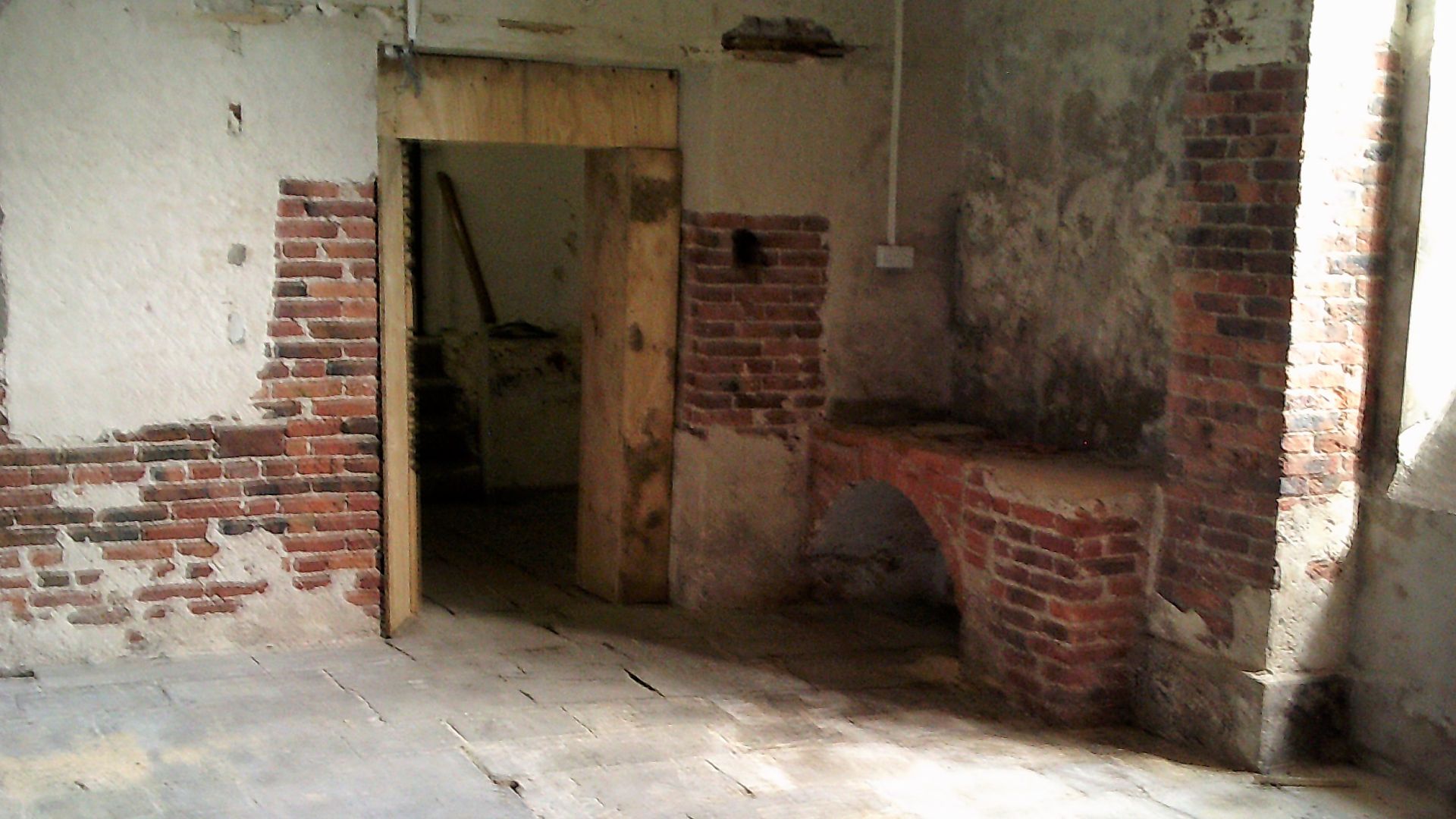
Auckland Castle Hid A Fireplace In A Lift Shaft
A multimillion-pound restoration of Auckland Castle in County Durham produced an architectural surprise. Workers discovered a Tudor fireplace concealed inside a later elevator shaft. Generations of remodeling had effectively swallowed an element of the castle's much earlier history.
 Riversiderouge, Wikimedia Commons
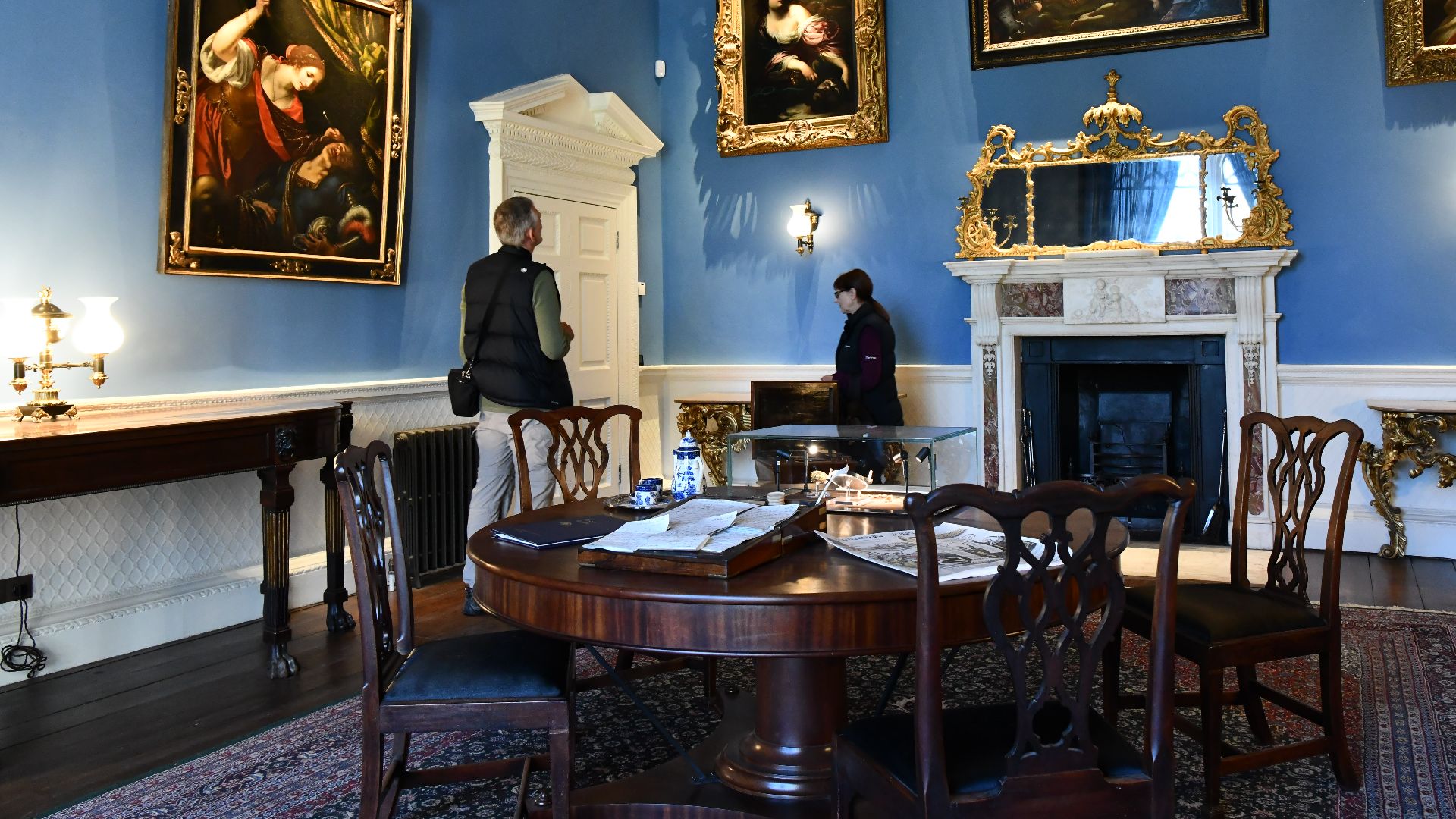
Another Room Was Hiding Victorian Wallpaper
The same project revealed an entire wall covered with late 19th-century wallpaper in the castle's morning room. Its unusual brown-and-blue plant pattern survived behind later alterations. Restoration therefore uncovered pieces of two completely different eras hiding within the same historic complex.
 Michael Garlick , Wikimedia Commons
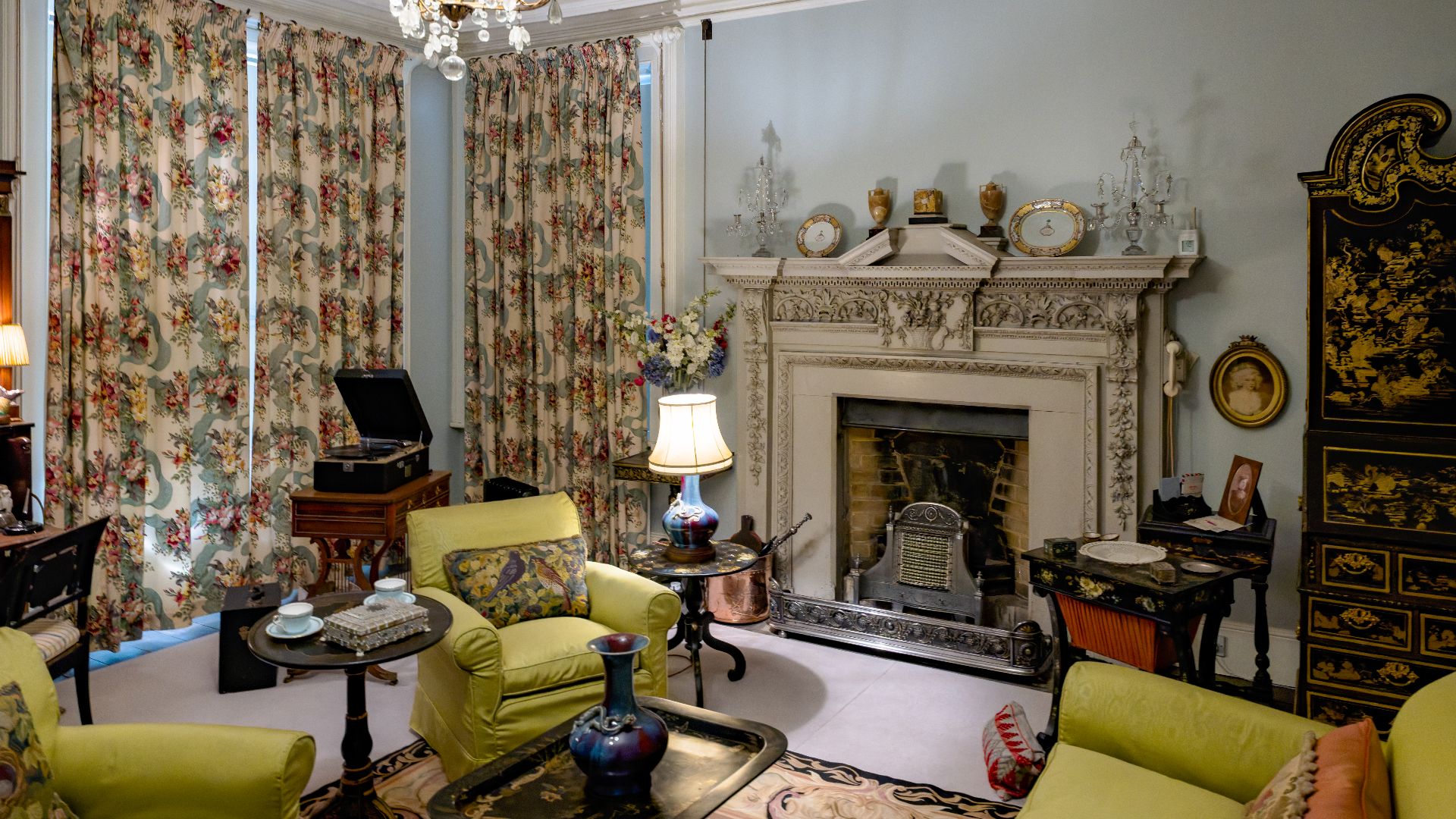
Scotney Castle Had Treasure In A Drawer
Volunteers cataloging generations of belongings at Scotney Castle in Kent eventually opened a deteriorating cardboard box pushed to the back of a drawer. Inside were 186 antique coins. Most were Roman, but the collection ranged much more widely across ancient and modern history.
One Coin Was More Than 2,000 Years Old
The oldest piece was a silver coin from the Greek island of Aegina dating to around the seventh century BCE. Diaries suggested that Victorian owner Edward Hussey and later his son Edwy had built the collection as a serious hobby. Their coins survived not in a vault or museum cabinet, but forgotten among the accumulated possessions of the house.
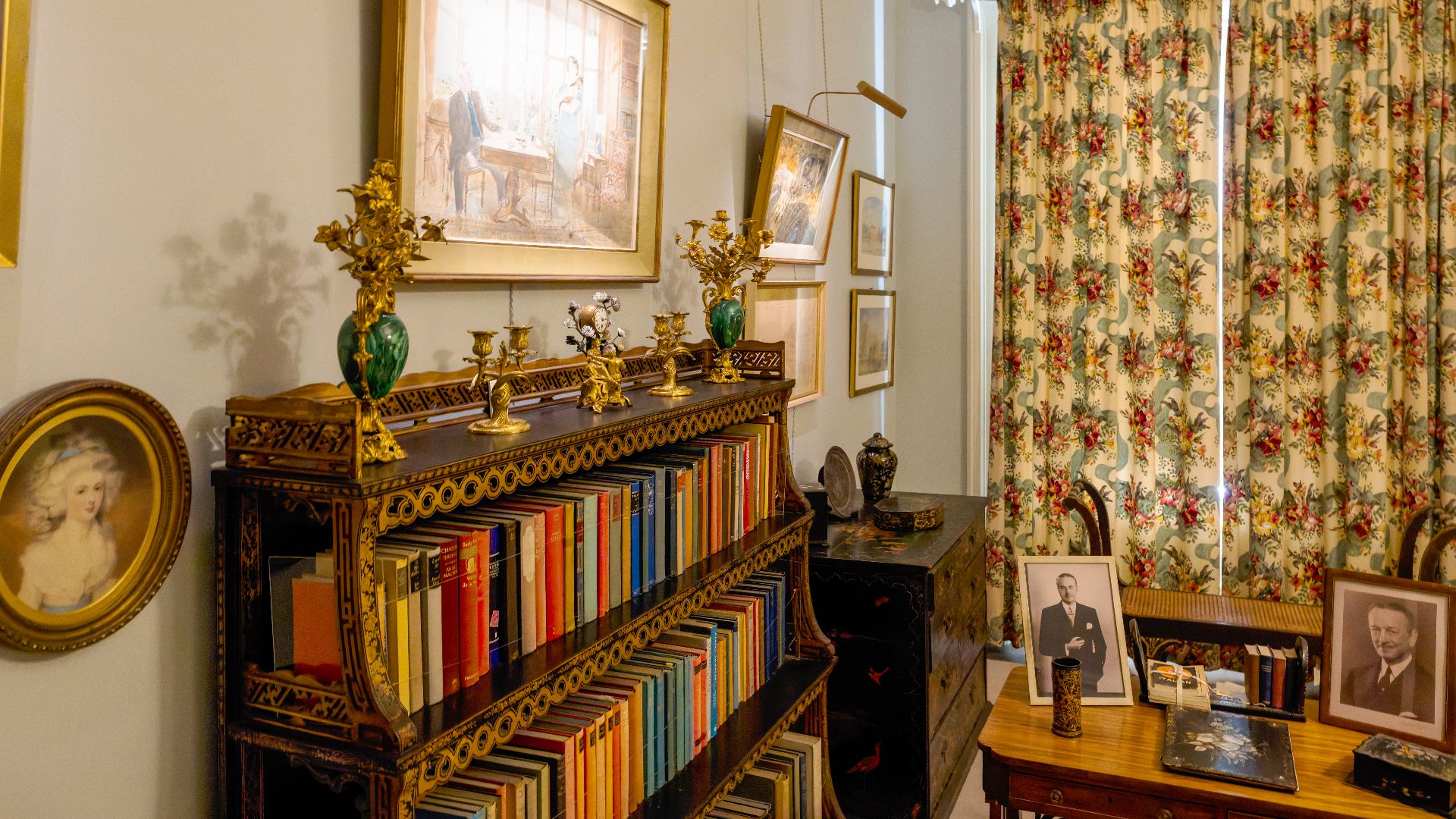
Michelangelo's Secret Room Was Under A Wardrobe
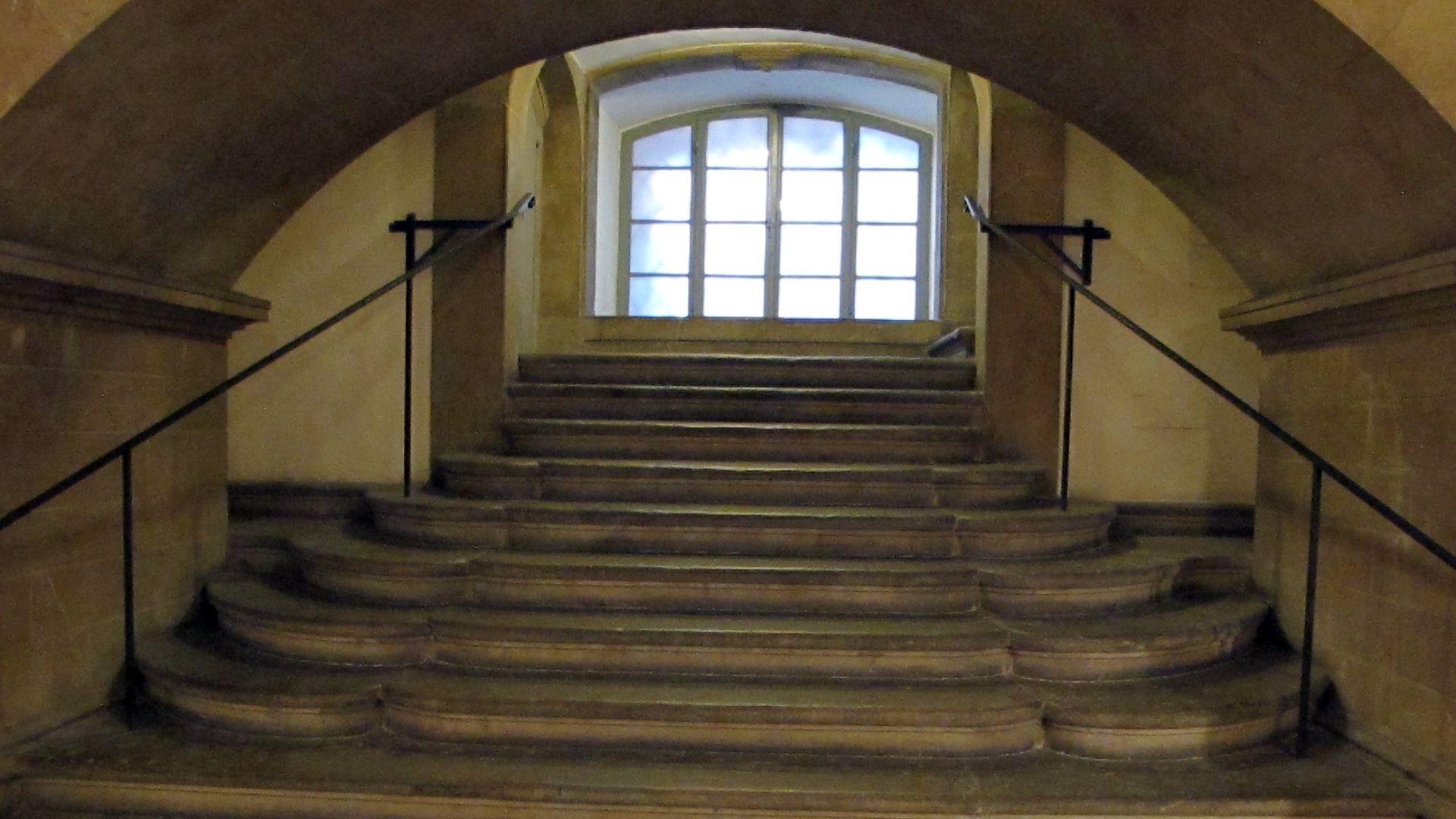
In 1975, museum director Paolo Dal Poggetto was looking for a possible new exit from Florence's Medici Chapels when he discovered a trapdoor beneath furniture. Stairs led into a narrow room that had once been used for coal storage and then sealed off. Beneath layers of plaster, workers uncovered dozens of charcoal and chalk drawings.
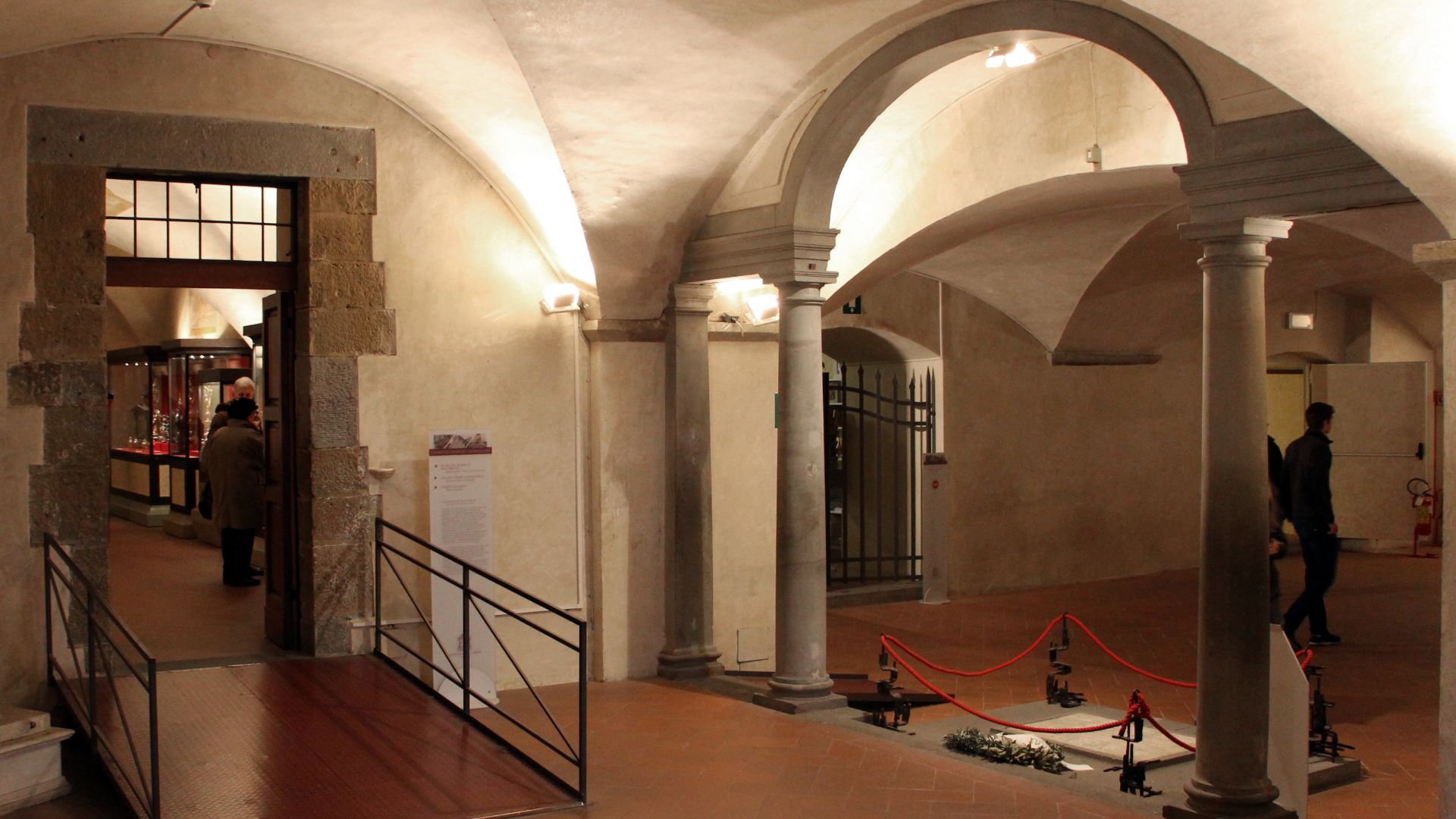
The Walls May Have Been Michelangelo's Sketchbook
Many scholars believe at least some of the figures were drawn by Michelangelo, although the attribution is not universally accepted. One theory holds that the artist hid in the chamber in 1530 after siding with Florence's republican government against the Medici family. The drawings echo figures from his sculptures and larger works, turning a forgotten basement room into one of Florence's most intriguing artistic spaces.
 Francesco Bini, Wikimedia Commons
Historic Buildings Rarely Finish Talking
Walls, floors, attics, cupboards, and forgotten shafts can preserve things that written records miss entirely. The strangest discoveries are often not buried deep underground at all, but sitting behind a few inches of plaster or beneath the floorboards people have been walking across for generations.
You May Also Like:
The World’s Most Iconic Buildings
Facts About The Most Notorious Art Heists In History
Facts About Historical Artifacts
Sources: 1, 2, 3, 4, 5, 6, 7, 8, 9, 10, 11, 12, 13, 14, 15, 16, 17, 18