
Remember When This Was Just Normal?
There was a time when leaving the house meant following a surprisingly long list of unwritten rules. Some were overly formal, some desperately needed updating, and others made daily life a little more pleasant. As manners become increasingly casual, these once-standard courtesies are quietly disappearing—but a few might be worth saving.
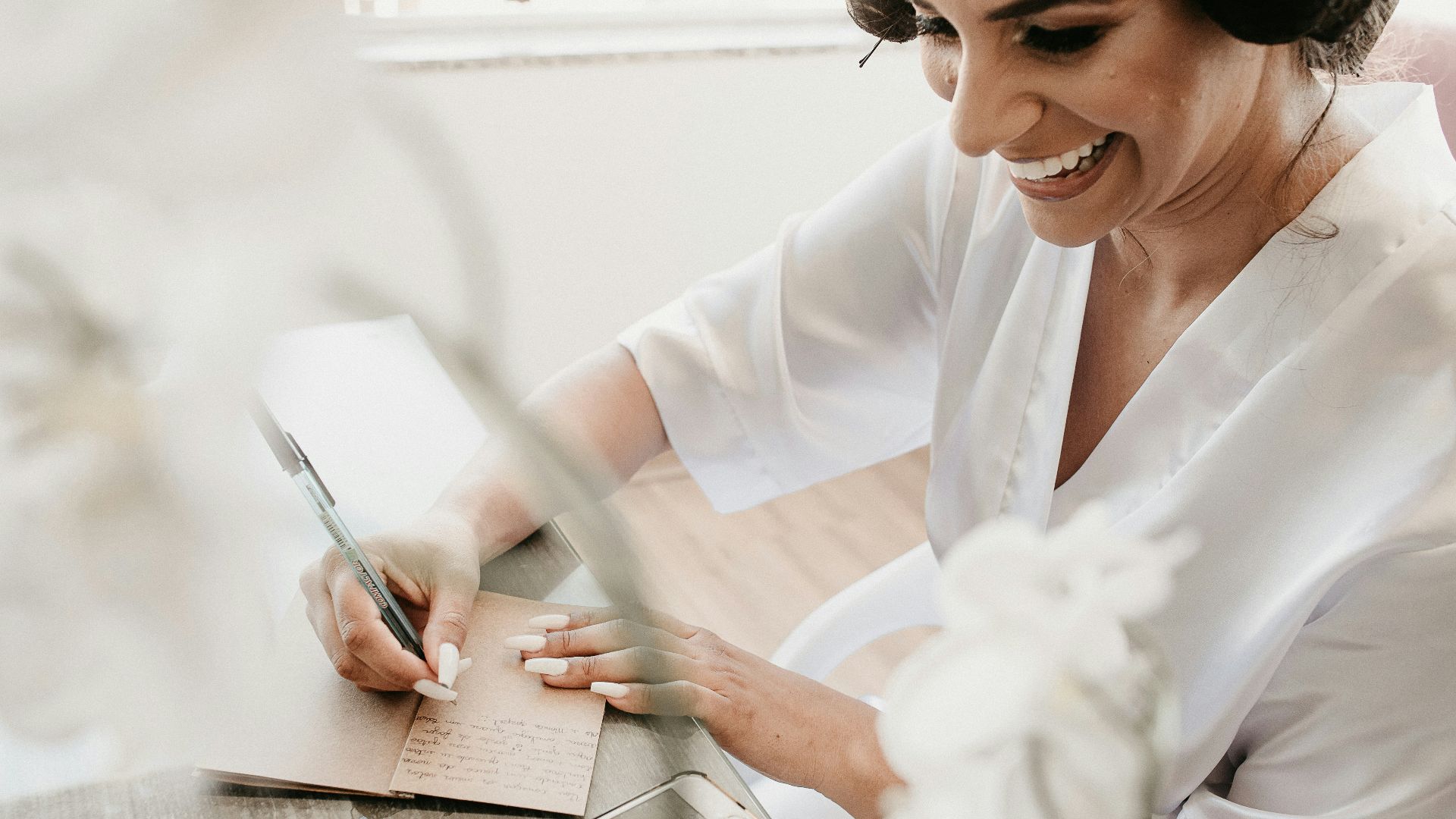
Sending Thank You Notes
A quick thank-you text certainly beats silence, but handwritten notes once carried much more weight. Sending one showed that you’d taken a few minutes to recognize someone’s gift, hospitality, or kindness. Nobody needs embossed stationery or perfect penmanship, either. A short, sincere message can make an ordinary gesture feel genuinely appreciated, and may even become a keepsake.
Saying Hello First
People once considered it rude to walk into a room, store, office, or elevator without acknowledging anyone. Today, it’s easy to stare at a phone and wait for someone else to break the silence. Saying hello first takes almost no effort, yet it instantly makes an interaction warmer. Even a smile and quick greeting can make strangers feel less invisible.

RSVPing In A Timely Manner
An invitation isn’t a vague suggestion that can remain unanswered until the day before the event. Hosts need time to arrange food, seating, reservations, and countless other details. Traditional etiquette called for responding promptly, preferably within a day or two. Saying no is perfectly acceptable. Leaving someone in planning limbo because you’re waiting for a better offer definitely isn’t.

Apologizing In Person
Texting “sorry” is convenient, especially when facing the injured party feels uncomfortable. Unfortunately, that convenience can also make the apology seem rushed or insincere. When the mistake is serious, apologizing face-to-face allows the other person to hear your tone and respond honestly. A proper apology should acknowledge what happened without excuses, not quietly toss out “sorry you felt that way” and disappear.
 https://kaboompics.com/, Pexels
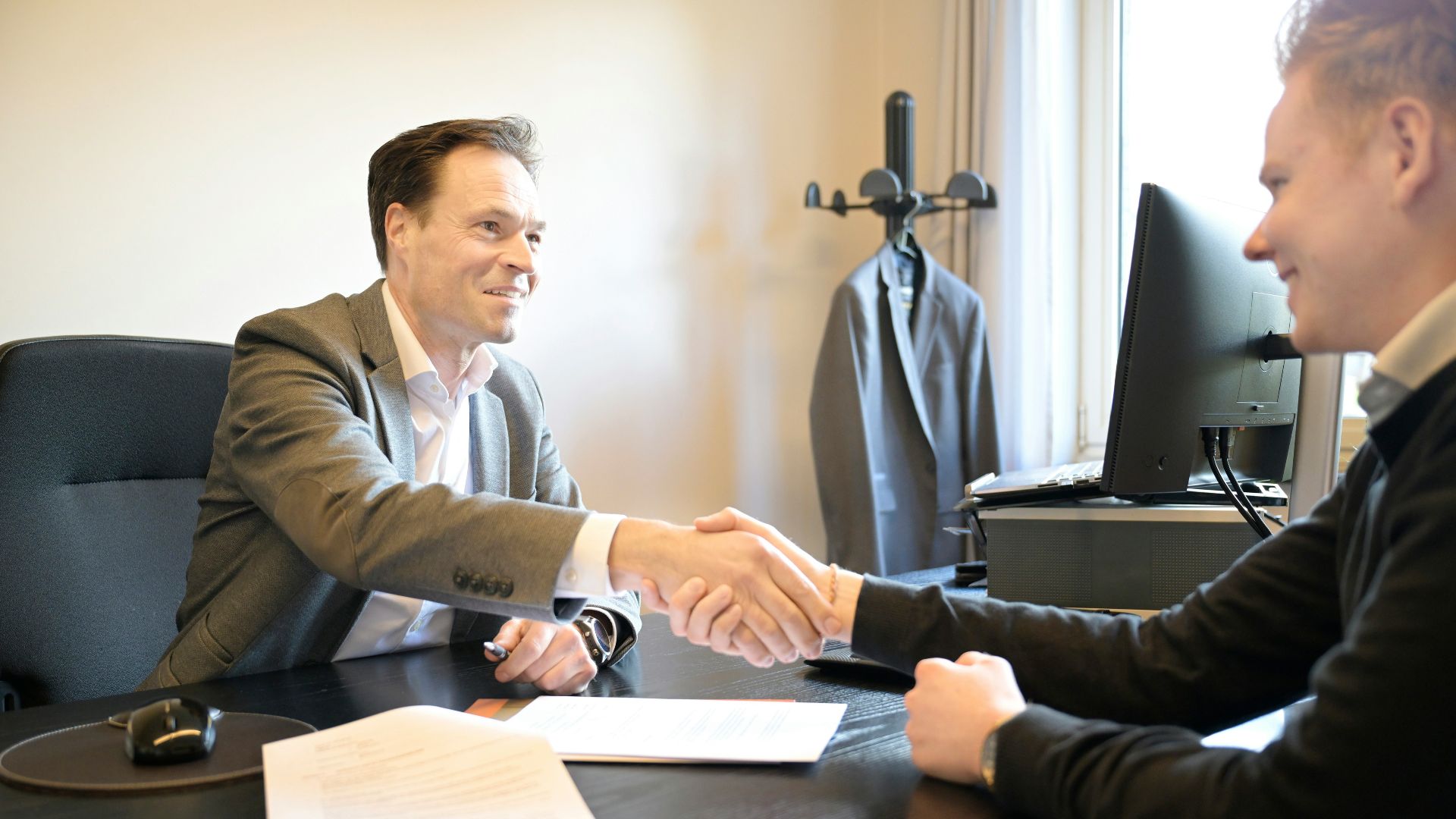
Shaking Hands
For generations, the handshake was the standard way to greet someone, seal an agreement, or show mutual respect. Although health concerns and cultural differences have made it less universal, the basic idea remains useful: greet people deliberately rather than barely looking up. When a handshake is appropriate, keep it brief, make eye contact, and avoid either crushing fingers or offering a completely lifeless hand.
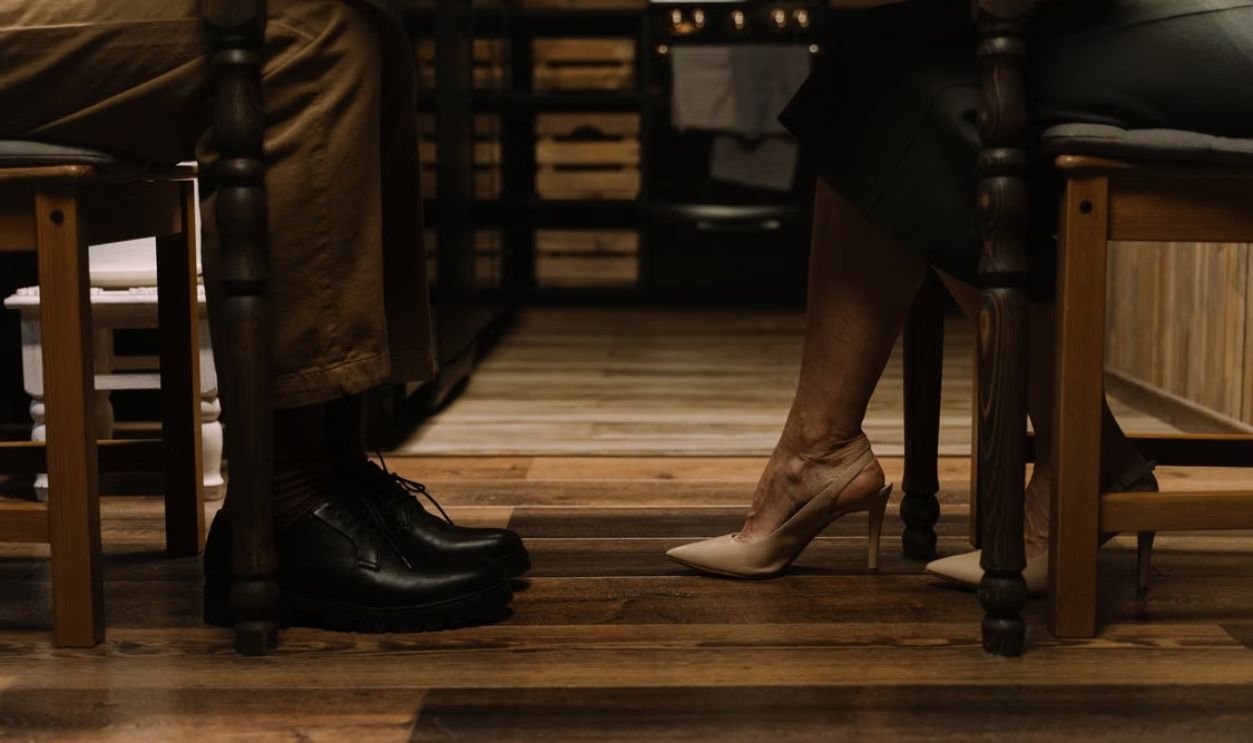
Not Taking Off Your Shoes In Public
Painful shoes can make anyone dream about going barefoot, but restaurants, planes, offices, and public transportation aren’t extensions of the living room. Removing footwear in shared spaces can create hygiene problems and force everyone nearby to become unwillingly familiar with your feet. Loosening a shoe discreetly is one thing. Propping bare feet on the seat ahead is quite another.
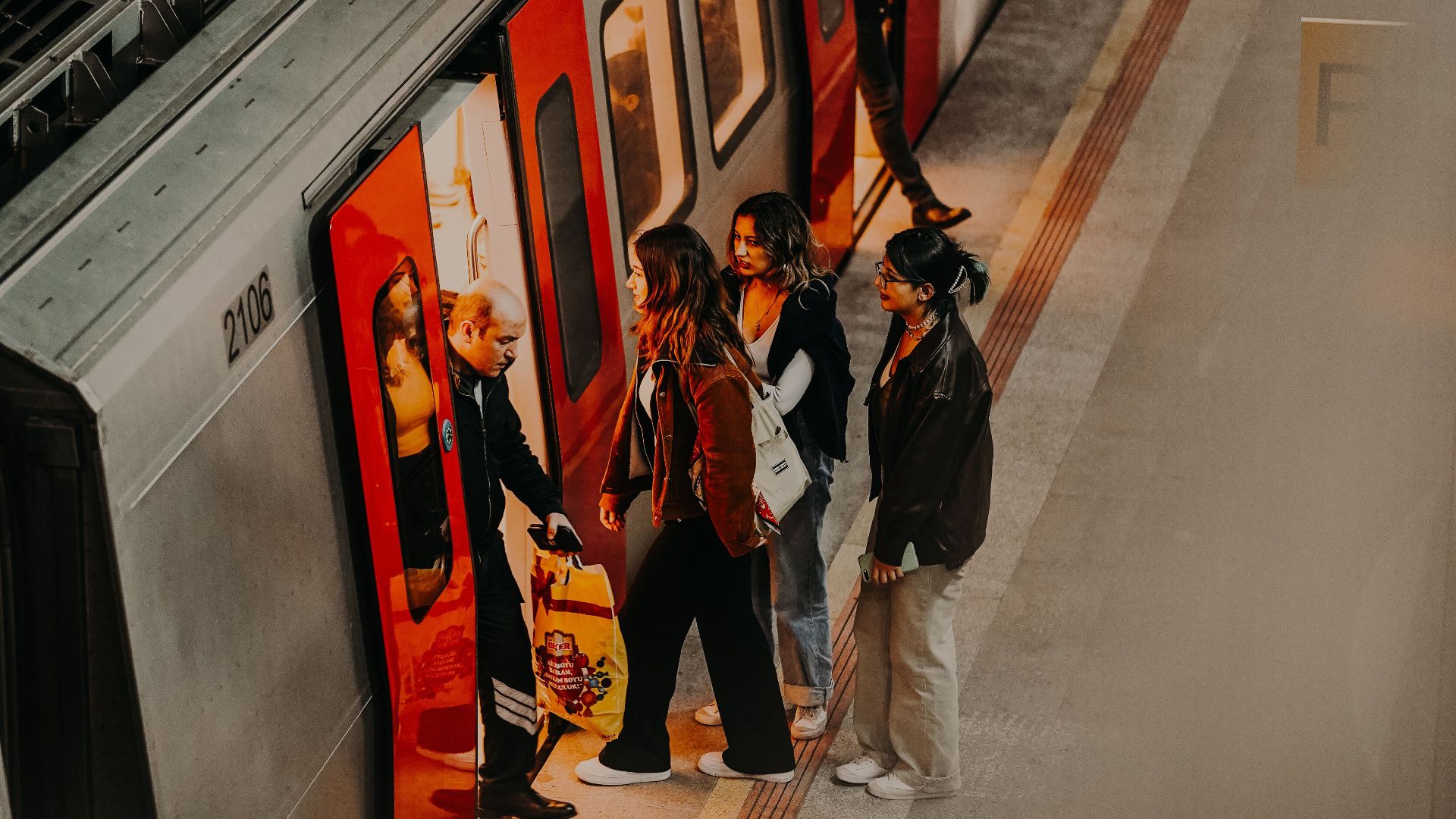
Letting Someone Else Go First
Allowing another person to enter a doorway, merge into traffic, approach a counter, or take the last seat used to be an easy display of courtesy. It wasn’t necessarily about age or gender. It showed that you’d noticed someone besides yourself. Letting one person go first usually costs only a few seconds, yet it can completely change the mood of a crowded or stressful situation.
Addressing People By Their Titles
Calling someone Mr, Ms, Mrs, Dr, or another appropriate title once served as the safest way to begin an interaction. Modern culture is far more casual, and not everyone likes traditional honorifics. Still, beginning respectfully and following the person’s lead remains a sensible rule. It’s usually better to be invited to use a first name than to assume immediate familiarity.


History's most fascinating stories and darkest secrets, delivered to your inbox daily.
Taking Off Your Sunglasses Indoors
Unless there’s a medical reason for wearing them, sunglasses indoors can create an odd barrier between people. Eye contact helps show that you’re attentive, honest, and involved in the conversation. Keeping dark glasses on during an introduction or meal may make you look mysterious, but not always in the glamorous way you imagined. Sometimes it simply looks like you forgot where you are.

Holding The Elevator
Few social situations reveal impatience faster than an elevator door. If someone is clearly approaching, pressing the “close” button while maintaining awkward eye contact is impressively ruthless. Holding the door for a few seconds is generally the courteous move. Of course, nobody expects you to delay an entire building while someone finishes a conversation halfway down the hall. Reasonable effort is enough.
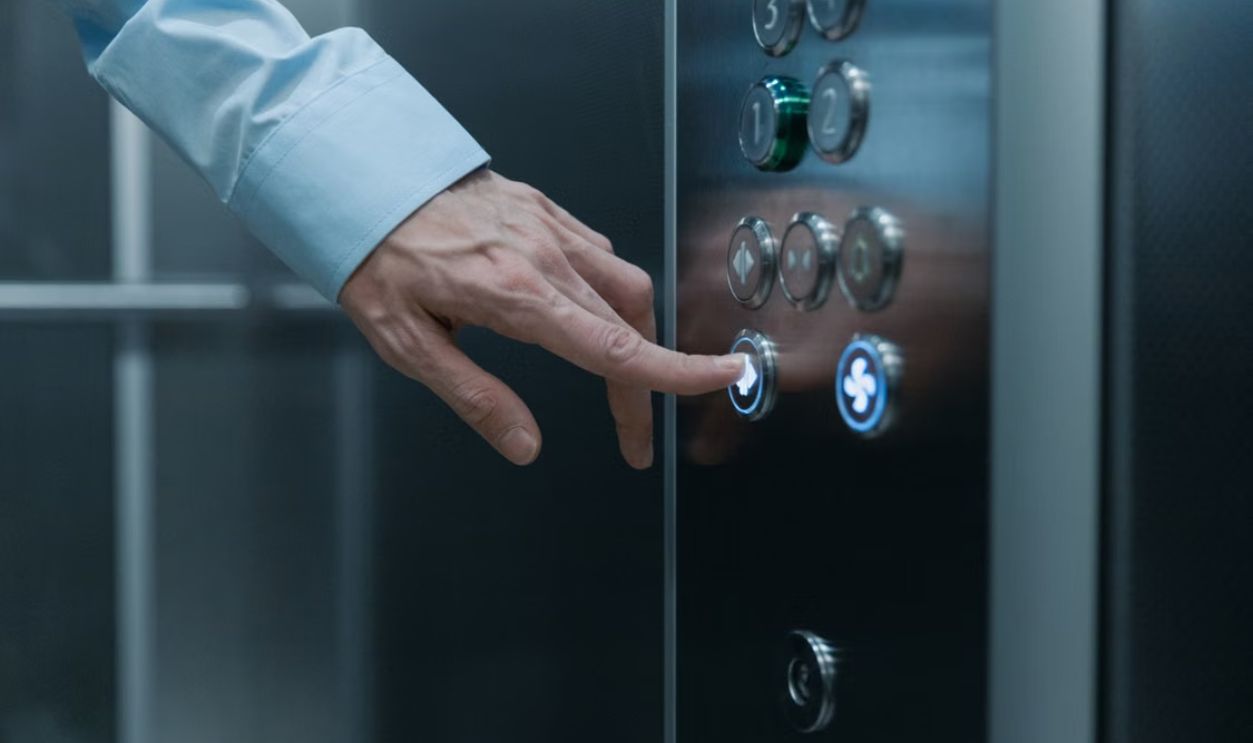
Being On Time, Then Being Present
Punctuality once meant more than physically arriving at the correct location. It also meant giving the event, meeting, or person your attention. Showing up on time but spending the entire visit answering messages isn’t much of an improvement over being late. Good manners now require two steps: arrive when you said you would, then resist behaving as though somewhere else deserves you more.

Keeping Your Voice “Public-Place” Friendly
Some people appear to believe that everyone in a coffee shop, waiting room, or grocery store needs to hear their full story. Traditional etiquette encouraged using a moderate voice in shared spaces, especially when discussing private or emotionally charged subjects. Nobody expects total silence, but there’s a big difference between having a conversation and accidentally hosting a live podcast for an unwilling audience.

Keeping Criticism Private
Correcting or criticizing someone in front of others can turn a useful conversation into public humiliation. Older etiquette guides generally favored offering praise openly and addressing problems privately. That advice still works at family gatherings, workplaces, restaurants, and online. When criticism is necessary, choose a quiet moment and focus on the issue. Embarrassment rarely makes anyone more willing to listen.

Dressing With The Room In Mind
People no longer need to dress formally for every dinner, flight, or trip to the store, and that’s probably a relief. Still, clothing communicates whether you understand the setting and care about the occasion. Dressing with the room in mind doesn’t mean abandoning your personality. It means avoiding beachwear at a funeral, pajamas at a restaurant, or anything that makes the host wonder whether you misread the invitation.
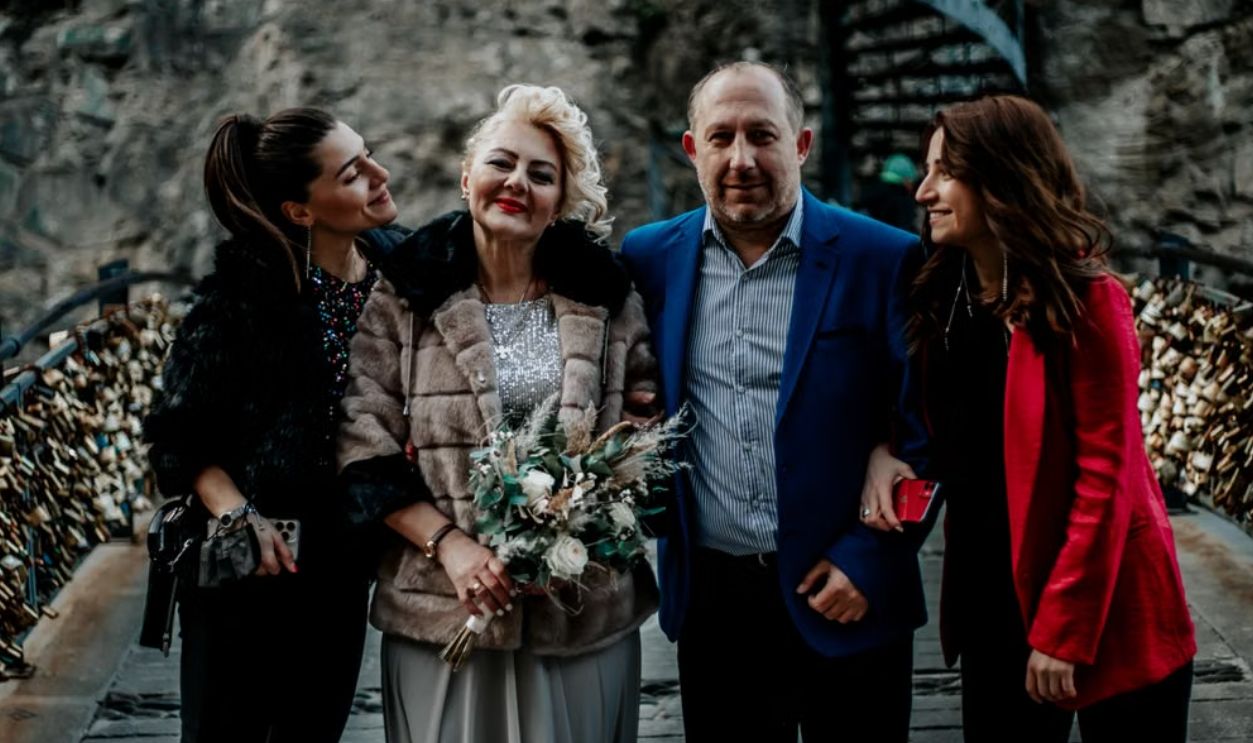
Treating Service Workers Kindly
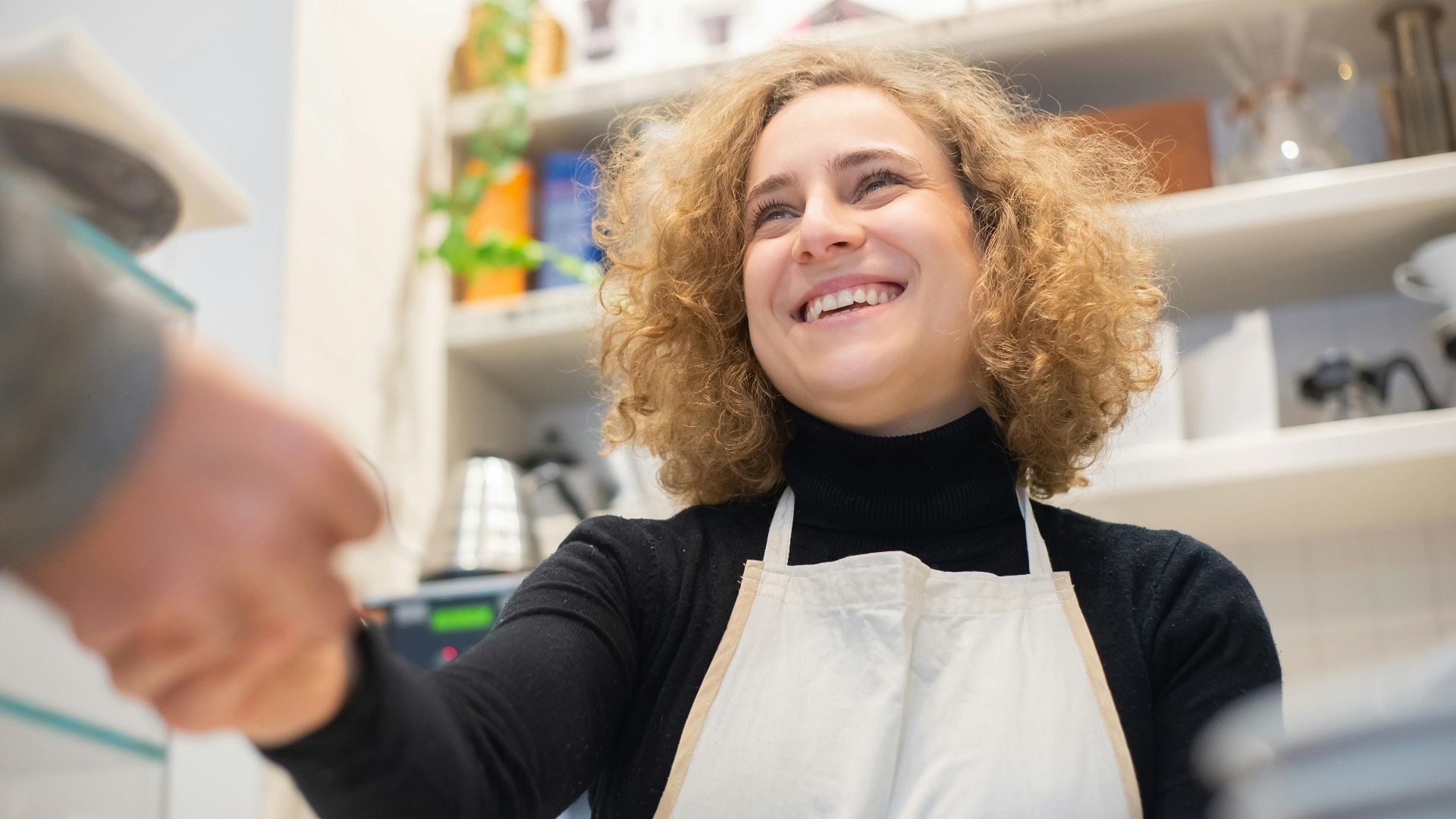
Good manners aren’t reserved for bosses, clients, dates, or people you hope to impress. How someone treats servers, cashiers, cleaners, delivery drivers, hotel employees, and customer-service workers can reveal far more about their character. Mistakes happen, and concerns can be raised without becoming cruel. A calm explanation and simple thank-you usually accomplish more than snapping fingers, shouting, or making personal insults.
Offering A Seat To Those Around You
Offering a seat to an older adult, pregnant passenger, injured person, caregiver, or anyone visibly struggling was once automatic. The modern version requires observation rather than assumptions. Someone may have a disability that isn’t obvious, while another person may politely decline. Offering is still worthwhile. Make the gesture without turning it into a grand performance, and accept the answer without arguing.

Making Proper Introductions
Few things are more uncomfortable than standing beside two people who clearly don’t know each other while their mutual friend says nothing. A proper introduction gives names and, ideally, a small piece of context that helps start a conversation. “This is Maya; we worked together in Chicago” is plenty. You don’t need to recite biographies, you just need to stop leaving people socially stranded.
 Filip Rankovic Grobgaard, Unsplash
Offering Help Without Being Told To
“Let me know if you need anything” sounds kind, but it quietly gives the overwhelmed person another task: figuring out what to request. Older ideas of neighborliness encouraged noticing what needed doing and making a specific offer. Carrying a bag, holding a stroller, bringing a meal, or clearing dishes can be enormously helpful. Ask before intervening, but don’t always wait for a formal invitation to care.

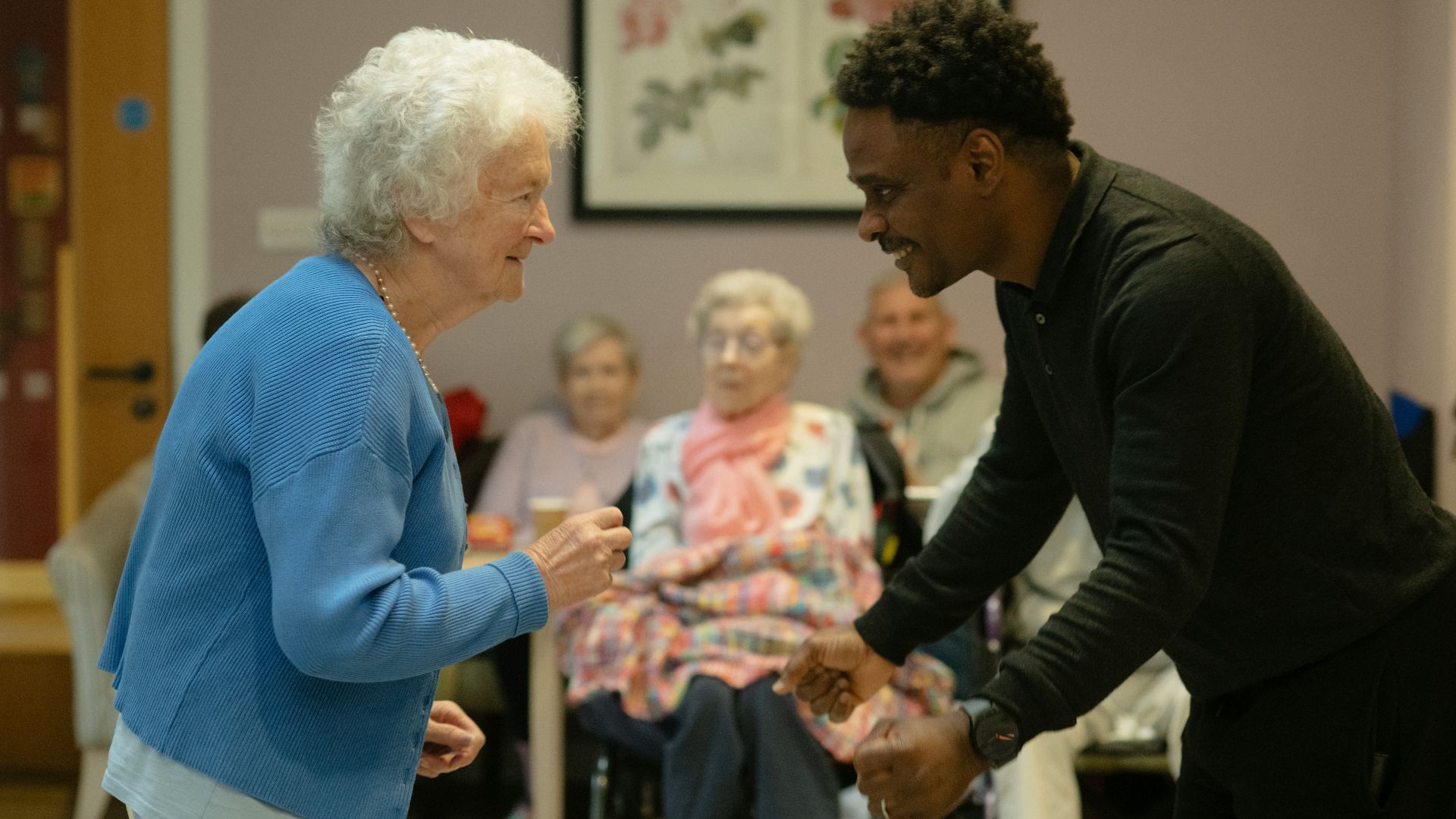
Respecting The Elderly
Respecting older people doesn’t mean agreeing with every opinion or treating age as automatic proof of wisdom. It means showing patience, avoiding dismissive age-based jokes, making space when someone needs it, and recognizing a lifetime of experience. The strongest version of this rule works both ways: younger and older generations should approach each other with basic dignity rather than assuming one group has ruined everything.
Using Table Manners
Nobody needs to identify twelve different forks to survive dinner, but basic table manners still make shared meals more enjoyable. Chew with your mouth closed, avoid reaching across everyone, use a napkin, and don’t begin before others are served when the setting is formal. Most importantly, put away the phone. The meal doesn’t need to become a manners examination, but it shouldn’t resemble feeding time at the zoo.

Saying “Please” And “Thank You”
These tiny phrases soften requests and acknowledge that another person’s effort matters. They’re especially important with family members, who sometimes receive our worst manners simply because we’re comfortable around them. Saying please doesn’t make a person weak or overly formal, and saying thank you isn’t unnecessary just because someone was “doing their job.” Courtesy should be most consistent where familiarity makes it easiest to forget.

Listening Without Interrupting
Many people don’t truly listen; they simply wait for enough silence to launch their own story. Interrupting can come from excitement rather than arrogance, but the result is often the same: the other person feels unheard. Letting someone finish gives you time to understand what they’re actually saying. It also prevents the embarrassing moment when your brilliant interruption answers a question nobody was asking.

Minding Your Public Space
Bags don’t need their own subway seats, grocery carts shouldn’t block entire aisles, and sidewalks work better when groups don’t form an unbreakable human wall. Minding your public space means noticing how your body and belongings affect the people around you. Shared areas become much less frustrating when everyone leaves room to pass, lowers the backpack, and occasionally looks up from the screen.
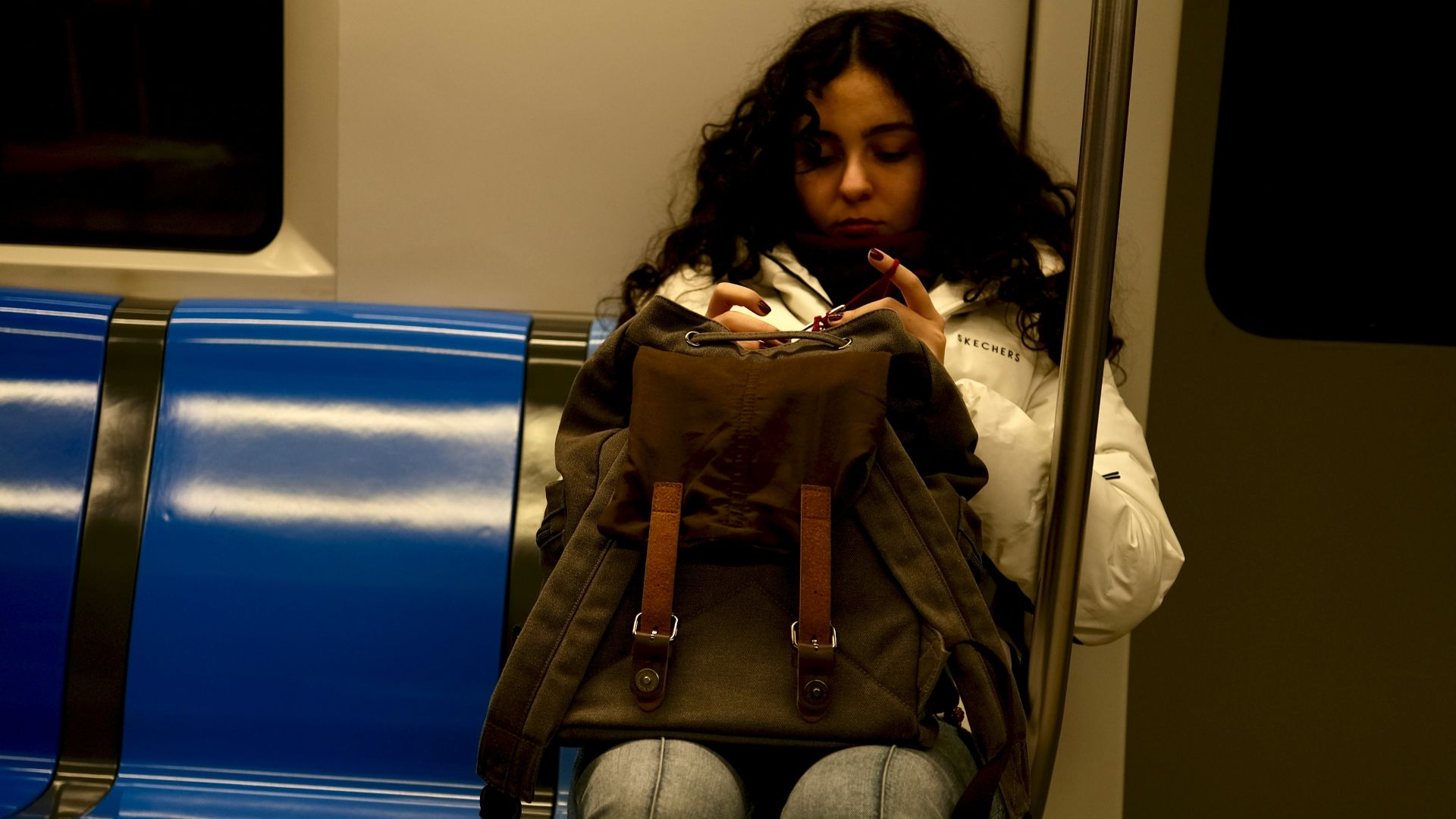
Keeping Phone Conversations Private
Speakerphone may be convenient for the caller, but it’s rarely enjoyable for everyone trapped nearby. Public calls should be brief, quiet, and free of sensitive details about health, money, work, or relationships. Headphones solve only half the problem if you’re still shouting your side of the conversation. When a call requires privacy or emotional intensity, step outside or save it for later.

Opening Doors For Others
Holding a door isn’t an outdated romantic ritual reserved for men opening doors for women. It’s a practical courtesy anyone can offer anyone else. The trick is judging distance properly. Holding it for someone directly behind you is polite. Forcing a stranger fifty feet away to sprint because you’re dramatically keeping the door open creates an entirely different kind of social pressure.

Standing When Greeting Someone New
Standing to meet someone used to be a nearly universal sign of attention and respect. It places both people at roughly the same level and makes the greeting feel intentional. Today, many people remain seated and offer a quick wave, especially in casual settings. Still, standing during an important introduction, business meeting, or formal gathering can make an immediately confident and considerate impression.

Talking About Money
Older etiquette often treated money as a forbidden subject. Asking what someone earned, paid for a house, inherited, or spent on a vacation could be seen as intrusive or competitive. Today, greater openness about salaries can help workers identify unfair pay, so total silence isn’t always helpful. The better modern rule is context: discuss money when it serves a purpose, but don’t demand personal financial details merely to satisfy curiosity.

You May Also Like:
Everyday Habits That Would Have Shocked Americans 100 Years Ago
Strange Historical Coincidences That Are Almost Impossible To Believe
The Strangest Products People Once Bought From Mail-Order Catalogs—Would You Buy Any Of These?