When The Past Looked A Little Too Perfect
Archaeology depends on evidence, but even experts can be vulnerable when a discovery seems to answer exactly the question they wanted answered. Museums bought spectacular fakes, scientists built theories around planted artifacts, and prestigious publications rushed extraordinary finds into print—only to find out it was all a hoax.
The James Ossuary
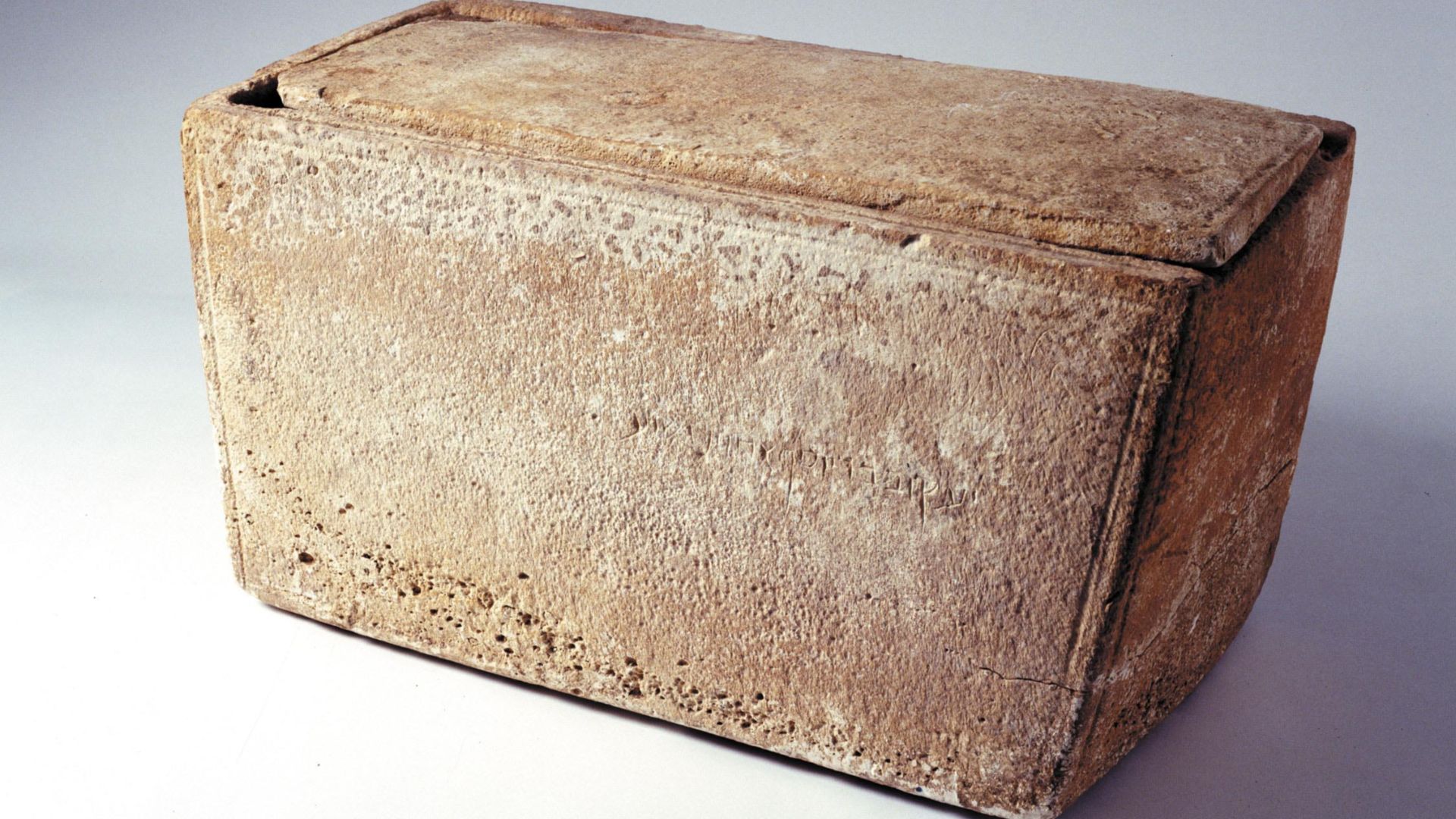
In 2002, a small limestone burial box created an enormous sensation. Its Aramaic inscription appeared to read “James, son of Joseph, brother of Jesus,” potentially making it an extraordinary physical connection to figures from the New Testament. The ossuary itself was consistent with first-century Jewish burial practices, but its undocumented provenance immediately caused problems. Collector Oded Golan said he'd acquired it years earlier, meaning archaeologists had no controlled excavation site or archaeological context to verify its history. The Royal Ontario Museum nevertheless exhibited it later that year, drawing enormous public attention while acknowledging that questions remained about whether the inscription was really ancient.
The James Ossuary (Cont'd)
Israel's Antiquities Authority concluded in 2003 that the inscription had been manipulated and accused Golan of involvement in a larger forgery operation. Then the supposedly straightforward fake became complicated. After a lengthy court trial involving dozens of experts, Golan was acquitted of the major forgery charges in 2012 because prosecutors hadn't proved their case beyond a reasonable doubt. Crucially, the judge did not rule that the inscription was authentic. Scholars remain divided over portions of it, particularly the reference to Jesus. Rather than a neatly solved hoax, the ossuary became a warning about how difficult authentication becomes once a sensational artifact enters the market without a documented archaeological context.
The Etruscan Terracotta Warriors
The Metropolitan Museum of Art began acquiring monumental terracotta figures presented as ancient Etruscan masterpieces in the 1910s. One warrior stood more than six feet tall, while an enormous helmeted head was believed to have belonged to a statue perhaps 23 feet high. The pieces were spectacular enough that the museum eventually displayed three of them together and published scholarly work defending their importance. There were warning signs. Some specialists thought the style looked wrong, and producing such enormous terracotta figures would have posed serious technical challenges in antiquity. Yet institutional prestige and expert confidence kept the warriors securely inside the ancient Etruscan canon for decades.
 Hugo Schneider, Wikimedia Commons
The Etruscan Terracotta Warriors (Cont'd)
Scientific testing finally broke the spell. Museum researcher Joseph Noble found evidence that the terracottas had been produced using modern methods, while analysis of their pigments revealed suspicious materials. Then came an even more embarrassing confirmation. In 1961, Italian sculptor Alfredo Fioravanti signed a statement admitting that he'd participated in manufacturing the figures with members of the Riccardi family. He even possessed a missing piece from one warrior. The Met publicly acknowledged that masterpieces it had defended for decades were modern forgeries. Later museum publications treated the warriors not as triumphs of Etruscan art but as textbook examples of how persuasive provenance stories and institutional confidence can overwhelm inconvenient evidence.
Piltdown Man
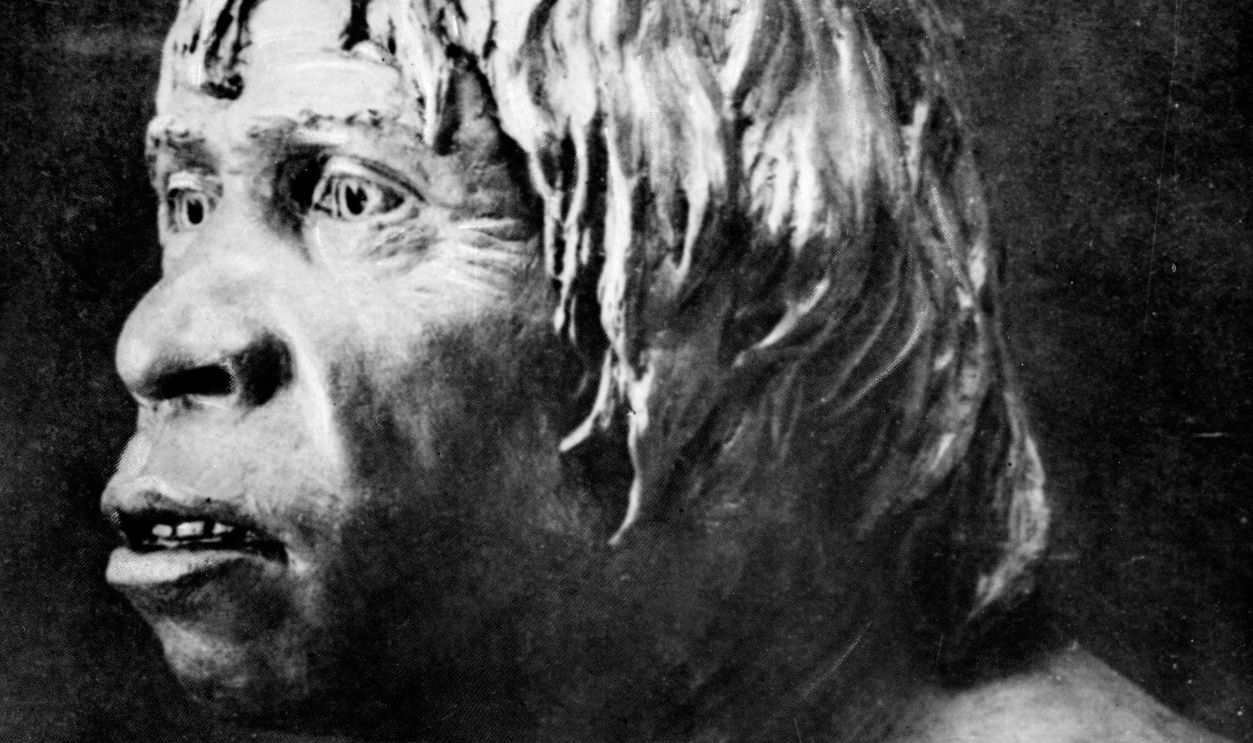
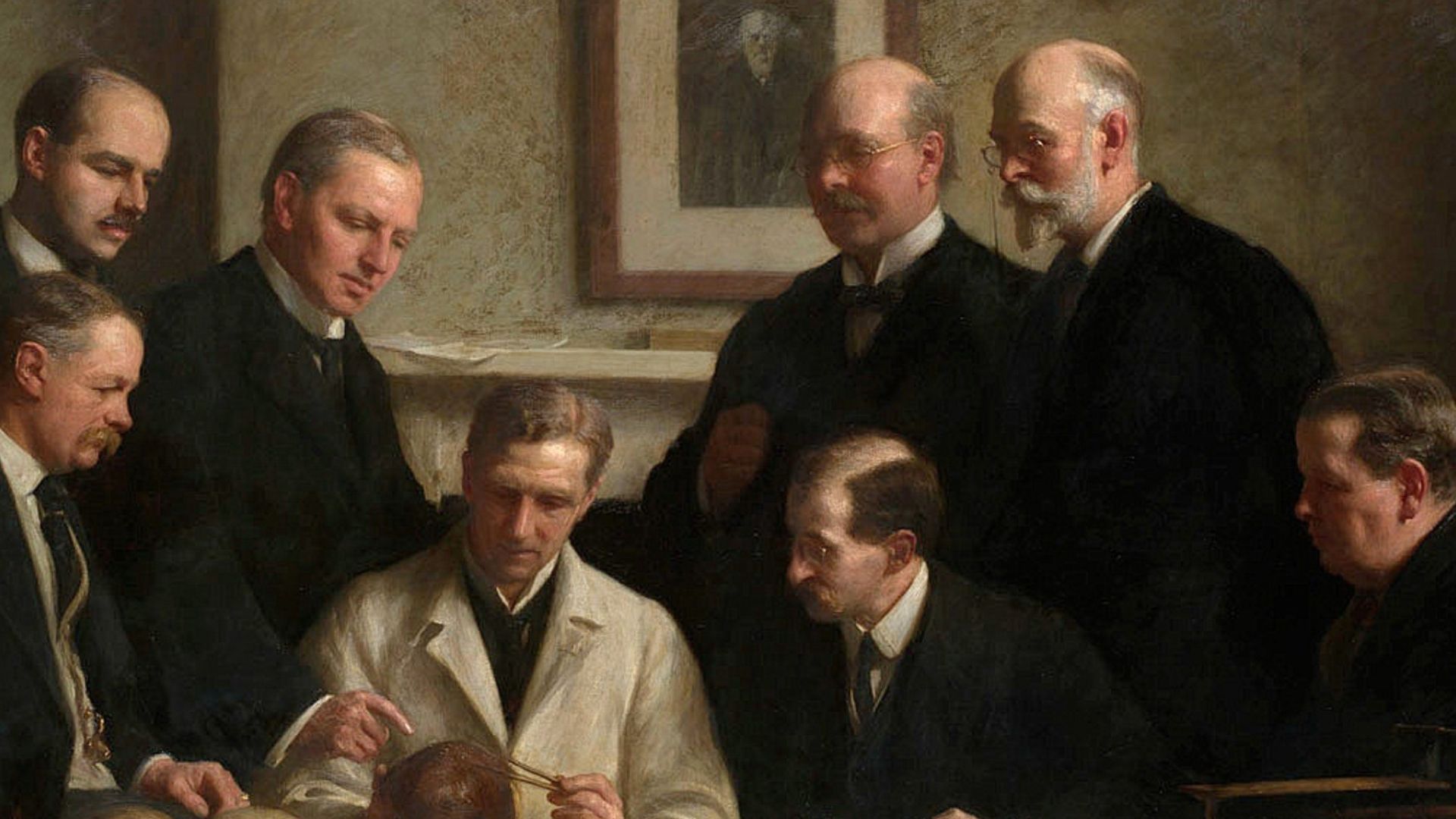
Britain appeared to acquire its own crucial human ancestor in 1912 when amateur antiquarian Charles Dawson brought fossil remains from Piltdown, Sussex, to Arthur Smith Woodward of London's Natural History Museum. The fragments seemed extraordinary: a relatively modern-looking braincase combined with an ape-like jaw. Woodward reconstructed the specimen as Eoanthropus dawsoni, and Piltdown Man became famous as a possible evolutionary “missing link”. The find conveniently supported the idea that a large brain had evolved early in human development, and it also placed an important ancient human conveniently on British soil. Skeptics existed almost immediately, but Piltdown retained serious scientific defenders for decades.
Piltdown Man (Cont'd)
New testing finally dismantled Piltdown after World War II. Fluorine analysis showed that the remains weren't nearly as ancient as claimed, and detailed examination revealed something far worse: the skull fragments were human, while the jaw came from an orangutan. Teeth had been deliberately filed to look more human, and bones had been artificially stained so they appeared to belong together and match the surrounding gravel. In 1953, researchers formally exposed the hoax. Later forensic work pointed strongly toward Dawson himself as the principal hoaxer. One of paleoanthropology's most famous fossils had been assembled from mismatched bones and altered specifically to give scientists what they were hoping to find.
The Tiara Of Saitaphernes
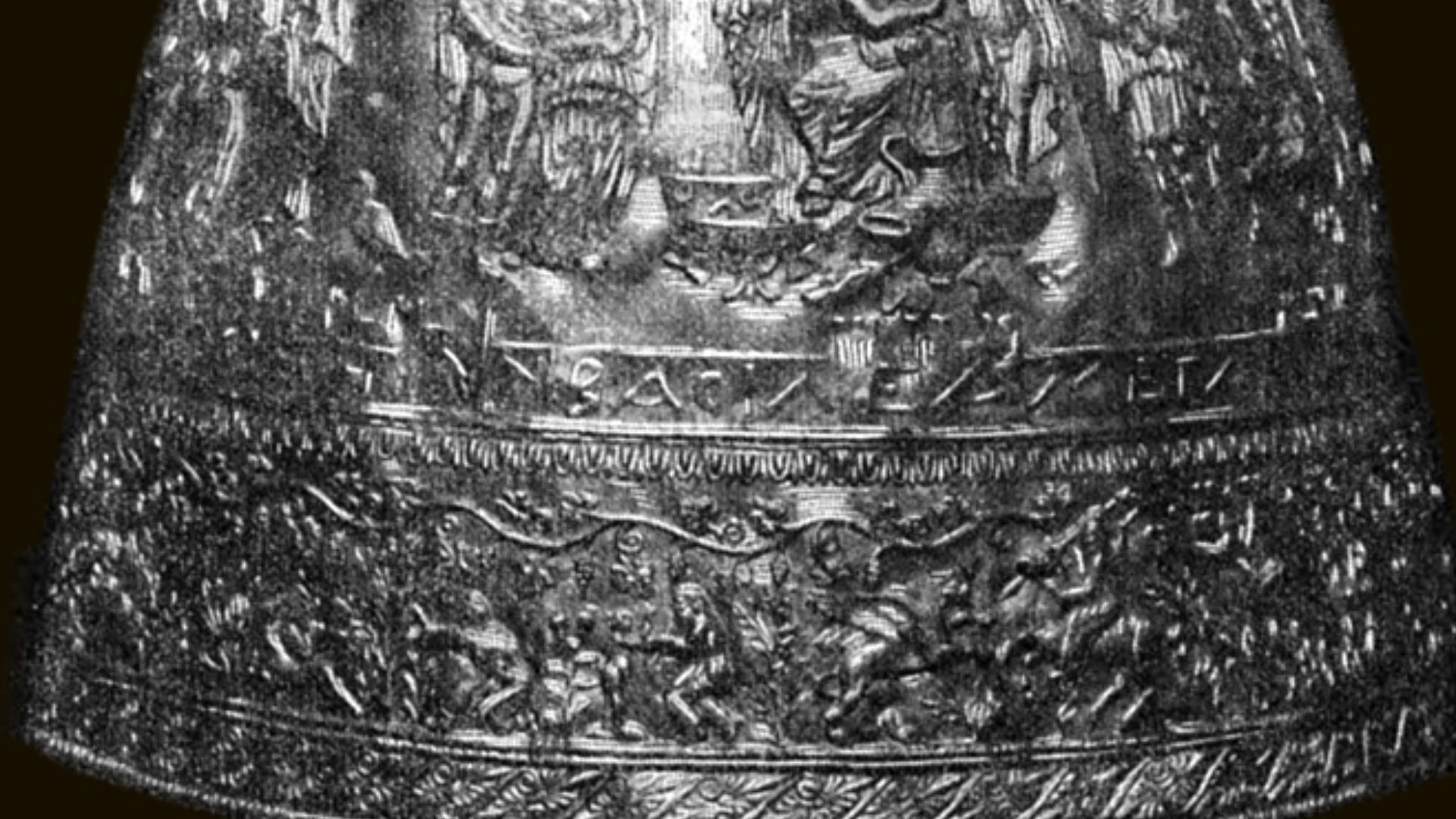
In 1896, the Louvre announced a glittering acquisition: an elaborate gold tiara supposedly made for an ancient Scythian ruler named Saitaphernes. The museum reportedly paid an enormous sum for the object, whose detailed scenes and Greek inscriptions seemed to make it an exceptional Hellenistic treasure. Skepticism arrived almost immediately. Some archaeologists and art historians thought its decoration suspiciously resembled material already published in modern books, while others questioned whether an authentic ancient object would combine its artistic elements in quite that way. The Louvre defended its prize, and the controversy simmered for years while the tiara remained associated with one of Europe's most prestigious museums.
 AnonymousUnknown author, Wikimedia Commons
The Tiara Of Saitaphernes (Cont'd)
In 1903, the story collapsed when goldsmith Israel Rouchomovsky traveled to Paris and demonstrated that he had made the tiara. He said he'd been commissioned by intermediaries and apparently hadn't initially realized that the finished object would be sold as a genuine antiquity. To prove his claim, Rouchomovsky explained technical details of its construction convincingly enough to destroy the Louvre's position. The embarrassment became international news. A museum filled with genuine ancient masterpieces had paid handsomely for something manufactured only a few years before it was purchased. The tiara later became fascinating for an entirely different reason: as a superb piece of modern goldsmithing and one of museum history's most notorious fakes.
 Unknown author, Wikimedia Commons, Modified
Archaeoraptor
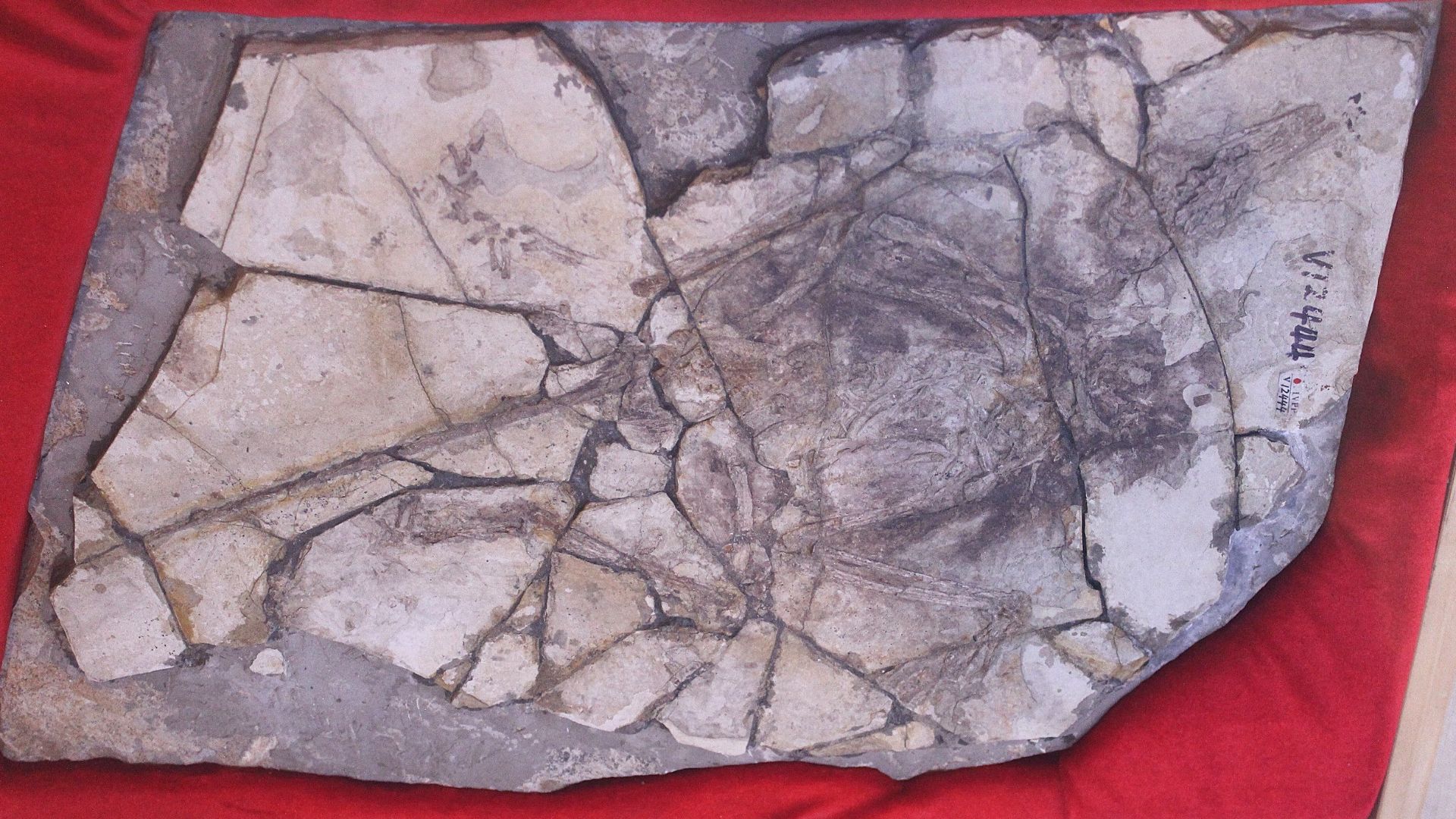
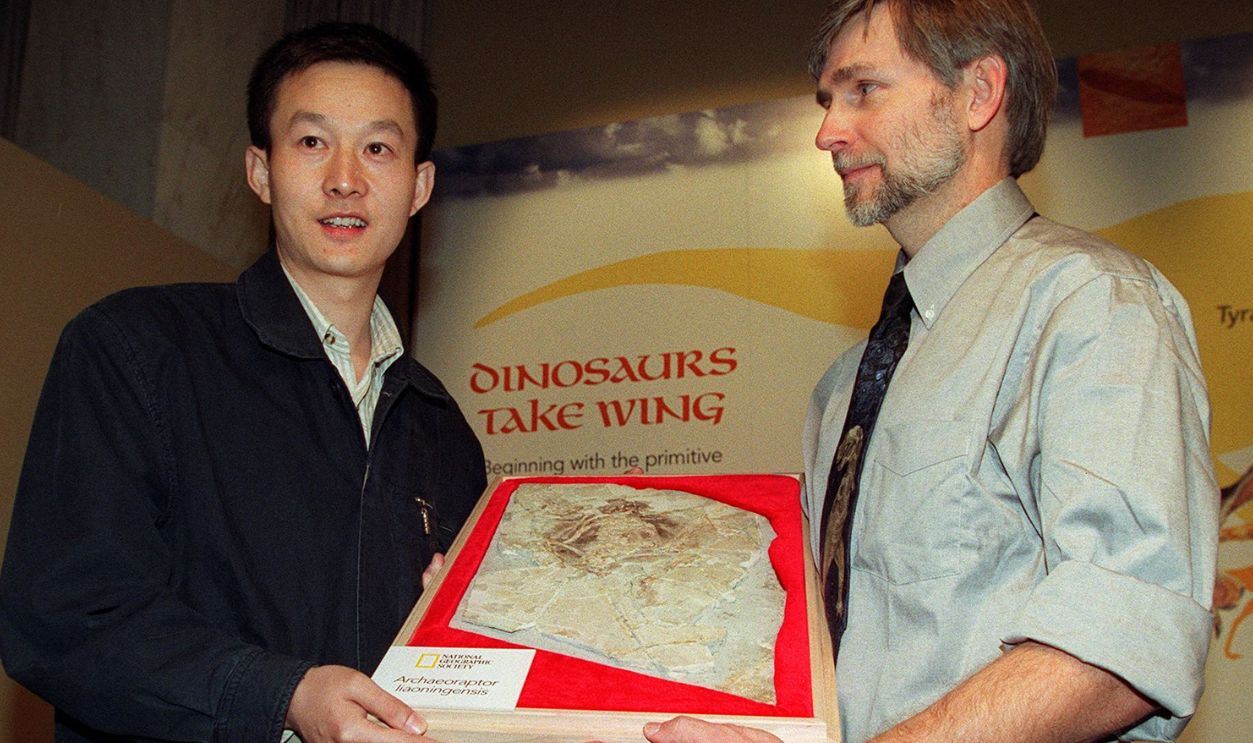
In 1999, National Geographic unveiled a fossil with an irresistible evolutionary story. Dubbed “Archaeoraptor,” the specimen seemed to combine bird-like features with the long tail of a small dinosaur, potentially providing spectacular evidence about the evolutionary relationship between dinosaurs and birds. The fossil had come from China's fossil-rich Liaoning region through the commercial market, however, rather than a controlled excavation. That should have encouraged extreme caution. Researchers examining scans noticed troubling fractures and inconsistencies in the slab, while attempts to publish a scientific description ran into difficulties. Nevertheless, images of the remarkable supposed creature appeared in National Geographic before the specimen had successfully passed normal peer-reviewed scientific publication.
 Jonathan Chen, Wikimedia Commons
Archaeoraptor (Cont'd)
Chinese paleontologist Xu Xing eventually found the decisive clue: the tail attached to Archaeoraptor matched another fossil specimen discovered separately. The celebrated animal was actually a composite assembled from fossils belonging to different creatures. Later research showed that bird material had been joined with the tail of a small dromaeosaurid dinosaur. National Geographic acknowledged the mistake, and a 2001 paper in Nature formally analyzed the forgery. The irony was considerable. Genuine Liaoning fossils were already providing excellent evidence of feathered dinosaurs and bird evolution. The fake hadn't disproved that science. It had simply demonstrated what could happen when commercial fossils, spectacular claims, and pressure to publish outran careful provenance and peer review.
Mississippi’s Dummy Mummy
In 1923, the Mississippi Department of Archives and History acquired a huge collection that included something dramatically out of place among its Native American artifacts: an alleged Egyptian mummy. Displayed at the Mississippi State Capitol for decades, the little “princess” became a favorite attraction for generations of schoolchildren. There wasn't much documentation explaining how an Egyptian royal had found her way into a Mississippi collection, but the object's strange appearance only added to its allure. When the Old Capitol became a history museum in the 1960s, the mummy was moved into storage, largely because it had little connection to Mississippi history rather than because anyone had conclusively exposed it as fake.
 Lester Jones, Wikimedia Commons
Mississippi’s Dummy Mummy (Cont'd)
The truth arrived in 1969 when medical student Gentry Yeatman received permission to X-ray the mummy. Instead of a preserved human skeleton, the images revealed a construction made largely from papier-mâché, newspaper, wood, nails, and animal bones. One former archives director memorably described it as having “a heart full of nails”. The Egyptian princess had never existed. Unlike institutions that quietly hid embarrassing fakes forever, Mississippi eventually embraced the absurdity. The Dummy Mummy became a historical curiosity in its own right and still makes occasional appearances in museum displays. Its modern interpretation now tells visitors exactly how an object that fooled generations was finally unwrapped by an X-ray machine.

The Cardiff Giant
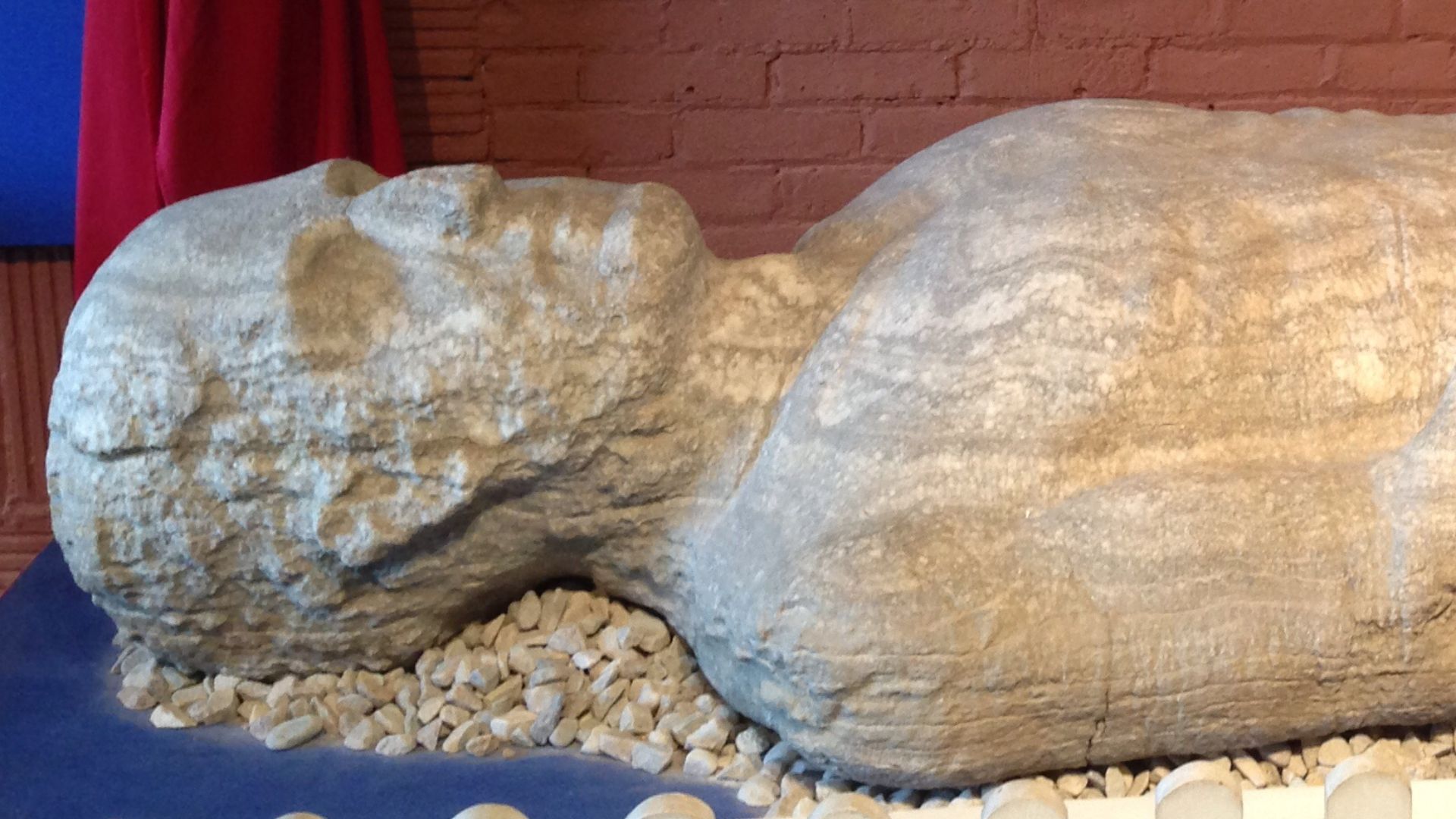
Workers digging a well on William Newell's farm near Cardiff, New York, in October 1869 uncovered something unbelievable: what appeared to be a 10-foot-tall petrified human. Crowds arrived almost immediately, and Newell began charging admission. Some viewers believed it might prove biblical stories about ancient giants, while others argued that it was an enormous prehistoric statue rather than a fossilized person. Scientists and commentators debated the discovery as it traveled into the national spotlight. The timing couldn't have been better. Nineteenth-century America was fascinated by fossils, archaeology, biblical history, sideshows, and scientific wonders, giving the supposed giant an audience eager to decide that something extraordinary had emerged from the soil.
 Martin Lewison from Forest Hills, NY, U.S.A., Wikimedia Commons
The Cardiff Giant (Cont'd)
The giant had actually been created by George Hull, Newell's cousin, who had arranged for a huge block of gypsum to be carved, artificially aged, transported to the farm, and secretly buried. Hull reportedly conceived the stunt after arguing with a preacher who interpreted biblical references to giants literally. Money quickly became part of the attraction as well. P.T. Barnum tried to purchase the giant; when its owners refused, he simply commissioned his own copy and displayed that instead. Hull confessed in December 1869. Both “giants” survived. The original eventually entered the collection of the Farmers' Museum in Cooperstown, New York, transformed from fake ancient evidence into a genuine artifact of America's love affair with hoaxes.
 Brady-Handy Photograph Collection (Library of Congress), Wikimedia Commons
The Michigan Relics
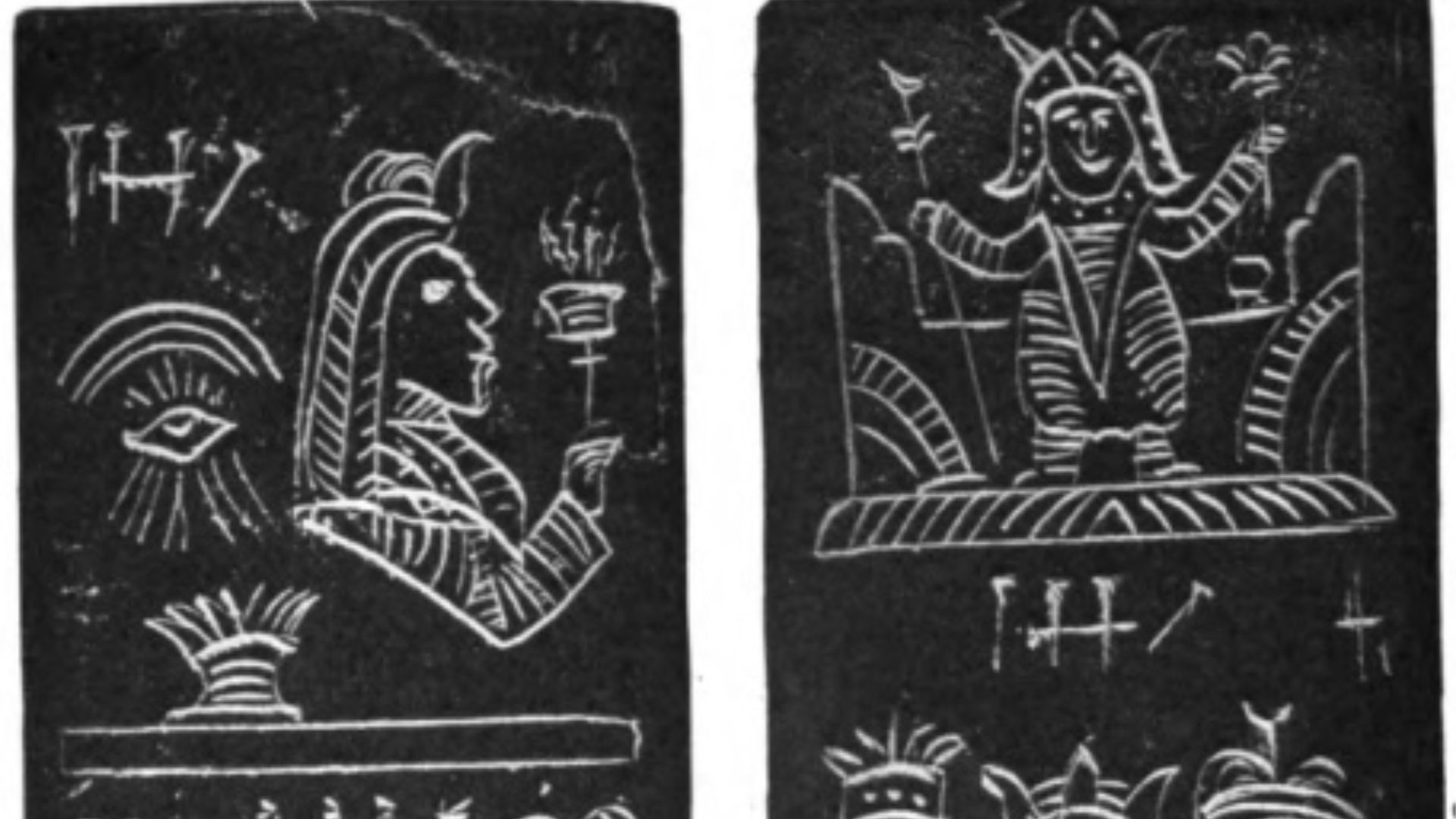
Beginning around 1890, strange artifacts started emerging from the Michigan countryside. Tablets, tools, figurines, cups, and other objects carried mixtures of symbols resembling Egyptian hieroglyphs, cuneiform, biblical imagery, and supposedly ancient scripts. James Scotford and former Michigan secretary of state Daniel Soper became closely associated with the discoveries, which eventually numbered in the thousands. Supporters argued that the objects proved ancient Old World peoples had reached Michigan long before Columbus. Archaeologists were considerably less impressed. University of Michigan scholar Francis Kelsey rejected them as fraudulent as early as 1892, noting problems with their languages, imagery, materials, and manufacture. Yet new objects continued appearing for decades.
 James E. Talmage, Wikimedia Commons
The Michigan Relics (Cont'd)
The physical evidence against the relics became overwhelming. Some clay objects had simply been air-dried and would have dissolved after prolonged burial. Others preserved marks from modern sawn boards. Slate tablets showed commercial cutting marks, copper objects reflected modern processing, and supposedly ancient tools showed virtually no evidence of actual use. In 1911, Scotford's stepdaughter reportedly said she'd watched him making the objects. The University of Michigan now preserves examples not as evidence of ancient Mediterranean visitors but as a collection documenting archaeological hoaxes. The hoax is particularly revealing because specialists challenged it almost from the beginning. Public enthusiasm allowed the “discoveries” to continue long after archaeology had rejected them.

The Heavener Runestone
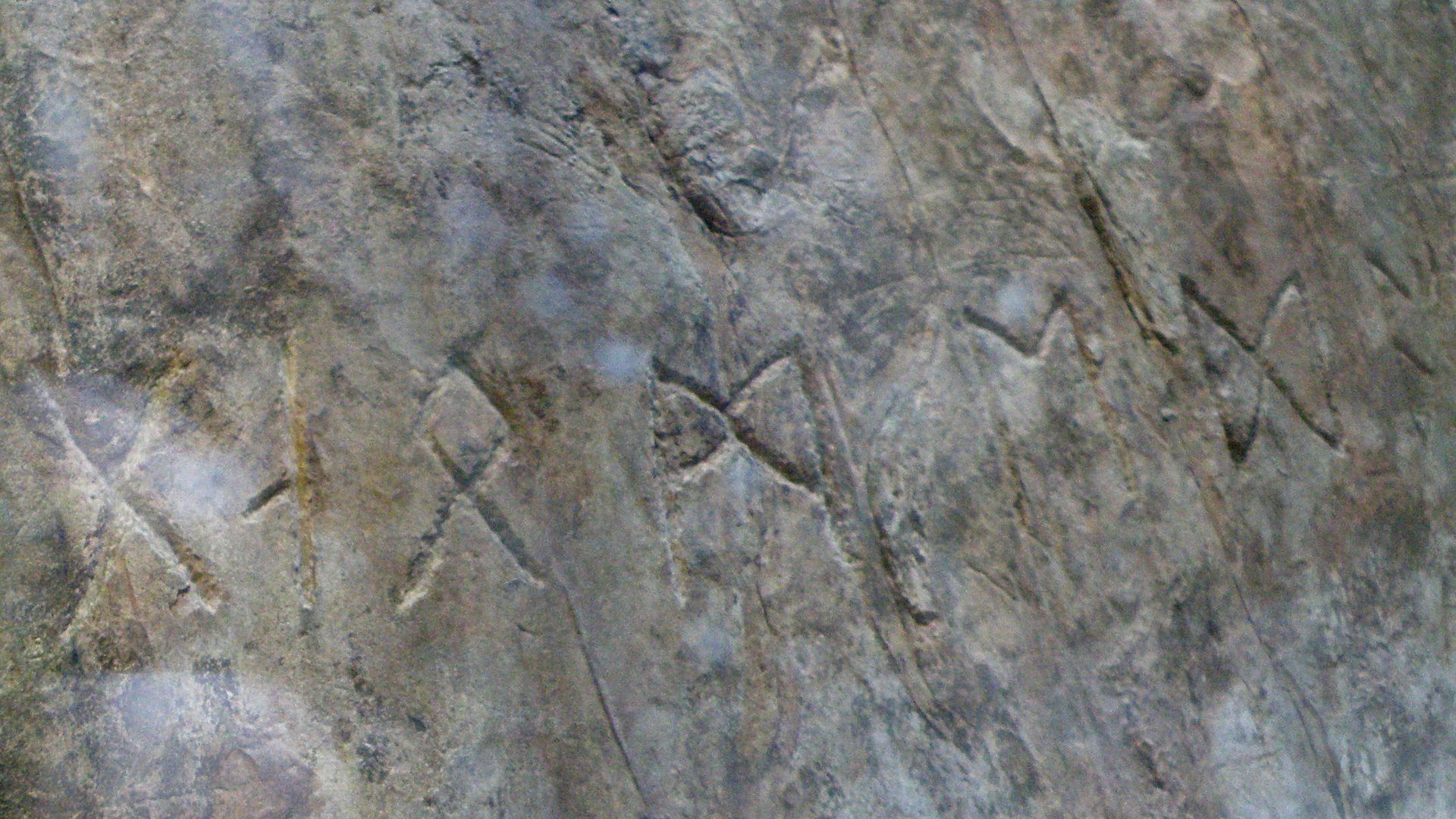
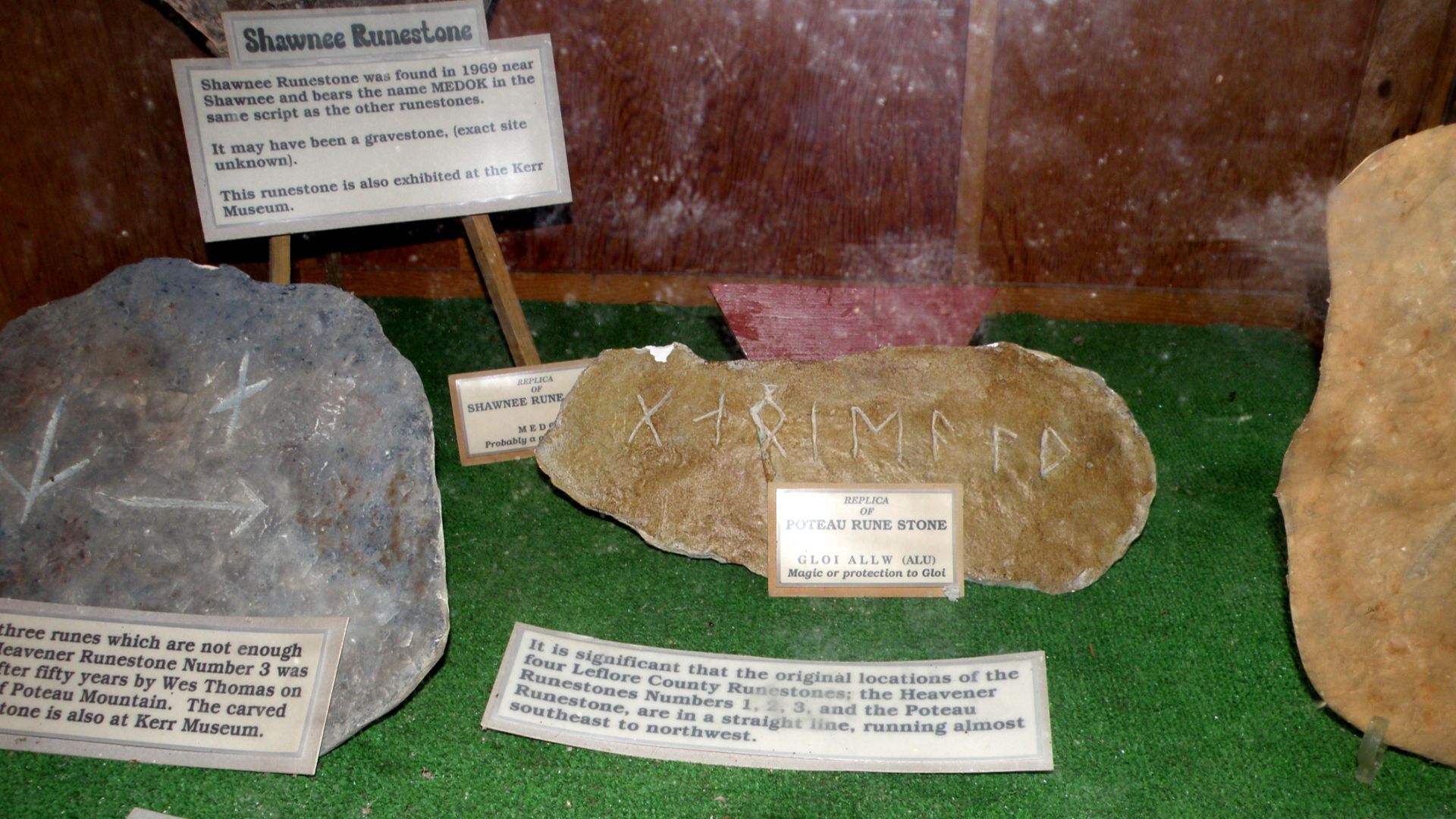
A large sandstone slab near Heavener, Oklahoma, carries carved symbols that resemble Norse runes. Although the stone had reportedly been known locally much earlier, national attention grew during the 20th century as people asked whether Vikings could somehow have traveled deep into the North American interior. The possibility was irresistible. If ancient Norse explorers had reached Oklahoma, textbooks about pre-Columbian America would require a remarkable revision. The site ultimately became a tourist attraction and even formed the centerpiece of a state park. Various enthusiasts proposed translations and ancient dates, while the apparent runes repeatedly encouraged speculation that Scandinavian travelers had penetrated far beyond their documented settlement at L'Anse aux Meadows.
The Heavener Runestone (Cont'd)
Professional archaeologists have never found the supporting evidence such a Viking presence should leave behind. No settlement, tools, burials, or securely dated Norse material accompany the inscription. Oklahoma archaeologist Robert Bell argued against a Viking origin decades ago, and later runic specialists have emphasized problems with the carving and its weathering. One modern interpretation suggests that the inscription could represent a relatively recent name or marker carved by a Scandinavian immigrant rather than an ancient expedition. Unlike Piltdown, there has been no confessed mastermind revealing an elaborate hoax. The Heavener stone is better treated as a disputed inscription whose spectacular interpretation outran the archaeological evidence around it.
Beringer’s Lying Stones
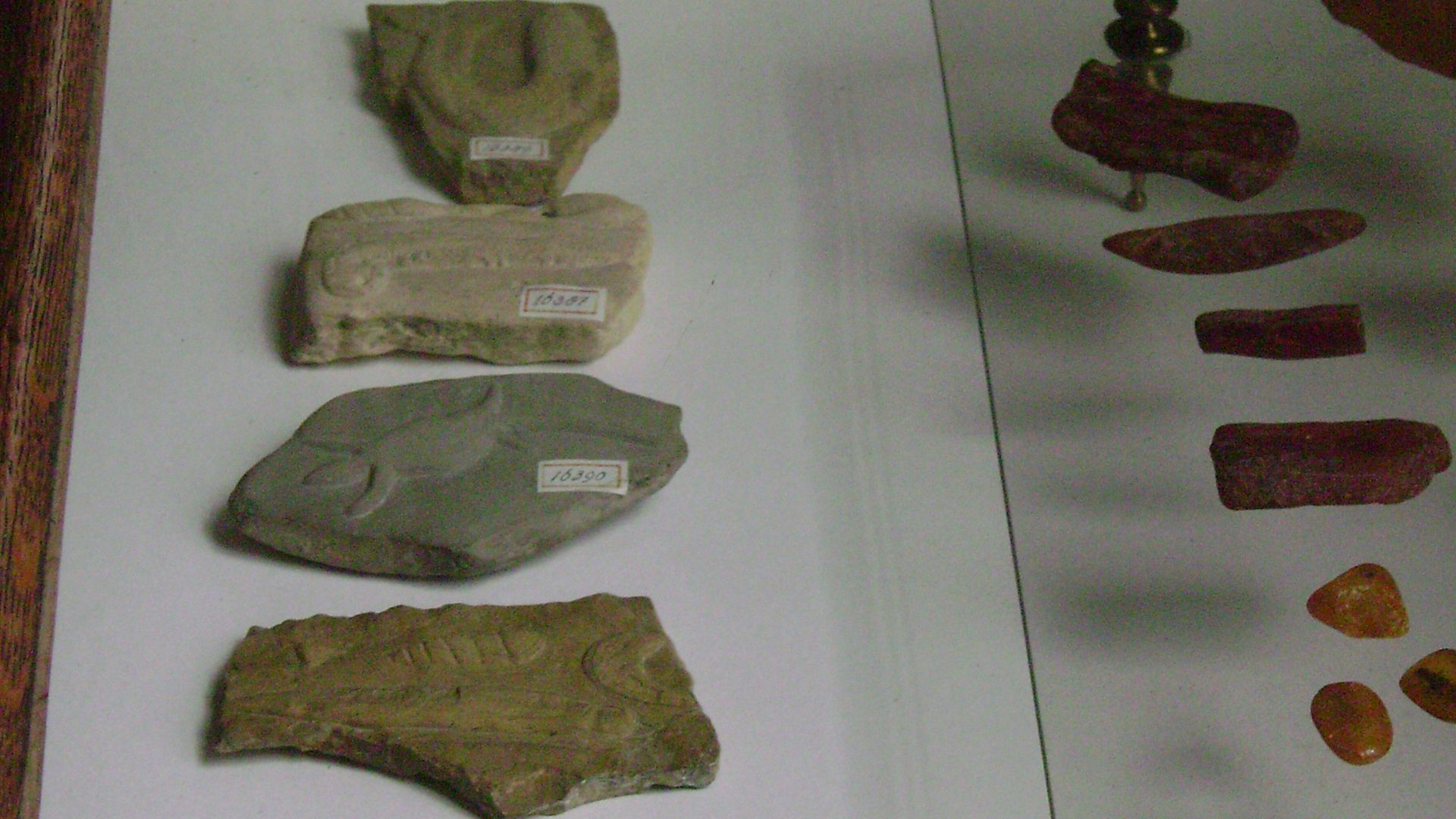
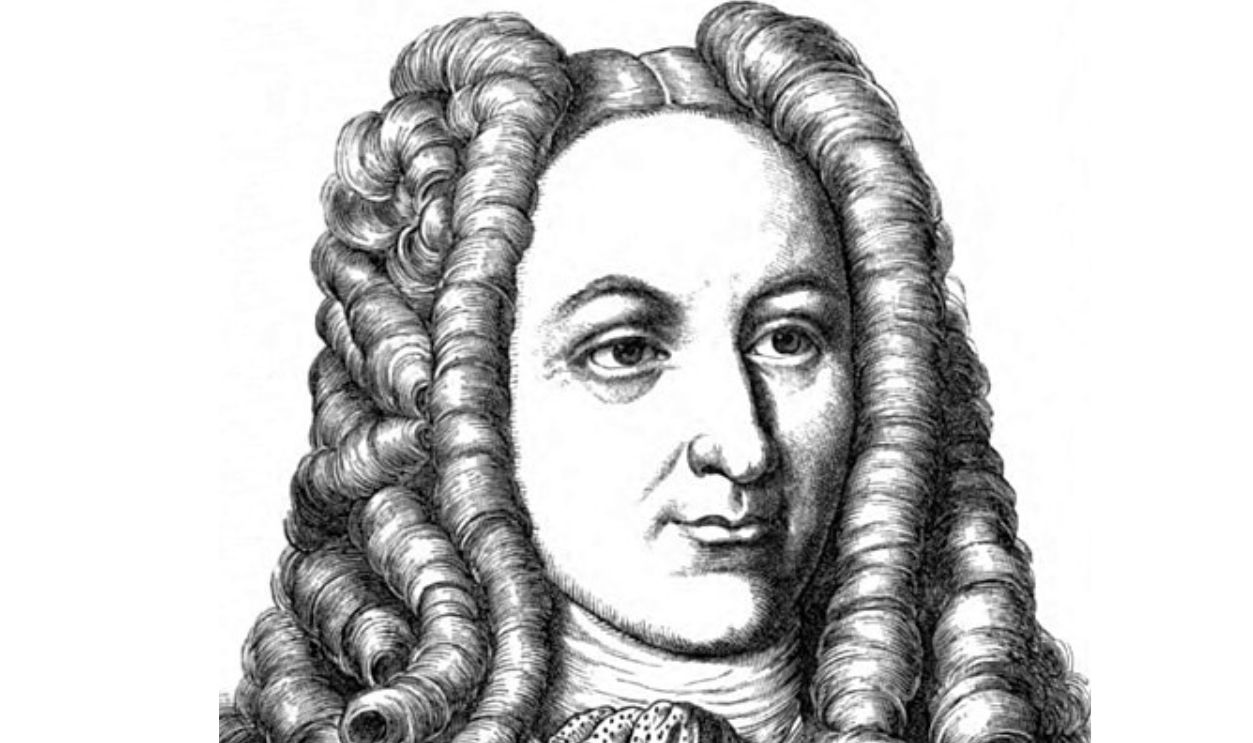
In 1725, Johann Bartholomew Adam Beringer, a physician and professor at the University of Würzburg, began receiving astonishing stone specimens supposedly found on nearby Mount Eibelstadt. They bore extraordinarily clear images of insects, spiders, frogs, birds, stars, and other forms. Some even contained writing. Beringer was fascinated by what were then called “figured stones,” at a time when scholars were still arguing about how fossils formed. He collected the strange specimens enthusiastically and incorporated them into an elaborate illustrated book published in 1726. Not everyone around him was convinced, but Beringer believed strongly enough in the discoveries to commit his scholarly reputation to print.
Beringer’s Lying Stones (Cont'd)
The stones had been planted specifically to fool him. Two colleagues, J. Ignatz Roderick and Georg von Eckhart, resented Beringer and arranged for fake specimens to be carved and placed where boys employed as his collectors would find them. The prank escalated until the carvings became increasingly absurd. According to the famous story, one even bore Beringer's own name. Once he recognized the hoax, Beringer took his tormentors to court and won. The objects became known as Lügensteine, or “lying stones”. Surviving examples are now museum-worthy not because they're fossils, but because they document one of the earliest and most elaborate scientific hoaxes in European academic history.
 Unknown author, Wikimedia Commons
The Kensington Runestone
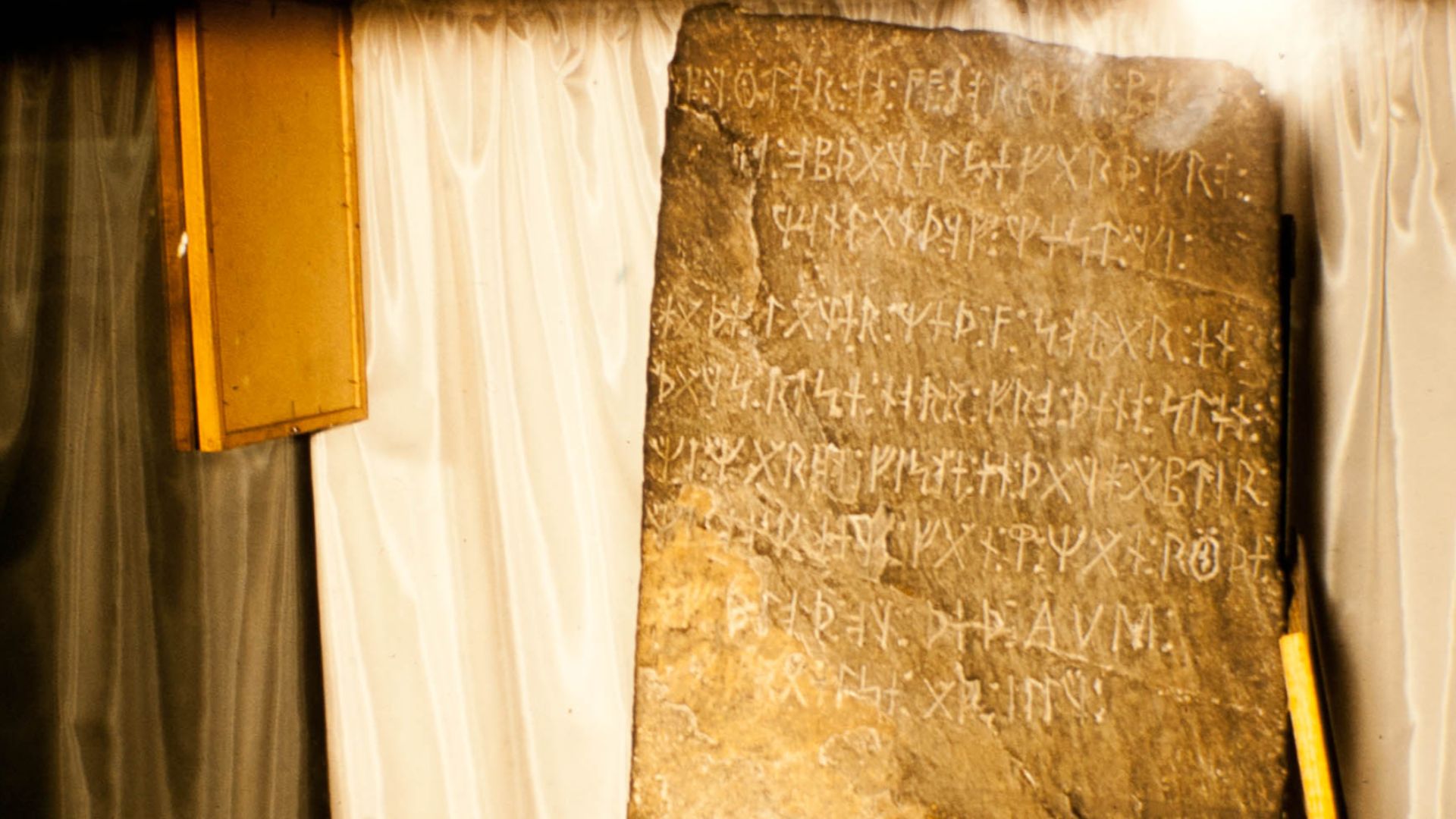
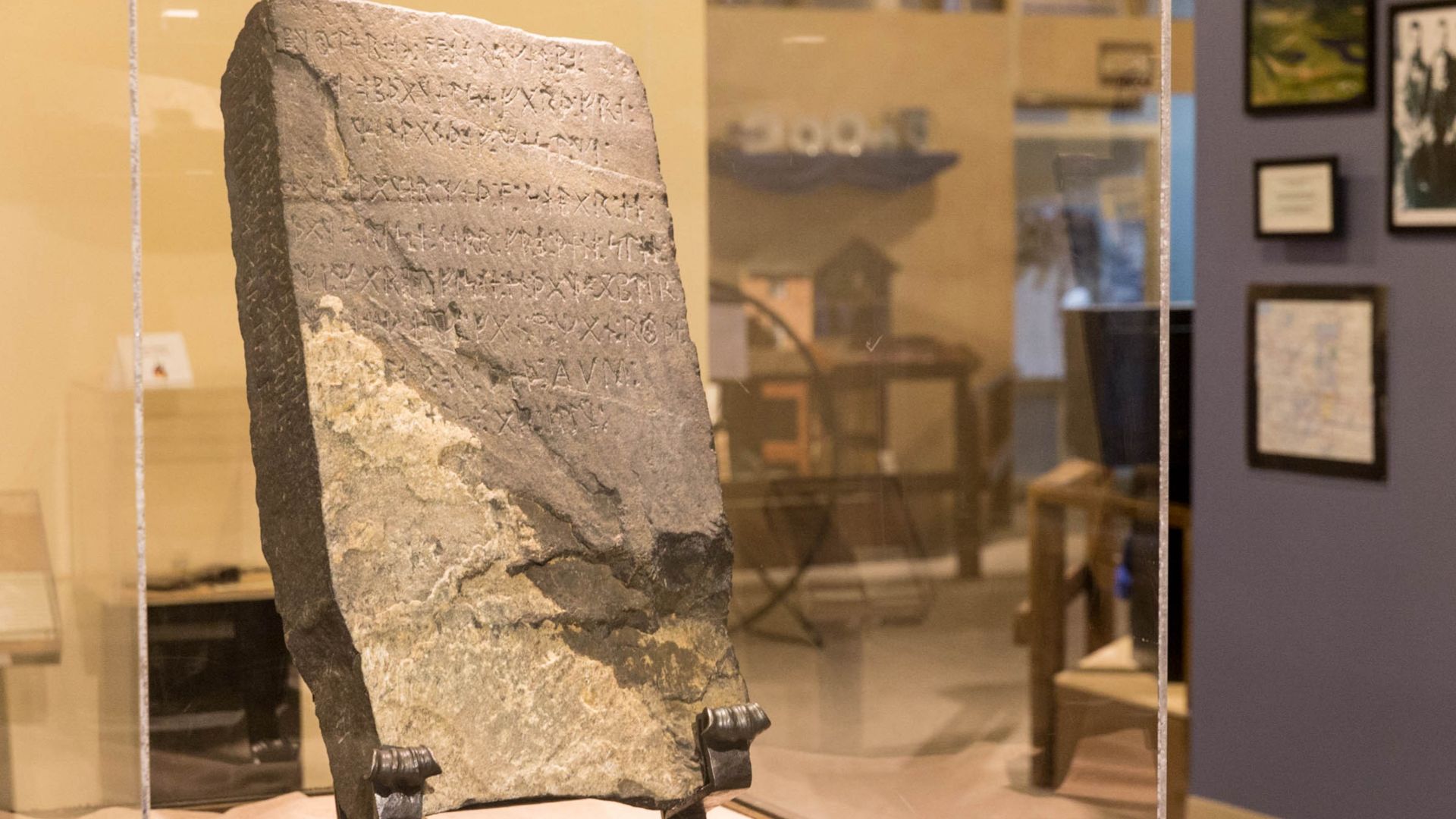
In 1898, Swedish immigrant farmer Olof Öhman said he found a large inscribed stone tangled in the roots of a tree near Kensington, Minnesota. Its runes appeared to describe Scandinavian explorers traveling through the region in 1362, more than a century before Columbus. The implications were enormous. Supporters saw proof that Norse expeditions had penetrated deep into continental North America, and the stone became especially meaningful among Scandinavian-American communities. Scholars examining its language and runes quickly raised objections, however. Some forms looked suspiciously modern, and there was no surrounding archaeological evidence of the expedition described by the inscription. Debate continued instead of disappearing.
 Andrew Filer from Seattle (ex-Minneapolis), Wikimedia Commons
The Kensington Runestone (Cont'd)
The stone traveled widely, was examined by specialists in Europe, and was even displayed at the Smithsonian Institution and the 1965 New York World's Fair. Expert opinion today strongly favors a modern origin, but the case remains culturally contentious because no universally accepted confession identifies exactly who carved it. Öhman has often been proposed as the likeliest participant, perhaps with help from someone more familiar with runes, though he denied creating a hoax. The Minnesota Historical Society describes the question as highly contested while noting that the scholarly majority regards the inscription as inauthentic. The runestone became almost more powerful after rejection, evolving into a regional mystery that believers continue defending.
 Lorie Shaull, Wikimedia Commons
Shinichi Fujimura’s “Discoveries”
For years, amateur archaeologist Shinichi Fujimura seemed to possess an almost supernatural ability to discover Japan's earliest human artifacts. Beginning in the 1970s and accelerating during the 1980s and 1990s, Fujimura repeatedly uncovered stone tools at sites where other researchers had found little. His discoveries appeared to push human occupation of Japan farther and farther into the past, eventually reaching claims hundreds of thousands of years old. Newspapers celebrated him, colleagues nicknamed him for his seemingly miraculous hands, and his finds entered museum displays, academic research, and educational materials. Yet there was an uncomfortable statistical problem: extraordinary discoveries appeared with remarkable frequency whenever Fujimura was involved.
 Kermanshahi1398, Wikimedia Commons
Shinichi Fujimura’s “Discoveries” (Cont'd)
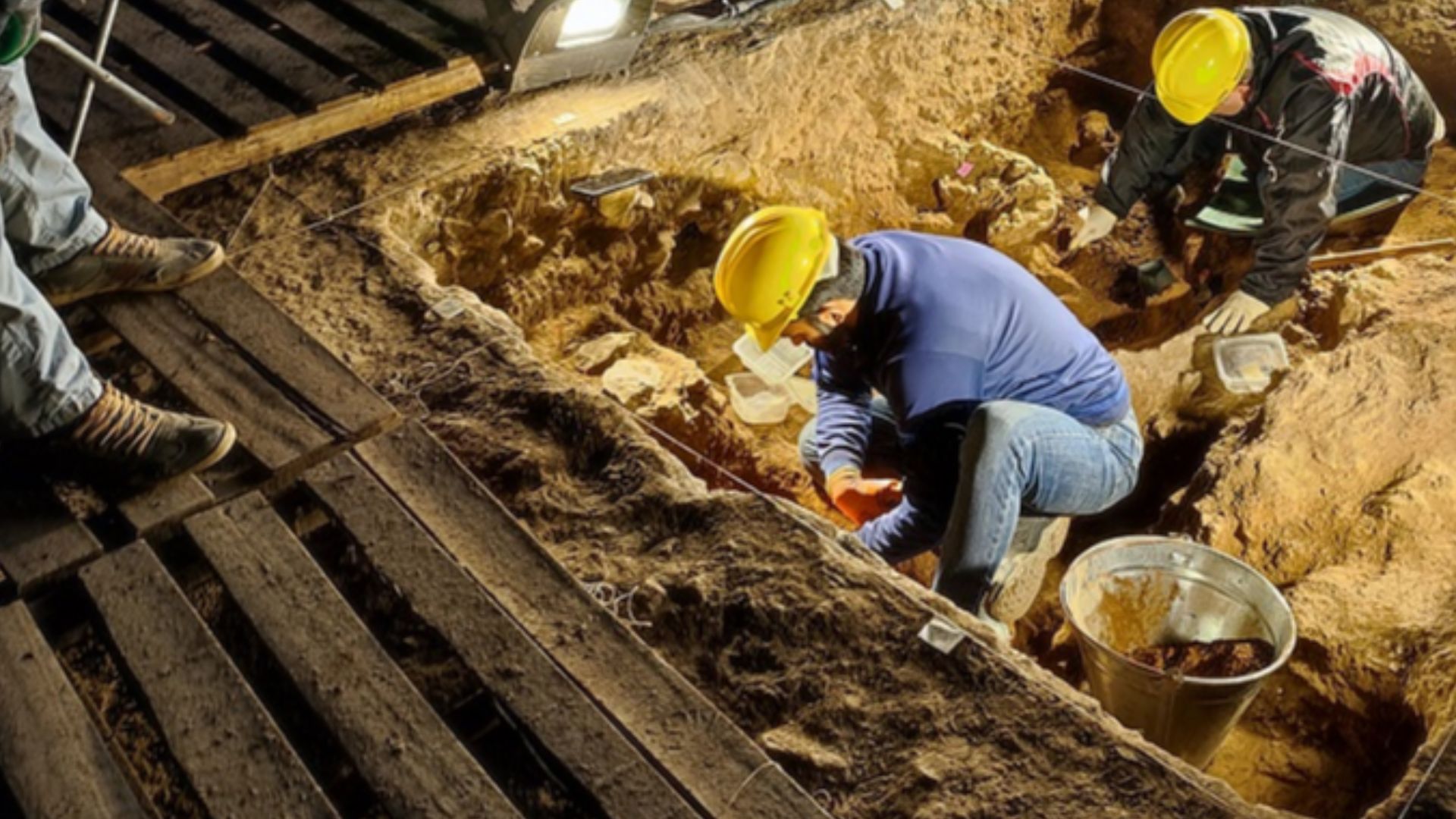
The Mainichi Shimbun finally decided to watch him. In 2000, newspaper journalists secretly recorded Fujimura arriving at excavation sites before official digging began and burying stone artifacts in the ground. The following day, he “discovered” the objects in front of researchers and cameras. Confronted with the footage, Fujimura admitted planting artifacts at numerous sites. The scandal devastated Japanese Paleolithic archaeology because researchers now had to determine how much published work, museum interpretation, and archaeological chronology depended on his manufactured discoveries. Institutions removed or reconsidered exhibits, textbooks required revision, and entire sites had to be reassessed. Few archaeological frauds have forced such a large-scale rewriting of a nation's prehistoric record.

You May Also Like:
“Fake News” Stories From History That Newspapers Printed And Everyone Believed
Ordinary Household Objects You Would Never Expect To Find In A Museum—Until You Hear Their Stories