A War Won in Whispers
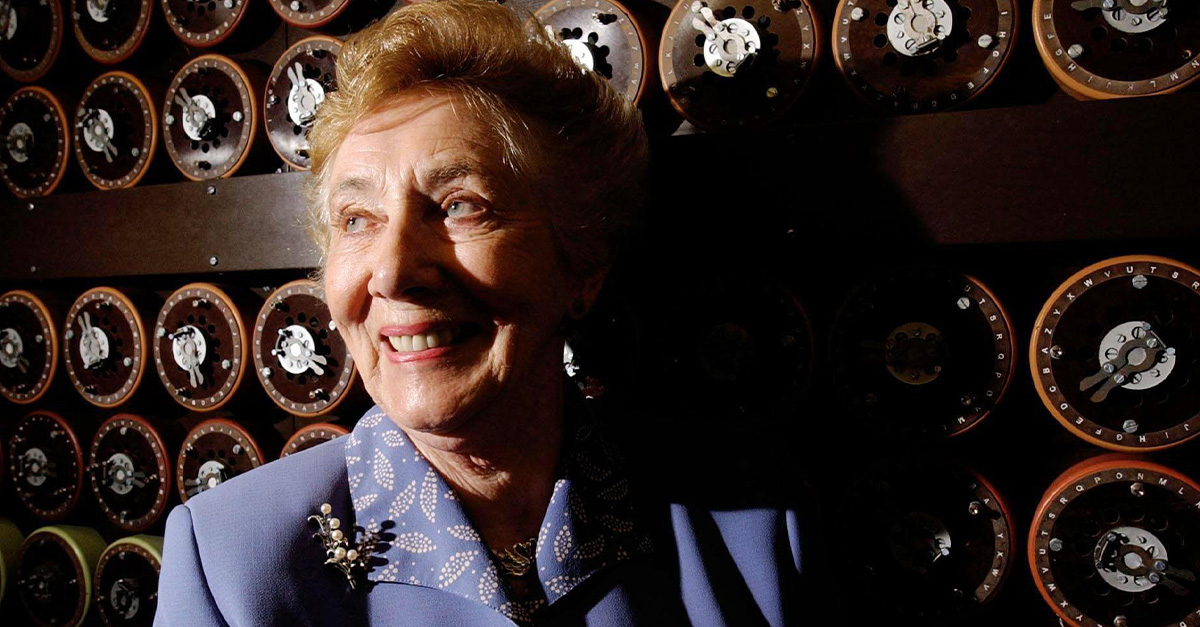
World War II codebreaking is often told as a parade of famous men and miraculous machines. The real picture was busier: thousands of women intercepted signals, cracked ciphers, translated German, ran equipment, and moved intelligence at speed. Then they went home and kept quiet.
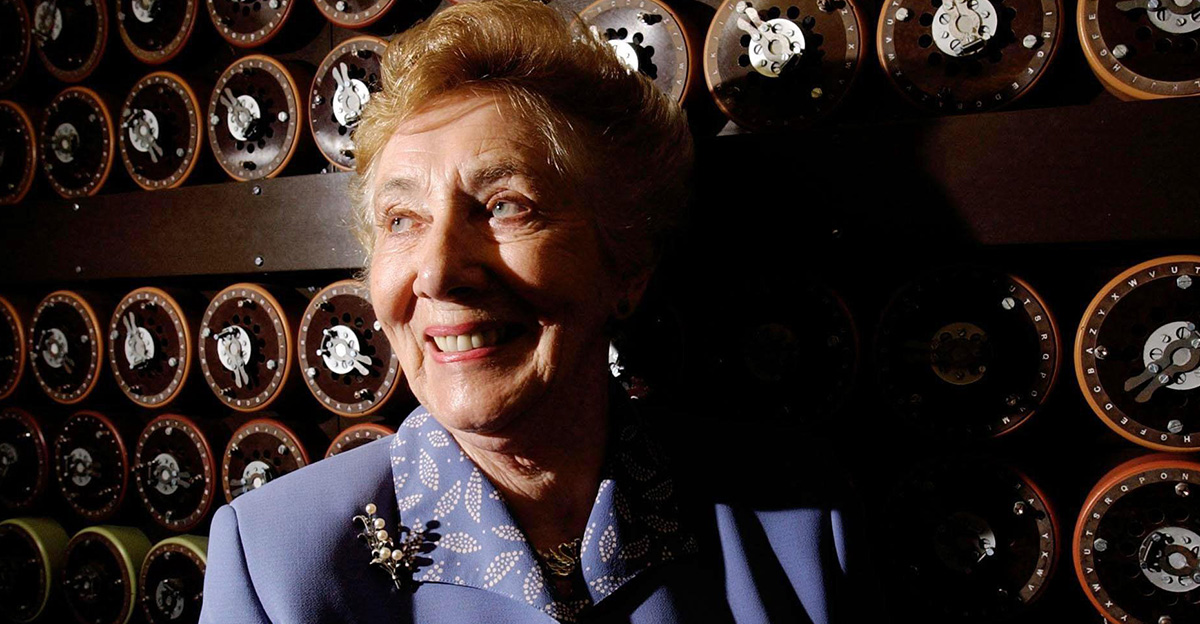 Stefan Rousseau - PA Images / Contributor, Getty Images
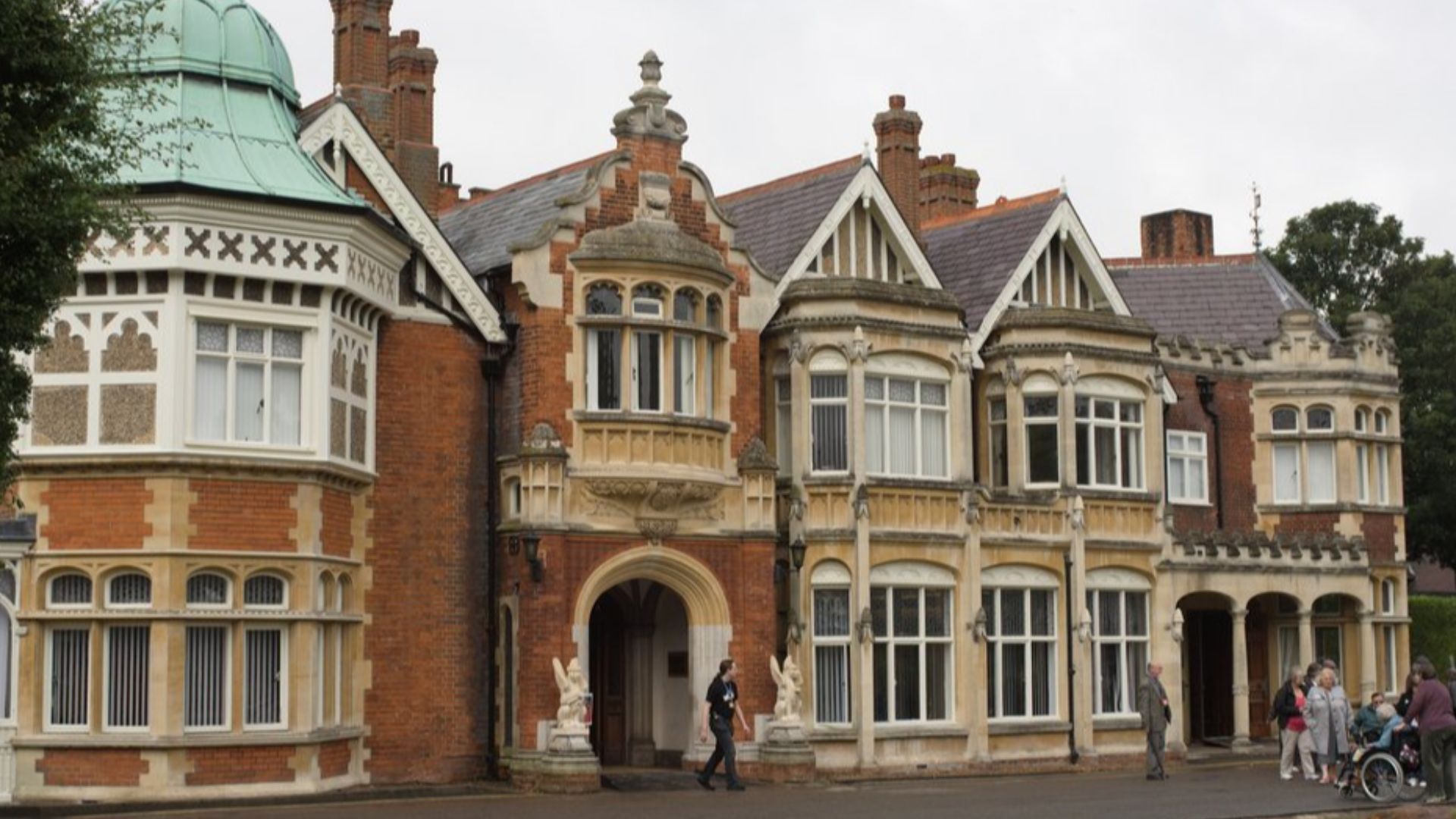
The Mansion Behind the Curtain
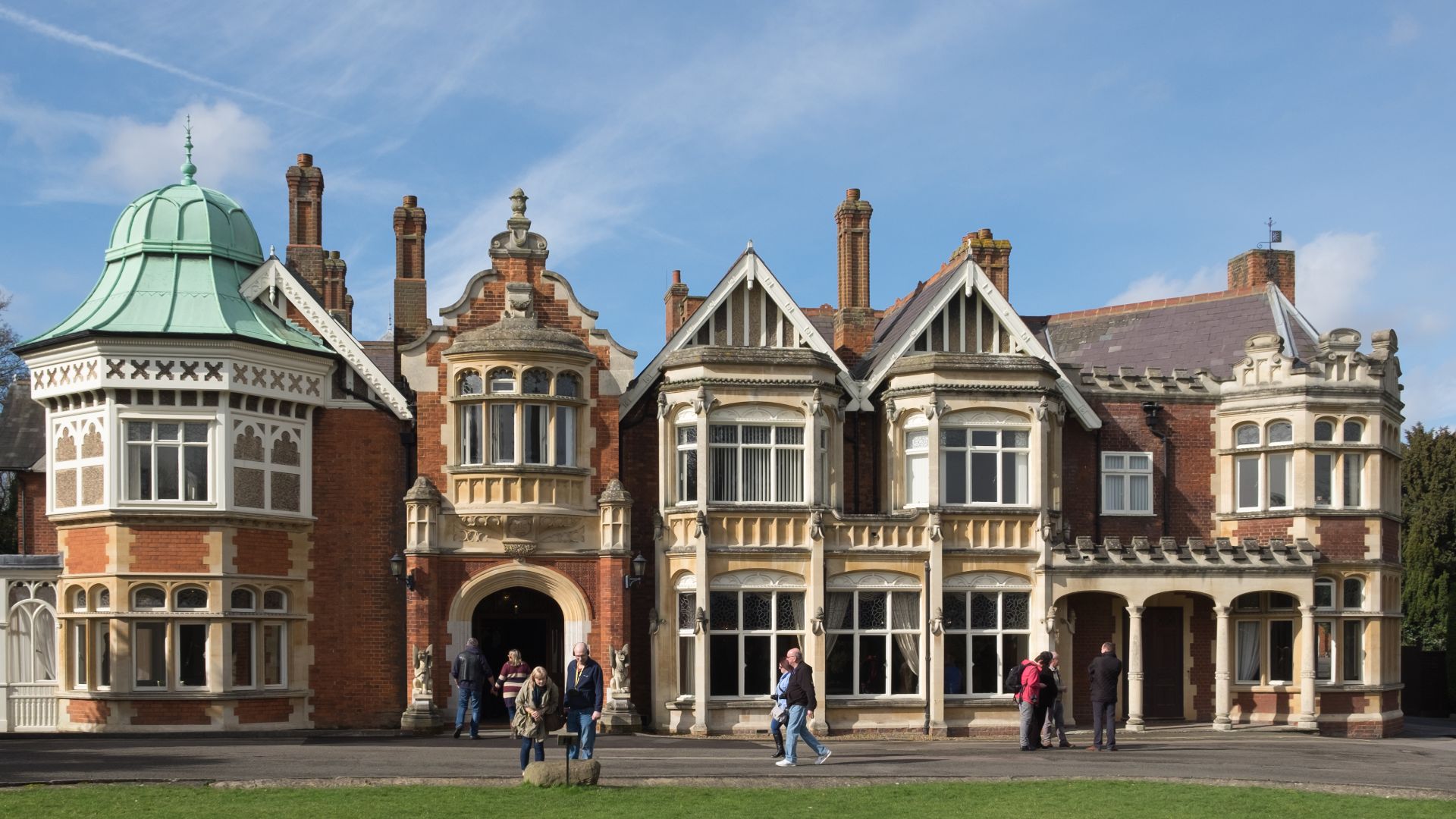
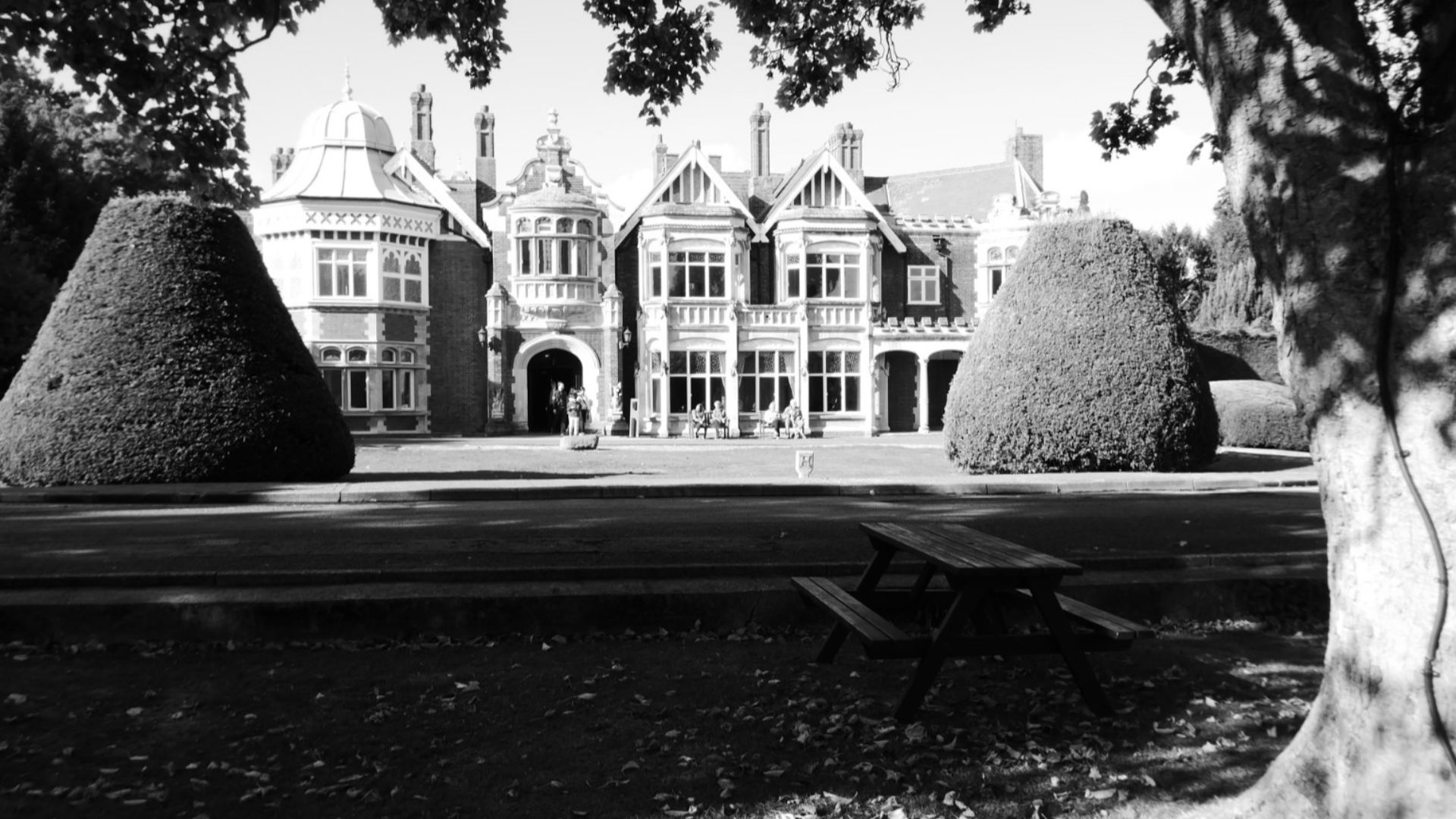
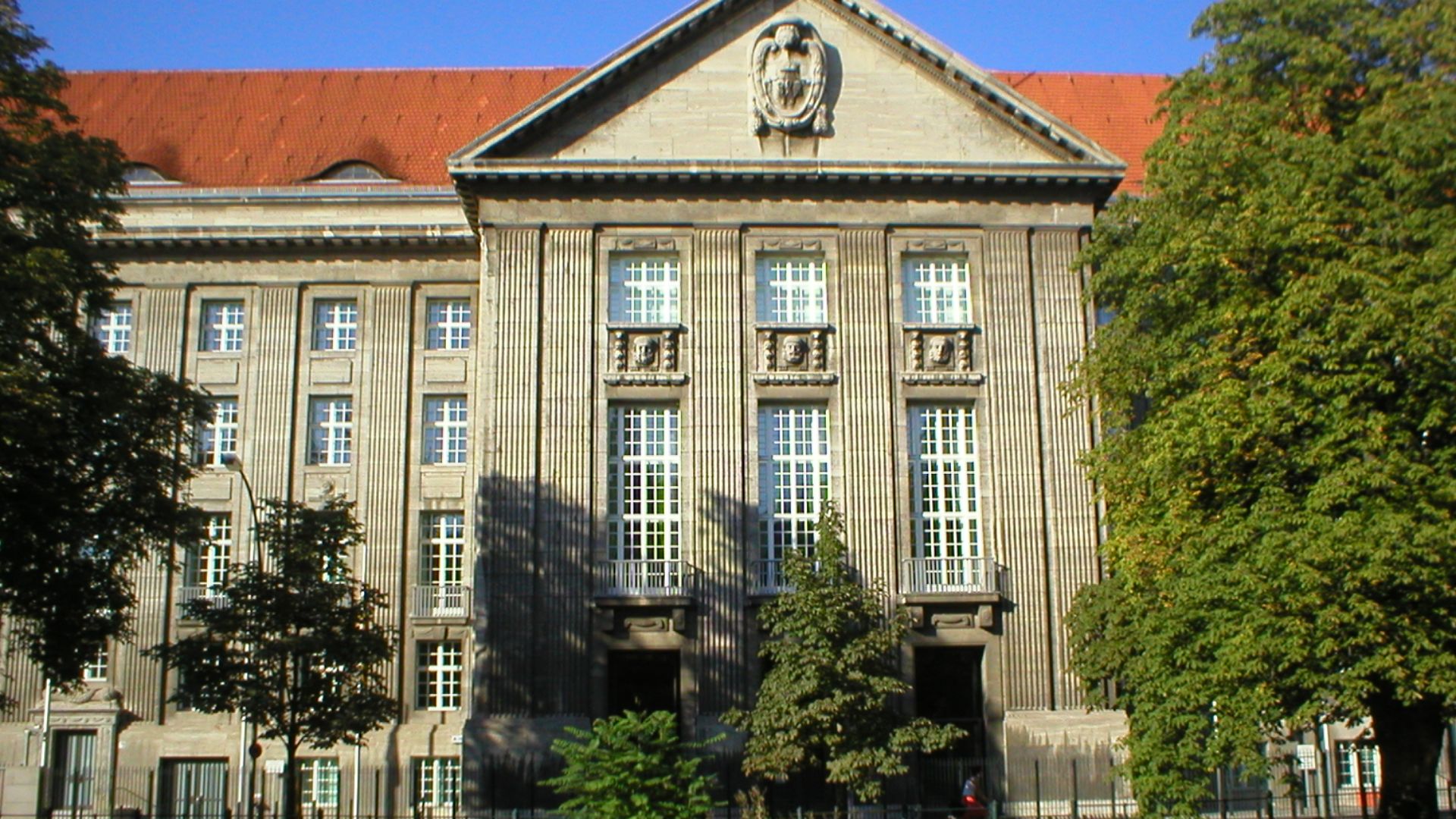
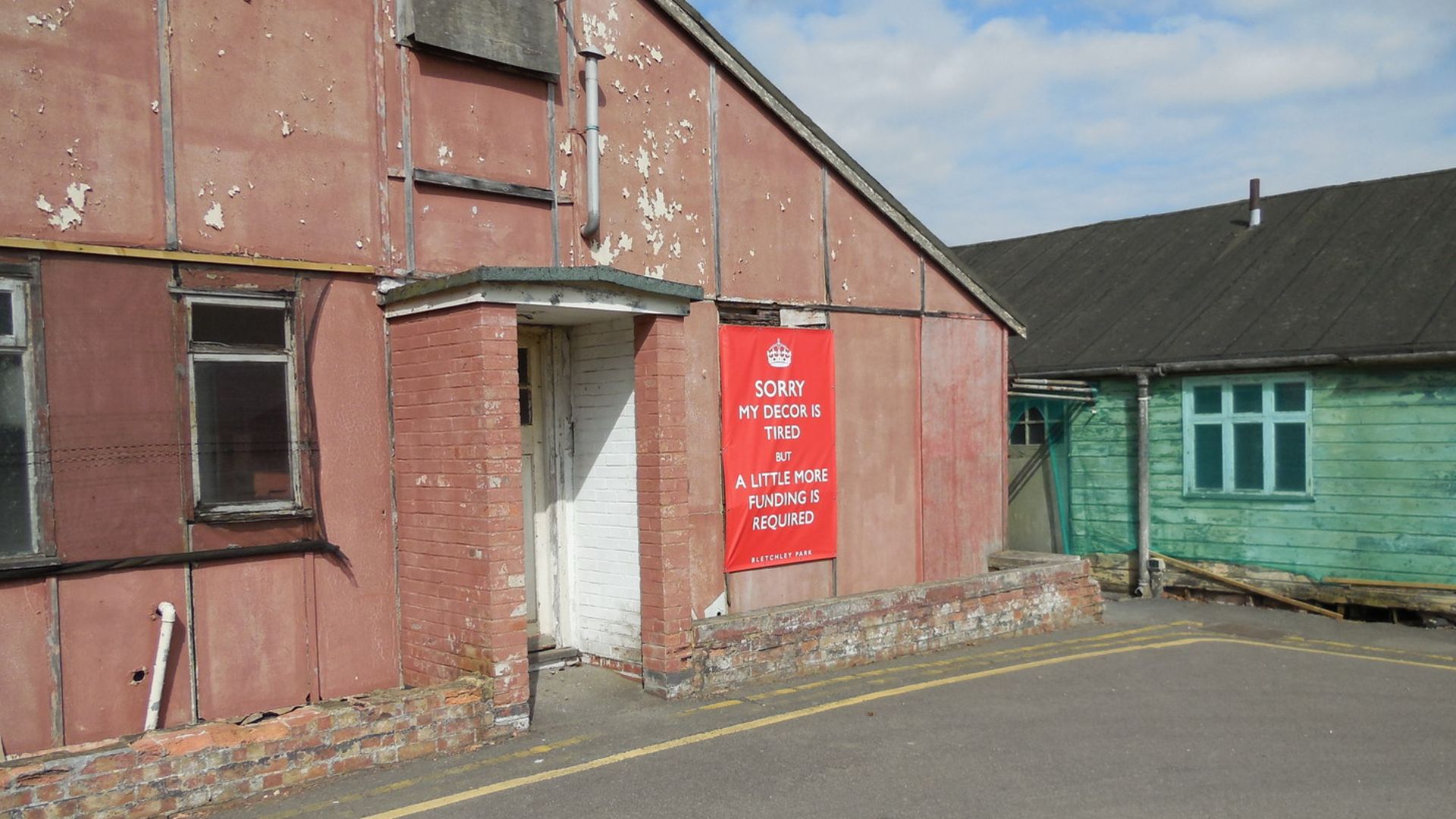
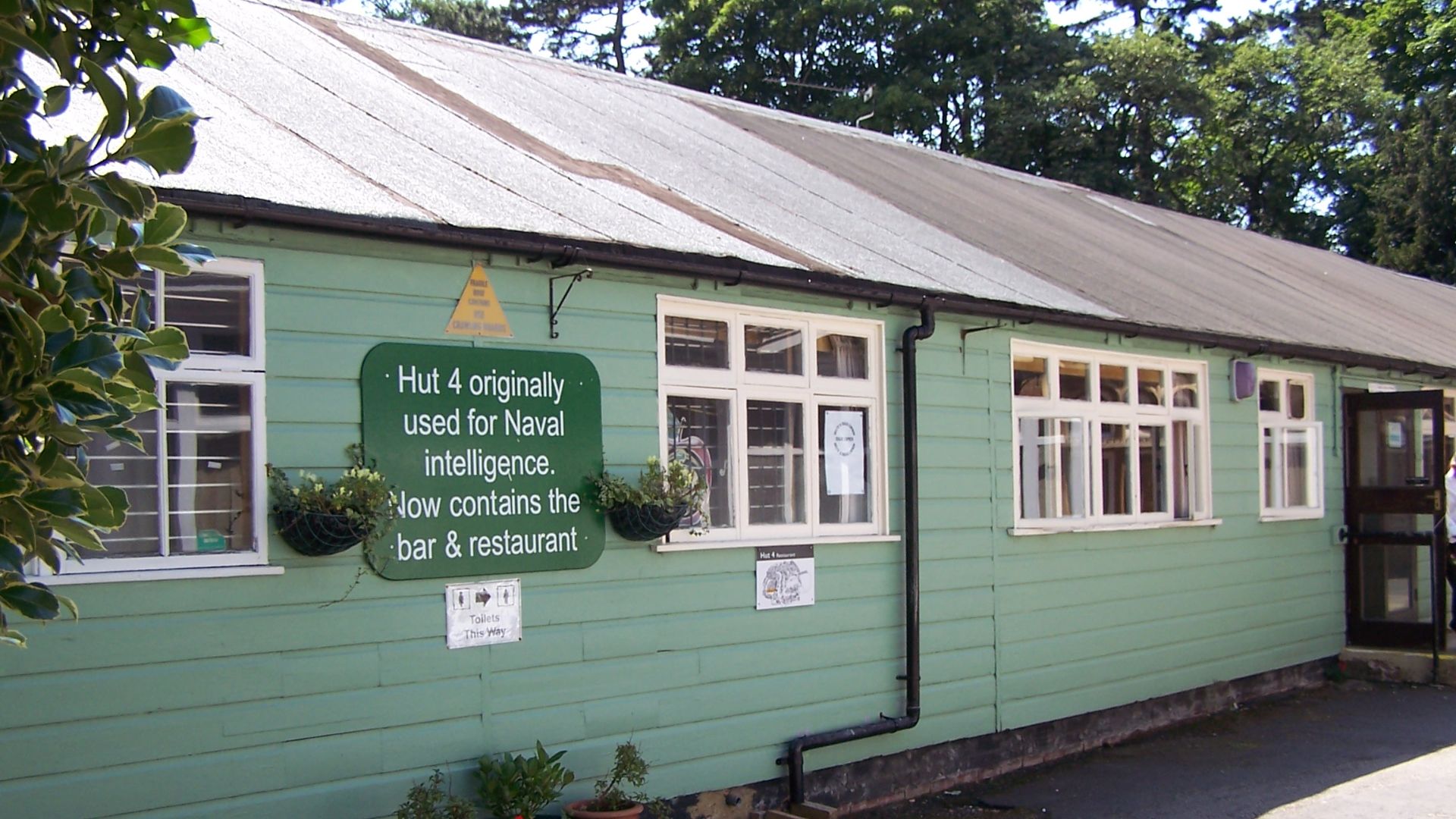
Bletchley Park looked like an eccentric country estate, complete with a Victorian mansion and lake. Inside, Britain’s Government Code and Cypher School grew into an intelligence factory. Work spilled from grand rooms into hurriedly built wooden huts and concrete blocks.
Women Became the Majority
By the end of 1944, Bletchley Park employed 6,760 women—more than three-quarters of its workforce. They served as cryptanalysts, linguists, traffic analysts, clerks, operators, drivers, cooks, and cleaners. Only senior management and armed perimeter guards remained exclusively male.
Recruitment Was Wonderfully Improvised
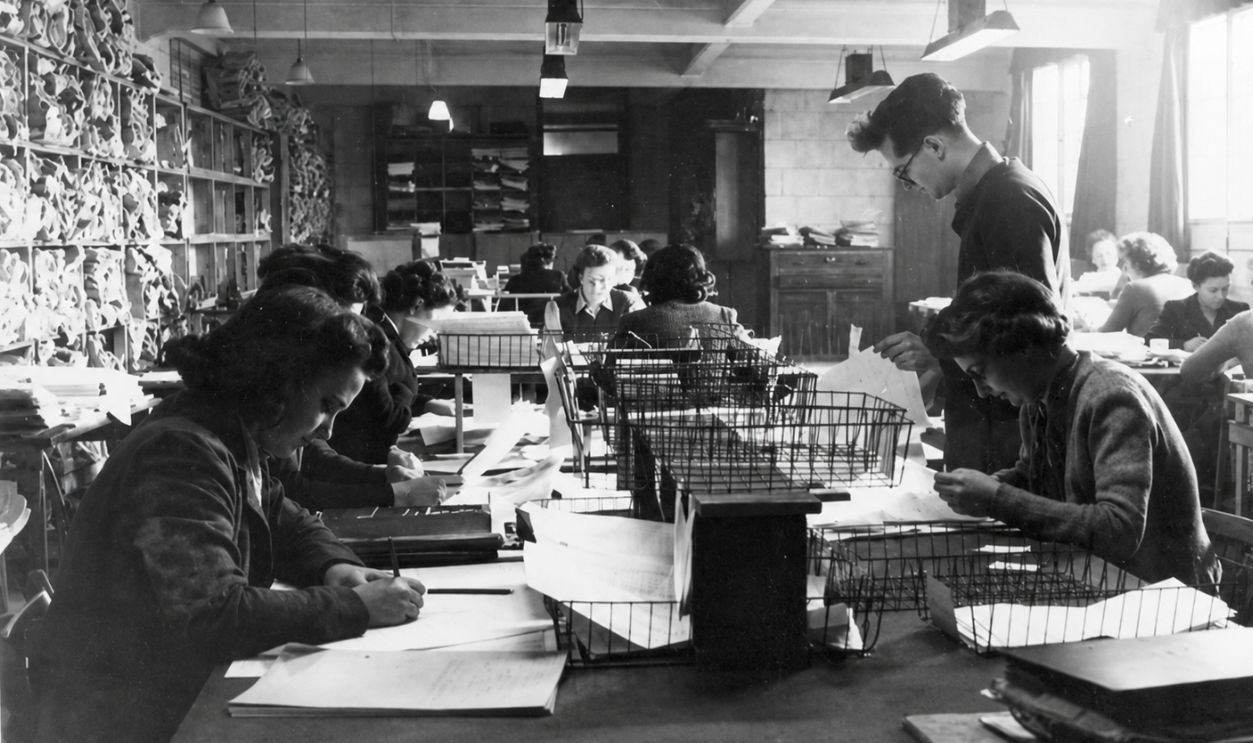
There was no neat online application marked “Secret Codebreaker.” Recruits arrived through universities, the women’s services, language tests, school mathematics results, and personal recommendations. Some received sealed instructions. Others were merely offered “interesting work,” which may be history’s greatest understatement.
 UK Government, CC BY-SA 4.0, Wikimedia Commons
They Were Not All Debutantes
The “Bletchley debs” make a catchy story, and some recruits did come from privileged circles. But the wider workforce included students, teachers, typists, civil servants, servicewomen, and teenagers fresh from training. Not every woman was a cryptanalyst; every link still mattered.
 Philip Halling , Wikimedia Commons
The Messages Arrived as Gibberish
Before anyone could break a cipher, someone had to catch it. At Y stations, many women wore headphones for hours, hunted German radio traffic, and copied Morse into groups of five letters. Often, they never learned where those mysterious pages went next.
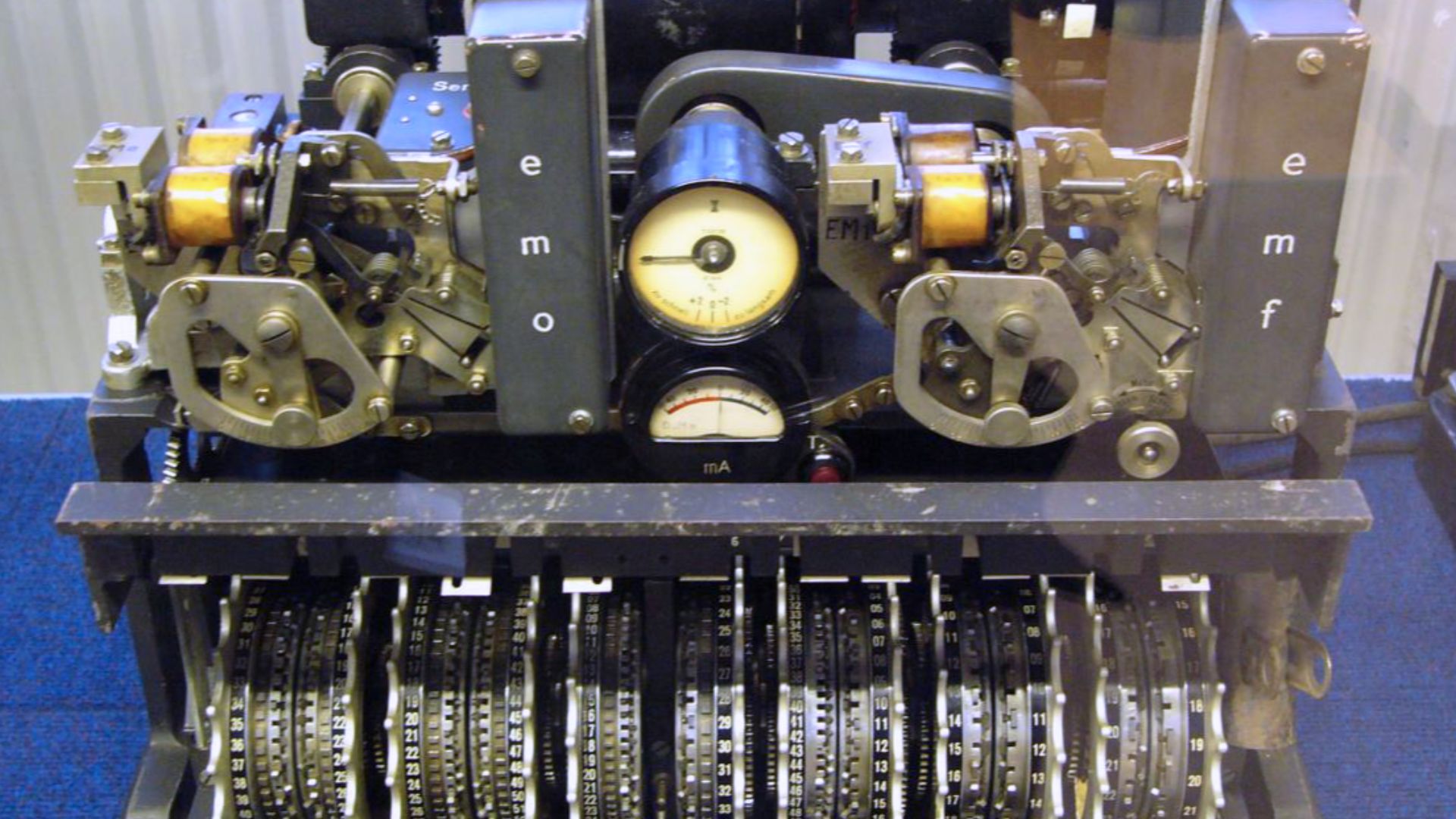
Enigma Reset the Clock Daily
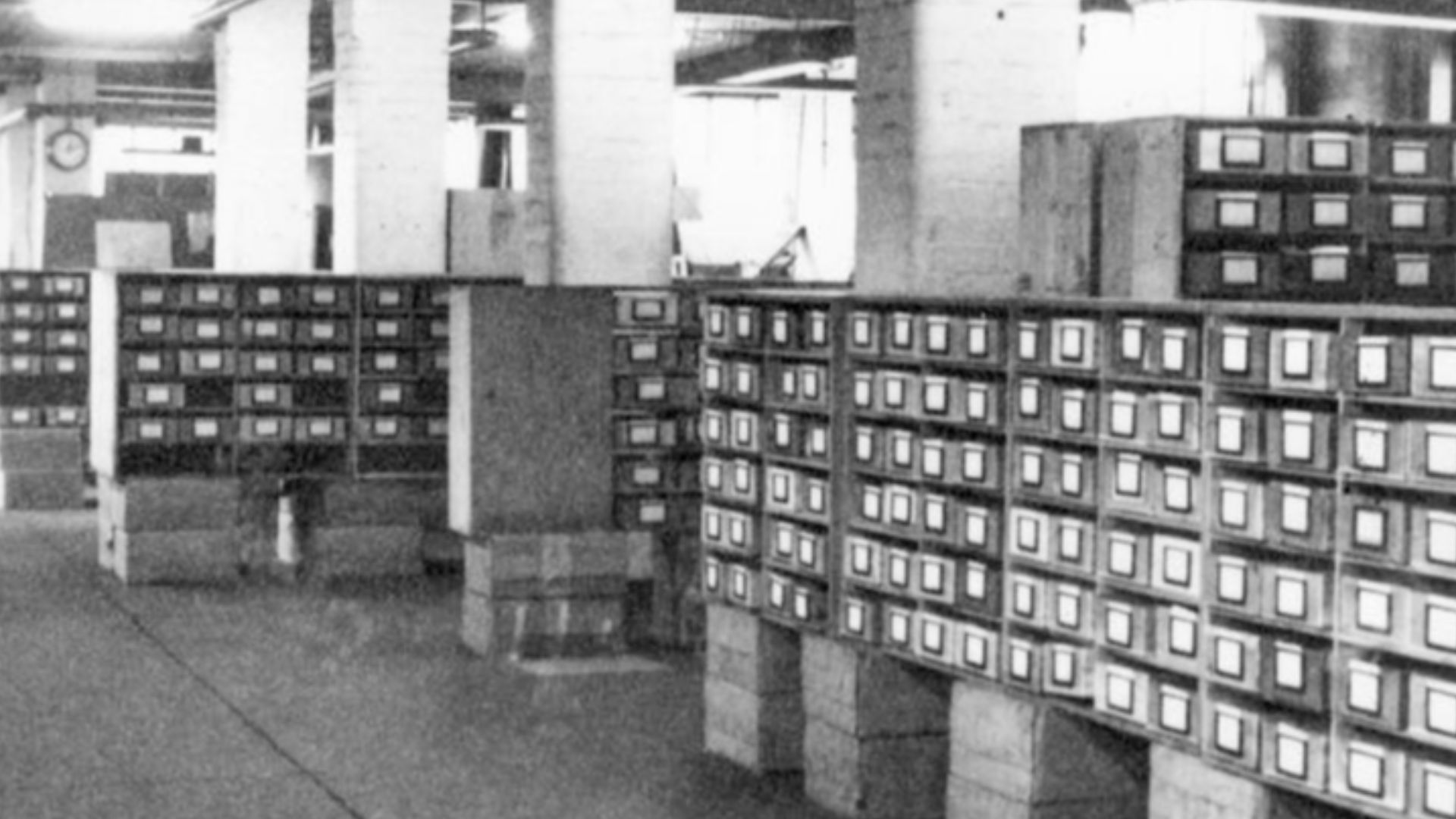
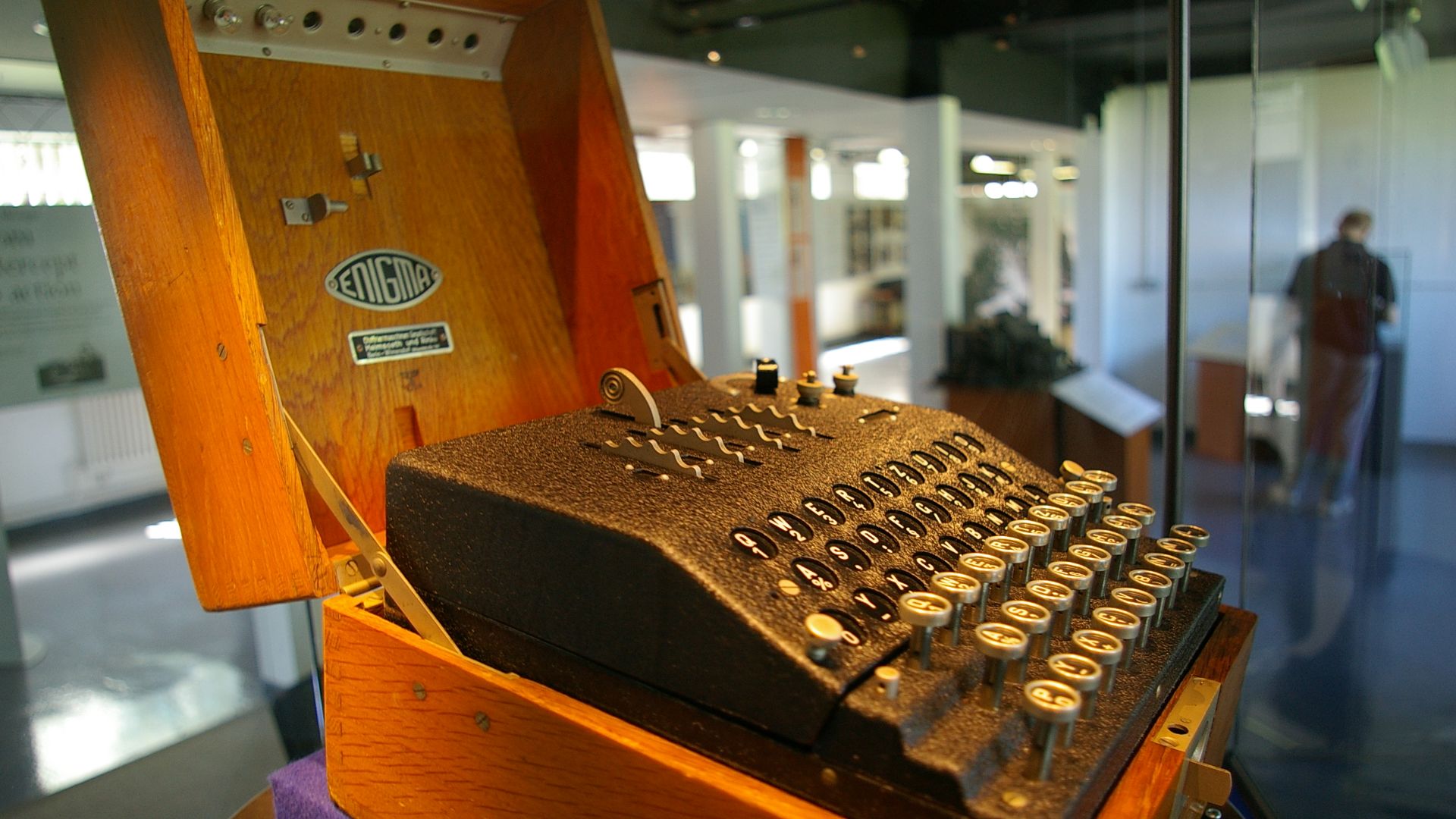
Enigma was not one locked box waiting for a clever key. Settings changed, networks differed, and useful intelligence could go stale quickly. Building on crucial Polish breakthroughs, Bletchley teams hunted patterns, guessed likely phrases called cribs, and exploited enemy mistakes.
 Bletchley Park Trust, Getty Images
Humans Made the Machines Useful
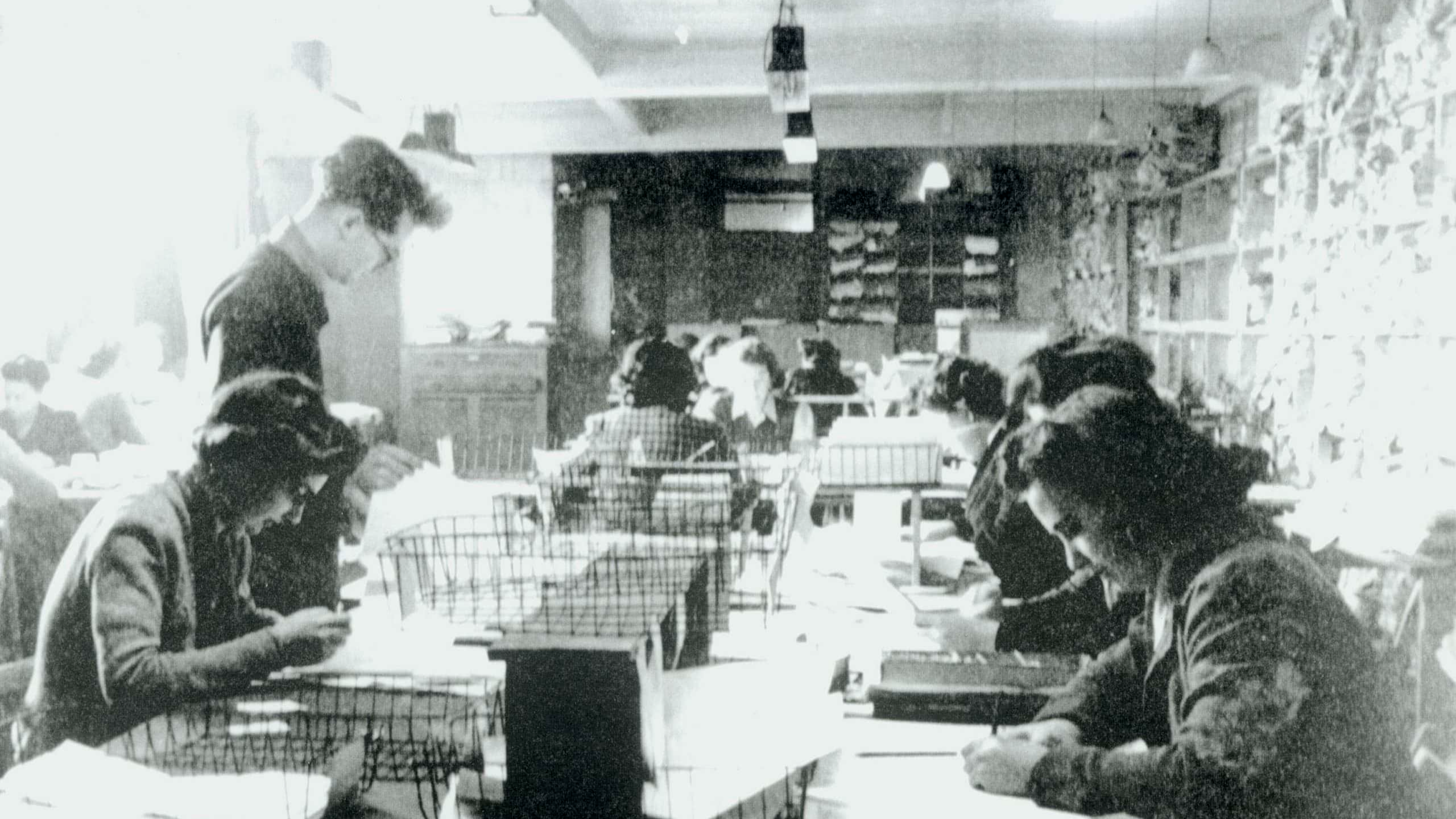
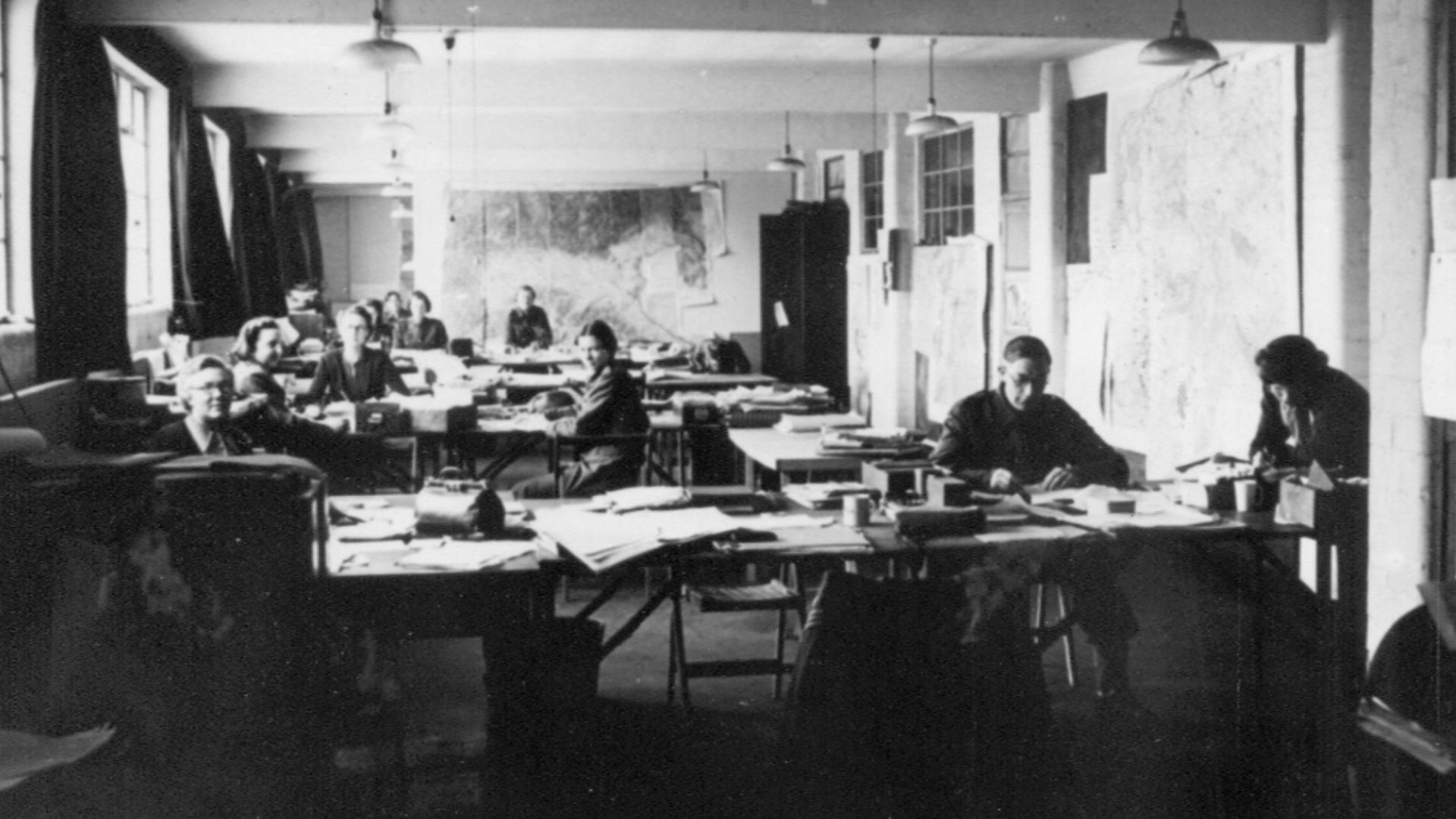
The famous machines did not press a button and announce Hitler’s plans. Cryptanalysts designed tests; clerks prepared material; operators wired machines, fitted drums, checked possible results, and sent promising settings onward. Automation mattered, but only because a human chain kept it moving.
 unknown but private shots are unlikely, Wikimedia Commons
Joan Clarke Entered Hut 8
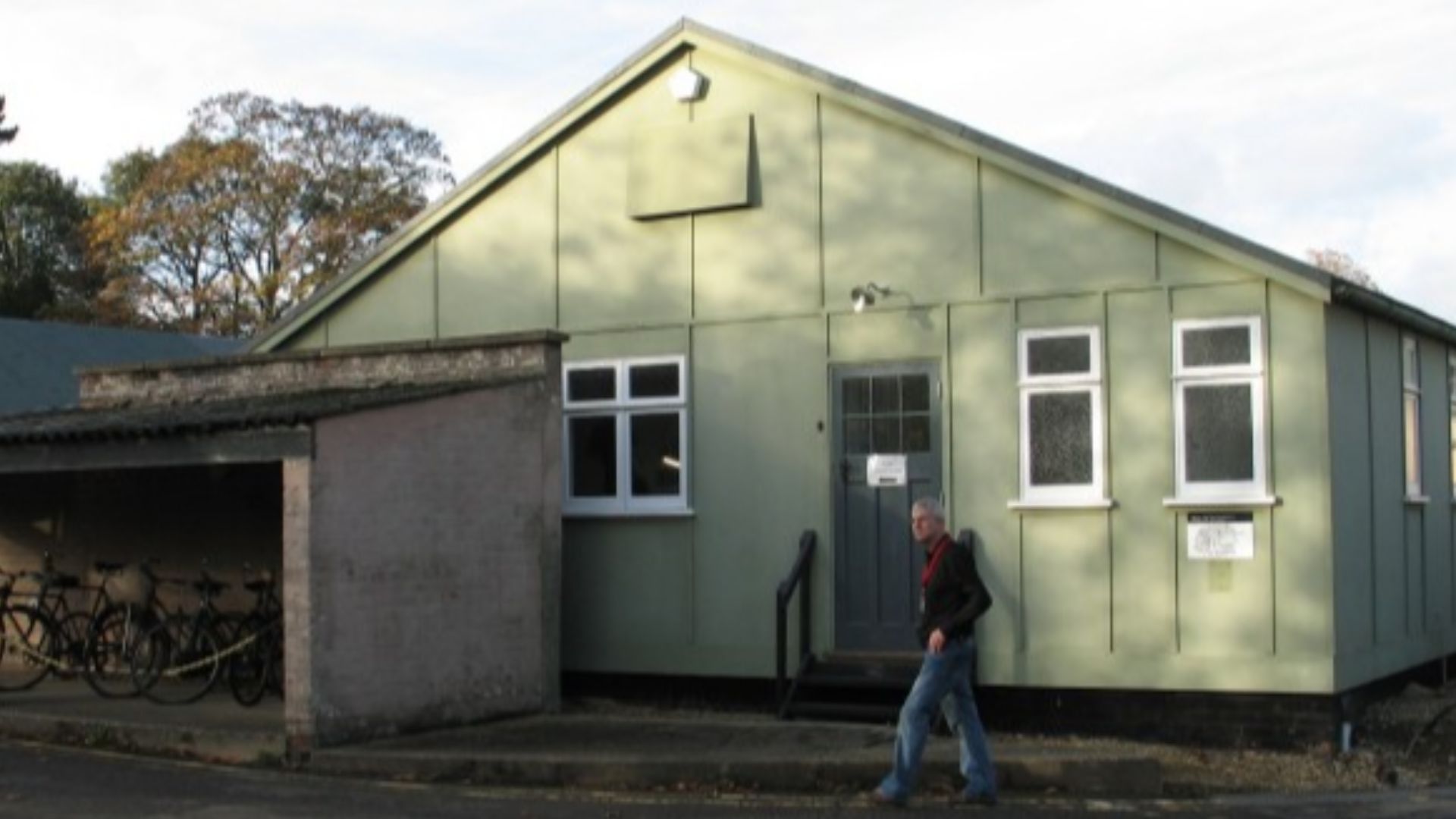
Joan Clarke arrived in 1940 with a double first in mathematics from Cambridge—although Cambridge still refused women full degrees. She joined Hut 8, the team attacking German naval Enigma, and became one of the small number of female cryptanalysts at Bletchley Park.
 Ian Petticrew , Wikimedia Commons
A Senior Without Equal Status
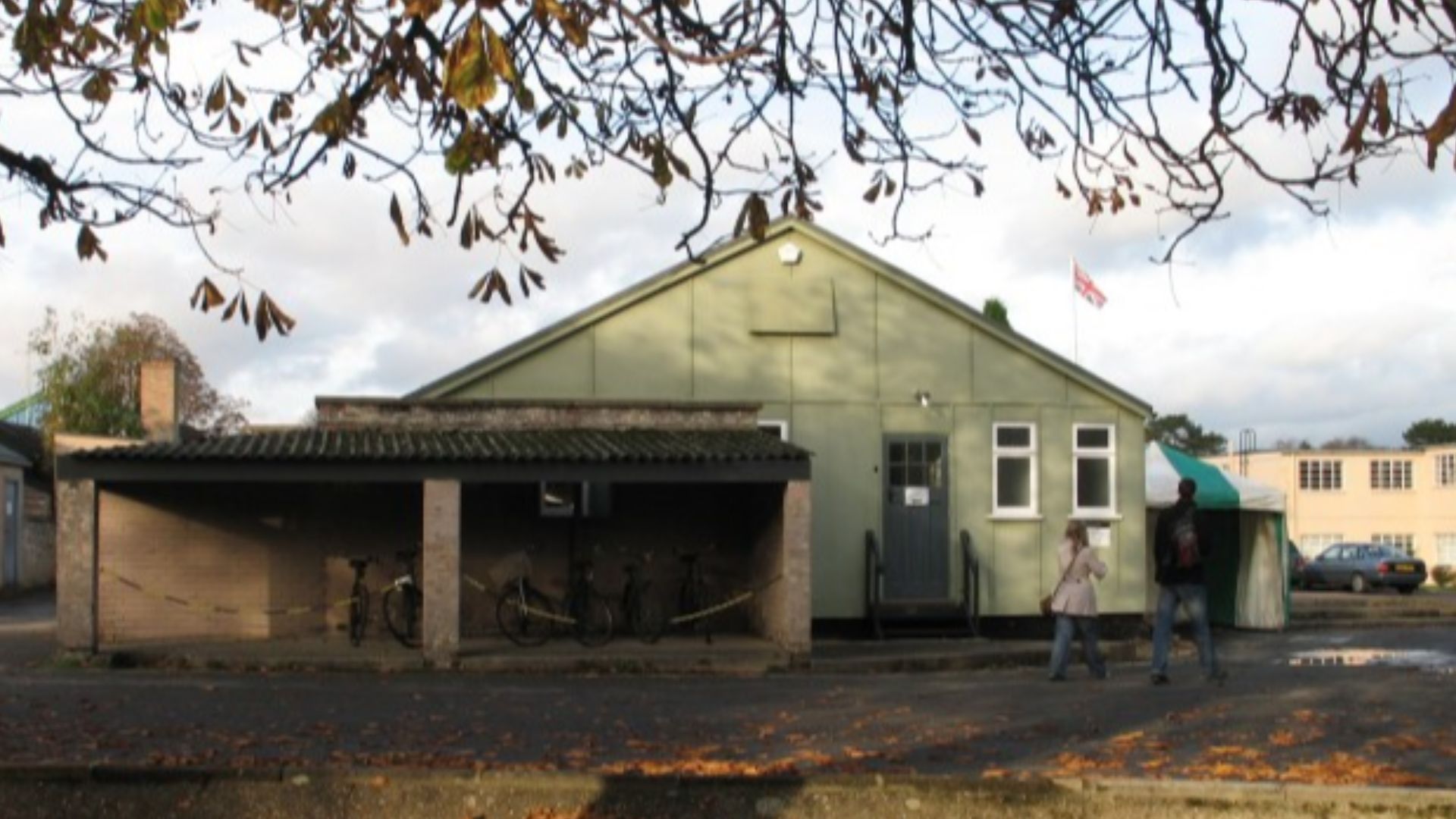
Clarke became a senior figure and eventually deputy of Hut 8, yet her career unfolded inside institutions built for men. Women dominated Bletchley’s headcount but not its top leadership. Their intelligence was urgently needed; equal status, apparently, could wait.
 Ian Petticrew , Wikimedia Commons
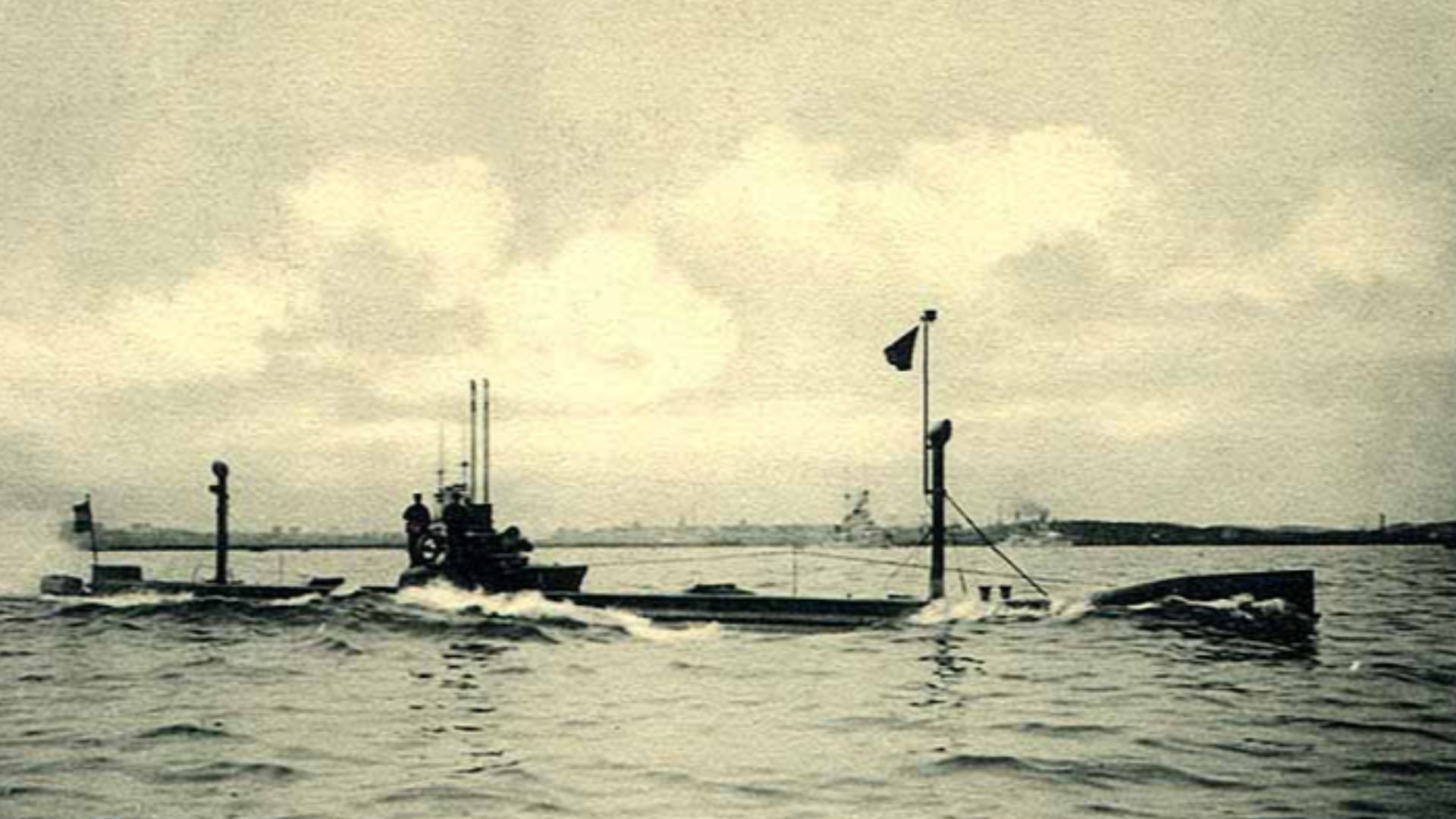
Hut 8 Hunted U-Boats
Naval Enigma mattered because German U-boats were tearing into Allied shipping. Hut 8’s decrypts helped reveal submarine movements and protect convoys carrying food, fuel, troops, and weapons across the Atlantic. A page of letters could decide whether ships sailed into danger.
 Unknown authorUnknown author, Wikimedia Commons
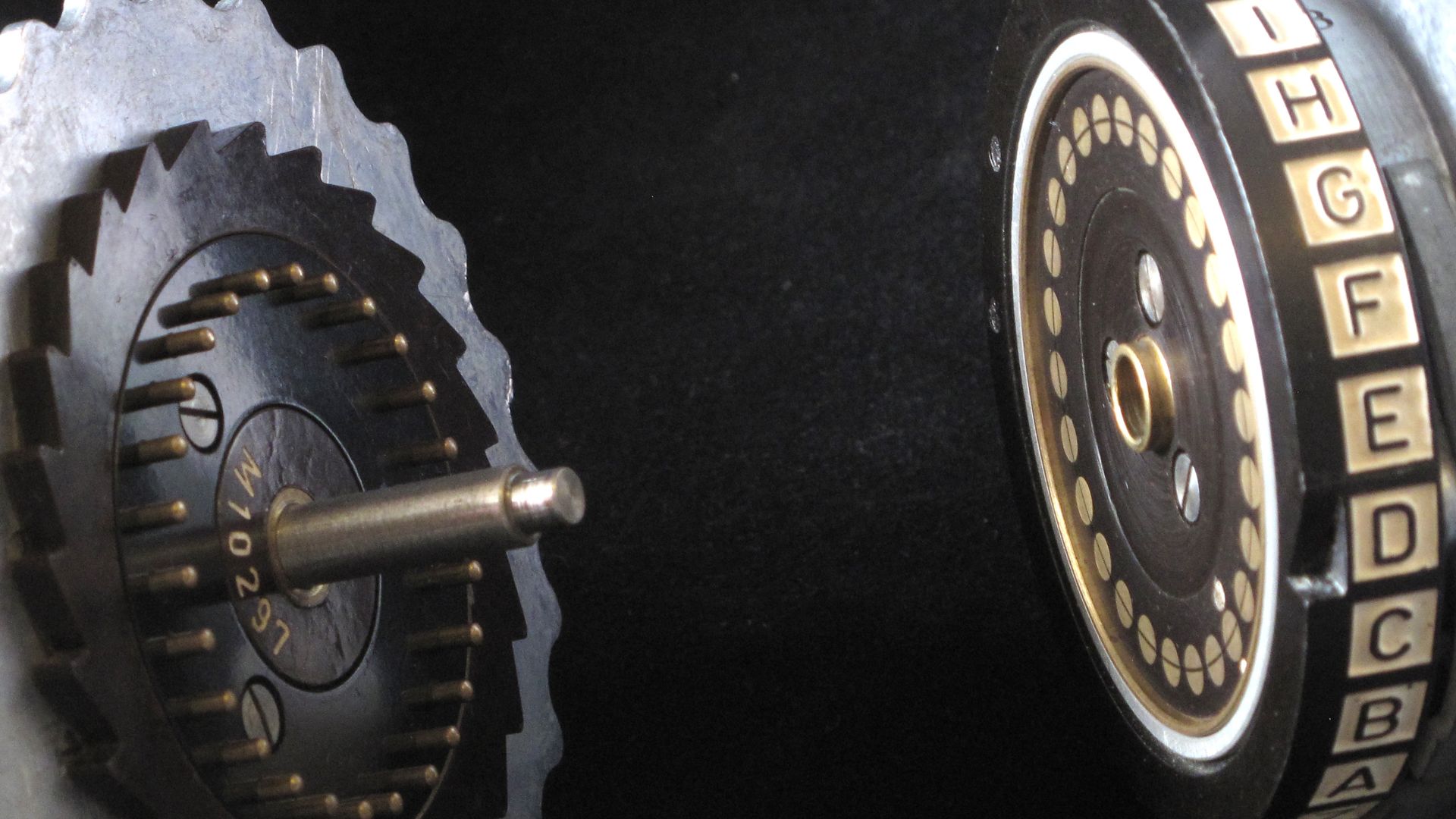
Clarke Cracked the Fourth-Rotor Clue
In 1942, a tougher four-rotor naval Enigma disrupted Bletchley’s reading. Clarke studied captured code material and spotted how the extra rotor related to the older system. Colleague Shaun Wylie completed the break, restoring a flow of intelligence when the Atlantic war was desperate.
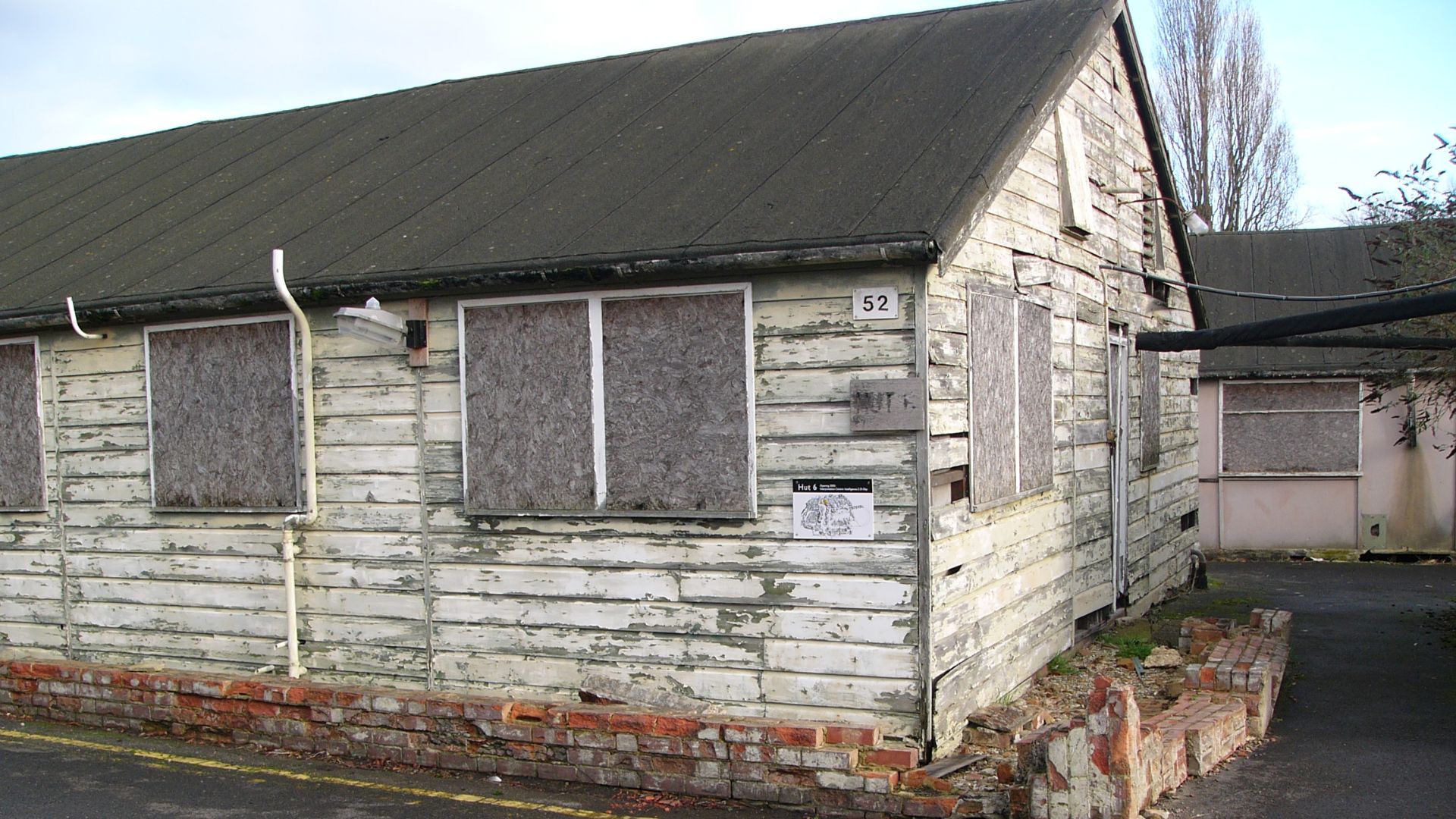
Jane Fawcett Found the Vital Word
Eighteen-year-old Jane Fawcett worked in Hut 6, turning five-letter groups into readable German. In 1941, she noticed the word “Brest” in naval traffic connected to the fleeing battleship Bismarck. She flagged it immediately, adding a crucial clue to the Royal Navy’s pursuit.
 Matt Crypto, Wikimedia Commons
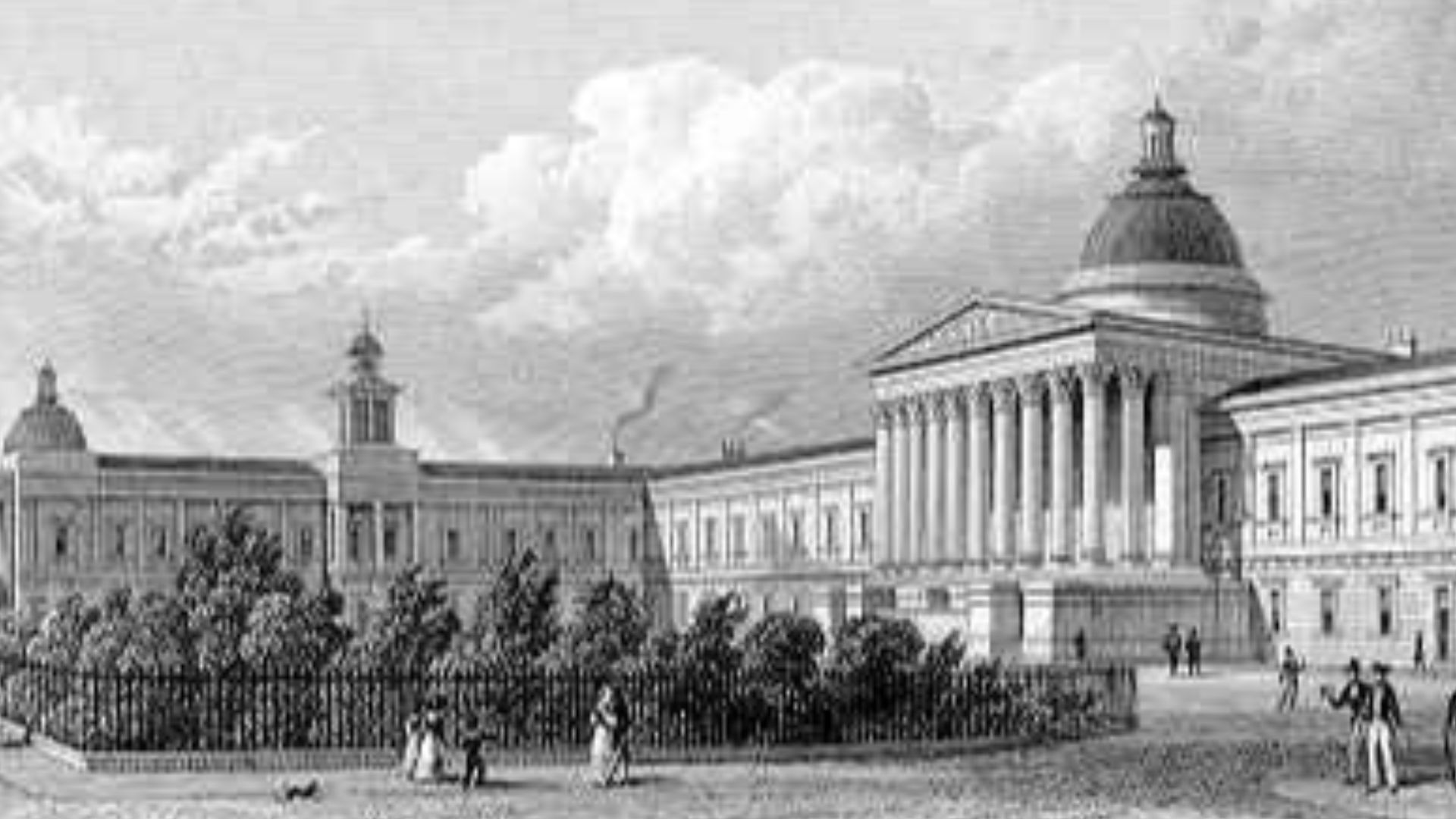
Mavis Lever Was Nineteen
Mavis Lever, later Mavis Batey, left her German studies at University College London for secret work. At nineteen, she joined veteran cryptographer Dilly Knox’s largely female research unit. Her new office offered little ceremony: there were enemy machines to break and pencils to sharpen.
 Thomas Hosmer Shepherd (1792–1864), Wikimedia Commons
Today’s the Day Minus Three
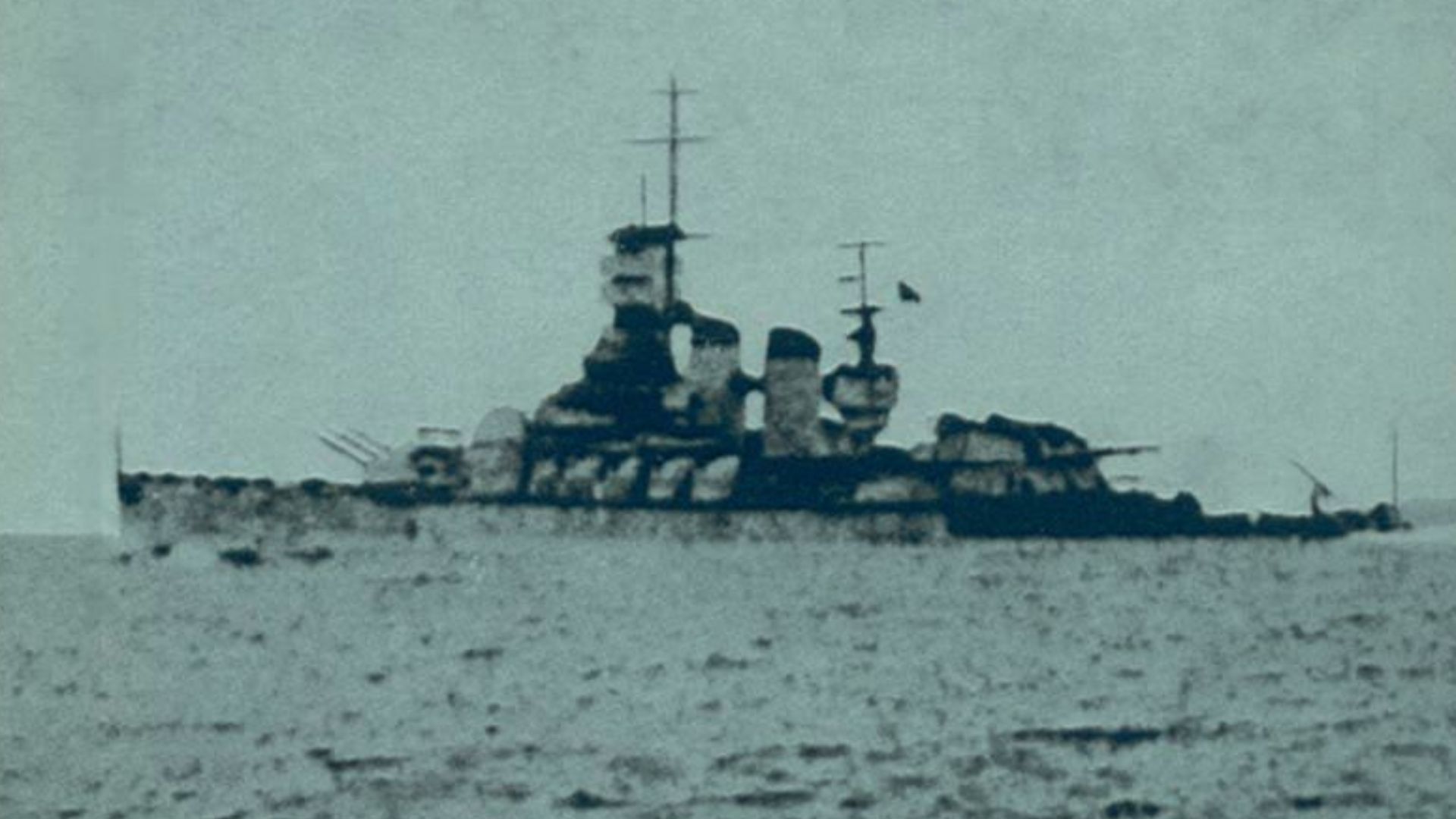
Lever broke into an Italian naval Enigma message containing the tantalizing phrase “Today’s the day minus three.” Her team raced through related traffic and uncovered plans for an Italian operation against Allied shipping. It was a tiny sentence with a battleship-sized consequence.
Cape Matapan Proved the Point
The decrypts helped the Royal Navy position itself before the Battle of Cape Matapan in March 1941. The resulting victory badly damaged Italian naval power in the Mediterranean. This time, the codebreakers learned that their work had paid off—rare feedback in a fiercely compartmentalized system.
 Ministero Della Difesa-Marina, Wikimedia Commons
Margaret Rock Took on the Abwehr
Mathematician Margaret Rock joined in 1940 under the unimpressive title “Junior Administrative Assistant.” Knox soon rated her among the best Enigma staff, comparable to the male professors. She was promoted to “Linguist,” a bureaucratic label that still failed to describe her cryptanalytic skill.
![Equipment [radio and Enigma machine] in radio car of the 7th Panzer Div. staff](https://www.factinate.com/storage/app/media/factinate/2026/7/29/1785321422aa7efc657c84855dbebc10fe0eaf37d858a0763d.jpg)
The Spy Codes Helped Guard D-Day
Rock, Lever, and their colleagues attacked Enigma traffic used by the Abwehr, Germany’s intelligence service. Reading those messages helped Britain monitor captured agents turned into double agents and test the lies sent back to Berlin—including the deception that kept German attention near Calais.
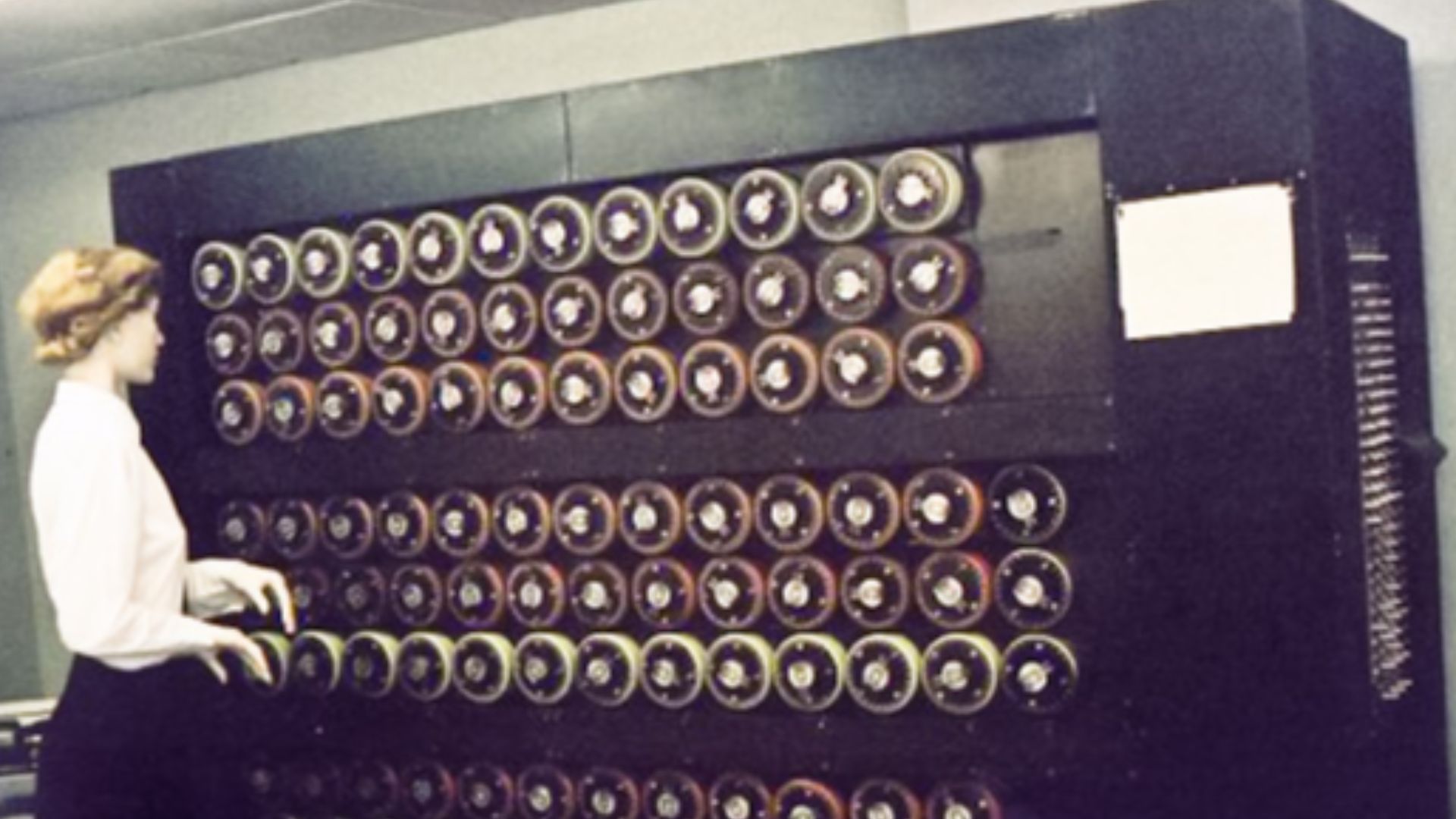
Women Ran the Bombes
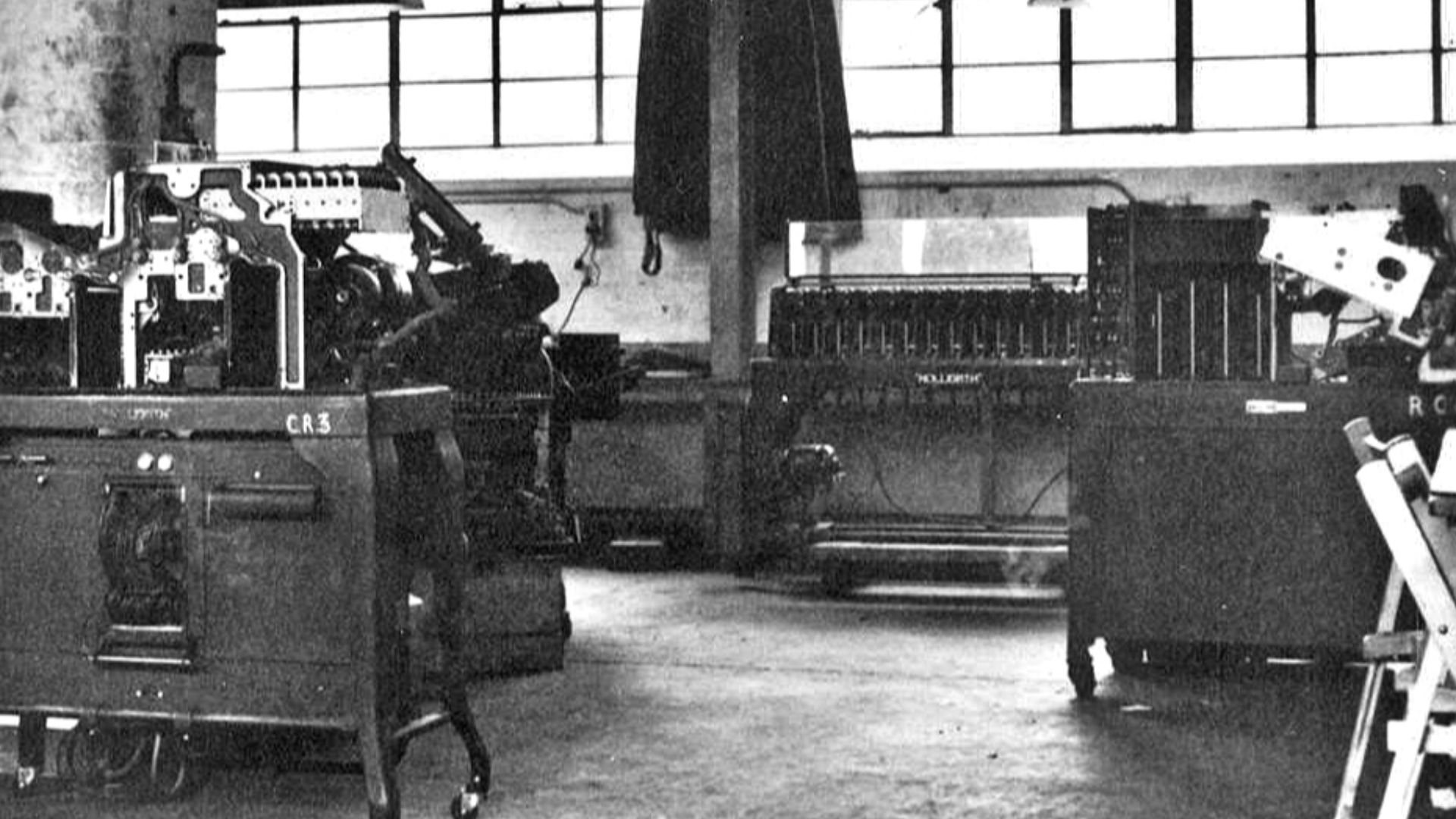
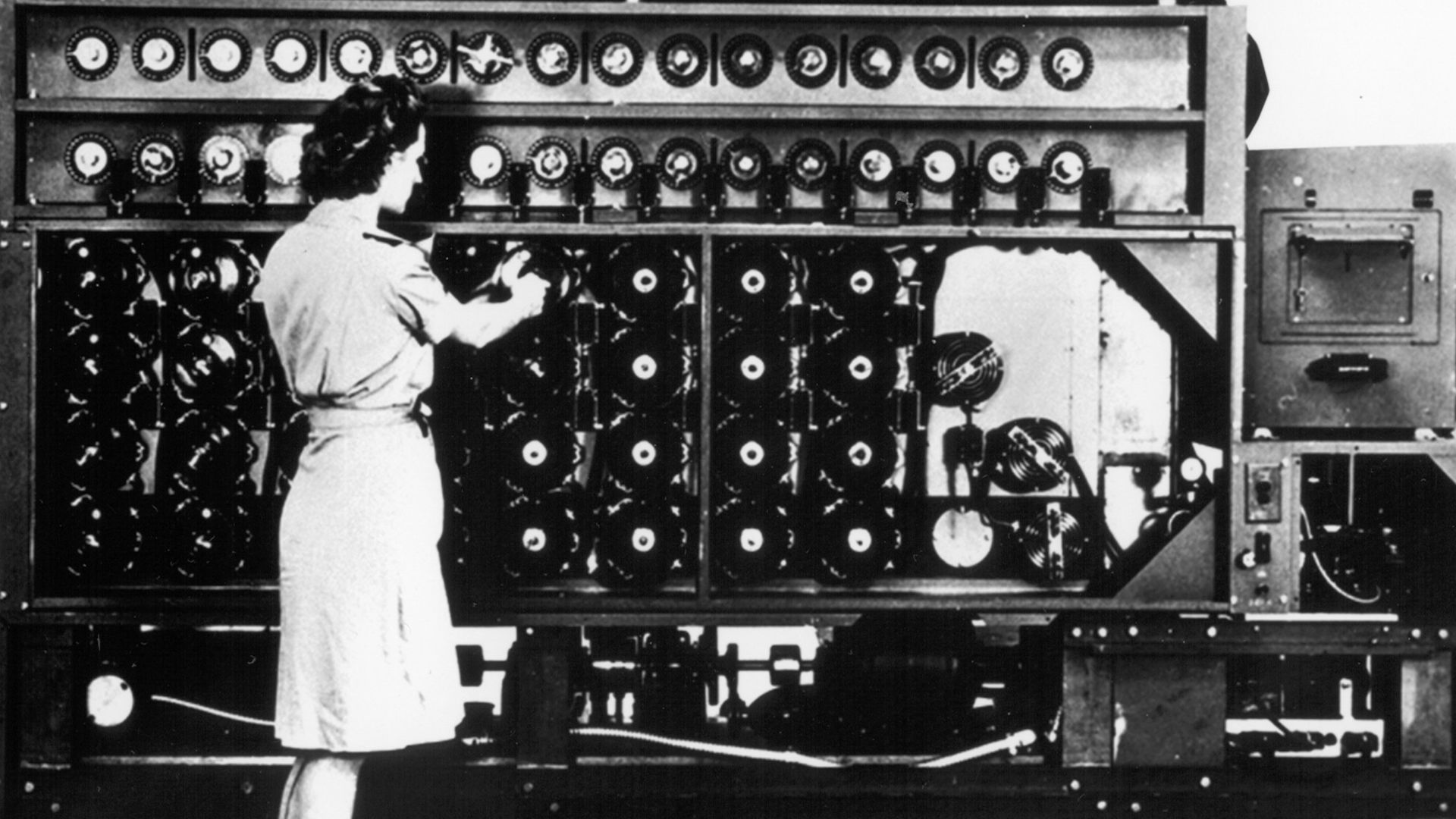
Hundreds of Wrens operated the electromechanical Bombes that searched for possible Enigma settings. The rooms were noisy, dark, and stuffy; the shifts were long. Their task could feel repetitive, but one careless cable or misplaced drum could waste precious time.
 National Security Agency, Wikimedia Commons
A Stop Was Only a Maybe
When a Bombe stopped, it had not solved Enigma with a triumphant ping. The operator checked the candidate, rejected false results, and rushed useful ones onward. Machines narrowed the haystack; women still had to examine the needles, reset everything, and start again.
 User Messybeast on en.wikipedia, Wikimedia Commons
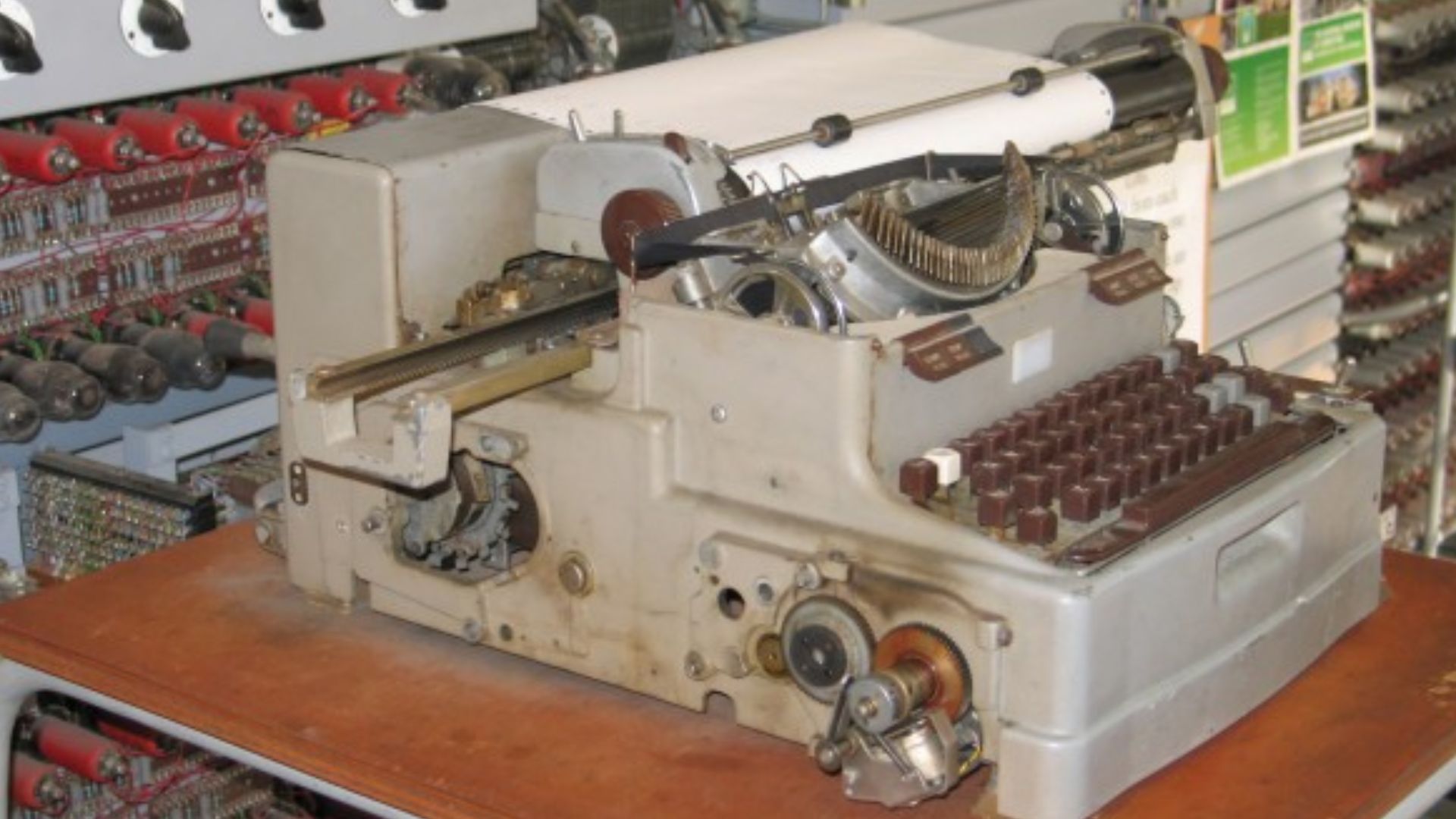
Colossus Joined the Night Shift
Enigma was not Bletchley’s only target. The far more complex Lorenz cipher, nicknamed Tunny, carried messages among senior German commanders. To attack it, engineers built Colossus, the world’s first large-scale electronic digital computer. The future arrived wearing wartime wiring.
Wrens Kept Colossus Alive
Around 250 Wrens operated Bletchley’s ten Colossus machines around the clock. They fed high-speed paper tape, adjusted equipment, recorded results, and kept temperamental electronics working. The machine became legendary; the women standing beside it were, for decades, barely footnotes.
 Ian Petticrew, Wikimedia Commons
The Park Never Slept
Bletchley ran on rotating shifts, commonly 8 a.m. to 4 p.m., 4 p.m. to midnight, and midnight to 8 a.m. Workers cycled or rode buses through blackout darkness, then entered huts that might be freezing, sweltering, smoky, or all three.
 Mark Anderson , Wikimedia Commons
There Was Still Time to Dance
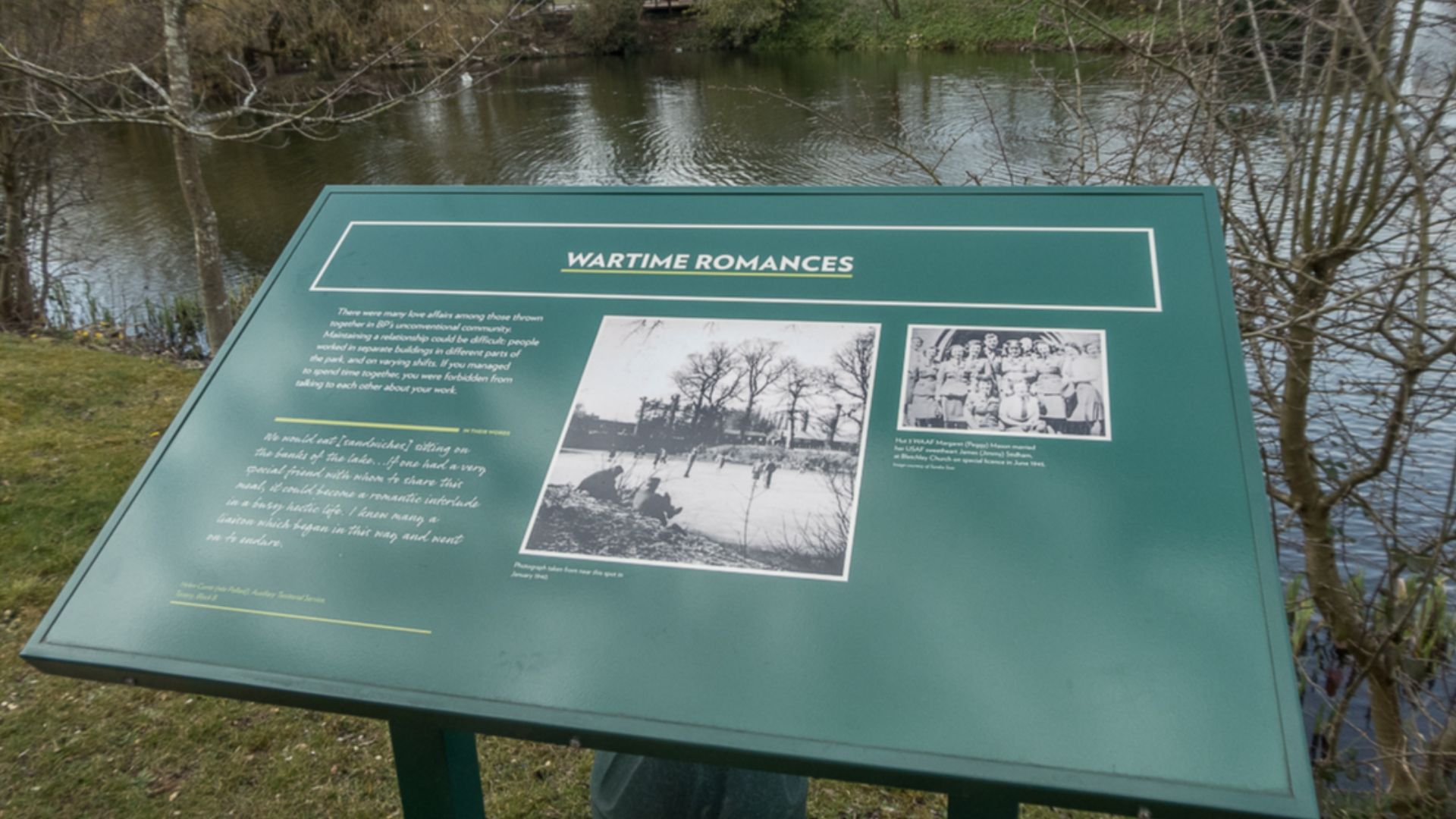
Even secret warriors needed a Saturday-night feeling. Staff organized dances, plays, concerts, language classes, and clubs. Friendships softened the monotony and pressure. The laughter was real, but conversation had strict borders: people discussed almost anything except the work consuming their lives.
 Paul Gillett , Wikimedia Commons
Secrecy Followed Them Home
Workers signed the Official Secrets Act and learned only what their jobs required. Many did not tell parents, husbands, or children what they had done. After victory, they returned to ordinary careers and family life carrying extraordinary memories they were still forbidden to share.
Recognition Arrived Decades Late
Bletchley Park’s wartime story began reaching the public in 1974, almost thirty years after victory. The site opened as a museum in 1993, and a government commemorative badge followed in 2009. By then, many veterans had died before hearing a public thank-you.
 Christine Matthews , Wikimedia Commons
The Missing Majority of the Victory
Experts have estimated that Bletchley’s work probably shortened the war by about two years. No single person, machine, or decrypt did that. It took a system—and women formed most of it. Remembering them does not rewrite history; it finally makes history add up.
Philip Halling , Wikimedia Commons
You May Also Like:
Bizarre Things That People Somehow Once Believed Were Good For Their Health
American School Rules From Past Decades That Would Shock Students
Miserable Facts About Elliott Smith, The Singer We Can’t Forget