Fake News Is Nothing New.
Long before professional fact-checkers, instant databases, and searchable archives, newspapers routinely raced one another to print astonishing claims that could be difficult, expensive, or impossible to verify quickly. Some hoaxes lasted hours and others survived for decades, but all exposed the same weakness: a fantastic story can travel much faster than the evidence needed to kill it.
The Moon Suddenly Had Bat People
On August 25, 1835, New York's Sun began publishing a six-part series claiming that astronomer Sir John Herschel had made astonishing discoveries on the Moon. Readers were told that a fantastically powerful telescope had revealed lunar landscapes, animals, and winged humanoids. Herschel really was conducting astronomical observations in South Africa, which gave the fiction a convincing foundation. The articles were actually written by Sun journalist Richard Adams Locke.
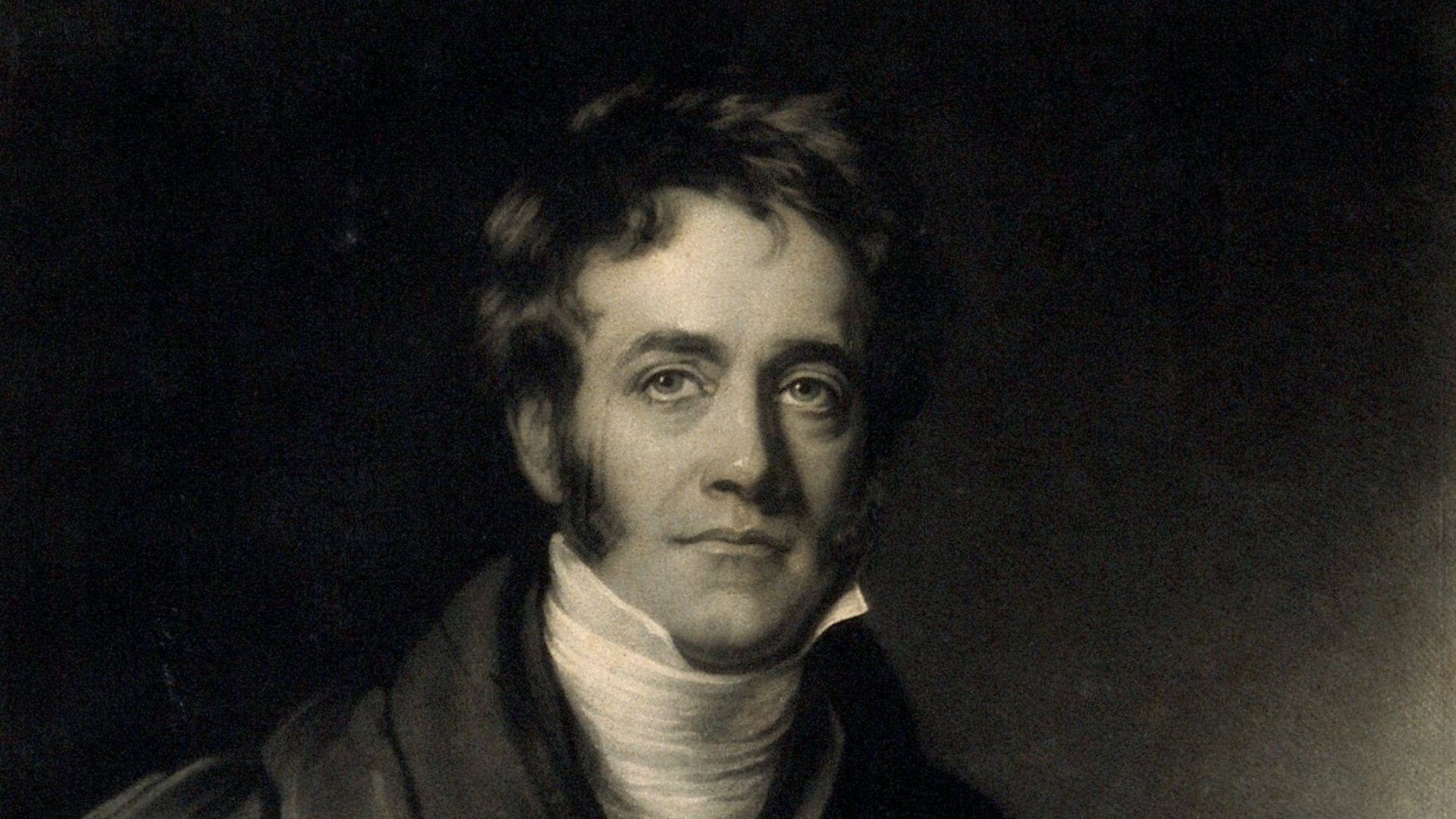 Bodhisattwa, Wikimedia Commons
The Fake Science Looked Convincingly Real
Locke filled the series with technical details about Herschel's supposed telescope and increasingly spectacular descriptions of lunar life. Smithsonian notes that science was rapidly expanding during this period, leaving the public fascinated by discoveries arriving from distant parts of the world. That atmosphere made even wildly imaginative claims seem just plausible enough. The Sun had effectively disguised science fiction as scientific correspondence.
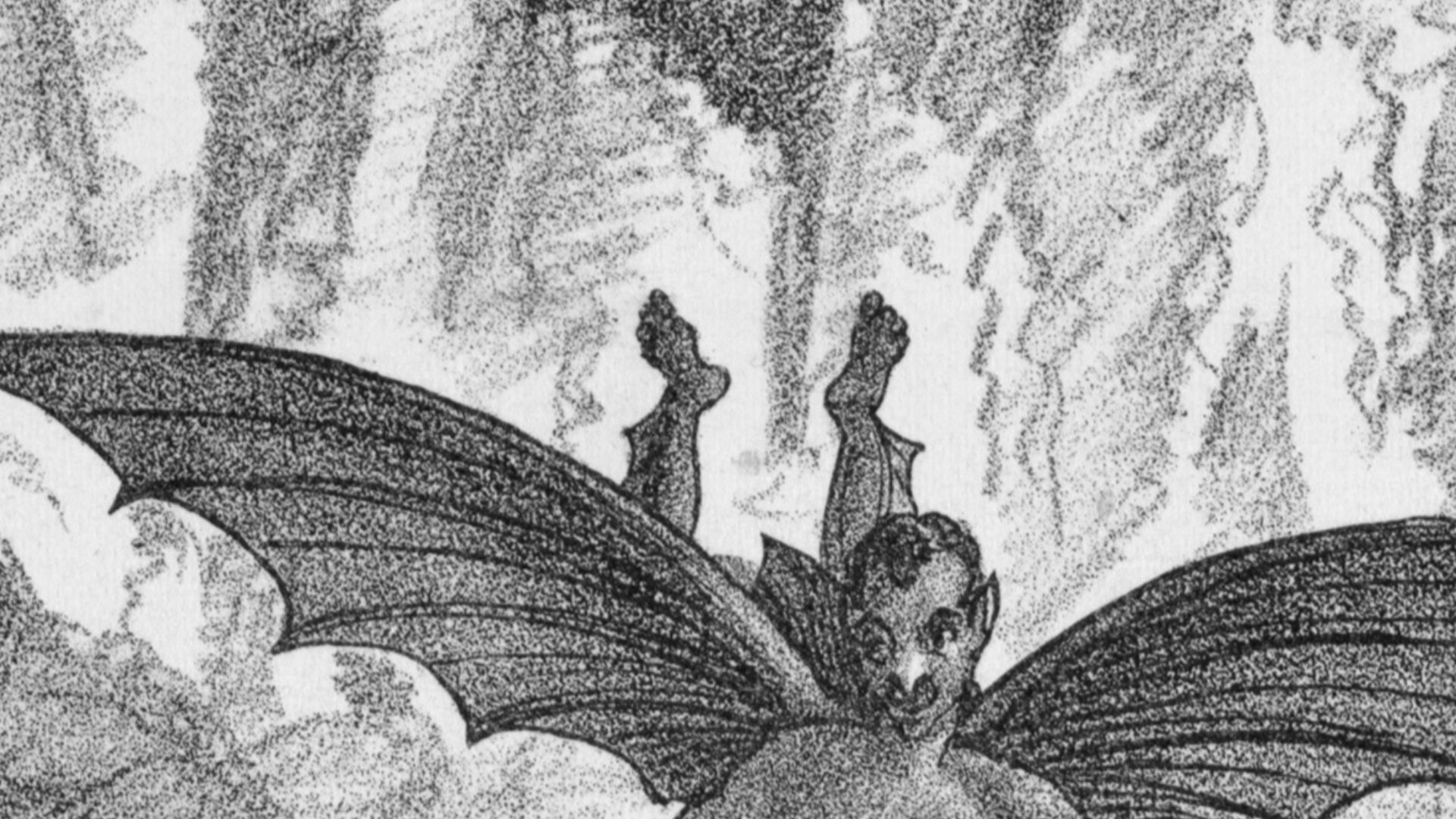 Benjamin Henry Day (1810-1889), Wikimedia Commons
The Newspaper Did Not Want The Truth To Ruin It
The Moon stories became a circulation sensation and were reprinted far beyond New York. Smithsonian Libraries reports that the story spread across continents and that the newspaper's owner resisted allowing Locke to expose the trick while public fascination remained profitable. Images of the supposed lunar creatures were produced for eager readers. One of America's earliest mass newspaper hoaxes had demonstrated that disbelief was not nearly as commercially useful as a continuing mystery.
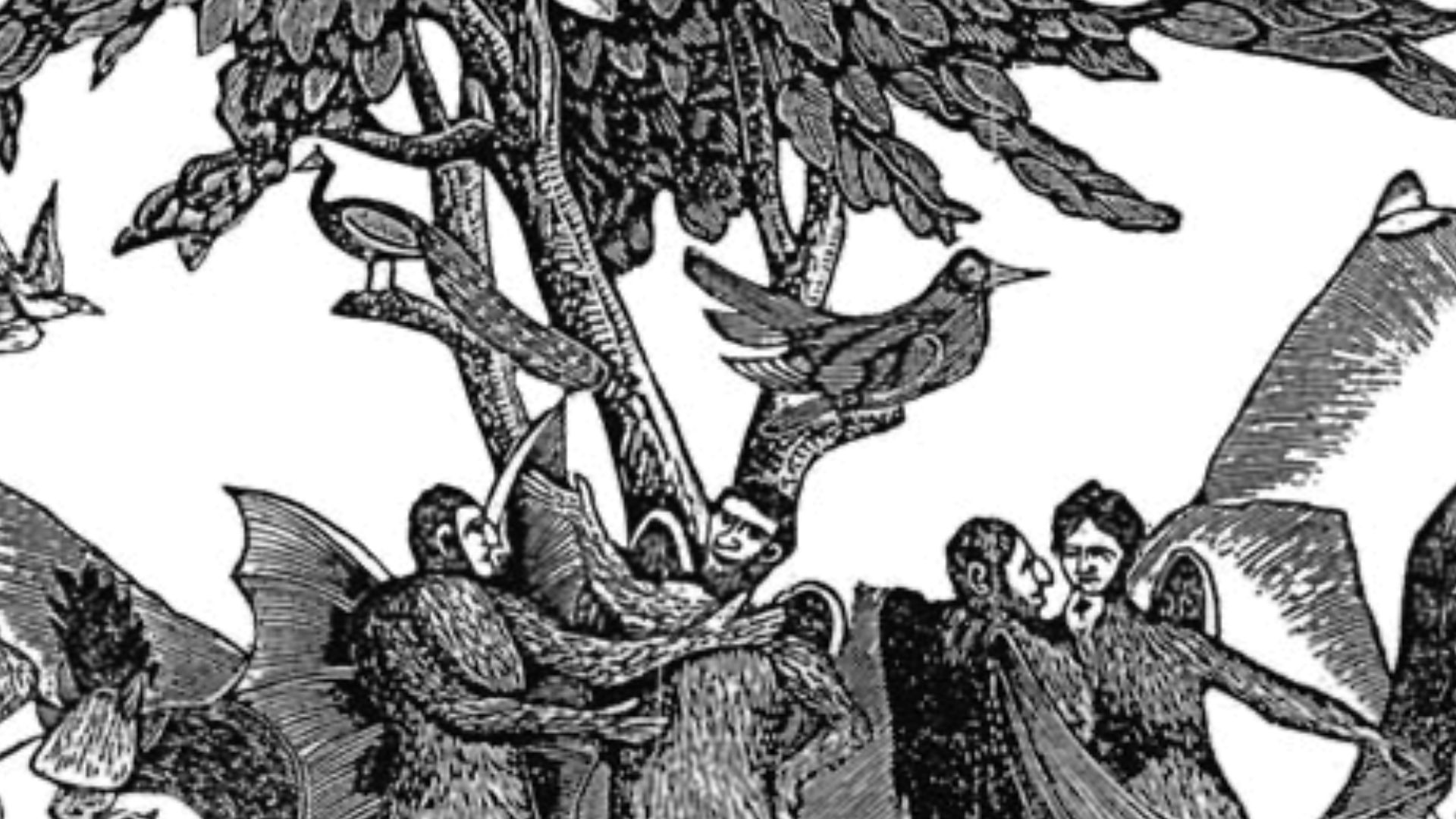 Hanes y Lleuad, Wikimedia Commons
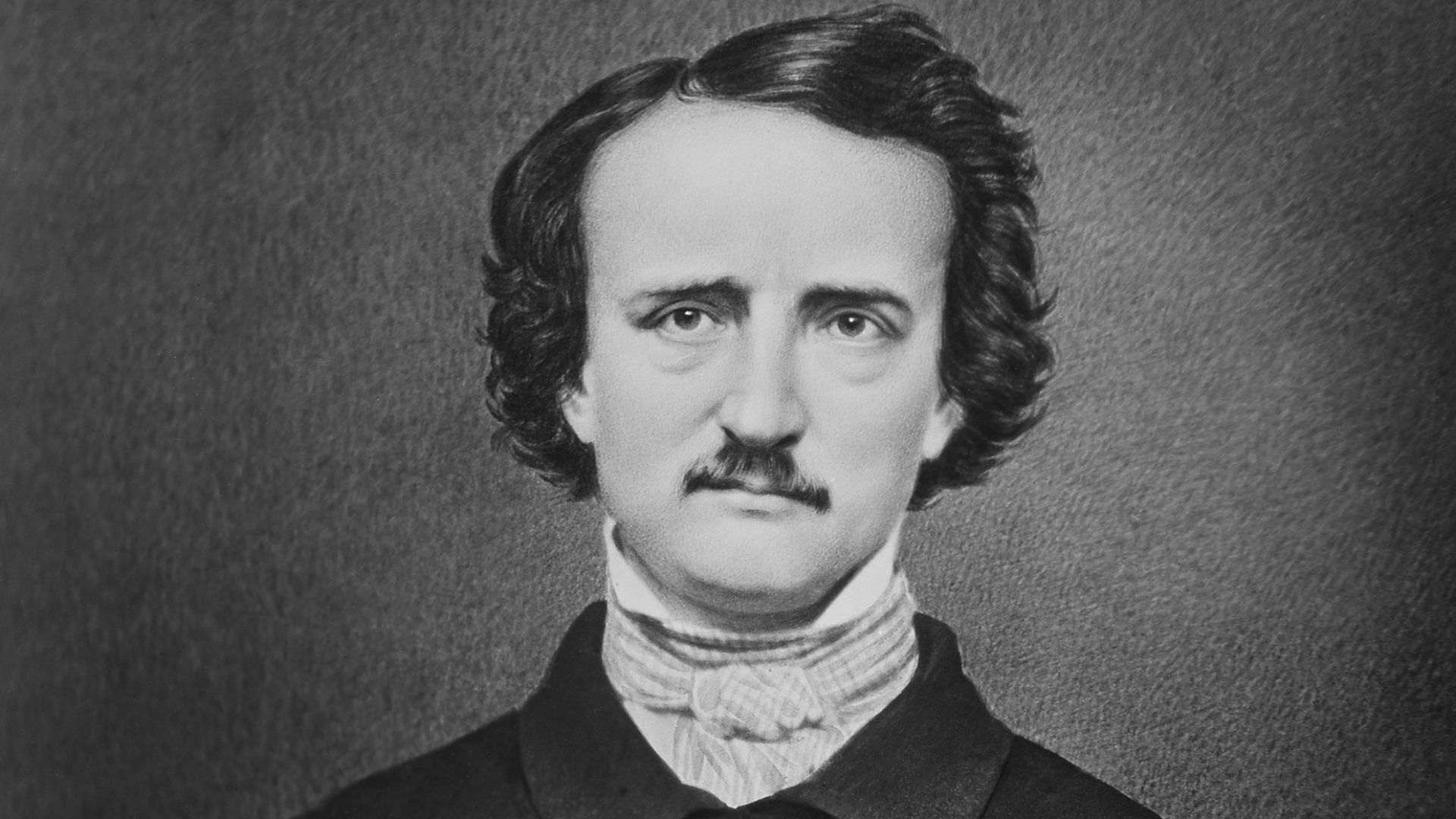
Edgar Allan Poe Sent A Balloon Across The Atlantic
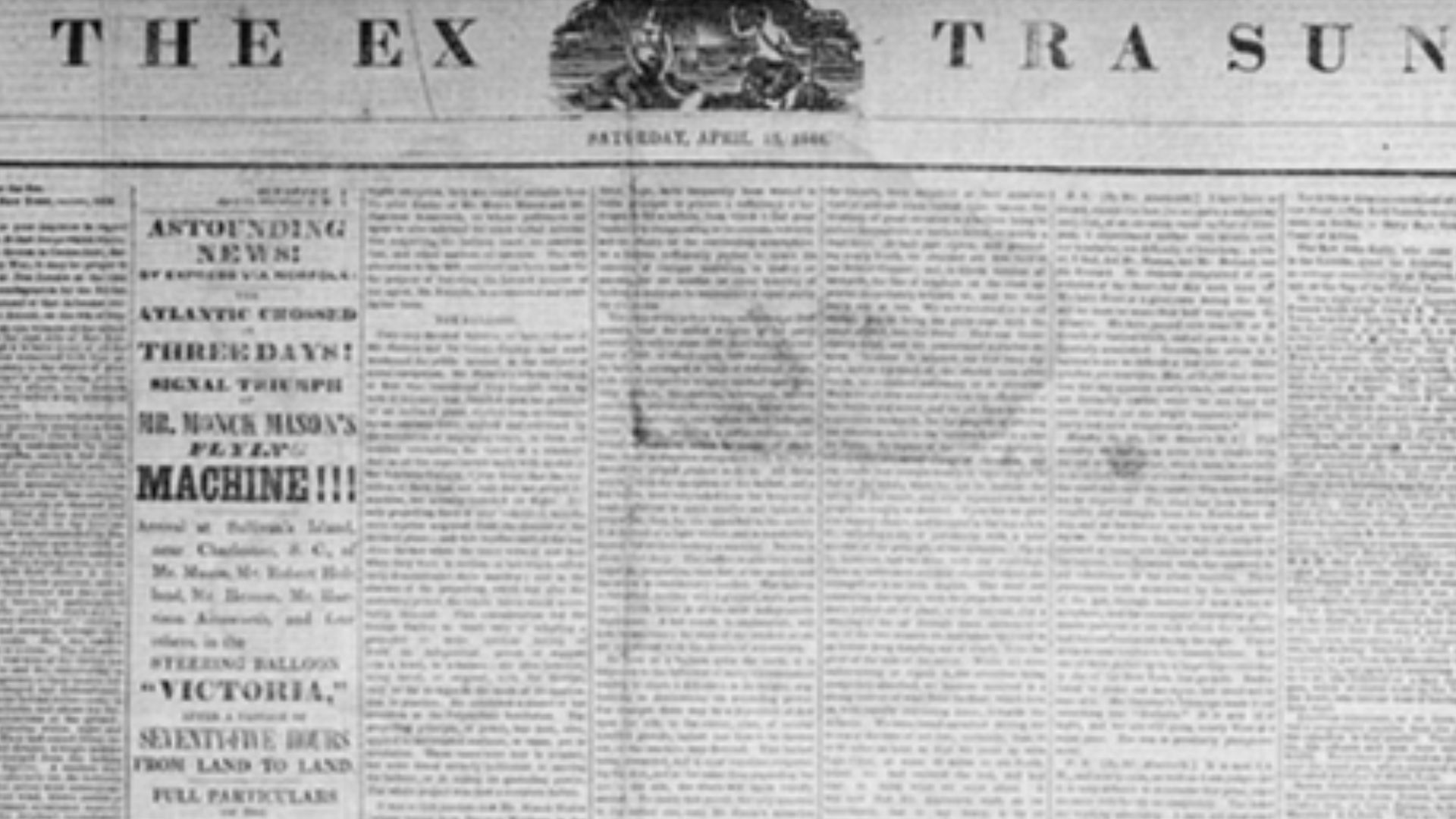
Nine years later, Edgar Allan Poe pulled a remarkably similar stunt in the same newspaper. On April 13, 1844, The Sun issued an extra announcing that aeronaut Monck Mason and several companions had crossed the Atlantic in a balloon in just 75 hours. The article presented detailed specifications of the craft and described the voyage as an enormous scientific triumph. None of it had happened.
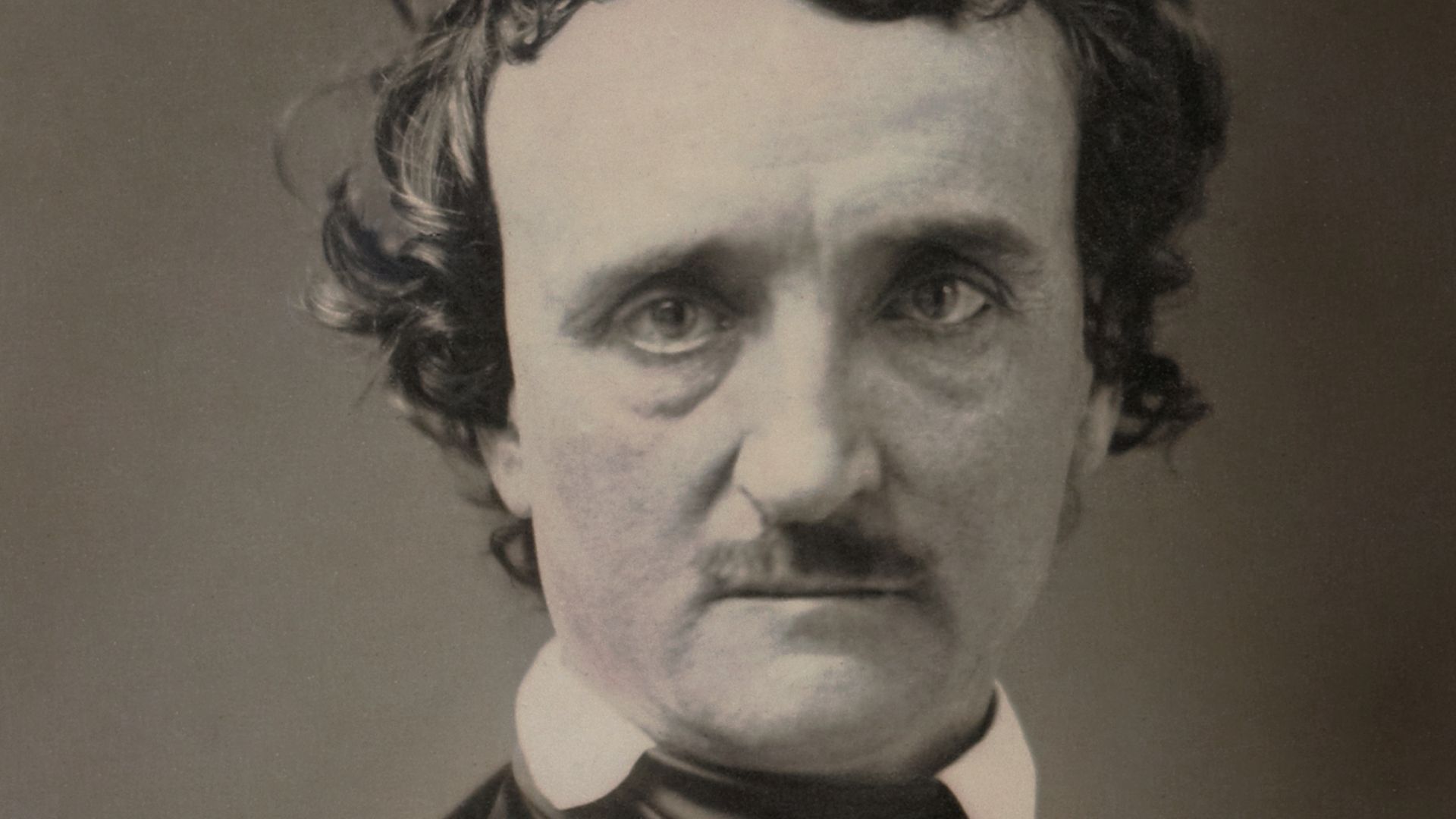 Unknown authorUnknown author; Restored by Yann Forget and Adam Cuerden, Wikimedia Commons
Poe Built His Lie Out Of Real Technology
The story worked because transatlantic balloon travel did not seem completely absurd in 1844. Aeronauts had genuinely discussed long-distance flights, and Poe incorporated real figures and contemporary ideas about balloon design into his account. His technical detail made the story appear much more credible than a simple fantasy. Newspapers elsewhere quickly reprinted the supposed breakthrough.
 Edgar Allan Poe, Wikimedia Commons
The Balloon Came Down Almost Immediately
The Sun withdrew the claim shortly afterward, and Poe later openly referred to the piece as a hoax. Surviving bibliographic records show that newspapers such as the Baltimore Sun had already reprinted it before the deception fully unraveled. The stunt demonstrated how newspaper syndication could spread false information faster than corrections could follow. Poe had discovered that an invented technological breakthrough made excellent breaking news.
 Mathew Benjamin Brady, Wikimedia Commons
A Ten-Foot Man Came Out Of The Ground
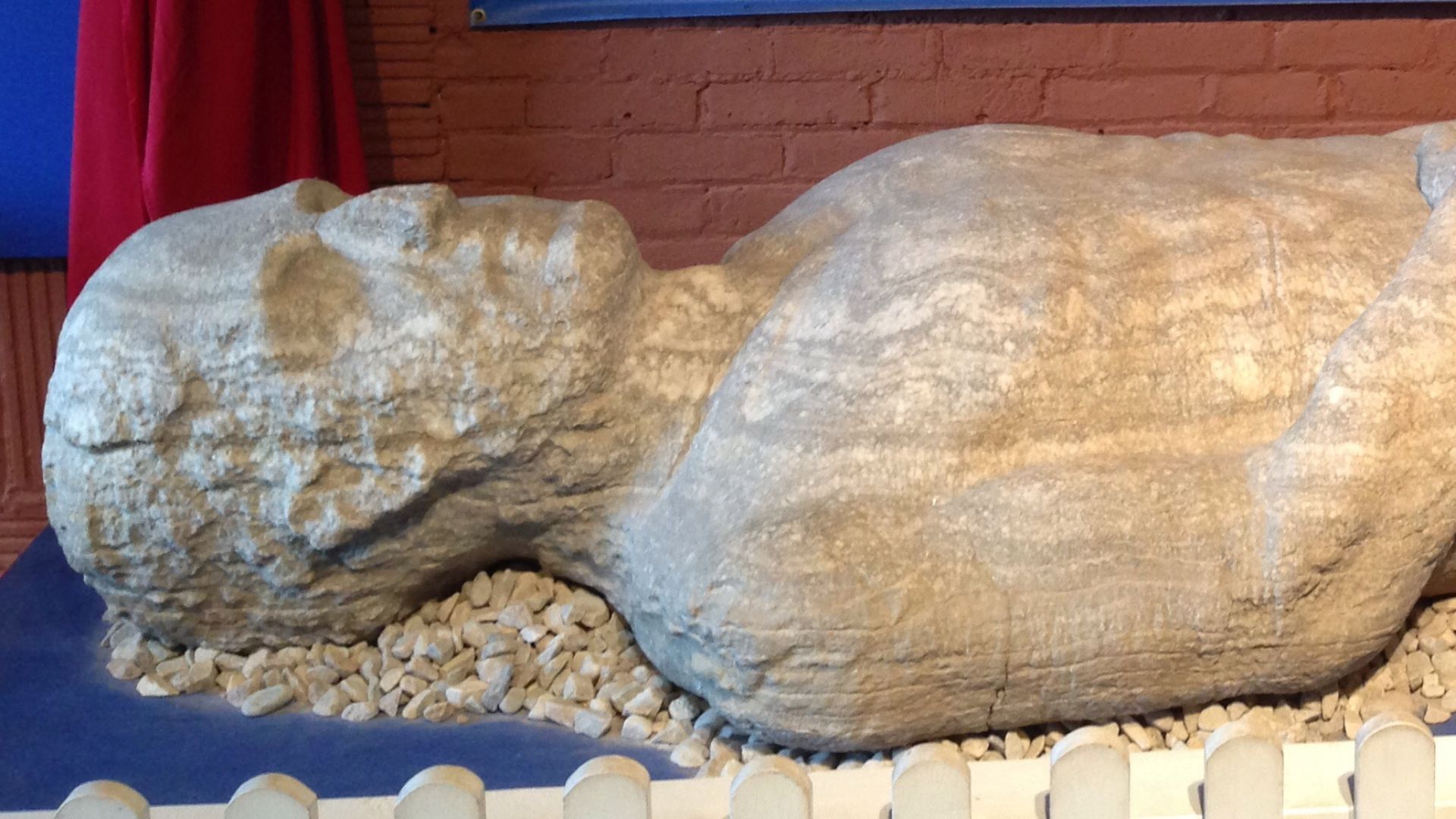
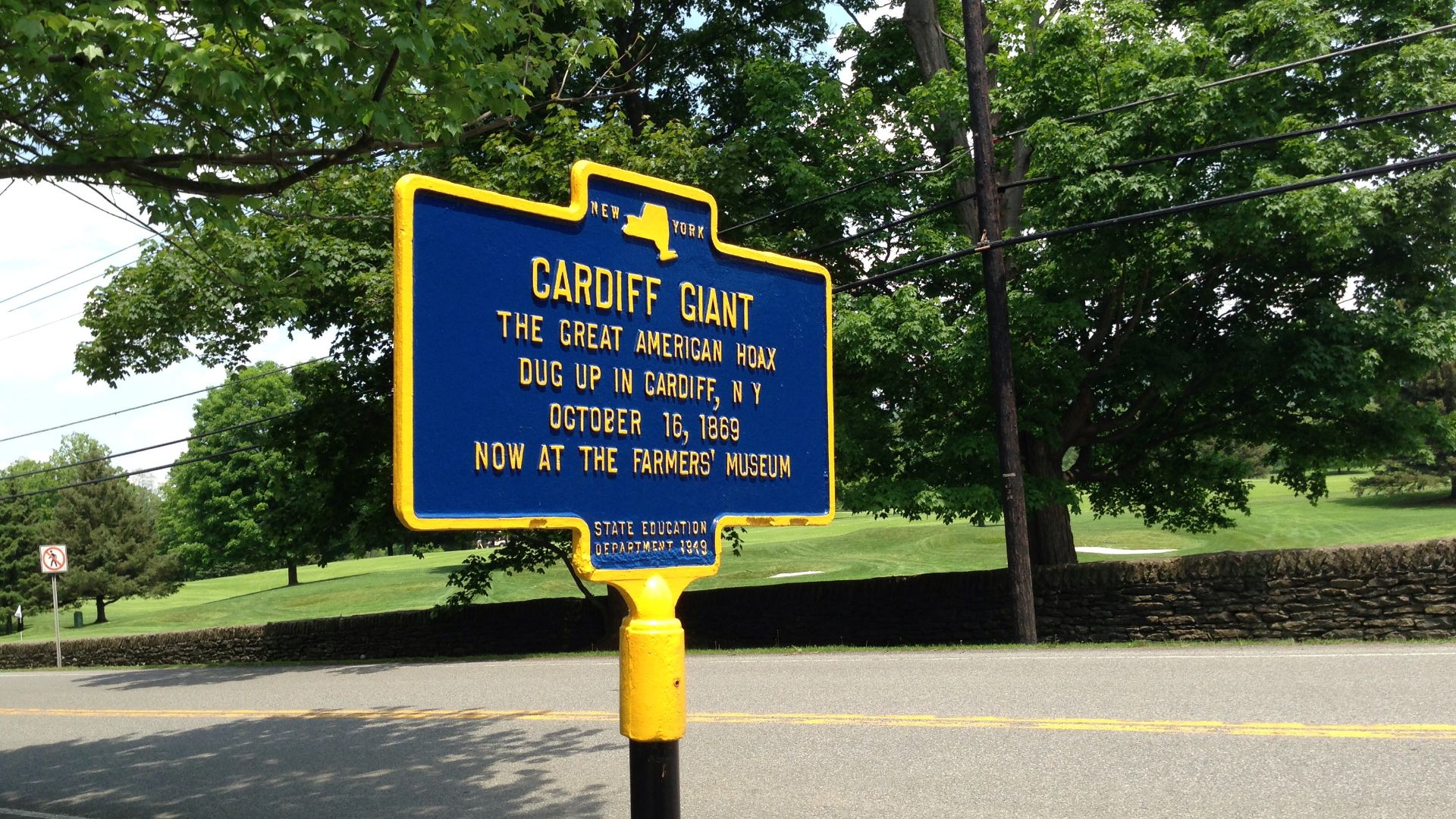
In October 1869, workers digging a well on a farm in Cardiff, New York, uncovered what appeared to be the petrified body of a gigantic man. The discovery attracted enormous crowds, with visitors paying to inspect the ten-foot figure. Some people interpreted it as evidence that ancient giants described in the Bible had once existed. The supposed fossil quickly became one of America's most famous curiosities.
 Martin Lewison from Forest Hills, NY, U.S.A., Wikimedia Commons
George Hull Had Buried The Giant Himself
The Cardiff Giant was actually the creation of George Hull, a New York tobacconist who had ordered an enormous block of gypsum carved into human form. He had the figure treated to make it appear aged and then secretly buried it on his cousin William Newell's property. The eventual "discovery" was therefore carefully staged. Hull hoped both to make money and to mock people who accepted literal claims about biblical giants too easily.
 Martin Lewison from Forest Hills, NY, U.S.A., Wikimedia Commons

History's most fascinating stories and darkest secrets, delivered to your inbox daily.
Barnum Made A Fake Of The Fake
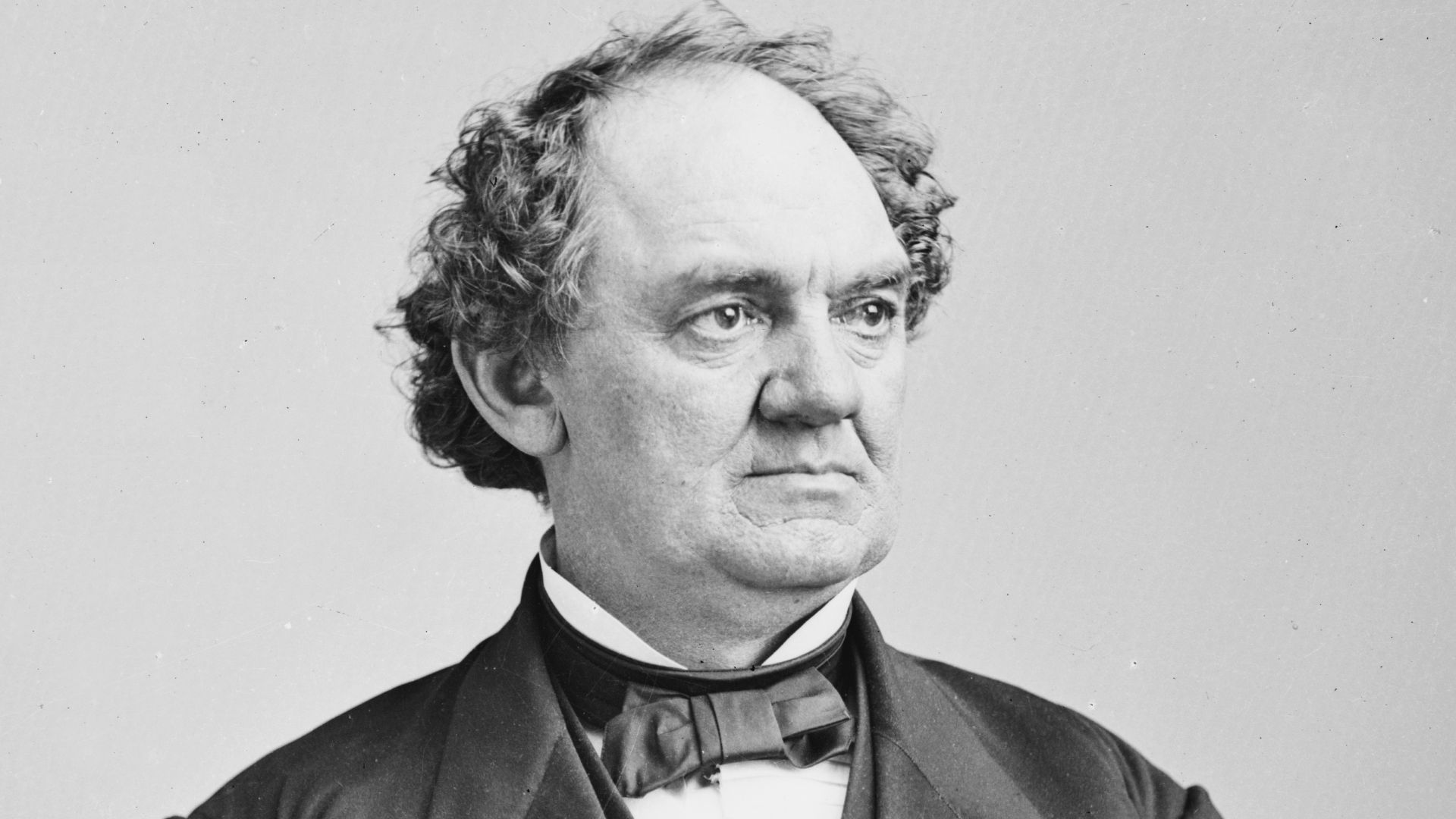
When businessman David Hannum and his partners refused to sell the giant to P.T. Barnum, Barnum commissioned a replica and promoted his version as genuine. Hannum's group tried to fight back, producing the surreal spectacle of owners of one fake complaining that another fake was fraudulent. Hull eventually confessed in December 1869. By then, newspapers and paying audiences had transformed an intentionally ridiculous sculpture into a national debate over science and belief.
 Brady-Handy Photograph Collection (Library of Congress), Wikimedia Commons
Two Prospectors Found America's Impossible Diamond Field
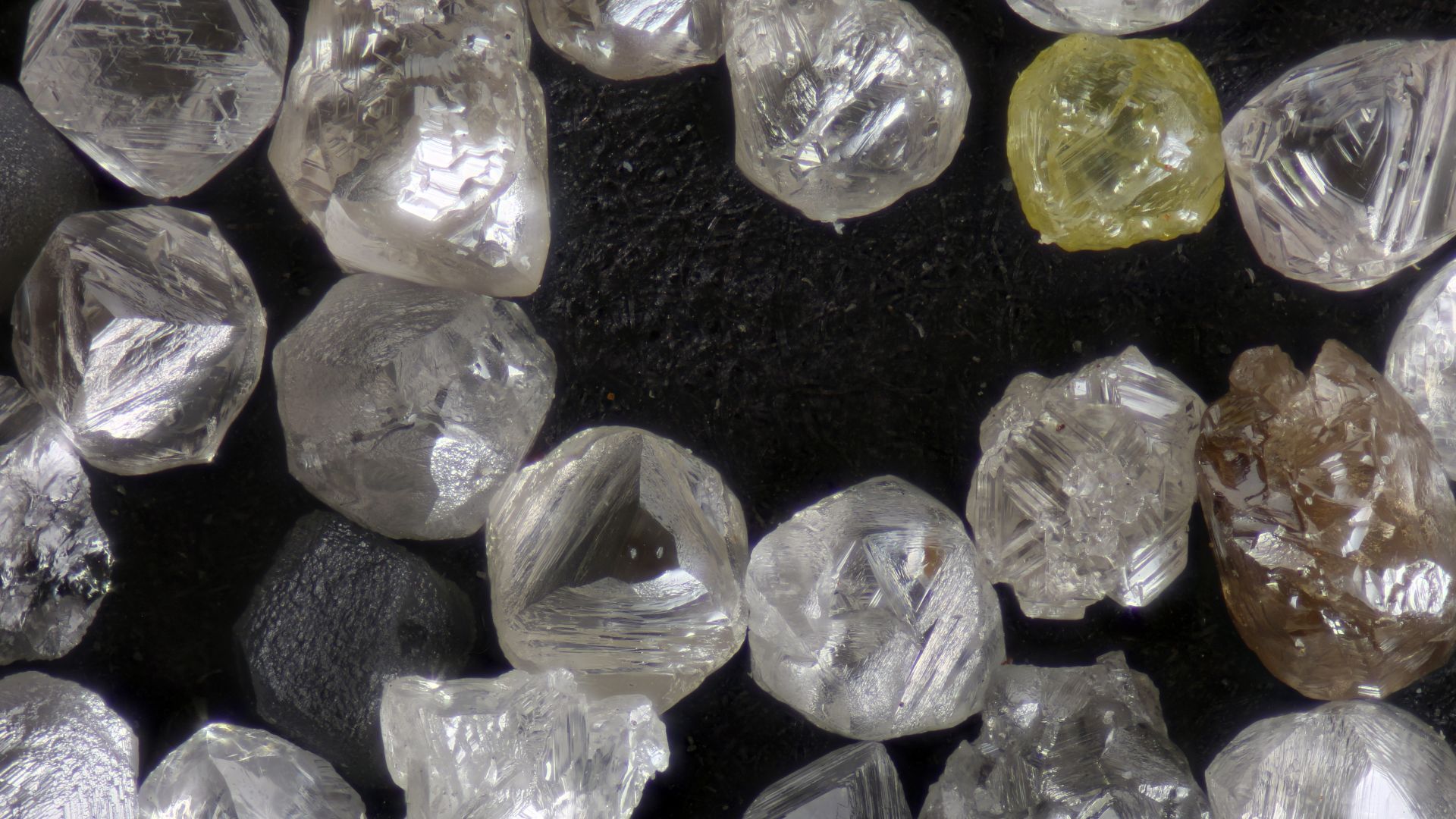
In the early 1870s, Philip Arnold and John Slack appeared in San Francisco with bags containing rough diamonds and other precious stones. They hinted that the gems came from a secret Western deposit of extraordinary richness. Their story reached powerful investors already primed by American mining booms and discoveries of diamonds in South Africa. A supposed new fortune was suddenly waiting somewhere in the American West.
Even Tiffany Helped Make The Story Look Real
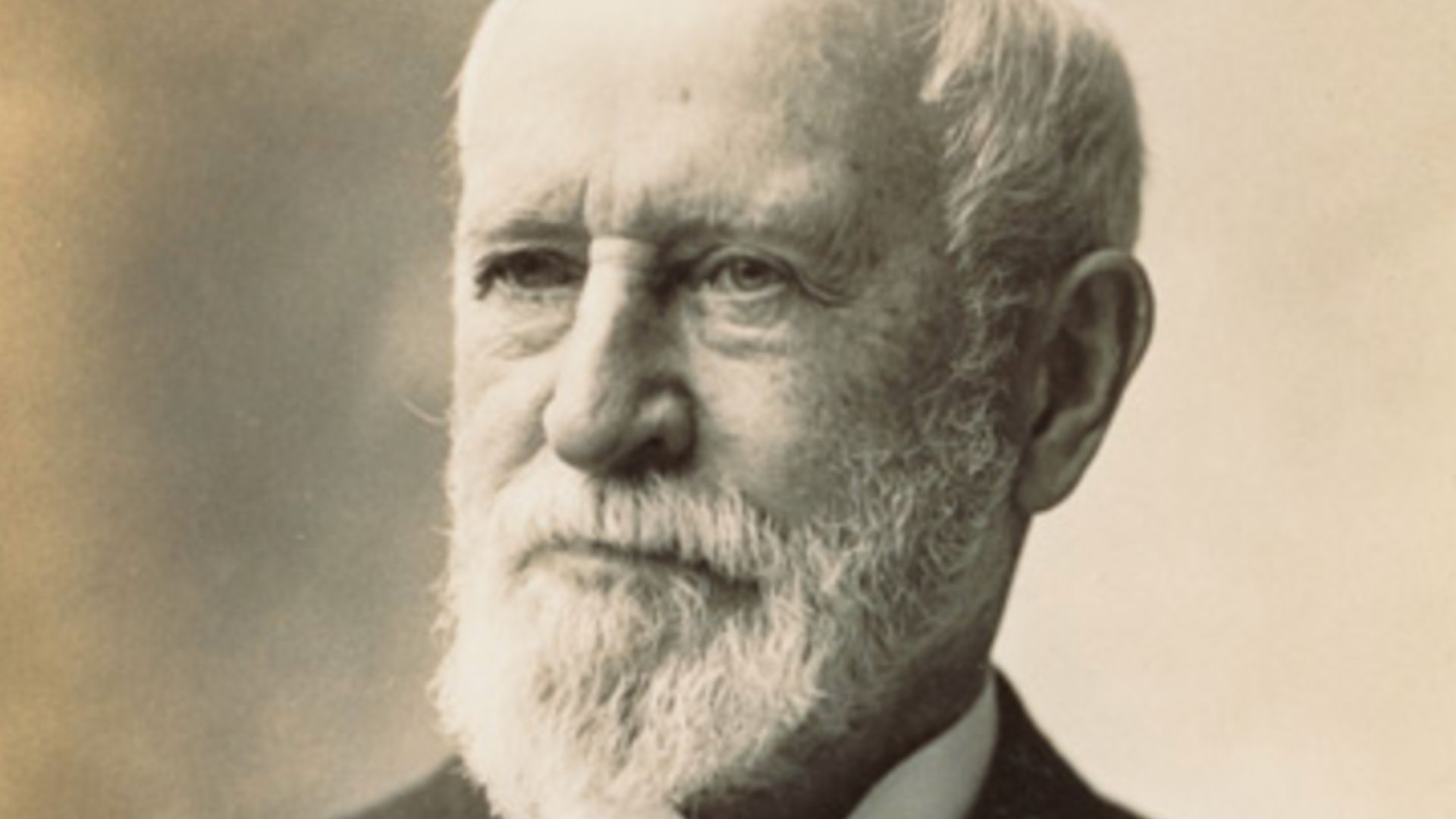
Investors brought samples to celebrated jeweler Charles Lewis Tiffany, who declared them precious stones of enormous value. A respected mining engineer later inspected the secret field and also accepted it as genuine after finding stones scattered across the ground. Newspapers helped spread the resulting diamond fever. What they did not know was that Arnold and Slack had purchased gems and deliberately planted them at the site.
 Unknown authorUnknown author, Wikimedia Commons
Clarence King Finally Noticed The Ground Was Too Perfect
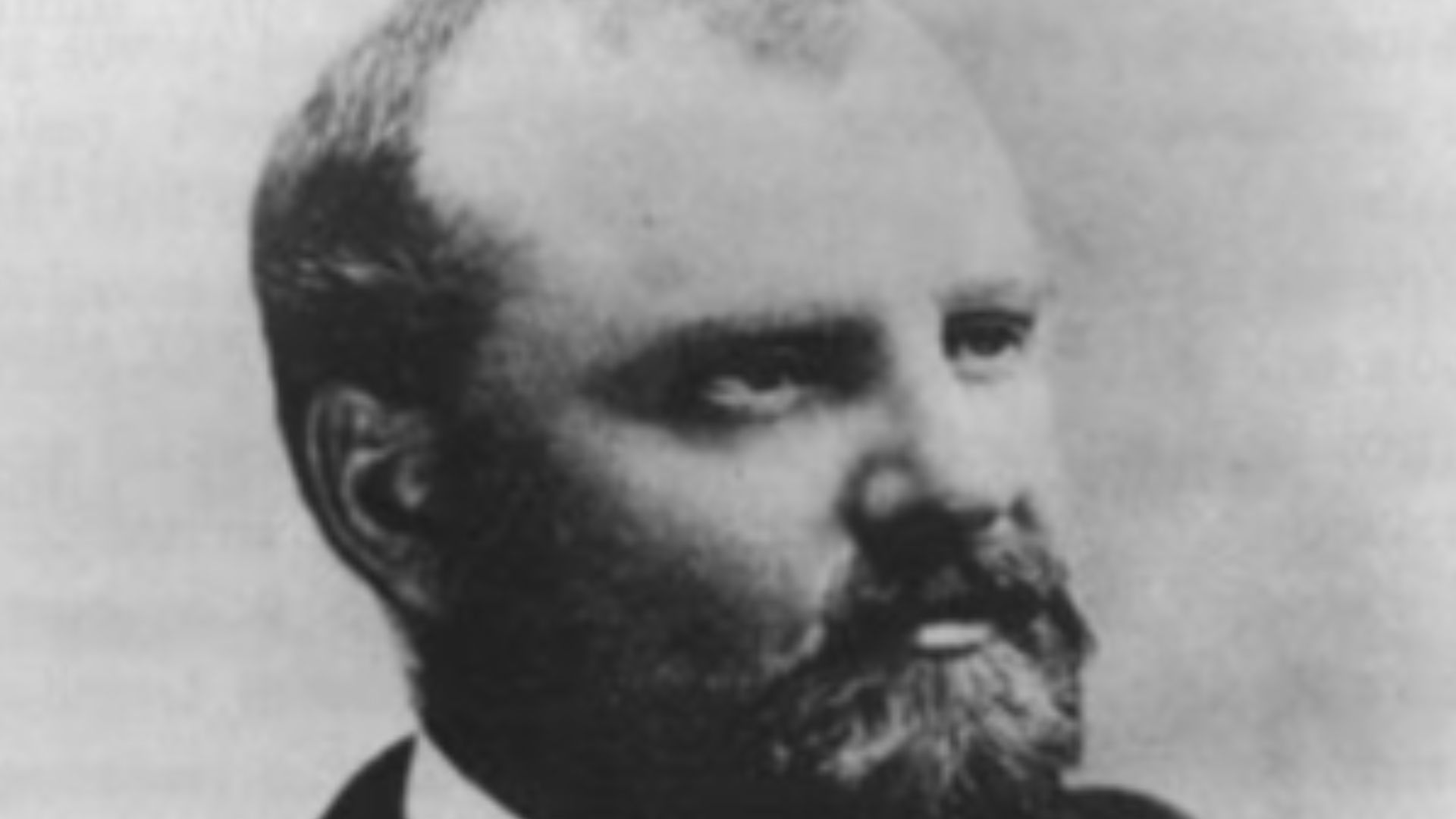
Geologist Clarence King and members of his federal survey inspected the field in 1872 and quickly noticed suspicious patterns. Gems appeared only in disturbed ground, and combinations of stones occurred in ways nature was unlikely to produce. King's team concluded that the field had been salted and hurried to expose the fraud. The San Francisco Chronicle responded with enormous headlines announcing the "Mammoth Fraud," turning the debunking into nearly as big a story as the discovery.
 Unknown authorUnknown author, Wikimedia Commons
New Yorkers Woke Up To Lions In The Streets
On November 9, 1874, the New York Herald published a terrifying account claiming that animals had escaped from the Central Park menagerie. The story described lions, tigers, hyenas, a polar bear, and other animals rampaging through Manhattan. It supplied gruesome casualty figures and even included a supposed mayoral proclamation. Readers encountered what looked like a fully reported urban catastrophe.
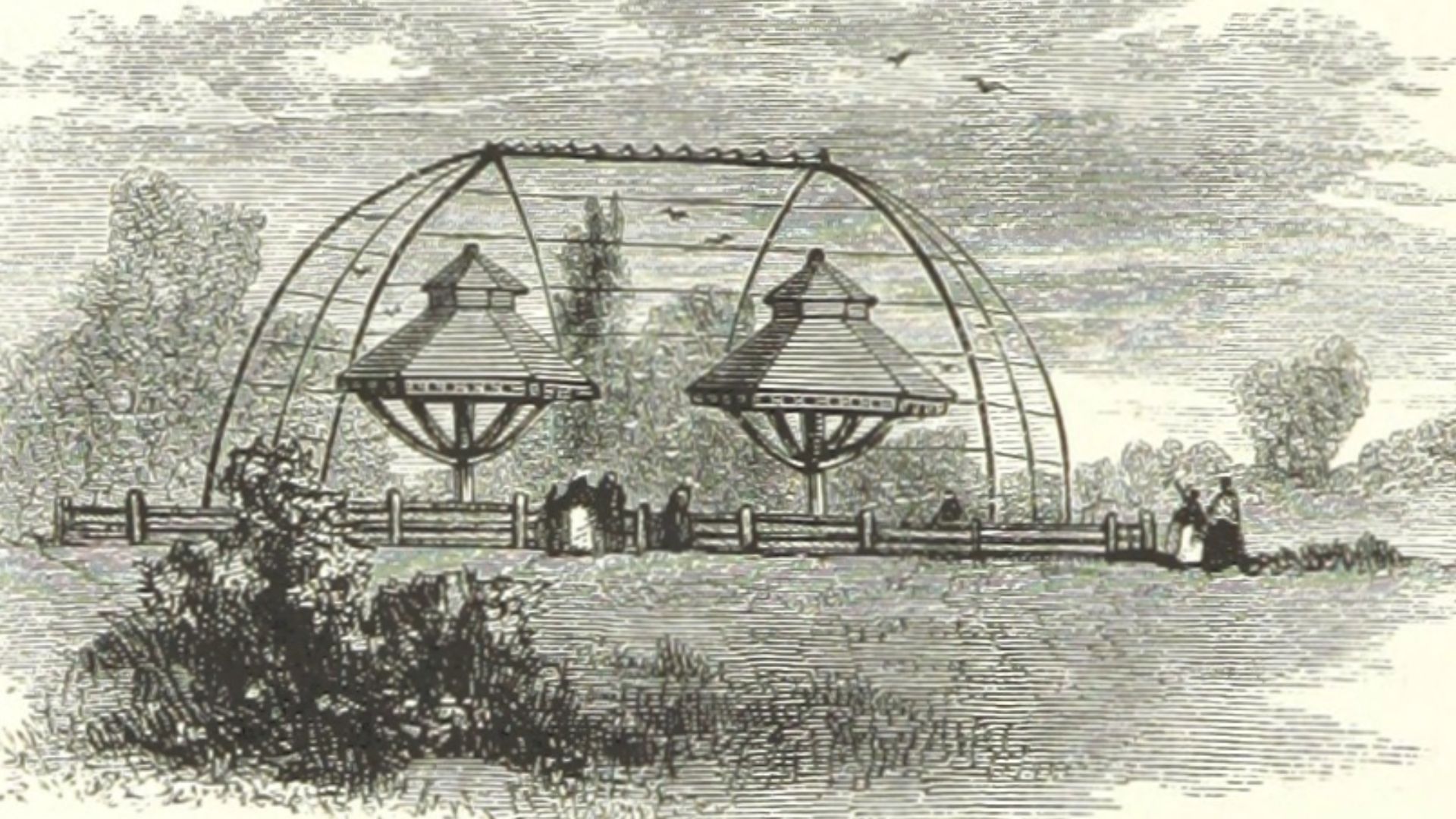 Metilsteiner, Wikimedia Commons
The Newspaper Hid The Truth At The Bottom
The article eventually admitted that the entire disaster was fictional. Unfortunately, that disclosure appeared only after readers had worked through a long and frightening report packed with realistic details. The Washington Post notes that the story caused genuine alarm in the city. The stunt exploited a problem still familiar today: many people react to the headline long before reaching the correction.
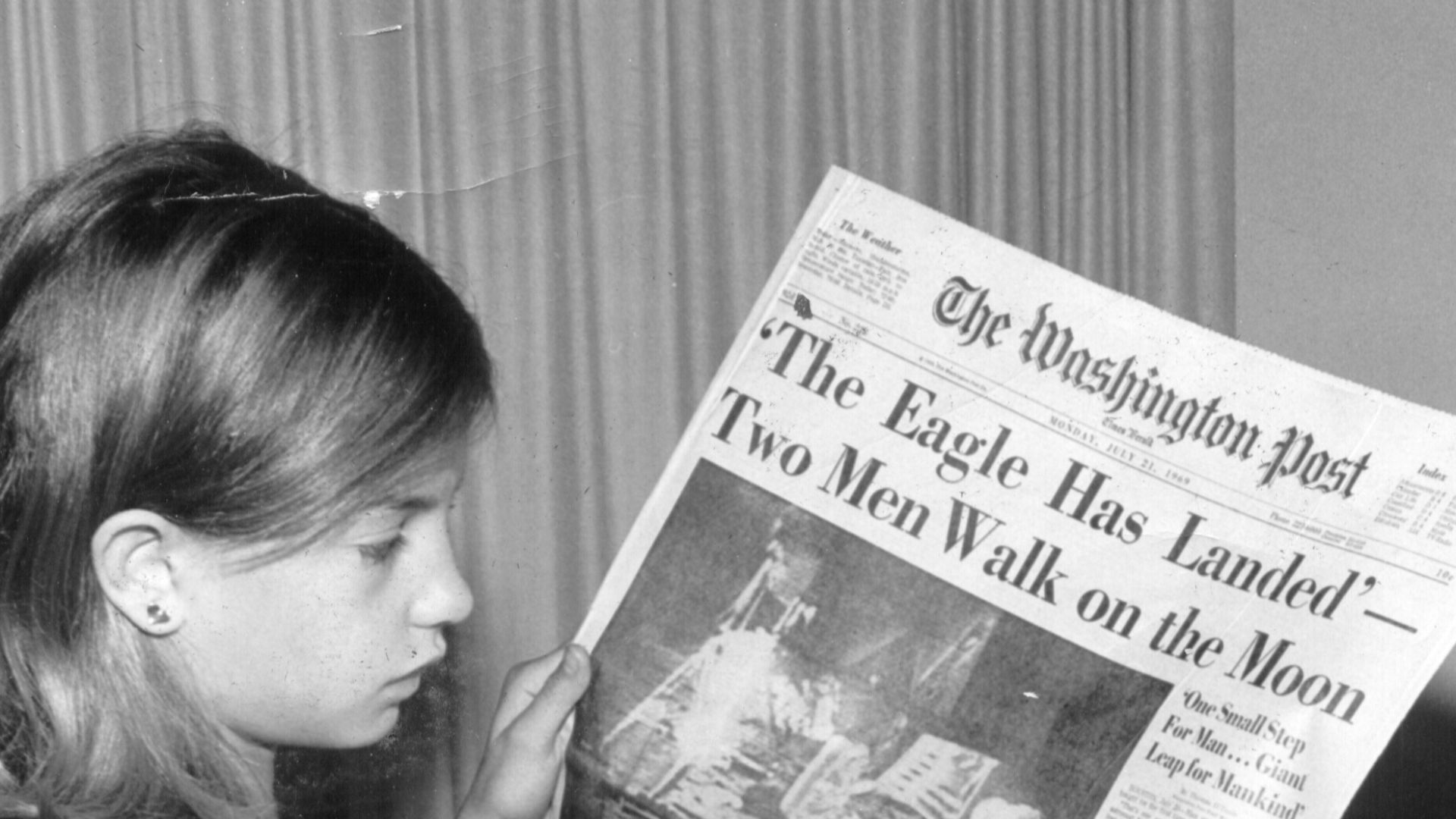 Jack Weir (1928-2005), Wikimedia Commons
The Backlash Was Immediate
Other newspapers mocked and condemned the Herald for frightening New Yorkers simply to create a sensation. A contemporary Harper's Weekly cartoon attacked the paper and repeated the admission that the story had been a huge hoax. The episode showed how fierce newspaper competition could reward sensationalism even when editors knew their story was false. More than a century before viral misinformation, a dramatic headline had already outrun its disclaimer.
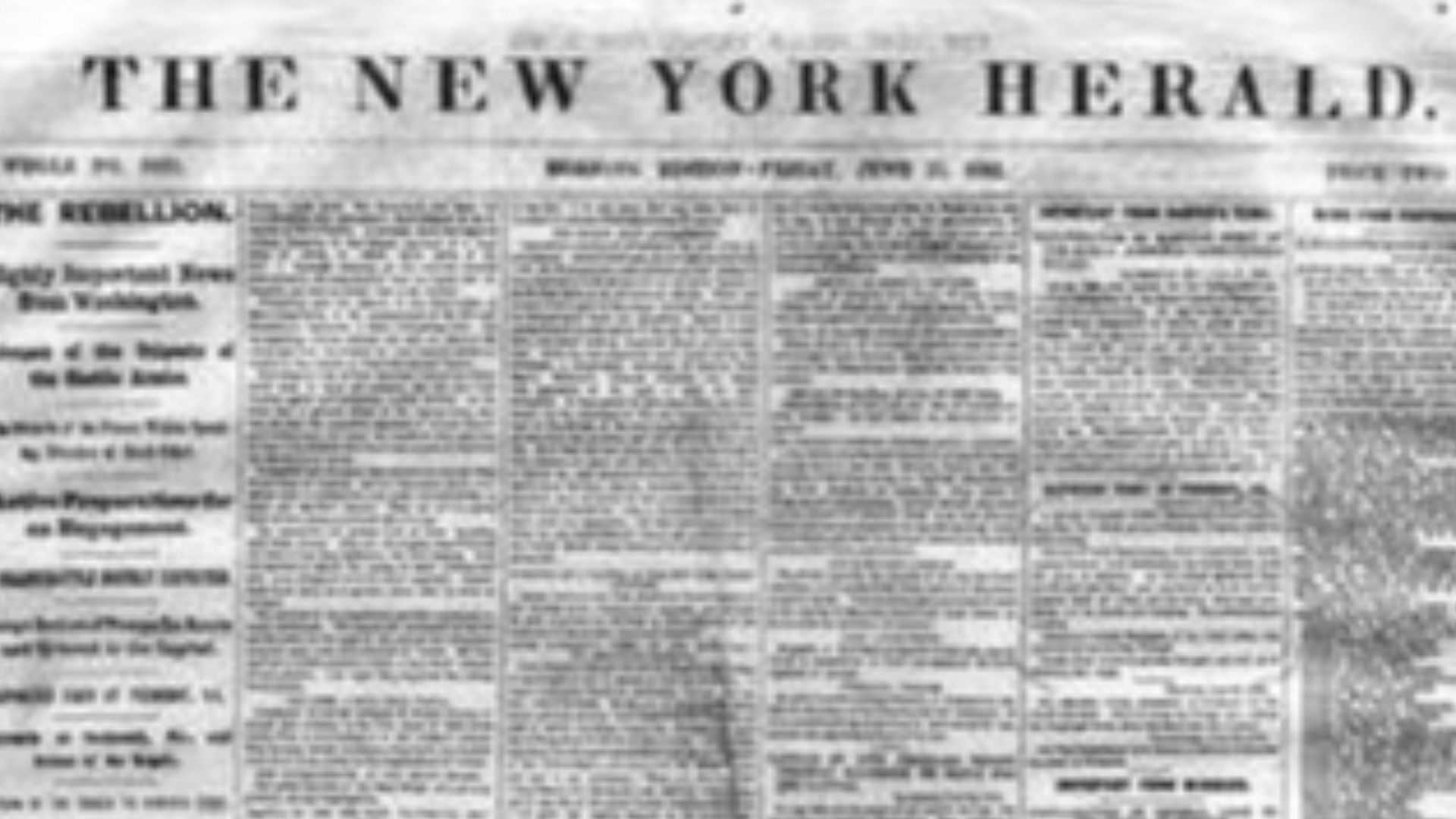 New York Herald, Wikimedia Commons
Denver Reporters Invented The Destruction Of The Great Wall
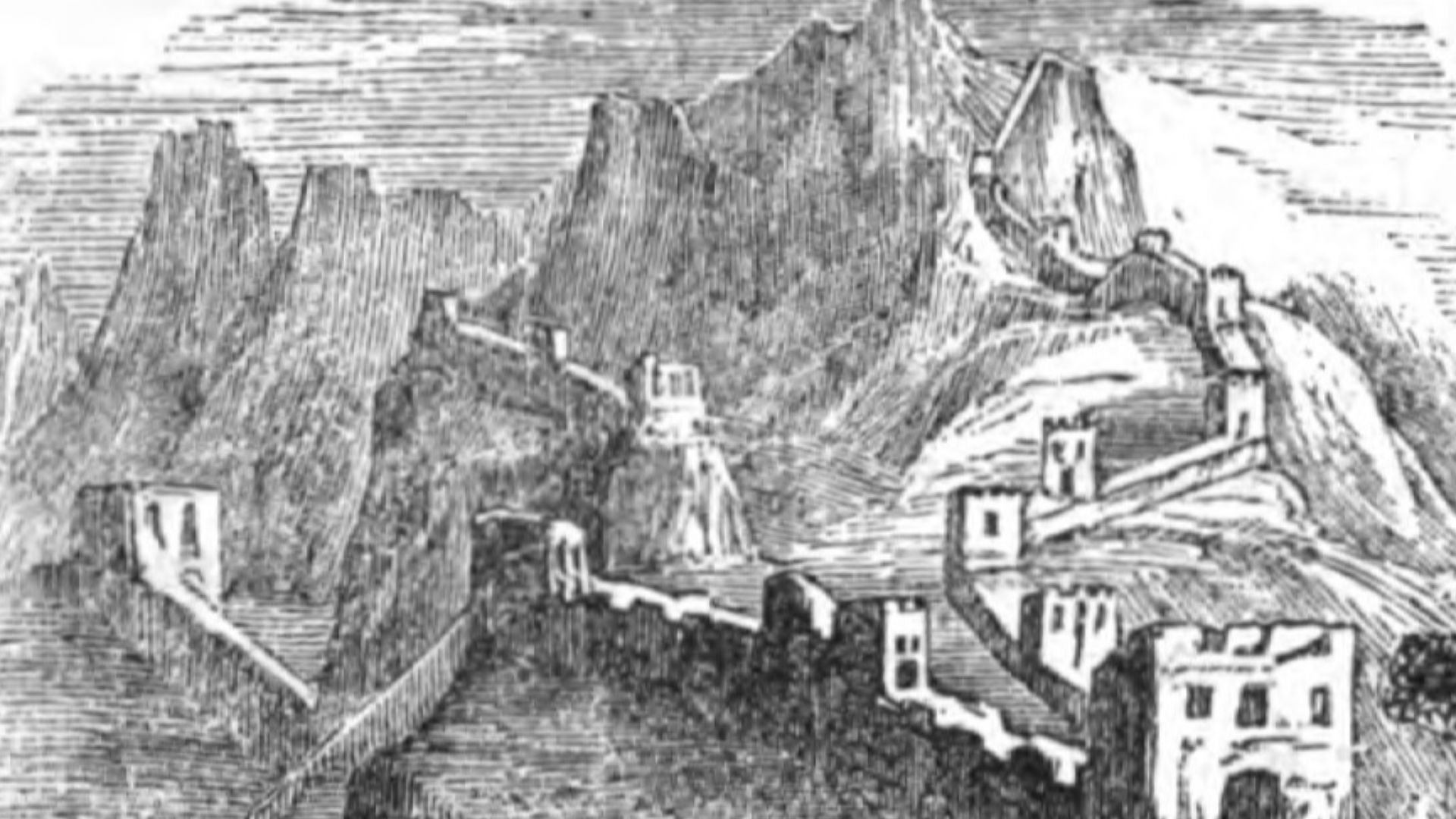
In June 1899, several Denver reporters found themselves facing deadlines without much news. They invented a story claiming that American businessmen were traveling to China to negotiate the demolition of parts of the Great Wall and use the stone for road construction. The tale appeared in multiple Denver newspapers. It was deliberately set far away, where checking the facts would be difficult.
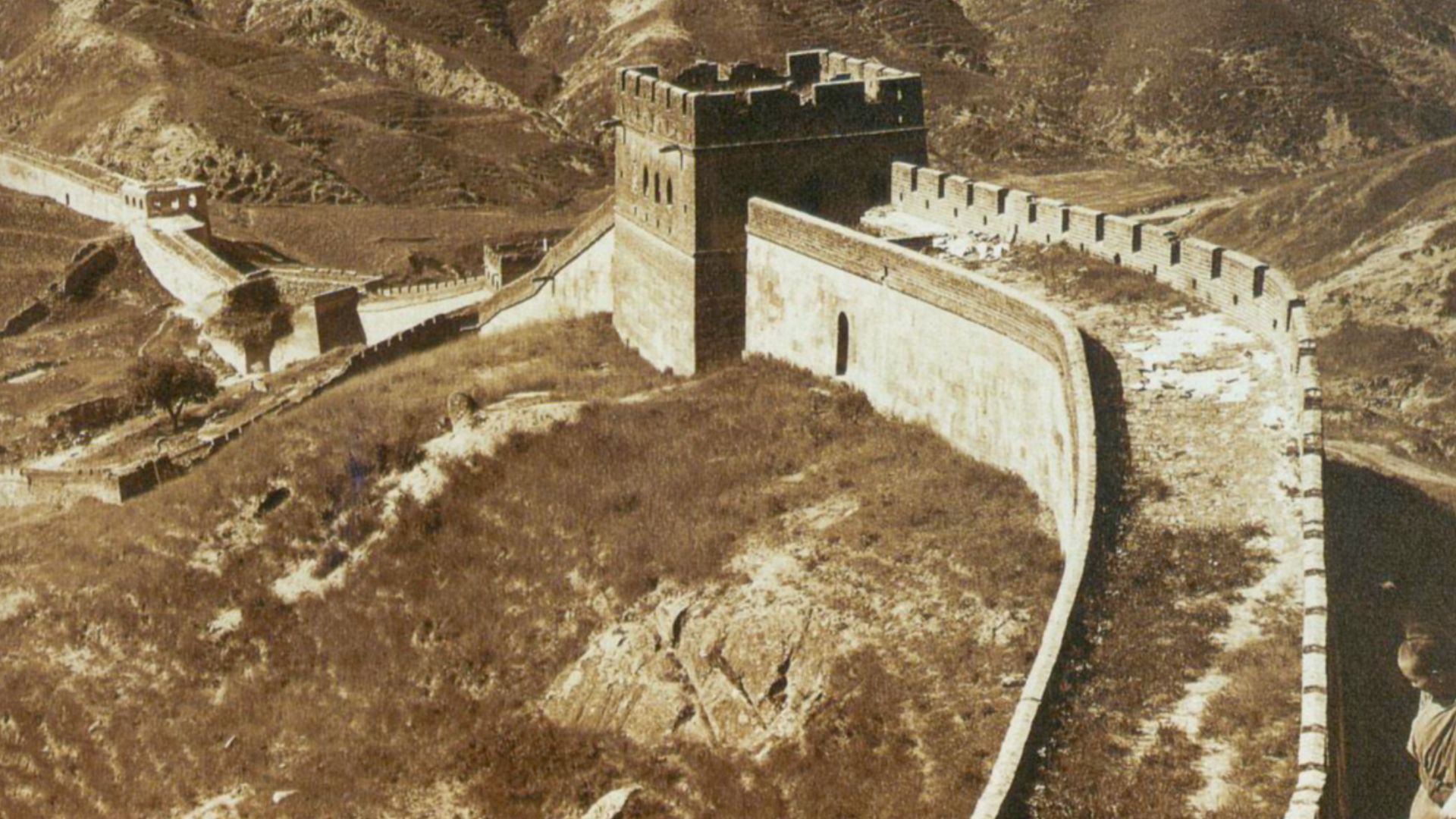 Herbert Ponting, Wikimedia Commons
Other Newspapers Improved The Lie
The fake story did not remain confined to Colorado. Other newspapers picked it up and embellished it with new details, including supposed confirmation from Chinese officials. Denver Public Library research shows how the original prank grew as later retellings added material that the first reporters had never invented. A fabrication designed merely to fill newspaper space acquired apparent credibility through repetition.
 The original uploader was Pepso at English Wikipedia., Wikimedia Commons
A Second Hoax Grew Around The First One
Decades later, an even wilder claim appeared: that the Great Wall story had angered people in China so badly that it helped trigger the Boxer Rebellion. Denver Public Library researchers found no evidence for that connection and noted that the rebellion's roots clearly predated the newspaper prank. The history therefore contains two layers of misinformation. First newspapers spread the Great Wall hoax, then later storytellers invented an exaggerated story about what the hoax itself had supposedly caused.
 Wesleyan Methodist Missionary Society, Wikimedia Commons
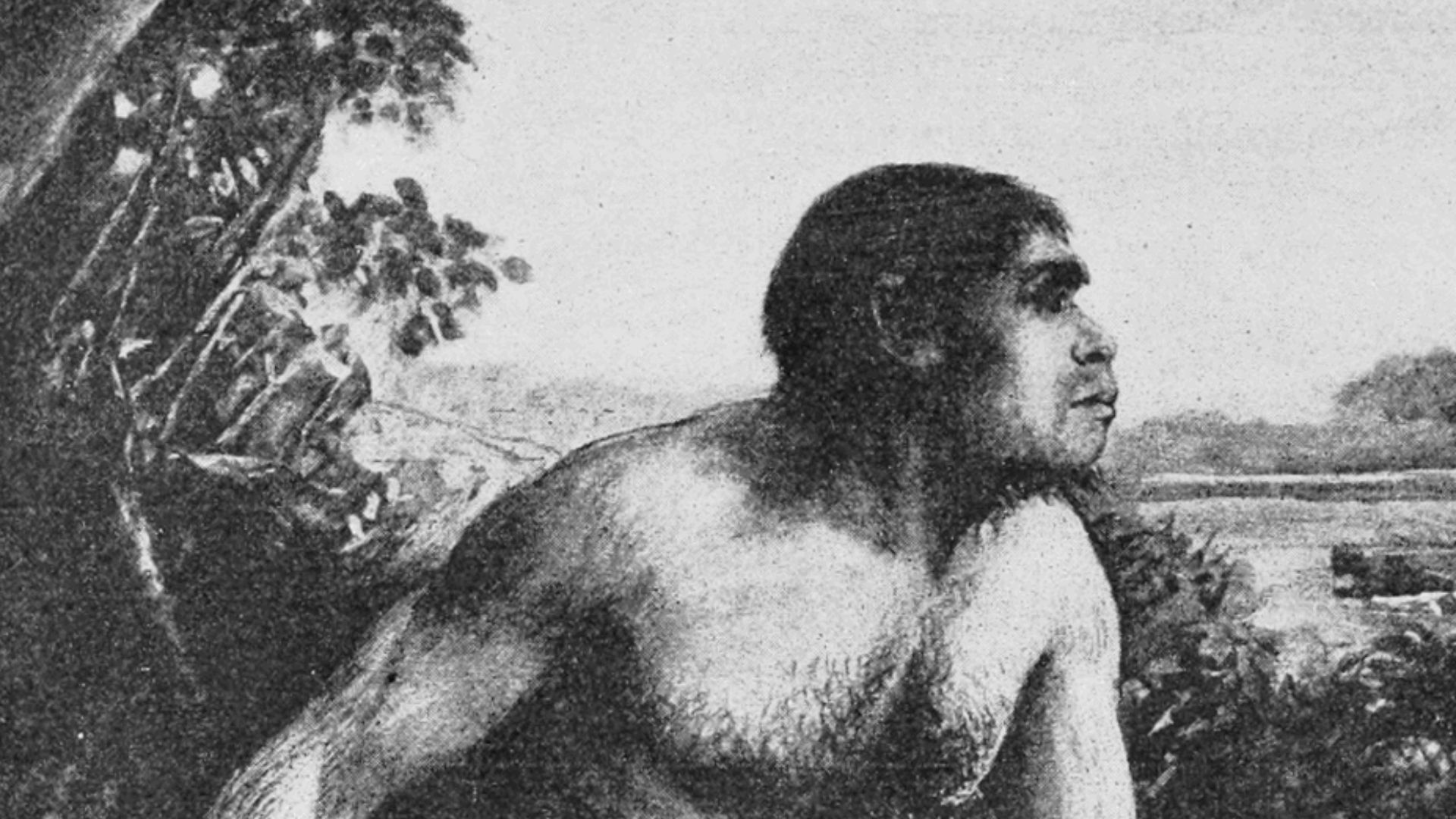
Piltdown Man Seemed To Solve Human Evolution
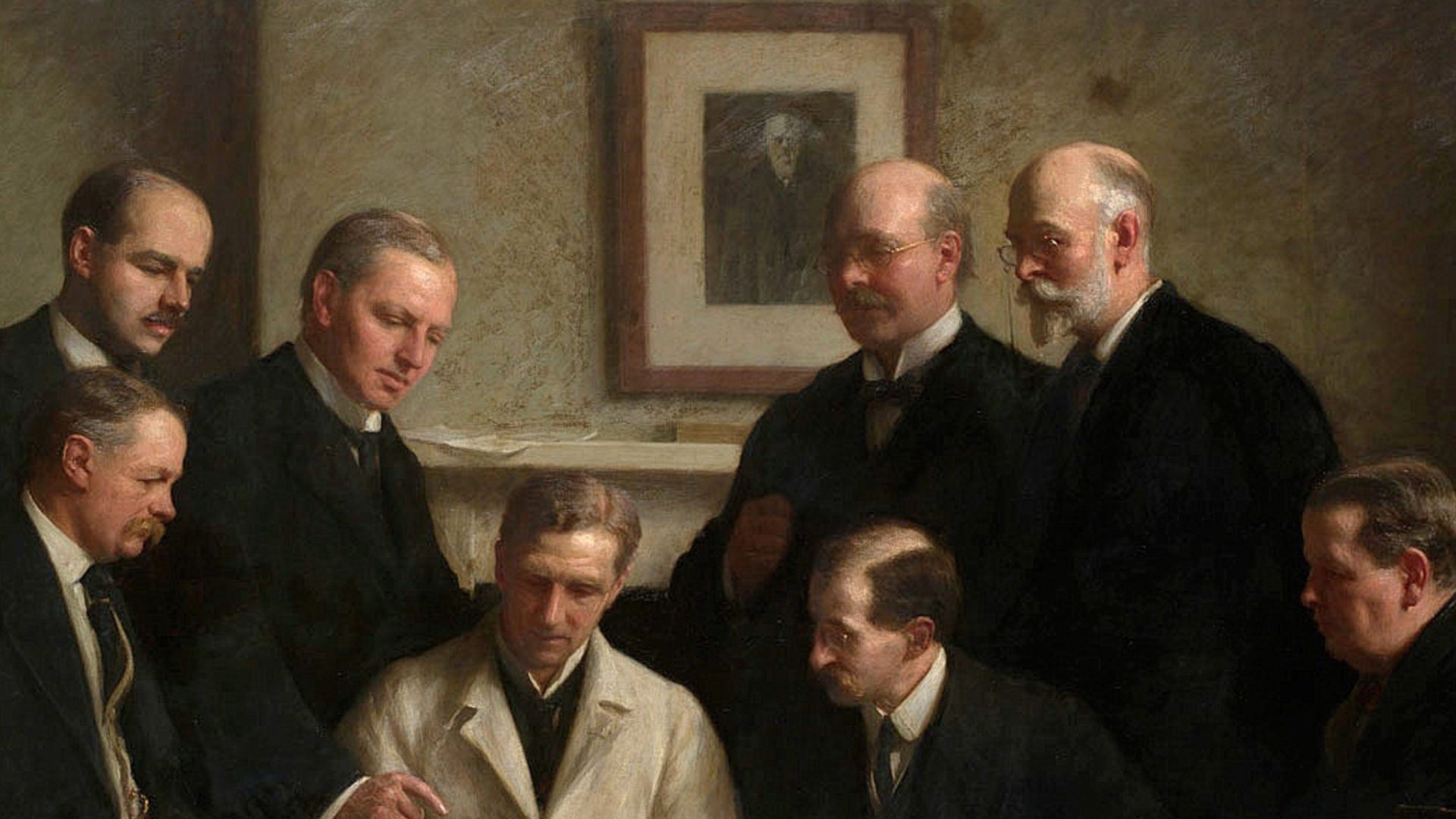
In 1912, amateur antiquarian Charles Dawson and Natural History Museum paleontologist Arthur Smith Woodward announced fossil remains from Piltdown, England. The finds appeared to combine a humanlike skull with an apelike jaw, seemingly providing the evolutionary "missing link" many researchers expected. The discovery attracted tremendous scientific and newspaper attention. Britain appeared to have produced one of the most important human fossils ever found.
 Unknown photographer, Wikimedia Commons
The Fake Survived For Forty Years
Some anatomists questioned Piltdown Man from the beginning, but the fossils retained significant scientific credibility for decades. The supposed discovery influenced discussions of human evolution and distracted attention from genuine fossils found elsewhere. Part of the fraud's success came from limited access to the original material. Scientists were often forced to work from casts rather than closely examining the actual bones.
New Tests Finally Destroyed The Missing Link
By the early 1950s, fluorine dating and closer anatomical analysis showed that the skull and jaw did not belong together. The skull was human, while the jaw came from an orangutan, and teeth had been filed to appear more human. The bones had also been artificially stained to make them seem ancient. Later forensic work has pointed strongly toward Dawson as the central perpetrator of one of science's most damaging hoaxes.
 Unknown authorUnknown author, Wikimedia Commons
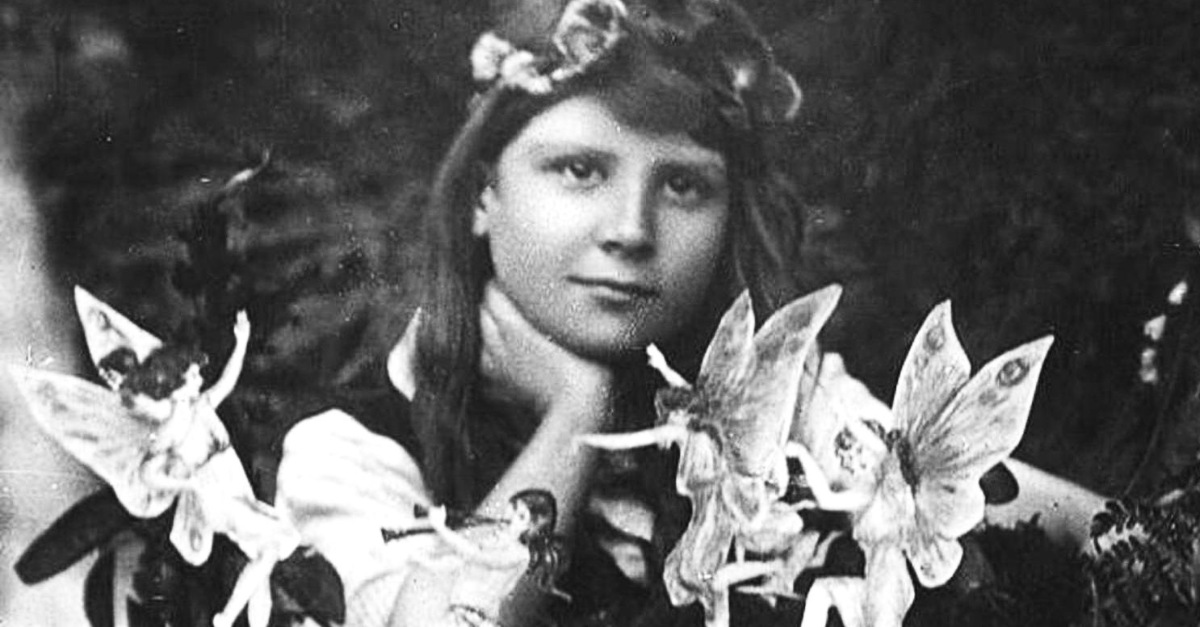
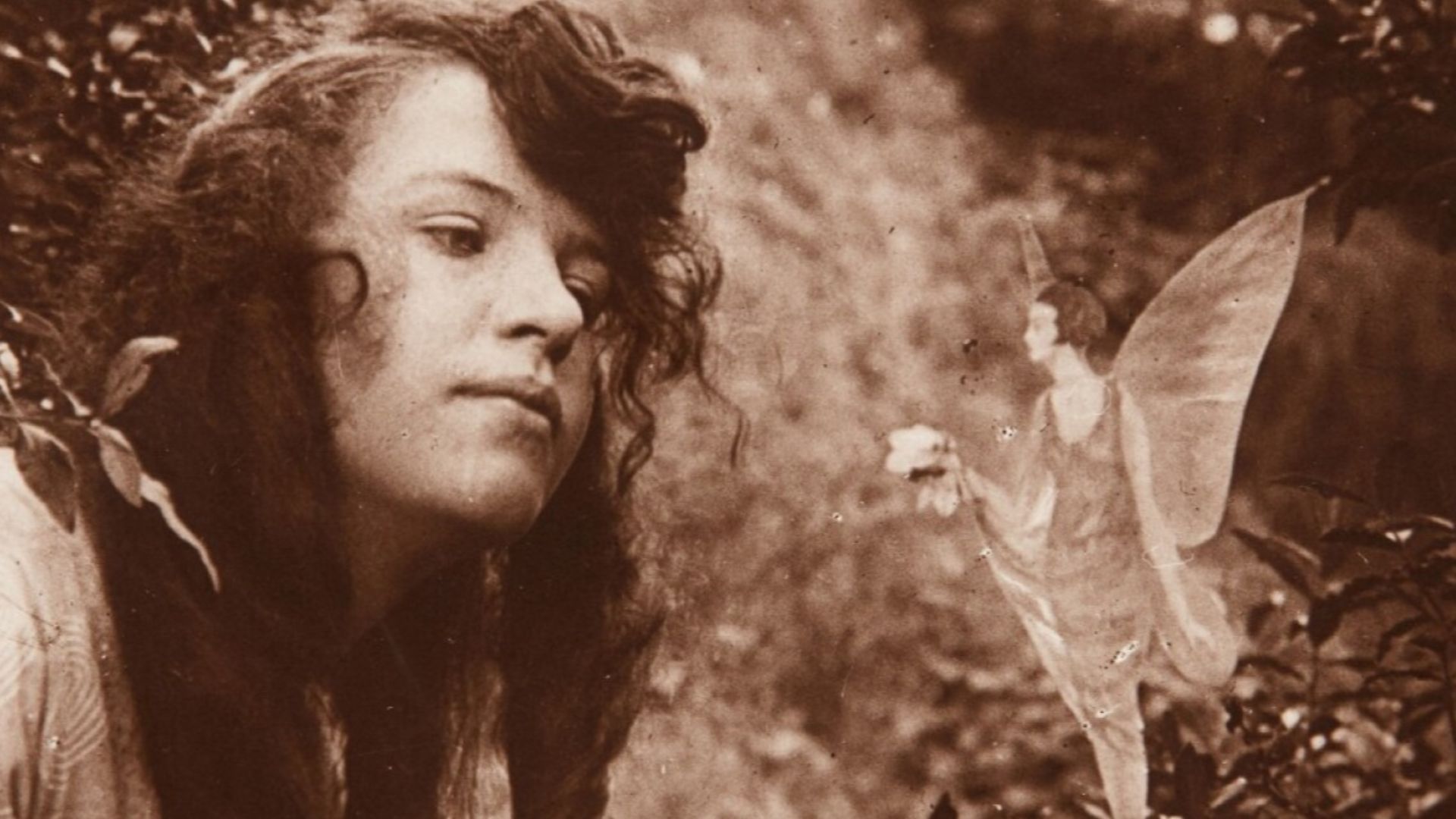
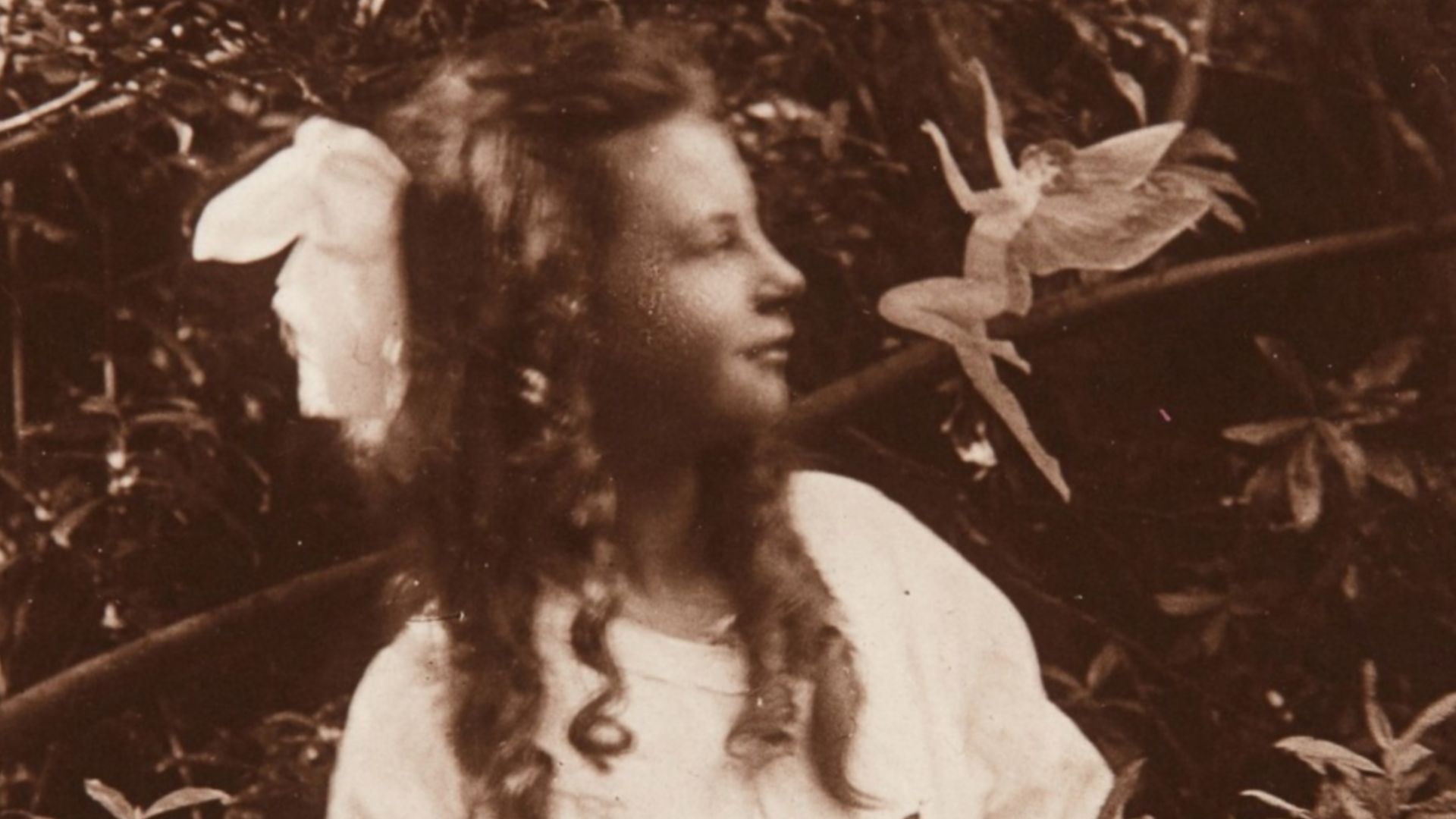
Two Girls Photographed Fairies In Yorkshire
In 1917, cousins Elsie Wright and Frances Griffiths produced photographs appearing to show them interacting with tiny fairies near Cottingley in Yorkshire. The images began as a family curiosity but eventually reached people interested in Spiritualism and supernatural phenomena. The photographs seemed especially compelling during an era when photographic images still carried an aura of mechanical objectivity. Soon, the fairies had escaped the family album.
 Frances Griffiths, Wikimedia Commons
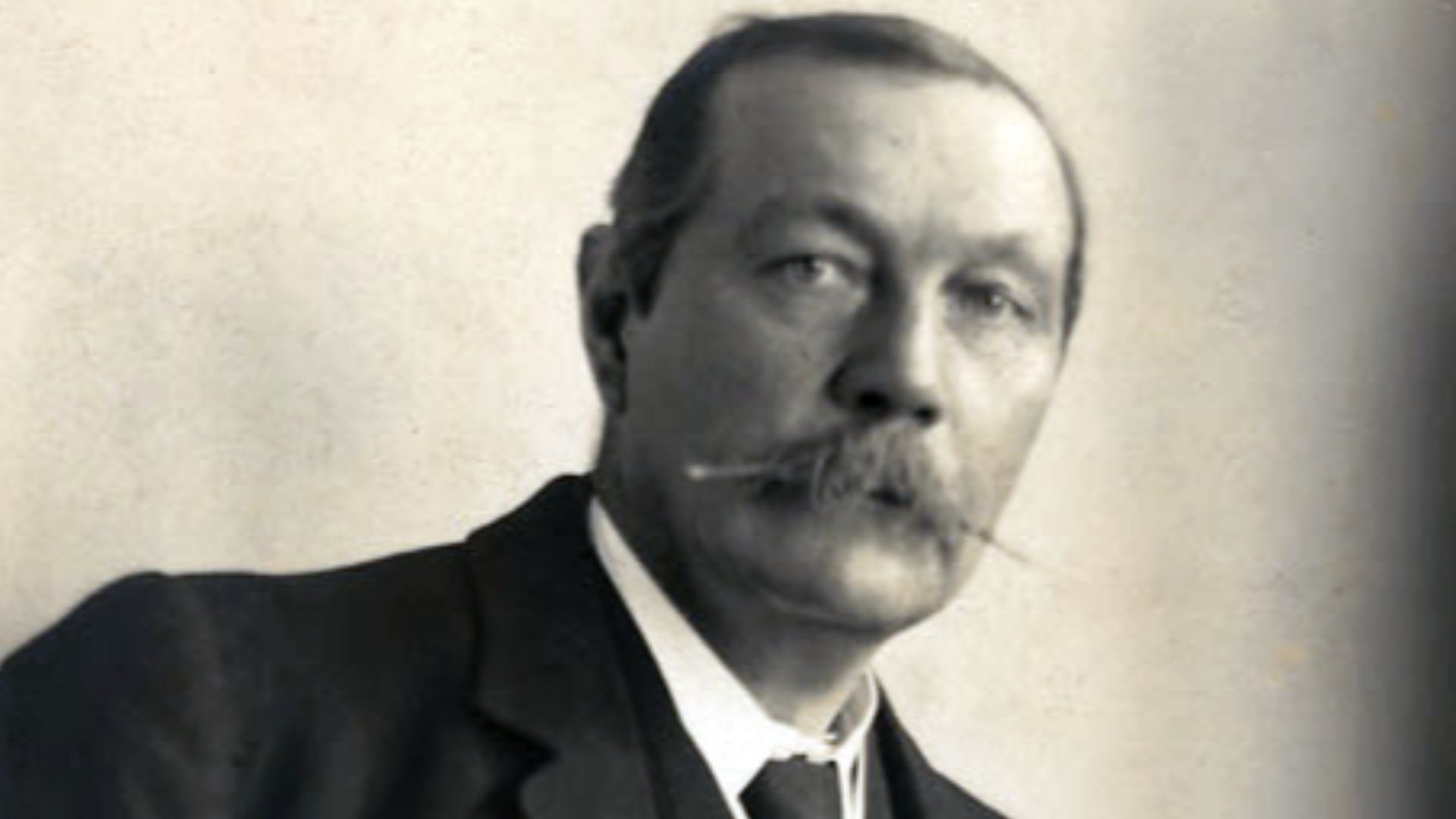
Sherlock Holmes's Creator Believed Them
Arthur Conan Doyle, creator of Sherlock Holmes and a committed Spiritualist, became convinced that the photographs supported the existence of fairies. He featured them in a 1920 article for The Strand Magazine and later expanded his case in The Coming of the Fairies. His fame gave the photographs a credibility they might otherwise never have achieved. Newspapers and magazines debated the images while Doyle defended them publicly.
 Walter Benington, Wikimedia Commons
The Fairies Were Paper Cutouts
Decades later, Elsie and Frances acknowledged that the famous photographs had been staged. The supposed fairies had been copied from illustrations and positioned for the camera. By then, however, the images had spent generations circulating as evidence in arguments about supernatural phenomena. The Cottingley episode became a classic lesson in how a prestigious believer can help ordinary photographs acquire extraordinary authority.
 Elsie Wright, Wikimedia Commons
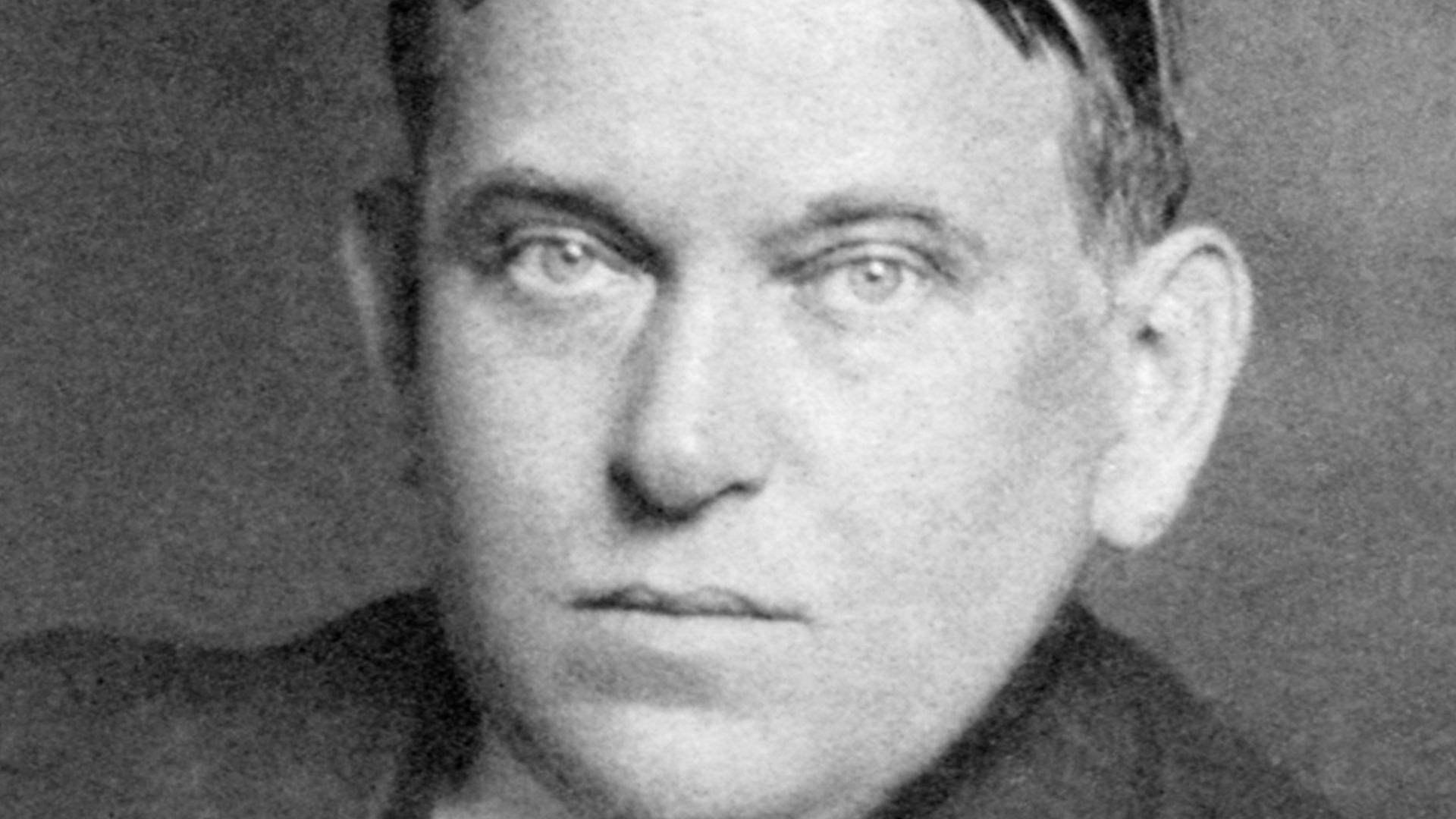
Mencken Invented America's Bathtub History
On December 28, 1917, journalist H.L. Mencken published an article in the New York Evening Mail titled “A Neglected Anniversary.” He claimed that the modern bathtub had been introduced to America in Cincinnati in 1842 and had initially provoked medical and political controversy. Mencken even credited President Millard Fillmore with helping make bathing respectable by installing a bathtub in the White House. The entire history was fabricated.
 Ben Pinchot, Wikimedia Commons
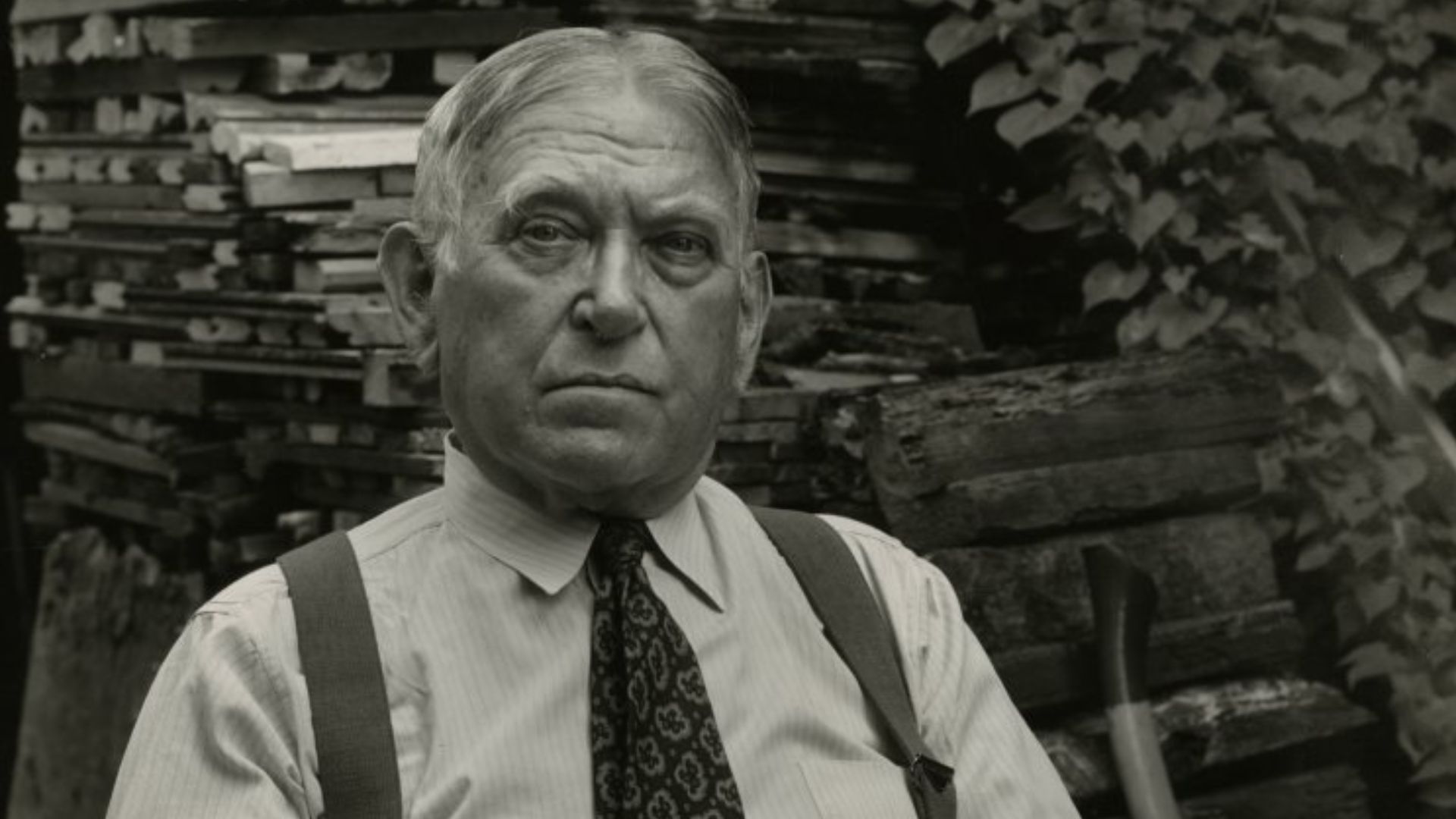
The Fake Facts Escaped Into Reference Books
Mencken's invented details were repeatedly reprinted by other newspapers as legitimate history. They eventually appeared in speeches, serious publications, reference works, and other supposedly authoritative sources. The specificity of his fake dates, names, and citations made the piece look thoroughly researched. A joke had become harder to dislodge each time another publication treated an earlier repetition as evidence.
 A. Aubrey Bodine, Wikimedia Commons
Even Mencken Could Not Kill His Own Hoax
Mencken publicly confessed in 1926 that he had invented the bathtub history. Astonishingly, the false account continued circulating afterward, and some readers apparently suspected that the confession itself was the hoax. American Heritage admitted decades later that it had inadvertently helped repeat Mencken's fiction. His prank became a near-perfect example of why corrections have always struggled to catch stories people enjoy believing.
 Carl Van Vechten, Wikimedia Commons
Stern Announced Hitler's Secret Diaries
In April 1983, West German magazine Stern announced that reporter Gerd Heidemann had obtained a huge collection of supposed Adolf Hitler diaries. The discovery became an international sensation, and publication rights were sold abroad, including to Britain's Sunday Times. Respected historian Hugh Trevor-Roper initially endorsed their authenticity. Editors believed they possessed documents capable of rewriting major portions of modern history.

The Forgeries Were Surprisingly Crude
Forger Konrad Kujau had created the books using modern materials while imitating Hitler's handwriting. He artificially aged pages, and later forensic examination found that the paper,ink, and other materials dated from after Hitler's death. Historical mistakes also appeared throughout the supposed diaries. The extraordinary scale of the collection had ironically helped convince some experts because forging dozens of volumes seemed too absurdly ambitious to contemplate.
Fact-Checking Arrived After The Headlines
West German government tests exposed the diaries as counterfeit only days after the international publication campaign began. Stern suffered enormous embarrassment, newspaper editors lost jobs, and Trevor-Roper's reputation took a serious blow. Kujau eventually confessed to creating the documents and was imprisoned for his role in the fraud. The scandal occurred in the modern newsroom era, but it repeated a lesson newspapers had been learning since 1835: excitement can still outrun verification when everyone desperately wants the scoop.
You May Also Like:
These Socialites Hid Sordid Secrets
Historical Geniuses Who Were Complete Disasters Outside Their Field
History's Most Unbelievable Screwups
Sources: 1, 2, 3, 4, 5, 6, 7, 8, 9, 10, 11, 12, 13, 14, 15, 16, 17, 18, 19, 20, 21, 22, 23, 24, 25, 26, 27, 28, 29, 30, 31