Scientists Are Rewriting The Neanderthal Story
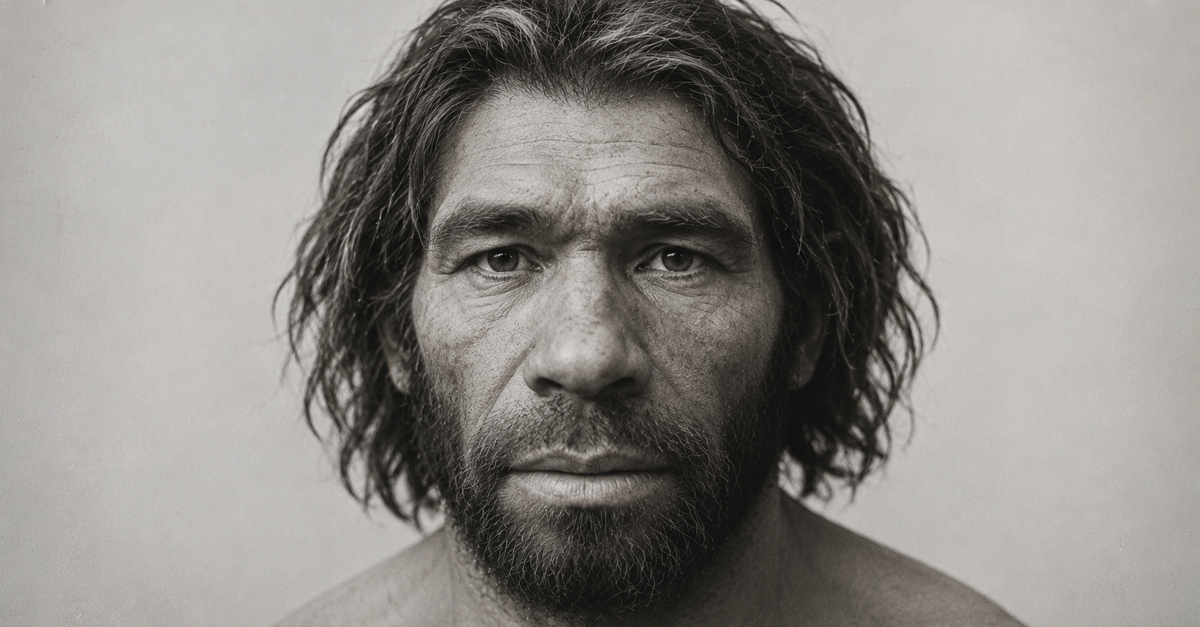
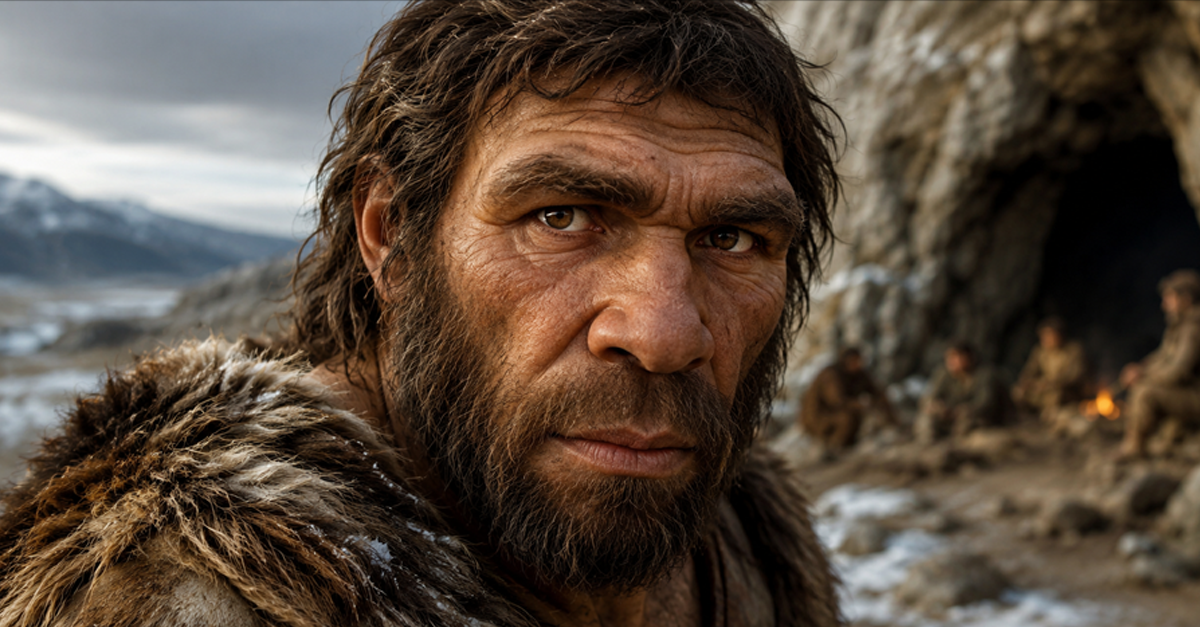
For years, Neanderthals were portrayed as crude and primitive cavemen. Modern research has completely overturned that stereotype. Scientists now believe Neanderthals were intelligent, adaptable humans with incredibly strong bodies built for some of the harshest conditions on Earth. But new studies suggest that strength may have come with a surprising downside: they may have burned through energy far less efficiently than modern humans.
Their Bodies Were Built Like Power Tools
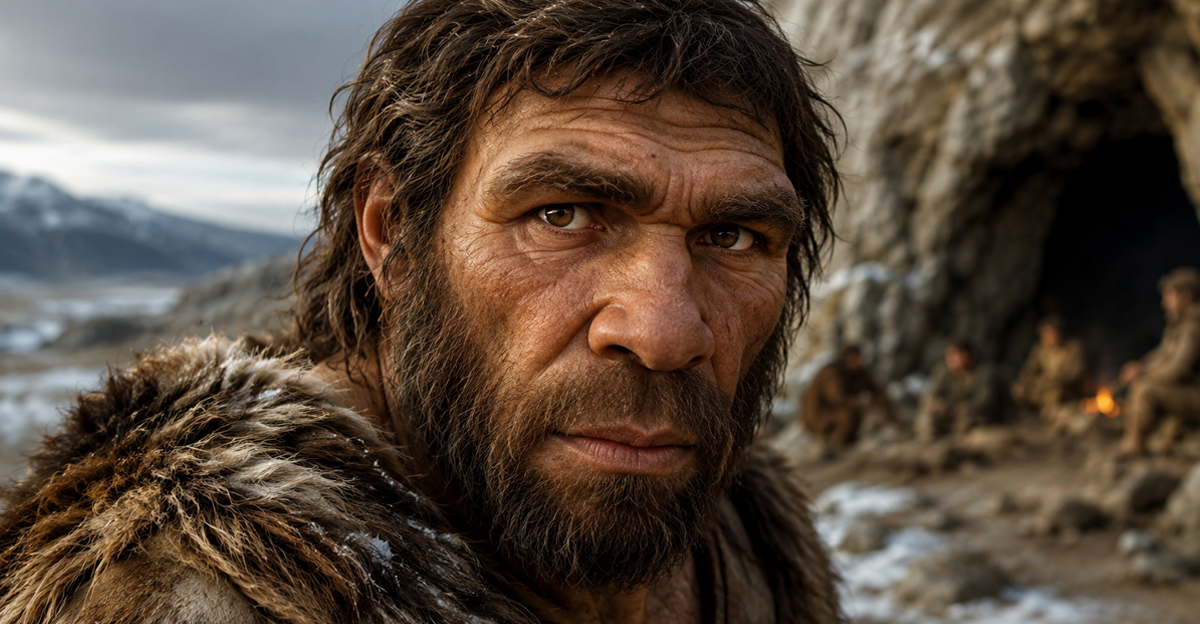
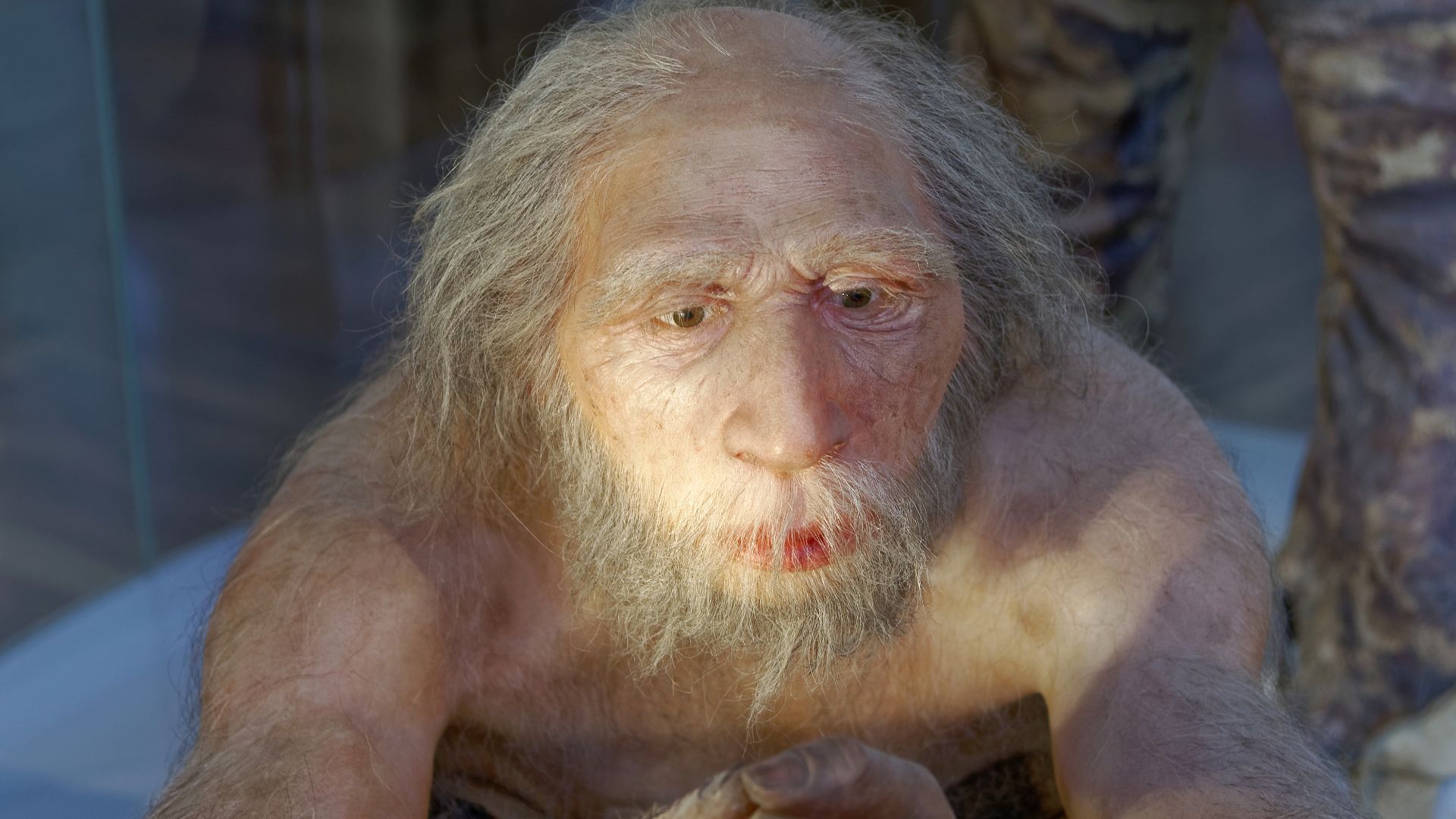
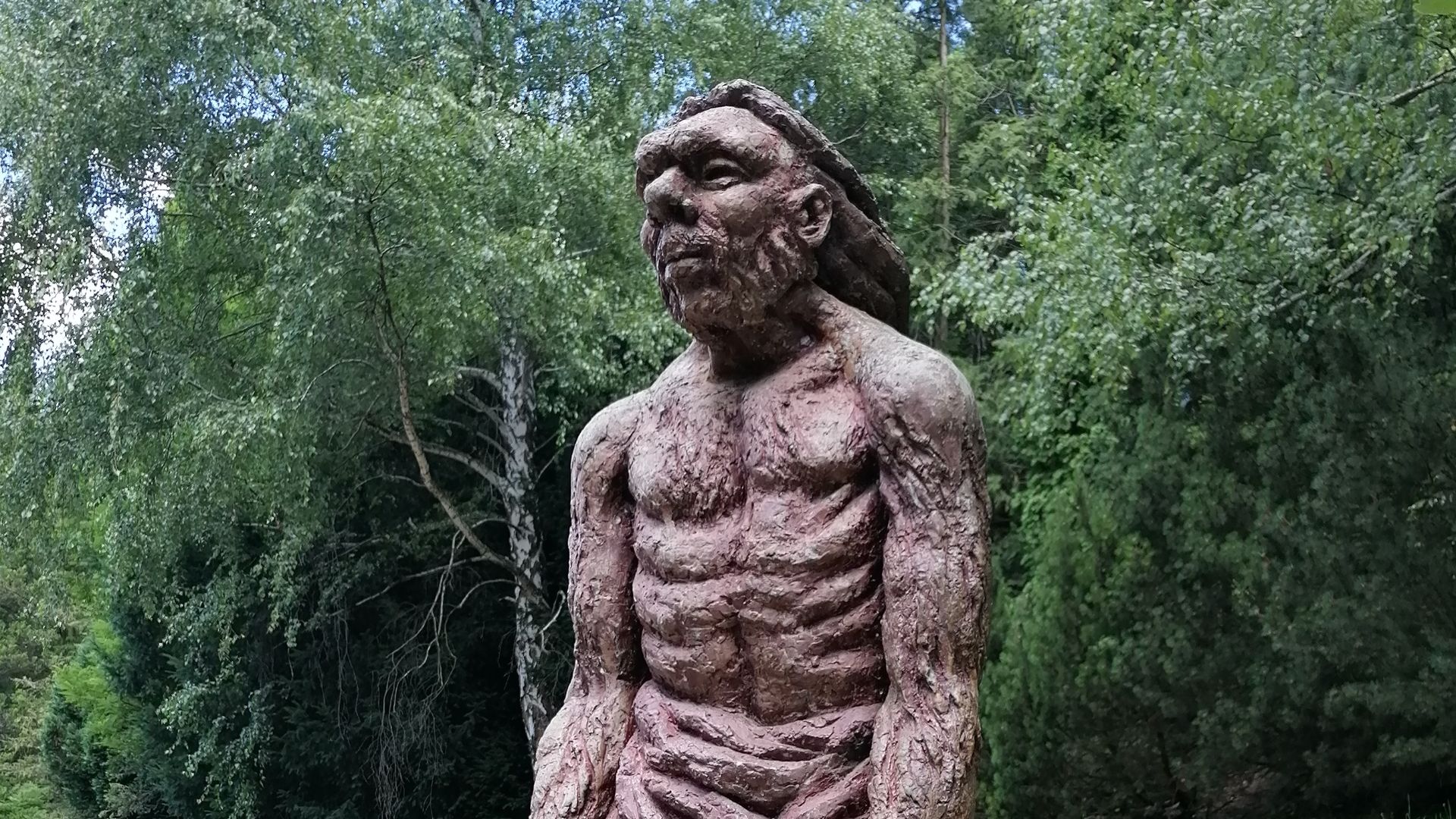
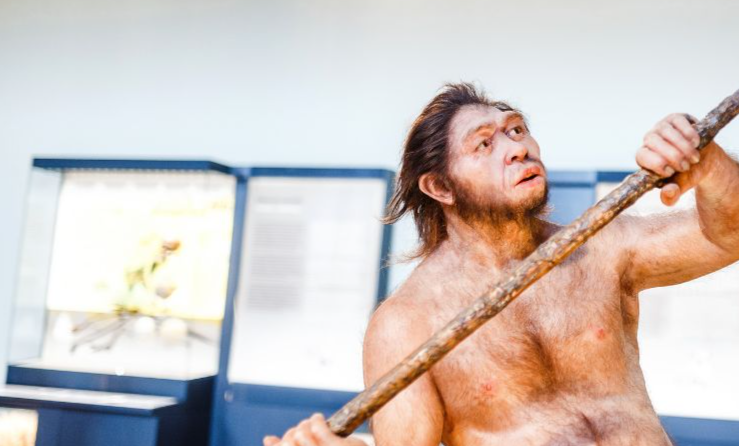
Neanderthals were generally shorter and stockier than many modern humans. Their skeletons were robust, with thick bones and powerful-looking muscle attachment sites. That kind of build suggests bodies made to generate and absorb force. They were not fragile Ice Age wanderers.
 Jakub Hałun, Wikimedia Commons
Strength Was Written Into Their Bones
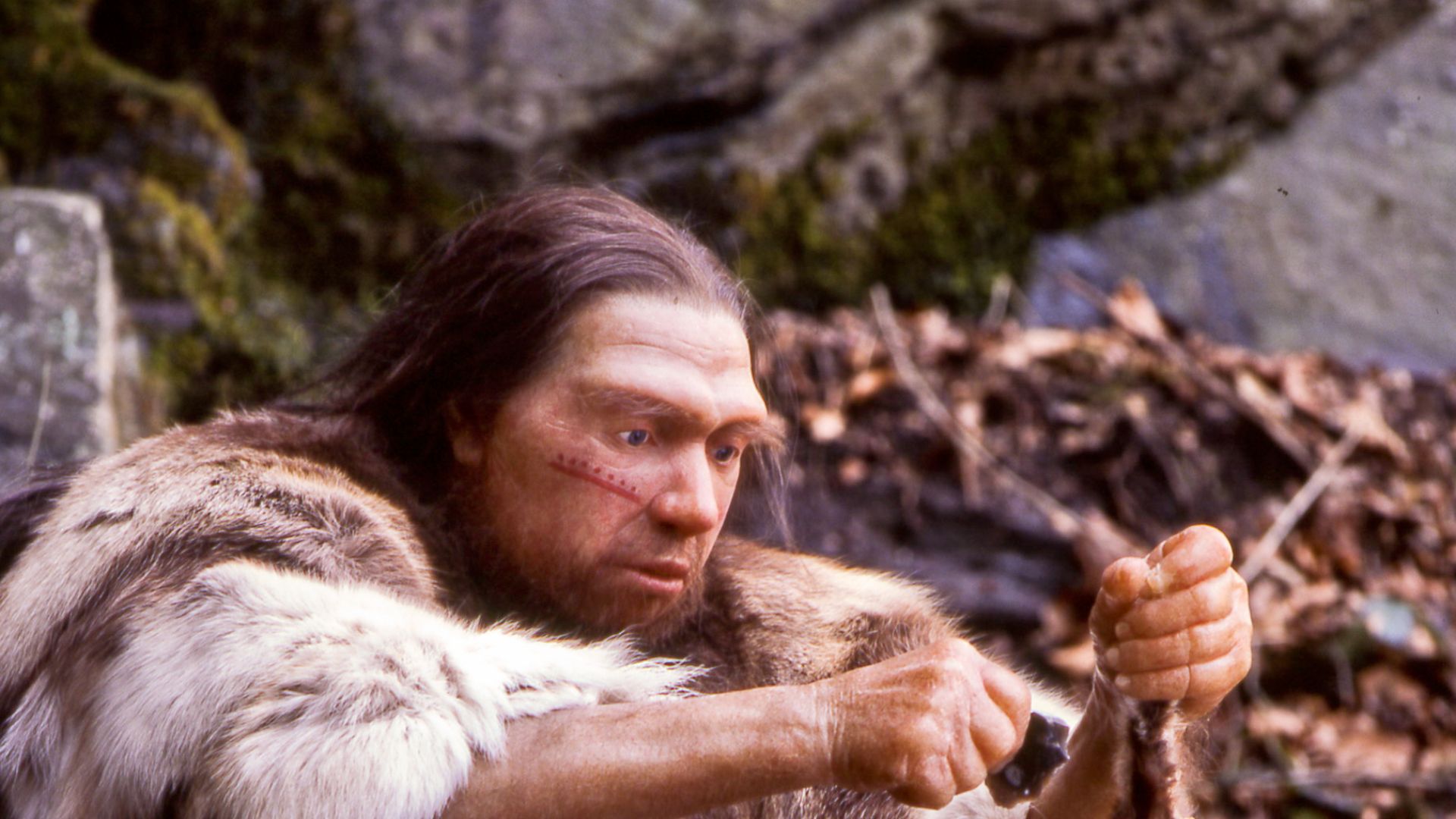
Fossil evidence shows that Neanderthals had strong bones, broad bodies, and muscular frames. Museums and researchers often describe them as stocky and heavily built. Their limbs were shorter than ours, especially in the lower arms and lower legs. Those proportions likely helped them conserve heat in cold climates.
 Neanderthal-Museum, Mettmann, Wikimedia Commons
Cold Weather Shaped The Blueprint
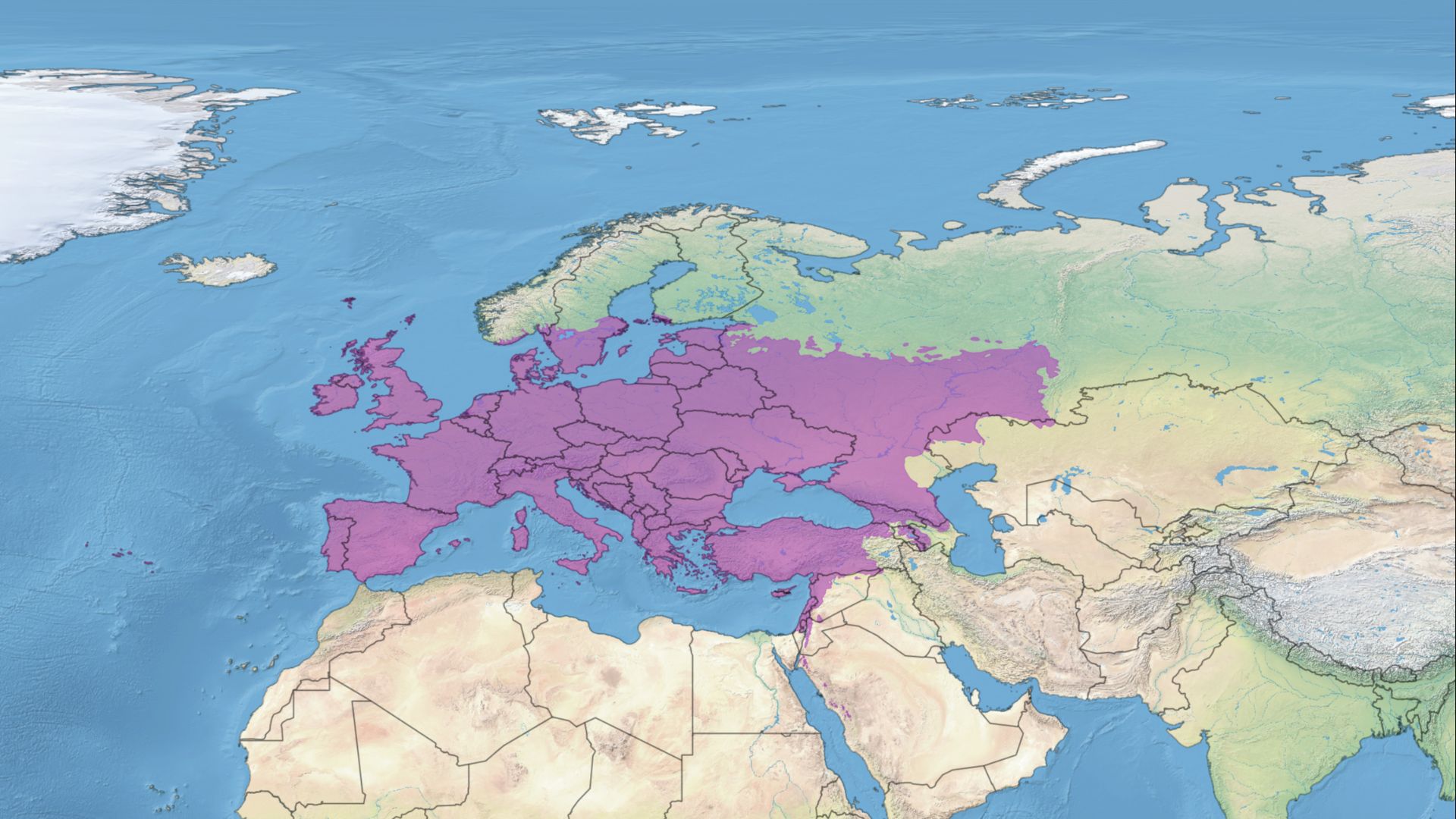
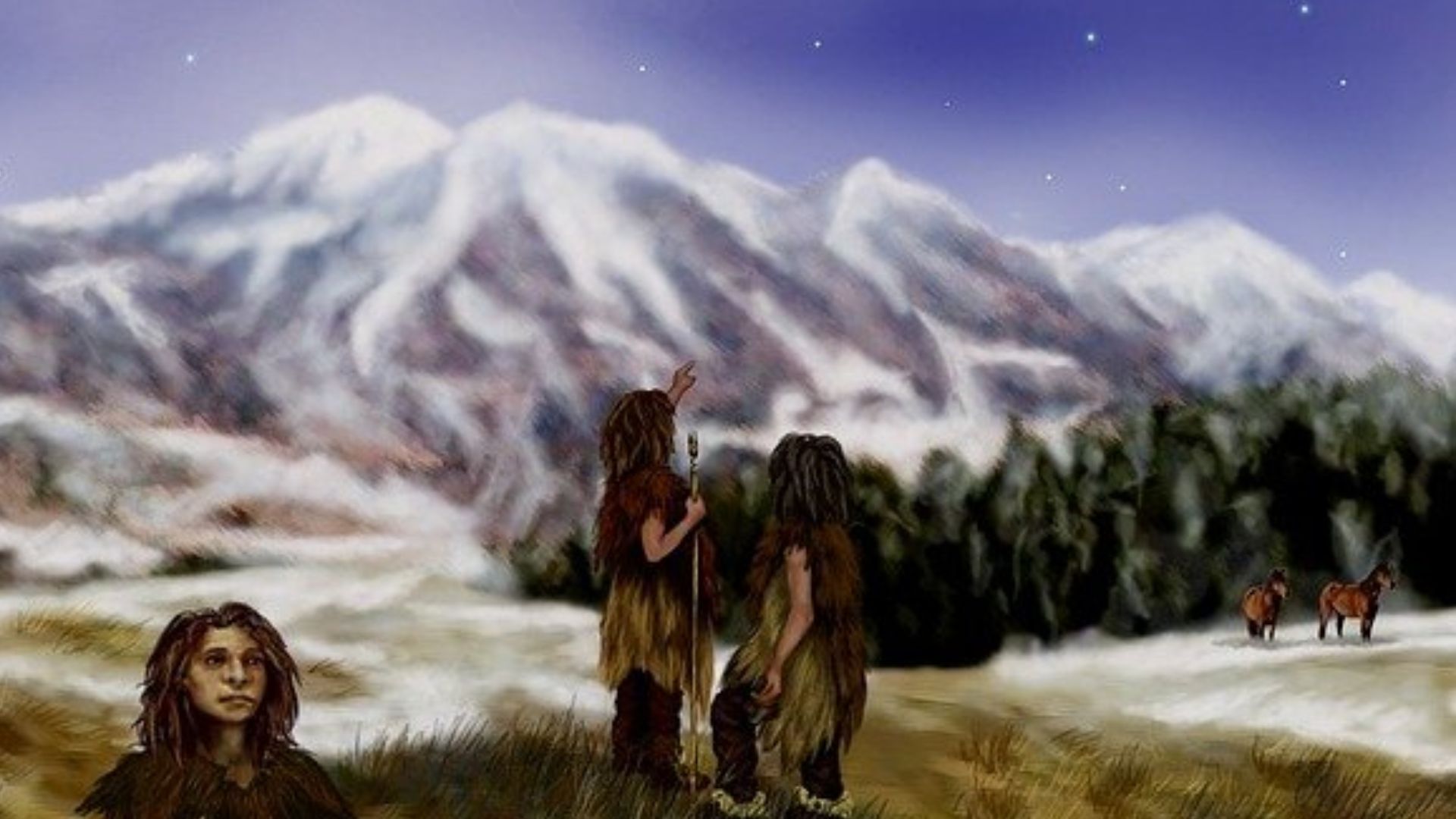
Neanderthals lived across western Eurasia during periods of dramatic climate change. Their compact bodies fit a pattern seen in cold-adapted mammals and human populations. A wide trunk and shorter limbs reduce surface area relative to body volume. That helps a body hold on to heat.
The Trade-Off Was Movement
A stocky build can be powerful, but it is not always economical. Longer limbs usually make walking and running more efficient over distance. Neanderthals had shorter distal limb segments than many modern humans. That may have made long-distance travel more energetically expensive.
 Jakub Hałun, Wikimedia Commons
Power Came With A Price
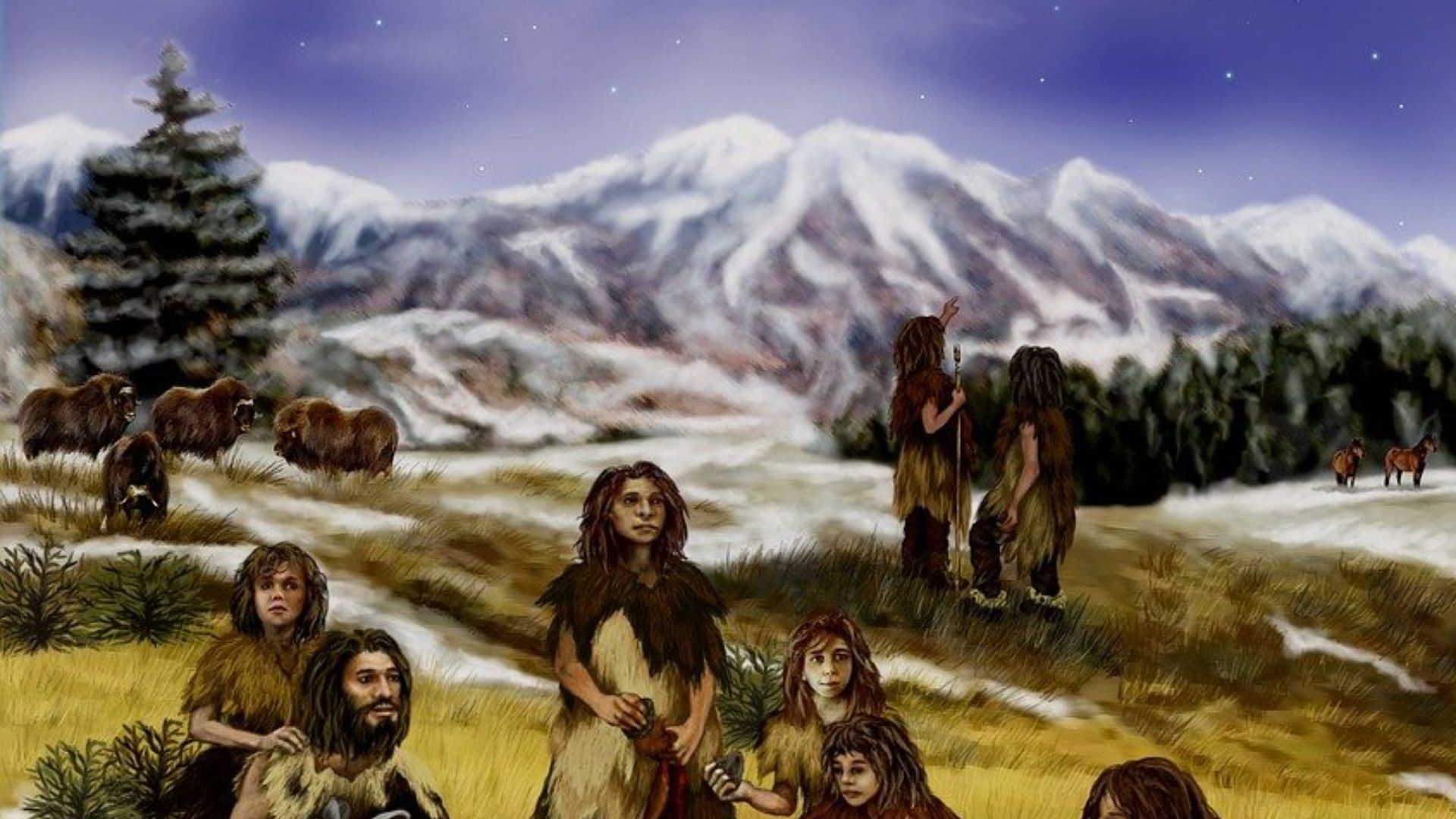
Scientists are increasingly interested in this trade-off between strength and efficiency. Neanderthals may have had impressive raw power for close-range tasks. They may also have spent more energy moving that heavy, compact body through the landscape. In Ice Age survival, that difference mattered.
A New Gene Study Added Fuel
In 2025, researchers reported a striking Neanderthal variant in a muscle enzyme called AMPD1. The enzyme is involved in skeletal muscle energy production. The study found that all available Neanderthal genomes carried a specific AMPD1 change. That finding pushed scientists to rethink how Neanderthal muscles may have performed under stress.
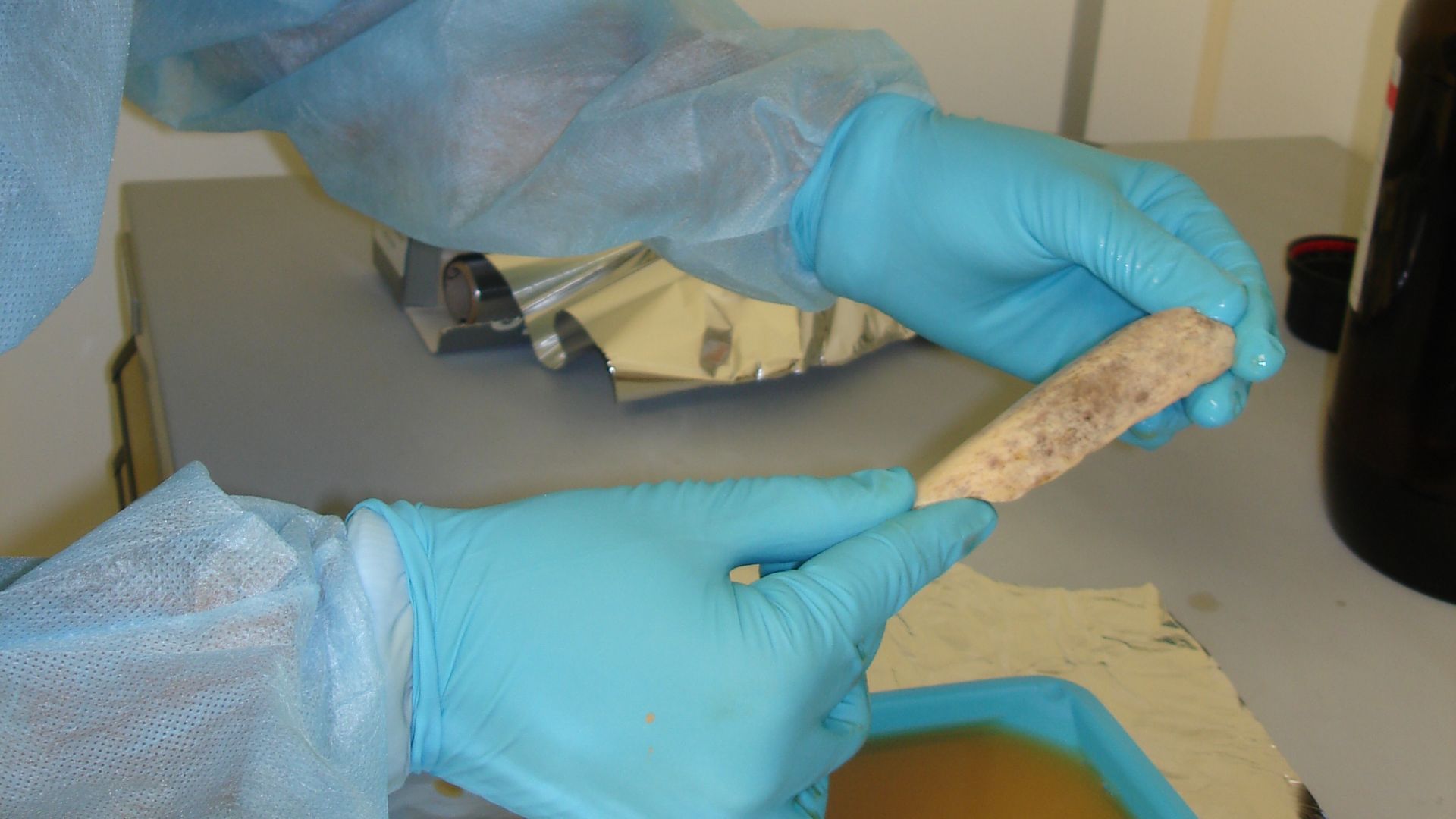 Max Planck Institute for Evolutionary Anthropology, Wikimedia Commons
The Enzyme Was Less Active
The researchers tested the Neanderthal version of AMPD1 in the lab. They found that its catalytic activity was about 25 percent lower than the ancestral version. When the variant was introduced into mice, muscle extracts showed a much larger reduction in AMPD activity. That suggests the variant affected muscle-energy chemistry in measurable ways.
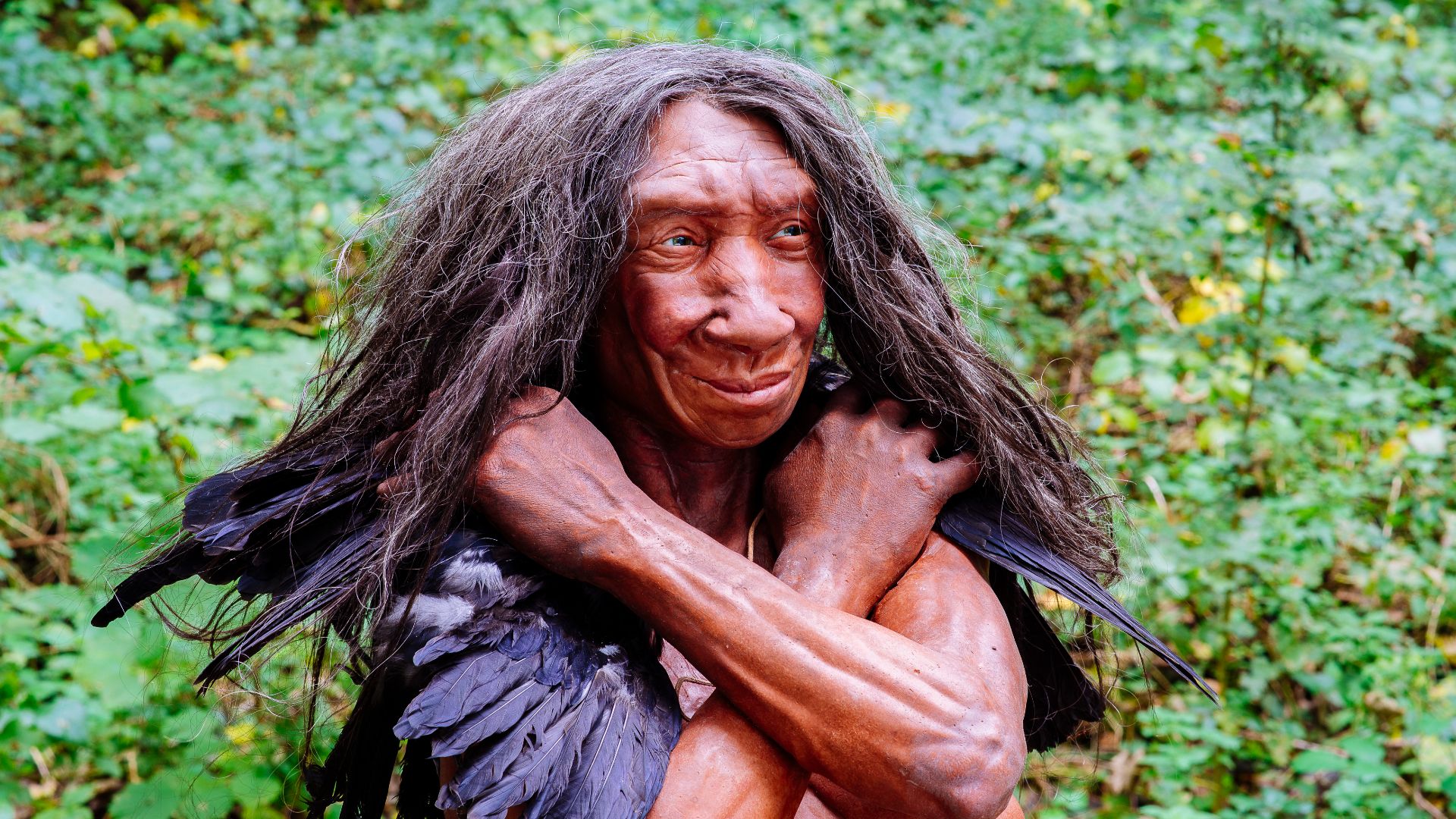 Neanderthal-Museum, Mettmann, Wikimedia Commons
Efficiency Is Not The Same As Strength
This does not mean Neanderthals were weak. It means one part of their muscle-energy system may have been less efficient during intense exertion. A body can be powerful and still burn through energy quickly. A pickup truck can pull hard and still lose a fuel-economy contest.


History's most fascinating stories and darkest secrets, delivered to your inbox daily.
Modern Carriers Offer A Clue
The same Neanderthal-derived variant still exists in some people today. Researchers found it at frequencies up to 8 percent in humans of non-African descent. Max Planck researchers reported that people with reduced AMPD1 activity were about half as likely to become top athletes. Most carriers still live normal, healthy lives.
The Finding Has Limits
No single gene explains Neanderthal strength, survival, or extinction. The AMPD1 study points to one biological difference, not a complete verdict on Neanderthal athletic ability. The researchers themselves warned against treating it as a decisive cause of Neanderthal disappearance. Evolution rarely turns on one switch.
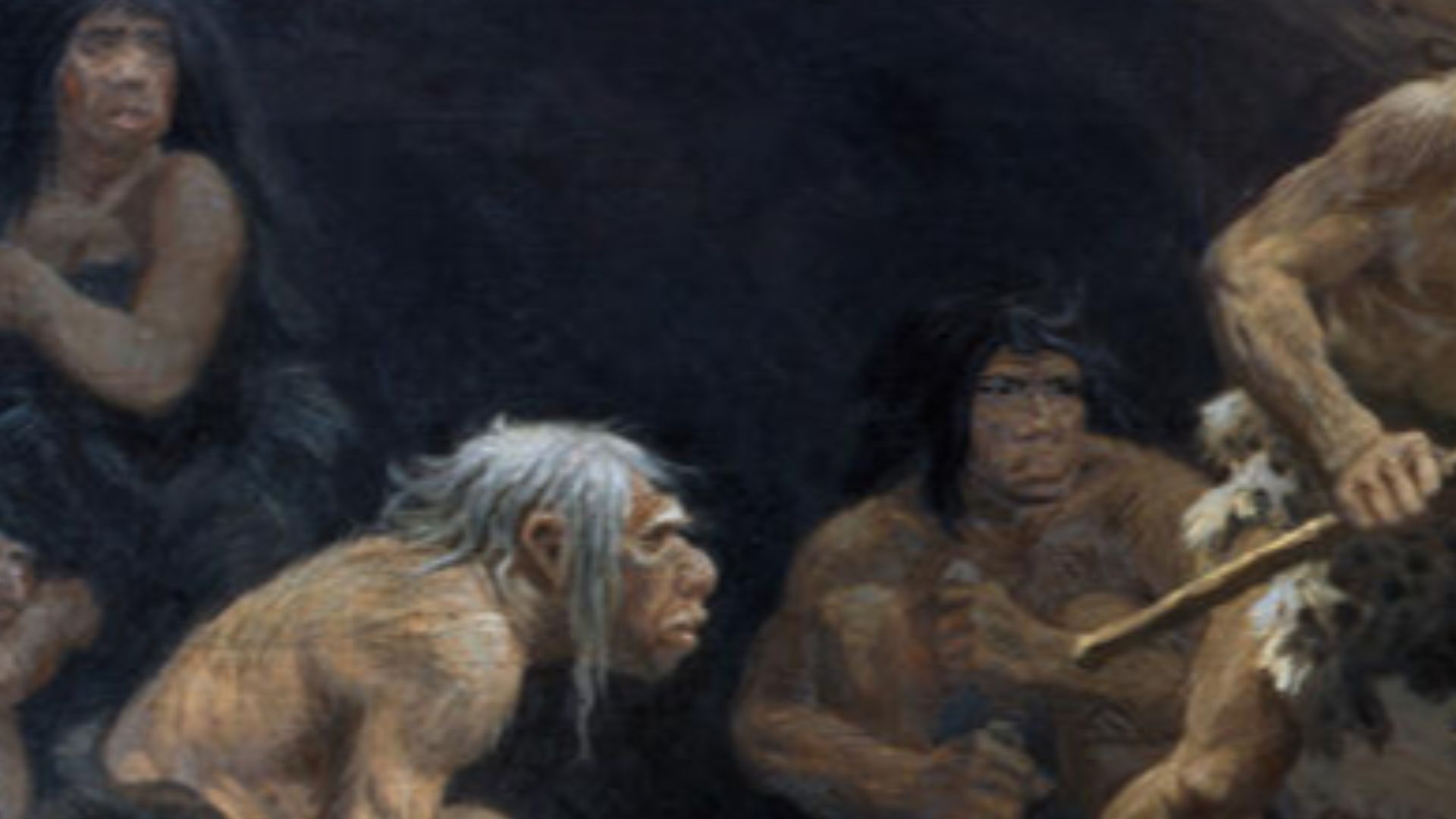 Charles Robert Knight, Wikimedia Commons
Their World Rewarded Bursts Of Force
Neanderthal hunting often required dangerous close-range work. Evidence from Neumark-Nord in Germany shows 120,000-year-old deer bones with lesions linked to close-range spear use. That kind of hunting demanded timing, courage, and strength. It was not a sport for the delicate.
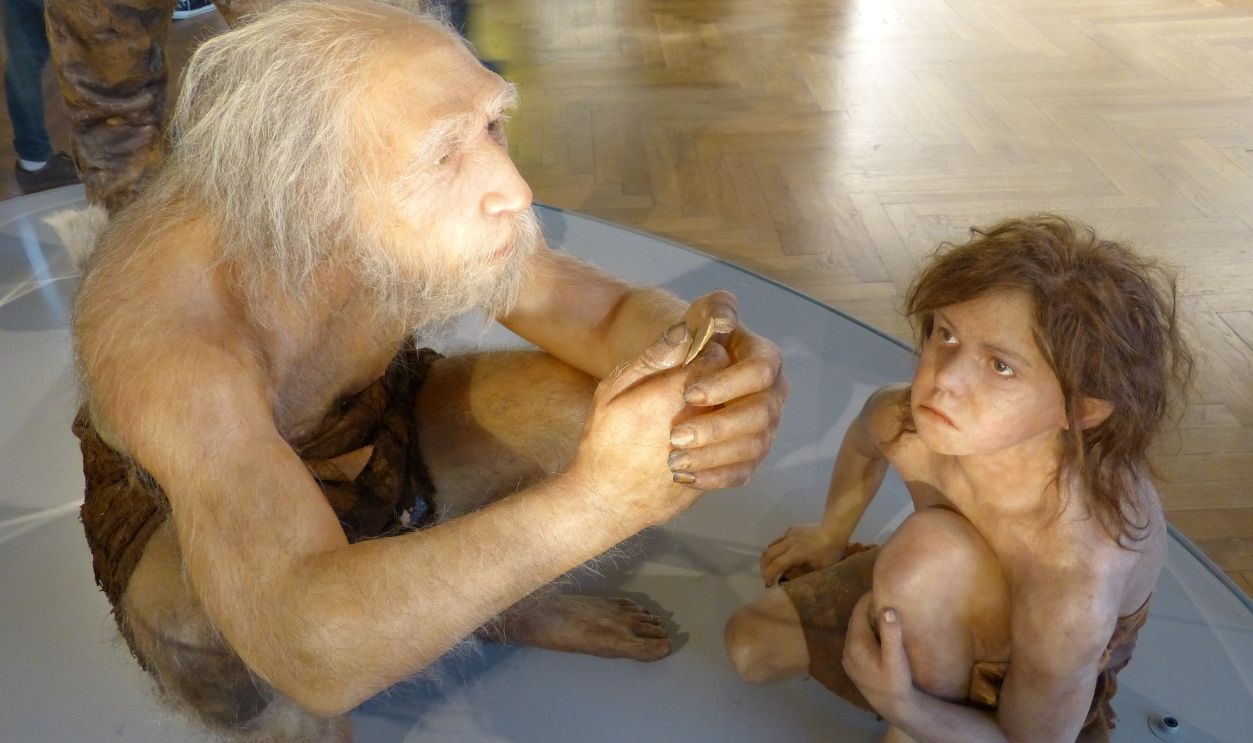 Wolfgang Sauber, CC BY-SA 4.0, Wikimedia Commons
Their Injuries Tell A Rough Story
Neanderthal skeletons show a high frequency of healed fractures. Smithsonian’s Human Origins Program notes that their injury patterns have been compared with those of professional rodeo riders. That comparison is not perfect, but it captures the physical danger of their lives. Neanderthals regularly dealt with large animals and hard impacts.
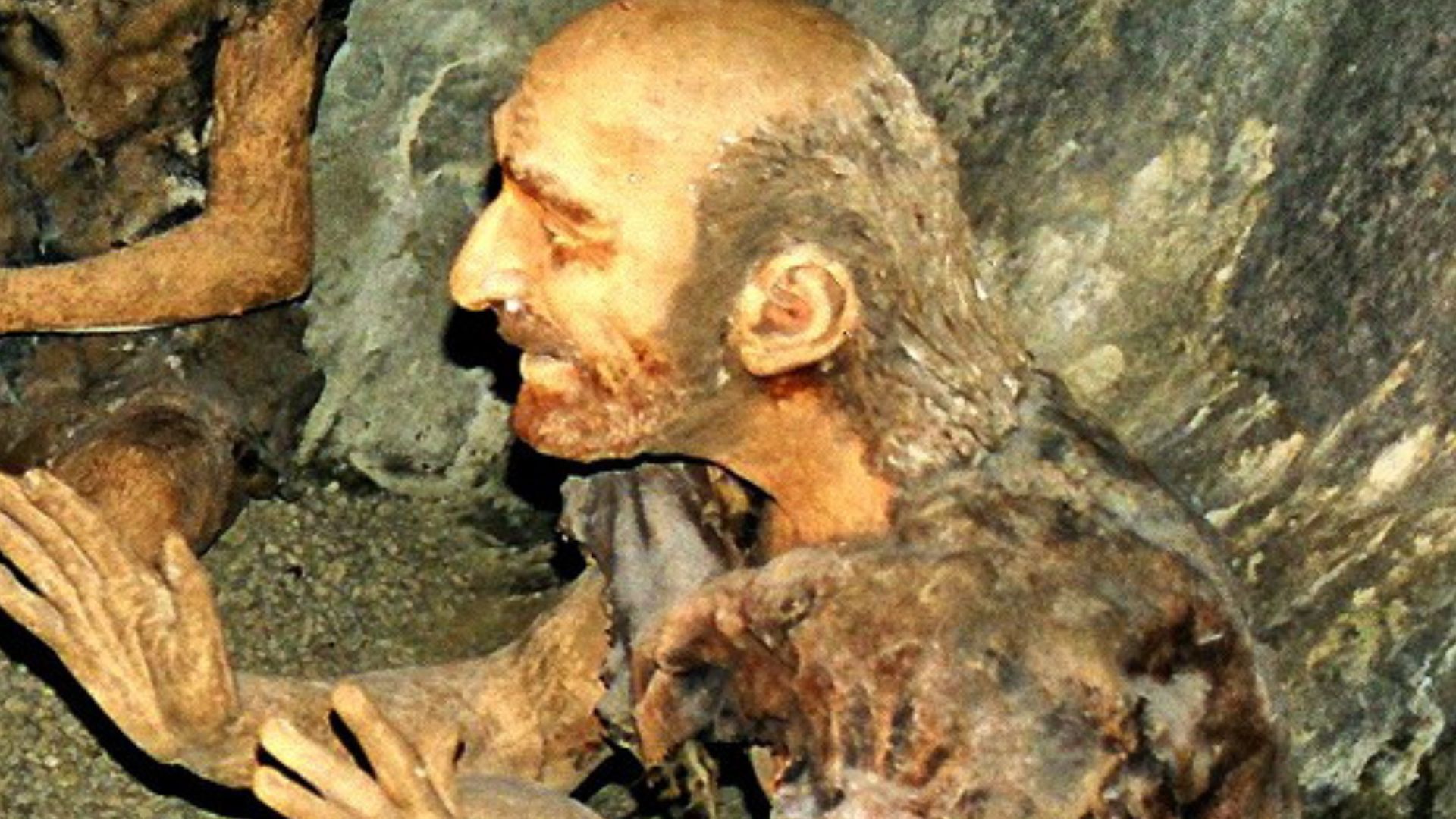
Close Hunting Needed Strong Arms
Some Neanderthal arm bones show strong left-right asymmetry. Researchers have linked that pattern to repeated spear use and intense upper-body activity. Thrusting a spear into large prey would have required power and control. It also would have put the hunter dangerously close to hooves, antlers, and teeth.

Their Diet Had To Feed The Machine
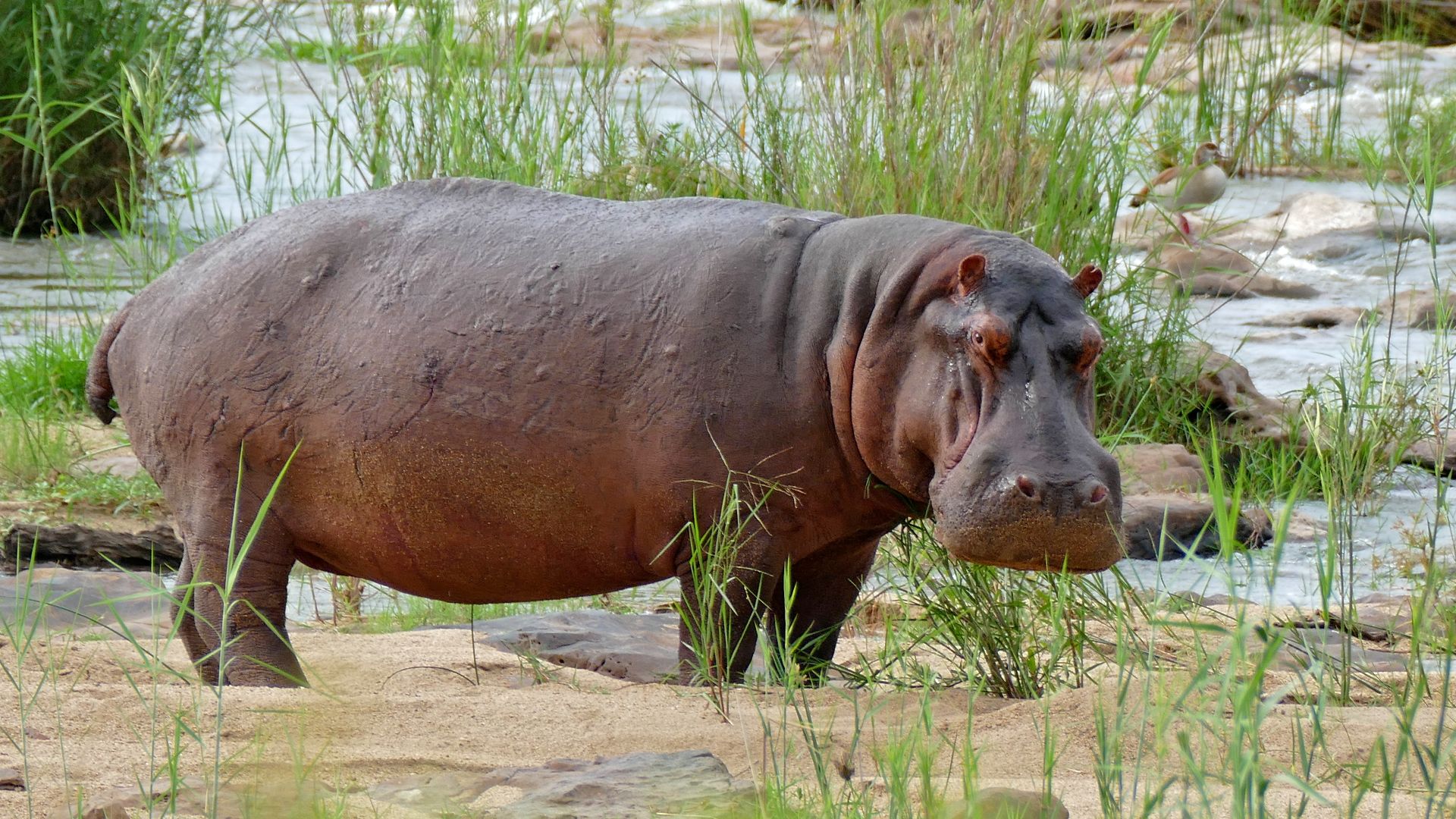
Stable isotope studies show that European Neanderthals often got much of their protein from large herbivores. That fits a life built around hunting big animals such as deer, bison, reindeer, horses, and mammoths. A muscular, cold-adapted body would have needed a steady energy supply. Hunger was not an abstract problem.
 Bernard DUPONT from FRANCE, Wikimedia Commons
Meat Was Not The Whole Menu
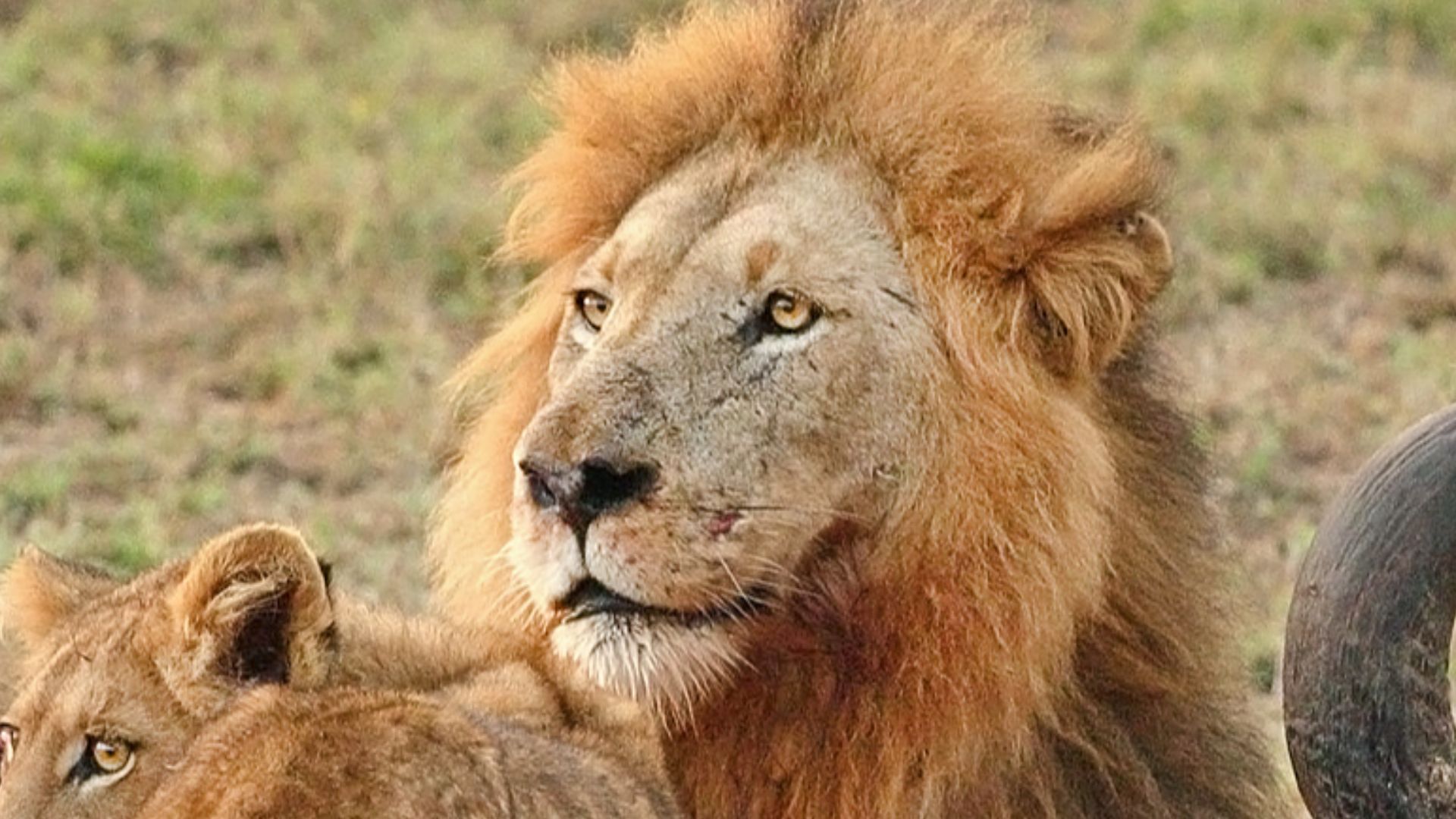
Neanderthal diet was more flexible than the old meat-only stereotype. Researchers have found evidence for plant foods in some Neanderthal contexts. Recent work has also complicated earlier claims that high nitrogen levels prove simple hypercarnivory. Neanderthals were probably practical eaters who used whatever their environments offered.
 Luca Galuzzi (Lucag) Edited (noise reduction) by: Arad, Wikimedia Commons
A Big Body Burns Big Calories
Cold climates increase the importance of energy balance. A wide, muscular body can help conserve heat, but it also needs fuel. Moving across rugged terrain, hunting large prey, and surviving winter would have been expensive. Efficiency could become a survival advantage when resources tightened.
Modern Humans Took A Different Route
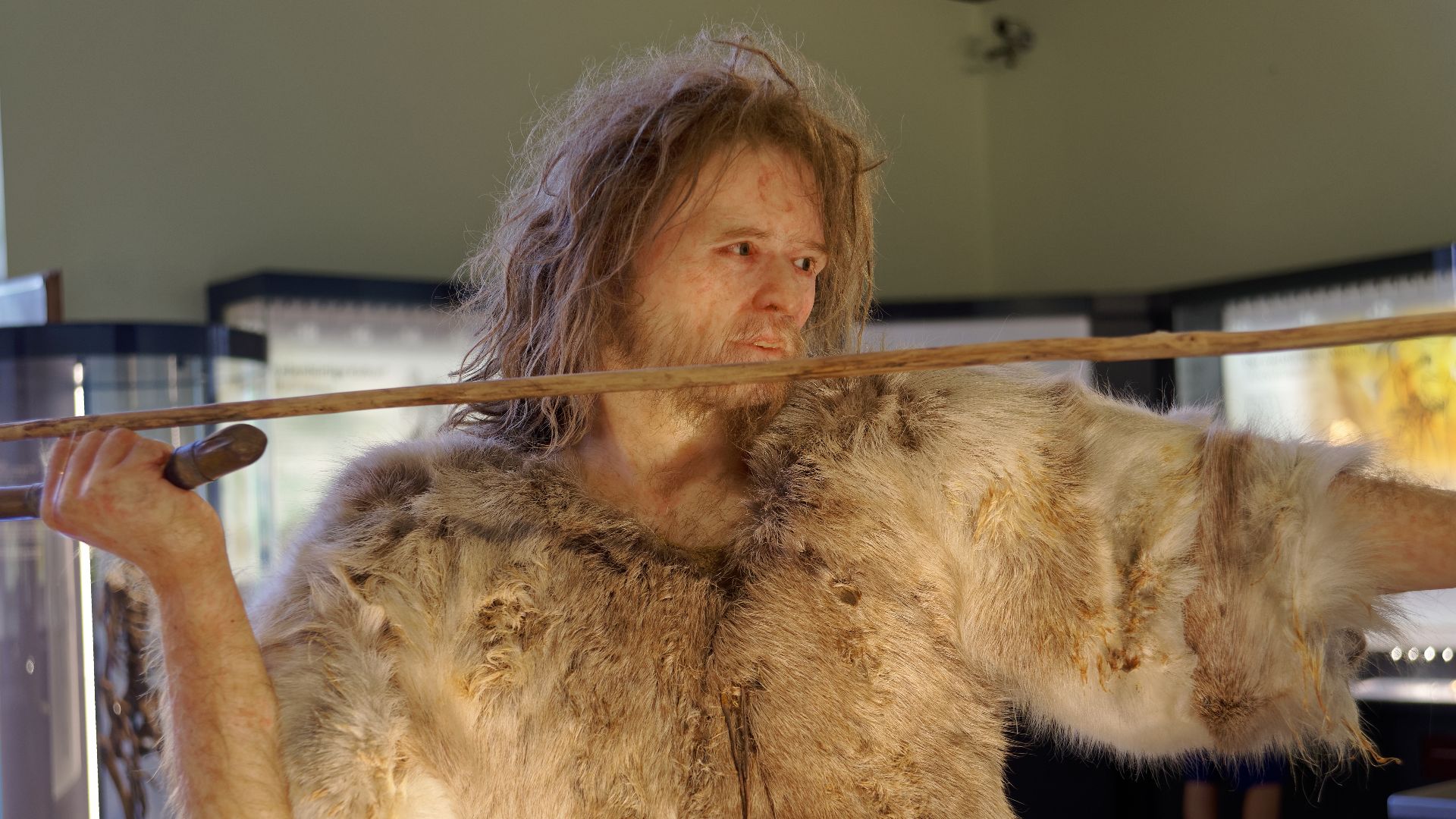
Early Homo sapiens generally had more gracile skeletons and longer limbs than Neanderthals. That body plan is often linked with efficient long-distance walking and running. It may have helped modern humans travel widely, track prey, and move between scattered resources. Our advantage may have been endurance as much as invention.
 Jakub Hałun, Wikimedia Commons
The Spine Adds Another Twist
Researchers have also studied Neanderthal spinal curvature. Lumbar lordosis helps position the body’s center of mass over the legs and reduces muscular effort during movement. Some studies suggest Neanderthals differed from modern humans in this area. Even small differences in posture can affect the energy cost of walking.
They Were Not Badly Designed
Calling Neanderthals less efficient can sound unfair. Their bodies were not failures. They were adaptations to cold, demanding environments where strength, heat conservation, and close-range survival mattered. Evolution builds for local problems, not for marathon trophies.
Stronger Does Not Mean Superior
A stronger body is useful only in the right context. Neanderthal anatomy may have helped with ambush hunting, heavy physical work, and cold stress. Modern human anatomy may have helped with endurance, mobility, and lower energy costs over distance. Each design came with advantages and trade-offs.
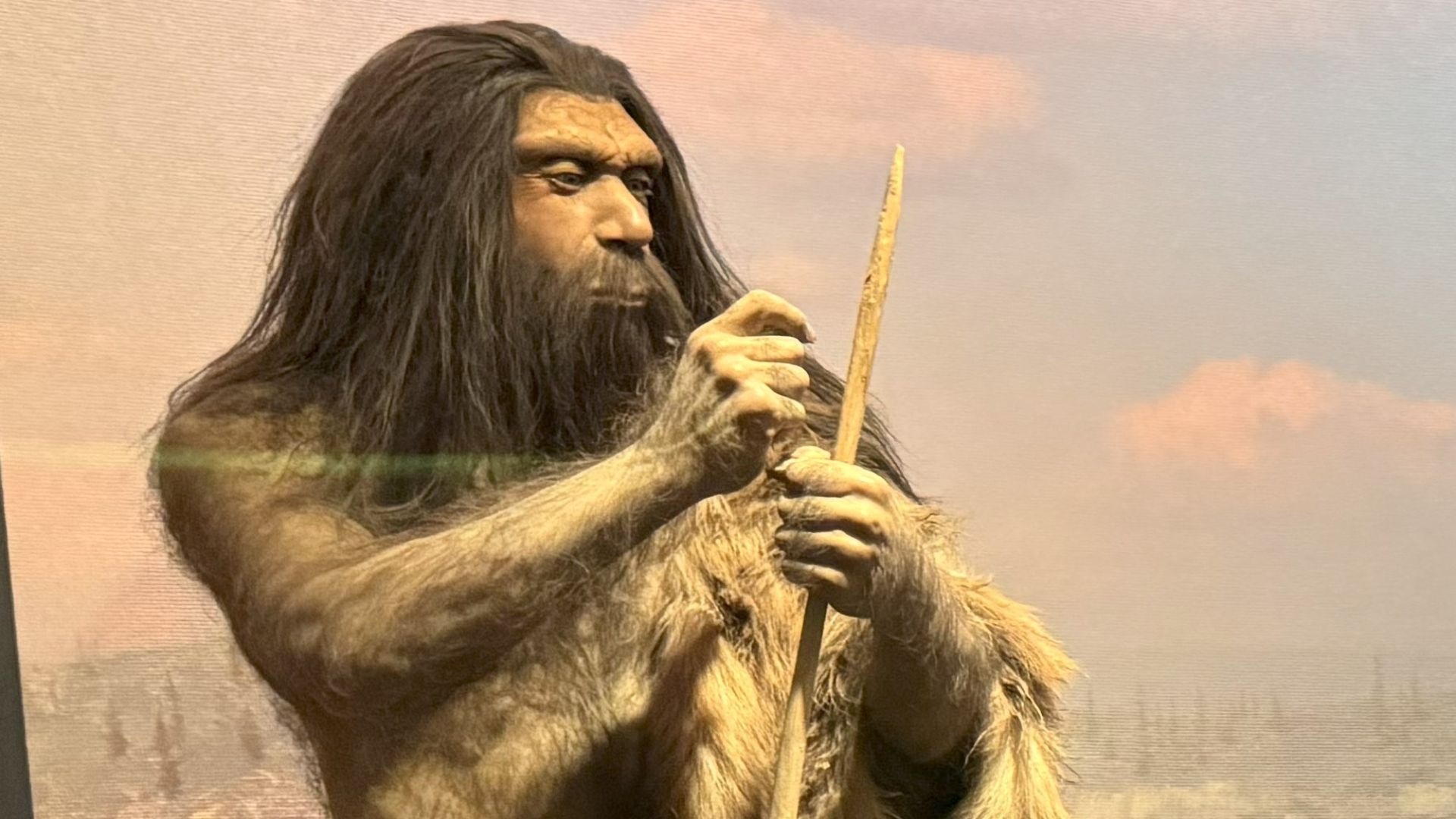
The Extinction Question Stays Complicated
Neanderthals disappeared around 40,000 years ago, depending on region and evidence. Their decline likely involved climate shifts, small population sizes, competition, interbreeding, and changing environments. The AMPD1 variant alone does not explain it. It simply adds one more piece to a much bigger puzzle.
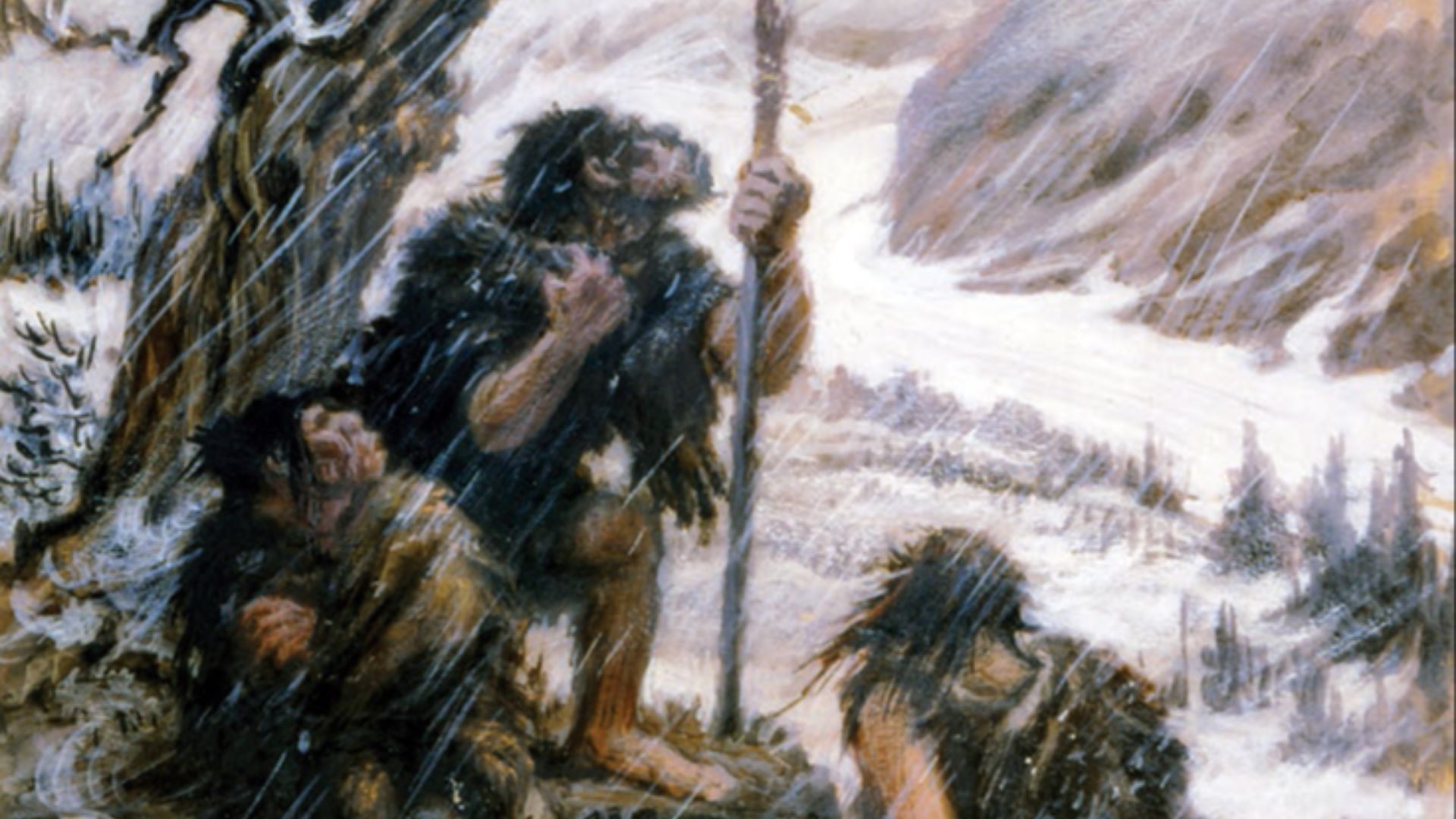 Charles R. Knight, Wikimedia Commons
They Also Live On In Us
Neanderthals did not vanish without a trace. Interbreeding with modern humans left Neanderthal DNA in many people alive today. Some inherited variants affect immunity, skin, metabolism, and other traits. The AMPD1 finding shows that muscle biology may be part of that legacy too.
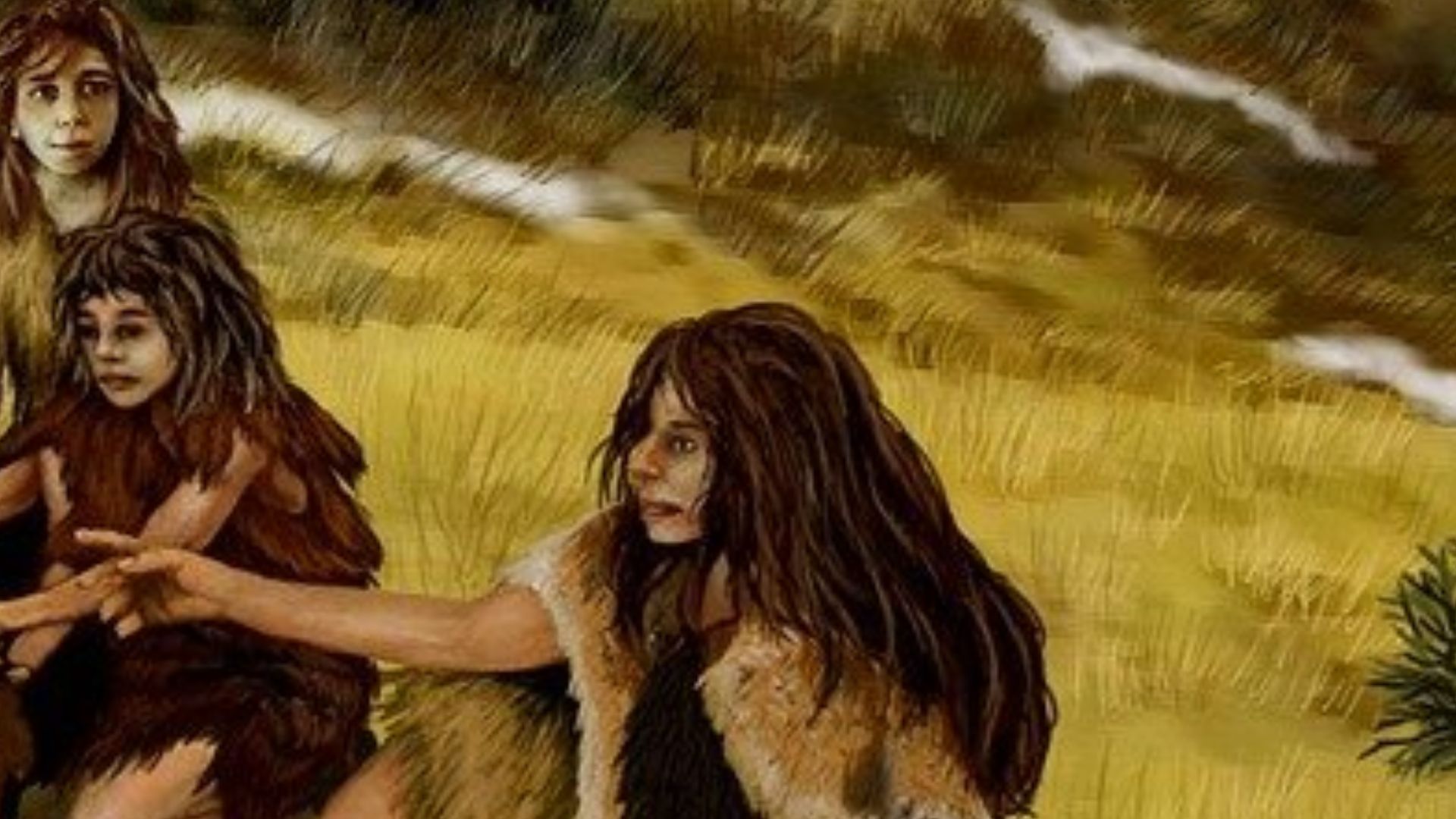
The Real Story Is More Human
The best picture of Neanderthals is not dumb brute or noble superhero. It is a human relative shaped by harsh climates, dangerous hunts, and demanding landscapes. They were strong, skilled, and biologically different from us in meaningful ways. Their story becomes more impressive when we stop flattening it into myth.
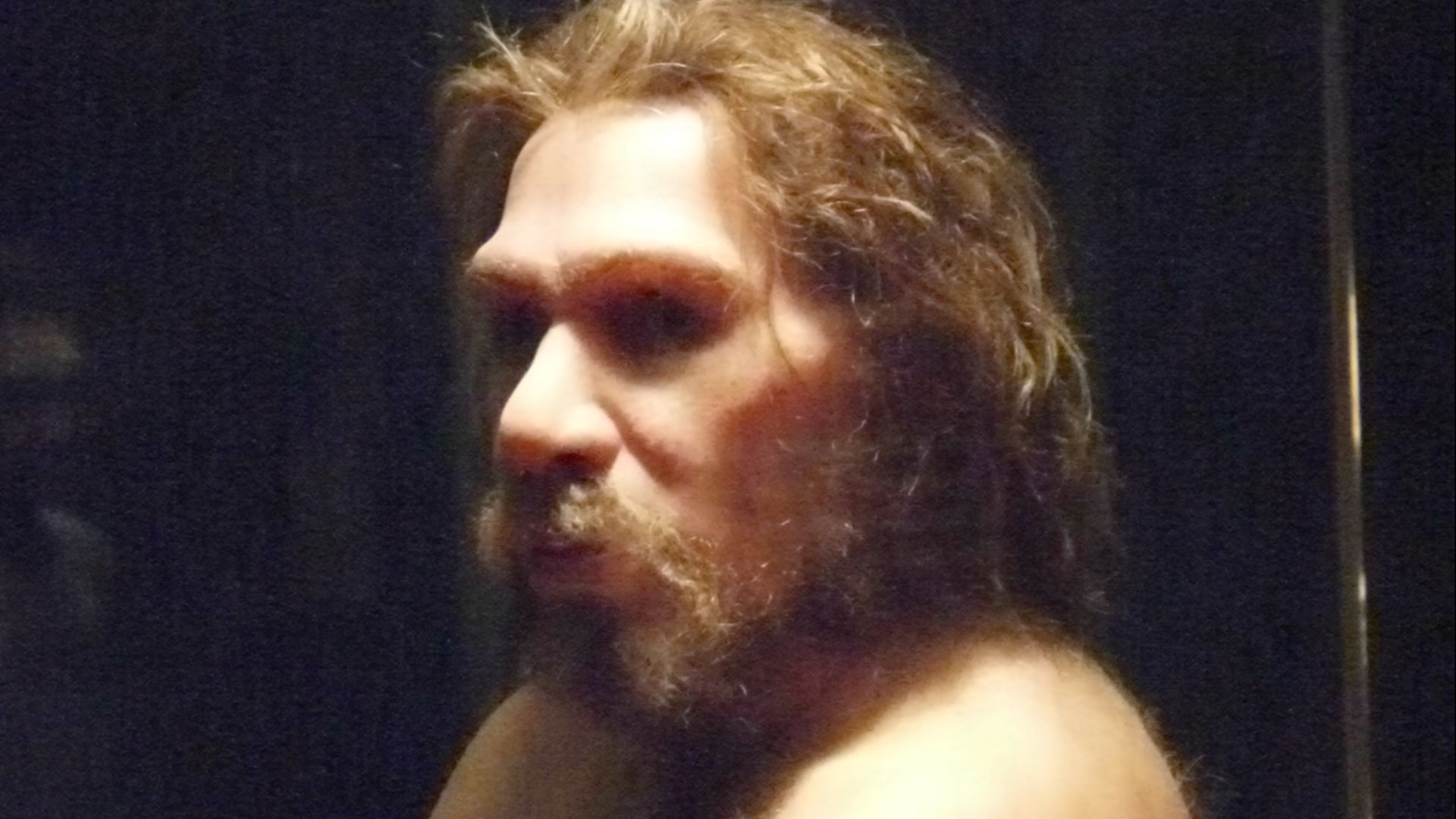 Eden, Janine and Jim from New York City, Wikimedia Commons
The New Picture Is A Trade-Off
Scientists now see Neanderthals as powerful but costly machines. Their bodies may have delivered strength, stability, and cold resistance at the expense of movement and muscle-energy efficiency. Modern humans may have leaned harder into endurance and economical travel. In the end, the difference was not strength versus weakness, but power versus efficiency.
 Paul Hermans, Wikimedia Commons
You May Also Like:
We Thought We Understood The Neanderthals, But Genetic Studies Have Revealed A Different Story
Neanderthals would have outfought Homo sapiens, but that's now how they went extinct.