
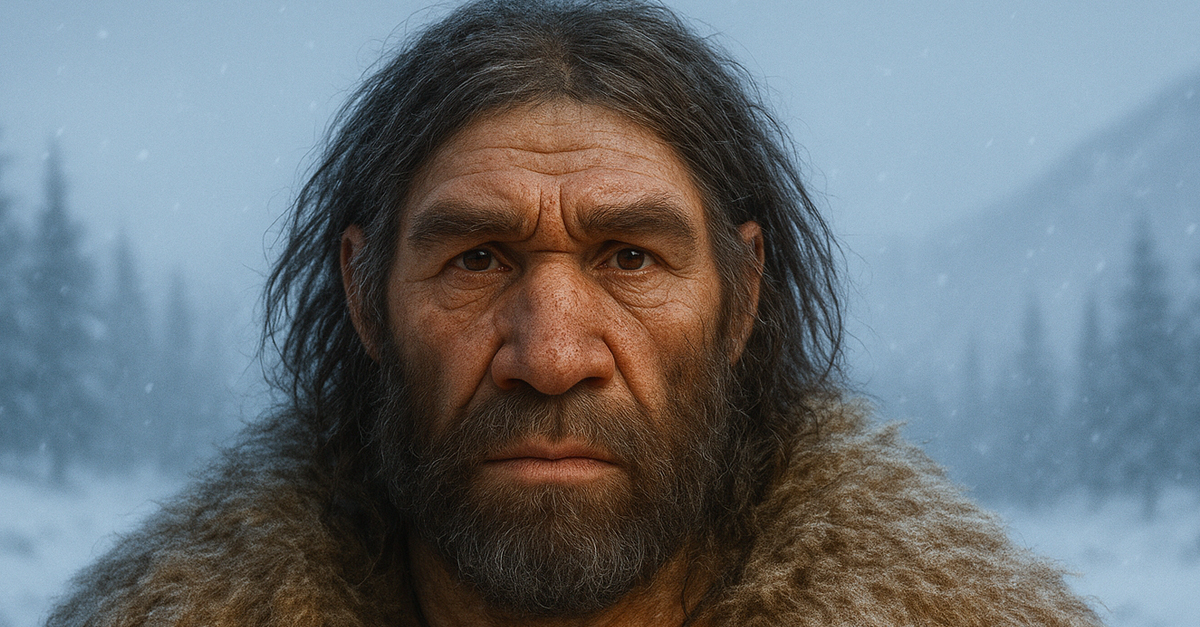
The Last Showdown
For a long time, people thought the Neanderthals vanished after conflict with the better-adapted Homo spaiens. But new research points to a rather more intimate cause for their extinction.
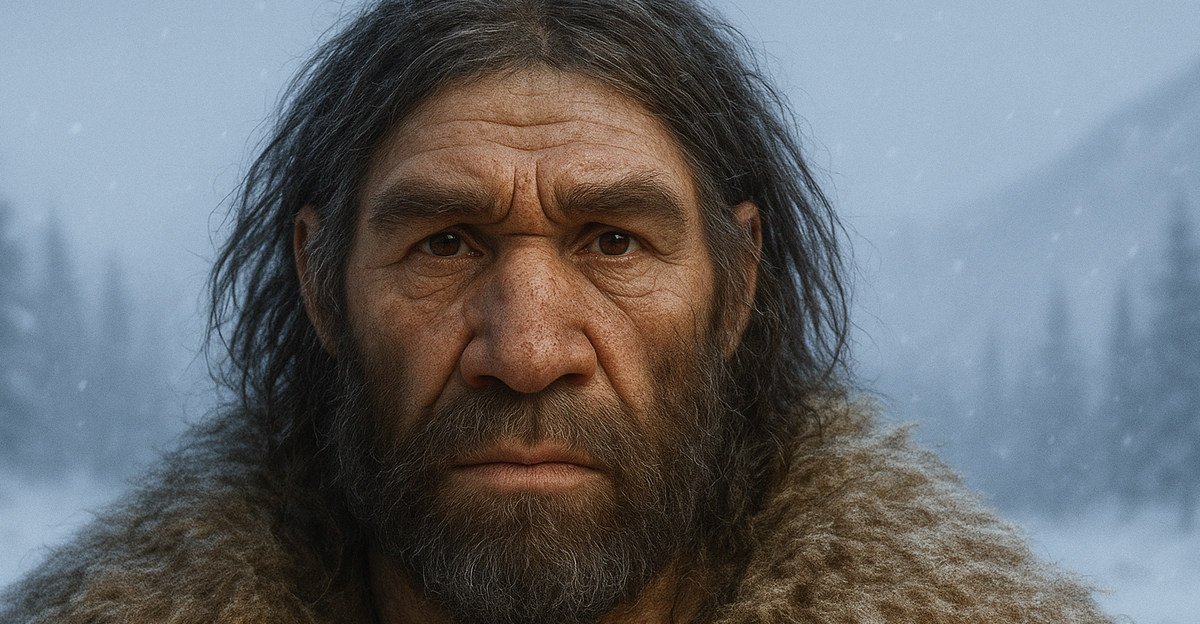
Meet The Heavyweights
Neanderthals were shorter, more sturdily built and adapted for life in cold climates. Their physical build suggests they were well-suited to their environment—even moreso than the Homo sapiens they competed with. Based on bone and muscle mass, the average Neanderthal could outfight the average person today 10 times out of 10.
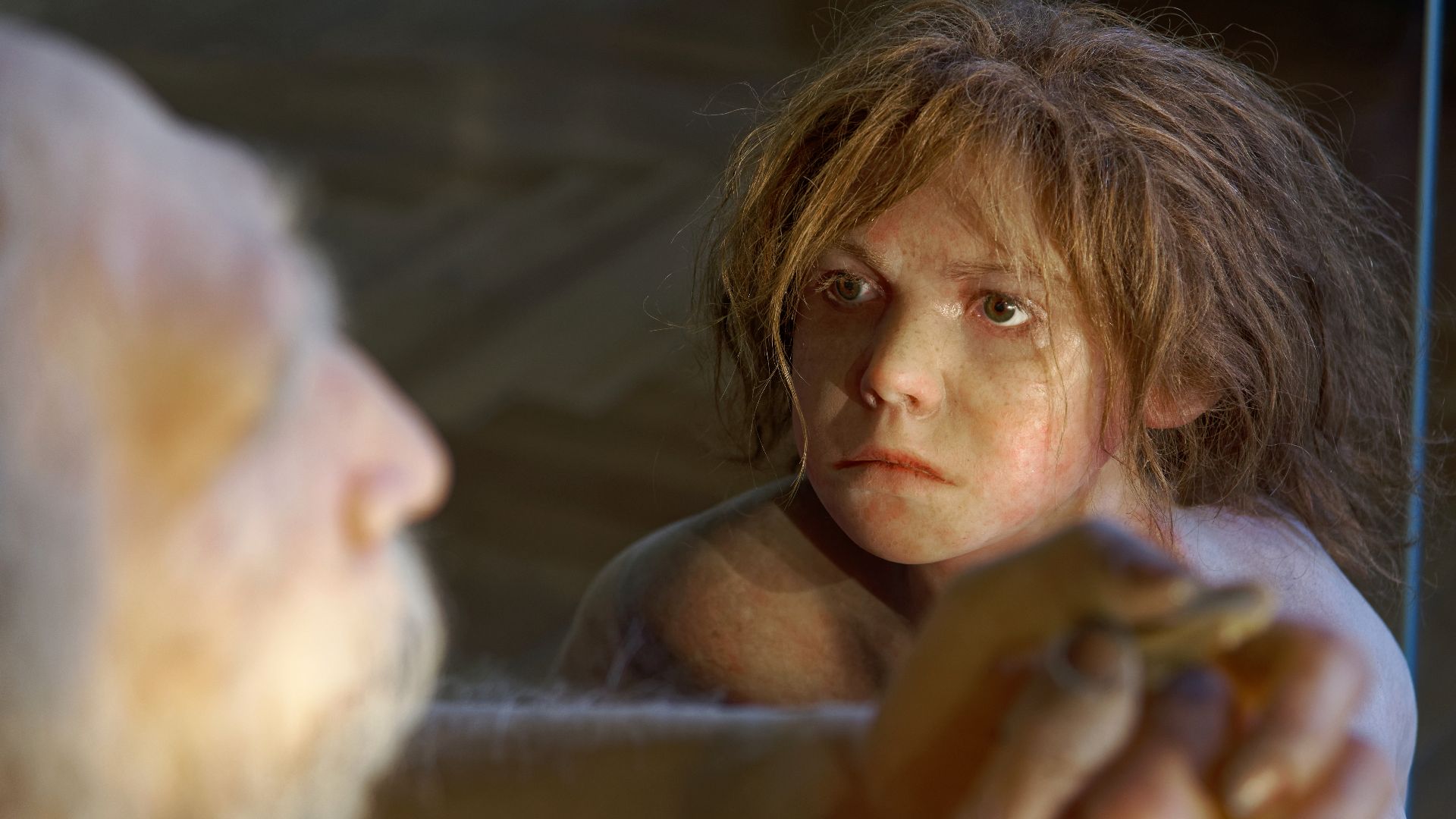 Jakub Hałun, Wikimedia Commons
It Seemed Like It "Made Sense"
The idea that modern humans replaced Neanderthals through war or competition perhaps felt intuitive. Certainly, early archaeological finds suggested modern humans may have had more efficient tools or social networks that would have given them an edge in this hypothetical scenario.
But so far, there is limited empirical evidence for widespread, species-level warfare. The evidence that we do have seems to tell a different story.
 Christopher Campbell, Unsplash
A Surprising Alternative
In 2022, researchers proposed that close interaction between Neanderthals and modern humans is a better explanation for why Neanderthals disappeared. Instead of being wiped out in a long, slow fight for territory, Neanderthals may have been gradually absorbed through repeated interbreeding and demographic change.
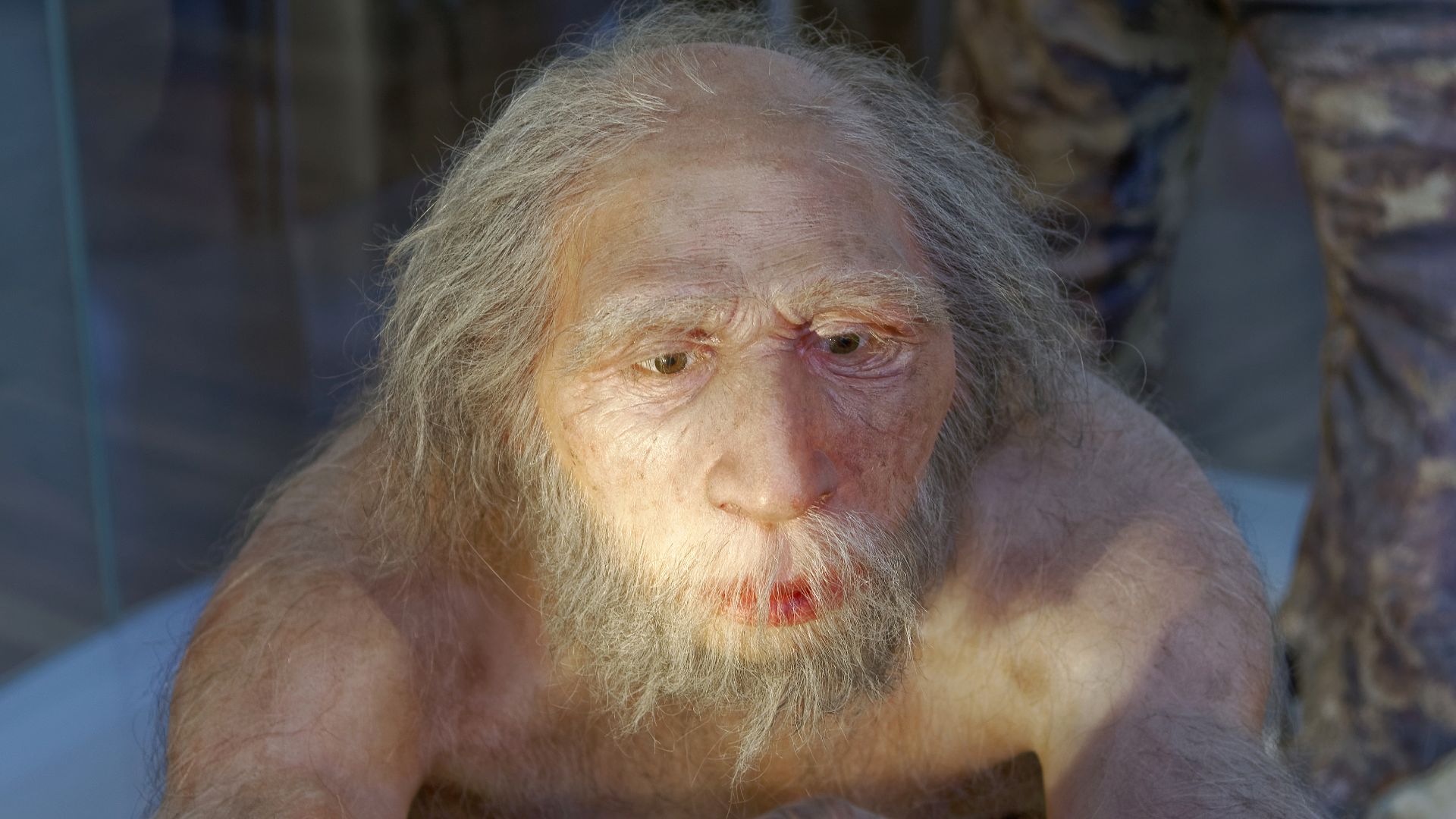 Jakub Hałun, Wikimedia Commons
What Researchers Found
A genetic study led by Chris Stringer and Lucile Crété notes that many modern humans carry about 1-2% Neanderthal DNA, while Neanderthal genomes show only limited evidence of modern human DNA. That imbalance may reflect a process in which Neanderthals became assimilated into a larger population.

What DNA Reveals
It's accepted that most people outside of Africa today still carry fragments of Neanderthal genes. Yet evidence of the the reverse pattern—large amounts of modern human DNA in Neanderthals—is much less clear. We know how they affected us, but we don't know exactly how we affected them.

A Small But Clear Signal
Scientists have sequenced a small number of Neanderthal genomes—including a handful at high coverage—but the dataset is still limited—40,000 years extinct will do that. Even so, the pattern of asymmetric gene flow (more Neanderthal genes going to modern humans than modern human genes going to Neanderthals) is consistent in the findings.
The Demographic Drain
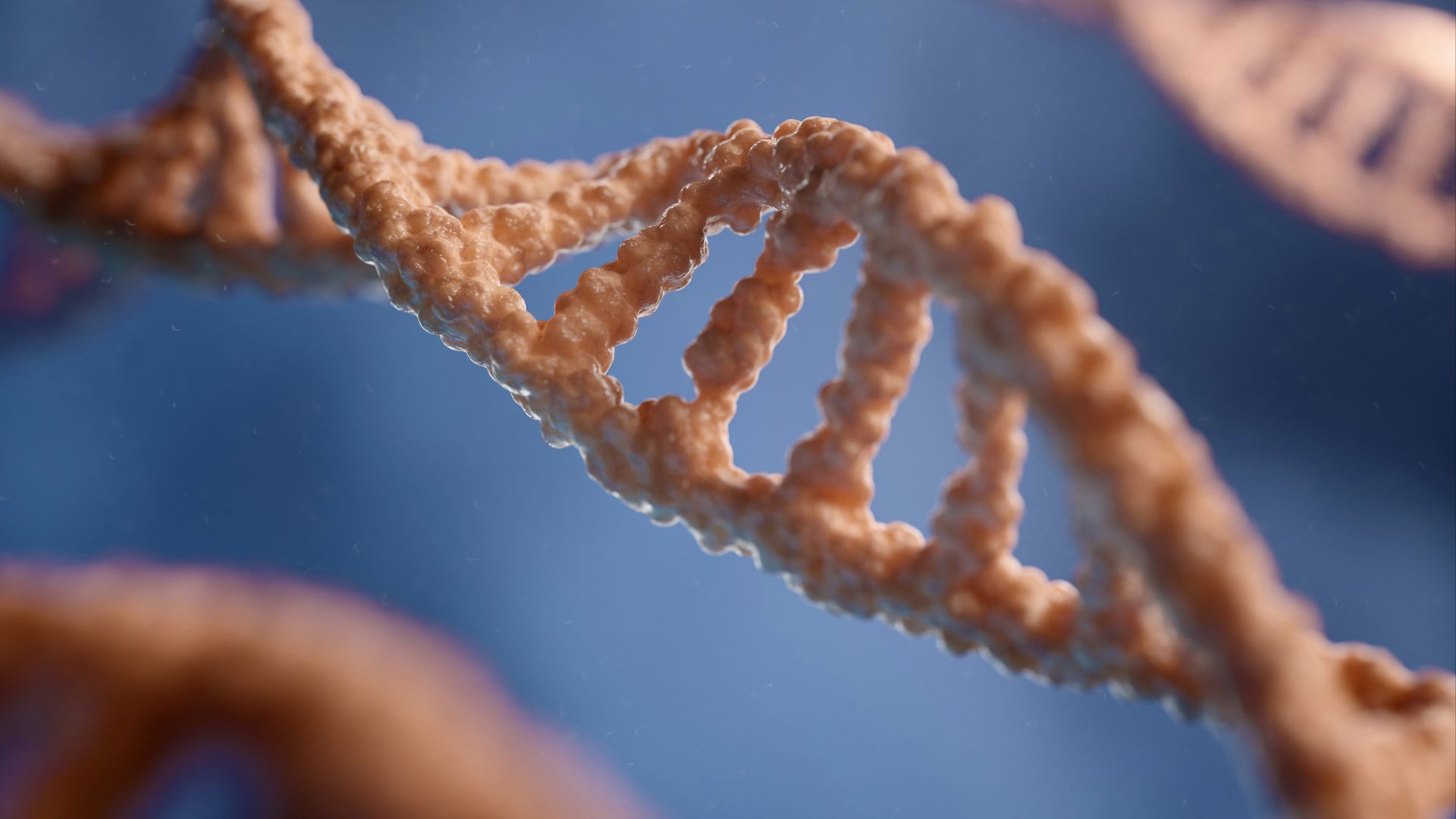
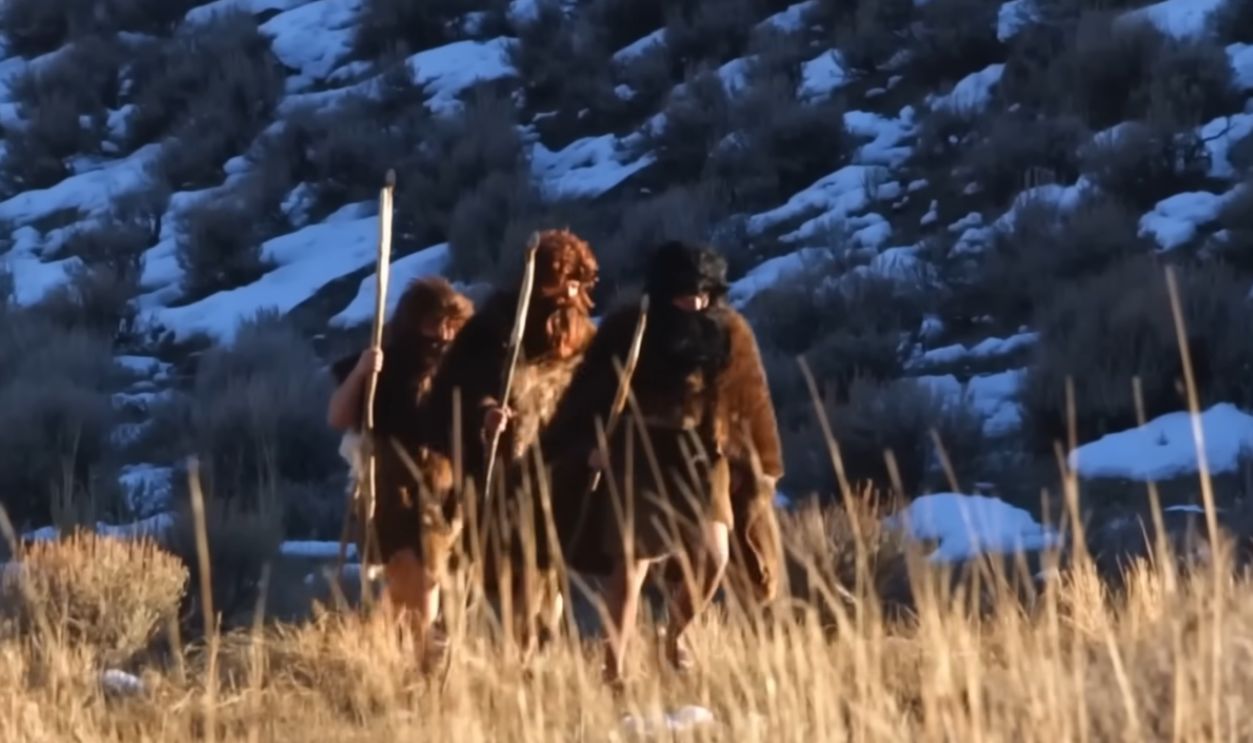
Imagine a small Neanderthal group repeatedly mixing with a larger Homo sapiens population over time. Each generation would produce fewer purely Neanderthal offspring. Over many generations, this gradual blending could reduce the number of distinct Neanderthal-only lineages.
 Neanderthals Were Absolute Freaks Of Nature, ExtinctZoo
Was There Still Conflict?
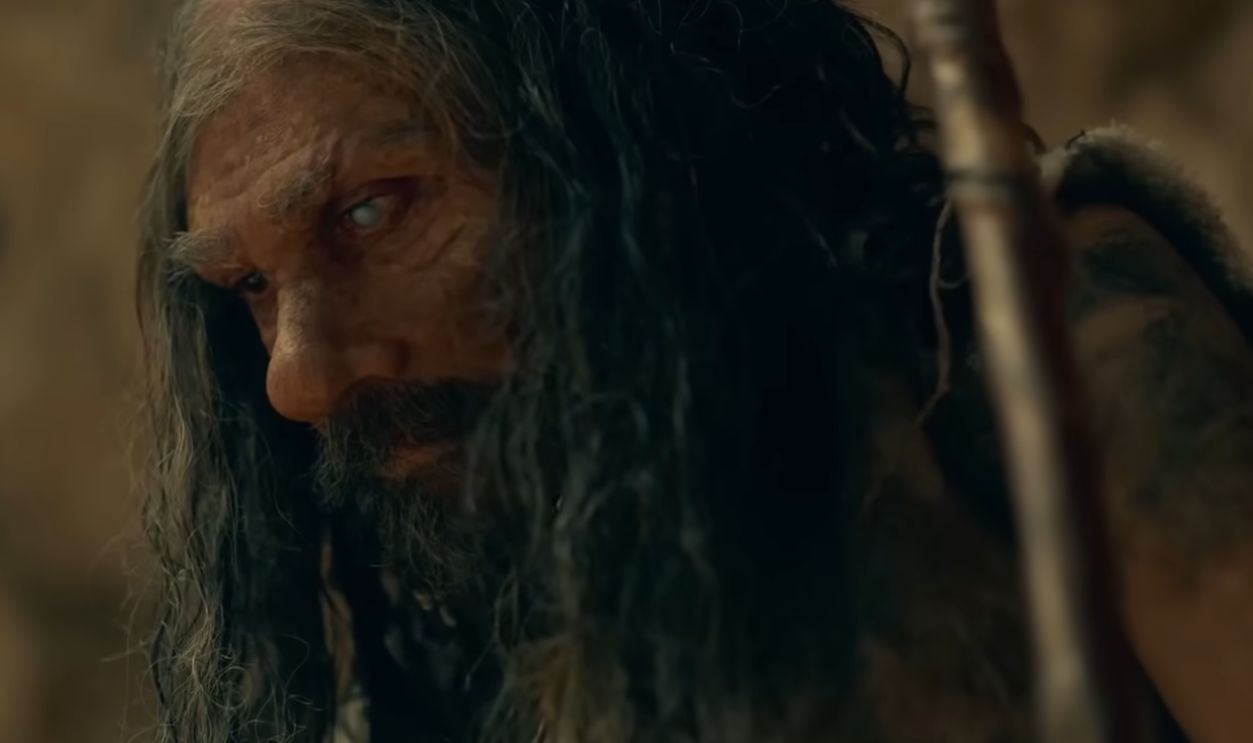
Undeniably, some competition, tension or violence likely occurred between the two species of human, given overlapping ranges. Animals are animals, and animals compete for resources. But the evidence suggests these encounters were far from the primary driver of Neanderthal disappearance.
 Neanderthals Were Absolute Freaks Of Nature, ExtinctZoo
Trouble From Within
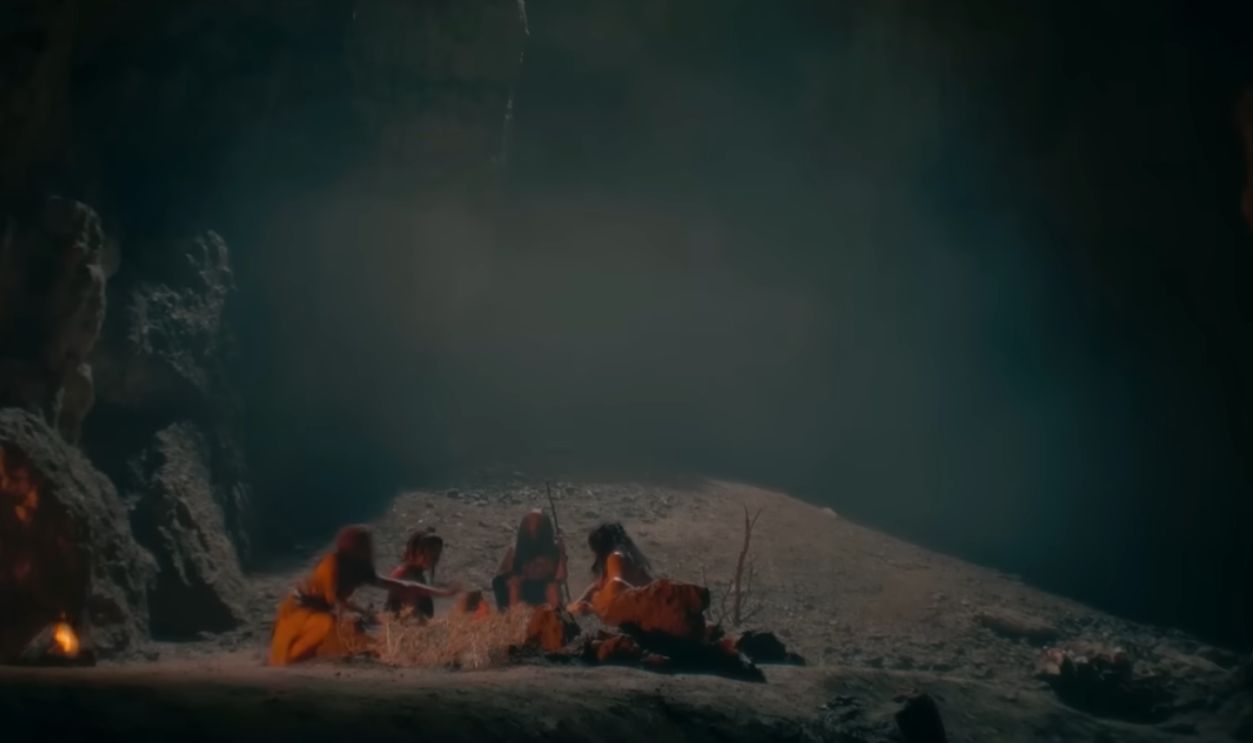
Neanderthal genetic data shows that they often lived in small, isolated groups with low genetic diversity. These conditions likely made them more vulnerable to changes in environment or population size.
 Neanderthals Were Absolute Freaks Of Nature, ExtinctZoo
The Cold And Cruel Climate
Neanderthals lived through periods of rapid climate change during the Ice Age. Events like cold snaps and retreating habitats likely reduced food supply and added strain to their populations.
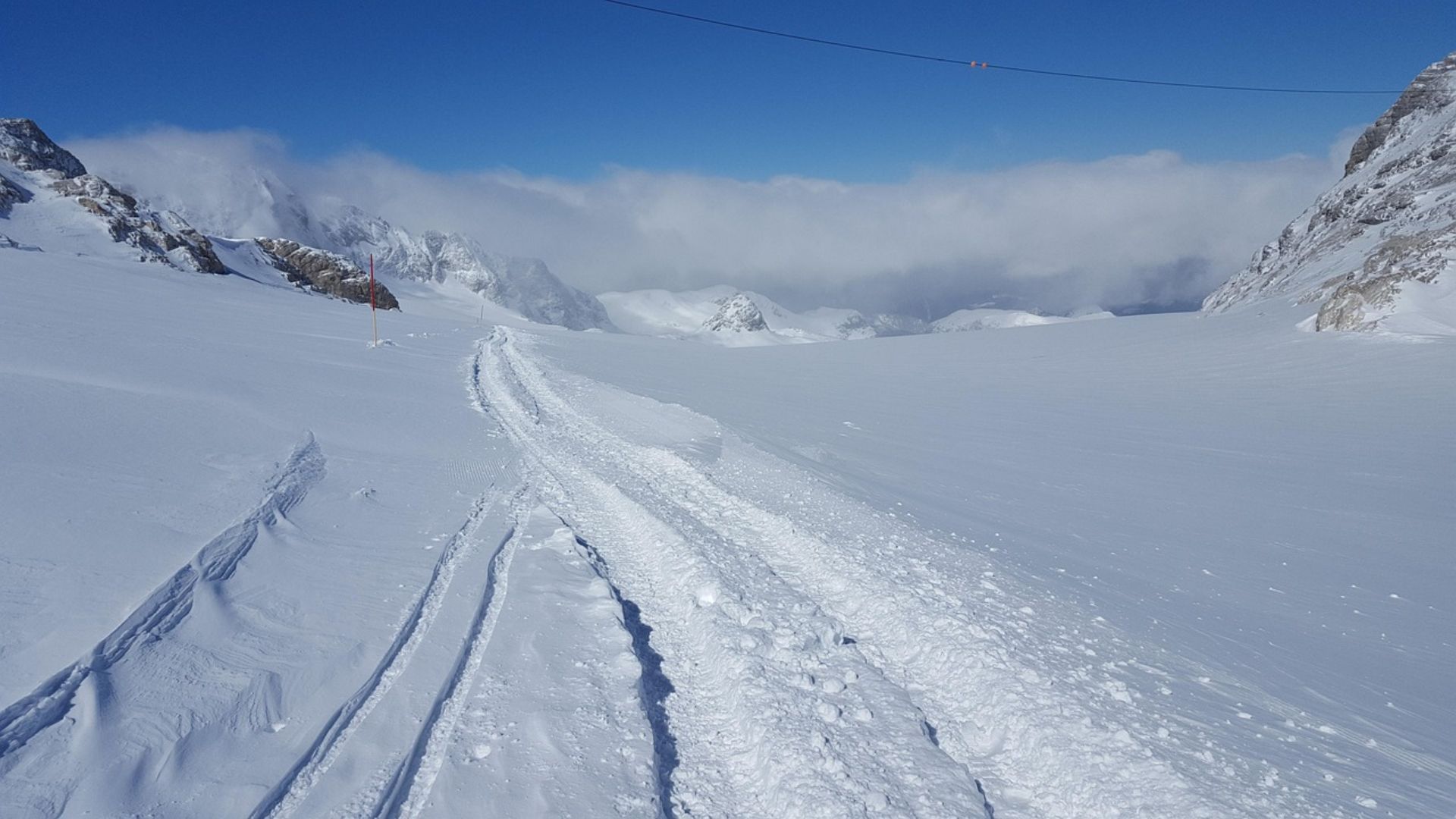
The Timeline Of Decline
Neanderthals disappeared from much of Europe by roughly 39,000–41,000 years ago, though they may have survived in isolated pockets a little longer. This timing overlaps with the growing presence of modern humans in the region.
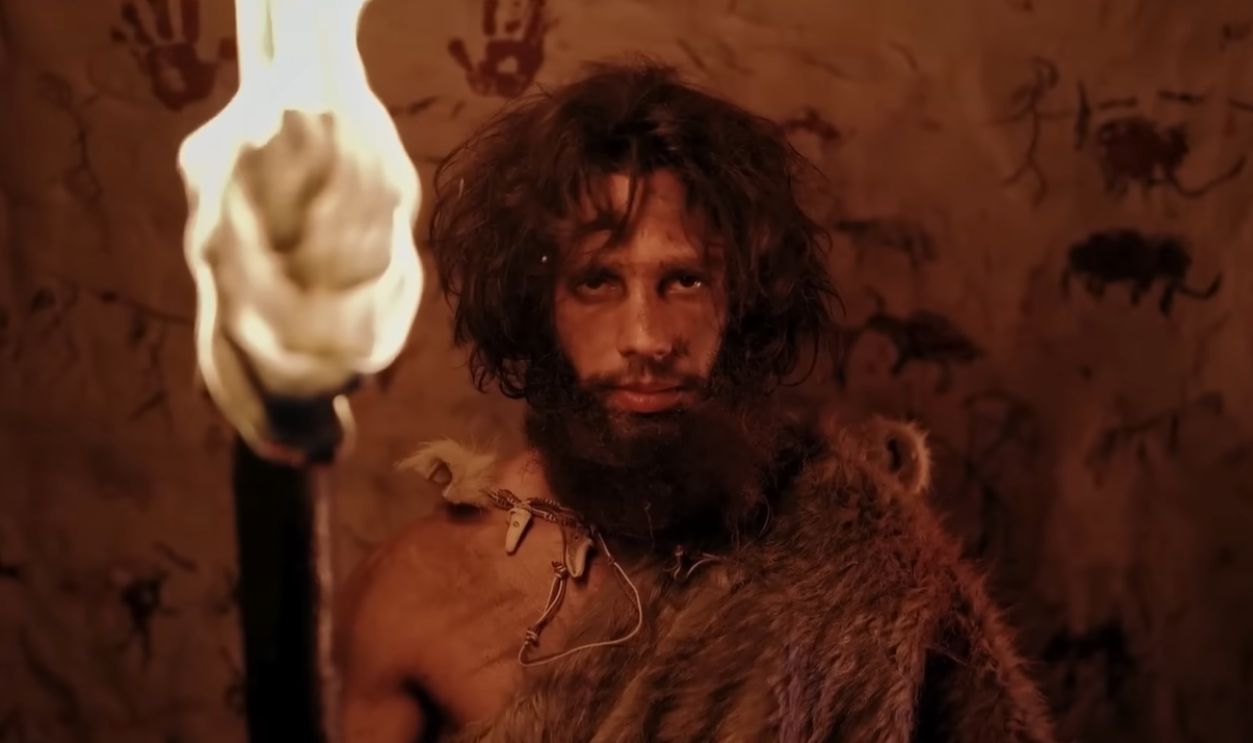 Neanderthals Were Absolute Freaks Of Nature, ExtinctZoo
The Evidence Trail
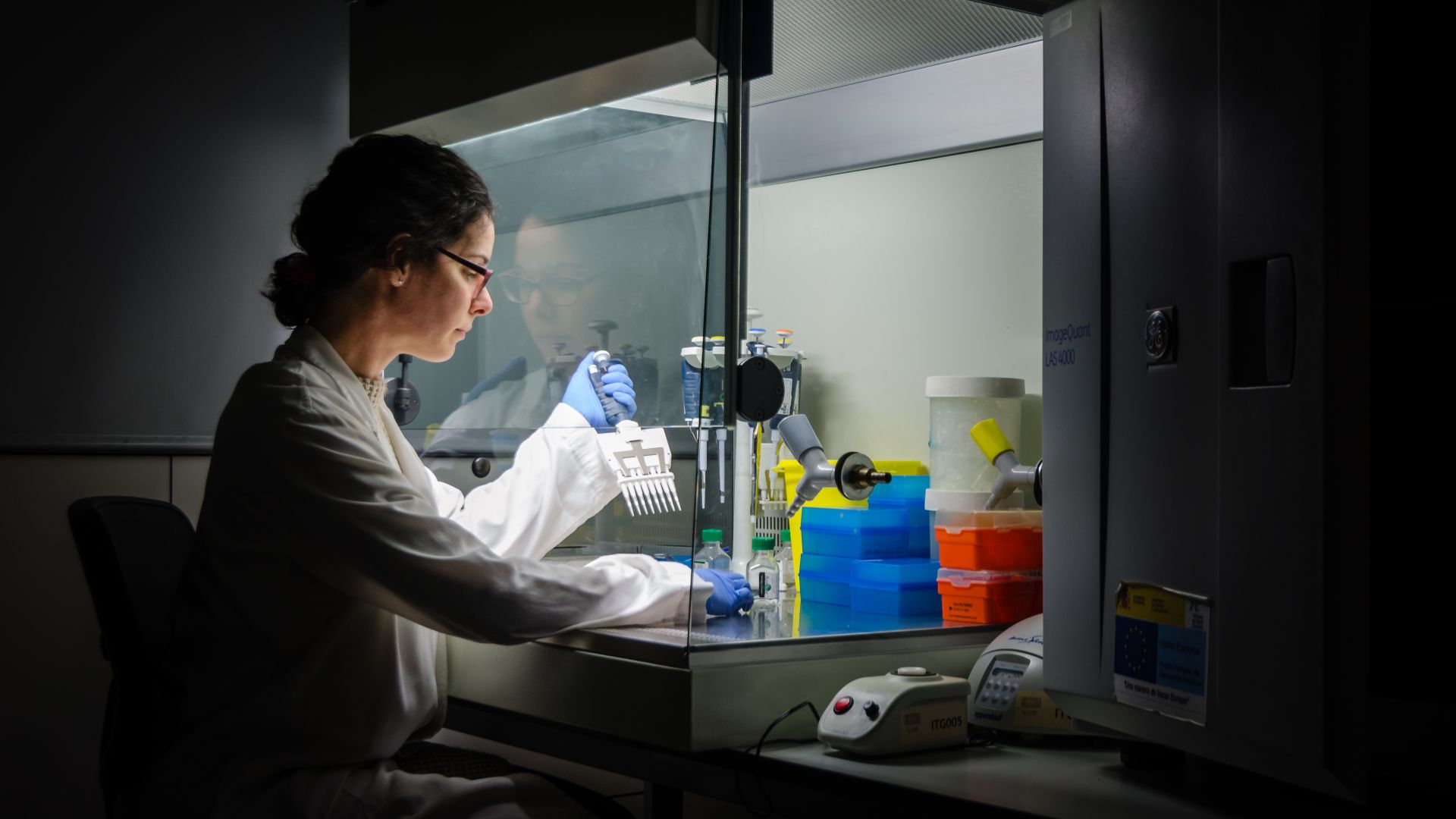
The interbreeding hypothesis is supported by ancient DNA studies and fossil analyses. Advances in genome sequencing during the 2010s and early 2020s allowed scientists to detect subtle patterns of interaction.

A World On The Move
Modern humans left Africa around 60,000 years ago and moved into parts of Eurasia already inhabited by Neanderthals. These encounters created opportunities for interaction, mixing and competition.
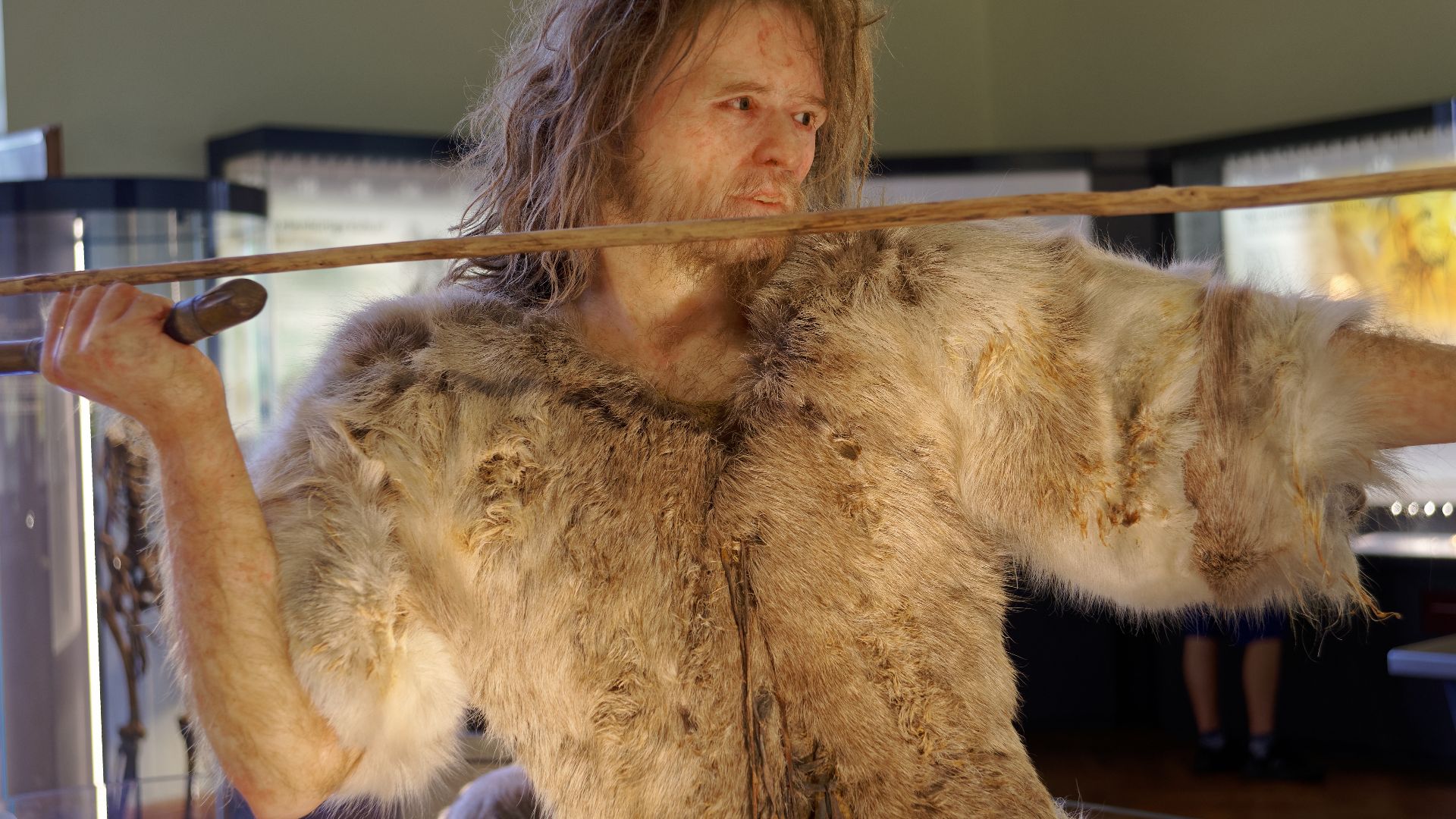 Jakub Hałun, Wikimedia Commons
More Than One Encounter
Genetic studies suggest multiple episodes of interbreeding—an earlier episode more than 100,000 years ago and a major window of contact around 50,000 years ago. These genetic exchanges left lasting traces in modern human populations.
What was happening in the world that brought these two species of humanity togther these two disparate times?
The Appeal Of The Battle Story
It is easy to imagine two human species fighting for dominance. That narrative fits old evolutionary ideas of “survival of the fittest,” but current evidence shows, as it so often does, that the story was more nuanced.
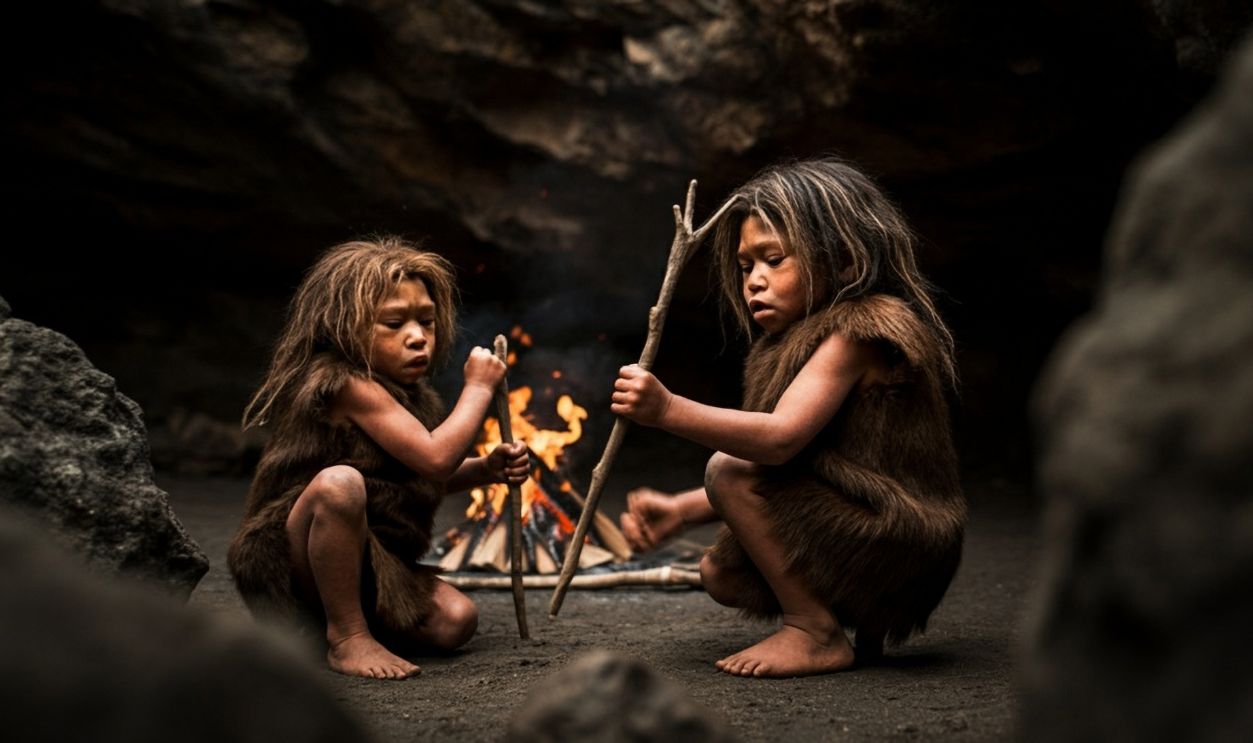
Why The Blending Model Works
The interbreeding explanation aligns with genetic evidence and does not depend solely on the neat explanation of conflict or outright warfare. It reveals a model for human extinction that can happen through demographic, genetic, and environmental processes operating together.
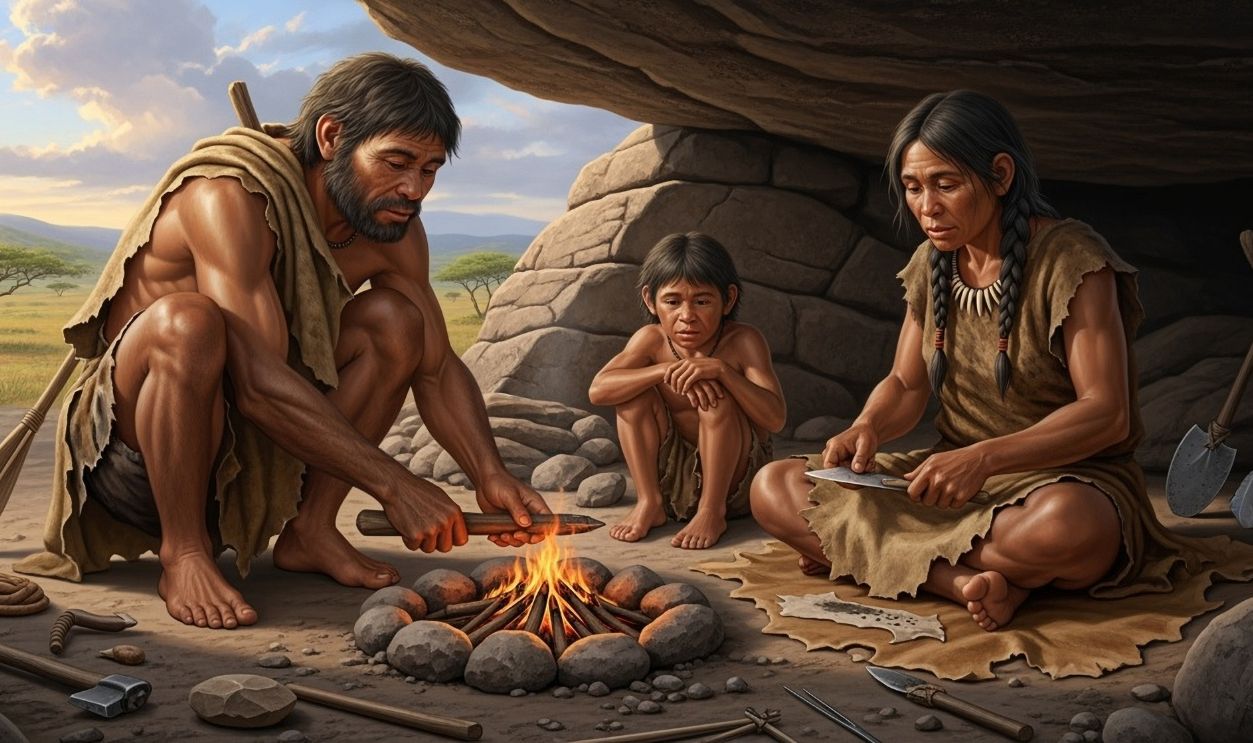
Keep The Caveats In Mind
It must be noted that this model depends on assumptions about population sizes, rates of interbreeding and the fertility outcomes of hybrids—and these remain uncertain. There are also some researchers who emphasise that climate change, disease and competition most likely outweighed the genetic factors.
 A Neanderthal Odyssey: Everything We Know about the Neanderthals, NORTH 02
Competition Still Counts
Modern researchers use modern tools. Computer simulations of Ice Age populations suggest that competition for resources could have helped push Neanderthals toward decline. Modern humans may have had advantages in mobility, innovation or social networks that contributed to their expansion.

One-Sided Gene Flow
Genomic patterns such as reduced Neanderthal ancestry on the X-chromosome and absence of Neanderthal Y-chromosomes in modern humans suggest sex-bias or selection—but the mechanism remains unresolved. However, these observations hint at complex biological interactions rather than simple conquest.
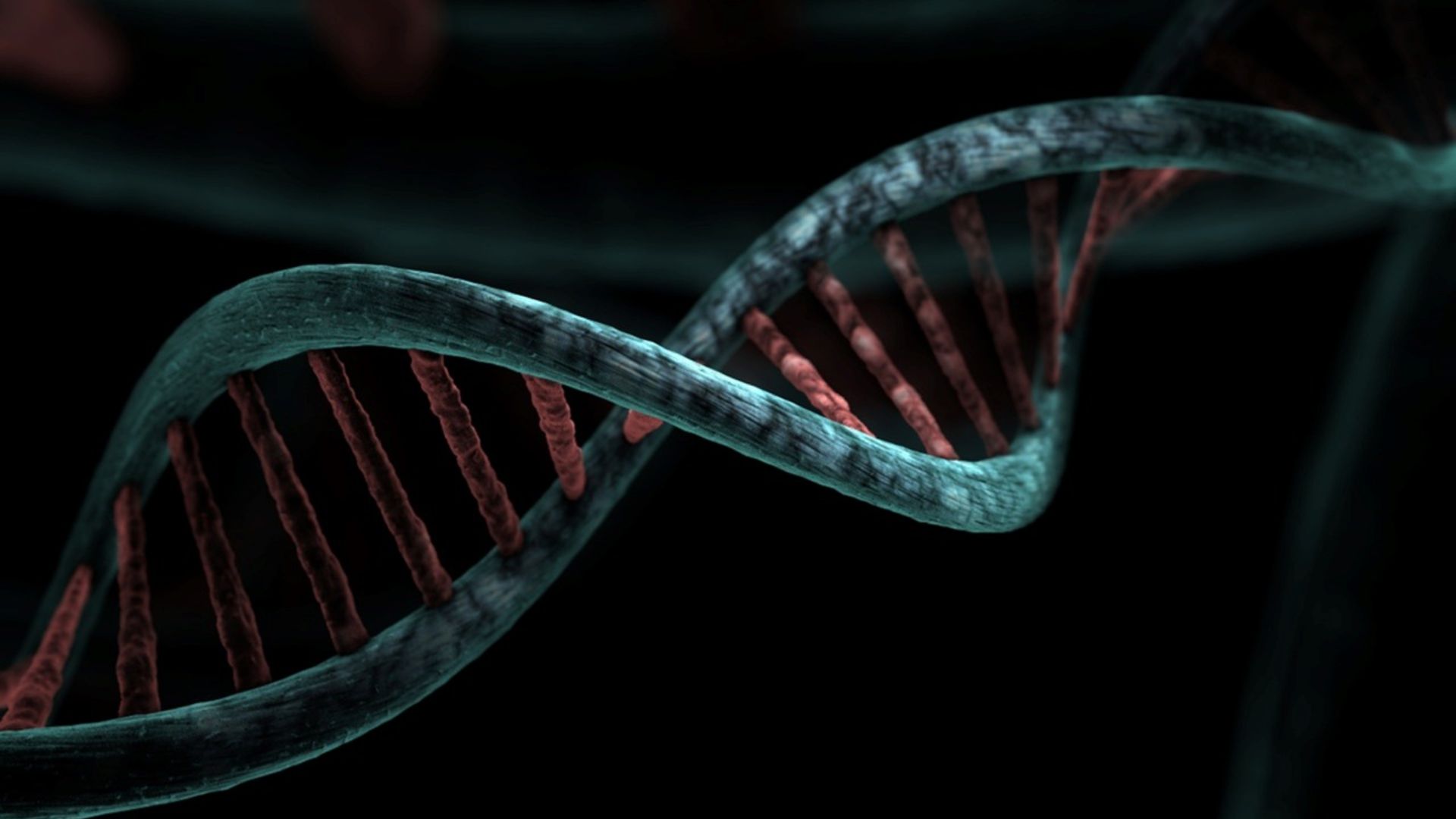
Traces That Live On
The Neanderthal genes still present in modern humans influence traits such as immunity, skin characteristics and metabolism. Through these genetic legacies, Neanderthals remain part of our evolutionary story.
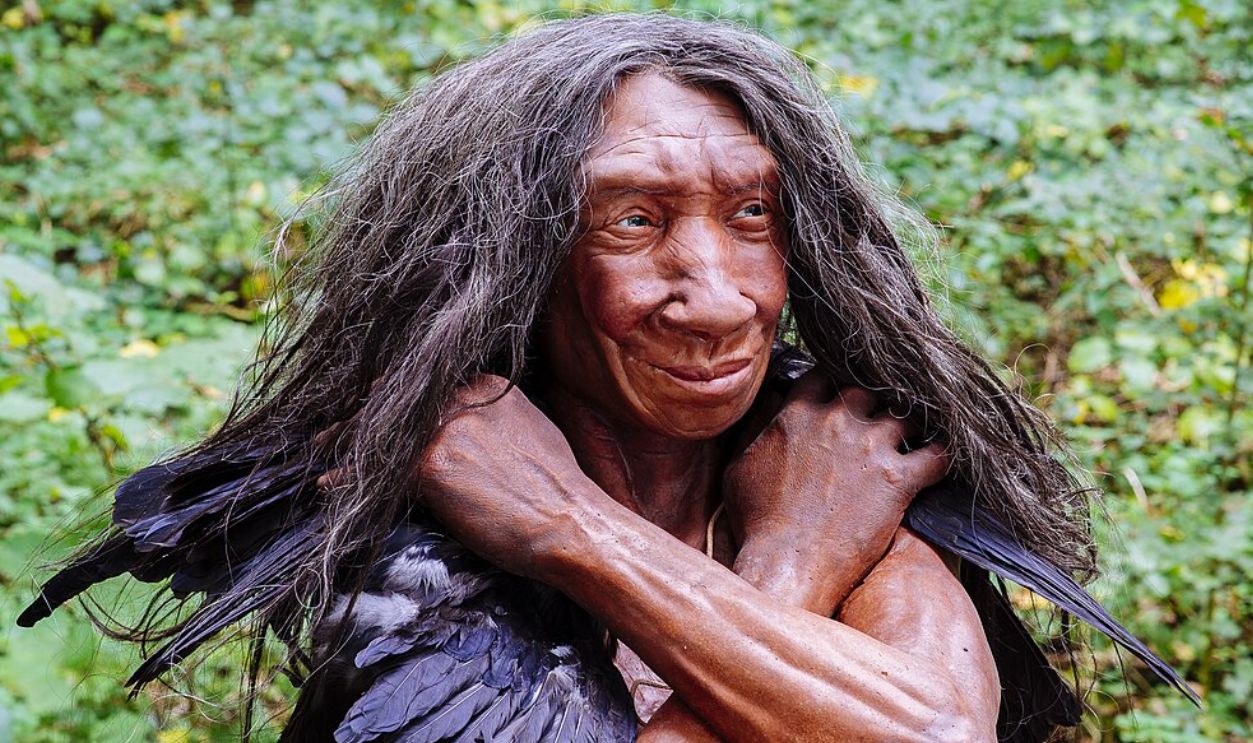 Neanderthal-Museum, Mettmann, CC BY-SA 4.0, Wikimedia Commons
Lessons From Extinction
The disappearance of Neanderthals seems to show that extinction is not always driven by violence or conquest. Small populations can vanish through isolation, genetic assimilation, and environmental strain even without large-scale warfare that we Homo sapiens seem to dream of.
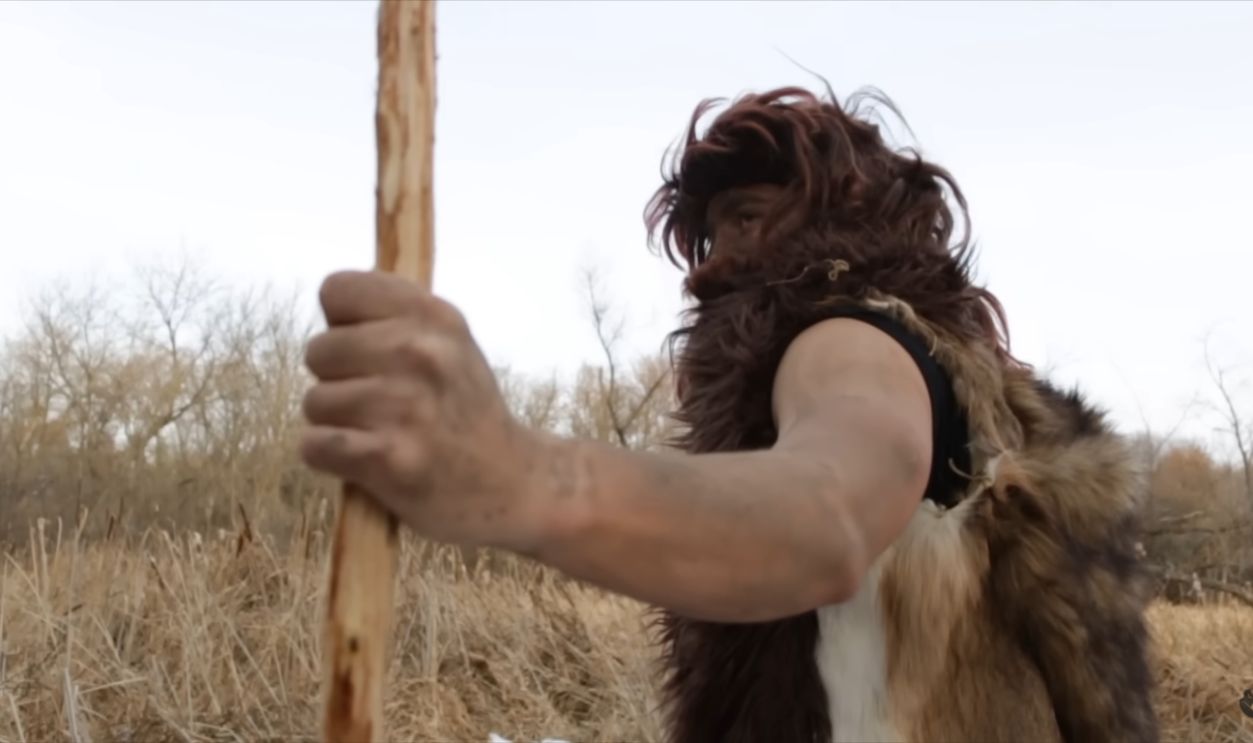 A Neanderthal Odyssey: Everything We Know about the Neanderthals, NORTH 02
Rethinking The Picture
Rather than one species crushing another, imagine two human groups gradually overlapping, interacting, and blending over time. In this view, Neanderthals did not fall in a grand battle. Rather, they faded through contact and connection.
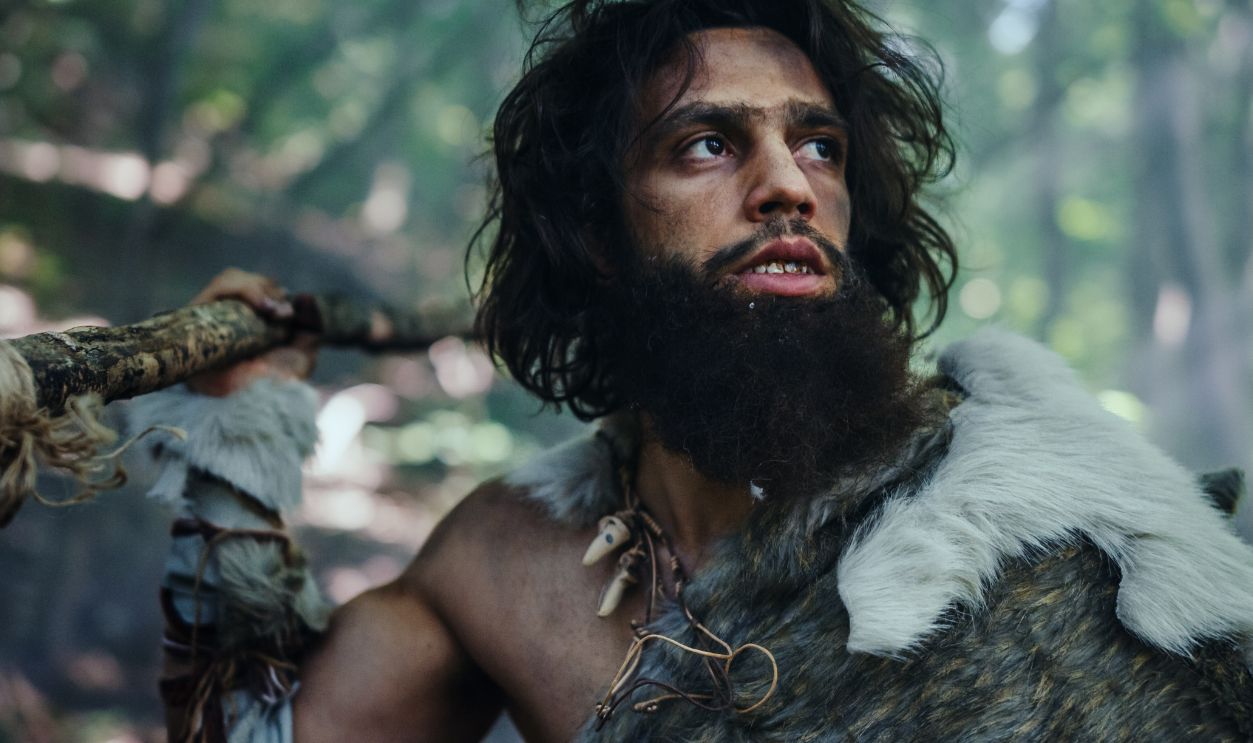
Quick Facts To Remember
- Neanderthals were robust, cold-adapted humans.
- Modern humans carry about 1-2 % Neanderthal DNA.
- Low Neanderthal population sizes, isolation and climate stress made recovery difficult.
- Interbreeding likely contributed to the reduction of distinct Neanderthal lineages.
- The story is one of merging populations and shared ancestry—not straightforward conquest.
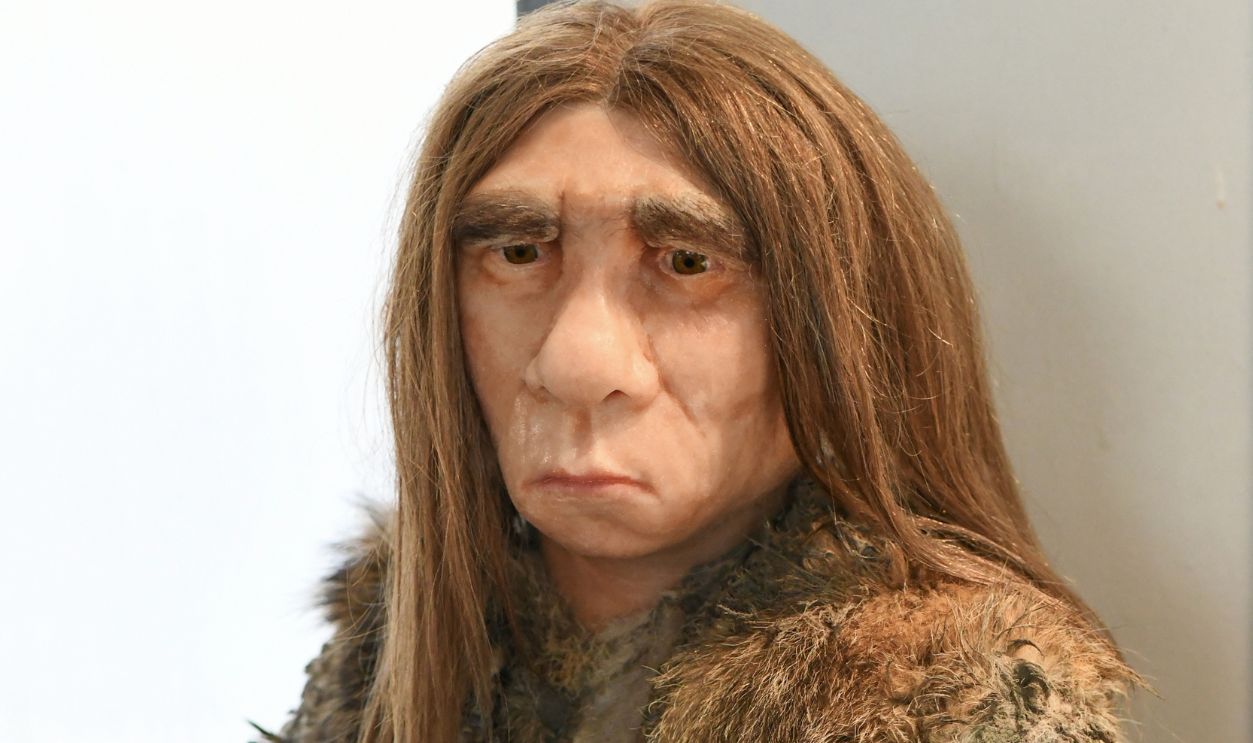
Their End Is Our Beginning
As did every other human species with whom we ever shared the Earth, Neanderthals totally disappeared as a distinct group. But their DNA lives on in nearly all people outside Africa—and actually, to a lesser extent in some African populations through back-migration.
Their legacy reminds us that human history is intricate: extinction and survival can intertwine, and our origins are not only about competition.
You May Also Like:
Photos Of The Ancient Tribe Whose Handmade Creations Outlasted Empires
Archaeologists Find Ancient God In A Sewer
 sick-street-photography, Pixabay










.jpg)