
History Almost Lost Them.
From shipwrecks and burning libraries to wars, floods, thefts, and centuries of neglect, these remarkable objects endured disasters that should have erased them. Their survival gives us a rare, tangible connection to the people and events of the past.
Fire Could Not Silence Ashurbanipal’s Library
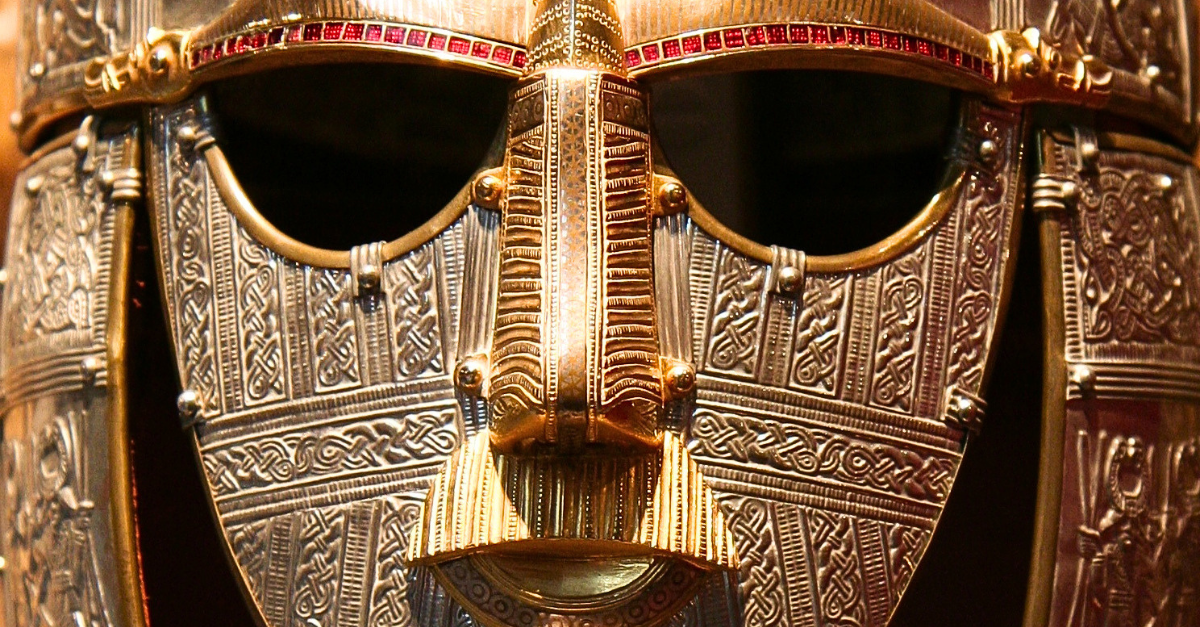
King Ashurbanipal spent the seventh century BCE building a royal library at Nineveh and sending scholars to gather Mesopotamian texts. When the city fell in 612 BCE, fire devastated the palace complex, but clay proved much harder to erase than parchment. One surviving Flood Tablet remains visibly fire-damaged and partly vitrified, while nearly 32,000 tablets and fragments from the wider collection have endured. In a remarkable twist, the catastrophe that ended an empire helped preserve its words.
Looters Nearly Lost The Nebra Sky Disc
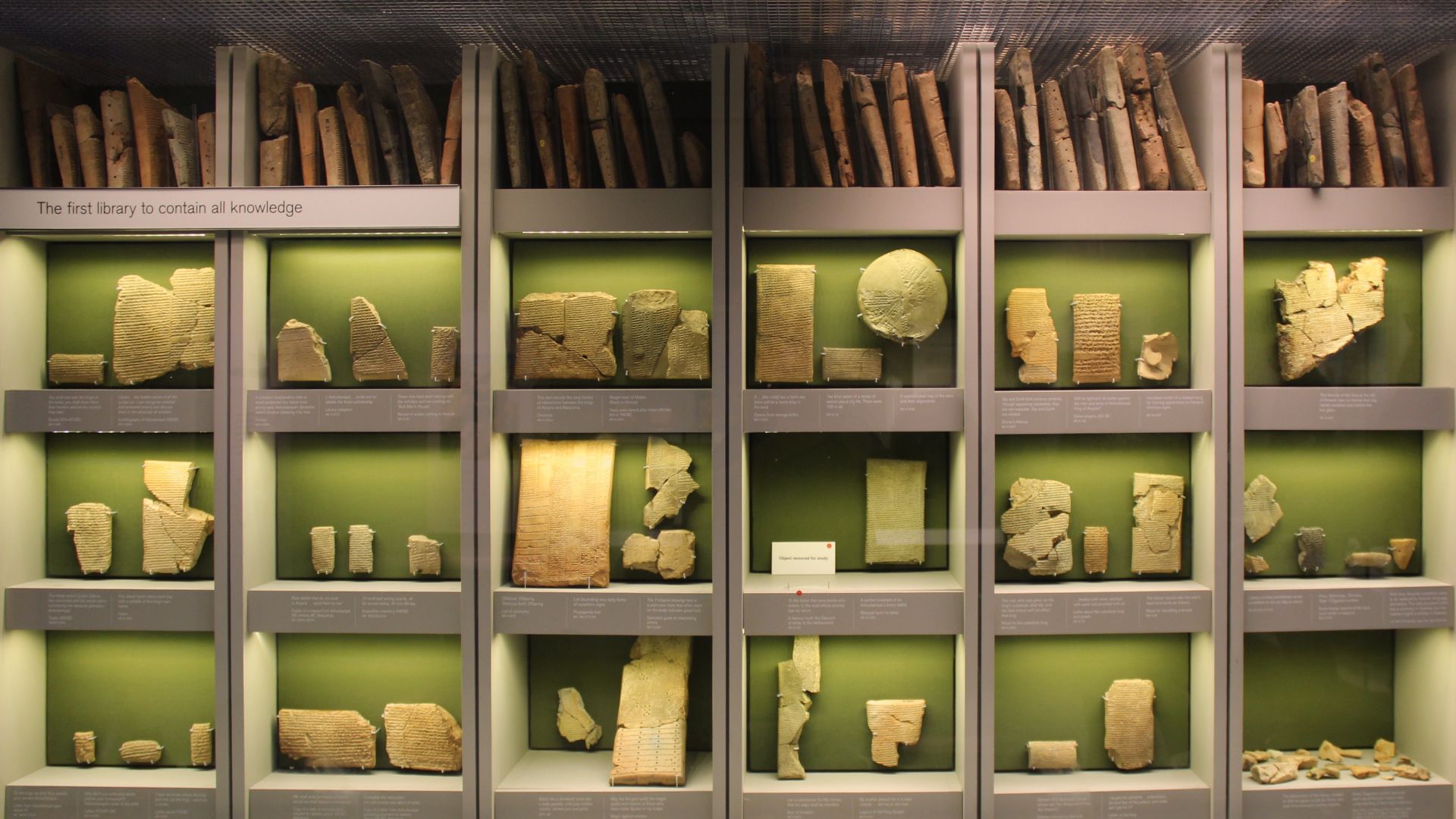
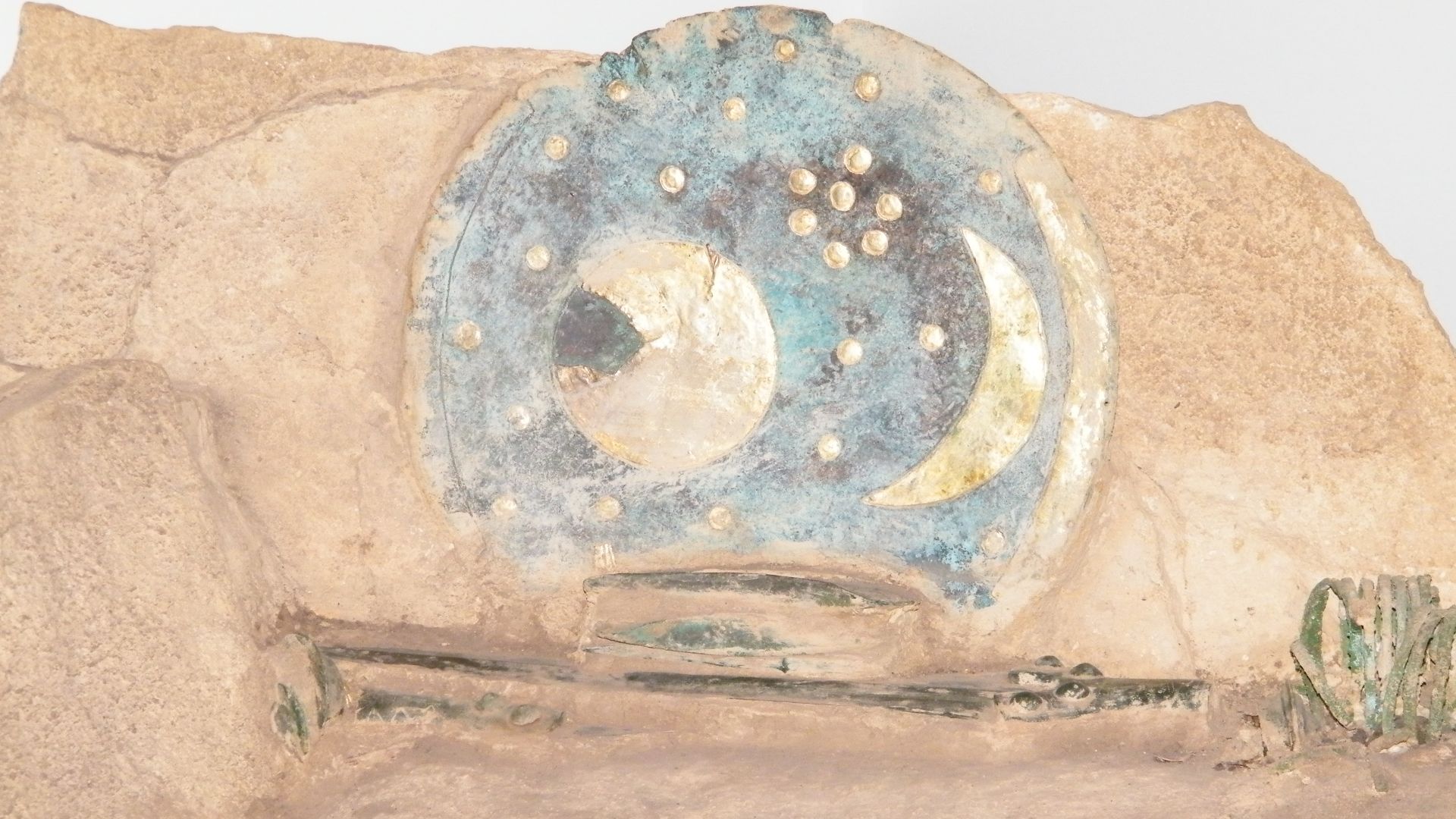
The next object survived people rather than fire. Looters illegally dug up the roughly 3,600-year-old Nebra Sky Disc in Germany in 1999 and removed it without archaeological documentation. Police recovered the bronze disc in 2002, allowing experts to study its gold images of celestial bodies and return it to public ownership. What could have disappeared into a private collection is now recognized as one of Europe’s most important prehistoric finds.
The Sea Ate The Antikythera Mechanism
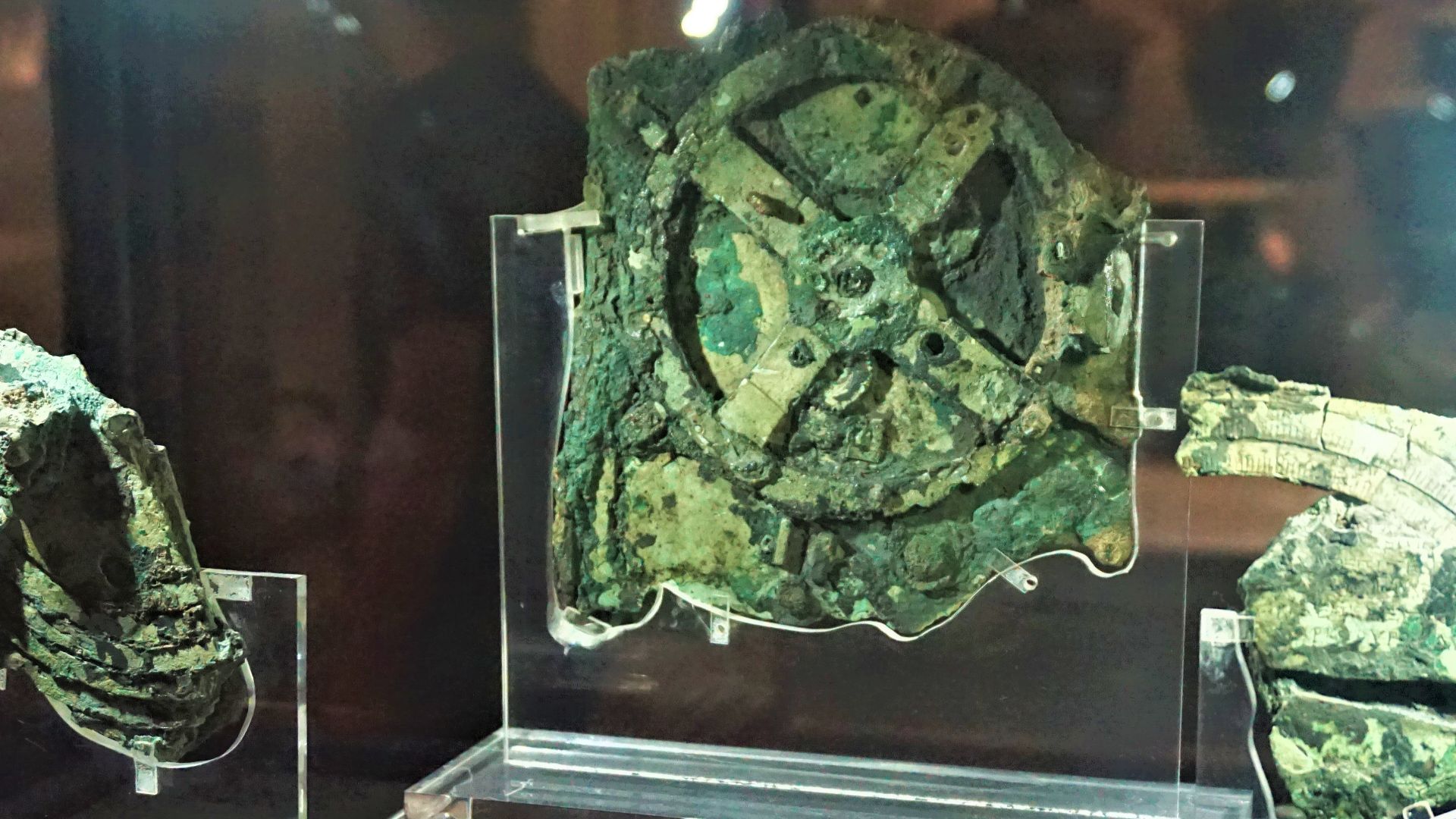
From an illegal excavation, the story drops beneath the Mediterranean. Divers recovered fragments of the Antikythera Mechanism from an ancient shipwreck during expeditions in 1900 and 1901. Corrosion consumed the bronze so thoroughly that some fragments no longer contain a solid metal core, yet valuable details survived within the corrosion layers. Those battered remains allowed researchers to investigate an extraordinarily complex ancient geared device instead of losing it completely to the sea.
 Joyofmuseums, Wikimedia Commons
Desert Caves Sheltered The Dead Sea Scrolls
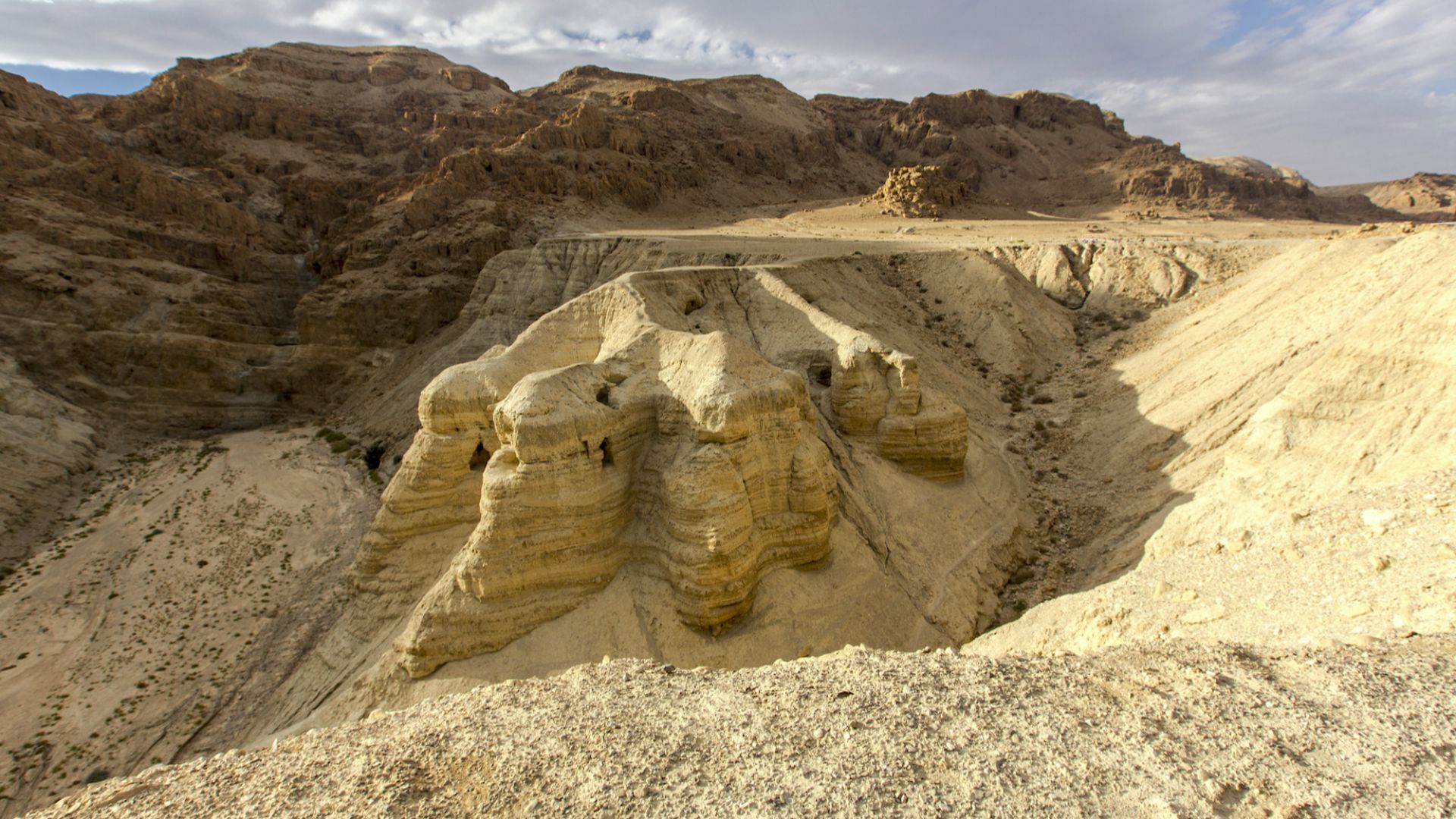
Dry caves provided the opposite kind of protection. The Dead Sea Scrolls survived for more than two millennia because the caves around the Dead Sea offered arid conditions and relatively stable temperature and humidity. After their discovery beginning in 1947, exposure to new environments caused rapid deterioration, while early repairs using tape and glass created additional damage. Modern conservators now control light, climate, and handling to protect manuscripts that nature preserved better than some of their first caretakers did.
Thousands Of Fragments Became Imperial Chariots
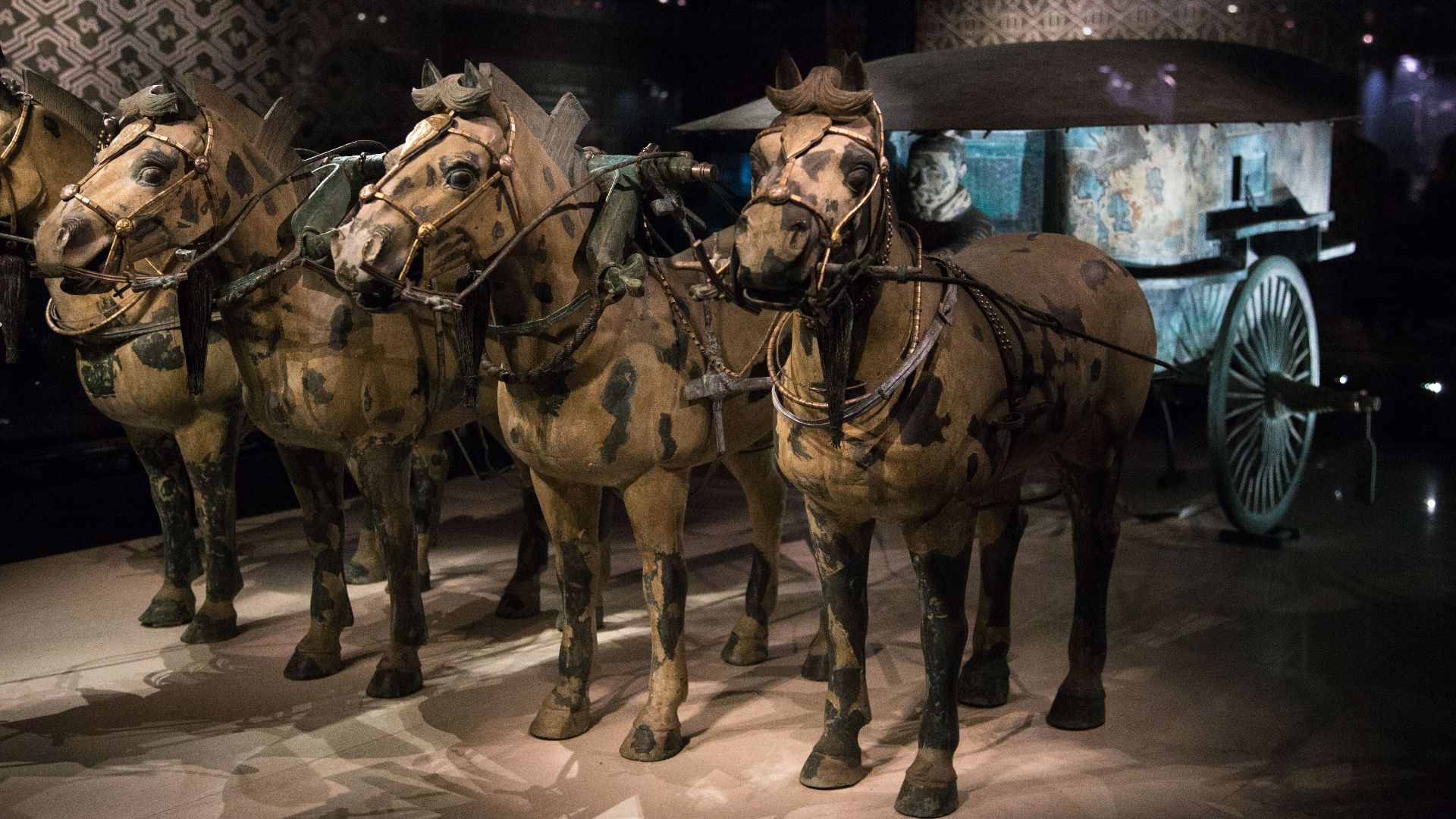
Burial preserved another masterpiece, but it did not leave the object intact. Two bronze chariots and their horses were excavated near the mausoleum of China’s first emperor in 1980 after being found in more than 3,000 fragments. Conservators spent eight years reassembling thousands of individual components into two elaborate imperial vehicles. Their survival depended as much on modern patience as on the ancient tomb that protected their pieces.
A Birthday Invitation Waited Beneath A Roman Fort
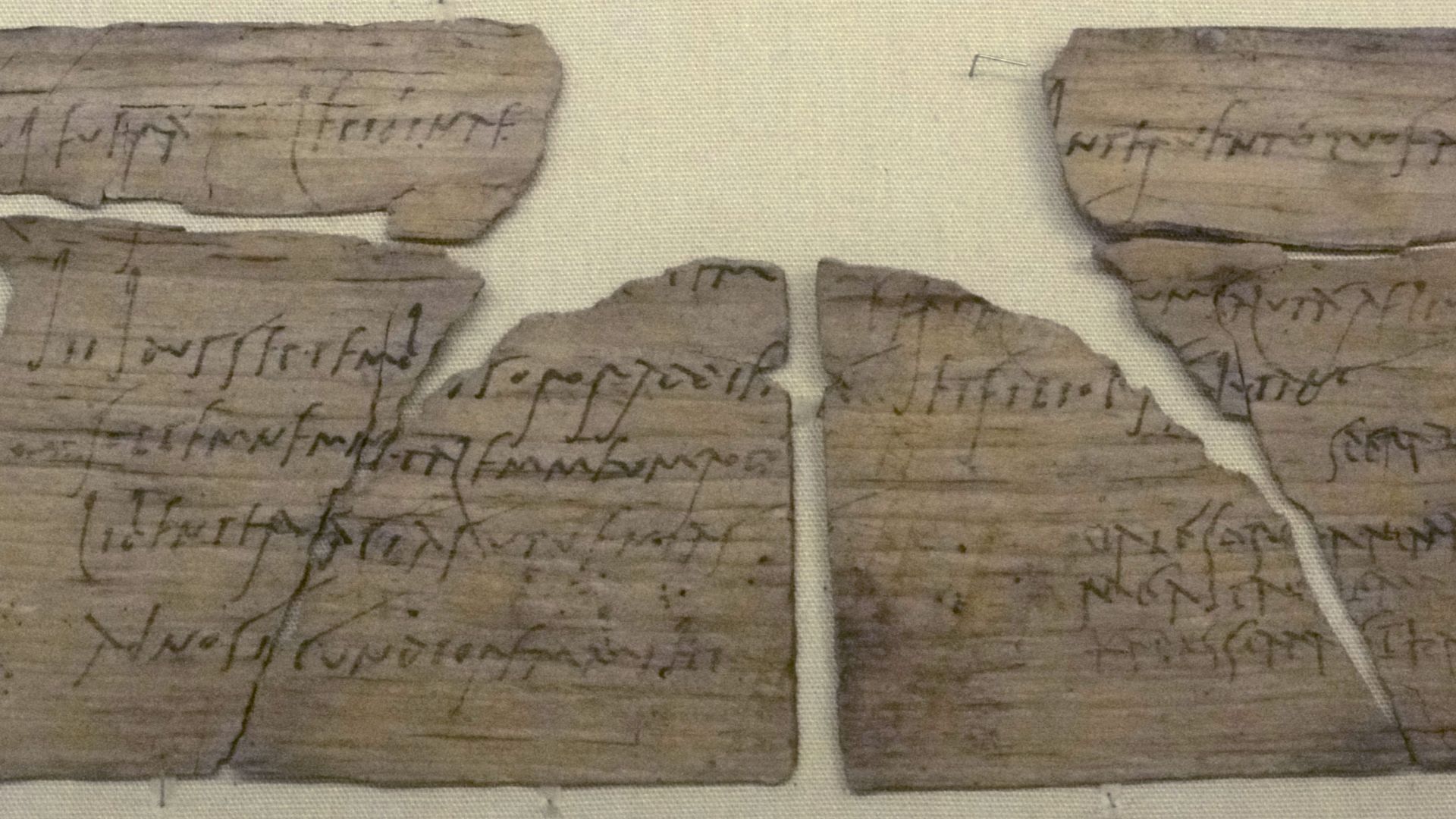
Some survivors are powerful precisely because they are ordinary. At Vindolanda in northern England, Roman rebuilding sealed discarded wooden tablets beneath clay, turf, and plant material, creating wet conditions with little oxygen or bacterial activity. One tablet preserves Claudia Severa’s invitation to Sulpicia Lepidina for a birthday celebration, including a personal closing written in a second hand. A casual note between two women survived where countless grander Roman documents disappeared.
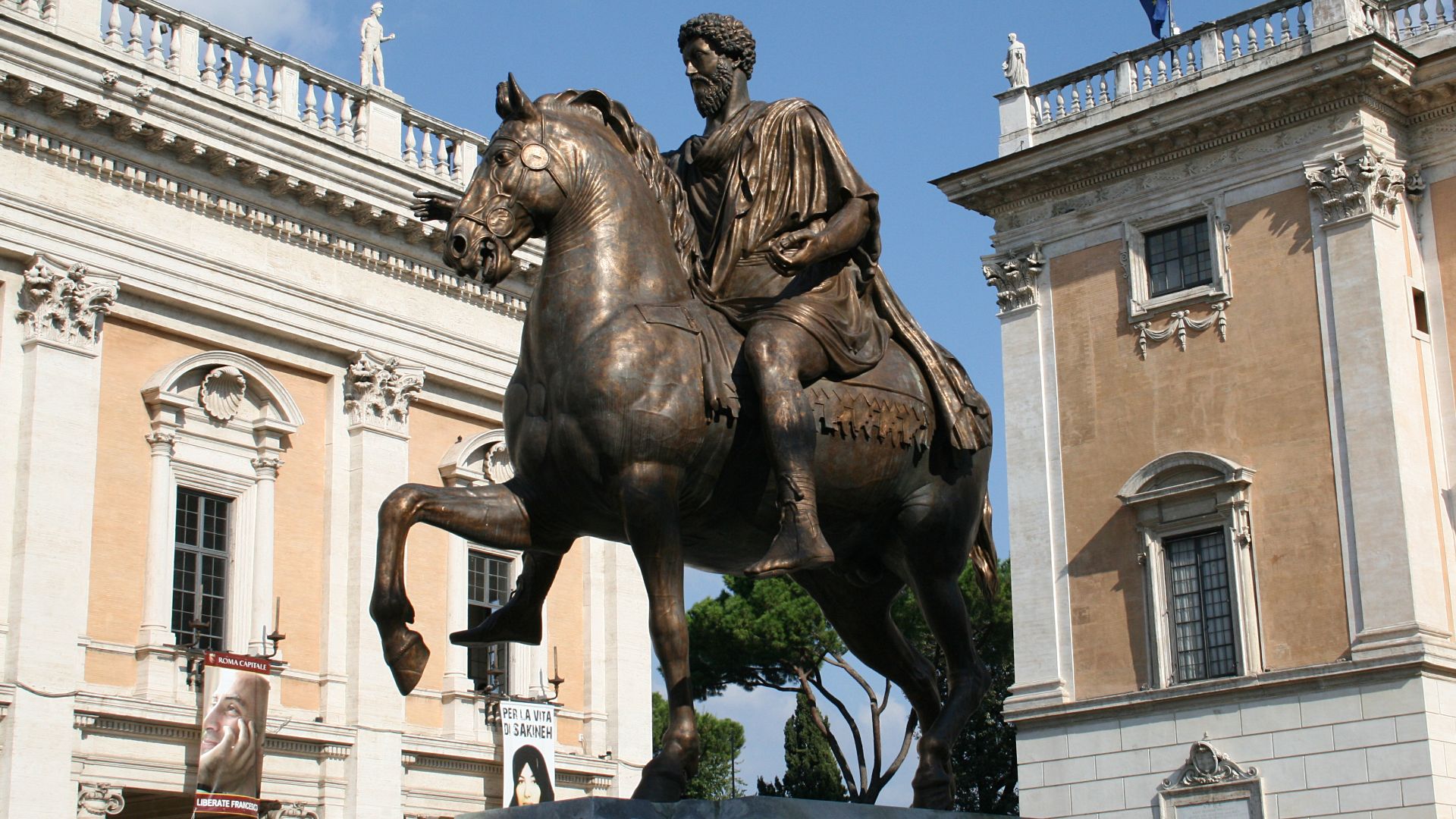
A Mistaken Identity Saved Marcus Aurelius
Other objects endured because later generations misunderstood them. Medieval viewers associated Rome’s bronze equestrian statue of Marcus Aurelius with Constantine, the emperor remembered for embracing Christianity. That identification is believed to have spared the sculpture from being melted down, a fate suffered by nearly every other monumental bronze horseman from antiquity. The original now stands indoors at the Capitoline Museums, while a copy occupies its former outdoor position.
 Jean-Pol GRANDMONT, Wikimedia Commons
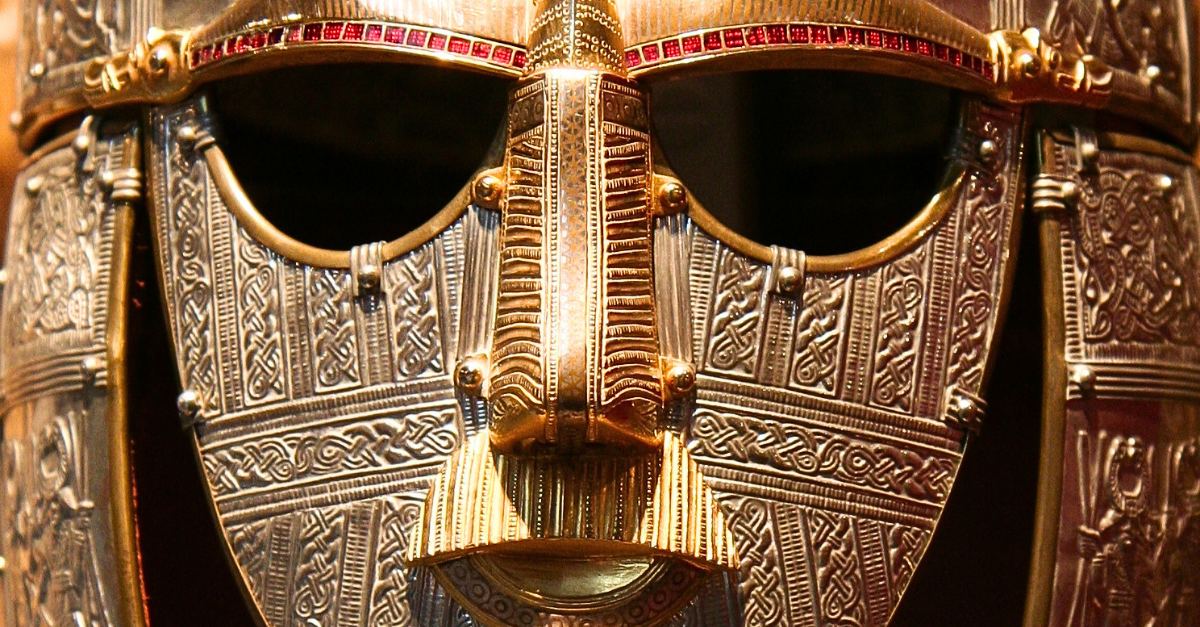
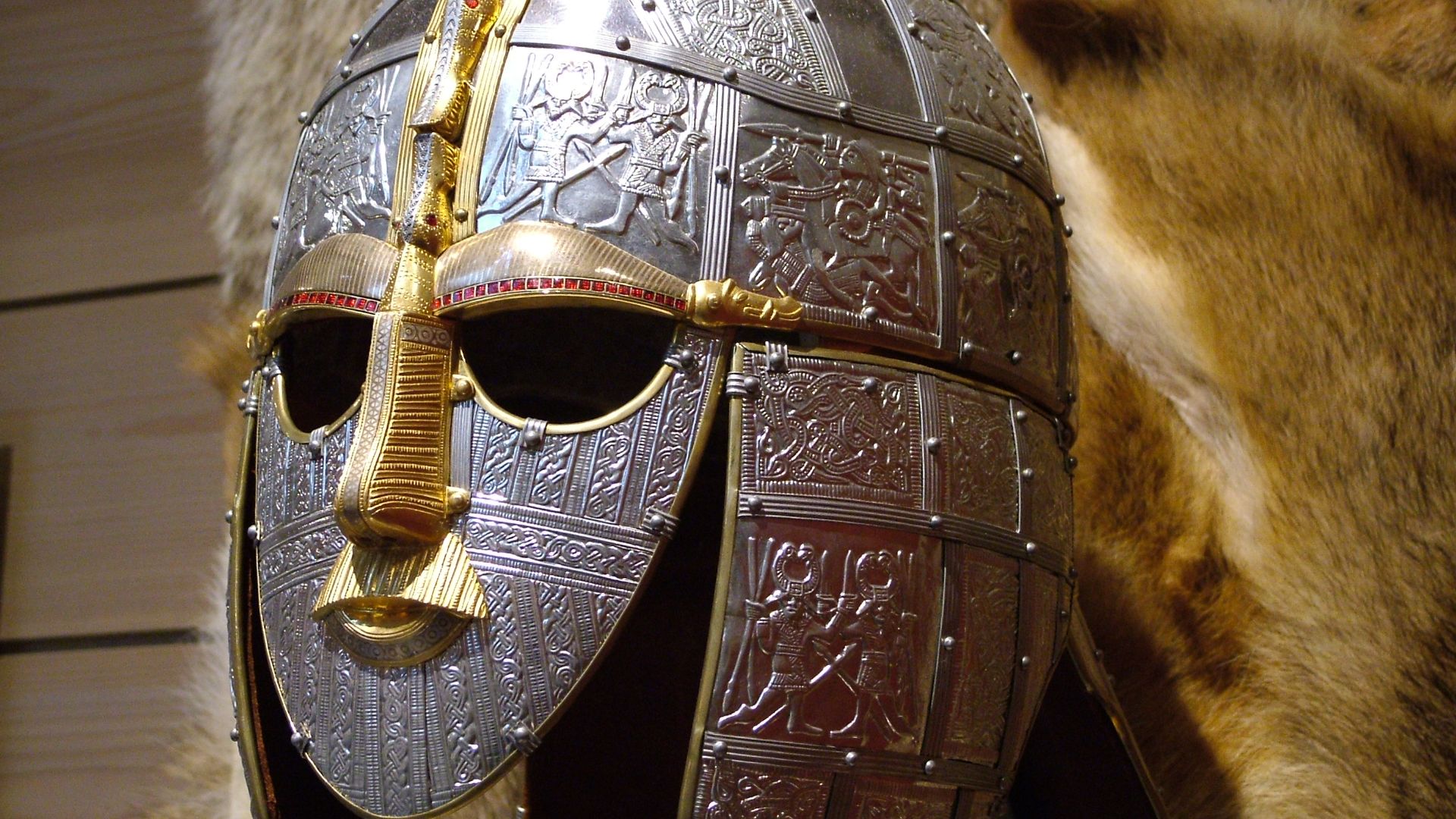
The Sutton Hoo Helmet Rose From A Shattered Puzzle
Burial did not always leave an object whole. The early seventh-century Sutton Hoo helmet emerged from its ship burial shattered and badly distorted, rather than ready for display. Specialists painstakingly reconstructed its iron framework, decorated panels, face guard, and animal imagery from the surviving pieces. It is now one of only four complete helmets known from Anglo-Saxon England, even though “complete” required an extraordinary act of reconstruction.

History's most fascinating stories and darkest secrets, delivered to your inbox daily.
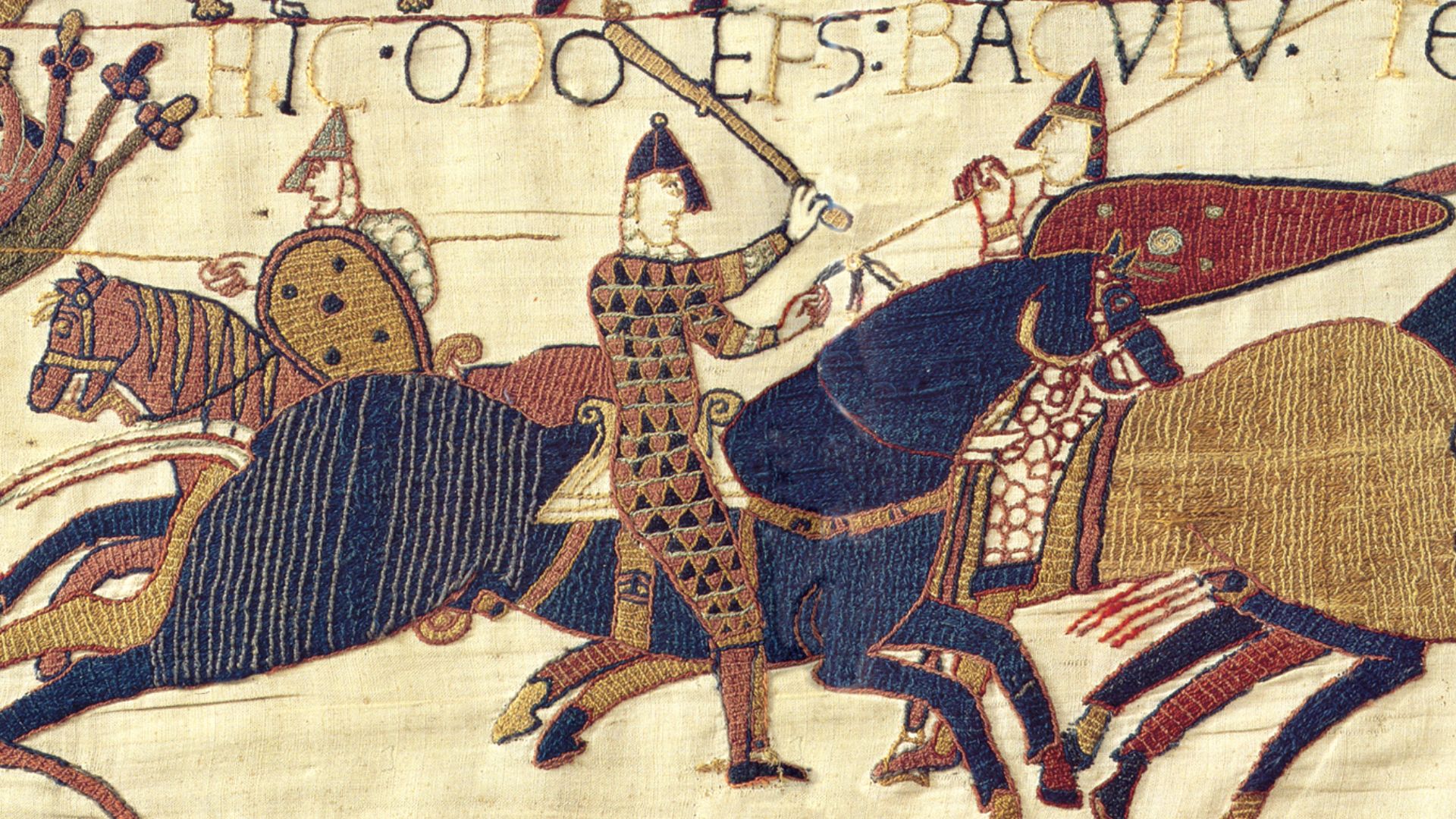
The Bayeux Tapestry Outran A World War
Textiles faced even worse odds because they could burn, rot, or be cut apart. French officials placed the Bayeux Tapestry in protective storage before the Second World War and later moved it several times as conditions changed. German authorities requisitioned the embroidery, and it was transferred to the Louvre in 1944 as Allied forces advanced. It returned to Bayeux in 1945, having survived a conflict that destroyed cultural treasures across Europe.
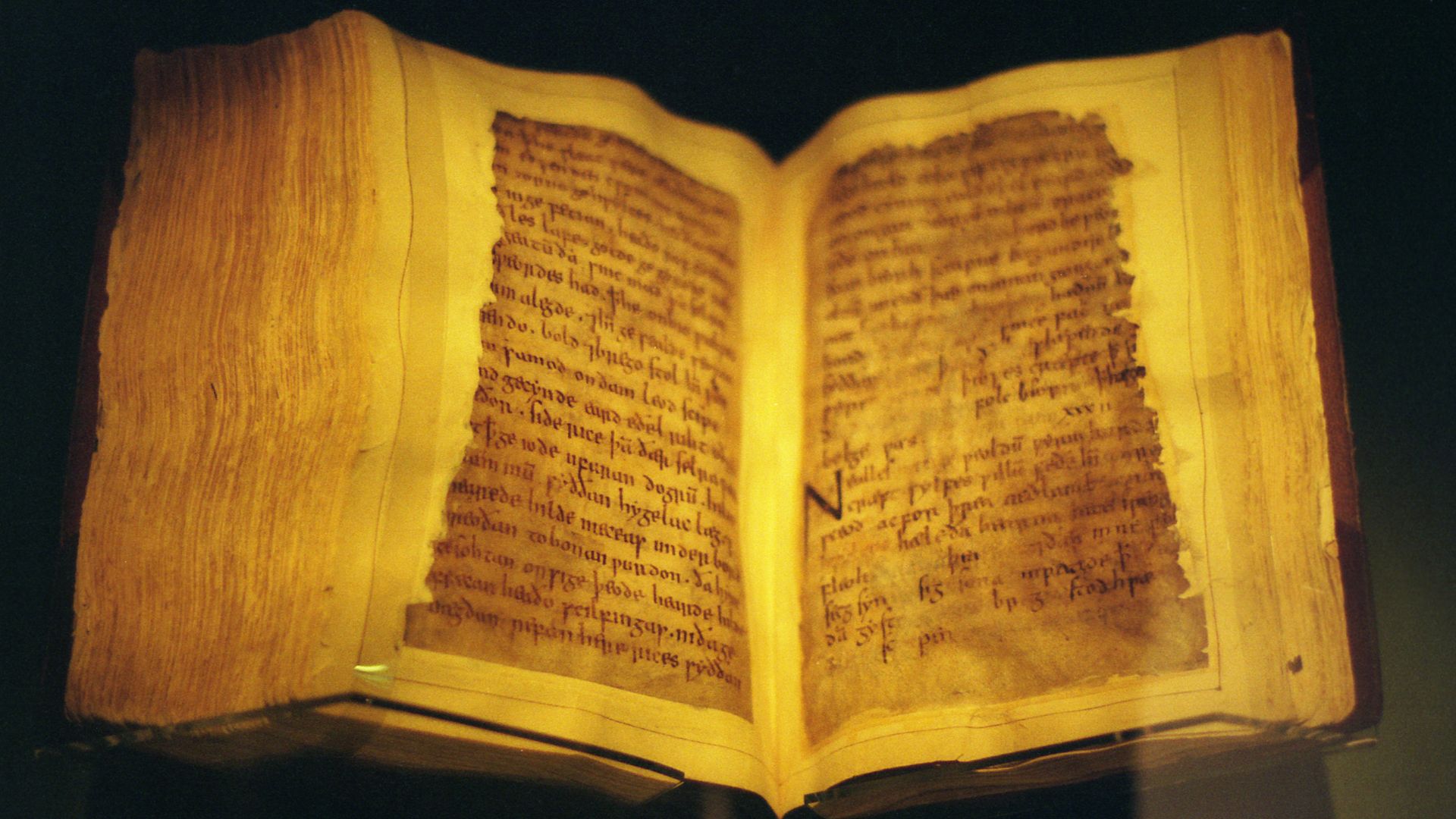
Beowulf Escaped A Burning Library
Books could vanish in a single night, and Beowulf nearly did. The only surviving medieval manuscript of the poem was damaged in the 1731 fire at Ashburnham House, where the Cotton collection was stored. Its edges were scorched and portions deteriorated, but much of the roughly thousand-year-old text remained readable. Without that one battered volume, the complete epic known today would not have survived.
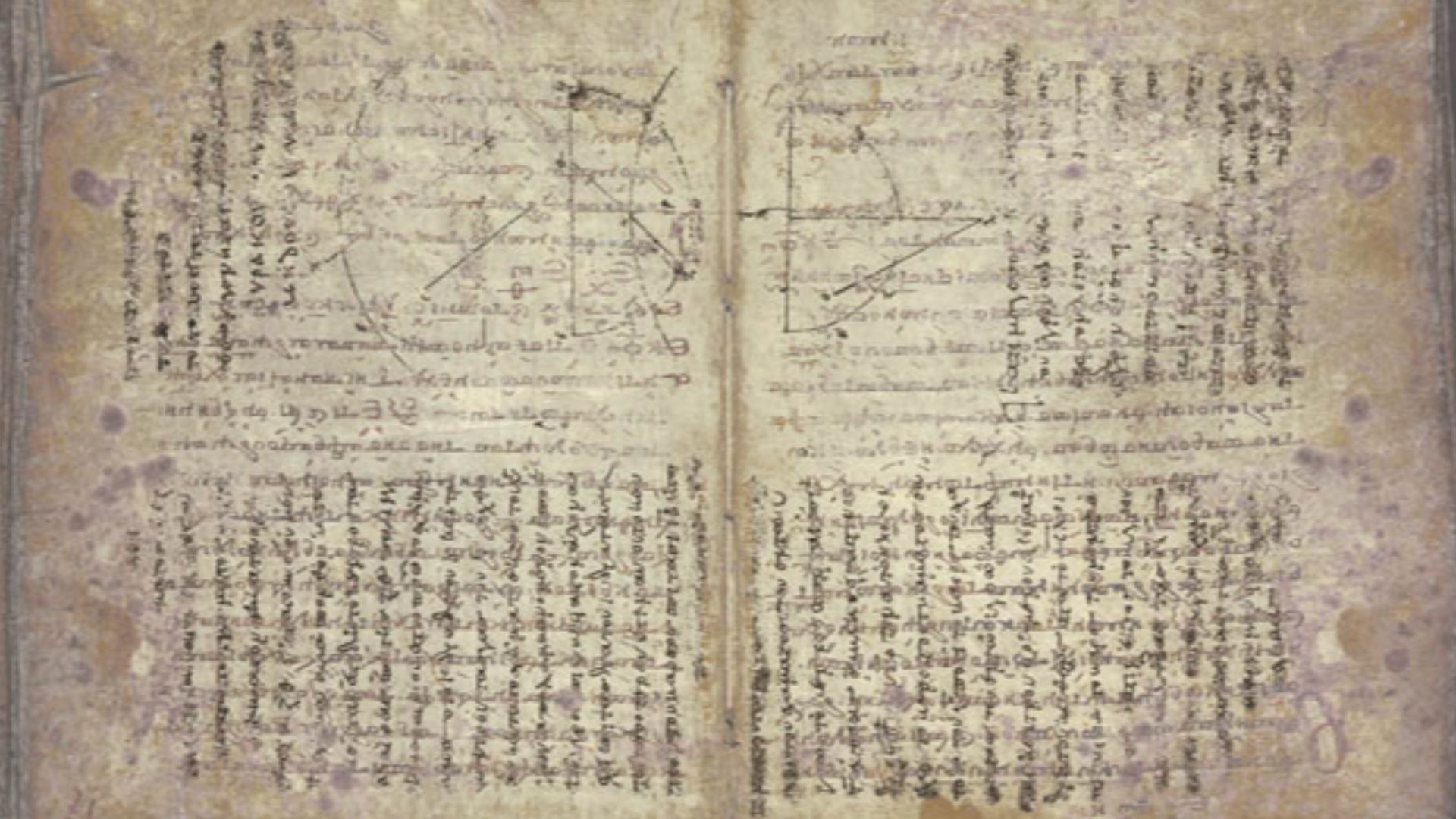
Archimedes Survived Beneath A Prayer Book
Fire was not the only way to erase a manuscript. A medieval copy of works by Archimedes was scraped, cut apart, rotated, and reused in the 13th century to make a Christian prayer book. It later endured mold, synthetic glue, rough repairs, and forged paintings added to increase its value. A 12-year conservation and imaging project recovered hidden writing that includes the only surviving copy of Archimedes’ Method of Mechanical Theorems.
 Matthew Kon, Wikimedia Commons
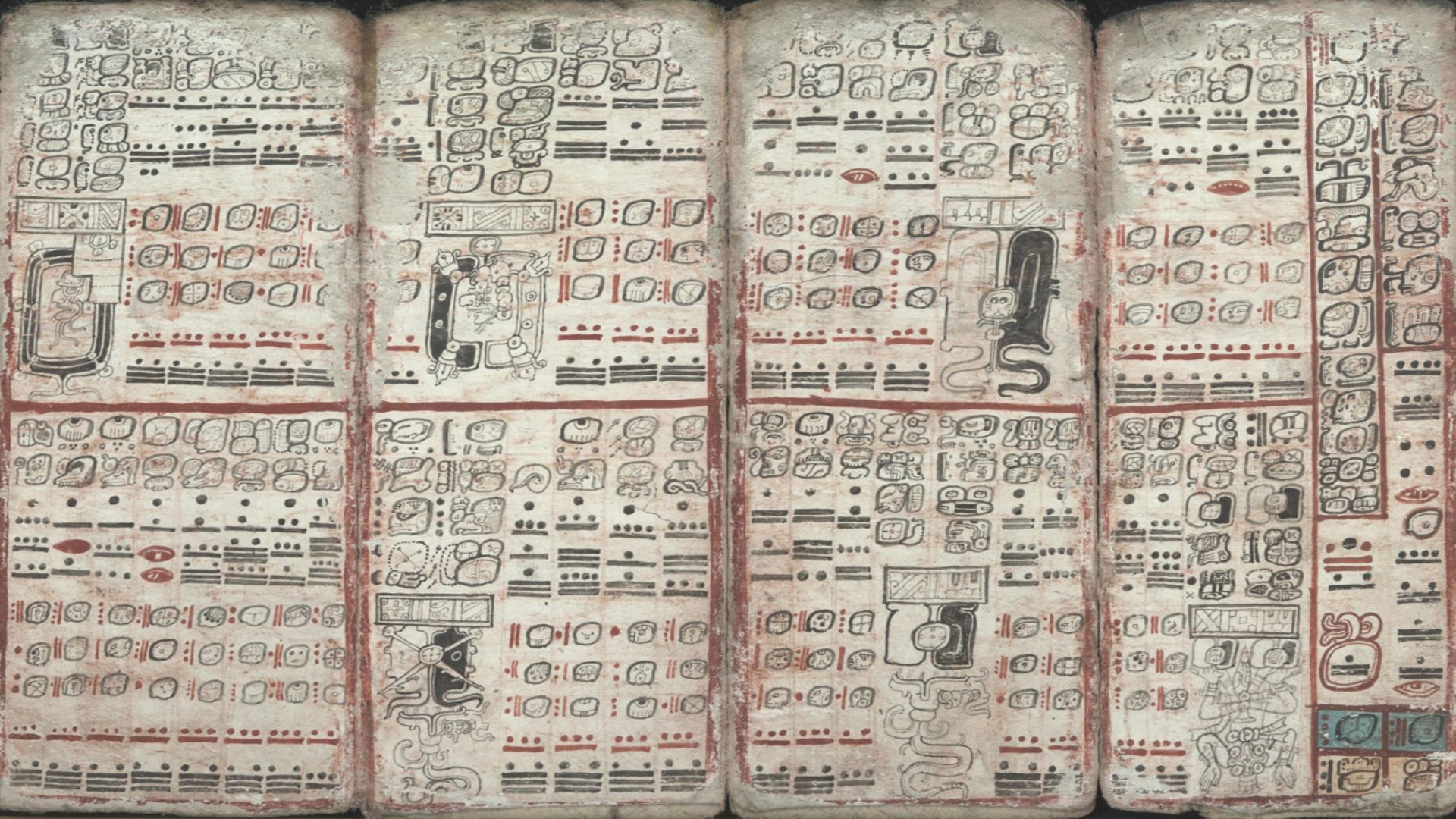
Floodwater Reached The Dresden Maya Codex
War and water nearly finished another exceptionally rare book. The Dresden Maya Codex was evacuated to a bank safe in 1939, then moved to a supposedly secure cellar before the bombing of Dresden in February 1945. The building was destroyed, and water entered the storage cupboards, causing the manuscript’s painted surface to adhere to its protective glass. Conservators preserved the damaged pages, and the codex is now kept under carefully controlled conditions.
 Unknown authorUnknown author, Wikimedia Commons
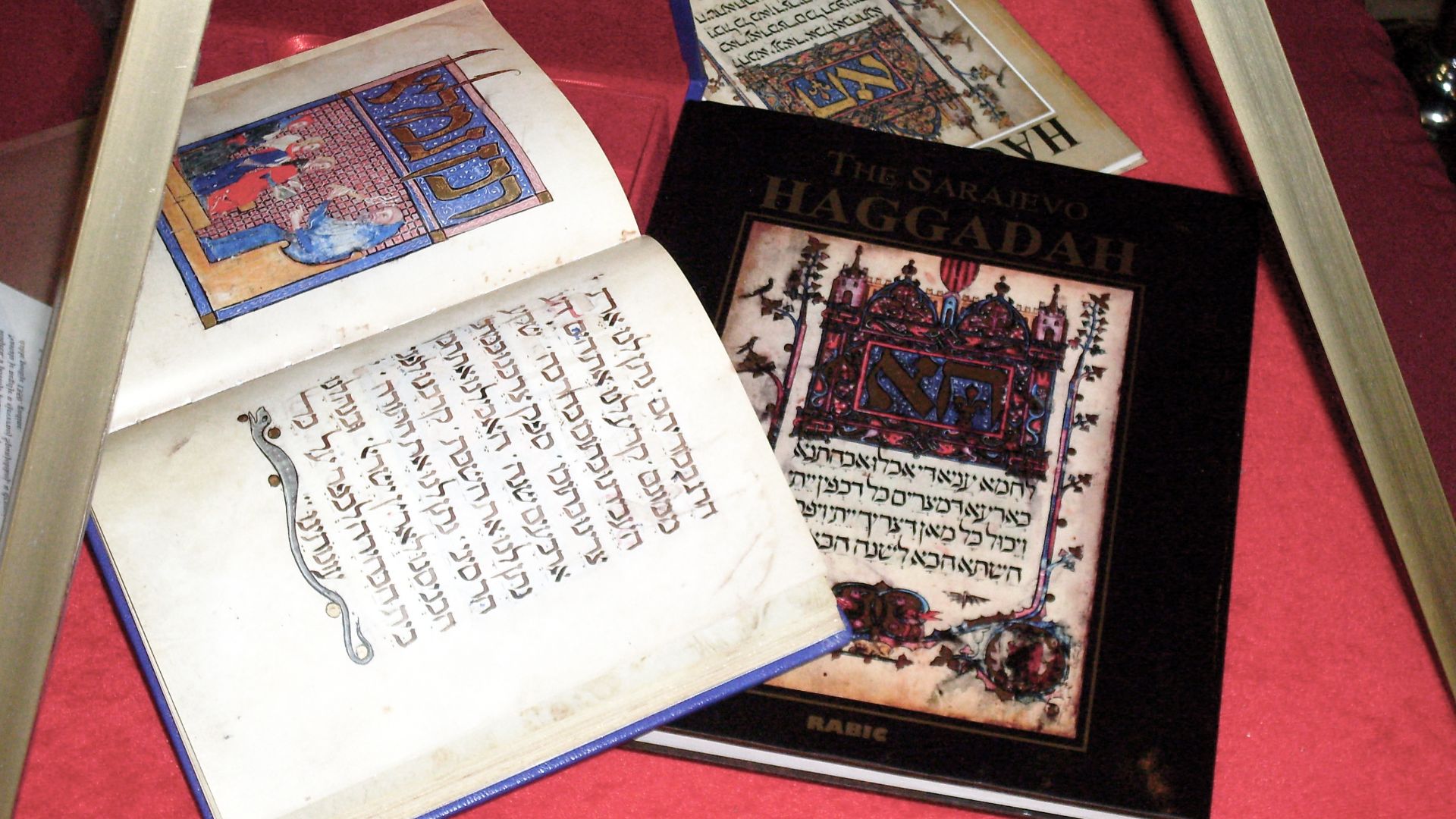
Courage Kept The Sarajevo Haggadah Alive
Some manuscripts survived because people consciously chose to protect them. The Sarajevo Haggadah is an illuminated Jewish manuscript produced in medieval Spain during the second half of the 14th century. After centuries of travel, it entered the collection of the National Museum of Bosnia and Herzegovina, where people risked their lives to save it during the Second World War. Its continued existence turns a religious book into evidence of both persecution and human courage.
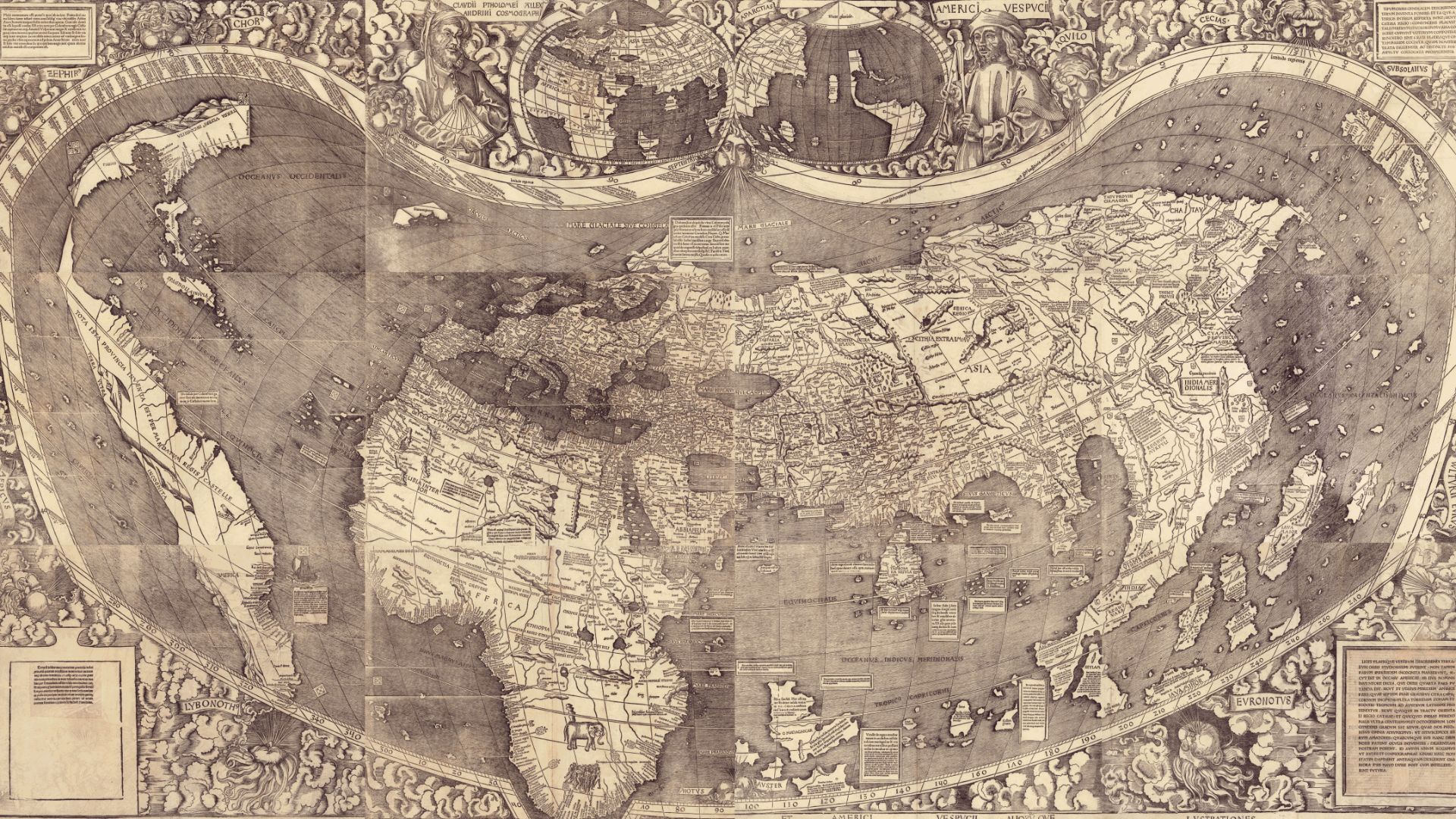
The Map That Named America Hid In A Castle
Other treasures survived through simple obscurity. Martin Waldseemüller’s 1507 world map was the first printed map to apply the name “America” to part of the newly described Western Hemisphere. Although about 1,000 copies were reportedly printed, only one is known to survive. It spent more than 300 years largely unnoticed in a German castle library before being rediscovered in 1901.
 Martin Waldseemuller, Wikimedia Commons
The Ghent Altarpiece Survived Six Thefts
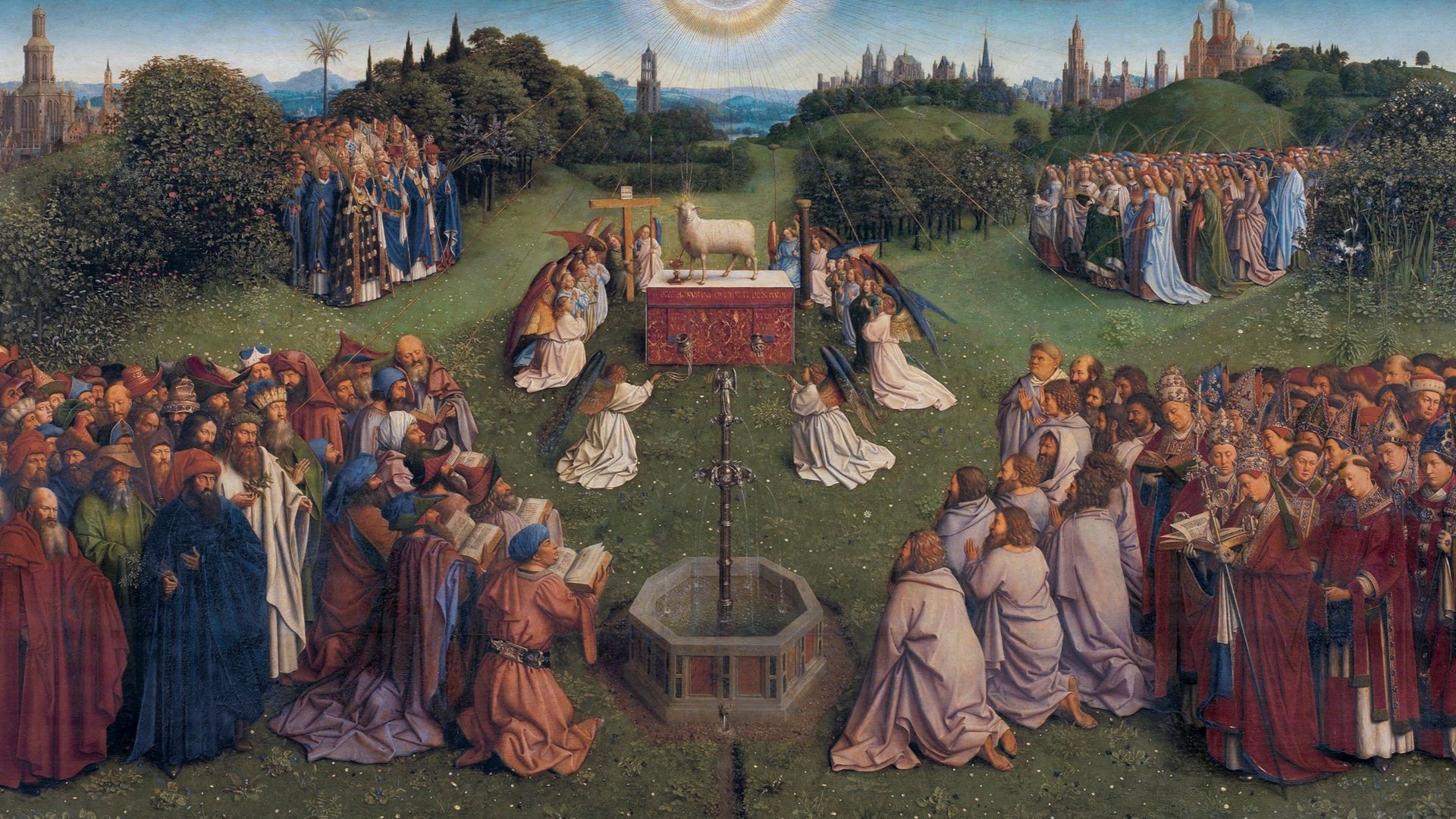
Fame could be just as dangerous as neglect. Jan and Hubert van Eyck’s Ghent Altarpiece has been dismantled, damaged, seized, and stolen repeatedly since its completion in 1432. Nazi forces carried most of it to the Altaussee salt mine, where Allied investigators recovered it near the end of the Second World War. One panel, The Just Judges, has remained missing since a separate 1934 theft, but the rest survived an extraordinary chain of crimes and conflicts.
 Jan van Eyck / Hubert van Eyck, Wikimedia Commons
The Mona Lisa Kept Vanishing
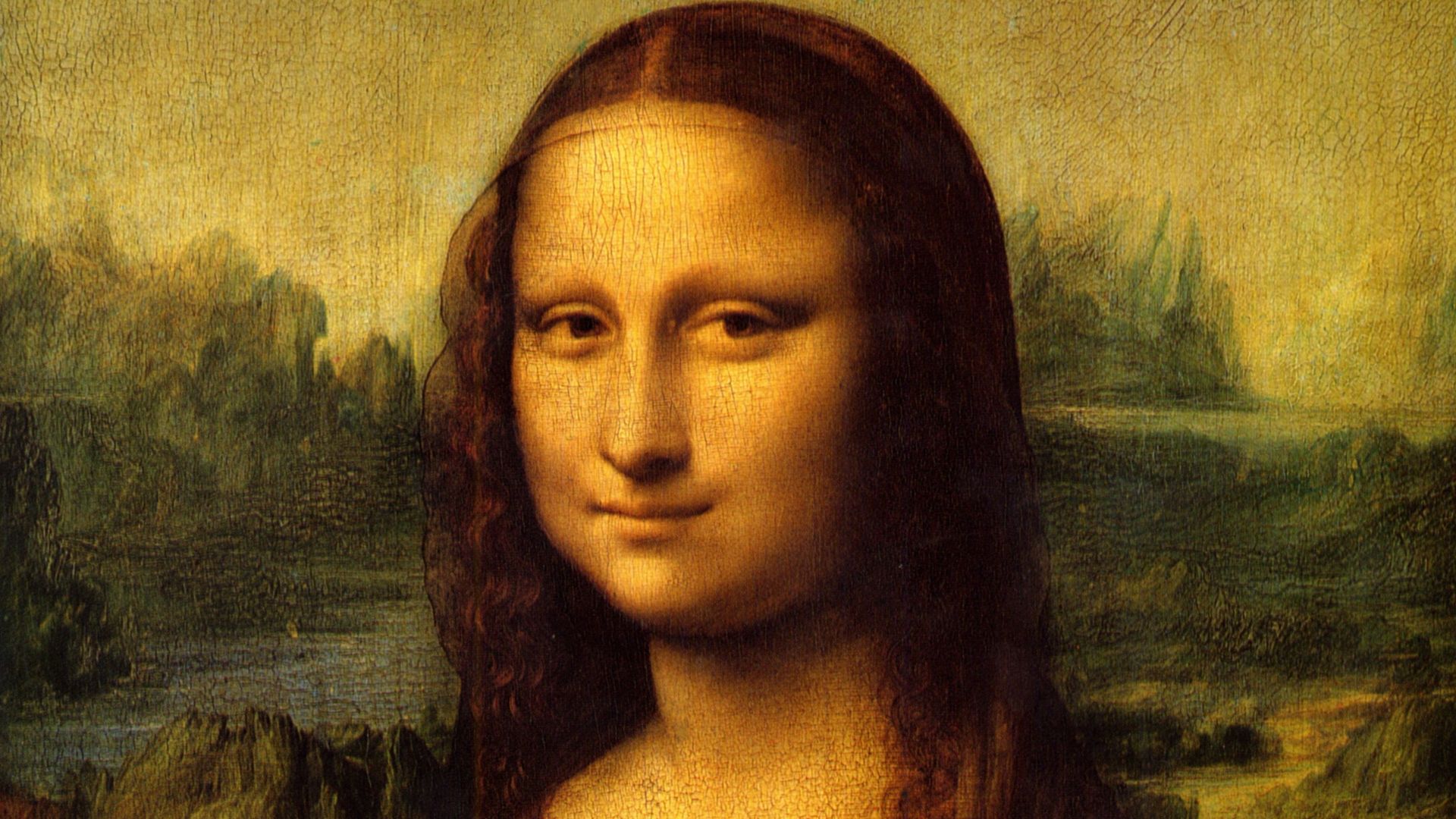
The world’s most famous portrait learned the same lesson. A Louvre employee stole the Mona Lisa in 1911, and the painting remained missing for more than two years before its recovery. During the Second World War, French officials evacuated it from Paris and moved it repeatedly to keep it beyond the reach of Nazi forces. It now sits behind climate-controlled protective glass, guarded against the dangers created by its own celebrity.
 Leonardo da Vinci, Wikimedia Commons
The Night Watch Lived Through Knives And Acid
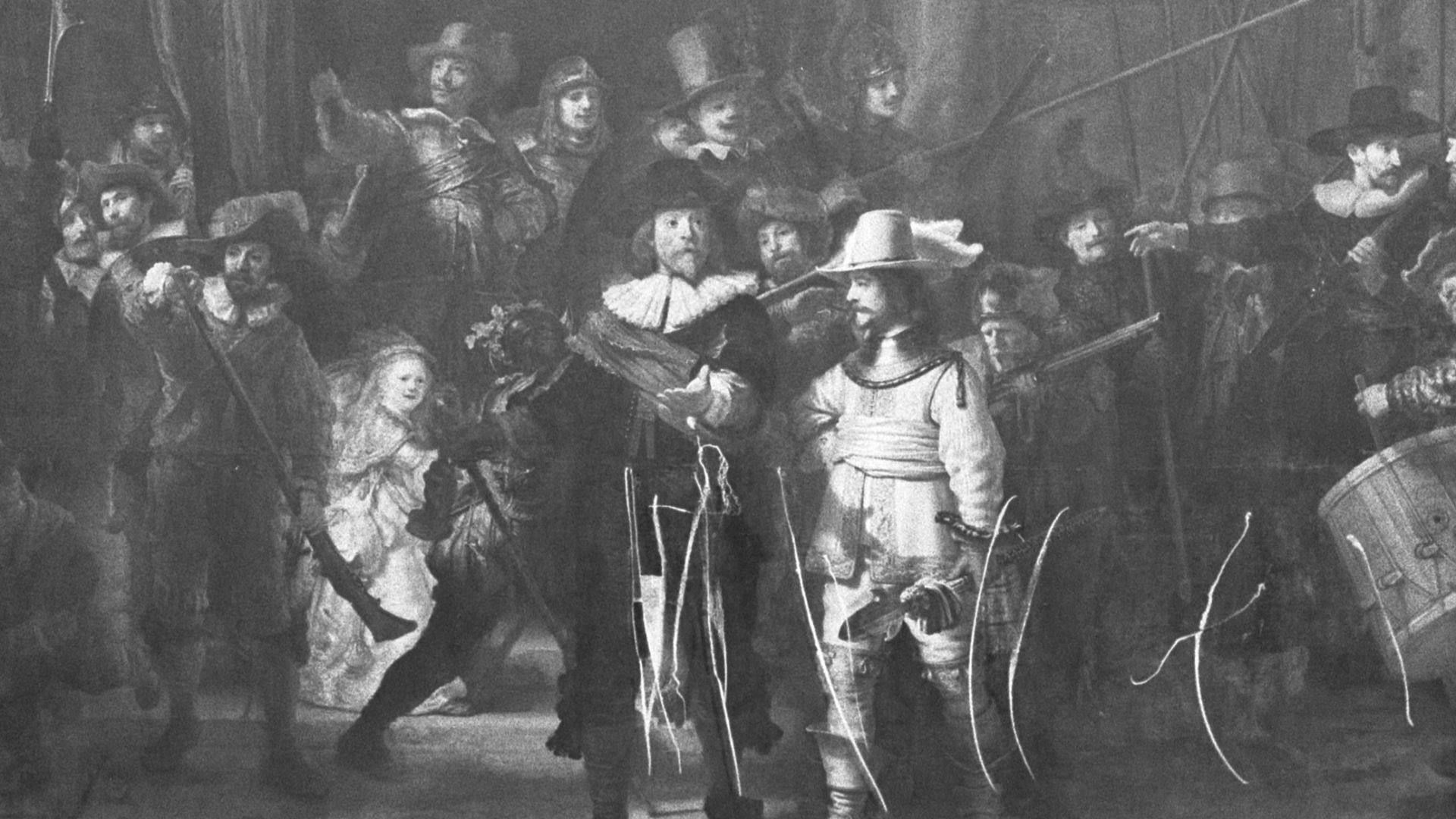
Not every attack involved theft. Rembrandt’s The Night Watch was cut down in the 18th century so it could fit in a new location, permanently removing sections of the original composition. In 1975, an attacker slashed it repeatedly with a bread knife, and another person sprayed acid on it in 1990. Conservators intervened after both attacks, allowing the scarred painting to remain one of the Rijksmuseum’s defining works.
A Flood Tore Open The Gates Of Paradise
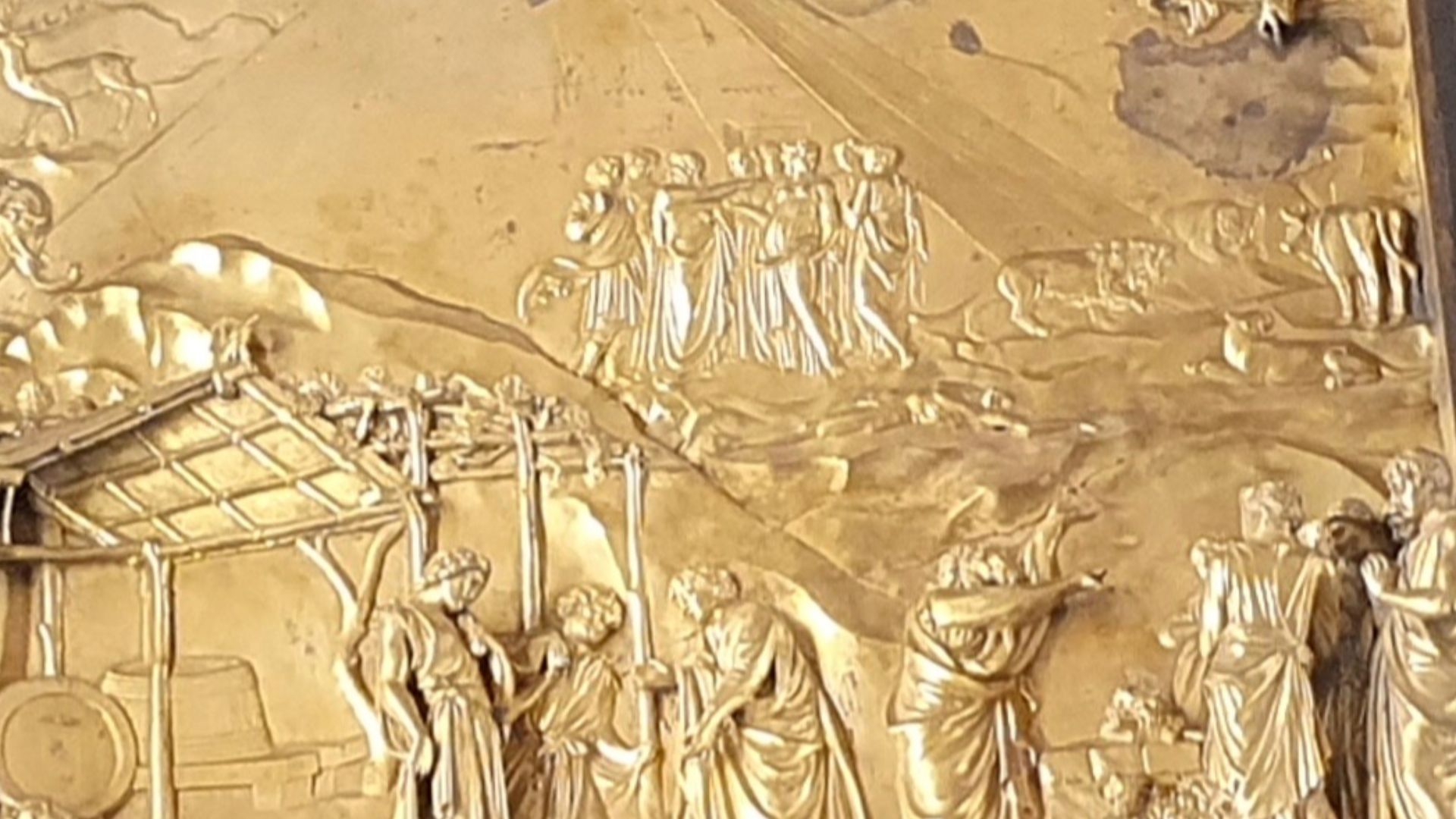
Nature could be as destructive as any vandal. Lorenzo Ghiberti spent 27 years creating the gilded bronze doors later nicknamed the Gates of Paradise for the Baptistery in Florence. During the catastrophic flood of 1966, water forced the doors open and tore six relief panels from their frames. A conservation campaign lasting another 27 years eventually secured the originals inside the Museo dell’Opera del Duomo.
 Yair Haklai, Wikimedia Commons
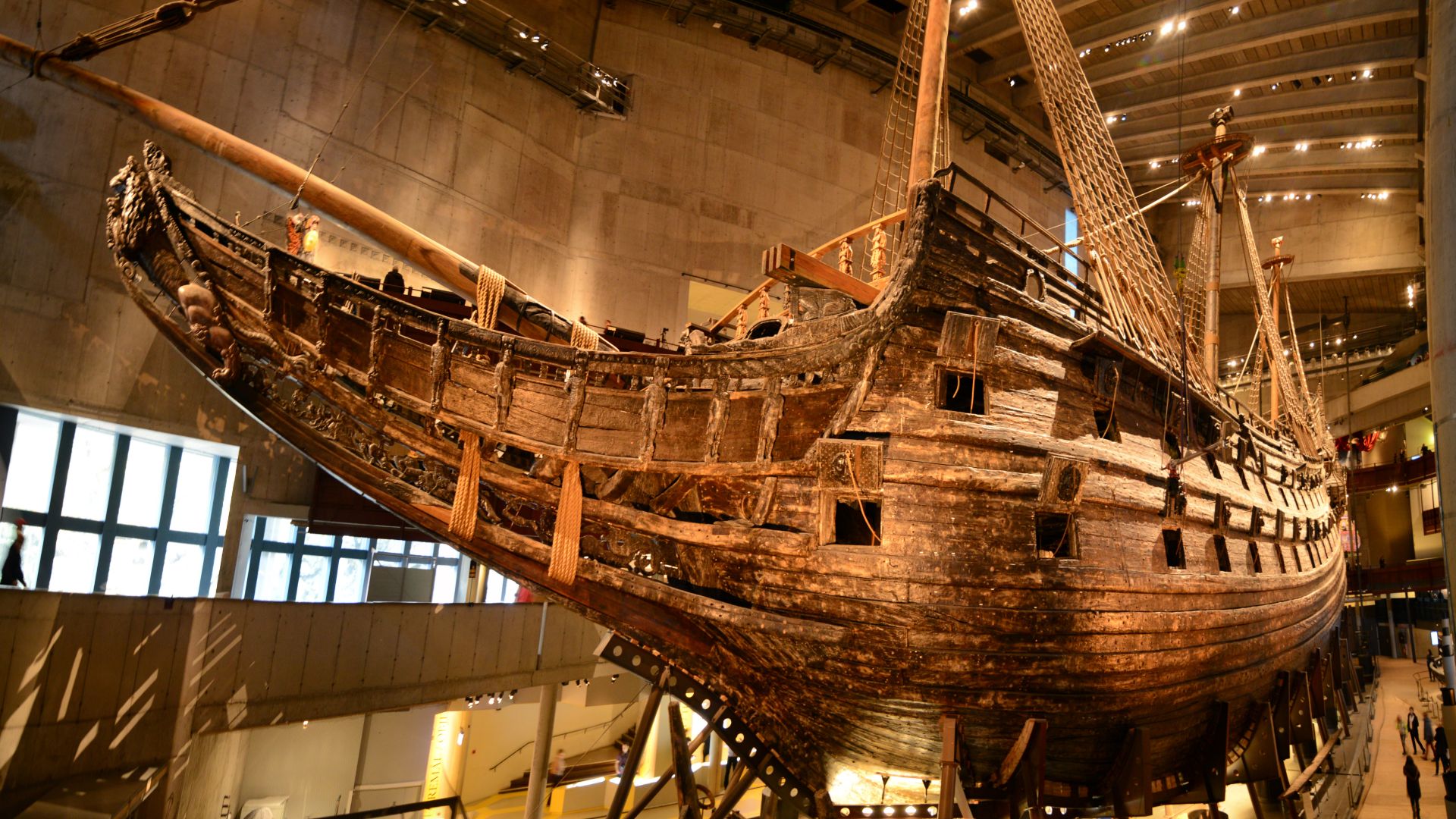
Cold Water Preserved The Vasa For 333 Years
At sea, disaster sometimes created a time capsule. The Swedish warship Vasa sank on its maiden voyage in 1628 and remained underwater until its salvage in 1961. The Baltic’s cold, dark, low-oxygen water helped preserve the ship’s timber, although corrosion and sulfur created serious long-term conservation problems. After its recovery, conservators sprayed the hull with polyethylene glycol for 17 years to prevent the wood from collapsing as it dried.
 Jorge Lascar from Melbourne, Australia, Wikimedia Commons
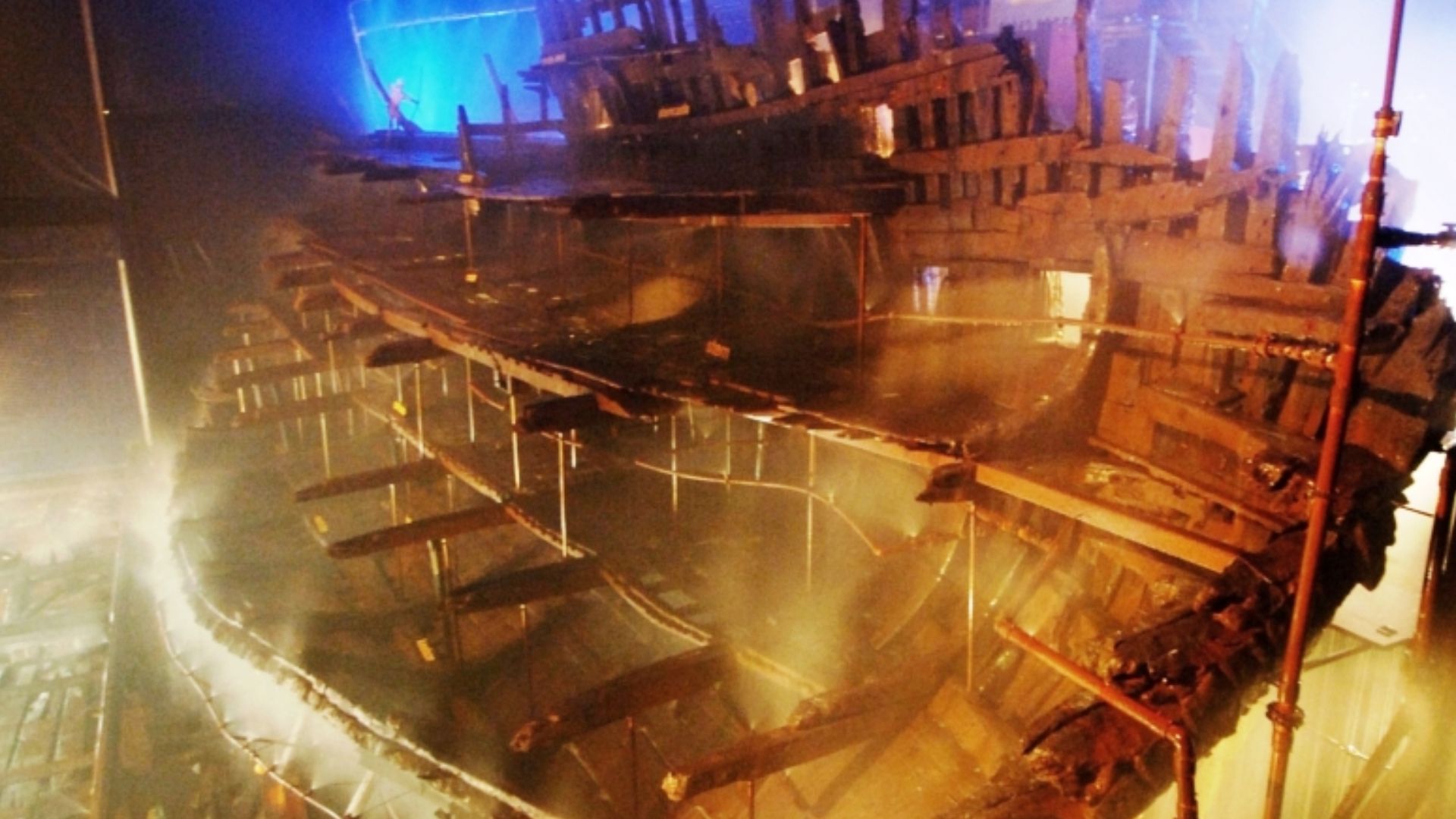
Silt Saved The Mary Rose
Silt performed similar work for Henry VIII’s warship Mary Rose. After the vessel sank in 1545, part of its hull and thousands of objects settled into an oxygen-poor seabed environment that slowed decay. Archaeologists raised the surviving hull in 1982 through an operation that helped establish new standards for underwater archaeology. The ship then underwent 34 years of major conservation, including lengthy treatment with polyethylene glycol.
 Mary Rose Trust, Wikimedia Commons
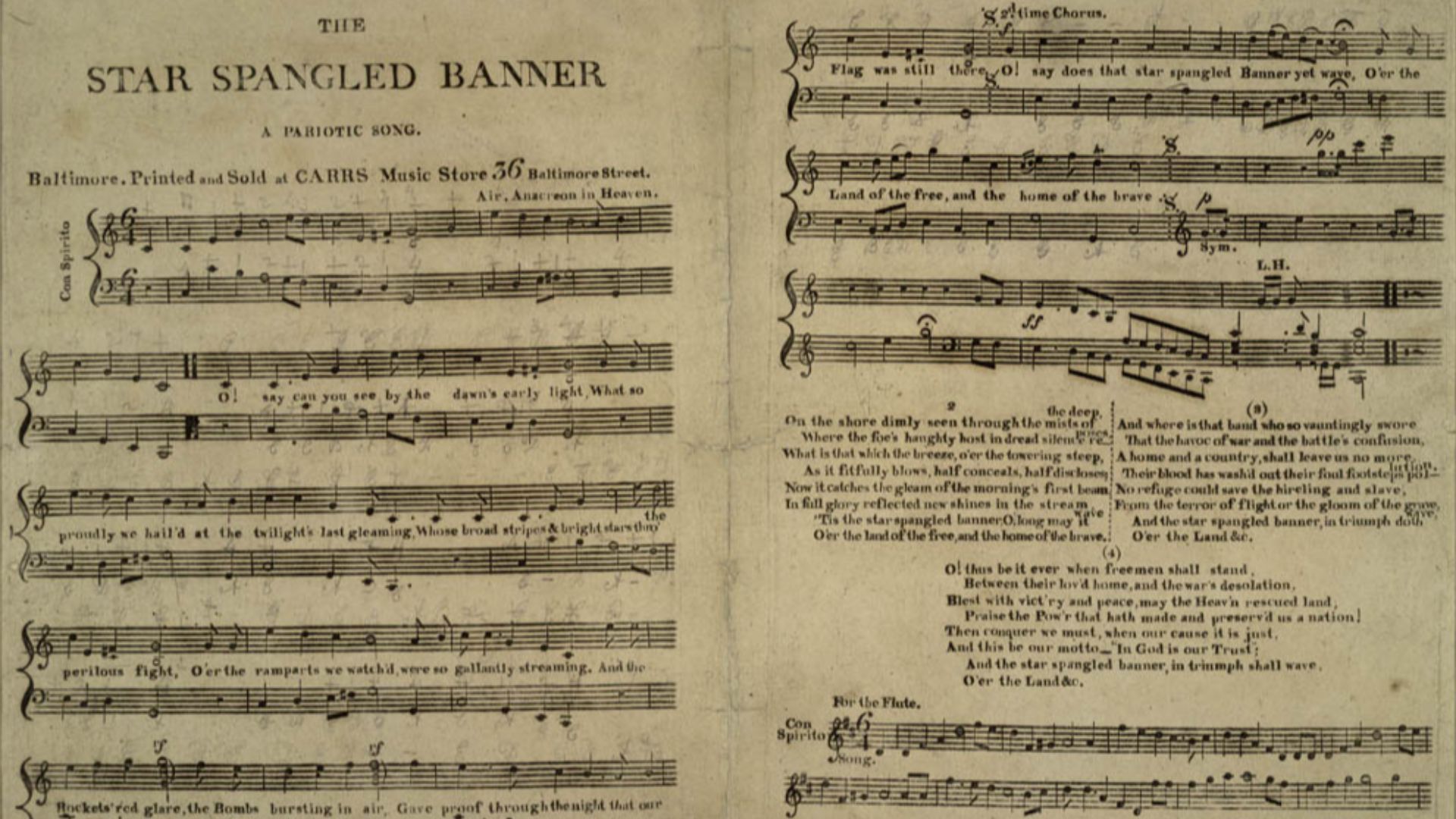
The Star-Spangled Banner Survived Its Own Fame
On land, public display became a slow-moving threat. The enormous flag that flew over Fort McHenry during the War of 1812 survived the bombardment that inspired Francis Scott Key’s famous lyrics. Decades of storage, handling, and vertical exhibition strained its fragile wool and cotton fibers, prompting repeated conservation campaigns. The Smithsonian now displays it at a shallow angle inside a chamber designed to limit oxygen, light, pollution, and fire risk.
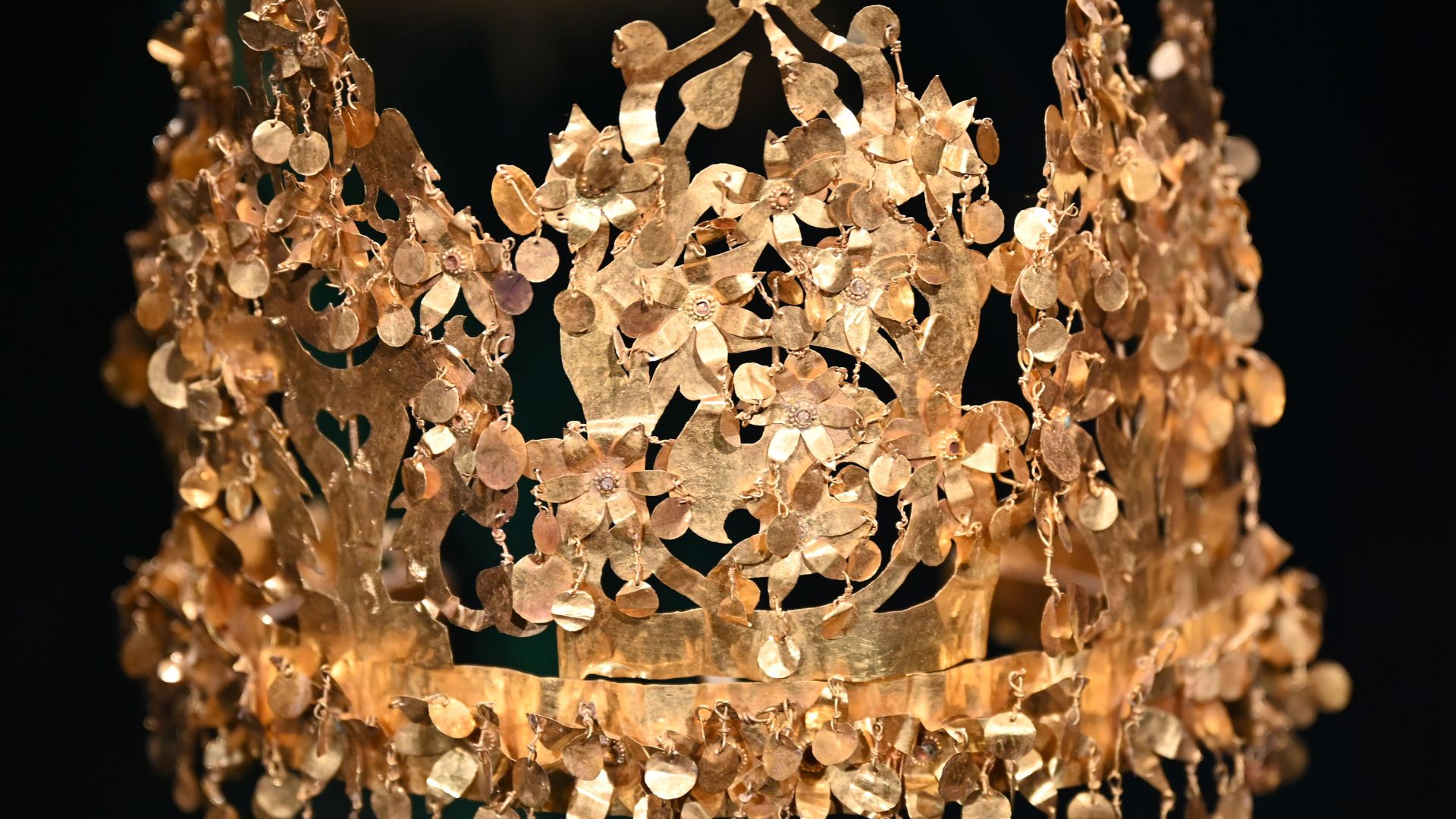
Museum Workers Hid The Bactrian Gold
War forced other treasures underground. In 1989, Afghan museum officials secretly placed the roughly 2,000-year-old Bactrian Gold hoard in a secure bank vault in Kabul. The people who knew its location kept the secret through civil war and Taliban rule, even as rumors spread that the objects had been destroyed or stolen. When the vault was opened in 2004, the treasure was still there.
The Warka Vase Came Home In Pieces
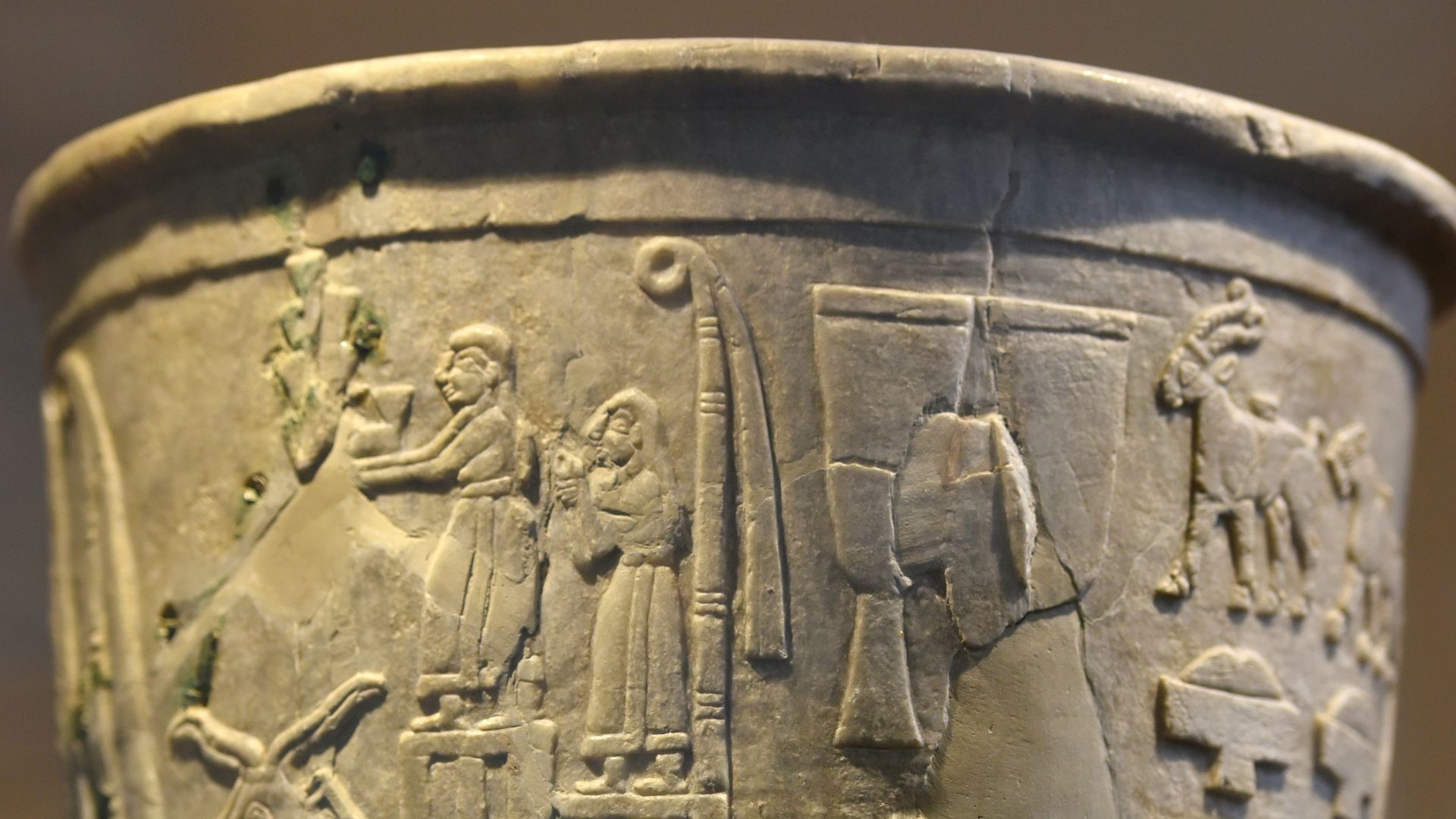
Some looted objects returned with their ordeal plainly visible. The ancient Warka Vase was already reconstructed from fragments after its excavation in Iraq during the 1930s. Looters removed it from the Iraq Museum during the chaos of 2003, but it was returned several weeks later in 14 pieces. Conservators restored the ceremonial vessel again, giving an artifact from ancient Uruk a second recovery story.
 Osama Shukir Muhammed Amin FRCP(Glasg), Wikimedia Commons
Four Feet Of Water Could Not Erase An Archive
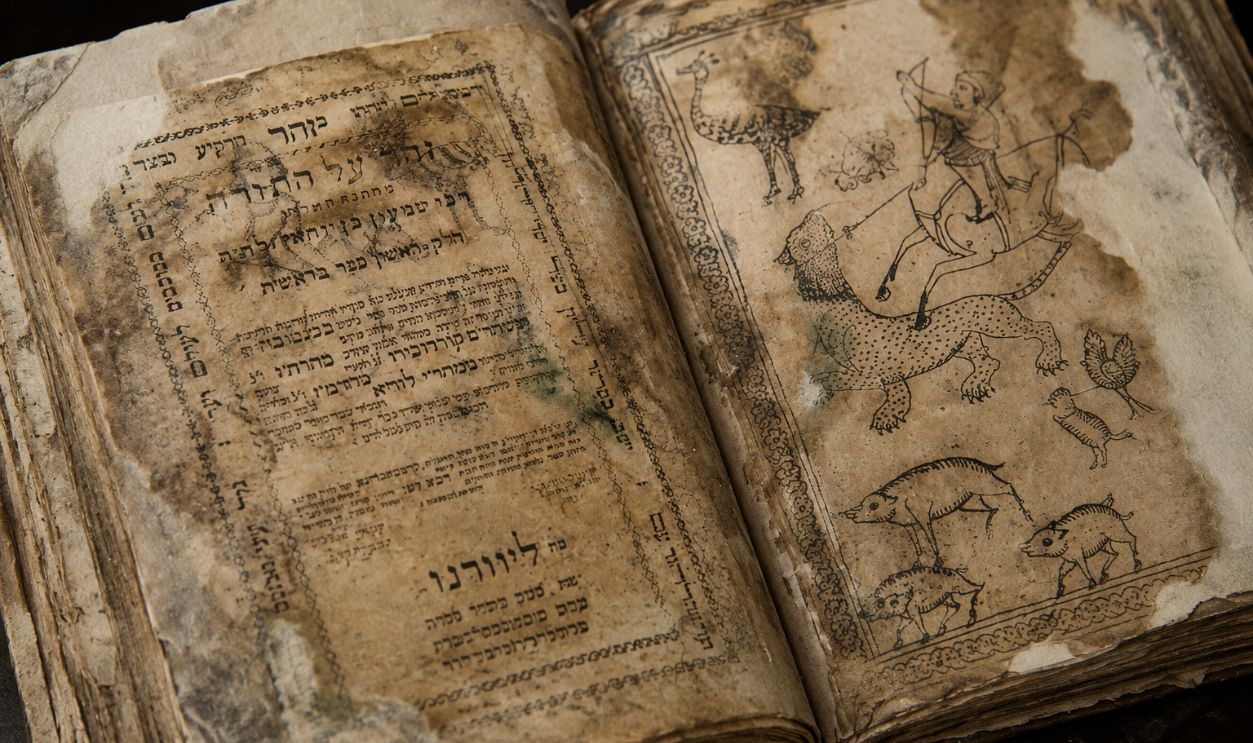
Water nearly erased the documentary record of an entire community. American forces found the Iraqi Jewish Archive in May 2003 inside the flooded basement of Saddam Hussein’s intelligence headquarters, beneath approximately four feet of water. The books and documents were moldy, soaked, and packed together, so rescuers froze them before transporting them for conservation. The recovered collection includes about 2,700 books and tens of thousands of records spanning several centuries of Iraqi Jewish life.
Timbuktu’s Guardians Smuggled History To Safety
At Timbuktu, rescue happened one trunk at a time. When armed groups occupied northern Mali in 2012, local custodians and cultural workers moved manuscripts out of danger by road and river, often past checkpoints. UNESCO reported that residents and preservation groups saved about 90 percent of the threatened collections, although thousands of items were burned or stolen. Their clandestine operation carried hundreds of thousands of pages of West African scholarship away from destruction.
![Image of Timbuktu manuscripts. Manuscript 2163 (Ahmed Baba Institute). The author is the Arab Egyptian astronomer Ibn Yunus (c. 950 – 1009 AD).[1][2][3]](https://www.factinate.com/storage/app/media/factinate/2026/7/15/1784140787438b3c185b12d4b0067412866de7816758b1de63.jpg) Unknown authorUnknown author, Wikimedia Commons
Unknown authorUnknown author, Wikimedia Commons
Odyssey Made One Last Impossible Journey
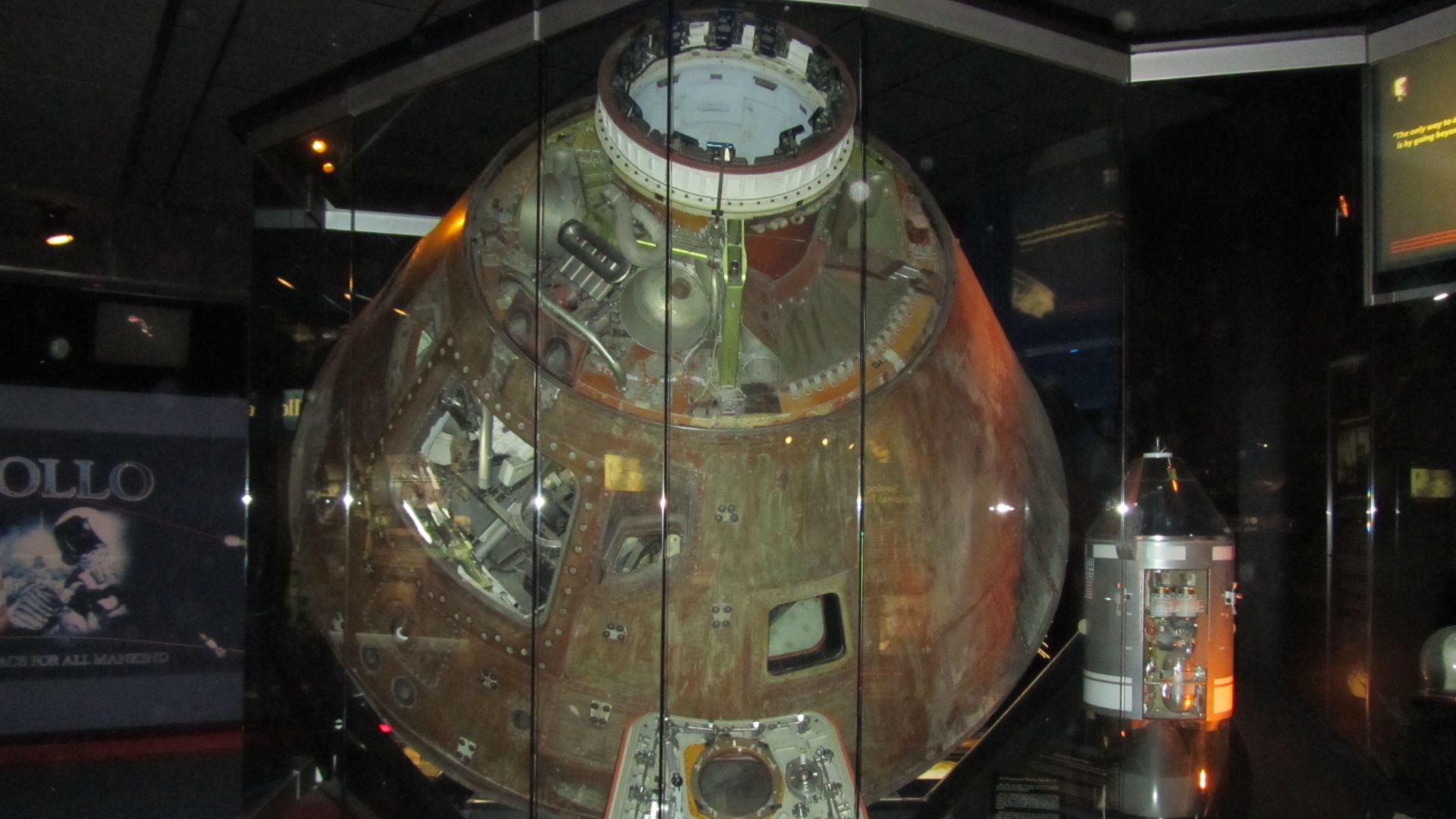
The final survivor left Earth itself. An oxygen-tank explosion aboard Apollo 13 in April 1970 crippled the spacecraft while the crew was roughly 200,000 miles from Earth, forcing astronauts to power down the command module Odyssey. They used the lunar module Aquarius as a lifeboat until the final stage of the journey, when Odyssey had to restart and survive atmospheric reentry. The command module brought all three astronauts home and is now preserved at the Cosmosphere in Kansas.
You May Also Like:
History’s Most Unexpected Plot Twists
History's Most Relentless World Conquerors
Facts About Military Underdog Victories
Sources: 1, 2, 3, 4, 5, 6, 7, 8, 9, 10, 11, 12, 13, 14, 15, 16, 17, 18, 19, 20, 21, 22, 23, 24, 25, 26, 27, 28, 29, 30, 31, 32, 33, 34, 35, 36, 37, 38, 39, 40, 41, 42, 43, 44, 45, 46, 47, 48, 49, 50










.jpg)