A Discovery That Rewrote History
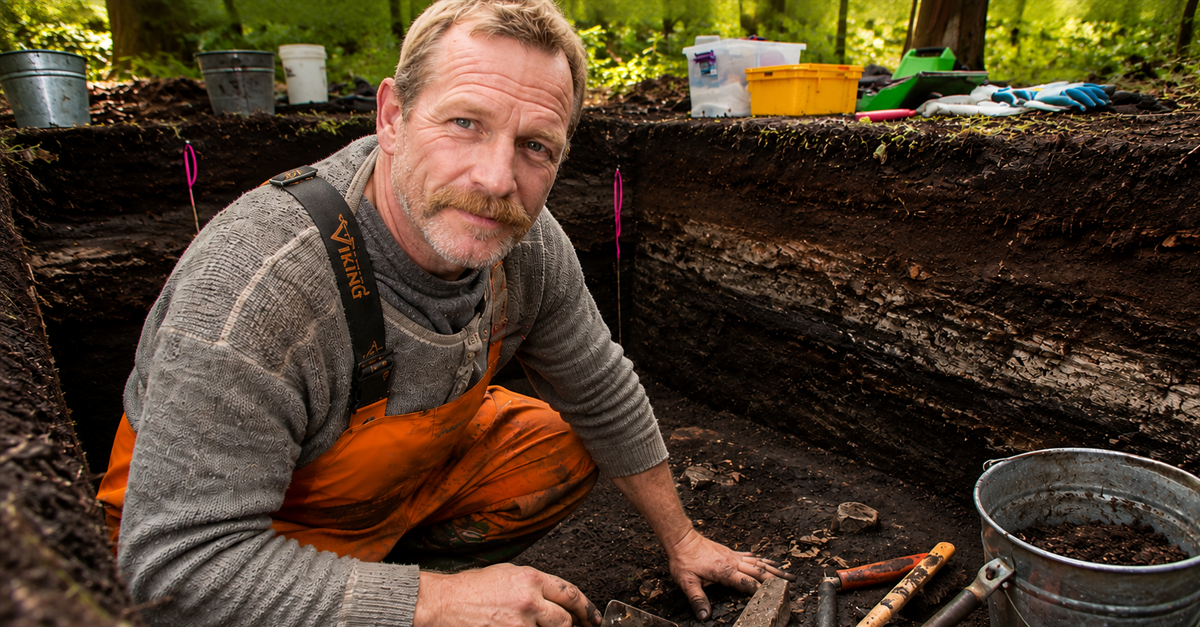
For generations, archaeologists have debated when the first people arrived in what is now Canada. Then a discovery on a remote island off British Columbia's coast challenged long-held assumptions about the continent's earliest inhabitants. Buried beneath the ground was evidence that had remained hidden since the end of the Ice Age.
The Hearth That Challenged History
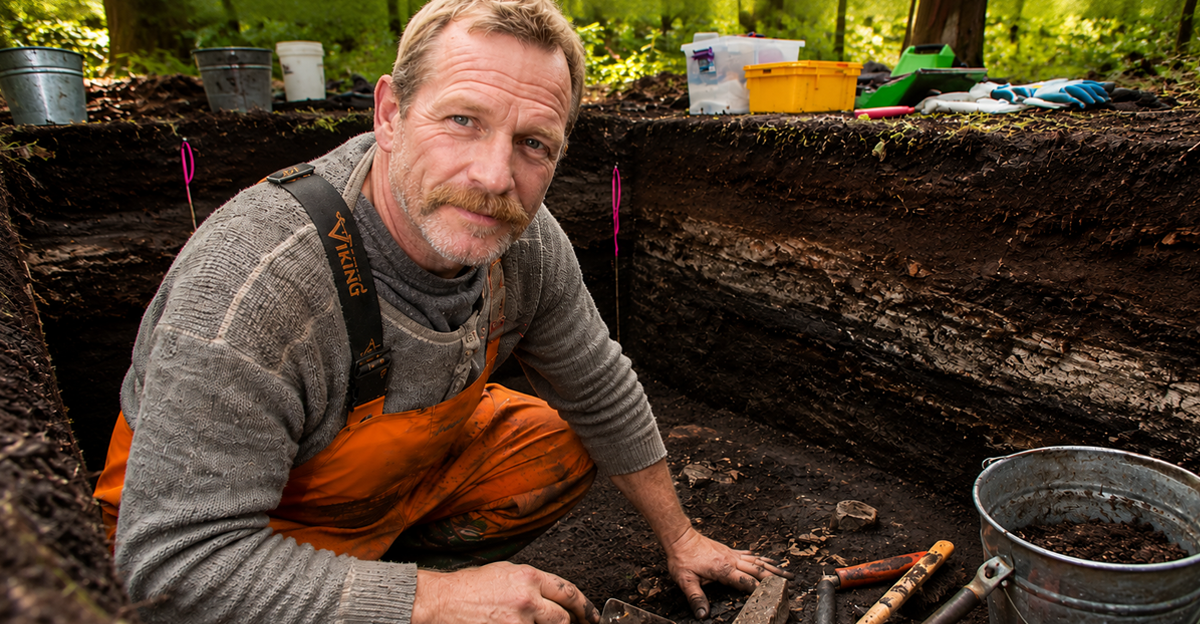
On British Columbia’s Central Coast, archaeologists found charcoal from an ancient hearth at Triquet Island. Radiocarbon testing dated nearby fireplace charcoal to roughly 14,802 to 13,748 years ago. That makes the site one of the oldest known settlement sites on the Central Coast. It also places people on this coast near the end of the last Ice Age.
The Island At The Center Of The Story
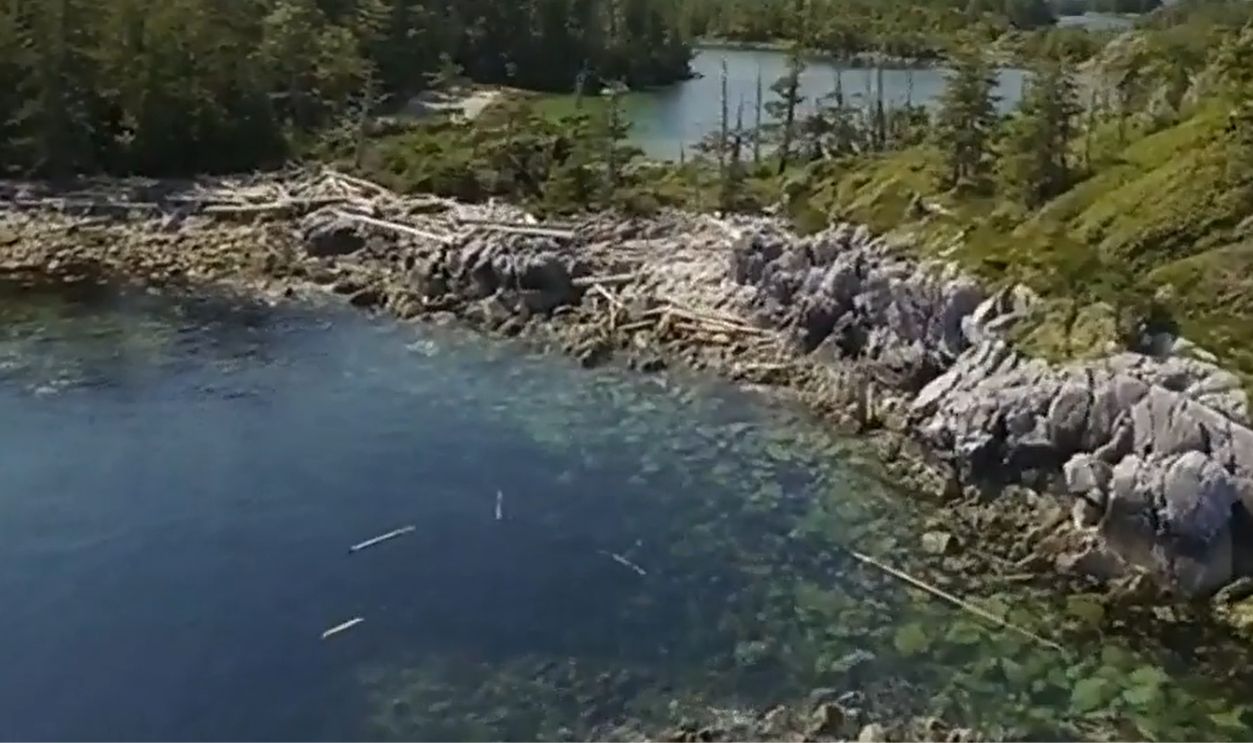
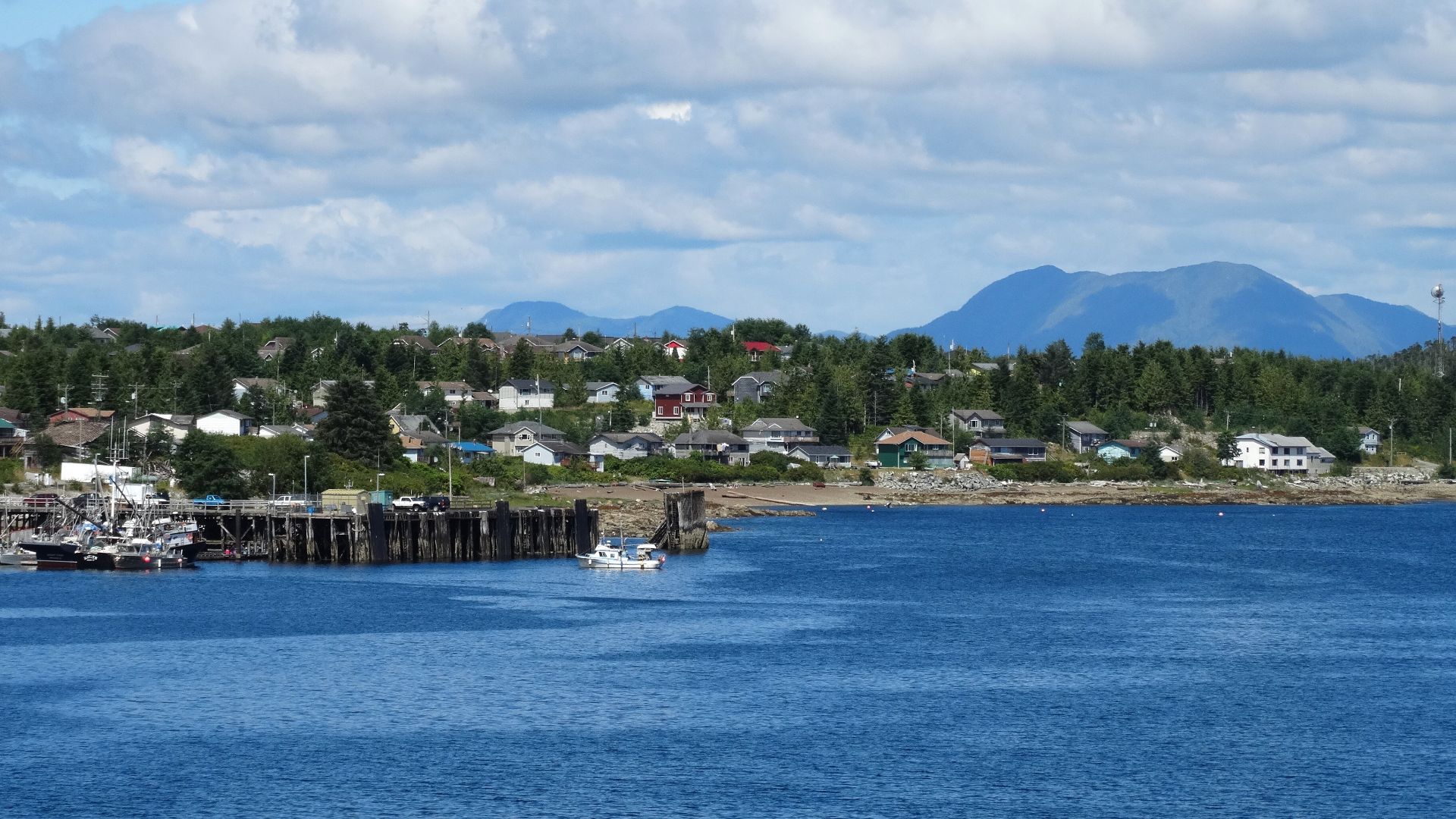
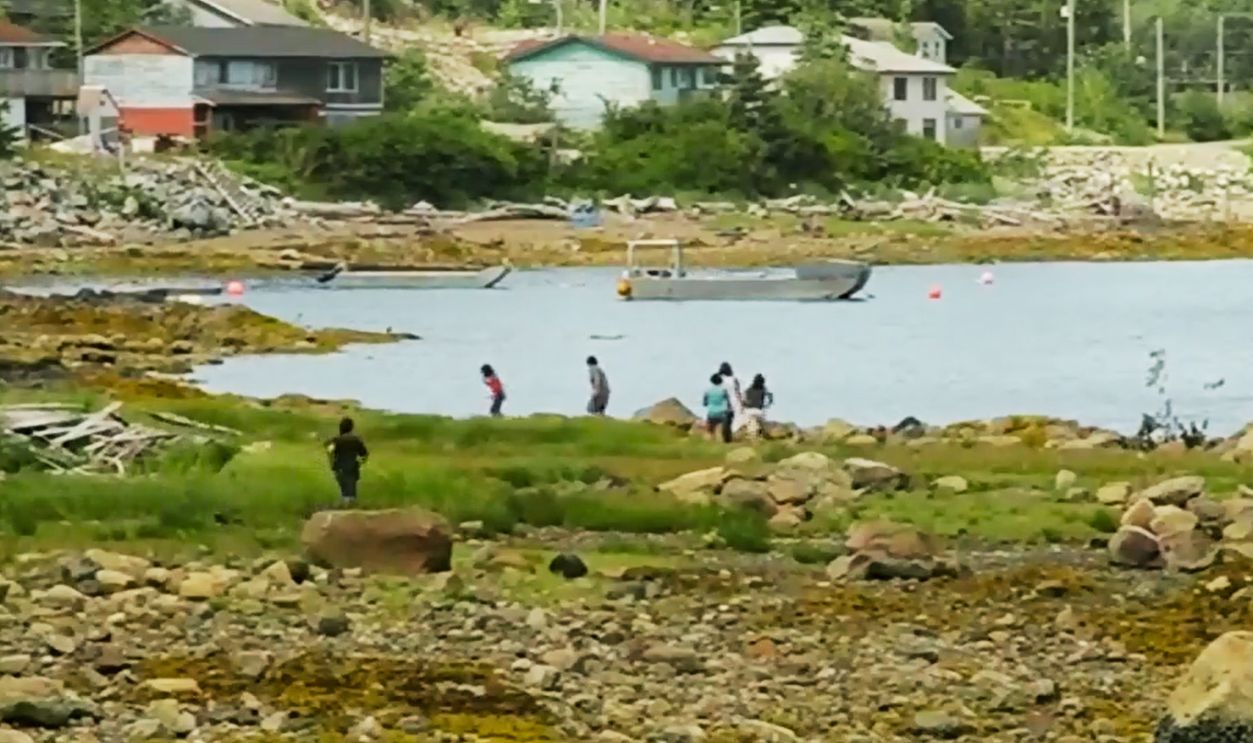
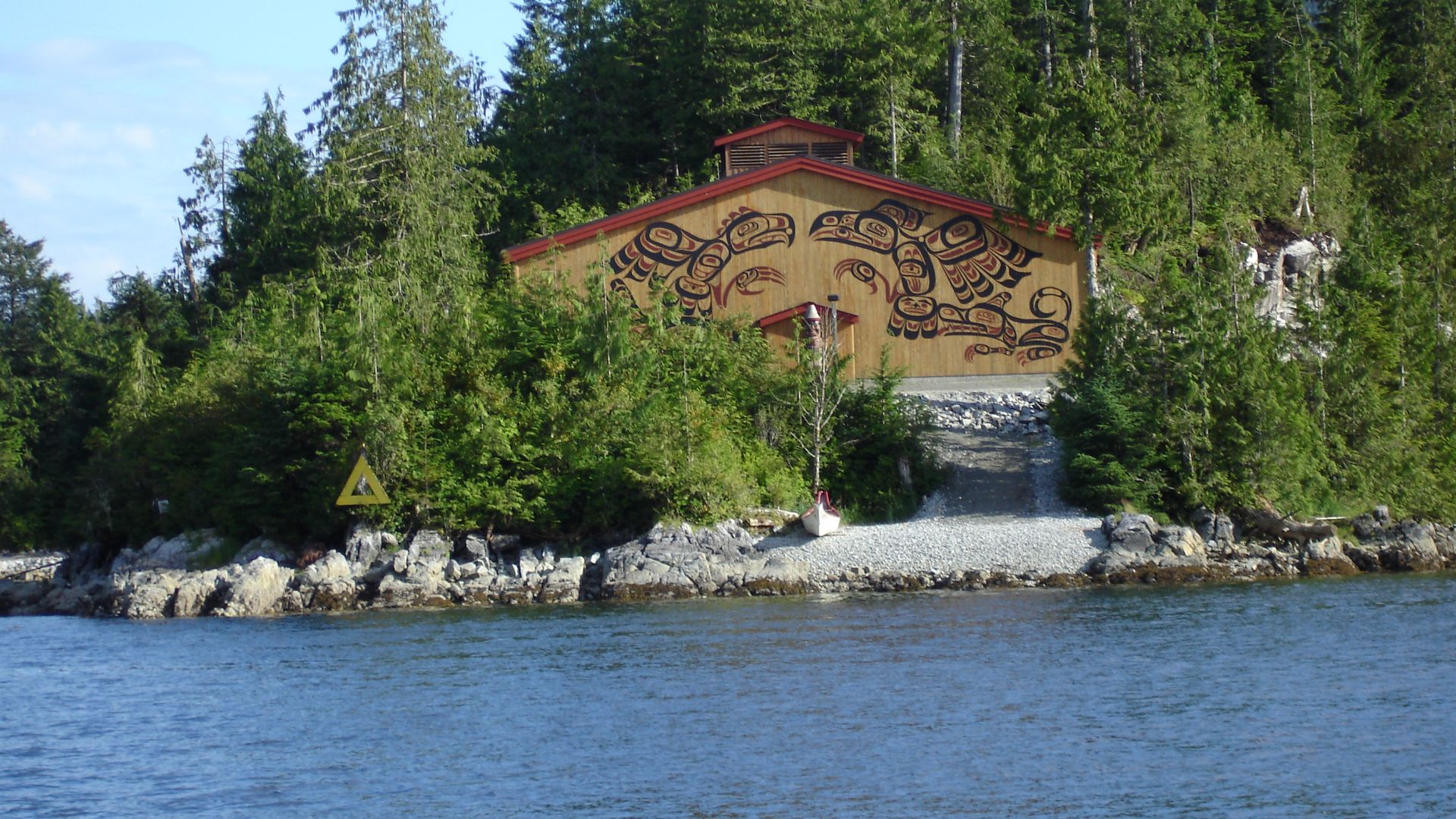
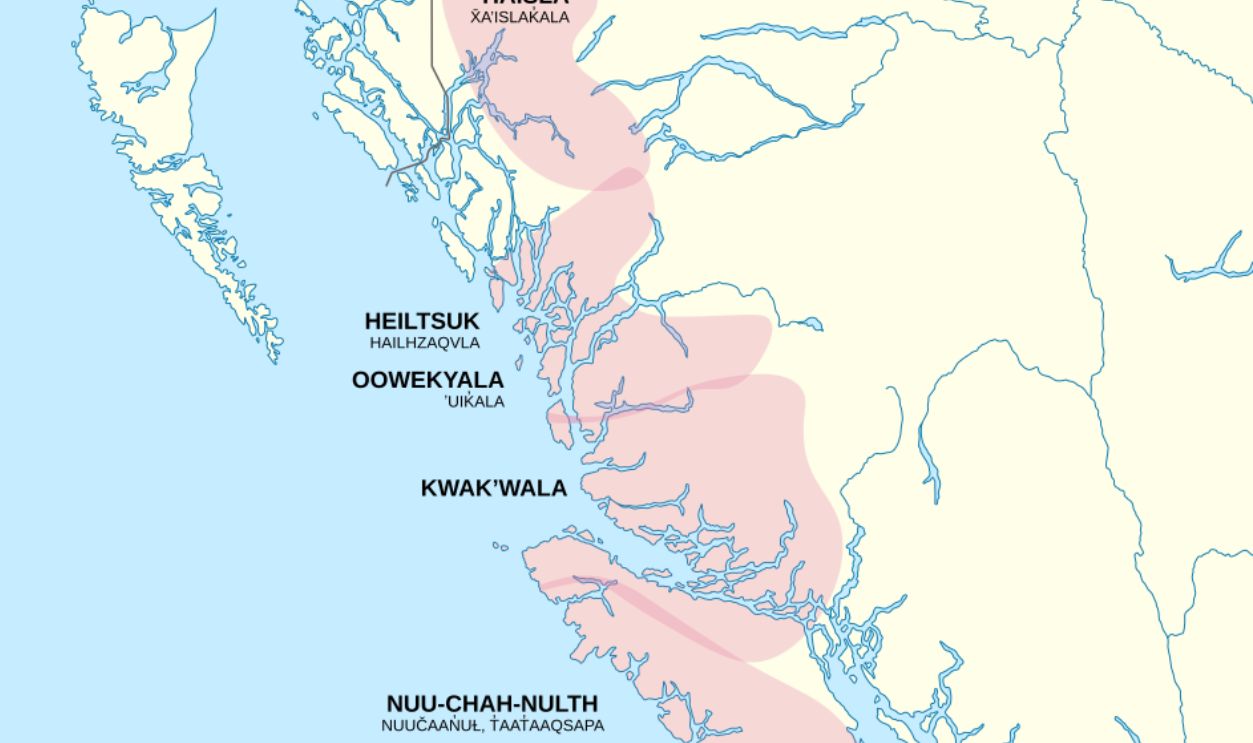
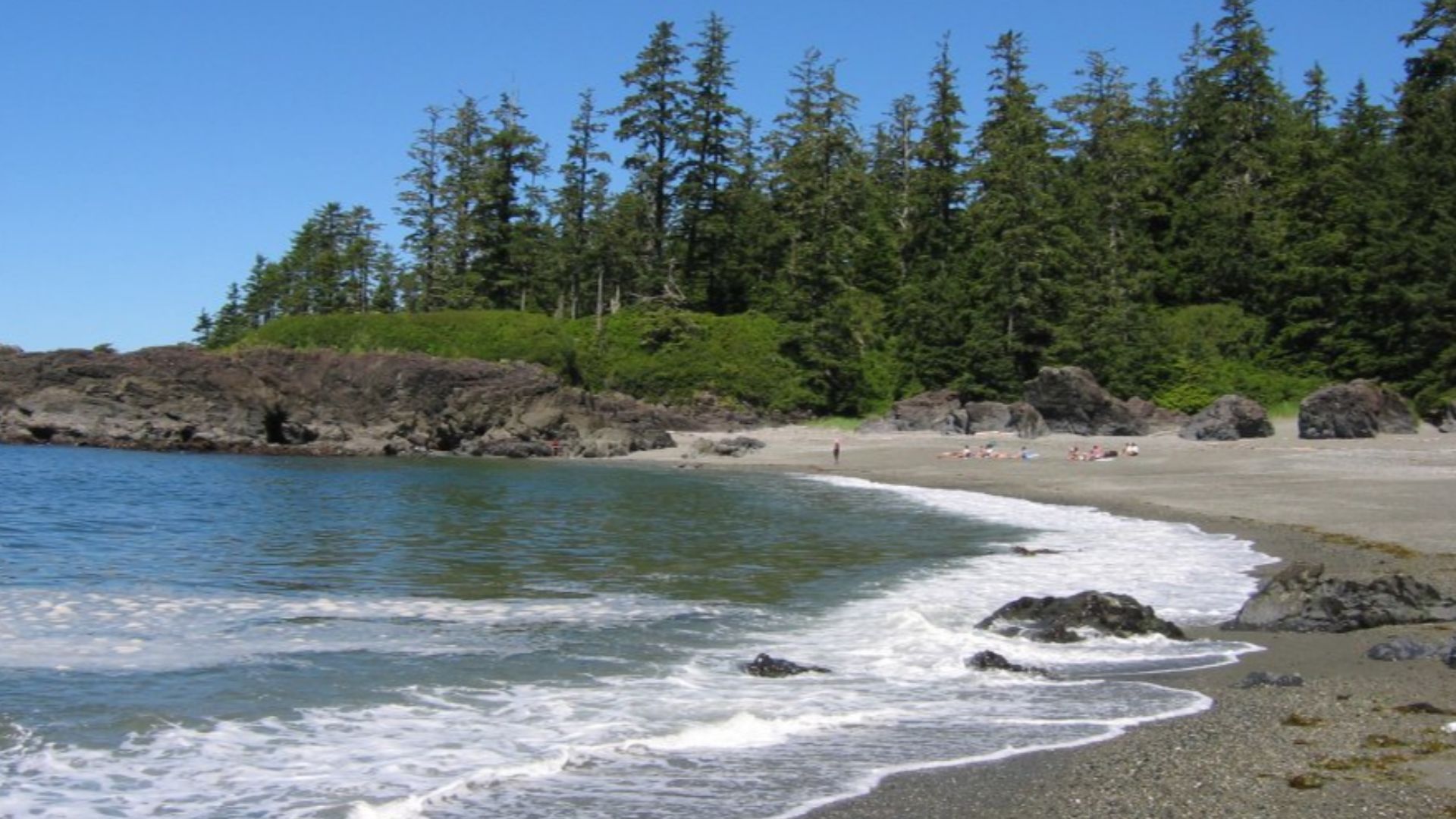
Triquet Island sits in Haíɫzaqv, or Heiltsuk, Nation territory on the outer Central Coast of British Columbia. The archaeological site is known as EkTb-9. Researchers describe it as a place of repeated human occupation and investment over about 14,000 years. That long record makes the island far more than a single discovery spot.
 Screenshot from CTV News, CTV Television Network (1961-)
The Title Has A Twist
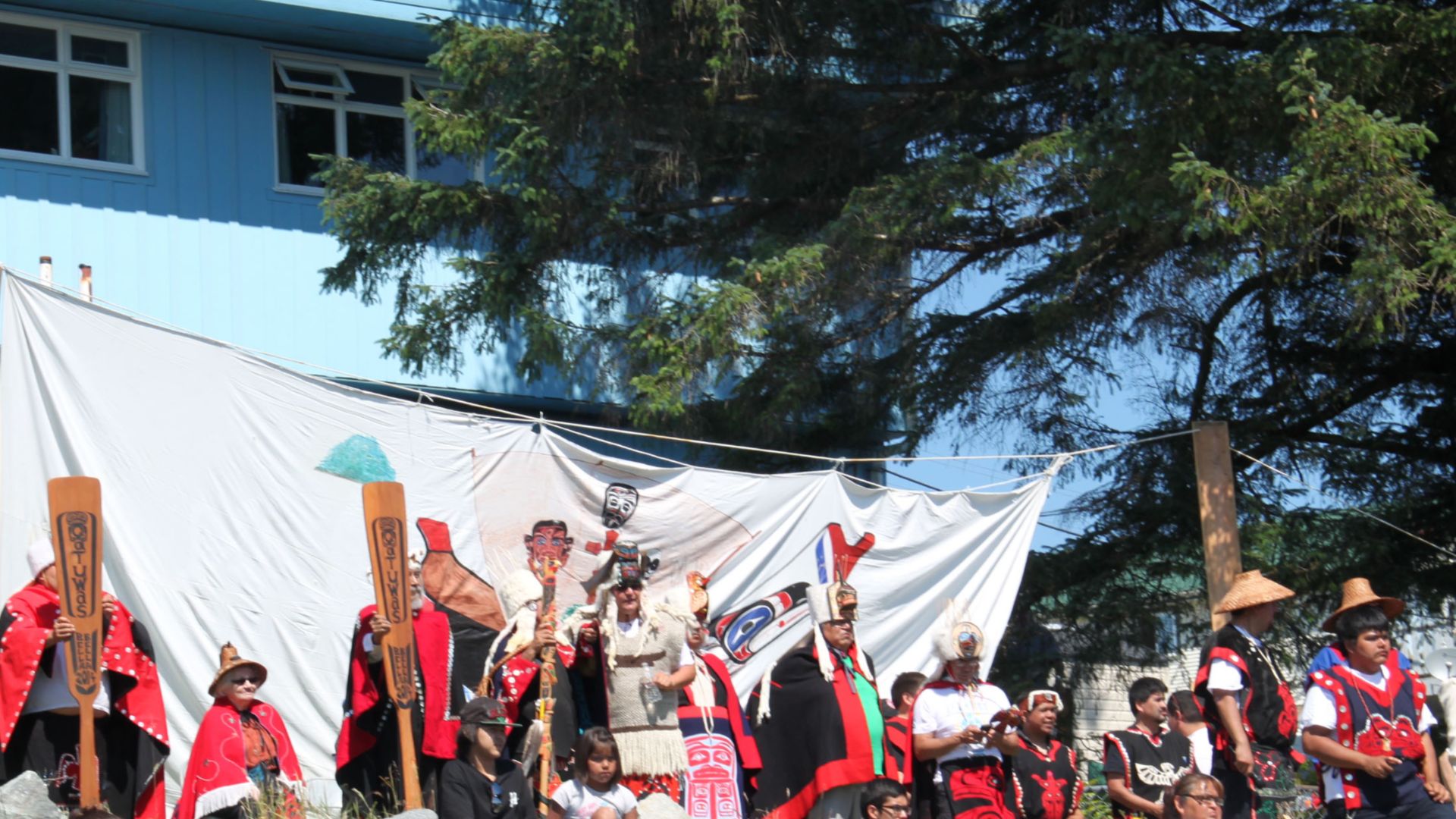
The find is often described as an Ice Age village, but the hearth itself was not found inside a glacier. The important point is that Heiltsuk oral history says this area remained uncovered while ice affected surrounding lands. Researchers from the university of Victoria reported that the 14,000-year-old village site did not freeze over during the last Ice Age. That made the discovery a powerful meeting point between archaeology and living memory.
 US Embassy Canada, Wikimedia Commons
A Place Remembered As Refuge
Heiltsuk oral history describes people traveling to the Triquet Island area for survival during the Ice Age. William Housty of the Heiltsuk Nation said the find reaffirmed history that Heiltsuk people had spoken about for thousands of years. The story matters because it shows that oral knowledge can preserve real information across immense spans of time. The archaeological find helped confirm that knowledge.
 Adam Jones, Ph.D., Wikimedia Commons
Digging Through Soil And Peat
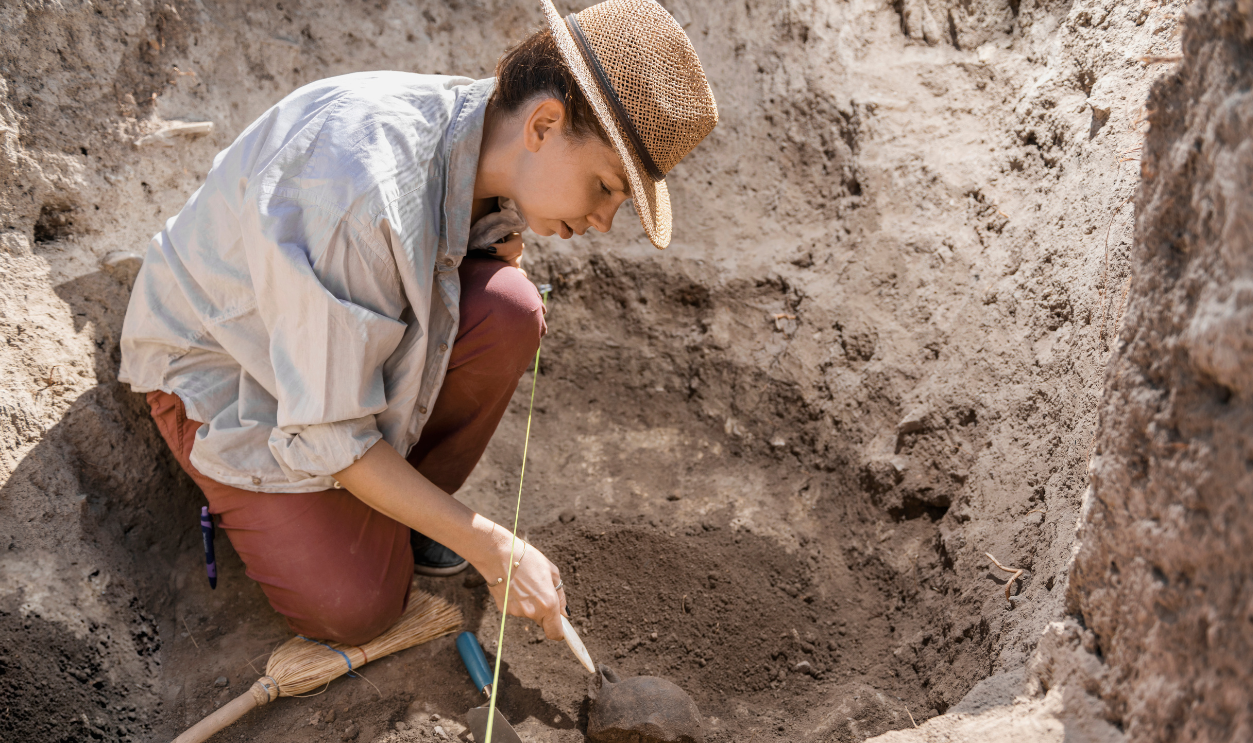
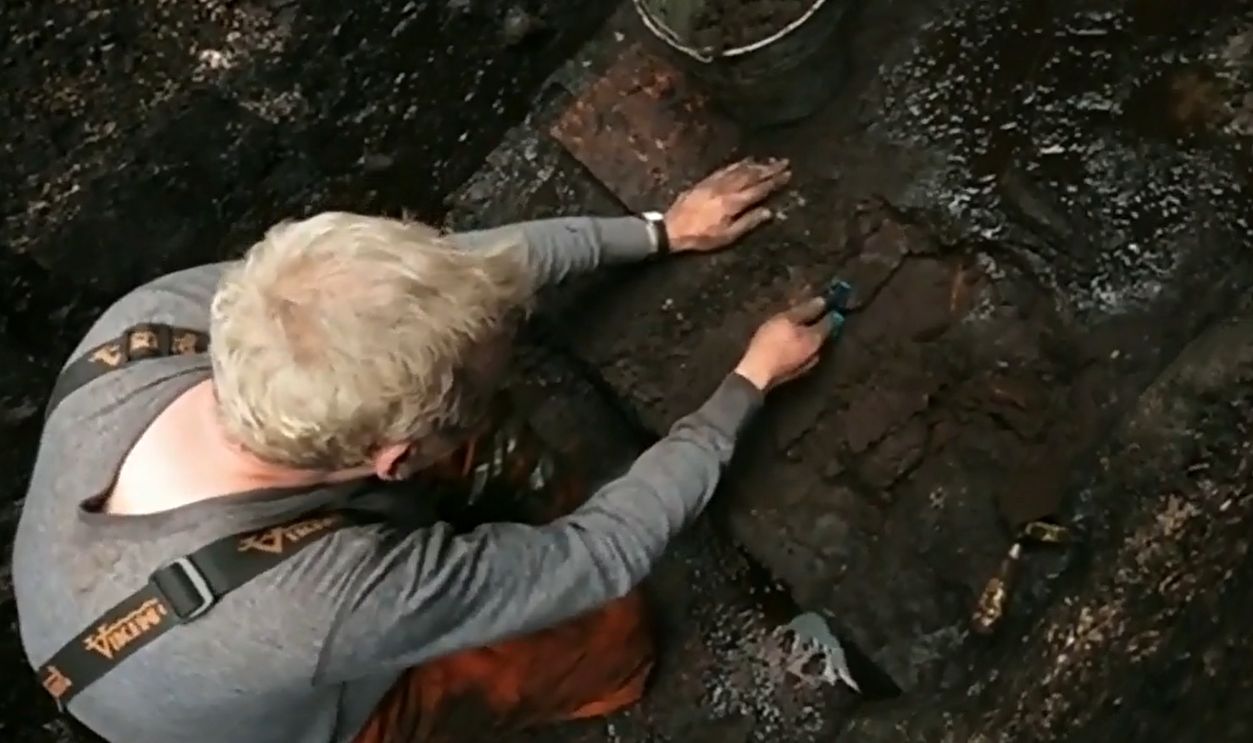
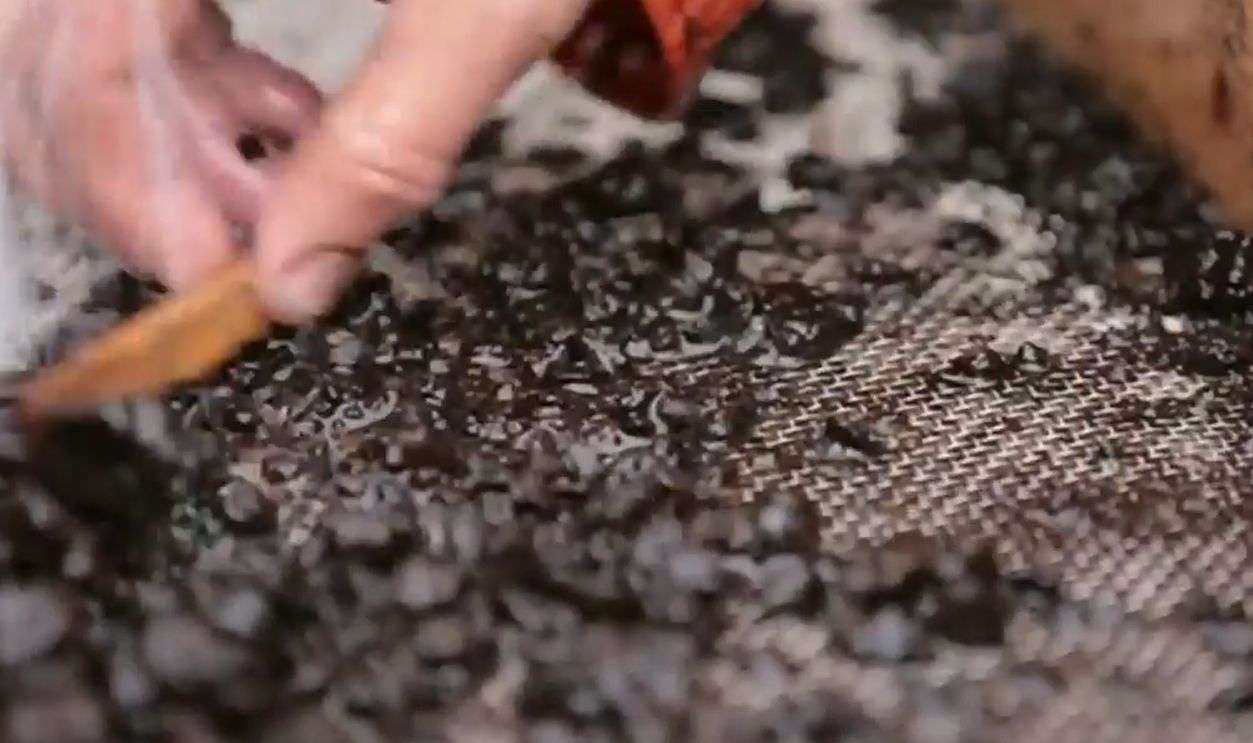
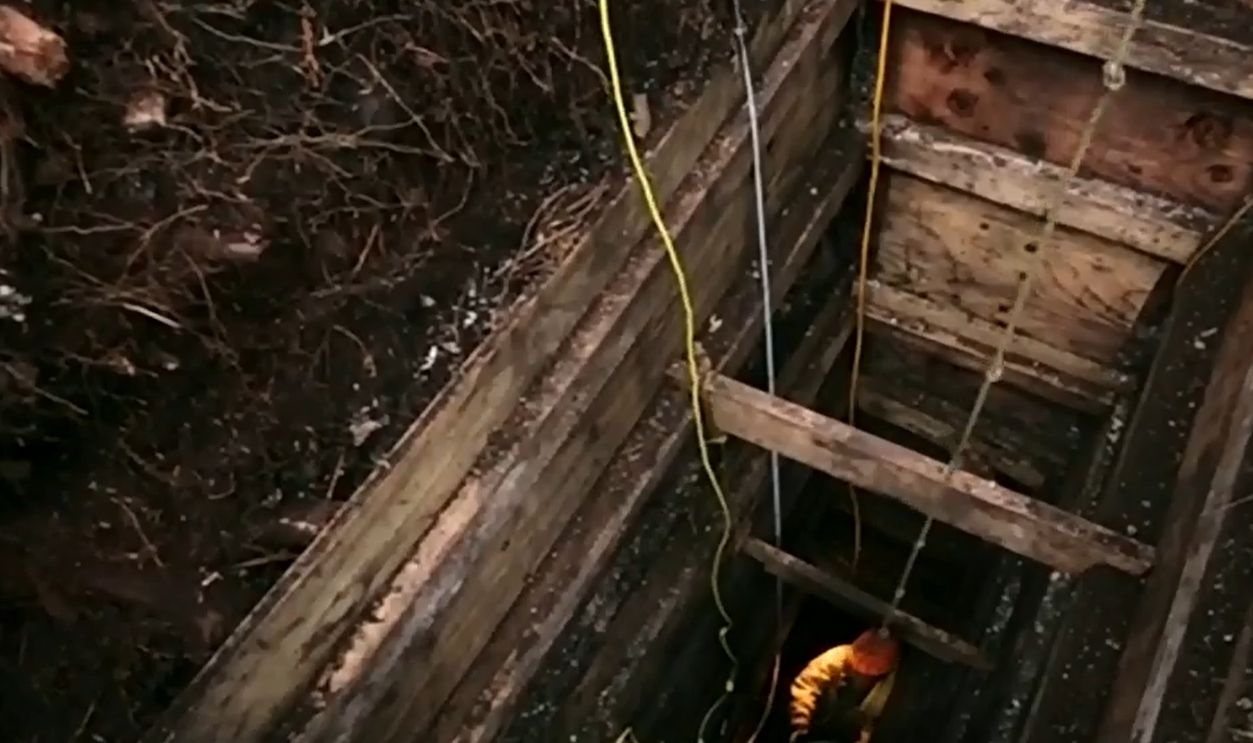
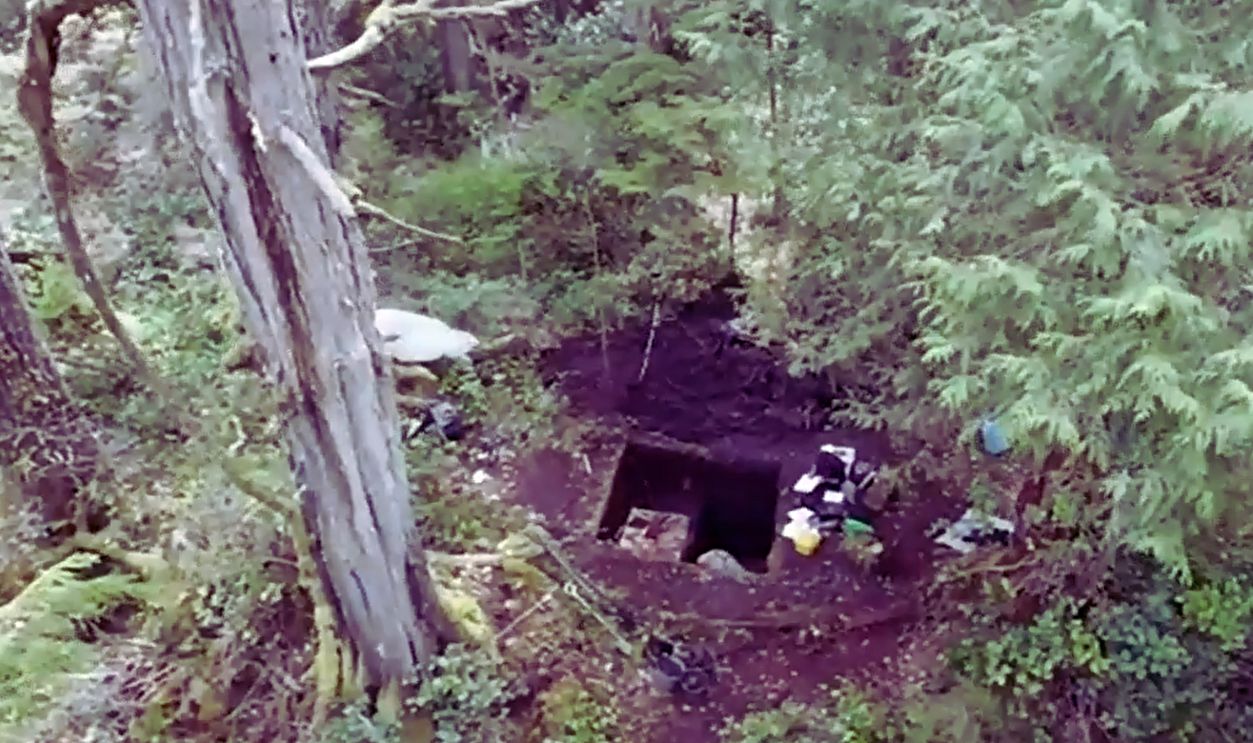
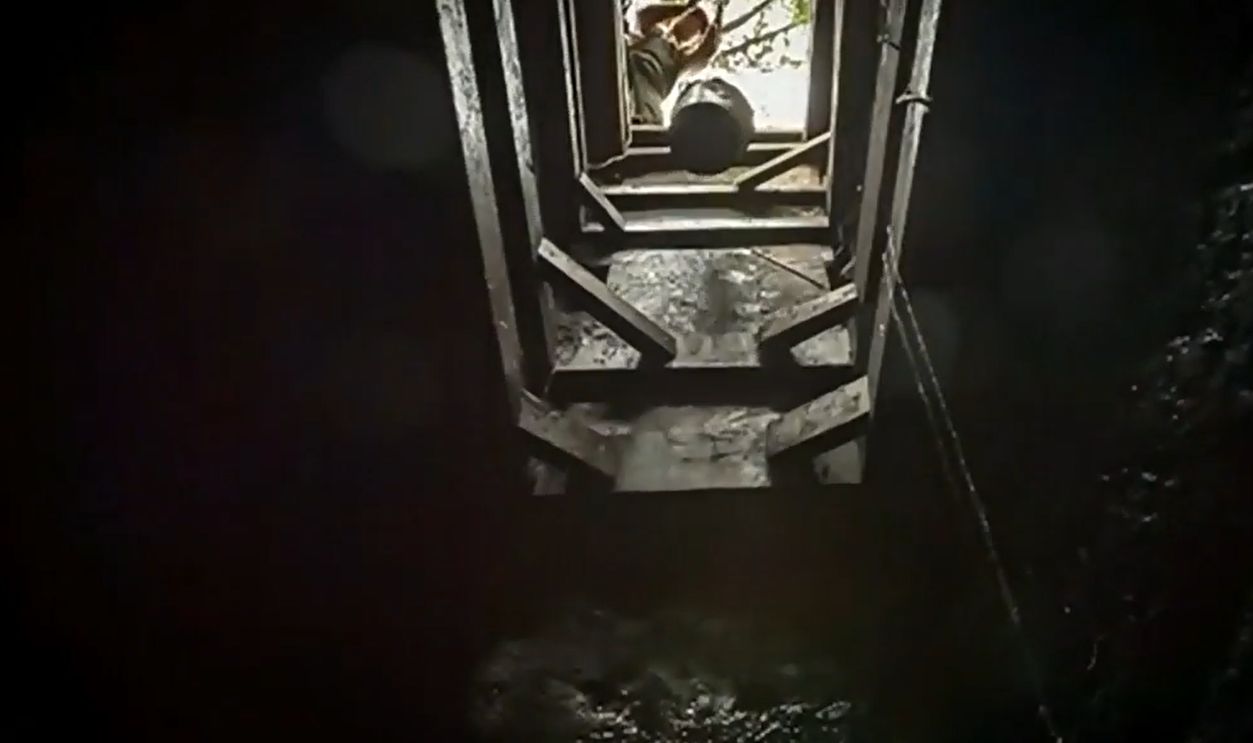
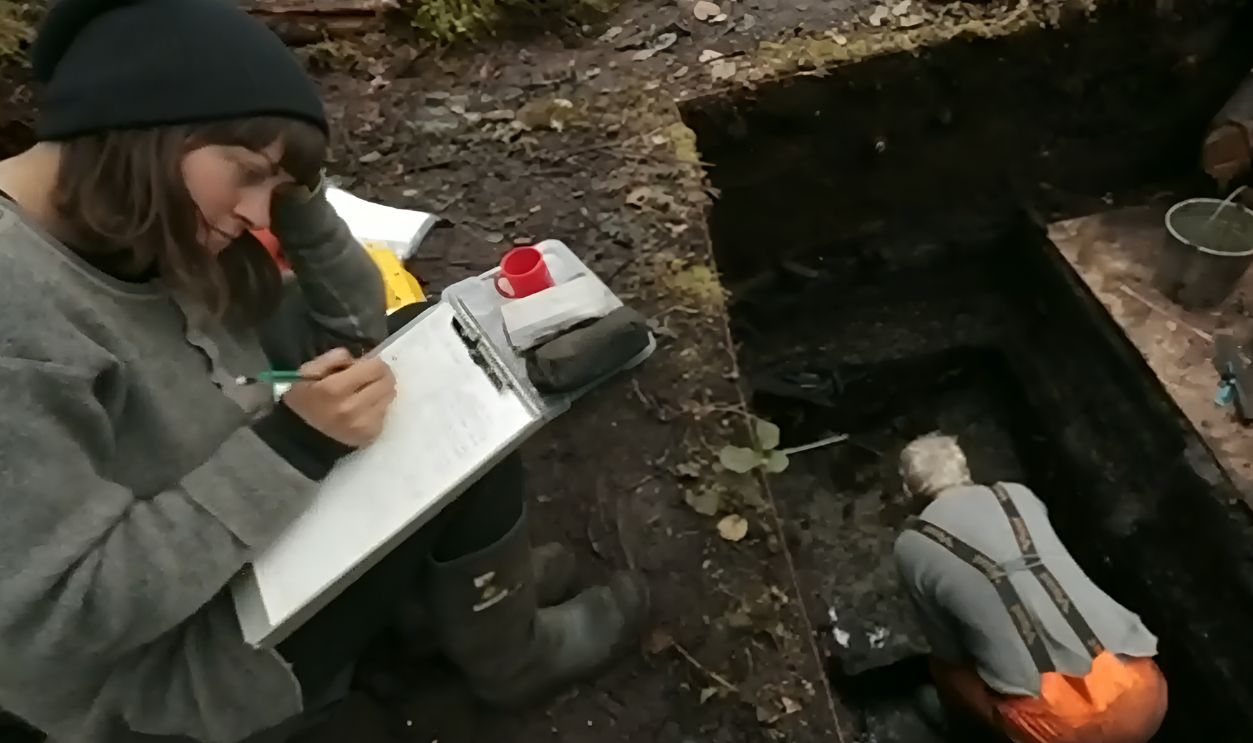
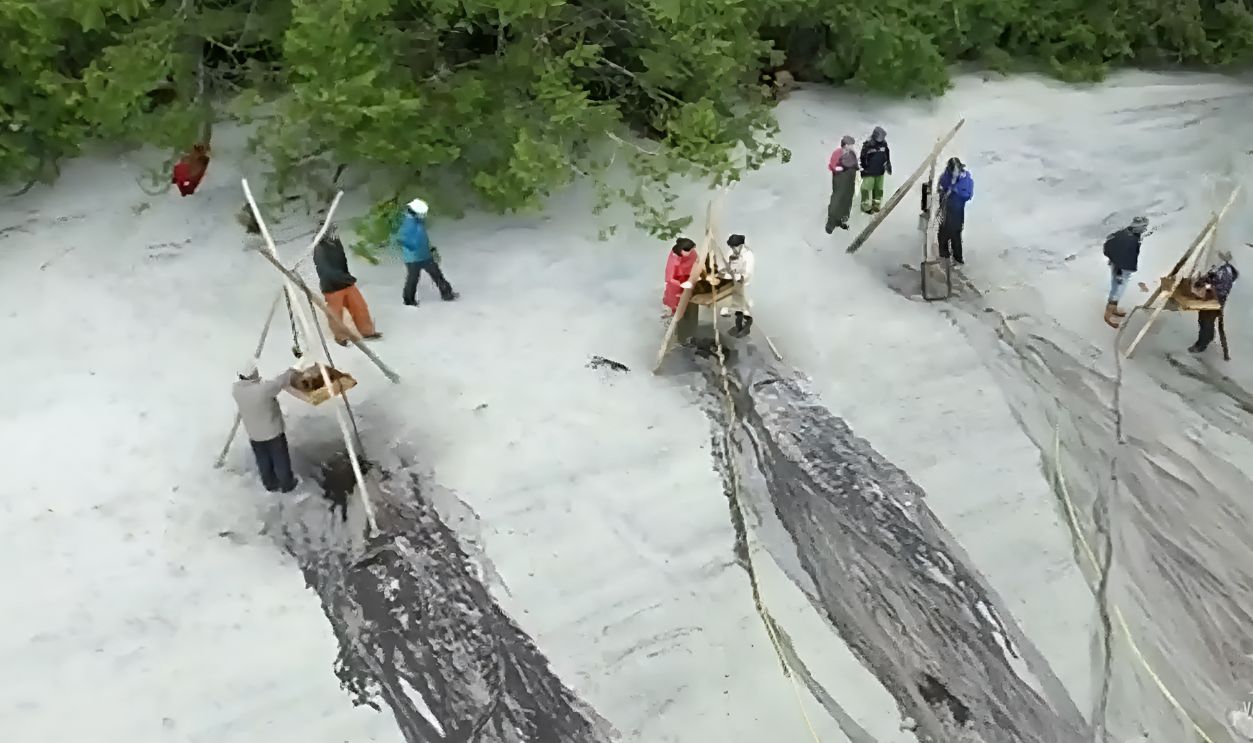
The excavation team worked through meters of soil and peat before reaching the ancient deposits. The archaeologists hit the charred remains of a hearth after sifting through those layers. The charcoal was carefully removed and sent for radiocarbon dating. Those tiny flakes became the key to a much larger story.
 Screenshot from CTV News, CTV Television Network (1961-)
The Moment The Date Came Back
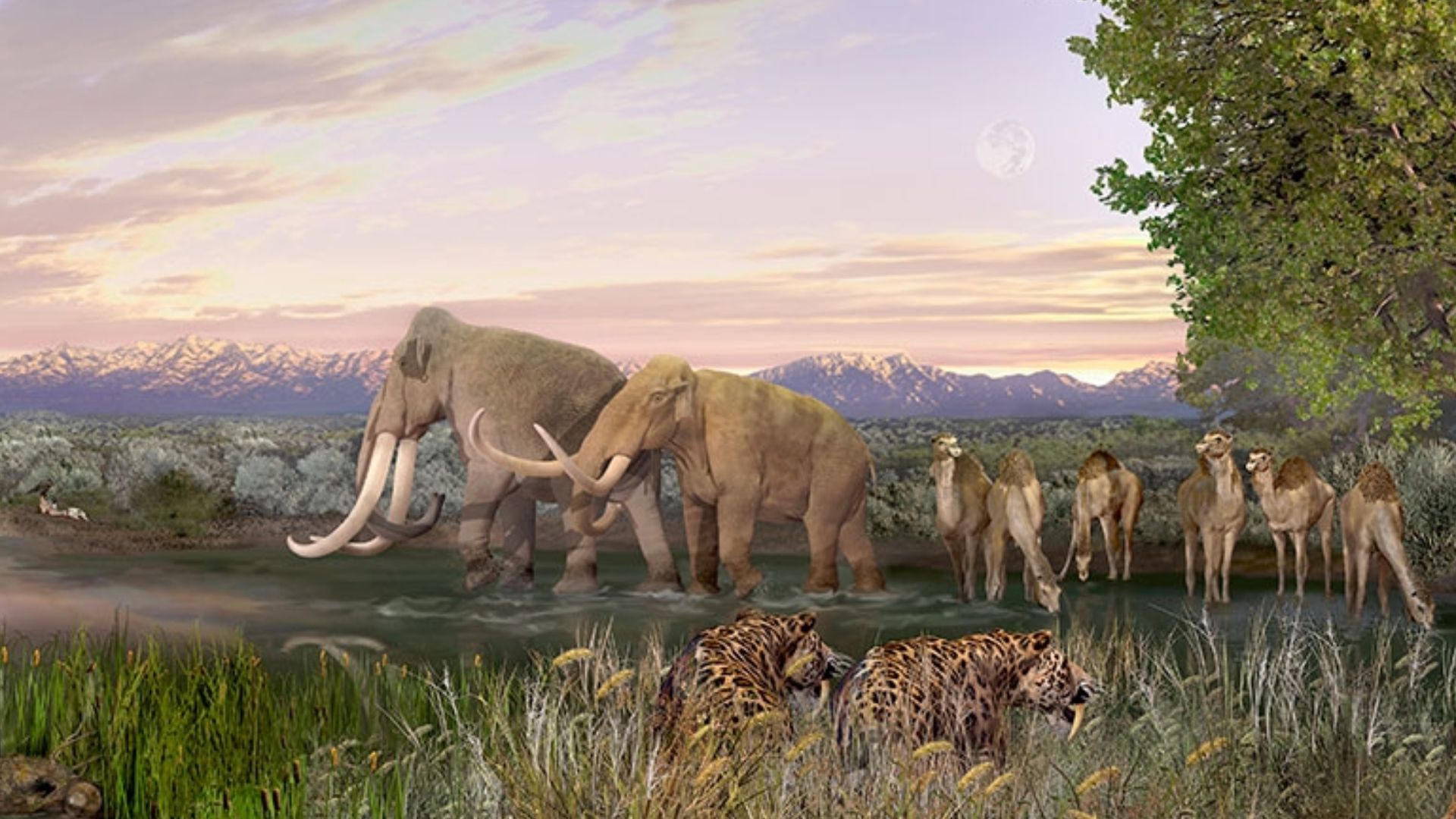
The charcoal dates surprised researchers because they pushed the site into the late Pleistocene, making the village up to 14,000 years old. The number does not make it the oldest site in North America, but it makes it one of the older known sites. It also strengthened the case for very early human life along Canada’s Pacific coast.
 uncredited National Park Service (NPS) artist, Wikimedia Commons
Not Just A Campfire
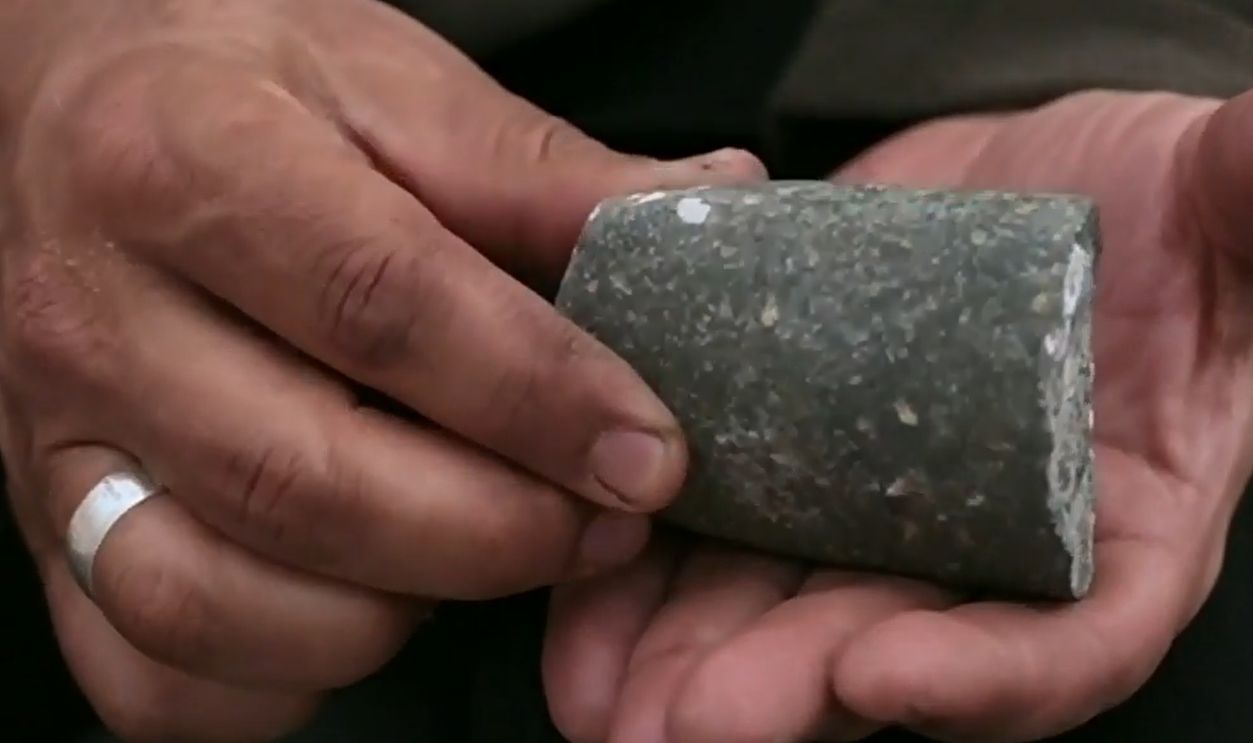
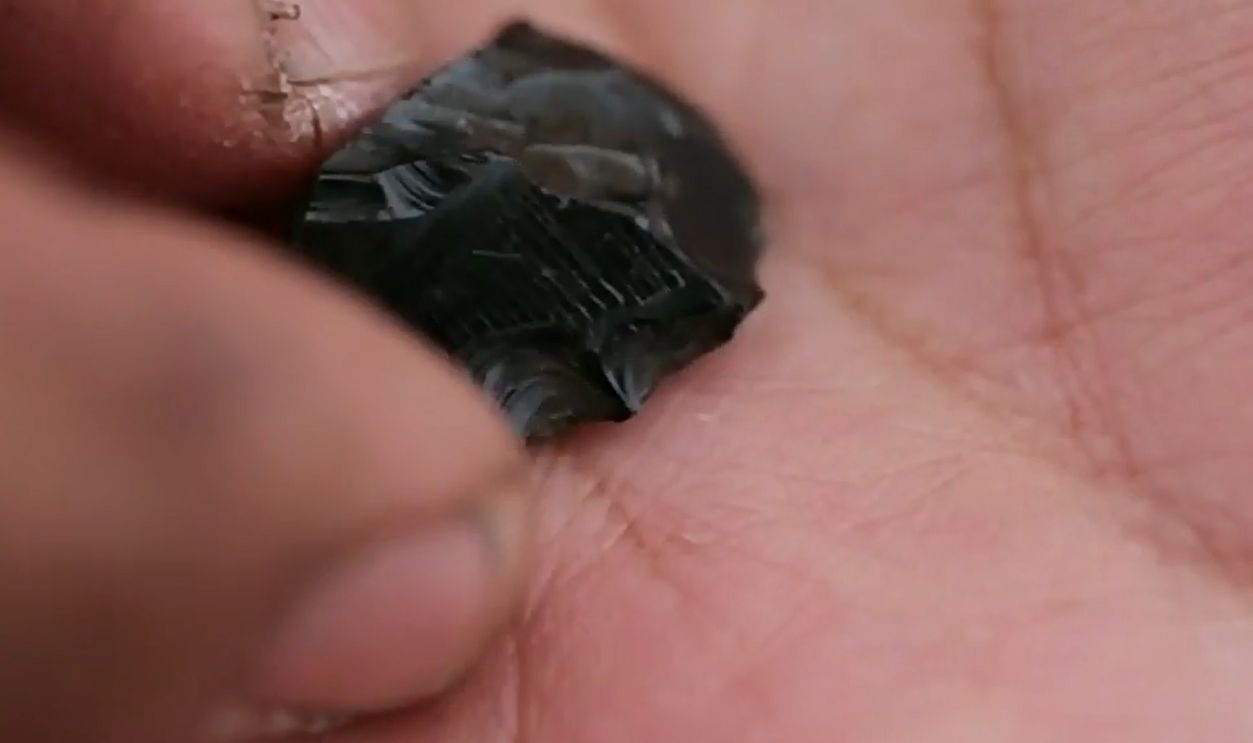
The hearth was found near signs of toolmaking. Lithics scattered on a large boulder served as an anvil stone. Charcoal from an adjacent ancient fireplace produced the very early radiocarbon dates. Together, the stone tools and fireplace suggest people were working and living in the same place.
 Screenshot from CTV News, CTV Television Network (1961-)
The Anvil Stone Clue
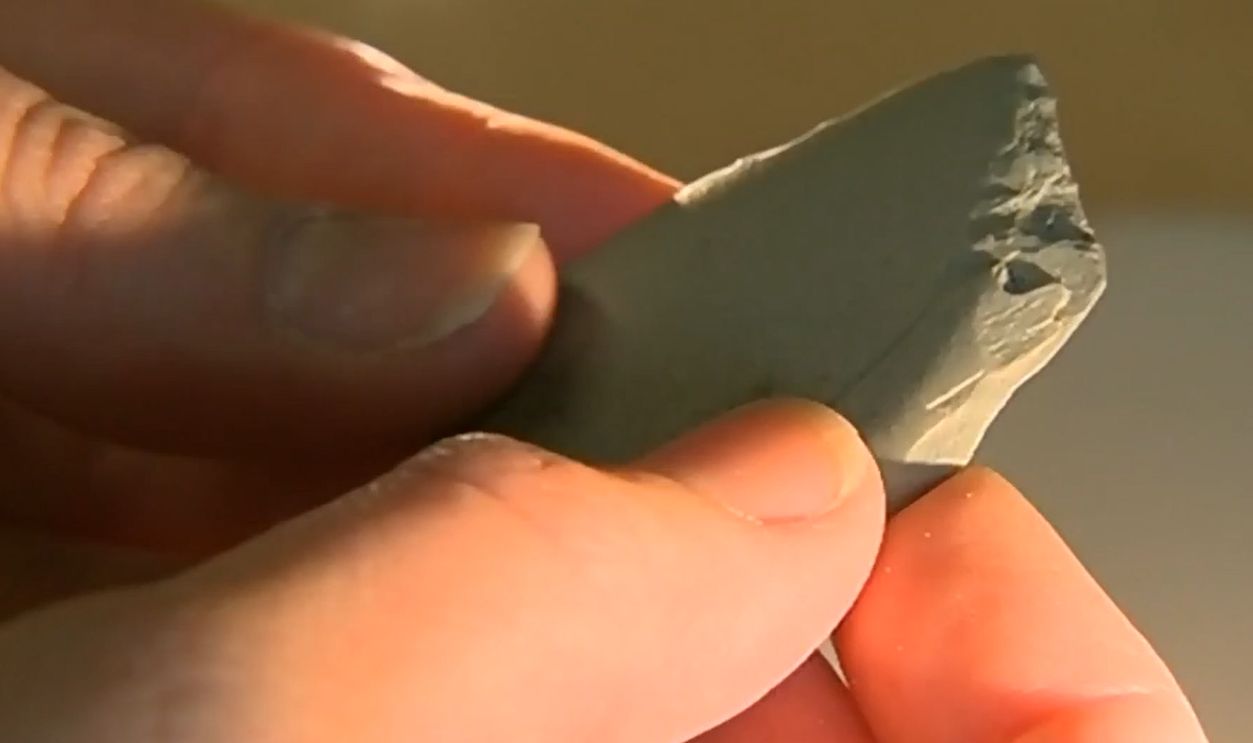
An anvil stone is a hard surface used to break smaller rocks into useful flakes. At Triquet Island, researchers found sharp multipurpose stone tools around such a boulder. That detail matters because it shows activity, not just presence. People were making tools beside a fire in a carefully used space.
 Screenshot from CTV News, CTV Television Network (1961-)

History's most fascinating stories and darkest secrets, delivered to your inbox daily.
A Village Older Than The Pyramids
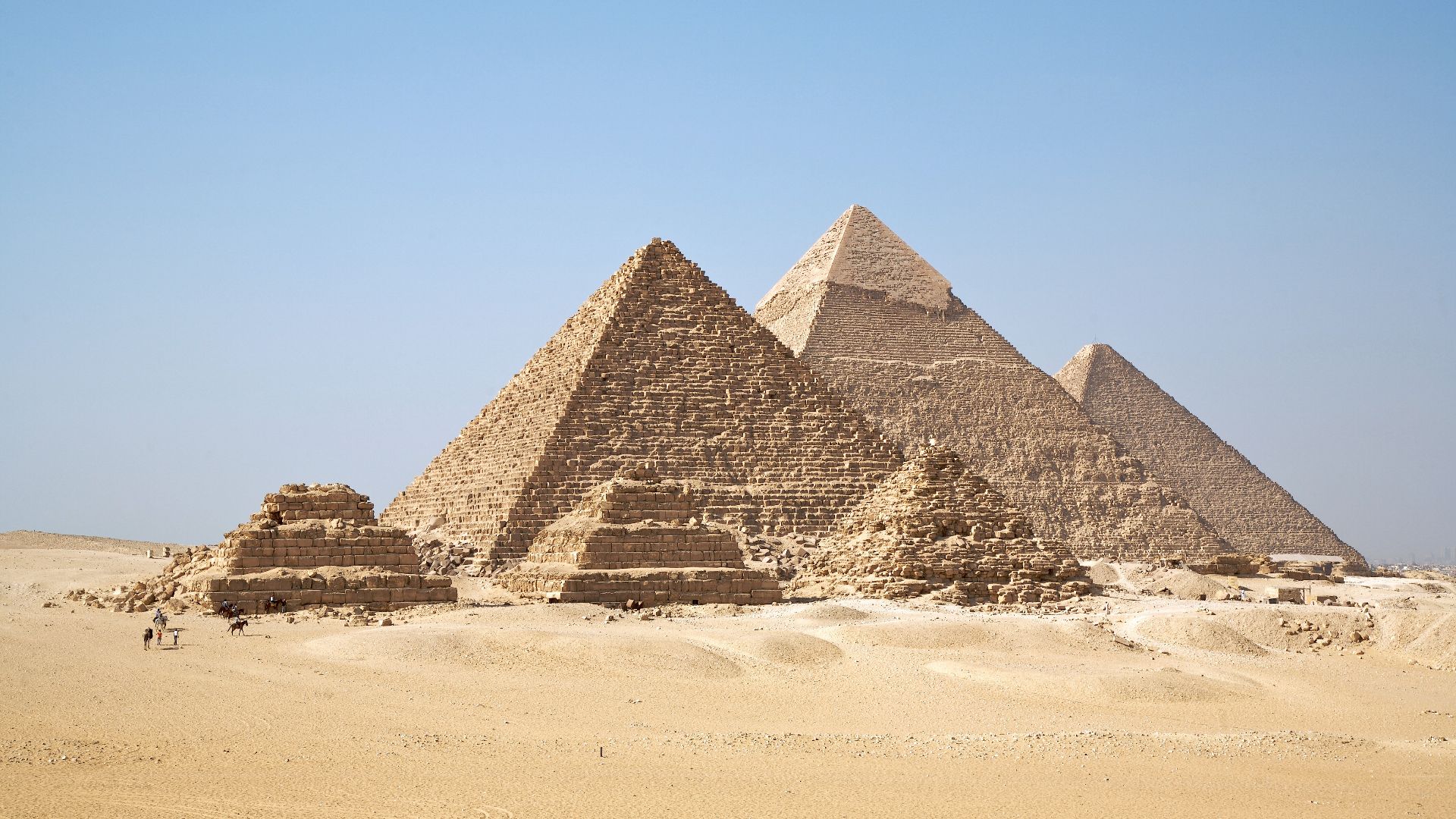
News coverage often compared the site with Egypt’s pyramids to give readers a sense of scale. Yet the village was roughly three times as old as the pyramids at Giza. That comparison is not the scientific point, but it helps modern readers feel the depth of time. The real lesson is that Canada’s human story reaches far beyond written history.
 Ricardo Liberato, Wikimedia Commons
The Heiltsuk Connection
The Heiltsuk Nation is based on British Columbia’s Central Coast. The University of Victoria reported that the Triquet Island find reaffirmed Heiltsuk First Nation oral history. The research involved archaeologists from UVic, the Hakai Institute, and local First Nations. That collaboration shaped how the site was studied and understood.
Science Meets Oral History
Researchers combined archaeological evidence with Haíɫzaqv oral history to better understand the site's past. Together, these sources helped create a more complete picture of life on the island thousands of years ago. That approach was especially important at a place with deep cultural significance. The result was a richer story than artifacts alone could provide.

Why The Ice Age Matters
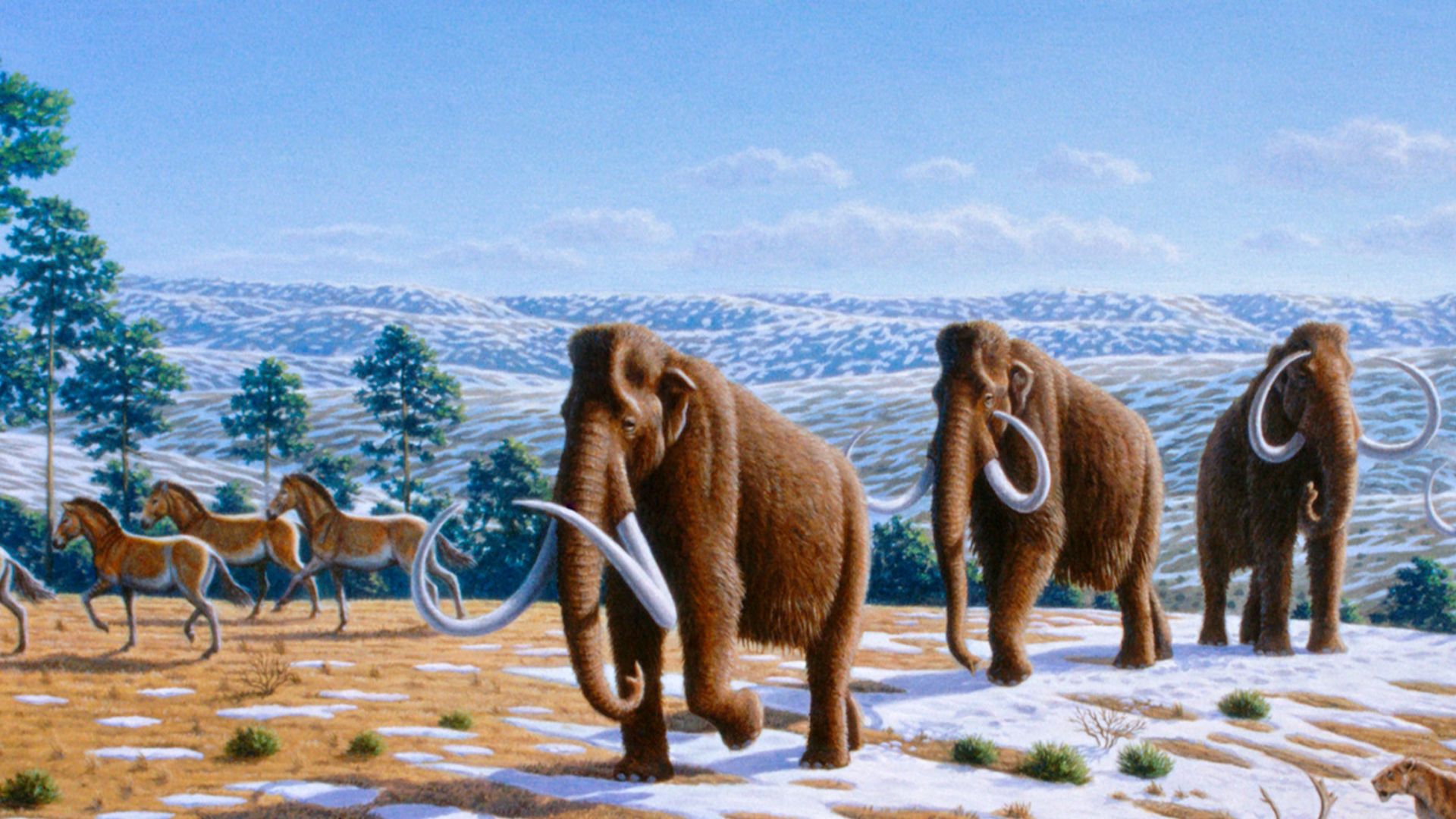
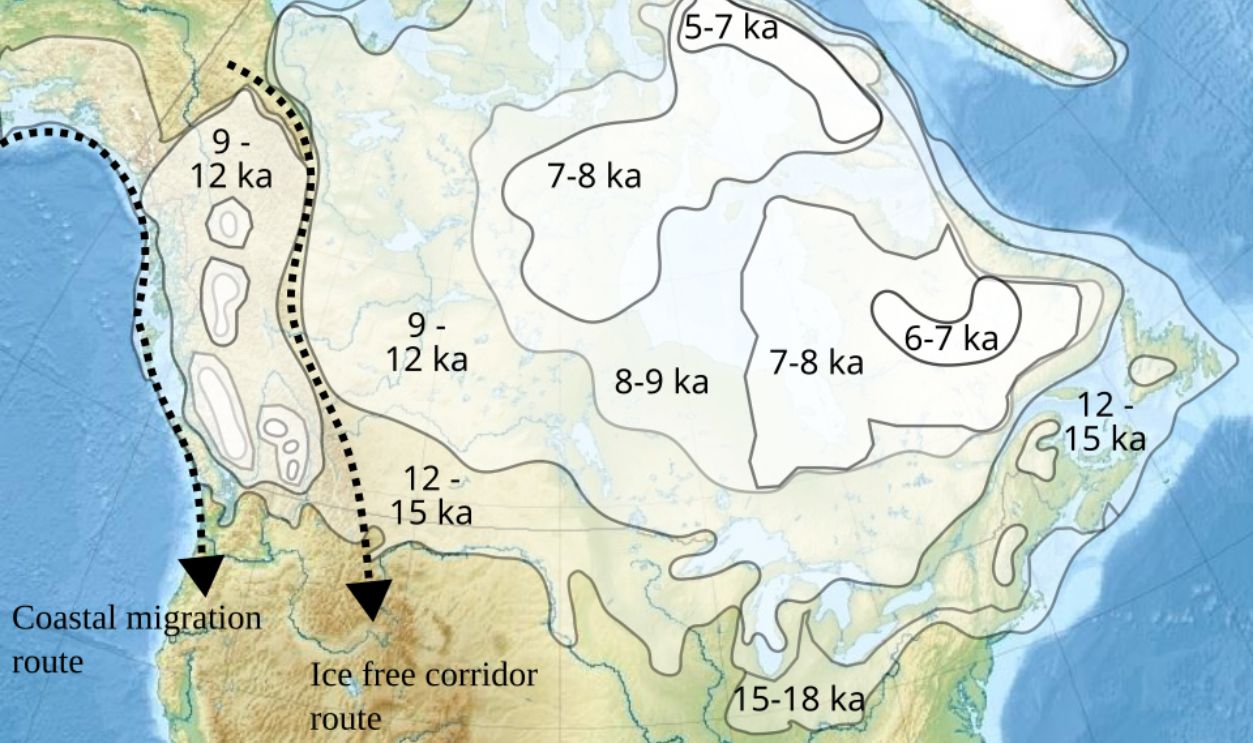
The last Ice Age reshaped coastlines, sea levels, and human routes across North America. Large ice sheets made many inland areas difficult or impossible to cross at certain times. The Pacific coast offered another possibility for early movement. Triquet Island helps researchers think more seriously about that coastal story.
 Mauricio Antón, Wikimedia Commons
The Coastal Migration Question
For decades, many accounts emphasized an inland route through an ice-free corridor. Newer evidence has made archaeologists look harder at coastal routes. Researchers described the Triquet Island find as evidence connected to the idea that early people traveled along the shoreline. This idea is sometimes discussed with the kelp highway hypothesis.
 Hemiauchenia, CC BY-SA 3.0, Wikimedia Commons
What The Kelp Highway Means
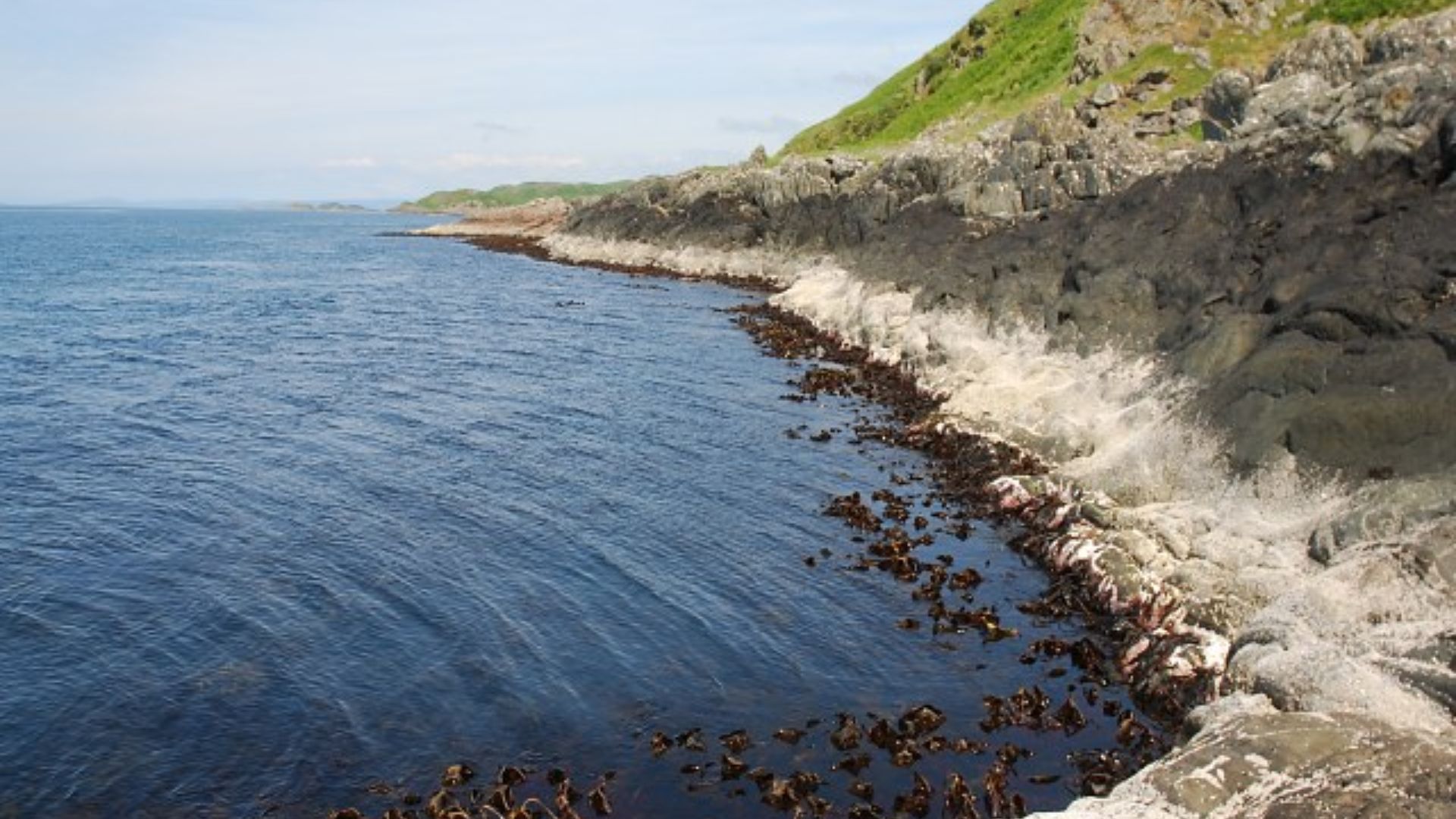
The kelp highway hypothesis suggests that rich coastal ecosystems helped early people move and live along the Pacific edge. Kelp forests support fish, shellfish, marine mammals, and other resources. A stable coastal refuge would have been valuable in a cold and changing world. Triquet Island fits into that broader discussion because people were there so early.
 Patrick Mackie, Wikimedia Commons
A Coast That Did Not Behave Simply
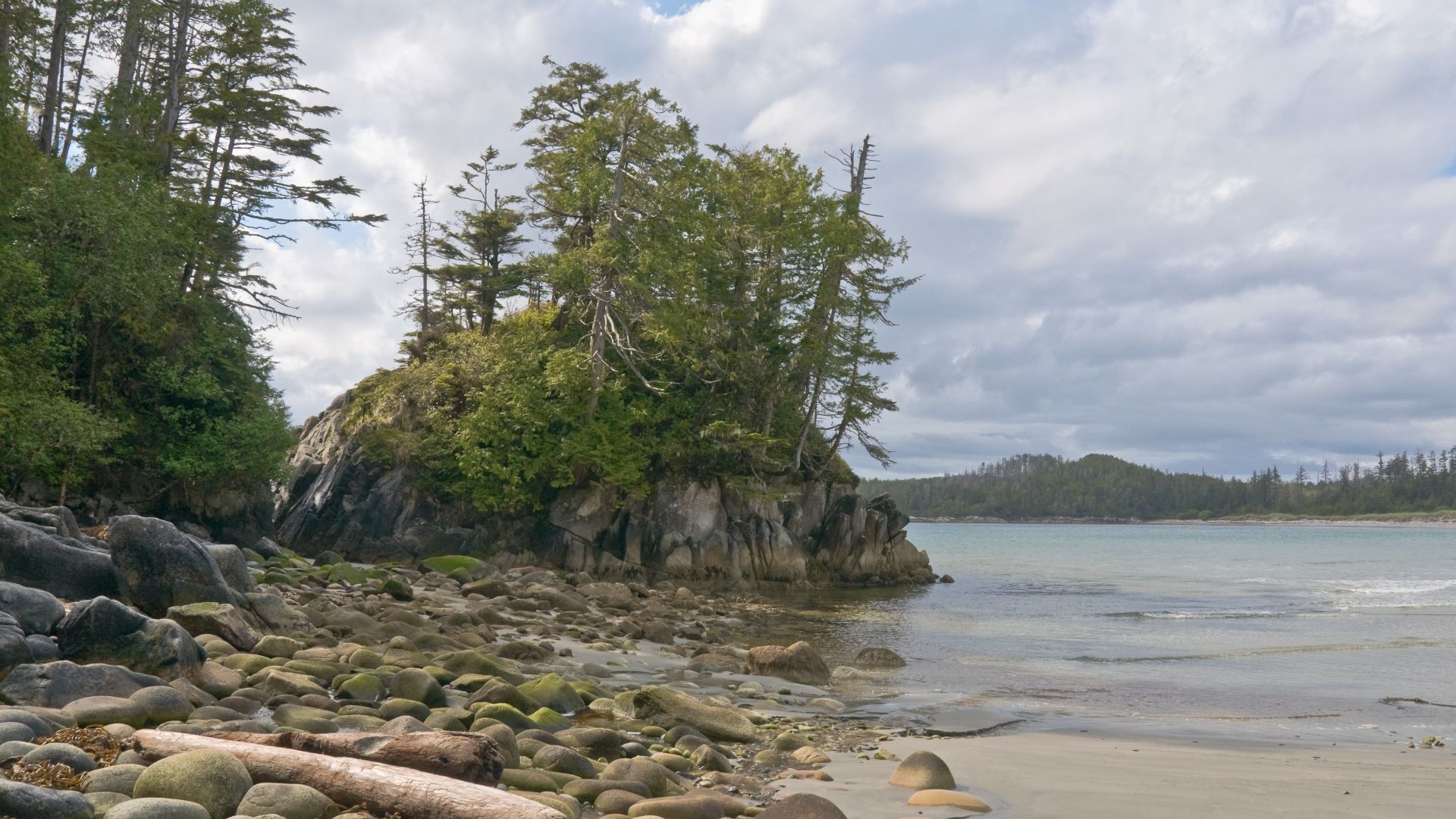
Sea level history on the Pacific coast was complicated after the Ice Age. Research on nearby Calvert Island notes that sea levels varied sharply between mainland and outer coastal areas. Some places had much higher sea levels than today, while outer islands could be far lower. That complexity makes coastal archaeology difficult and fascinating.
Why Triquet Island Preserved So Much
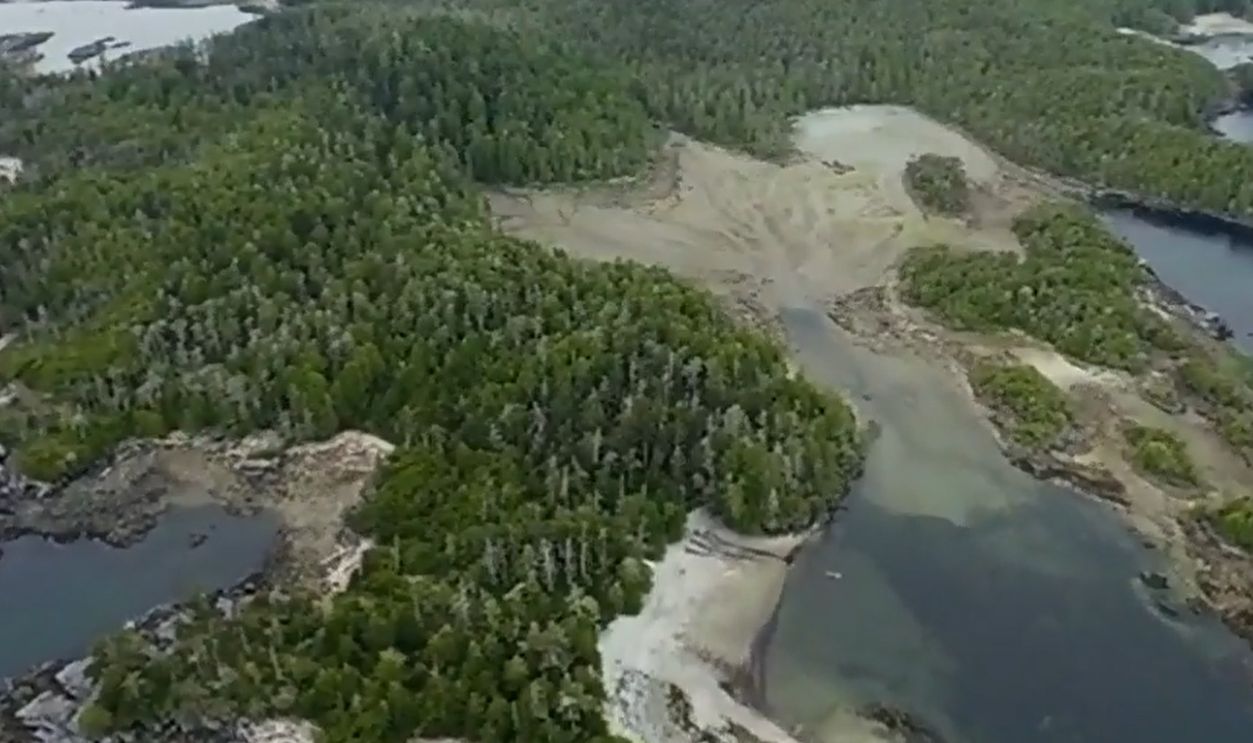
Triquet Island includes wet deposits that helped preserve organic materials. Wet sites can protect wooden objects that usually decay quickly. This preservation is one reason the island has produced rare finds. It gives researchers a better look at everyday technologies that often vanish from the record.
 Screenshot from CTV News, CTV Television Network (1961-)
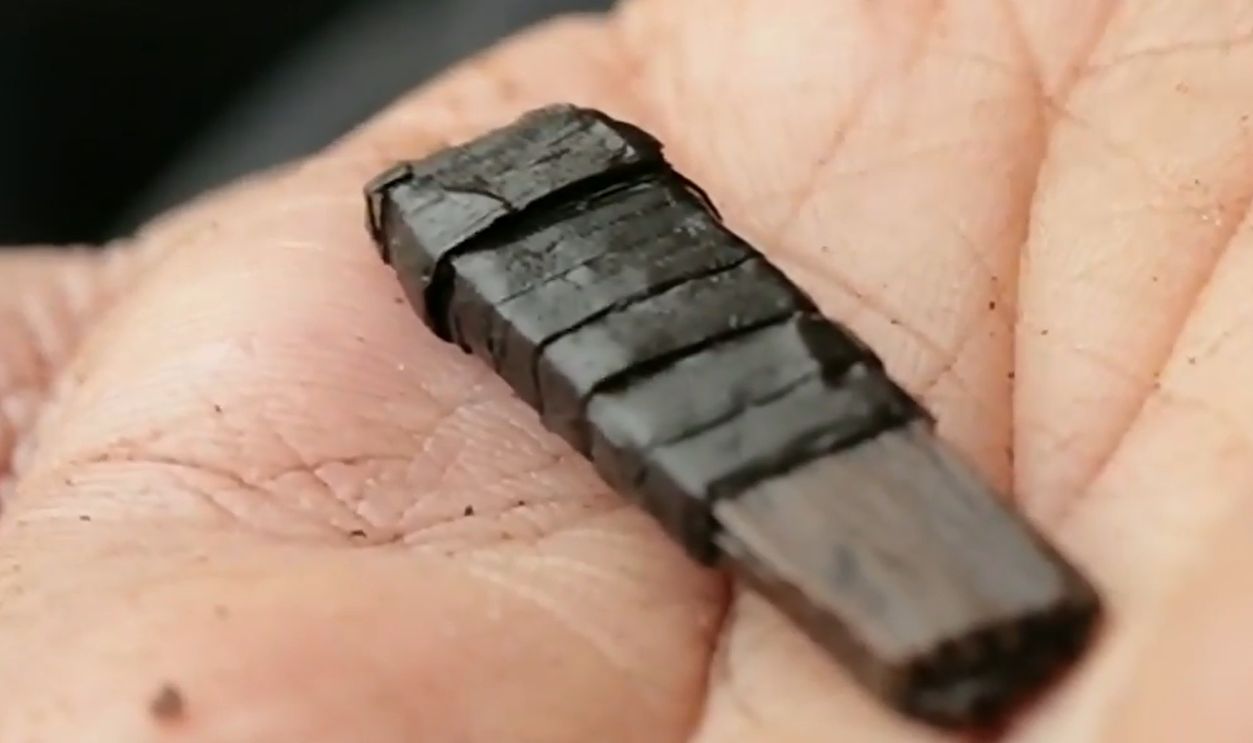
A Rare Wooden Atlatl
One remarkable artifact from Triquet Island is a wooden atlat that archaeologists have dated to about 7,000 years old. An atlatl helps launch a spear by extending the thrower’s arm. Finds like this show that the site’s story continued long after the earliest hearth.
 Screenshot from CTV News, CTV Television Network (1961-)
Fish Hooks And Coastal Life
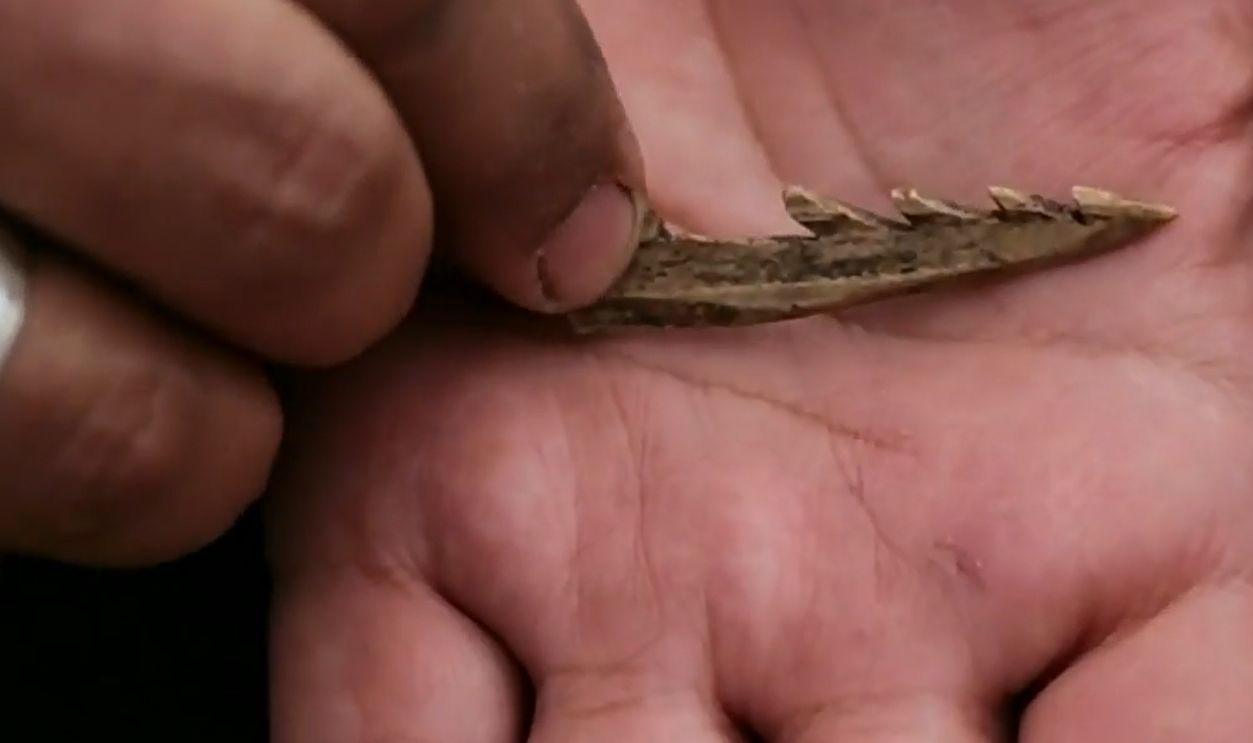
Archaeologists also found fish hooks at the site. Fish hooks point toward a community that understood and used marine resources. On the Central Coast, the sea was not just scenery. It was food, technology, travel, and survival.
 Screenshot from CTV News, CTV Television Network (1961-)
The Hand Drill Detail
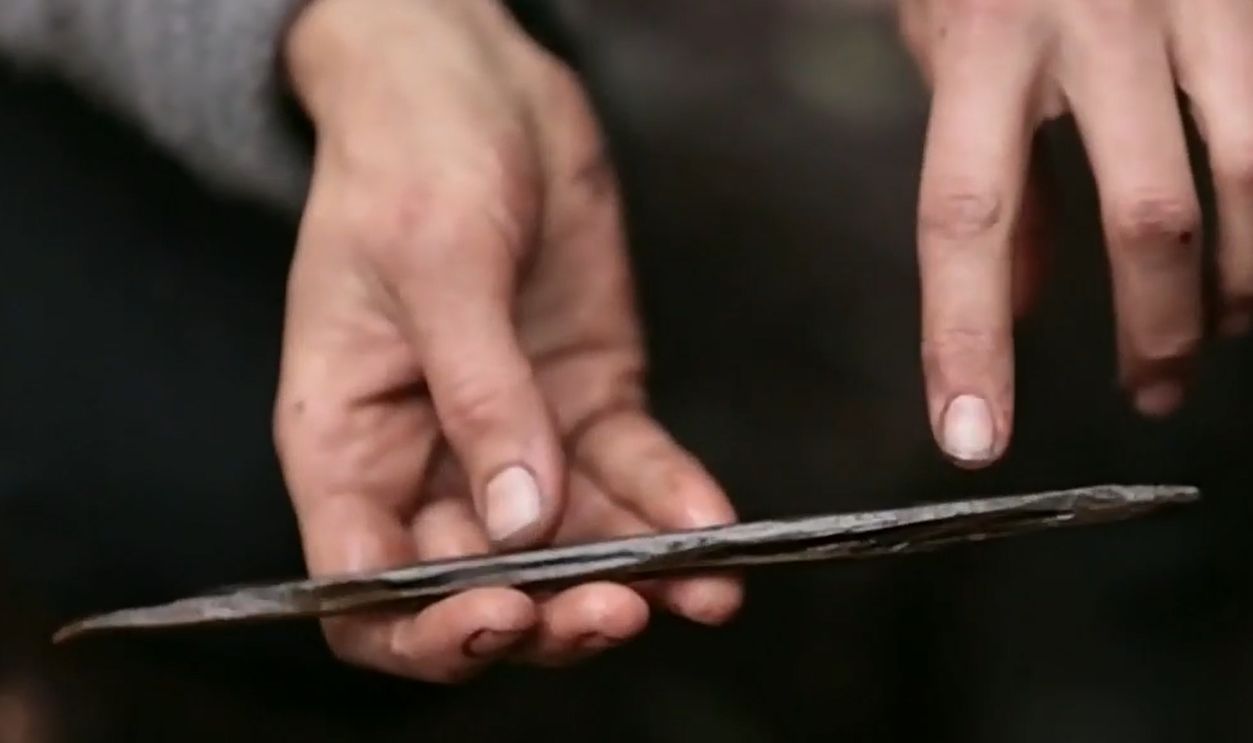
The team found a hand drill used for igniting fires. That small tool connects directly to the daily work of making warmth, light, and cooked food. It reminds us that ancient technology was practical and skilled. The people of Triquet Island were experts in their own world.
 Screenshot from CTV News, CTV Television Network (1961-)
A Cache Of Stone Tools
The excavation also produced a cache of stone tools near the hearth. Those tools helped archaeologists picture people working around the fire. The material helped the team build a narrative for the occupation of the site. That narrative is grounded in objects, sediments, dates, and context.
 Screenshot from CTV News, CTV Television Network (1961-)
The Dig Went Deep
The team had to stop digging about 2.5 meters below the surface. Cemented sediments made deeper excavation impossible at that spot. Even so, the archaeologists had already reached extraordinarily old evidence. The depth itself shows how much time had passed over the living surface.
 Screenshot from CTV News, CTV Television Network (1961-)
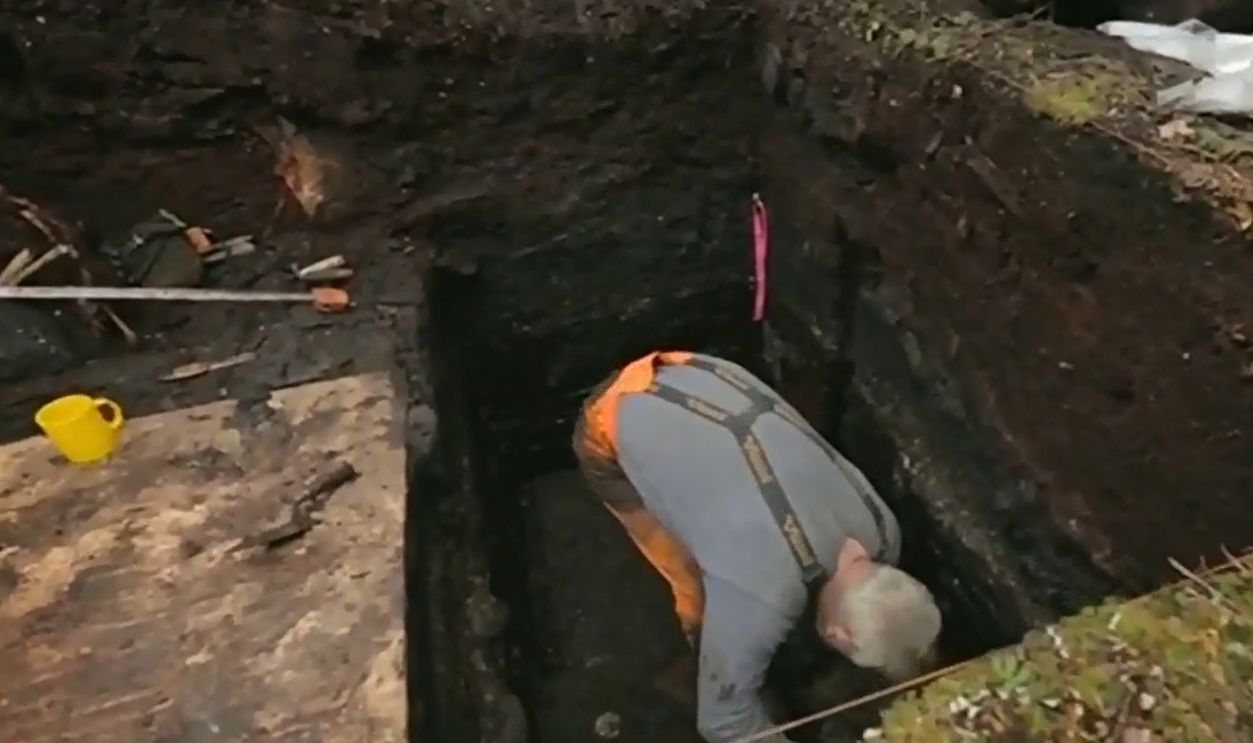
Layers Tell The Story
The 2023 study describes complex stratigraphy at EkTb-9. The site includes marine beach sediments, organic soils, peat deposits, cultural layers, and shell accumulations. These layers are not just dirt. They are the pages of a coastal history book.
 Screenshot from CTV News, CTV Television Network (1961-)
A Possible Ancient Tsunami
The 2023 study also describes an extensive sand sheet consistent with a possible paleotsunami event. That means the island’s ancient residents lived in a dynamic coastal environment. Storms, waves, sea level shifts, and rare disasters all shaped the place. Human occupation continued through these environmental changes.
 Katsushika Hokusai, Wikimedia Commons
From Open Landscape To Rainforest
The 2023 study says the outer coastal island likely changed from an open early postglacial landscape to today’s hypermaritime coastal temperate rainforest. That is a major environmental transformation. People returned to or remained connected with the site across that change. EkTb-9 therefore records both human history and environmental history.
 Screenshot from CTV News, CTV Television Network (1961-)
A Persistent Place
Researchers describe EkTb-9 as a persistent place. That means people came back to the same location over and over because it mattered. It offered resources, memory, identity, and practical advantages. The phrase turns a single site into a long relationship.
 Screenshot from CTV News, CTV Television Network (1961-)
The Power Of Staying Put
Archaeology often focuses on movement, but Triquet Island also highlights continuity. The 2024 University of Victoria dissertation describes a 14,000-year record of repeated human occupation and investment. That does not mean every generation lived there in the same way. It does mean the place remained important for an astonishing span of time.
 Thedarkempire, Wikimedia Commons
A Storied Landscape
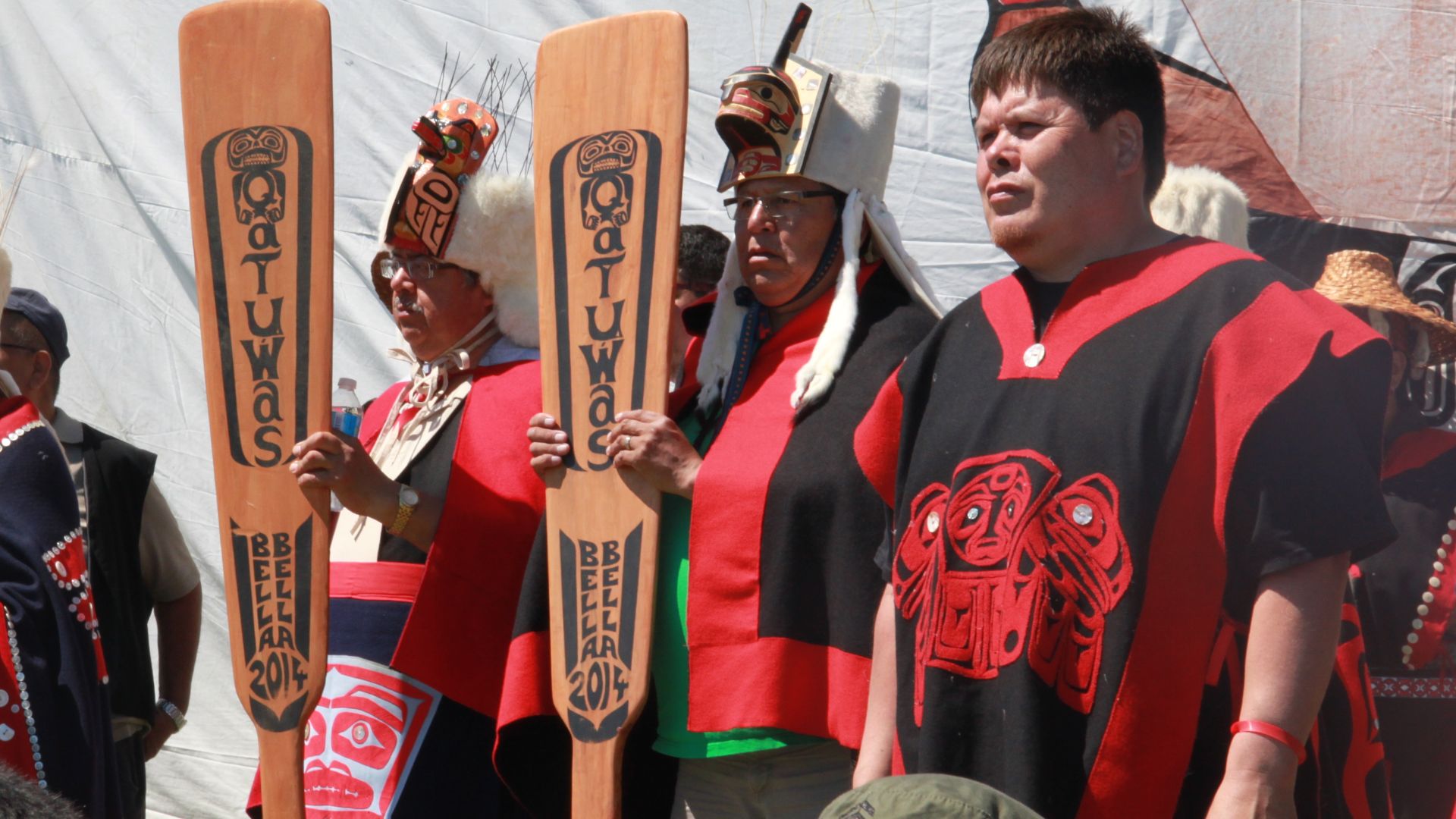
The 2024 dissertation calls the area a storied landscape of cultural, economic, ecological, and political significance for Haíɫzaqv Nation. That phrase matters because archaeological sites are not neutral dots on a map. They sit inside living territories and living histories. Triquet Island is both an ancient site and a present-day cultural place.
 US Embassy Canada, Wikimedia Commons
Alisha Gauvreau’s Role
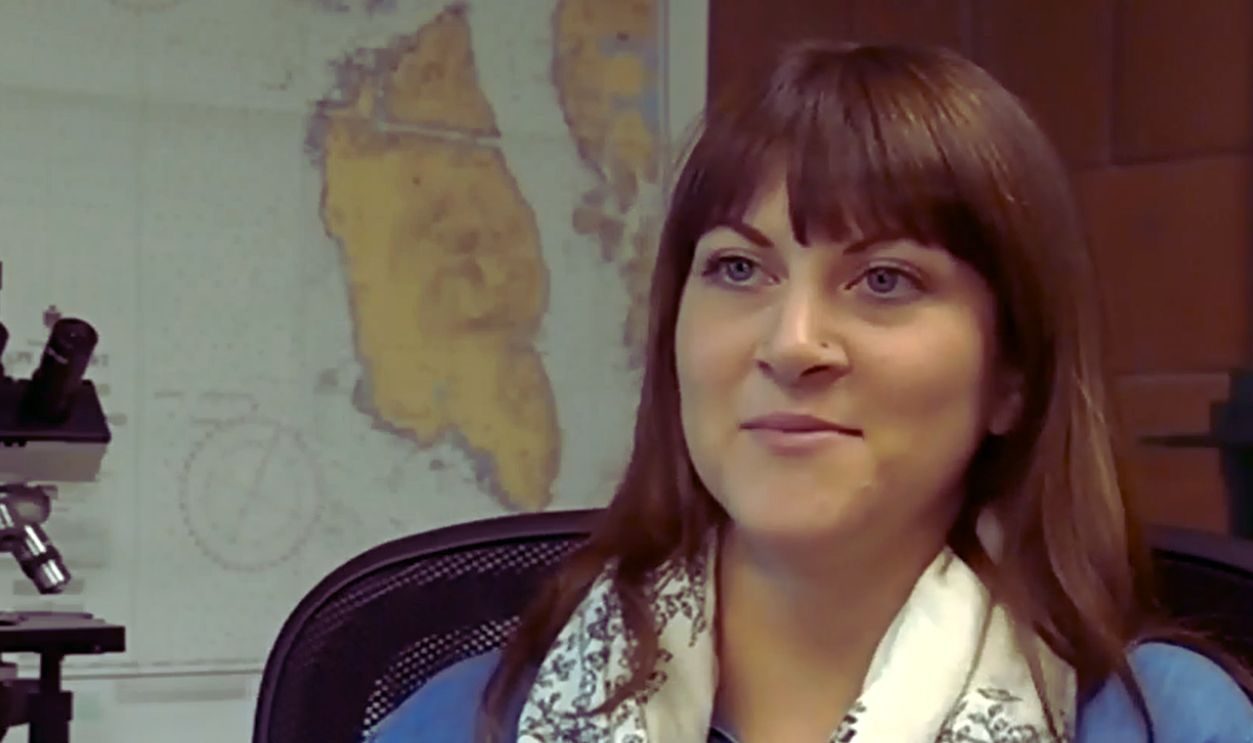
Alisha Gauvreau was a University of Victoria PhD candidate and Hakai Institute researcher connected to the discovery. UVic reported that she presented the findings at the Society for American Archaeology meeting in Vancouver in 2017. Science Friday also featured her discussing the significance of the find. Her later doctoral work continued exploring EkTb-9 in depth.
 Screenshot from CTV News, CTV Television Network (1961-)
Duncan McLaren And The Research Team
Duncan McLaren of UVic’s anthropology department was also part of the research team. The 2023 journal article includes McLaren, Gauvreau, and several other authors connected to Hakai, UVic, and Haíɫzaqv partners. Archaeology at this scale depends on many specialists. Fieldwork, dating, sediment analysis, artifacts, and community knowledge all had to come together.

William Housty’s Perspective
William Housty of the Heiltsuk Nation spoke publicly about the importance of the discovery. He was quoted as saying the find reaffirmed history Heiltsuk people had discussed for thousands of years. Science Friday identified Housty as connected with the Heiltsuk Integrated Resource Management Department. His perspective helps explain why the discovery mattered beyond archaeology.
 Screenshot from CTV News, CTV Television Network (1961-)
Why Oral History Was Central
Oral histories are sometimes dismissed by outsiders as stories rather than evidence. Triquet Island shows why that dismissal can be a mistake. The Heiltsuk account of an ice-free refuge matched the broad archaeological picture of an ancient occupation. The discovery became a reminder that knowledge can be carried in many forms.
 Kromerman at English Wikipedia, Wikimedia Commons
Canada’s First Inhabitants Come Into Focus
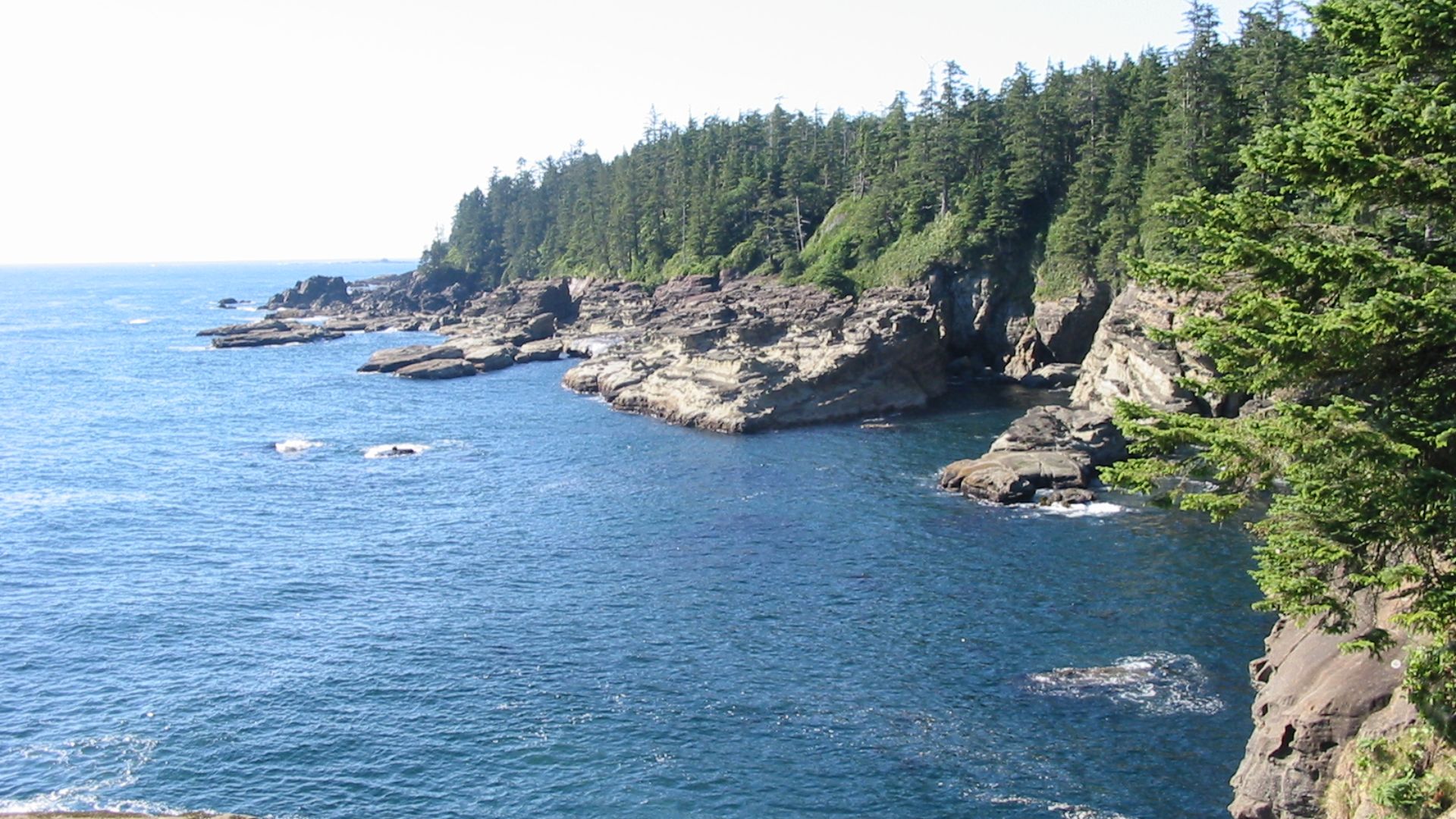
The find does not identify a single “first” person or group in Canada. It does show that people were living on the Pacific coast of what is now Canada around 14,000 years ago. That is early enough to reshape public understanding of deep Canadian history. It also supports the idea that coastal peoples were central to the peopling of the Americas.
 User:Jonathan.s.kt, Wikimedia Commons
The Site Was Not Alone
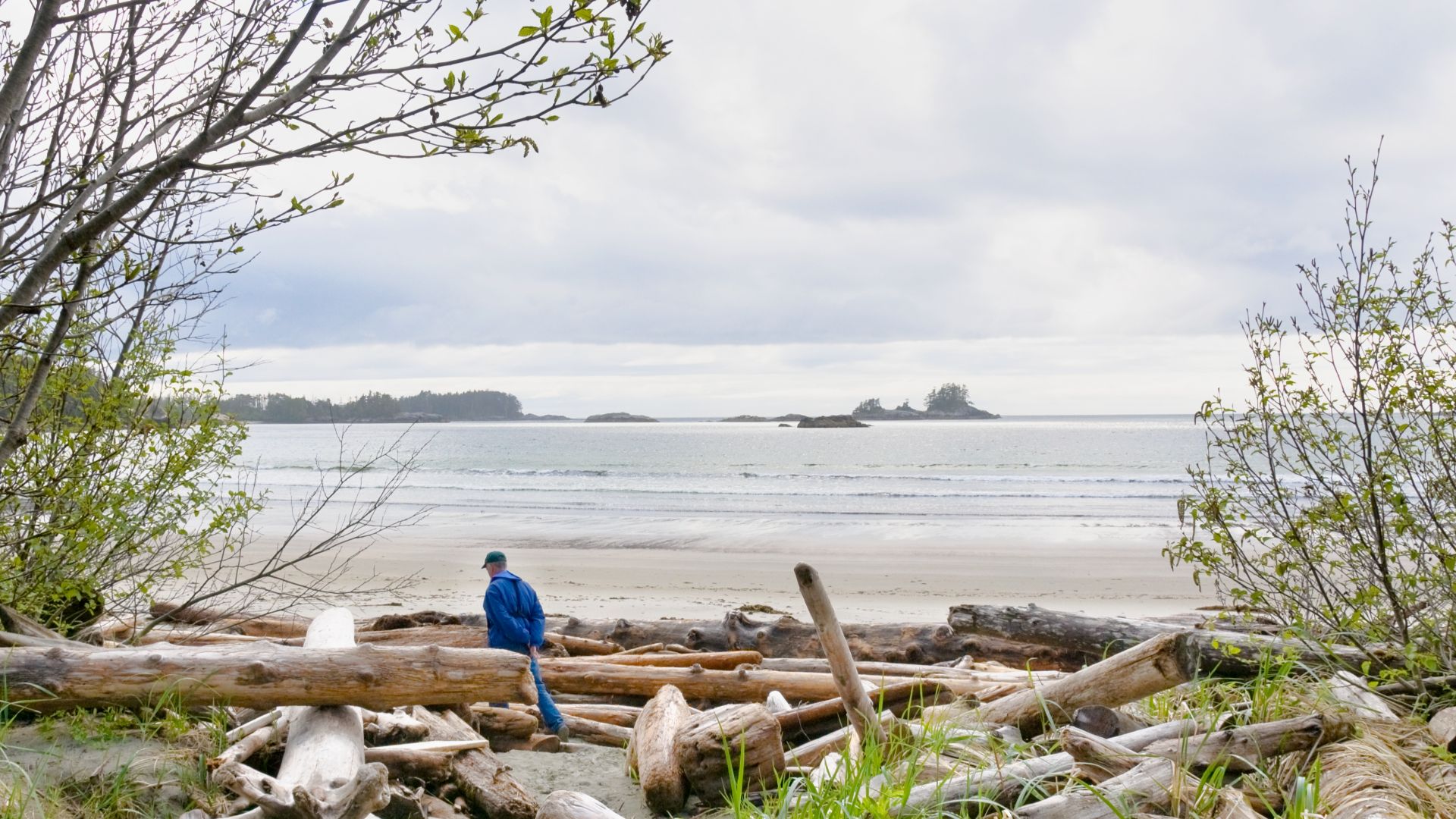
Triquet Island is part of a wider Central Coast archaeological landscape. Research on Calvert Island reported late Pleistocene human footprints from Canada’s Pacific coast. Hakai also notes major archaeological work on coastal living in nearby regions. Together, these finds show that the coast deserves serious attention.
Footprints On A Nearby Shore
The Calvert Island footprints were found beneath intertidal beach sediments. Experts describe them as evidence from a late Pleistocene shoreline on Canada’s Pacific coast. The researchers targeted that area because sea level history suggested old deposits might survive there. Those footprints add another human trace to the same broad coastal story.
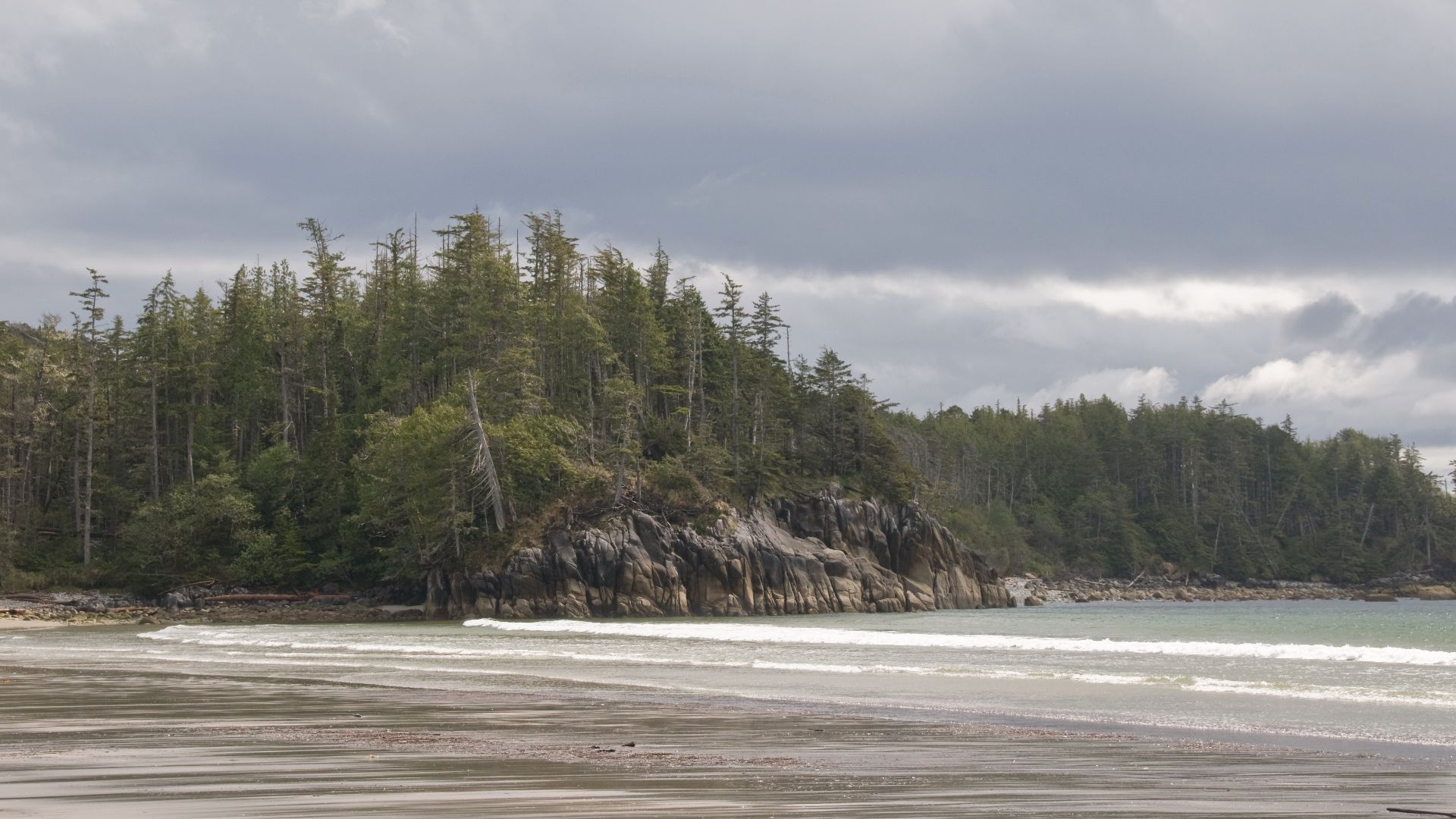
The Challenge Of Finding Coastal Sites
Many ancient coastal sites may now be underwater or buried. Sea levels changed dramatically after the Ice Age, and coastlines moved. That means archaeologists have to search in difficult places like intertidal zones, peat, and deeply buried layers. Triquet Island is special because important evidence survived where researchers could reach it.
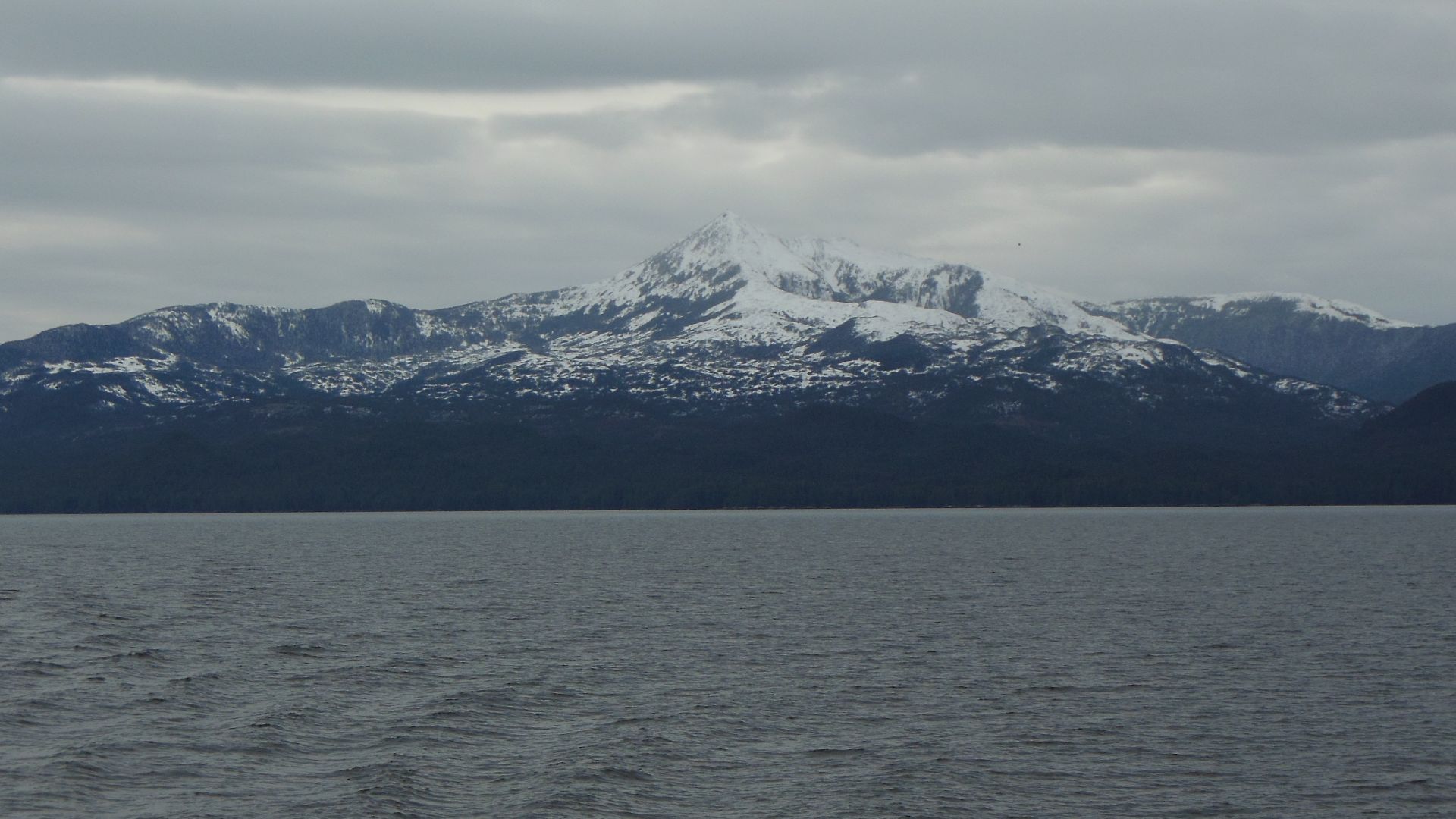
A Small Island With A Huge Record
Triquet Island is not a giant landmass. The 2024 dissertation describes it as an outer coastal island in Heiltsuk territory. Yet its archaeological record stretches across thousands of years. The contrast between the island’s size and its historical importance is part of what makes the story so striking.
 Noahedits, CC BY-SA 4.0, Wikimedia Commons
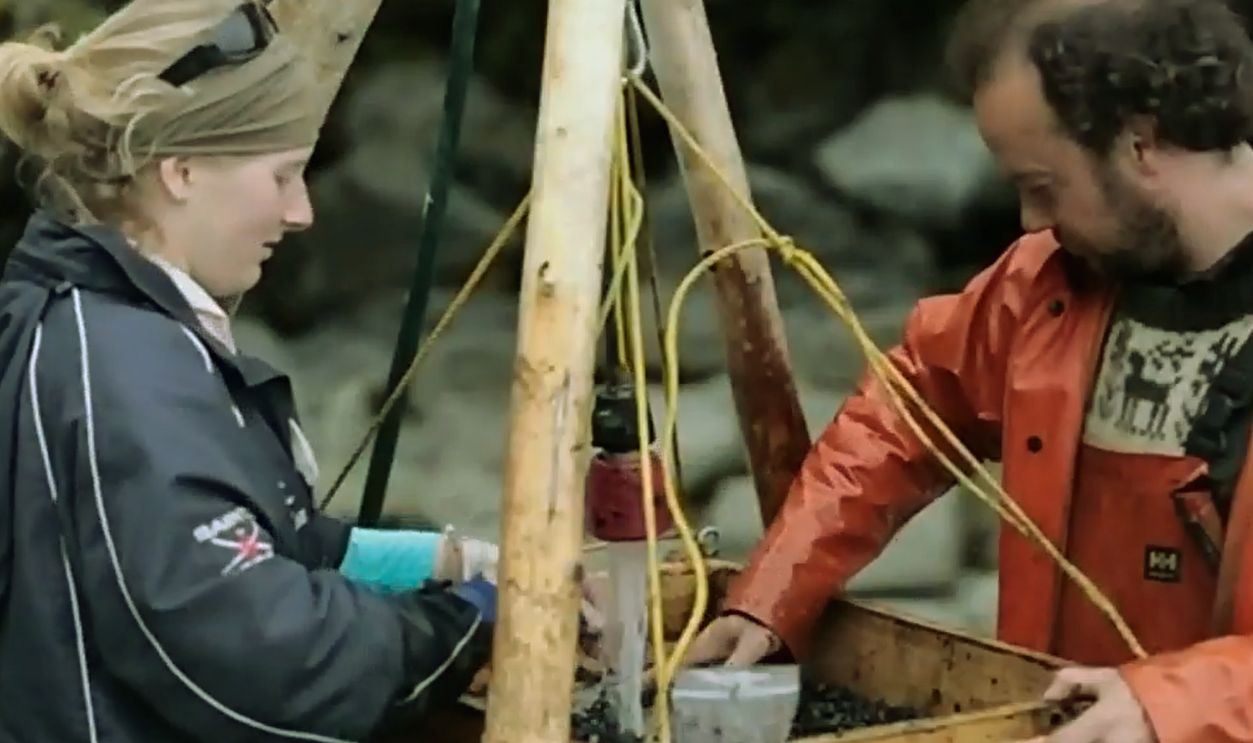
The Hearth Changed The Conversation
A few charcoal flakes may sound modest, but they carried a major date. Once dated, they placed human activity at Triquet Island deep into the Ice Age world. That made the site relevant to debates about migration, settlement, and Indigenous continuity. The hearth turned a buried layer into a continent-wide clue.
 Screenshot from CTV News, CTV Television Network (1961-)
Evidence With Everyday Texture
This discovery is not only about a date on a lab report. It includes fire, tools, fishing gear, woodworking, and preserved organic materials. Those details make ancient life feel closer and more human. They show people solving daily problems in a demanding coastal environment.
 Screenshot from CTV News, CTV Television Network (1961-)
The Village Was Repeatedly Used
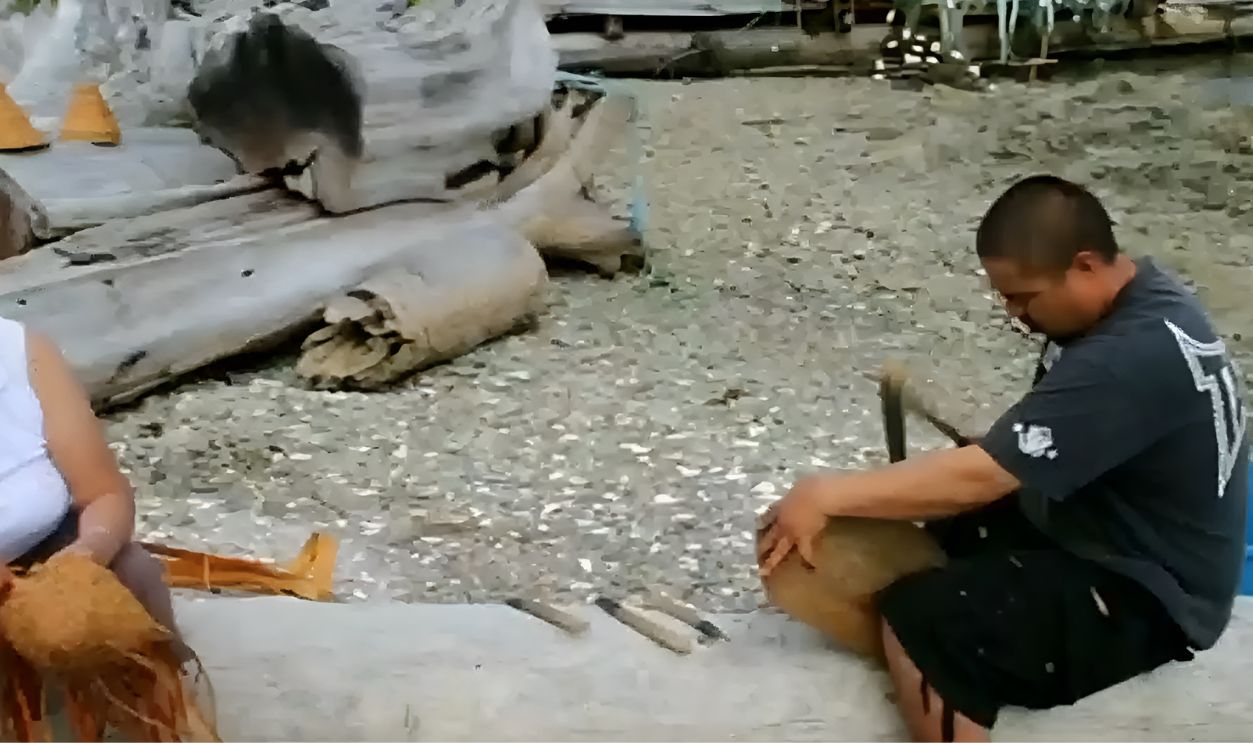
The 2023 study describes repeated occupation from the early postglacial period to the present day. The 2024 dissertation also emphasizes repeated human occupation and investment at EkTb-9. This continuity makes the site different from a brief stopover. It was a place people returned to across deep time.
 Screenshot from CTV News, CTV Television Network (1961-)
The Public Heard The Story In 2017
University of Victoria published news about the find in April 2017. Science Friday, Smithsonian, and Archaeology Magazine also covered the discovery that year. The story spread because it combined a dramatic age, Indigenous oral history, and a major question about migration. It was the kind of archaeology story that changed how many readers pictured ancient Canada.

The Science Kept Developing
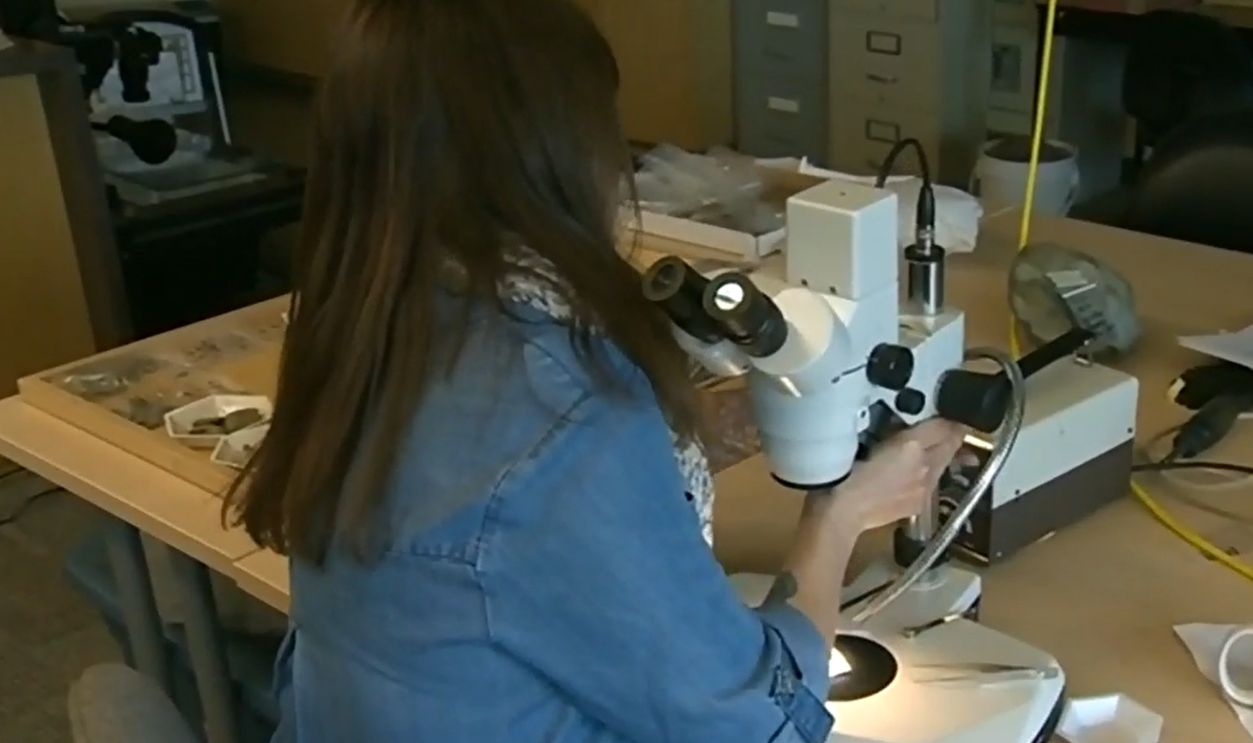
The discovery did not end with the first headlines. A detailed journal study appeared in Journal of Archaeological Science: Reports in 2023. Gauvreau’s 2024 dissertation expanded the record of EkTb-9 as a persistent place in Haíɫzaqv territory. The science became deeper and more careful over time.
 Screenshot from CTV News, CTV Television Network (1961-)
What The 2023 Paper Added
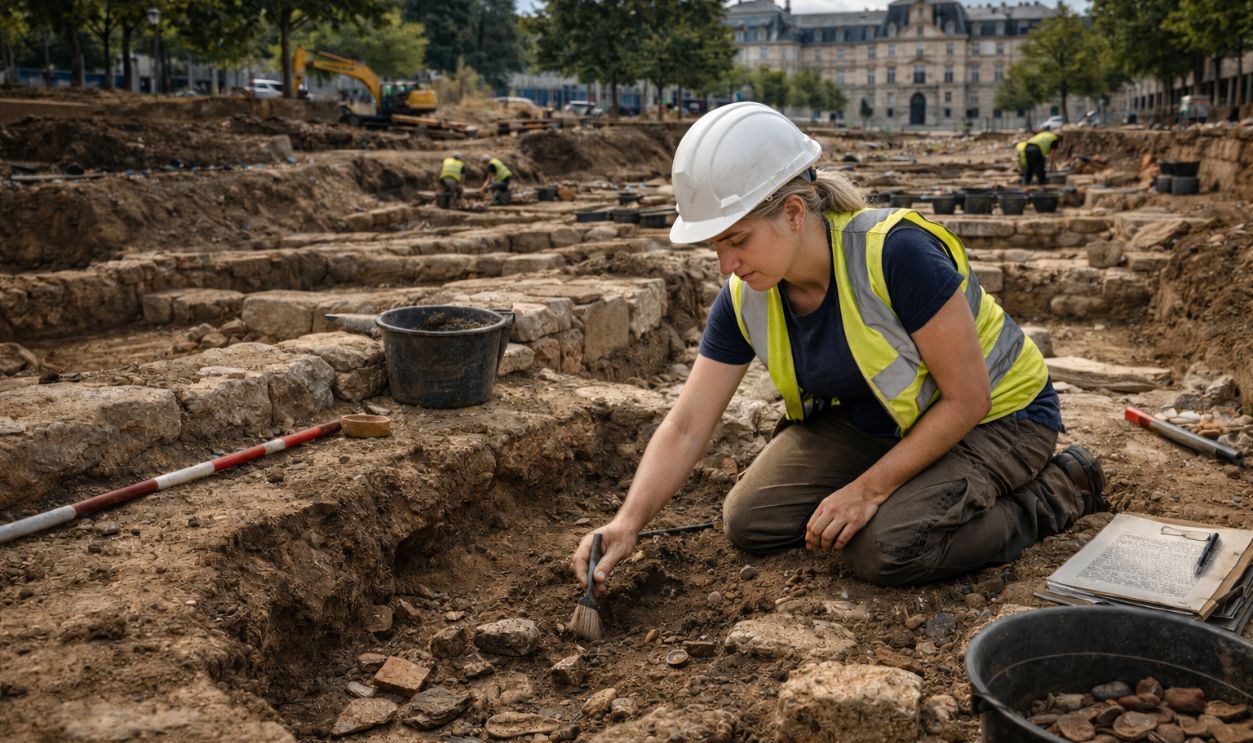
The 2023 paper placed the site in its geological, environmental, and cultural context. It discussed sediments, landscape change, site formation, and Haíɫzaqv oral history. That broader approach matters because a hearth date alone cannot explain everything. Context turns a discovery into history.
What The 2024 Dissertation Added
The 2024 dissertation explored the 14,000-year record of repeat occupation at EkTb-9. It emphasized continuity, Indigenous knowledge, and archaeological interpretation. It also described the site as culturally, economically, ecologically, and politically significant for Haíɫzaqv Nation. That makes the research important for both scholarship and community history.
 Screenshot from CTV News, CTV Television Network (1961-)
Why The Discovery Still Matters
Triquet Island challenges a simple version of Canada’s past. It shows that people were present on the Pacific coast very early, and that Indigenous histories can reach astonishingly far back. It also supports growing interest in coastal migration routes into the Americas. The hearth is small, but its implications are enormous.
 Wikitravel User: Dbaer, Wikimedia Commons
A Fire Beside The Sea
Imagine the scene that the evidence suggests. People sat near a fire, made stone tools, and lived in a coastal world shaped by ice, ocean, and forest. Their lives were not primitive footnotes to later history. They were skilled, adaptive, and deeply connected to place.
 Screenshot from CTV News, CTV Television Network (1961-)
The Bigger Lesson
Archaeology is at its best when it listens as well as digs. At Triquet Island, scientific dating and Heiltsuk oral history strengthened each other. The result was a richer account of Canada’s earliest known coastal inhabitants. A hearth buried for thousands of years helped bring that deep story back into view.
 Screenshot from CTV News, CTV Television Network (1961-)
You May Also Like:
Researchers are close to solving the mystery of the 600-year-old Voynich manuscript.