

 Gorodenkoff, Shutterstock, Modified
The construction workers thought they were just digging a hole. It was 2021, and they were excavating beneath Barcelona's historic Mercat del Peix—the old fish market in the Barceloneta neighborhood—to install some new infrastructure. Five meters down, their machinery hit something that definitely wasn't supposed to be there. Wood. Old wood. Really old wood. What they'd stumbled upon was a nearly intact medieval sailing vessel, approximately 10 meters long, perfectly preserved in the oxygen-starved mud below sea level. The boat, now known as "Ciutadella I," had been sitting there in darkness for somewhere between 600 and 800 years, waiting for someone to literally dig up its story. This wasn't just any construction delay. It was one of the most significant maritime archaeological finds in Barcelona's history, a wooden time capsule that would rewrite parts of the city's medieval narrative and offer an unprecedented glimpse into Mediterranean seafaring during the Middle Ages.
The Boat That Time Forgot
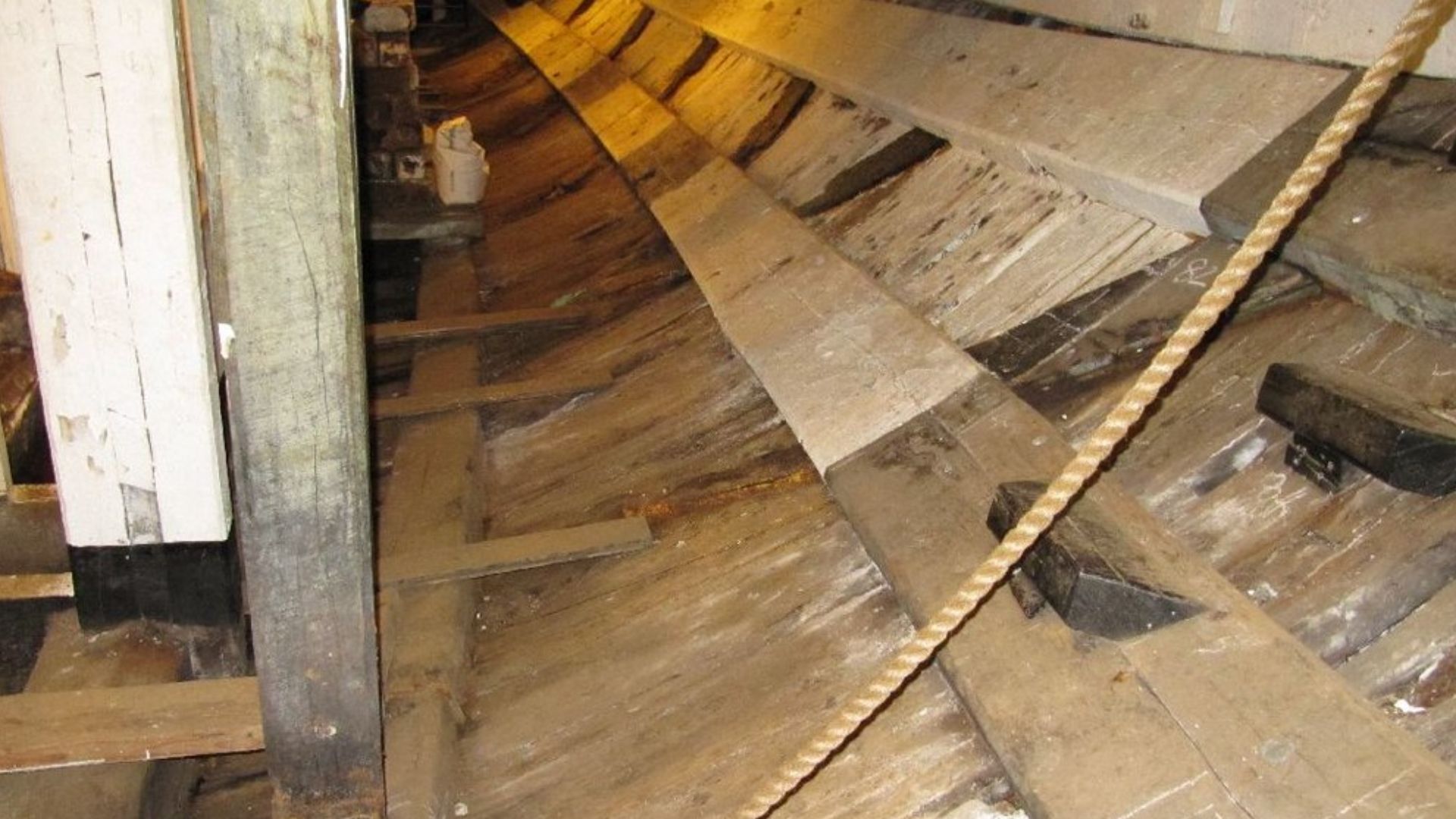
What makes Ciutadella I so extraordinary is the exceptional state of preservation. When archaeologists from the city's History Museum (MUHBA) arrived on site, they found a vessel that retained most of its original structure, including parts of the hull, ribs, keel, and even some of the planking. The ship was built using a technique called "shell-first construction," where builders first created the outer shell and then added the internal framework—a method typical of medieval Mediterranean shipbuilding. Analysis of the wood revealed it was primarily pine, likely sourced from forests in Catalonia or southern France. But here's where it gets really interesting: the boat was deliberately scuttled, filled with stones and ballast, then left to sink into what was once part of Barcelona's medieval harbor. The location, now well inland, tells us something remarkable about how dramatically Barcelona's coastline has shifted over the centuries. In the 13th or 14th century, this spot wasn't under a fish market—it was under water, part of the bustling port that made Barcelona one of the Mediterranean's great trading powers. The ship's final resting place, five meters below modern sea level, maps perfectly with historical records describing this area as a shallow harbor inlet where vessels would dock, unload, and sometimes meet their end.
 Bill Nicholls , Wikimedia Commons
Reading Barcelona's Maritime Past In Oak And Pine
The discovery of Ciutadella I opened a window into an era when Barcelona was flexing its muscles as a maritime superpower. During the 13th and 14th centuries, the Crown of Aragon—of which Barcelona was the commercial heart—controlled trade routes across the Mediterranean, with ships like this one ferrying goods between Catalonia, Italy, North Africa, and the eastern Mediterranean. The boat's size and construction suggest it was likely a coastal trading vessel, perfect for hopping between ports with cargo holds full of wine, olive oil, ceramics, or textiles. Archaeologists also found pottery fragments and other artifacts in the surrounding sediment, painting a picture of a thriving waterfront where commerce and culture collided. What's particularly valuable about this find is that very few medieval vessels from the western Mediterranean have survived.
Wooden ships typically rot away or get eaten by marine organisms, but Ciutadella I lucked into the perfect preservation conditions: buried in fine, anaerobic mud that kept oxygen-loving bacteria from turning it into mulch. The excavation wasn't easy—teams had to work quickly while keeping the wood constantly wet, because exposure to air after centuries underwater can cause ancient timber to crack and disintegrate within hours. After careful extraction and documentation, the boat's remains were transported to specialized conservation facilities where they'll undergo years of treatment to stabilize the wood for eventual public display. This discovery doesn't just give us a cool artifact to put in a museum. It provides hard evidence about shipbuilding techniques, trade patterns, urban development, and environmental change in medieval Barcelona, filling gaps in the historical record that written documents alone could never address. For archaeologists and historians, Ciutadella I represents something rare: physical proof of stories previously known only through fragmentary written records, converting abstract historical knowledge into a tangible connection with Barcelona's seafaring ancestors.
 Bengt Nyman, Wikimedia Commons










