When Symbols Get Misread
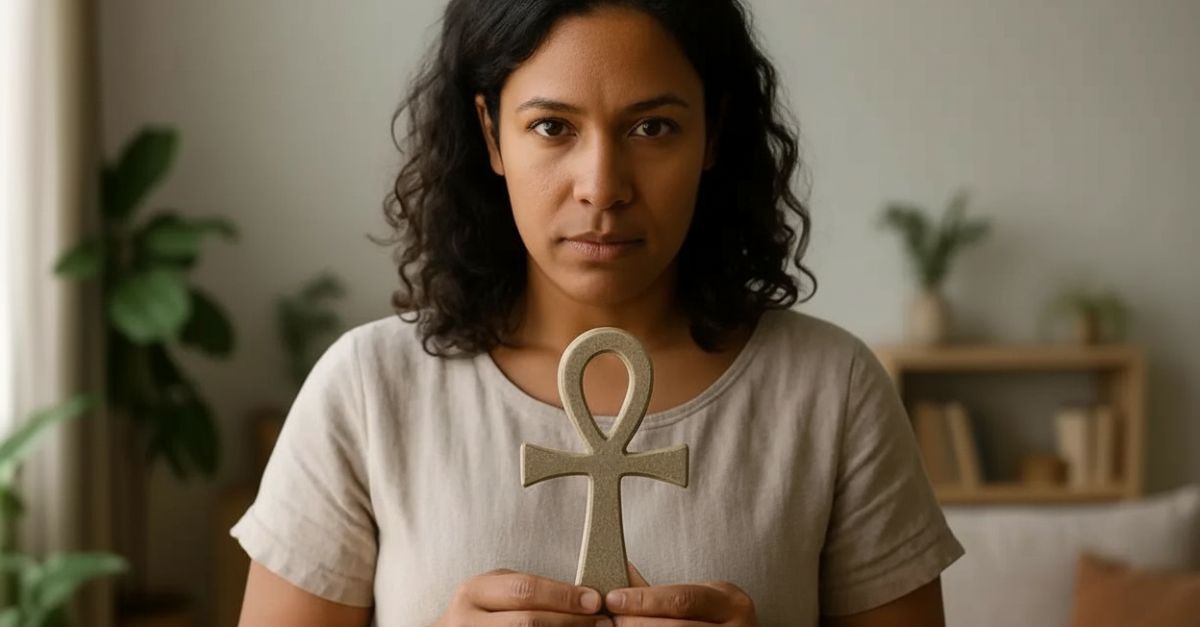
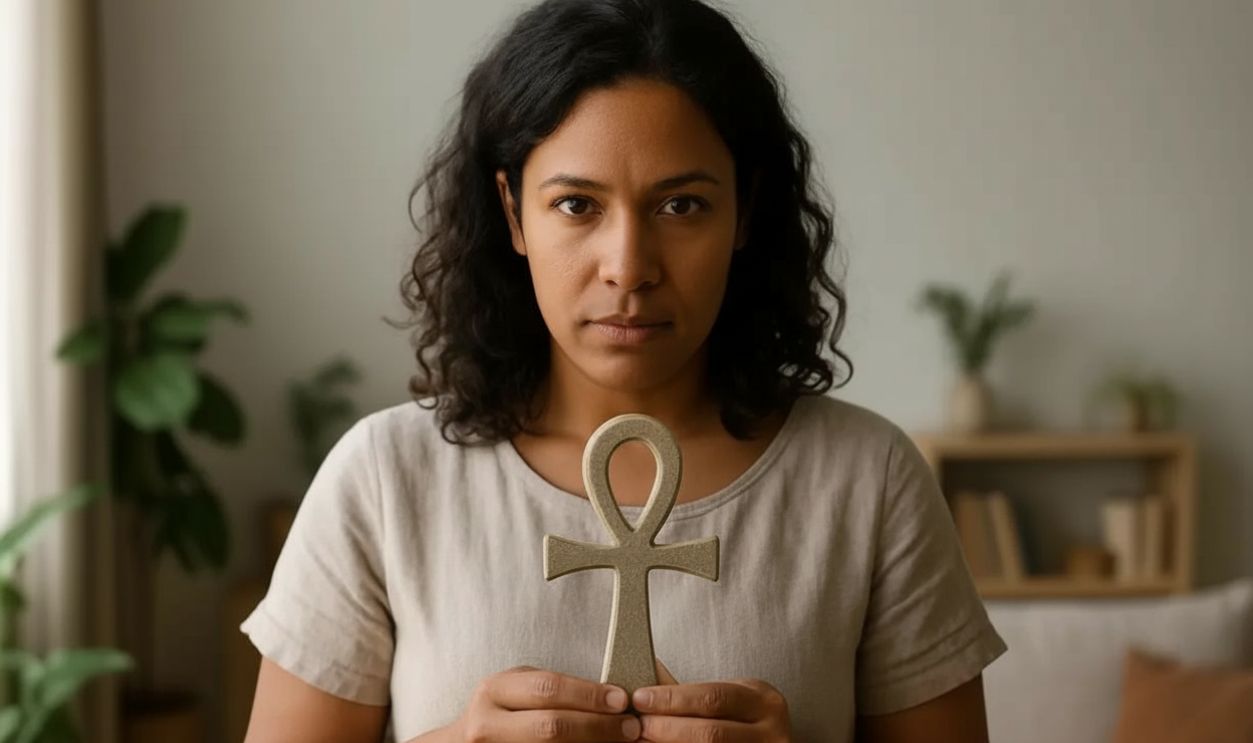
The ankh’s shape feels like it should mean something universal. Scholars don’t buy that. Beneath its clean lines sits a messy history where culture and assumption collide. It forces historians to draw boundaries that many people prefer to blur.
Mysteries Of Ancient Symbols
Humanity has long been drawn to ancient sites and symbols whose meanings remain elusive. Towering monuments and complex carvings invite interpretation, but modern assumptions often fill historical gaps. This tendency shapes how symbols are understood today and explains why historians approach famous icons, including the ankh, with caution.
 Philly boy92, CC BY-SA 3.0, Wikimedia Commons
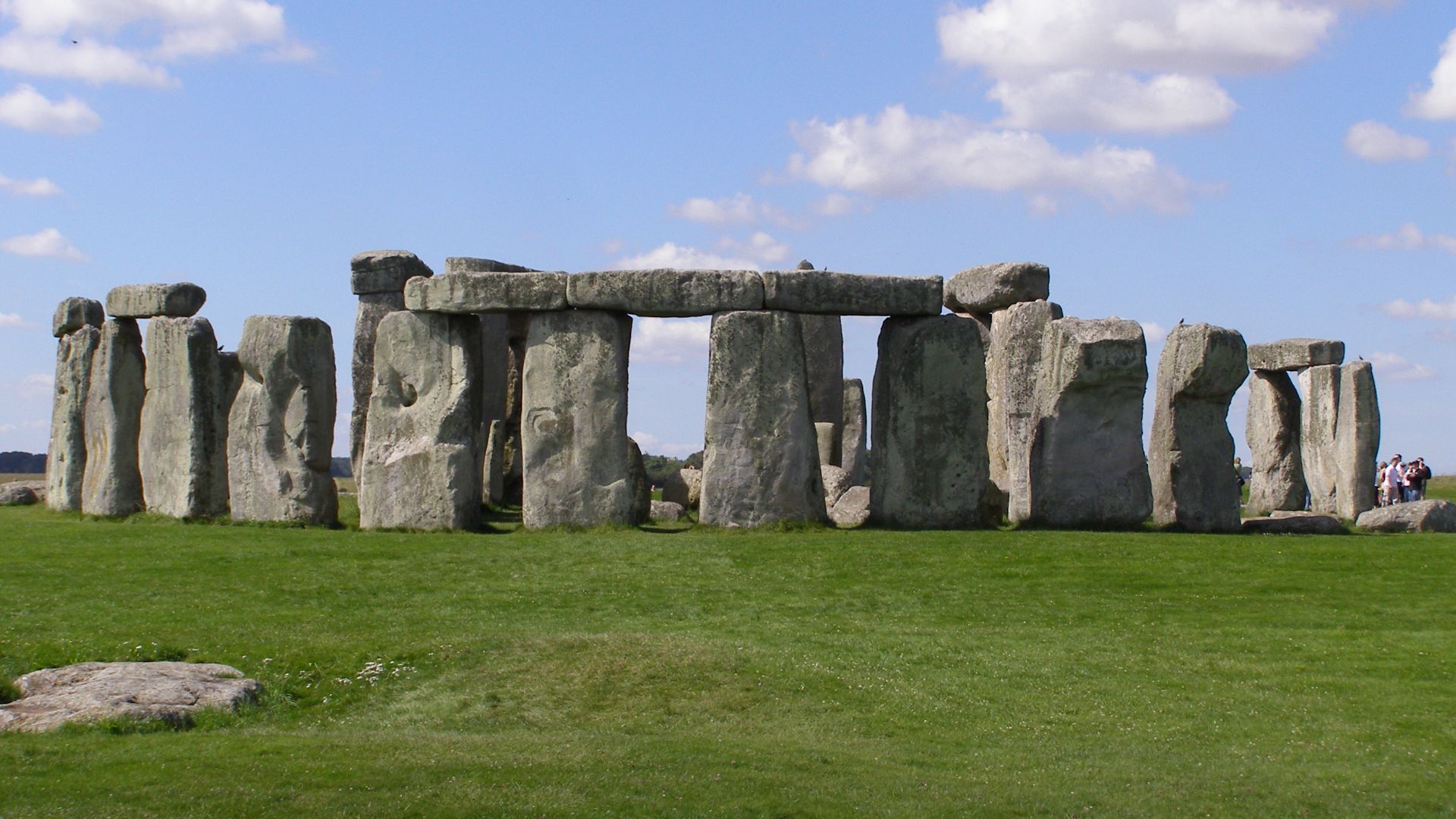
Stonehenge As A Cultural Puzzle Example
Stonehenge illustrates how easily meaning can be projected onto ancient remains. Scholars propose different functions, yet none are definitive. Historians resist single explanations; a skepticism they also apply when interpreting symbolic objects like the ankh. This broader pattern of interpretation raises a larger question: where does the ankh itself originate?
 garethwiscombe, Wikimedia Commons
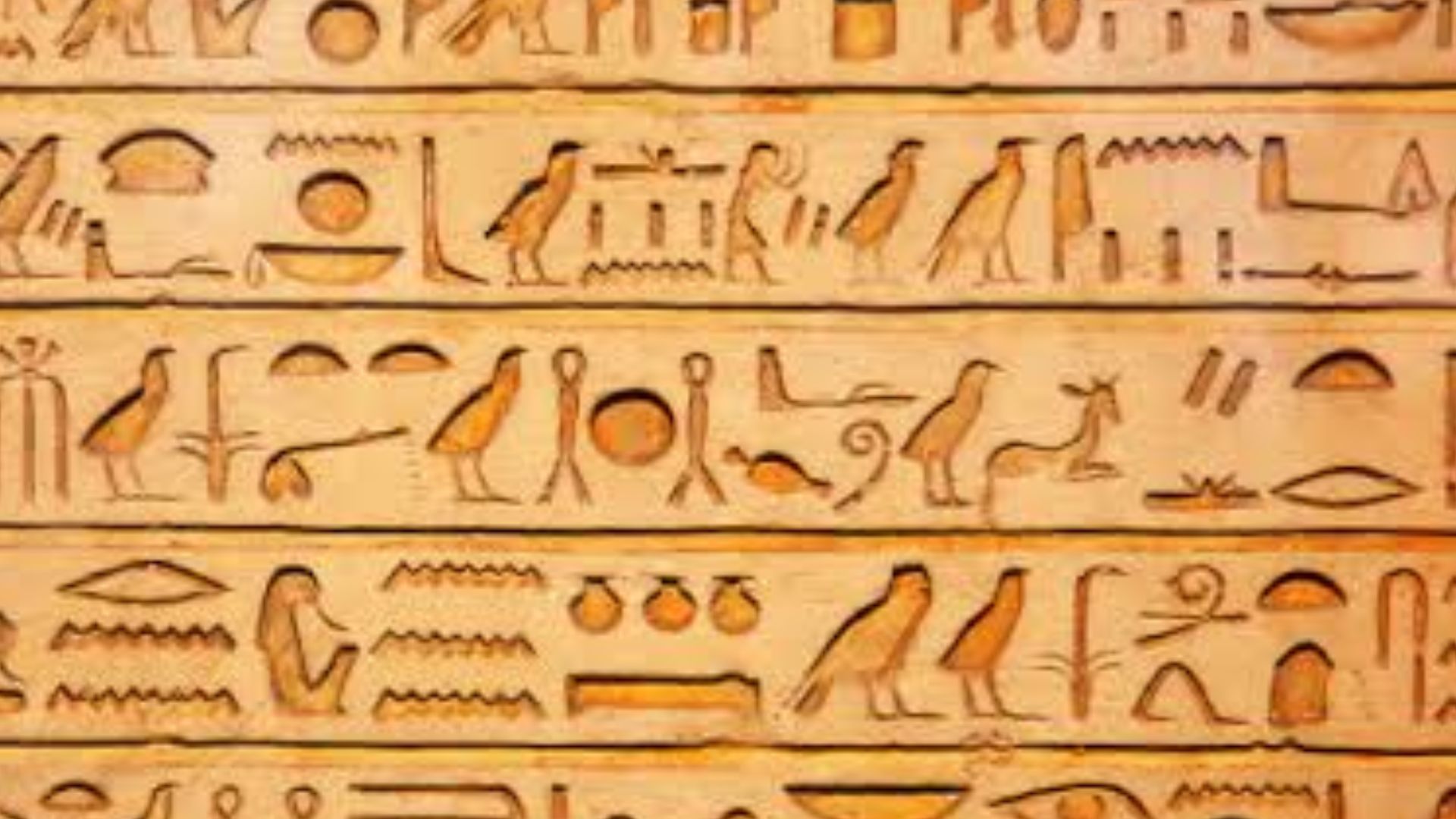
In The Civilization Of Symbols
Ancient Egypt relied heavily on symbols to express theology, authority, and cosmic order. Objects and architecture carried layered meanings tied to religious systems unfamiliar to modern audiences. Because of this complexity, historians warn against simplifying Egyptian symbols like the ankh into modern or universal interpretations.
 Hosni bin Park, Wikimedia Commons
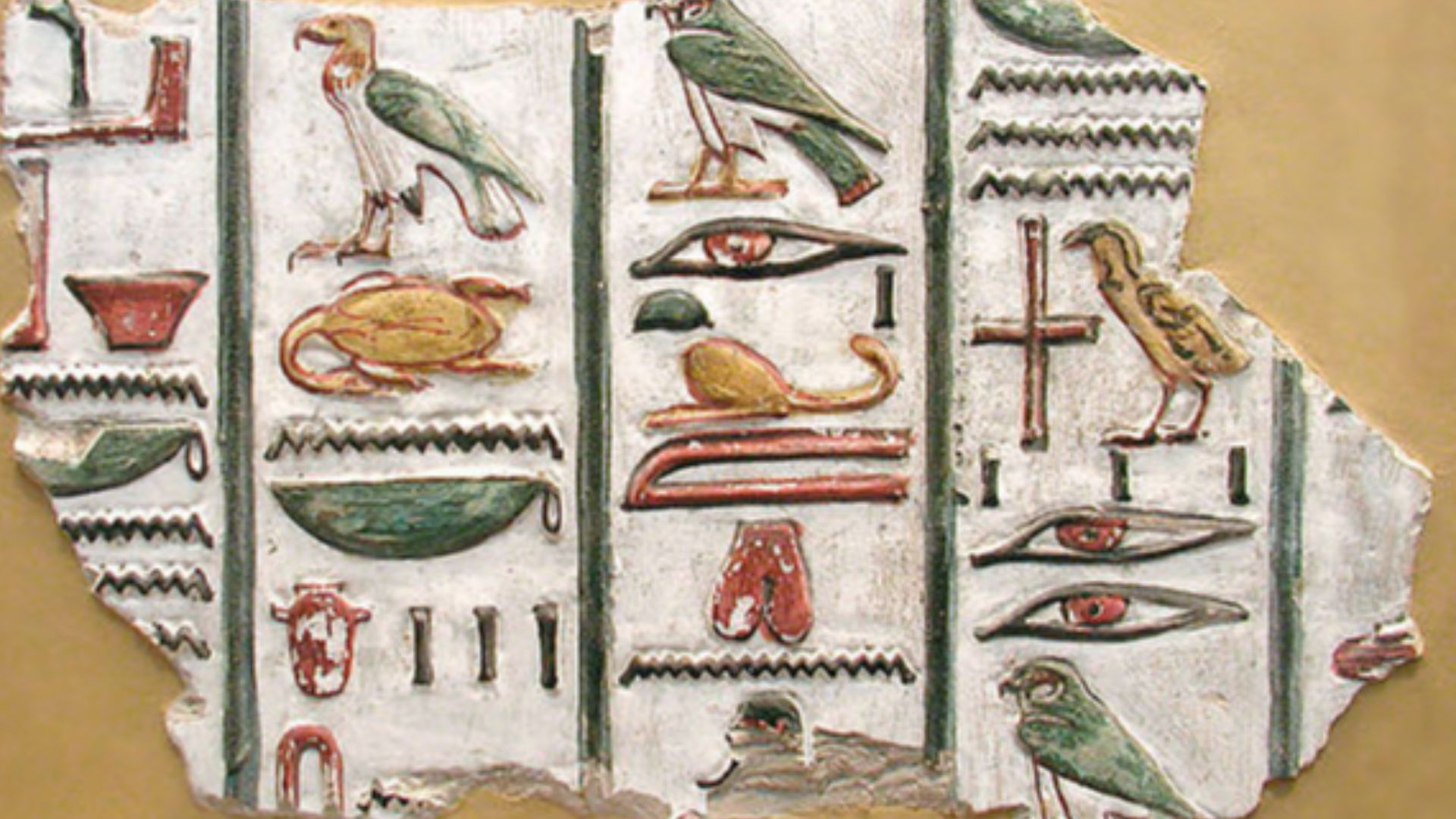
Hieroglyphs
Egyptian hieroglyphs combined phonetic sounds with symbolic imagery, turning writing into a sacred system tied to belief and ritual. Most signs referenced recognizable objects or actions. A small group, however, resisted clear explanation. Among them was the ankh, whose meaning was widely used but never fully defined.
 unknown Egyptian scribe, Wikimedia Commons
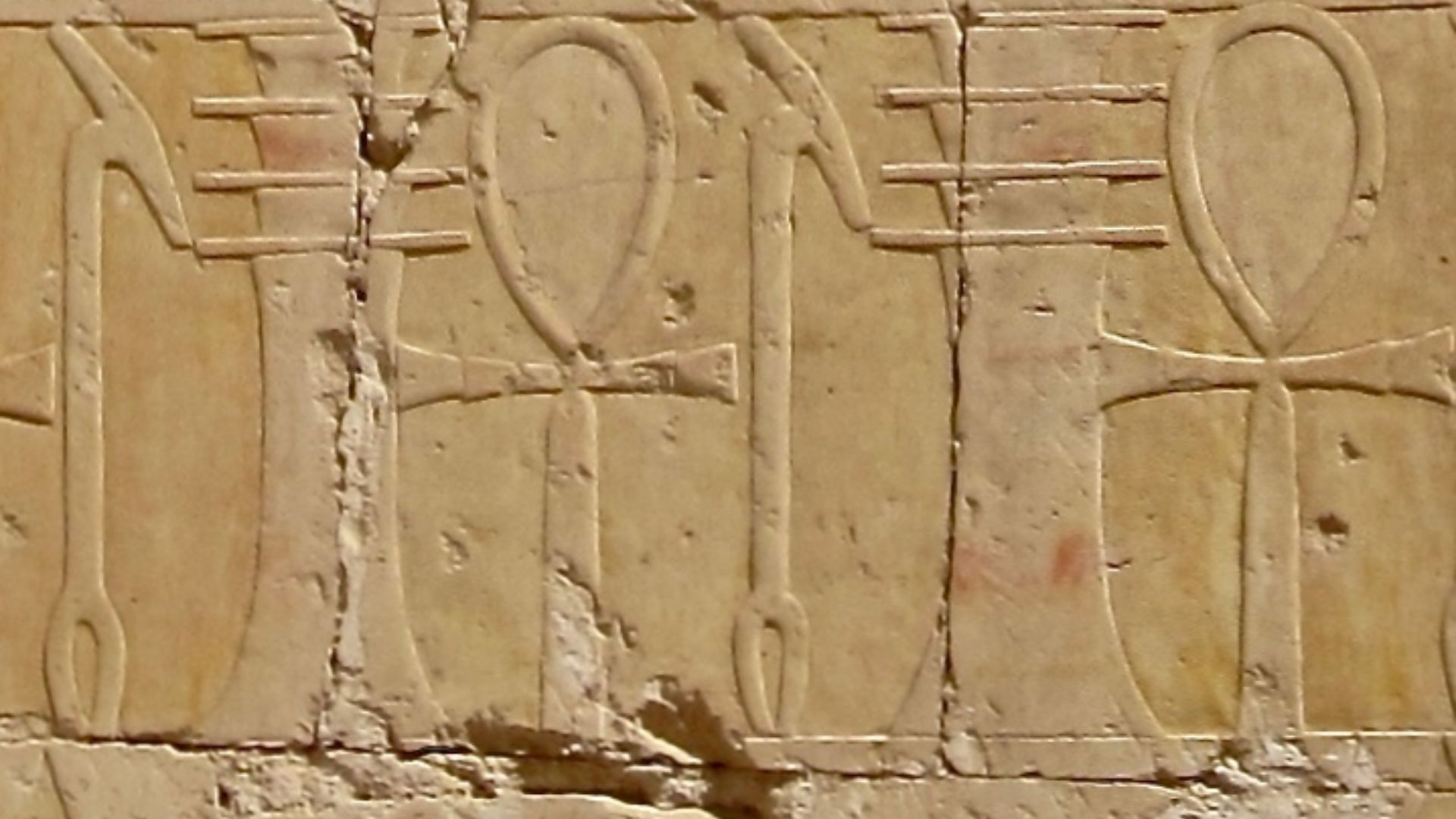
Meet The Ankh
The ankh is instantly recognizable through its looped top and cross-like stem. Unlike many hieroglyphs inspired by natural objects, its precise physical prototype remains uncertain. Its elegant geometry made it versatile, appearing carved in stone, painted on walls, or worn as amulets.
 Ancient sculptor unknown; original photograph by Olaf Tausch., Wikimedia Commons
Core Meaning
In Egyptian writing, the ankh represented “life” in both physical and spiritual senses. It appeared in blessings, royal names, and funerary texts, underscoring Egyptians’s belief that existence extended beyond passing. Its meaning stayed consistent across centuries of artistic and religious change.
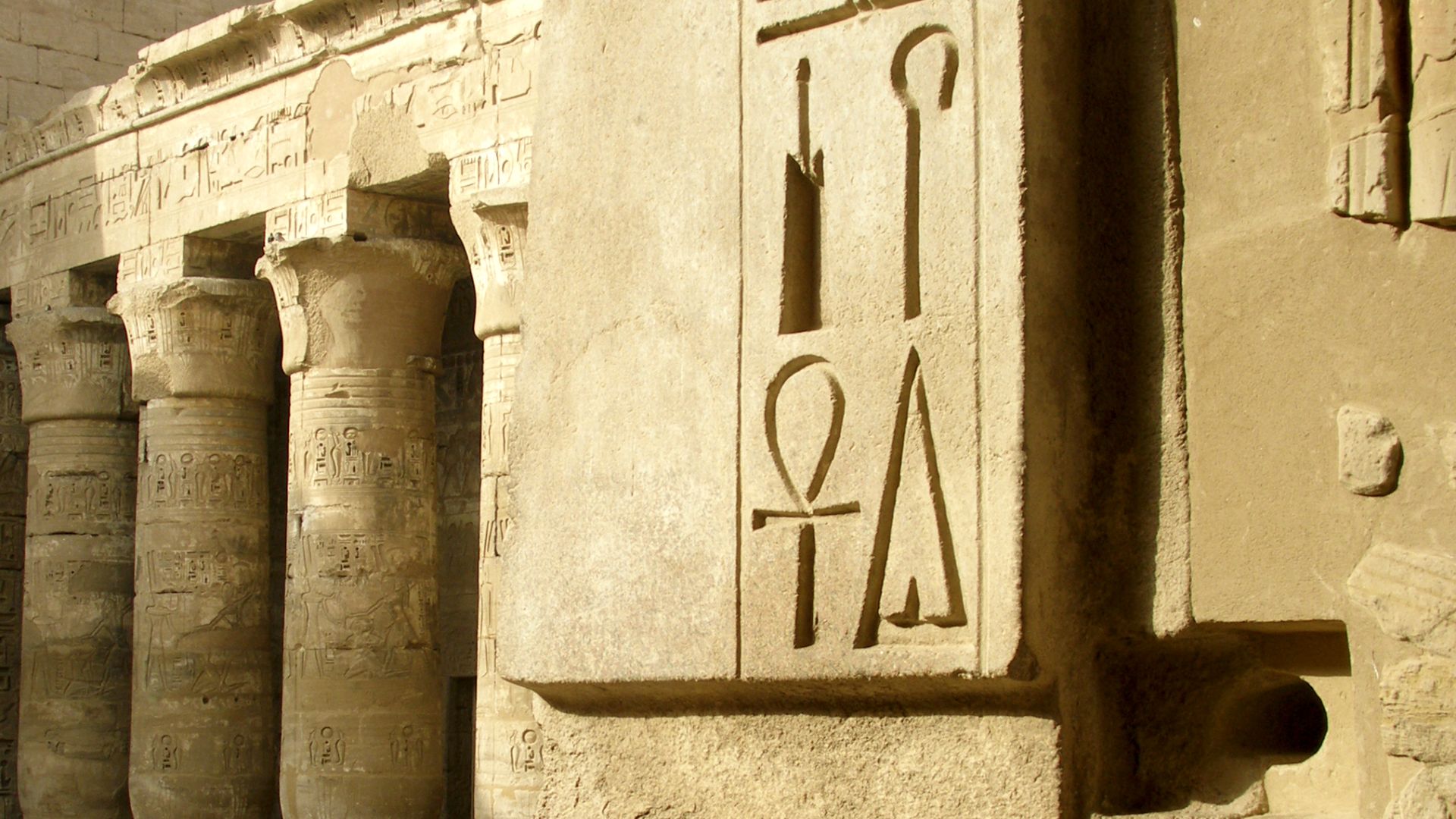 Vyacheslav Argenberg, Wikimedia Commons
The Ankh In Egyptian Art
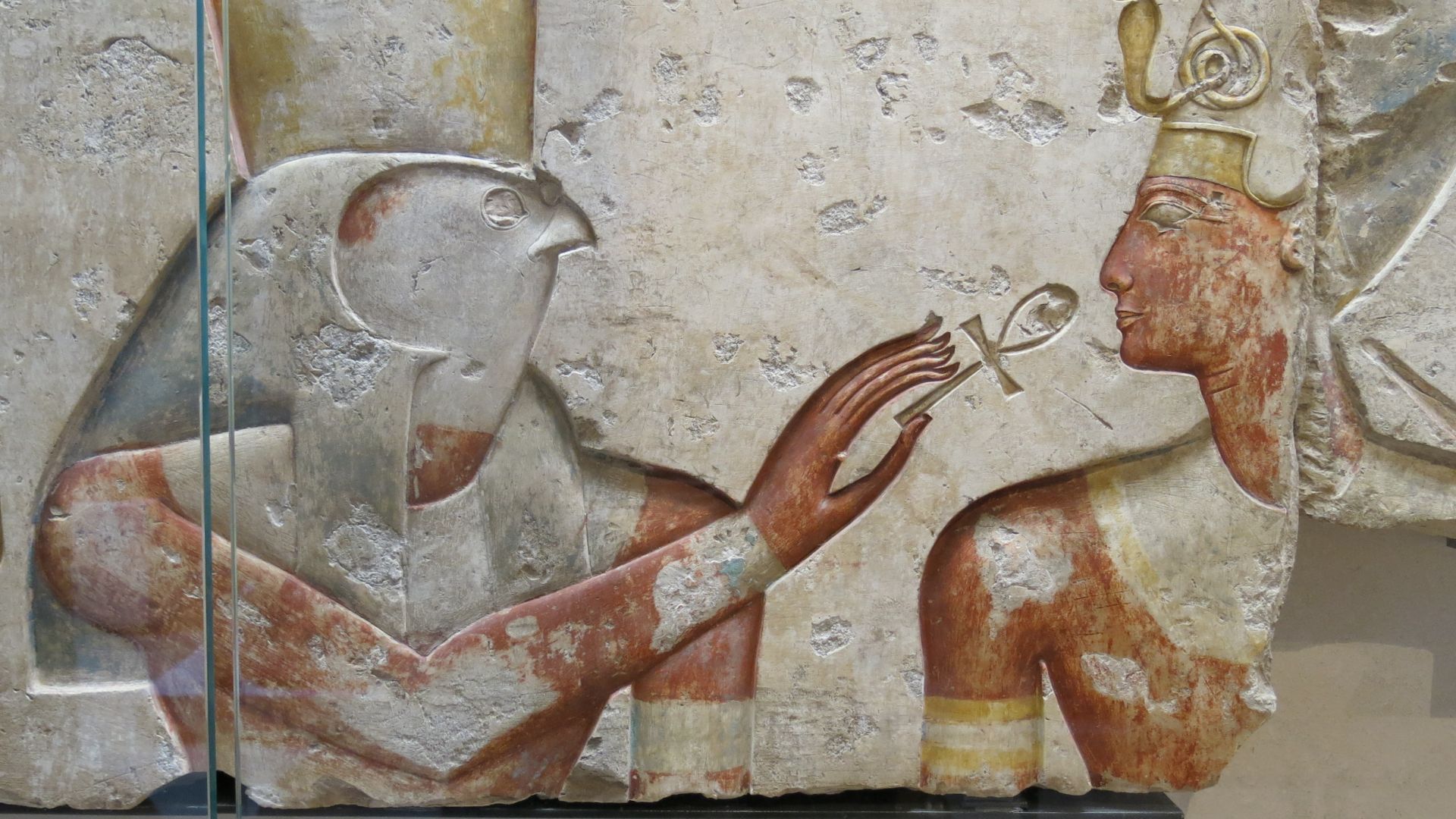
Across temple walls and sarcophagi, deities are shown offering an ankh to rulers to symbolize the breath of life. Figures hold it near the nose or chest to signify vitality bestowed directly by divine forces. Its presence highlighted a pharaoh’s sacred right to rule.
 Amitchell125, Wikimedia Commons
Religious Role Of The Ankh
The ankh played a central role in rituals tied to gods like Osiris and Isis, where it symbolized renewal and eternal continuance. Priests used it in ceremonies connected to the Osiris myth, which centered on departure followed by restoration, reinforcing the ankh’s association with cycles of death and rebirth in Egyptian cosmology.

History's most fascinating stories and darkest secrets, delivered to your inbox daily.
The Cross In Roman Context
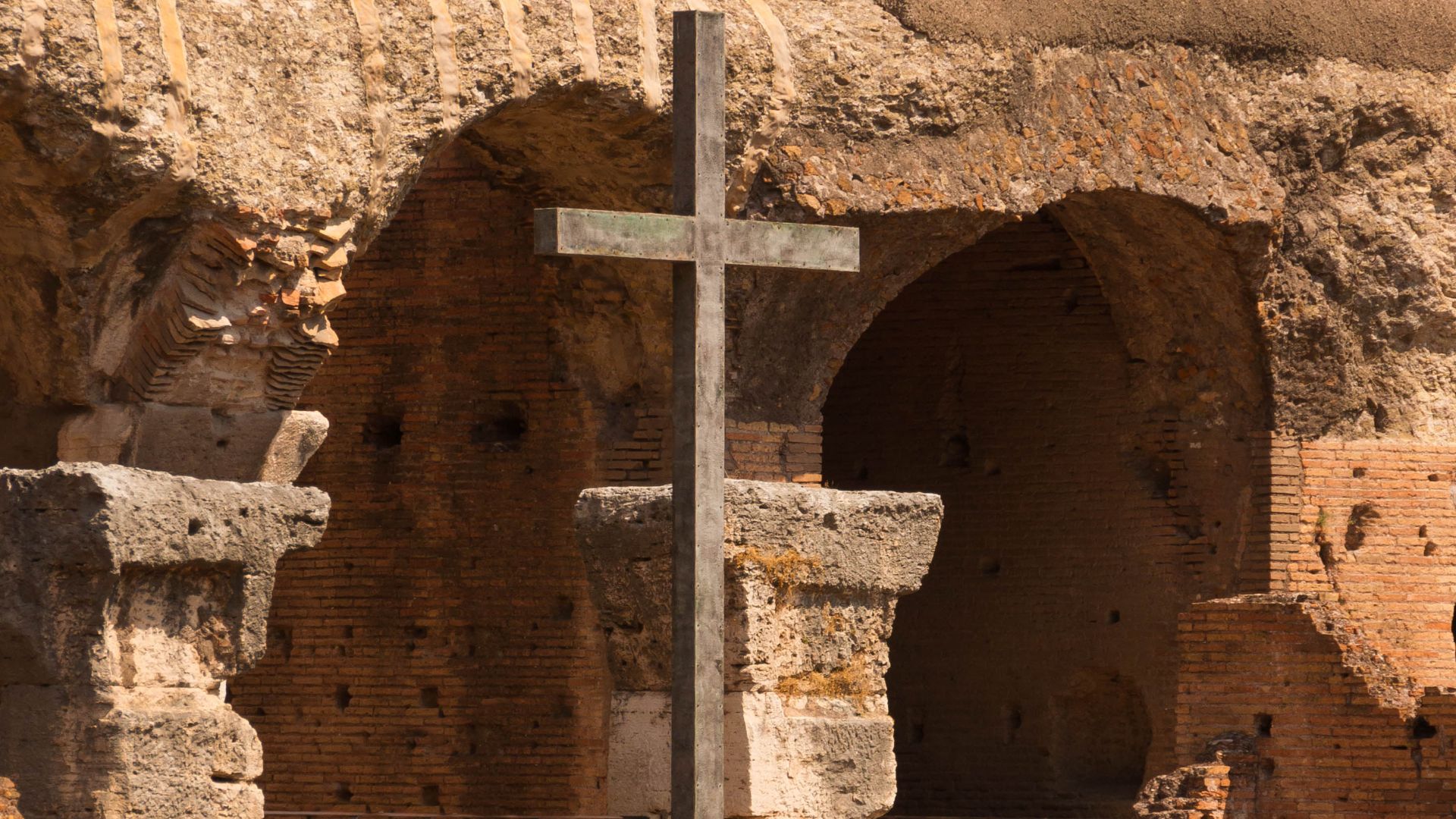
While the ankh functioned as a sacred emblem within an established religious system, the Roman cross originated as an instrument of execution. Designed for public humiliation and deterrence, it carried no spiritual meaning at first. Only later, through Christian theology, did it acquire symbolic significance beyond punishment.
Ankh Vs Cross
While the ankh and the cross share an intersecting shape, their construction differs sharply. The ankh features a closed loop above the stem, and Roman crosses were simple wooden structures built for execution. The resemblance is superficial, rooted in geometry rather than shared design or intention.
 Christian Ferrer, Wikimedia Commons
Life Vs Sacrifice
In ancient Egypt, the ankh symbolized life sustained by divine order and cosmic balance. The Christian cross, by contrast, centers on suffering and redemption through sacrifice. One affirms continuity and renewal; the other memorializes death transformed into salvation through belief.

Christianity Reaches Egypt
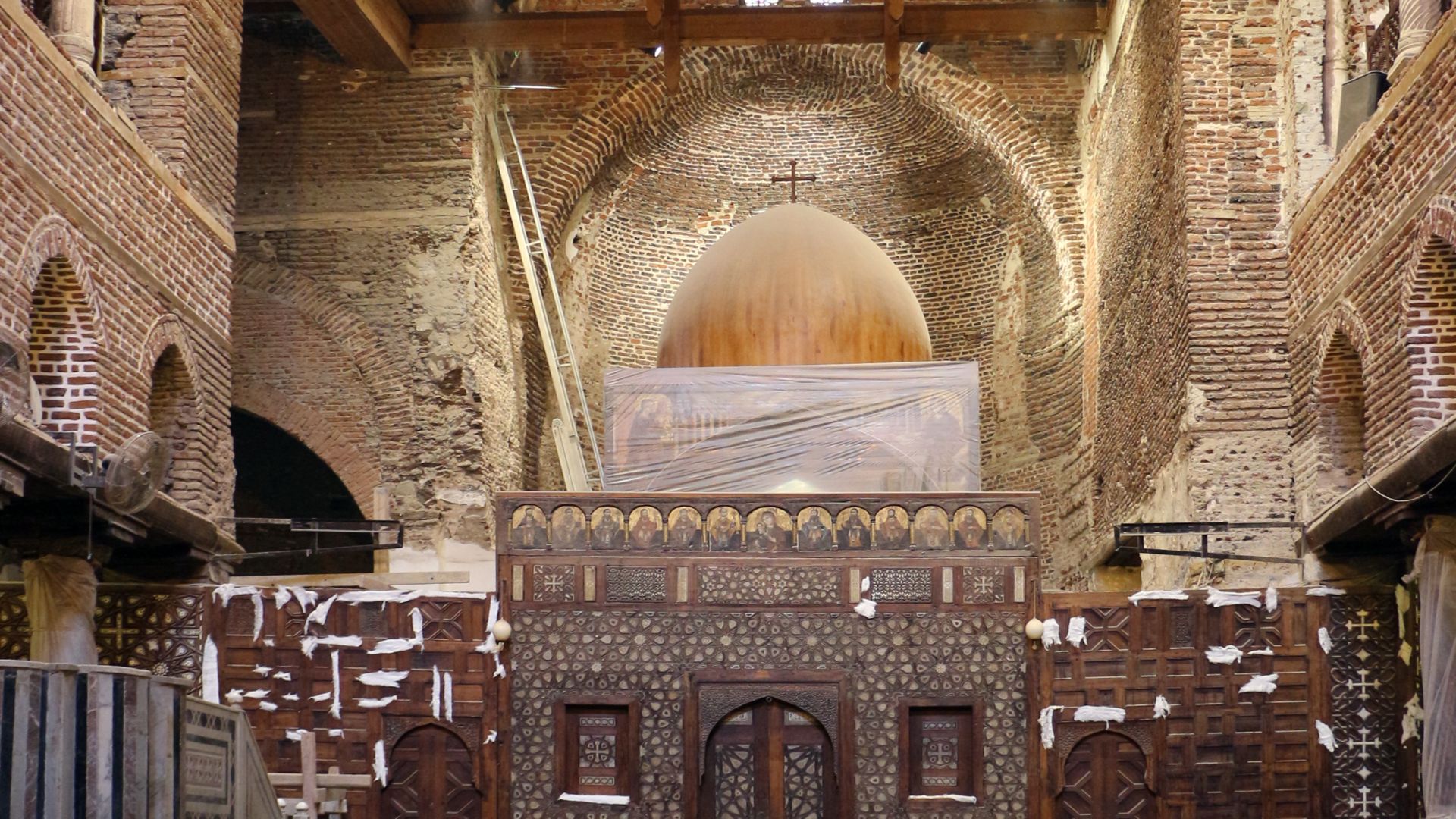
By the 3rd and 4th centuries AD, Christianity spread widely across Egypt. As people converted, they didn’t abandon all old imagery. Some familiar symbols quietly carried over into Christian art to create confusion later about what belonged to which belief system.
A Symbol That Didn’t Disappear
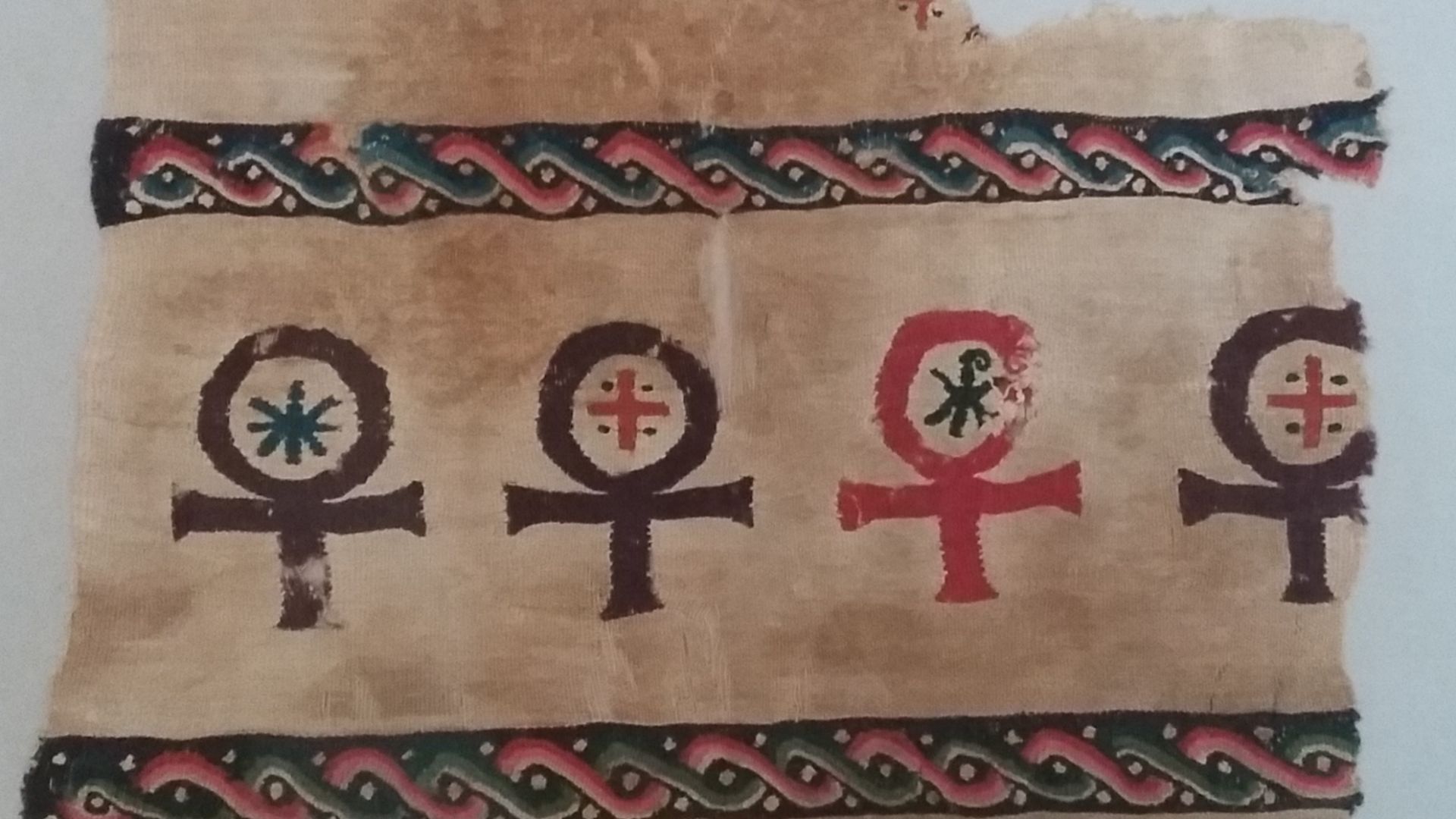
Unlike many Egyptian religious symbols that vanished, the ankh continued appearing after Christianity took hold. Archaeologists found it in Christian-era art to show that cultural habits often outlive religious change—even when beliefs shift dramatically.
 Unknown authorUnknown author, Wikimedia Commons
The Shape That Sparked Debate
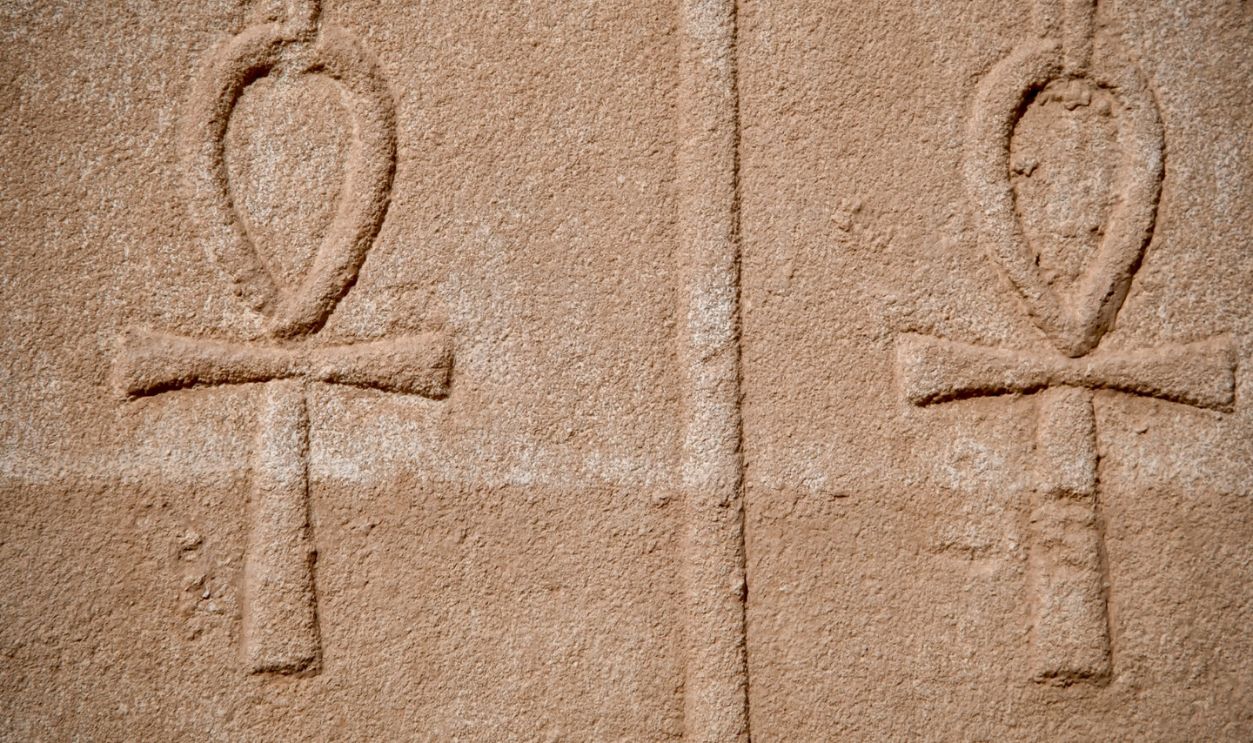
The ankh resembles a simple cross topped with a loop. This visual similarity sparked centuries of debate. Scholars warn that looking alike does not automatically mean sharing meaning or religious purpose, especially across cultures and long historical timelines worldwide.
The “Handled Cross” Explained
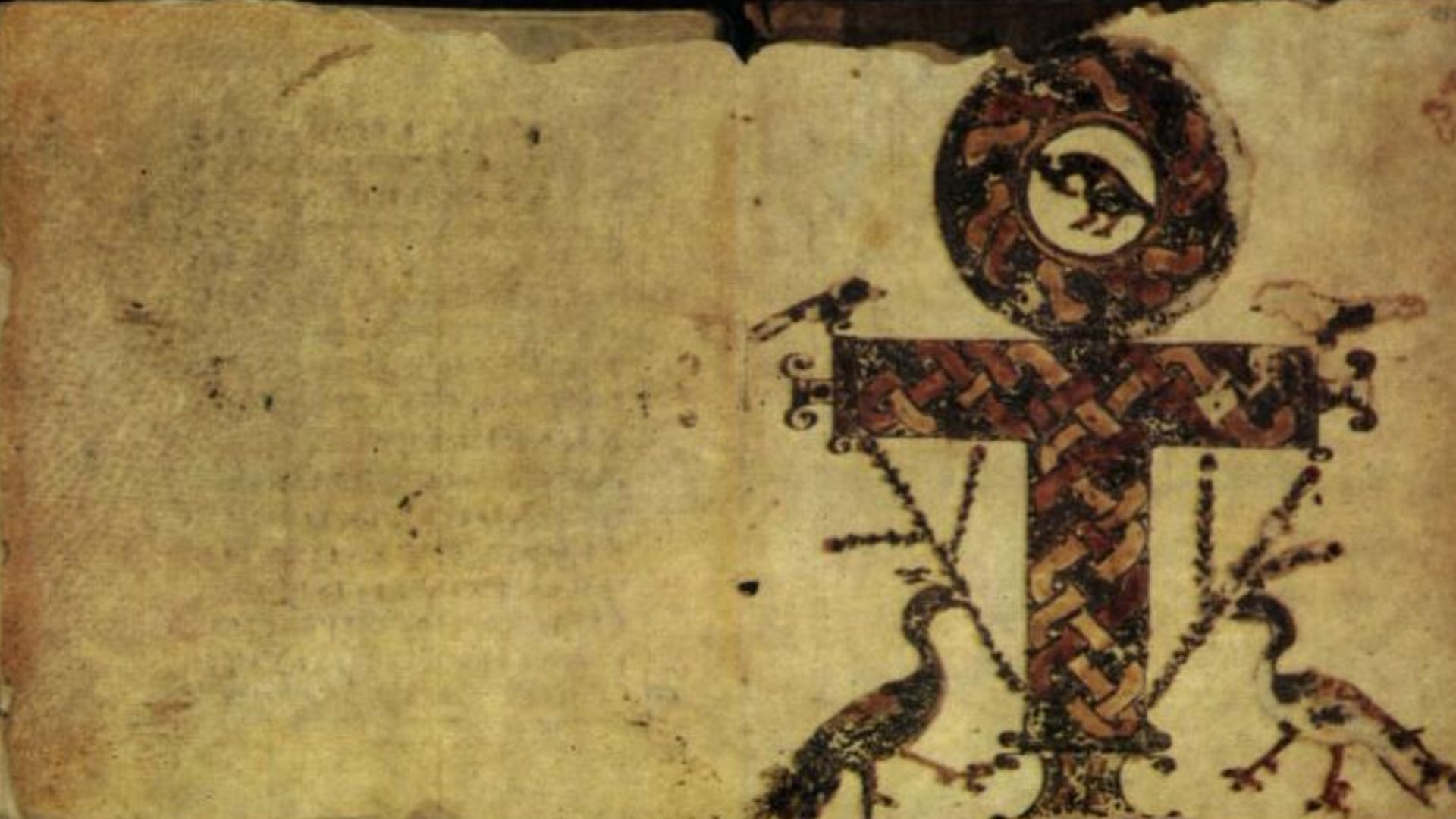
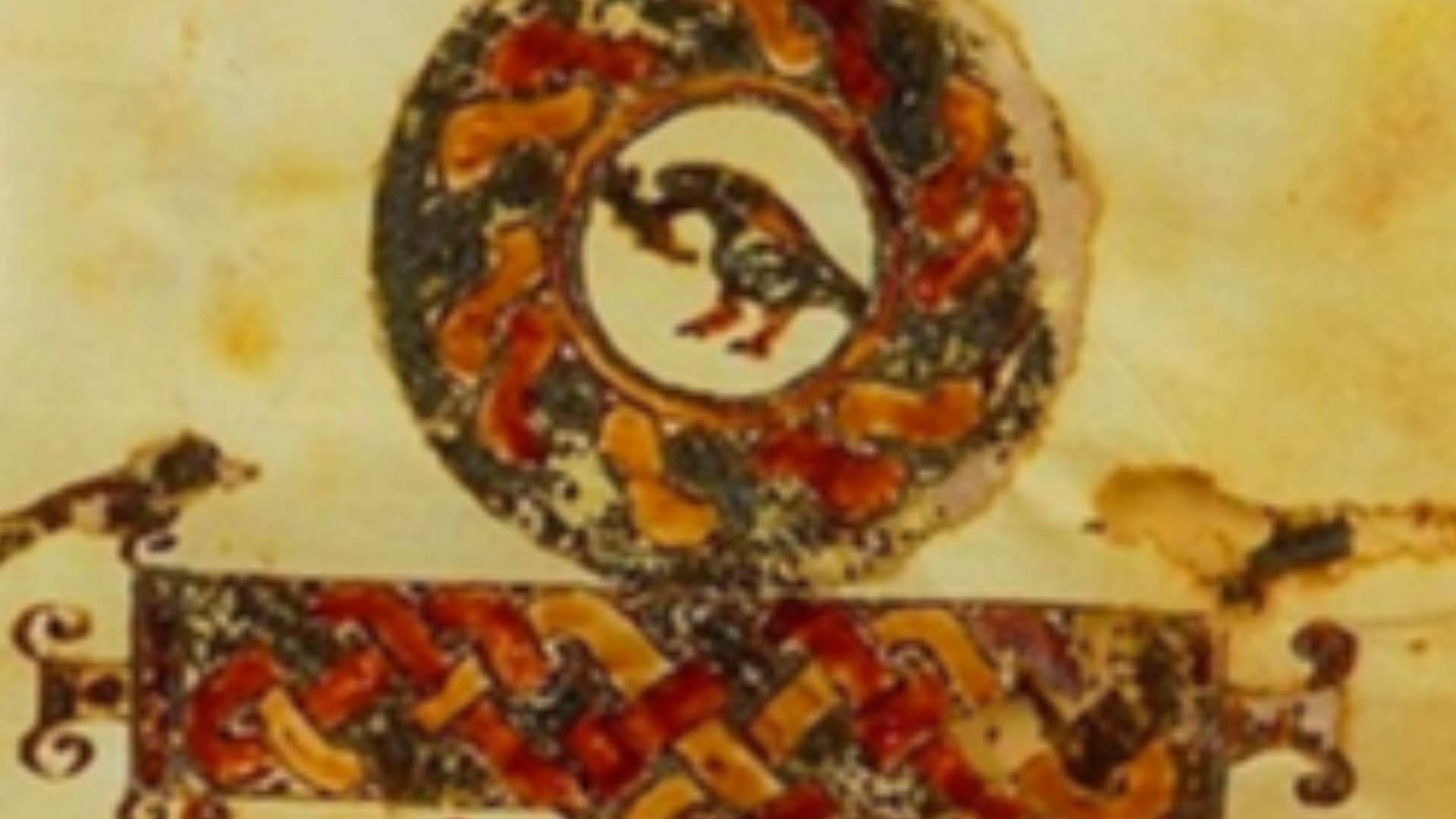
Early Egyptian Christians used a symbol called the crux ansata, which also means handled cross. It looks similar to the ankh but carries Christian meaning. It is an adaptation of familiar shapes rather than borrowing pagan beliefs directly from older religious systems, which are commonly debated.
 AnonymousUnknown author, Wikimedia Commons
Life Meant Different Things
Egyptian “life” referred to an ongoing state that extended beyond death and into the afterlife. In Christianity, life follows salvation and moral transformation through Jesus. Even when symbols appear similar, the concepts they express reflect entirely different worldviews shaped by separate religious traditions.
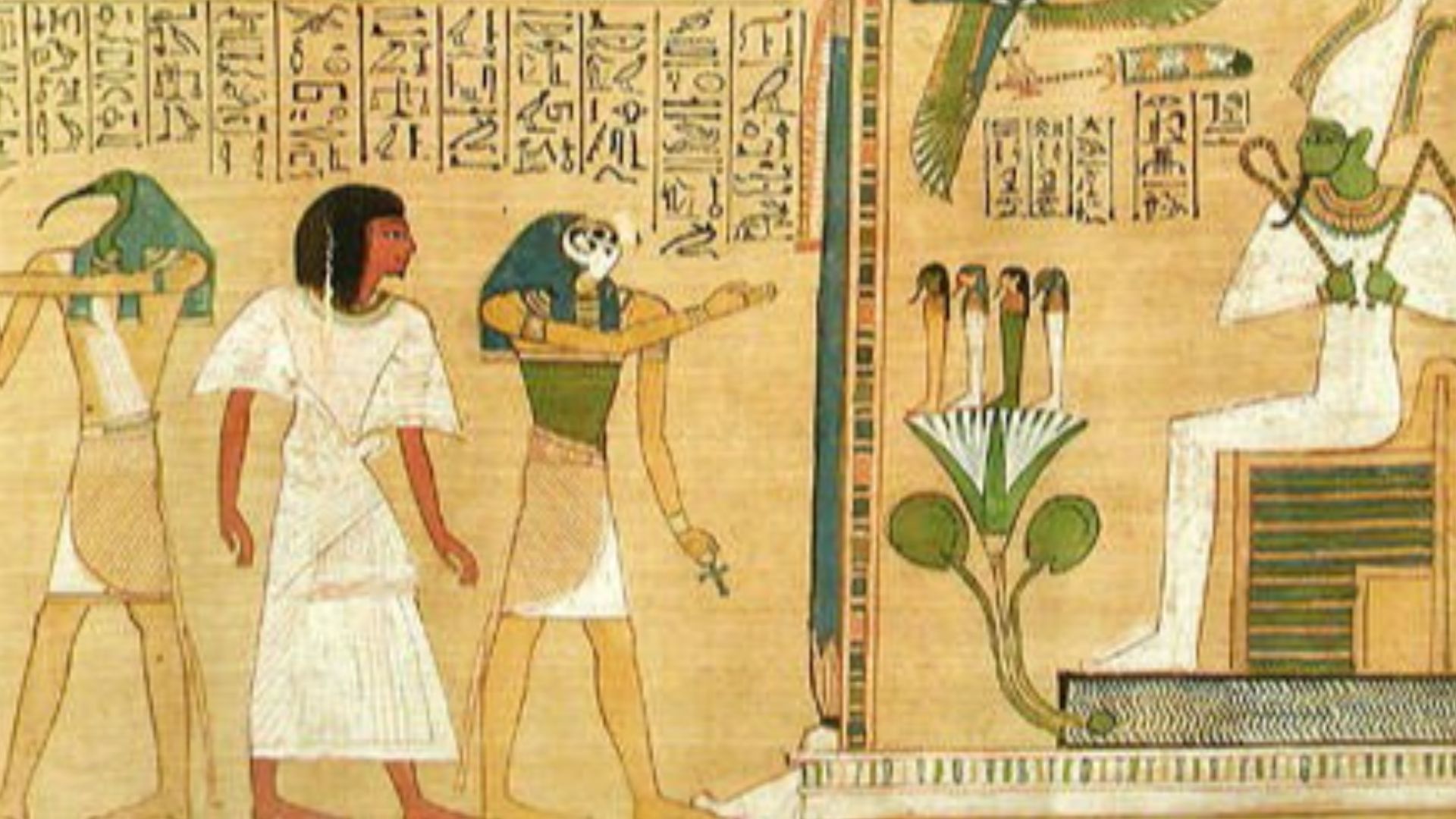
A Clash Over Meaning
When Christianity became dominant, conflicts arose over symbol meanings. During the destruction of Alexandria’s Serapeum in 391 AD, pagans claimed cross-like symbols meant eternal life, while Christians insisted those signs represented Christ alone, revealing struggles over ownership of visual language.
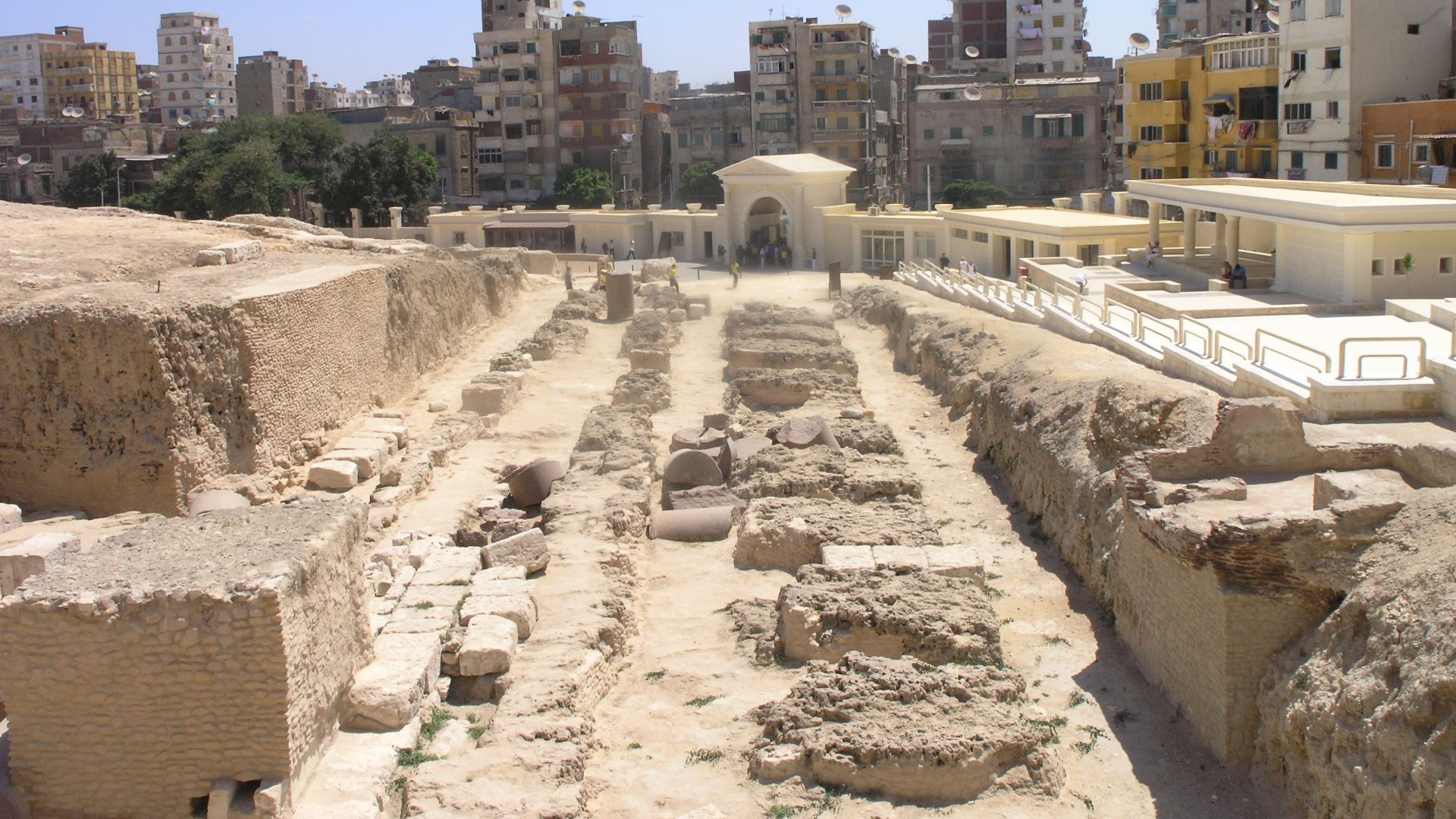 Daniel Mayer, Wikimedia Commons
Did Christianity Copy The Ankh?
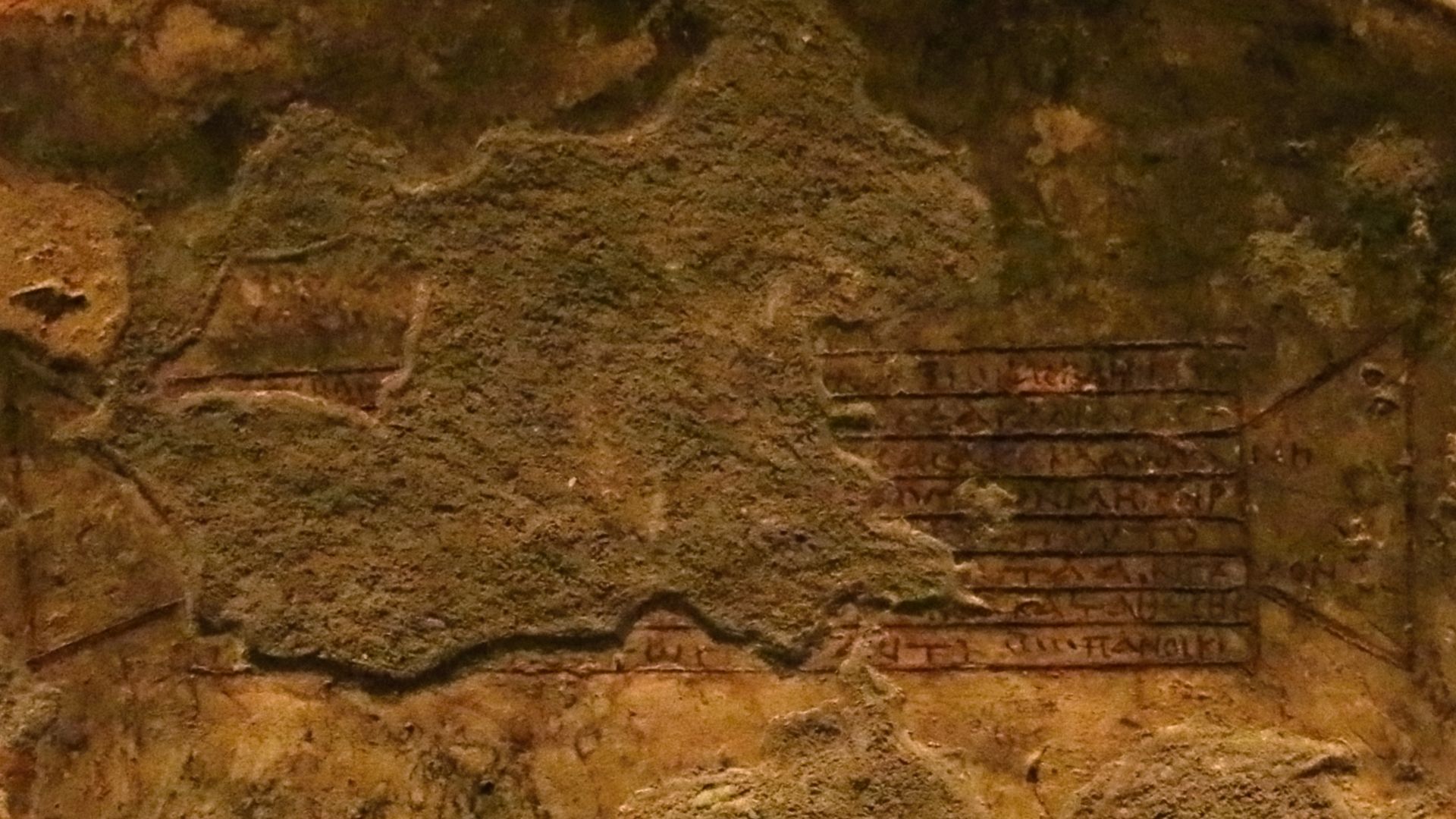
Some assume the Christian cross came directly from the ankh. However, historians show Christians were already using cross symbols in texts and art before widespread conversion in Egypt, which weakens claims of direct borrowing from ancient Egyptian religion by later communities.
Geography Tells A Story
Scholars also note geography matters. Loop-topped crosses appear mainly in Egyptian Christian contexts, not across Europe or the wider Roman Empire. If the ankh shaped Christianity itself, similar symbols would appear more consistently across early Christian regions and historical records.
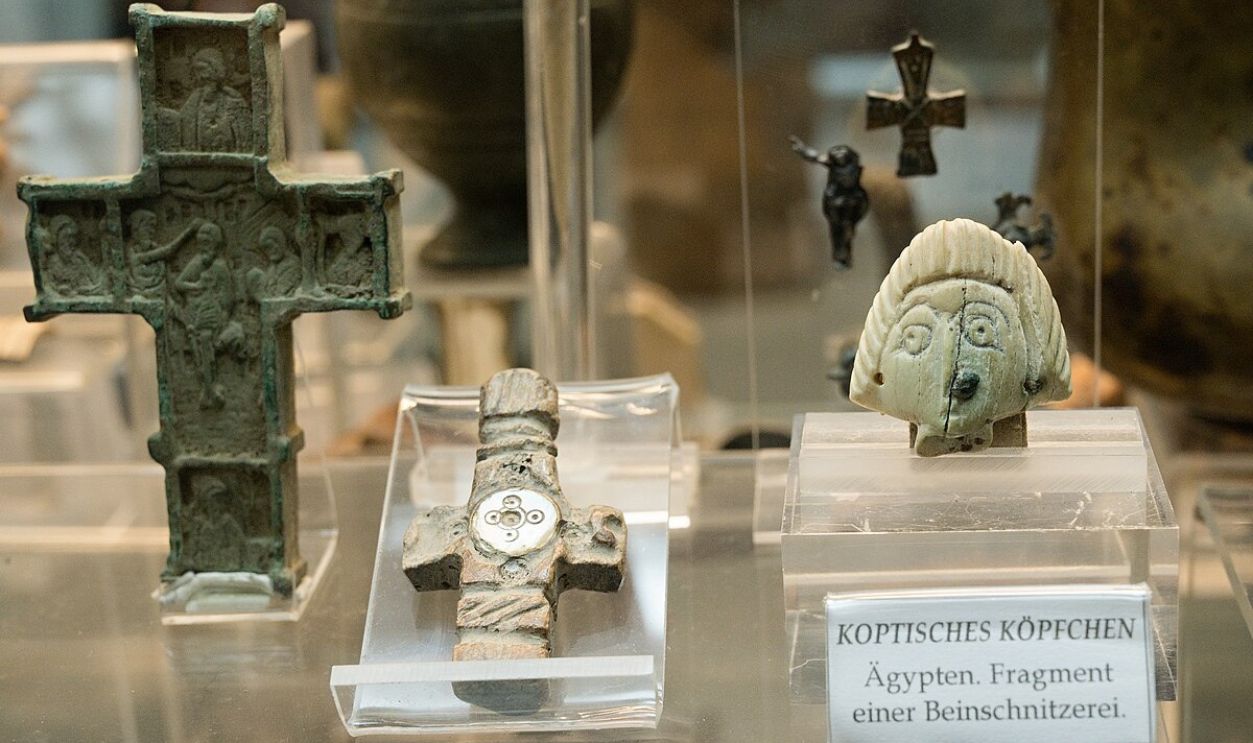 Zde, CC BY-SA 4.0, Wikimedia Commons
Why Scholars Urge Caution
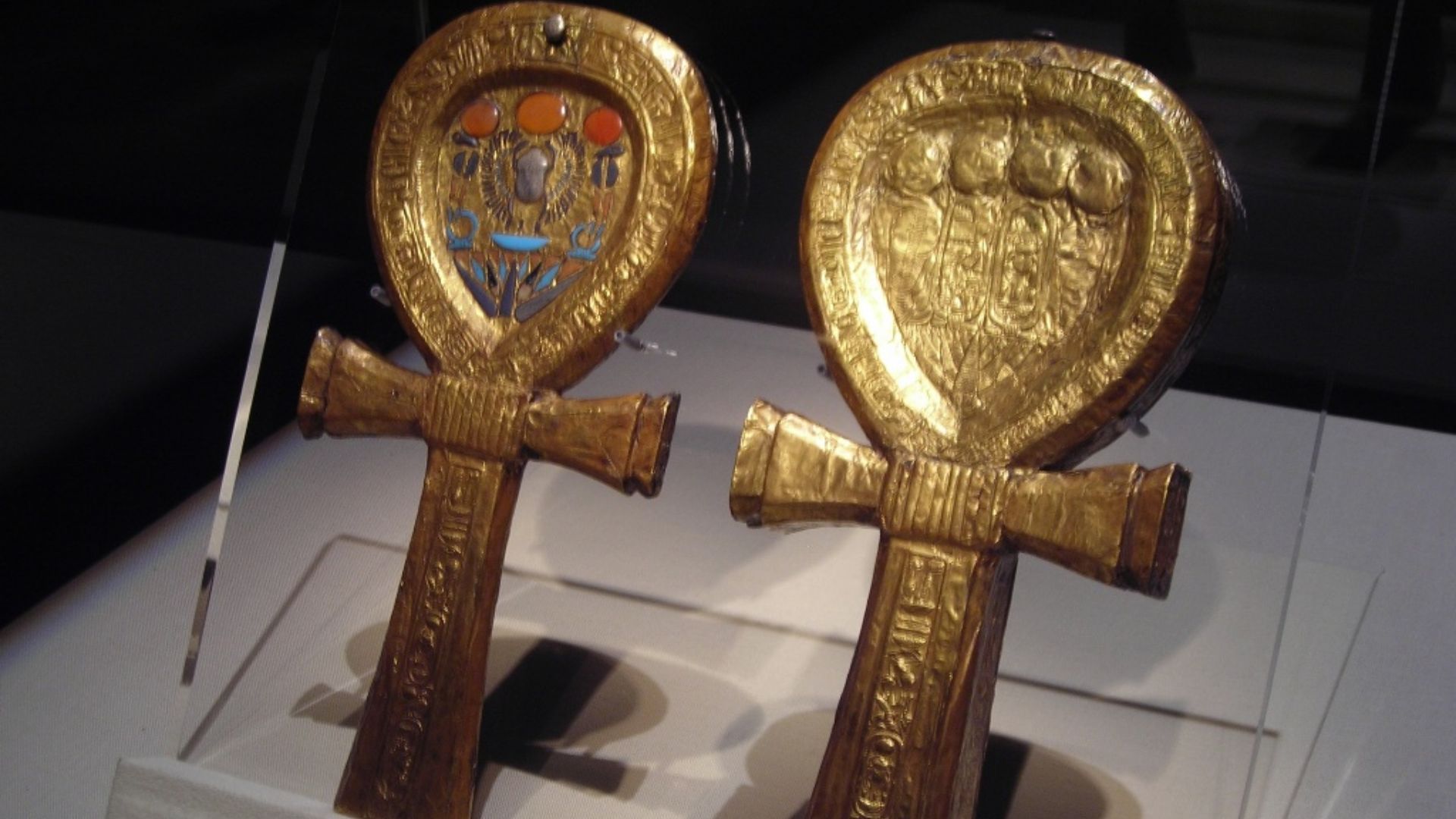
Modern scholars caution against oversimplification. Similar shapes do not prove shared origins. Instead, they argue that the ankh and the cross evolved separately, occasionally overlapping in appearance due to cultural transition rather than direct religious borrowing during Egypt’s Christian conversion period.
 Matt Davies, Wikimedia Commons
Missing From Christian Scripture
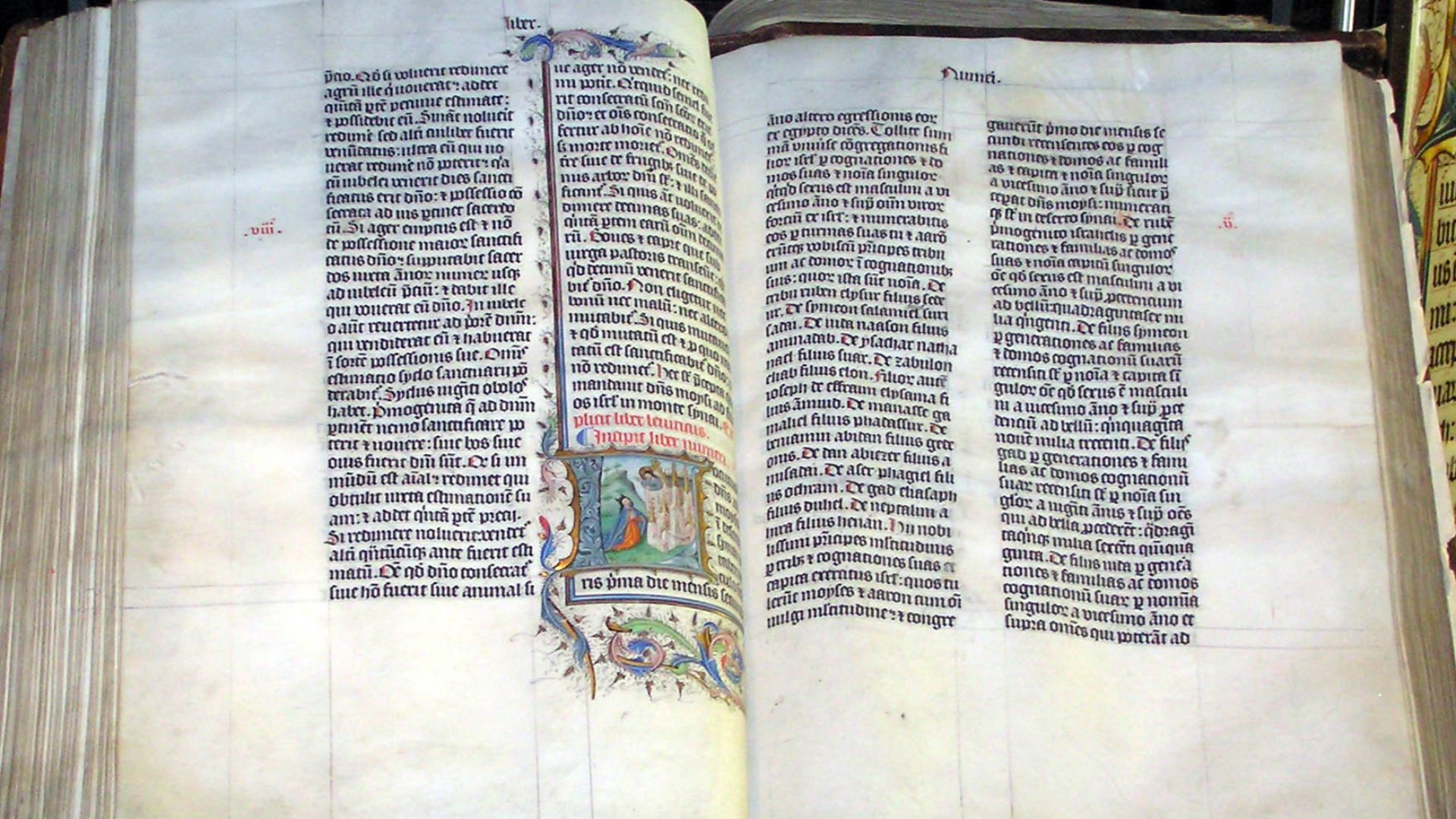
The ankh is never mentioned in the Bible or early Christian doctrine. Its absence from scripture makes scholars hesitant to treat it as a foundational Christian symbol with the view that its presence in Egypt reflects culture, not theology alone.
 Anonymous (photo by Adrian Pingstone), Wikimedia Commons
Silence In Early Christian Writings
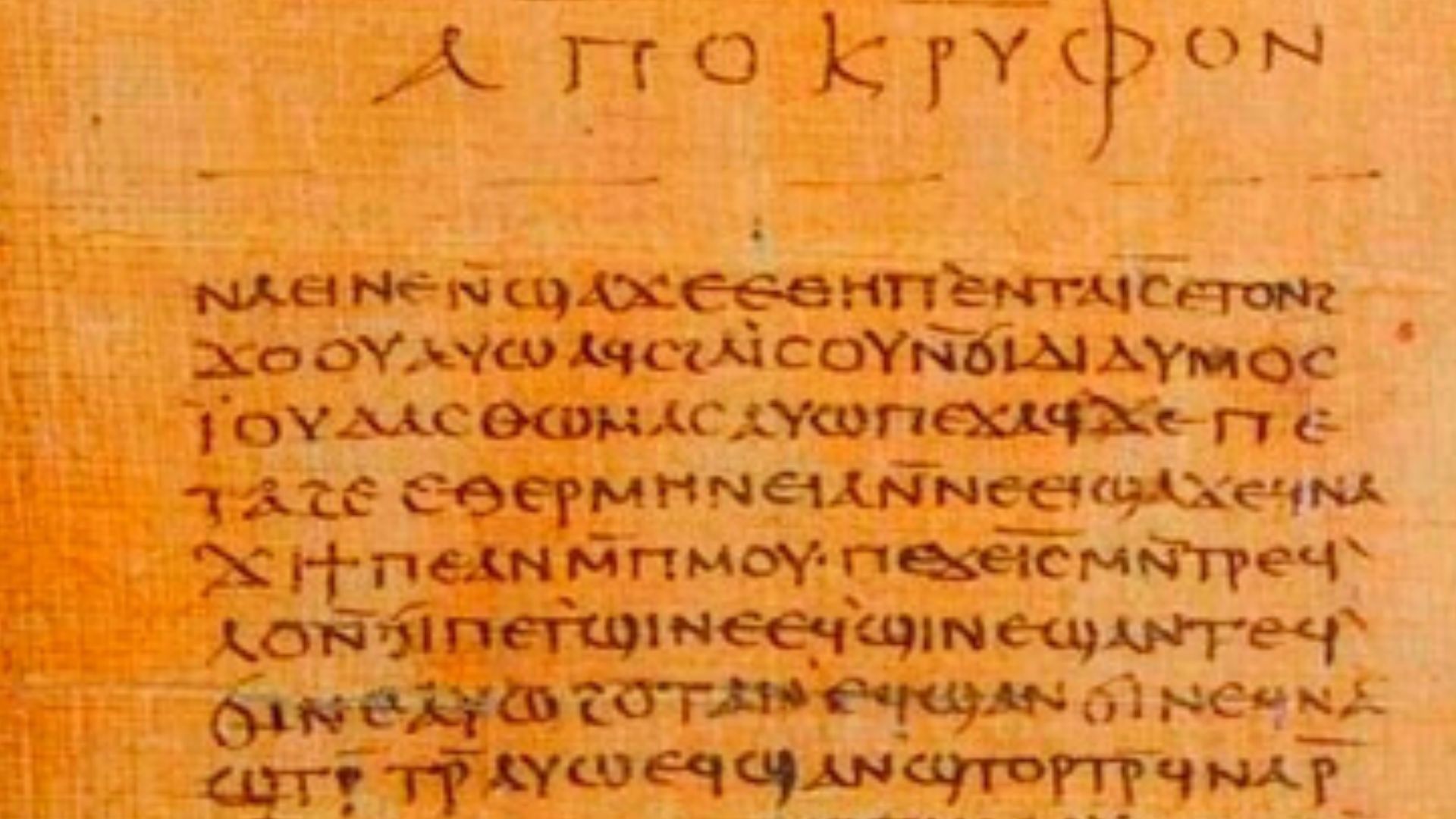
Early Christian writers discussed everything, including resurrection, but not the ankh. Scholars argue this silence matters because symbols central to belief usually appear in texts, sermons, and teachings, not only in decoration used widely by believers today.
 Unknown authorUnknown author, Wikimedia Commons
Popular Culture Vs Historical Evidence
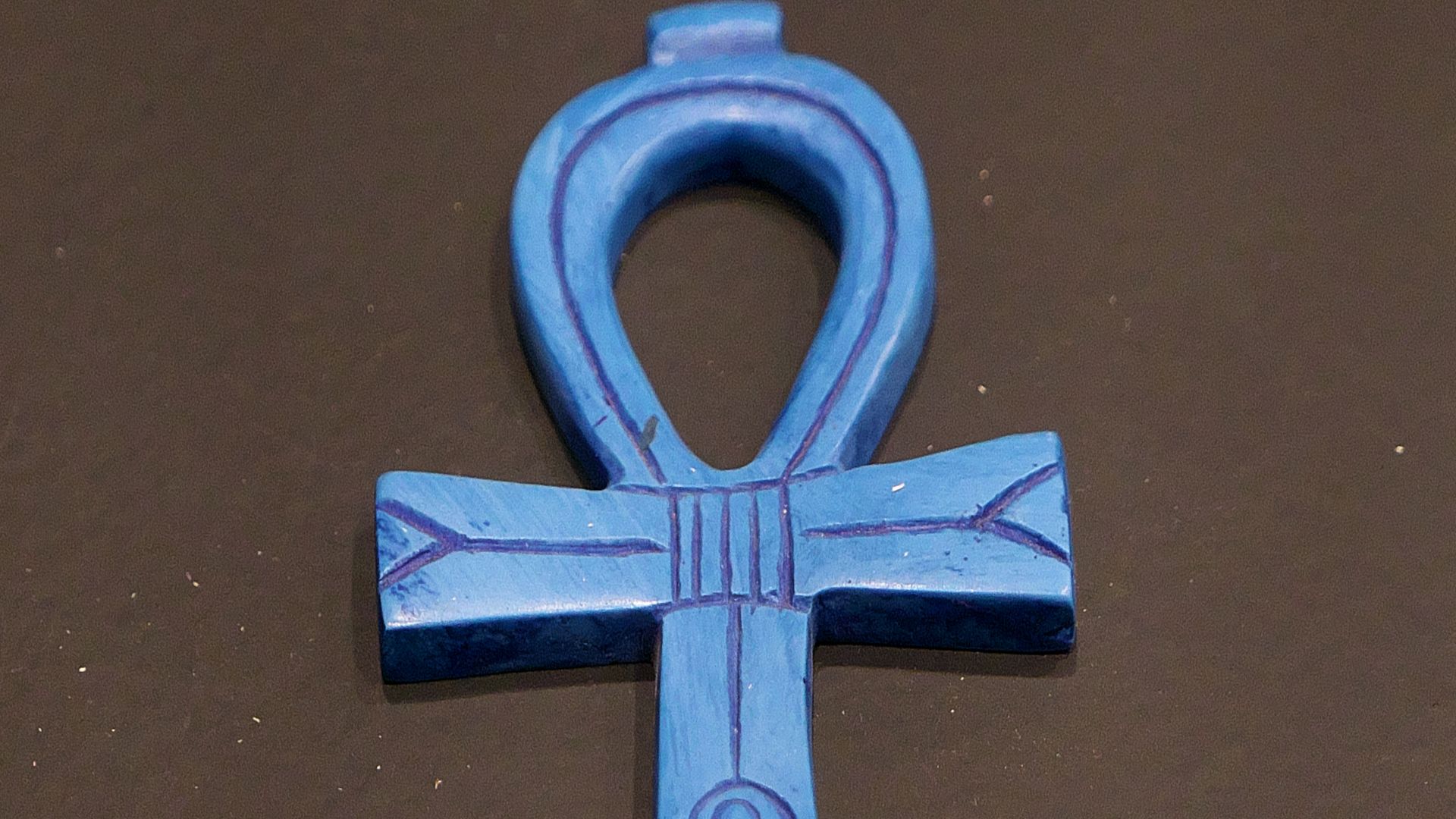
Modern popular culture often merges ancient symbols freely, blurring history. Scholars push back with the warning that spiritual meanings cannot be merged casually. Each symbol belongs to a specific time and social context that shaped its original purpose and significance.
Protecting Historical Accuracy
For historians, rejecting the ankh as a Christian symbol protects accuracy. It prevents oversimplified stories and respects both ancient Egyptian religion and early Christianity as distinct traditions, rather than forcing one narrative to explain complex cultural transitions across historical timelines.
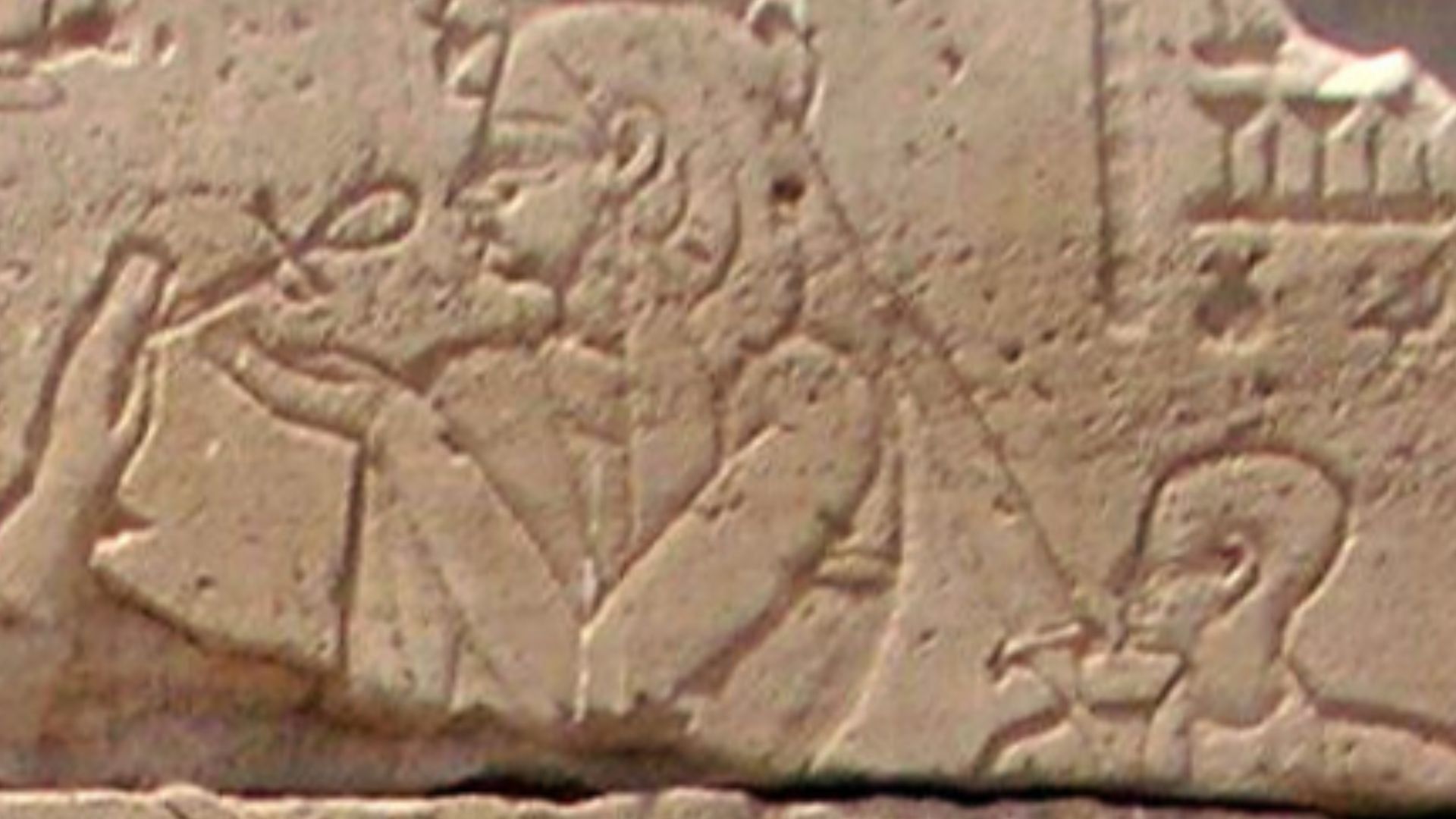
Why Rejection Matters
Scholars reject the ankh not because it lacks importance, but because evidence matters. Visual similarity alone cannot rewrite religious history. Understanding differences helps preserve truth, showing how cultures interact without erasing boundaries between belief systems over centuries of human history.
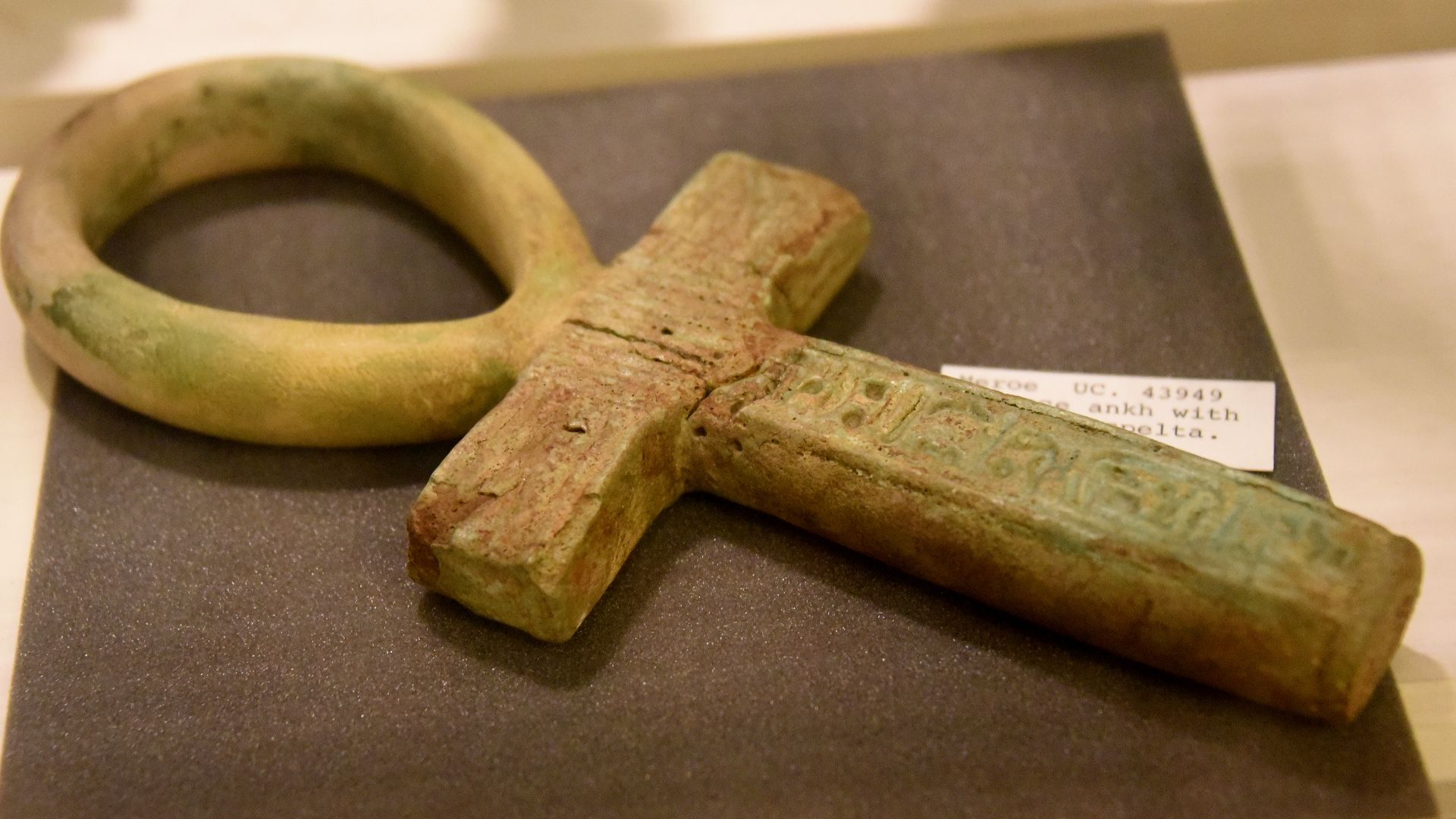 Osama Shukir Muhammed Amin FRCP(Glasg), Wikimedia Commons