

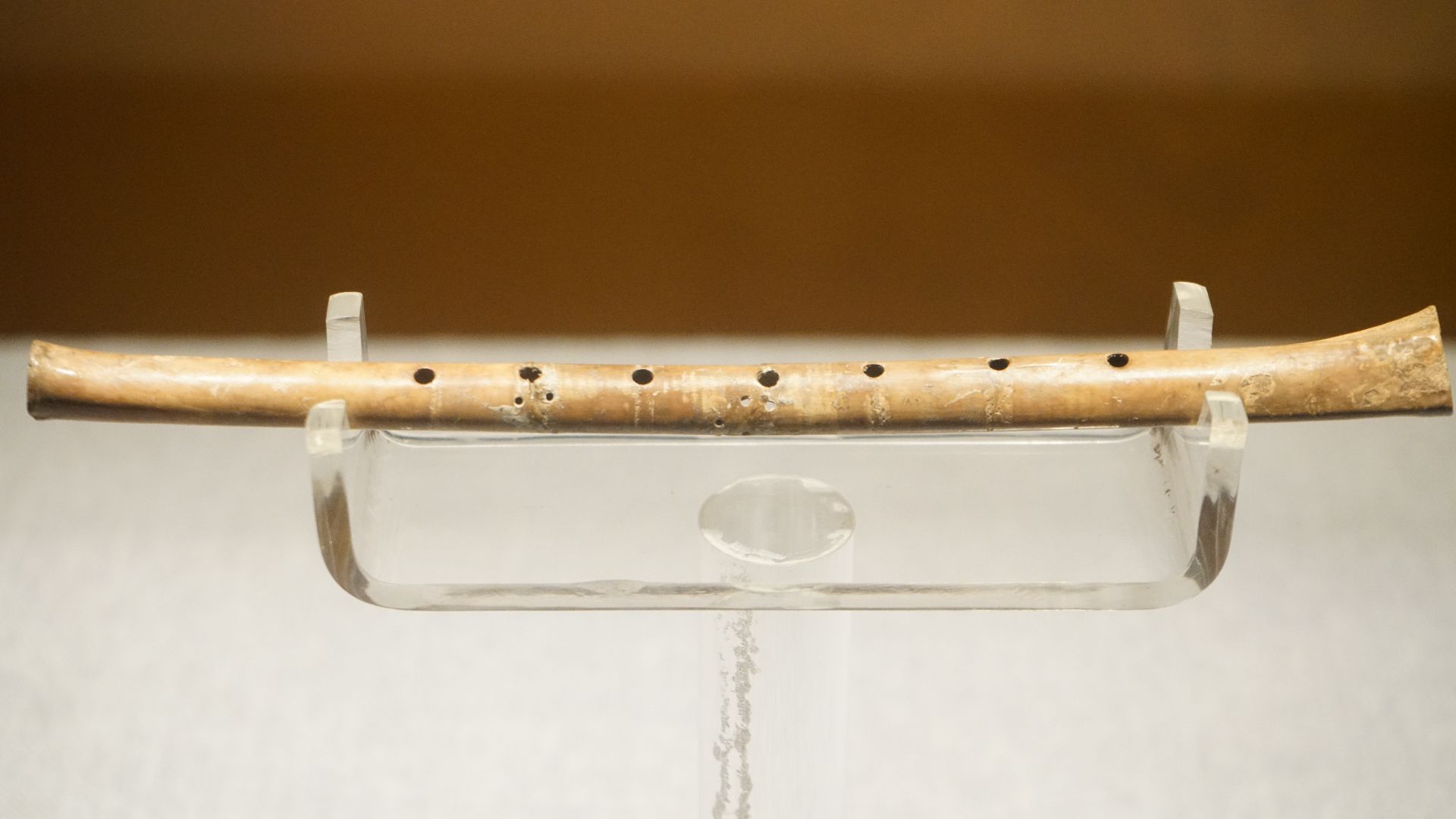
In the quiet heart of Middle Egypt, a whisper from the past just resurfaced. Archaeologists excavated a small, hollow whistle carved from a juvenile cow’s toe bone, its edges smoothed by human hands around 3,300 years ago, with its function identified in recent studies.
It doesn’t look like much—just a polished fragment of bone—but when researchers blew gently through it, it produced a sharp, piercing tone. The theory behind it is that ancient guards may have used it to alert others of grave robbers lurking near royal tombs.
The discovery, though simple, pulls back the curtain on one of ancient Egypt’s most human struggles: protecting the dead from the living.
The Whistle Was Found In A Guard’s Burial Context
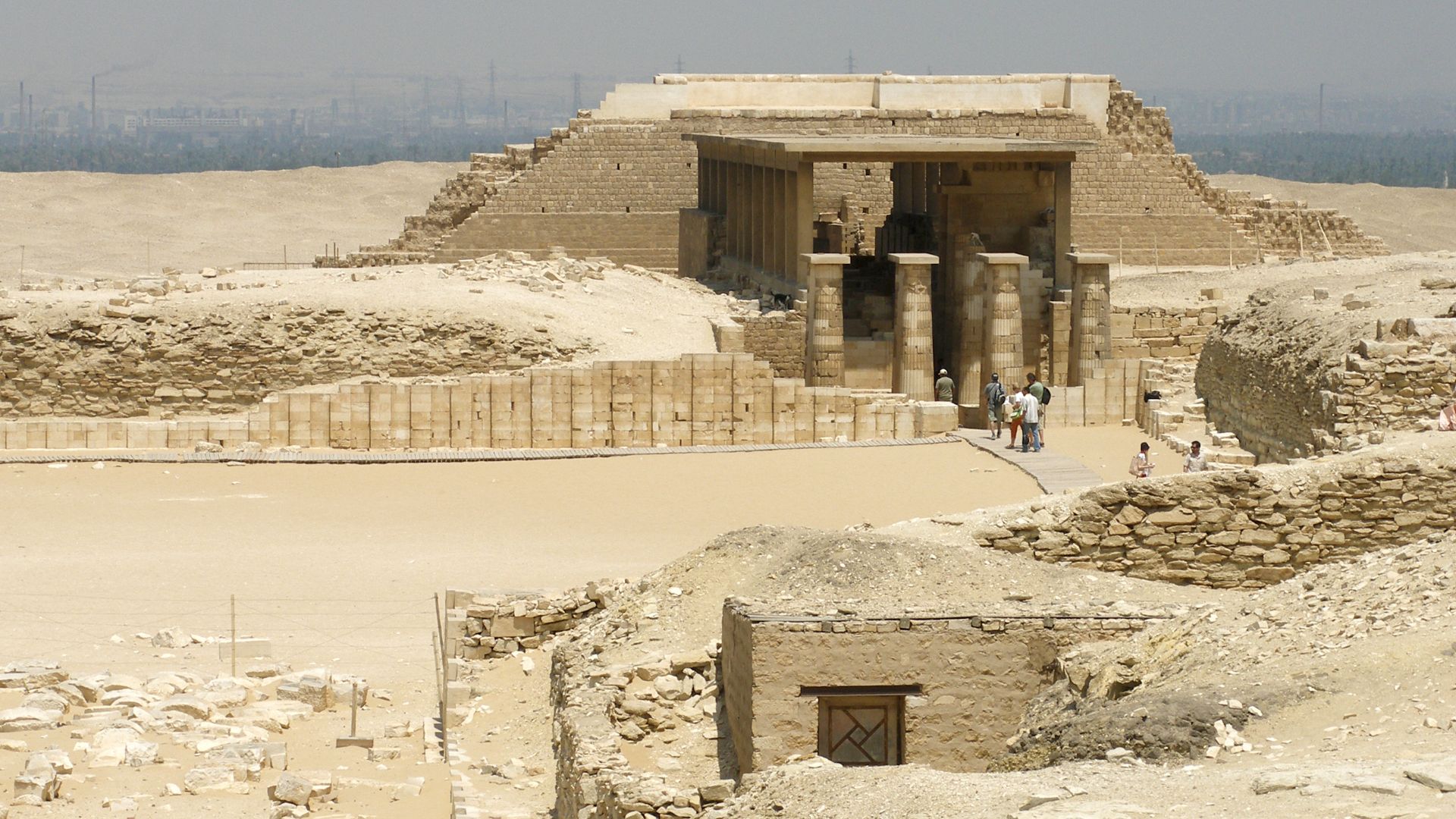
The artifact was uncovered during a Middle Egypt excavation at Tell el-Amarna's Stone Village, an area associated with 18th Dynasty worker settlements near royal tombs (Amarna Project, University of Cambridge).
The small bone whistle, carved from a juvenile cow phalanx, was found in a structure with animal bones and tools—all consistent with the toolkit of a lower-ranking worker or guard.
Experts from the Amarna Project noted that its location—in a checkpoint near royal tombs—suggests it was part of a guard’s toolkit rather than a ceremonial object.
Similar instruments have been identified in ancient Near Eastern and Greek contexts as signaling devices for patrols, making this one of the oldest found in Egypt.
But why did they really need it?
Tomb Robbery Was Rampant In Ancient Egypt
Far from legend, grave robbing was a chronic problem in ancient Egypt. Official court records, including the Judicial Papyrus of Turin (c 1150 BCE), describe detailed interrogations of thieves caught looting royal tombs in Thebes (British Museum Collection).
Guards stationed in necropolises were expected to patrol burial zones and sound alarms if intruders were spotted; sometimes using simple tools like rattles. This whistle represents such a novel signaling device.
That’s why this small find matters: it gives sound to history. It shows that tomb security was systematic. The whistle’s shrill tone could carry across stone corridors and desert air to warn others of a breach.
And while the object itself is modest, its echoes speak volumes about ancient ingenuity.
Sound Was A Tool Of Protection And Ritual
In ancient Egypt, sound was sacred. Priests shook sistrums, blew conch shells, and played reed flutes to drive away evil during funerary rites. The recent discovery of a guard’s whistle blurs the boundary between ritual and routine.
Researchers with the Amarna Project recreated the artifact to study its acoustics in desert conditions. Their tests reveal that its piercing tone could travel far across the silent necropolis—serving both as a signal and a safeguard.
The Final Hum
A single carved bone may not glitter like gold, but it hums with history. The cow-toe whistle from Middle Egypt is a reminder that even in death, pharaohs needed protection—and guards once stood watch, armed not with swords, but with sound.
Thousands of years later, that warning note still lingers, echoing faintly from the sands: the dead were never left alone, and the living never stopped listening.
 Vyacheslav Argenberg, Wikimedia Commons










