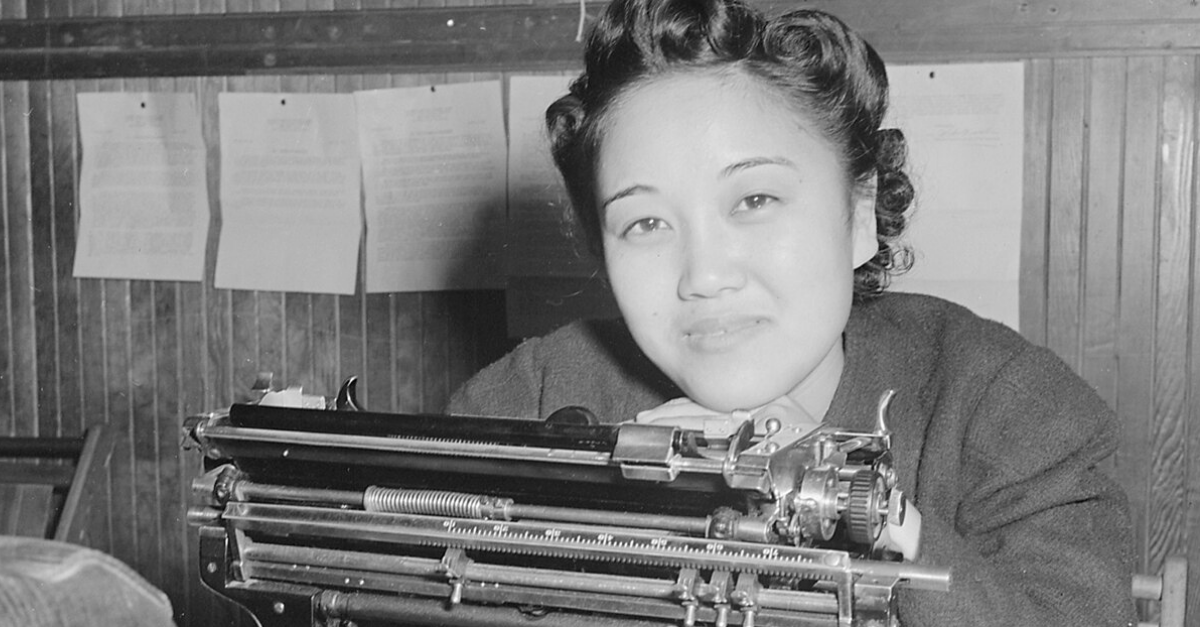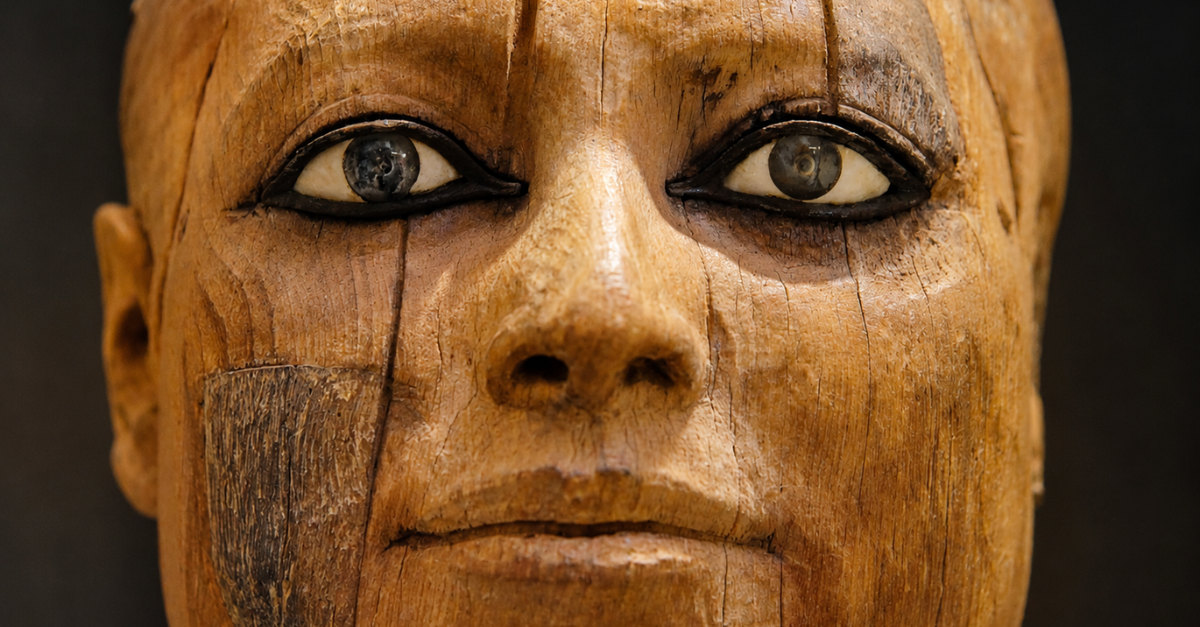
Some Jobs Belong In The Past.
Across the ancient world, people earned their living by reading sheep livers, guarding sacred flames, carrying royal messages, and preparing bodies for eternity. These occupations reveal how deeply work was shaped by religion, empire, slavery, and beliefs that would make many of the roles impossible today.
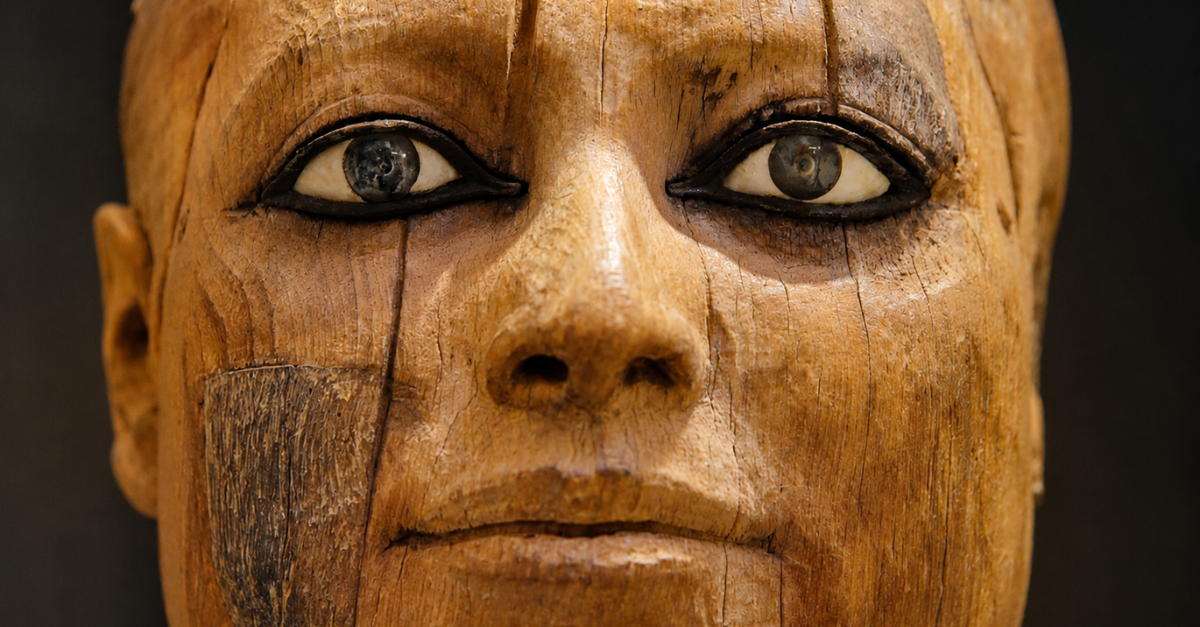
Embalmers Made Bodies Last For Eternity
Ancient Egypt’s death industry began with a job that could take 70 days per client. Specialist priests removed organs, dried the body with natron, wrapped it in hundreds of yards of linen, and recited the required prayers. This care mattered because Egyptians believed the preserved body remained a home for aspects of the person, including the ka that received offerings. In its original form, the role combined anatomy, priesthood, and preparation for eternity under a religion that no longer governs public life.
 Locust Projects, Wikimedia Commons
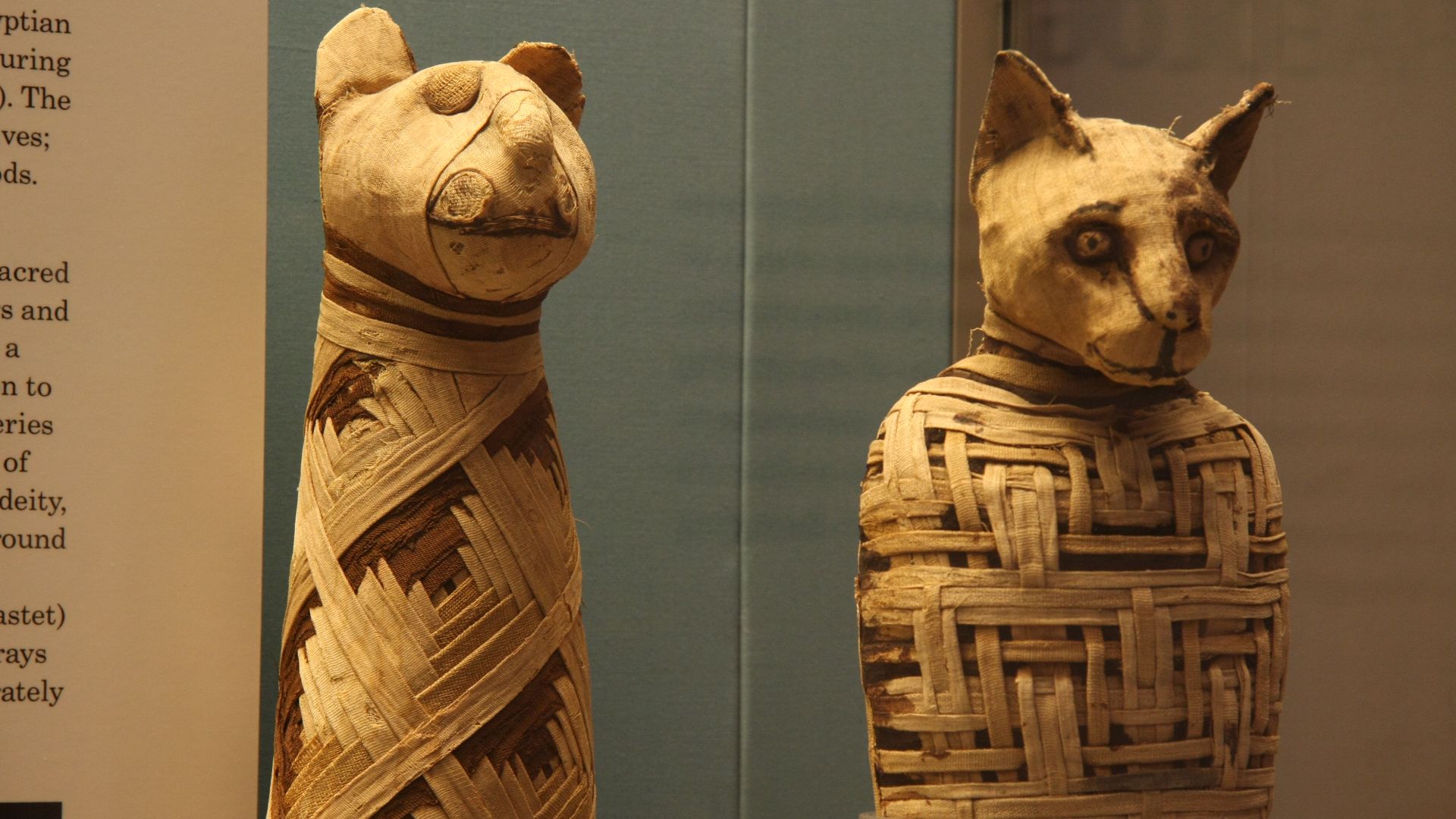
Animal Mummies Became A Temple Industry
That same concern with eternity created another astonishing trade: manufacturing animal mummies for temples. During the first millennium BCE, temple precincts raised large numbers of animals associated with gods and mummified them for dedication. Embalmer-priests used natron, oils, and resins in huge quantities, and their work generated income for the temple. The occupation depended on a sacred animal economy so specific that taxidermy or veterinary work cannot reproduce it.
 Mario Sanchez, Wikimedia Commons
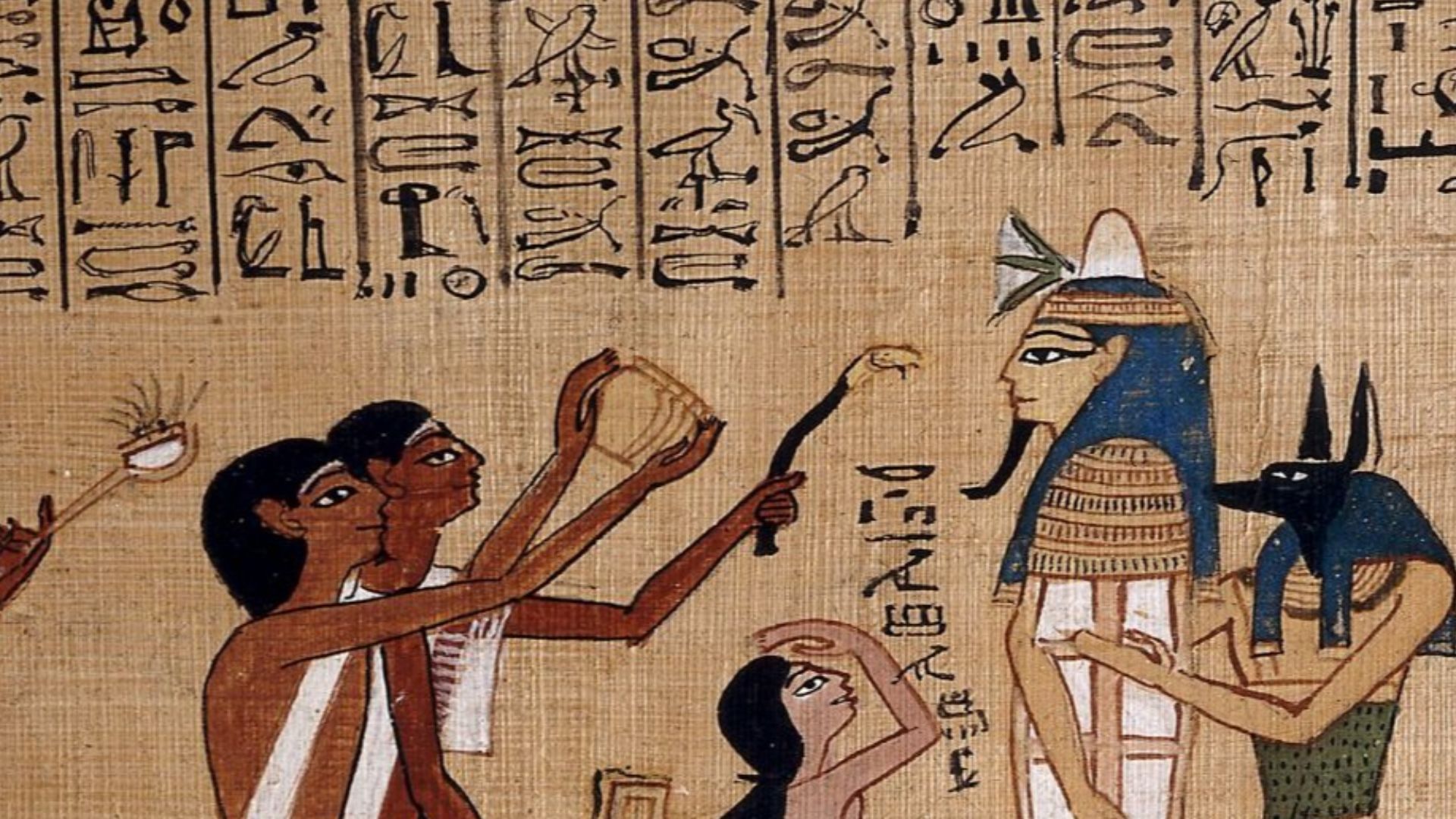
Ka Priests Served Meals To The Dead
Not every Egyptian funerary worker handled a corpse. A ka priest was paid by a family or supported by a tomb endowment to bring food and drink to the deceased, often every day. After the offering had symbolically nourished the ka, the food could revert to the priest as remuneration. This paid relationship between the living and the dead depended on tomb estates, ritual contracts, and funerary beliefs that have disappeared.
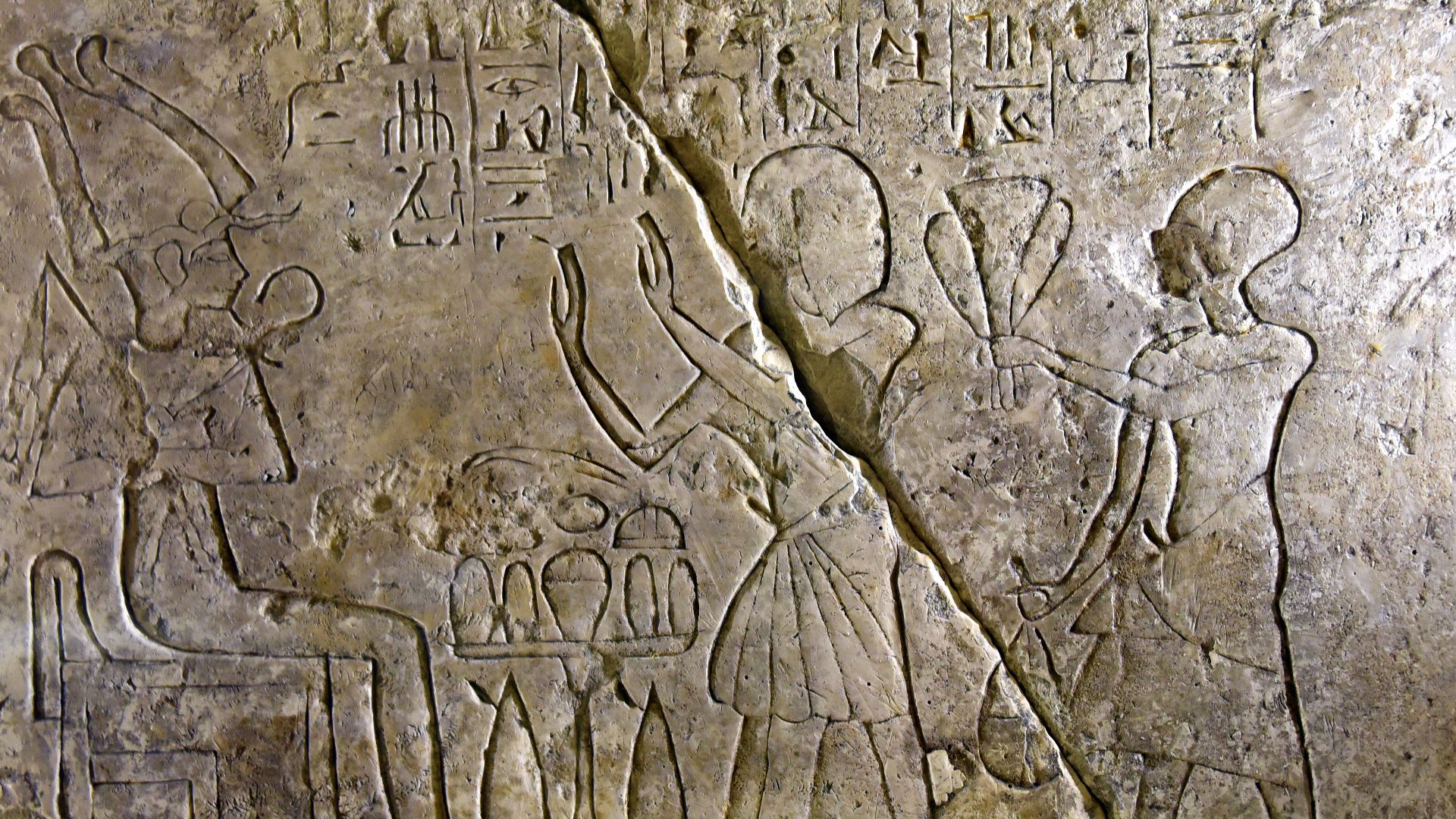
Lector Priests Read Spells For A Living
Food was only one service that the dead and the gods were thought to require. Lector priests, recognizable in art by a sash across the chest, read liturgies, hymns, and spells during temple and funerary rites. Accurate recitation was part of the ritual work rather than background narration or entertainment. The ancient office vanished with the temples that authorized those spoken rites.
 Osama Shukir Muhammed Amin FRCP(Glasg), Wikimedia Commons
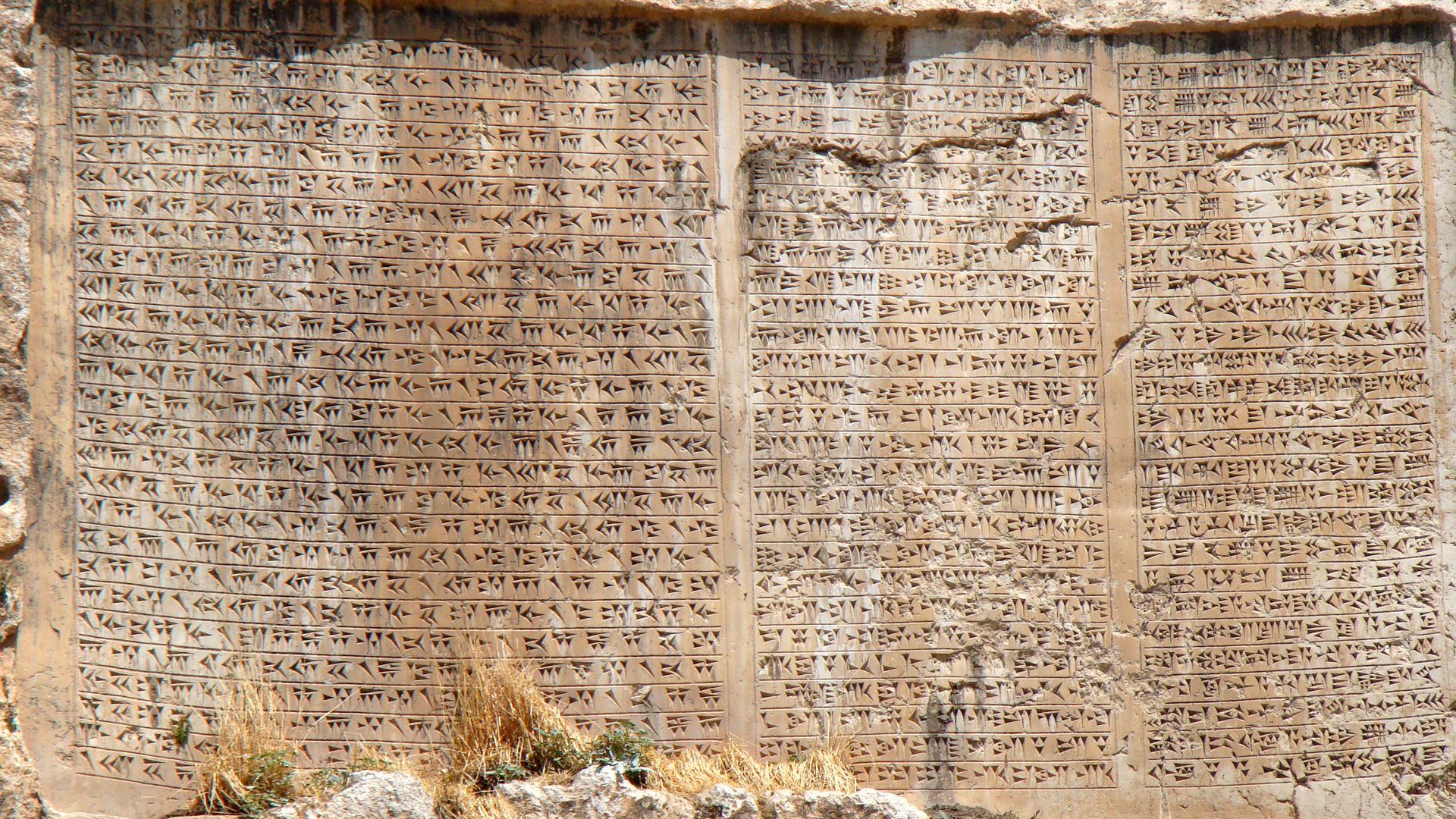
Cuneiform Scribes Ran Clay-Tablet Bureaucracies
Moving east, Mesopotamia built much of its government around wet clay. At schools such as the one excavated at Nippur, pupils learned cuneiform and advanced work in mathematics, religion, and law. Successful scribes recorded the business of kings, temples, and local authorities by pressing reed or wooden styluses into tablets. The clay-tablet civil service vanished with cuneiform literacy, even though its appetite for records feels strikingly modern.
 Bjorn Christian Torrissen, Wikimedia Commons
Exorcist-Healers Fought Demons And Disease
Those records belonged to a world that did not separate medicine, religion, and magic as cleanly as modern institutions do. An ashipu could recite spells, prepare medicinal substances, interpret signs, conduct mortuary rites, and advise a king. The threats in his professional brief included illness, ghosts, demons, sorcery, and curses, sometimes alongside the work of a physician. The position disappeared when royal courts stopped treating supernatural attack as a formal problem for state specialists.
Organ Diviners Read The Future In Sheep
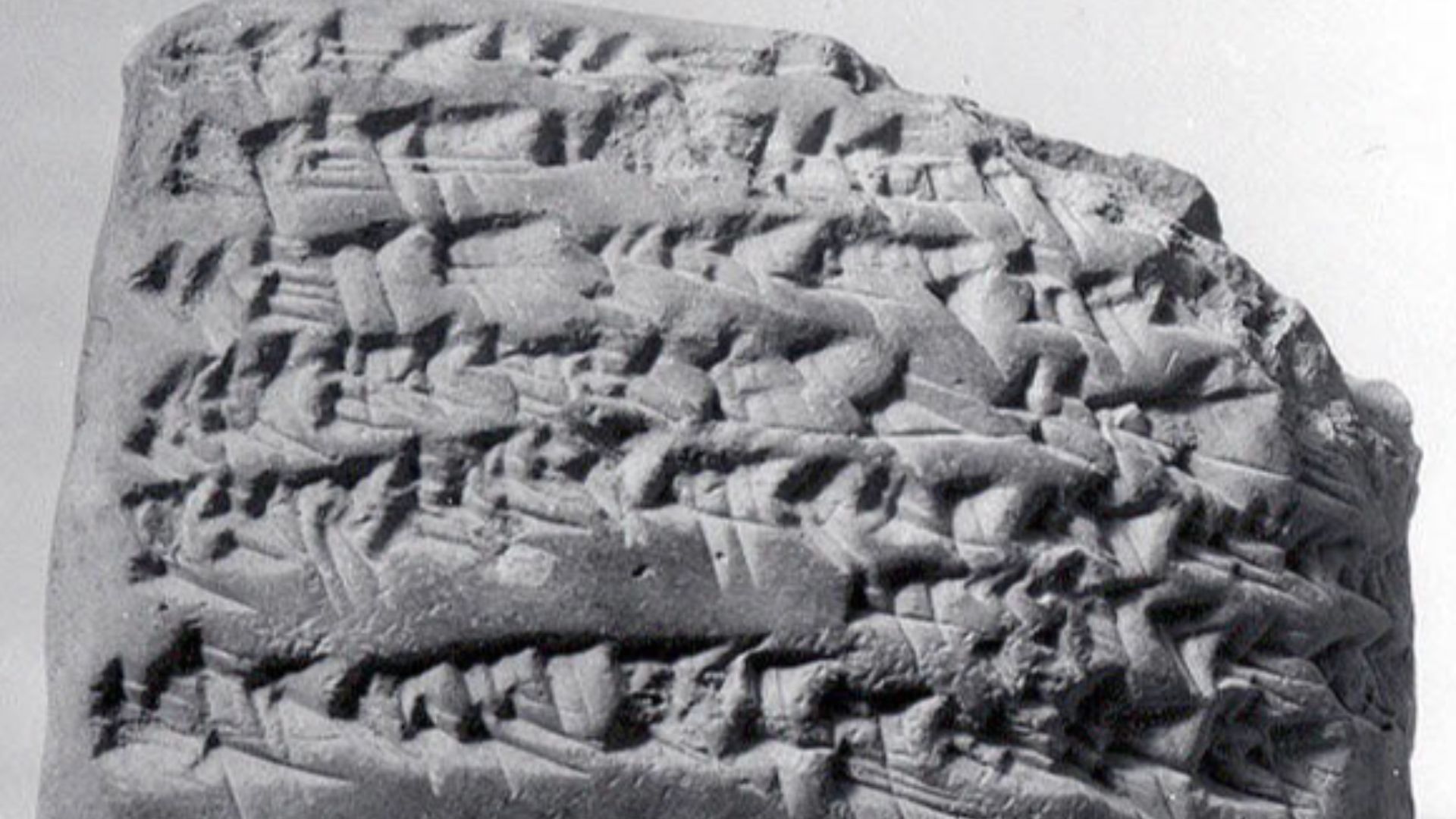
Another Mesopotamian expert sought answers inside a sacrificed sheep. The baru priest practiced extispicy by examining organs, especially the liver, for signs believed to communicate divine decisions. Clay models and omen tablets preserved anatomical landmarks and the interpretations attached to them. Veterinary science still studies organs, but a government consultant trained to read policy from viscera belonged to a very different religious system.
Royal Astrologers Filed Reports On Eclipses
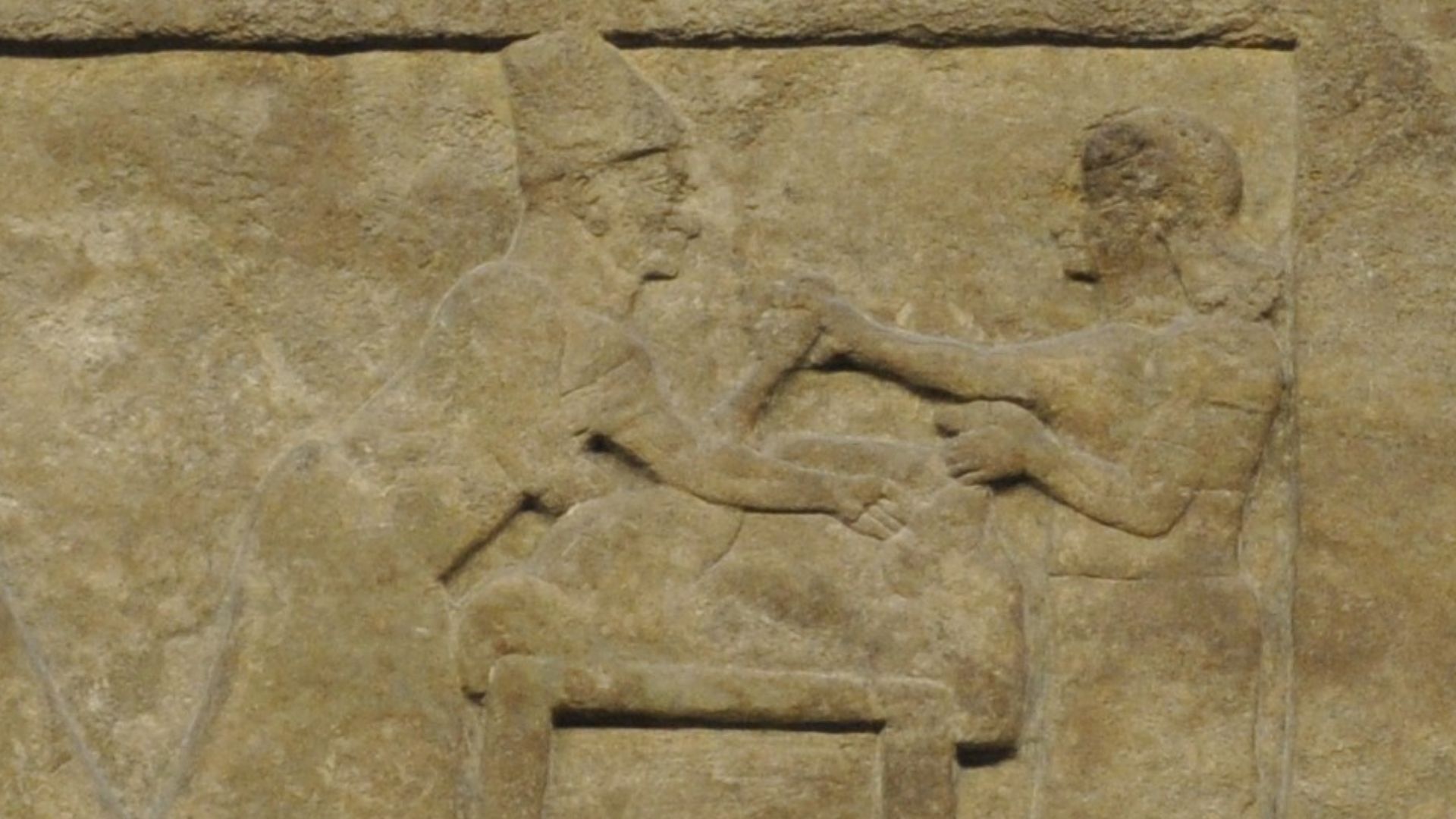
The heavens gave the Assyrian palace another stream of intelligence. Court scholars sent kings written reports about lunar and solar eclipses, planets, weather, and the political meaning assigned to each event. Surviving seventh-century BCE letters show astrologers explaining where an eclipse appeared and how Mars or Jupiter should be interpreted. Astronomers can predict eclipses today, but the office that translated them into royal omens is gone.

History's most fascinating stories and darkest secrets, delivered to your inbox daily.
The Pythia Spoke For Apollo
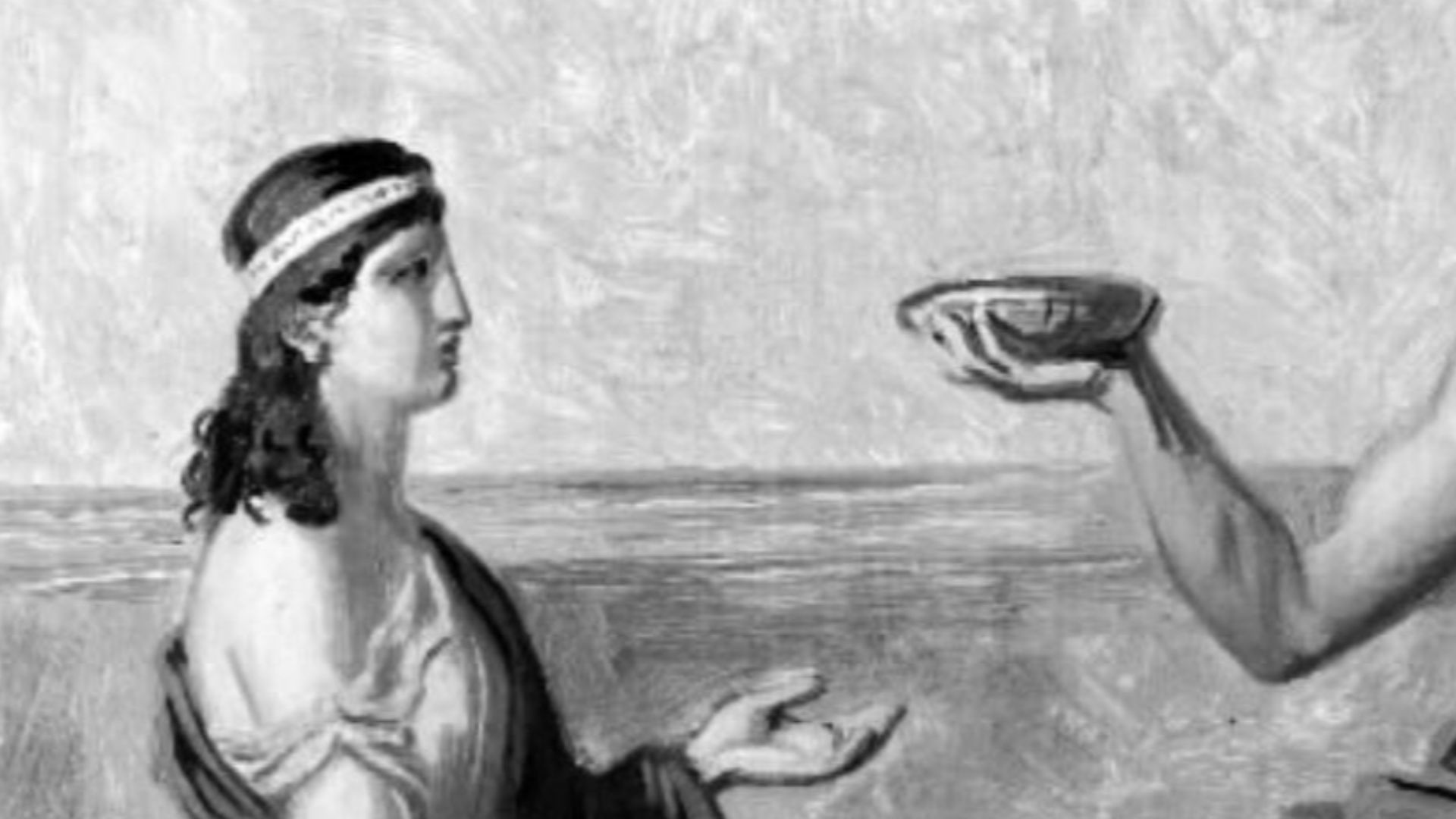
Across the Mediterranean, Delphi turned prophecy into a public institution. From the eighth century BCE, pilgrims came from across the Greek world to consult the Pythia, the priestess through whom Apollo’s oracle was delivered. Her responses could matter in political and religious decisions, giving the sanctuary influence far beyond its mountain setting. The office ended with the ancient sanctuary because its authority came from Apollo’s officially recognized cult.
 Constantin Hansen, Wikimedia Commons
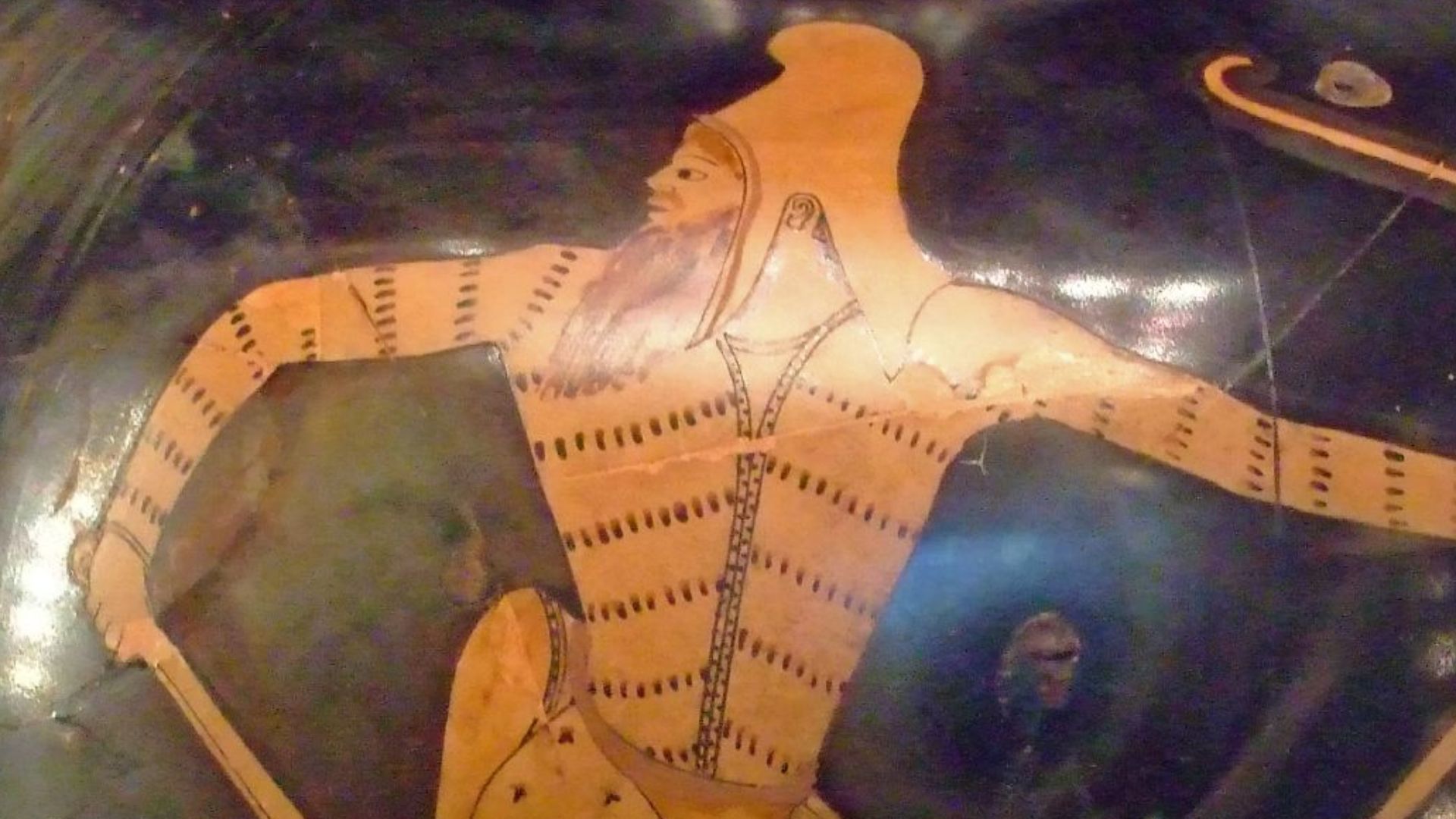
Athens Policed Itself With Enslaved Archers
Athens had a stranger answer to public order. The democratic city did not maintain a modern police force, so enslaved public workers known as Scythian archers performed duties that included crowd control. They belonged to a larger class of demosioi, state-owned specialists who served the citizen body without sharing its freedom. The occupation cannot be separated from the system of chattel slavery that made it possible.
 Mary Harrsch, Wikimedia Commons
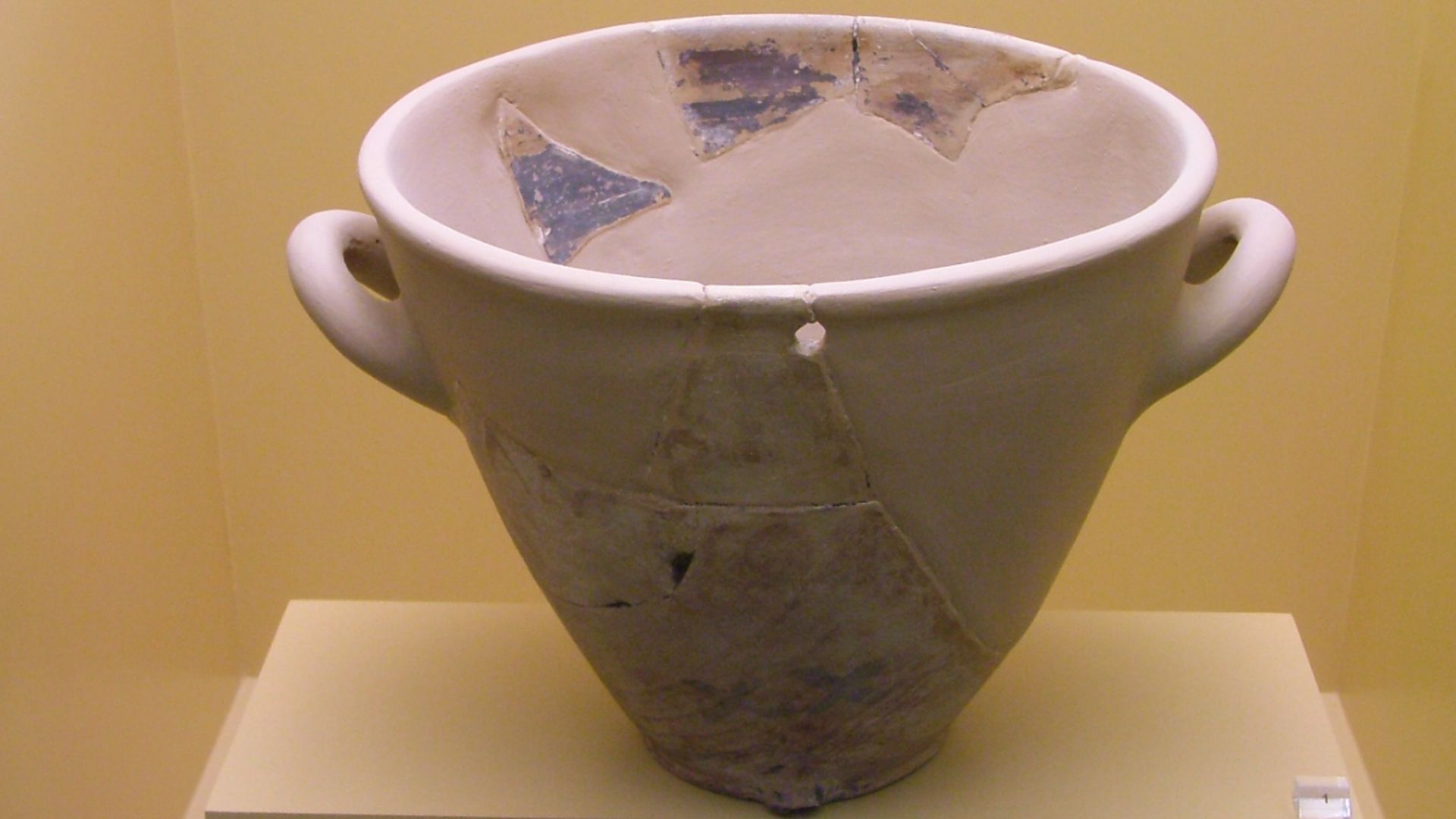
Court Attendants Timed Speeches With Water
Inside Athenian courts, even timekeeping required a person and a pot. A water clock called a klepsydra measured the allotted length of speeches, while an attendant announced intervals and reset the vessel. Different volumes of water could be used for different proceedings, keeping litigants from talking indefinitely. Digital timers replaced the tool, but the dedicated courtroom water-clock handler disappeared long before them.
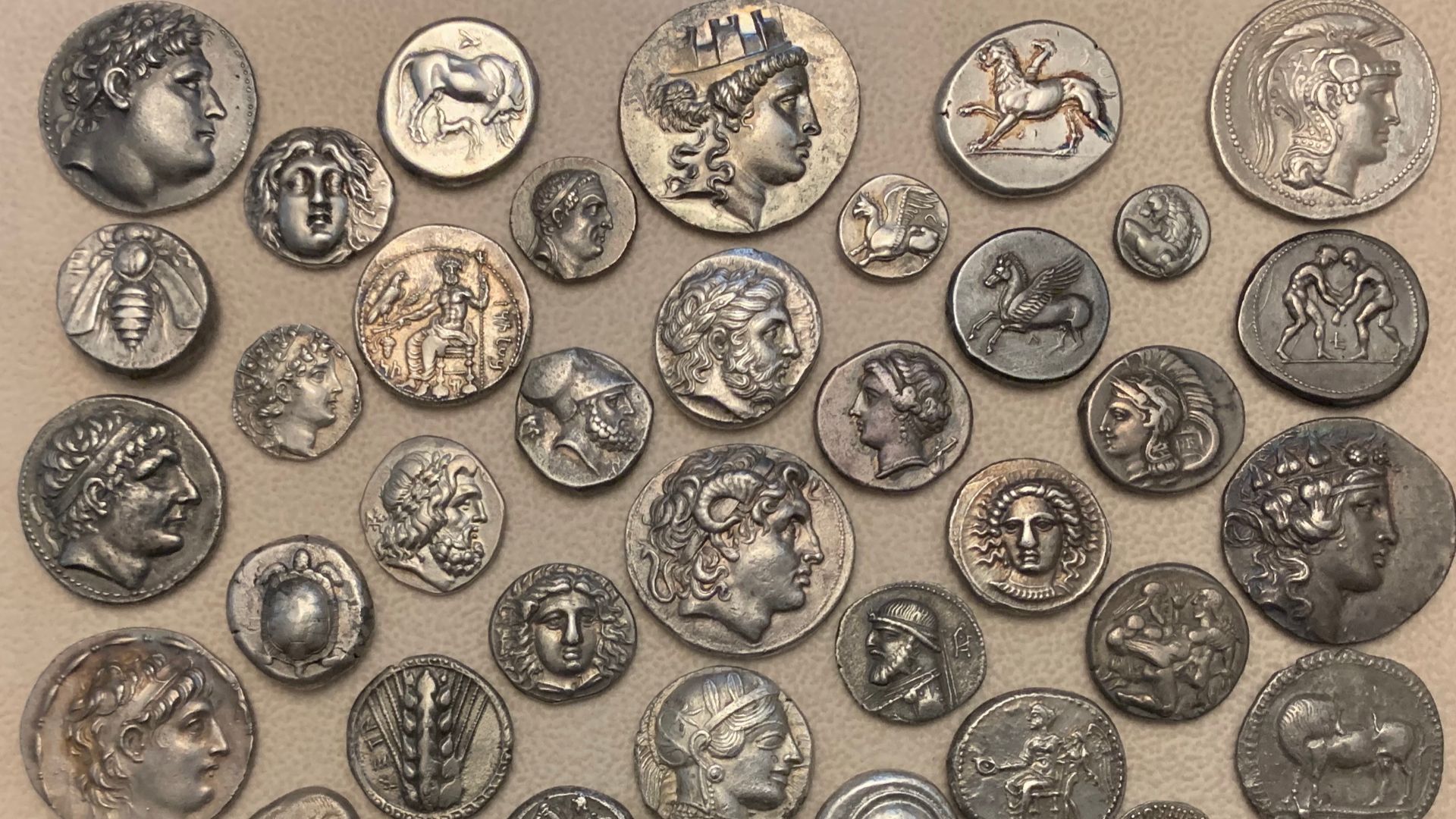
An Enslaved Tester Judged Every Silver Coin
Outside the courtroom, another public slave protected trust in the marketplace. The dokimastes sat near bankers and tested silver coins, returning accepted pieces to their owners. Counterfeits or plated coins could be cut, confiscated, or destroyed, and the law threatened the tester with punishment for neglecting the duty. The role combined enslavement with public financial authority, a contradiction that no legitimate civil service could reproduce.
 Arkaio Nomisma, Wikimedia Commons
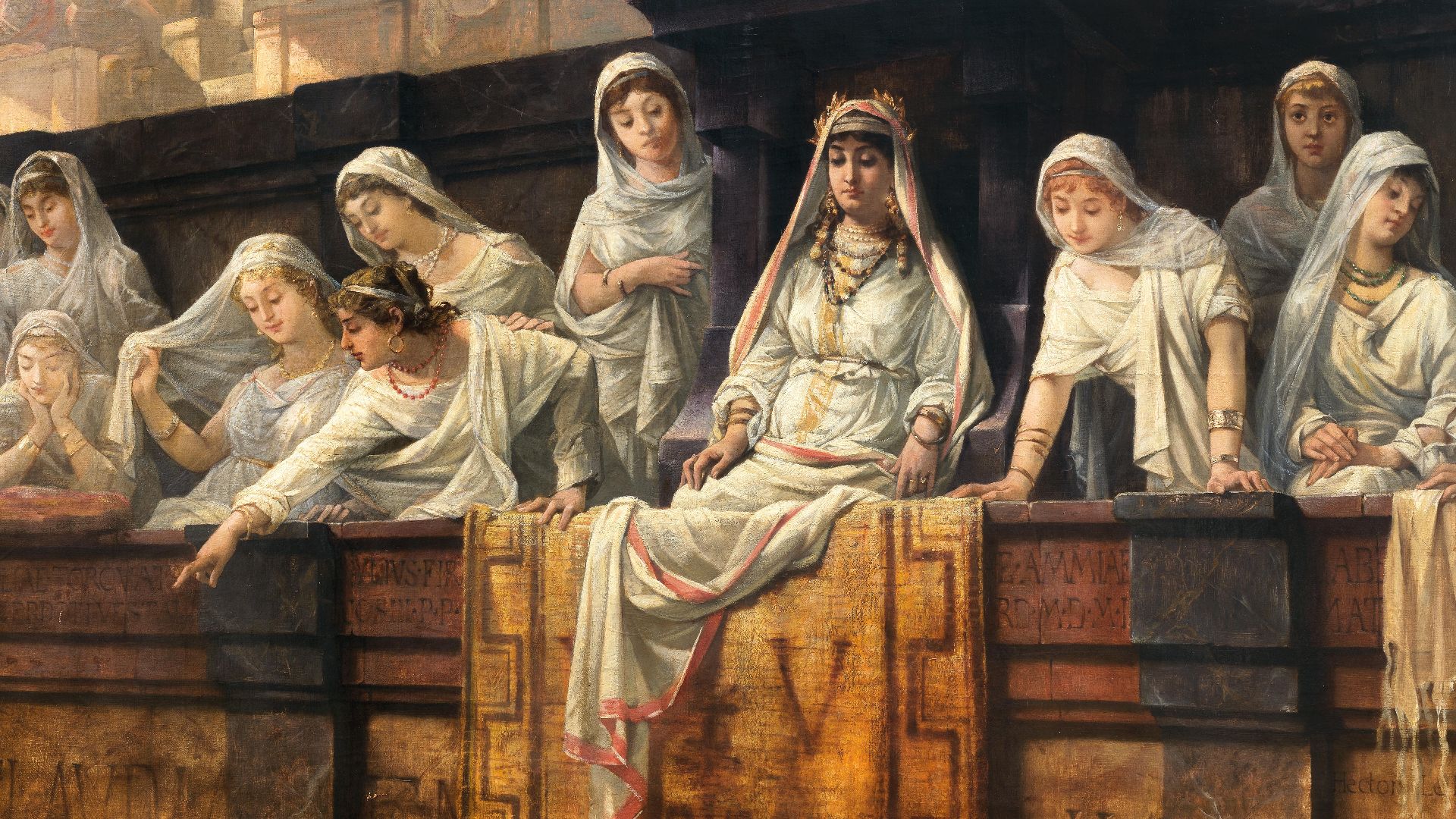
Vestal Virgins Guarded Rome’s Sacred Flame
Rome made sacred service even more formal. Between four and six Vestal Virgins served as the city’s only full-time priestly group, tending Vesta’s flame and performing rites considered central to the state. Girls were selected between roughly six and ten years old and normally entered a 30-year commitment that included a strict obligation of chastity. The office ended in late antiquity, and its childhood recruitment, religious law, and civic power have no modern equivalent.
 Louis Hector Leroux, Wikimedia Commons
Augurs Watched Birds Before Rome Acted
The Vestals guarded one sacred sign, while augurs interpreted many others. Roman augurs observed the flight and calls of birds and marked out a sacred section of the sky for formal observation. Their reading of the auspices could shape civic and military decisions because public action was supposed to align with the gods’ will. Birdwatching survives, but not as an official religious test for whether the state may proceed.
Sacred Chicken Keepers Reported Battle Omens
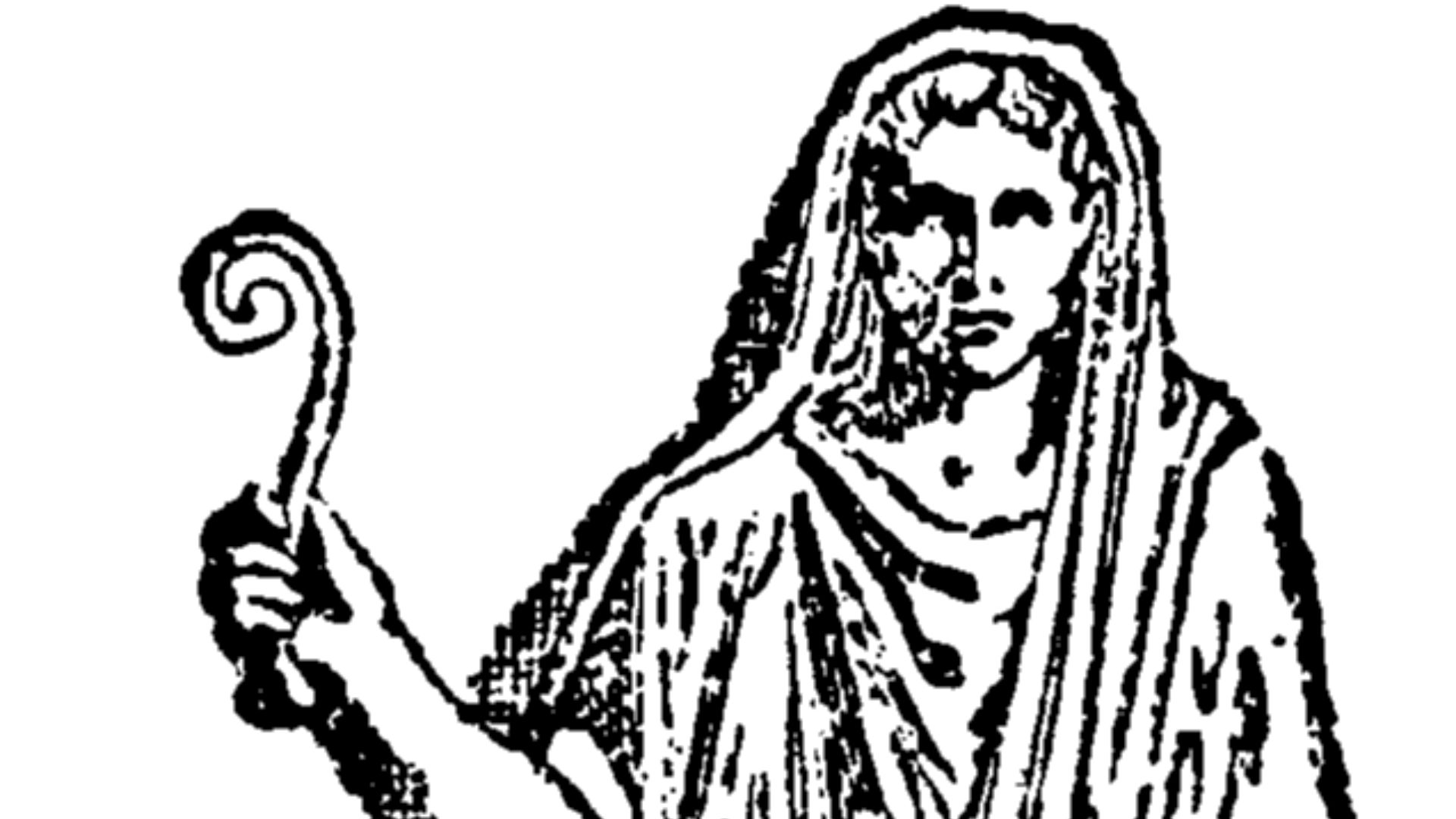
Some military omens came with feathers and a feed bucket. The pullarius cared for sacred chickens carried with Roman forces and observed their feeding when commanders sought auspices before battle. Livy’s history records one keeper falsely reporting favorable behavior when the birds refused to eat. A battlefield position whose official evidence came from chicken appetite could exist only inside Rome’s system of public divination.
 Walter Osborne, Wikimedia Commons
Nomenclators Became Living Contact Lists
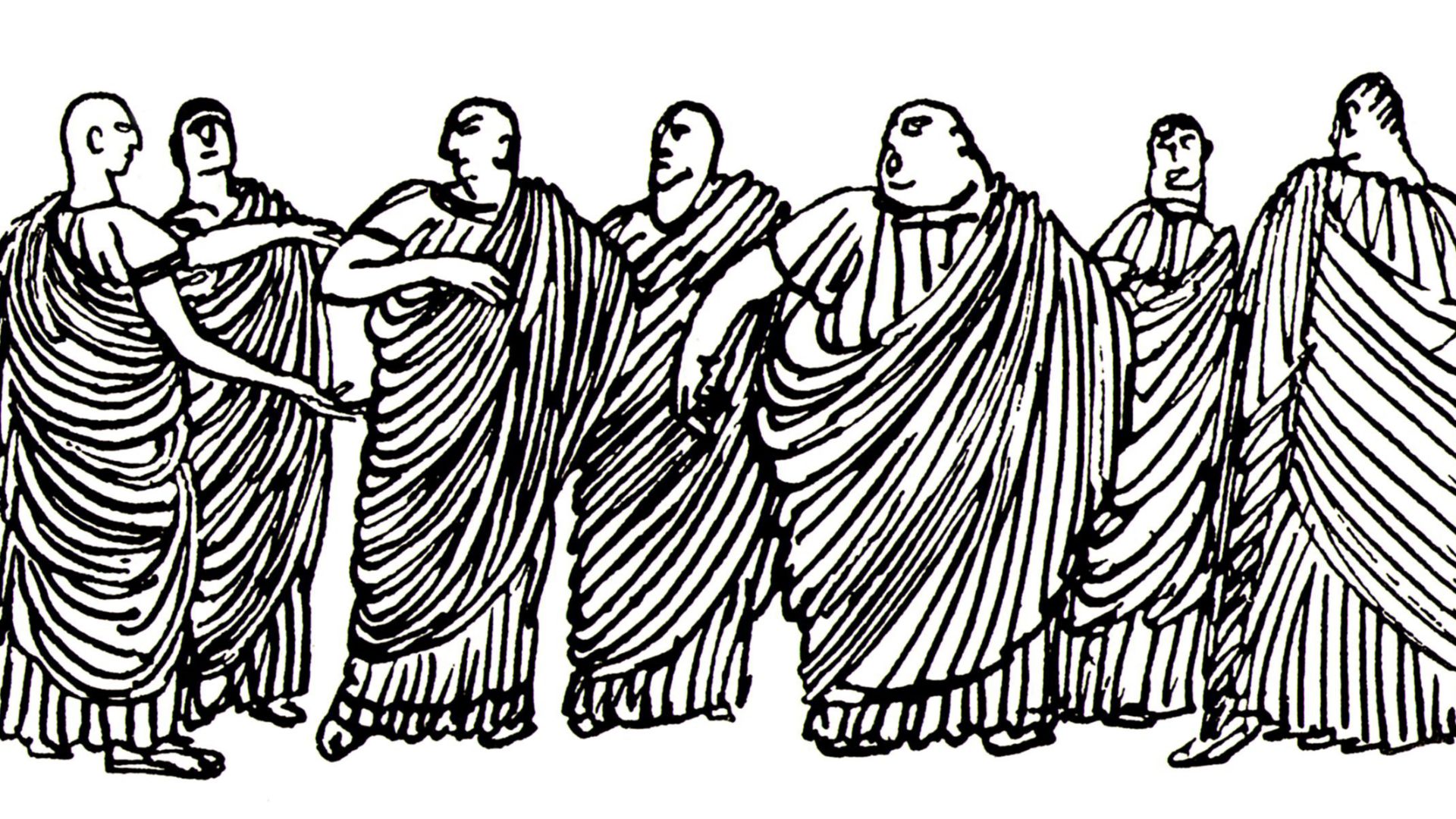
Roman politics also created a human address book. A nomenclator was often an enslaved attendant who memorized names and identifying details, then quietly prompted his master during greetings or an election campaign. The skill turned personal recognition into political advantage in a city where elite networks mattered enormously. Contact databases made the memory feat unnecessary, while the enslaved household position that supported it has no acceptable modern counterpart.
 Alexandre Jacovleff, Wikimedia Commons
Fullers Stomped Laundry In Urine
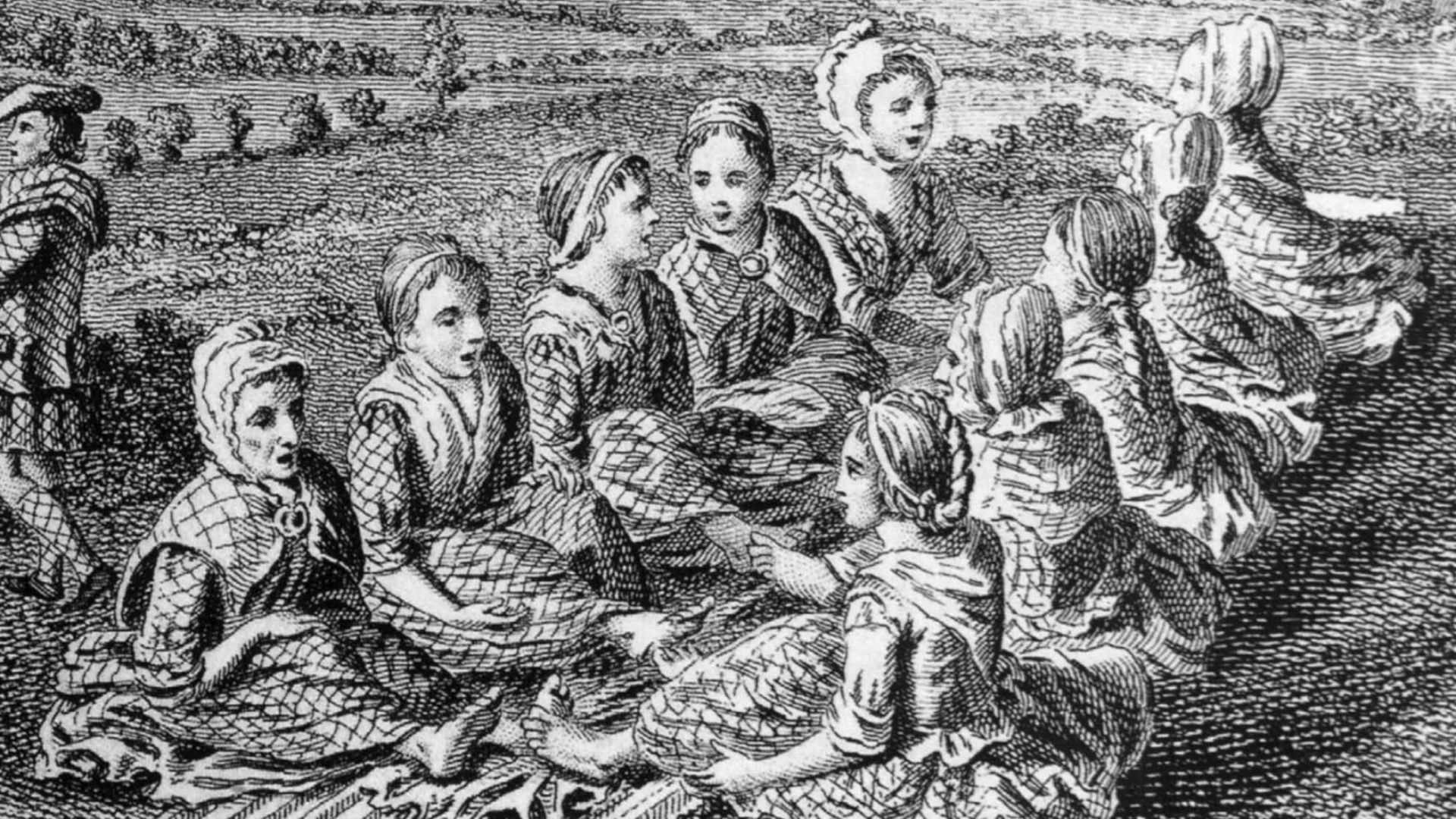
Beyond elite doorways, Roman laundry was considerably less glamorous. Fullers cleaned and finished cloth by placing garments in vats with water and urine, then trampling the mixture with their feet. Pompeii’s fullonicae contained basins, work areas, and settling facilities, showing that this was a substantial urban industry rather than a one-person oddity. Modern detergents and mechanized washing removed the exact combination of waste collection, barefoot labor, and cloth finishing that defined the fuller.
 Unknown authorUnknown author, Wikimedia Commons
Funeral Mimes Played The Person Who Died
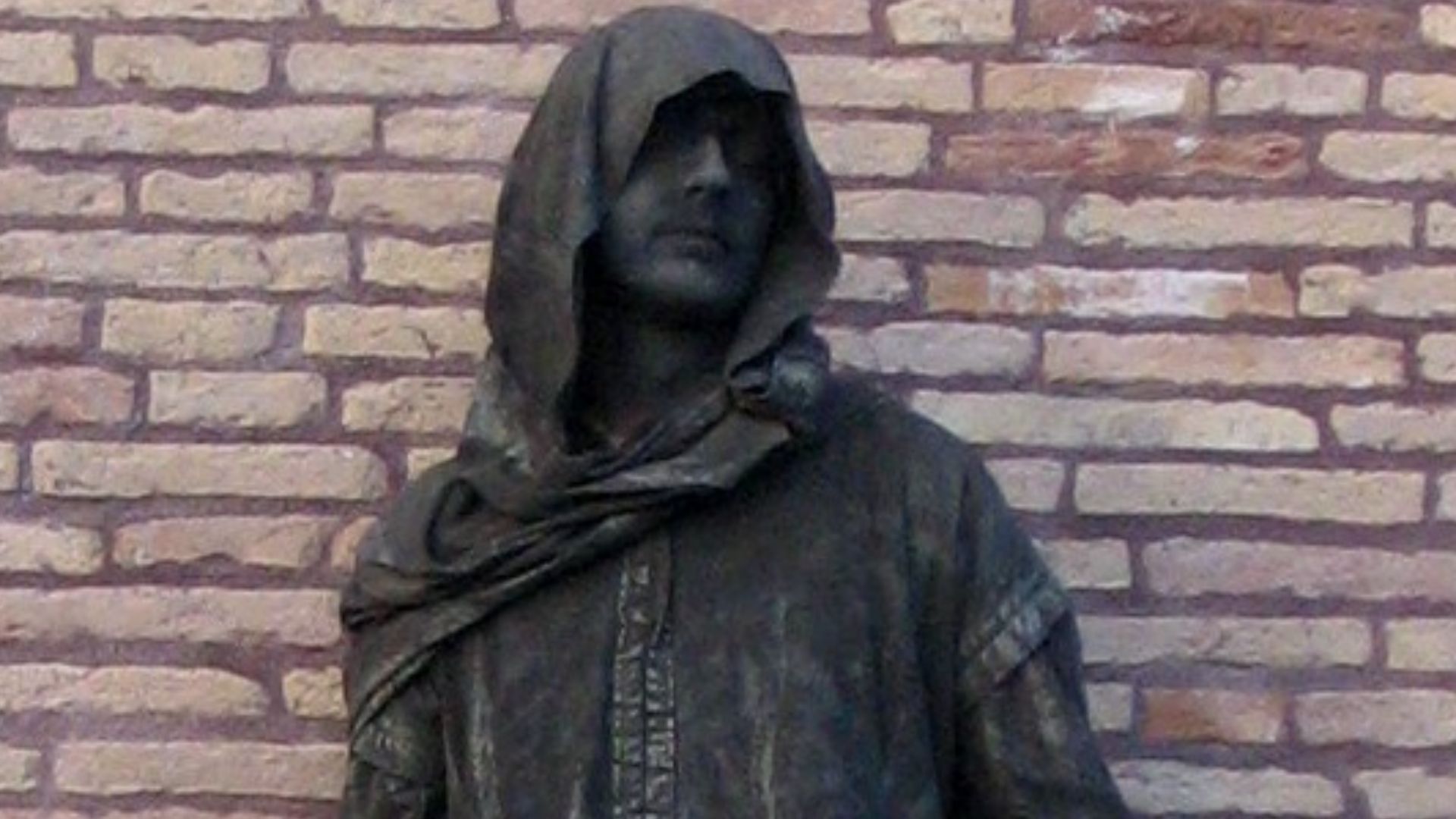
Roman death rituals could also require an actor with a very specific part. At elite funerals, a mime might wear a mask resembling the deceased, copy the person’s mannerisms, and sometimes turn the imitation toward comedy. Suetonius describes the performer Favor appearing in Emperor Vespasian’s funeral procession and joking about the ceremony’s cost. Professional impersonators still work, but being hired to play the corpse in an official procession belonged to Roman funerary custom.
 The original uploader was Sherurcij at English Wikipedia., Wikimedia Commons
Gladiators Trained To Survive The Arena
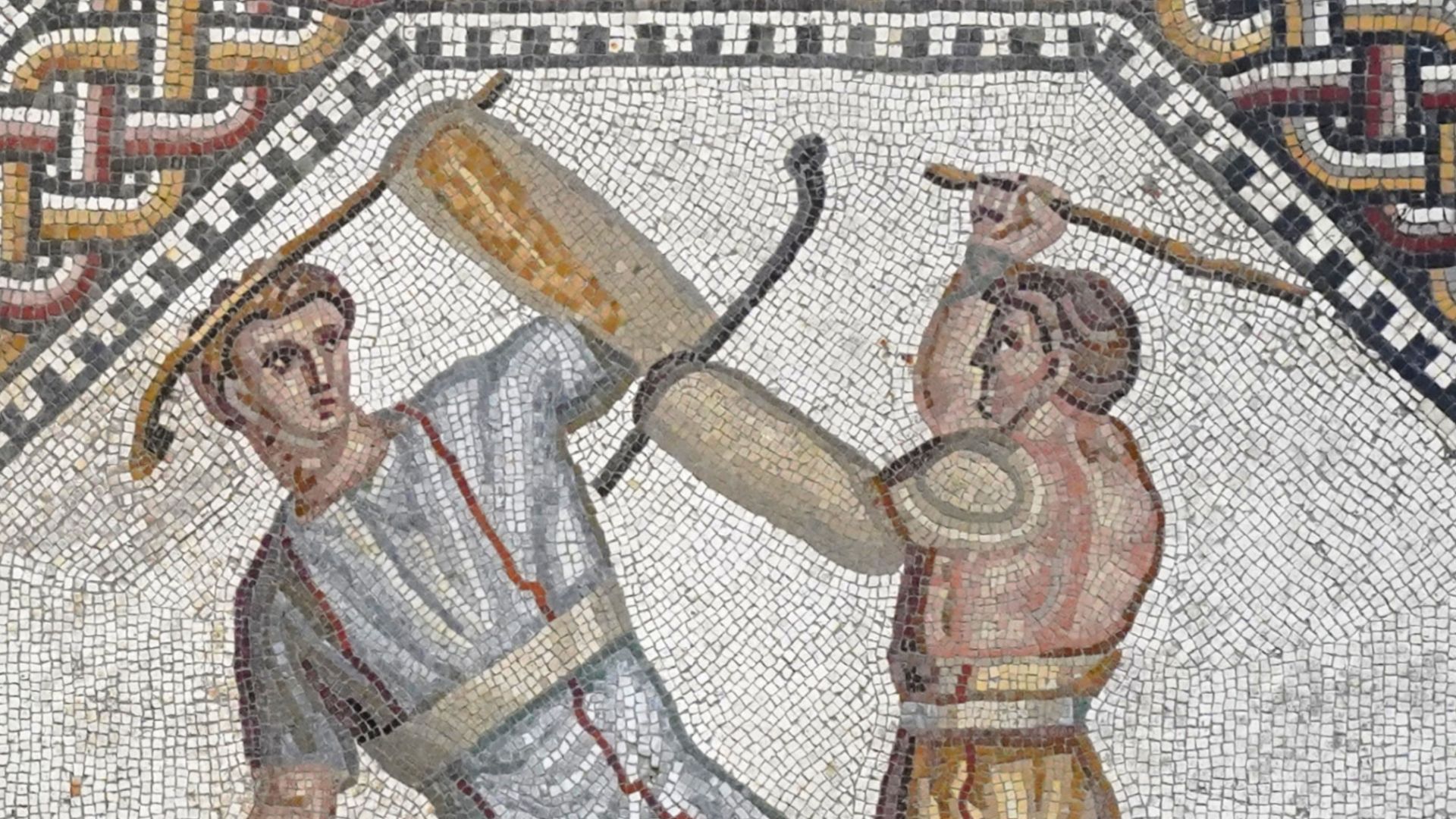
From funeral theater, Rome moved easily to deadly public entertainment. Gladiators trained in specialized schools under a lanista, practiced with wooden weapons, and learned fighting styles defined by particular armor and arms. Their ranks included enslaved people, prisoners of war, freed people, and volunteers, all affected by the low social and legal standing attached to arena performers. Modern combat sports cannot reproduce a career built around ownership, infamia, and the possibility of lethal spectacle.
 TimeTravelRome, Wikimedia Commons
Charioteers Raced For Rome’s Color Teams
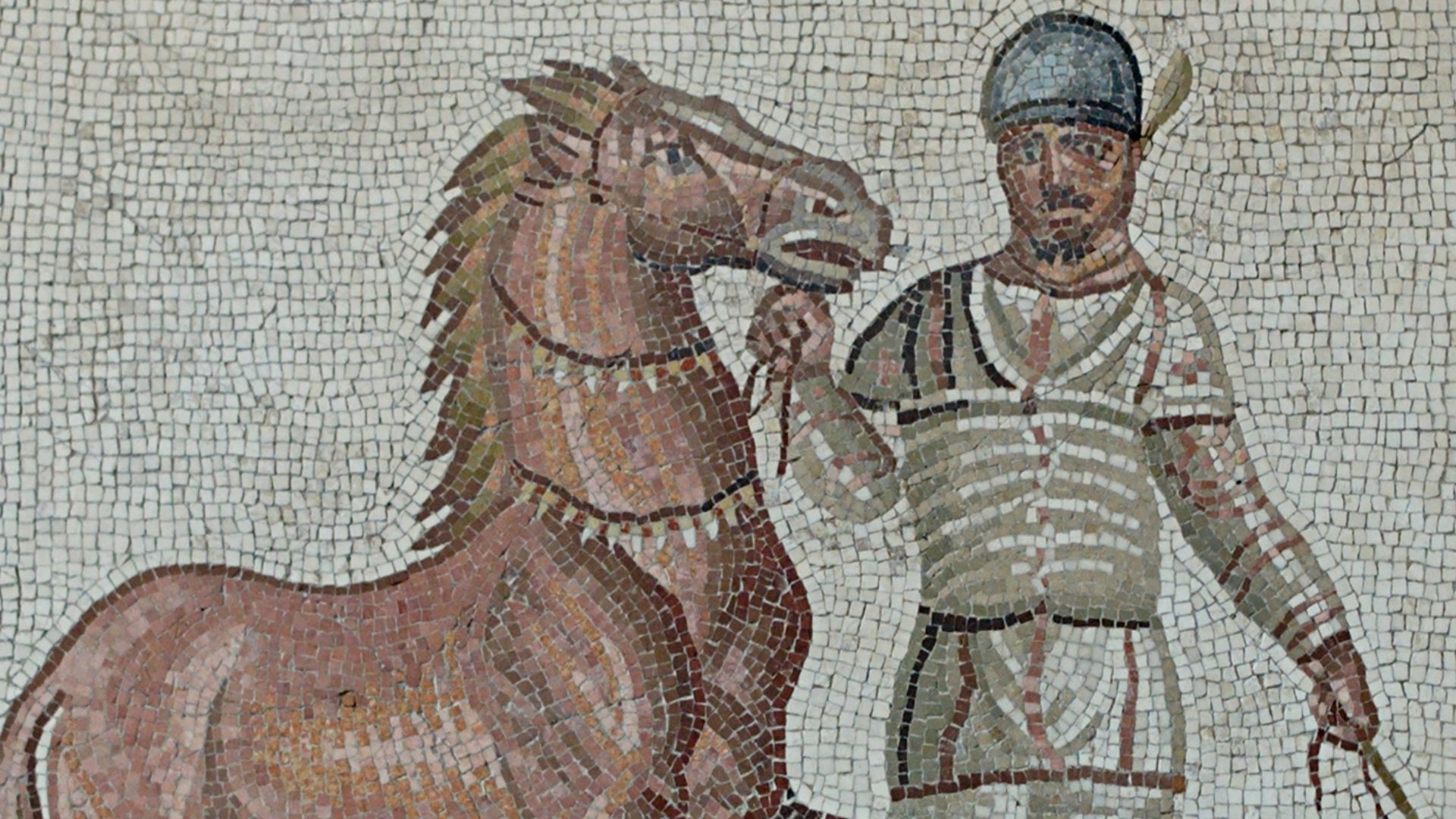
Charioteers faced a different kind of arena danger. Drivers raced two-horse or four-horse teams for the red, white, blue, or green factions, whose supporters followed them with intense loyalty. Named champions and even their horses appeared on souvenir objects, while collisions remained an ever-present threat. Auto racing inherited speed and fandom, but it did not inherit Rome’s faction system, circus economy, or social world.
 Unknown artistUnknown artist, Wikimedia Commons
Oracle-Bone Diviners Cracked Questions Open
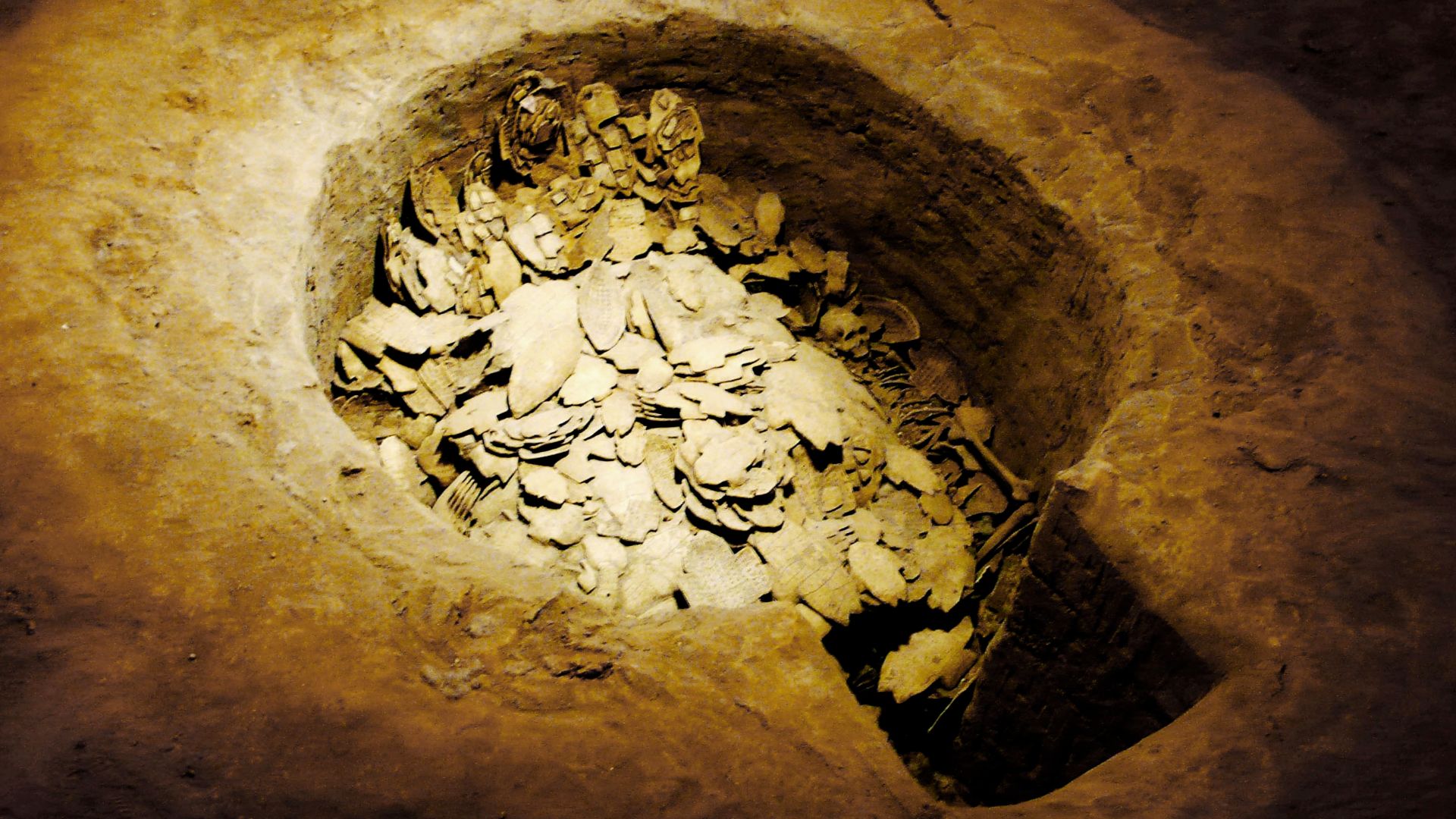
Farther east, Shang rulers questioned the future by cracking bone. Royal diviners prepared cattle shoulder blades or turtle shells, applied heat, and interpreted the resulting fractures. Inscriptions recorded questions about harvests, weather, warfare, sacrifices, and other matters of government. The job joined archive keeping to a royal ritual technology that disappeared more than three millennia ago.
 Chez Casver (Xuan Che), Wikimedia Commons
Court Eunuchs Paid A Permanent Price For Access
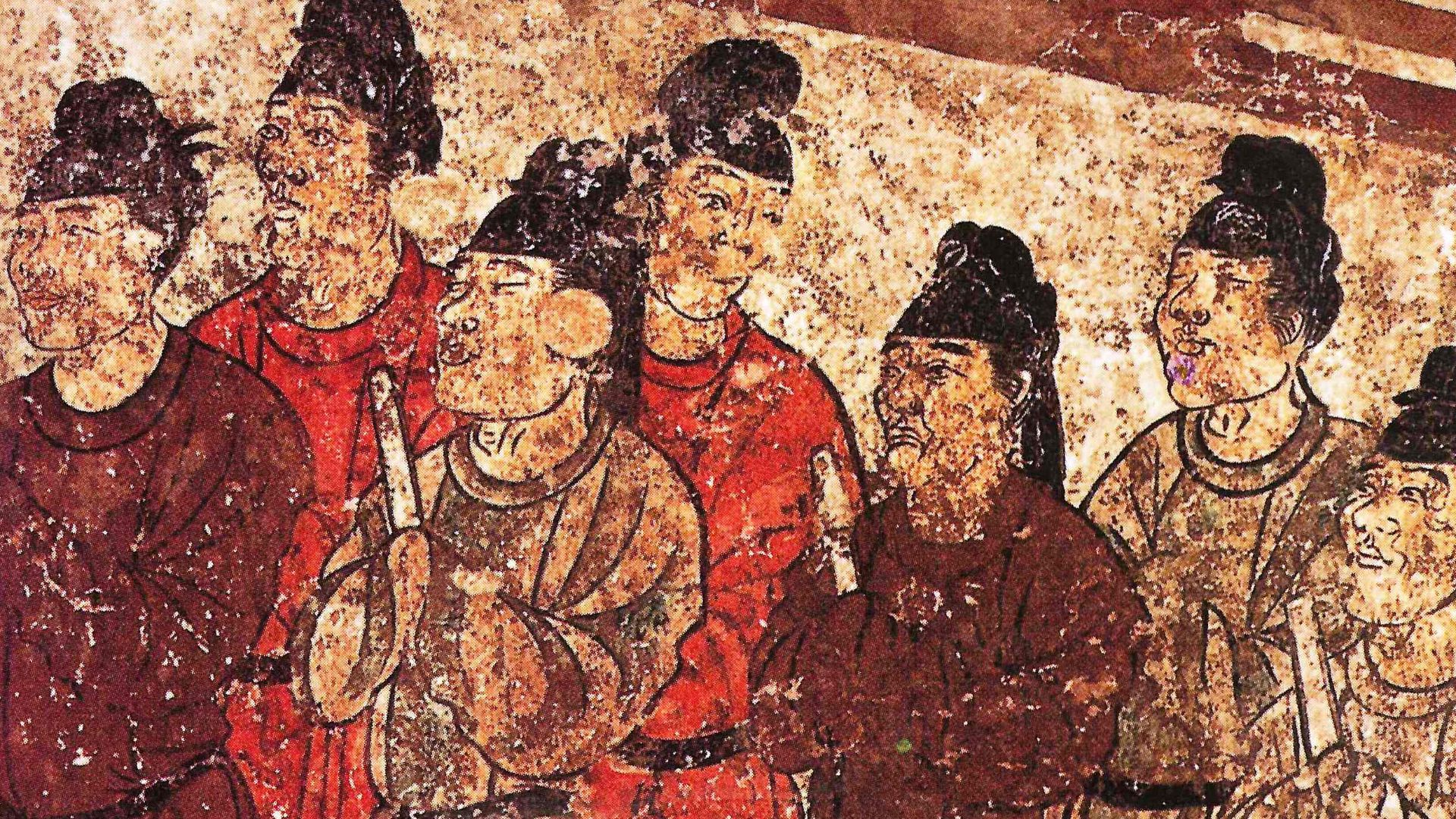
Imperial Chinese courts created another occupation around access to the ruler. Eunuchs could enter the inner palace where other adult men were excluded, serving in domestic, protective, and administrative roles. The position was inseparable from castration, and some officeholders accumulated political influence because their proximity made them useful. No ethical modern government could require permanent bodily alteration as a qualification for court employment.
 Unknown Tang-era tomb artist, Wikimedia Commons
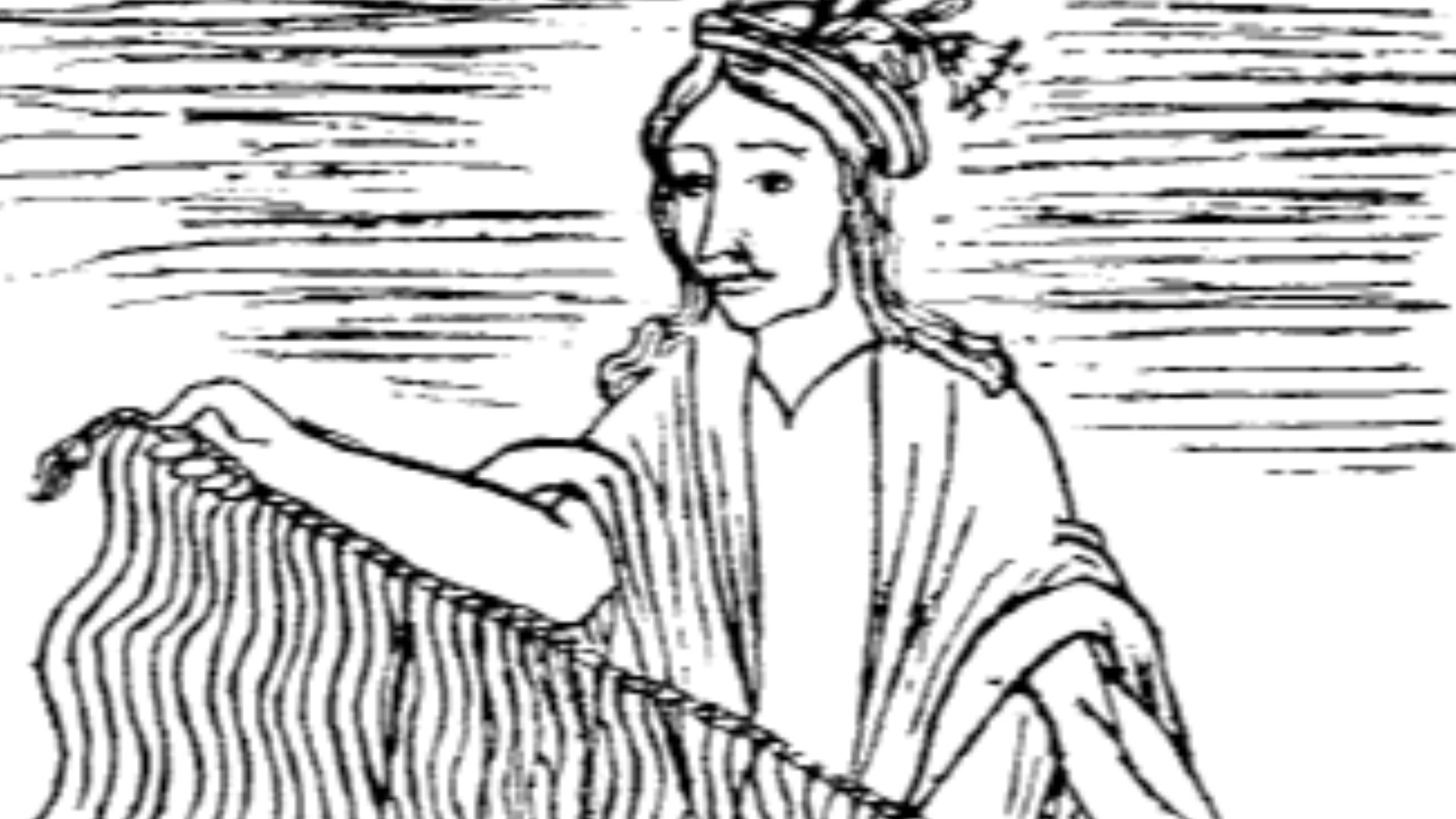
Khipu Keepers Stored Accounts In Knots
Across the Pacific, Inca administrators made numbers portable without paper. Khipu keepers, or khipucamayucs, created and read colored cords whose knots recorded census data, goods, labor, taxes, and other state information. The position of a knot, its type, and the cord’s material or color helped structure the record, while scholars continue to debate how far khipus carried narrative meaning. The original imperial office ended when colonial rule dismantled the Inca administrative system.
 Felipe Guaman Poma de Ayala, Wikimedia Commons
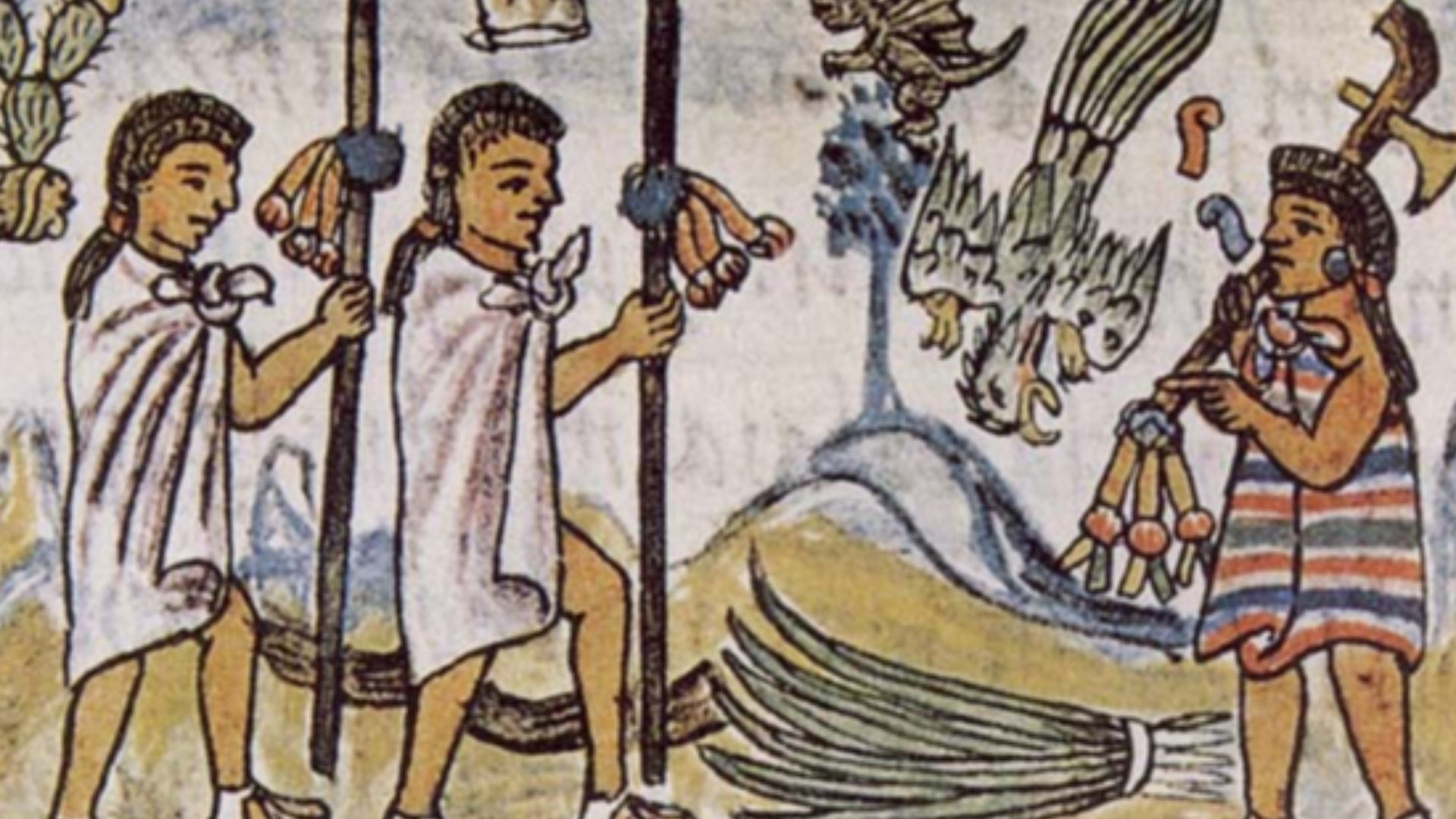
Chaskis Turned Mountains Into A Relay Network
Khipus traveled because another specialist kept moving. Chaskis ran relay stages along the Inca road network, carrying knotted records, spoken messages, and small packages between way stations. The imperial network extended roughly 30,000 kilometers through extremely difficult terrain, and relay posts could stand about 10 to 15 kilometers apart. Couriers still exist, but no runner now serves the political machinery of Tawantinsuyu through that original state relay.
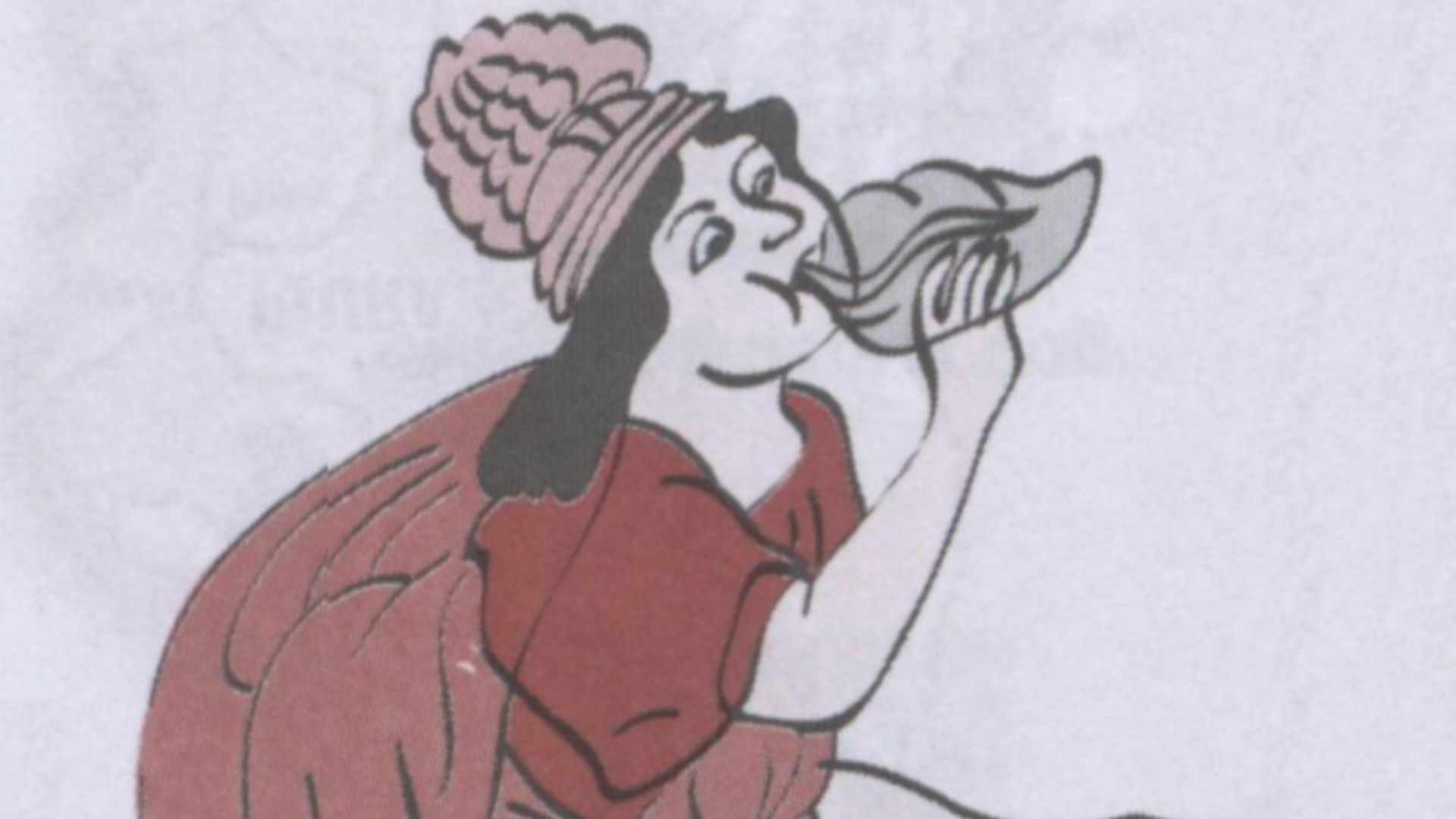
Pochteca Traded Luxury Goods And Intelligence
Farther north, long-distance trade doubled as information gathering. Pochteca merchants traveled in search of precious materials and luxury goods that moved through Mexica markets and elite networks. The Florentine Codex describes their journeys and notes that rulers could use the information they gathered to plan wars of conquest. The occupation was more than commerce, and it vanished with the imperial system that joined trade to strategic intelligence.
 Unknown authorUnknown author, Wikimedia Commons
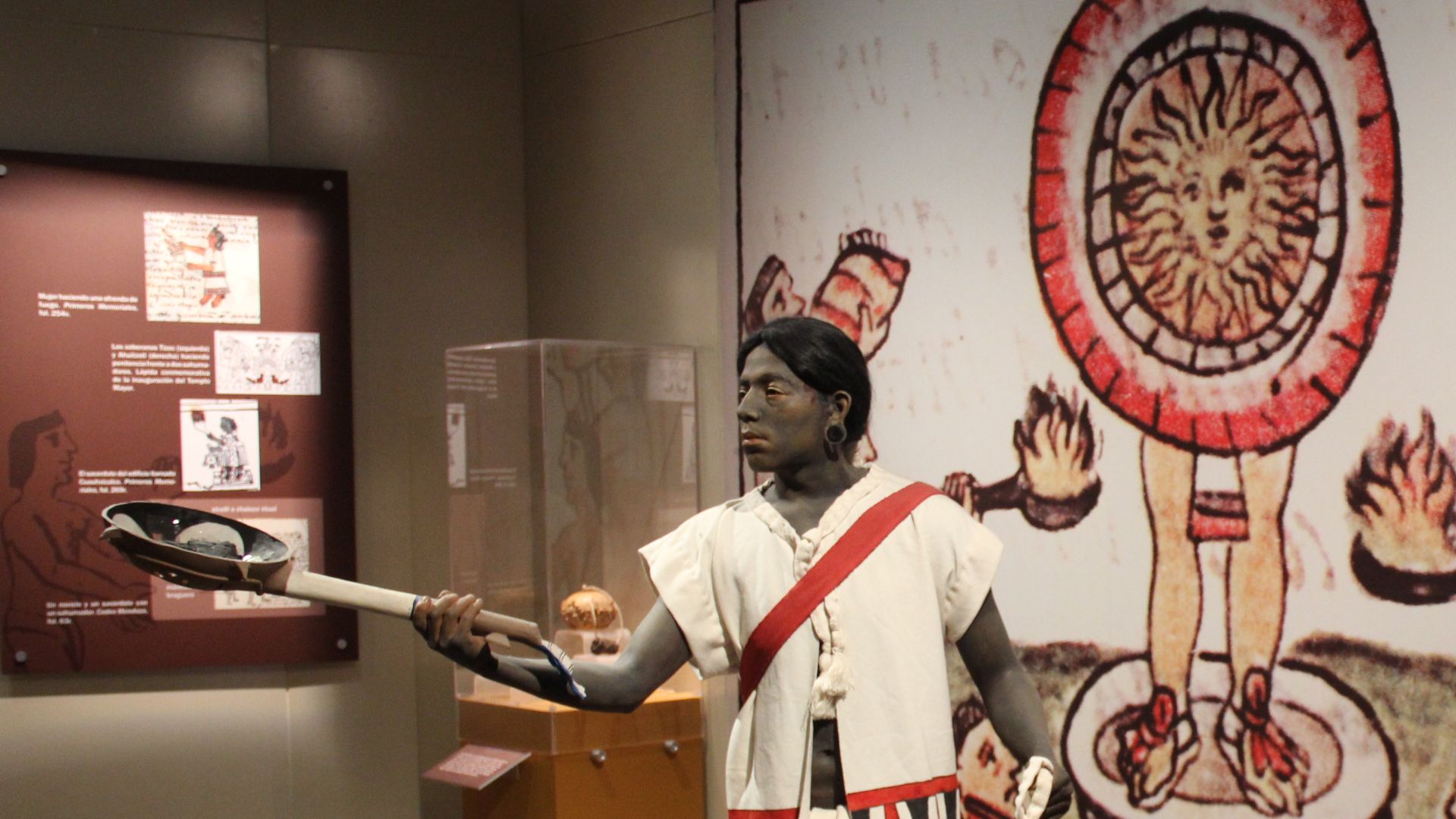
Sacrificial Priests Served The Mexica State
At Tenochtitlan, priesthood could culminate in the most irreversible public duty of all. The Sacred Precinct included priests’ quarters and schools, while religious specialists prayed, fasted, made offerings, and conducted sacrifices tied to the festival calendar. Mexico’s National Institute of Anthropology and History identifies a sacrificial stone used for captured warriors offered in honor of the Sun, while the Florentine Codex records human sacrifice within state ceremonies. The conquest and destruction of Tenochtitlan ended this priestly office in its original religious and political form.
 Gary Todd from Xinzheng, China, Wikimedia Commons
You May Also Like
Bizarre And Disturbing Facts About The Ancient World
Epic Facts About Ancient Rome, History's Great Civilization
The Valley of the Kings: The Mystery And Splendor Of Ancient Egypt
Sources: 1, 2, 3, 4, 5, 6, 7, 8, 9, 10, 11, 12, 13, 14, 15, 16, 17, 18, 19, 20, 21, 22, 23, 24, 25, 26, 27, 28, 29, 30, 31, 32, 33, 34, 35, 36, 37, 38, 39, 40, 41, 42, 43, 44, 45, 46, 47, 48