Egypt’s Royal Resting Place
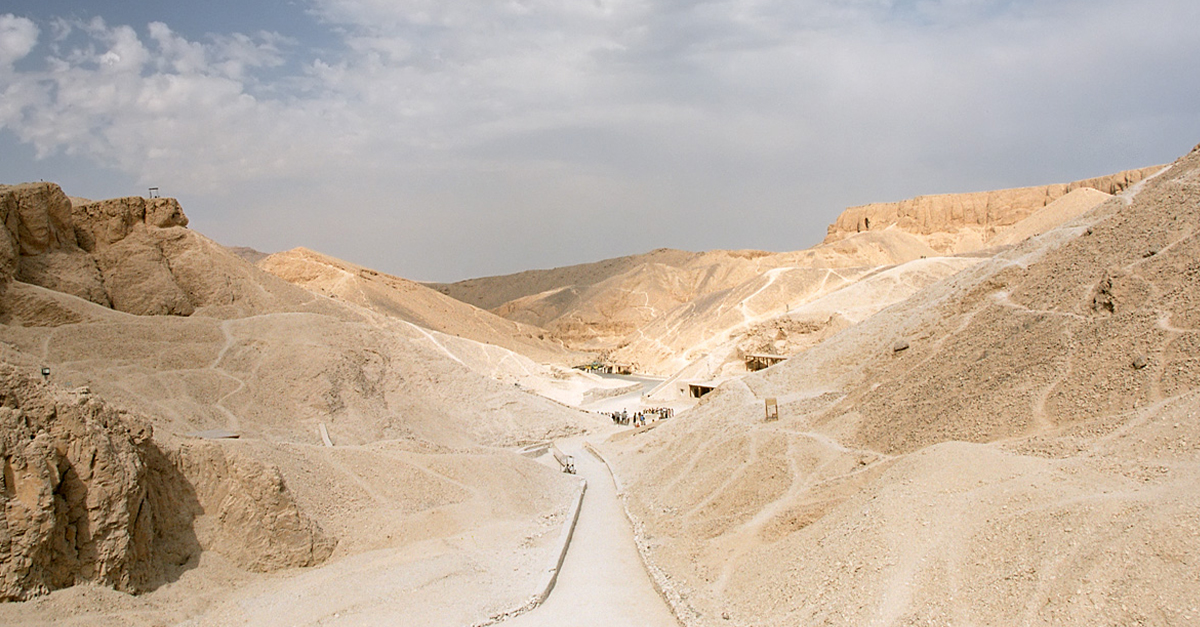
Situated on the Nile’s west bank opposite Luxor, Egypt’s Valley of the Kings replaced the pyramids as the pharaohs’ preferred burial place, offering hidden, elaborate resting places. The tombs here are architectural marvels decorated with spells, images, and symbols meant to protect rulers in the afterlife, reflecting the Egyptians’ complex vision of eternity.
East vs. West: A Tale of Two Valleys
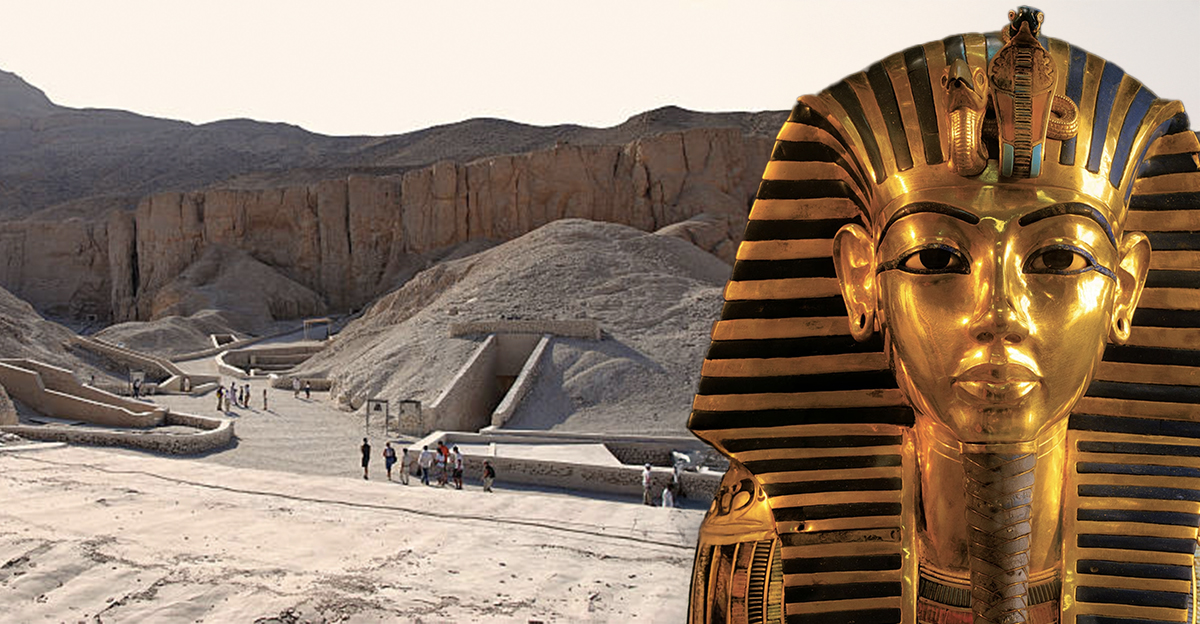
The Valley has two parts: the busy East Valley, home to most royal tombs, and the quieter West Valley (Valley of the Monkeys), with far fewer. The East Valley has most of the famous pharaohs’ tombs, like Tutankhamun’s, and brings in the lion’s share of tourists. The West Valley offers archaeologists intriguing opportunities. Ongoing excavations there could still uncover hidden treasures and new knowledge of ancient burial practices.
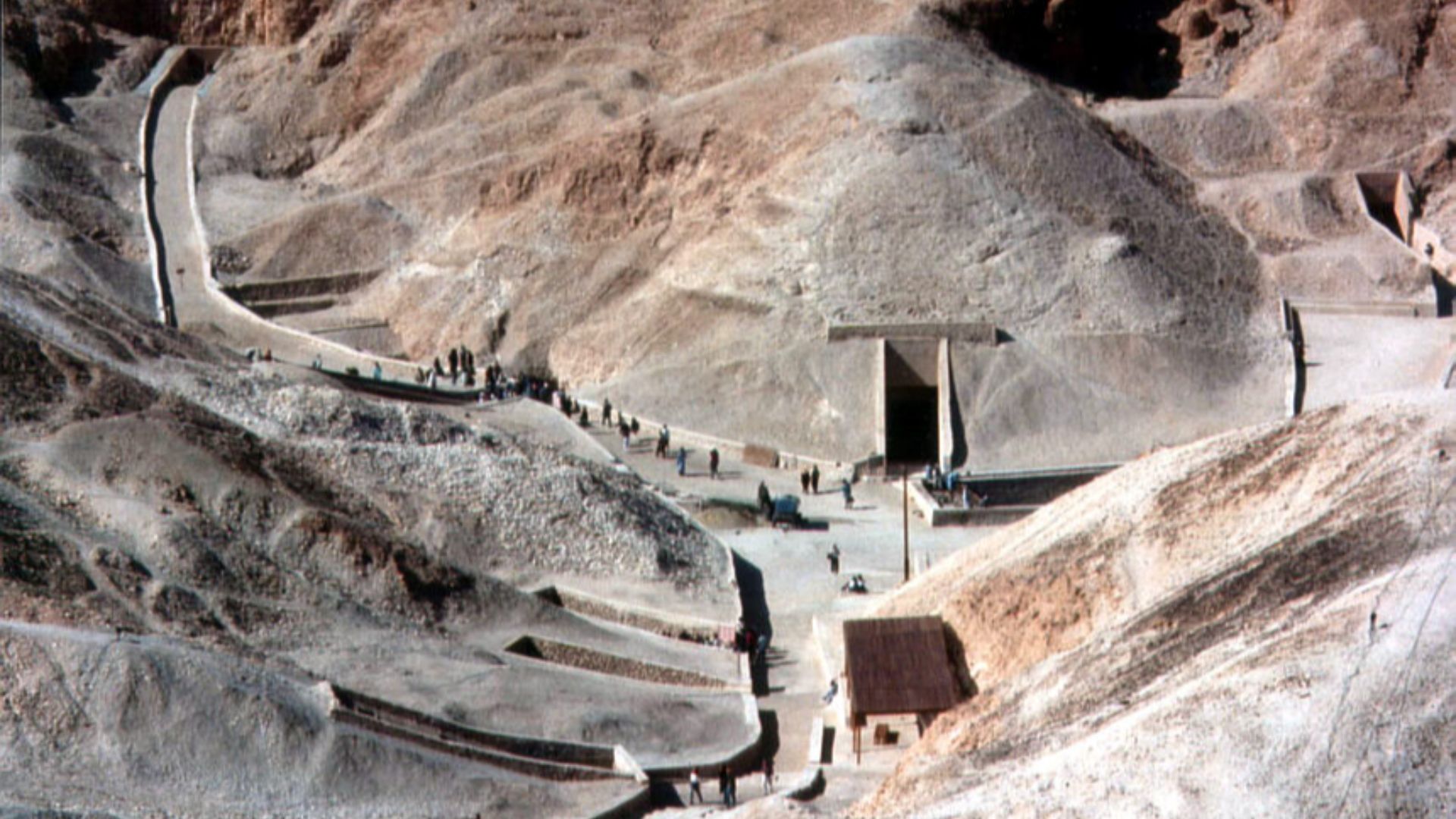 Fotograf/Photographer: Peter J. Bubenik (1995), Wikimedia Commons
That Peak Has Pyramid Vibes
The striking pyramid-shaped al‑Qurn peak dominates the skyline and may have been a symbol of the ancient pyramids. This natural pyramid was a key feature of the Valley of the Kings symbolizing divine protection and the connection between earth and the heavens in the Egyptian worldview.
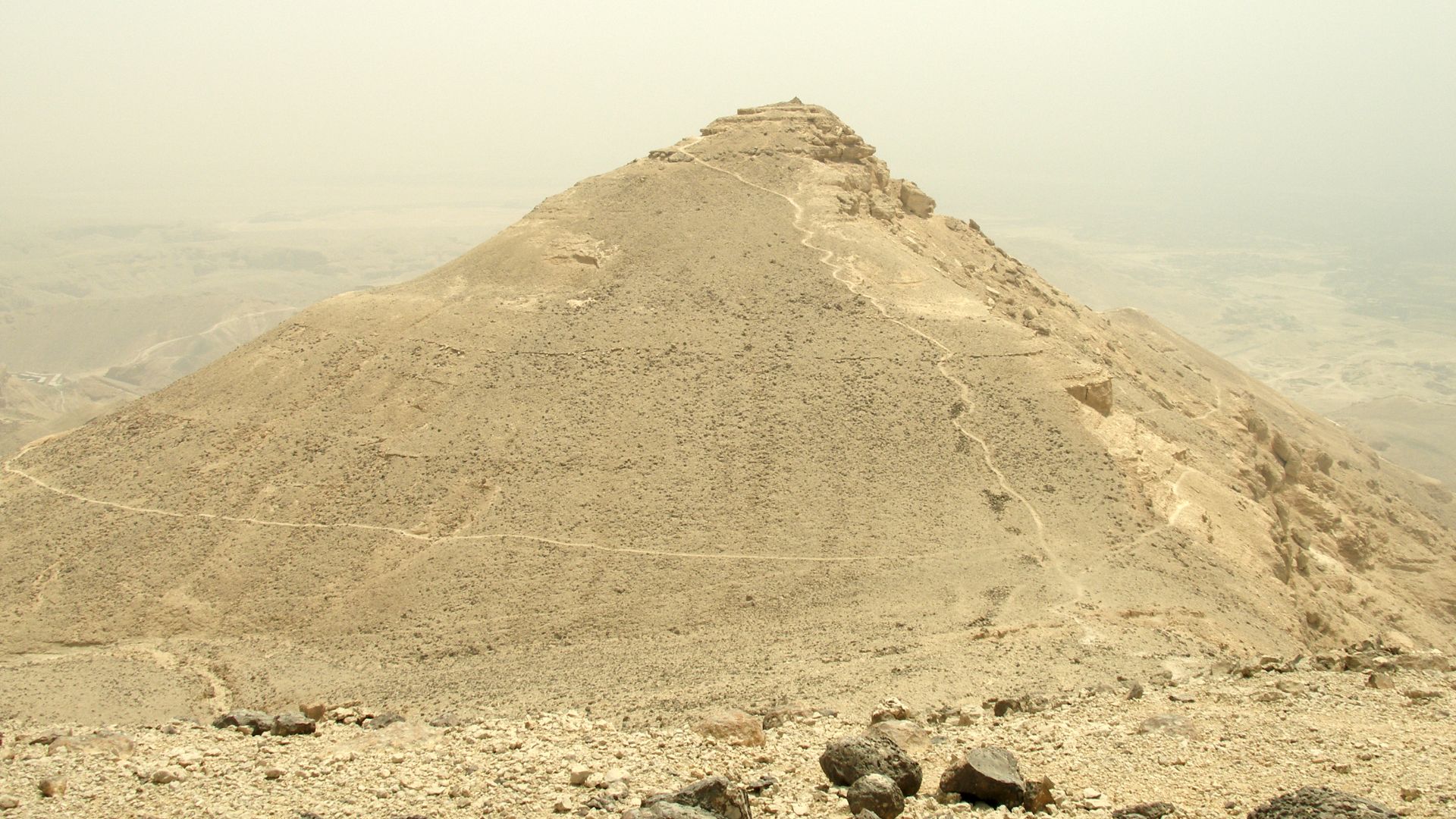 Vyacheslav Argenberg, Wikimedia Commons
Rocky Real Estate Made For A Prime Location
Geologically, the valley's limestone cliffs were highly suitable for tomb carving. Tombs were sometimes placed to follow natural clefts or steep slopes for structural support. The rock’s stability allowed deep tunneling into the cliffs without collapse, and made the tombs harder to get to. The rugged setting protected from windblown sand and environmental damage.
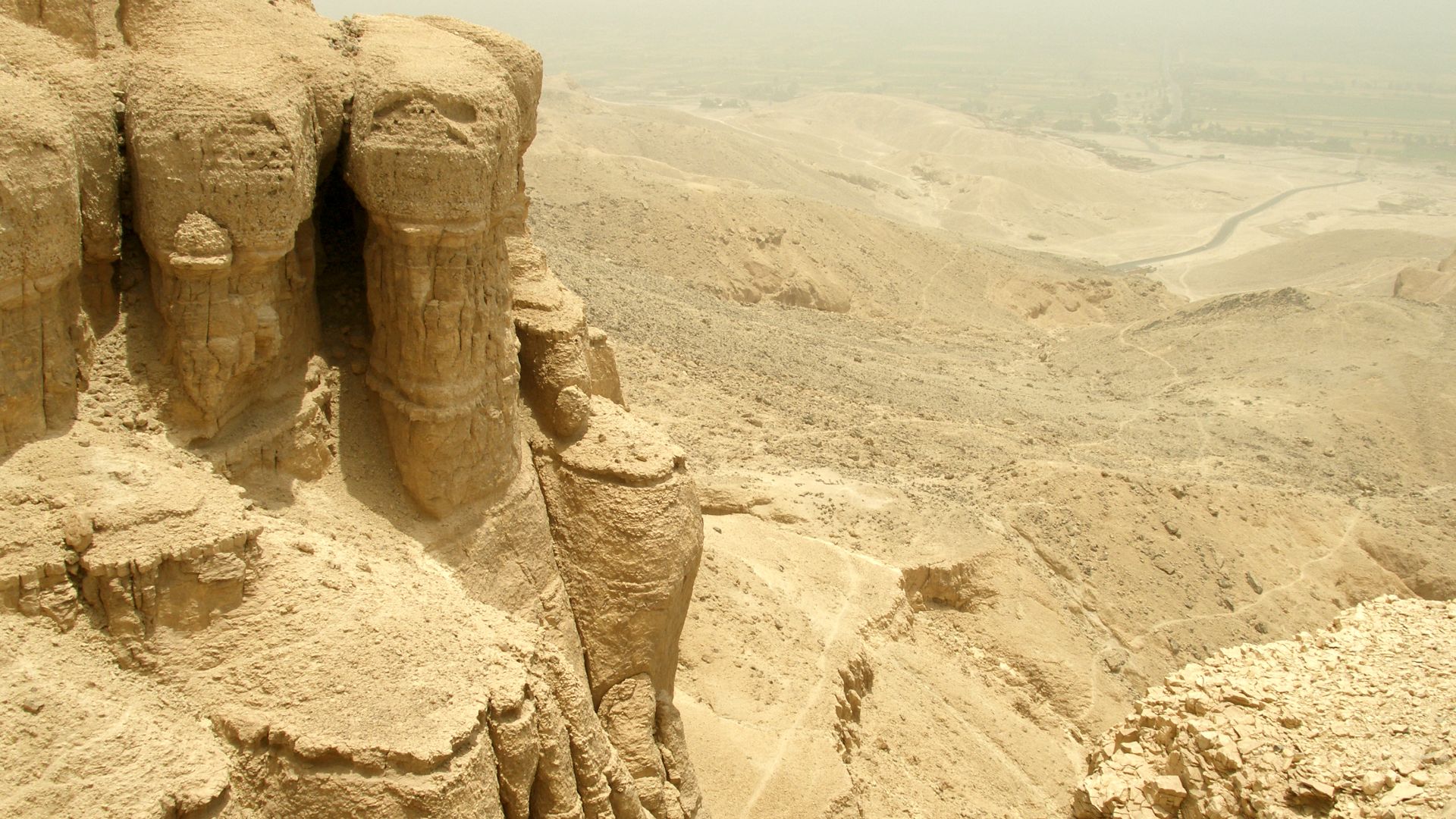 Vyacheslav Argenberg, Wikimedia Commons
Floods & Geology Played Gatekeeper
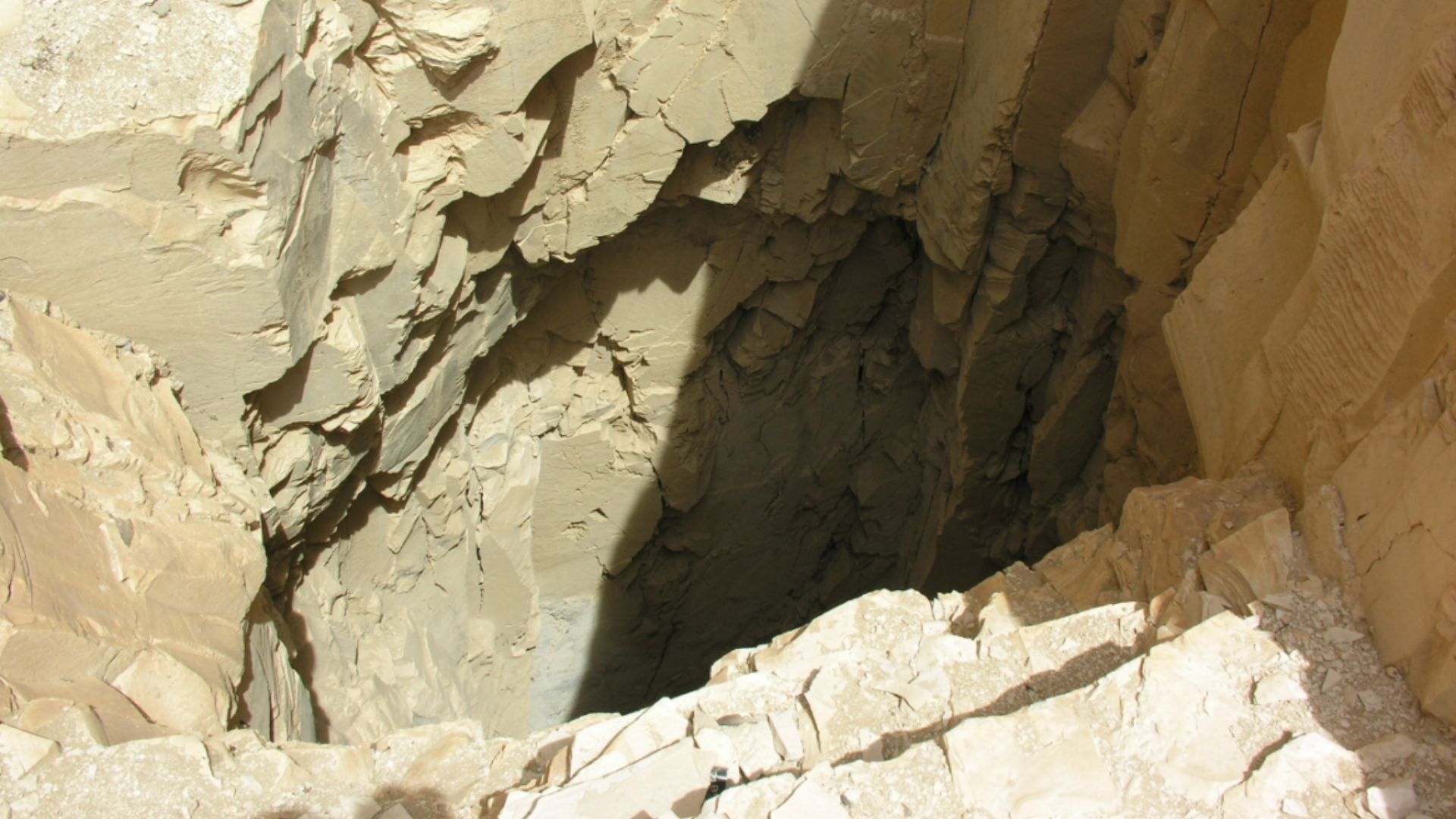
Flash floods and unstable shale caused ancient Egyptians to modify tomb designs and carefully choose strategic locations based on geology. Many tombs still show signs of flood damage, with collapsed corridors or water-worn walls. Ancient engineers adapted skillfully, installing drainage systems and sloping passageways to keep water out.
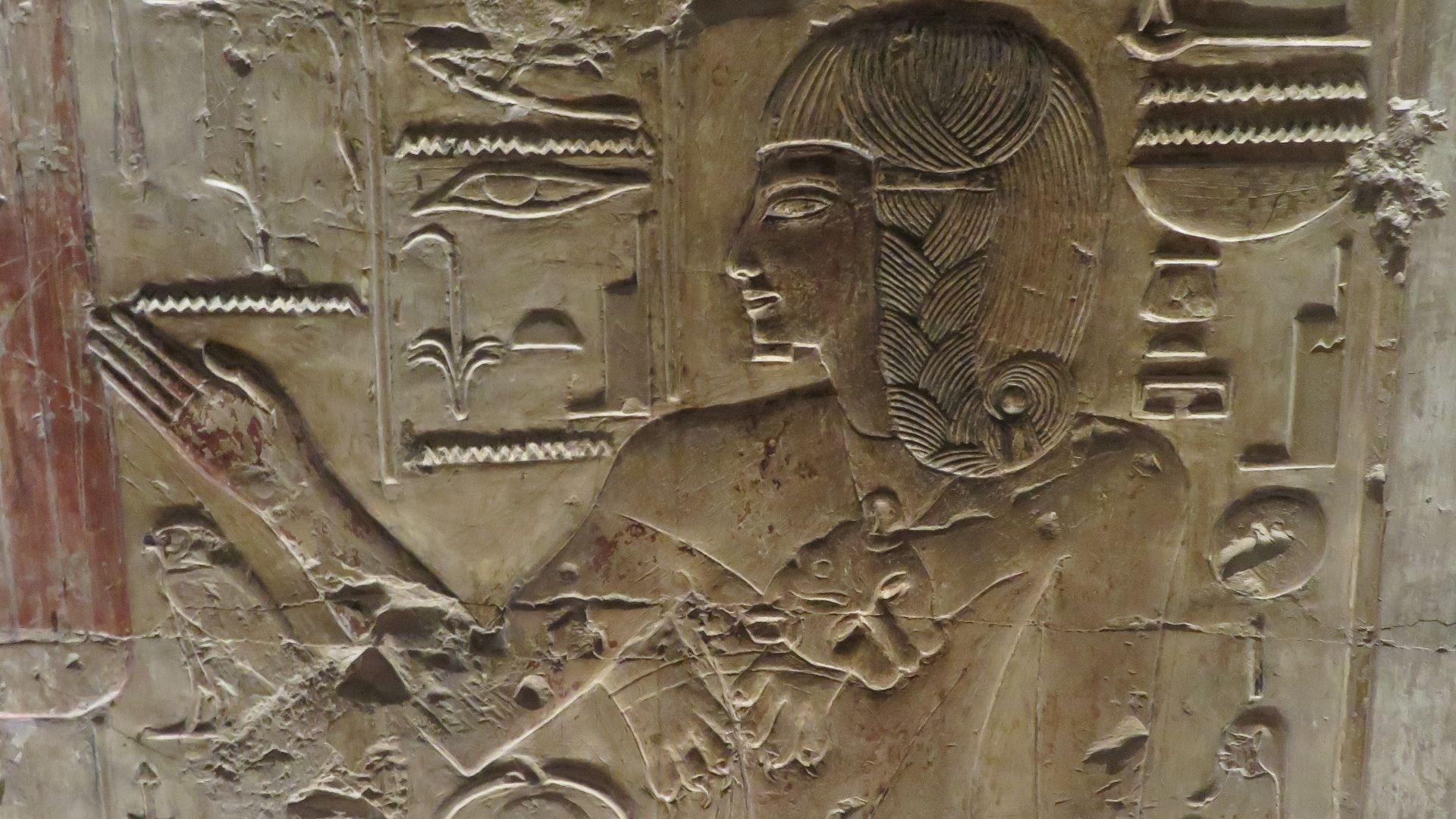
Design Evolution: From Crooked Paths to Straight Shots
Tomb architecture evolved with changing religious beliefs and attempts to thwart grave robbers. Early tombs had zig-zagging passages, emphasizing secrecy and the separation between the living and dead. Later tombs of the Rameses period were longer, straighter, and grander, symbolizing direct journeys to the underworld. The change reveals shifts in theology, building methods, and political priorities during Egypt’s New Kingdom era.
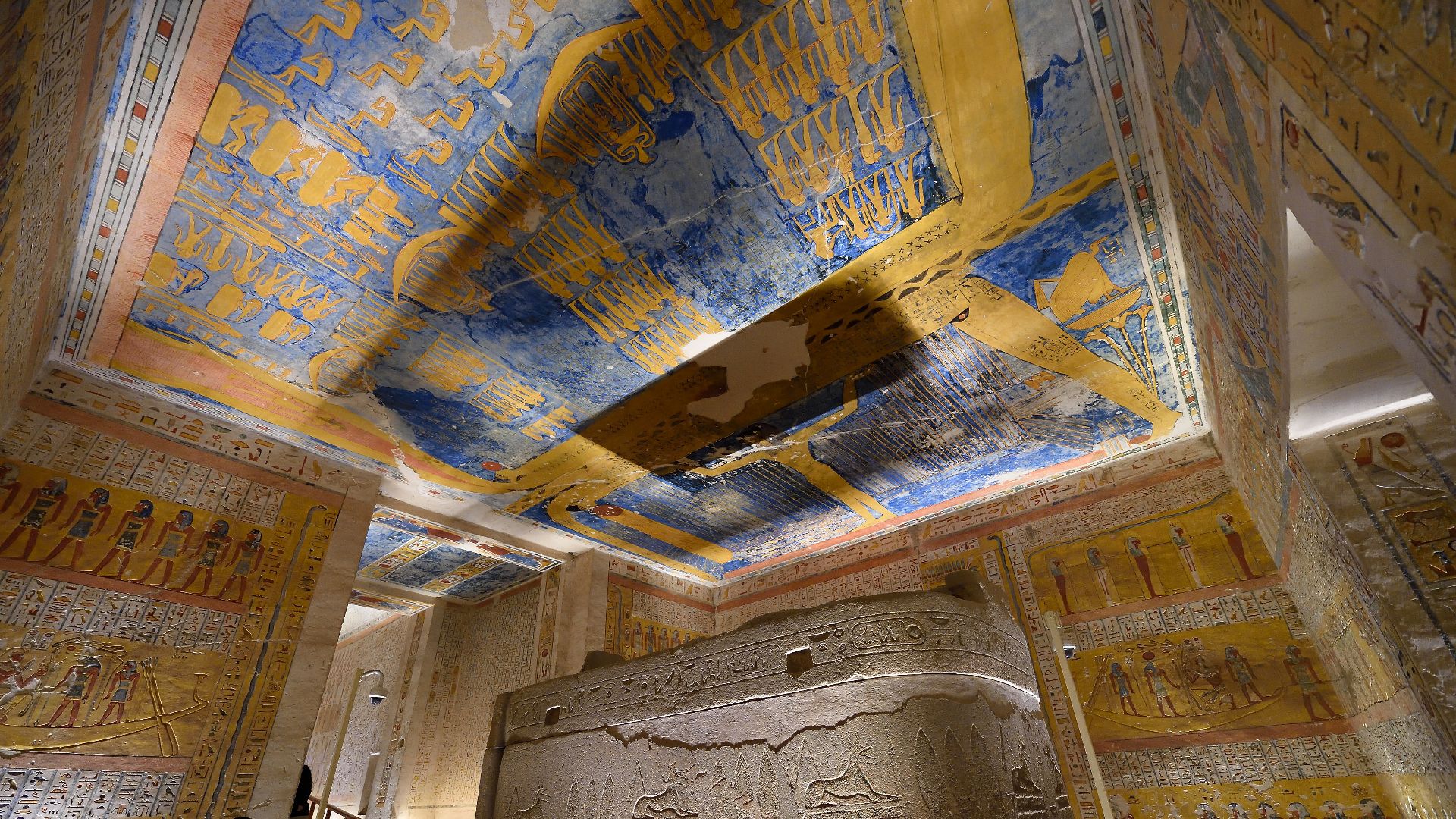
Art Galleries Underground: Painted Death
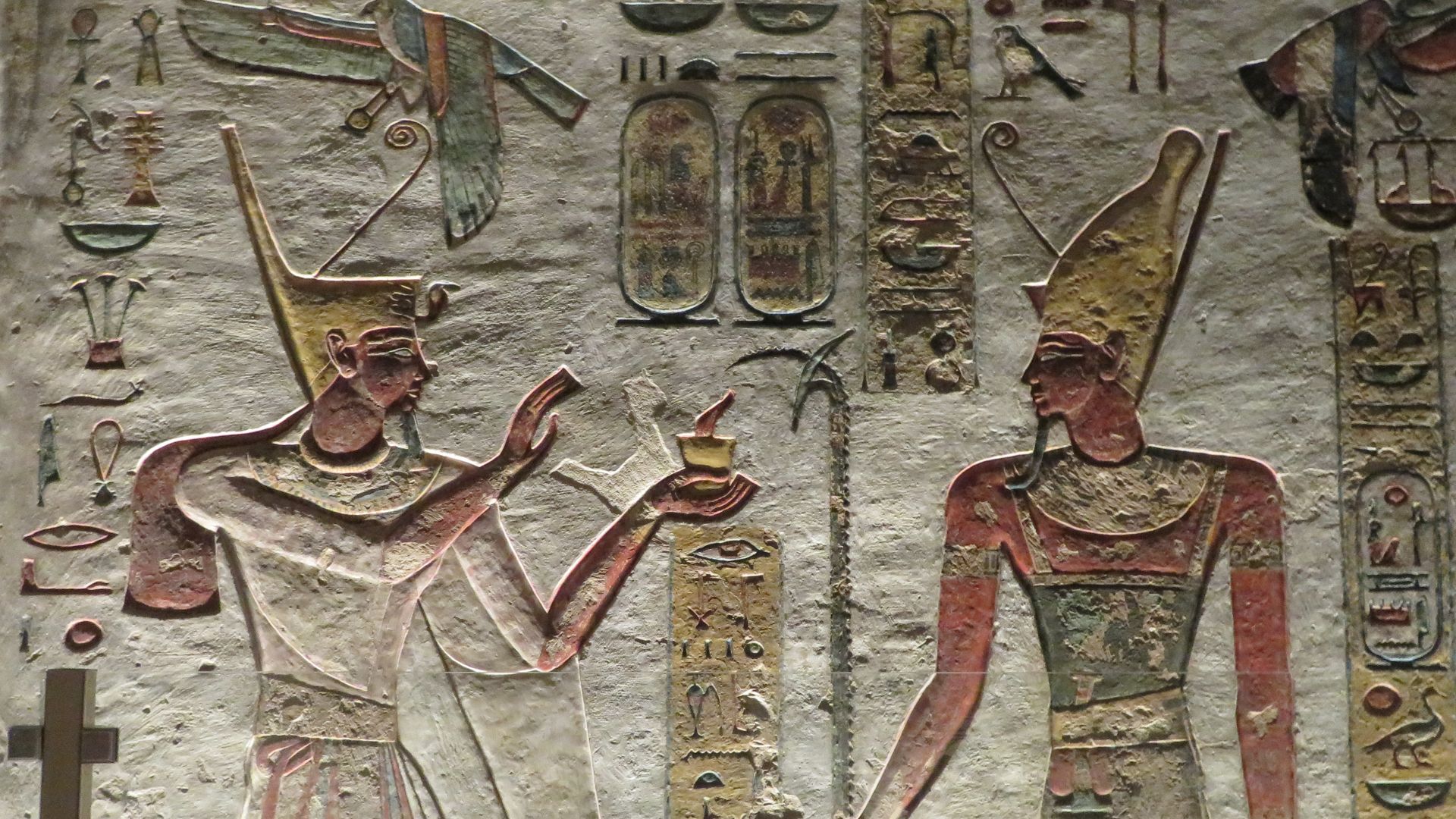
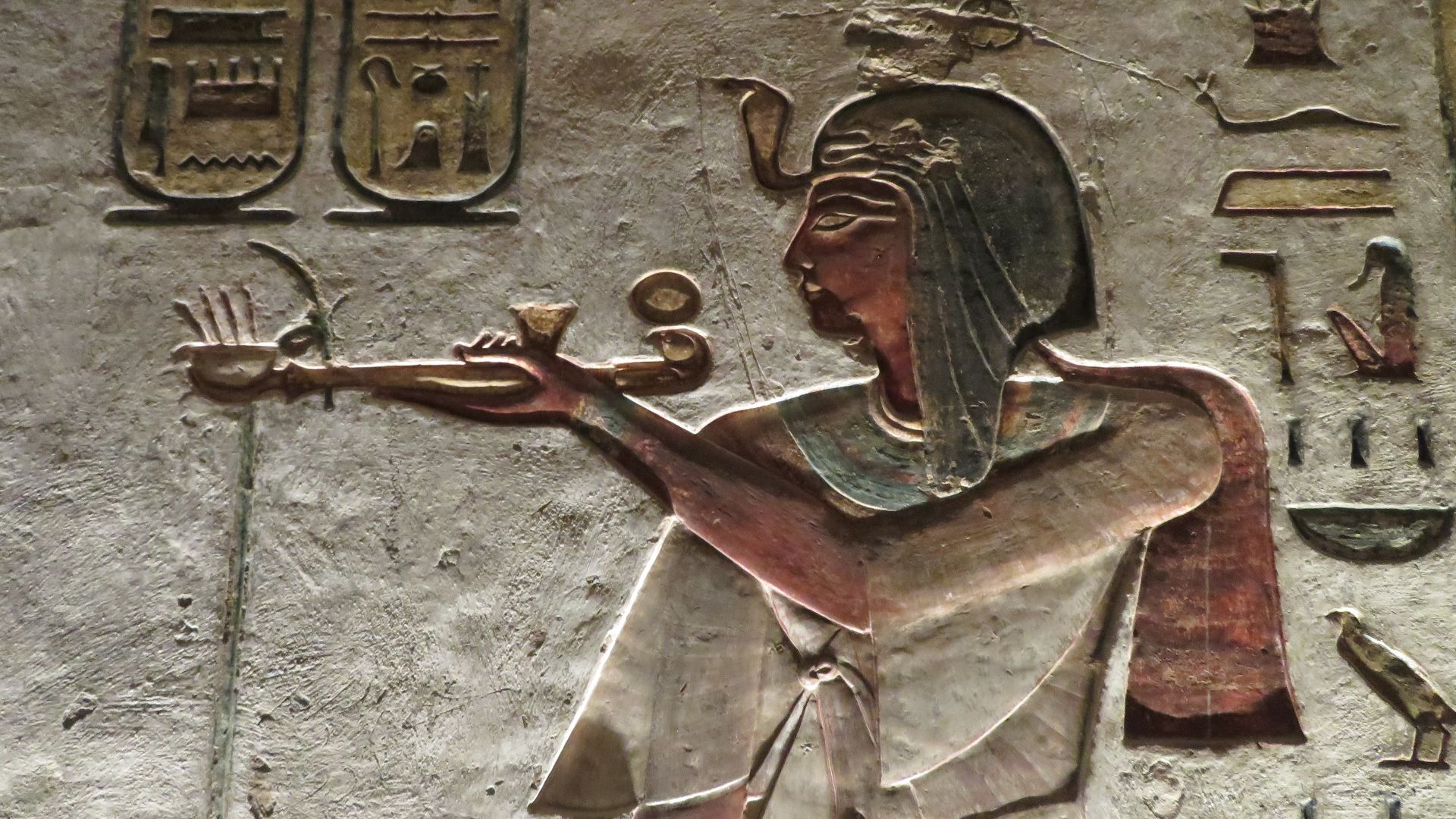
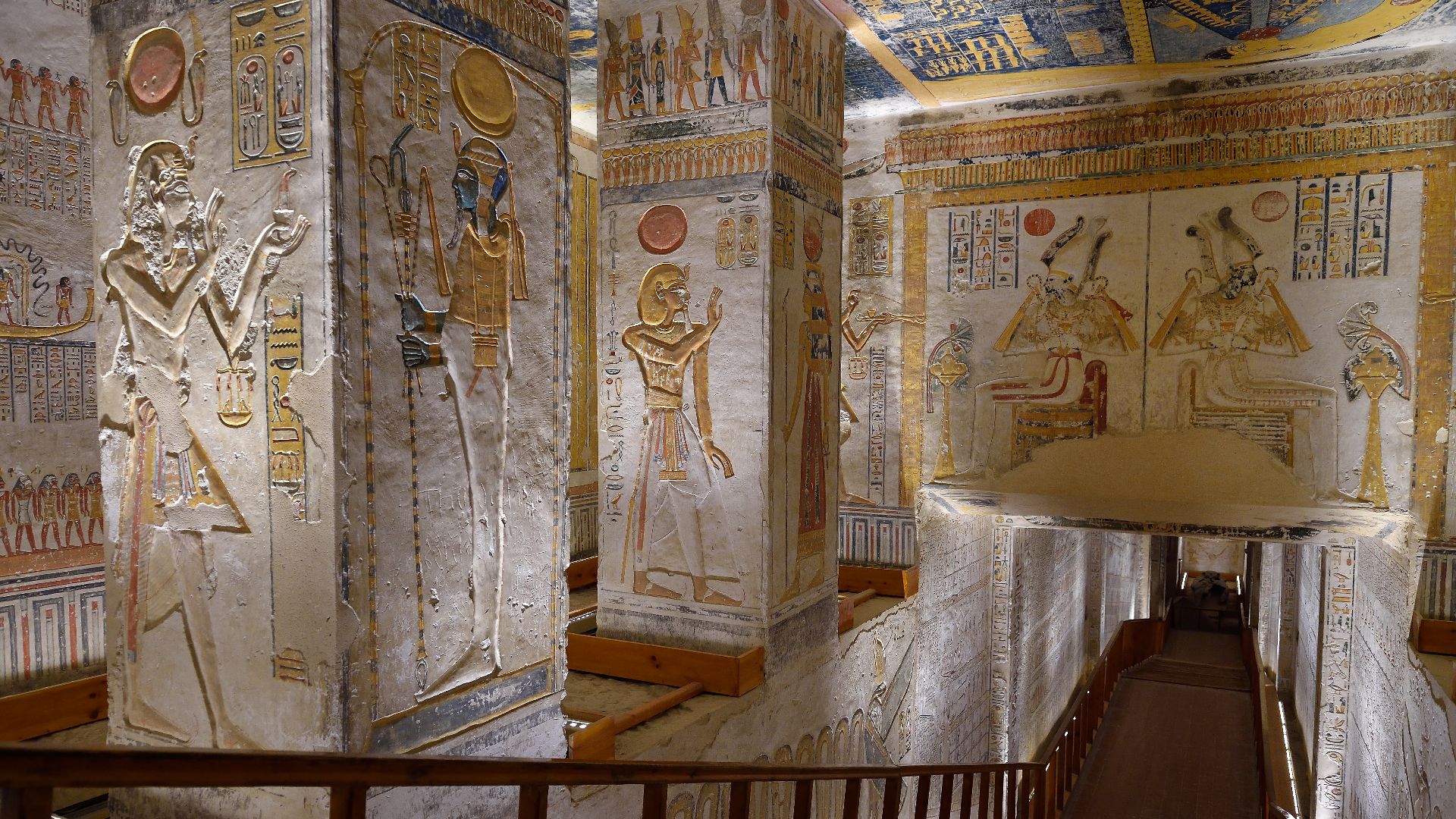
Tomb walls are richly decorated with funerary texts: narratives that guided the pharaoh’s journey in the afterlife. Colorful painted figures of gods, demons, and celestial maps line corridors, turning tombs into storybooks for eternity. Artists combined vivid pigments with symbolic compositions to give pharaohs spiritual protection. Tomb murals are one of the Valley’s most enchanting treasures.
Treasure and Tomb Gear: A VIP Afterlife
Pharaohs were buried with elaborate goods meant for the afterlife, reflecting personal and divine connections. Tutankhamun’s tomb was comparatively modest, but contained thousands of objects, from golden masks to chariots. Larger tombs most likely held even more amazing items, most now lost to looting. The artifacts highlight Egyptian beliefs in the afterlife, where rulers could enjoy comfort, luxury, and authority in eternity.
Let Me In: A History of Exploration
From Napoleon’s maps in 1799 to Howard Carter’s discovery of Tutankhamun’s tomb in 1922, the Valley has drawn explorers and academics for centuries. Early treasure hunters often damaged sites, but the 19th century saw major surveys by Egyptologists. Exploration continues with technology like ground-penetrating radar, making the Valley an ongoing frontier for history and discovery.
 David Monniaux, Wikimedia Commons

History's most fascinating stories and darkest secrets, delivered to your inbox daily.
60+ Tombs and Counting
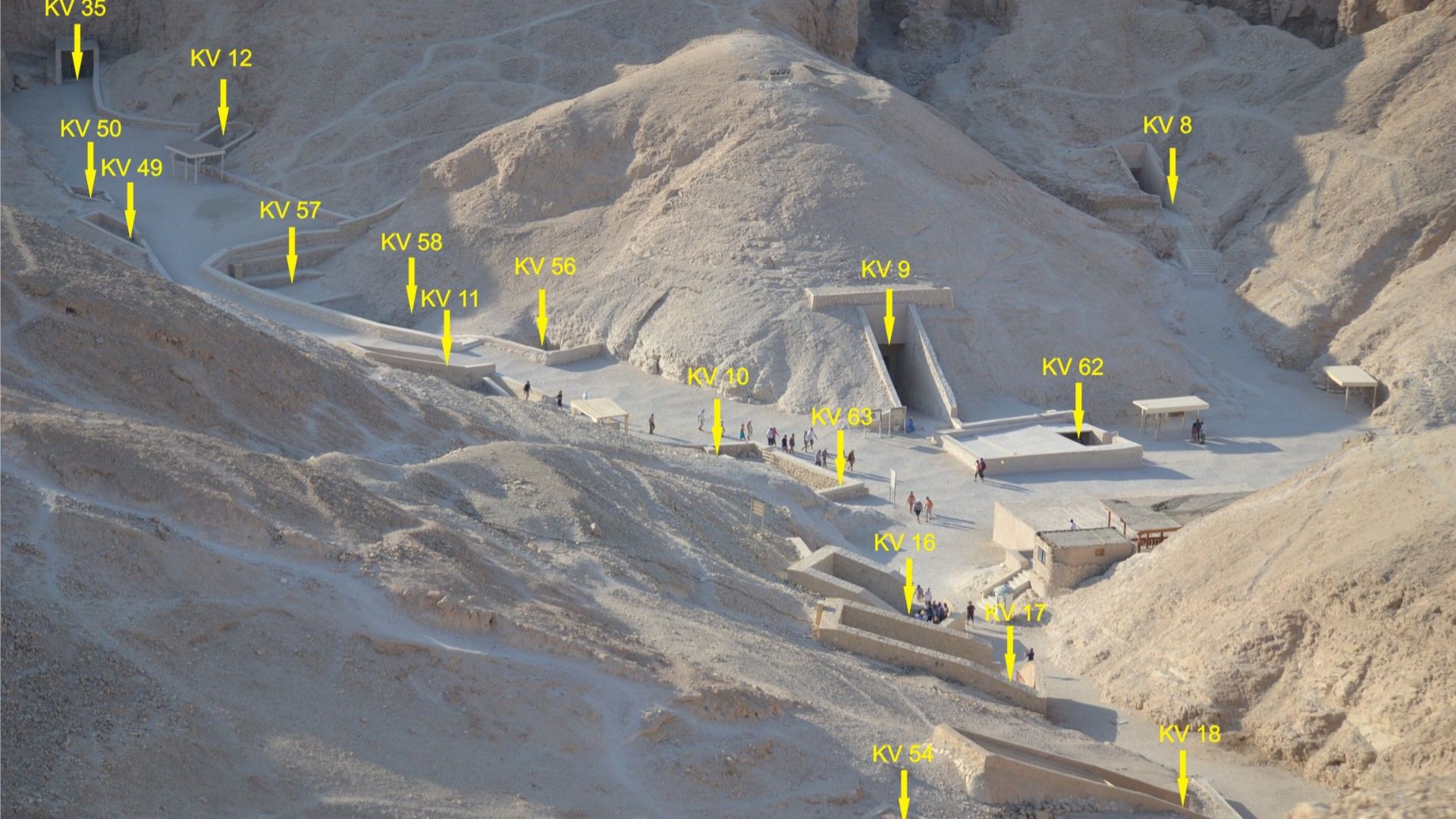
More than 60 tombs have been identified, ranging from modest pits to massive complexes of over 120 chambers! Some of these are still unexcavated or mysterious. The tomb of Ramesses II’s sons is the largest ever and is still being studied. Many tombs are unfinished, showing construction challenges or sudden deaths of rulers, but they all can give us insights into Egyptian politics, religion, and craftsmanship through the ages.
 Kingtut at Hungarian Wikipedia, Wikimedia Commons
Tutankhamun: The Pharaoh Who Stole the Spotlight
King Tut's tomb (KV 62) was found largely intact, and brimming over with amazing artifacts. To this day it is the Valley’s most famous rediscovered royal resting place. The golden death mask is an international symbol of Egyptology, while the story of Howard Carter’s discovery captivated the public. Tutankhamun was a relatively minor ruler, but his tomb’s preservation has taught scholars more about burial practices than any other.
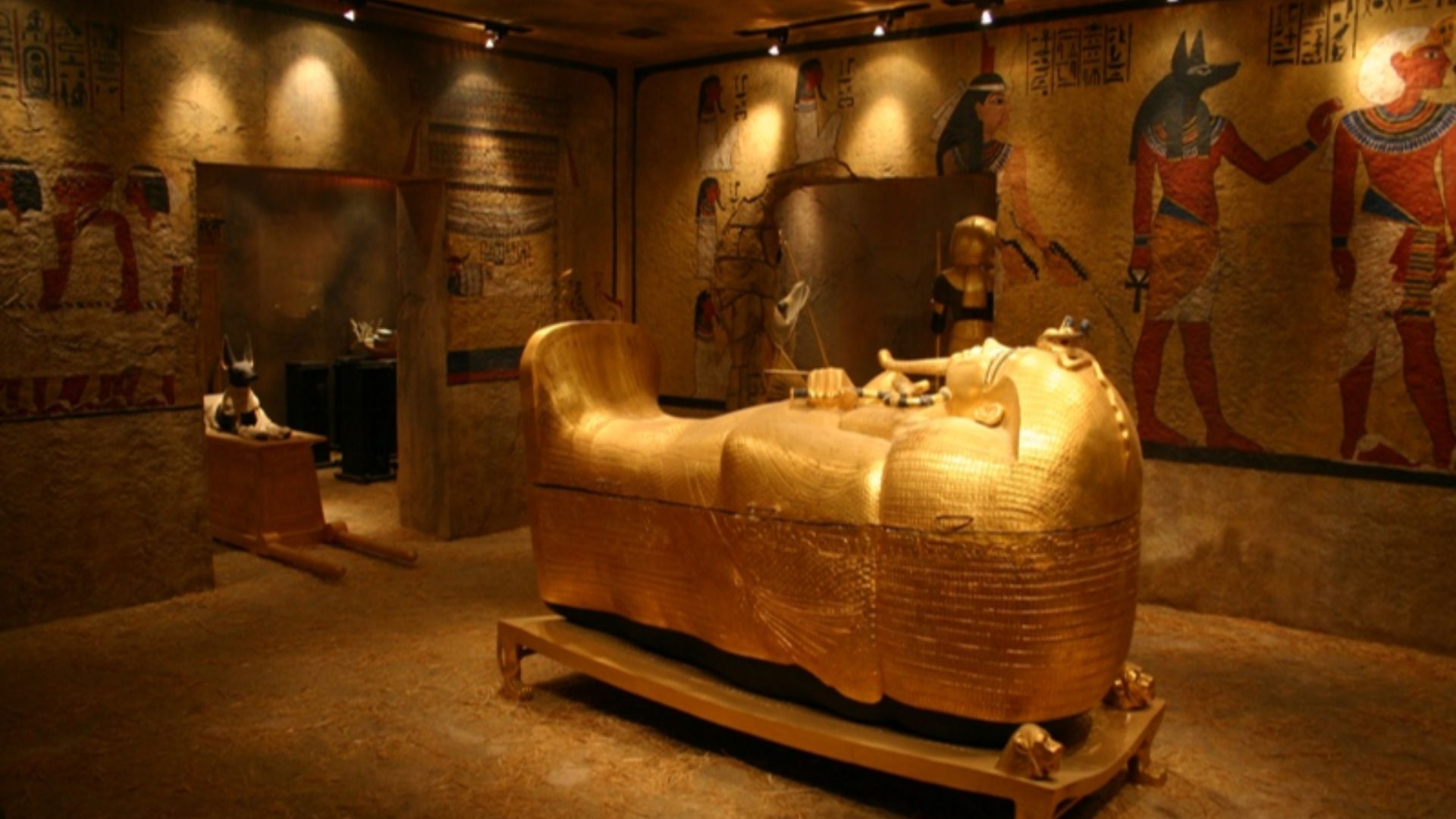
A Brand-New Tomb! Meet Thutmose II
In 2025, archaeologists unearthed the first royal tomb in Luxor since 1922: that of Thutmose II. The discovery renews hope for finding even more amazing tombs in the vicinity. Thutmose II’s reign was short, his legacy overshadowed by Hatshepsut and Thutmose III. This makes his burial an important piece in the dynastic puzzle of the pharaohs.
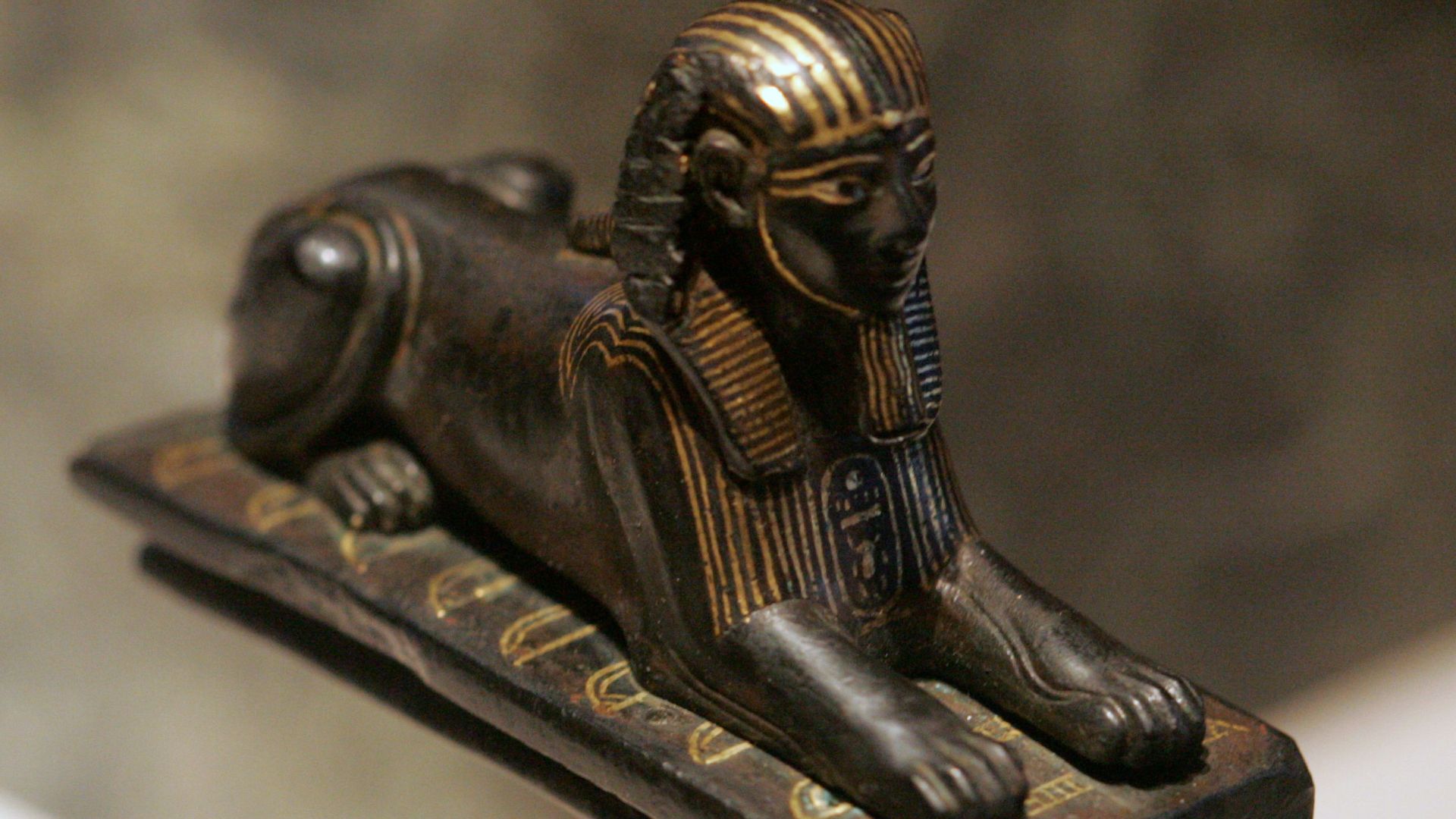
Radar and Rubble: Digging Beneath the Surface
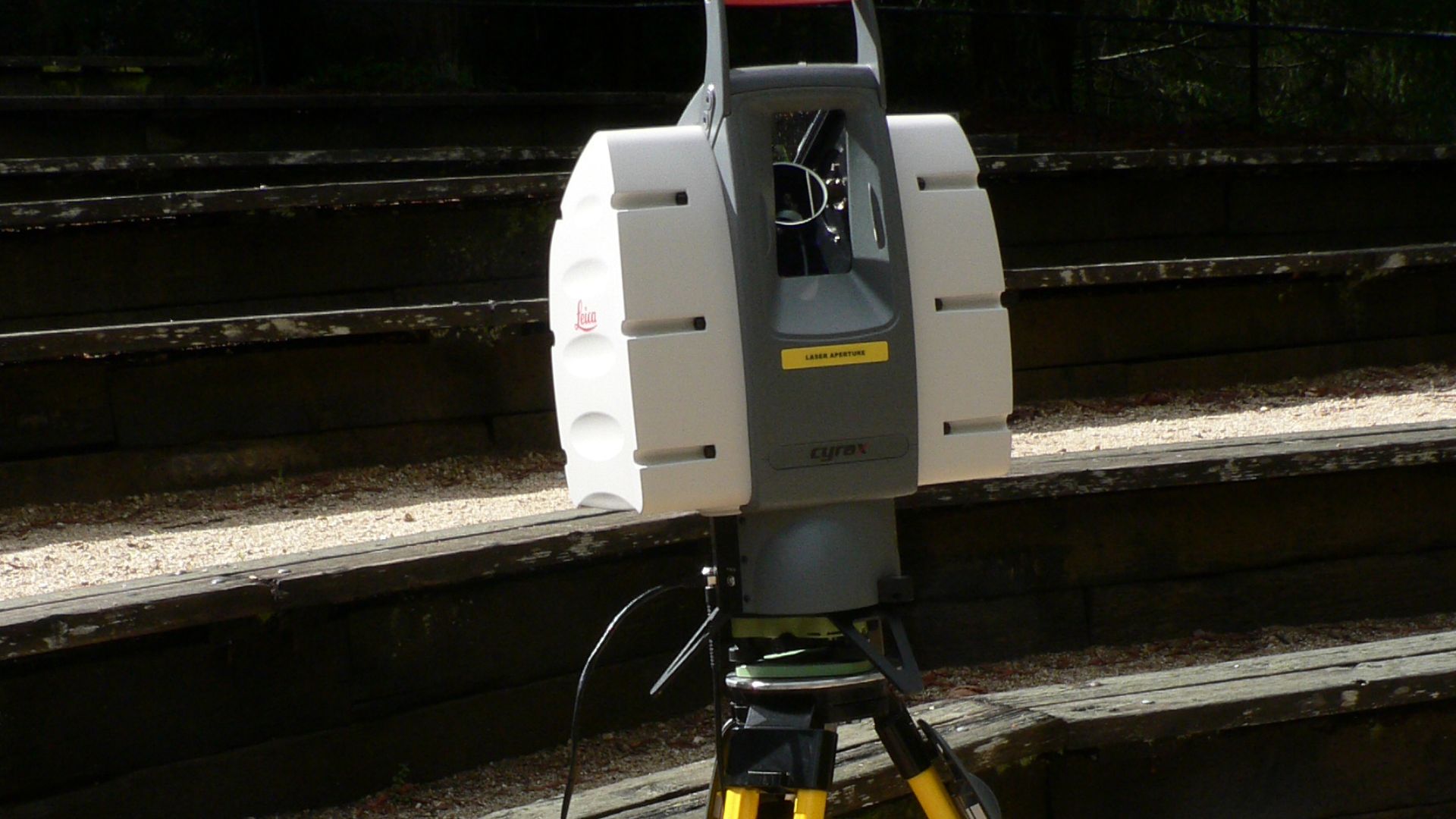
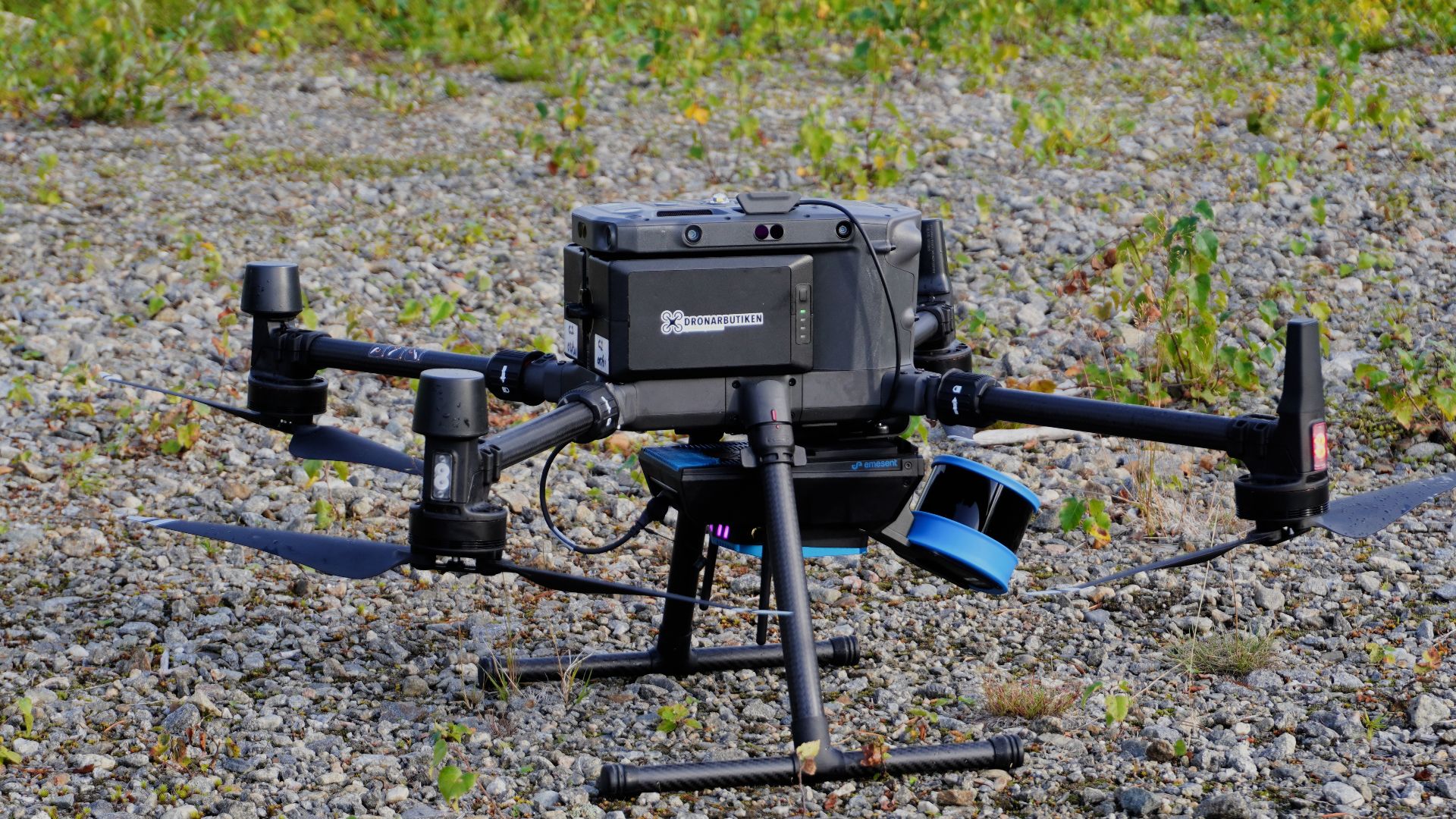
Radar scans show that the Valley hides shelves of debris and possible tombs beneath. KV63 was found this way, and more secrets may still await. Archaeologists balance prudent conservation with insatiable curiosity. High-tech methods do away with the need for destructive digging, offering non-invasive ways to map the subsurface in the ongoing quest for more discoveries.
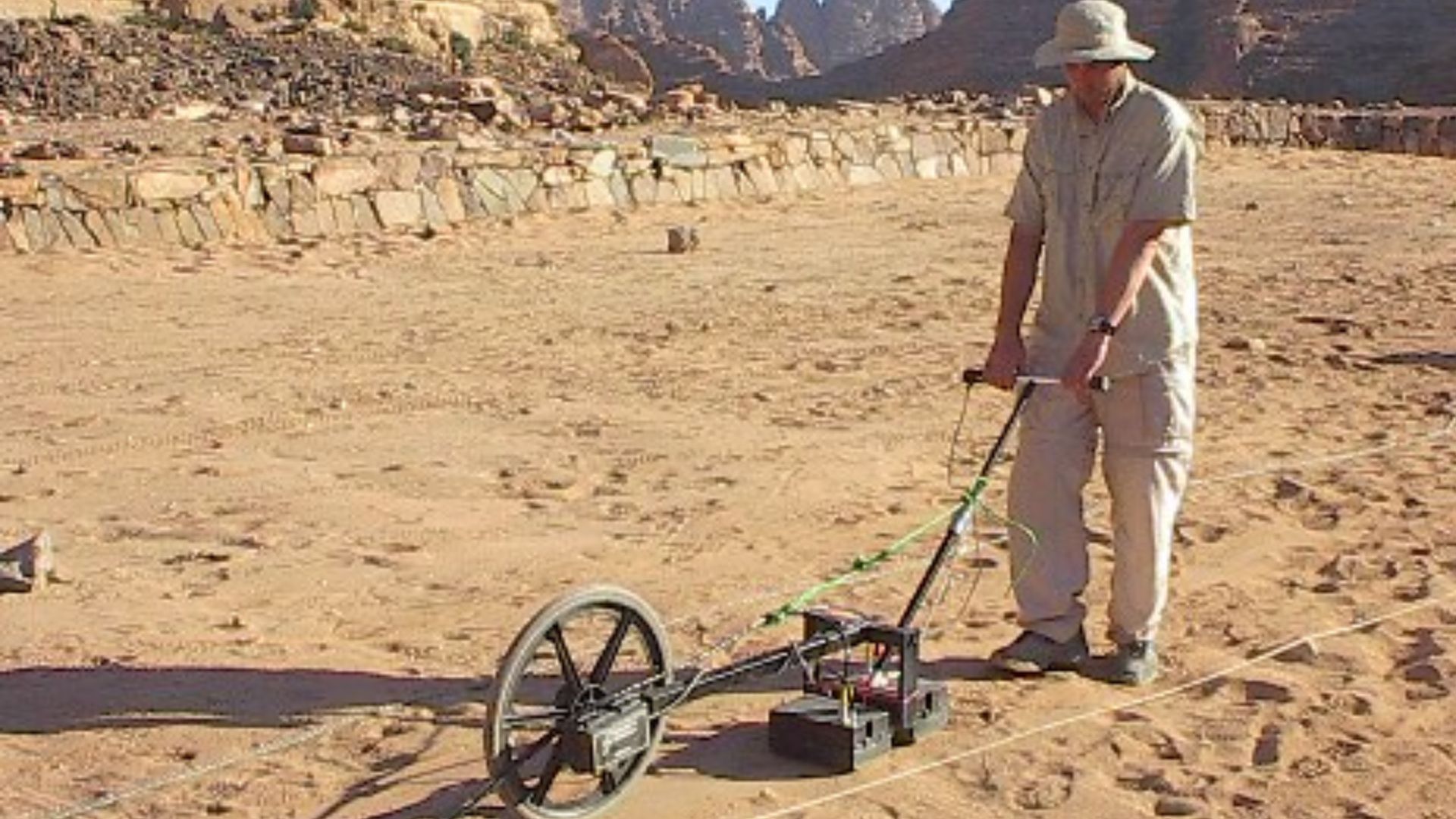 Archaeo-Physics LLC, Wikimedia Commons
Still Missing Kings
Not all pharaohs have known tombs: Thutmose II was long missing until recently. Others like Smenkhkare or Ramesses VIII may still lie undiscovered elsewhere. Their absence raises fascinating questions: were these kings buried in unmarked sites, or are their tombs still to be found under debris? The hunt for answers goes on.
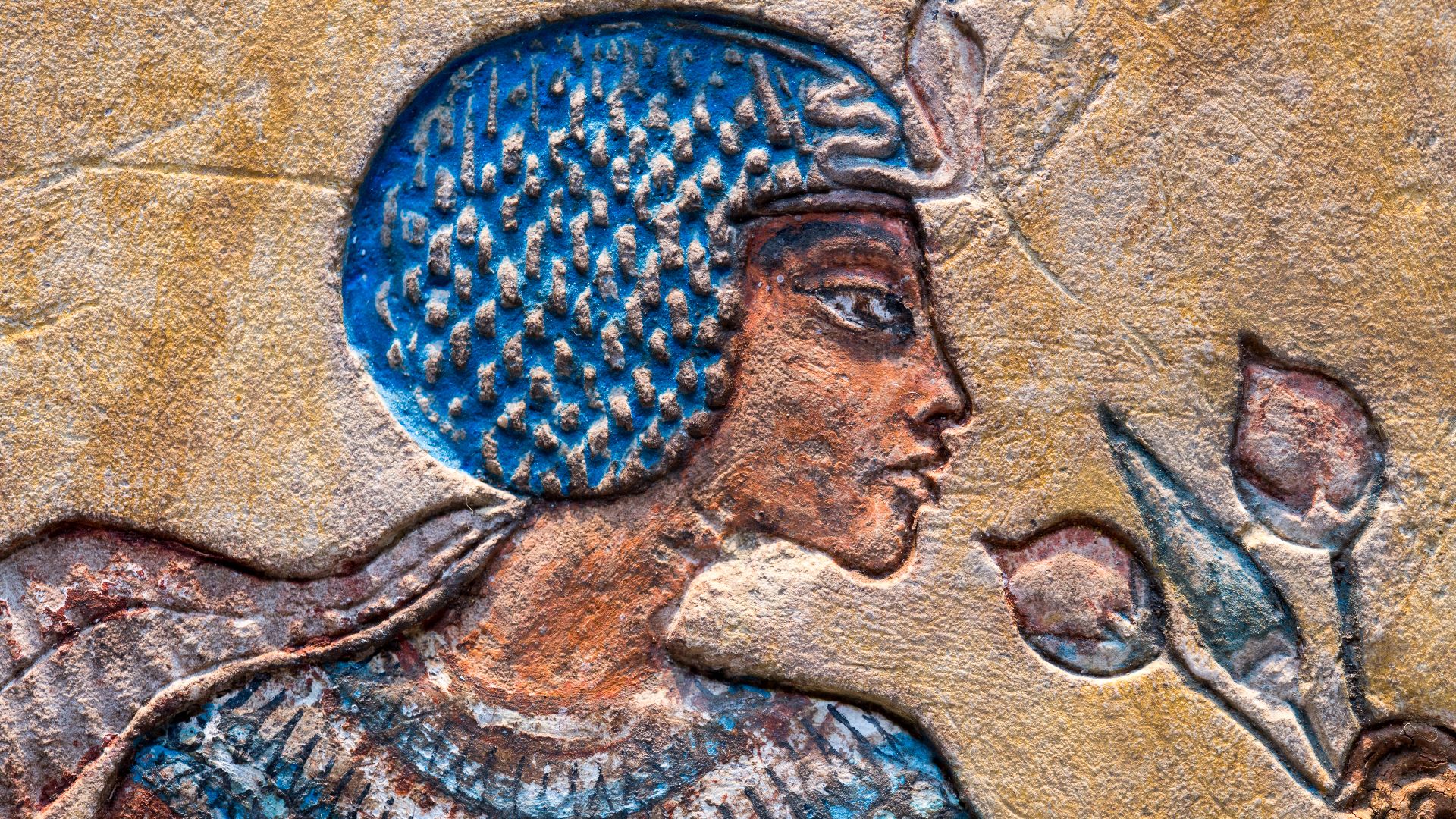 ArchaiOptix, Wikimedia Commons
If These Walls Could Talk…
Ancient visitors left graffiti in some tombs: Greek, Latin, Coptic inscriptions marking pilgrimages centuries ago. This graffiti offers insight into how later civilizations viewed the Valley as their own cultural landmark. These tombs were rediscovered and revisited through time, bridging ancient Egypt with Roman and Christian periods.
Tombs Aren’t Forever: Robbery Stories
Most tombs were looted at some point in the distant past. Some mummies were reburied in caches like Deir el‑Bahari (TT320) to keep them from the grasping hands of thieves. Records from trials of tomb robbers during the Twentieth Dynasty show the scale of plunder, leaving today’s archaeologists to scramble around reconstructing royal legacies from whatever was left behind.
 Keith Hazell, Wikimedia Commons
The Tourist Trap And Treasure
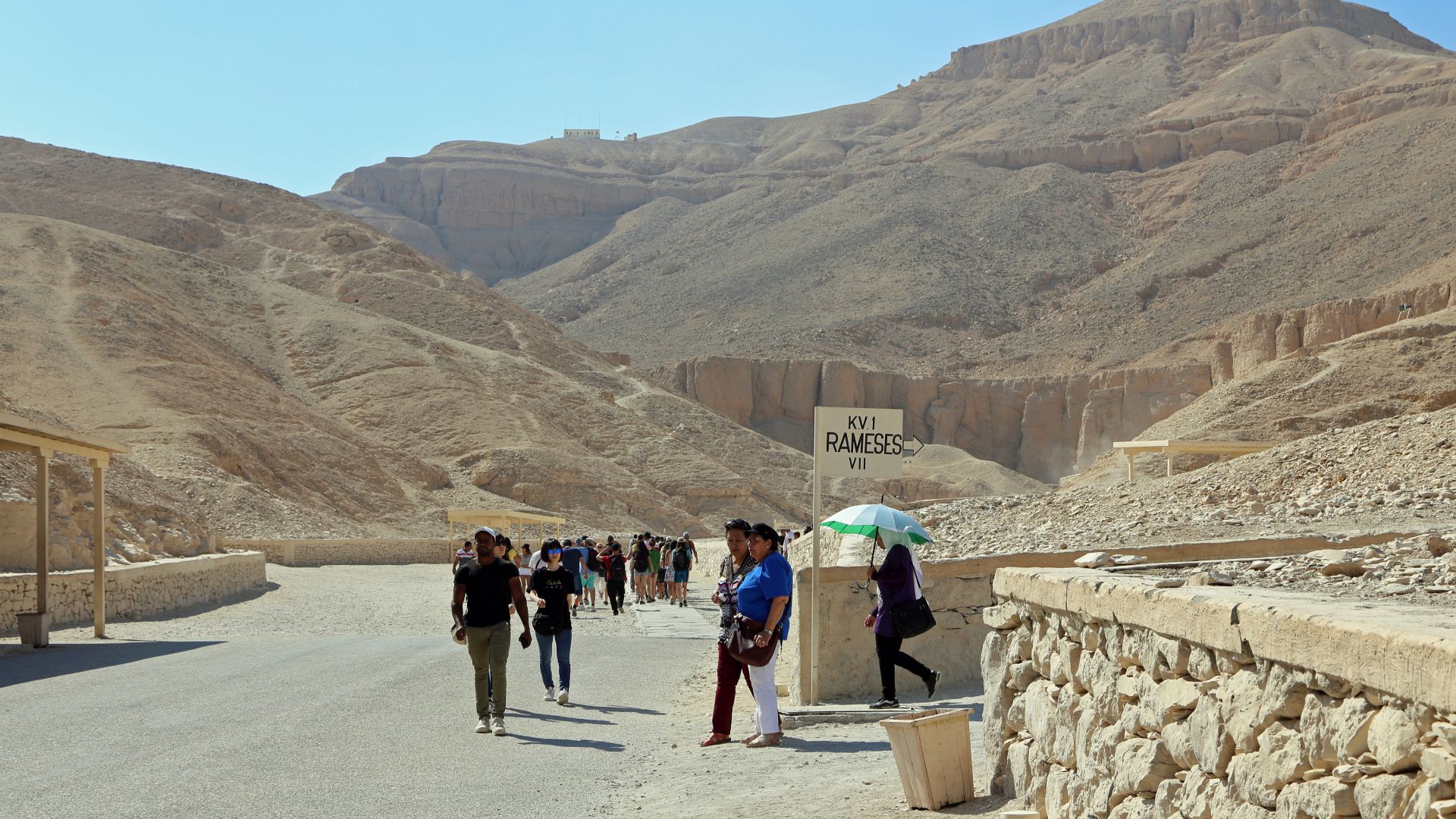
Only a few tombs are open to visitors at a time. Tutankhamun’s is the most sought after. Tourism has to balance preservation and public fascination while still being a driving force for the Egyptian economy. Authorities rotate tombs to minimize the damage from humidity and crowds, while replicas of fragile chambers allow access without harm.
 Marc Ryckaert, Wikimedia Commons
Unanswered Mysteries: What Still Lies Beneath?
There are hints of more tombs beneath debris and mountain layers. Ground-penetrating radar and new finds raise hopes, but excavation remains complex and cautious. Scholars debate whether undiscovered royal burials or caches still exist, including possible family members of King Tut. Each new scrap of evidence fuels speculation about how much of Egypt’s story is still hidden.
Why Did They Choose That Valley?
Besides geology and seclusion, ancient builders selected the Valley for its religious symbolism and defensibility. The location had a spiritual link to Thebes, the religious capital. Tomb placement was a reflection of Egyptian cosmology: the west represented the land of the dead. The choice of this valley was a practical move with sacred meaning. It was an ideal final resting place for pharaohs seeking security and eternal divine protection.
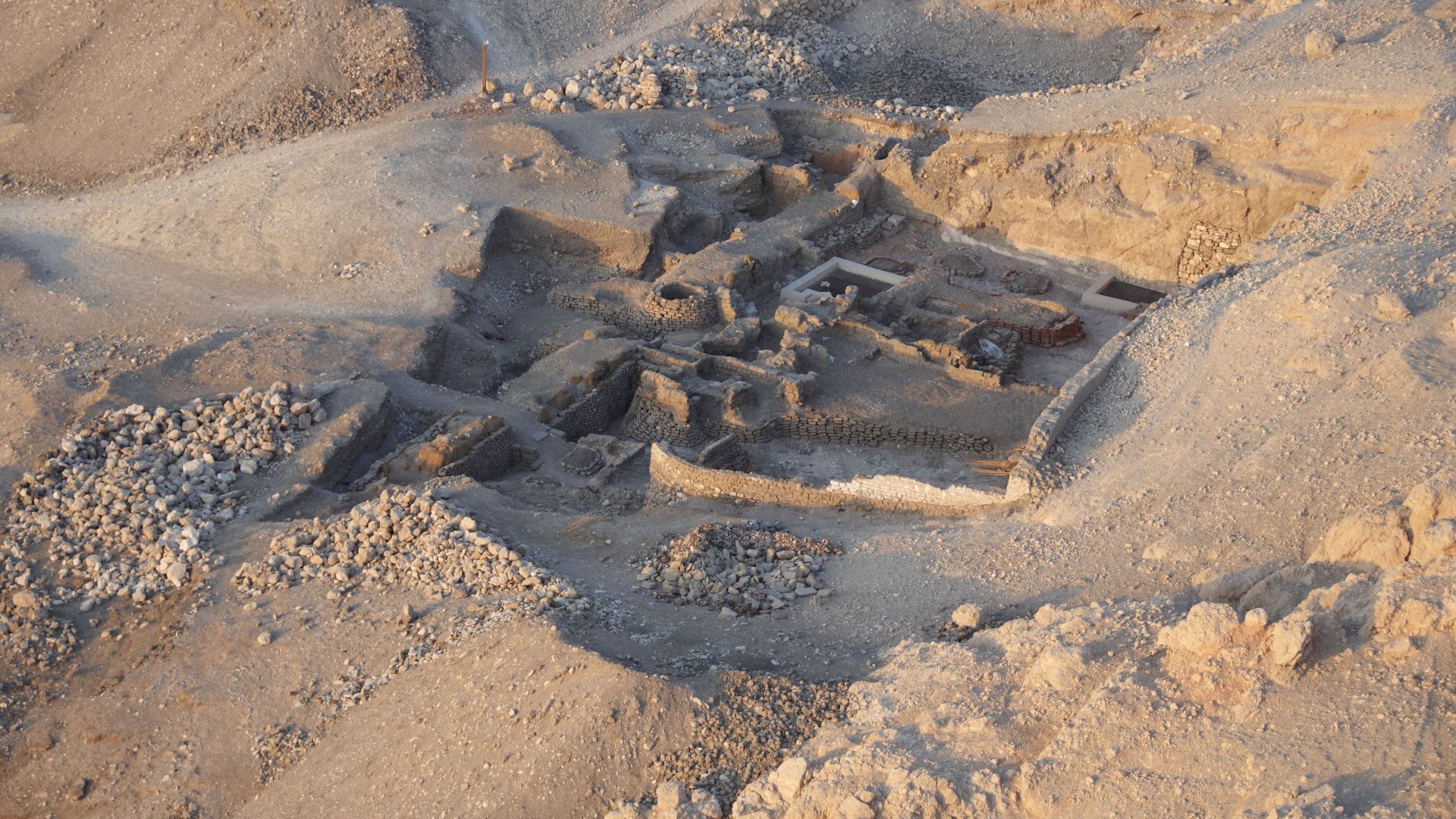 Wouter Hagens, Wikimedia Commons
Legend, Legacy, and the Next Big Discovery
The Valley of the Kings is still a mysterious place. With new tech and discoveries, the next discovery could unearth more stories buried in the past. Each new discovery adds to Egyptology, inspiring the world’s awe. As archaeology evolves, so does our understanding of the Valley as an ongoing story rather than a sealed past.
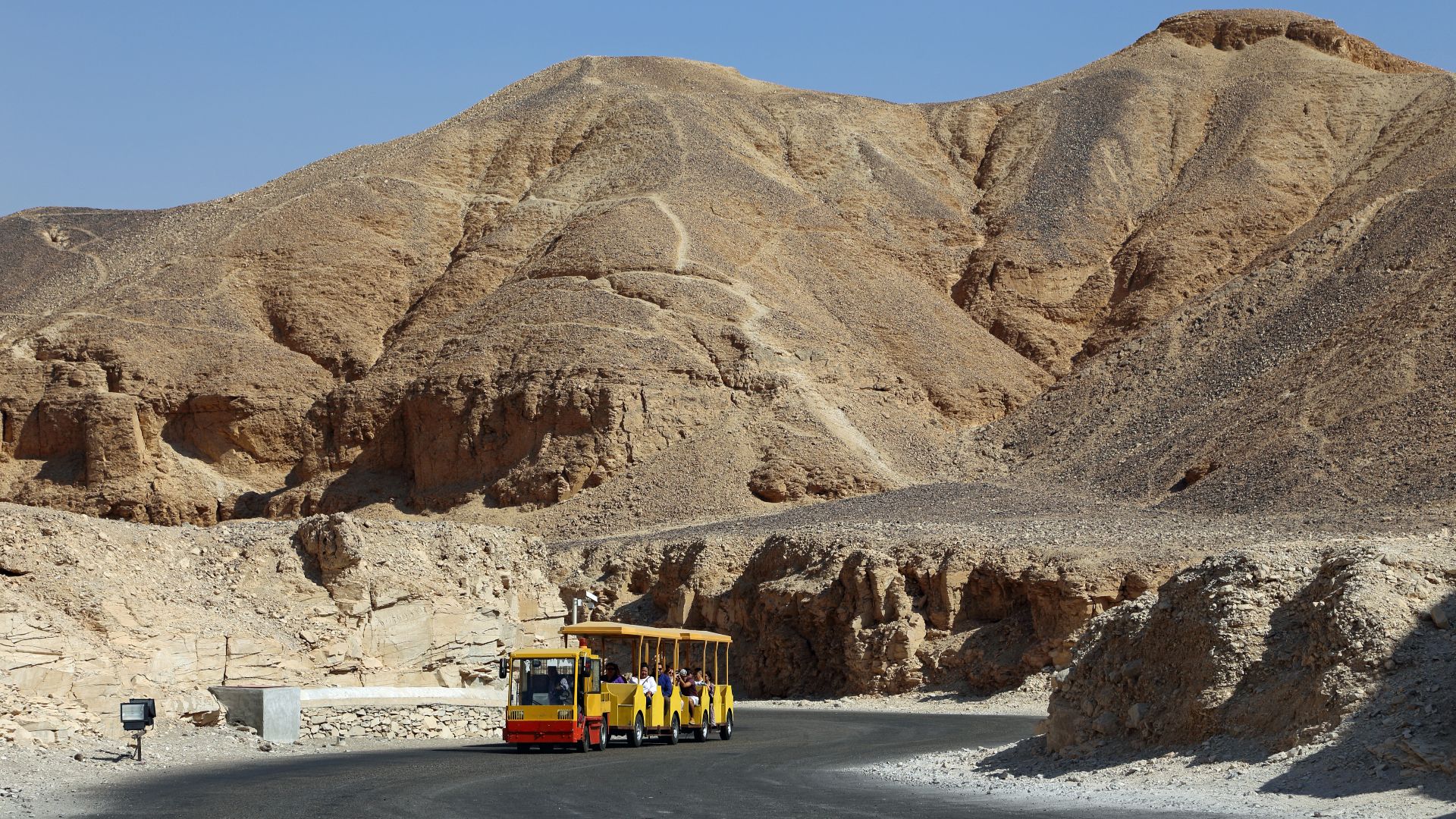 Marc Ryckaert, Wikimedia Commons
You May Also Like:
Mighty Facts About Ramses The Great, The Maniacal Pharaoh
Unearthed Facts About Egyptian Pharaohs
Golden Facts About King Tut, The Cursed Boy King
Sources: 1 , 2 , 3 , 4 , 5 , 6 , 7 , 8 , 9 , 10 , 11 , 12 , 13 , 14