When Words Go Wrong
Translation is supposed to help people understand one another. Sometimes it does exactly the opposite. From treaties whose two versions promised different things to diplomatic remarks that suddenly sounded threatening, history is littered with moments when one misunderstood word created consequences nobody could easily take back. (Above: American astronomer Percival Lowell)
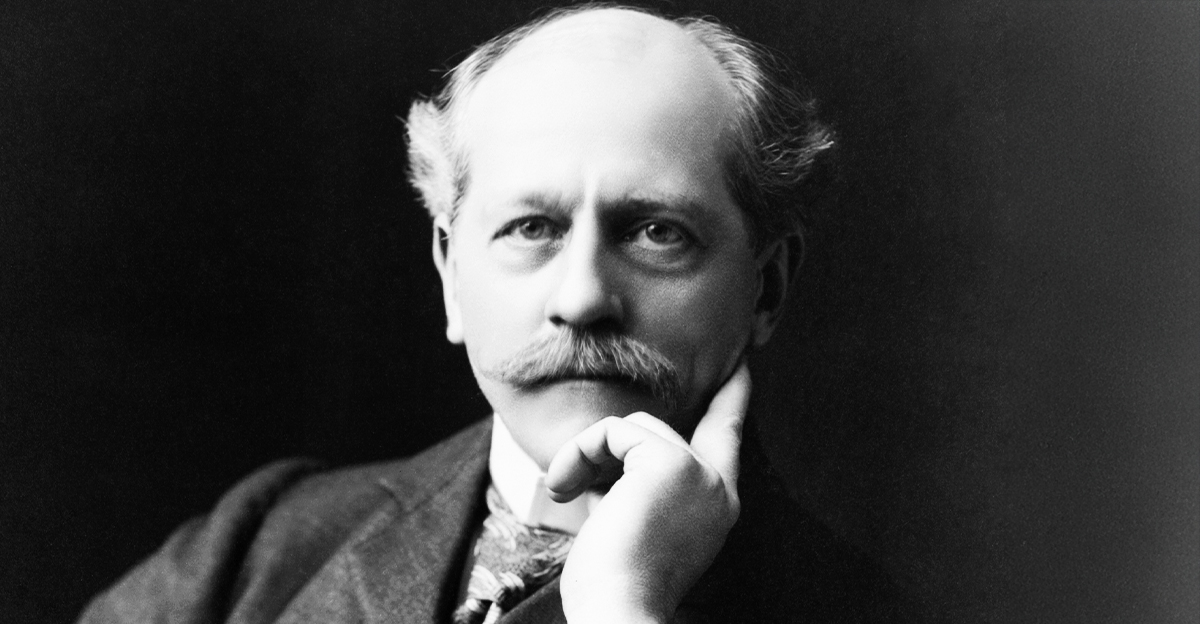 Photo by James E. Purdy, Wikimedia Commons
Mars Got Canals
In 1877, Italian astronomer Giovanni Schiaparelli described linear features on Mars as "canali." English speakers commonly encountered this as “canals,” a word suggesting artificial construction rather than natural channels. Percival Lowell later popularized the idea of an advanced Martian civilization building enormous waterways across a dying planet.
 James Stuby based on NASA image, Wikimedia Commons
Martians Suddenly Seemed Real
The “canals” helped fuel decades of speculation about intelligent Martians, influencing astronomy and science fiction alike. Yet the familiar claim that everything resulted from one simple mistranslation is itself exaggerated: Schiaparelli knew people were proposing artificial origins and did not completely dismiss the possibility. Translation amplified the idea rather than creating it alone.
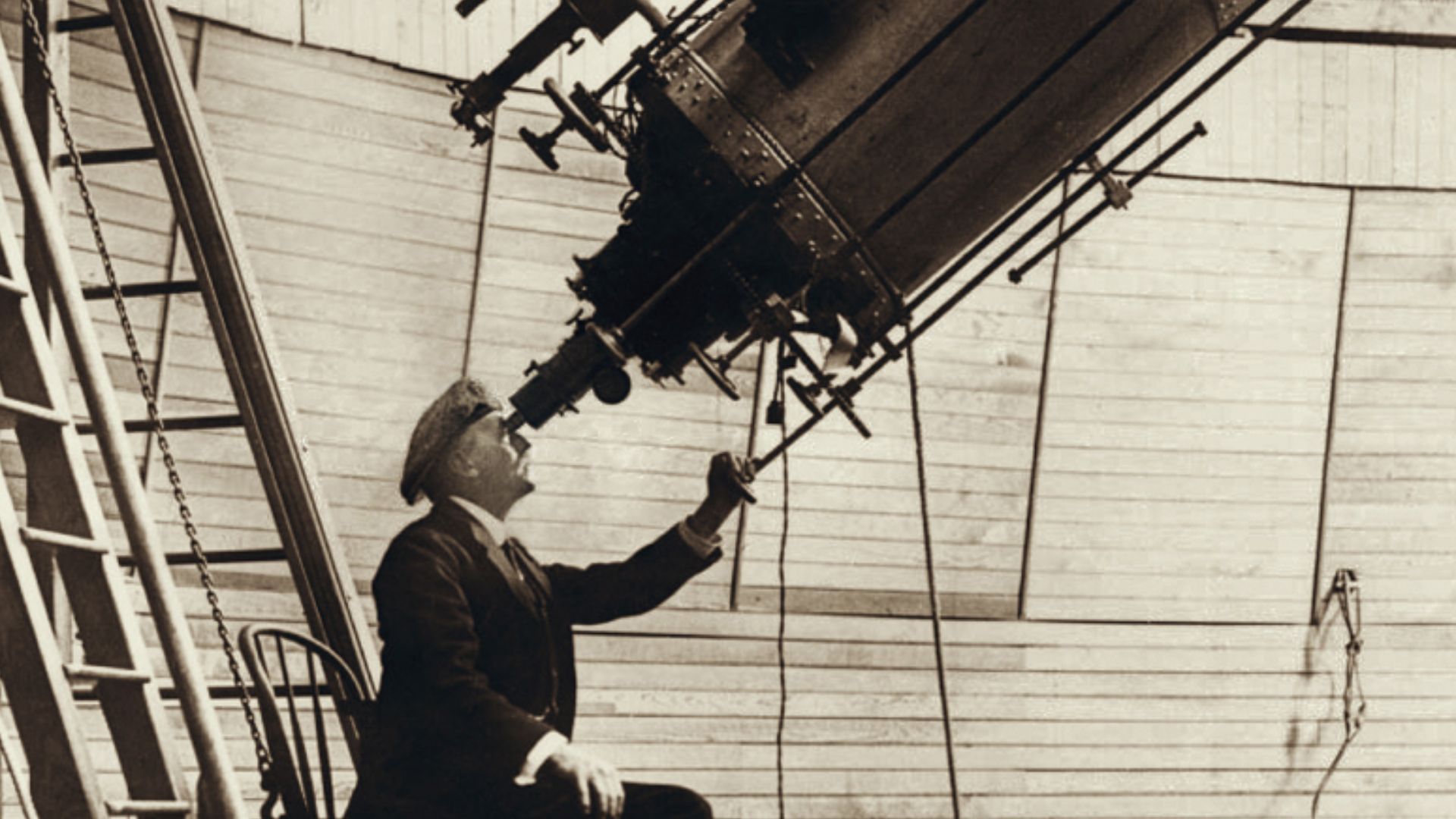 Unknown authorUnknown author, Wikimedia Commons
The Treaty Of Wuchale
Italy and Ethiopia signed the Treaty of Wuchale in 1889, but Article 17 said different things in Italian and Amharic. The Amharic version allowed Ethiopia to use Italy for foreign diplomacy; Italy's version effectively required it. Italy claimed a protectorate, Ethiopia rejected that interpretation, and tensions ultimately led to war.
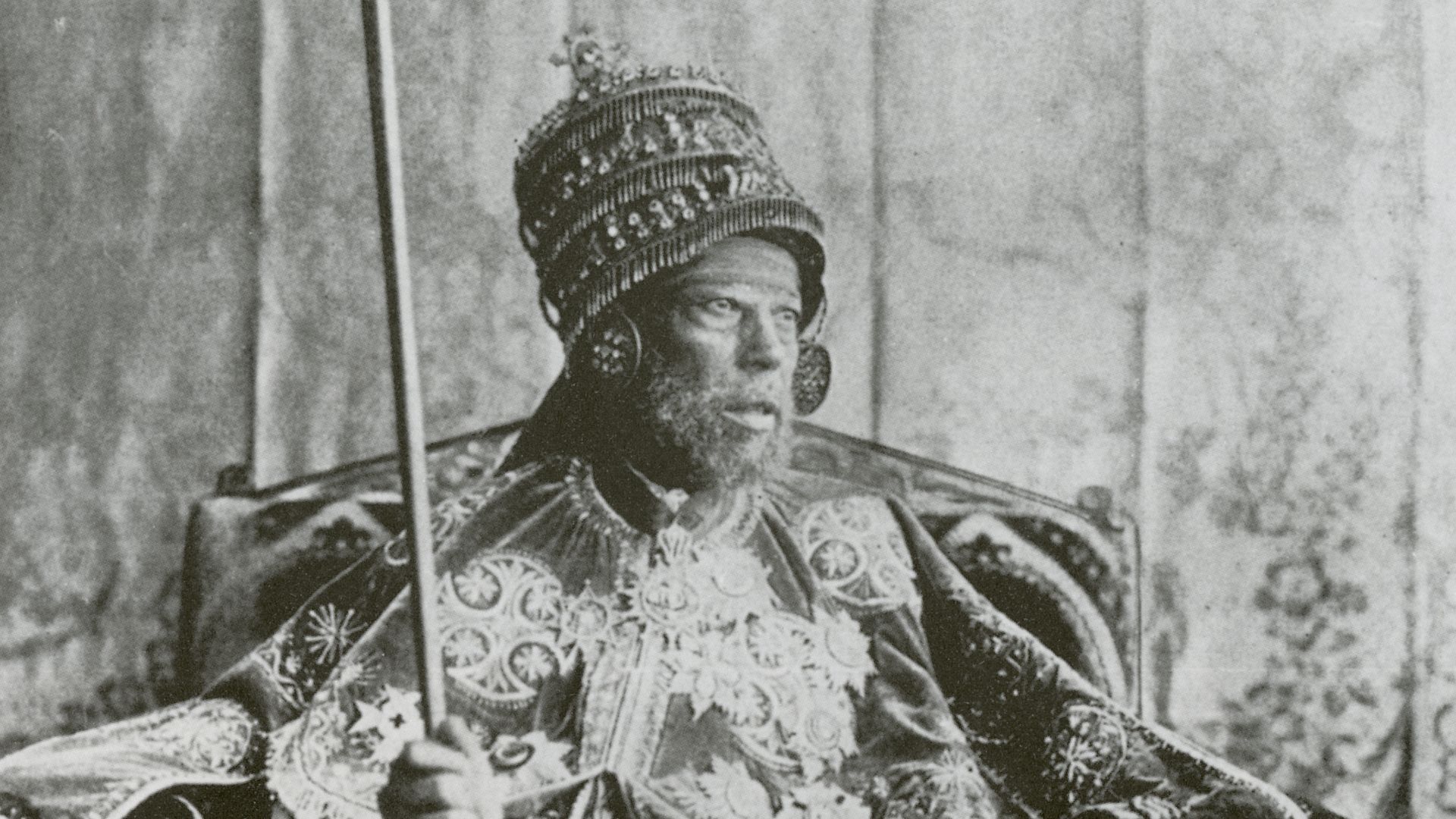 Unknown authorUnknown author, Wikimedia Commons

History's most fascinating stories and darkest secrets, delivered to your inbox daily.
Waitangi's Two Meanings
The 1840 Treaty of Waitangi contained English and Māori texts that were not equivalent. The English version said Māori ceded “sovereignty,” while the Māori text used kāwanatanga, closer to governance, while guaranteeing tino rangatiratanga. Those differences created profoundly different expectations whose legal and political consequences continue in New Zealand today.
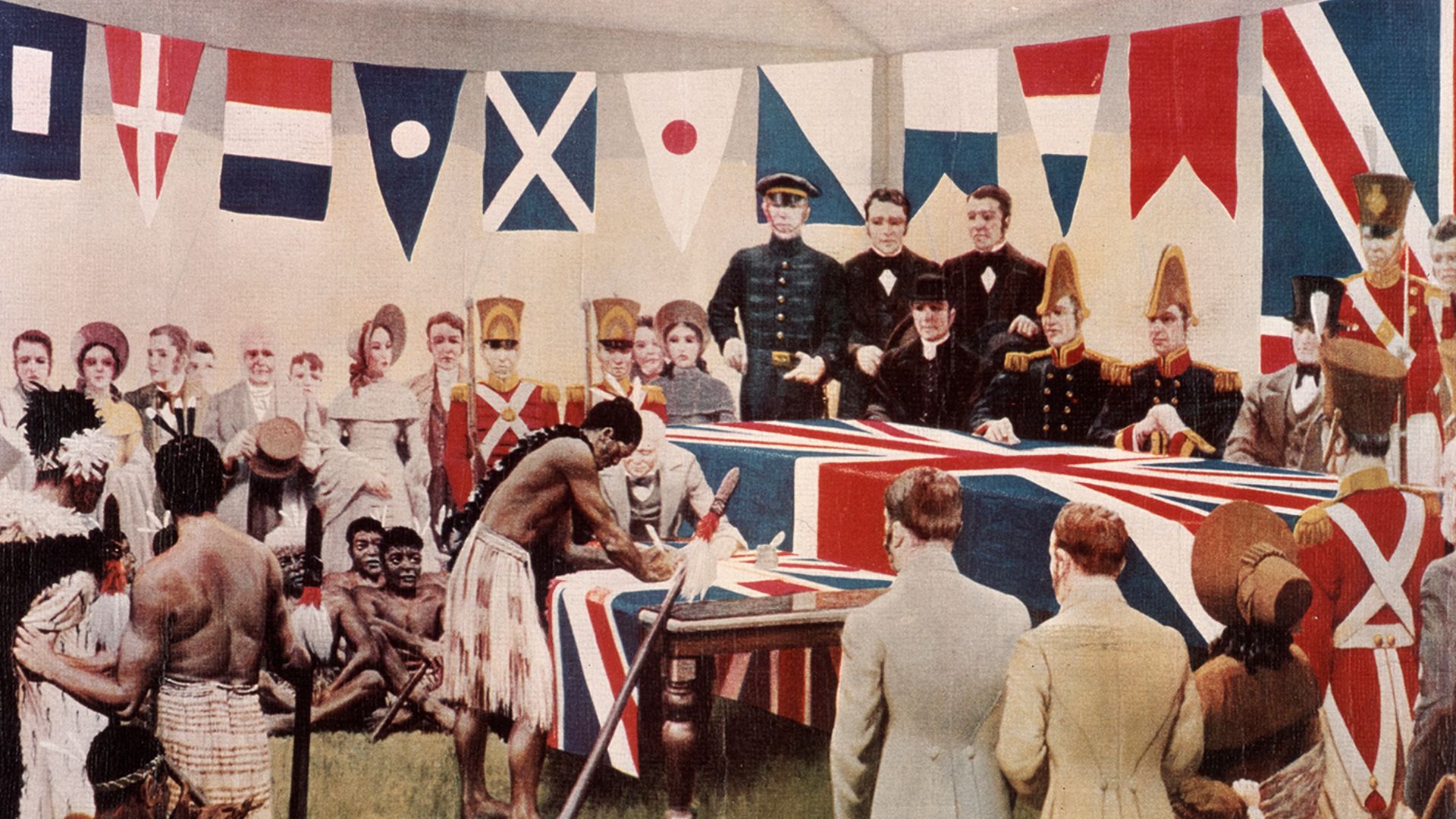 Archives New Zealand from New Zealand, Wikimedia Commons
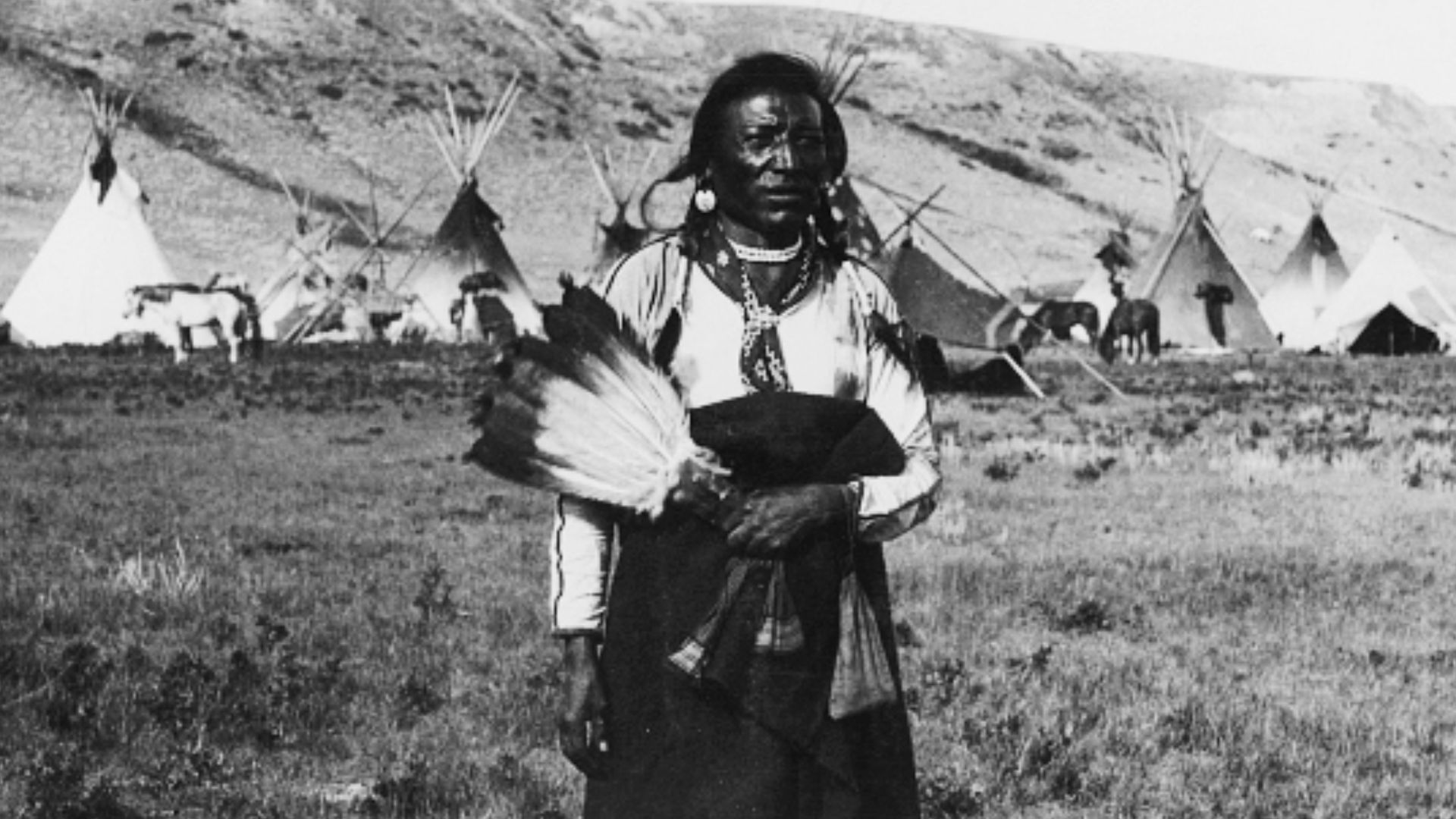
Big Bear's Rope
During negotiations surrounding Canada's Treaty 6, Cree leader Big Bear spoke about having a rope around his neck. An interpreter apparently understood this as a fear of hanging. But Big Bear was actually using a Plains expression about surrendering his freedom. Officials responded to the wrong concern, creating what Canadian government research calls a “chain of confusion.”
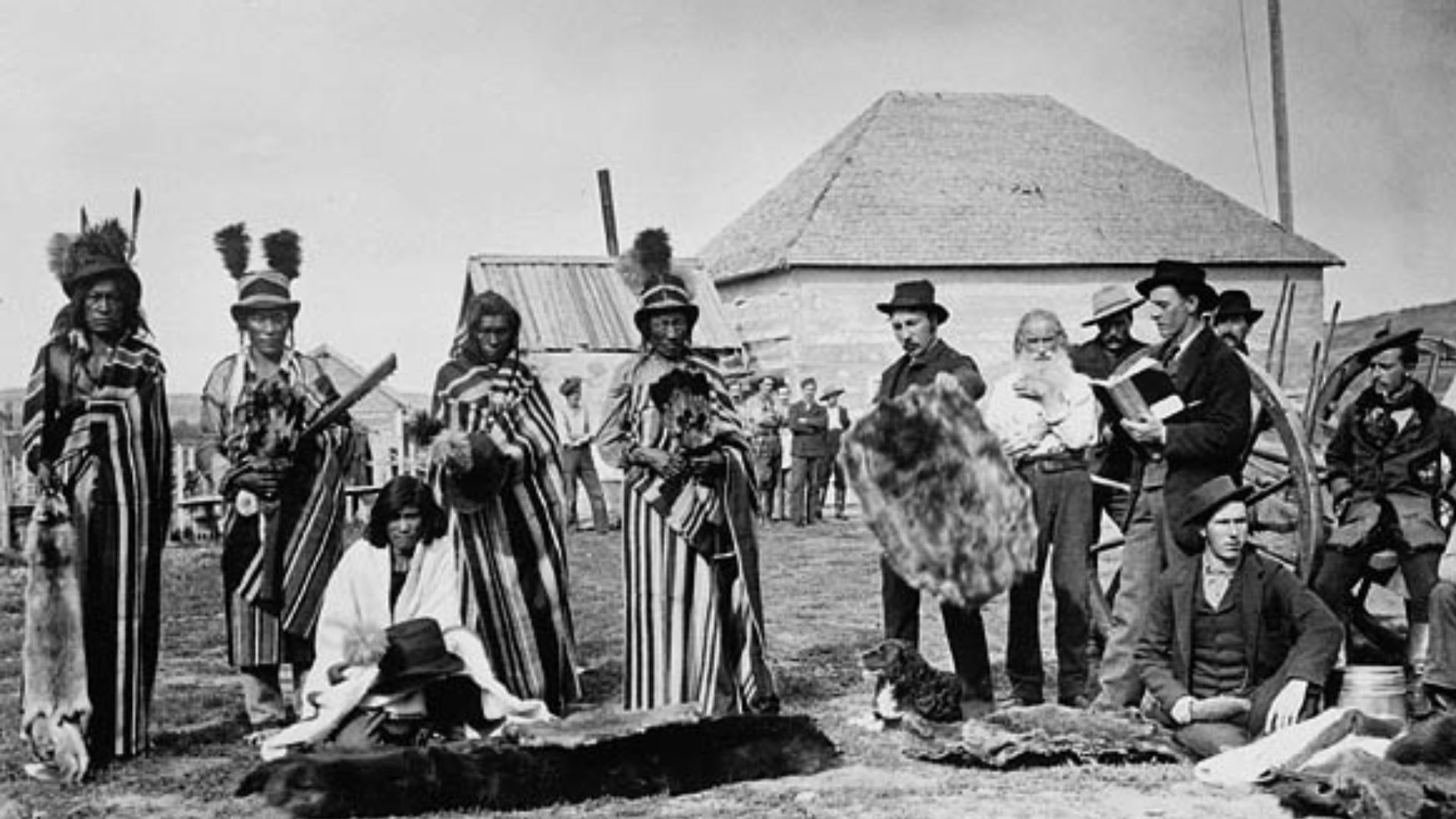 Library and Archives/Bibliothèque et Archives Canada from Canada, Wikimedia Commons
Japan's Dangerous Word
In July 1945, Japanese Prime Minister Kantarō Suzuki used the word "mokusatsu" while discussing the Allies' Potsdam Declaration. It was rendered in English as essentially ignoring or rejecting the ultimatum. Later writers argued Suzuki may instead have meant withholding comment, creating one of history's most famous translation controversies.
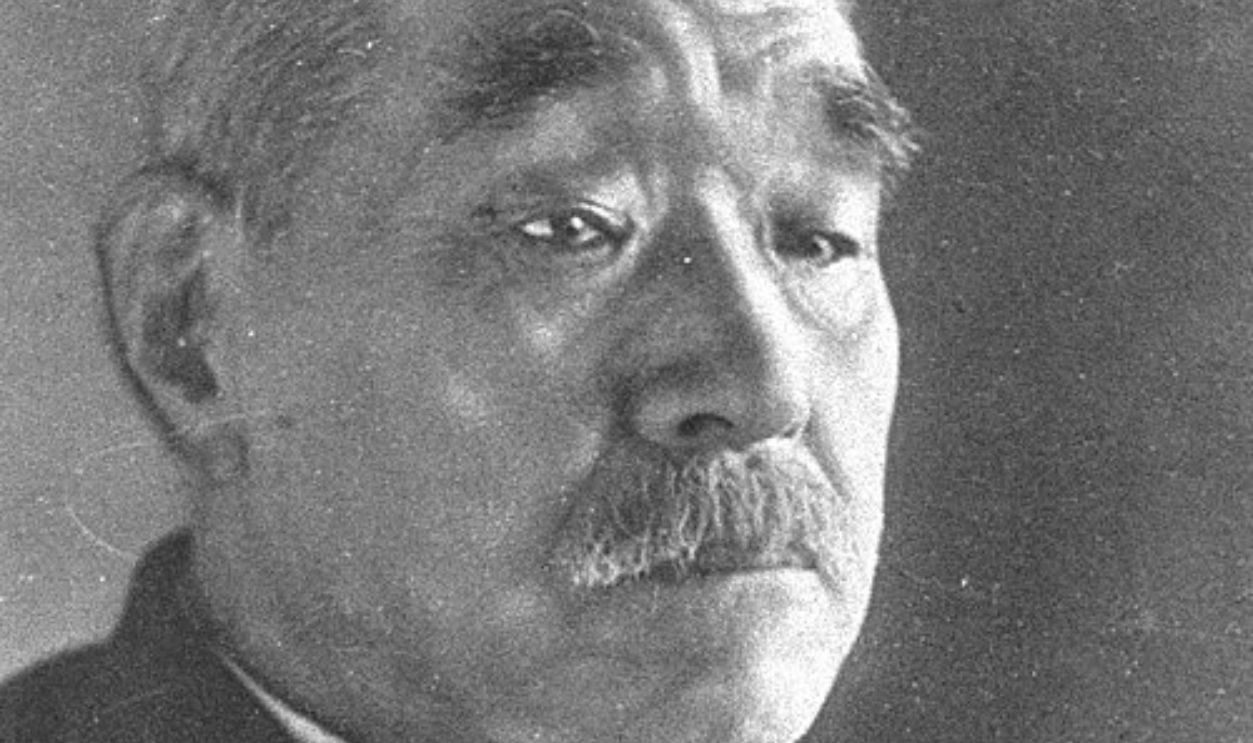 Unknown authorUnknown author, Wikimedia Commons
The Hiroshima Translation Myth
There's a major catch to the mokusatsu story. Some modern scholars reject the popular claim that a single mistranslated word caused Hiroshima, arguing Suzuki's full statement communicated rejection regardless. The episode belongs on this list partly because it demonstrates how a supposed translation mistake can itself become historical mythology.
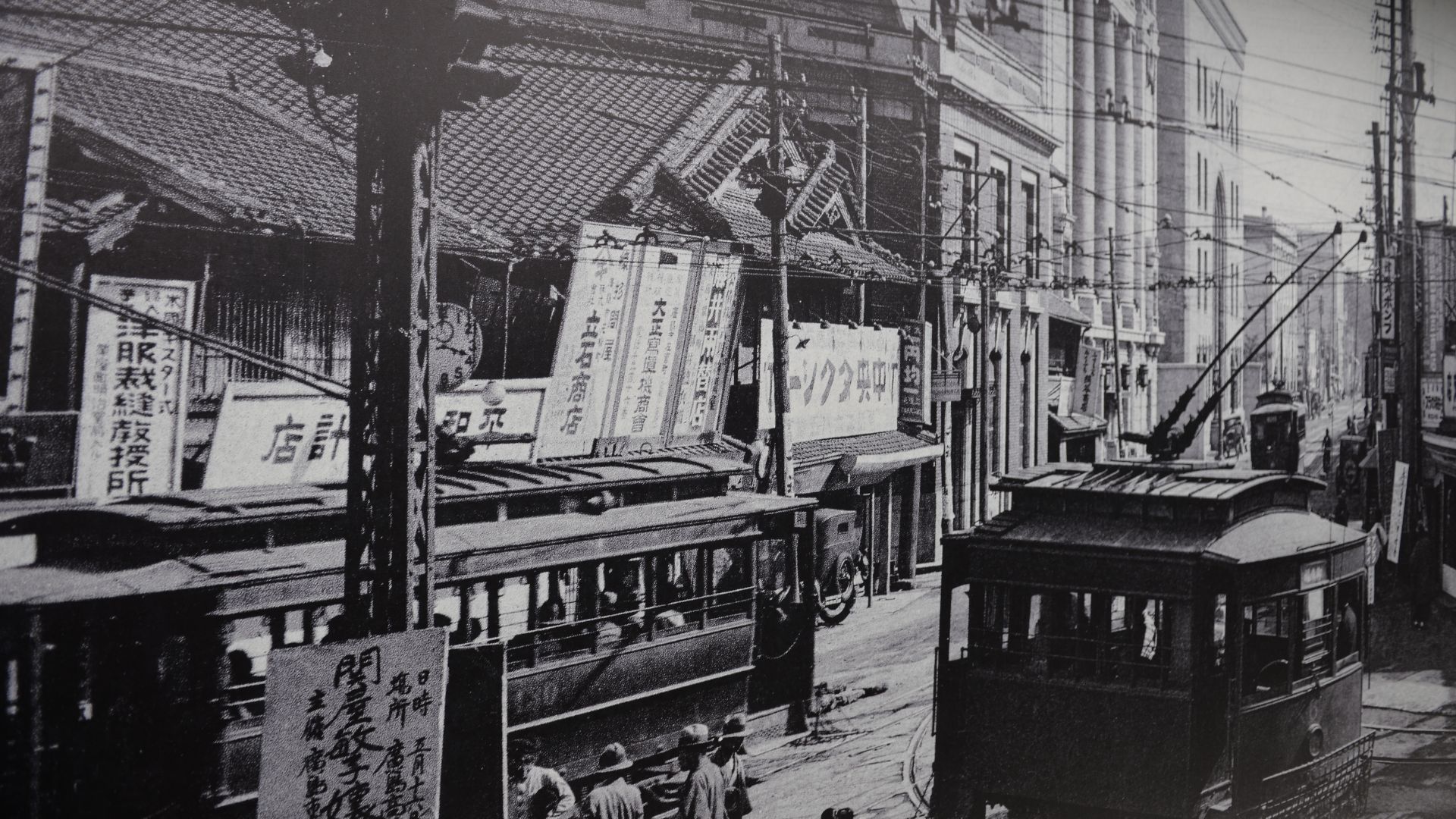 shankar s. from Poona (pune), India, India, Wikimedia Commons
Khrushchev Buries The West
Nikita Khrushchev alarmed Western audiences in 1956 when his Russian words were famously rendered as “We will bury you.” It sounded like a threat of annihilation, but Khrushchev was invoking Marxist ideas about communism outlasting capitalism, closer to saying the Soviet system would live to see capitalism's funeral. But the damage was already done.
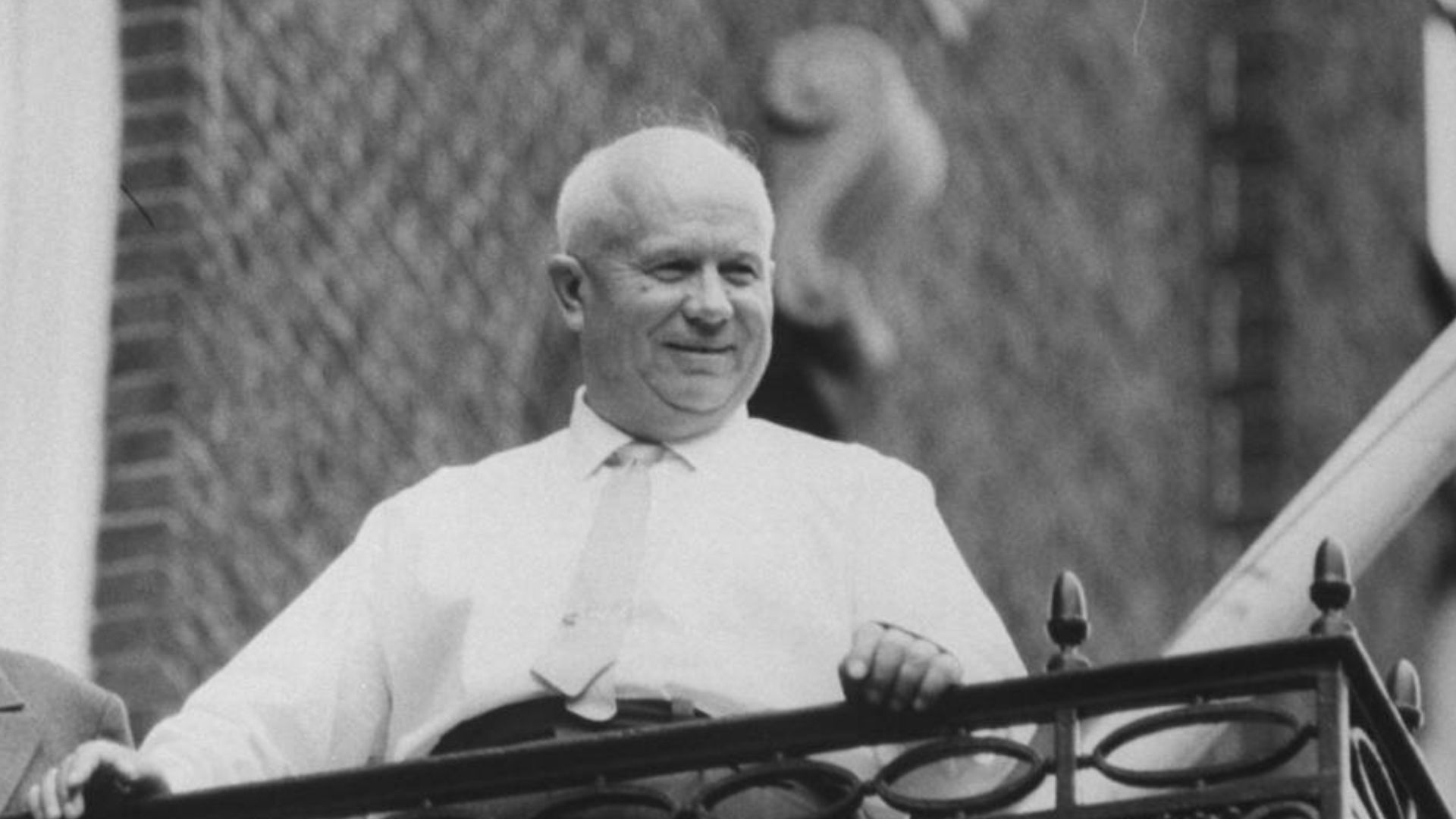 Life Magazine - Hank Walker, Wikimedia Commons
Carter's Polish Adventure
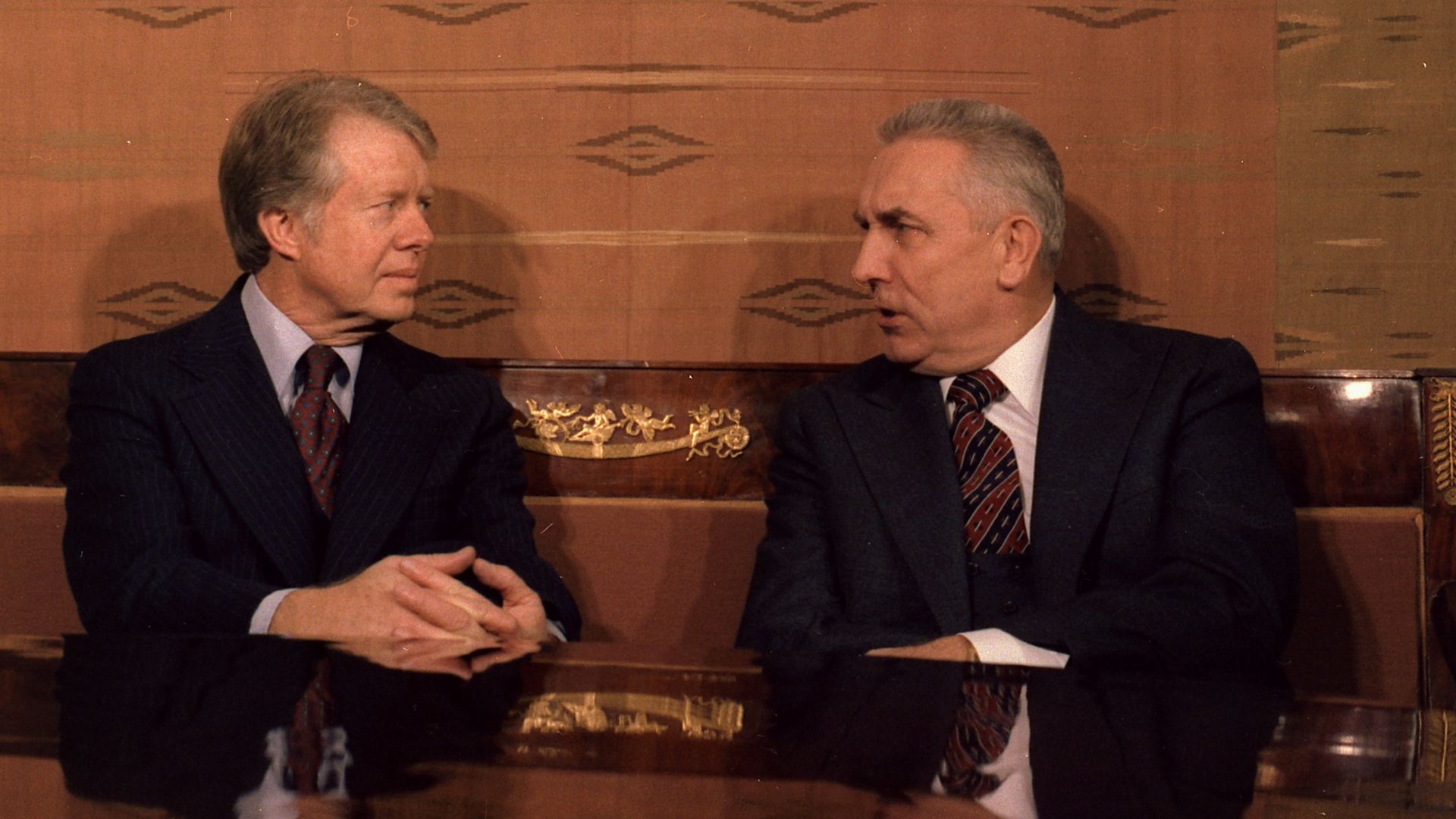
Jimmy Carter visited Poland in 1977 hoping to improve relations, only for his interpreter to produce some spectacularly unfortunate Polish. Carter's comments about understanding Polish desires reportedly emerged as something resembling passionate romantic physical arousal, while his statement about leaving the United States became language suggesting permanent abandonment. The visit became diplomatic comedy.
 Unknown authorUnknown author or not provided, Wikimedia Commons
History's most fascinating stories and darkest secrets, delivered to your inbox daily.
A Very Different Treaty
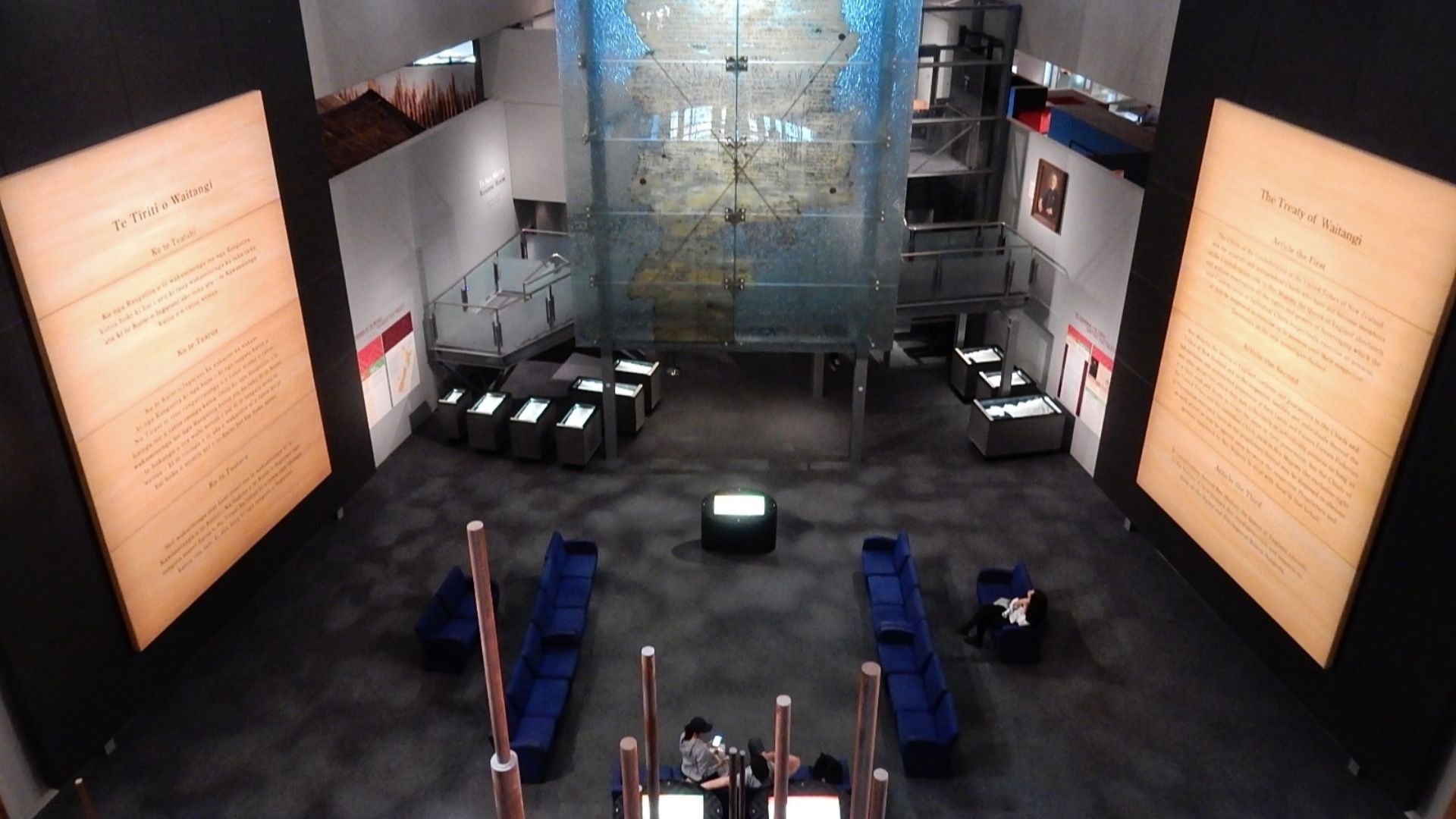
New Zealand's Treaty of Waitangi shows why translation can be more dangerous than an obvious blunder. The Māori version was produced overnight by missionary Henry Williams and his son Edward. Most rangatira (Māori chiefs) signed that version, not the English document, making the precise meaning of its carefully chosen terminology enormously consequential.
 Michael Coghlan from Adelaide, Australia, Wikimedia Commons
Moses Grew Horns
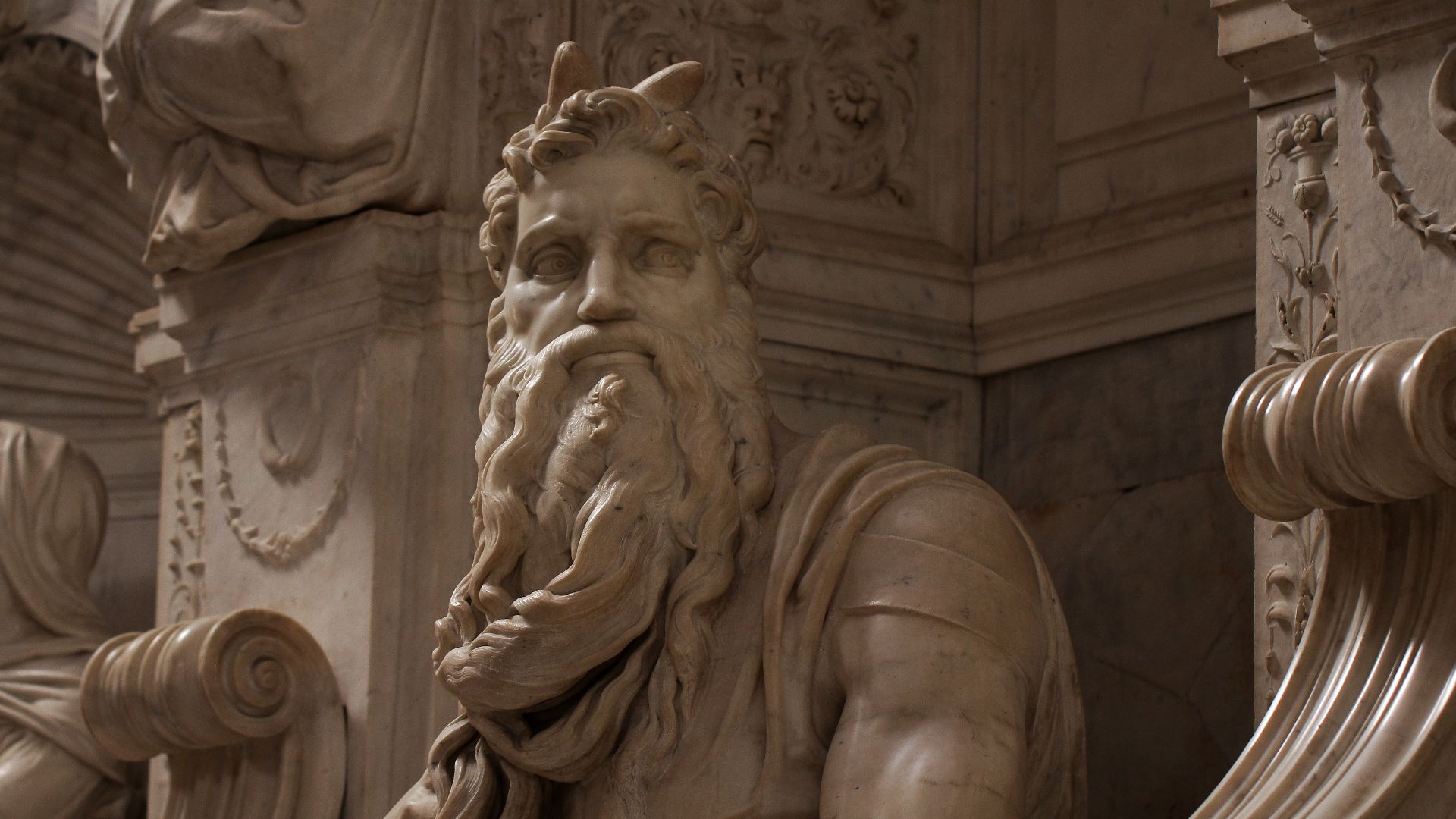
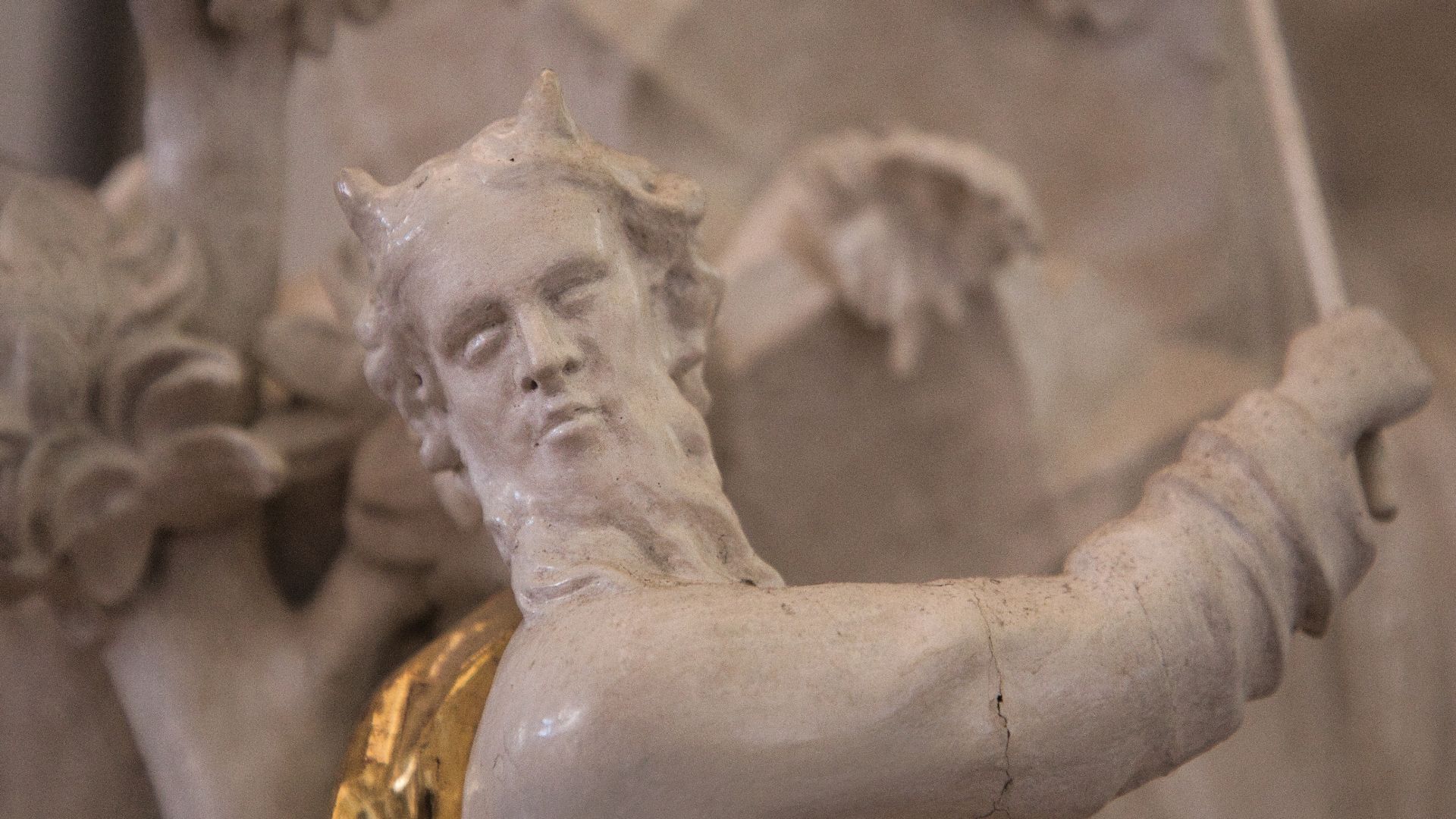
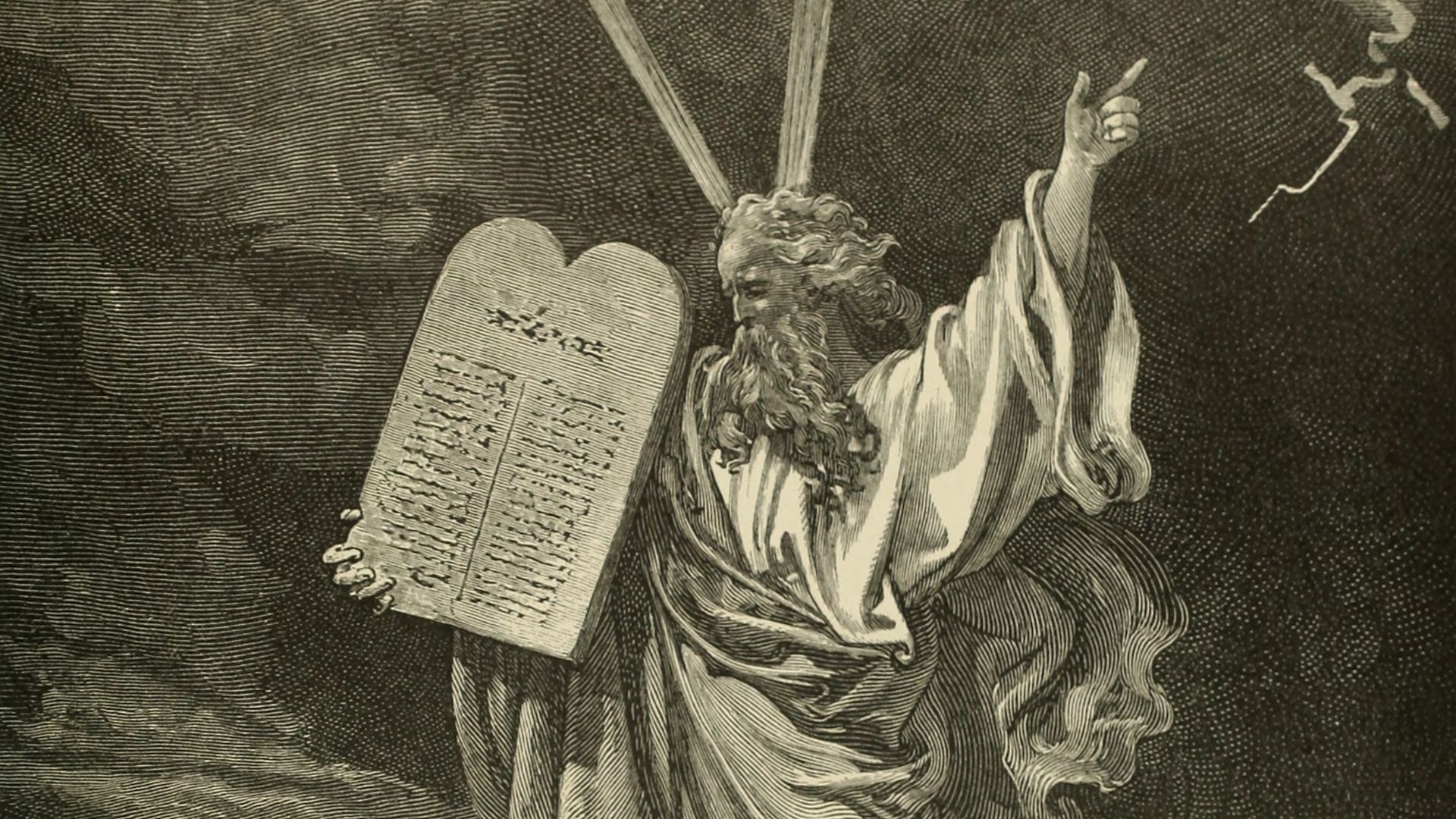
For centuries, Western artists sometimes portrayed Moses with horns, most famously Michelangelo. The tradition is commonly blamed on Jerome's Latin rendering of a Hebrew passage describing Moses after encountering God. But scholars caution that Jerome probably made a deliberate interpretive choice rather than simply confusing “horned” with “radiant.”
 Jörg Bittner Unna, Wikimedia Commons
Michelangelo Followed Tradition
Whatever Jerome intended, the Latin Vulgate helped establish the horned Moses in Christian art. By Michelangelo's time, the imagery had centuries of precedent behind it. It is a wonderful reminder that an ambiguous translation does not need to start a war to leave an enormous cultural footprint lasting more than a millennium.
Virgin Or Young Woman?
Isaiah 7:14 became one of history's most consequential translation debates. The Hebrew "almah" refers to a young woman, while the ancient Greek Septuagint used "parthenos," commonly understood as virgin. Matthew's Gospel later applied the passage to Jesus. What began as a translation choice became deeply embedded in Christian theology.
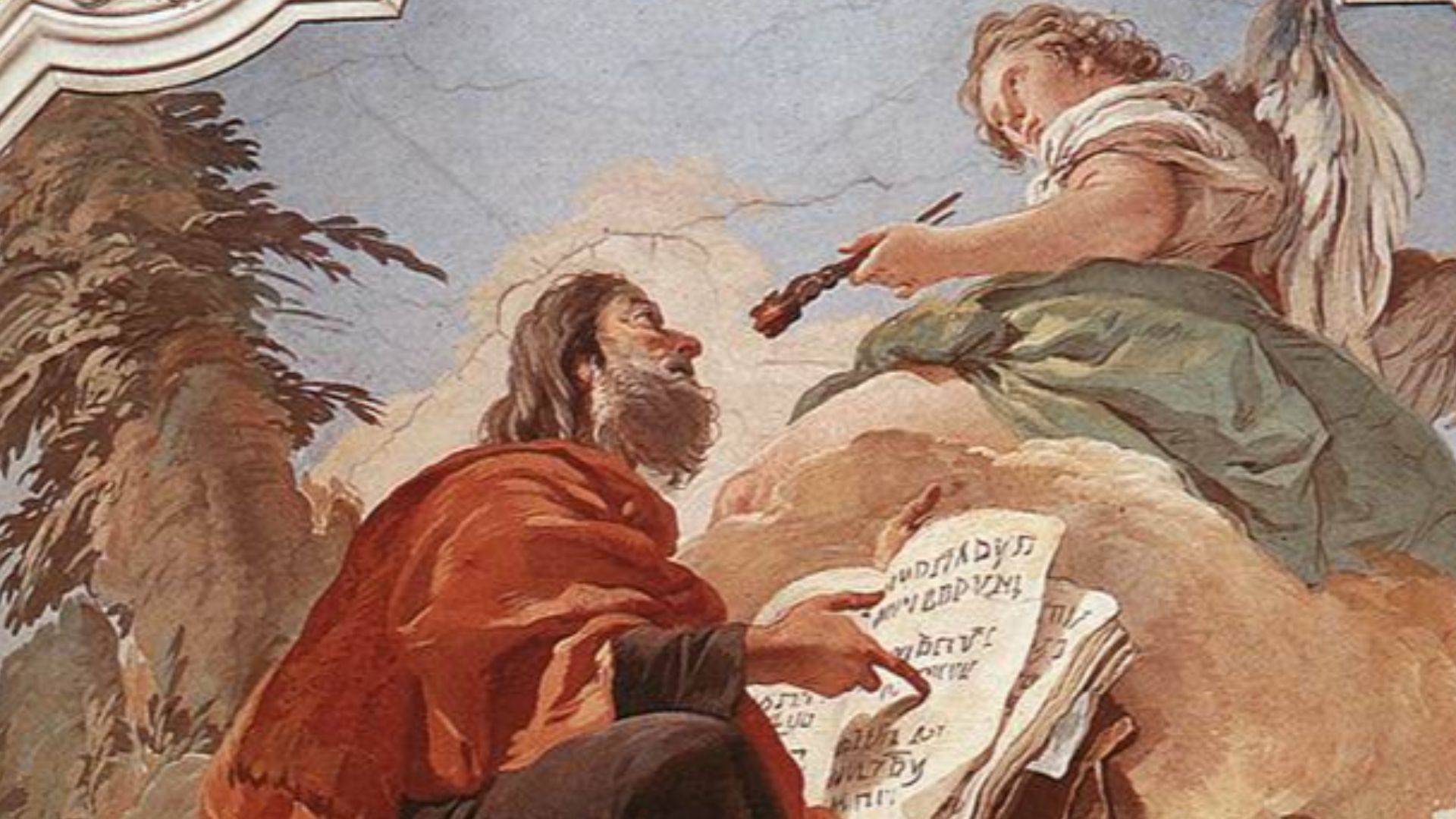 Giovanni Battista Tiepolo, Wikimedia Commons
Kill Or Murder?
The commandment traditionally rendered in English as “Thou shalt not kill” has generated centuries of confusion. The underlying Hebrew verb is more specifically associated with unlawful killing or murder, rather than every conceivable act of taking life. The distinction mattered enormously in theological arguments over warfare, execution and self-defense.
![The Gutenberg Bible
[Bible, Latin Vulgate. Ca. 1455]. Biblia Latina. [Mainz: Johann Gutenberg, ca. 1455].
Rare Books Division. From the Lenox Library
The first substantial printed book is this royal-folio two-volume Bible, comprising nearly 1,300 pages](https://www.factinate.com/storage/app/media/factinate/2026/9/22/17900832094edb48b71ee1cc06ee4d254f4a53cab678f61a00.jpg) NYC Wanderer (Kevin Eng), Wikimedia Commons
NYC Wanderer (Kevin Eng), Wikimedia Commons
Witch Or Sorceress?
The King James Bible famously rendered Exodus 22:18 as “Thou shalt not suffer a witch to live.” The underlying Hebrew term is more closely associated with someone practicing sorcery or magic. During centuries of European and colonial witch persecution, biblical language helped provide religious justification for prosecuting supposed witches.
 Foster, William A. [from old catalog], Wikimedia Commons
History's most fascinating stories and darkest secrets, delivered to your inbox daily.
Lucifer Became A Name
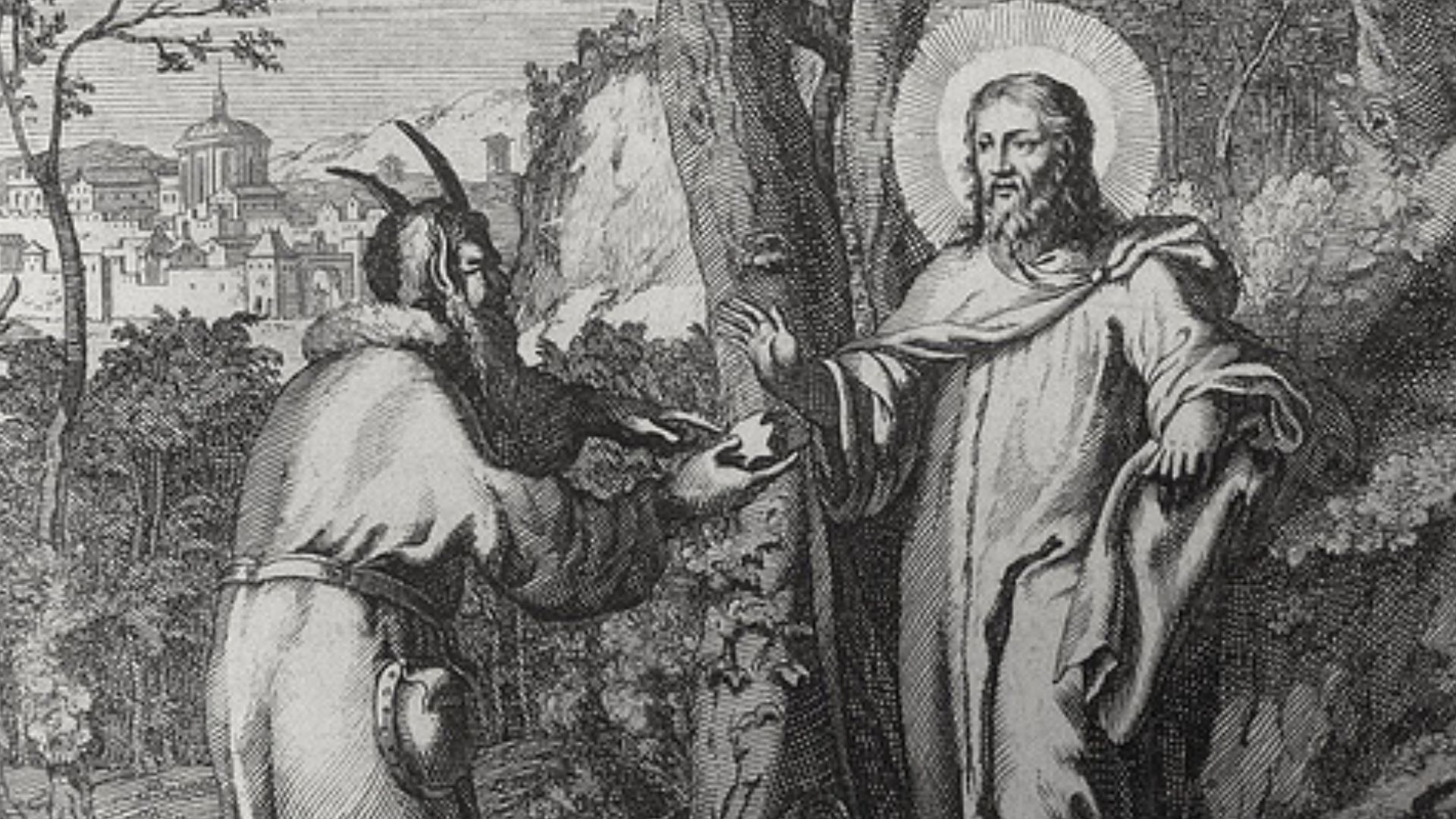
In Isaiah, a taunt against a fallen ruler includes imagery of a fallen “morning star.” Jerome's Latin used lucifer, literally a light-bearer or morning star. Over centuries of interpretation and translation, Lucifer increasingly became understood as the personal name of Satan, transforming an ordinary Latin expression into something far more ominous.
The Bible Multiplied Problems
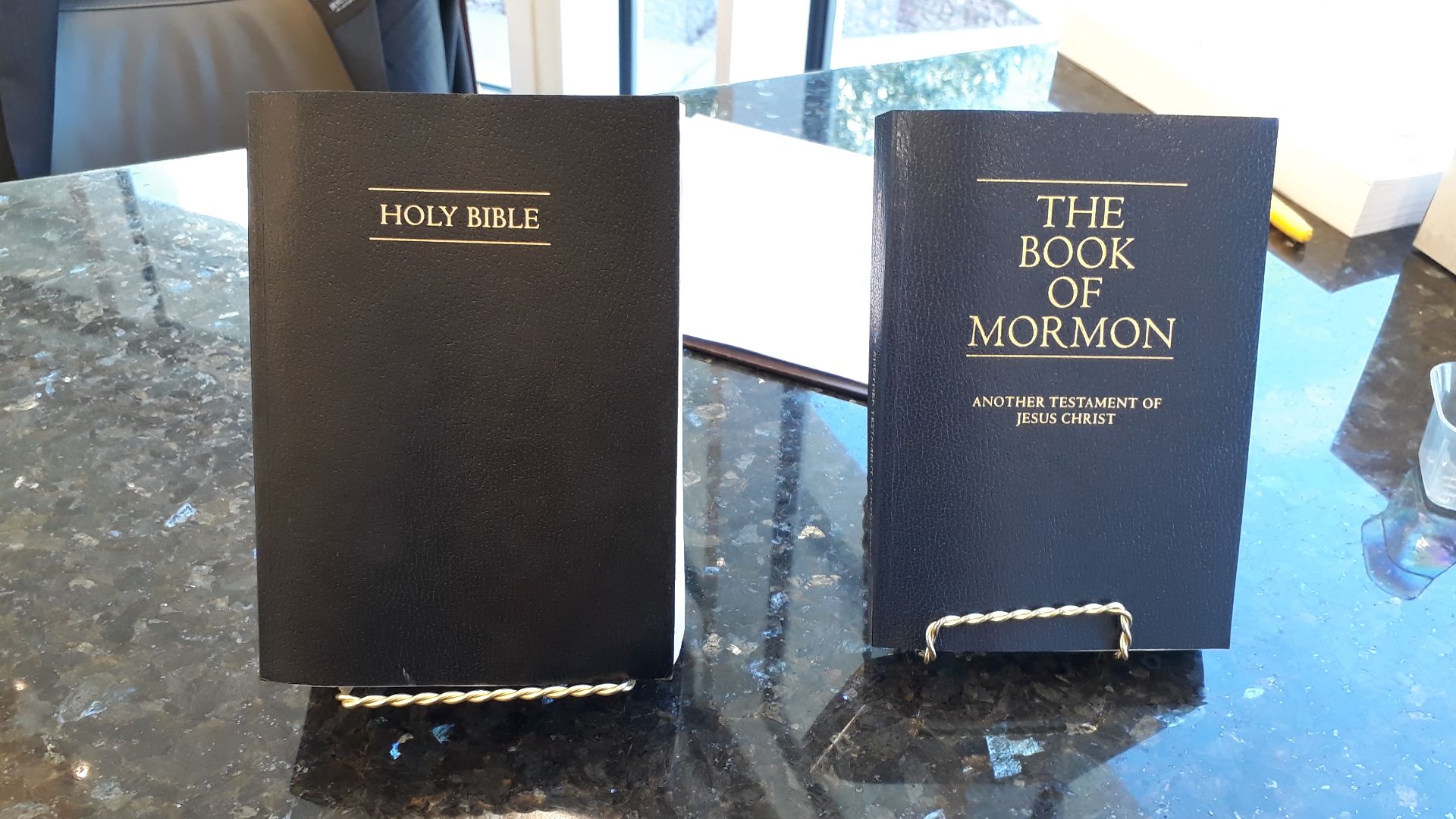
Biblical translation is especially treacherous because translators worked across Hebrew, Aramaic, Greek and Latin, often centuries after texts were composed. A single ambiguous word could become doctrine, inspire artwork or influence law. Calling every disputed rendering a “mistake” oversimplifies matters, but the historical consequences of translation choices were enormous.
 Niels Hoogvliet, Wikimedia Commons
Resolution 242's Missing Word
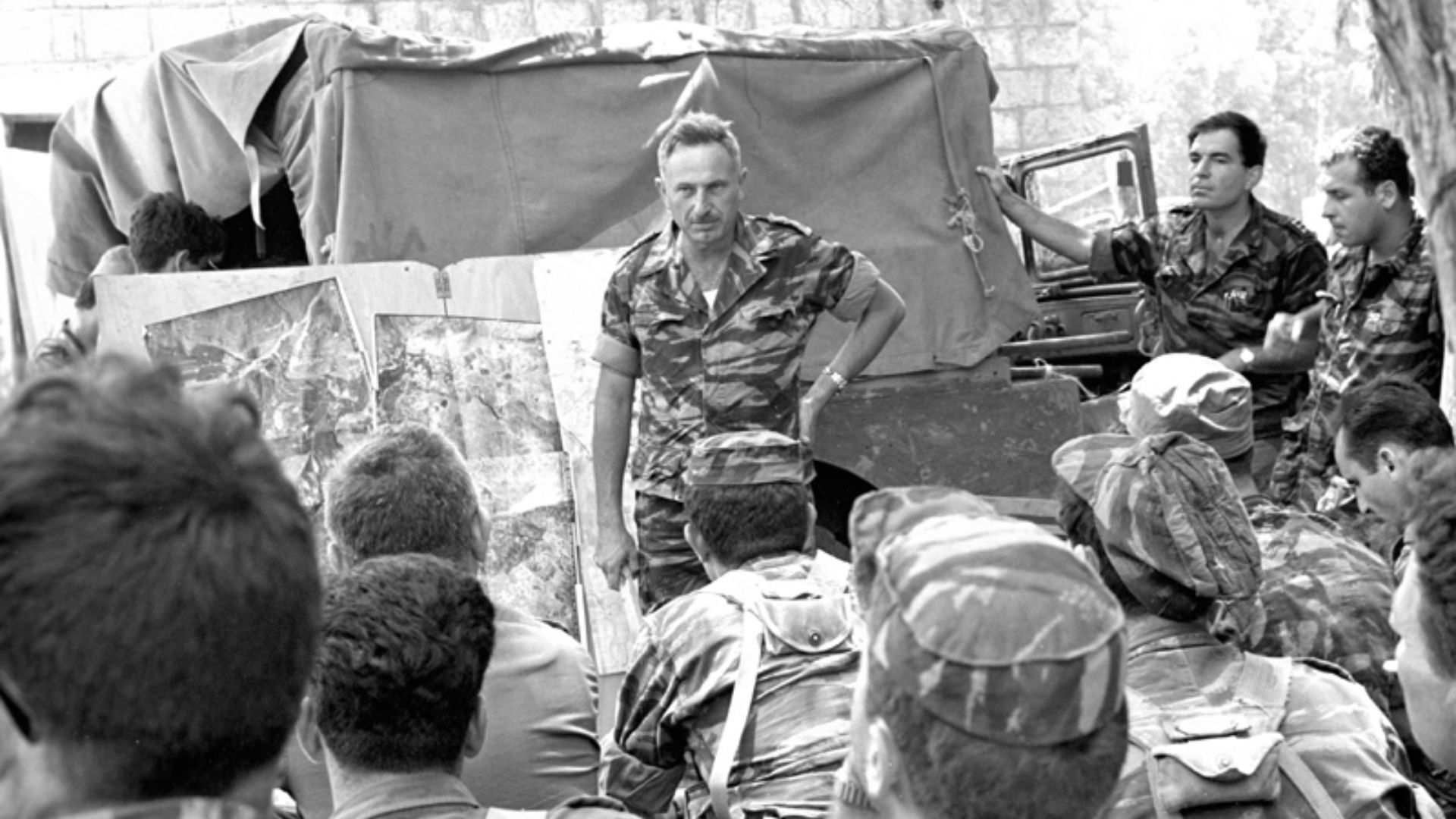
After the Six-Day War, UN Security Council Resolution 242 called for Israeli withdrawal “from territories occupied” during the conflict. The French version referred to withdrawal “des territoires occupés,” commonly read as “from the occupied territories.” Arguments over that linguistic difference became part of decades of debate over the resolution's requirements.
 יוסף לויטה / Bamahane photographer, Wikimedia Commons
Diplomacy Needs Ambiguity
Resolution 242 demonstrates another strange possibility: sometimes ambiguous language is useful. Diplomats may accept wording precisely because different parties can interpret it differently. That can secure an agreement today while storing up arguments for tomorrow. Translation then becomes especially hazardous because another language may eliminate ambiguity the original negotiators intentionally preserved.
![Ghaleb Ali Jamil representing Yemen at the UN General Assembly in New York, December 14, 1967. On this date was discussed a resolution on the Admission of the People's Republic of Southern Yemen to membership in the United Nations.[1]](https://www.factinate.com/storage/app/media/factinate/2026/9/22/1790084316baa40d68b0a3aab65f63dfa1da4026567b2cf204.jpg) Contributor376, Wikimedia Commons
Contributor376, Wikimedia Commons
Treaty Words Become Weapons
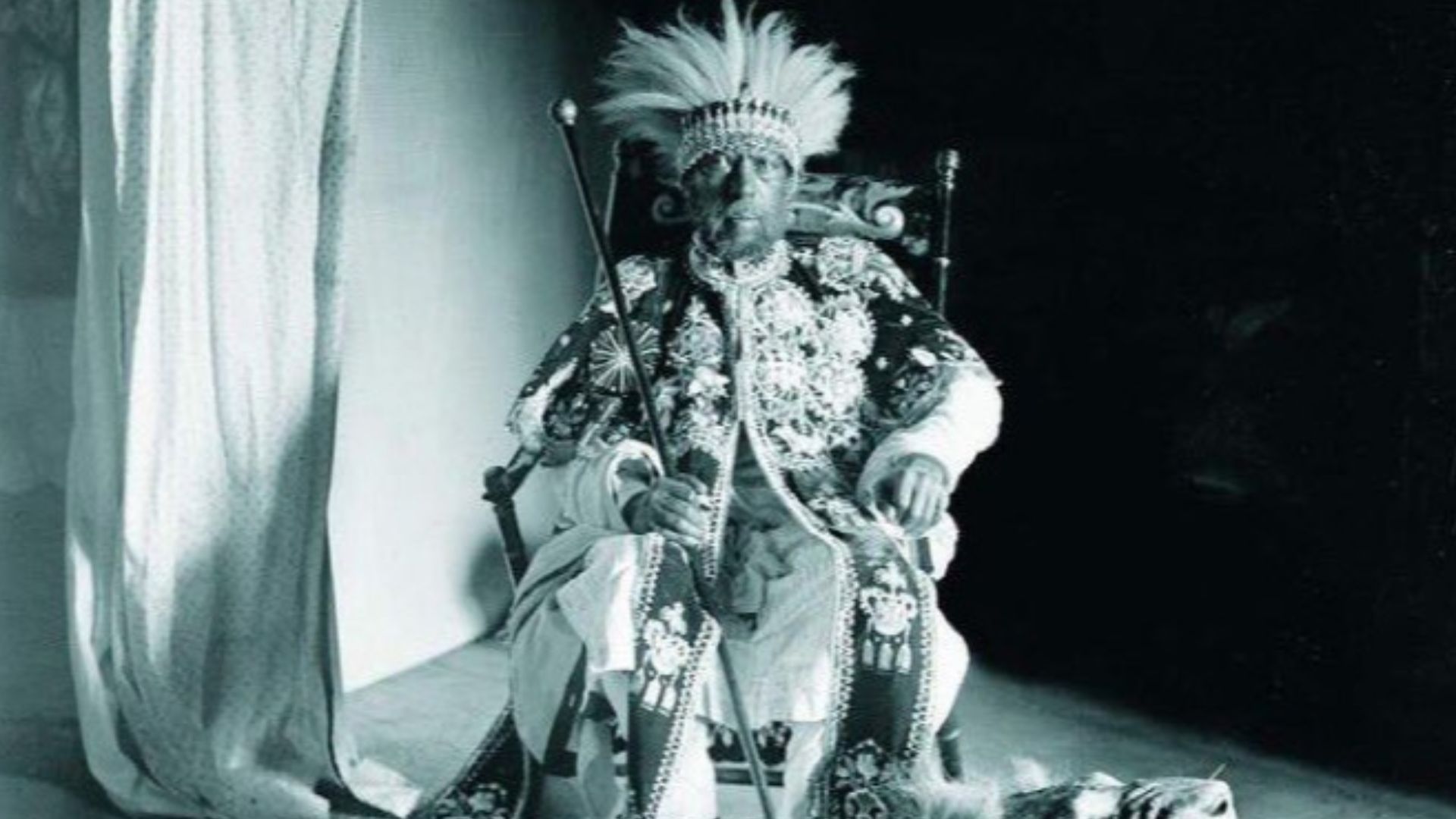
The Treaty of Wuchale offers the opposite lesson. Emperor Menelik II's Amharic text treated Italian diplomatic assistance as optional. Italy interpreted its text as establishing control over Ethiopia's foreign relations and informed other powers that Ethiopia was its protectorate. Menelik repudiated the treaty, helping set the stage for the First Italo-Ethiopian War.
 Unknown authorUnknown author, Wikimedia Commons
Adwa Settled The Argument
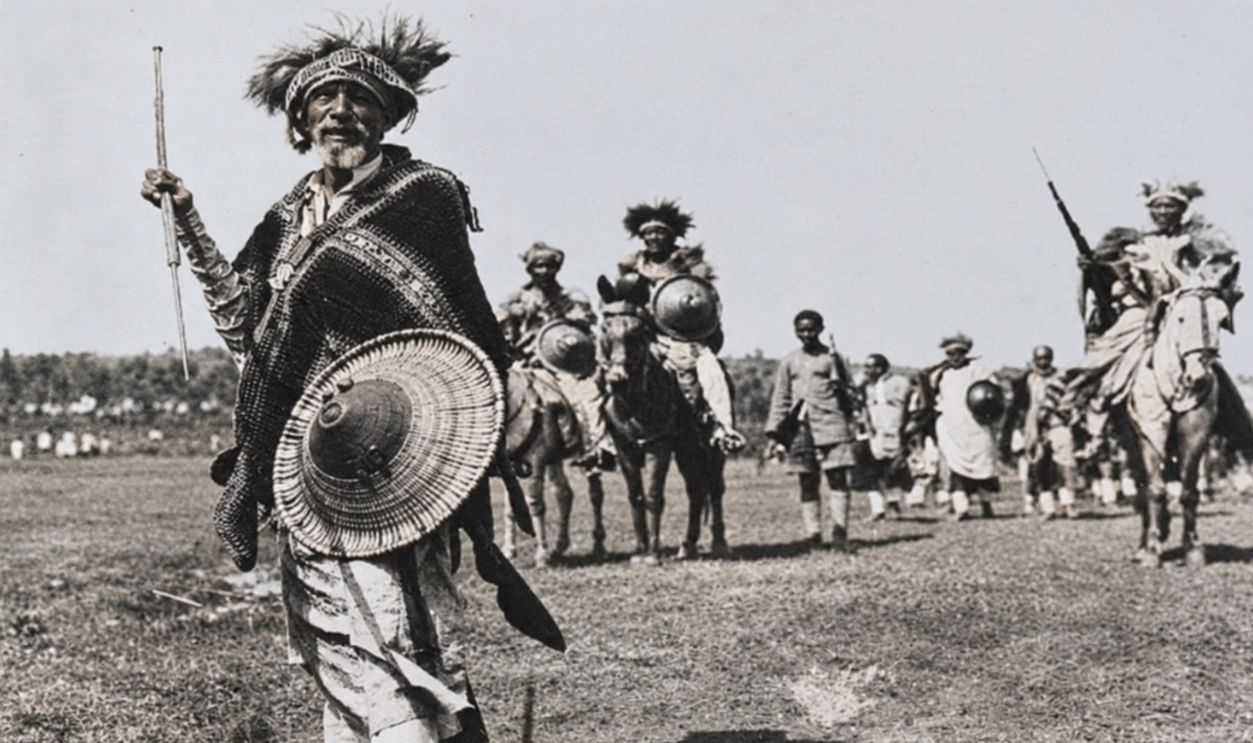
Italy attempted to enforce its colonial ambitions militarily, only to suffer a crushing defeat at the Battle of Adwa in 1896. Ethiopia preserved its independence. The conflict had causes extending far beyond grammar, but the incompatible treaty texts became a major diplomatic flashpoint in the confrontation between Menelik's Ethiopia and expansionist Italy.
 Unknown authorUnknown author, Wikimedia Commons
History's most fascinating stories and darkest secrets, delivered to your inbox daily.
Words Without Equivalents
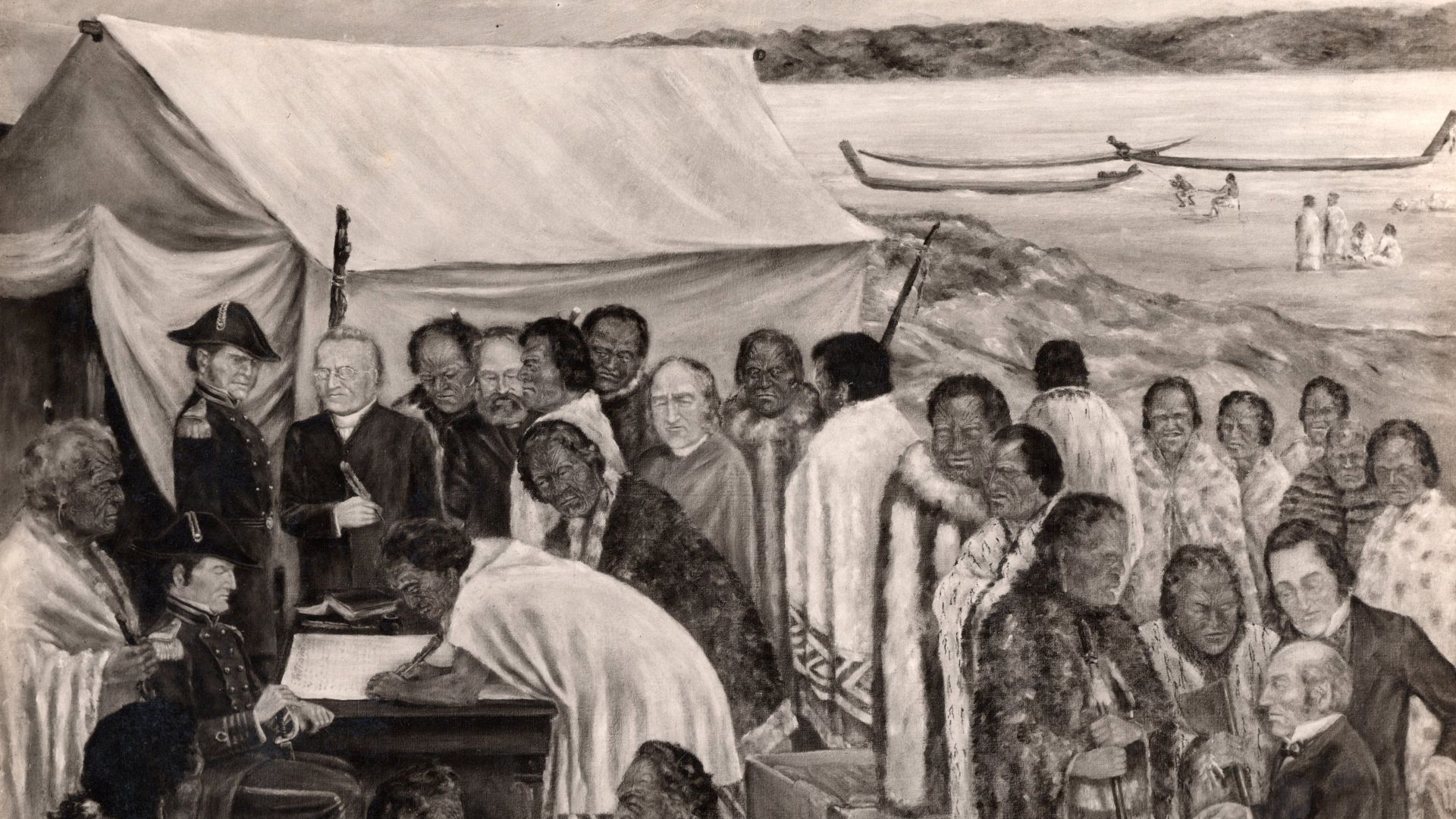
Many historic “mistranslations” occurred because there simply wasn't an equivalent word available. The Treaty of Waitangi translators faced exactly this problem with “sovereignty.” Māori political concepts did not map neatly onto British constitutional language, and their word "kāwanatanga" carried associations with governorship rather than necessarily conveying complete surrender of chiefly authority.
 Archives New Zealand from New Zealand, Wikimedia Commons
Interpreters Held Enormous Power
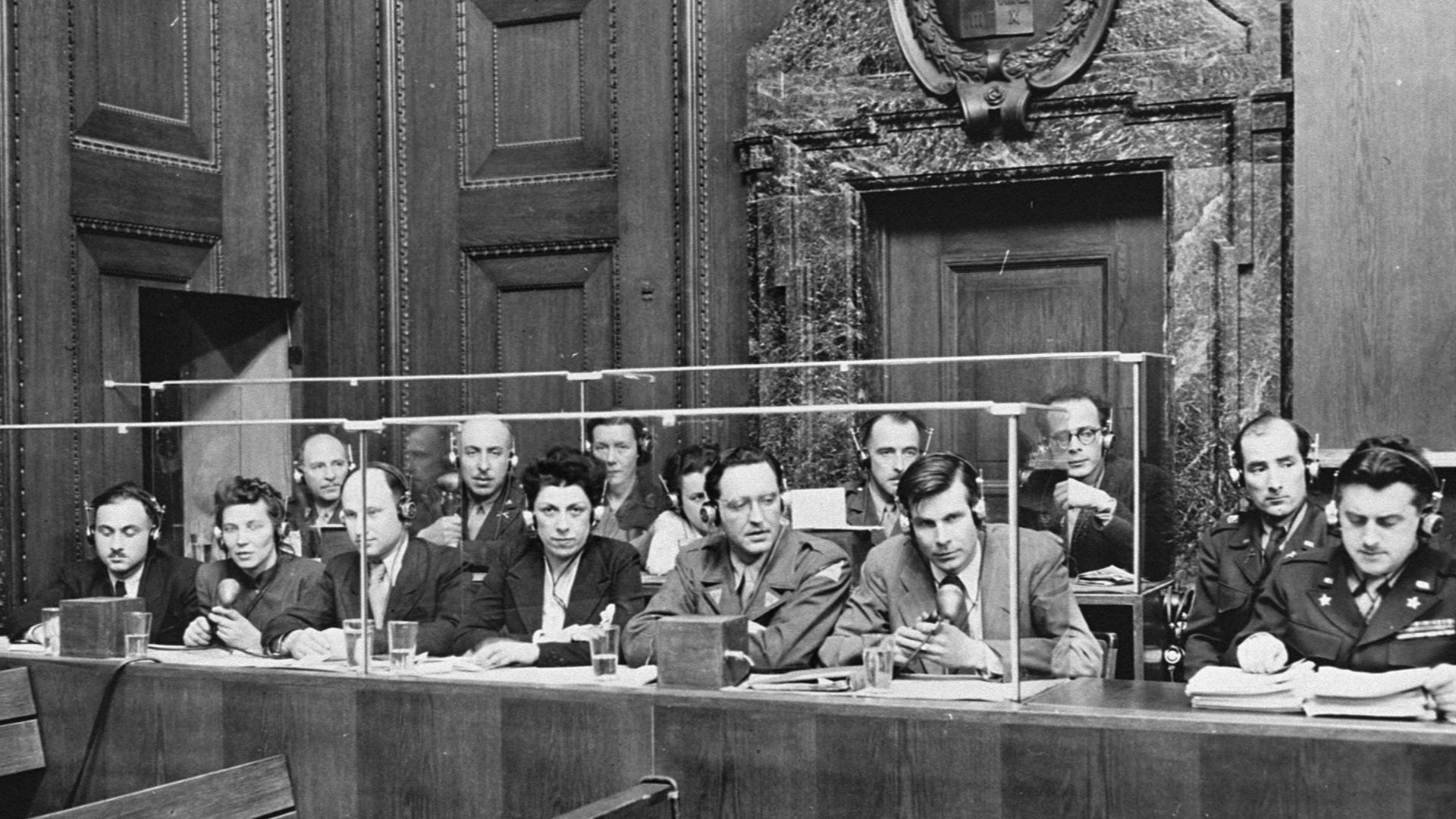
Before recording devices and professional diplomatic translation services, negotiations could depend upon a handful of interpreters. They weren't merely replacing one word with another. They had to communicate unfamiliar legal, political and cultural concepts instantly, sometimes between societies whose understandings of land ownership, sovereignty and treaty-making were fundamentally different.
 S. J. Thompson, Wikimedia Commons
Sometimes Nobody Notices
The most dangerous translation problems aren't necessarily hilarious mistakes. Obvious nonsense can be corrected immediately. A sentence that sounds perfectly reasonable while quietly changing “may” into “must,” “governance” into “sovereignty,” or a metaphor into a literal statement can survive long enough for governments to begin acting upon it.
 Raymond D'Addario, Wikimedia Commons
Myths Make It Worse
Translation disasters also attract irresistible legends. Hiroshima supposedly happened because of one Japanese word. Moses supposedly got horns because Jerome made an elementary mistake. Martians supposedly appeared because somebody confused “channels” with “canals.” Each story contains a real linguistic issue, but historians have found the simple versions misleading.
 Hyppolyte de Saint-Rambert, Wikimedia Commons
Context Changes Everything
A translator can understand every word in a sentence and still misunderstand what the speaker means. Idioms, sarcasm, metaphor, legal terminology and cultural assumptions rarely travel cleanly. Big Bear's “rope,” Khrushchev's “burial,” and the vocabulary of nineteenth-century treaties demonstrate how literal accuracy can still produce profound misunderstanding.
 F. Kayser (estimated. Original piece of photograph is owned by nl:Geldmuseum), Wikimedia Commons
History Hangs On Words
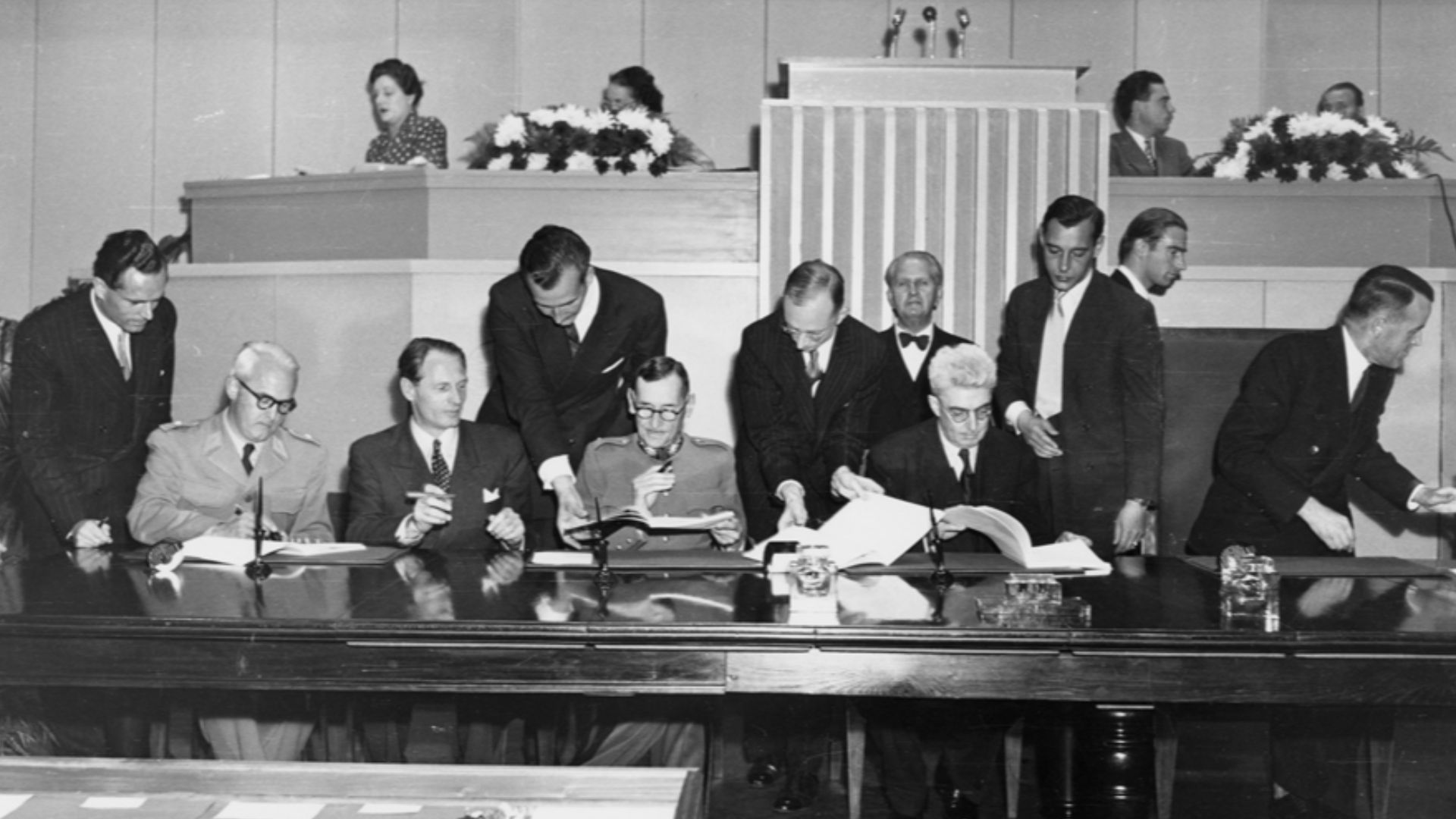
Wars rarely begin because of a dictionary mistake alone. Treaties aren't disputed solely because one translator chose the wrong verb. But language can magnify existing tensions, conceal disagreements and make compromise harder. Sometimes history turns not on what someone intended to say, but on what somebody else understood.
 British Red Cross., Wikimedia Commons
You May Also Like:
History's Most Spectacular Cases Of Mistaken Identity
Historical Heroes Who Became Famous For The Wrong Part Of Their Story