
The Stories History Left Half-Told
History often turns complicated people into simple characters. A lifetime of activism, innovation, or quiet courage may be reduced to one dramatic ride, one refusal, or one memorable photograph. These heroes deserved their fame, but the stories that made them famous rarely captured the full importance of what they accomplished.
Paul Revere Was More Than A Midnight Rider
Paul Revere is usually pictured galloping alone through Massachusetts while shouting a warning about approaching British troops. In reality, William Dawes, Samuel Prescott, and other riders also helped spread the alarm, while Revere was captured before reaching Concord. His larger contribution included years of political organizing, intelligence gathering, engraving, manufacturing, and public communication before and after that famous night.
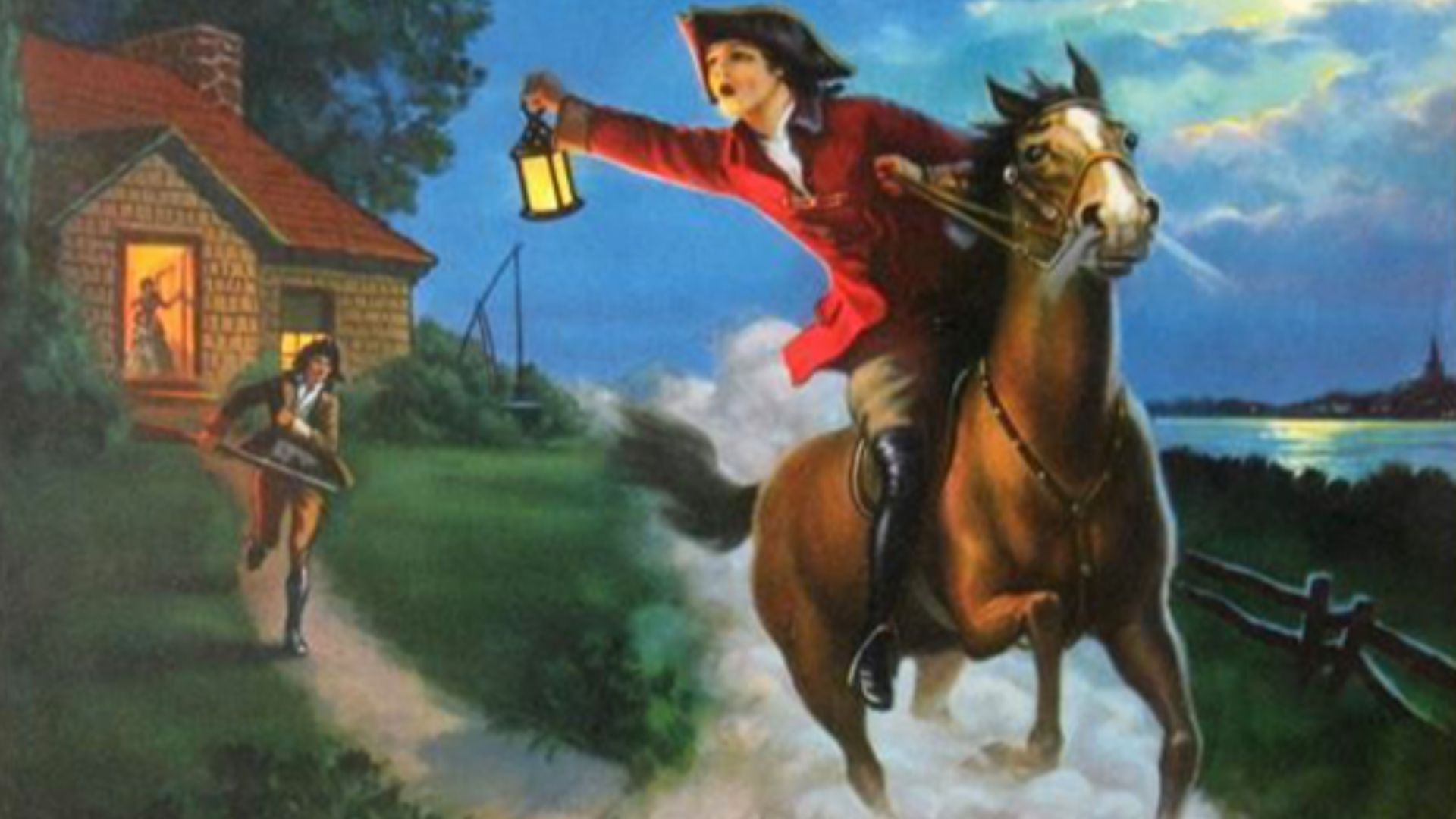 Edward Mason Eggleston (1882-1941), Wikimedia Commons
Harriet Tubman Also Led A Military Operation
Harriet Tubman is best known for guiding enslaved people to freedom through the Underground Railroad. During the Civil War, however, she also worked for the Union as a nurse, scout, spy, and organizer of an intelligence network. She helped plan and lead the 1863 Combahee River Raid, a military operation that disrupted Confederate resources and freed hundreds of enslaved people.
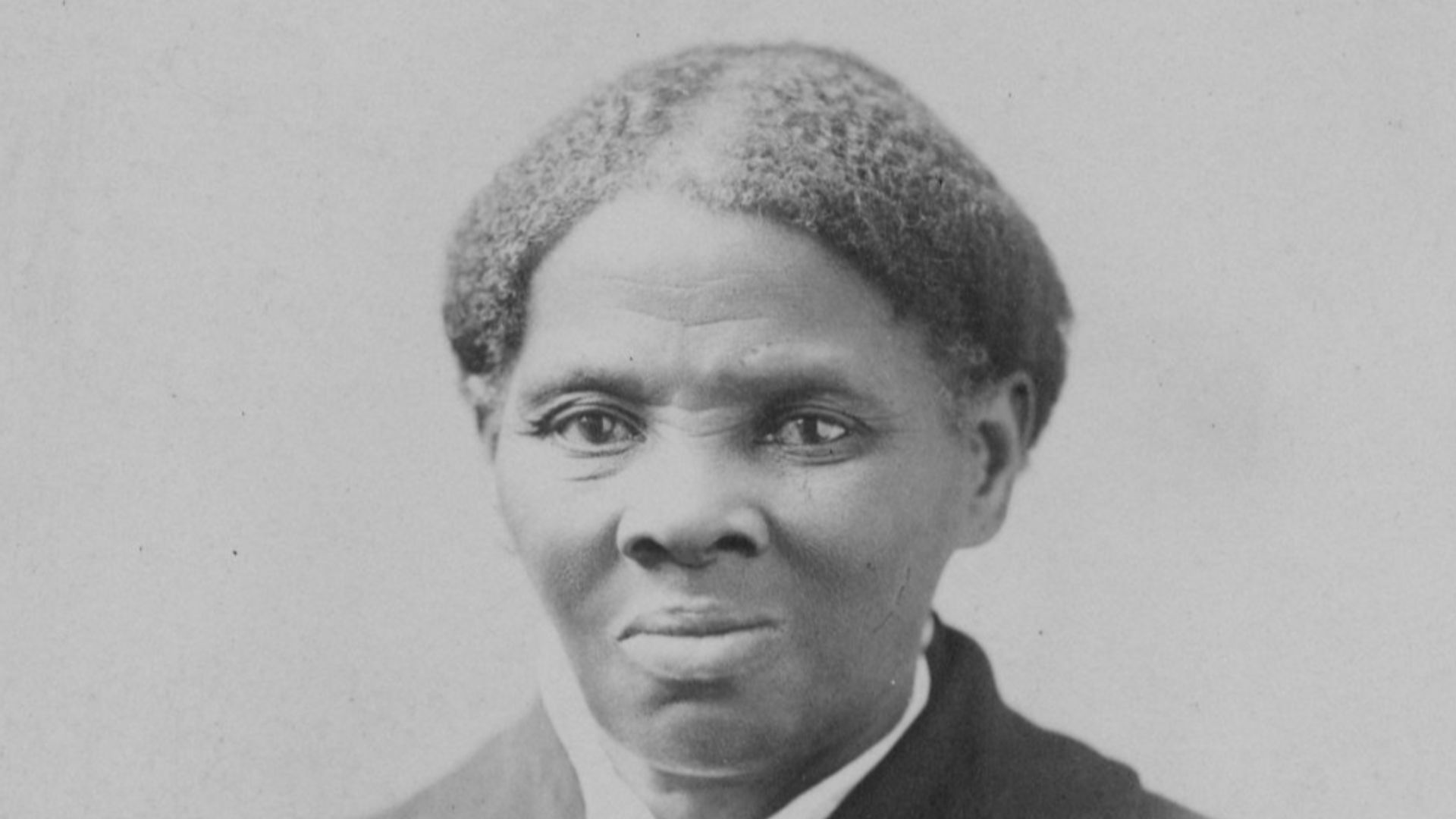 Unknown photographer, Wikimedia Commons
Rosa Parks Was Already A Seasoned Activist
The familiar version of Rosa Parks’s story presents her as a tired seamstress who spontaneously refused to surrender her bus seat. Parks had actually spent years working with the NAACP, helping with voter registration efforts, investigating racial violence, and supporting political campaigns. Her refusal on December 1, 1955, was a defining moment, but it came from a woman who was already deeply committed to organized resistance.
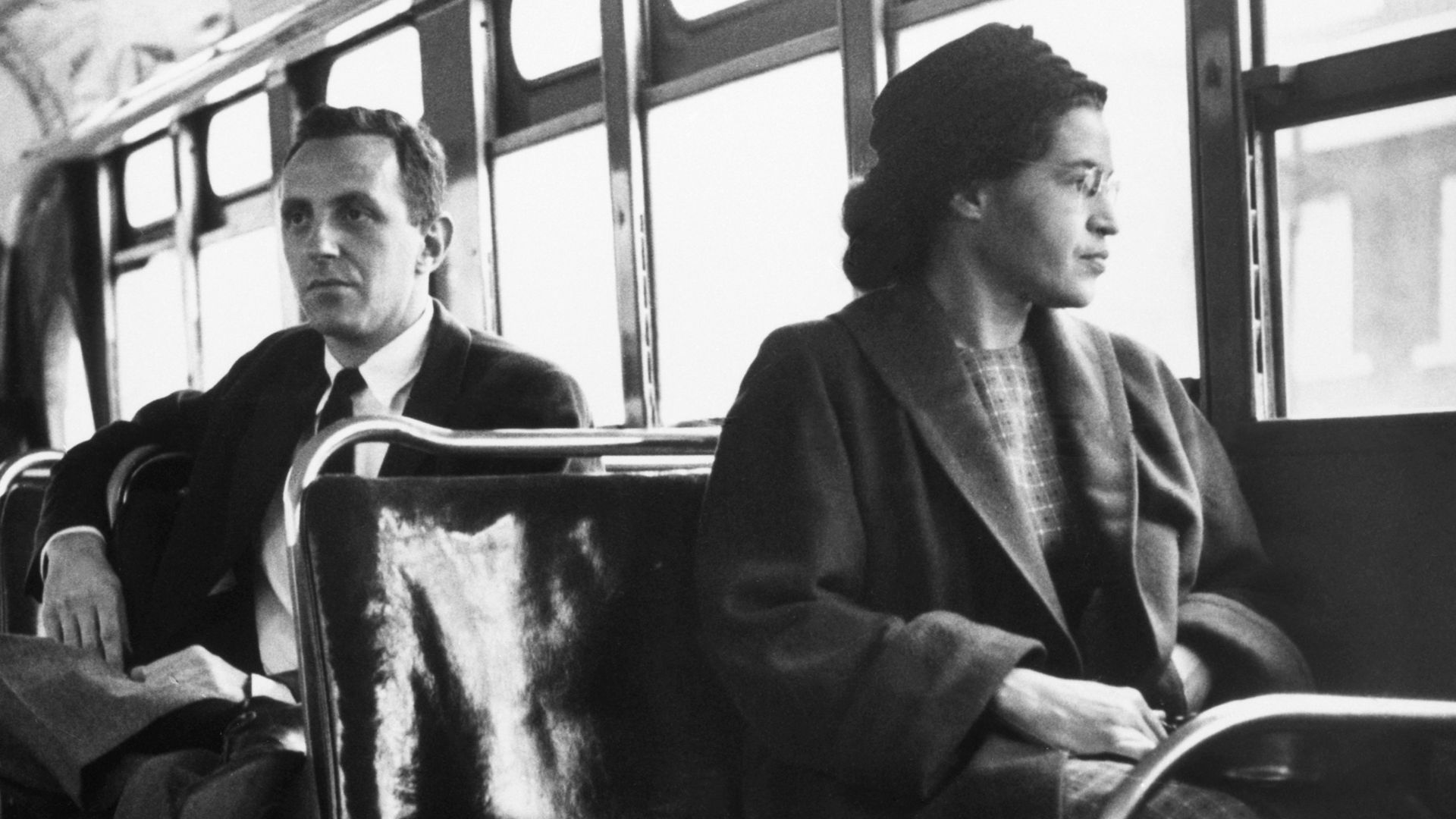 United Press International, Wikimedia Commons
Hedy Lamarr Was Not Just A Hollywood Beauty
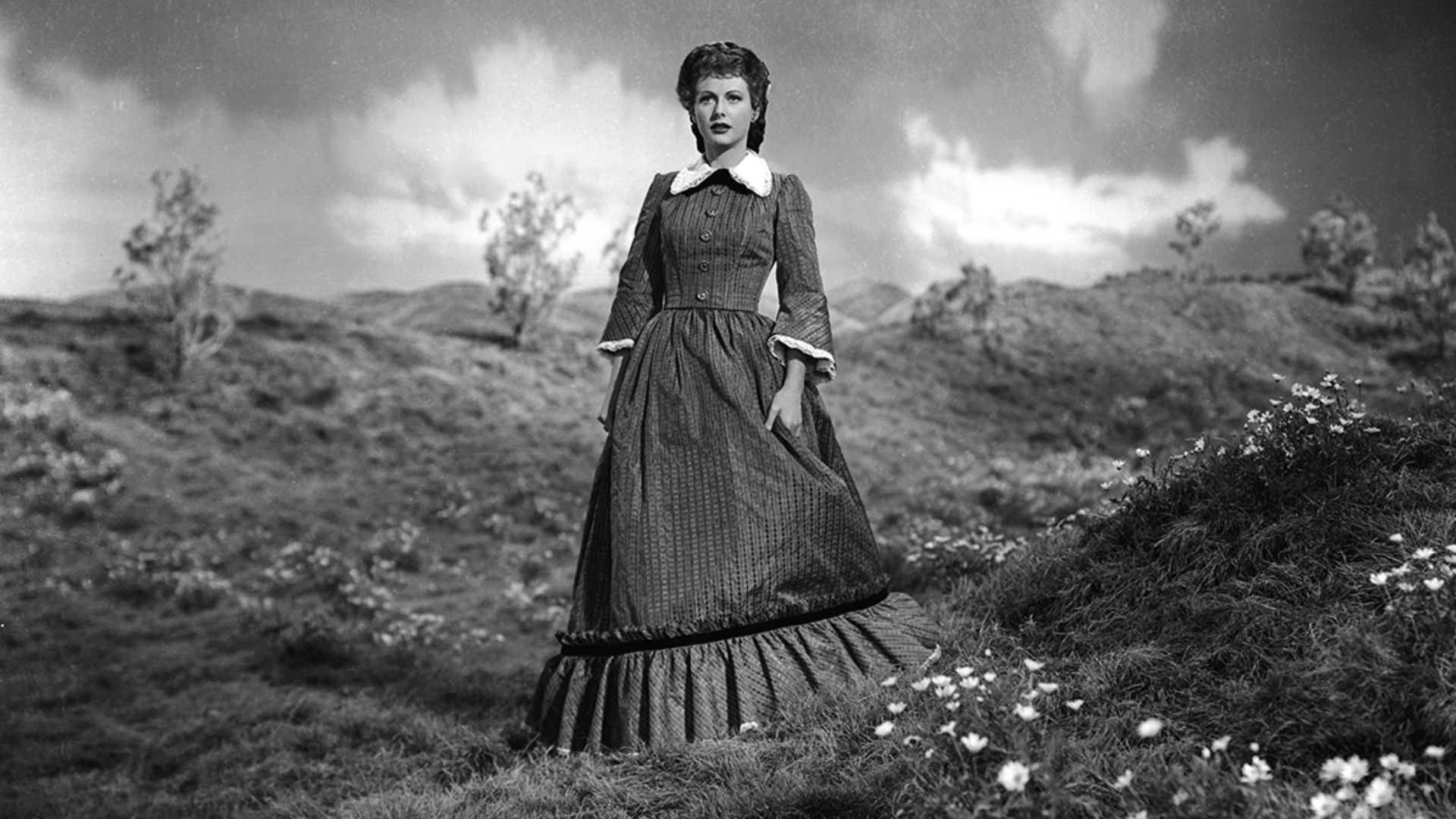
Hedy Lamarr became famous as a glamorous movie star, and publicity often focused more on her appearance than her ideas. During World War II, she and composer George Antheil developed a frequency-hopping communication system intended to prevent radio-guided weapons from being jammed. Their patented work later became associated with the development of spread-spectrum communication technologies.
Alan Turing Did More Than Break Enigma
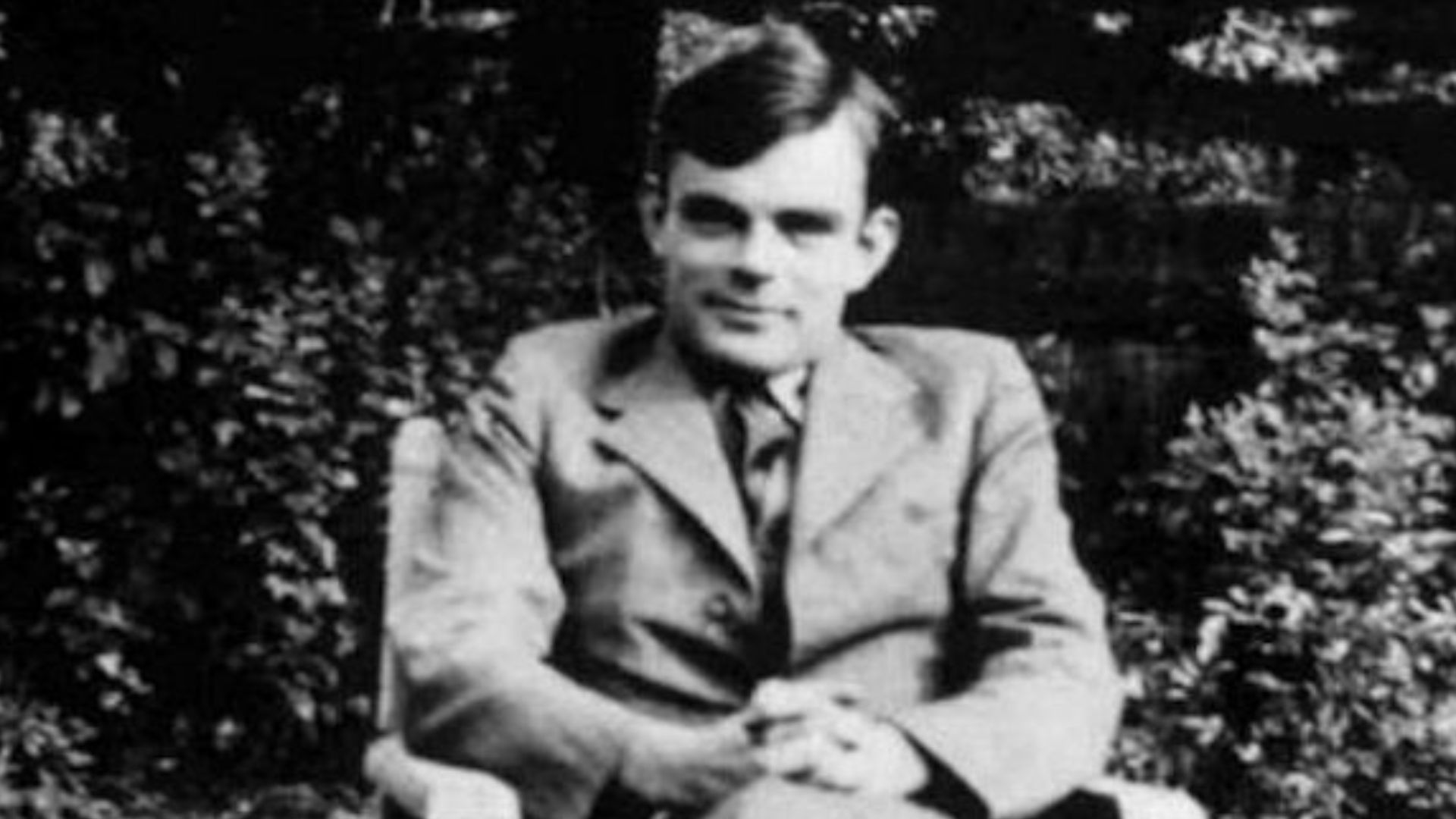
Alan Turing is often introduced as the brilliant codebreaker who helped defeat Nazi Germany. That achievement was extraordinary, but it represents only one stage of his career. Before and after the war, Turing developed foundational ideas about computation, worked on early programmable computers, and explored whether mathematical models could explain biological patterns.
 Unknown authorUnknown author, Wikimedia Commons
Clara Barton Was A Builder Of Systems
Clara Barton earned the nickname “Angel of the Battlefield” by bringing care and supplies to wounded Civil War soldiers. Her most lasting strength, however, may have been her ability to create organizations where none existed. She operated an office that helped locate missing soldiers, promoted international humanitarian agreements, and founded the American Red Cross at the age of 59.
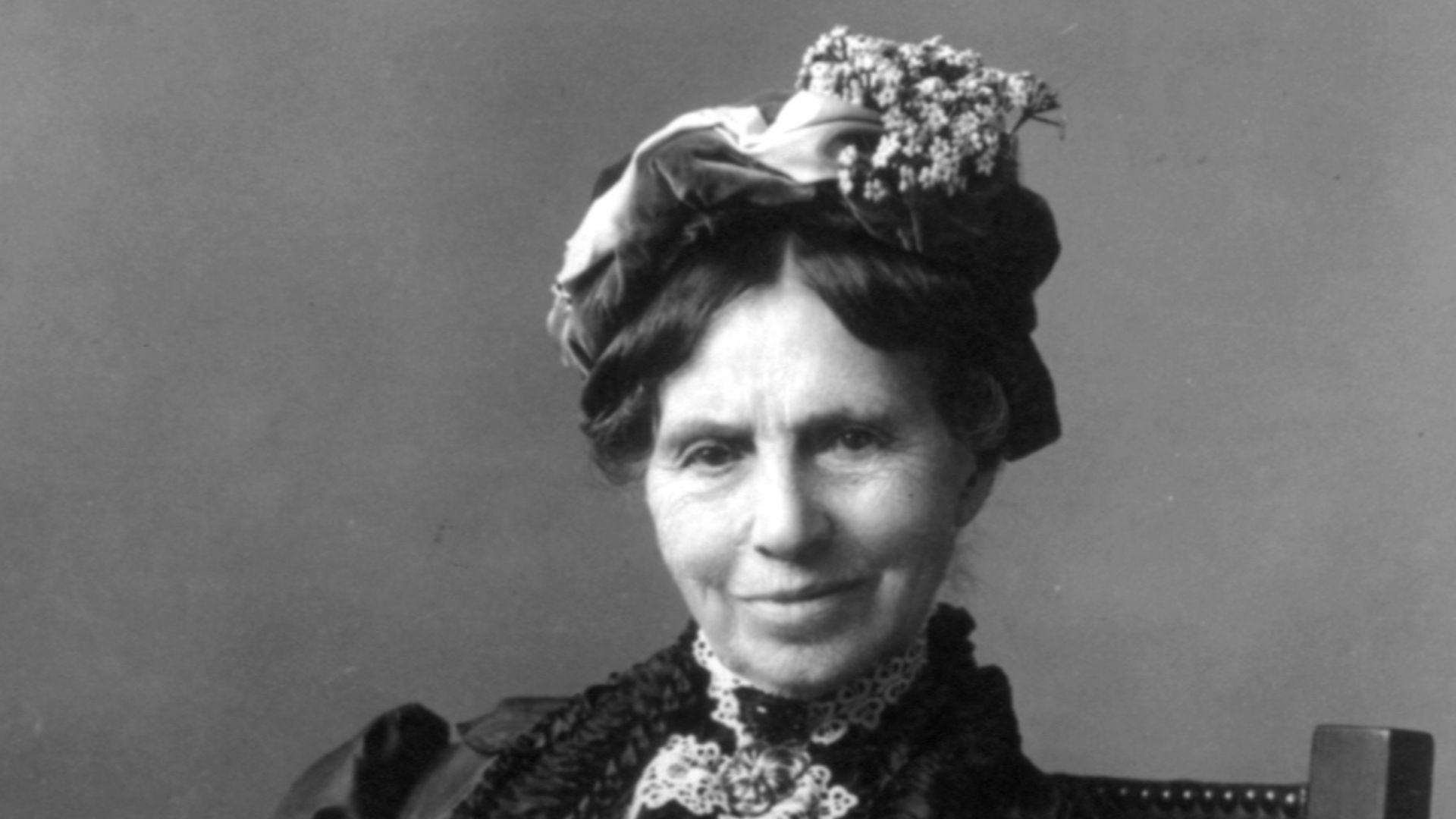 Elmer Chickering, Wikimedia Commons
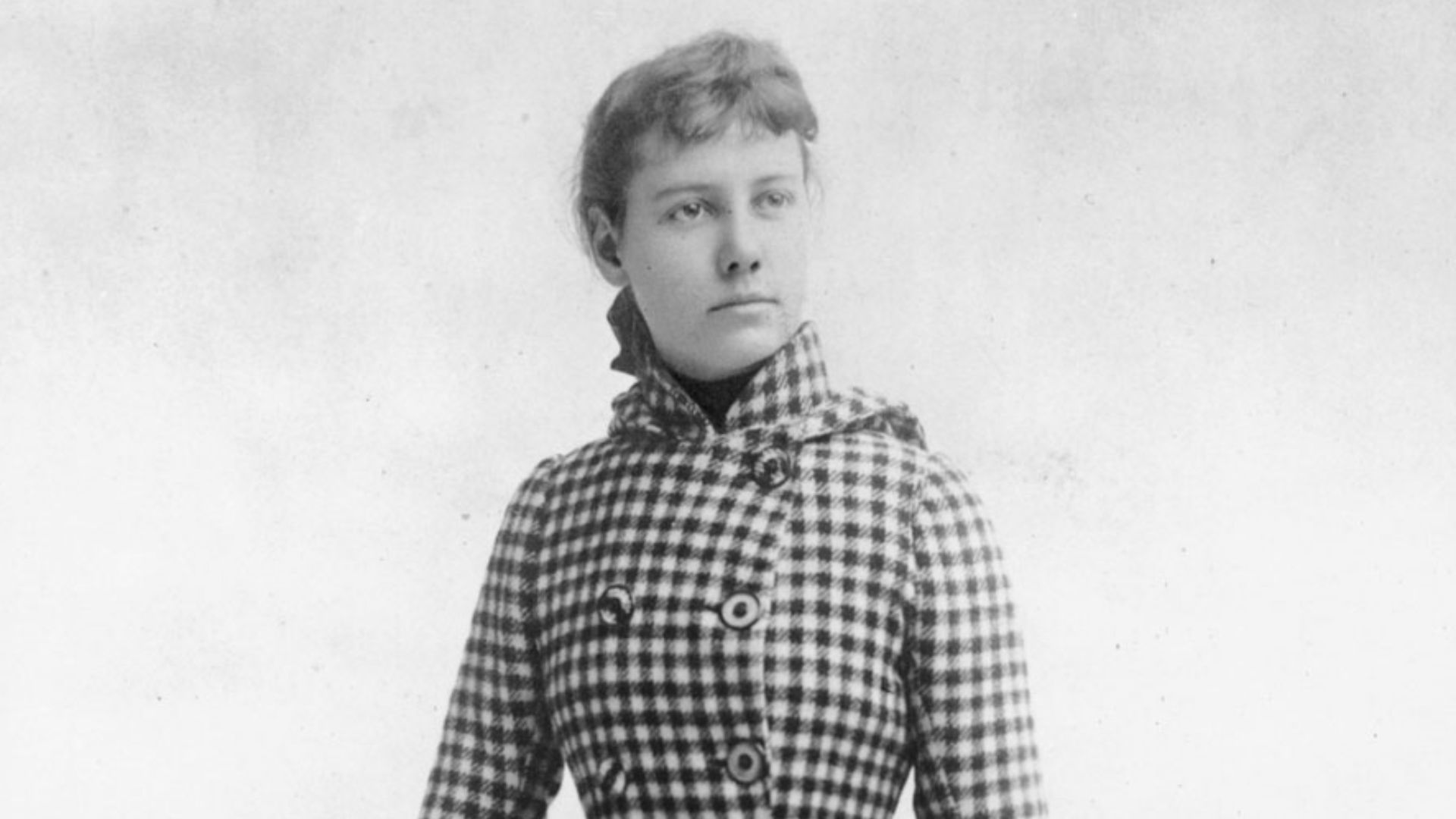
Nellie Bly’s Greatest Trip Was Not Around The World
Nellie Bly became an international celebrity after completing a highly publicized journey around the world in 72 days. Her earlier undercover reporting was arguably more important to journalism. By entering an asylum on Blackwell’s Island and documenting abusive conditions from inside, Bly demonstrated how investigative reporting could expose failures that institutions preferred to conceal.
 Unknown authorUnknown author, Wikimedia Commons
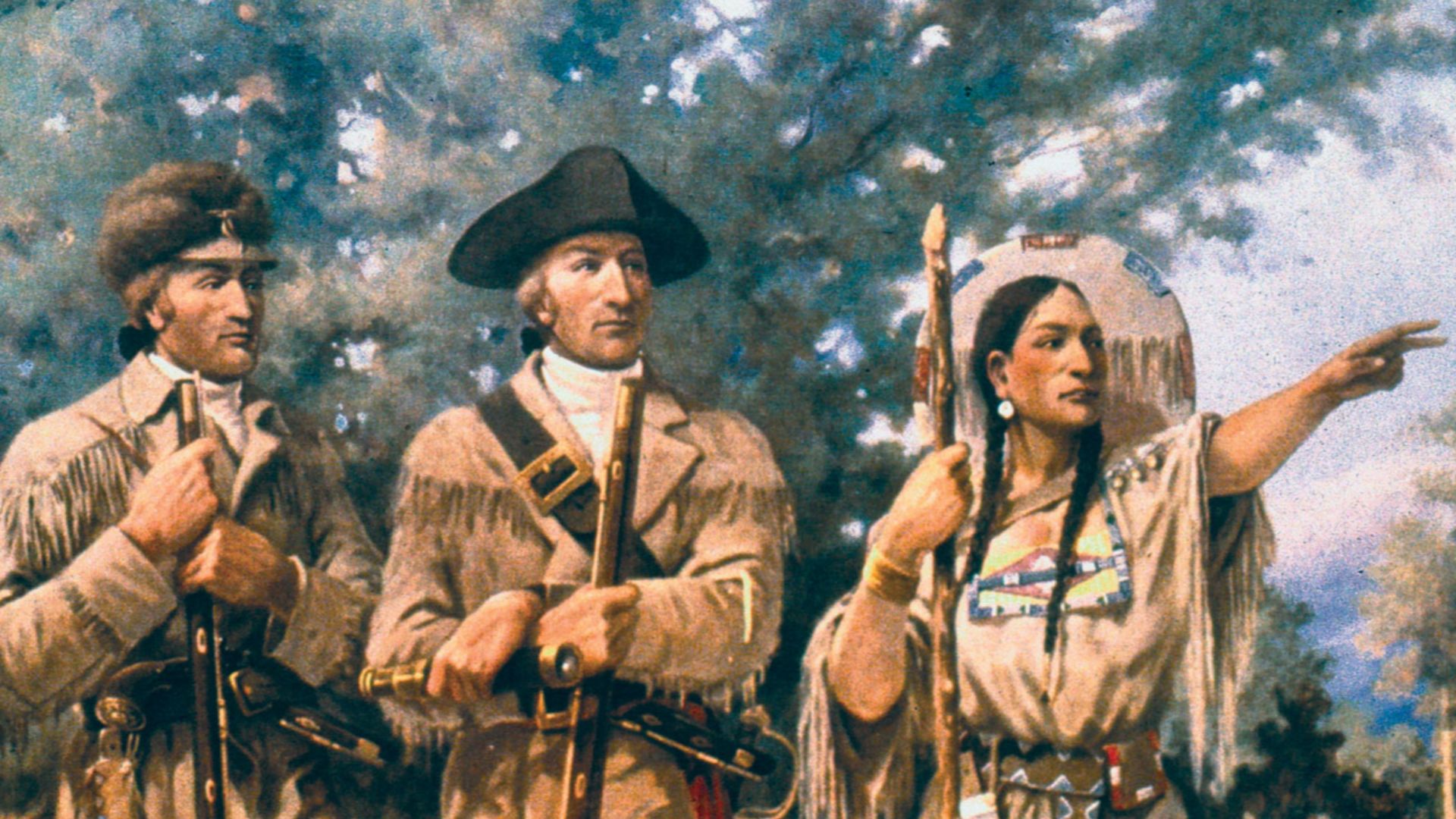
Sacagawea Was Not Simply The Expedition’s Guide
Sacagawea is commonly described as the guide who led Lewis and Clark across the continent. The expedition journals provide little evidence that she served as the party’s principal navigator. Her real contributions included interpreting, helping secure horses from the Shoshone, identifying useful plants, preserving supplies, and signaling to other communities that the expedition was not a war party.
 Edgar Samuel Paxson, Wikimedia Commons
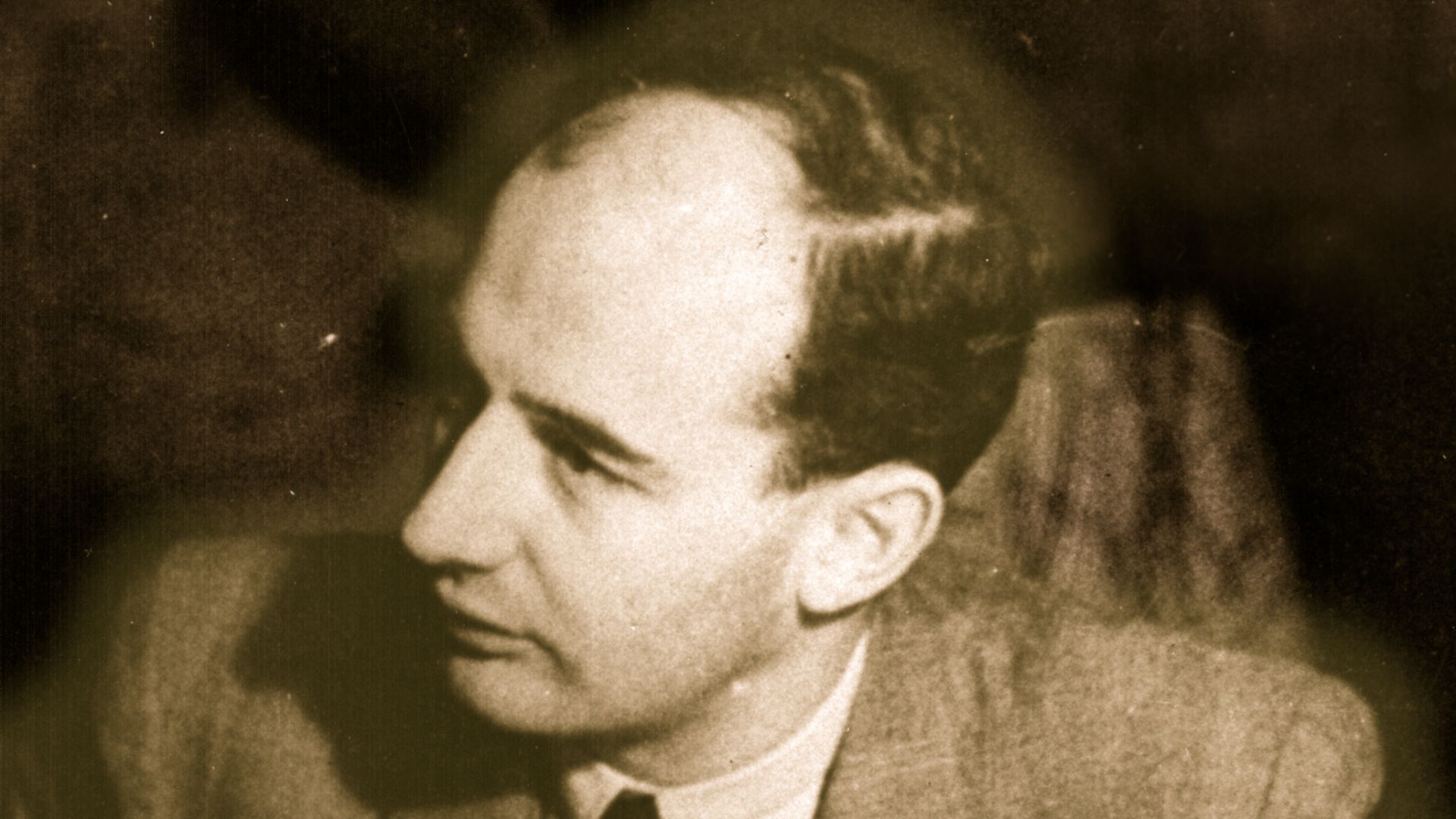
Raoul Wallenberg Used Bureaucracy As A Weapon
Raoul Wallenberg is often remembered for issuing Swedish protective papers to Hungarian Jews during the Holocaust. The documents were only one part of a much broader rescue campaign. Wallenberg established protected buildings, confronted officials, intervened during deportations, organized staff, and repeatedly used Sweden’s diplomatic position to shield people from persecution.
 Pressensbild, Wikimedia Commons
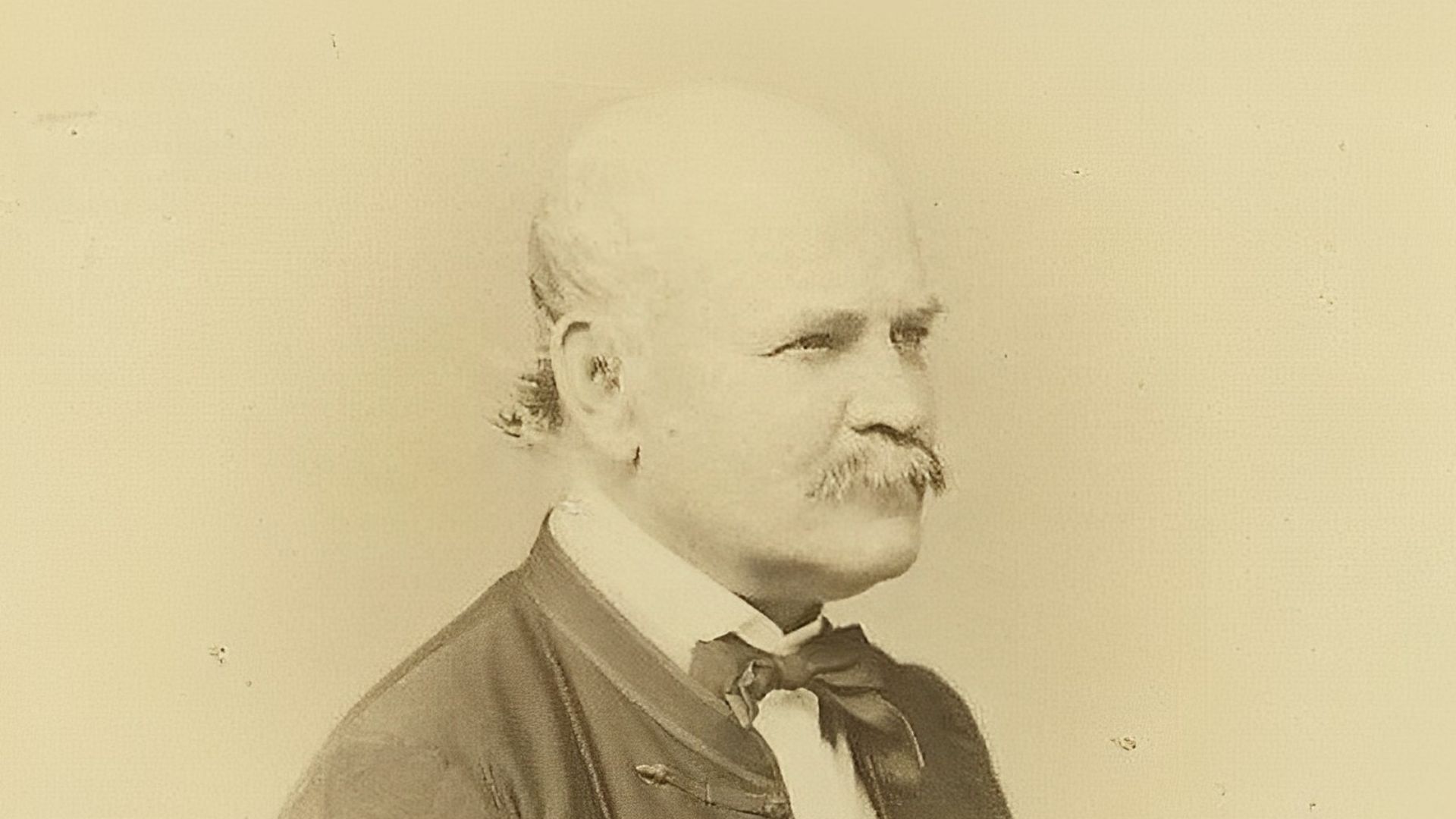
Ignaz Semmelweis Was More Than The Handwashing Doctor
Ignaz Semmelweis is frequently reduced to a simple lesson about washing hands. His deeper achievement was recognizing, through observation and comparison, that doctors were transmitting deadly material to maternity patients. He introduced chlorine handwashing procedures that sharply improved infection control, even though many medical colleagues resisted his conclusions.
 József Borsos / Albert Doctor, Wikimedia Commons
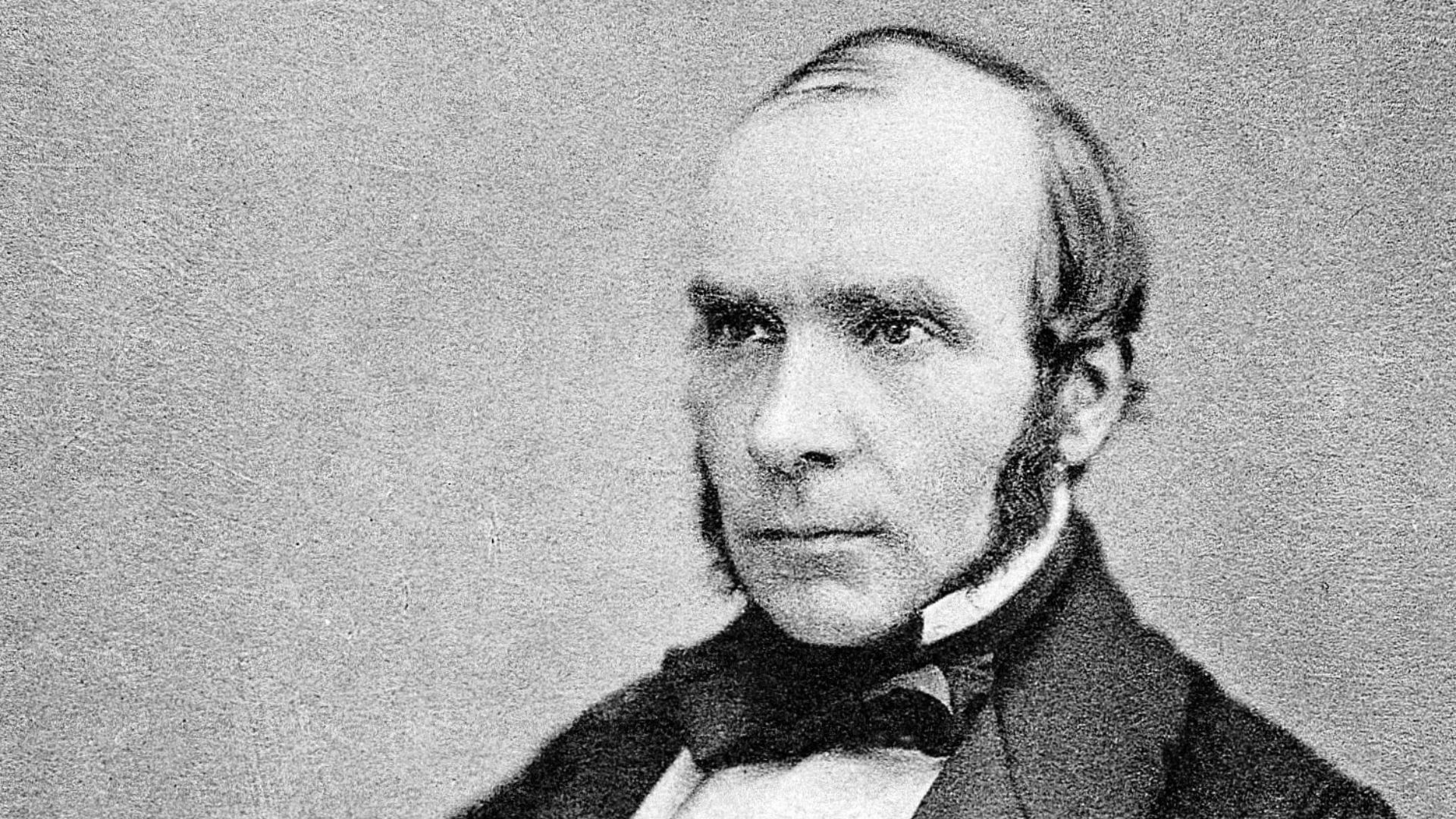
John Snow’s Map Was Only Part Of The Investigation
John Snow is famous for mapping cholera cases around London’s Broad Street pump. The map was useful, but his work also involved interviewing residents, studying death records, comparing exposed populations, and challenging the dominant belief that cholera spread through foul air. His methods helped establish a model for field epidemiology and evidence-based public health action.
 Materialscientist, Wikimedia Commons
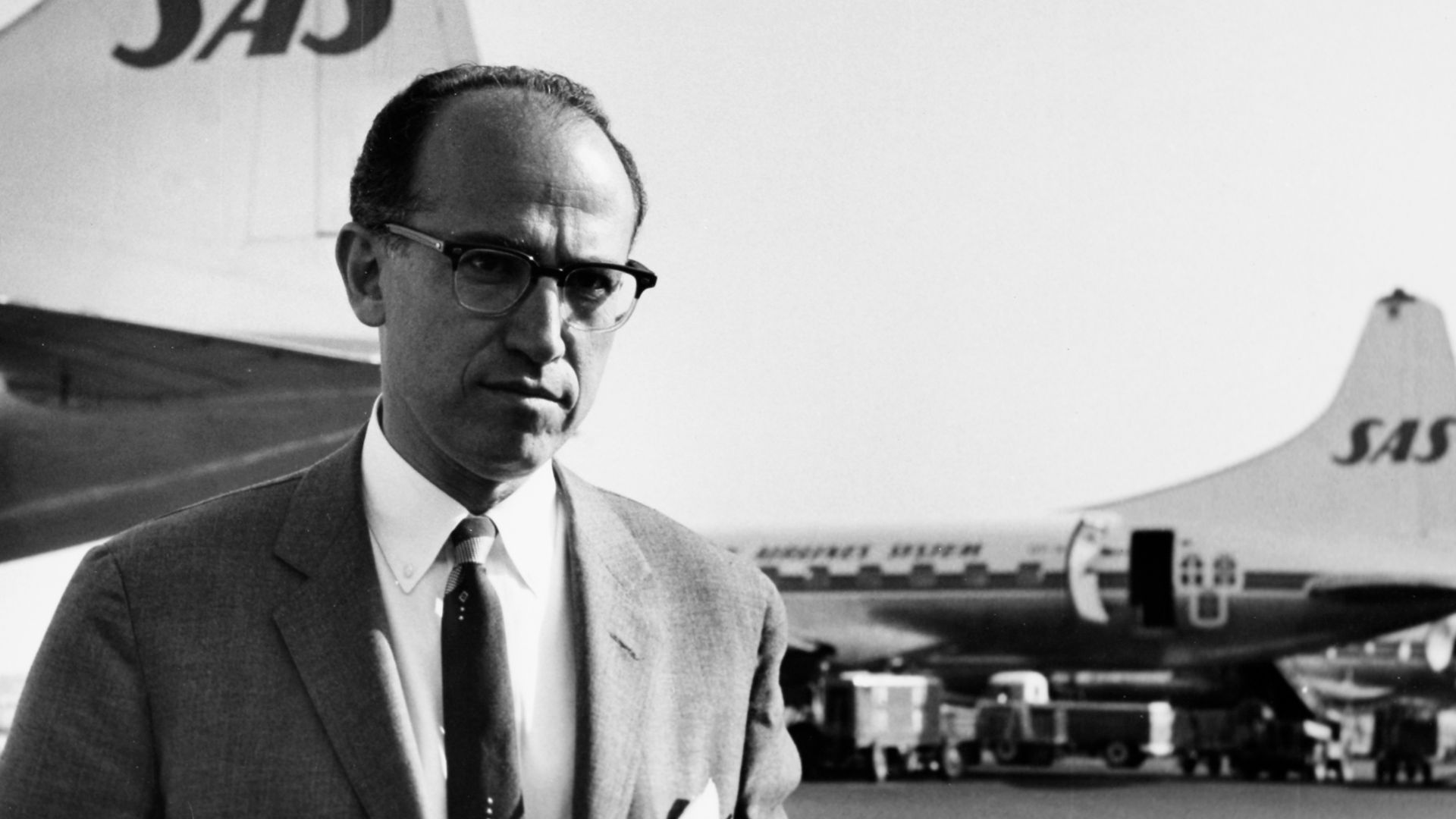
Jonas Salk Did Not Work Alone
Jonas Salk became the public face of the first effective injectable polio vaccine. Its success also depended on laboratory workers, physicians, public agencies, volunteers, and an enormous 1954 field trial involving more than one million children. Salk’s achievement was remarkable, but the polished hero story can obscure the scale of the scientific and public-health network behind it.
 SAS Scandinavian Airlines, Wikimedia Commons
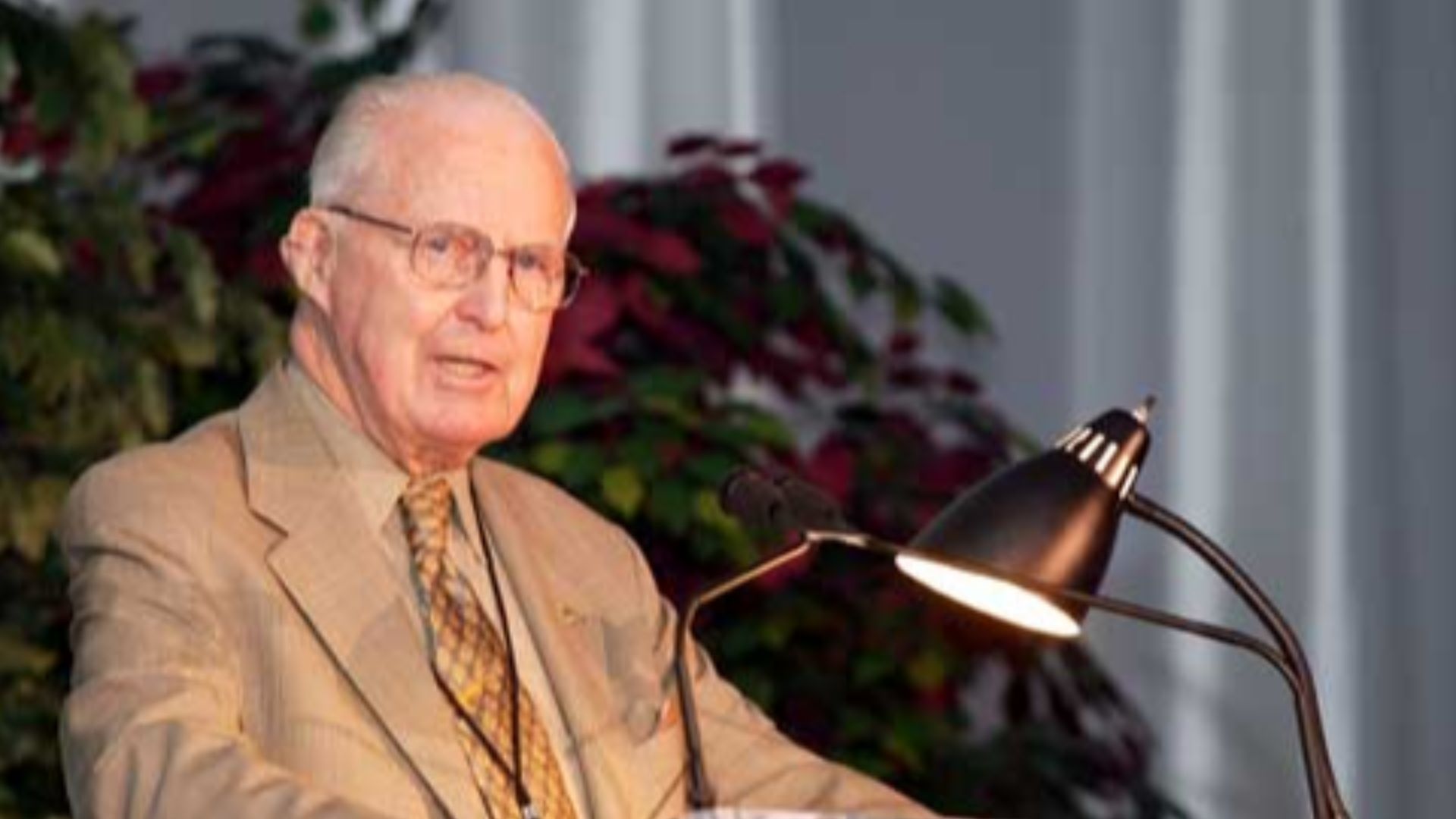
Norman Borlaug Was Fighting Hunger With Wheat
Norman Borlaug never became a household name like many military or political heroes. His work breeding resilient, high-yield wheat helped increase food production in Mexico and later influenced agricultural programs in countries including India and Pakistan. He received the 1970 Nobel Peace Prize because improving the food supply was recognized as a contribution to peace as well as science.
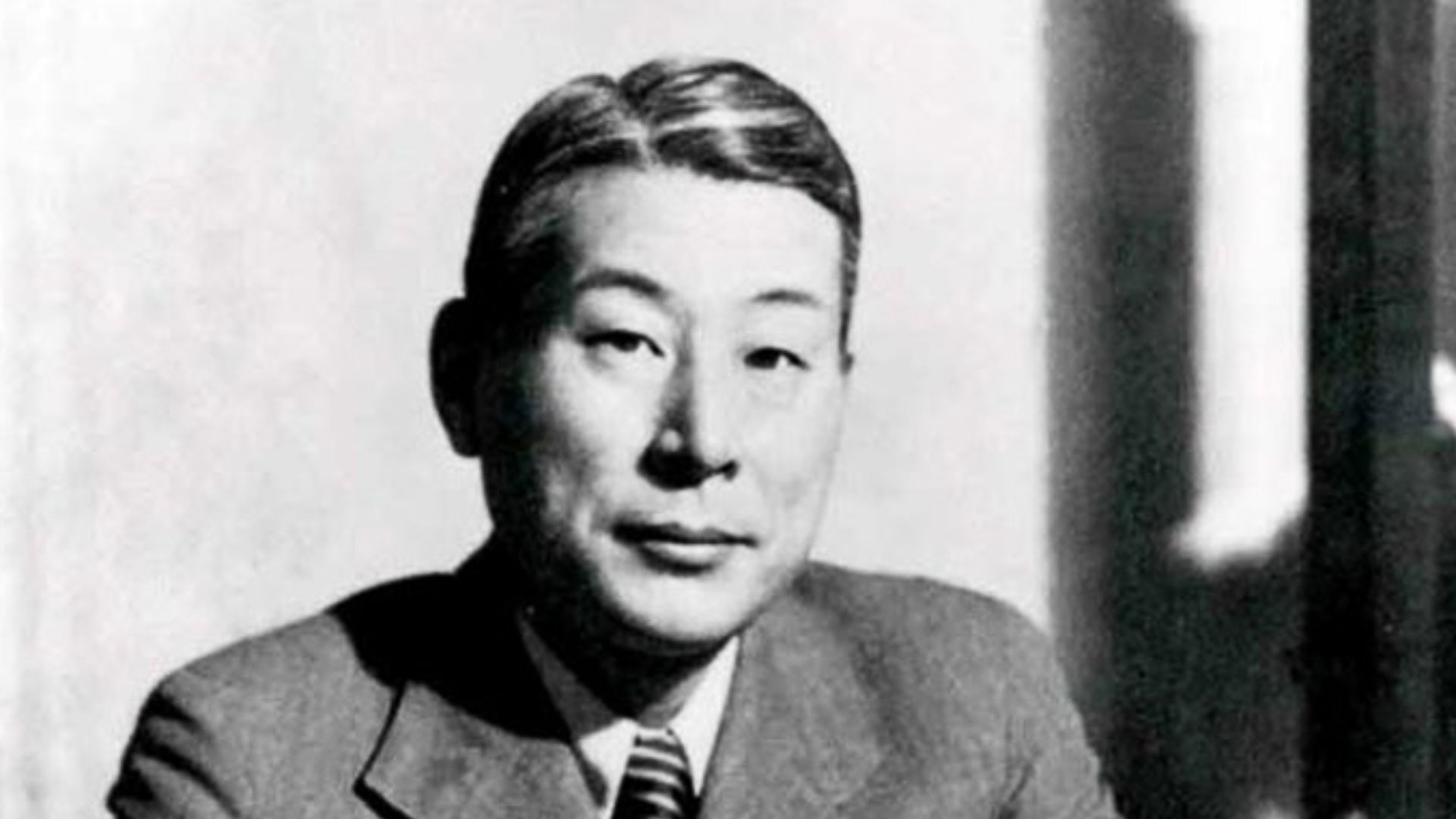
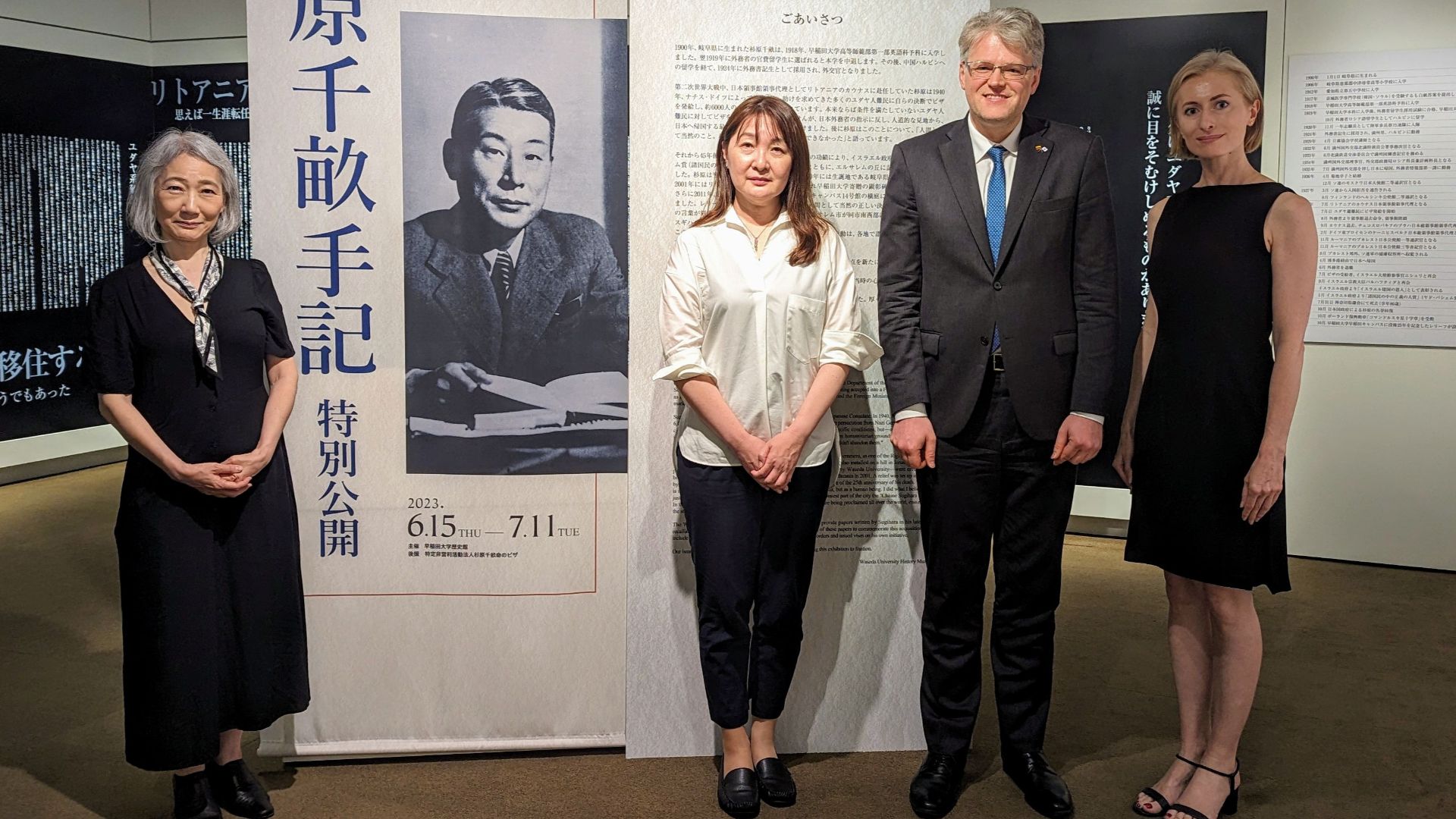
Chiune Sugihara’s Visas Were Acts Of Defiance
Chiune Sugihara is remembered as the Japanese diplomat who issued transit visas to Jewish refugees in Lithuania in 1940. The popular image of him endlessly signing papers captures the drama but not the risk involved. Sugihara used his diplomatic authority to facilitate escape from war-torn Europe despite the political and professional consequences he could face.
 Unknown authorUnknown author, Wikimedia Commons
Irena Sendler Was Part Of A Hidden Network
Irena Sendler became famous for helping smuggle Jewish children out of the Warsaw ghetto. Her story is sometimes told as the work of one fearless woman, but she operated through Żegota, an underground organization supported by an extensive network of couriers, caregivers, religious institutions, and resistance members. Recognizing that network does not diminish Sendler’s courage, especially since she continued after being arrested and tortured.
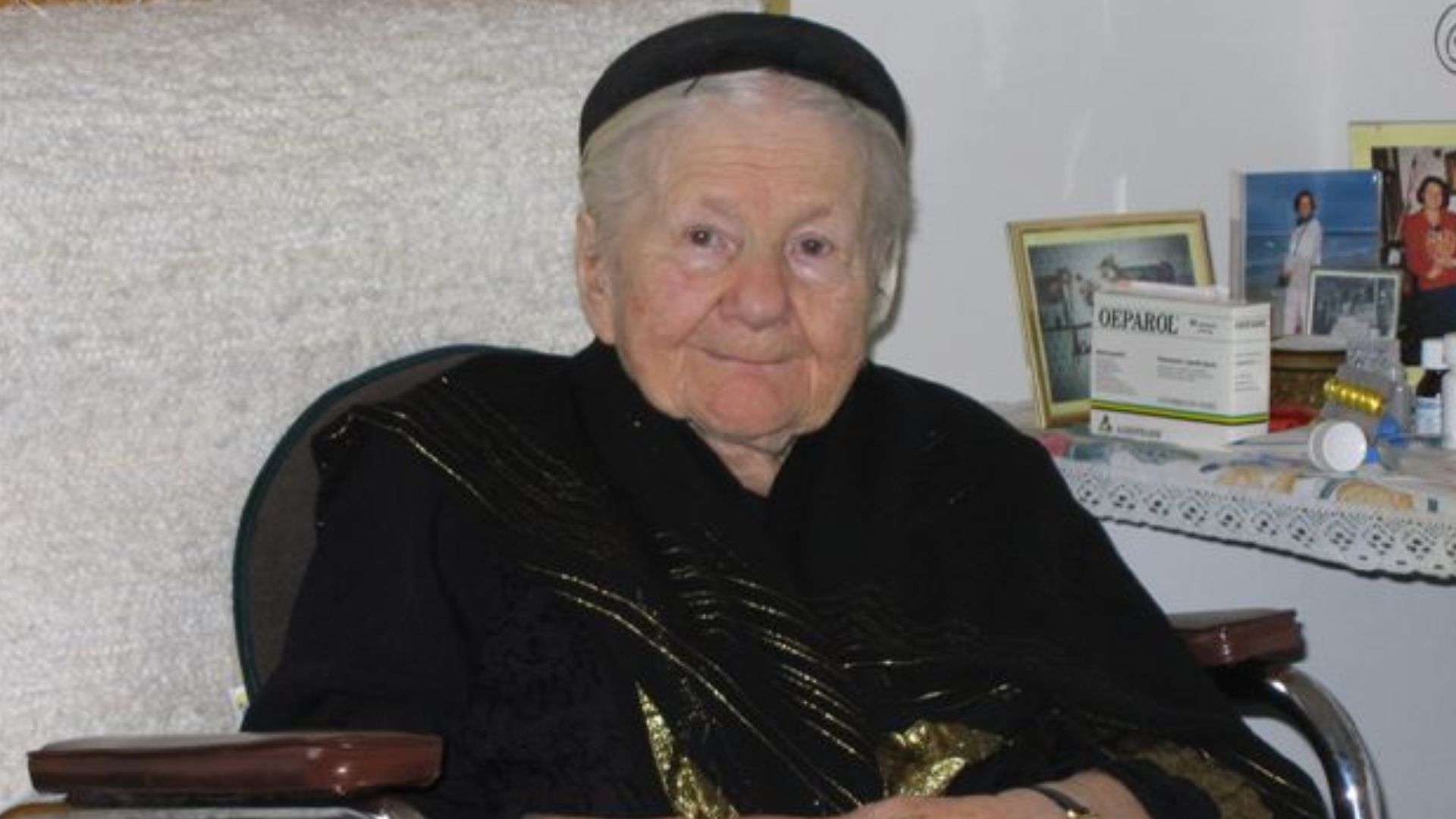 Mariusz Kubik, http://www.mariuszkubik.pl, Wikimedia Commons
Nicholas Winton Was Not The Entire Kindertransport
Nicholas Winton helped organize the evacuation of hundreds of children from Czechoslovakia before World War II. Television appearances later turned him into the best-known face associated with the rescue effort. The wider Kindertransport movement, however, involved aid organizations, foster families, transport coordinators, campaigners, and other rescuers who helped bring nearly 10,000 children to Britain.
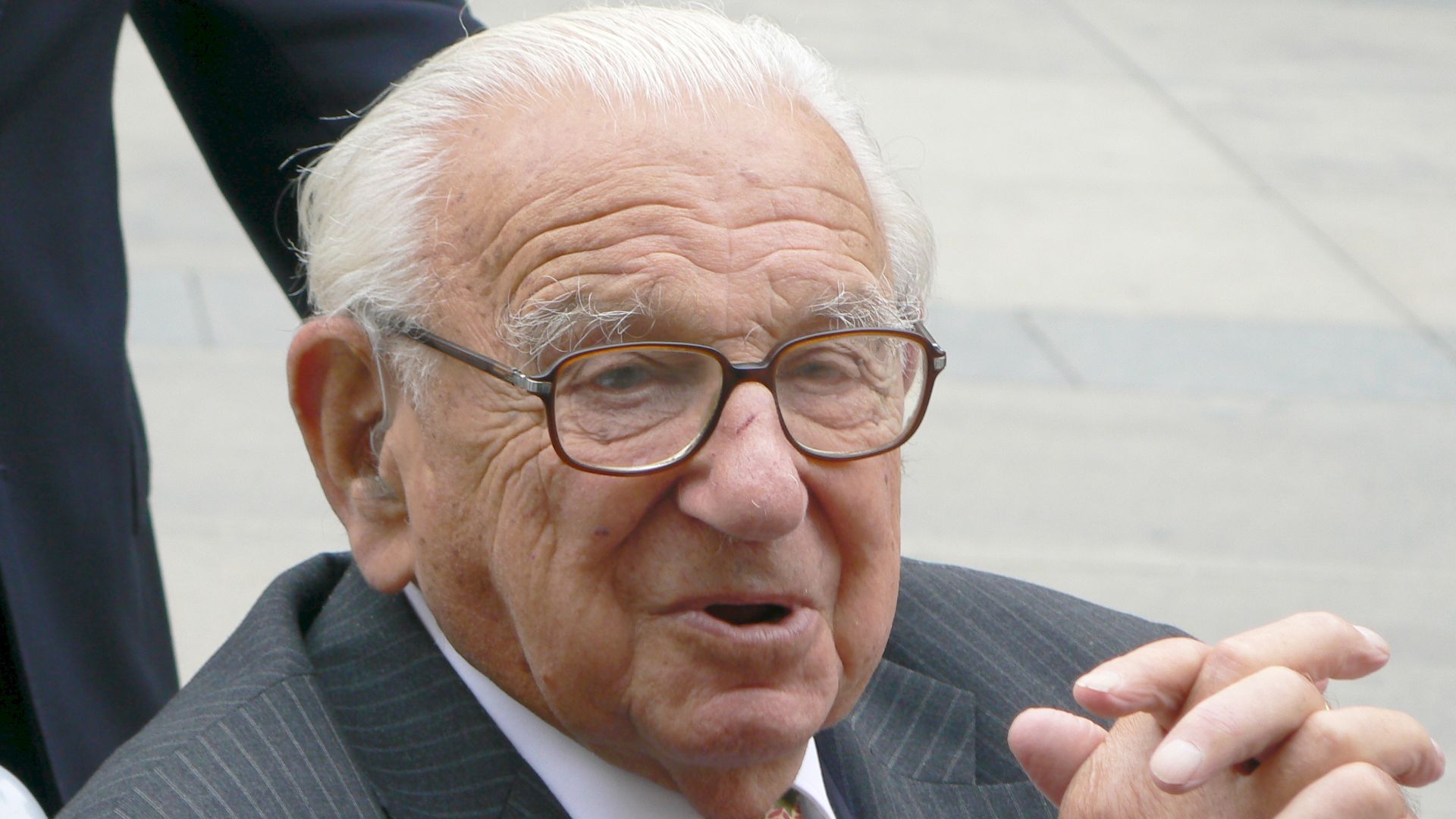 cs:User:Li-sung, Wikimedia Commons
Desmond Doss Was Brave Because He Refused To Kill
Desmond Doss is remembered for rescuing wounded soldiers during the Battle of Okinawa without carrying a weapon. The most important part of his story was not simply that he entered danger unarmed. As a conscientious objector and Army medic, he maintained his refusal to take a life while repeatedly risking his own life to save others, eventually receiving the Medal of Honor.
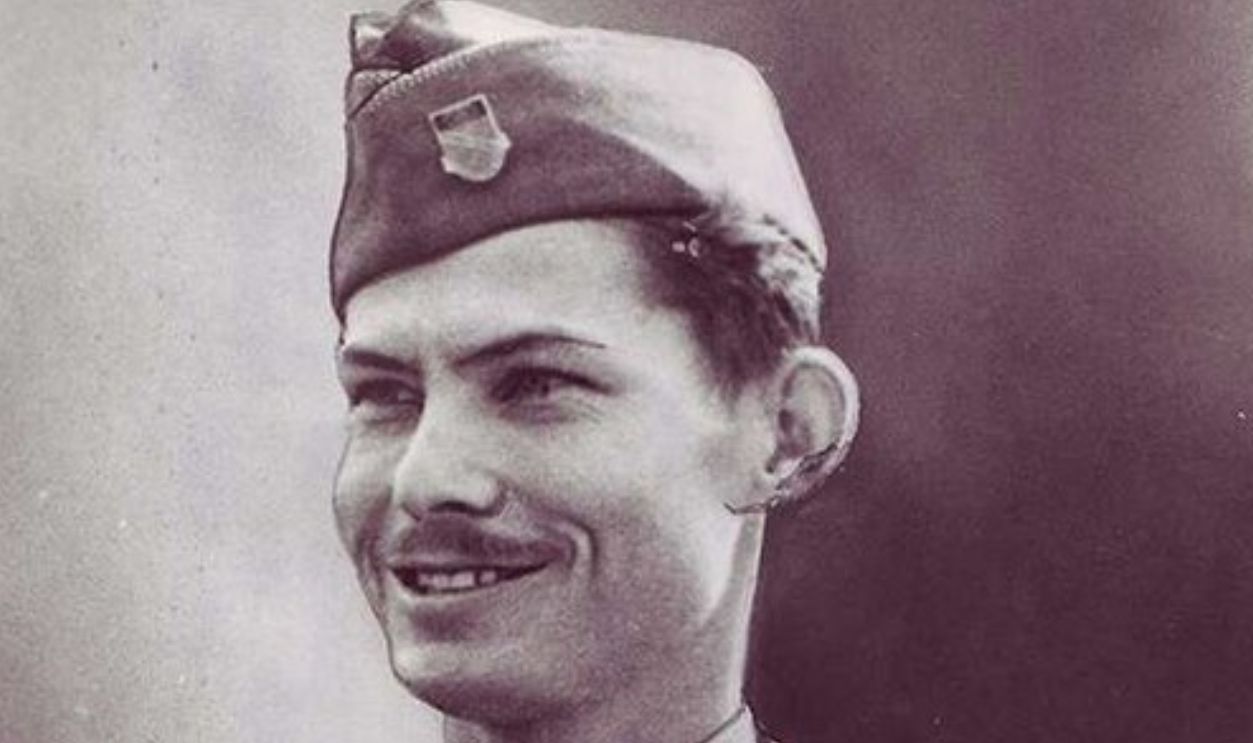 United States Army (courtesy of the US National Archives), Wikimedia Commons
Helen Keller’s Story Did Not End At The Water Pump
Helen Keller’s childhood breakthrough with teacher Anne Sullivan became one of the most familiar scenes in American education. That inspiring moment often overshadows the decades Keller spent writing, lecturing, fundraising, and campaigning for disability rights and other social causes. She worked with the American Foundation for the Blind for more than 40 years and became an internationally recognized advocate.
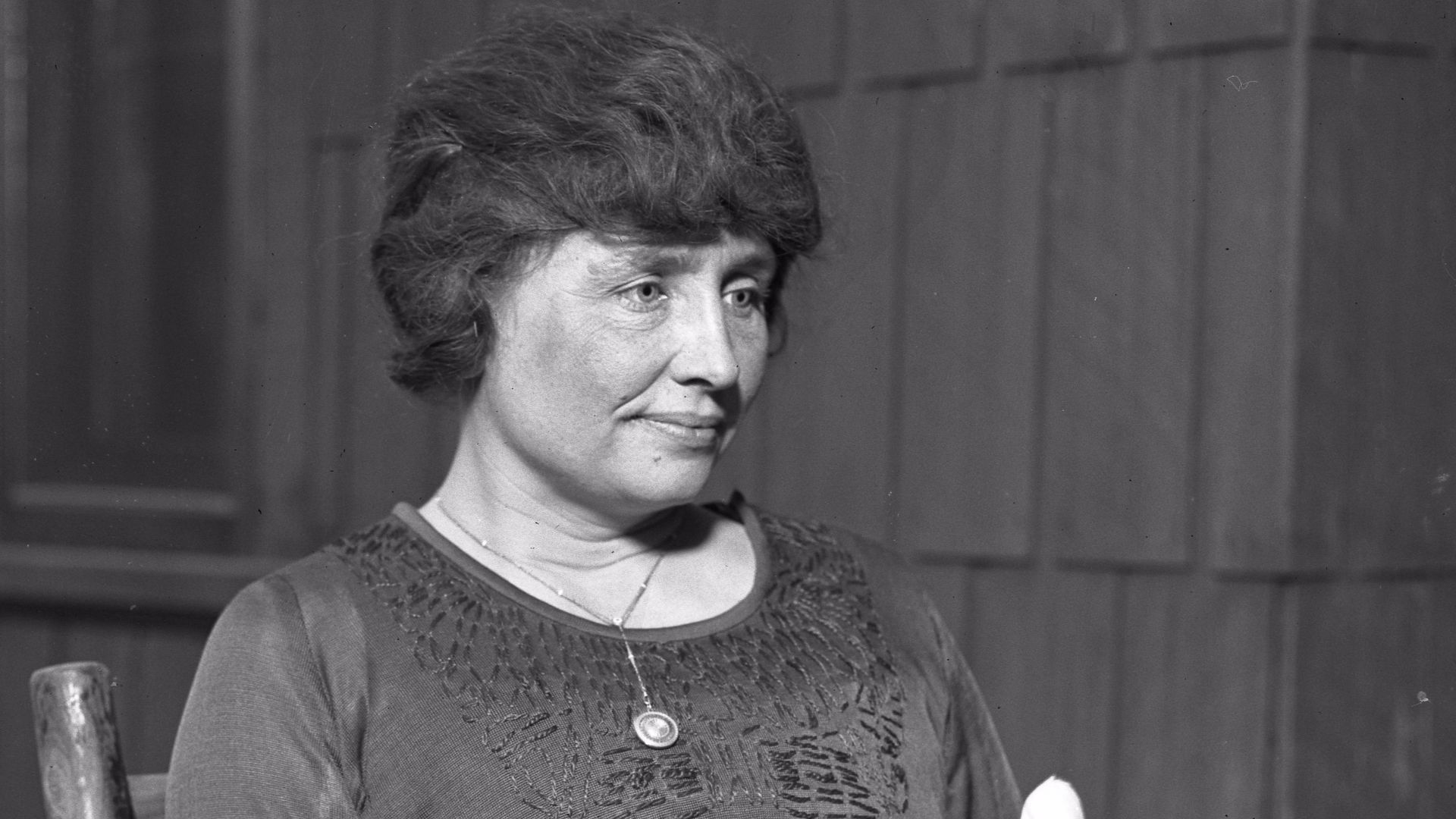 Los Angeles Times, Wikimedia Commons
Louis Braille Created More Than An Alphabet
Louis Braille is commonly introduced as the blind teenager who invented a system of raised dots. His code was not merely a clever alphabet. It gave blind readers a practical way to read and write independently, and it eventually expanded to cover punctuation, numbers, music, mathematics, science, and numerous languages.
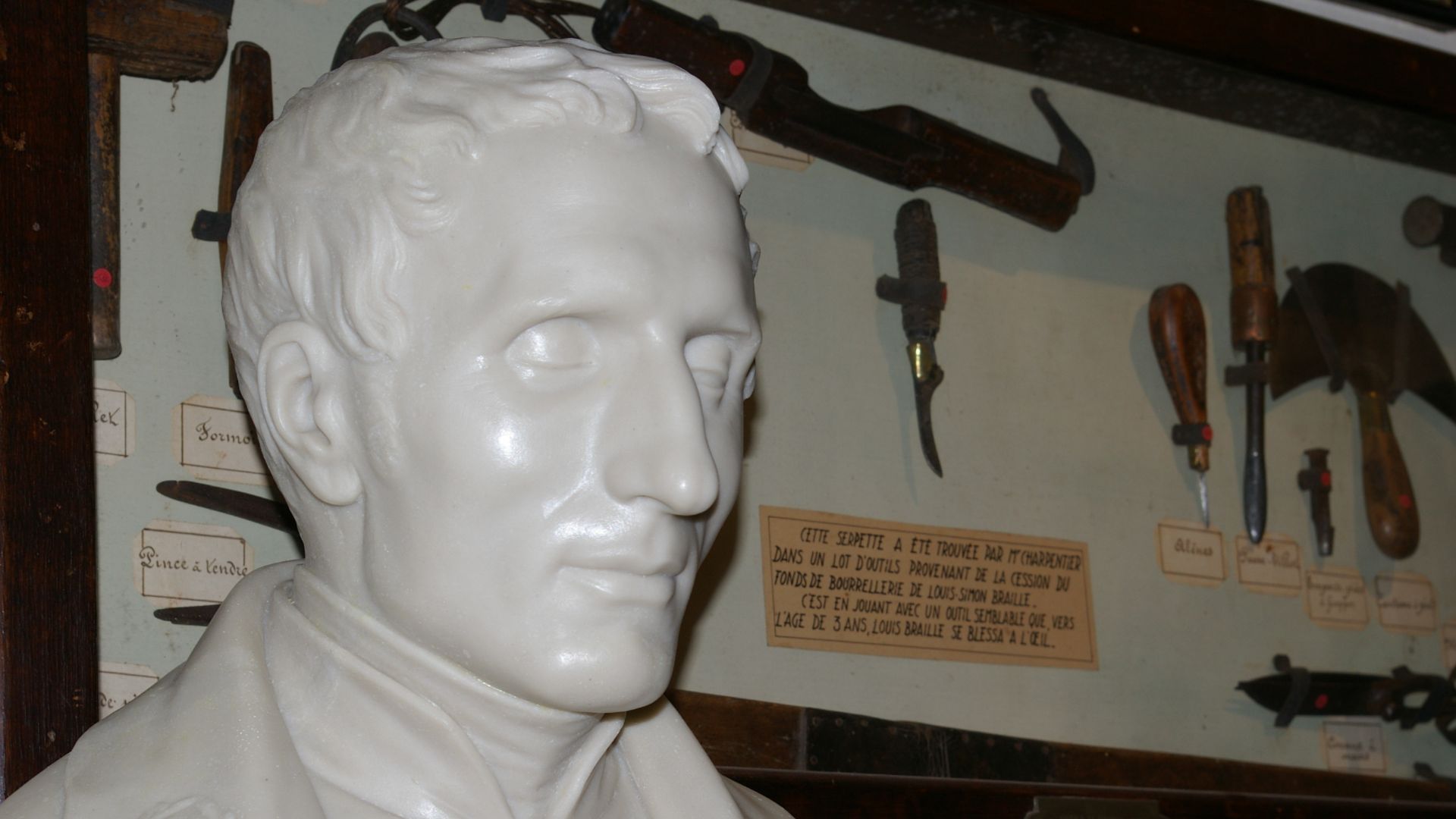 François Jouffroy, Wikimedia Commons
Eleanor Roosevelt Was More Than A Famous First Lady
Eleanor Roosevelt is often remembered for transforming the public role of the American first lady. Her work continued long after she left the White House. As chair of the United Nations Commission on Human Rights and its drafting committee, she helped guide the complicated negotiations that produced the Universal Declaration of Human Rights.
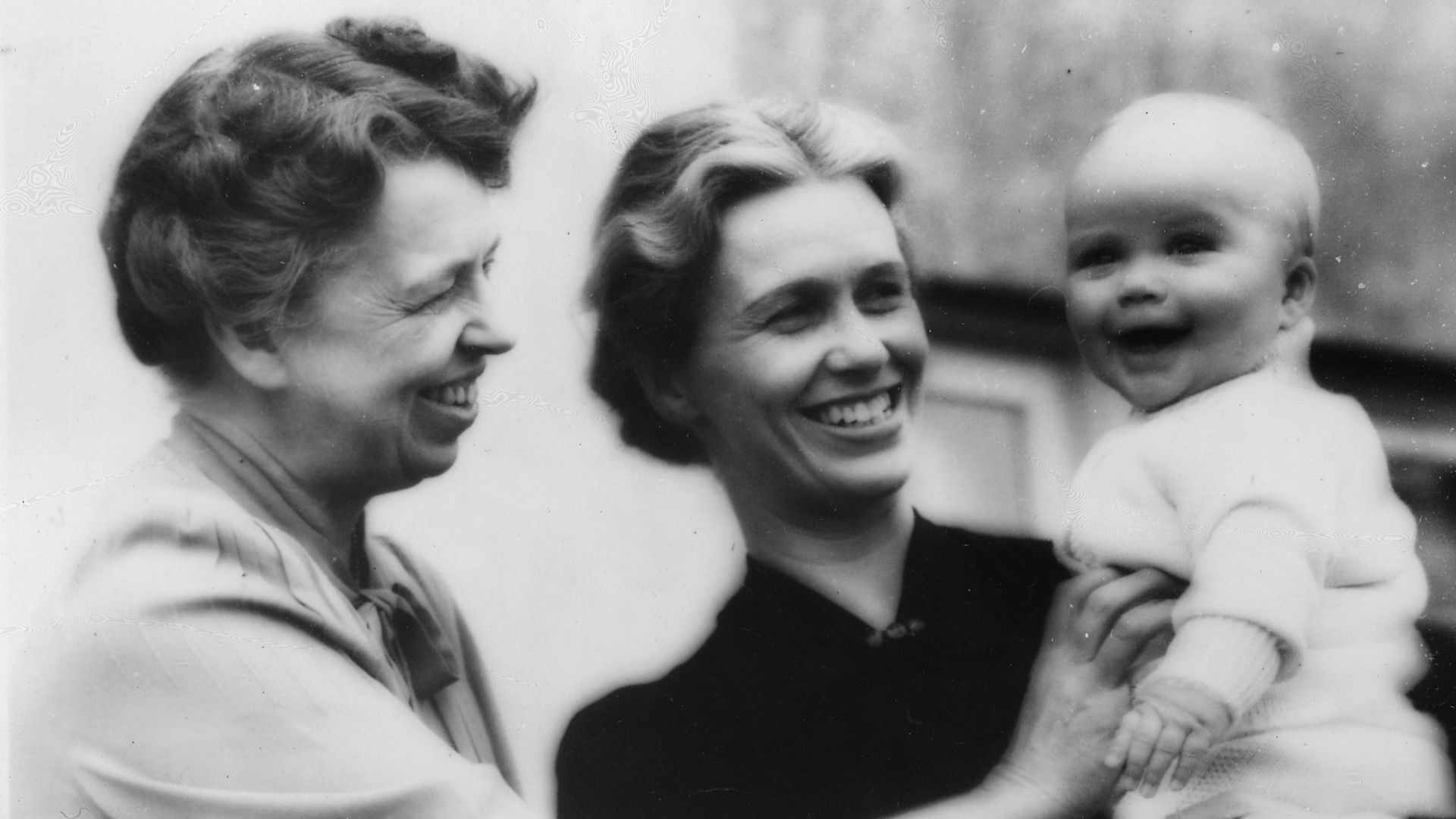 Unknown authorUnknown author or not provided, Wikimedia Commons
The Most Memorable Moment Is Not Always The Most Important
Popular history favors scenes that are easy to picture. A bus seat, a horse ride, a water pump, or a dotted map can summarize an entire life in a single image. Those images are useful introductions, but they become misleading when audiences never learn what happened before or afterward.

Individual Heroes Often Represent Entire Networks
Rescue operations, medical breakthroughs, and reform movements rarely succeed because of one person acting alone. Figures such as Winton, Sendler, Salk, and Revere depended on collaborators whose names received far less attention. A fuller account can celebrate exceptional leadership while still recognizing the people who supplied information, transportation, shelter, money, research, or political support.
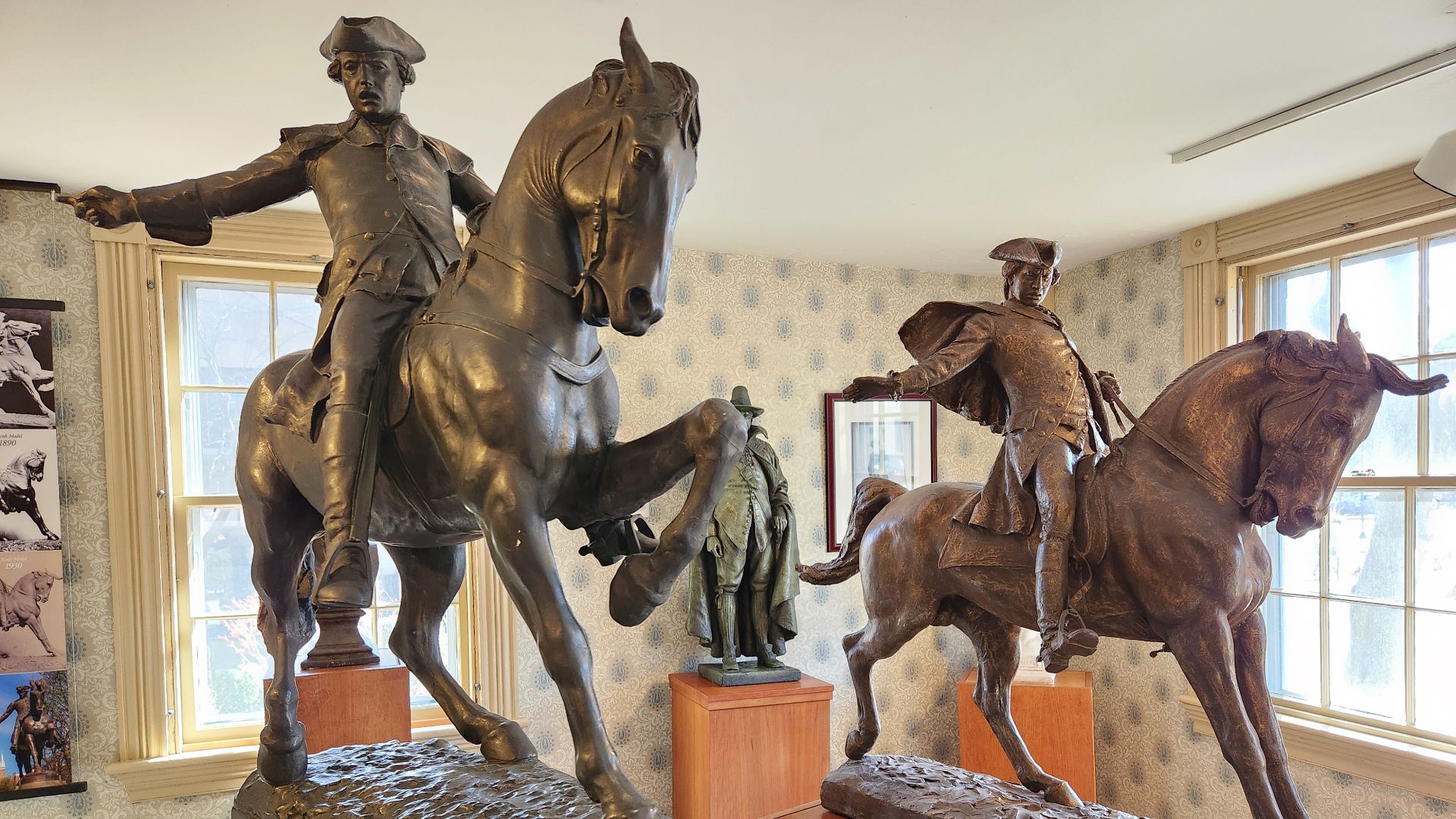 Hleavell001, Wikimedia Commons
Simple Legends Can Hide Difficult Choices
Hero stories often remove hesitation, controversy, personal cost, and institutional resistance. Sugihara endangered his career, Doss faced hostility because of his beliefs, and Semmelweis challenged medical practices that his colleagues considered normal. Their courage becomes more meaningful, not less, when their choices are placed back inside the difficult circumstances in which they were made.
Fame Can Turn A Life Into A Single Scene
The wrong part of a hero’s story is not always false. Paul Revere really rode, Rosa Parks really refused to move, and Helen Keller really experienced a breakthrough at the water pump. The problem begins when one true episode crowds out decades of organizing, thinking, experimenting, and serving others.
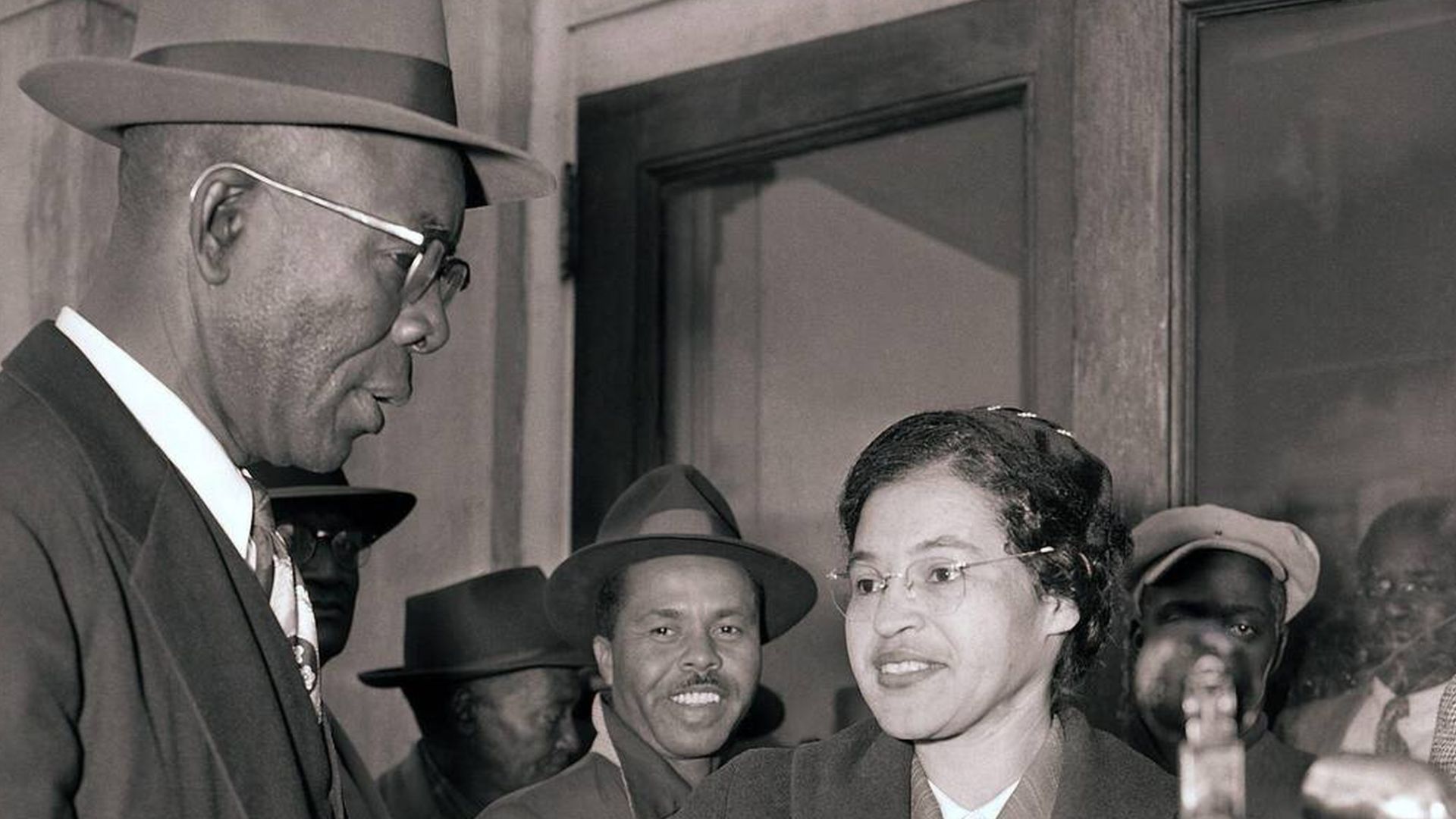 Associated Press, Wikimedia Commons
The Complete Stories Make Better Heroes
Historical heroes do not need exaggerated legends to remain impressive. Their fuller lives reveal sustained effort, cooperation, setbacks, and responsibilities that a dramatic anecdote cannot capture. Looking beyond the famous part of the story allows us to see not only what these people did, but how meaningful change usually happens.
You May Also Like:
The Weirdest Rules People Once Followed At Work
The Discovery Of A Bronze Age Blade Workshop In Southern Israel
Resilient Facts About Ellen Burstyn, The Actor Who Worked With The Devil









