
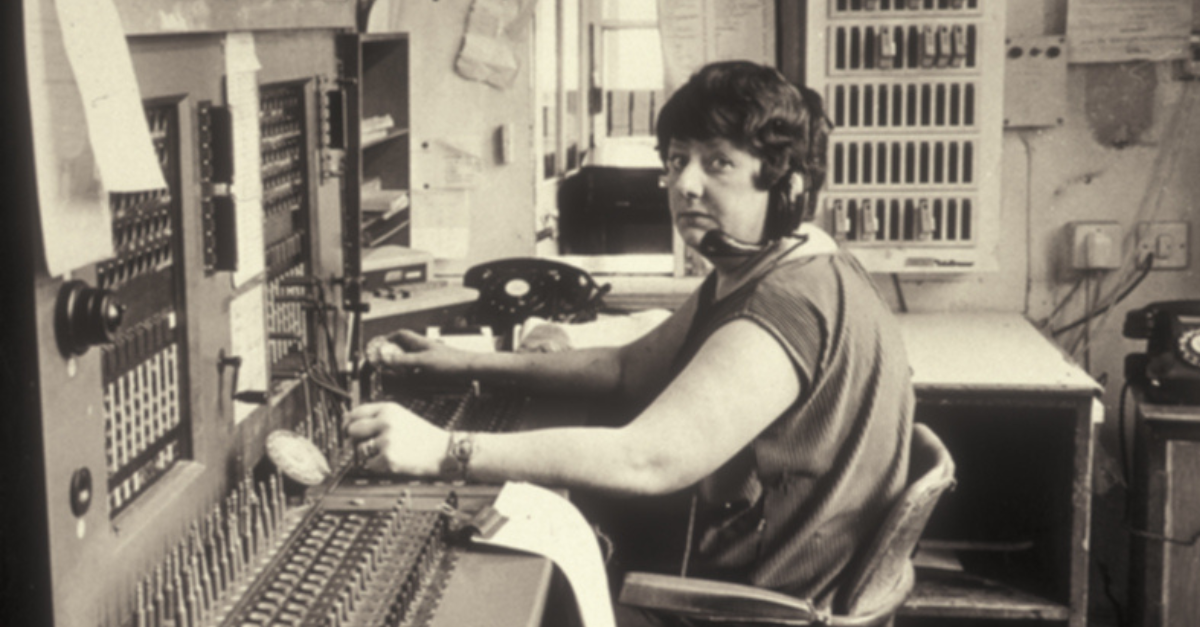
When “Do It Yourself” Meant Something Different
Ordinary life once involved handing routine tasks to somebody behind a counter, inside a booth, or on a telephone line. Technology did not erase all those jobs, but it moved many tasks onto customers. Things that now take a tap, swipe, scan, or button press often depended on an employee.
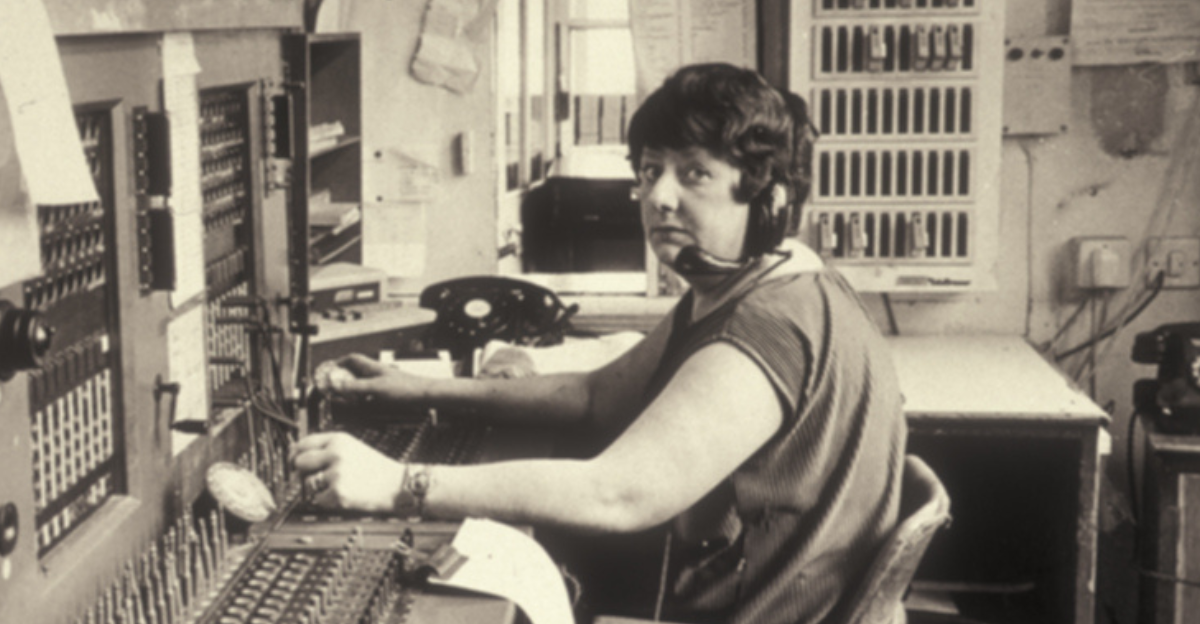 University of Liverpool Faculty of Health & Life Sciences, Wikimedia Commons
Connect Your Telephone Call
Early telephone users did not simply punch in a number. Calls passed through switchboard operators, and customers were reluctant to dial for themselves even after numbered directories appeared. Automatic switching gradually removed that human intermediary.
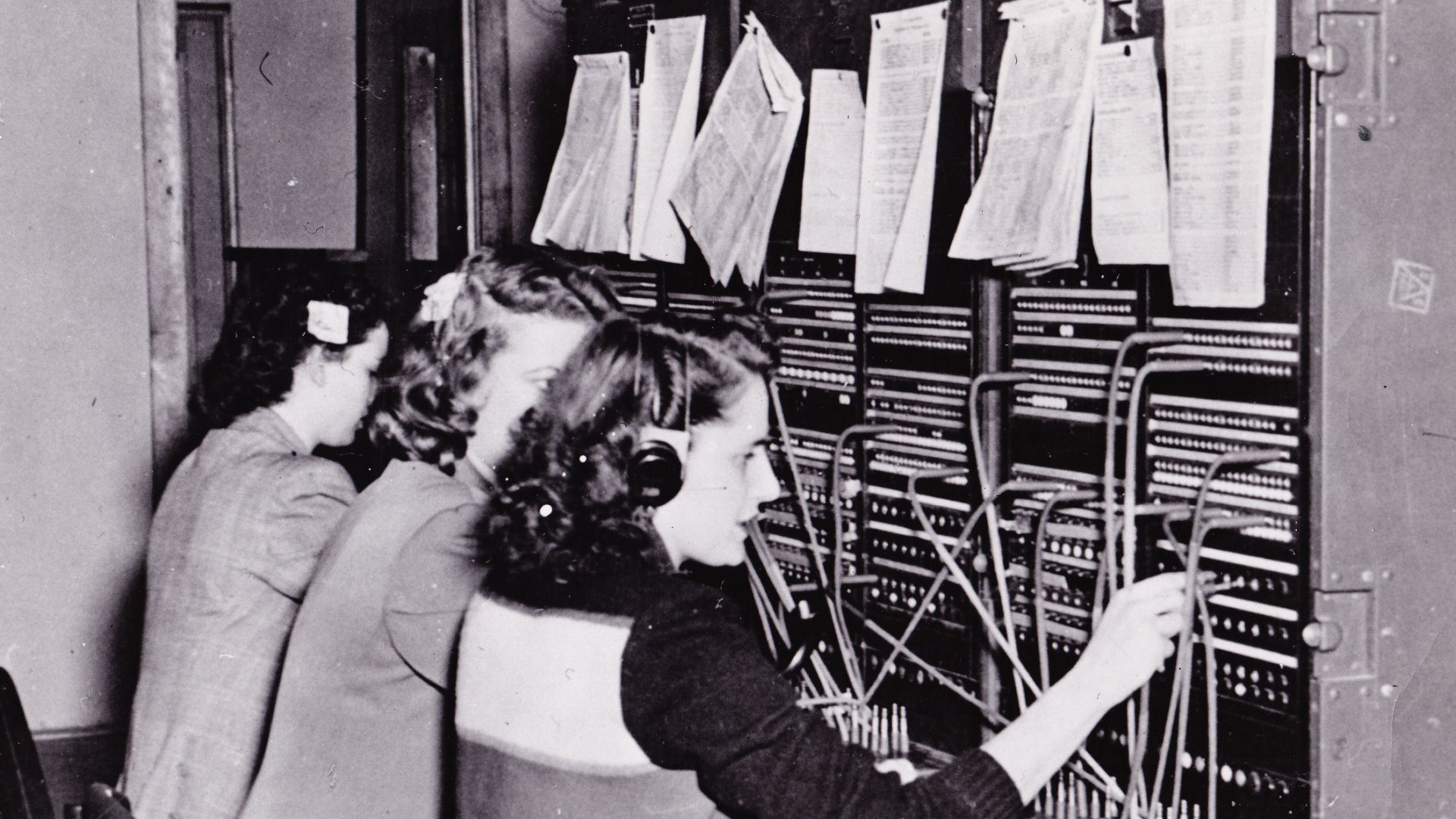 David Bedard, Wikimedia Commons
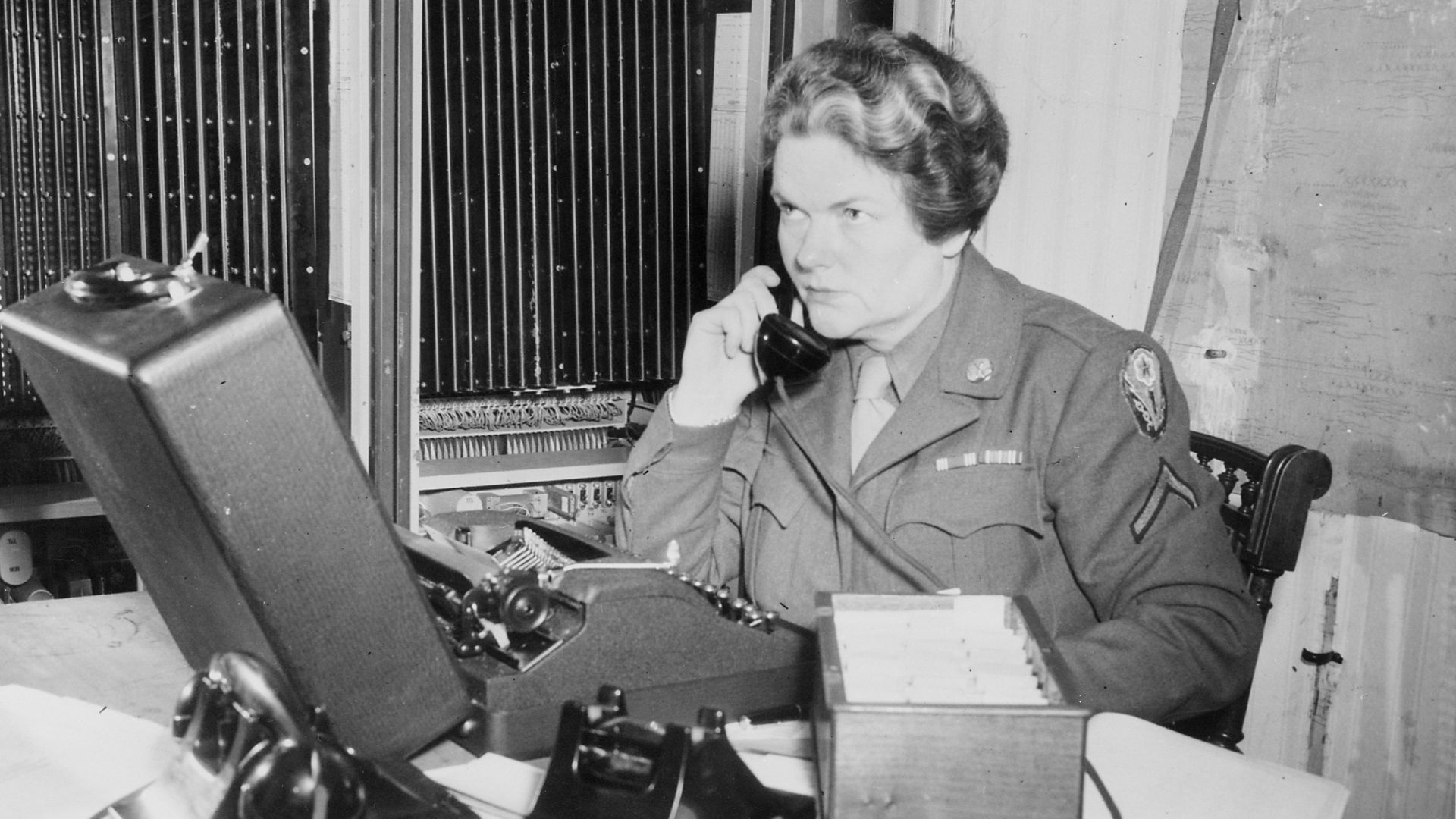
Place A Call From Your Car
America’s first mobile telephone service, demonstrated in 1946, was nothing like a cellphone. The equipment filled much of a car’s trunk, and subscribers began calls by speaking to a switchboard operator. By 1948, the service had about 5,000 customers.
 Unknown authorUnknown author or not provided, Wikimedia Commons
Use A Public Telephone
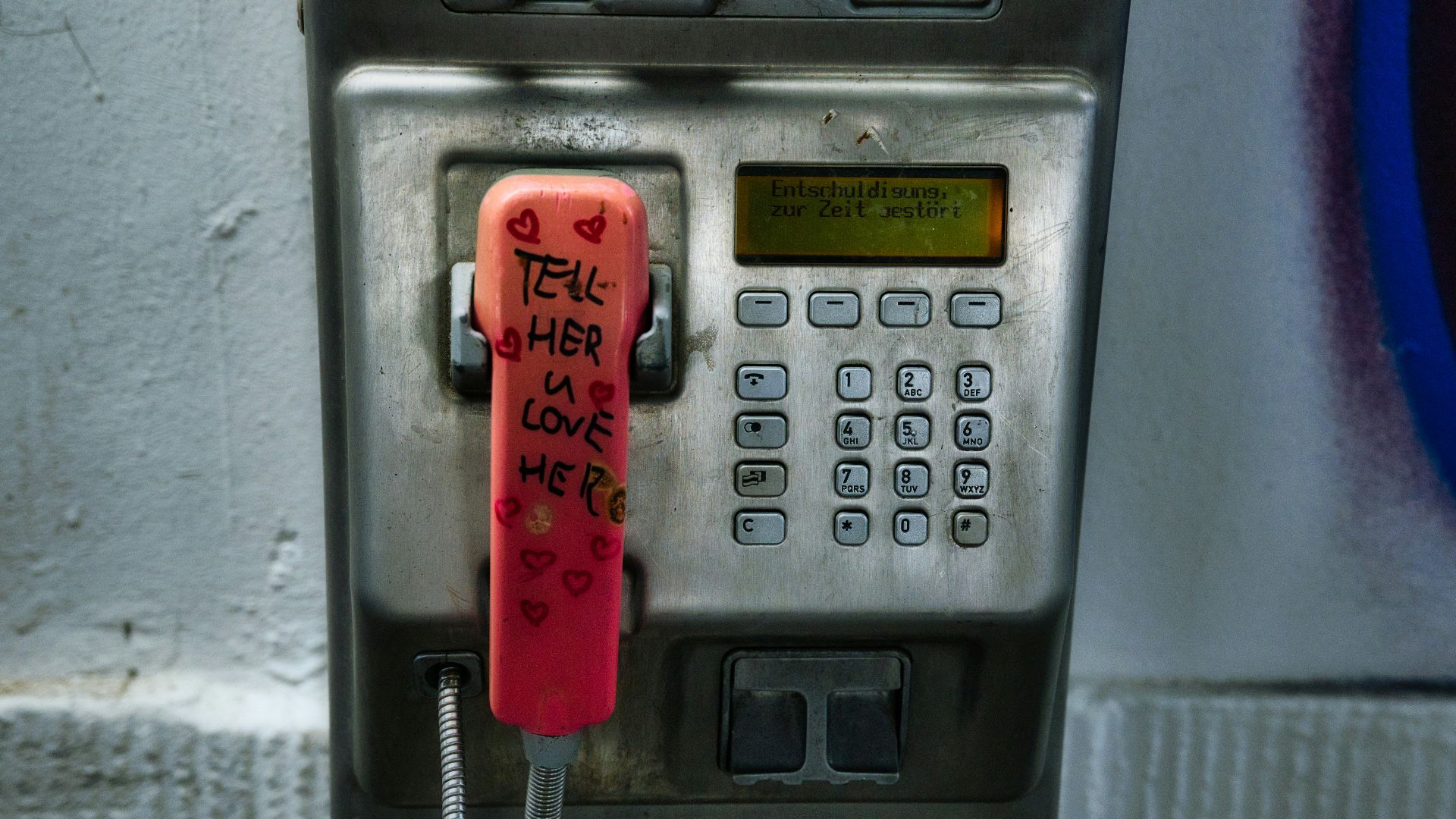
Public calling originally involved more human help, too. In the 1880s, someone wanting to make a public call had to find an agent-operated pay station. William Gray’s coin-controlled telephone inventions, patented beginning in 1889, helped turn the public phone into something customers could operate more independently.

History's most fascinating stories and darkest secrets, delivered to your inbox daily.
Get Cash After The Bank Closed
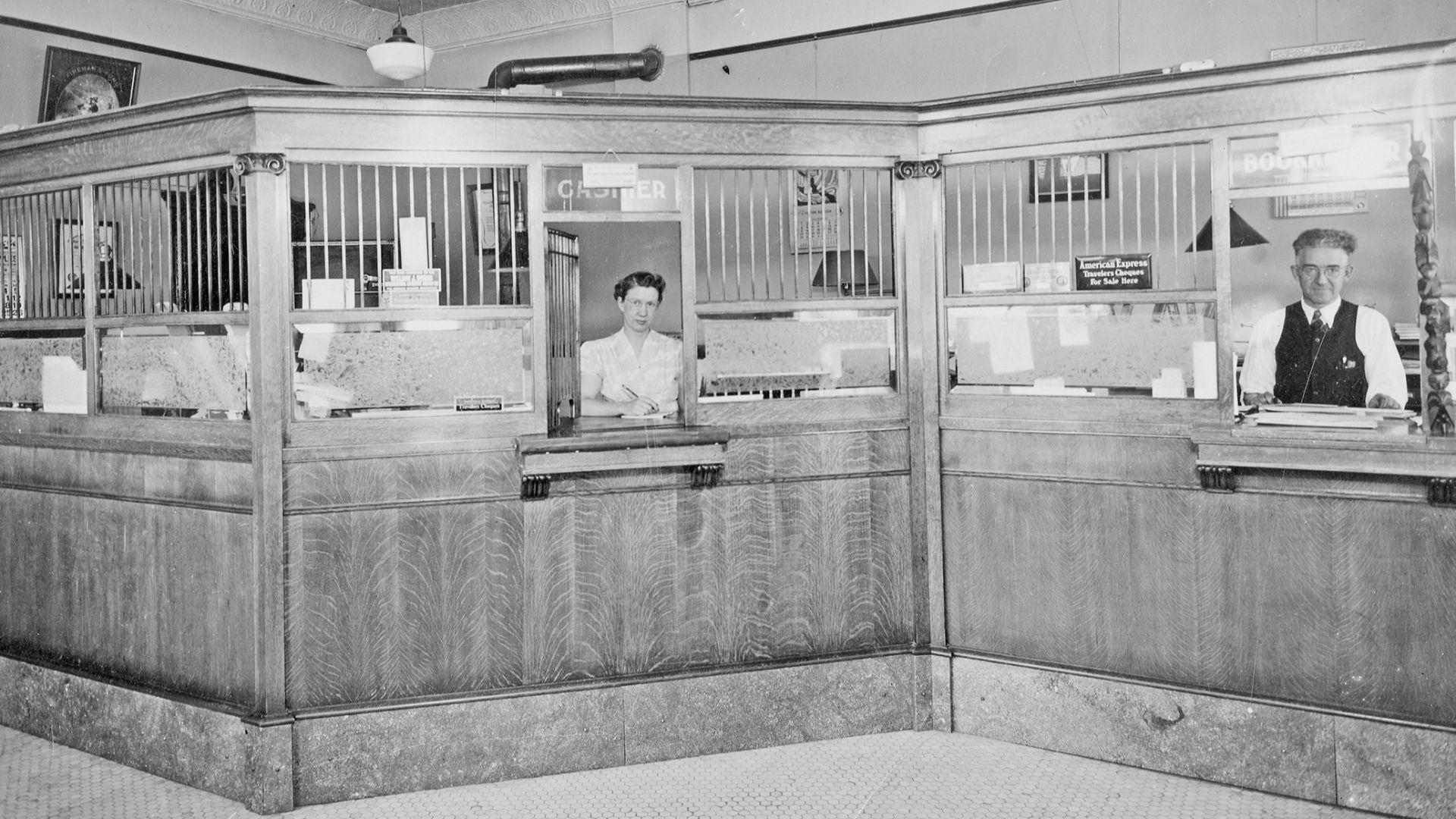
Before automated cash machines, withdrawing money generally meant doing business while the bank was open. Cash dispensers appeared in the late 1960s, and Chemical Bank installed an ATM in Rockville Centre, New York, in 1969, bringing automated cash withdrawal to American banking.
Deposit A Check
Depositing a paper check once commonly meant handing it to a teller or feeding it into an ATM. Remote Deposit Capture moved that task to the phone. The FDIC notes that many banks let customers photograph checks and deposit them electronically without visiting a branch.
![Bowery Savings Bank, 34th St. and 5th Ave., New York City. Tellers at machines
Rights Advisory: No known restrictions on publication.
Reproduction Number: LC-G612-T01-39059 (b&w film dup. neg.)
Call Number: LC-G612- 39059 <P&P> [P&P]](https://www.factinate.com/storage/app/media/factinate/2026/9/8/1788869107a9abf5089427876774d87b1ad1572806d2948c01.png) Gottscho-Schleisner, Inc., photographer and National Cash Register Co., client, Wikimedia Commons
Gottscho-Schleisner, Inc., photographer and National Cash Register Co., client, Wikimedia Commons
Move Money Between Accounts
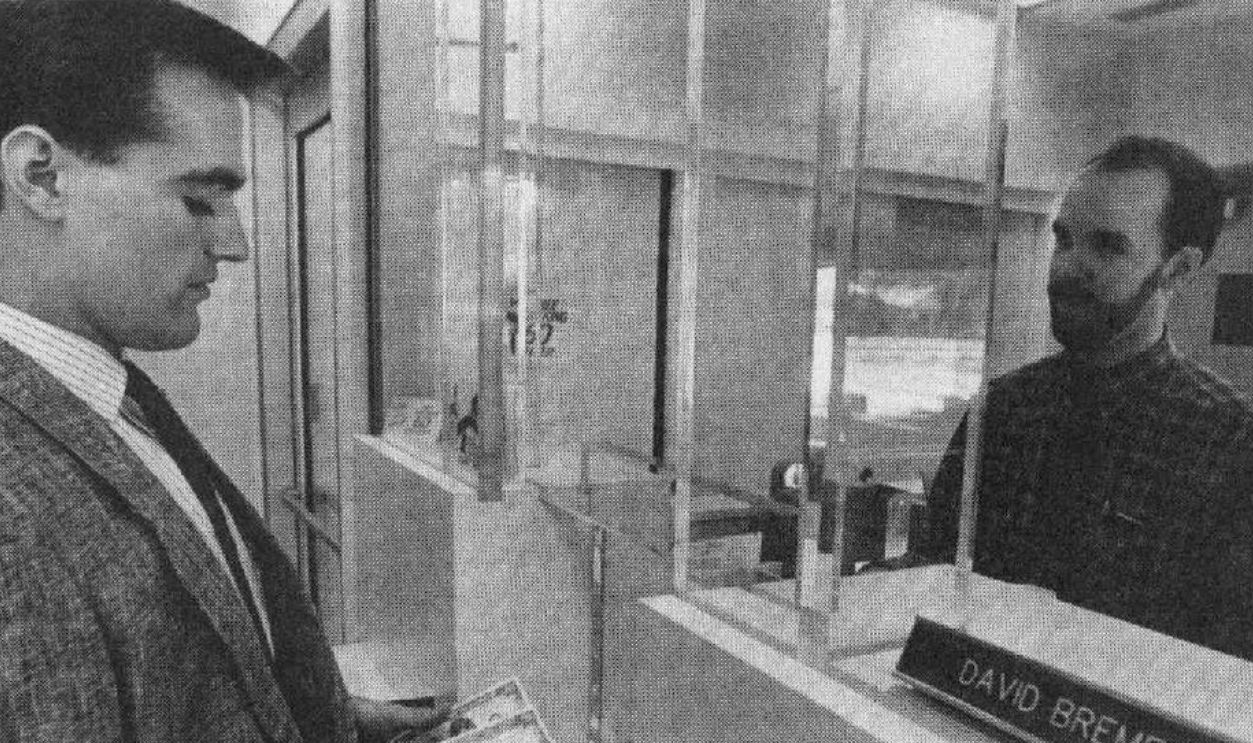
Bank employees once handled routine account transactions that customers now perform themselves. Wells Fargo’s history says its website gained account access in 1995, then added functions including transfers between accounts. A branch or phone interaction increasingly became a few clicks.

Pay Your Bills Through The Bank
Online banking also turned bill payment into a self-service job. Wells Fargo says recurring bill payments were among the features added to its early web banking service. Customers could schedule payments directly instead of relying on an employee to arrange the transaction.
 Bureau of Labor Statistics, Wikimedia Commons
Buy Or Sell Stock
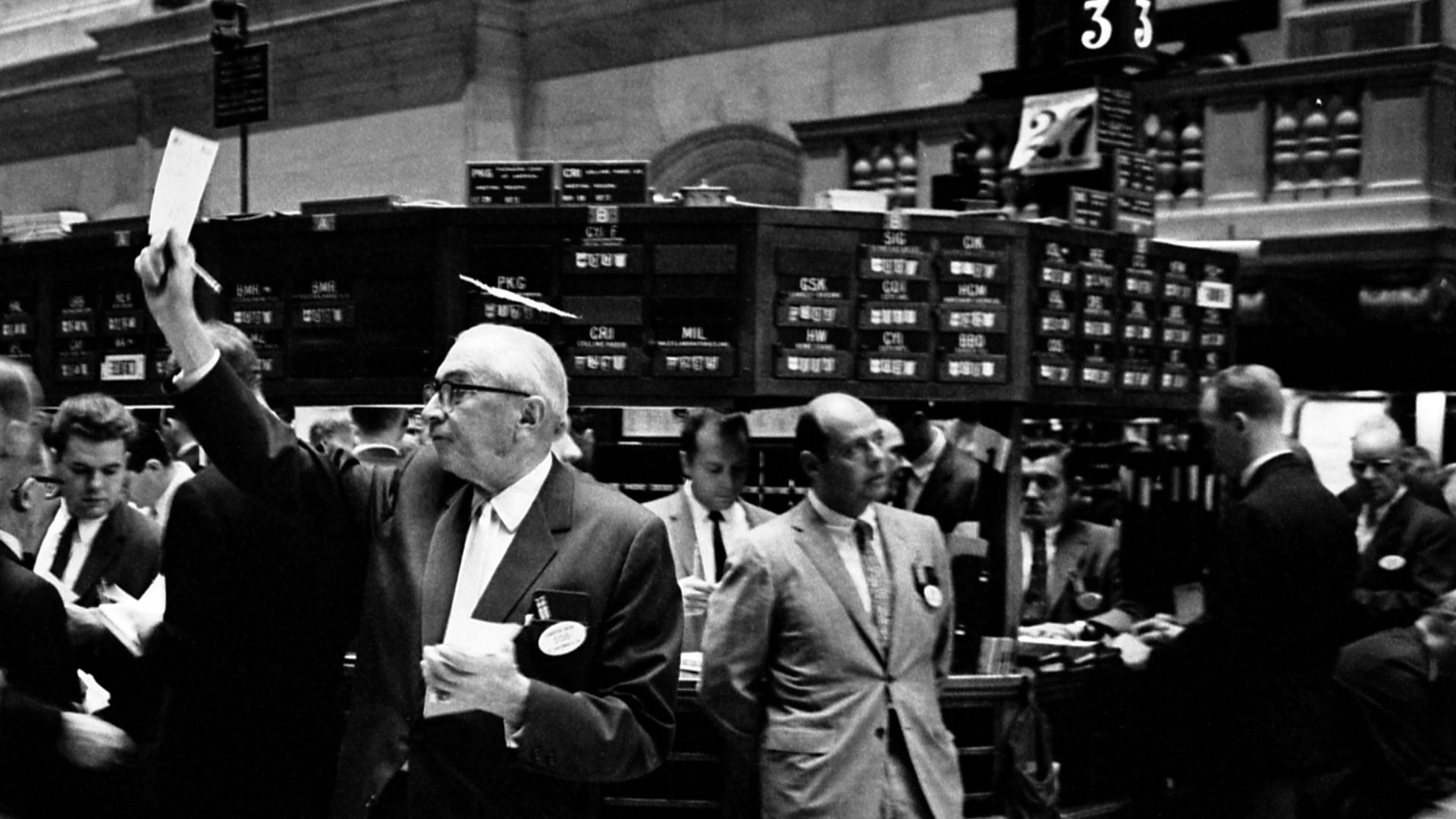
Individual investors once typically placed trades by contacting a broker. The SEC says internet-based trading systems arrived in 1995 and expanded rapidly during the late 1990s. Online platforms let customers enter orders themselves, though trades still pass through registered brokerage firms.
 Thomas J. O'Halloran, Wikimedia Commons
Book A Whole Trip
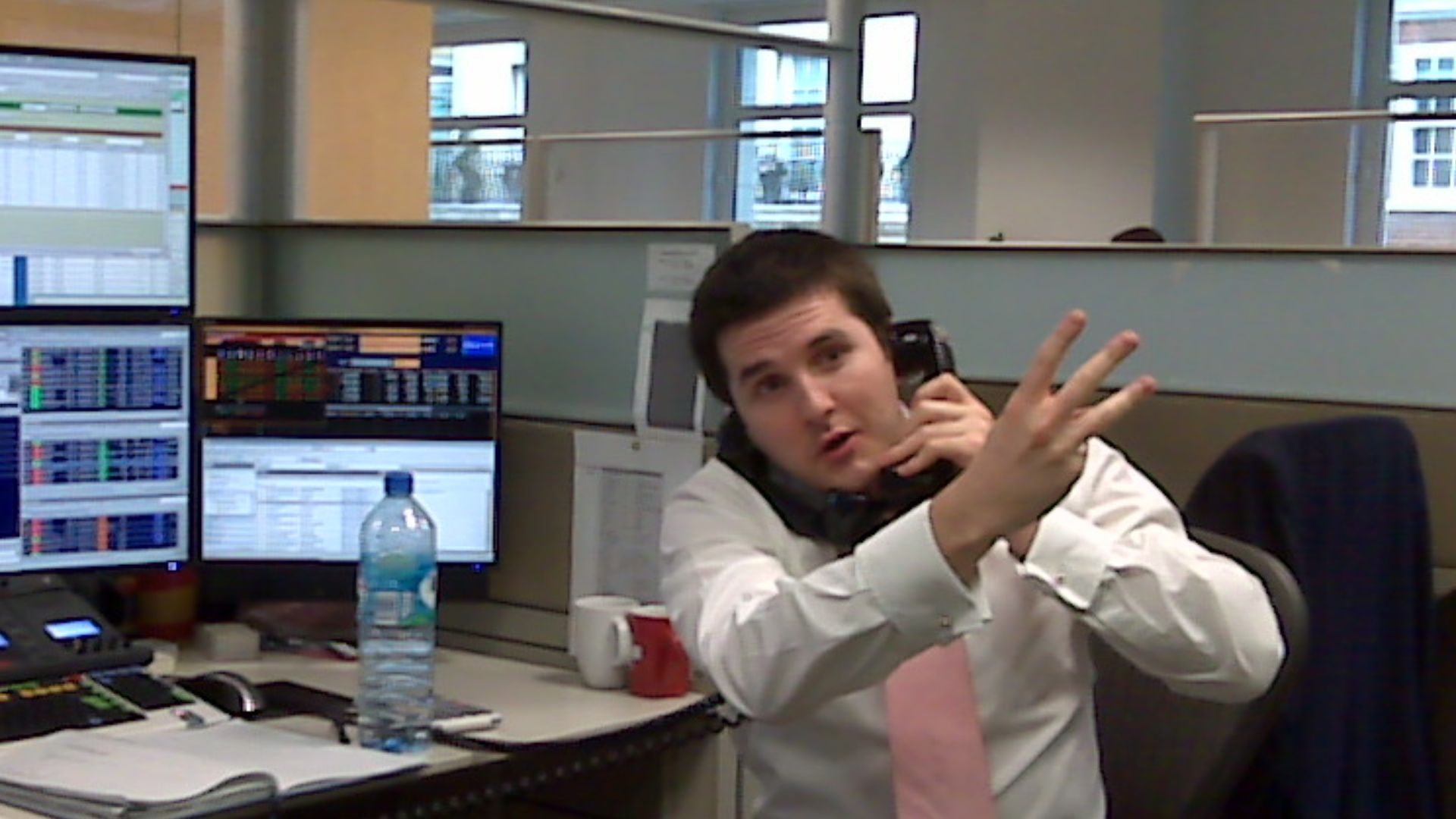
Travel agents once served as a gateway to airline schedules, hotel rooms, and rental cars. When Microsoft launched Expedia in 1996, consumers could access reservation information and book air, hotel, and car arrangements online without asking an agent to assemble the itinerary.
History's most fascinating stories and darkest secrets, delivered to your inbox daily.
Check In For A Flight
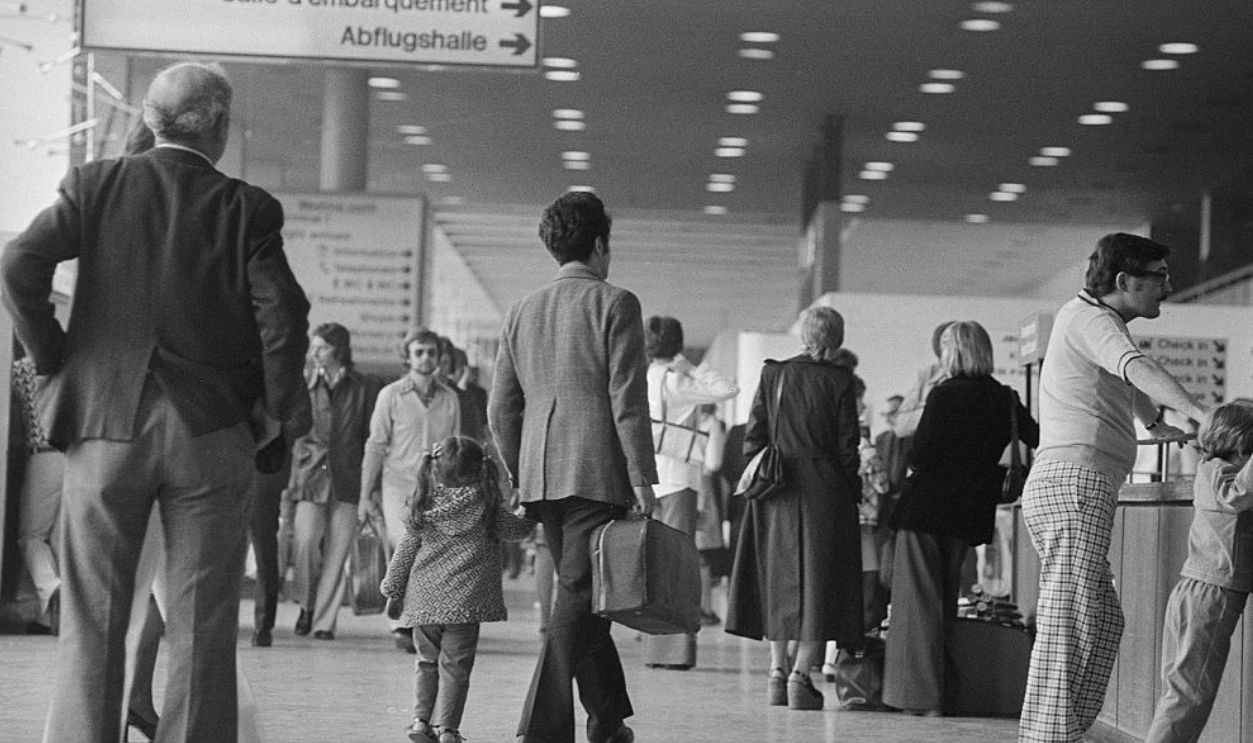
Checking in once meant finding an airline employee at the airport. Alaska Airlines says it installed self-service kiosks in 1996 and became the first airline to offer internet check-in in 1999. By 2005, more than half of its customers checked in electronically.
Ask An Airline A Basic Question
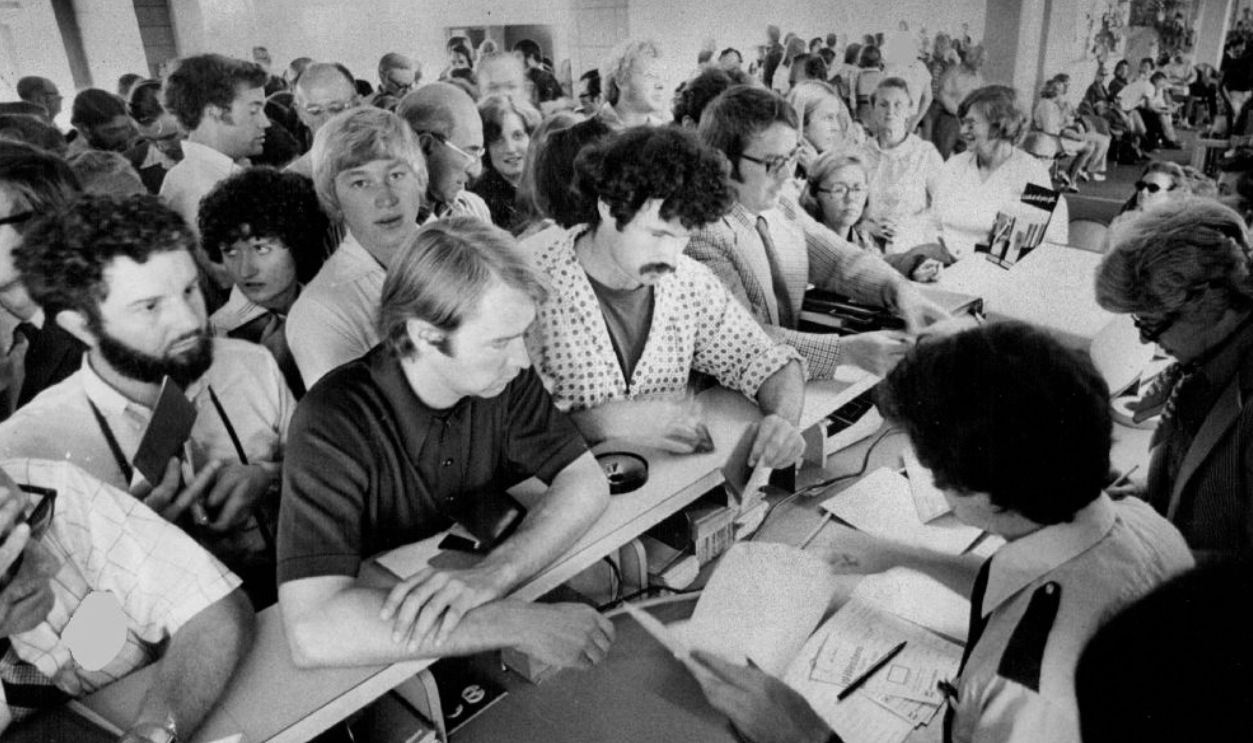
Online travel initially still relied heavily on human support. In 2008, Alaska Airlines introduced “Jenn,” described as the first virtual assistant from a US airline. Natural-language software answered questions and directed customers to information that might otherwise have required an employee.
Reserve A Restaurant Table
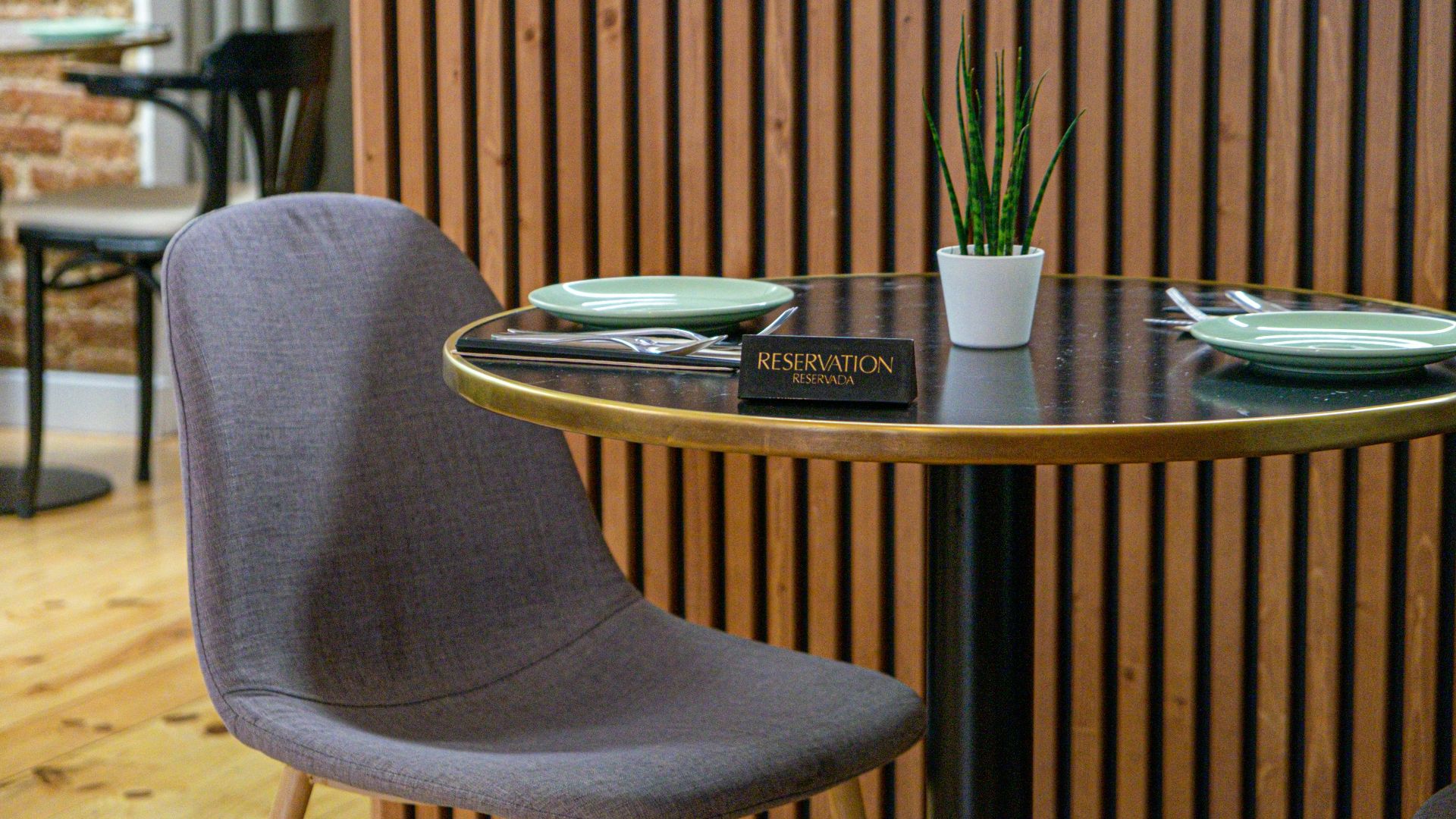
Calling a restaurant and speaking to a host was once the standard way to reserve a table. OpenTable, founded in 1998, helped pioneer online restaurant reservations, allowing diners to search availability and book without waiting for someone to answer the phone.
Translate A Foreign-Language Phrase
Skilled human translators remain essential for many jobs, but basic translation no longer always requires one. Google launched its machine-learning-based Translate service in 2006. It began with limited language pairs and developed into a tool that automatically translates text and other content.
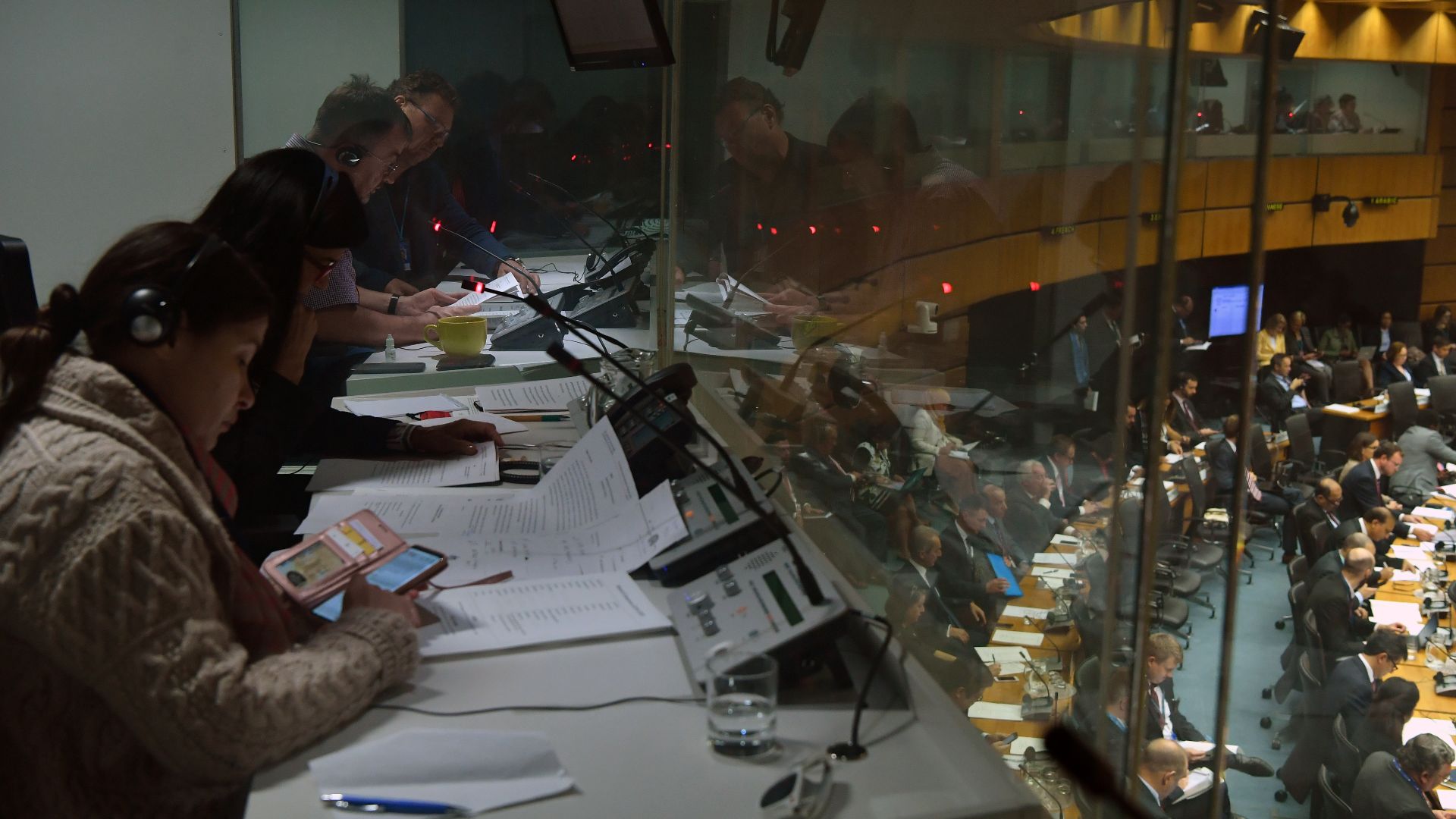 IAEA Imagebank, Wikimedia Commons
Pull Your Own Groceries From The Shelves
The supermarket itself was once a self-service innovation. In many 19th-century groceries, goods sat behind counters while clerks measured, weighed, and assembled orders. Piggly Wiggly, opened in Memphis in 1916, helped popularize shoppers selecting goods for themselves.
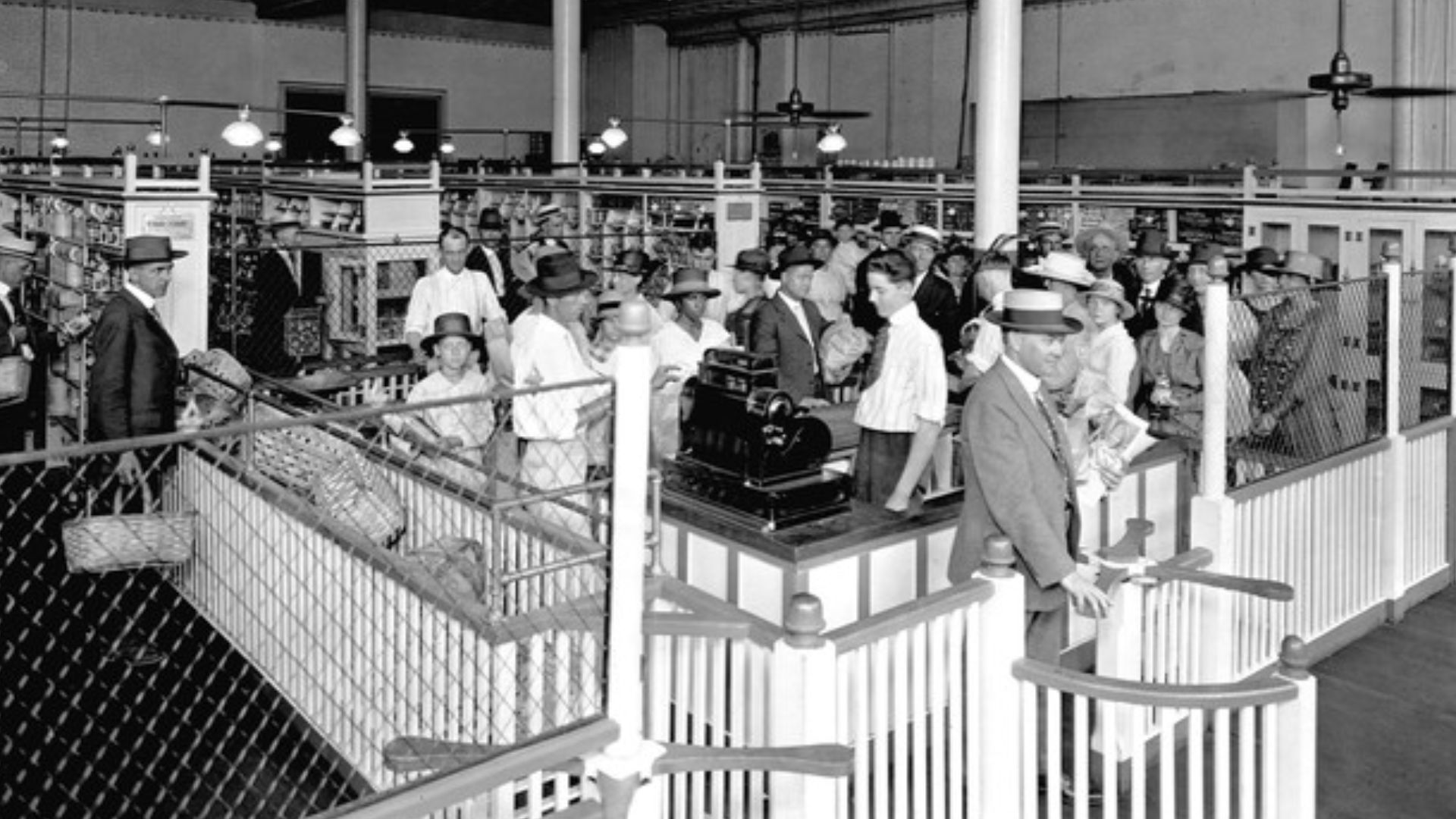 Clarence Saunders, Wikimedia Commons
Ring Up Your Own Groceries
Self-service eventually reached checkout. NCR says it installed its first self-checkout at a U.S. grocery store in 1998. Customers could scan, bag, and pay for purchases themselves, shifting another task traditionally handled by a cashier onto the shopper.
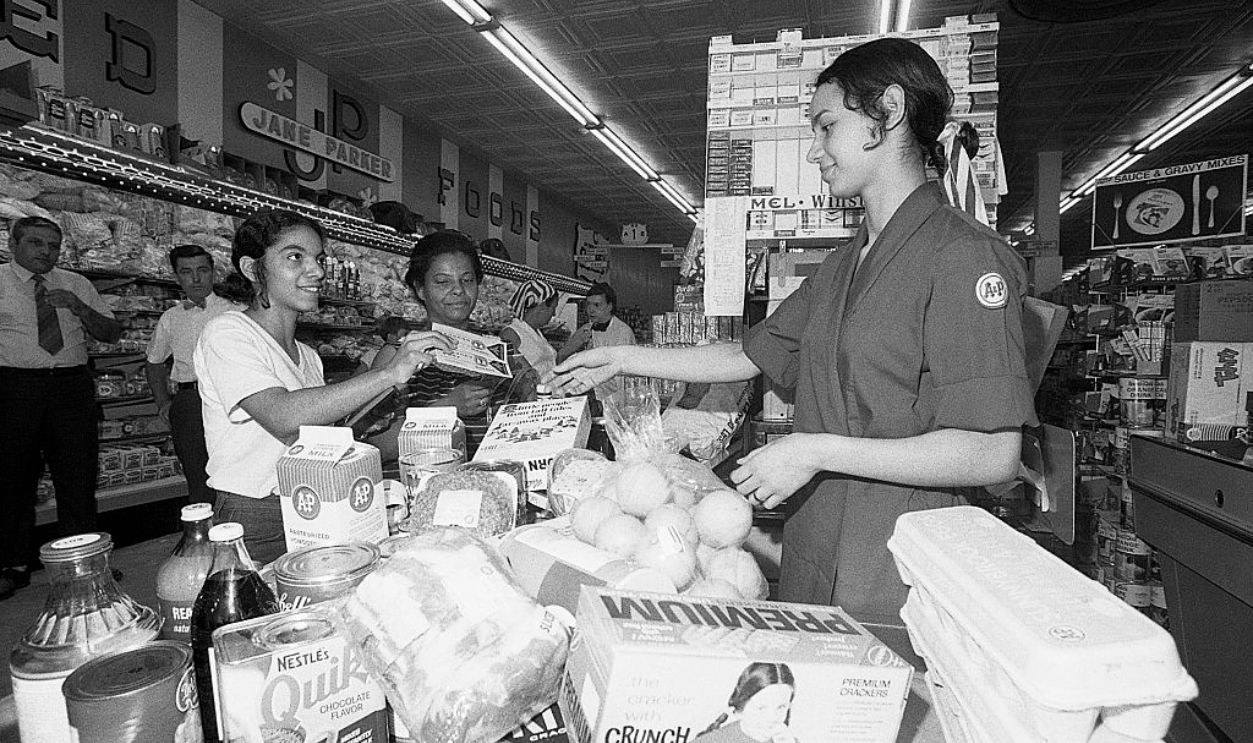
History's most fascinating stories and darkest secrets, delivered to your inbox daily.
Order Fast Food Without A Cashier
Fast-food ordering followed the same path. McDonald’s has introduced self-order kiosks, mobile ordering, and digital payment tools that let customers choose and customize meals without ordering face-to-face. The cashier counter remains, but it is no longer the only route to food.
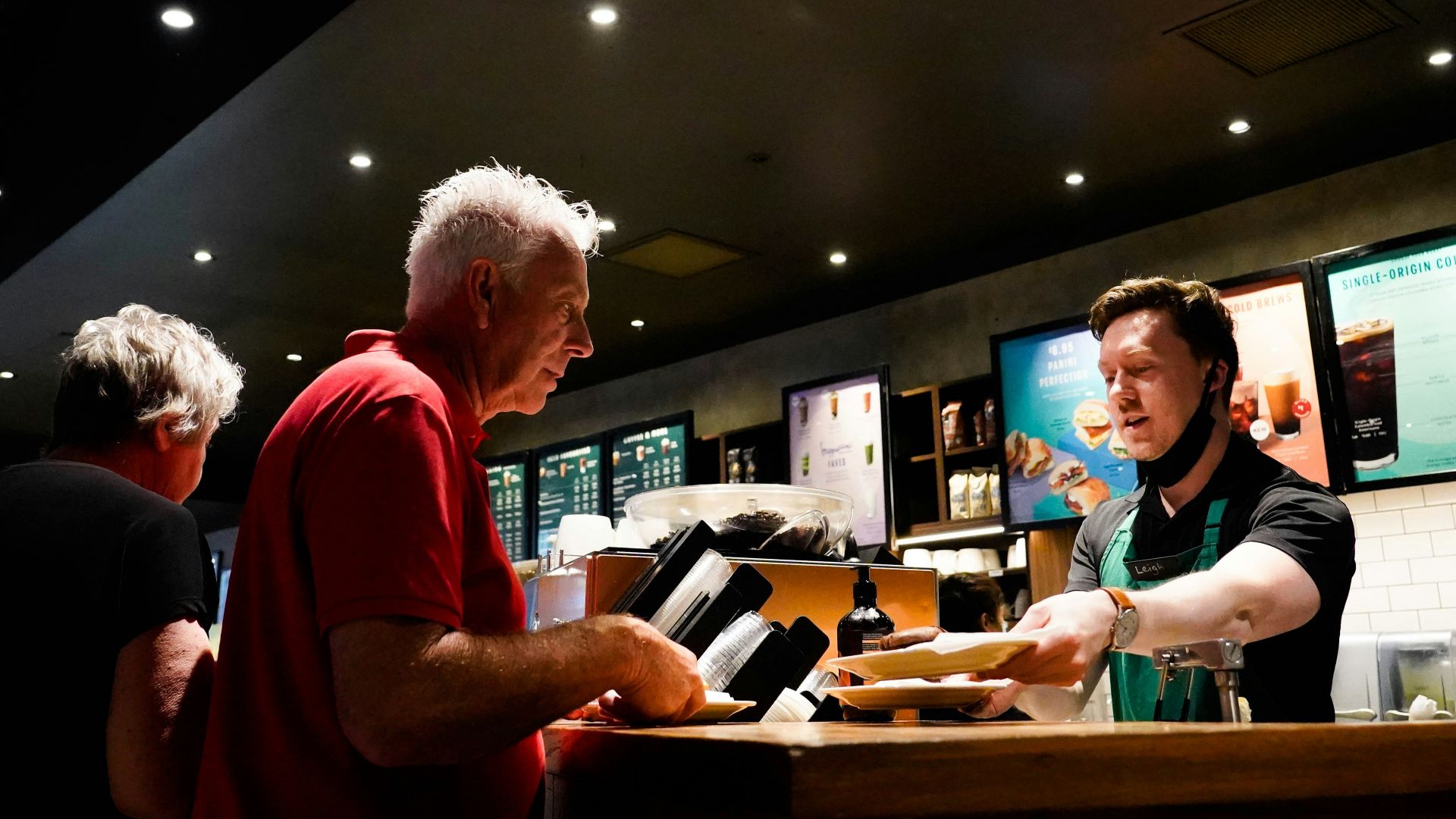
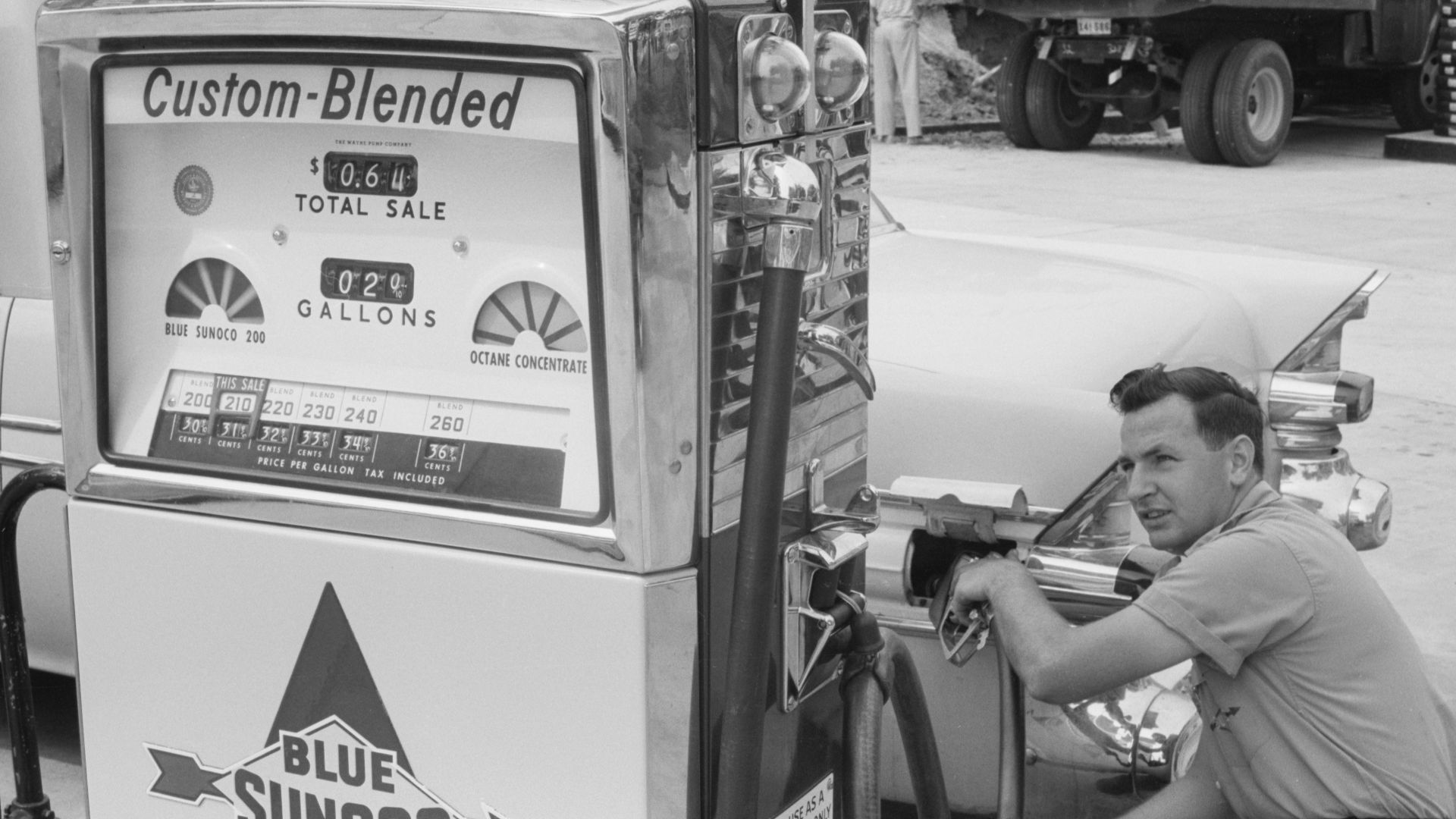
Pump Your Own Gas
For much of the 20th century, filling stations centered on attendants. NACS says remote-access self-service gasoline pumps arrived in Colorado in 1964, when pumping your own fuel was prohibited in most states under fire codes. The model took years to gain broad acceptance.
 Thomas J. O'Halloran, Wikimedia Commons
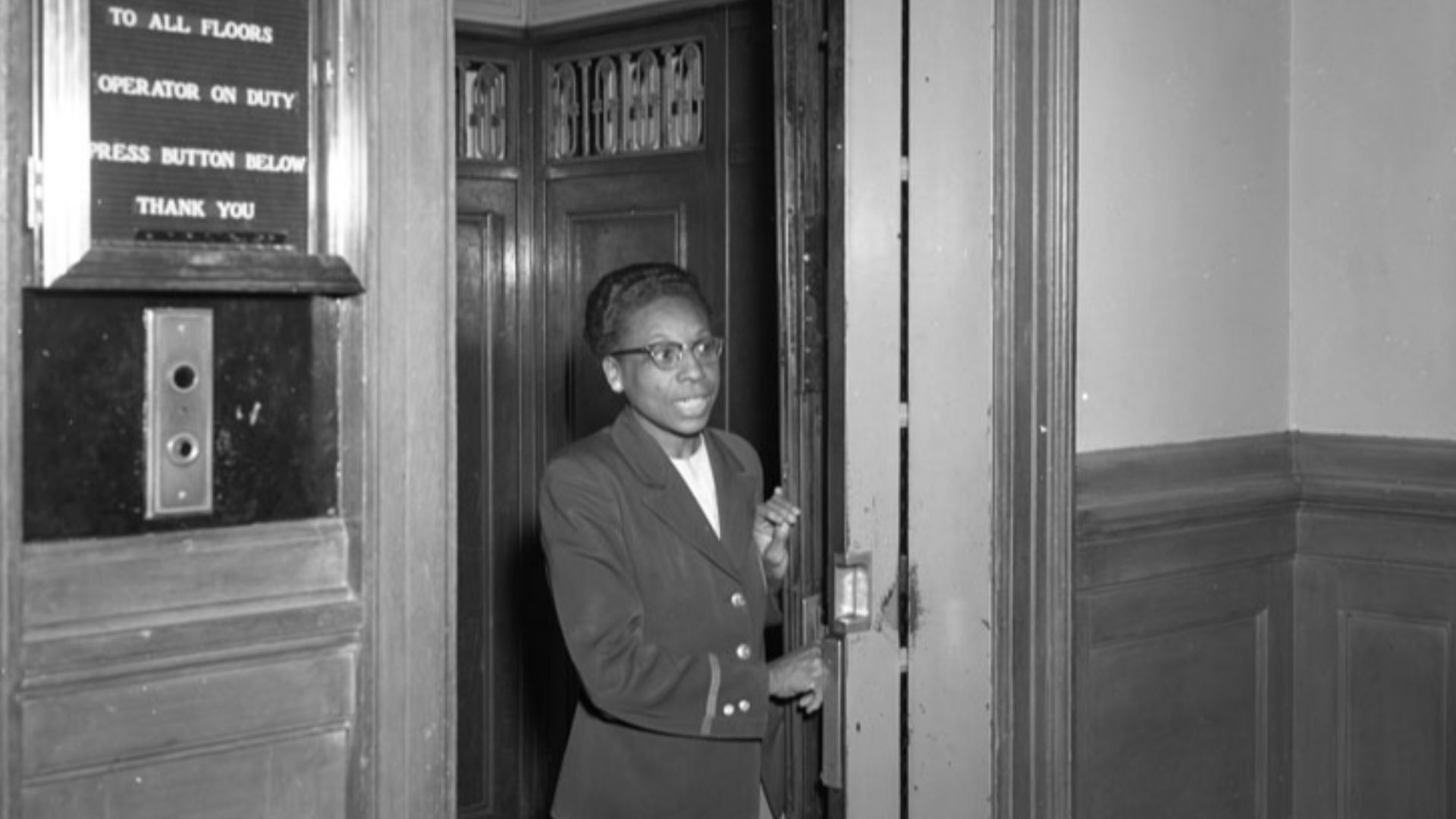
Operate The Elevator
Riding an elevator once meant relying on an operator. Otis says its Autotronic system, installed in a Dallas office building in 1950, created the world’s first building with high-speed, no-operator elevators. Push-button vertical travel eventually became ordinary.
 The Library of Virginia from USA, Wikimedia Commons
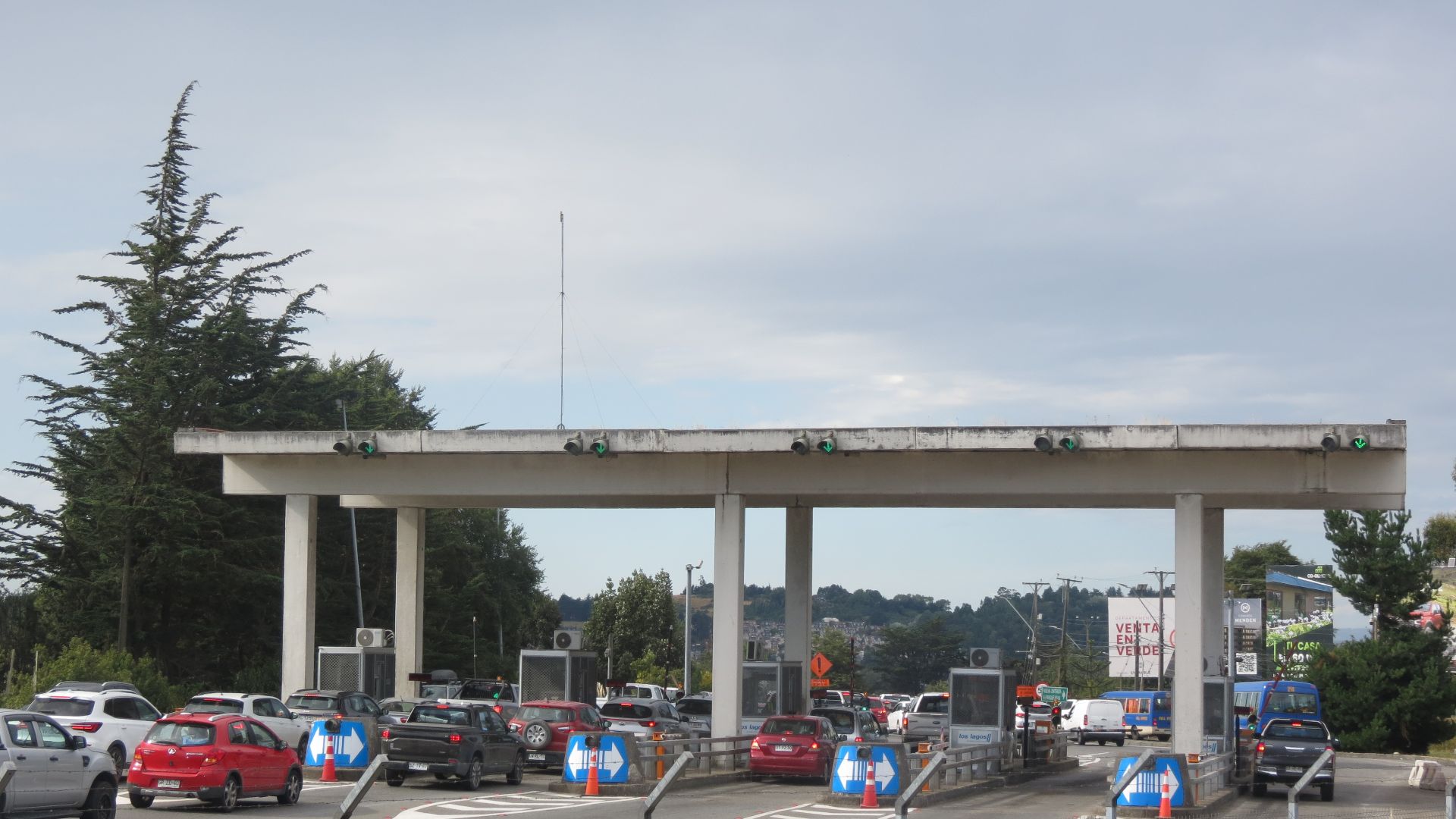
Pay A Highway Toll
Tollbooths once meant stopping to hand money or a ticket to a collector. E-ZPass grew from regional experiments with electronic toll collection beginning in the late 1980s. A windshield tag and reader could charge a prepaid account automatically as a vehicle passed.
 Ivotoledo45, Wikimedia Commons
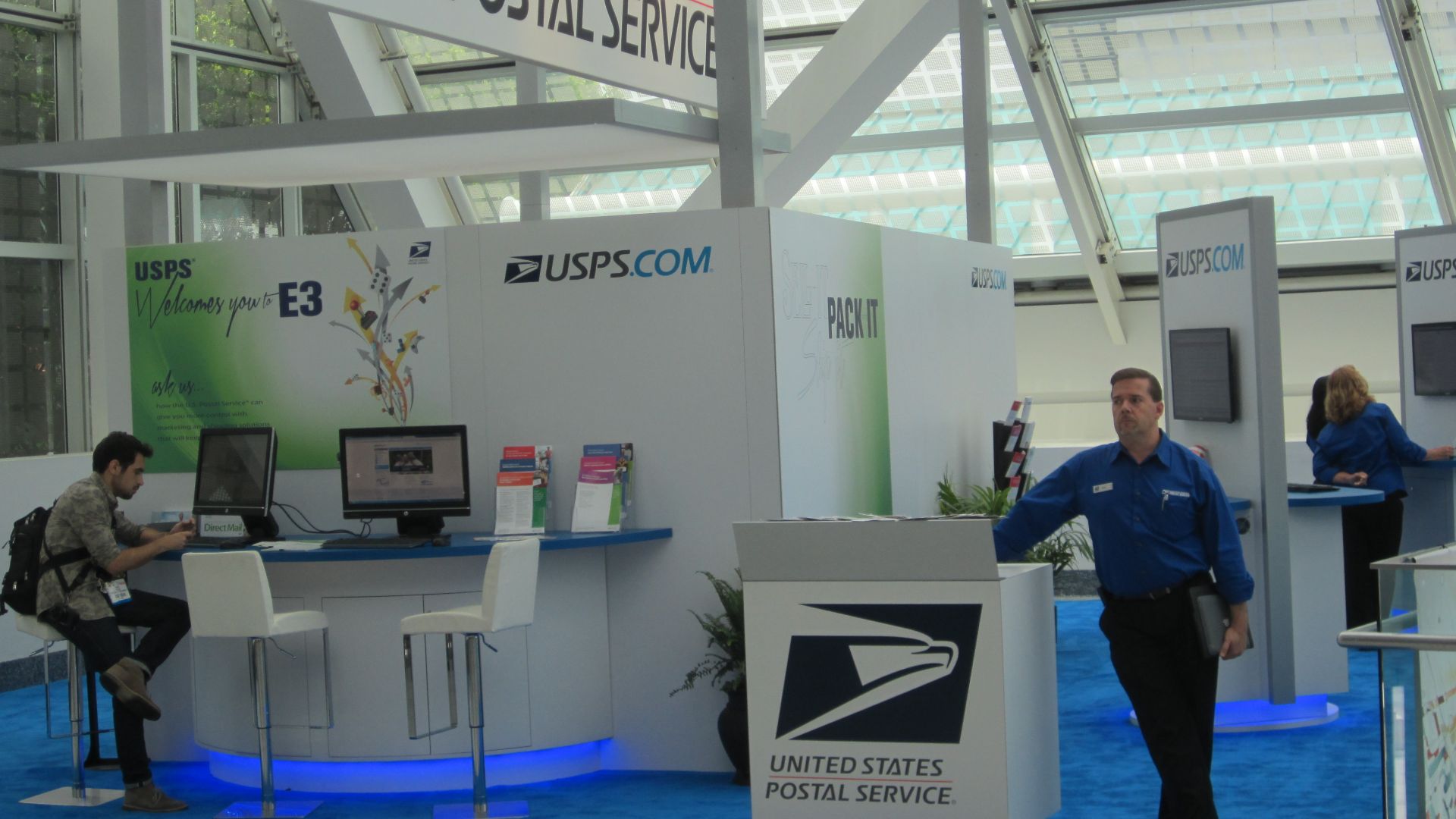
Weigh And Mail A Package
Mailing many packages once required a post office counter. USPS began deploying Automated Postal Centers in 2004, letting customers weigh parcels, calculate postage, and print labels themselves. Click-N-Ship had already moved label purchasing to home computers in 2002.
 Tarcil Tarcil, Wikimedia Commons
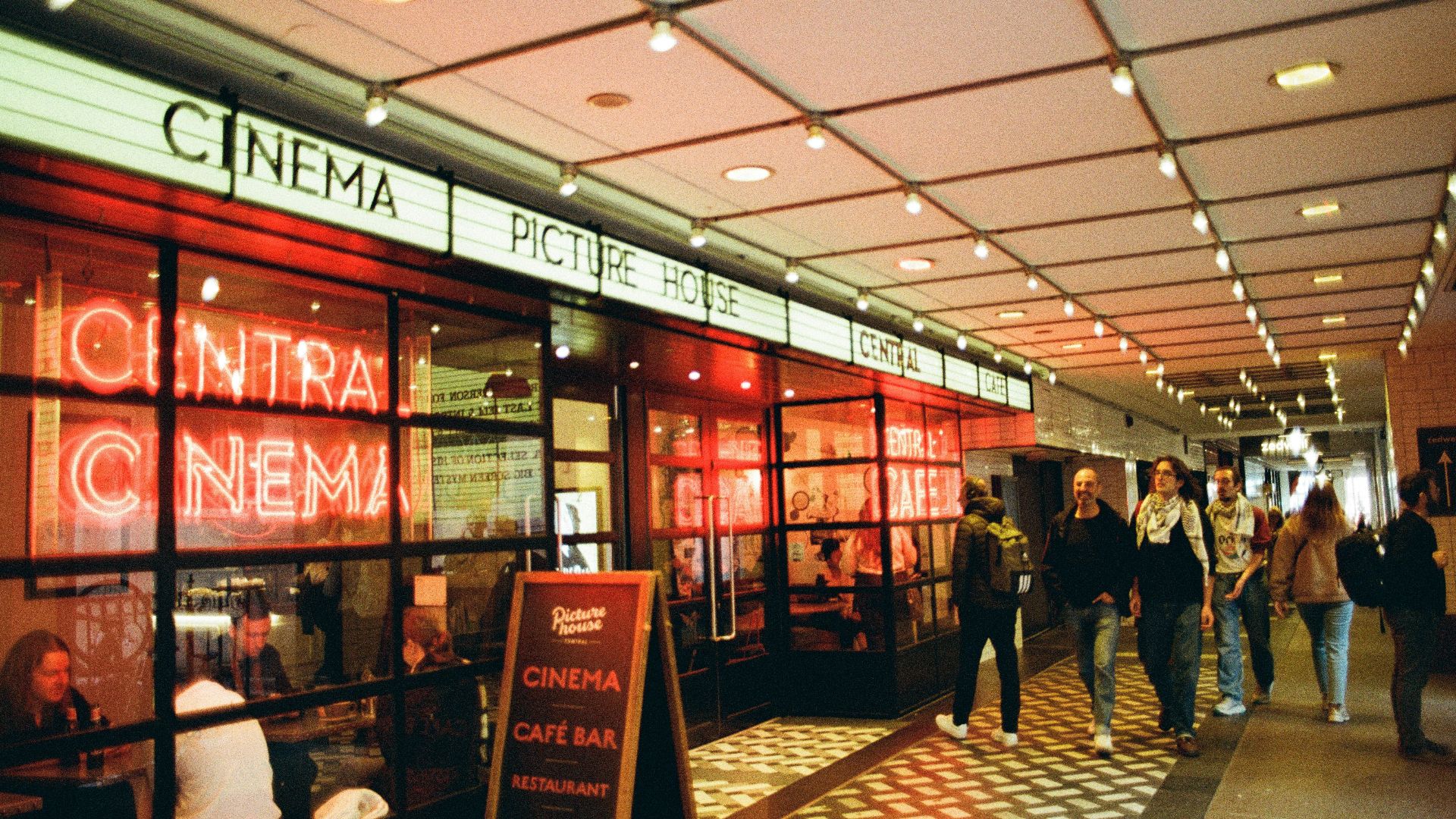
Buy A Movie Ticket
A box-office clerk once stood between moviegoers and a seat. By 2007, Comcast described Fandango as a major online destination for showtimes and theater tickets. Buying ahead online turned arriving, waiting in line, and asking what remained into a self-service transaction.
History's most fascinating stories and darkest secrets, delivered to your inbox daily.
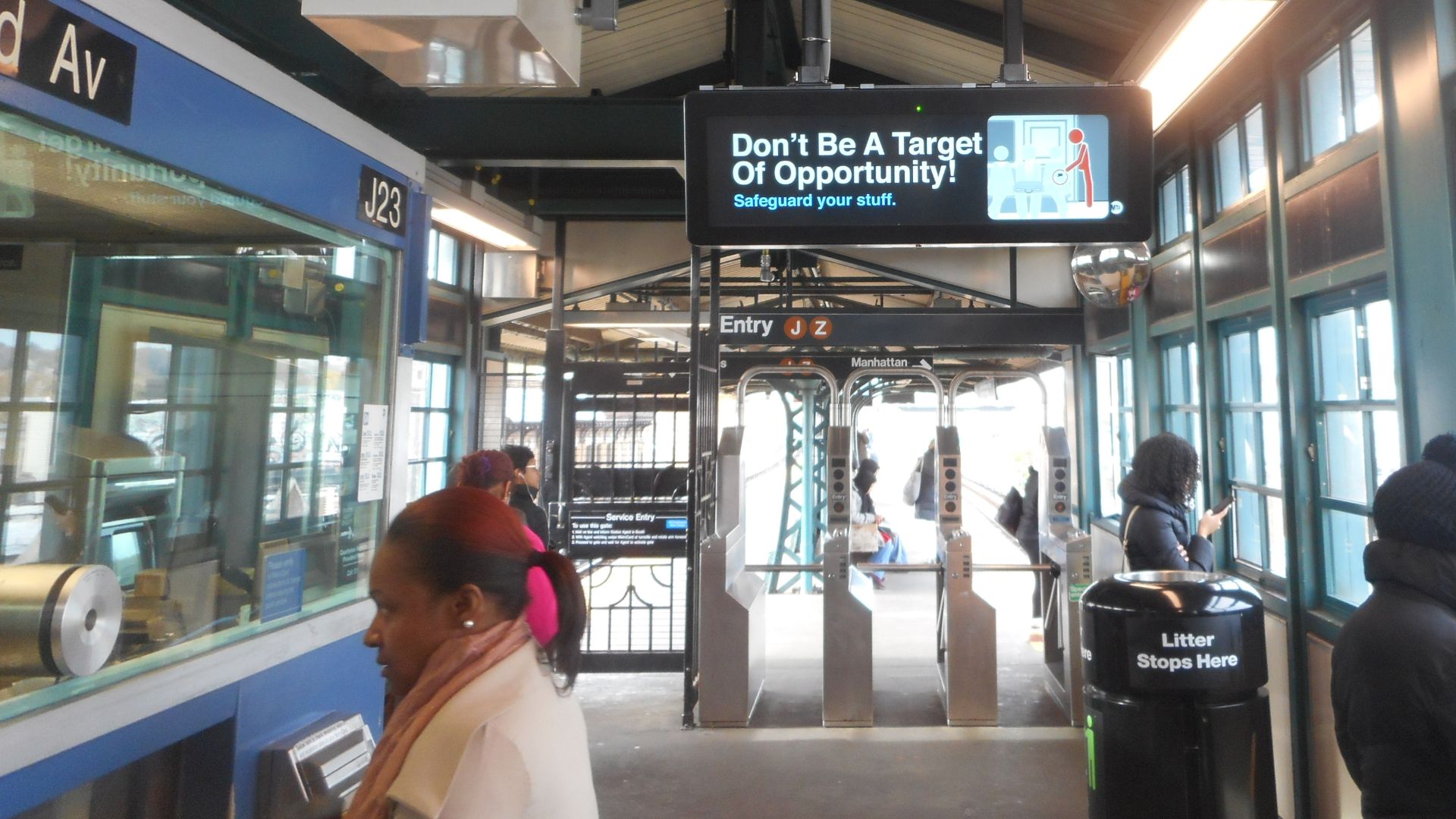
Buy Your Subway Fare
New York’s token booth shows another human middleman fading from a routine transaction. The MTA says station agents worked in booths since the token era, while changes in fare payment ultimately culminated with OMNY. Agents moved out as machines and tap-based payments handled more of the transaction.
You May Also Like:
Old Technology Everyone Thought The Internet Would Kill, But Refuses To Die
Ancient Medical Treatments That Somehow Worked
The Forgotten Industries That Once Employed Millions Of Americans










.jpg)