
Here To Stay
The Internet changed how people shop, read, travel, pay, listen, and communicate, so plenty of older formats suddenly looked doomed. But replacement was rarely complete. These supposedly obsolete holdouts are still proving that convenient does not always mean extinct.

Print Books Refused To Log Off
E-books can arrive in seconds and fit by the hundreds on one device, but paper never disappeared. U.S. print book sales at outlets tracked by Circana BookScan reached 762.4 million copies in 2025, marking a second consecutive annual increase. Even in a market packed with digital alternatives, printed books remain a massive consumer product.

Independent Bookstores Made A Comeback
Online bookselling looked especially threatening to neighborhood bookshops, yet independents have shown surprising resilience. The American Booksellers Association reported that membership rose 19% in 2025 and that 605 new brick-and-mortar, pop-up, and mobile stores opened during the year.

Vinyl Records Came Back From The Attic
Instead, vinyl rebuilt itself into a billion-dollar U.S. business. Vinyl revenue reached about $1.04 billion in 2025 as 46.8 million units shipped, while revenue increased 9.3% from 2024. The format has now posted 19 consecutive years of revenue growth.

CDs Are Still Hanging Around
Compact discs no longer rule music retail, but streaming never finished them off. U.S. CD shipments totaled 29.5 million units in 2025 and generated $312.4 million in wholesale revenue. Both figures declined from 2024, yet they still represent a substantial physical market for a format that lost its mainstream dominance years ago.

Radio Kept Its Place In The Car
Podcasts, streaming music, and Internet radio gave listeners endless alternatives to traditional stations. Even so, local radio remains part of Americans' news routines. In December 2025, 52% of U.S. adults said they often or sometimes got local news and information from local radio stations, compared with 56% in 2018.

Printed Newspapers Never Fully Vanished
News websites made the morning paper look destined for extinction, and print readership has fallen sharply. But it is not gone. Among Americans who got news from local daily newspapers in 2025, 30% said the print edition was their primary way of accessing that newspaper's reporting. Digital dominates, but ink still has an audience.

Local Television Survived The Browser
The web created countless ways to get weather, traffic, sports, and breaking news without waiting for a broadcast. Still, local television remains widely used. In late 2025, 65% of U.S. adults said they often or sometimes got local news from a local TV station, making television a remarkably persistent pre-Internet habit.

Movie Theaters Outlasted Streaming
Broadband, giant televisions, and streaming libraries repeatedly raised questions about the future of moviegoing. Yet theaters remain a mass-market activity. Cinema United reported that 77% of Americans ages 12 to 74 saw at least one movie in a theater in 2025, representing more than 200 million people. Habitual moviegoing also increased that year.

Public Libraries Kept Evolving
Search engines put enormous amounts of information within reach, but public libraries adapted rather than disappearing. The federal Public Libraries Survey collects data from roughly 9,000 public libraries and about 17,000 outlets. A 2026 federal review described library operations and services as showing a steady recovery following pandemic-era disruption.

Travel Agents Found A New Role
Booking sites let travelers compare flights and hotels without calling an agent. Yet the occupation remains firmly alive. Travel agents held about 61,500 U.S. jobs in 2025, and federal projections anticipate roughly 5,900 openings per year through 2035. Personalized advice and help with complicated trips continue to support demand.

Paper Road Maps Stayed In The Glove Box
GPS made printed directions look hopelessly old-fashioned, but paper maps found fresh interest. Rand McNally reported in 2023 that unit sales of its atlases and paper maps had risen by more than 20% since 2021. The company marked the trend by releasing a 100th-year collector's edition of its road atlas for 2024.

Cash Would Not Go Cashless
Online shopping, cards, mobile wallets, and payment apps reduced cash's share of purchases, but cash use has not vanished. Americans made an average of seven cash payments per month in 2024, unchanged since 2020. More than 90% of consumers also said they expected to use cash in the future for payments or storing value.

Paper Checks Are Somehow Still Clearing
Online bill pay and instant bank transfers have existed for years, yet paper checks refuse to disappear. The Federal Reserve estimated 9.2 billion check payments in 2024, worth $24.45 trillion. That is far below the format's former dominance, but billions of annual transactions show that checks remain embedded in parts of the economy.

Greeting Cards Beat The E-Card
Email, texts, and social media made birthday and holiday wishes instant and free. Physical cards nevertheless remain a huge seasonal ritual. About 1.3 billion holiday greeting cards are still sent annually, according to figures cited by the U.S. Postal Service in 2025.

Postal Mail Kept Moving
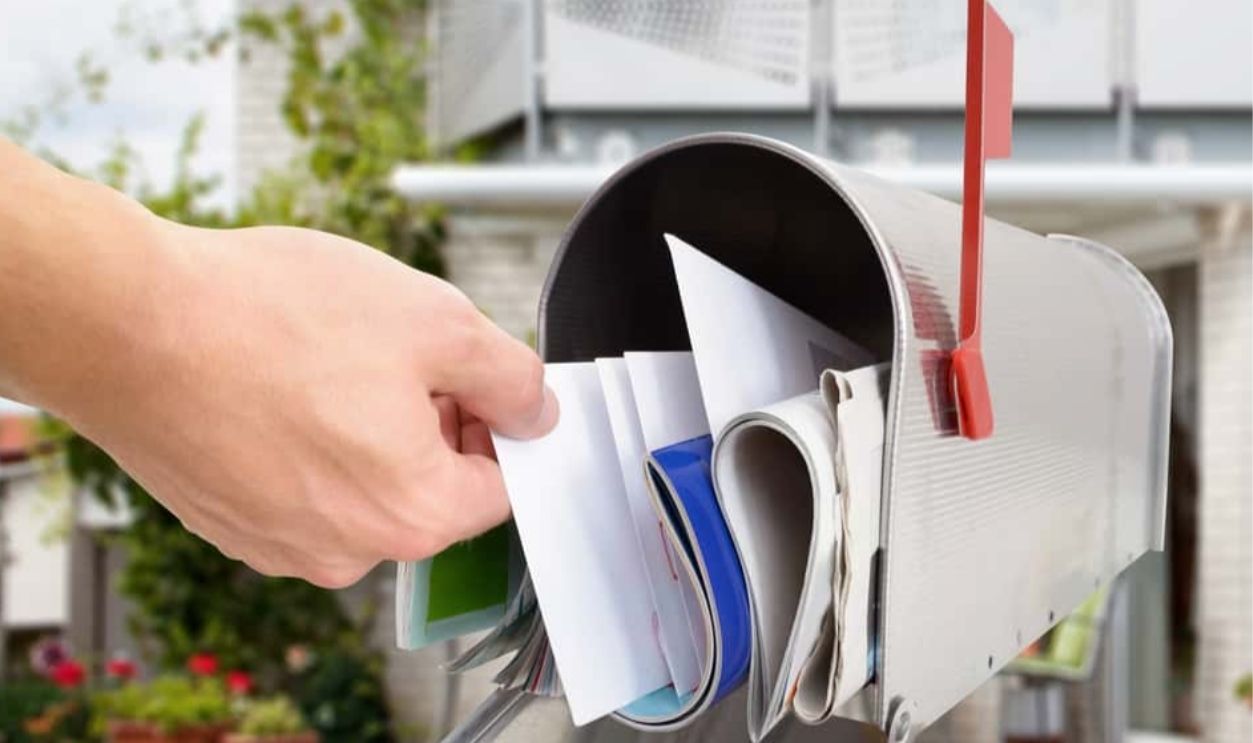
Email eliminated much of the need for routine letters and statements, but the mailbox is hardly empty. The U.S. Postal Service handled 108.7 billion pieces of mail in fiscal 2025. Volume has fallen over the past decade, yet the surviving scale shows how much commerce, advertising, government communication, and personal correspondence still depend on physical delivery.

Direct Mail Advertising Stayed In Business
Digital ads can target shoppers across websites and apps, but marketers still send an astonishing amount of paper. U.S. Marketing Mail volume totaled 56.8 billion pieces in fiscal 2025. The format faces strong digital competition, yet postcards, flyers, catalogs, and other mailed promotions still reach American households by the billions.
Landlines Did Not Reach Zero
Cell phones came close to making the home phone a relic. By the second half of 2024, 78.7% of U.S. adults lived in wireless-only households, according to federal health data. That overwhelming majority shows how dramatic the shift has been, while also confirming that the older household-phone model has not disappeared completely.

Fax Machines Are Still Being Phased Out
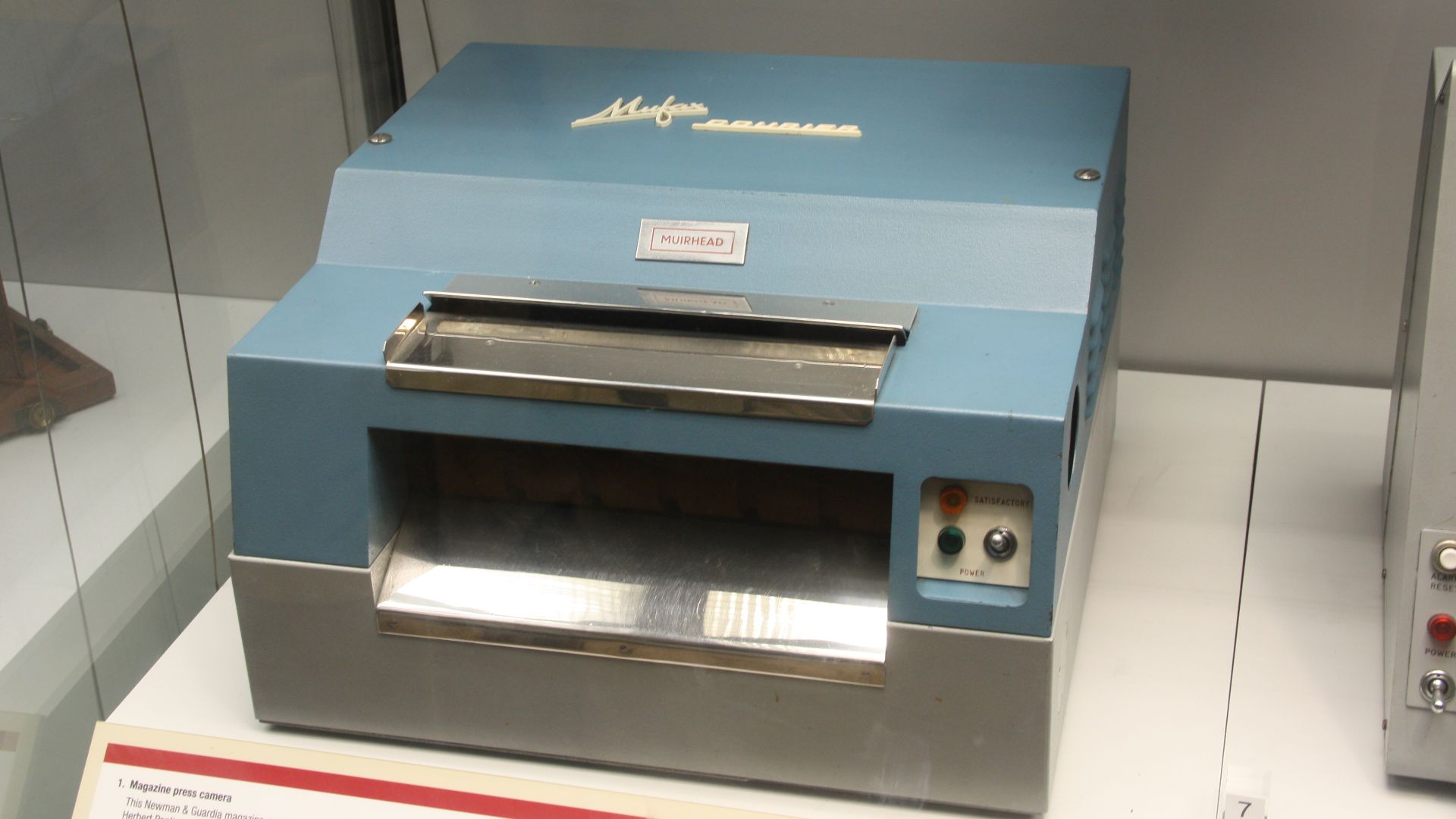
Few technologies have looked obsolete for as long as the fax machine, yet some industries kept relying on it deep into the Internet era. In 2026, federal health regulators finalized electronic standards specifically intended to replace faxing and mailing for certain claims documentation, with projected industry savings of roughly $782 million each year.
 Richard Ash, Wikimedia Commons
Brick-And-Mortar Stores Still Dominate Retail
E-commerce changed shopping permanently, but it did not turn every store into a warehouse. In the second quarter of 2026, online sales accounted for 17.1% of total US retail sales after seasonal adjustment. Physical retail therefore remains the larger part of the market, even as stores increasingly combine websites, apps, pickup, and delivery.

Bank Branches Stayed On The Map
Online banking lets customers deposit checks, transfer money, and pay bills without visiting a teller. Even so, physical branches remain widespread. The FDIC's 2025 Summary of Deposits covered more than 76,000 domestic offices operated by more than 4,400 insured institutions, showing that banking still maintains a substantial physical footprint in the digital age.

You May Also Like:
Safety Devices That Were Ignored Until Disaster Made Them Impossible To Refuse
Very Successful Products That Made Major Design Changes Because People Kept Using Them Wrong
Brand Names Nobody Realizes Were Actually Named After Real People