When Authors Were Famous
There was a time when bestselling authors were actual celebrities, and their names alone could sell millions of books. But ask someone born after 2000 who they are, and expect some blank stares. How many of these authors do you remember? More than five?
 Silver Screen Collection, Getty Images
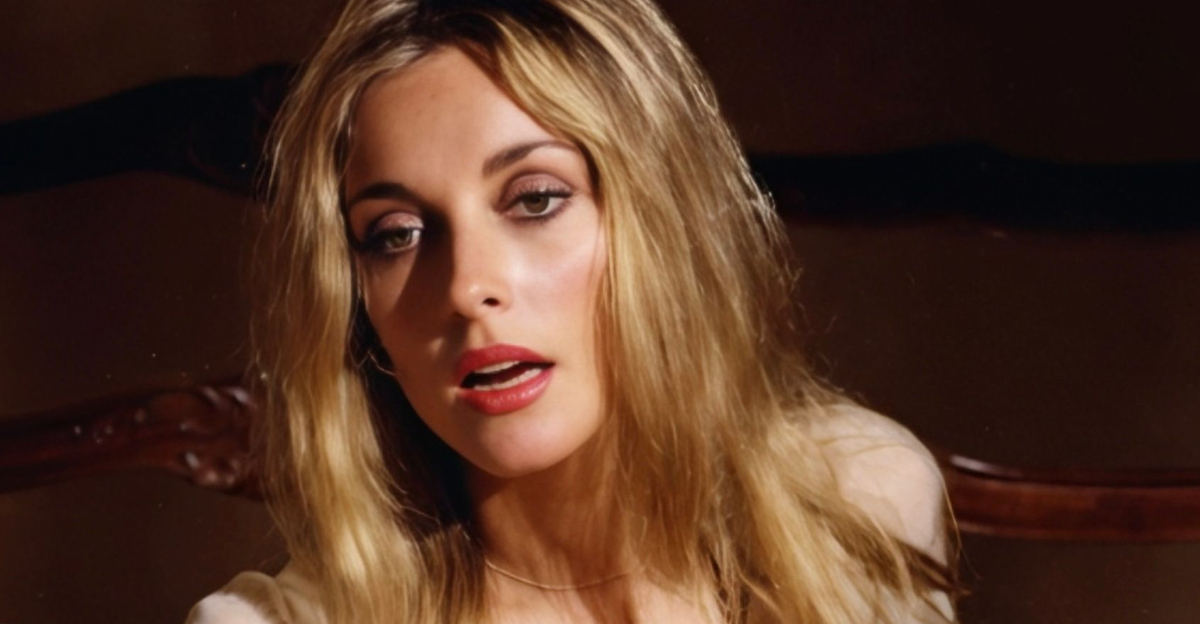
James Clavell
James Clavell made historical fiction feel enormous. His novels Shōgun, Tai-Pan and Noble House mixed politics, adventure and culture into stories readers could disappear inside for days. Shōgun has returned to the spotlight—but how many younger viewers could name the man who wrote it?
 Fairfax Media Archives, Getty Images
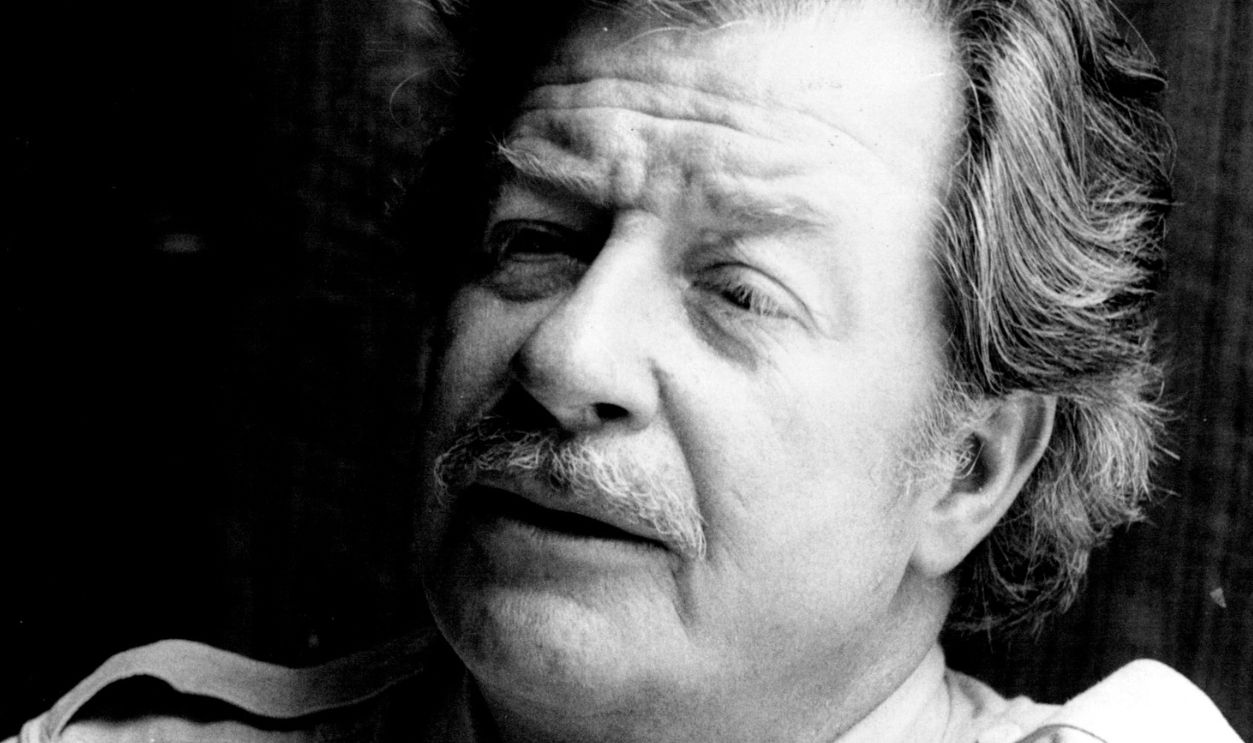
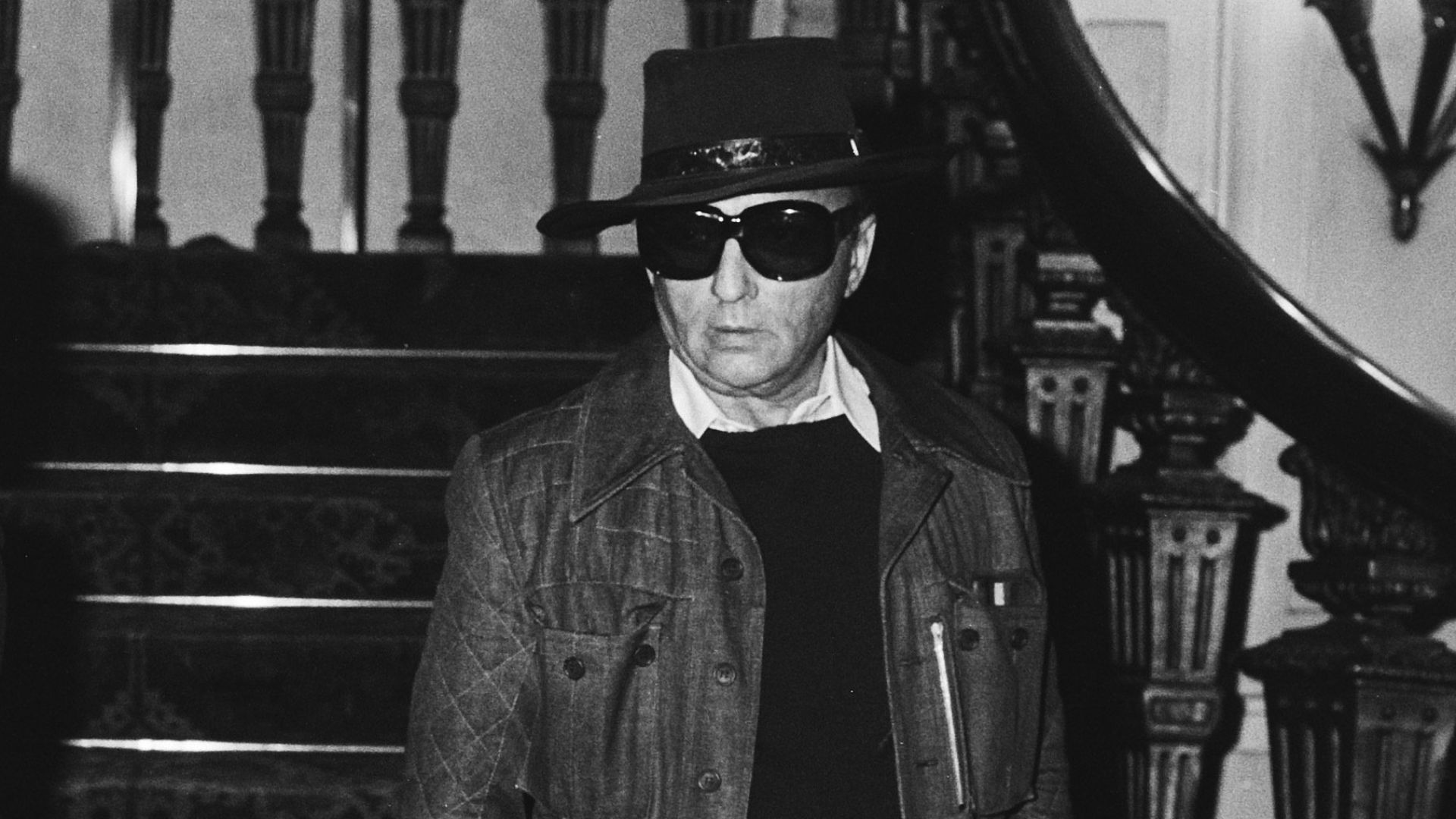
Harold Robbins
Harold Robbins did not write quiet little novels. He wrote sprawling stories about money, power, Hollywood and scandal—and readers devoured them. Books such as The Carpetbaggers made him one of the world’s bestselling authors, while his extravagant lifestyle made him nearly as interesting as his characters.
 Rob Croes for Anefo, Wikimedia Commons
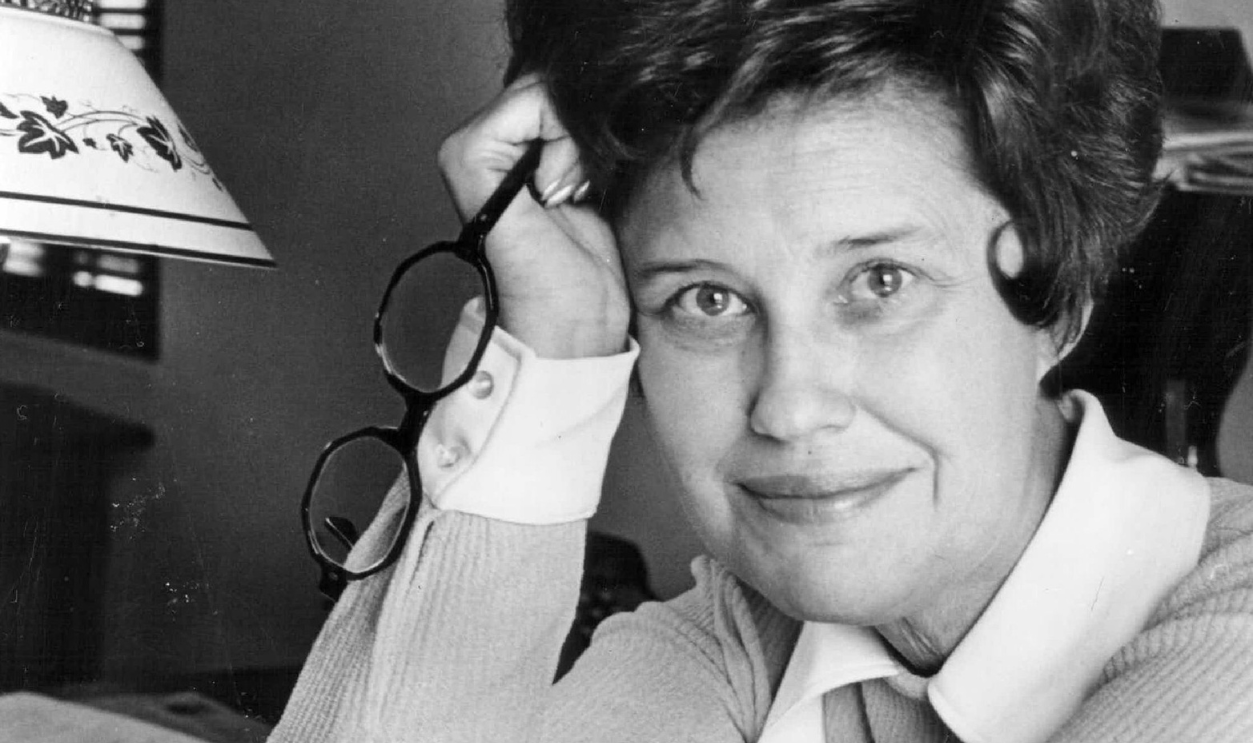
Erma Bombeck
For millions of baby boomers, Erma Bombeck was the wonderfully funny voice of suburban family life. By the 70s, her syndicated newspaper columns were reaching about 30 million readers, while books such as The Grass Is Always Greener Over the Septic Tank became bestsellers.
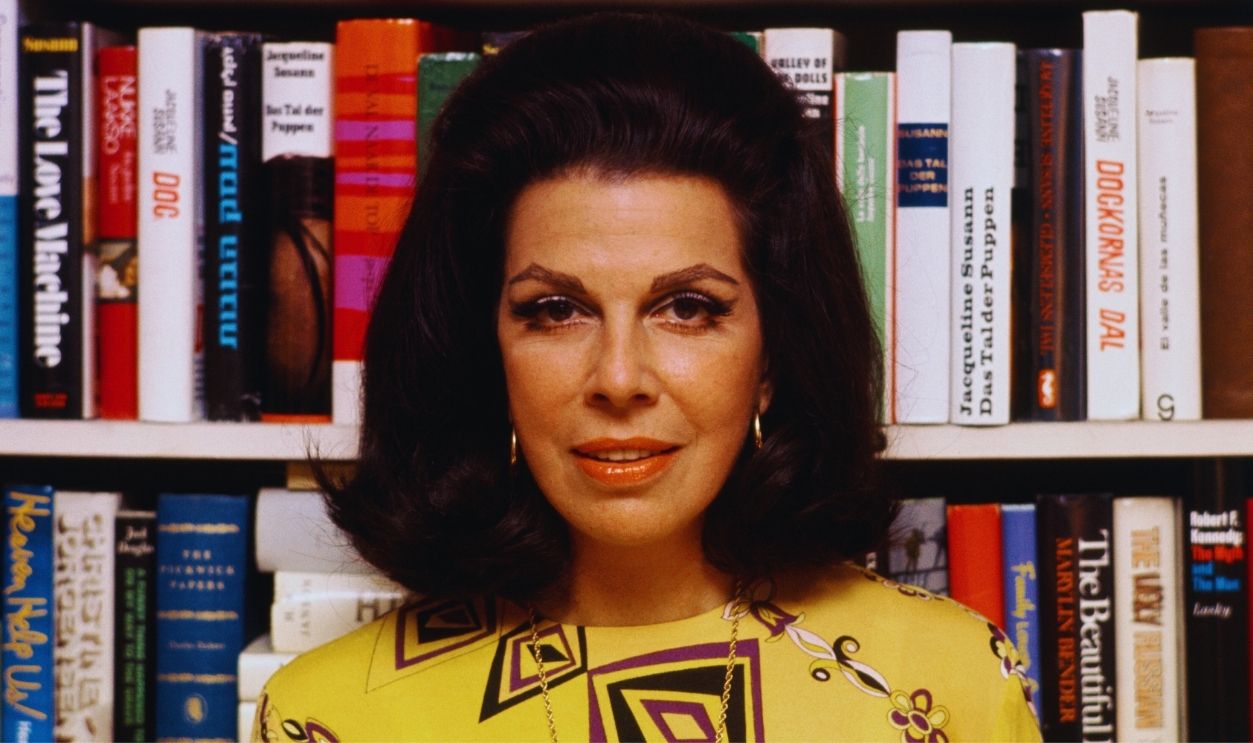
Jacqueline Susann
When Valley of the Dolls appeared in 1966, Jacqueline Susann became nearly as famous as the glamorous characters she created. She appeared constantly on television and traveled across America promoting her work, helping turn the modern author publicity tour into a very serious business.
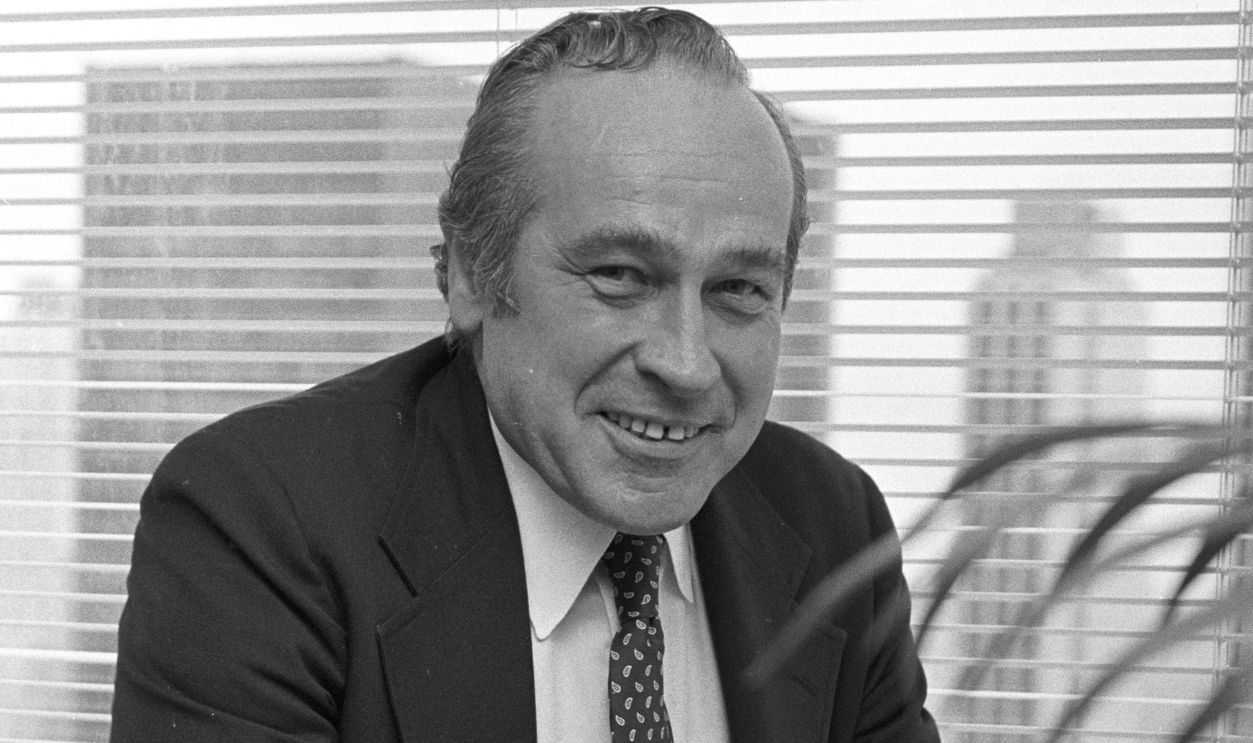
Robert Ludlum
Younger audiences certainly know Jason Bourne—but many may not know Robert Ludlum created him. Long before the movies, novels such as The Bourne Identity made Ludlum one of the biggest names in international thrillers. His name even continued appearing on new books after he passed away.
Judith Krantz
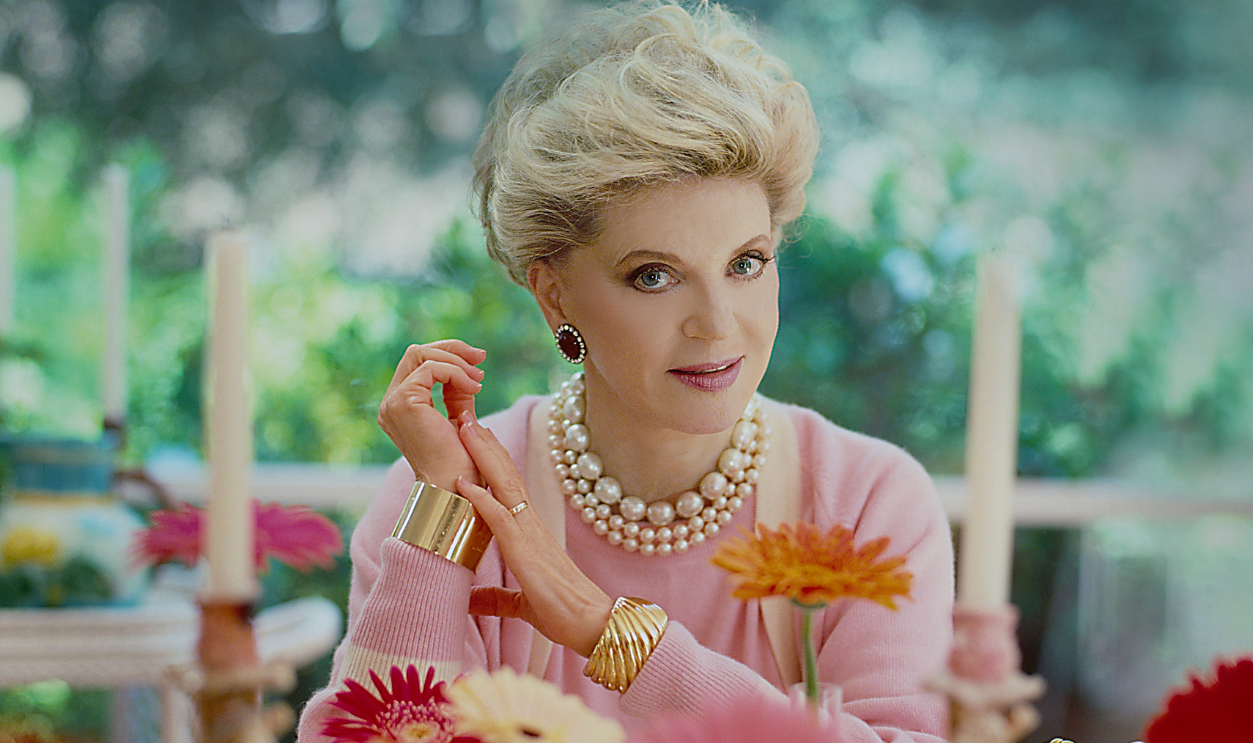
Judith Krantz published her first novel, Scruples, when she was 50—and quickly became one of the biggest authors of the late 70s and 80s. Her glamorous stories offered wealth, fashion, romance and exactly the kind of escapism millions of readers apparently wanted.
James A. Michener
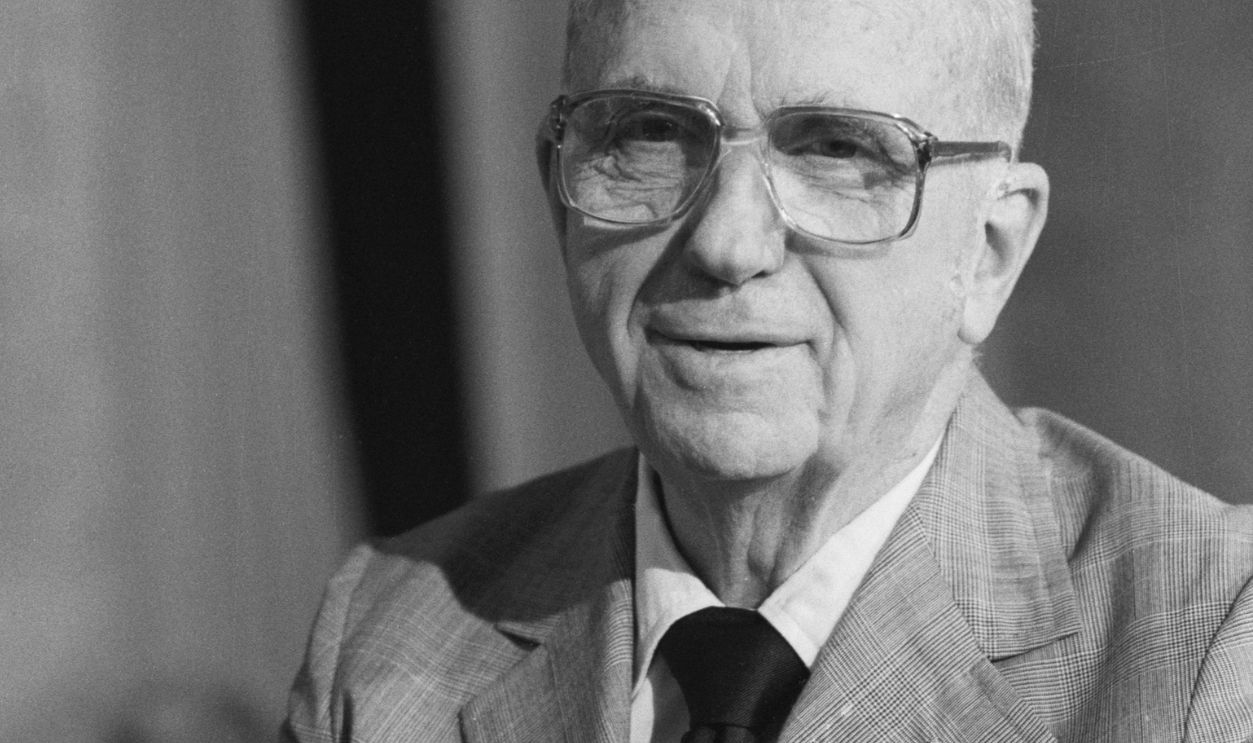
James Michener wrote the kind of enormous novels that looked capable of injuring someone if dropped. Books such as Hawaii, Centennial and Chesapeake followed families and civilizations across generations. His novels became bestsellers, screen productions and permanent fixtures in baby boomer households.
Mary Higgins Clark
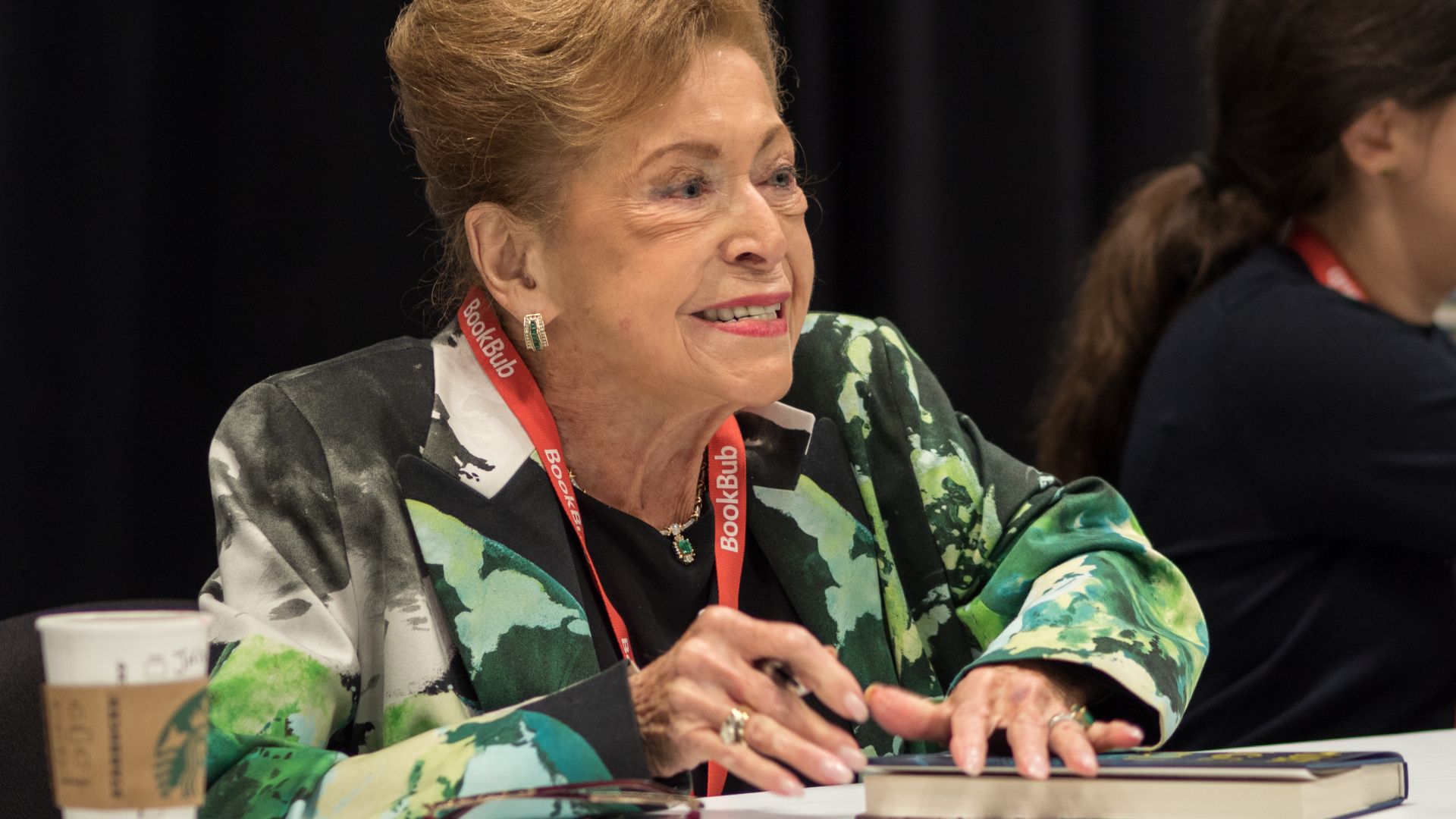
For decades, Mary Higgins Clark was practically royalty in the suspense aisle. Beginning with Where Are the Children?, she built a remarkably consistent career filled with endangered heroines, buried secrets and chapters designed to keep readers awake. Her suspense novels sold more than 100 million copies in America alone.
 Rhododendrites, Wikimedia Commons

History's most fascinating stories and darkest secrets, delivered to your inbox daily.
Richard Bach
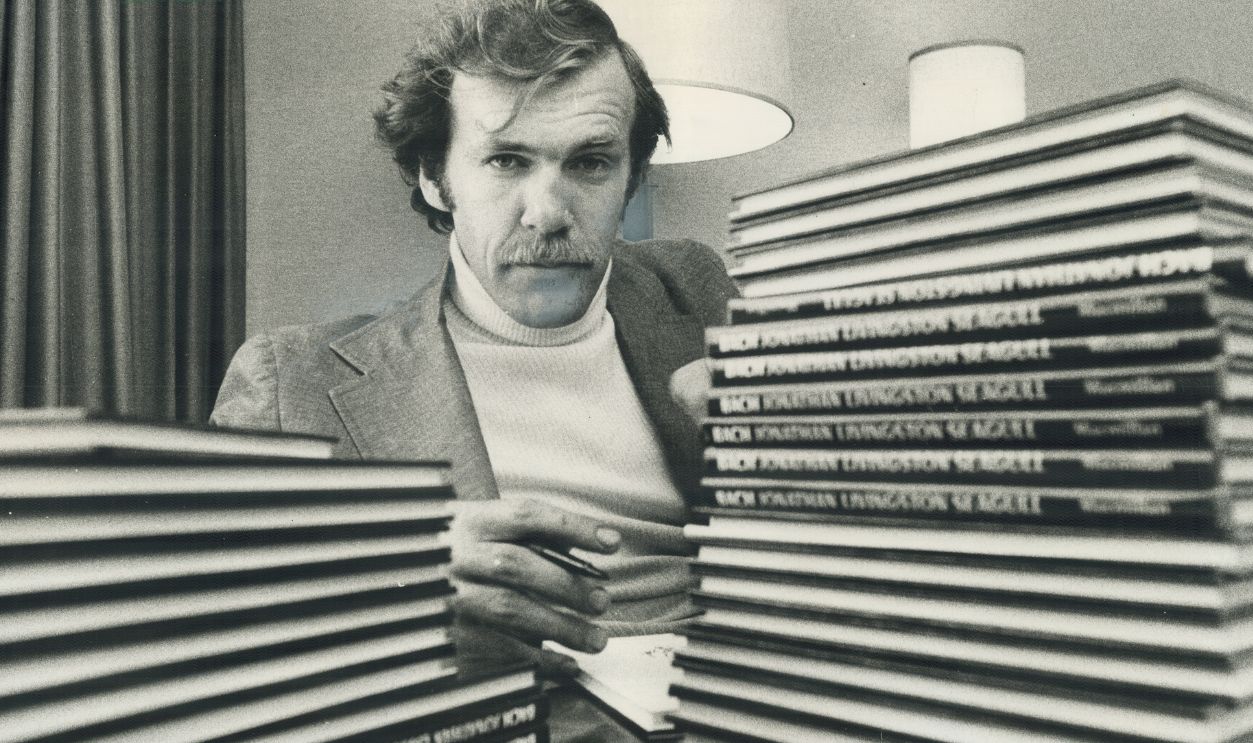
In the early 70s, it seemed as though everyone was reading Jonathan Livingston Seagull. Richard Bach’s slender, philosophical story began with a small printing, spread largely through word of mouth and remained on bestseller lists for months. Today, Bach’s name rarely inspires that same immediate recognition.
Arthur Hailey
Arthur Hailey could turn almost any large institution into a page-turner. Hotel explored the hospitality business, Airport examined commercial aviation and Wheels tackled the automobile industry. Readers loved discovering the machinery behind everyday life, and several of his books became major screen productions.
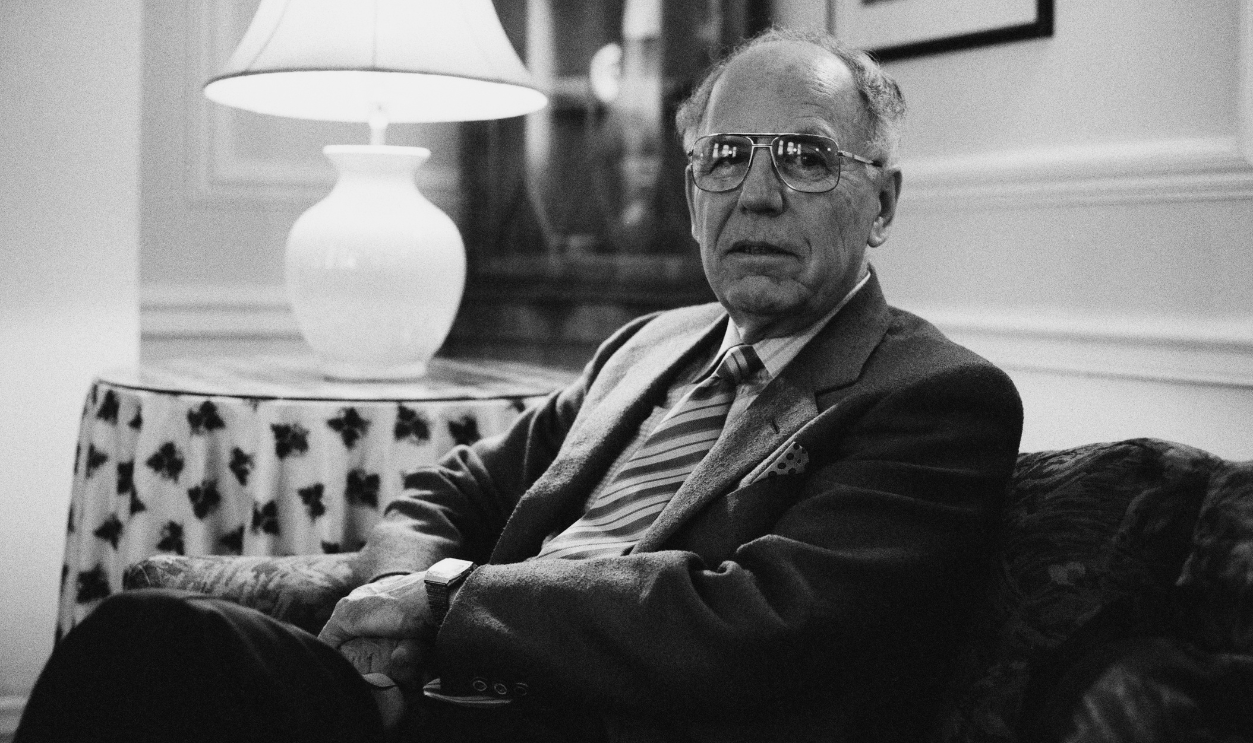 Peter Macdiarmid, Getty Images
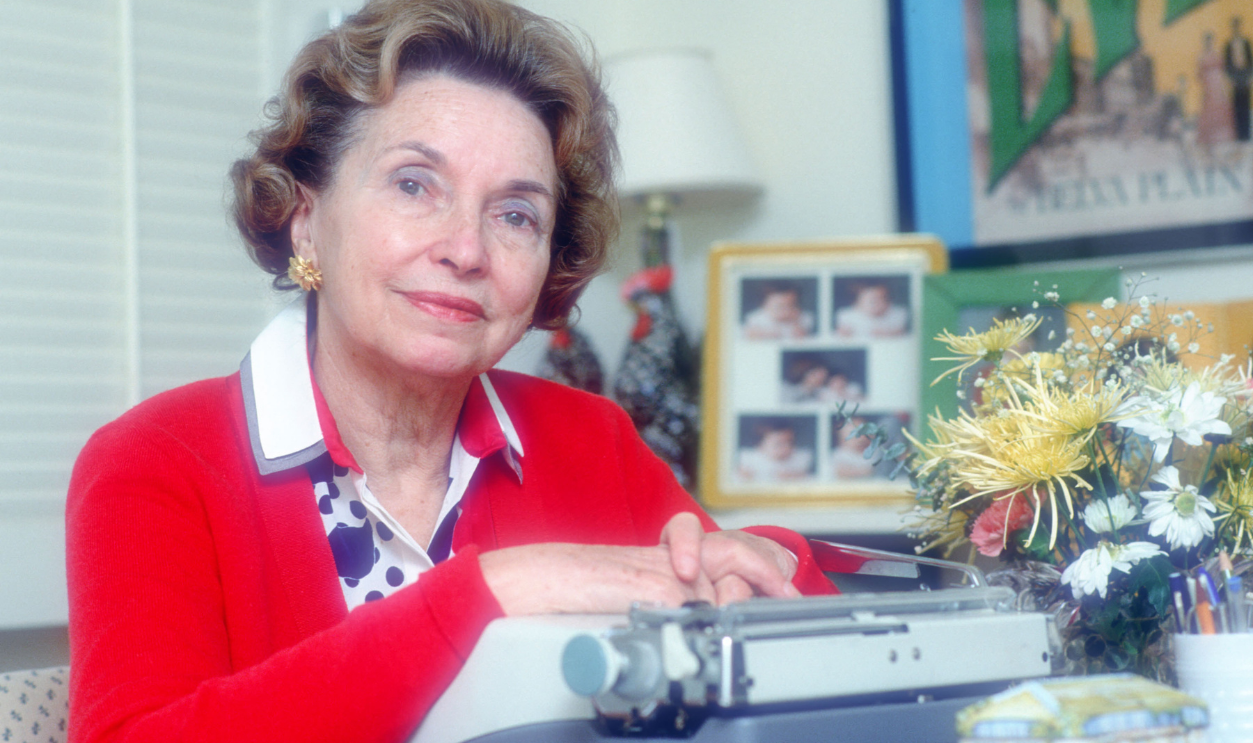
Belva Plain
Belva Plain never needed shocking publicity or a glamorous public persona. Her multigenerational family dramas simply kept selling. Beginning with Evergreen in 1978, she produced a long run of popular novels that filled bookshelves, grocery-store racks and living rooms across America for decades.
Peter Benchley
Nearly everyone knows Jaws. Far fewer people remember Peter Benchley. His 1974 novel became a massive bestseller before Steven Spielberg transformed it into a cinematic phenomenon. Benchley continued writing about the ocean, although he later devoted much of his time to marine conservation and protecting sharks.
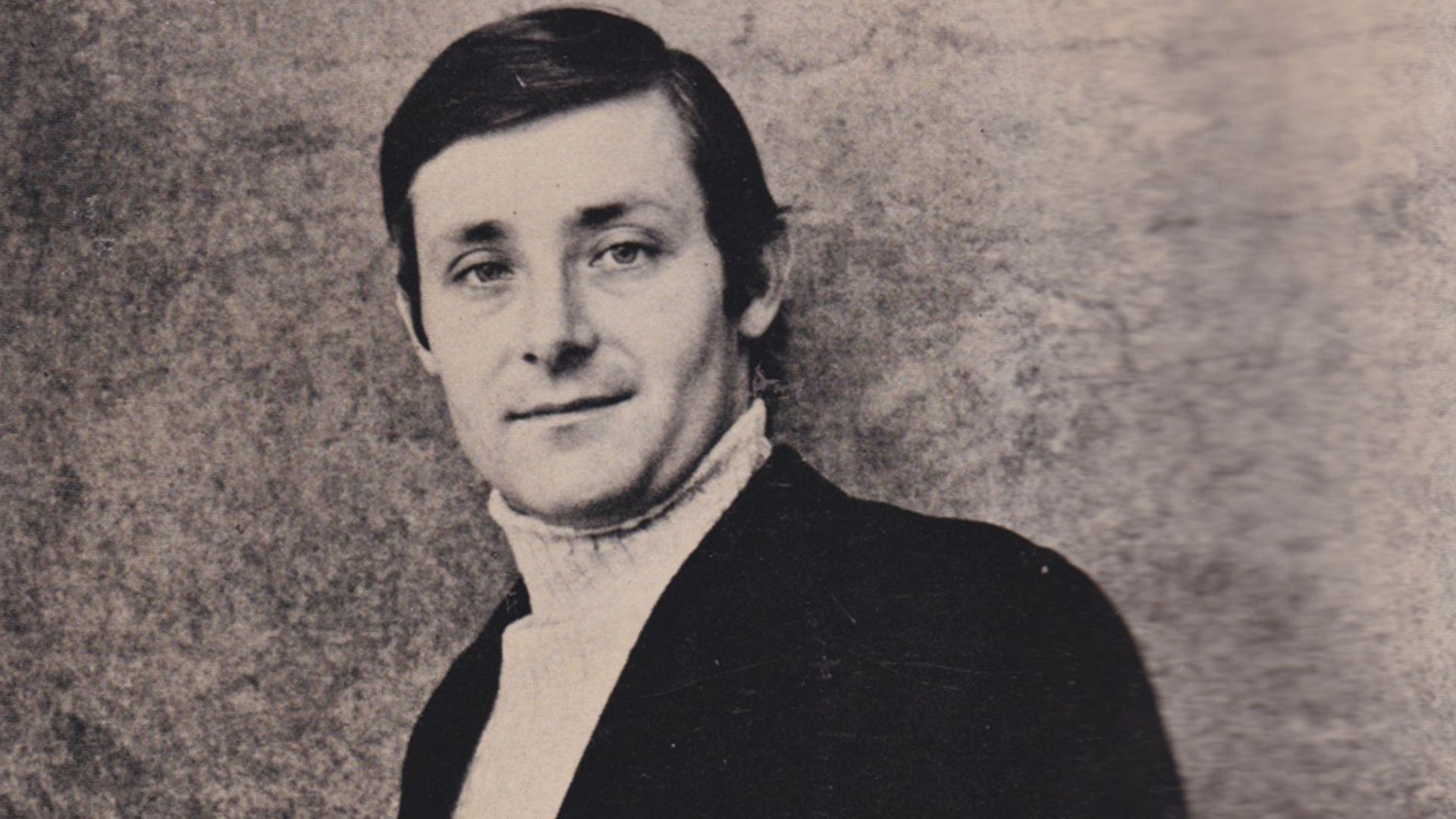 Back jacket photo by Alex Gotfryd, Wikimedia Commons
John Jakes
If a baby boomer loved historical sagas, there was a good chance John Jakes occupied several inches of their bookshelf. His eight-volume Kent Family Chronicles sold tens of millions of copies, while the television adaptations of his North and South trilogy became major ratings events.
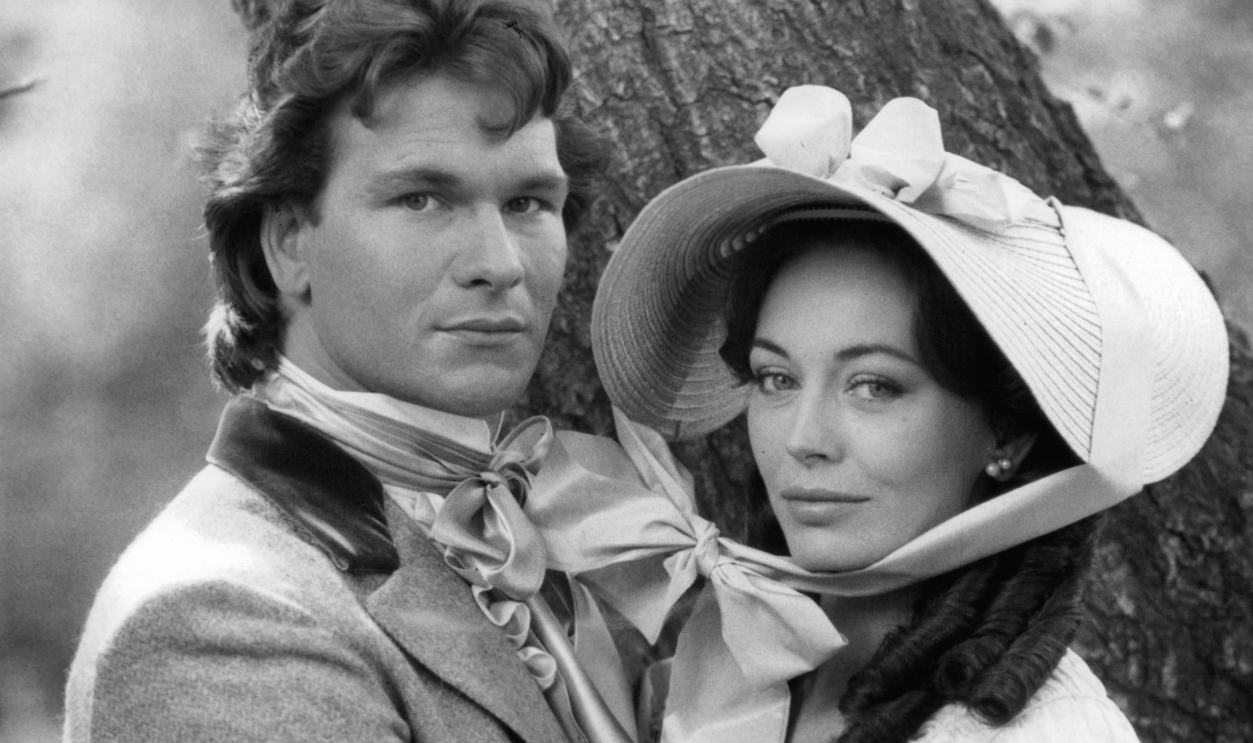
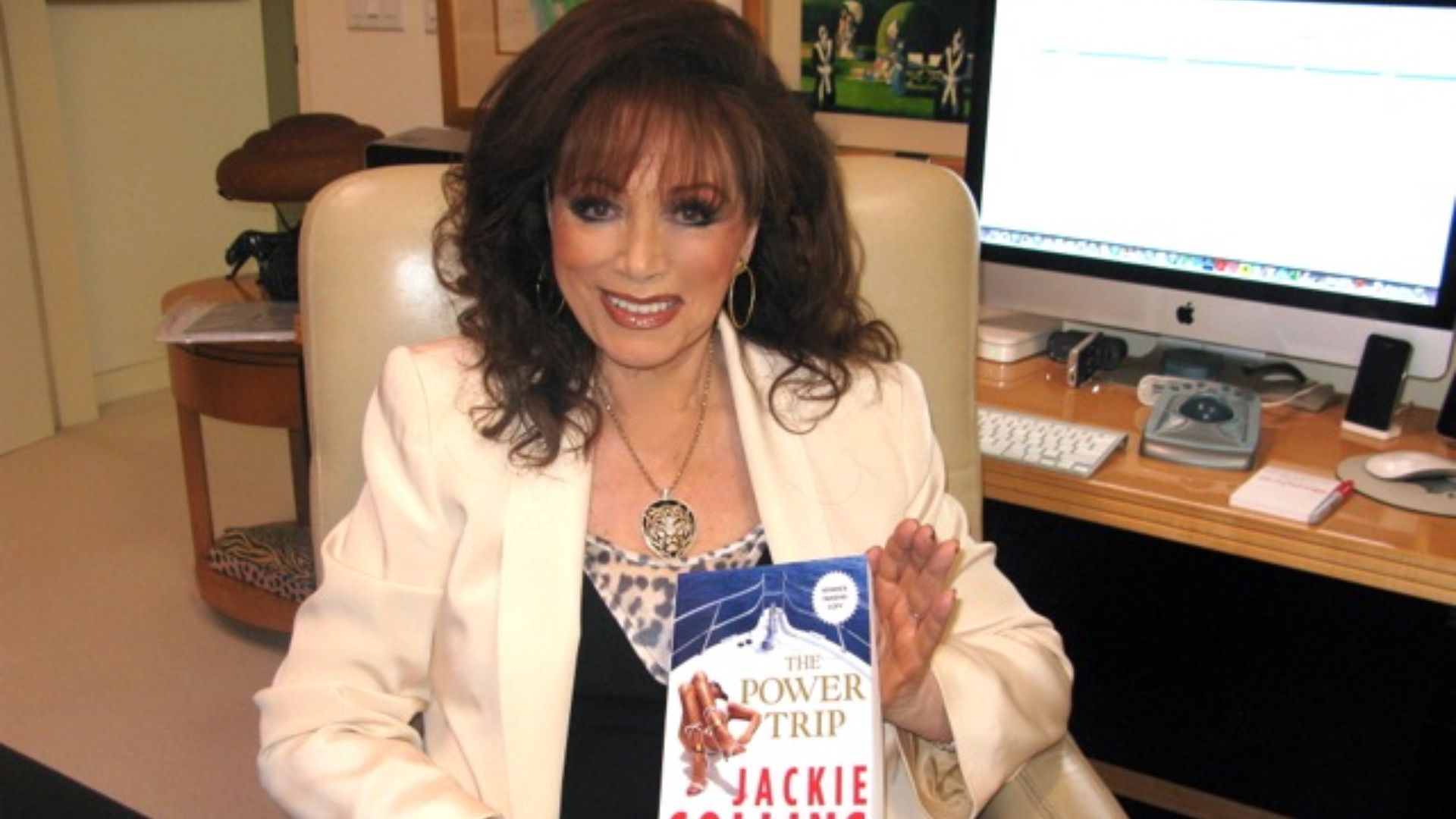
Jackie Collins
Jackie Collins did not merely write about Hollywood excess—she became part of its celebrity world. Her 32 novels all reached The New York Times bestseller list, while television appearances made her instantly recognizable. Her biggest success, Hollywood Wives, reportedly sold more than 15 million copies.
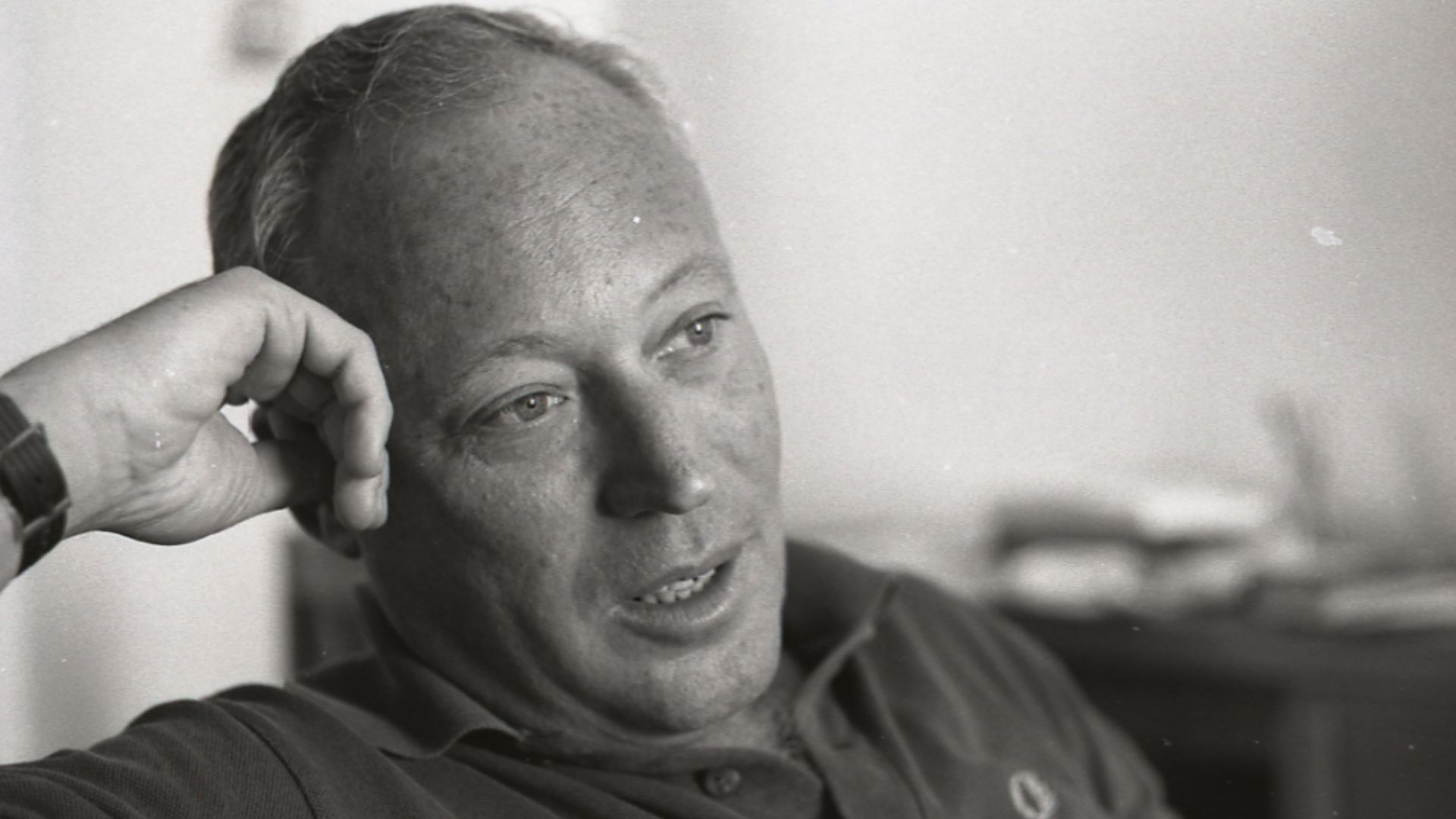
Leon Uris
Leon Uris became a household name with sweeping historical novels such as Exodus, Mila 18 and Trinity. His books tackled war, immigration, national identity and survival on an epic scale. They became major cultural events, although his once-famous name has faded considerably among younger readers.
 Boris Carmi, Wikimedia Commons
Robin Cook
Robin Cook discovered that hospitals could be every bit as frightening as haunted houses. His 1977 novel Coma became a huge bestseller and helped establish the modern medical thriller. Cook continued blending medicine, technology and suspense, frequently using fictional crises to explore genuine medical concerns.
 Patryk Korzeniecki (Patrol110), Wikimedia Commons
Irving Wallace
Irving Wallace specialized in provocative premises that practically demanded to be discussed. Novels such as The Chapman Report, The Prize and The Seven Minutes became major bestsellers, and several of his books reached the screen. During the 60s and 70s, his name carried enormous weight with readers.
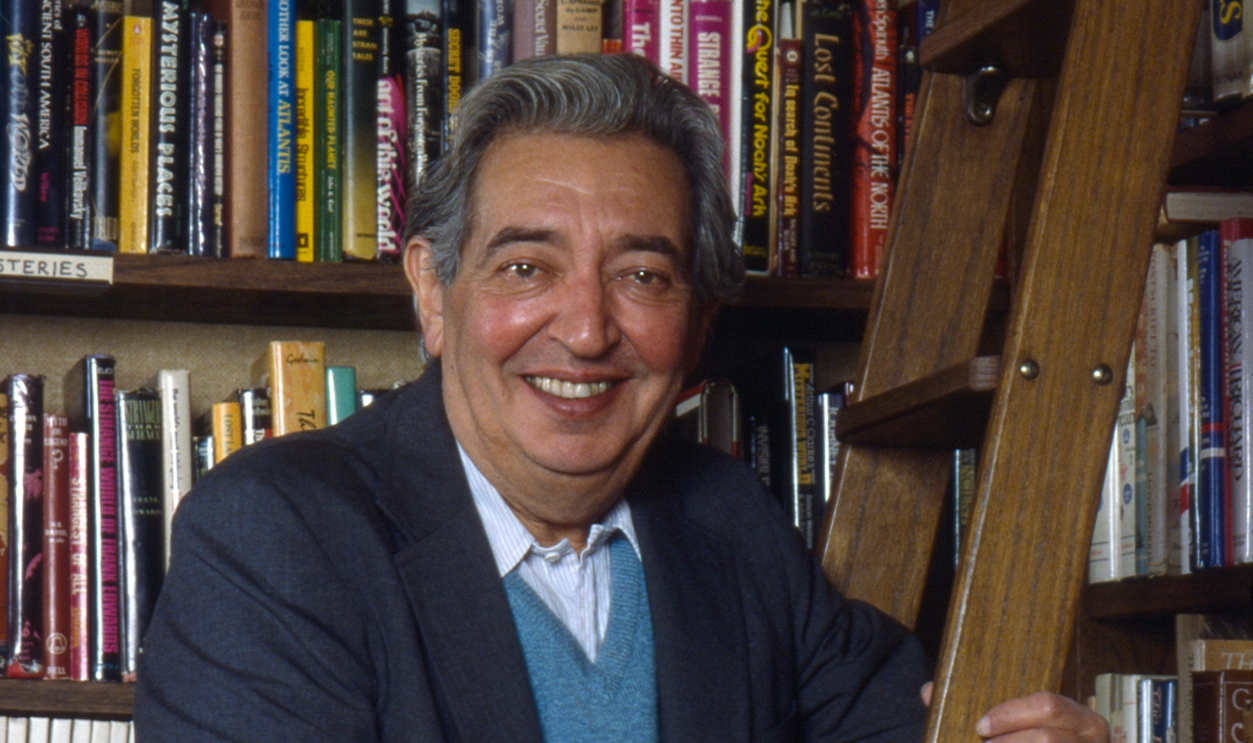
Jean M. Auel
Jean M. Auel’s The Clan of the Cave Bear introduced readers to Ayla, a young modern human raised by Neanderthals. The novel launched the hugely successful Earth’s Children series and turned prehistoric fiction into a publishing phenomenon. Fans sometimes waited years for each enormous new installment.
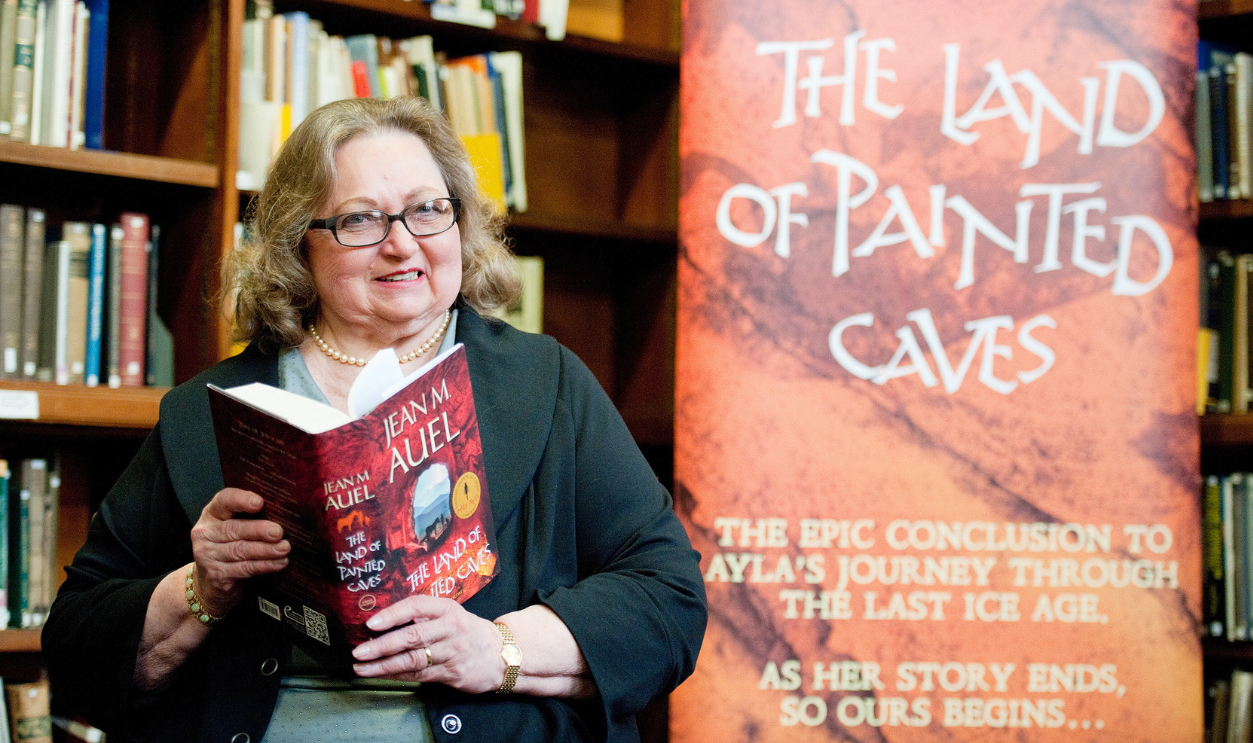
Sidney Sheldon
Before becoming a bestselling novelist, Sidney Sheldon had already won an Academy Award and created The Patty Duke Show and I Dream of Jeannie. Then books such as The Other Side of Midnight and Master of the Game helped him sell an estimated 300 million copies worldwide.
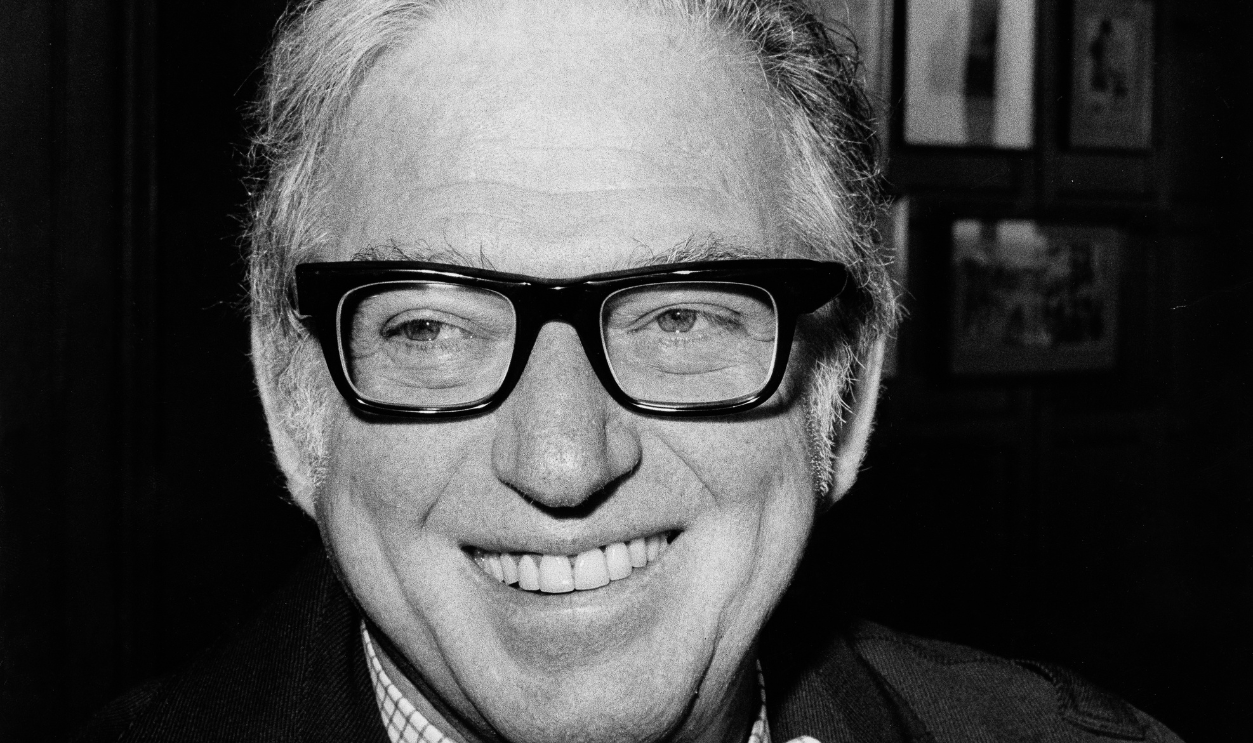
Louis L’Amour
Louis L’Amour’s name was once nearly synonymous with Western fiction. His stories of frontiersmen, drifters and determined families appeared everywhere from drugstores to airport bookstores. By the end of his career, he had written more than 100 novels, short-story collections and nonfiction books.
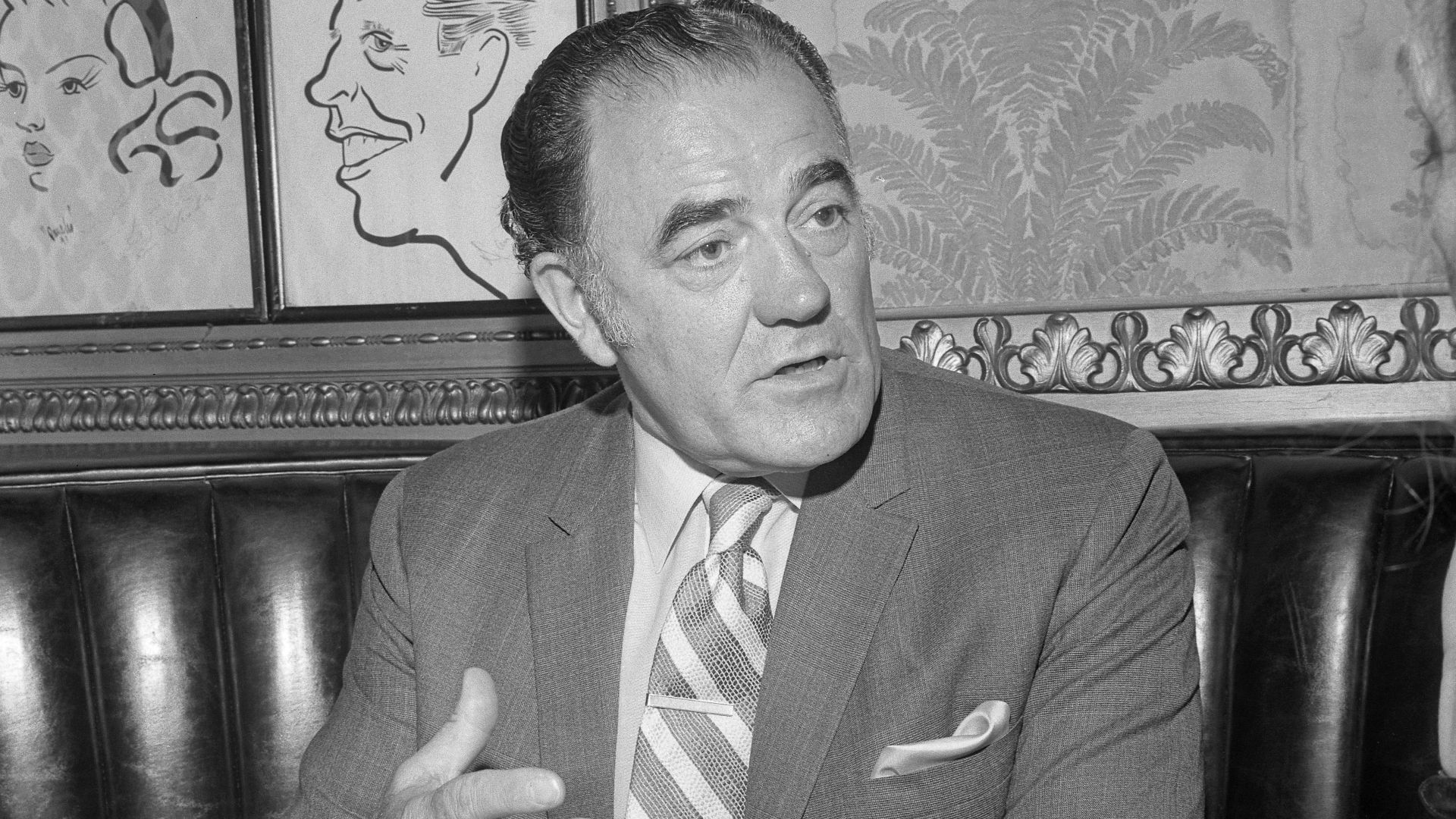 Thomas J. Kravitz, Los Angeles Times, Wikimedia Commons
Colleen McCullough
Australian author Colleen McCullough became internationally famous after publishing The Thorn Birds in 1977. The sweeping family saga sold more than 30 million copies and inspired one of television’s biggest miniseries. She later wrote an ambitious series about ancient Rome, but The Thorn Birds remained her defining phenomenon.
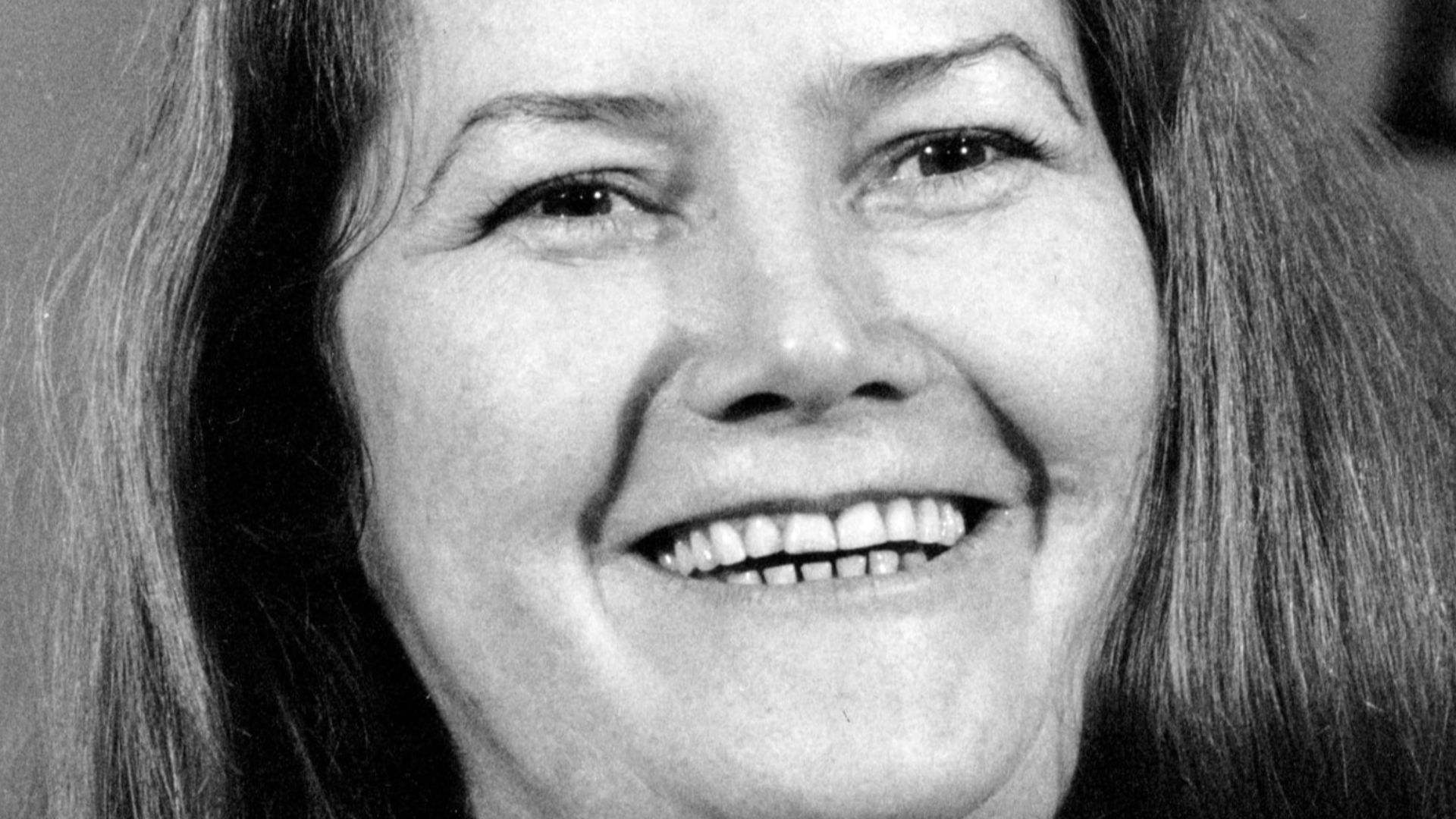 Associated Press, Wikimedia Commons
Lawrence Sanders
Crime readers once knew Lawrence Sanders extremely well. His novel The Anderson Tapes became a bestseller and a Sean Connery movie, while The First Deadly Sin launched a series featuring investigator Edward X. Delaney. Sanders became one of the most dependable names in airport thrillers.
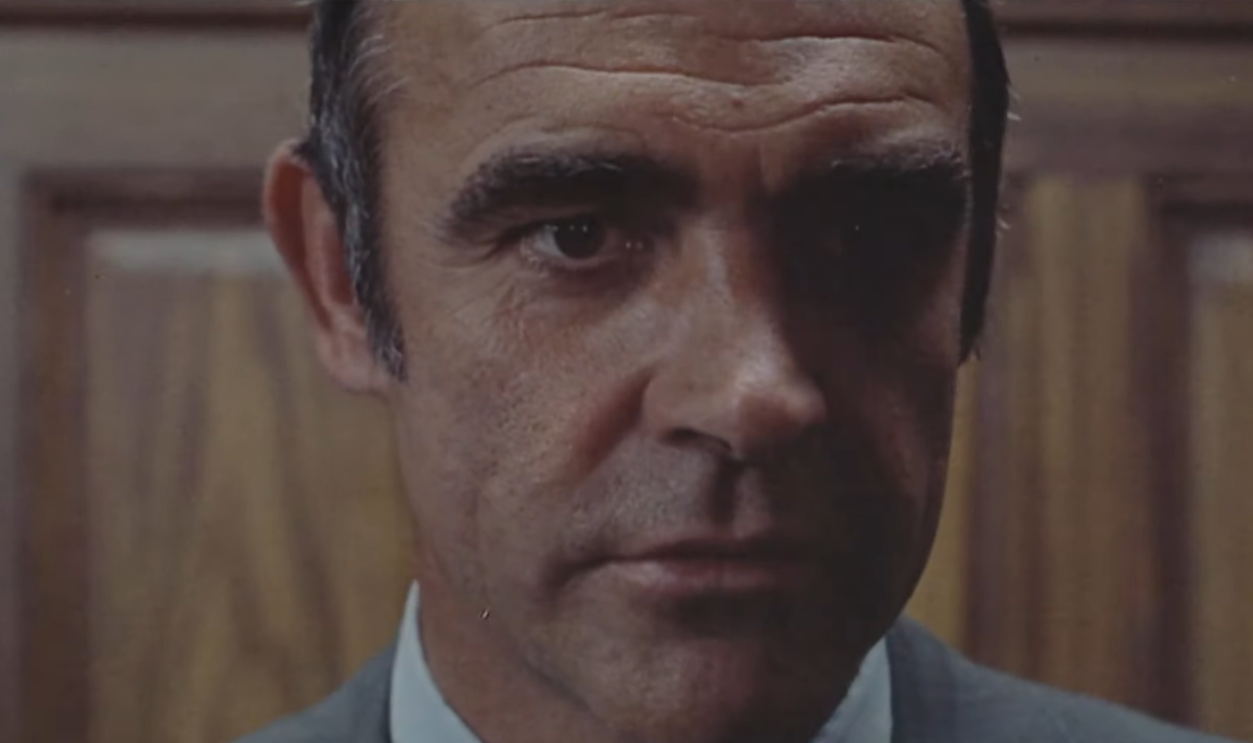 Screenshot from The Anderson Tapes, Columbia Pictures (1971)
Taylor Caldwell
Taylor Caldwell spent decades producing historical sagas and novels about family, wealth and power. Captains and the Kings alone sold millions of copies and became a television miniseries in 1976. She was once among America’s most widely read authors, yet her name now feels tied to another era.
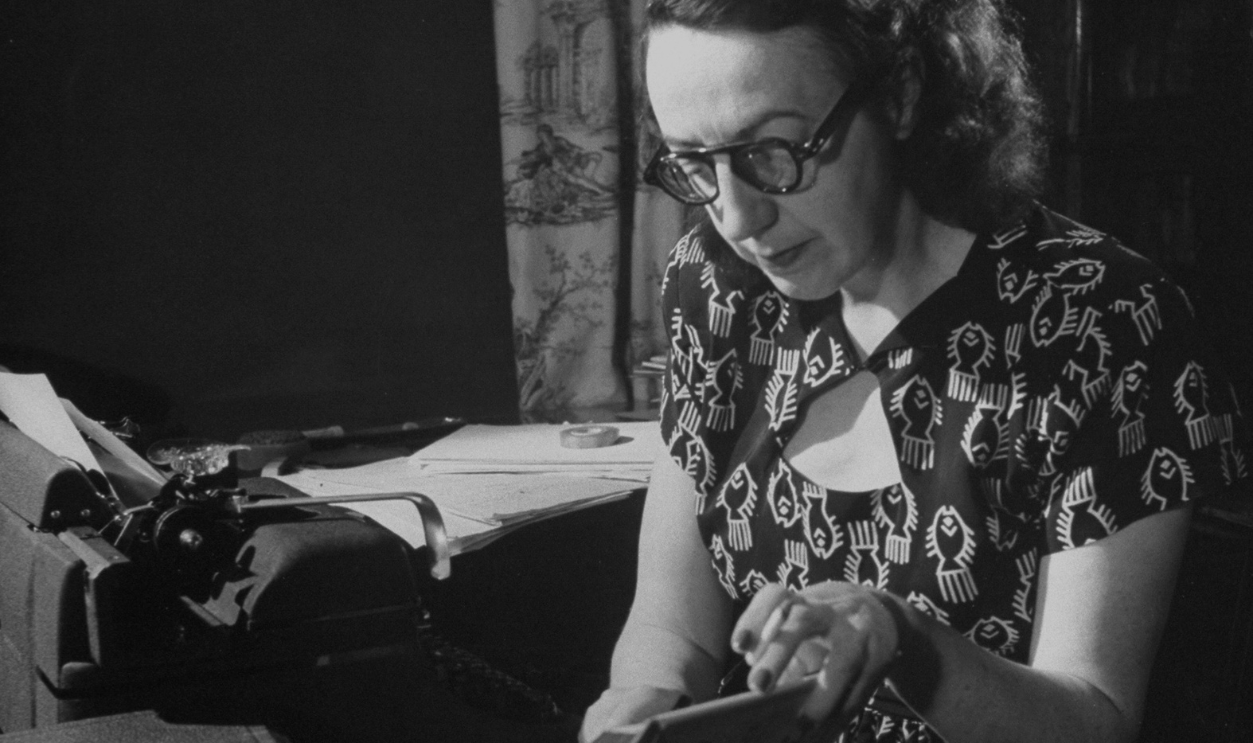
Mickey Spillane
Mickey Spillane’s hard-boiled Mike Hammer novels sold in astonishing numbers and made their author a celebrity. Critics frequently disliked his blunt storytelling, but readers kept buying it. Spillane even played Hammer himself in the 1963 movie The Girl Hunters. Seriously...how many authors can say that?
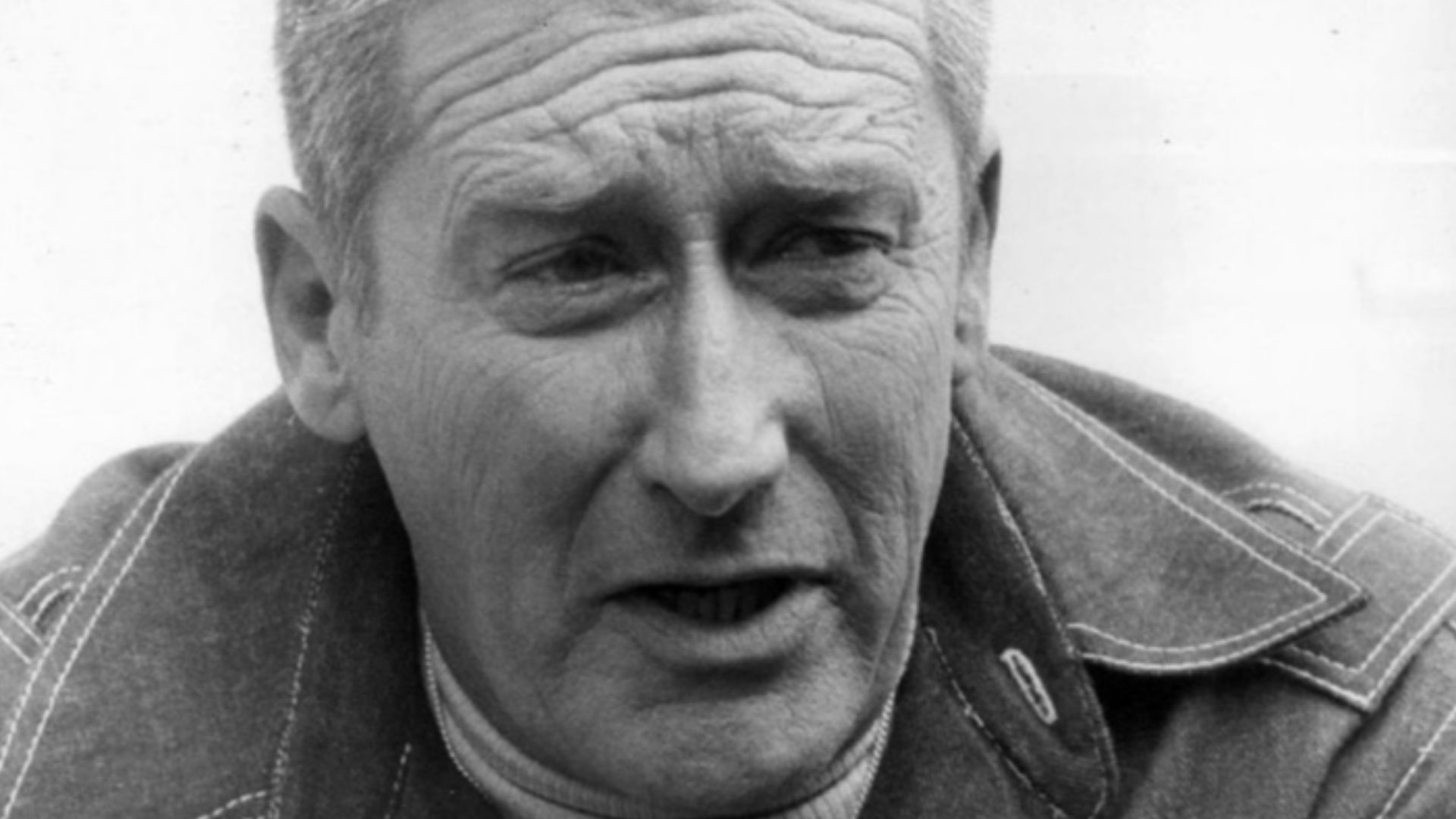 NBC Television Uploaded by We hope at en.wikipedia, Wikimedia Commons
Helen MacInnes
Before Ludlum and Clancy dominated espionage fiction, Helen MacInnes was sending ordinary people into dangerous international conspiracies. She wrote 21 spy novels, beginning with Above Suspicion in 1941, and four reached the screen. At her peak, she was known as the queen of international espionage fiction.
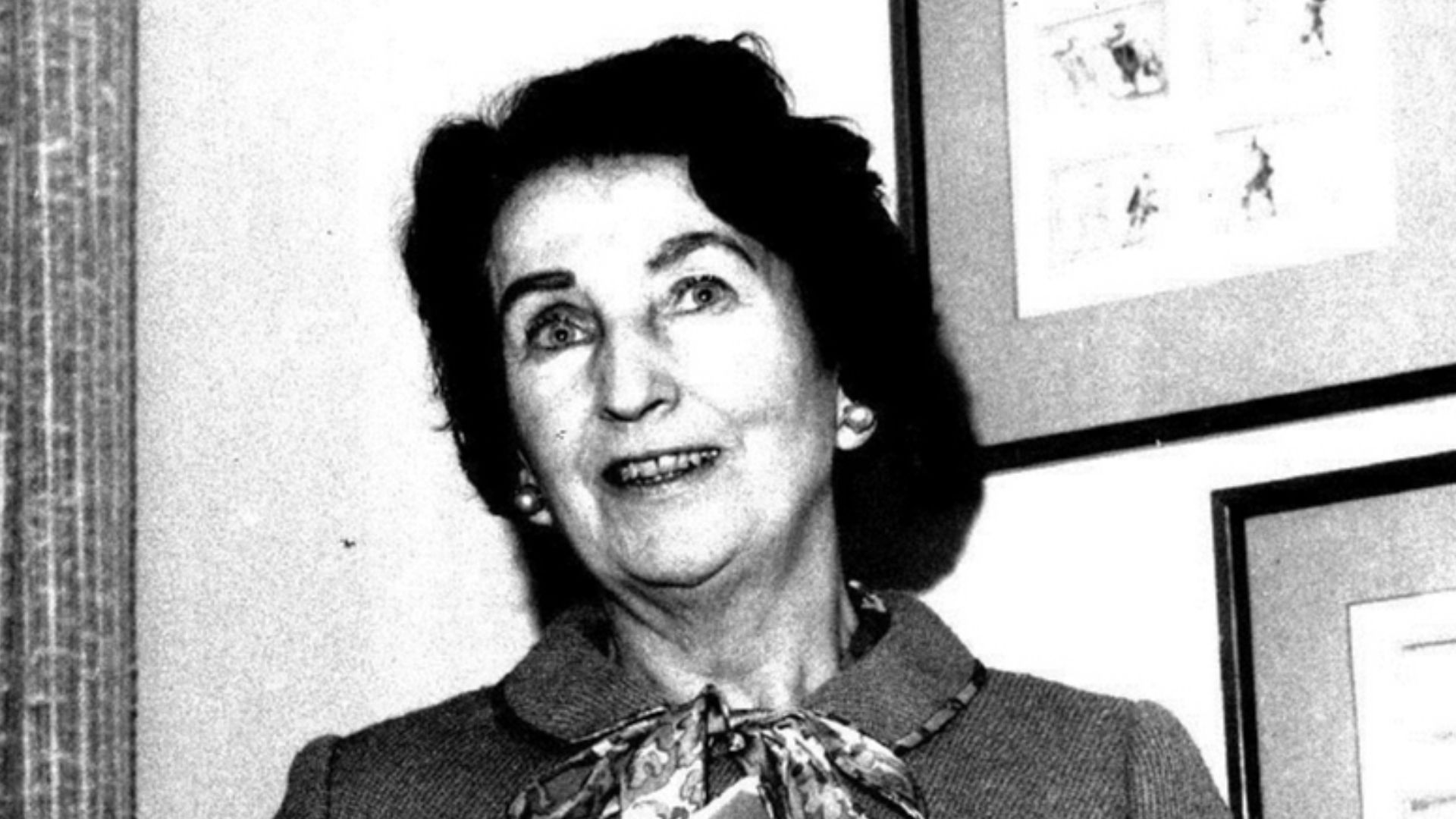 Unknown authorUnknown author, Wikimedia Commons
Herman Wouk
Herman Wouk won the Pulitzer Prize for The Caine Mutiny, then gave readers two enormous World War II novels with The Winds of War and War and Remembrance. All three became major screen productions. For decades, Wouk was one of America’s most respected and commercially successful storytellers.
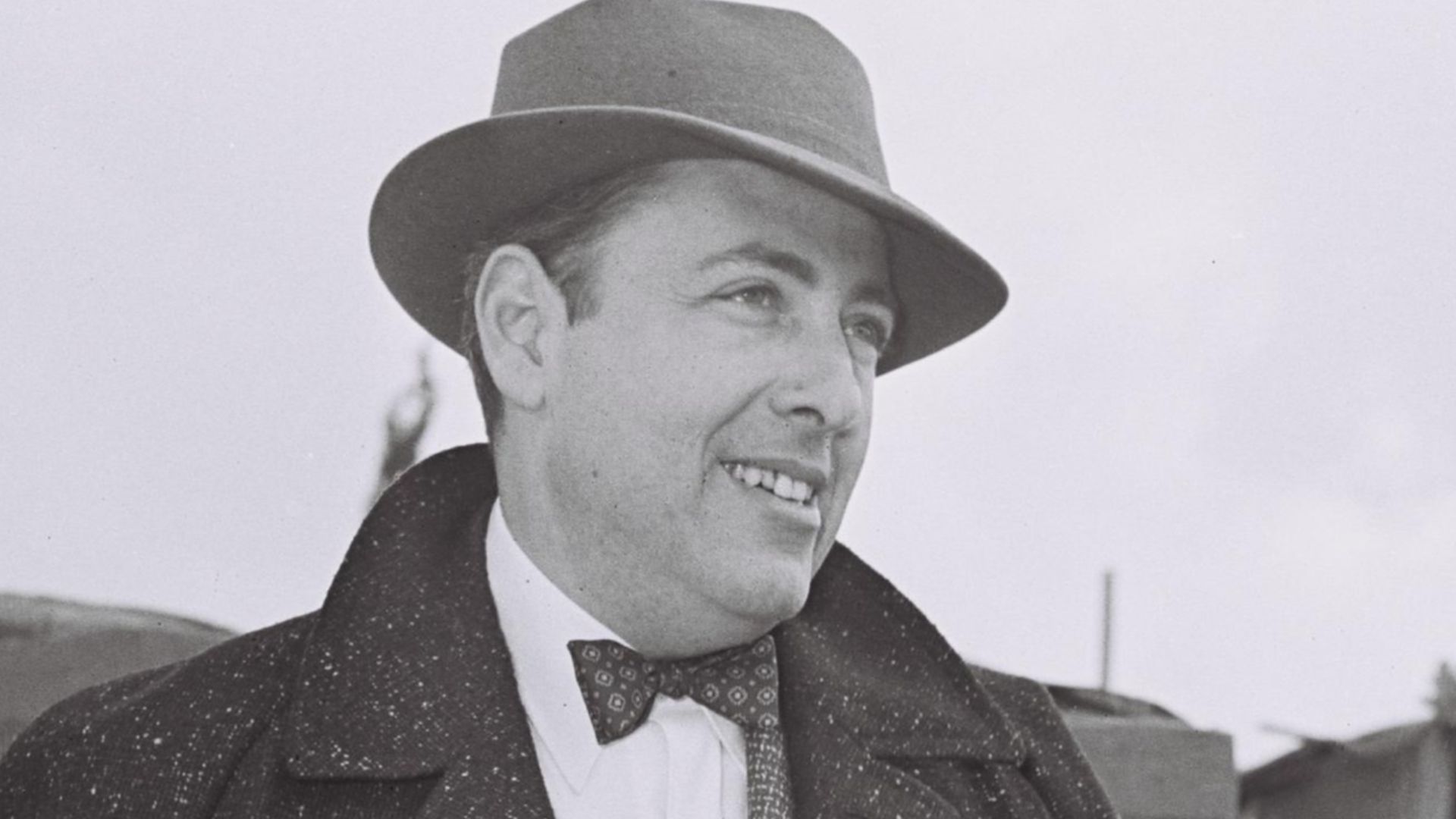 Théodore Brauner, Wikimedia Commons
Joseph Wambaugh
Joseph Wambaugh brought firsthand experience to police fiction. The former Los Angeles officer wrote bestsellers including The New Centurions, The Blue Knight and The Choirboys. His books helped reshape the genre by focusing on the emotional pressures, flaws and private lives of the officers themselves.
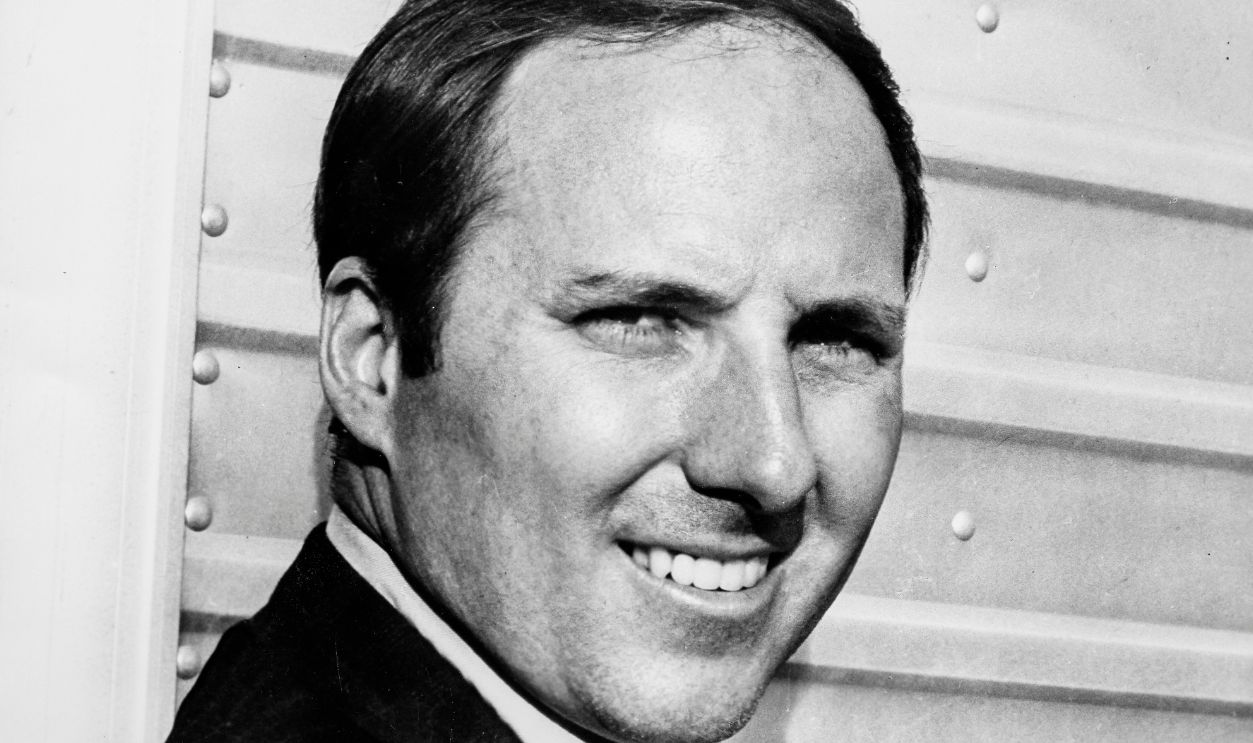
Morris West
Australian novelist Morris West became an international sensation with books about religion, politics and moral crises. His 1963 bestseller The Shoes of the Fisherman imagined the election of a Slavic pope 15 years before it happened in reality. His novels sold widely, but his once-famous name has faded.
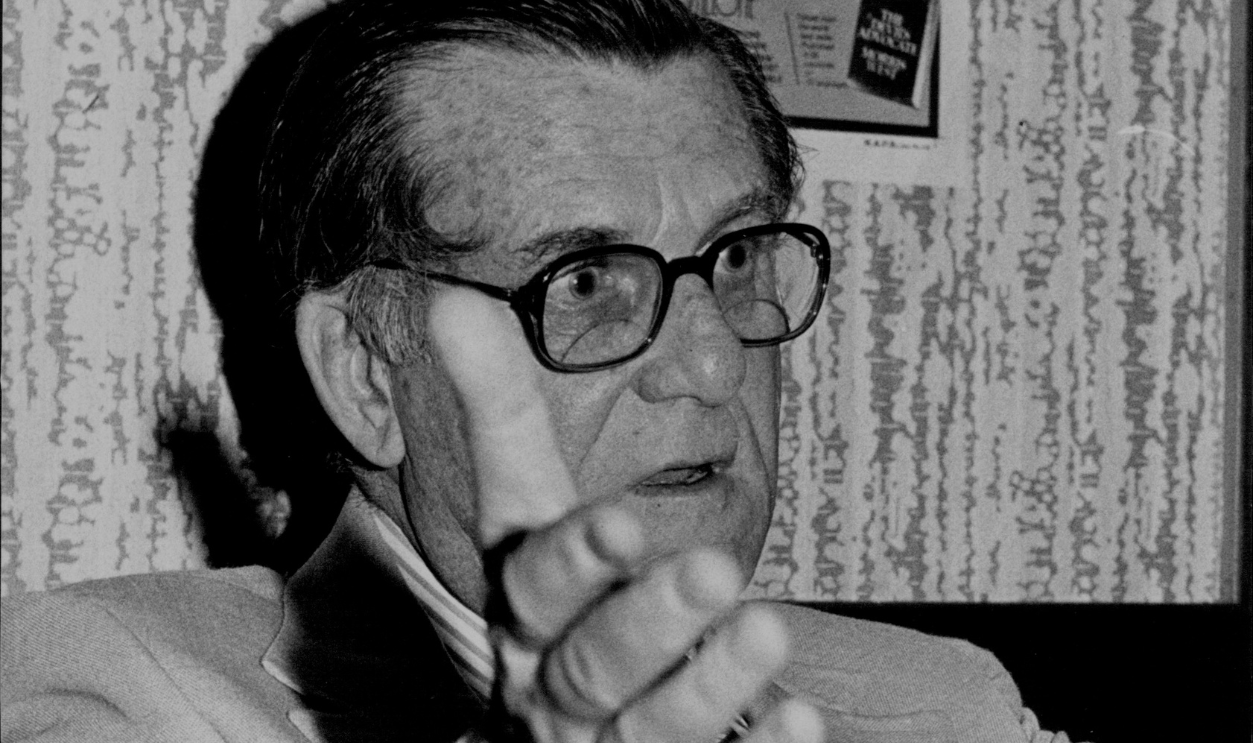 Fairfax Media Archives, Getty Images
Alistair MacLean
Alistair MacLean wrote some of the most popular adventure thrillers of the mid-20th century. The Guns of Navarone, Ice Station Zebra and Where Eagles Dare became bestselling novels and successful movies. His name once promised danger, treachery and a very difficult journey home.
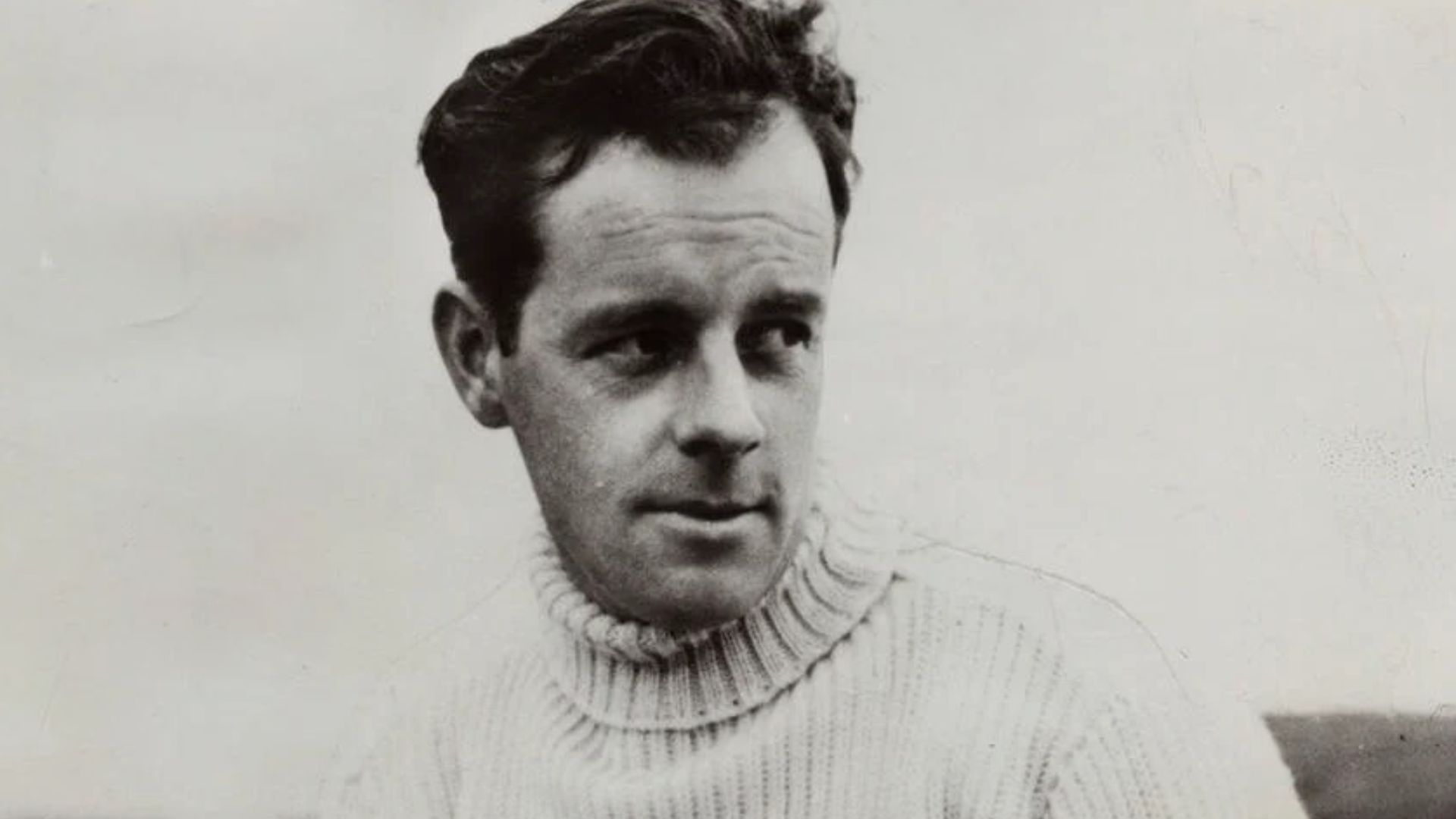 Clayton Evans, Wikimedia Commons
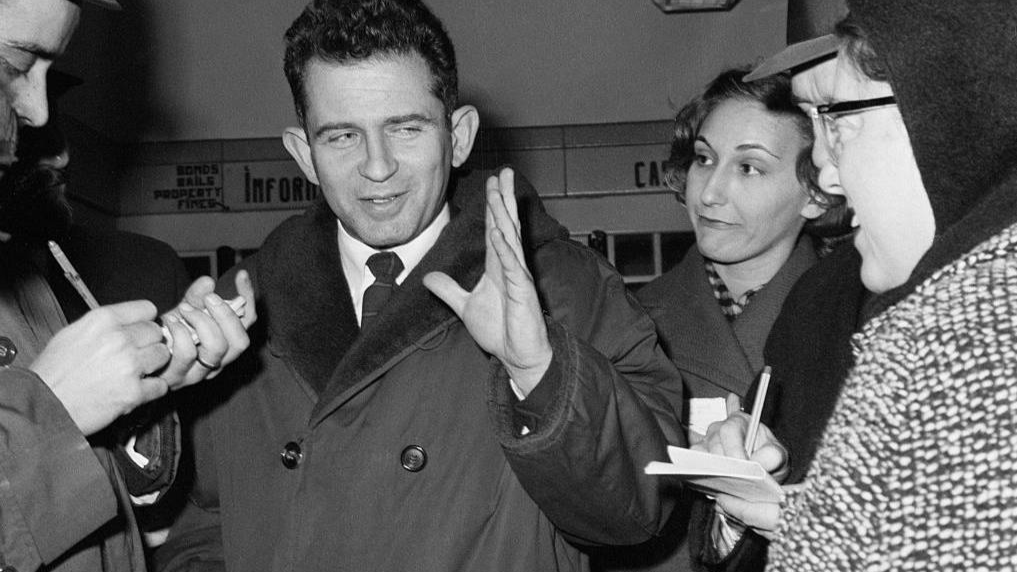
Norman Mailer
Norman Mailer was more than a novelist—he was a professional public figure. He wrote The Naked and the Dead, helped establish The Village Voice, won two Pulitzer Prizes and appeared constantly in public debates. Baby boomers knew both his books and his famously combative personality.
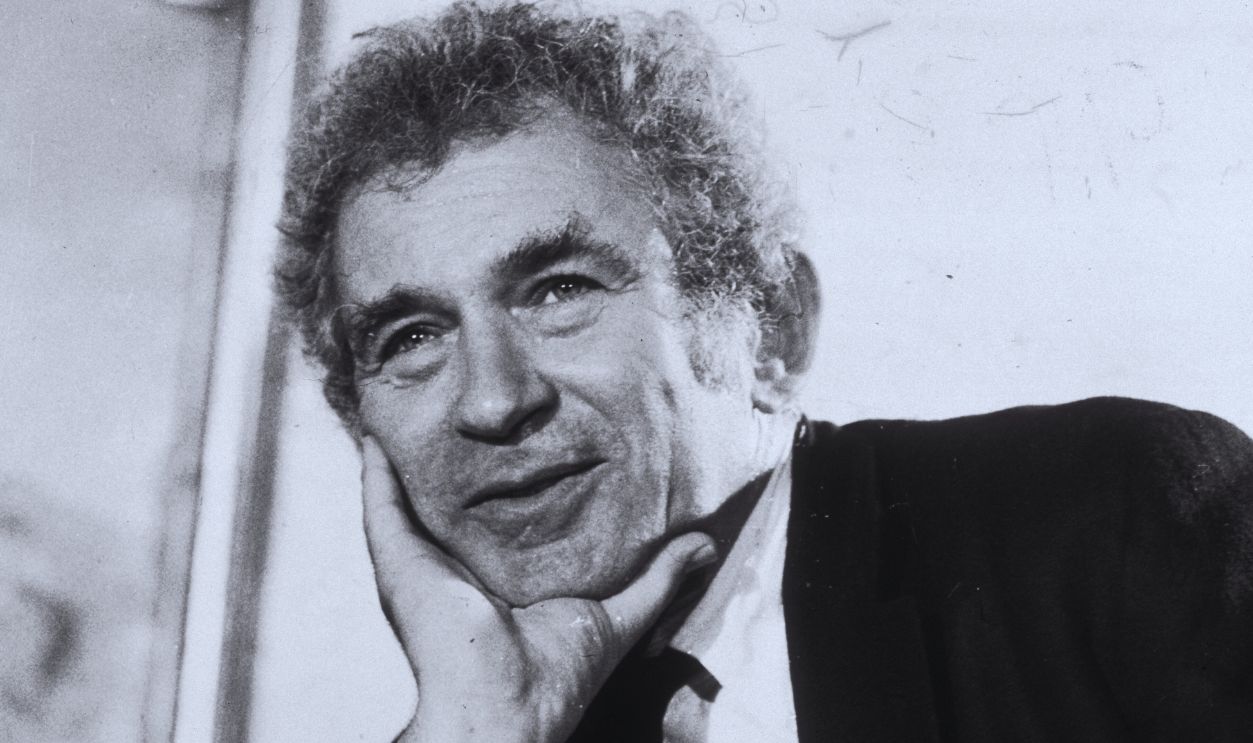 Barton Silverman, Getty Images
Ring Any Bells?
How many of these authors did you recognize immediately? If you remembered nearly all of them, congratulations: either you have an extraordinary memory, an impressive collection of old paperbacks—or you spent a lot more time browsing airport bookstores than younger generations ever will.
 Bettmann, Getty ImagesYou Might Also Like:
Contradictory Facts About Jack Kerouac, The Unwilling King Of The Beatniks
Unruly Facts About Oscar Wilde, The Greatest Victorian Playwright