
Before The Tutorial Was A Click Away
The paper trail behind older products is surprisingly thick. Museum collections preserve manuals, operating cards, recipe books, and use-and-care pamphlets for everything from telephones and sewing machines to computers and kitchen appliances, sometimes running dozens of pages. Alican Helik, Pexels.com
Sewing Machines Needed A Small Education
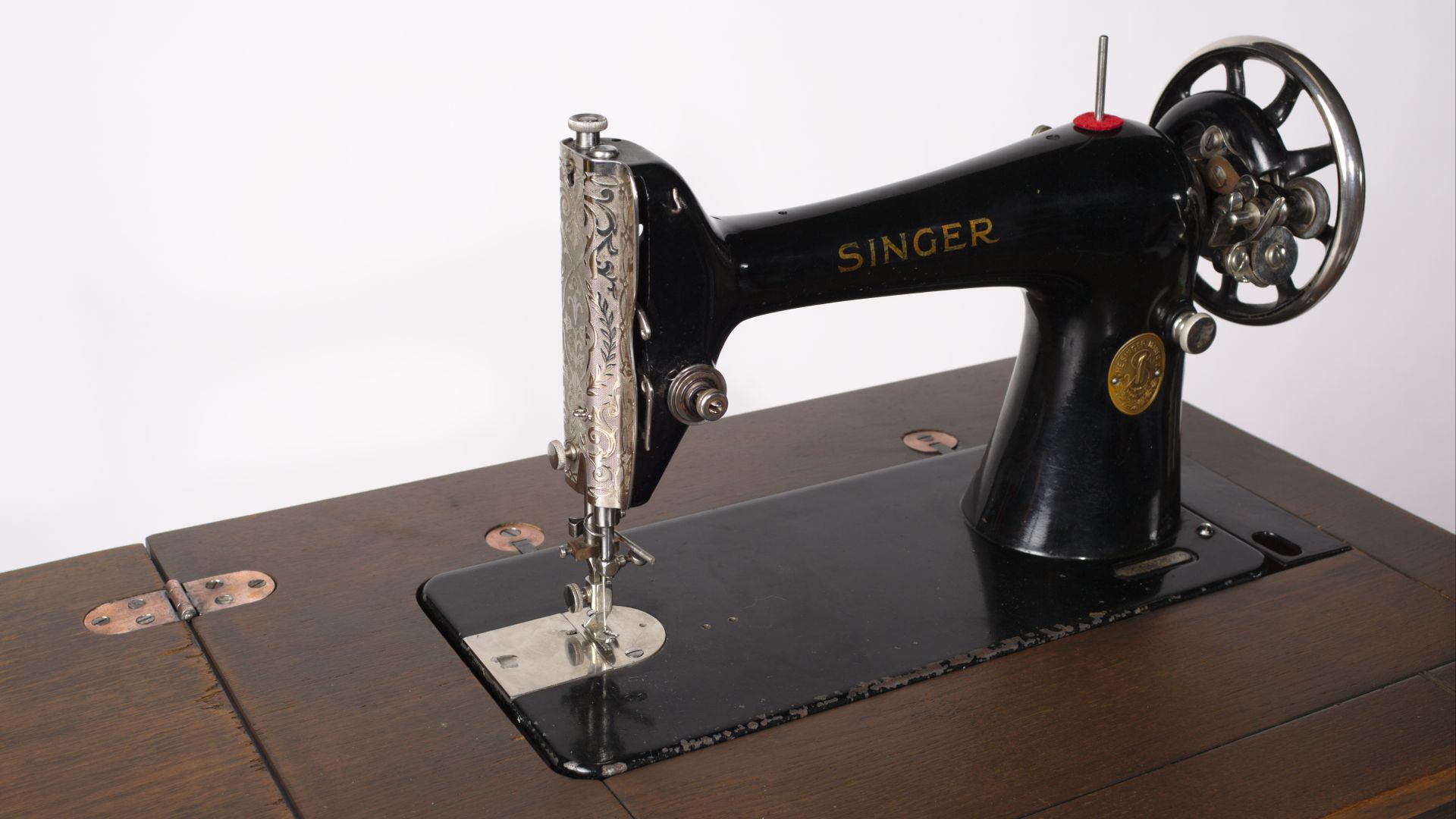
A sewing machine was not something manufacturers expected everyone to operate by instinct. Smithsonian Libraries catalogs a 1940 Singer manual for the electric Model 66-18 that ran 59 pages, while a 1950 Model 347 guide devoted 57 pages to basic instructions.
 Dennis van Zuijlekom from Ermelo, The Netherlands, Wikimedia Commons
Rotary Telephones Came With Lessons
Even the telephone could arrive with homework. The Detroit Historical Society preserves a 1962 Michigan Bell booklet called The Telephone and How to Use It, with 24 illustrated pages explaining calls, long distance, telephone books, and how to get assistance.
![Rotary dial telephone, from Belgium. The circuit diagram inside is in Dutch and French [1]. Bell Company model number AP41750, with circuit model number AP209751.](https://www.factinate.com/storage/app/media/splashtravels/2026/4/18/1776498991d7a297c1f579f44207eca28652e5fed33859e3d3.JPG) Berthold Werner, Wikimedia Commons
Berthold Werner, Wikimedia Commons
Film Cameras Expected You To Read First
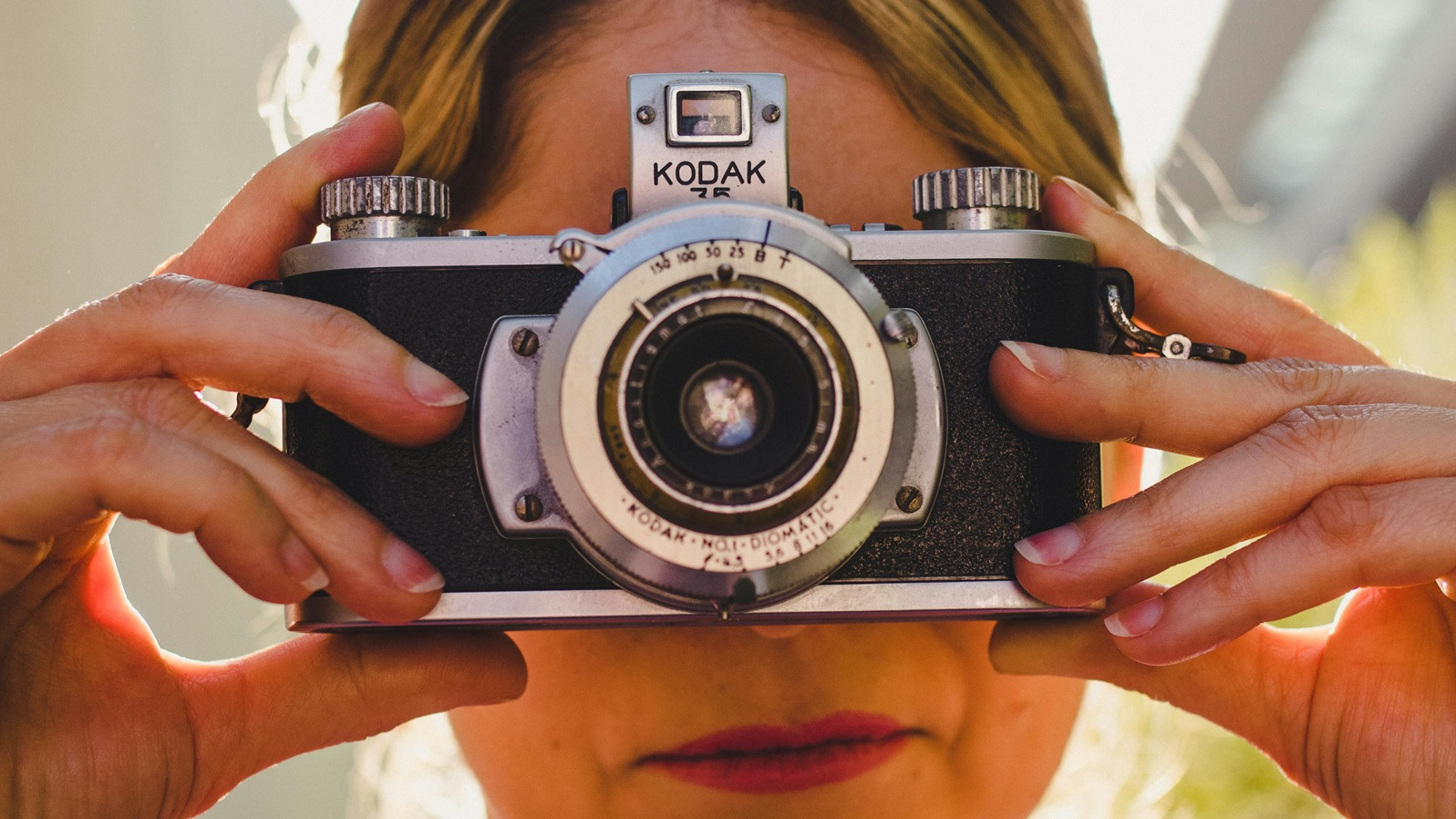
A camera guide could be part of the purchase rather than something hunted down later. The Science Museum Group holds a Kodak Retinette 1A 35mm camera from around 1963 together with its case and instruction booklet, preserving the directions alongside the device itself.
Typewriters Had Their Own Operating Books
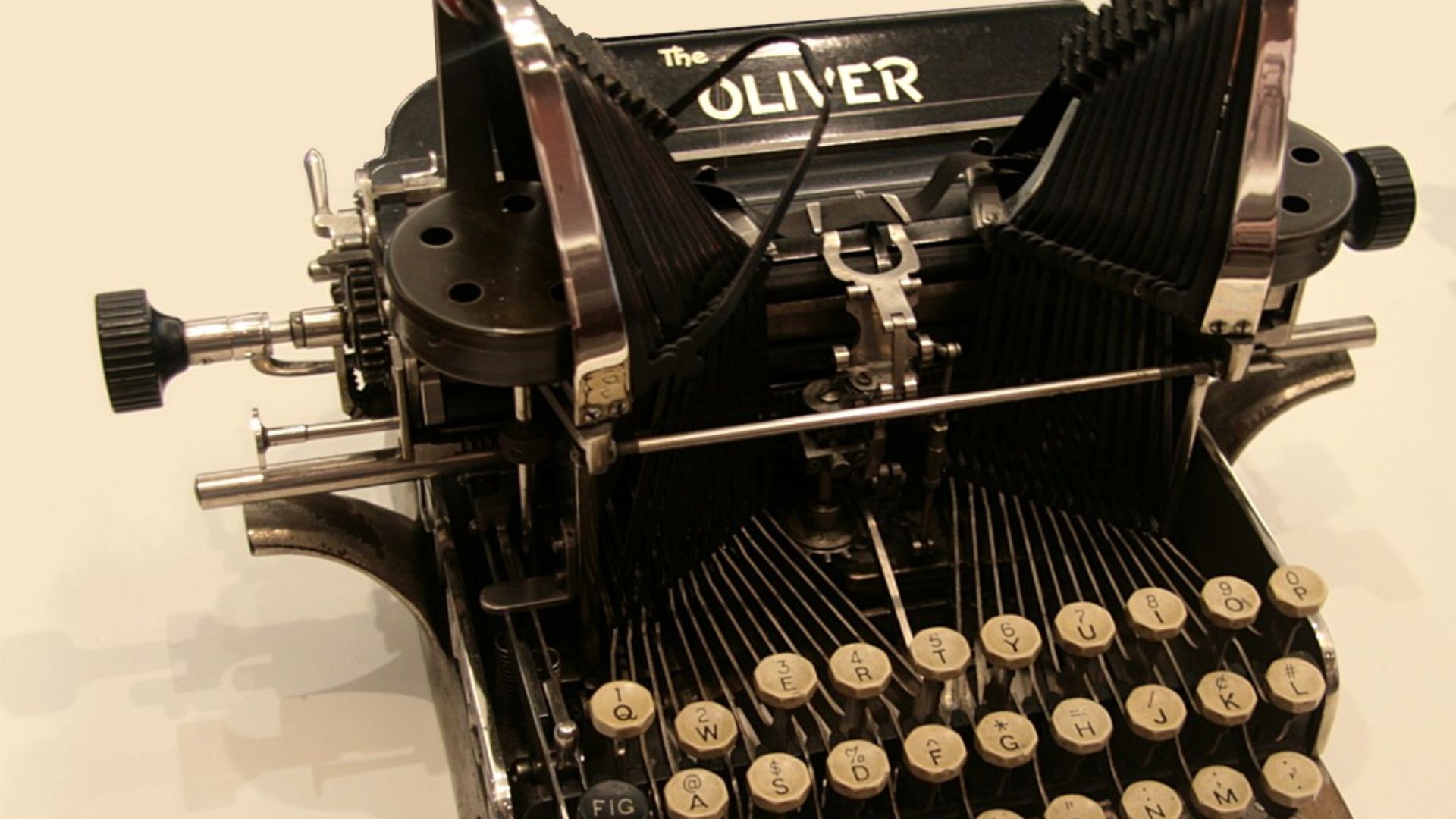
Typewriters also had dedicated operating literature. The Smithsonian preserves a 12-page Oliver Typewriter Instruction Book with brown paper covers, showing just how much printed guidance could accompany a familiar-looking office machine.
Radios Were Not Always Plug-And-Play
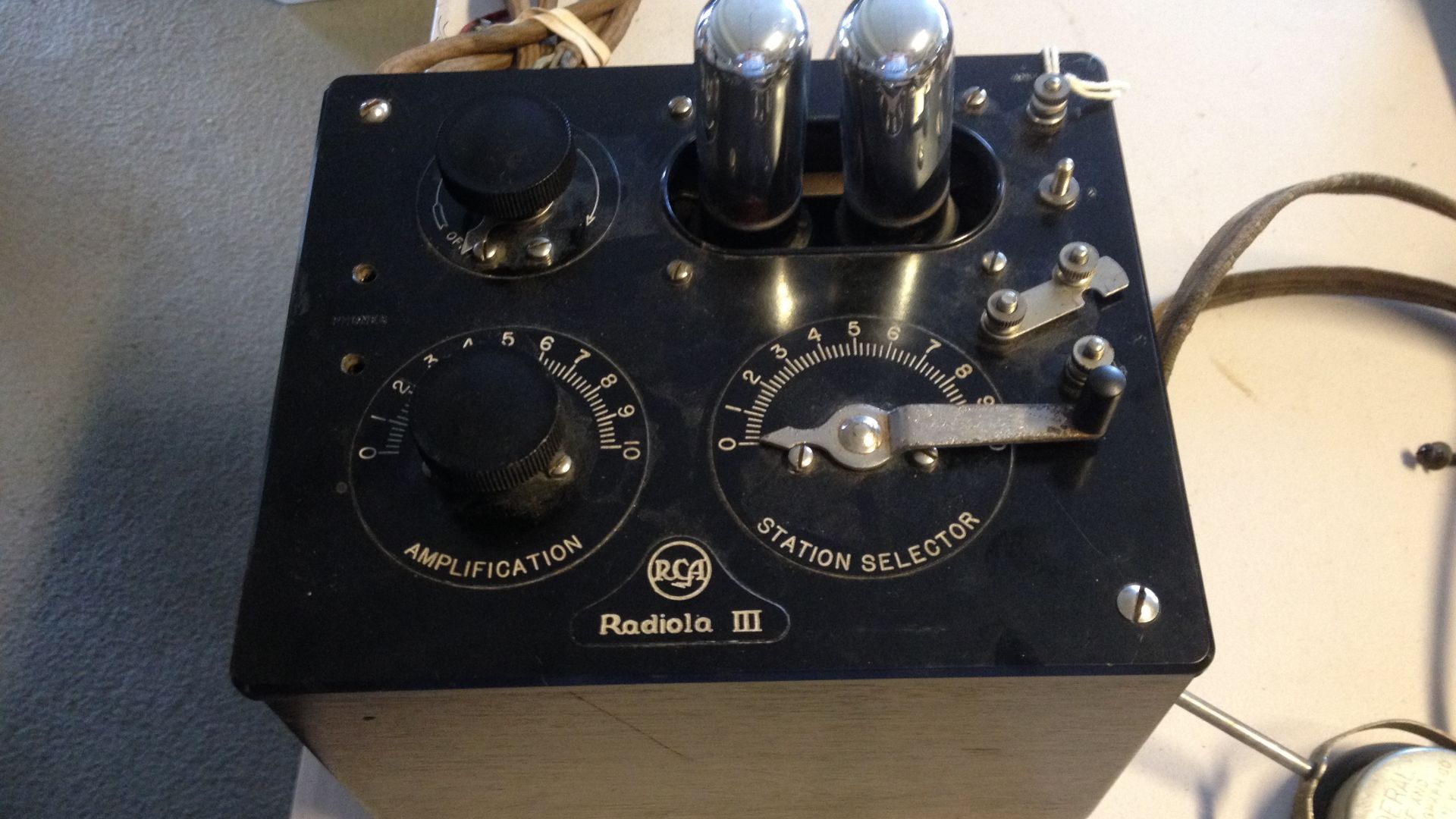
Early radios could be considerably less self-explanatory than modern speakers. The Smithsonian’s circa-1924 RCA Radiola III had controls for filament rheostat, regeneration, and station selection, and its catalog record references an “Instruction Booklet for Radiola III” kept with the specimen.
 ArnoldReinhold, Wikimedia Commons
Television Sets Had Owner’s Manuals, Too
TV ownership came with more than a receipt. The Putnam Museum archive lists Hoffman television owner’s manuals alongside 1951 receipts, warranty registration, and product brochures, leaving behind an unusually complete paper record of purchasing and owning the set.
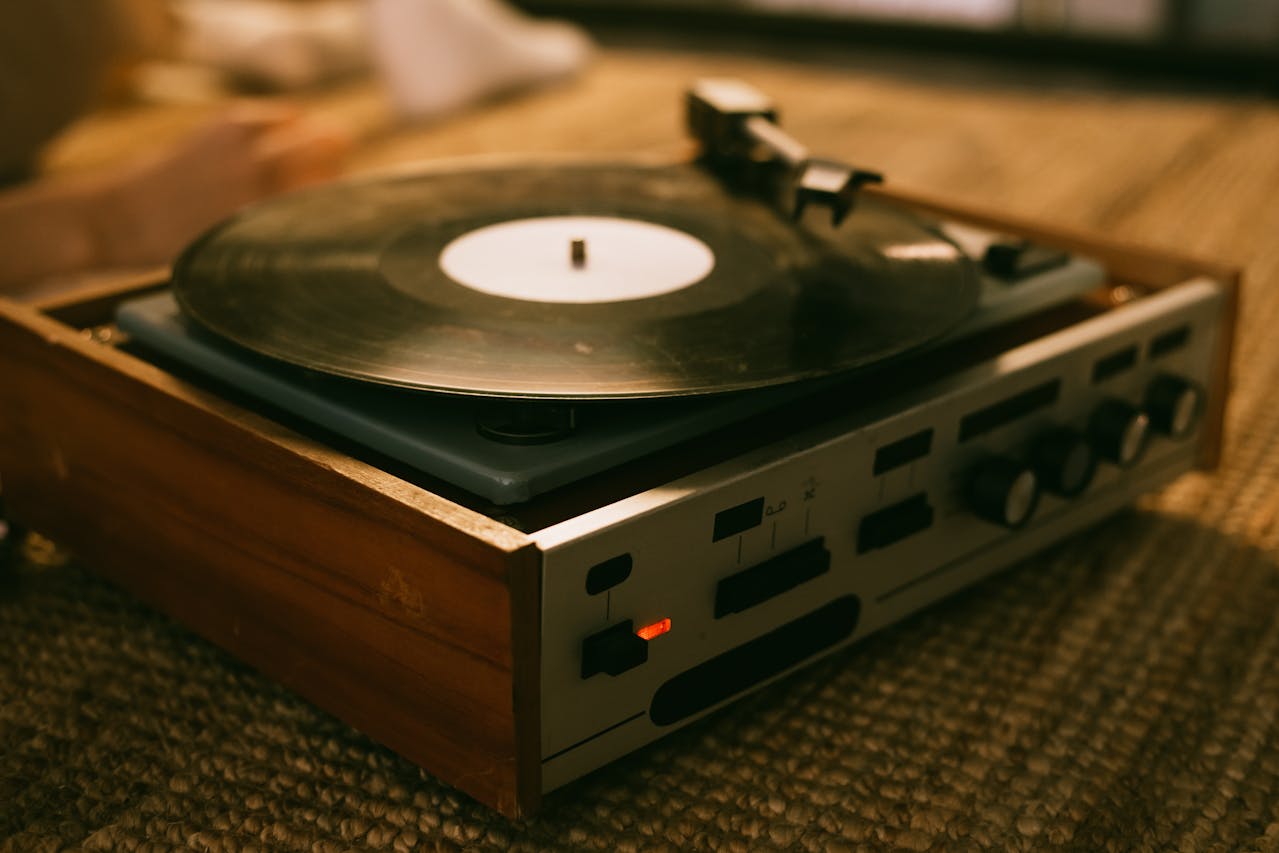
Record Players Needed A Little Reading
Multi-speed record players were not always a one-button affair. The Morawa Historical Society Museum’s domestic-appliance collection includes a four-page owner’s manual for the Toshiba SR-A115 stereo turntable, one of numerous printed operating guides preserved by the museum.
Slide Projectors Came With Caution Cards
Family slideshow night had its own learning curve. The Science Museum Group’s Aldis Minor projector survives with an eight-page instruction booklet bearing a handwritten 1953 date, plus a separate operating card marked “Caution”.
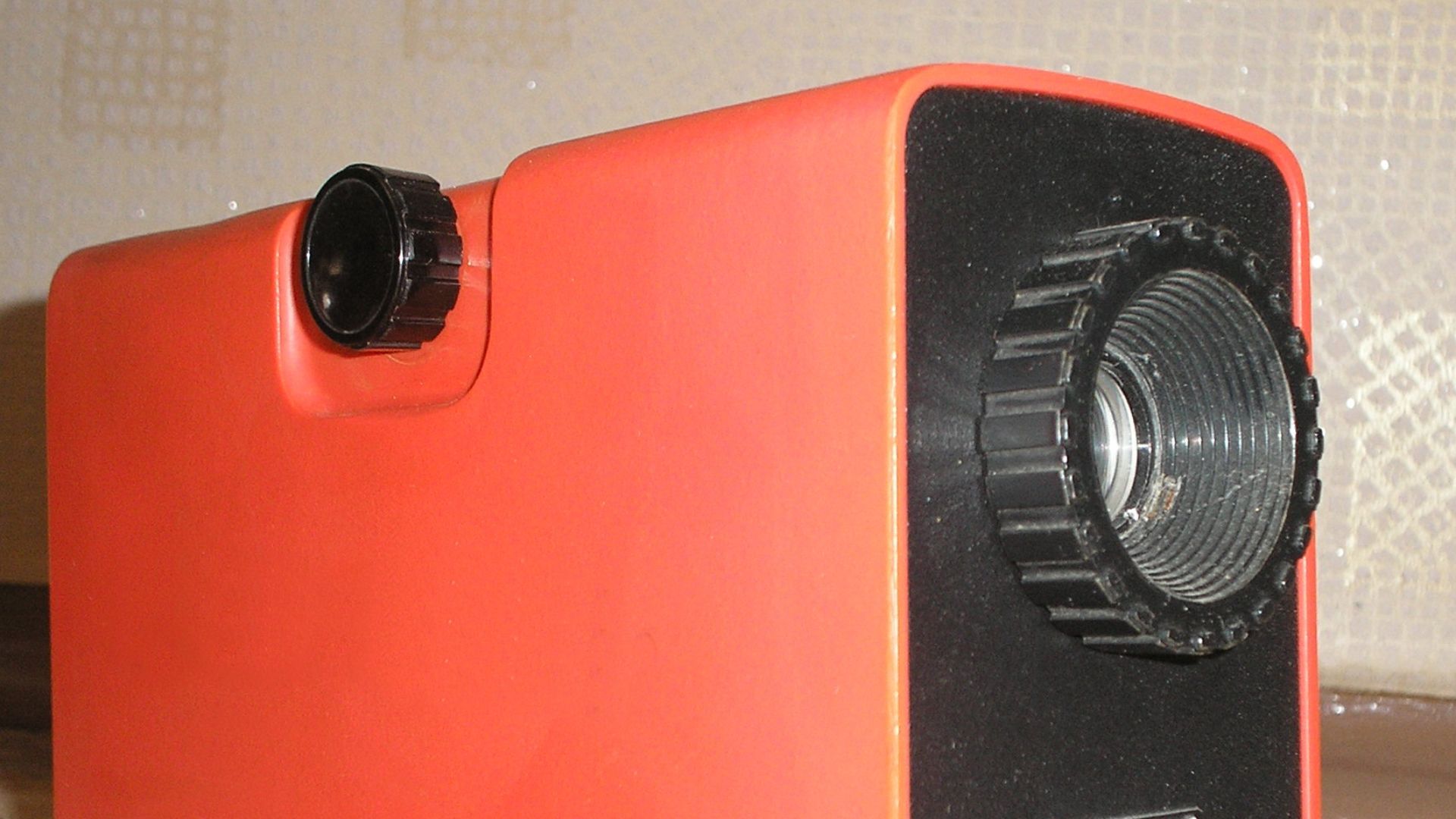 Photo by A. Sdobnikov, Wikimedia Commons

History's most fascinating stories and darkest secrets, delivered to your inbox daily.
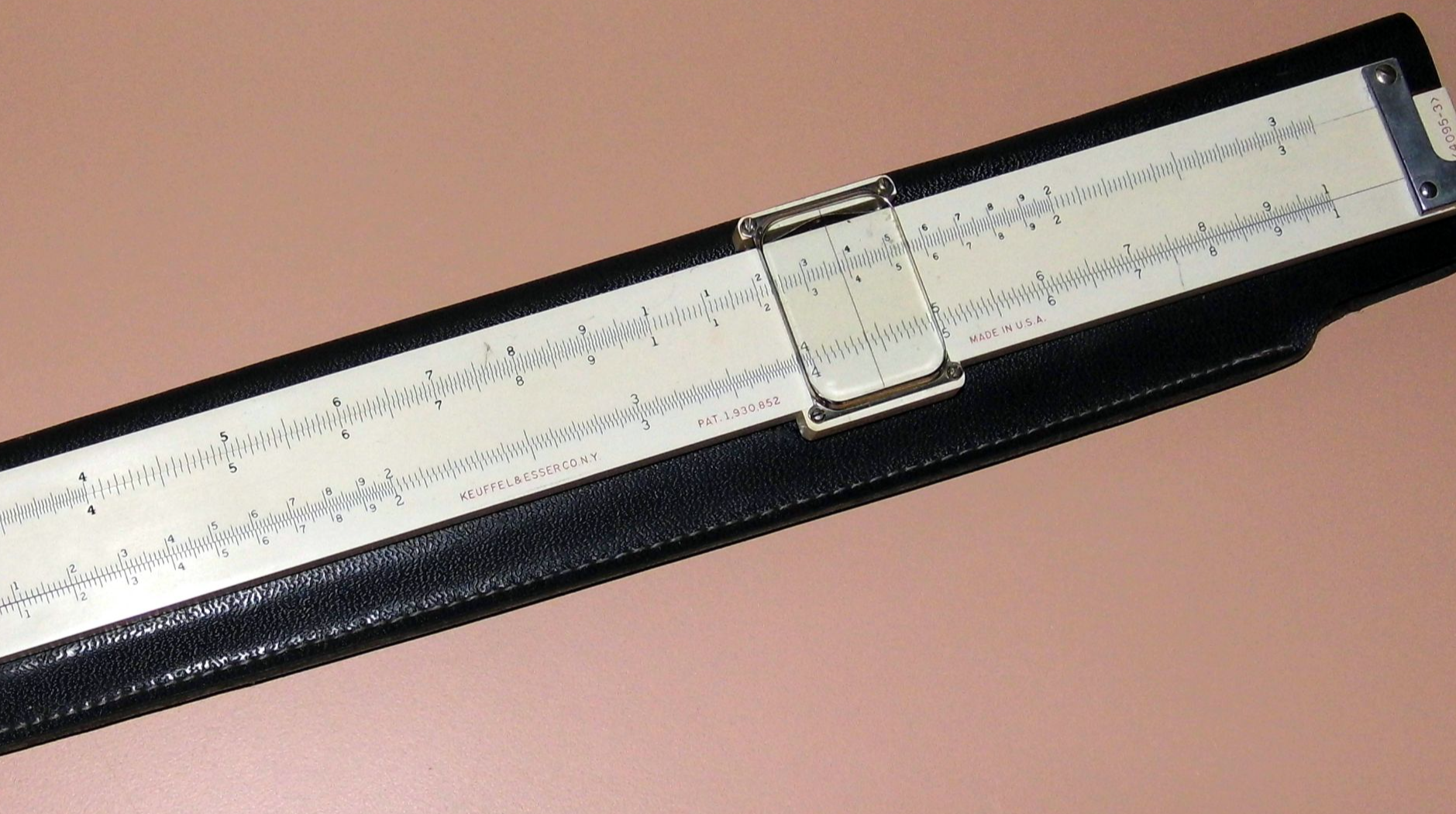
Slide Rules Were Tools You Had To Learn
A slide rule was compact, but its mathematical scales were hardly self-explanatory. The Smithsonian’s Keuffel & Esser 4097C, sold from the 1930s into the early 1950s, is documented with a separate instruction booklet associated with the model.
 Joe Haupt from USA, Wikimedia Commons
Home Computers Put The Manual In The Box
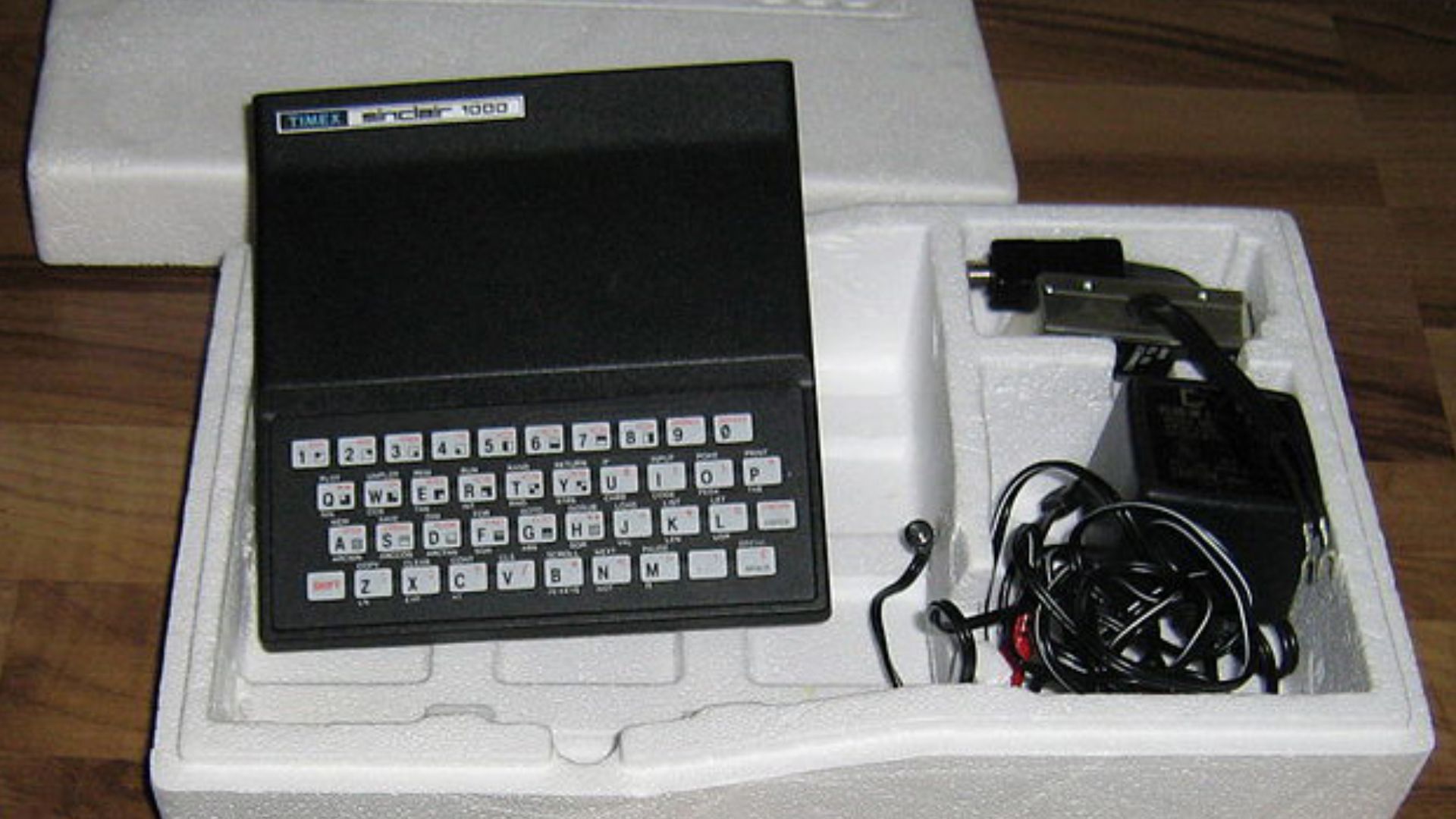
The Timex Sinclair 1000 came with a lot more than a keyboard. The Smithsonian’s example includes a power supply, television connector, and instruction manual; the machine used a TV as its monitor, stored data on cassette tape, and supported BASIC programming.
Modems Required More Than A Password
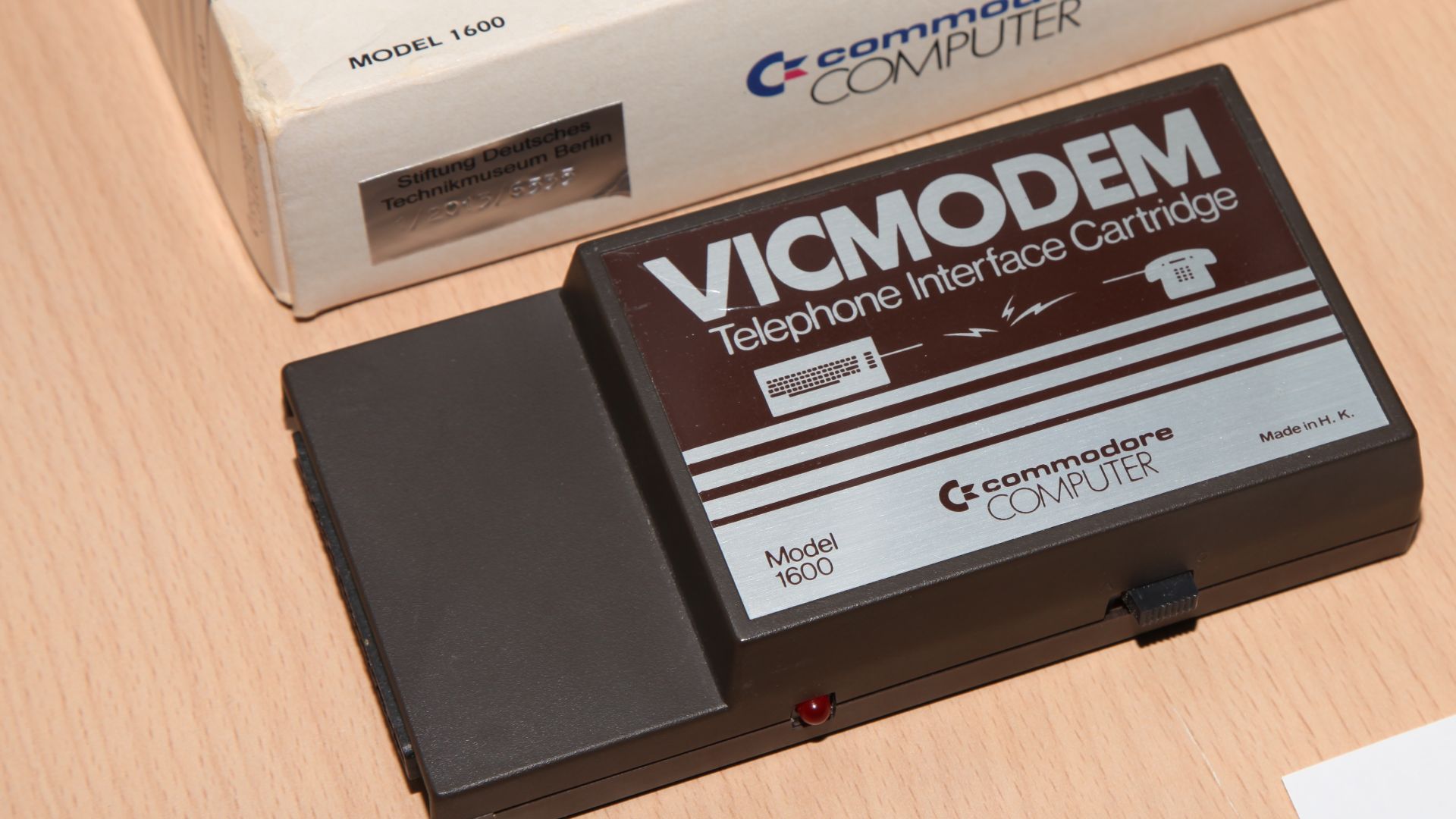
The Commodore VICMODEM Model 1600 shows how physical early networking could be. Smithsonian records say its package included a telephone-interface cartridge, a VICTERM program cassette, an instruction booklet, and the original box.
 Florian Schäffer, Wikimedia Commons
Video Game Consoles Had Thick Booklets
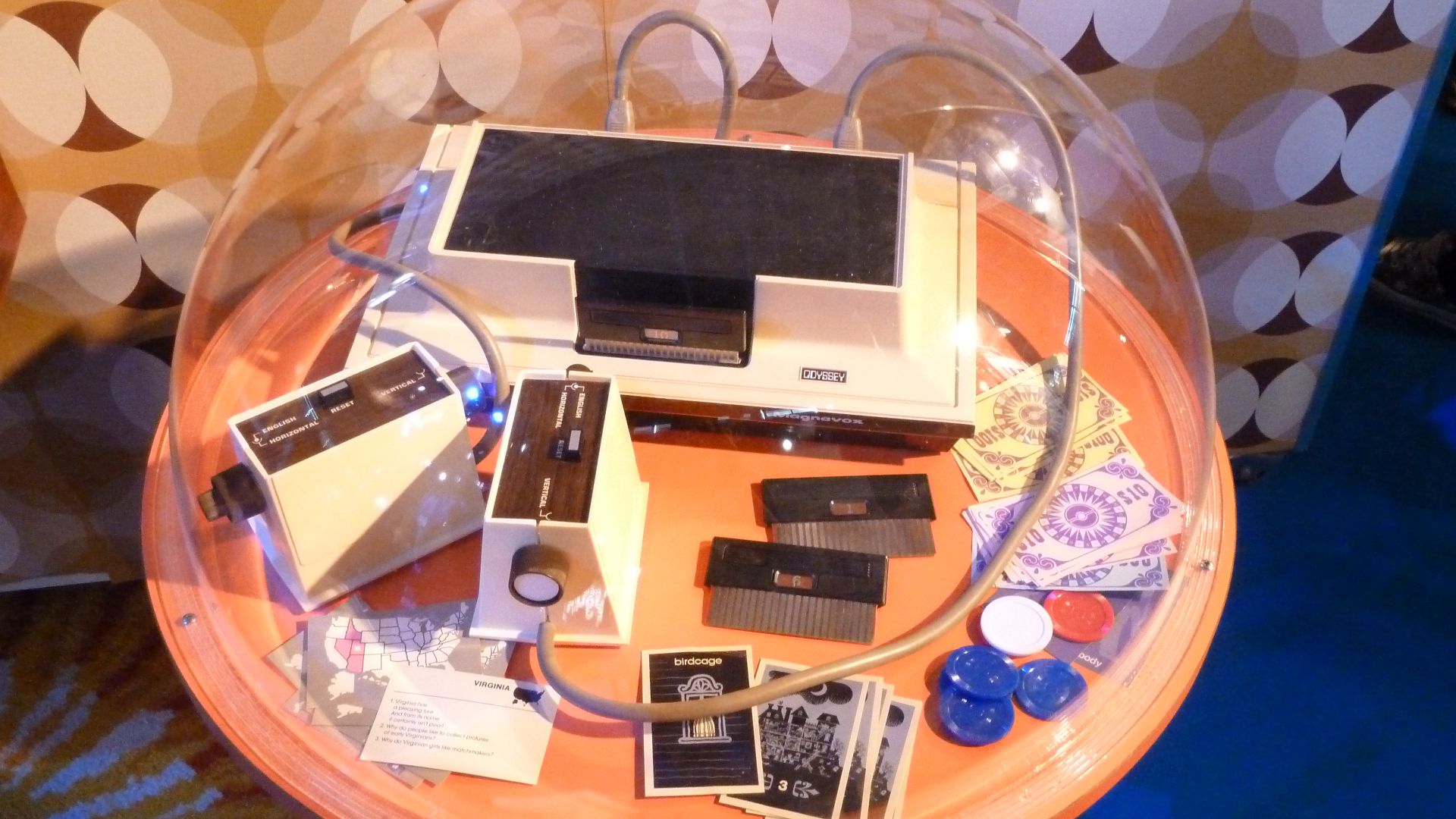
Gaming could require substantial reading, too. The Science Museum Group preserves a 35-page instruction booklet for the Magnavox Odyssey, made between 1972 and 1975, showing how much printed guidance could accompany an early home video-game system.
Steam Irons Explained Their Knobs
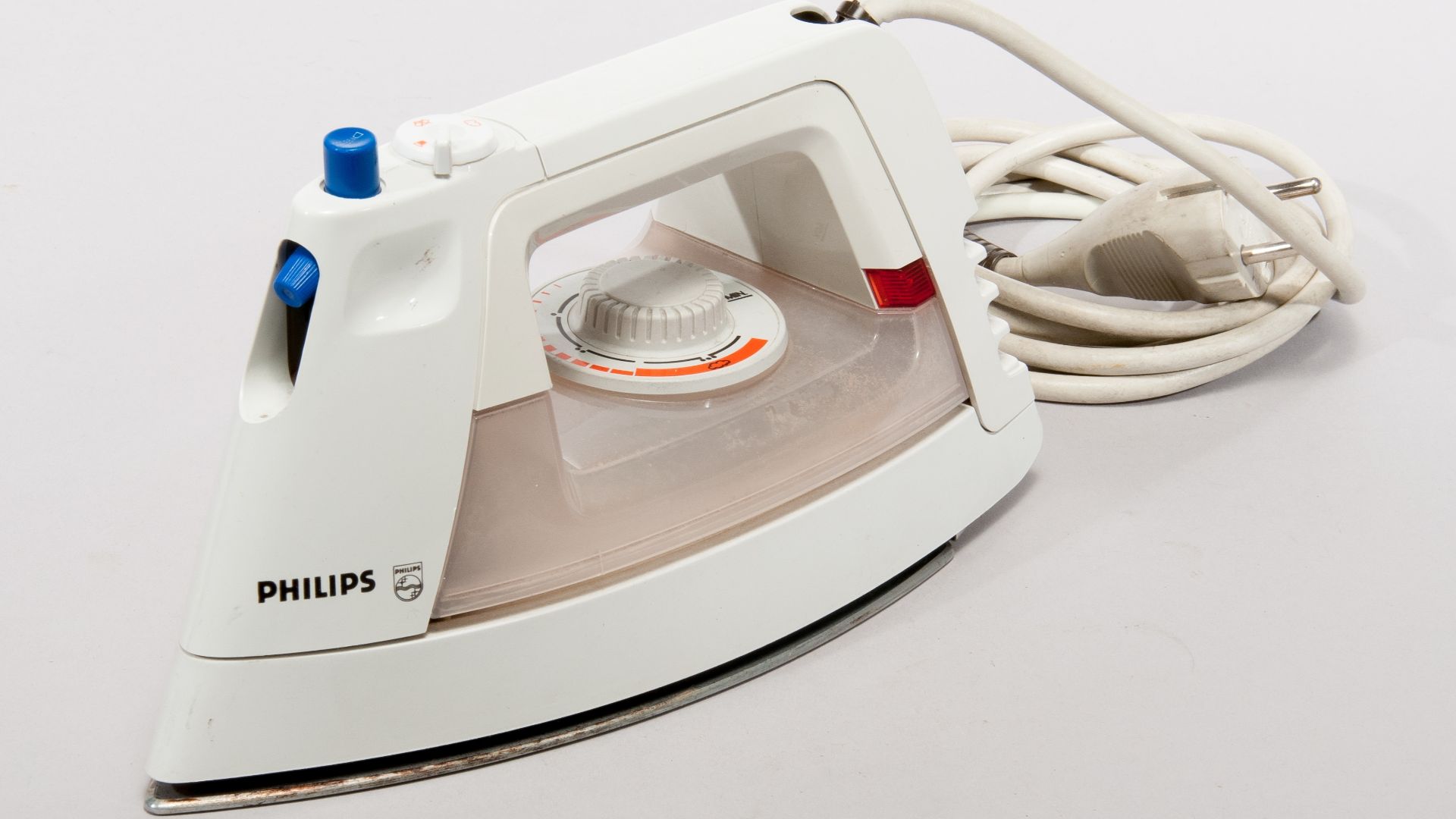
A circa-1947 Steam-O-Matic iron in the Smithsonian collection had fabric settings, a water opening, a detachable cord, and a speed control. It also survives with an instruction manual, which records the appliance’s original price as $18.95.
Washing Machines Came With Use-And-Care Books
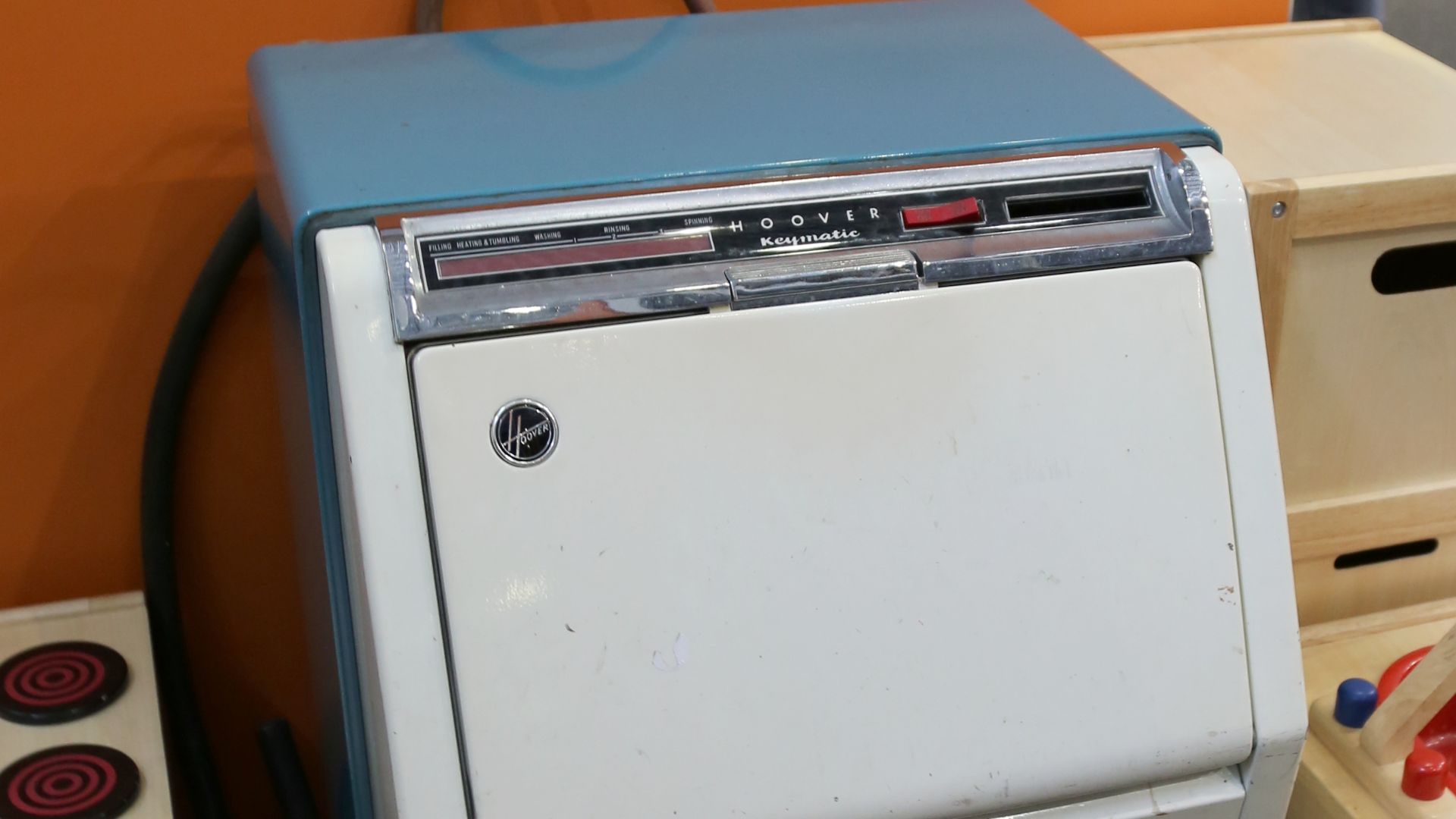
Automatic washing did not eliminate the need for directions. Museum Wales holds a 1960s 12-page booklet for the Hoover Keymatic de-luxe automatic washing machine, specifically described as giving instructions for the use and care of the machine.
Vacuum Cleaners Had Their Own Manuals
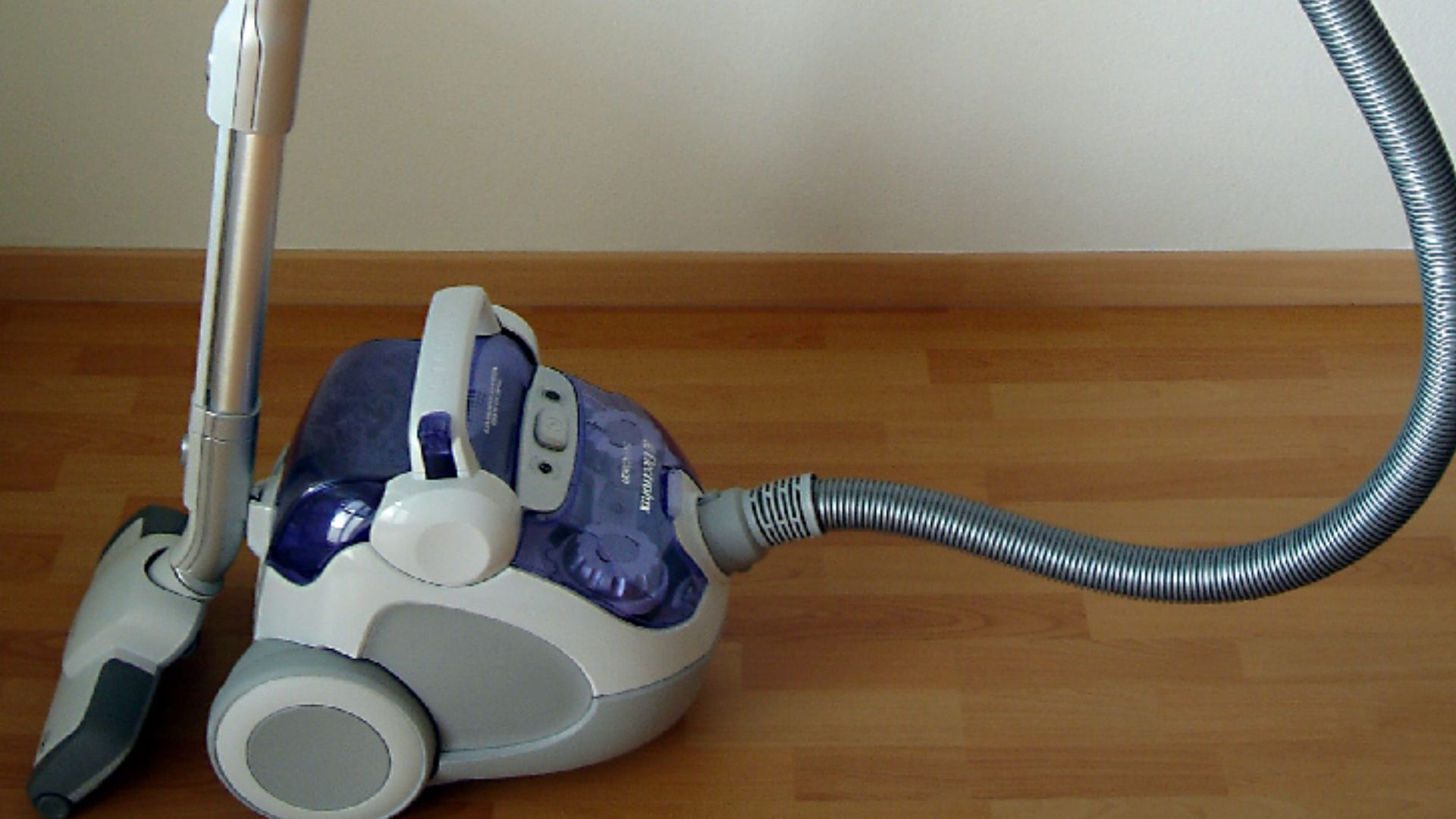
Vacuum cleaners could come with dedicated reading material. The Morawa Historical Society Museum catalogs a 12-page December 1972 instruction book for the Electrolux Solamatic cleaning system, among a much larger collection of domestic-appliance manuals.
 Andy Butkaj, Wikimedia Commons
Refrigerators Came With Directions
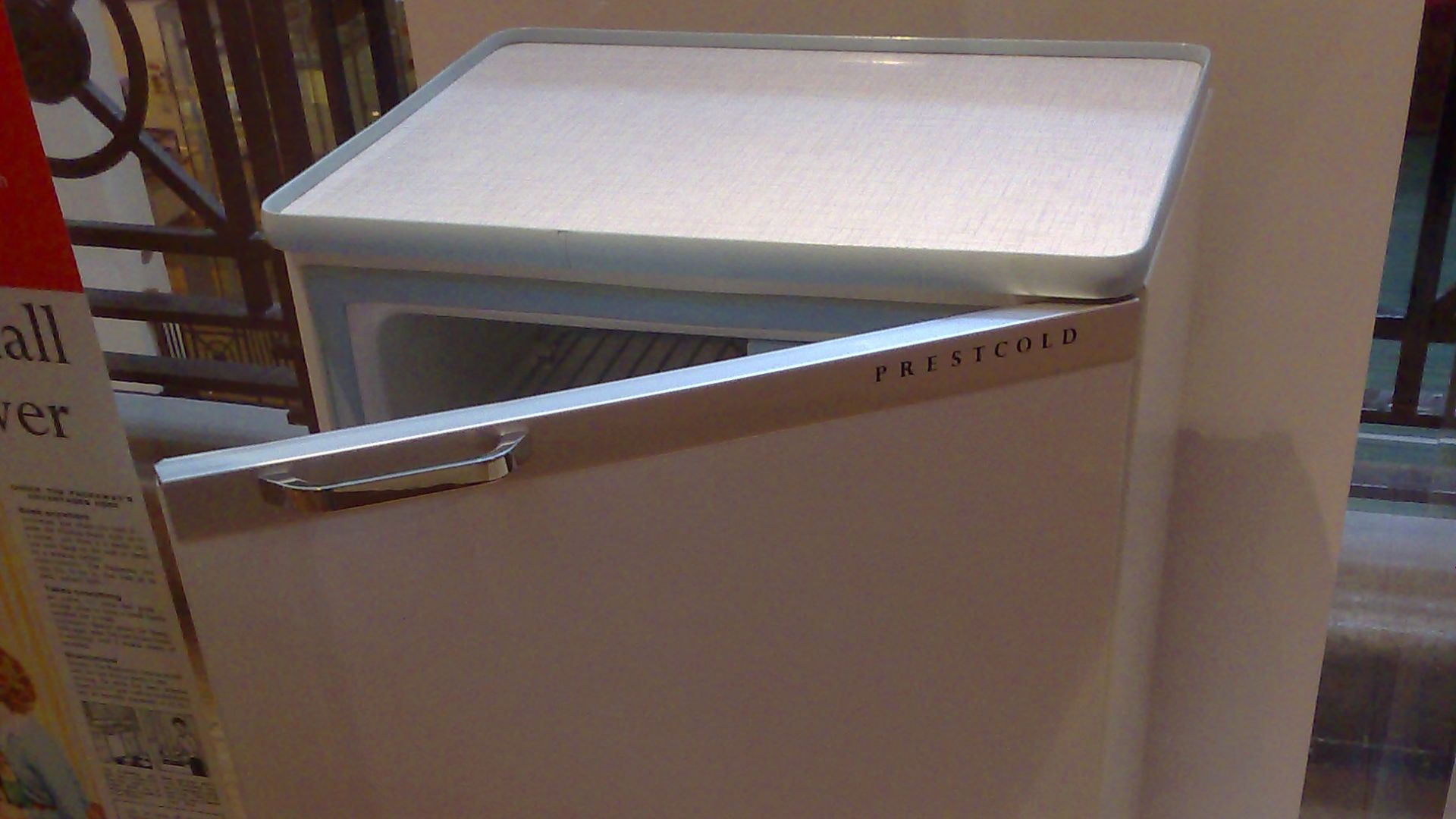
Refrigerators also received detailed paperwork. The Science Museum Group preserves a Prestcold Refrigeration Instruction Book for Model S472 alongside related material including a wiring guide and a brochure titled How to Get the Best from Your Prestcold 'Fridge'.
 Frankie Roberto, Wikimedia Commons
Electric Ranges Mixed Instructions With Dinner
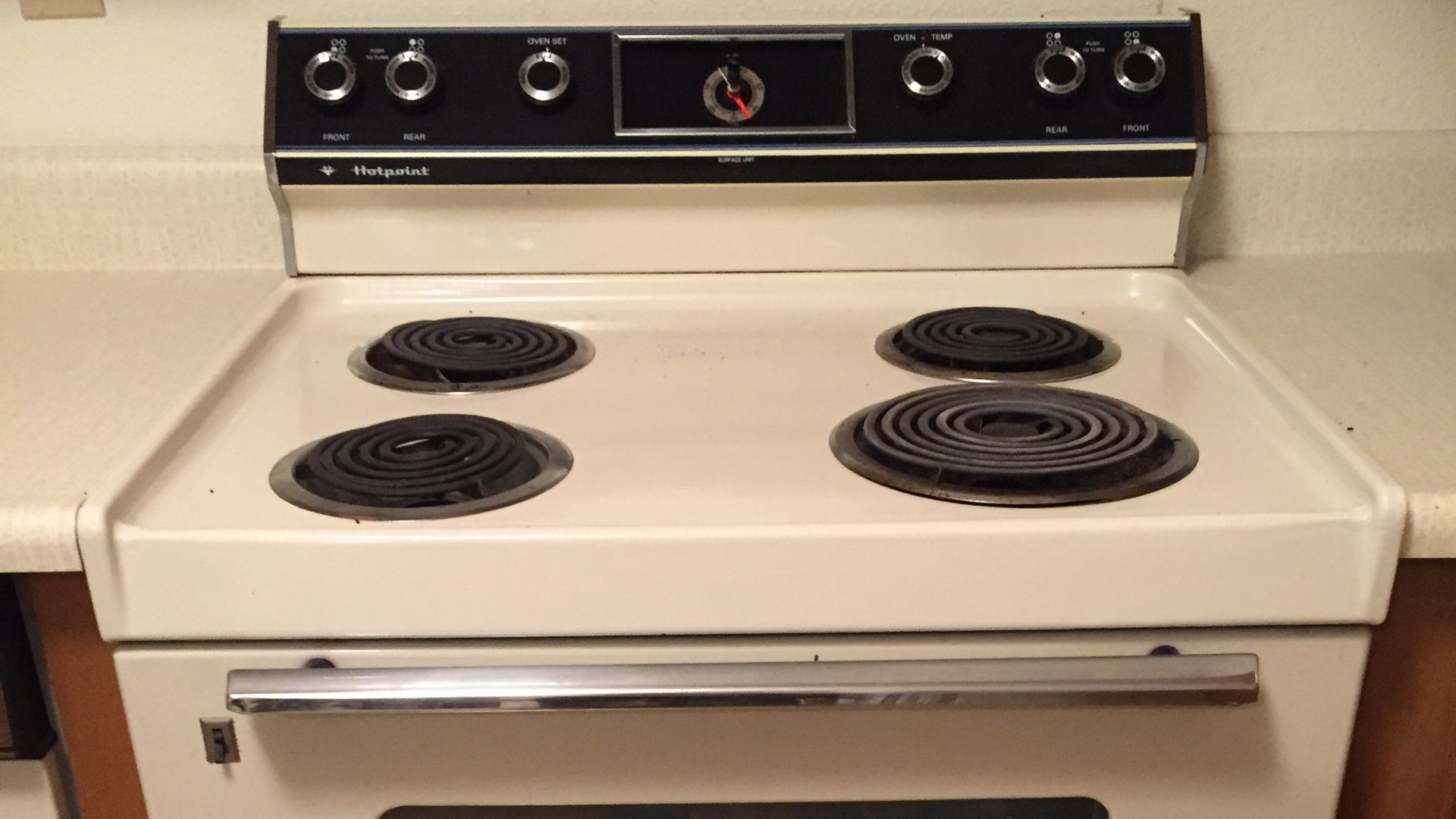
Some appliance manuals doubled as cookbooks. The Smithsonian describes General Electric’s circa-1954 Let’s Get Acquainted with Your Hotpoint Electric Range as both a recipe book and an instruction manual, complete with menus, rack placement, and directions for cooking several dishes together.
 Steven Pavlov, Wikimedia Commons
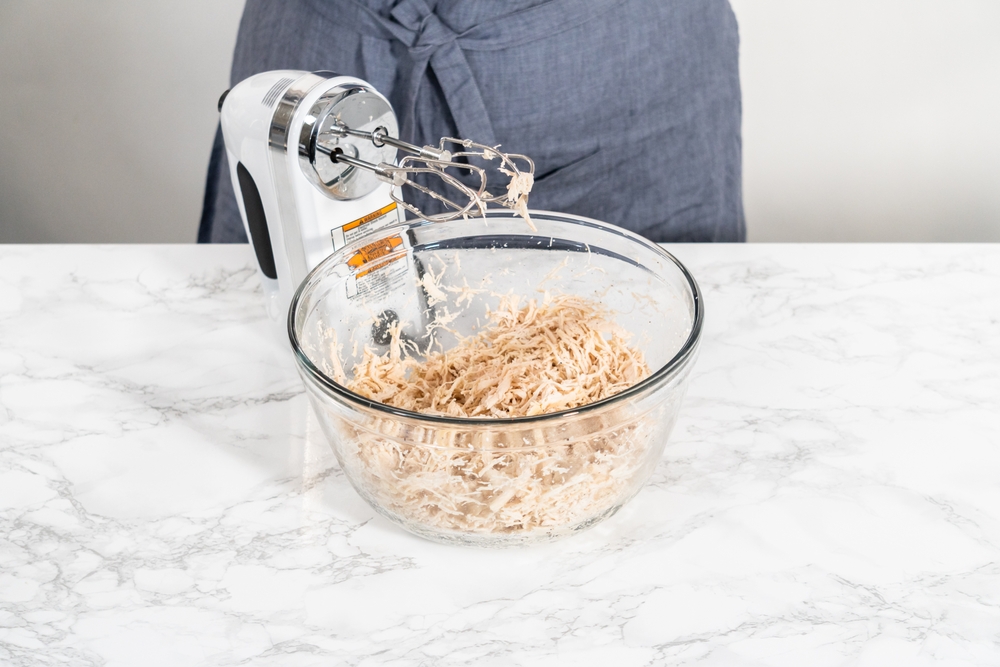
Hand Mixers Came With Recipes And Directions
The Waring Mixor shows how instruction and inspiration could share a booklet. A circa-1952 example in the Smithsonian remains in its original cardboard box with a recipe-and-instruction guide, while the mixer itself offered three speed settings.
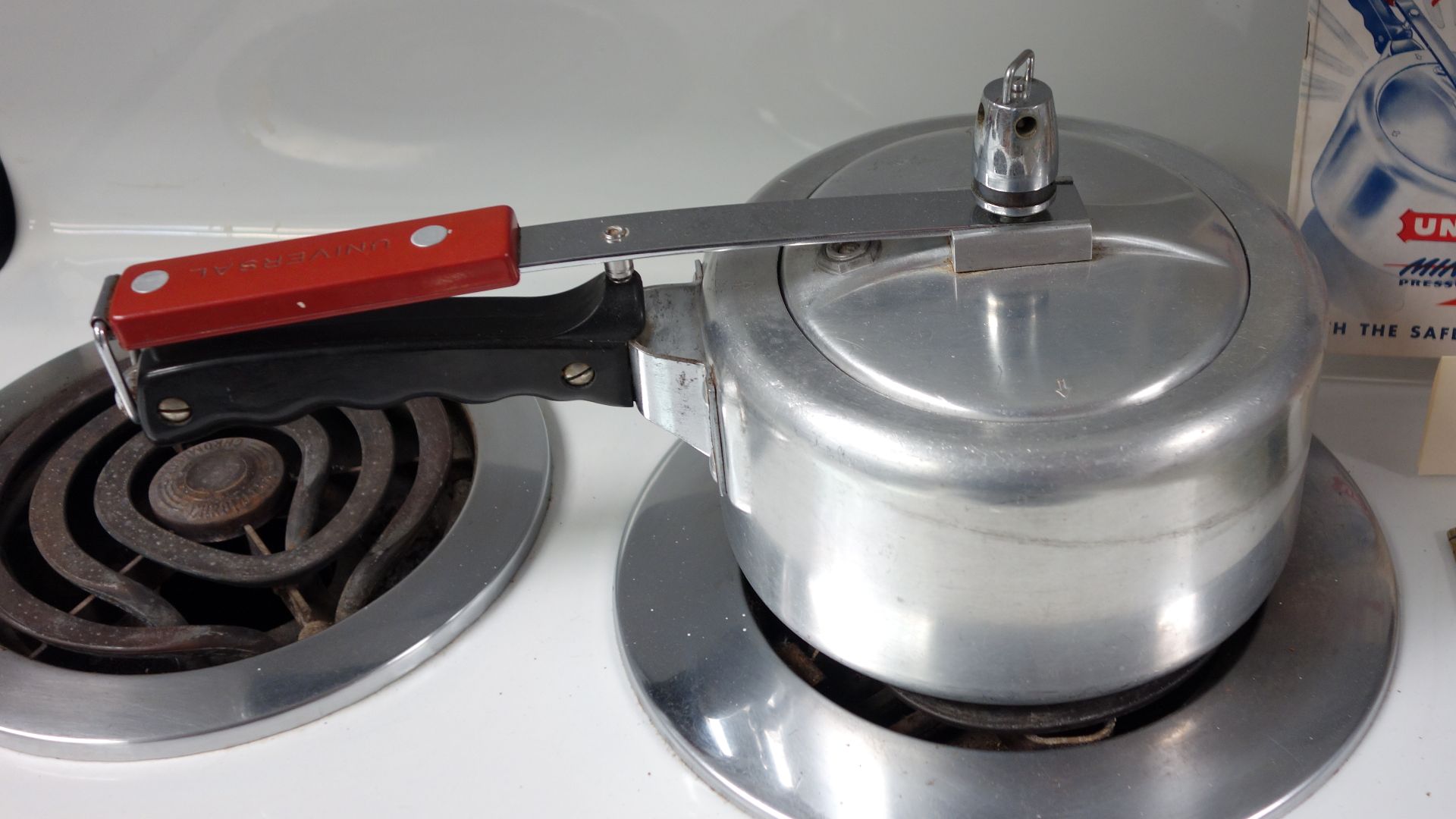
Pressure Cookers Definitely Earned A Booklet
Pressure cookers could come with substantial reading material. Hackney Museum preserves a Presto pressure-cooker booklet dated to roughly 1955–1963 that runs 64 pages and combines recipes with operating instructions.
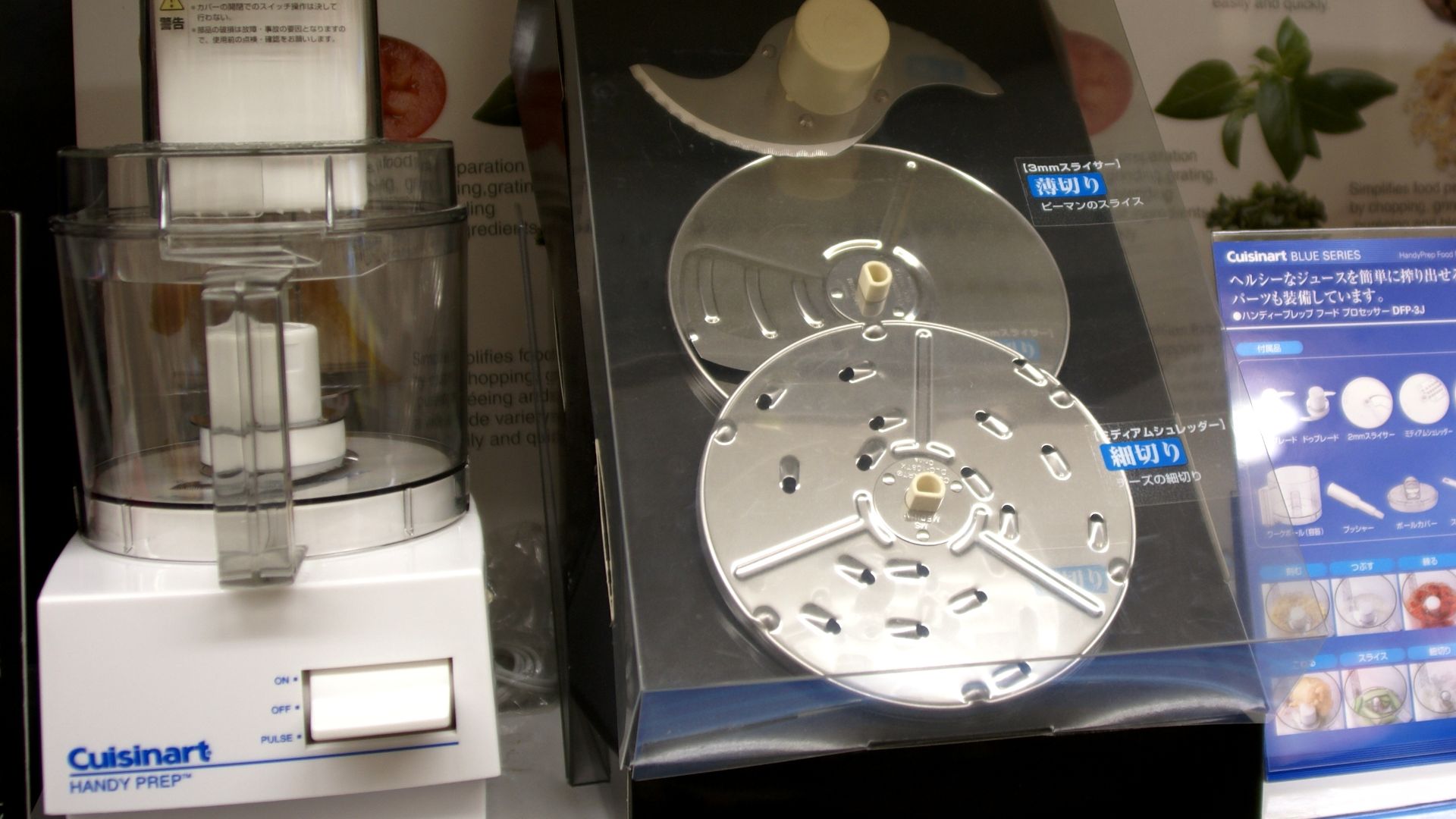
Food Processors Taught You What They Could Do
Food processors also received purpose-built printed guidance. The Smithsonian’s Product Cookbooks Collection includes Cuisinart’s How to Use Your Cuisinart Food Processor from 1973, documenting a guide specifically devoted to operating the kitchen appliance.
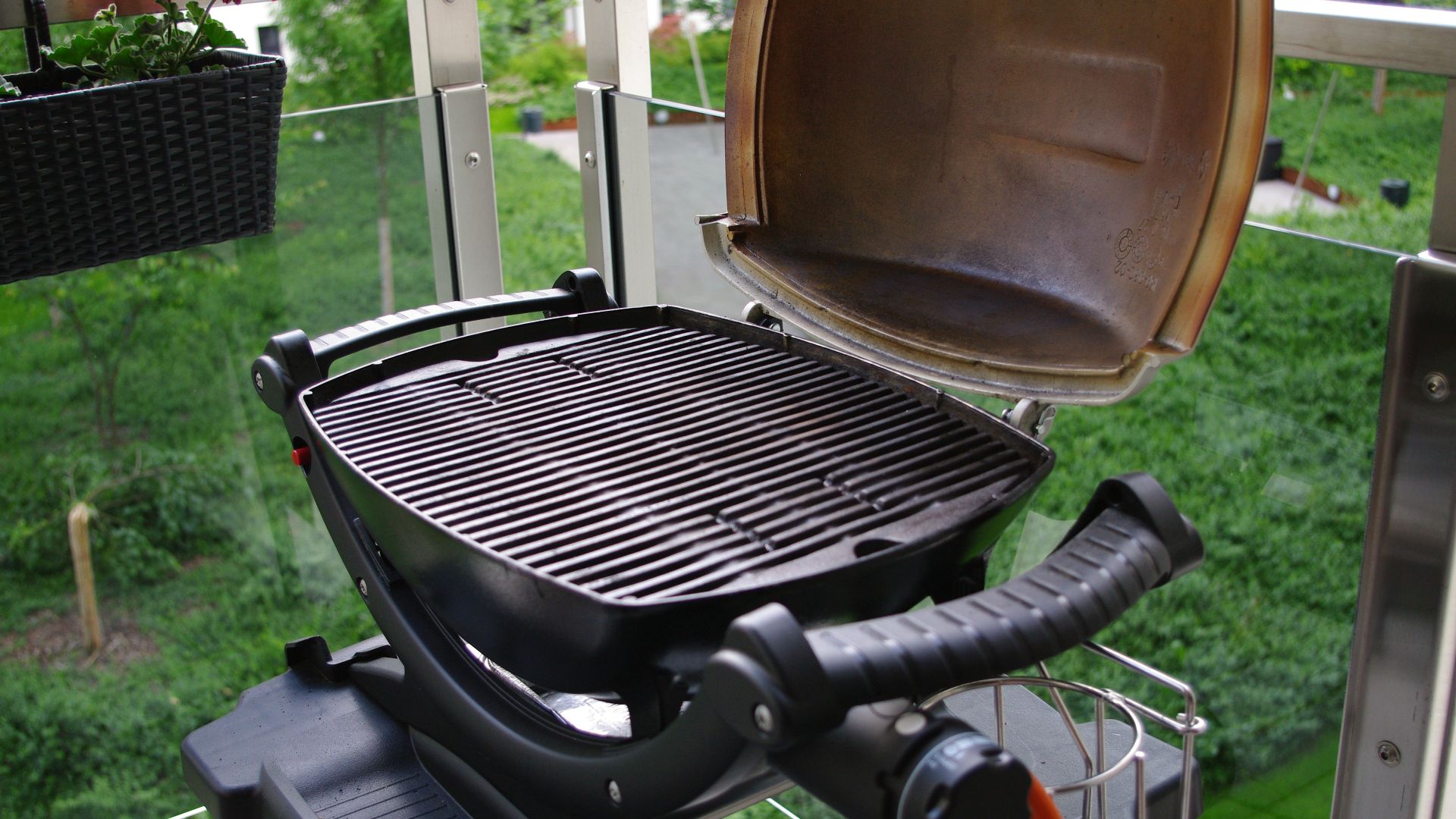
Charcoal Grills Had Printed Coaching
Even backyard grilling came with lessons on paper. The Smithsonian preserves a Weber-Stephen publication titled Recipe and Instruction Book: 59 Great Recipes for Covered Cooking the Weber Way, combining product instruction with dishes designed for covered grilling.
 http://chefgrill.de, Wikimedia Commons
You May Also Like:
American Businesses That Look Completely Different Than They Did 30 Years Ago
Old-Fashioned Hobbies That Are Quietly Becoming Popular Again
Old Technology Everyone Thought The Internet Would Kill, But Refuses To Die
Sources: 1