Tomorrow Was Supposed To Look Very Different
Back in the 1970s, the year 2000 sounded like something straight out of science fiction. Futurists, scientists, and ordinary Americans imagined a world filled with robots, extraordinary transportation, and incredible conveniences. Some predictions were surprisingly accurate. Others were wildly optimistic. Looking back at what people actually predicted reveals just how different the future was supposed to be.
Flying Cars Would Replace Regular Traffic
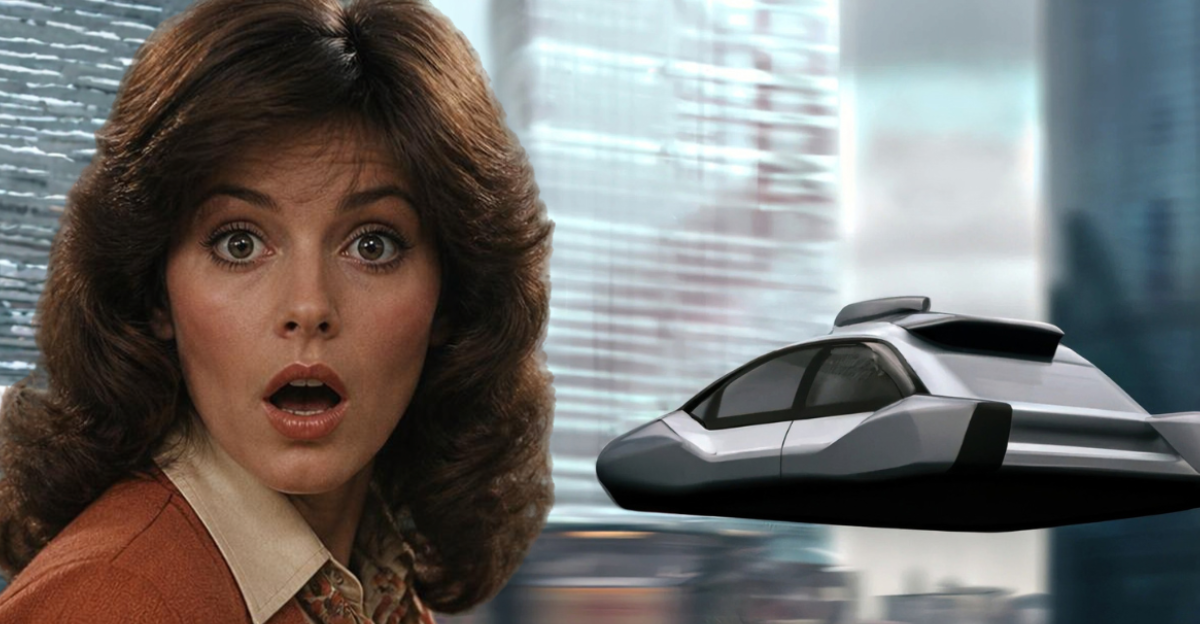
In 1976, American schoolchildren imagined flying cars becoming ordinary transportation by 2000. Some believed these vehicles wouldn't even need gasoline. Unfortunately, the anticipated airborne traffic revolution never arrived.
Commuters Would Take Personal Aircraft To Work
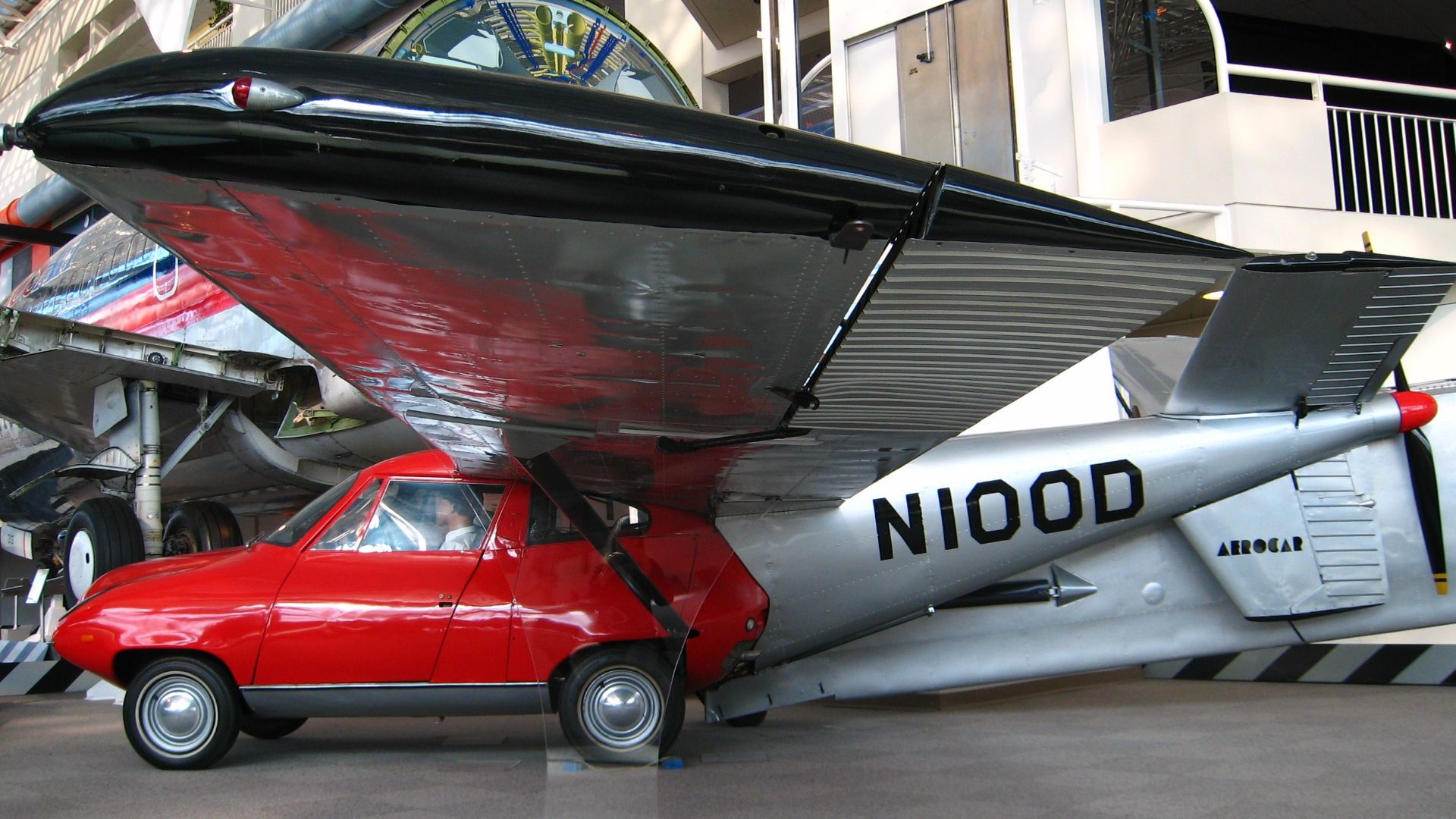
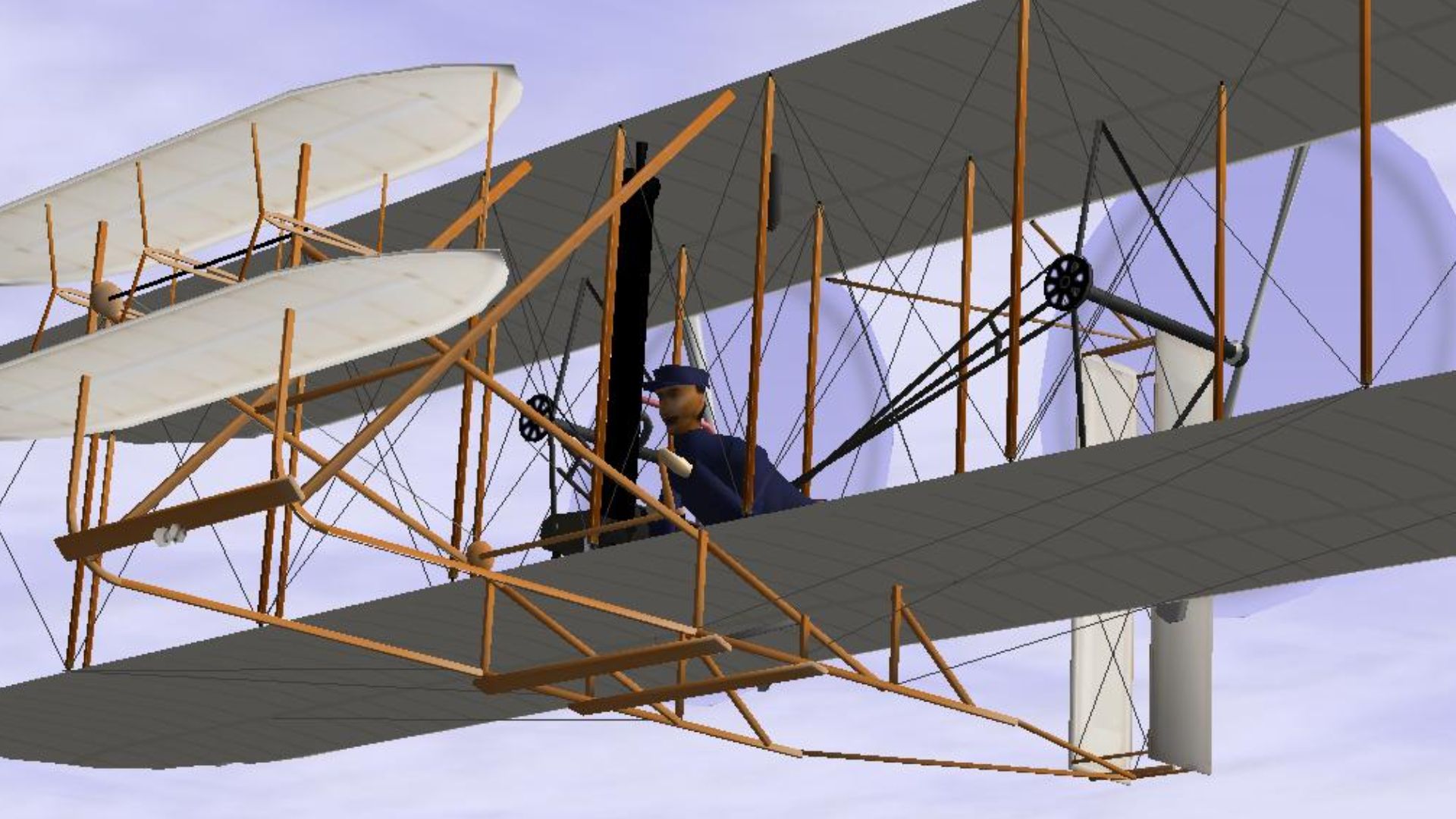
A 1970 newspaper comic predicted that vertical-takeoff aircraft might handle 25% of commutes exceeding 15 miles by 2000. The idea promised less road congestion. Instead, commuters largely remained earthbound.
 Curtis L. Olson, Wikimedia Commons
Cars Would Float Above The Road
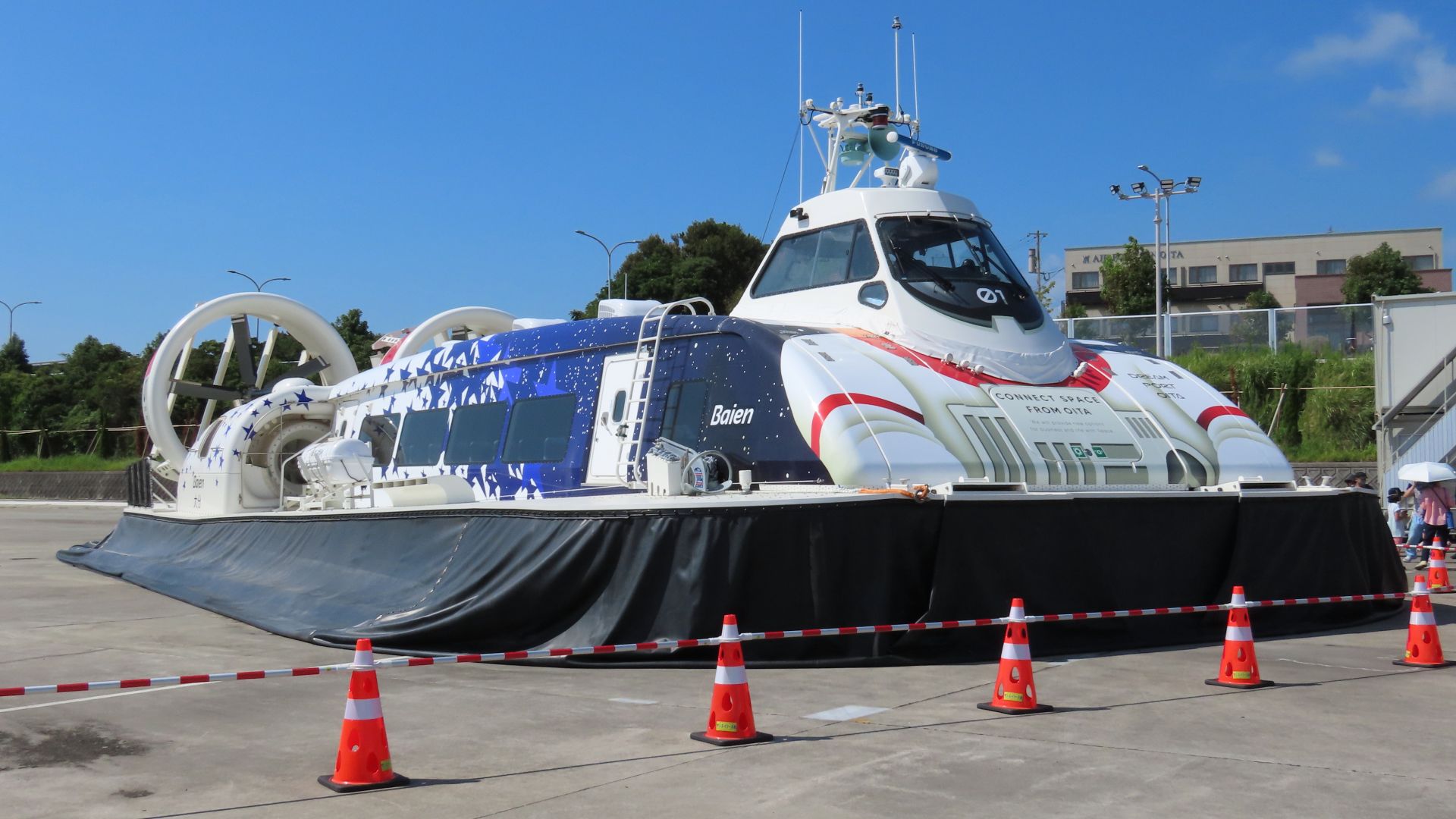
In 1977, an Ohio student predicted vehicles that floated on air. The idea reflected hopes that futuristic transportation could eliminate pollution and conventional roadways. Hovering automobiles never became standard family transportation.
Cars Would Double As Boats
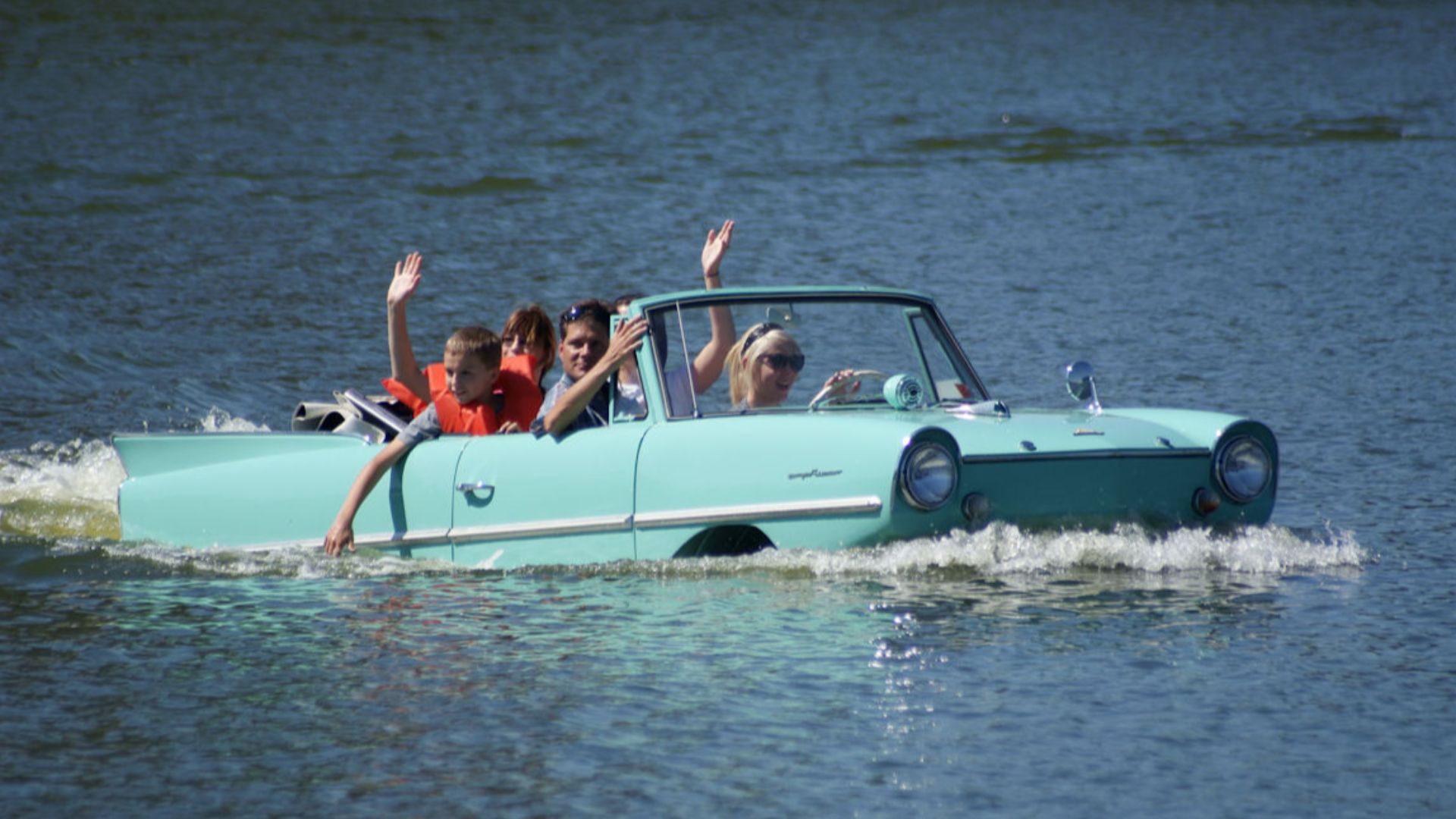
A 1976 Texas fourth-grader imagined automobiles capable of driving directly into water and floating like boats. Such adaptable vehicles promised freedom from traditional road limitations. Ordinary cars, however, remained firmly separated from boats.
Automobiles Would Be Practically Accident-Proof
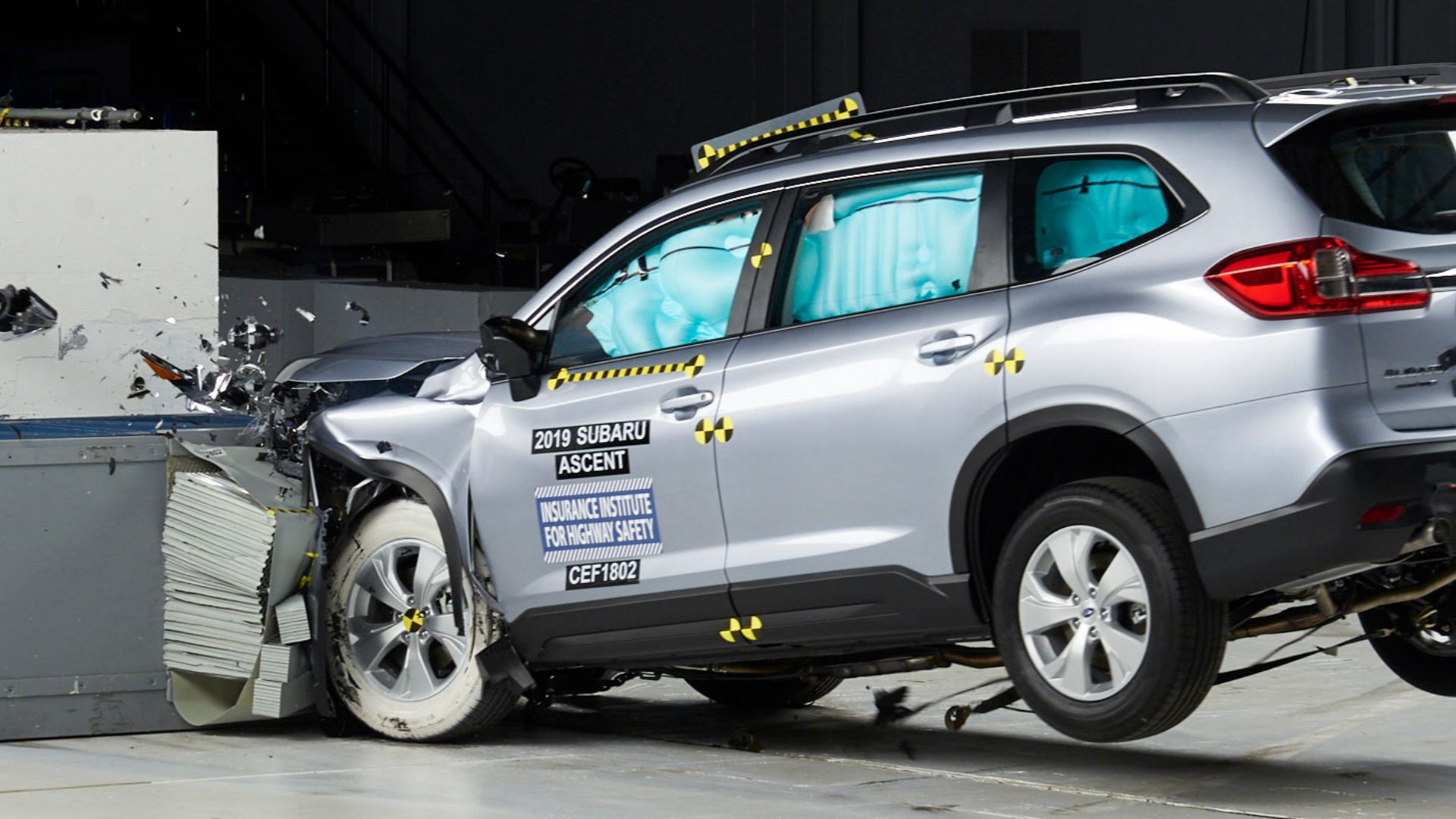
A 1975 newspaper editorial discussed predictions of service-free, accident-proof cars becoming widespread by 2000. Automotive technology certainly improved, but eliminating collisions and routine maintenance proved considerably harder than anticipated.
 Insurance Institute for Highway Safety, Wikimedia Commons
Public Transportation Would Run Itself
That same 1975 forecast anticipated automated urban transit becoming technologically possible by 1985 and economically viable approximately ten years later. Driverless transit systems emerged, but fully automated transportation never replaced conventional networks.
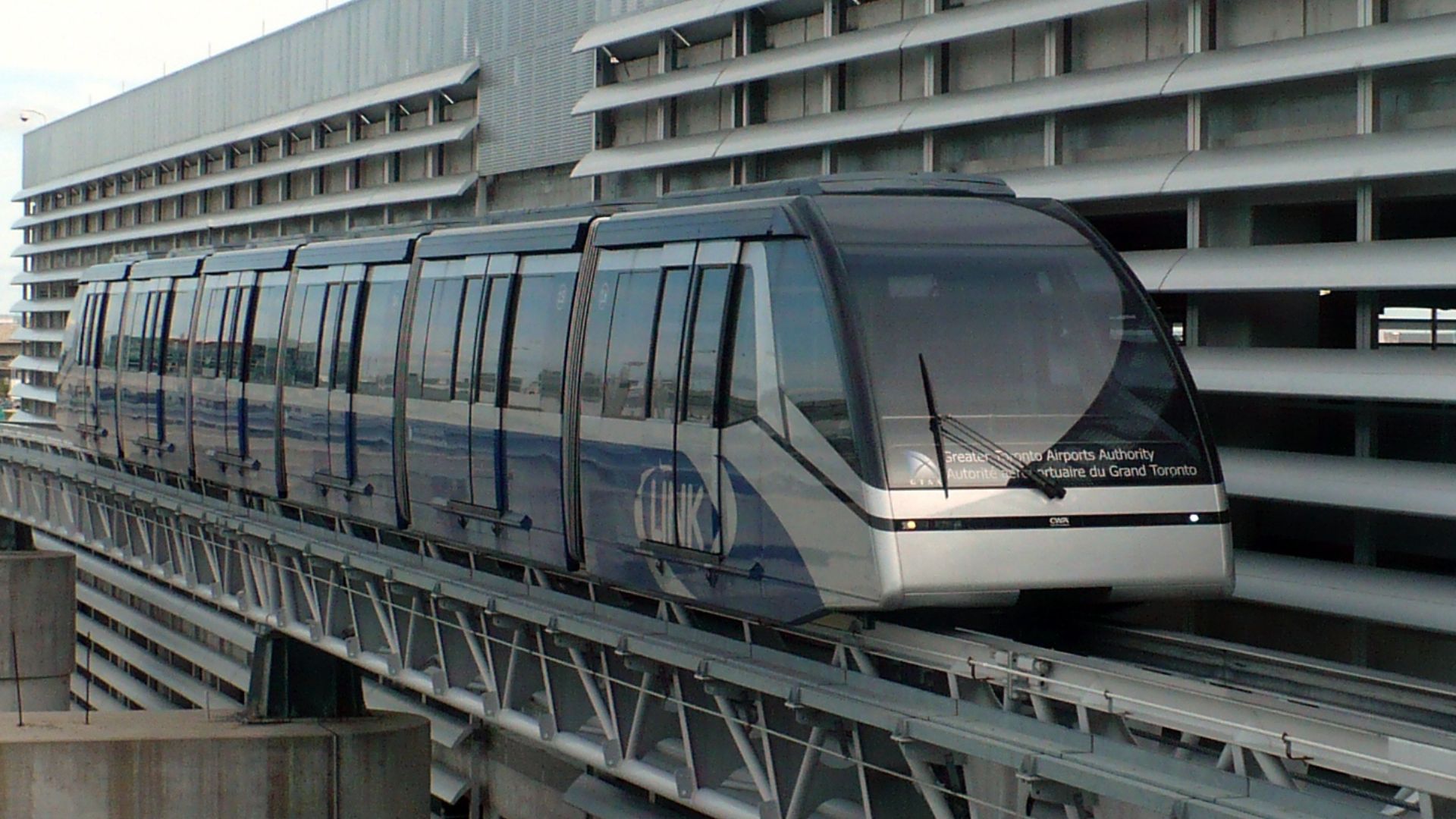 Secondarywaltz, Wikimedia Commons
Moving Sidewalks Would Be Everywhere
In 1976, Texas student Laurie Smith imagined sidewalks carrying pedestrians automatically. Why walk when the pavement could do the work? Moving walkways became familiar in airports, but not throughout ordinary neighborhoods.
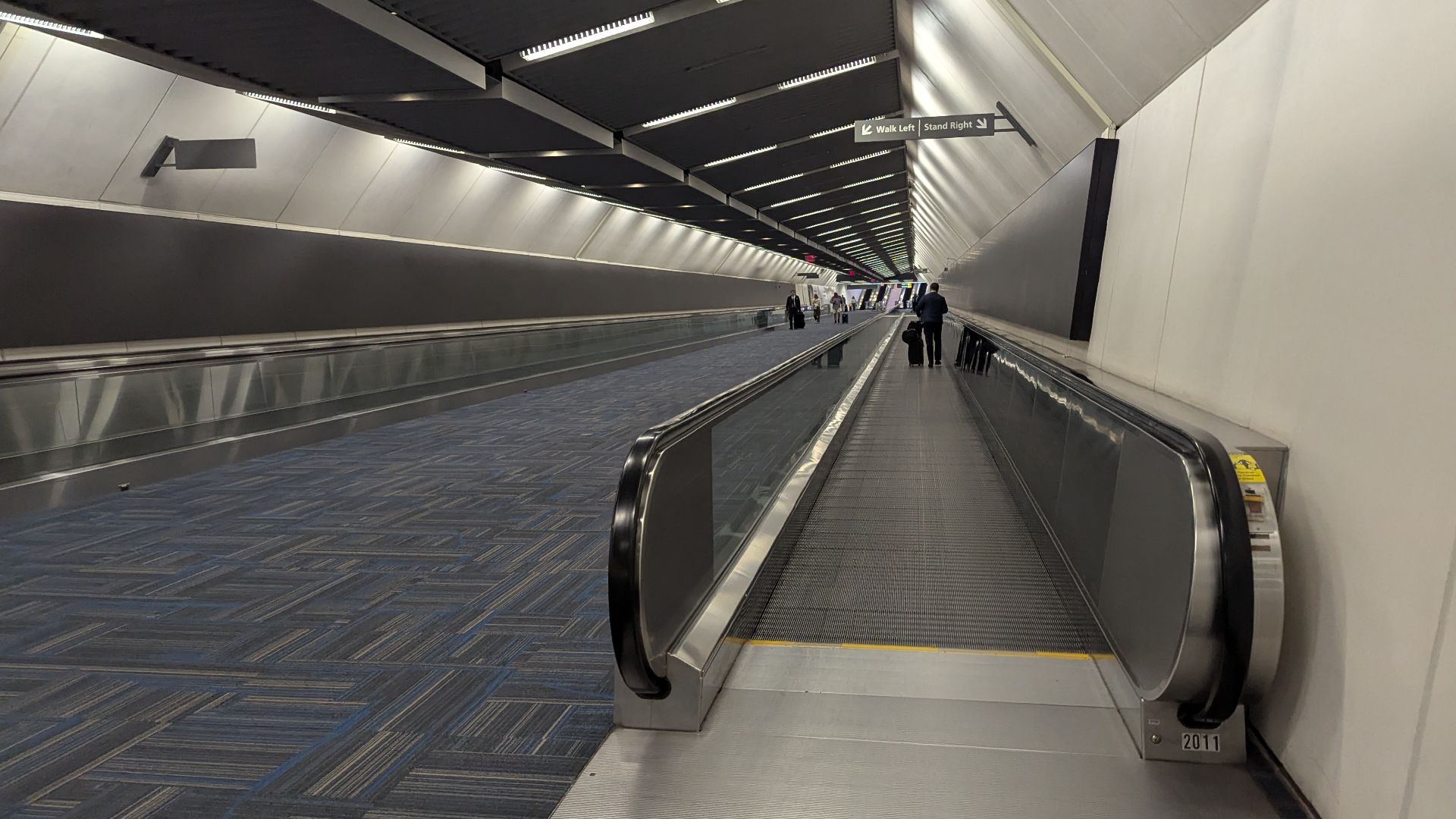
Traveling Somewhere Would Require One Button
Another 1976 student imagined selecting a destination, pressing a button, and immediately arriving through a doorway. It was teleportation made ridiculously simple. Modern transportation never delivered anything resembling that convenience.
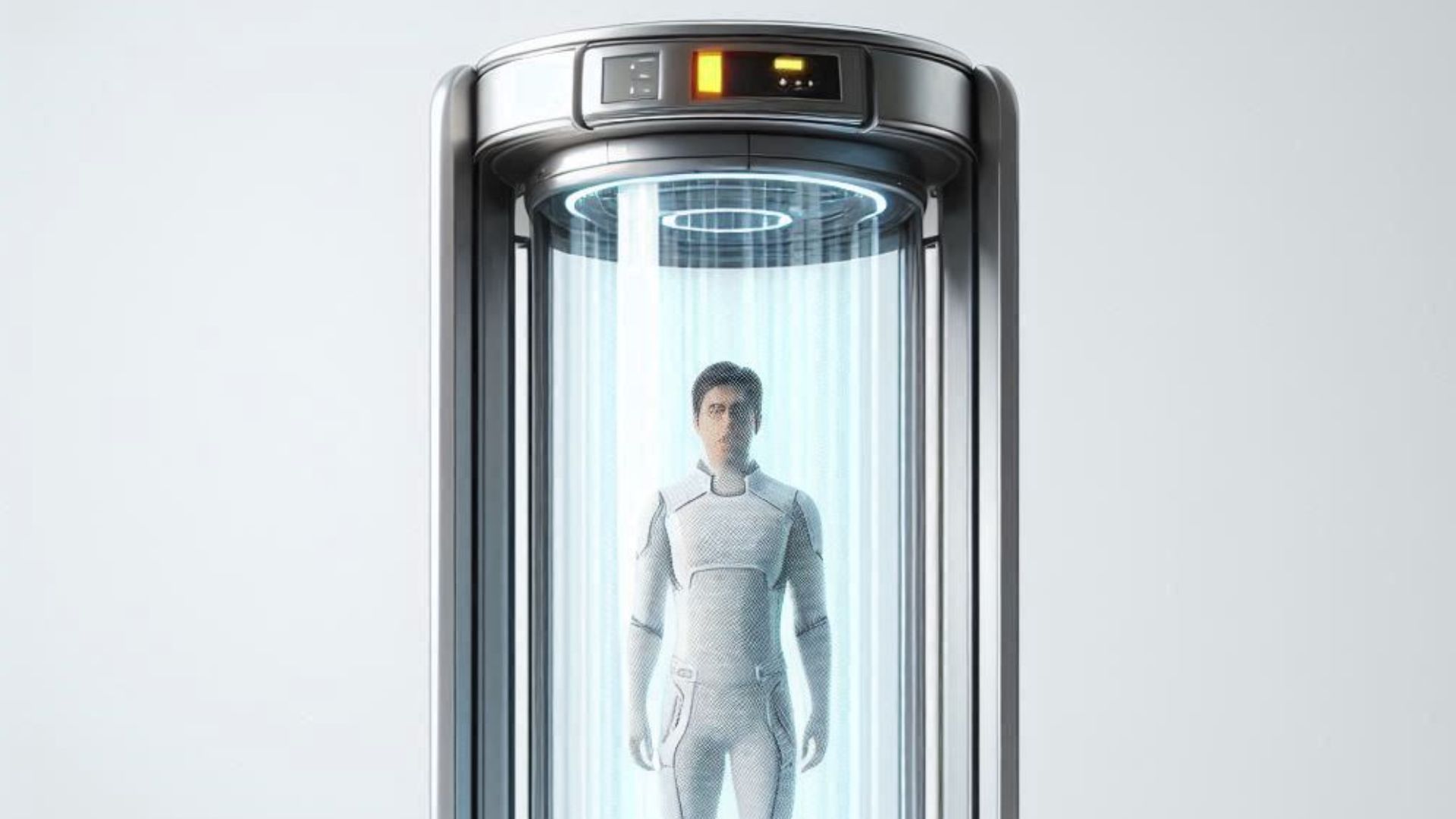 Bing Image Creator, Wikimedia Commons

History's most fascinating stories and darkest secrets, delivered to your inbox daily.
Every Home Would Have A Computer
In 1978, Honeywell researcher Arnold Kanarick predicted computers would enter American homes by 2000. He envisioned machines managing household tasks and everyday purchases. This forecast came remarkably close to reality.
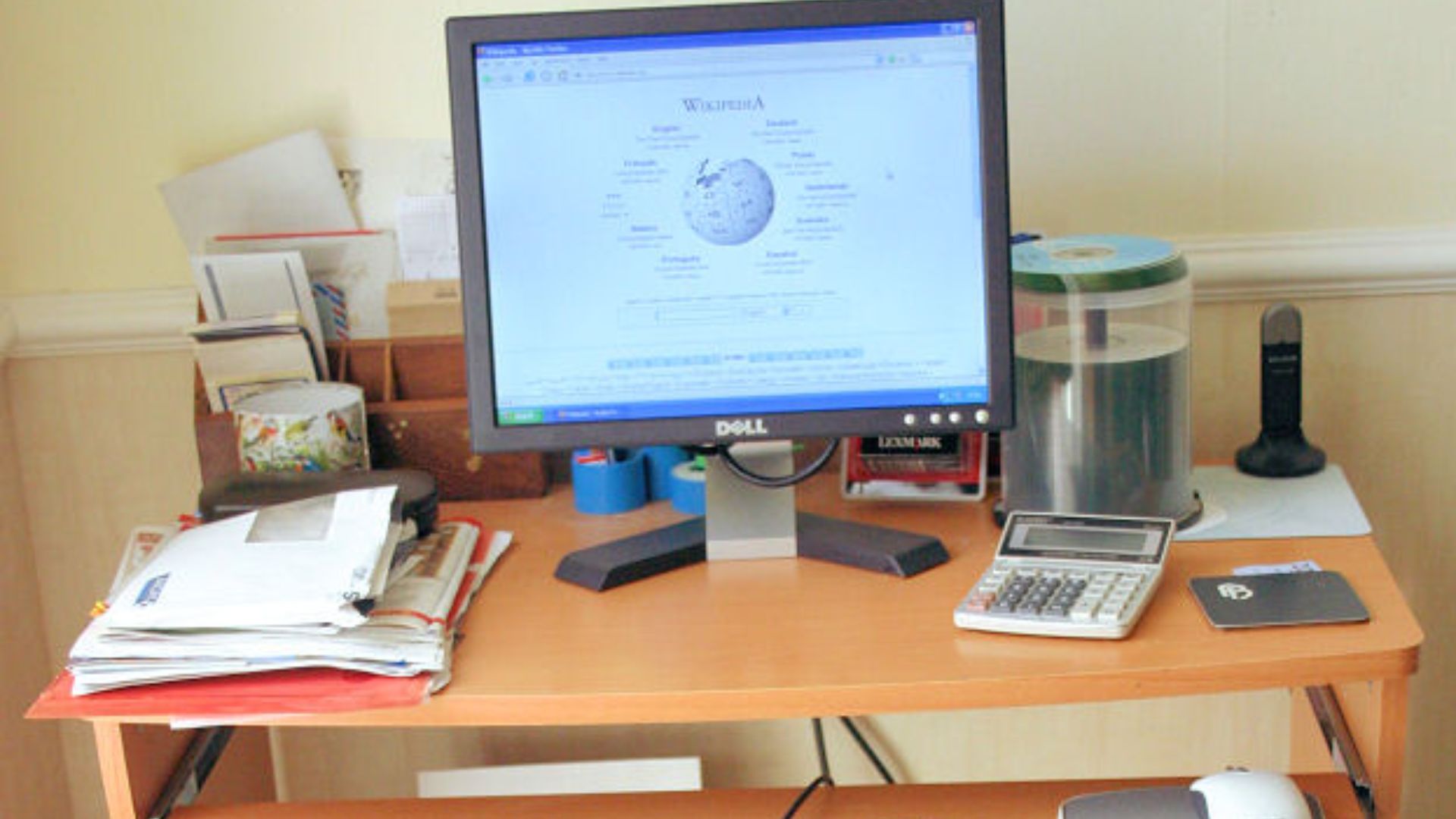 A. R. Yeo MortimerCat, Wikimedia Commons
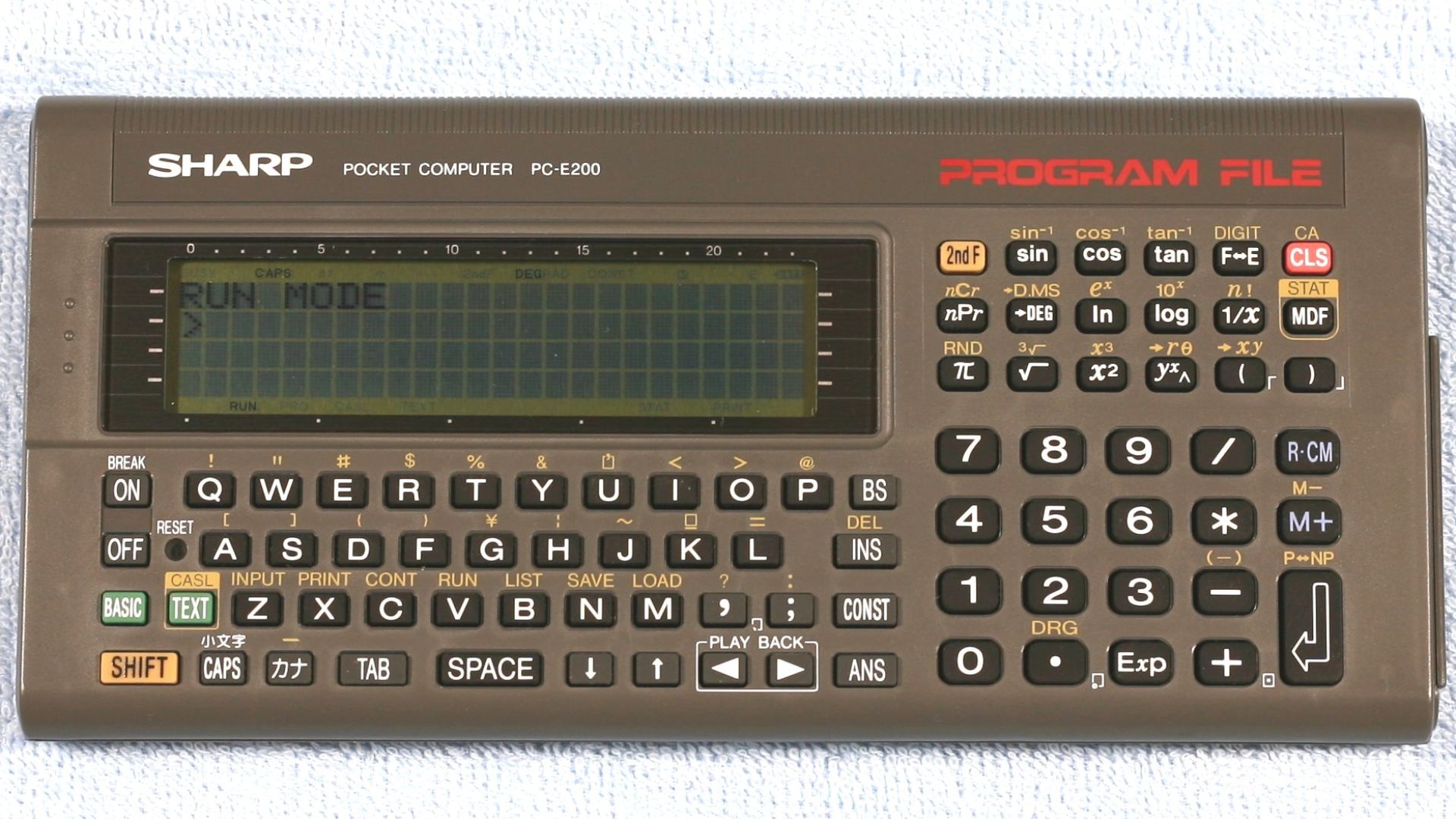
Everyone Would Carry Pocket Computers
Ten-year-old Marty Bohen predicted pocket computers containing seemingly unlimited information in 1977. Although his timeline was ambitious, the basic concept eventually became familiar through smartphones. This was an impressively forward-looking childhood prediction.
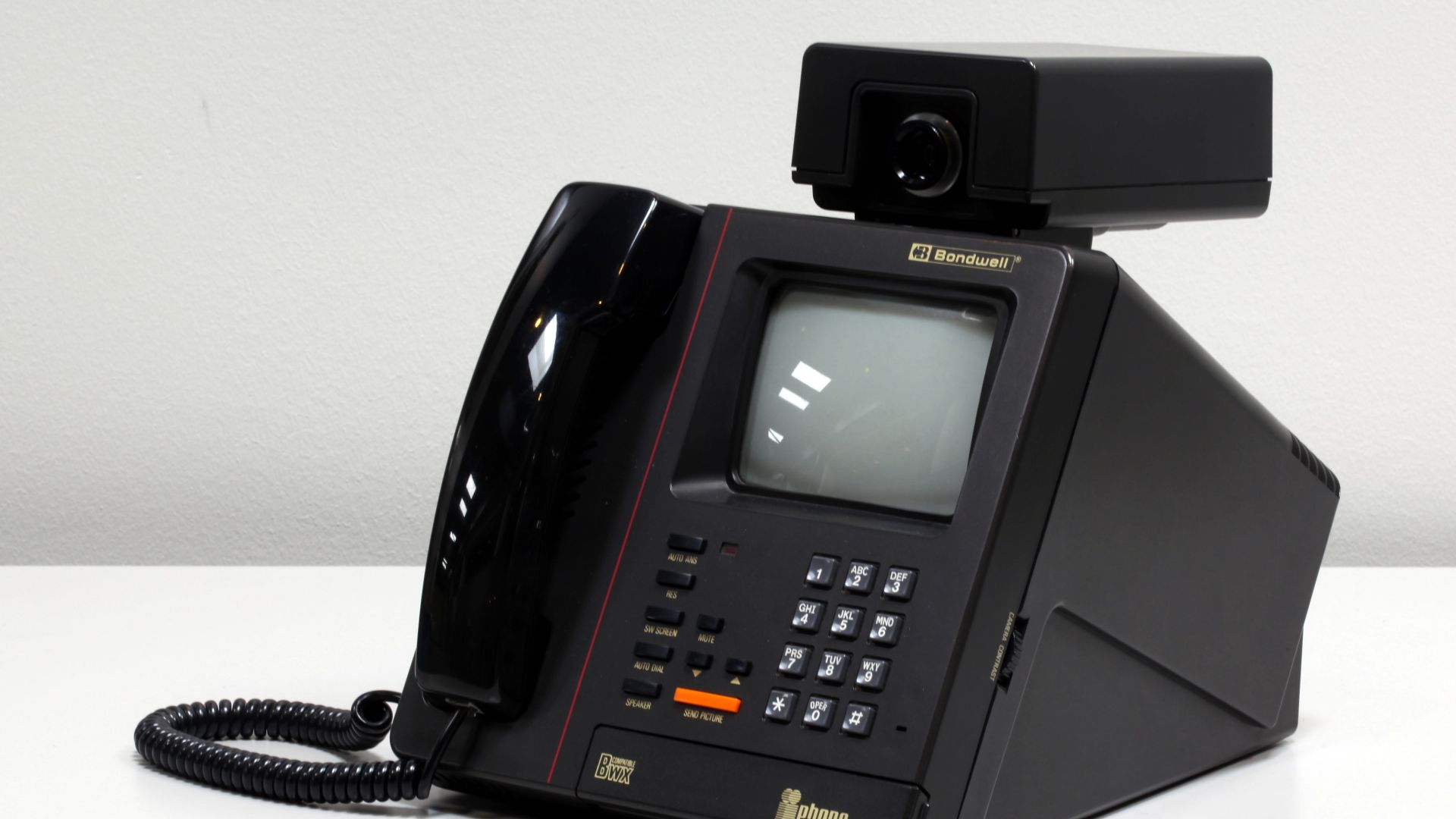
Video Phones Would Replace Ordinary Calls
A 1979 future-technology book anticipated practical television telephones by the mid-1980s. People would see one another while talking across distances. Video calling eventually became commonplace, although later than originally imagined.
 Rama & Musee Bolo, Wikimedia Commons
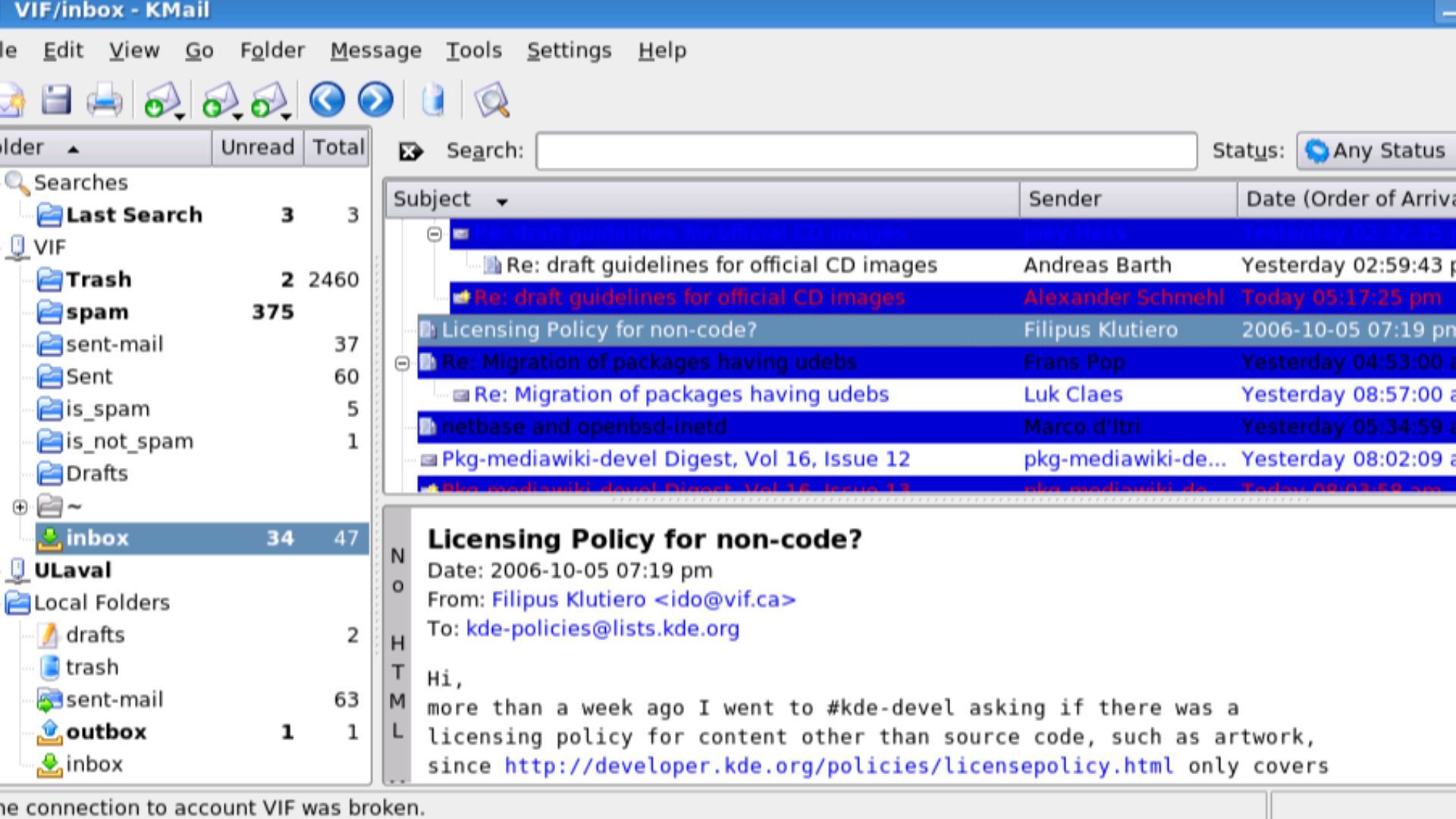
Electronic Mail Would Replace Letters
The same 1979 publication suggested most mail would become electronic by 1990. Its proposed system involved scanning letters and transmitting them through satellites. Email arrived, although the technology developed differently.
People Would Work Without Leaving Home
Arthur C. Clarke described widespread home-based work in 1970, enabled by advanced communications. A 1979 publication similarly anticipated remote office work. The necessary technology progressed, but universal telecommuting never arrived by 2000.

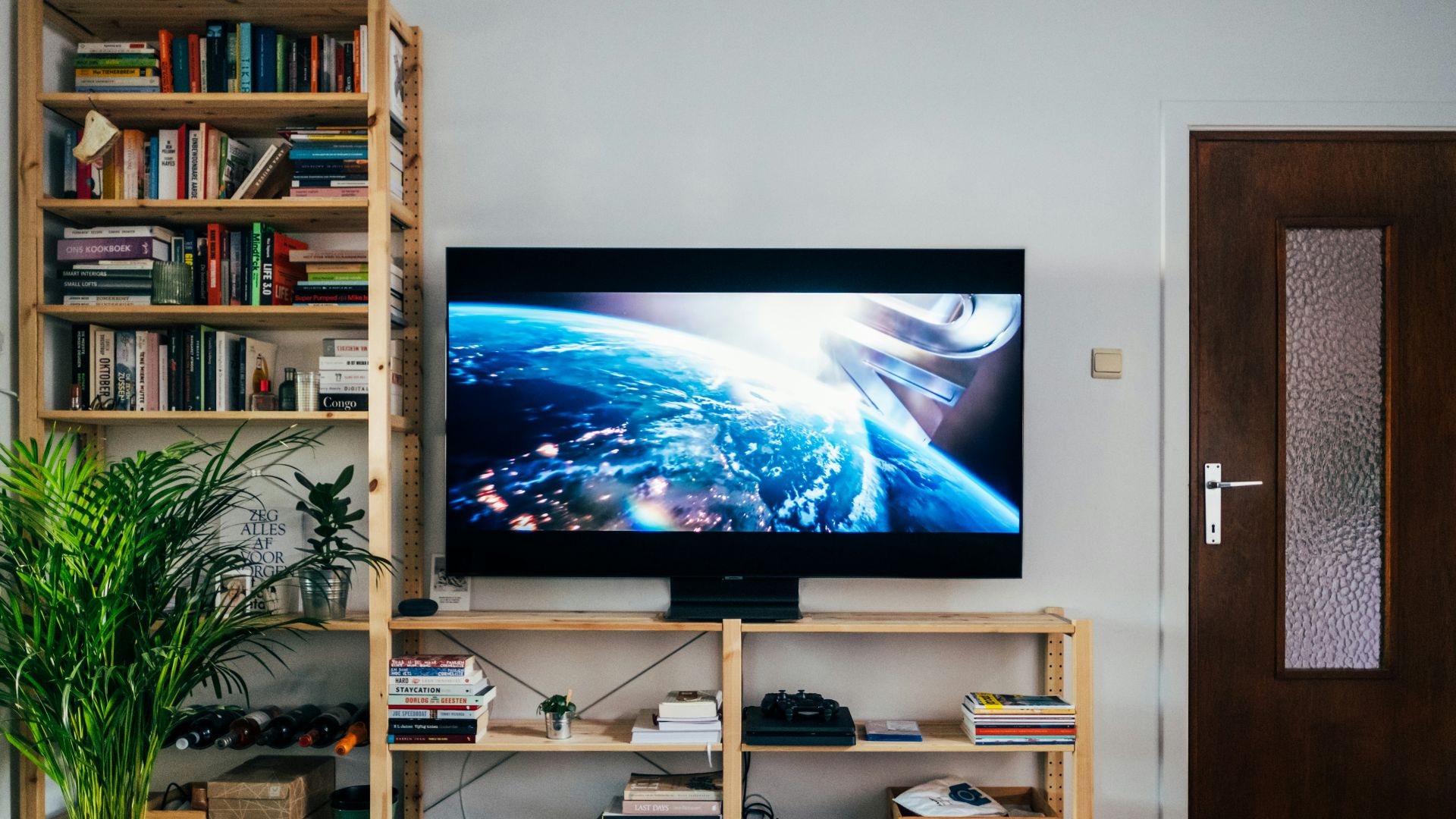
Televisions Would Become Almost Paper-Thin
A 1979 illustration predicted televisions shrinking to less than five centimeters thick. These futuristic screens could even connect to computerized shopping services. Flat-panel televisions eventually became commonplace, making this another recognizable prediction.
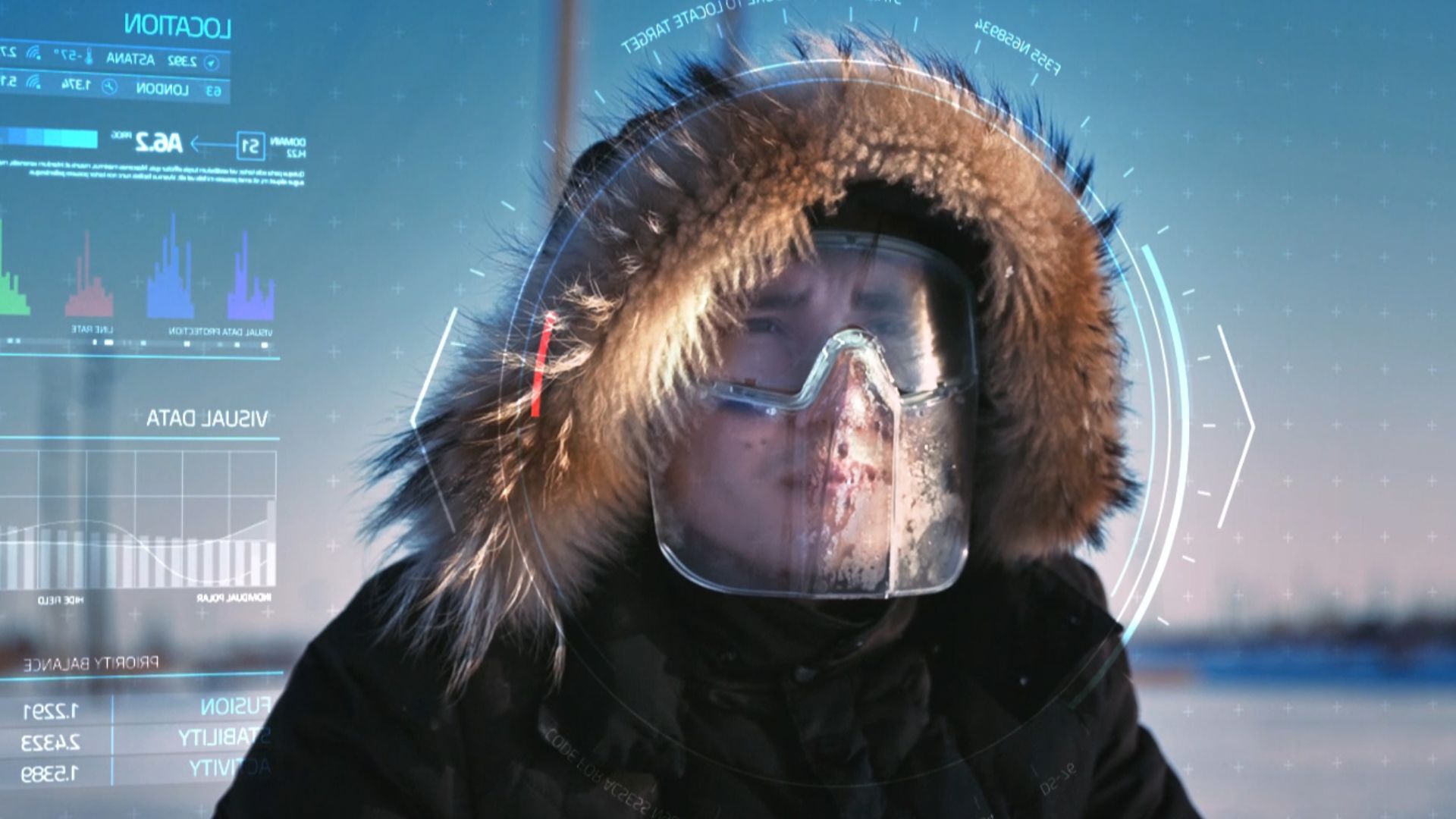
Home Videos Would Become Holograms
That same publication suggested ordinary electronic movie cameras might give way to three-dimensional holographic recorders within ten years. Family recordings would become considerably more immersive. Instead, conventional video remained dominant.
 Temirlanuali, Wikimedia Commons
Robot Maids Would Handle The Housework
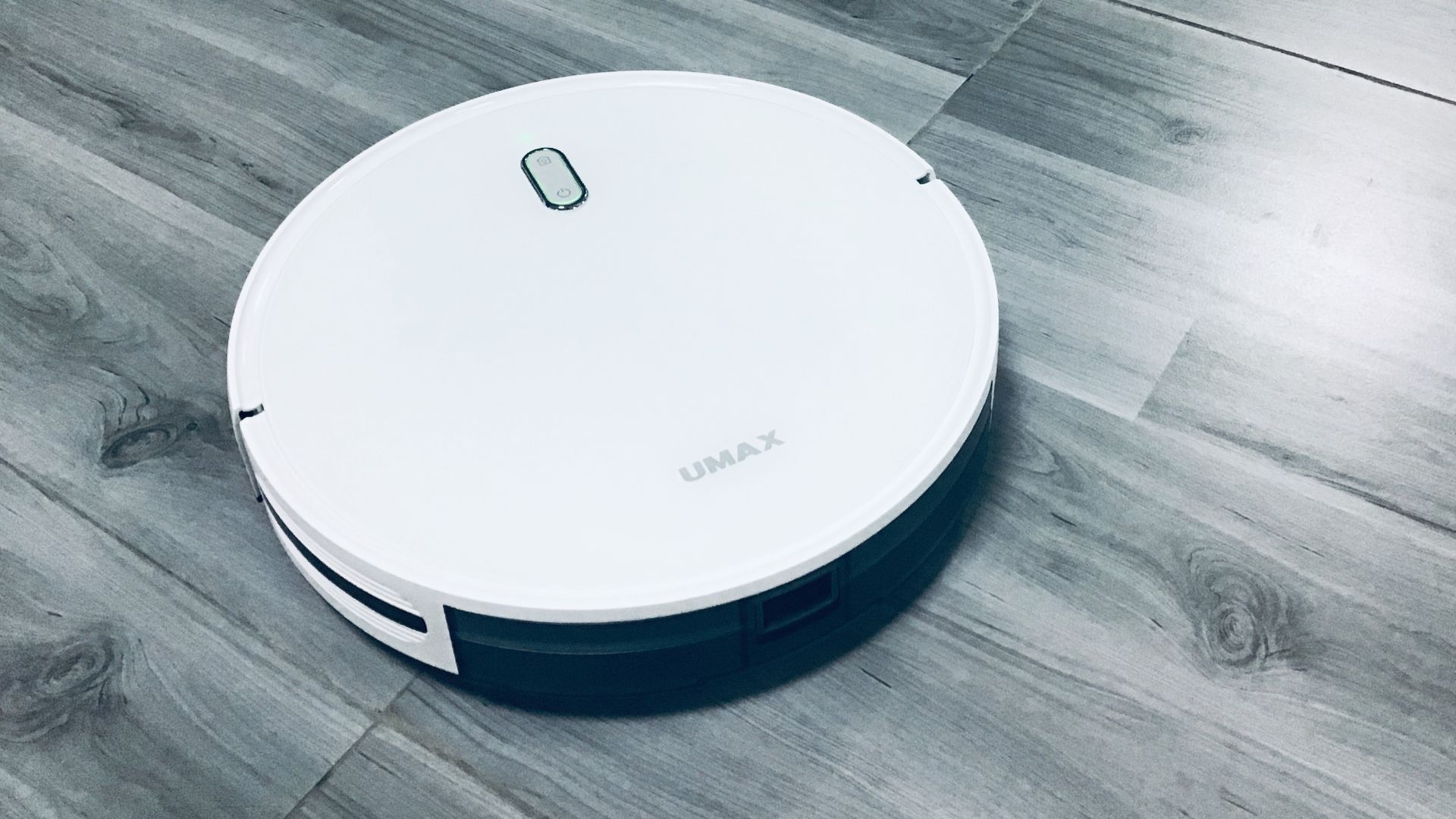
Children in 1977 envisioned robot maids managing domestic chores. A 1979 publication even illustrated a household robot delivering drinks. Robotic vacuum cleaners eventually arrived, but fully capable household servants remained elusive.
 Jirka Matousek from Brussels Taipei Hong Kong Singapore Prague Shenzhen, Wikimedia Commons
Robots Would Replace Classroom Teachers
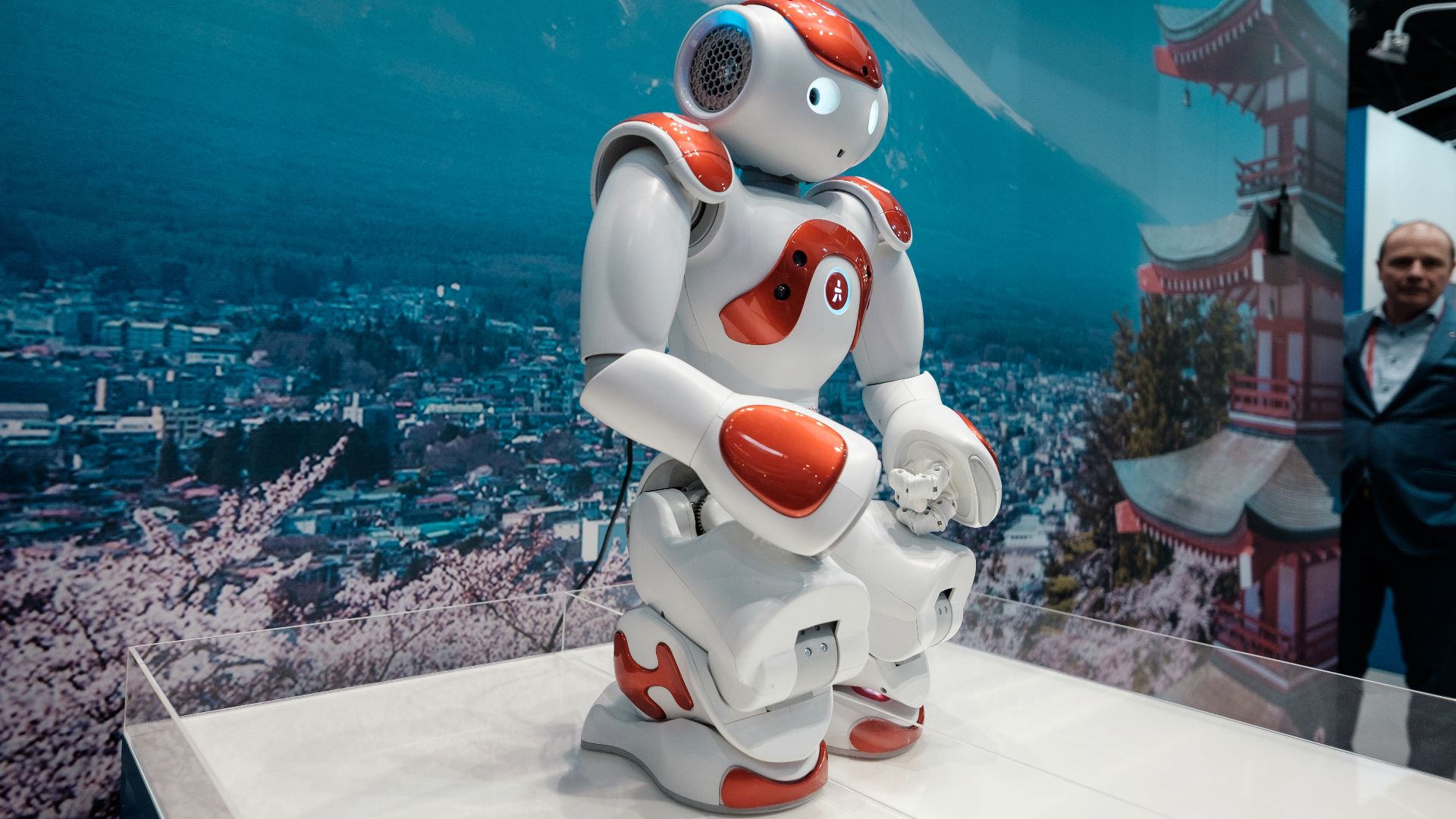
Marty Bohen also predicted robot teachers becoming normal by 2000. The expectation reflected extraordinary confidence in computer intelligence. Educational technology advanced, but human teachers remained central to classroom learning.
 Karlis Dambrans, Wikimedia Commons
Children Would Attend School Through Television
Several students in 1976 and 1977 expected lessons to be delivered directly into their homes. Some imagined traditional school attendance disappearing entirely. Remote education developed, but ordinary classrooms survived the millennium.

Food Would Come In Tablets
One Texas student predicted food tablets that transformed into complete meals when mixed with water. The idea promised incredibly convenient dining without conventional cooking. Unfortunately, dinner never became quite that effortless.
 https://kaboompics.com/, Pexels
Kitchens Would Prepare Meals Automatically
In 1970, Arthur C. Clarke imagined automated household food systems using dehydrated ingredients. Families would select meals through electronic controls. His vision anticipated convenient food preparation, but kitchens never became completely autonomous.

Rooms Would Transform At The Push Of A Button
An Ohio student predicted mechanical systems that could instantly create different rooms. Another imagined beds unfolding automatically from walls. Transformable furniture exists, but houses never became such remarkably adaptable machines.

Houses Would Generate Their Own Resources
A 1972 newspaper prediction imagined self-sufficient homes producing their own power and recycling household waste into useful materials. Environmental concerns inspired this vision. Complete domestic independence remained far beyond ordinary housing.

Communal Childcare Would Become Normal
The same 1972 forecast predicted communal living spreading into mainstream America. Shared nurseries would involve adults rotating childcare responsibilities. The imagined arrangement reflected contemporary countercultural values rather than the suburban future that developed.

Computers Would Arrange Household Deliveries
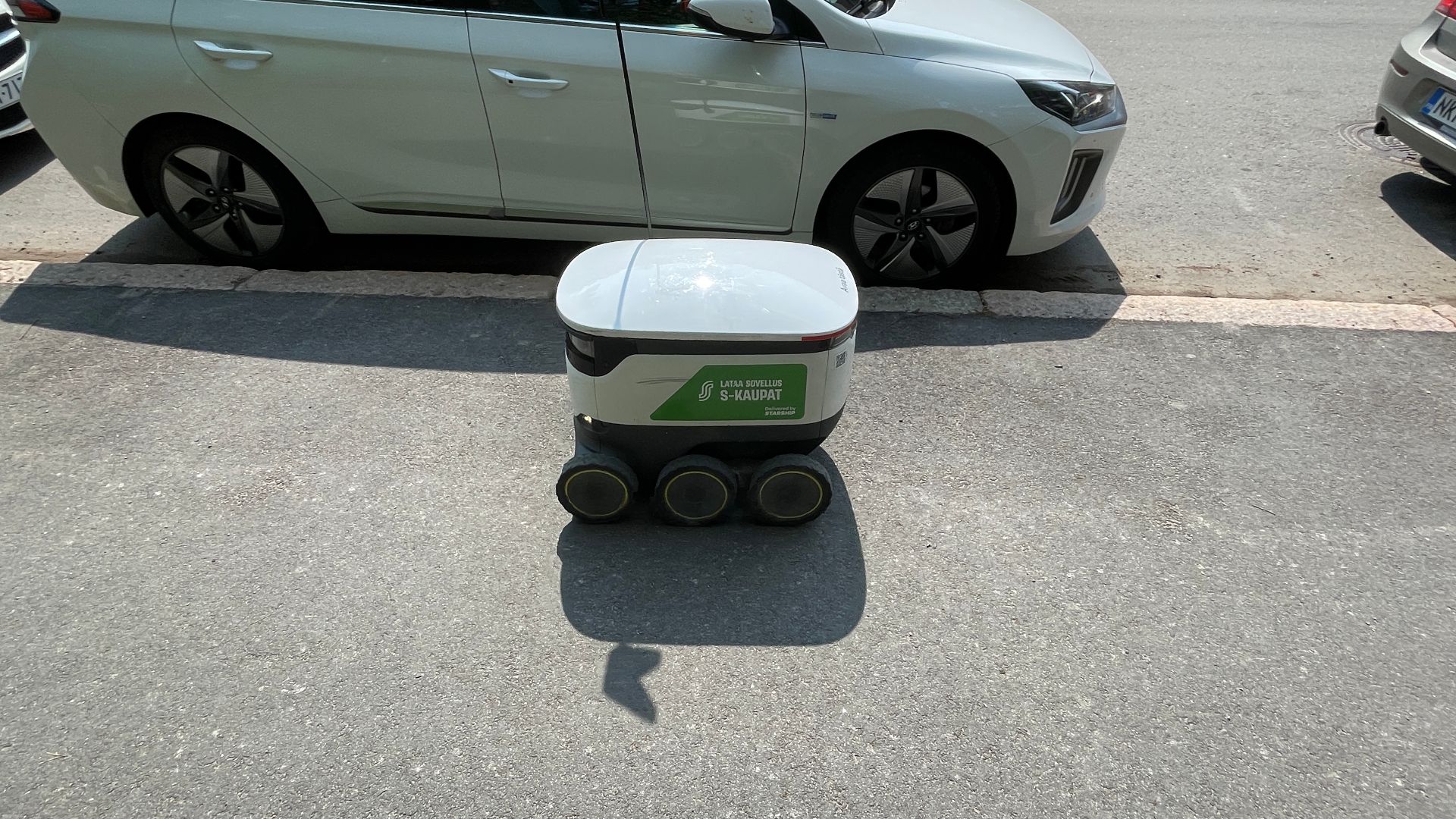
The 1972 prediction also imagined computer-programmed deliveries reducing dependence on family automobiles. By 1978, researchers were discussing computers ordering groceries automatically. Online shopping eventually fulfilled part of this remarkably familiar vision.
 Ypsilon from Finland, Wikimedia Commons
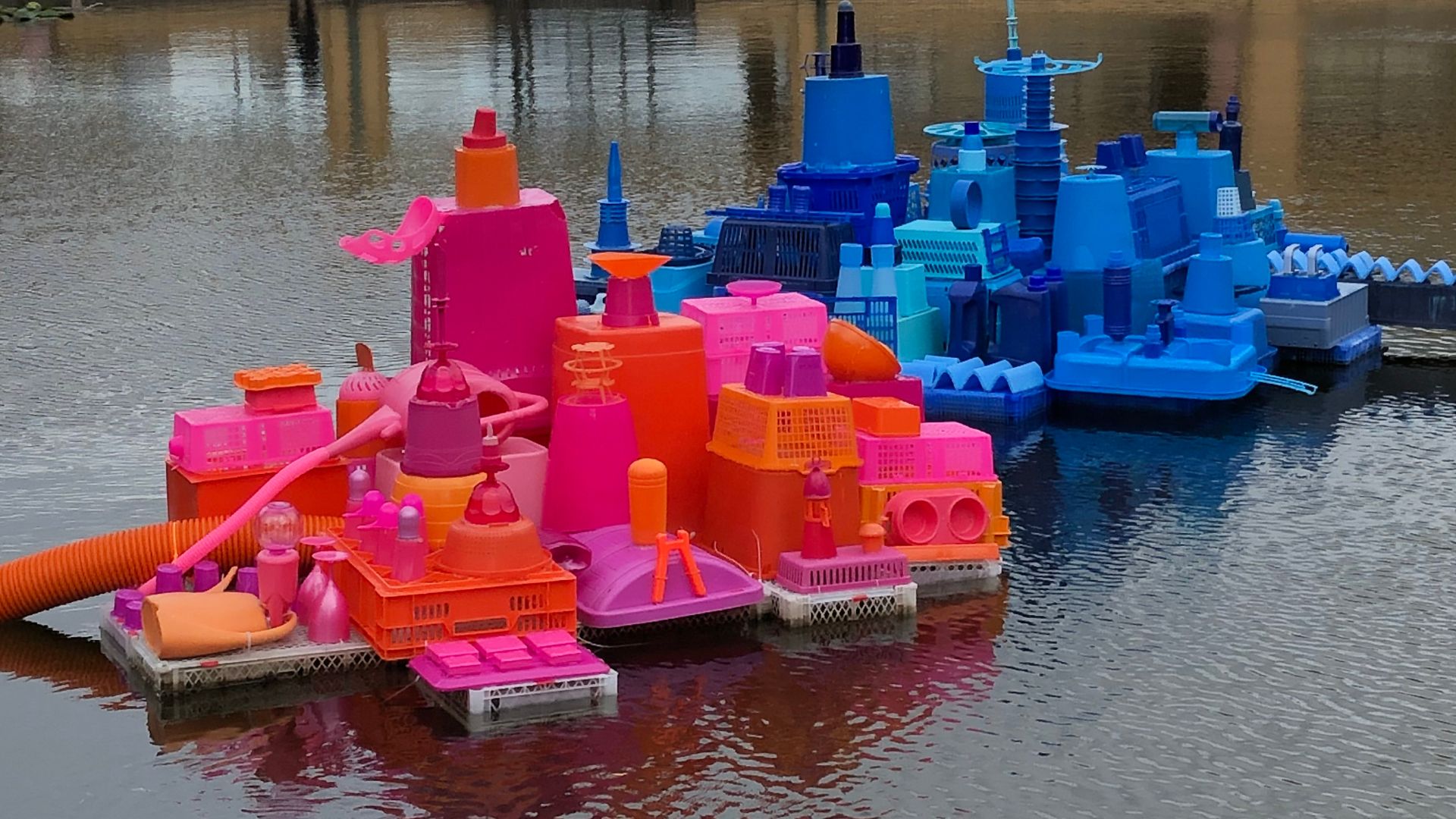
Entire Cities Would Float On The Ocean
A 1979 futuristic city design imagined floating communities containing homes, shops, and schools. Some proposals accommodated thousands of residents. Despite the ambition, permanent floating cities never became ordinary places to live.
Families Would Live In Giant Space Colonies
A 1979 children's book illustrated rotating space colonies housing 10,000 people. NASA-sponsored research had explored similar concepts during the decade. Yet families weren't raising children inside enormous orbital neighborhoods by 2000.
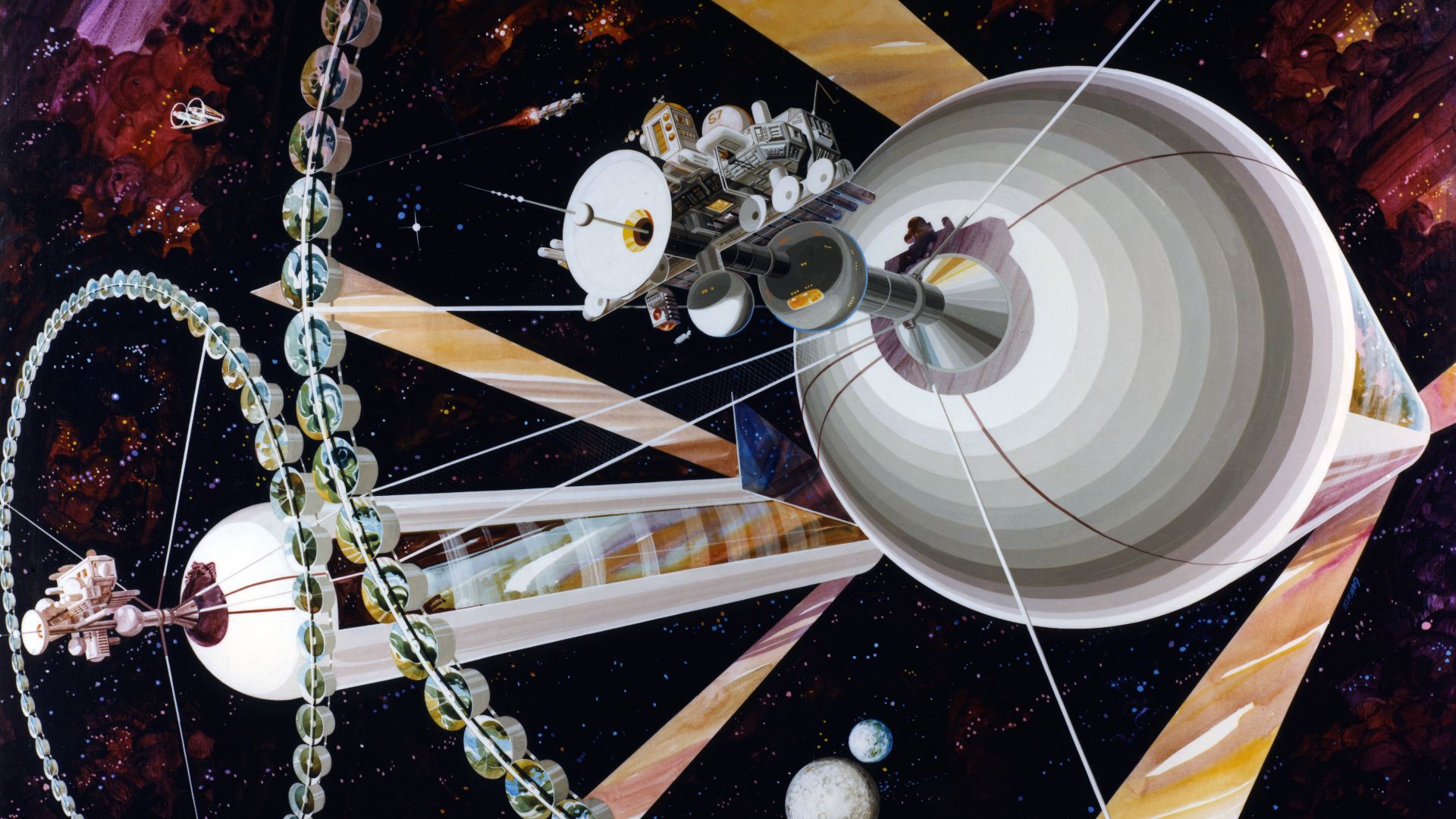 NASA/Rick Guidice, Wikimedia Commons
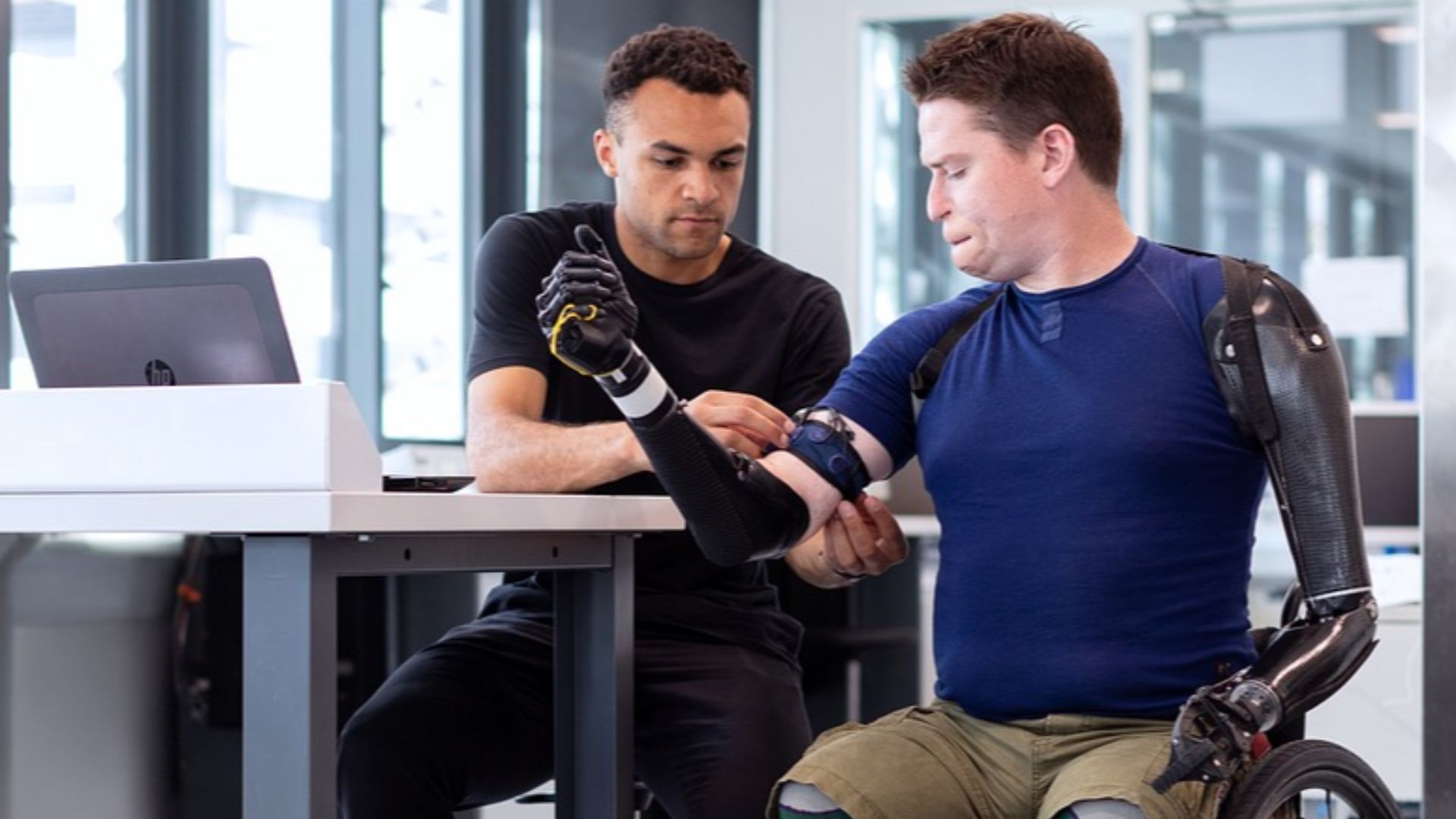
Bionic Arms And Legs Would Be Ordinary
A Texas student predicted doctors replacing missing limbs with sophisticated bionic alternatives by 2000. The idea reflected growing fascination with medical technology. Advanced prosthetics developed, although science-fiction capabilities remained beyond everyday medicine.
Women Would Be Exploring The Moon
In 1977, children imagined women traveling to the Moon as astronauts. Sally Ride became the first American woman in space in 1983. However, no woman had walked on the lunar surface by 2000.
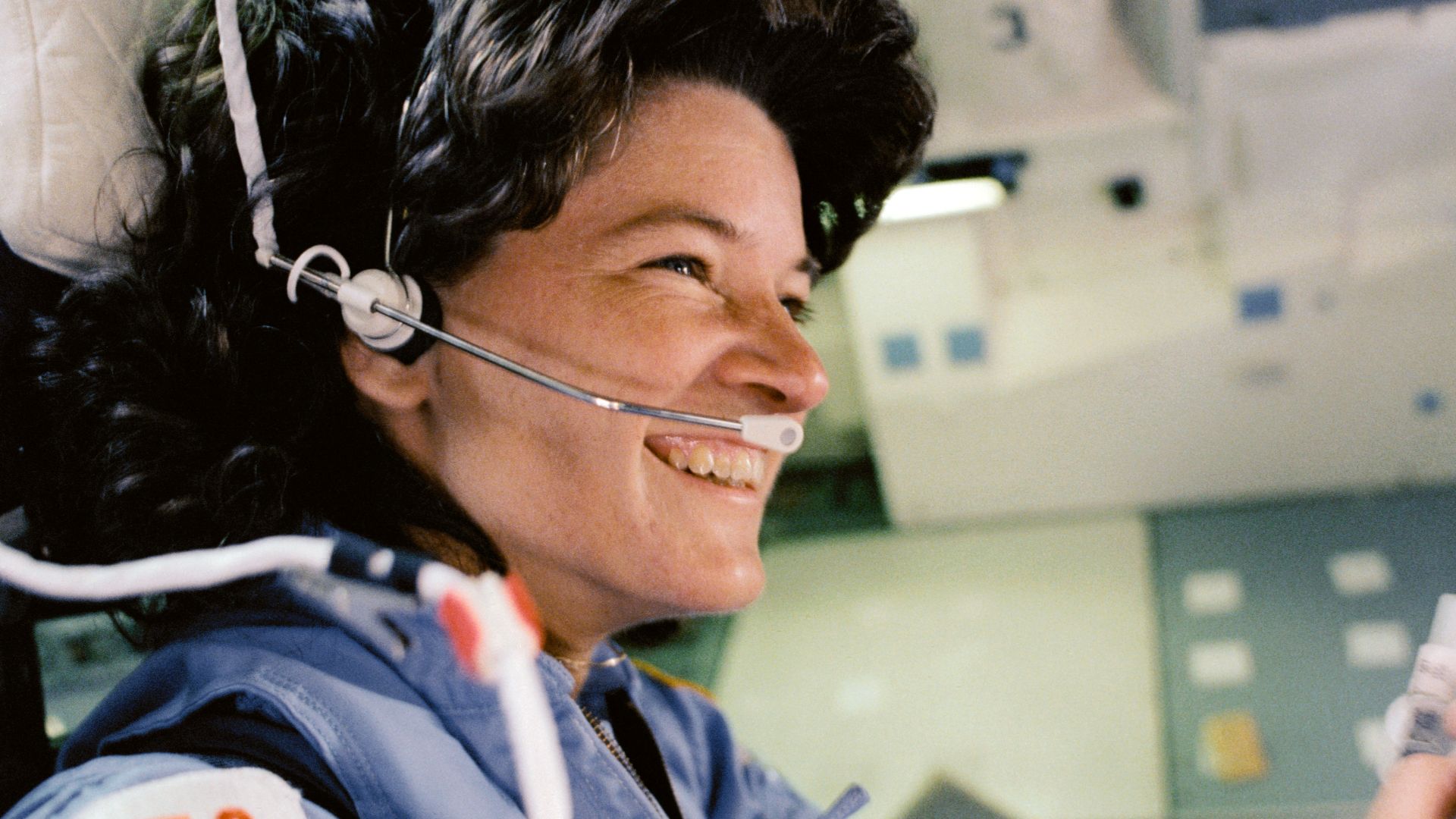 NASA Johnson Space Center, Wikimedia Commons
You May Also Like:
Popular Products From The 1970s That Sound Completely Fake To Younger Generations
Bestselling Novels From The 1970s That Seemed To Define The Era—Then Faded From Memory
Things Americans Bought At The Pharmacy In The 1960s That You'd Never Expect To Find There Today