
Vault Stays Sealed
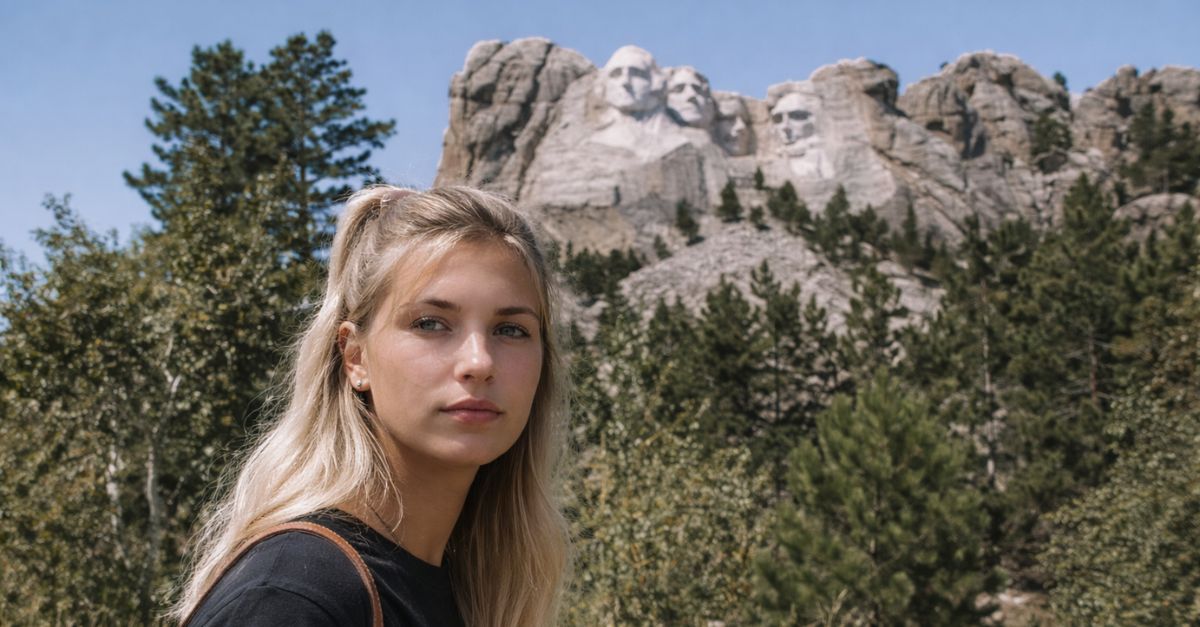
Millions visit this place every year and completely miss what matters. There's more to those carved faces. The monument you think you know has layers most people never discover, literally and historically.

Six Grandfathers
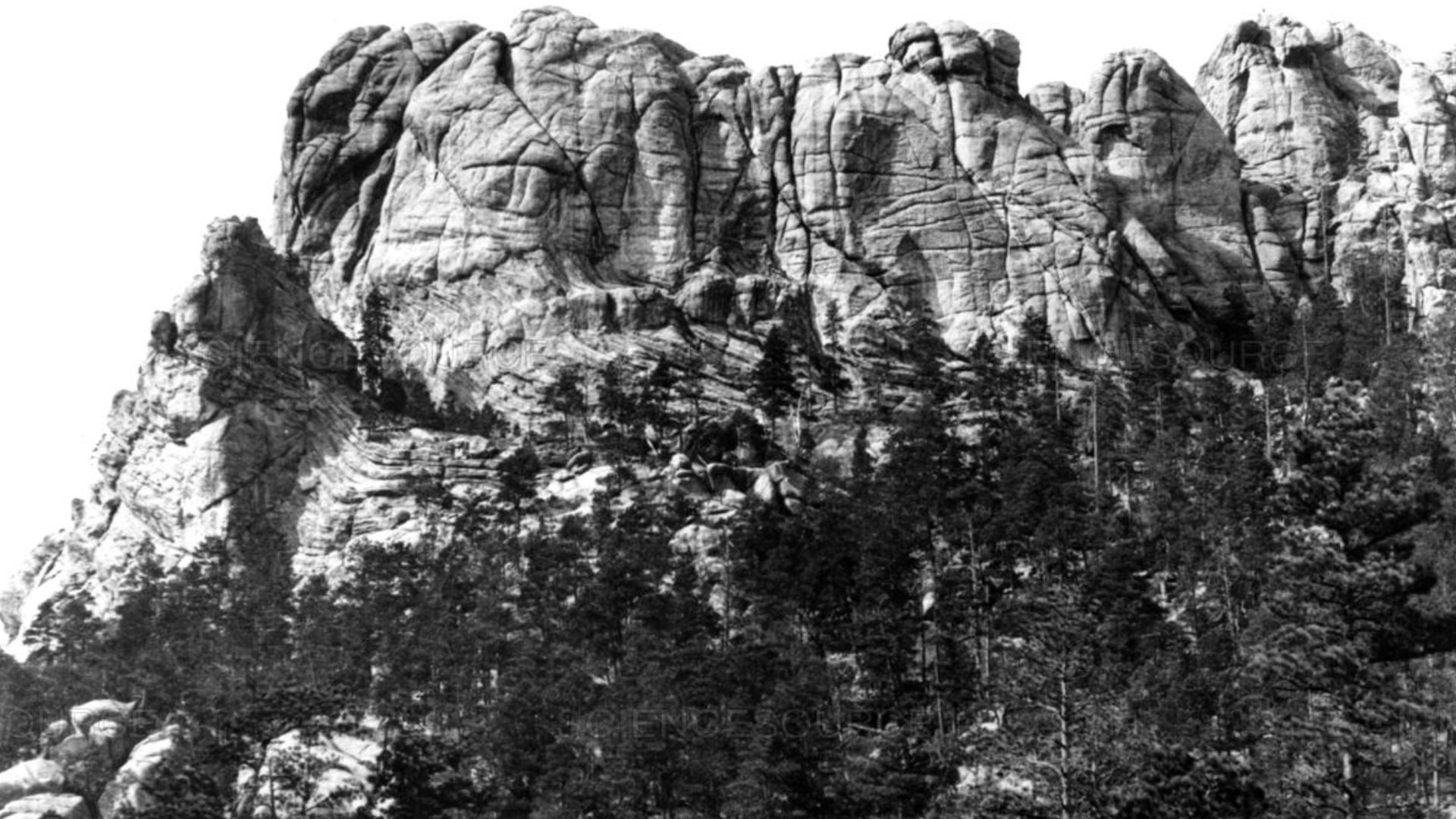
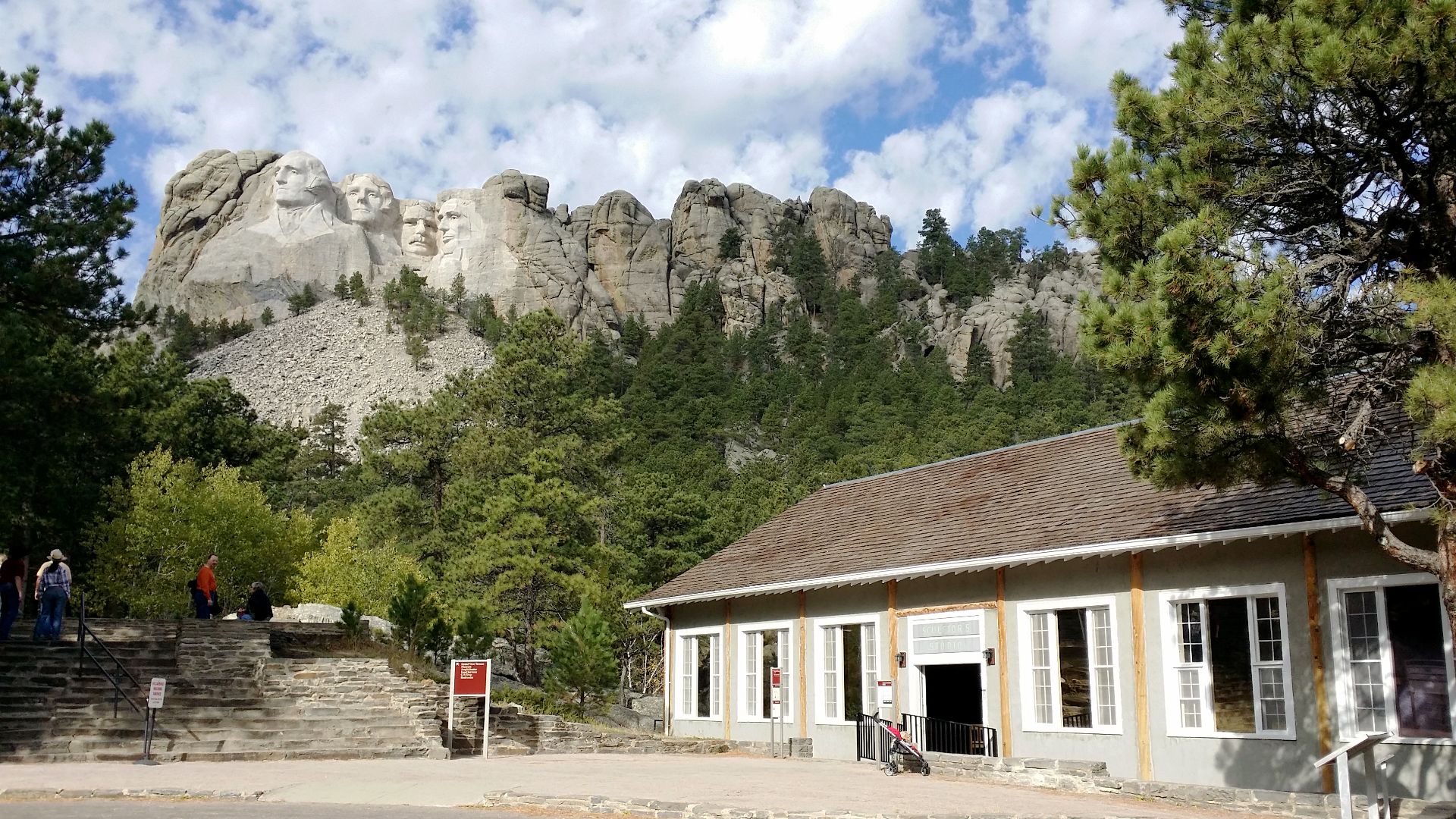
Long before any president's face appeared on that South Dakota mountain, the Lakota people knew it as Thunkasila Sakpe, the Six Grandfathers. Each peak represented a sacred direction in their cosmology, forming what they called "the heart of everything that is”.
 National Park Service, Wikimedia Commons
Sacred Land
The Black Hills were the Lakota's spiritual cradle, over 2 billion years old geologically. Tribes, including the Shoshone, Crow, Mandan, and Arikara, had long considered this region sacred before the Lakota gained control by defeating the Cheyenne in the late 1700s.
Treaty Violation
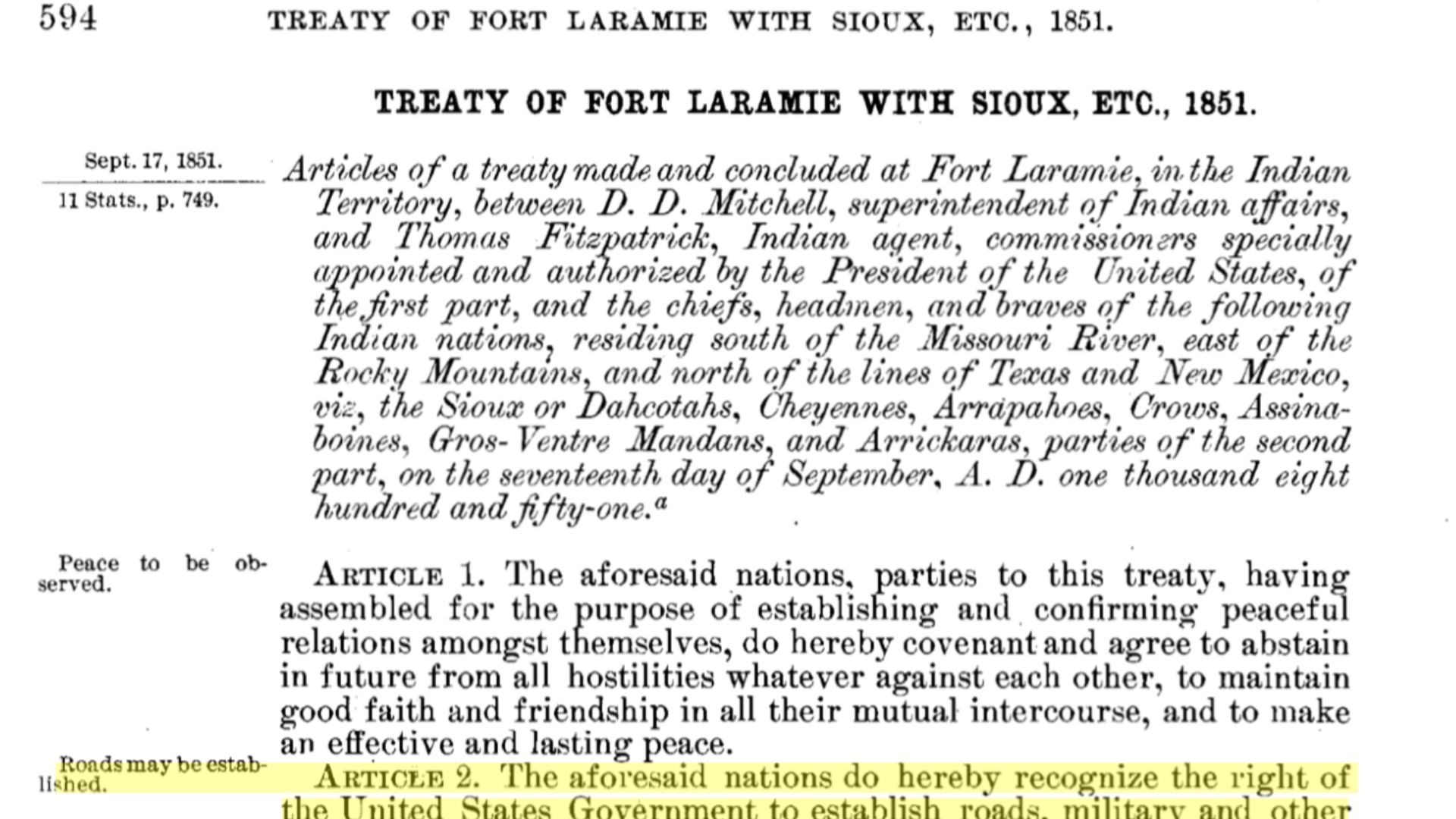
In 1868, the United States government signed the Fort Laramie Treaty, promising the Black Hills to the Sioux Nation "for their absolute and undisturbed use and occupation" in perpetuity. That perpetuity lasted exactly eight years.
 Unknown authorUnknown author, Wikimedia Commons
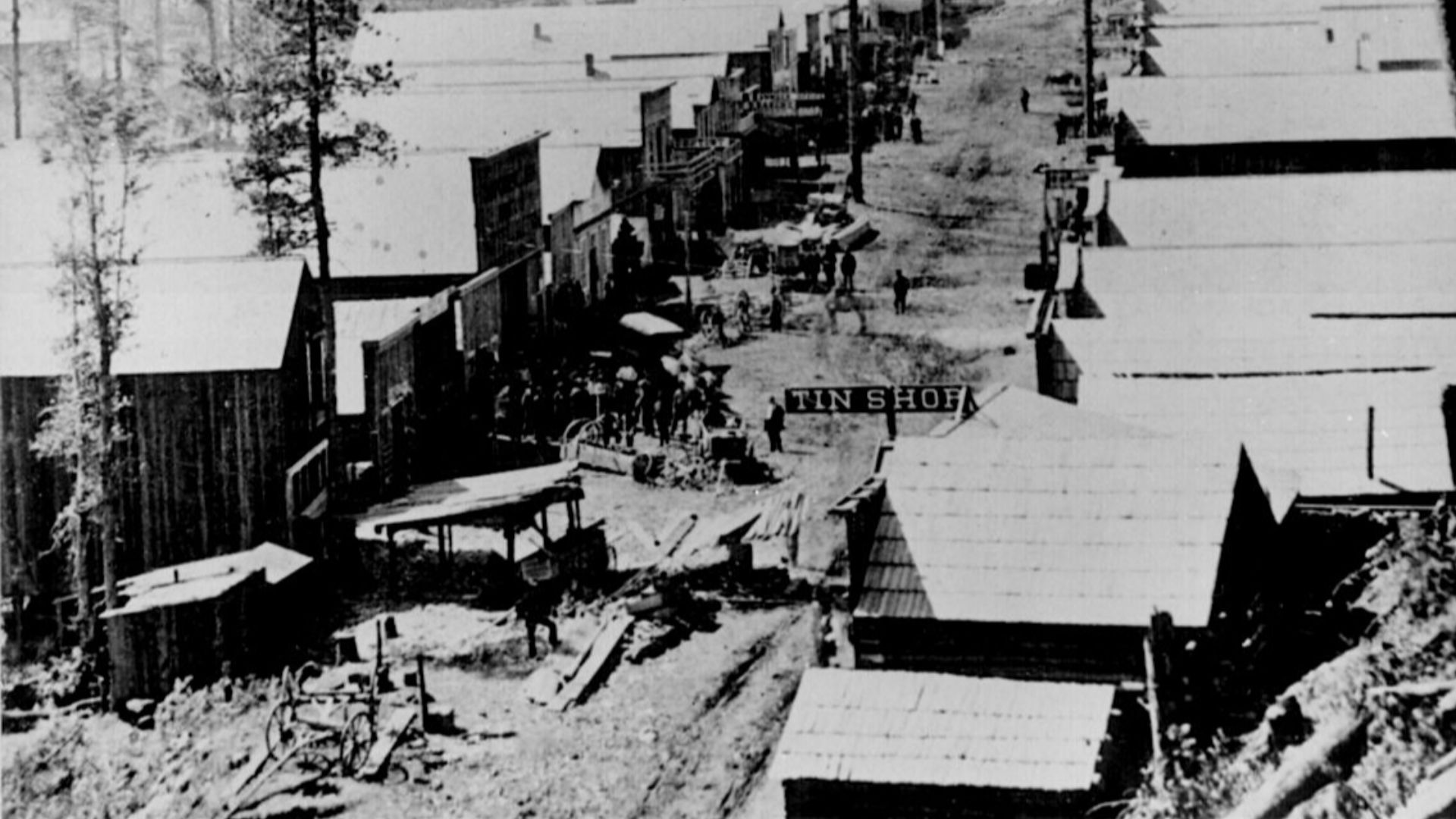
Gold Rush
The 1874 gold discovery triggered what became known as the "Sell or Starve" Act of 1876. Following Custer's defeat at the Battle of the Little Bighorn, the US government withheld promised food rations from tribes. Starving and suffering, the Lakota signed away their sacred territory in 1877.
 Unknown authorUnknown author or not provided, Wikimedia Commons
Tourism Scheme
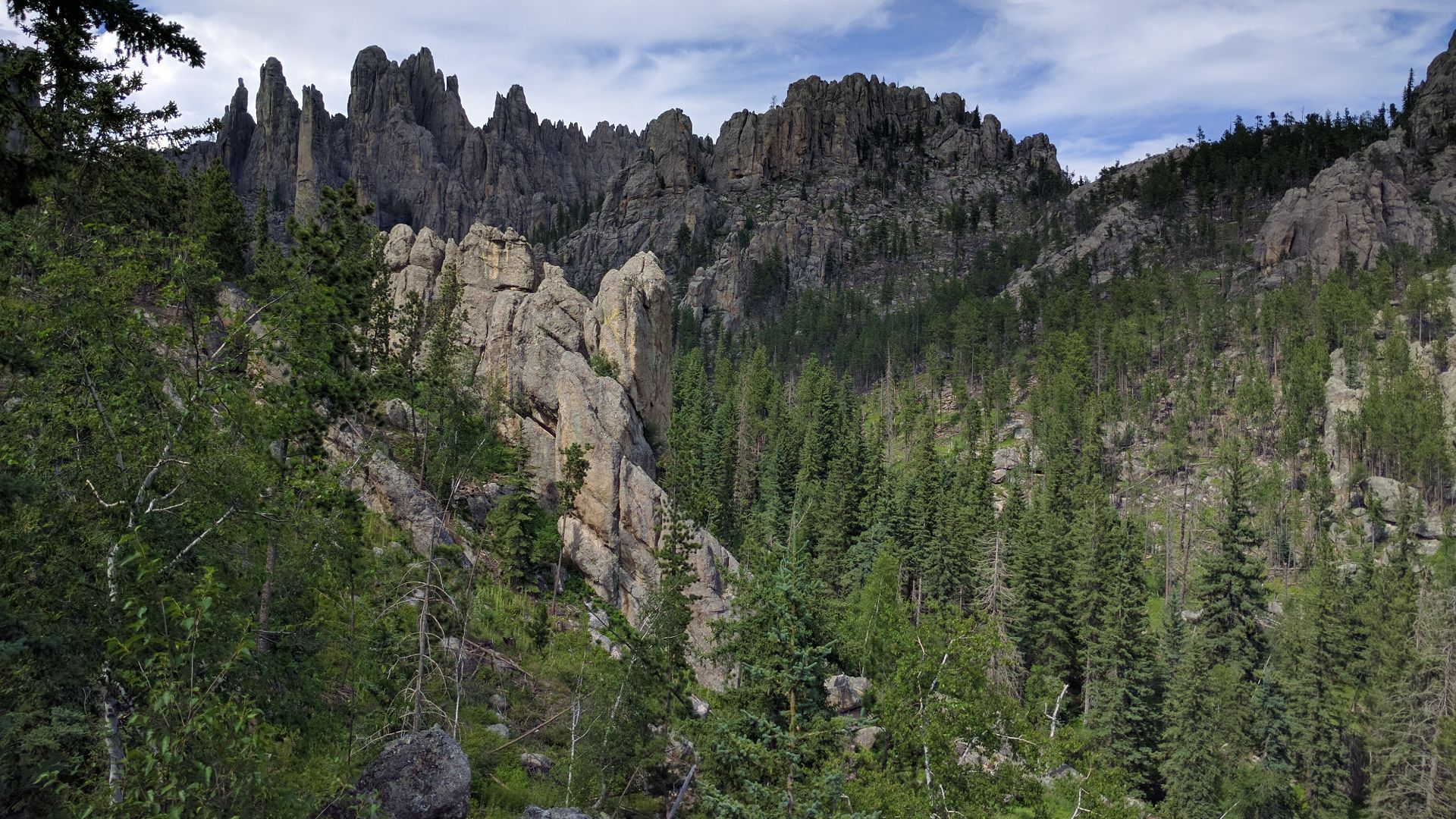
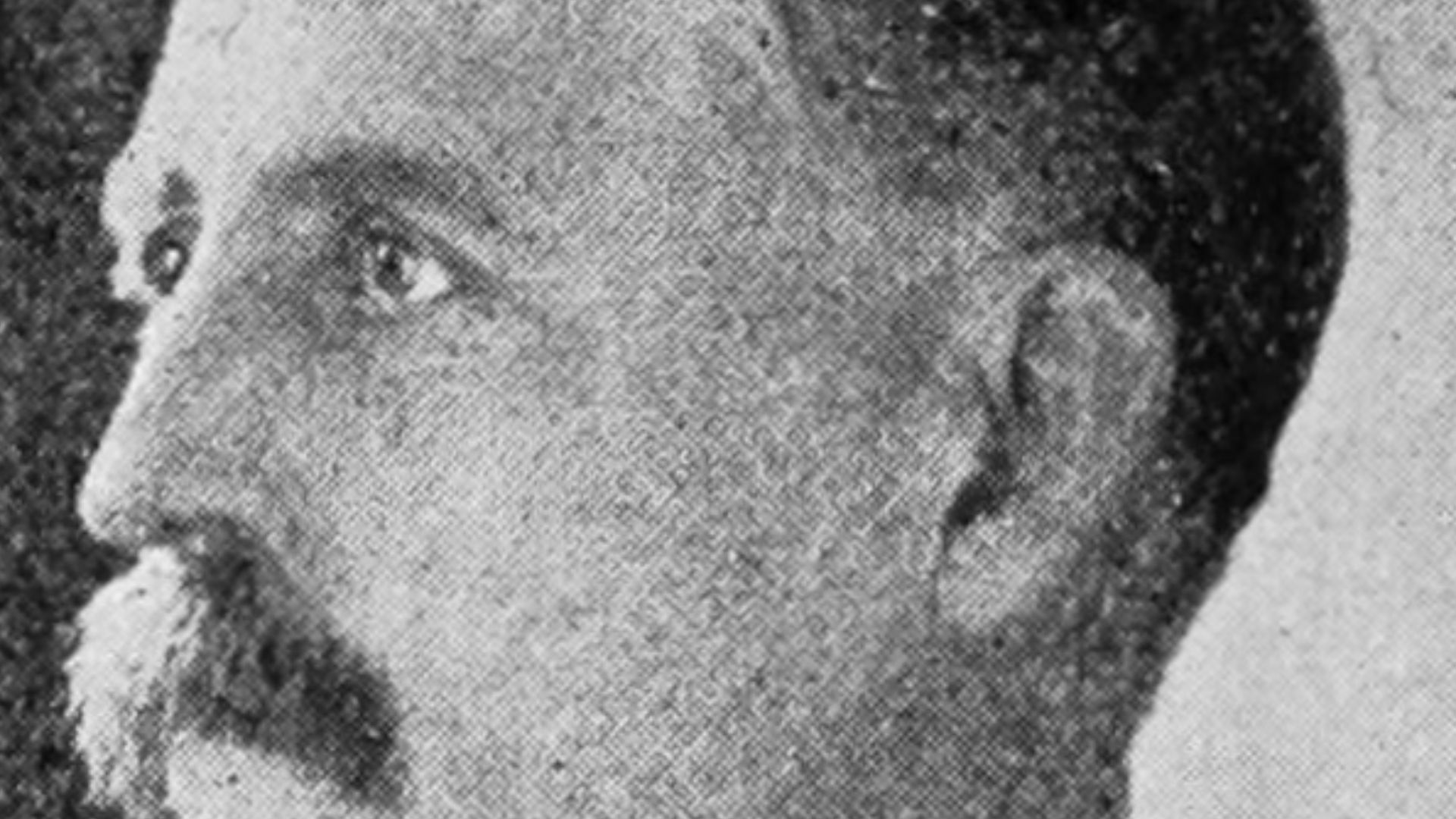
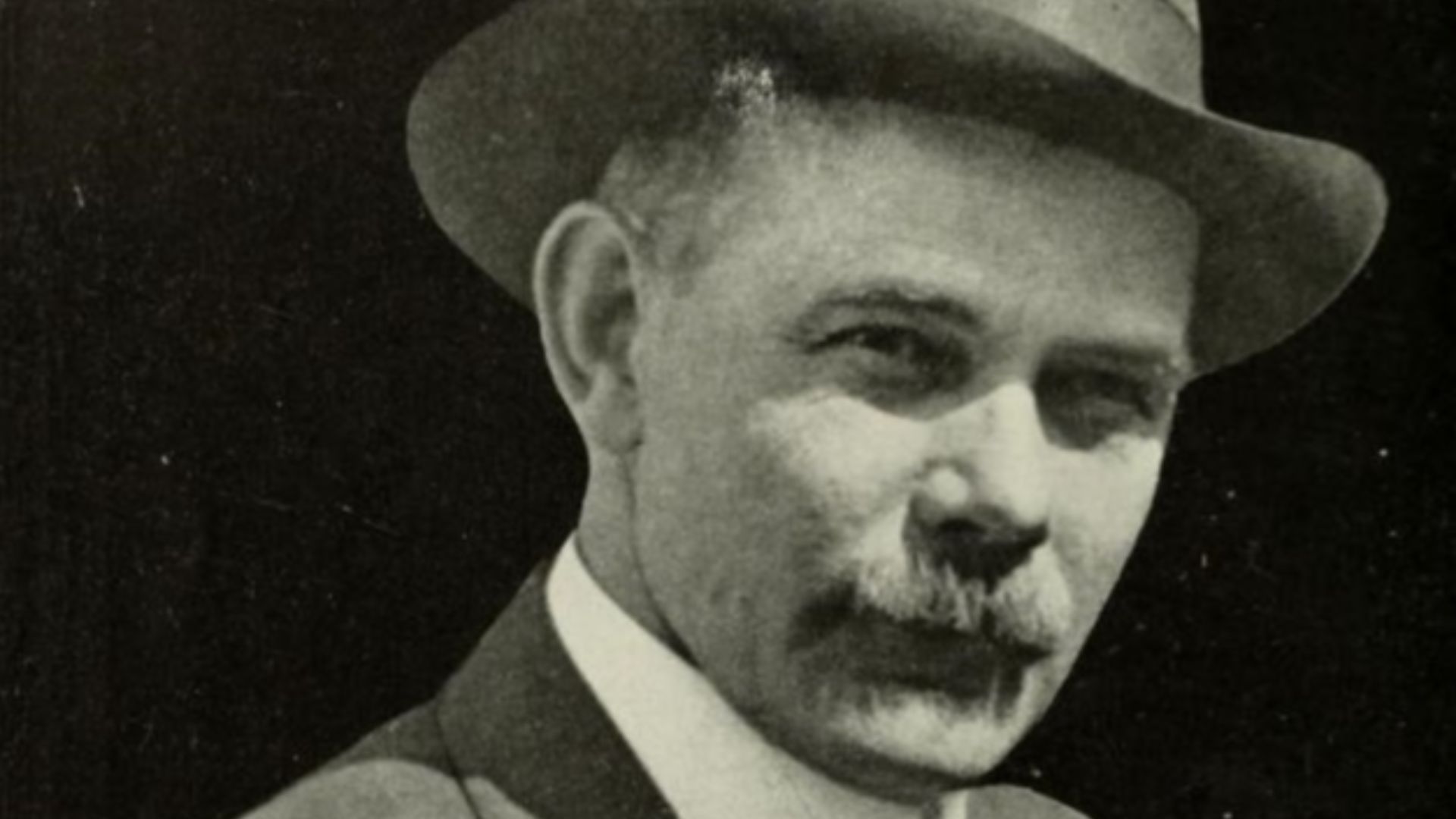
South Dakota historian Doane Robinson hatched the Mount Rushmore idea in 1923 purely for economic reasons. He wanted tourist dollars flowing into his state. His original vision featured Western heroes like Lewis and Clark, Buffalo Bill Cody, and even Crazy Horse carved into the Needles, a granite pillar formation.
 Unknown photographer, Wikimedia Commons
Borglum's Ambition
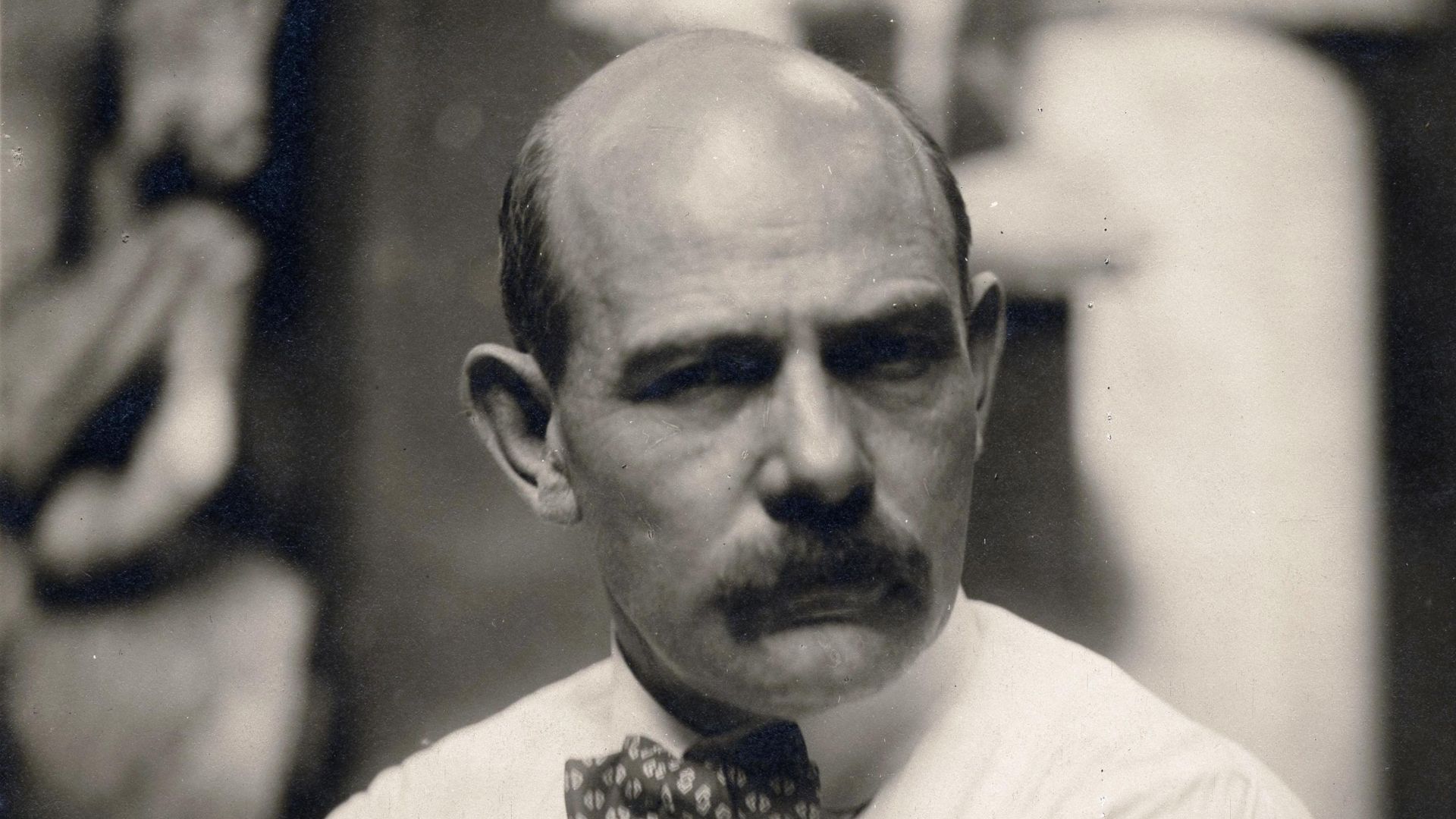
Gutzon Borglum, a Danish-American sculptor fresh from his controversial work on Georgia's Confederate memorial at Stone Mountain, had bigger ideas than Robinson's Western heroes. The Idaho-born artist convinced South Dakota officials to create a national monument instead, choosing four presidents to represent America's birth, expansion, development, and preservation.
 Unidentified photographer, Wikimedia Commons
Presidential Selection
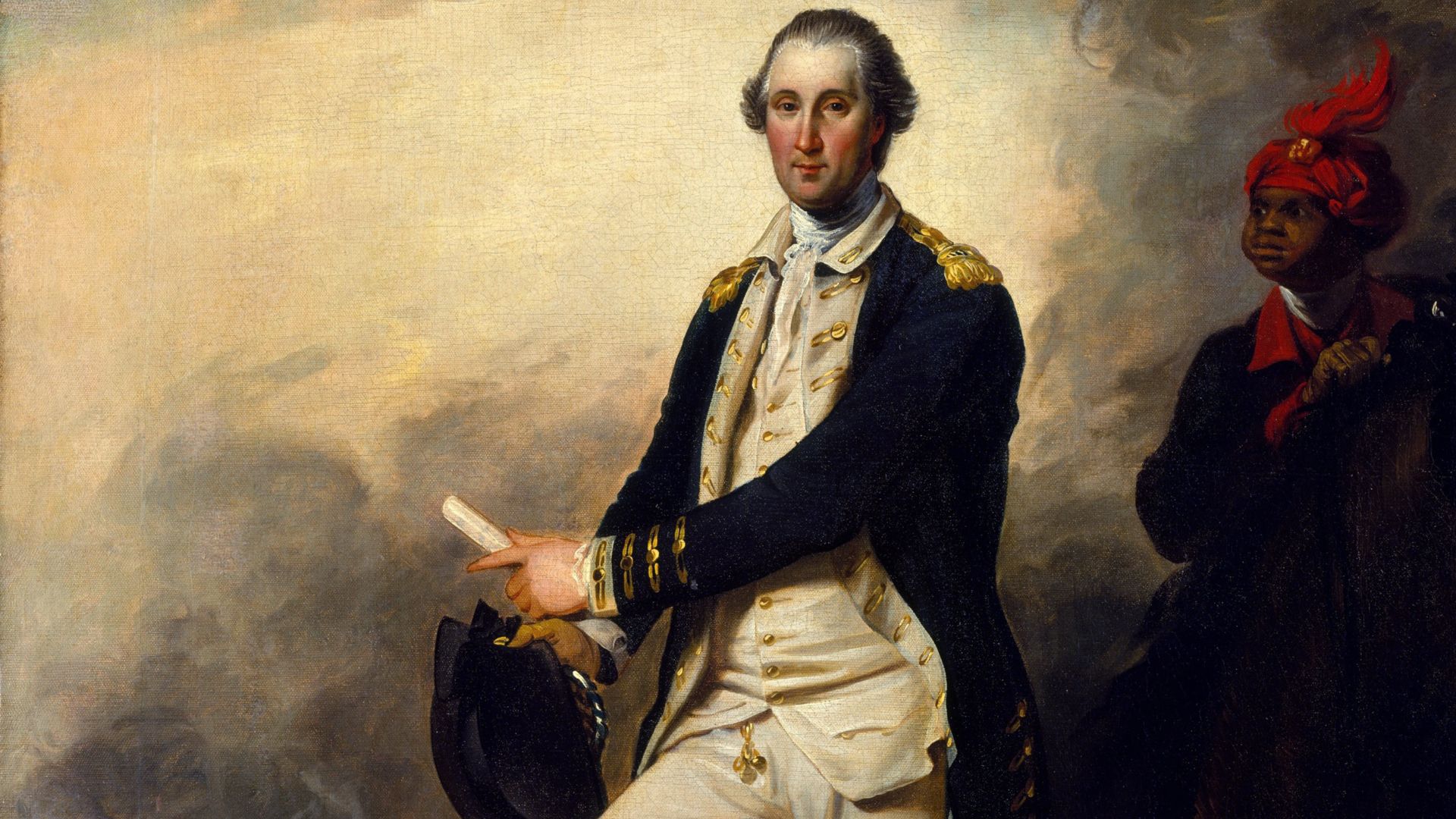
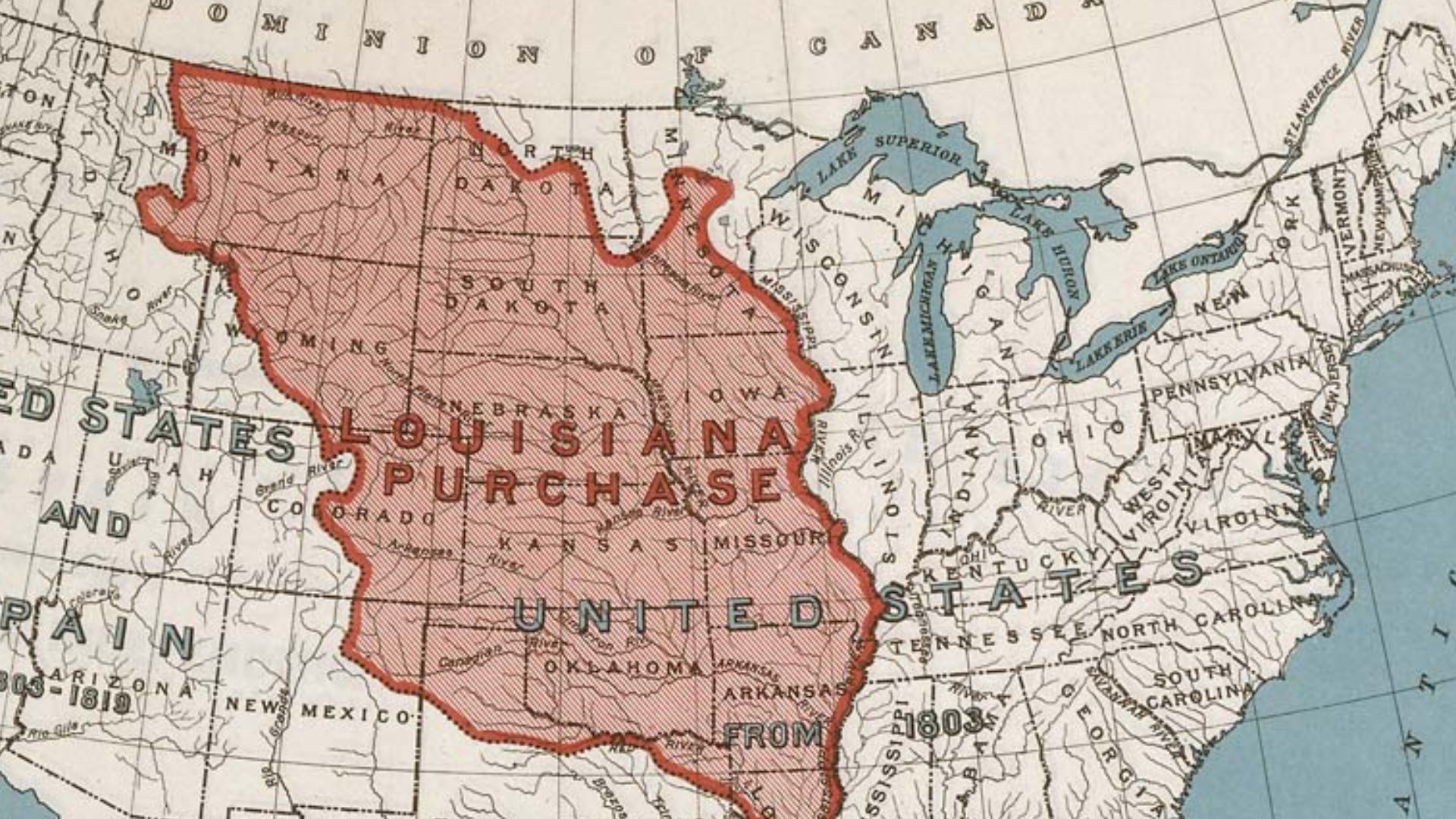
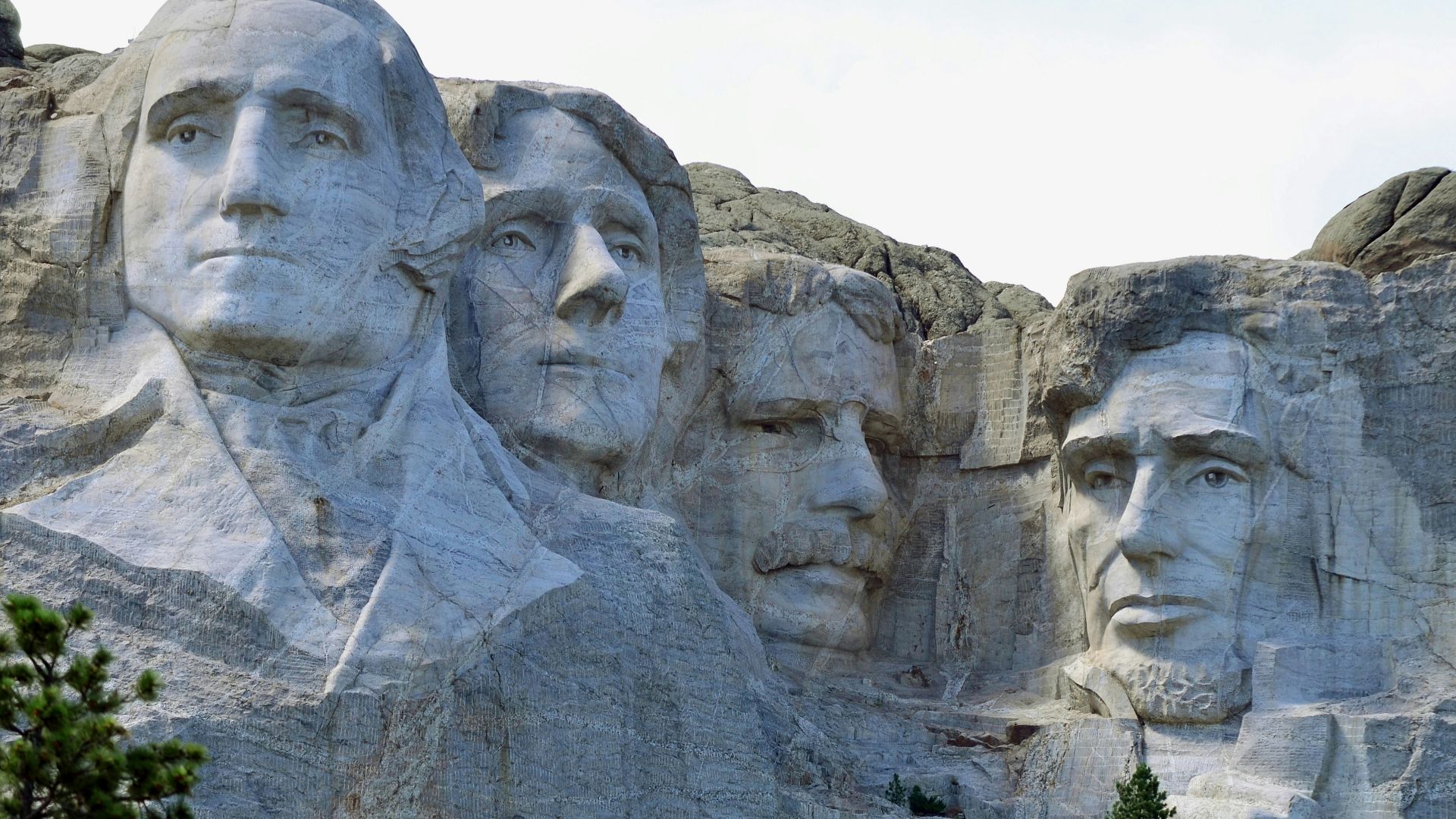
George Washington stood for the nation's birth as its first president. Thomas Jefferson symbolized westward expansion through the 1803 Louisiana Purchase that nearly doubled America's size and included the land that became South Dakota. Theodore Roosevelt mirrored economic development and progress.
 John Trumbull, Wikimedia Commons
Original Design
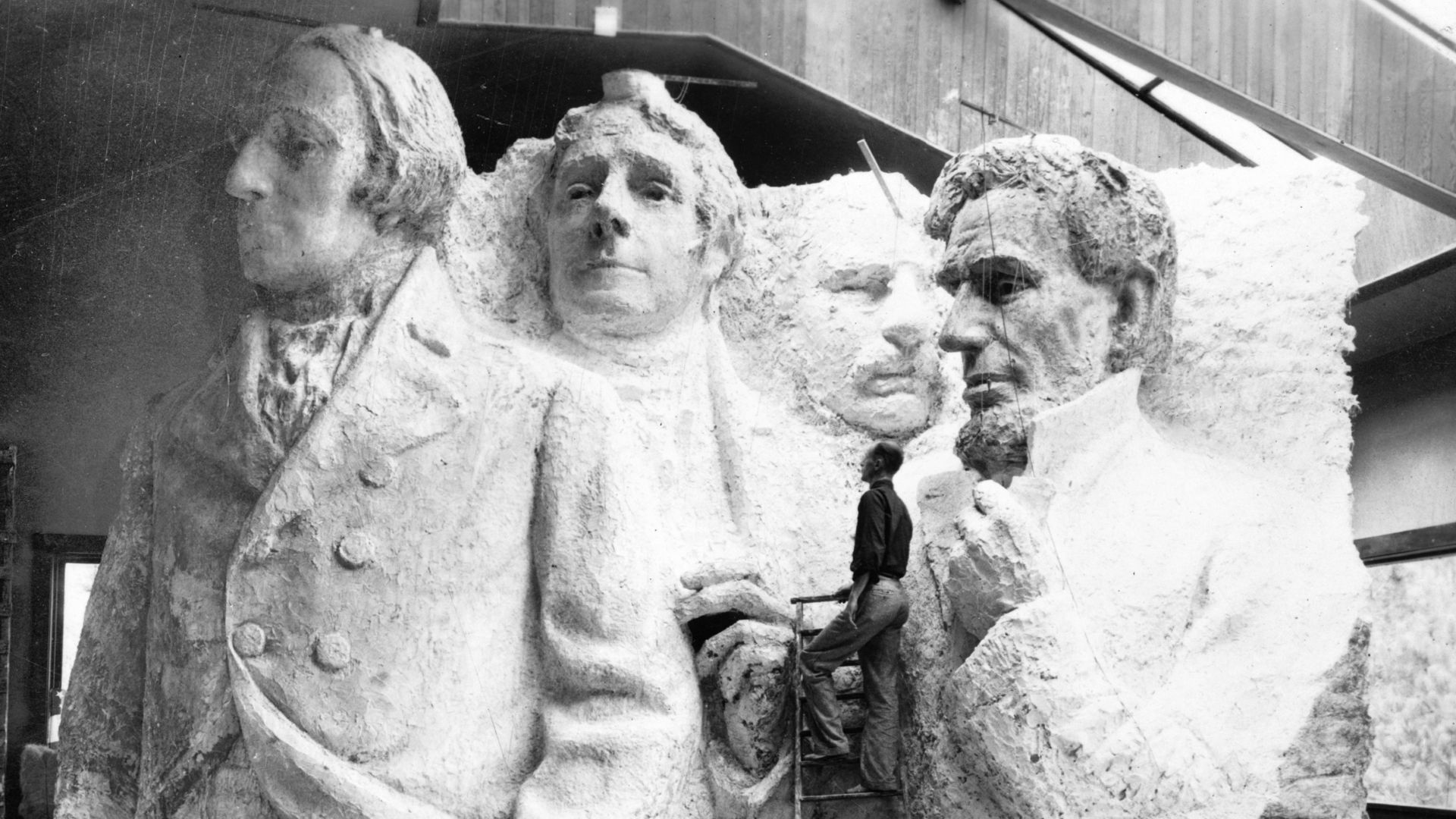
Borglum's 1925 scale model revealed his true ambition. Each president was carved from head to waist, complete with detailed period clothing, limbs, and hands visible to viewers. Washington's torso showed the most detail in the working model kept at Borglum's studio at the mountain's base.
 Rise Studio, Wikimedia Commons

History's most fascinating stories and darkest secrets, delivered to your inbox daily.
Louisiana Inscription
Before settling on the Hall of Records idea, Borglum planned something even more audacious. This inscription would outline the shape of the Louisiana Purchase territory with three-foot-tall letters describing nine critical events in US history between 1776 and 1906. The text would be carved directly into the mountain's eastern side.
 BioKnowlogy, Wikimedia Commons
Hall Conceived
When the entablature plan failed, Borglum pivoted to an even grander concept in the early 1930s—a massive Hall of Records carved deep into the mountain behind the presidential faces. He envisioned bronze and glass cabinets displaying original copies of the Declaration of Independence and other documents.
 Rachel.miller727, Wikimedia Commons
Behind Lincoln
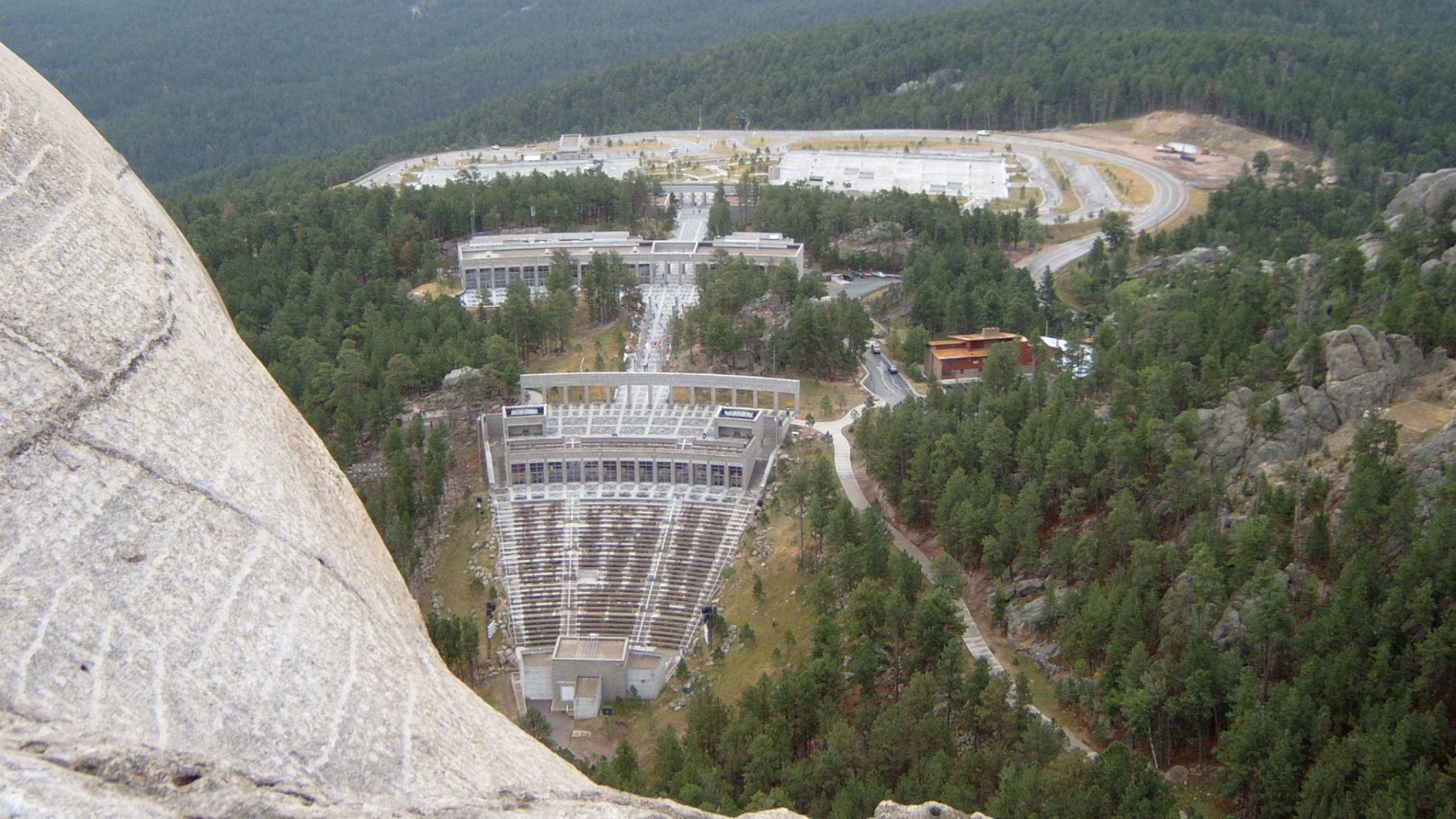
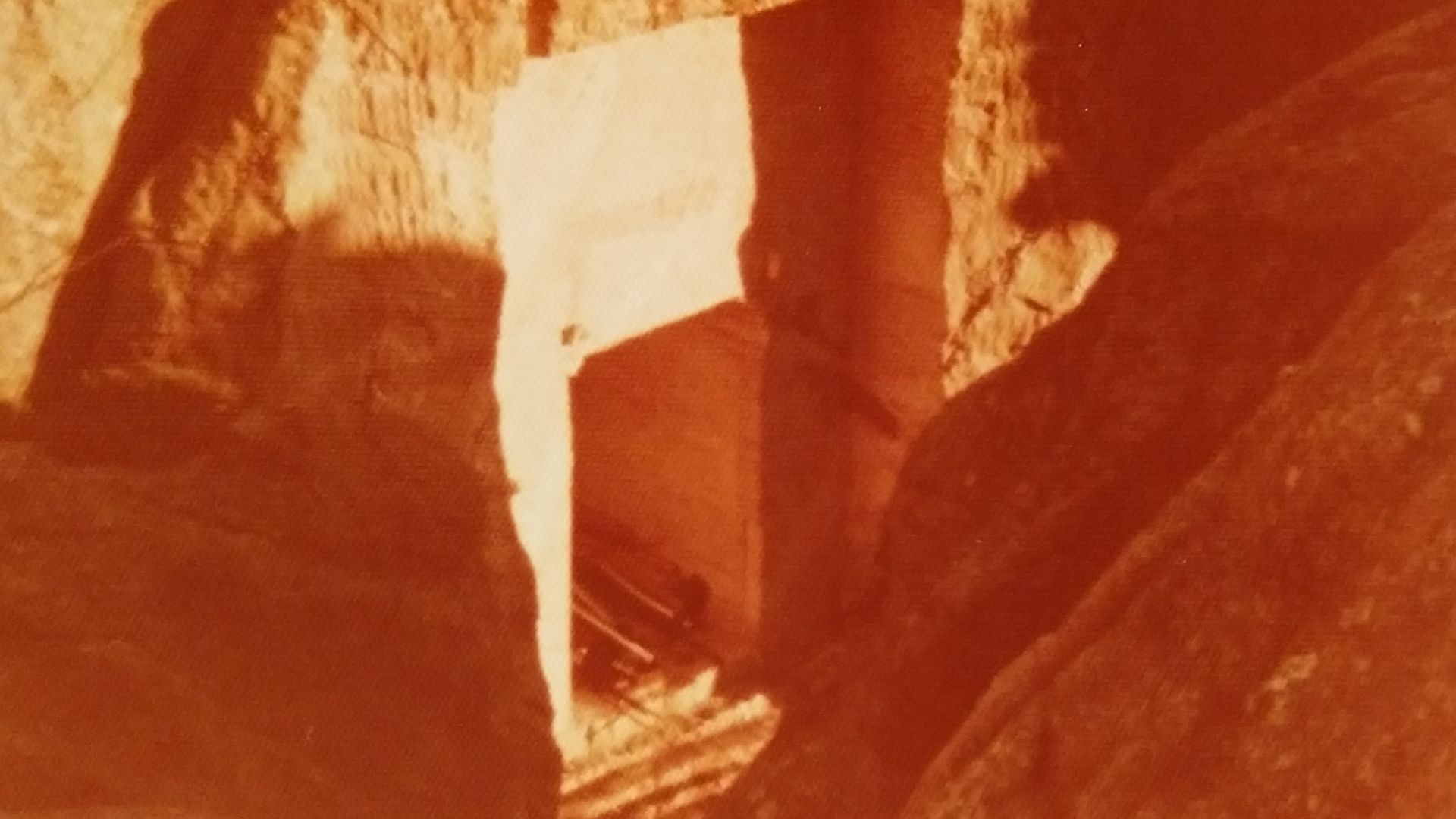
The Hall of Records entrance sits in a small canyon directly behind Abraham Lincoln's granite head, positioned to the right when viewing from the back. Borglum specifically chose this location because the natural rock formation provided a recessed area perfect for carving, hidden from tourist viewpoints yet structurally sound.
 Rachel.miller727, Wikimedia Commons
Grand Staircase
Visitors would ascend an 800-foot granite staircase climbing the mountainside to reach the Hall of Records in Borglum's original vision. The entrance featured a doorway twenty feet high and fourteen feet wide, grand enough to inspire awe in anyone approaching.
Bronze Eagle
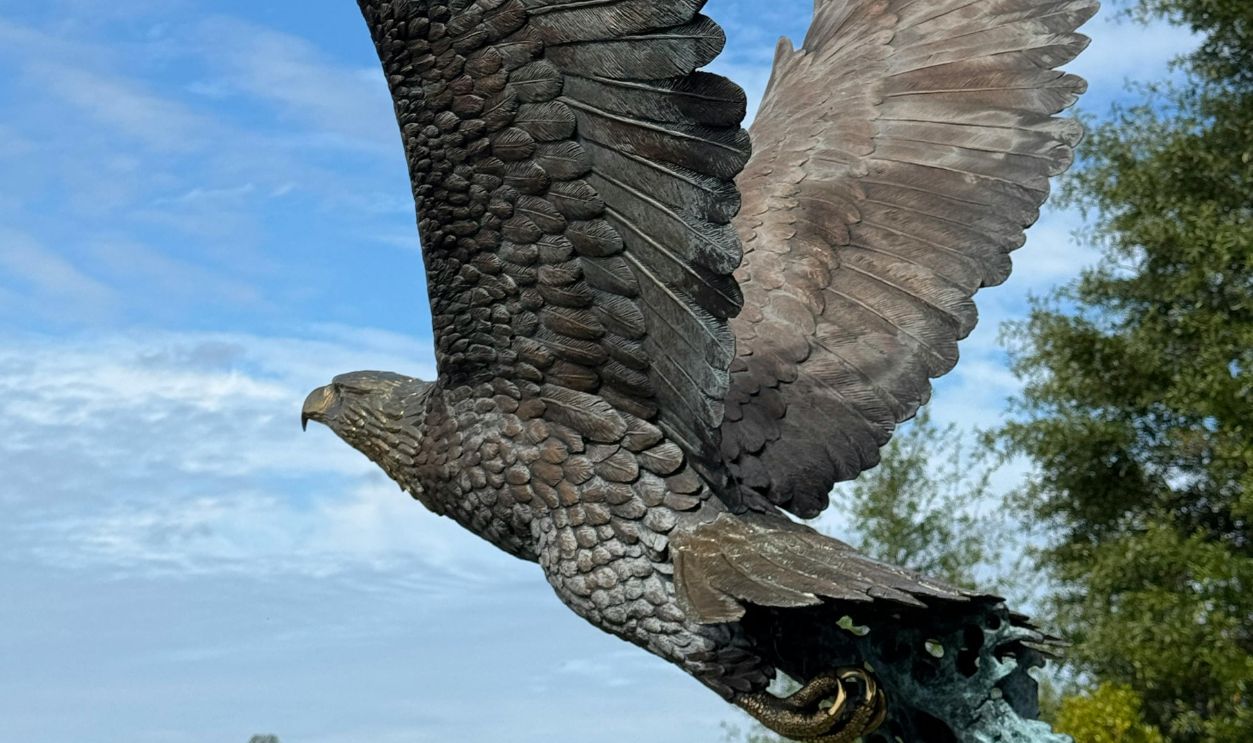
Above the Hall's entrance, Borglum designed a spectacular bronze eagle with a thirty-eight-foot wingspan, positioned to greet visitors before they stepped inside. The words "America's Onward March" and "The Hall of Records" would be inscribed above the doorway beneath this massive raptor.
 The Traveling Photo Experiment, Pexels
Document Repository
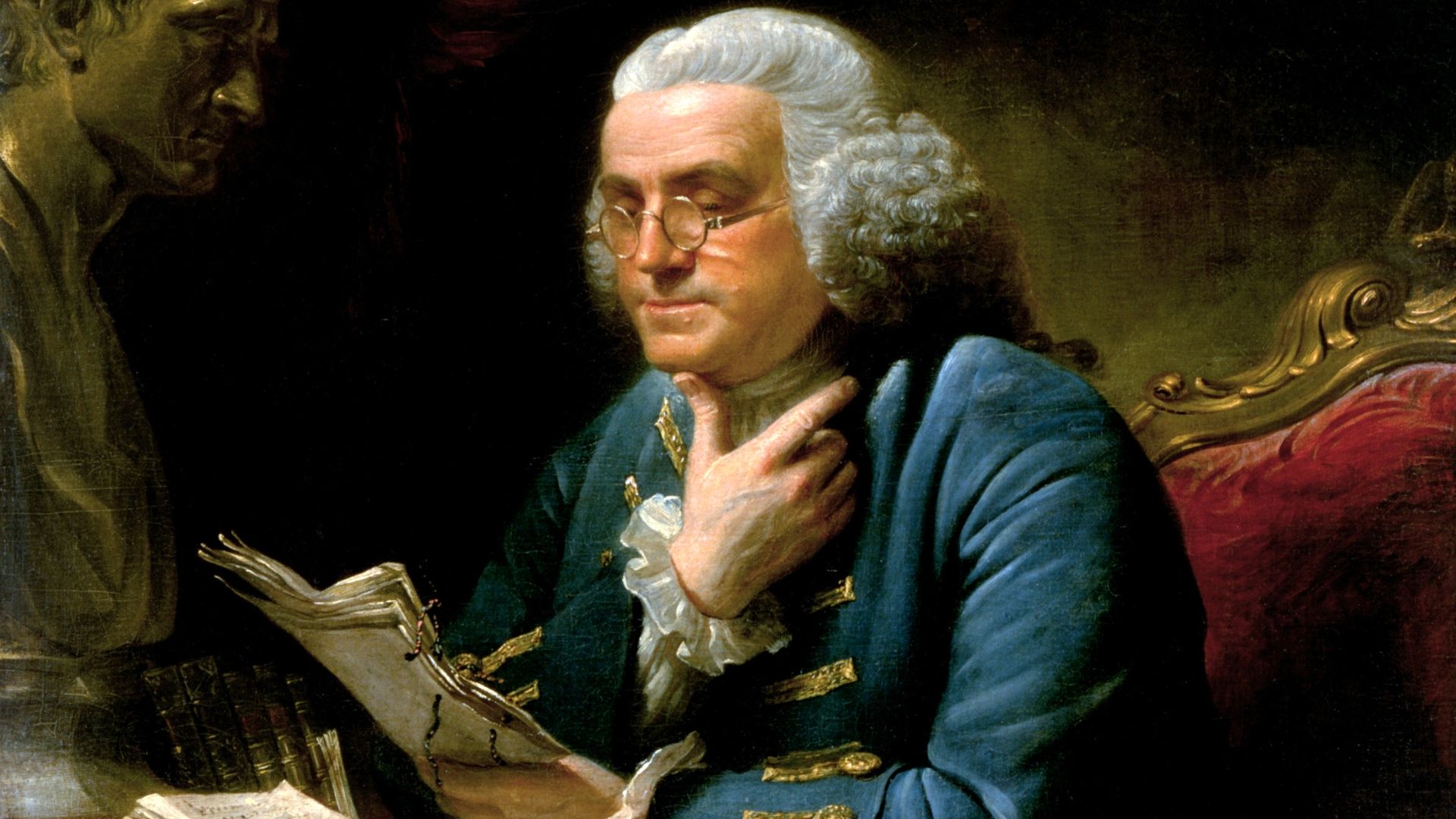
Beyond documents, Borglum wanted busts of transformative Americans. Benjamin Franklin, John Hancock, Alexander Graham Bell, and the Wright Brothers are among them. A national contest sponsored by Hearst newspapers selected John Edward Bradley's inscription detailing American achievement for carving into the chamber walls.
 David Martin, Wikimedia Commons
1938 Blasting
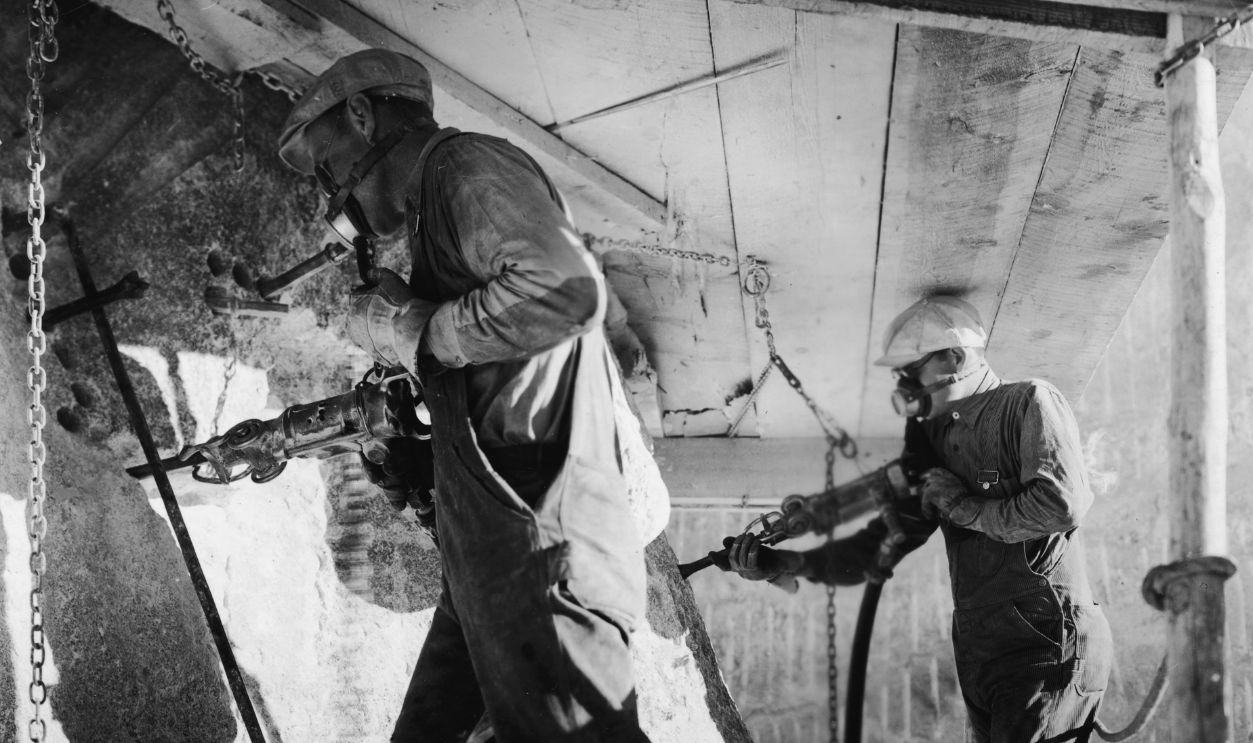
In July 1938, workers began drilling and dynamiting into the north canyon wall behind the presidential sculptures. Using the same techniques perfected on the faces they carved through extremely hard granite. The rock proved even more stubborn than anticipated, forcing slower progress than the presidential heads.
Funding Crisis
The federal government, which covered nearly all construction costs, tightened its purse strings dramatically in 1939 after barely one year of Hall's progress. Treasury officials ordered Borglum to abandon the Records project immediately and focus exclusively on completing the four presidential faces.
 Eric Friedebach, Wikimedia Commons
Incomplete Monument
Over fourteen years, more than four hundred workers cleared 450,000 tons of rock from Mount Rushmore, yet Borglum's vision remained unfulfilled. Each presidential head stands sixty feet tall with eleven-foot-wide eyes and eighteen-foot mouths—impressive, but only a fraction of the original plan.
Borglum's Demise
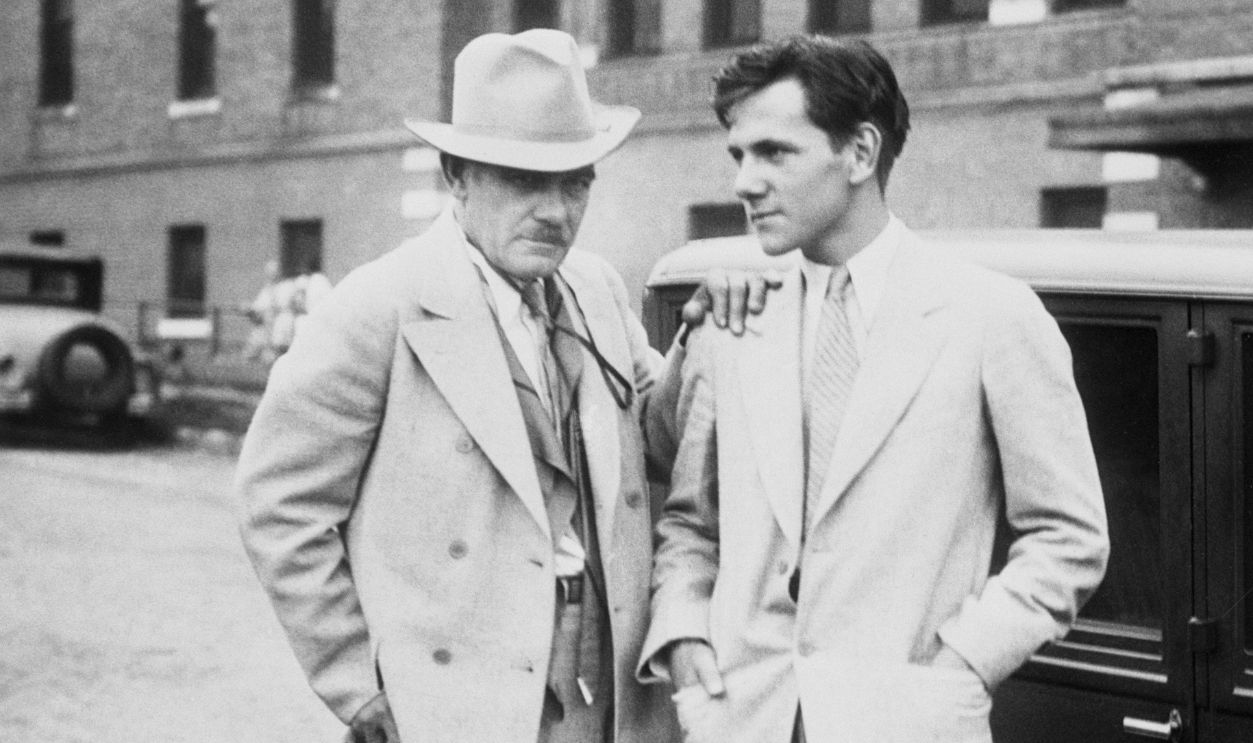
Gutzon Borglum traveled to Chicago in March 1941 for medical treatment, never expecting it would be his final journey. He passed away on March 6th from complications following surgery, seven months before his seventy-fourth birthday. His son Lincoln immediately took charge.
 Unknown authorUnknown author, Wikimedia Commons
Decades Empty
On October 31st, 1941, Lincoln Borglum declared Mount Rushmore complete, though the Hall of Records remained an unfinished seventy-foot tunnel blasted into raw granite. For fifty-seven years, this chamber sat empty and untouched, known only to National Park Service personnel and historians who studied Borglum's abandoned dreams.
1998 Ceremony
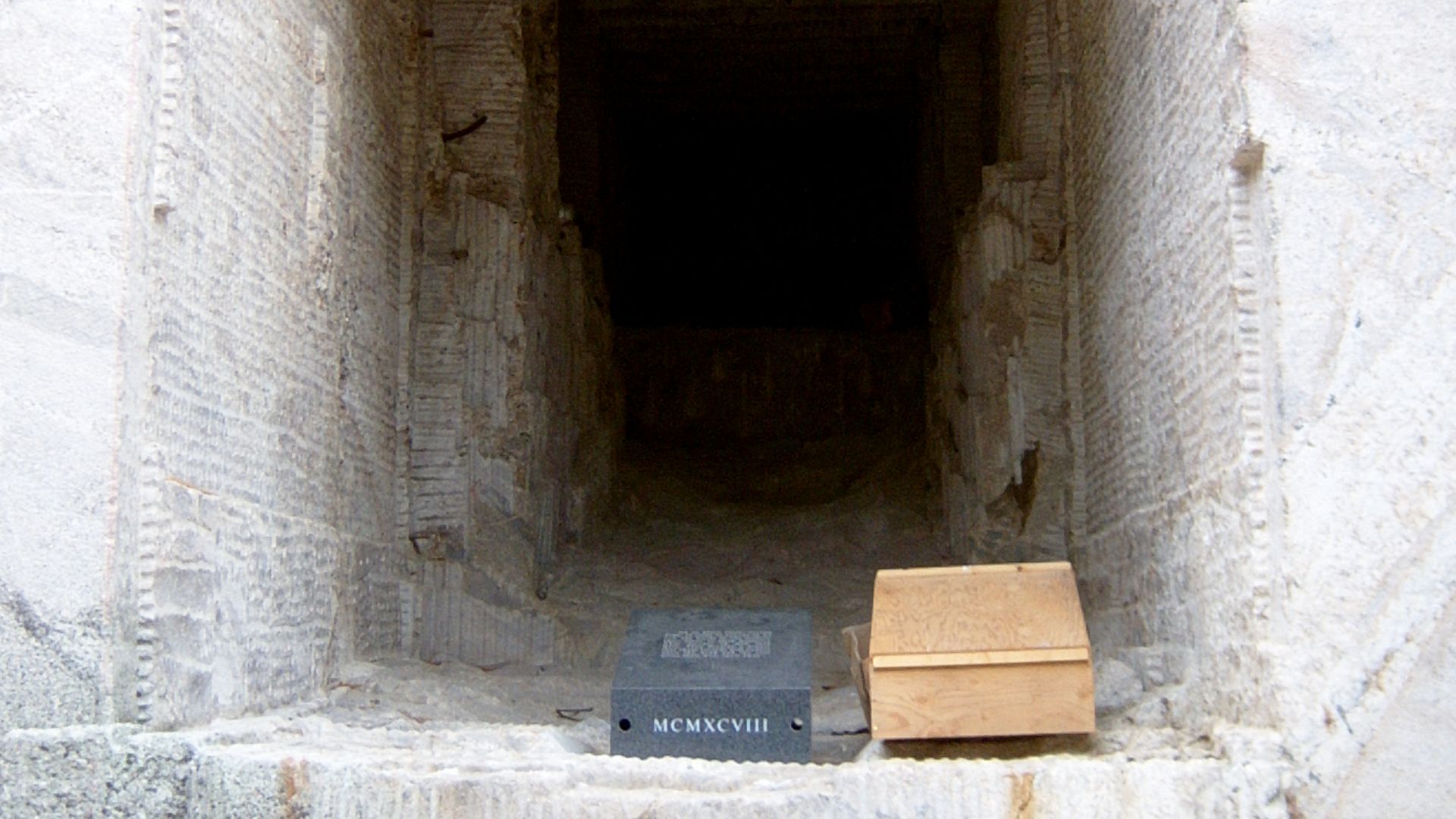
On August 9th, 1998, four generations of the Borglum family gathered at the Hall of Records entrance for a ceremony fifty-seven years overdue. Gutzon's daughter Mary Ellis Borglum, then in her eighties, watched as workers finally fulfilled her father's dream in modified form.
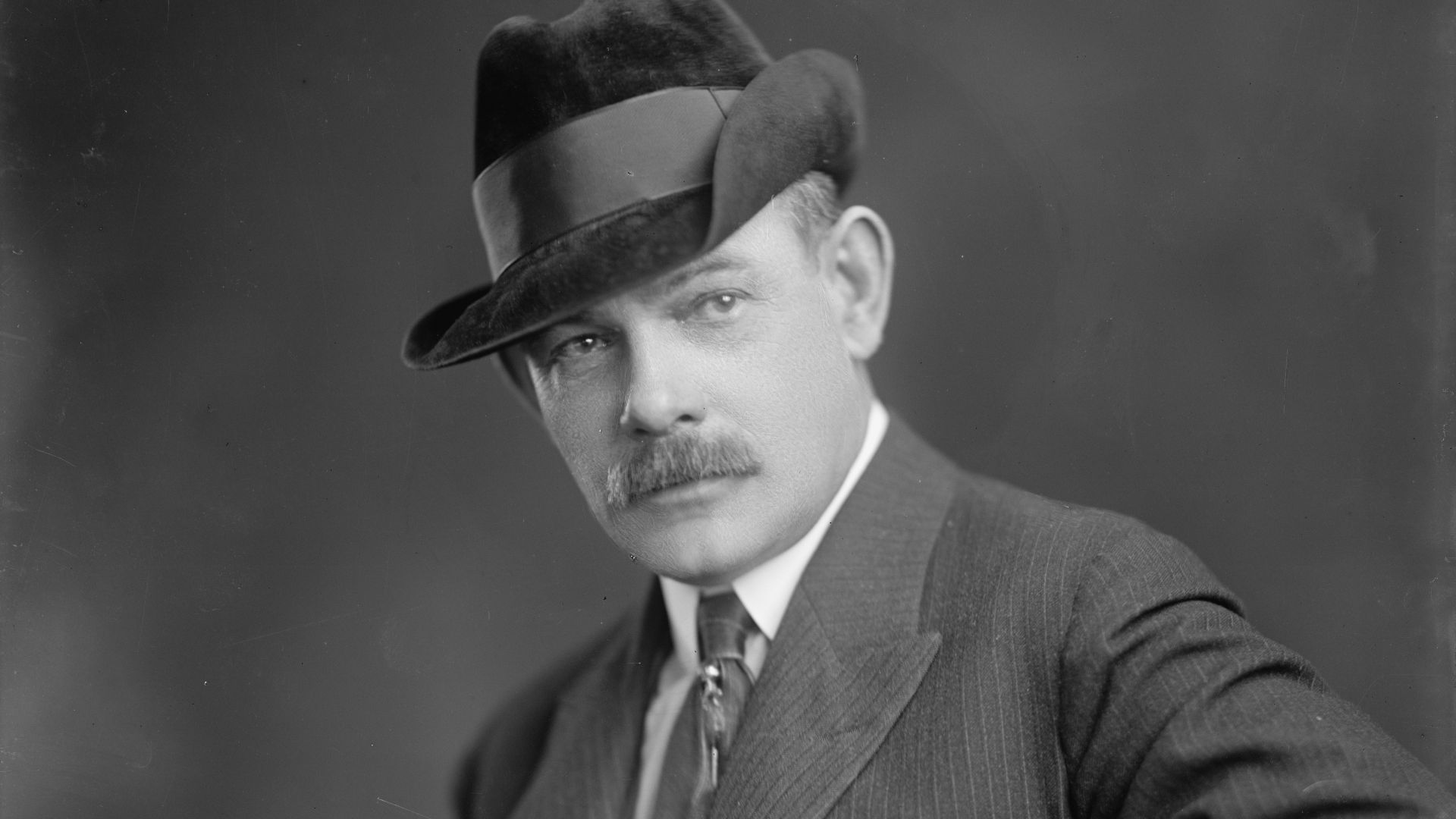 Harris & Ewing, photographer, Wikimedia Commons
Titanium Vault
The repository consists of nested protection layers engineered to survive millennia—a teakwood box sealed inside a titanium vault, chosen specifically for titanium's exceptional corrosion resistance and strength. This vault was then lowered into a hole drilled in the granite floor at the Hall's entrance.
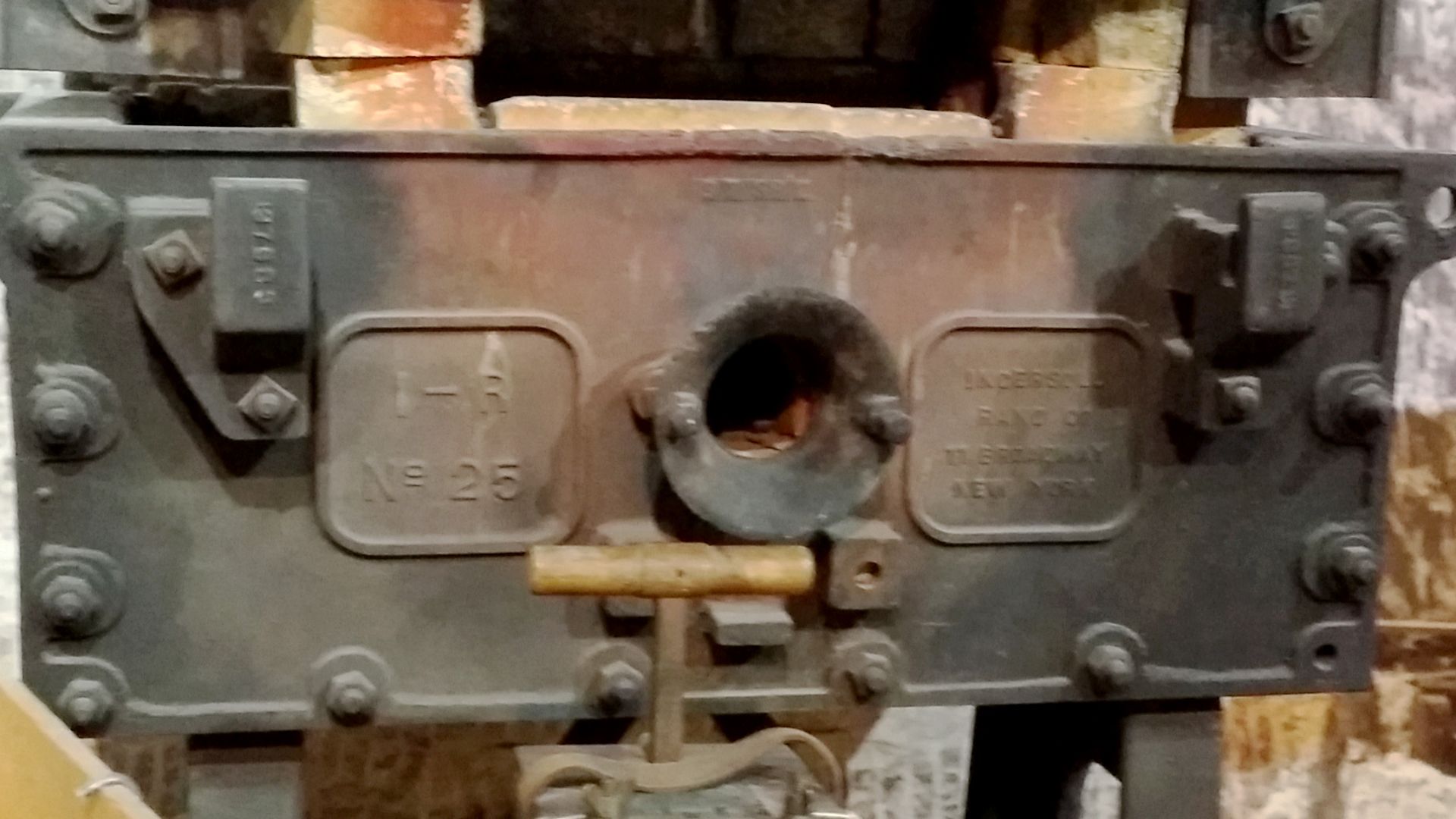 Eric Friedebach, Wikimedia Commons
Future Civilizations
Borglum designed this repository explicitly for people living thousands of years in the future, not contemporary tourists. He feared that future civilizations might discover Mount Rushmore and wonder about its mysterious origins, just as modern humans puzzle over Stonehenge's purpose.
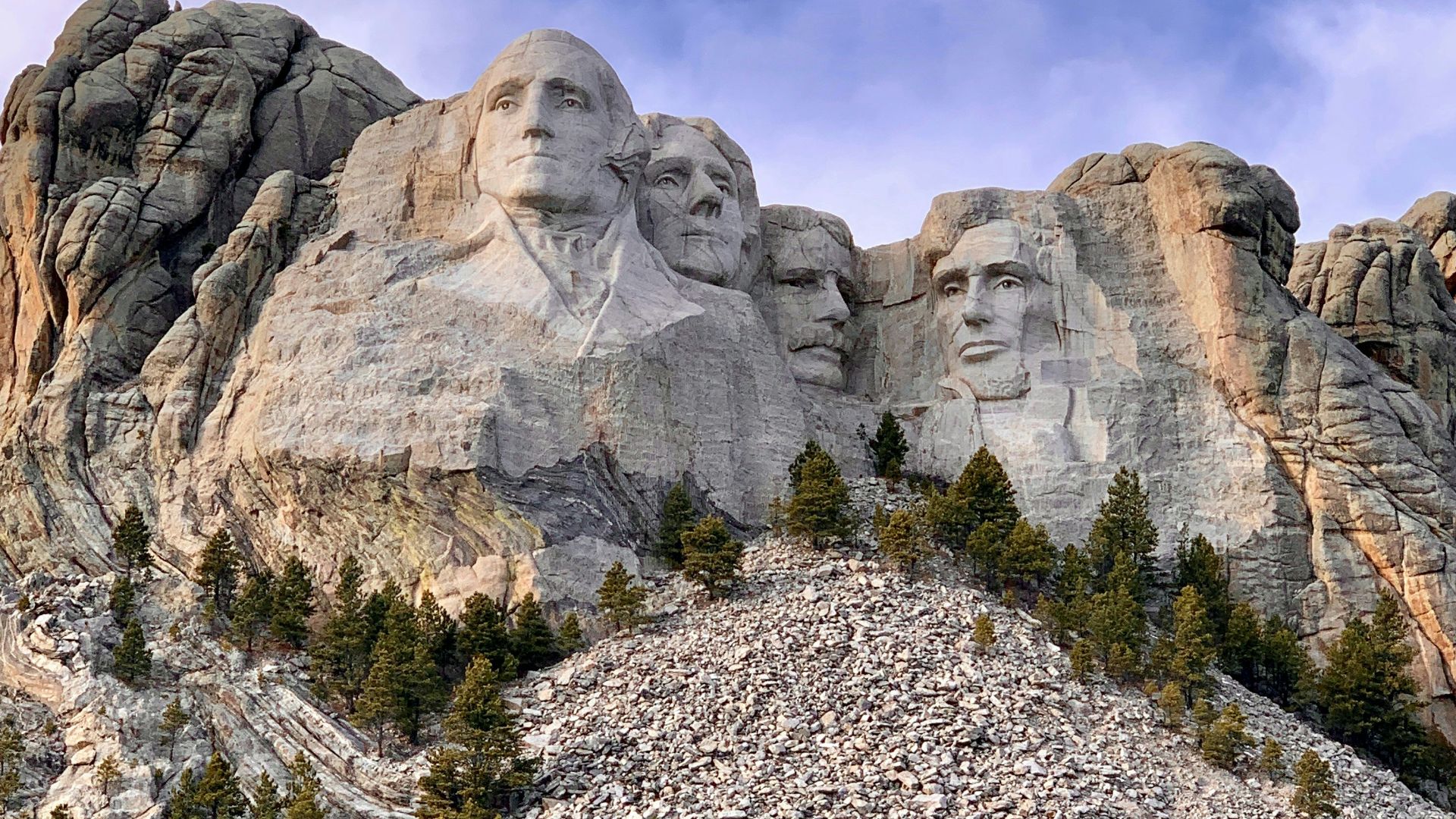
Public Inaccessible
The Hall of Records has never opened to tourists and never will, sealed off for critical safety and preservation reasons. Located near dangerous cliff edges with no direct access path, the chamber requires technical climbing skills and poses a severe risk of injury.
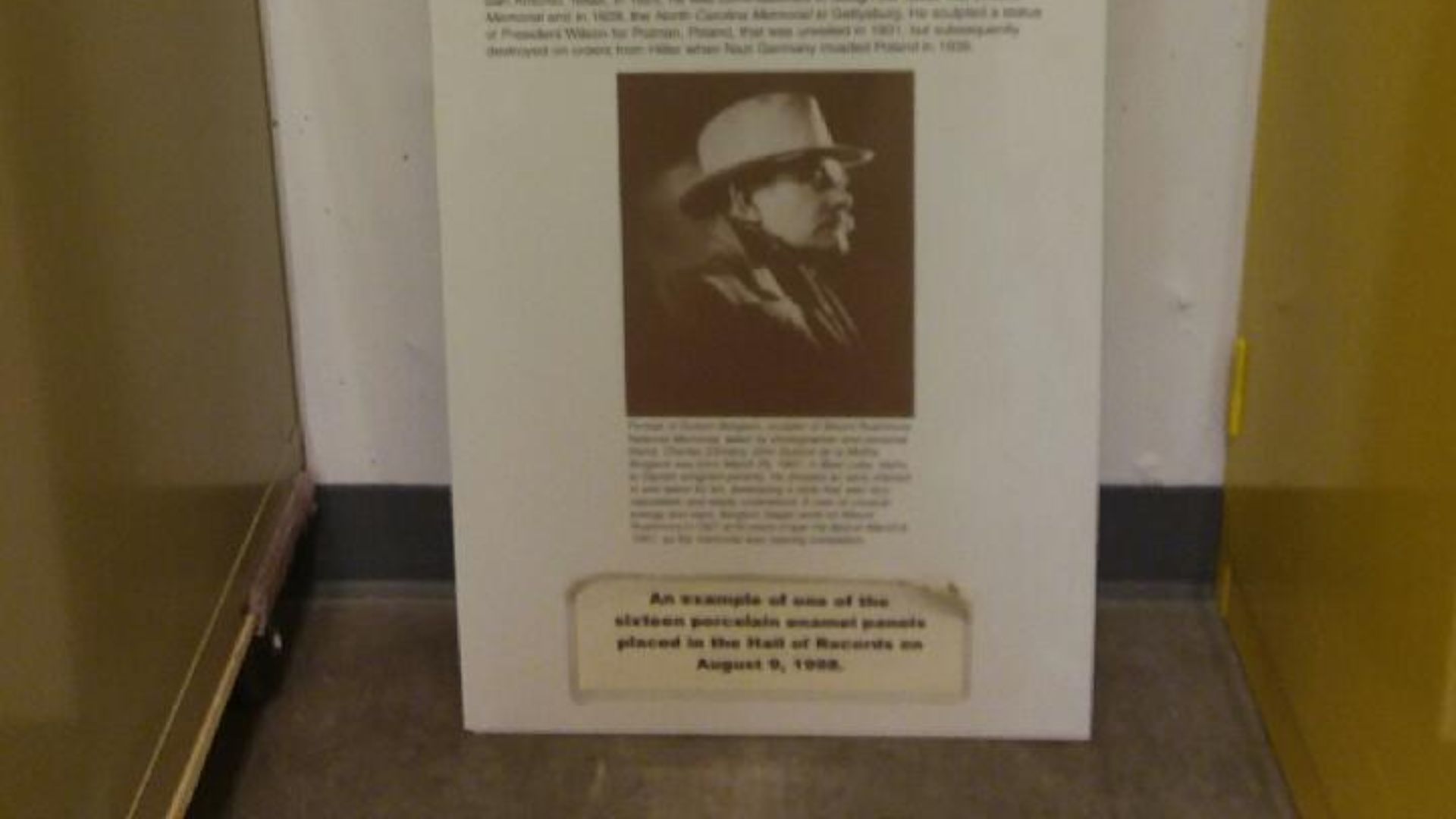
Lakota Resistance
In 1980, the US Supreme Court ruled in United States v Sioux Nation that the Black Hills were unconstitutionally stolen, awarding $105 million in compensation. The Lakota tribes unanimously rejected this settlement, which has grown with interest to over two billion dollars, declaring “the Black Hills are not for sale”.
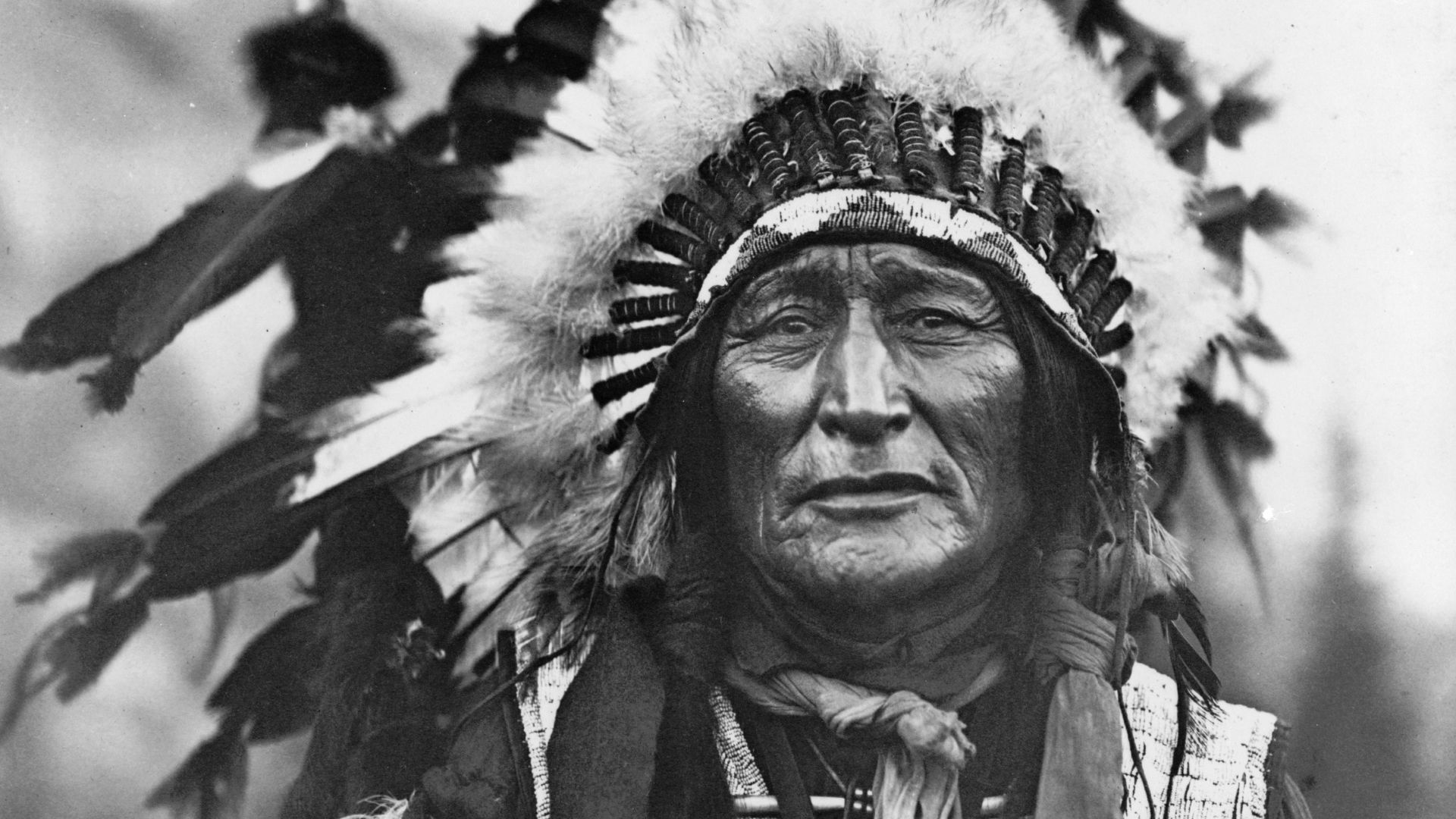 Miscellaneous Items in High Demand, PPOC, Library of Congress, Wikimedia Commons









