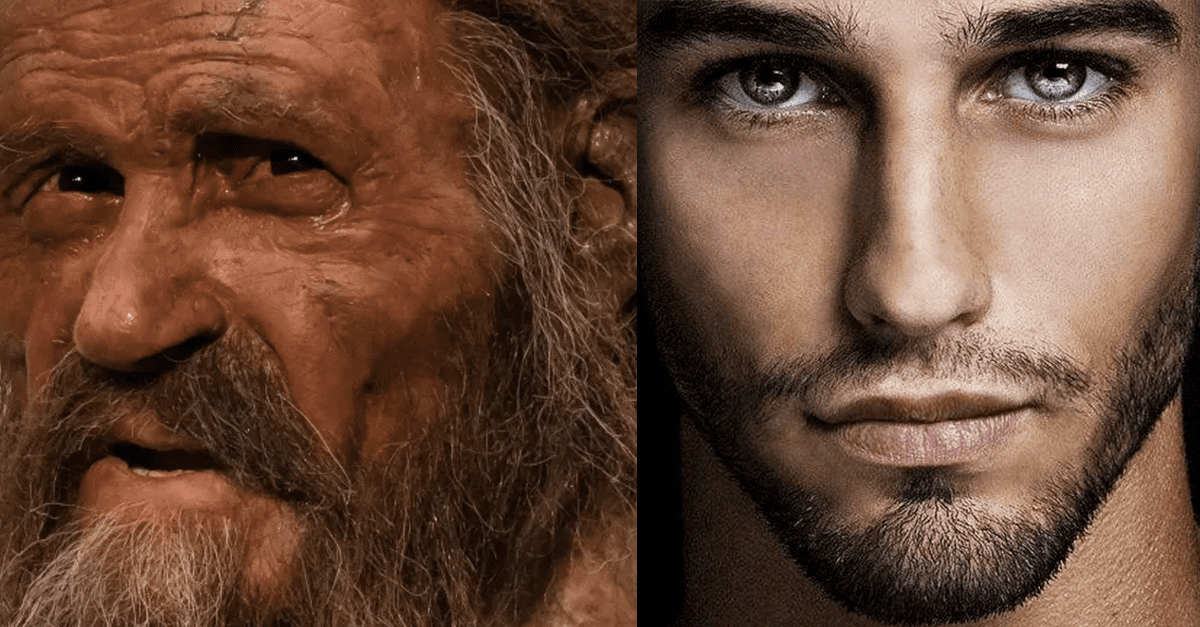
A Story Still In Progress
Human evolution has never been a tidy finished story. Every new fossil, dating technique and scrap of ancient DNA has the potential to redraw the family tree. Some ideas that once appeared perfectly reasonable have ended up getting overturned, leaving us with a stranger, bushier and considerably more interesting ancestry than scientists first imagined.
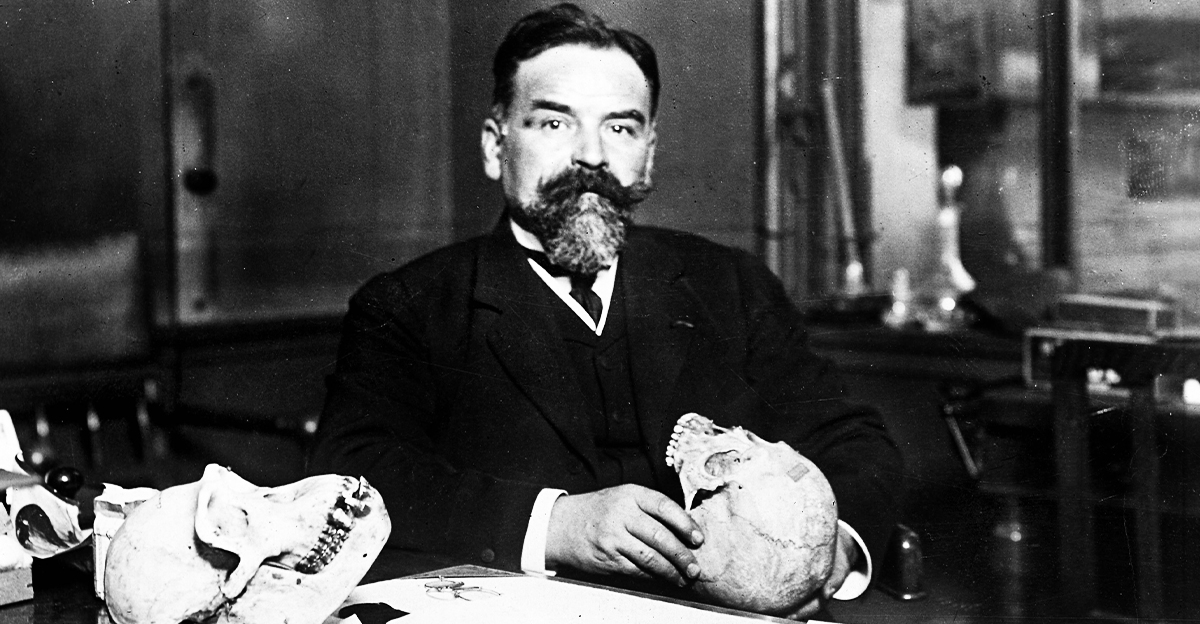 Albert Harlingue/Roger Viollet via Getty Images
Evolution Was A Ladder
Early reconstructions often portrayed human evolution as a steady march from primitive ape-like ancestors toward modern people. Fossils instead reveal a branching evolutionary tree containing numerous species, several of which lived simultaneously. There was no orderly procession with Homo sapiens waiting triumphantly at the finish line.
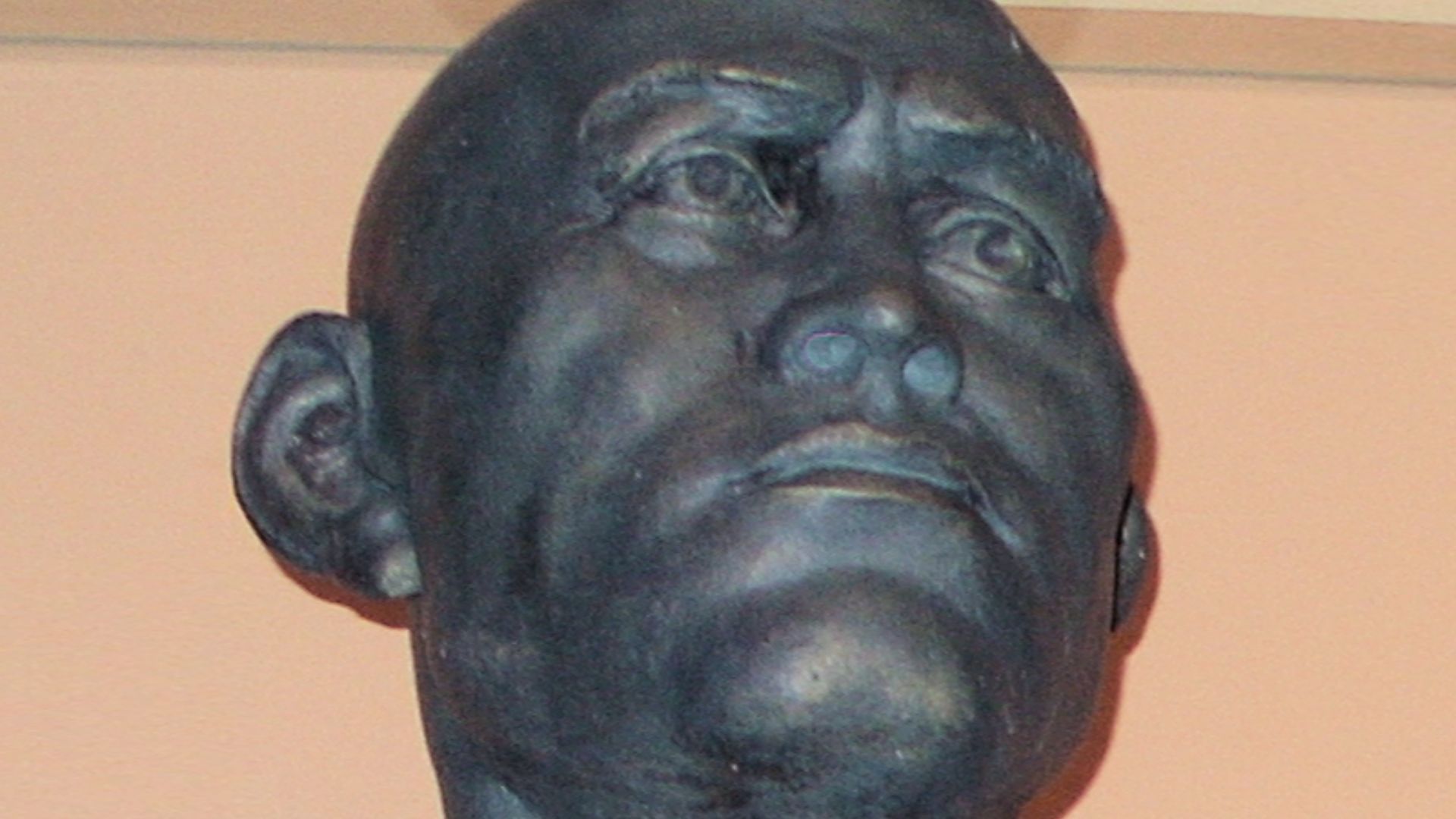
Scientists Needed A Missing Link
The famous "missing link" reflected the assumption that evolution formed a chain connecting apes and humans. Scientists now reconstruct a branching family tree instead. Some fossil species may be ancestral to later humans, while others represent evolutionary branches that eventually disappeared without becoming anyone's direct ancestor.
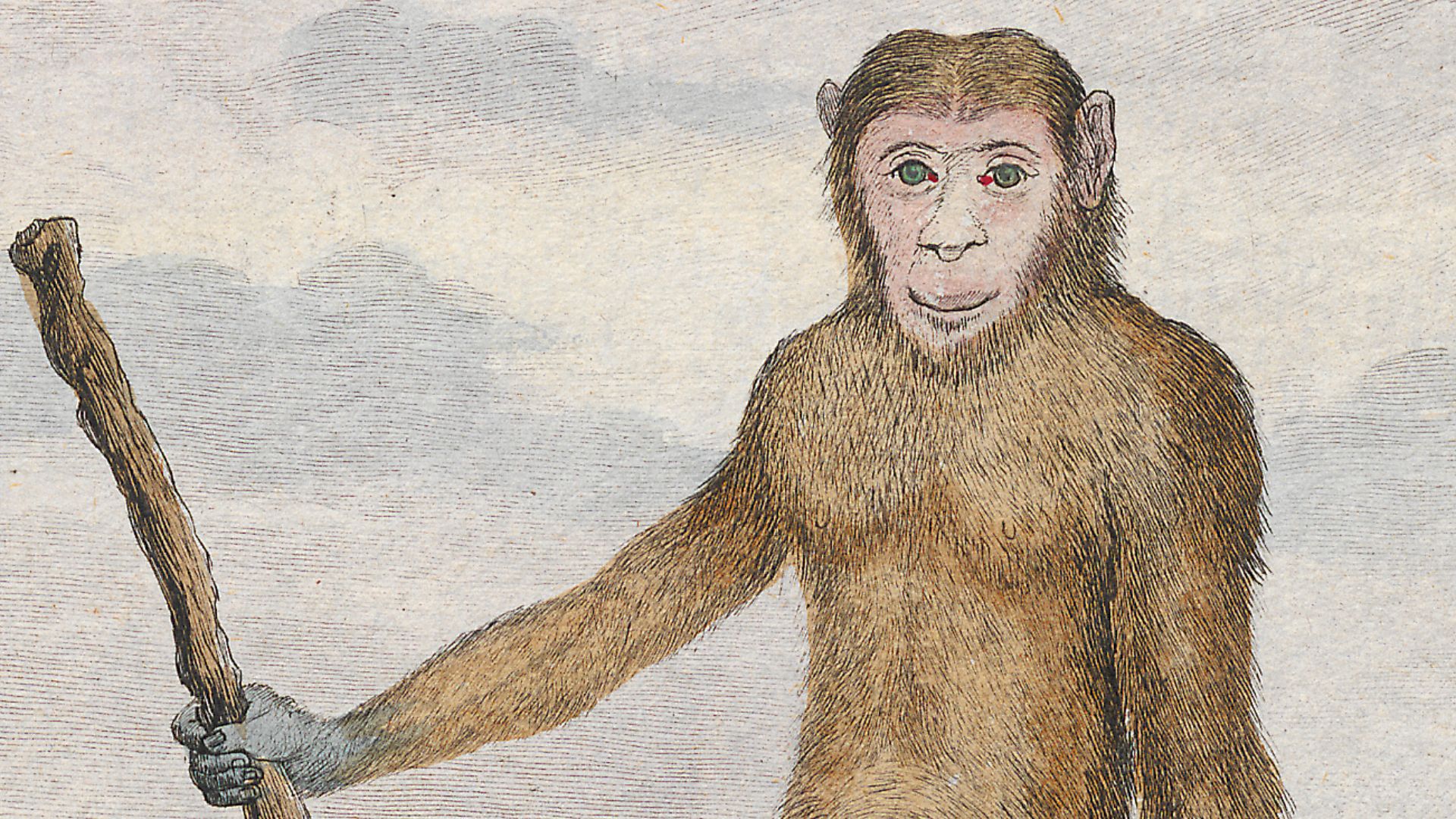 Kodiak Blackjack, Wikimedia Commons
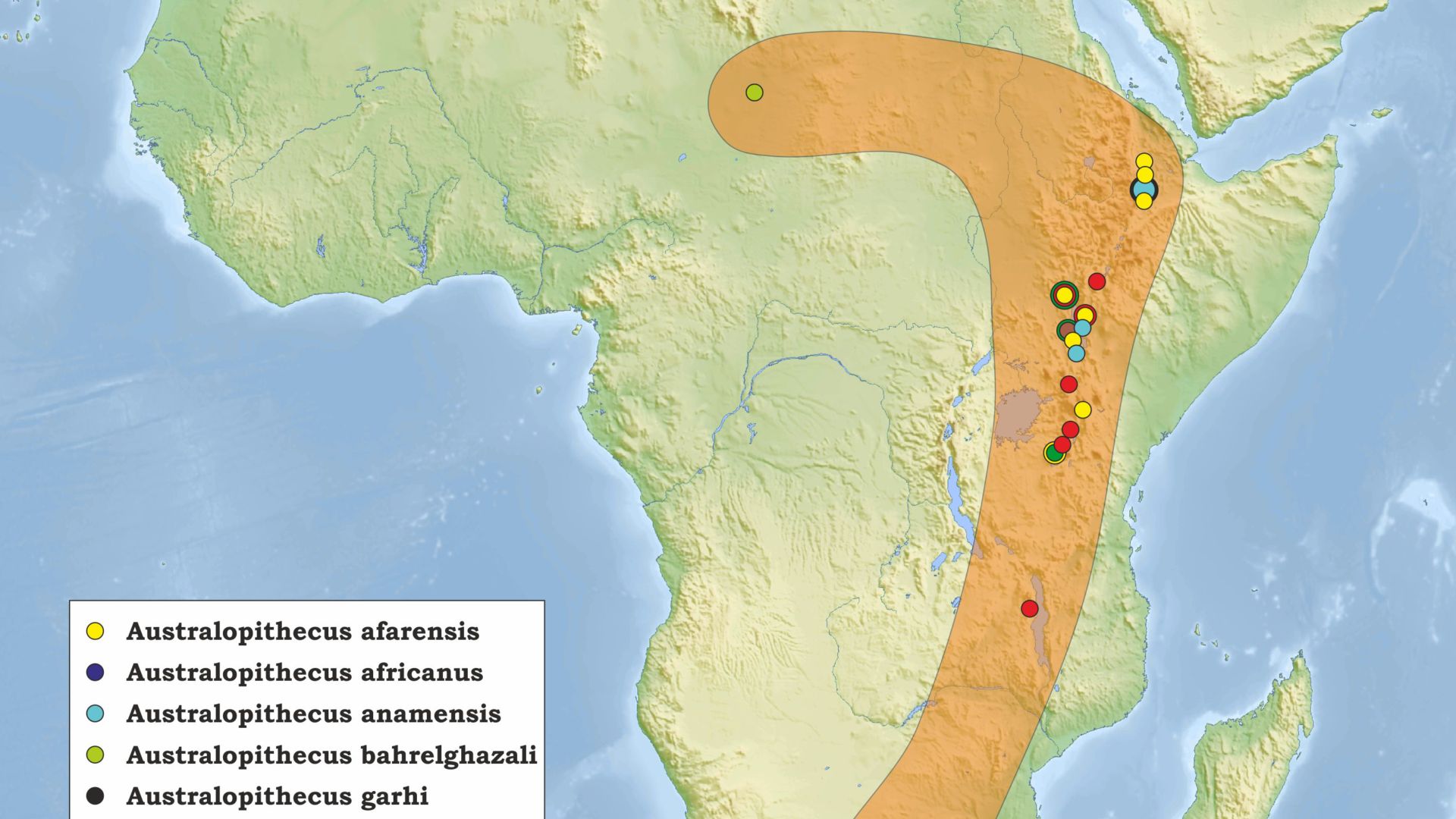
Big Brains Came First
Scientists once regarded a large brain as the crucial early step separating human ancestors from other apes. Australopithecine discoveries shattered that sequence. Our ancestors were walking upright while possessing relatively small brains millions of years before the dramatic brain expansion seen in later members of the human family.

History's most fascinating stories and darkest secrets, delivered to your inbox daily.
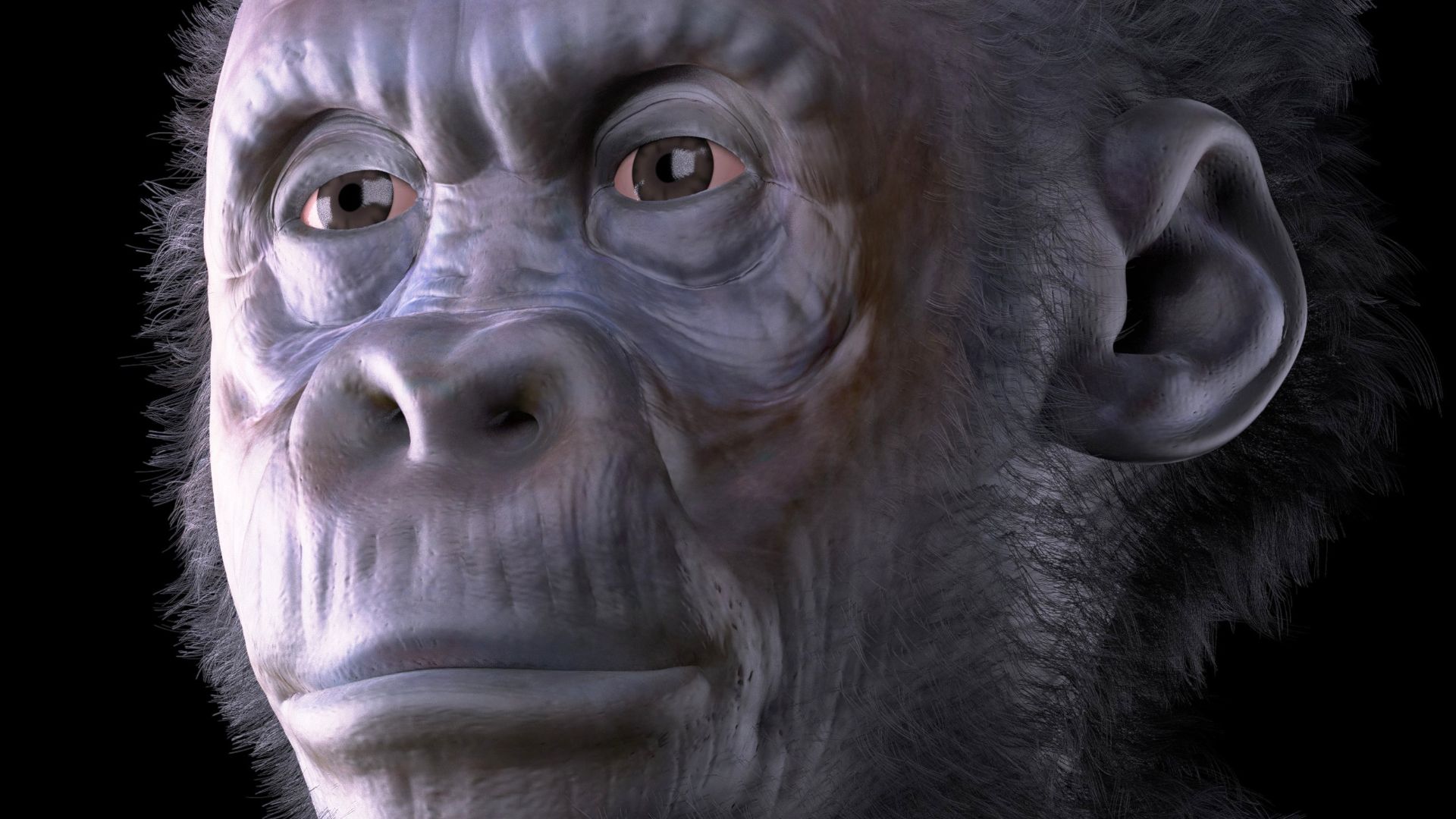
Taung Was Just An Ape
Raymond Dart identified South Africa's Taung Child as an early human relative in 1925, but many prominent scientists rejected his interpretation. Its small brain seemed wrong for a human ancestor. Later australopithecine discoveries vindicated the basic idea: small-brained, upright-walking hominids really had existed.
 Cicero Moraes et alii, Wikimedia Commons
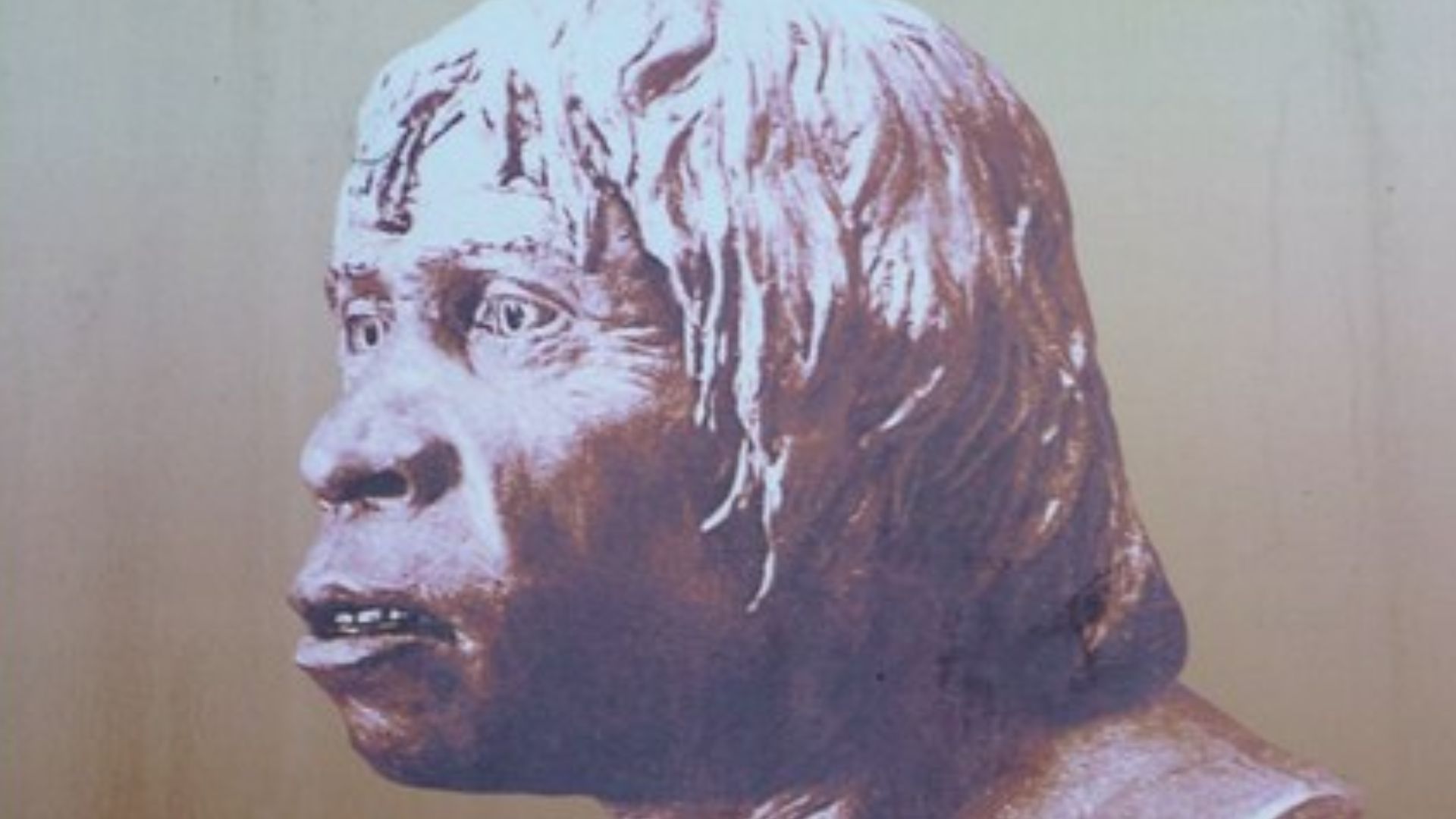
Piltdown Was Our Ancestor
For decades, Britain's Piltdown Man seemed to provide exactly what some scientists expected: a large human-like brain combined with an ape-like jaw. In 1953, researchers exposed it as a deliberate fraud assembled from a human skull and orangutan jaw, chemically treated to appear ancient.
 Trish Steel, Wikimedia Commons
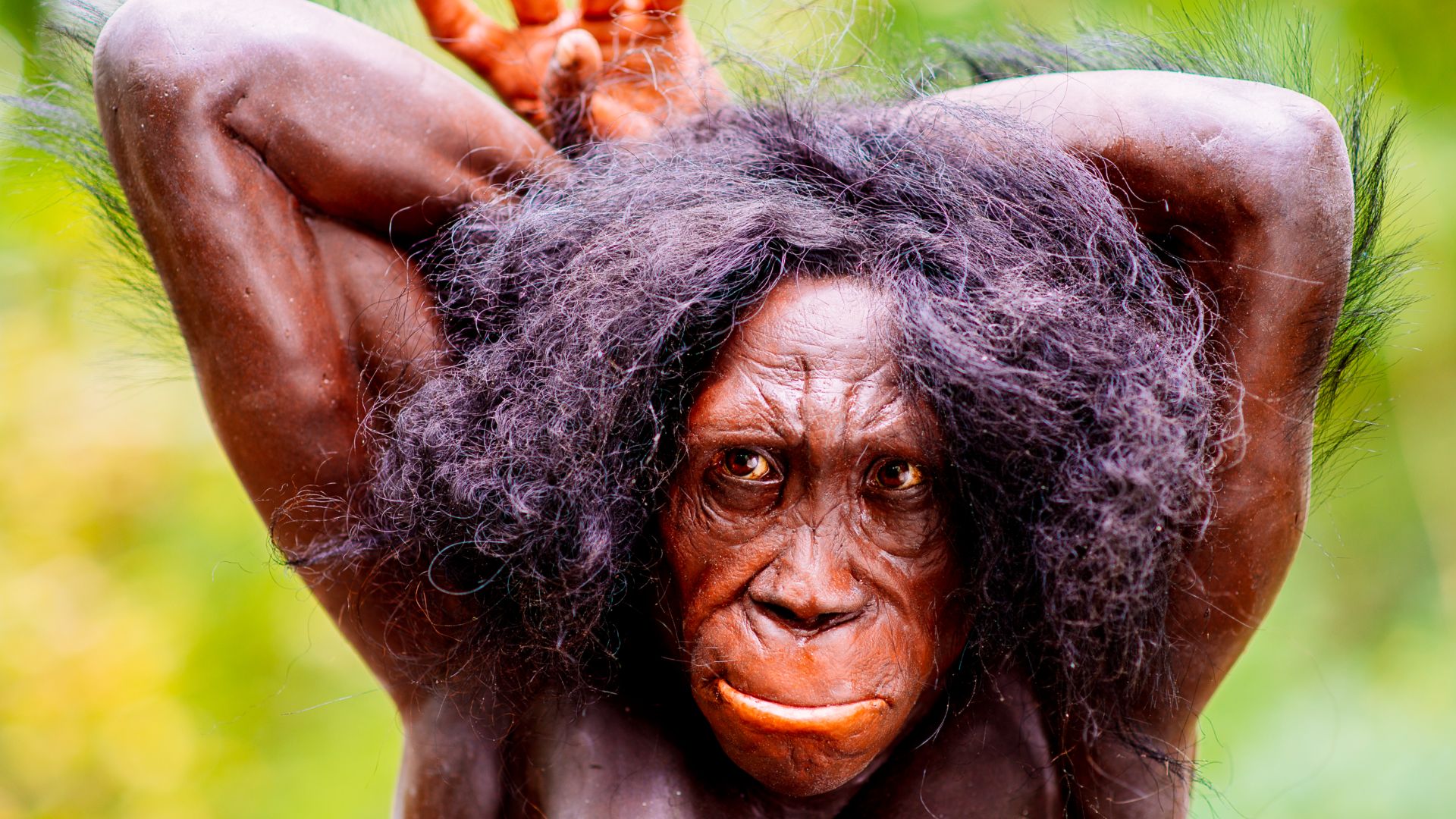
Our Ancestors Left Trees
Walking upright was once commonly imagined as something that developed after human ancestors abandoned forests for open grasslands. Fossils now suggest a messier transition. Early hominids could combine upright walking with substantial climbing abilities, while bipedalism developed in environments containing both wooded and open habitats.
 Neanderthal-Museum, Mettmann, Wikimedia Commons
Bipedalism Happened Suddenly
There wasn't a moment when an ape simply stood up and became a human ancestor. Fossils spanning millions of years preserve different combinations of climbing and walking adaptations. Regular bipedalism developed gradually, with early hominids retaining anatomical characteristics useful for life in the trees.
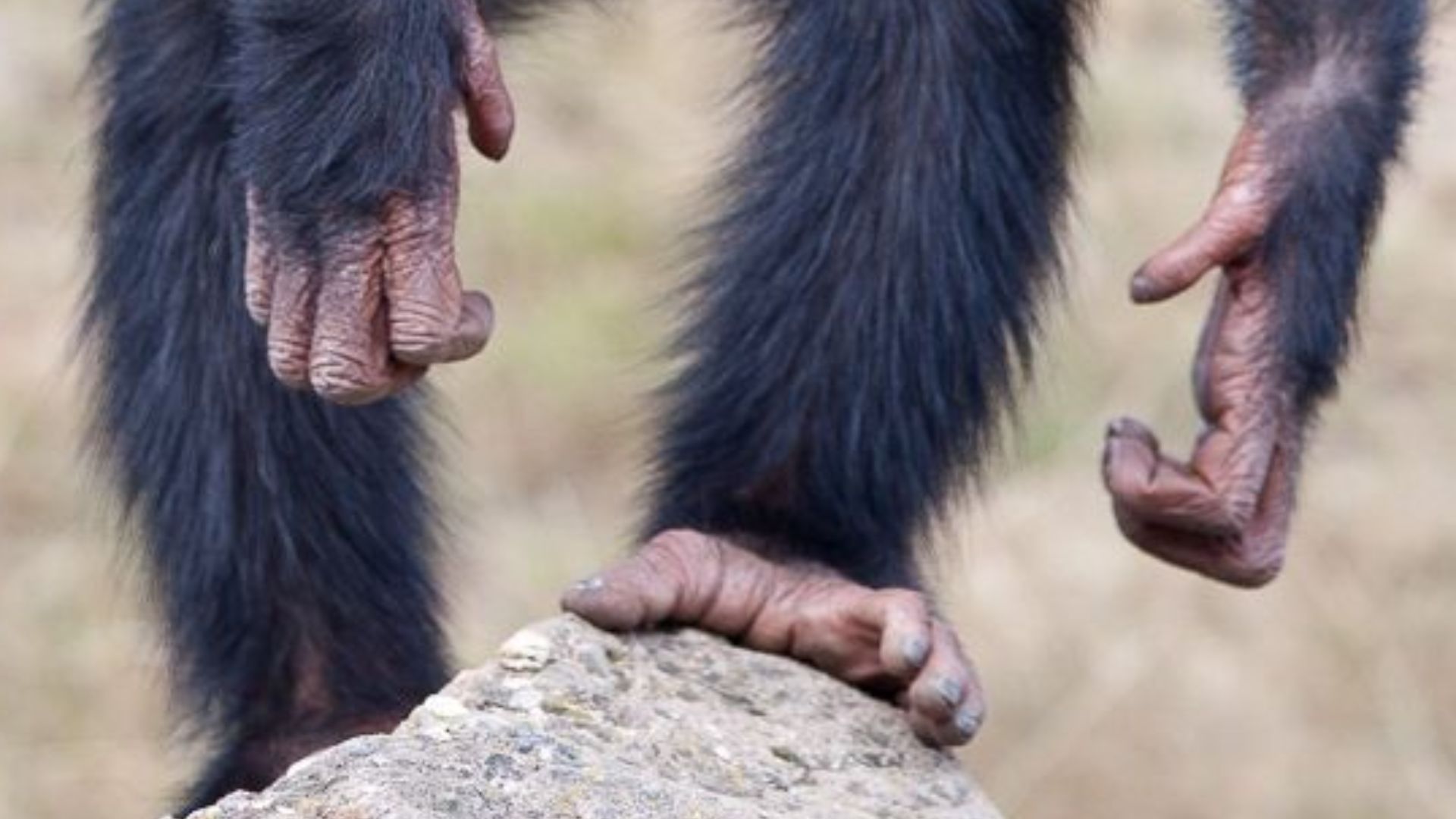
We Descended From Chimpanzees
Humans didn't evolve from the chimpanzees alive today. Humans and chimpanzees are evolutionary cousins descended from a shared ancestral population that lived millions of years ago. Both lineages have been evolving independently ever since their ancestors diverged. Modern chimpanzees aren't frozen snapshots of our past.
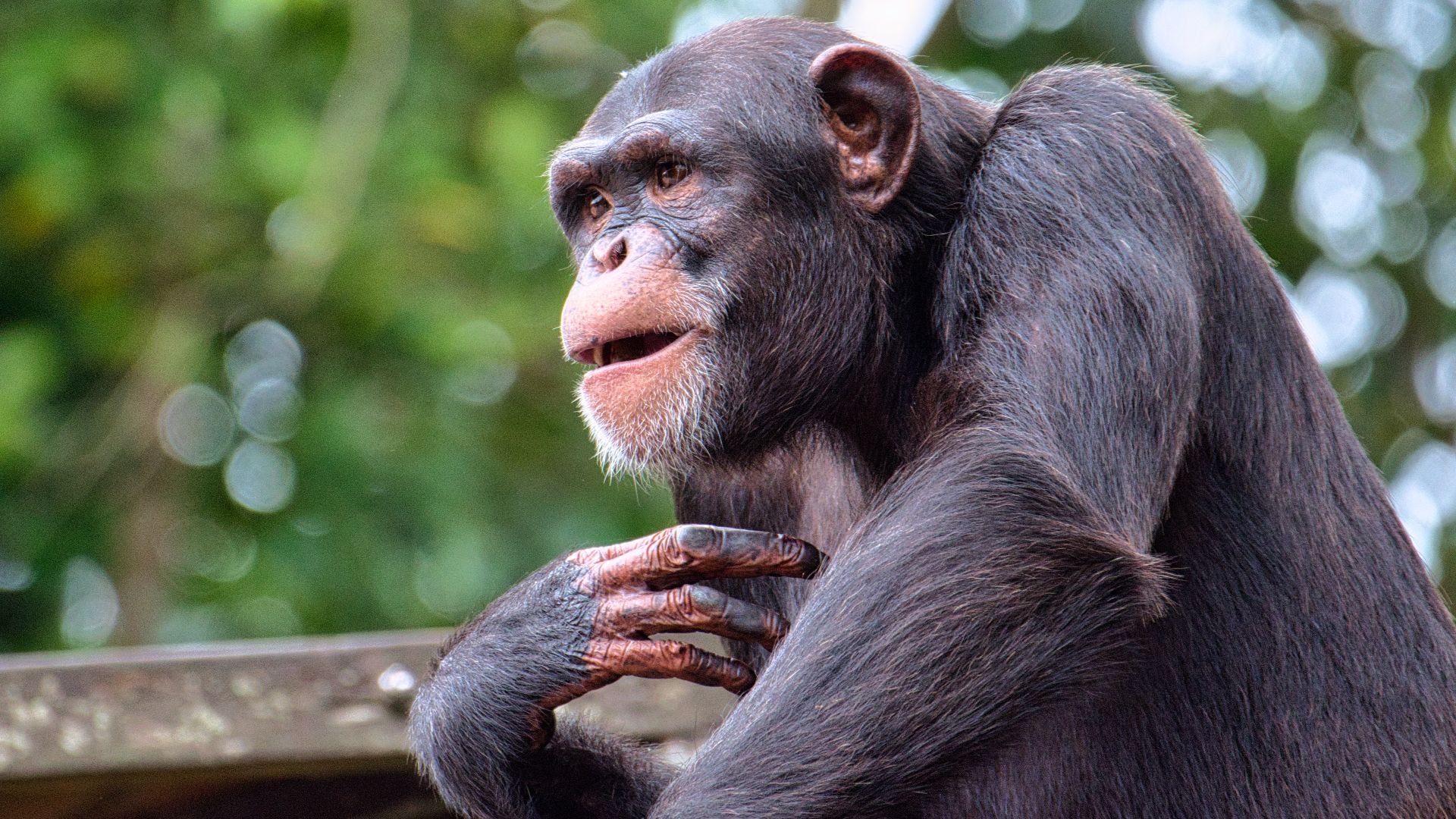
The Ancestor Was Chimp-Like
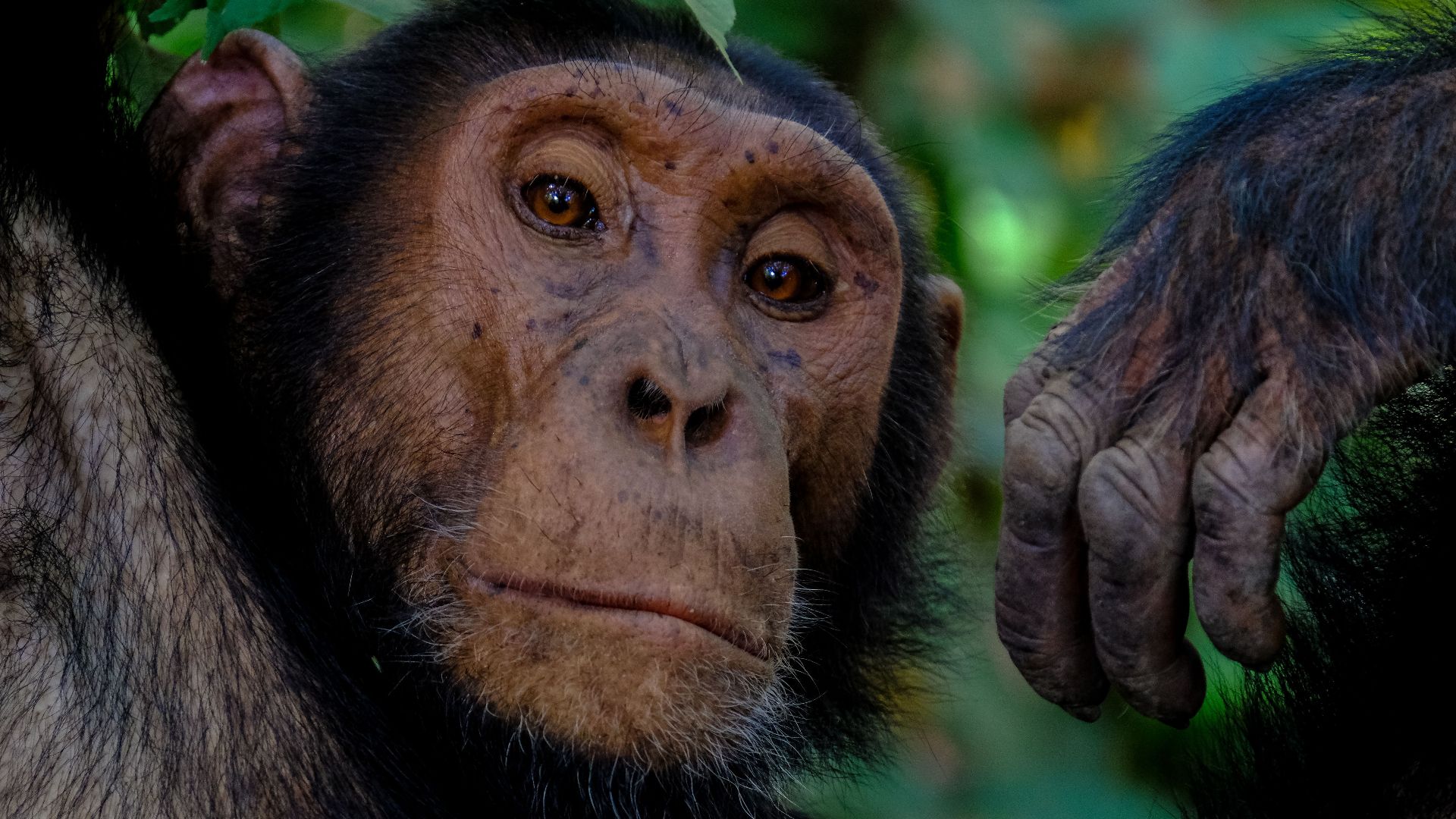
Because chimpanzees are close living relatives, researchers understandably used them as models for the common ancestor. Discoveries such as Ardipithecus complicated that picture. Features once assumed to have existed in the ancestor may instead have evolved independently in the chimpanzee lineage after humans and chimpanzees diverged.
History's most fascinating stories and darkest secrets, delivered to your inbox daily.
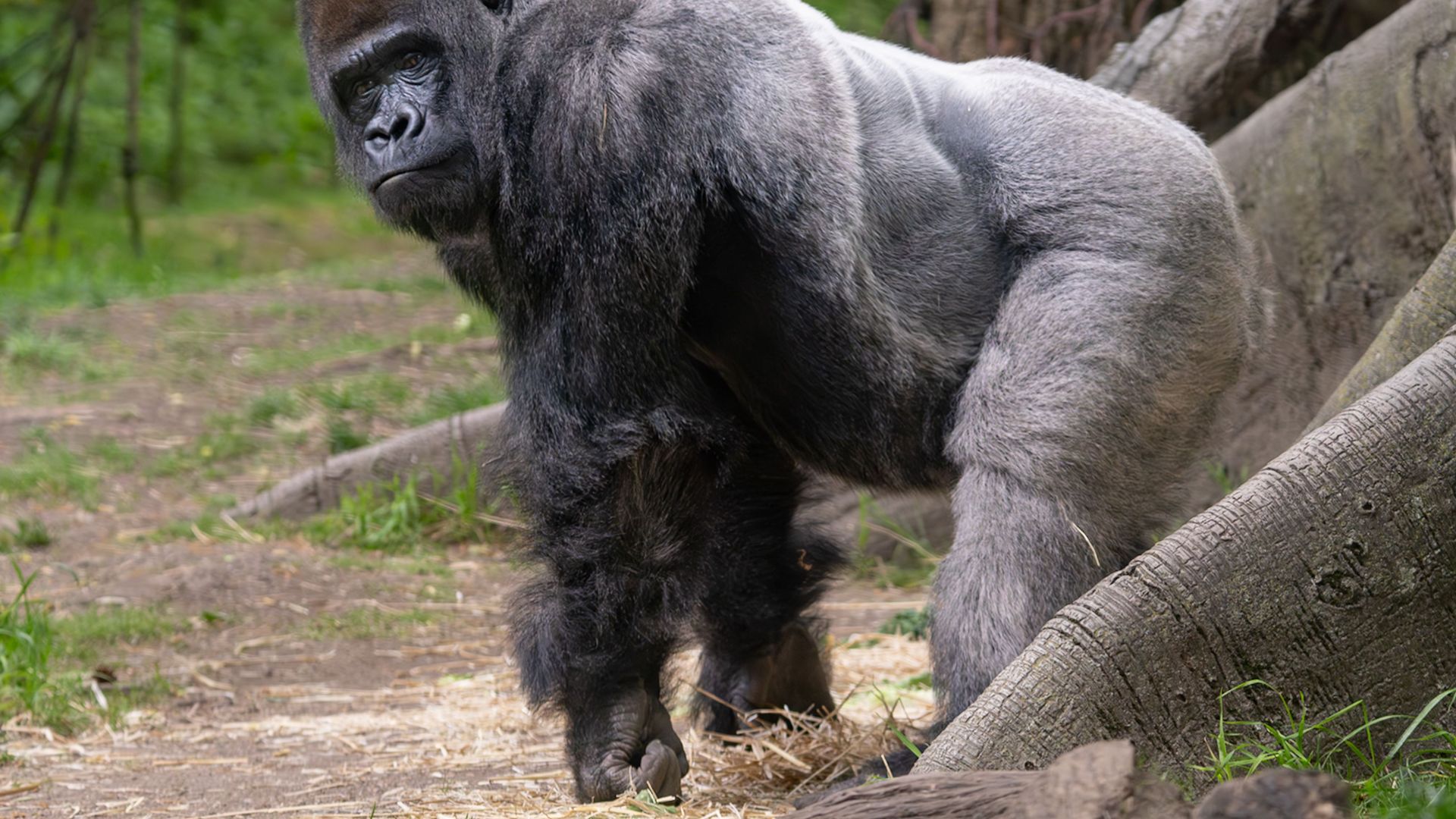
Knuckle-Walking Came First
One influential hypothesis proposed that human bipedalism evolved from an ancestor that moved much like modern African apes, including knuckle-walking. Fossil discoveries have made that scenario considerably more controversial, suggesting the ancestral locomotor repertoire may have involved climbing and other forms of movement rather than straightforward chimp-like knuckle-walking.
Tools Made Us Human
Toolmaking once appeared to provide a wonderfully clear boundary separating humans from animals. Then researchers observed chimpanzees and other animals making and using tools. Archaeologists have also found stone tools dating back at least 3.3 million years, showing that sophisticated tool behavior has extremely deep evolutionary roots.
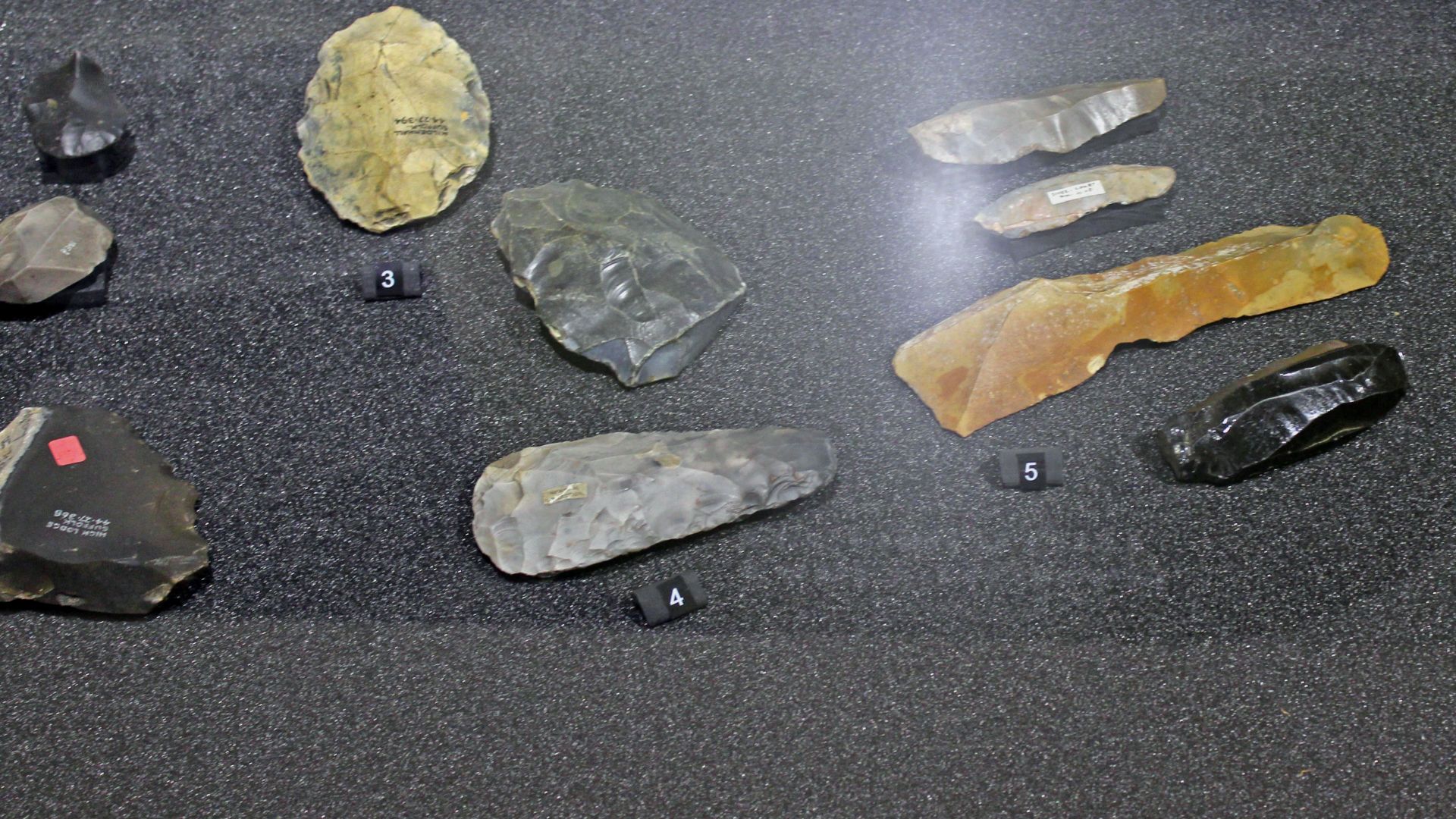 Rodhullandemu, Wikimedia Commons
Homo Invented Stone Tools
For years, researchers associated systematic stone-tool manufacture with the genus Homo. The discovery of 3.3-million-year-old stone tools at Lomekwi in Kenya pushed toolmaking hundreds of thousands of years deeper into the past than the earliest widely accepted members of Homo. Whoever made them wasn't necessarily one of us.
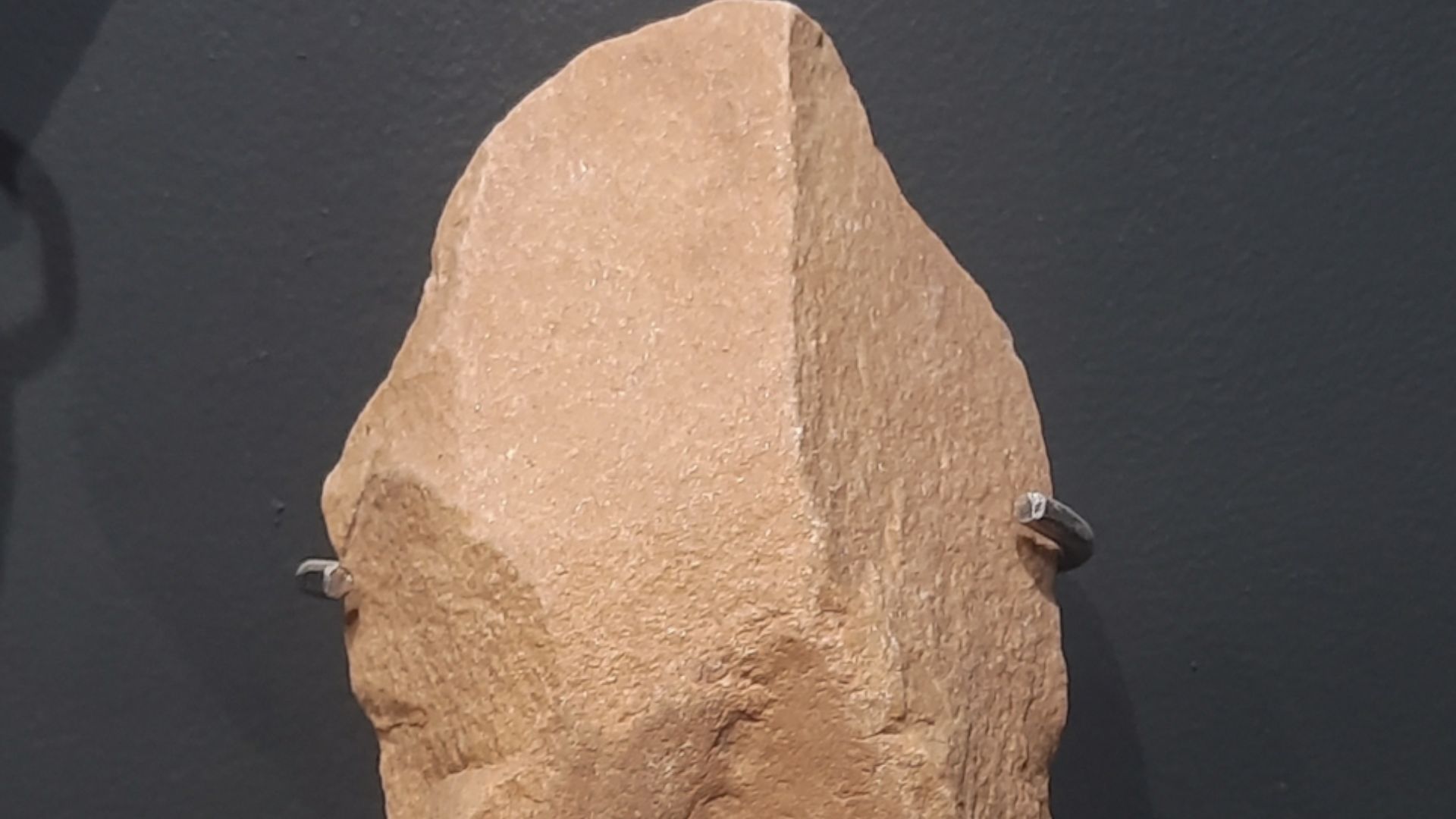 MaxA-Matrix, Wikimedia Commons
One Species Replaced Another
Older diagrams encouraged the impression that one human species neatly transformed into the next. Reality was much more crowded. Multiple hominin species frequently coexisted, meaning human evolutionary history sometimes resembled an expanding bush of experiments rather than a single species continually replacing its predecessor in sequence.
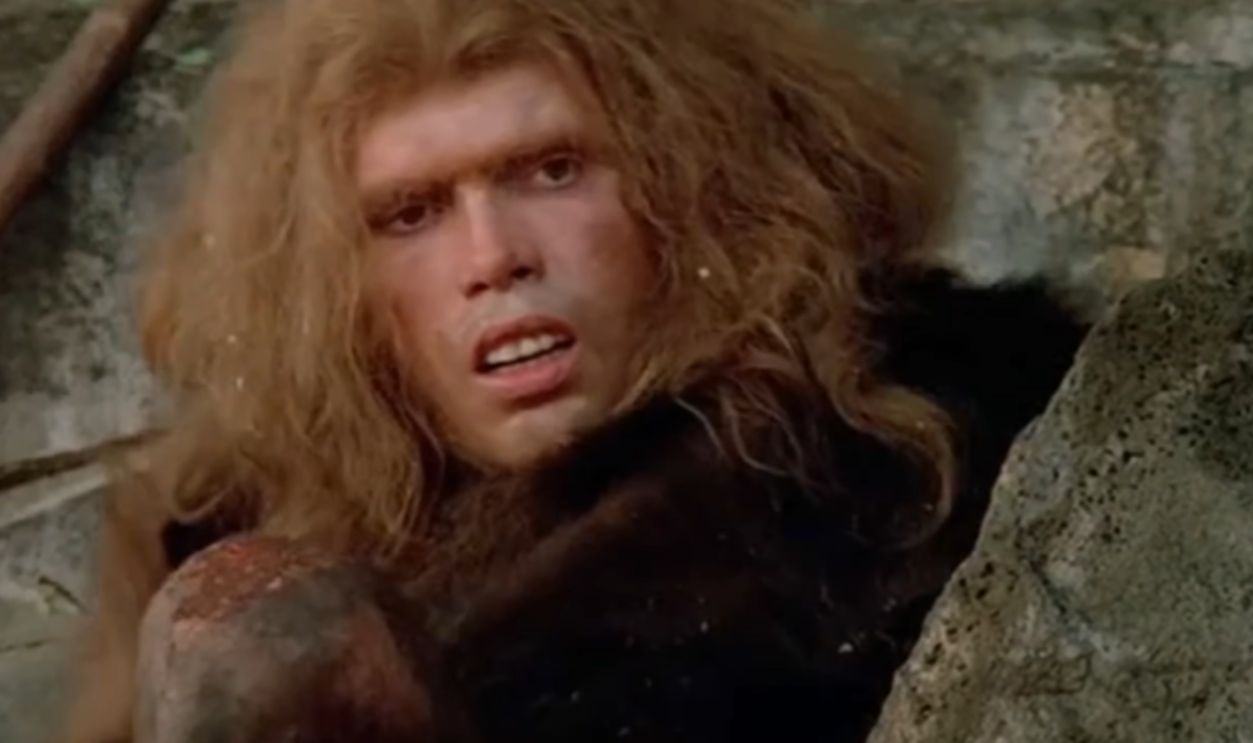 Screenshot from Quest for Fire, The Walt Disney Company (1981)
Neanderthals Were Primitive Brutes
The stereotypical Neanderthal was stooped, dim-witted and barely human. Better fossils and archaeology demolished much of that caricature. Neanderthals made sophisticated tools, hunted effectively, survived demanding environments and displayed behaviors once considered uniquely modern. Their brains were also comparable in size to ours.
Neanderthals Couldn't Make Symbols
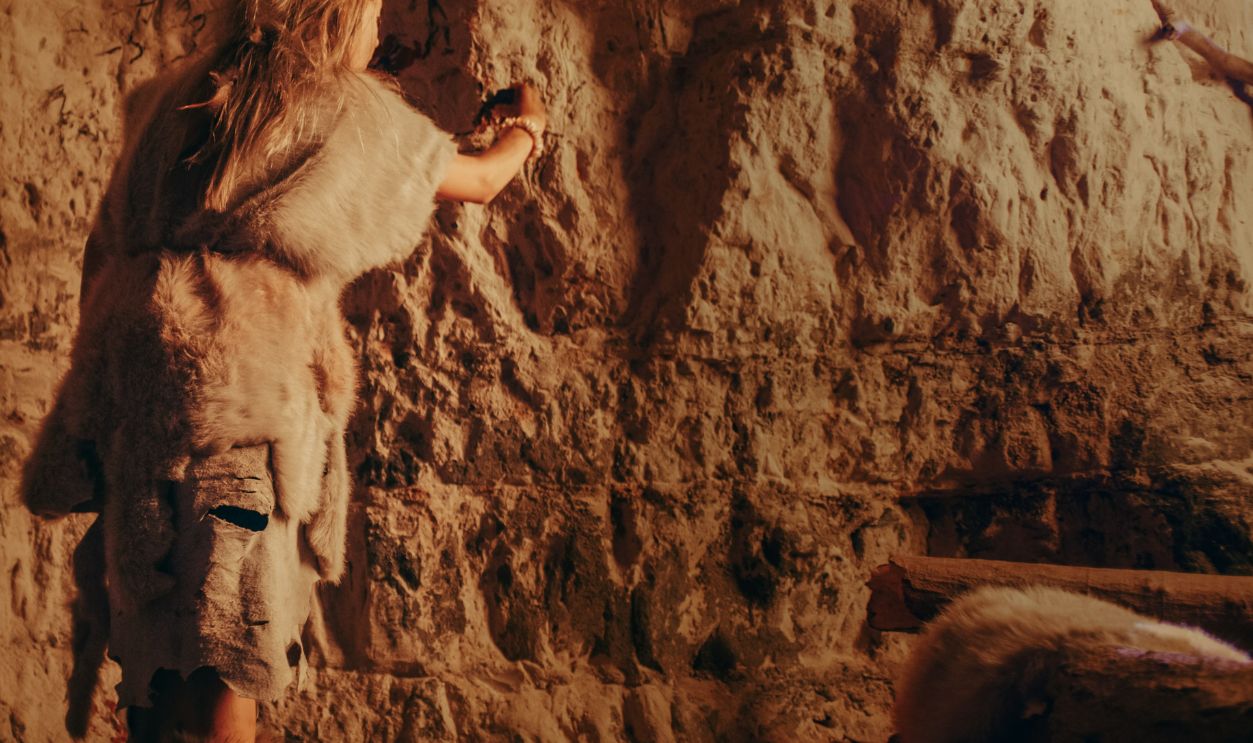
Symbolic behavior was long treated as a defining advantage of modern humans over Neanderthals. Archaeological discoveries have complicated that distinction considerably. Neanderthals used pigments and produced rare ornaments and other objects suggesting symbolic behavior, making the supposed cognitive gulf between the populations increasingly difficult to maintain.
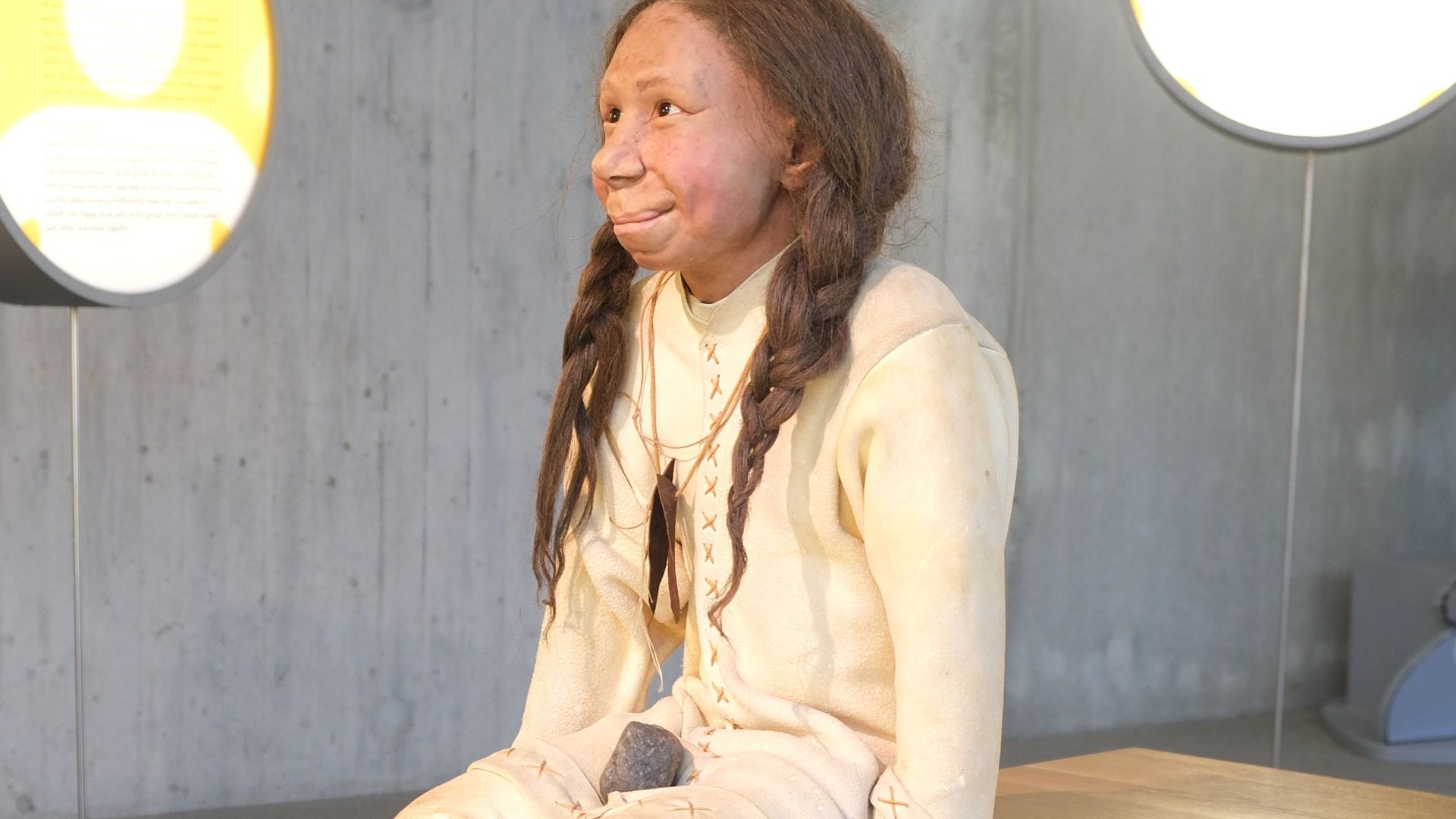 Ziko van Dijk, Wikimedia Commons
History's most fascinating stories and darkest secrets, delivered to your inbox daily.
Neanderthals Left No Descendants
For years, many researchers favored models in which modern humans replaced Neanderthals without interbreeding. Ancient DNA transformed the debate. Genome sequencing demonstrated that Neanderthals and Homo sapiens interbred, leaving Neanderthal ancestry in many living human populations outside Africa.
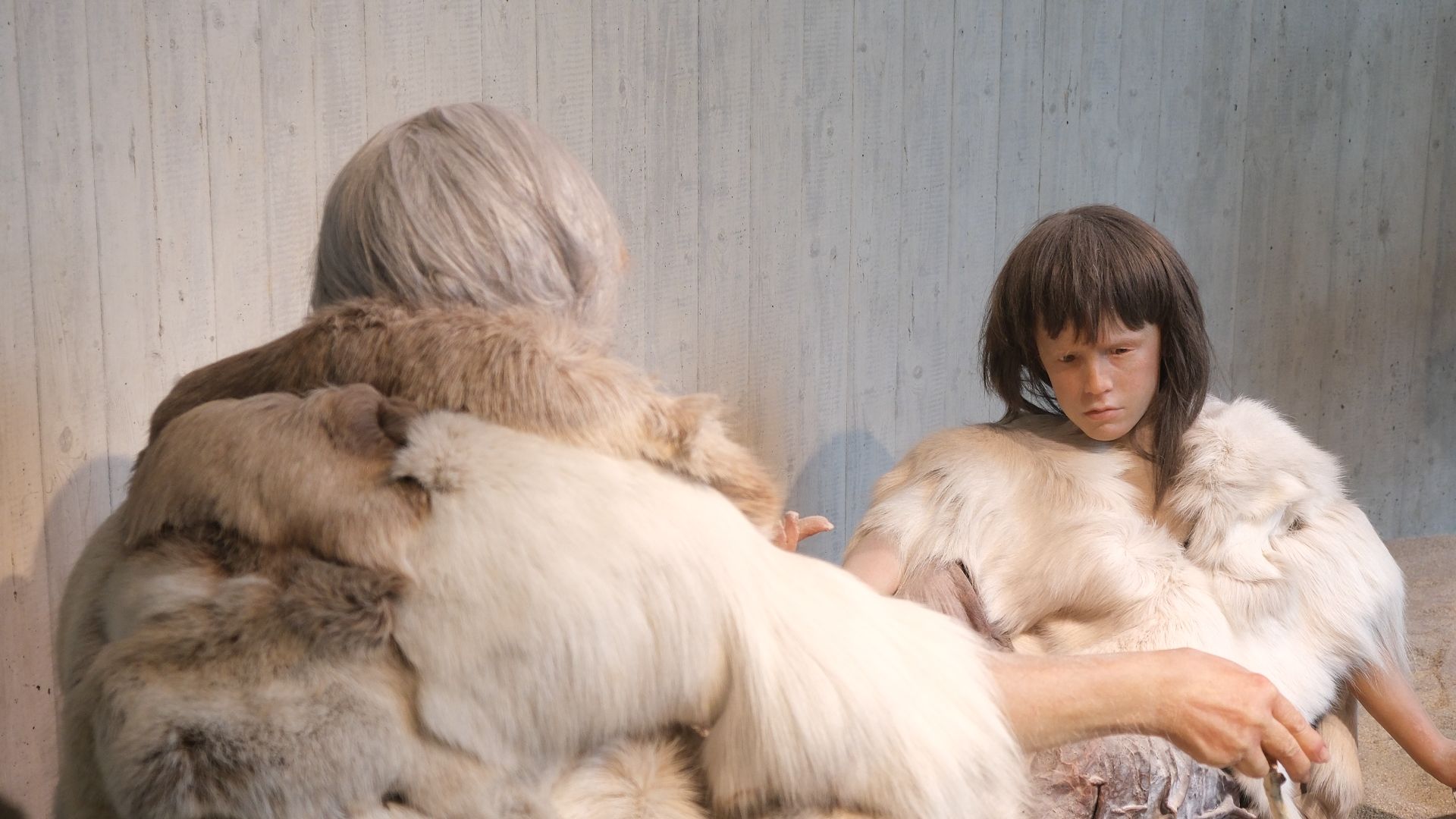 Ziko van Dijk, Wikimedia Commons
Replacement Was Complete
Even after accepting an African origin for modern humans, researchers debated whether expanding Homo sapiens simply replaced archaic populations elsewhere. Genetics revealed something more complicated. Modern humans encountered and interbred with other groups, meaning expansion involved both substantial replacement and limited genetic assimilation.
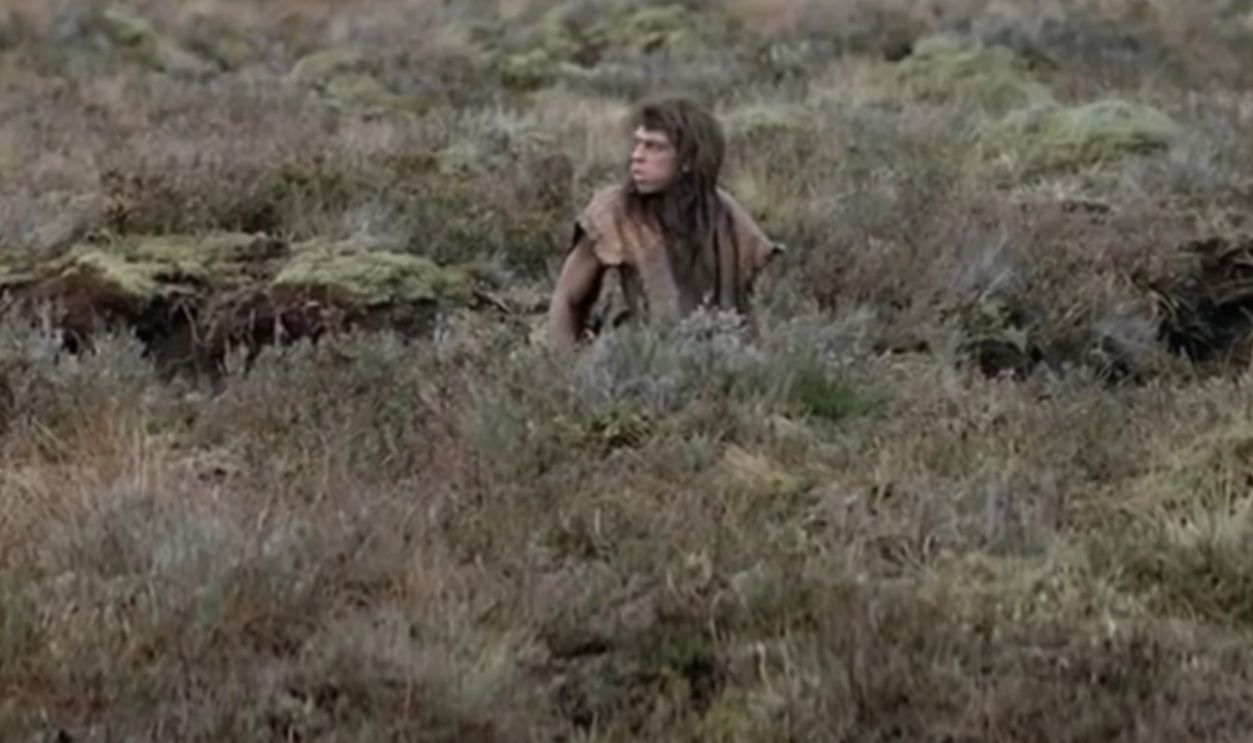 Screenshot from Quest for Fire, The Walt Disney Company (1981)
Neanderthals Were Our Only Cousins
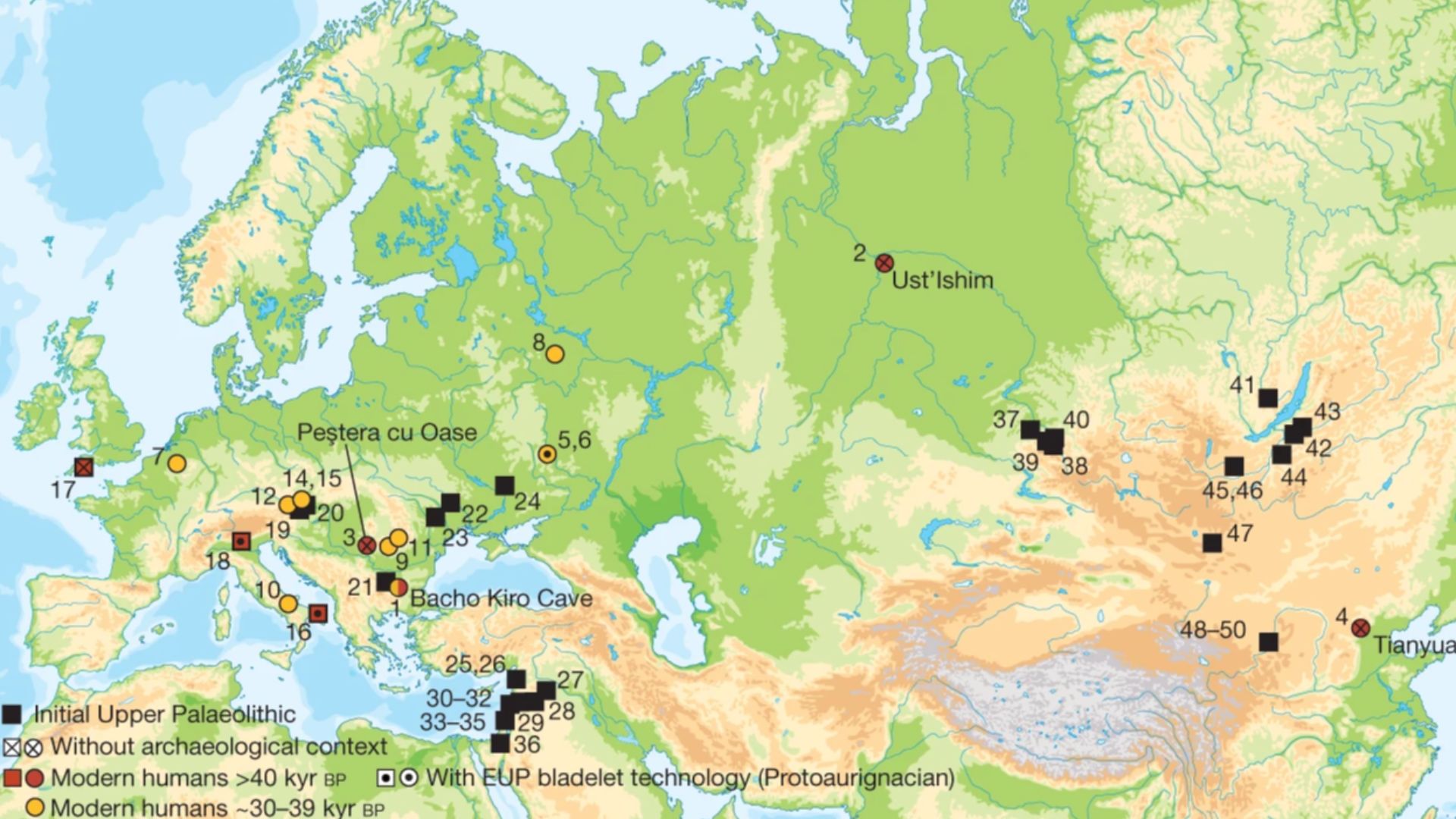
For much of the 20th century, Neanderthals dominated discussions of the humans who shared Eurasia with our ancestors. DNA extracted from a Siberian finger bone revealed another population, the Denisovans. Genetics subsequently showed that Denisovans also interbred with ancestors of some living populations.
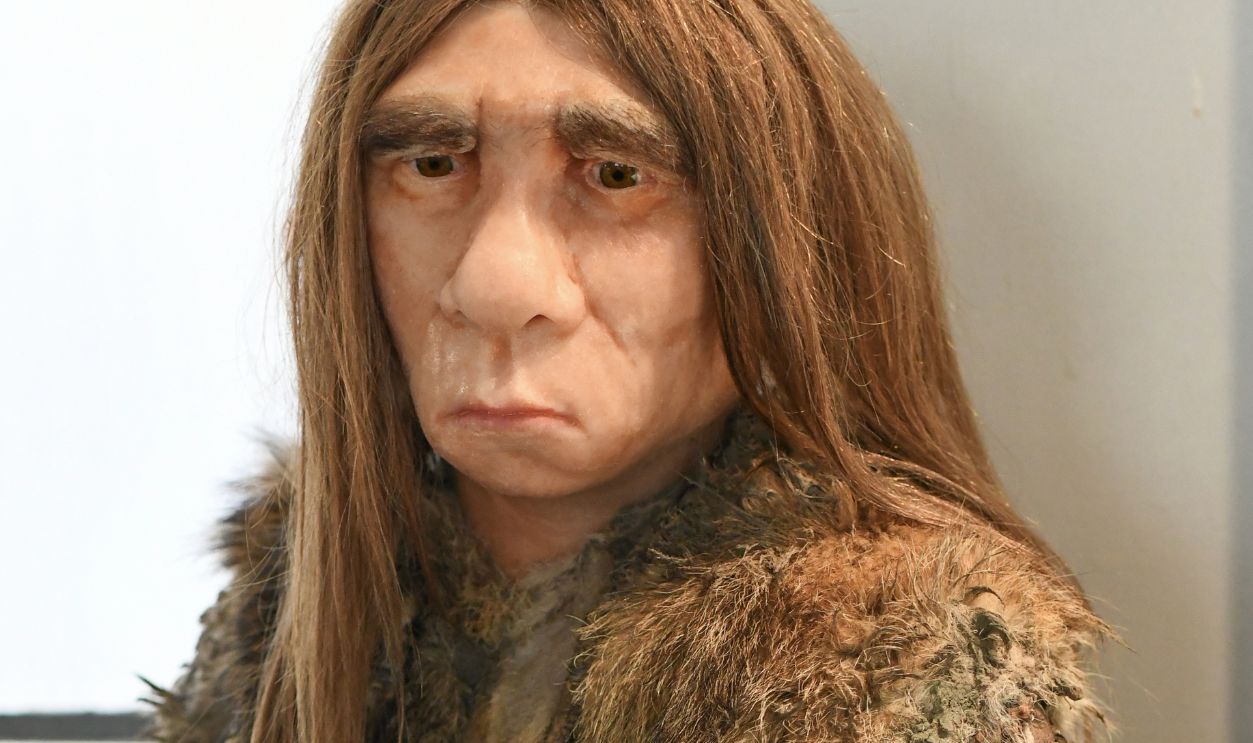
Fossils Told The Whole Story
Paleoanthropology once depended overwhelmingly on bones, teeth, artifacts and geology. Ancient DNA introduced an entirely new record of human history. Researchers can now detect populations and interbreeding events that would be extremely difficult, and sometimes impossible, to recognize from skeletal anatomy alone.
 Hajdinjak, M., Mafessoni, F., Skov, L. et al. (2021), Wikimedia Commons
Modern Humans Appeared Suddenly
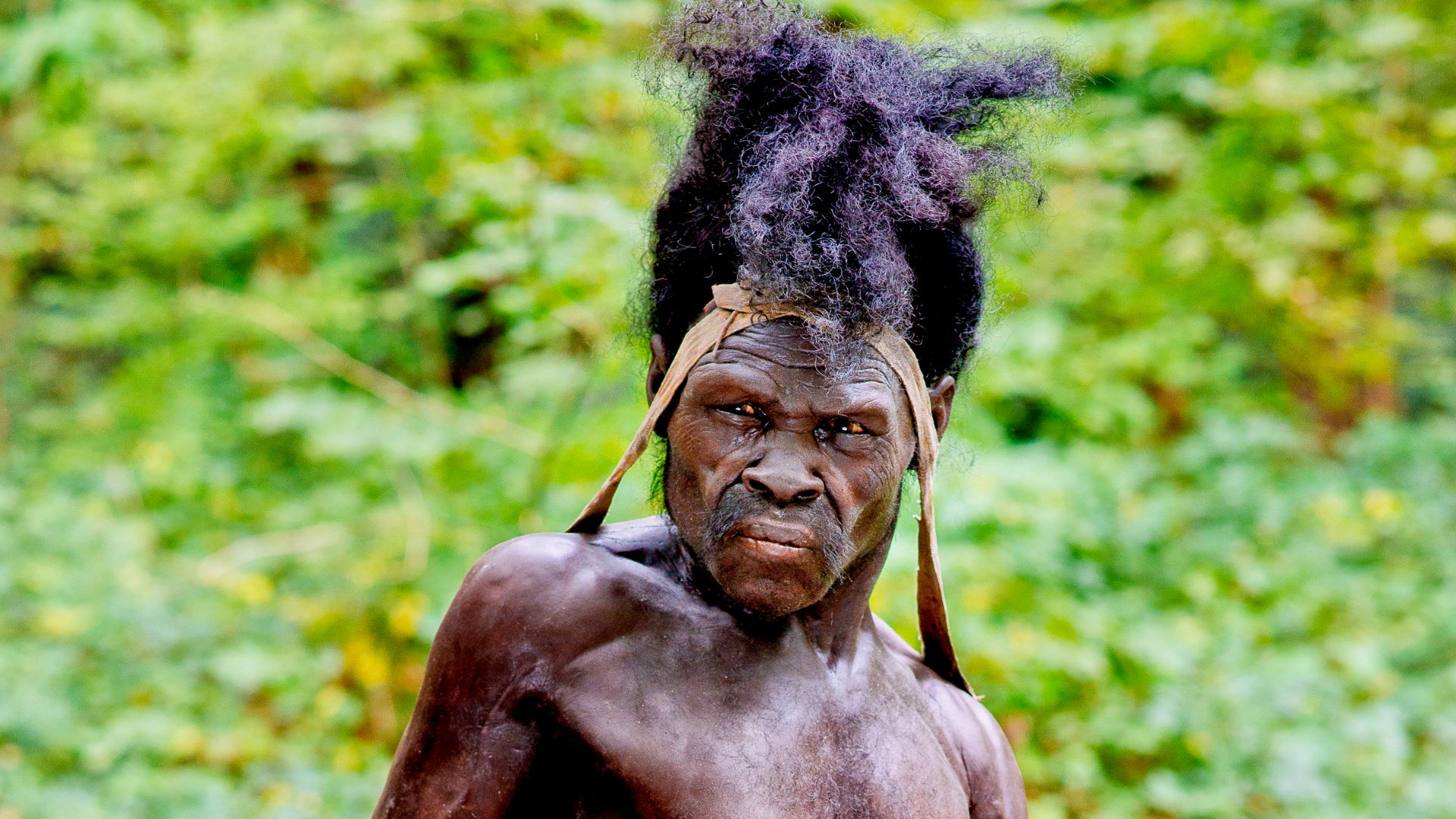
The old image of a dramatic "human revolution" proposed that recognizably modern behavior appeared rather abruptly, particularly in Ice Age Europe. African archaeological discoveries increasingly support a longer, patchier accumulation of technologies, ornaments, long-distance exchange and symbolic behavior rather than one sudden cognitive explosion.
 Neanderthal-Museum, Mettmann, Wikimedia Commons
Progress Meant Bigger Brains
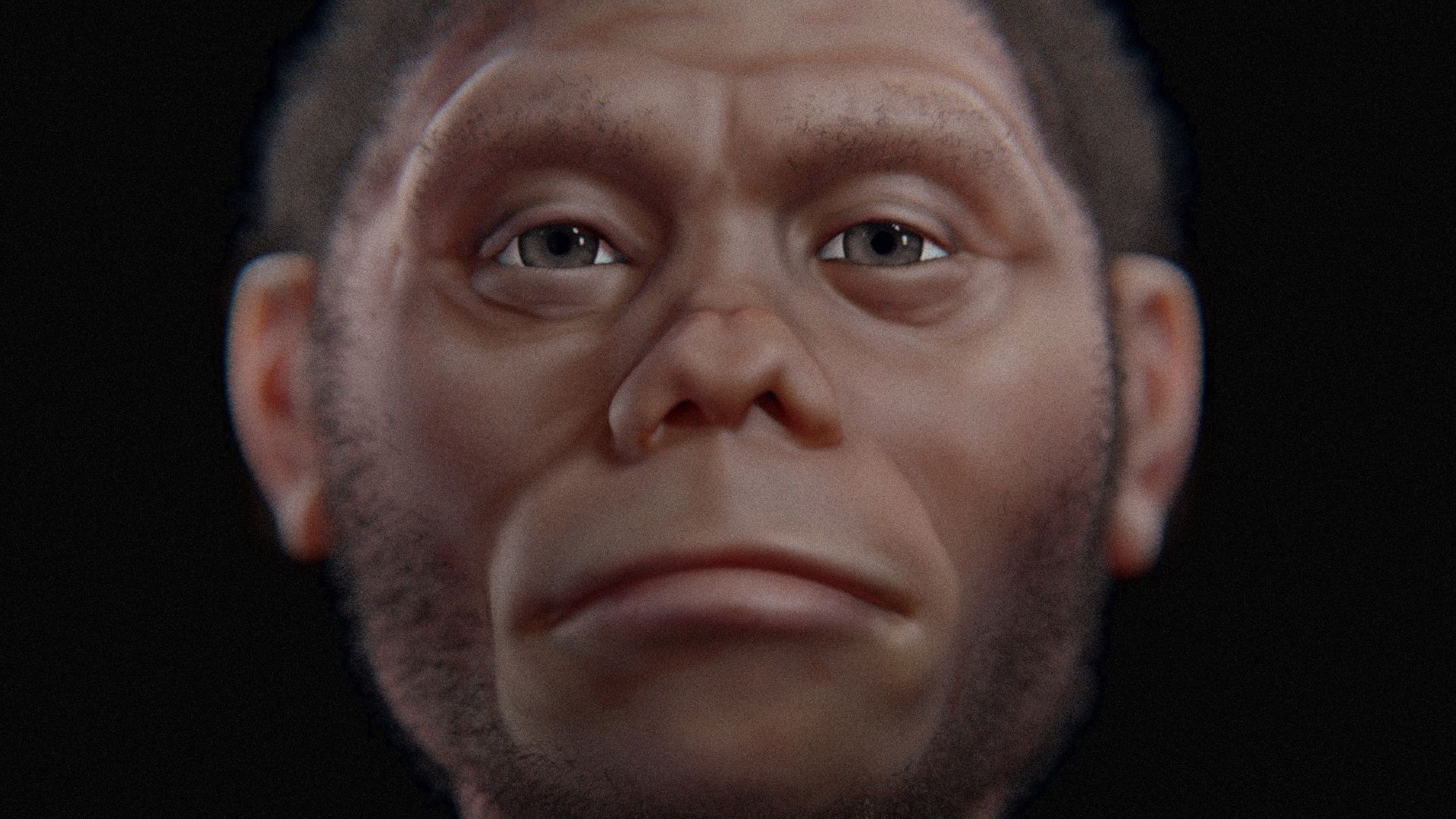
Human evolution is frequently illustrated as an inevitable expansion of brain size. Yet evolution doesn't work toward predetermined goals. Homo floresiensis, which survived until roughly 50,000 years ago, possessed a remarkably small brain while making tools and successfully surviving on the Indonesian island of Flores.
 Cicero Moraes, Wikimedia Commons
History's most fascinating stories and darkest secrets, delivered to your inbox daily.
One Trait Created Humanity
Scientists have repeatedly searched for the decisive adaptation that "made us human": bipedalism, tools, meat eating, large brains or symbolic thought. Evidence instead shows these characteristics appearing at different times over millions of years. Humanity emerged as a mosaic, not through one evolutionary breakthrough.
![Cave where the remains of Homo floresiensis were discovered in 2003, Lian Bua, Flores, Indonesia [2007].](https://www.factinate.com/storage/app/media/factinate/2026/9/29/17906678148f0e9baa6824f68d4fec19859ada268cb575e800.jpg)
Evolution Was Steady Progress
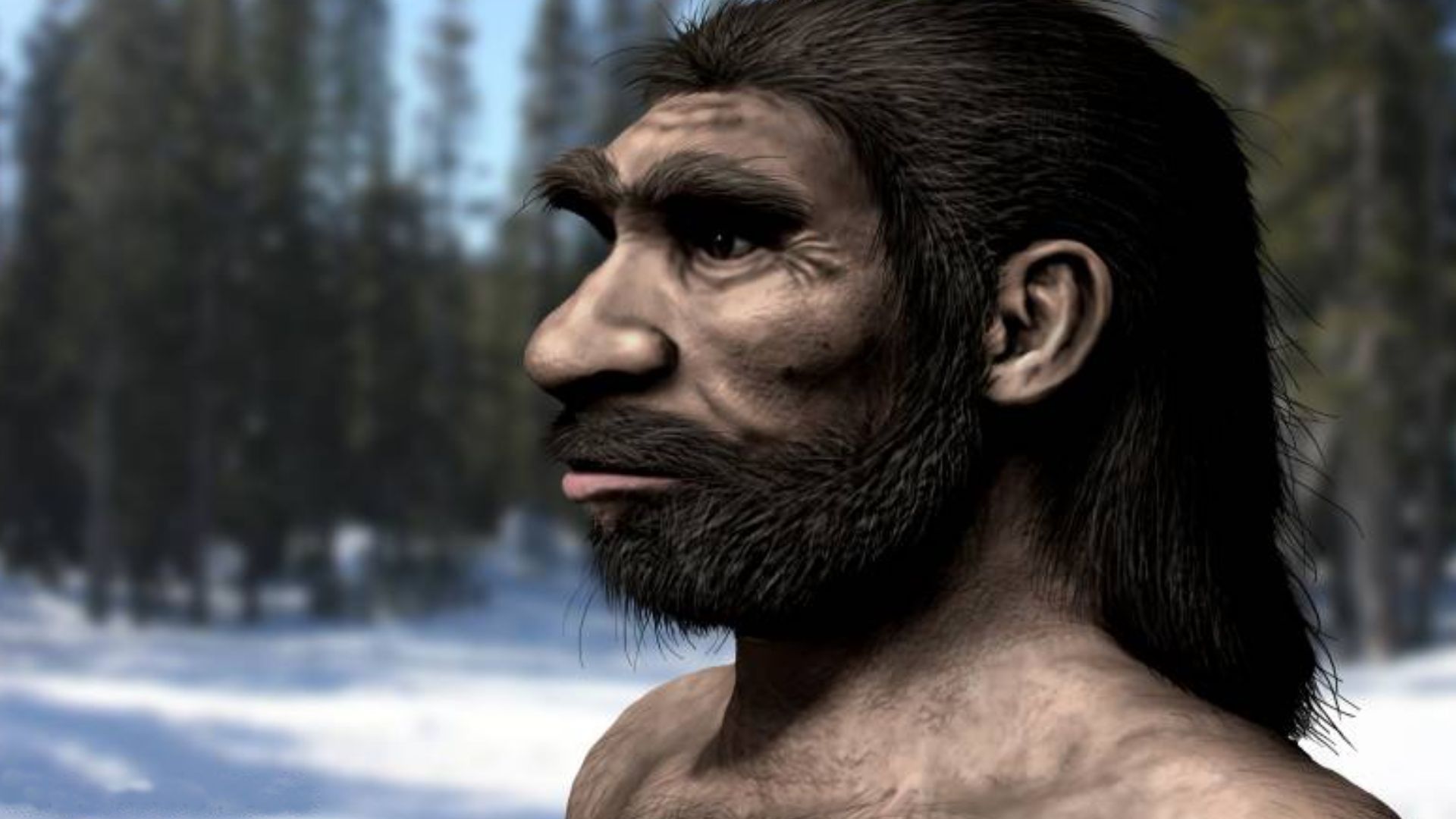
Older narratives often made evolution sound like a continuous improvement program. But natural selection responds to particular circumstances, not a universal ladder of progress. Successful human relatives could retain small brains, climbing adaptations or other supposedly "primitive" characteristics while thriving in environments where those traits worked perfectly well.
 Nobu Tamura, Wikimedia Commons
Savannas Explain Everything
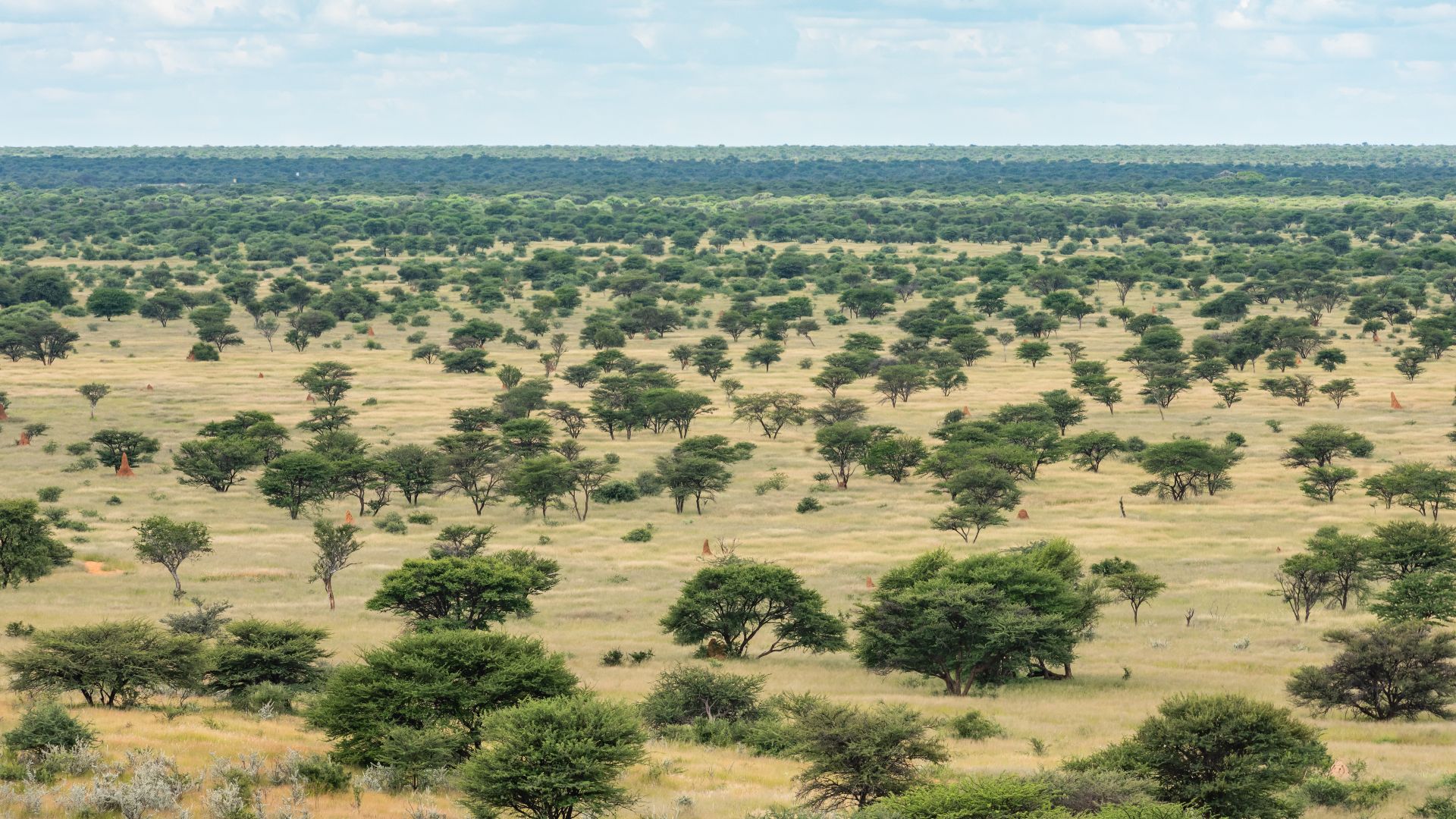
The expansion of African grasslands once offered an attractively simple explanation for bipedalism and other human adaptations. Climate and fossil evidence now points toward fluctuating, diverse environments. Rather than adapting to one steadily drying savanna, early humans repeatedly confronted environmental change and uncertainty.
The Family Tree Was Simple
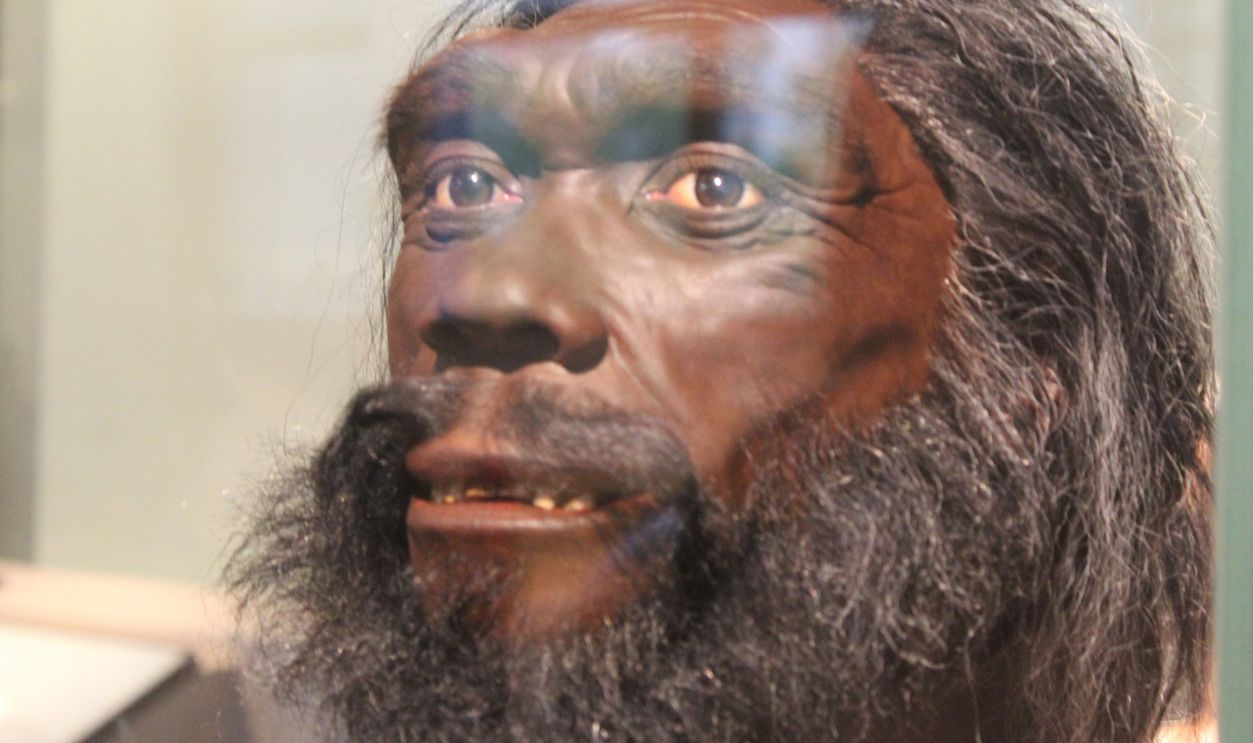
Every major discovery seems to add another argument about where a fossil belongs. Researchers still debate the relationships among numerous hominid species and even the identity of the direct ancestor of Homo sapiens. That's not scientific failure. It's what happens when an incomplete fossil record steadily becomes less incomplete.
New Technology Keeps Rewriting It
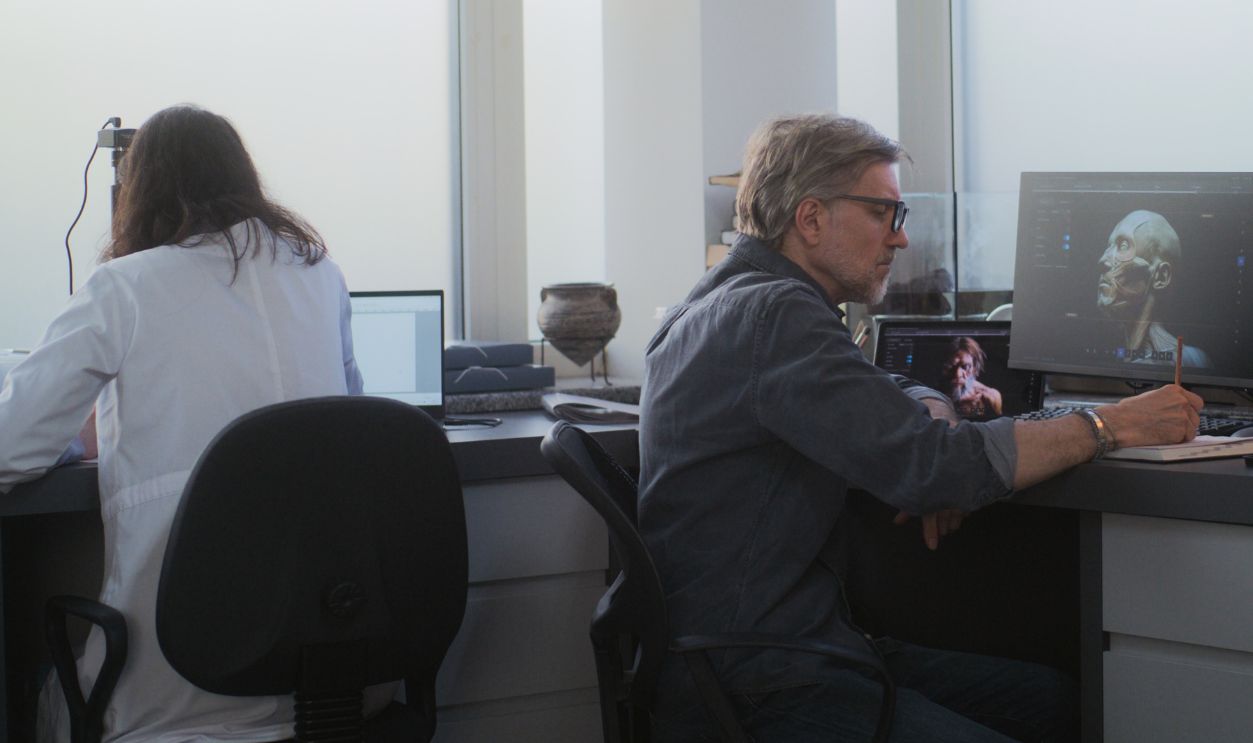
Many old ideas weren't foolish. They were reasonable conclusions drawn from the evidence scientists possessed at the time. Better dating, CT scanning, ancient proteins, improved excavation and especially ancient DNA have provided entirely new categories of evidence. Human evolution changes because our ability to investigate it keeps improving.
 Frame Stock Footage, Shutterstock
We're Probably Still Wrong
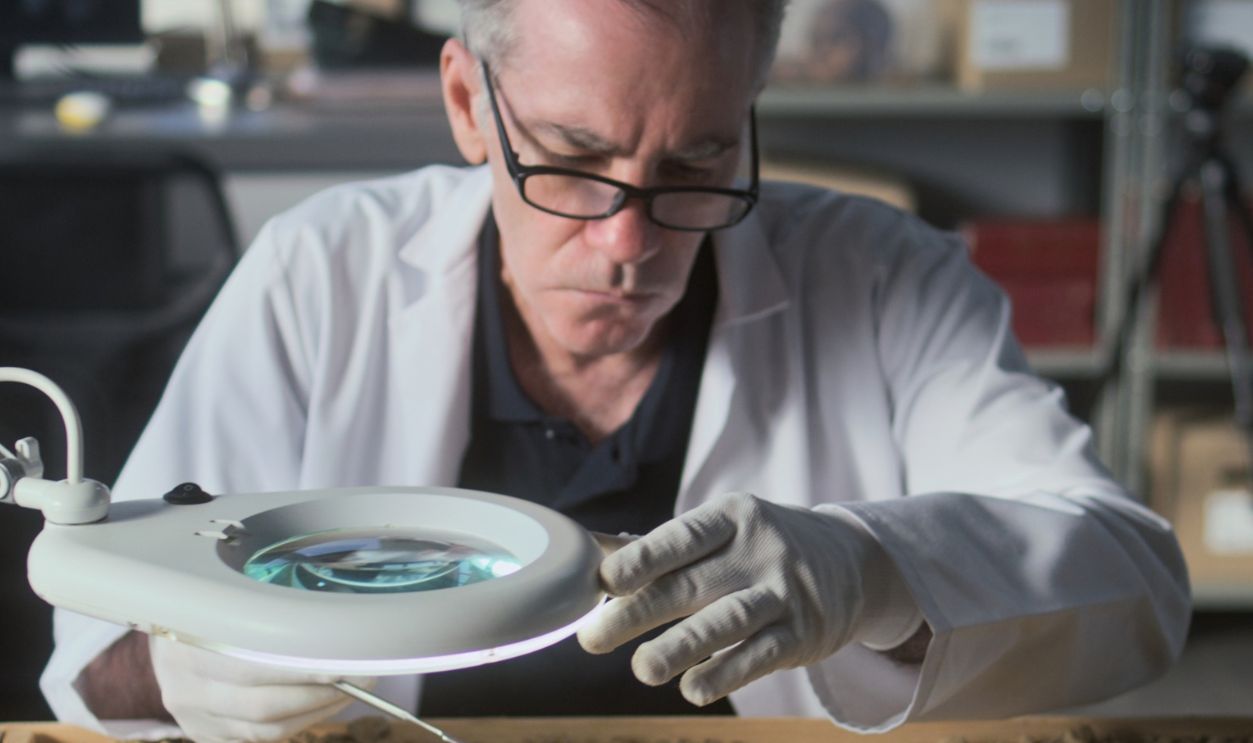
Today's family tree shouldn't be mistaken for the final version either. Scientists still disagree over species boundaries, ancestry, migrations and the causes of major evolutionary changes. If the history of paleoanthropology teaches anything, it's that another fossil or genome can turn a confident textbook diagram into yesterday's best guess.
 Frame Stock Footage, Shutterstock
You May Also Like:
43 Wild Facts About Human Evolution