Beauty Was A Lot More Complicated Back Then
Looking good in the 60s and 70s apparently required patience, questionable chemicals and several appliances that looked borrowed from a laboratory. Women rubbed, sprayed, taped, heated and occasionally shocked themselves in the name of beauty. How many of these ridiculous products do you remember?
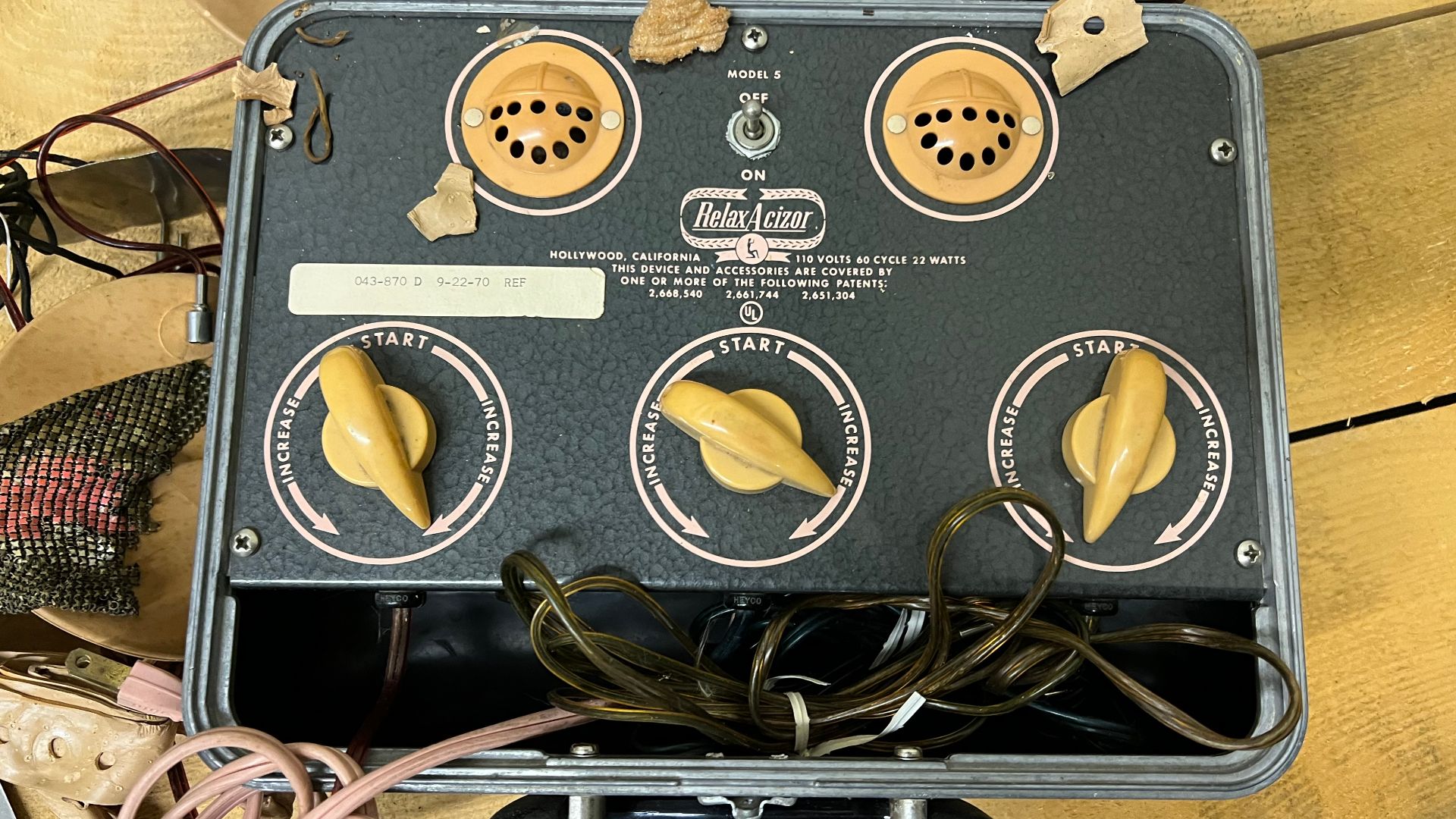
Relax-A-Cizor
Women attached electrode pads to their bodies while this machine delivered electrical currents that supposedly exercised their muscles. More than 400,000 units were sold before a court declared the device dangerous and the FDA warned people not to use or even resell one.
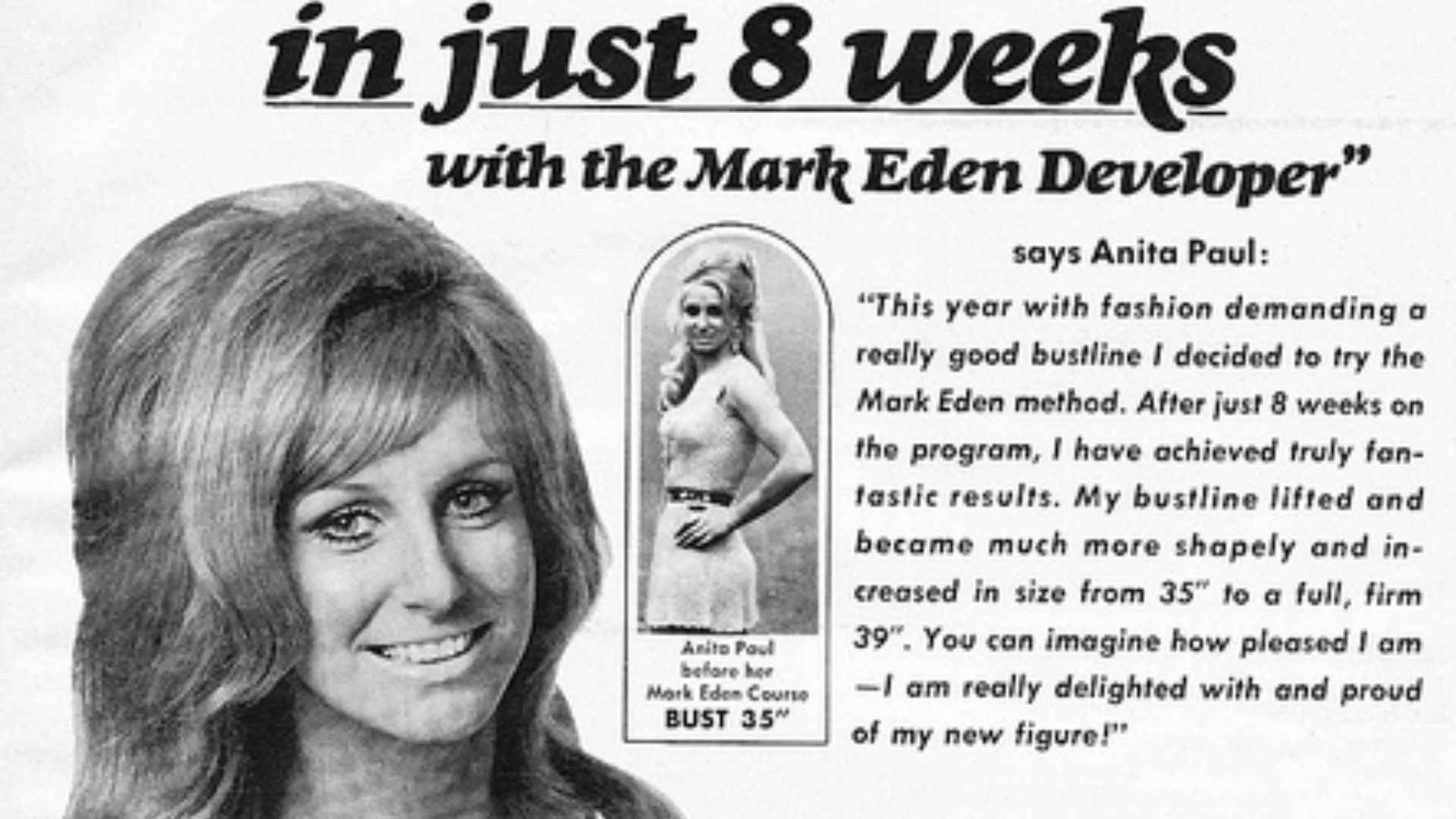
Mark Eden Bust Developer
This mail-order exerciser originally guaranteed women would gain at least three inches. The Post Office challenged its advertising, beginning a lengthy legal dispute. At one point, nearly $900,000 from more than 90,000 orders was placed in trust while the arguments continued.
 Mark Eden business, Wikimedia Commons
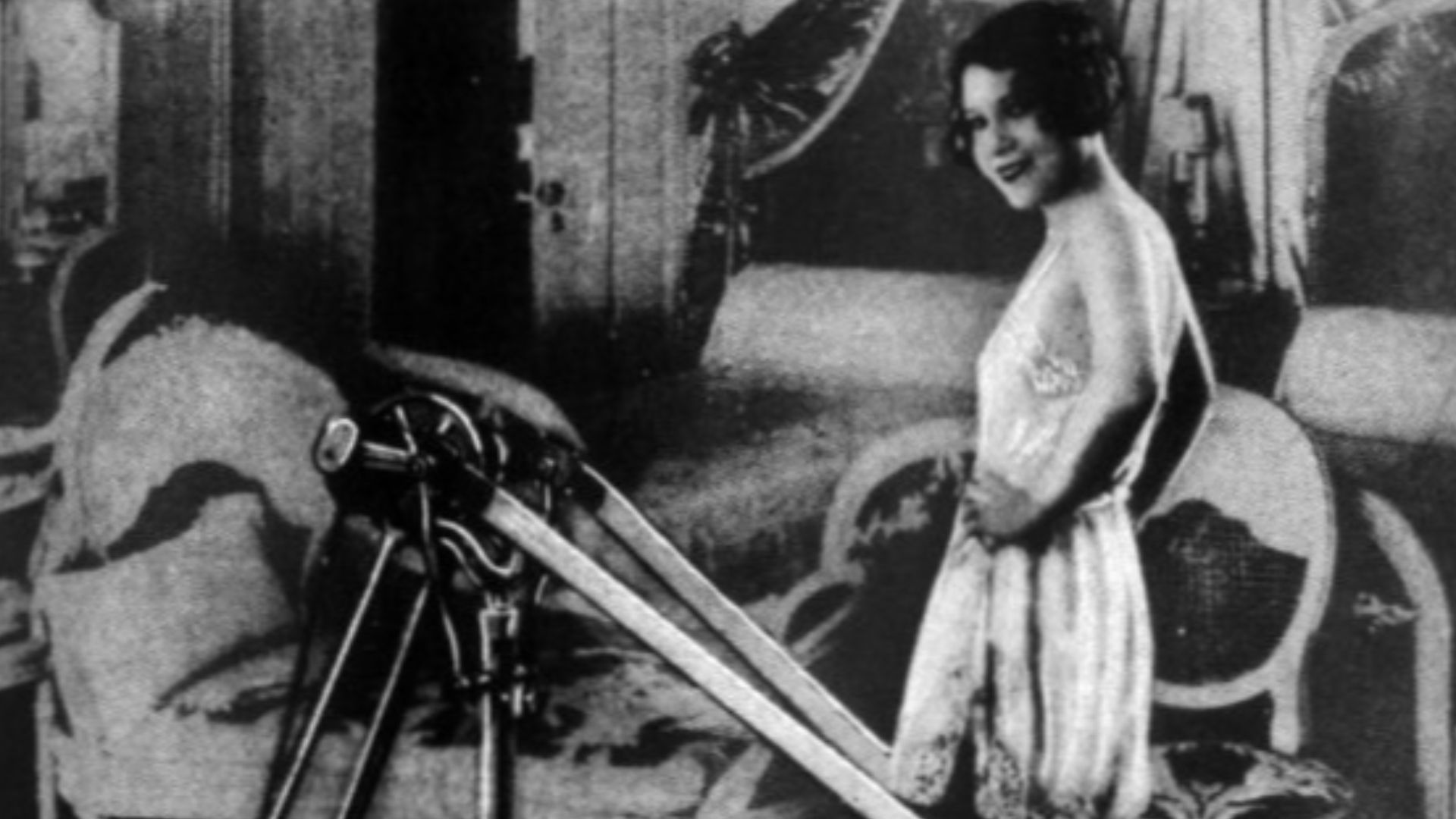
Vibrating Slenderizing Belts
Why bother exercising when a machine could shake the weight away? Women stood on platforms while wide belts vibrated furiously around their waists, hips or thighs. The machines certainly moved everything around, but that was not remotely the same as making anything disappear.
 Sanutarium Equipment Company, Wikimedia Commons
Sauna Belts
These heated belts wrapped around the waist and promised to reduce inches by making women sweat. Any immediate change was mostly temporary water loss, but advertisements presented them like effortless figure-transforming machines. Apparently, being uncomfortably hot counted as a complete fitness program.
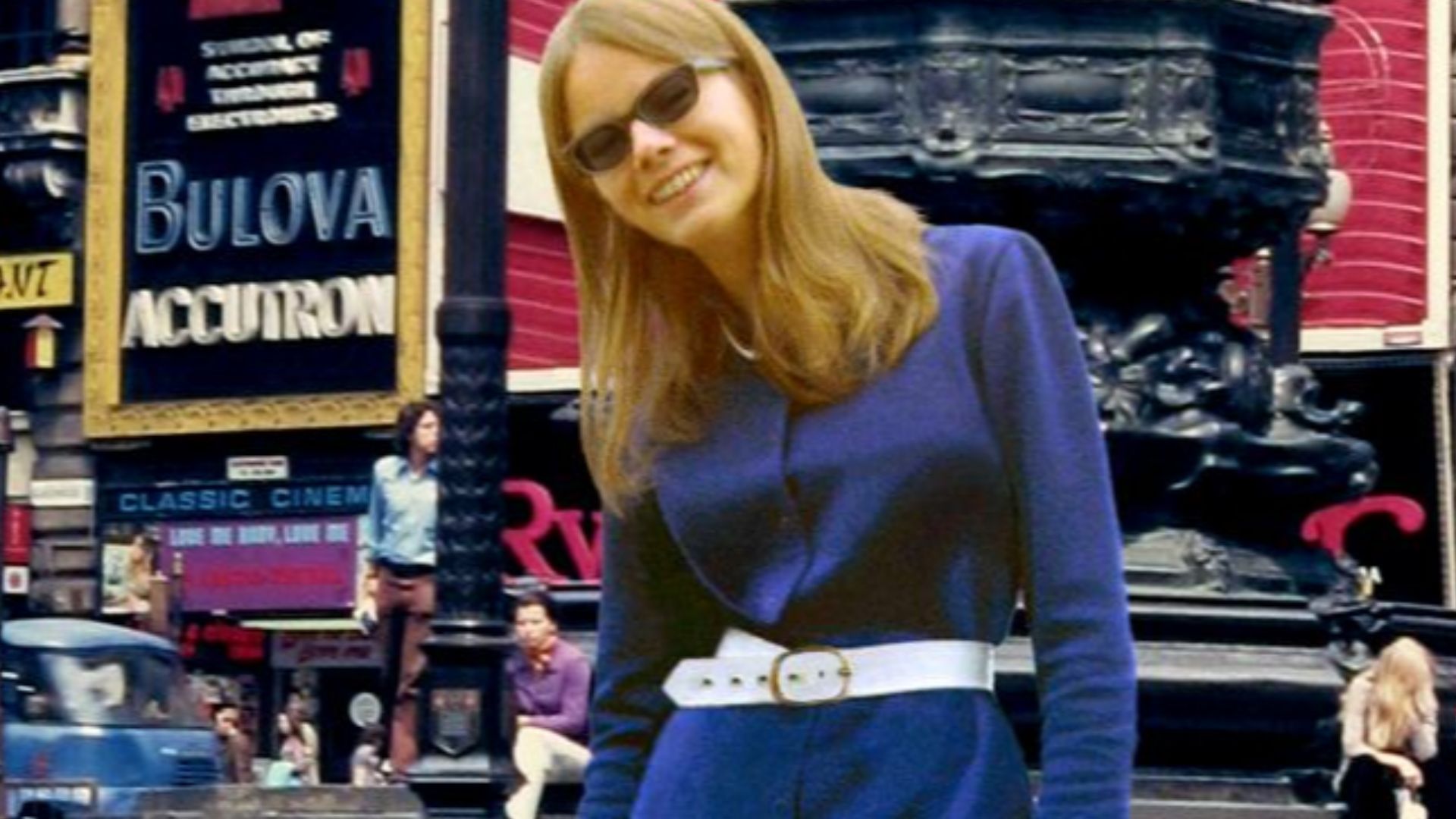
Plastic Sauna Suits
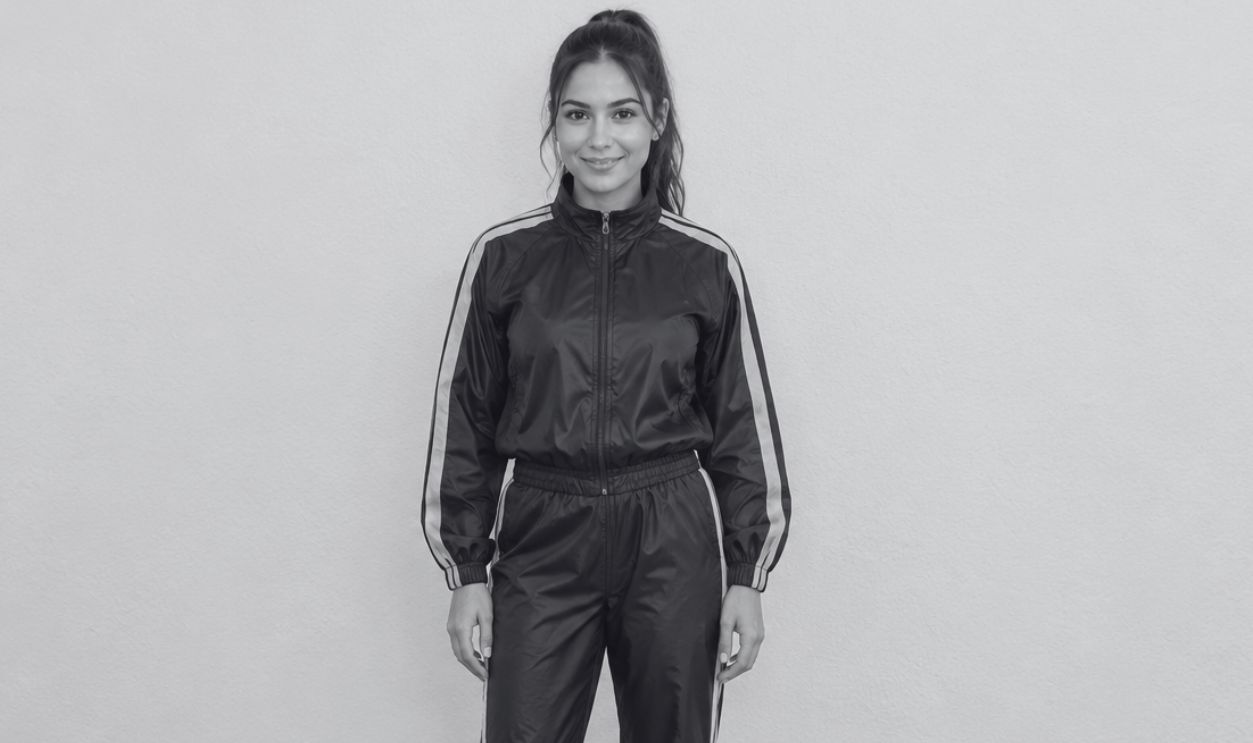
Women zipped themselves into rubberized or plastic suits designed to trap body heat and produce intense sweating. They were marketed as slimming products, even though sweating does not permanently remove body fat. Essentially, women were turning themselves into human boil-in-the-bag meals.
 Amgis, Wikimedia Commons, Modified
Face-Lift Tape
Small adhesive strips were attached near the temples and connected by elastic hidden beneath the hair. The system, perfected by makeup artist Mark Traynor in 1969, temporarily pulled the skin backward. It worked until the tape slipped or someone noticed your eyebrows looked unusually surprised.
Perma Tweez Home Electrolysis
Perma Tweez promised women permanent hair removal without expensive salon appointments. The electrical device was used on individual unwanted hairs, making an already slow beauty chore even more painstaking. Advertisements claimed women could perform electrolysis safely and conveniently in their own bathrooms.
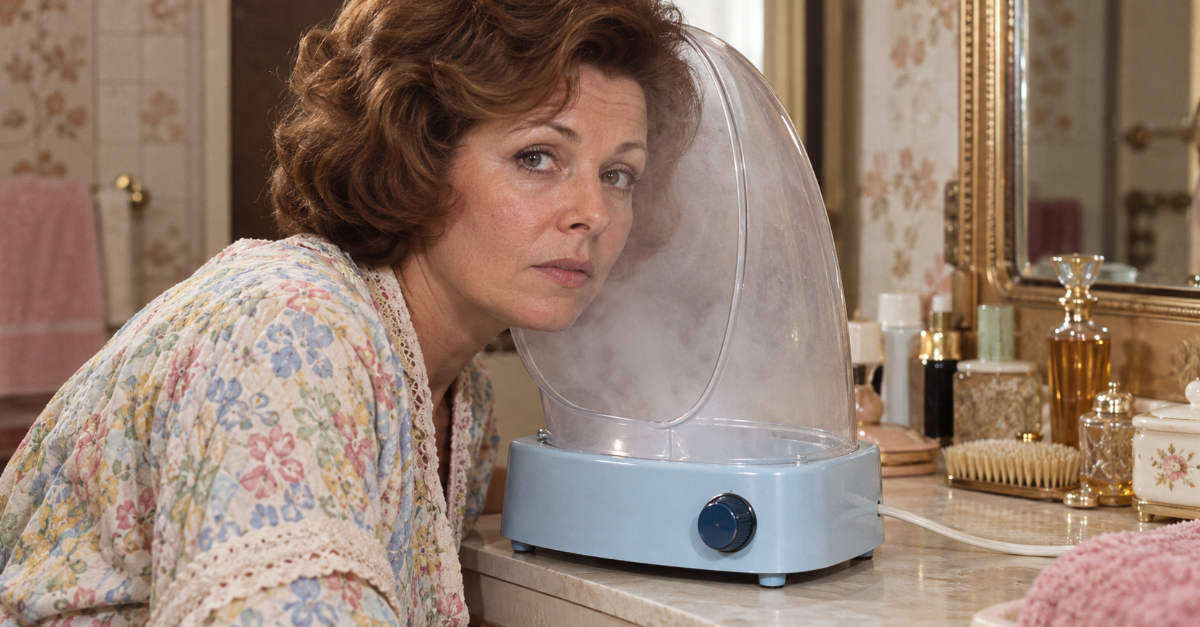
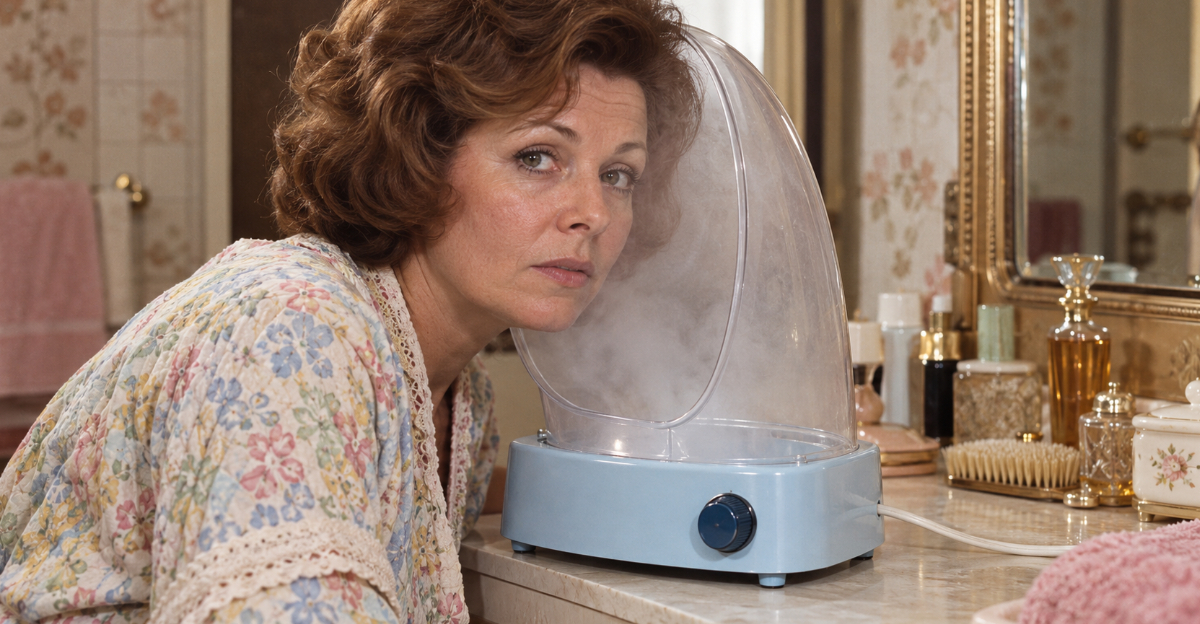
Lady Norelco Mini Facial Sauna
Lady Norelco’s early-70s Mini-Sauna was not a hood or basin. It was a small corded handheld mister with interchangeable attachments. Women aimed the mist at their faces while the packaging promised to cleanse, stimulate and tone the skin. It looked less like a sauna than a tiny appliance trying to fog up the bathroom.

History's most fascinating stories and darkest secrets, delivered to your inbox daily.
Lady Schick Facial Sauna
Lady Schick sold its Model 60 Facial with Beautifying Mist during the 60s and continued advertising facial saunas in the 70s. The tabletop machine produced mist and offered adjustable temperature and moisture controls. Women leaned into its open front, looking less pampered than gently steamed by laboratory equipment.
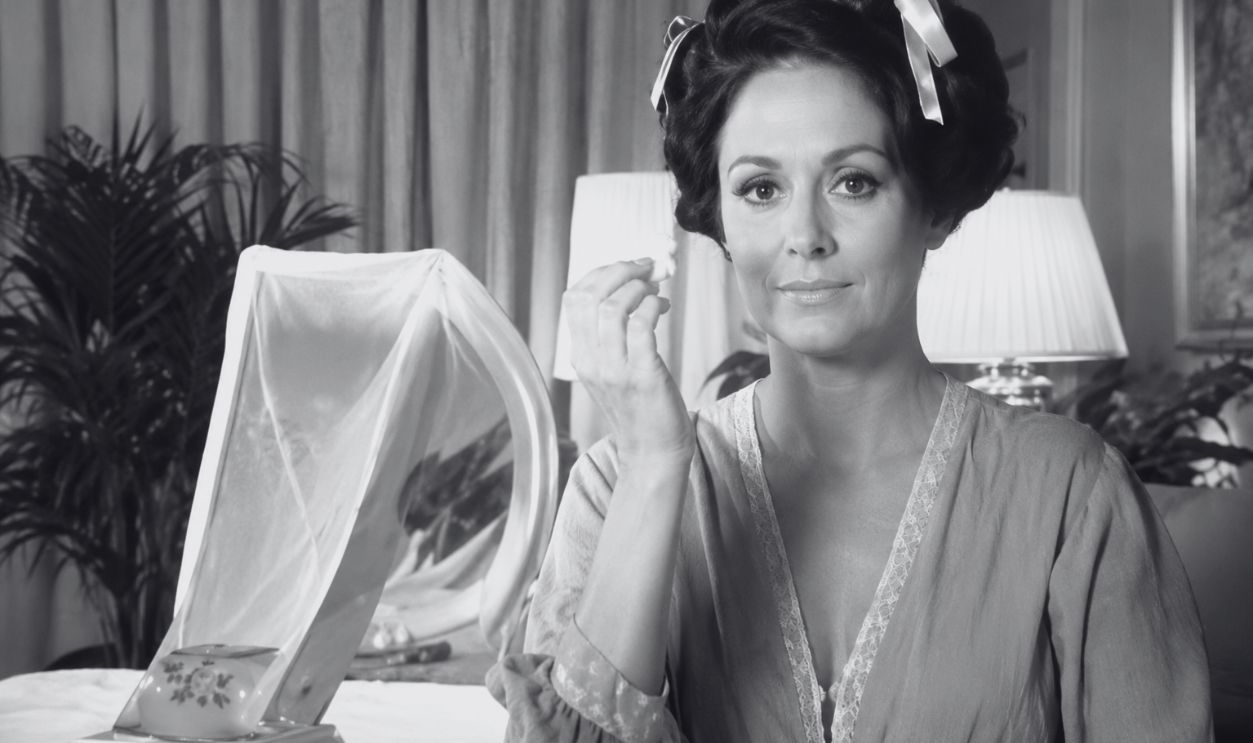 Screenshot from Lady Schick Commercial, Schick, Inc. (1977)
Strong-Smelling Depilatory Creams
Products such as Nair promised to make shaving unnecessary. Women spread the cream over their legs, waited through the unmistakable chemical smell and wiped it away. Sometimes the hair disappeared beautifully. Sometimes the skin became irritated while stubborn patches remained exactly where they were.
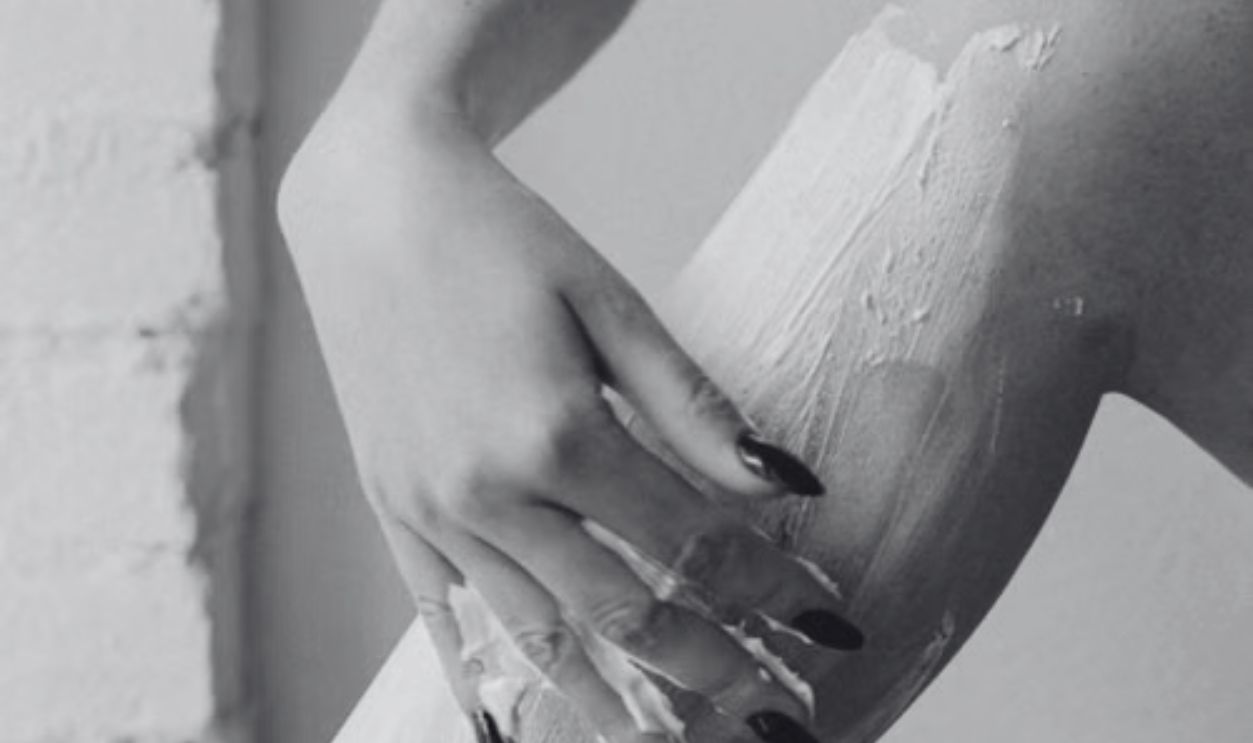 https://kaboompics.com/, Pexels
Feminine Deodorant Sprays
FDS arrived in 1966, and its advertising convinced women that ordinary bathing was somehow not enough. Aerosol sprays and powders were marketed for “feminine freshness,” often using embarrassment to sell an unnecessary extra step. Doctors were reporting irritation linked to the sprays by 1970, making the supposed solution its own problem.
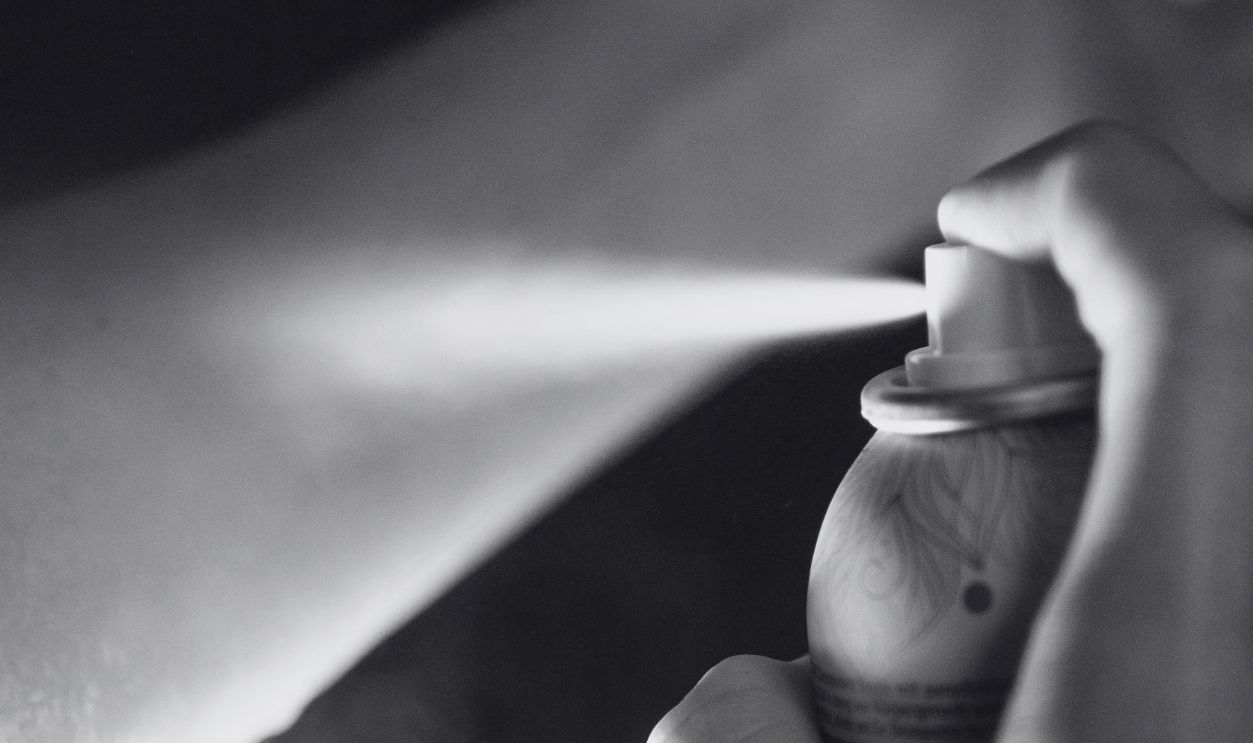 picture alliance, Getty Images
Avon Solid-Perfume Pins
Avon turned solid perfume into wearable jewelry during the 70s. Women could buy brooches shaped like flowers, owls, animals and other tiny objects, then open them to reveal fragrance inside. It was part perfume, part fashion accessory and part miniature air freshener.
Home Sunlamps
Portable tabletop sunlamps allowed women to tan their faces without leaving home. Early machines could expose users to substantial ultraviolet radiation without the safety features expected today. Federal performance standards covering timers, warning labels and protective eyewear took effect on May 7, 1980.
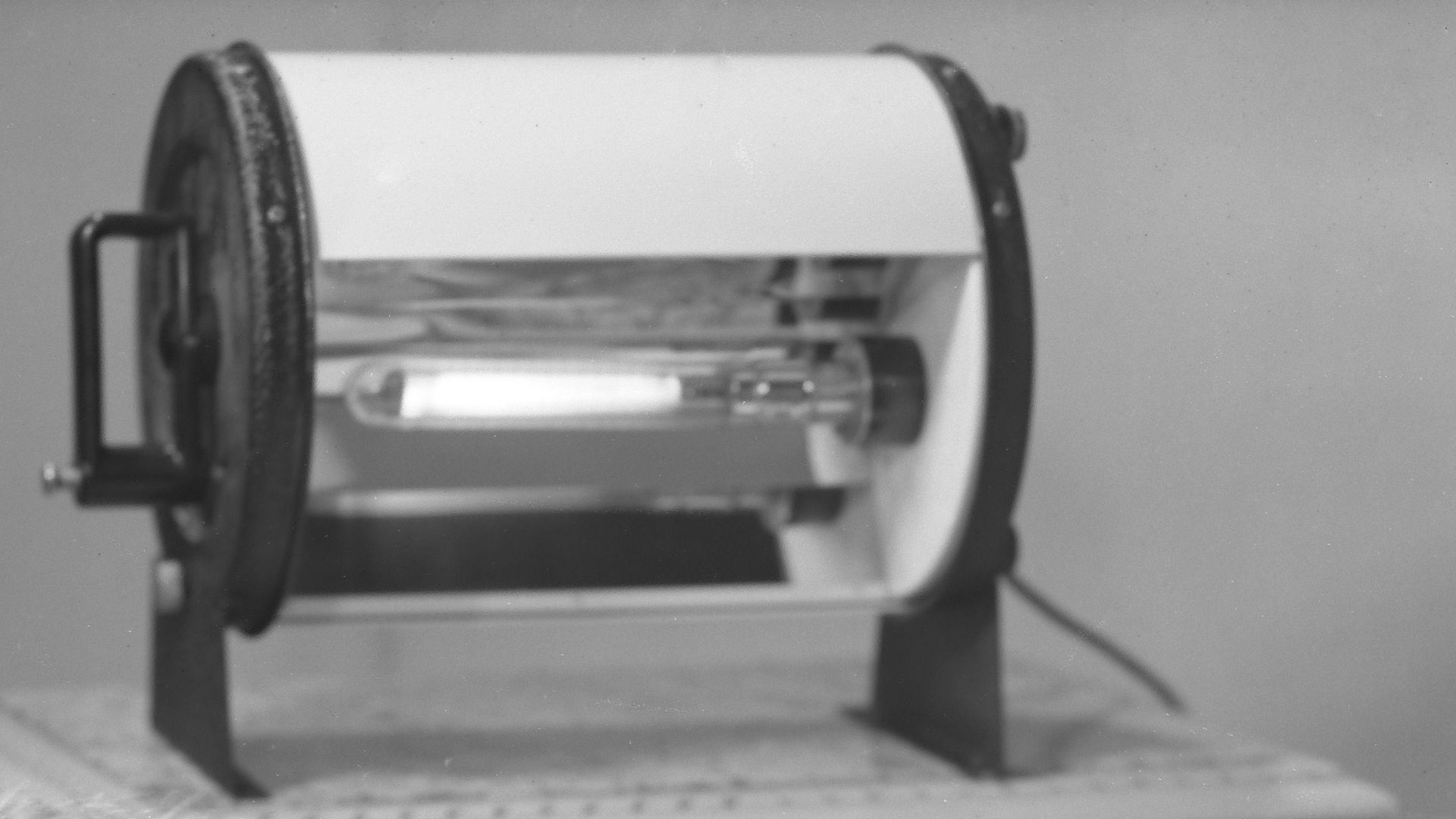 Fotografisch Atelier Merkelbach / Mies Merkelbach, Wikimedia Commons
Folding Tanning Reflectors
For anyone who thought sunlight alone was not intense enough, metallic folding reflectors directed even more of it toward the face. Women sat outside holding these shiny panels beneath their chins, effectively volunteering to be cooked evenly from several different directions at once.
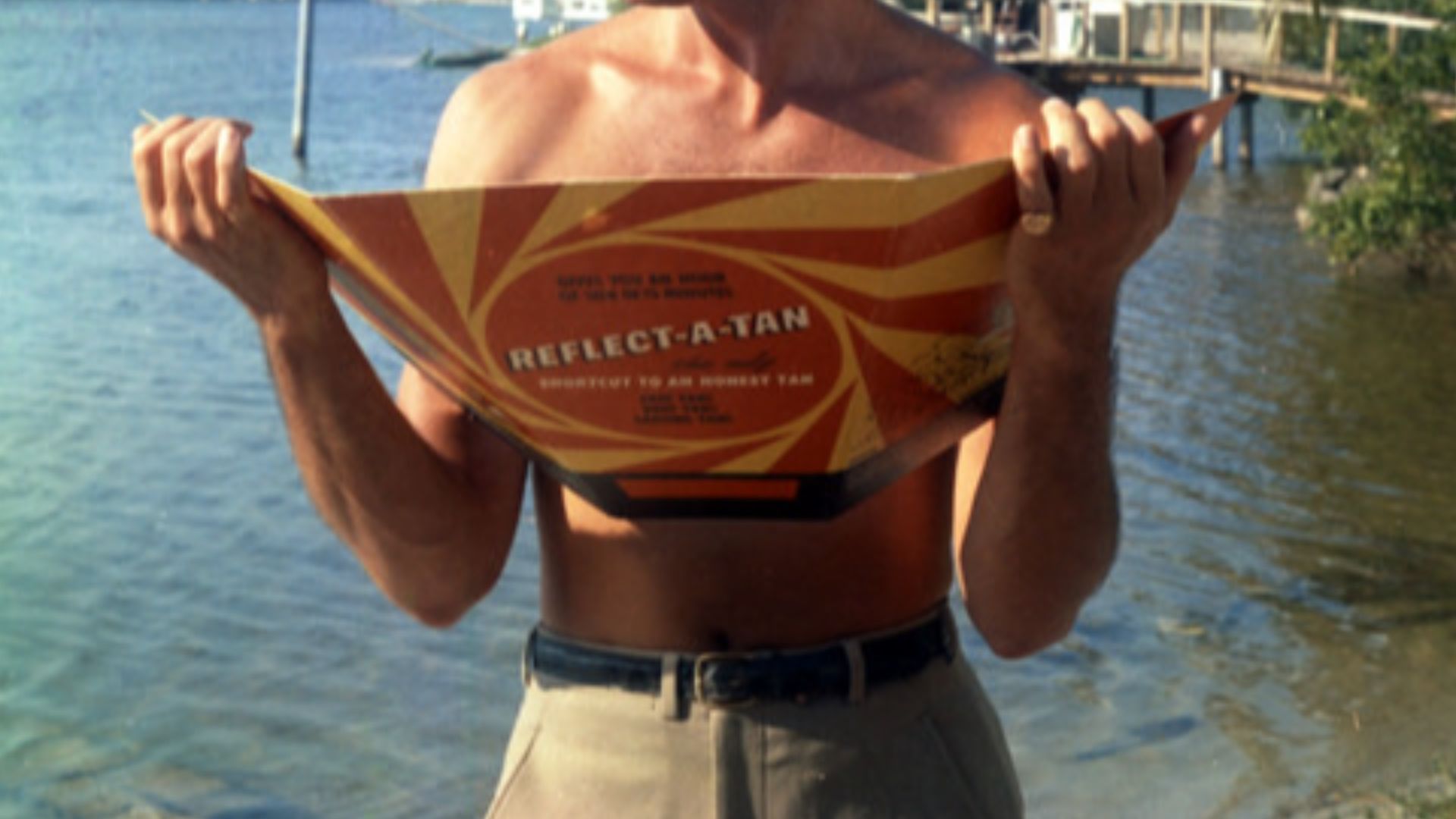 Florida Memory, Wikimedia Commons
Baby Oil As Tanning Lotion
Baby oil did not protect skin from the sun. That was apparently the attraction. Women coated themselves in it before spending hours outside, hoping the shiny layer would help produce a deeper tan. It looked glamorous beside the pool but offered no meaningful sun protection.
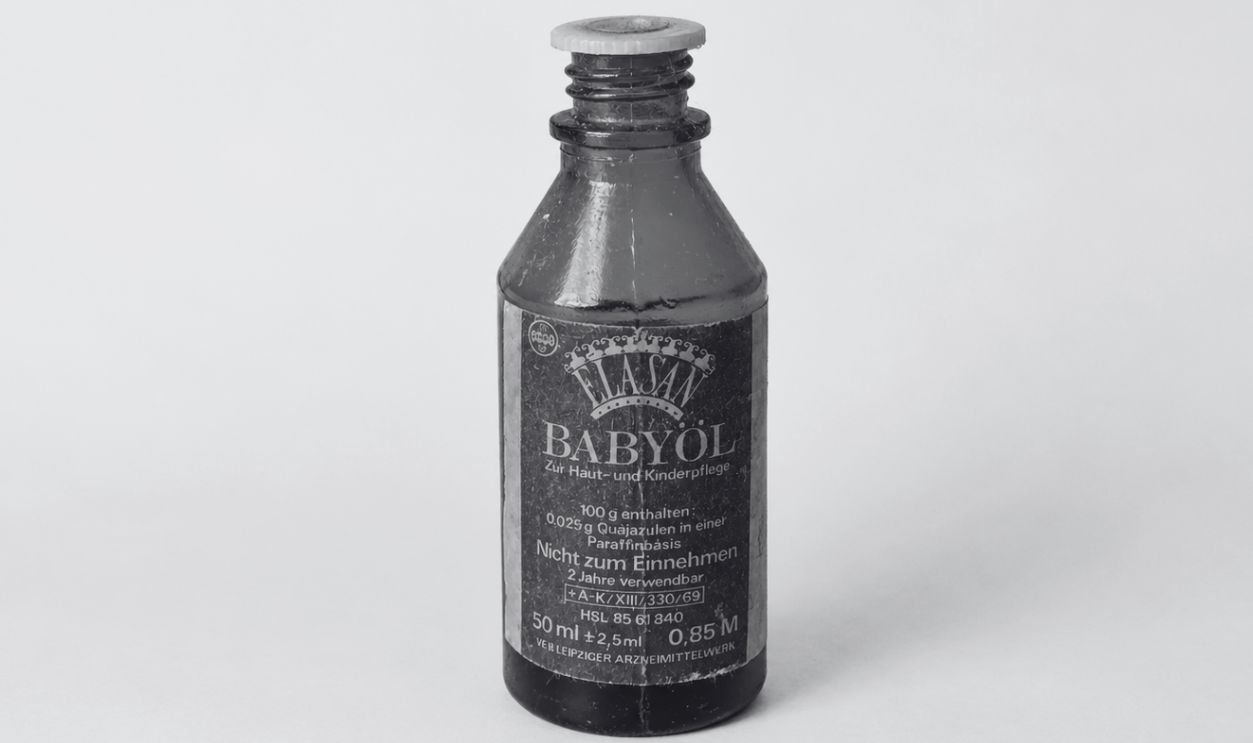
Bain De Soleil Orange Gelée
This thick, orange-colored tanning gel became a major favorite during the 70s. The original Orange Gelée offered no meaningful sun protection, while later versions were commonly sold with an SPF of just 4. But it smelled luxurious and promised the glamorous “St. Tropez tan” women wanted.
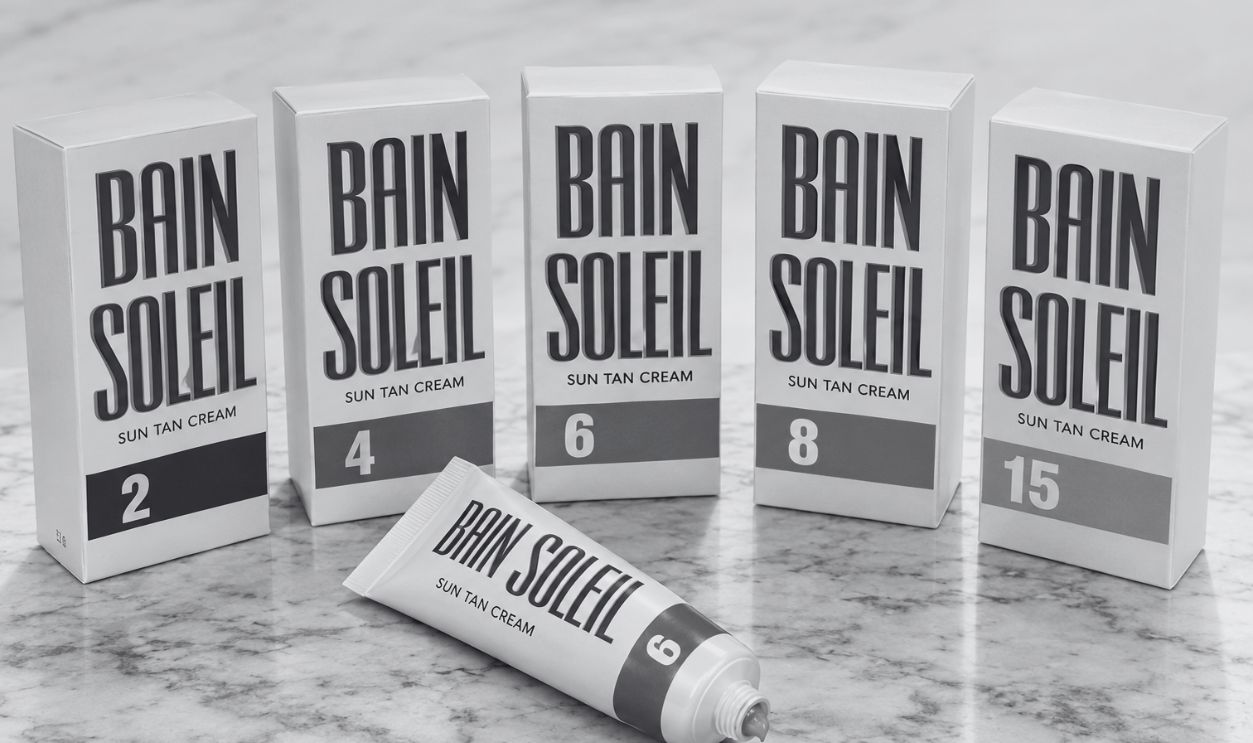 Screenshot from Bain De Soleil Commercial, Charles of the Ritz (1983)
Coppertone QT
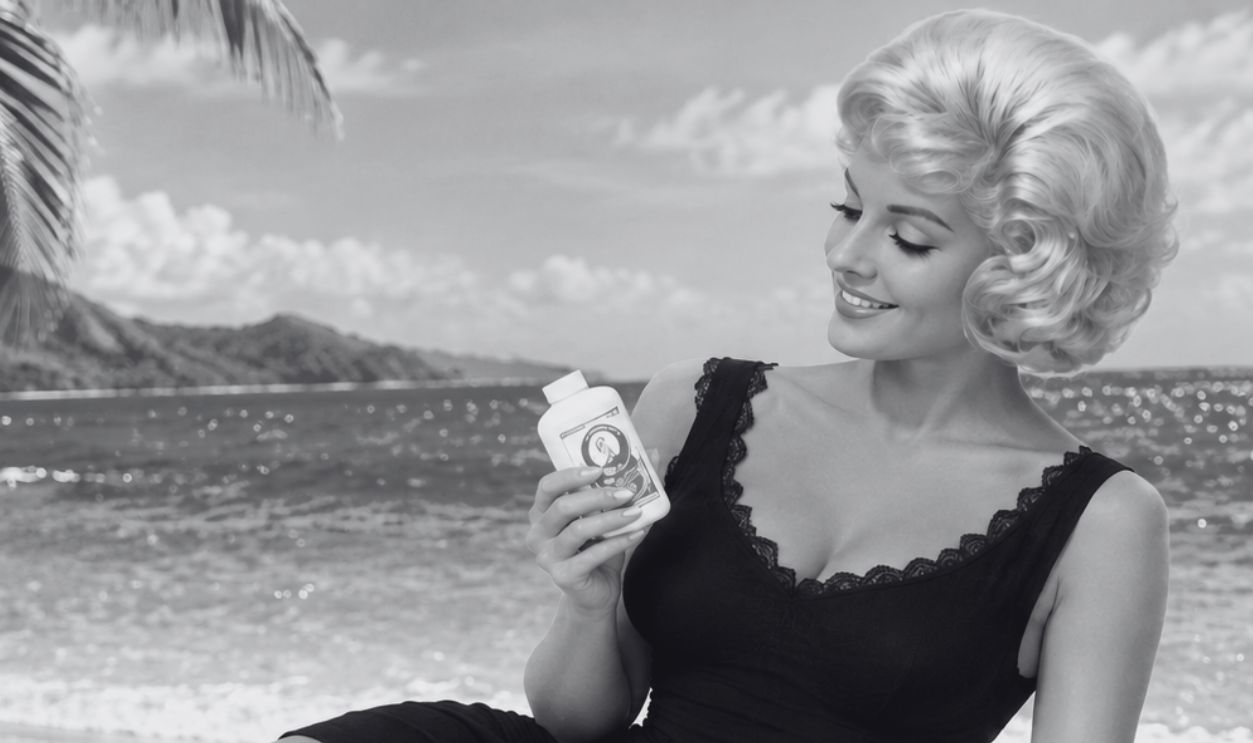
Coppertone introduced QT in 1960. The initials stood for Quick Tan, although the product was actually an early self-tanner. Getting the color even was the challenge. Miss one spot or apply slightly too much and the result could involve orange palms, dark knees, pale streaks and several days of strategic clothing choices.
 1950sUnlimited, Wikimedia Commons, Modified
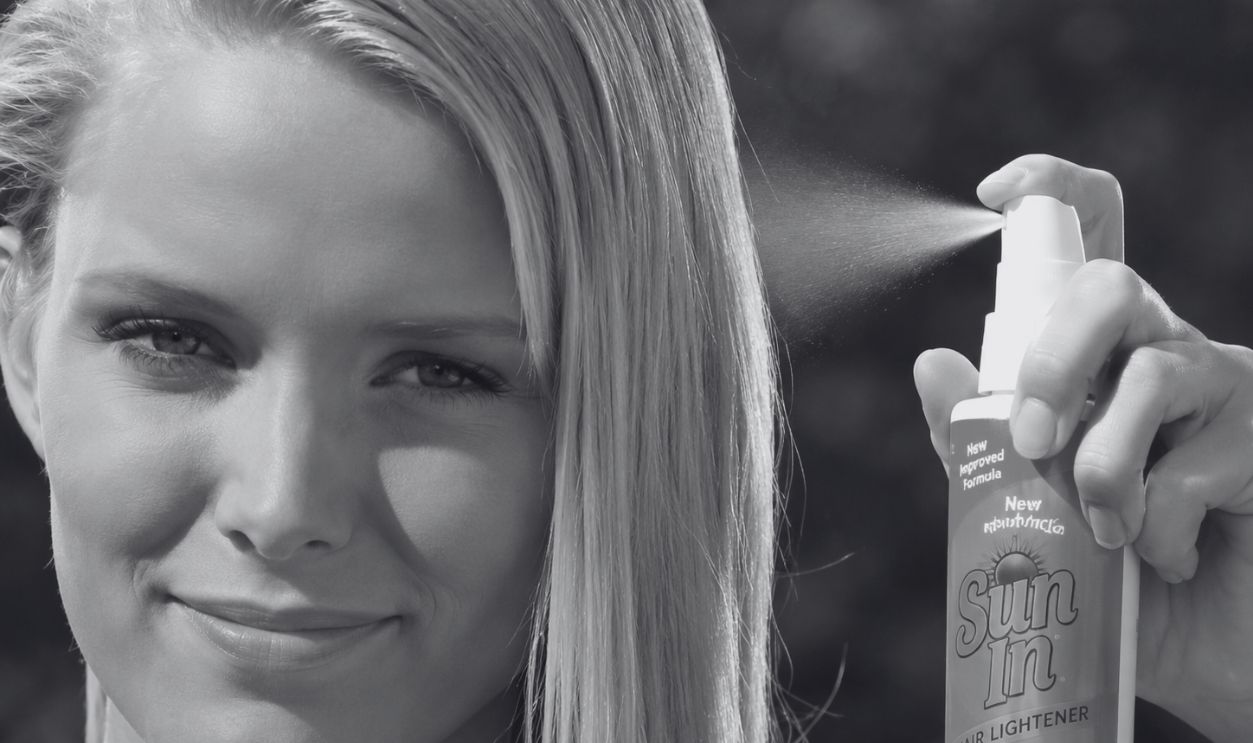
Sun-In Hair Lightener
Toni was advertising Sun-In by 1969, promising natural-looking highlights activated by sunlight or heat. Its peroxide formula worked best on lighter hair. Some women got sunny blonde streaks. Others discovered an unexpected range of orange, copper and extremely determined brass.
 Screenshot from Sun-In Commercial, Chattem, Inc. (1989)
Plastic Brush Rollers
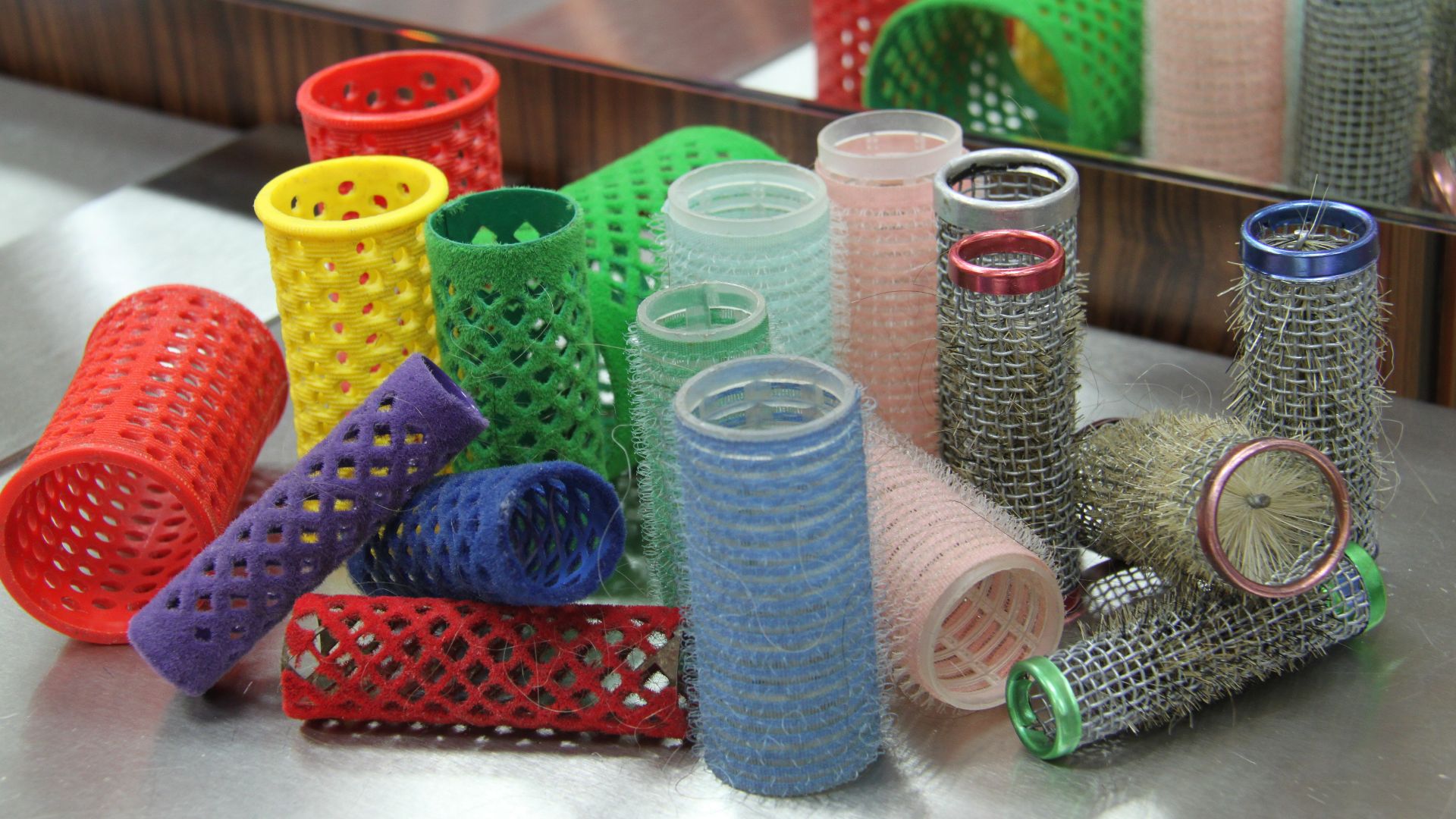
These rollers incorporated small bristles and were often secured with pins or clips. Women slept in entire sets to preserve curls and volume overnight. They worked, but calling the experience “sleeping” may be generous. It was more like spending eight hours negotiating with your pillow.
Hair Rats And Bouffant Padding
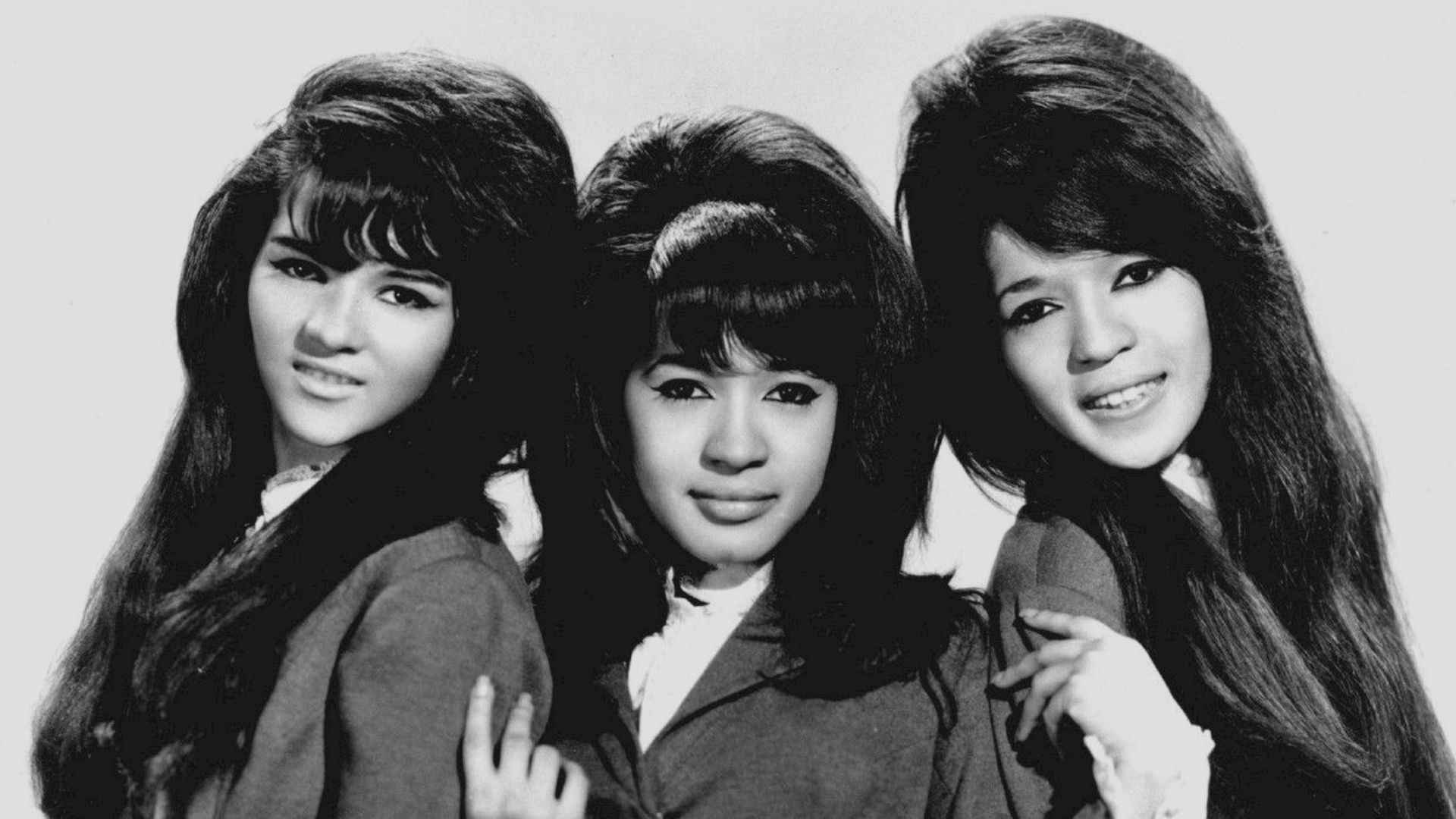
Padding, mesh forms and hair rats were hidden beneath the hair to construct beehives and towering bouffants. The finished look appeared to be made entirely from hair, but underneath was often an architectural support system that looked suspiciously like something from a craft store.
 GAC-General Artists Corporation-management, Wikimedia Commons
Wiglets And Falls
Instead of growing enough hair to produce the enormous styles of the era, women pinned additional hair onto their heads. Falls added length while wiglets created height and volume. One loose pin could bring down an entire hairstyle that had taken most of the morning to construct.
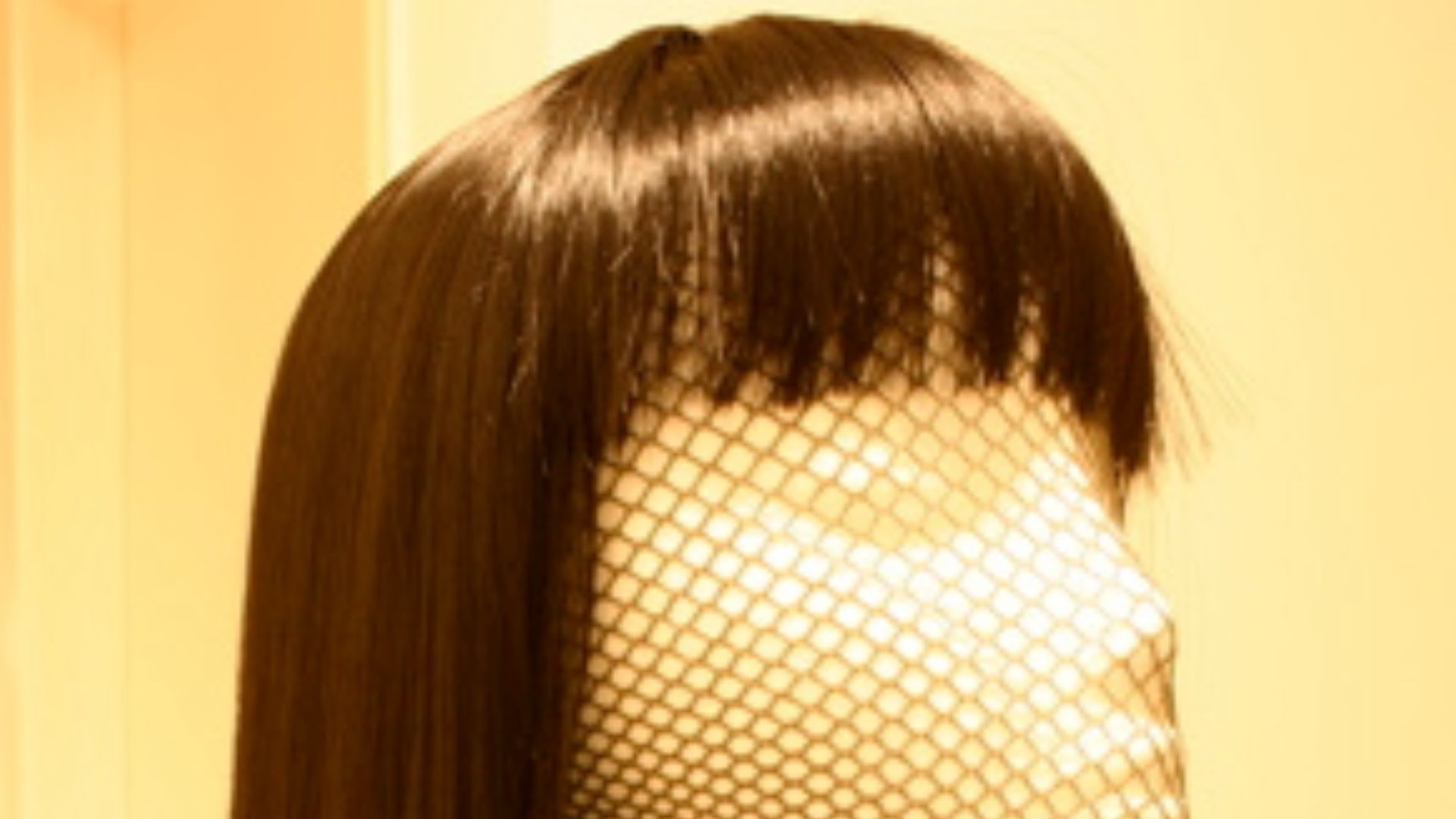
Soft-Bonnet Hair Dryers
A flexible plastic bonnet connected to a portable dryer by a hose allowed women to dry an entire roller set at home. The bonnet inflated around the head while the motor hummed beside them. It worked, although the wearer looked prepared for an extremely low-budget trip into space.
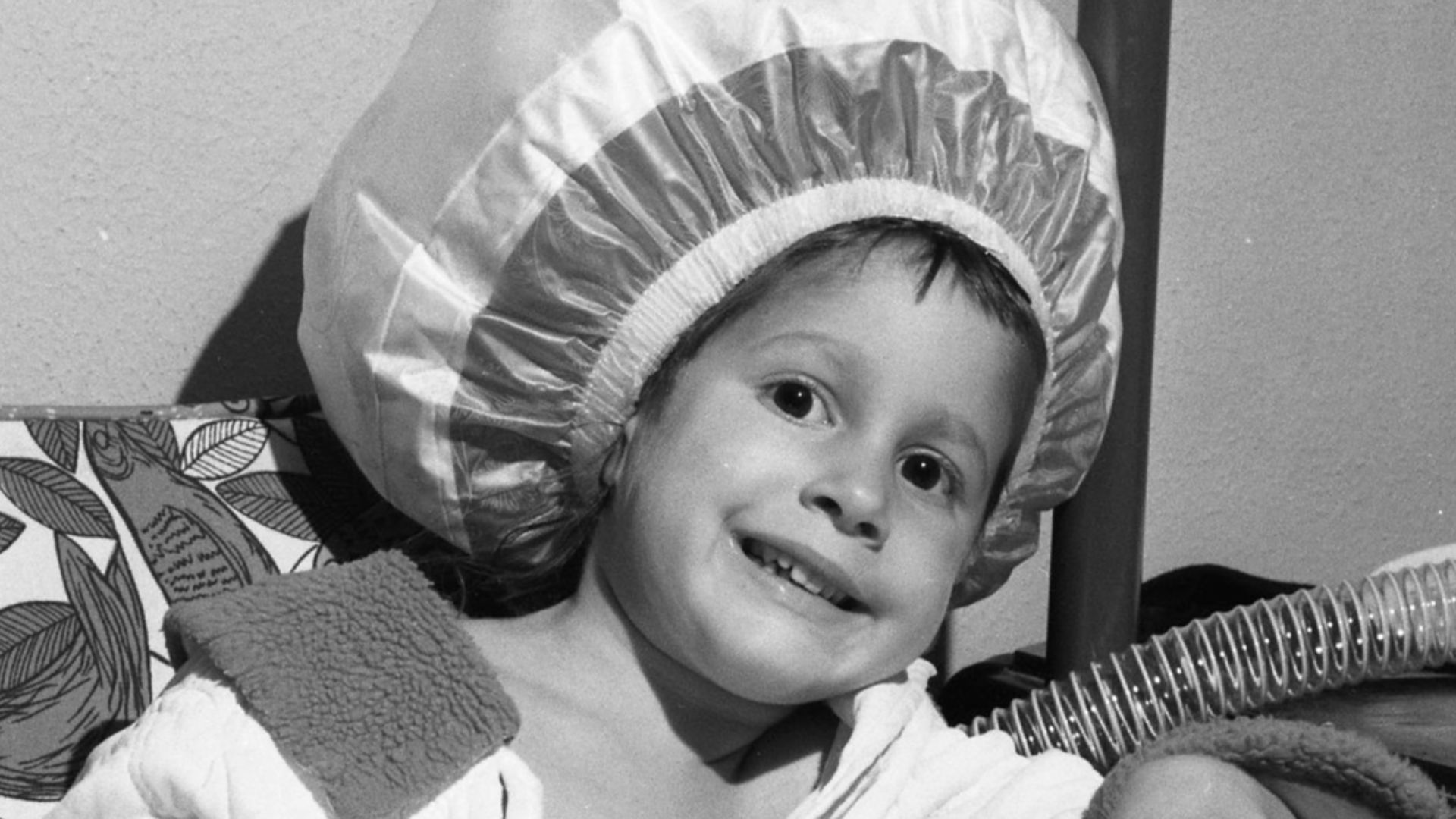 GeorgeLouis Photo by George Garrigues, Wikimedia Commons
Clairol Kindness Hot Rollers
Clairol’s electrically heated Kindness rollers became a sensation in the late 60s. By 1968, nearly one million sets had reportedly been purchased by American women. Convenient? Absolutely. Still, heating a collection of plastic cylinders and attaching them to your head required a certain amount of trust.
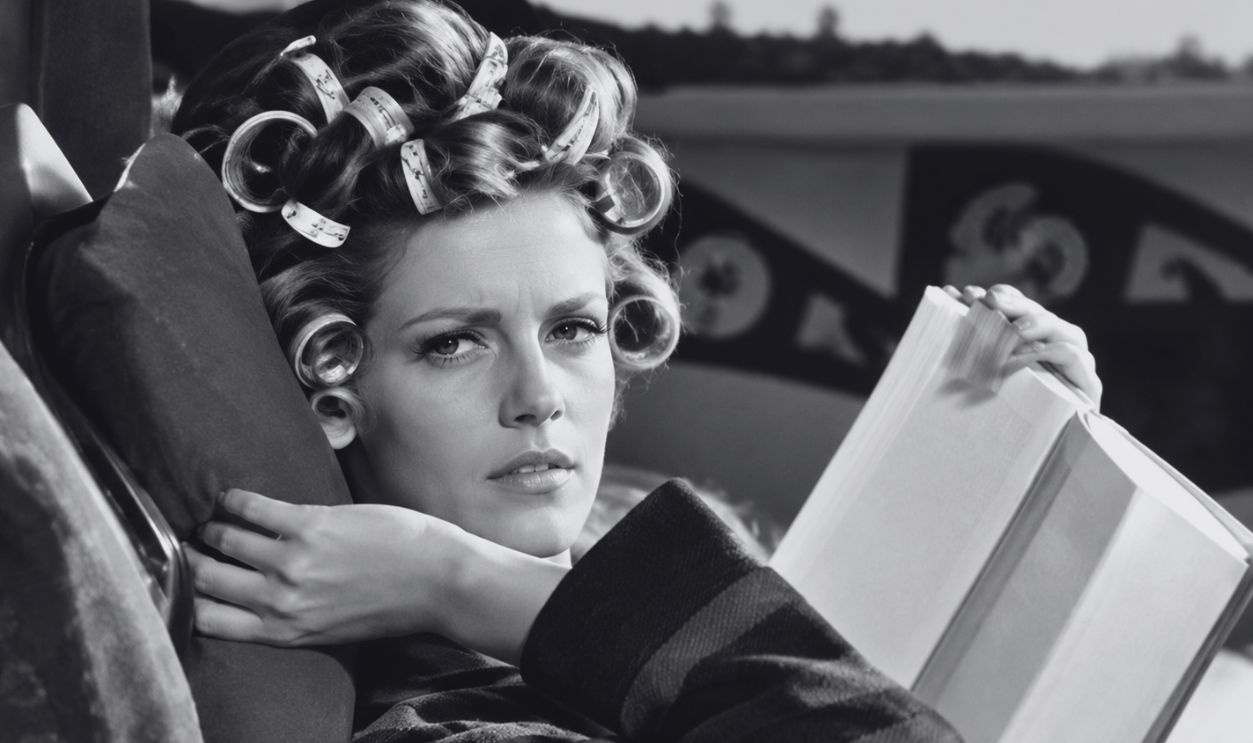 Screenshot from Clairol Kindness Commercial, Clairol, Inc. (1972)
Home Permanent-Wave Kits
Home perms promised salon curls for less money, provided the user could correctly wrap dozens of rods and manage the chemical solution. The smell could fill a house, and mistakes produced everything from weak waves to tight frizz. Yet another box was purchased when the perm grew out.
Dippity-Do Setting Gel
This brightly colored styling gel helped women sculpt curls, flips and towering hairdos that refused to move. It could also leave hair feeling stiff enough to withstand weather, dancing and possibly minor structural impact. The hairstyle lasted, although running fingers through it was no longer an option.
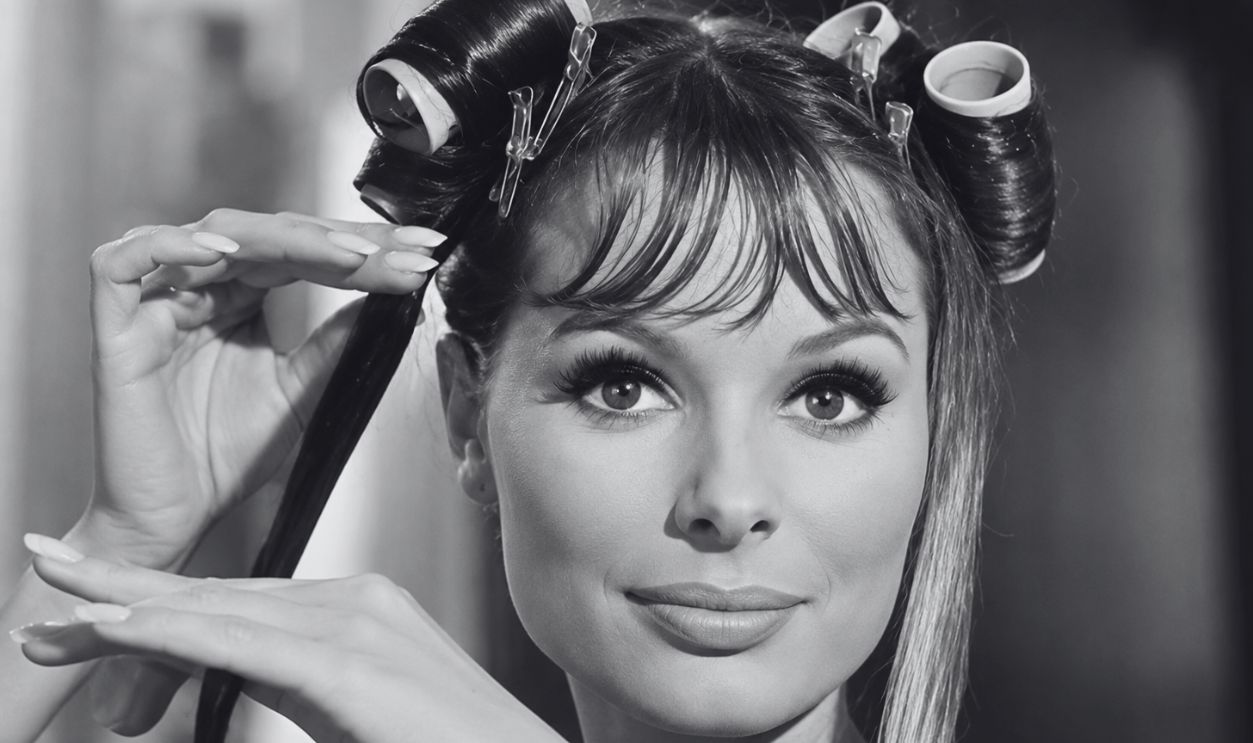 Screenshot from Dippity-Do Setting Gel Commercial, The Gillette Company (Toni Division) (1968)
Aqua Net Hairspray
Aqua Net was not applied with restraint. Women sprayed until every teased section remained exactly where it had been placed, then added a little more for insurance. The resulting hairstyle could survive humidity, convertible rides and an entire weekend, though nearby family members may have needed fresh air.
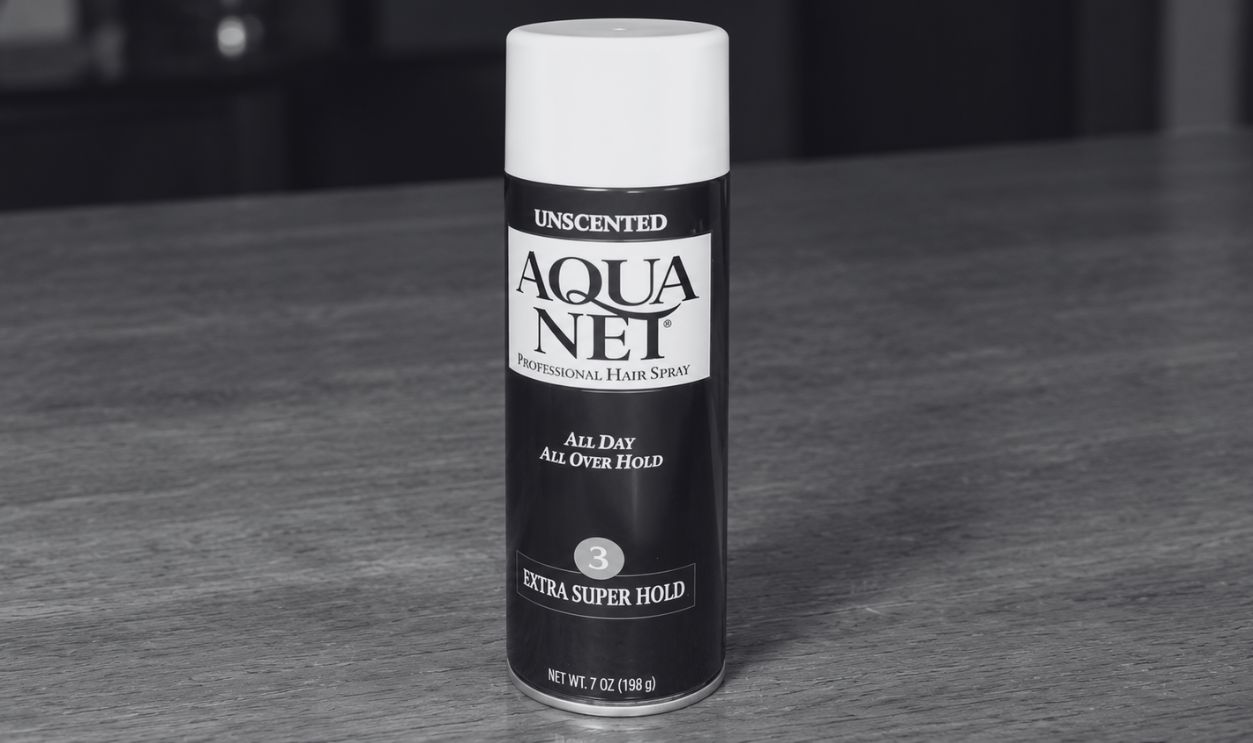 [https://www.flickr.com/photos/allaboutgeorge/ George Kelly, Wikimedia Commons, Enhanced
Psssssst Instant Spray Shampoo
Long before today’s dry shampoos, Psssssst let women spray oily hair instead of washing it. The aerosol absorbed some grease, but it could also leave a visible powdery coating, especially on darker hair. One problem disappeared and another arrived looking suspiciously like flour.
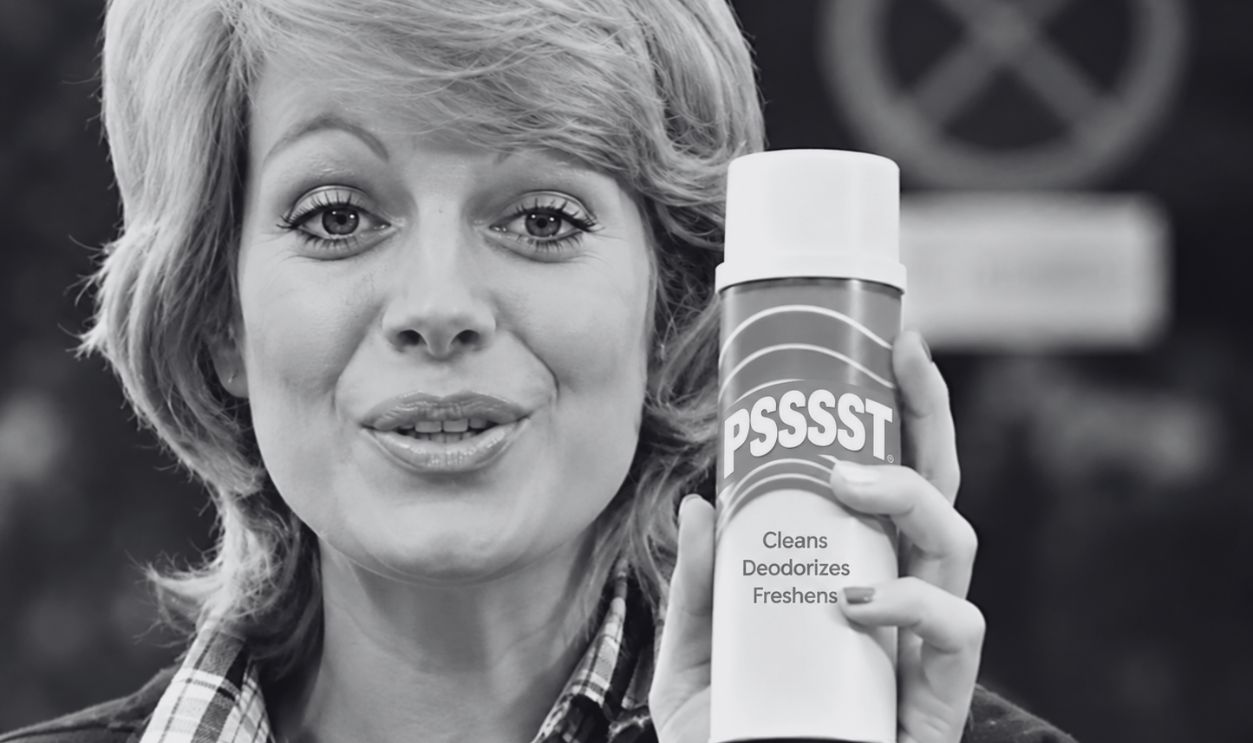 Screenshot from Psssssst Commercial, Clairol, Inc. (1972)
Body On Tap Beer Shampoo
A 1978 Body On Tap commercial famously advertised that the shampoo contained one-third real beer and promised fuller, softer hair. Kim Basinger appeared in the commercial reminding viewers not to drink it. Nothing says sophisticated beauty quite like shampoo that sounds borrowed from the refrigerator.
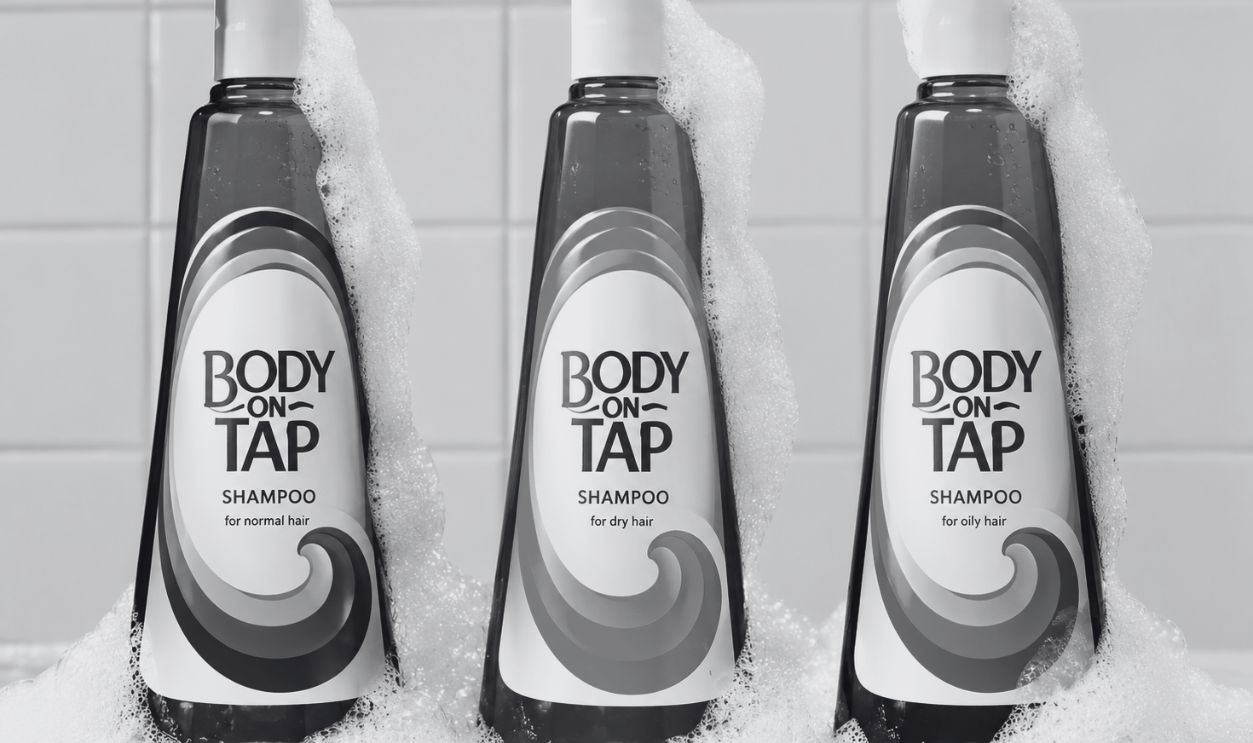 Screenshot from Body On Tap Commercial, Bristol-Myers (1978)
“Gee, Your Hair Smells Terrific” Shampoo
That was the actual name. Introduced by Jergens in 1976, the heavily fragranced shampoo made hair smell noticeable from an impressive distance. The lingering fragrance was the entire selling point, turning ordinary shampoo into something closer to perfume that happened to produce bubbles.
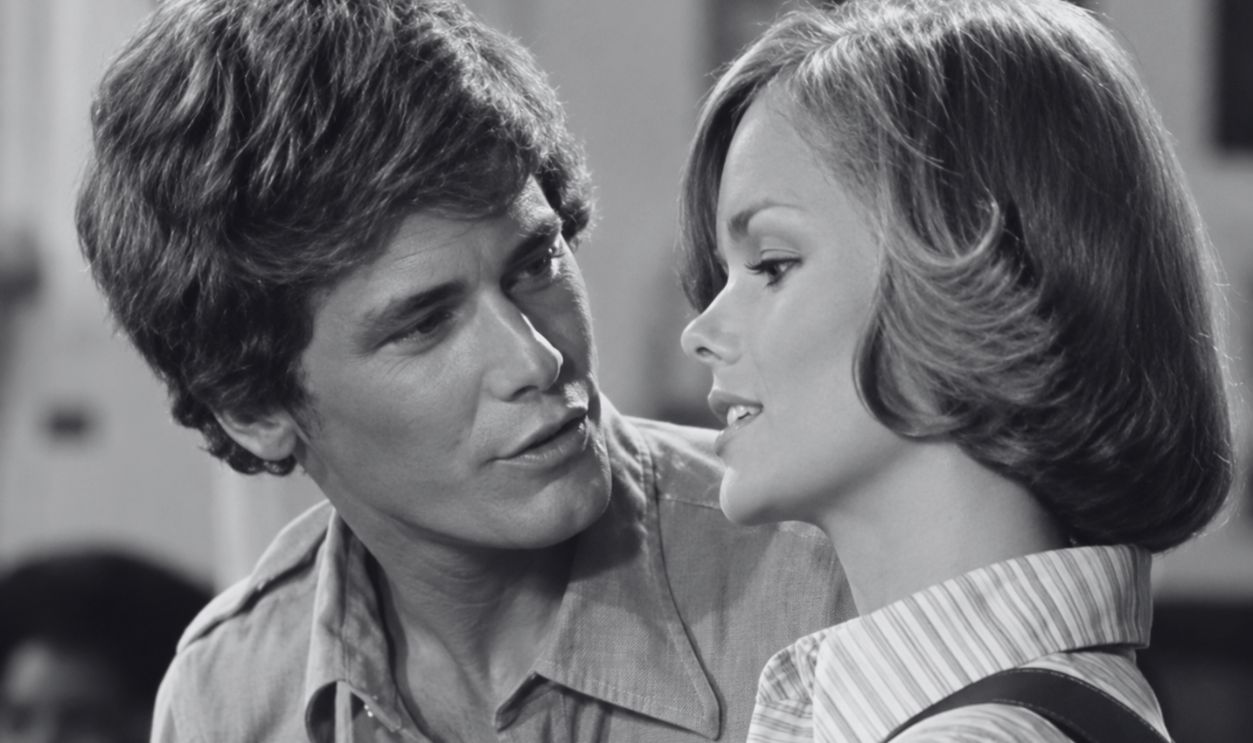 Screenshot from Gee, Your Hair Smells Terrific Shampoo Commercial, Andrew Jergens Company (1976)
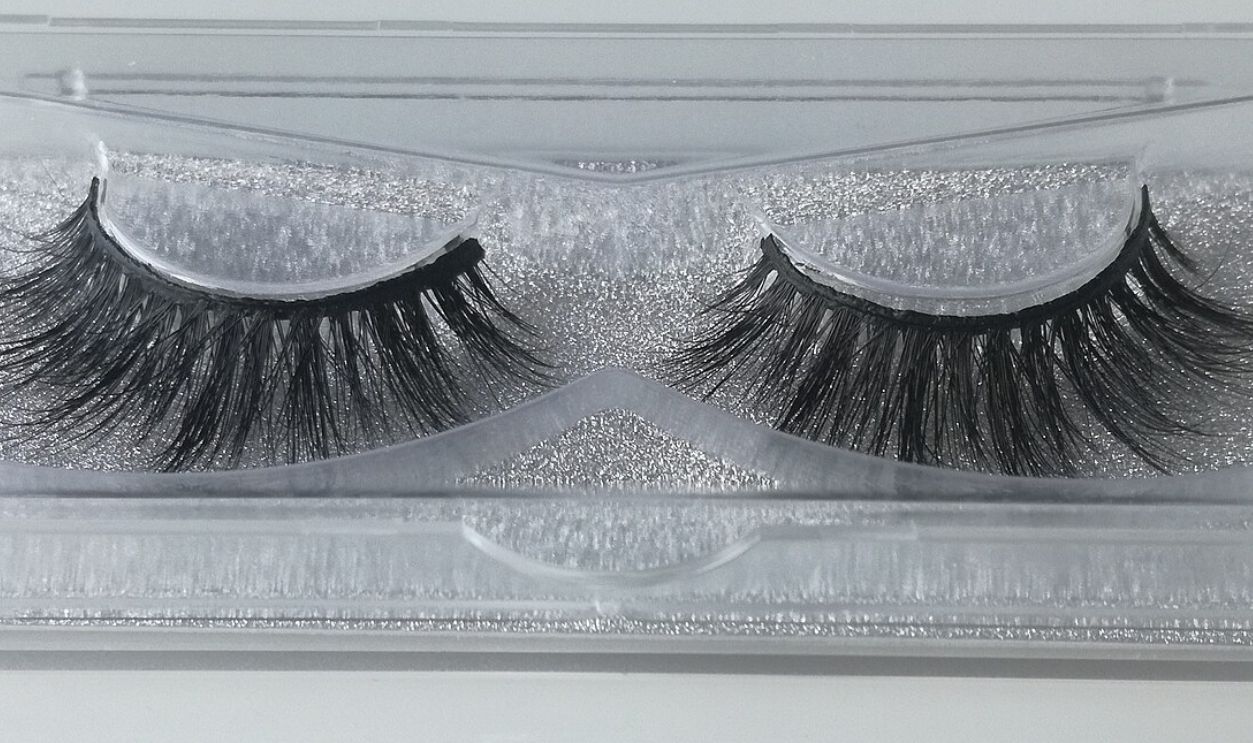
Three Layers Of False Eyelashes
Twiggy’s dramatic eye makeup helped make layered false lashes one of the defining looks of the 60s. She wore three pairs on her upper lids, then carefully painted individual lower lashes onto her skin. She later recalled that completing the entire look took about 90 minutes.
Somehow, Everyone Thought This Was Normal
The strange part is not that these products existed. It is that many sat in perfectly ordinary bathrooms and were used without a second thought. Of course, today’s beauty routines may eventually look just as ridiculous. Give them another 50 years and let the next generation decide.
You Might Also Like:
Popular Cures From History That We Can Be 100% Sure Made The Original Problem Worse