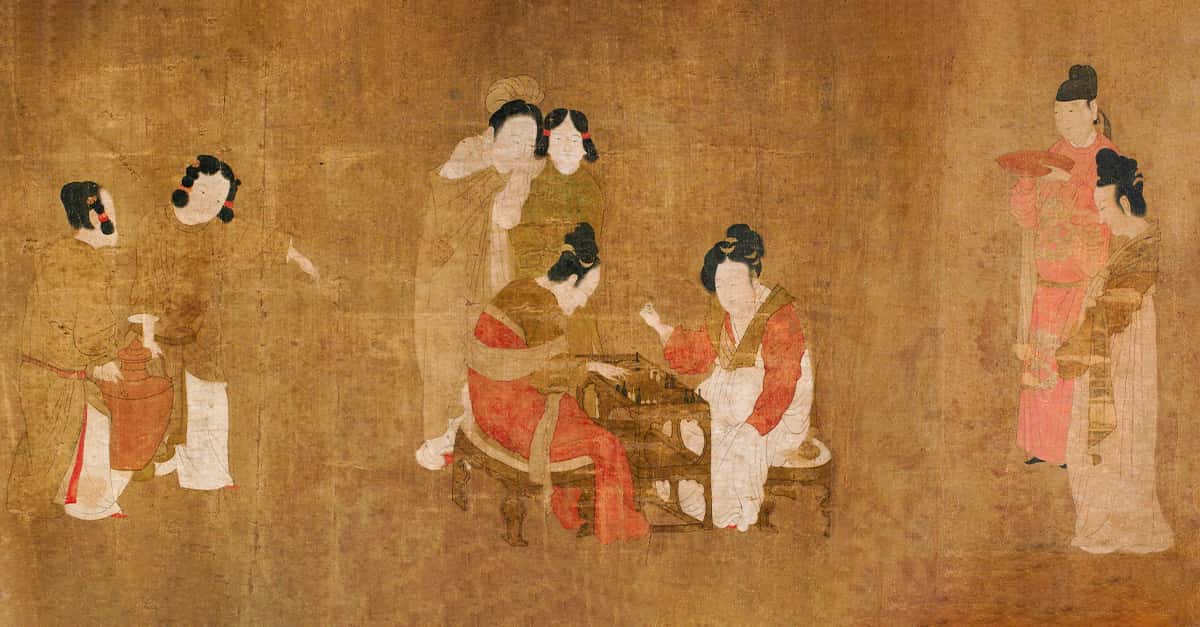
When The Cure Needed A Cure
For much of history, medicine had a basic problem: doctors could see symptoms long before they understood what caused them. That gap produced treatments based on humors, purging00 , counter-irritation, sedation, and the belief that a dramatic physical reaction meant something useful was happening. Some remedies occasionally relieved symptoms, but others added dehydration, infection, dependency, or physical injury to illnesses patients already had. Here are some of history’s clearest examples of medicine moving decisively in the wrong direction.
 Library of Congress, Wikimedia Commons
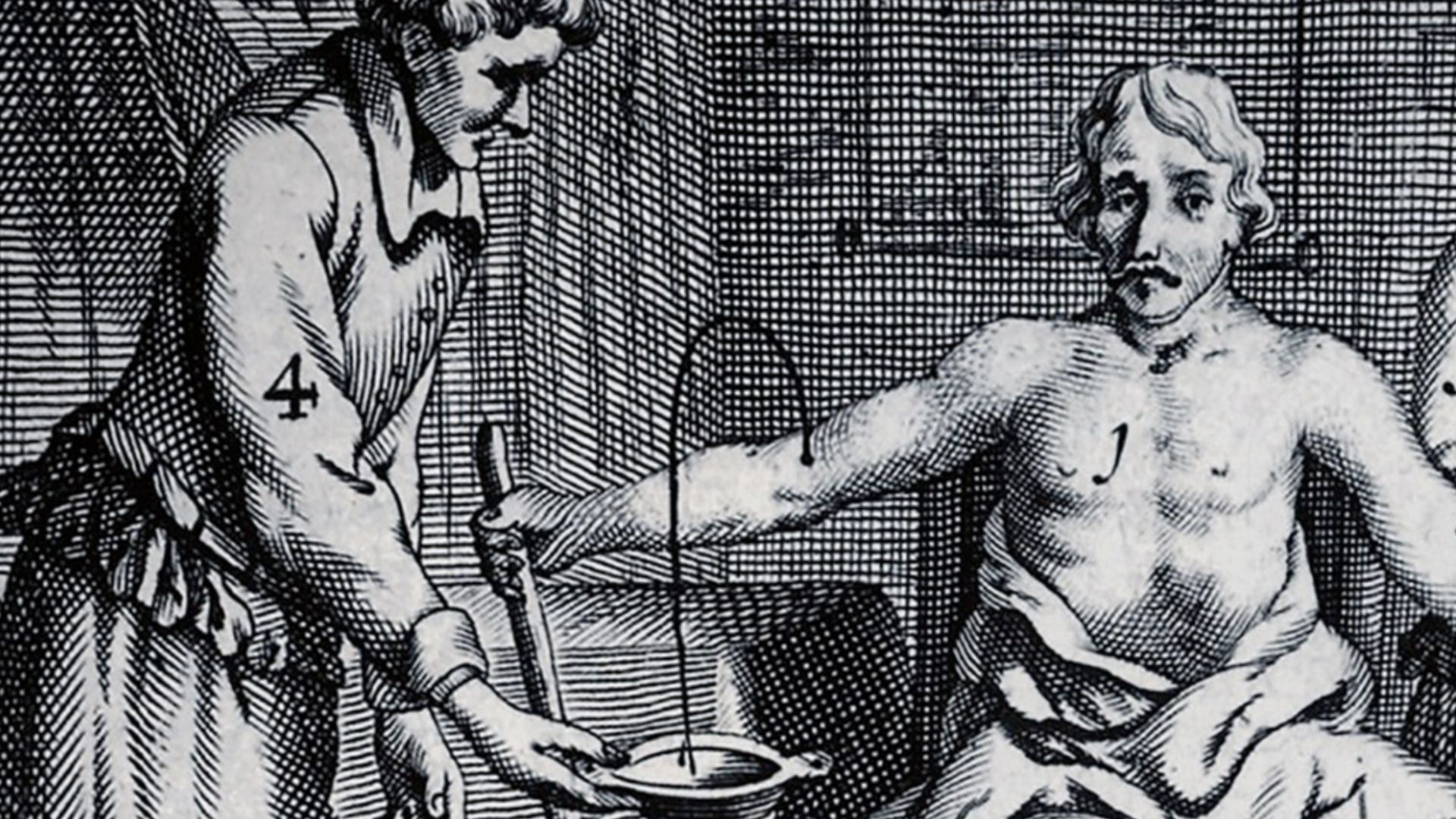
Bloodletting For Fevers
For centuries, physicians treated fever by removing blood to restore the supposed balance of the body's humors. Bloodletting remained accepted well into the 1800s. Unfortunately, taking substantial amounts of blood from someone already fighting an infection could leave the patient weaker and less able to tolerate serious illness.
 Unknown authorUnknown author, Wikimedia Commons
Bleeding Pneumonia Patients
Pneumonia became another target for aggressive bleeding. Historical research comparing 19th-century cases found higher average case fatality among pneumonia patients subjected to bloodletting. Whatever physicians believed they were removing, they were also removing circulating blood and iron from people whose bodies were already under enormous strain.
 Photo Credit: CDC/Janice Carr Content Providers(s): CDC/Dr. Richard Facklam, Wikimedia Commons
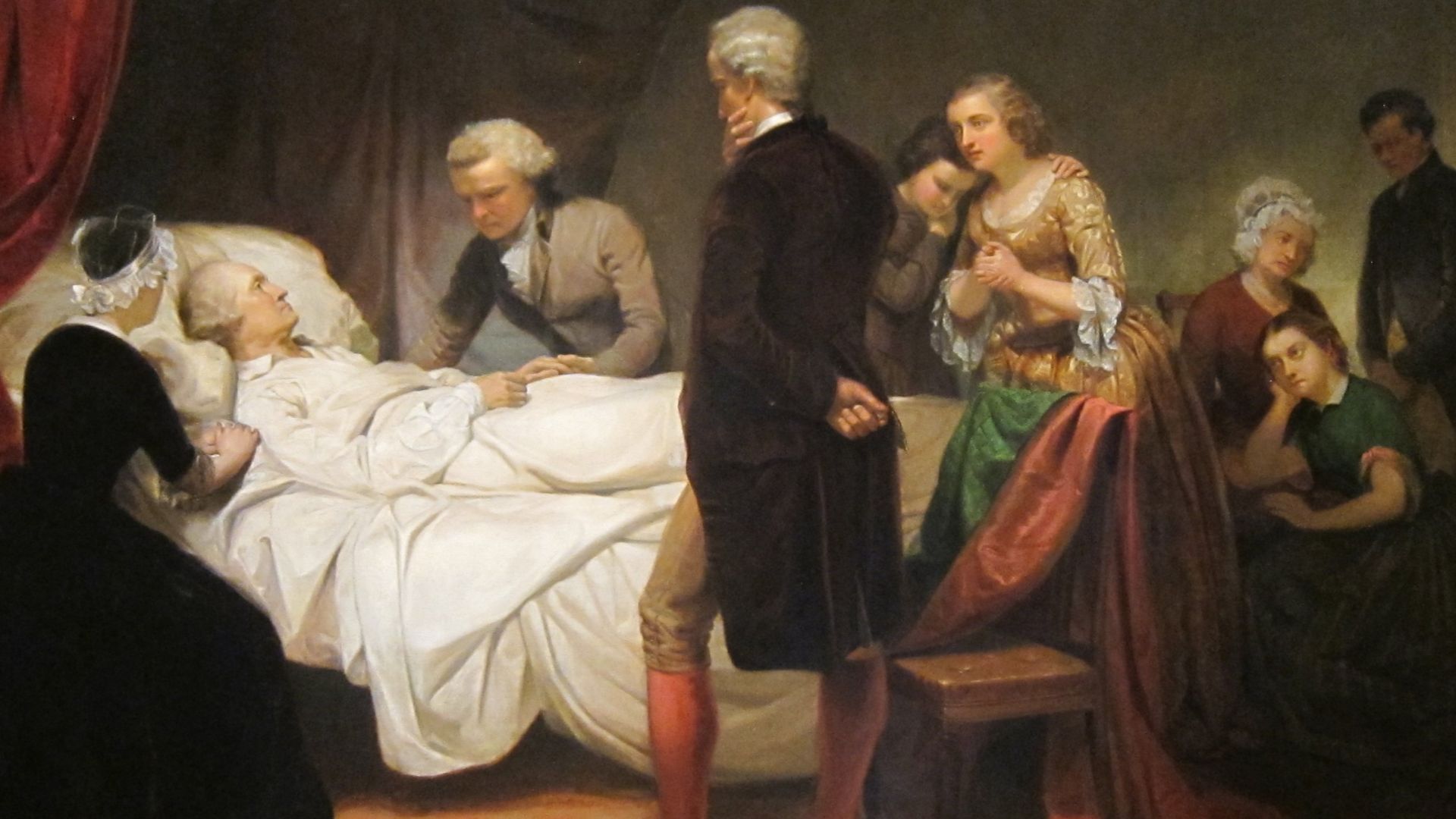
George Washington's Extreme Bloodletting
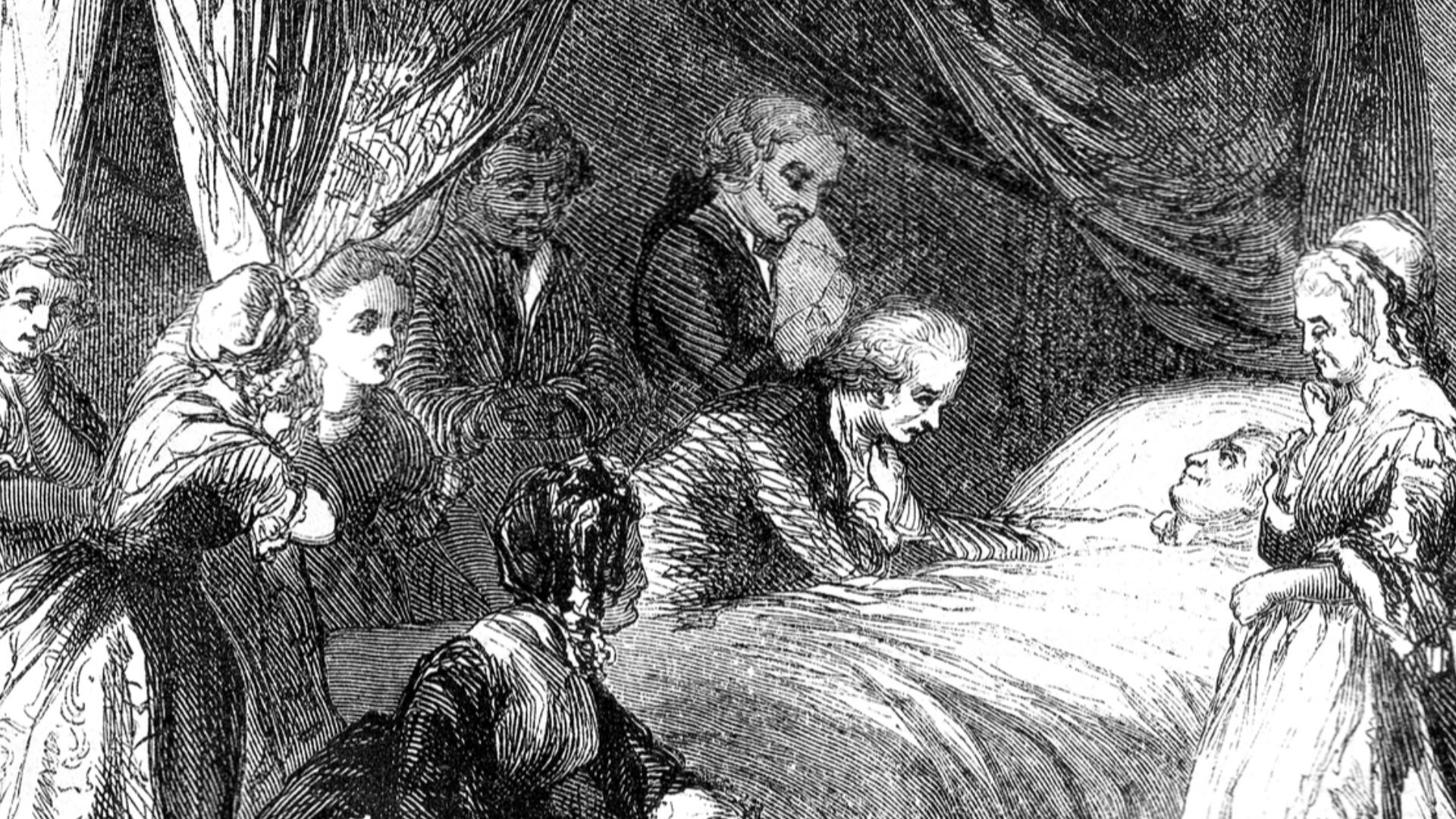
When George Washington became gravely ill in 1799, his physicians repeatedly bled him. Estimates indicate they removed more than two liters, producing profound blood loss while he was struggling with a severe throat and respiratory illness. Modern medical analyses conclude that the treatment compounded his already critical condition.
 Junius Brutus Stearns, Wikimedia Commons
Mercury For Syphilis
Mercury remained a major syphilis treatment for roughly 450 years despite questionable effectiveness and tremendous toxicity. Patients could receive it through ointments, oral preparations, injections, or vapors. Instead of simply battling syphilis, they could end up dealing with systemic mercury poisoning as well.
 Welcome Collection, CC-BY-4.0, Wikimedia Commons, Modified
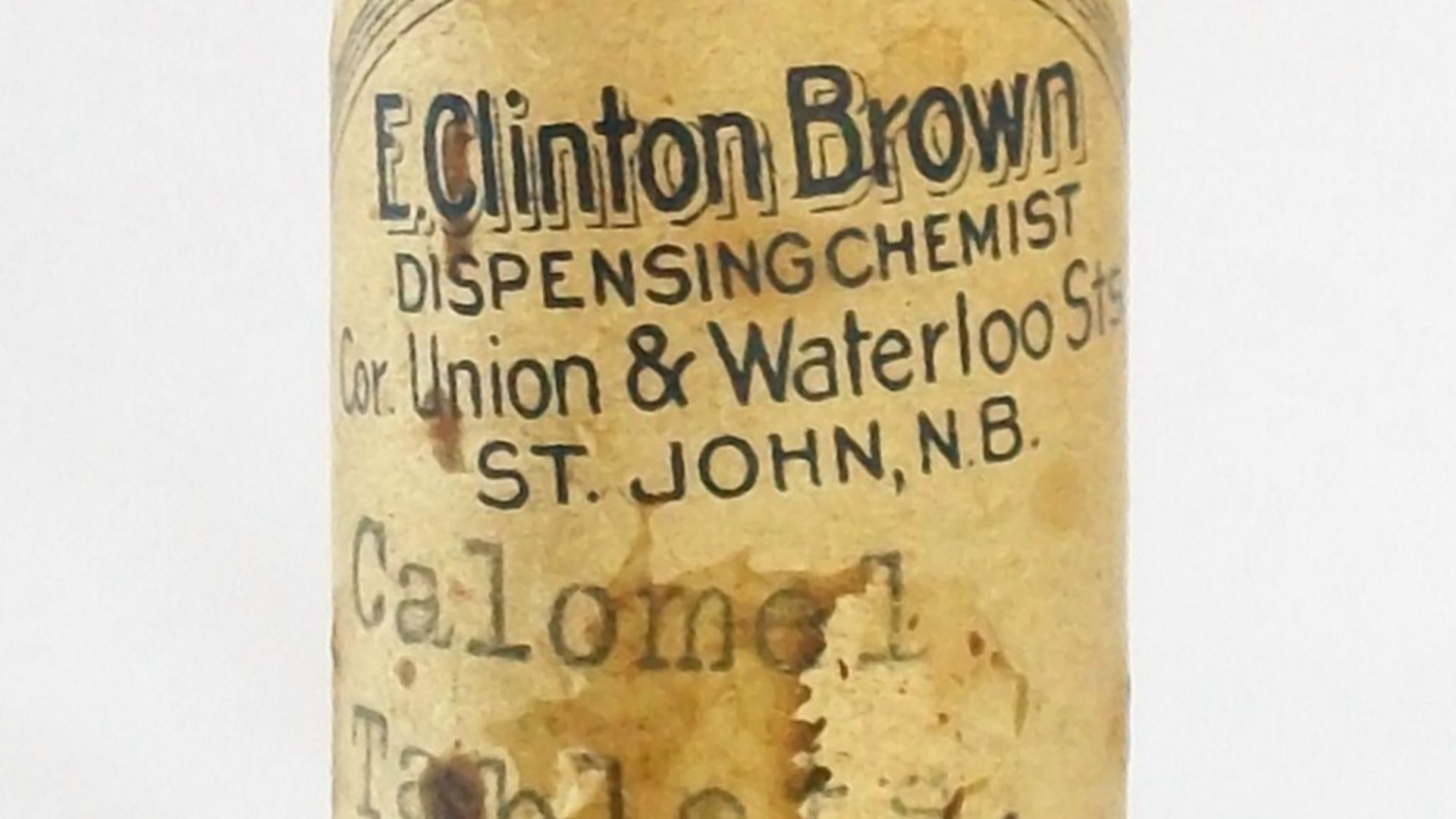
Calomel For Almost Everything
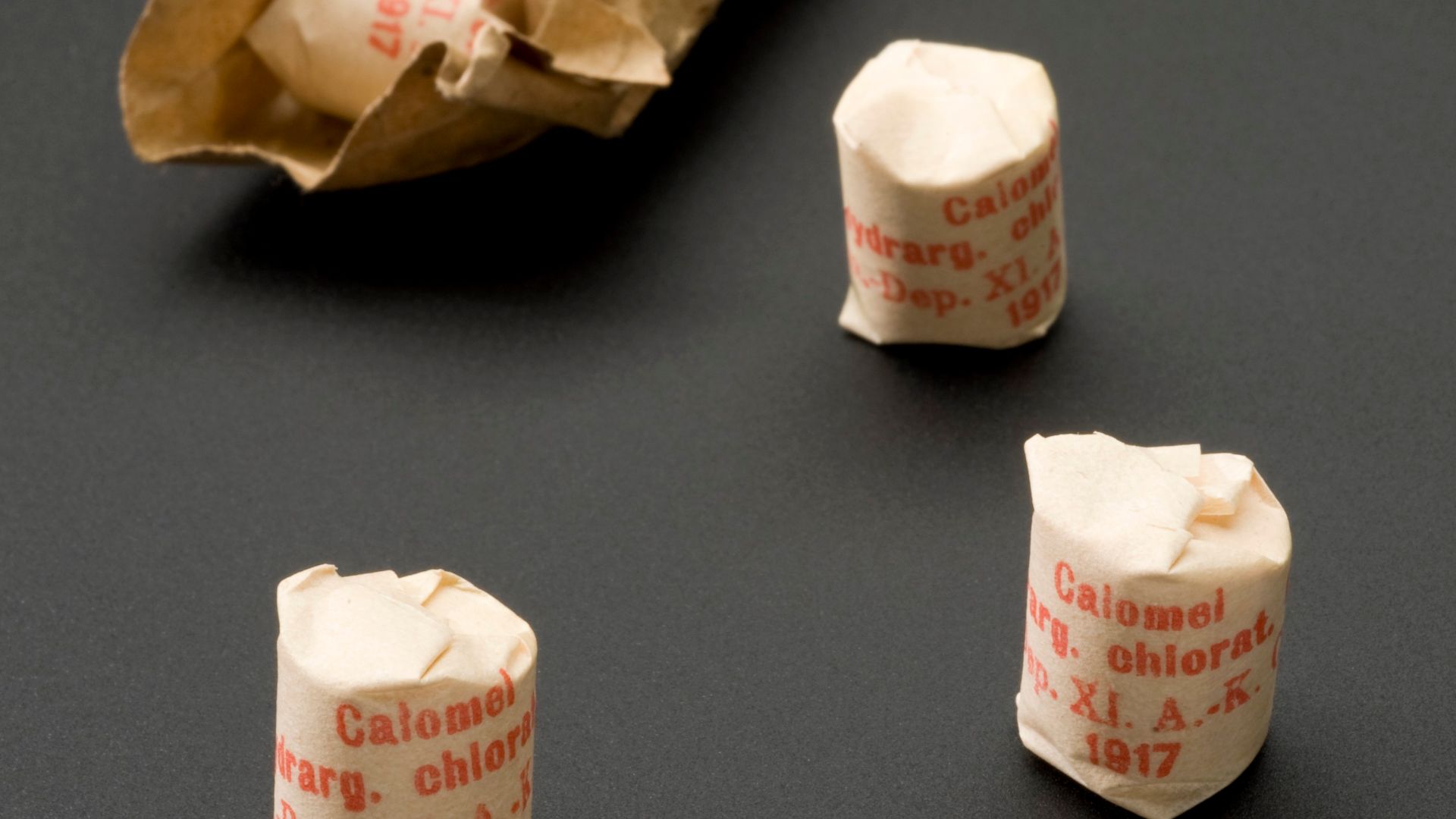
Calomel, a mercury compound, became a familiar medicine for numerous complaints because it produced vigorous bowel movements. Unfortunately, mercury is toxic, and doctors eventually recognized a collection of illnesses produced by the remedy itself. One 19th-century surgeon memorably described mercury toxicity as the "disease of the remedy."
 terry lavigne, Wikimedia Commons
Calomel For Cholera
Using calomel during cholera was particularly unfortunate. Cholera already causes dangerous fluid loss, yet mercury-containing calomel was administered as a purgative. An 1854 British investigation found calomel treatment associated with higher-than-expected mortality, while modern treatment focuses on replacing the fluid and electrolytes patients lose.
Purging People Who Were Already Dehydrated
Purgatives appeared repeatedly in historical cholera regimens, even though relentless diarrhea was already draining patients of water. Treatments included castor oil and other substances intended to empty the intestines further. Historical treatment reviews document how badly this strategy misunderstood the physiology of cholera.
 Shattonbury, Wikimedia Commons
Arsenic For Malaria
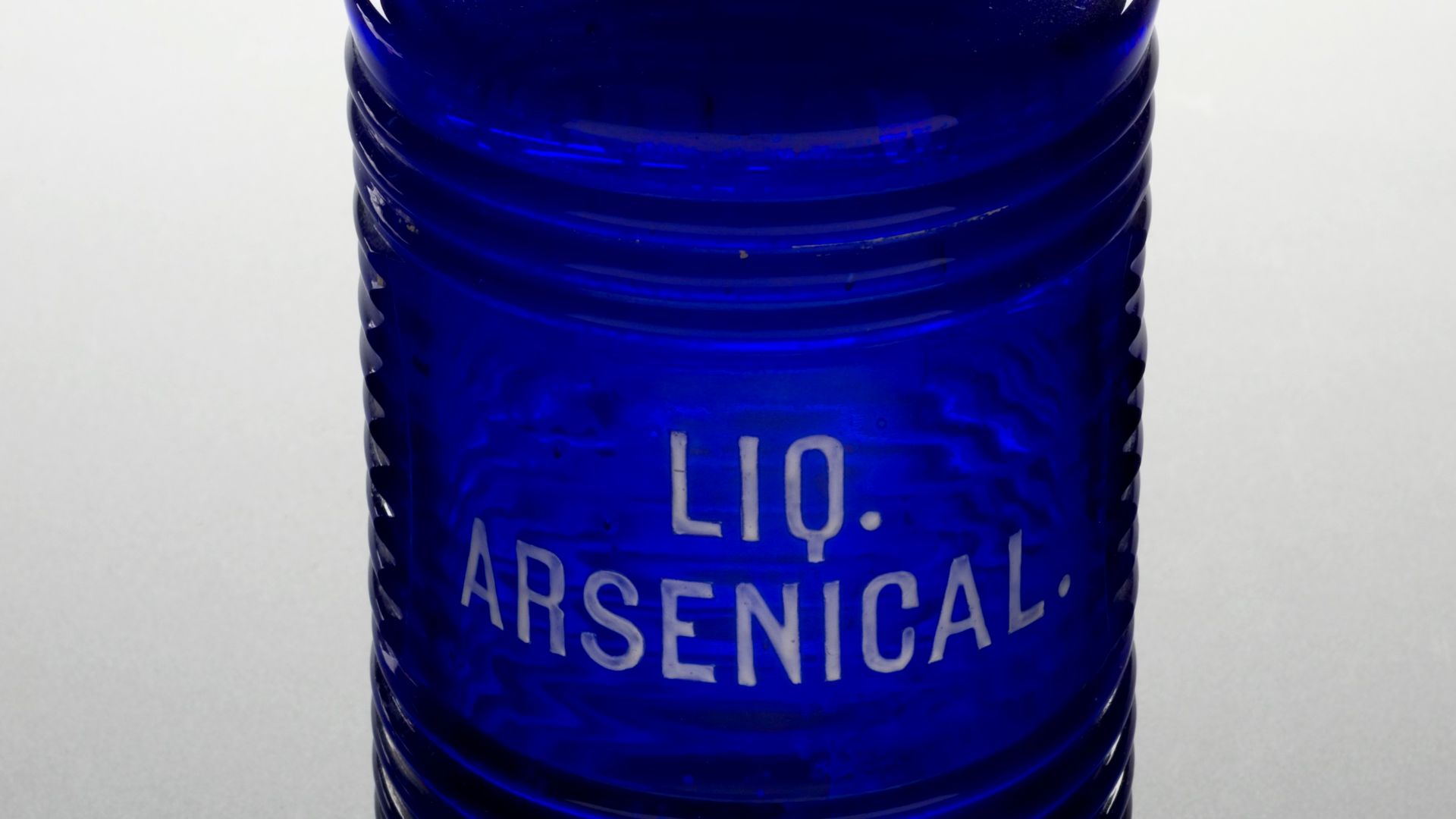
Thomas Fowler introduced his arsenic solution in the 1780s for ailments including malarial fevers. Even Fowler recorded nausea, vomiting, and abdominal pain in about one-third of his patients. Chronic inorganic arsenic exposure can produce neurological and other systemic toxicity, turning the supposed medicine into another health problem.

History's most fascinating stories and darkest secrets, delivered to your inbox daily.
Arsenic For Skin Conditions
Fowler's solution later became popular for eczema, psoriasis, and other skin diseases. Long-term medicinal arsenic use was associated with skin changes, peripheral neuropathy. A treatment intended to improve troublesome skin could therefore create entirely new systemic problems.
![Publication: [United States] : M. Bufford's Sons, 1876
Language(s): English
Format: Still image
Subject(s): Nonprescription Drugs
Genre(s): Advertisements
Abstract: Advertisement for Sulphide of Arsenicum. Statement on verso claims the medication,](https://www.factinate.com/storage/app/media/factinate/2026/9/27/1790513247fb23fd75c8dedef26e47e74653710e399d17e670.jpg) National Library of Medicine - History of Medicine, Wikimedia Commons
National Library of Medicine - History of Medicine, Wikimedia Commons
Arsenic As A General Tonic
Arsenic's reputation expanded until preparations containing it were recommended for an extraordinary range of ailments, from asthma to rheumatism. Chronic exposure eventually became associated with serious toxicity and carcinogenic effects. The supposed restorative tonic could quietly expose regular users to a recognized poison.
 Choij (talk), Wikimedia Commons
Antimony To Purge The Body
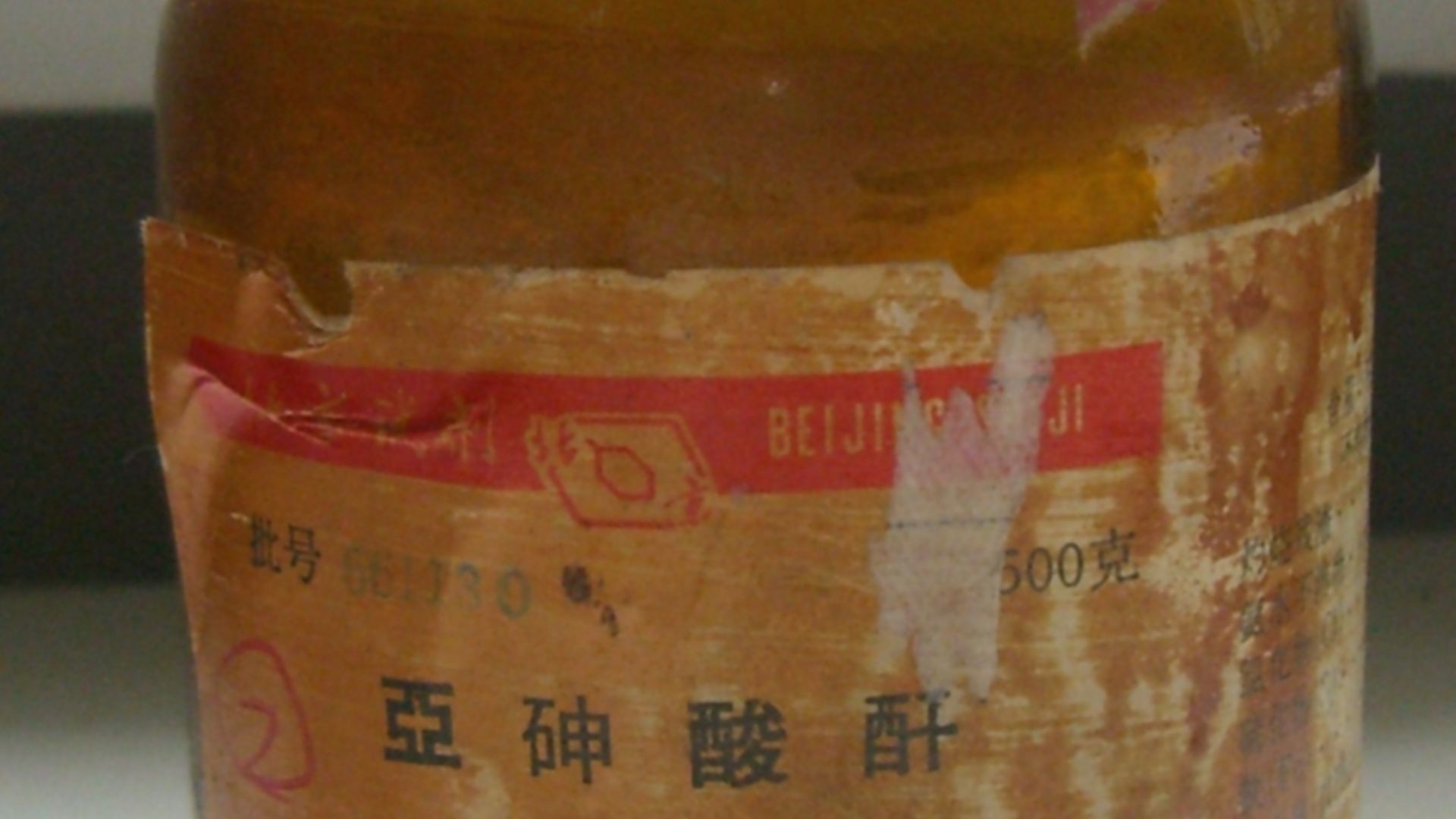
Antimony preparations were once promoted as powerful purgatives and even near-universal remedies. Their ability to provoke dramatic bodily reactions helped maintain their reputation. Unfortunately, antimony itself can be highly bad for the body, and historical reviews describe the treatment as responsible for numerous fatalities.
Blistering Inflamed Skin On Purpose
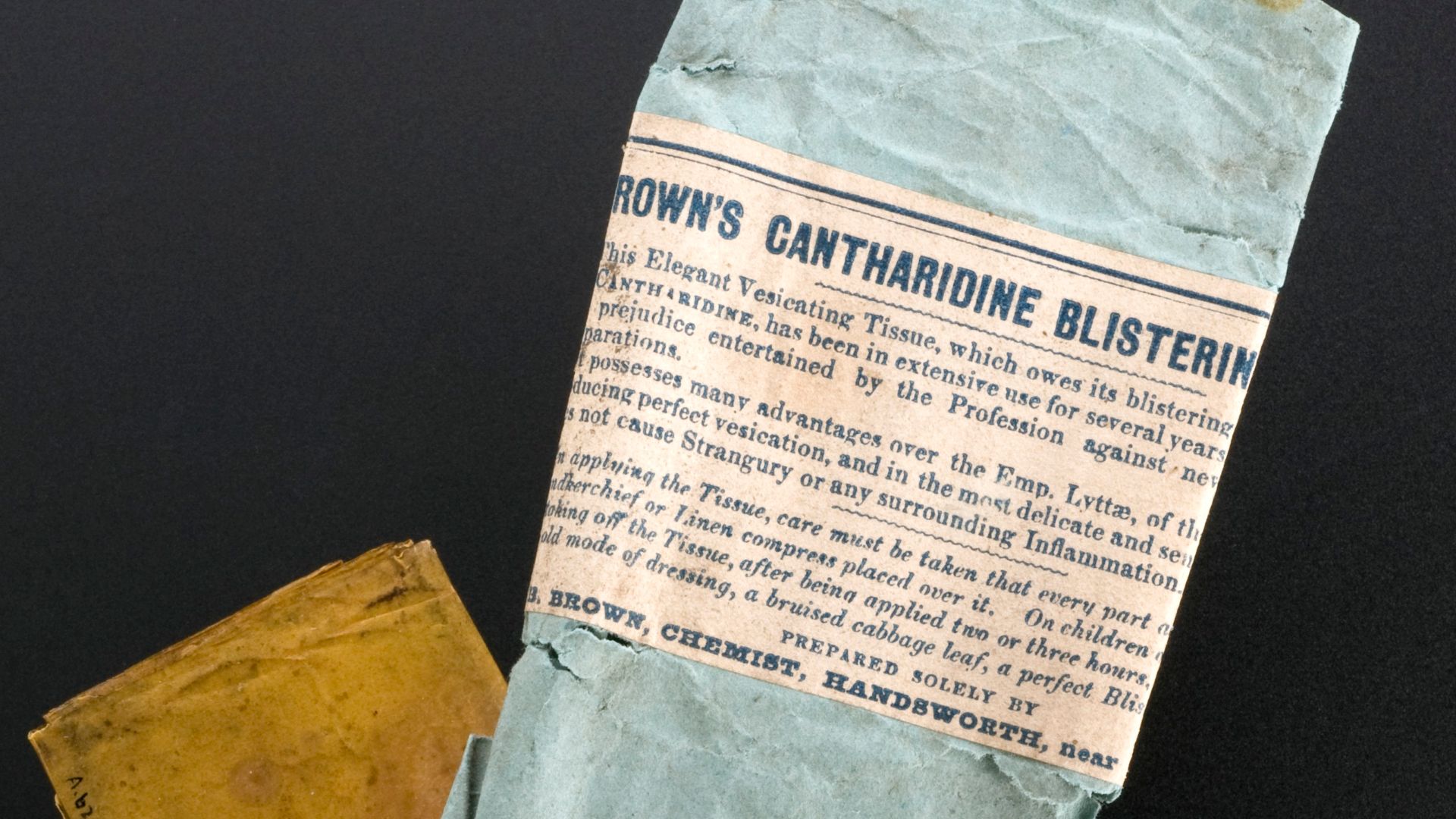
Counter-irritation held that creating a new injury could draw illness away from another location. Doctors therefore applied blistering substances such as cantharidin. The chemical genuinely does produce blisters, but excessive exposure can cause urinary complications and severe tissue irritation rather than fixing an unrelated internal illness.
Blistering George Washington's Throat
Bloodletting was not the only harsh treatment Washington received. His physicians applied cantharides, or Spanish fly, to his already painfully inflamed throat to raise blisters. The treatment deliberately added a chemical injury to the area while his underlying airway illness continued progressing..
 Benson J. Lossing & William Barritt for Harper & Brothers (publisher), Wikimedia Commons
Morphine Syrup For Teething Babies
Mrs. Winslow's Soothing Syrup was marketed to calm distressed children and contained morphine. Smithsonian records note that users risked addiction and fatal overdoses. A remedy intended to quiet teething discomfort therefore exposed infants to an opioid powerful enough to suppress essential bodily functions.
![Publication: [United States : s.n.], [1885]
Language(s): English
Format: Still image
Subject(s): Nonprescription Drugs
Genre(s): Advertisements
Abstract: Advertisement for Mrs. Winslow's Soothing Syrup. This product was for teething children and contained](https://www.factinate.com/storage/app/media/factinate/2026/9/27/179052883069018f3c8934445803d45cad0c16239681332fc0.jpg) National Library of Medicine - History of Medicine, Wikimedia Commons
National Library of Medicine - History of Medicine, Wikimedia Commons
Radioactive Water For Everyday Complaints
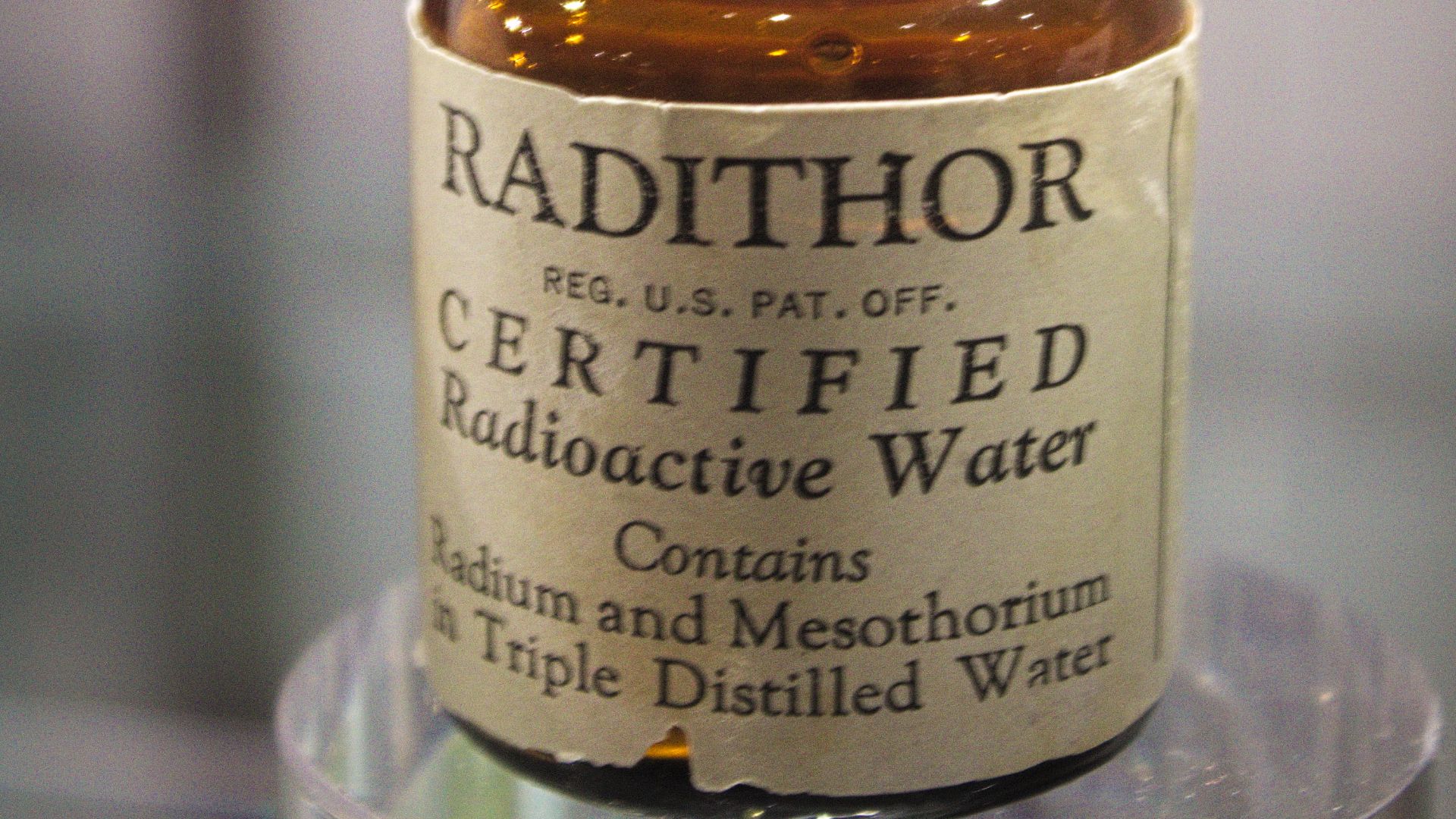
Radithor contained radium and mesothorium dissolved in water and was promoted for ailments ranging from arthritis to high blood pressure and intimacy complaints. The product delivered radioactive material internally. What looked like futuristic medicine was actually repeated radiation exposure sold as a health tonic.
 Sam LaRussa from United States of America, Wikimedia Commons
Lead-Based Remedies
Lead has appeared in traditional powders and tablets used for complaints including upset stomach, arthritis, infertility, menstrual cramps, and colic. Rather than curing those conditions, contaminated remedies can expose users to lead, an exposure with potentially serious neurological and systemic consequences.

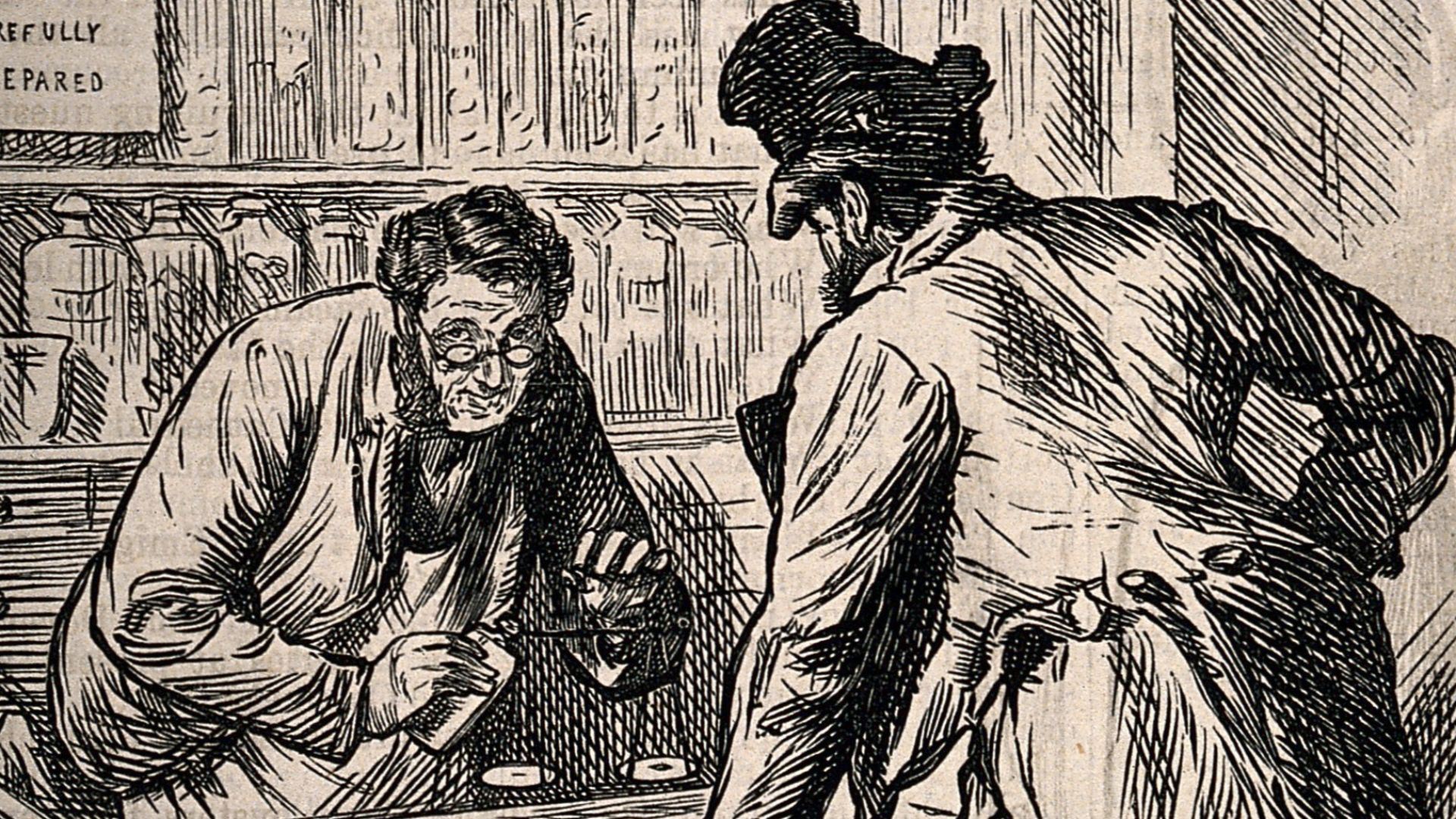
Patent Medicines With Hidden Heavy Metals
Researchers examining surviving patent medicines from the late 19th and early 20th centuries found some contained lead, mercury, or arsenic. Consumers often had little idea what was inside these proprietary remedies. Someone seeking relief could therefore unknowingly add heavy-metal exposure to whatever illness prompted the purchase.
![Title: Patent medicine labels for Perry Davis & Son, showing view of Providence, R.I., and four patent medicine bottles] / Kilburn & Mallory sc., Boston
Abstract/medium: 2 prints (2 p.) : engraving.](https://www.factinate.com/storage/app/media/factinate/2026/9/28/179055985973e4ad2151d6933aefd2bf481a450f91d6b9d9a3.jpg) Miscellaneous Items in High Demand, PPOC, Library of Congress, Wikimedia Commons
Miscellaneous Items in High Demand, PPOC, Library of Congress, Wikimedia Commons
Insulin Comas For Schizophrenia
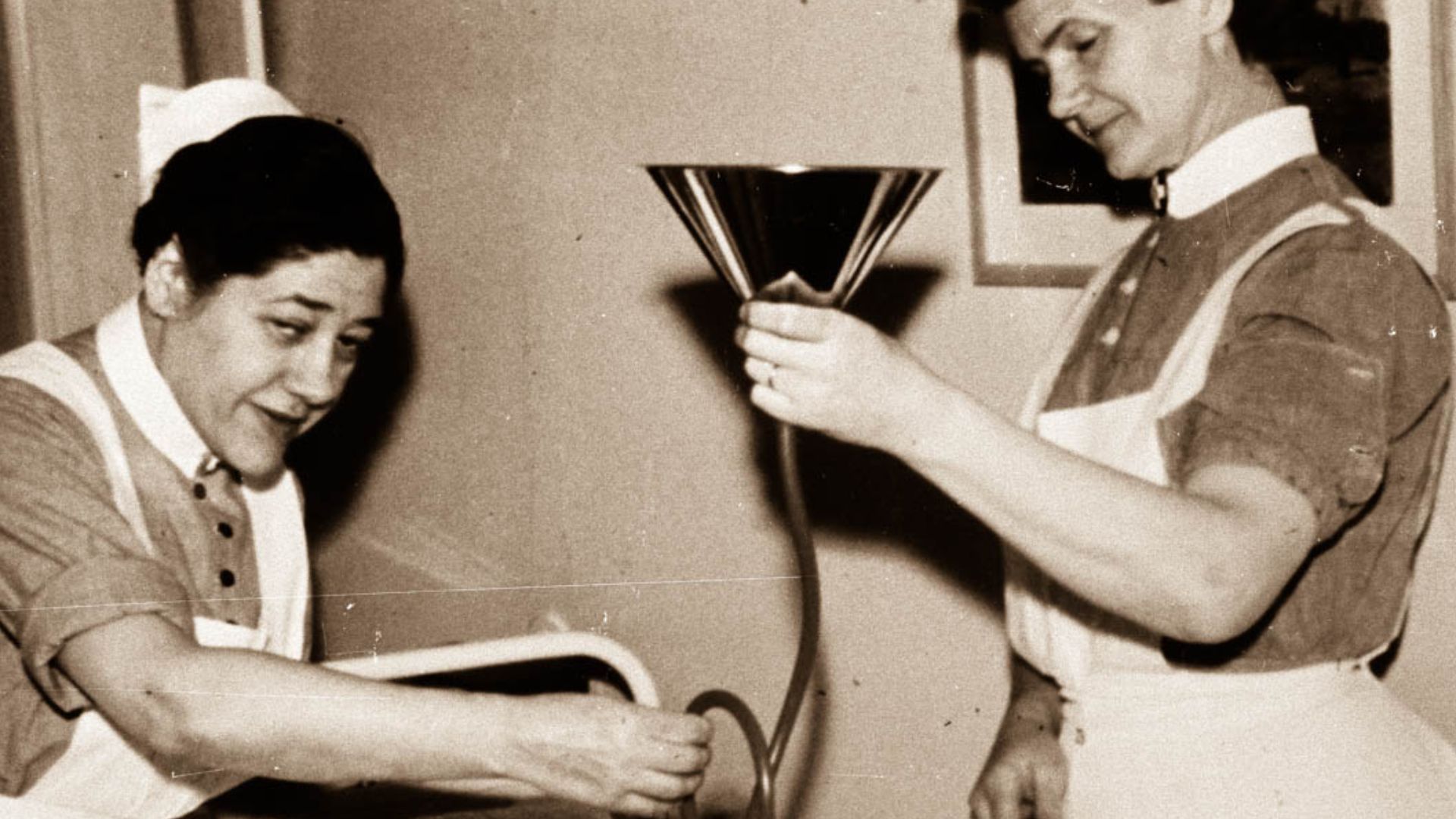
Beginning in the 1930s, psychiatrists deliberately gave people with schizophrenia enough insulin to cause profound hypoglycemia and coma. Patients could remain unconscious or semi-conscious for hours before receiving glucose. Later controlled evidence failed to establish the claimed benefit, leaving an invasive and dangerous treatment without demonstrated therapeutic justification.
 Unknown authorUnknown author, Wikimedia Commons
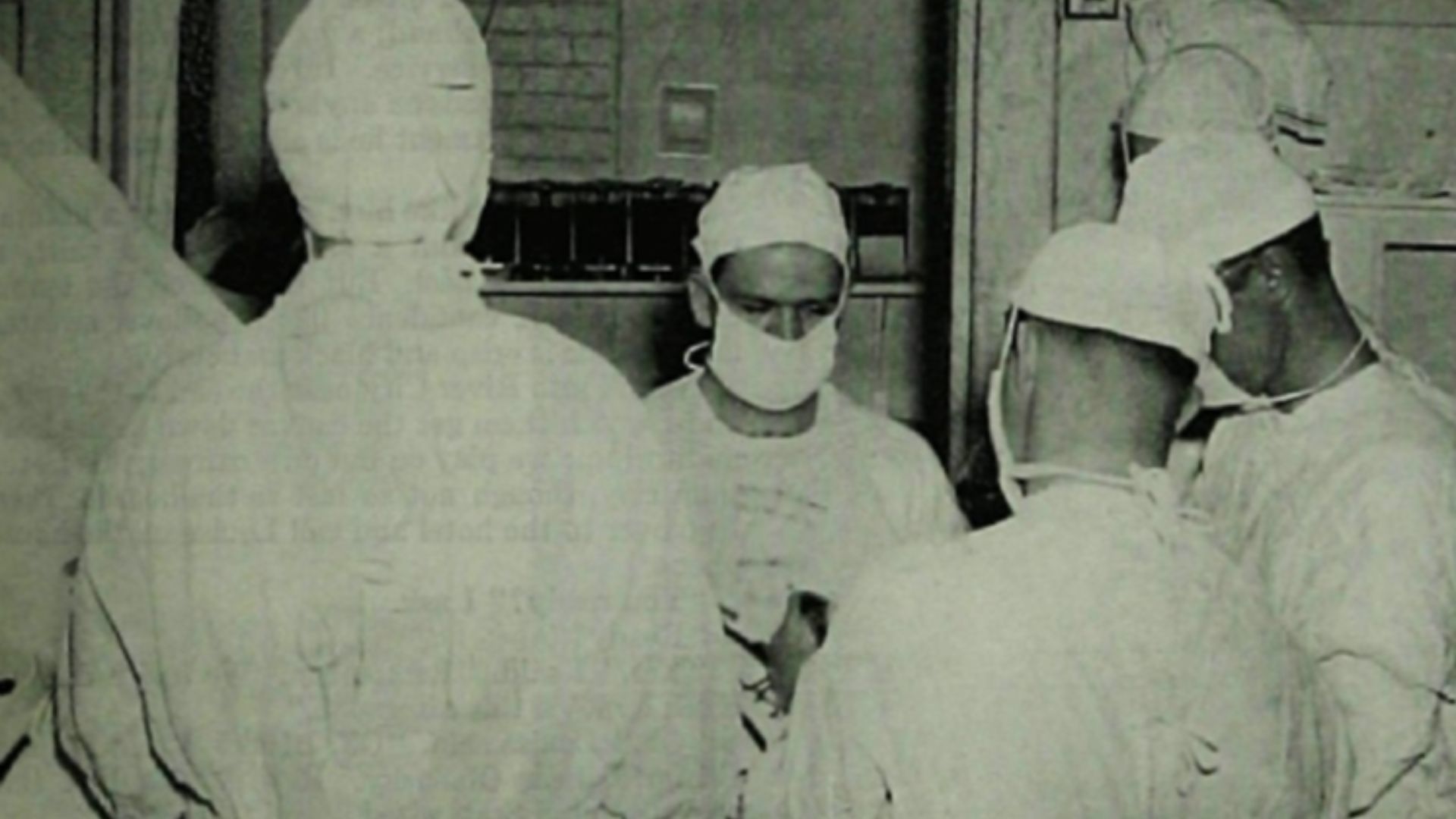
Lobotomies For Psychiatric Illness
Frontal lobotomy was introduced in the 1930s and became an accepted treatment for conditions including schizophrenia and obsessive-compulsive illness. The operation intentionally damaged connections involving the frontal lobes. Poor outcomes helped drive its decline before antipsychotic medication ultimately pushed the procedure largely out of psychiatric practice.
 Photography Harris A Ewing, Wikimedia Commons
Pulling Teeth To Treat Mental Illness
The early 20th-century "focal infection" theory blamed hidden bodily infections for numerous chronic conditions, including psychiatric disorders. Some patients consequently had teeth removed in hopes of curing their symptoms. Independent studies in the 1920s found that such surgical interventions failed to improve psychiatric illness, leaving patients with fewer teeth but the same disorder.
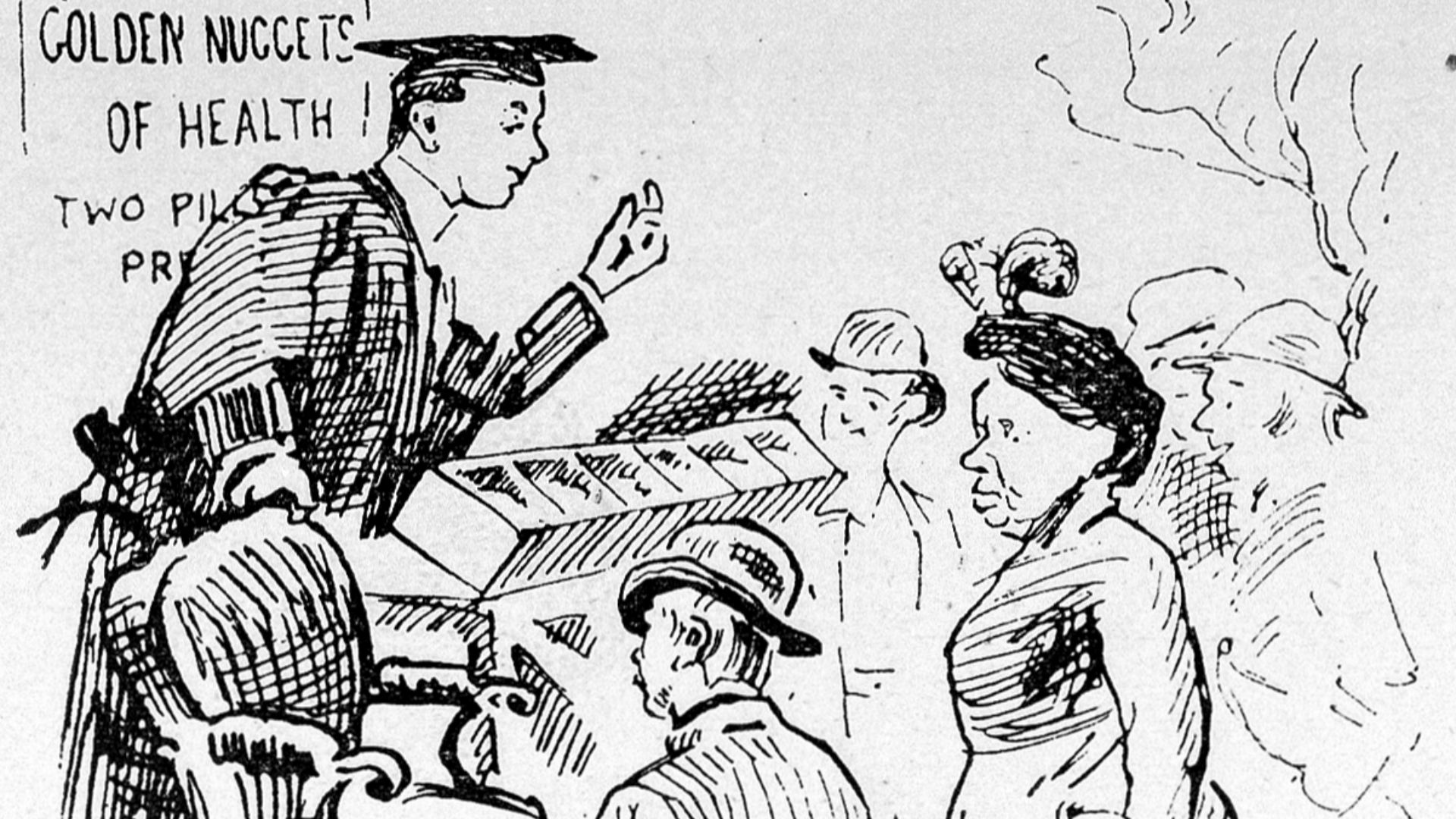
Cold Showers To Frighten Psychiatric Patients
Early 19th-century psychiatric physicians designed powerful cold showers partly to cool supposedly inflamed brains and partly to frighten patients into submission. The experience was deliberately unpleasant, and shower-related fatalities were eventually recorded. The practice declined as its dangers became increasingly difficult to ignore.
![The Douche: the jet of cold water [sometimes mineral waters] could be directeddownwards, horizontally or upwards. The author says that douches were unpopular with French physicians, much more in Germany.
Rare Books
Keywords: neurology and psychiatry; Jos](https://www.factinate.com/storage/app/media/factinate/2026/9/27/17905296103532b800e799be59e0d39933dd19b6b01253537a.jpg)
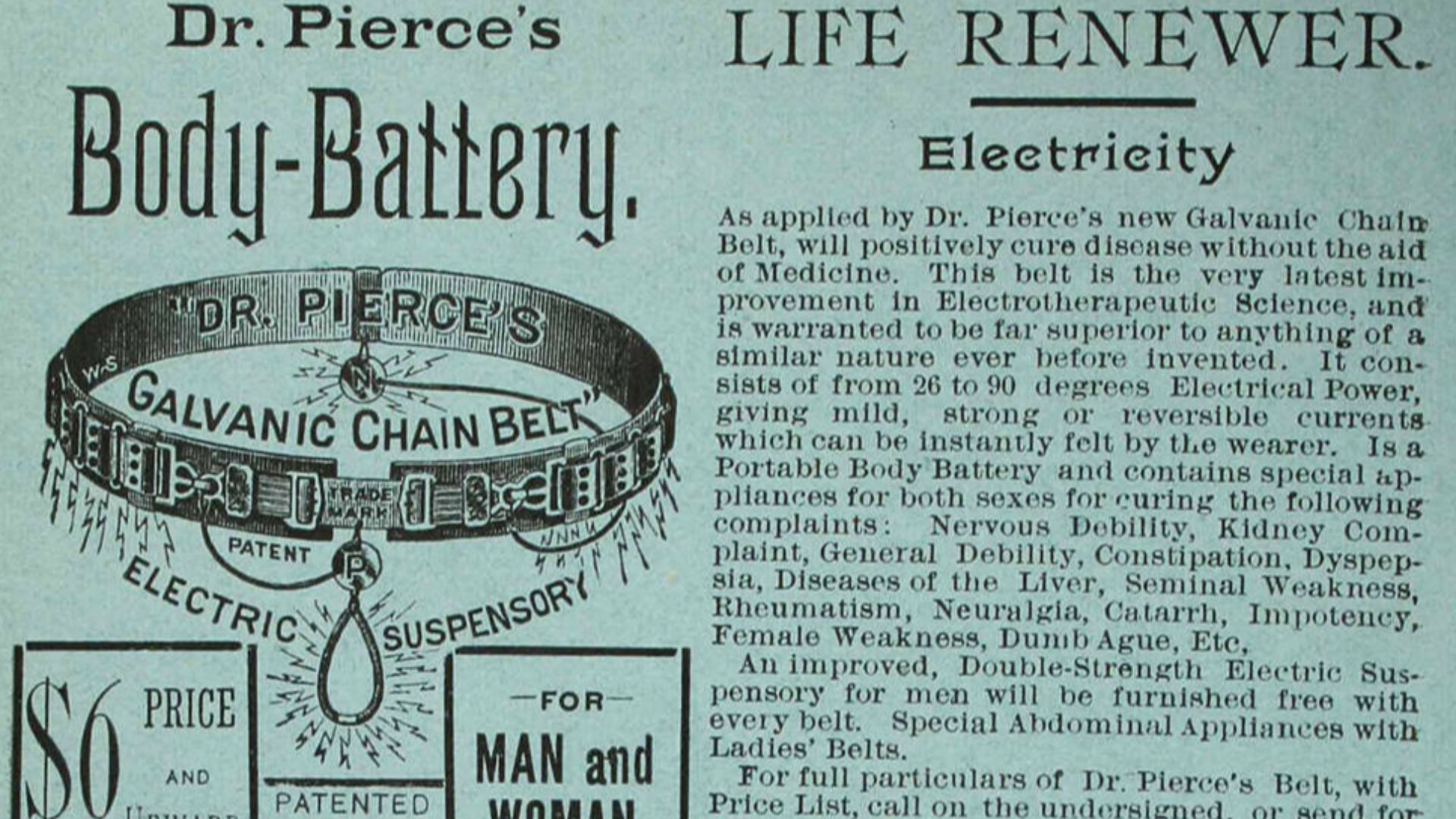
Electric Belts For "Nervous Debility"
Electrical belts became fashionable treatments for "nervous debility" and intimacy complaints in the late 19th century. Copper and zinc plates could create a tingling current, making wearers feel something medicinal was happening. Historical accounts describe perspiration and vinegar contributing to skin redness and irritation instead.
 Magnetic Elastic Truss Company, Wikimedia Commons
Medicine Eventually Learned To Demand Receipts
What makes these treatments unsettling is that many were not fringe ideas. Bloodletting, mercury, arsenic, insulin coma therapy, and lobotomy all spent time inside respectable medicine. Their history helped strengthen the case for controlled trials, toxicology, accurate diagnosis, and treatments based on physiology rather than how dramatic a remedy looks or feels.
You May Also Like:
Ancient Medical Treatments That Somehow Worked
Everyday Words That Came From People Whose Names Most Of Us Have Forgotten
Things You Used To Need A Human Being To Do For You
Source: 1