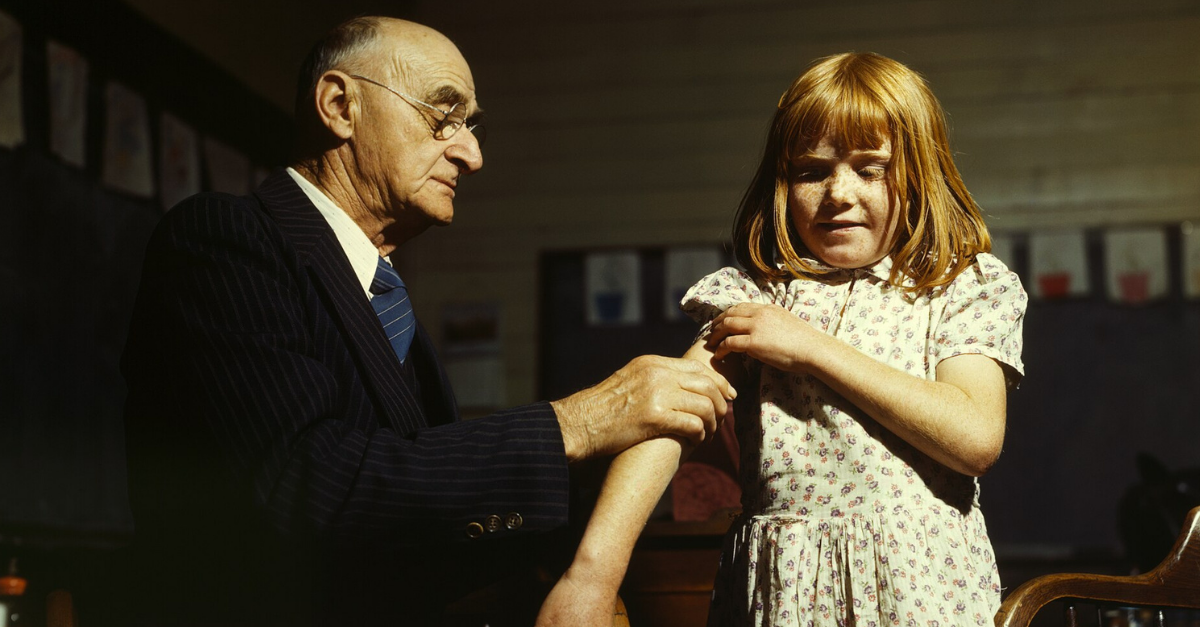
Products That Started in One Lane—Then Completely Switched Audiences
Some products didn’t just evolve… they completely switched lanes. What started as something for one group ended up becoming wildly popular with a totally different audience. And honestly, some of these flips are pretty unexpected.
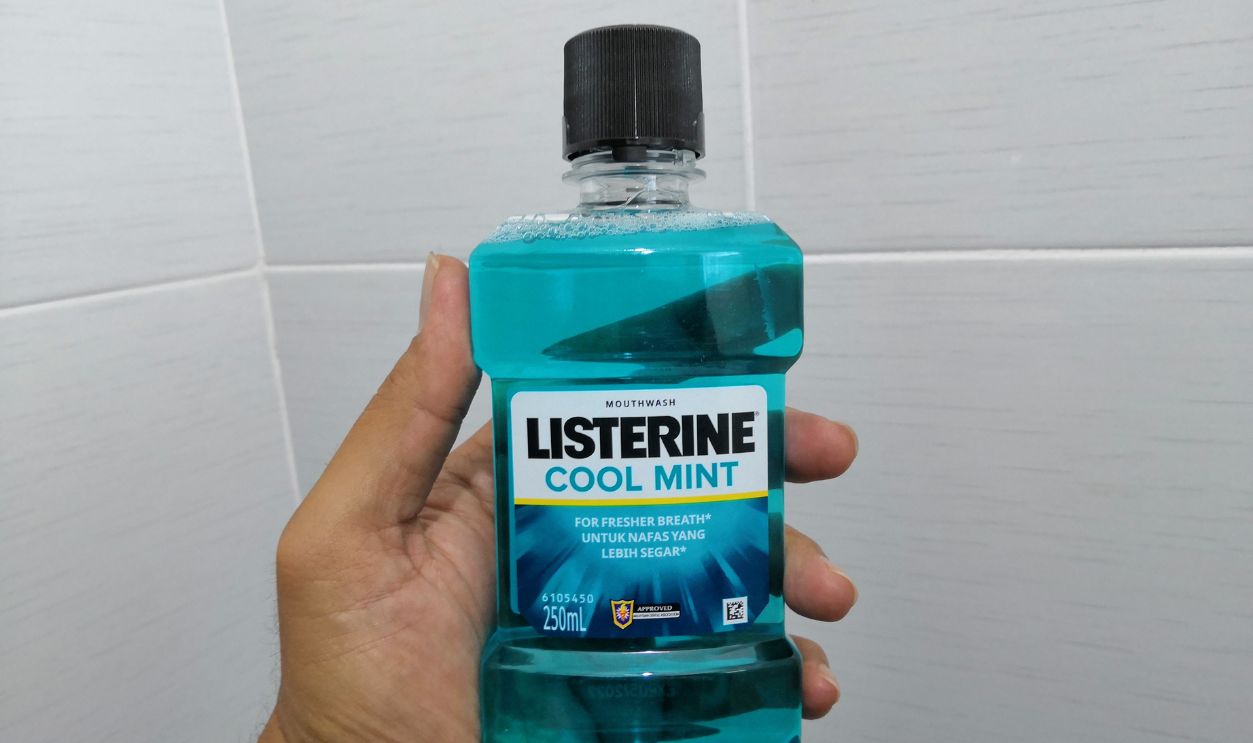
#25. Listerine
Originally marketed in the late 1800s as a surgical antiseptic, Listerine wasn’t meant for your mouth at all. It later targeted people with “chronic bad breath” in the 1920s. Today, it’s a daily oral care staple used by basically everyone.
 Everything You Need, Shutterstock
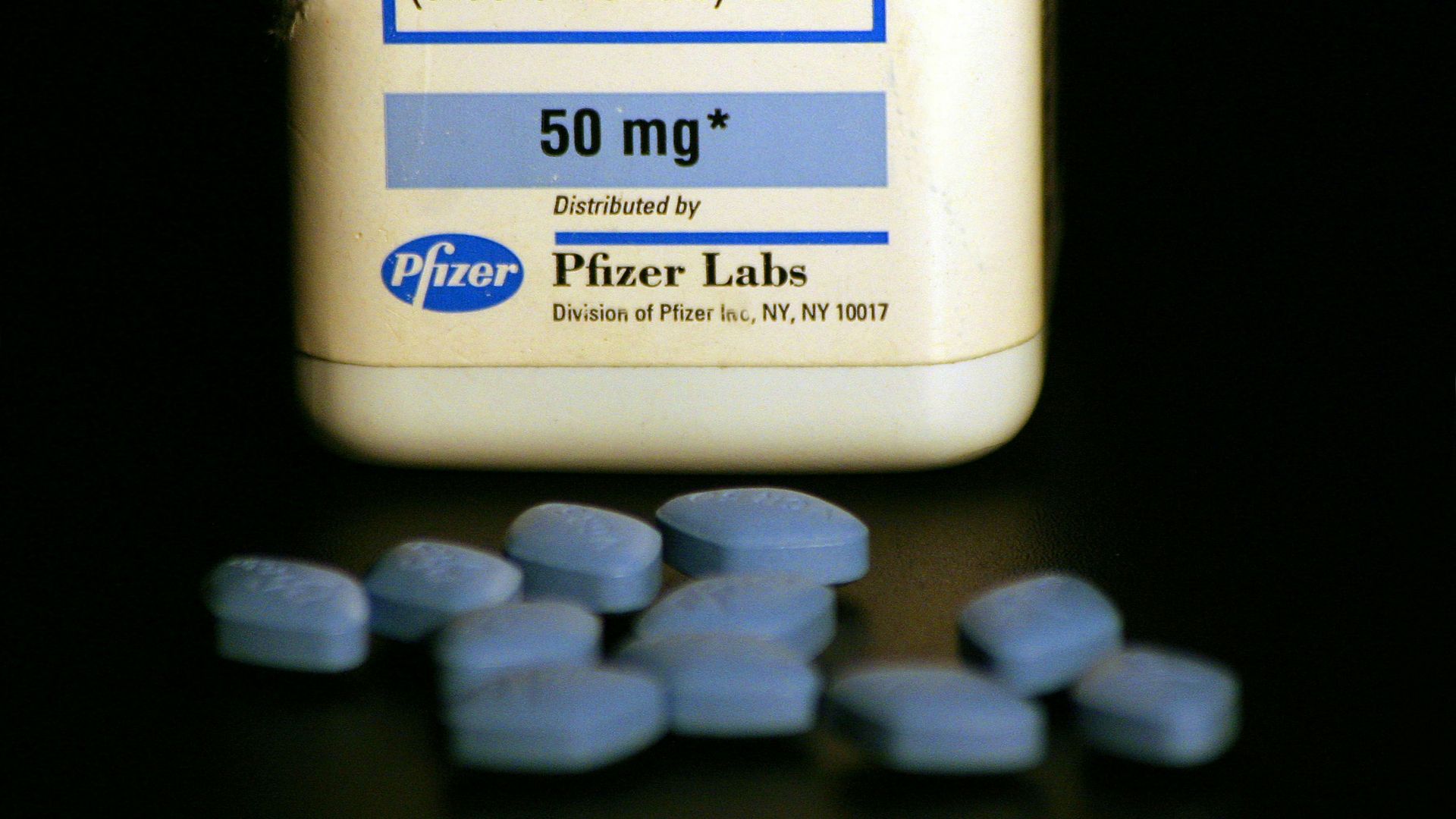
#24. Viagra
Developed in the 1990s as a heart medication, Viagra was originally meant to treat high blood pressure. During trials, researchers noticed a very different effect. Today, it’s primarily marketed for erectile dysfunction and has become one of the most well-known medications in the world.
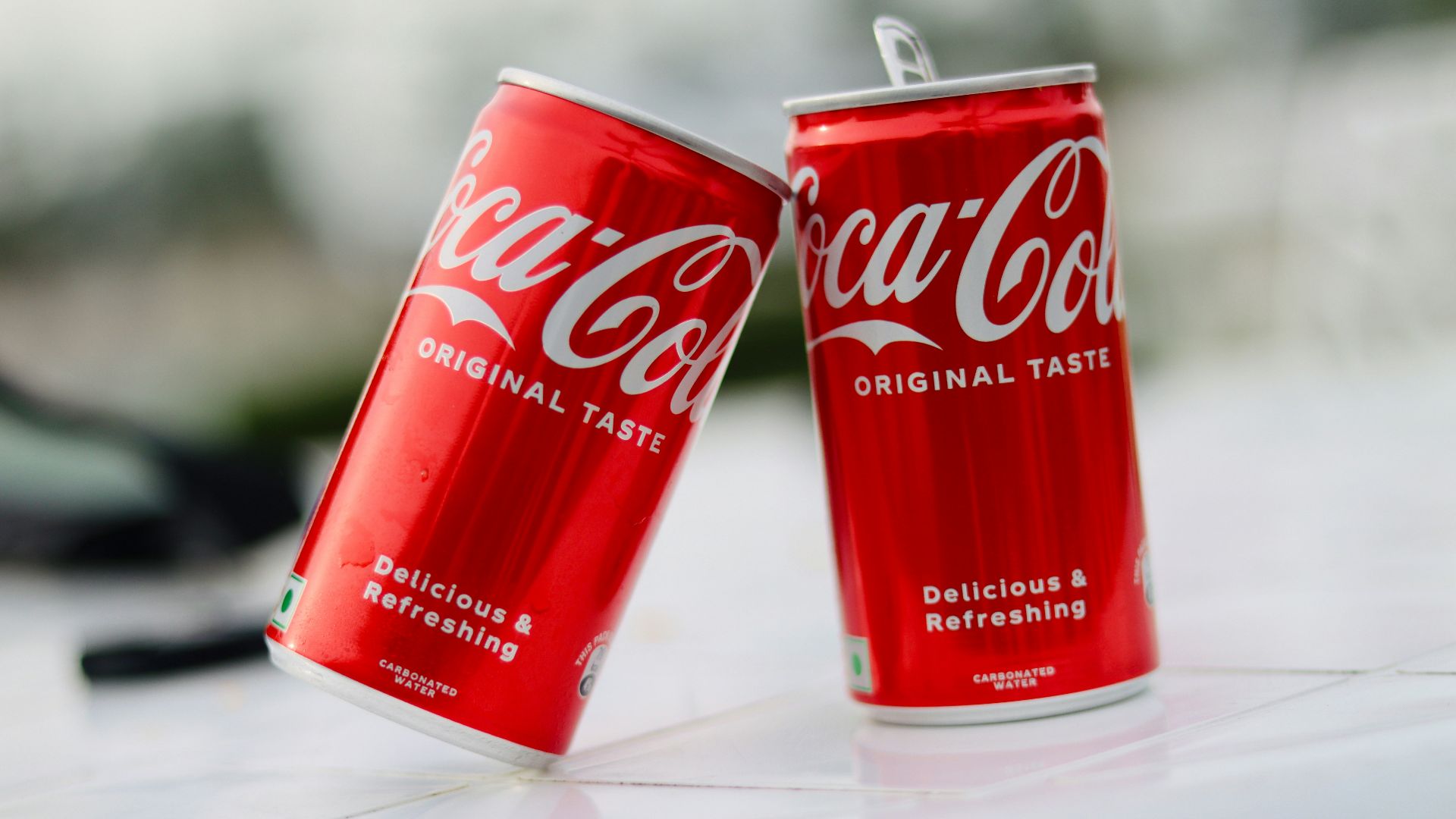
#23. Coca-Cola
In the 1880s, Coca-Cola was sold as a medicinal tonic meant to treat headaches and fatigue. It was even marketed to adults as a health drink. Today, it’s a global soda brand enjoyed by all ages—definitely not seen as medicine anymore.
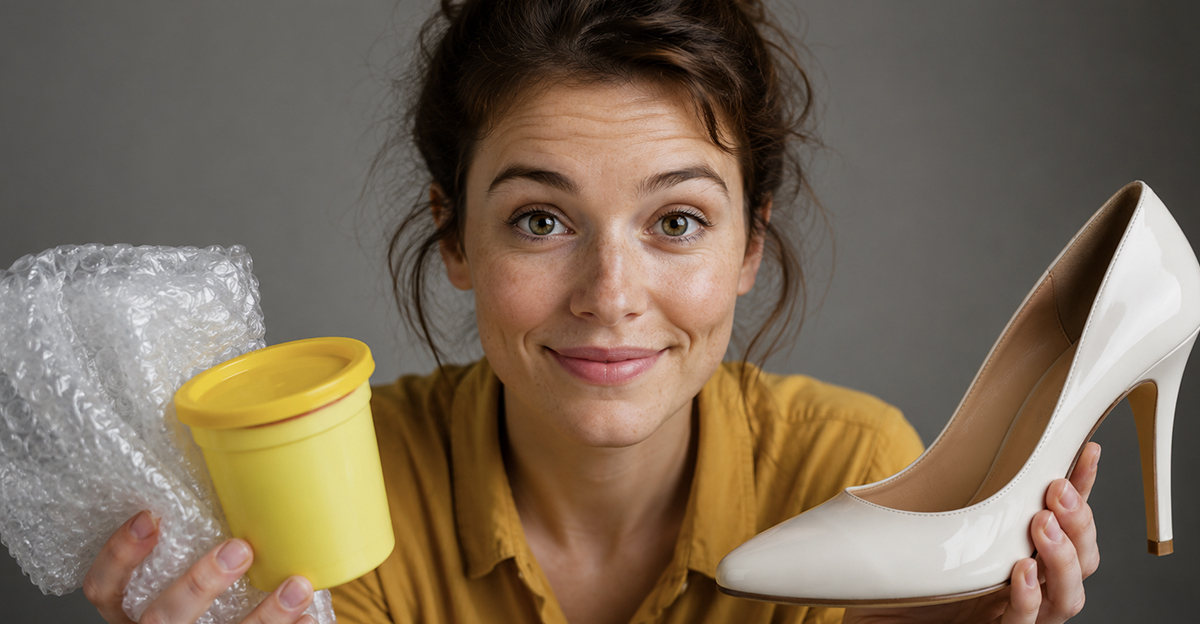
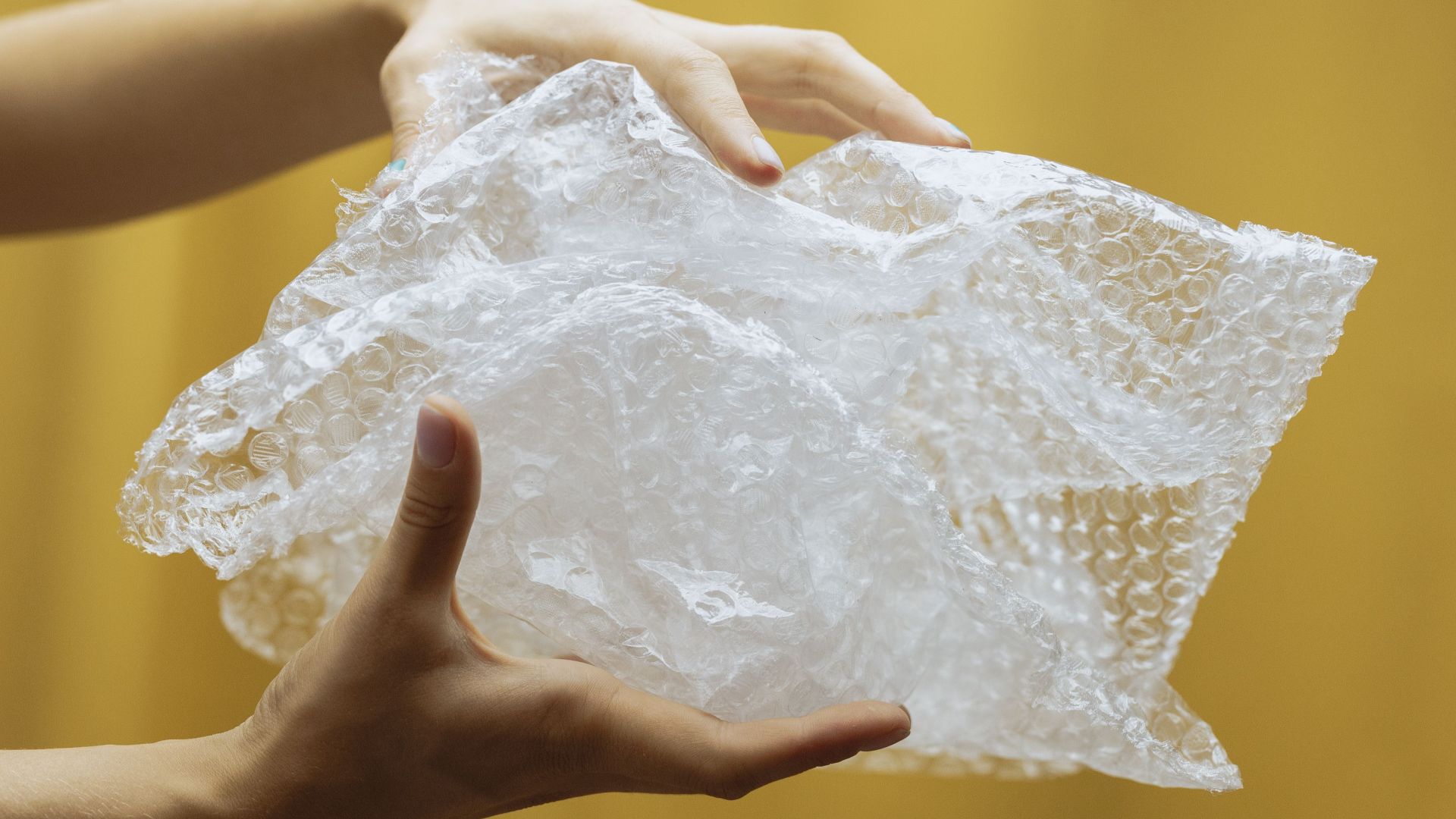
#22. Bubble Wrap
Invented in 1957, bubble wrap was originally intended to be textured wallpaper. That didn’t work. Eventually, it was repurposed for packaging. Today, it’s used for shipping—and stress relief.
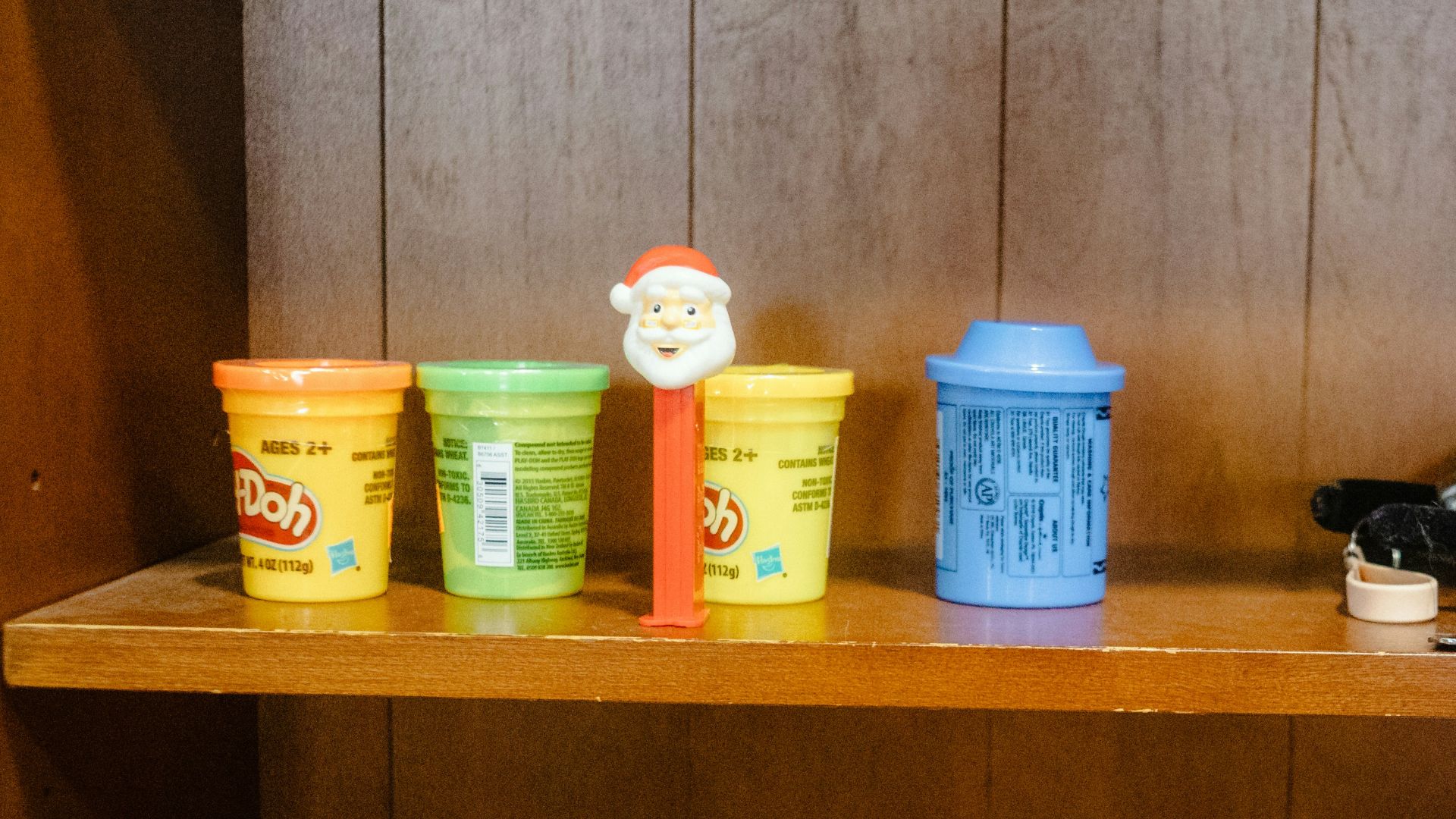
#21. Play-Doh
In the 1930s, Play-Doh started as a wallpaper cleaner to remove soot stains. Teachers later discovered kids loved playing with it. Today, it’s marketed almost entirely as a children’s toy.
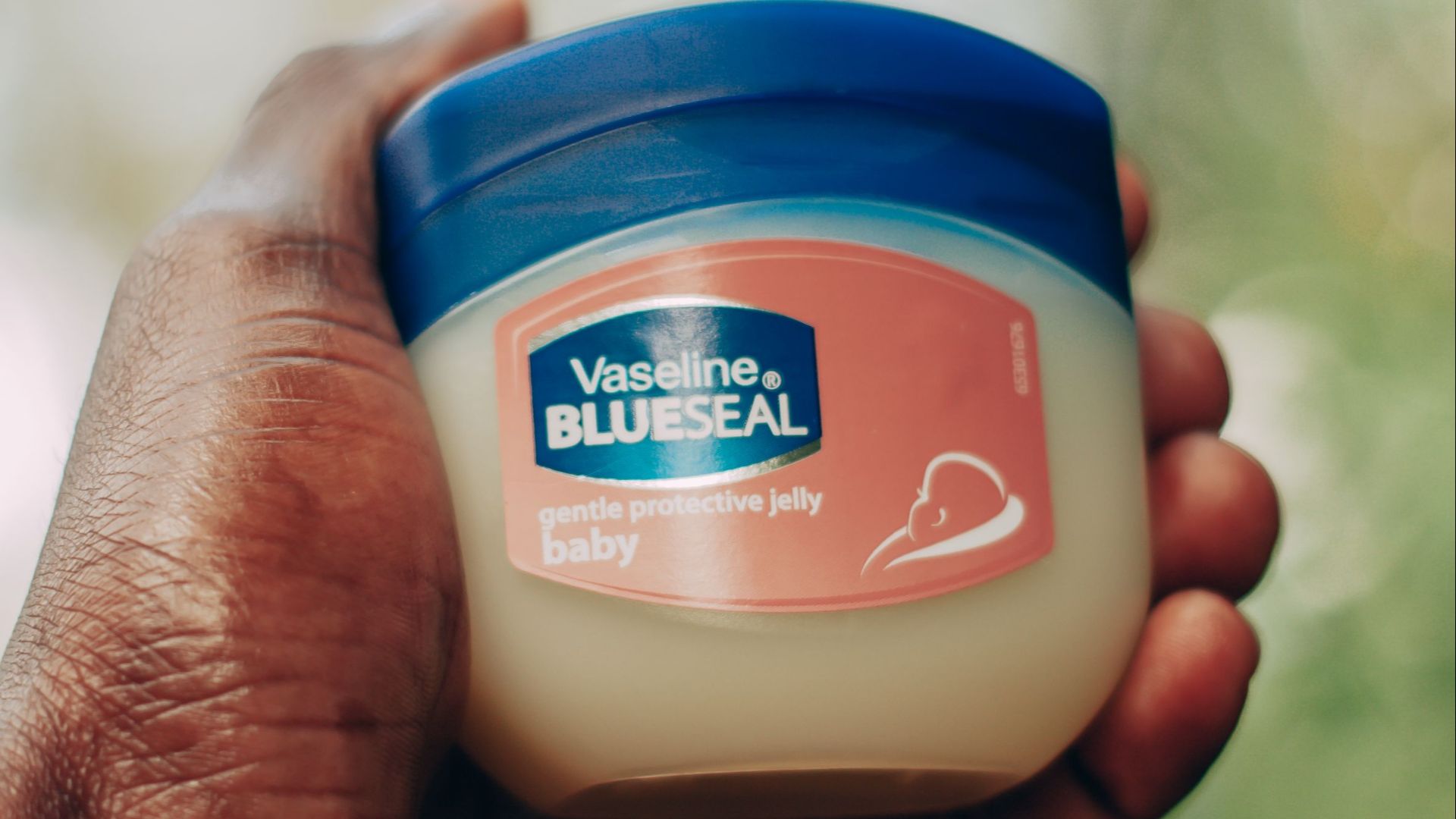
#20. Vaseline
In the late 1800s, Vaseline was marketed as a cure-all for wounds and skin issues. While it still has medical uses, today it’s mostly used for cosmetic and skincare purposes by a broader audience.
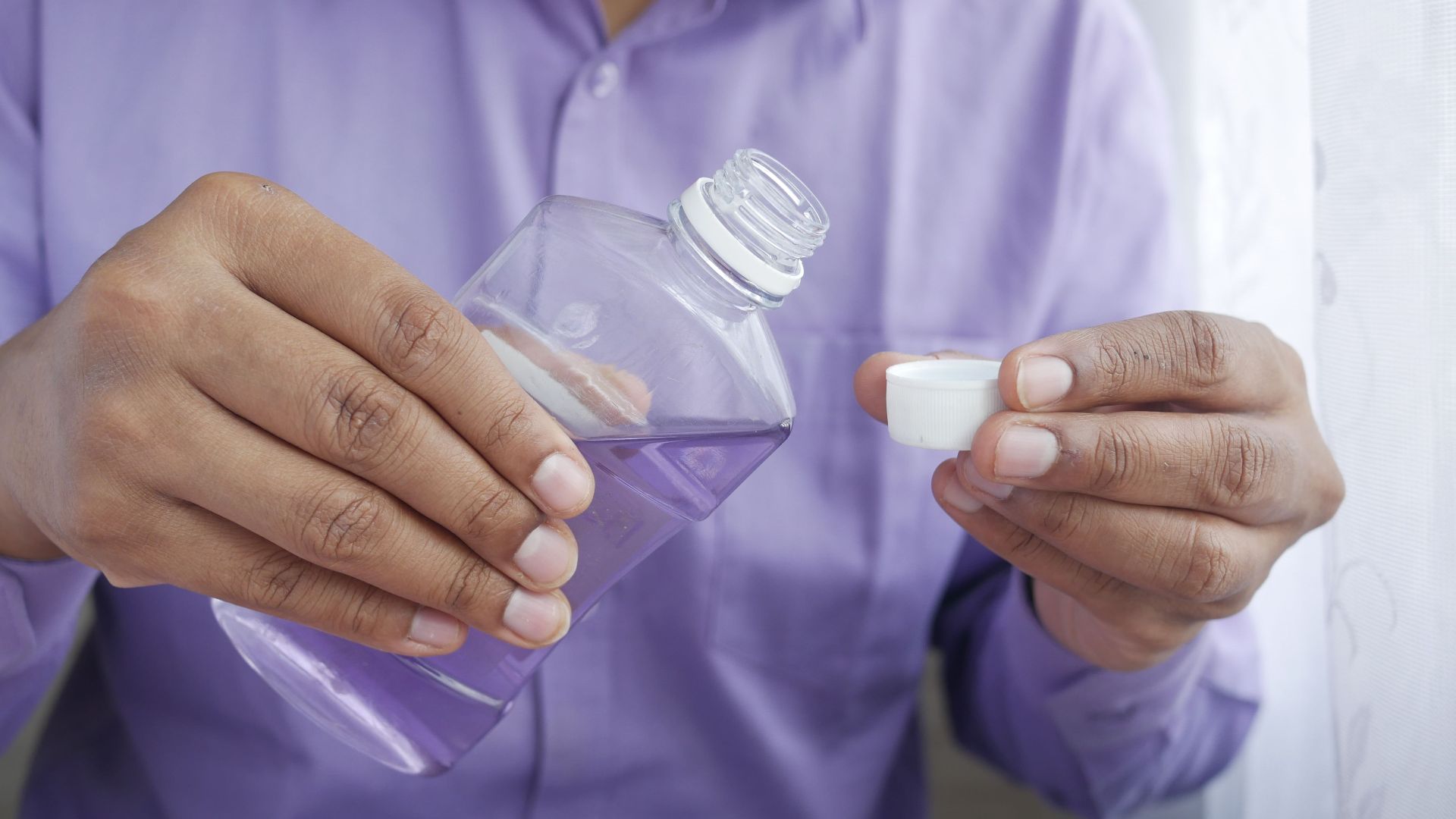
#19. Mouthwash
Early mouthwash products in the early 1900s were marketed mainly for medical hygiene. Over time, companies shifted messaging toward social confidence. Today, it’s marketed as a daily personal care item.
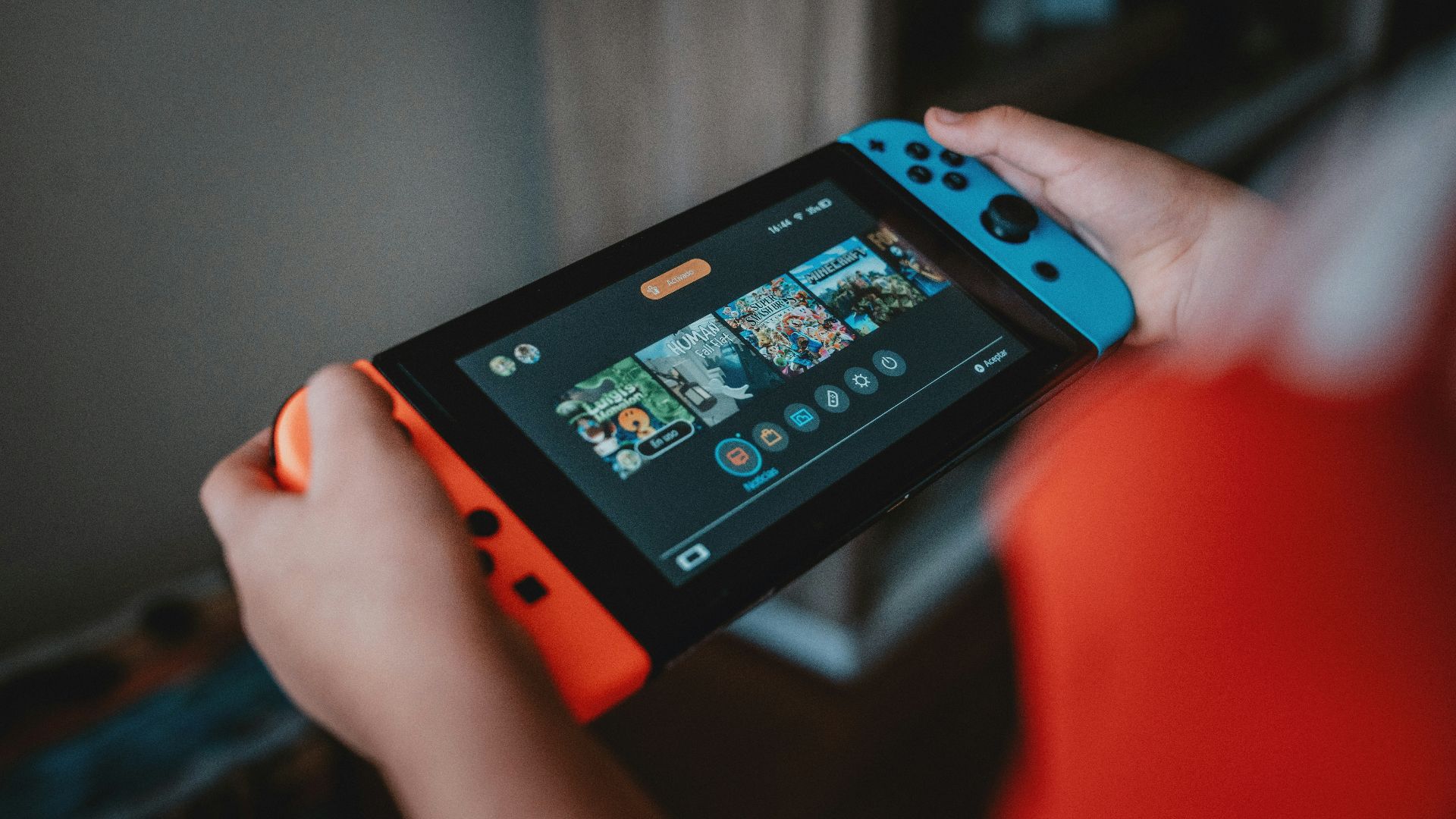
#18. Nintendo
Nintendo started in 1889 making playing cards for adults in Japan. It had nothing to do with video games. Today, it’s a gaming giant targeting kids, teens, and adults.
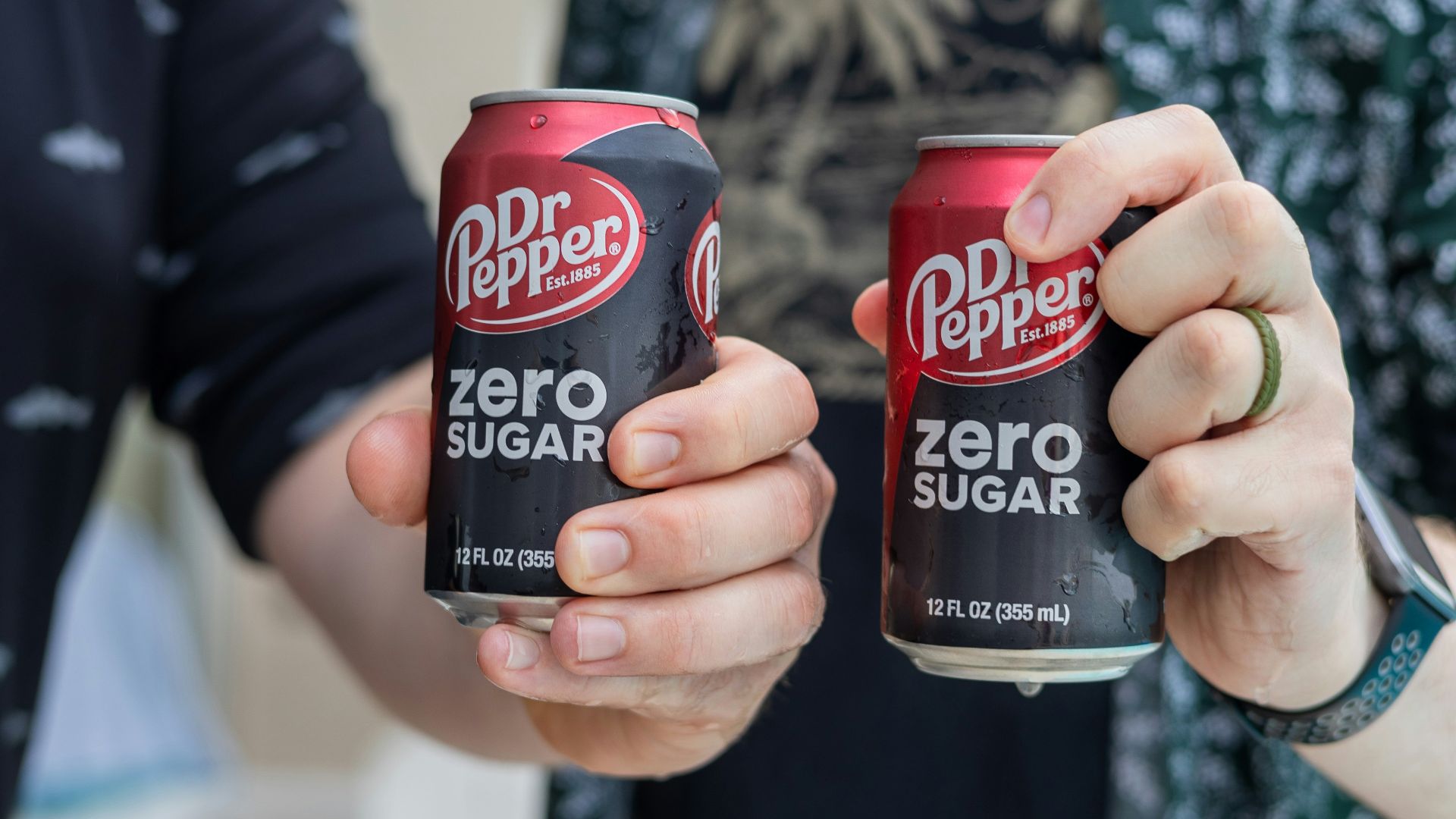
#17. Dr. Pepper
Originally created in the 1880s, Dr. Pepper was marketed as a brain tonic and energy booster for adults. Today, it’s just another soda enjoyed casually.
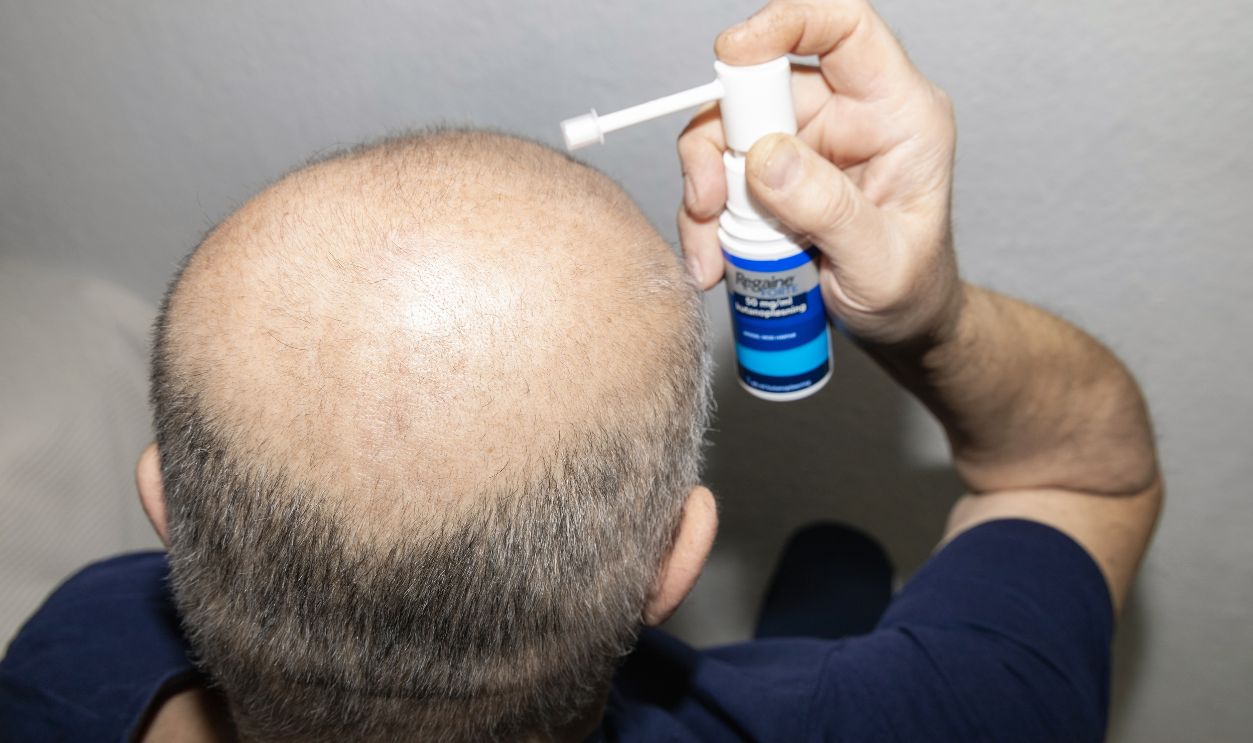
#16. Rogaine
In the 1970s, minoxidil was developed to treat high blood pressure. Doctors noticed hair growth as a side effect. Today, it’s marketed for hair regrowth.
#15. Crayola Crayons
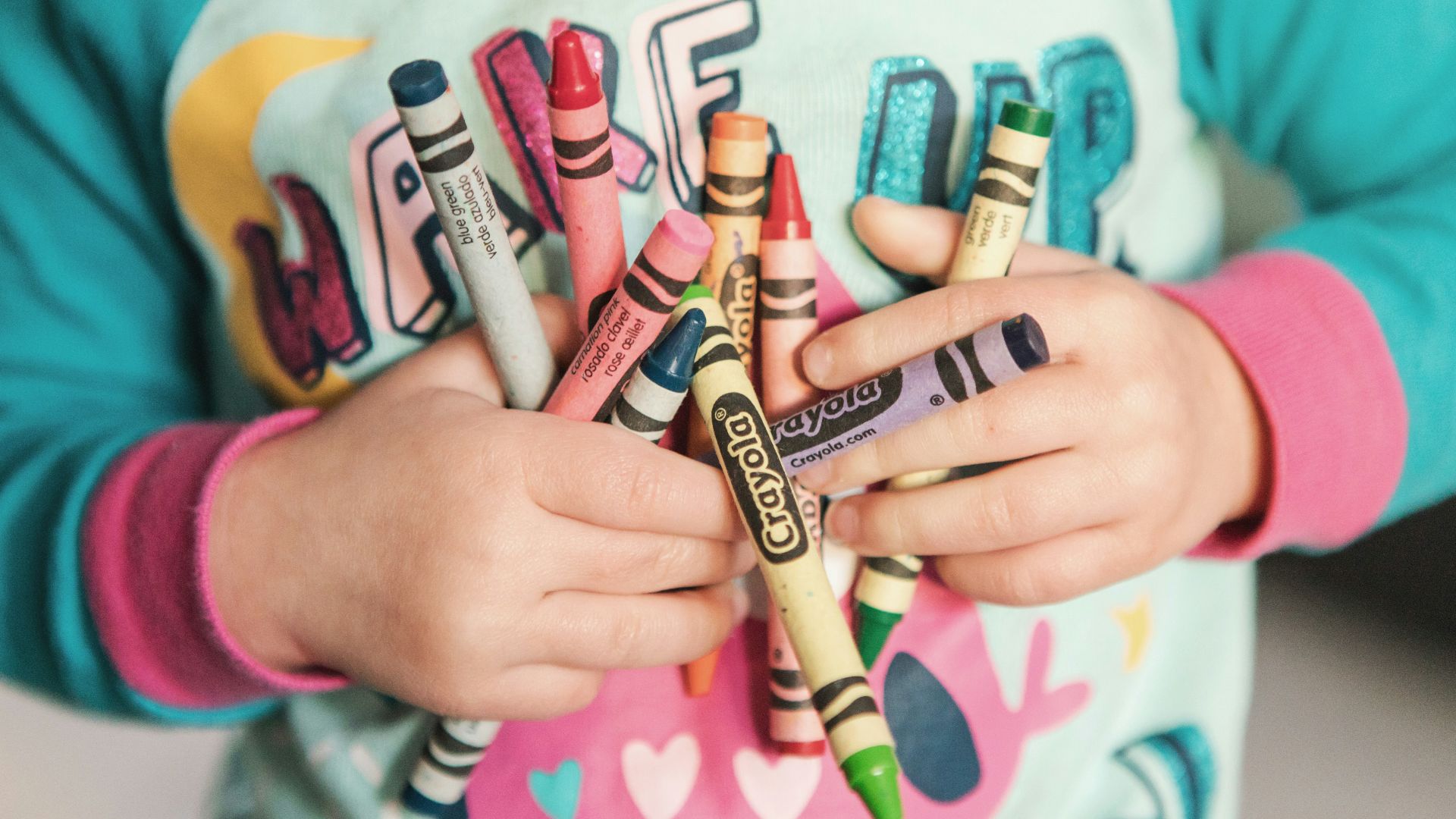
Crayola originally produced industrial pigments in the early 1900s. They later shifted toward safe crayons for children. Today, they’re a childhood staple.
#14. High Heels
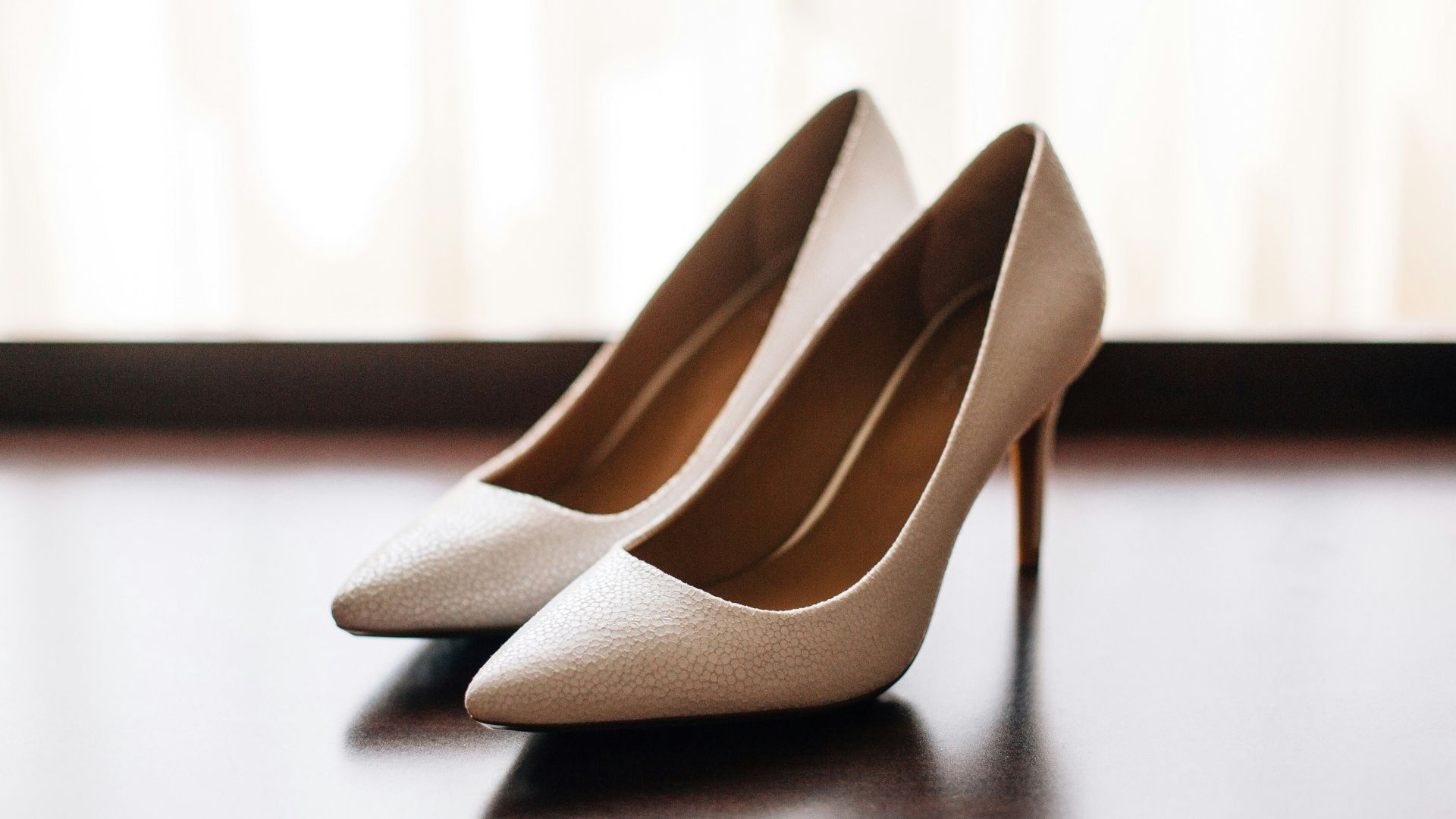
High heels were worn by men in the 1600s, especially soldiers and aristocrats. Over time, fashion shifted. Today, they’re marketed toward women.
#13. Champagne
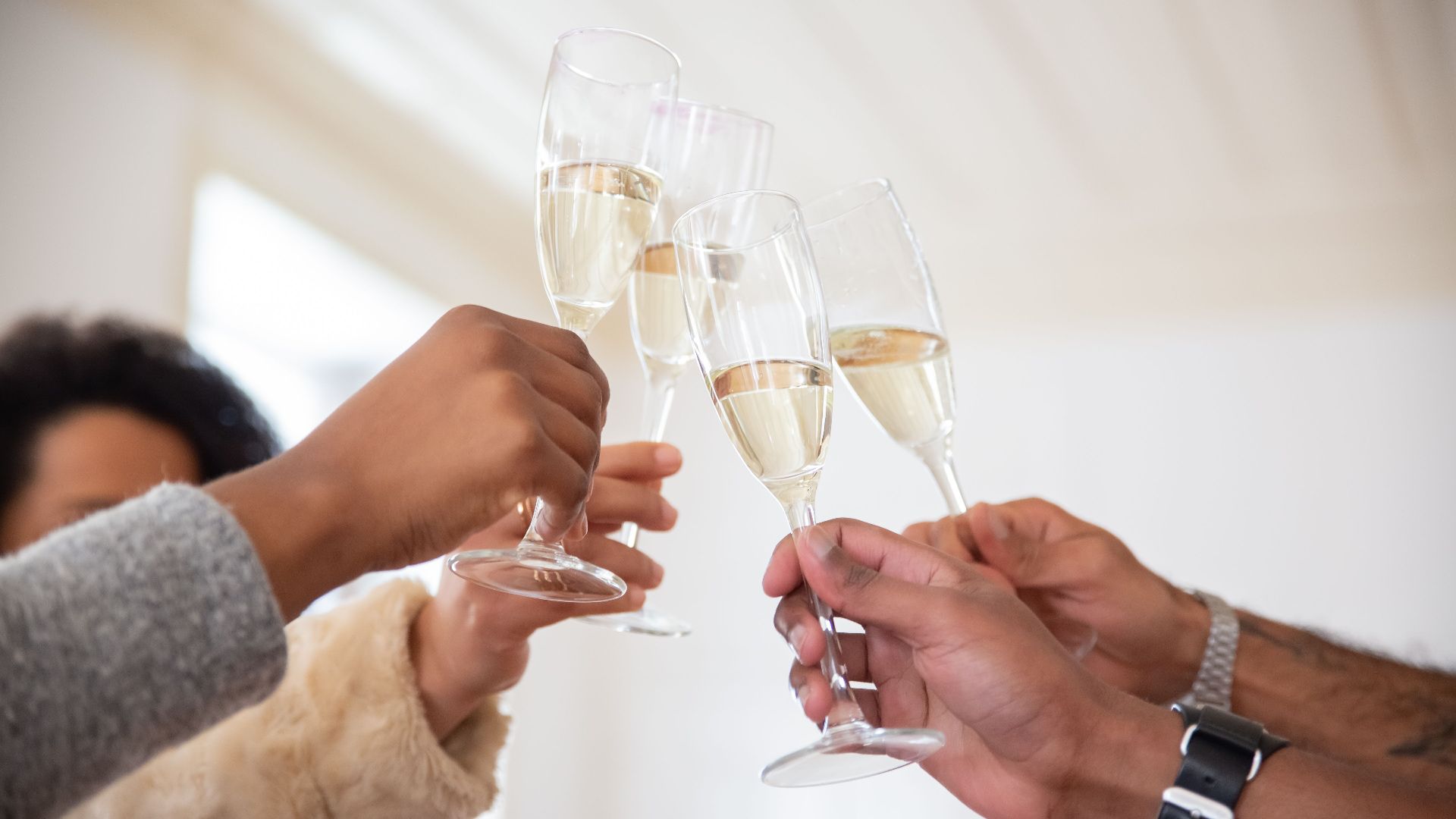
In the 1700s, champagne wasn’t considered luxury and was inconsistent. Over time, it became associated with wealth and celebration. Today, it’s marketed as a premium drink.
#12. Baking Soda
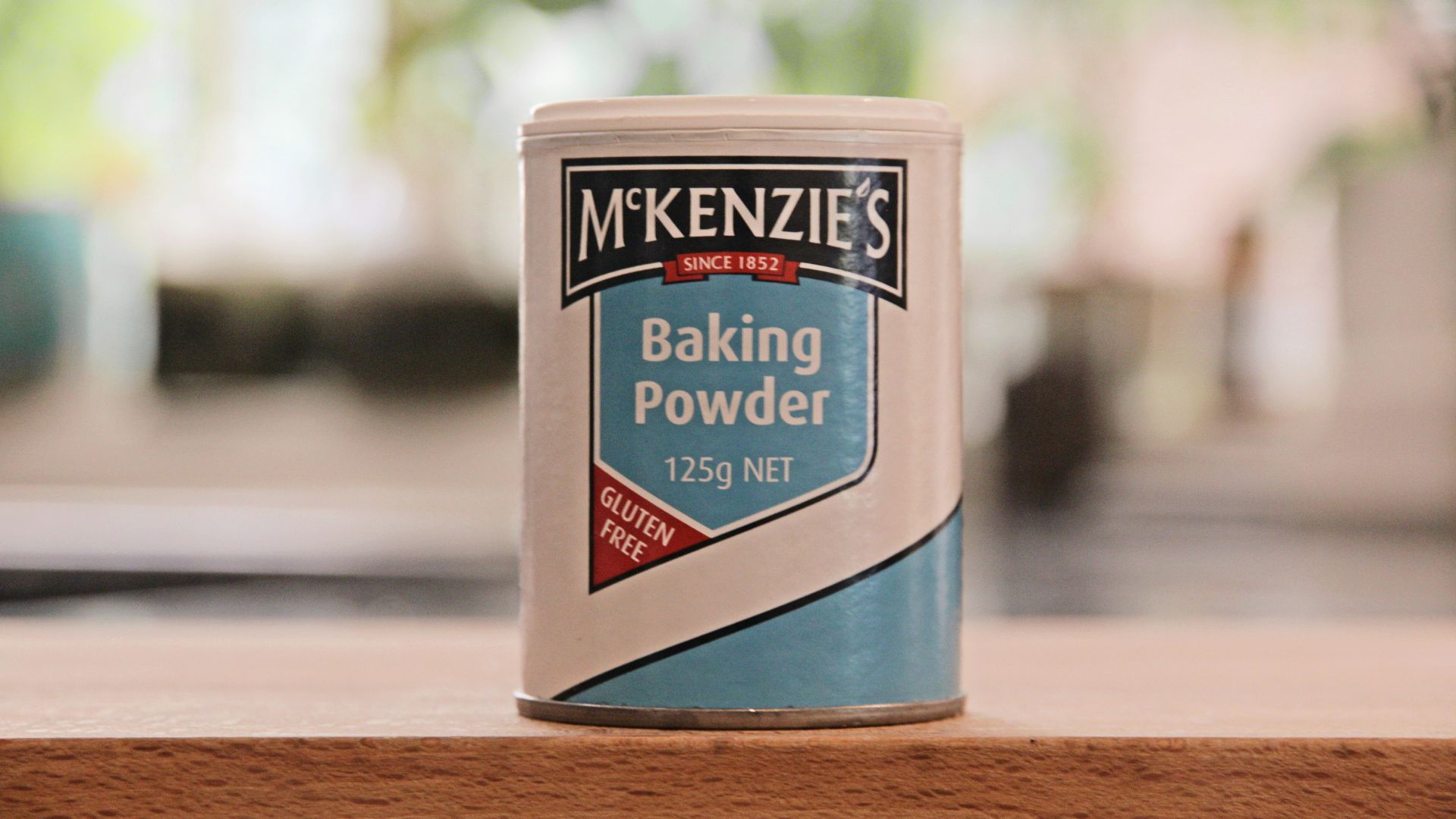
In the 1800s, baking soda was mainly for cooking. Today, it’s used for cleaning, deodorizing, and more.
 Addilyn Ragsdill @clockworklemon.com, Unsplash
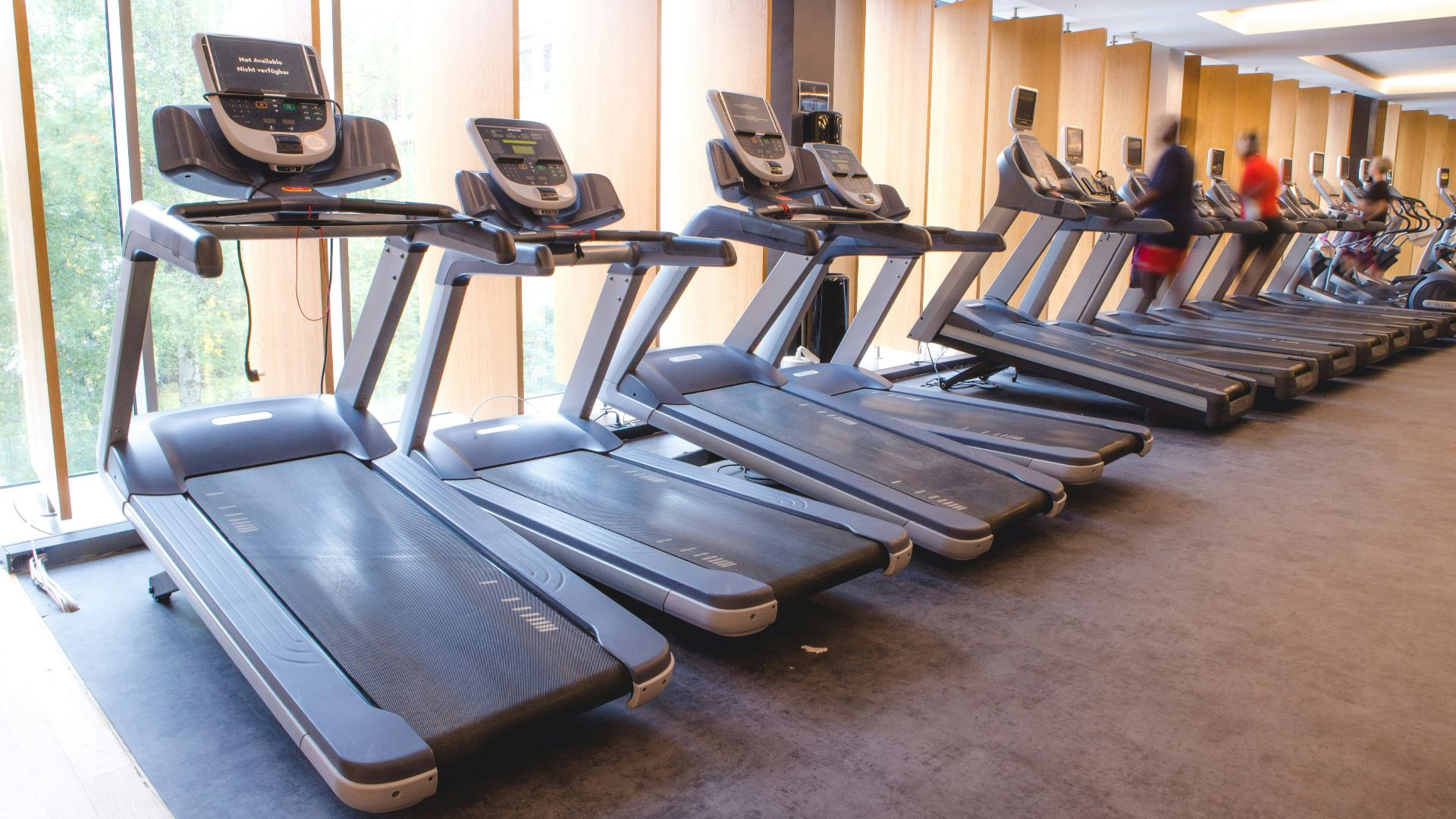
#11. Treadmills
In the early 1800s, treadmills were used as punishment devices in prisons. Today, they’re common fitness equipment.
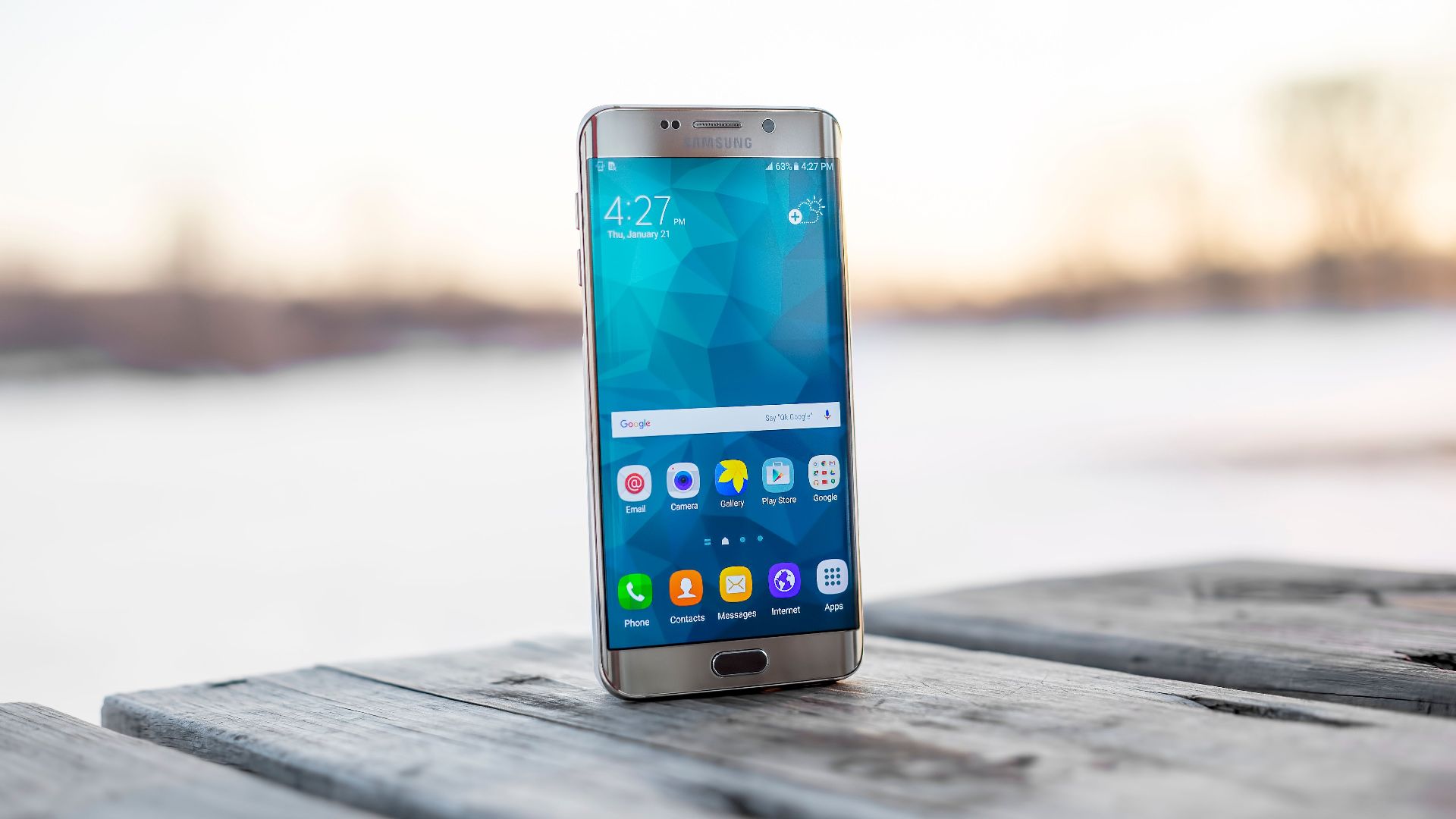
#10. Smartphones
Early smartphones in the 2000s targeted business professionals. Today, they’re used by nearly everyone.
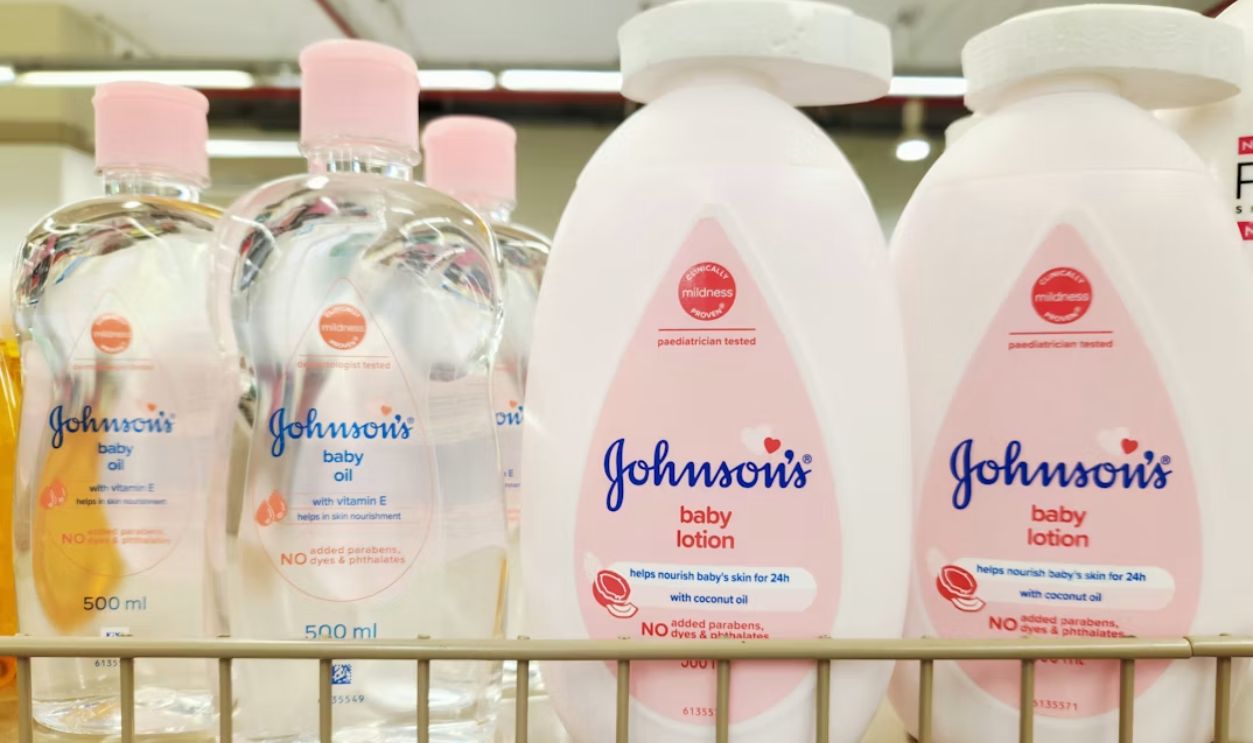
#9. Baby Oil
Originally marketed for baby skincare in the early 1900s, baby oil is now widely used by adults for cosmetic purposes.
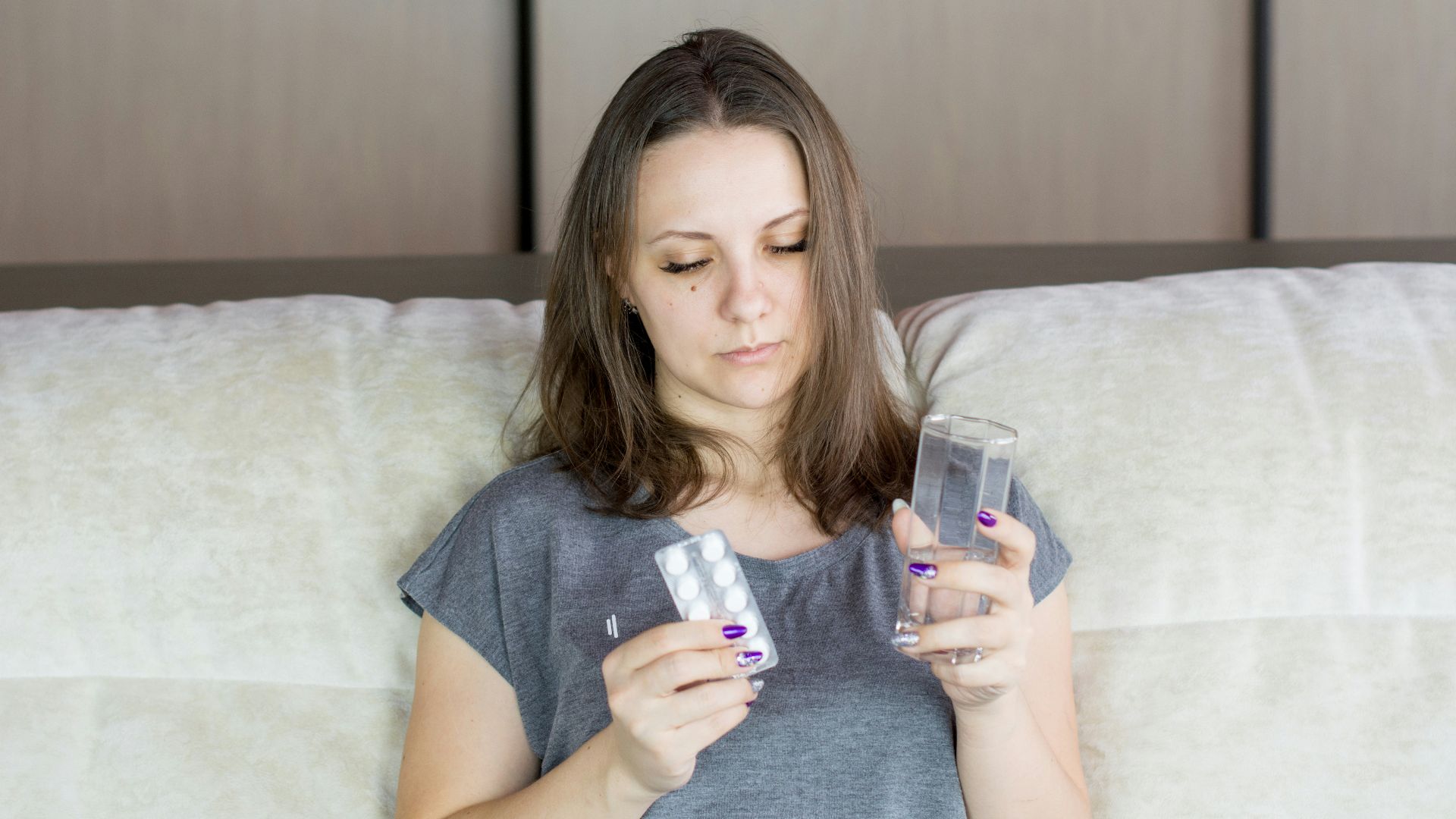
#8. Aspirin
In the late 1800s, aspirin was marketed for pain relief. Today, it’s also used for heart health.
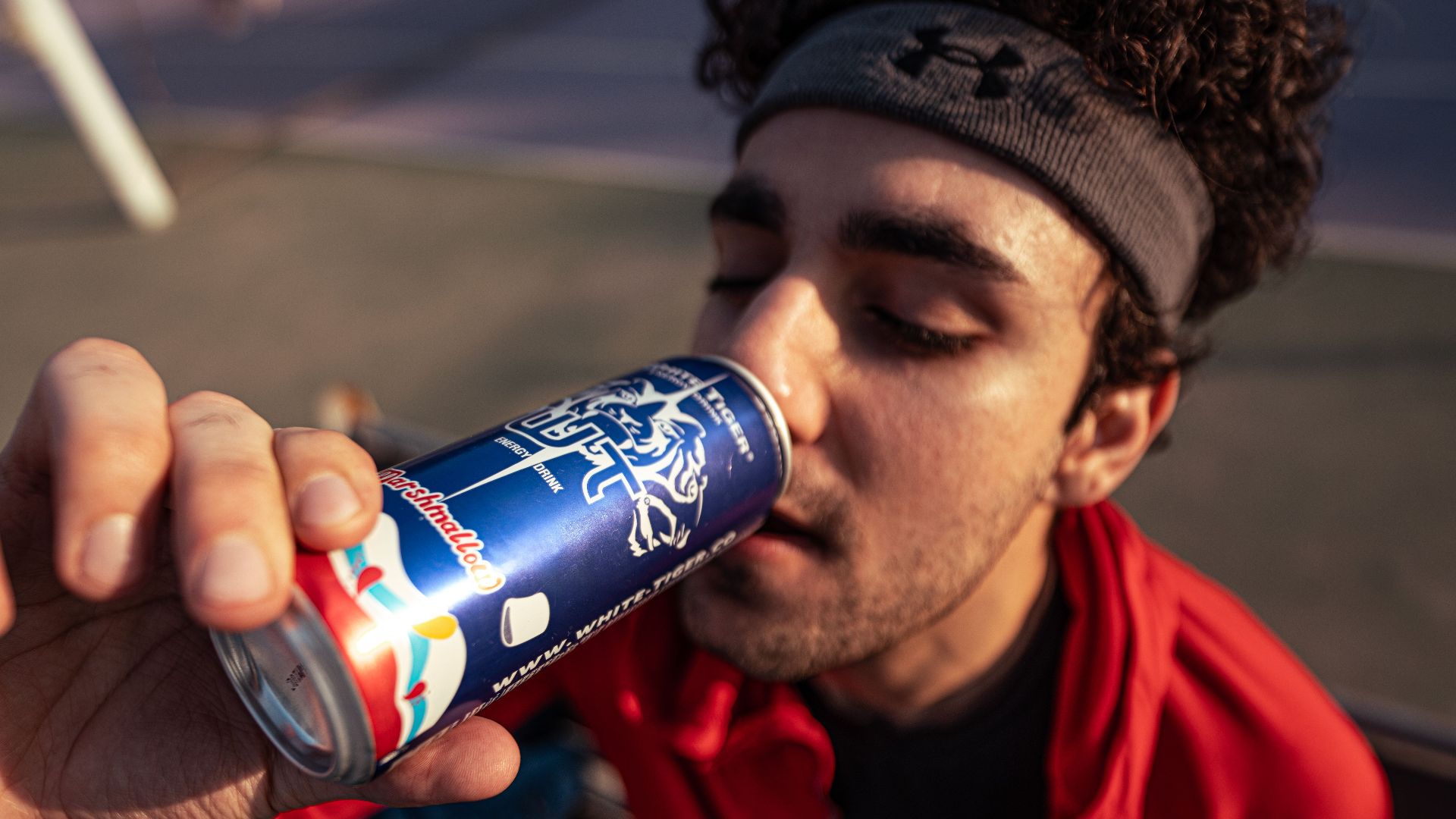
#7. Energy Drinks
Early energy drinks in the 1960s were marketed toward laborers. Today, they target young adults and gamers.
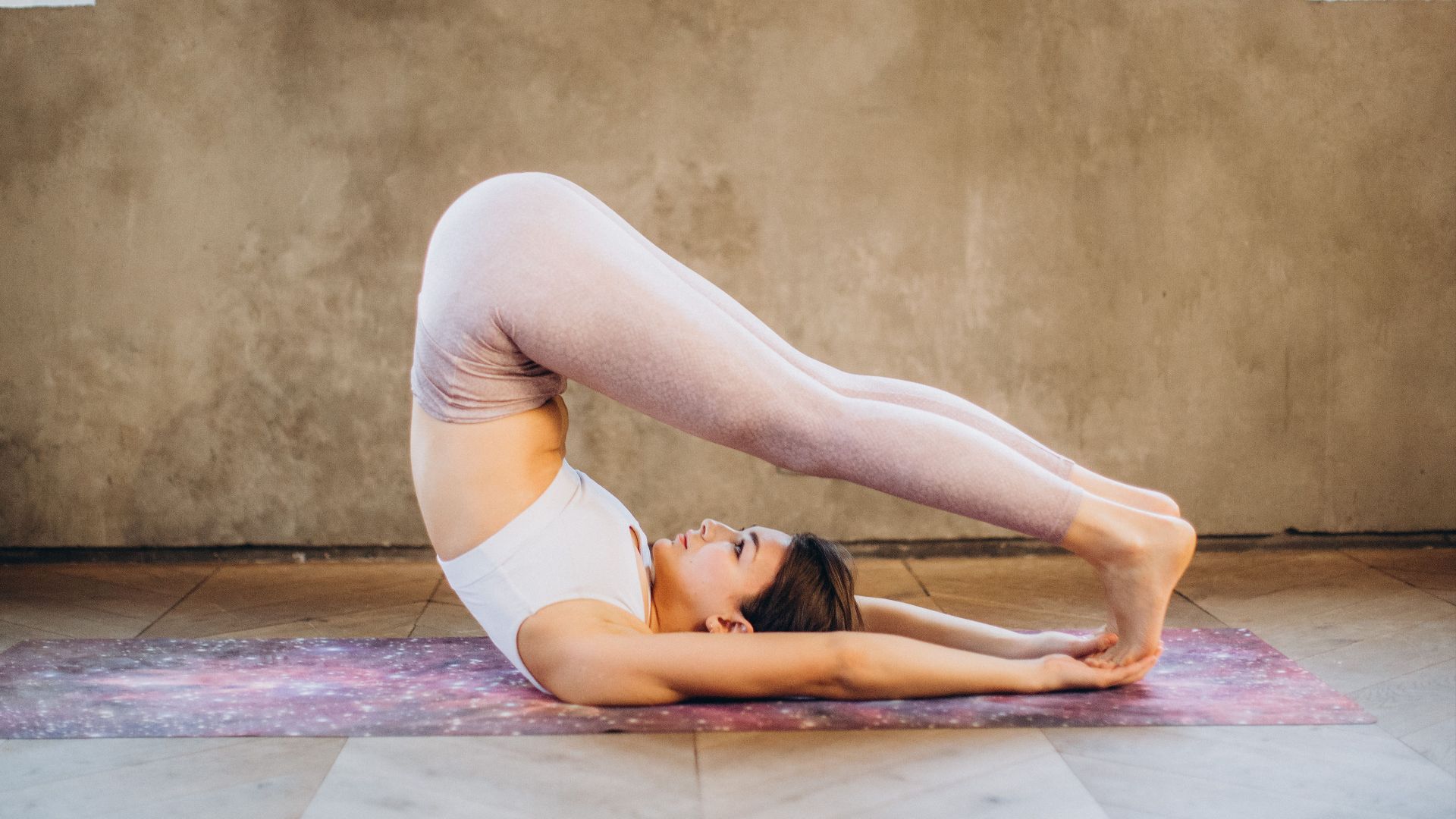
#6. Yoga
Yoga began as a spiritual practice thousands of years ago. Today, it’s marketed as fitness and stress relief.
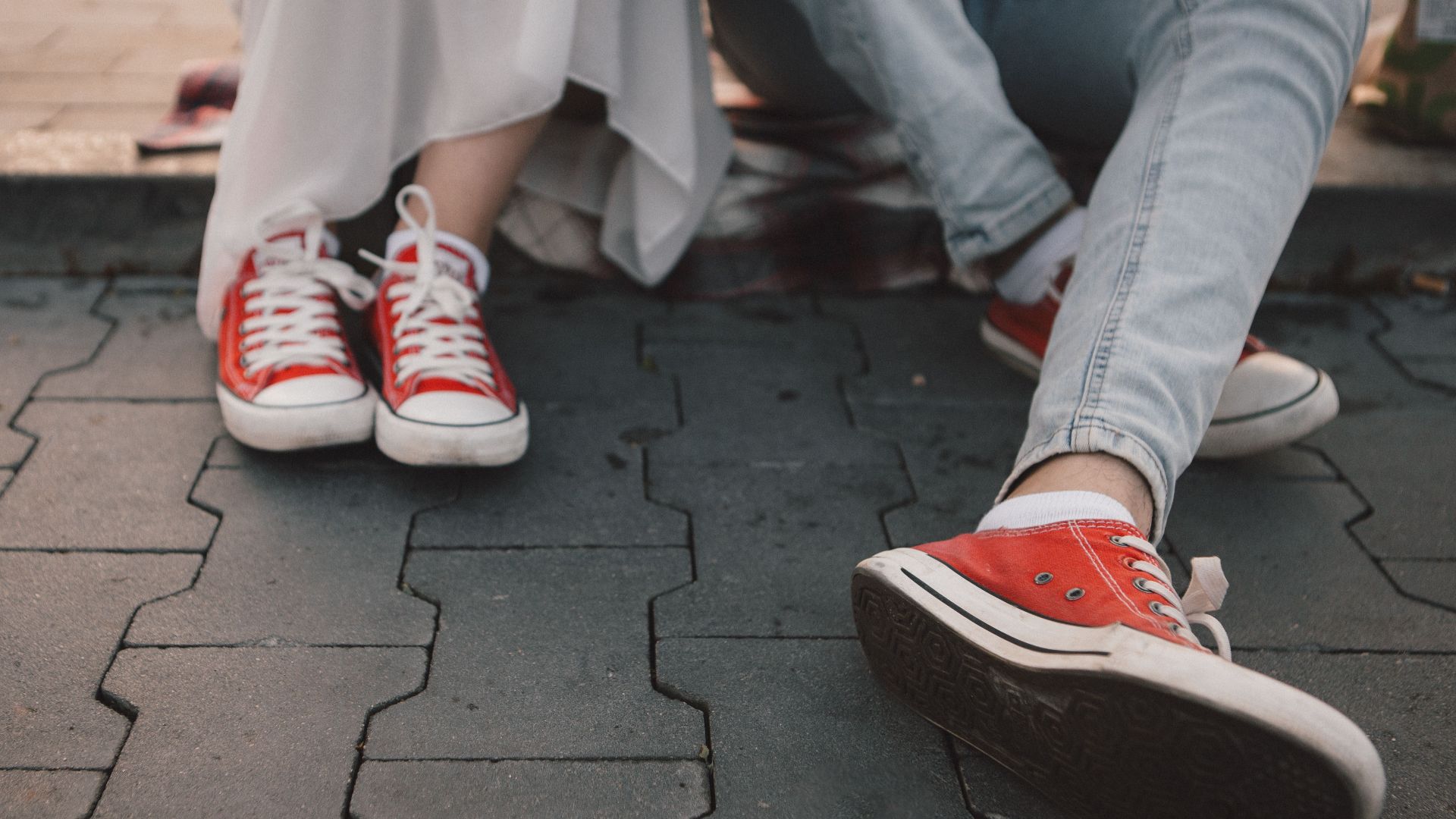
#5. Sneakers
Sneakers were designed in the late 1800s as athletic footwear. Today, they’re everyday fashion items.
#4. Jeans
Jeans were created in the late 1800s as workwear for laborers. Today, they’re worn by everyone.

#3. Sunglasses
Originally used for protection by pilots in the early 1900s, sunglasses are now fashion accessories.
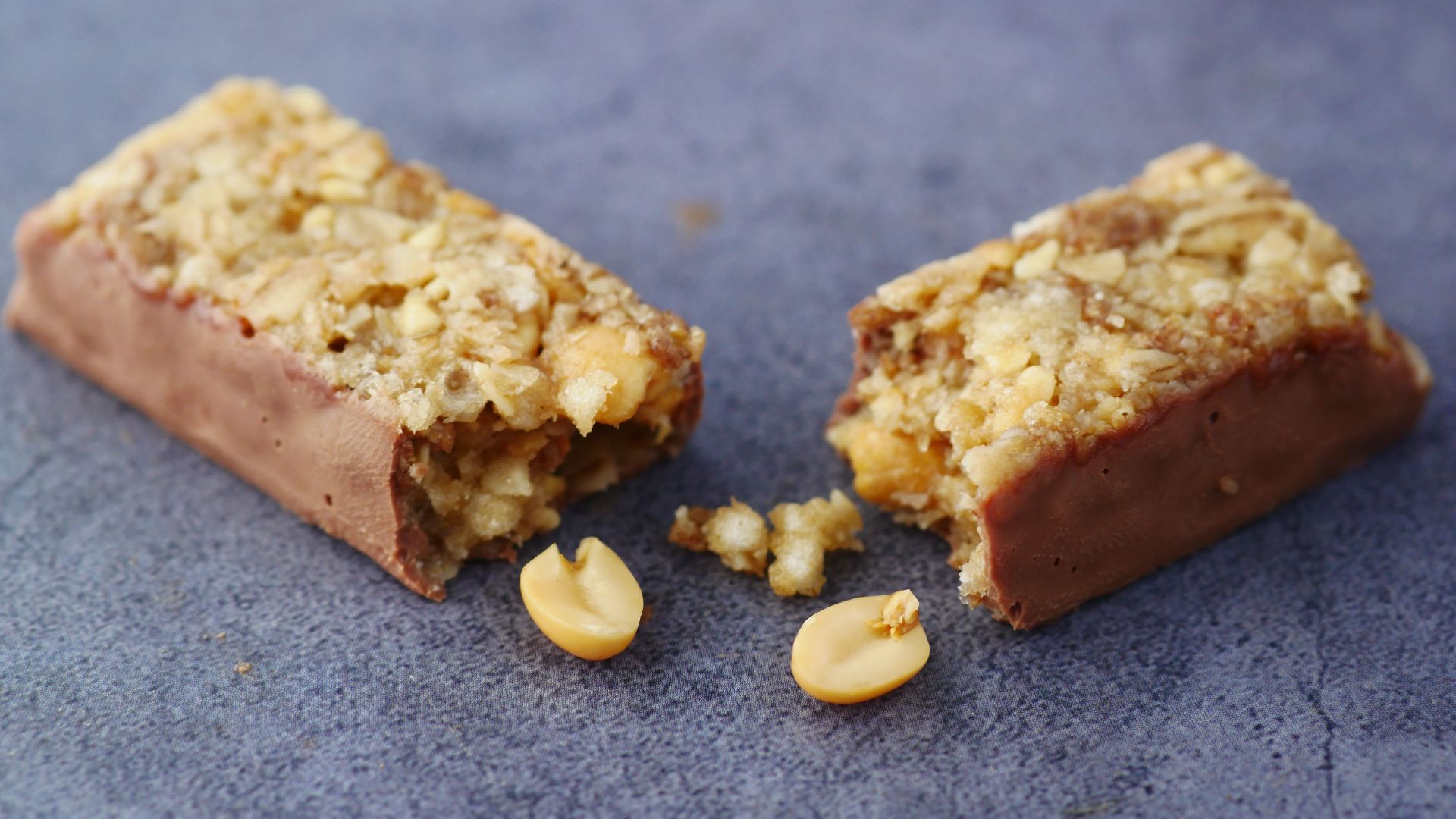
#2. Protein Bars
Originally for athletes and bodybuilders, protein bars are now marketed as everyday snacks.
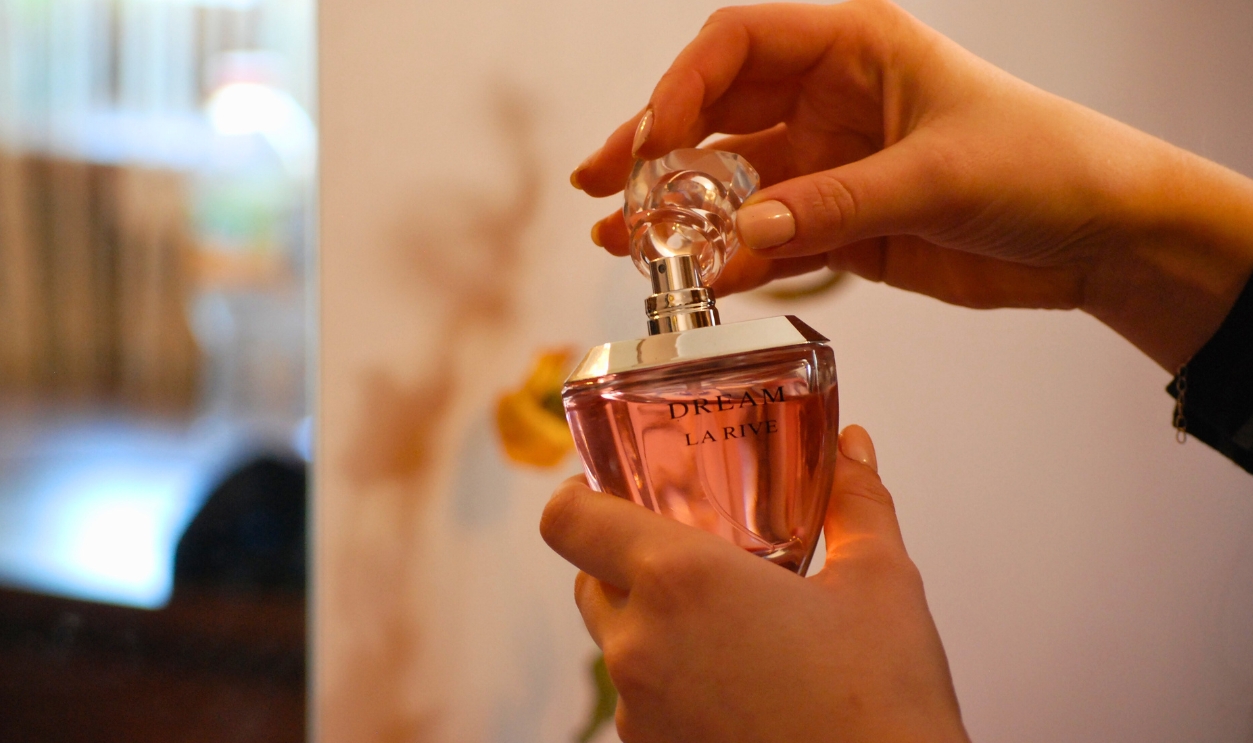
#1. Perfume
Historically used to mask poor hygiene, perfume is now a luxury product tied to personal style.
Why These Audience Swaps Happen
These shifts often happen when companies notice unexpected uses or new audiences. What starts as a niche product can quickly become mainstream with the right audience.

You May Also Like:
Everyday Items That Were Once Considered Luxury Goods
Completely Normal American Habits From The 1970s That Would Seem Completely Bizarre Today—Did You Do Any Of These?