Everyday Items That Used to Be Luxury—And Now Feel Weirdly Normal
It’s kind of funny when you realize the stuff you casually use today used to be major flexes. Not obvious things like cars—but everyday items that once quietly said, “Yeah… I’ve got money.” Now they’re just sitting around like it’s no big deal.
#25. Ice
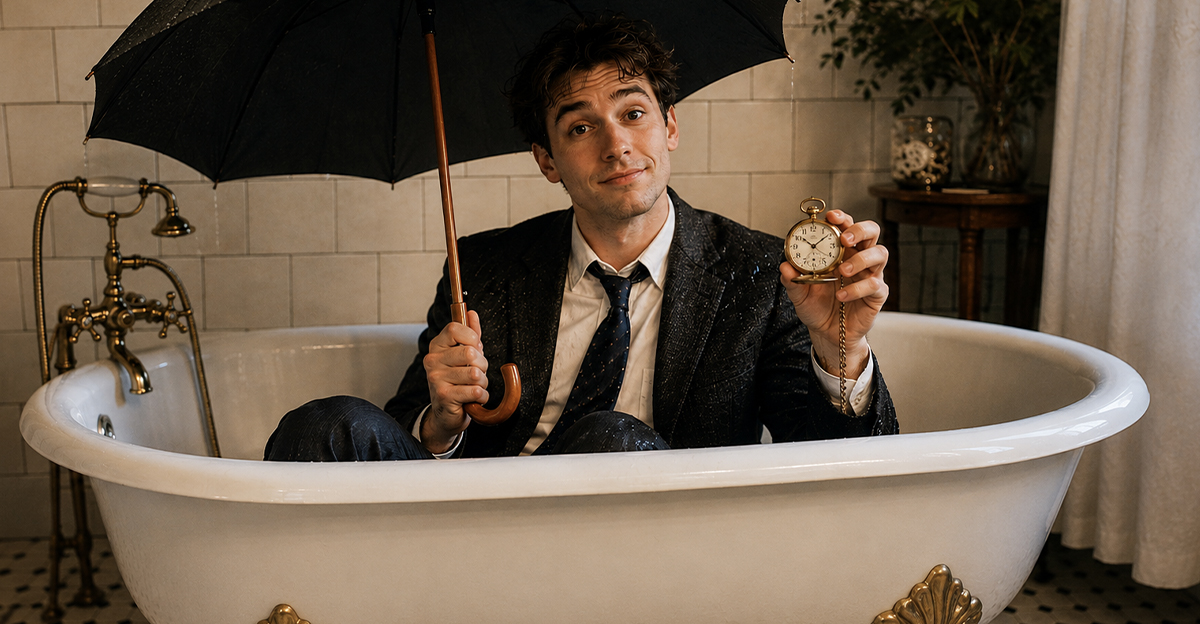
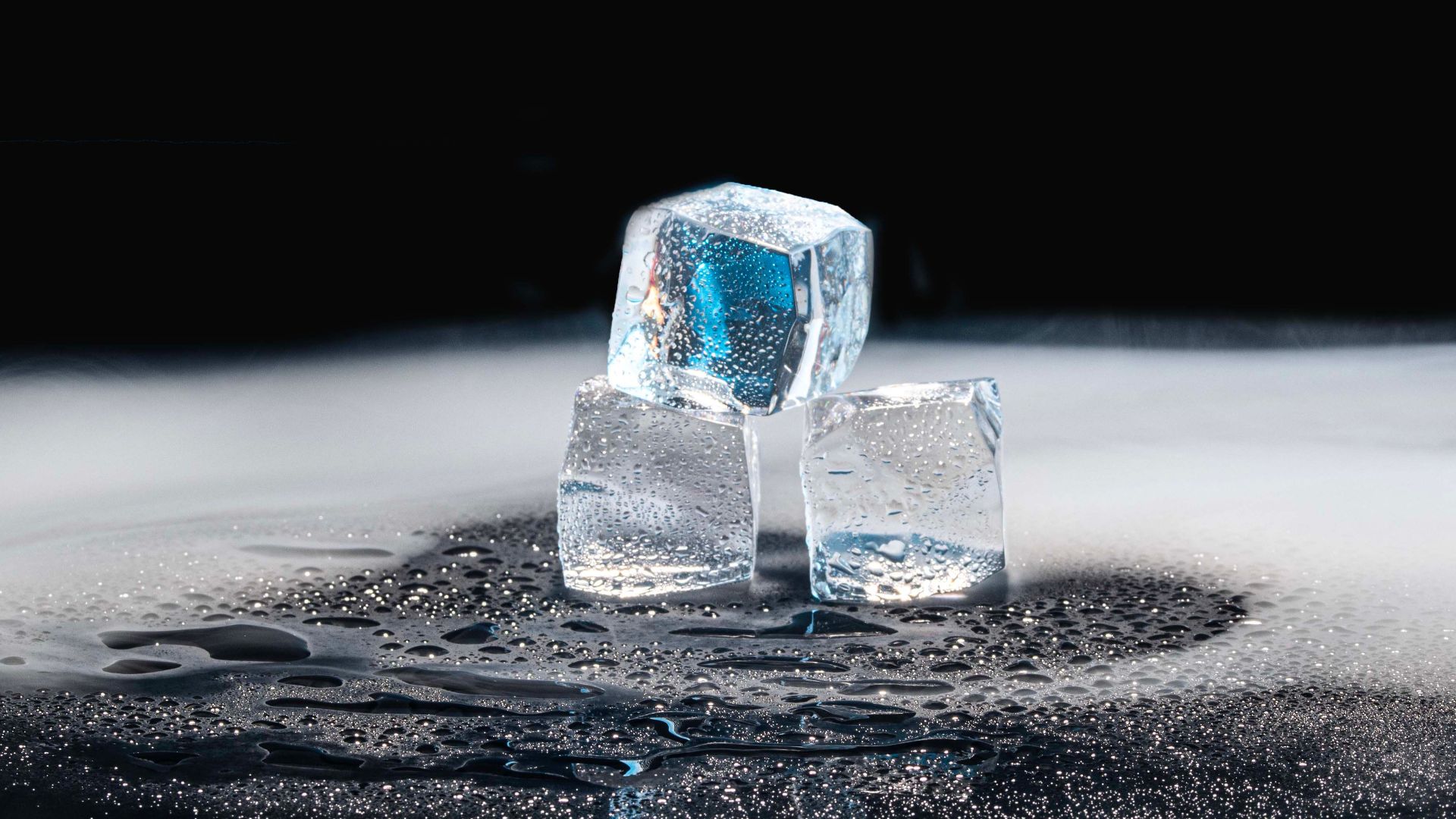
In the early 1800s, ice was harvested from frozen lakes and shipped long distances, making it a luxury for wealthy households. By the late 1800s, ice delivery expanded access. Today, it falls out of your fridge door—and we still get annoyed when the machine jams.
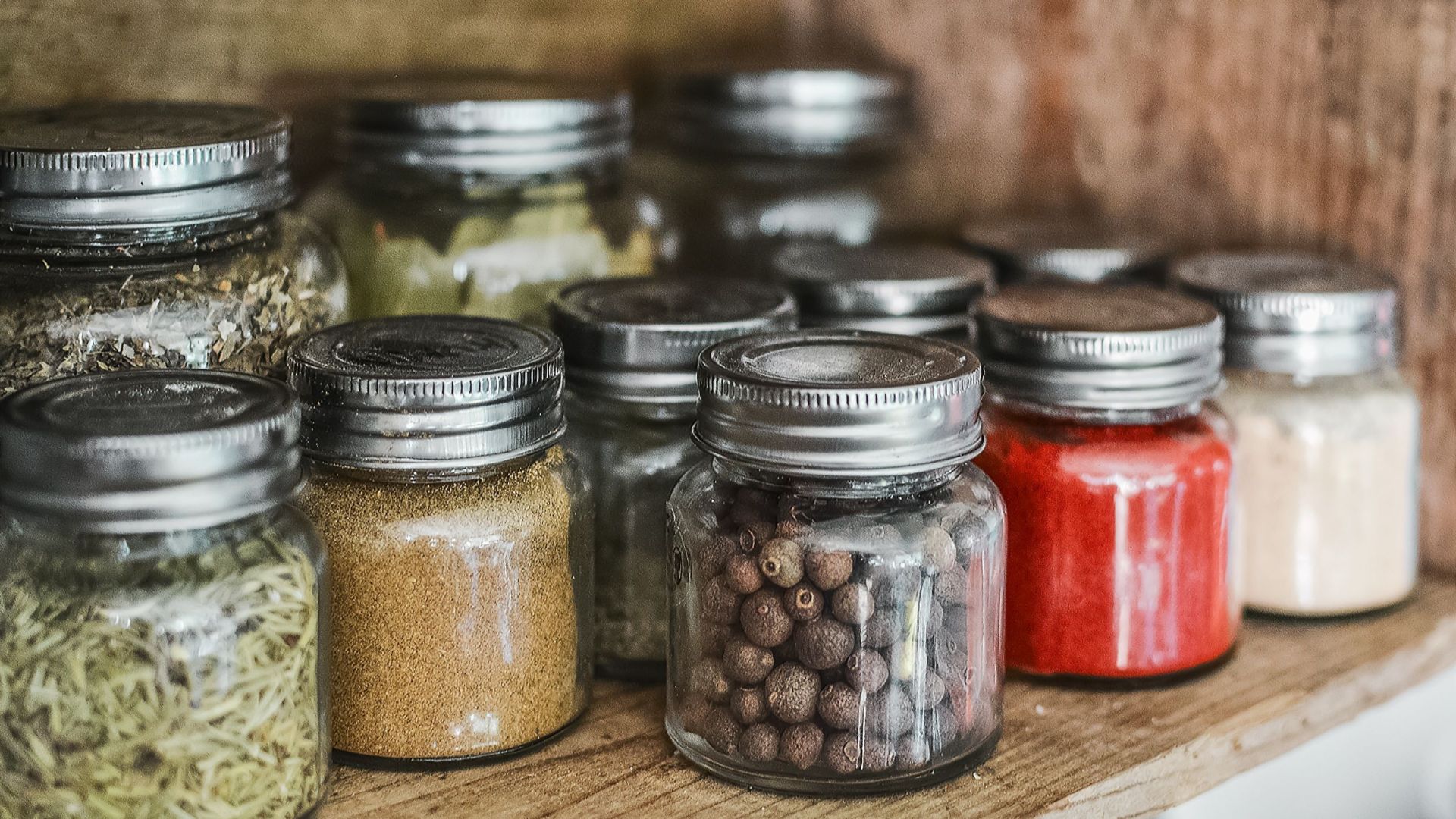
#24. Spices (Like Pepper)
Back in the 1500s–1700s, black pepper and spices were incredibly valuable, sometimes used as currency. Only wealthy families could afford regular use. Global trade changed everything. Today, pepper sits on every table, completely taken for granted.
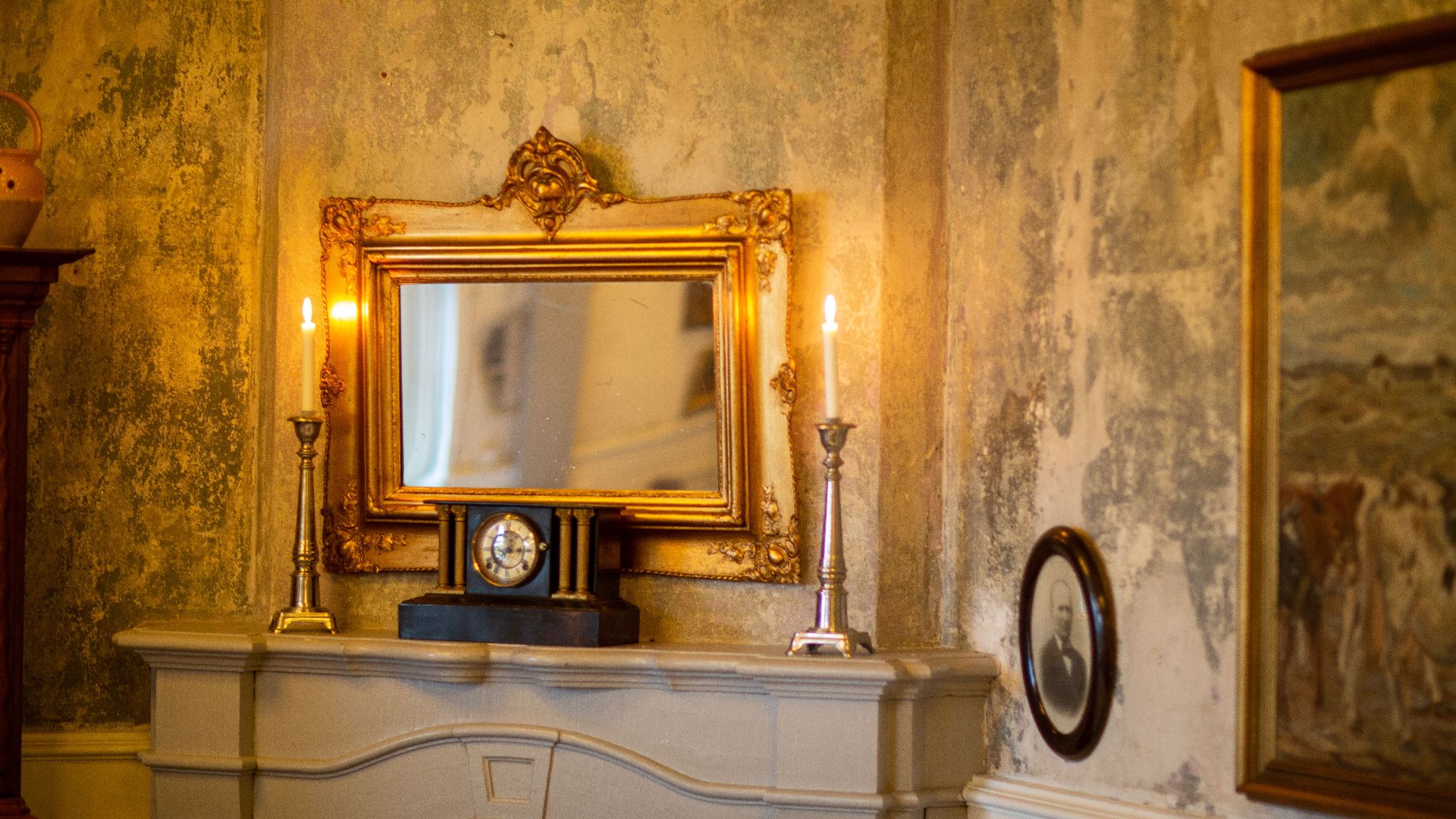
#23. Mirrors
In the 1600s and 1700s, mirrors were handcrafted and expensive, owned mainly by the wealthy. Many people rarely saw their own reflection. By the 1800s, production improved and prices dropped. Now we have mirrors everywhere—and still check them constantly.
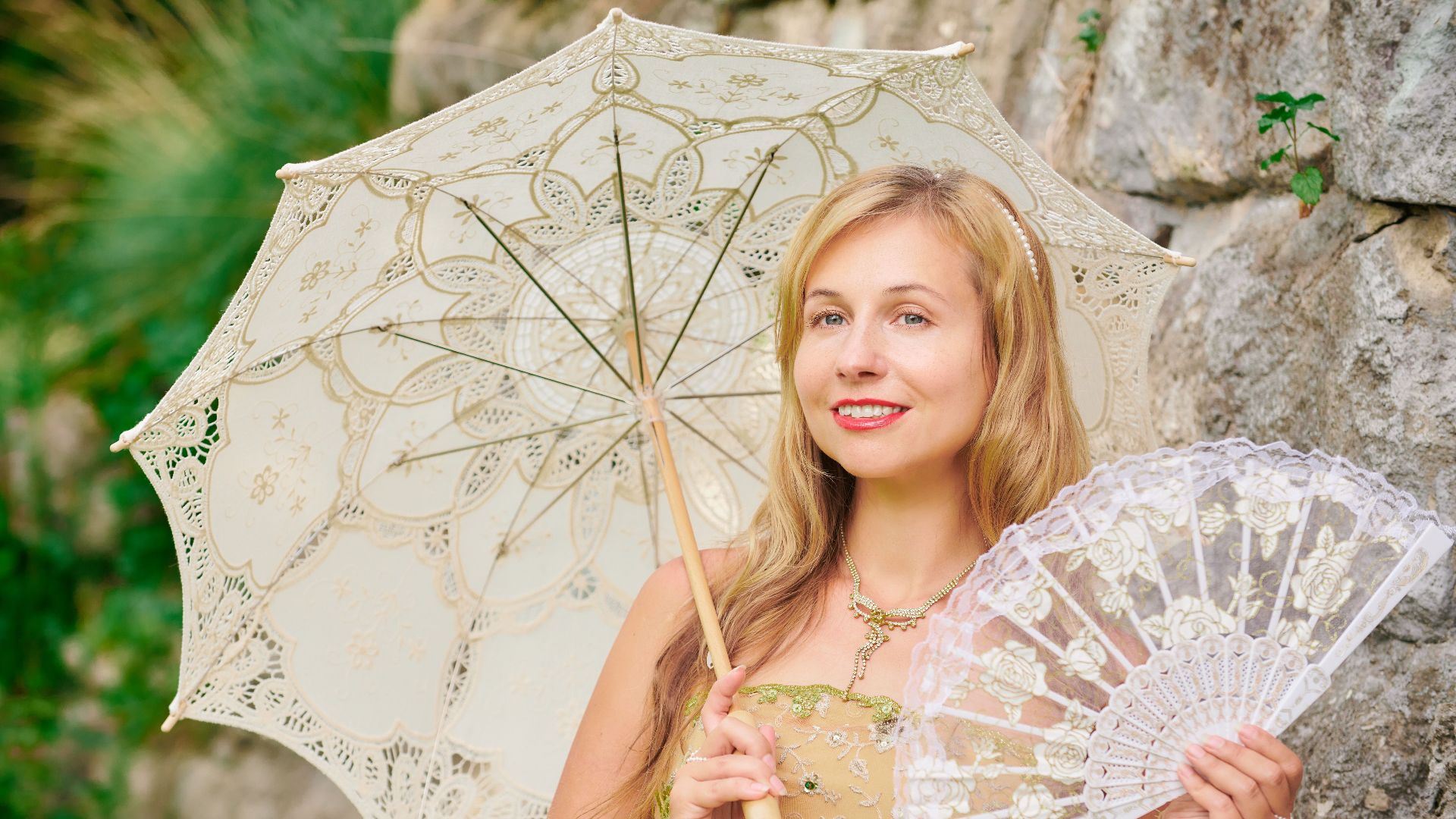
#22. Umbrellas
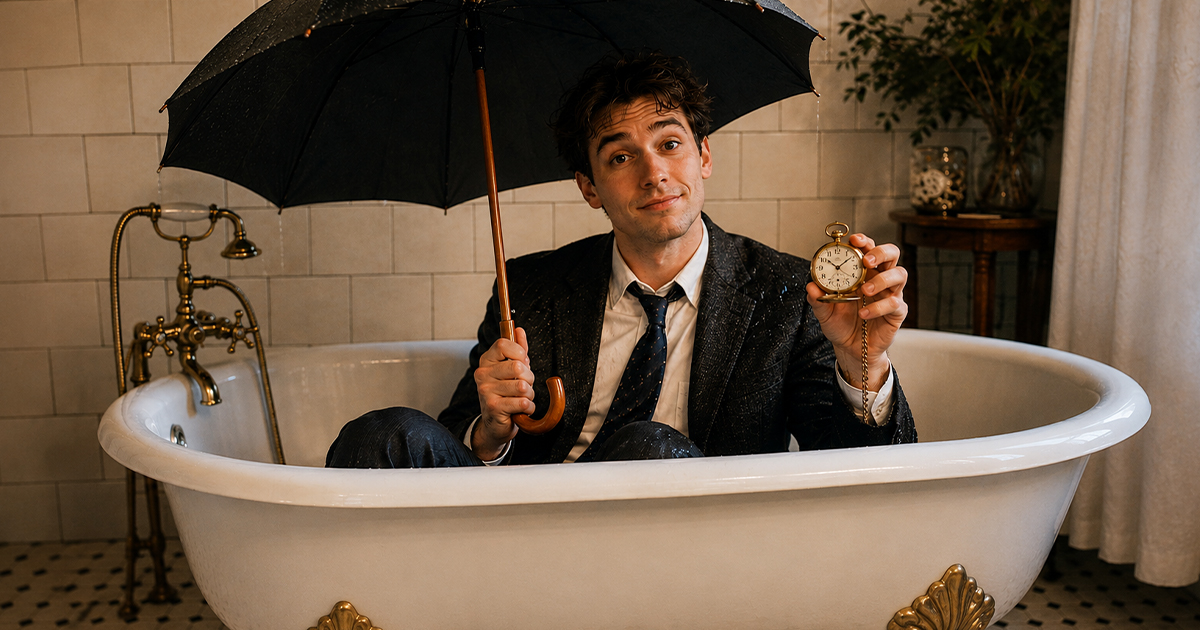
Umbrellas were luxury fashion items in the 1700s and early 1800s, often carried by wealthy individuals as status symbols. Over time, mass production made them affordable. Today, they’re cheap, easy to lose, and somehow never around when it rains.
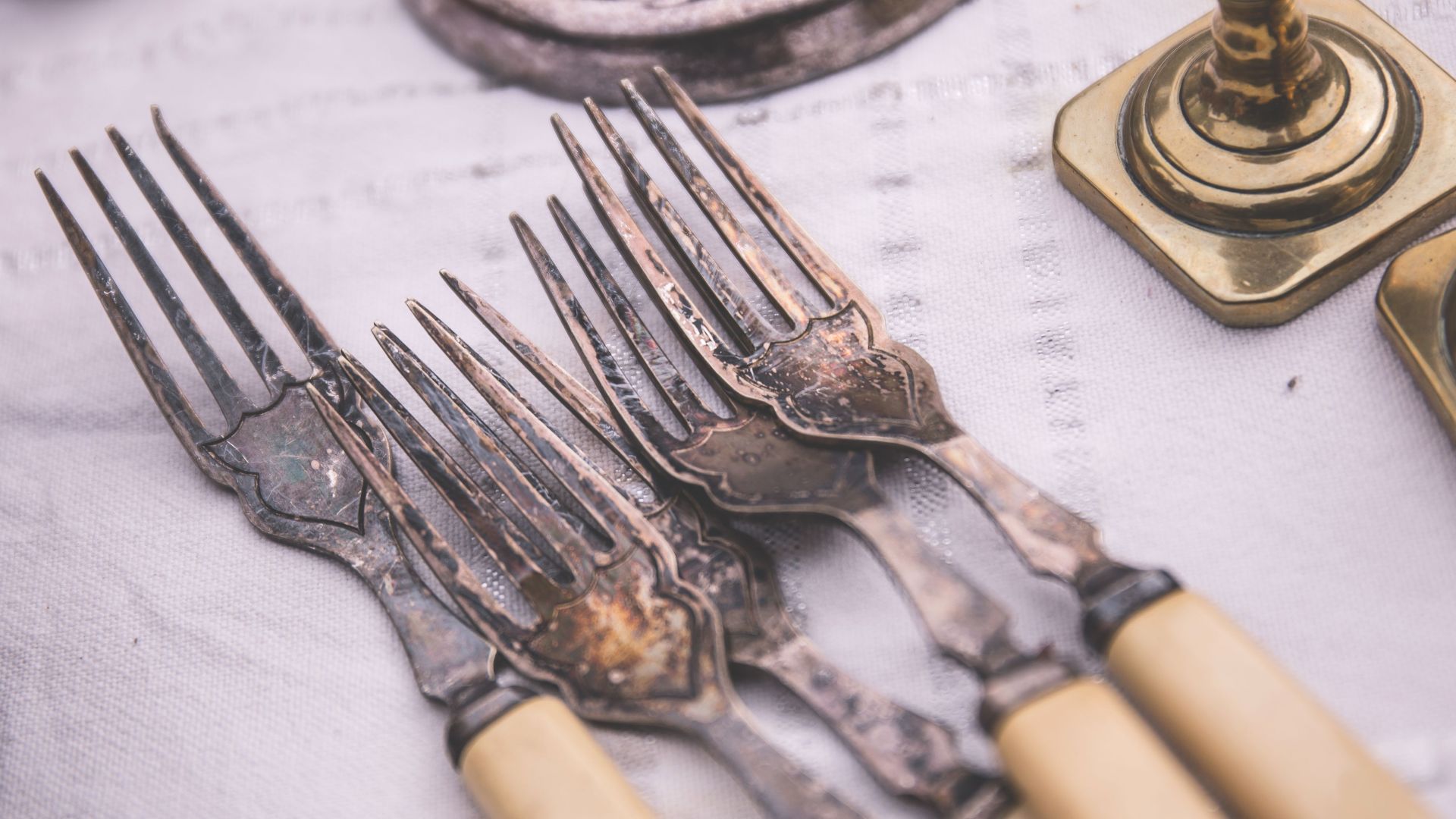
#21. Forks
In the 1600s, forks were seen as luxury dining tools in Europe. Many people still ate with hands or knives. Over time, they became standard utensils. Today, using your hands instead feels strange—even though it used to be normal.
#20. Soap
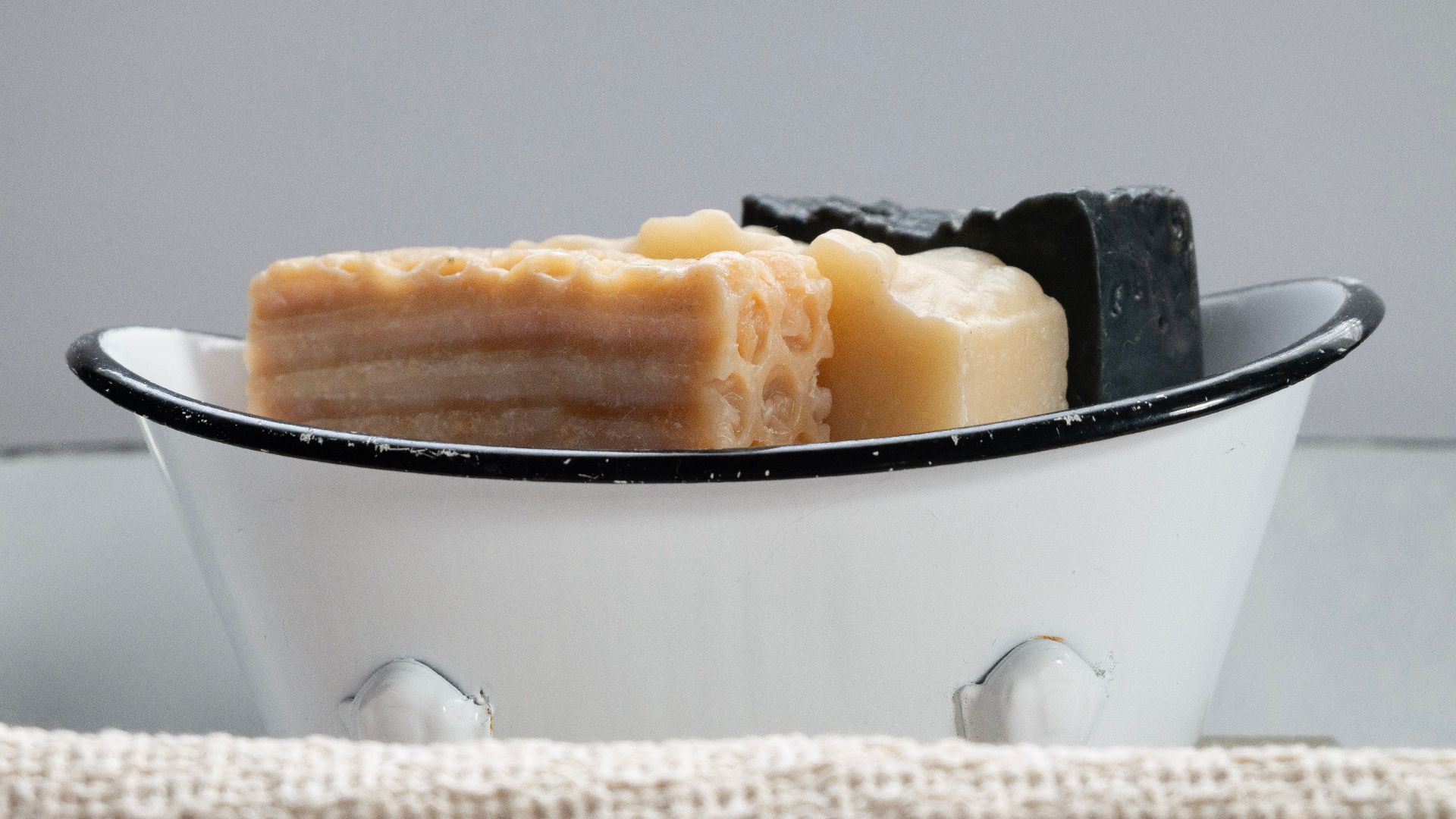
In the 1700s and early 1800s, soap was expensive and not widely used daily. Only wealthier households could afford frequent use. Industrial production in the 1800s made it accessible. Today, it’s essential—and thankfully expected.
#19. Paper
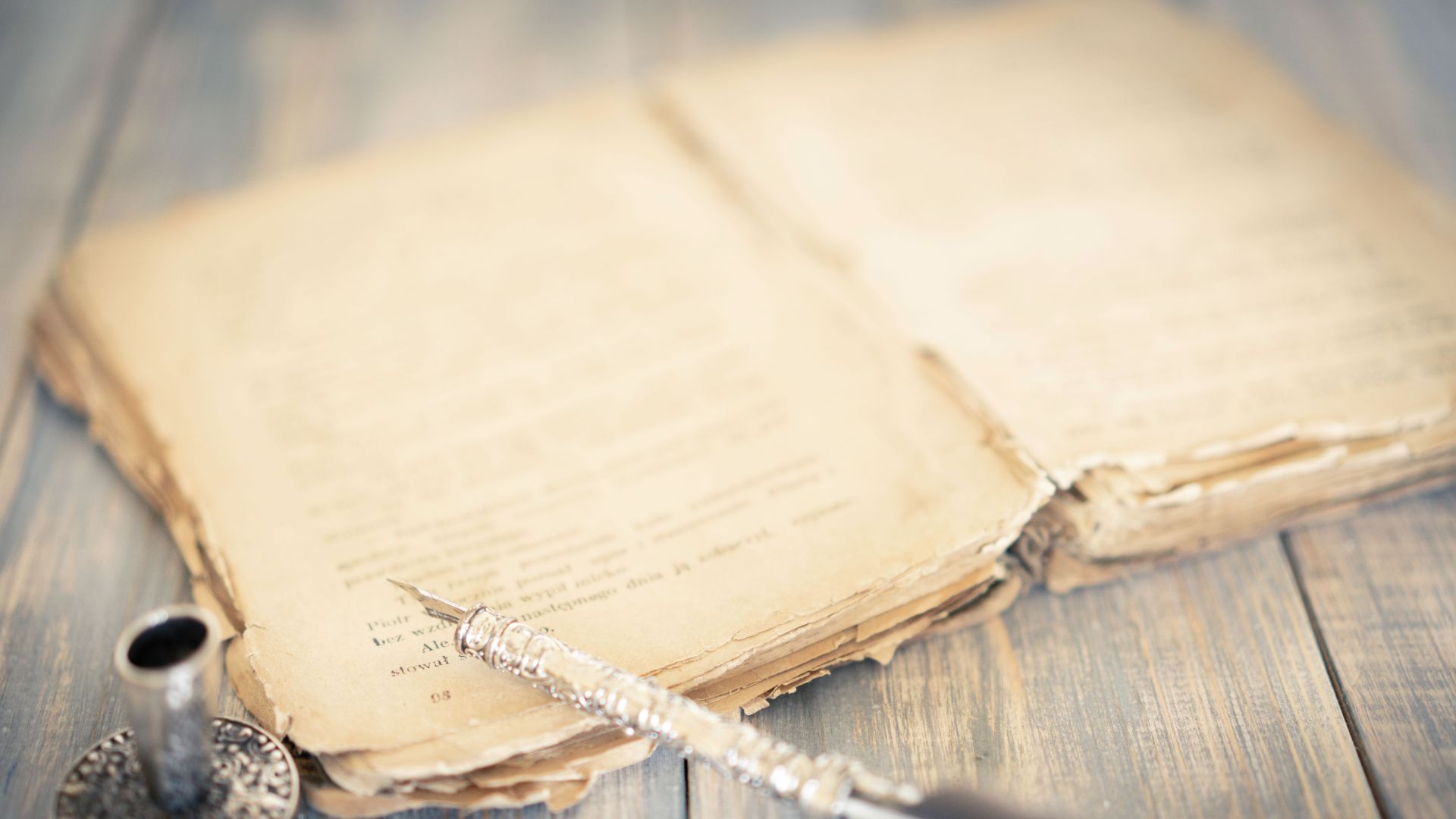
Before industrial production in the early 1800s, paper was expensive and reused carefully. Writing materials were not wasted. Today, paper is cheap and disposable, and we barely think about how valuable it once was.
#18. Candles
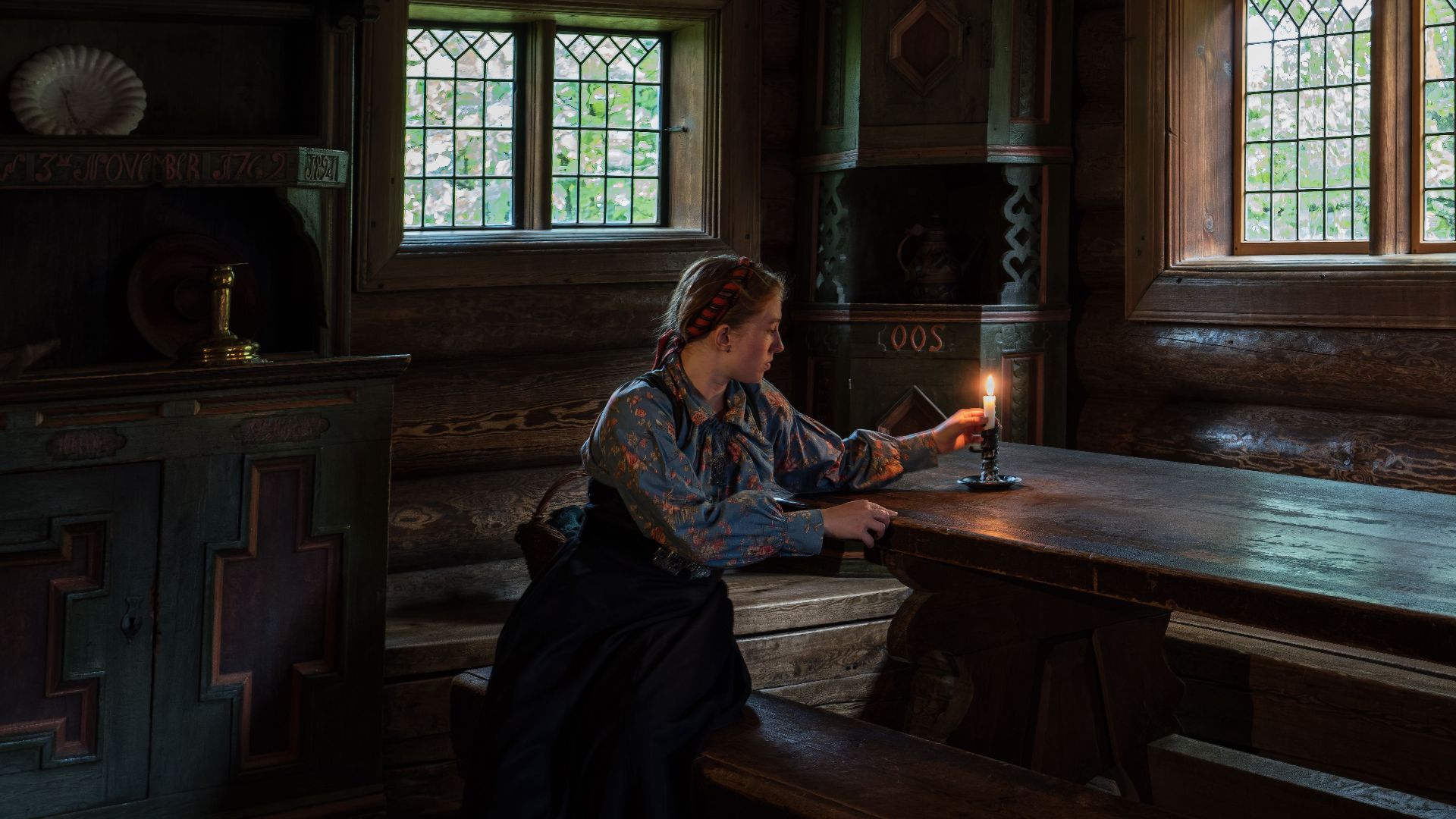
In the 1700s, high-quality candles were a luxury, especially wax versions used by wealthy households. Others relied on lower-quality alternatives. With electricity in the 1900s, candles became decorative. Now they’re mostly used for ambiance instead of survival.
#17. Tea
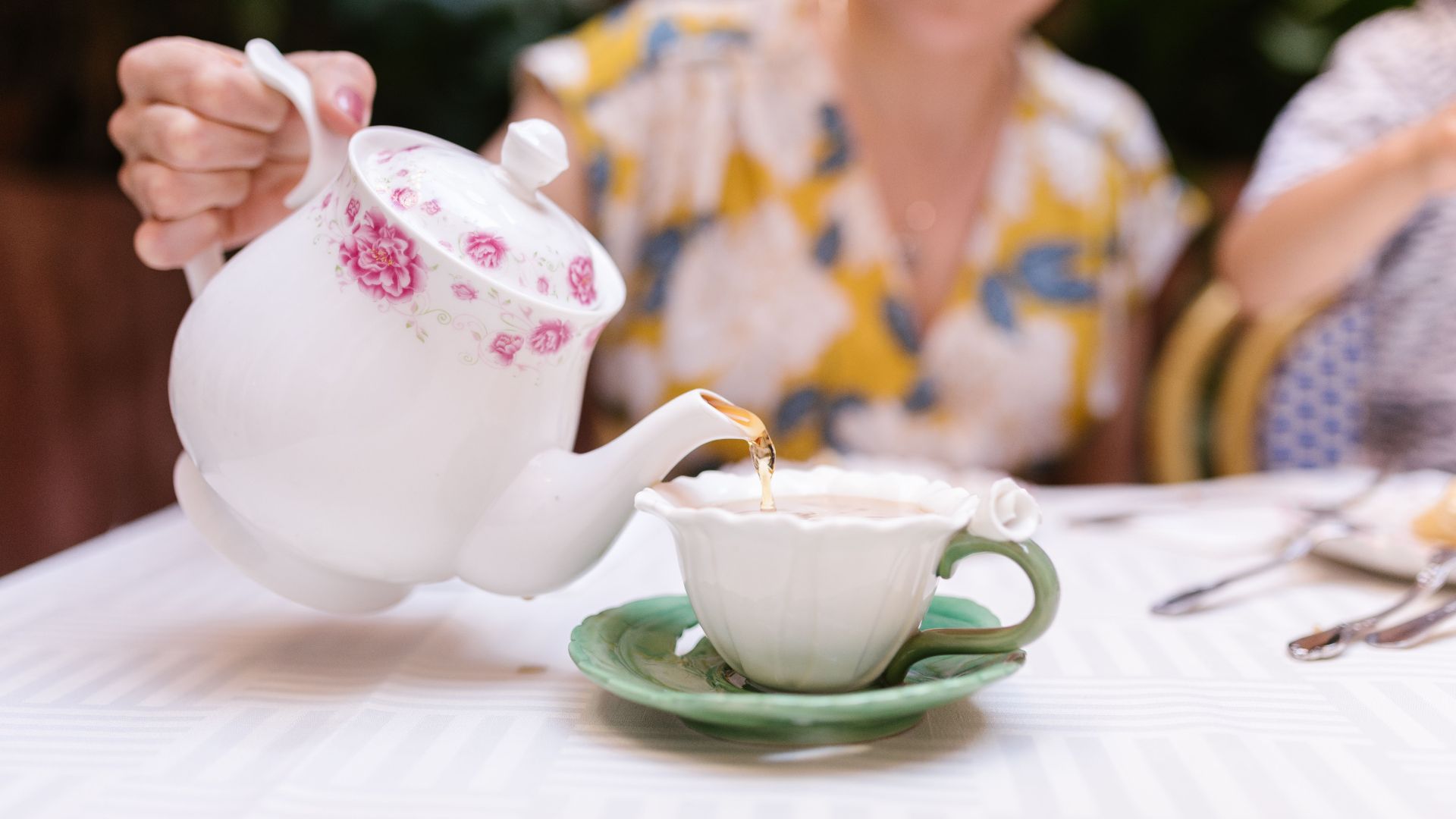
In the 1700s, tea was a luxury import heavily taxed and enjoyed mostly by the wealthy. Over time, global trade increased supply. Today, it’s a common drink—but once sparked major political protests.
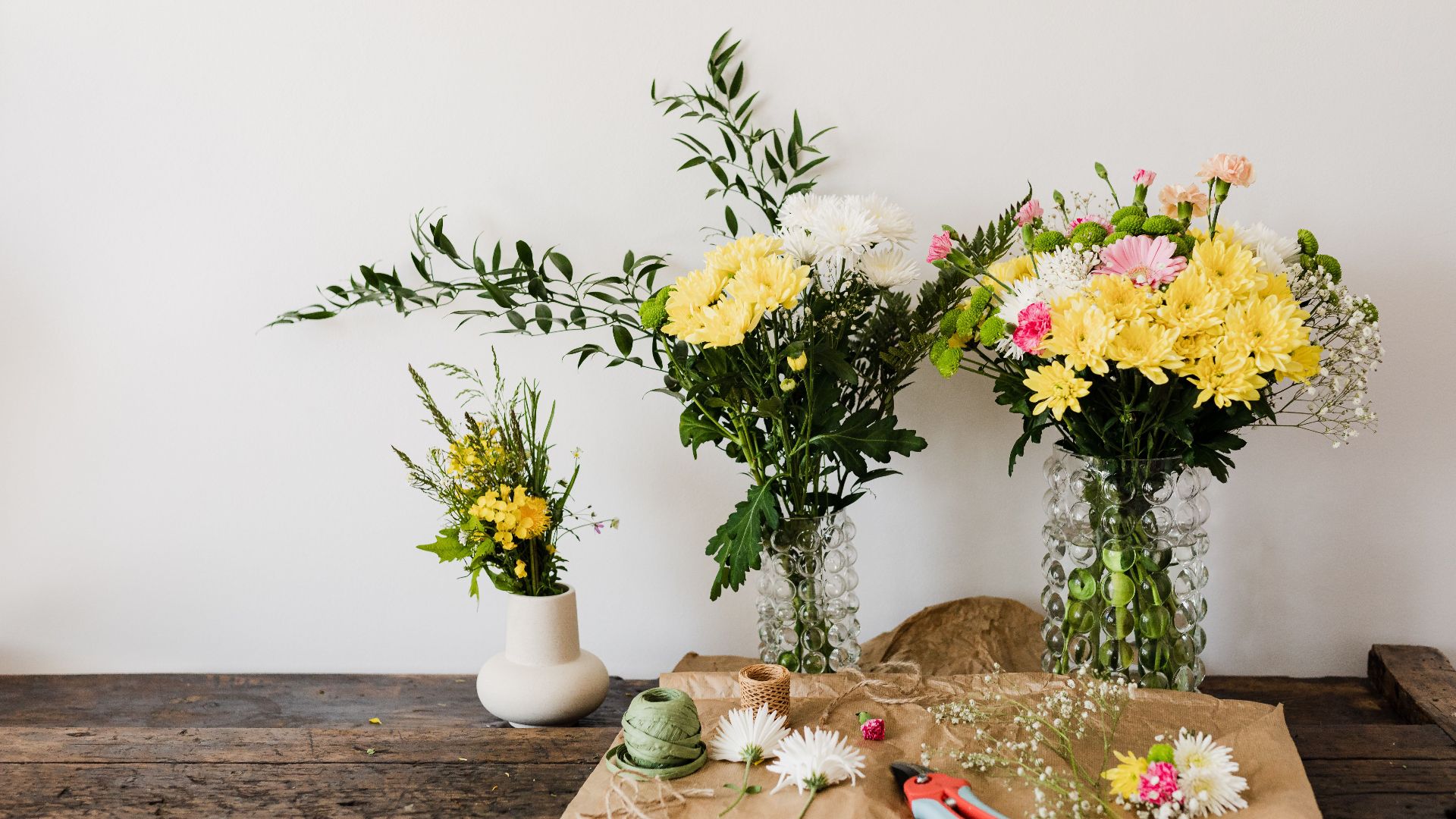
#16. Cut Flowers
In the 1800s, fresh flowers were a luxury because they had to be grown locally and didn’t last long. Wealthy households displayed them regularly. Today, you can grab a bouquet at the grocery store without thinking twice.
#15. Ice Cream
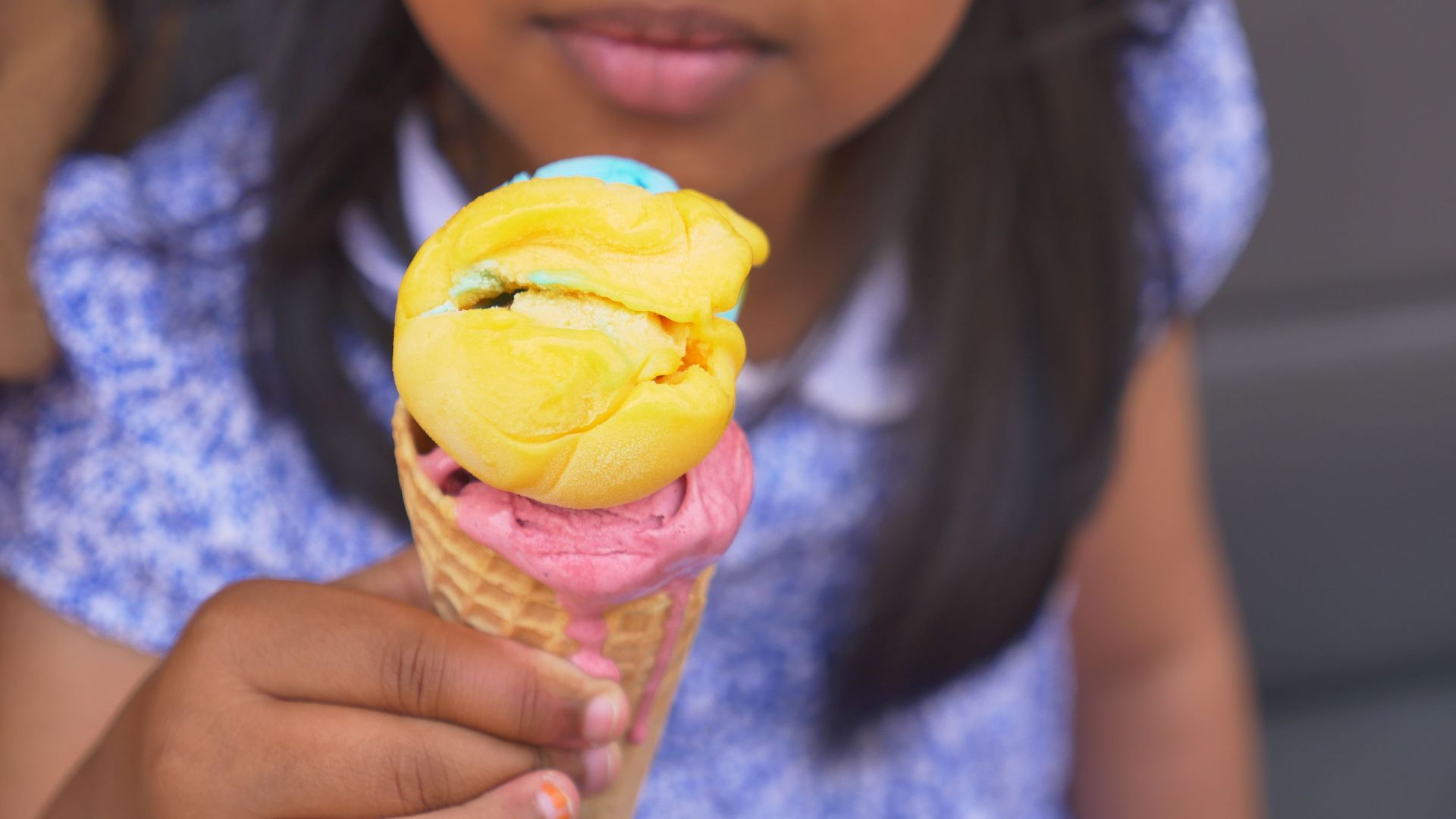
In the 1700s and early 1800s, ice cream required ice storage and labor-intensive preparation, making it a luxury dessert. By the late 1800s, it became more accessible. Today, it’s everywhere—and still hard to resist.
#14. Bath Tubs
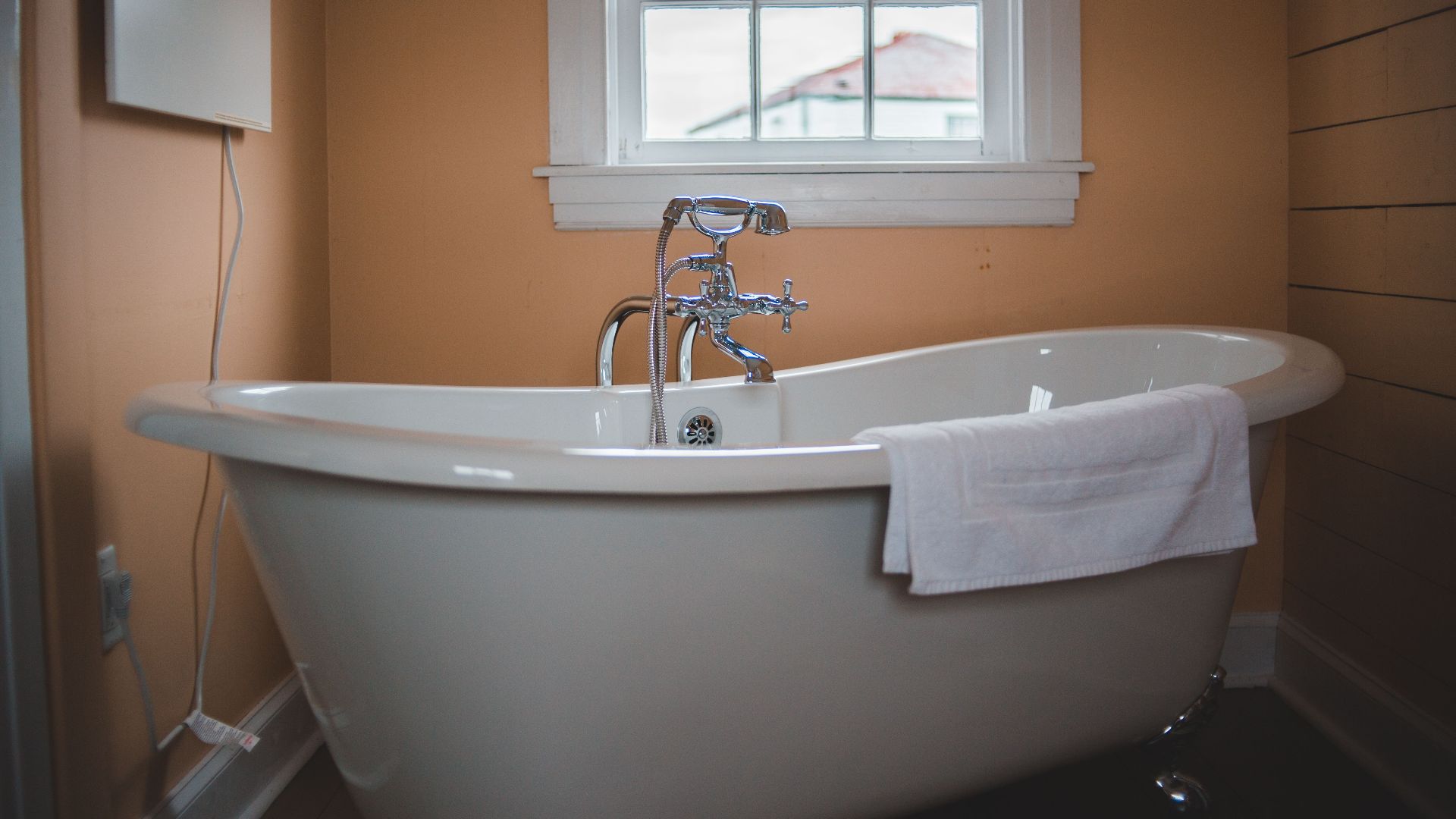
In the early 1800s, private bathtubs were luxury items. Many people bathed infrequently or shared facilities. As plumbing improved in the late 1800s and early 1900s, tubs became common. Today, we complain about water pressure like it’s a major crisis.
#13. Stationery
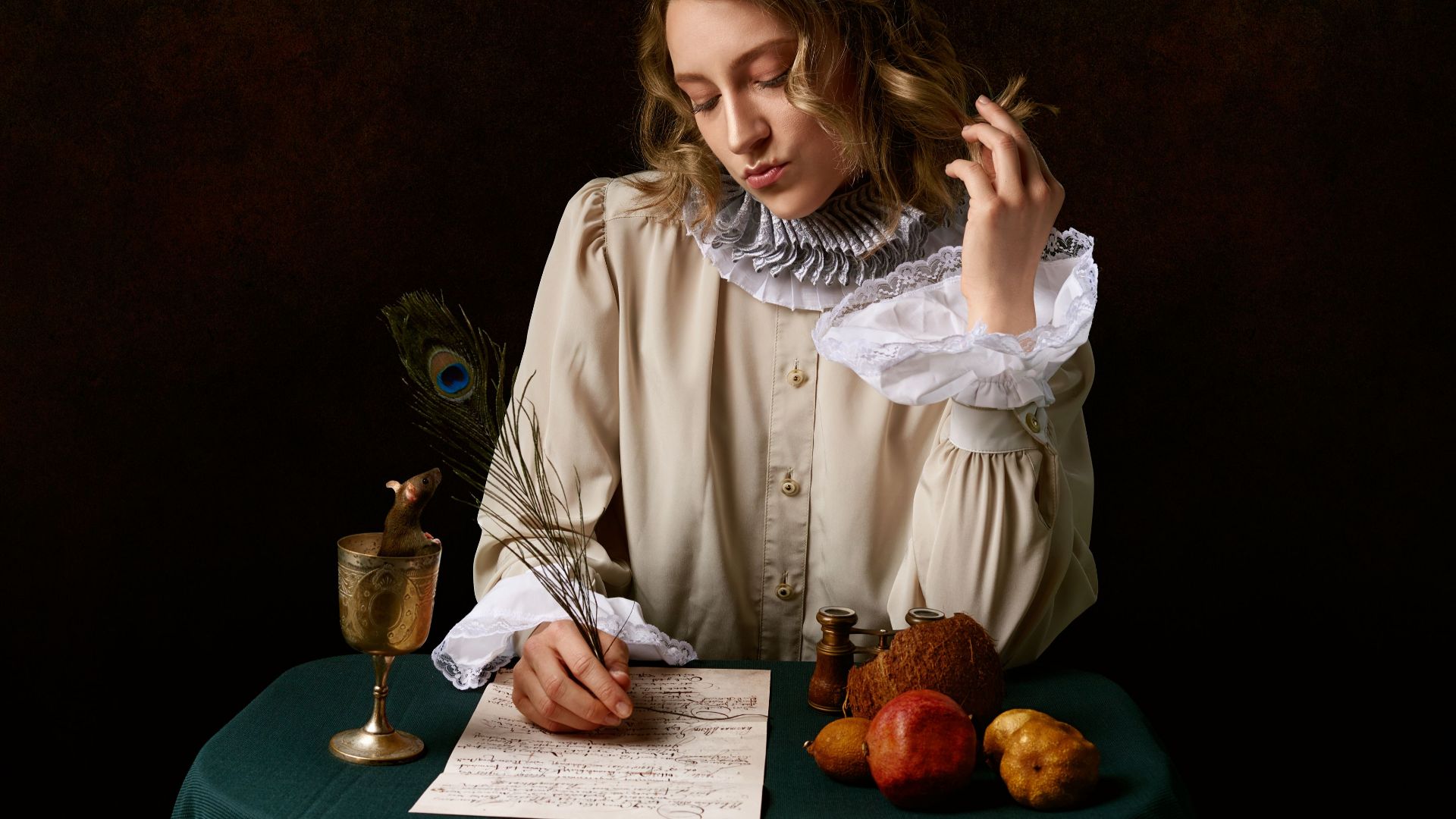
In the 1700s and early 1800s, paper, envelopes, and ink were expensive. Letter writing was mostly for the wealthy. As production improved, costs dropped. Today, we have plenty of paper—but barely write letters anymore.
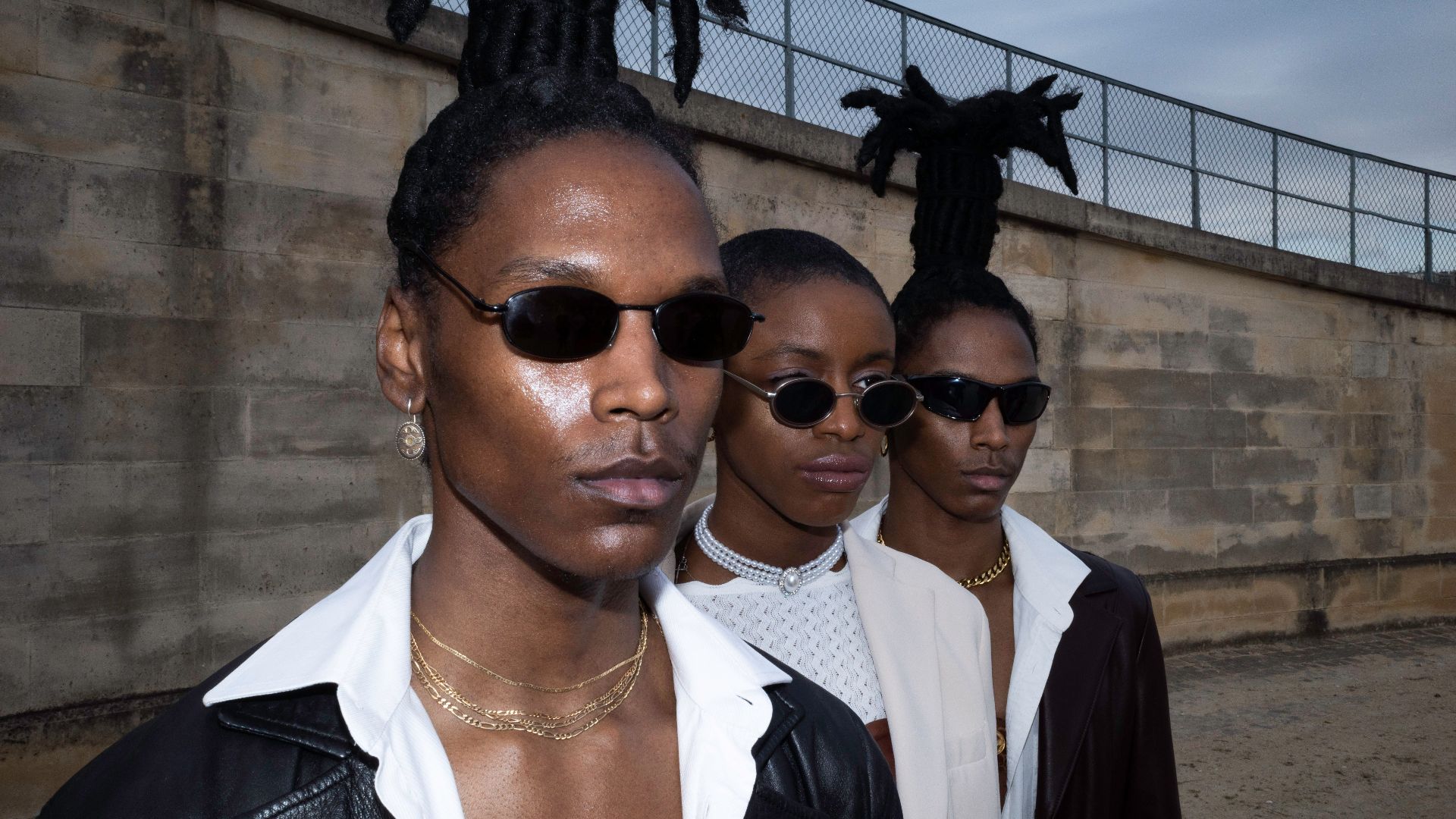
#12. Sunglasses
In the early 1900s, sunglasses were luxury accessories worn by wealthy individuals and celebrities. By the mid-1900s, they became more affordable. Today, they’re everywhere—and often scratched or misplaced.
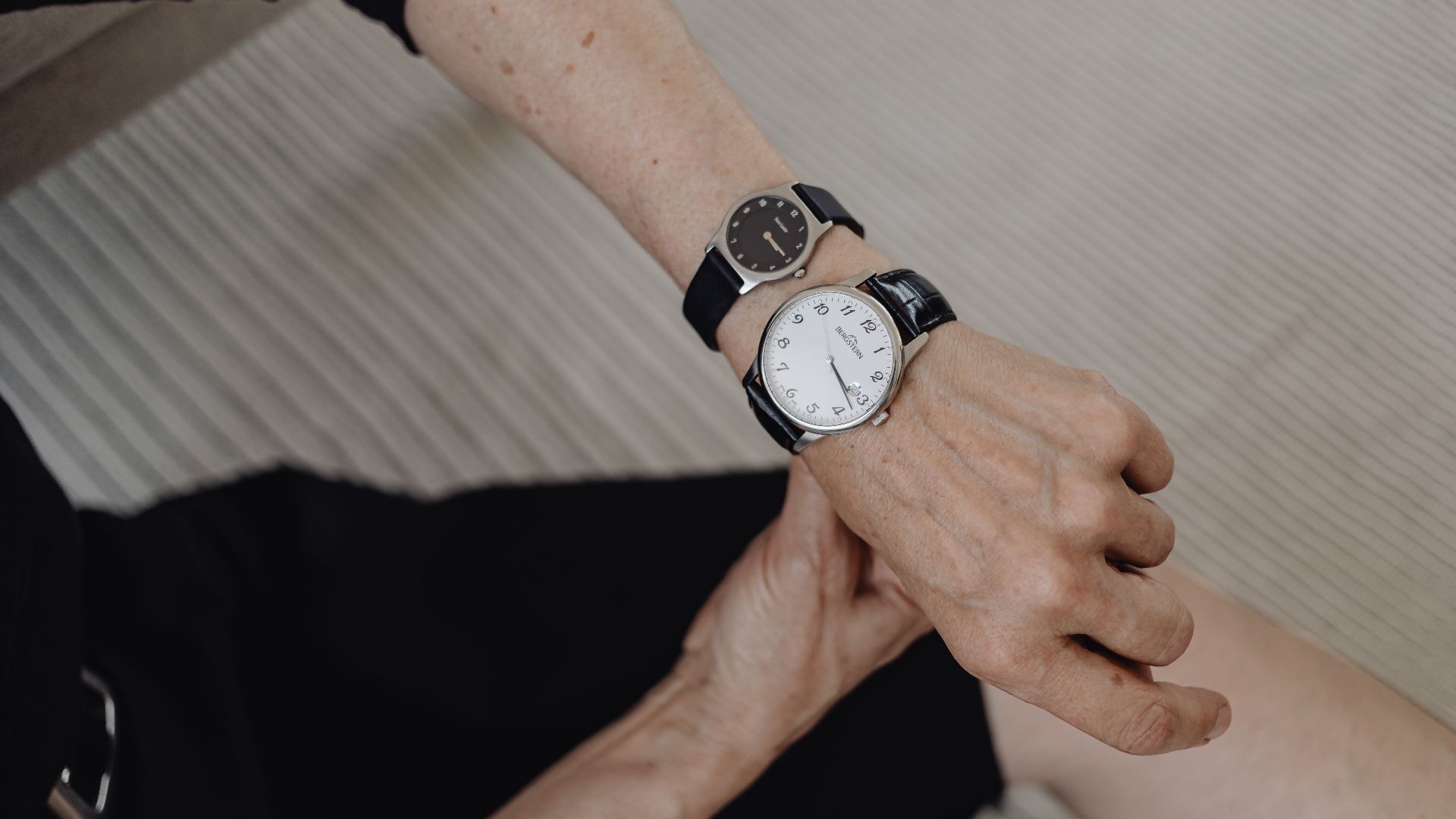
#11. Wristwatches
In the early 1900s, wristwatches were luxury items, often seen as jewelry. As production increased mid-century, they became more accessible. Today, many people rely on their phones instead.
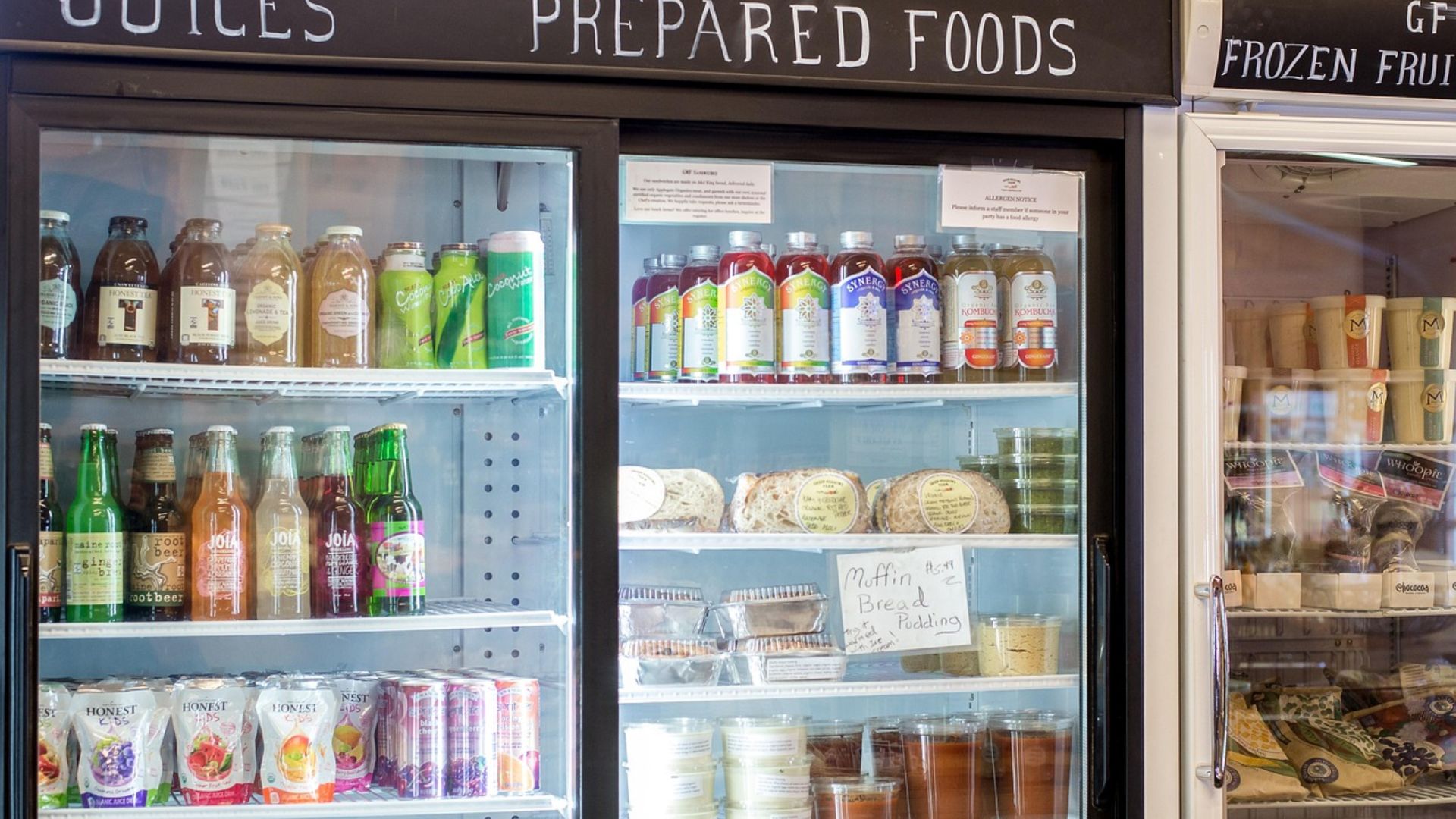
#10. Refrigerated Drinks
Before the early 1900s, having a cold drink required access to ice, which was expensive. Cold beverages were a luxury experience. Today, we expect everything chilled—and complain when it’s not.
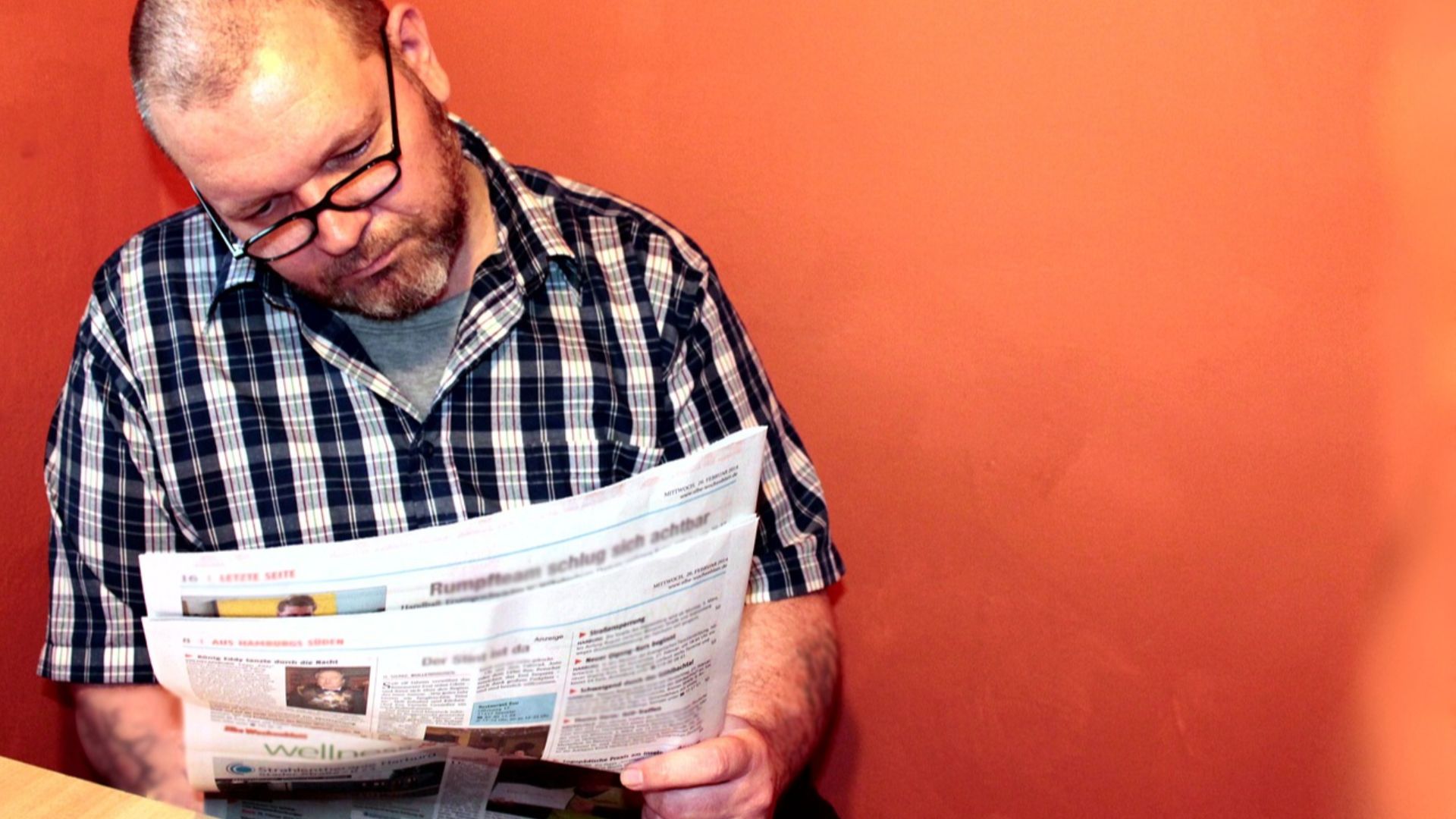
#9. Newspapers
In the 1700s and early 1800s, newspapers were not widely accessible due to cost and literacy barriers. Over time, they became more common. Today, news is everywhere—and often free.
#8. Perfume
In the 1700s and 1800s, perfume was expensive and mostly used by the wealthy. It sometimes helped mask poor hygiene conditions. Today, it’s widely available and used more for style than necessity.

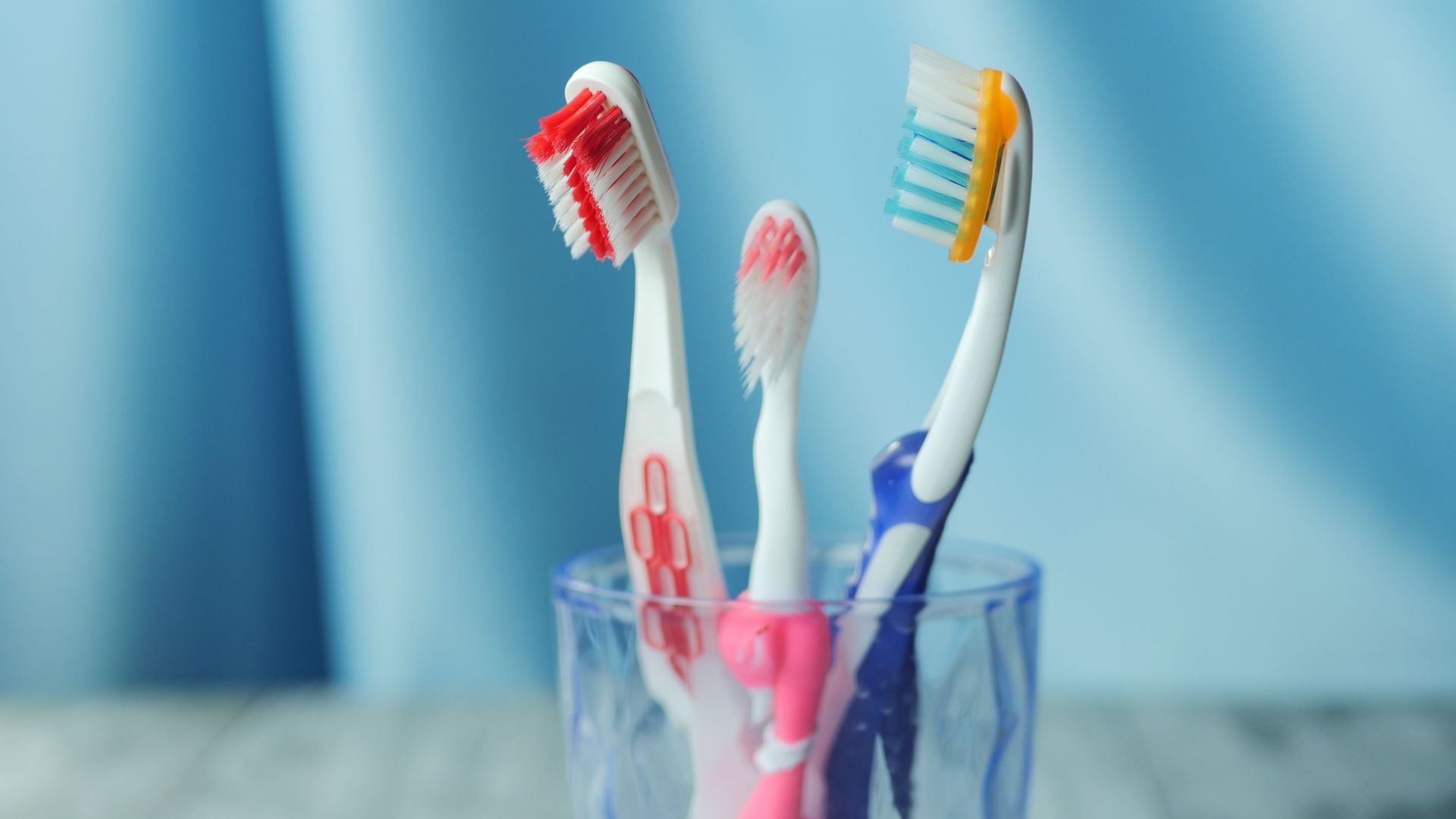
#7. Toothbrushes
Toothbrushes became more common in the late 1800s, but before that, dental tools were limited and considered luxury items. Today, brushing your teeth is basic—and skipping it is noticeable.
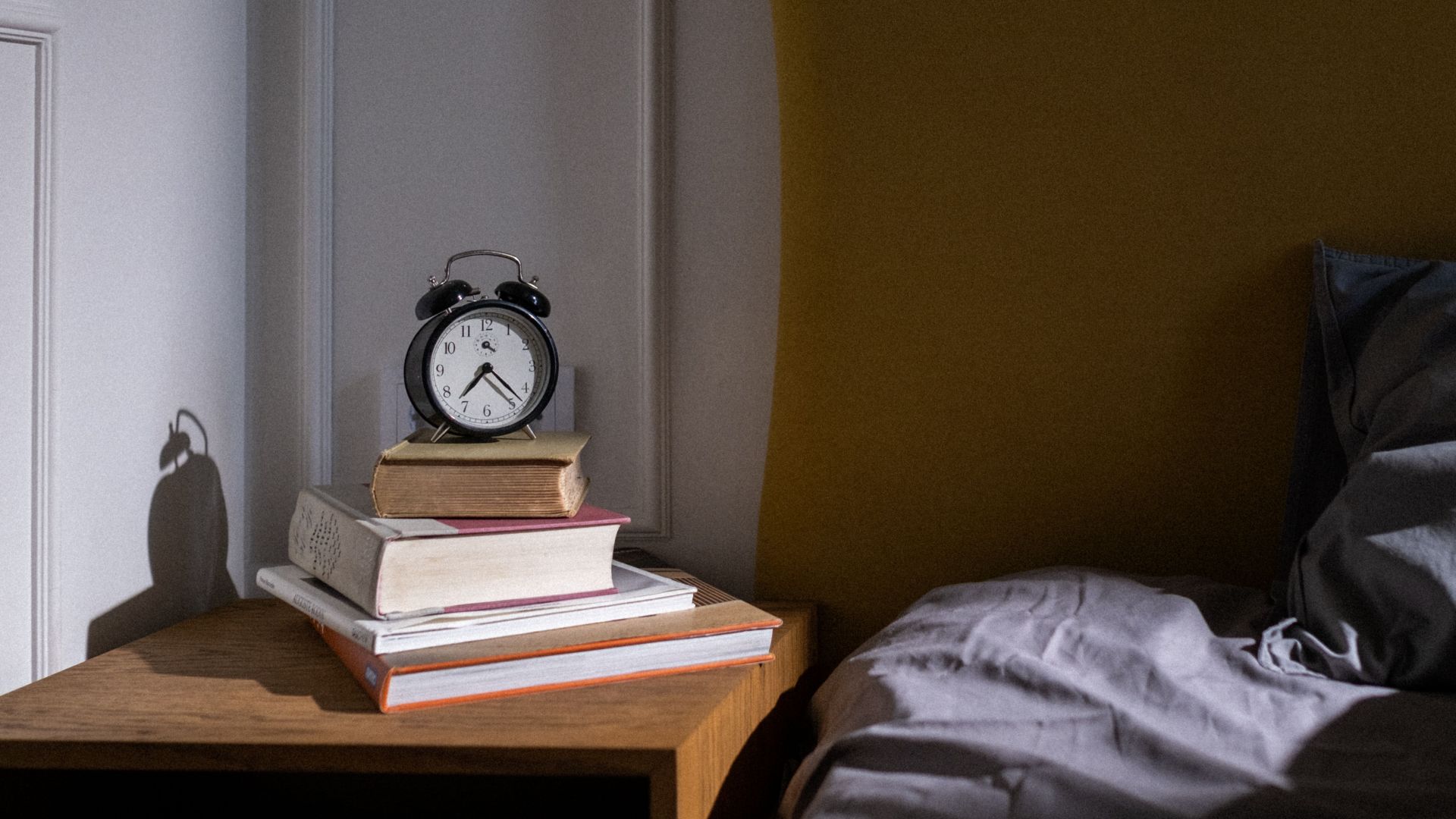
#6. Alarm Clocks
In the 1800s, personal alarm clocks were expensive. Some people even paid others to wake them up. Today, your phone does it for free—and you still hit snooze repeatedly.
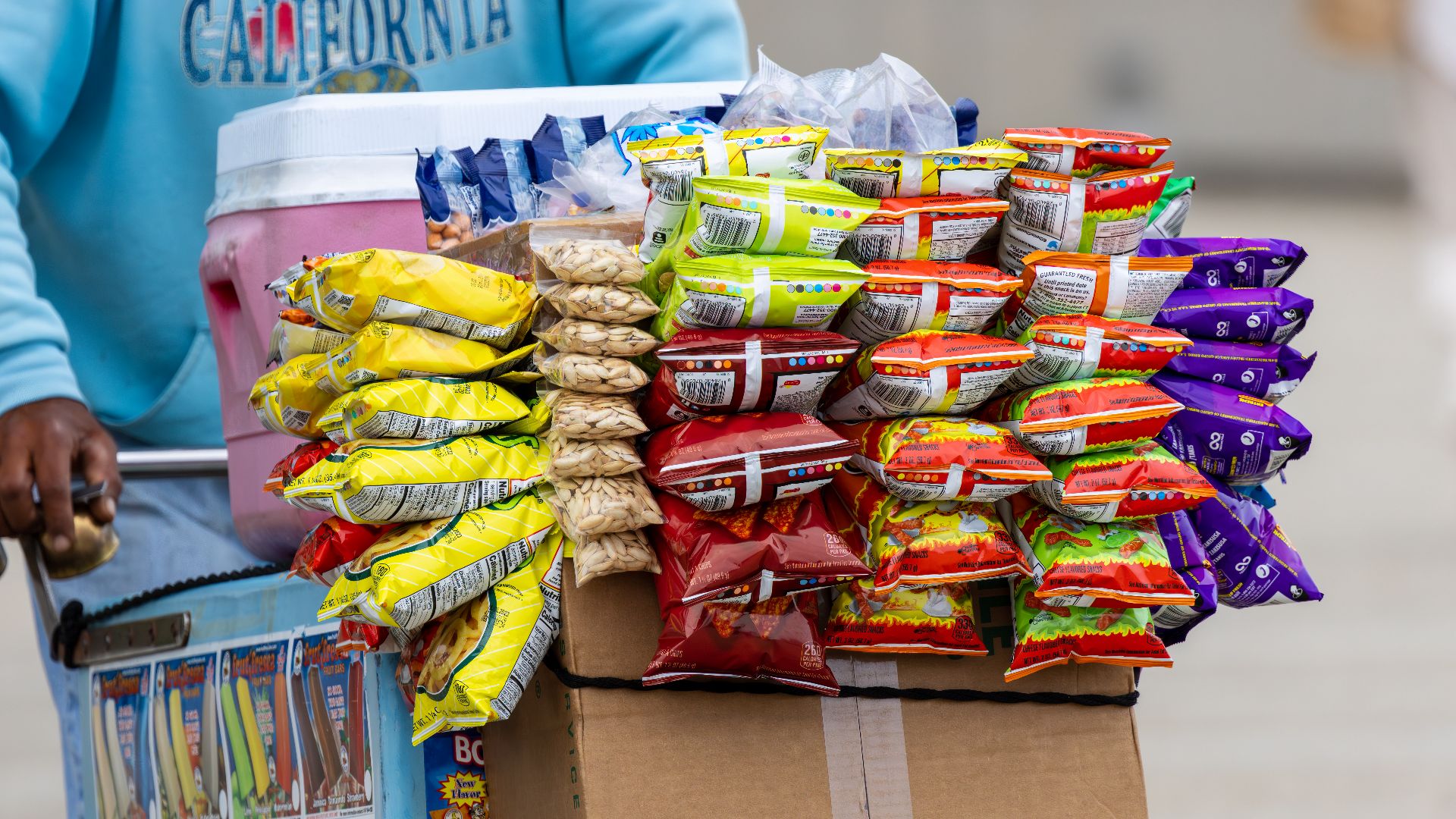
#5. Packaged Food
In the early 1900s, packaged food was seen as modern and somewhat luxurious. Fresh food was the norm. Today, packaged food is everywhere—and often something people try to avoid.
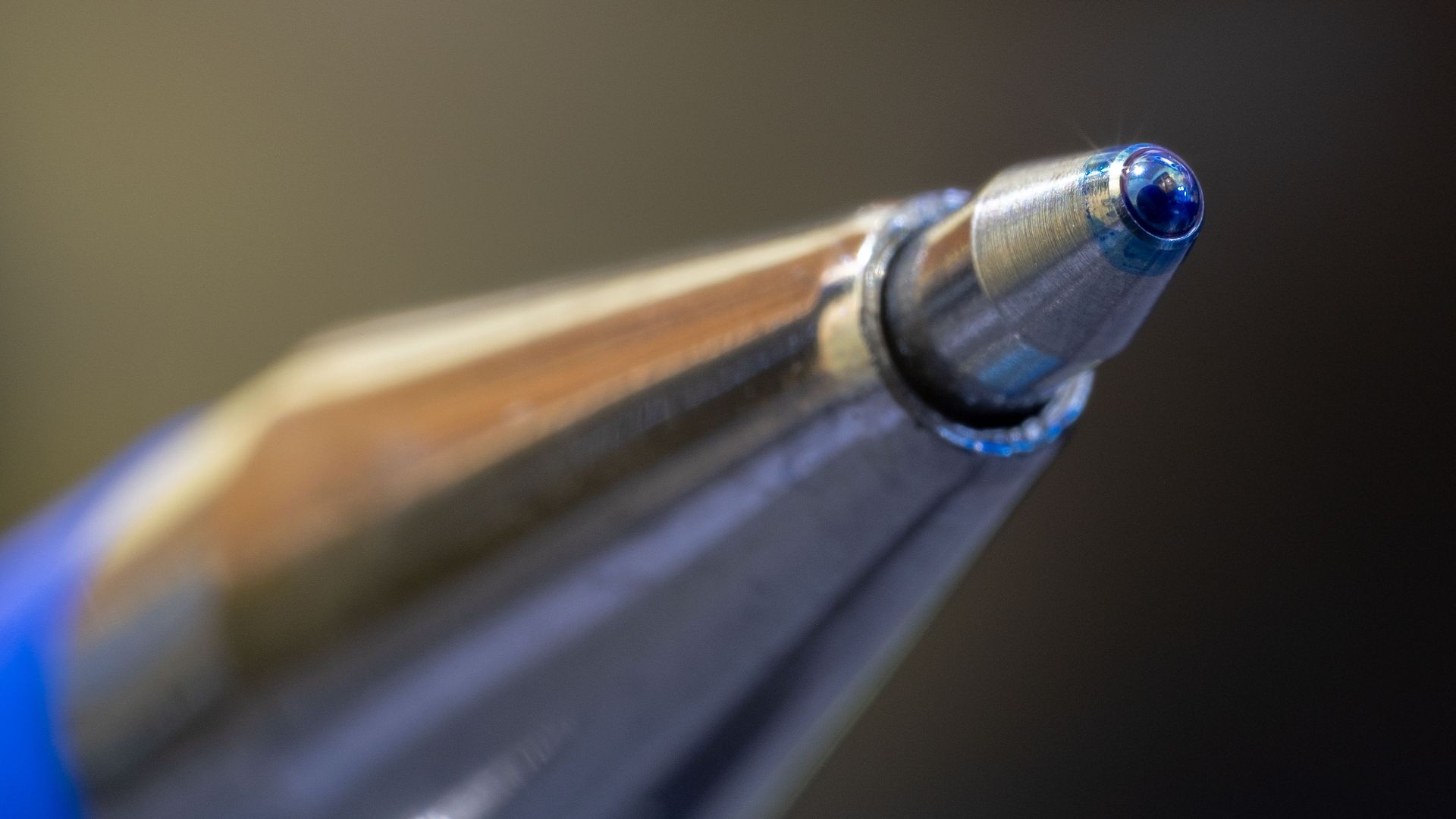
#4. Ballpoint Pens
Before the 1940s, writing required ink wells and messy tools. Early ballpoint pens were expensive when introduced. As production scaled, they became cheap. Today, they’re everywhere—and constantly disappearing.
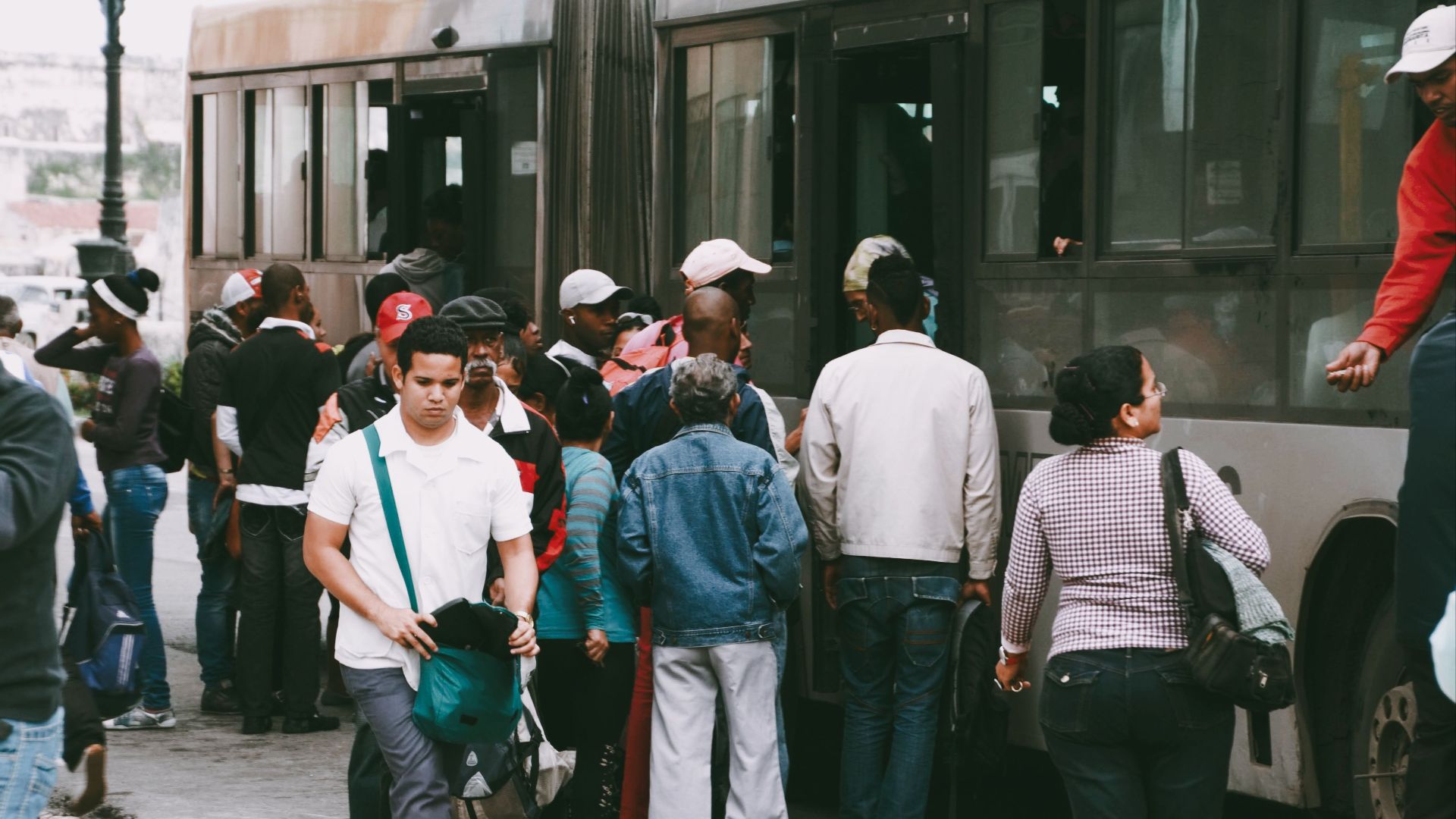
#3. Public Transportation
In the 1800s, regular access to trains and organized transport wasn’t cheap. Travel itself was a luxury. Today, public transportation is common and widely used.
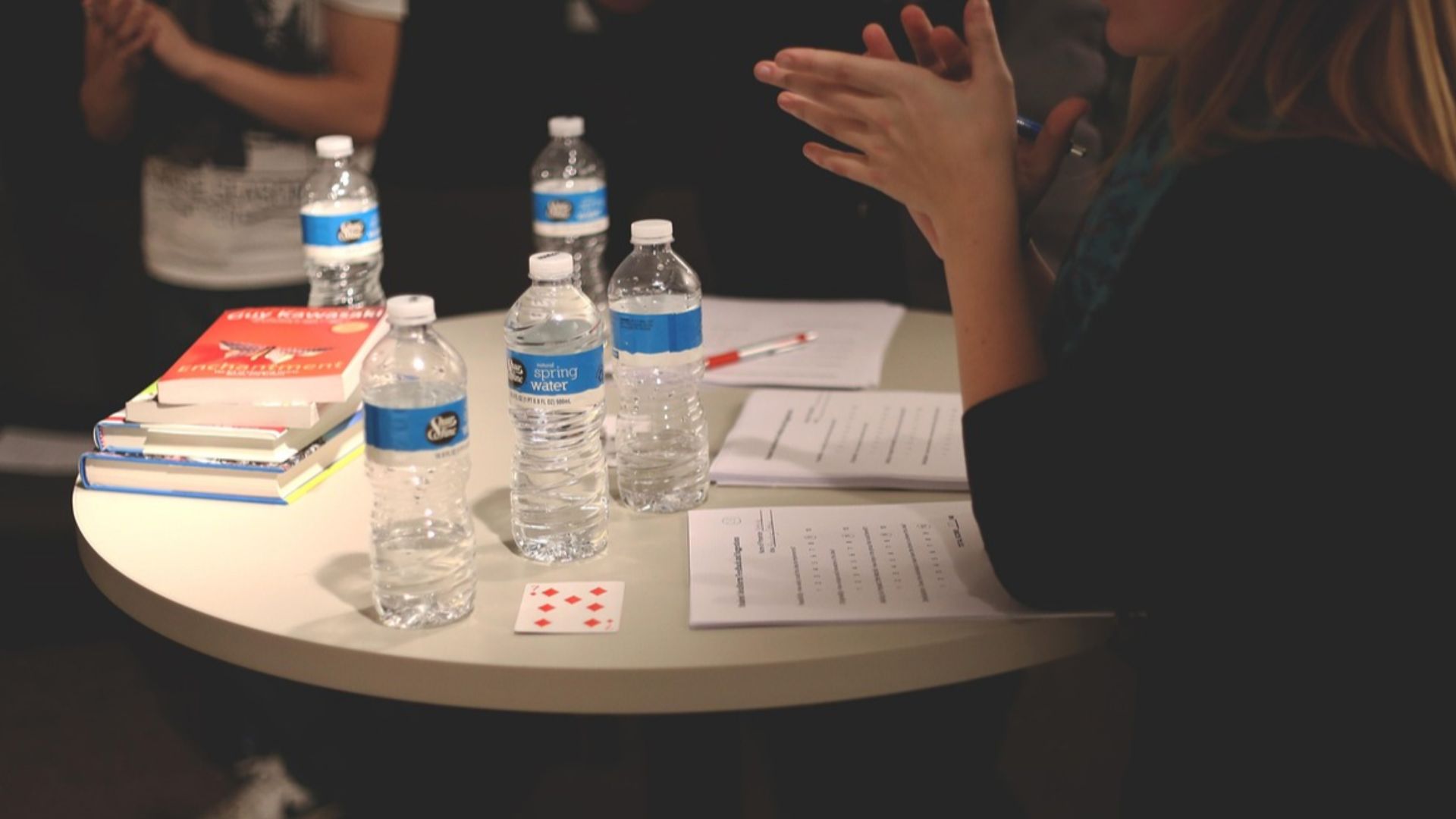
#2. Bottled Water
In the early 1900s, bottled water was marketed as a luxury health product. Most people drank from local sources. Today, it’s everywhere—and sometimes surprisingly expensive.
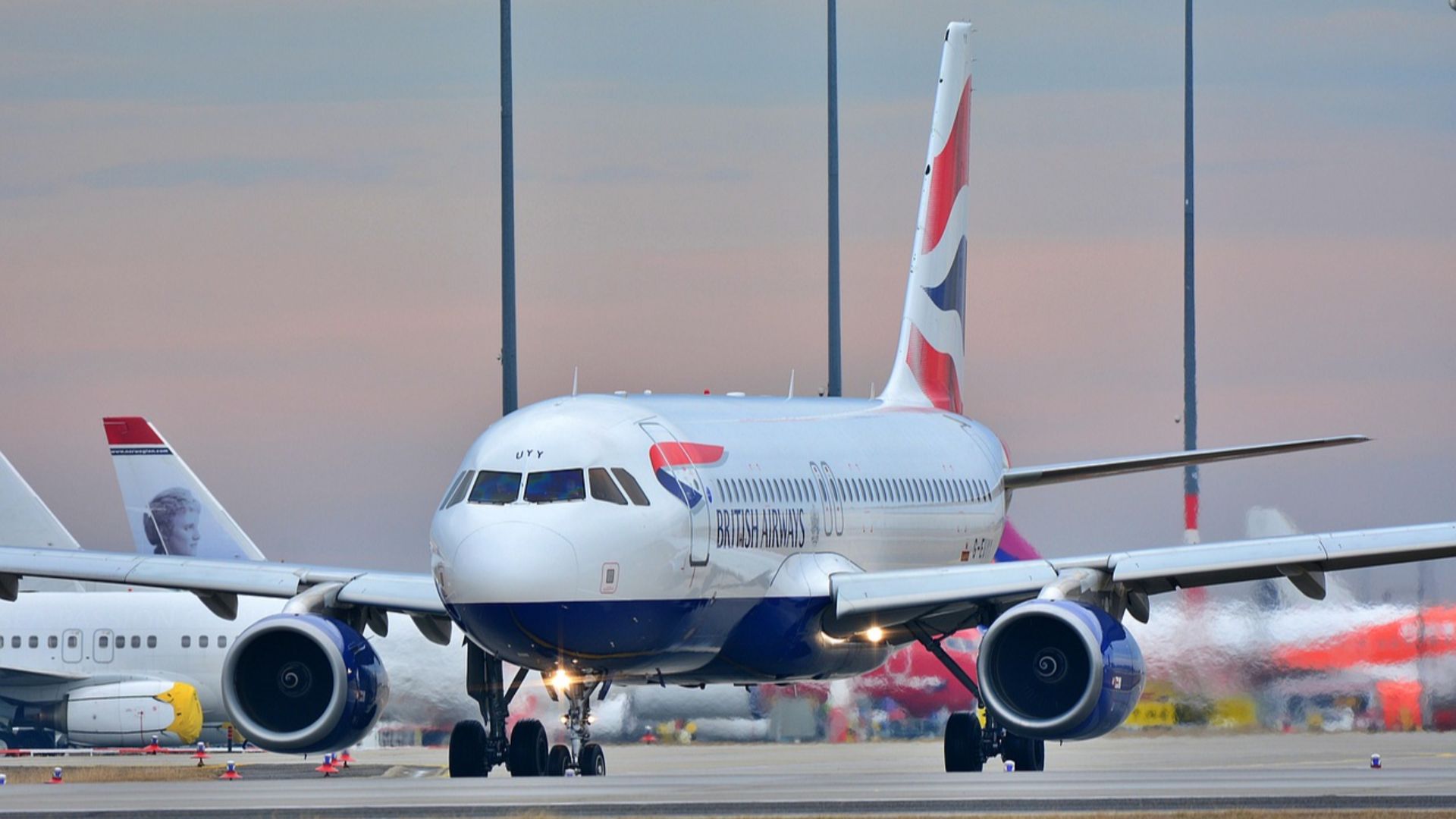
#1. Air Travel
In the 1950s and 1960s, flying was a luxury experience with meals and formal attire. Only wealthier travelers flew regularly. Today, it’s more accessible—but far less glamorous.
Why These Feel So Normal Now
Most of these items became everyday things thanks to mass production, better technology, and global trade. What once signaled wealth is now just normal life—which makes you wonder what we use today that used to be a luxury.

You May Also Like:
Completely Normal American Habits From The 1970s That Would Seem Completely Bizarre Today—Did You Do Any Of These?
The Worst Man-Made Disasters in U.S. History
America’s Most Isolated Town