Some Competitions Were Stranger Than Fiction
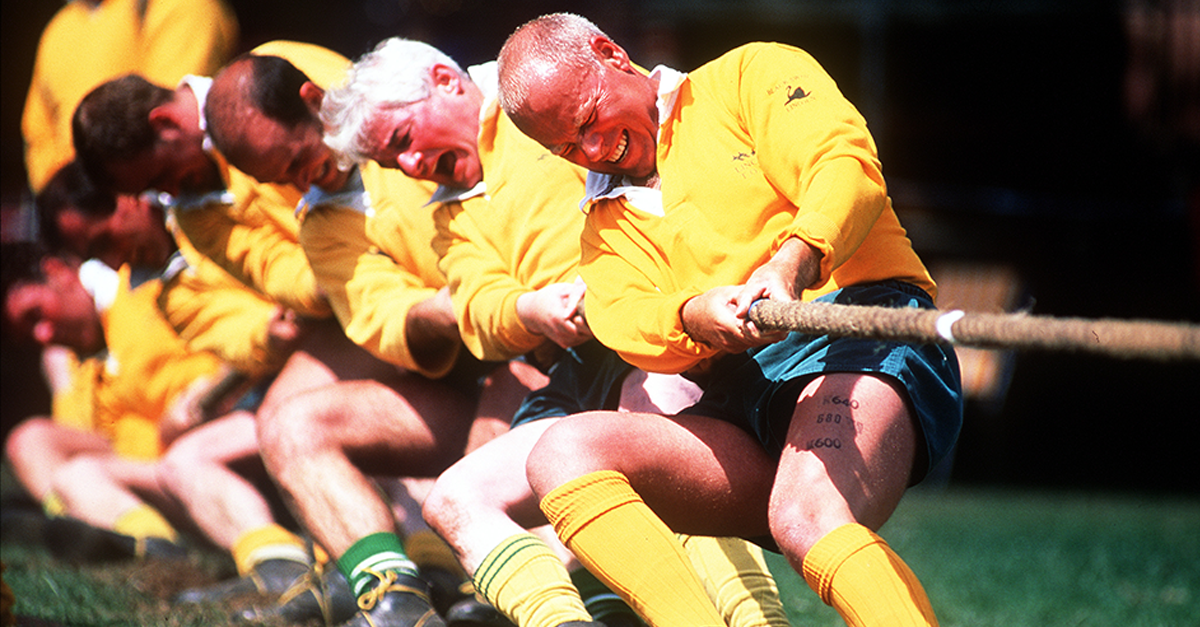
History is full of contests that sound ridiculous now, but once drew crowds, money, medals, and real prestige. Some belonged to royal courts, some to early Olympic experiments, and some to city streets packed with spectators. Together, they show how much ideas about sport, status, and entertainment have changed.
Croquet Had Its Olympic Moment
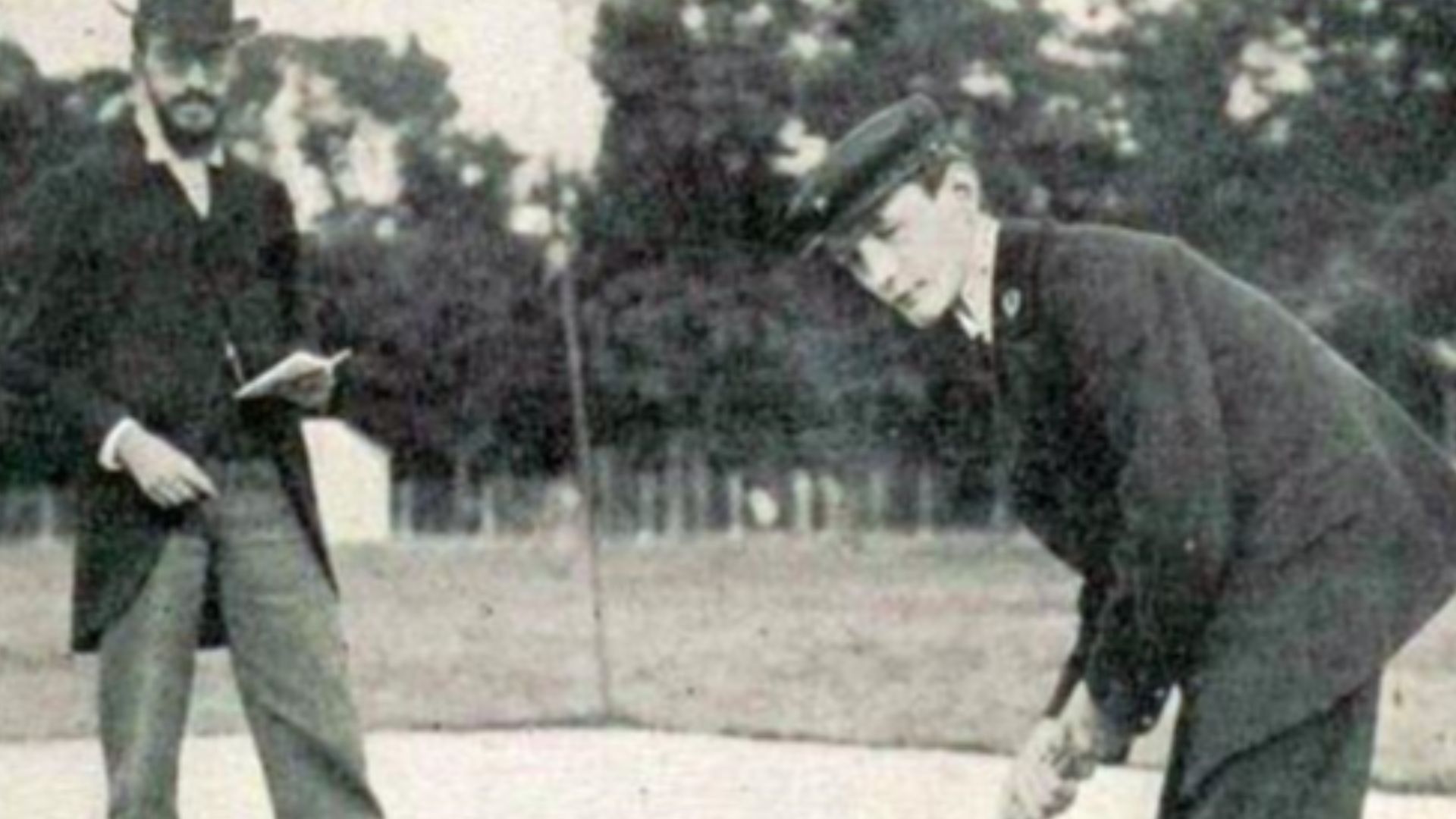
Croquet may feel like a quiet lawn game today, but it had Olympic status at Paris 1900. The official results include multiple croquet events, including singles and doubles. The competition was dominated by French athletes, which made sense because the Games were staged in Paris. It was still a serious medal event, even if it never became an Olympic staple.
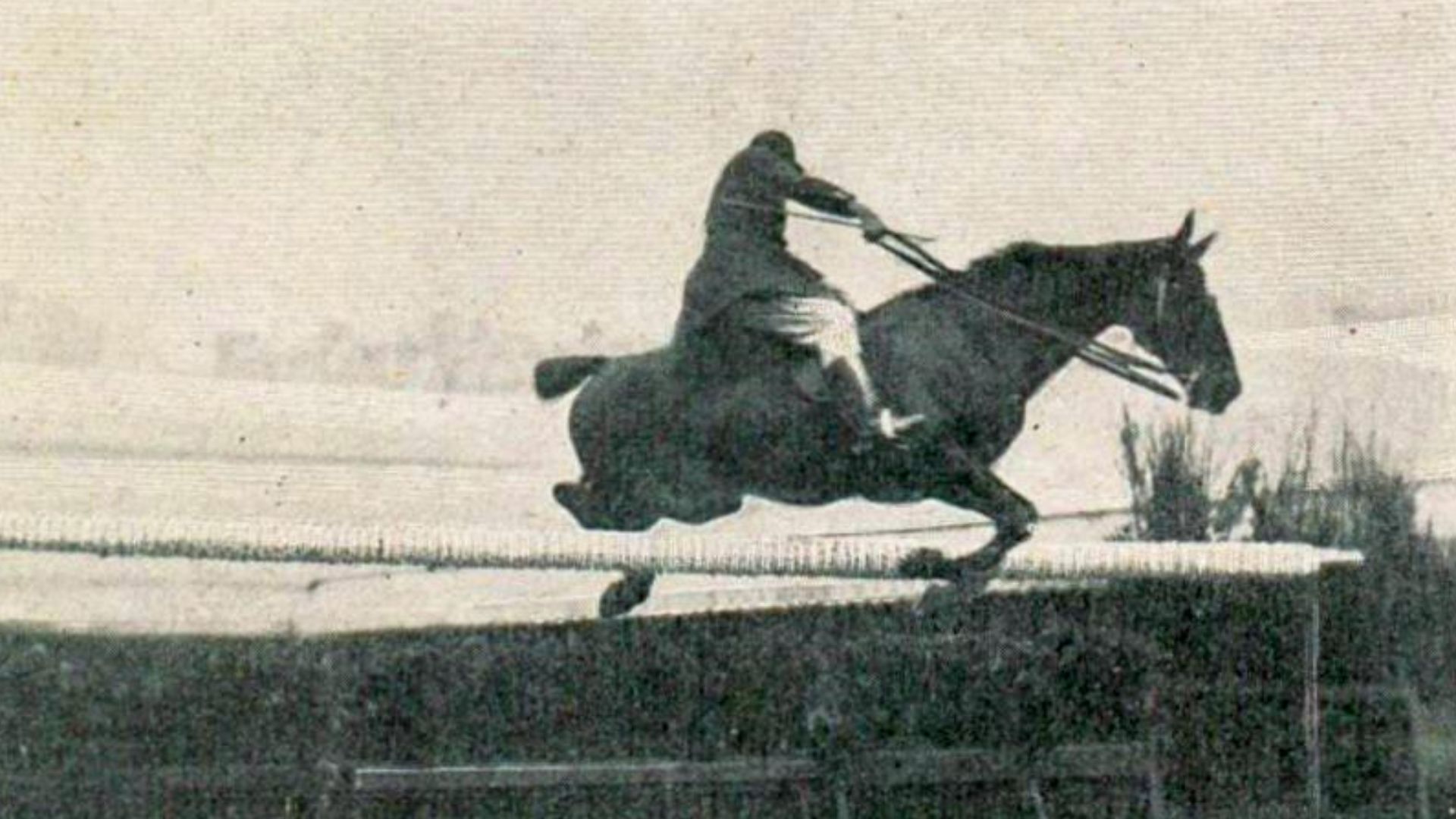
Horses Once Had Long Jump Medals
The 1900 Olympics included equestrian long jump, which sounds like someone combined track and field with a riding show. Horses and riders competed to see who could clear the greatest distance. Belgium's Constant van Langhendonck won gold with a jump listed at 6.1 meters. The event was unusual enough that it did not become a permanent Olympic discipline.
 User de:User:FreeMO on de.wikipedia, Wikimedia Commons
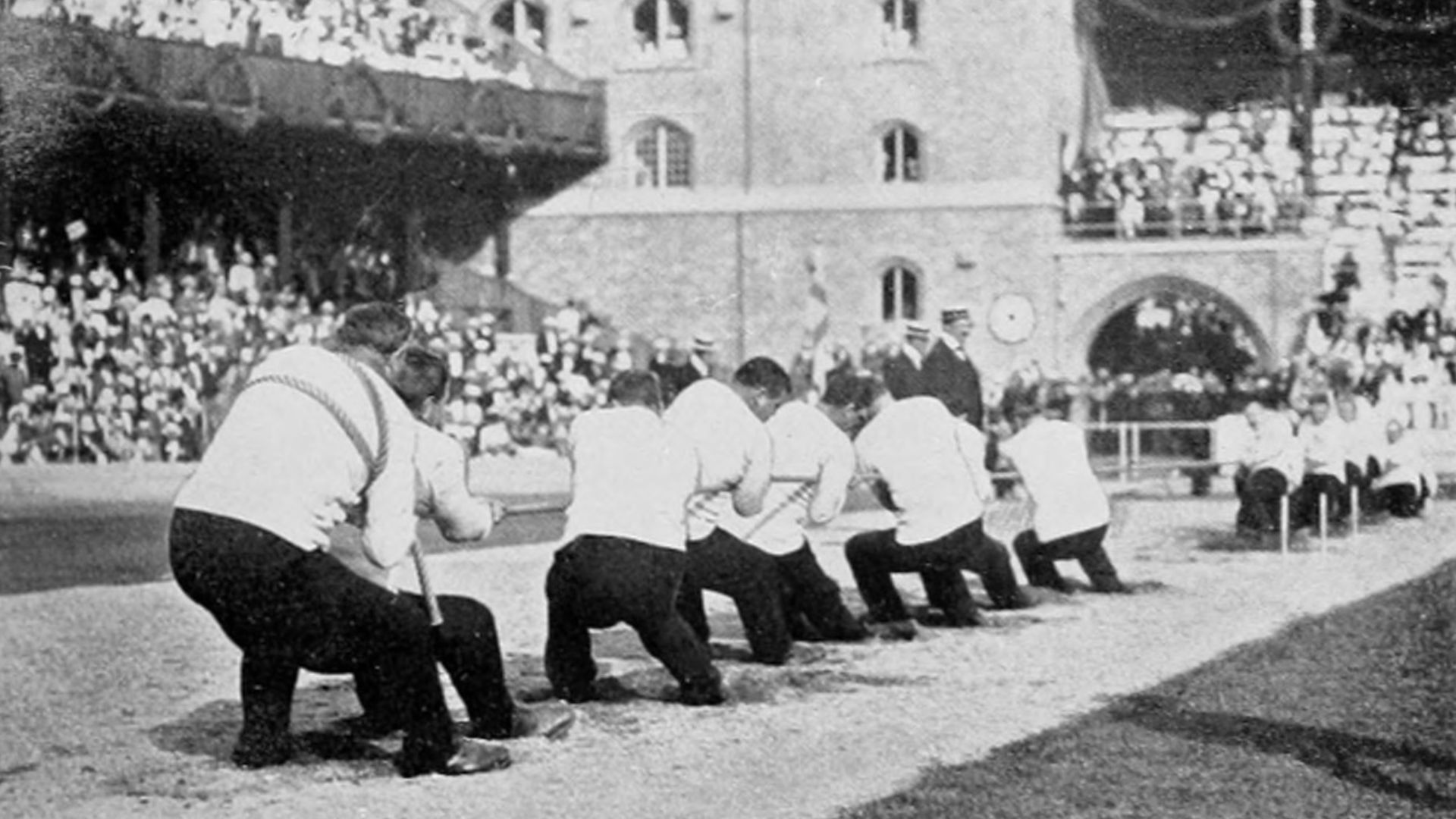
Olympic Tug Of War Was A Medal Event
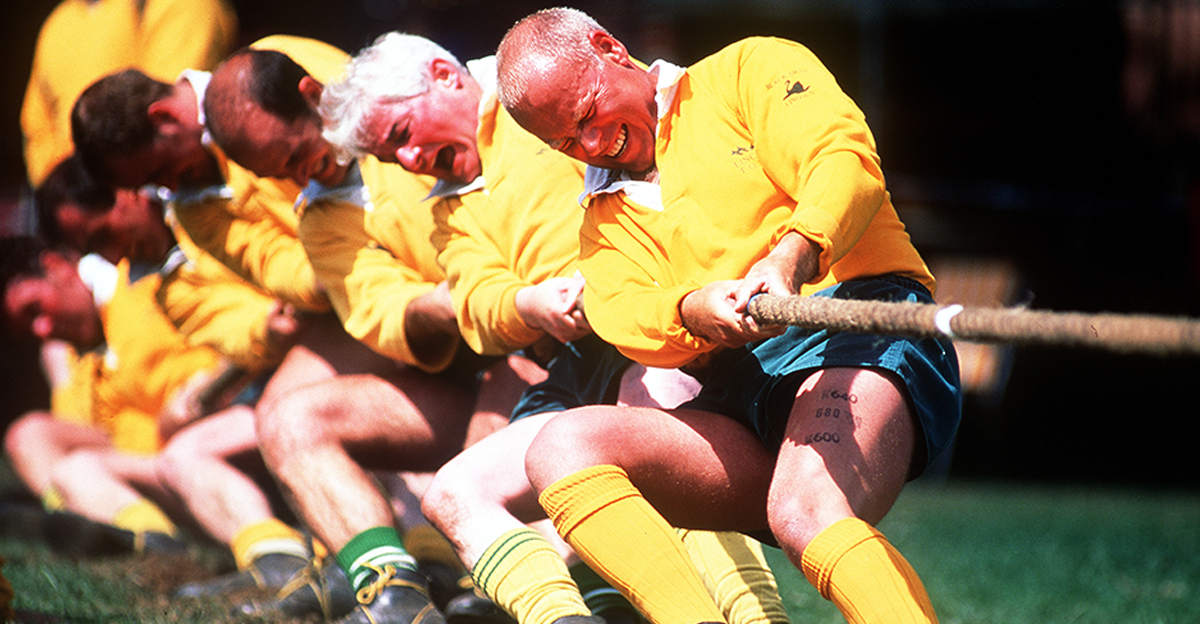
Tug of war was not always just a picnic game or schoolyard contest. It appeared as an Olympic sport in 1900, 1904, 1908, 1912, and 1920. Teams pulled with national pride on the line, and Olympic medals were awarded for the result. Its final Olympic appearance came at Antwerp in 1920.
 Specific photographer unknown, but was produced by a member of the Swedish press., Wikimedia Commons
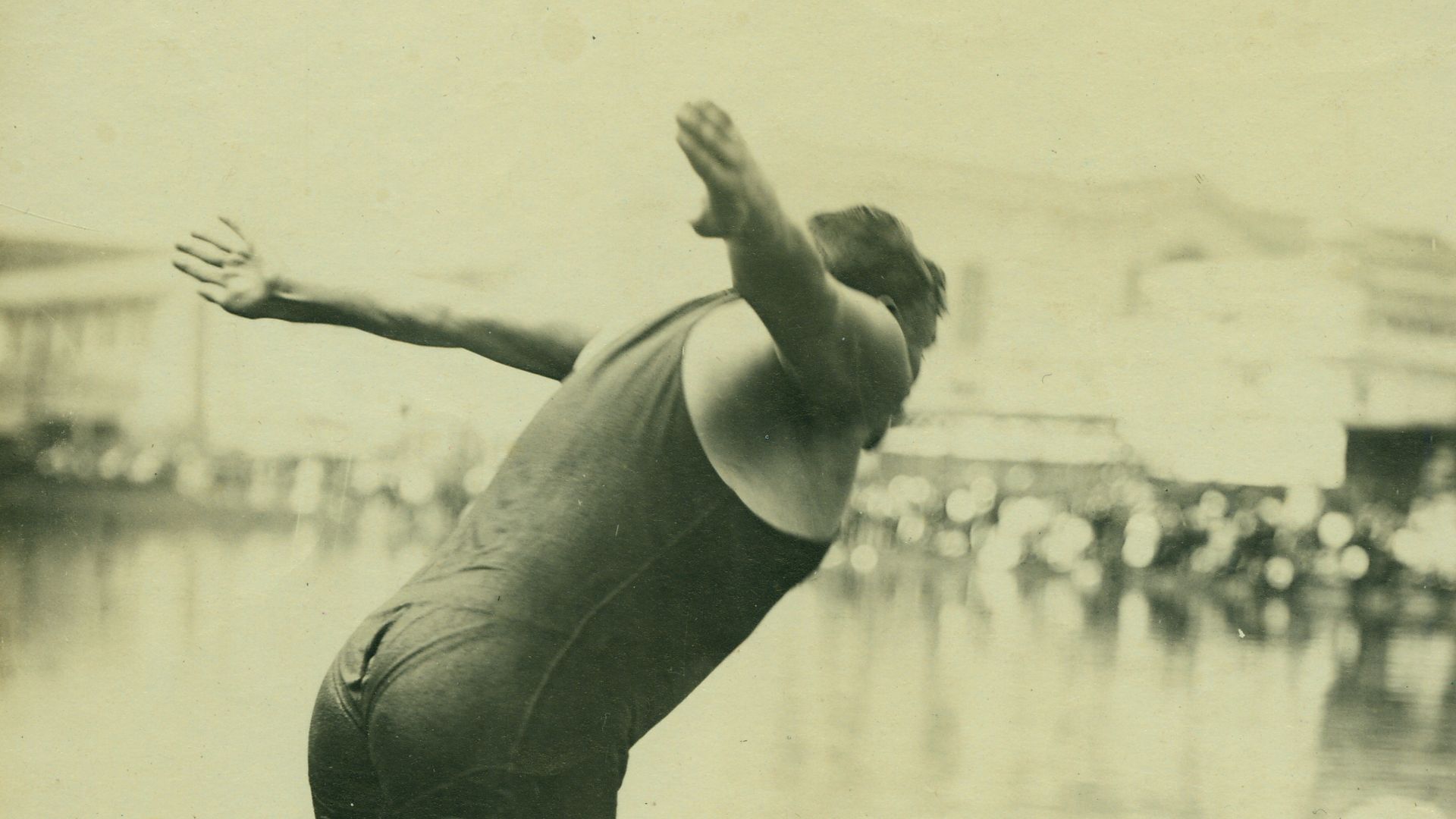
Plunge For Distance Rewarded Stillness
At the 1904 St. Louis Olympics, divers competed in an event called plunge for distance. Athletes dove into the water and then tried to glide as far as possible without swimming. Distance was measured after 60 seconds or when the competitor's head broke the surface. It was a real Olympic event, but it disappeared after one Games.
 Unknown authorUnknown author, Wikimedia Commons
Live Pigeon Shooting Was Treated As Elite Sport
The 1900 Paris Games included live pigeon shooting among the many events connected to the Exposition. Competitors shot at birds released from traps, and the contest was treated as a high-status shooting event at the time. Later accounts note that it was the only Olympic-linked event in which animals were deliberately killed for competition. The event quickly became a symbol of how much sporting standards changed.
![[Collection Jules Beau. Photographie sportive] : T. 13. Année 1900 / Jules Beau : F. 32. Grand Prix de l Exposition au Tir aux Pigeons, Cercle du Bois de Boulogne;
w:Shooting at the 1900 Summer Olympics (live pigeon shooting)
Maurice Fauré (France), w:](https://www.factinate.com/storage/app/media/factinate/2026/7/2/178298098075bb099cc88ea7480505da88746ef9b4790a699d.jpg)
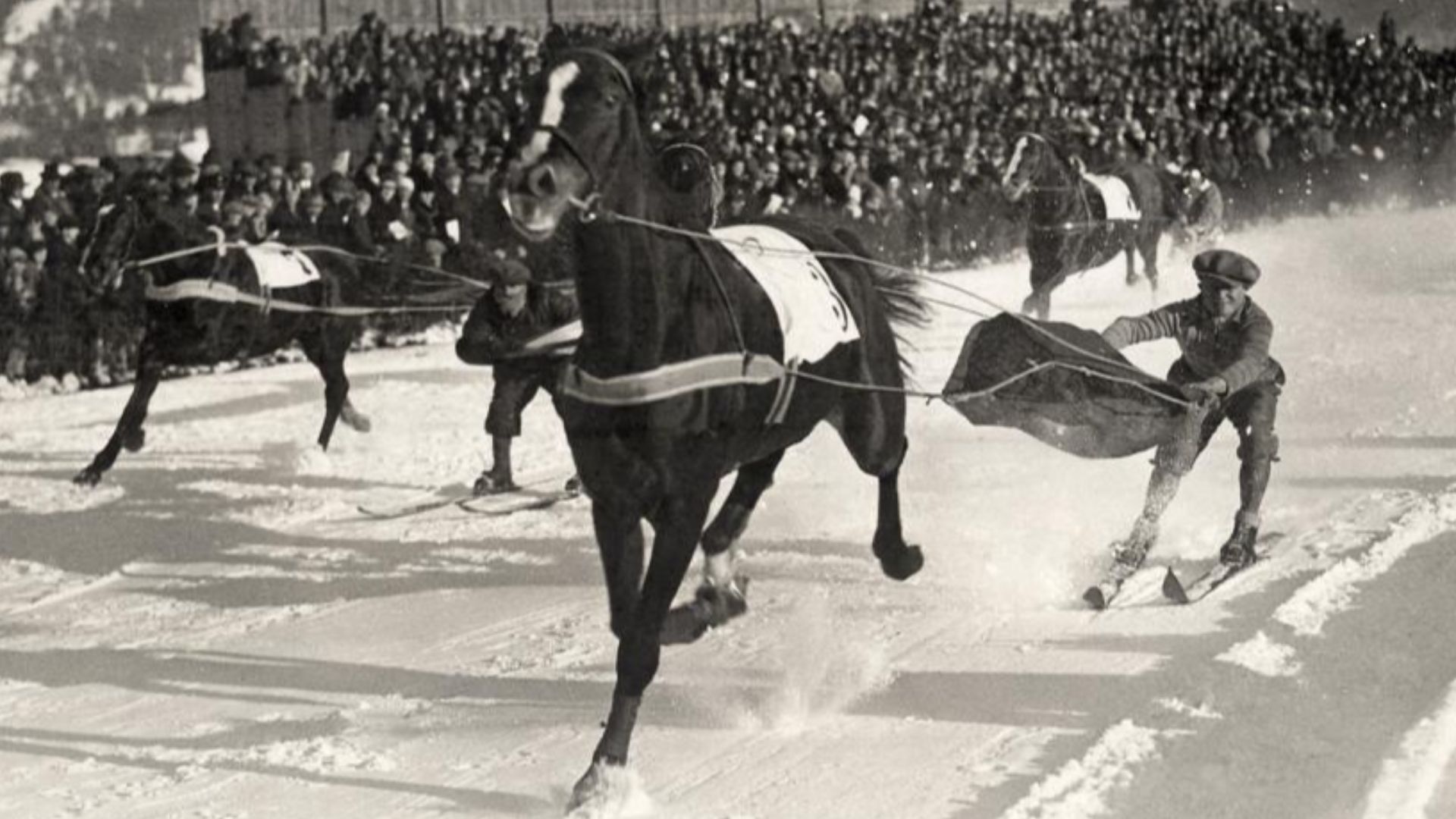
Skijoring Reached The Winter Games
Skijoring brought together skiing and animal power. At the 1928 Winter Olympics in St. Moritz, horses pulled skiers across a frozen course as a demonstration event. The Swiss competitors dominated, but the spectacle never returned as an Olympic fixture. It remains one of the stranger examples of how experimental early Winter Games could be.
 Nationaal Archief, Wikimedia Commons
Wax Bullet Duels Drew Spectators
Pistol dueling with wax bullets appeared around the Olympic world in the early 1900s. Competitors wore protective gear and fired non-lethal rounds at one another. The 1908 London event is often described as Olympic, but sports historians note it was staged alongside the Franco-British Exhibition rather than as an official Olympic medal event. Even so, the idea of regulated pistol combat was taken seriously by enthusiasts.
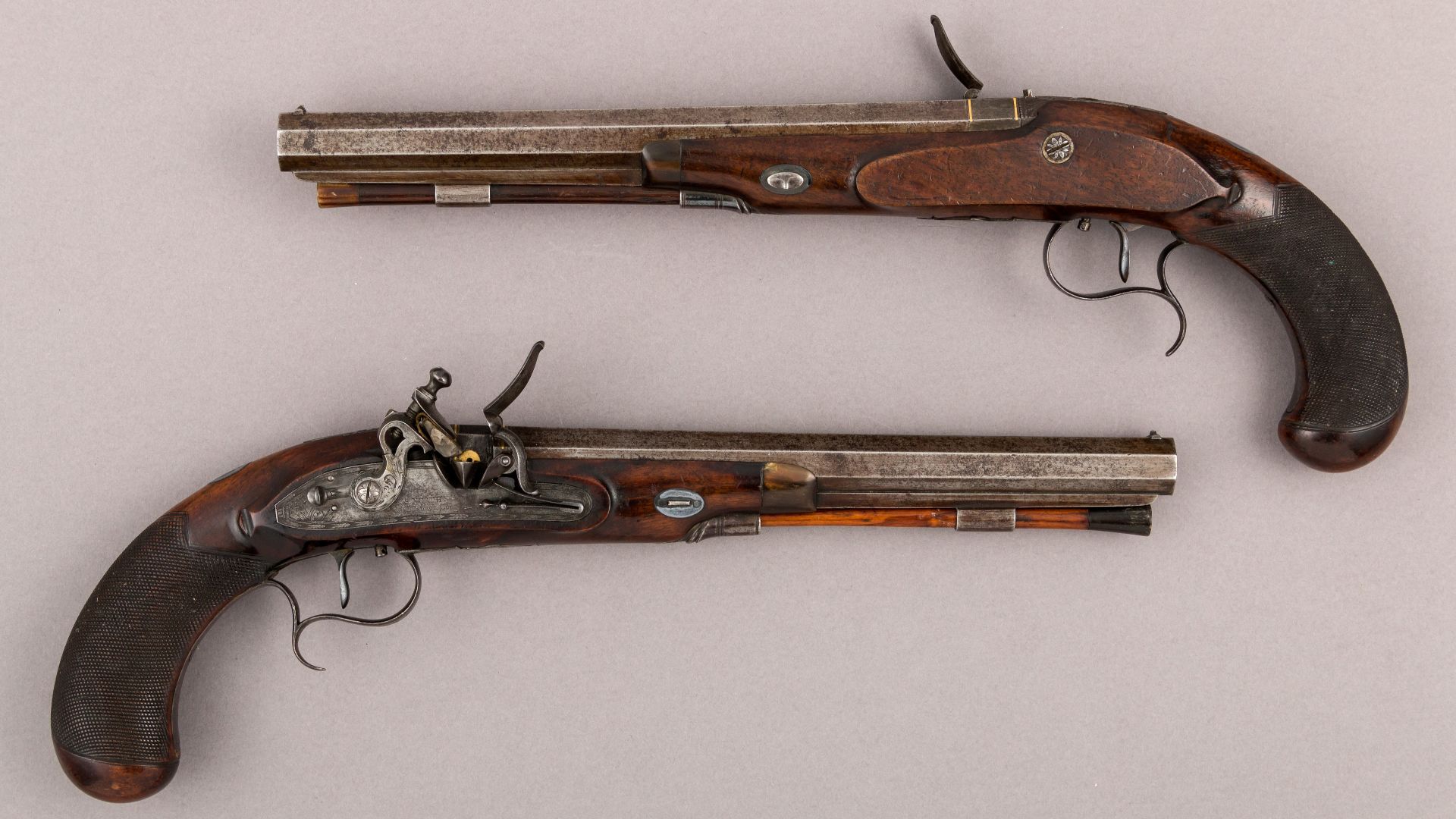 Creator:Simeon North, Wikimedia Commons
Running Deer Used Moving Targets
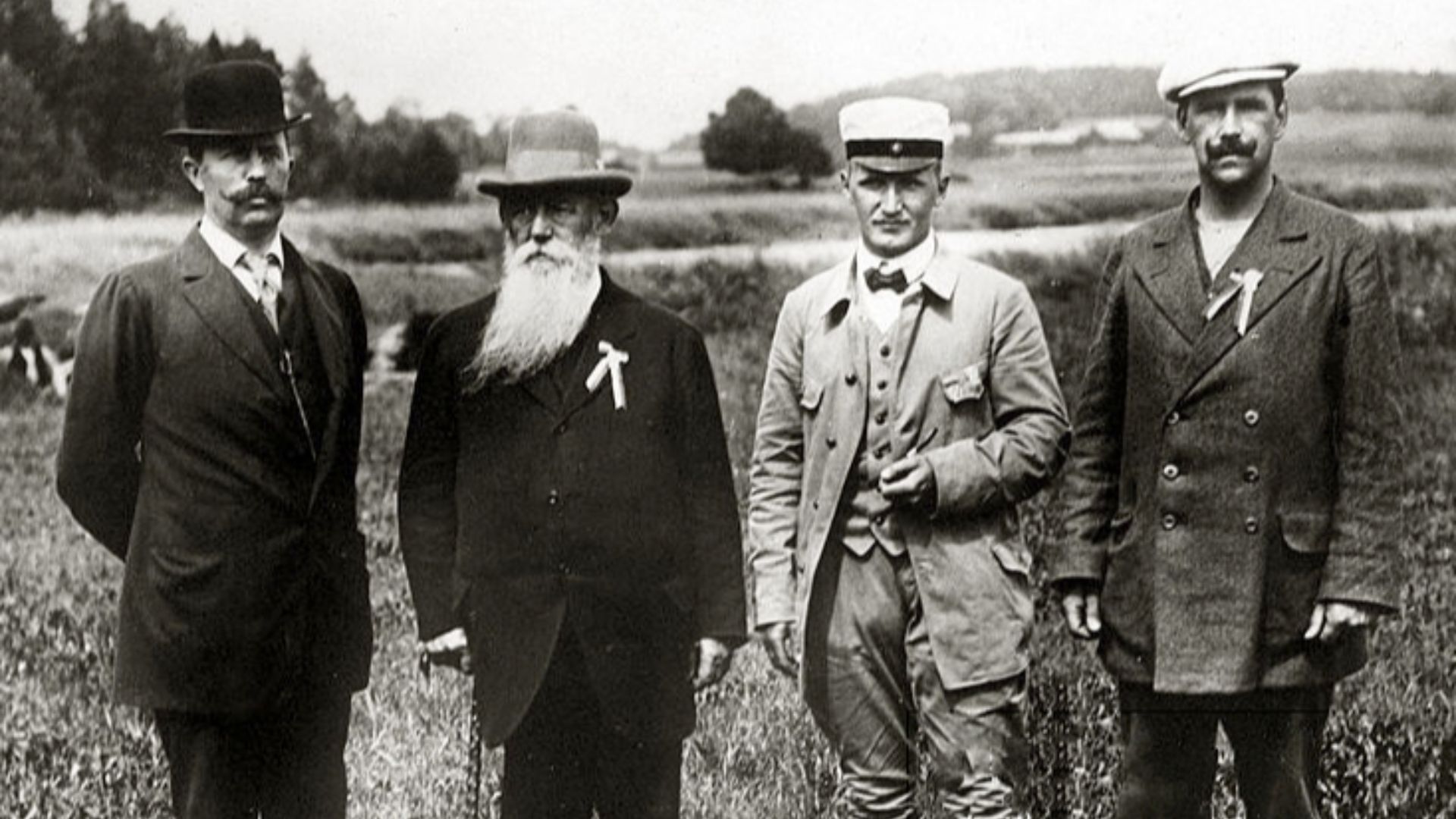
Olympic shooting once included running deer events, but no real deer were involved. Competitors shot at deer-shaped moving targets that crossed a fixed distance. The event debuted at the 1908 London Olympics and remained part of the program for years. It reflected a period when marksmanship sports were closely tied to hunting culture.
Firefighting Became A Competitive Spectacle
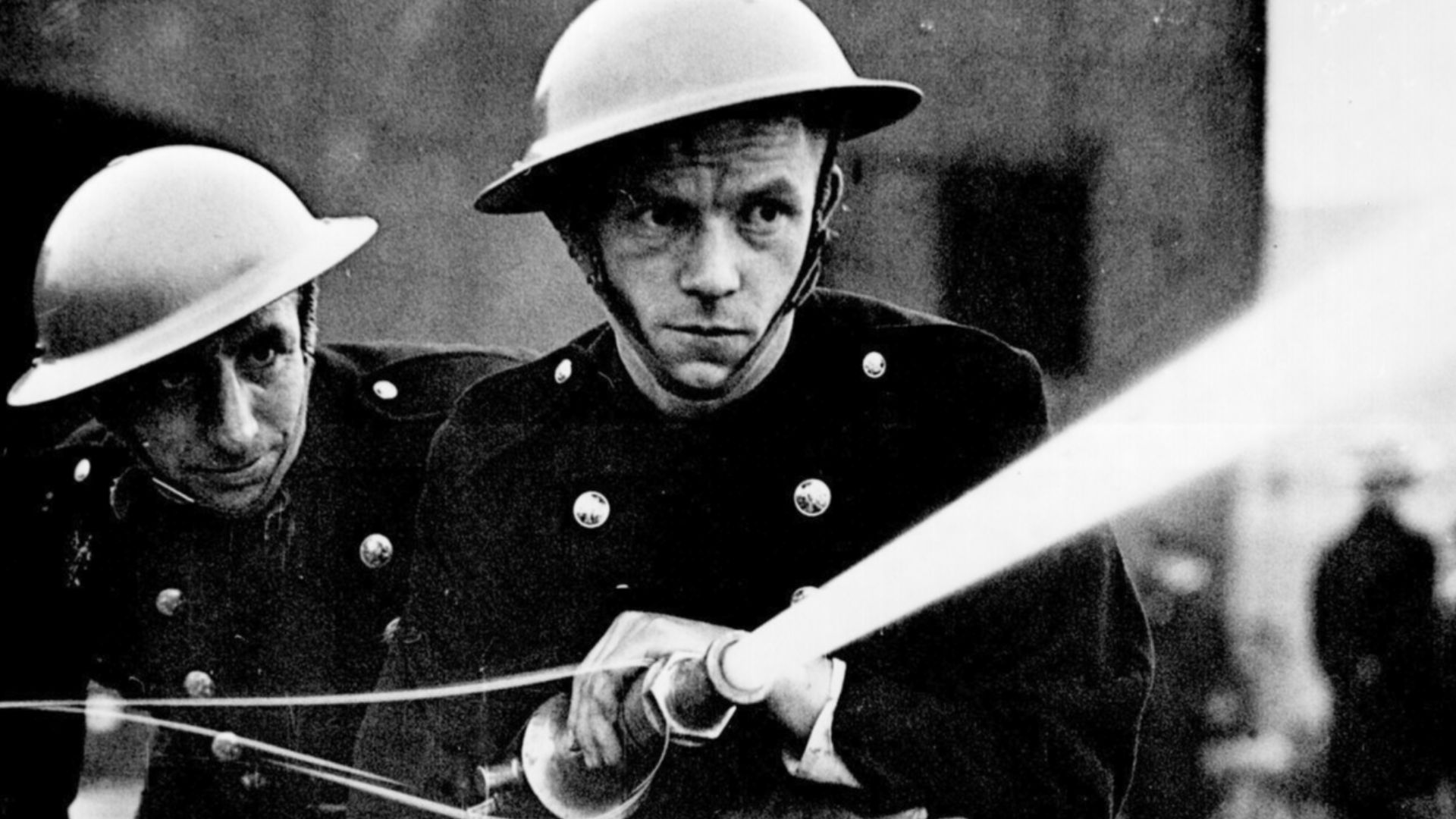
At Paris 1900, firefighting competitions were staged as part of the wider Olympic-era program. Teams demonstrated speed, discipline, and coordination while putting out staged fires. Portuguese volunteer firefighters and Kansas City professional firefighters were among the winners in contemporary summaries of the events. It was civic service turned into public competition.
Dance Marathons Became Depression-Era Drama
Dance marathons began as endurance contests in the 1920s and became especially intense during the Great Depression. Contestants kept moving for days or even weeks, often competing for food, shelter, and prize money. Audiences paid to watch exhaustion, romance, and collapse unfold in real time. What sounds like a novelty became a grim form of entertainment during hard times.
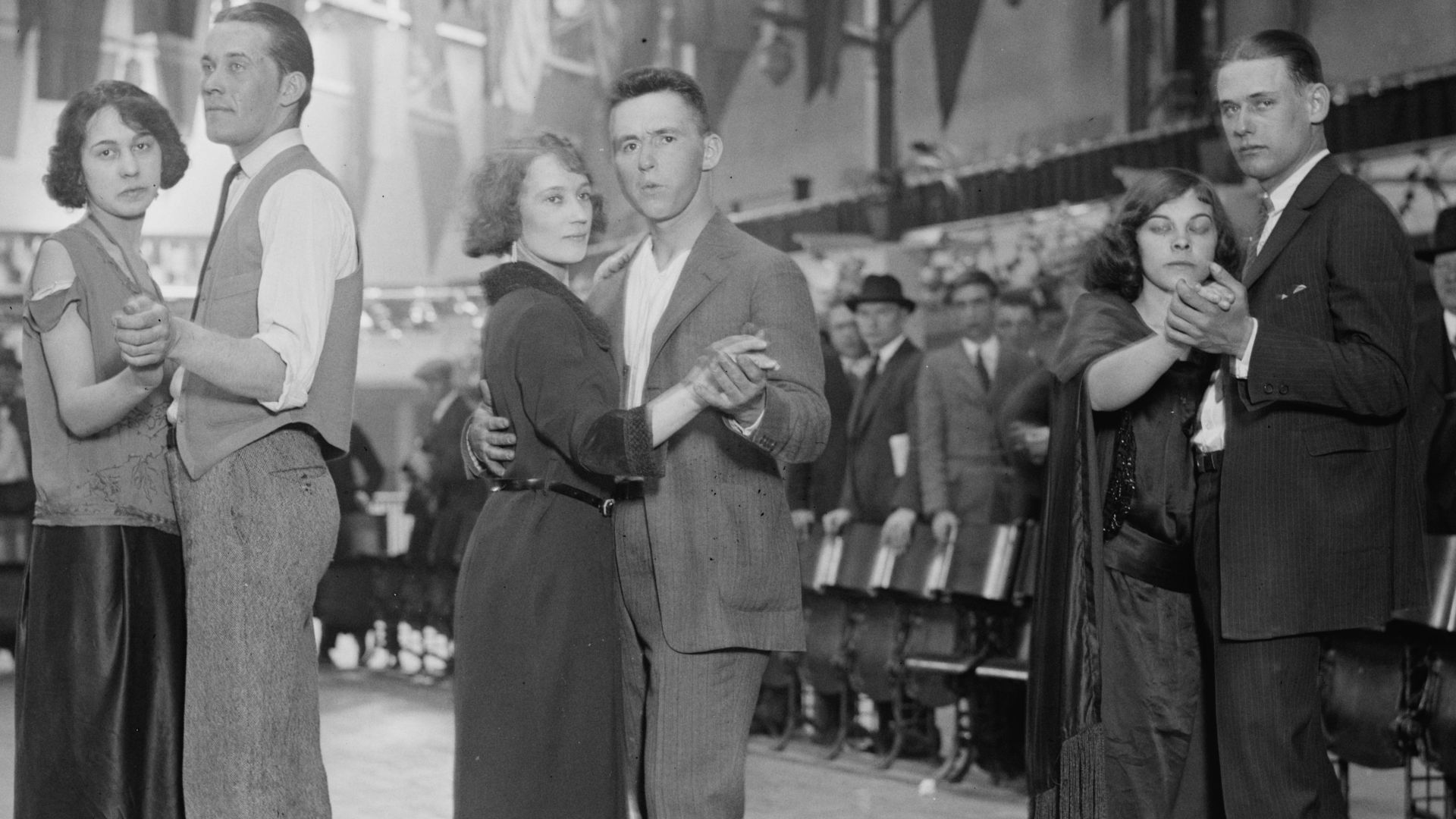 National Photo Company, Wikimedia Commons
Competitive Walking Was A Spectator Sensation
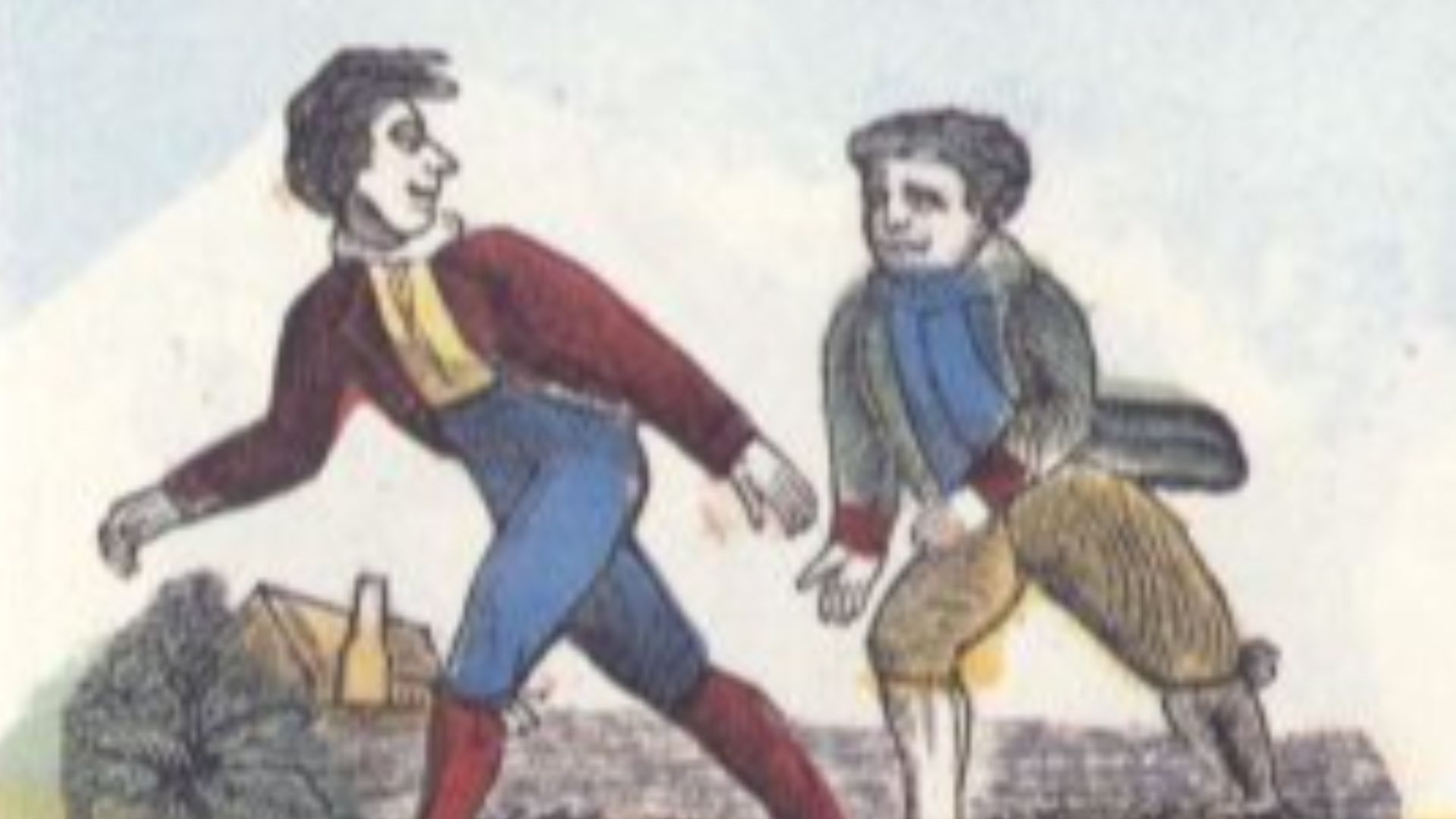
Pedestrianism made long-distance walking a major spectator sport in the 19th century. Famous walkers drew crowds, wagers, and newspaper coverage. Edward Payson Weston became one of the best-known figures in the sport, turning endurance walking into public theater. Before modern fitness culture, walking itself could make someone a celebrity.
 AnonymousUnknown author, Wikimedia Commons
Medieval Jousting Was More Than Pageantry
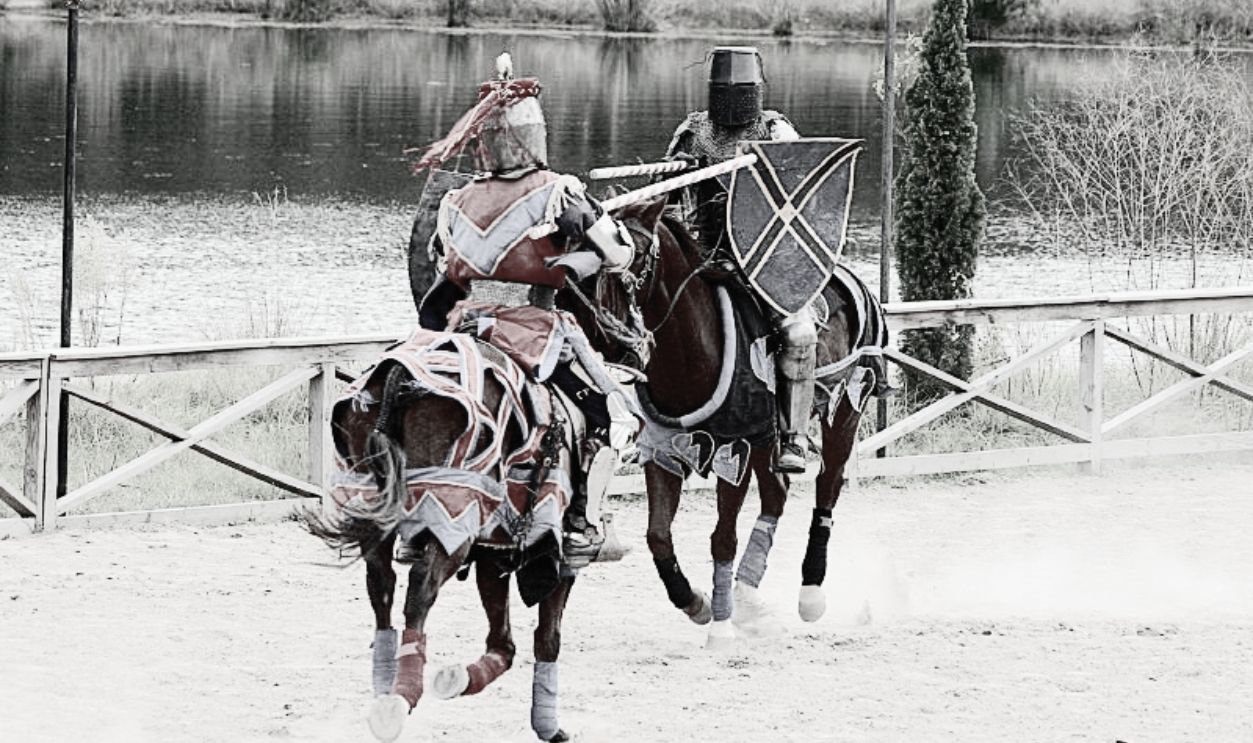
Jousting is often treated as costume drama now, but medieval and Renaissance elites took it very seriously. Knights used tournaments to display martial skill, courage, wealth, and noble identity. Royal courts staged elaborate jousts as political theater as well as entertainment. For rulers such as Henry VIII, tournaments were part sport, part diplomacy, and part propaganda.
 Clinton & Charles Robertson, CC BY-SA 2.0, Wikimedia Commons
Tournament Fighting Could Shape Reputations
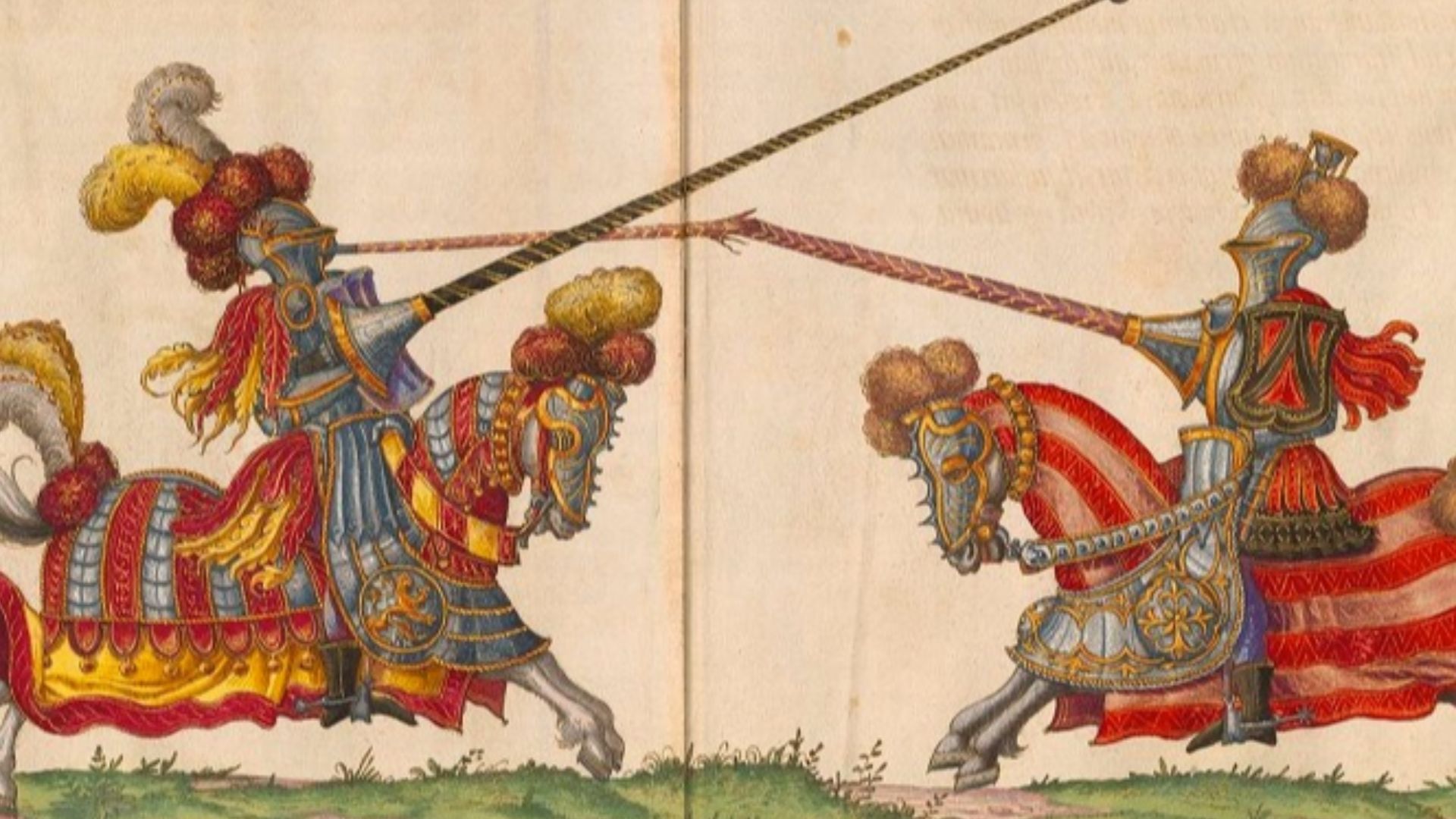
Medieval tournaments were not just neat one-on-one jousts. Earlier tournaments often involved large melee contests where groups of knights fought with blunted weapons. These events could build reputations, win prizes, and create valuable connections among nobles. They were dangerous, expensive, and central to elite warrior culture.
 Paulus Hector Mair, Wikimedia Commons
Venice Had Bridge Fistfights
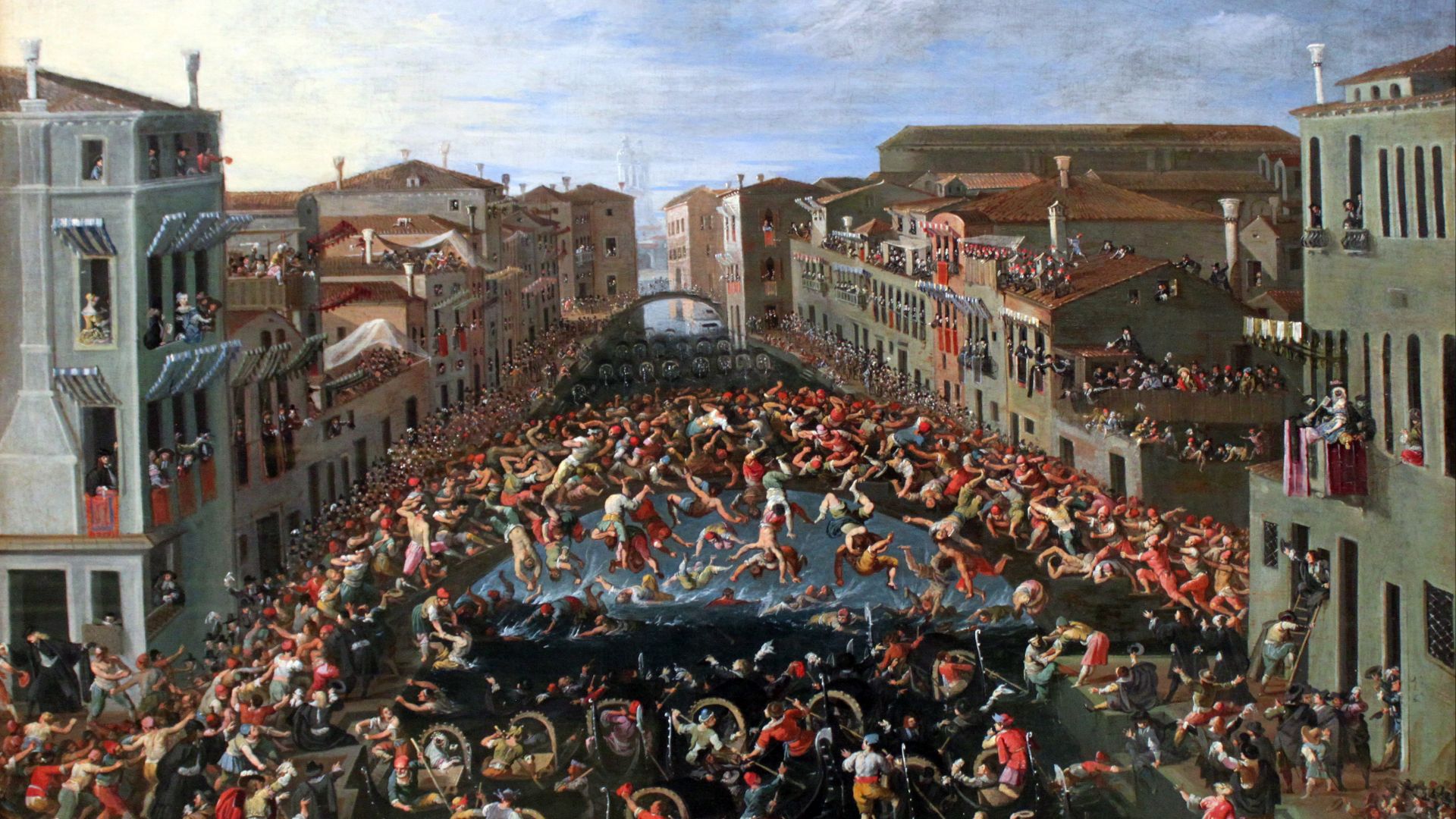
In Venice, rival groups once fought on bridges in organized contests known as the wars of fists. The Ponte dei Pugni, or Bridge of Fists, still carries stone footprints marking where fighters were meant to stand. These battles pitted factions against one another and became part of the city's public culture. They were eventually suppressed after violence got out of control in the early 1700s.
 Joseph Heintz the Younger, Wikimedia Commons
Mob Football Took Over Towns
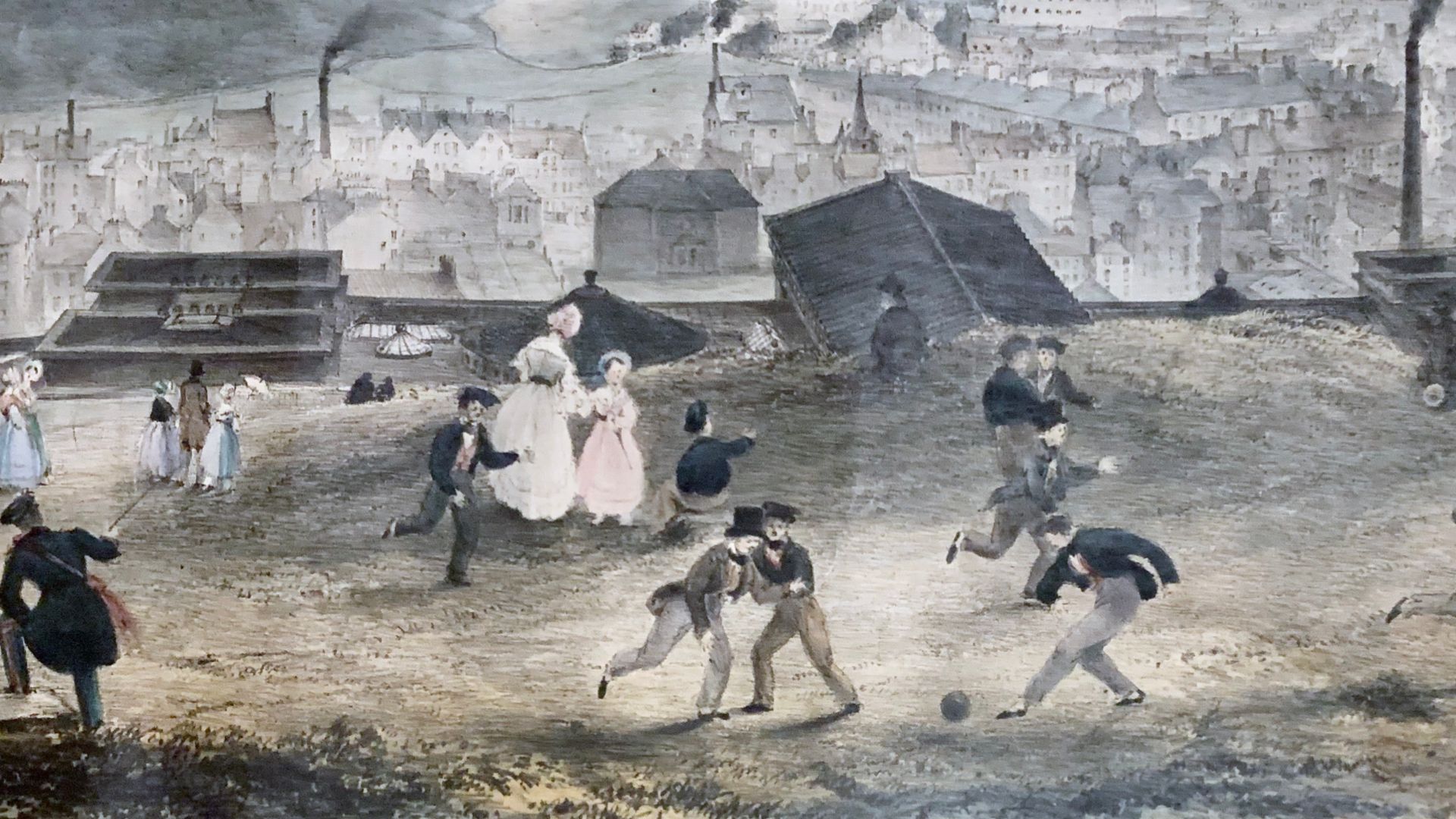
Before modern football rules, some English communities played rough Shrovetide football games that could involve huge crowds. The ball might move through streets, rivers, fields, and alleys. London, Kingston, and other towns had traditions that looked more like a civic brawl than a sport. Yet these games were deeply rooted in community identity.
Royal Shrovetide Still Carries Ancient Energy
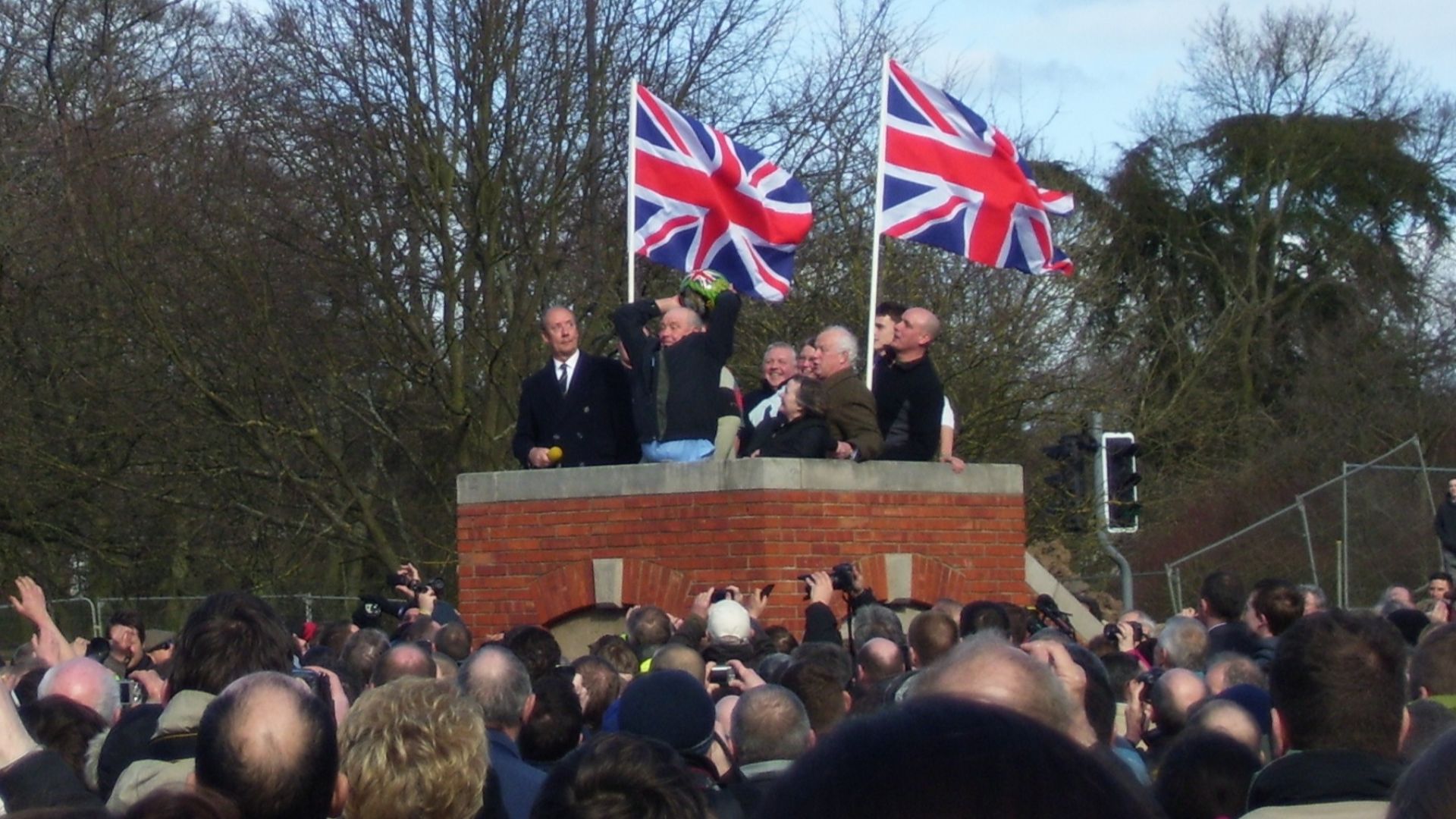
Ashbourne's Royal Shrovetide Football shows how old traditions can survive into the modern world. The game is played over two days between the Up'ards and Down'ards, with goals at opposite ends of town. Shops may board up windows, and hundreds of players can join the struggle. It feels chaotic, but locals treat it as heritage.
 Adrian Roebuck, Wikimedia Commons
Roman Chariot Racing Was Big Business
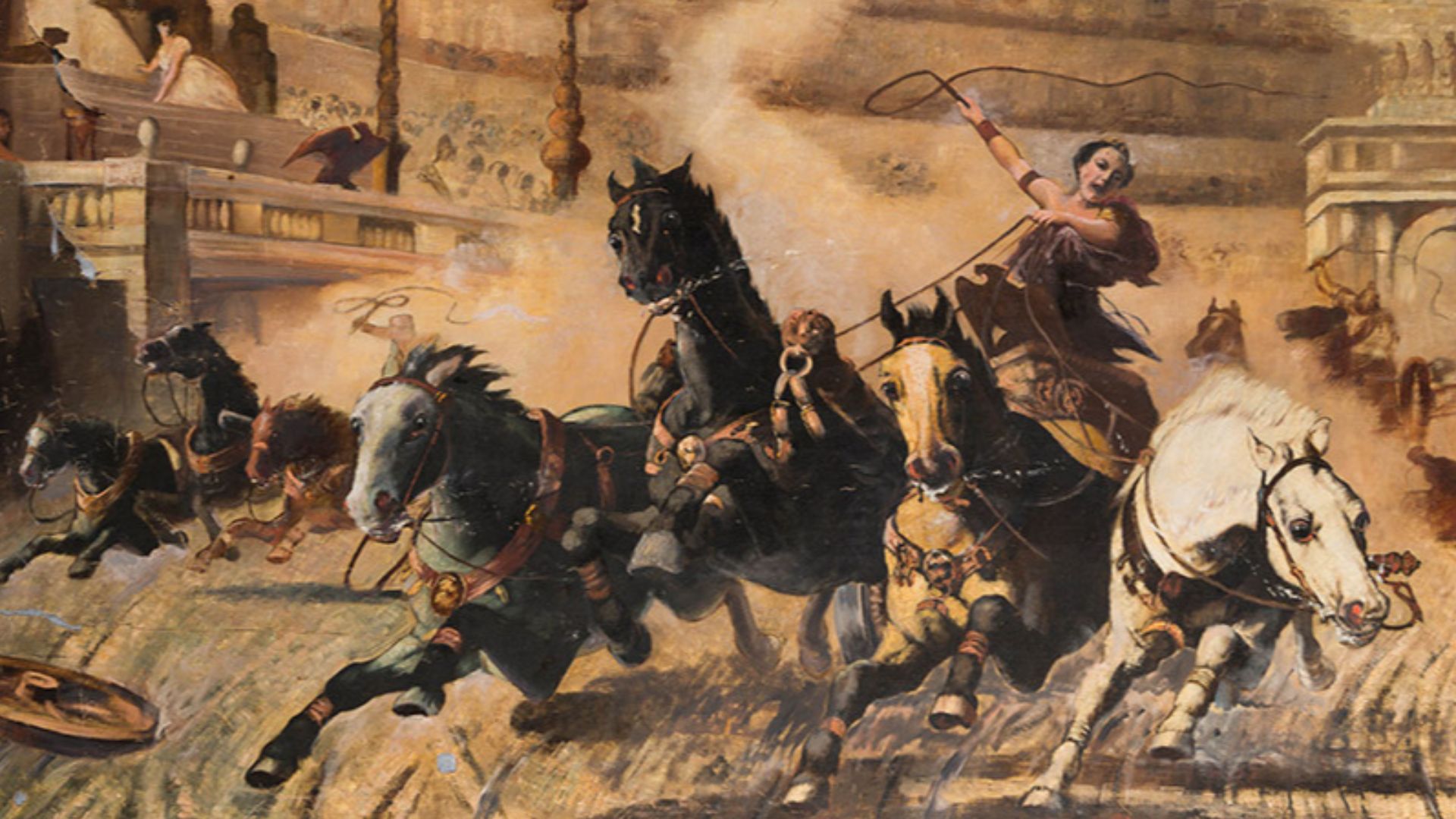
Chariot racing in ancient Rome was not a quirky sideshow. It was one of the empire's greatest mass entertainments, with professional factions, famous drivers, and passionate fans. The Circus Maximus became the great stage for these contests. Crowds followed teams by color with the intensity of modern sports supporters.
 Alexander von Wagner, Wikimedia Commons
Gladiator Contests Were Public Spectacle
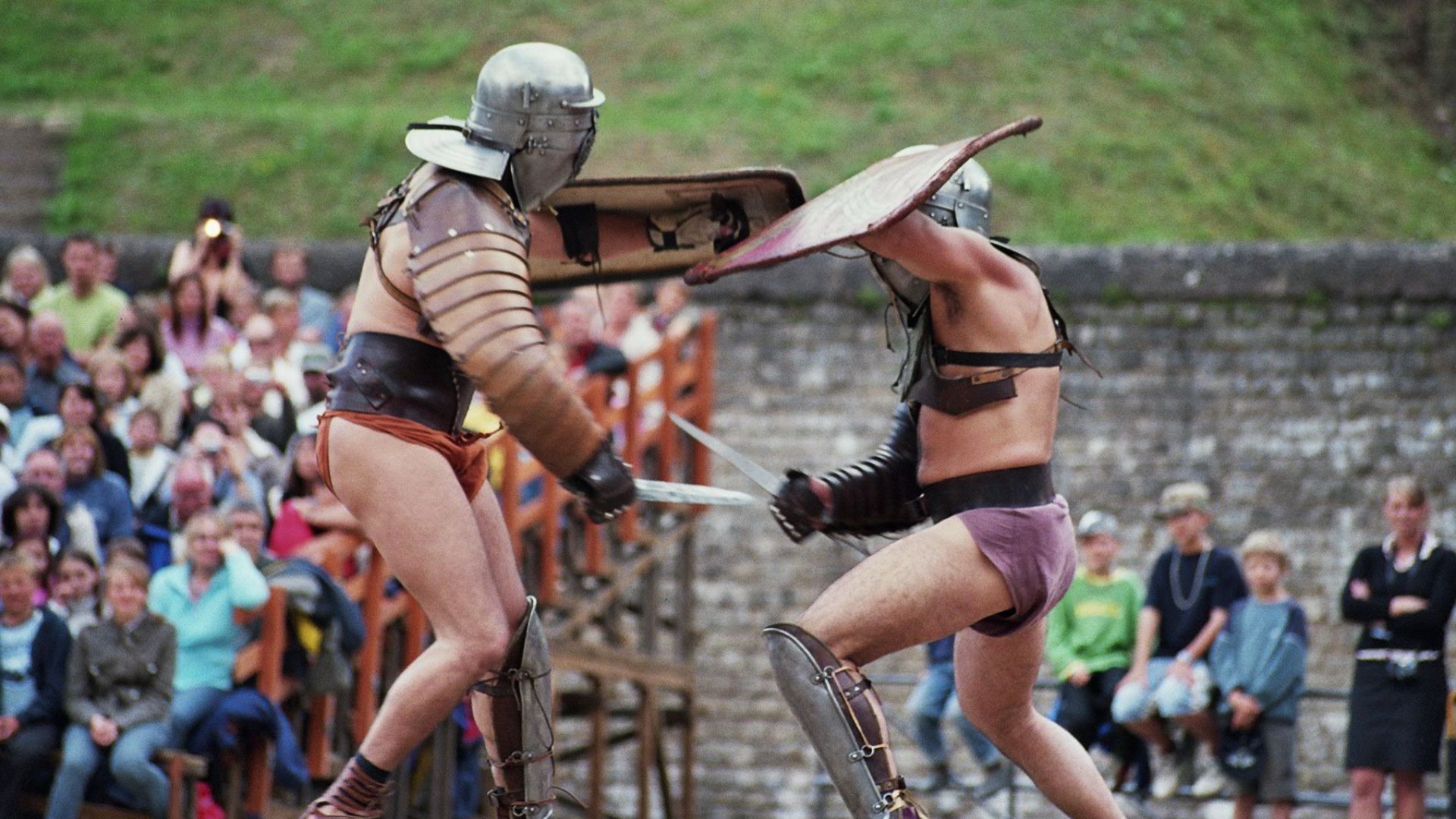
Gladiator combat was a brutal competition, but it was also highly organized entertainment. Fighters trained in specific weapons and styles, and audiences recognized different types of matchups. These games could carry political meaning because sponsors used them to gain public favor. To Roman crowds, the arena was sport, ceremony, and social theater all at once.
 Medienfabrik Trier, http://www.medienfabrik-trier.de, Wikimedia Commons
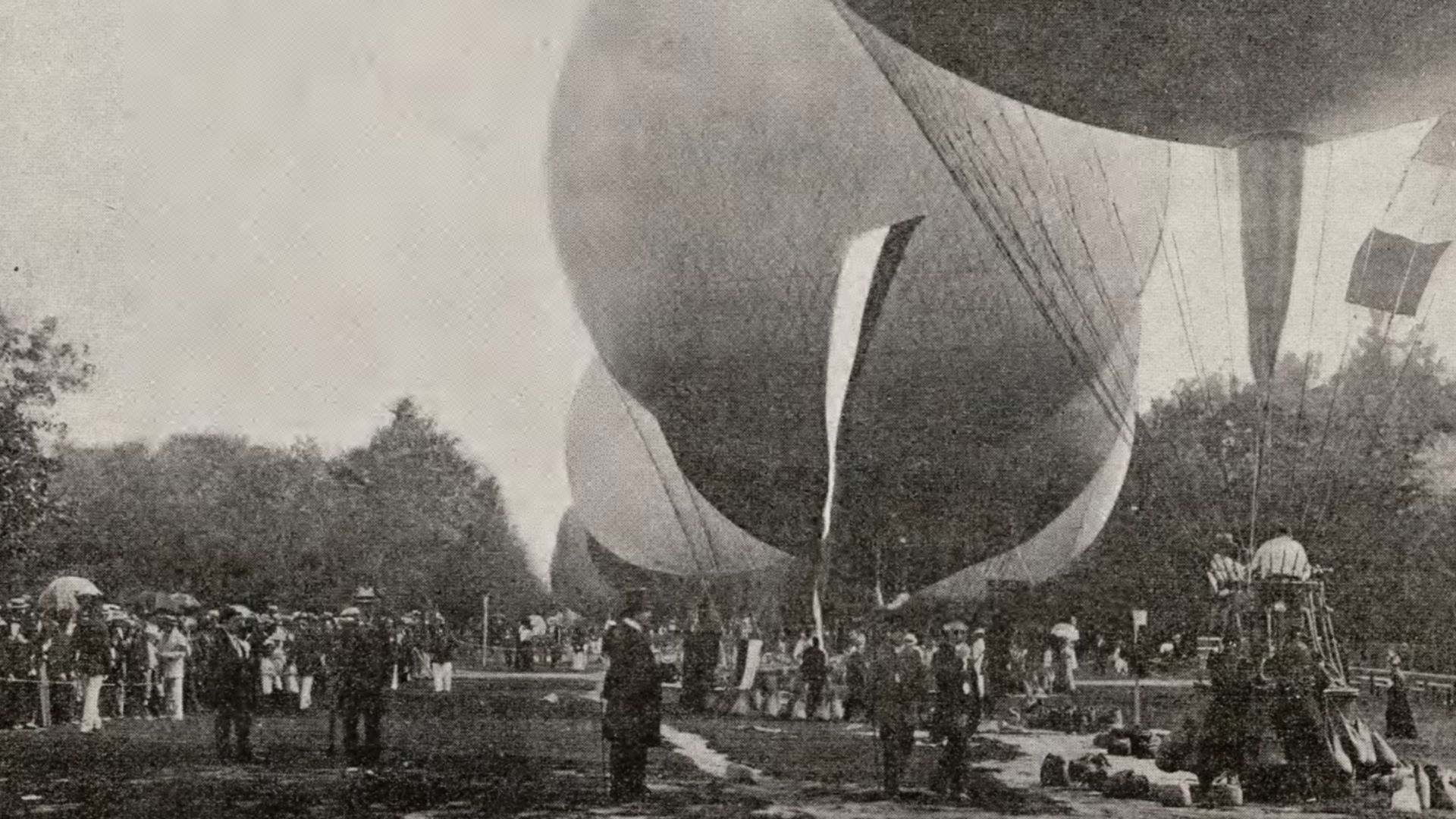
Balloon Jumping Promised A New Kind Of Thrill
In the early 20th century, balloon jumping briefly looked like a daring sport of the future. Participants used small balloons to make giant leaps, treating the equipment almost like a personal flying aid. Advocates saw it as exciting and modern, but it was also dangerous. Its short life shows how quickly a futuristic craze can become a forgotten oddity.
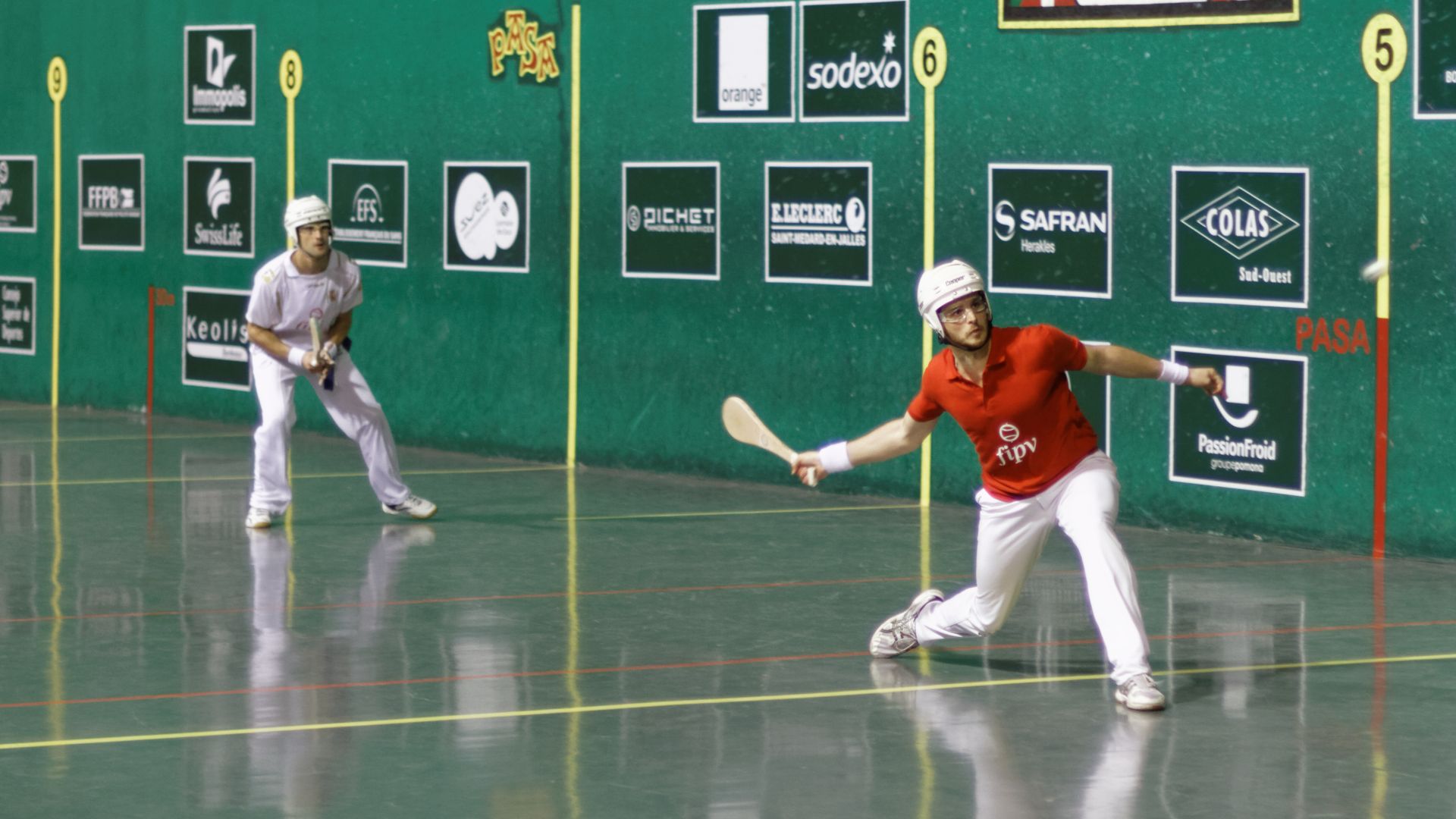
Basque Pelota Entered The Olympic Program
Basque pelota also appeared at the 1900 Paris Olympics. The event was contested in cesta punta, a fast and highly skilled version of the sport. Spain took the gold medal, and the official Olympic record still preserves the result. For a regional game, Olympic recognition was a major mark of prestige.
 Pierre-Yves Beaudouin, Wikimedia Commons
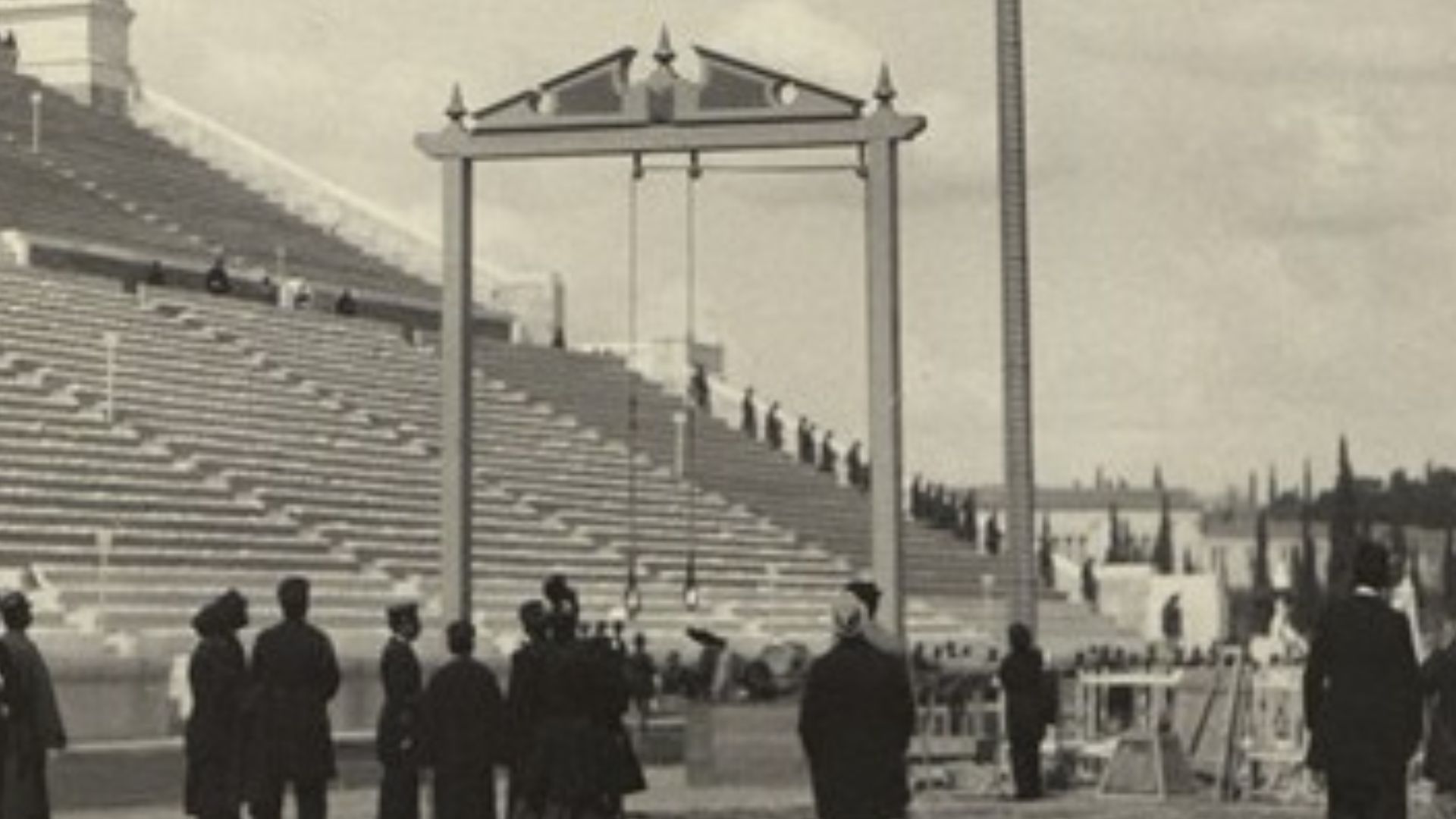
Rope Climbing Was Once Serious Gymnastics
Rope climbing was once part of Olympic gymnastics. At the 1896 Athens Games, competitors climbed a 14-meter rope outdoors in the Panathenaic Stadium. The event returned in later Olympic programs, including 1904, 1924, and 1932. What now looks like a gym-class drill once carried Olympic weight.
 Albert Meyer, Wikimedia Commons
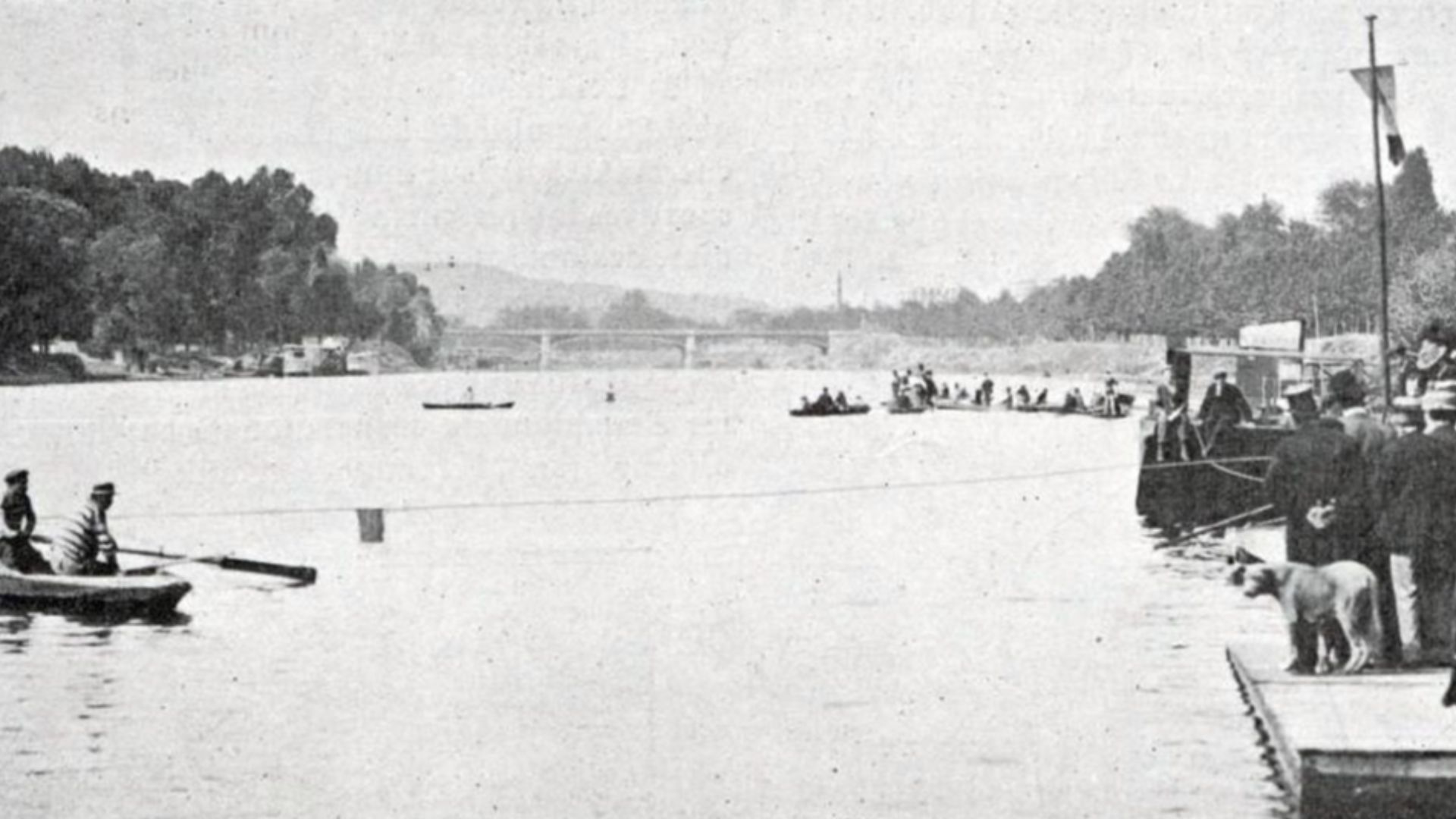
Obstacle Swimming Made The Seine A Course
The 1900 Paris Olympics included a 200-meter obstacle swimming race in the Seine. Competitors had to swim under, over, and around obstacles instead of simply racing in lanes. Australian swimmer Frederick Lane won the event. It was a clever spectacle, but it never became an Olympic standard.
 Le Sport universel illustre, et Dalton, Wikimedia Commons
Club Swinging Had Judges And Medals
Club swinging was a judged gymnastics event at the Olympics in 1904 and 1932. Competitors performed controlled routines with weighted clubs, similar to the Indian club exercises popular in physical culture. At St. Louis in 1904, athletes were judged on a five-minute performance. The event may look strange now, but it demanded coordination, strength, and precision.
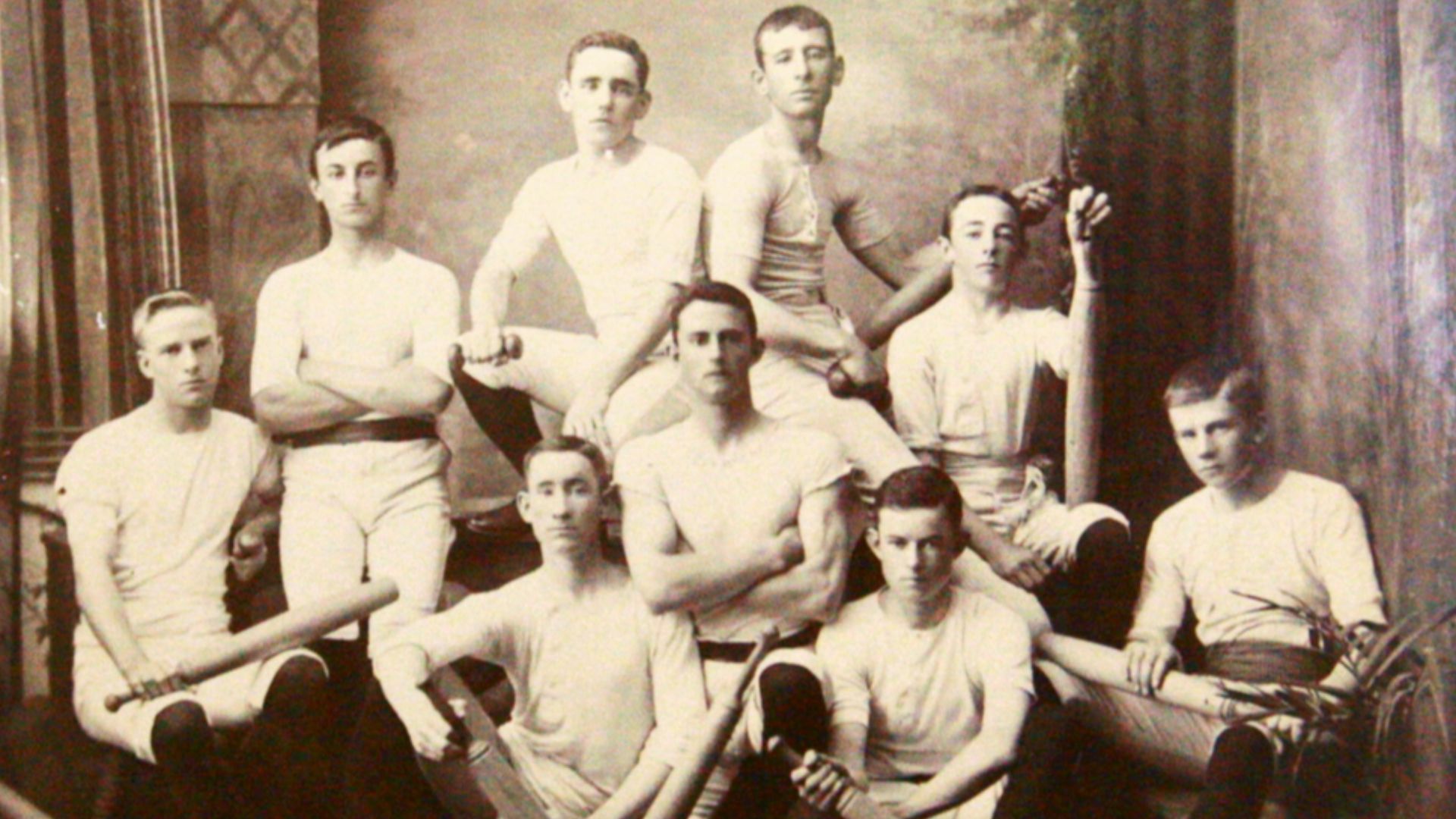 Unknown authorUnknown author, Wikimedia Commons
Early Olympics Were Full Of Experiments
Many strange competitions survived because the early Olympics were still figuring out what counted as sport. Paris 1900 was tied to a huge world's fair, and its program sprawled across months. That allowed unusual events to sit beside more familiar athletic contests. The result was a sporting world that looks wonderfully messy from a modern distance.
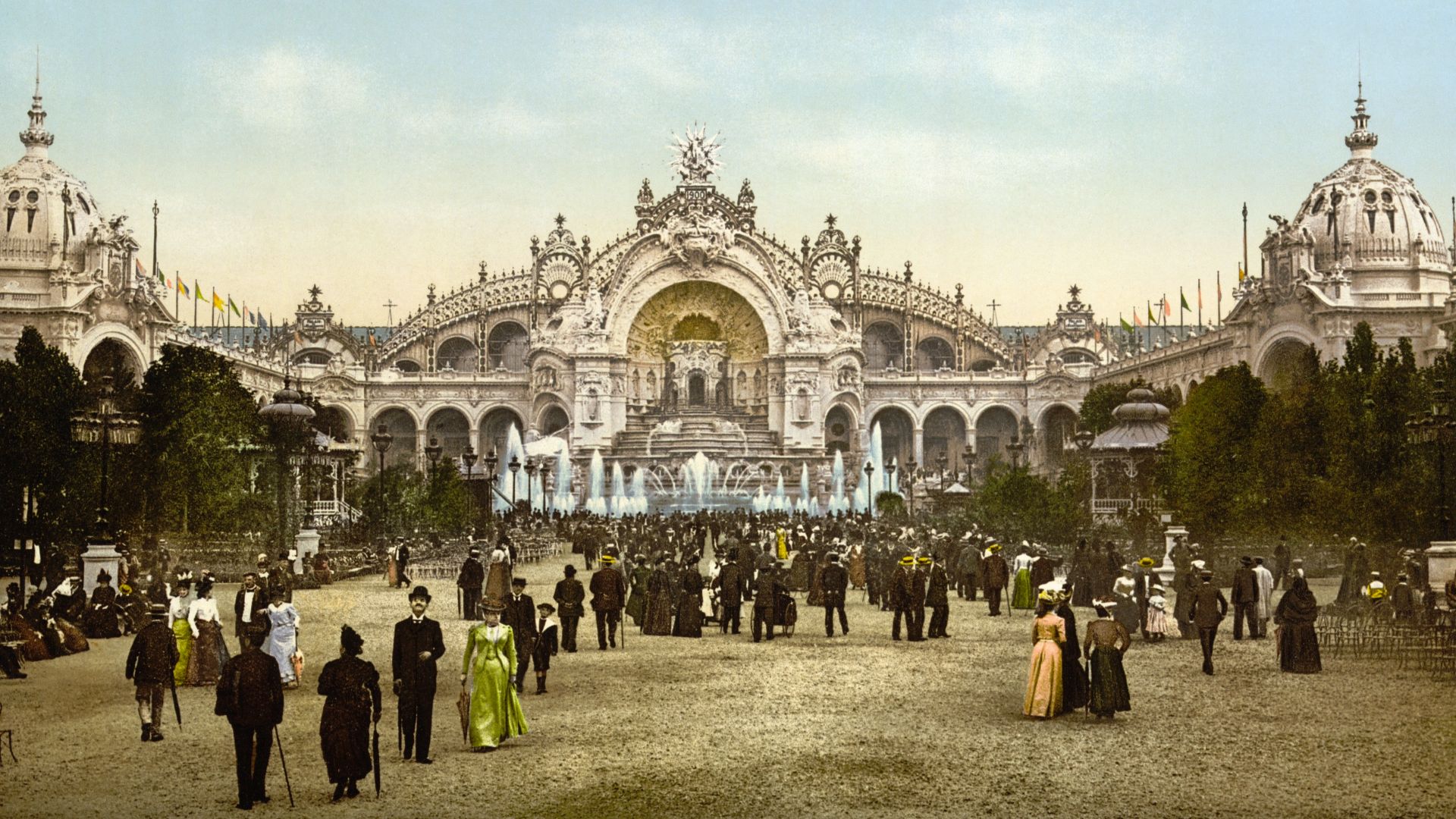 Unknown authorUnknown author, Wikimedia Commons
Strange Does Not Mean Unserious
Many of these competitions seem funny now because the rules, risks, and values feel unfamiliar. Yet people trained for them, paid to watch them, wagered on them, and celebrated their winners. Some were tied to class, civic pride, military skill, or national identity. That is what makes them fascinating rather than merely bizarre.
![Photographer: William Hall Raine (1892-1955)[1]
Crowd watching a rugby match at Athletic Park, Wellington, ca 1930
Reference number: 1/1-005427-G
Original negative
Photographic Archive, Alexander Turnbull Library](https://www.factinate.com/storage/app/media/factinate/2026/7/2/1782987399805d62bc3b654ad2b76b180ba02170b5f5a808c5.jpg) National Library NZ on The Commons, Wikimedia Commons
National Library NZ on The Commons, Wikimedia Commons
The Past Played By Different Rules
The strangest competitions in history reveal something bigger than odd sports. They show what past societies admired, feared, rewarded, and found entertaining. A tug of war, a bridge fight, a gliding dive, or a chariot race could all carry real meaning in the right world. The rules changed, but the human hunger to compete never went away.
You May Also Like:
Historical Geniuses Who Were Complete Disasters Outside Their Field
Historical Figures Who Met Unusually Ironic Ends
40 Times Olympians Lost Their Medals In Disgrace
Sources: 1, 2, 3, 4, 5, 6, 7, 8, 9, 10, 11, 12, 13, 14, 15, 16, 17, 18, 19, 20, 21