The Junk Drawer Belongs In A Museum Now
Museums are full of crowns, swords, paintings, and giant machines. But sometimes the most interesting objects are the ordinary ones: a toaster, a lunchbox, a vacuum, a pot, or a plastic container from someone’s kitchen. These things look boring—until you realize they helped change how people lived.
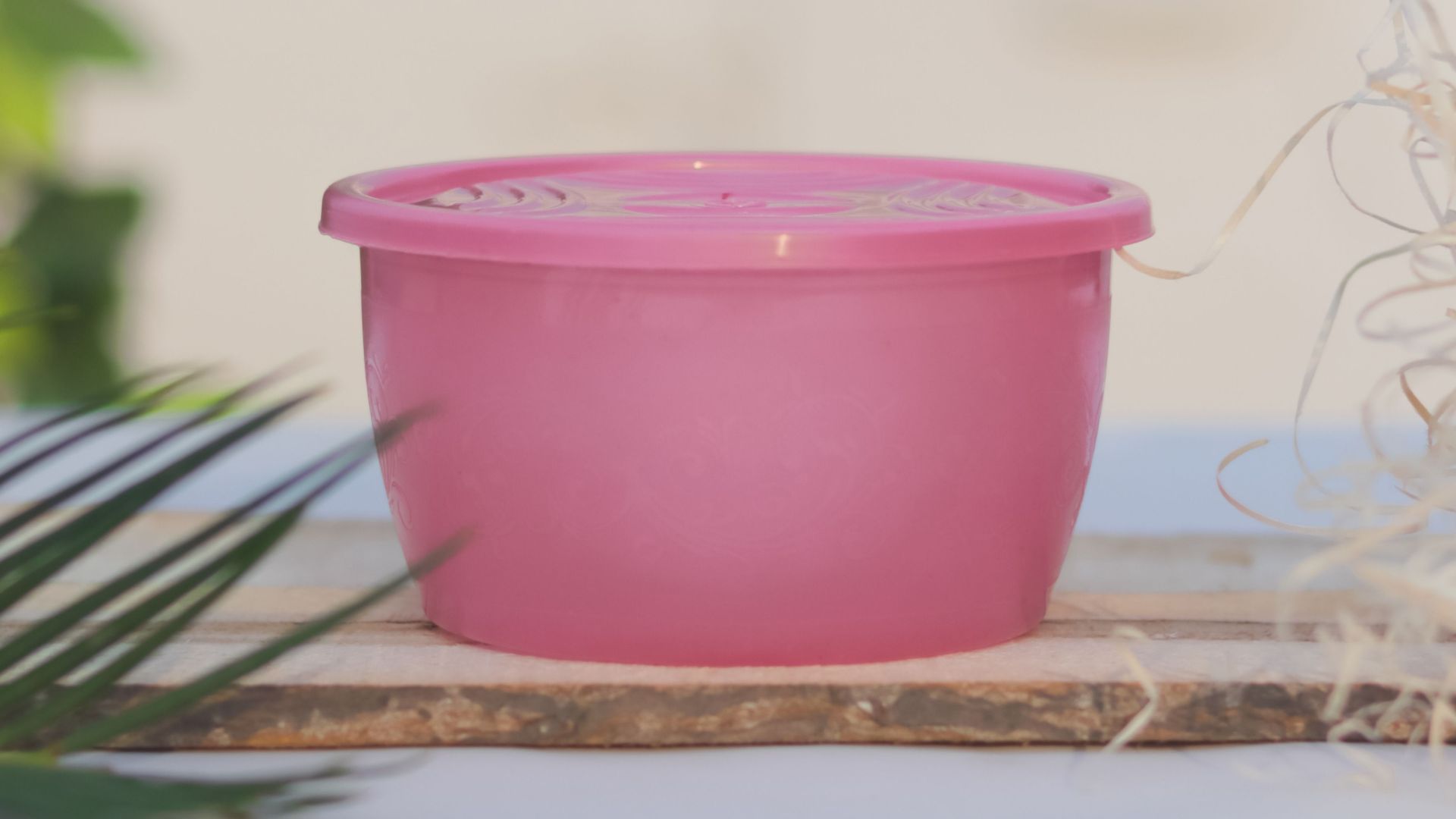
#25. A Tupperware Bowl
A plastic food container may not scream “museum treasure,” unless you have ever lost a lid and felt personally betrayed. The Smithsonian has collected Tupperware because it changed American kitchens, food storage, and even women’s work. Tupperware parties were not just about leftovers—they were a whole social and business network.
 Ibrahim Plastic Industry ( IPI ), Pexels
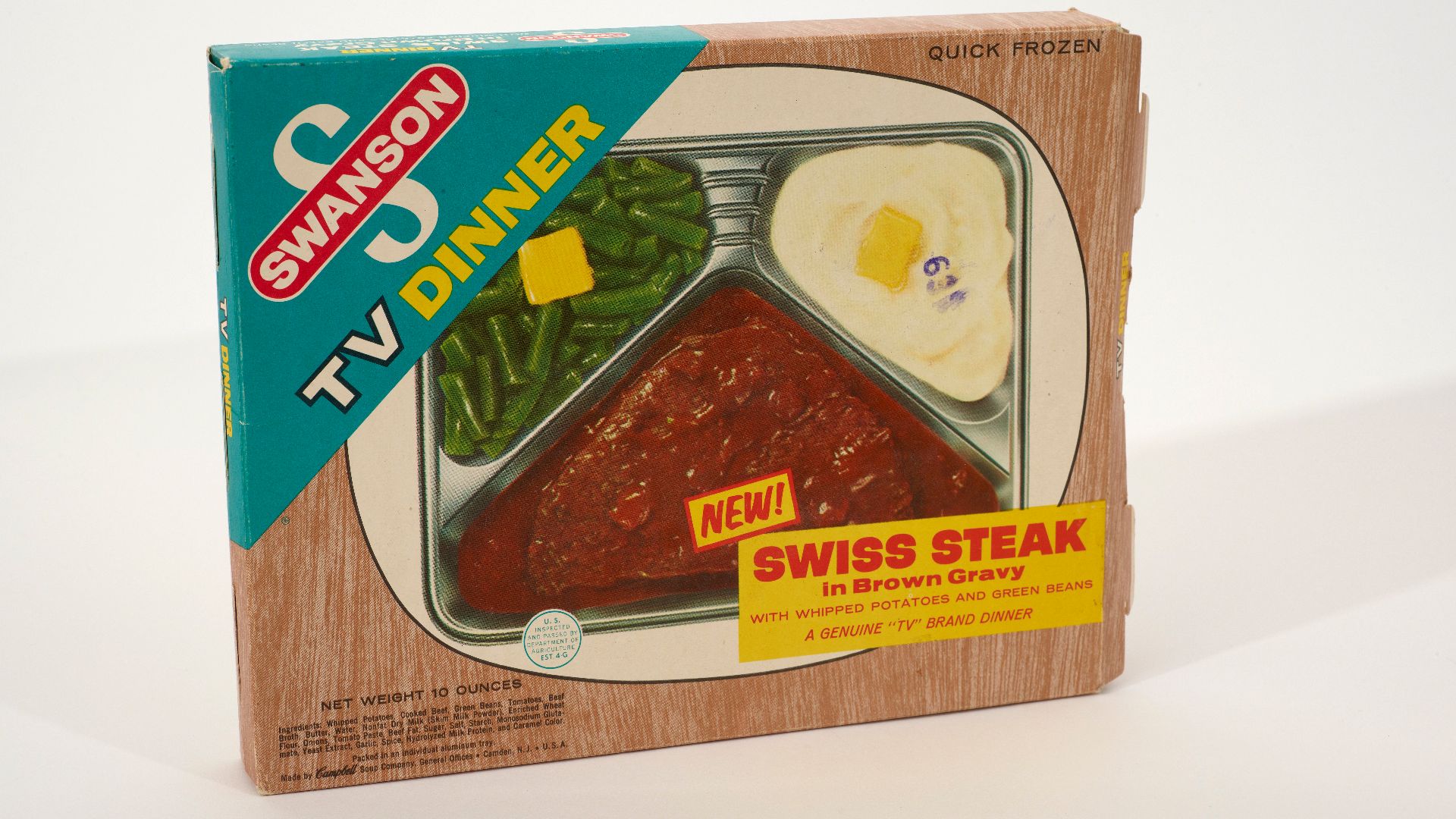
#24. A TV Dinner Tray
A disposable food tray seems too flimsy for history, but the frozen TV dinner helped reshape American meals. Swanson introduced its famous frozen dinner in the 1950s, just as television was taking over living rooms. Suddenly, dinner could happen on the couch. Civilization was never quite the same.
 Campbell Soup Company, Wikimedia Commons
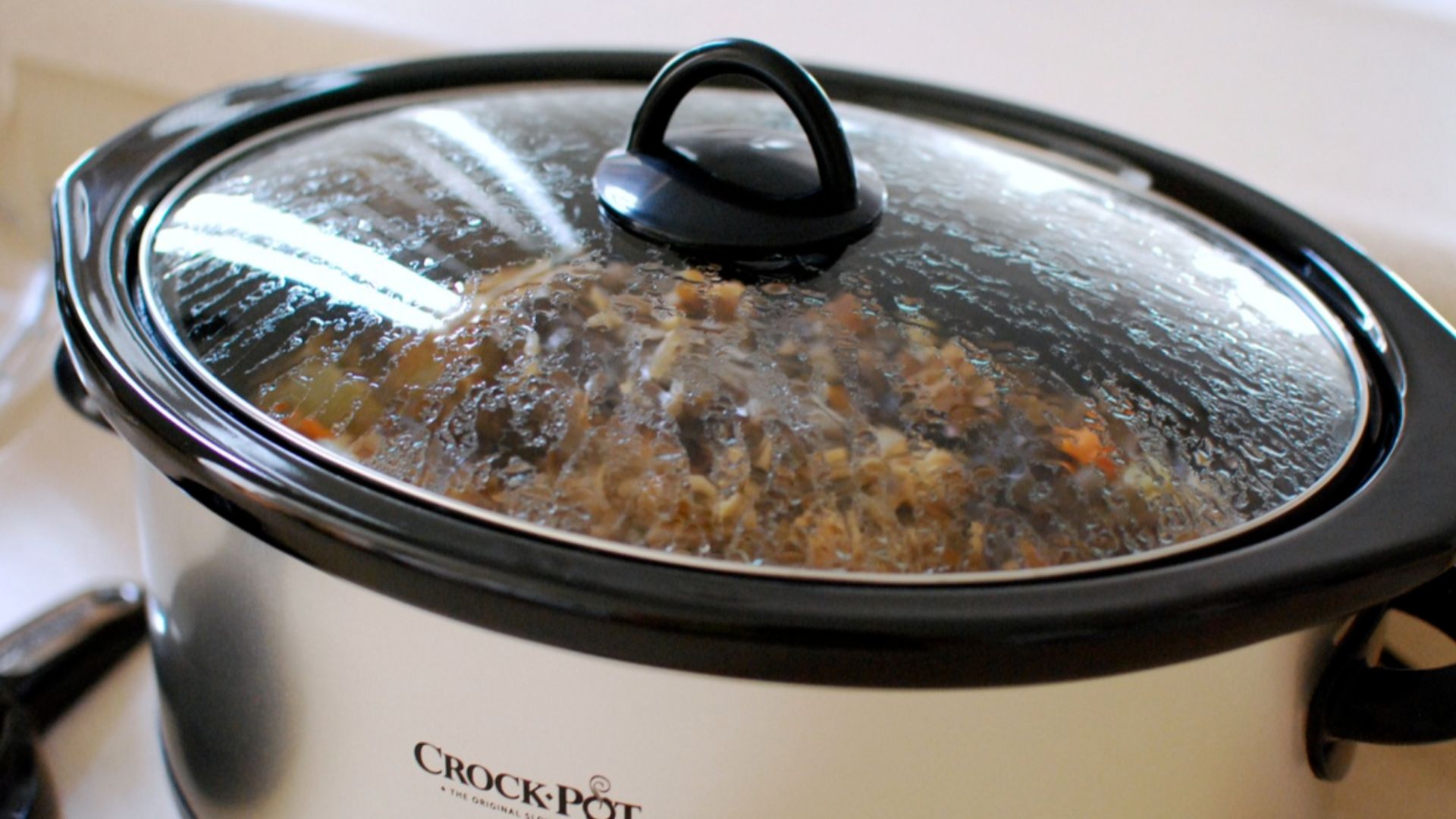
#23. A Crock-Pot
The slow cooker looks humble, but it changed dinner for busy households. Museum examples show how appliances like the Crock-Pot promised that dinner could cook itself while people worked, shopped, or ran around all day. Honestly, that still sounds like sorcery with a ceramic insert.
 Janine from Mililani, Hawaii, United States, Wikimedia Commons
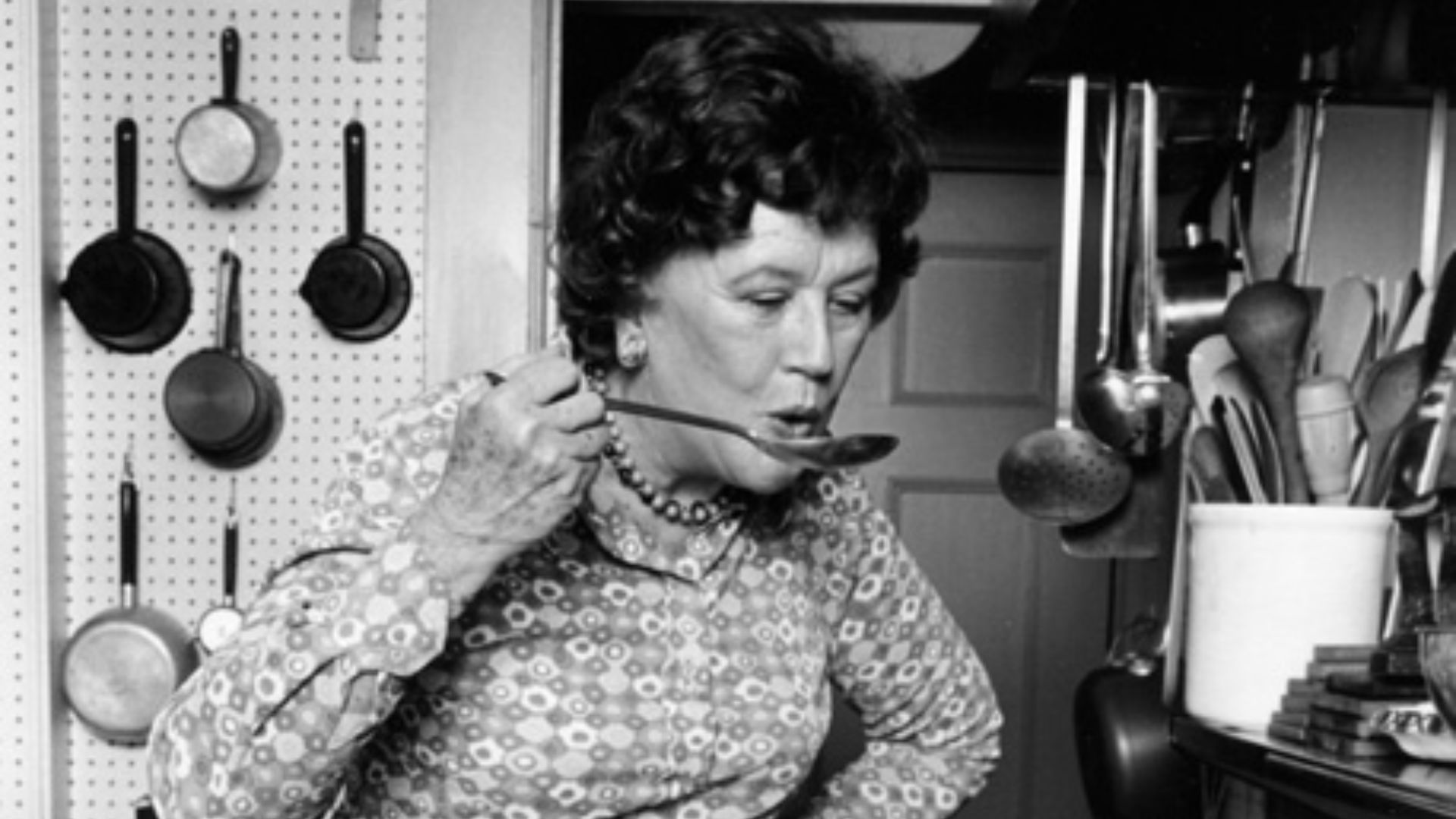
#22. Julia Child’s Copper Pots
A pot is usually just a pot, unless it belonged to Julia Child. The Smithsonian reunited dozens of her French copper pots with her Cambridge, Massachusetts kitchen. Her husband Paul even drew outlines on a blue pegboard so every pan returned to its proper spot. That is love, organization, and mild kitchen intimidation.
 Lynn Gilbert, Wikimedia Commons
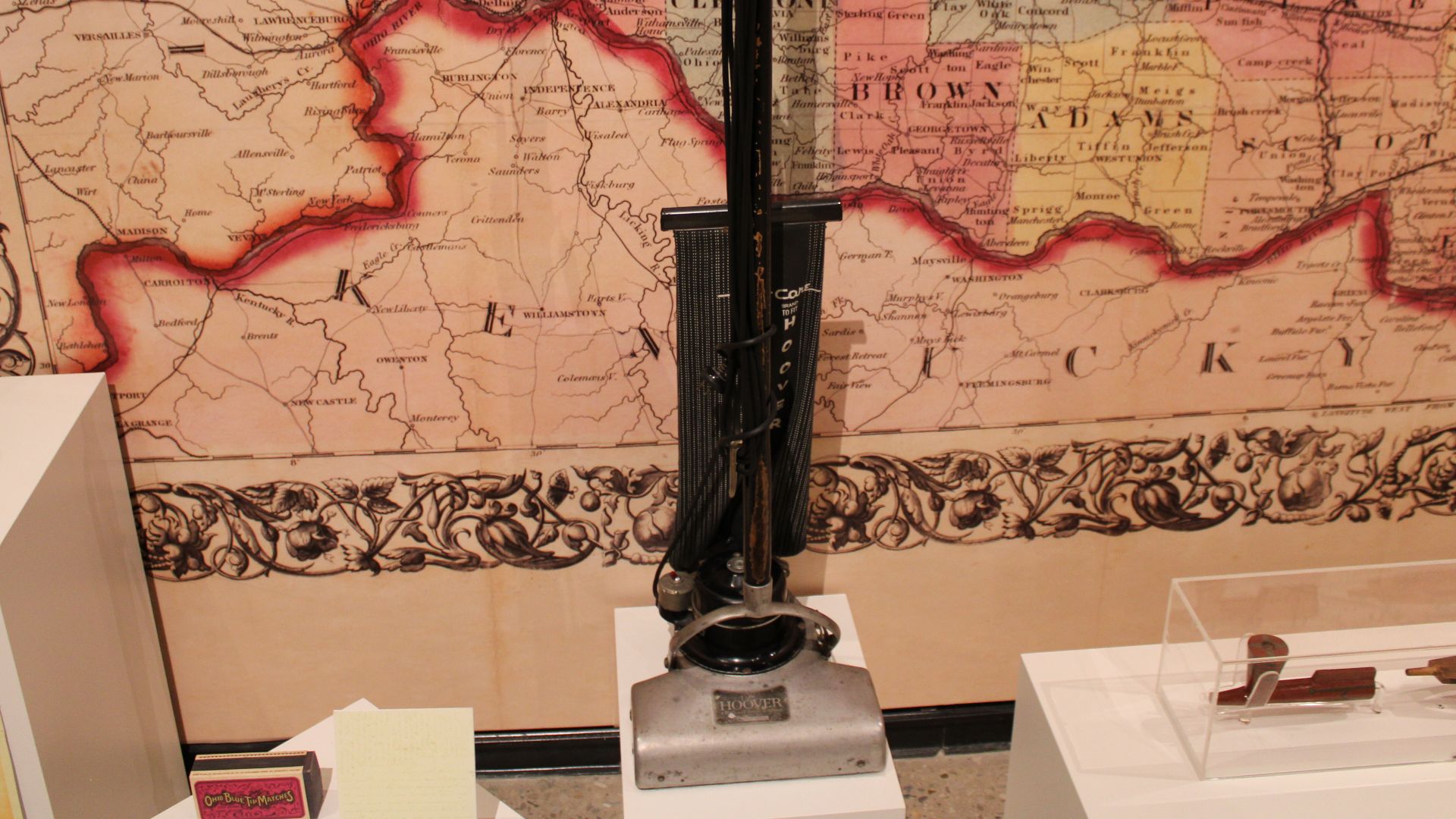
#21. A Hoover Vacuum Cleaner
Vacuum cleaners became museum-worthy because they changed the expectations of cleanliness at home. A 1920s Hoover Model 700 in the Smithsonian had an aluminum body, an on/off switch, and a brushroll designed to shake dirt from carpets. Before that, cleaning rugs was basically cardio with resentment.
#20. A Hand-Powered Vacuum
Before electric vacuums became common, some homes used hand-powered suction sweepers. The Smithsonian has preserved examples because they show how inventors tried to make housework easier before electricity solved the “please stop pumping this machine manually” problem. It was progress, but with arm day included.
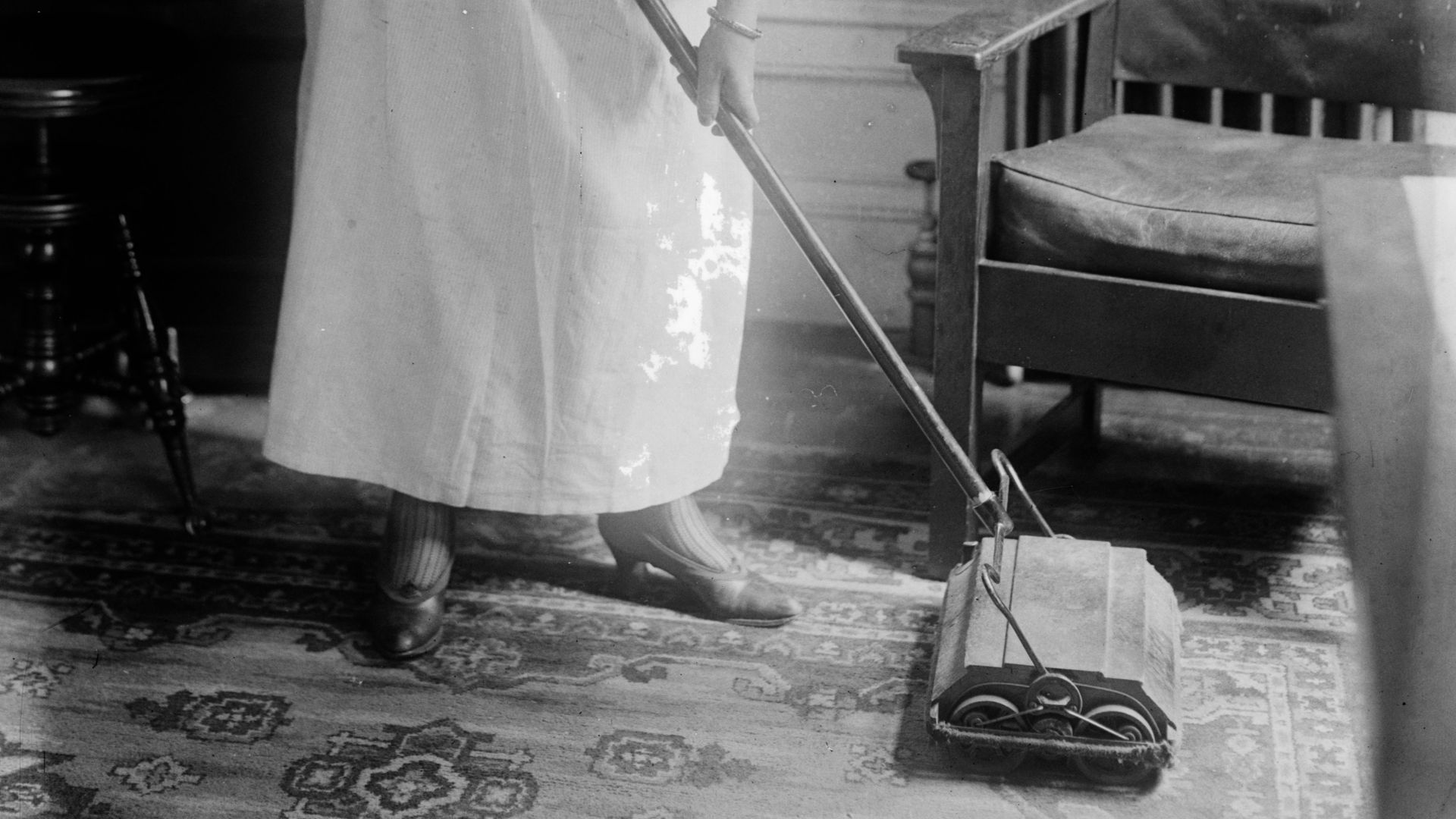 Bain News Service, publisher, Wikimedia Commons
#19. A Toaster
A toaster feels too ordinary to preserve until you remember that perfect toast used to require fire, attention, and optimism. Electric toasters represented a new age of convenience in the early 20th century. Breakfast could now burn itself automatically, which remains one of technology’s most relatable achievements.
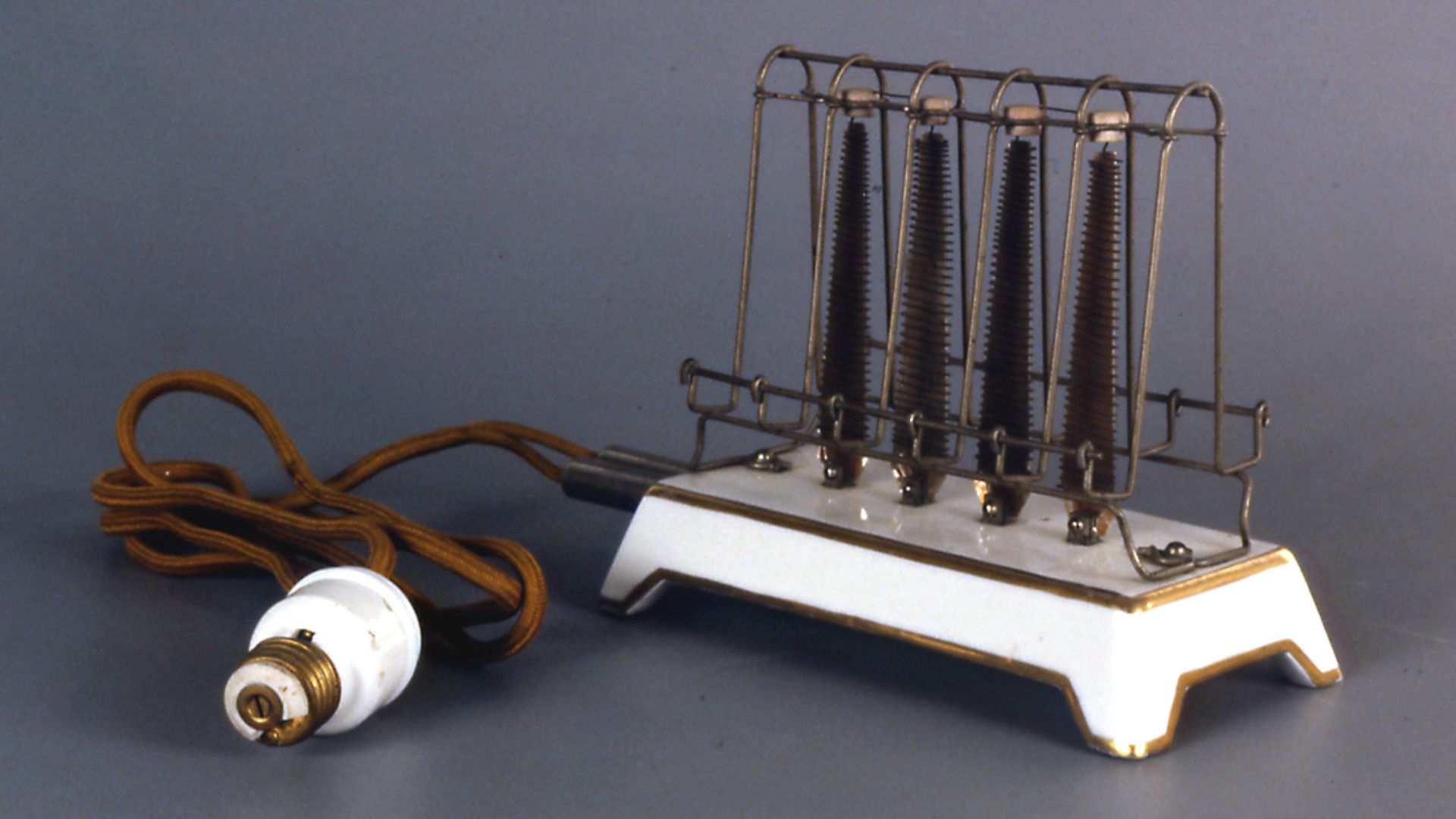 Eric Norcross, Wikimedia Commons
#18. A Refrigerator
Refrigerators changed kitchens more than almost any appliance. The National Museum of American History highlights refrigeration because it transformed food storage, shopping habits, leftovers, and family meals. Before the refrigerator, keeping food cold required ice deliveries. Imagine depending on someone else so your milk didn’t become a science project.
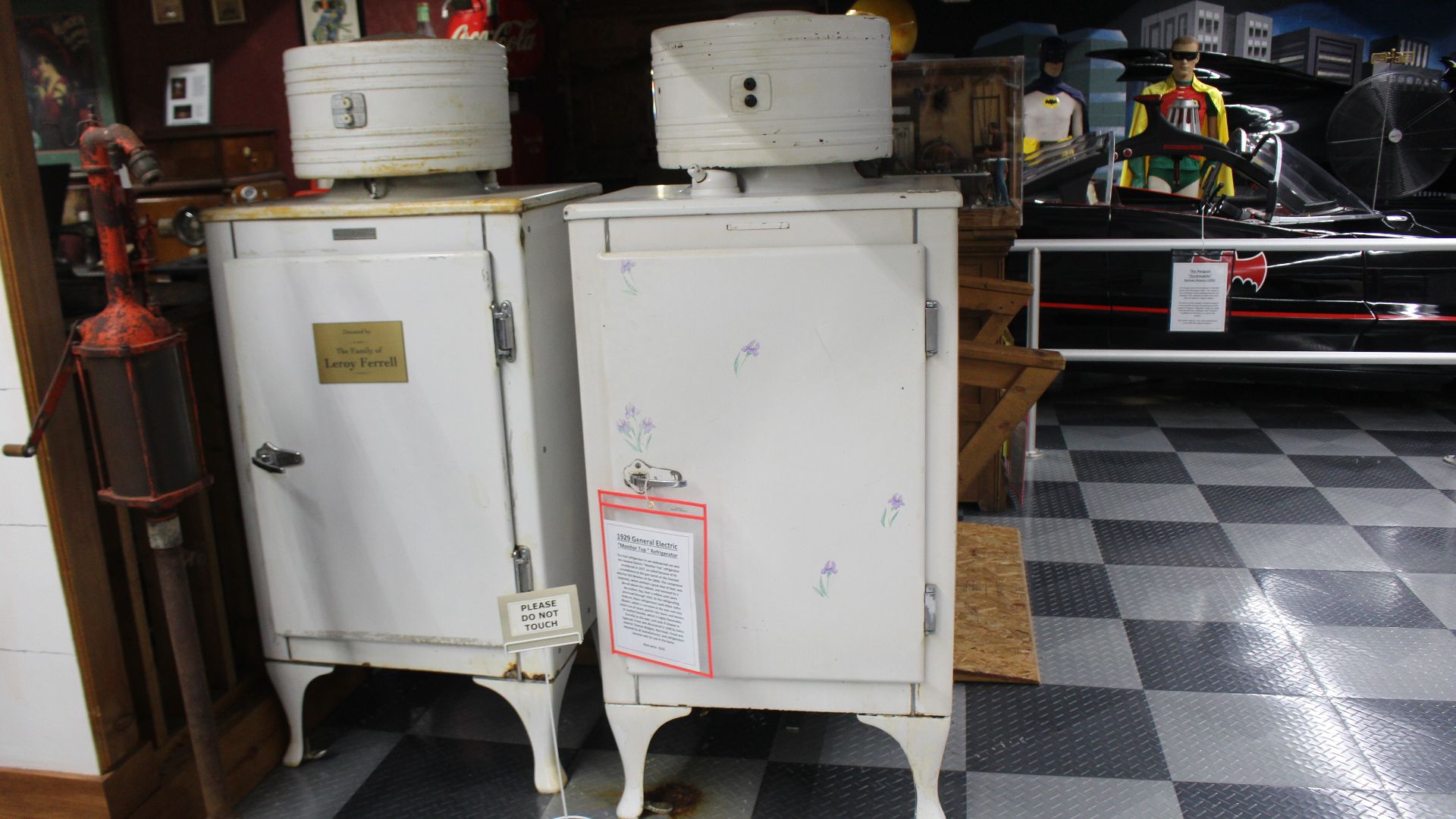 Michael Rivera, Wikimedia Commons

History's most fascinating stories and darkest secrets, delivered to your inbox daily.
#17. An Icebox
The icebox is the refrigerator’s older, less glamorous cousin. It looks like a cabinet, but it tells a big story about life before modern cooling. Families had to buy blocks of ice and plan meals around spoilage. Suddenly, today’s fridge full of mystery jars seems luxurious.
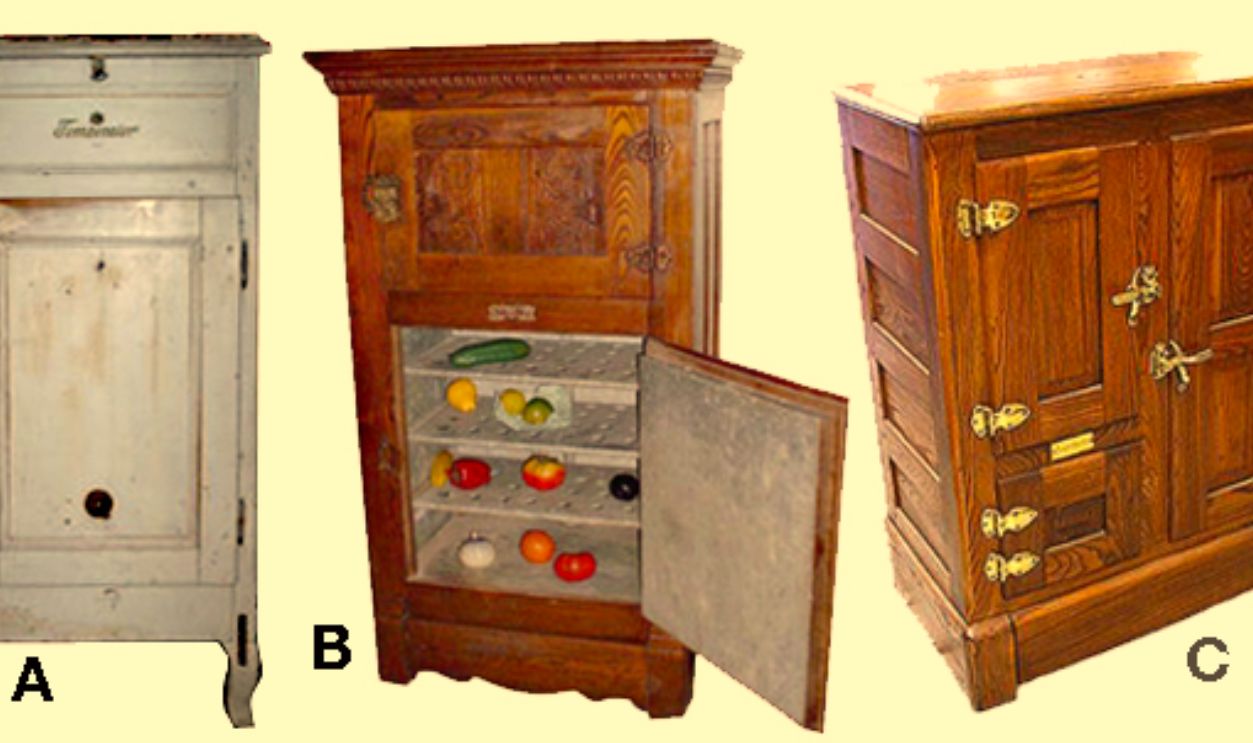 en:User:Magi Media, CC BY-SA 3.0, Wikimedia Commons
#16. A Lunchbox
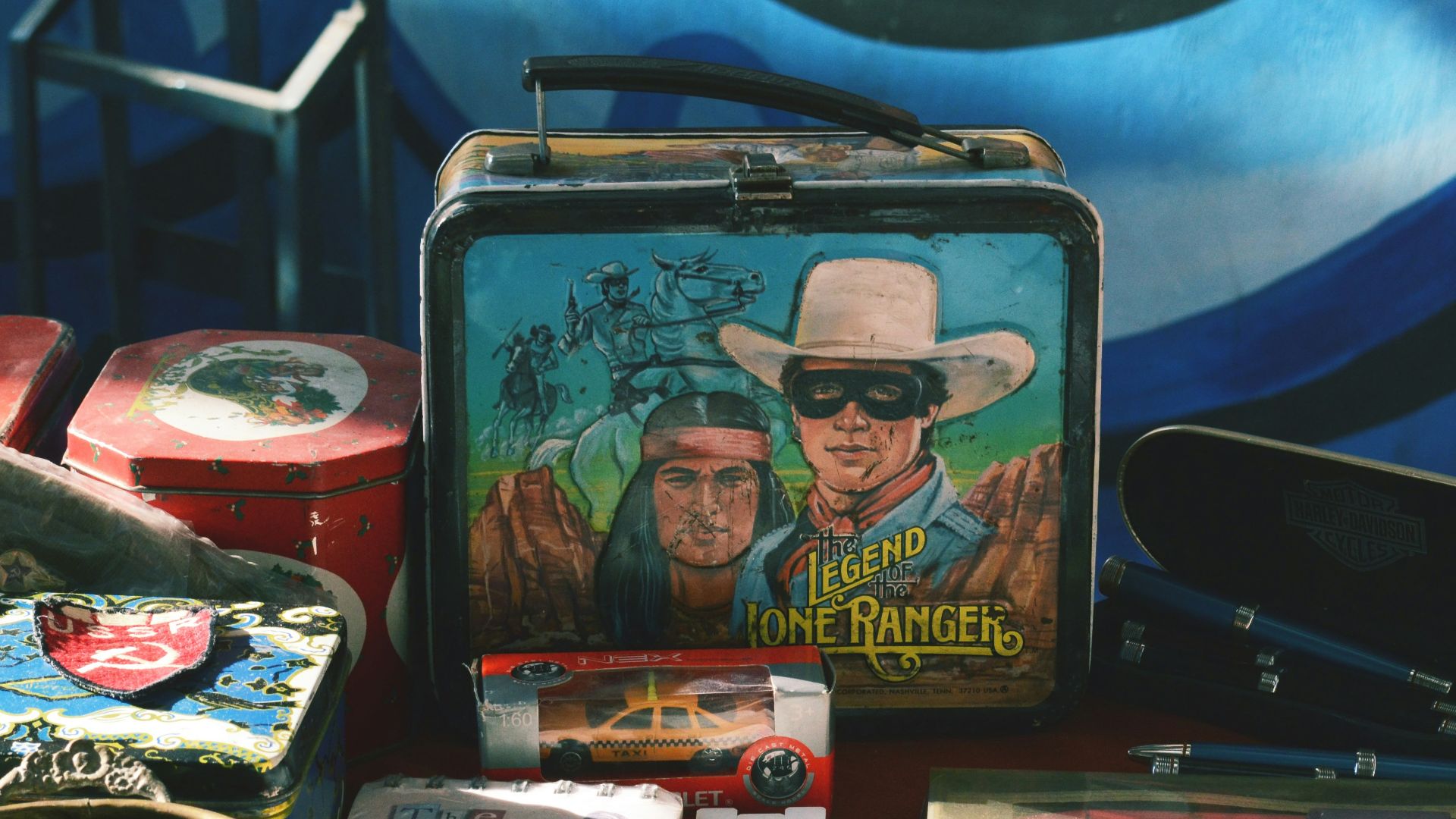
A lunchbox may look like a child’s accessory, but museums collect them because they reveal school life, work life, pop culture, and changing ideas about childhood. Some lunchboxes advertised TV shows, movies, or educational campaigns. Basically, lunch used to come with a side of marketing.
#15. A Toothbrush
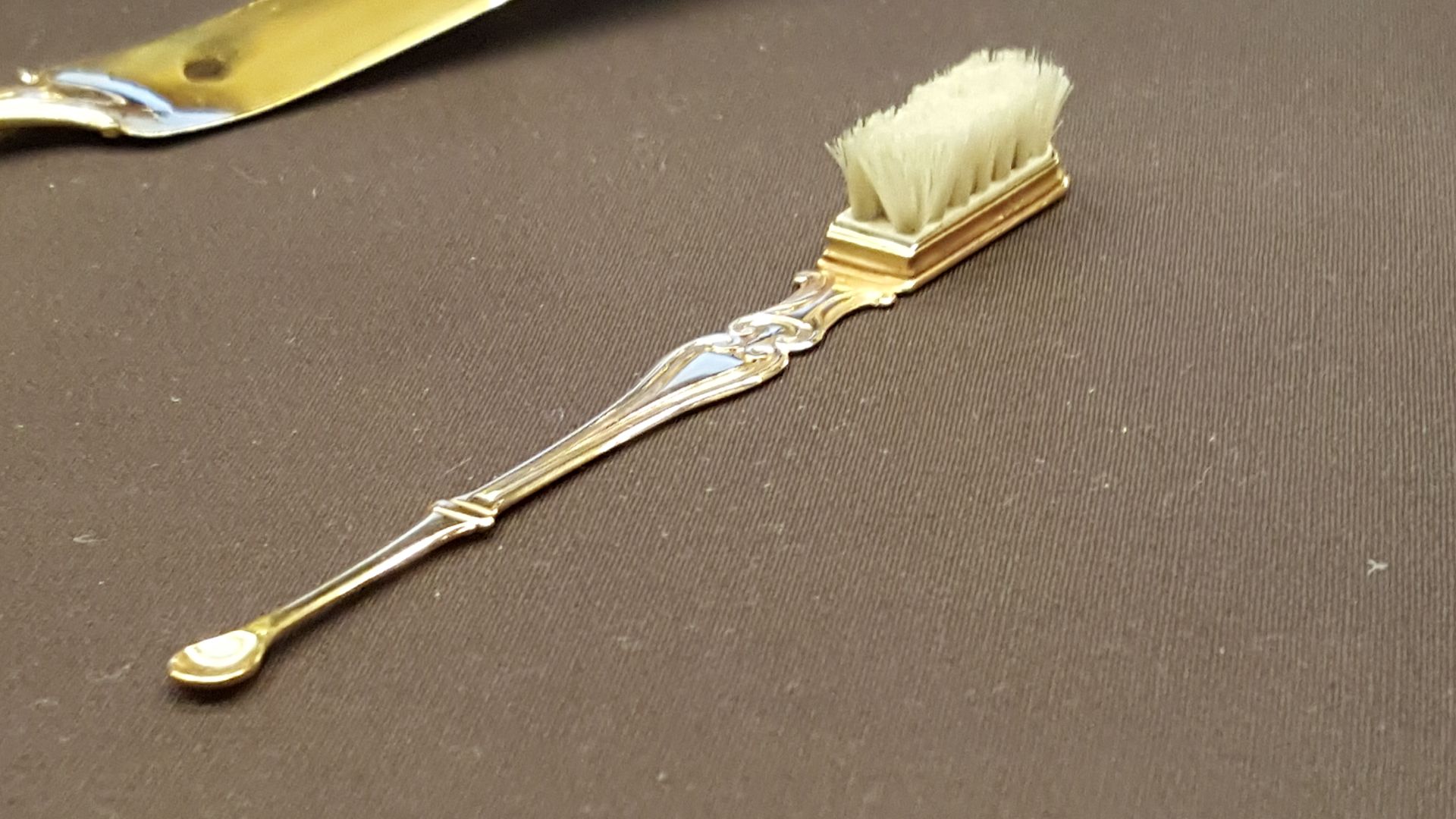
A toothbrush is about as ordinary as an object gets, but museums preserve them because oral hygiene has changed dramatically over time. Earlier toothbrushes could use natural bristles, and later designs reflected new materials and medical thinking. Also, nothing makes modern life feel fancy like remembering old toothbrushes could be animal hair.
#14. An Astronaut’s Toothbrush
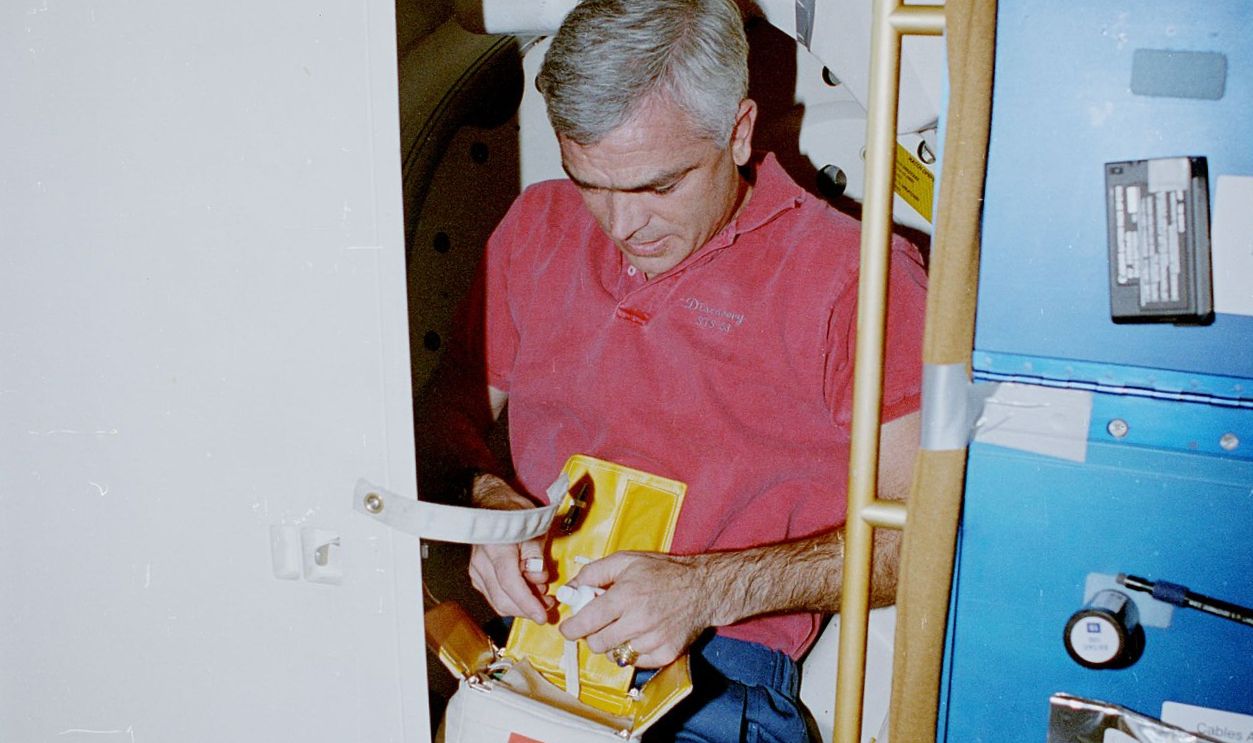
A toothbrush becomes less ordinary when it is part of a spaceflight hygiene kit. The National Air and Space Museum has preserved astronaut personal-care items because even in orbit, people still had to brush their teeth. Space travel is glamorous until you remember someone had to pack dental floss.
 National Archives at College Park - Still Pictures, Wikimedia Commons
#13. Razor Blades From A Space Shuttle Kit
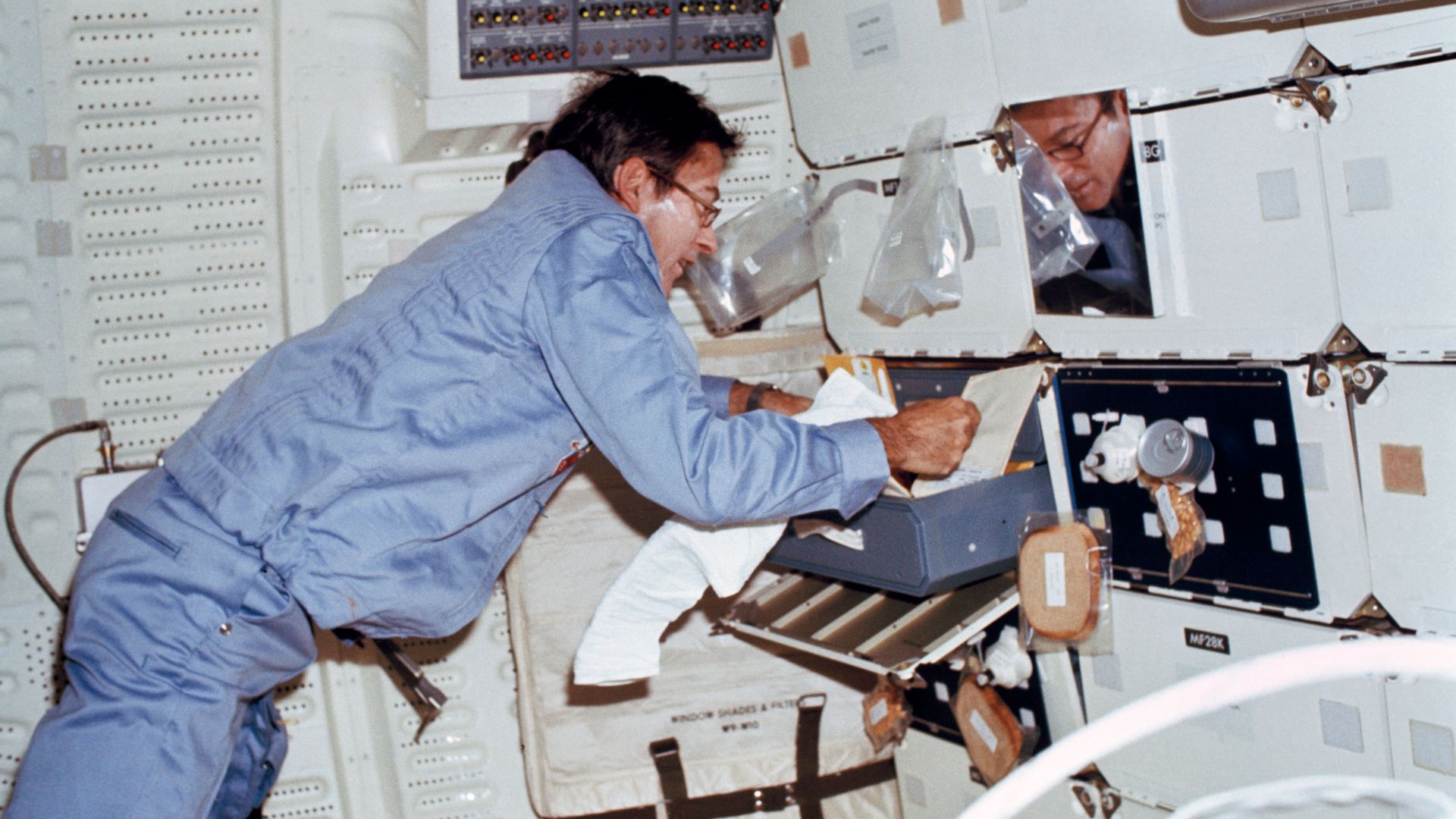
Razor blades in a museum sound strange until they come from a space shuttle personal hygiene kit. Astronauts needed everyday grooming tools in an extremely unusual place. It is a great reminder that even when humans leave Earth, they still bring bathroom problems with them.
#12. A Sewing Machine
Sewing machines belong in museums because they changed clothing, household labor, and factory work. By the 19th and early 20th centuries, they helped families repair garments and helped industries produce ready-made clothing faster. One small household machine helped stitch together a huge piece of modern life.
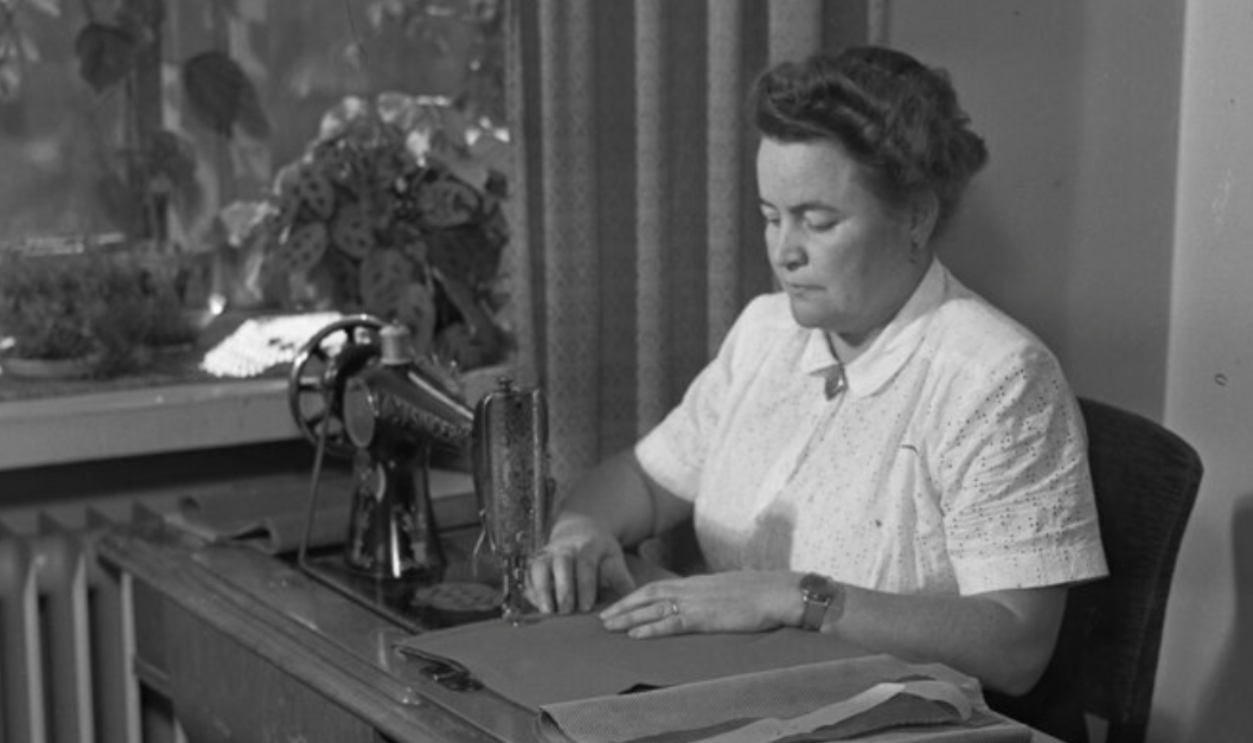 Finnish Heritage Agency, Wikimedia Commons
#11. A Flour Sack Dress
A dress made from a flour sack tells a surprisingly rich story. During the Great Depression and wartime years, families reused printed cotton sacks for clothing, quilts, and household textiles. It was practical, thrifty, and creative. Today, it is also proof that packaging once had better manners.
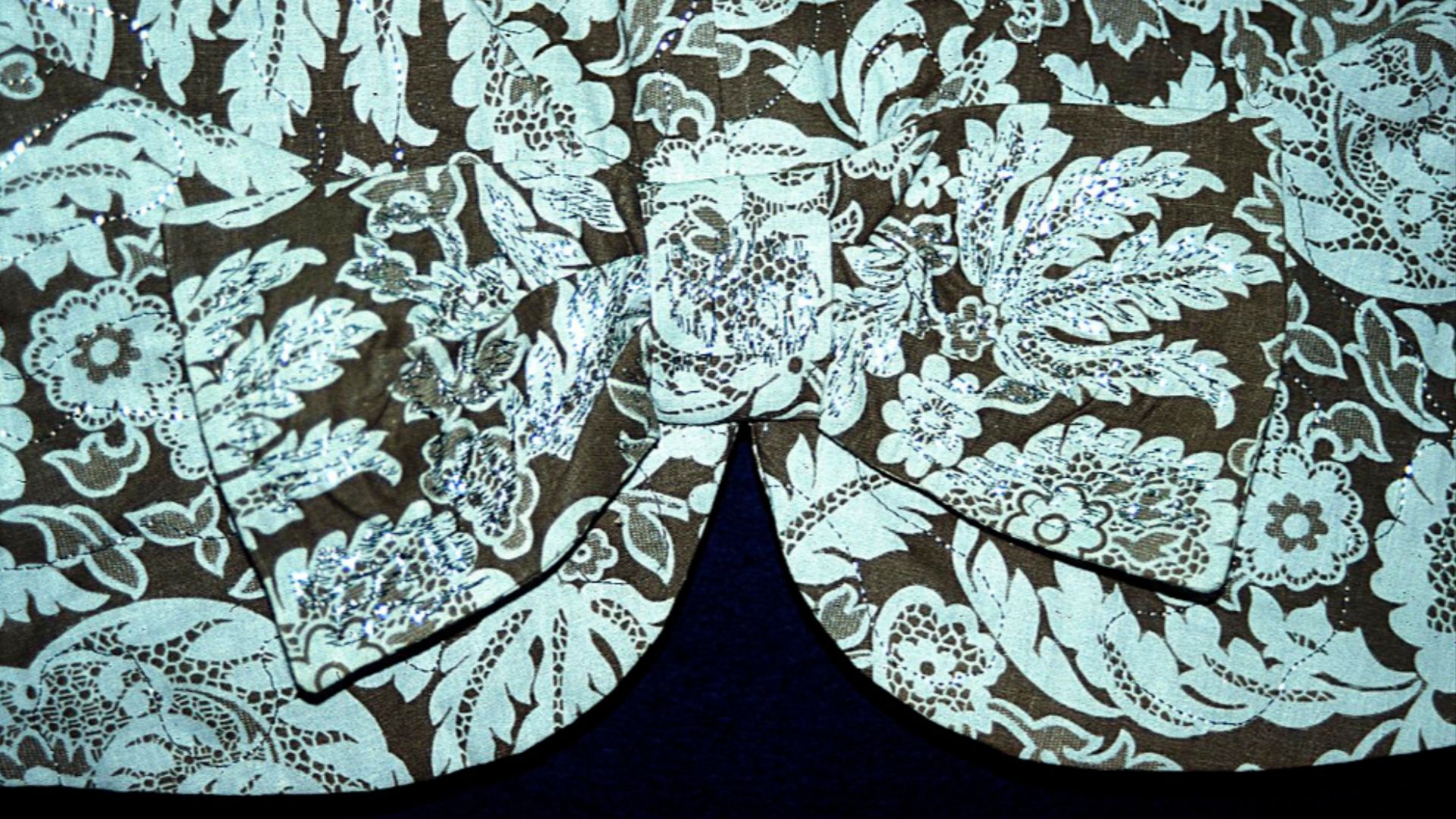 Smithsonian, Wikimedia Commons
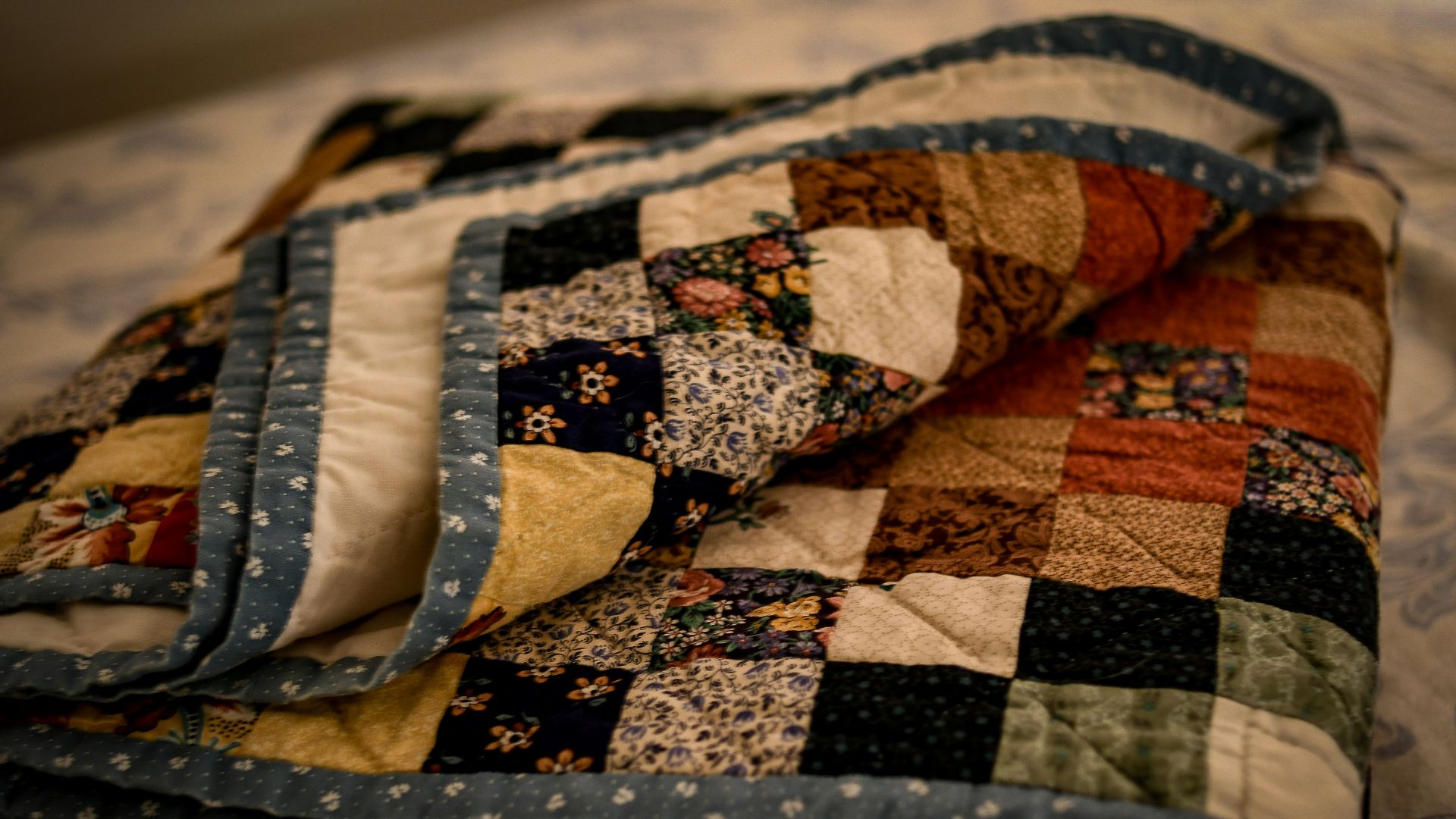
#10. A Quilt
A quilt may seem cozy rather than historic, but museum quilts can reveal migration, family memory, politics, labor, and community. The Smithsonian’s quilt collections show how fabric can become a record of ordinary people’s lives. It turns out Grandma’s blanket may have been doing archival work.
#9. A Washing Machine
The washing machine changed domestic life by reducing one of the most exhausting household chores. Museum examples show how laundry technology reshaped time, labor, and expectations inside the home. Before modern washers, laundry day was not a chore. It was a full-body event with soap.
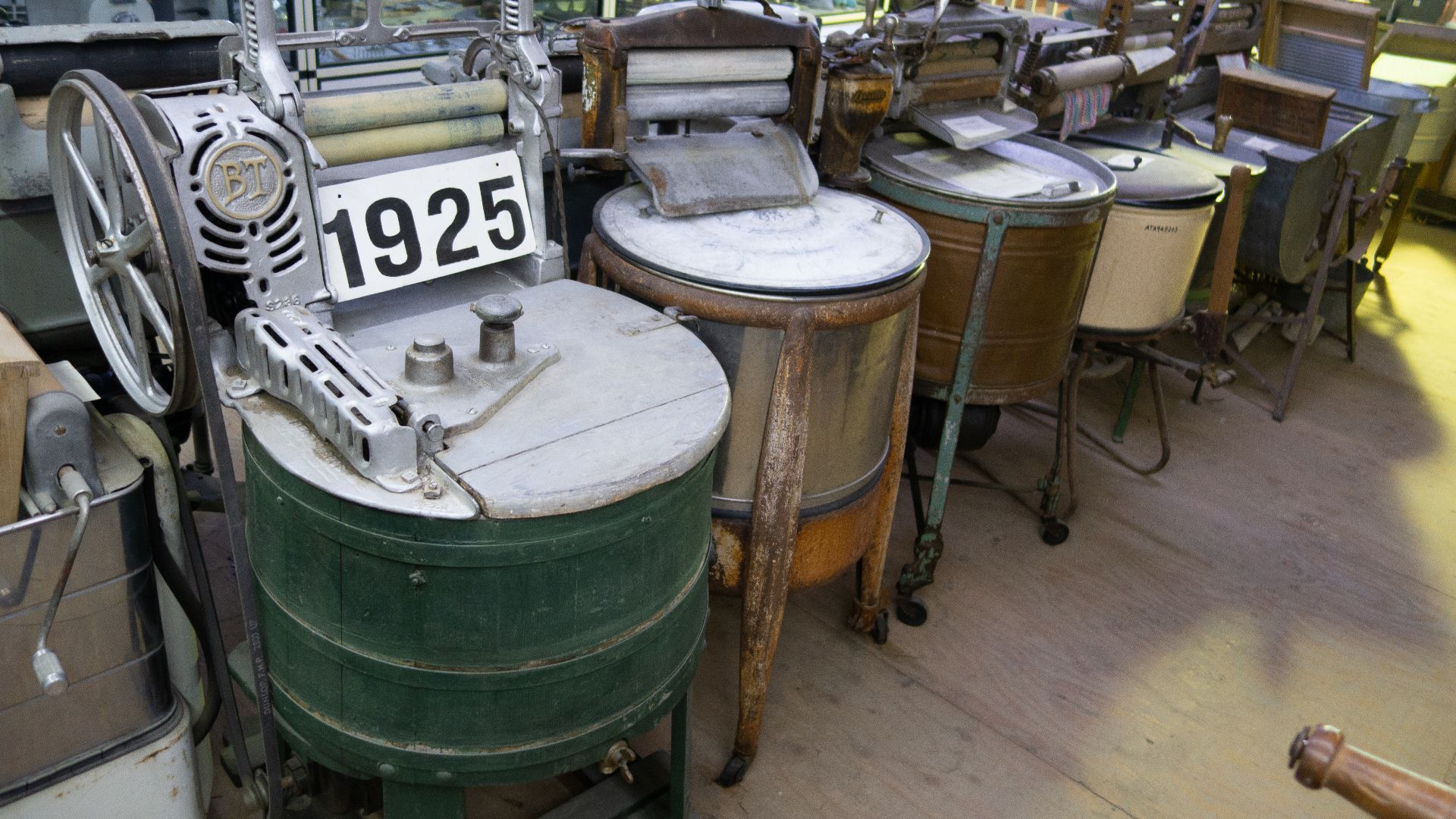 Thomas Quine, Wikimedia Commons
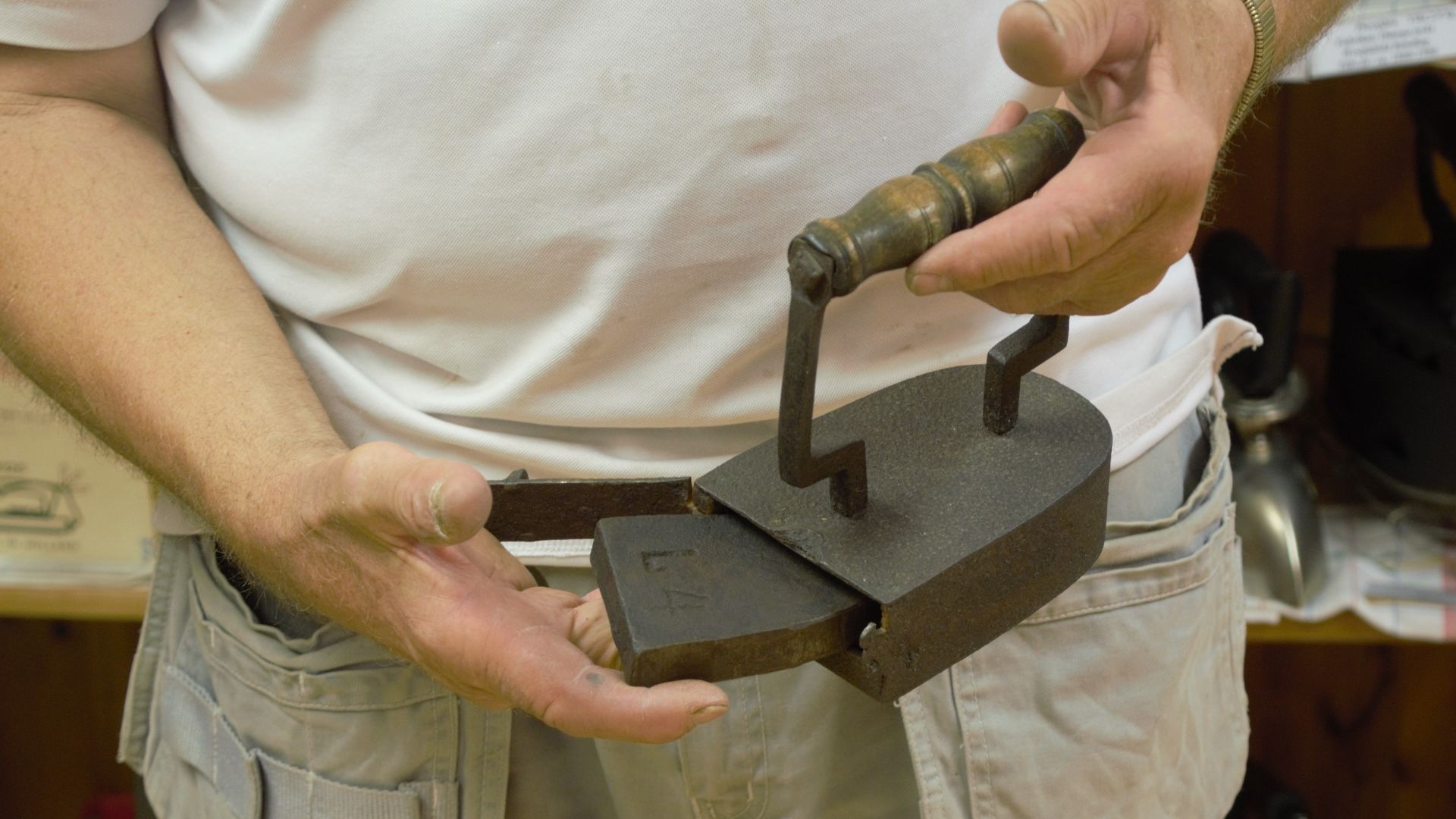
#8. An Iron
An iron may seem boring unless you think about the history of keeping clothes neat before easy electricity. Older irons had to be heated on stoves, swapped out, and handled carefully. Museum irons show how much effort once went into looking presentable. Wrinkles used to require bravery.
 Bengt Oberger, Wikimedia Commons
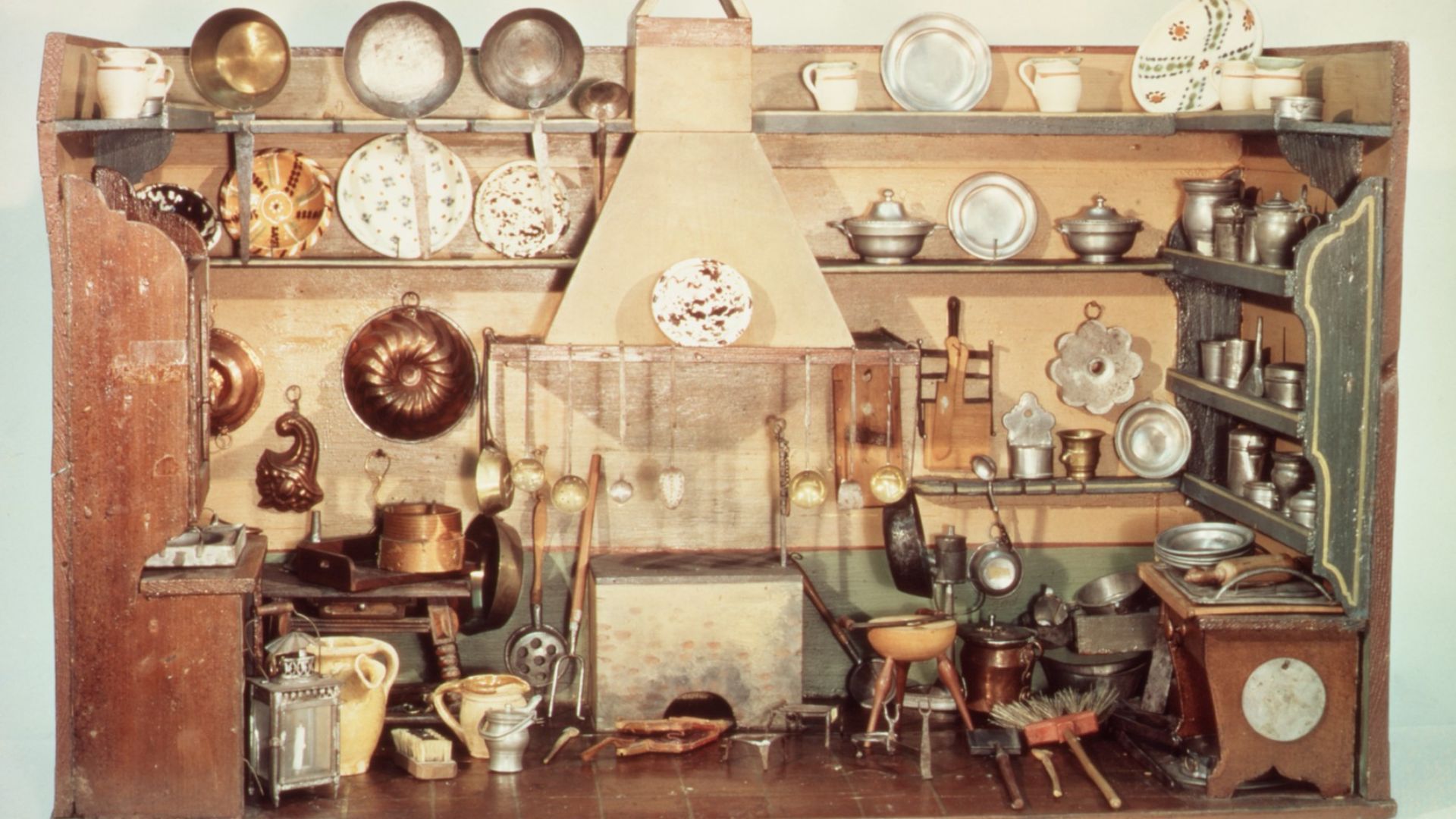
#7. A Kitchen Play Set
A toy refrigerator or kitchen set may look cute, but museums collect these objects because they reveal what children were taught to imitate. Mid-century toy kitchens often reflected adult expectations about gender, housework, and family life. Tiny appliances can say surprisingly big things about society.
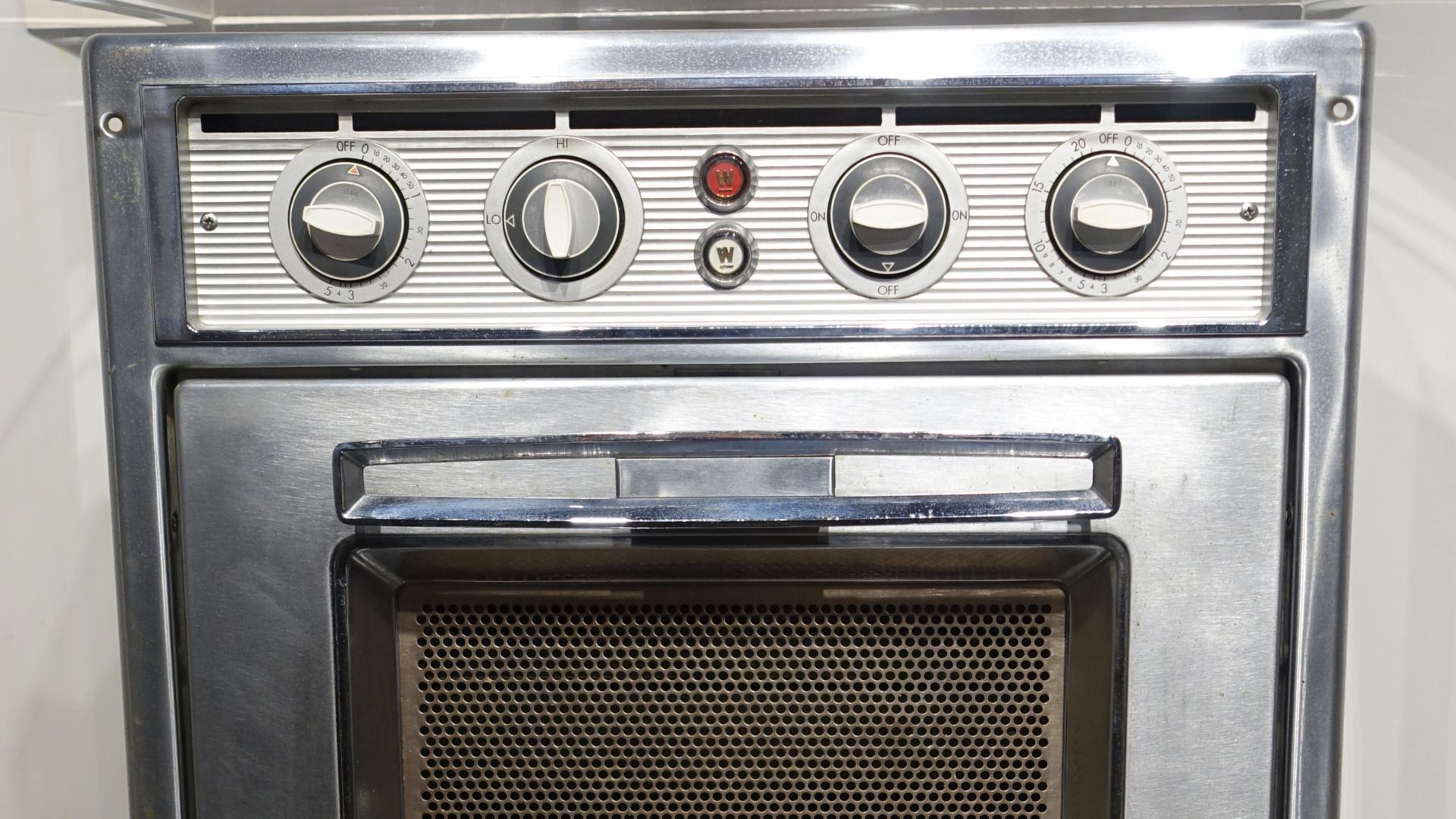
#6. A Microwave Oven
A microwave in a museum captures the moment when cooking started getting faster, stranger, and more push-button. Early models were bulky and expensive, but they promised a new kitchen future. Eventually, reheating leftovers became so normal that nobody clapped when soup got hot in two minutes.
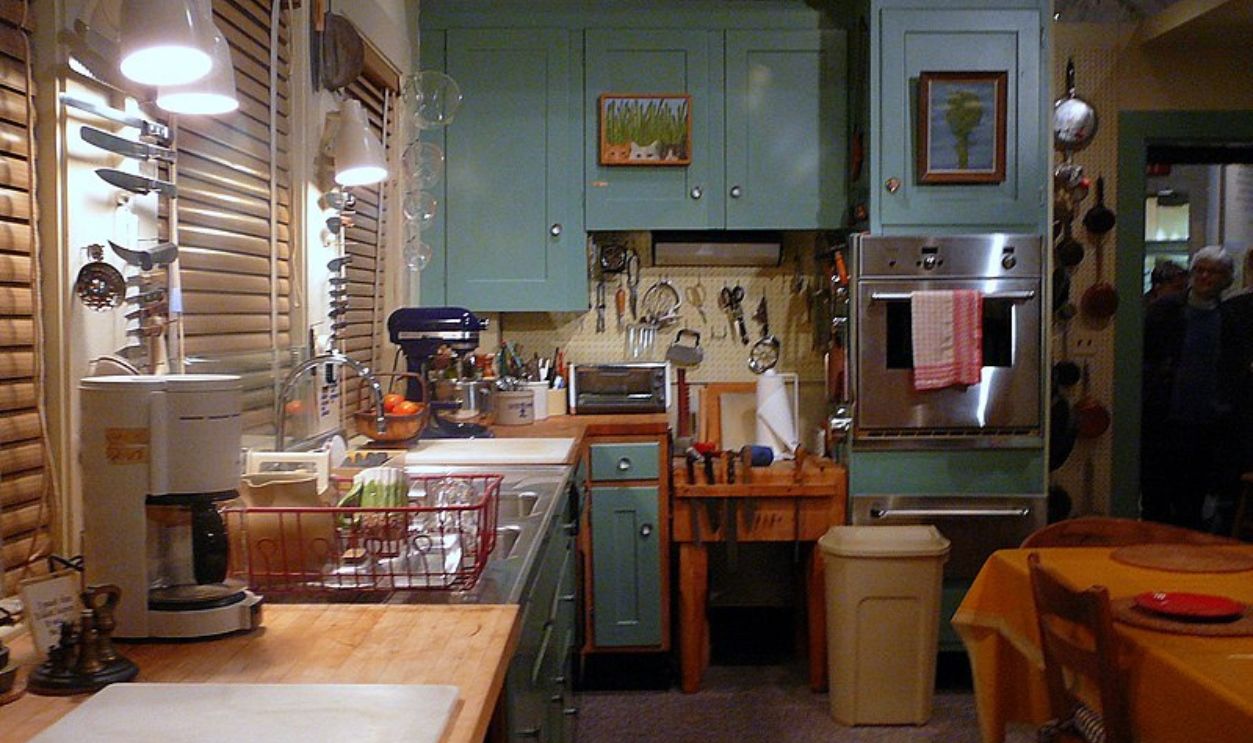
#5. Julia Child’s Kitchen
An entire kitchen may sound too ordinary for a museum, but Julia Child’s kitchen became one of the Smithsonian’s most beloved displays. She donated the Cambridge kitchen in 2001, and it includes cabinets, tools, appliances, and work surfaces. It proves that a kitchen can be both workplace and stage.
 F Deventhal, CC BY 2.0, Wikimedia Commons
#4. A Light Bulb
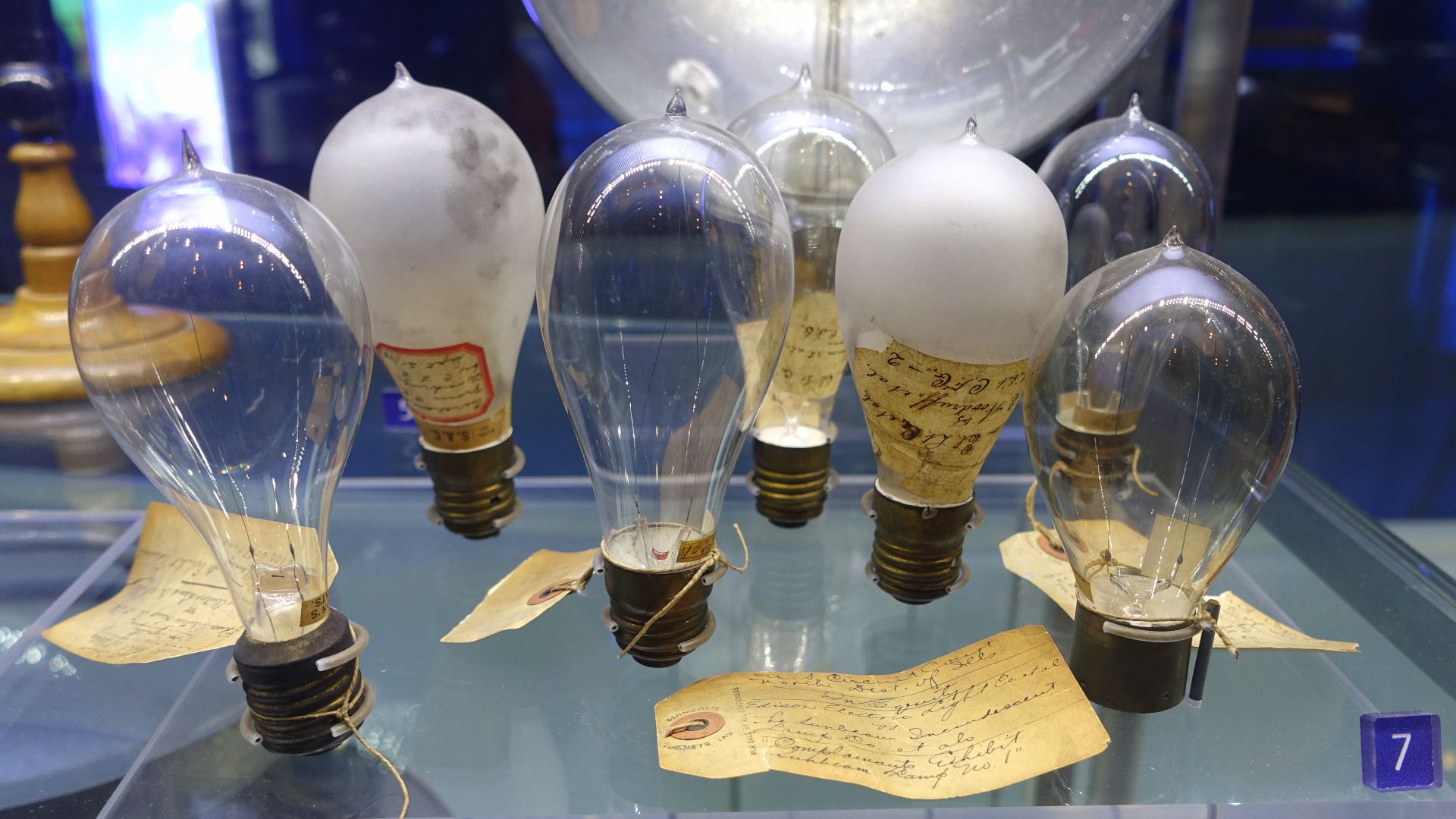
A light bulb is so common that most people only notice it when it burns out. But museum light bulbs tell the story of electrification, invention, and daily life after dark. Thomas Edison’s 1879 bulb is preserved because it represents the moment ordinary rooms started changing forever.
#3. A Patio Serving Tray
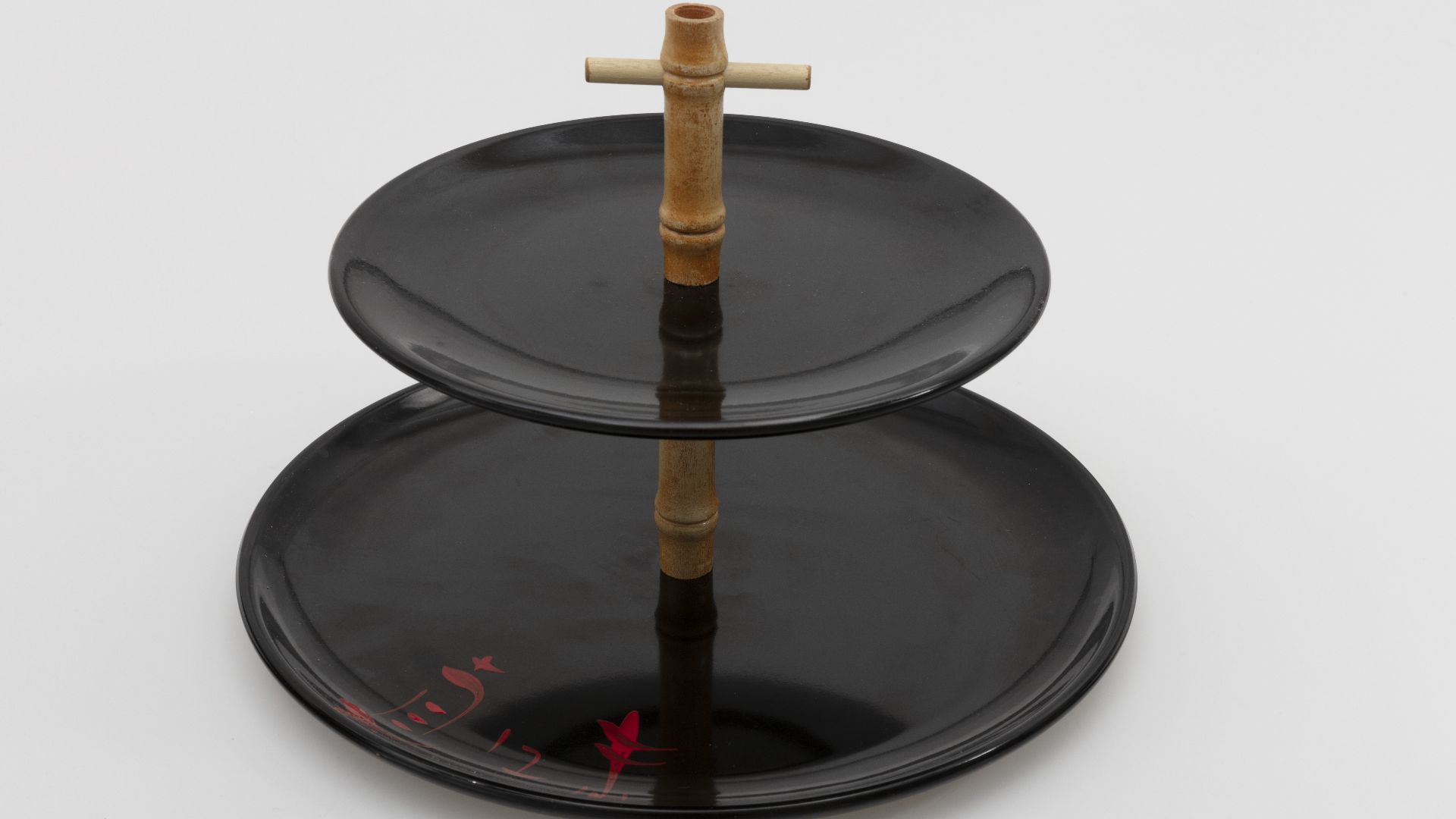
A colorful serving tray from the 1950s or 1960s can look like yard-sale material, but museums preserve such objects because they tell stories about leisure, suburban patios, backyard parties, and postwar entertaining. History is not always dramatic. Sometimes it arrives with tumblers and wicker holders.
 Whitnah, Kaye LaMoyne, 1918-1992, Wikimedia Commons
#2. Archie Bunker’s Chair
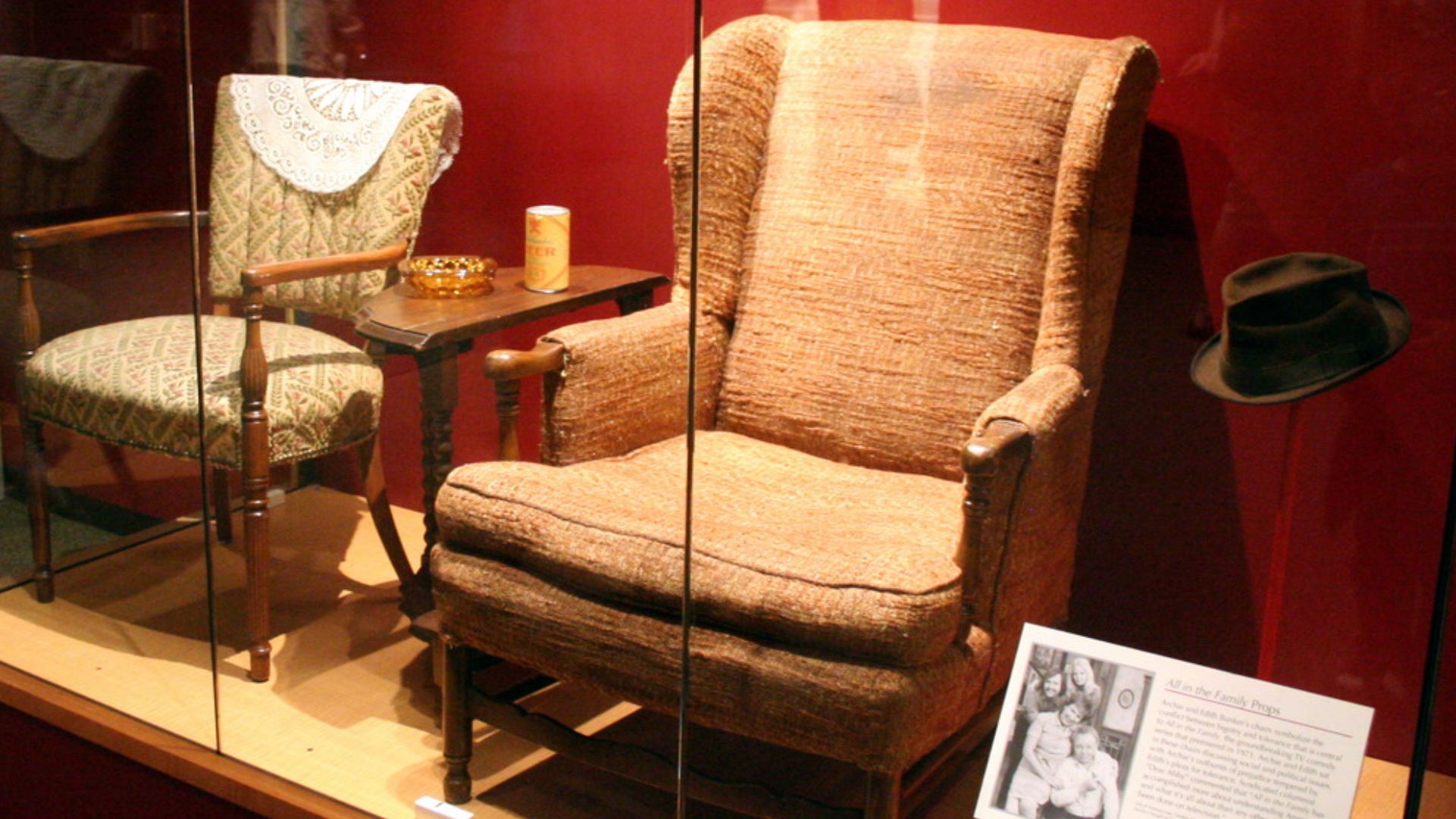
A living-room chair became museum-worthy because it sat at the center of All in the Family. Archie Bunker’s chair, now in the Smithsonian, represents television history, family-room culture, and national arguments happening through comedy. It is just a chair—until America sits down in it.
 RadioFan (talk), Wikimedia Commons
#1. The Greensboro Lunch Counter
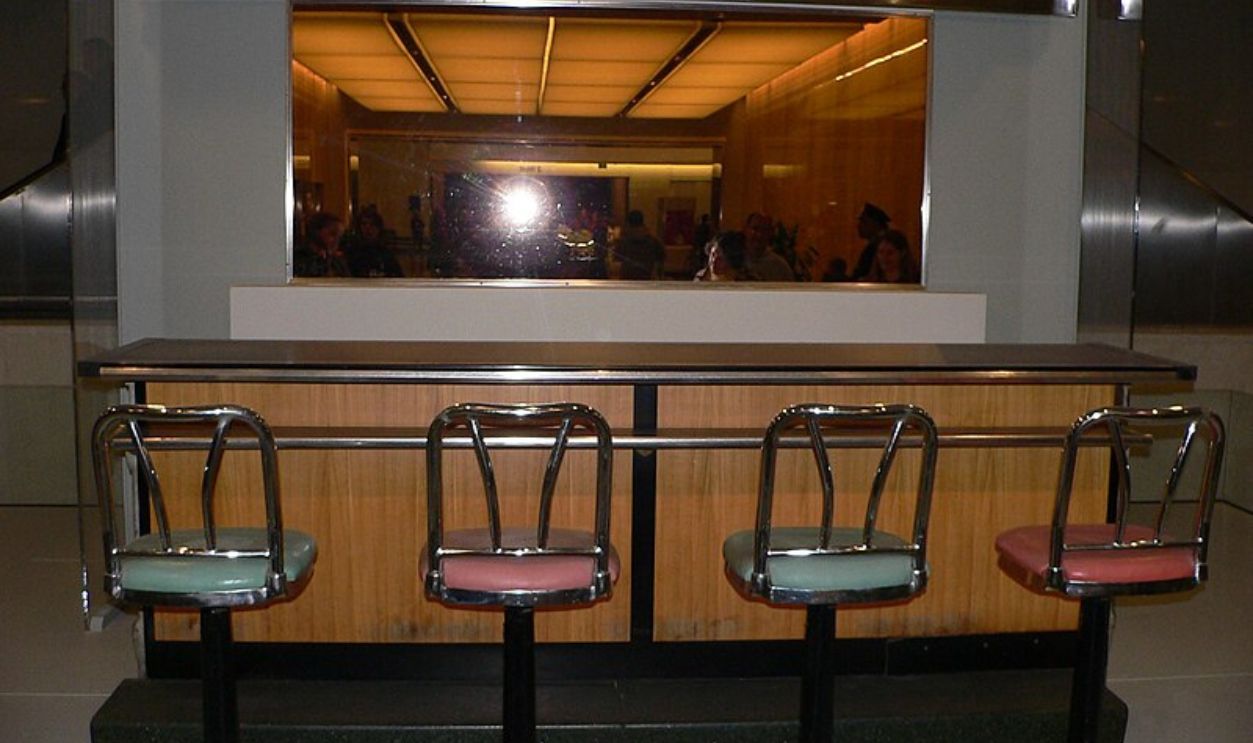
A lunch counter is an everyday object, but this one became a civil rights landmark. In 1960, Black college students sat at a segregated Woolworth’s counter in Greensboro, North Carolina, demanding service. Part of that counter is preserved at the Smithsonian. Sometimes an ordinary seat becomes a revolution.
 Mark Pellegrini, CC BY-SA 2.5, Wikimedia Commons
You May Also Like: