
Some Rules Were Written In Accidents
“Don’t touch that.” “Keep this away from the fire.” “Never mix those together.” Old households were full of warnings that could sound overly cautious, until you learned what had happened to the people who ignored them. Many everyday safety rules exist because somebody, somewhere, discovered the danger first.

Keep The Curtains Away From The Lamp
Before electric lighting became widespread, households relied heavily on candles, oil lamps, kerosene lamps, and gaslights. All of them brought flame or intense heat into rooms filled with fabric, paper, and wooden furniture. Keeping curtains and other materials away from lamps was basic fire prevention.
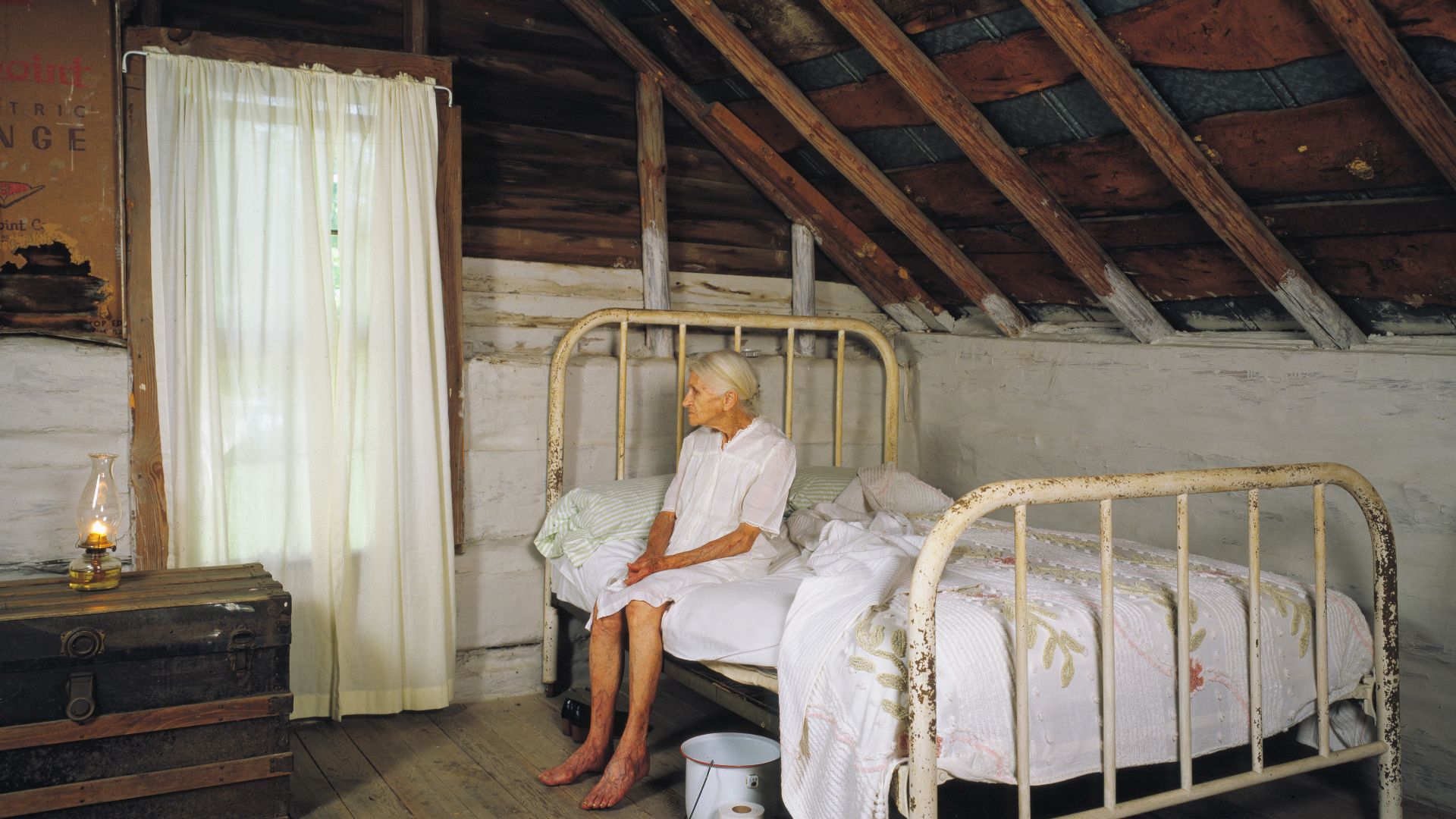 Carol M. Highsmith, Wikimedia Commons
One Knock Could Be Enough
Kerosene lamps offered brighter and cheaper illumination than many earlier lighting methods, making them common in 19th-century homes. They also combined an open flame with a reservoir of combustible fuel that could be knocked over or mishandled. Families had good reason to be careful about where lamps were placed.
 Vladimir Fedotov from Yaroslavl, Russia, Wikimedia Commons
Do Not Blow Out A Gaslight
One particularly dangerous mistake was treating a gas burner like a candle. Blowing out the flame without closing the valve could allow illuminating gas to continue escaping into the room. Early electric-light companies later advertised their technology by pointing to deaths associated with gaslights that had been extinguished improperly.
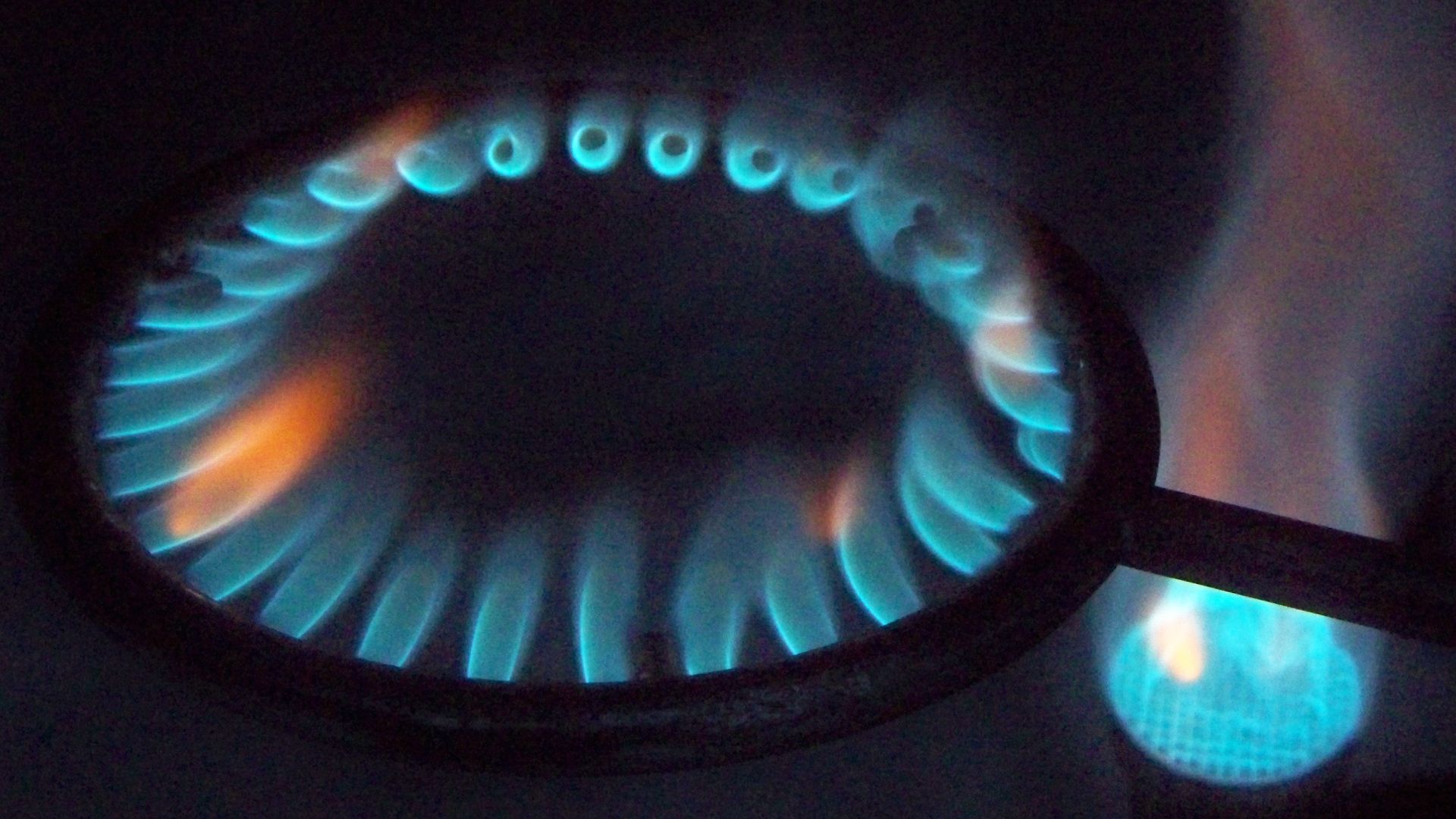 Jason Woodhead, Wikimedia Commons
Electricity Was Not Automatically Safer
Electric light eliminated many open flames, but early household electrical systems came with hazards of their own. Wiring methods were still developing, and damaged or poorly installed wires could start fires. Electrical accidents helped drive the founding of Underwriters Laboratories in 1894 and the first National Electrical Code in 1897.
 Marcello Casal Jr/Agência Brasil, Wikimedia Commons
Do Not Turn One Socket Into Everything
Early electrified homes often had few wall receptacles because outlets did not become common until around 1910. Appliances could instead be screwed into light sockets, sometimes through adapters that let several devices share the same fixture. That convenience could create exactly the kind of overloaded setup later safety rules warned against.
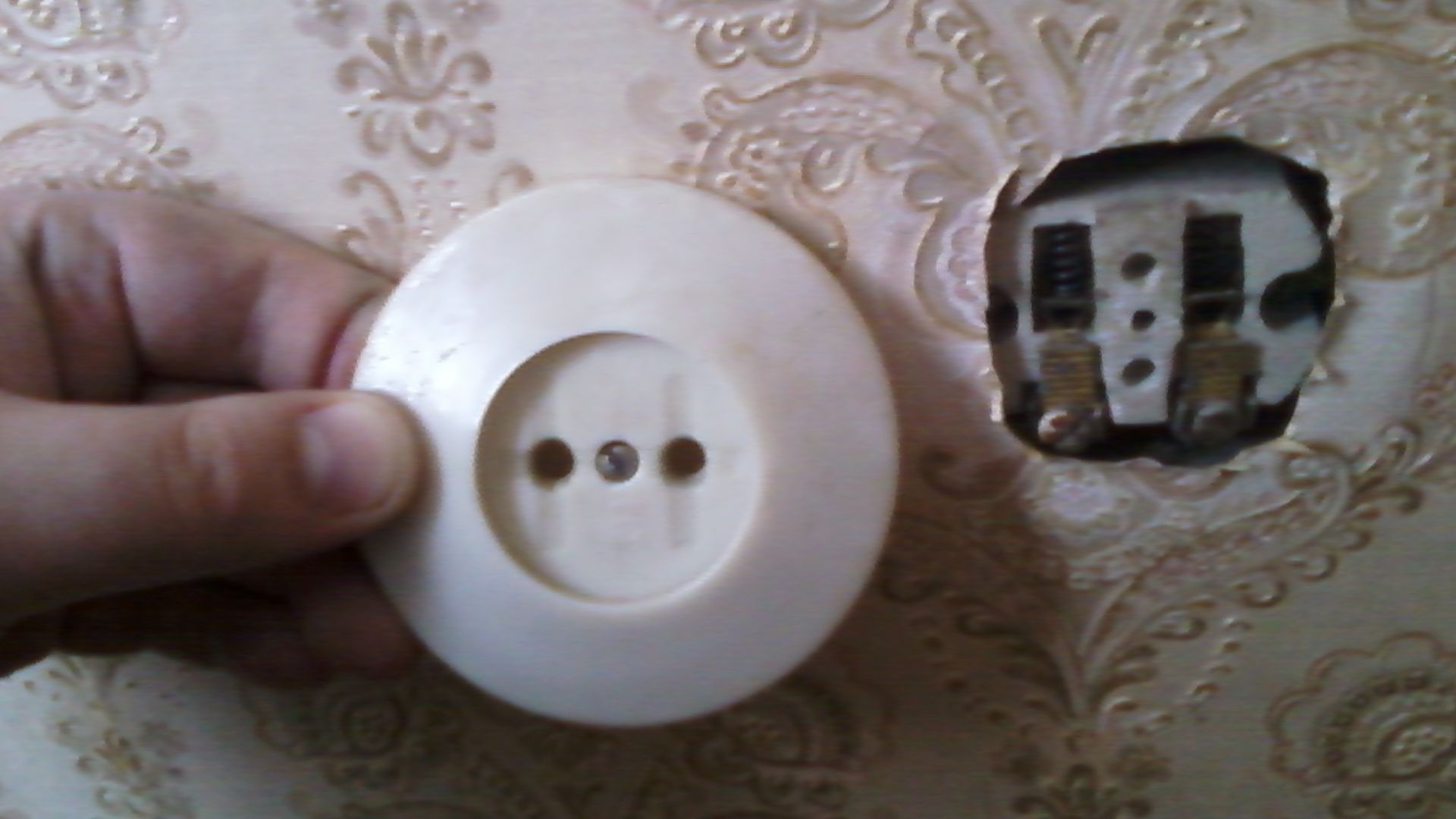
Some Wiring Ran Through Gas Pipes
During the transition from gaslight to electricity, installers sometimes reused old gas-light piping as a route for electrical wires. Combination fixtures could even operate with either gas or electricity. Smithsonian historians note that remnants of these arrangements can still turn up in older buildings.
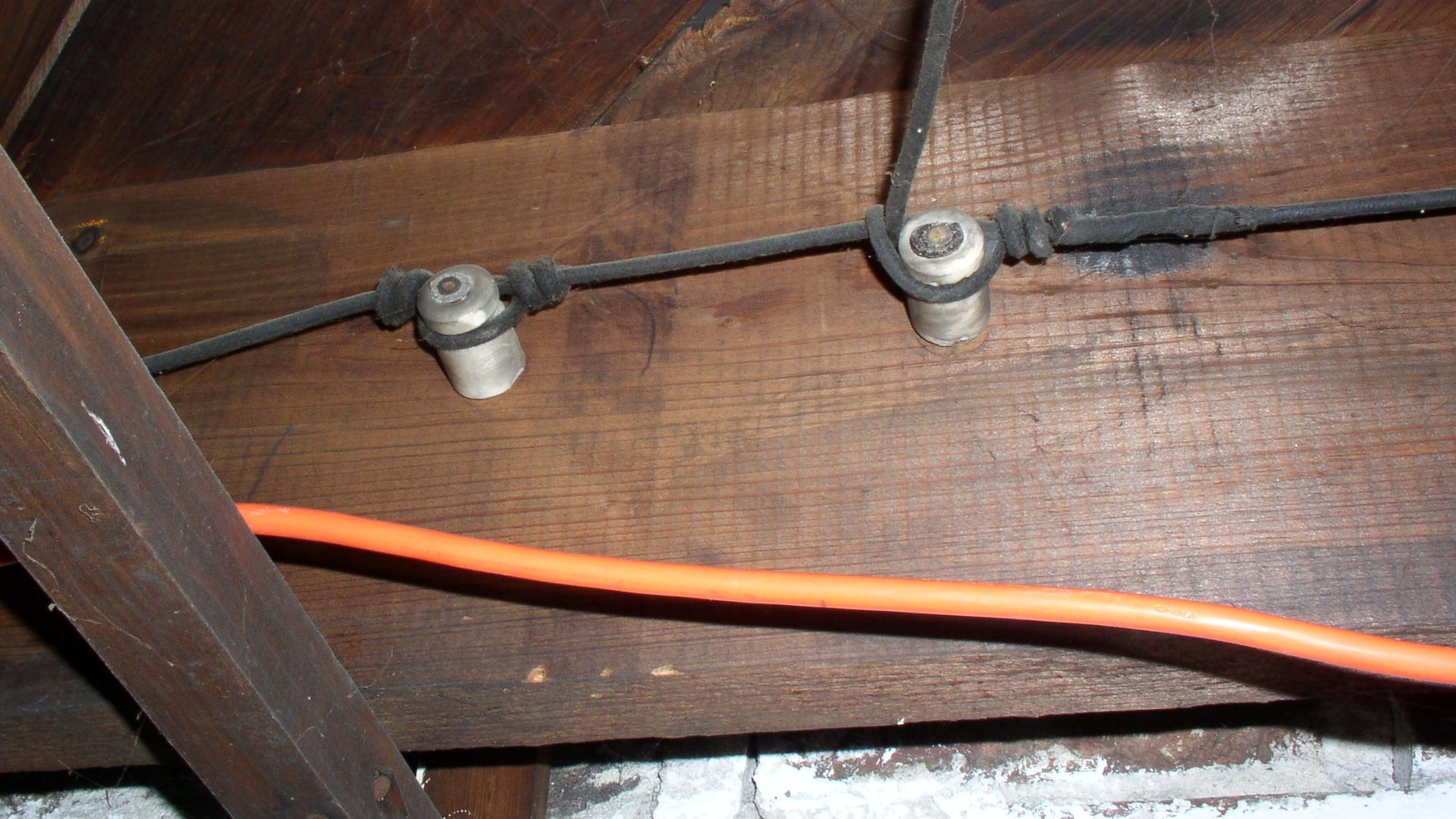
Watch Your Skirt Near The Fire
For Victorian women, staying away from open flames could be harder than it sounds. Large cage crinolines pushed layers of fabric far outward from the body. The Victoria and Albert Museum notes that crinolines became associated with serious accidents around open fires.

Fashion Could Become A Fire Trap
The danger was not simply the amount of fabric involved. A large hoop skirt could make it difficult for the wearer to judge exactly where the dress ended behind or beside her. Moving too close to a fireplace could put clothing dangerously near the flames before she realized it.
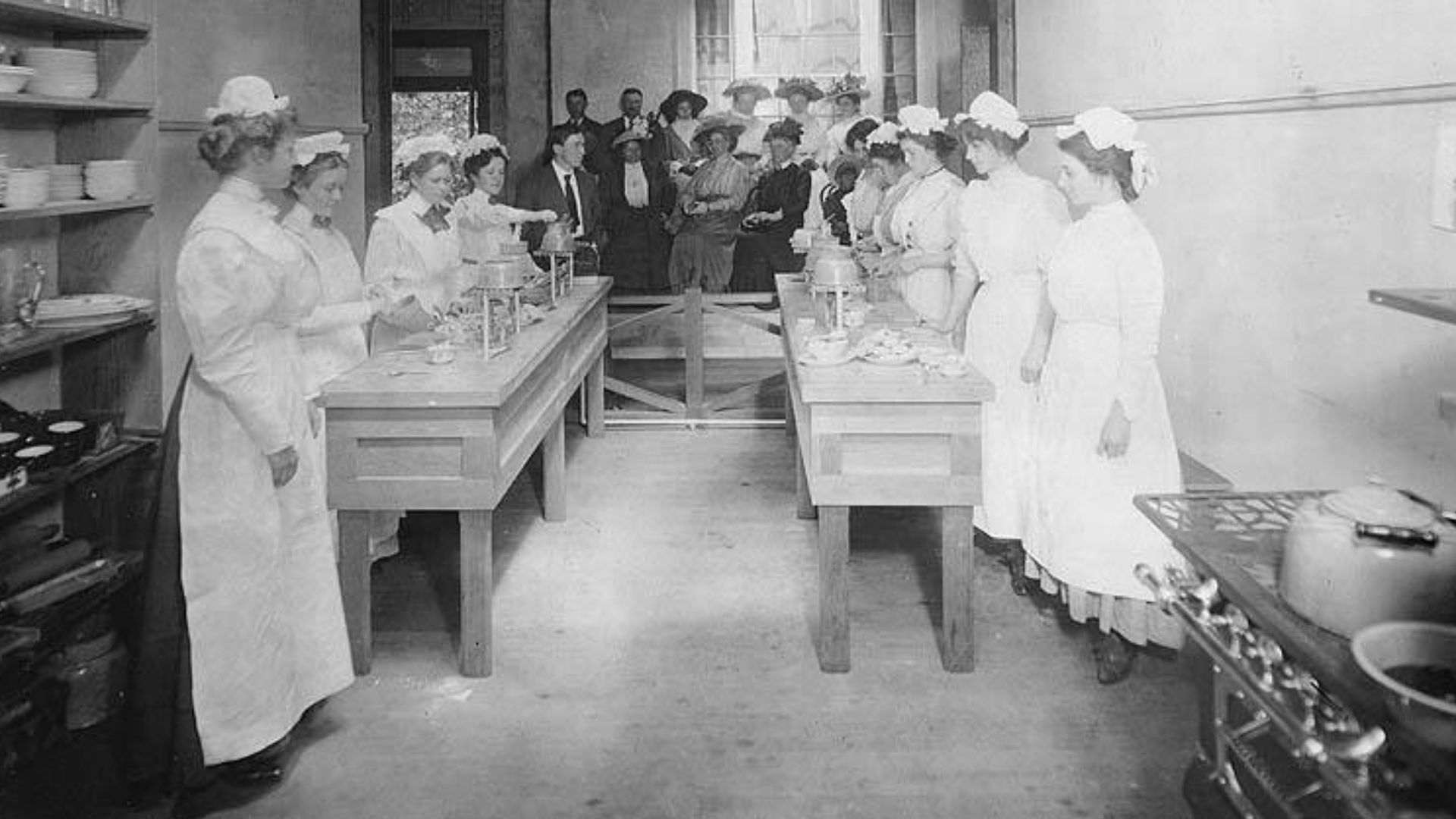 Frank H. Nowell, Wikimedia Commons

History's most fascinating stories and darkest secrets, delivered to your inbox daily.
Keep Celluloid Away From Heat
Early plastics created another household fire risk. Celluloid was used for combs, toys, decorative objects, and numerous other products, but its nitrocellulose content made it highly flammable. A British government investigation reported in Nature in 1914 found that ordinary celluloid could burn with remarkable speed and intensity.
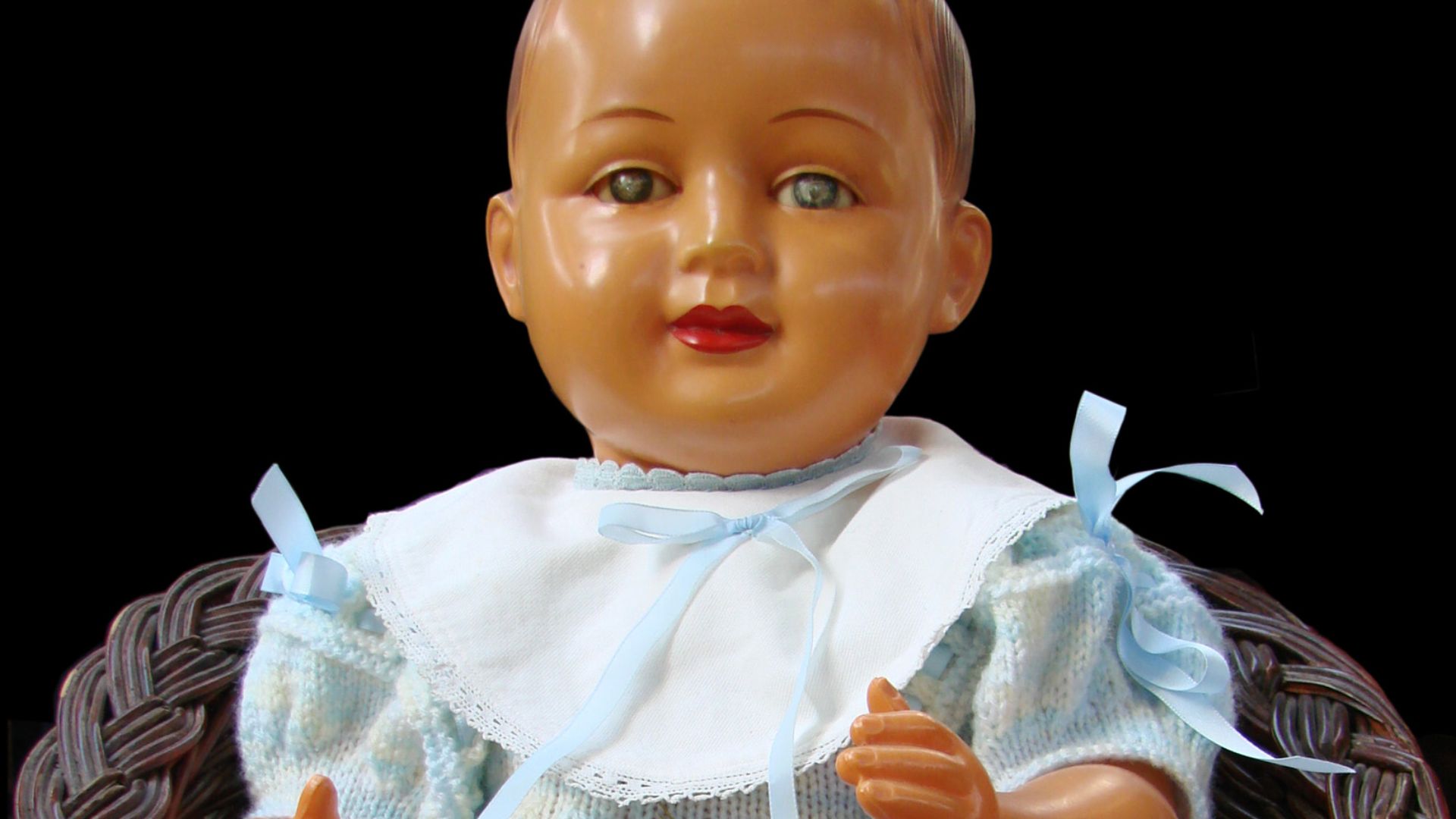
It Did Not Need To Touch A Flame
Celluloid was also vulnerable to prolonged exposure to heat. Investigators found that sufficiently high temperatures could cause it to decompose rapidly while releasing additional heat and flammable gases. Keeping celluloid objects away from stoves, heaters, and other hot areas made good sense.
 Shan Sheehan, Wikimedia Commons
Poison Bottles Were Made To Feel Different
When dangerous substances sat near ordinary household products, reading a label was not always enough. By the 19th century, manufacturers were producing poison bottles with unusual shapes, textures, colors, and raised surfaces that could be recognized by touch. New York had required the word “poison” on containers of dangerous substances as early as 1829.
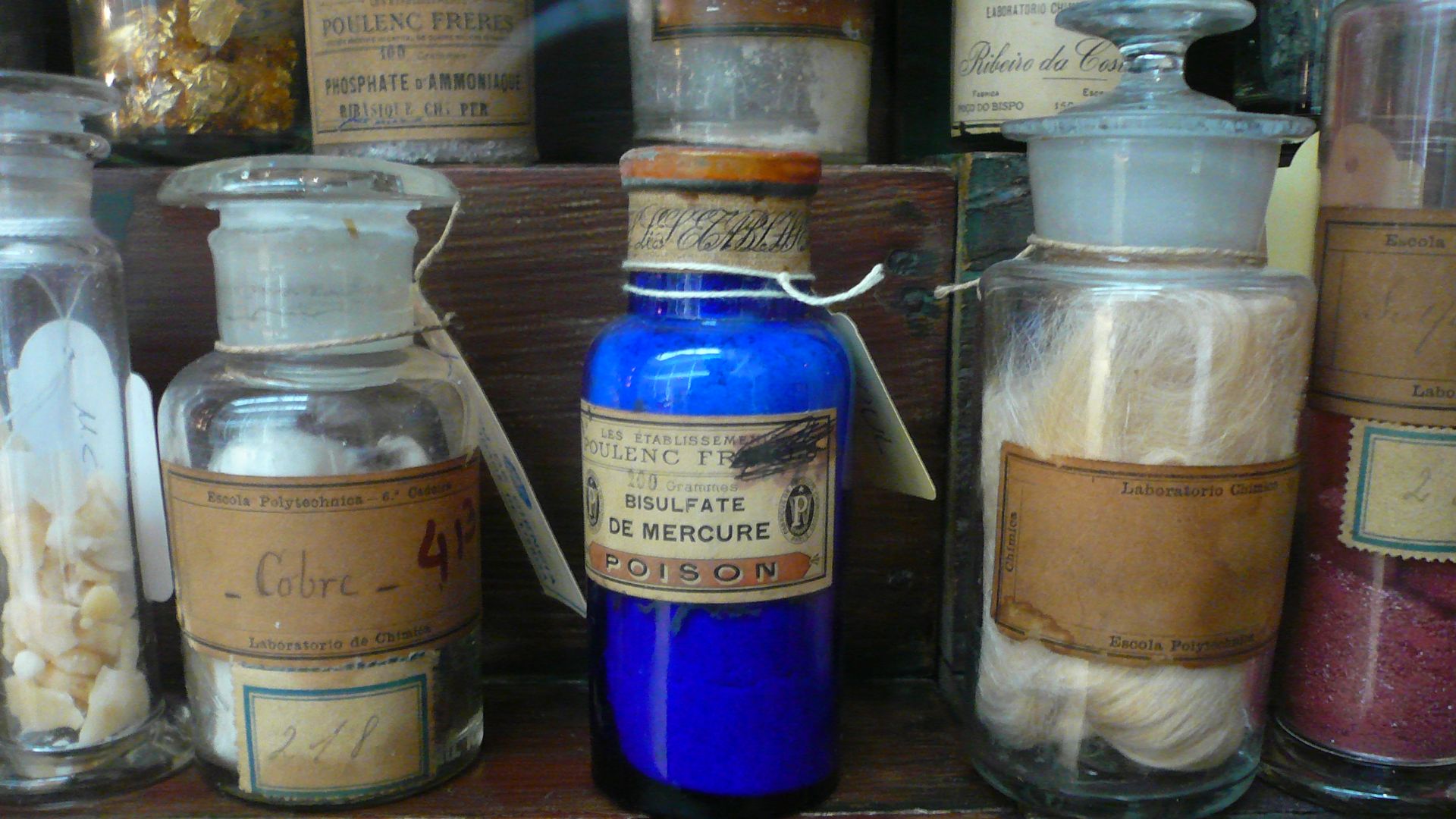 ricardo from London, Wikimedia Commons
There Was A Reason For The Strange Shapes
Some poison bottles were made in memorable forms, including designs resembling coffins. Others used cobalt-blue glass, ridges, spikes, or unusually shaped sides. The idea was simple: a person reaching into a cabinet in poor light might realize they had grabbed something dangerous before opening it.
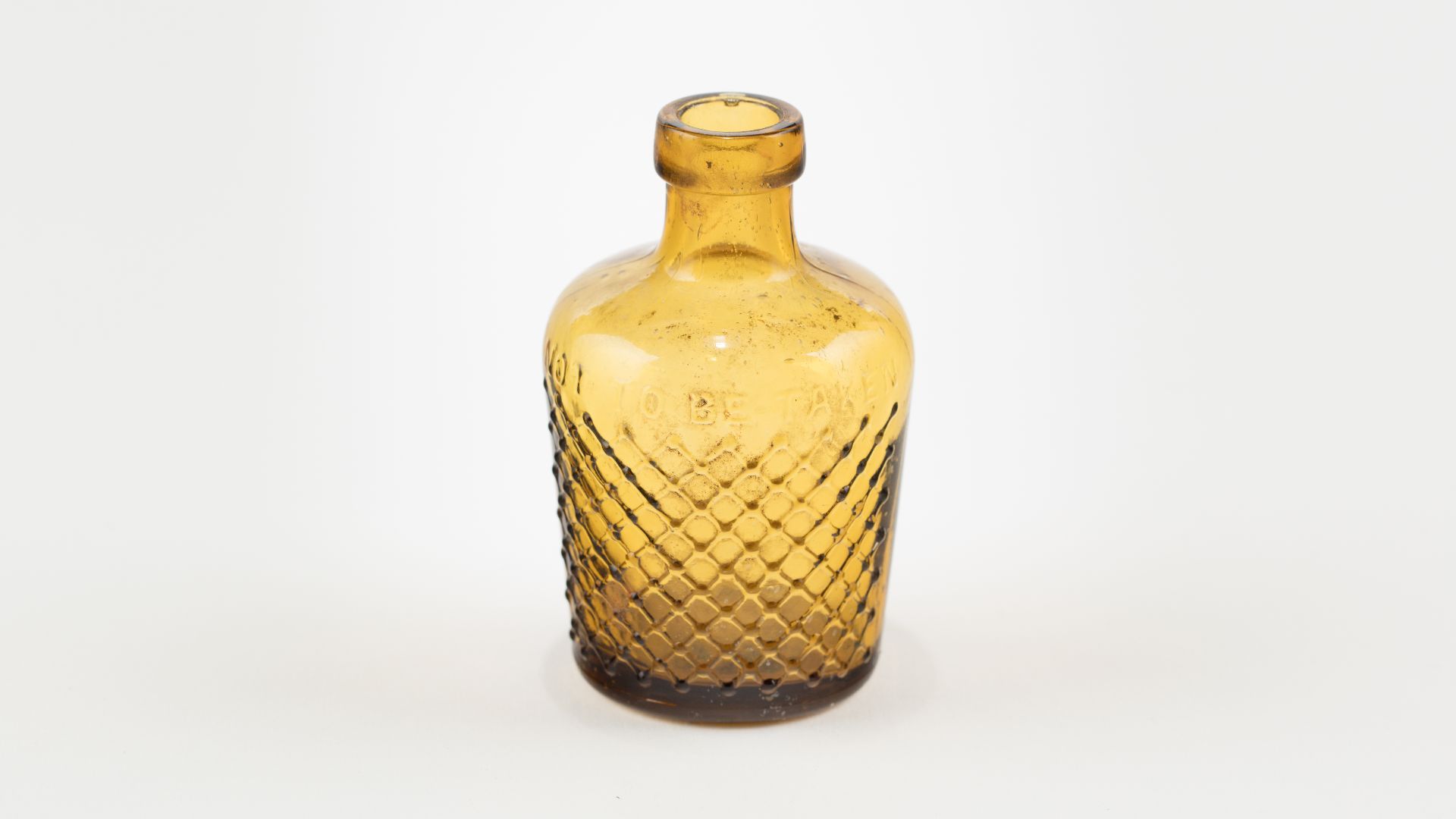 Australian Glass Manufacturers (NZ), Wikimedia Commons
Never Store Poison Beside Food
Arsenic became disturbingly common in 19th-century domestic life. It appeared in insecticides and medicines, and white arsenic could be mistaken for flour, sugar, or other harmless powders. Historical accounts document accidental poisonings caused by arsenic being confused with household ingredients.
 The U.S. Food and Drug Administration, Wikimedia Commons
Even The Wallpaper Could Be Poisonous
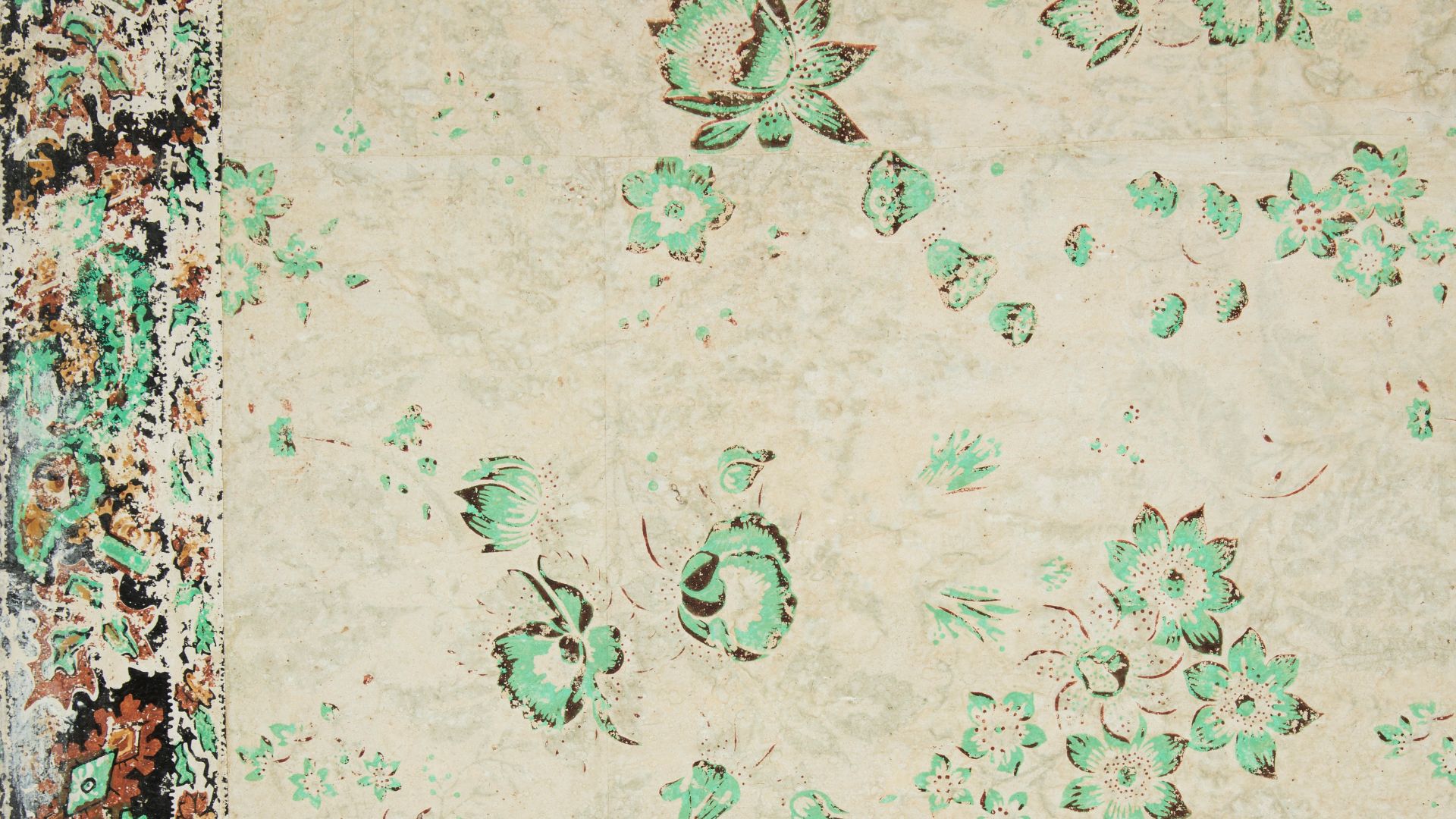
Victorian consumers also encountered arsenic in places few people would think of as dangerous. Brilliant green pigments containing arsenic appeared in wallpaper, textiles, toys, and other decorative products. Physicians increasingly connected mysterious illnesses with arsenical wallpaper, although manufacturers disputed the danger for years.
 Unknown artistUnknown artist, Wikimedia Commons
Bright Green Was Not Always A Good Sign
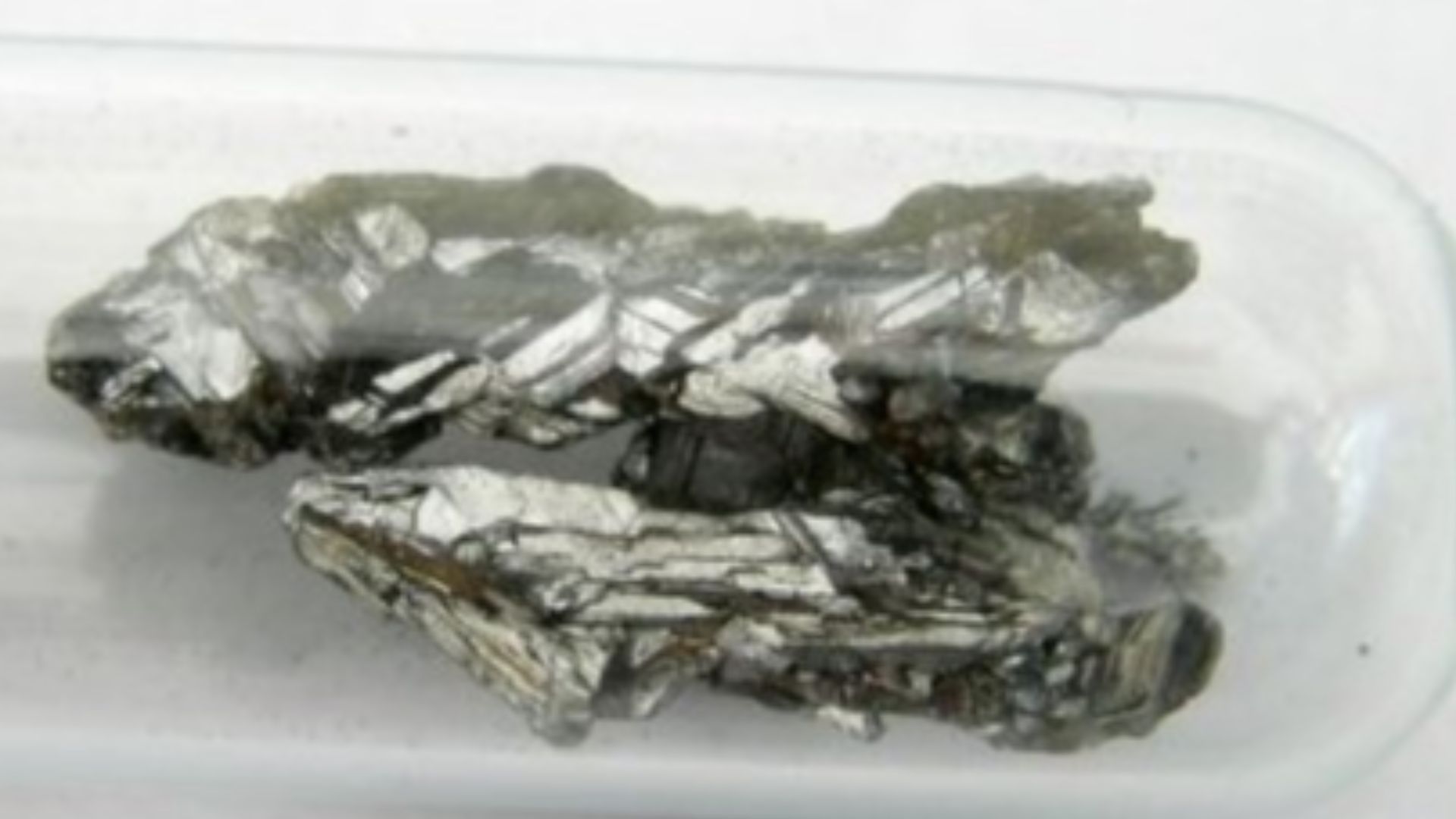
Scheele's Green and related pigments produced the vivid shades fashionable Victorians loved. Unfortunately, that visual appeal helped spread arsenic through homes before the risks were widely accepted. By the late 19th century, medical concerns and public pressure had helped turn consumers away from arsenical household products.
Do Not Let Children Eat Paint Chips
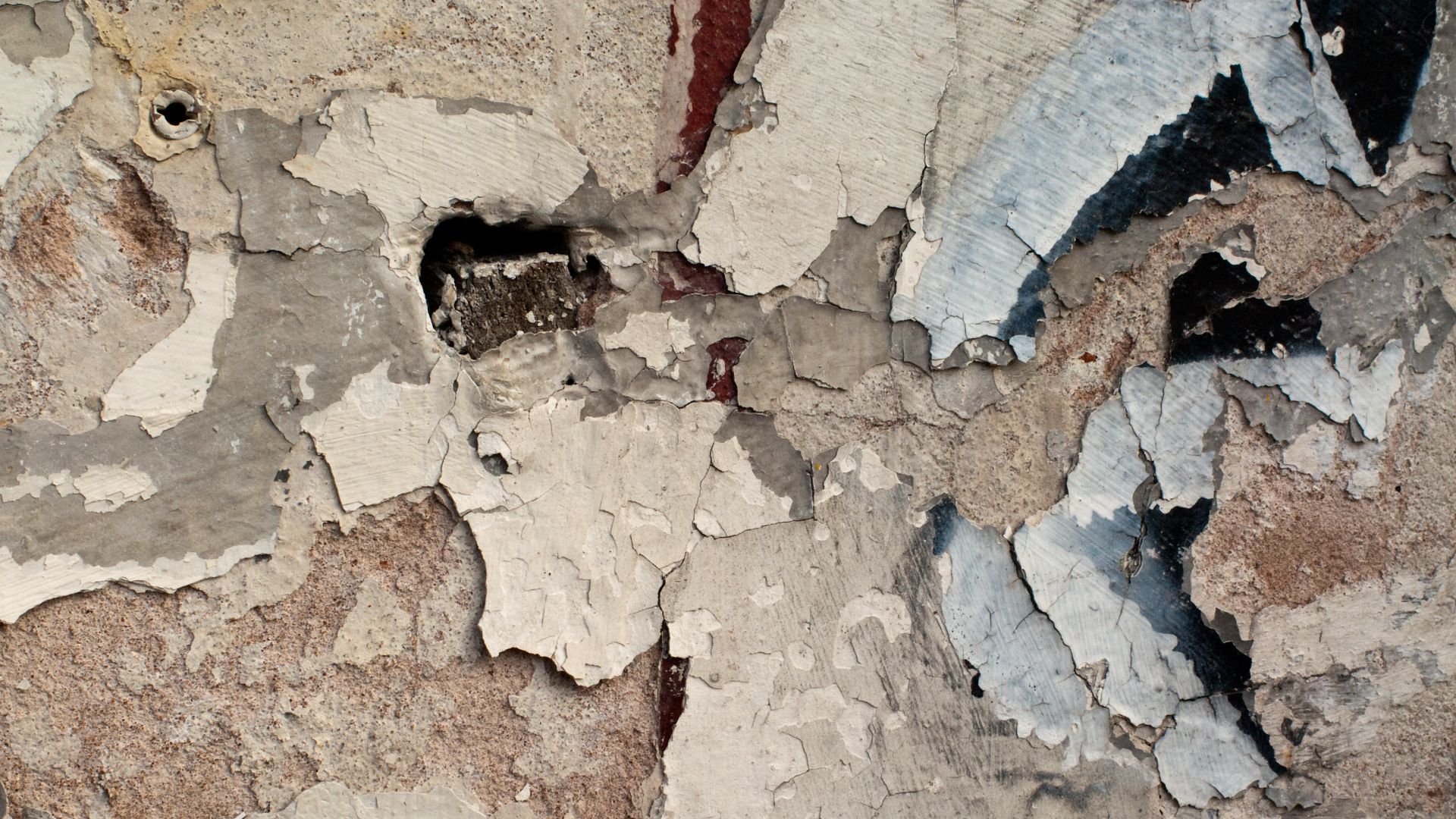
Lead-based paint created another household danger that became clearer over time. Deteriorating paint can produce chips and dust that may be swallowed or inhaled, with young children particularly vulnerable. The United States banned lead-containing residential consumer paint above the federal limit in 1978.
 Lukas Large from Stourbridge, United Kingdom, Wikimedia Commons
Old Paint Could Become Dangerous Dust
The danger was never limited to children visibly chewing paint chips. Doors, windows, railings, and other friction surfaces can produce contaminated dust as old lead paint wears down. Renovating older houses can still release lead dust if proper precautions are not taken.

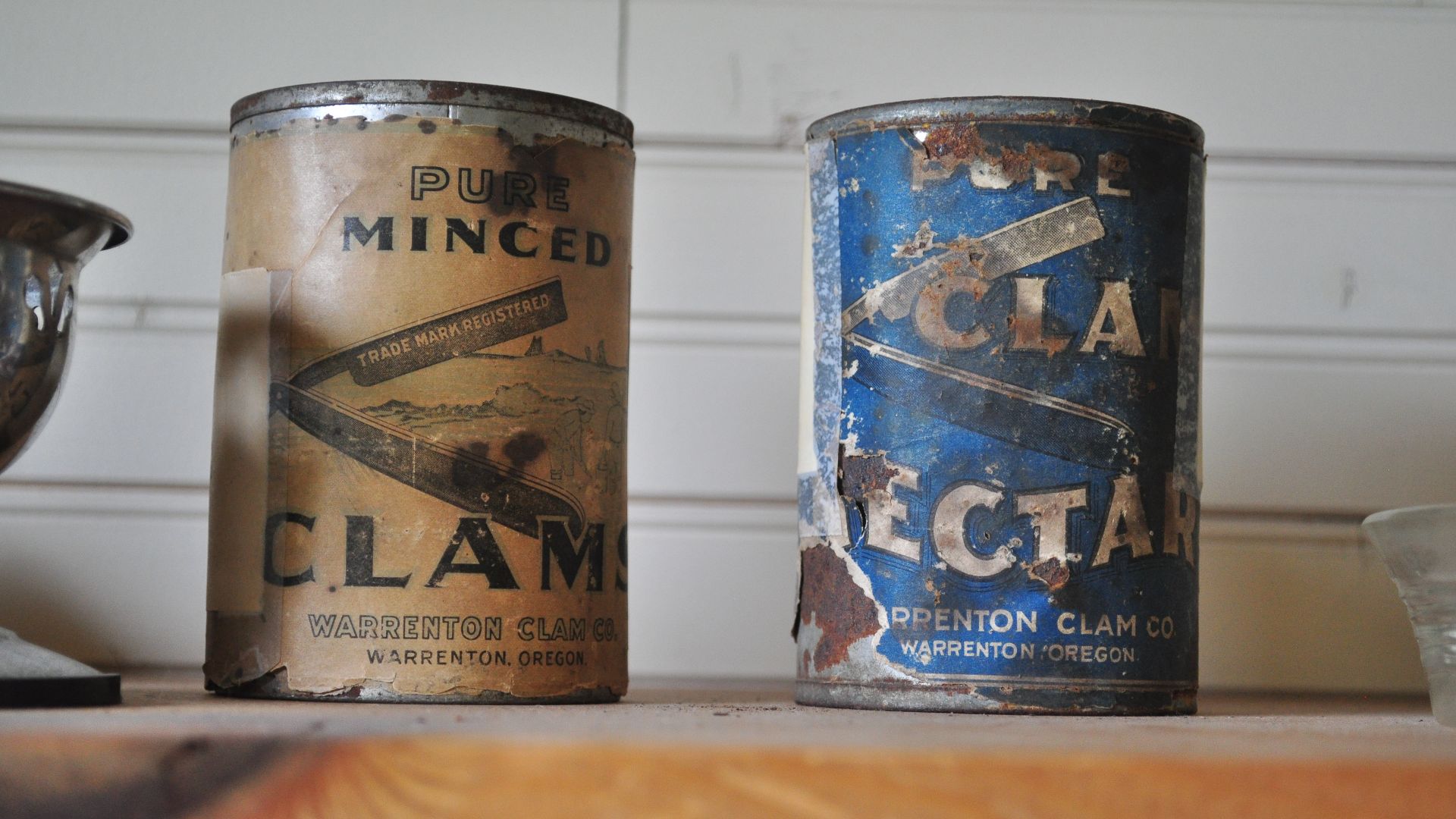
Never Guess With Home Canning
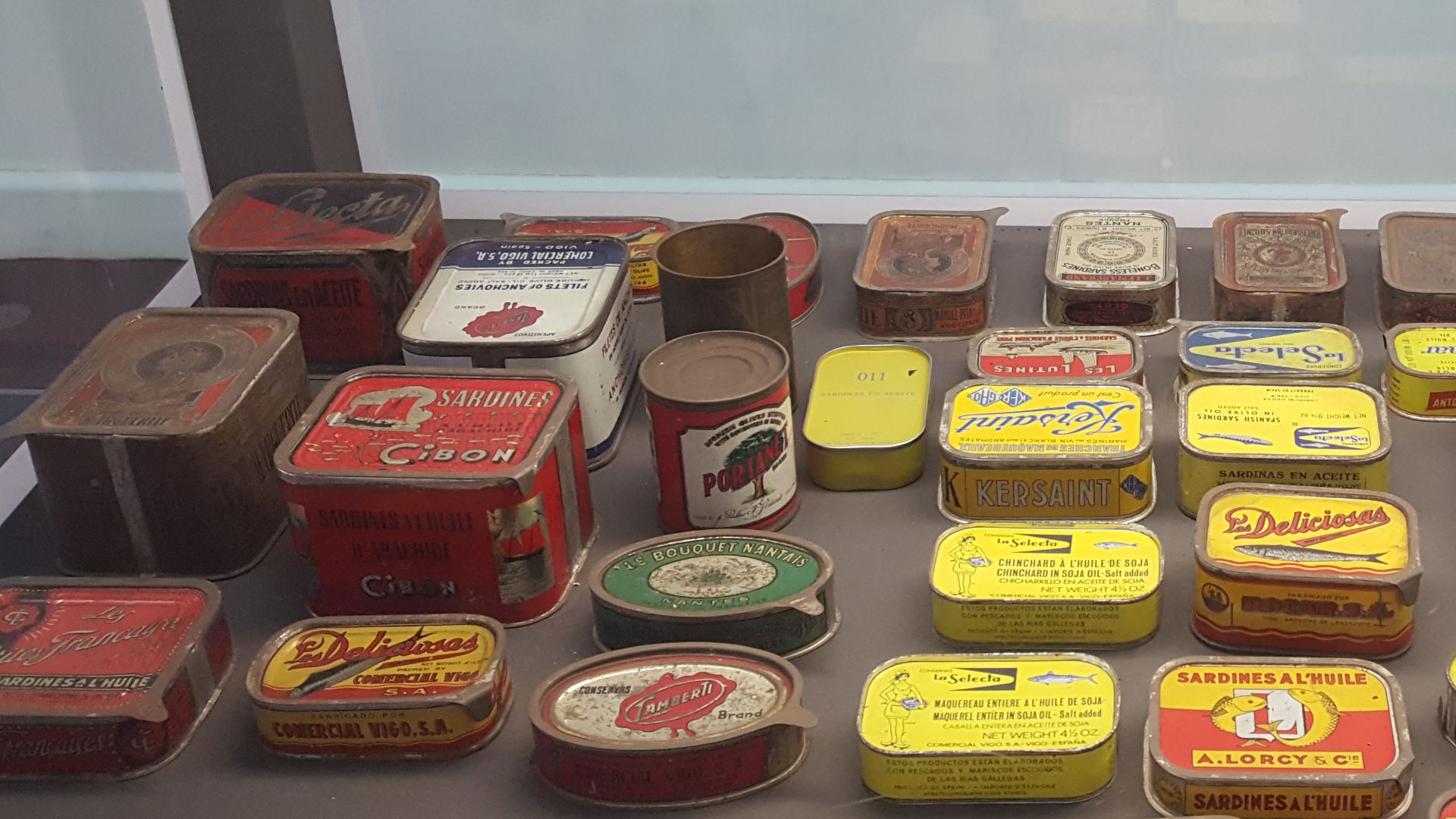
Home canning allowed families to preserve huge quantities of food, but mistakes could have deadly consequences. Improperly processed low-acid foods can allow Clostridium botulinum spores to survive and produce a powerful neurotoxin. That danger eventually produced increasingly strict instructions about exactly how certain foods should be canned.
 Original uploader was Teunie at nl.wikipedia, Wikimedia Commons
Pressure Canning Became A Rule For A Reason
In 1917, the U.S. Department of Agriculture determined that pressure canning was the safe method for processing low-acid foods. Ordinary boiling-water temperatures are not high enough to reliably destroy botulism spores in those foods. Pressure canners reach the higher temperatures needed for safer preservation.
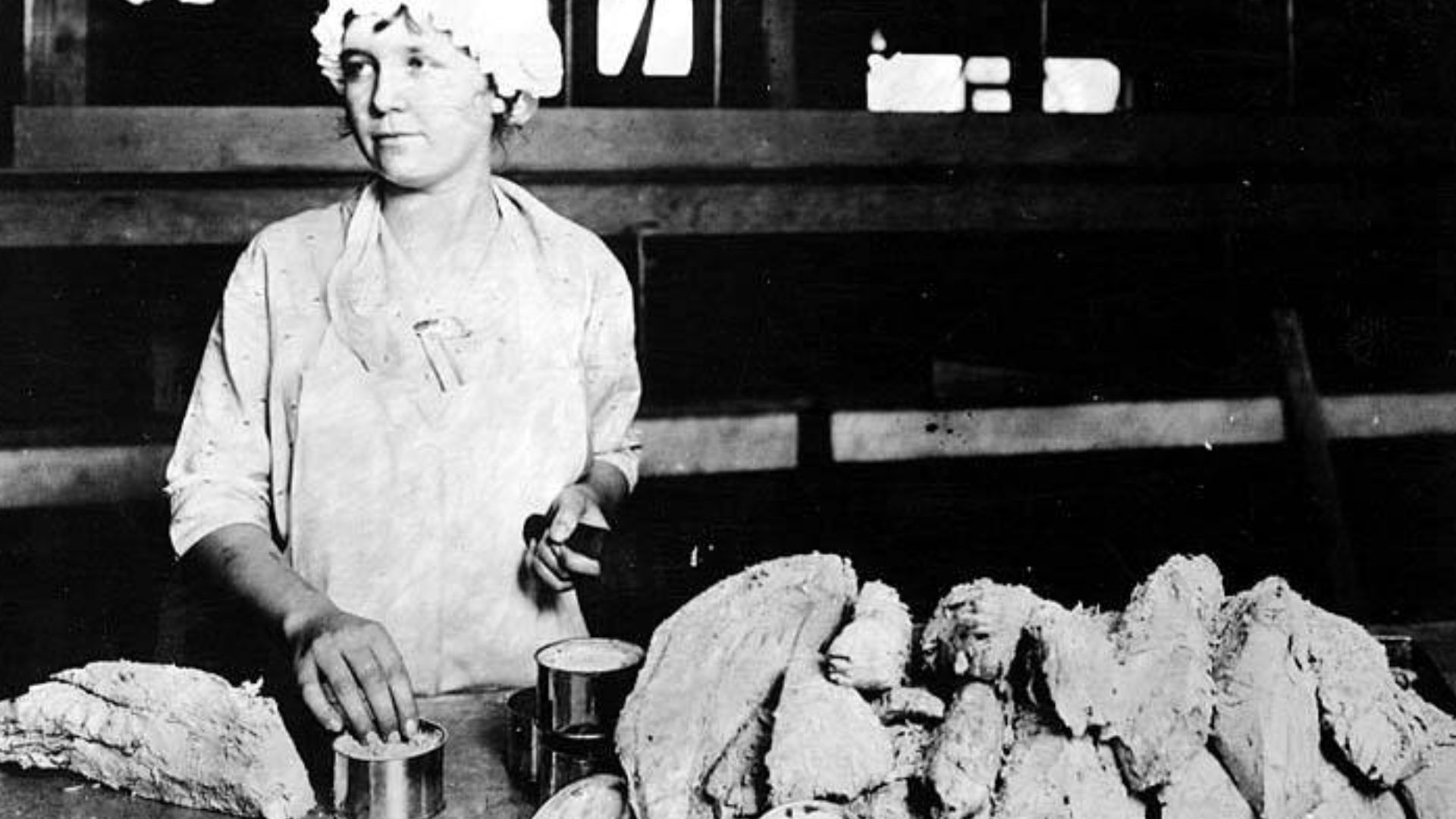
One Meal Made The Danger Horribly Clear
In 1931, improperly home-canned food served at a gathering in North Dakota caused a devastating botulism outbreak. Thirteen people died after eating the contaminated food. Incidents like this gave grim weight to warnings that home-canning instructions had to be followed carefully.
 UW Digital Collections, Wikimedia Commons
Never Taste A Suspicious Jar
One of the most important canning rules sounds almost excessively cautious. Never taste questionable preserved food simply to decide whether it is safe. Botulinum toxin cannot reliably be detected by sight, smell, or taste, and even a small amount can be deadly.
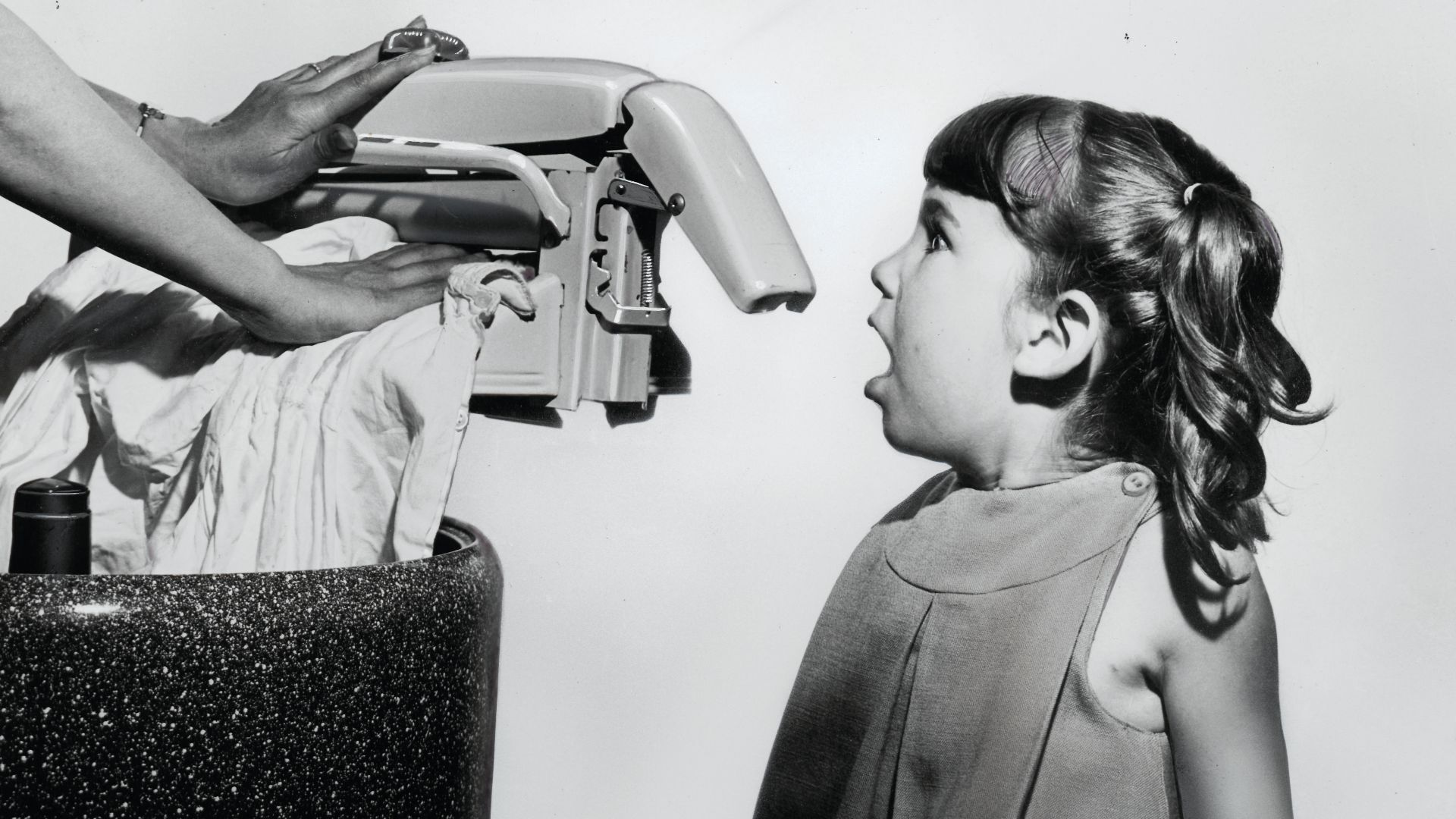
Stay Clear Of The Wringer
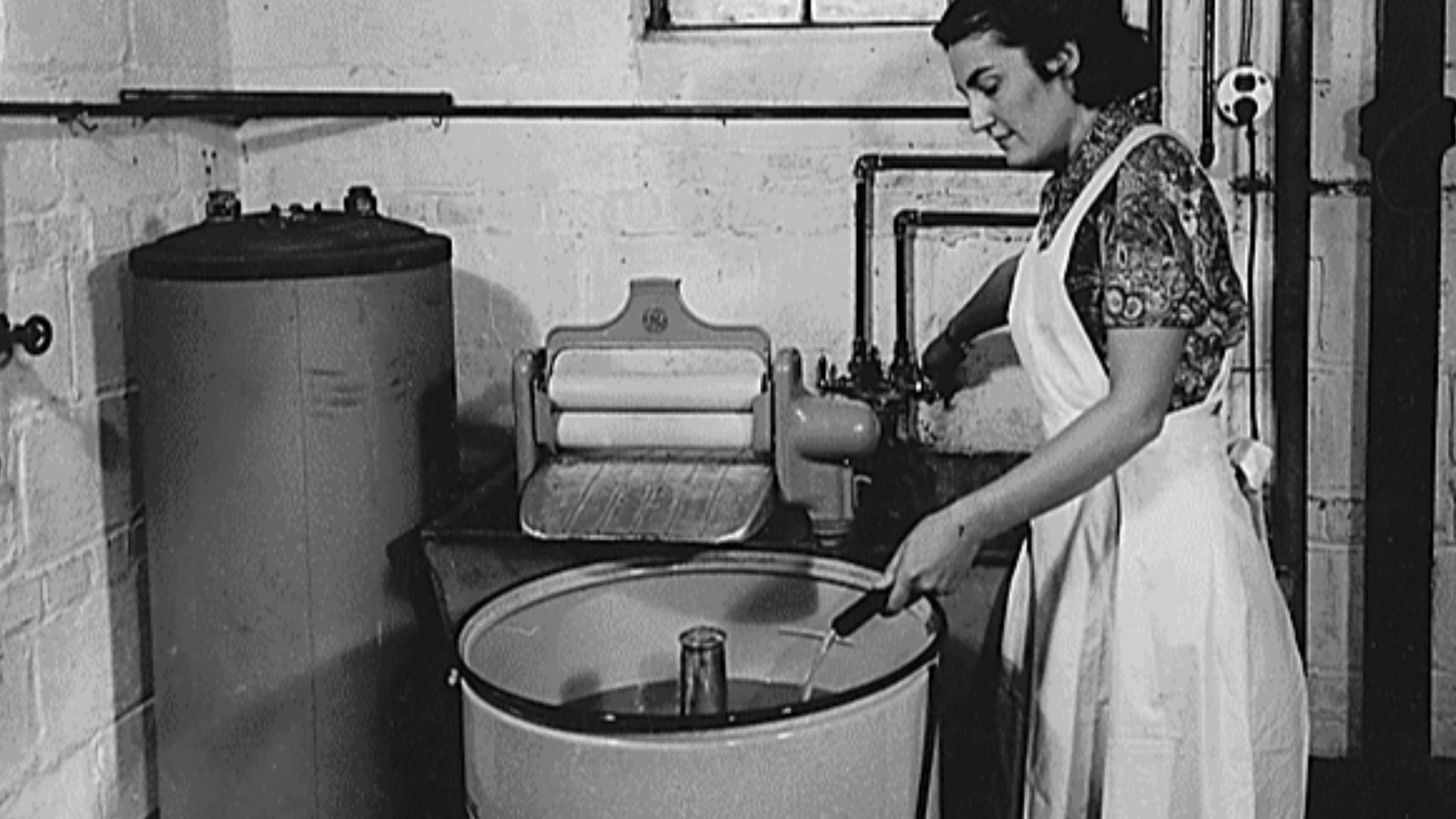
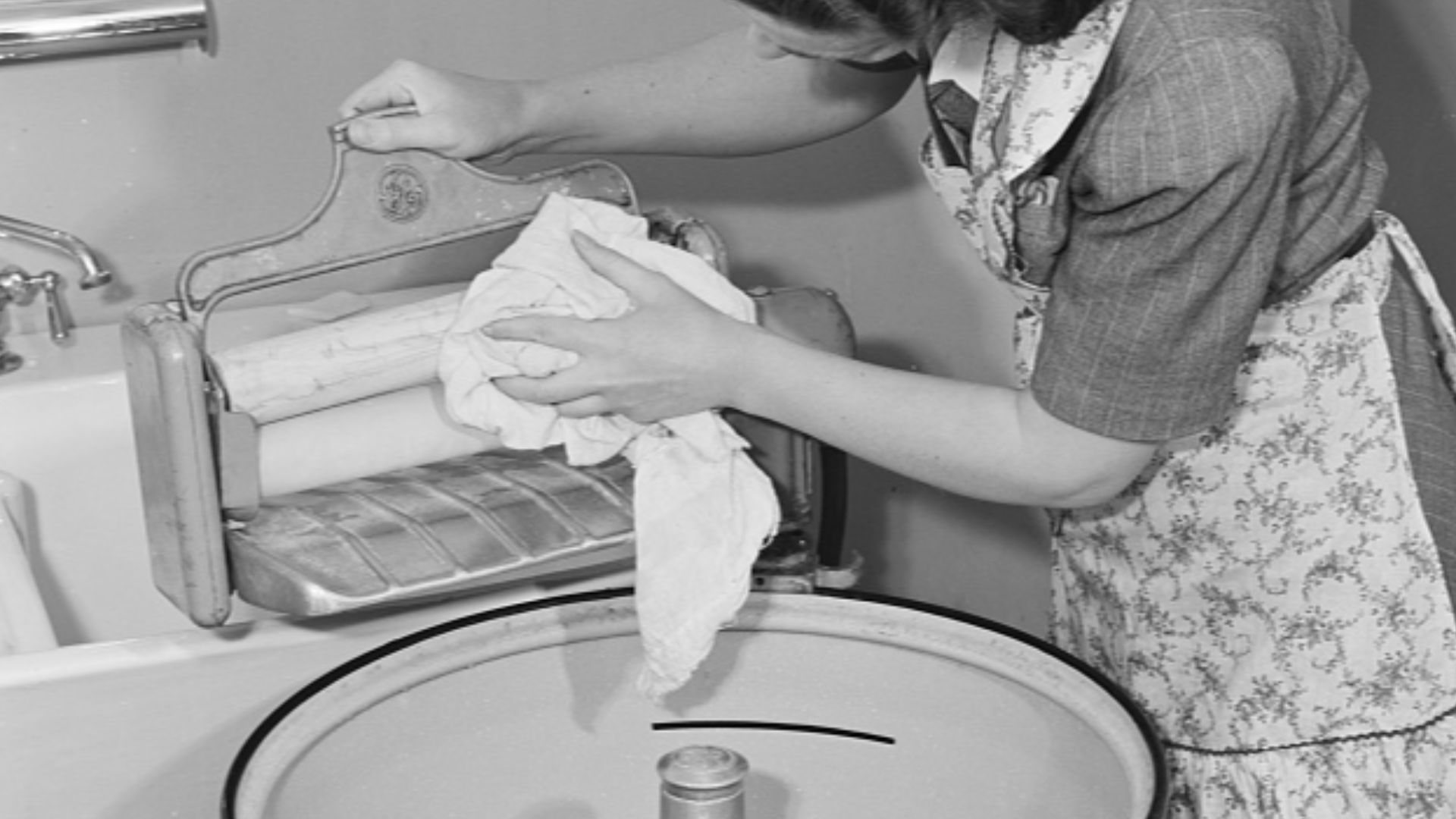
Wringer washing machines saved enormous amounts of physical labor, but their powered rollers introduced a frightening household hazard. Hands, arms, hair, scarves, and clothing could become caught between them. Wringer injuries were repeatedly reported, and later machines incorporated safety-release mechanisms designed to reduce the danger.
 Roosevelt, Franklin D. (Franklin Delano), 1882-1945, Wikimedia Commons
Laundry Day Could Mean A Hospital Trip
The problem became serious enough to attract medical attention. A 1966 New Zealand Medical Journal report examined injuries caused by washing-machine wringers. Safety features improved, but for generations the warning to keep hands and loose clothing away from the rollers was based on very real accidents.
 Ann Rosener, Wikimedia Commons
Take The Door Off An Old Refrigerator
Older refrigerators often used mechanical latches that could trap someone once the door closed. Children sometimes climbed into abandoned appliances while playing and then suffocated because they could not get back out. Congress passed the Refrigerator Safety Act in 1956, leading to a federal standard requiring new household refrigerators to be openable from inside.
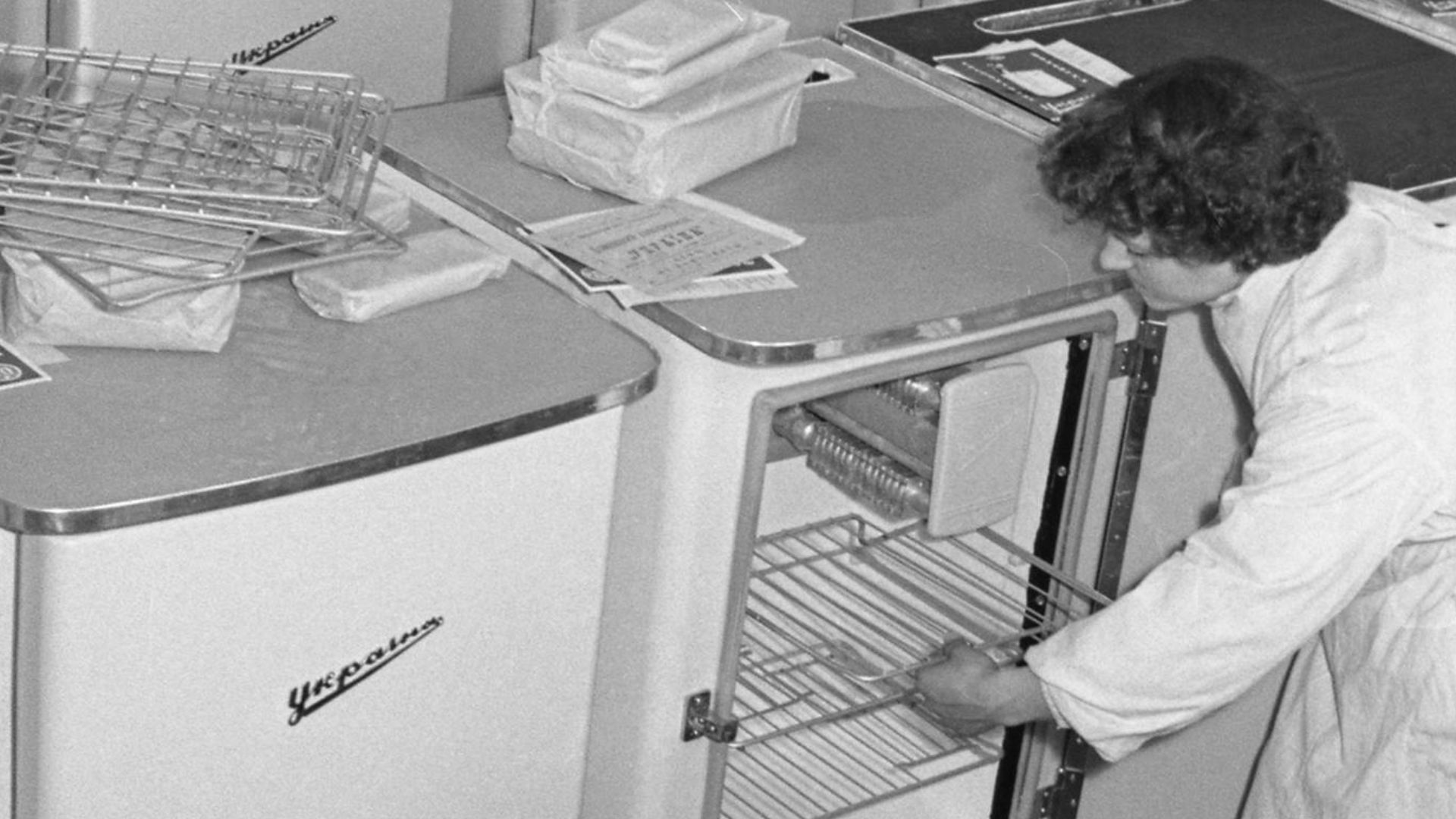 Unknown photographer, Wikimedia Commons
That Warning Kept Saving Lives
Safer new refrigerators did not immediately eliminate the danger because older models remained in homes, garages, and vacant lots. In 1984, the Consumer Product Safety Commission again urged people to remove doors from abandoned latch-style refrigerators after two children died in one. The agency had recorded 96 child deaths from refrigerator entrapment between 1973 and 1984.
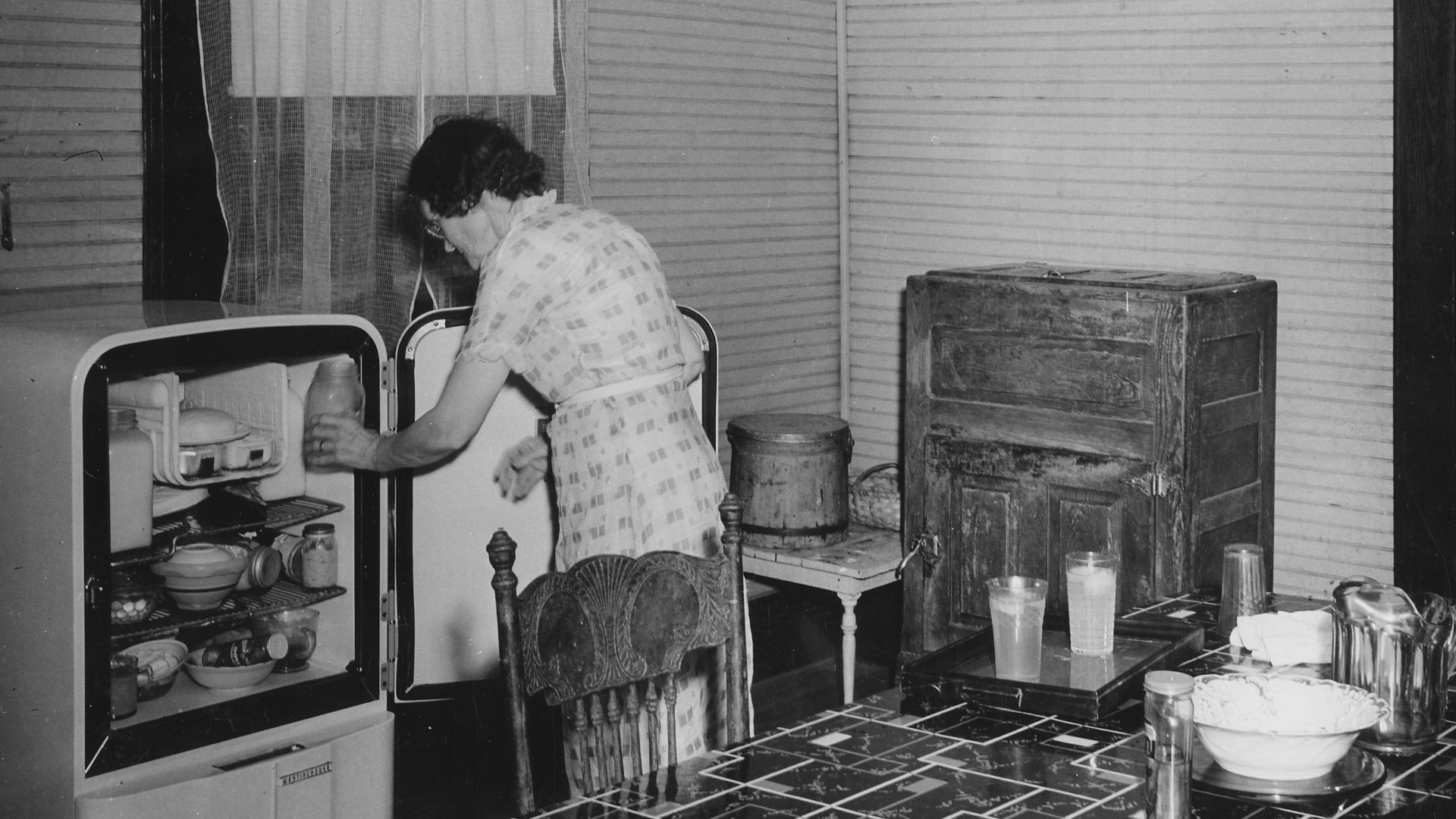 Irving Rusinow, Wikimedia Commons
Lock Up The Medicine Cabinet
The familiar warning to keep medicine away from children became increasingly formalized during the 20th century. Congress passed the Poison Prevention Packaging Act in 1970, allowing child-resistant packaging requirements for medicines and other hazardous household products. Aspirin became the first product covered by such a requirement in 1972.
 Veterinarian Pet Alliance, Wikimedia Commons
Childproof Caps Were Backed By Grim Statistics
The new packaging was not simply a convenience feature. The Consumer Product Safety Commission reported that deaths among children under five from aspirin poisoning fell 48% during the first two years after the packaging requirement took effect. Accidental childhood poisoning deaths continued to fall dramatically over the following decades.
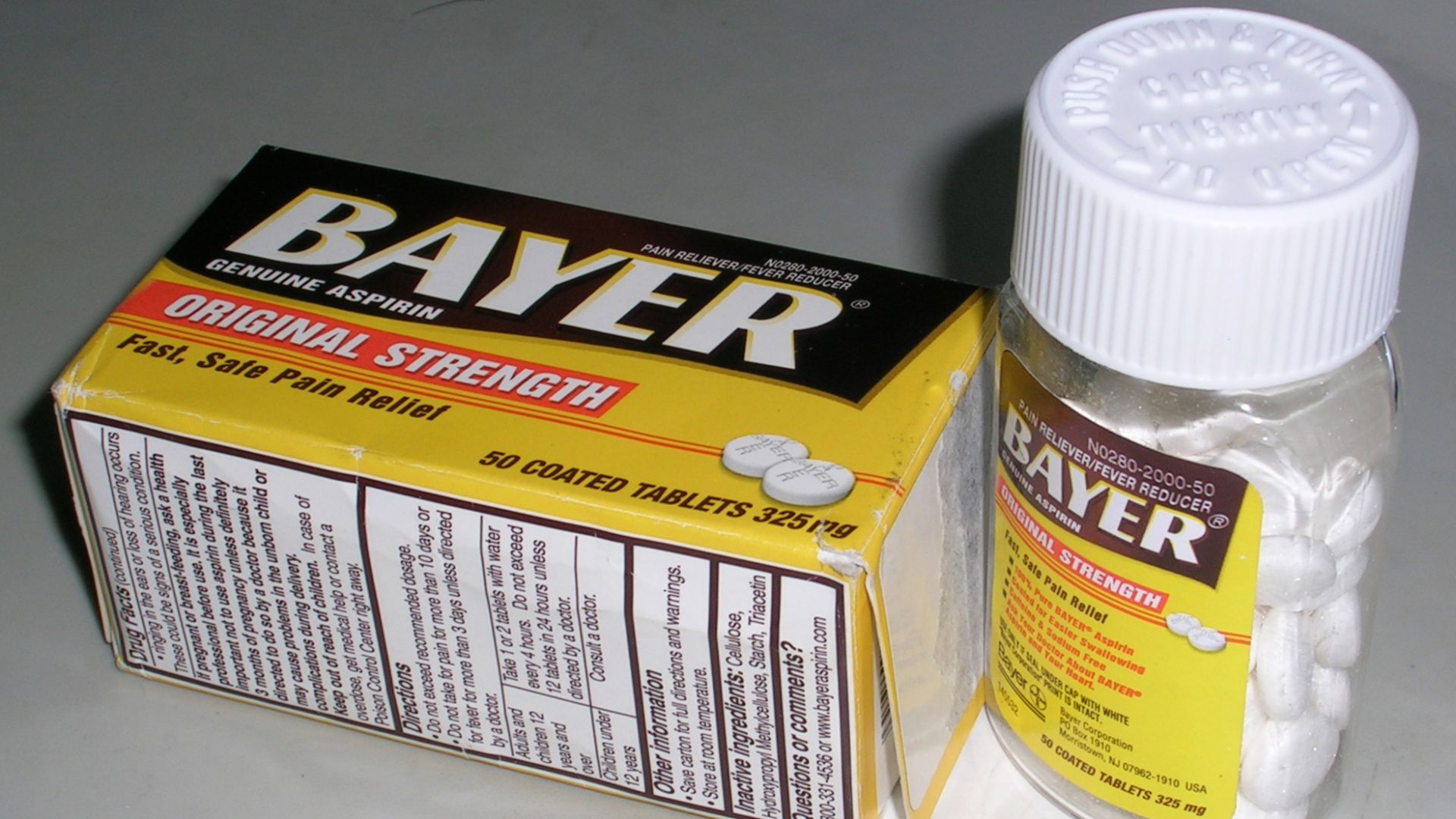 User Mosesofmason on zh.Wikipedia, Wikimedia Commons
Never Mix The Cleaning Products
Another household warning survived because the chemistry behind it is genuinely dangerous. Bleach should never be mixed with ammonia or other household cleaners because hazardous gases and vapors can be released. It is the kind of rule that sounds obvious now only because generations of safety guidance made it familiar.
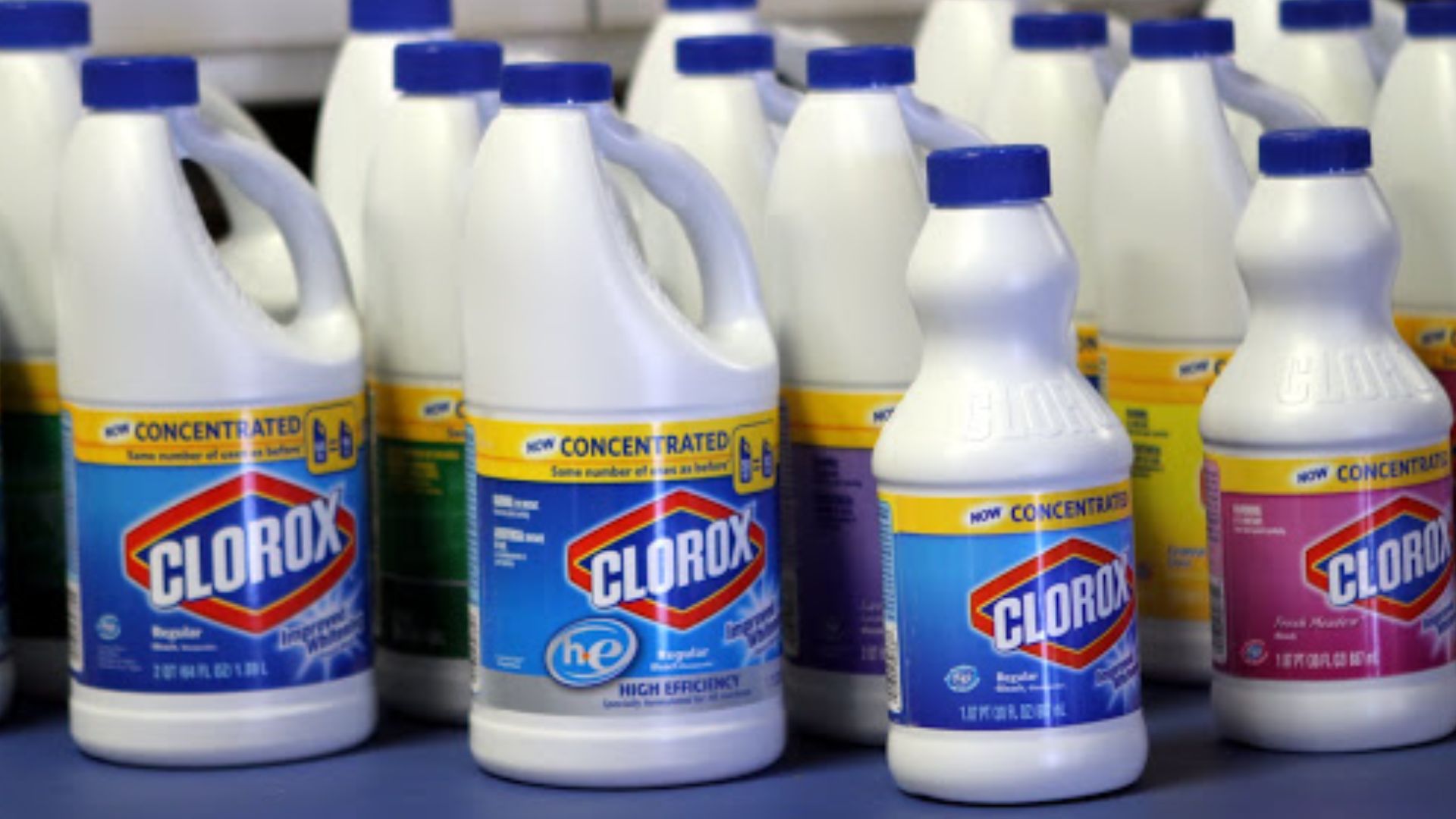 Adina Firestone, Wikimedia Commons
Some Old Warnings Earned Their Place
Modern homes are safer partly because earlier generations learned what could go wrong. Poison bottles became distinctive, refrigerators became escapable, medicines received child-resistant caps, and electrical systems acquired detailed safety codes. Some old household advice was superstition, but plenty of it was history's way of telling you not to repeat someone else's mistake.
 Consumer Reports, Wikimedia Commons
You May Also Like:
Ordinary Jobs From The 20th Century That Vanished Faster Than Anyone Expected
Historical Figures Who Met Unusually Ironic Ends