Ashes Among The Stars
Imagine your ashes orbiting Earth like a tiny satellite, or resting quietly on the Moon’s surface. Some people have chosen exactly that. It's called a Space Funeral, and you’d be surprised by the famous names who’ve done it, choosing their final resting place among the stars.
But this cosmic goodbye isn't just for the rich and famous. Anyone can turn their ashes into shooting stars. But there's only one man who's ever been buried on the moon—and there's a dark reason why.
What Exactly Is a Space Funeral?
A space funeral doesn’t mean launching an entire body into orbit. Instead, a symbolic portion of cremated remains is sealed in a capsule and launched aboard a rocket. It’s not just science fiction anymore—it’s a real service available to anyone with enough imagination (and funds).
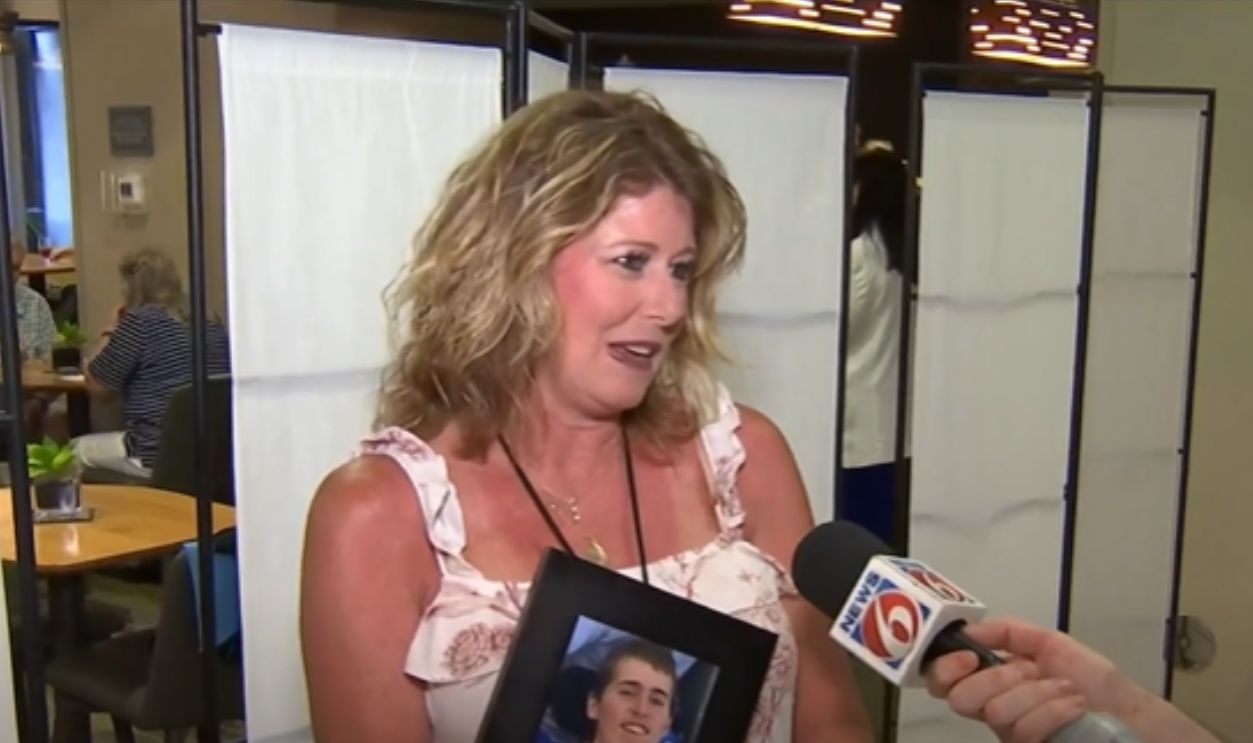 Cremated remains set to launch with satellites in Ascension Flight, WKMG News 6 ClickOrlando
The Idea Takes Flight
Space funerals began in the 1990s, when a company called Celestis made it possible to send ashes into orbit. They worked with NASA and private rocket providers, transforming what once sounded like science fiction into a tangible reality. From the start, it captured people’s imaginations, and it's become a growing trend ever since.
 Launch Your Legacy into Space: Pre Arrange With Celestis, Celestis Memorial Spaceflights
The Different Galactic Destinations
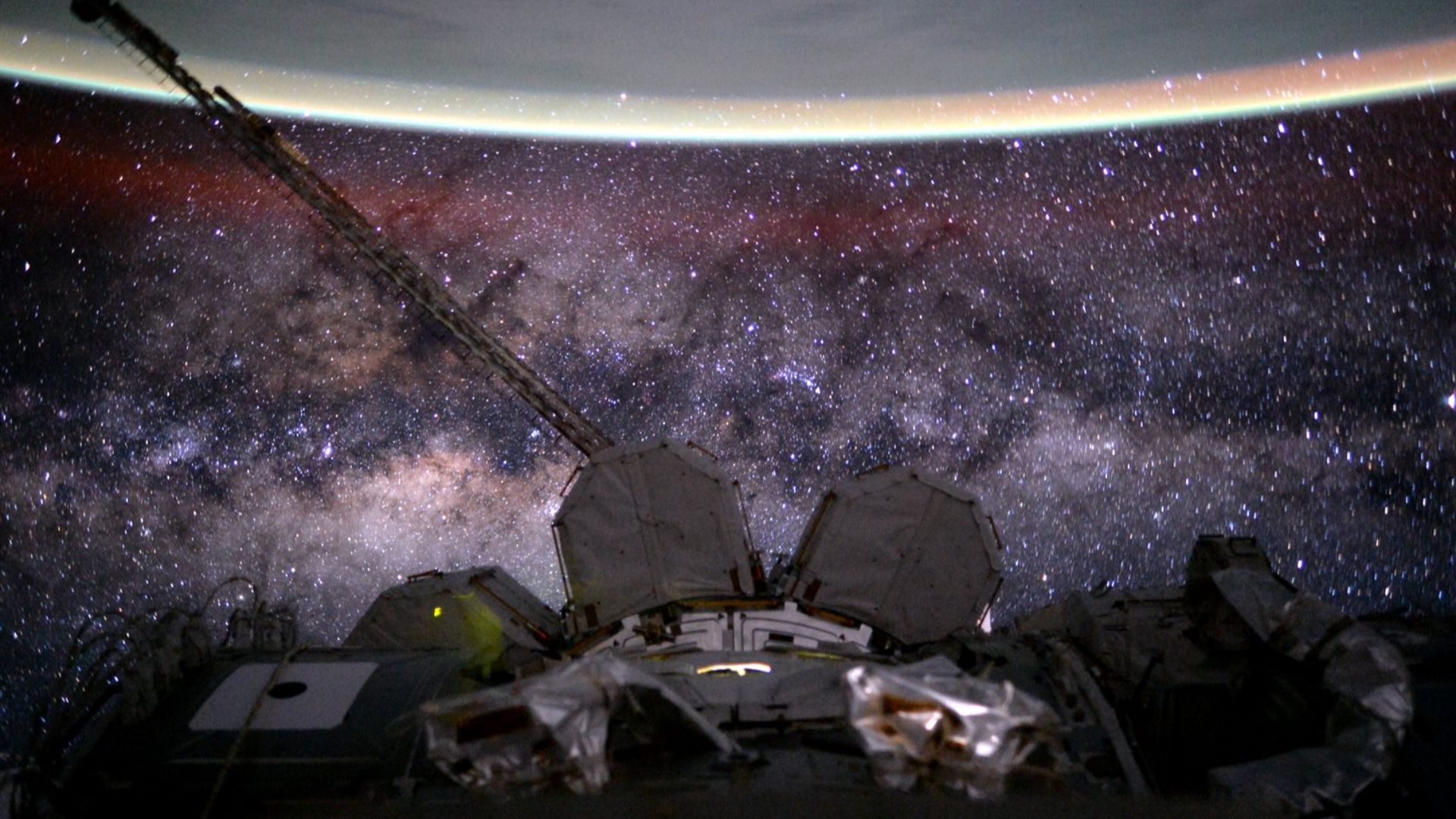
Today, there are a few main options for space memorials: low Earth orbit, where the capsule circles the planet for years before reentering as a shooting star; deep space missions, where remains travel endlessly beyond Earth; and even lunar burials, where capsules land directly on the Moon.
I know what you're thinking, this couldn't possibly be affordable.
 NASA/Scott Kelly, Wikimedia Commons
How Much Does It Cost?
A cosmic send-off isn’t cheap, but it’s more affordable than you might think. A small orbital memorial can start around $2,500. A lunar trip costs more than $12,000, while deep-space missions can soar past $20,000. The price depends on how far you want your ashes to go.
 Celestis offers services for space burials, a non traditional farewell | WION, WION
What Actually Goes Into Space?
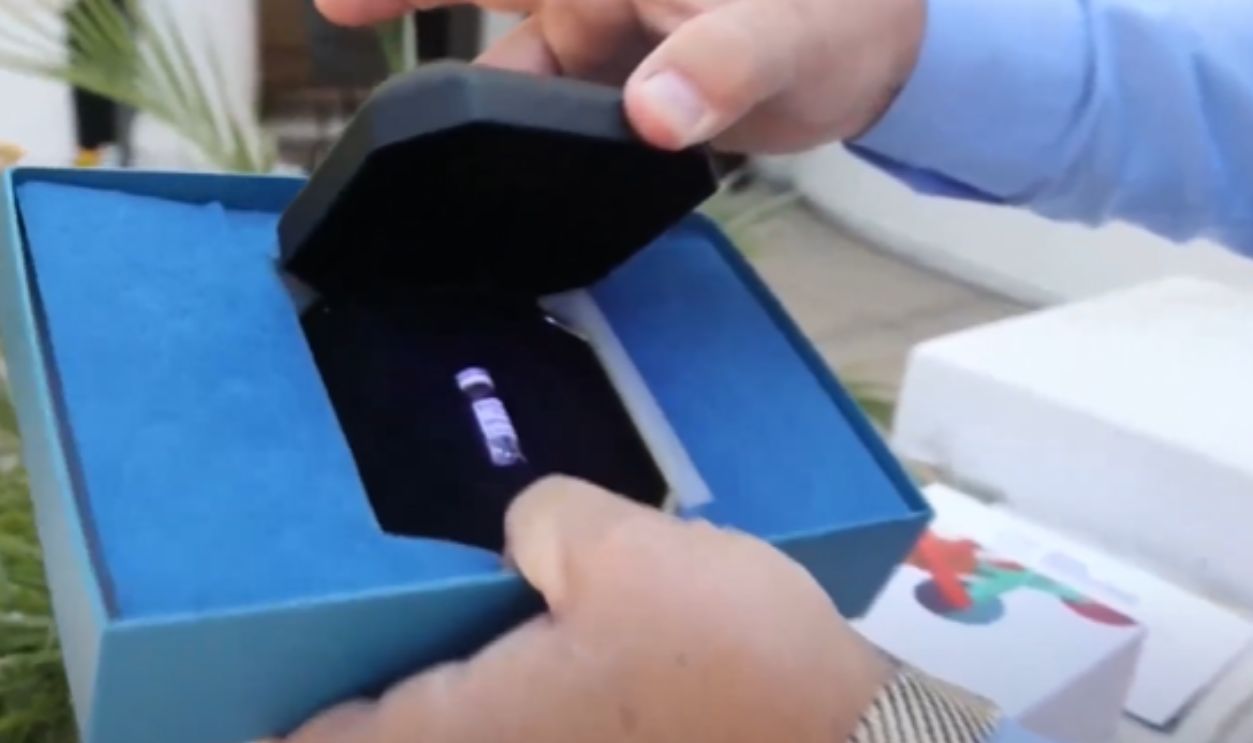
You don’t need to send all of your remains. Usually, it’s just a gram or two of ashes, carefully sealed in a capsule about the size of a lipstick tube. It’s symbolic—a gesture that allows part of you to make the journey while the rest stays with loved ones.
 Families send DNA into orbit for ‘space burials’, Reuters
A Shooting Star Farewell
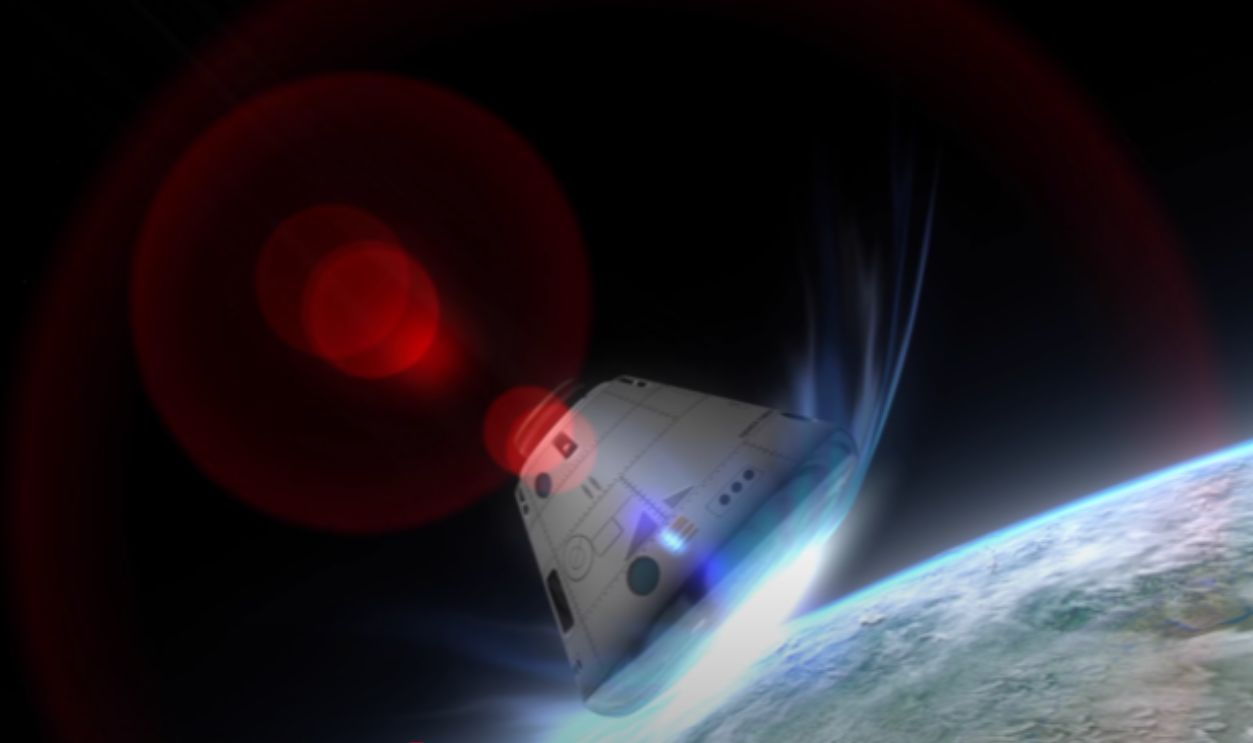
The most poetic option is orbiting Earth for a few years. Eventually, gravity pulls the capsule back down, and it burns up in the atmosphere. To those watching from the ground, it looks like a shooting star—a fiery farewell written across the night sky.
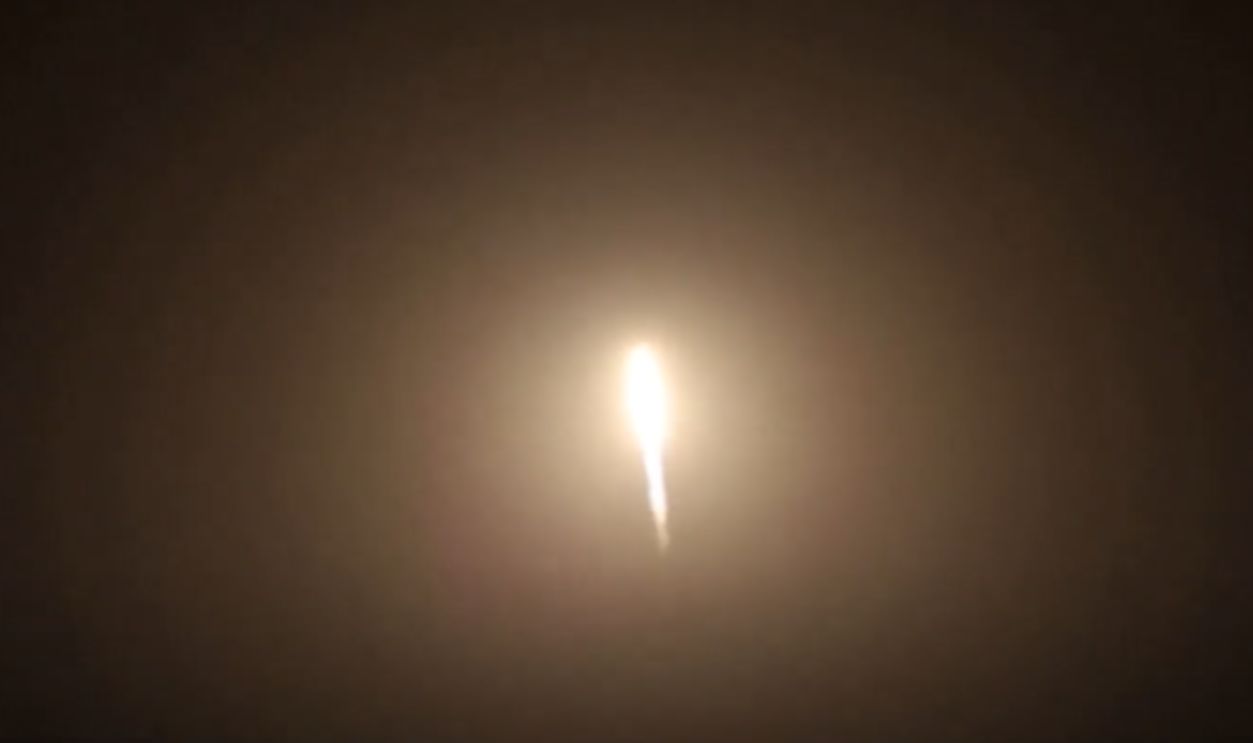 Celestis offers services for space burials, a non traditional farewell | WION, WION
Ceremonies on Earth
Families don’t just wave goodbye from afar. Many companies host launch-day memorial services, where relatives gather near the rocket site to watch the liftoff. Others livestream the event for family and friends around the world, making the send-off both personal and cosmic.
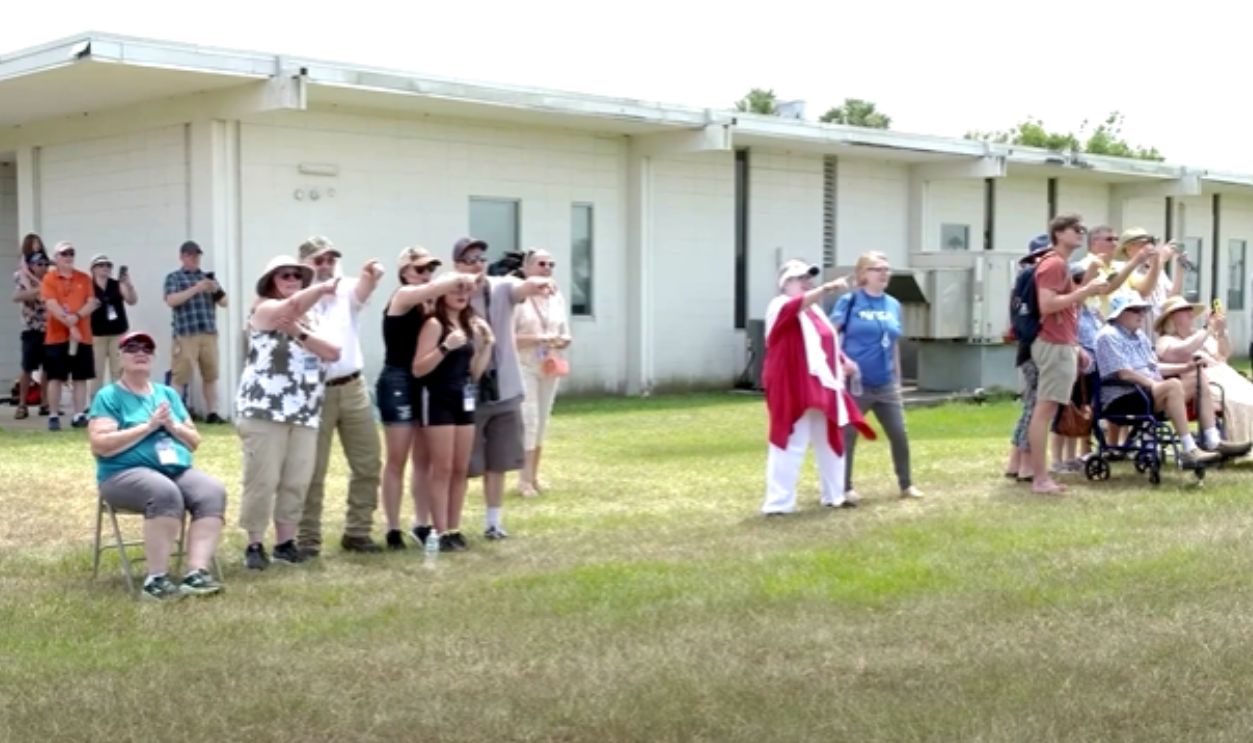 Families send DNA into orbit for ‘space burials’, Reuters
A Growing Trend in the Space Age
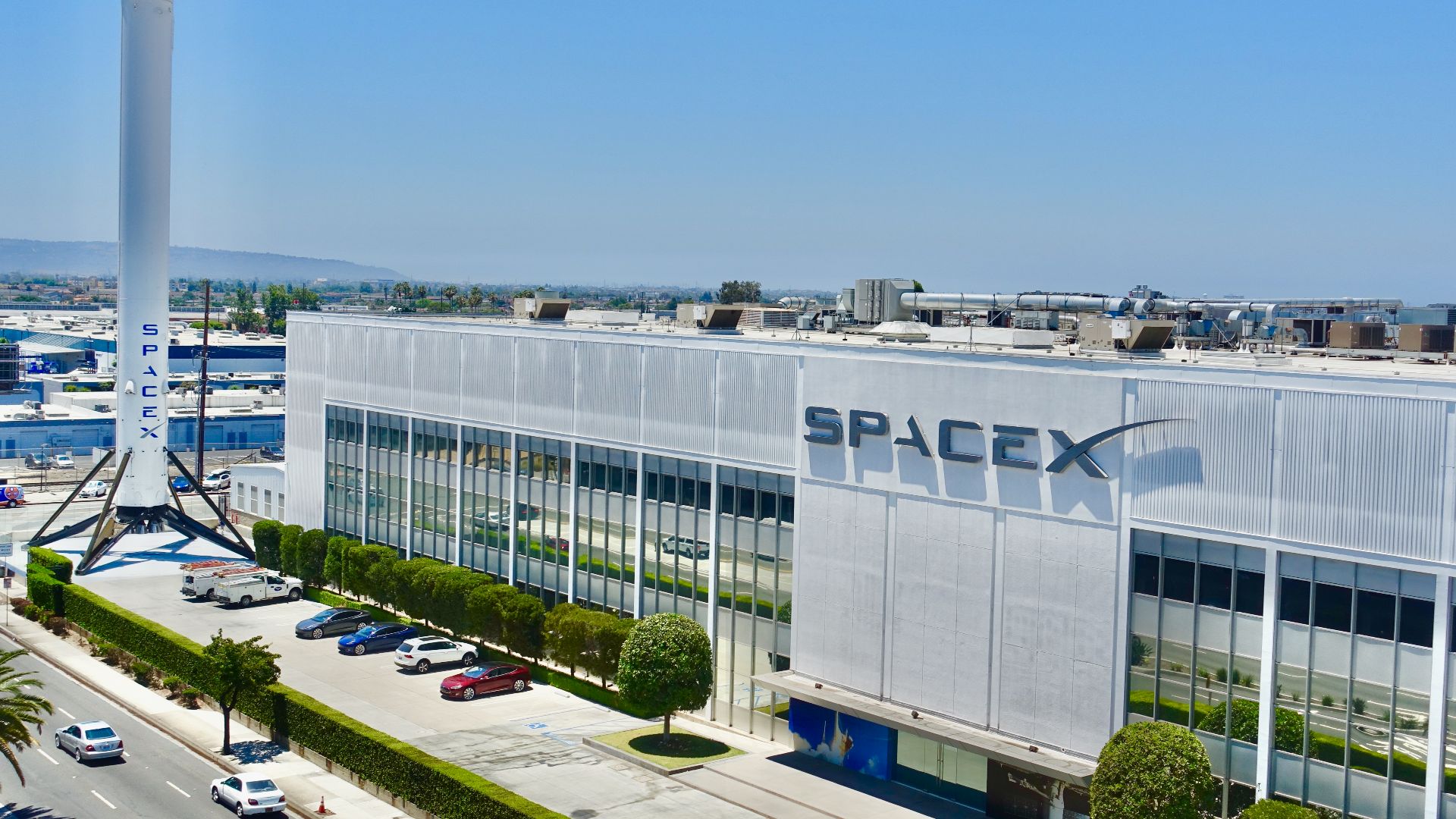
As private companies like SpaceX and Blue Origin make spaceflight more common, the demand for cosmic memorials has risen. Flights now happen multiple times a year. What started as an unusual experiment is slowly becoming a legitimate part of the funeral industry.
And its impact on our planet has not gone unnoticed.
 Steve Jurvetson, Wikimedia Commons
What About the Environment?
Some people wonder whether sending ashes into orbit harms the planet. The answer: not really. The capsules are tiny, and when they fall back, they disintegrate completely in the upper atmosphere. Compared to traditional burials, their footprint is minuscule.
And it's not just for people.
 Launch Your Legacy into Space: Pre Arrange With Celestis, Celestis Memorial Spaceflights
Pets Can Do It Too
Yes, even pets can become space travelers. Some families choose to send a portion of their cats’ or dogs’ ashes into orbit. It’s an unusual but touching gesture—especially for animals who may have spent their lives staring up at the stars from the backyard.
Space lovers are usually the targeted audience.

Why People Choose the Cosmos
For many, a space funeral is about legacy. It’s symbolic of exploration, adventure, and eternal curiosity. Many of the famous people who have chosen a space funeral have a deep appreciation for the interstellar world, such as famous astronomers, astronauts, and even Star Trek actors.
Either way, it transforms death into a story of cosmic wonder. If you want to be remembered, have a Space funeral.
 Families send DNA into orbit for ‘space burials’, Reuters
Resting on the Moon
Among the boldest memorial options is sending ashes to the Moon. Unlike orbital flights, lunar burials are incredibly rare—so rare, in fact, that only one person has ever been honored this way. While some commercial ventures claim to offer lunar burials, none of them have actually been successful yet—and there's a chilling reason why.
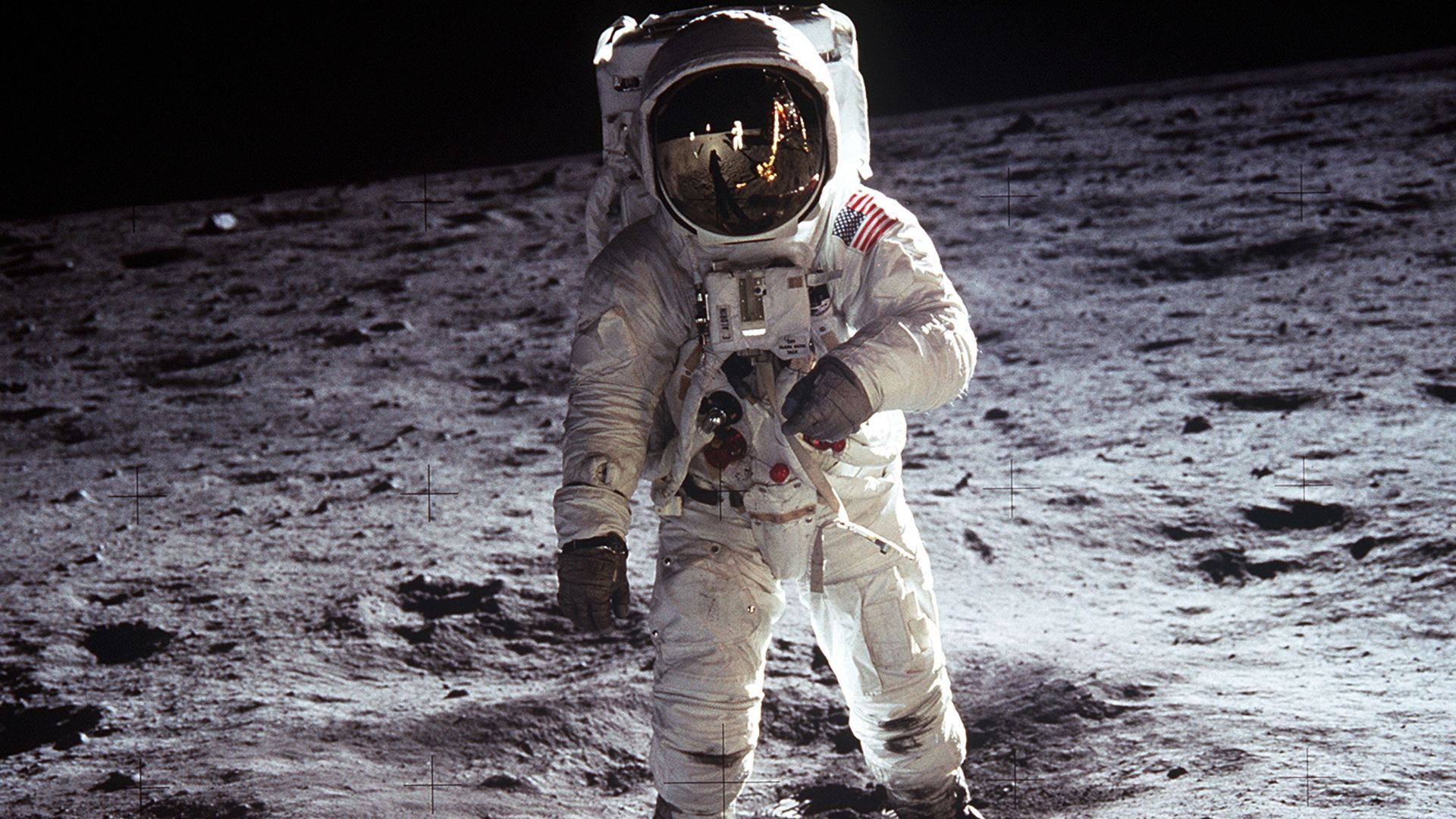 Neil A. Armstrong, Wikimedia Commons
Deep-Space Is the Way to Go
Moon burials may be out of reach for now (and we will tell you why later), but for those who want to truly leave Earth behind, deep-space missions are the ultimate choice. These capsules are attached to scientific probes or commercial payloads and set on trajectories that wander the solar system—or even escape it—essentially turning the deceased into interstellar travelers.
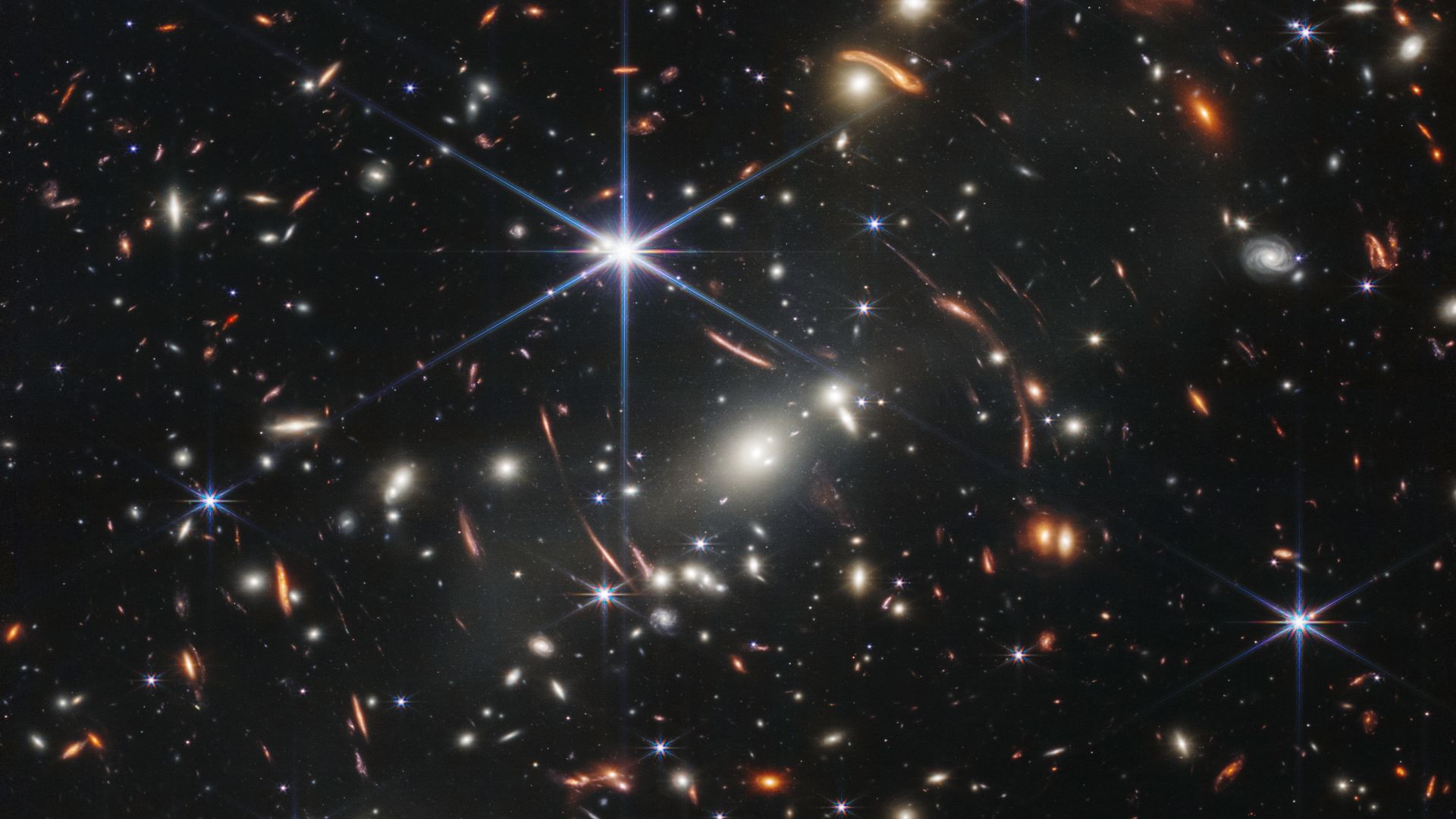 NASA, ESA, CSA, and STScI, Wikimedia Commons
Lots of People Have Done It Already
While the headlines often focus on celebrities, the truth is most customers are everyday people: teachers, science lovers, veterans, dreamers. Since the very first space funeral in 1997, hundreds of people around the world have chosen this cosmic farewell. Because only a gram or two of ashes are sent per person, flights often carry dozens of capsules at once. By now, more than a thousand people have had part of themselves launched skyward, making space funerals a small but growing tradition in humanity’s story of exploration.
Unfortunately, space funerals, being relatively new, are not without their hiccups.
 How People Were ‘Buried’ in Space in 1997, Inside Edition
A Space Funeral Gone Wrong
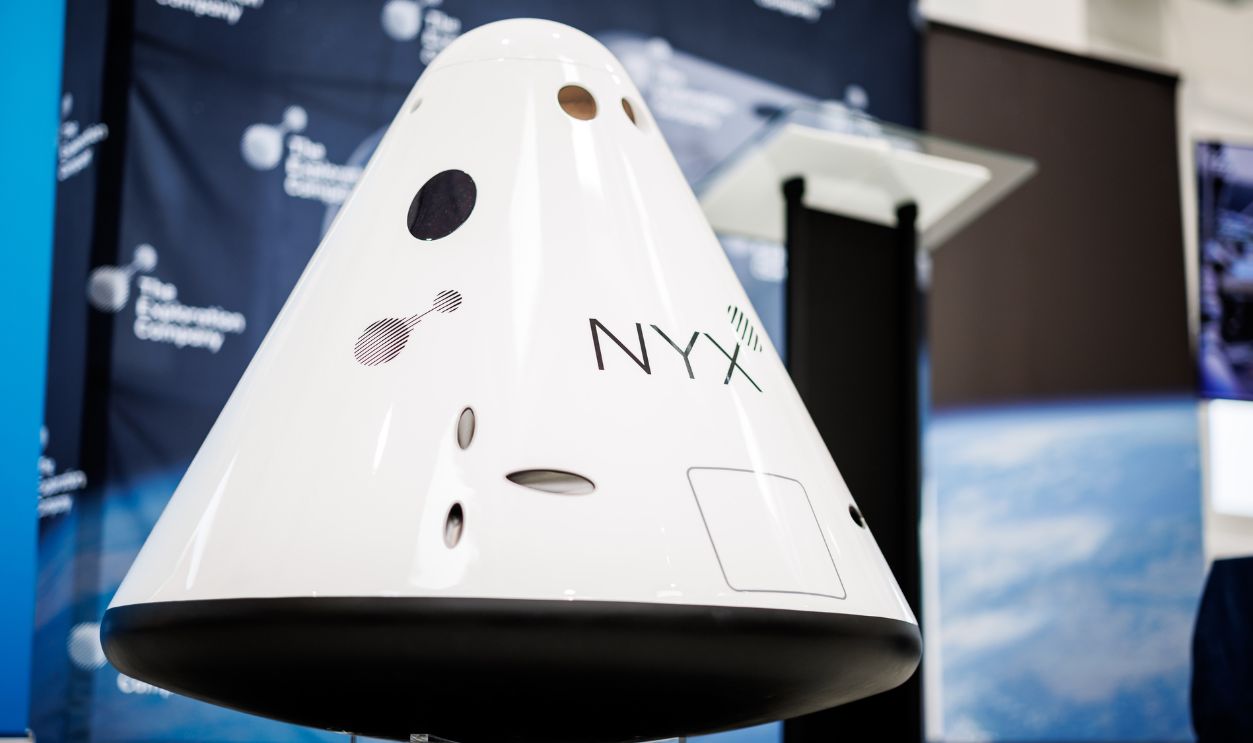
A recent mission dubbed “Mission Possible” by The Exploration Company (TEC) in partnership with Celestis ended in heartbreak after suffering a catastrophic glitch. The capsule (named Nyx) was carrying the ashes (and DNA) of 166 people, plus a symbolic payload of cannabis seeds. It completed two orbits of Earth successfully — but then, just minutes before its planned re-entry, communications were lost. An anomaly (reportedly parachute failure) caused the capsule’s contents to be lost at sea and completely unrecoverable.
As unfortunate as this was, luckily, for most people the process is seamless.
 picture alliance, Getty Images
Enter the Famous Space Travelers
Now we get to the part you’ve been waiting for: the famous figures who chose space as their resting place. From legendary scientists to Hollywood icons, their journeys show how this once-niche idea has touched some of the world’s biggest names.
 Celestis offers services for space burials, a non traditional farewell | WION, WION
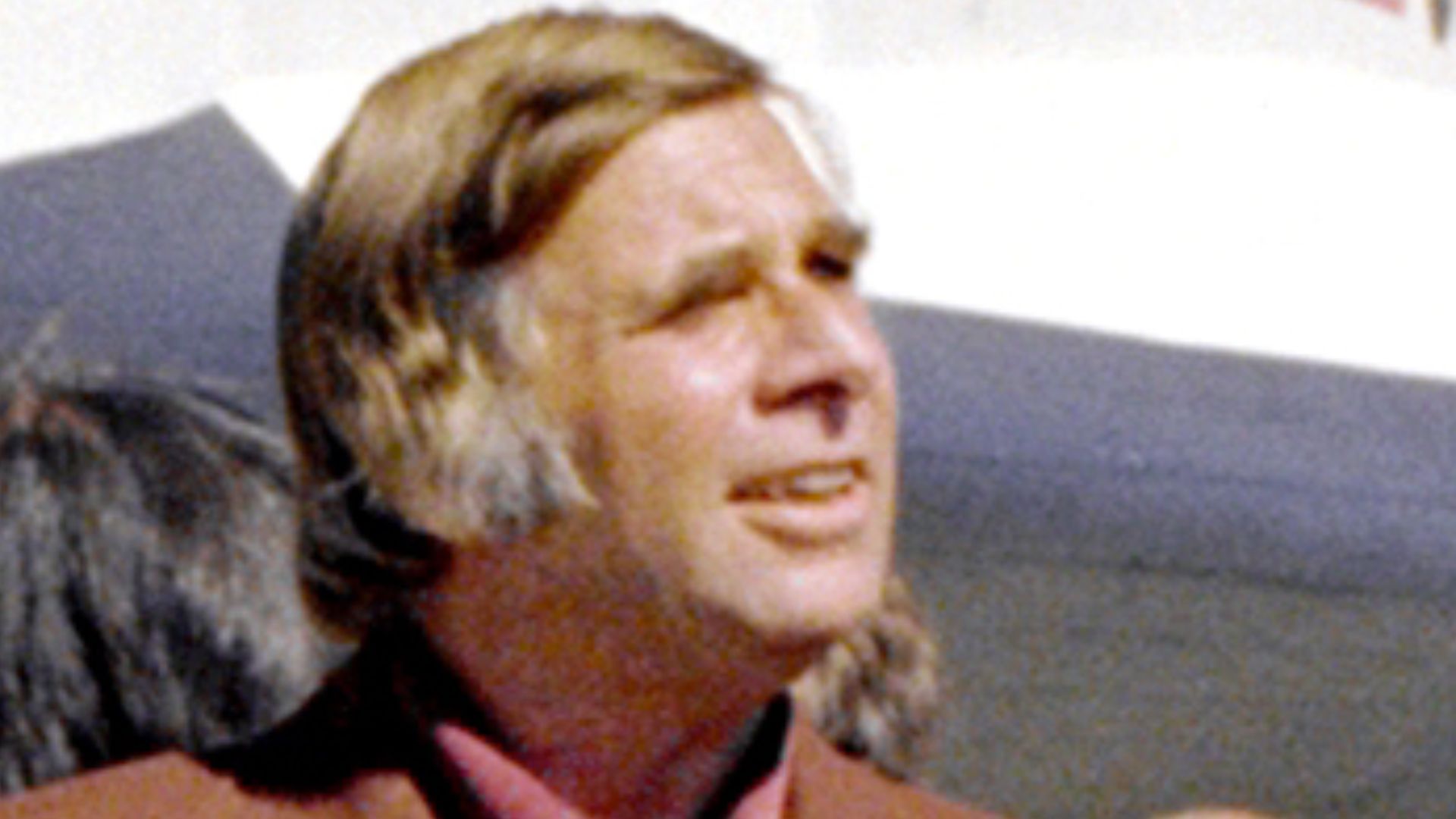
Gene Roddenberry: Boldly Going Beyond
Star Trek creator Gene Roddenberry was one of the first. In 1997, part of his ashes was launched into orbit, fitting for the man who envisioned humanity’s future among the stars. His farewell mirrored his life’s work: going boldly where few had gone before.
Majel Barrett Roddenberry: Joining Her Captain
Roddenberry’s wife, actress Majel Barrett, followed him into the stars years later. Known for her role as the voice of the Starship Enterprise’s computer, she joined her husband on a deep-space mission, ensuring that their cosmic love story continued beyond Earth.
 Taric Alani, Wikimedia Commons
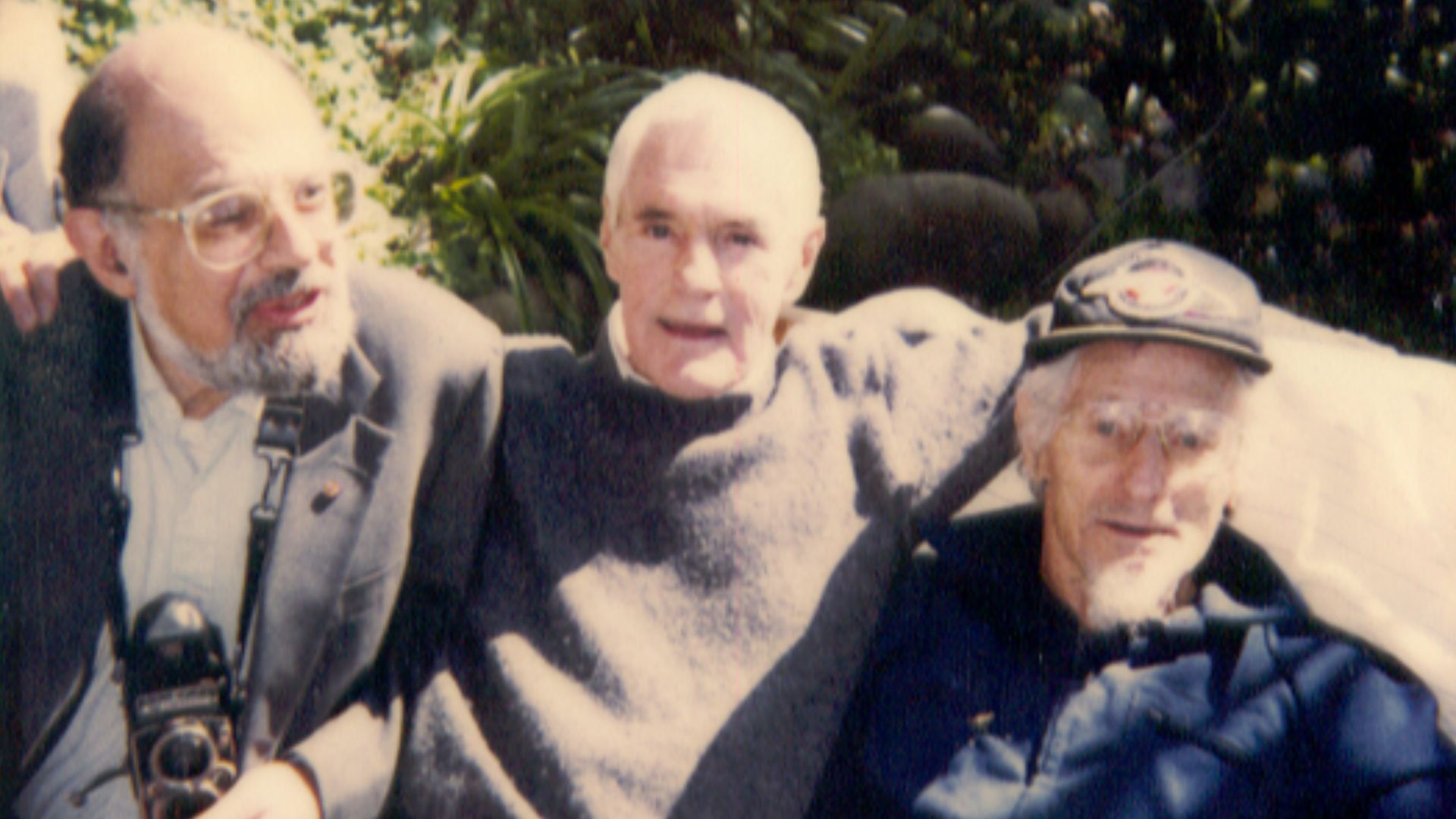
Timothy Leary: The Cosmic Psychonaut
Psychedelic advocate Timothy Leary also chose this unconventional farewell. In 1997, a portion of his ashes was launched into orbit. For a man who devoted his life to exploring consciousness, leaving Earth behind felt like a natural extension of his life’s philosophy.
 Philip H. Bailey (E-mail), Wikimedia Commons
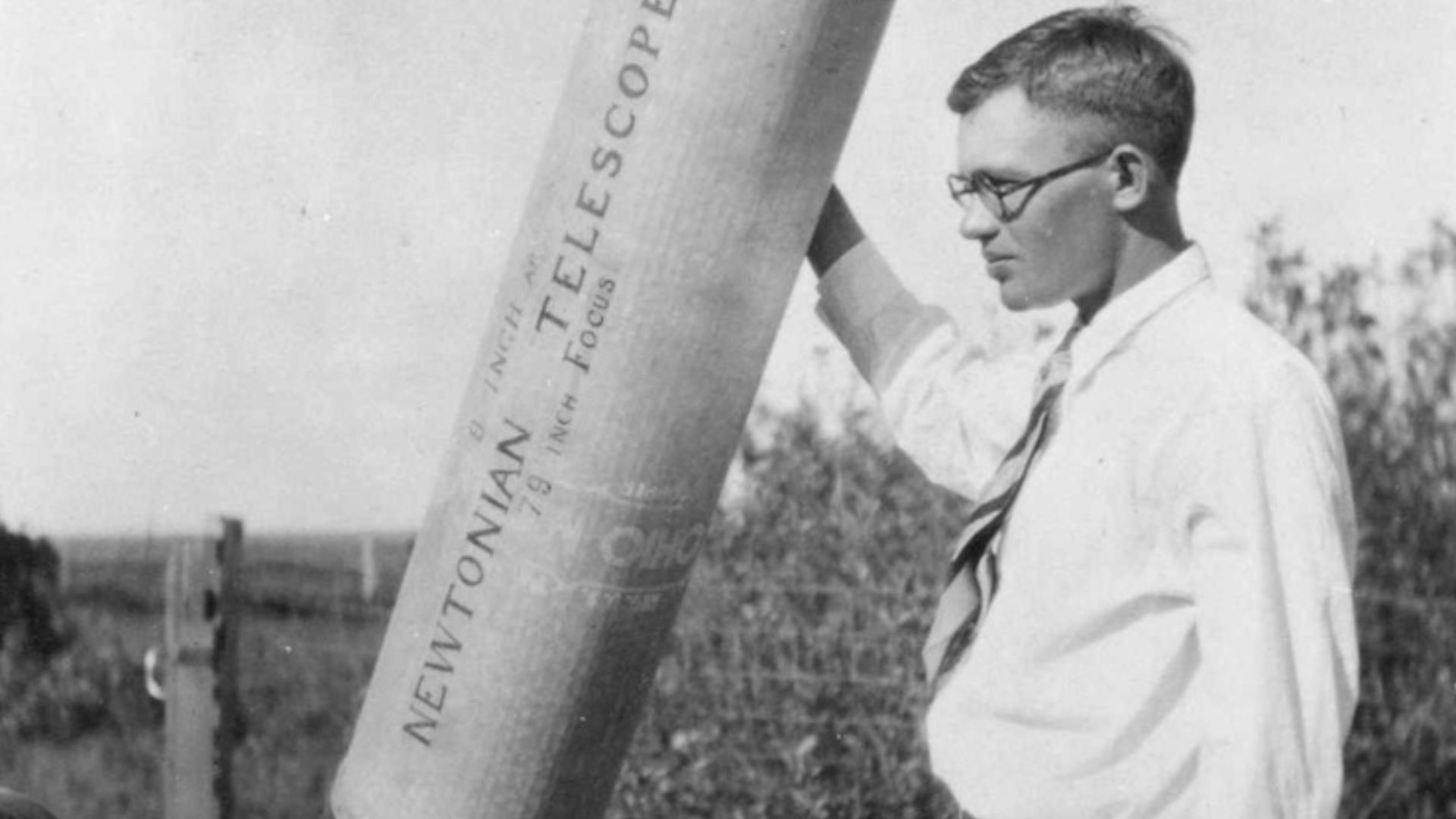
Clyde Tombaugh: The Discoverer of Pluto
Astronomer Clyde Tombaugh, who discovered Pluto in 1930, had a symbolic portion of his ashes placed aboard NASA’s New Horizons probe. When the spacecraft flew past Pluto in 2015, Tombaugh’s remains became the first human ashes to visit a world he himself had found.
 Unknown authorUnknown author, Wikimedia Commons
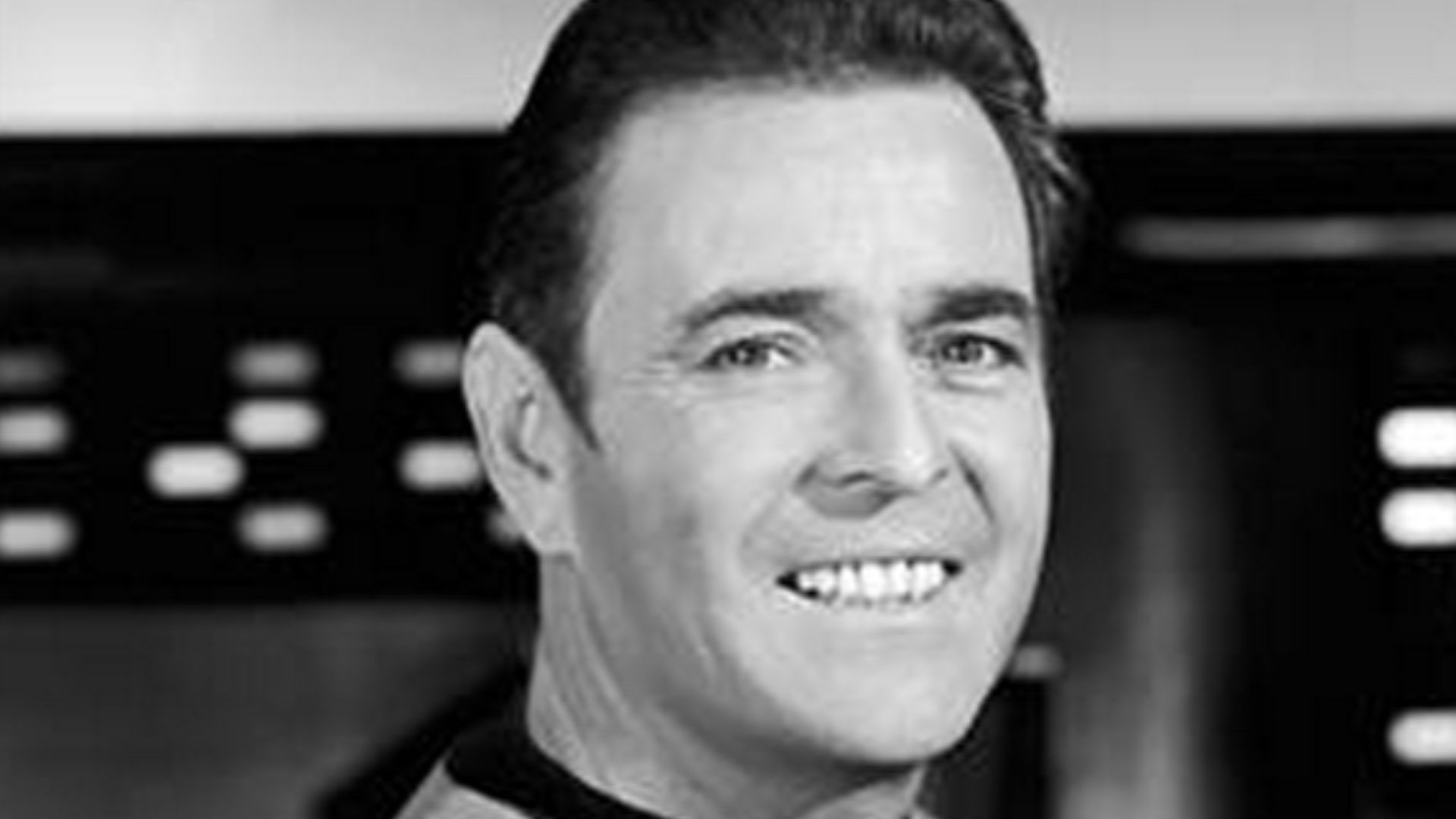
James Doohan: Scotty Beamed Up
Star Trek fans know him as Scotty, the engineer who always got the Enterprise running. Actor James Doohan’s ashes were secretly smuggled aboard a SpaceX flight in 2008 and later included in official memorial launches. He finally lived his catchphrase—being “beamed up.”
 NBC Television, Wikimedia Commons
Gordon Cooper: An Astronaut’s Final Flight
Astronaut Gordon Cooper, one of NASA’s original Mercury 7, also had ashes sent into space in 2007. After spending his career flying into orbit, it was only fitting that his journey ended with one final mission to the stars.
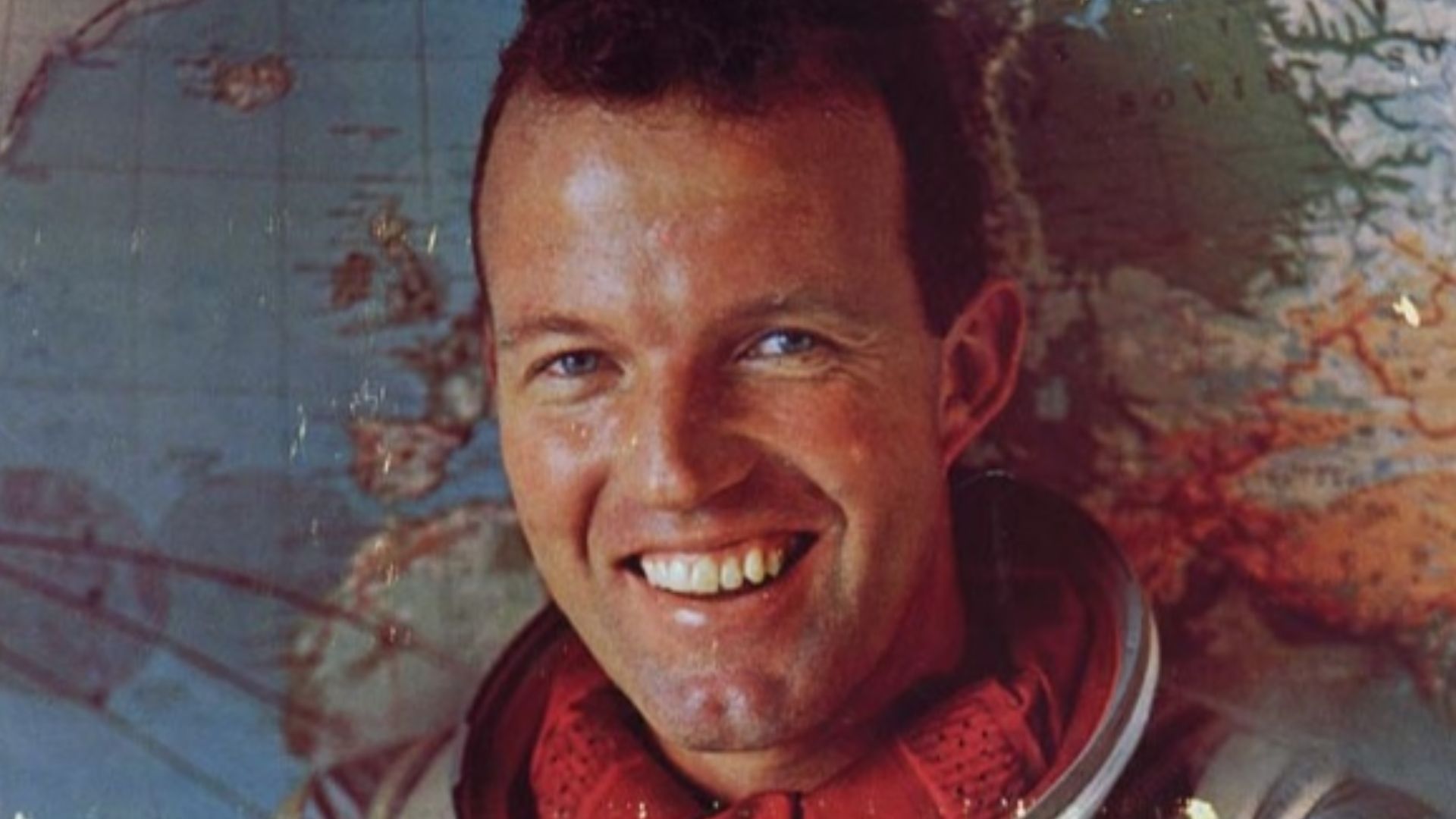
Eugene Shoemaker: The Moon’s Only Burial
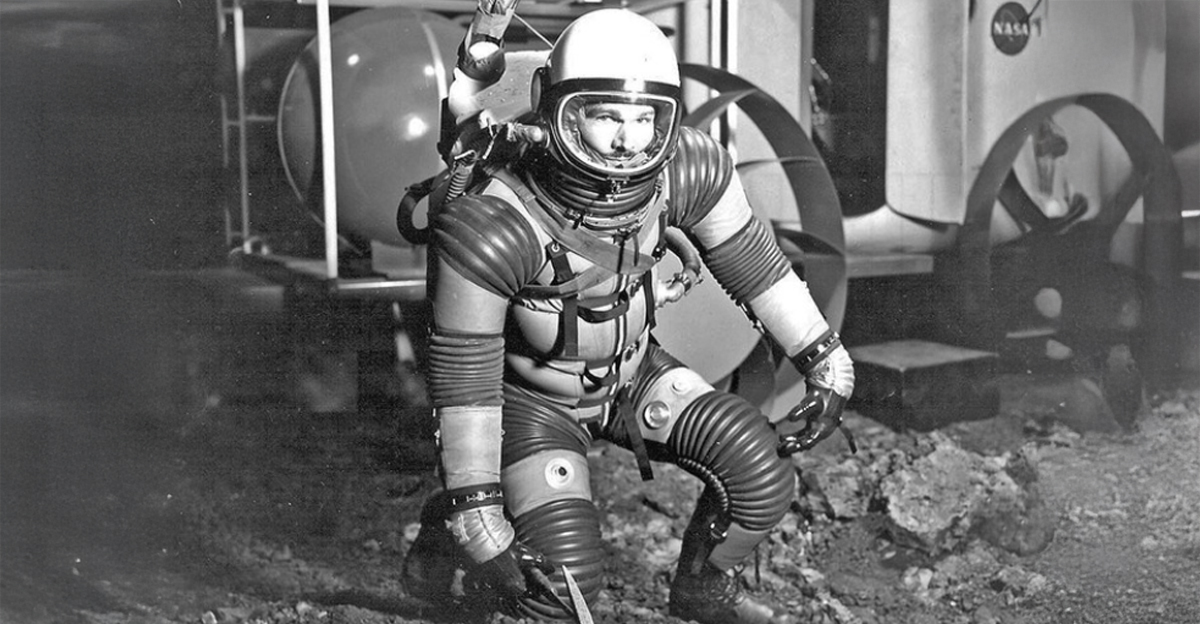
In 1999, NASA placed a portion of Eugene Shoemaker’s ashes aboard the Lunar Prospector probe, which intentionally crashed near the south pole of the Moon, a location where Shoemaker had a particular interest. Shoemaker, a pioneering planetary geologist, had long dreamed of walking on the Moon but was prevented by health issues. NASA honored him with this unique tribute, and they've only done it once.
Since then, no other lunar burials have occurred—and it’s not because they can’t physically do it.
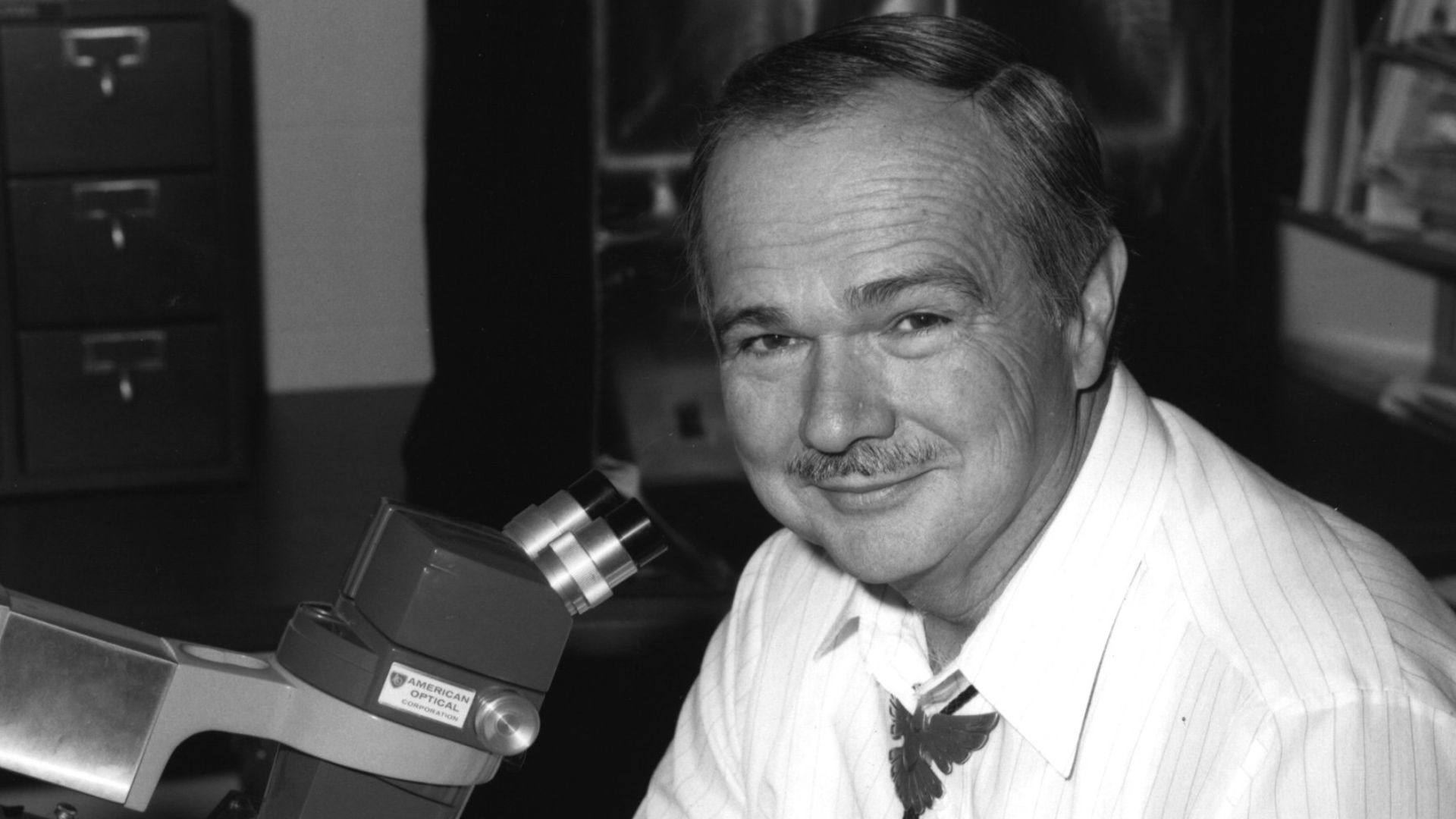
Why Are Moon Burials So Rare?
Lunar burials have yet to happen mainly because landing missions are rare, costly—and tightly controlled. They’re ultimately designed for science, not memorials. And as innovative as the idea may be, the decision-makers are choosing to keep a tight lid on regulations, regardless of how cool it might be. While many space agencies dream of offering this service, there’s a lot of red tape to cut through first.
After decades of lunar exploration, Eugene Shoemaker has been the only person to achieve this extraordinary resting place—and it will likely stay this way for a while.

You May Also Like:
Only One Man Has Ever Been Buried On The Moon, And He Deserves To Be There
Neil Armstrong’s Life Has Been As Dramatic As The Moon Landing
The Saturn V Rocket, The Vehicle That Got Humans To The Moon