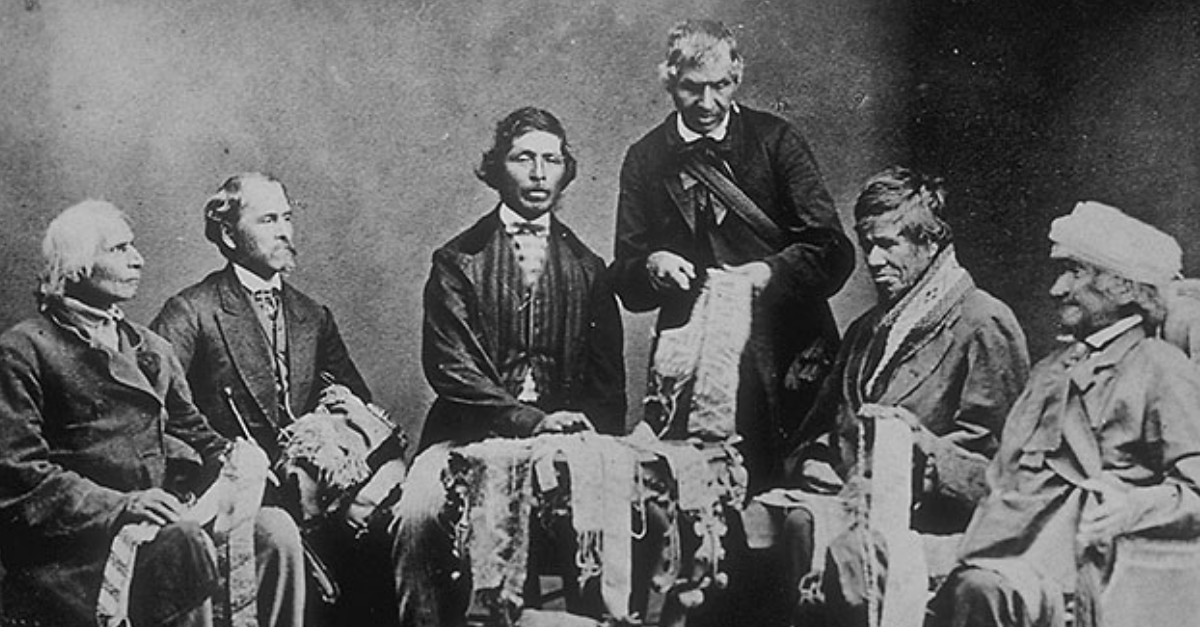
Before Text Messages, People Got Really Creative
Today, sending a message takes just a few taps on a screen. But for most of human history, staying in touch required a lot more imagination. Here are some of the strangest and most fascinating ways people communicated before modern technology changed everything.
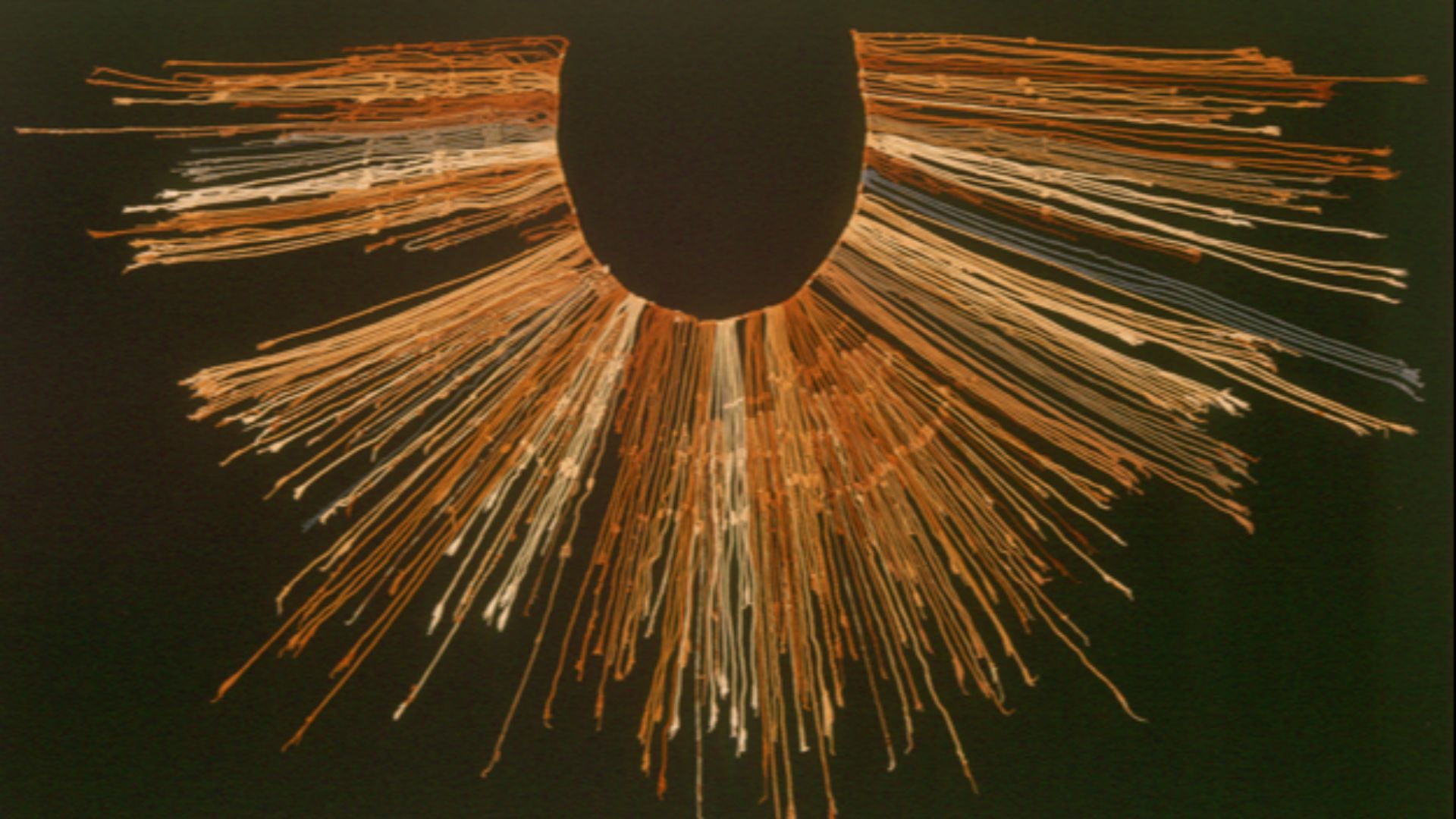
Messages Written In Knotted Strings
Long before paper records became common, the Inca Empire used a system called quipu. These were collections of colored strings tied with different knots that could record information and, according to many researchers, may also have been used to communicate messages across the empire. It looked more like a bundle of rope than a document, yet it helped administer one of the largest civilizations in the Americas.
 Claus Ableiter nur hochgeladen aus enWiki, Wikimedia Commons
Talking Drums That Mimicked Human Speech
In parts of West and Central Africa, specially designed talking drums could imitate the tones of spoken languages. Skilled drummers sent detailed messages between villages over several miles, allowing communities to share news, warnings, and announcements surprisingly quickly. To outsiders it sounded like music, but listeners familiar with the code could understand the message.
 Hyperfocalstudios, Wikimedia Commons
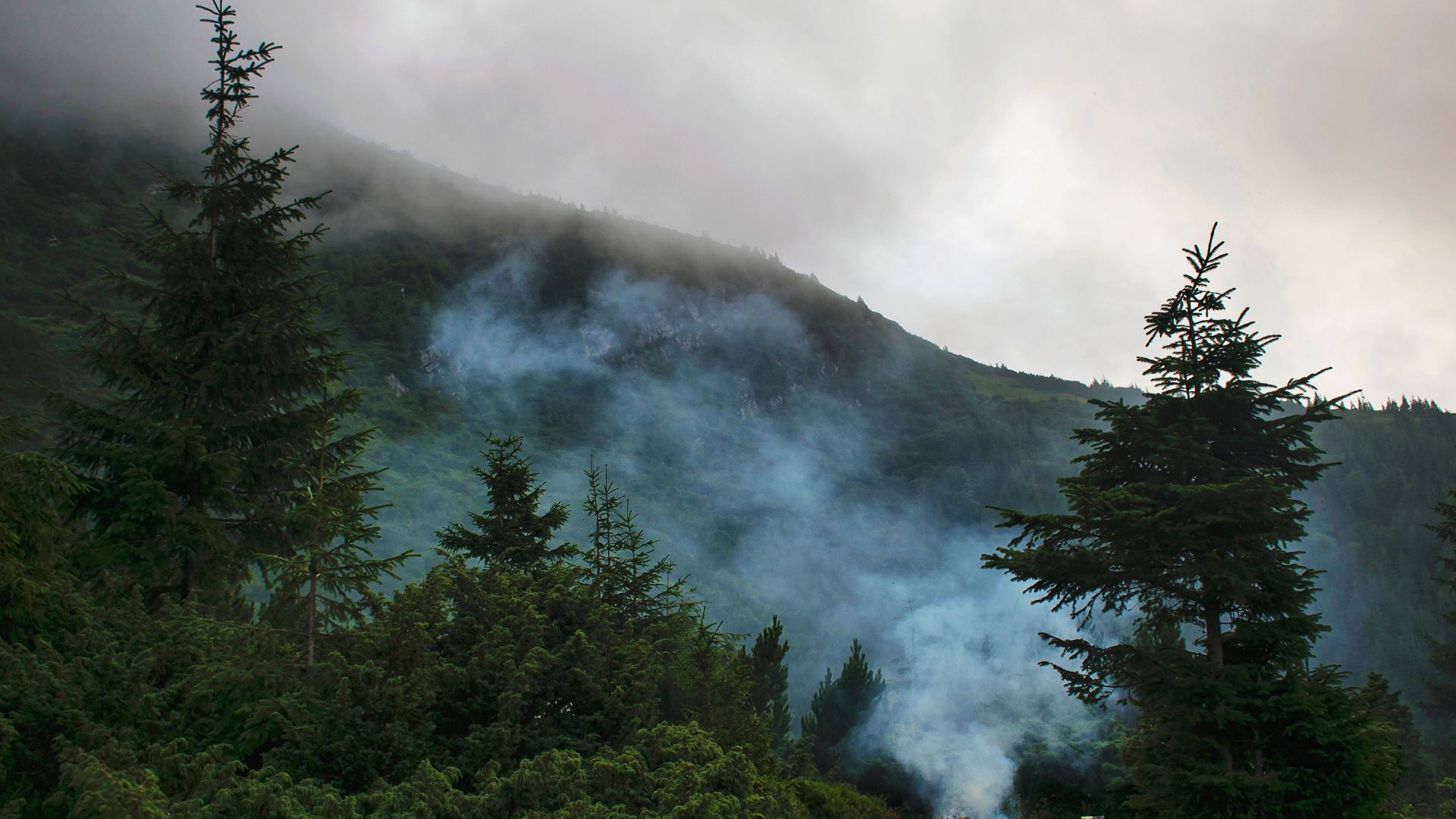
Smoke Signals Across Vast Distances
Smoke signals were used by many cultures, including Native American tribes and ancient Chinese military forces. Different numbers and patterns of smoke puffs carried specific meanings. While the system was limited by weather conditions, it allowed important warnings to travel much faster than a messenger on foot.

History's most fascinating stories and darkest secrets, delivered to your inbox daily.
Beacon Fires On Mountain Tops
Entire chains of signal fires once stretched across countries. A fire lit on one hill would be spotted by observers on the next hill, who would then light their own fire. This relay system allowed simple warnings to cross great distances in a matter of hours rather than days.

Carrier Pigeons Delivering Tiny Notes
People have used homing pigeons for communication for thousands of years. Messages were attached to the birds’ legs and sent back to their home lofts. These birds proved so reliable that they remained in service well into the twentieth century, long after other technologies had appeared.
 AnonymousUnknown author, Wikimedia Commons
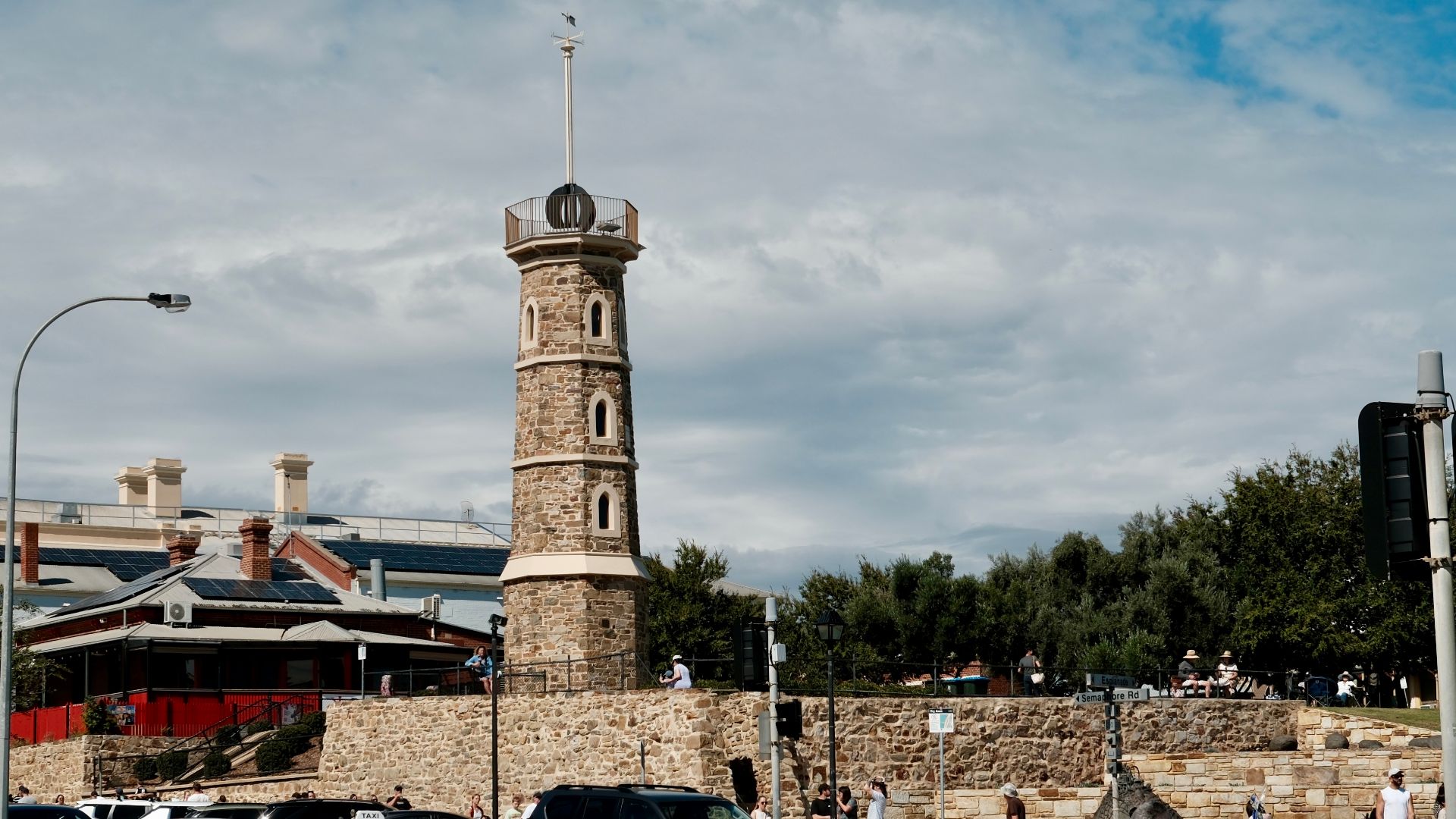
Semaphore Towers That Worked Like Giant Robots
Before the electric telegraph, France built an extensive network of semaphore towers. Operators moved large mechanical arms mounted on towers, and neighboring stations observed the positions through telescopes. Messages could travel hundreds of miles far faster than traditional mail.
 Yu Chu Chin, Wikimedia Commons
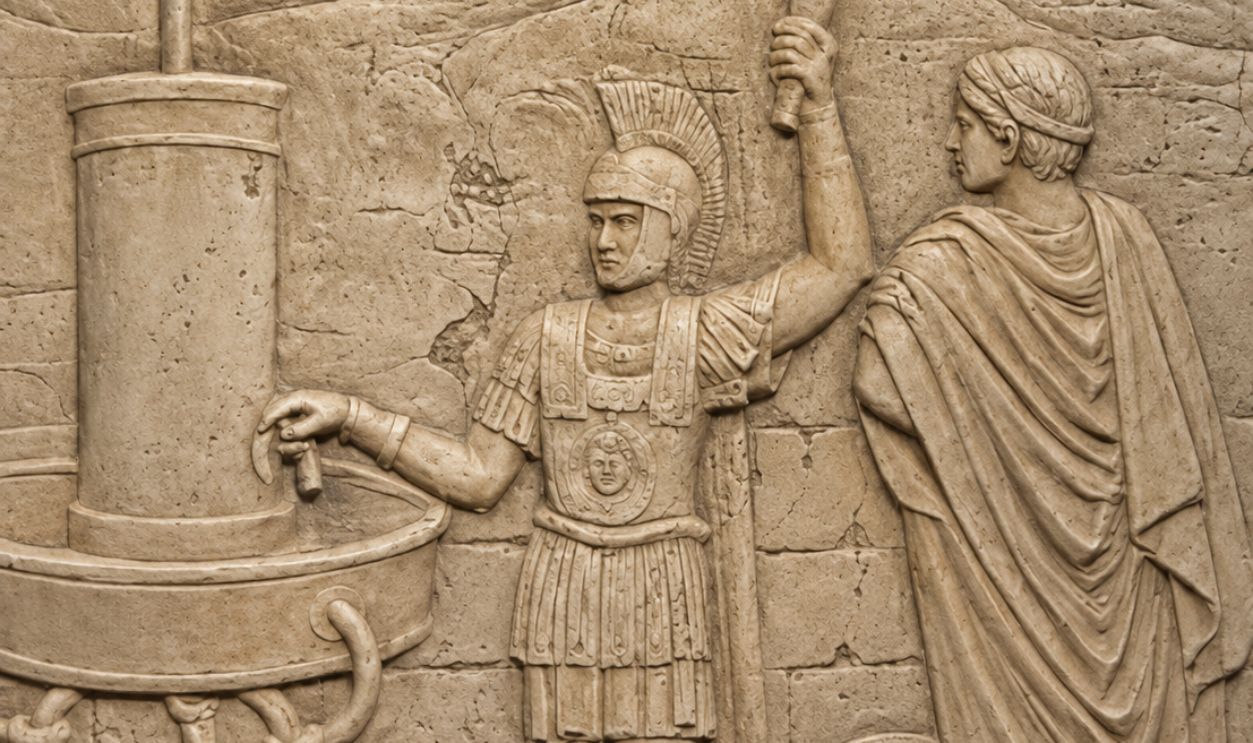
Hydraulic Telegraphs Using Water
Ancient Greece developed a surprisingly clever communication system that used water-filled containers. Operators at distant stations would synchronize the draining of water and use visual signals to indicate when to stop. The water level corresponded to a prearranged message, allowing information to be transmitted without a single written word.
 Demetre Valaris, Wikimedia Commons, Modified
Flags Used To Spell Entire Sentences
Flag semaphore allowed people to communicate by holding two flags in specific positions. Each position represented a letter or number. Naval crews became experts at reading these signals, turning what looked like a strange dance into a practical way to send detailed messages.
 U.S. Navy Photo by Photographer’s Mate 1st Class Greg Messier, Wikimedia Commons
Heliographs Powered By Sunlight
A heliograph used mirrors to reflect sunlight toward a distant observer. Operators flashed the light in coded patterns, often using Morse code. Forces favored heliographs in sunny regions because messages could travel many miles without any wires.
 Macchess, Wikimedia Commons, Modified
History's most fascinating stories and darkest secrets, delivered to your inbox daily.
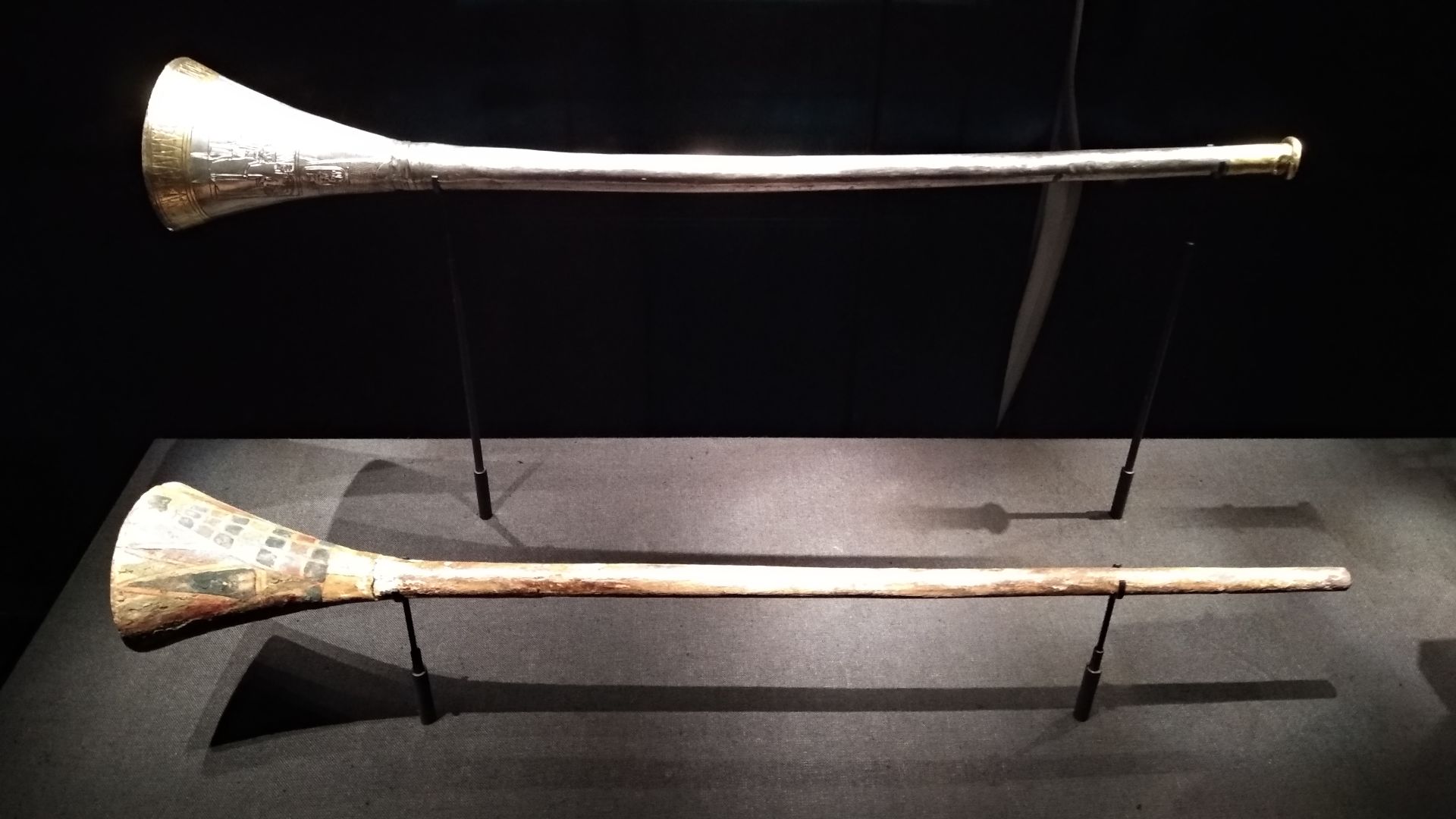
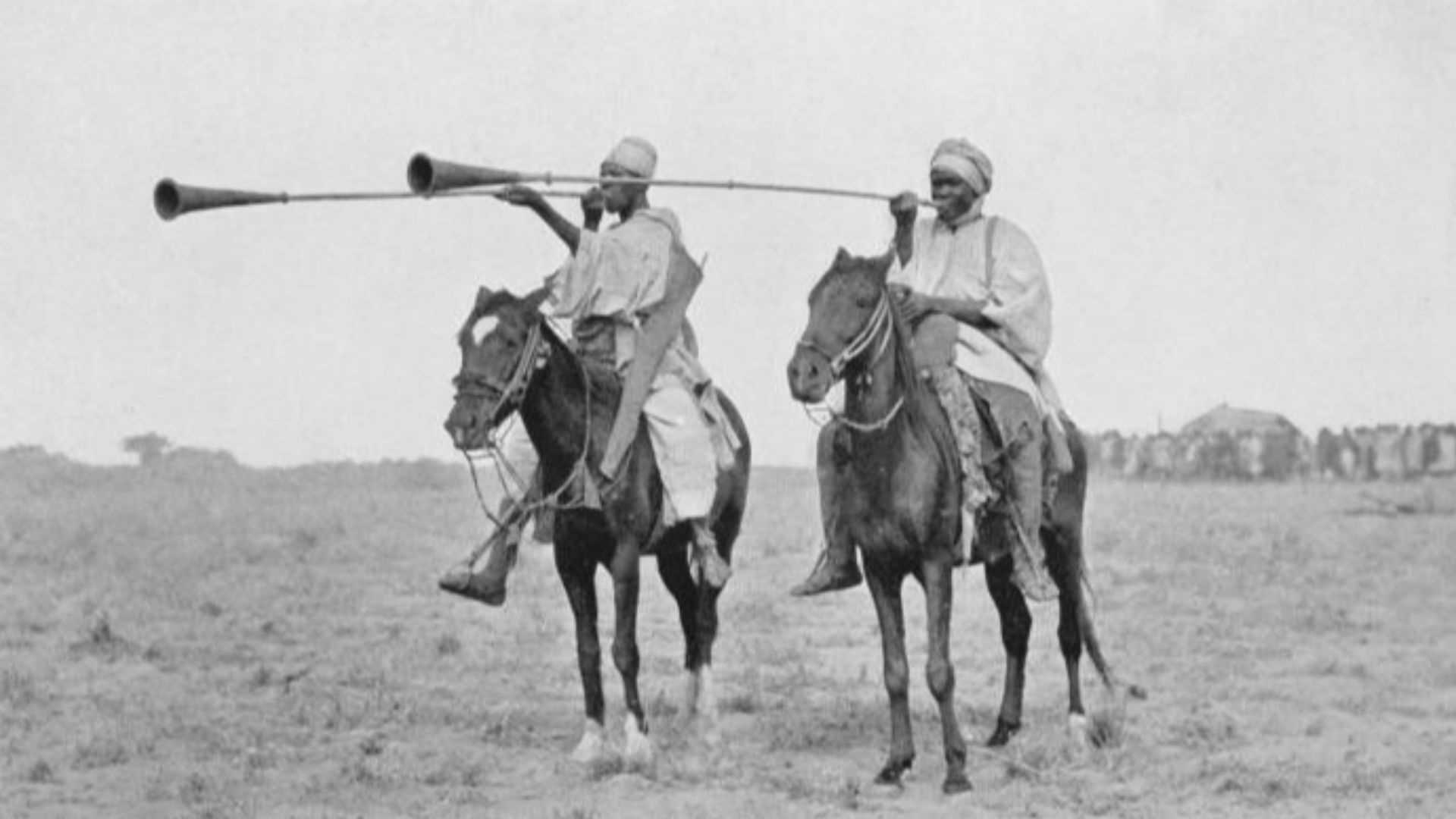
Horns And Trumpets As Long-Distance Alerts
Ancient armies often relied on horns, trumpets, and similar instruments to coordinate troop movements. Different sounds meant different commands. In a noisy battlefield, a single blast could direct hundreds or even thousands of soldiers.
Whistled Languages In Remote Regions
Several cultures developed whistled versions of spoken languages. Perhaps the most famous example comes from La Gomera in Spain’s Canary Islands, where whistled speech could carry across deep valleys. Entire conversations were possible using nothing but whistles.

Runners Carrying Verbal Messages
Some societies depended on highly trained runners who memorized messages and delivered them by word of mouth. The Inca Empire maintained an impressive network of relay runners known as chasquis. Their speed allowed information to move across mountainous terrain much faster than most people would expect.
 Peruvian19~commonswiki, Wikimedia Commons
Messages Hidden In Beadwork
Certain Indigenous cultures used decorative beadwork and symbolic patterns to preserve and communicate information. While not always intended for rapid communication, these visual systems could carry cultural, political, and historical meaning that was immediately recognizable to community members.

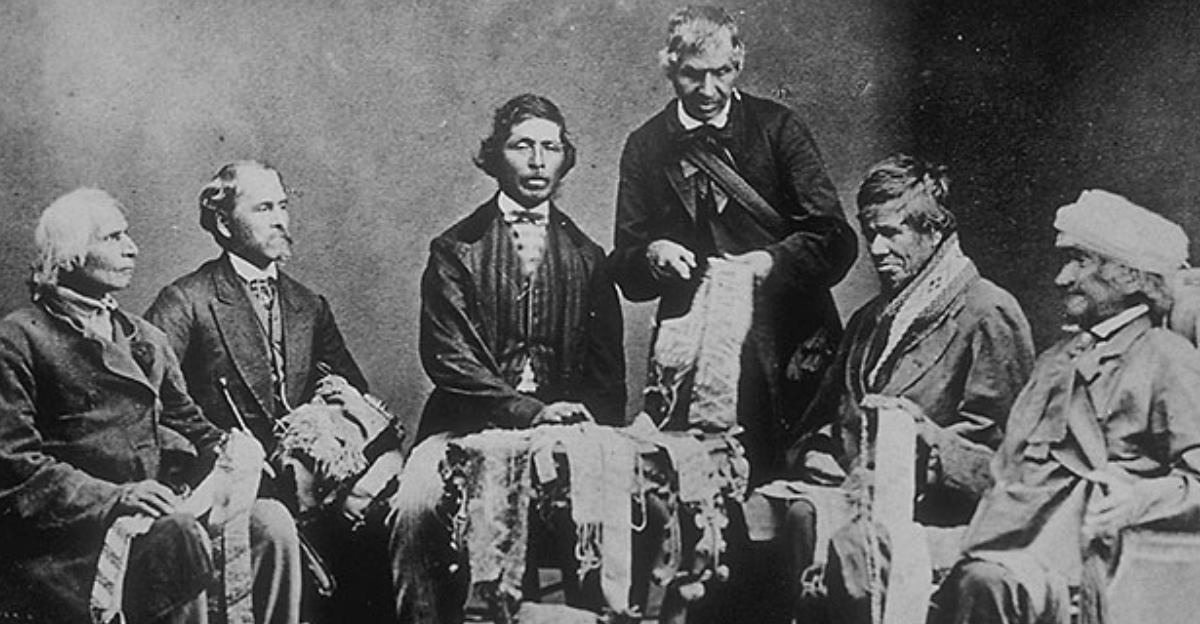
Wampum Belts As Historical Records
Among several Indigenous peoples of northeastern North America, wampum belts made from shell beads helped preserve agreements, treaties, and important events. The patterns served as memory aids and symbolic records, allowing important messages to be passed from generation to generation.

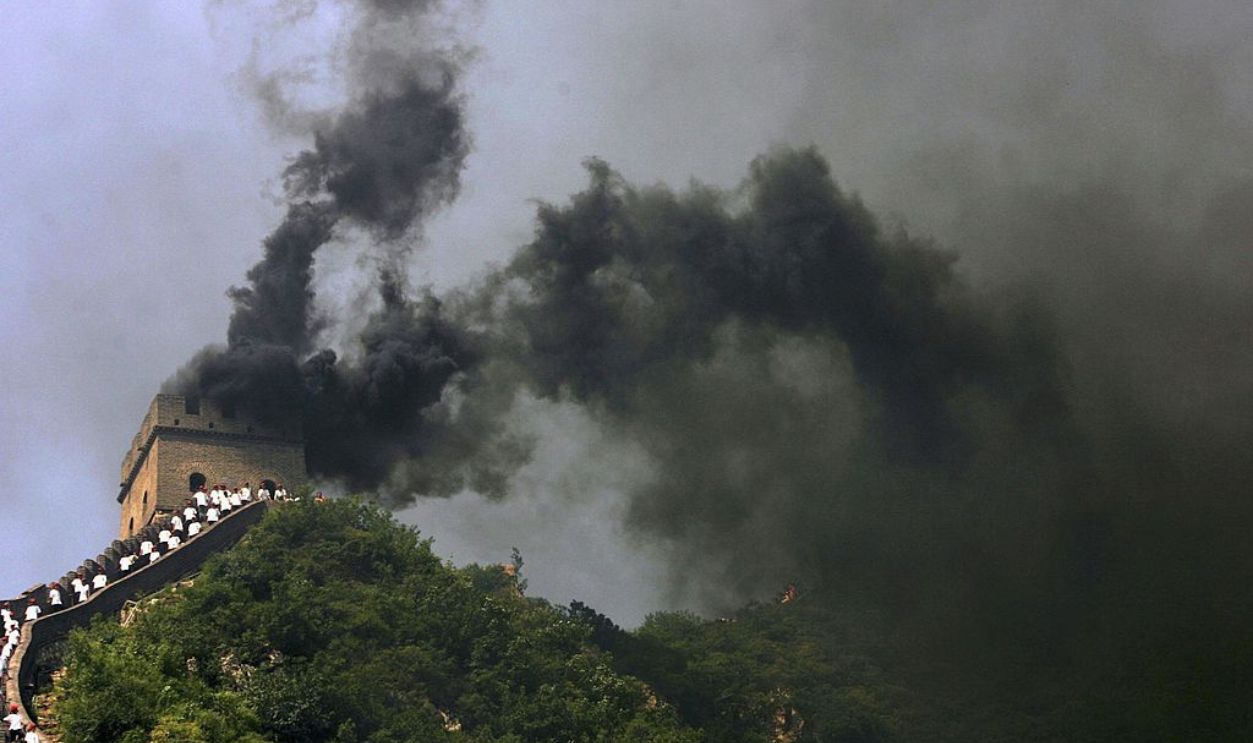
Signal Fires Along The Great Wall
Chinese forces established elaborate networks of watchtowers along the Great Wall. Soldiers used smoke by day and fire by night to warn of approaching enemies. Information could move across remarkable distances with impressive speed for the era.
History's most fascinating stories and darkest secrets, delivered to your inbox daily.
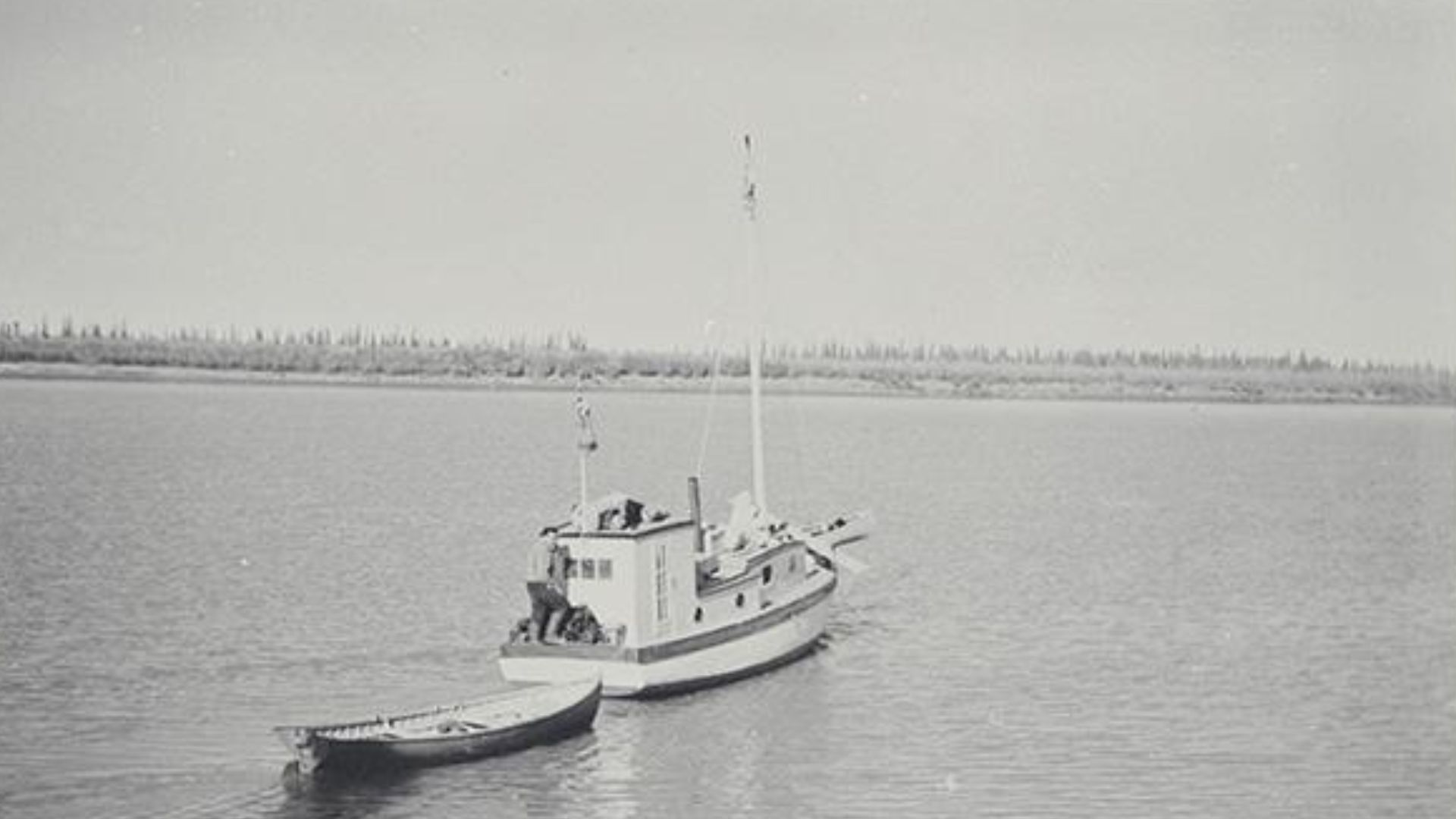
Messenger Boats Crossing Rivers And Seas
Before reliable postal systems existed, many coastal societies relied on dedicated messenger boats. These vessels carried news, trade information, and government communications between islands and settlements. It was often the fastest option available where roads did not exist.
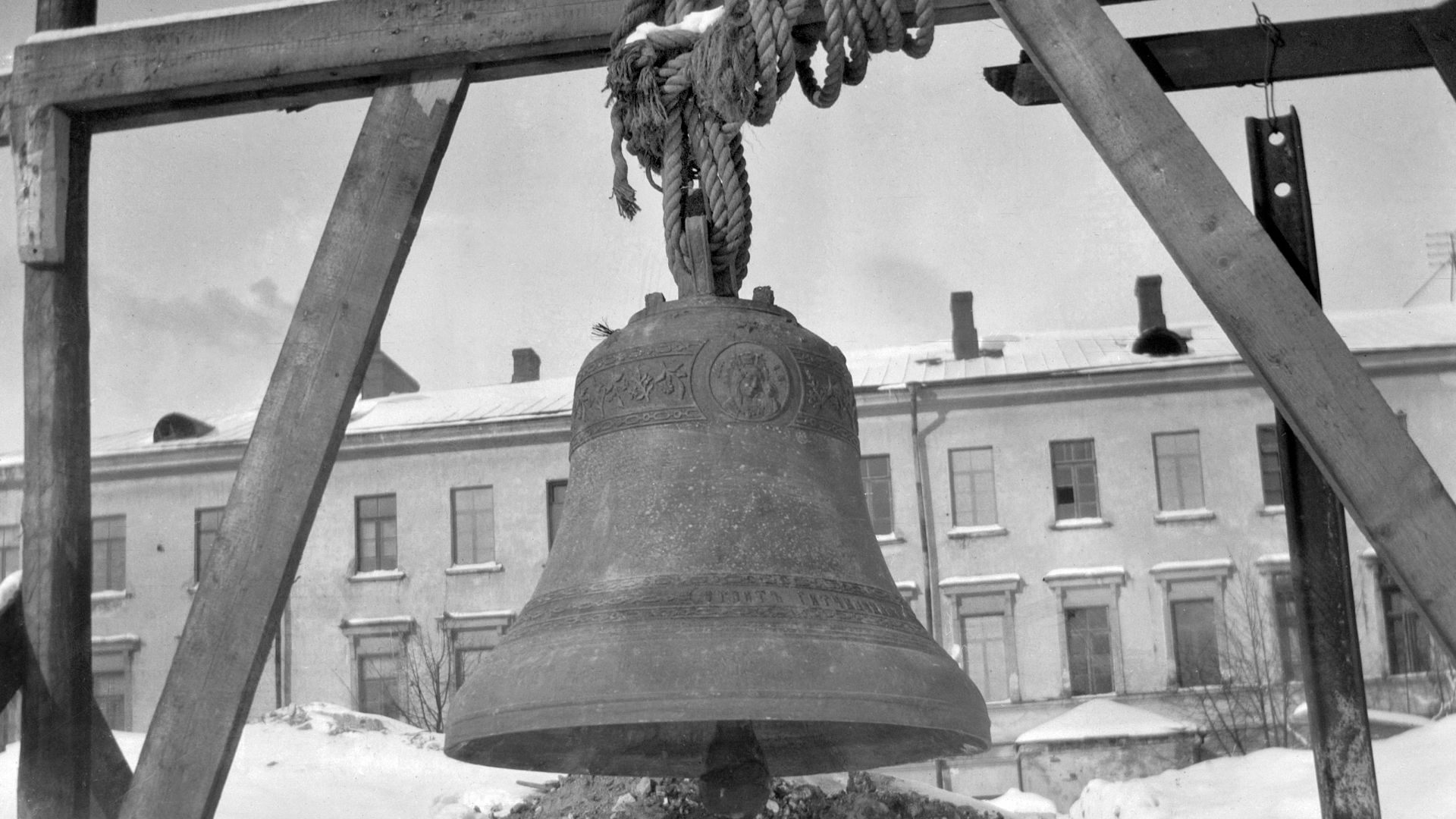
Church Bells Delivering Community News
For centuries, church bells served as a communication network for entire towns. Different ringing patterns announced celebrations, emergencies, deaths, or approaching danger. Residents often knew exactly what was happening simply by listening to the bell sequence.
 Ivan Timiriasev, Wikimedia Commons
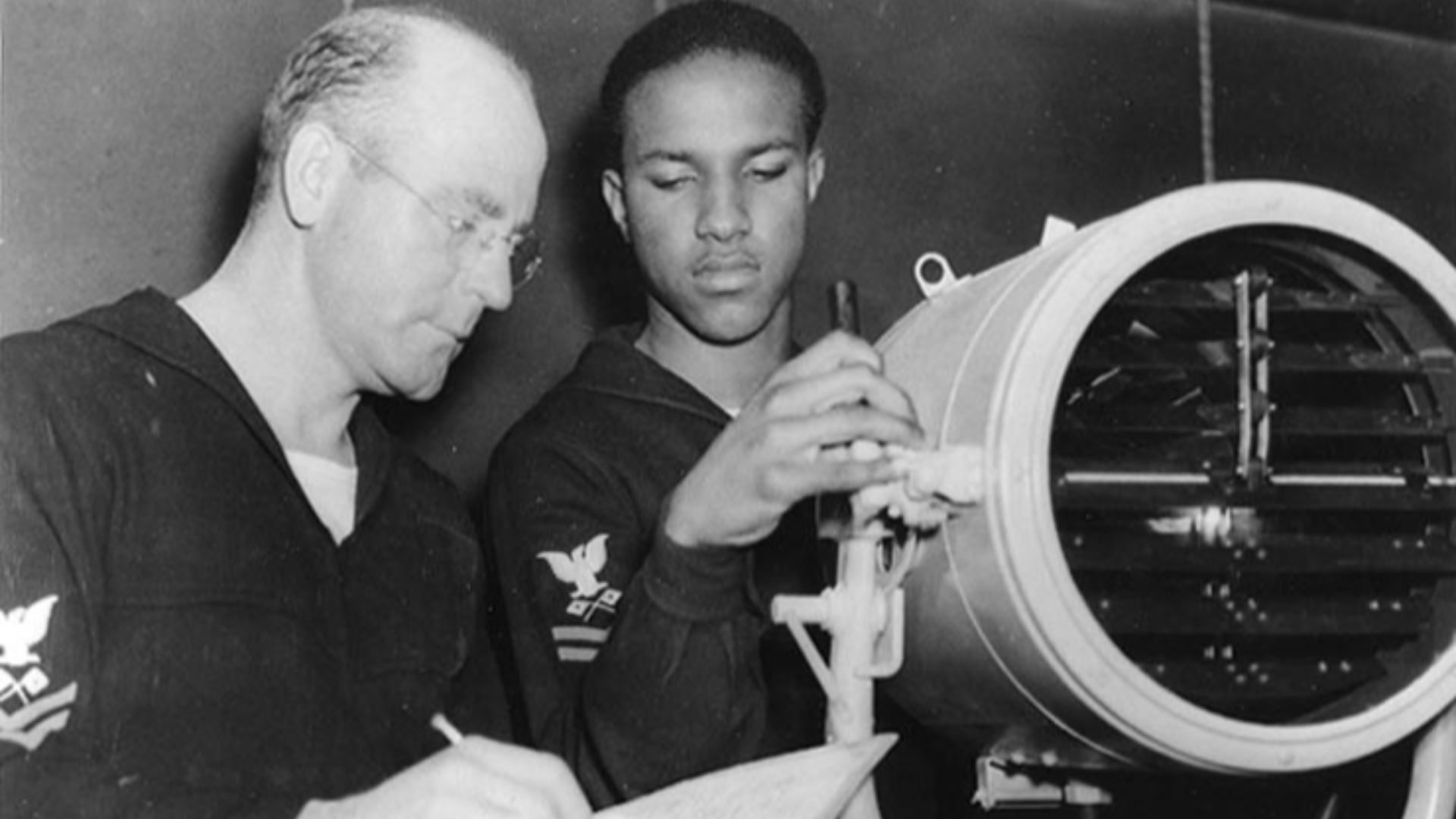
Signal Lamps Before Radio
Long before wireless communication became common, sailors used lamps to flash coded messages between ships. This system worked especially well at night and helped vessels coordinate movements without needing to come close together.
Tattooed And Marked Messengers
Historical records describe situations in which messages were concealed on a messenger’s body. In some famous accounts, information was written on a shaved scalp, hidden while the hair grew back, and revealed only after arrival. It was an unusual but effective method of keeping secrets.
![Subject: Reh, Emma (1896-1982)
Science Service
Type: Black-and-white photographs
Topic: Journalism, Scientific
Local number: SIA Acc. 90-105 [SIA2009-2150]
Summary: As she was growing up in Washington, D.C., Emma Reh (1896-1982) contributed many pr](https://www.factinate.com/storage/app/media/factinate/2026/6/23/1782214993f43e9fbf513b1a4d5711d4e1cf7ad7110a0802a4.jpg) Smithsonian Institution from United States, Wikimedia Commons
Smithsonian Institution from United States, Wikimedia Commons
Stories Passed Entirely By Memory
Many cultures preserved and transmitted important information through oral traditions. Specially trained storytellers memorized histories, laws, and cultural knowledge, sometimes spanning thousands of lines. In a world without widespread literacy, human memory itself became a communication technology.
 Vladimir Menkov, Wikimedia Commons
When Communication Required Creativity
Looking back, it is remarkable how inventive people became when they needed to share information across distance. From drumbeats that sounded like speech to giant mechanical semaphore towers and sunlight reflected from mirrors, these systems reveal that humans have always found creative ways to stay connected. Modern smartphones may be faster, but some of these older methods were every bit as ingenious.
 Johnston, Harry, 1858-1927, Wikimedia Commons
You May Also Like:
Boomer-Era Trends That Disappeared Almost Overnight—And They Want Them Back
Historical Predictions That Sounded Ridiculous At The Time—But Turned Out To Be Correct