One Bad Decision Could Erase A Kingdom
Most military defeats cost territory, soldiers, or a ruler's reputation. These disasters helped cost entire states their existence. Kings picked the wrong battlefield, emperors underestimated tiny invading armies, and commanders doubled down when retreat was still possible. Not every collapse happened overnight, but after these mistakes, some of history's greatest powers never truly recovered.
 Paramount studio, Wikimedia Commons
Darius Built Alexander's Perfect Battlefield
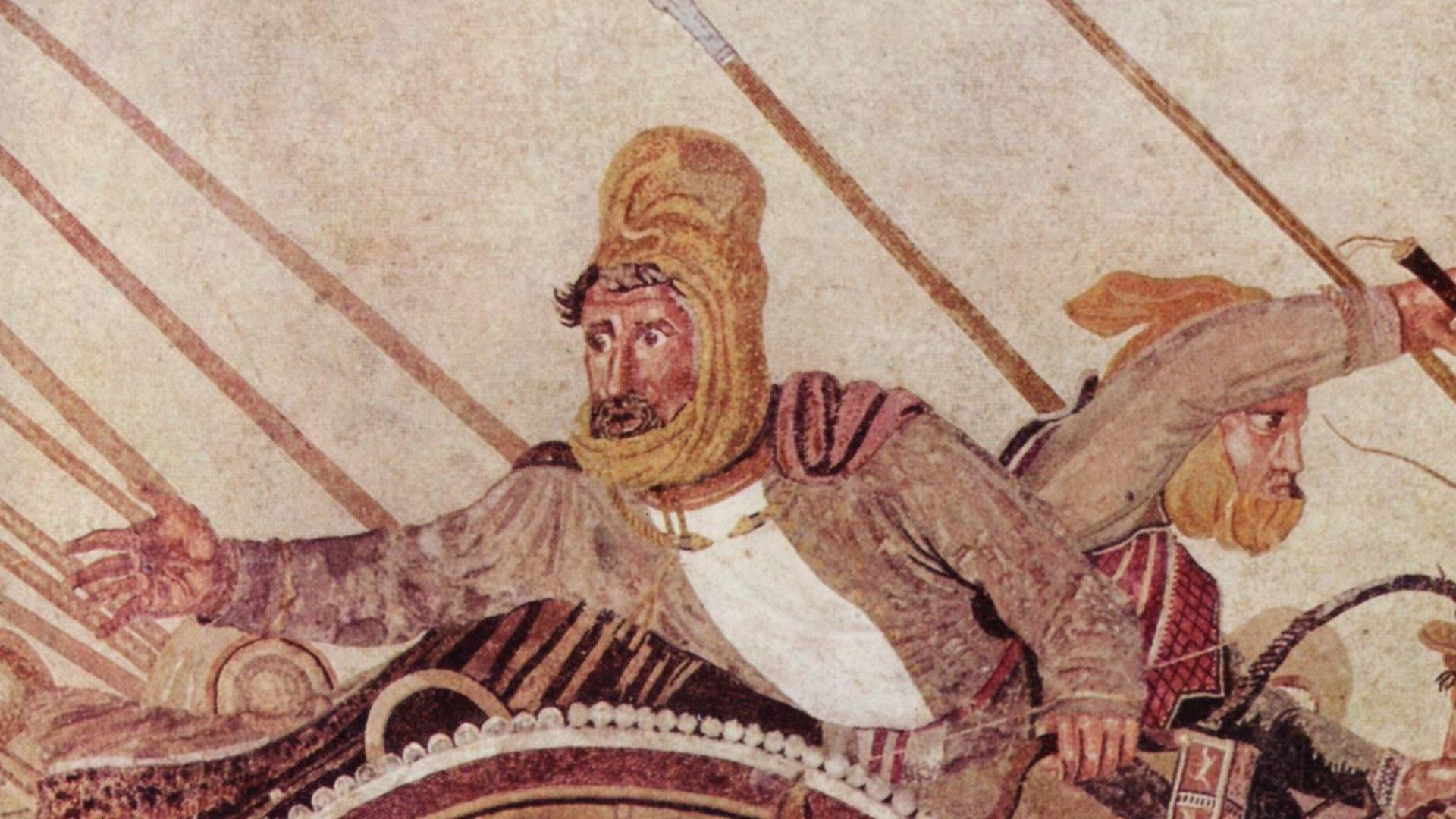
By 331 BCE, Persian king Darius III had already lost one major battle against Alexander the Great and was preparing for another showdown. Near Gaugamela, Darius selected a broad plain and even had parts of the ground leveled so his cavalry and scythed chariots could operate effectively. It seemed perfectly suited to Persia's strengths. Instead, Darius had effectively committed himself to a battlefield where Alexander could study his position and dictate the pace of the fight.
 Meister der Alexanderschlacht, Wikimedia Commons
Alexander Found The Opening
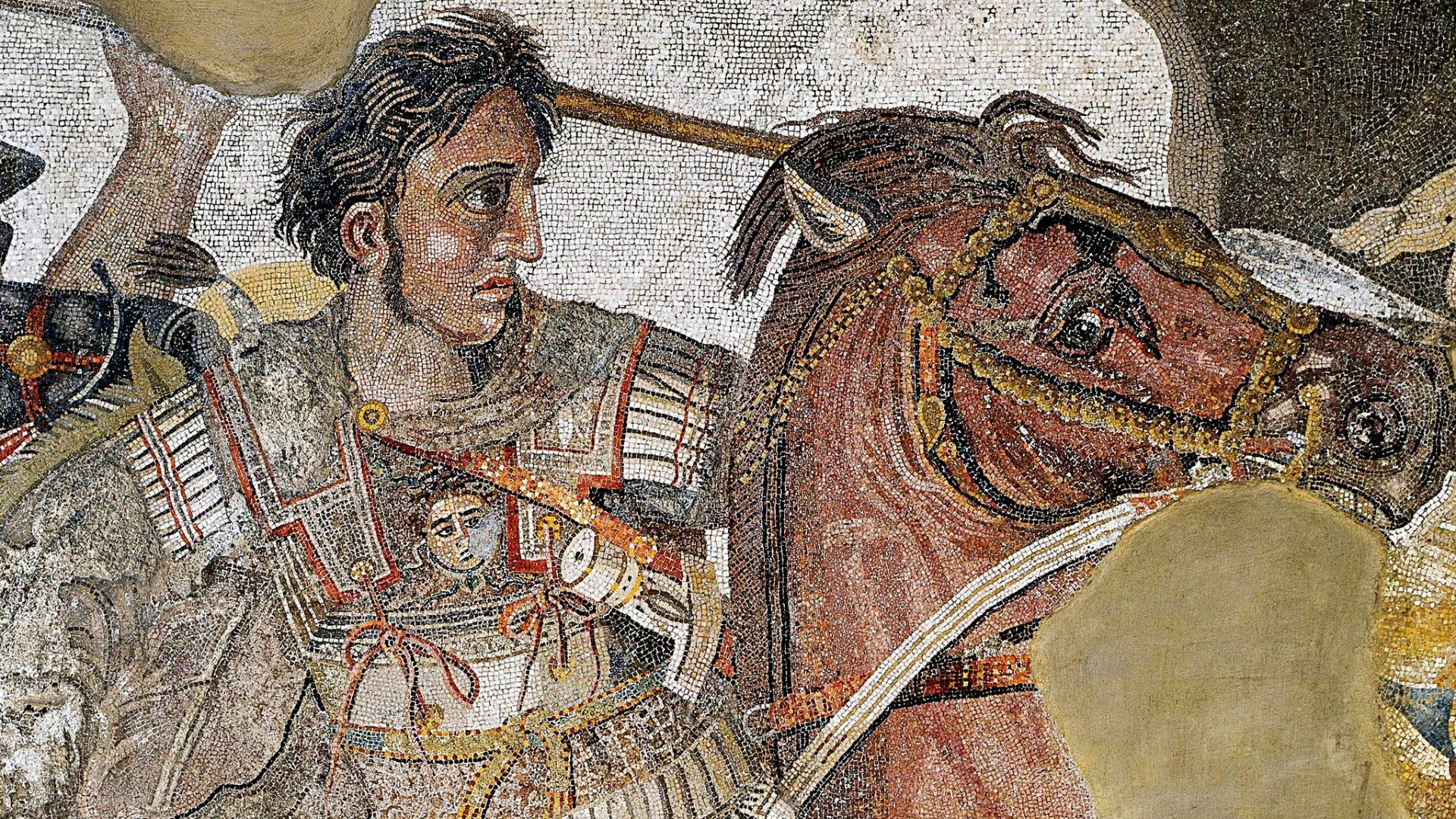
Alexander moved his right wing diagonally, threatening to carry the fighting beyond the ground Darius had carefully prepared. Persian cavalry shifted to counter him, helping create a gap near the center of Darius's line. Alexander drove his elite cavalry unit through the opening toward the Persian king. Darius fled once his position became dangerous, and his army began to disintegrate around him.
 Unknown authorUnknown author, Wikimedia Commons
Persia Never Recovered From Gaugamela
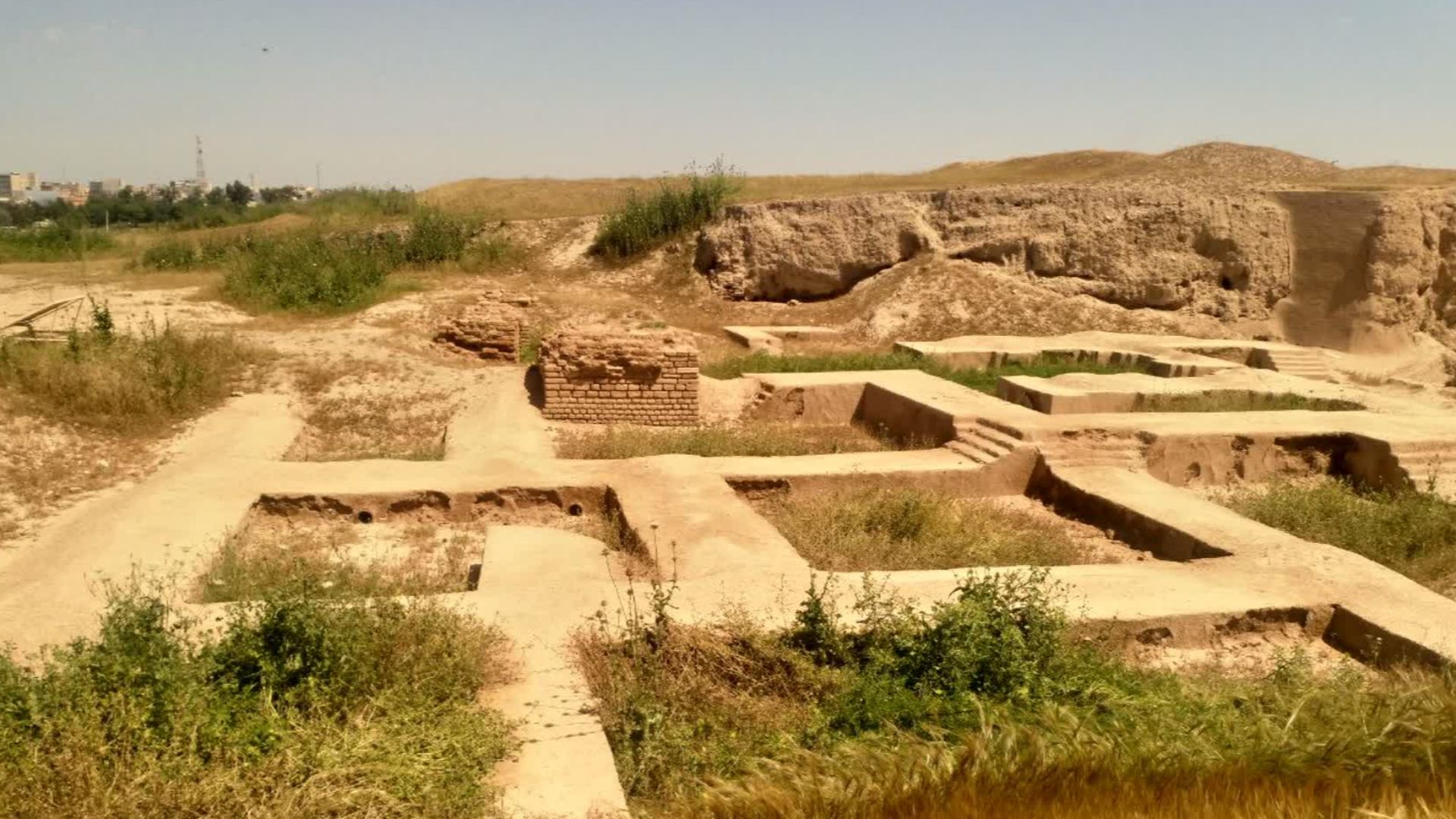
After Gaugamela, Darius never again commanded another great Persian army against Alexander. Babylon and Susa fell, while Alexander reached Persepolis early in 330 BCE. Darius was murdered later that year while fleeing east, although resistance to Alexander continued elsewhere. The Achaemenid Empire had not disappeared in a single afternoon, but its central monarchy never recovered from the defeat.
 Saeedhamedian, Wikimedia Commons

History's most fascinating stories and darkest secrets, delivered to your inbox daily.
Perseus Had Rome In Trouble
Macedonian king Perseus faced Rome during the Third Macedonian War, which began in 171 BCE. By 168 BCE, the Roman army under Lucius Aemilius Paullus had advanced into Macedonia, but its supply position was vulnerable. According to ancient accounts, Perseus had opportunities to make the Roman campaign far more difficult without risking everything in a decisive battle. Instead, the two armies met near Pydna.
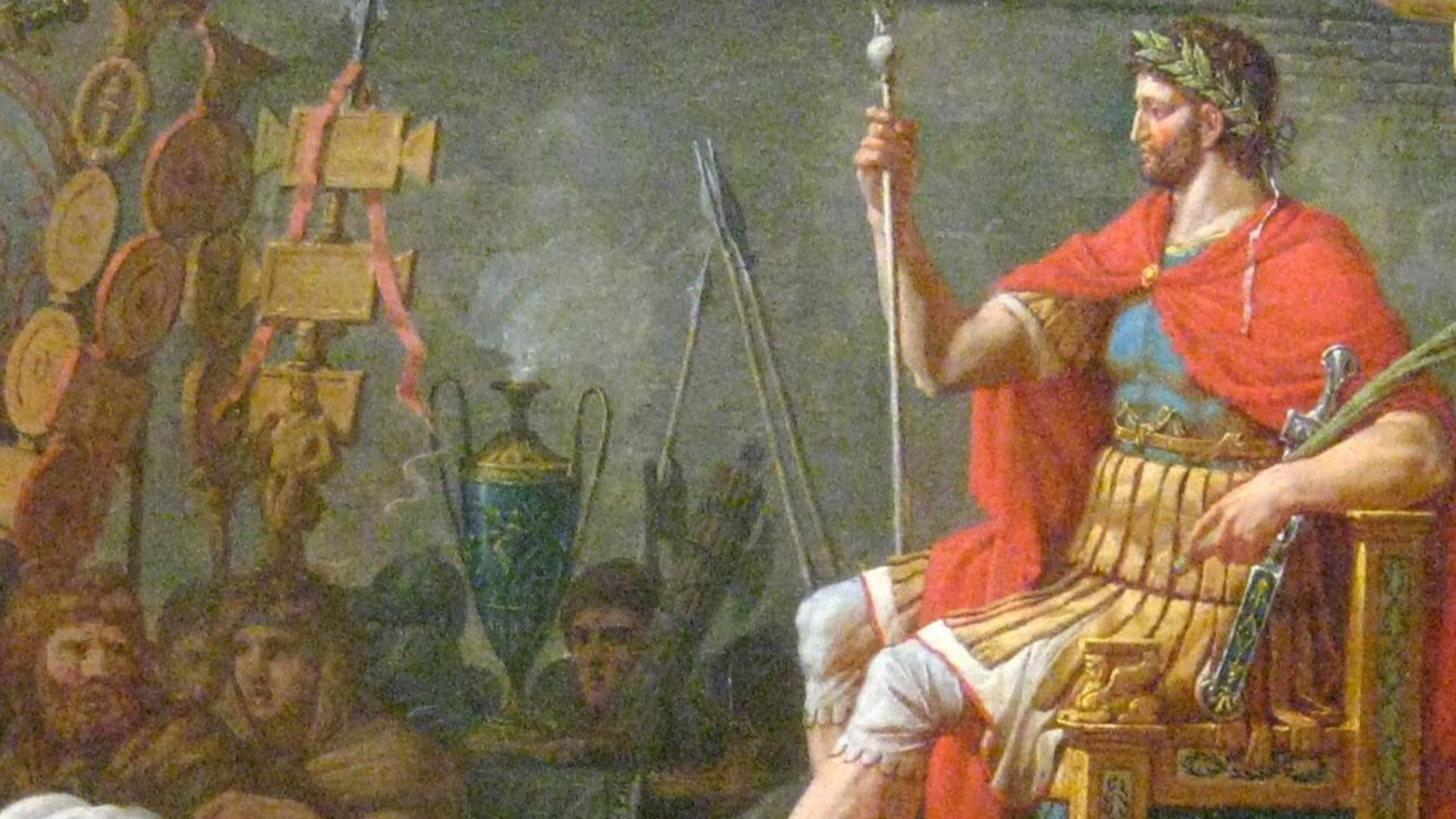 Carle Vernet, Wikimedia Commons
The Phalanx Fell Apart
At first, the Macedonian phalanx pushed forward with its wall of long sarissas and put the Romans under serious pressure. As the fighting moved across uneven ground, however, gaps appeared in the formation. Roman soldiers slipped into those openings, where the tightly packed Macedonians could no longer use their enormous pikes effectively. The flexible Roman legions turned the broken formation into a rout.
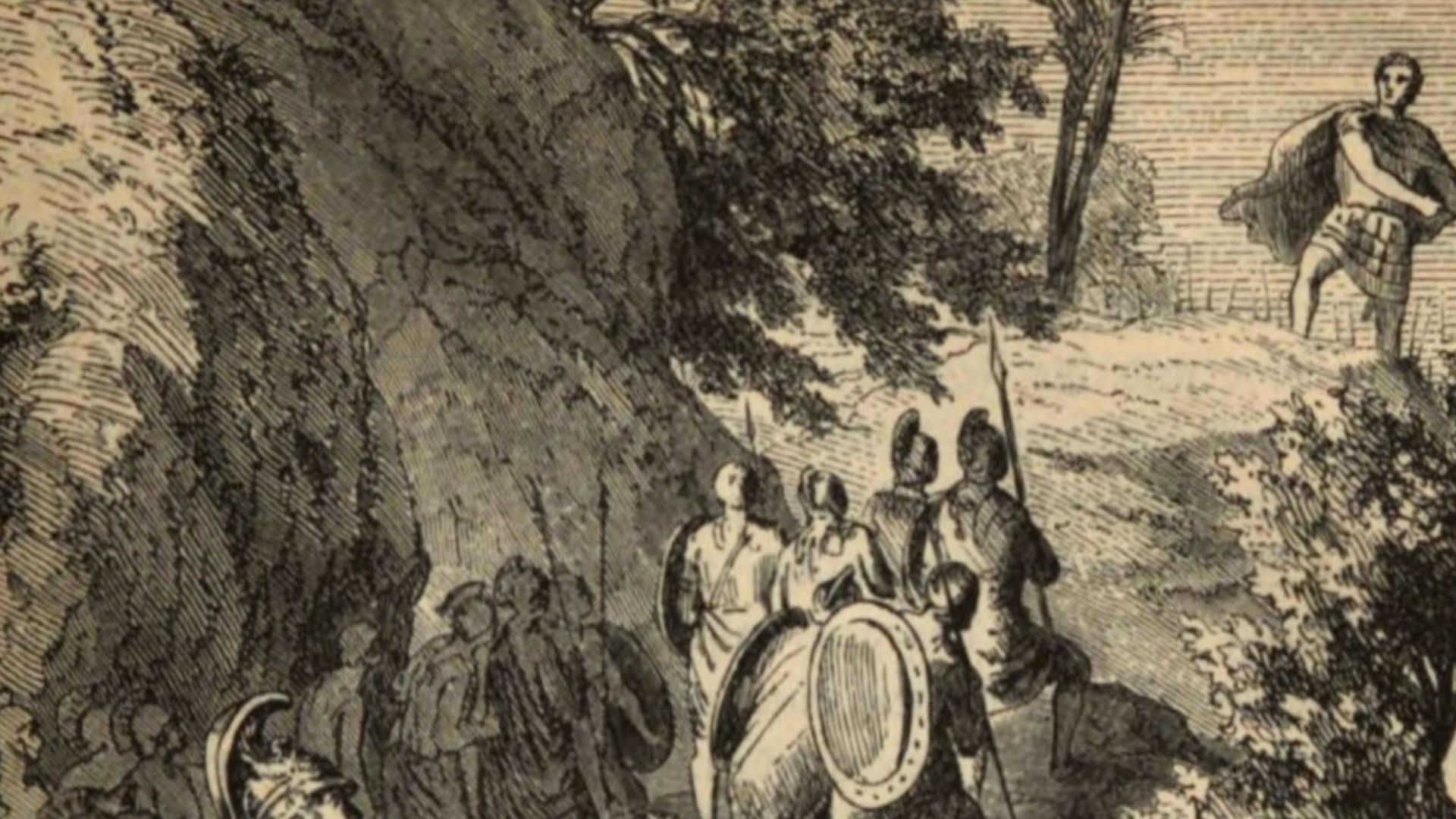 Heinrich Leutemann, Wikimedia Commons
Macedonia Lost Its Monarchy
Perseus fled after the battle and later surrendered to the Romans. Rome abolished the Macedonian monarchy and divided its territory into four republics rather than immediately annexing it as a province. A later uprising briefly restored a claimant to the kingship, but Rome crushed it and established the province of Macedonia in 146 BCE. Pydna did not erase Macedonia as a place or people, but it destroyed the kingdom Perseus had ruled.
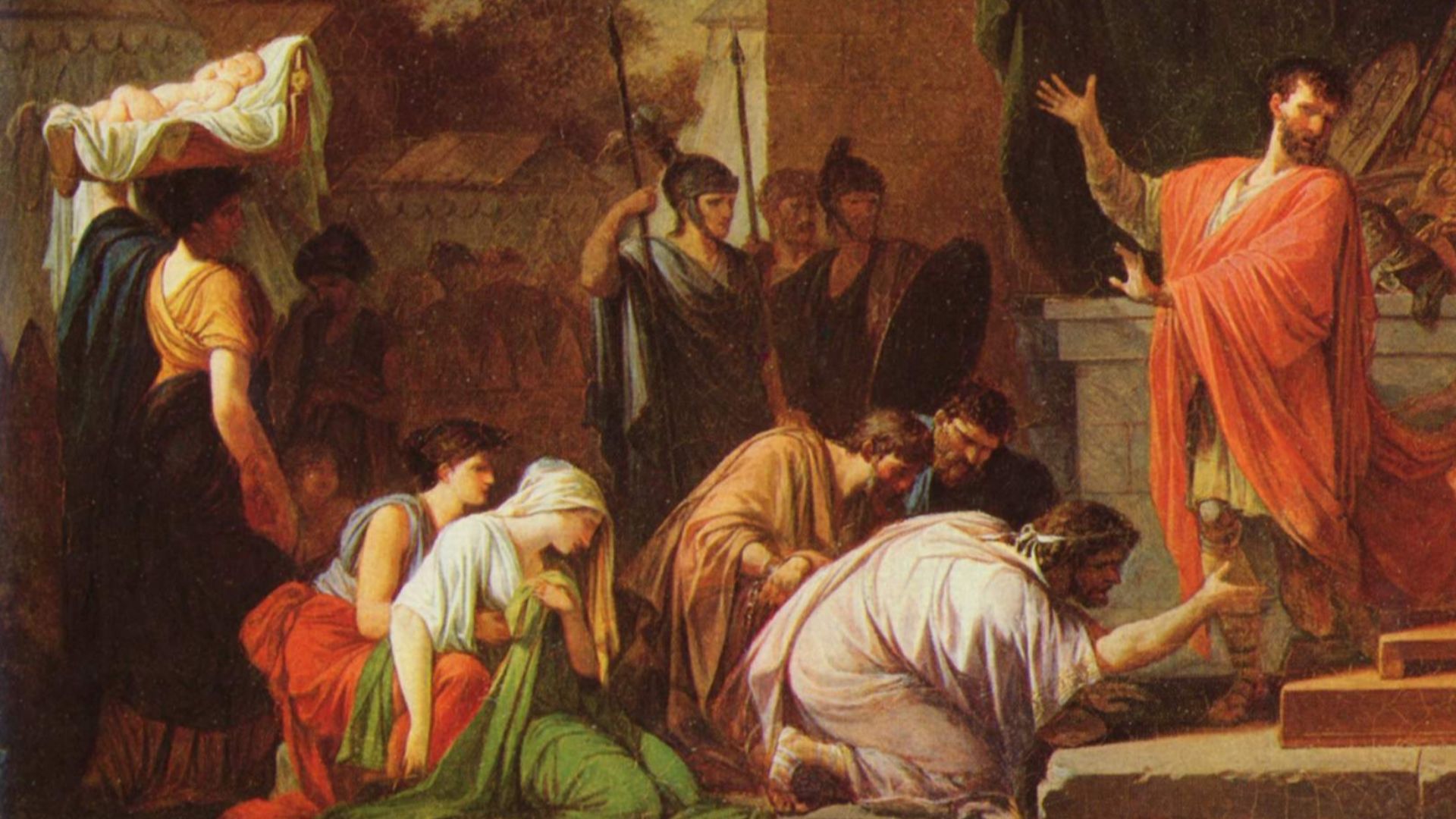 Jean-Francois Pierre Peyron, Wikimedia Commons
Carthage Finally Fought Back
After losing the Second Punic War, Carthage accepted severe restrictions imposed by Rome. Among them was a prohibition on waging war without Roman approval, while neighboring Numidia repeatedly seized disputed Carthaginian territory. Rome generally sided with Numidia when Carthage appealed for help. Eventually, after decades of pressure, the Carthaginians decided to defend themselves.
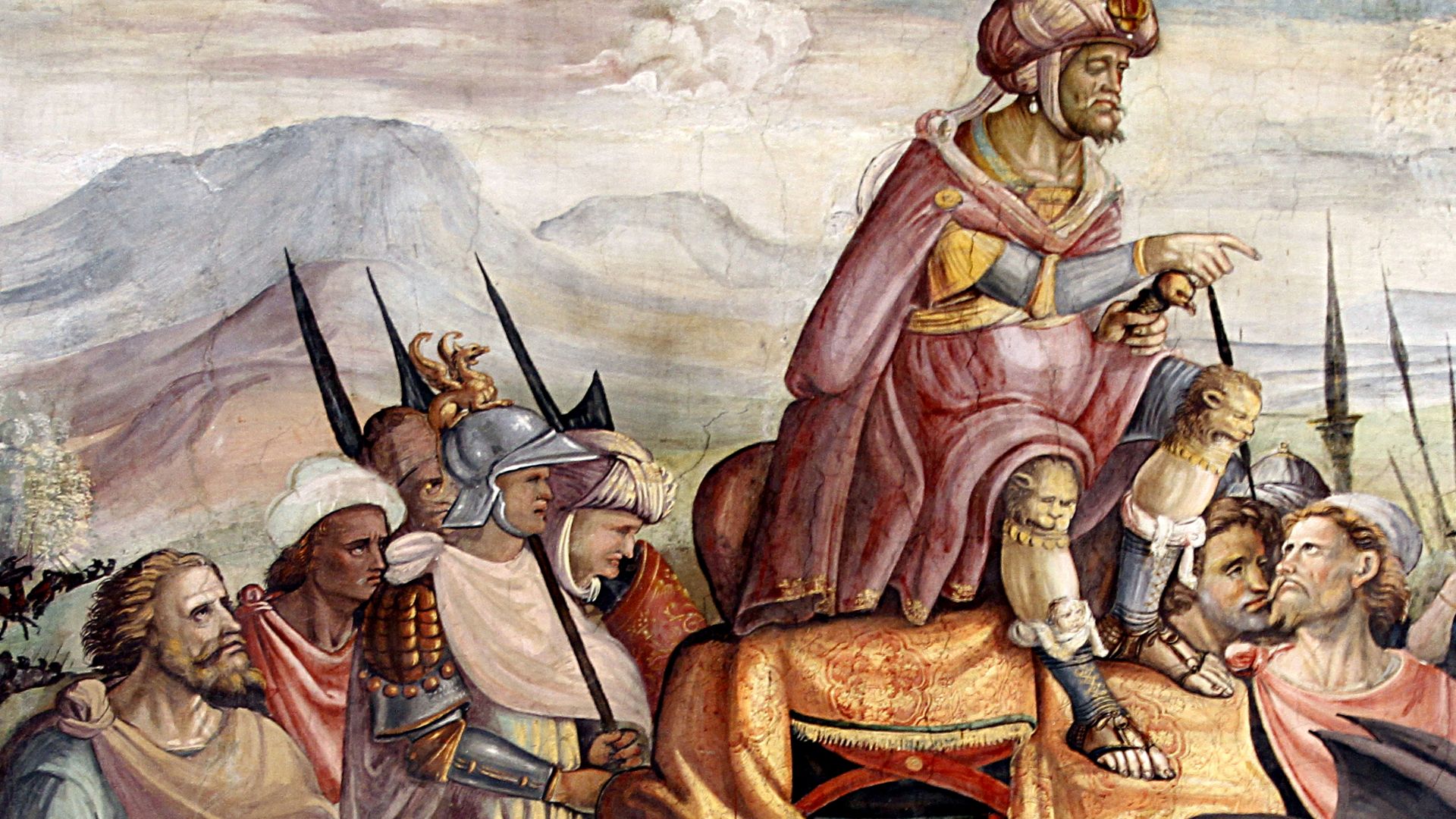
One Attack Gave Rome Its Excuse
Around 150 BCE, Carthage sent an army against Numidian forces without Roman permission. The campaign ended in defeat, but the diplomatic consequences were even worse. Carthage had violated the treaty that followed the Second Punic War, handing Roman leaders who already wanted the city destroyed a powerful justification for intervention. What Carthage saw as self-defense became Rome's reason for another war.
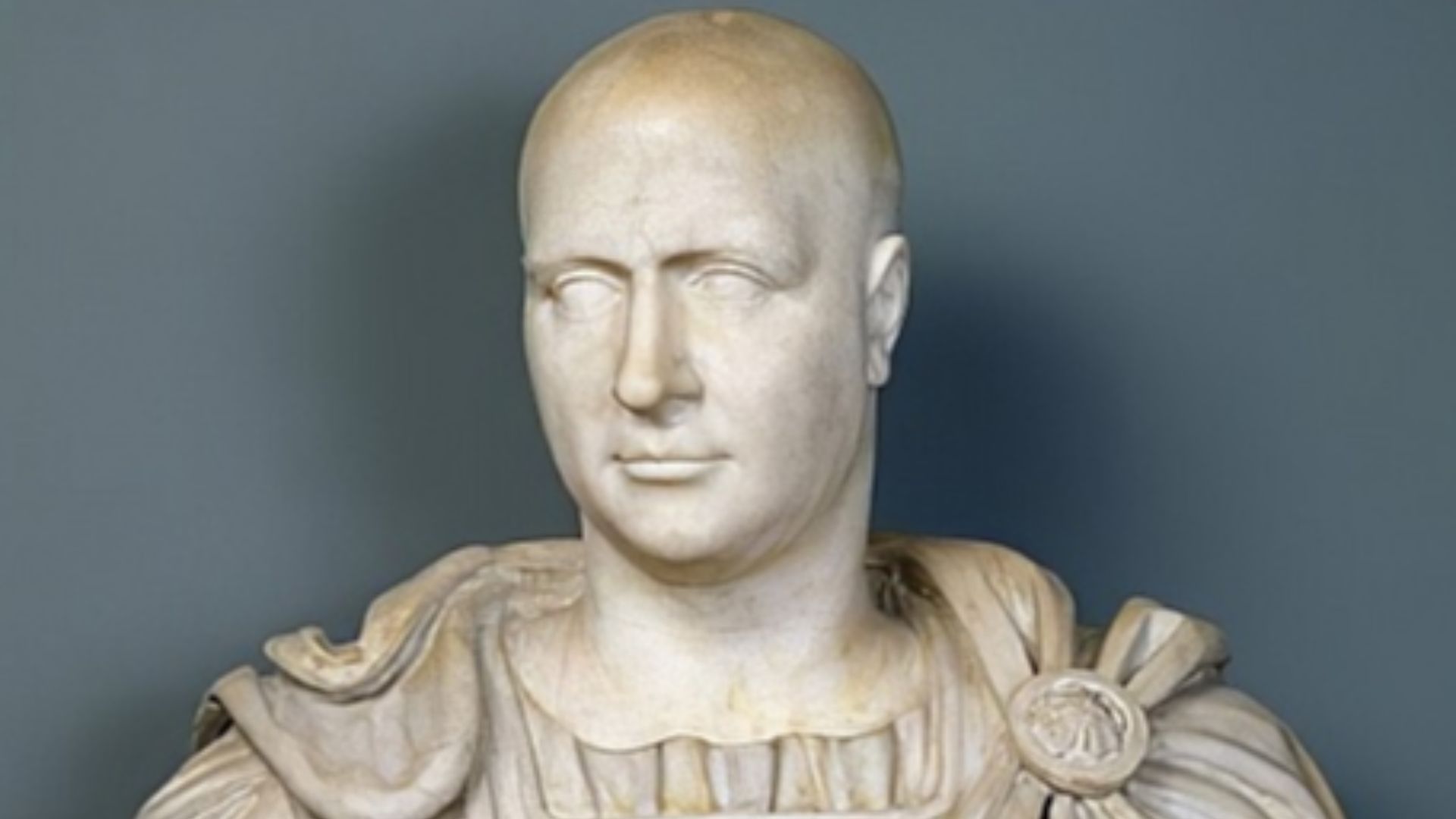
Rome Destroyed Carthage
The Third Punic War began in 149 BCE and lasted for three brutal years. Carthage resisted stubbornly, but Roman forces under Scipio Aemilianus finally stormed the city in 146 BCE. The city was destroyed, much of the surviving population was enslaved, and Carthaginian territory came under Roman control. Carthage had survived two enormous wars with Rome, but the third ended the independent state completely.
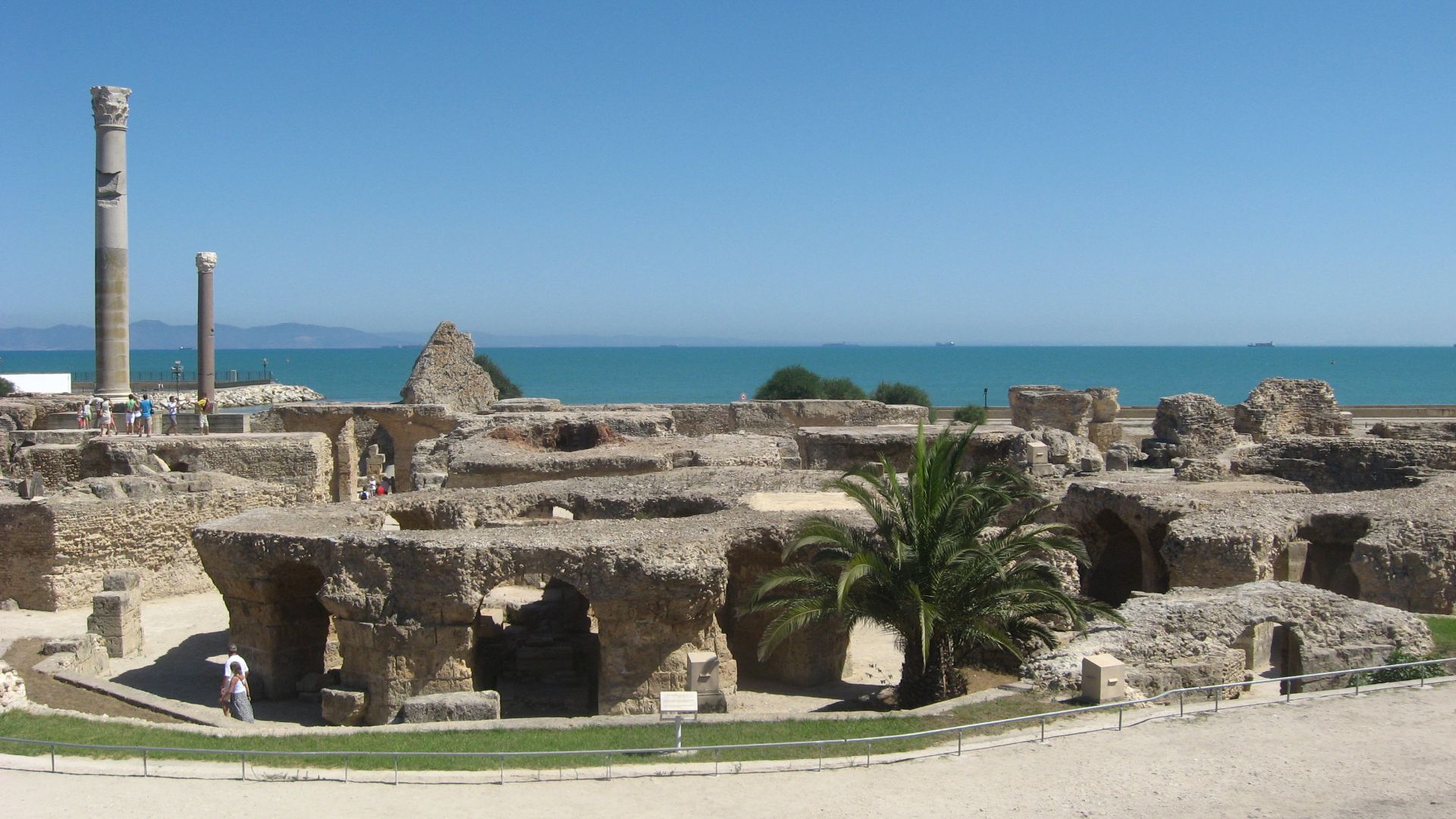 Ludmila Pilecka, Wikimedia Commons
History's most fascinating stories and darkest secrets, delivered to your inbox daily.
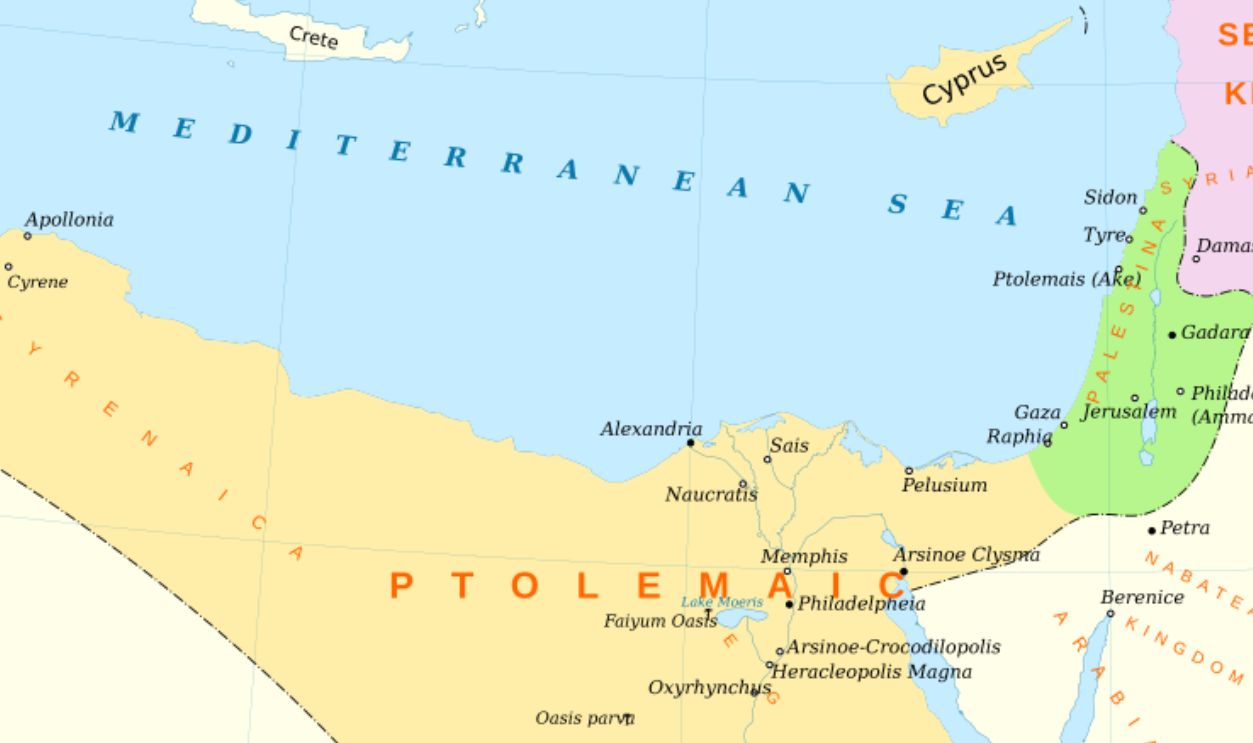
Cleopatra Bet On Mark Antony
Ptolemaic Egypt remained independent in the first century BCE, but Roman power increasingly dominated the Mediterranean. Cleopatra VII tied her political survival to Mark Antony as he competed with Octavian for control of the Roman world. Their alliance gave Cleopatra a powerful Roman partner. It also meant that Egypt's future became entangled with the outcome of a Roman civil war.
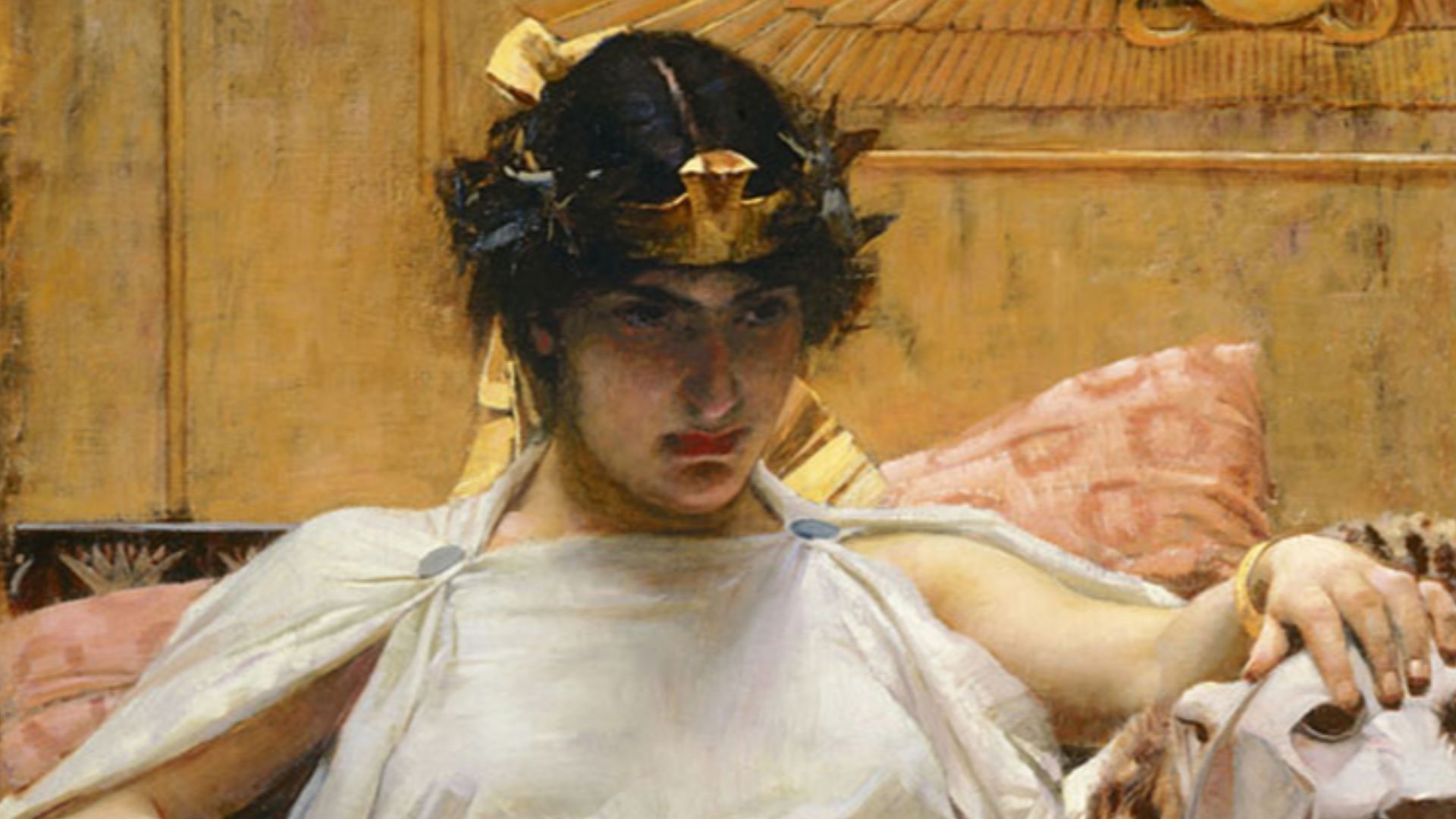 John William Waterhouse, Wikimedia Commons
Actium Destroyed Their Chances
Antony and Cleopatra confronted Octavian's forces off western Greece at the Battle of Actium in 31 BCE. Octavian's commander Marcus Agrippa had already captured key positions and disrupted Antony's supply lines before the fleets met. The battle ended with Antony and Cleopatra escaping from the fighting while much of their remaining force was lost or surrendered. Their position in the eastern Mediterranean rapidly collapsed.
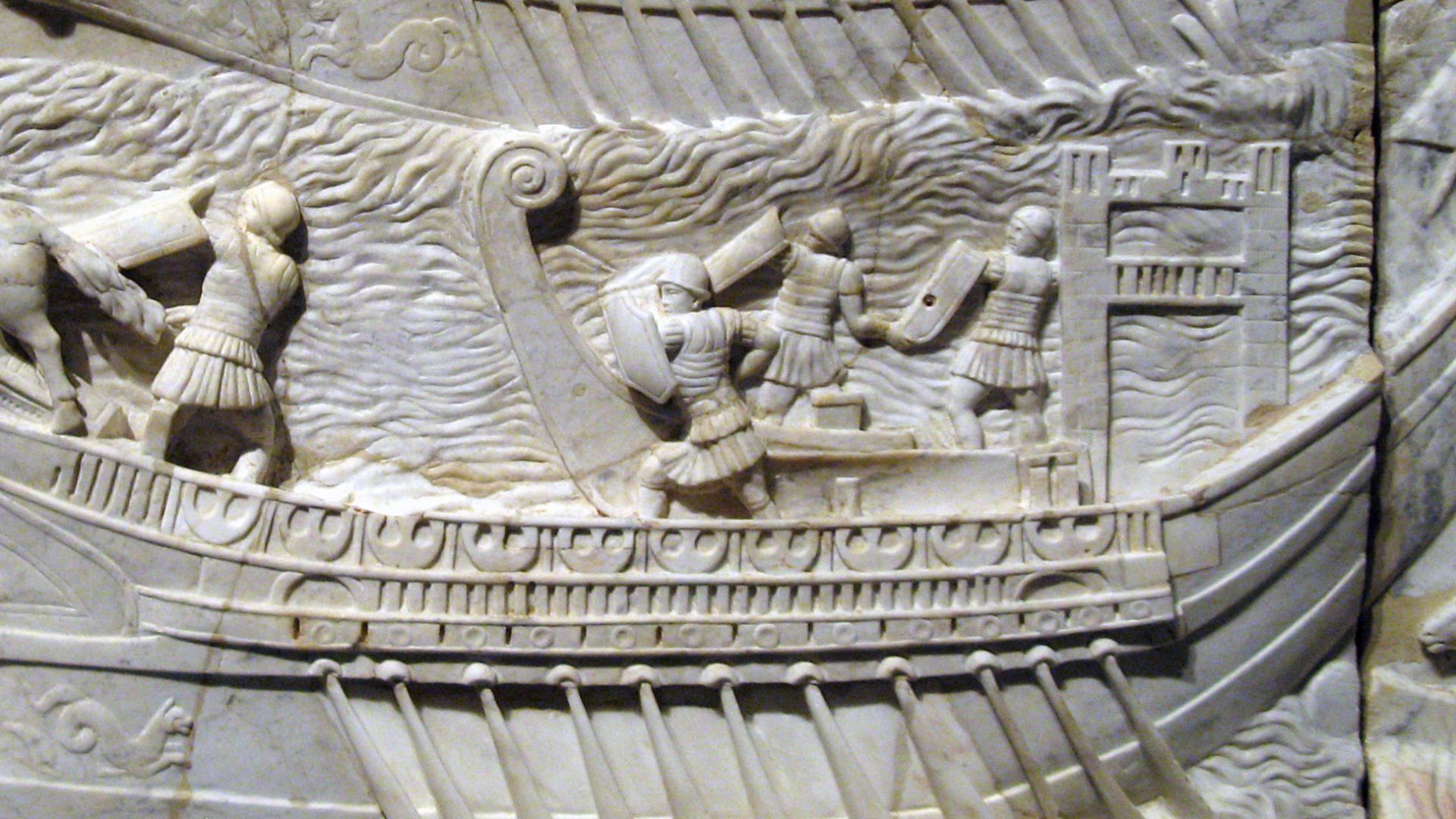 Mark Landon, Wikimedia Commons
Egypt Became Roman Territory
Antony and Cleopatra retreated to Egypt, but Octavian invaded the following year. Both died in 30 BCE as their cause collapsed, and Octavian took control of the kingdom. Egypt became Roman territory, bringing the Ptolemaic dynasty to an end nearly three centuries after its creation. Cleopatra's gamble had placed an ancient kingdom on the losing side of Rome's final republican civil war.
Bulgaria Built A Wall Across The Mountains
For decades, Byzantine emperor Basil II fought to bring the Bulgarian state of Tsar Samuel under his control. In 1014, Bulgarian forces blocked a narrow route near Kleidion with defensive fortifications. The position made a frontal attack extremely difficult and initially stopped Byzantine forces from breaking through. Samuel appeared to have turned the mountains themselves into part of his defenses.
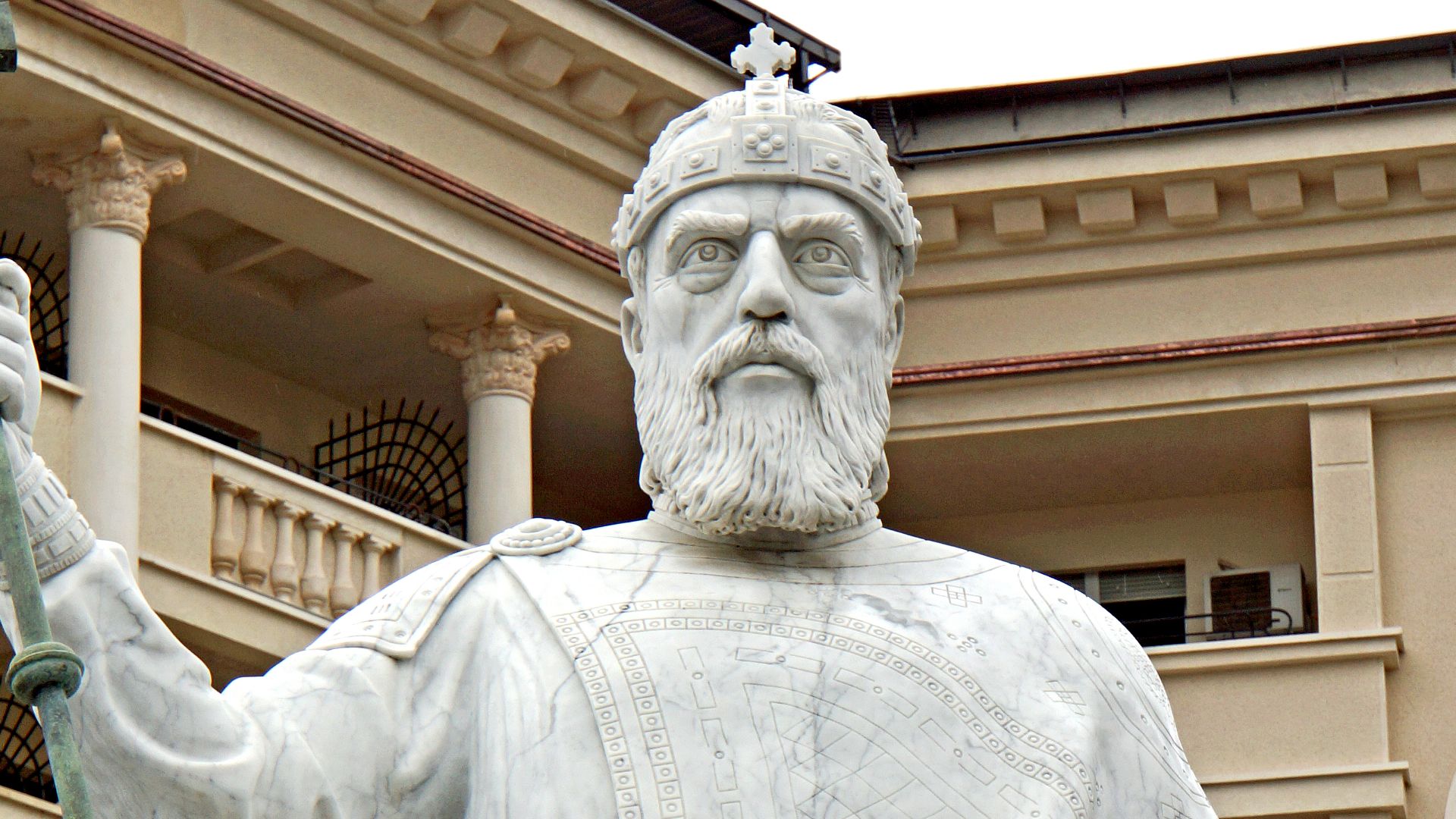 Dennis G. Jarvis, Wikimedia Commons
The Byzantines Went Around It
Rather than continuing to batter the defenses head-on, Byzantine commander Nikephoros Xiphias led troops through the surrounding mountains. His force emerged behind the Bulgarian position while Basil renewed the attack from the front. The Bulgarians were trapped and suffered a devastating defeat. A seemingly formidable defensive position had become a bottleneck with an enemy army on both sides.
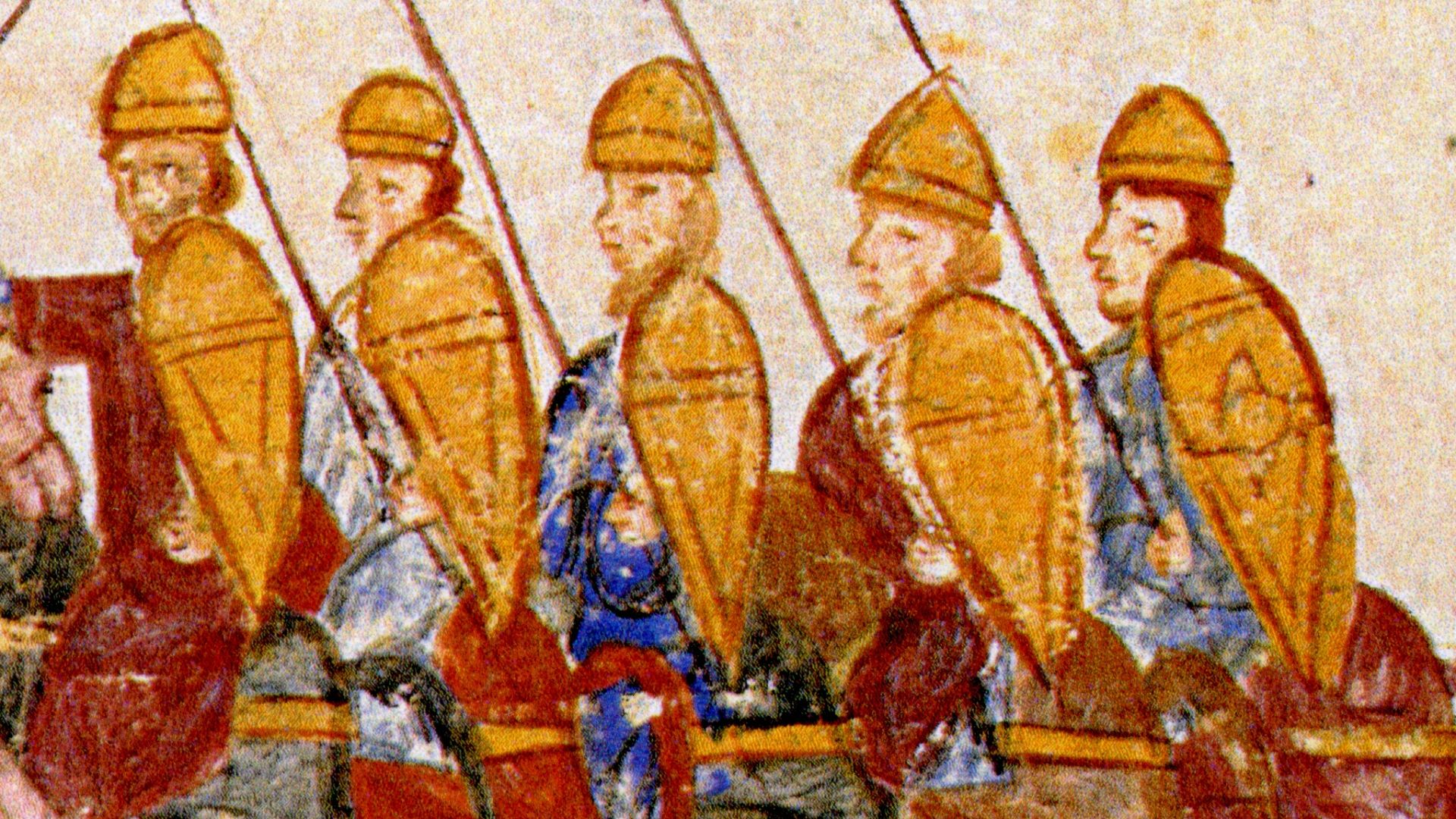 from the Middle Ages, unknown, Wikimedia Commons
Bulgaria Lasted Four More Years
Kleidion did not single-handedly destroy the First Bulgarian Empire. Basil had already spent years weakening Bulgarian territory, and resistance continued after Samuel died later in 1014. By 1018, however, remaining Bulgarian leaders had submitted and the empire was absorbed into Byzantine rule. Bulgaria eventually regained its independence in the late 12th century, but Samuel's state was gone.
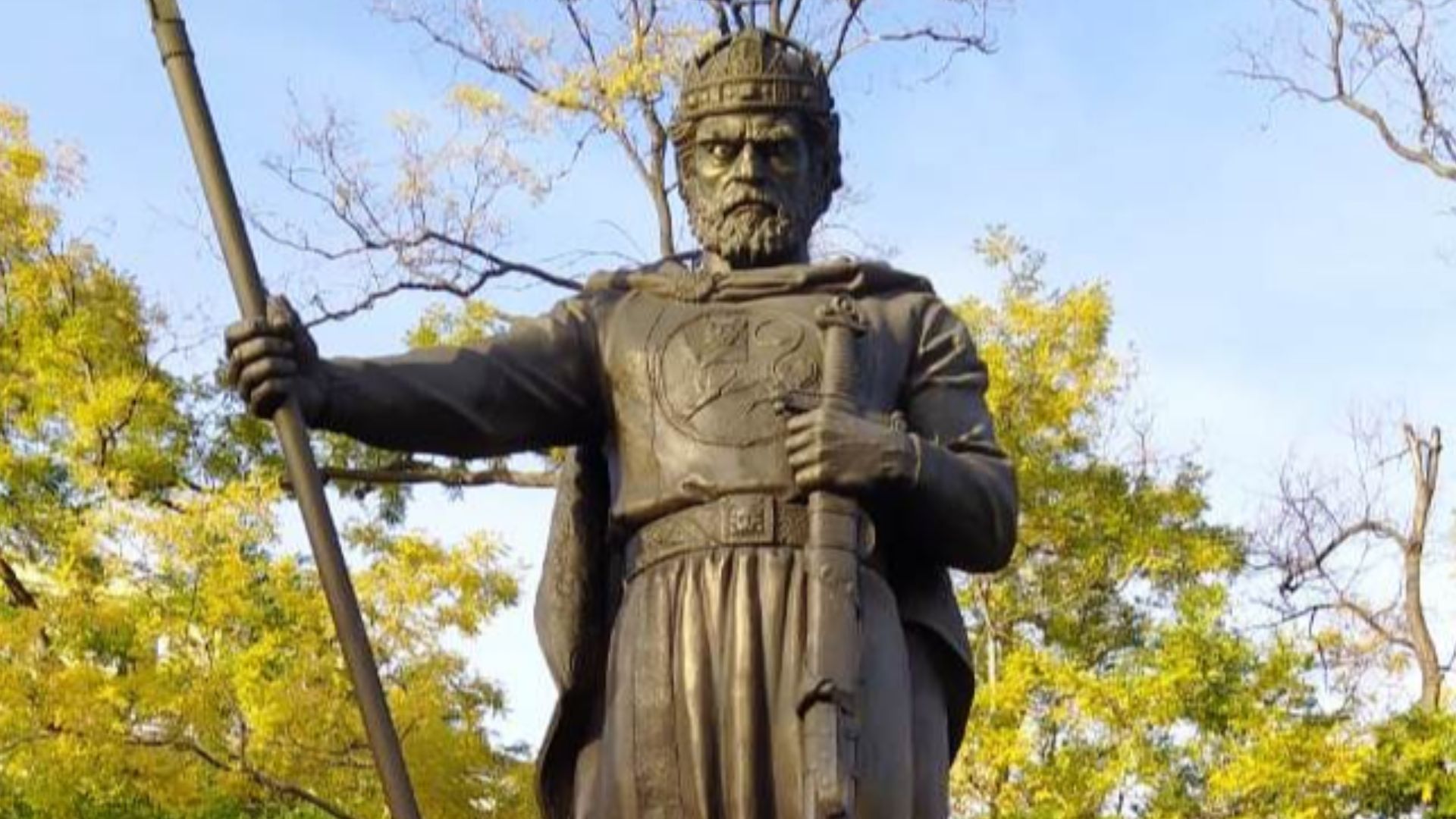 Polovko Sergey Nikolaevich, Wikimedia Commons
History's most fascinating stories and darkest secrets, delivered to your inbox daily.
One Caravan Started A Catastrophe
In 1218, a large merchant caravan from Genghis Khan's territory entered the Khwarazmian Empire and reached the frontier city of Otrar. The city's governor arrested the merchants, accused them of spying, confiscated their goods, and had them killed. Genghis Khan demanded redress. Khwarazmian ruler Muhammad II rejected the embassy and, according to the historical sources, had a Mongol envoy executed.
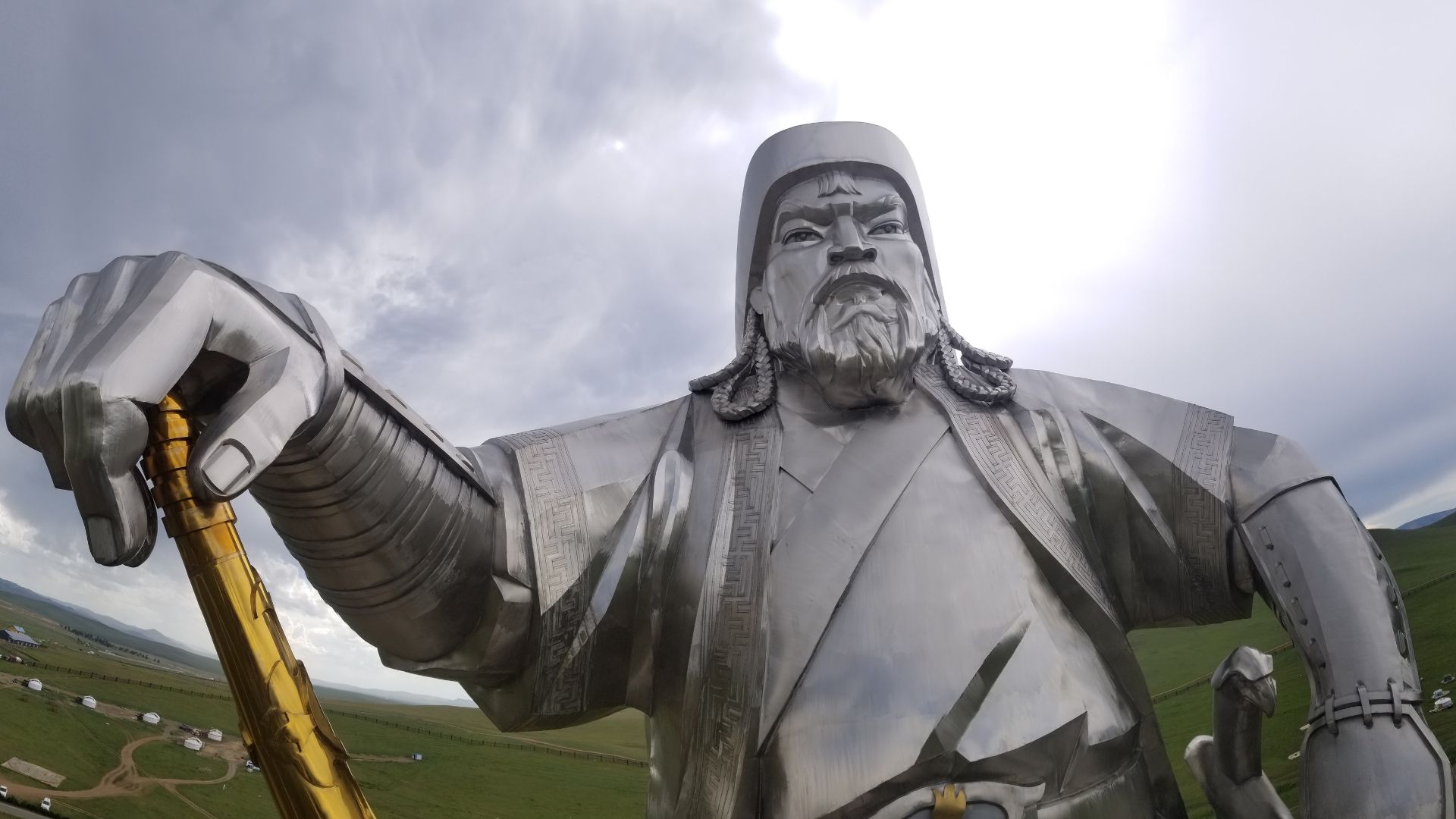
Muhammad Chose A Disastrous Defense
War followed in 1219, and Muhammad faced one of the most formidable armies of the medieval world. Instead of concentrating his forces for a major confrontation, he dispersed troops among fortified cities across his vast empire. That allowed Mongol armies to isolate important centers and attack them separately. Otrar, Bukhara, Samarkand, and other cities fell as Muhammad retreated westward.
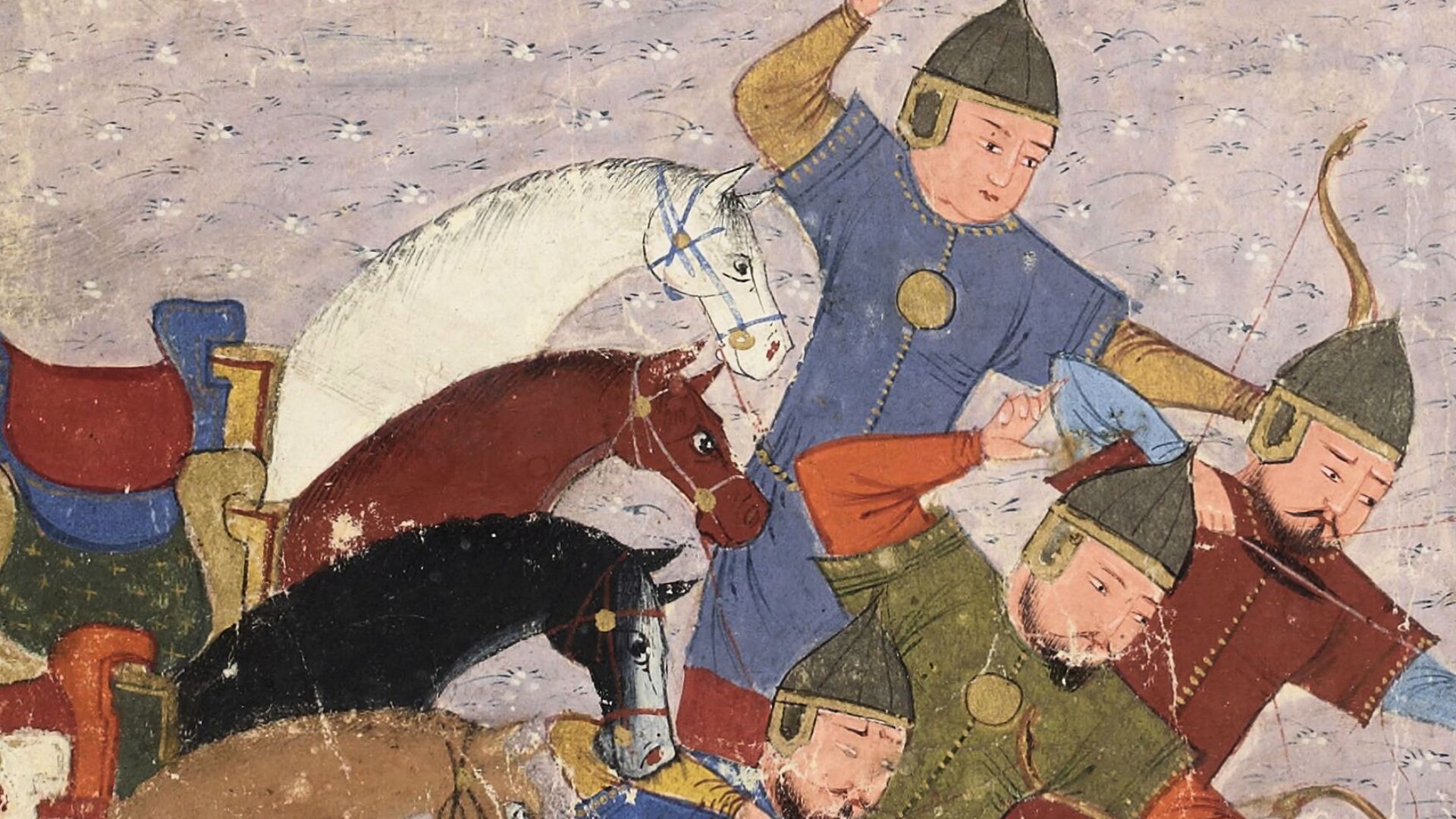 Sayf al-Vahidi. Herat. Afghanistan, Wikimedia Commons
The Empire Never Recovered
Muhammad died while fleeing the Mongol advance, while his son Jalal al-Din continued resisting and briefly established power farther west. He could win battles, but he never reconstructed the sprawling empire his father had lost. Jalal al-Din was killed in 1231, ending the Khwarazmian dynasty's last serious attempt to restore its state. Few diplomatic and military miscalculations have produced consequences on that scale.
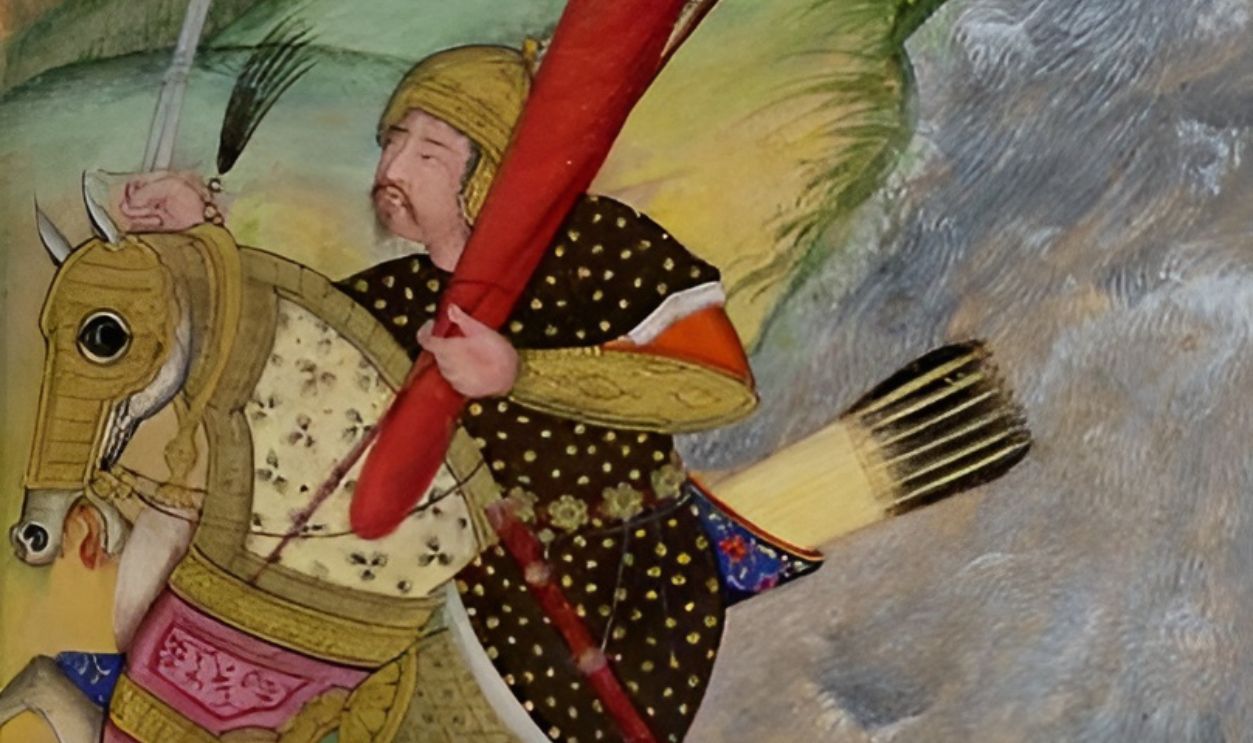 Banwari Khurd, Dharm Das, Wikimedia Commons, Enhanced
Charles The Bold Would Not Stop Fighting
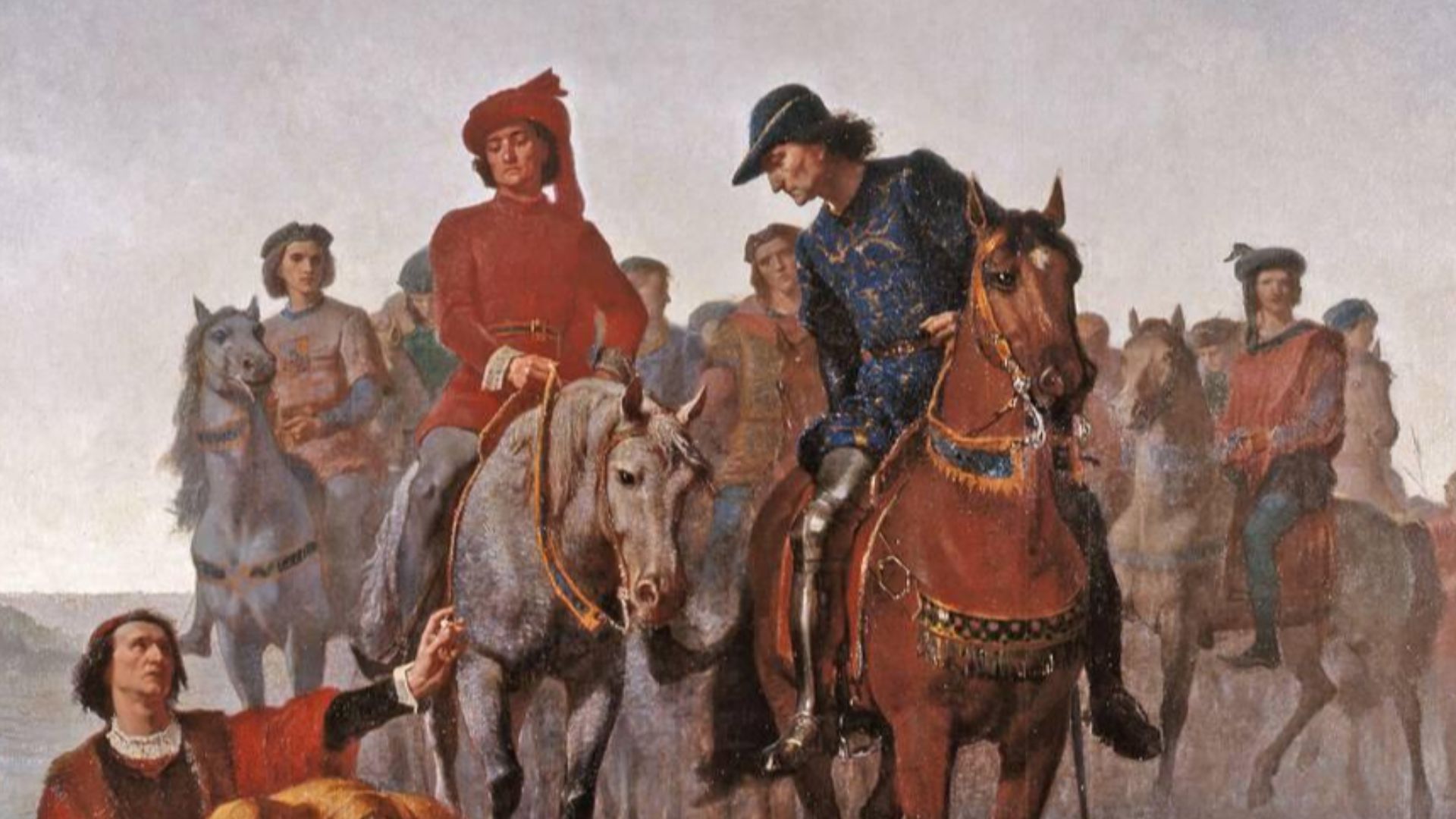
Charles the Bold dreamed of turning his Burgundian territories into a powerful state between France and the Holy Roman Empire. Instead, he became locked in increasingly dangerous wars with the Swiss Confederacy and its allies. Burgundian forces suffered crushing defeats at Grandson and Morat in 1476. Yet Charles assembled another army and returned to war rather than abandoning his ambitions.
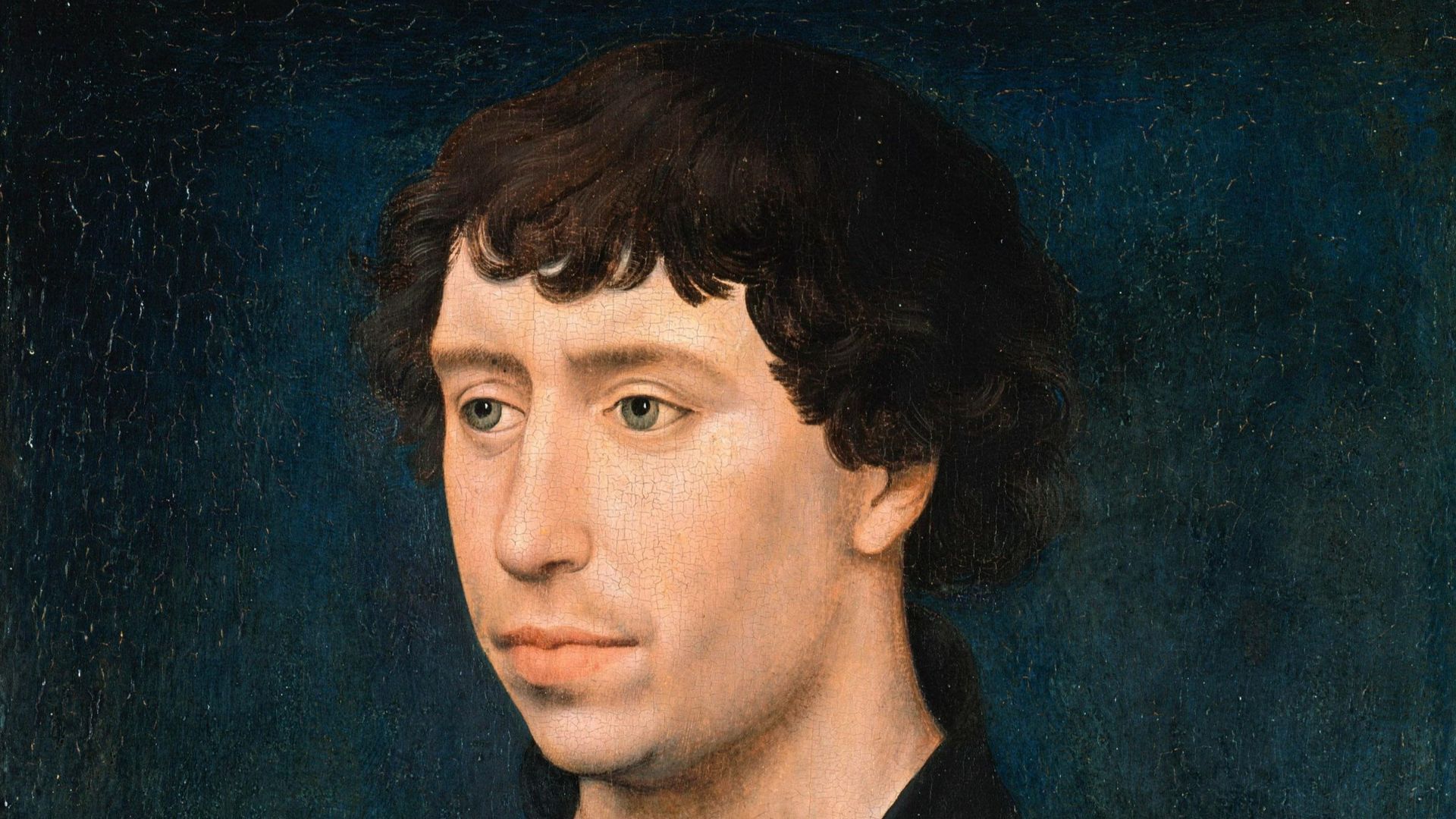 Rogier van der Weyden, Wikimedia Commons
Nancy Became His Last Gamble
Charles besieged Nancy late in 1476 after the city had been retaken by René II of Lorraine. His weakened army endured a bitter winter while enemy forces gathered against him. On January 5, 1477, Charles fought outside Nancy and suffered another devastating defeat. His body was found after the battle, ending his reign and leaving no male heir.
 Augustin Feyen-Perrin, Wikimedia Commons
Burgundy Was Torn Apart
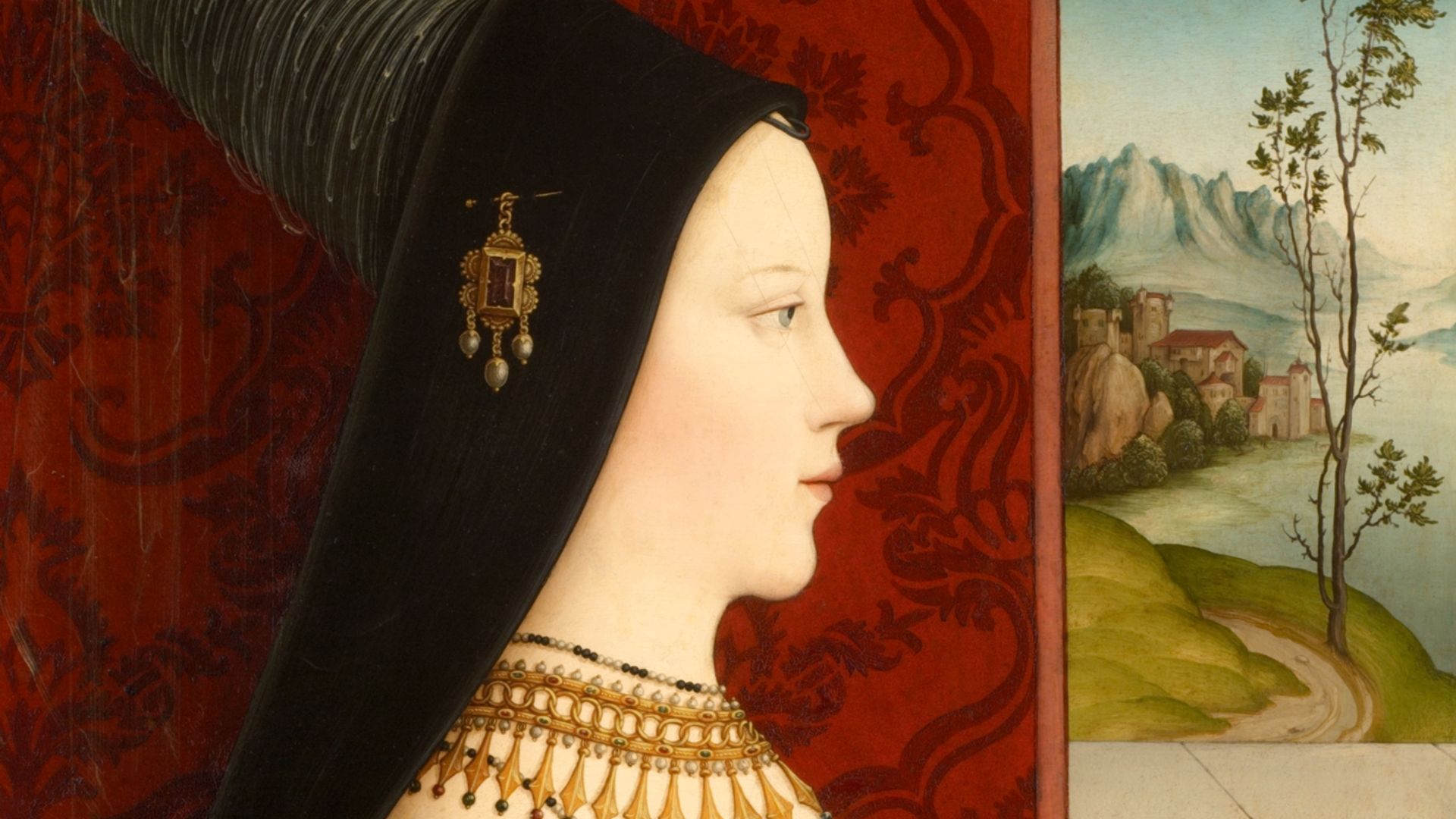
Charles's death created an immediate succession crisis because his only child, Mary of Burgundy, inherited his territories. King Louis XI of France moved quickly to seize the Duchy of Burgundy and other lands, while Mary's marriage to Maximilian of Habsburg carried much of the Burgundian inheritance into Habsburg hands. Burgundy did not vanish culturally or geographically. The powerful Burgundian state Charles had spent his life trying to strengthen, however, never survived his final campaign in the same form.
 Niklas Reiser, Wikimedia Commons
History's most fascinating stories and darkest secrets, delivered to your inbox daily.
Atahualpa Underestimated 168 Spaniards
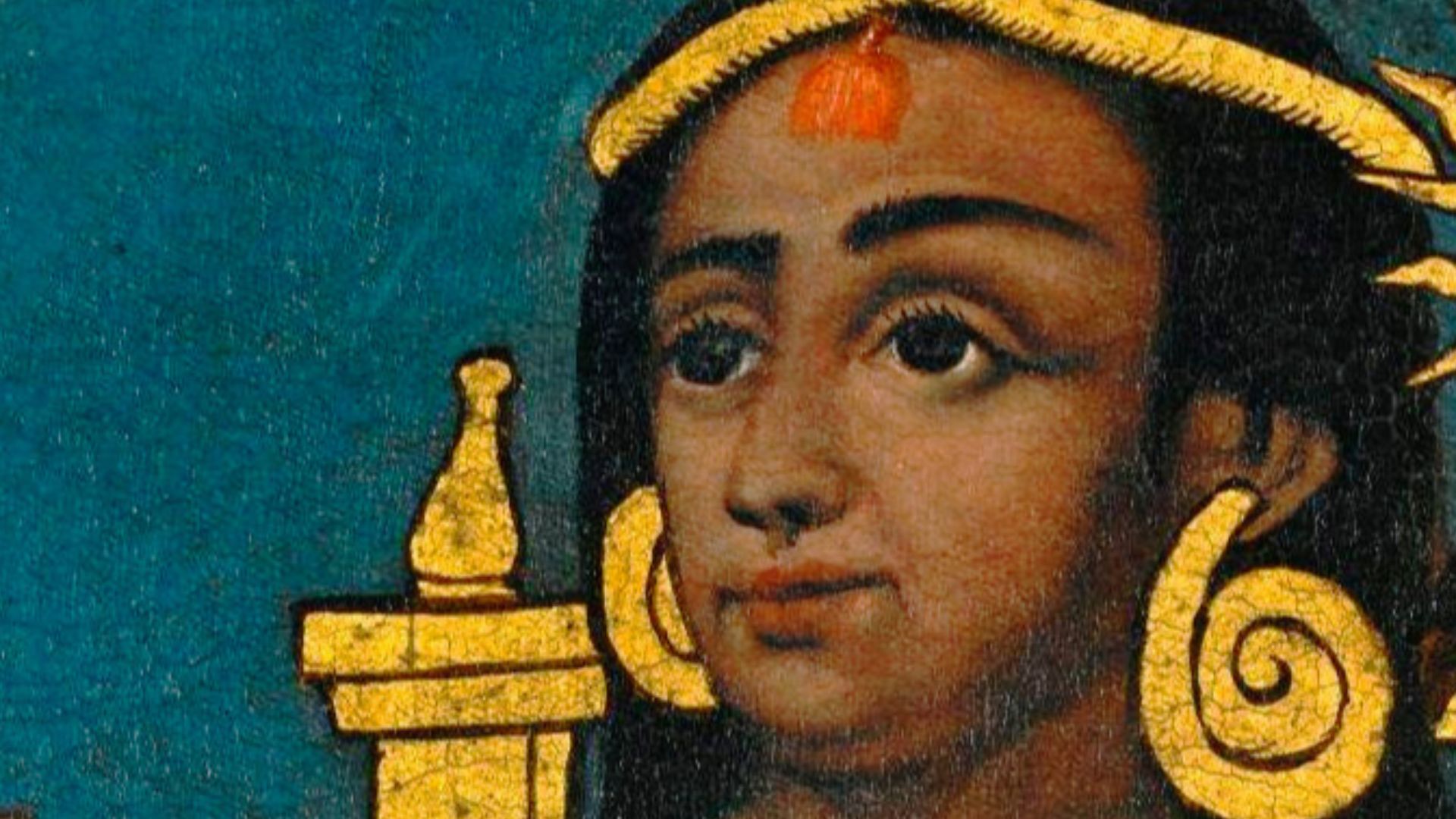
In 1532, Inca ruler Atahualpa had just emerged victorious from a destructive civil war when Francisco Pizarro reached Cajamarca. Pizarro commanded only about 168 Spaniards, while Atahualpa had thousands of troops nearby. The numerical imbalance was so extreme that the newcomers hardly looked capable of threatening the ruler of the Inca Empire. Atahualpa agreed to meet them inside Cajamarca.
Pizarro Turned The Meeting Into An Ambush
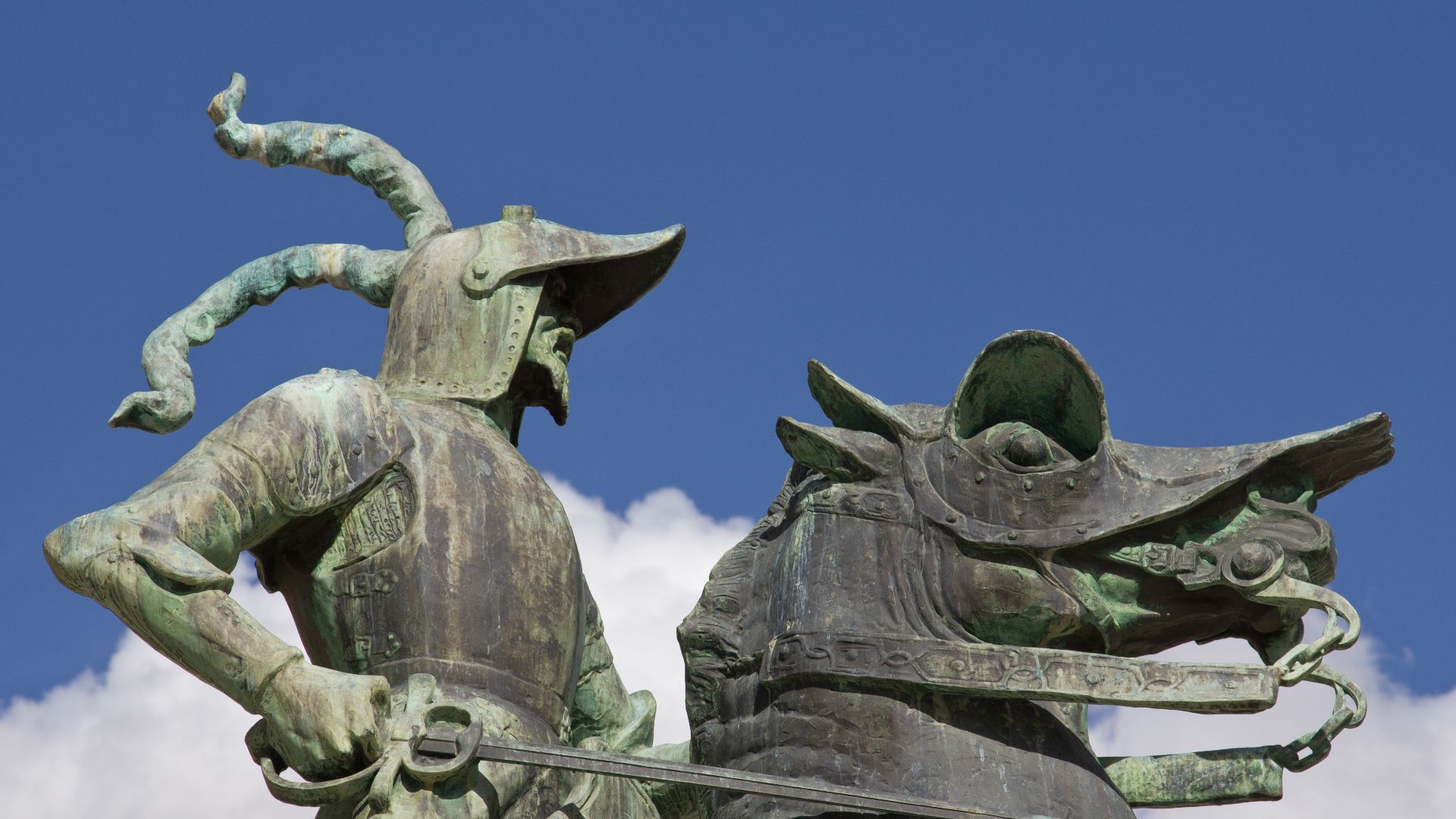
Atahualpa entered the town accompanied by thousands of attendants, many of whom were unarmed or lightly equipped. Pizarro had hidden cavalry, infantry, and firearms around the square before the meeting began. The Spaniards launched a sudden attack, creating panic and slaughter among Atahualpa's entourage while capturing the ruler alive. In a matter of hours, fewer than 200 invaders had gained control of the most important person in the empire.
 Carlos Delgado, Wikimedia Commons
The Inca Empire Began To Unravel
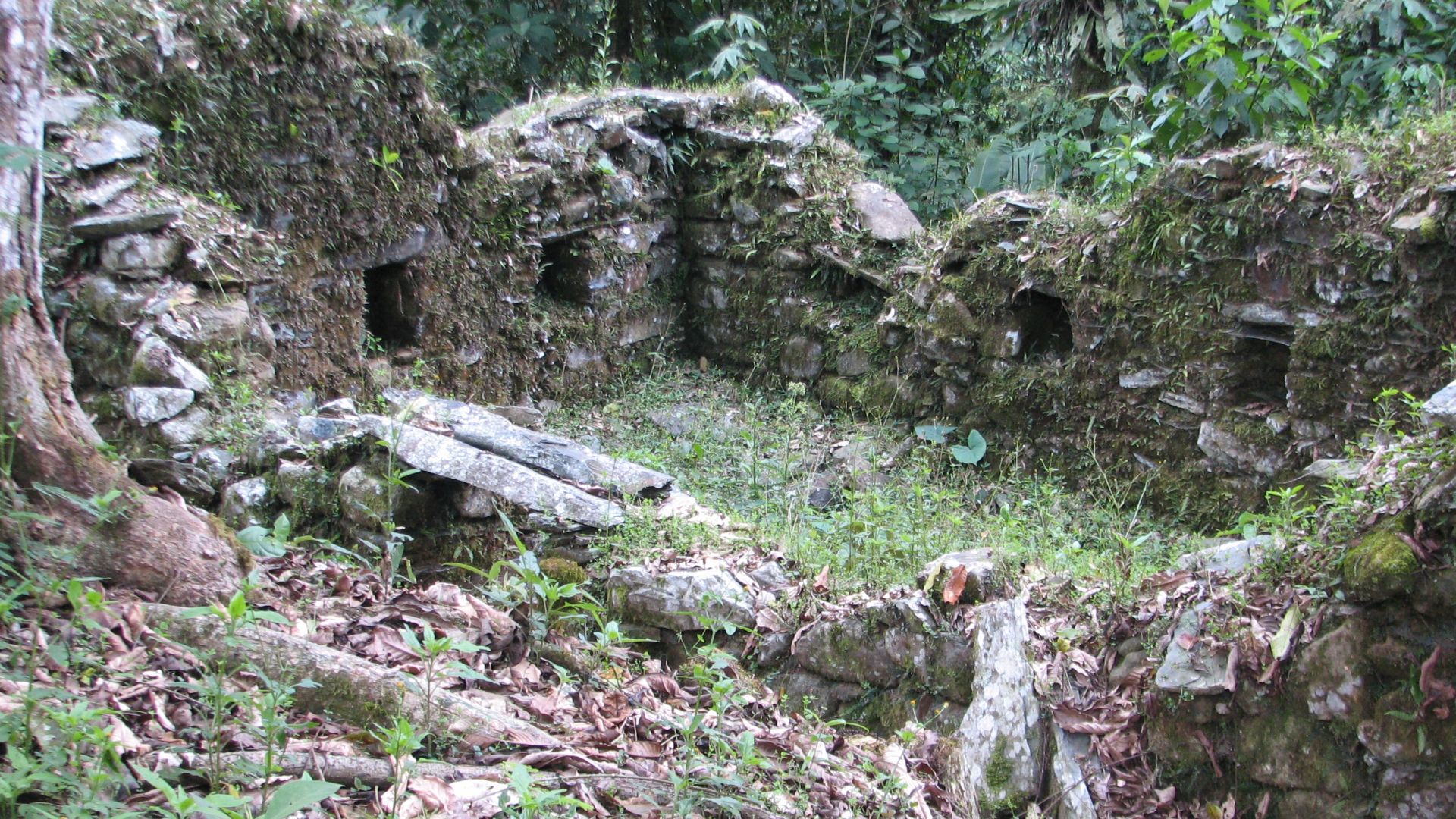
Atahualpa offered an enormous ransom for his release, but the Spaniards executed him in 1533. Pizarro's forces exploited the Inca civil war, local rivalries, and alliances with Indigenous groups opposed to Inca rule as they advanced toward Cuzco. Resistance continued for decades, and the Neo-Inca state at Vilcabamba survived until 1572. Cajamarca was not the instant end of the Incas, but losing the emperor at the beginning of the invasion gave Pizarro an extraordinary advantage.
Songhai Outnumbered The Invaders
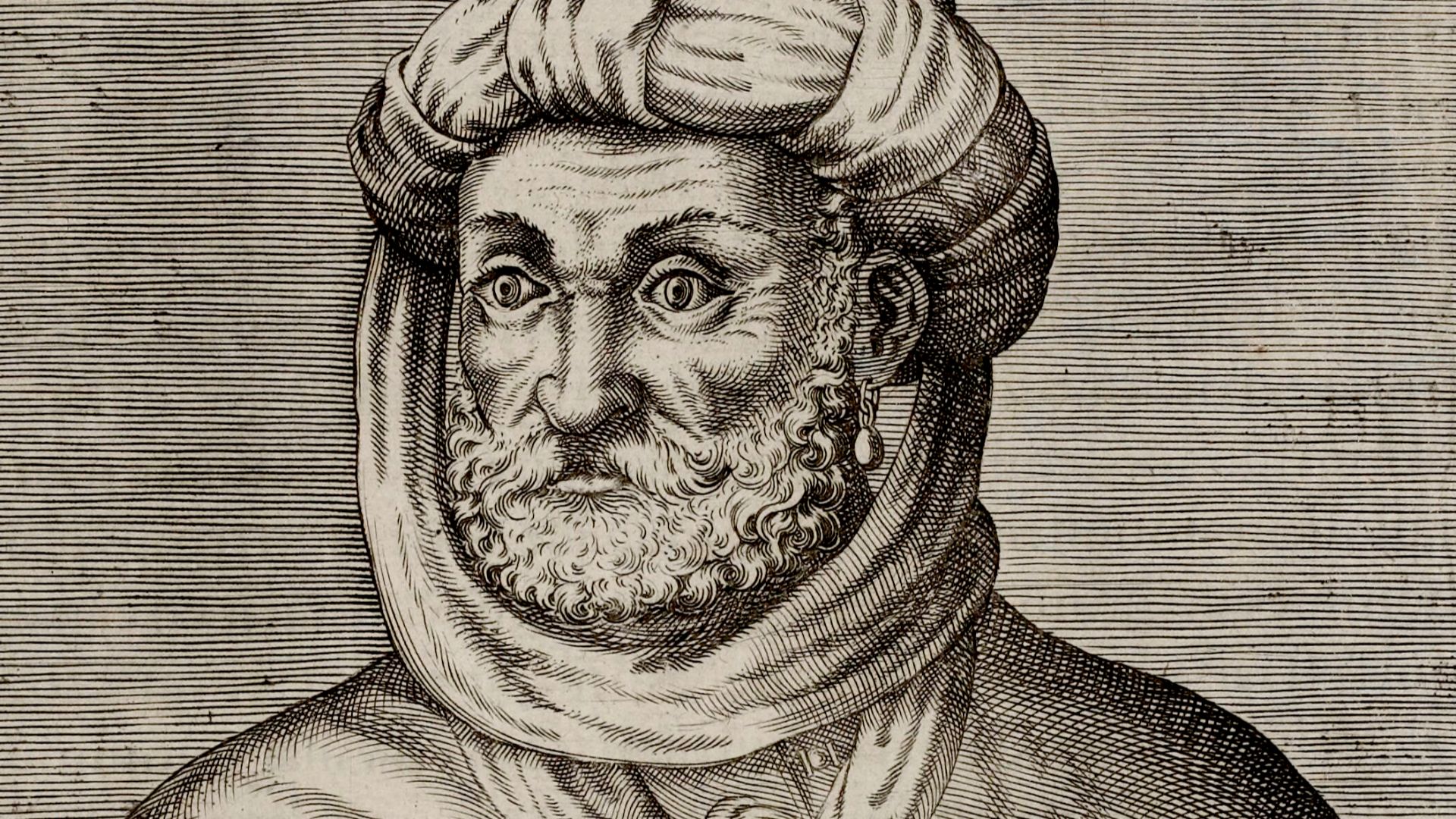
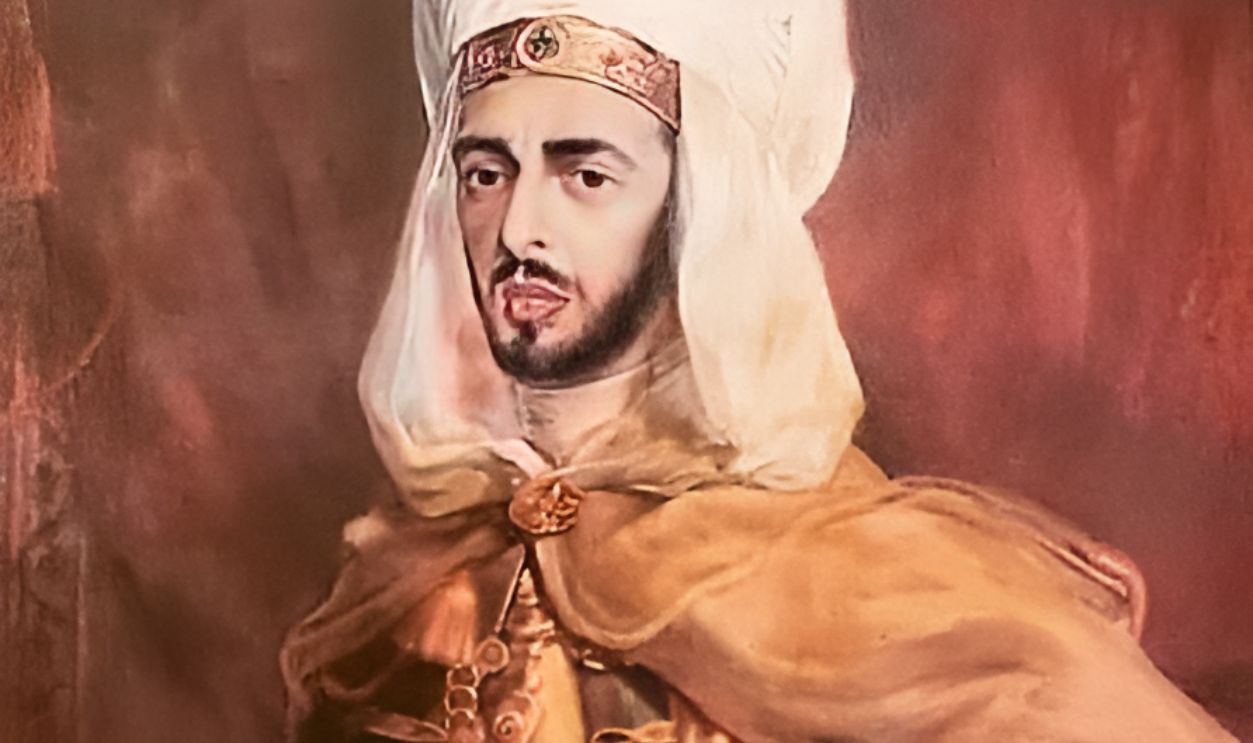
By the late 16th century, the Songhai Empire controlled a huge area of West Africa and major commercial centers including Gao and Timbuktu. Morocco's Saadi ruler Ahmad al-Mansur wanted access to the wealth moving through the region and sent an army across the Sahara in 1590. Songhai could field a much larger force. The Moroccans, however, arrived with firearms and artillery that changed the balance dramatically.
 Andre Thevet, Wikimedia Commons
Guns Changed The Battle
The armies met at Tondibi in 1591. West African chronicles describe Songhai forces attempting to drive cattle toward the Moroccan lines, only for gunfire to frighten the animals and disrupt the attack. Whatever role the cattle played, the larger issue was the Moroccan army's overwhelming advantage in firearms and cannon. Songhai's numerical superiority could not compensate for the difference in weaponry and organization.
 Jules de Moutier (1836–1898), Wikimedia Commons, Enhanced
Songhai Broke Apart
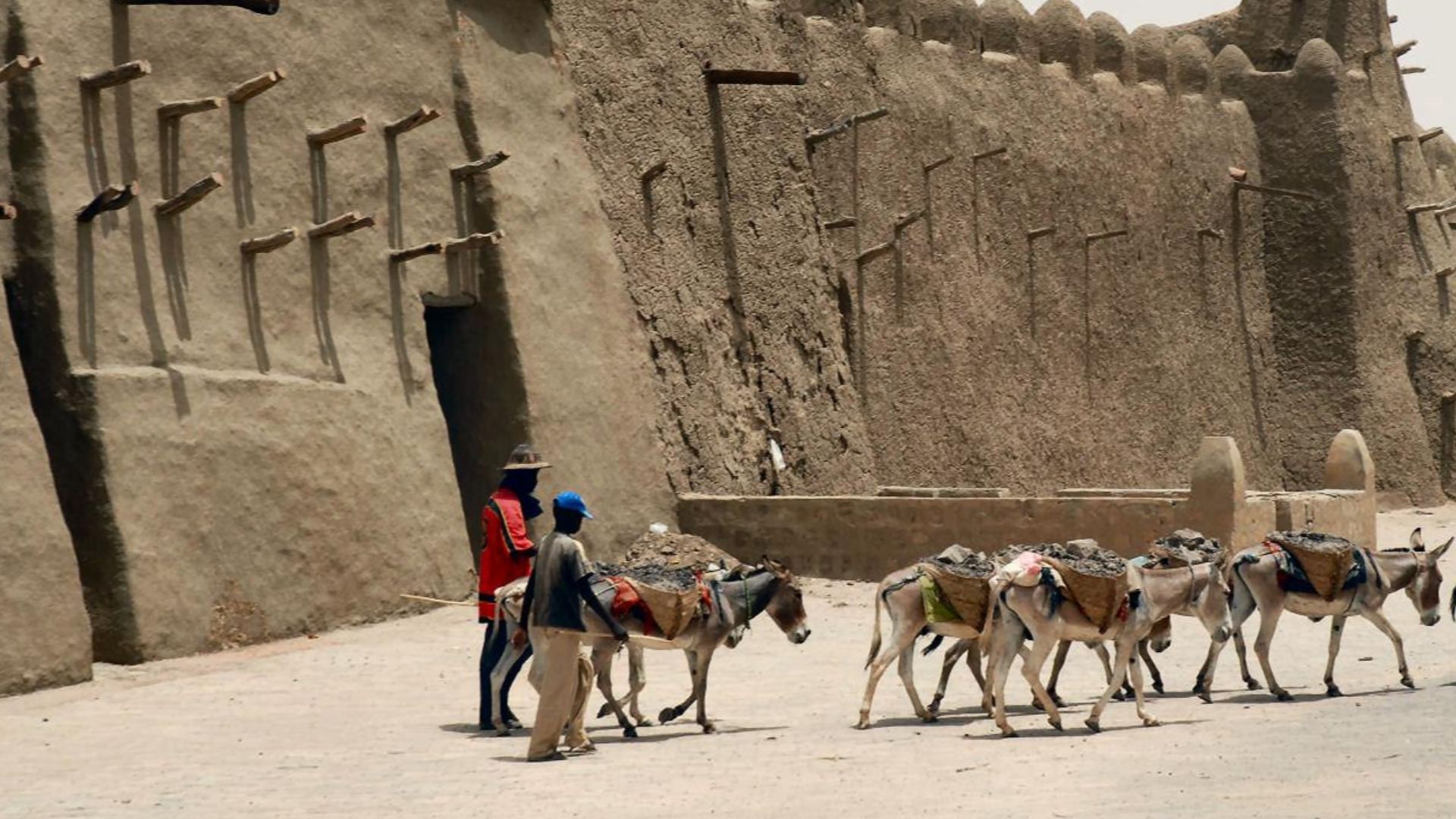
After Tondibi, Moroccan forces captured Gao, Timbuktu, and other important centers. Resistance continued, and successor states survived outside effective Moroccan control, so the Songhai people and political traditions did not simply disappear. The centralized empire, however, never recovered its former power and fractured into smaller territories. A campaign launched by a much smaller invading force had helped end one of West Africa's greatest empires.
You May Also Like:
Powerful World Leaders Who Took "Holding A Grudge" To Another Level
The Pig War Began With One Dead Farm Animal—And Nearly Brought Britain And America To The Brink