A Farmyard Dispute Became A Global Crisis
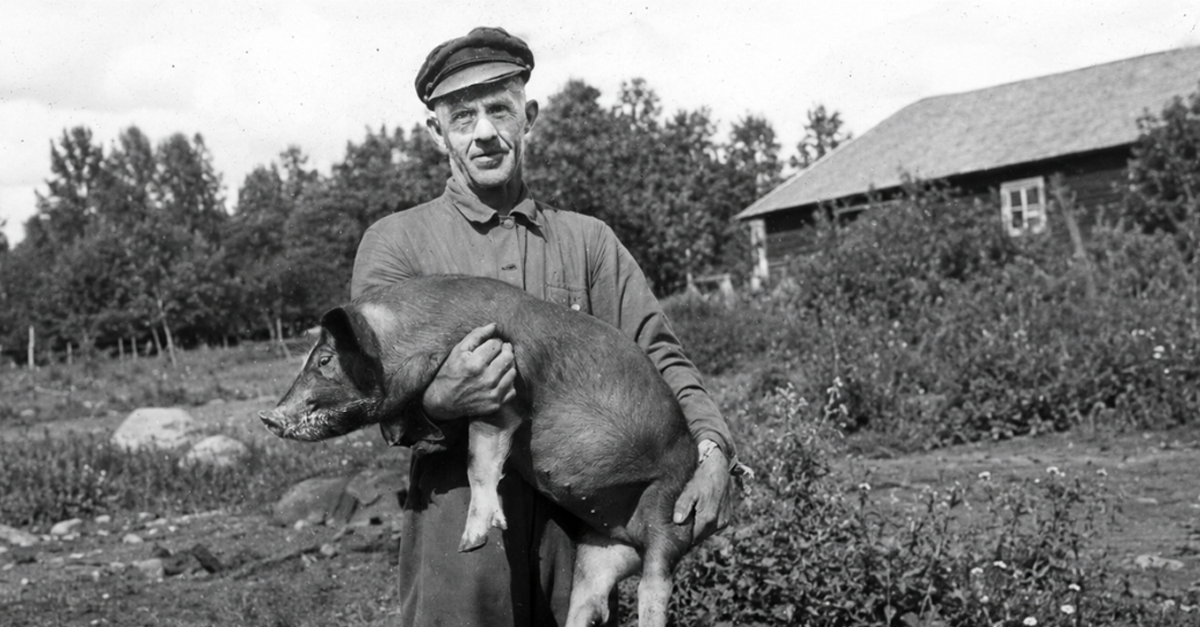
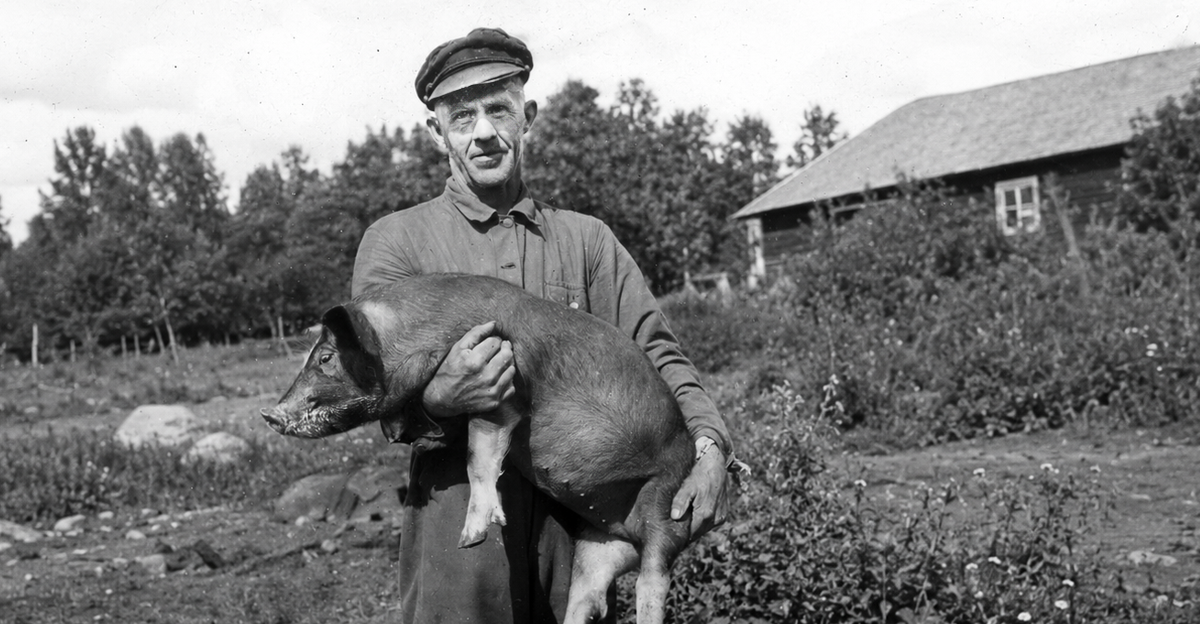
The Pig War began with a hungry animal raiding the wrong vegetable garden. Within weeks, American soldiers and British warships were facing off over San Juan Island. Miraculously, the pig remained the standoff’s only casualty.
 Unknown photographer, Medical History Museum, Gothenburg, Wikimedia Commons
The Trouble Started With A Treaty
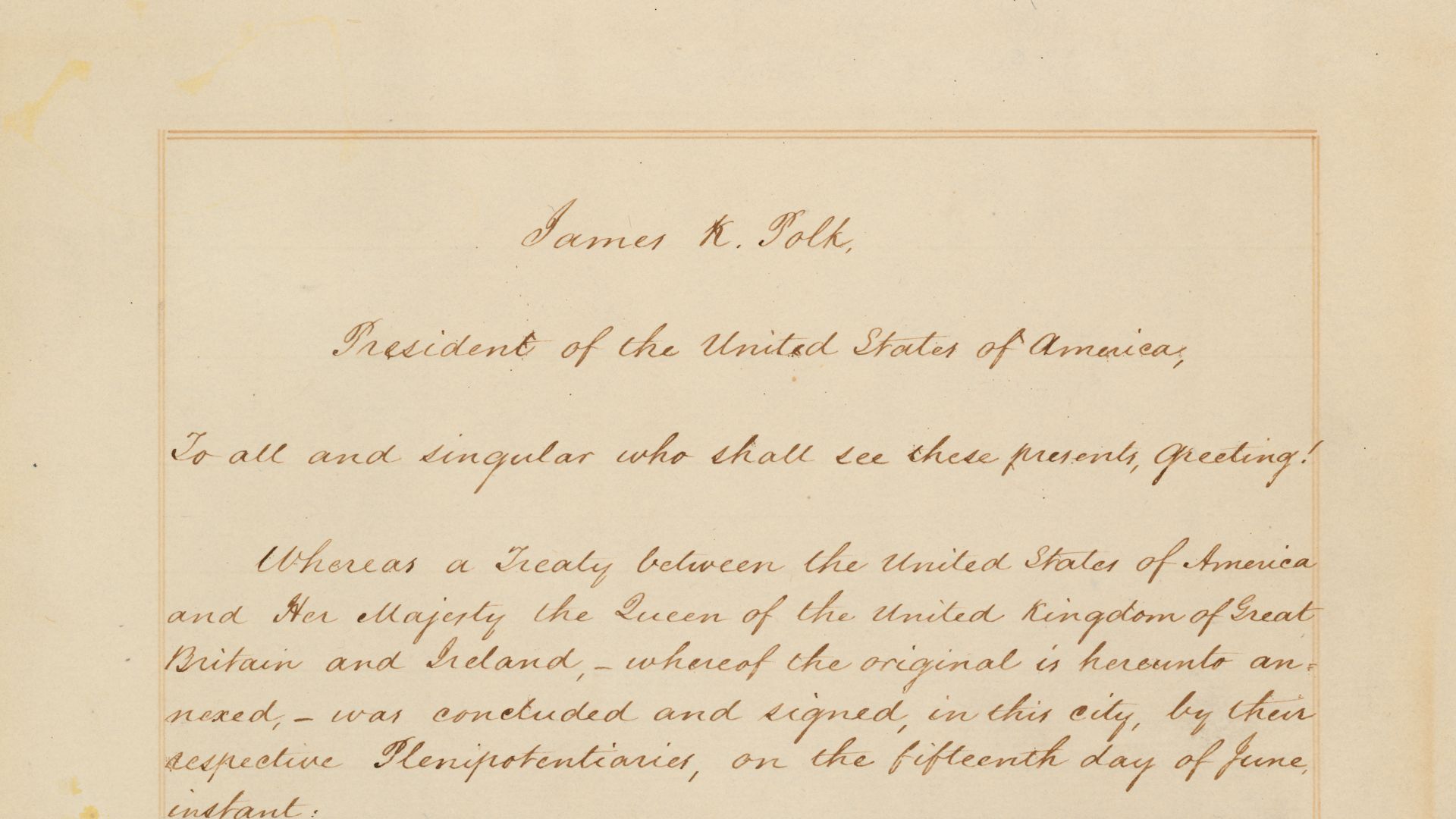
Britain and the United States signed the Oregon Treaty in 1846 to divide their competing territorial claims in the Pacific Northwest. The agreement extended the international boundary westward along the 49th parallel. It appeared to settle a long and dangerous dispute, but one crucial stretch remained unclear.
 U.S. Government. 3/4/1789, Wikimedia Commons
One Word Caused The Confusion
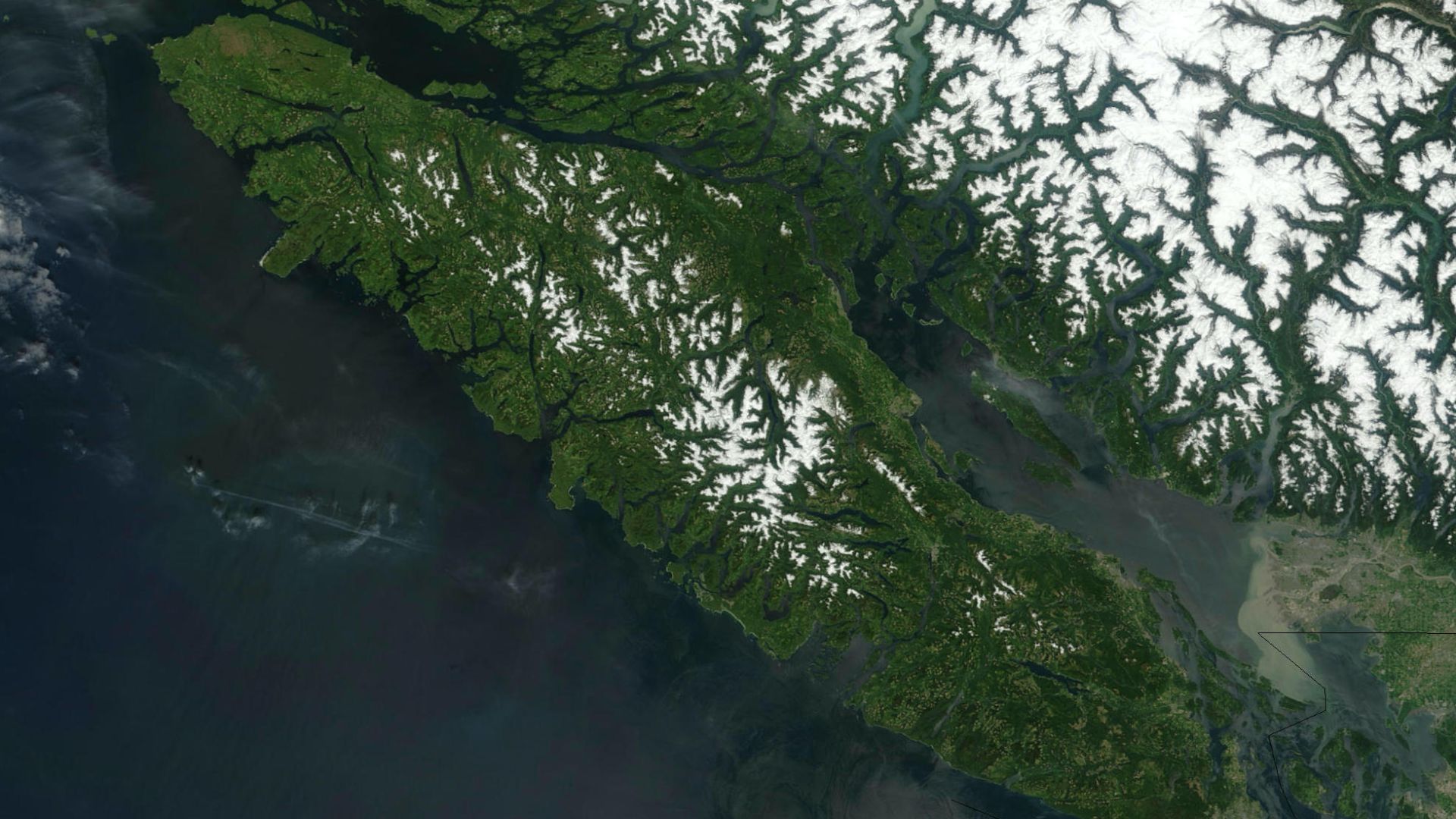
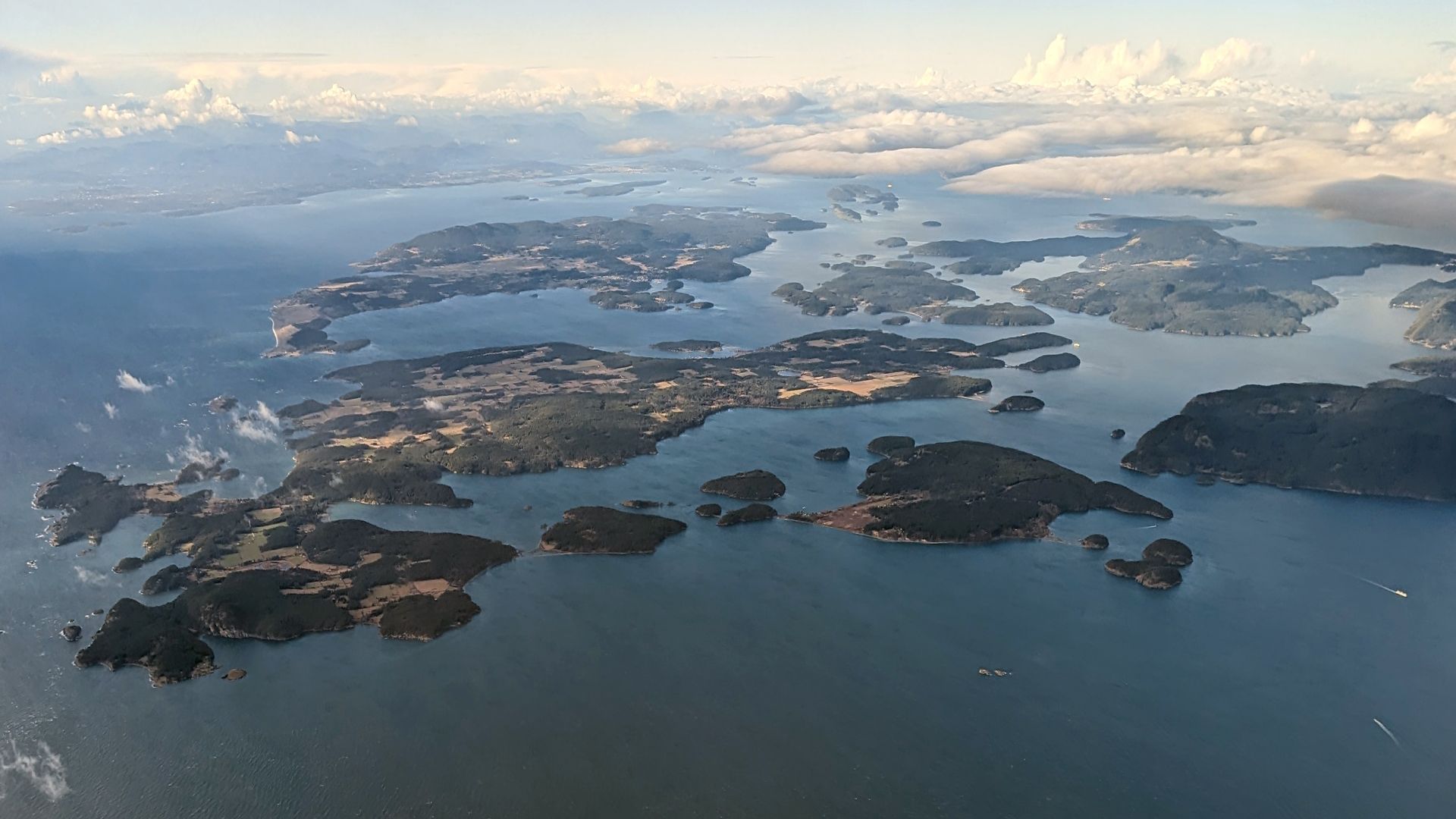
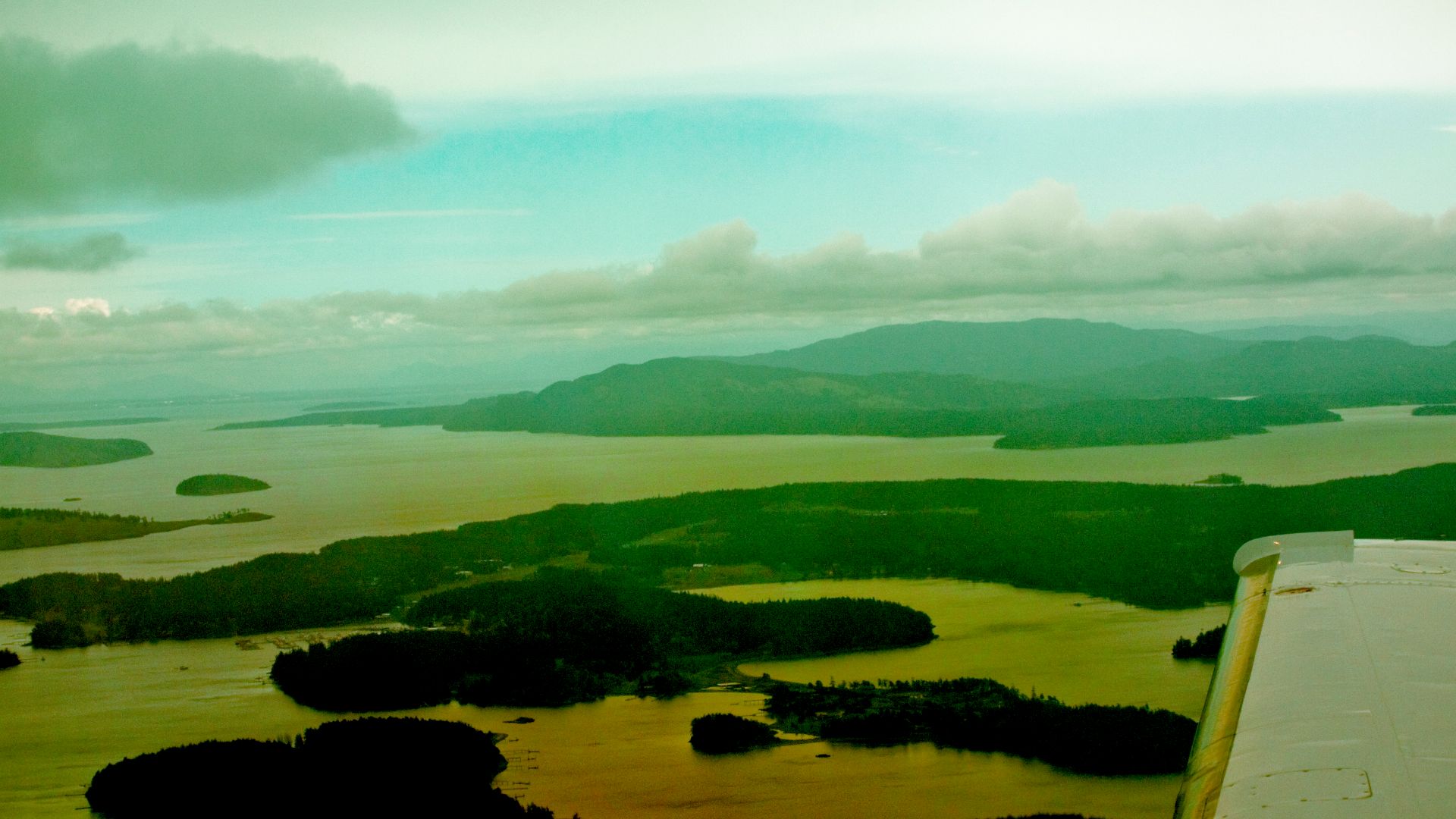
The treaty directed the boundary through the middle of the channel separating Vancouver Island from the mainland. Unfortunately, several channels matched that description, making the diplomats’ jobs considerably harder. The vague wording left the strategically situated San Juan Islands caught between two possible borders.
Each Side Favored A Different Channel
The Americans argued that the border should follow Haro Strait, west of the San Juan Islands. British officials preferred Rosario Strait, which ran east of the island group. By a remarkable diplomatic coincidence, each country’s interpretation awarded the islands to itself.
 Caitriana Nicholson from 北京 ~ Beijing, 中国 ~ China, Wikimedia Commons
The Islands Were Worth Contesting
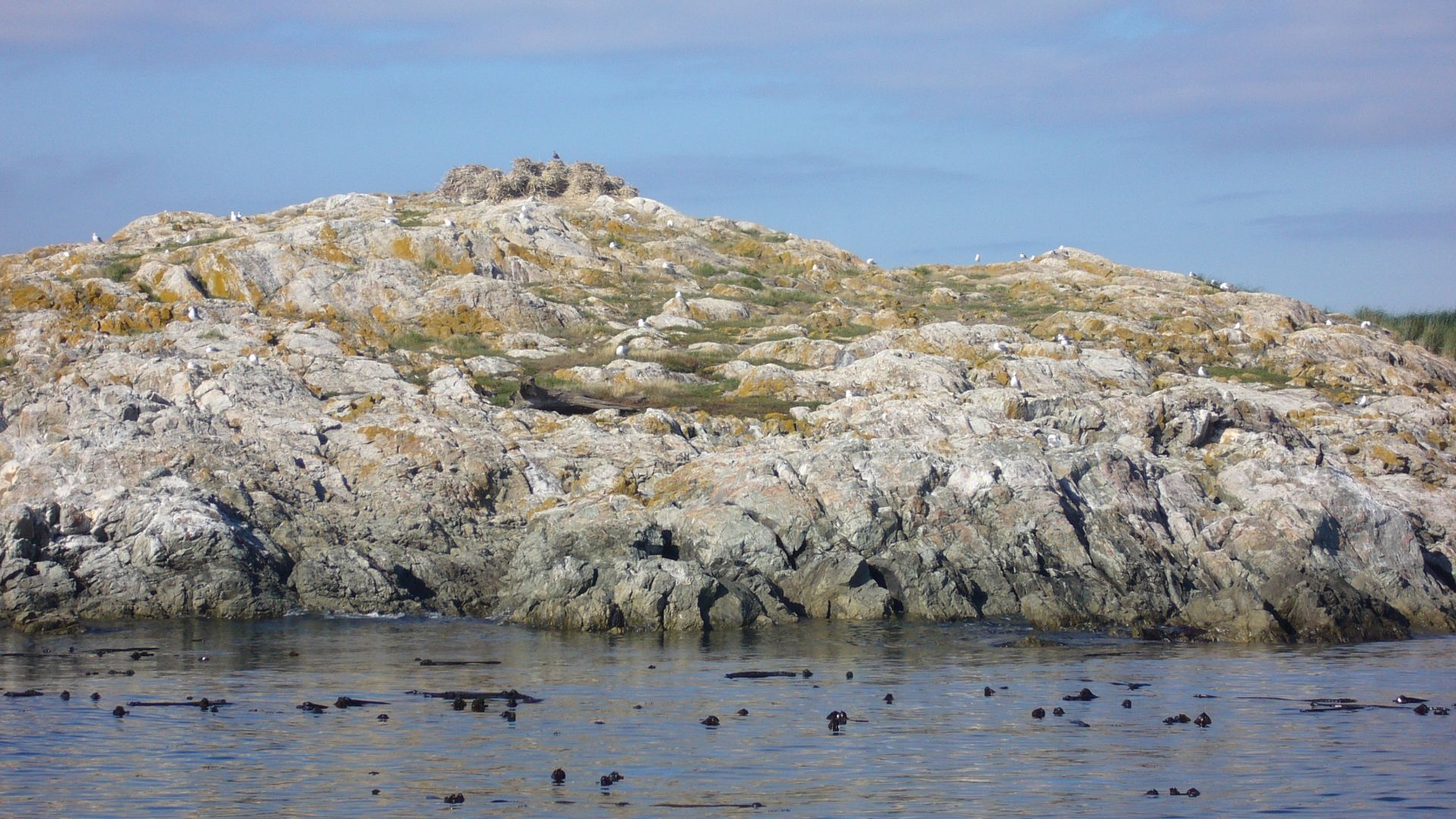
The San Juan Islands occupied an important position between Vancouver Island and the mainland. Their soil, grazing land, fisheries, and surrounding waterways offered considerable economic value. Control of the islands also affected navigation and regional security.
Britain Established A Foothold
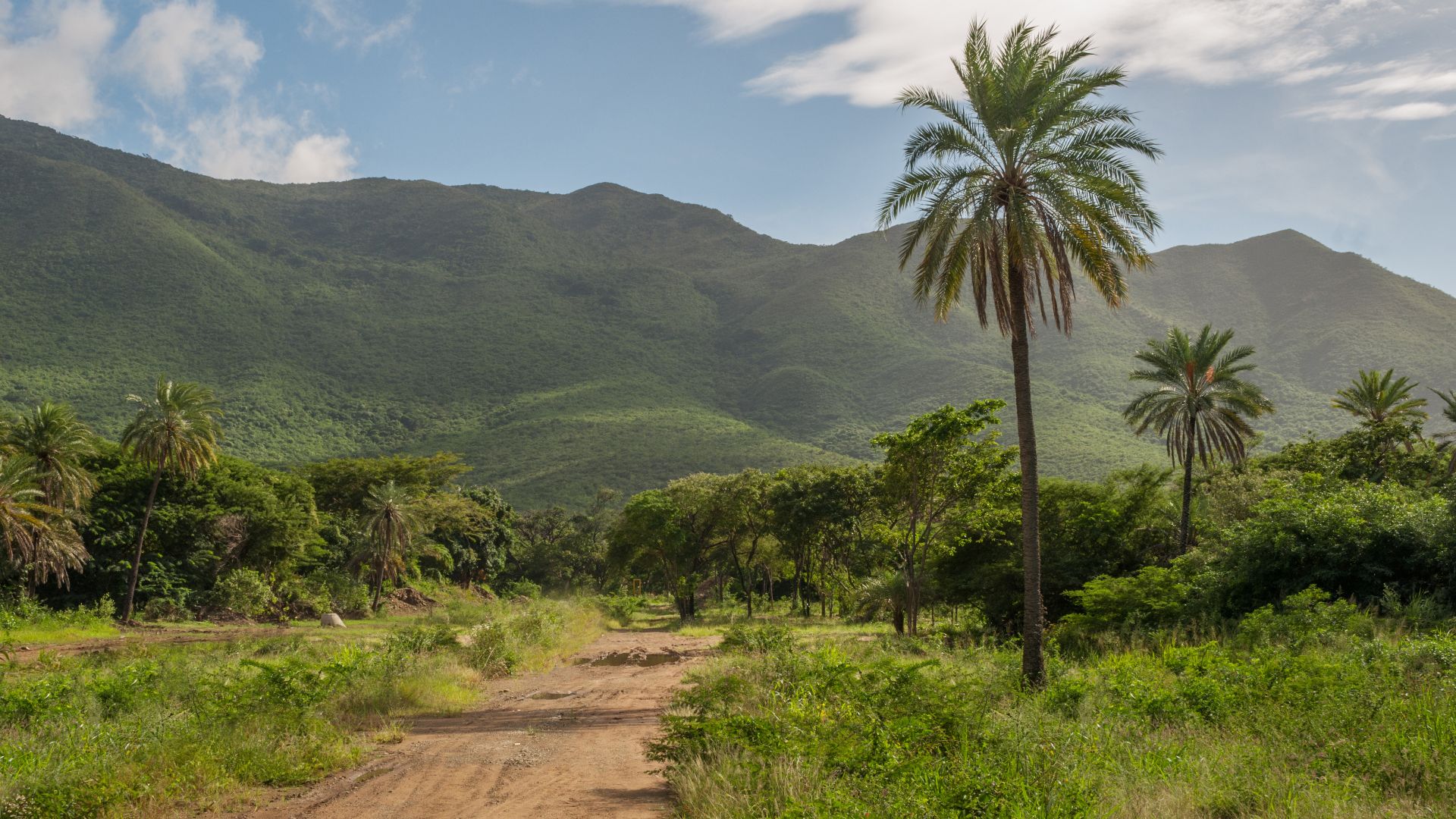
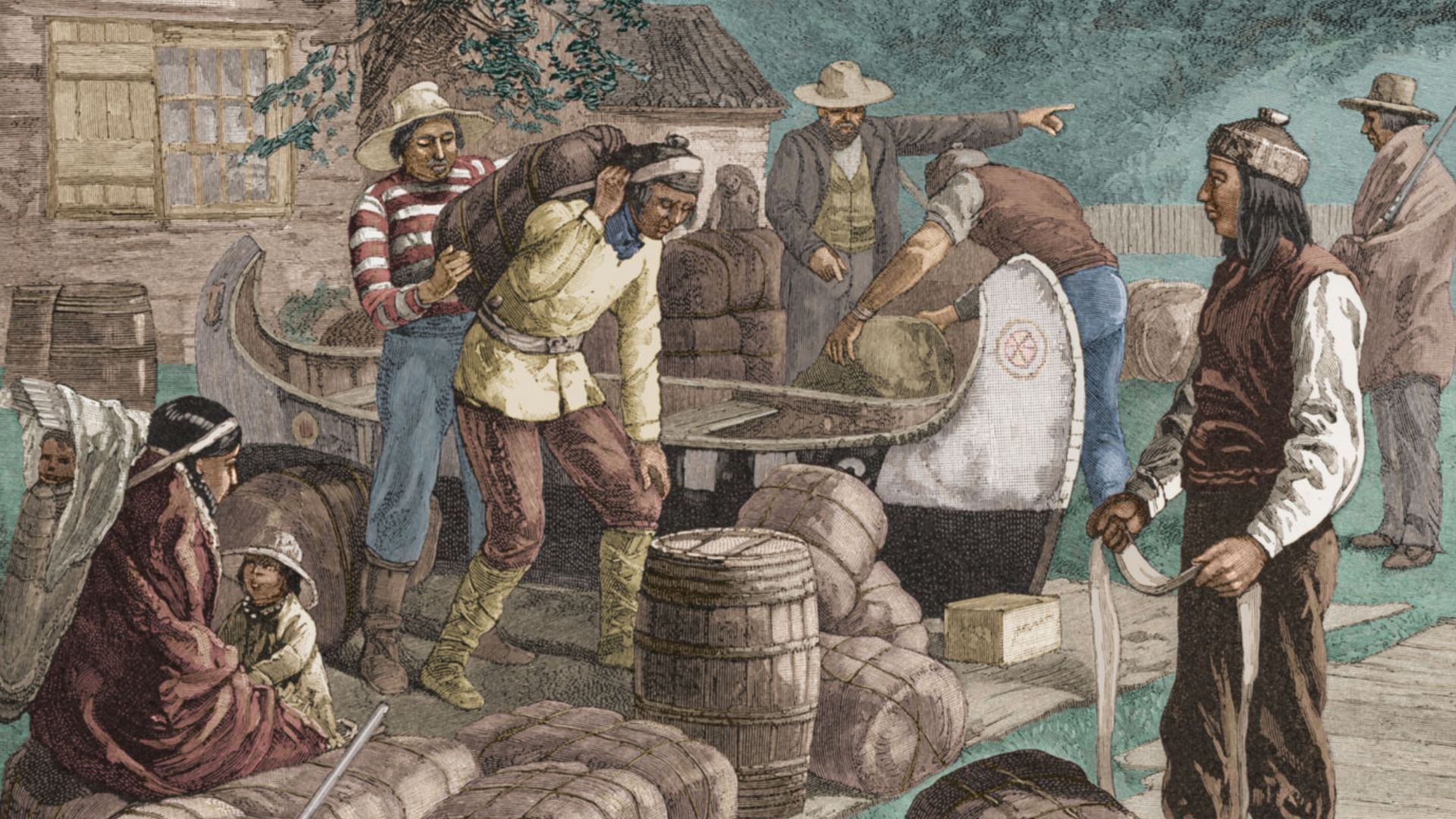
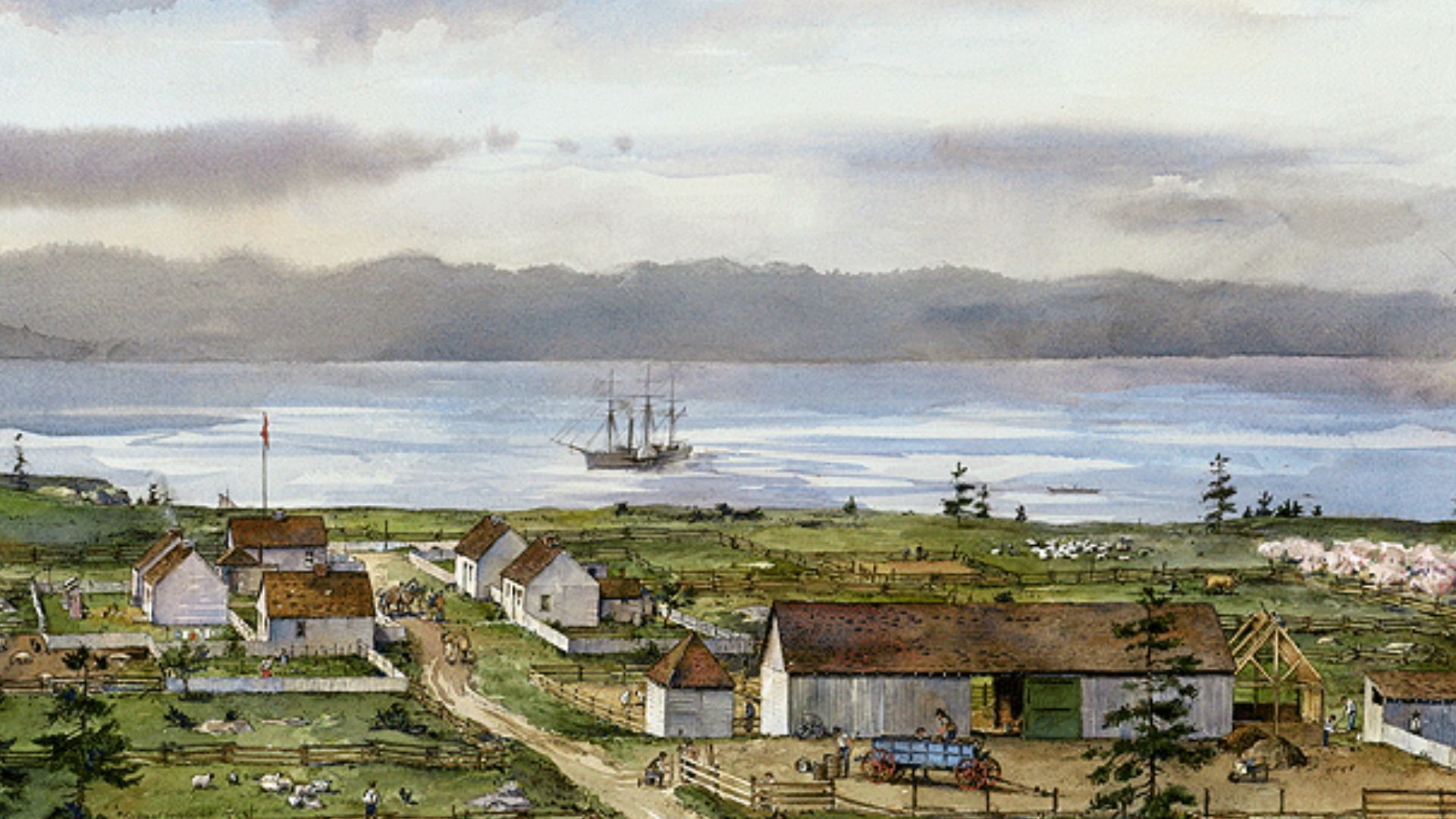
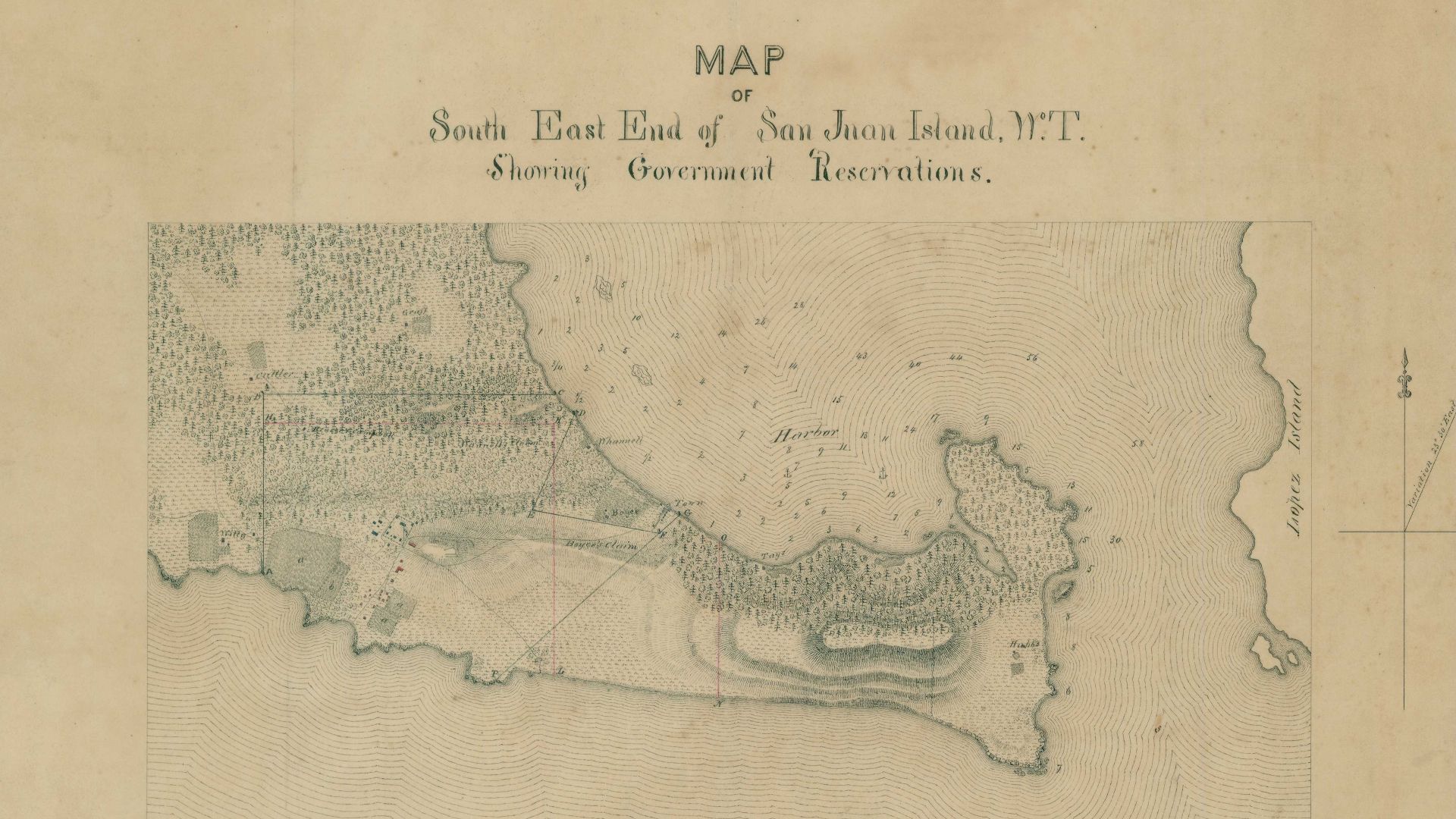
The Hudson’s Bay Company had claimed San Juan Island by 1845 and later opened salmon-curing stations there. In December 1853, the company established Belle Vue Sheep Farm on the island’s southern end. The profitable operation also strengthened the British claim through a visible, permanent presence.
 Henry Alexander Ogden (Harry Ogden), Wikimedia Commons
Thousands Of Sheep Covered The Island
Belle Vue Sheep Farm began with 1,369 sheep and expanded rapidly. By 1859, the company’s flock had grown to more than 4,500 animals distributed across several stations. Charles Griffin managed the operation for the Hudson’s Bay Company.
 National Park Service, Wikimedia Commons
American Settlers Began Arriving
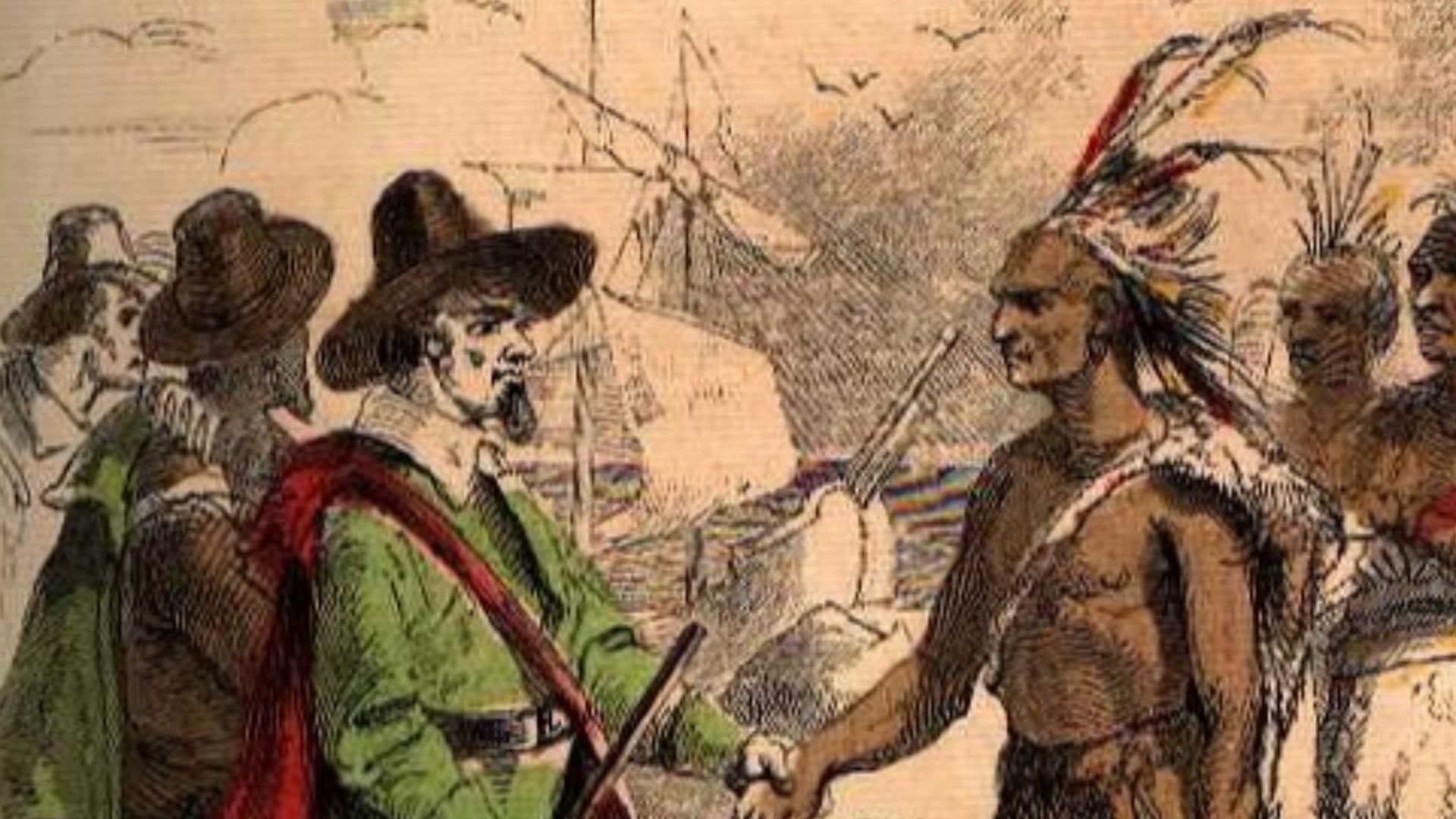
Washington Territory also claimed the San Juan Islands as American possessions. Reports describing the island’s rich soil encouraged settlers to cross from the mainland. By the spring of 1859, 18 Americans had staked claims, many of them on land used by the British farm.
Nobody Agreed On The Law
The American settlers expected the United States to recognize their land claims. British authorities regarded them as trespassers occupying company property. With sovereignty unresolved, even an ordinary disagreement could raise the much larger question of which country had jurisdiction.

History's most fascinating stories and darkest secrets, delivered to your inbox daily.
One Pig Kept Visiting A Garden
American settler Lyman Cutlar planted a garden on his claim. A pig belonging to the Hudson’s Bay Company repeatedly entered the property and rooted among his crops. The animal reportedly belonged to Charles Griffin’s farm operation.
Cutlar Finally Lost His Patience
On June 15, 1859, Cutlar discovered the pig in his garden again. This time, he shot and killed it. What might normally have remained a local dispute immediately became entangled with the island’s unresolved political status.
![500px provided description: Black Pig [#winter ,#black and white ,#big ,#shy ,#black pig]](https://www.factinate.com/storage/app/media/factinate/2026/8/3/1785758992891d41b691cb52a29ffa85900e0aac490c3a77e0.jpeg) Tobias Spitaler, Wikimedia Commons
Tobias Spitaler, Wikimedia Commons
Compensation Did Not Settle It
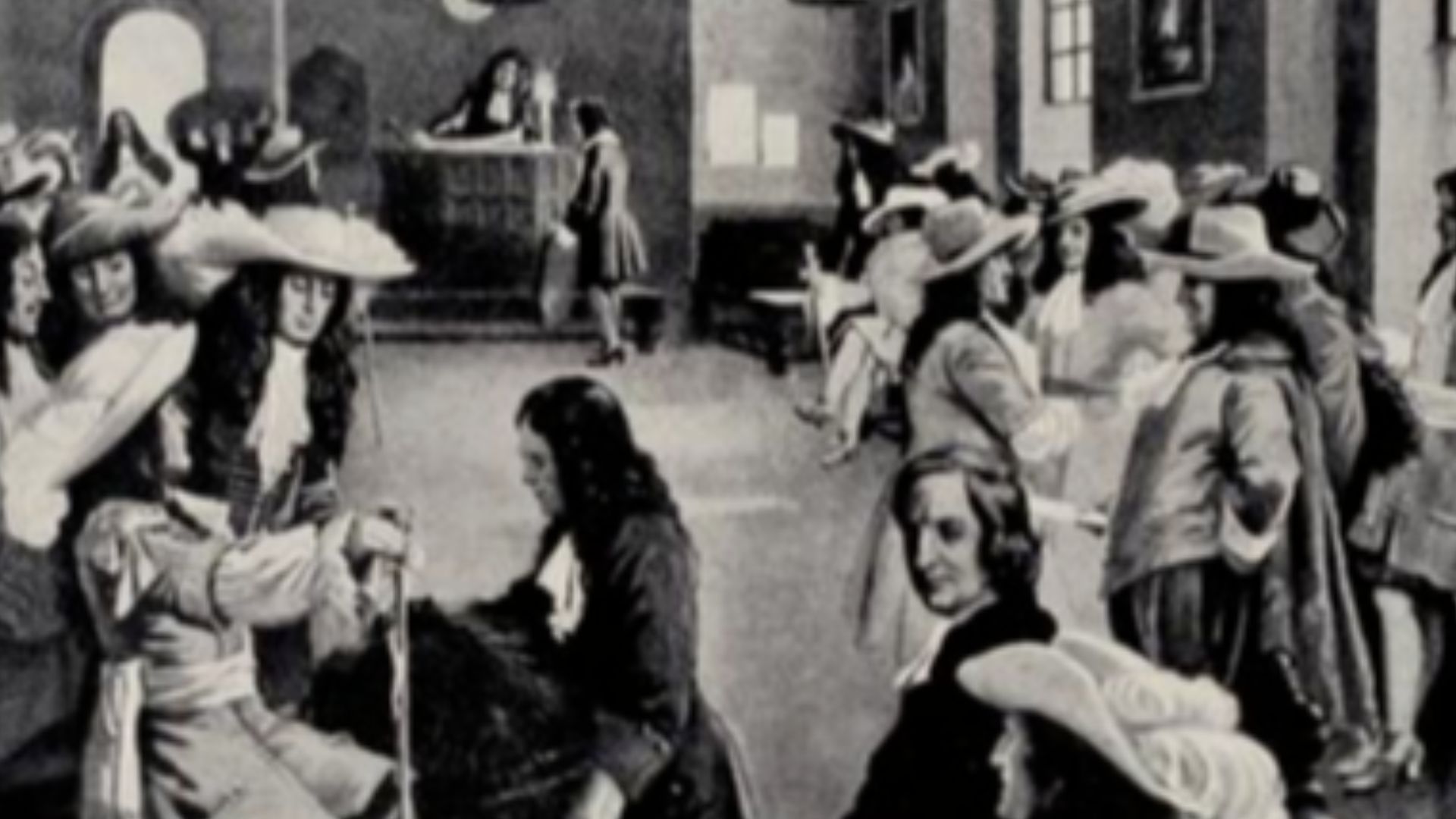
Cutlar acknowledged killing the pig and offered to compensate its owner. However, Cutlar and Griffin could not agree on an acceptable resolution. The argument quickly stopped being about the price of one pig and became a debate over who owned an entire island.
 Douglas MacKay (1900-1938), Wikimedia Commons
British Authorities Applied Pressure
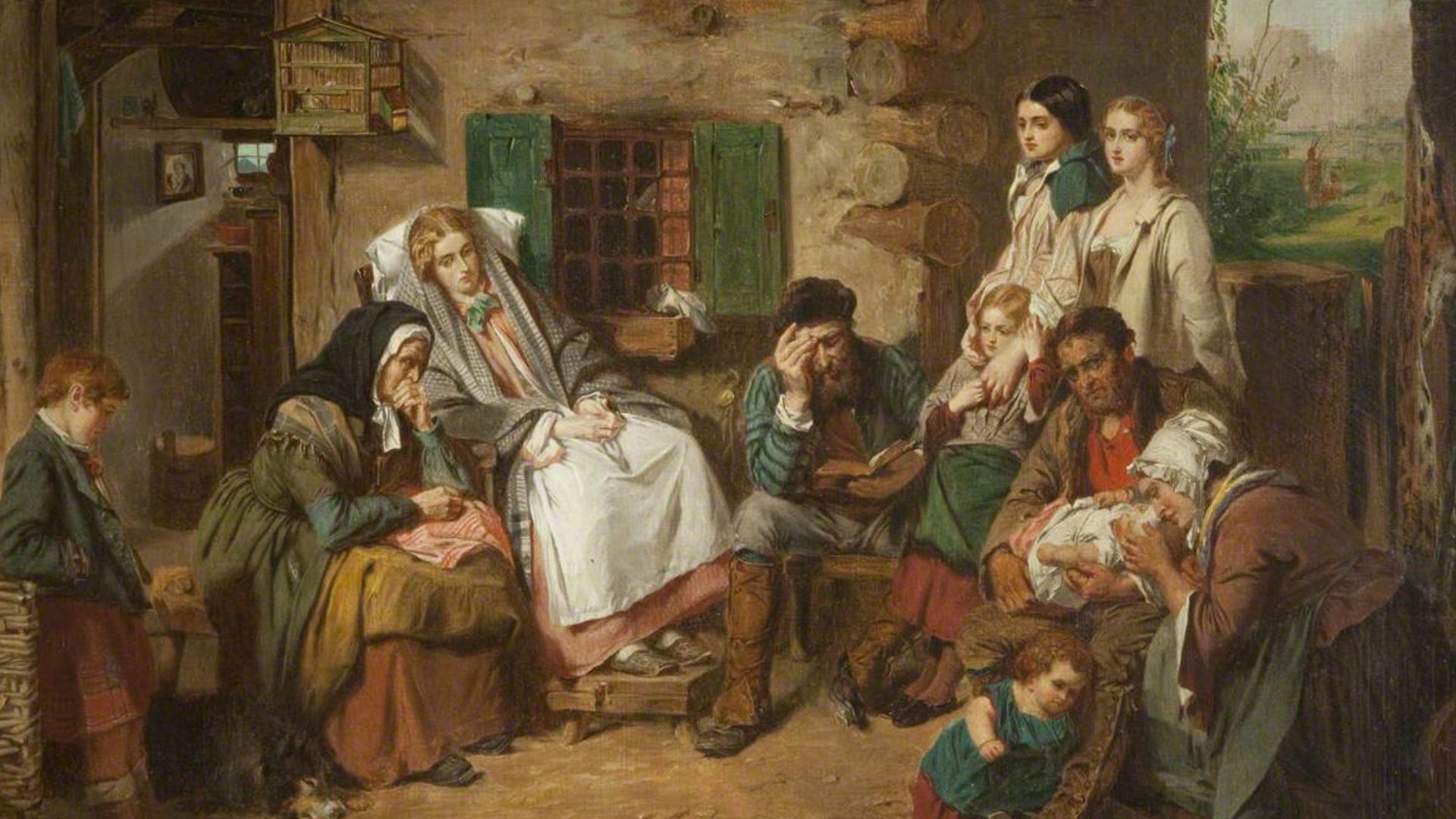
British officials threatened to arrest Cutlar and remove the American settlers as trespassers. The settlers believed accepting British jurisdiction would weaken their claim that San Juan Island belonged to the United States. They decided to seek protection from the American military.
 Thomas Faed, Wikimedia Commons
William Harney Escalated The Dispute
The settlers appealed to Brigadier General William S. Harney, commander of the U.S. Army’s Department of Oregon. Harney was strongly suspicious of British intentions in the region. Instead of waiting for diplomats to settle the matter, he ordered troops onto San Juan Island.
 Bureau of Land Management, Wikimedia Commons
George Pickett Arrived With Soldiers
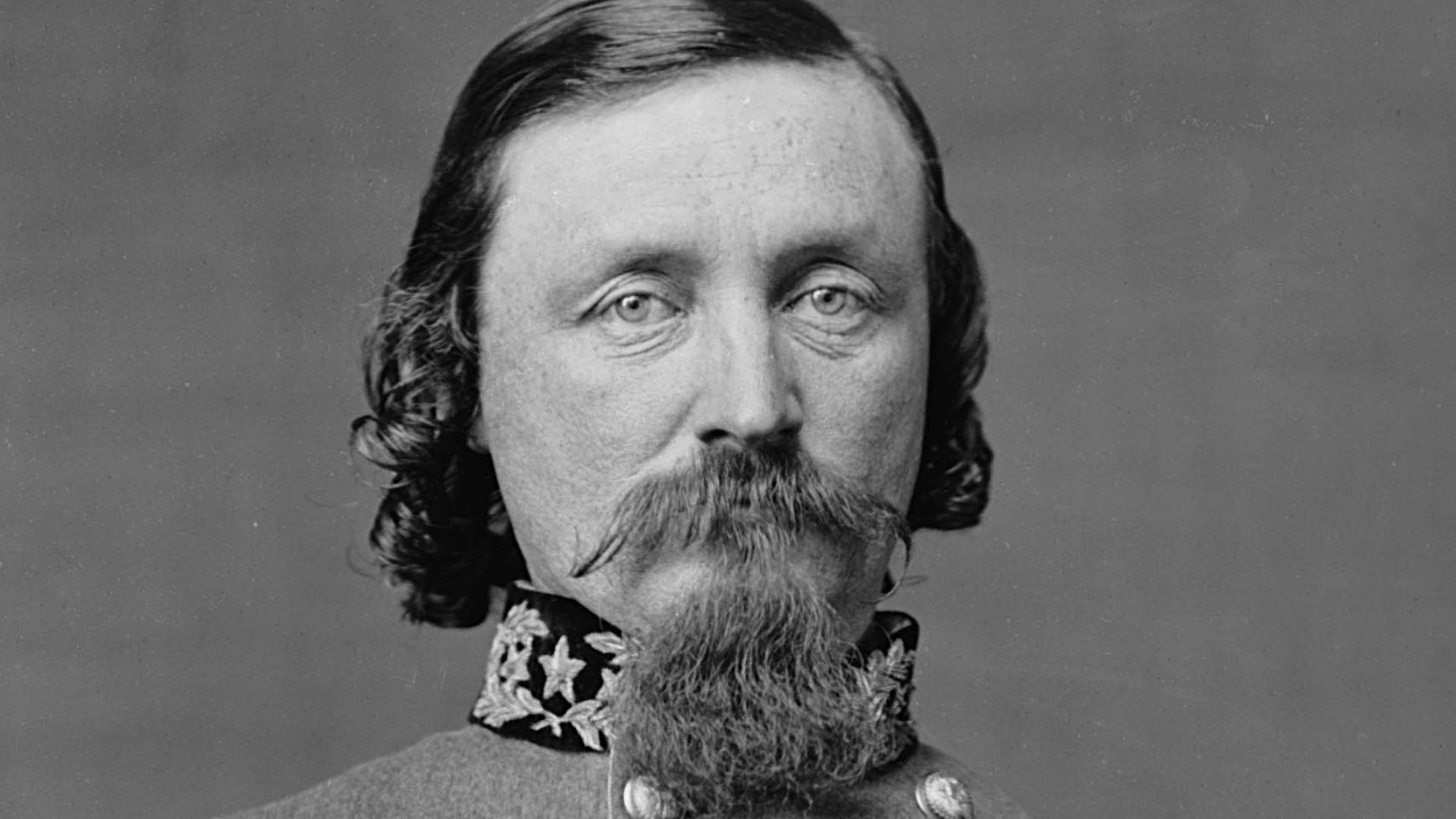
Captain George E. Pickett landed on San Juan Island on July 27, 1859, with 64 men from the 9th U.S. Infantry. He established a camp near the Hudson’s Bay Company wharf on Griffin Bay. Pickett would later become famous for leading the disastrous Confederate assault known as Pickett’s Charge.
James Douglas Responded With Warships
James Douglas, governor of the British colony of Vancouver Island, reacted angrily to the American landing. He sent the steam frigate HMS Tribune, commanded by Captain Geoffrey Phipps Hornby, toward the island. Douglas wanted the Americans removed, although his orders also cautioned against provoking an armed clash.
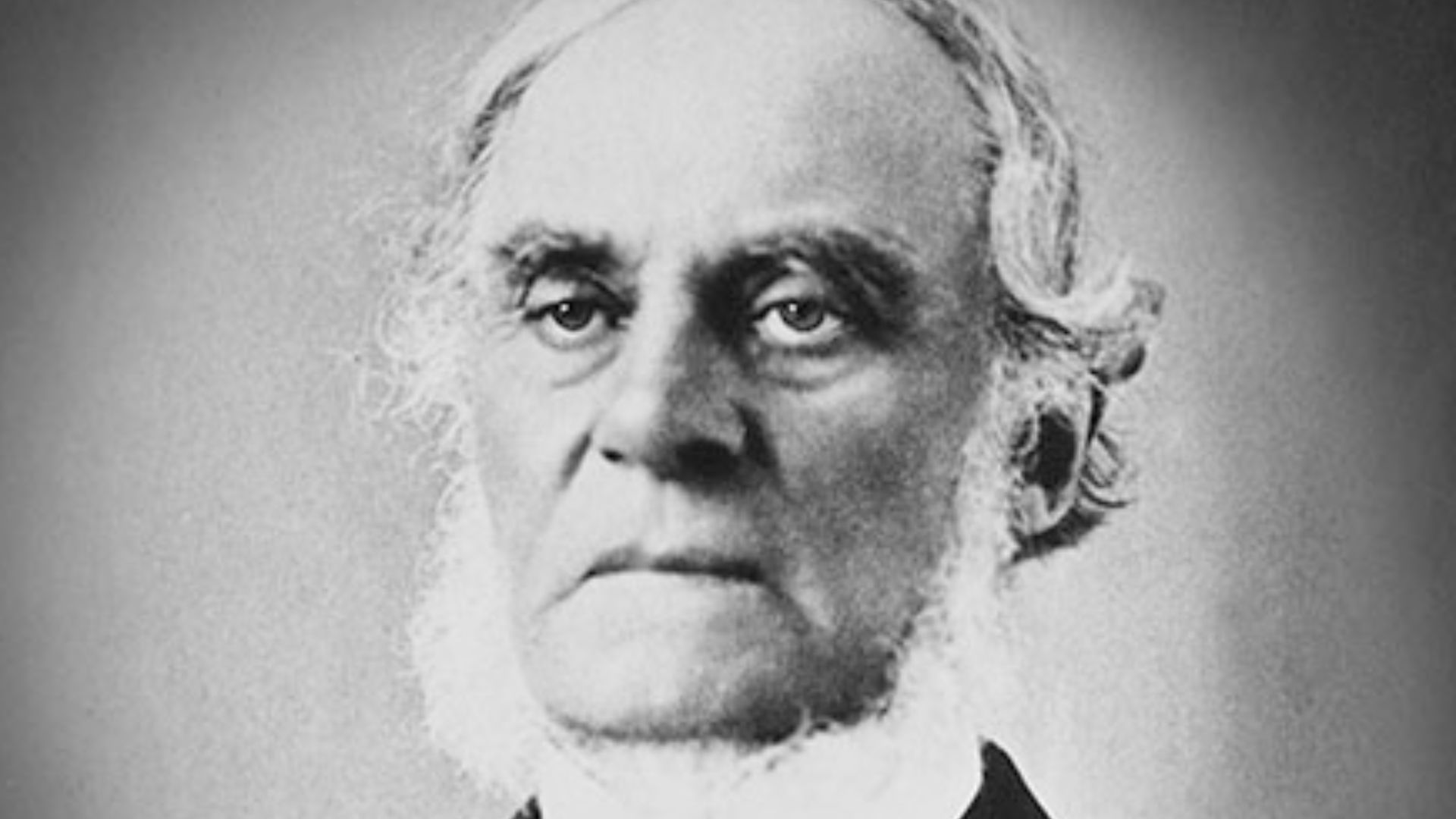 James Douglas, Wikimedia Commons
The British Force Kept Growing
HMS Tribune was joined by HMS Satellite and HMS Plumper. More Royal Marines arrived as the confrontation continued, many of them experienced veterans of combat in China. Pickett refused to withdraw and requested additional American troops.
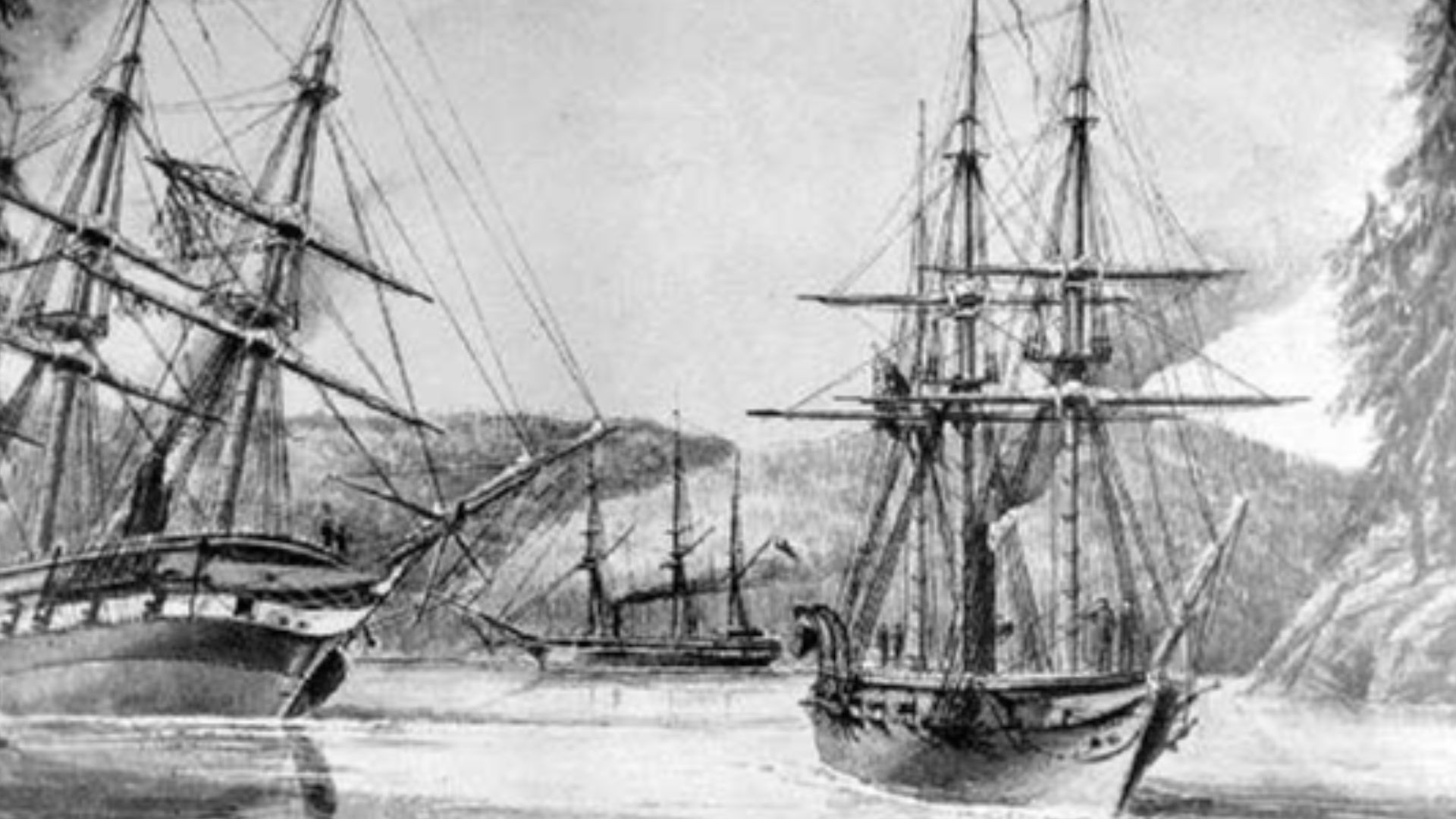 Unknown authorUnknown author, Wikimedia Commons
British Officers Refused To Open Fire
Hornby would not launch an attack without clearer authorization. Rear Admiral Robert Lambert Baynes, commander of Britain’s Pacific naval forces, also resisted demands for aggressive action. Baynes reportedly refused to involve two powerful countries in a war over a dispute involving a pig.
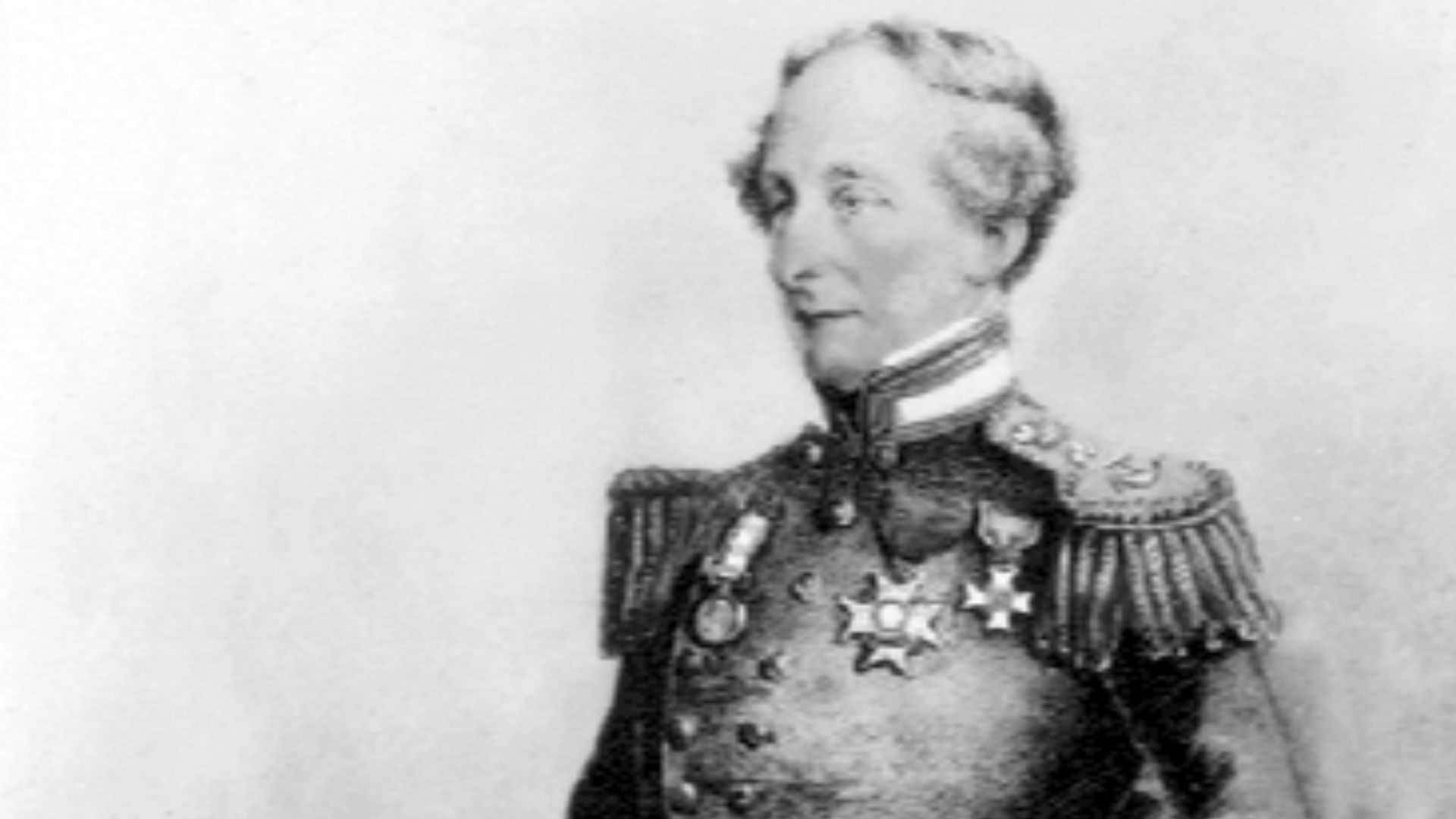 Unknown authorUnknown author, Wikimedia Commons
America Sent Reinforcements
Lieutenant Colonel Silas Casey arrived on August 10 with 171 additional American soldiers and assumed command. He met British officers in Victoria but failed to secure a final settlement. After seeing the strength of the British naval presence, Casey requested still more reinforcements.
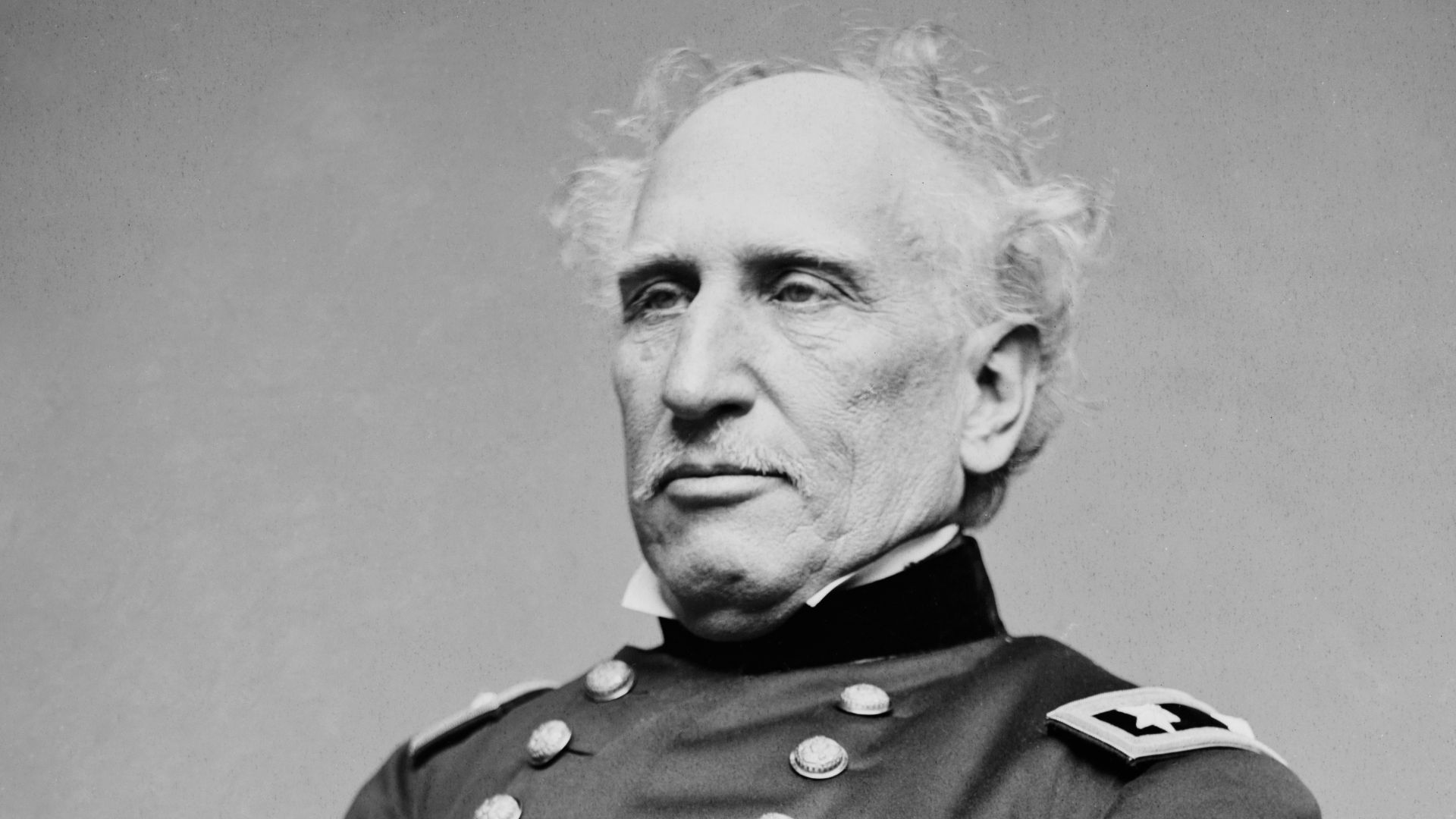
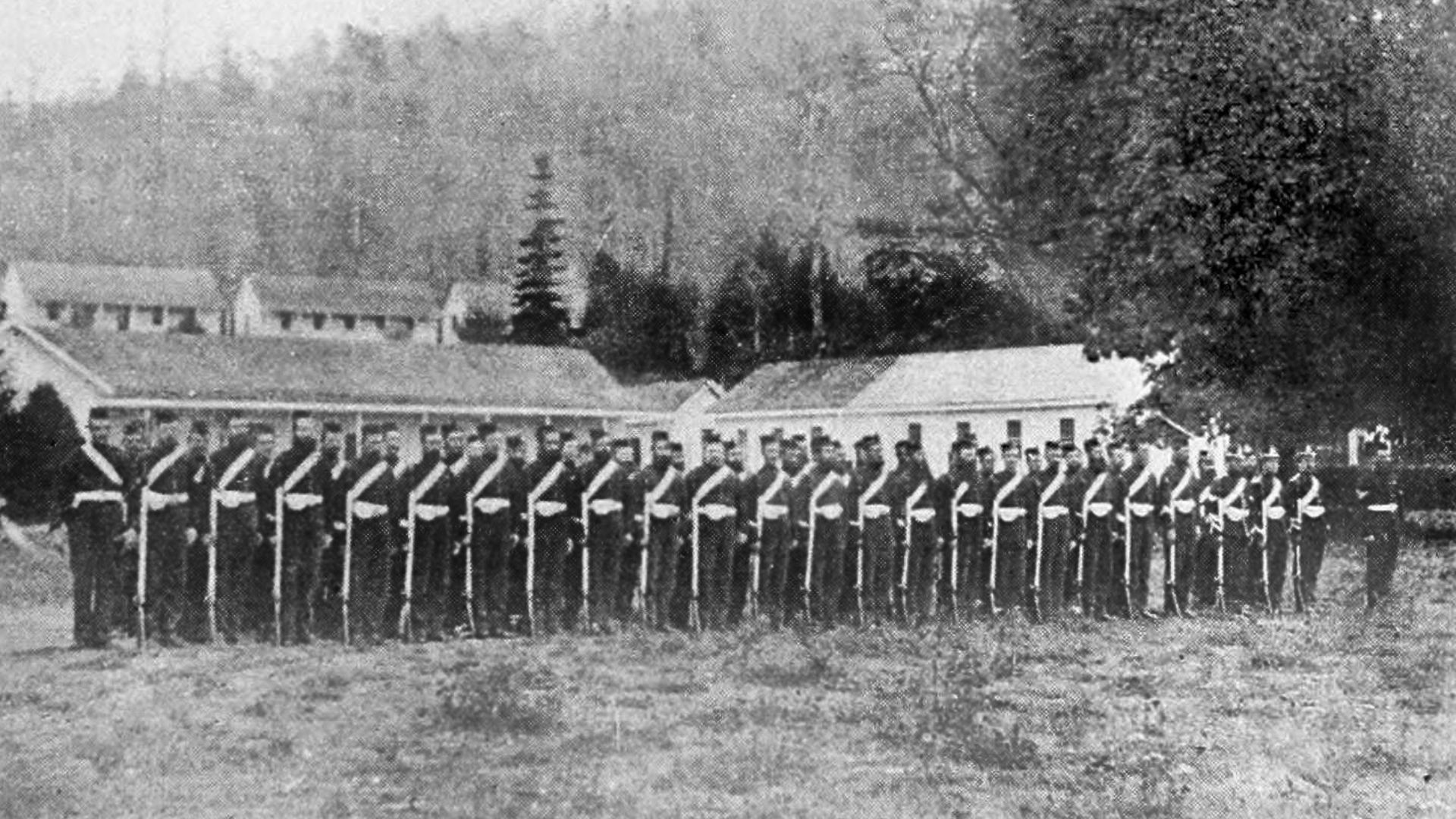
The Island Became An Armed Camp
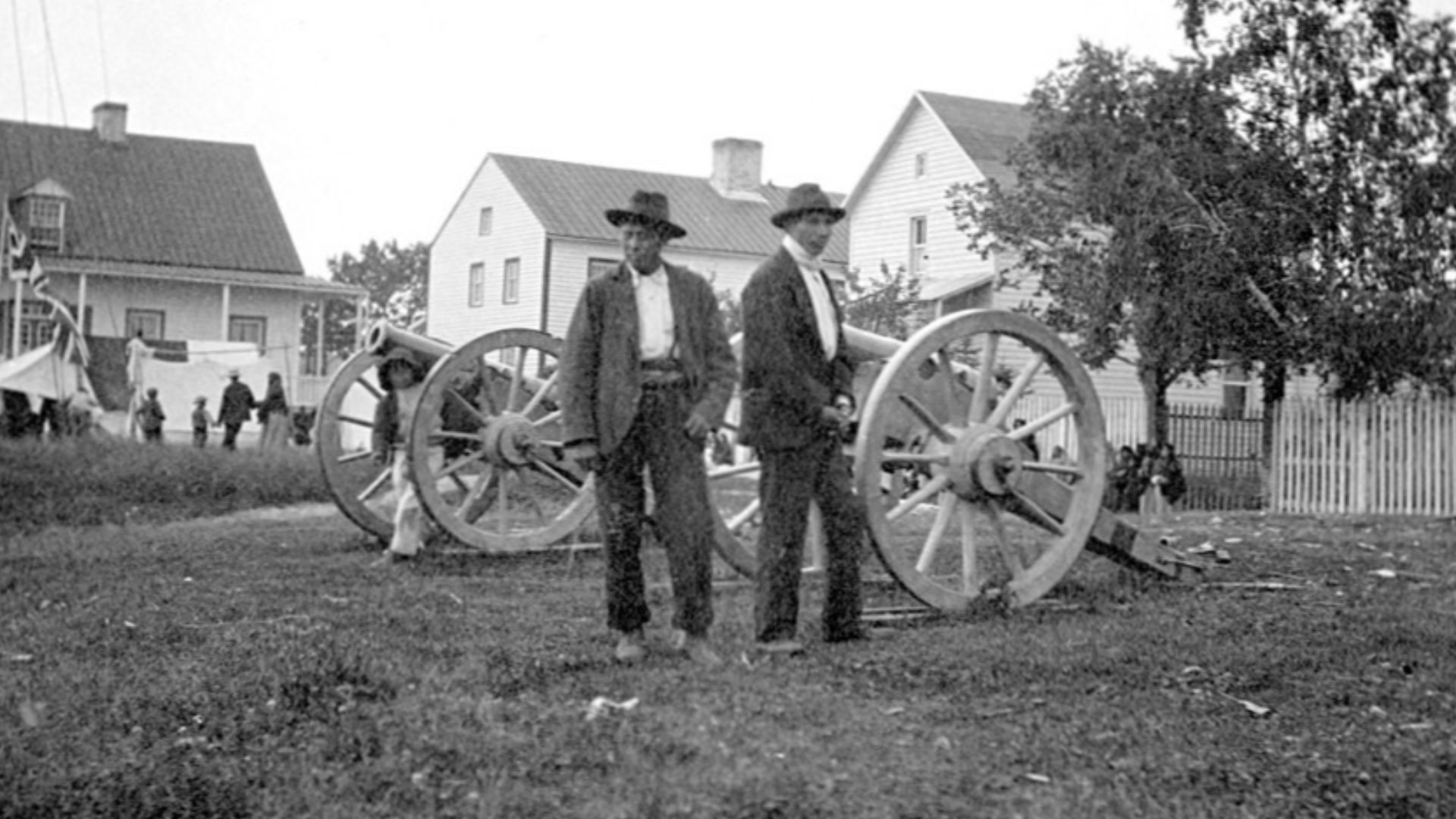
By August 31, the American force had grown to 461 soldiers supported by 14 field cannons. British vessels in the area collectively carried 52 guns and substantial numbers of sailors and marines. A dispute that began in a vegetable garden now involved enough artillery to turn one dead pig into a destructive international war.
 Unknown authorUnknown author, Wikimedia Commons
A Future Rulebook Author Dug Defenses
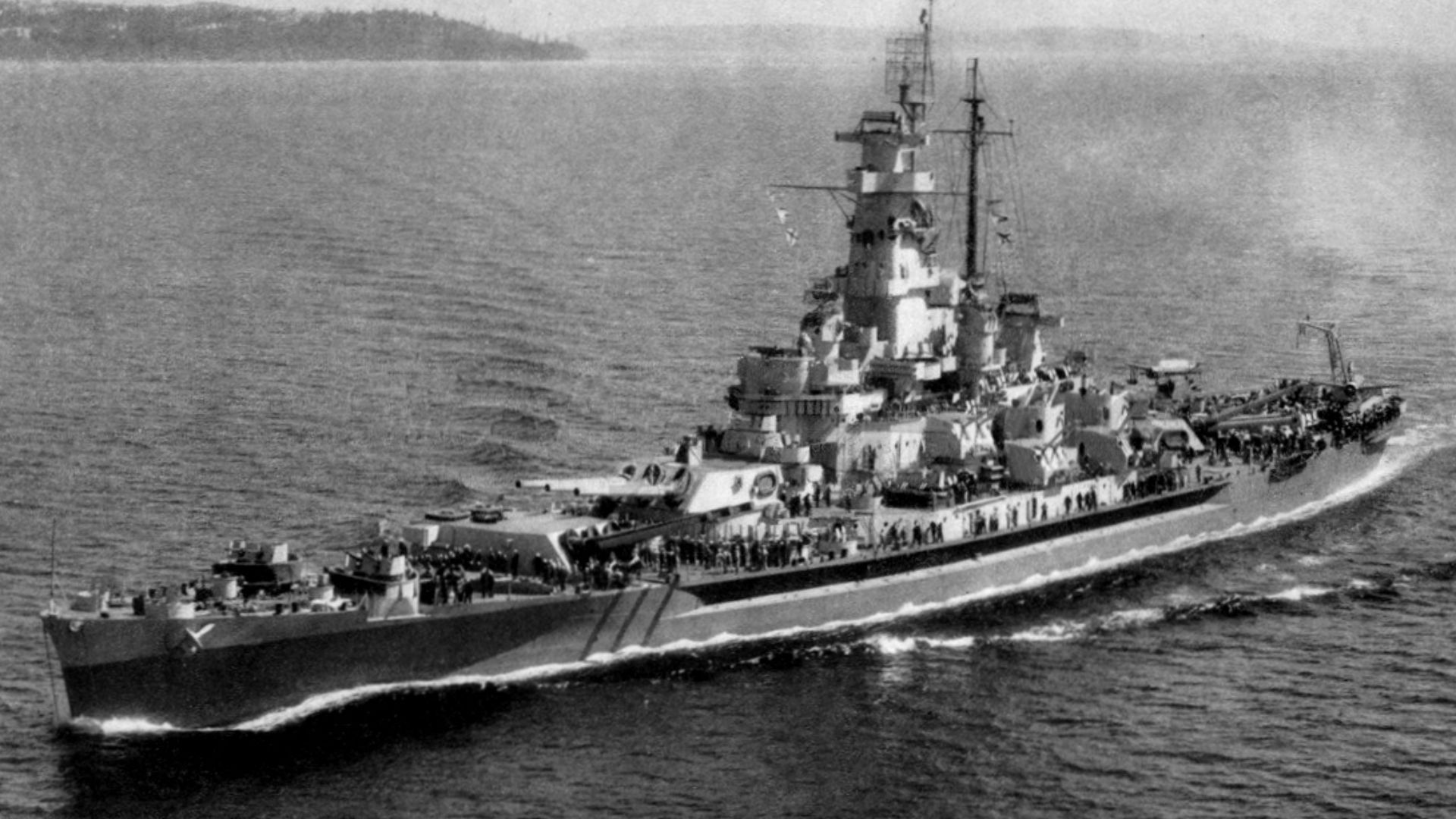
The Americans also removed eight 32-pounder naval guns from the USS Massachusetts. Lieutenant Henry Martyn Robert supervised work on a defensive redoubt for them. Robert later wrote the influential parliamentary guide known as Robert’s Rules of Order.
The Standoff Had A Surreal Side
British ships held artillery drills while American soldiers constructed fortifications. At the same time, officers from both sides attended church services together and socialized over whisky and cigars. Tourists even arrived from Victoria, because an international crisis apparently counted as local entertainment.
 Unknown authorUnknown author or not provided, Wikimedia Commons
Washington Was Horrified
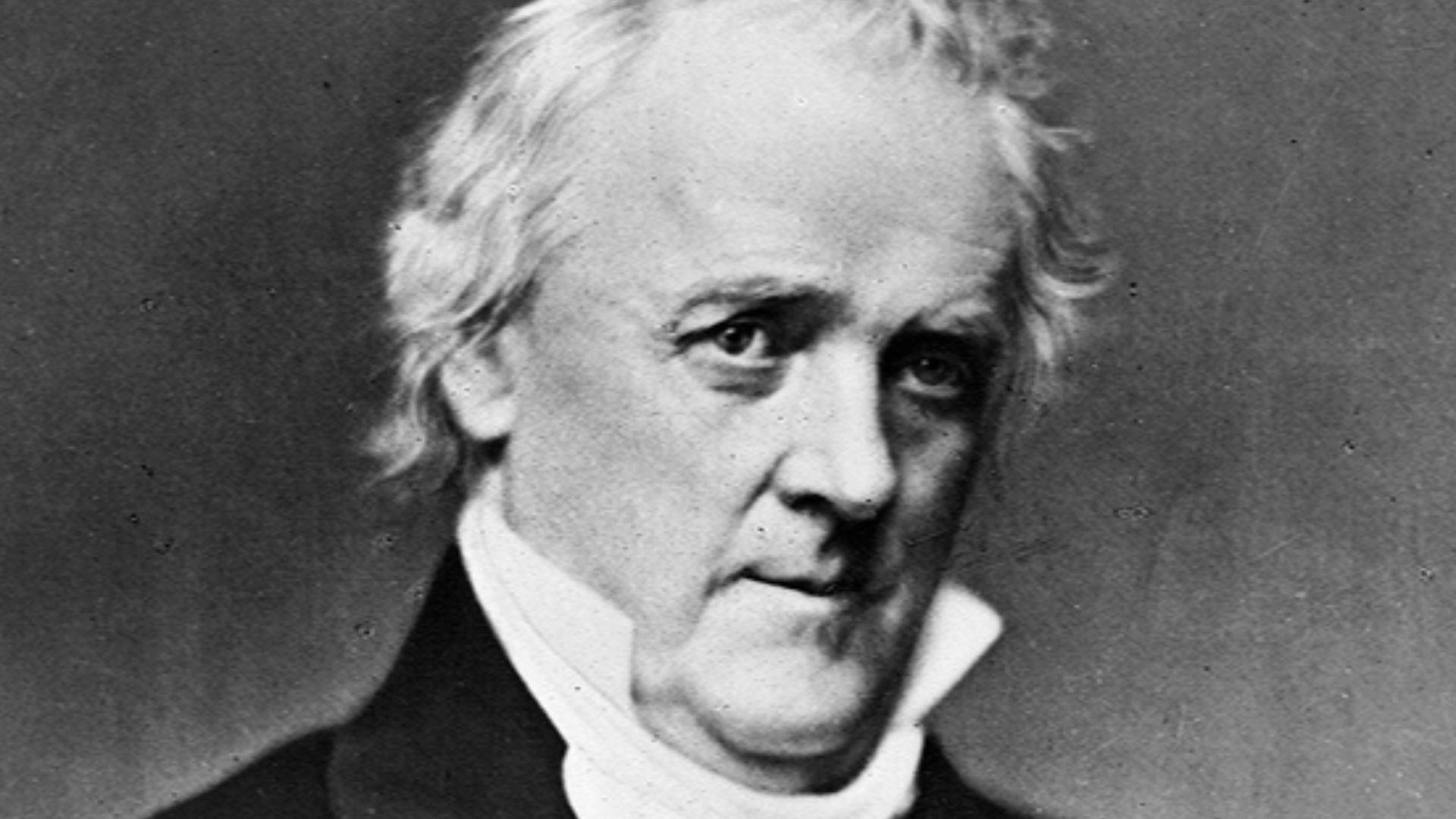
News traveled slowly from the remote Pacific Northwest to national leaders. When officials in Washington learned how far the confrontation had progressed, they were alarmed. President James Buchanan realized that a local commander and a dead pig had placed relations with Britain in genuine danger.
 From Brady daguerreotype (Mathew Brady) (1822-1896), Wikimedia Commons
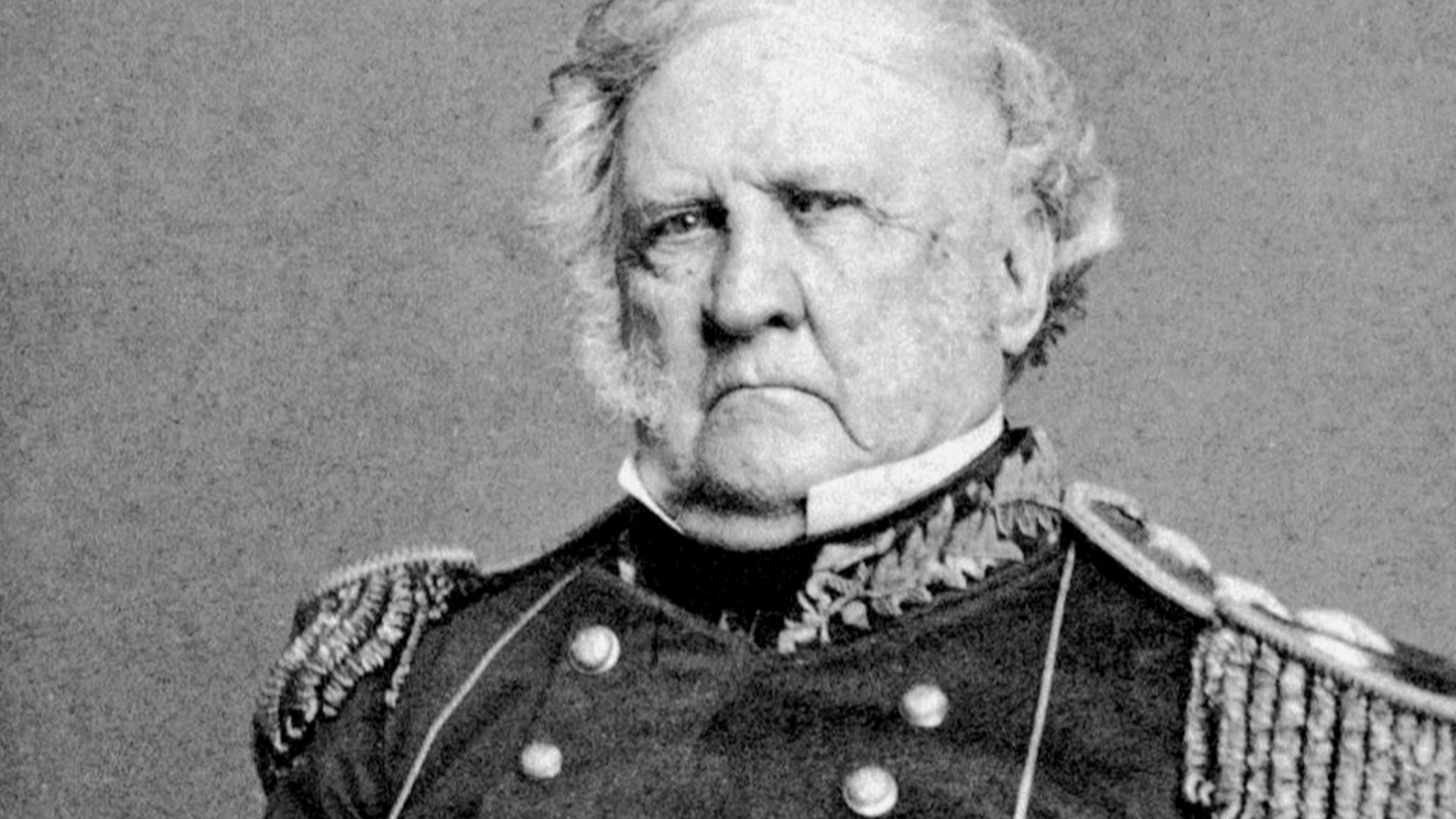
Winfield Scott Was Sent West
Buchanan dispatched General Winfield Scott, the commanding general of the U.S. Army, to defuse the crisis. Scott had already helped calm earlier border disputes involving Britain and the United States. After a journey lasting approximately six weeks, he reached the region in October 1859.
 Charles D. Fredricks & Company, Wikimedia Commons
Diplomacy Finally Took Control
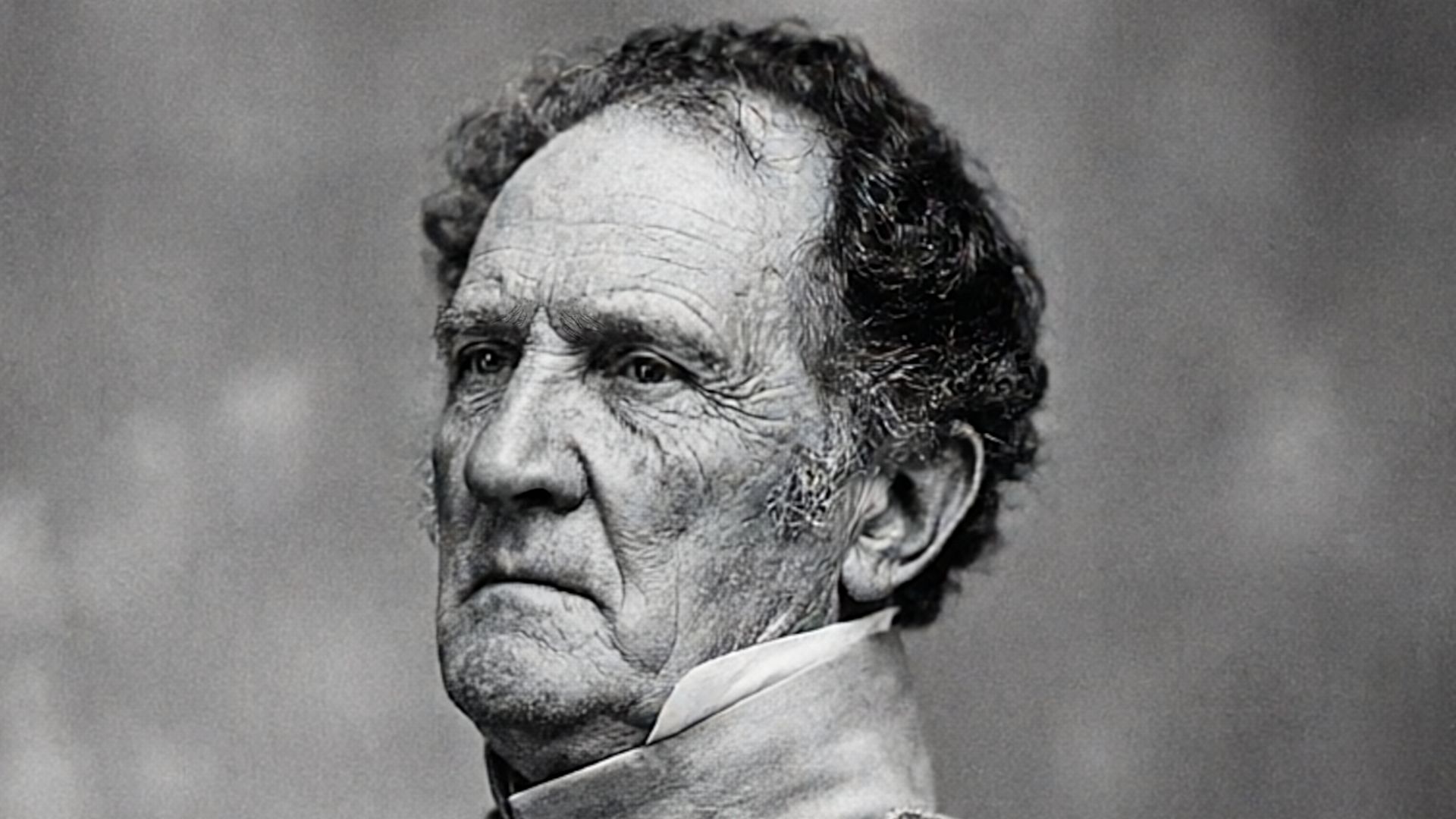
Scott negotiated indirectly with Douglas through messengers. They agreed that both sides would reduce their forces rather than abandon their claims. A small American garrison would remain on the island while a British warship stayed nearby.
 Mathew Benjamin Brady, Wikimedia Commons
The Rivals Shared The Island
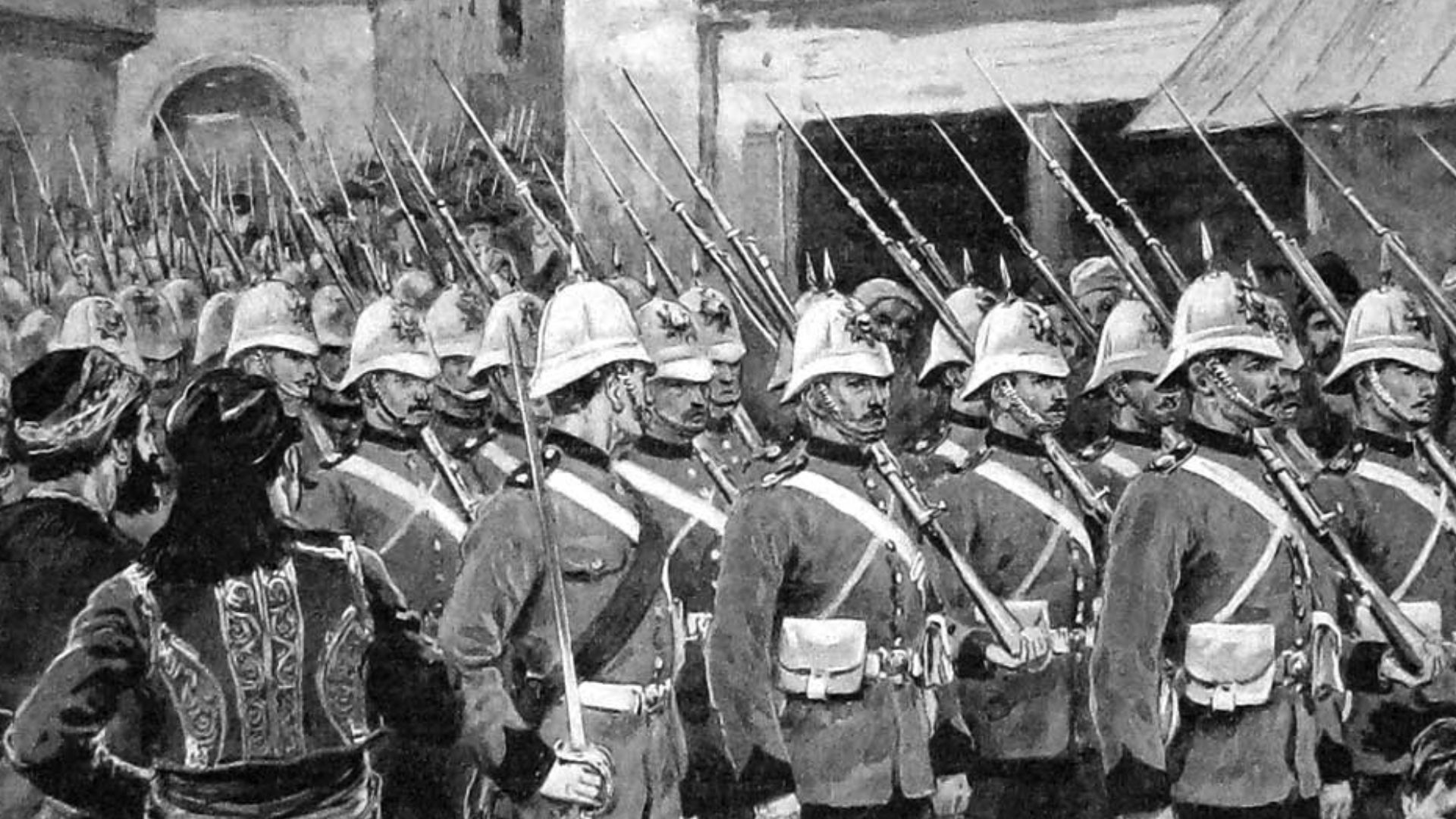
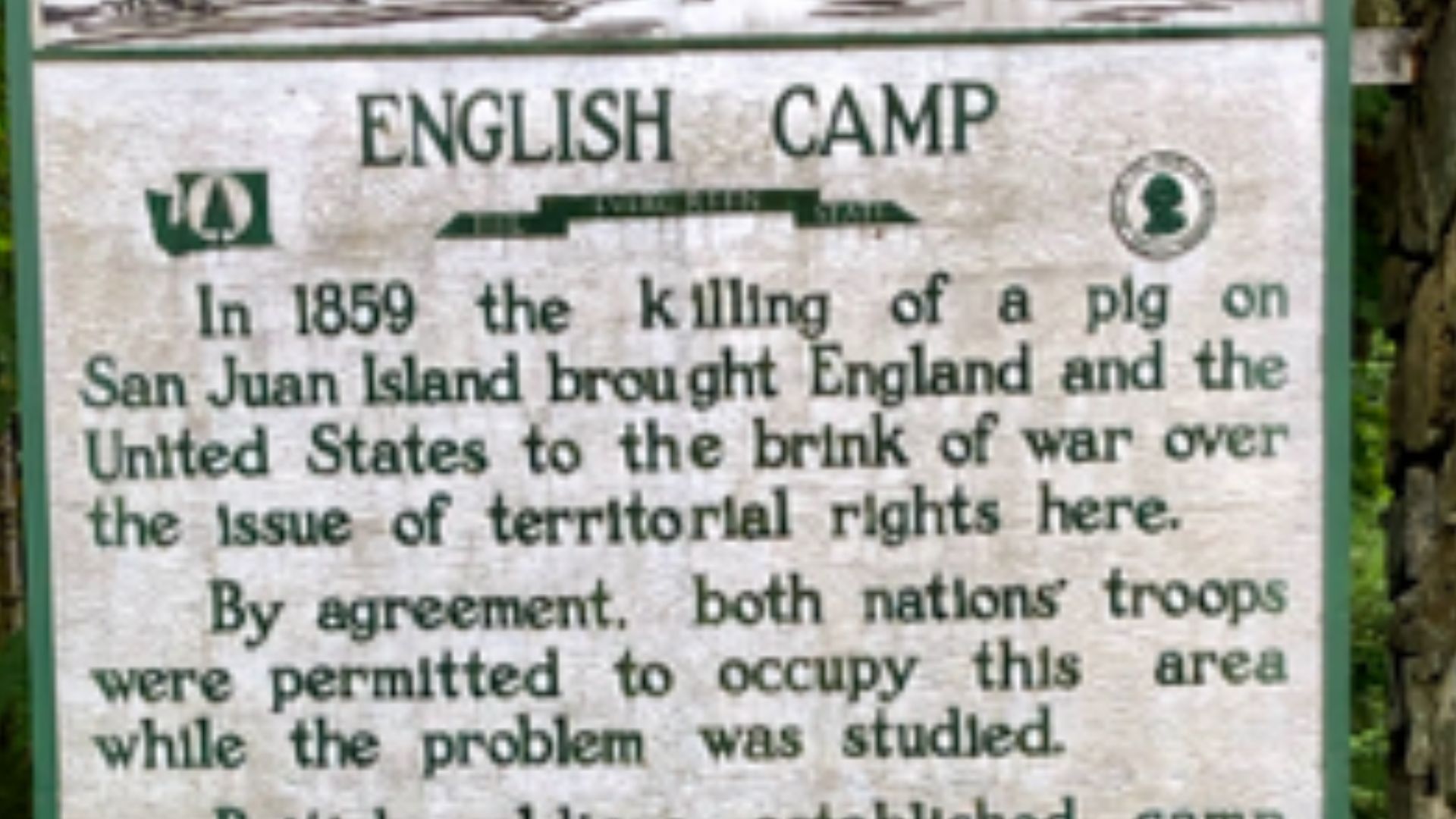
In November 1859, Britain and the United States approved a joint military occupation. Royal Marines established English Camp at Garrison Bay on the island’s northwestern coast in March 1860. The Americans remained at their camp on the southern end, placing the two forces about 15 miles apart.
 Joseph Swain / After Frank Dadd, Wikimedia Commons
The Temporary Arrangement Lasted Years
The joint occupation continued peacefully for 12 years. The camps developed barracks, gardens, storehouses, and other permanent-looking facilities while diplomats delayed a final decision. The arrangement proved that the two countries could coexist on the island even while disagreeing over its ownership.
An Emperor Settled The Pig War
The 1871 Treaty of Washington referred the boundary question to Kaiser Wilhelm I of Germany for arbitration. A three-member commission considered the rival routes before the decision was issued on October 21, 1872. The ruling favored the American claim and placed the international boundary through Haro Strait.
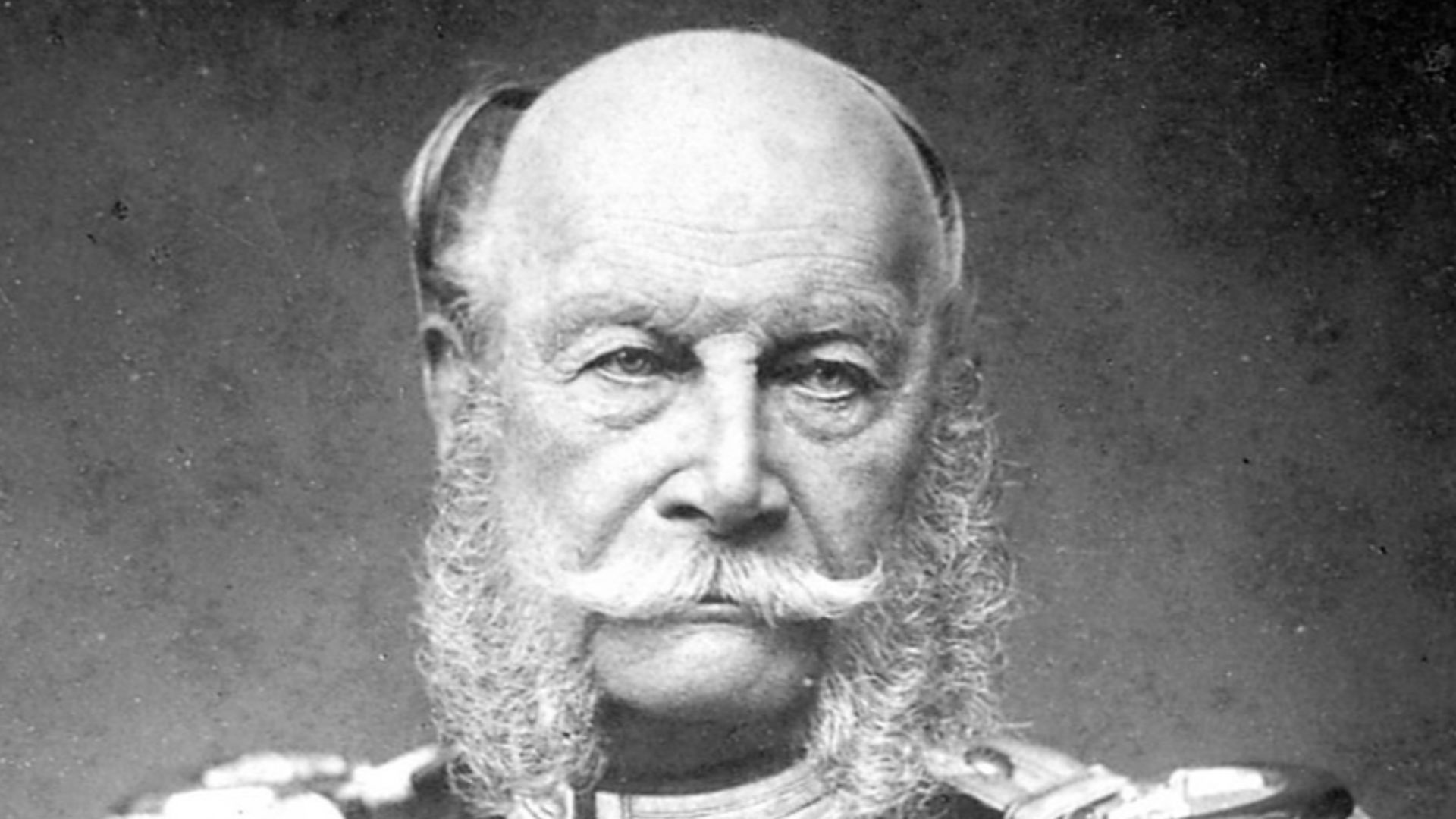 Wilhelm Kuntzemüller, Wikimedia Commons
The Pig Remained The Only Casualty
British Royal Marines left English Camp in November 1872, and the final American troops followed in 1874. The San Juan Islands officially belonged to the United States, and the pig remained the only casualty. An absurd farmyard dispute had nearly started a war, but restraint and diplomacy stopped anyone else from paying the price.
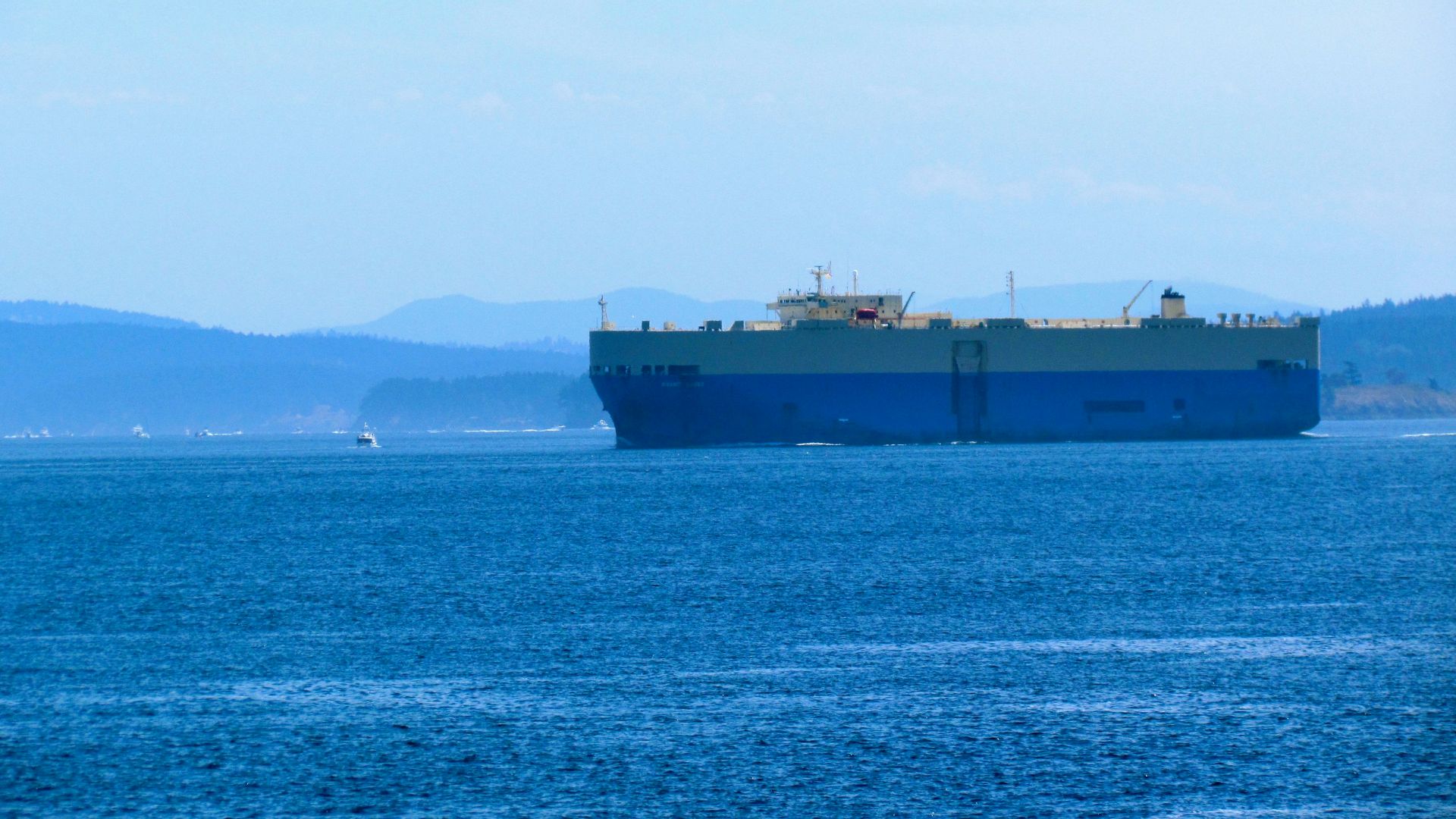 Jeff Gunn from Atlanta, USA, Wikimedia Commons
You May Also Like:
How Sir Arthur Conan Doyle Fell For The Cottingley Fairies Hoax
Ordinary Jobs From The 20th Century That Vanished Faster Than Anyone Expected