Medicine Has Had Some Terrifying Wrong Turns
Some of medicine’s biggest mistakes didn't begin as obvious quackery. They were developed by respected doctors, embraced by hospitals, and celebrated as major breakthroughs before the risks became impossible to ignore. A few even won Nobel Prizes before later generations looked back and wondered how they were ever considered good medicine.
Doctors Thought Lobotomies Could Transform Psychiatry
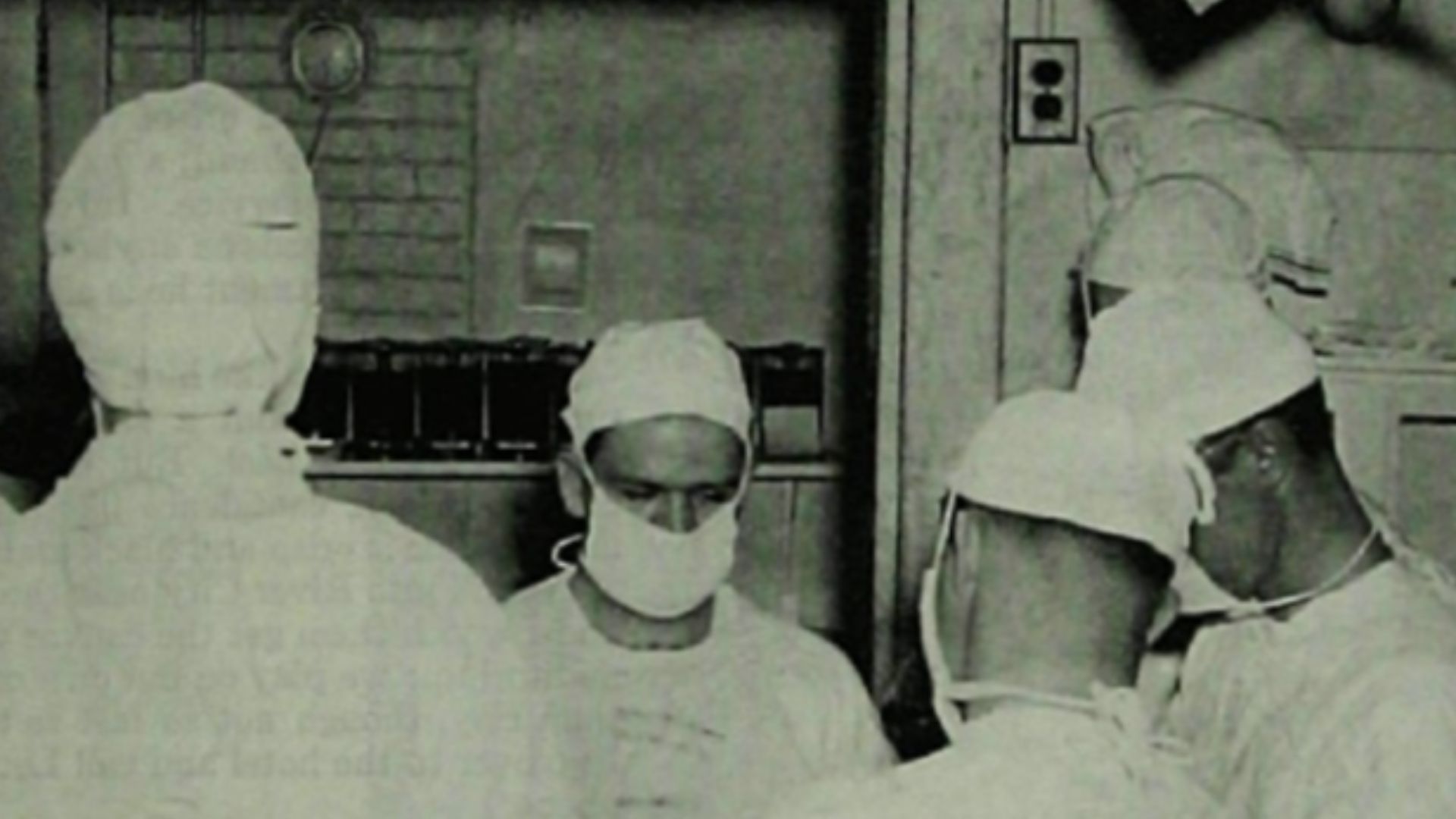
In the 1930s, Portuguese neurologist Egas Moniz developed the prefrontal leucotomy, an operation intended to relieve severe psychiatric symptoms by cutting connections in the frontal lobes. At a time when doctors had few effective treatments for serious mental illness, the procedure seemed revolutionary. Versions of the operation soon spread well beyond Portugal.
 Photography Harris A Ewing, Wikimedia Commons
The Idea Won Medicine's Biggest Prize
The medical establishment did not simply tolerate Moniz's work. In 1949, he shared the Nobel Prize in Physiology or Medicine for what the Nobel committee described as the therapeutic value of leucotomy in certain psychoses. The award shows just how seriously the procedure was regarded at the time.
 Unknown authorUnknown author, Wikimedia Commons
Walter Freeman Took It Much Further
American neurologist Walter Freeman became one of lobotomy's most aggressive promoters. He helped popularize the procedure in the United States and later championed the transorbital technique, which reached the brain through the eye socket. Freeman personally performed more than 3,000 prefrontal and transorbital lobotomies during his career.
 Photography Harris A Ewing, Wikimedia Commons, Enhanced

History's most fascinating stories and darkest secrets, delivered to your inbox daily.
The Damage Became Impossible To Ignore
Lobotomy could leave patients with profound personality and behavioral changes, while complications included epilepsy, bleeding, disability, and death. One historical review of more than 10,000 prefrontal lobotomies reported a mortality rate of about six percent. As psychiatric medications became available in the 1950s, use of the operation declined sharply.
Insulin Was Turned Into A Psychiatric Treatment
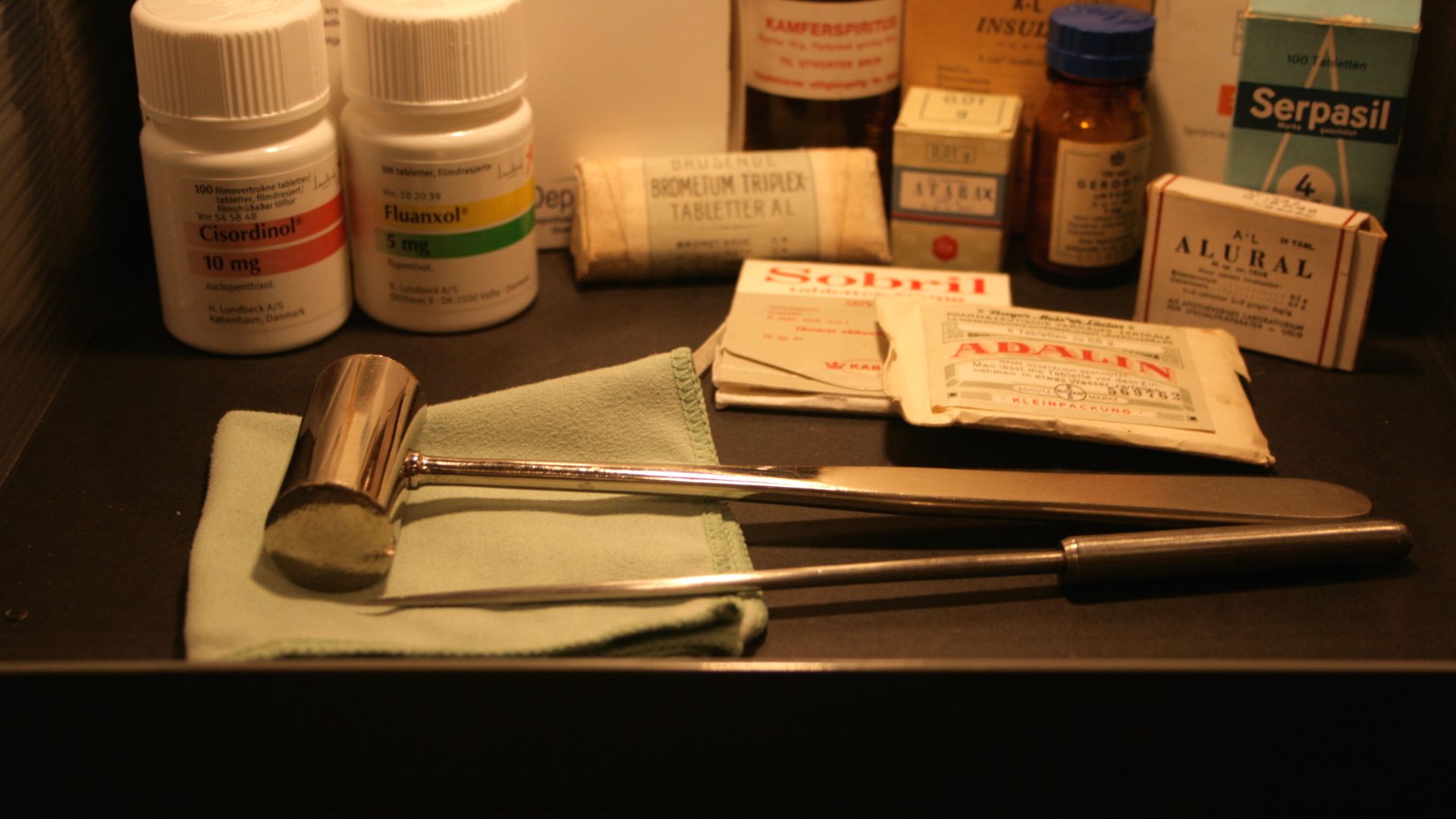
In 1933, Austrian psychiatrist Manfred Sakel reported promising results from deliberately giving large doses of insulin to people with schizophrenia. The goal was to lower blood sugar until patients became unconscious. Insulin coma therapy quickly spread through psychiatric hospitals in Europe and North America.
 Unknown authorUnknown author, Wikimedia Commons
Patients Were Deliberately Put Into Comas
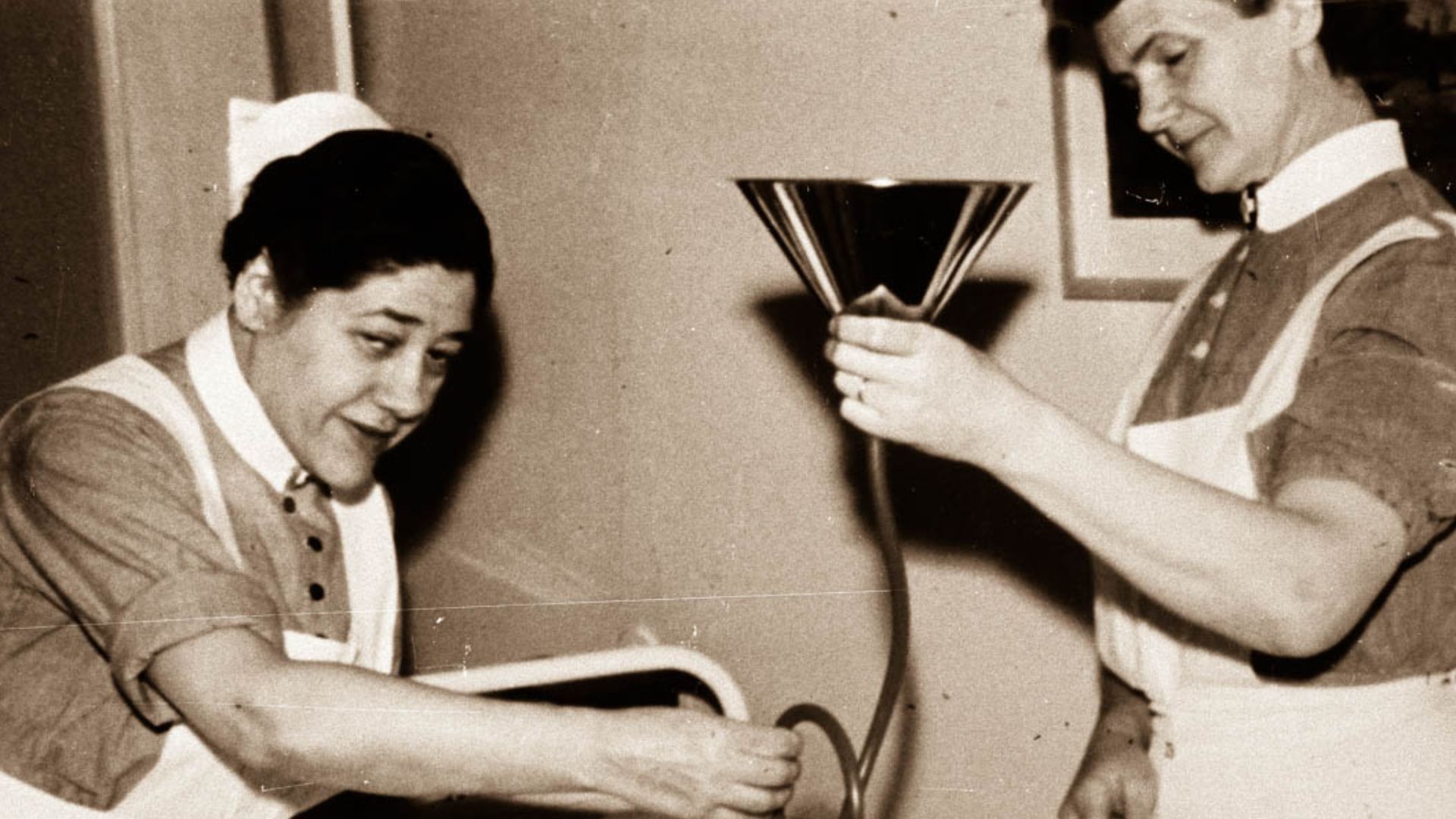
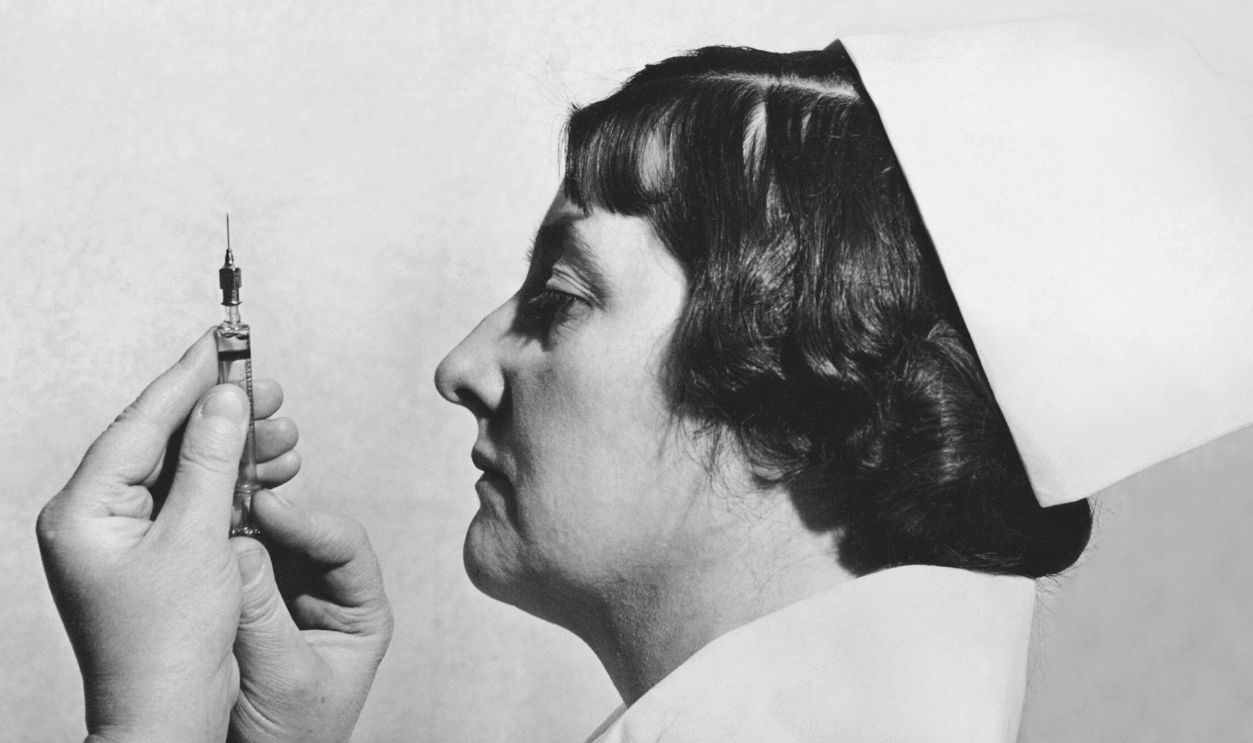
A typical treatment involved inducing profound hypoglycemia and keeping a patient unconscious before administering glucose to end the coma. Convulsions could occur, and some patients failed to regain consciousness normally. Contemporary medical literature documented prolonged coma, neurological problems, brain injury, and occasional deaths.
 Underwood Archives, Getty Images
Better Studies Undermined The Whole Idea
Despite its rapid adoption, doctors had questioned the evidence behind insulin coma therapy almost from the beginning. More rigorous trials during the 1950s failed to support the dramatic benefits that enthusiasts had claimed. The treatment was largely abandoned by the 1960s, leaving behind a striking example of medical enthusiasm outrunning convincing evidence.

Then There Was The Treatment That Gave Patients Malaria
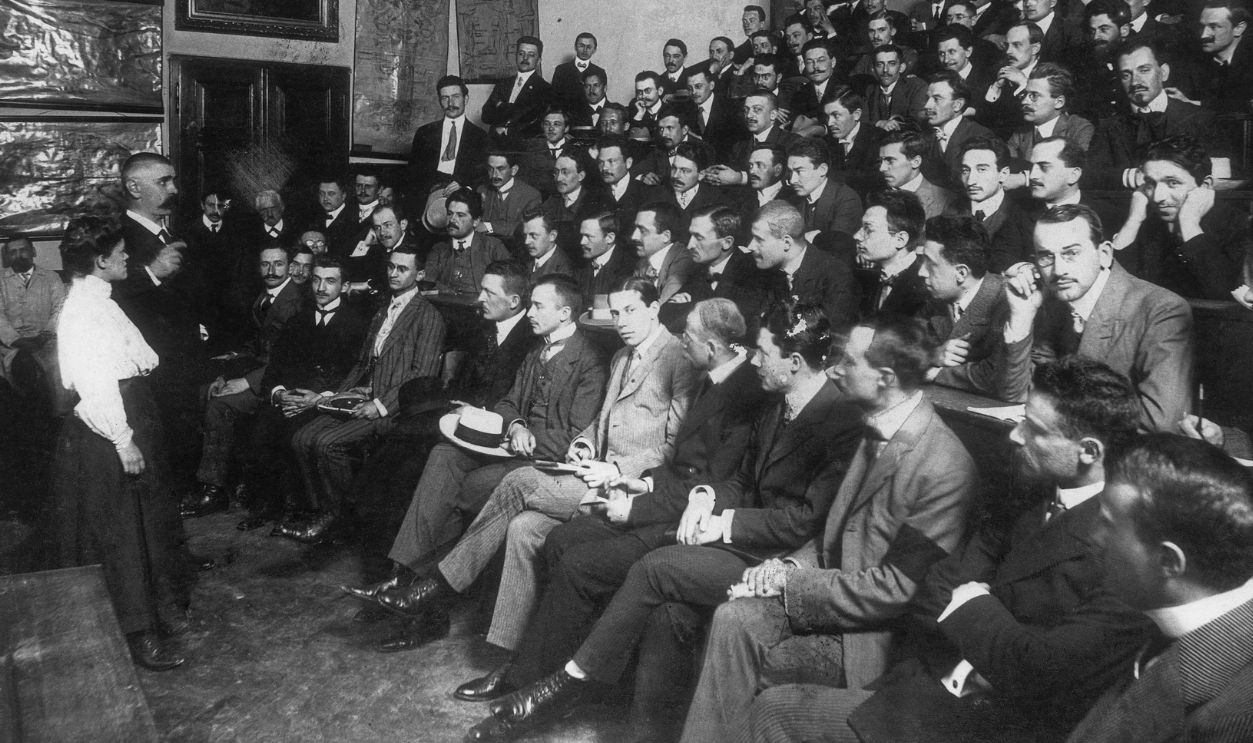
Neurosyphilis was once a devastating disease that could cause severe neurological and psychiatric symptoms. In 1917, Austrian physician Julius Wagner-Jauregg began deliberately infecting patients with malaria in an attempt to treat it. The resulting high fevers were believed to combat the underlying syphilitic infection.
 brandstaetter images, Getty Images
Malaria Therapy Won A Nobel Prize Too
Wagner-Jauregg's method became one of the most celebrated medical treatments of its era. In 1927, he received the Nobel Prize in Physiology or Medicine for discovering the therapeutic value of malaria inoculation in treating what was then called dementia paralytica. Malaria therapy went on to be used in psychiatric hospitals in several parts of the world.
 Unknown author, Wikimedia Commons, Enhanced
History's most fascinating stories and darkest secrets, delivered to your inbox daily.
Penicillin Made The Risk Harder To Justify
Doctors could attempt to stop the induced malaria with quinine after treatment, but intentionally giving a dangerous infectious disease to sick patients was hardly harmless. Later historical research has also questioned how strong the original evidence for the therapy really was. Once penicillin became an effective treatment for syphilis, malaria therapy rapidly became obsolete.
 Archives nationales (France), Wikimedia Commons
Radium Was Once Treated Like A Medical Miracle
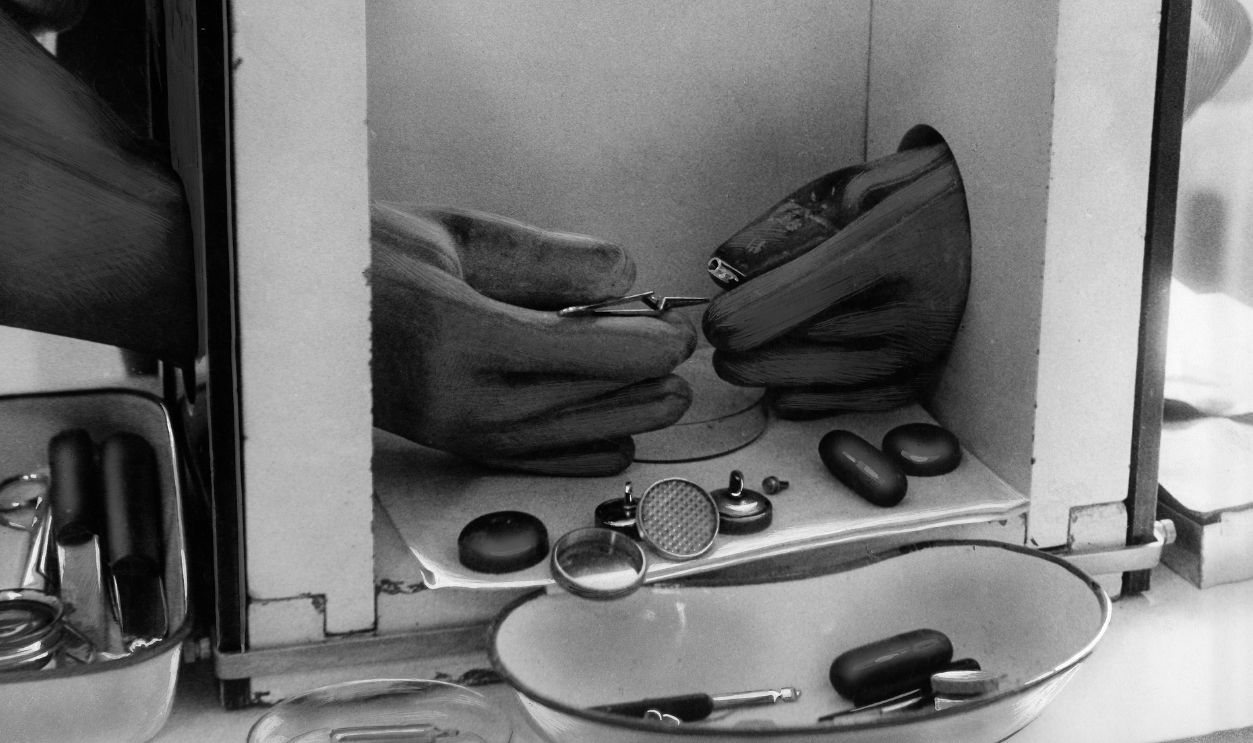
After radium was discovered around the turn of the 20th century, doctors began experimenting with its medical potential. Radiation did have legitimate uses, particularly against certain tumors, but enthusiasm quickly spread far beyond cancer treatment. Radium was promoted for everything from joint pain and skin problems to fatigue and general poor health.
 ullstein bild Dtl., Getty Images
Patients Were Even Told To Drink It
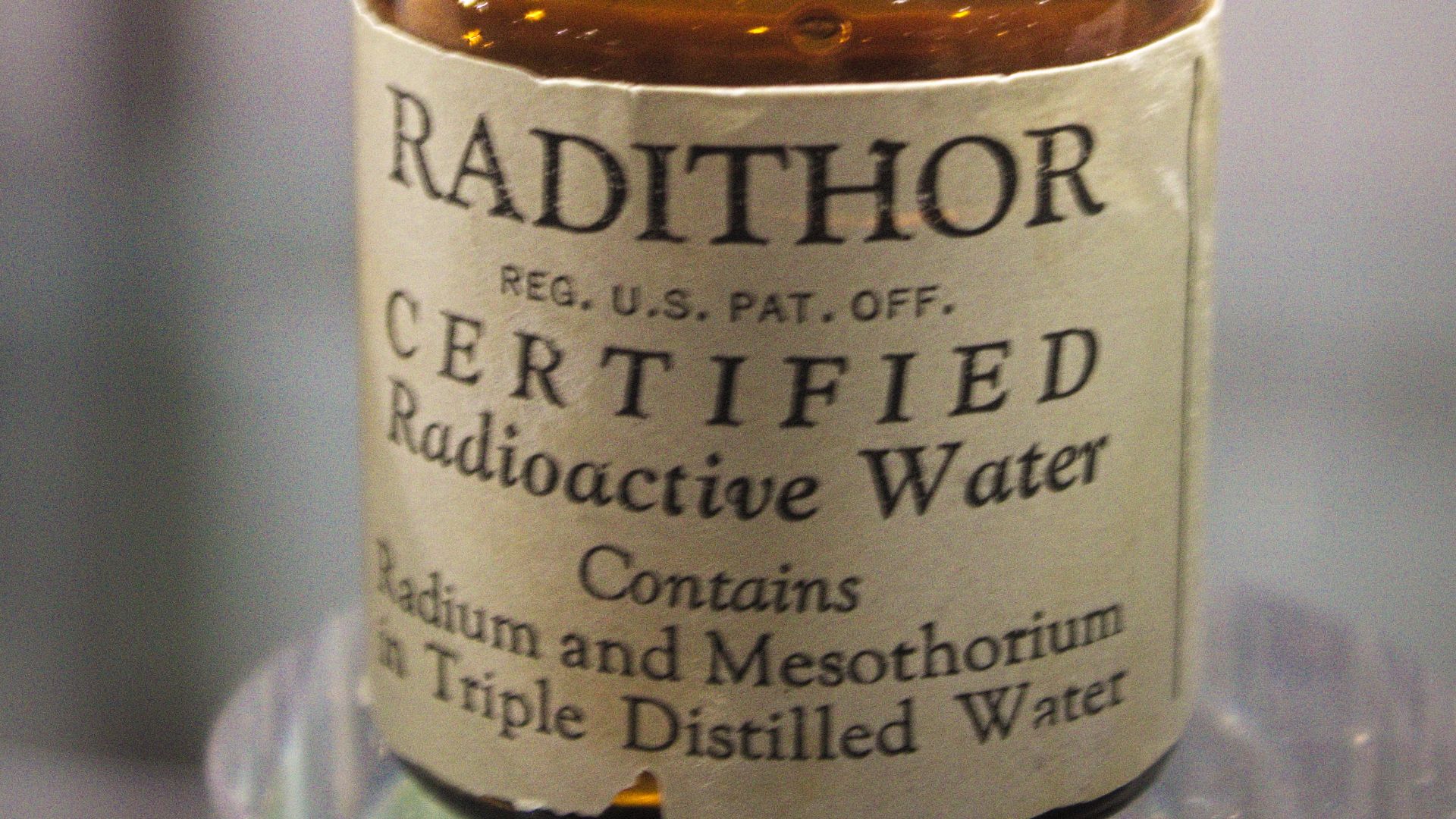
The craze eventually produced radioactive medicines and tonics, including bottles of radium-infused water. One famous product, Radithor, contained radium-226 and radium-228 and was advertised for scores of supposed health problems. Hundreds of thousands of bottles were reportedly sold during the late 1920s.
 Sam LaRussa from United States of America, Wikimedia Commons
The Radiation Stayed Inside The Body
The danger became clearer as scientists learned what radium actually did after entering the body. Because it behaves chemically somewhat like calcium, absorbed radium can accumulate in bones and expose surrounding tissue to radiation over long periods. Cases of severe radium poisoning helped destroy the idea that radioactivity itself was a health tonic and contributed to tighter controls over radioactive medical products.
Sulfa Drugs Looked Like A Miracle
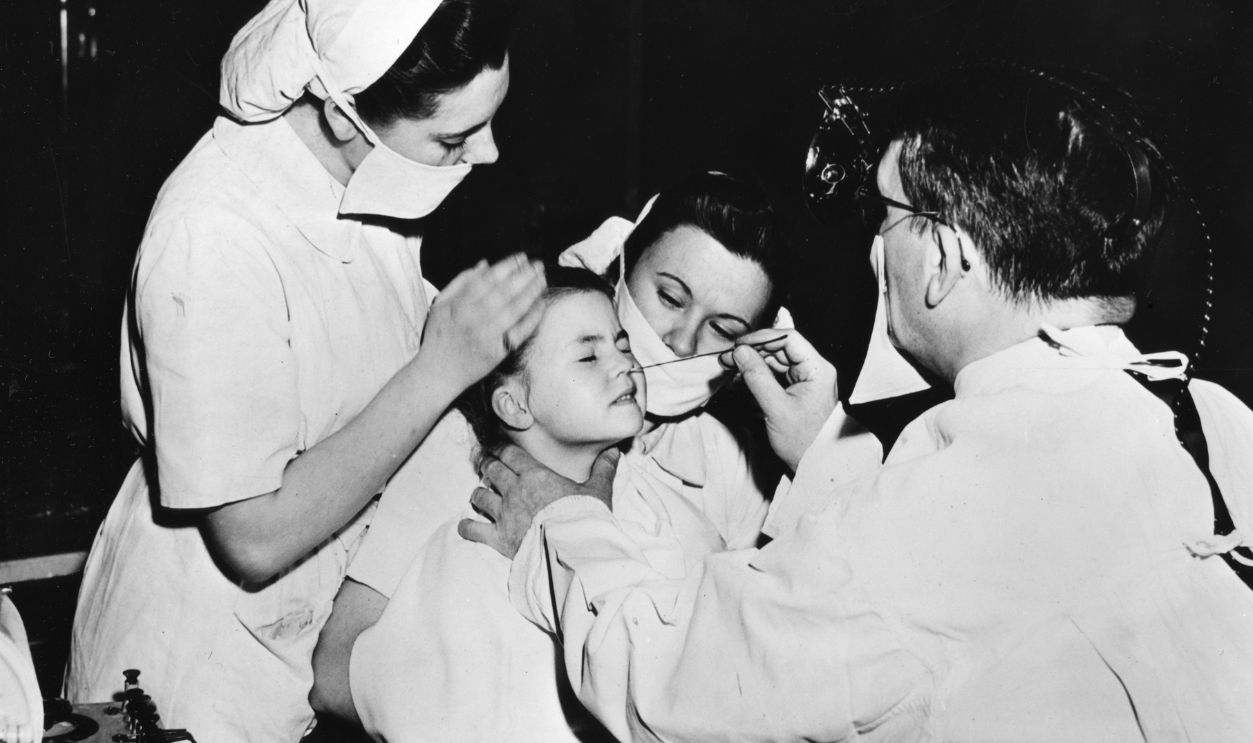
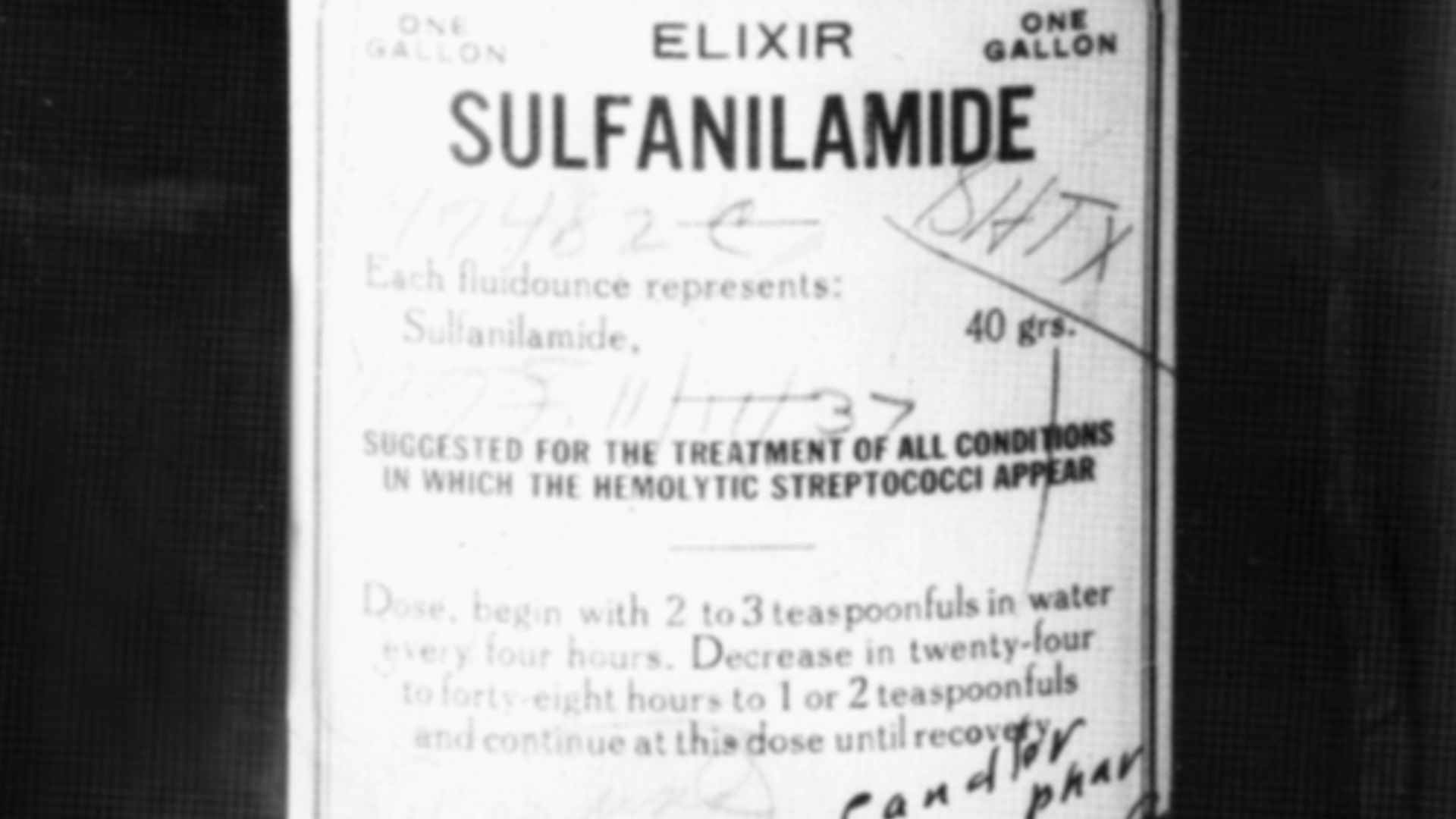
The arrival of sulfanilamide in the 1930s was genuinely exciting. The drug could successfully treat bacterial infections that had previously been extremely dangerous, and tablet and powder forms had already been used safely. Then one company decided to create a more appealing liquid version.
 The U.S. Food and Drug Administration, Wikimedia Commons
The New Liquid Had A Deadly Ingredient
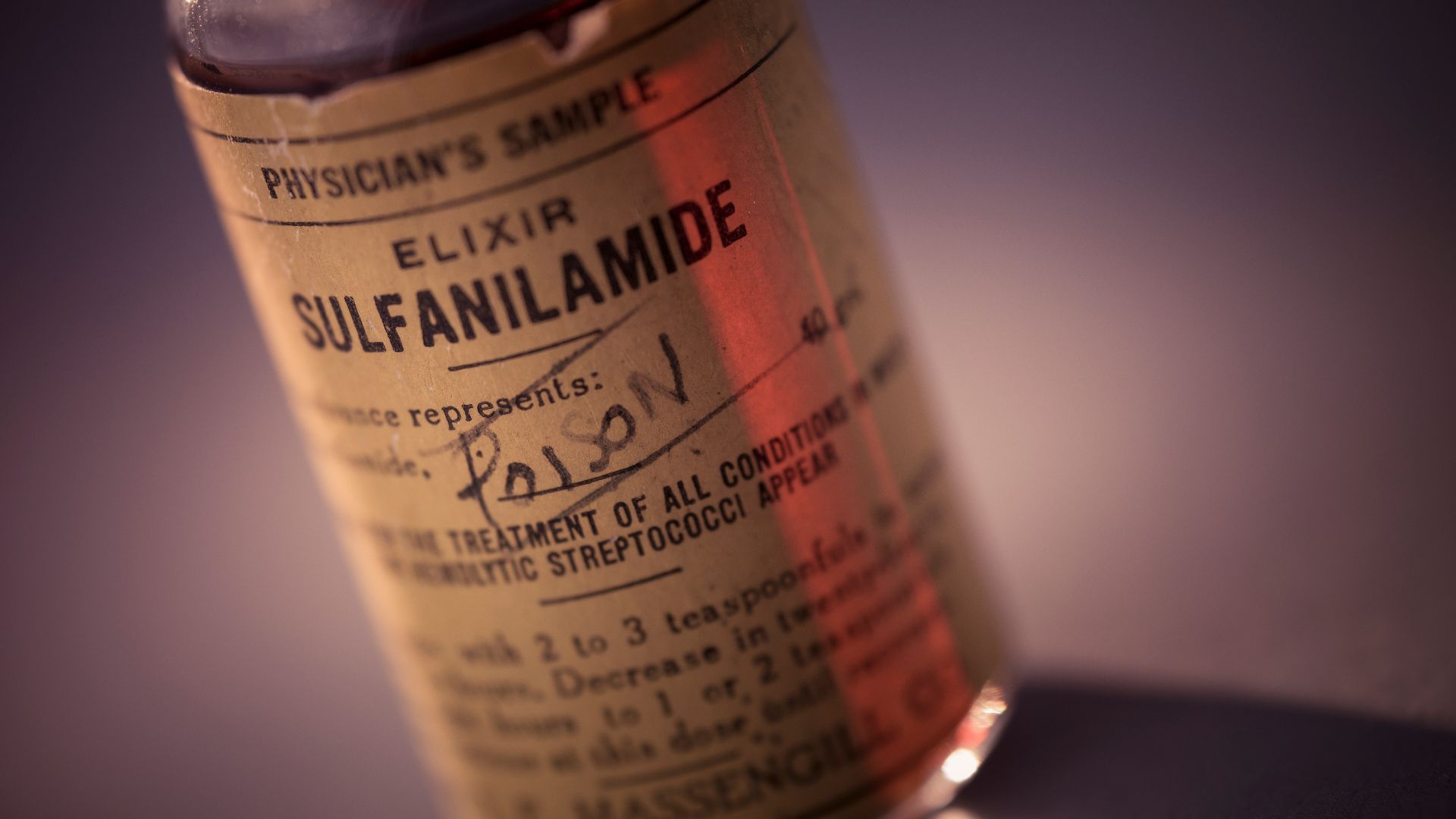
S.E. Massengill Company dissolved sulfanilamide in diethylene glycol, a toxic chemical related to substances used in antifreeze. The company tested the mixture for qualities such as taste and appearance but did not conduct toxicity testing before distributing it. At the time, American law did not require manufacturers to prove a new drug's safety before selling it.
History's most fascinating stories and darkest secrets, delivered to your inbox daily.
More Than 100 People Died
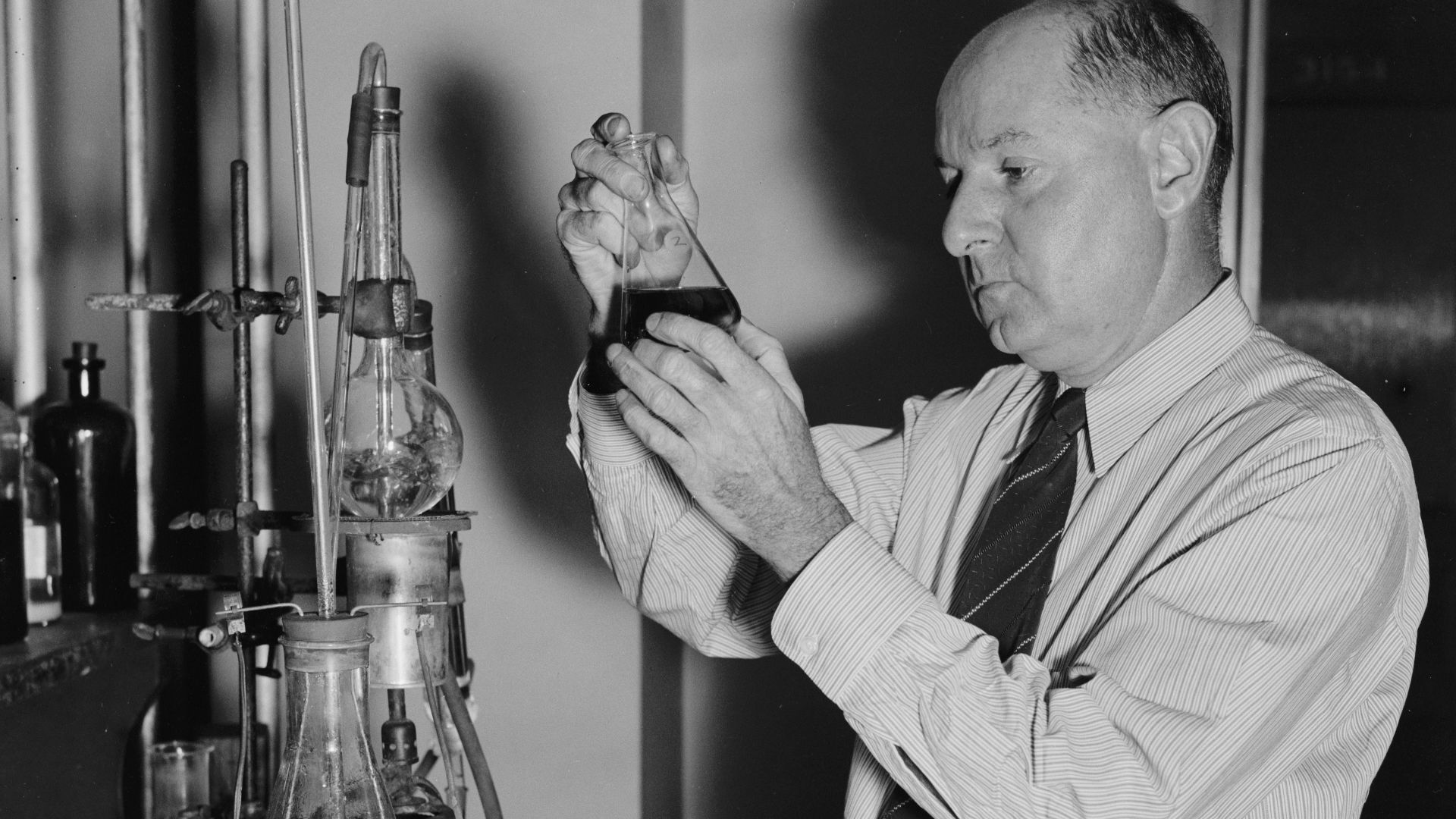
Elixir Sulfanilamide killed more than 100 people across the United States in 1937, many of them children. The disaster exposed huge gaps in federal drug regulation and helped push Congress toward the 1938 Federal Food, Drug, and Cosmetic Act. The new law required manufacturers to demonstrate the safety of new drugs before marketing them.
 Harris & Ewing, photographer, Wikimedia Commons
DES Promised To Protect Pregnancies
Beginning around 1940, doctors prescribed the synthetic estrogen diethylstilbestrol, better known as DES, to pregnant women. It was thought to reduce miscarriages, premature labor, and other pregnancy complications. Millions of pregnant women received the drug before the practice ended.

Evidence Against It Appeared Early
By the 1950s, studies had already shown that DES was not effective at preventing the pregnancy problems for which it was being prescribed. Yet its use during pregnancy continued for years. Then researchers discovered a far more disturbing problem involving the daughters of women who had taken it.
 Everett Collection, Shutterstock
The Consequences Appeared In The Next Generation
In 1971, researchers connected prenatal DES exposure with a rare form of cervical cancer in young women. Other reproductive and health problems were subsequently identified among people exposed to DES before birth. The FDA soon advised doctors to stop prescribing it to pregnant women, turning DES into a landmark warning about effects that may take decades to emerge.

Thalidomide Looked Remarkably Safe
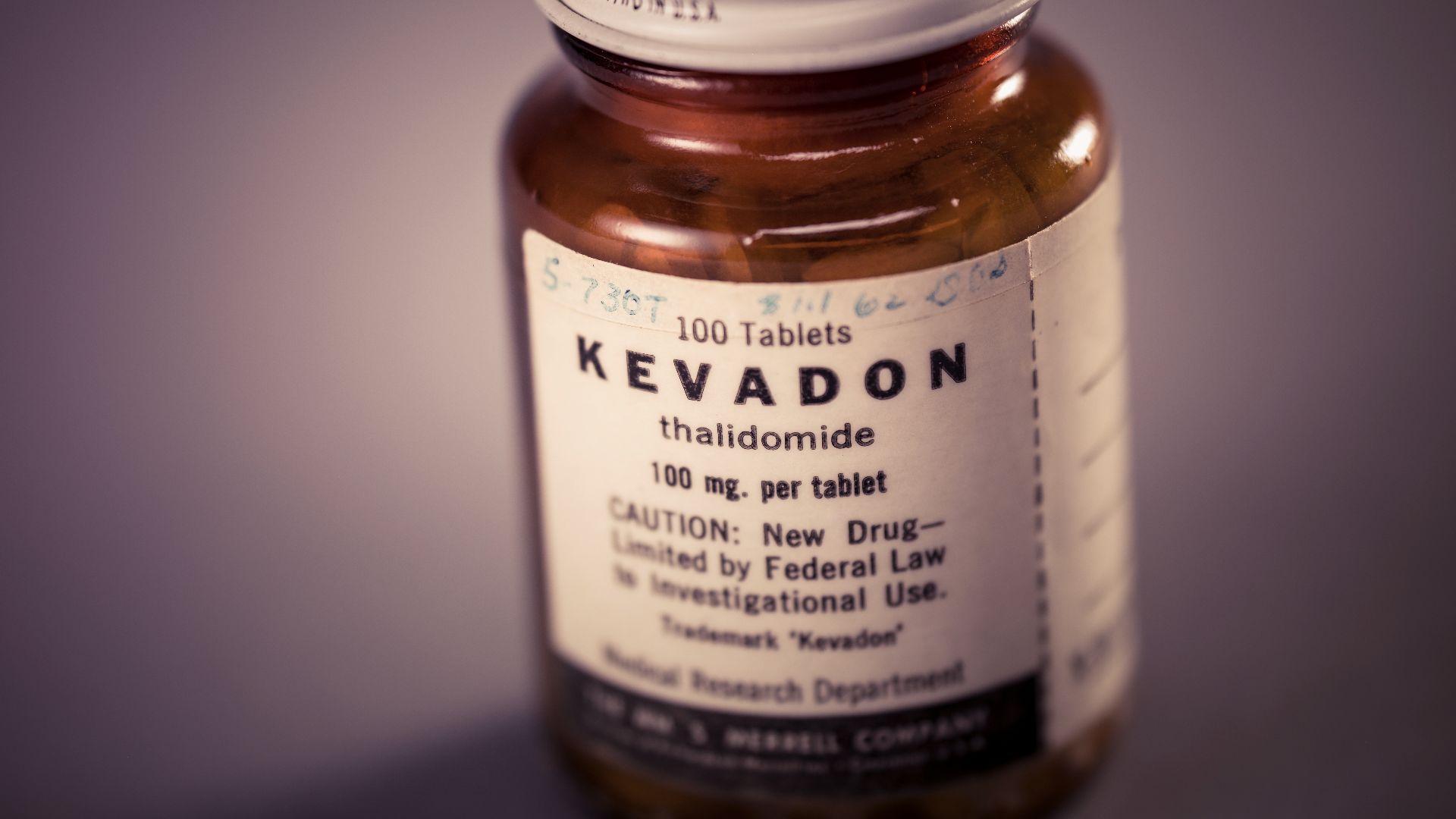
Thalidomide appeared in the late 1950s as a non-barbiturate sedative and was promoted as unusually safe. It was sold in dozens of countries and prescribed for conditions including insomnia and nausea during pregnancy. In Britain, doctors also gave it to pregnant women suffering from morning sickness.
 The U.S. Food and Drug Administration, Wikimedia Commons
The Birth Defects Were Catastrophic
When thalidomide was taken during a critical period early in pregnancy, it could interfere with fetal development. Thousands of children worldwide were born with serious impairments involving limbs, hearing, sight, the face, or internal organs. The connection eventually led to the drug's withdrawal in countries where it had been widely sold.

History's most fascinating stories and darkest secrets, delivered to your inbox daily.
One FDA Reviewer Refused To Approve It
The United States largely escaped the scale of the European disaster because FDA medical officer Frances Oldham Kelsey repeatedly refused to approve thalidomide. She believed the manufacturer had not supplied adequate evidence of safety despite pressure to clear the application. By late 1961, reports from overseas were confirming the severe risks she had worried about.
 The U.S. Food and Drug Administration, Wikimedia Commons
Thalidomide Changed Drug Regulation
The tragedy helped build support for the 1962 Kefauver-Harris Drug Amendments in the United States. Manufacturers were now required to provide substantial evidence that new drugs were effective as well as safe before marketing them. Thalidomide itself later found legitimate uses for certain conditions under strict controls, making its history more complicated than a simple story of a permanently abandoned drug.
 The U.S. Food and Drug Administration, Wikimedia Commons
Fen-Phen Became A Weight-Loss Sensation
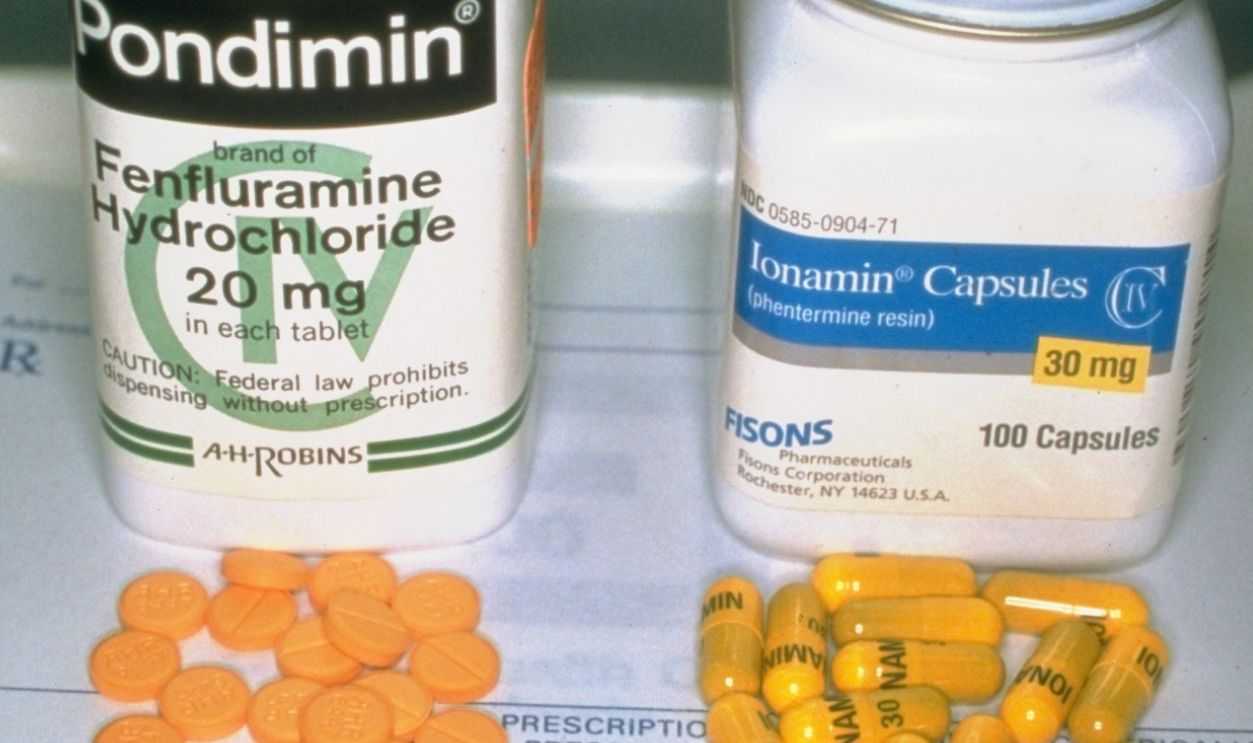
In the 1990s, the combination of fenfluramine and phentermine became enormously popular as a treatment for obesity. Although the combination itself was not FDA-approved, doctors could prescribe the individually approved drugs together. More than 18 million prescriptions for fenfluramine and phentermine were filled in the United States in 1996 alone.
 Allan Tannenbaum, Getty Images
Doctors Began Seeing Damaged Heart Valves
In 1997, physicians reported an unusual pattern of heart-valve disease among women who had taken fen-phen. A widely discussed New England Journal of Medicine report described 24 women with abnormal valve findings, with several also developing pulmonary hypertension. Additional reports quickly strengthened concerns that the drugs were associated with serious cardiovascular harm.

The Phenomenon Collapsed Almost Overnight
On September 15, 1997, fenfluramine and dexfenfluramine were withdrawn from the U.S. market over concerns about valvular heart disease and pulmonary hypertension. Phentermine itself was not part of that withdrawal. The episode became another warning about how quickly a widely adopted treatment can unravel once uncommon or delayed harms become visible.

Today's Breakthroughs Face A Higher Bar
These treatments came from very different eras, so their stories are not identical. Some addressed diseases for which doctors had almost no alternatives, while others exposed failures in testing, regulation, or the interpretation of weak evidence. Together, they helped shape the modern expectation that medical treatments must be tested not only for immediate promise, but also for safety, effectiveness, and harms that may take years to appear.
 Richard Stone, Wikimedia Commons
You May Also Like:
The Coney Island Incubator Babies Were Put On Display, But The Spectacle Actually Saved Lives
Bizarre Things That People Somehow Once Believed Were Good For Their Health
Popular Historical Medical Procedures That Caused More Harm Than What They Were Supposed To Cure