
A Quiet Illinois Town Suddenly Became National News
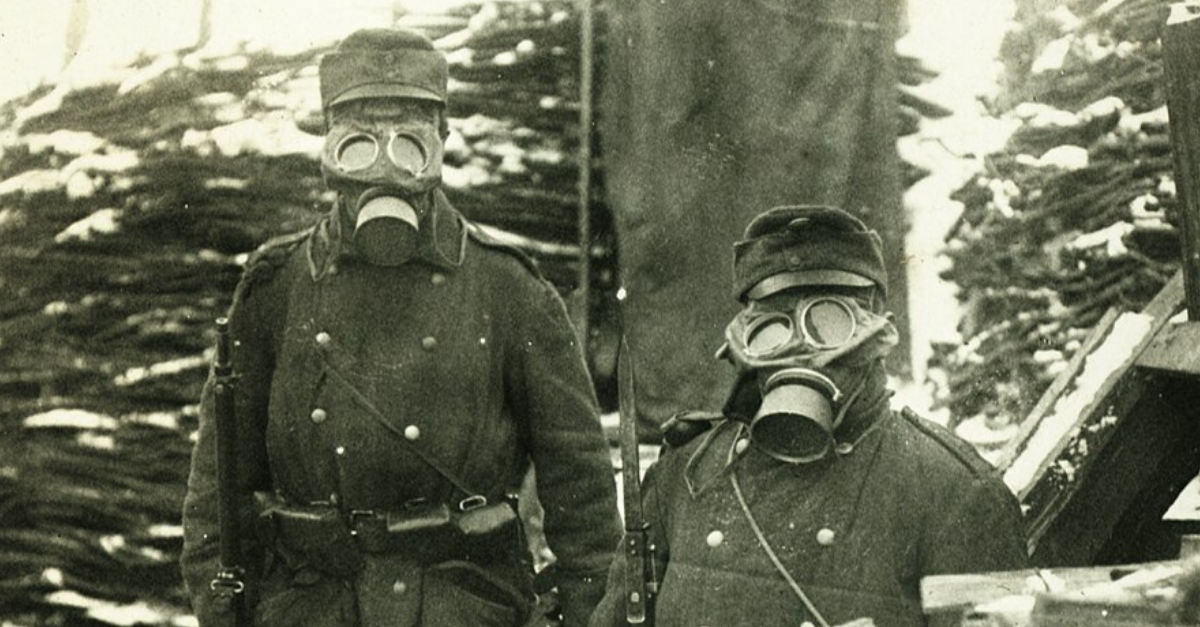
In early September 1944, Mattoon, Illinois, found itself at the center of one of America's strangest mysteries. Residents began reporting nighttime attacks involving a sweet-smelling gas that allegedly left victims nauseated, weak, and temporarily unable to move. Within days, newspapers across the country were covering the bizarre story, turning the "Mad Gasser" into a nationwide sensation.
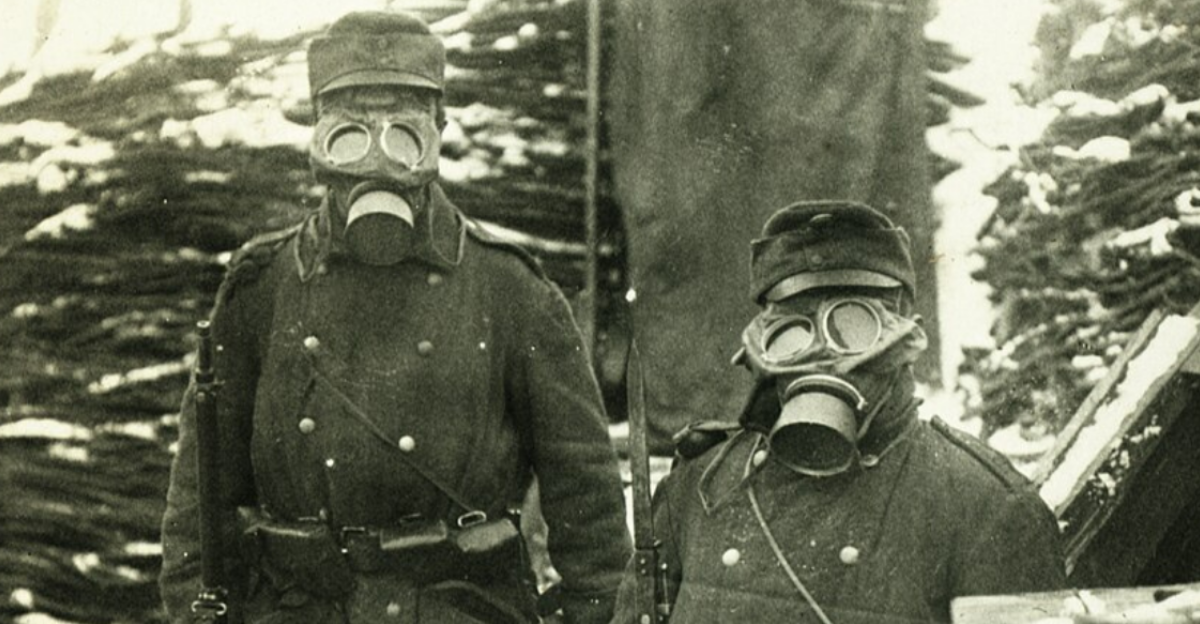 FOTO:Fortepan, Wikimedia Commons
The First Report Sparked Everything
The panic began on the night of September 1, when Aline Kearney reported smelling a sweet odor in her bedroom before experiencing nausea and temporary leg weakness. Her husband later claimed he saw a suspicious figure outside the home, though authorities found no evidence of an intruder. The local newspaper's dramatic front-page coverage transformed a single incident into a community-wide alarm.
More Families Claimed They Had Been Targeted
After the initial story appeared, other Mattoon residents came forward with similar accounts. Victims described strange odors entering through open windows before developing symptoms that included dizziness, numbness, vomiting, or difficulty walking. Although details varied from household to household, the similarities fueled fears that a serial attacker was roaming the city.
 Eduardo Salvatierra, Unsplash, Modified
Witnesses Described A Shadowy Stranger
Several residents claimed they caught brief glimpses of a suspicious figure near their homes. Descriptions differed considerably, with some witnesses reporting a tall man dressed in dark clothing while others recalled someone much shorter or dressed differently. No consistent suspect description ever emerged, making it difficult for investigators to focus on a single individual.
 Craig Whitehead, Unsplash, Modified
Fear Spread Faster Than The Evidence
As reports multiplied, many Mattoon residents became convinced they could be at risked at any moment. Families began locking windows, keeping lights on overnight, and staying awake to watch for suspicious activity. The atmosphere of fear grew so intense that nearly every unusual smell or noise was viewed through the lens of the unfolding mystery.
 Sagnik Acharya, Unsplash, Modified
A Full Investigation
Local authorities immediately investigated the reported attacks and searched neighborhoods for evidence of a prowler. Illinois State authorities also joined the investigation, while federal authorities monitored developments because of wartime concerns about possible chemical attacks. Despite extensive patrols and interviews, investigators never located a suspect or recovered any device capable of dispersing gas.

WWII Anxiety Made The Situation Even Worse
The incidents unfolded during the final year of WWII, when fears of sabotage and chemicals were already common throughout the United States. Newspapers regularly reported on overseas battles involving new tools and espionage. Historians have suggested that this atmosphere likely heightened public sensitivity to anything that resembled a chemical attack.

The Local Newspaper Played A Major Role
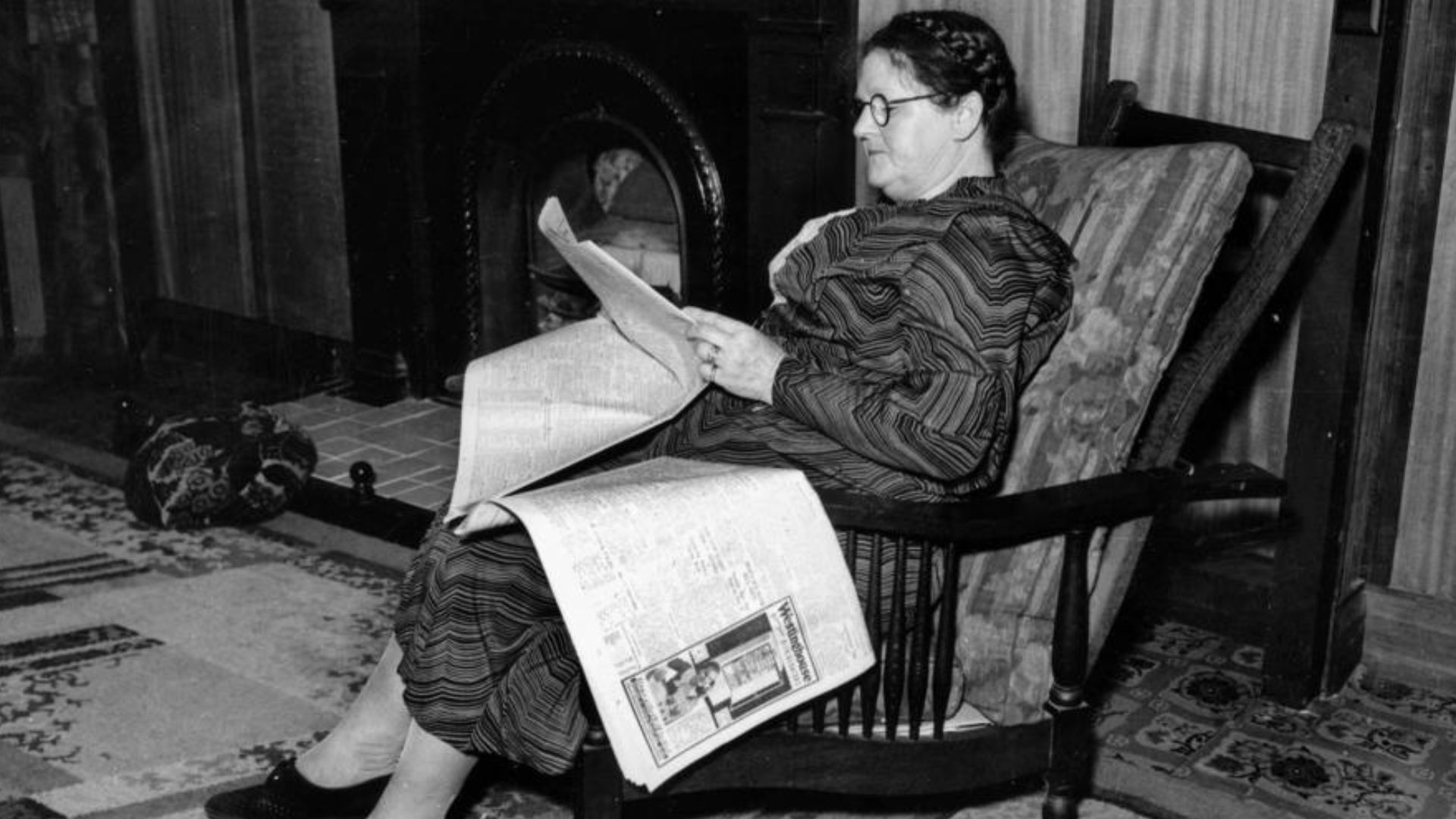
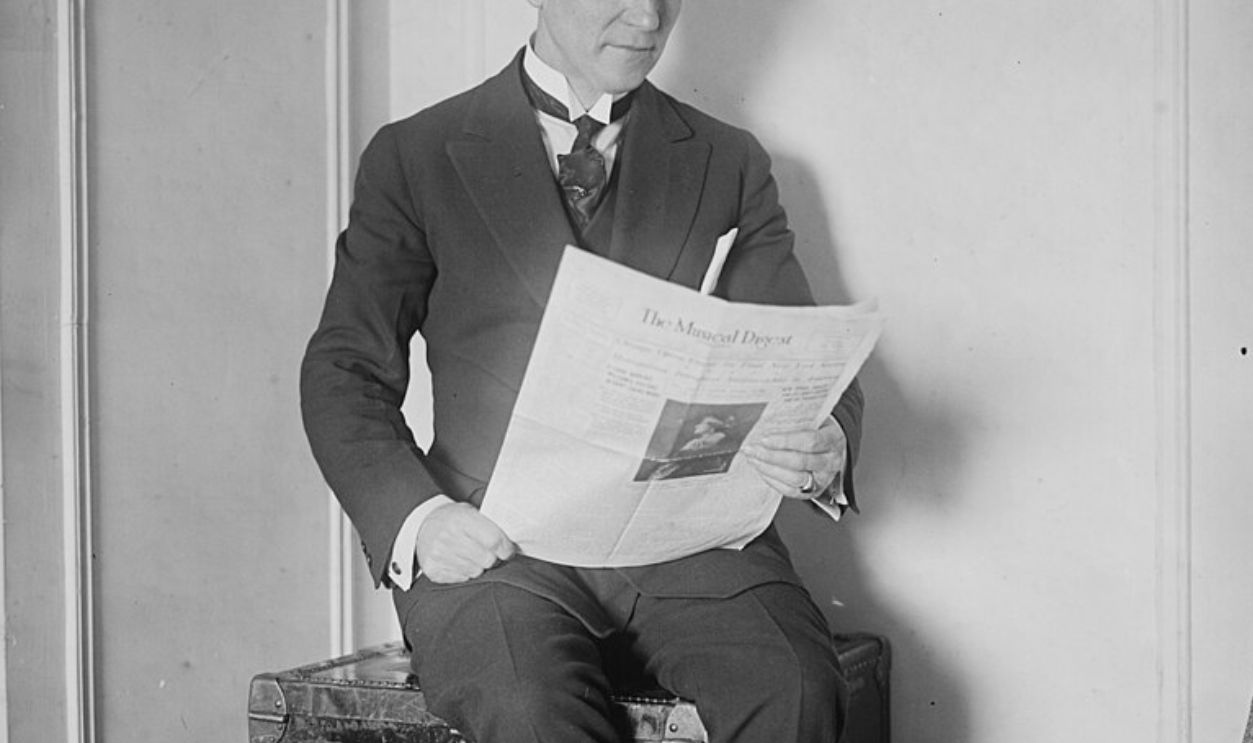
The Mattoon Daily Journal-Gazette covered each reported incident in dramatic detail, often placing the story prominently on its front page. As neighboring newspapers picked up the reports, awareness spread rapidly beyond Mattoon. Later researchers argued that the intense media attention may have unintentionally encouraged additional reports by reinforcing public fears.
 Bain News Service, publisher, Wikimedia Commons, Enhanced
The Number Of Victims Continued To Grow
Within roughly two weeks, authorities had logged more than two dozen separate reports involving nearly 30 alleged victims. Most experienced only temporary symptoms and recovered quickly without lasting medical complications. No fatalities or permanently disabling injuries were ever linked to the mysterious attacks.


History's most fascinating stories and darkest secrets, delivered to your inbox daily.
Physical Evidence Was Surprisingly Thin
Although some residents believed they had been sprayed with an unknown substance, investigators found remarkably little physical evidence. Clothing submitted for laboratory testing failed to reveal traces of poison gas. Officers repeatedly searched reported scenes but found no footprints, containers, spray devices, or other convincing evidence that an attacker had been present.
 DIANA HAUAN, Unsplash, Modified
One Theory Blamed Nearby Industry
Chief C E Cole briefly suggested that shifting winds might have carried industrial fumes from the nearby Atlas-Imperial Diesel Engine Company. The company disputed the explanation, noting that its workers were not experiencing similar illnesses and that its facility had passed state health inspections. The industrial-fume theory therefore remained inconclusive and never fully explained the reported events.
 Patrick Hendry, Unsplash, Modified
Psychologists Offered A Different Explanation
University of Illinois psychologist Donald M Johnson investigated the incidents soon after they occurred. He concluded that the outbreak was best understood as a case of mass hysteria, now more commonly called mass psychogenic illness. According to this theory, genuine anxiety and suggestion can produce real physical symptoms without any external agent.
 Matteo Vistocco, Unsplash, Modified
The Symptoms Were Real
One important point emphasized by researchers is that the victims were not necessarily inventing their illnesses. Nausea, dizziness, weakness, dry mouth, and even temporary numbness can all occur during episodes of extreme anxiety. The debate has never centered on whether people felt sick, but rather what caused those symptoms.

Skeptics Still Question The Mass Hysteria Theory
Not everyone accepts the psychogenic explanation as the complete answer. Some historians point out that a handful of early reports occurred before widespread media coverage could have influenced public expectations. Others argue that the first few incidents remain difficult to explain with certainty, leaving room for continued debate.
 Andrea Piacquadio, Pexels, Modified
No Suspect Was Ever Found
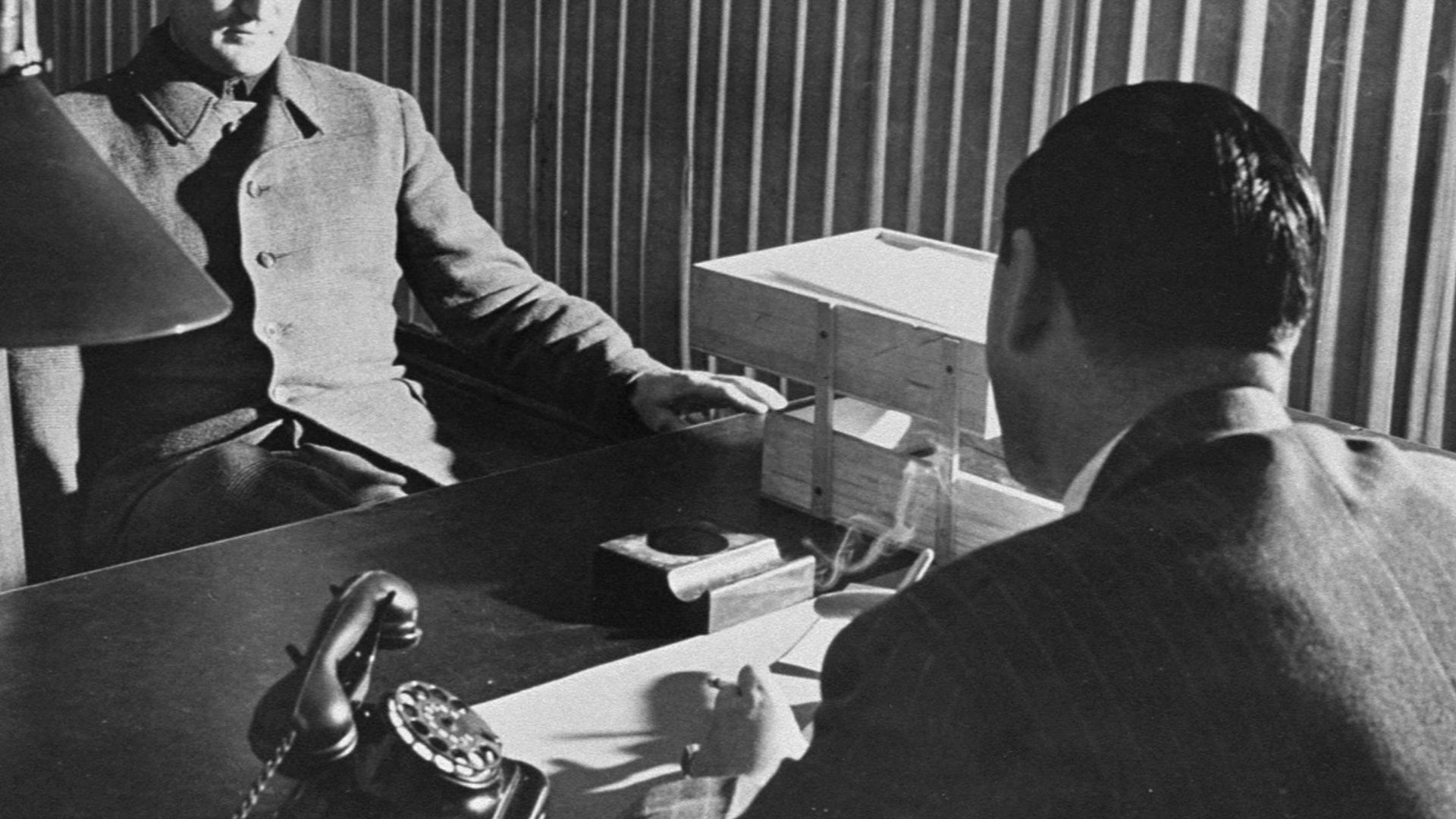
Despite armed patrols, stakeouts, and countless interviews, authorities never identified a credible suspect. A few individuals were questioned during the investigation, but none could be connected to the reported attacks. As quickly as the incidents had begun, they simply stopped.
The Reports Ended Almost Overnight
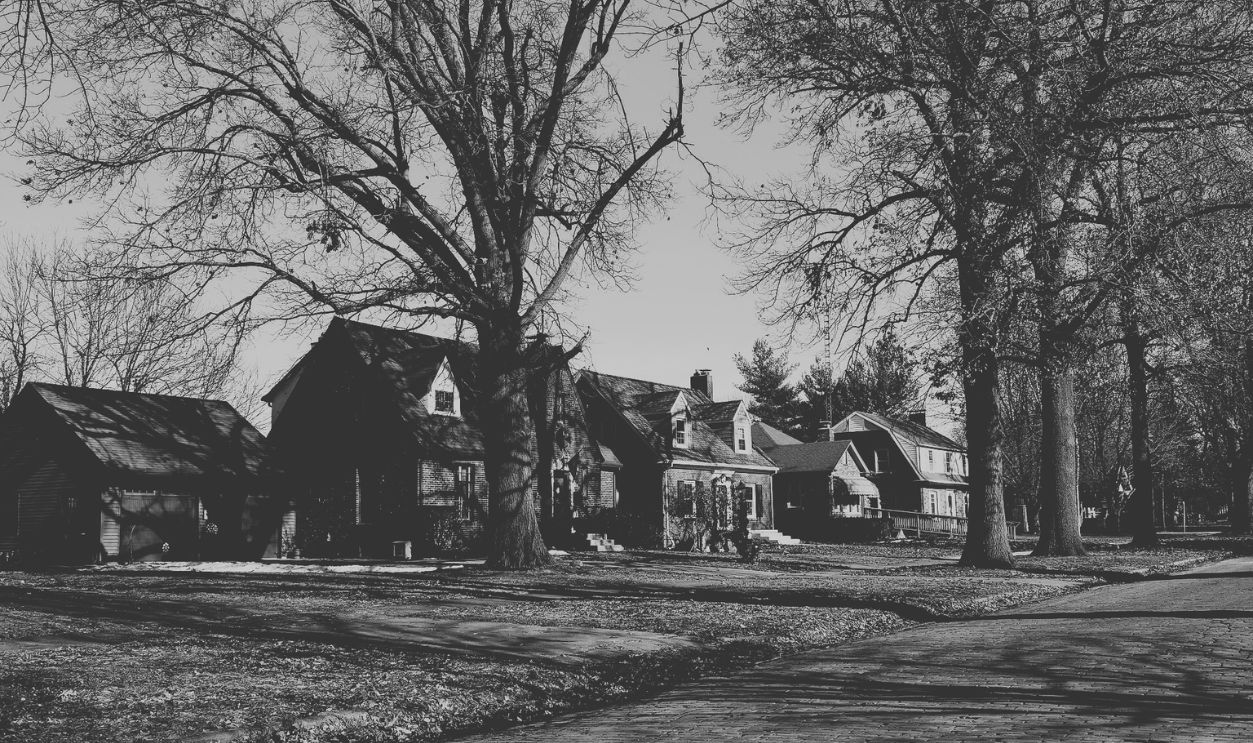
By the middle of September 1944, new complaints had virtually disappeared. The sudden end was nearly as puzzling as the beginning, since no arrest, public confession, or scientific discovery explained why the attacks ceased. Mattoon gradually returned to normal, but the mystery remained.
 TheCatalyst31, Wikimedia Commons, Modified
The Story Spread Across America
National newspapers and magazines, including Time, reported on the strange events unfolding in Mattoon. Soldiers stationed overseas even wrote home asking relatives about the mysterious "Mad Gasser" they had read about in international news coverage. The small Illinois town briefly became known around the world.
 Mario Camerini, Wikimedia Commons
The Mystery Entered American Folklore
Over the decades, the Mad Gasser has appeared in countless books, documentaries, podcasts, and collections of unsolved mysteries. Some versions portray the case as paranormal, while others emphasize psychology and social behavior. The enduring fascination stems largely from the absence of a definitive explanation.

Historians Continue To Study The Incident
Modern historians have revisited original records, newspaper articles, and eyewitness accounts to better understand what happened. While most scholars lean toward some combination of anxiety, rumor, and misinterpreted odors, they also acknowledge that several details remain unresolved. The case continues to serve as a valuable study of how fear can spread through a community.

The Mad Gasser Remains An Unsolved Mystery
Eighty years later, there is still no consensus about whether a real attacker ever existed. The official investigation never produced enough evidence to prove unlawful activity, yet it also failed to conclusively explain every reported incident. As a result, the Mad Gasser occupies a unique place somewhere between true crime, psychology, and folklore.

Why The Story Still Captivates People Today
The Mad Gasser of Mattoon endures because it raises timeless questions about memory, perception, fear, and the power of suggestion. Whether the events were caused by an unknown individual, environmental factors, or collective anxiety, they demonstrate how quickly uncertainty can transform an ordinary town into the center of a national mystery. That unanswered question is exactly why the story continues to fascinate historians and mystery enthusiasts alike.

You May Also Like:
Wild West Mysteries That We May Never Get An Answer To
What Happened After JFK Was Shot?
Researchers are close to solving the mystery of the 600-year-old Voynich manuscript.










_LCCN2014713994.jpg)
