The Mother Of All Conspiracies
John F Kennedy remains one of America’s most popular presidents, but arguably the biggest part of his legacy was the day he perished. After he was slain while driving through crowds of excited spectators, the US government scrambled to pick up the pieces in the wake of this horrific event, devolving into chaos within a matter of a few days. As a result, the incident continues to raise questions and theories—including who was really behind it.
 Bettmann/CORBIS/Bettmann Archive via Getty Images
1. They Set Out
In 1963, a tense rift emerged within the Texas Democratic Party, and JFK believed a visit from him might help alleviate the situation. The plans were in motion for months. Seeing as this was the President of the United States coming to visit, Texas Governor John Connally pulled out all the stops and planned the route for the motorcade with extreme care.
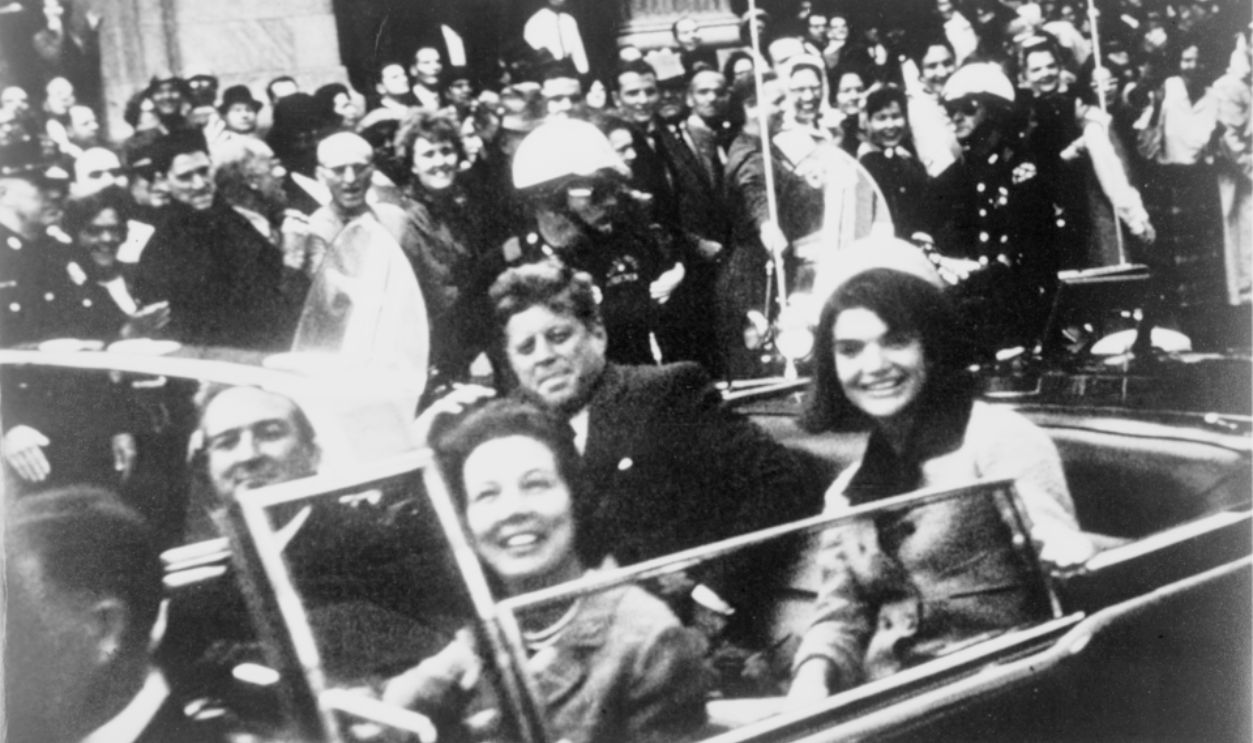
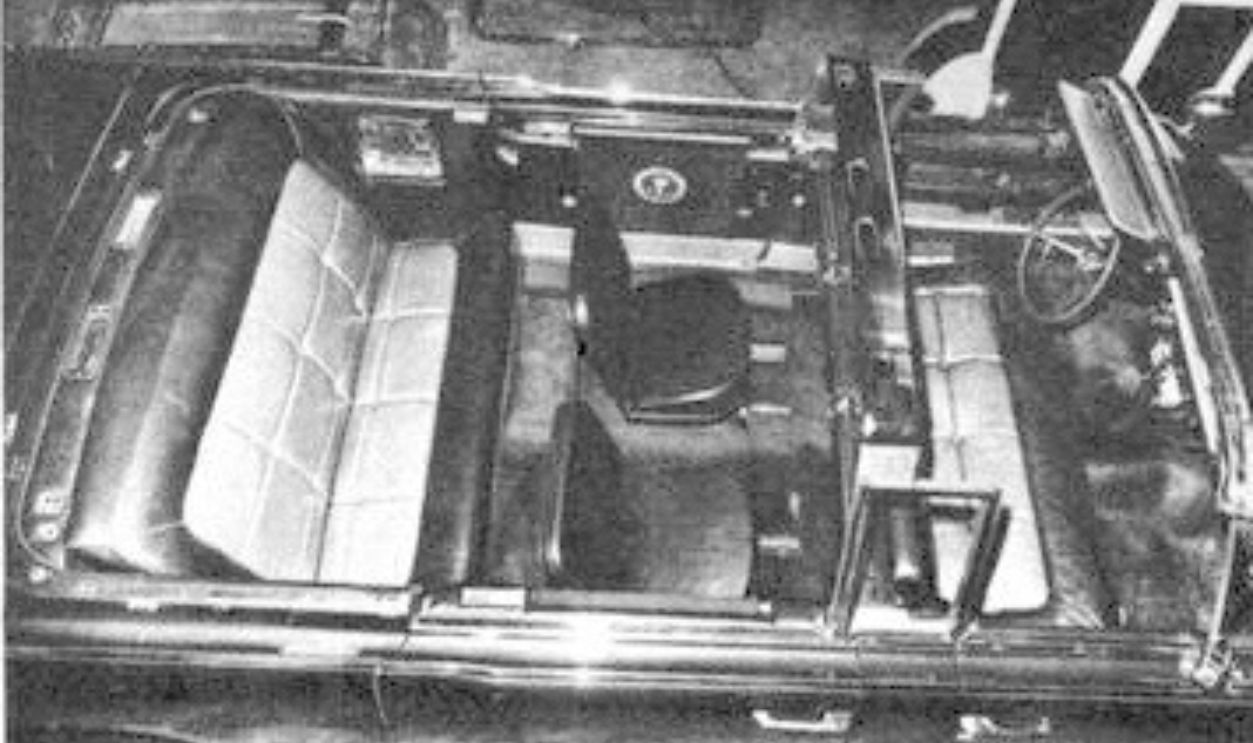
Ready to meet the awaiting public, JFK awoke early on the morning of November 22, and boarded a convertible limousine with his wife, Jacqueline Kennedy, Governor Connally, his wife, and agents Bill Greer and Roy Kellerman. Everything was going according to plan—until disaster struck.
 Victor Hugo King, Wikimedia Commons
2. They Heard The Shots
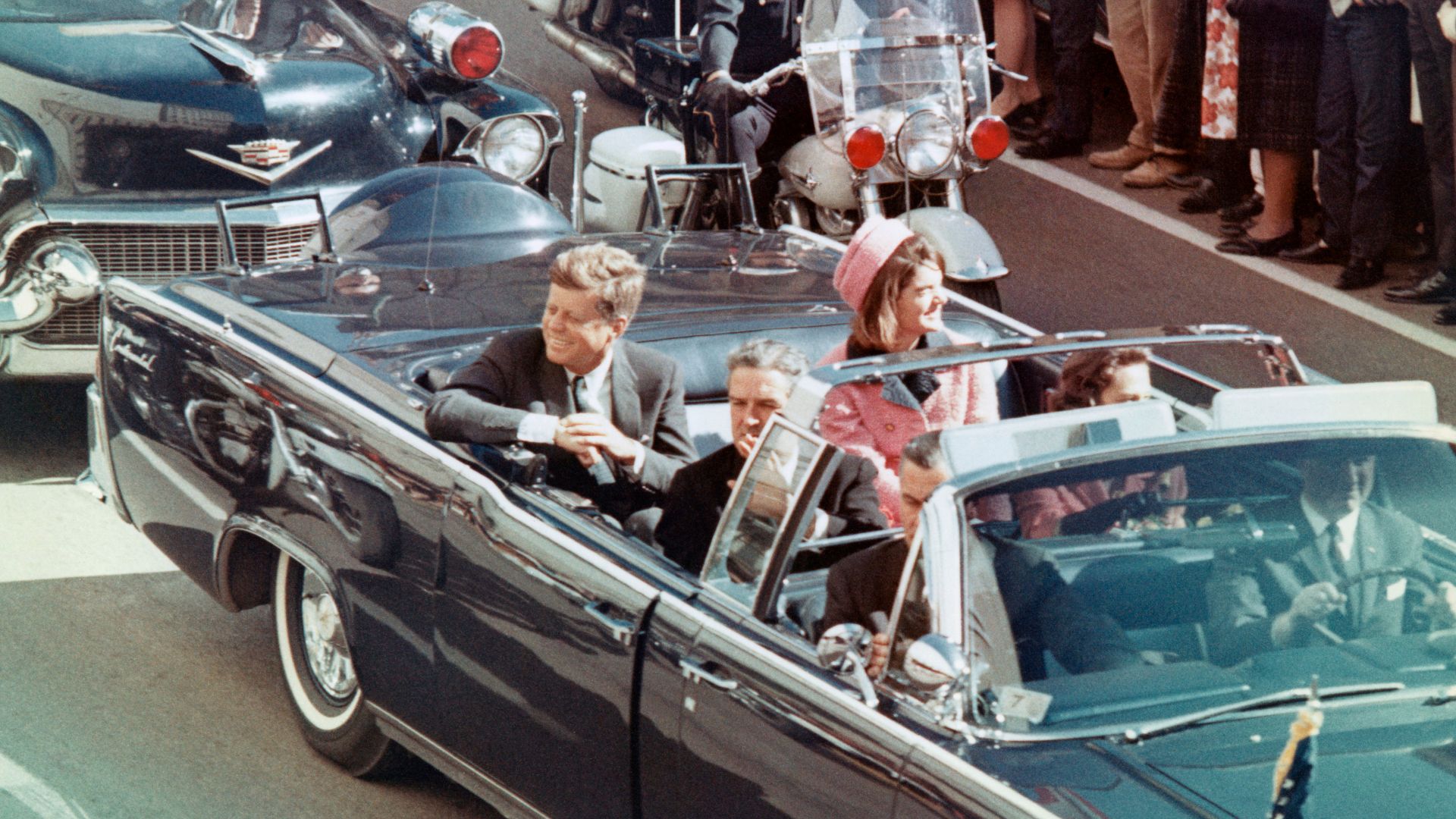
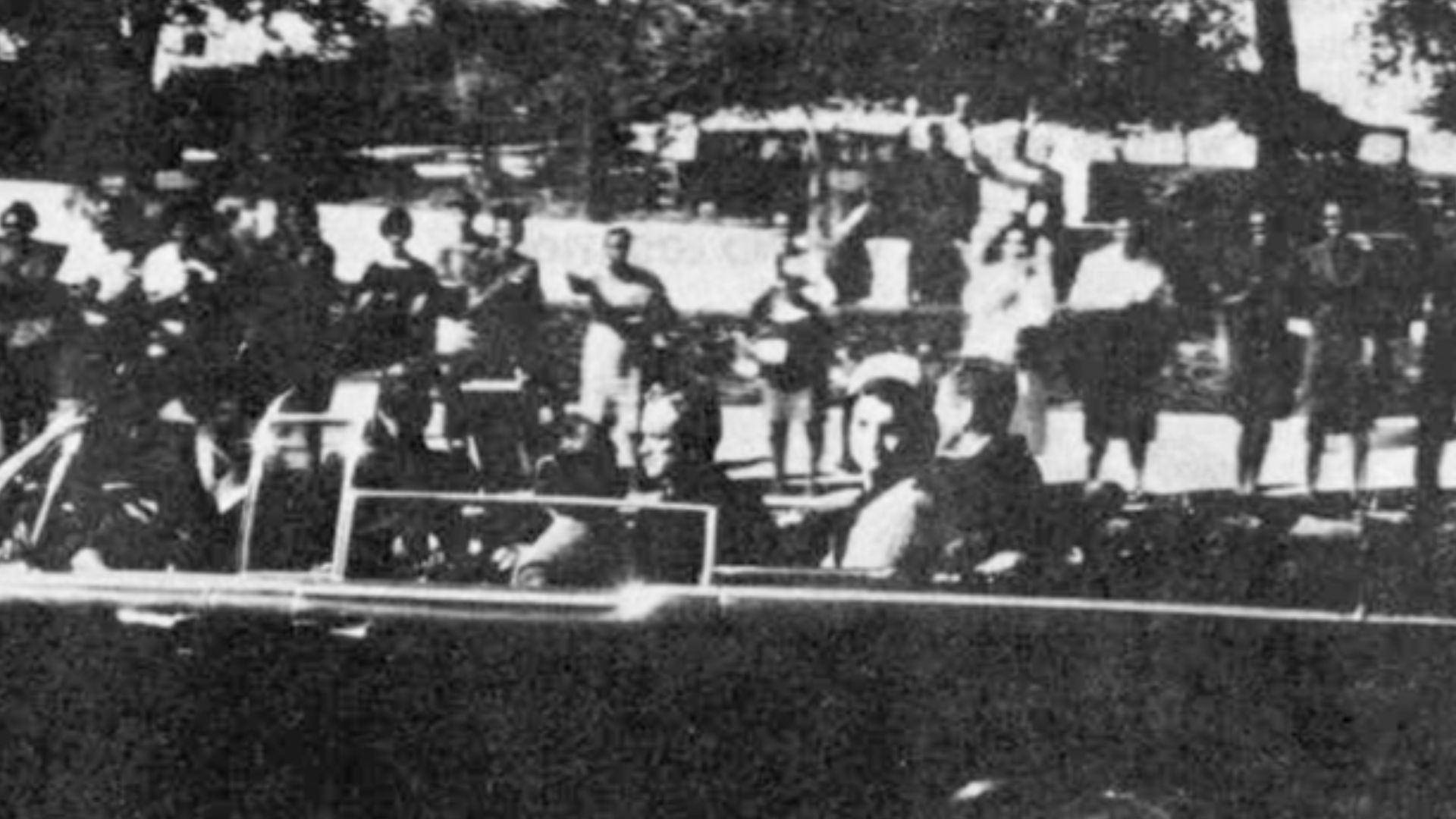
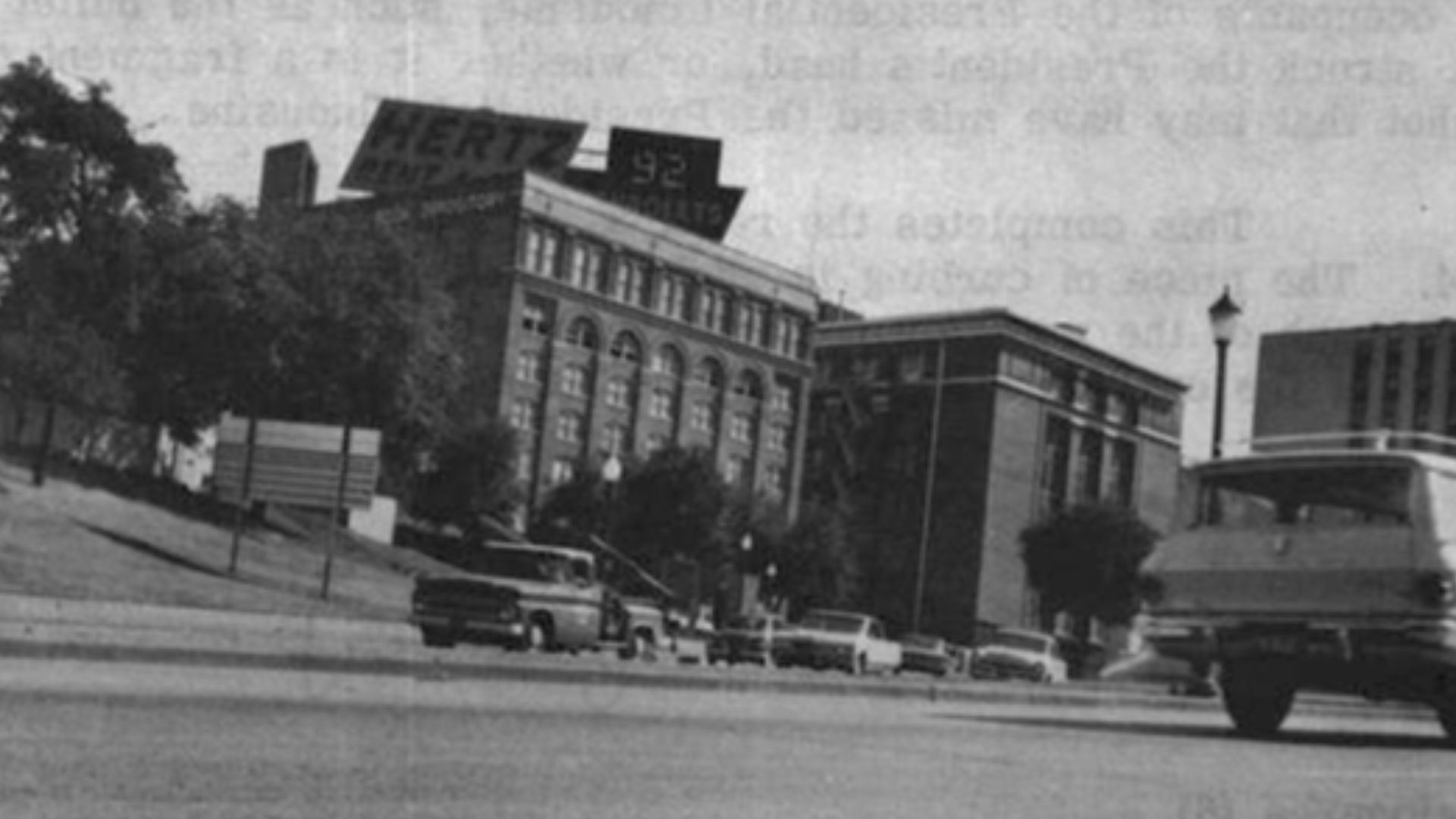
As JFK and his motorcade passed through the streets of Dallas, he smiled and waved at the adoring crowds watching him go by—which was exactly the point. His route was especially intended to make him as visible as possible to the Texas citizens, but this was a double-edged sword. Driving by the Texas School Book Depository, the cheers and applause were suddenly drowned out by three piercing shots.
These would be JFK’s last moments—but he wasn’t the only one in the line of fire.
 Walt Cisco, Dallas Morning News, Wikimedia Commons
3. They Were Both Hit
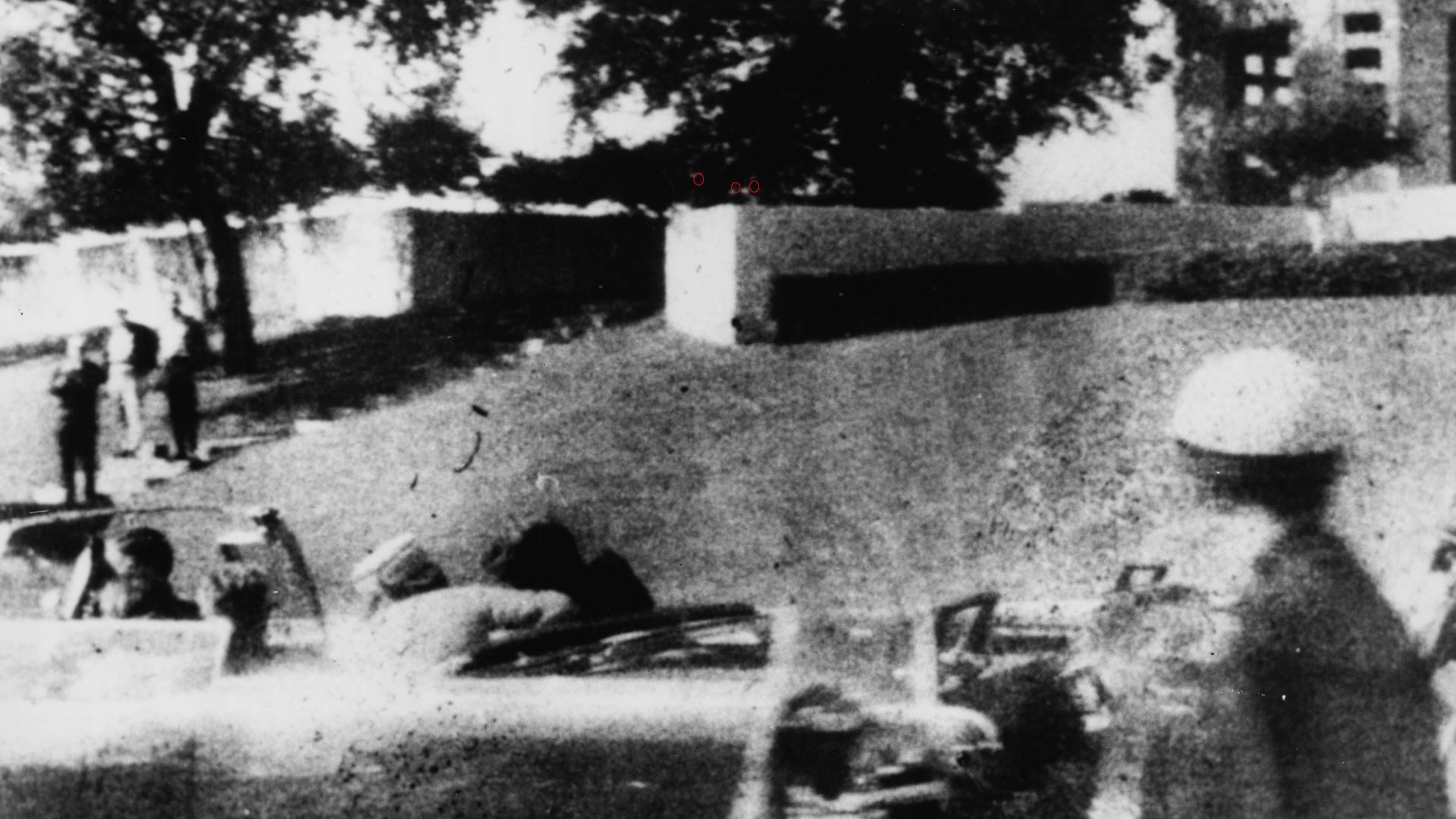
Despite the exact number of shots coming under debate, one thing was certain—someone had struck President John F Kennedy. As was later discovered, at least one round had gone through his throat, while another seemingly struck his head, but that wasn’t all. Governor Connally also sustained an injury as one of the shots went through his shoulder and wrist before landing in his thigh.
The mass of spectators descended into chaos—though some managed to keep a level head.
 Mary Moorman, Wikimedia Commons
4. They All Scattered
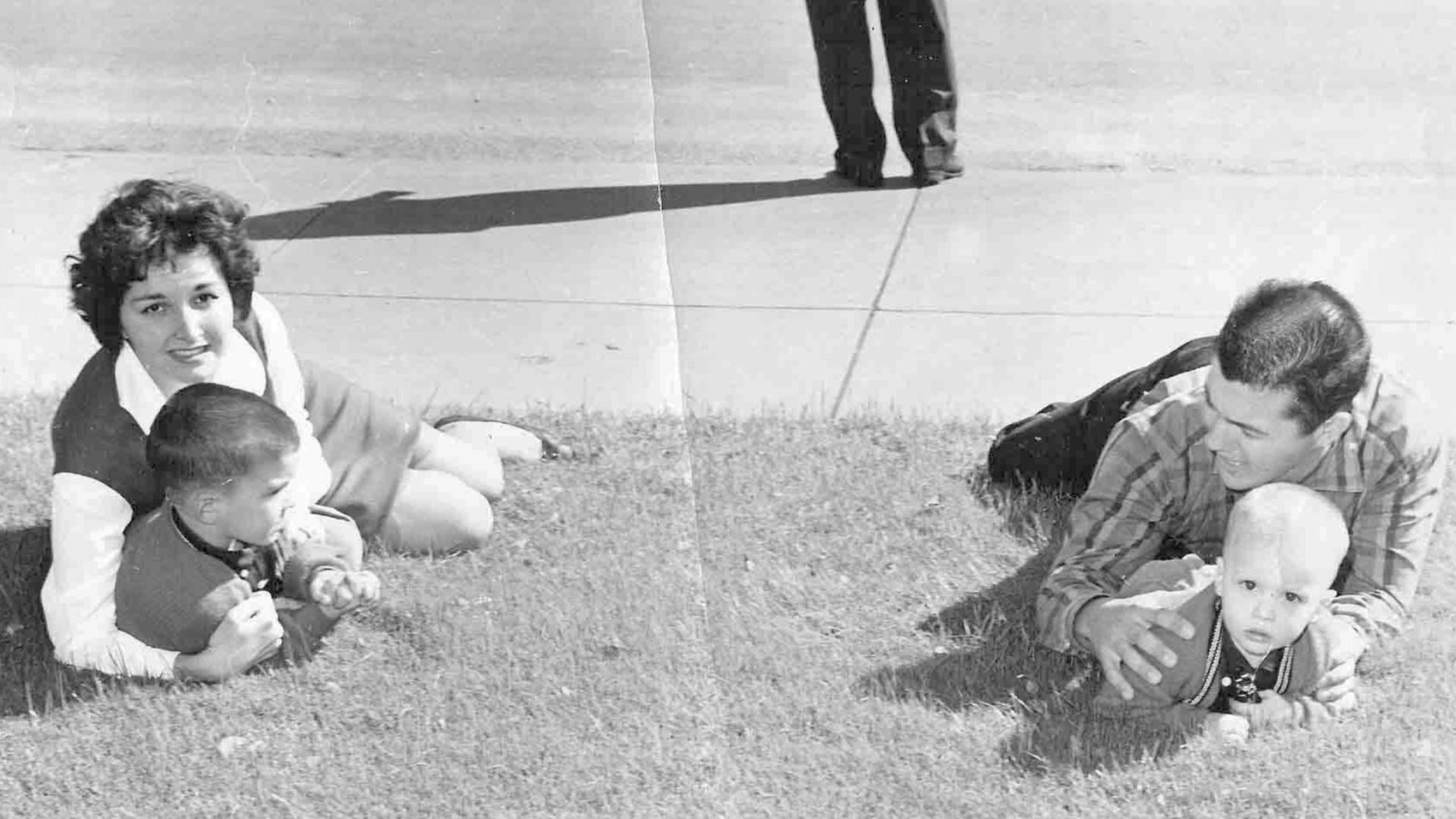
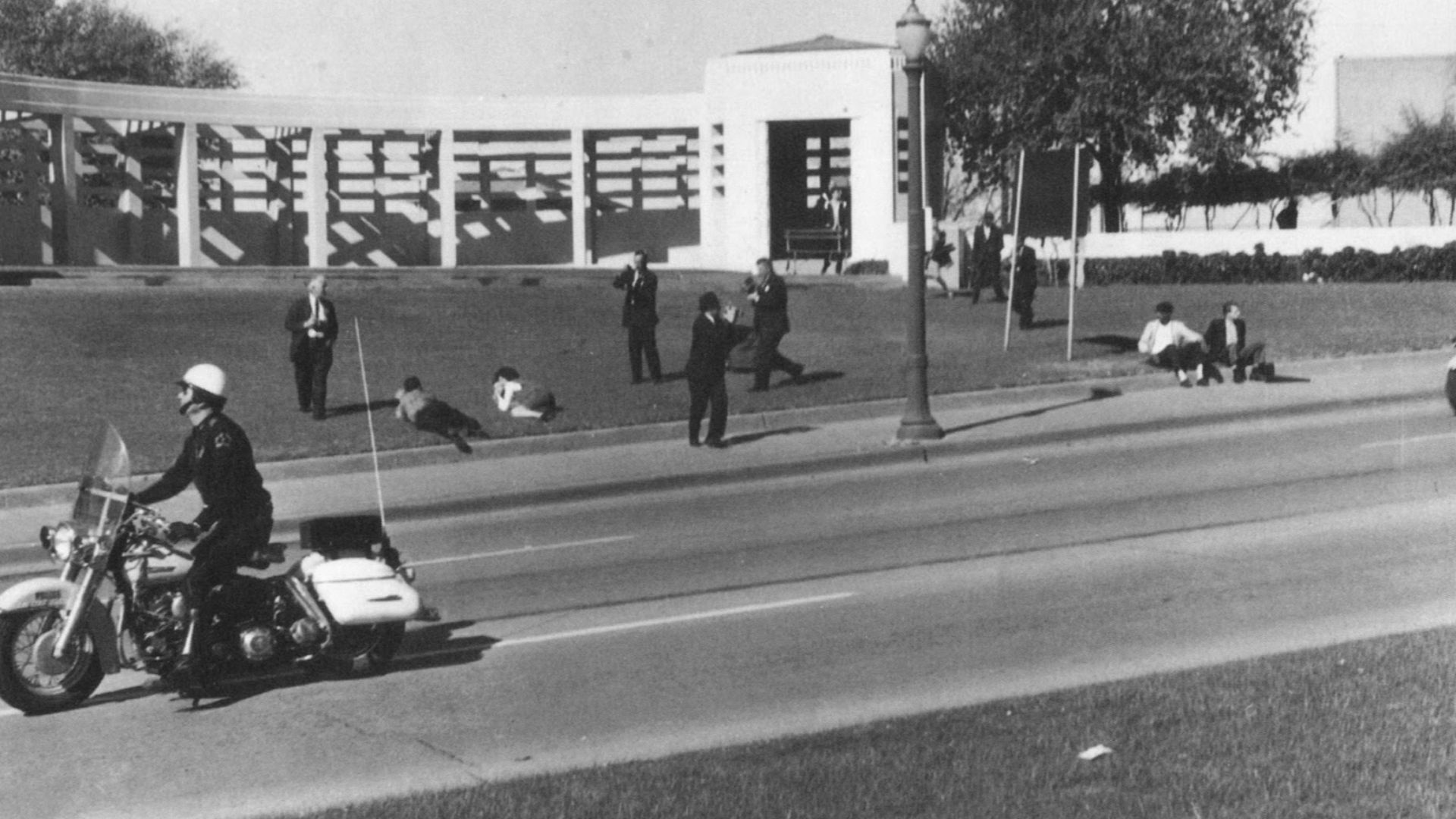
As soon as the shots rang out across the masses, many erupted into mayhem, with most people running for any cover they could find—but not everyone. While there were many vantage points the attack could have come from, the most obvious was the infamous grassy knoll nearby, which the car was passing. As such, several spectators were eager to find the culprit and joined the authorities as they rushed the knoll—but there was no one there who seemed obviously responsible for what had transpired.
Meanwhile, at least one person managed to capture the entire thing.
 Frank Cancellare, Wikimedia Commons
5. He Recorded It All
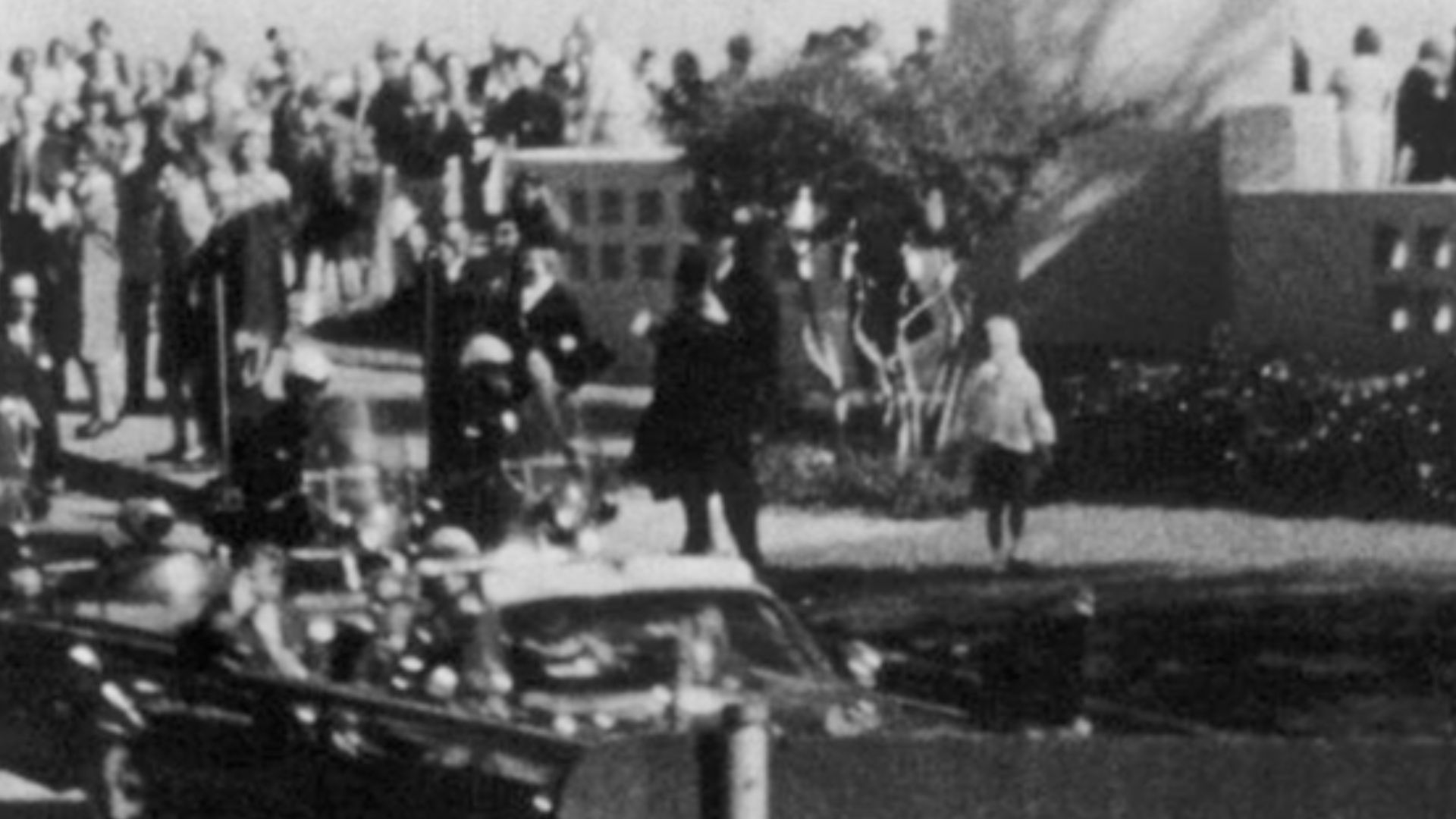
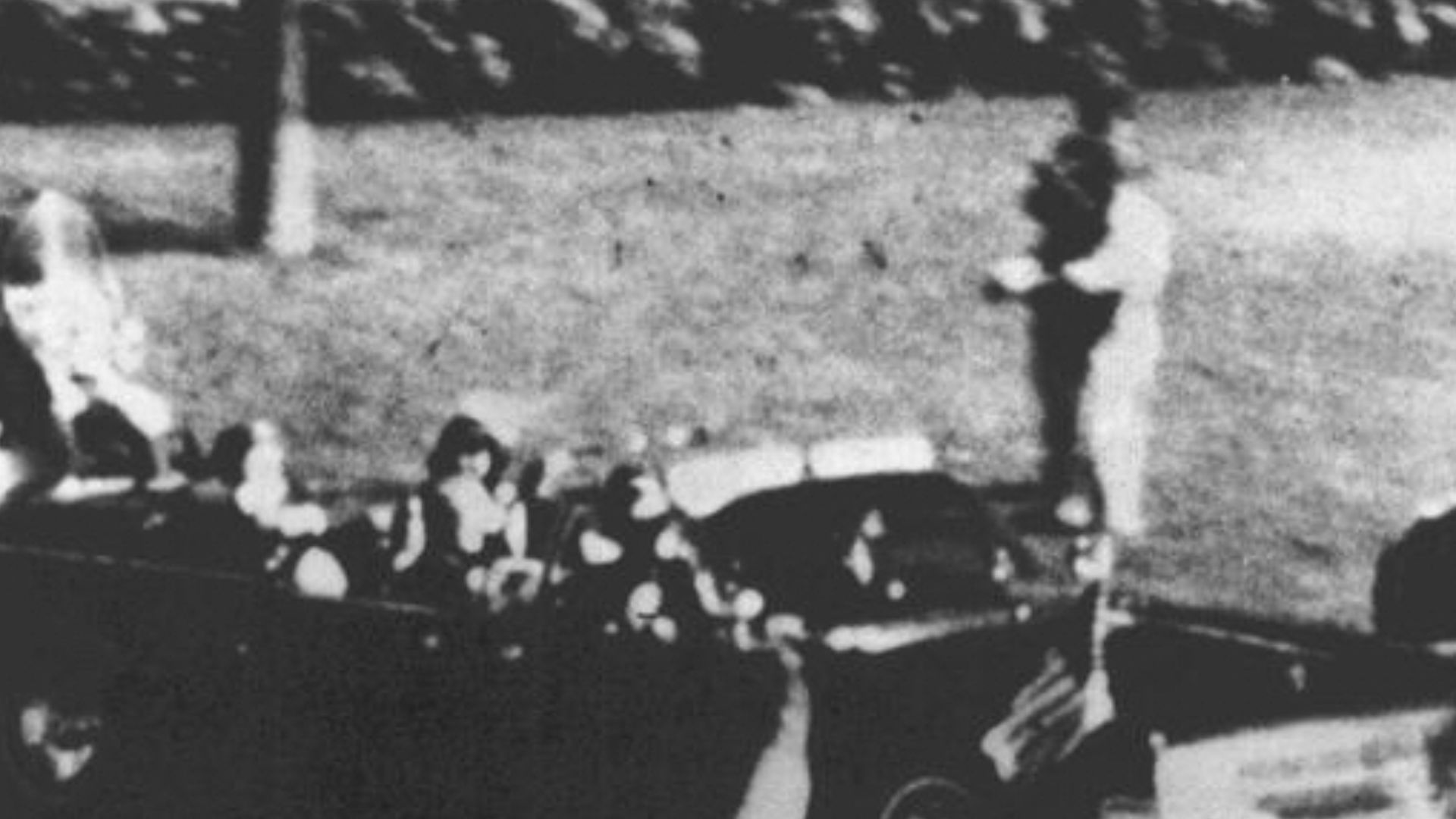
Given how much of a spectacle it was, there were naturally more than a few people ready to film or photograph JFK’s motorcade, but one recording remains the clearest and most cohesive. Known as the Zapruder film, this 26-second piece of footage captured the entire incident, as it was recorded by spectator Abraham Zapruder on an 8 mm camera.
Everyone wanted to find the shooter, and someone seemed to know where to start.
 Abraham Zapruder, Wikimedia Commons
6. He Alerted The Authorities
By noon, everyone was on high alert, looking for whoever could have been mad enough to shoot the president—and reports were already coming in. Specifically, a young man named Amos Euins believed he had spotted the one responsible and went to the authorities, claiming he had seen a person of color aiming a weapon from the depository’s second story. Wasting no time, law enforcement took Euins’s word and closed the building off.
At the same time, authorities rushed the president to the hospital in the hopes of saving him—but the outlook wasn’t great.
 Abraham Zapruder / Warren Commission, Wikimedia Commons
7. He Was Too Far Gone
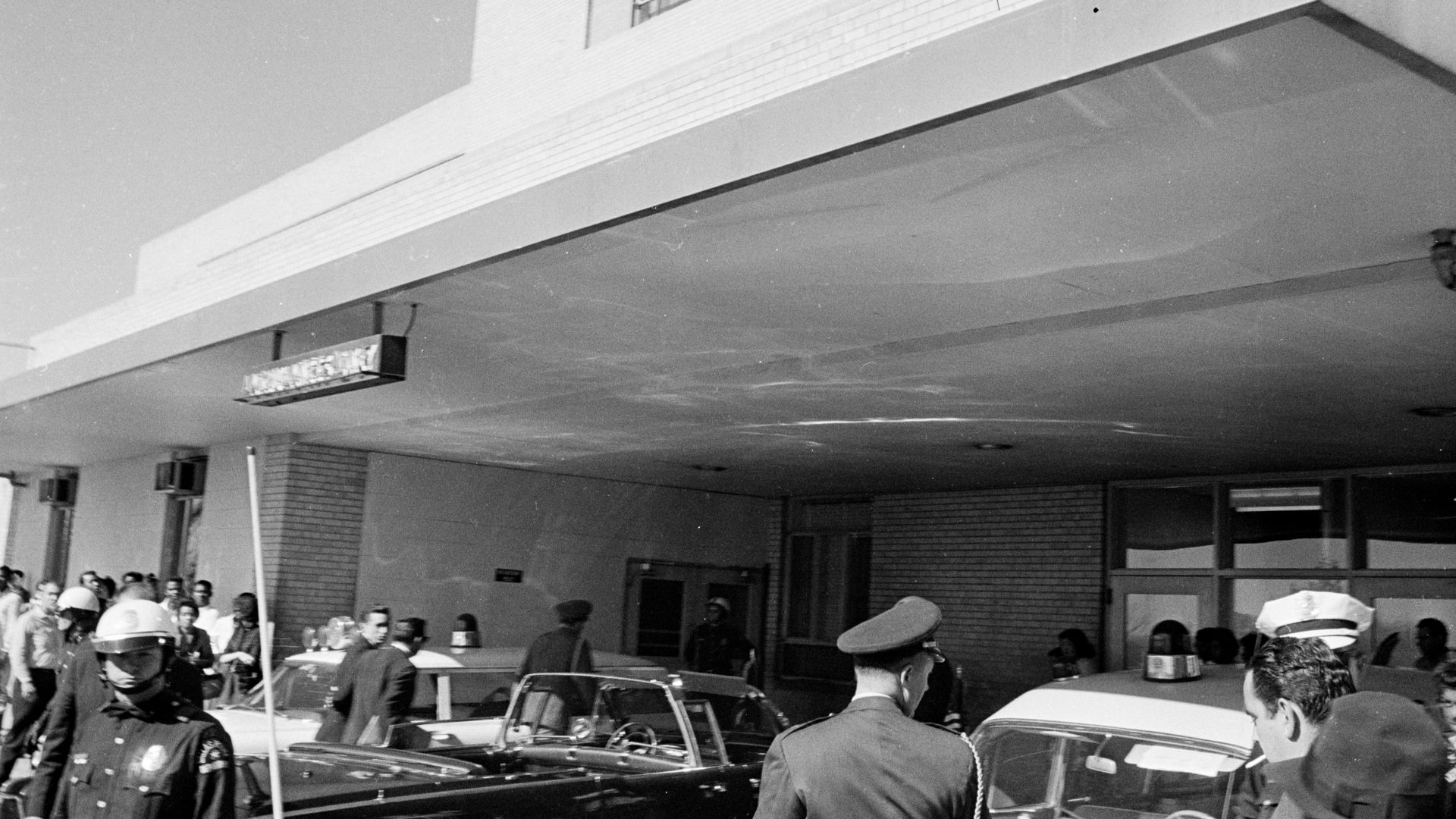
To the horror of the crowds and the other passengers of the car, it truly seemed like JFK had perished in the instant he’d been hit, but they weren’t about to give up on him. Speeding off to the hospital, they discovered miraculously that he was still breathing. However, with one look at the president, Dr George Burkley knew he wouldn’t make it.
Before long, the authorities received their second sighting of the suspect—and it confirmed their suspicions.
 Cecil W. Stoughton, Wikimedia Commons
8. They Got Another Report
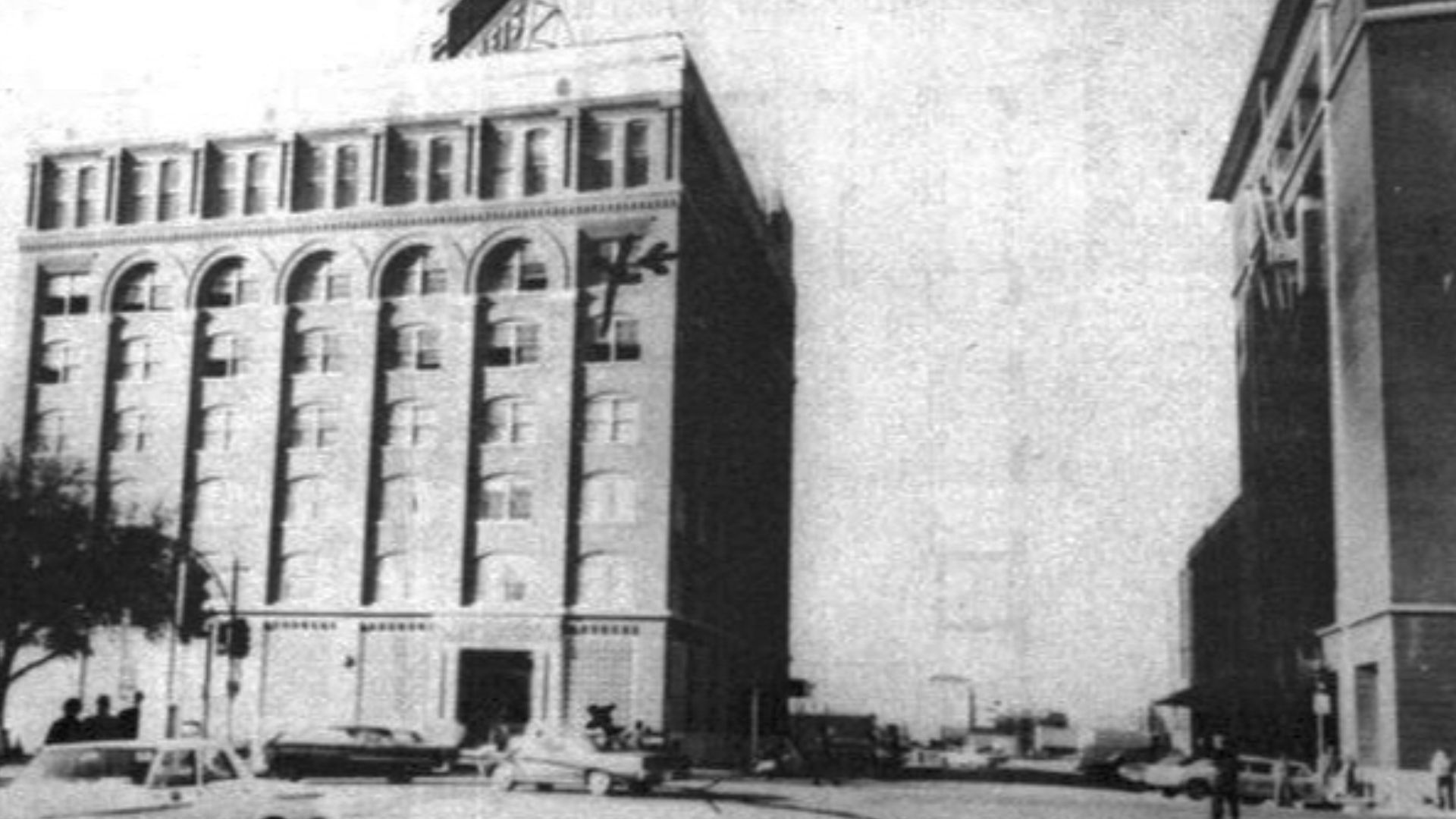
All while JFK’s doctors were trying in vain to keep him alive, the authorities were busy trying to catch the assassin before it was too late. Thankfully, they received one more claim that the killer had been taking aim from the depository building, as another spectator named Howard Brennan came forward. This time, however, he told them it was a white man wearing khaki clothes, providing the description they decided to go with.
As they investigated the building, they found exactly what they needed.
 Warren Commission, Wikimedia Commons

History's most fascinating stories and darkest secrets, delivered to your inbox daily.
9. They Found His Weapon
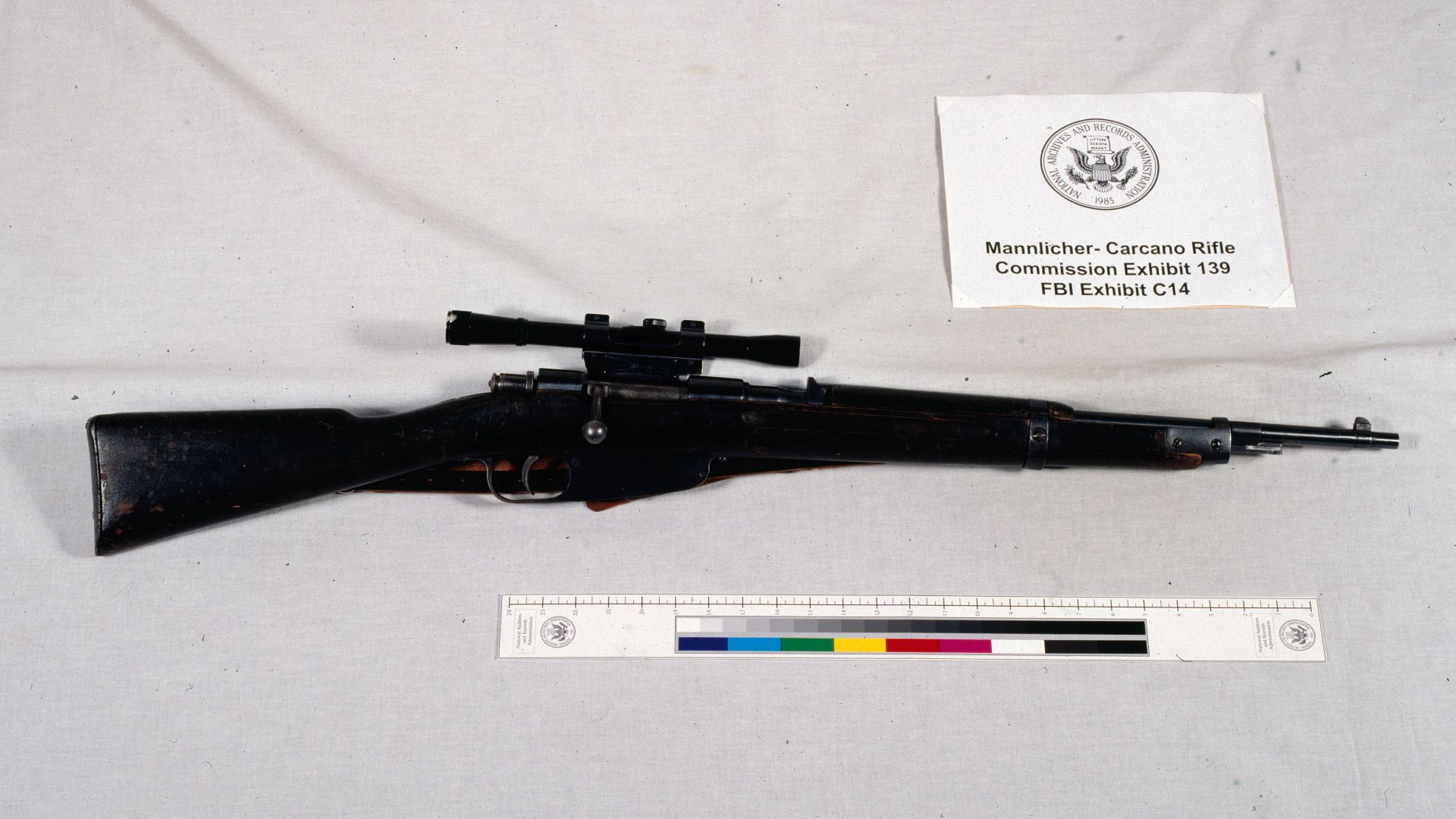
Learning from two people that the killer had likely taken position in the depository building, the authorities locked the doors and searched it from top to bottom. Unfortunately, there wasn’t a soul in sight—but that didn’t mean they came up empty-handed. Investigating the sixth floor, they discovered the shooter’s weapon. The rounds recovered from JFK’s car were later revealed to be a match.
Back at the hospital, the doctors were still fighting to save the president—but it was all in vain.
 Unknown authorUnknown author or not provided, Wikimedia Commons
10. They Lost Him
Half an hour after the incident, doctors at the Parkland Memorial Hospital were doing everything they could to save JFK’s life, but it had become clear this was a losing battle. Finally, they made the call and declared that he had passed, after which anchorman Walter Cronkite took to television to break the news to America live.
Unfortunately, it turns out the shooter hadn’t finished sowing chaos that day.
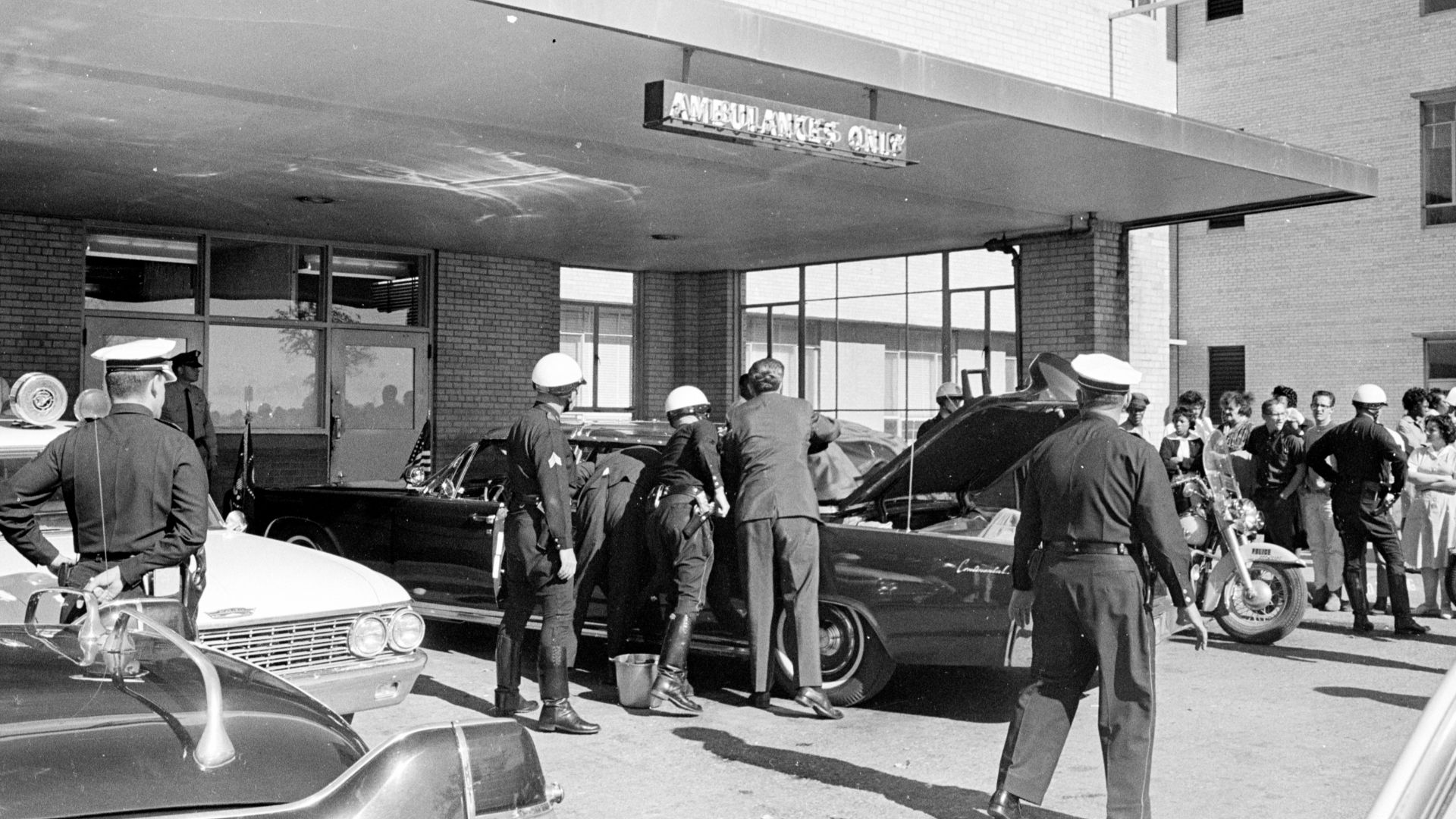 Cecil W. Stoughton, Wikimedia Commons
11. He Was Spotted
Law enforcement hadn’t found the assassin in the immediate vicinity of the incident, but one officer managed to run into the killer by chance—and ultimately to his misfortune. While parked in the Oak Cliff neighborhood, Officer JD Tippit spotted a suspicious-looking man walking nearby and called out for him to come closer to the vehicle.
The man could have played it cool, but he wasn’t exactly thinking clearly.
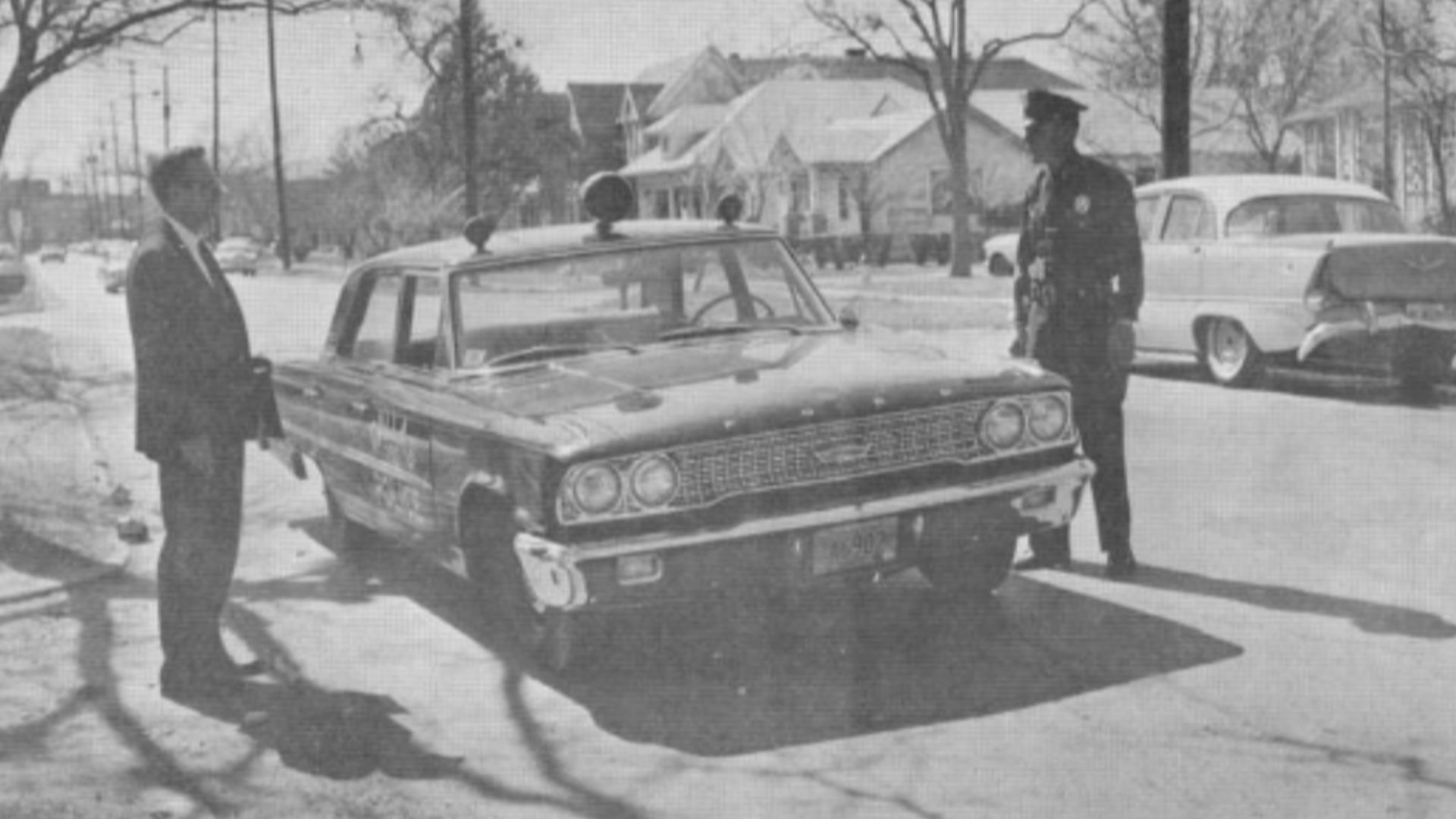 Federal Bureau of Investigation, Wikimedia Commons
12. He Took Another Life
After speaking with the man for a moment, Tippit only became more convinced that he was hiding something—a suspicion that would, unfortunately, soon be confirmed. Without warning, the man pulled out a revolver and shot Tippit four times, one of which was while the officer was already on the ground. The man tried to leave the scene without drawing further attention, but as soon as people began emerging to investigate the source of the sounds they’d heard, he took off running.
Meanwhile, JFK’s staff was busy trying to regain some order—though not everyone was cooperating.
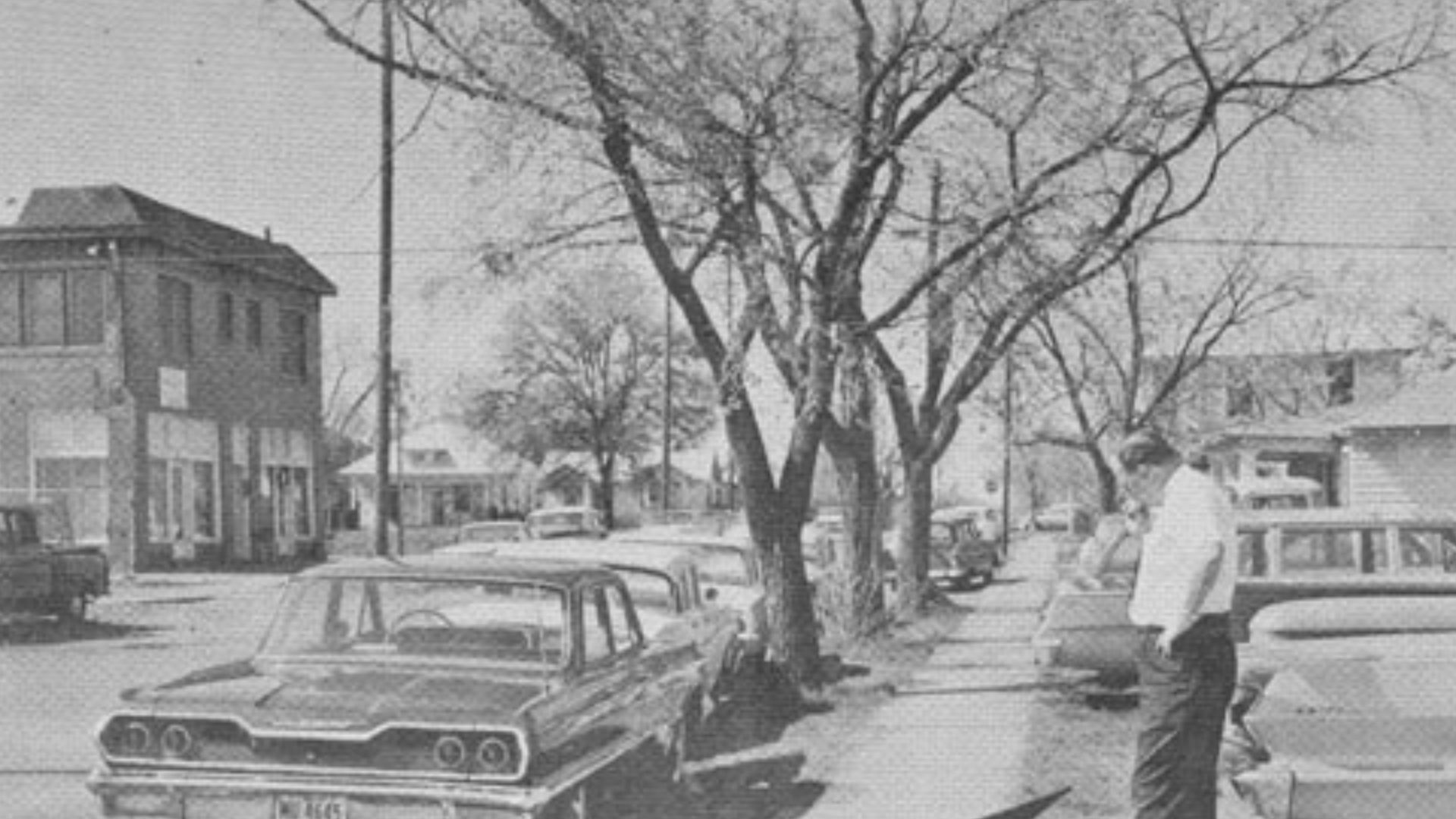 Federal Bureau of Investigation, Wikimedia Commons
13. He Wouldn’t Listen To Them
JFK hadn’t been the only high-ranking official to travel to Dallas, as his vice president, Lyndon B Johnson, had also present during the incident in another car. Still, believing his life could also be at risk, the Secret Service insisted he return to DC on Air Force One. However, Johnson told them he wouldn’t leave without the First Lady, as she herself refused to leave Dallas without JFK’s body.
However, the vice president wasn’t the only one refusing to do as he was told.
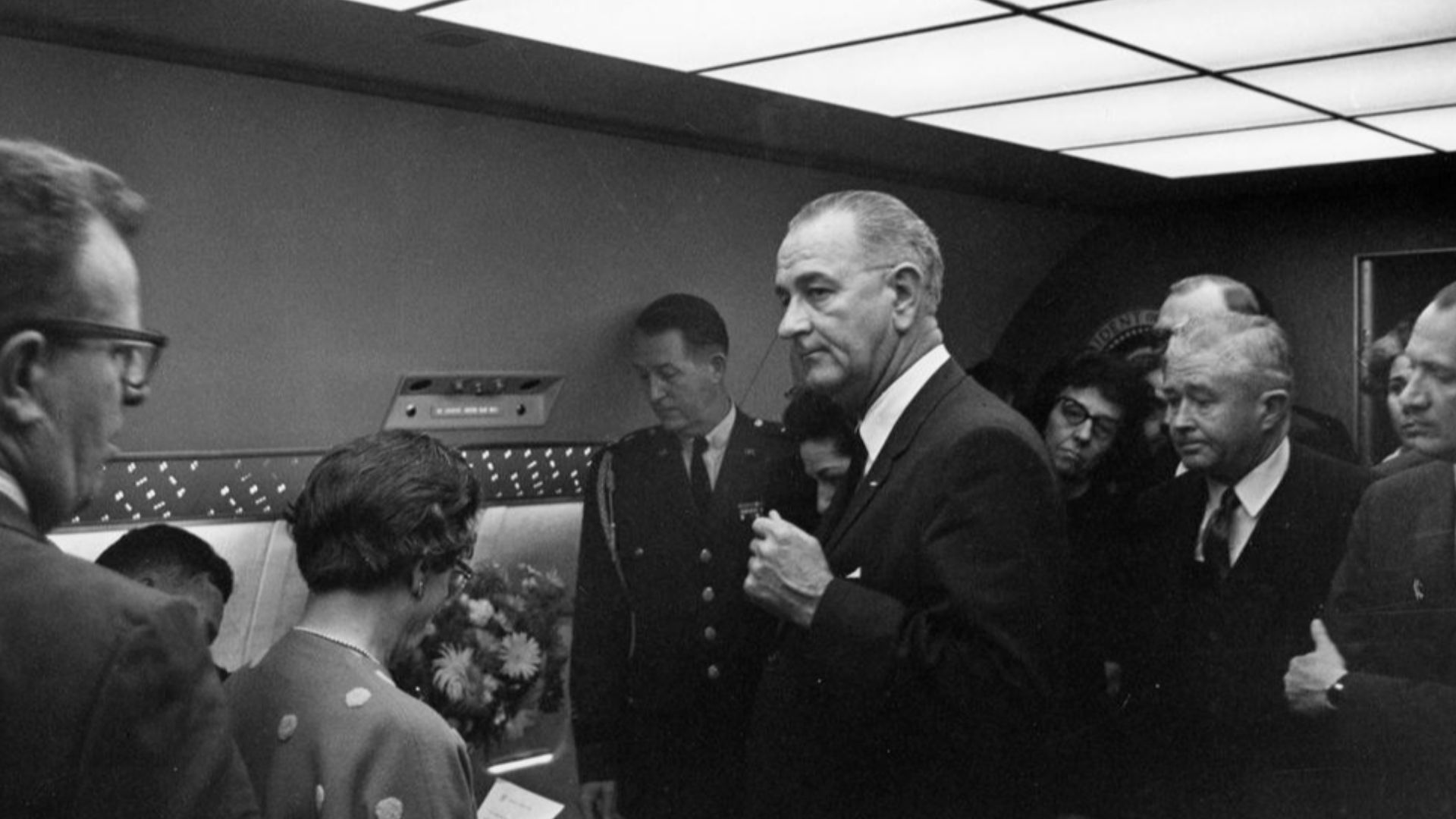 Cecil W. Stoughton, Wikimedia Commons
14. They Couldn’t Agree
Not since the turn of the century had a president lost his life to an assassin, so for many of those in charge, it was largely uncharted territory. This caused numerous issues for the authorities, mostly because the act wasn’t under federal jurisdiction, and per protocol, the Dallas County medical examiner insisted on performing the autopsy. JFK’s aides strongly refused, and they almost came to blows before the Dallas authorities dropped the matter.
Although the officers had seemingly lost their suspect, they were about to catch a lucky break.
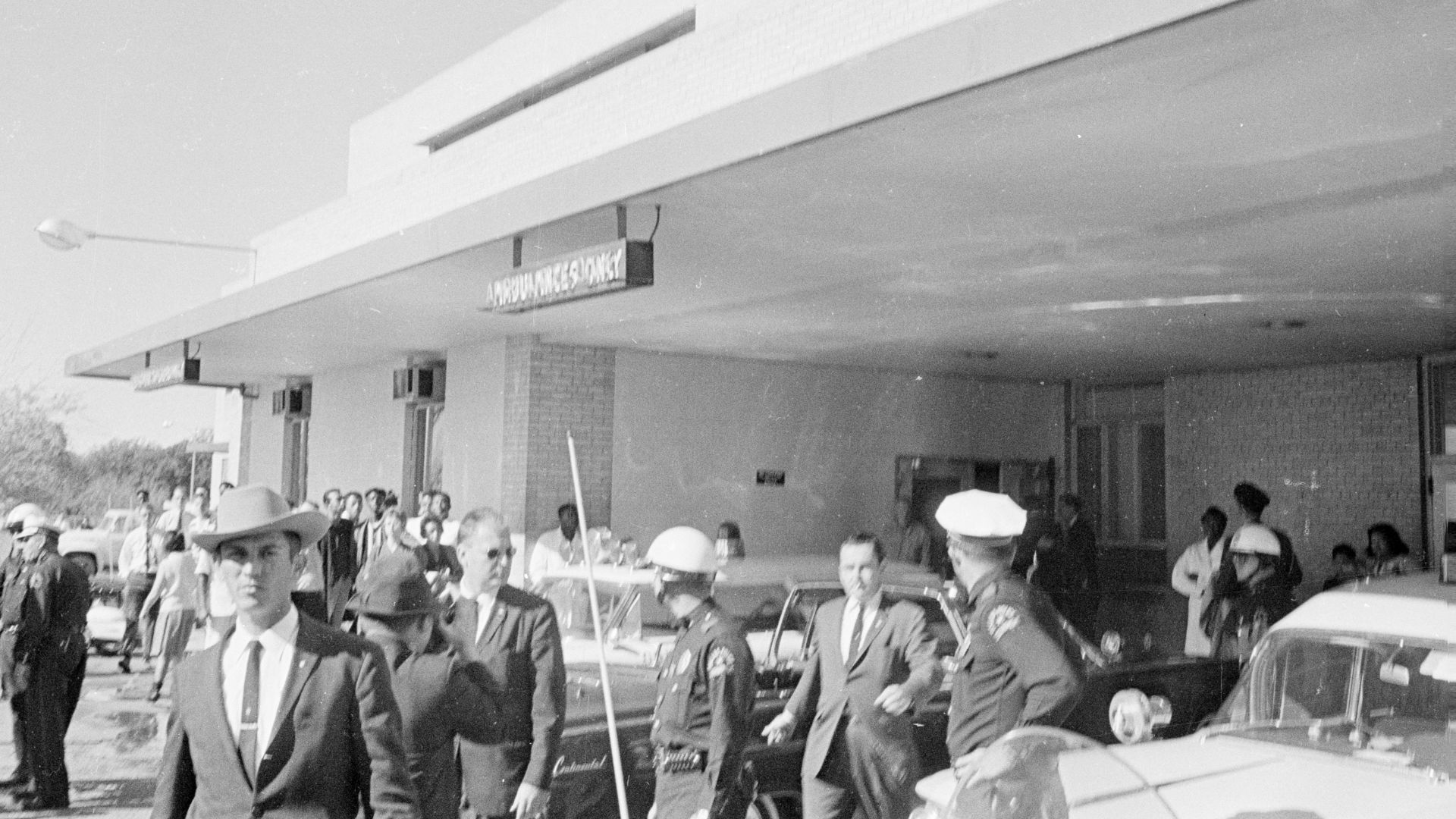 Cecil W. Stoughton, Wikimedia Commons
15. They Caught Up To Him
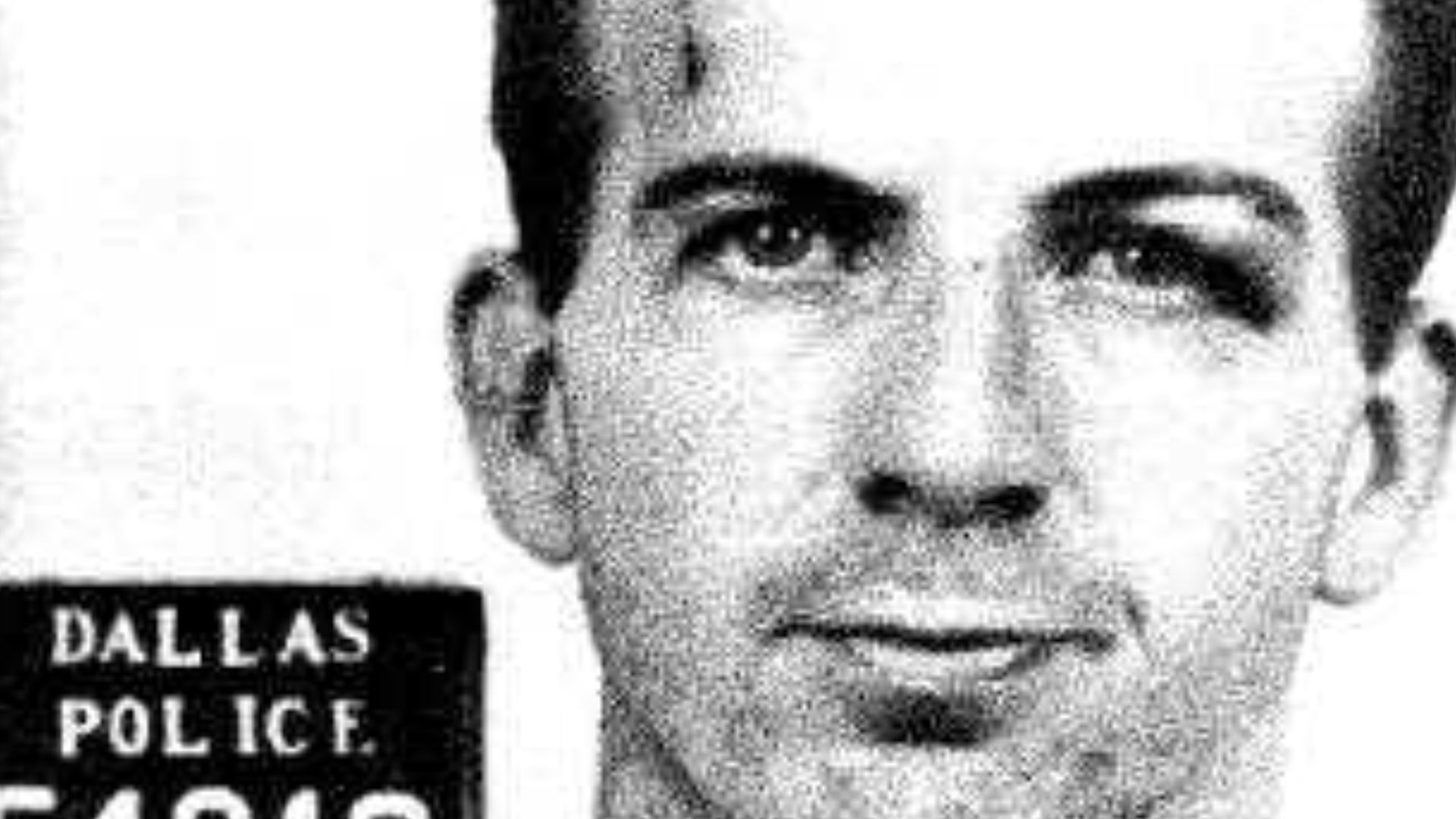
It didn’t seem like JFK’s assassin had much of a plan, since he not only risked getting caught once, but twice as he became more and more exhausted. A little over an hour after the incident, authorities received a call that a man matching the description they were using had snuck into the Texas Theatre without a ticket. Descending on the theatre, they took a man named Lee Harvey Oswald into custody, though not before he tried to pull out his revolver.
Of course, looking at his life, his involvement wasn’t exactly surprising.
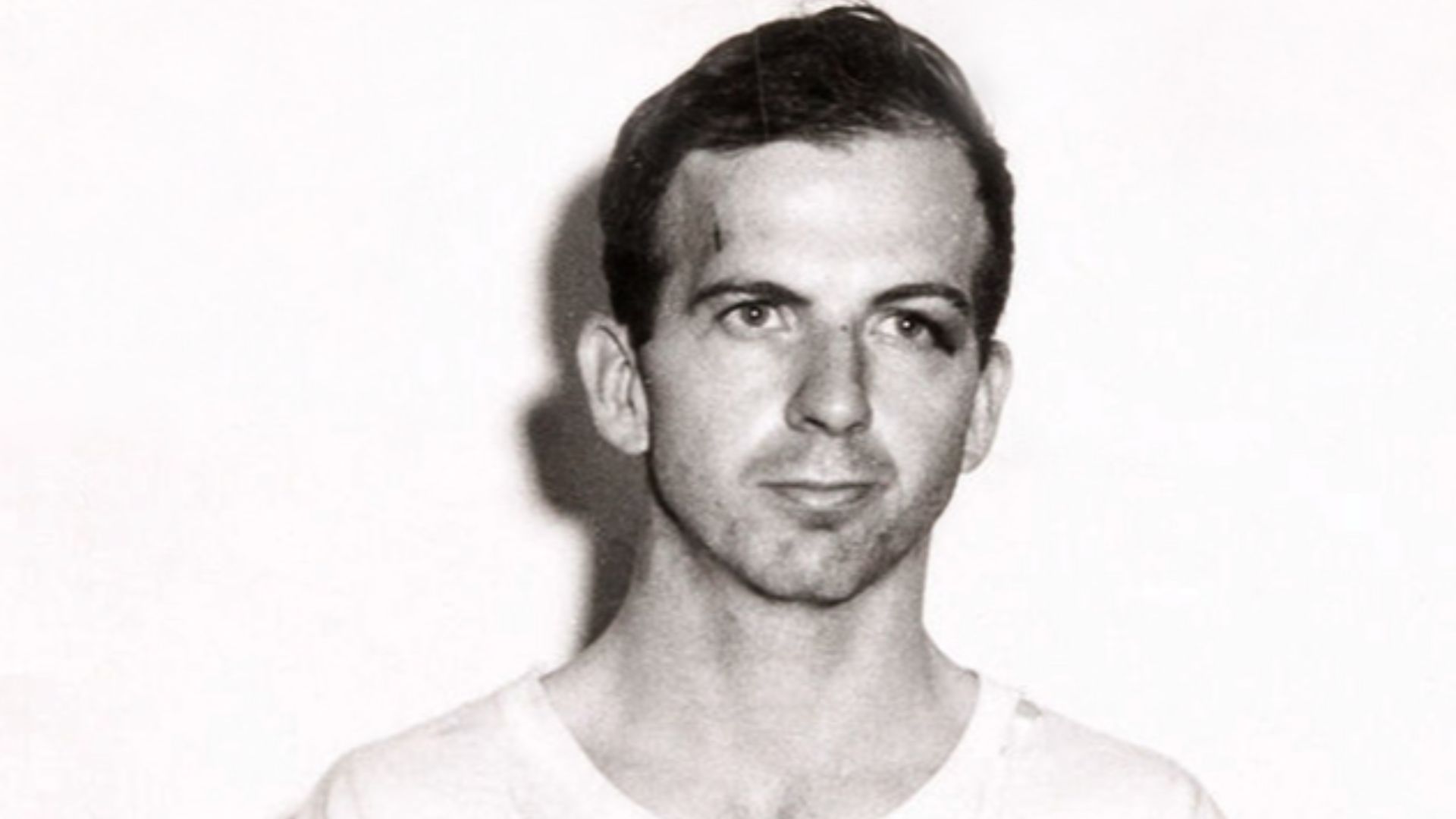 Dallas Police; Warren Commission, Wikimedia Commons
16. He Had Opposing Beliefs
On the surface, Lee Harvey Oswald seemed like an unlikely suspect, having served as a US Marine—but he was far from a patriot. This only gave him experience as a sharpshooter, and having read the works of Karl Marx at a young age, he quickly became vocal about his communist ideals in opposition to JFK.
These weren’t just his opinions, though, as he also had a history of treason.
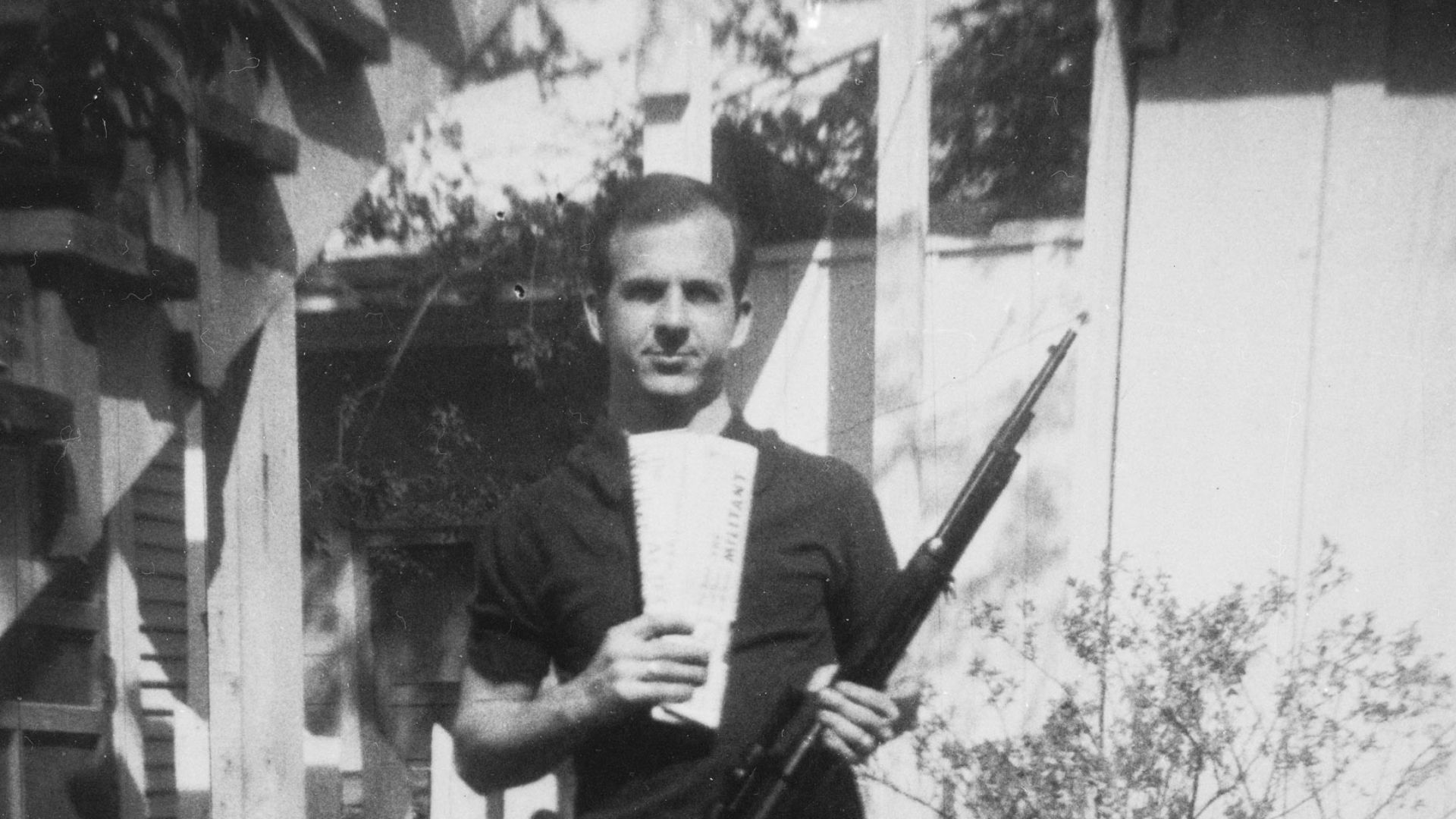 Marina Oswald, Wikimedia Commons
17. He Left The Country
Oswald had become increasingly antagonistic towards the United States, and by the time he reached his 20s, he was ready to leave his life in America behind. Naturally drawn to the Soviet Union, he settled in Minsk, Belarus, and soon created a life for himself there, even marrying a woman named Marina Prusakova and having a child with her.
Still, although he had been more than happy to leave, he wouldn’t stay gone forever.
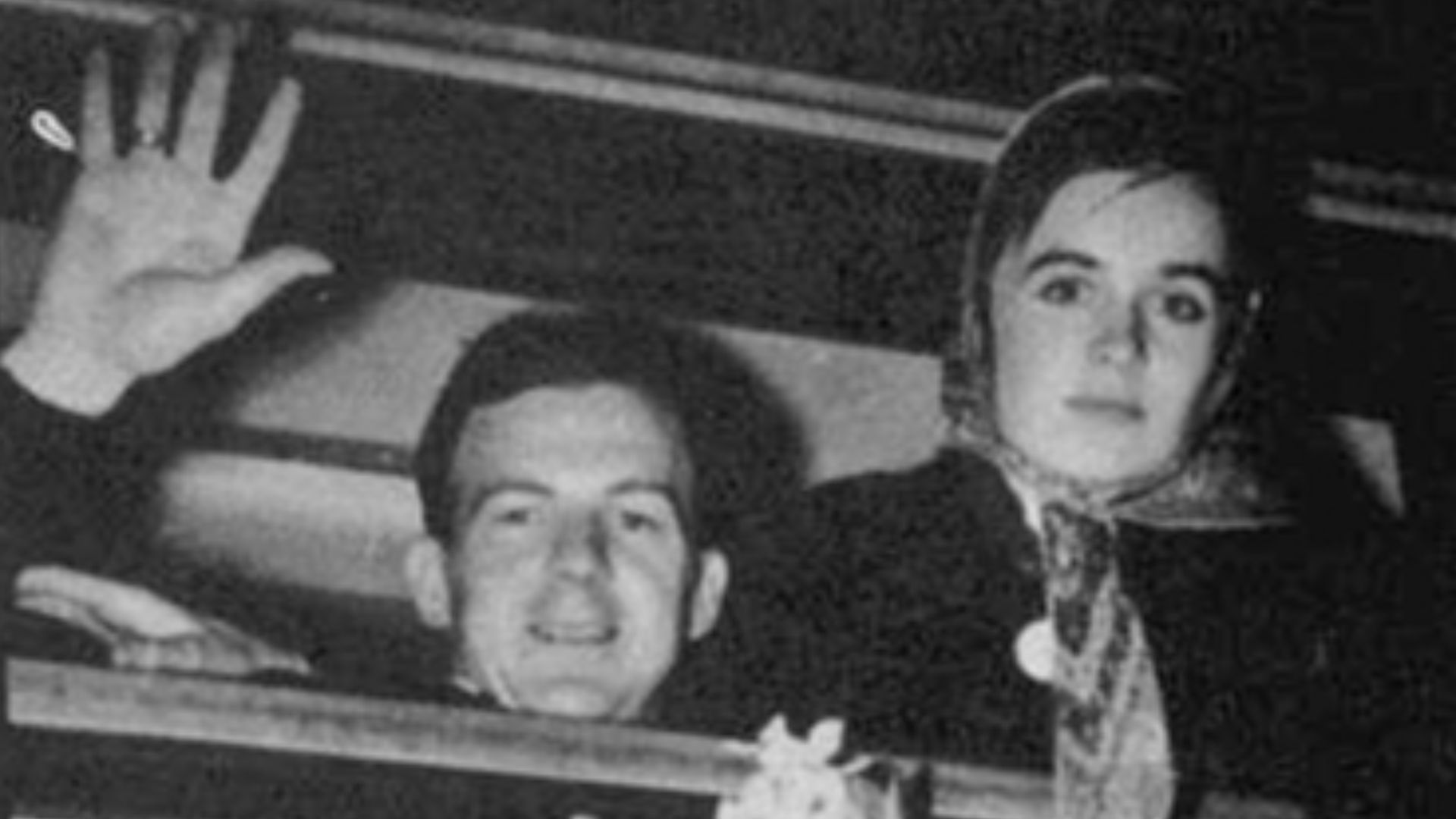
18. He Came Back
According to Oswald, he found the Soviet Union much more boring than expected, and within a few years, he wanted to return to America. As he hadn’t officially renounced his citizenship, this was much easier to arrange, so he—along with his wife and child—traveled back to the US and found a home in the Dallas-Fort Worth area the year before he took aim at JFK.
Now that he was in the custody of law enforcement, though, he insisted he was a completely different person.
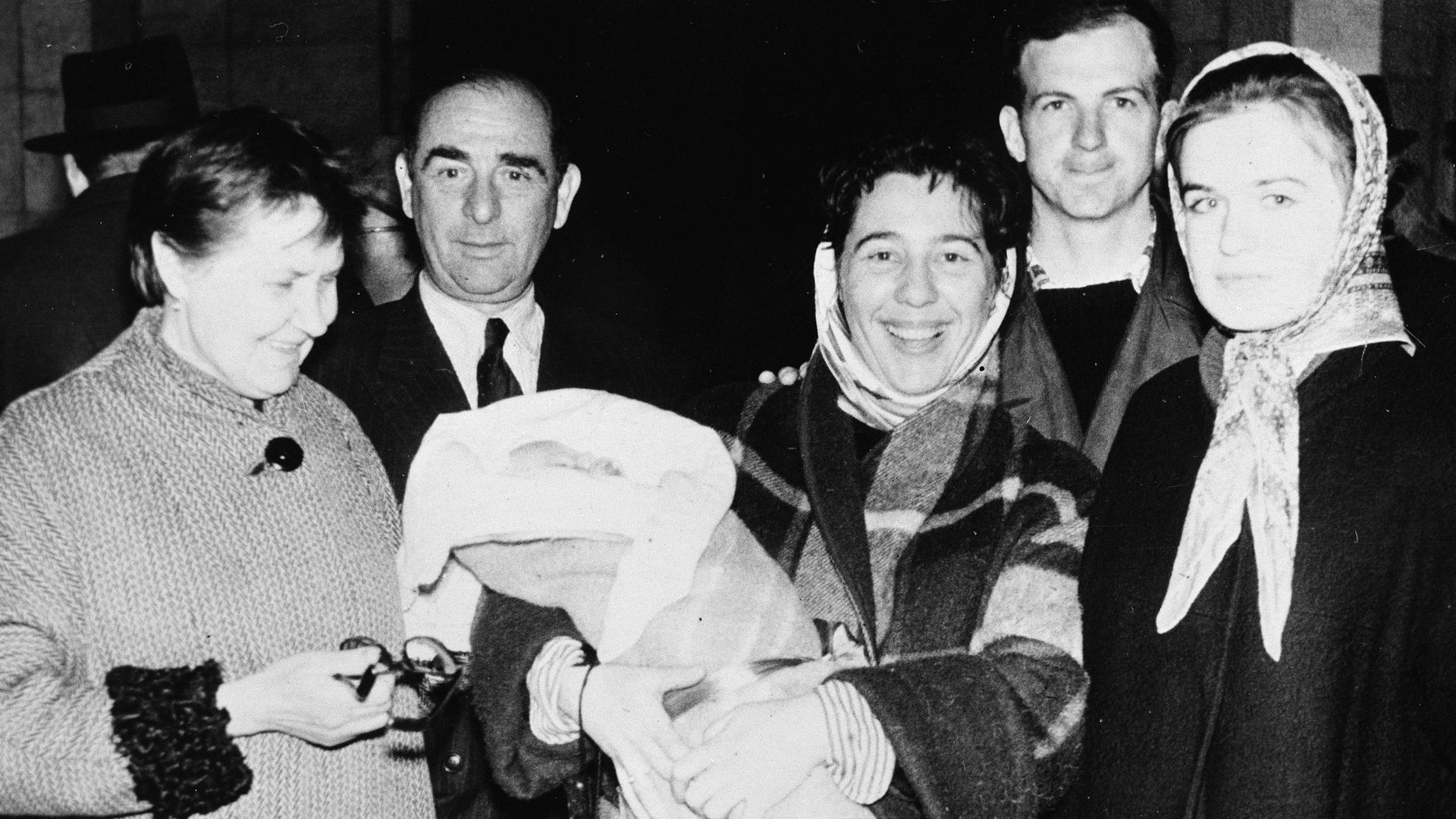 The U.S. National Archives and Records Administration, Wikimedia Commons
19. He Stuck To His Story
Within a couple of hours after taking the president’s life, Oswald found himself in an interrogation room of the Dallas authorities, where he endured rigorous questioning over the next few days. Still, despite everything the officers were throwing at him, he maintained that he had nothing to do with JFK’s demise.
No matter how convincing he thought his story was, he wasn’t fooling anyone.
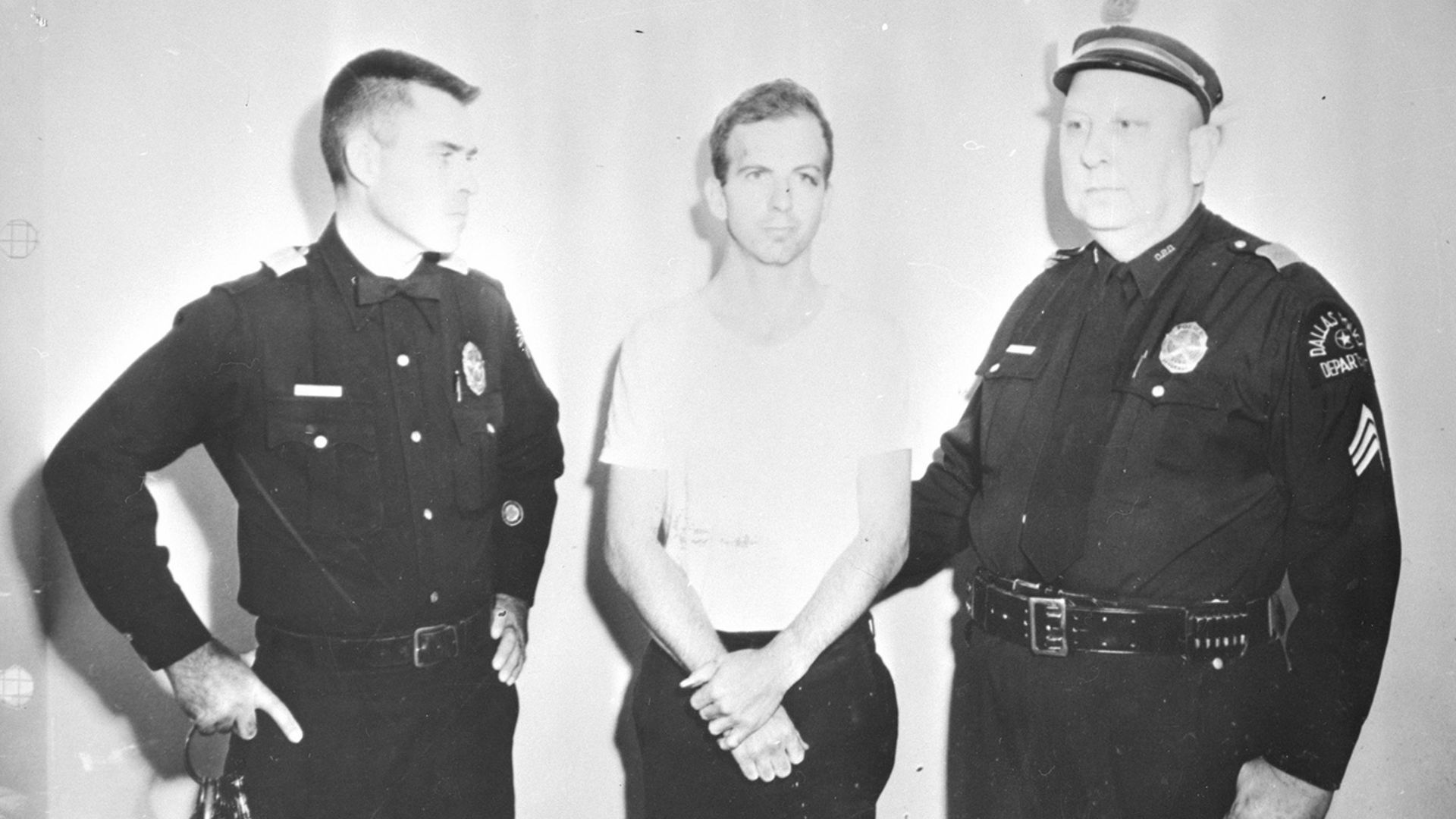 The U.S. National Archives and Records Administration, Wikimedia Commons
20. They Were Certain It Was Him
During his interrogation, Oswald would often say things that later proved to be false, but even aside from these obvious lies, the authorities knew he was responsible for the incident. Regardless, the FBI began an investigation to confirm this, sending a report to Lyndon B Johnson the following day that asserted Oswald was the only shooter.
While this was happening, the government was busy picking up the pieces.
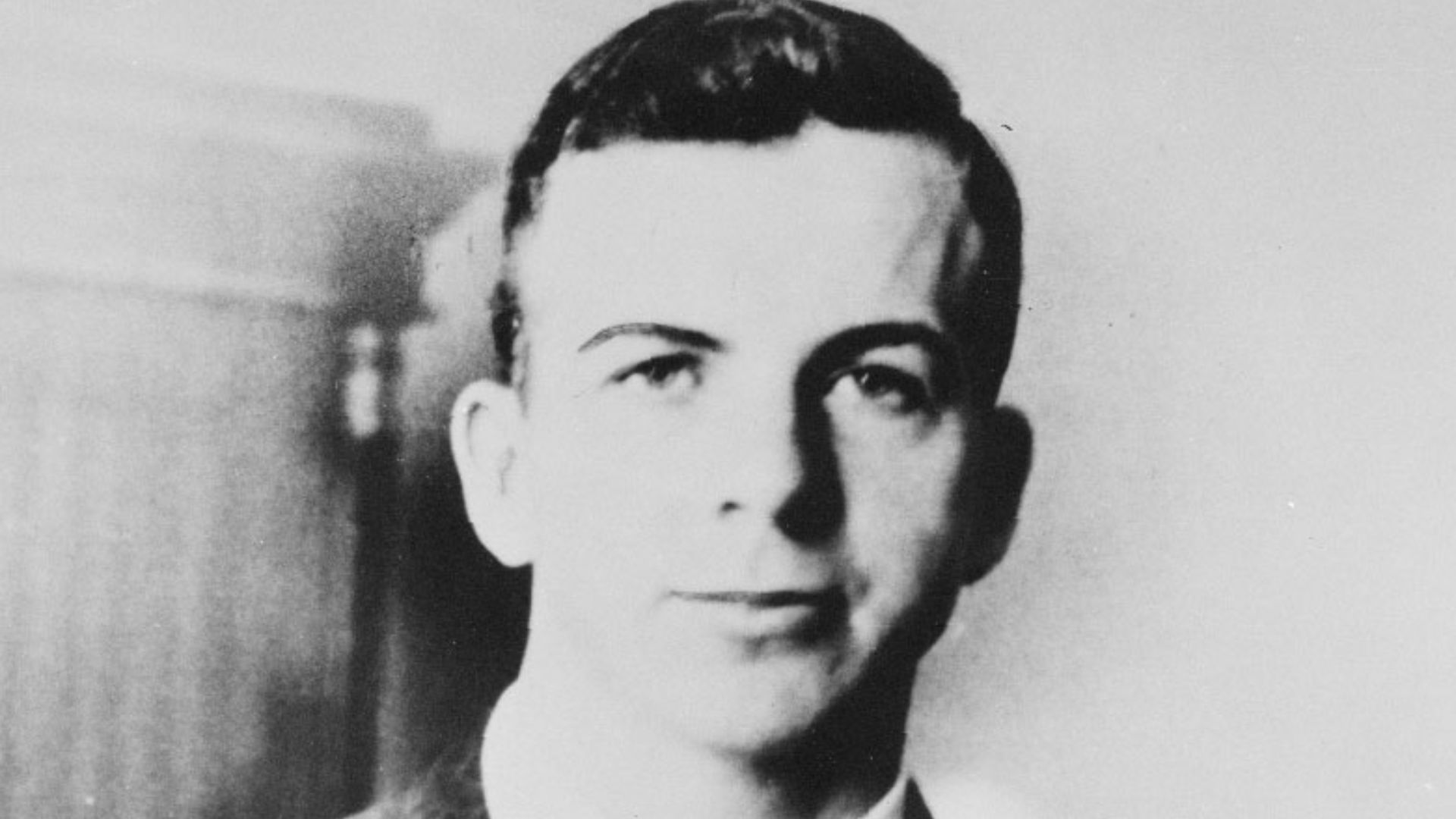 The U.S. National Archives and Records Administration, Wikimedia Commons
21. He Was Sworn In
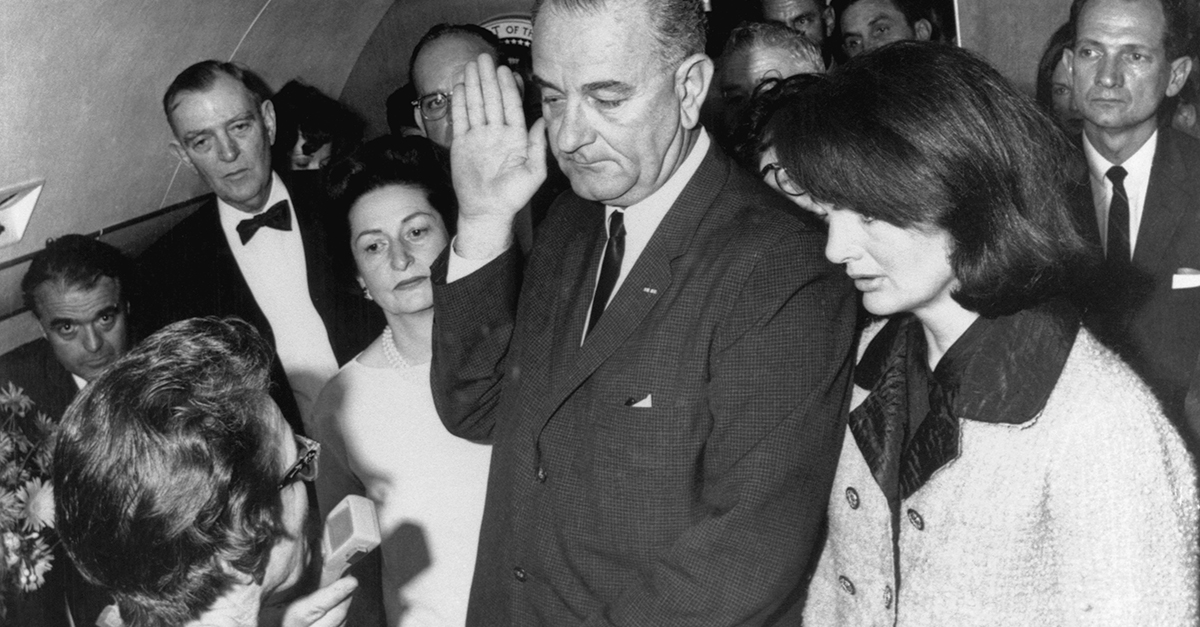
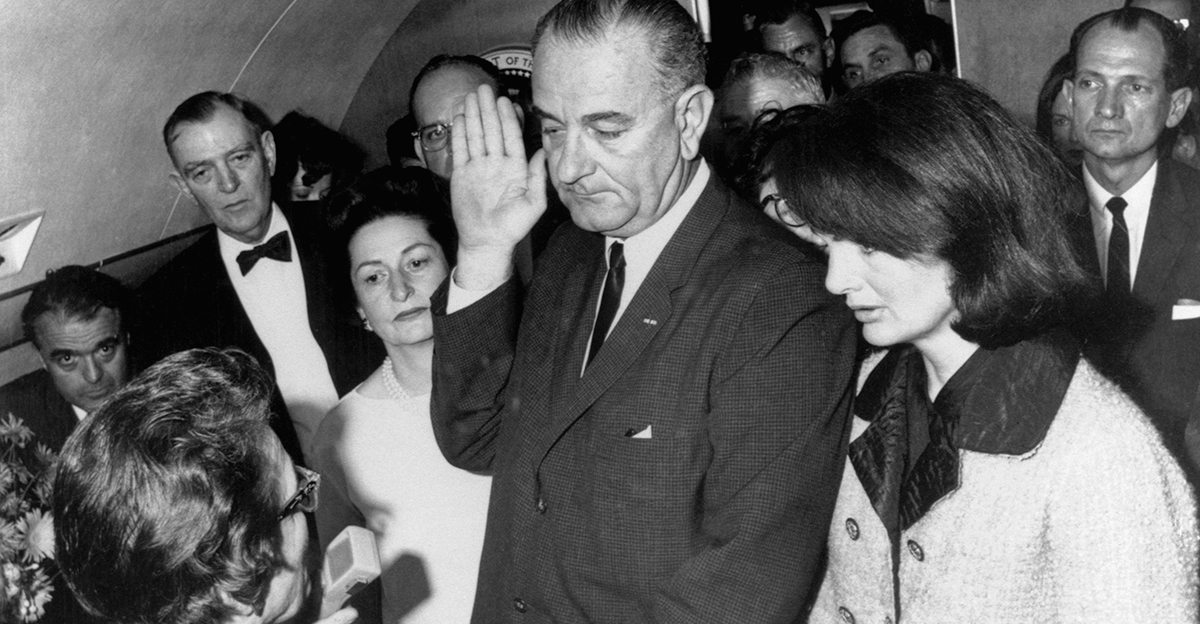
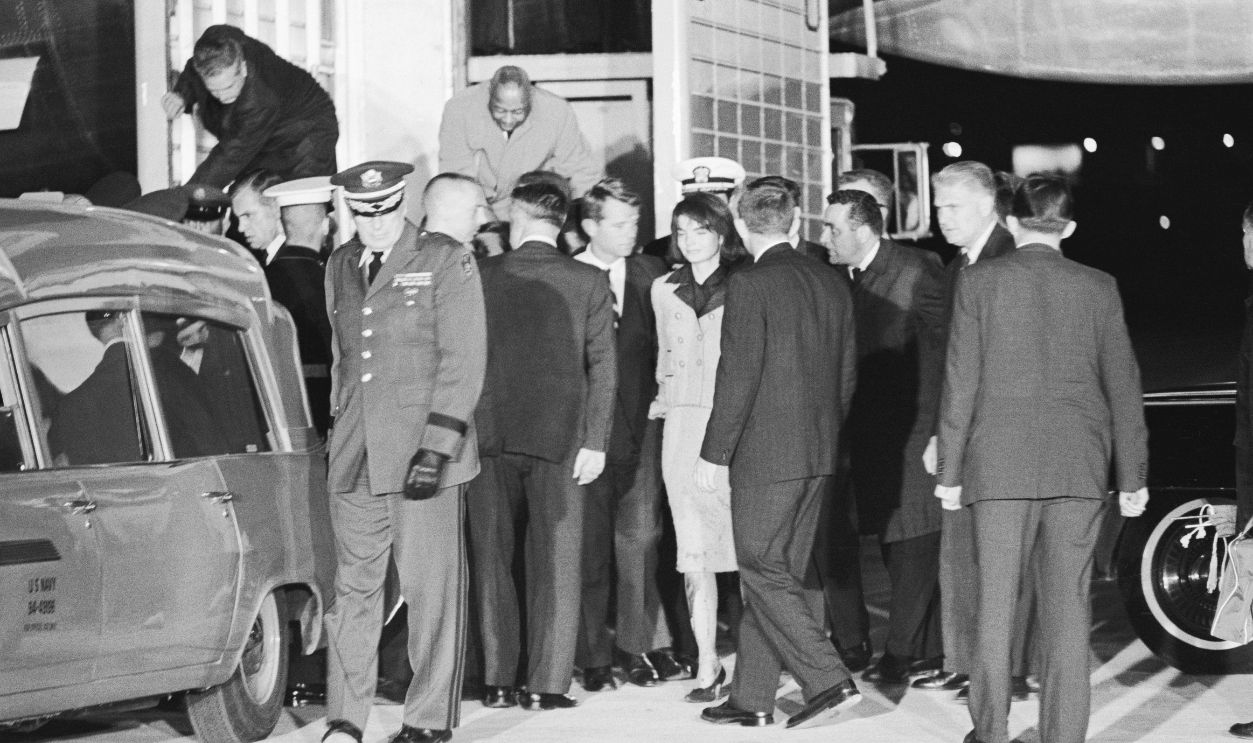
While the vice president would have ideally been sworn in back in Washington, he still wasn’t leaving Dallas, and no one wanted to wait much longer. Instead, still on the same day as the incident, Johnson met with a federal judge aboard Air Force One and took his oath, officially becoming President of the United States. By this point, though, both Jacqueline Kennedy and her husband’s body were back on the plane as well, giving him no reason to stick around any longer.
Unfortunately, this was one of many processes that ended up rushed.
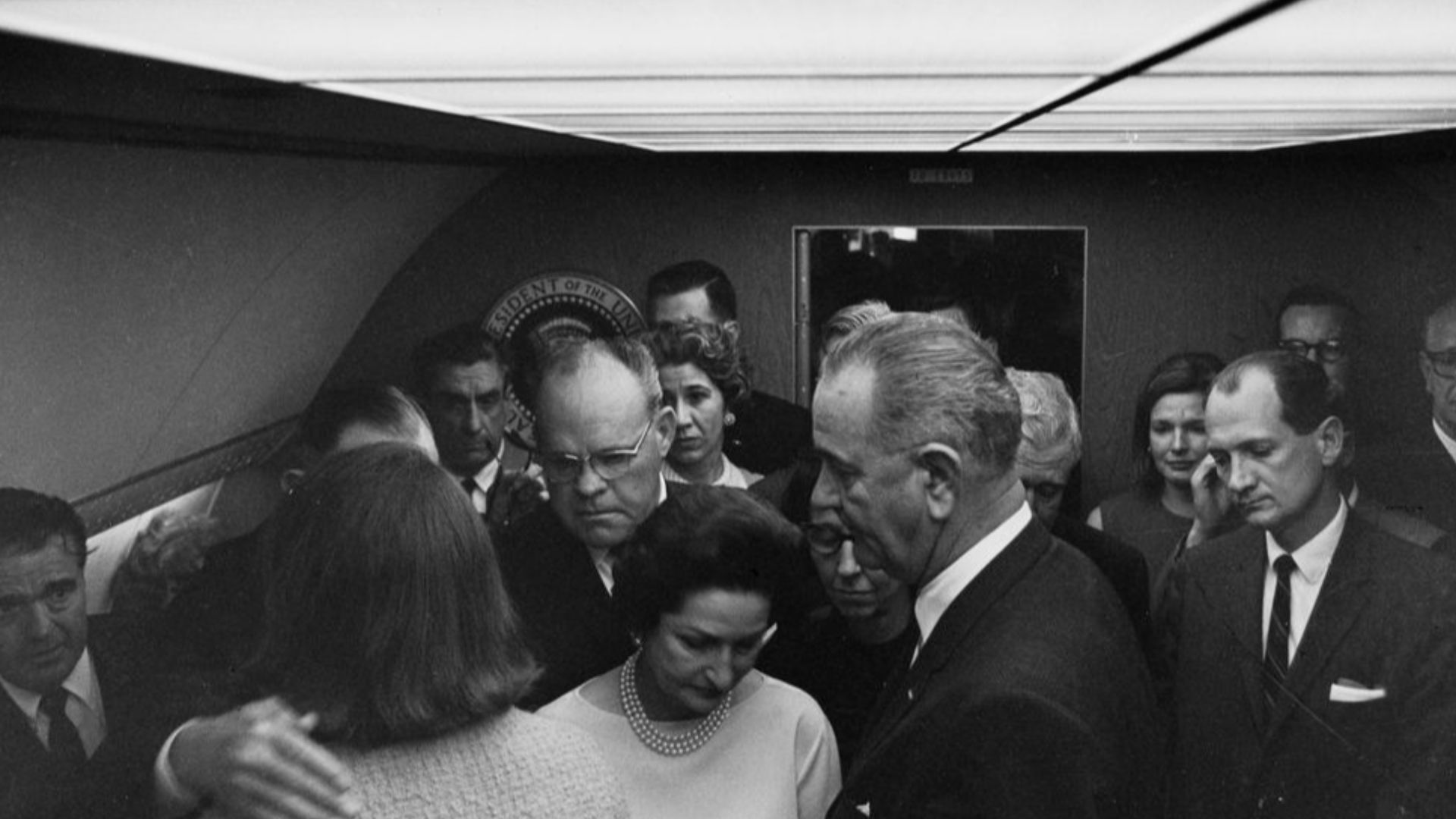 Cecil W. Stoughton, Wikimedia Commons
22. They Had No Time
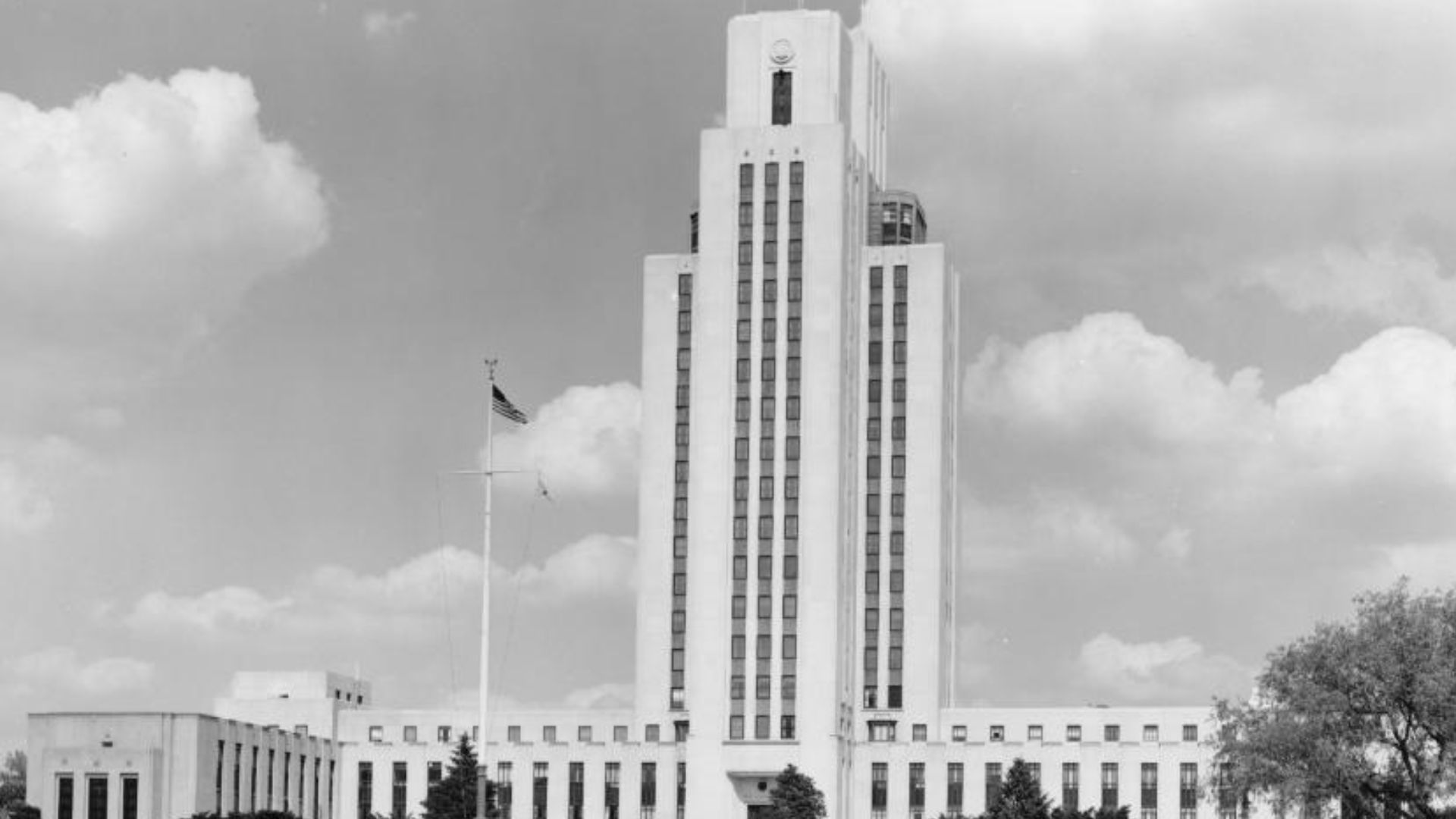
JFK’s body was finally able to undergo an autopsy later that evening, but this was just as chaotic as the rest of the day, even though it didn’t need to be. Urged to complete the procedure as quickly as possible by both the White House and JFK’s own family, the three doctors performing it had little choice but to breeze through it.
With so much pressure, it’s no wonder that they didn’t do a great job—but even that’s putting it lightly.
 PH1 Claude Sneed, Wikimedia Commons
23. They Messed Up
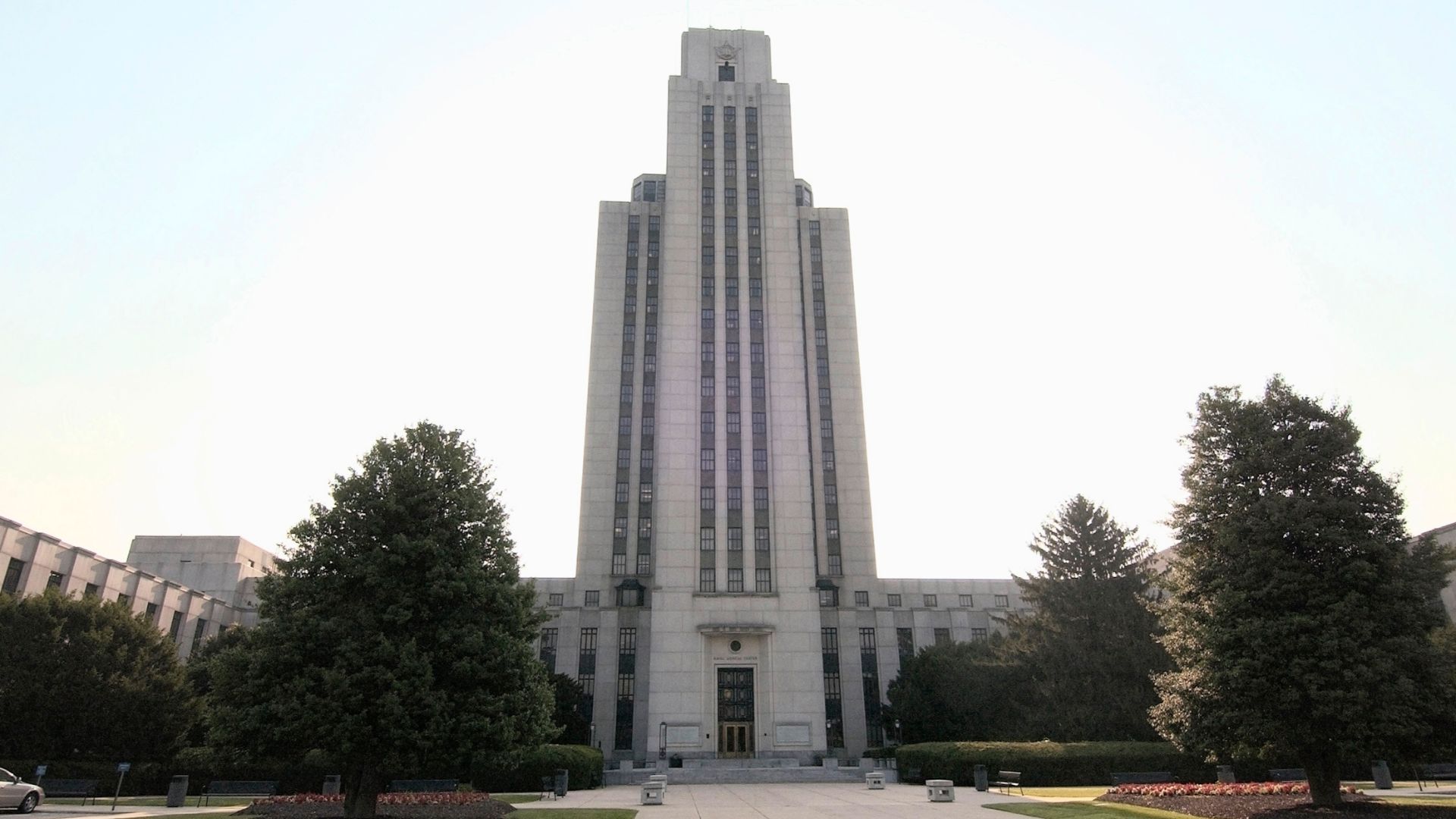
As decided by the First Lady, and due to JFK’s history as an officer in the Navy, his body underwent an autopsy by naval doctors—but they weren’t the best choice. While they certainly were medical practitioners, they were nowhere near qualified for this kind of procedure, leading to what many would recall as the one process during this period that was the “most botched”.
It certainly didn’t help the situation that no one was on the same page—especially the authorities.
 U.S. Navy photo by Chief Warrant Officer 4 Seth Rossman., Wikimedia Commons
24. They Went Rogue
The autopsy scuffle wouldn’t be the last moment of disconnect between the FBI and the Texas authorities. Even after Oswald was in custody, they couldn’t agree on how to move forward. On one hand, the Texans tried to get as much exposure as possible, leaking information and even urging Oswald to speak to the press directly. On the other hand, though, President Johnson and the FBI wanted everyone to shut up about the whole thing.
Not to mention, they had more pressing concerns about how everything was being handled.
 unbekannter US-amerikanischer Behordenangestellter, Wikimedia Commons
25. They Were Worried About Him
Not only had the FBI become fed up with how the Texas authorities were behaving during the investigation, but they also had real reason to fear what their incompetence could cause. The main concern was that, either at the hands of his possible accomplices or some vigilante, Oswald might not survive to stand trial. However, the Texas officers told the FBI there was nothing to worry about and that he was perfectly safe with them.
This didn’t do much to ease their nerves—and they were right to worry.
![Was used on the front page of the Dallas Morning News the next day[1]; 1963 issues of that newspaper apparently did not have their copyright renewed. Could not find any relevant renewals on copyright.gov from the Dallas Morning News.](https://www.factinate.com/storage/app/media/factinate/2026/3/24/17743501913b22ac1dec11724adbd331970a689558fc20f904.jpg)
26. He Was Ambushed
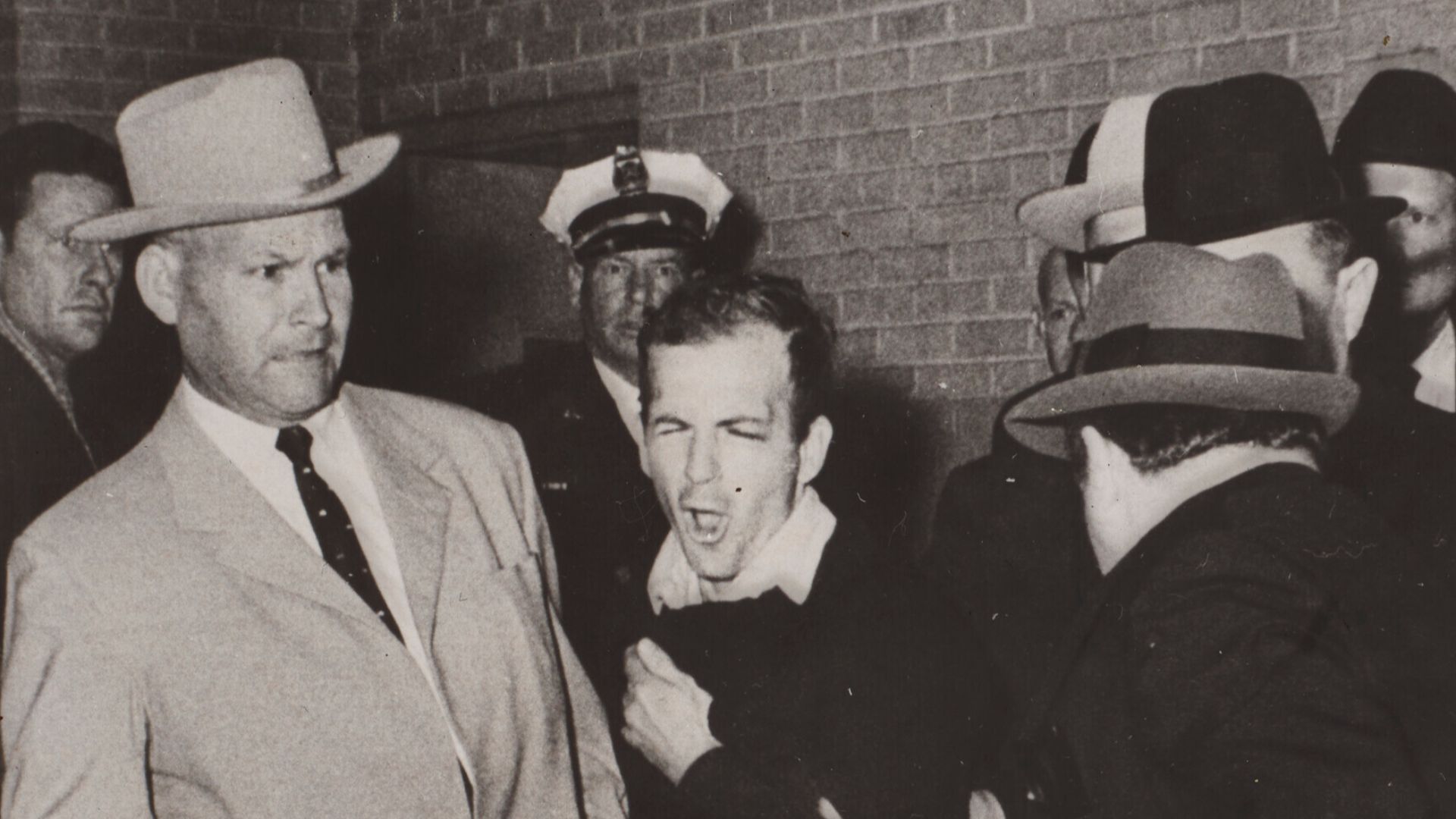
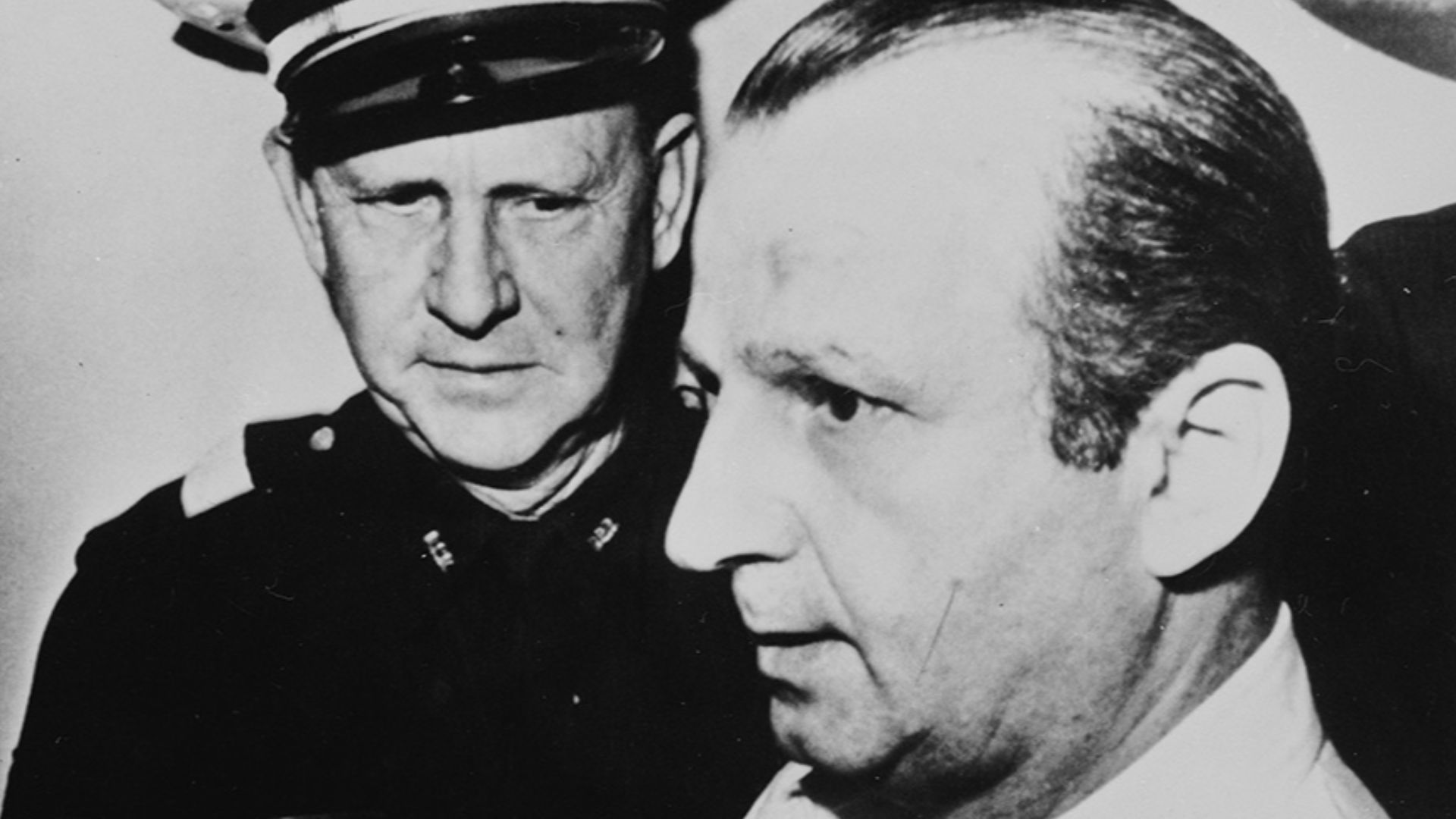
Two days after the incident, Oswald was set to transfer from his incarceration in the city to the county lock-up, which should have been a simple task. The officers knew how risky this could be, so they provided him as much security as they could. It wasn’t enough. As they were taking him from their headquarters to a car, a nightclub owner named Jack Ruby emerged and gunned Oswald down right in front of the officers.
Despite how bad his injuries were, they still needed him alive to stand trial—leading to a very familiar situation.
 Robert H. Jackson (29), Wikimedia Commons
27. They Were The Same Doctors
While countless American citizens likely would have liked nothing more than to see Oswald perish, the authorities still needed him, so they rushed him to Parkland Hospital for treatment. In a strange twist of fate, the doctors who had tried to save JFK were the same ones treating Oswald. Still, they knew what was at stake, but despite doing everything they could, Lee Harvey Oswald passed that day on November 24.
Meanwhile, his killer tried his best to justify his actions.
 Adam Jones from Kelowna, BC, Canada, Wikimedia Commons
28. He Was Getting Revenge
Considering he had taken the life of Oswald in plain view of the Dallas authorities, Jack Ruby was instantly taken into custody and charged with the act. However, he would go on to testify that this hadn’t been a premeditated decision or part of any conspiracy, and that he was simply upset over what Oswald had done and wanted to prevent it from going to trial for the First Lady’s sake.
Whether or not he was telling the truth, his story seemed to work—but fate had other plans.
 The U.S. National Archives and Records Administration, Wikimedia Commons
29. He Was Almost Free
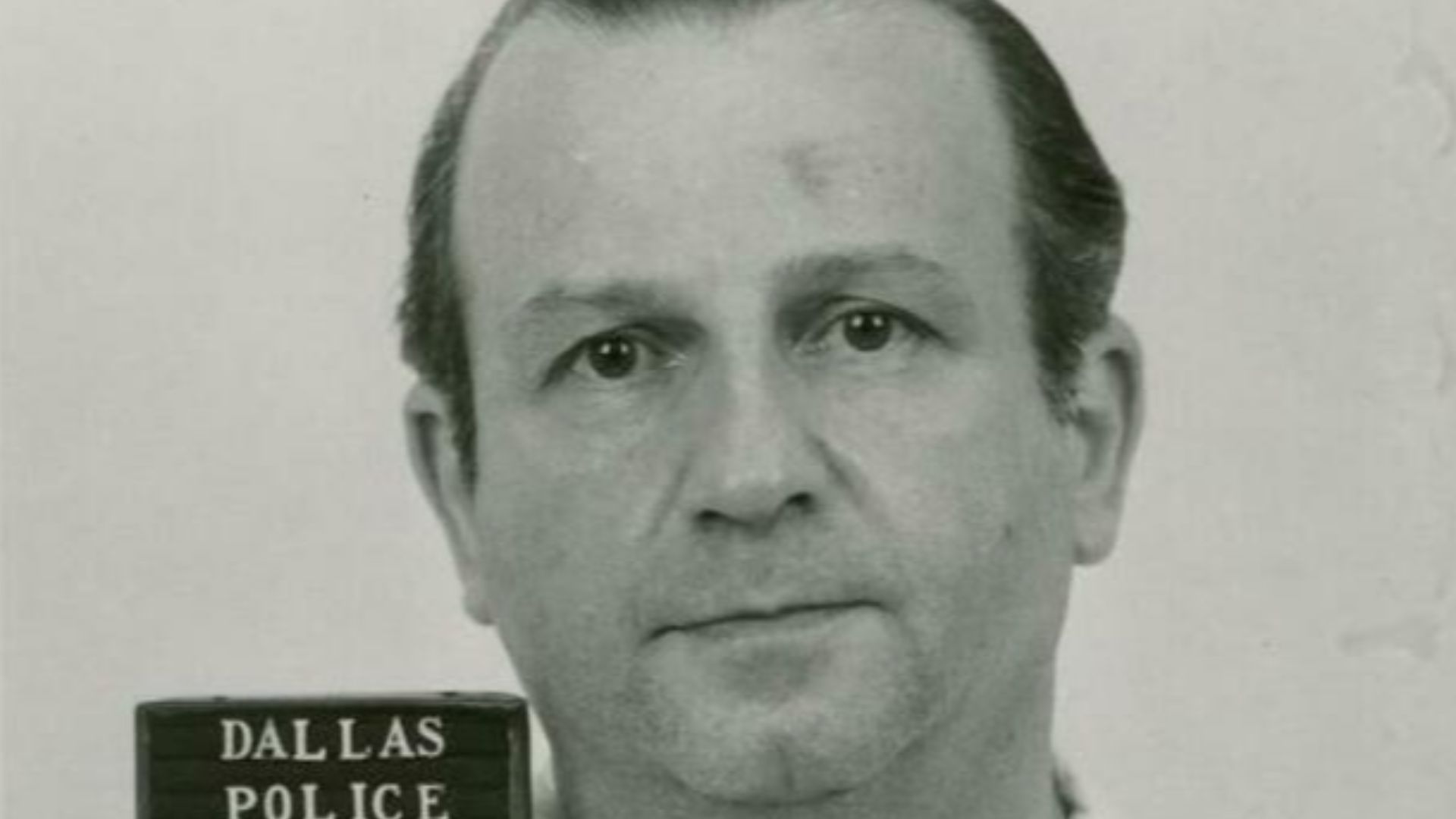
Ruby’s actions became extremely polarizing among Americans, with many believing he shouldn’t have taken the law into his own hands, while others called him a hero. As such, even after a brief trial that resulted in his conviction, he faced a retrial a few years later when the courts overturned their previous judgment. Unfortunately for him, he would suffer a pulmonary embolism while still imprisoned in 1967, also passing at Parkland Hospital.
As for the Dallas authorities, this was the final nail in the coffin.
 Uncredited police photographer, Wikimedia Commons
30. He Thought They Couldn’t Handle It
Texas law enforcement was already on thin ice when it came to their relations with President Johnson, but their failure to protect Oswald from Ruby was the last straw. Being quite vocal about how inept they had been from the beginning of this whole incident, he instead turned to the FBI and gave them full control of the investigation.
The time came for America to honor its fallen president—and it was clear how impactful he was.
![Collectie / Archief : Fotocollectie Anefo
Reportage / Serie : [ onbekend ]
Beschrijving : Lee Harvey Oswald vanaf televisie
Datum : 27 januari 1964
Trefwoorden : televisies
Fotograaf : Nijs, Jac. de / Anefo
Auteursrechthebbende : Nationaal Archief
Materiaalsoort : Negatief (zwart/wit)
Nummer archiefinventaris : bekijk toegang 2.24.01.03
Bestanddeelnummer : 915-9937](https://www.factinate.com/storage/app/media/factinate/2026/3/24/1774350974bdb89e397e9828c3d4a56326590dd7ab36acb525.jpg) Jack de Nijs for Anefo, Wikimedia Commons
Jack de Nijs for Anefo, Wikimedia Commons
31. They Paid Their Respects
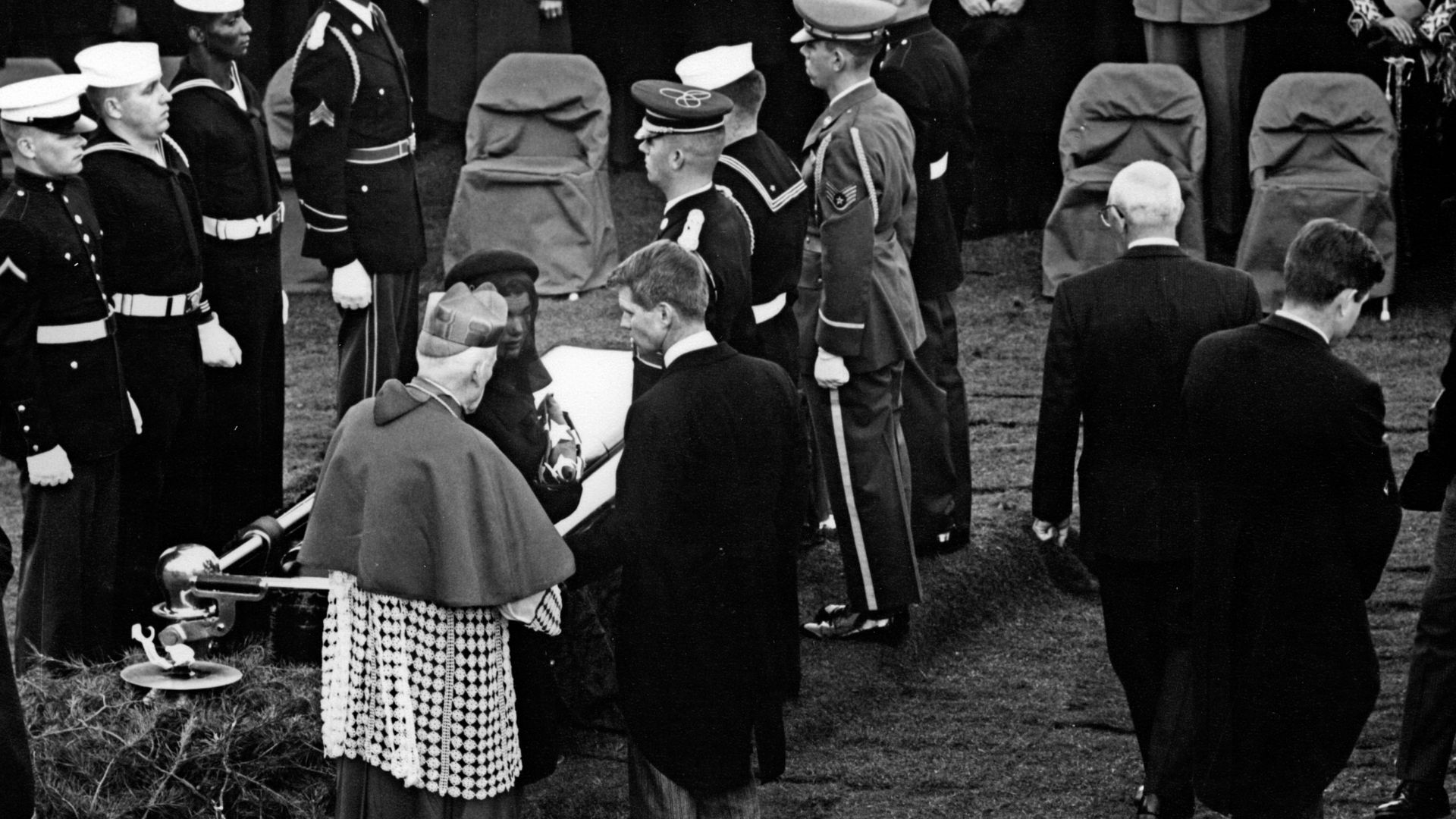
JFK may have made more than a few enemies during his time as president, but still, no one could deny the effect he had on the world. Proving how well-respected he was beyond just in America, around 1,200 people attended his funeral just three days after his passing, 90 of whom were foreign ambassadors offering their support.
Of course, the government still didn’t have the whole picture—and Johnson wanted answers.
32. He Launched An Investigation
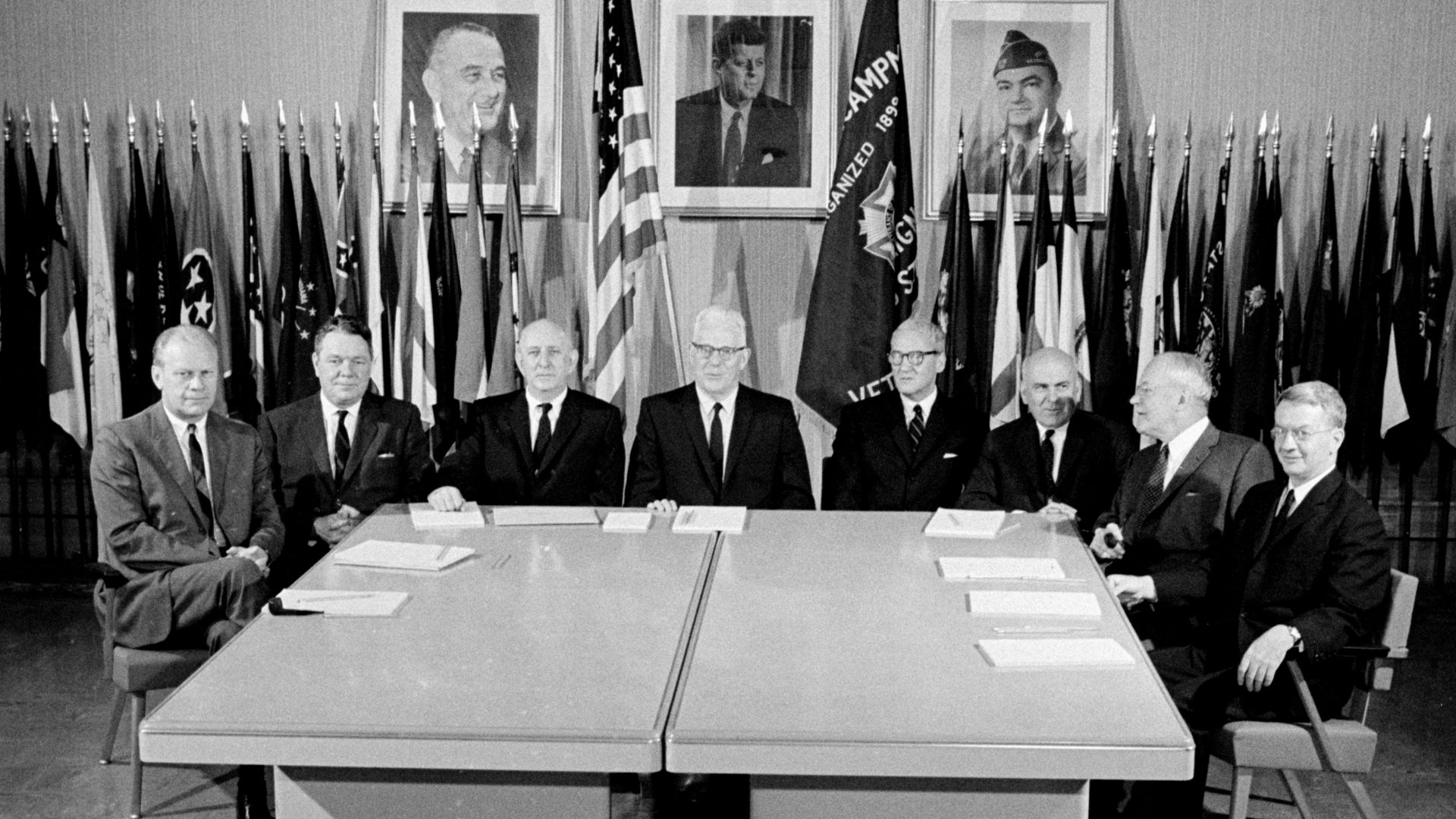
Although the FBI was still conducting its own preliminary research, Oswald’s demise opened up the door to other possibilities, such as a potential conspiracy. As a result, President Johnson established the Warren Commission under Chief Justice Earl Warren to look into the incident, separate from the FBI.
Still, they would have to work together at some point—especially since the FBI had reached their own conclusion.
![Undated photograph of en:Chief Justice of the United States Earl Warren. Photo by Harris & Ewing photography firm, whose works have all lapsed into the public domain.[1]](https://www.factinate.com/storage/app/media/factinate/2026/3/24/177435127246f7403ab401867ae8e44b6d972471f9d81895b8.jpg) Harris & Ewing photography firm, Wikimedia Commons
Harris & Ewing photography firm, Wikimedia Commons
33. They Found Their Answer
While the Warren Commission was its own investigation, it still wanted to use all available resources, including whatever the FBI had discovered. In early December, the FBI sent over a report claiming that, during the incident, two rounds had struck JFK in the back and head, while another had hit Governor Connally—amounting to three rounds in total.
Suddenly, it was clear why two separate investigations were necessary.
![[Members of the Warren Commission gathered around a table including (left-right) former CIA Director Allen W. Dulles, Representative Hale Boggs, Senator John Sherman Cooper, Chairman Chief Justice Earl Warren, Senator Richard B. Russell, John J. McCloy, and Representative Gerald R. Ford] / WKL.](https://www.factinate.com/storage/app/media/factinate/2026/3/24/1774351977a80a794cca7d2becc54d868a8fc6dce0e1f7dee1.jpg) Warren K. Leffler, Wikimedia Commons
Warren K. Leffler, Wikimedia Commons
34. They Disagreed With Them
The Warren Commission certainly found some of the FBI’s report useful, but when it came to one major aspect of it, they couldn’t see eye to eye. After studying the Zapruder film, the commission eventually concluded that there was no way all of Oswald’s shots hit someone. Instead, they developed their own theory stating that he missed once, and aside from his fatal shot, another had somehow hit both JFK and the Governor.
Finally, they came up with their own solution—though it wasn’t what many expected.
 John T. Bledsoe, Wikimedia Commons
35. They Made Their Decision
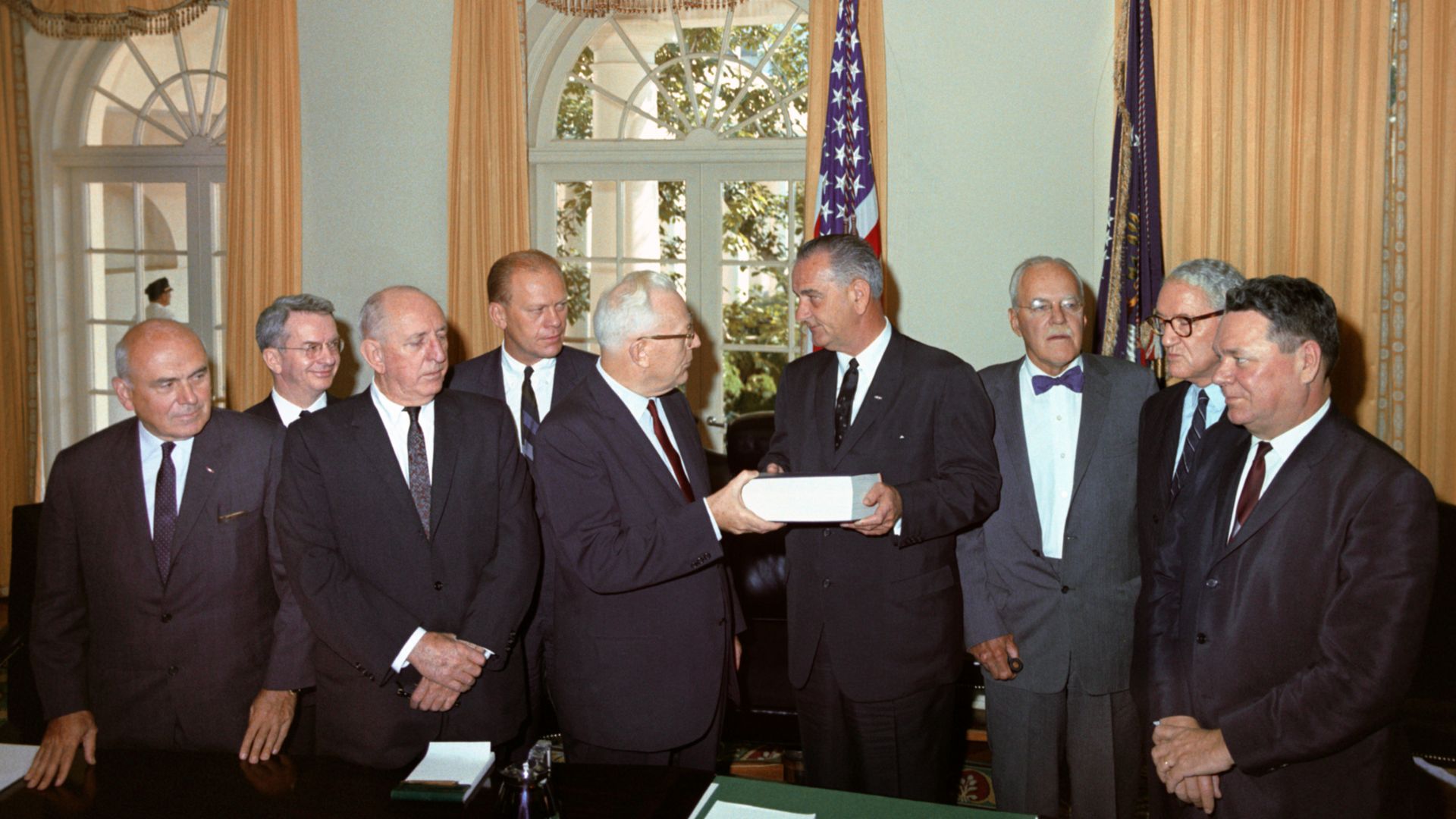
By the fall of the following year, the Warren Commission had examined that day from every angle and believed they had found the answer—even if it wasn’t exactly a revelation. Similar to the FBI, the commission submitted a report to President Johnson, asserting that Oswald was the sole culprit. Still, they managed to ease his concerns by stating they had found no evidence of an overall conspiracy.
However, while they seemed perfectly convinced of their findings—they couldn’t satisfy everyone.
 Cecil W. Stoughton, Wikimedia Commons
36. They Thought It Was Impossible
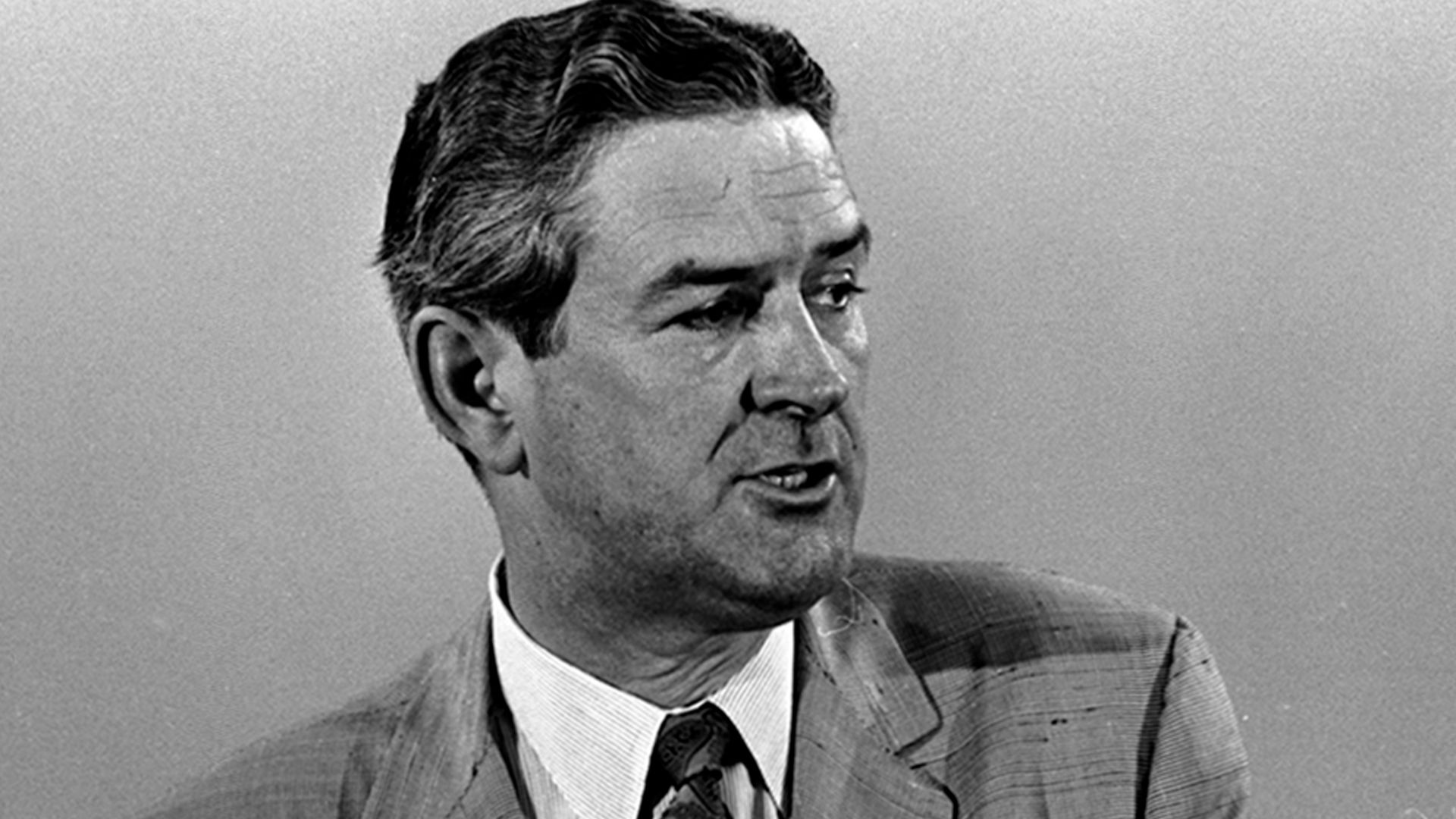
Over 888 pages, the Warren Commission explained each of the conclusions it had come to, including that just one shot had injured both JFK and Governor Connally—something not everyone could believe. Conspiracy theorists would later consider this possibility highly unlikely, going so far as to call it the “magic bullet theory”.
Either way, this was one of the most significant contributions to the case—for better or for worse.
 Marion S. Trikosko, Wikimedia Commons
37. They Had Mixed Reviews
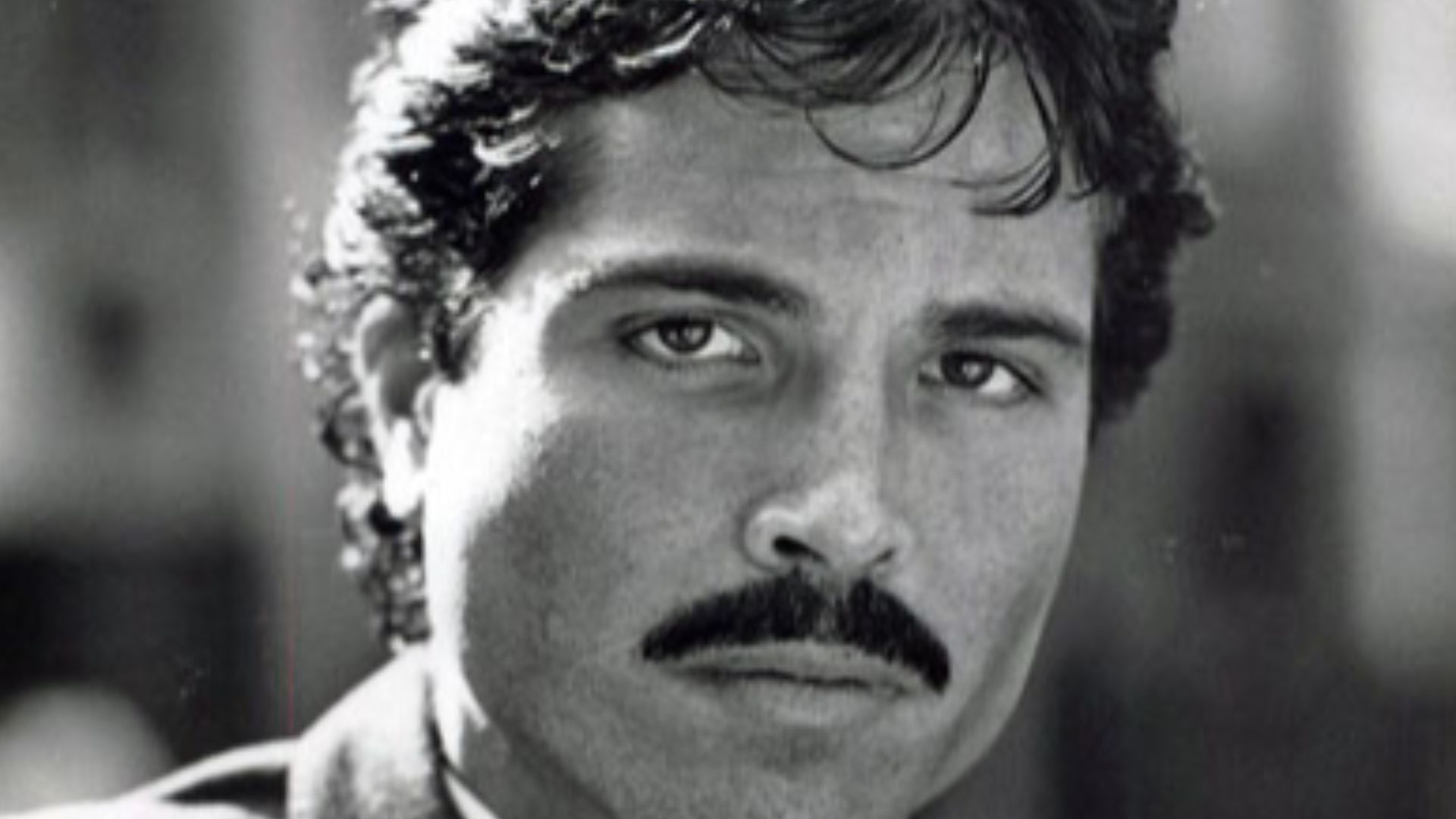
The Warren Commission remains one of the most integral pieces of the overall investigation into JFK’s demise, but that doesn’t mean it's the perfect answer. While many, like author Vincent Bugliosi, claim the report has its merits, others, such as journalist Gerald Posner, have pointed out how far-fetched the whole thing is.
Luckily, this was far from the last time the US would examine this case.
38. They Looked Into It Again
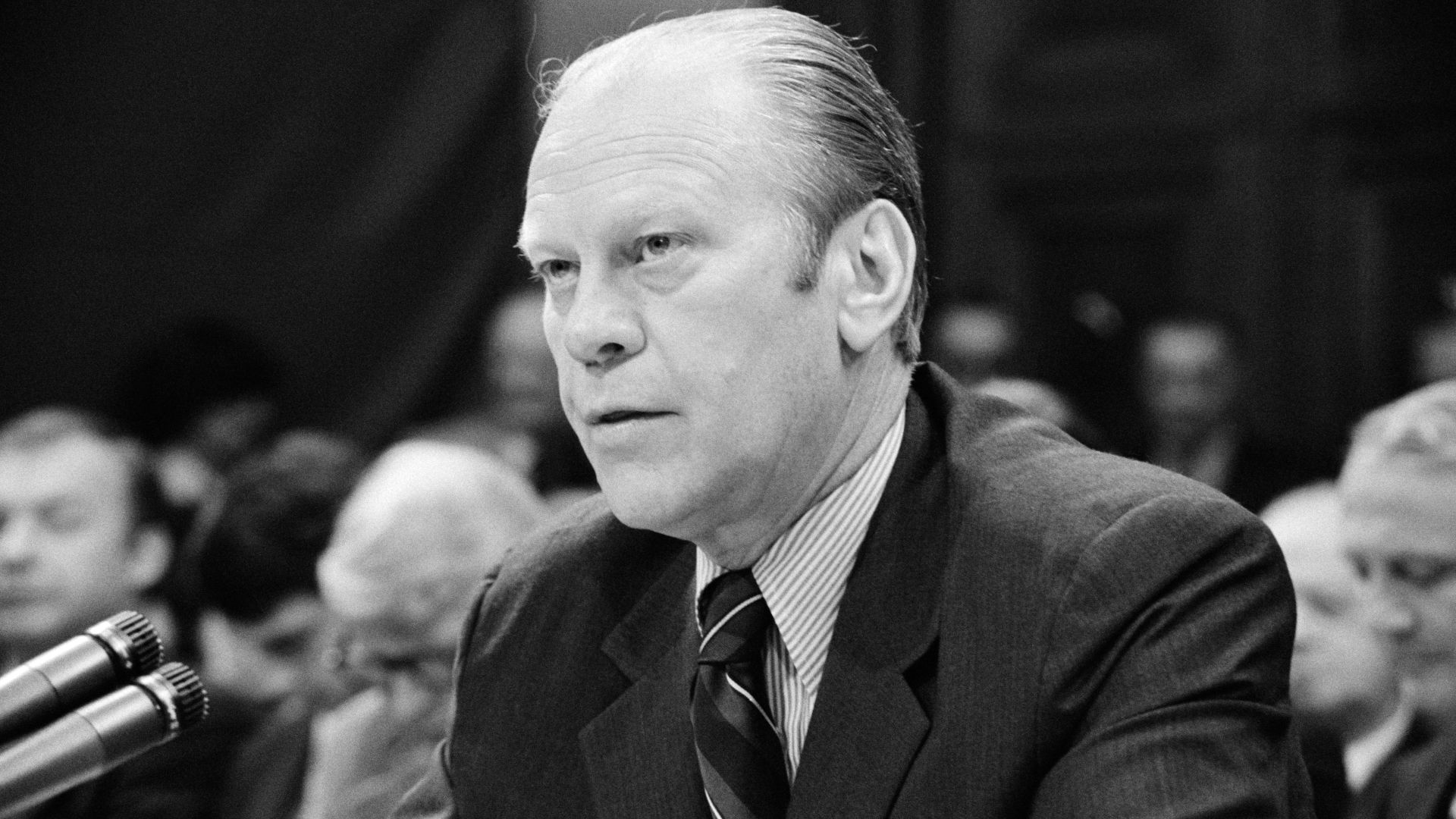
Even over a decade later, the day that JFK perished remained a mystery present in countless minds across America, including that of President Gerald Ford. To uncover whether or not the CIA had ever acted unlawfully in the US, he created the Rockefeller Commission, which naturally looked into JFK once again. However, the commission moved on after finding no evidence that the CIA had anything to do with it.
Even this couldn’t convince some people—especially after America’s next great scandal.
 Thomas J. O'Halloran, photographer, Wikimedia Commons
39. They Found The Same Thing
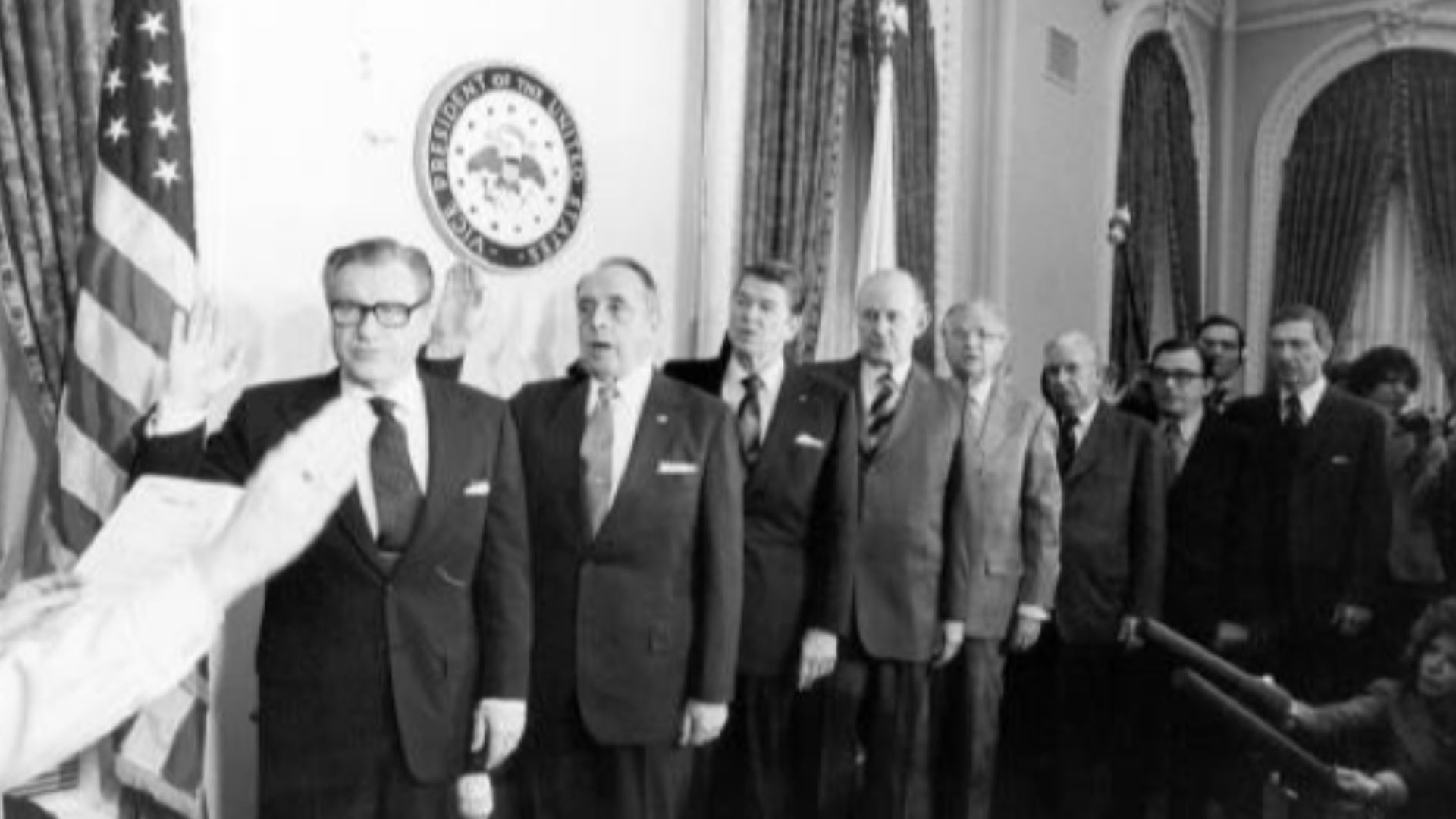
Although the Rockefeller Commission’s report may have seemed definitive, something was about to happen to make nearly everyone lose faith in its findings. After the Watergate Scandal aired out the CIA’s dirty laundry, the US Senate ordered another investigation by the Church Committee. Nonetheless, they only concluded the same thing—that neither the FBI nor the CIA had played a part in JFK’s demise.
This was simply more of the same, and America still craved answers.
 National Reconnaissance Office, Wikimedia Commons
40. They Weren’t Satisfied
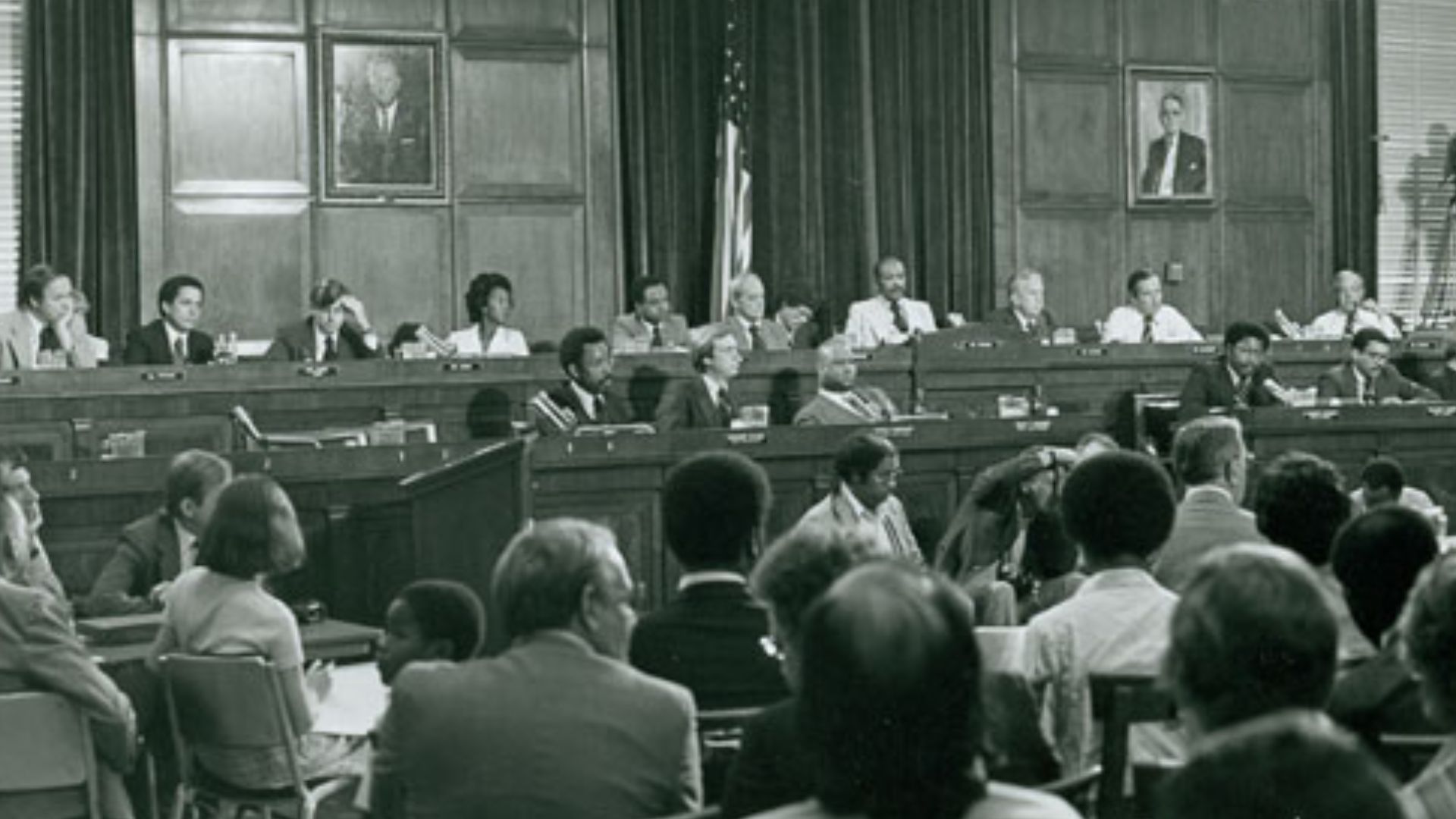
Over the following year, a feeling of doubt began to spread throughout the government and the general public, specifically questioning how believable the Warren Commission was. To answer this, the House Select Committee on Assassinations came together to look into this horrific incident and others like it.
People likely expected the same suspicious story—but they would be pleasantly surprised.
 U.S. Congress, Wikimedia Commons
41. They Came Up With Something New
Despite several investigations arriving at the same conclusion, and even the Justice Department stating there was no proof of any conspiracy, the HSCA had made up its own mind. By the end of its inquiry in the late 1970s, they officially stated that JFK had likely been the target of a conspiracy, even if they couldn’t pinpoint it.
While this was a welcome change of pace, it still couldn’t persuade everyone.
 Robert Croft, Wikimedia Commons
42. They Couldn’t Accept It
Due to all the secrecy surrounding the case and the government repeatedly claiming there was no conspiracy, this mystery has only grown over the years. According to several surveys, most Americans believe there was something fishy going on, and as such, many have named the incident “the mother of all conspiracies".
Without any official investigations to prove this, some took matters into their own hands.
 Richard Oscar Bothun, Wikimedia Commons
43. They Created Several Theories
With the public left very much in the dark, an endless number of conspiracy theories have emerged in the decades since the incident. Beyond the CIA, theorists have posited numerous other possible masterminds, such as the KGB, the Mafia, and even President Johnson. As for Oswald, one common theory is that he wasn’t actually working alone, but on the other side of the spectrum, some have suggested he was completely innocent.
Naturally, several theorists became convinced there were other possible players—even among the crowds that day.
44. They Were All Suspects
Under the assumption that Oswald was either innocent or working with others, many have pointed to certain individuals in the Zapruder film as possible accomplices. There was a man carrying an umbrella, a suspicious woman wearing a shawl, and even someone in an officer’s uniform, all of whom have come up as potential shooters over the years.
It would be one thing if the overall investigation had run totally smoothly—but that wasn’t the case.
 Unknown authorUnknown author, Wikimedia Commons
45. They Botched It
Rather than become clearer since then, the mystery of JFK has only seemed to create more problems to solve, as many theorists have pointed out. One of the biggest criticisms people still point to is how horribly the investigations were carried out, from the rushed autopsy to what happened to Oswald. For some, this is enough to prove that the investigation wasn’t just mismanaged, but intentionally sabotaged.
Even when it came to the higher-ups, they couldn’t seem to reach a consensus.
 Warren Commission, Wikimedia Commons
46. They Blamed Each Other
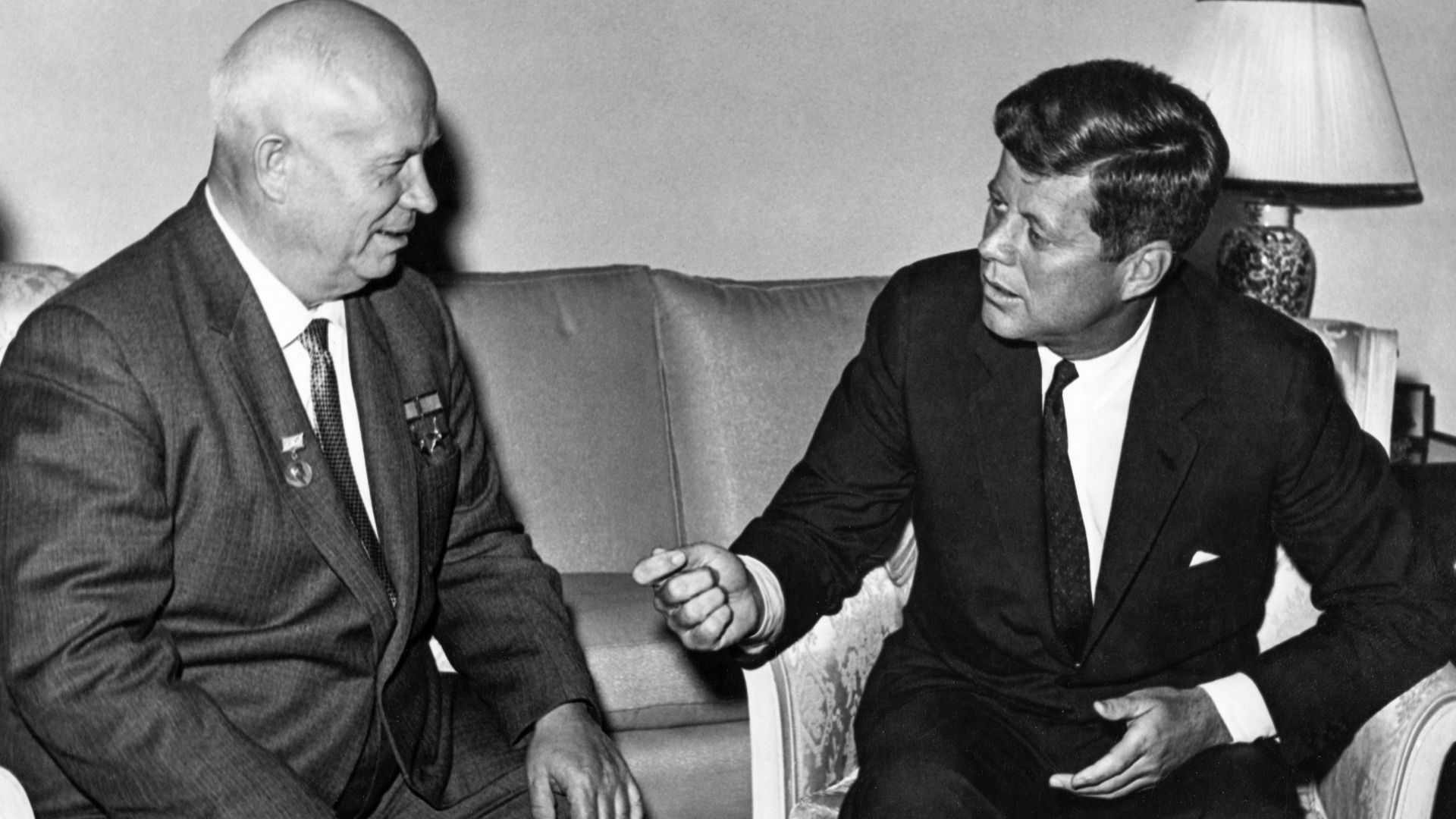
Two of the biggest suspects among conspiracy theorists came from a couple of America’s greatest enemies at the time—namely, Soviet First Secretary Nikita Khrushchev and Fidel Castro. However, both of these leaders were vocal about their own theories, believing that JFK’s assassins had been American right-wing extremists. Meanwhile, CIA director R James Woolsey later deflected the blame by asserting it was all a Soviet plot.
Among the mountain of unanswered questions surrounding JFK, one stands out as possibly the most bizarre.
47. He Left One More Mystery
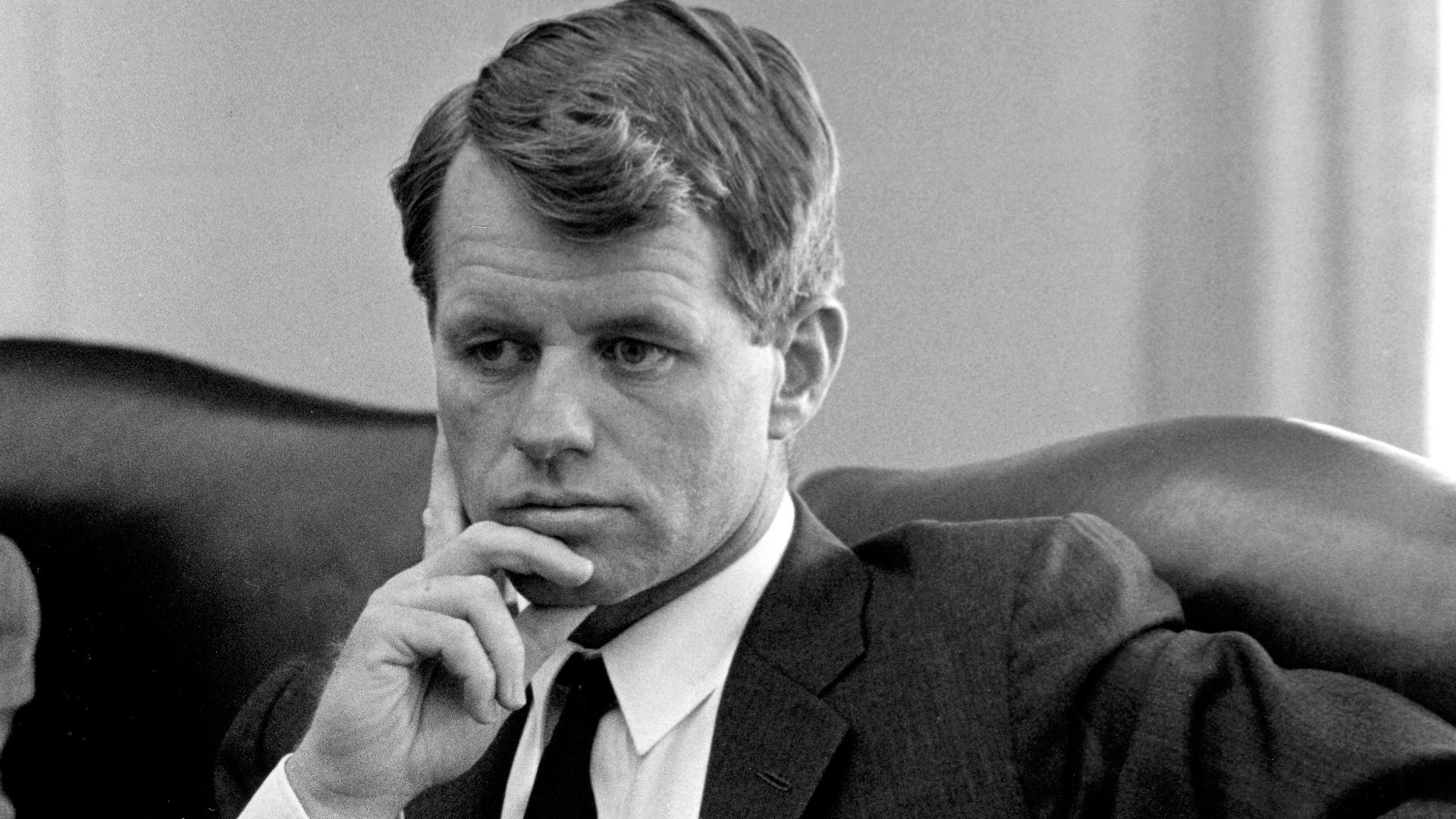
Whether any of the wide range of conspiracy theories has any merit, the American government certainly allowed this speculation to grow, especially since so many parts of the story remain unsolved. One such secret involves JFK’s brain, and the fact that while it was meant to sit preserved in storage for further study, the Kennedy family checked after three years to find that the brain was nowhere to be found.
Conspiracy theorists think it was taken in order to hide that the shots could’ve come from another direction—while others believe the president’s brother, Robert F Kennedy, had it removed in order to destroy any evidence that JFK may have been ill or taking meds.
 LBJ Library photo by Yoichi R. Okamoto, Wikimedia Commons
48. She Was Right There
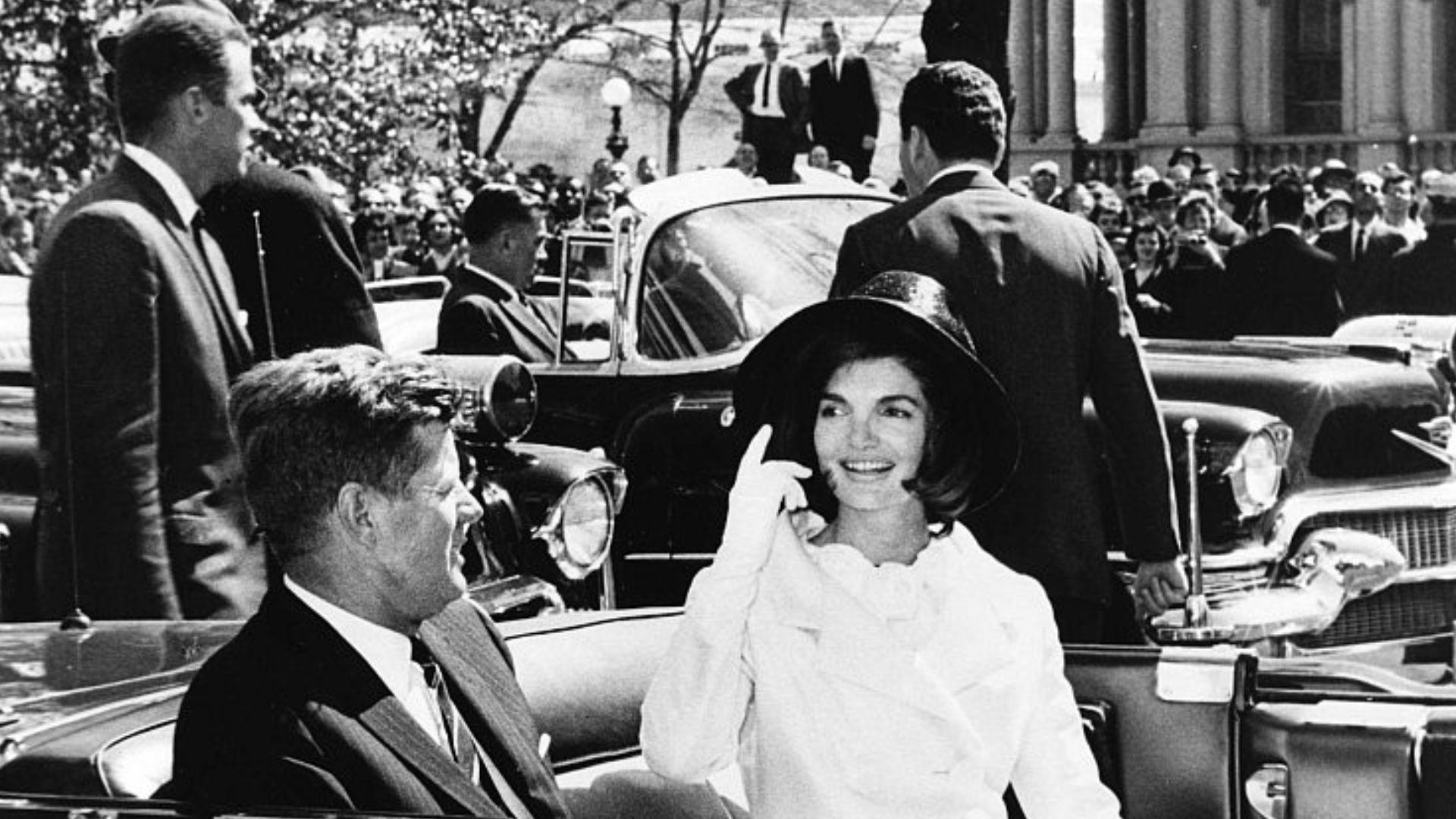
In the chaos of the moments that immediately followed the incident, one figure’s reaction remains the most affecting—JFK’s wife and First Lady, Jackie. Riding with her husband in a motorcade in downtown Dallas, the First Lady initially mistook the sound of gunfire for a motorcycle backfiring. she only realized what was really happening when she heard the governor scream...
 Photograph in the John F. Kennedy Presidential Library and Museum, Boston., Wikimedia Commons
49. She Was Trying To Help
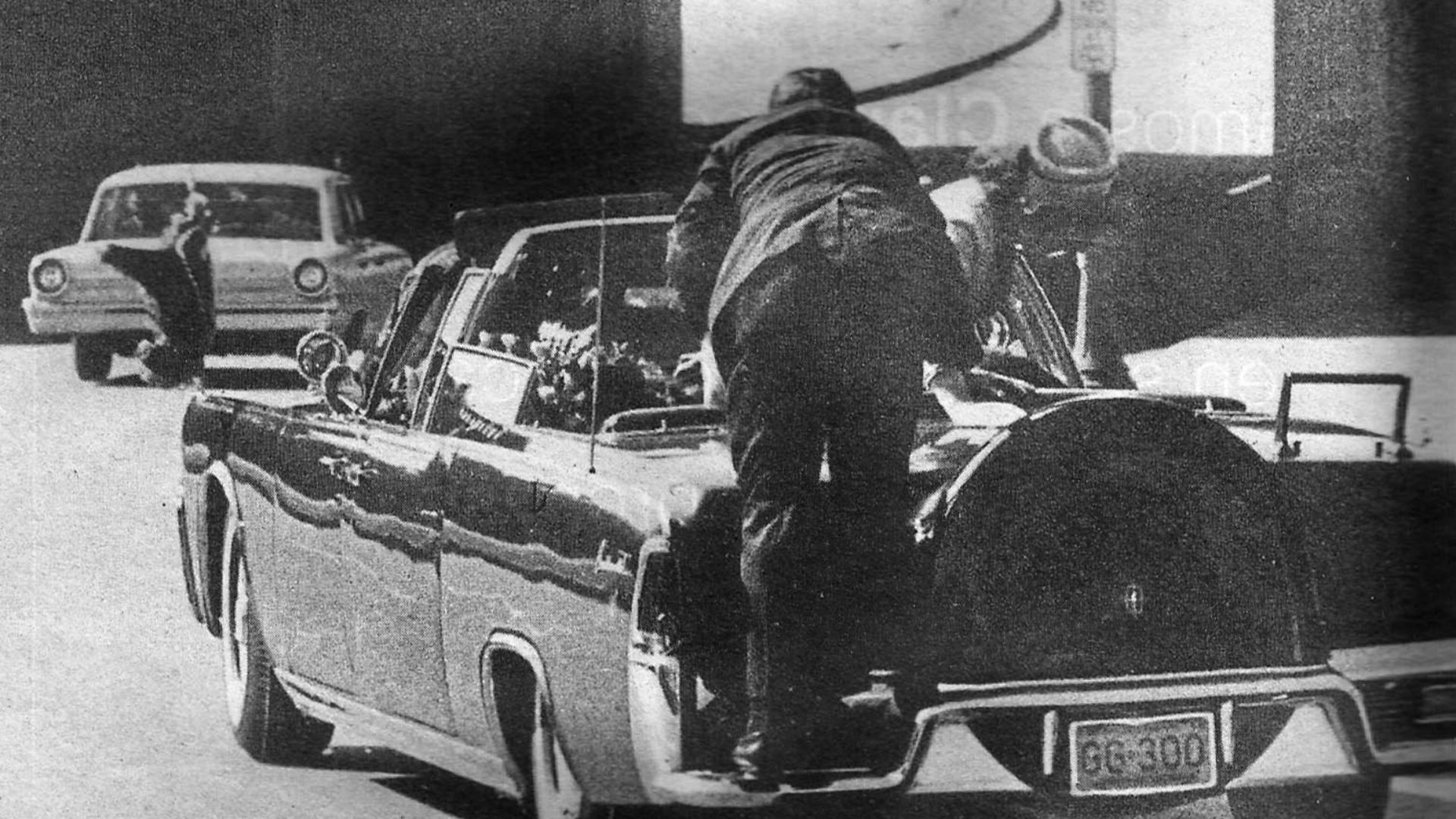
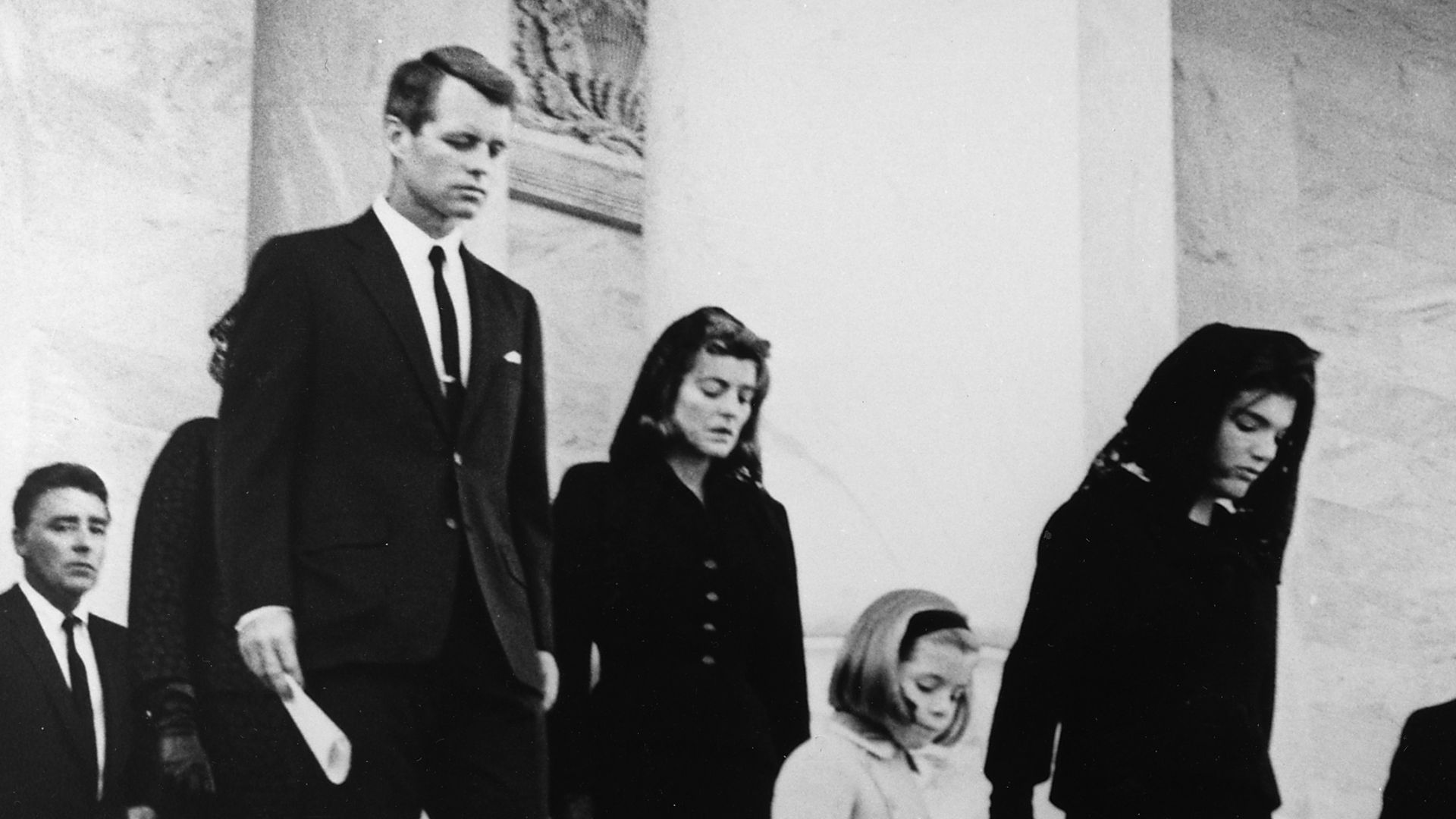
As JFK was shot clean thought the head, Jackie Kennedy appeared to climb towards the back of their limo. The Secret Service agent believed she was trying to reach for a piece of her husband’s skull, which had flown across the car to the trunk. Jackie herself would testify that she couldn’t remember the incident at all, even after seeing pictures.
50. She Was In Shock
When Jackie eventually made her way back to her seat, she began repeating something over and over again—two haunting sentences that will never be forgotten: "They have killed my husband. I have his brains in my hand". As she was ushered to safety, the reality of the situation began to set in—and Jackie had a decision to make.
51. She Made A Heartbreaking Gesture
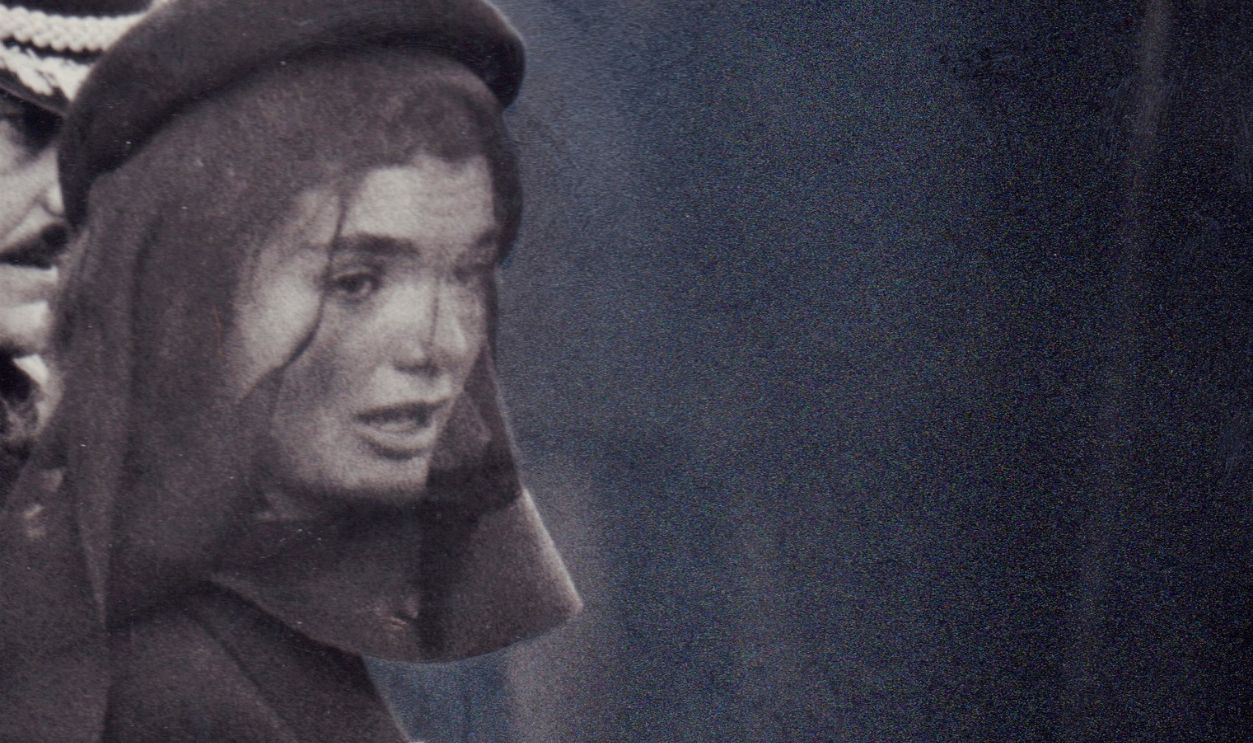
After JFK's violent and untimely demise, Jackie refused to change out of her bloodstained Chanel suit. She wore it to Lyndon B. Johnson’s swearing-in ceremony, where she was asked to be present to “legitimize” the vice president’s impromptu administration. To quote Jackie herself, she wanted “them to see what they have done to Jack”.
You May Also Like:
Tragic Facts About The Kennedy Family