A Rising Political Star Faces Disaster
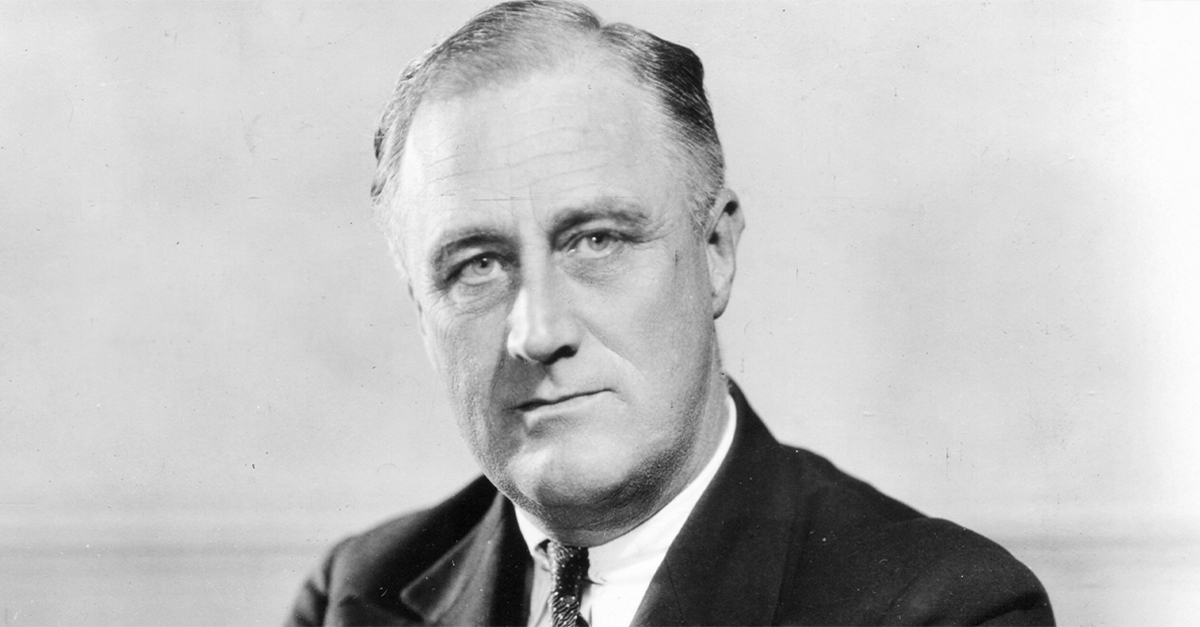
By the early 1920s, Franklin D. Roosevelt seemed destined for greatness. Born into wealth and privilege, Roosevelt climbed quickly through New York politics during the early twentieth century. By 1921, many Democrats believed the charismatic former assistant secretary of the Navy could eventually become president. Then disaster struck.
Roosevelt’s Privileged Early Life
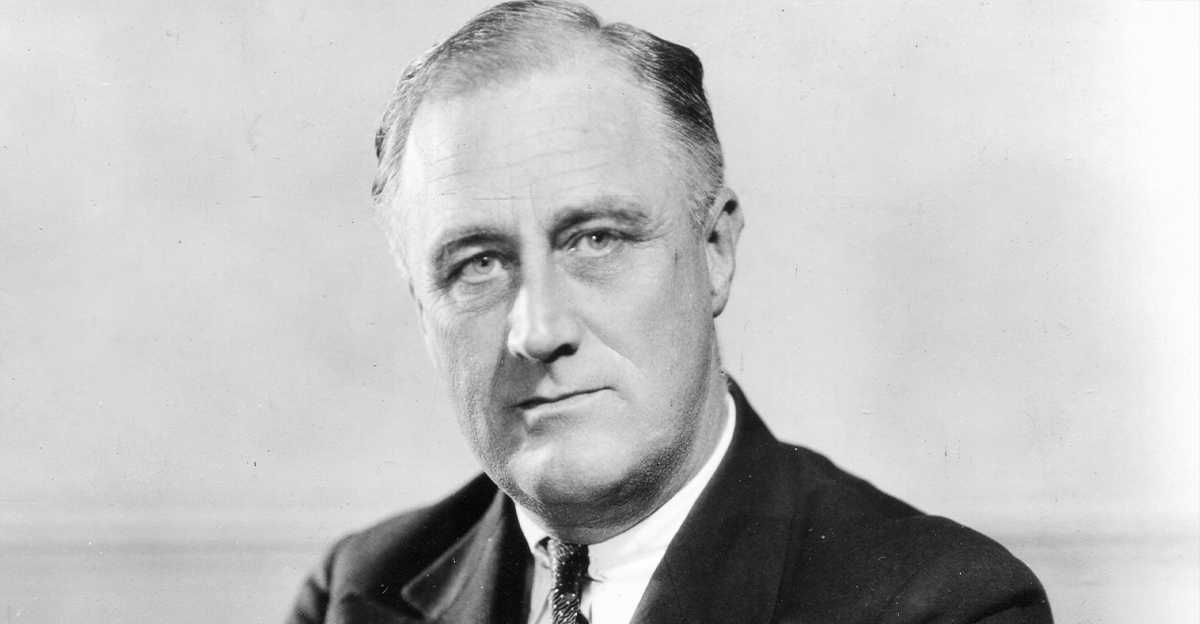
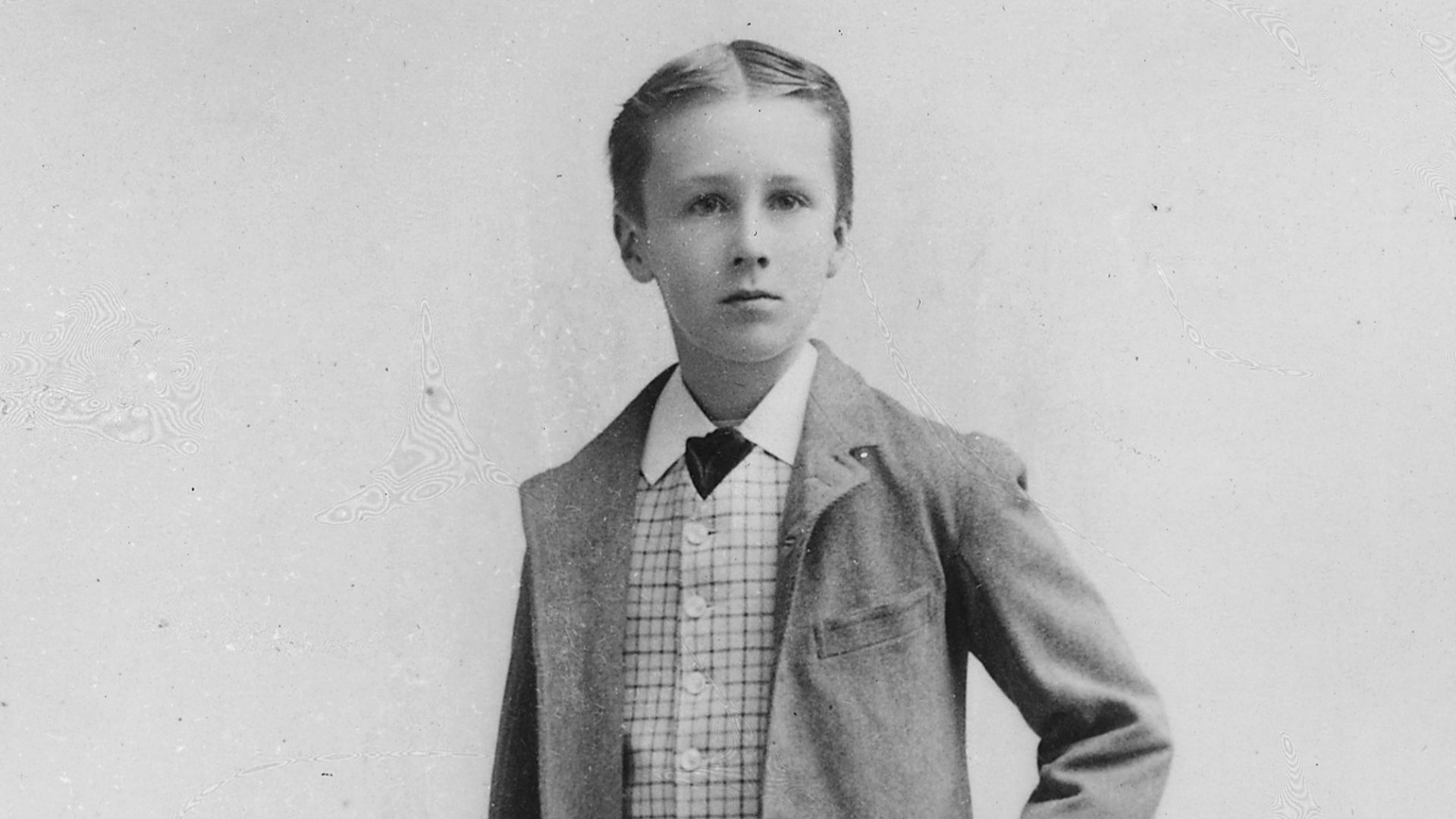
Roosevelt was born in 1882 at the family estate in Hyde Park, New York. His upbringing was comfortable and insulated, shaped heavily by his devoted mother, Sara Roosevelt. Educated by tutors before attending Groton and Harvard, Roosevelt developed confidence, charm, and a strong belief that he was meant for leadership.
 Unknown authorUnknown author or not provided, Wikimedia Commons
A Political Career Begins To Bloom
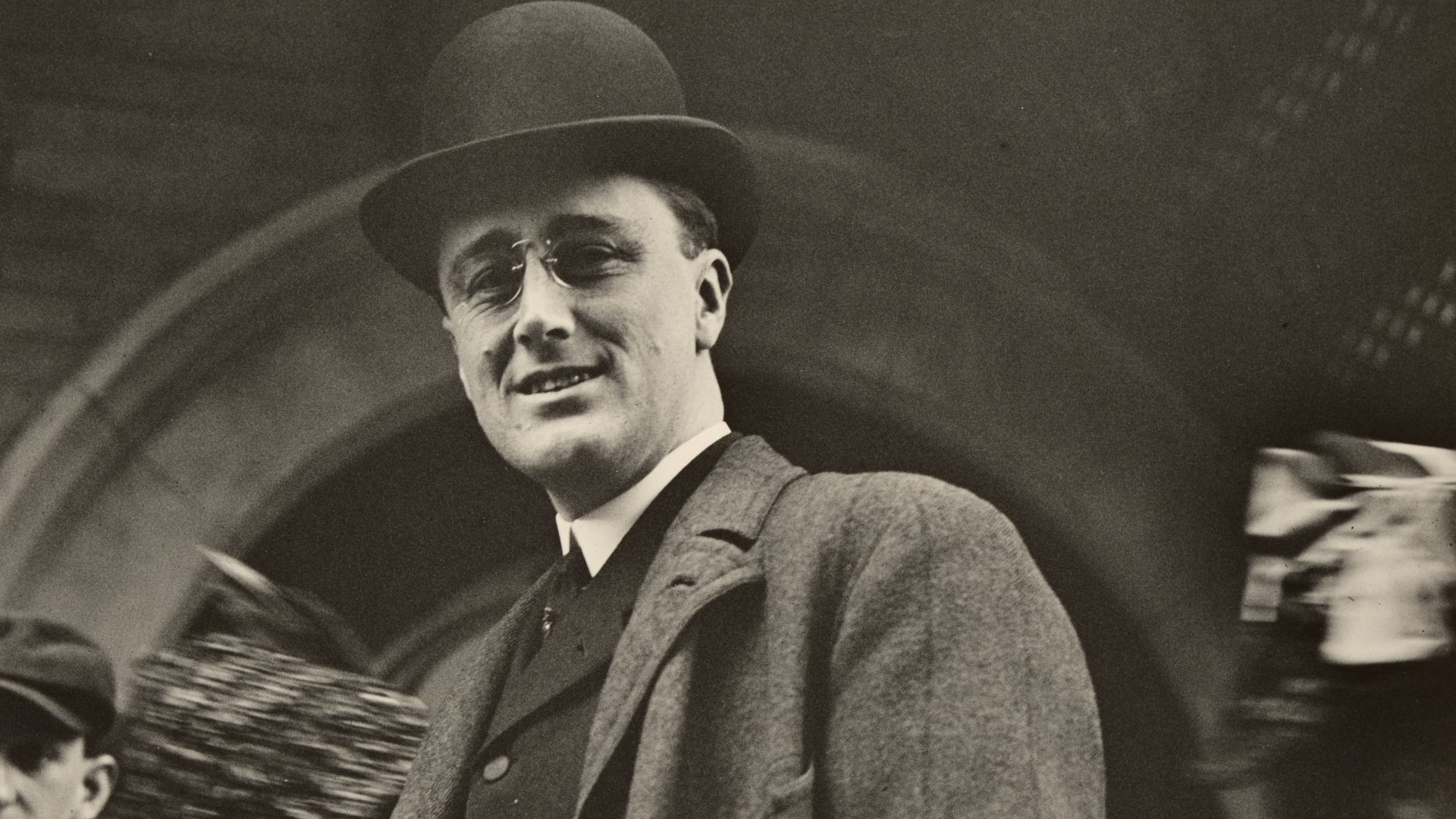
During the 1910s, Roosevelt entered politics as a New York state senator before joining President Woodrow Wilson’s administration. His energetic style and famous surname reminded many voters of his distant cousin, President Theodore Roosevelt. Democrats soon viewed him as one of the party’s brightest young stars.
 Underwood & Underwood, Wikimedia Commons
Marriage To Eleanor Roosevelt
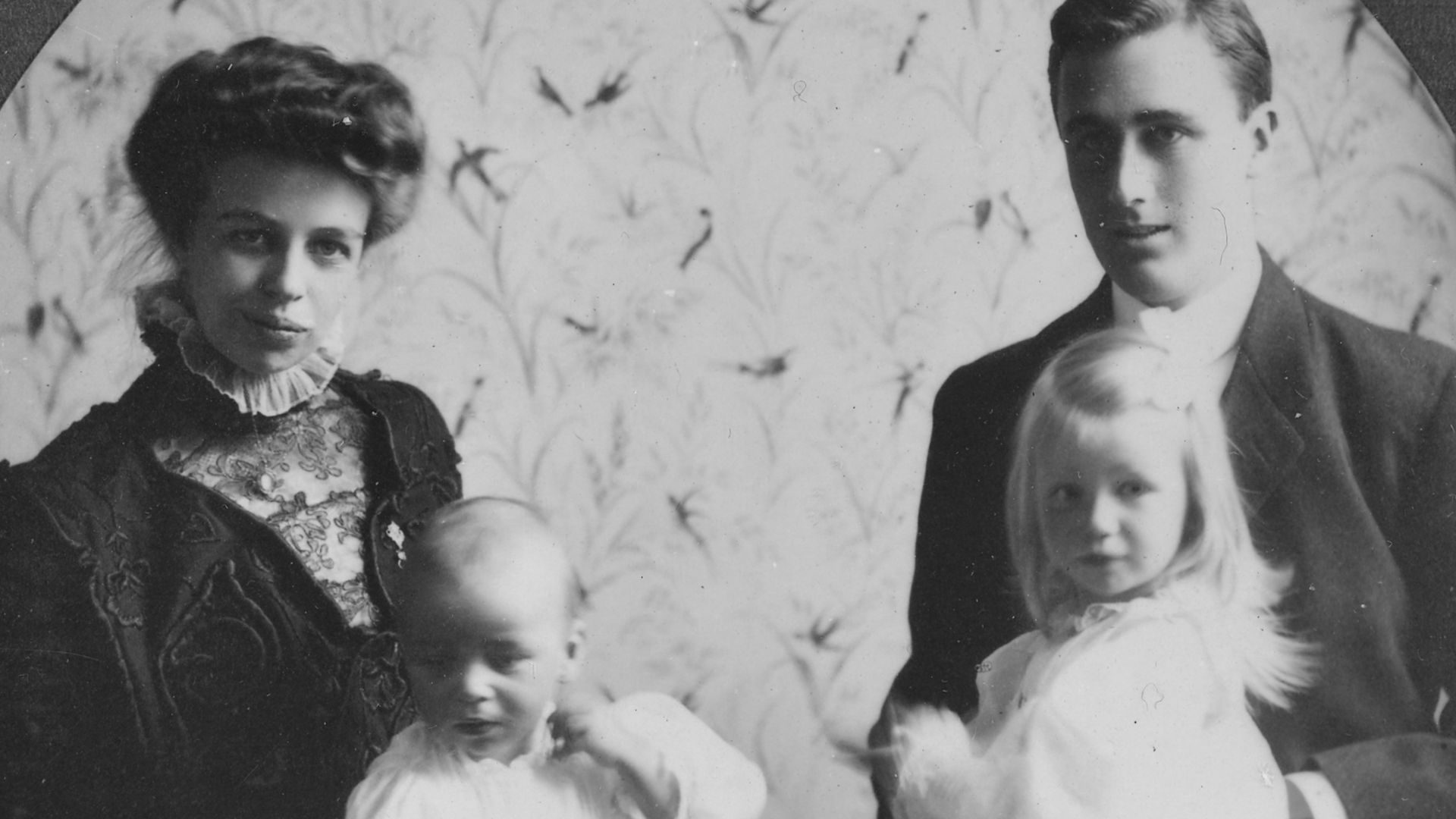
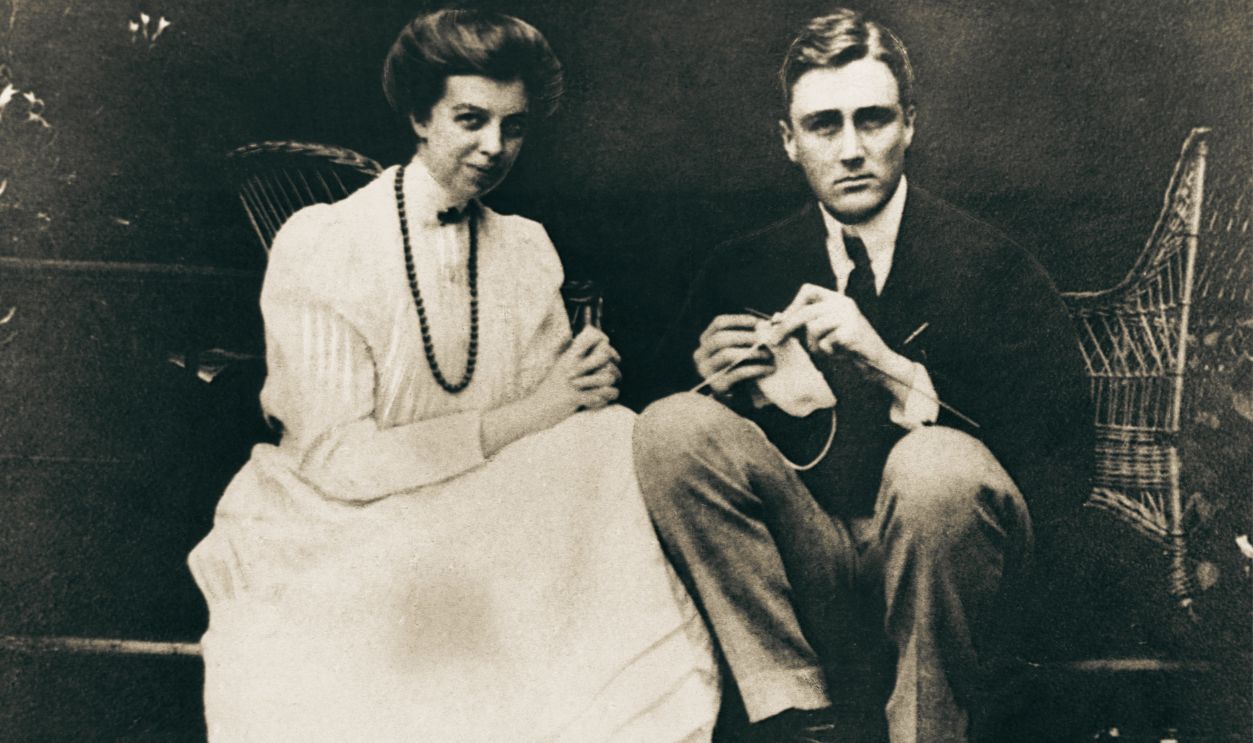
In 1905, Roosevelt married Eleanor Roosevelt, who would later become one of the most influential first ladies in American history. Their marriage produced six children, although one died in infancy. Despite public appearances, the relationship would eventually become emotionally distant and politically complicated.
The Affair That Nearly Destroyed The Marriage
By 1918, Eleanor discovered that Franklin had been romantically involved with her social secretary, Lucy Mercer. The revelation devastated Eleanor and nearly ended the marriage entirely. Although they remained together, their relationship transformed afterward into more of a political and personal partnership than a traditional romance.
Defeat In The 1920 Election
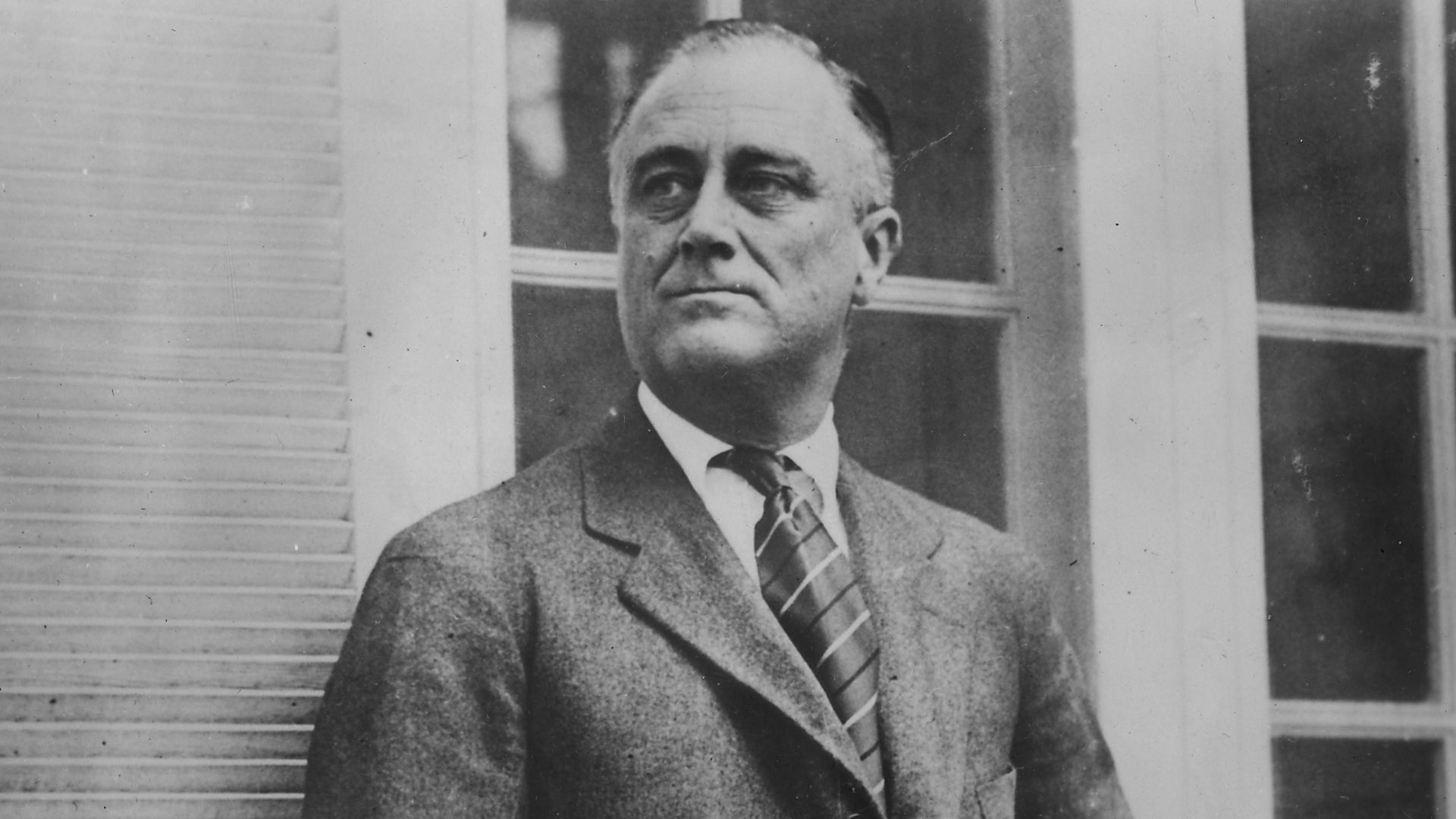
Roosevelt gained national attention as the Democratic vice-presidential nominee with presidential candidate James Cox in 1920. However, Republicans won in a landslide following World War I. The defeat disappointed Roosevelt deeply, though many observers still believed he had a promising future. He still had big ambitions and fully expected to keep climbing up the political ladder.
 Unknown authorUnknown author or not provided, Wikimedia Commons
A Vacation Turns Into A Nightmare
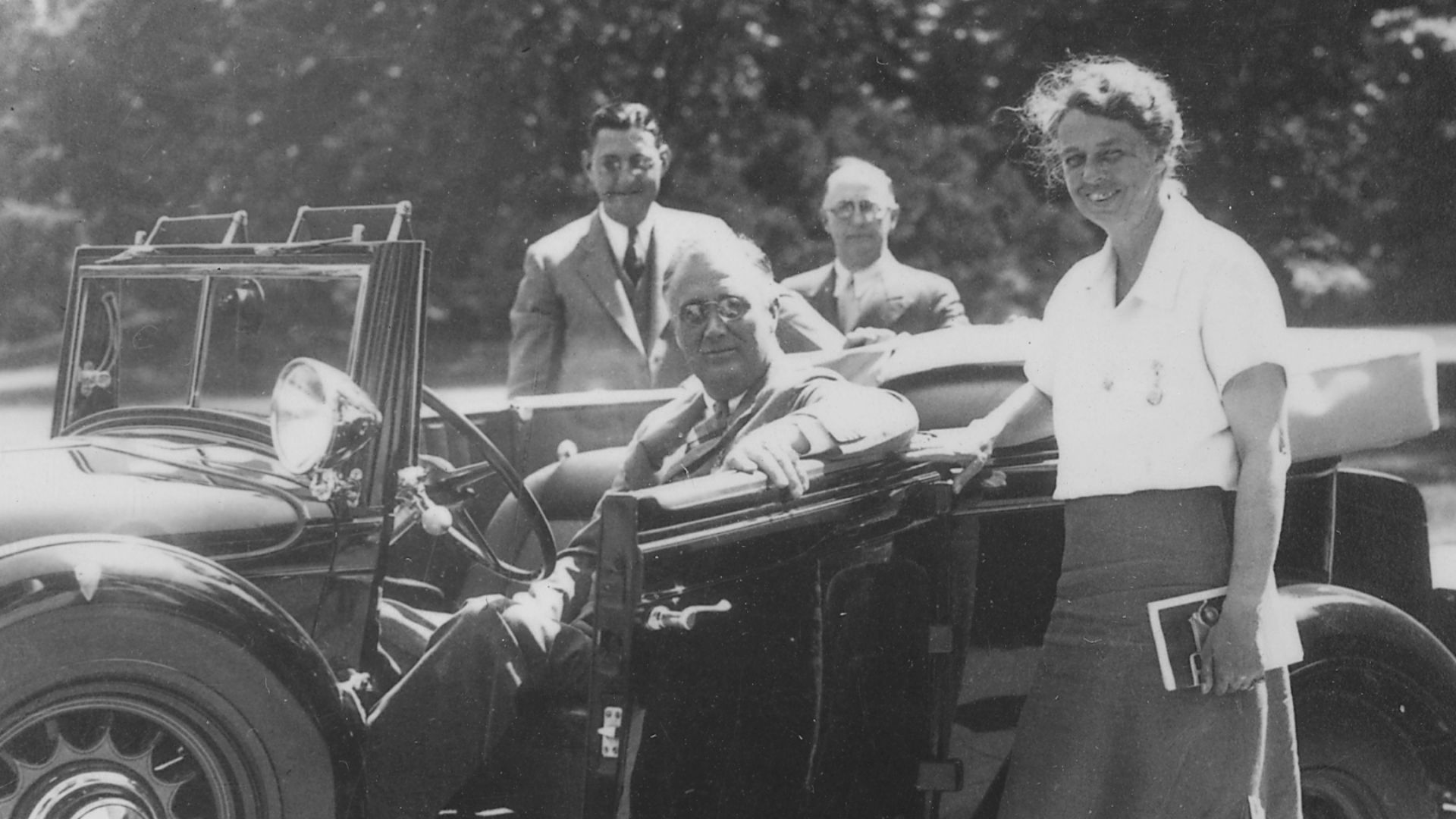
In August 1921, Roosevelt traveled with his family to Campobello Island in Canada for a summer vacation. After swimming and hiking one day, he developed exhaustion, fever, and severe pain. Within days, his legs weakened dramatically. Soon, he could barely stand or move without assistance.
 Caddyshack01, Wikimedia Commons
The Paralysis Spreads Rapidly
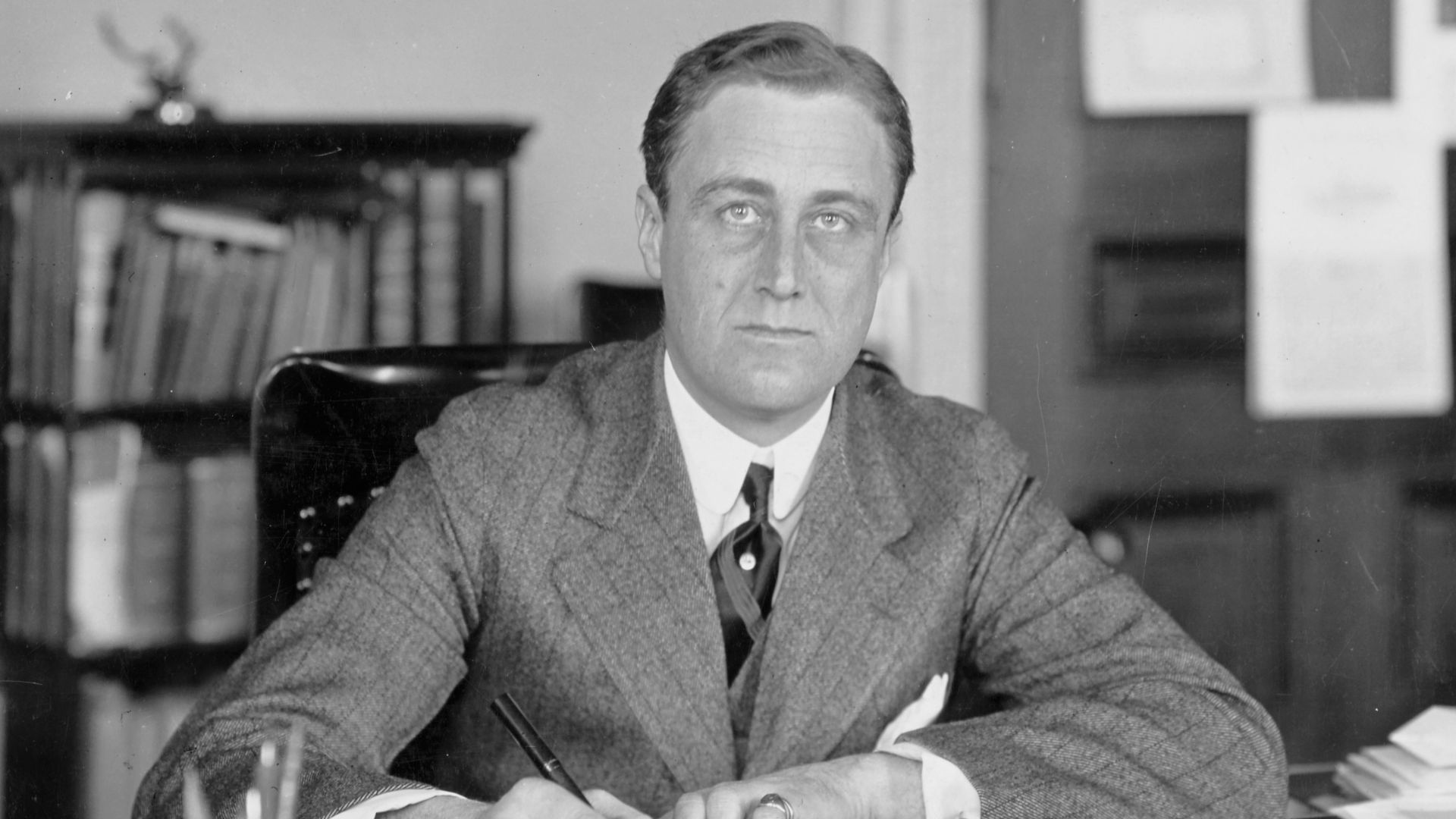
Roosevelt’s symptoms worsened with alarming speed. The weakness spread upward through his body, and he suffered intense pain in his legs and lower back. Doctors became increasingly concerned as paralysis advanced. For a man once known for athletic energy and confidence, the sudden collapse was terrifying.
 Unknown authorUnknown author, Wikimedia Commons
Doctors Struggle To Understand The Illness
At first, Roosevelt’s physicians struggled to identify the cause of his paralysis. Some believed he was simply exhausted or suffering from a spinal injury. Eventually, specialists diagnosed him with poliomyelitis, commonly known as polio, a feared disease that regularly crippled or killed Americans during the early twentieth century.

History's most fascinating stories and darkest secrets, delivered to your inbox daily.
The Emotional Toll Of Paralysis
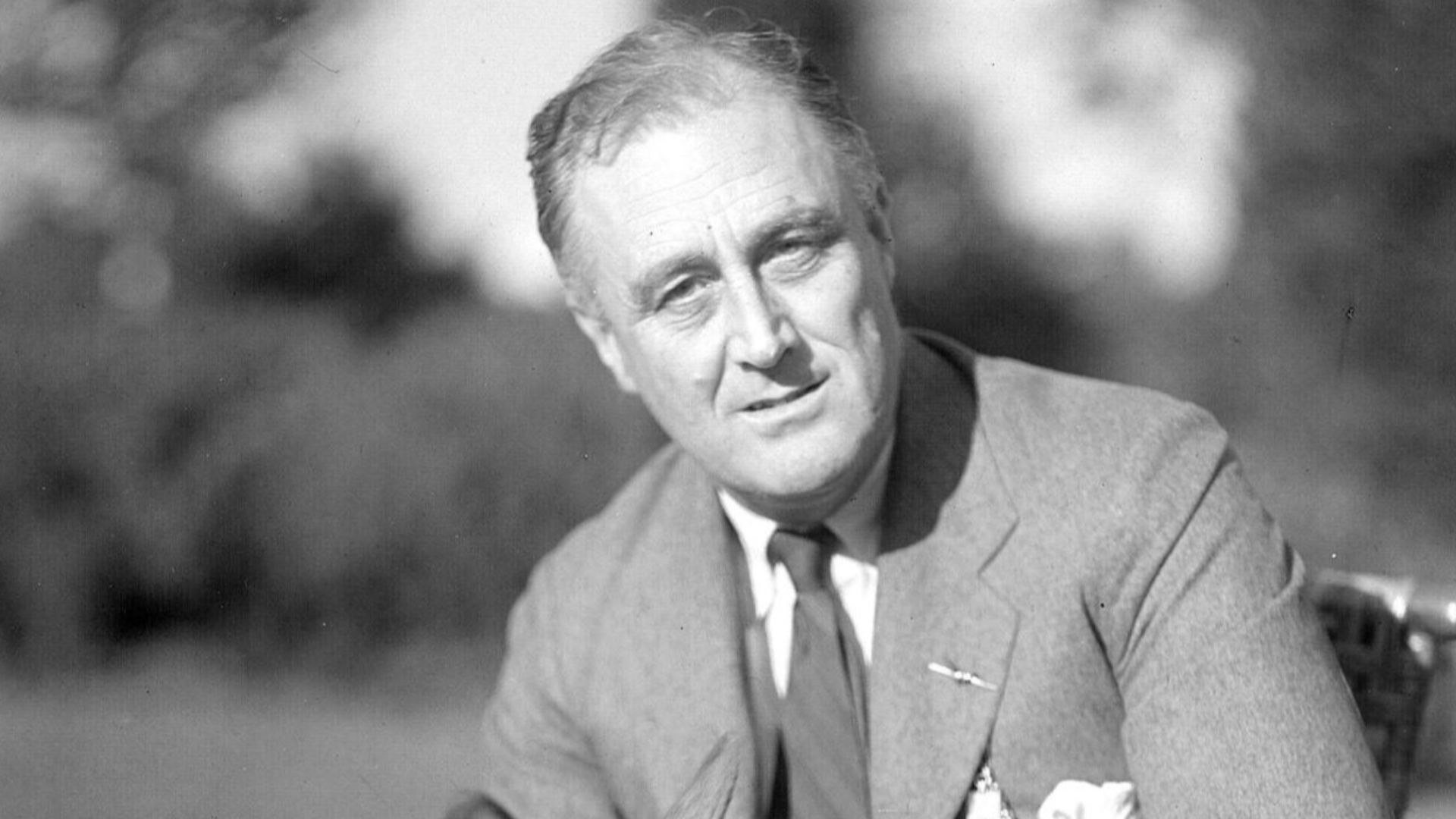
The illness devastated Roosevelt emotionally. Accustomed to vigorous physical activity, he suddenly found himself unable to walk. Friends later recalled periods of frustration and despair during his early recovery. He worried not only about his health, but also whether paralysis had permanently destroyed his political future.
 Nintendofan885, Wikimedia Commons
Eleanor Roosevelt Steps Into A Larger Role
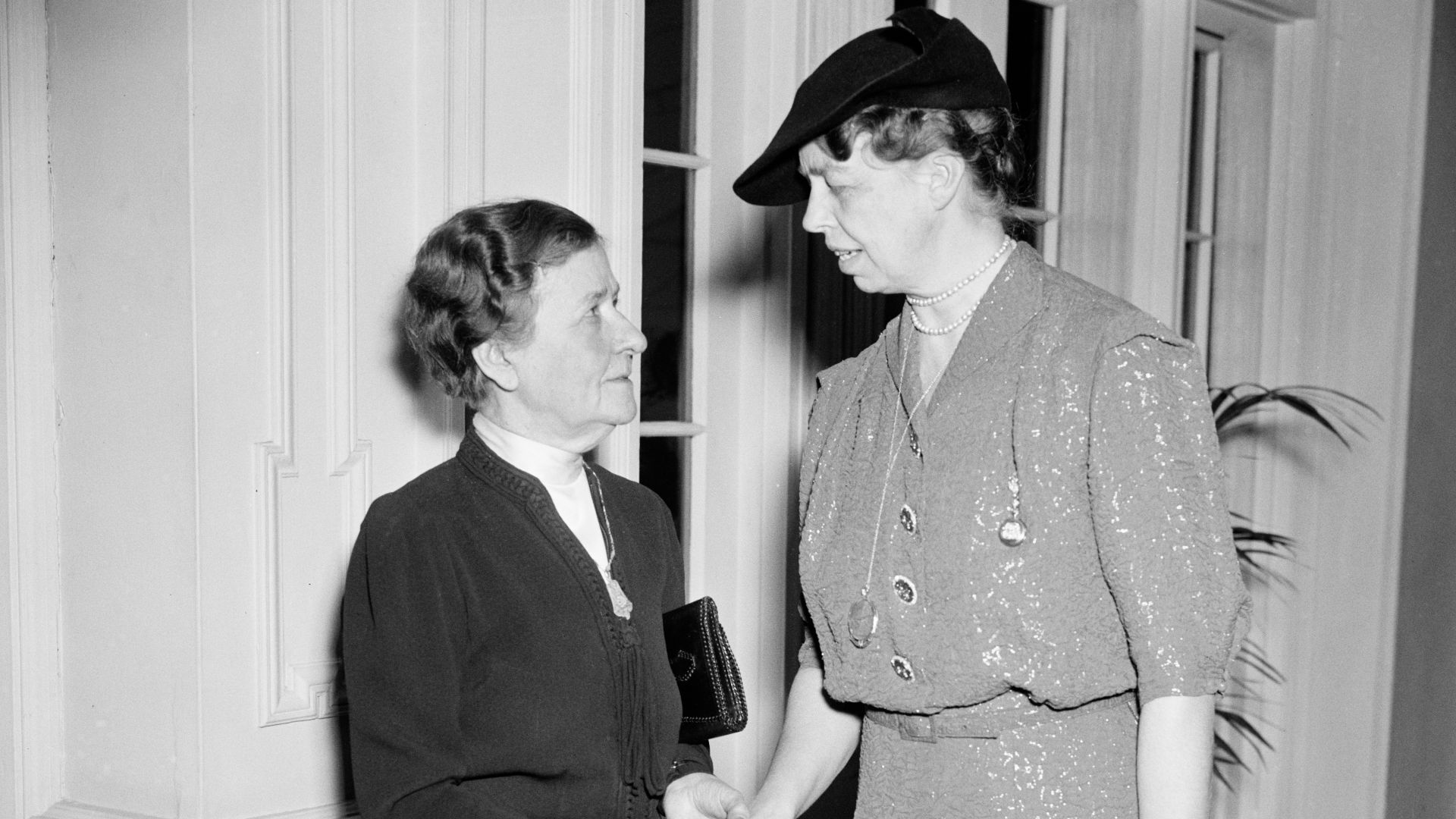
As Franklin struggled physically, Eleanor gradually became more politically active and independent. She traveled, spoke publicly, and maintained important political relationships while her husband recovered. The experience changed both of them profoundly. Eleanor emerged as a powerful public figure in her own right during these difficult years.
 Harris & Ewing, photographer, Wikimedia Commons
Sara Roosevelt Wanted Him To Retire
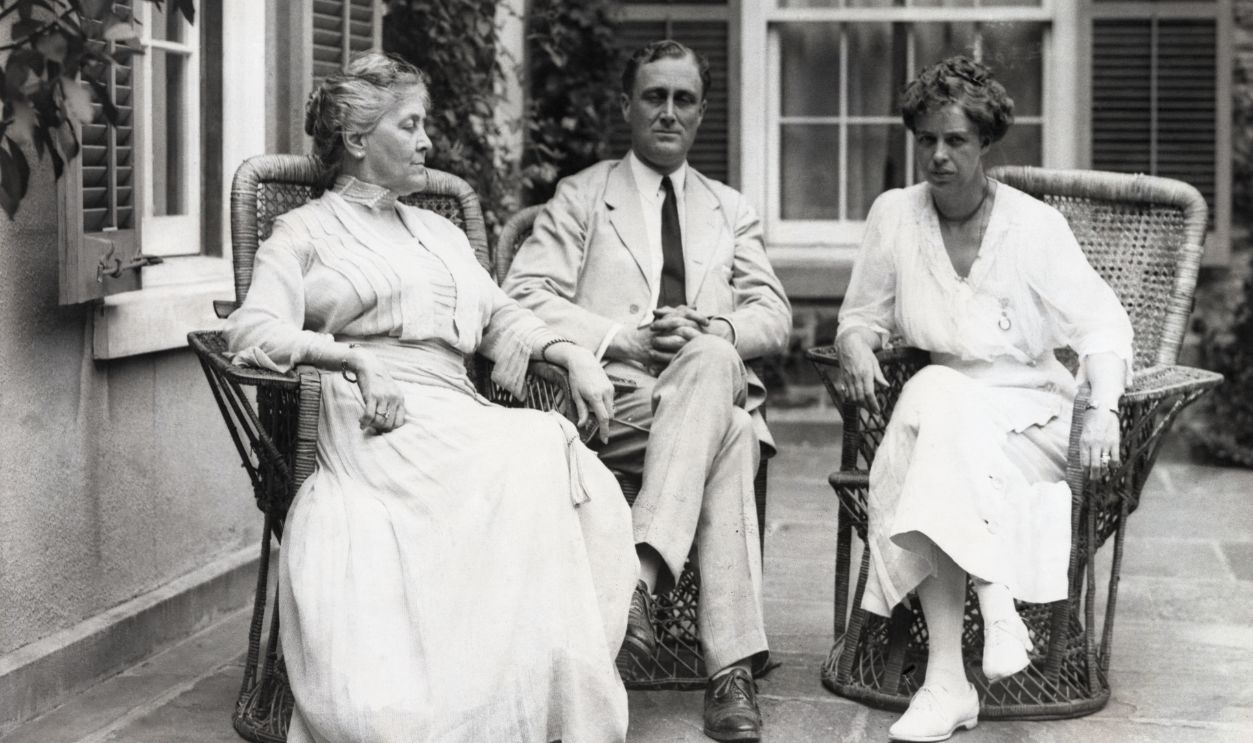
Franklin’s mother, Sara Roosevelt, believed her son should abandon politics and live quietly at Hyde Park. She hoped paralysis would convince him to withdraw from public life permanently. Eleanor strongly opposed that idea. Instead, she encouraged Franklin to remain engaged politically and continue pursuing public office.
Roosevelt Learns To Adapt
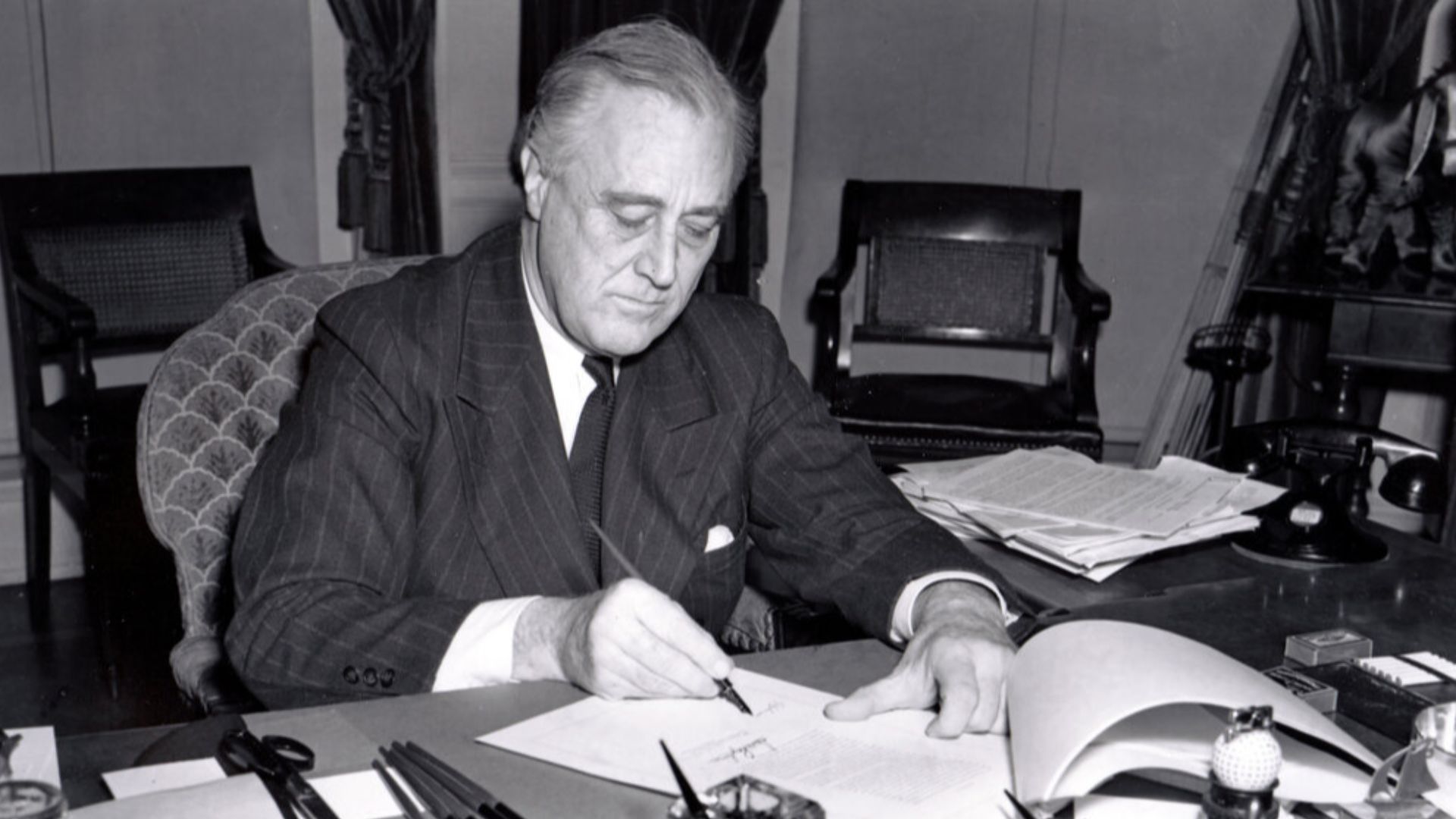
Although Roosevelt never regained the ability to walk independently, he worked tirelessly to appear strong and capable. He learned to use heavy steel leg braces and could stand briefly while leaning on another person. He practiced moving carefully in public to minimize visible signs of paralysis.
 Caddyshack01, Wikimedia Commons
Hiding Disability From The Public
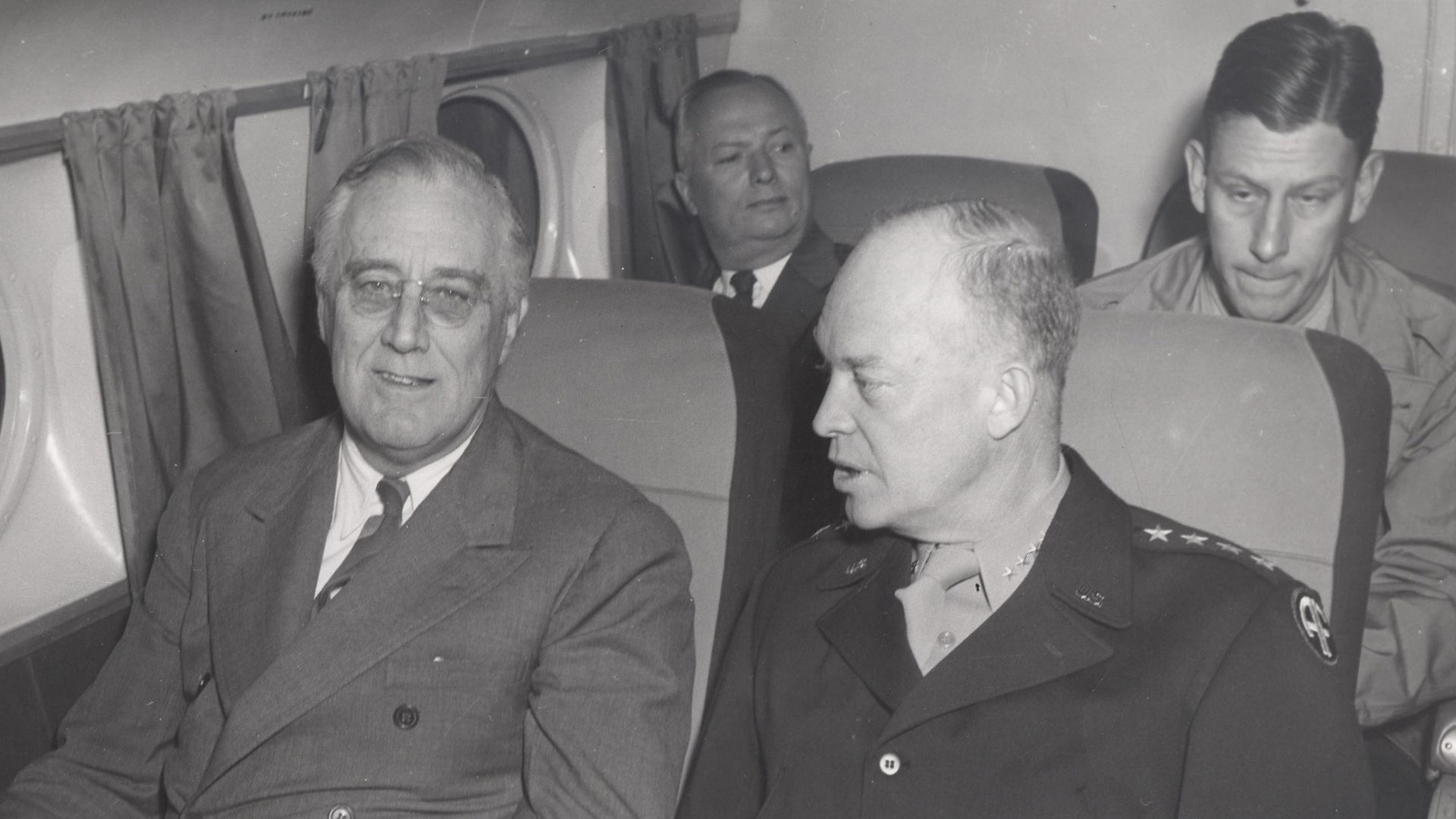
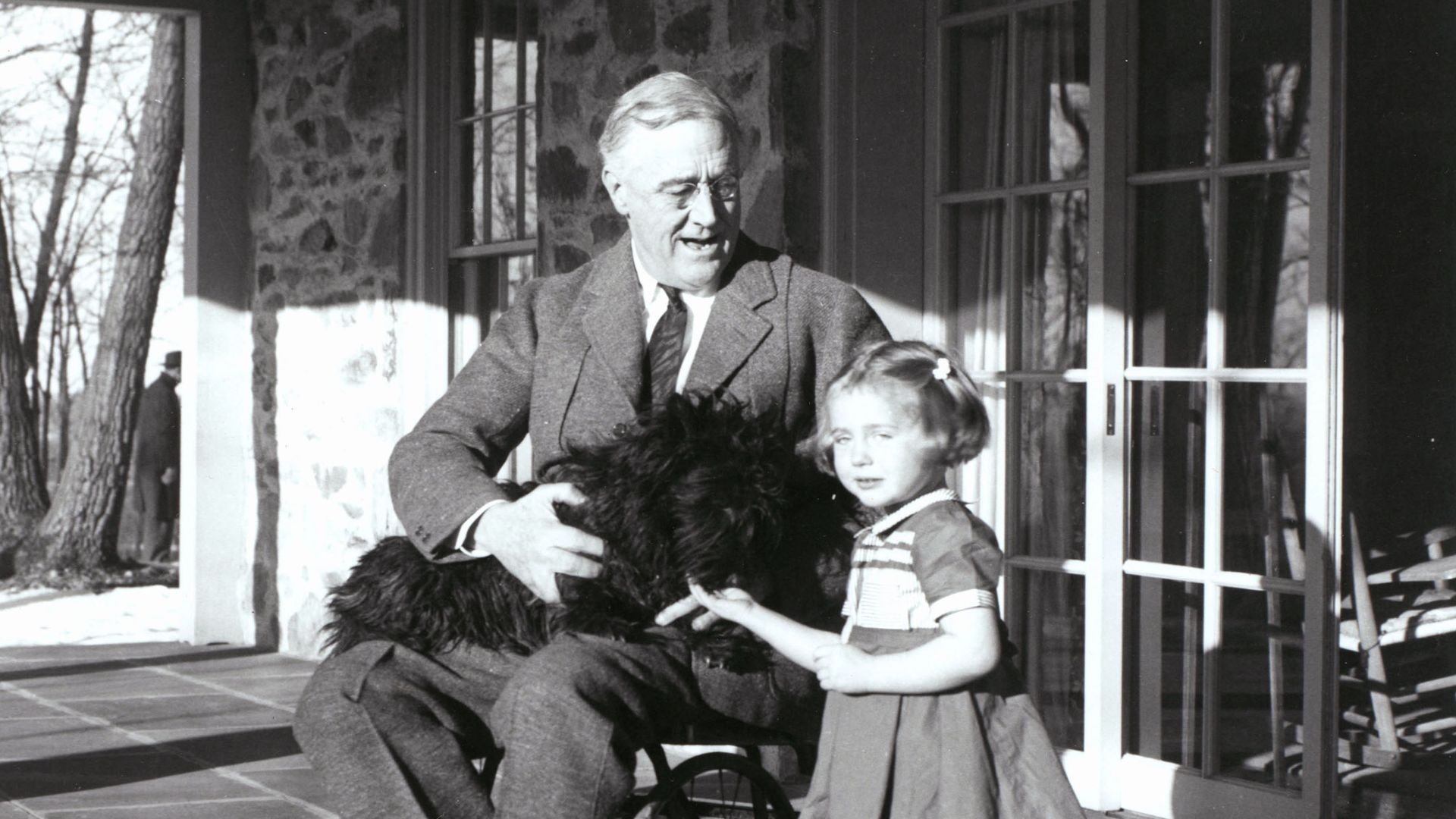
Roosevelt and his advisers carefully managed his public image for political reasons. Reporters rarely photographed him in a wheelchair, and Secret Service agents often blocked photographers from capturing vulnerable moments. Americans generally knew he had suffered from polio, but many did not fully grasp the extent of his disability.
Warm Springs Becomes His Refuge
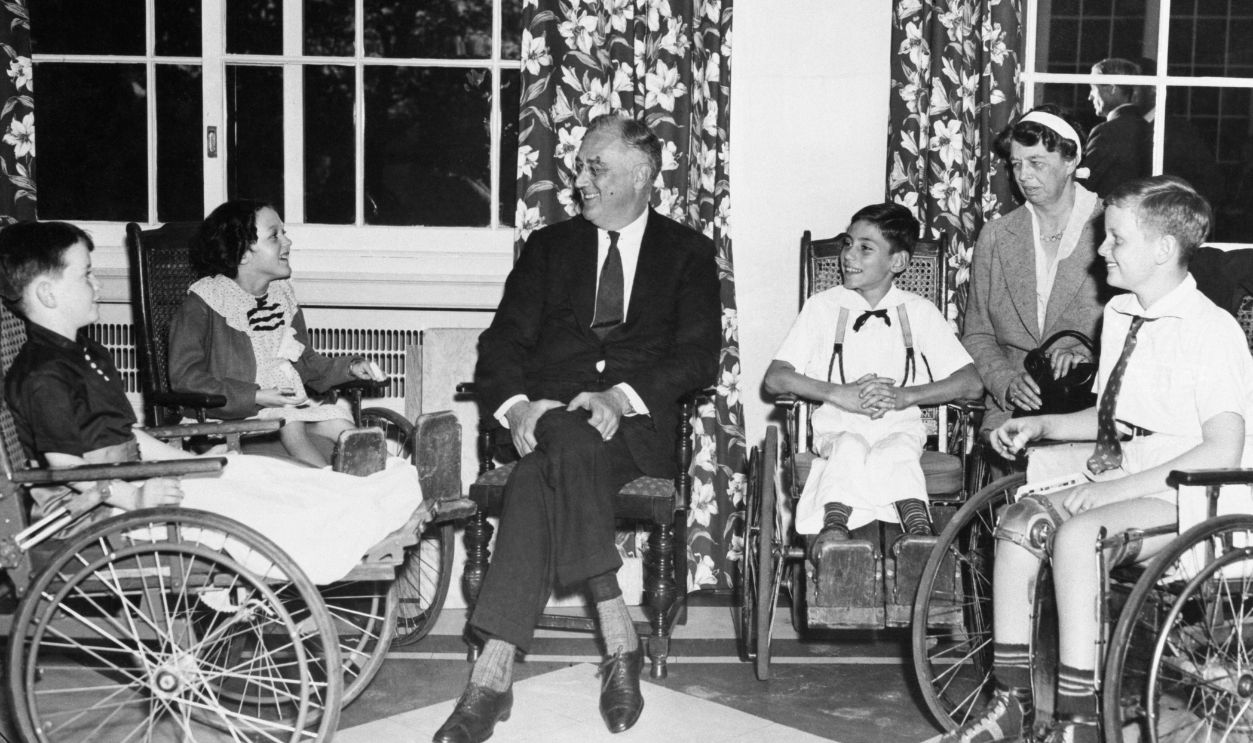
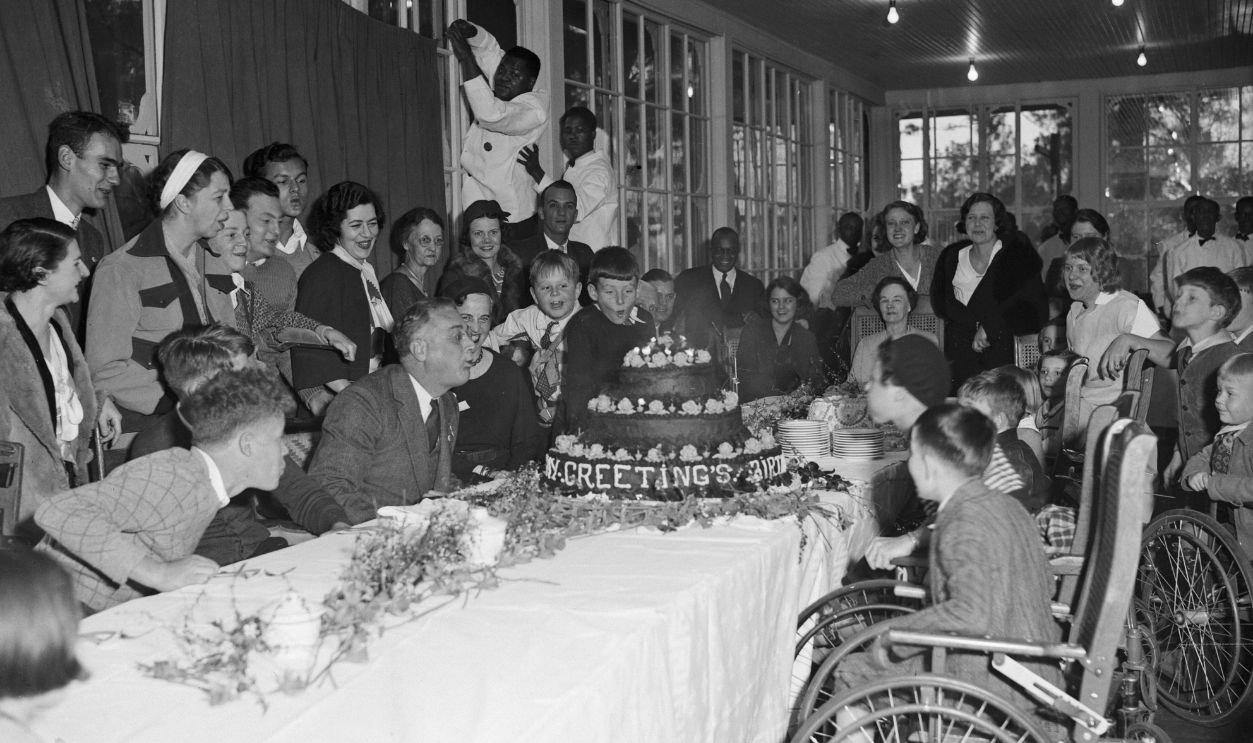
Roosevelt discovered a rehabilitation center in Warm Springs, Georgia, where he believed mineral waters improved his condition. He purchased the facility and transformed it into a treatment center for polio patients. Warm Springs became deeply meaningful to him and exposed him directly to people suffering from poverty and disability.
Gaining Greater Empathy For Ordinary Americans
Many historians believe Roosevelt’s illness changed how he viewed struggling Americans. Before paralysis, he had lived largely among wealthy elites. At Warm Springs, he spent time with patients from working-class backgrounds who faced enormous hardships. Those experiences likely deepened his compassion and shaped his later approach during the Great Depression.
A Remarkable Political Comeback
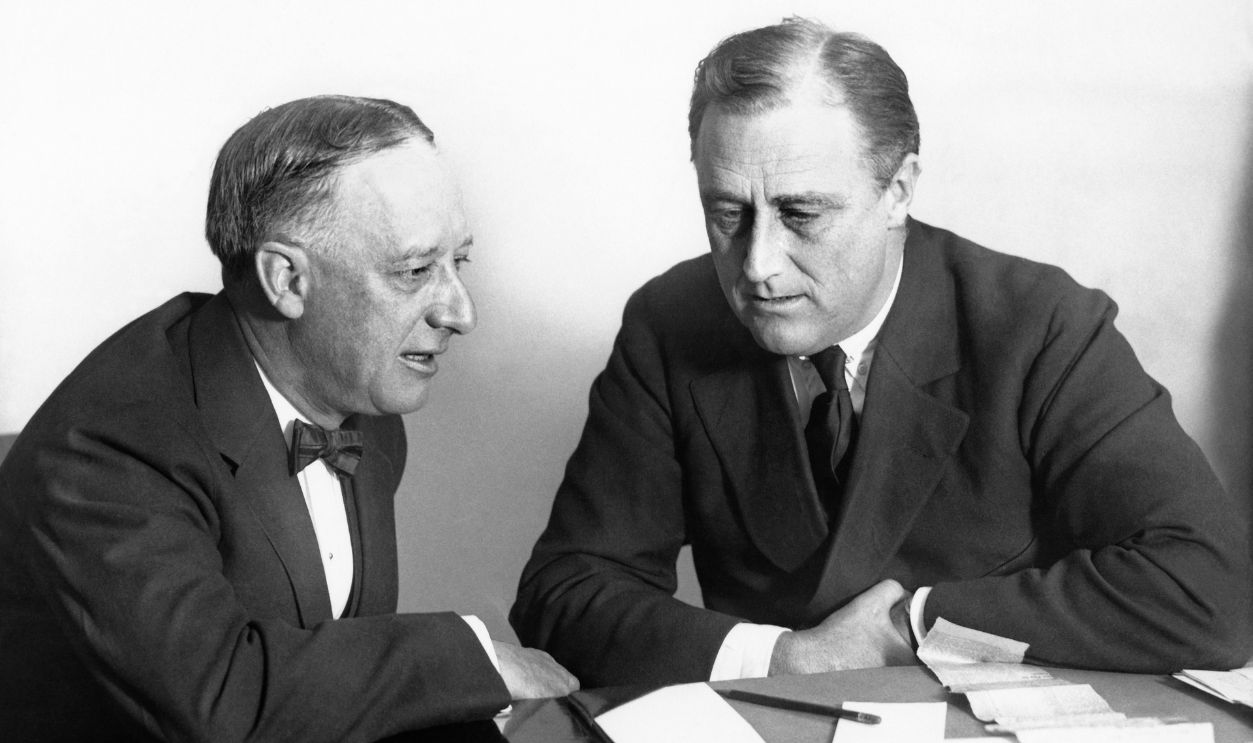
Despite predictions that his career was over, Roosevelt slowly returned to politics during the 1920s. His dramatic reappearance at the 1924 Democratic National Convention surprised many observers. Standing with assistance, he delivered a speech nominating Governor Al Smith and demonstrated that he remained politically formidable.
 Underwood Archives, Getty Images
Governor Of New York
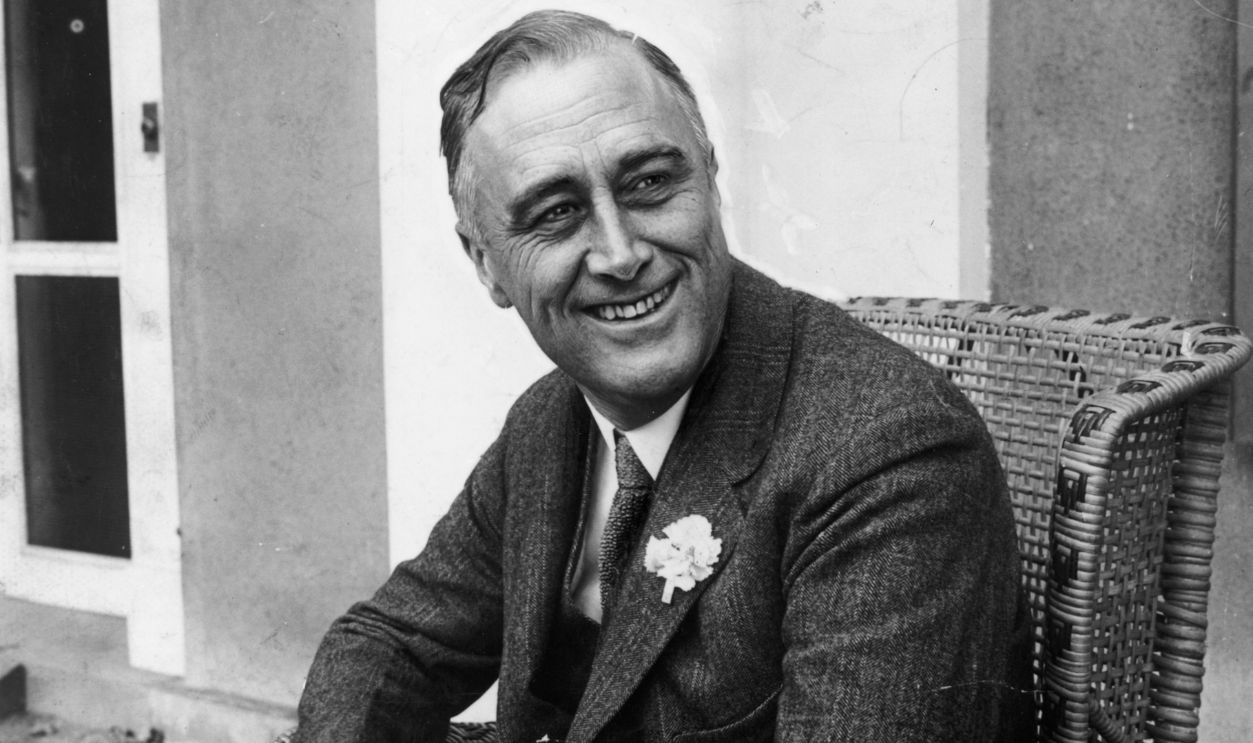
In 1928, Roosevelt won election as governor of New York. The victory proved that voters were willing to support a disabled candidate if they believed in his leadership abilities. As governor, Roosevelt expanded relief programs and experimented with policies that later influenced his national New Deal agenda.
The Great Depression Changes America
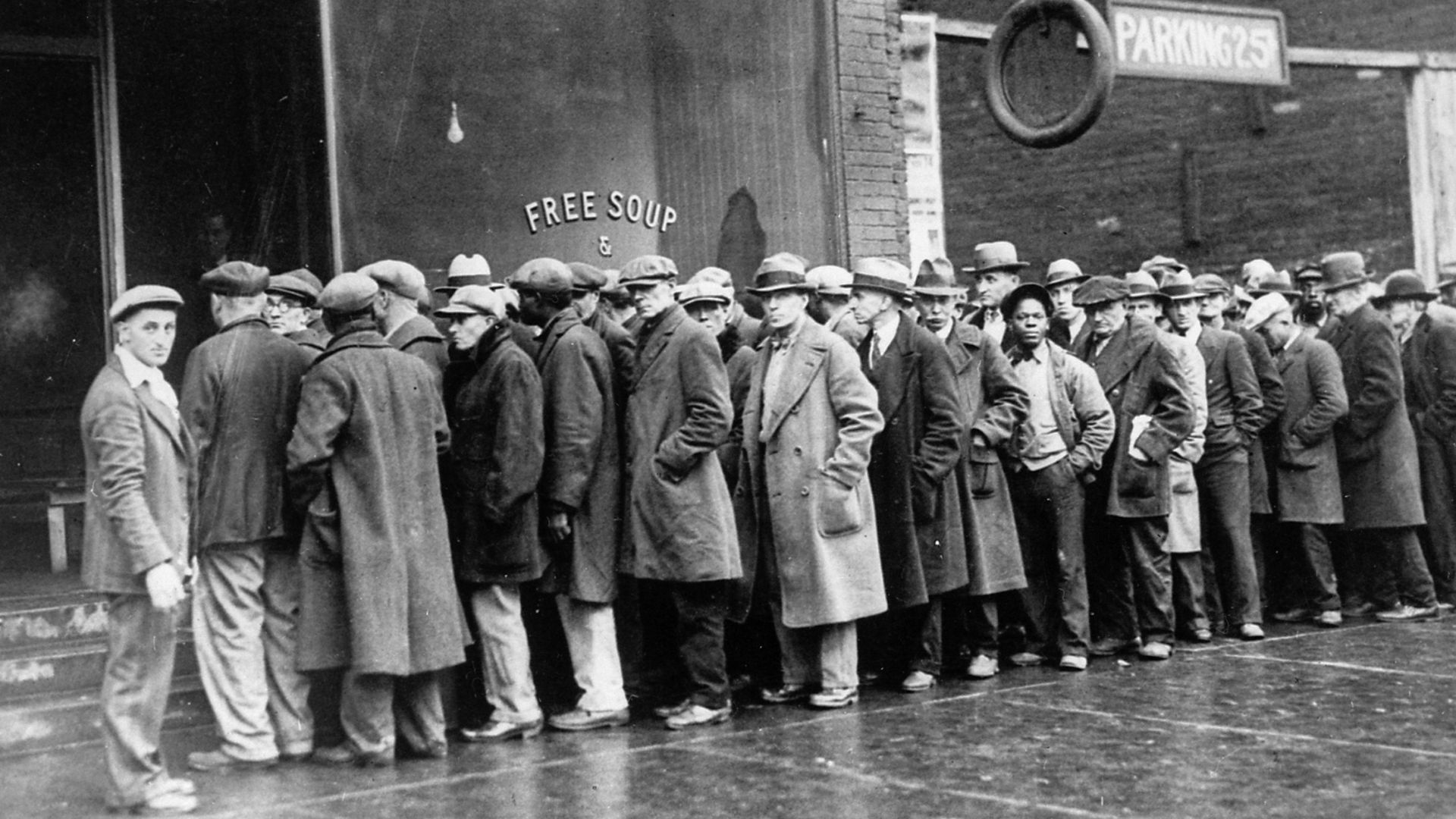
Shortly after Roosevelt became governor, the stock market crashed in 1929, triggering the Great Depression. Millions of Americans lost jobs, savings, and homes. Roosevelt witnessed suffering on a massive scale. His personal experiences with hardship and recovery helped shape his determination to provide government assistance to struggling citizens.
 Unknown authorUnknown author or not provided, Wikimedia Commons
Winning The Presidency
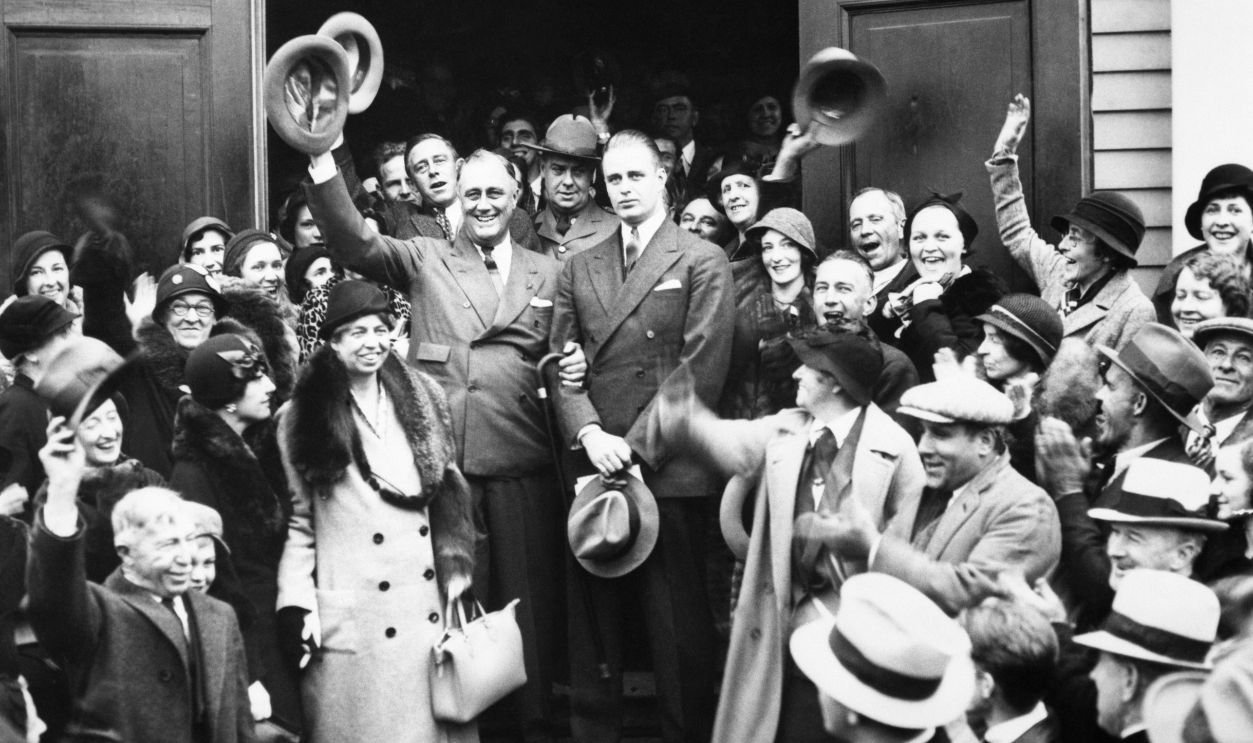
In 1932, Roosevelt defeated President Herbert Hoover in a landslide election. Americans desperately wanted some reason to hold out hope during the Depression, and Roosevelt projected optimism despite his disability. His confident public appearances reassured voters who rarely saw the exhausting physical effort he needed to make behind the scenes.
The New Deal And Compassionate Government
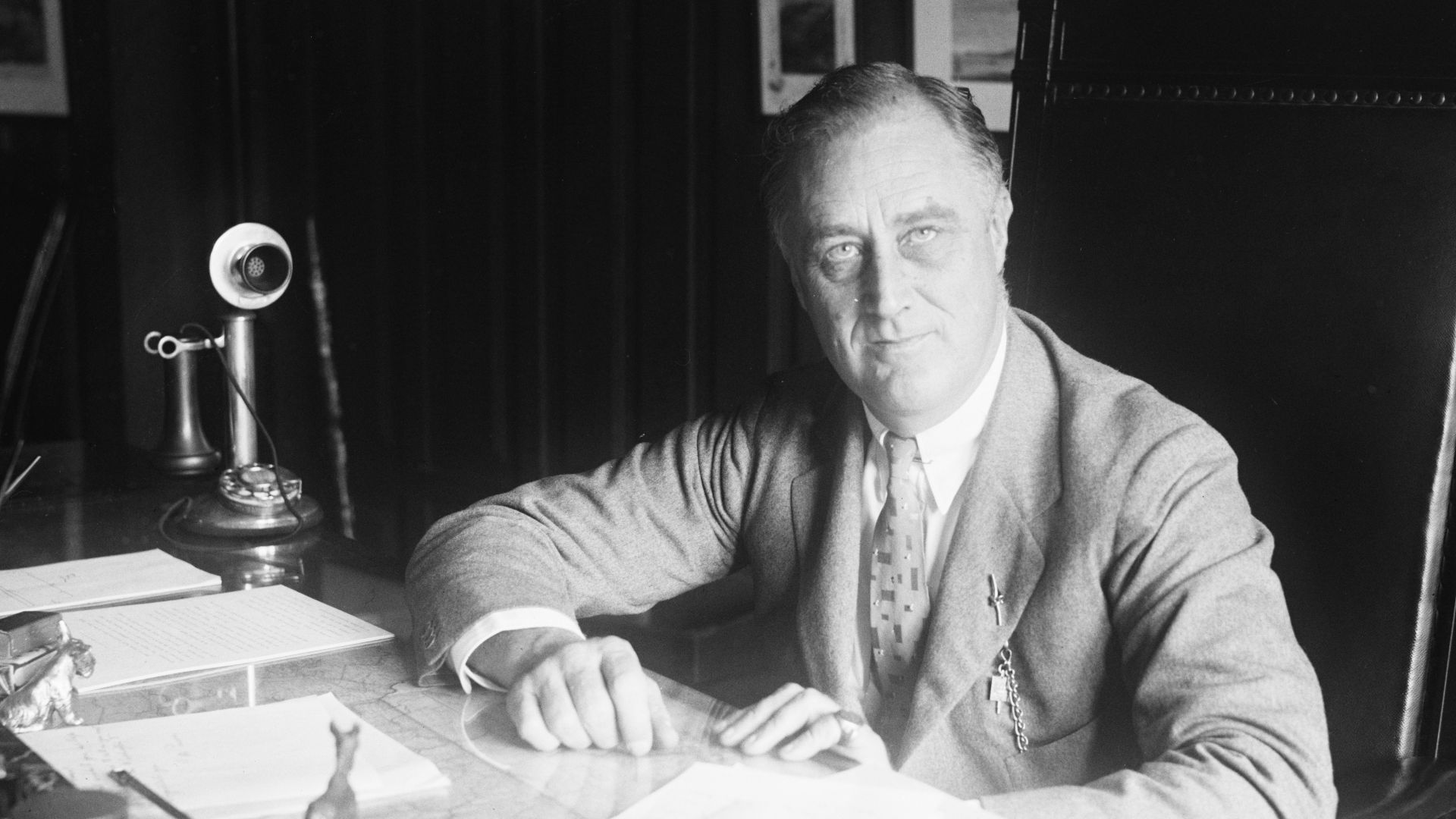
As president, Roosevelt launched the New Deal, a sweeping collection of programs designed to provide relief, jobs, and economic reform. Historians often argue that his battle with paralysis made him more sensitive toward vulnerable Americans. He believed government had a responsibility to help citizens facing catastrophe and insecurity.
 Harris & Ewing, photographer, Wikimedia Commons
Roosevelt’s Fireside Confidence
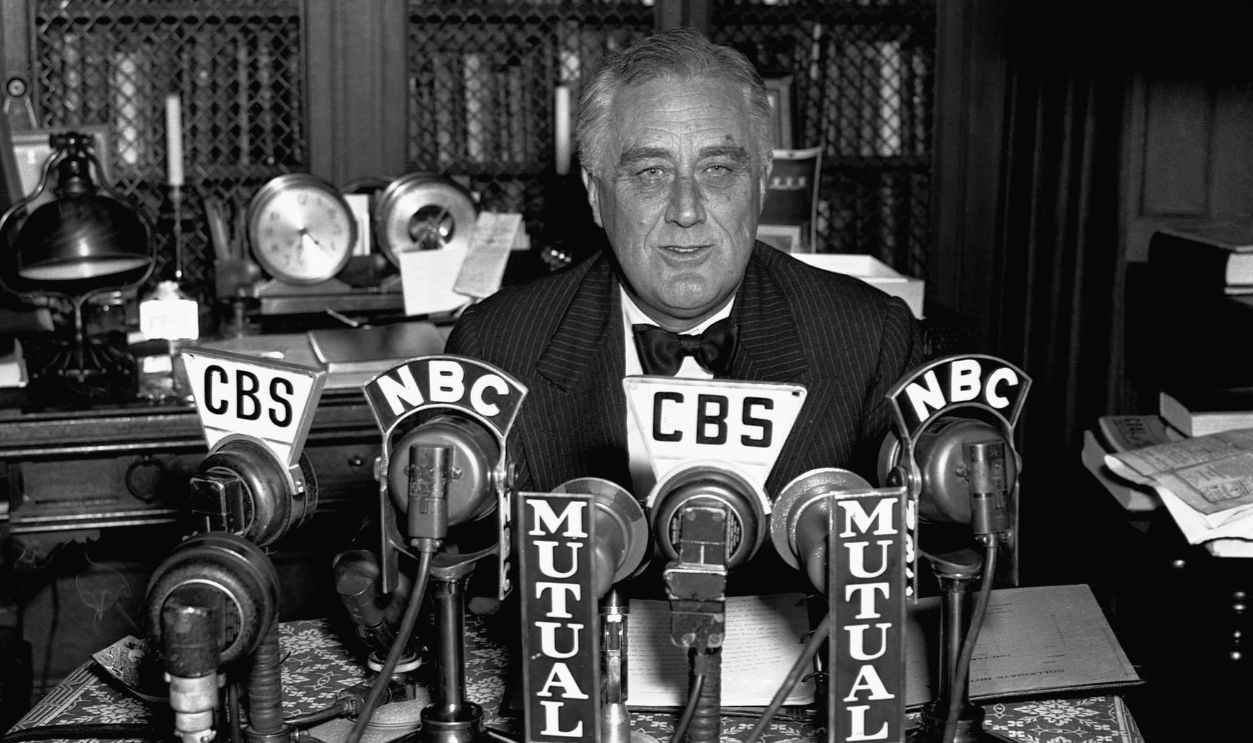
Roosevelt became famous for his “fireside chats,” radio broadcasts that comforted anxious Americans during difficult times. His calm voice projected confidence and and a sense of empathy. Ironically, some historians believe his disability improved his communication style. Because he could not rely on physical charisma alone, Roosevelt developed extraordinary emotional connection through his speeches.
The Strain On His Personal Life
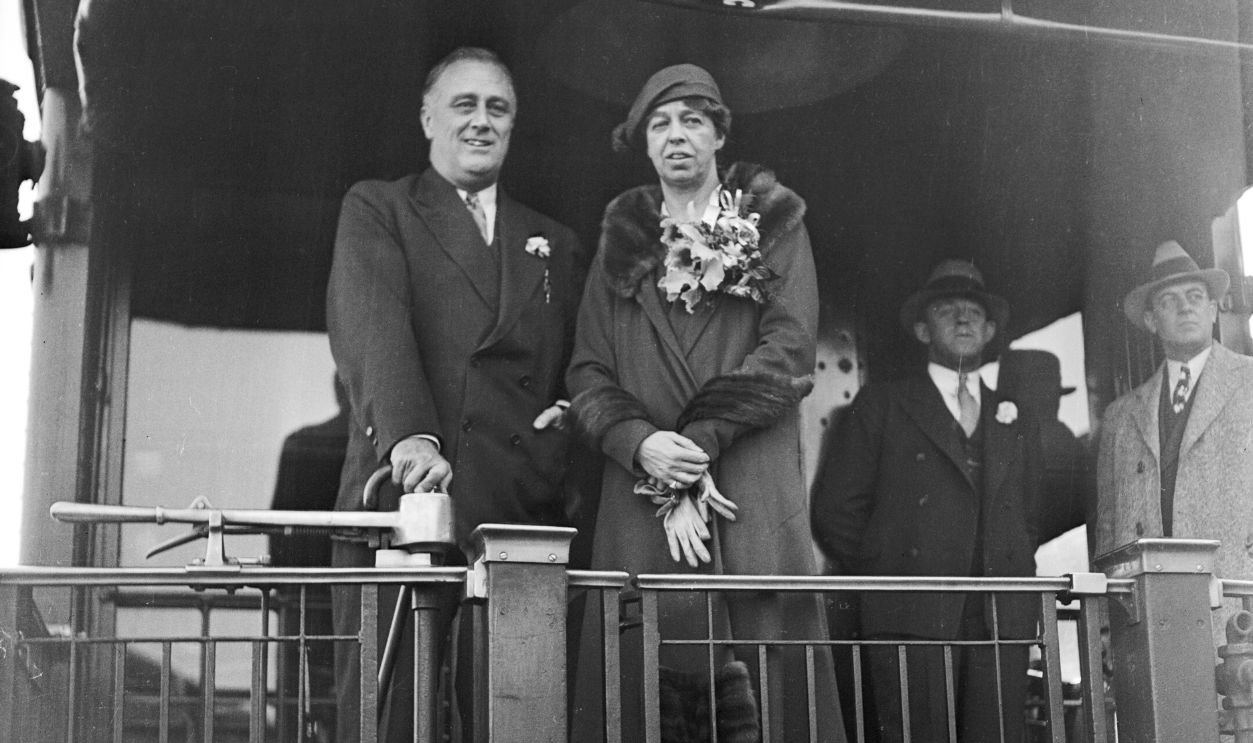
Although Franklin and Eleanor remained political allies, their marriage never fully recovered from earlier betrayals and years of emotional distance. Roosevelt’s illness added additional strain and complexity. They increasingly lived separate personal lives while maintaining a powerful public partnership that shaped modern American politics for decades.
Rumors And Secrets Around His Health
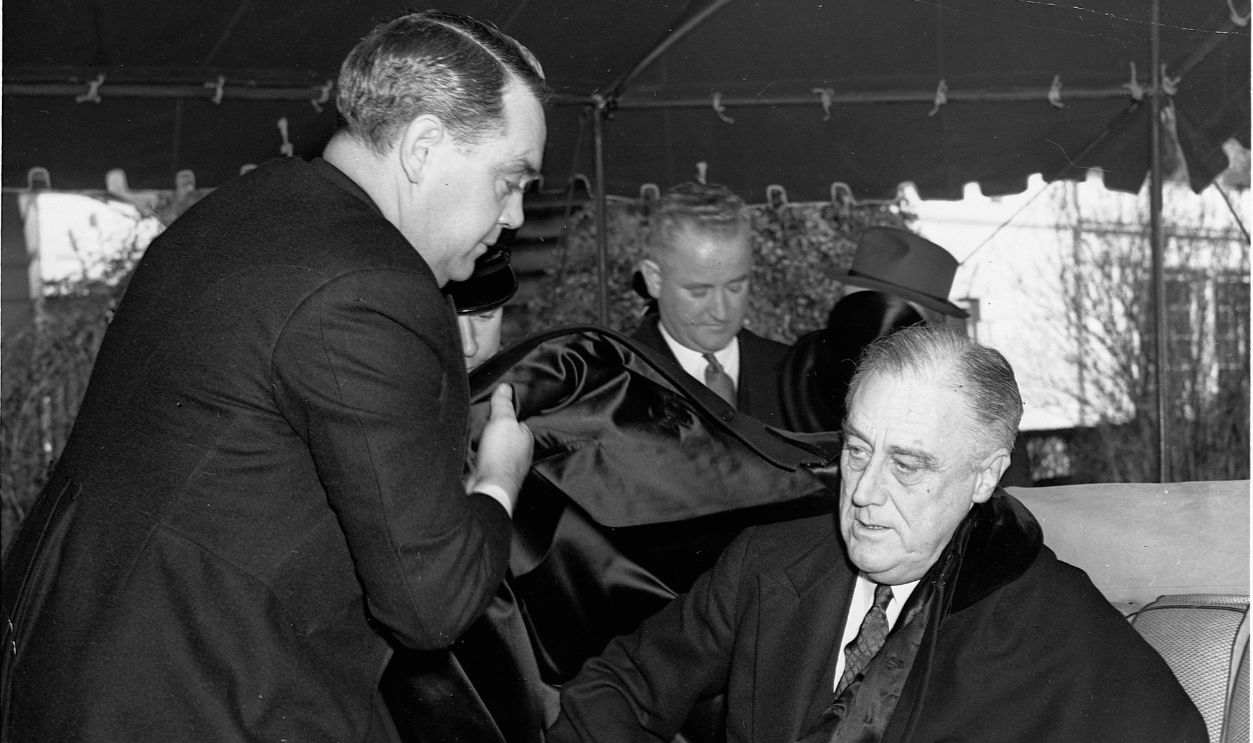
Throughout Roosevelt’s presidency, aides carefully concealed many details about his health. Americans seldom saw the physical realities of his paralysis. Critics later argued the secrecy misled voters, while supporters claimed Roosevelt simply wanted public attention focused on national crises rather than his personal limitations and medical struggles.
The Debate Over His Diagnosis
Decades after Roosevelt’s death, some medical researchers questioned whether he actually had polio at all. Several specialists suggested his symptoms more closely resembled Guillain-Barré syndrome, a neurological disorder affecting the peripheral nervous system. The debate remains unresolved, although polio was the accepted diagnosis during Roosevelt’s lifetime.
Leading America Through War
During the 1940s, Roosevelt guided the United States through most of World War II. Despite worsening health, he continued working at an exhausting pace. To many Americans, Roosevelt’s perseverance despite physical disability symbolized resilience itself. His personal struggle mirrored the broader national determination during depression and global conflict.
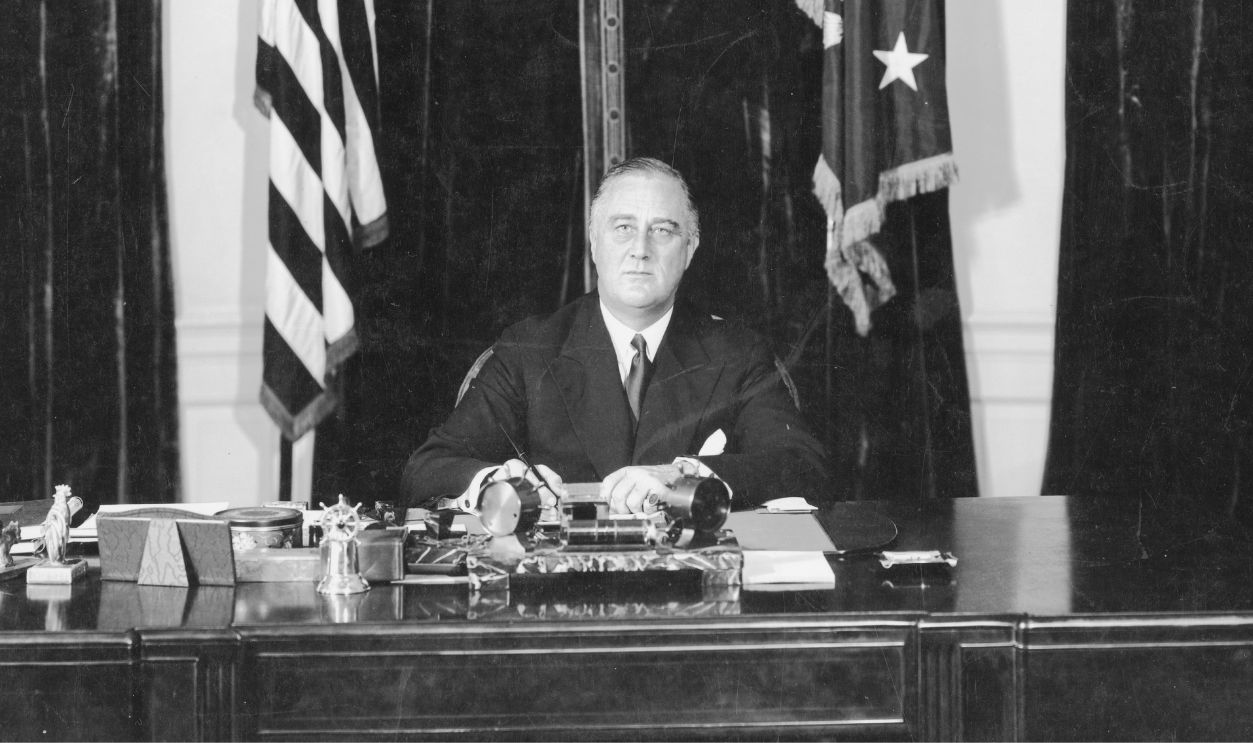 American Stock Archive, Getty Images
Roosevelt’s Death And Lasting Legacy
Roosevelt died in April 1945 while still serving as president. He had led the nation through both the Great Depression and most of World War II. His battle with paralysis became one of the defining stories of modern political history, demonstrating extraordinary resilience in the face of devastating physical limitations.
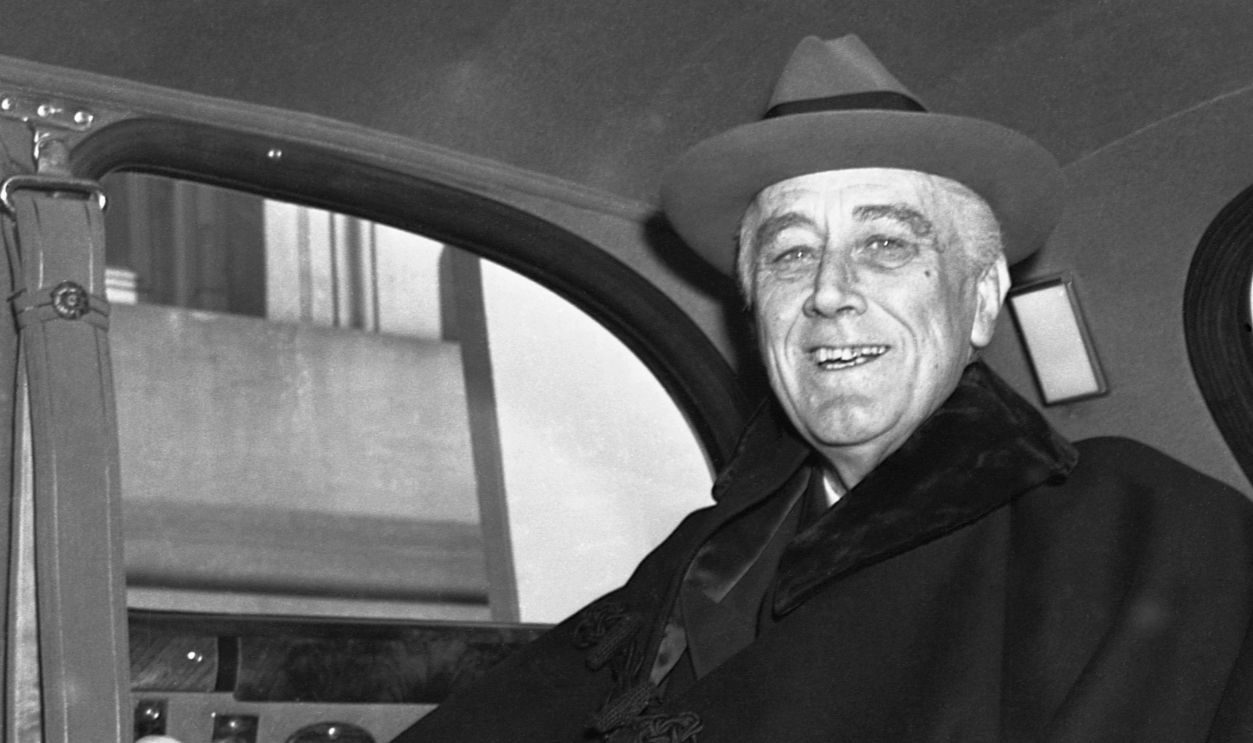
How Illness Reshaped An American President
Roosevelt’s illness changed nearly every aspect of his life, including his marriage, personality, and political worldview. Paralysis forced him to develop patience, emotional resilience, and empathy for struggling Americans. Many historians believe the man who emerged after 1921 became a more compassionate and determined leader than the ambitious politician who existed before.
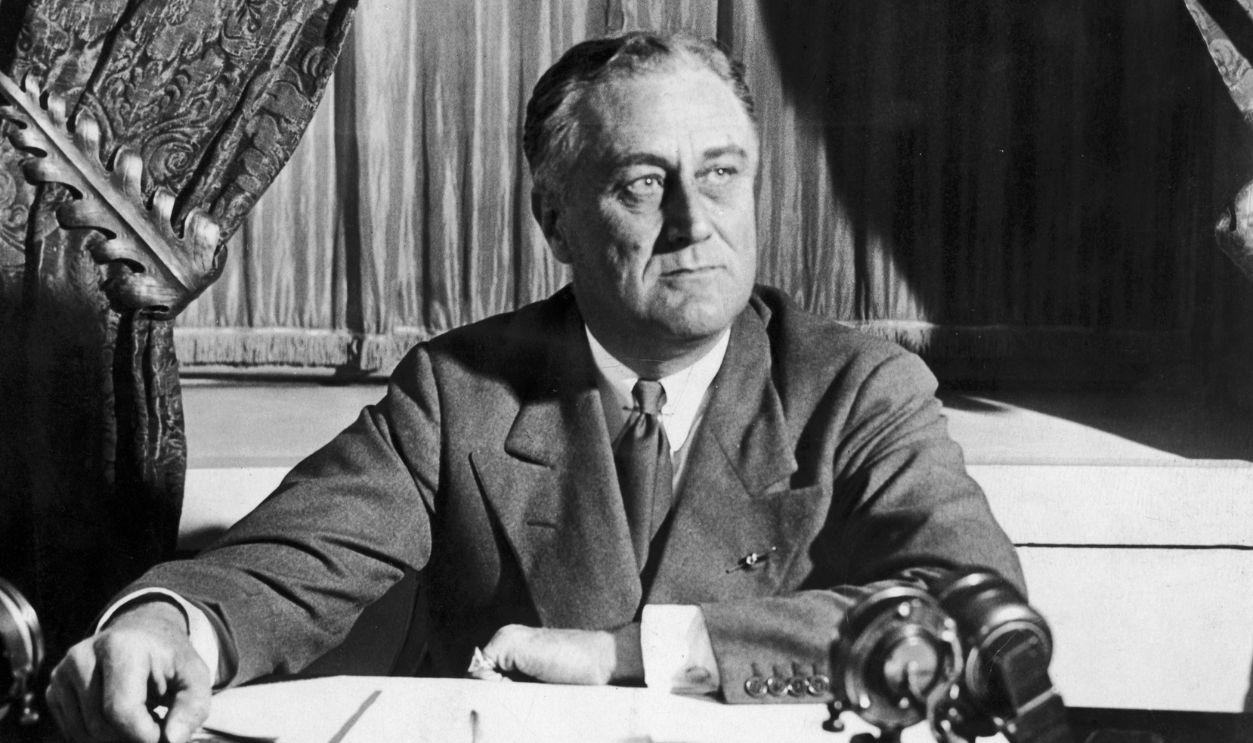
You May Also Like:
Esteemed Facts About Franklin Delano Roosevelt, The Hero Of The Great Depression
Steely Facts About Eleanor Roosevelt, The Reluctant First Lady