
Brilliant Ideas, Terrible Timing
Sometimes the invention works perfectly and people still say no. These breakthroughs show how easily unfamiliar technology can look pointless, threatening, or simply inconvenient before the world catches up.
 Sunset Boulevard / Getty Images
Edison Tried To Make Congress Faster
Thomas Edison was only in his early twenties when he developed an electrographic vote recorder, the first invention for which he received a U.S. patent. Legislators could select their votes electrically instead of waiting through a traditional roll call. Edison believed the device would save substantial time during legislative business.
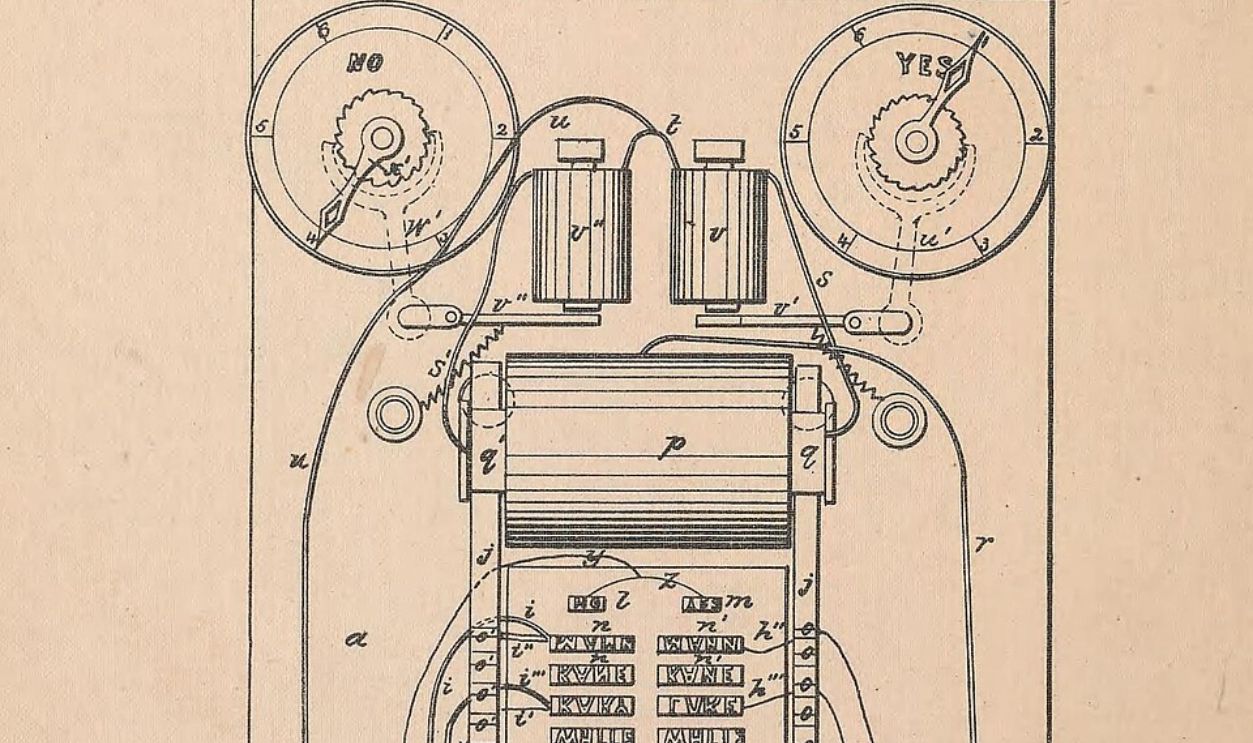 Edison, Thomas A, Wikimedia Commons
Congress Thought Speed Was The Problem
Edison demonstrated his machine in Washington, expecting lawmakers to appreciate how quickly it could record votes. Instead, a congressional committee chairman reportedly told him that faster voting was exactly what legislators did not want. House historians explain that lawmakers feared rapid voting would reduce procedural opportunities for the minority to influence legislation.
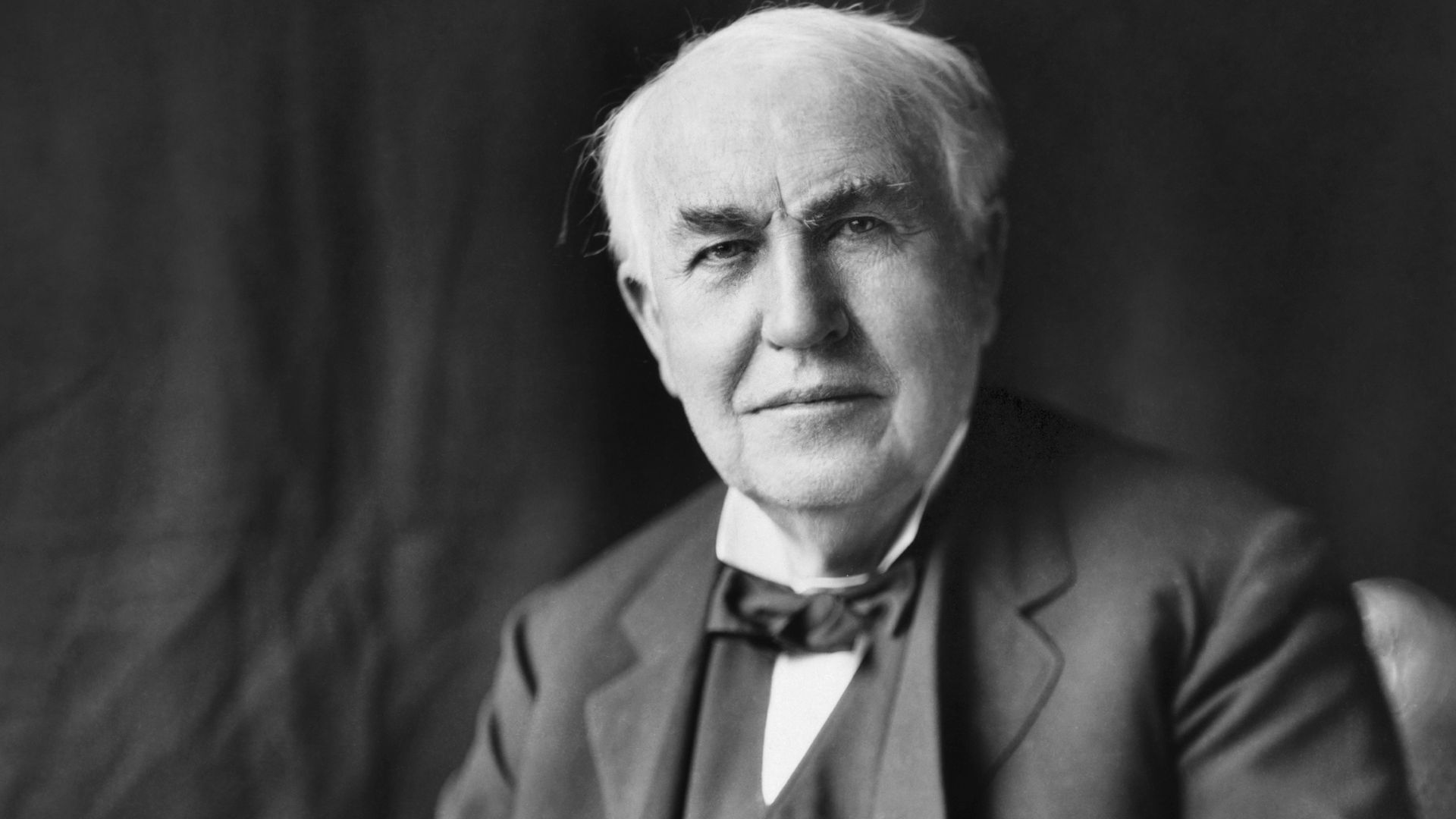 Louis Bachrach, Bachrach Studios, restored by Michel Vuijlsteke, Wikimedia Commons
It Took Congress A Century To Change Its Mind
The House continued considering automated voting proposals for generations after rejecting Edison's machine. More than 50 related bills and resolutions appeared between the late 19th century and 1970 before electronic voting finally became reality. The House began using an electronic voting system in 1973, more than a century after Edison had demonstrated the basic idea.
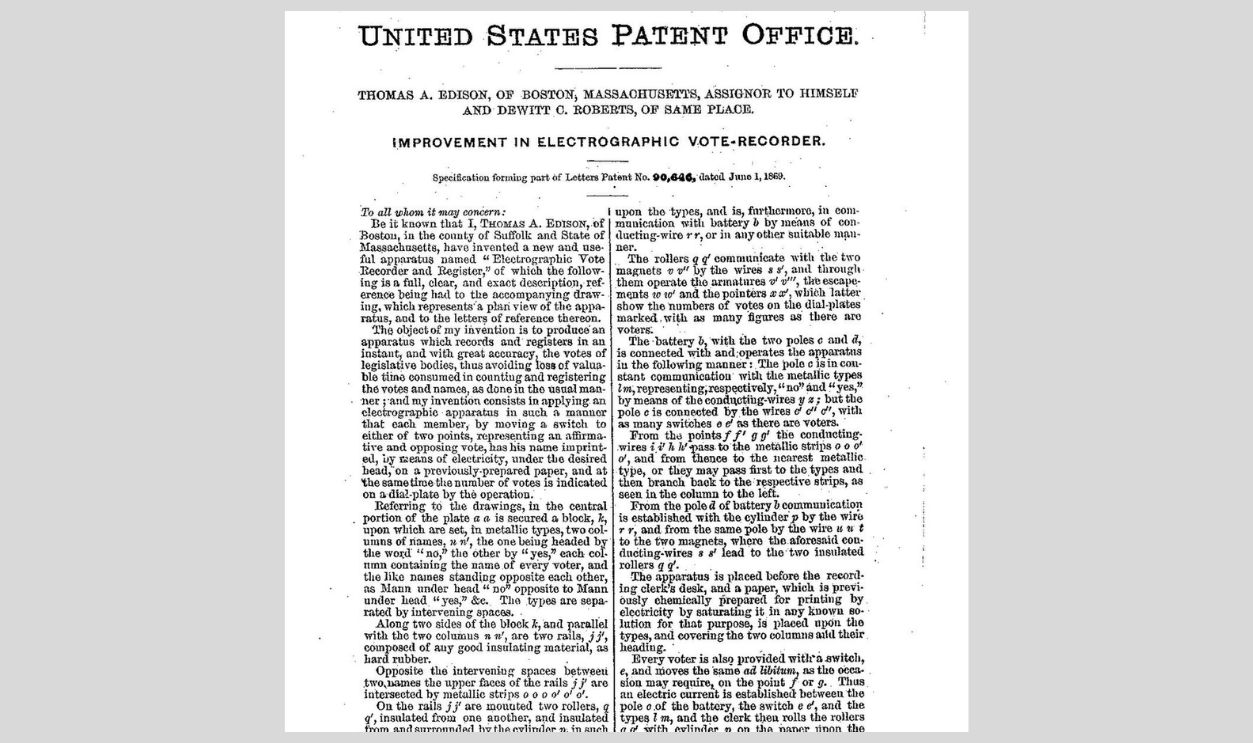 Thomas Edison, WIkimedia Commons
Mary Anderson Saw Drivers Fighting The Weather
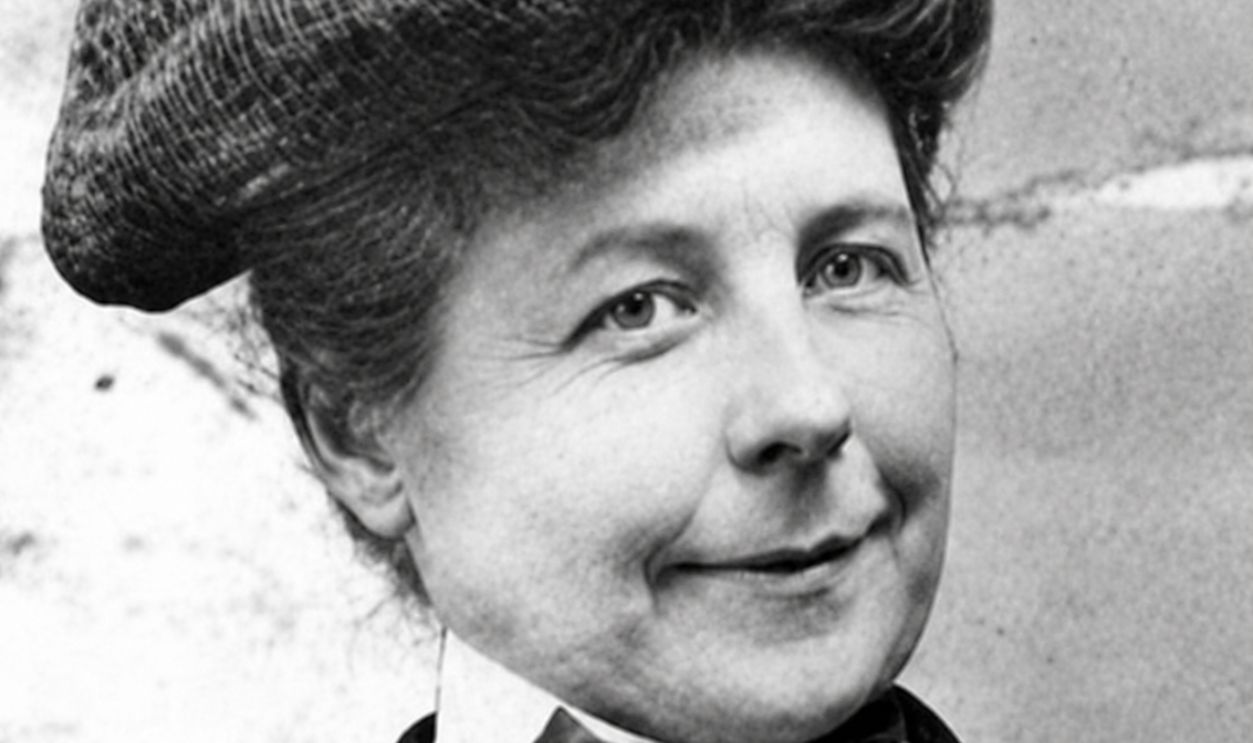
During a trip to New York around the beginning of the 20th century, Mary Anderson noticed drivers struggling to see through rain and snow. She devised a manually operated arm with a rubber blade that could sweep across the outside of a windshield. Anderson received a patent for her window-cleaning device in 1903.
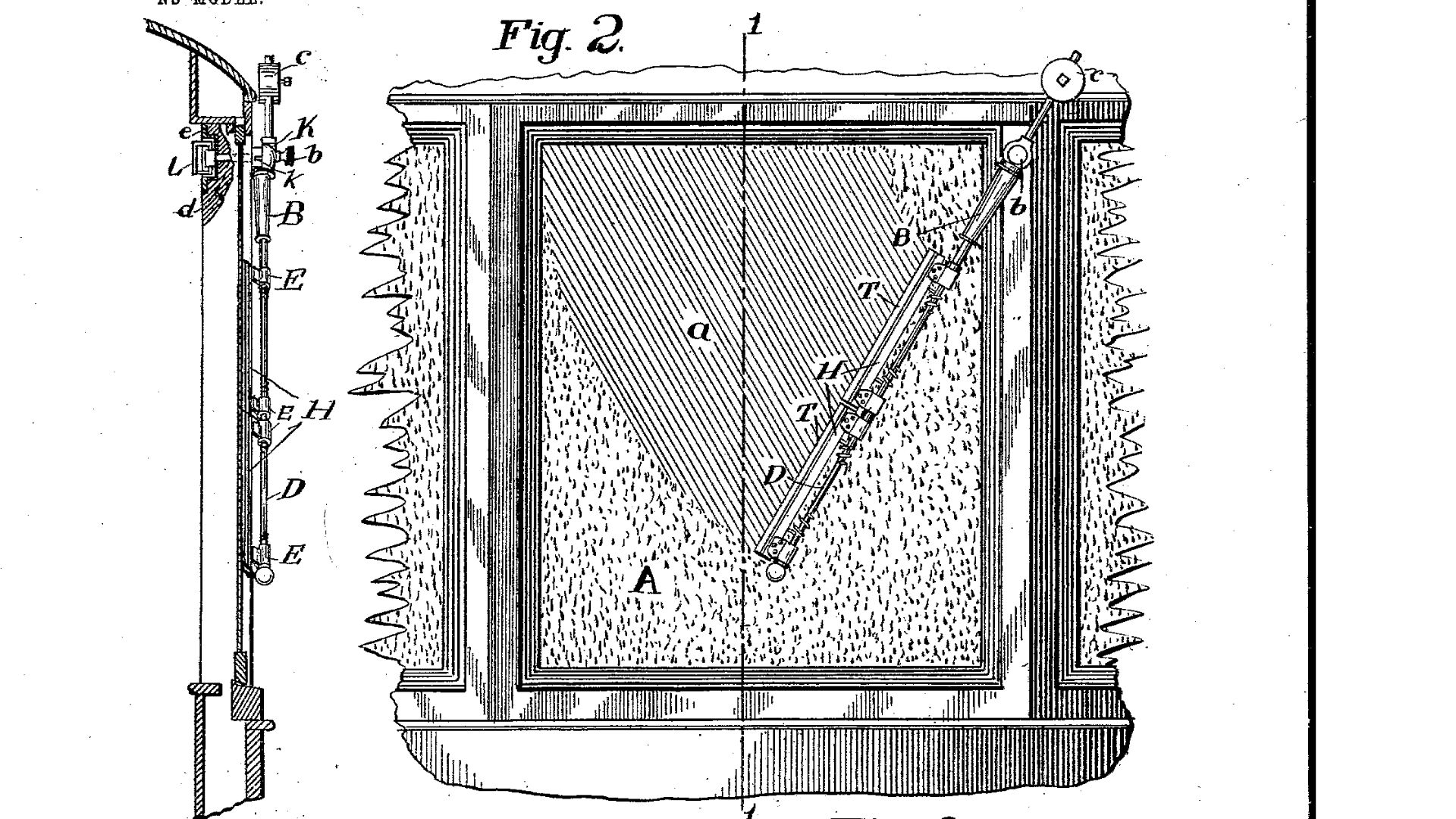 Mary Anderson (Life time: 1866-1953), Wikimedia Commons
A Company Said Wipers Had Little Commercial Value
Anderson tried to license her invention, but automobile ownership was still limited and manufacturers showed little enthusiasm. One surviving rejection letter stated that the company did not consider her patent commercially valuable enough to pursue. Some observers even believed a moving windshield wiper might distract the driver.
 Unknown author, Wikimedia Commons, Modified
Cars Became Common Just As Her Patent Expired
Anderson eventually stopped trying to find a manufacturer, and her patent expired in 1920. By then automobiles had spread dramatically, and windshield-cleaning systems were becoming increasingly necessary. Cadillac made windshield wipers standard equipment in 1922, and the rest of the industry soon followed.
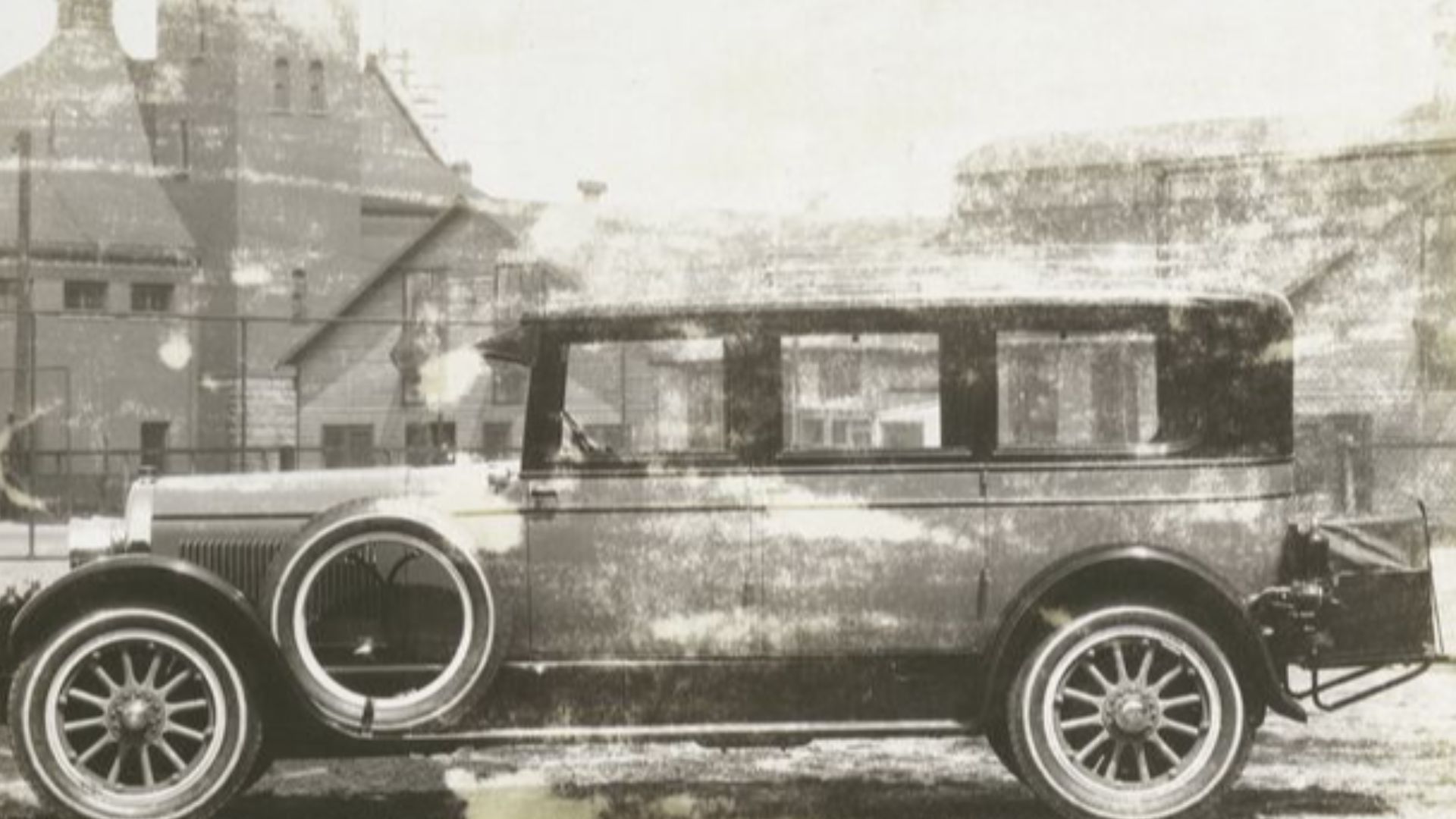 New York Public Library, Wikimedia Commons
Chester Carlson Was Tired Of Copying By Hand
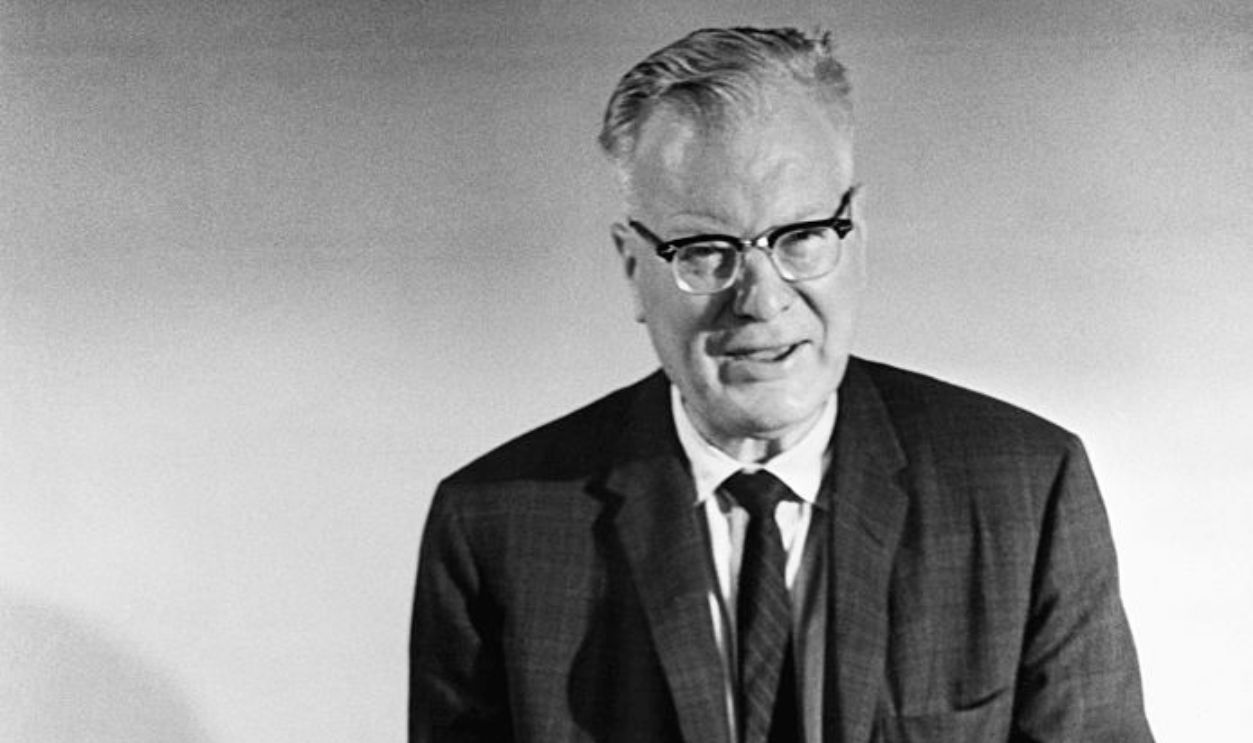
Patent attorney Chester Carlson spent long hours reproducing documents and became fascinated by the possibility of making copies without photography or carbon paper. Working in a makeshift laboratory, he developed a dry electrostatic copying process that became known as xerography. Carlson and physicist Otto Kornei produced an early successful copy in 1938.
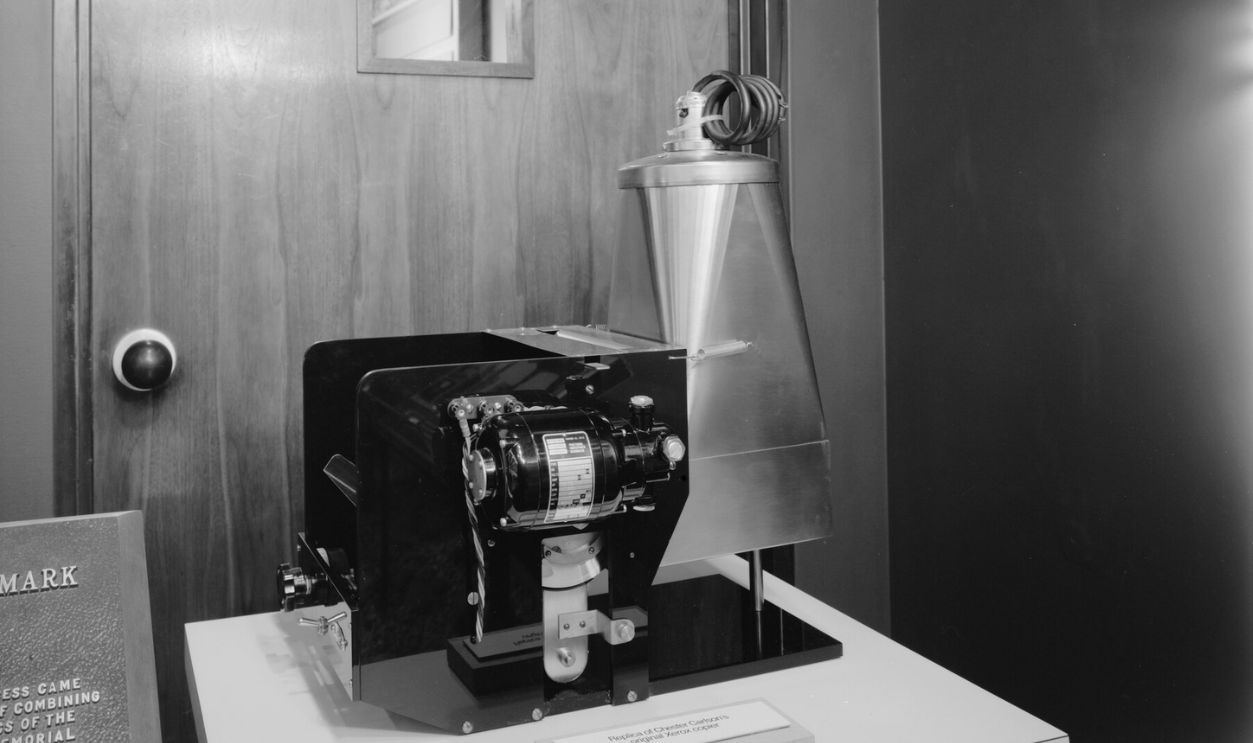 Historic American Buildings Survey (HABS), Wikimedia Commons
More Than Twenty Companies Said No
Carlson offered his idea to major corporations including IBM, General Electric, Eastman Kodak, and RCA. Smithsonian reports that more than 20 companies rejected him, displaying what Carlson later called an enthusiastic lack of interest. Some potential backers struggled to imagine why offices would want a large machine when carbon paper already existed.

History's most fascinating stories and darkest secrets, delivered to your inbox daily.
Xerox Turned The Rejected Idea Into A Phenomenon
Carlson eventually found support from Battelle Memorial Institute and the Haloid Company, which later became Xerox. The Xerox 914, introduced in 1959, could make sharp permanent copies on ordinary paper and became enormously successful. A technology that some corporations had considered unnecessary eventually transformed office work around the world.
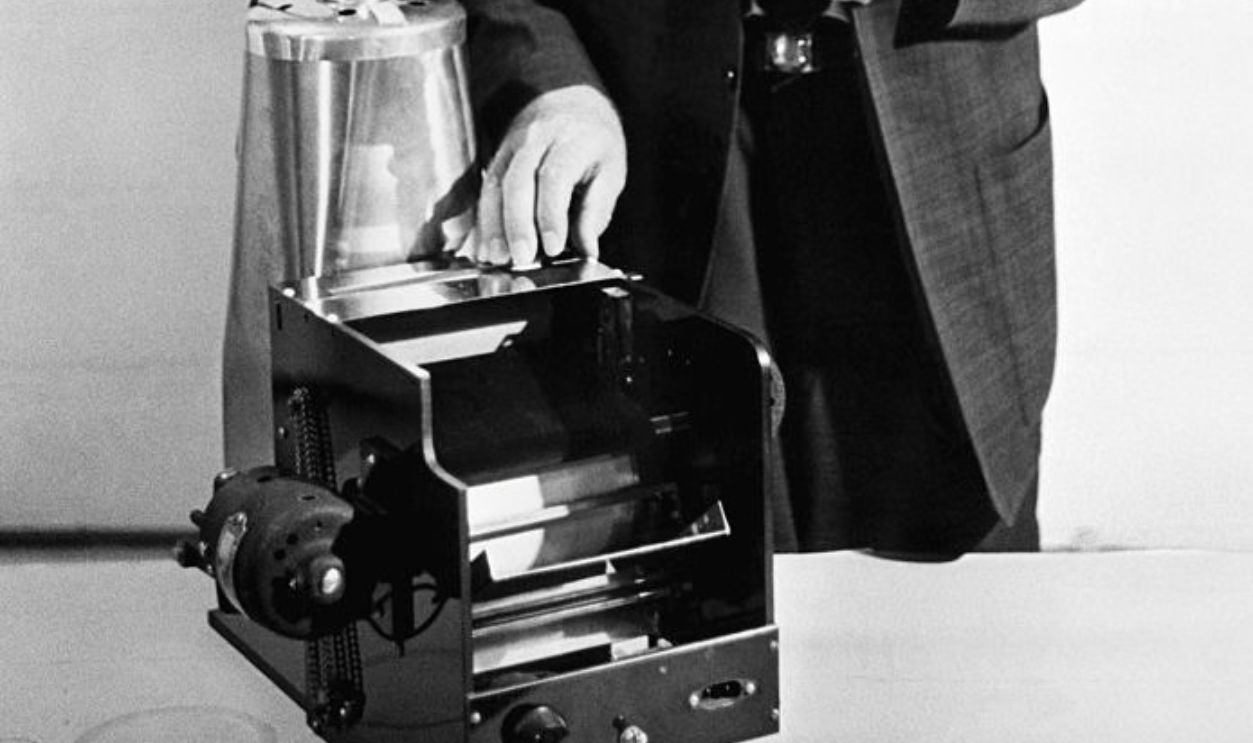
Hedy Lamarr Wanted To Stop Torpedo Jamming
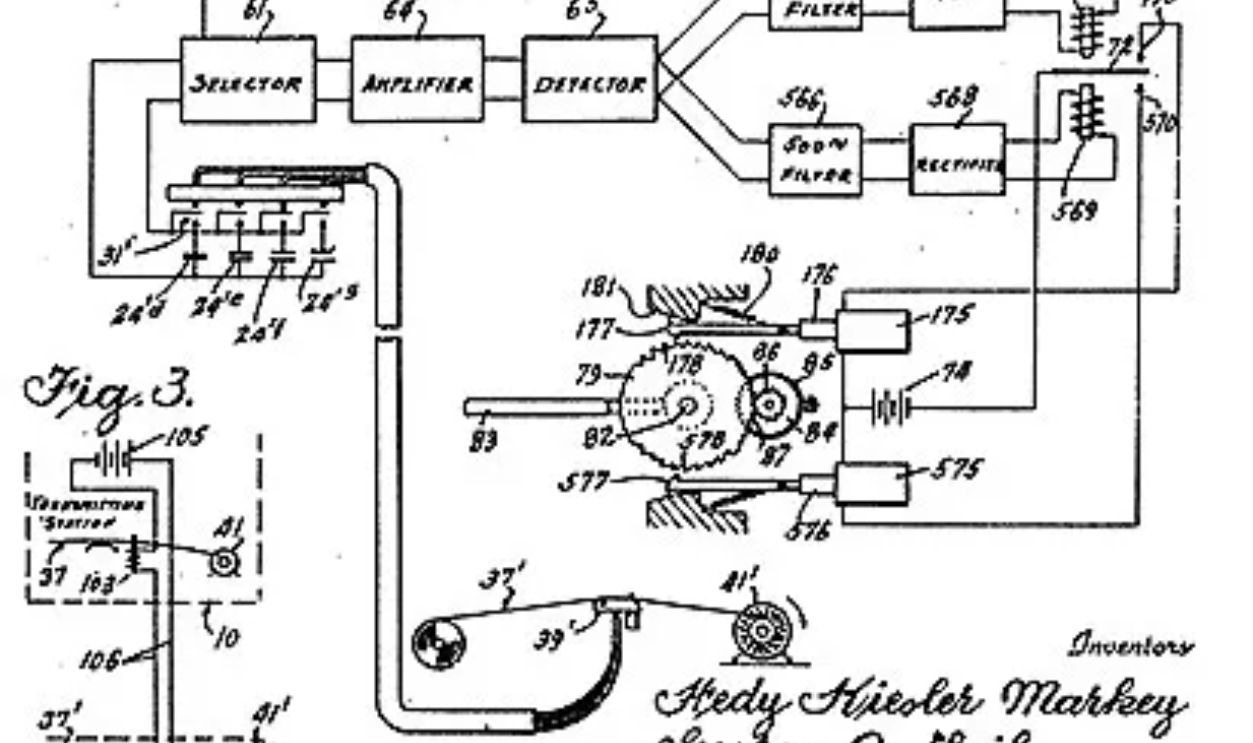
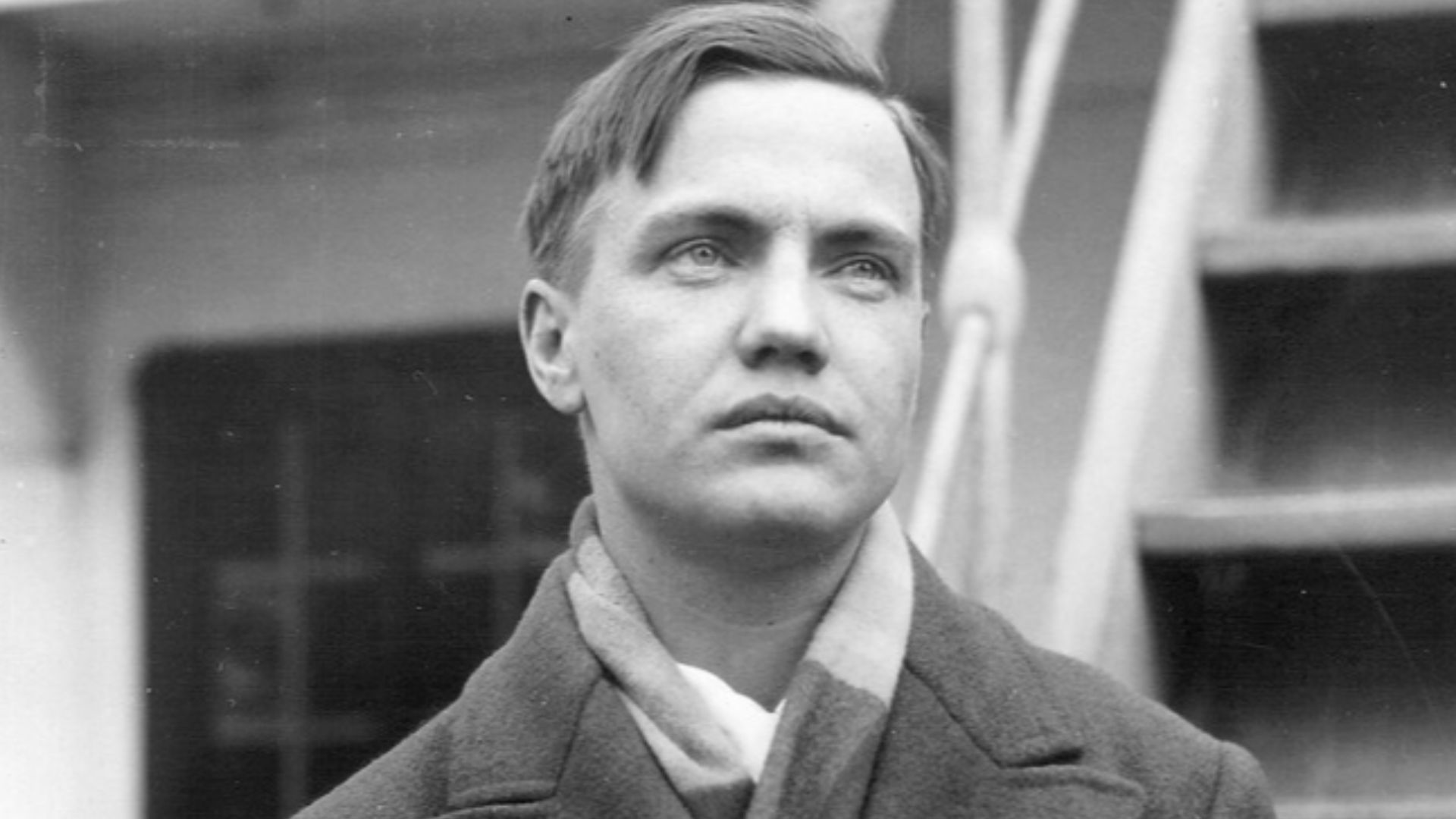
Hollywood star Hedy Lamarr worked with composer George Antheil during World War II on a secret radio-communication system. Their idea synchronized transmitter and receiver frequencies so that both could rapidly jump together from one frequency to another. The goal was to make radio-controlled torpedoes much harder for an enemy to jam.
 Hedy Lamarr and George Antheil, Wikimedia Commons
The Navy Saw A Player Piano Inside A Torpedo
Lamarr and Antheil proposed synchronizing frequencies with a mechanism inspired partly by player-piano technology. The U.S. Navy declined to adopt their system, with objections focusing on the apparent bulk and impracticality of putting such machinery inside a torpedo. Lamarr was instead encouraged to help the war effort through activities such as selling war bonds.
 Unknown authorUnknown author, Wikimedia Commons
Electronics Eventually Caught Up With Their Idea
By the 1950s, improved electronic components made frequency-hopping concepts far easier to implement. Related spread-spectrum techniques later appeared in military systems and became important to the development of modern wireless communications. Lamarr and Antheil never made money from their patent, but their work is now recognized as an important milestone in the field.
 Employee(s) of MGM, Wikimedia Commons
Frank Whittle Imagined Planes Without Propellers
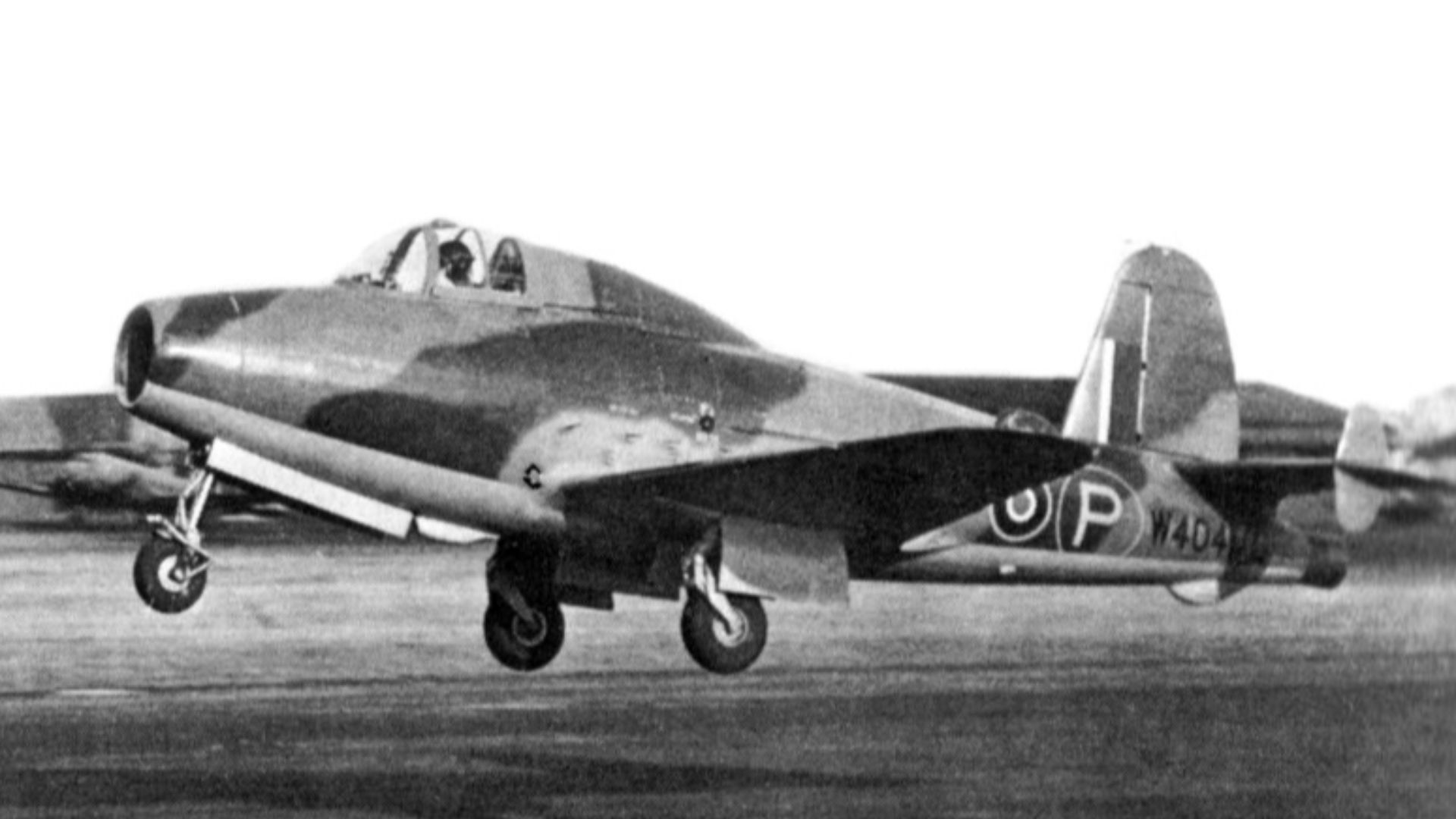
Young RAF officer Frank Whittle began thinking seriously about gas-turbine propulsion during the late 1920s. His concept used a turbine-driven compressor and exhaust thrust rather than a traditional piston engine turning a propeller. Whittle presented his ideas to Britain's Air Ministry while still a very young officer.
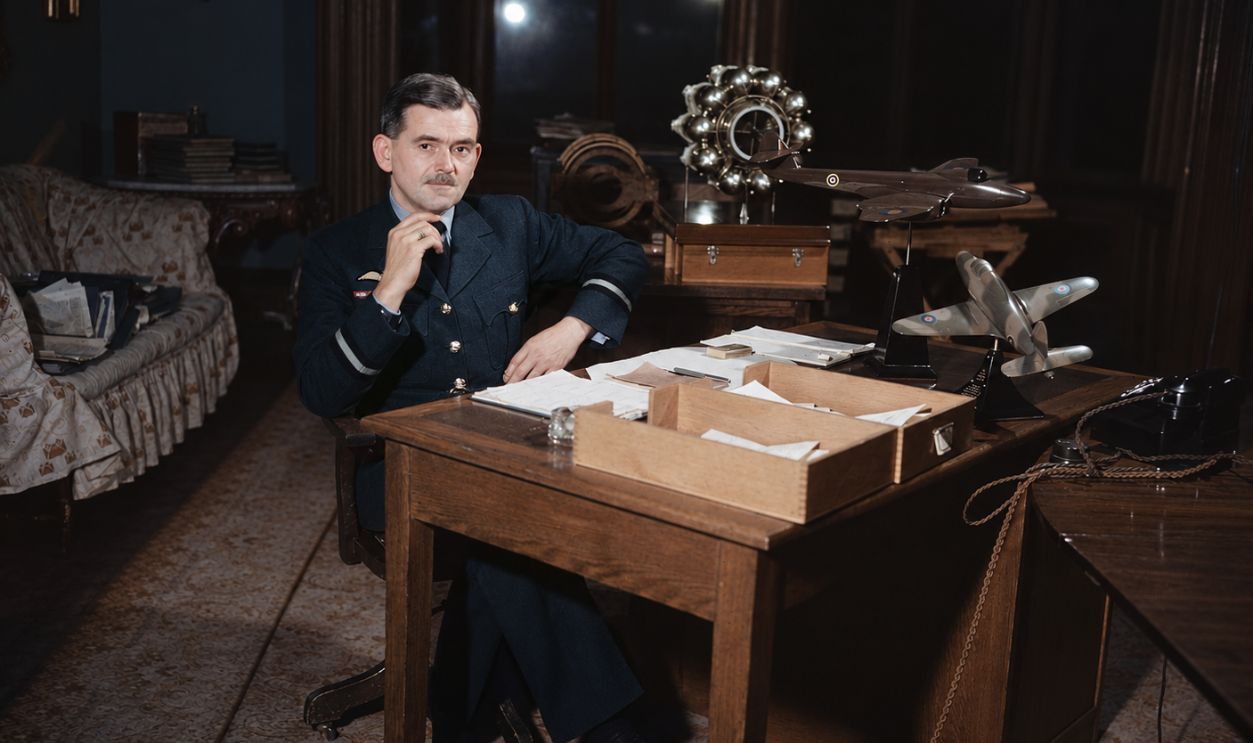 British official photographer, Wikimedia Commons, Modified
The Air Ministry Found Too Little Merit
When Whittle took his proposal to the Air Ministry in 1929, an official technical assessment concluded that it had insufficient merit to justify further attention. The government therefore declined to fund development at that stage. Whittle patented the concept himself in 1930, but a lack of money later allowed that early patent to lapse.
 Ian Dunster~commonswiki, Wikimedia Commons
Jet Engines Soon Redefined Aviation
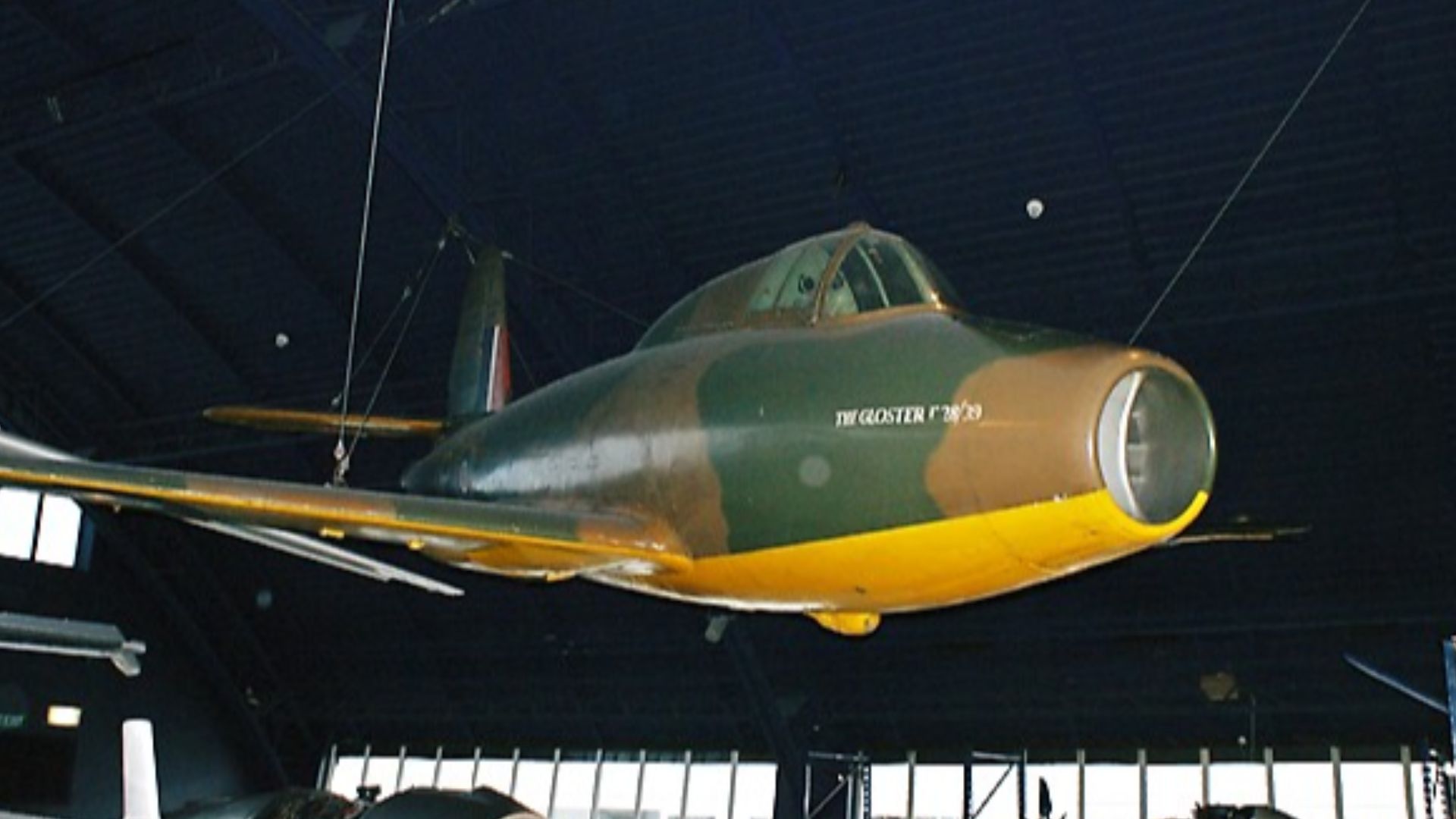
Whittle eventually received private backing and formed Power Jets to continue development. Britain later recognized the military importance of jet propulsion as war approached and government support increased. Within a generation, jet engines had transformed military and commercial aviation, making the early dismissal look dramatically shortsighted.
 Hugh Llewelyn, Wikimedia Commons
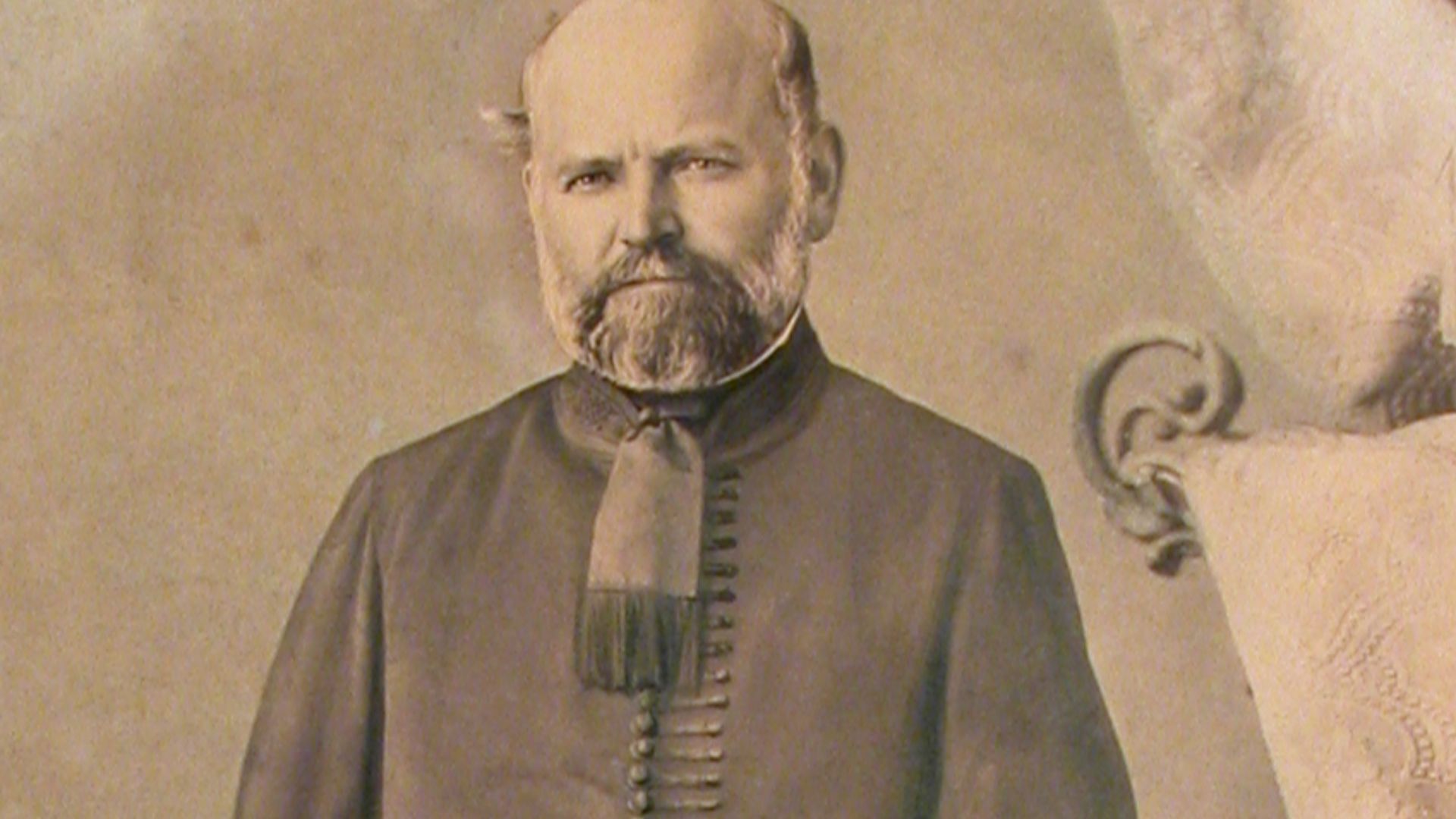
Semmelweis Asked Doctors To Wash Their Hands
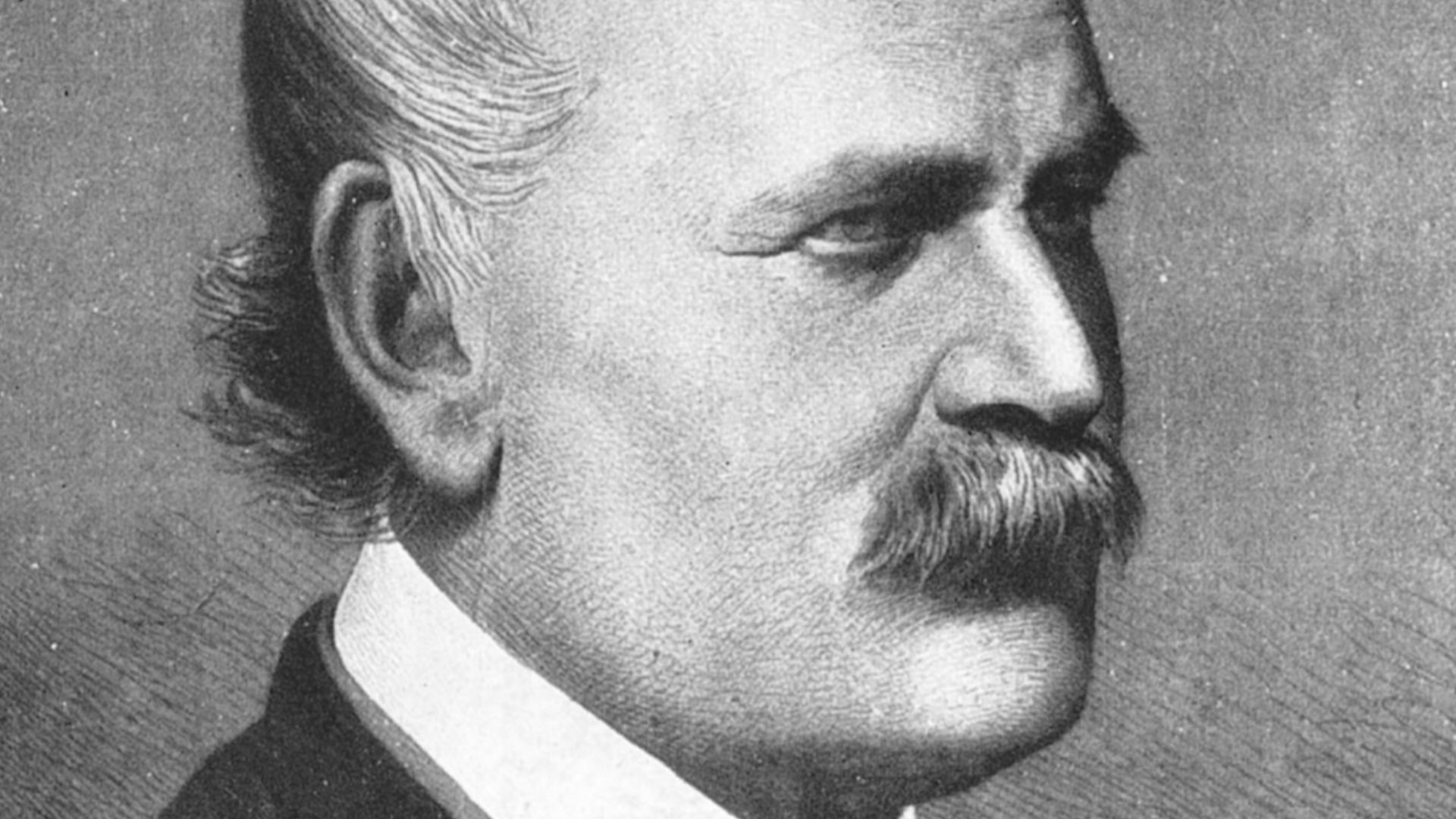
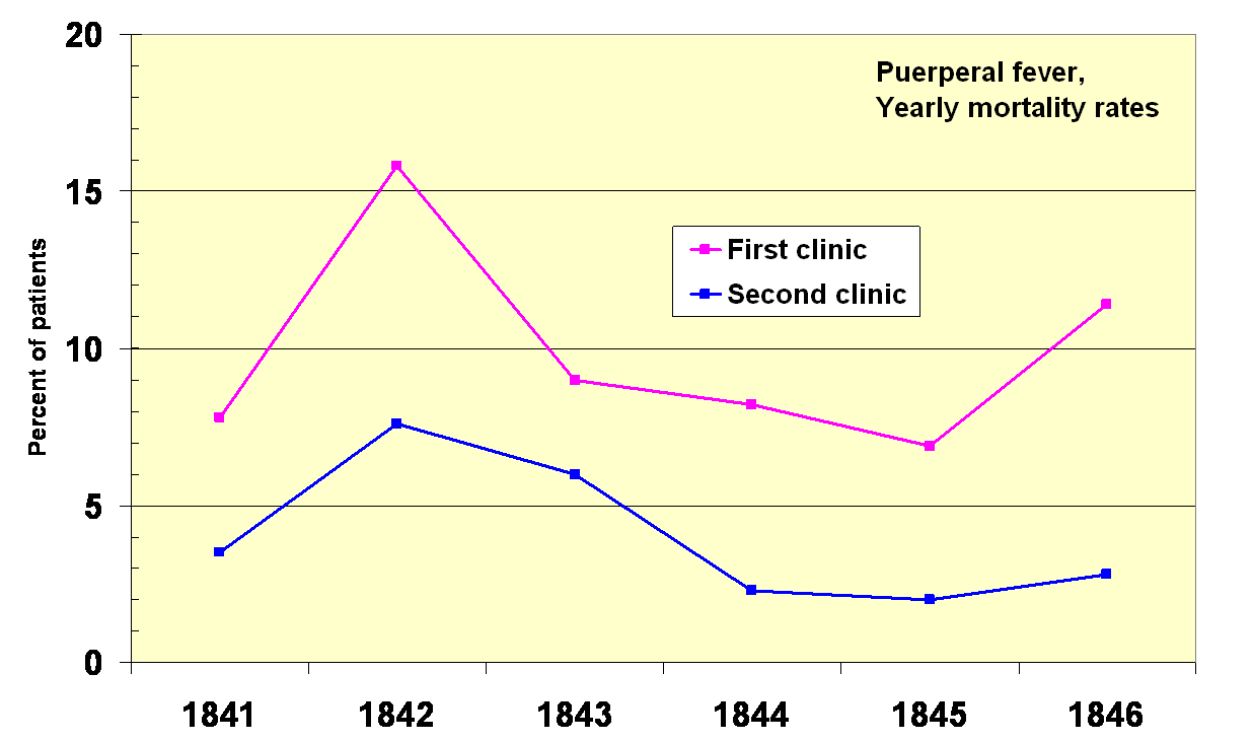
In 1847, physician Ignaz Semmelweis investigated why maternal deaths from puerperal fever were much higher in one Vienna maternity clinic than another. He noticed that doctors and medical students often moved directly from autopsies to examining women in labor. Semmelweis required them to disinfect their hands with a chlorinated lime solution.
 After Jenő Doby's engravig, Wikimedia Commons
The Numbers Improved And Doctors Still Resisted
Mortality in the affected clinic fell dramatically after Semmelweis introduced hand disinfection. Yet many leading physicians rejected his explanation because it conflicted with prevailing theories of disease. Some contemporaries were also offended by the suggestion that respectable physicians themselves might be carrying deadly contamination between patients.
 Power.corrupts, Wikimedia Commons
Germ Theory Eventually Vindicated The Basic Idea
Semmelweis did not understand bacteria in the modern sense because germ theory had not yet become established medicine. Later discoveries by scientists including Louis Pasteur and Joseph Lister supplied the scientific framework his observations had lacked. Hand hygiene ultimately became one of the most basic principles of infection prevention in modern health care.
 Ludwig Angerer, Wikimedia Commons
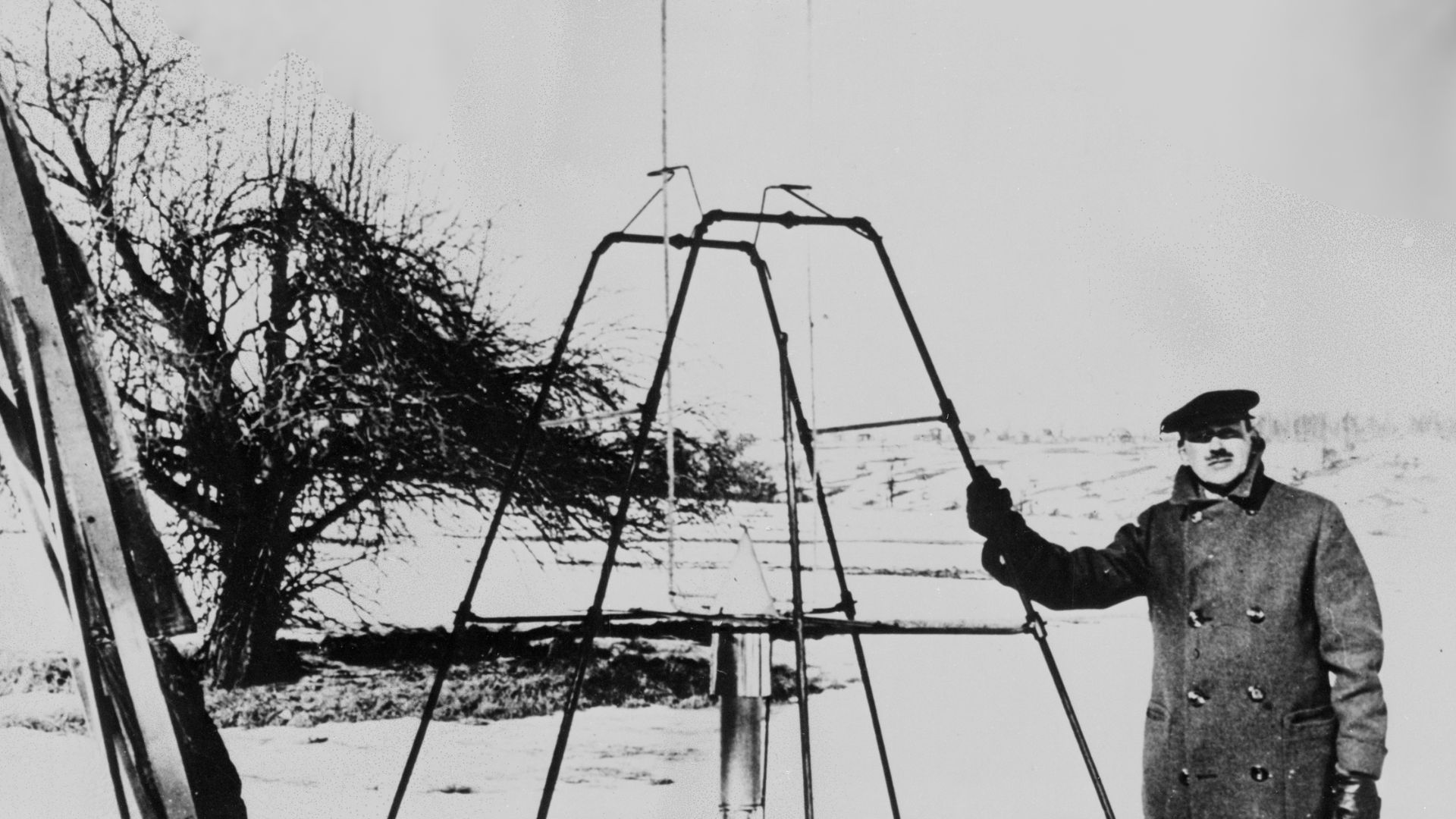
Robert Goddard Said Rockets Could Reach Space
Physicist Robert Goddard spent years working on high-altitude rockets and the mathematics of spaceflight. In a 1920 Smithsonian publication, he discussed multistage rockets and even considered how a projectile might reach the Moon. He also understood that rockets could operate in a vacuum, a principle central to later space exploration.
 NASA Marshall Space Flight Center, Wikimedia Commons
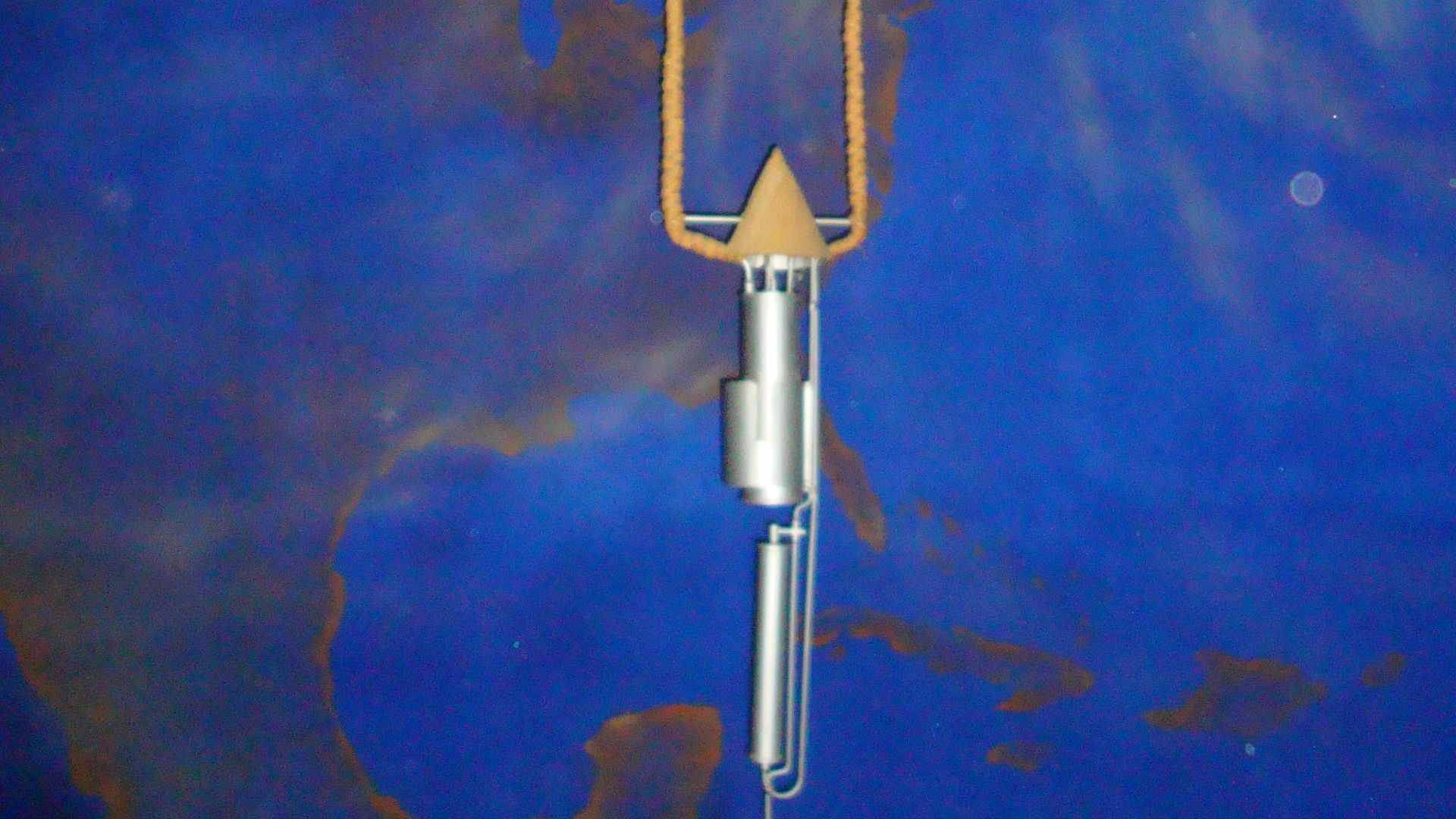
One Newspaper Thought He Needed High School Physics
The New York Times famously mocked Goddard's ideas in a 1920 editorial. The paper argued incorrectly that a rocket would need something in the surrounding atmosphere to push against and suggested that Goddard lacked basic scientific knowledge. Goddard became the target of jokes and sensational headlines despite having already tested his ideas mathematically.
 EvanCarroll, Wikimedia Commons
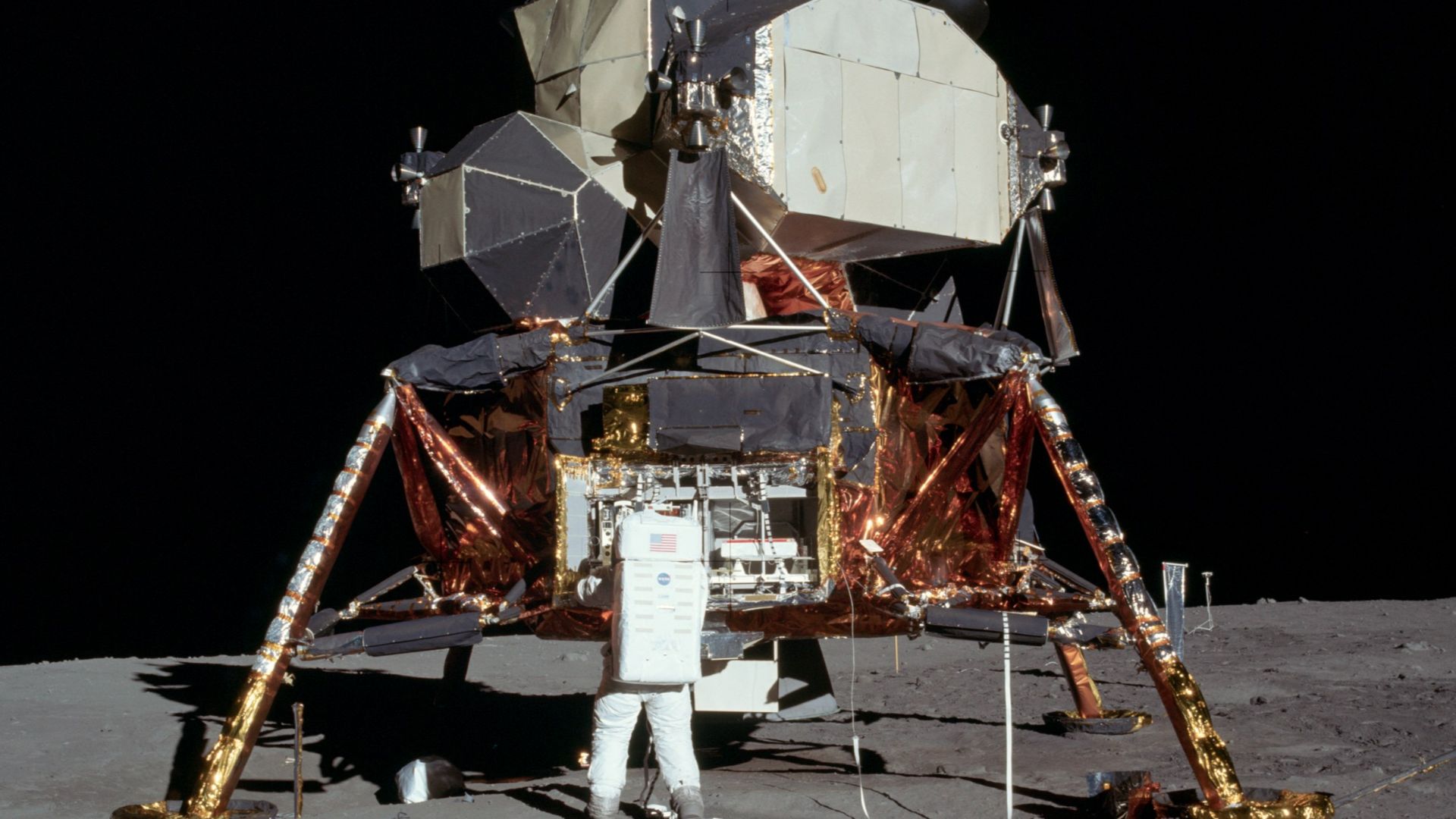
The Times Apologized While Apollo 11 Flew To The Moon
Goddard launched the world's first successful liquid-fueled rocket in 1926 and continued refining rocket technology for decades. His work helped establish principles that became fundamental to modern rocketry. In July 1969, while Apollo 11 was traveling toward the Moon, the New York Times published a correction acknowledging that rockets can indeed function in a vacuum.
 Neil Armstrong, Wikimedia Commons
James Dyson Got Sick Of Vacuum Bags
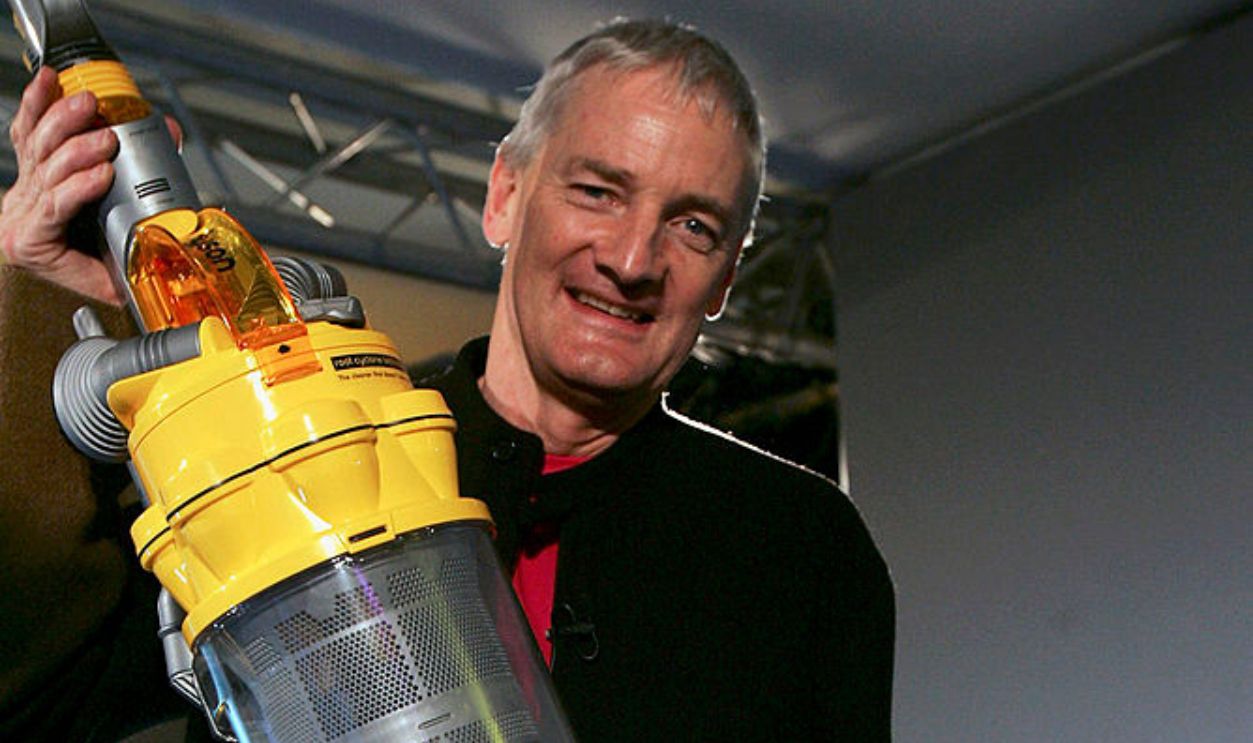
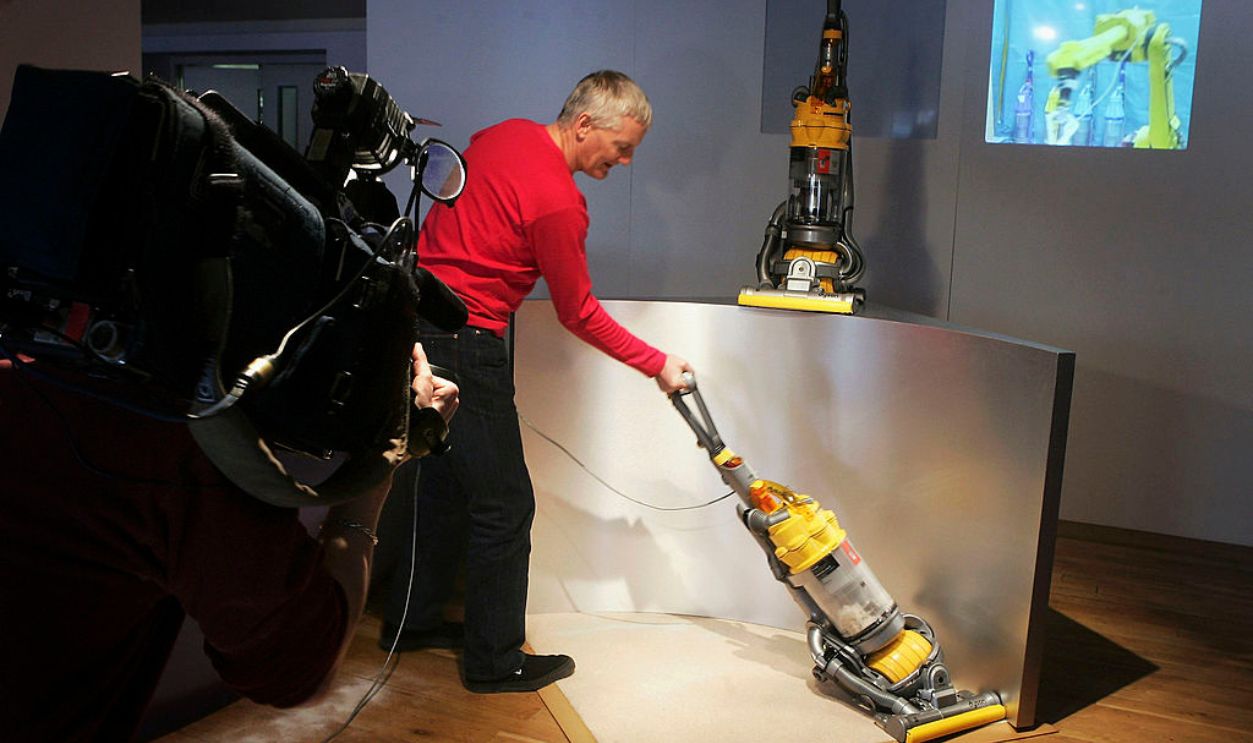
James Dyson became frustrated when his expensive vacuum cleaner lost suction as its bag filled with dust. Inspired by industrial cyclone separators, he began developing a vacuum that separated dust from air without a disposable bag. Dyson says the process required 5,127 prototypes before he reached a design he considered ready.
Manufacturers Had A Profitable Reason To Say No
Dyson attempted to license his cyclonic vacuum technology to established manufacturers. According to the company's historical account, major manufacturers rejected the idea partly because replacement vacuum bags represented a lucrative continuing source of revenue. A machine that eliminated the bag also threatened the business model surrounding the cleaner.

Dyson Eventually Became The Manufacturer
After failing to secure the licensing deal he wanted, Dyson pursued production through other routes and eventually built his own company. The DC01 launched in Britain in 1993, and Dyson says it became the country's bestselling vacuum cleaner within a relatively short period. Bagless cyclonic vacuums later became common across the industry that had initially rejected the concept.
Kodak Invented Its Own Greatest Threat
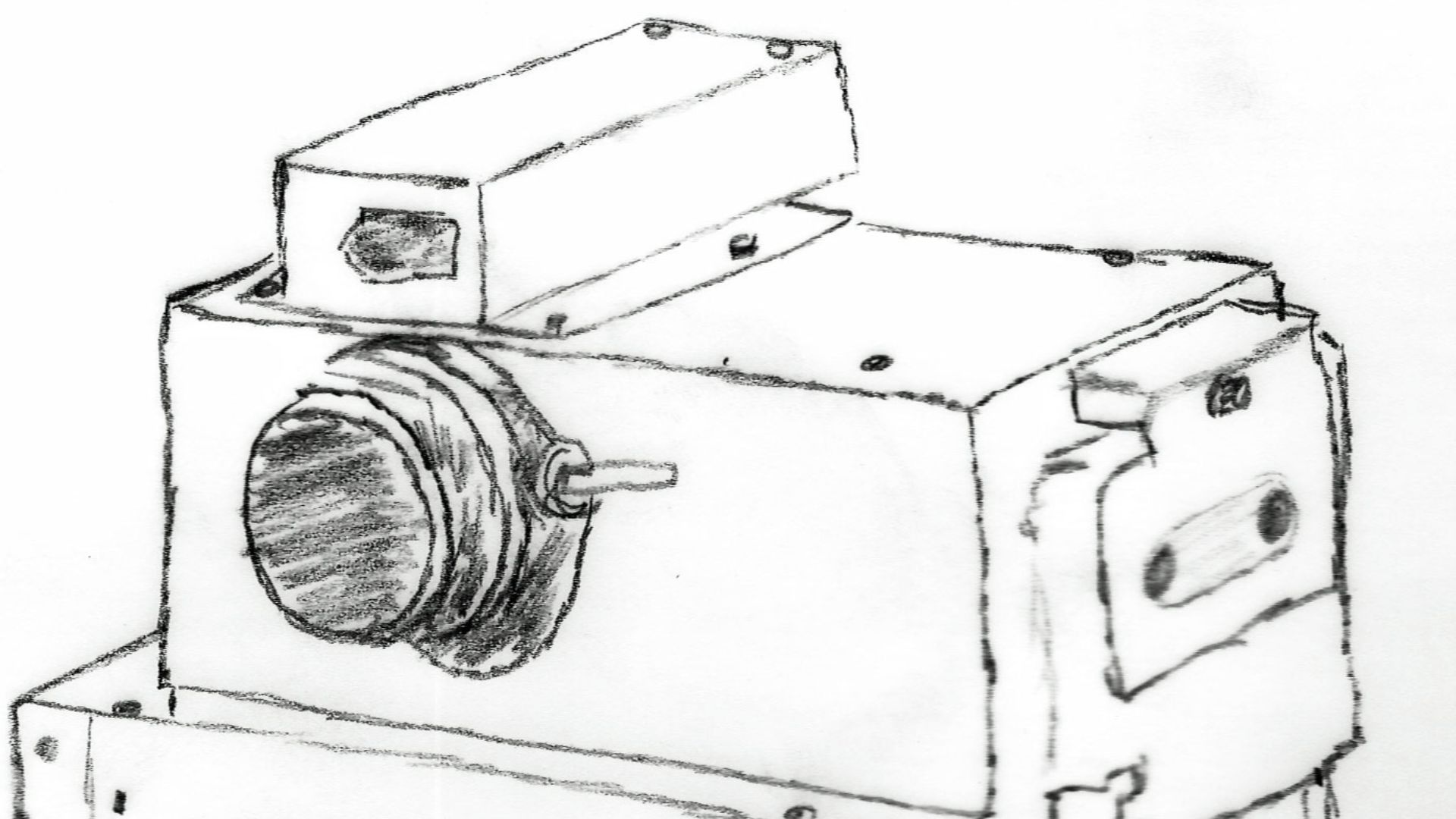
Kodak engineer Steven Sasson began experimenting with charge-coupled devices during the 1970s. In 1975, he built the first self-contained digital camera, a bulky prototype that recorded electronic images rather than exposing photographic film. The invention came from inside a company whose enormous business depended heavily on selling film and processing supplies.
 Bertrand Labévue, Wikimedia Commons
Kodak Had Billions Of Reasons To Love Film
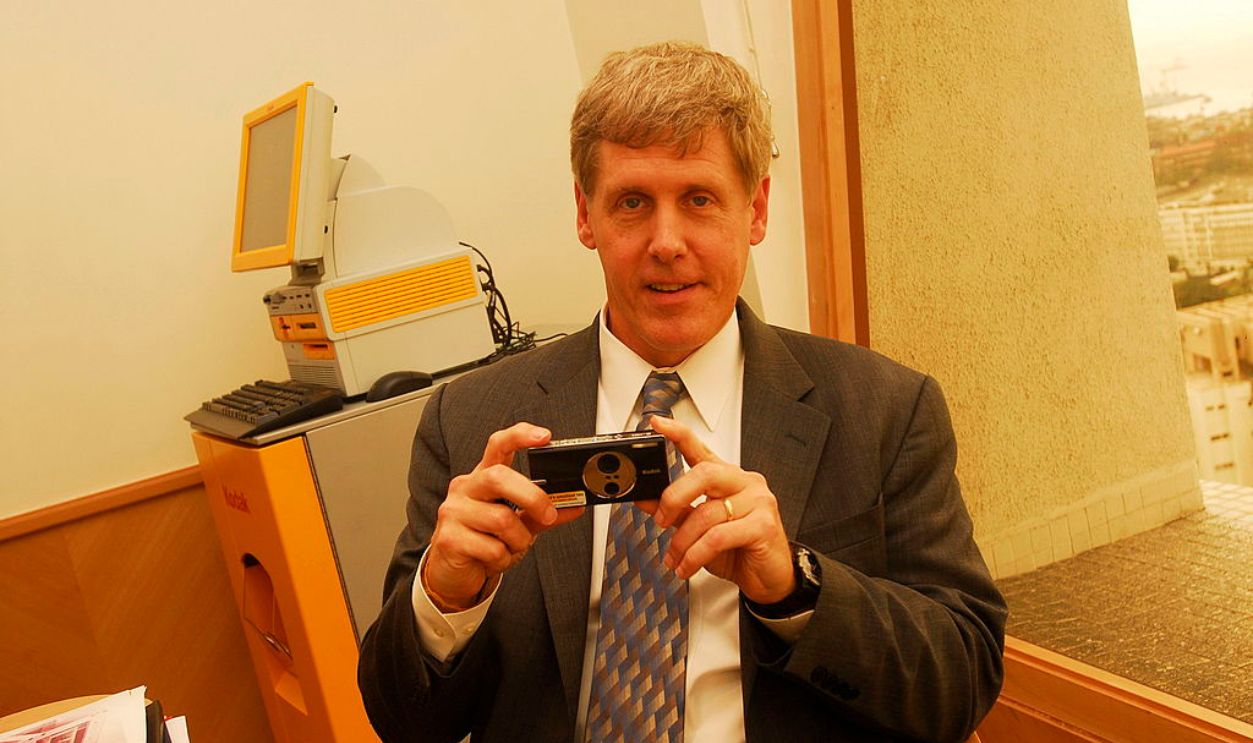
Sasson continued developing digital photography inside Kodak, eventually working with Robert Hills on a self-contained digital SLR camera in 1989. According to the National Inventors Hall of Fame, Kodak declined to sell that camera because it wanted to protect its film business. The technology threatened the same profitable ecosystem that had made Kodak dominant.

The Future Arrived Anyway
Digital photography eventually overwhelmed film in the mass consumer market. Kodak earned significant revenue from digital patents but moved slowly enough that the company entered bankruptcy protection in 2012. Sasson's prototype, once potentially disruptive to Kodak's core business, is now recognized as a landmark in the transition to digital imaging.
 The India Today Group, Getty Images
A Supermarket Dean Rejected The Barcode Problem
In 1948, graduate student Bernard Silver overheard a supermarket executive asking Drexel Institute's engineering department for a way to identify products automatically at checkout. The dean rejected the request, but Silver told fellow student Joseph Woodland about it. Woodland became so interested that he left graduate school temporarily to work on the problem.

Woodland Drew The Future In Beach Sand
While thinking about Morse code on a Florida beach, Woodland pulled his fingers through the sand and realized that dots and dashes could become lines of different widths. He and Silver developed an optically readable code and filed for a patent in 1949. Their technology was so far ahead of available scanners and computers that practical adoption remained decades away.
 barcoderobot.com, Wikimedia Commons
Manufacturers Eventually Had To Put It On Everything
Even once scanning technology improved, manufacturers resisted a universal product code because adopting it meant changing their existing identification and packaging systems. Cardboard makers worried about printed symbols, while canners objected to proposed placement requirements. The first UPC was finally scanned in a supermarket in 1974, and barcode systems went on to become fundamental to retail, shipping, inventory management, hospitals, and manufacturing.

You May Also Like:
Accidental Inventions That Changed Our Lives Forever
The Most Important Inventions Of The 21st Century So Far
Historical Geniuses Who Were Complete Disasters Outside Their Field
Sources: 1, 2, 3, 4, 5, 6, 7, 8, 9, 10, 11, 12, 13, 14, 15, 16, 17, 18, 19, 20, 21, 22, 23, 24, 25, 26, 27, 28, 29, 30, 31, 32









_(14756495675).jpg)
.jpg)


